There is no shortage of cheap MIG welders right now, and that is exactly why picking one is so hard. Ten machines in this roundup all claim 3-in-1 capability, all list synergic control, and all list at least 135 amps of output, yet the difference between the best and worst of them is roughly 300 dollars and a full step in wire feed quality. After spending weeks reading owner feedback on all ten of the best MIG welders under 500 dollars currently on the market, the YESWELDER 135A came out on top for the simple reason that it has the largest installed base of real users at 2985 reviews, ships with two wire sizes in the box, and carries full over-current, over-load and over-heat protection.
A fair warning before we start. We did not weld for a month on every one of these machines side by side, and we will not pretend otherwise. What we did do was work through the aggregated owner feedback for each unit, compare the published specifications against each other, and sort out where the marketing language and the measured reality diverge. Prices in this tier move constantly, so treat the ratings and review counts here as durable and treat any price you see as temporary.
What this roundup covers is the affordable end of the MIG market: inverter machines in the 130A to 250A class that plug into a normal household outlet. We looked hard at four things, because they are the four things that decide whether a budget welder lasts. Those are wire feed consistency, thermal protection, real output versus advertised output, and what is actually inside the box when it arrives. If you are still choosing processes rather than machines, our beginner MIG welder guide covers the fundamentals first.
Table of Contents
- Top 3 Picks for the Best MIG Welders Under 500 Dollars in 2026
- Quick Overview: Best MIG Welders Under $500 (October 2026)
- 1. YESWELDER 135A – Best Overall and Most Reviewed
- 2. ARCCAPTAIN 130A – Best Rated in the Set
- 3. HITBOX 200A – Dual Voltage on the Cheapest End
- 4. AZZUNO 130A – Best Value for Thin Sheet
- 5. GZ GUOZHI 140A – Best for Weak Power and Cold Weather
- 6. Bestarc 145A – Best for Gas MIG and Solid Wire
- 7. SSimder 140A – Best for Ultra Portability
- 8. ANDELI 135A – Best for Pulse Flux Core Control
- 9. BESTMIG 135A – Best Complete Starter Kit
- 10. FEMEROL 250A – Best for Aluminum and Spot Welding
- MIG Welder Buying Guide: What to Look For Under 500 Dollars
- Frequently Asked Questions
- What is a good affordable MIG welder?
- What is the best brand of MIG welder?
- What’s the best MIG welder at Harbor Freight?
- Which MIG welder is the best?
- Do I need 220V for serious welding work?
- What’s the difference between MIG and flux core welding?
- Can a machine in this price range weld aluminum?
- Is synergic control worth paying extra for?
- Conclusion: Our Final Verdict on the Best MIG Welders Under 500 Dollars
Top 3 Picks for the Best MIG Welders Under 500 Dollars in 2026
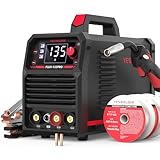
YESWELDER 135A
- 135A on 110V
- welds mild steel to 3/32 inch
- synergic with plus or minus 3V trim
- .030 and .035 wire in the box
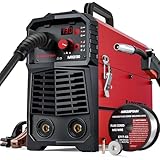

Bestarc 145A
- 4-in-1 including true gas MIG
- 110/220V auto-detect
- ER70S-6 and E71T-GS wire
- 13.7 lb
Quick Overview: Best MIG Welders Under $500 (October 2026)
Every machine below runs on a standard 120V household outlet unless noted, and all of them are gasless flux core machines first. The two exceptions are worth reading twice. The Bestarc 145A and the FEMEROL 250A accept shielding gas for solid wire MIG, and the FEMEROL is the only one in the set that will run aluminum wire. Weight figures come from the manufacturer listings and vary slightly depending on whether leads are included.
| Product | Specs | Action |
|---|---|---|
| YESWELDER 135A |
|
Check Latest Price |
| ARCCAPTAIN 130A |
|
Check Latest Price |
 HITBOX 200A HITBOX 200A |
|
Check Latest Price |
 AZZUNO 130A AZZUNO 130A |
|
Check Latest Price |
 GZ GUOZHI 140A GZ GUOZHI 140A |
|
Check Latest Price |
| Bestarc 145A |
|
Check Latest Price |
 SSimder 140A SSimder 140A |
|
Check Latest Price |
 ANDELI 135A ANDELI 135A |
|
Check Latest Price |
 BESTMIG 135A BESTMIG 135A |
|
Check Latest Price |
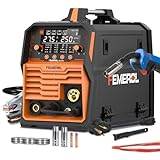 FEMEROL 250A FEMEROL 250A |
|
Check Latest Price |
1. YESWELDER 135A – Best Overall and Most Reviewed
YESWELDER 135A MIG Welder, 110V Flux Core Gasless MIG/Lift TIG/Stick 3-in-1
135A at 110V
Welds mild steel to 3/32 inch
16.98 lb
Over-current and over-heat protection
Pros
- Largest owner base in this set at 2985 reviews
- Synergic auto-voltage with plus or minus 3V trim
- Includes .030 and .035 flux core wire plus torch stinger and ground clamp
- LED display with real-time current readout
- Over-current over-load and over-heat safeguards
Cons
- DC only so no aluminum or AC capability
- Stick amperage display reads roughly 10 to 15 amps high
- Synergic lock in flux core mode with no manual voltage override
This is the machine I keep coming back to, and the reason is the size of its owner base rather than any single spec. With 2985 reviews the feedback pool is large enough that the pattern is hard to argue with. Owners describe clean, low-sputter flux core beads on exhaust work, hangers and general household steel, and the rating distribution leans heavily toward five stars.
For a first welder it is unusually forgiving. The synergic mode sets voltage to match wire feed speed, and the plus or minus 3V trim lets you dial in spatter control without leaving the setting. If you have ever fought a machine that only welded one way, that trim is worth more than it looks on a spec sheet.
The 135A ceiling is real and it matters. At 110V the machine welds mild steel to about 3/32 inch, which covers 24-gauge sheet through most 1/8 inch work but not much beyond it. Thick plate means multiple passes, and that is a physical limit of the power available rather than a flaw in the design.
Worth knowing before you order: the box holds a MIG torch, electrode holder, ground clamp and both .030 and .035 flux core wire, but the Lift TIG torch is sold separately. The spool holder and wire tensioner are inexpensive parts that still do their job, and a small number of owners reported a loose or missing power switch on arrival. Check it in the first ten minutes.
Who the YESWELDER 135A suits
This suits a beginner who wants to learn on something that will not punish small mistakes, and it suits anyone doing auto body patching, exhaust repair or light fabrication on mild steel. Because the machine is DC only with no AC capability, aluminum work is off the table entirely.
If your projects are mostly hookups to a 120V outlet, this is the pick. Forum owners on r/Welding and r/metalworking running farm and outdoor repair work report this class of machine holding up on ordinary household circuits, provided expectations on thickness are realistic. Our flux core welder guide for auto body work goes deeper on the technique side.
Who should buy something else
Buy elsewhere if you need to weld aluminum, stainless with TIG, or plate thicker than 3/16 inch without multiple passes. The DC-only output also rules out any TIG work that depends on AC for aluminum or clean control of thin stainless.
Experienced users are consistent on one point: this is a capable entry machine, not a production unit. If you plan to weld daily for hours, buy a machine with a real duty cycle rating rather than the largest headline amp number.
2. ARCCAPTAIN 130A – Best Rated in the Set
ARCCAPTAIN 130A Flux Core Welder MIG Welder 110V Gasless MIG Stick Lift TIG
130A at 110V
Synergic with 10-speed wire feed
11.79 lb
Two-year warranty
Pros
- Highest average rating in this roundup at 4.6 across 1831 reviews
- Synergic setup approachable for first-time welders
- Weighs 11.79 lb and works with a shoulder strap
- Torch ground clamp electrode holder 2 lb wire and two contact tips included
- Two-year manufacturer warranty
Cons
- Lift TIG requires a separately purchased torch
- 110V only with no 220V option
- DC only so no aluminum capability
Eight out of ten owners rate this five stars, which makes it the highest-rated machine we looked at. The spec sheet is not exciting on its own: 130A output, 110V input, three processes. What matters is how quickly a beginner gets a decent bead out of it, and that is where the synergic control with 10-speed wire feed adjustment earns its place.
At 11.79 lb it is one of the lighter units here, and the handle or shoulder strap makes it easy to move between a garage bench and a truck bed. If your work is scattered around a property rather than parked in one shop, that portability is a genuine advantage rather than a rounding error.
The accessory package is unusually complete for this tier. The box contains the MIG torch, ground clamp, electrode holder, 2 lb of flux core wire and two contact tips, so you can pull a bead the same afternoon you open it. That matters more than it sounds for anyone who has ordered a bare machine and then waited a week for parts.
The two-year manufacturer warranty is also a quiet quality signal. At this price a one-year warranty is common, and a two-year term usually means the maker expects the unit to survive first contact with a real shop. Over-current, over-load and overheat protection are all present, which matters for a machine that will live in a hot garage.
Who the ARCCAPTAIN 130A suits
This is the best fit for a complete beginner in a single-family garage. It is ready to weld out of the box, it is light enough to carry, and the feedback pattern is overwhelmingly about easy first setups rather than anything exotic.
It also suits households doing recurring small repairs. Furniture frames, gate hinges, brackets and light automotive work all fall inside what 130A on a household circuit handles comfortably, provided the material stays in the thin-to-medium range.
Who should buy something else
Skip it if your garage has a 220V circuit you could use. A 110V-only machine turns available power into a hard ceiling, and a dual-voltage model will give you noticeably more working range on the same stock.
Anyone planning aluminum work should look elsewhere, because the output is DC only. And if your projects involve 3/16 inch plate or heavier, understand that you are looking at multiple passes rather than a single clean cut-in.
3. HITBOX 200A – Dual Voltage on the Cheapest End
HITBOX 200A MIG Welder, 110V/220V Flux Core MIG/Lift TIG/Stick 3-in-1
200A inverter output
110V and 220V dual input
Welds mild steel to 4.0mm
6.6 lb
Pros
- Dual voltage gives usable output on both 110V and 220V
- Very light at 6.6 lb with a built-in carrying handle
- Quiet operation and clean welds with little spatter
- Simple readable display with basic dials for fine tuning
- Full suite of over-current overload over-voltage and overheat protection
Cons
- Only holds a 2 lb wire spool
- Instructions are hard to follow or incomplete
- Ground clamp is soft metal and warps quickly
The headline on this one is 200 amps of inverter output for a fraction of what comparable machines cost, plus 110V and 220V dual voltage input. That combination is unusual in the cheapest tier, and it means the same machine works in a small garage today and in a shop with a proper circuit later.
Owners describe it as quiet and capable on light-gauge steel with clean welds and little spatter. At roughly 7 kg you can carry it with one hand, which makes it a natural choice for farm and property repair work where the machine lives in a truck more than it lives on a bench.
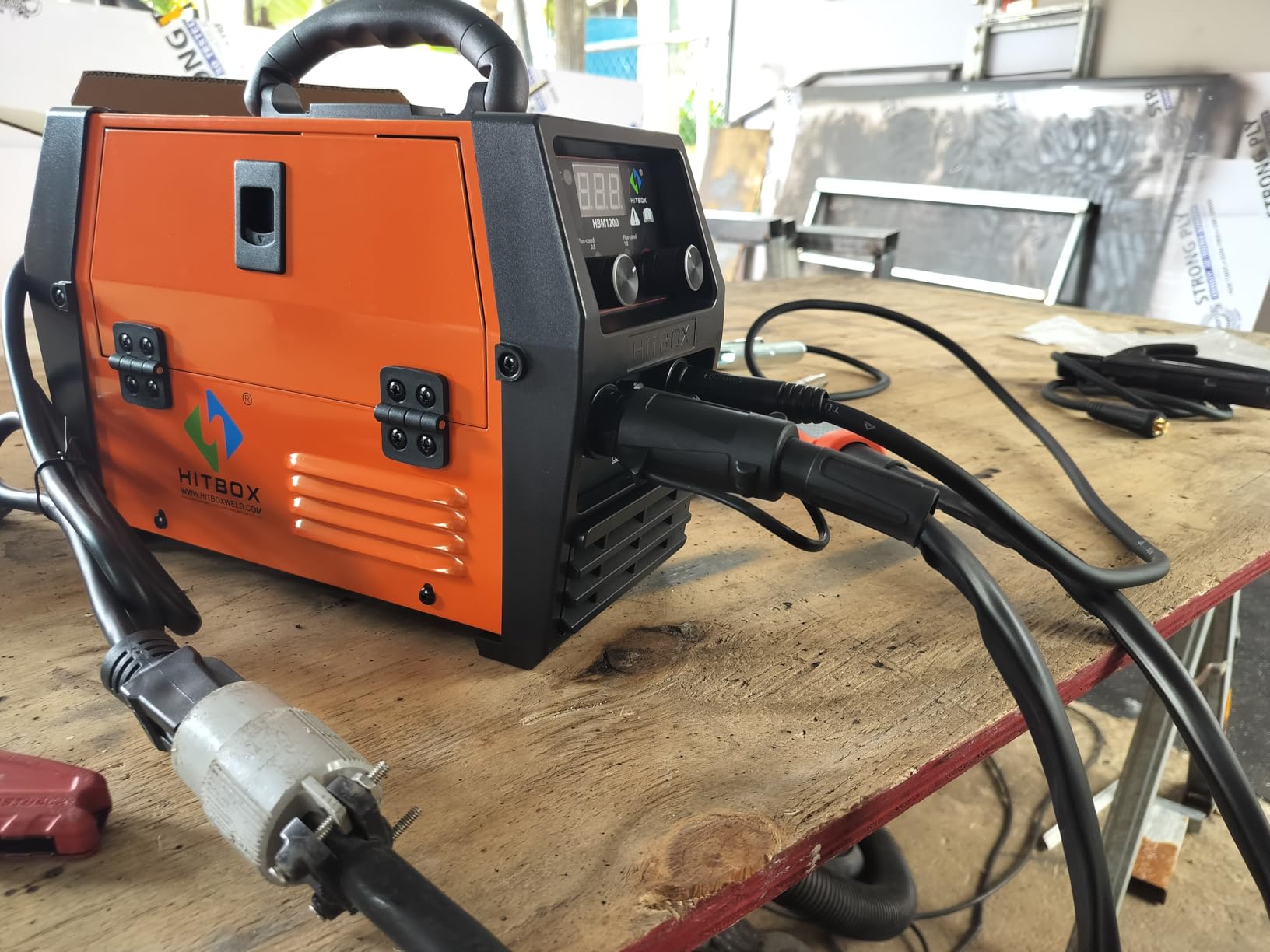
Its limits are structural rather than electrical. The spool holder takes a 2 lb roll only, so you will buy wire more often than you would with a machine that accepts larger spools. For occasional work that is fine. For someone welding every weekend it becomes a recurring irritation.
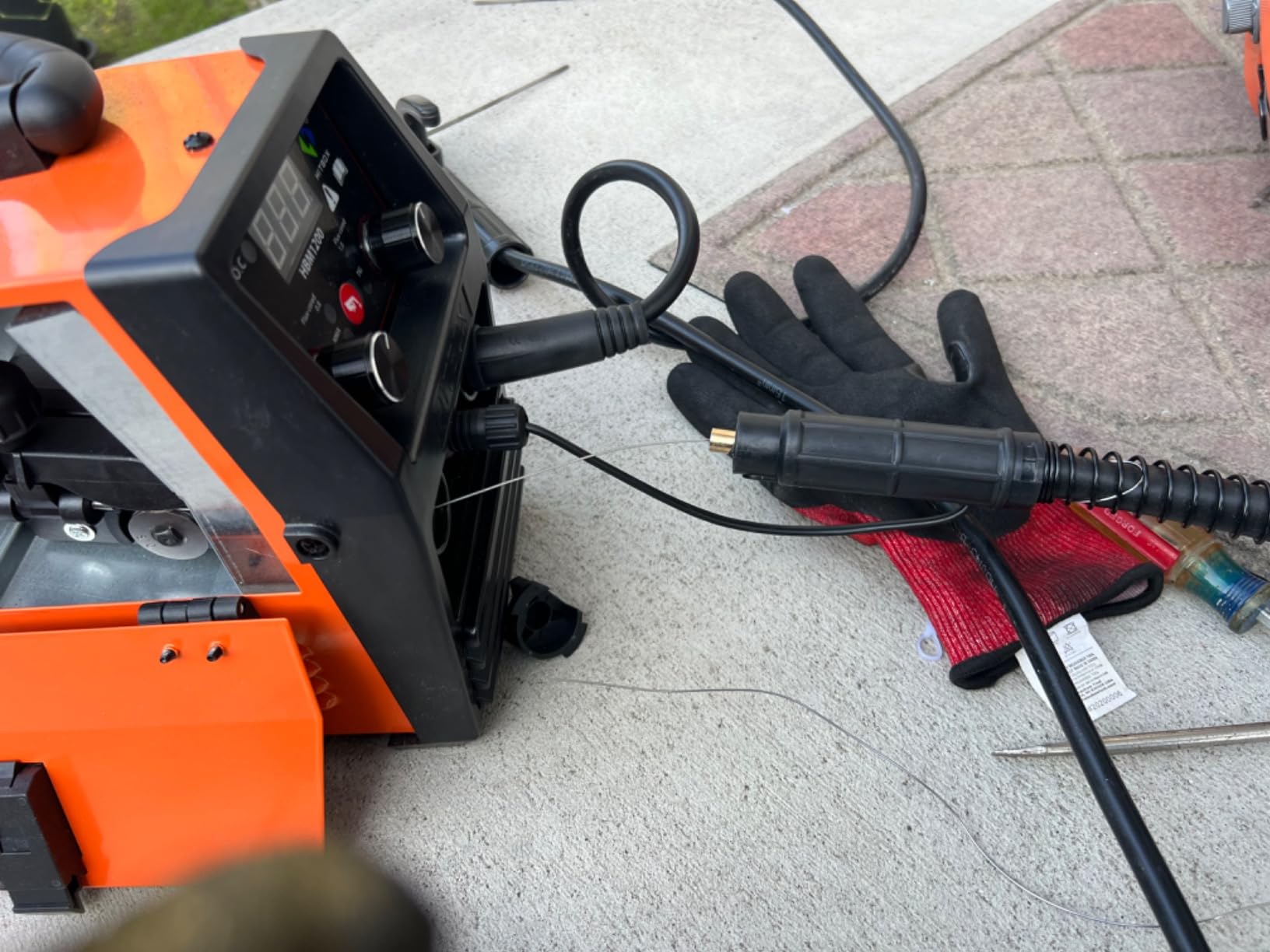
Two honesty notes from the reviews. The documentation is thin, so plan on watching a setup video before your first weld rather than expecting the manual to walk you through it. And the supplied ground clamp uses soft metal that warps quickly, which is worth replacing early since a poor ground connection is the most common cause of erratic arc behavior.
Who the HITBOX 200A suits
This suits someone in a rural or farm setting where a 220V outlet may not exist in the outbuilding but a 120V circuit does, and where weight matters more than features. The dual voltage input means the machine grows with your setup rather than limiting it.
It also suits a learner who wants more headroom than a 130A machine gives without stepping up to a full-size welder. The 200A inverter output means thicker steel stays within reach, up to about 4.0mm of mild steel on the manufacturer spec.
Who should buy something else
Do not choose it if documentation quality matters to you, or if you plan to run heavy consumable use on a 2 lb spool. Reviewers also note that actual amperage on some units runs 20 to 30 percent below what the display shows, so do not set your expectations from the panel alone.
There is no hot start and electrode compatibility on stick mode is limited. If you plan to do meaningful stick welding alongside MIG, pick a machine that treats that as a first-class process.
4. AZZUNO 130A – Best Value for Thin Sheet
AZZUNO MIG Welder,Flux Core Welder Machine 110V 130Amp, Gasless MIG Welding Machine IGBT Inverter Welder Portable Wire Feed Welder (110V)
130A IGBT inverter
Mild steel to 3.0mm
11.98 lb
One-year warranty
Pros
- Complete accessory package including torch ground clamp brush hammer and wire
- Synergic control simplifies voltage and wire speed for beginners
- Compact body with a comfortable hand grip
- Handles 2.2 lb rolls of wire
- Overload and overheating protection included
Cons
- 110V DC only operation
- Limited to mild steel of about 3.0mm or thinner
- Only a one-year manufacturer warranty
This is the lowest-cost machine in the roundup that still arrives with a genuinely complete box. Torch, ground clamp, brush and chipping hammer, 1 lb of .030 flux core wire and two contact tips are all included, so the total cost of getting your first weld on a piece of steel is about what the machine costs.
The synergic control adjusts voltage and wire feed together with amperage, which is the single feature that makes a cheap inverter usable for a learner. Dedicated voltage and wire speed knobs let you override it when you need to. At 890 reviews the owner feedback is consistent and mostly positive about exactly that combination.
The honest boundary here is material thickness. Mild steel up to about 3.0mm is the stated capability, which in plain terms covers 24-gauge sheet and light-gauge work. That is fine for ductwork, brackets, small repairs and hobby fabrication. It is not the machine for a trailer frame or a steel table base.
The one-year manufacturer warranty is the shortest in this set. That is not automatically a dealbreaker, but it is the clearest signal that this sits at the entry end of the range rather than the middle of it.
Who the AZZUNO 130A suits
This suits a hobbyist who wants to learn gasless MIG on a strict budget and works exclusively on thin material. Sheet metal, light brackets, fencing hardware and small household repairs are all inside its comfort zone.
It is a good fit for a teenager or a spare-room workshop where the priority is getting familiar with wire feed and arc control at minimal cost. The complete accessory kit removes the most common early frustration of a first setup.
Who should buy something else
Anyone working in thicker mild steel, anyone with access to a 220V circuit, and anyone whose projects involve aluminum should move up a tier. The 110V DC only design is a hard ceiling rather than a temporary limitation.
If your shop work is going to grow within a year, consider how long it takes to outgrow a machine rated to 3.0mm. Owners consistently describe it as a capable starter and equally consistently describe the limit as the defining constraint.
5. GZ GUOZHI 140A – Best for Weak Power and Cold Weather
GZ GUOZHI 140A MIG Welder,3-in-1 MIG Welder with FLUX MIG/ARC/Lift TIG Multi-Process,110V Welding Machine,110V Flux Core Welder with Welding Gun(black)
140A three process
90V to 140V wide input
Rated to minus 15C
14.1 lb
Pros
- Wide 90V to 140V input keeps the arc stable when power fluctuates
- Rated for operation down to minus 15C
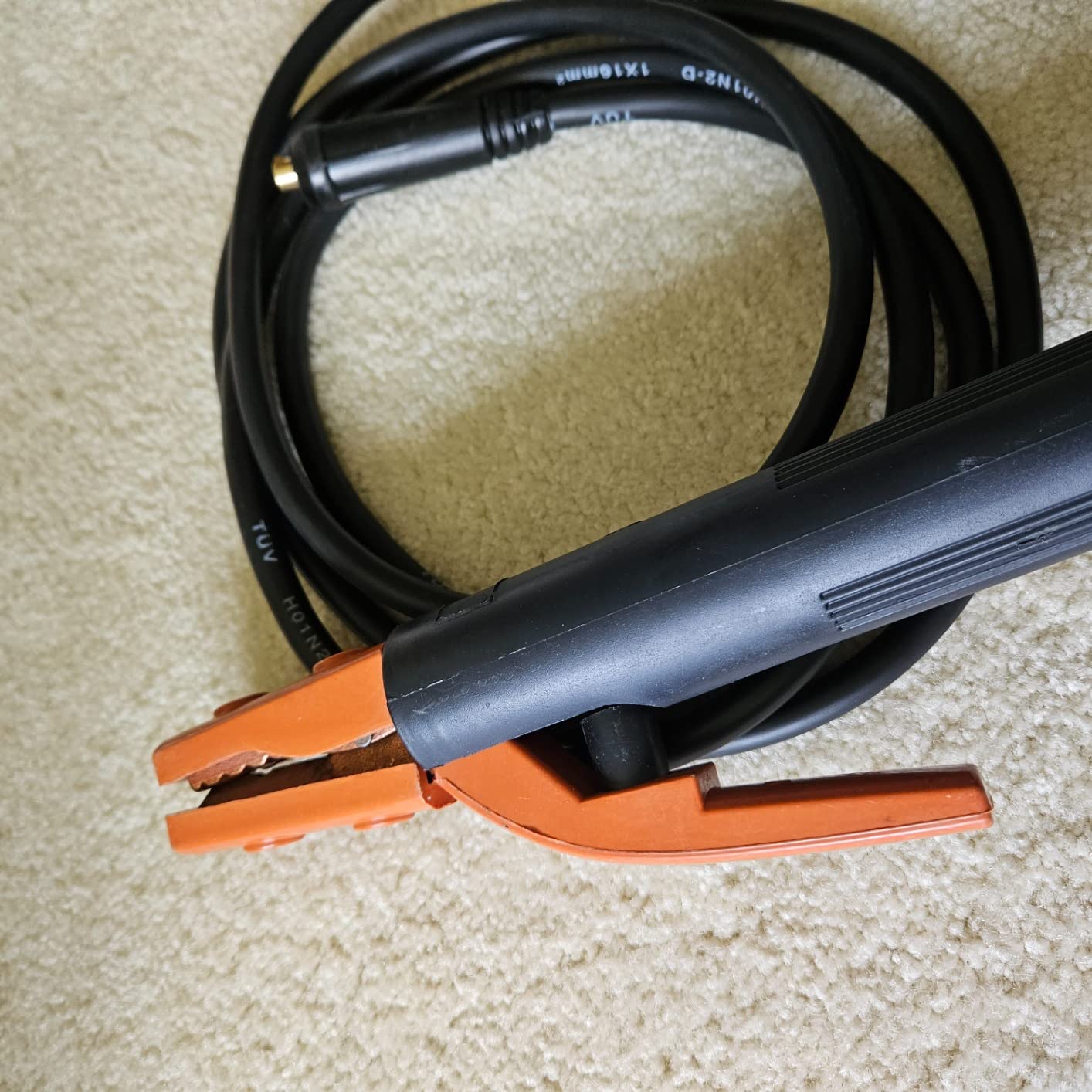
- Includes a 500A electrode holder 500A ground clamp and MIG torch
- Synergic auto-matching with manual mode for fine tuning
- Accepts 2 lb spools of .030 and .035 wire
Cons
- Lowest average rating in this set at 4.3
- Only holds 2 lb flux core spools
- Some splatter reported on flux core beads
Almost every budget welder is sold on amperage, and almost none are sold on how they behave when the power is bad. This one is specified for a 90V to 140V input range, which is a different kind of promise. It means the machine is designed to keep working through voltage sag rather than browning out when a compressor kicks on or a long extension cord thins the supply.
The other standout spec is the minus 15C operating rating. For anyone welding outdoors in winter or working in an unheated farm building, that number is more relevant than an extra 20 amps of headline capacity.
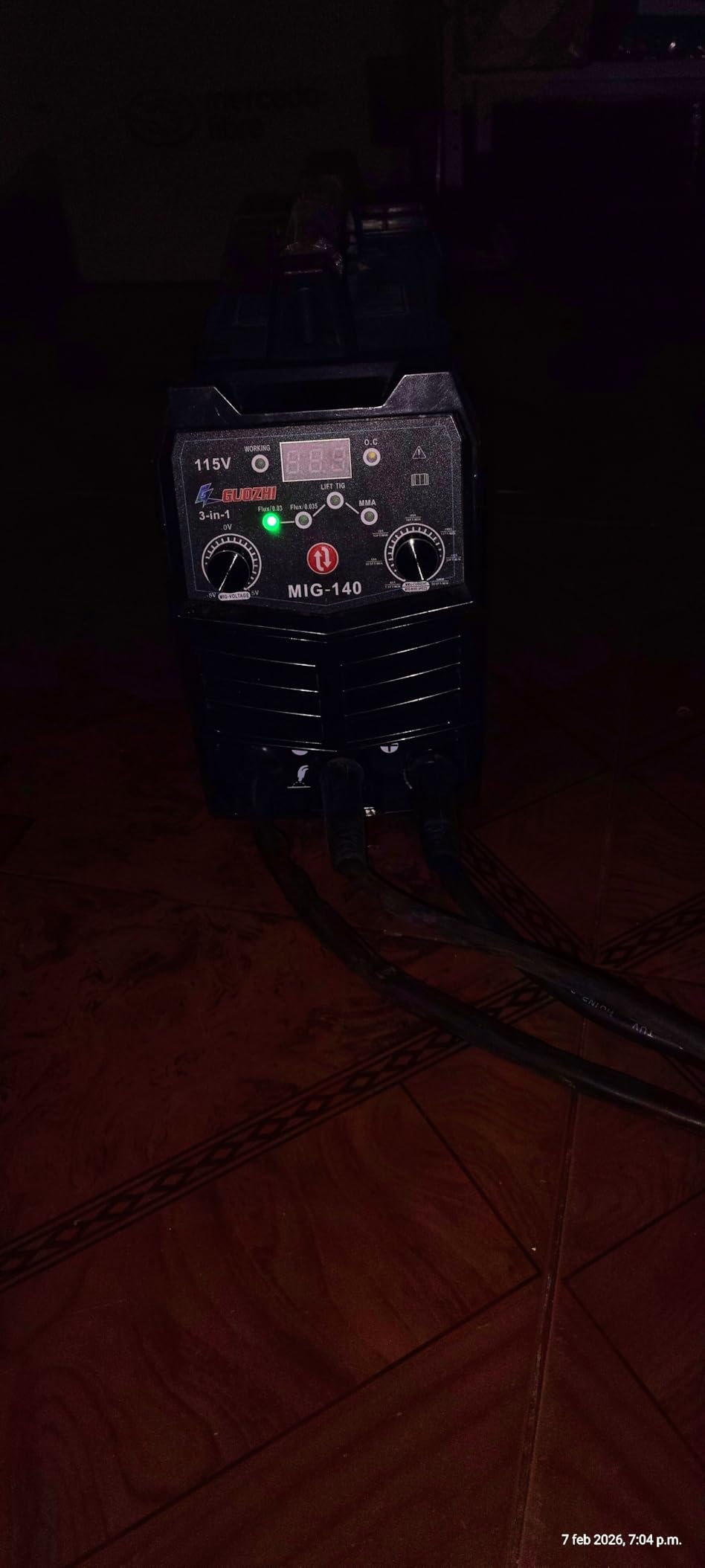
Three processes in one 110V body is a genuine advantage for a hobbyist. Flux core MIG covers general steel, arc mode handles structural work with rods under 1/8 inch, and Lift TIG is available if you buy the torch. Owner feedback on the accessory bundle is favorable, with a 500A electrode holder and ground clamp included.
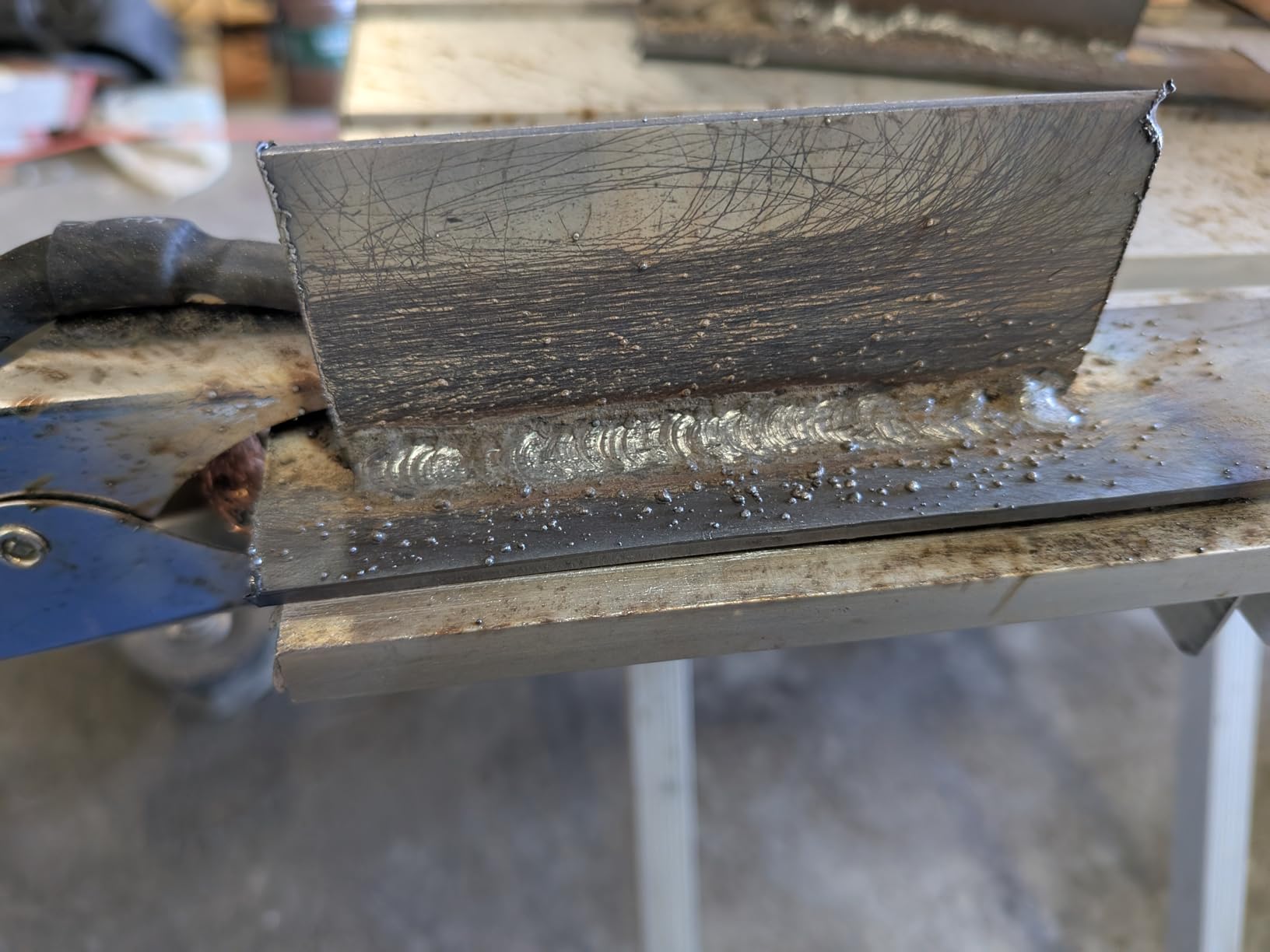
This is also the machine where feedback is most mixed. The 4.3 average is the lowest in the set, and the one-star complaints cluster around arc consistency, spatter and results on thicker stock. That is a fair warning rather than a disqualifier, but it tells you this is a machine for steady work rather than for showing off.
Who the GZ GUOZHI 140A suits
This suits anyone welding outdoors in cold weather or on a long cord run where a conventional machine would struggle. The wide voltage design is not a marketing line here; it is the reason to pick this unit over a similar-priced competitor.
Farm and rural repair owners who have said publicly that they want to avoid the very cheapest tier will find this a reasonable middle ground. It is a real three-process machine rather than a MIG unit with two extra labels.
Who should buy something else
Avoid it if arc consistency on thin material is your top concern. The spatter reports and mixed sentiment suggest spending a little more buys you more predictability, and predictability is what matters most when you are still learning.
Note the 2 lb spool limit and remember that Lift TIG and stainless work both need a torch you purchase separately. The weight of 14.1 lb also makes it the heaviest of the small 140A machines here, which matters if you are hauling it to remote work.
6. Bestarc 145A – Best for Gas MIG and Solid Wire
Bestarc 145A MIG Welder, Flux Core/Gas MIG Stick Lift TIG Welding, 110/220V
145A with true gas MIG
110/220V auto-detect
ER70S-6 and E71T-GS wire
22.6 lb
Pros
- Only machine in this set that runs true gas MIG with solid wire
- 110/220V auto-detect works in garages shops and on RV power
- Large clear LED display with simple mode switching
- Includes a 220V to 110V adapter hose shoulder strap wire and rollers
Cons
- Torch lead is short on early units limiting reach
- Spool tension spring is not adjustable and runs tight
- No gas regulator included and the supplied nozzle is flimsy
Almost everything else in this roundup is a gasless flux core machine. This one is different. It runs true gas MIG with solid wire as well as flux core, plus Lift TIG and stick, which makes it a four-process machine and the most versatile option here if you are willing to buy shielding gas and a regulator.
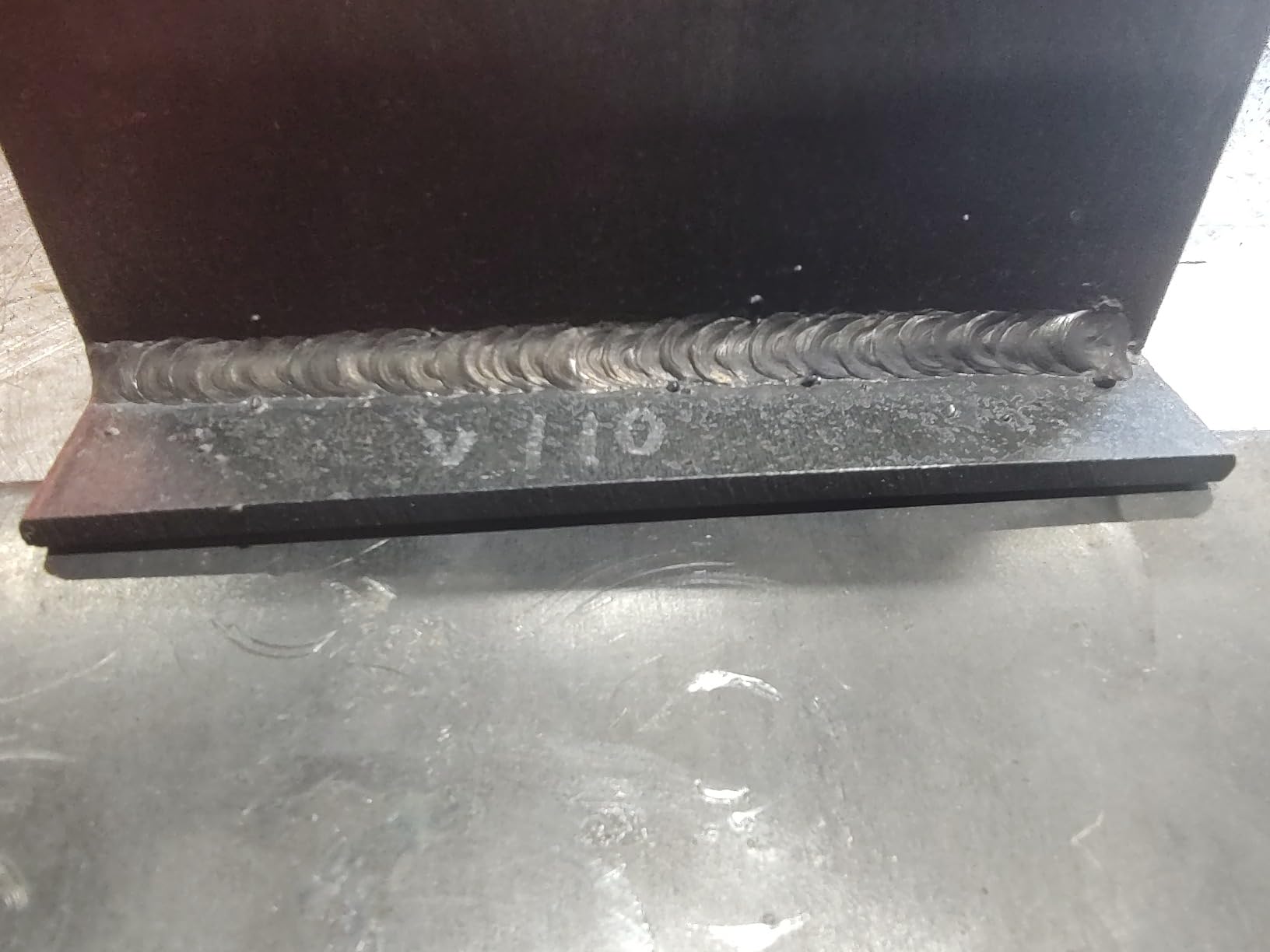
The payoff is bead quality. Solid wire with shielding gas produces cleaner, more consistent results on mild steel and opens the door to stainless work that flux core alone cannot do properly. A 4.6 rating across 680 reviews reflects owners who noticed the difference.
The 110/220V auto-detecting input is the other reason this machine stands apart. It detects the circuit automatically and indicates it on the front panel, so the same unit works in a home garage on 110V and gains output when you move it to a shop with a proper 220V circuit. The included adapter means you can connect to more than one type of outlet.
Two practical notes. The gas regulator is not included, and neither is the shielding gas, so budget for both before your first solid wire weld. Owners also note that early units shipped with a short torch lead, and that the spool tension spring is fixed rather than adjustable. Later production has improved on both, according to owner reports.
Who the Bestarc 145A suits
This suits a serious beginner or a hobbyist moving beyond simple repairs. Once you can afford gas and a regulator, the difference in bead quality versus flux core pays for itself quickly on anything that shows.
It also suits anyone whose workshop power situation is uncertain. The auto-detect dual voltage removes the guesswork from plugging in, and a shoulder strap is included for moving it around.
Who should buy something else
Skip it if you only ever plan to run gasless wire. For pure flux core work the extra processes and the 22.6 lb weight do not earn their cost, and there are lighter machines in this roundup that do the same job.
The weight is the other real drawback. At 22.6 lb it is more than double the lightest unit here, so it is a shop machine rather than a truck-bed machine. If you need gasless aluminum or a spool gun, our multiprocess welder guide covers what to look for above this price band.
7. SSimder 140A – Best for Ultra Portability
SSimder 140A MIG Welder 3 in 1, Dual Voltage Flux Core Lift TIG Stick
140A three process
110V and 220V input
7.7 lb main unit
Two-year warranty
Pros
- Only 7.7 lb so it shelves easily or fits a truck toolbox
- Lift TIG without HF start avoids disrupting WiFi and electronics
- Works well on 110V for auto body and sheet metal work
- Includes a 14AK MIG torch wire spool electrode holder ground clamp and 220V cord
- Two-year warranty that the manufacturer honored with a replacement
Cons
- Manual covers a different model and does not cover setup
- Short power cord and leads force you to work close to the machine
- Does not weld aluminum and does not use shielding gas
At 7.7 lb this is the lightest full three-process machine in the roundup, and that changes what you can do with it. It fits on a shelf, it fits in a truck toolbox, and it moves to a job site without feeling like you are moving a machine. For auto body and sheet metal work spread across different vehicles, that is the feature that matters.
The Lift TIG mode without HF start deserves attention if you work near electronics. Some machines with high-frequency start interfere with WiFi networks and devices in the same shop. This one is specified to avoid that, which is a small detail that solves a real and annoying problem.
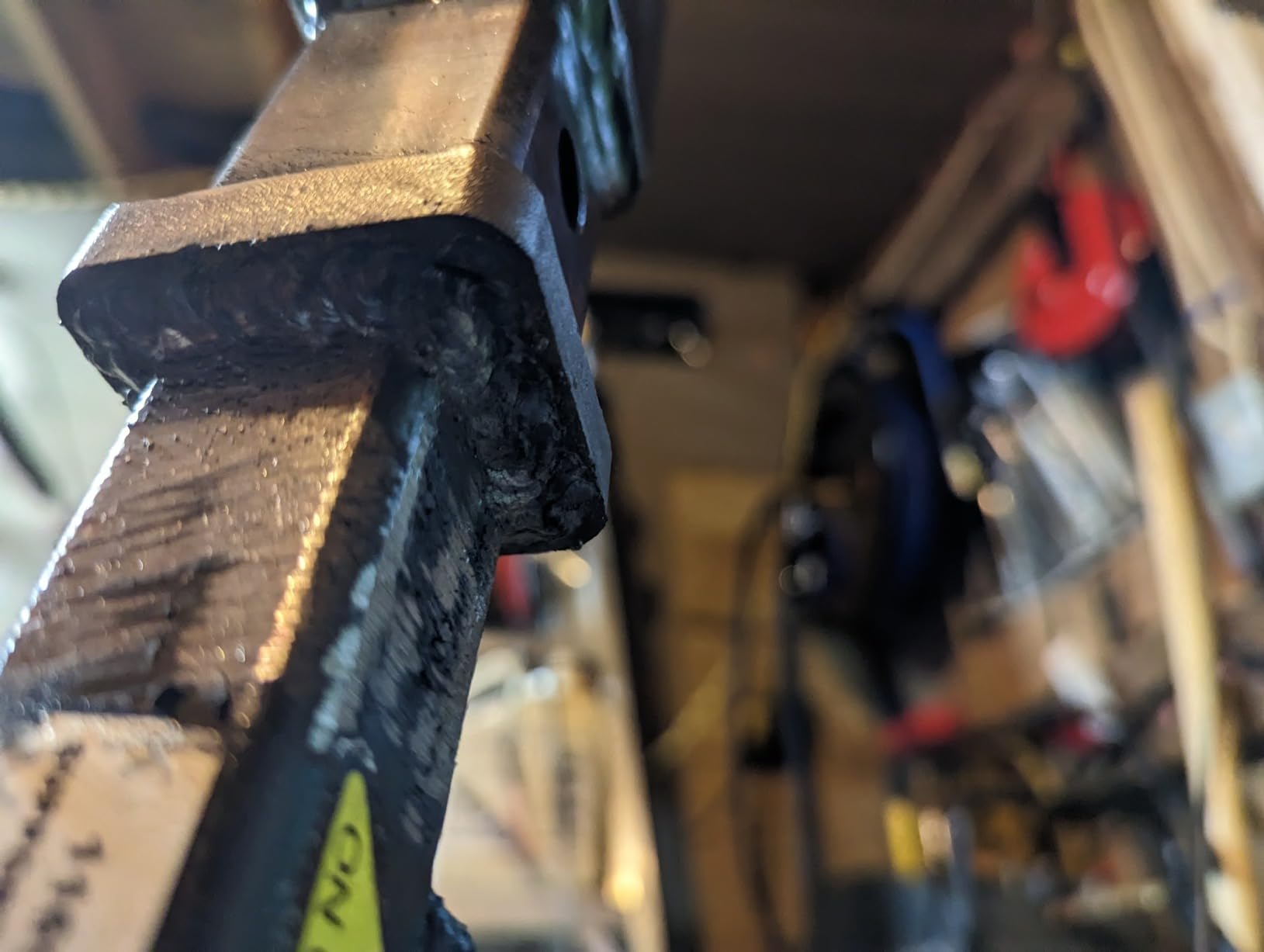
Material compatibility is broader than the flux core label suggests. Owners and the specification list carbon steel, low-alloy steel, stainless, titanium, copper and cast iron. It refills with 0.8mm or 1.0mm self-shielded wire in 1 lb or 2 lb spools.
The practical limitations are real and specific. The manual in the box is for a different model and will not walk you through setup, so find a correct guide before your first session. Switching to stick requires feeding out several feet of wire to free the MIG connection, which is an awkward design choice rather than a defect. The included torch tip is also the wrong size for flux core wire.
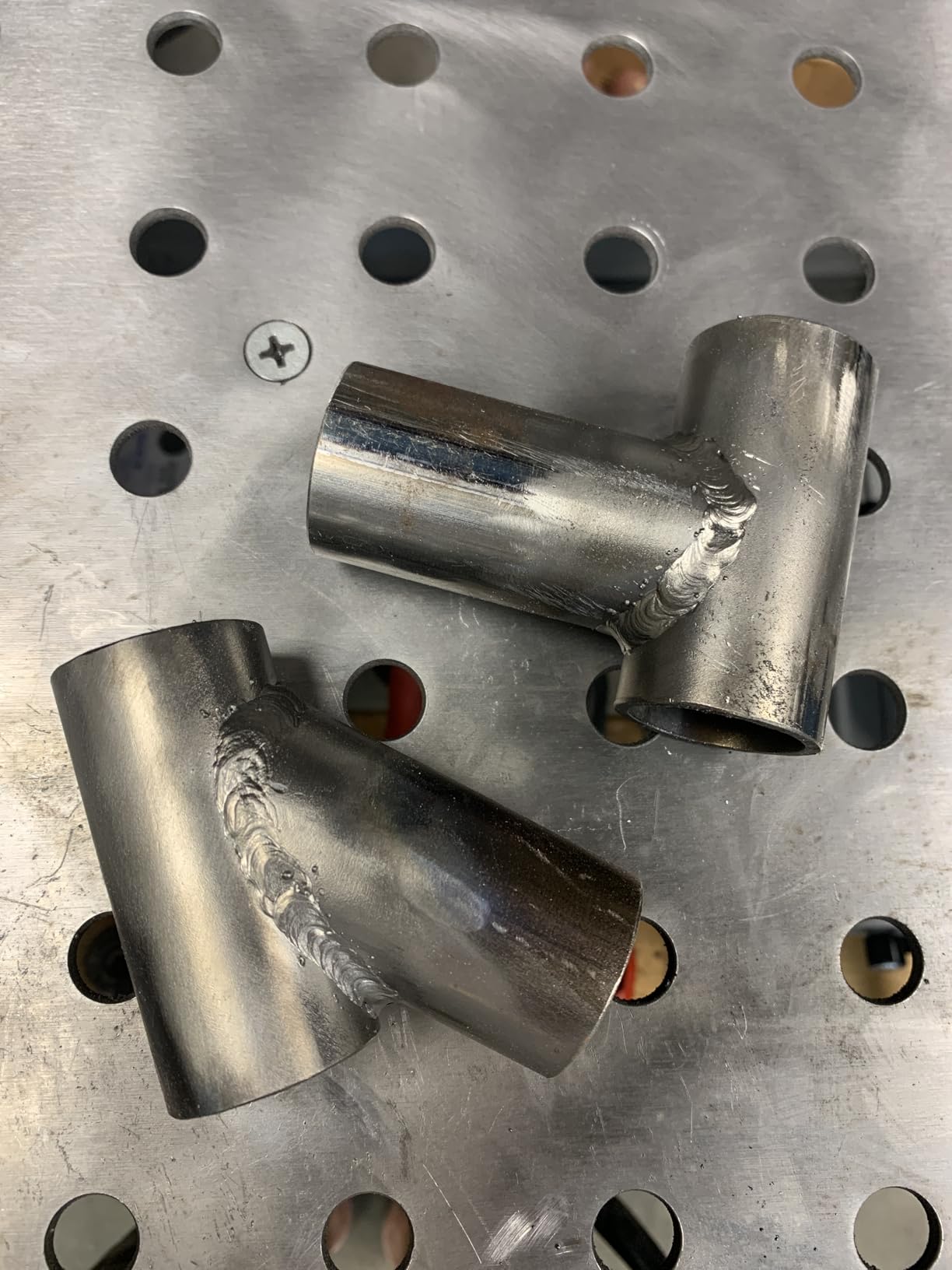
Who the SSimder 140A suits
This suits auto body hobbyists doing panel patches and rust repair, where flux core MIG is the natural process and portability between vehicles matters. It also suits anyone working in a home shop where a full-size machine simply will not fit.
The two-year warranty is a genuine positive here. One owner reported the manufacturer honored a replacement under that term, which is the kind of thing that tells you the company exists after the sale.
Who should buy something else
Do not buy it for aluminum or for gas MIG. The machine is DC only flux core, so shielding gas and aluminum wire are both outside its range. That is not a flaw; it just narrows the brief.
Short cord and leads mean you will be working close to the machine. If your work involves large panels or anything where you need reach, the Bestarc with its longer lead or a dedicated shop machine will serve better. Our welding cart guide is worth a look if reach and setup stability are recurring problems.
8. ANDELI 135A – Best for Pulse Flux Core Control
ANDELI 110V/220V MIG Welder 135A ,PULSE Flux Core/Lift TIG/Stick 4-in-1
135A with pulse flux MIG
110V and 220V
Welds to 5.0mm
9.04 lb unit
Pros
- Pulse flux core mode produces a smoother arc and finer beads
- Adjustable inductance plus hot start and arc force for real control
- Dual voltage runs on both 120V and 240V outlets
- Includes an auto-darkening helmet leather gloves torch and a 220V to 110V adapter
- Settings chart in the box helps beginners dial in parameters
Cons
- Only accepts 2 lb wire spools
- No Lift TIG torch included so it is sold separately
- Included welding helmet is poorly fitting and low quality
Pulse MIG is the feature that separates this from the other budget three-process machines, and experienced owners who compared it against far more expensive units treat it as the reason to buy. Pulse shortens the arc and drops the heat, which on thin material means less burn-through and a bead that looks closer to gas MIG results without needing gas.
The adjustable inductance control is the other piece most machines leave out. It shapes the arc and controls spatter, and having hot start and arc force alongside it gives you three separate levers on bead appearance rather than one.
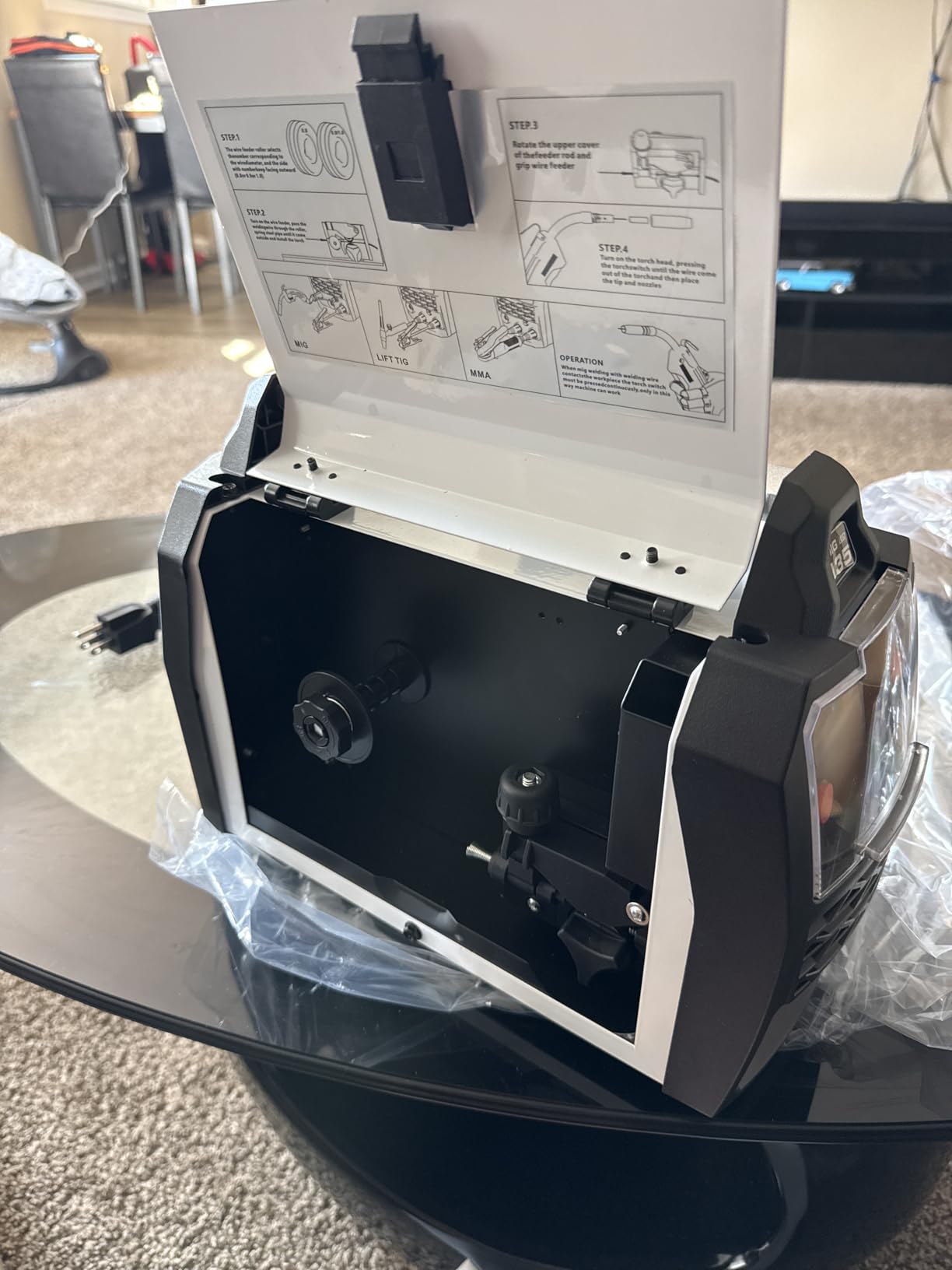
Weldable thickness goes to about 5.0mm, which is thicker than most of the small machines in this roundup, and the 110V and 220V dual voltage means you can use it in a garage and a shop. The 4.1 inch LED display sits under a transparent protective cover, which is the kind of detail that shows the design was thought about.
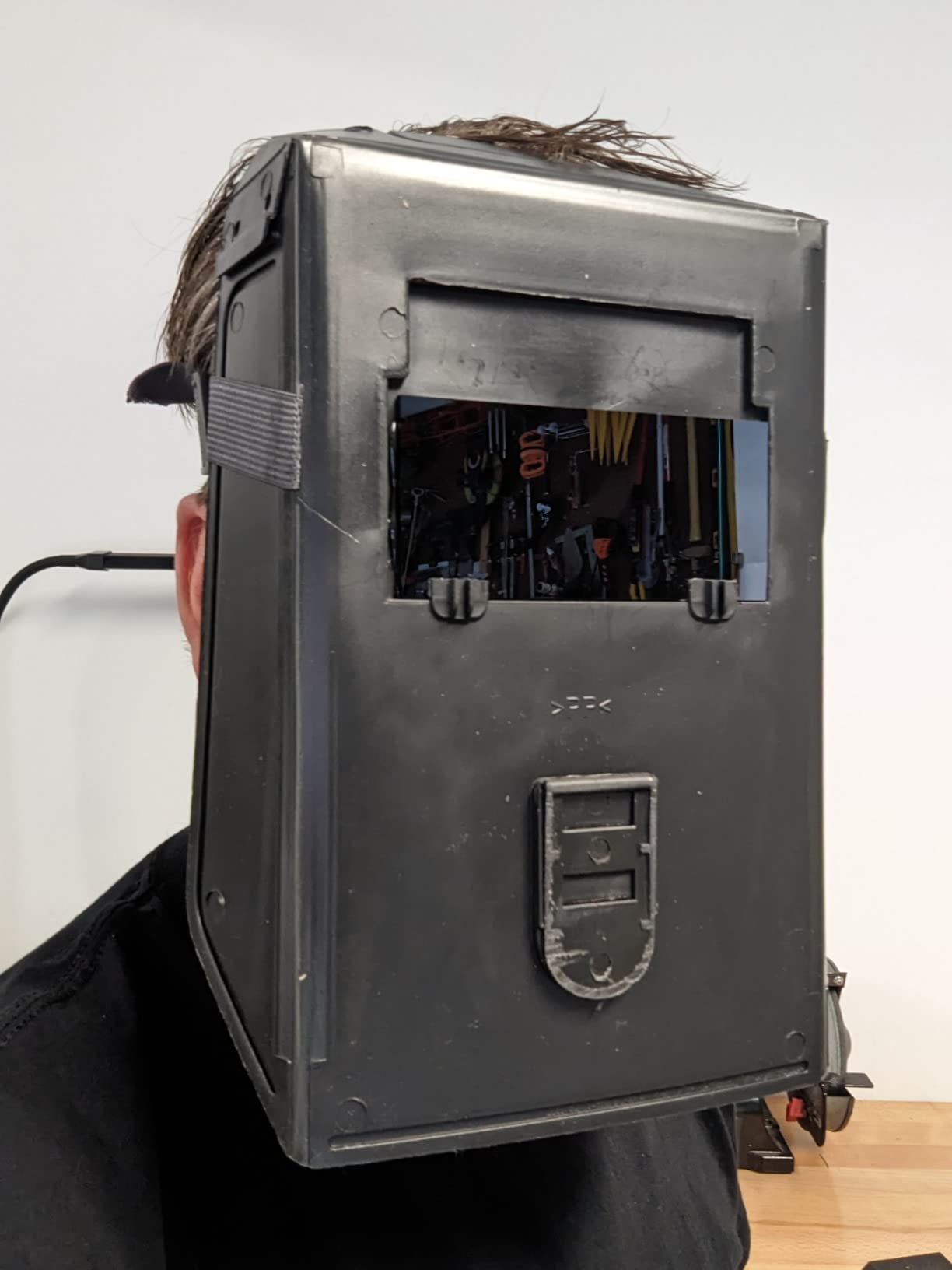
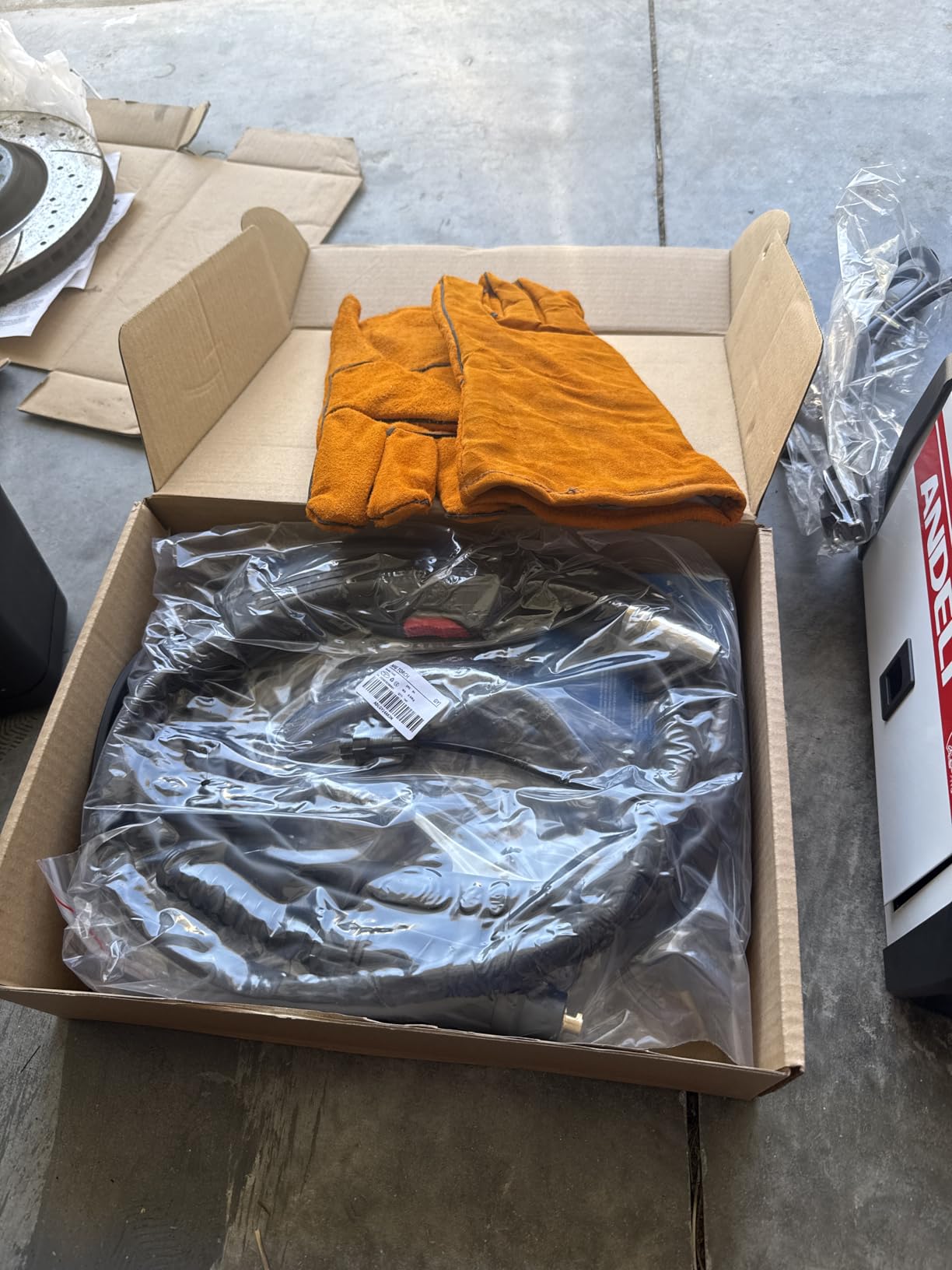
Two things to know. The box includes a helmet and leather gloves, which is generous, but reviewers are blunt that the included helmet fits poorly and is low quality. Treat it as a placeholder and plan to buy a proper auto-darkening helmet. The Lift TIG torch is not included and must be bought separately.
Who the ANDELI 135A suits
This suits a beginner who wants control without complexity. The included settings chart and the synergic mode give you a working baseline, while inductance and arc force let you improve the bead once you understand what they change.
It also suits anyone doing thin-gauge and auto body work where minimizing burn-through matters. Pulse mode is exactly the tool for that, and few machines at this cost offer it.
Who should buy something else
It is not the right machine if you want gas MIG or aluminum, since neither is supported. If your plan involves thin stainless with TIG, look at a dedicated TIG-capable option instead. Our home TIG welder guide covers that side of the decision.
A small number of buyers received units without the pulse mode or reported overheating during use, so inspect the machine as soon as it arrives and test it before committing to a big project. The 2 lb spool limit is another ongoing cost if you weld regularly.
9. BESTMIG 135A – Best Complete Starter Kit
BESTMIG 135A MIG Welder – 3-in-1 Flux Core Welder, MIG/Lift TIG/Stick Welding Machine – Portable IGBT Inverter – 110V with Welding Helmets and Gloves (Red Black, MIG 135A Welder)
135A three process
Welds material to 1/8 inch
10.71 lb
Full-color LED display
Pros
- Best accessory bundle at this price with a helmet and gloves in the box
- Digital controls and a full-color LED display are easy to read
- Compact and light for moving around a shop or job site
- Integrated wire feed technology reduces spatter
- Flux core wire compatible from .030 to .040 inch
Cons
- TIG torch not included
- Some units shipped without the advertised accessories or with a mismatched cable
- A few reports of the MIG function not working out of the box
The box is the story here. Welding machine, wire brush, flux core wire, 14AK torch with cable, electrode holder, ground clamp, welding gloves, auto-darkening welding glasses and a welding helmet all arrive together. For someone buying a first welder, that removes an entire round of add-on purchases and the week of waiting for parts to arrive.
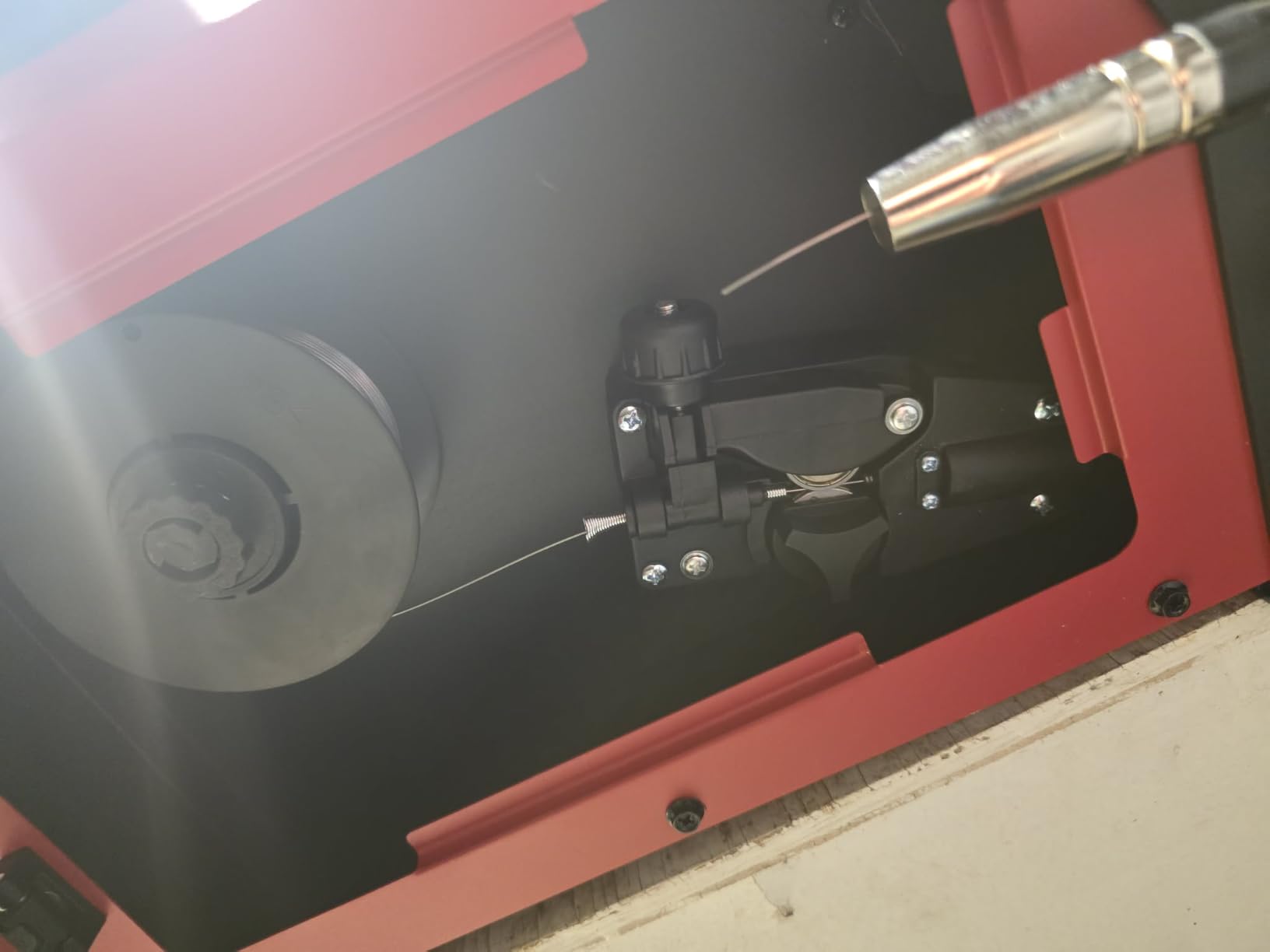
Underneath the packaging it is a 135A IGBT inverter with digital control and a full-color LED parameter display. The integrated wire feed technology auto-adjusts voltage and feed speed, which owners credit with cleaner beads and less spatter than they expected at this level.
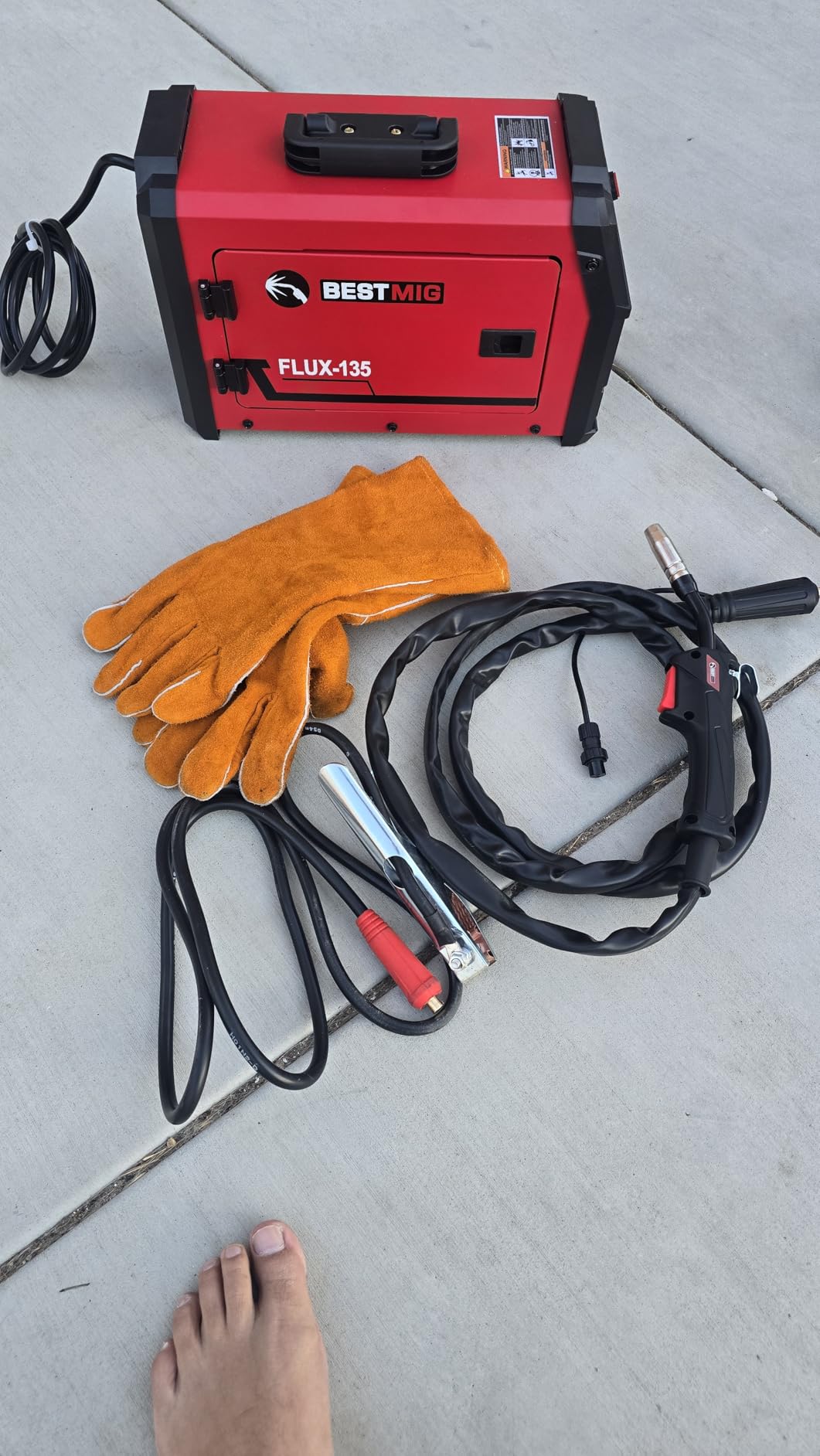
Capability is stated at material up to 1/8 inch thick, which covers the majority of home garage and auto repair work. Gasless flux core wire from .030 to .040 inch gives you some flexibility on material thickness without changing wire types, and at 10.71 lb it moves easily around a shop.
Worth flagging honestly: the negative feedback here is mostly about fulfillment rather than welding. Some buyers received units without the advertised accessories or with a flux core cable that did not fit, and a few reported the MIG function not working on arrival. One order arrived with a US-style plug in the UK. None of that reflects on arc performance, but do open the box and test the machine the day it turns up.
Who the BESTMIG 135A suits
This suits a first-time buyer who wants to start welding this weekend without a shopping list. The helmet, gloves and consumables in the box mean your first arc is minutes away rather than days away.
It also suits anyone who values a readable interface. A full-color display showing the actual parameters takes a lot of guesswork out of setting a machine you have never used before.
Who should buy something else
Look elsewhere if you need TIG, because the torch is not included. Anyone planning heavy structural work or thicker plate should move up to a machine with more honest output headroom.
Also consider buying from a seller with a straightforward return process. The accessory omissions reported here are resolvable, but only quickly if returning is easy. If you want a machine that is quietest to start with and least reliant on fulfillment luck, the ARCCAPTAIN is the safer order.
10. FEMEROL 250A – Best for Aluminum and Spot Welding
FEMEROL 250A MIG Welder,6 in 1 Gas MIG/Gasless Flux Core/Stick/Lift TIG/Spot Welding/Spool Gun Compatible Aluminum Welding Machine Large LED Display 110V/220V Multi Process Welder
250A at 60 percent duty cycle
Six processes including spool gun
Welds mild steel to 14.0mm
32.6 lb
Pros
- Only machine in this set that welds aluminum via teflon liner or spool gun
- 250A output at a 60 percent duty cycle across MIG stick and TIG
- Spot welding mode gives consistent control on 24 gauge material
- Generous roughly 9.5 ft torch and lead length
- Two-year manufacturer guarantee honored with a replacement
Cons
- Cooling fan is loud and runs constantly
- The supplied 120V plug and cord are undersized for 250A service
- Barbed gas hose fitting instead of a threaded connector
Everything else in this roundup is limited by its wire path. This one is not. It accepts .023, .030 and .035 solid wire, .023, .030 and .035 flux core, and .035, .040 and .045 aluminum wire, with aluminum running through a teflon feed tube or a spool gun. It is the only machine here that welds aluminum.
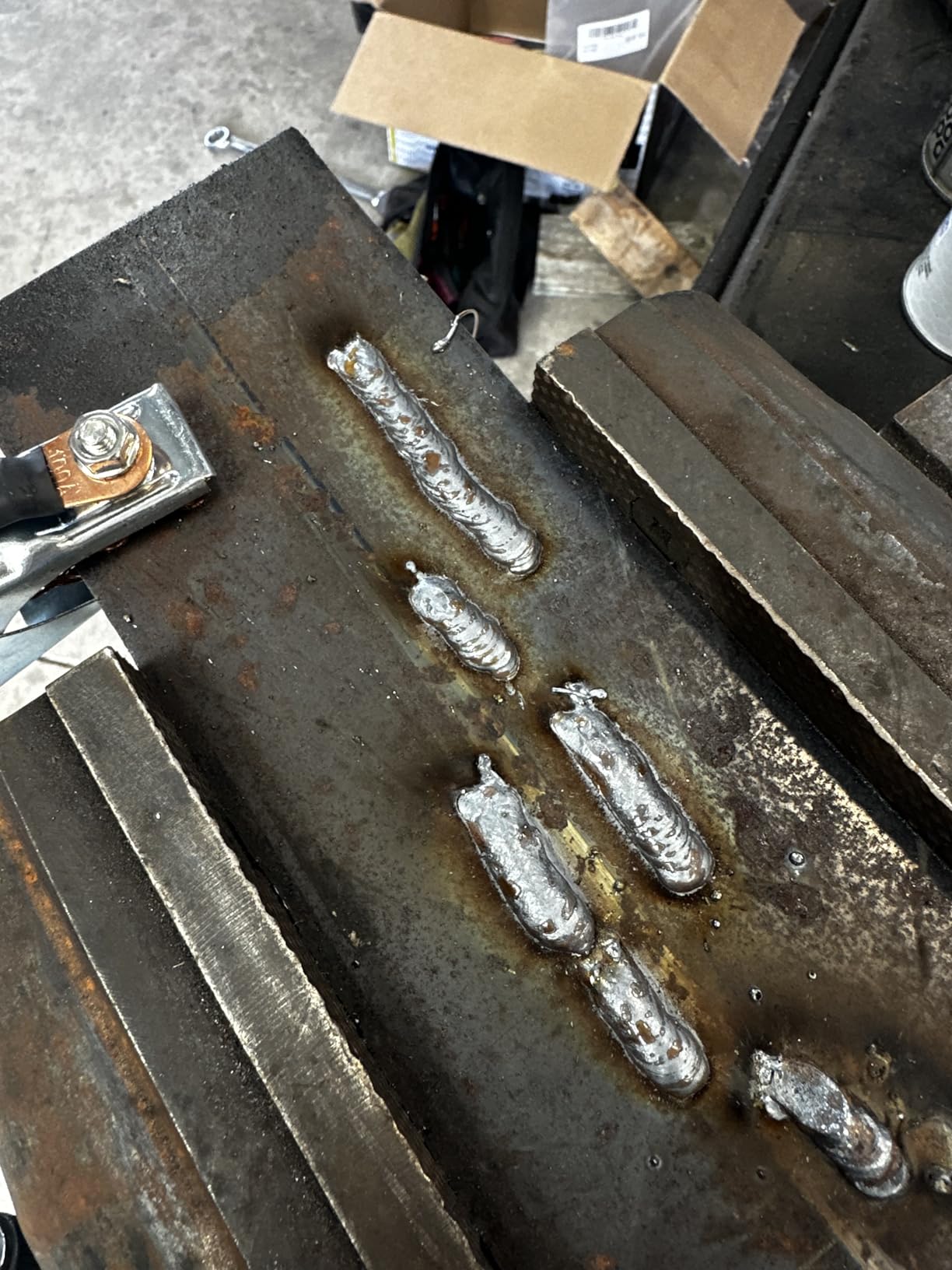
The 250A output at a 60 percent duty cycle is also a different class of claim. Most budget machines publish an amp number with no duty cycle attached. A stated 60 percent cycle is a real operating figure, and one owner verified output near 245A after replacing the plug.
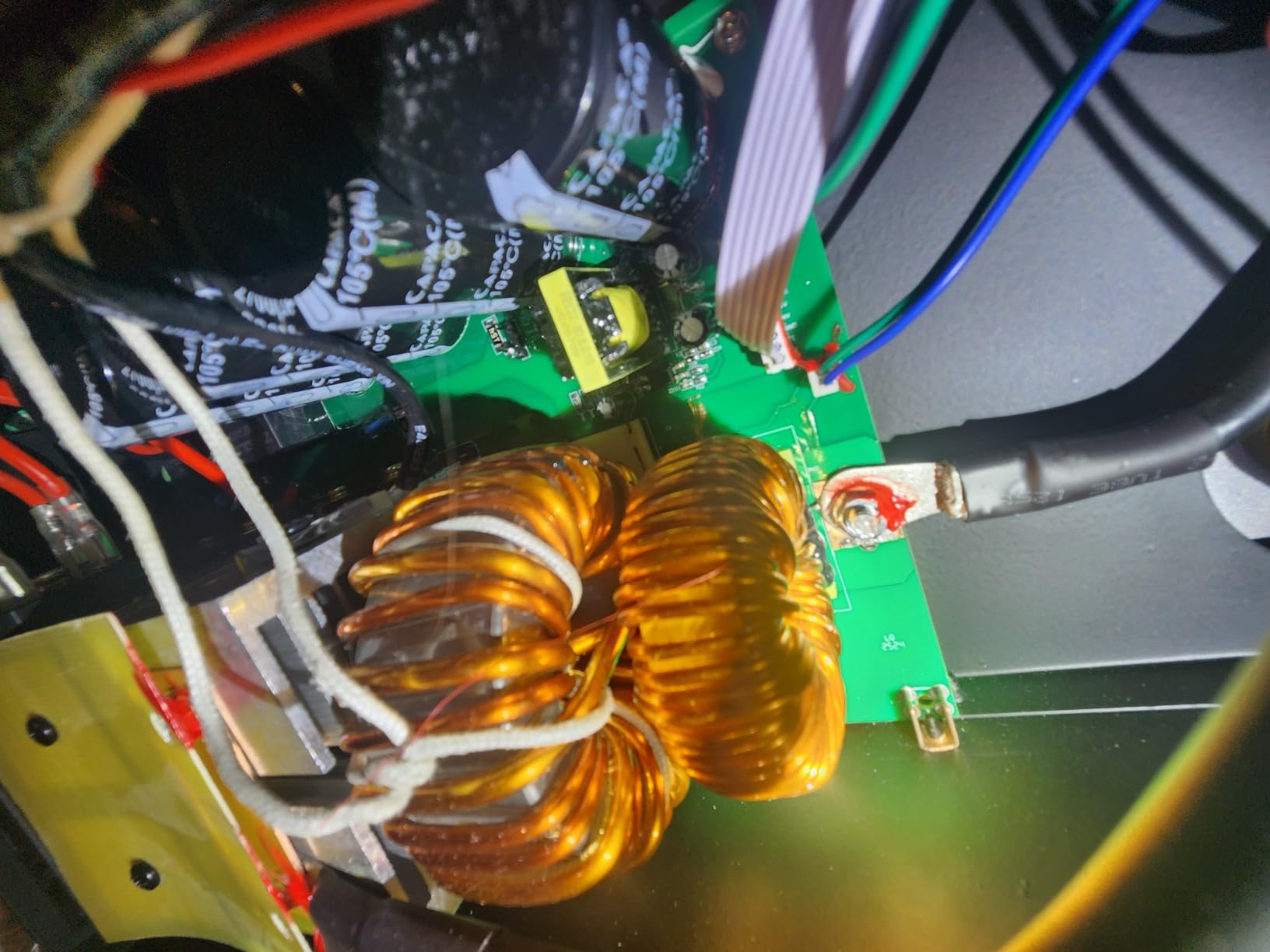
Six processes is generous: gas and solid wire MIG, gasless flux core MIG, stick, spot welding, Lift TIG and spool gun compatibility. The spot welding mode is genuinely useful on 24-gauge sheet for repeatability, and mild steel capability runs to 14.0mm. Leads are generous at roughly 9.5 ft.
Now the honest part. At 32.6 lb it is by far the heaviest machine here and effectively a shop machine. The cooling fan is loud and runs constantly. Most importantly, the supplied 120V plug and cord are undersized for 250A service, so replace the plug and cord before first use. The TIG gun and spool gun are both sold separately, and the gas hose connection is a barbed fitting rather than a threaded one.
Who the FEMEROL 250A suits
This suits a fabricator who needs aluminum and who has a 220V circuit and floor space to spare. Trailers, ramps, boat repairs and household aluminum all fall inside what the spool gun path makes possible, and nothing else in this roundup can do it.
It also suits anyone doing production work where a real duty cycle matters. If you are welding several hours at a stretch, a stated 60 percent rating at 250A changes what you can finish in a day.
Who should buy something else
Anyone working in a small garage or hauling equipment should look elsewhere. The weight and the constant fan noise make this a poor choice for a small shop, and the missing accessories mean the real cost arrives after the purchase.
There is also no pulse MIG and no AC/DC TIG, so TIG work lacks proper amperage control and aluminum TIG is off the table. One long review from a retired multi-process welder called it a strong low-cost alternative to far more expensive name-brand units, while noting a soft arc. Know what you are buying: capability and cost savings in exchange for polish.
MIG Welder Buying Guide: What to Look For Under 500 Dollars
The differences between the cheapest and the best machines in this price band are not about feature lists. They are about four physical things that decide how a welder behaves after the third month. Here is what actually matters, in the order we would weigh it.
Wire feed consistency is the number one thing
A wire feed that slips, surges or needs constant tension adjustment will ruin your beads no matter how good the inverter is. Look for an all-metal drive system rather than a plastic gear, and read reviews specifically for wire tension complaints. Budget brands are notorious here, and no amount of synergic control compensates for a feed roll that slips under load. If you see repeated mentions of bird-nesting or backing up into the torch cable, that is the machine’s weakest point and it will not improve with practice.
Why 120V machines cap out around 140 amps
This is the single most misunderstood fact in this category. A household 120V circuit is limited to about 15 amps, and a welder drawing that much at 120V simply does not have the power to push much more current through the arc. That is physics, not marketing. A 135A machine on 120V is close to the ceiling of what the circuit can support, which is why 1/4 inch steel means multiple passes rather than a single clean cut-in.
A 220V circuit roughly doubles the available power for the same machine, which is the entire argument for buying a dual-voltage welder. If your shop has a 220V outlet or you can add one, a 110/220V machine such as the Bestarc, the HITBOX, the SSimder, the ANDELI or the FEMEROL gives you materially more working range. A dedicated 30 or 40 amp breaker is usually required, so check your panel before you buy rather than after.
Thermal protection is where cheap machines fail
Over-current, over-load and over-heat protection are what separate a machine that lasts from one that does not. When protection is absent or badly implemented, a welder that gets hot keeps drawing power until a board cooks, and that failure usually happens on a long first job in a hot garage. Every machine in this roundup lists some form of these safeguards, but the implementation varies. Budget inverter units often share a factory and appear under several different brand names, which is worth knowing when you compare support and parts availability.
Transformer versus inverter, and what duty cycle means
Transformer-based welders are heavy, cheap and durable. Inverter welders are lighter, more efficient, arc control is far better, and they start more cleanly on thin material. At this price there is no contest: inverter is the only sensible choice, and all ten picks here are inverters.
Duty cycle is the percentage of a ten-minute cycle a machine can weld at a stated amperage before it overheats. A machine rated 250A at 60 percent can weld at 250A for six minutes of every ten. Most budget machines publish an amp number with no duty cycle attached at all, which is why they feel like they are cooking themselves halfway through a project. Treat an unstated duty cycle as a bad sign.
Gas MIG versus gasless flux core
Gasless flux core uses self-shielding wire and needs no gas bottle, which makes it portable and outdoor friendly. The trade-off is more spatter and slightly rougher beads. Gas MIG uses solid wire with shielding gas and produces noticeably cleaner results on mild steel, and it is required for stainless and for aluminum with a spool gun. For a first machine, flux core is the pragmatic choice. If you already have gas and a regulator, the Bestarc 145A is the one in this roundup that does both.
What is almost never included in the box
Plan your budget beyond the machine. A TIG torch is sold separately on most of these units. Gas, a regulator and a flow meter are separate purchases if you want solid wire MIG. A spool gun is required for aluminum and is rarely included. Spool gun, shield gas and a proper auto-darkening welding helmet, gloves and a jacket all add up. Several machines here include a helmet, and in at least one case owners report it fits poorly, so treat any bundled helmet as a placeholder rather than real safety gear.
How to choose in thirty seconds
Complete beginner in a normal garage: pick the ARCCAPTAIN 130A or the BESTMIG 135A for the complete box and easy setup. Best all-round value with the most owner history: the YESWELDER 135A. You already have gas or plan to weld stainless: the Bestarc 145A. You need aluminum or a real duty cycle: the FEMEROL 250A, with a 220V circuit installed first. You need the lightest machine you can carry: the SSimder 140A at 7.7 lb.
Frequently Asked Questions
What is a good affordable MIG welder?
A good affordable MIG welder is a 130A to 150A inverter that runs on a standard 120V outlet, offers gasless flux core MIG plus stick, and has synergic control so the voltage matches wire feed speed automatically. In our roundup, the YESWELDER 135A is the strongest overall pick, the ARCCAPTAIN 130A is the highest rated, and the BESTMIG 135A ships with the most complete accessory kit. All three are appropriate first machines for home garage work.
What is the best brand of MIG welder?
Brand matters less at this price than people expect, because the budget machines often share a factory and appear under several names. What matters more is whether the brand has a real service network and whether consumables and parts are easy to get. Established names like Hobart, Lincoln and Forney win on support and parts availability rather than on specs, while the budget brands in this roundup win on features per dollar. Check that replacement torches, contact tips and drive rollers are sold before you buy.
What’s the best MIG welder at Harbor Freight?
The Harbor Freight Titanium MIG 140 is the most commonly discussed Harbor Freight machine in this category, and forum posters historically quote it in the low hundreds rather than near the 500 dollar ceiling. Our roundup does not include it, so we cannot give you a measured verdict on that specific unit. What we can say is that if you want dual voltage and more features than it offers, the Bestarc 145A covers similar ground with published output figures and owner feedback we could read.
Which MIG welder is the best?
It depends on the material and the circuit you have. For most home garage work on mild steel the YESWELDER 135A is the best overall pick. For a complete first kit the BESTMIG 135A includes the most in the box, and for the highest owner rating the ARCCAPTAIN 130A leads at 4.6. If you weld aluminum or need a stated duty cycle, the FEMEROL 250A is the only machine in this roundup that covers it, and it requires a 220V circuit.
Do I need 220V for serious welding work?
If you want to weld 1/4 inch steel or thicker in a single pass, yes, 220V makes a large difference. A 120V household circuit delivers roughly 15 amps, which is why 135A machines top out around 3/16 inch mild steel and force multiple passes on thicker plate. A 220V circuit roughly doubles the available power for the same machine. Dual-voltage welders such as the Bestarc 145A, the HITBOX 200A, the SSimder 140A, the ANDELI 135A and the FEMEROL 250A run on either, and they usually need a 30 or 40 amp breaker, so confirm your panel first.
What’s the difference between MIG and flux core welding?
They are two ways of feeding the same kind of wire. MIG uses solid wire with an external shielding gas, which gives cleaner beads on mild steel and is required for stainless and for aluminum with a spool gun. Flux core uses self-shielded wire that carries its own flux, so no gas bottle is needed and you can weld outdoors in wind. The trade-off is more spatter and slightly rougher beads. Most budget machines are flux core only, and the Bestarc 145A is the one pick here that does both.
Can a machine in this price range weld aluminum?
Only one of the machines in this roundup can, and it is the FEMEROL 250A. It accepts .035, .040 and .045 aluminum wire through a teflon feed tube or a spool gun, and the spool gun is sold separately. The other nine machines are DC output and flux core focused, which makes them unsuitable for aluminum because aluminum needs AC or a compatible pulse setup. Be clear on this before buying, since the capability cannot be added later.
Is synergic control worth paying extra for?
For a beginner, yes. Synergic control means the machine automatically matches voltage to wire feed speed for the wire size you select, so you set one number instead of balancing two. That removes the most common early frustration, which is an arc that spatters because the two settings do not agree. It matters less for an experienced welder who already knows the combinations, though the plus or minus 3V trim on models like the YESWELDER 135A and the Bestarc 145A keeps manual control available.
Conclusion: Our Final Verdict on the Best MIG Welders Under 500 Dollars
The YESWELDER 135A is our best overall pick among the best MIG welders under 500 dollars in 2026, thanks to 2985 owner reviews, two wire sizes in the box, synergic control with voltage trim and full thermal protection. The ARCCAPTAIN 130A takes the highest rating at 4.6 and the best complete starter kit belongs to the BESTMIG 135A. Move up to the Bestarc 145A if you want true gas MIG, or the FEMEROL 250A if you need aluminum and a real duty cycle, and install that 220V circuit first.
Whichever one you choose, budget for wire, a ground clamp worth keeping, and a proper auto-darkening helmet. Those three items cost less than the disappointment of quitting on your first month.