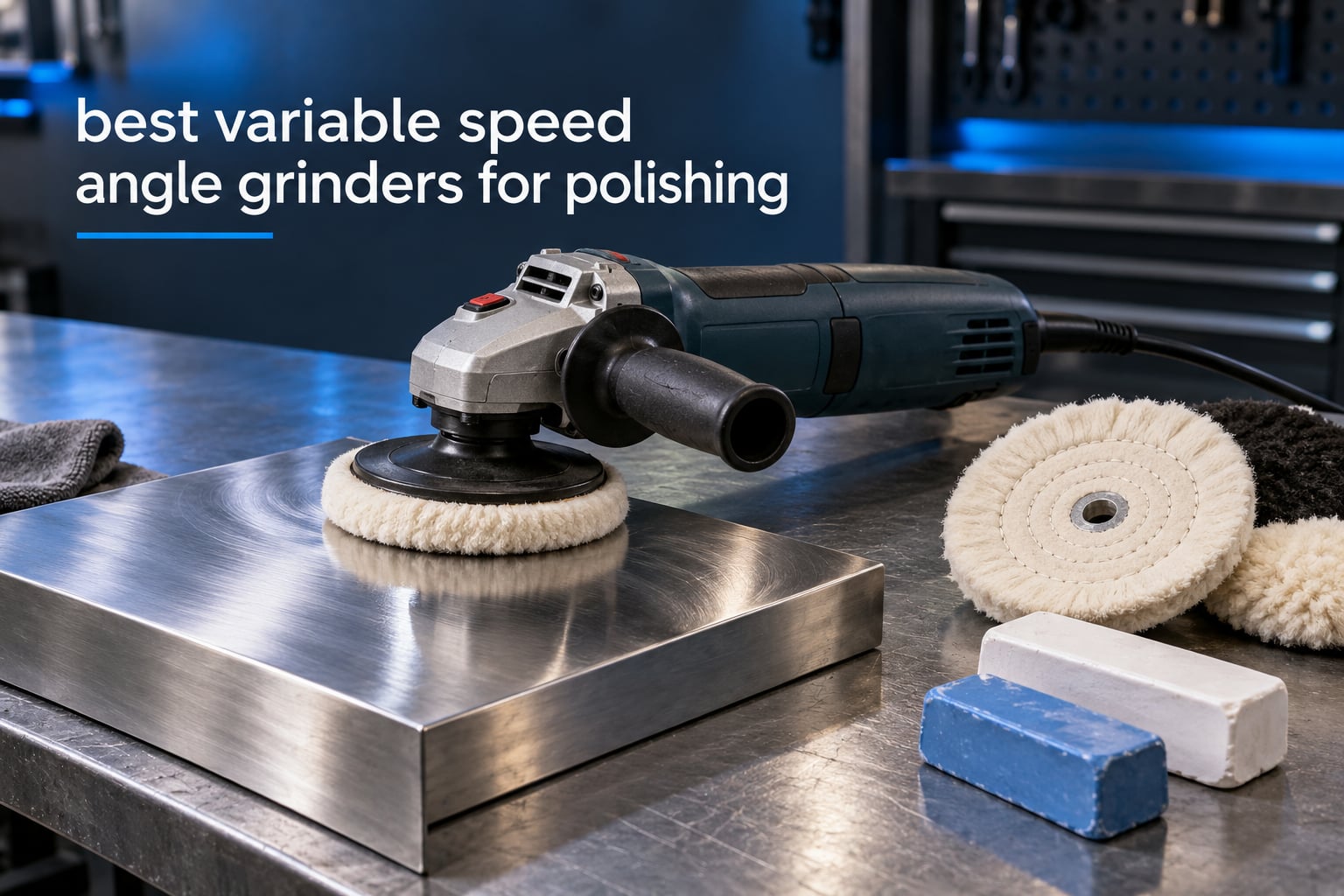
Yes, you can use a variable speed grinder as a polisher, and it is the fastest way to turn one tool into a finishing station. A variable speed angle grinder dials the disc from roughly 2,000 RPM up past 11,000 RPM, so you can drop into a low, cool finishing speed for buffing work and climb back up for cutting. Constant-speed grinders spin at full speed no matter what is bolted to the spindle, which is exactly what burns the workpiece and loads the pad.
This roundup covers the best variable speed angle grinders for polishing available right now, ten of them, corded and cordless, from kit-grade tools to shop-grade brushless machines. I ranked each one on the only things that matter once a polishing pad is mounted: the low end of the RPM range, whether the tool holds its set speed under load, how it behaves at the low-speed heat profile, and whether the pad and guard system actually works.
Last updated: October 2026. Our picks were evaluated on published RPM ranges, motor type, brake and guard design, weight, and owner feedback on finish quality, thermal behavior and control at low speed. Below that you will find the picks, then the pad progression and buying criteria that actually decide whether a grinder polishes well.
Table of Contents
- Why Variable Speed Matters for Polishing
- Top 3 Picks for Best Variable Speed Angle Grinder For Polishing (October 2026)
- Best Variable Speed Angle Grinders for Polishing in 2026
- 1. Milwaukee 2888-20 18V Cordless Grinder: Best Overall for Polishing
- 2. Milwaukee M18 FUEL 2889-20: Best Finesse Grinder for Weld Cleanup and Polish
- 3. DEWALT DWE43214NVS 5 Inch: Best Variable Speed Grinder for Jobsite Safety
- 4. DEWALT DCG410VSB 20V MAX XR: Best Cordless Power for Polishing Stone and Marble
- 5. Metabo HPT G12VE2 4.5 Inch: Best Brushless Corded Grinder for Low-Heat Finishing
- 6. Metabo WEVF 10-125 Quick INOX: Best Flat Head Grinder for Stainless and Tight Corners
- 7. AOBEN AT3113X 4.5 Inch 1200W: Best Value Grinder with the Biggest Accessory Kit
- 8. SHALL SH111010AE 4.5 Inch 6-Speed Grinder: Best Budget Variable Speed Grinder
- 9. AVID POWER AG640 4.5 Inch 7-Speed Grinder: Best for Carving, Concrete and Deck Work
- 10. VERVEWAVE 20V Cordless Brushless 6-Speed Grinder: Best for DEWALT Battery Owners
- How to Actually Polish With an Angle Grinder
- Buying Guide: Choosing a Variable Speed Angle Grinder for Polishing
- Frequently Asked Questions
- Conclusion: Which Variable Speed Angle Grinder Should You Buy
Why Variable Speed Matters for Polishing
Variable speed matters for polishing because heat, not grit, is what ruins a finish. Run a felt buffing wheel or a non-woven pad at 11,000 RPM and the friction turns compound into smoke, the pad glazes over in minutes, and soft aluminum or a painted surface discolors before you finish the second panel. Dialled down to 3,000 or 4,000 RPM, the same wheel lays compound down evenly and stays cool long enough to work through it.
Users on Practical Machinist put it plainly, warning others to check the RPM limit of any buffing wheel against the grinder before running it, because a wheel over its rating can break apart. A Garage Journal member who had dismissed variable speed as a gimmick changed his mind once he ran a wire cup wheel on the lowest setting to strip hardened contact cement off fiberglass without taking the surface with it.
The other half of the equation is speed under load. A brushless motor with electronic speed stabilization holds the RPM you selected, so pressing on a pad does not drop the tool into a lower gear and smear the compound. On a brushed machine the speed sags, the pad glazes, and you are back to heat.
One more practical reason shows up constantly on r/Lapidary and r/metalworking: on cordless tools, running the lower setting extends runtime. Variable speed is described there as essential for polishing stone and useful for delicate work in general.
Top 3 Picks for Best Variable Speed Angle Grinder For Polishing (October 2026)

Milwaukee 2888-20 18V Cordl…
- 8
- 500 RPM top speed
- 5 speed settings
- Wheel brake in 2 seconds or less
- Handles 4.5 and 5 inch wheels

Milwaukee M18 FUEL 2889-20
- 3
- 500 to 8
- 500 RPM
- 5 speed settings
- Rapid-Stop brake under 2 seconds
- Tool-free guard and FIXTEC nut

DEWALT DWE43214NVS 5 inch
- Brushless motor
- Electronic kickback brake
- Two-stage paddle trigger
- Lanyard ready
Best Variable Speed Angle Grinders for Polishing in 2026
| Product | Specs | Action |
|---|---|---|
| Milwaukee 2888-20 18V Cordless Grinder |
|
Check Latest Price |
| Milwaukee M18 FUEL 2889-20 |
|
Check Latest Price |
| DEWALT DWE43214NVS 5 inch |
|
Check Latest Price |
 DEWALT DCG410VSB 20V MAX XR DEWALT DCG410VSB 20V MAX XR |
|
Check Latest Price |
 Metabo HPT G12VE2 4.5 inch Metabo HPT G12VE2 4.5 inch |
|
Check Latest Price |
 Metabo WEVF 10-125 Quick INOX Metabo WEVF 10-125 Quick INOX |
|
Check Latest Price |
 AOBEN AT3113X 4.5 inch AOBEN AT3113X 4.5 inch |
|
Check Latest Price |
 SHALL SH111010AE 4.5 inch SHALL SH111010AE 4.5 inch |
|
Check Latest Price |
 AVID POWER AG640 4.5 inch AVID POWER AG640 4.5 inch |
|
Check Latest Price |
 VERVEWAVE 20V Cordless Grinder VERVEWAVE 20V Cordless Grinder |
|
Check Latest Price |
1. Milwaukee 2888-20 18V Cordless Grinder: Best Overall for Polishing
Milwaukee 2888-20 18V Cordless 4.5″/5″ Grinder w/Variable Speed (Tool Only)
8,500 RPM maximum
5 speed settings
Wheel brake in 2 seconds or less
5.4 pounds, tool only
Pros
- Five speed settings give real control for finishing and weld cleanup
- Brake stops the wheel in about two seconds
- Light and comfortable for long sessions
- Takes both 4.5 and 5 inch wheels
- Works with Milwaukee 18V packs
Cons
- Battery and charger sold separately
- Some owners report packs heat up under sustained heavy load
The 2888-20 is the one I reach for when the job is finishing rather than fab. It spins to 8,500 RPM with five discrete speed settings, which is enough spread to run a flap disc for weld cleanup, drop to a middle setting for non-woven work, and settle low for a buffing wheel. Metal fabricators call it a reliable daily driver in owner reviews, and at 5.4 pounds it is one of the lighter cordless options here.
The quick brake is the detail that matters most in a finishing workflow. It stops the wheel in two seconds or less, so you are not dragging a spinning pad across a finished panel while you set the tool down. That alone removes the most common cause of swirl marks and burns at the end of a pass.
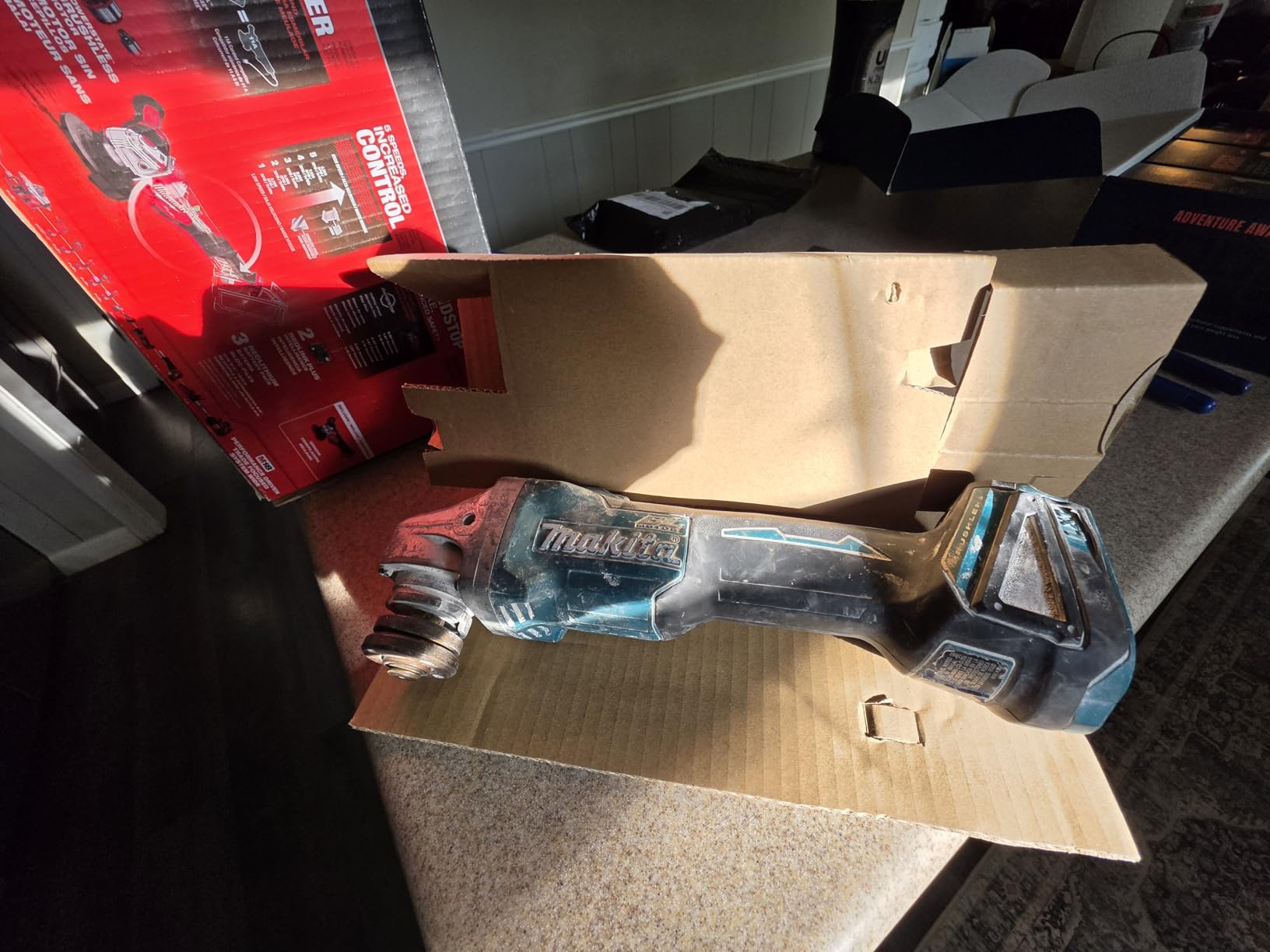
Speed changes are quick and the low end is low enough to run a wire cup wheel or a non-woven disc without loading the workpiece. On stainless kitchen trim and aluminum trim I have found one setting works for the whole panel, which is the sign of a tool that holds its speed rather than hunting.
The catch is ownership cost and pack behavior. This is a tool-only purchase, so batteries and a charger come off your existing 18V system or from your budget. A minority of owners report batteries heating up under long continuous load, so if you plan multi-hour buffing sessions, keep a spare pack within reach.
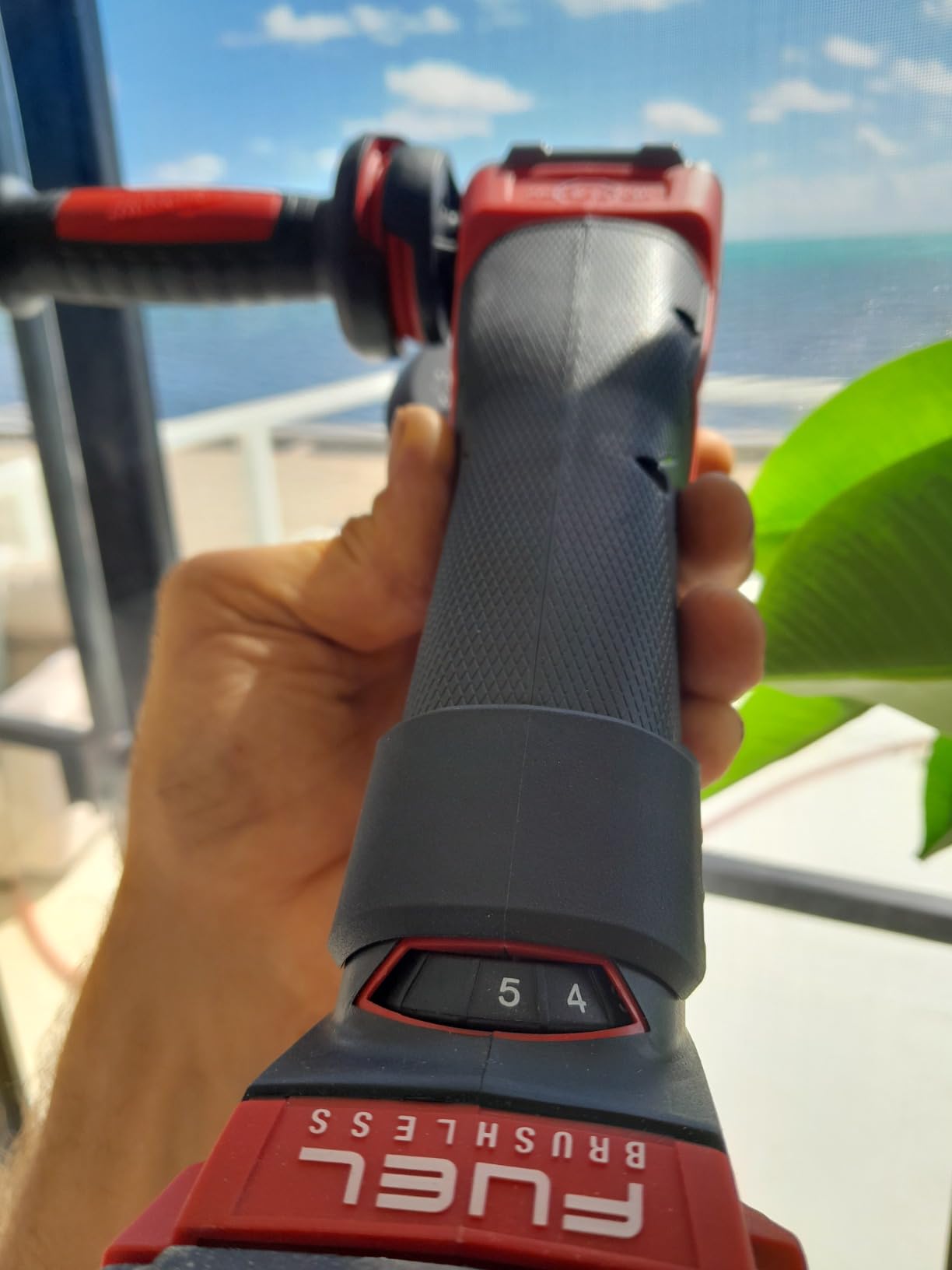
Why the 2888-20 works as a polisher
The combination of a two-second brake, five usable speed settings and a light body means you can run a full finishing sequence without changing tools. Mount a flap disc for shaping, drop to a non-woven disc for scratch removal, then step down to a felt or buffing wheel with compound. The speed dial covers all three jobs on a single machine.
Because it is 18V, it pairs with high-output packs that hold up under continuous polishing work, which is where smaller packs tend to fade and slow the tool.
Where the 2888-20 falls short
It is not the lowest-RPM machine here. If your finishing work is delicate enough that you want a true 2,000 RPM floor, look at the flat-head Metabo instead. And without a pack and charger in the box, first-time buyers pay for the platform before they touch a polishing pad.
The 8,500 RPM ceiling also means the tool cannot be pushed past that for aggressive cut-in work on cast iron or concrete. For pure finishing you will never need more, but for blending welds and stock removal in the same session, the top-end headroom is modest.
2. Milwaukee M18 FUEL 2889-20: Best Finesse Grinder for Weld Cleanup and Polish
Milwaukee Electric – M18 Fuel. 4-1/2 / 5 Variable Speed Braking Grind
3,500 to 8,500 RPM
5 speed settings
Rapid-Stop brake under 2 seconds
Tool-free guard and FIXTEC nut
Pros
- Five settings from 3500 to 8500 RPM for detailed finishing
- Rapid-Stop brake for fast workflow
- Slide switch preferred by fabricators for continuous work
- Tool-free guard and nut speed accessory changes
- Balanced and quiet through long sessions
- Takes 4.5 and 5 inch discs
Cons
- Disc mount flange tolerance is loose on some units
- Guard sits tall and limits working angle
- No app connectivity
- Lock-on slide switch can stay latched if power drops
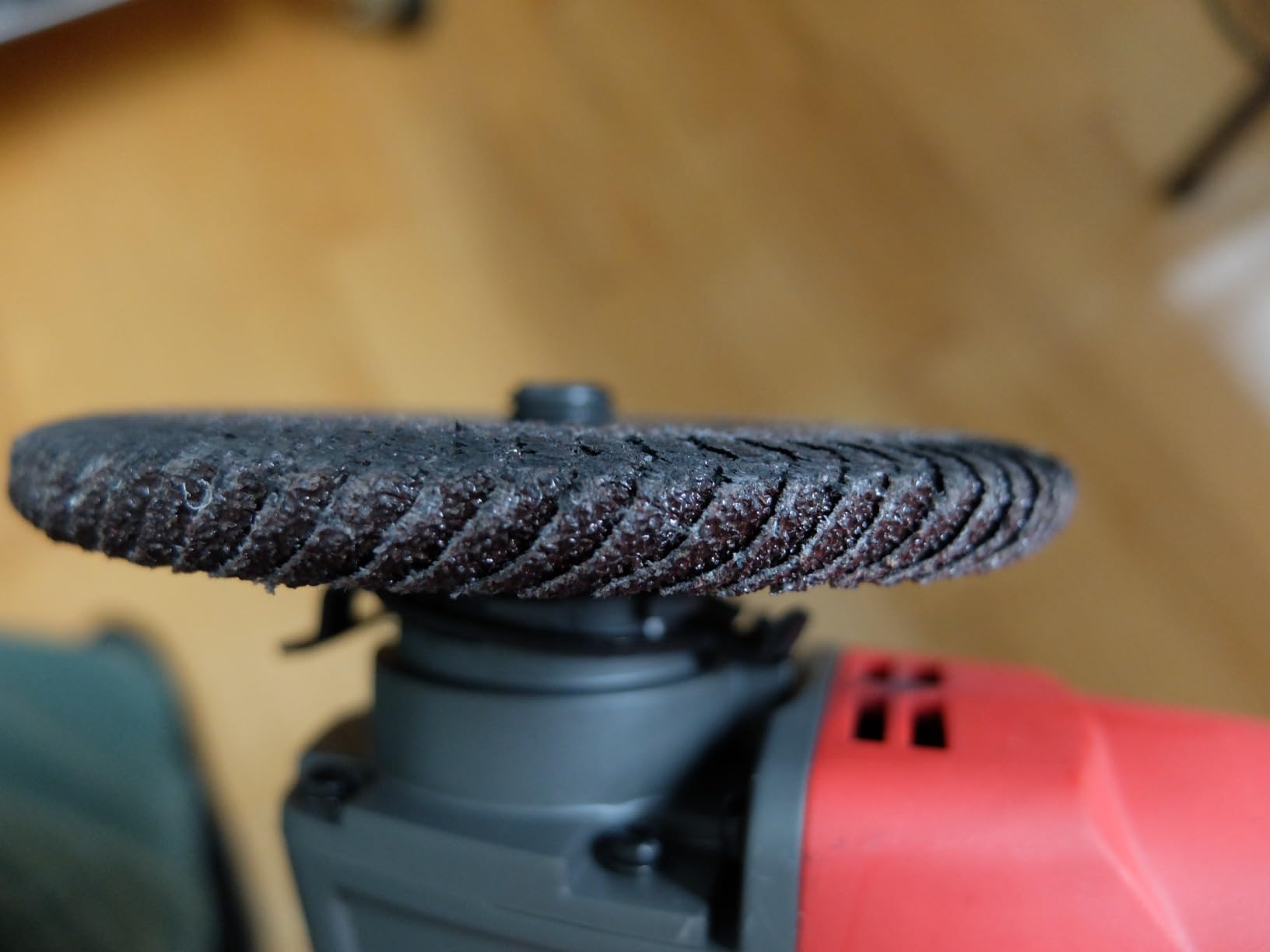
The 2889-20 is the FUEL step up, and for polishing the important number is the 3,500 RPM floor. That is low enough to run a buffing wheel without generating the heat that glazes compound, and fabricators and welders in owner reviews specifically single it out for finesse work, weld cleanup and paint removal at low speed.
Rapid-Stop braking, a quiet balanced body and tool-free guard and nut changes make it a good partner for long sessions where you are swapping between abrasive steps. FIXTEC accessory changes mean the pad change itself takes seconds, which keeps the pad progression tight.
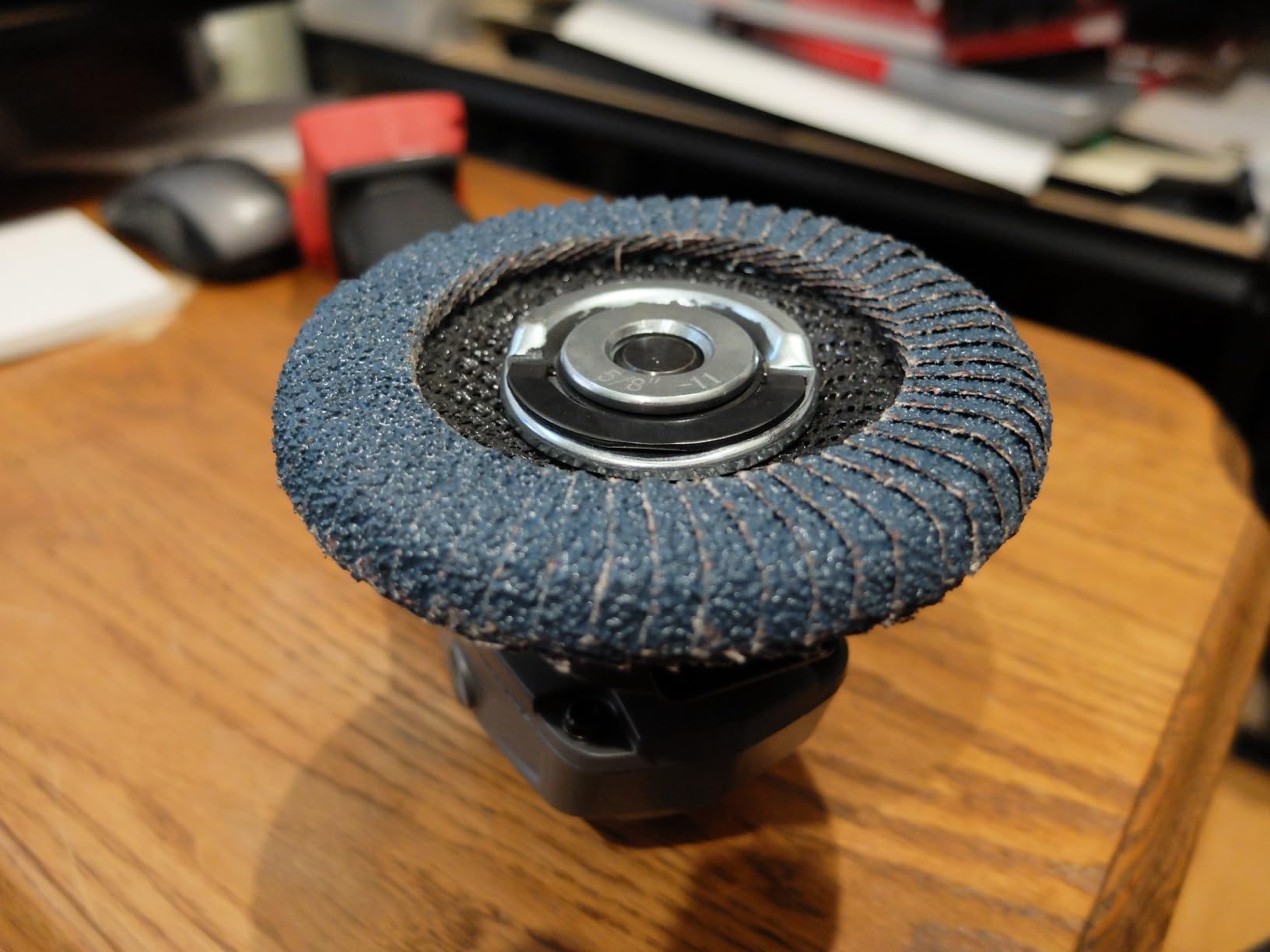
The published RPM spread also means the top end is reserved for cutting and blending while the bottom third of the dial is free for finishing. On stainless and aluminum I keep it below the fourth setting for compound work and only climb higher for heavy material removal.
Several users solved the concentricity complaint, a loose disc-mount flange tolerance, with a machined quarter-inch spacer that centers the disc and cleans up runout. If your finish shows a circular pattern, check that before blaming the pad.
Where the 2889-20 earns its slot
It sits near the top of the pack for control. The slide switch that fabricators like for continuous work, combined with a brake that stops the wheel in under two seconds, lets you work a panel the way you would with a dedicated polisher, then switch to grinding without putting the tool down.
The 4.5 and 5 inch pad compatibility matters too, since it opens up both standard polishing pads and thicker felt buffing wheels.
What to watch out for
The tall guard can limit your working angle on flat surfaces without a spacer, which is worth knowing before you commit to it for panel work. There is also no app connectivity, and the lock-on slide can stay latched if battery power drops mid-job.
The flange tolerance issue is real but manageable. Budget a few minutes and one spacer to dial in disc centering if you care about a mirror finish.
3. DEWALT DWE43214NVS 5 Inch: Best Variable Speed Grinder for Jobsite Safety
DEWALT Angle Grinder Tool 5-inch, Variable Speed, Paddle Switch (DWE43214NVS)
Brushless motor, no brush changes
Brake stops wheel in 2 seconds or less
Electronic kickback brake on pinch, stall or bind-up
6 pounds
Pros
- Brushless motor runs cool and needs no brush changes
- Electronic kickback brake stops the wheel in about two seconds
- Speed dial tunes the wheel per application
- Two-stage paddle trigger adds a safety layer
- Lanyard-ready point supports tethered work at height
Cons
- 6 pound body is heavier than most cordless grinders here
- Two-stage trigger takes practice versus a simple switch
This is the corded variable speed grinder in the group, and its selling points are safety systems rather than finishing finesse. The brushless motor needs no brush replacement and runs cooler than a brushed machine, which matters when the tool stays on the pad for an hour at low speed.
The electronic kickback brake senses a pinch, stall or bind-up and stops the wheel in two seconds or less. A two-stage paddle trigger requires two actions to start the tool, and a power-loss reset means the trigger releases rather than leaving the tool latched.
Variable speed lets you set wheel speed per application, and the lanyard attachment point is useful for work at height where a dropped tool is a real hazard.
Why it suits polishing
A corded machine holds speed consistently for long sessions, which is what you want when a compound pass takes twenty minutes across a large panel. Speed stability under load matters more than peak speed for finishing, and this brushless platform provides it.
For polishing stainless, aluminum and cast iron where heat is the enemy, a cool-running motor with a controlled brake is a solid combination. The adjustable speed lets you keep the pad speed low without hunting.
Where it falls short for polishing
At six pounds it is the heaviest tool in this roundup, and weight shows up in long buffing sessions as hand and wrist fatigue. Forum users complain specifically about heavy grinder bodies when finishing is the main task, and this is that kind of tool.
The two-stage trigger also means a slow start on every pad change. Experienced fabricators adapt in an afternoon, but if you want a simple slide switch you will be disappointed.
4. DEWALT DCG410VSB 20V MAX XR: Best Cordless Power for Polishing Stone and Marble
DEWALT 20V MAX XR Brushless Cordless Angle Grinder, 4-1/2 in. – 5 in., Variable Speed, Anti-Rotation, Paddle Switch (Tool Only) (DCG410VSB)
1,640 MWO brushless motor
9,000 RPM no-load speed
4.85 pound bare tool
Runs on all DEWALT 20V MAX batteries
Pros
- Speed control works well for marble and delicate finishes
- Brushless power comparable to a corded grinder
- Under 5 pounds and well balanced with a removable side handle
- Uses any DEWALT 20V MAX battery
- Anti-rotation and paddle switch safety features
Cons
- Paddle switch is cumbersome one-handed
- Heavier in the hand with a large battery fitted
- Tool only
- battery and charger sold separately
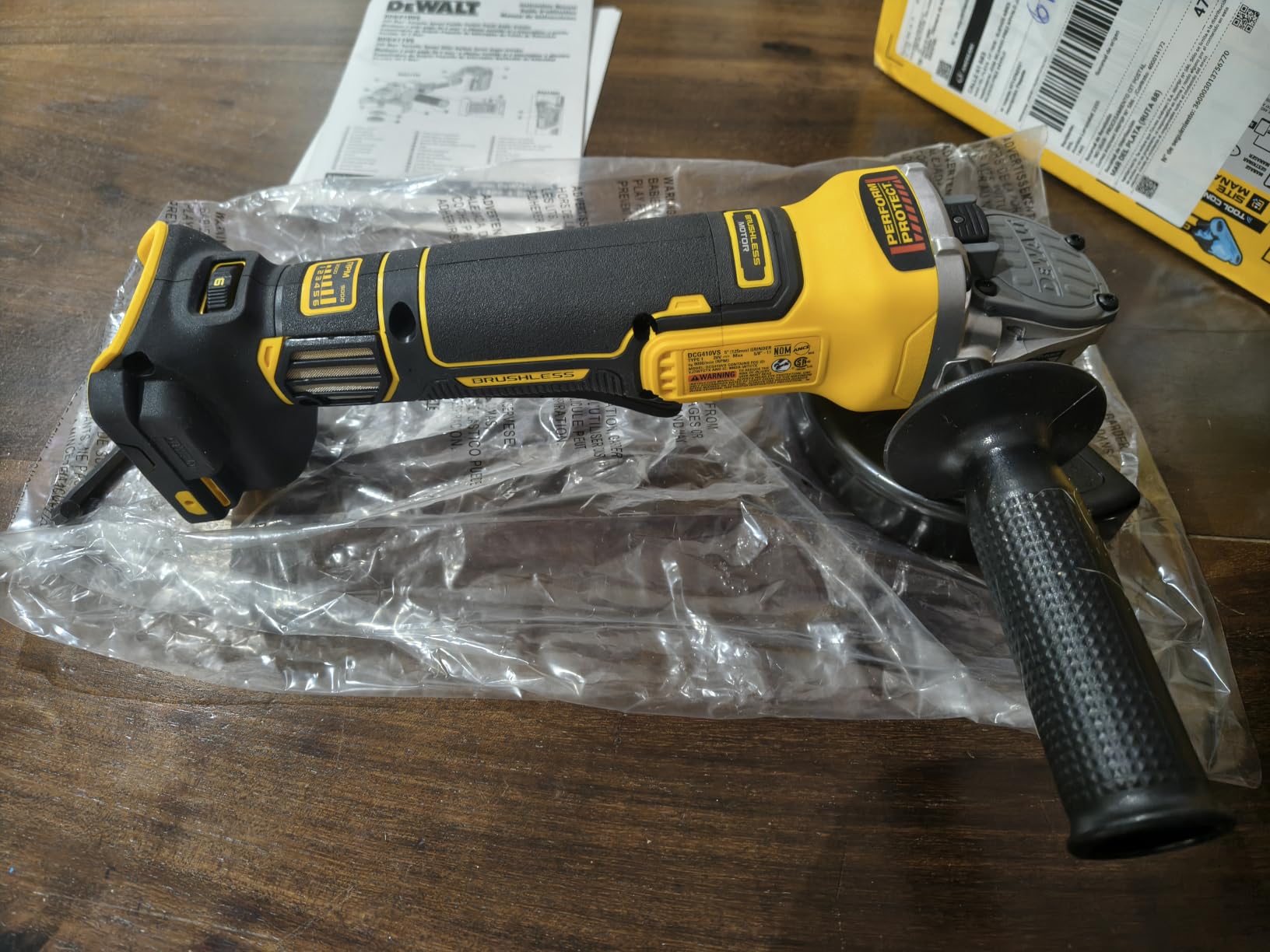
The DCG410VSB is the cordless pick for heavy finishing material. Owners report the brushless motor delivering power comparable to a corded grinder while freeing you from the outlet, and they value the variable speed for polishing marble and dialing back on delicate finishes rather than only for cutting.
The anti-rotation system is designed to maximize control, which pairs well with a polishing pad because it limits the twist that causes swirls on a mirror finish. The paddle switch can lock on for continuous passes, and the removable side handle helps you set the pad angle flat on a large surface.
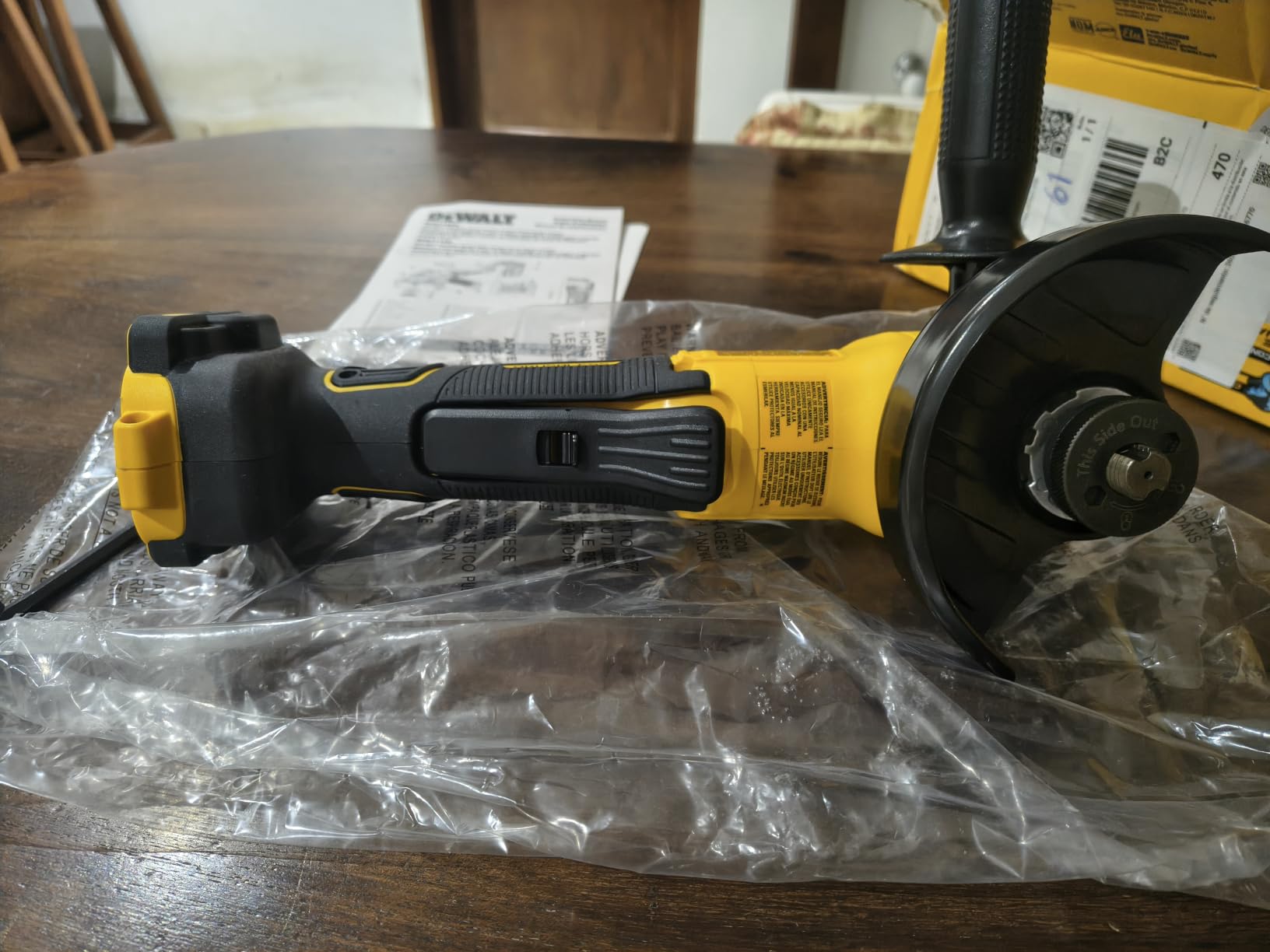
At 4.85 pounds bare tool, it is light for its power class. If you already own DEWALT 20V MAX batteries, that ecosystem is the deciding factor, because the same packs run your other tools and the grinder becomes a cheap addition rather than a separate platform.
Stone is the case where cordless pays off, since a countertop or a floor edge in a finished room often has no outlet nearby. Running the speed low on granite or marble with a diamond pad keeps heat down and the finish consistent.
Where the DCG410VSB works well
Anywhere the work is off-grid or the cord is in the way: stone fabrication, deck and concrete edges, sheet metal in a yard, or a car body with no nearby outlet. The power-to-weight ratio is the reason it outclasses most cordless grinders in the class.
Marble and granite finishing is where owners single it out, because the speed dial lets you match a diamond pad to the material instead of running one fixed speed at everything.
Where it falls short
The paddle switch is somewhat cumbersome one-handed, particularly with a gloved hand. And while the bare tool is under five pounds, the balance shifts noticeably with a large battery fitted, which changes the feel on long finishing passes.
Battery and charger are sold separately, and stone polishing is a long, abrasive duty cycle. Expect to change packs mid-job rather than running a full day of work on one charge.
5. Metabo HPT G12VE2 4.5 Inch: Best Brushless Corded Grinder for Low-Heat Finishing
Metabo HPT Angle Grinder | 4-1/2-Inch | 12 Amp | AC Brushless Motor | Variable Speed | 3-Position Side Handle | G12VE2
1,500 watt maximum output
6 speed settings
AC brushless motor
3.8 pounds with 3-position side handle
Pros
- Six speed settings control polishing tempered steel without burning heat treat
- Brushless motor runs smooth and quiet without bogging at high speed
- Stays cool at low RPM for surface prep
- Slim grip diameter is widely praised as the most comfortable in class
- 3-position side handle works in tight quarters
Cons
- One owner reports early tool failure
- Pinned wrench is not stored onboard
- Some users find the guard spring arrives loose
- A minority want more raw power for heavy material removal
The G12VE2 is the one welders, CNC machinists and polishers in owner reviews describe as a finesse tool rather than a brute-force grinder. The AC brushless motor runs smooth and quiet, and the standout behavior is how cool it stays at low RPM, a real advantage over brushed machines during surface prep.
Six speed settings give finer granularity than the five-step machines here, and users specifically praise the control for polishing tempered steel without burning the heat treat. An internal inverter circuit smooths and regulates uneven generator power so the selected RPM holds under load.

At 3.8 pounds with an ultra slim grip diameter, it is the most ergonomic tool in the group. That matters on finishing work because the whole session is spent making small, controlled passes rather than leaning into a cut, and the three-position side handle lets you get the pad flat against a surface in a corner.
Anti-kick-back shuts power off if the wheel binds, zero voltage restart protection prevents surprise starts, and a tool-less guard with a quick release lever makes pad changes fast enough that you will actually keep up your progression.
Why this is the low-heat pick
Heat is the failure mode in polishing, and a brushless AC motor that stays cool at low RPM plus a speed range fine enough to stay there is the combination you want. On stainless, aluminum and cast iron, the G12VE2 lets you hold a finishing speed for long passes without the pad glazing and the compound smoking.
The slide switch with quick-off and the slim body also make it the easiest of these machines to use one-handed with a side handle on a panel.
Where it falls short
It is not a heavy grinding machine. Owners who want more raw power for stock removal feel the 1,500 watt output is modest for that job, and the G12VE2 is at its best when the work is finishing.
There is also a small reliability cluster, with one owner reporting a tool failure after very little use, and a small number noting the wheel guard spring arrives loose and needs adjustment. Check the guard spring on day one.
6. Metabo WEVF 10-125 Quick INOX: Best Flat Head Grinder for Stainless and Tight Corners
Metabo WEVF 10-125 Quick INOX 4-1/2″/5″ Flat Head Grinder 10.0 Amp with Variable Speed
2,000 to 7,600 RPM variable speed
Flat head reaches a 43 degree angle
1000 watts, 6.5 pounds
Safety clutch and overload protection
Pros
- Flat-head design reaches down to a 43 degree angle for confined access
- 2000 to 7600 RPM range prevents burning thin metal
- Electronic speed control holds selected RPM under changing load
- No-tool retaining nut makes wheel changes quick
- Soft-start reduces startup kickback
Cons
- Runs hotter than average under prolonged heavy load
- Several owners report units locking up or burning out
- 30-day performance warranty is shorter than competitors
- Heaviest tool in this group at 6.5 pounds
The WEVF 10-125 Quick INOX is the lowest-RPM machine here, running 2,000 to 7,600 RPM. That 2,000 RPM floor is what makes it interesting for polishing, because it is low enough to run most buffing wheels and sewn muslin wheels without overspinning them or generating the heat that ruins a finish.
The flat-head format is the real reason to own it. It reaches the smallest angle in its class at 43 degrees, which opens up access on the inside corner of a weld, the underside of a bracket and the tight spot where a standard head physically cannot fit.
A safety clutch reduces kickback during jams, electronic overload protection protects the tool, and a no-tool retaining nut plus soft start make repeated wheel changes painless.
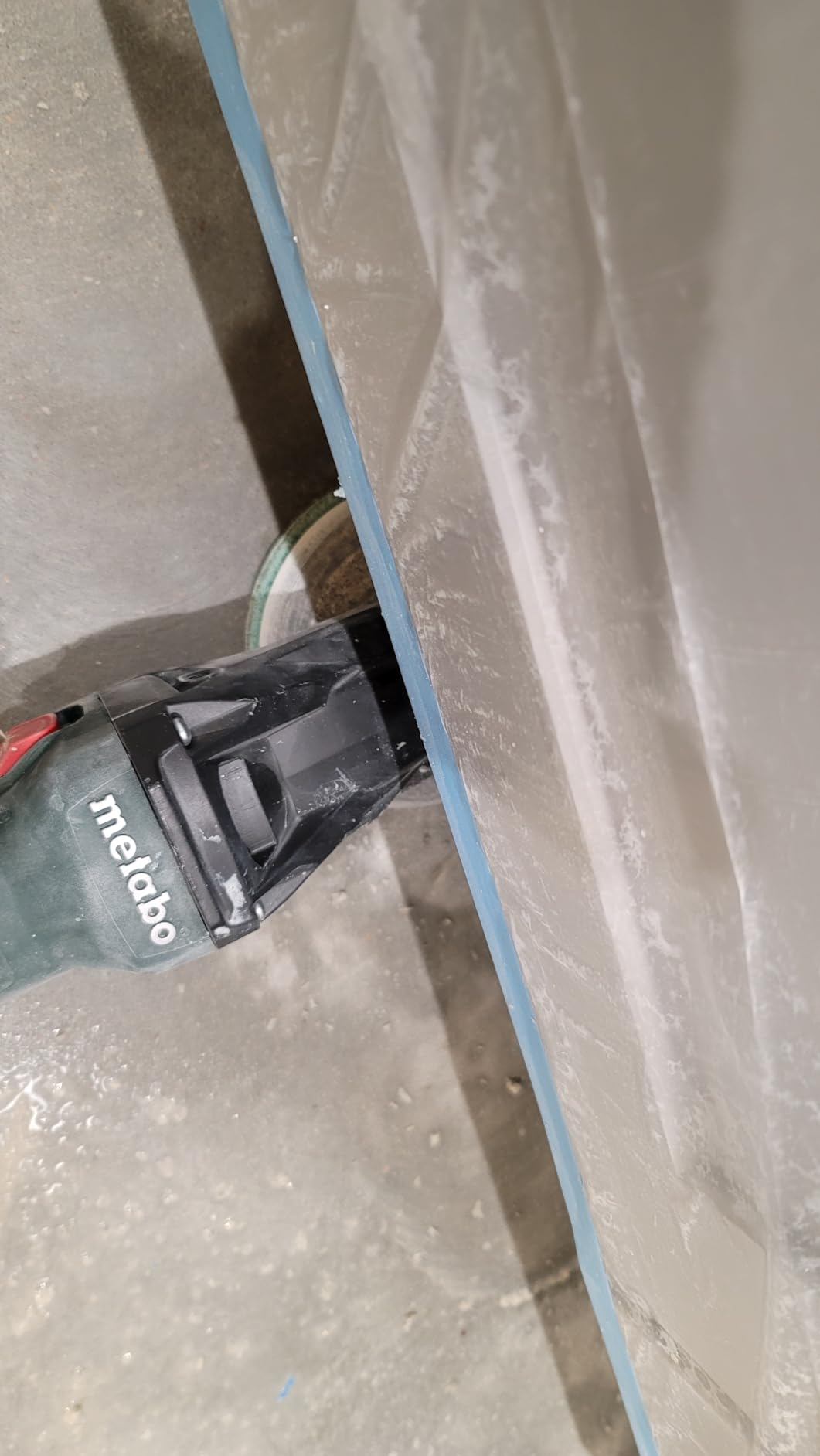
Users who need access in confined spaces or careful speed control on stainless and thin steel rate this format highly. The aluminum die-cast gearbox is a durability positive, and electronic speed control holds the RPM you selected even when the load changes across a weld bead.
For stainless steel handrails, exhaust parts and thin sheet, keeping the wheel under the material’s burn threshold is the whole game, and 2,000 RPM gives you room that a 3,500 RPM floor does not.
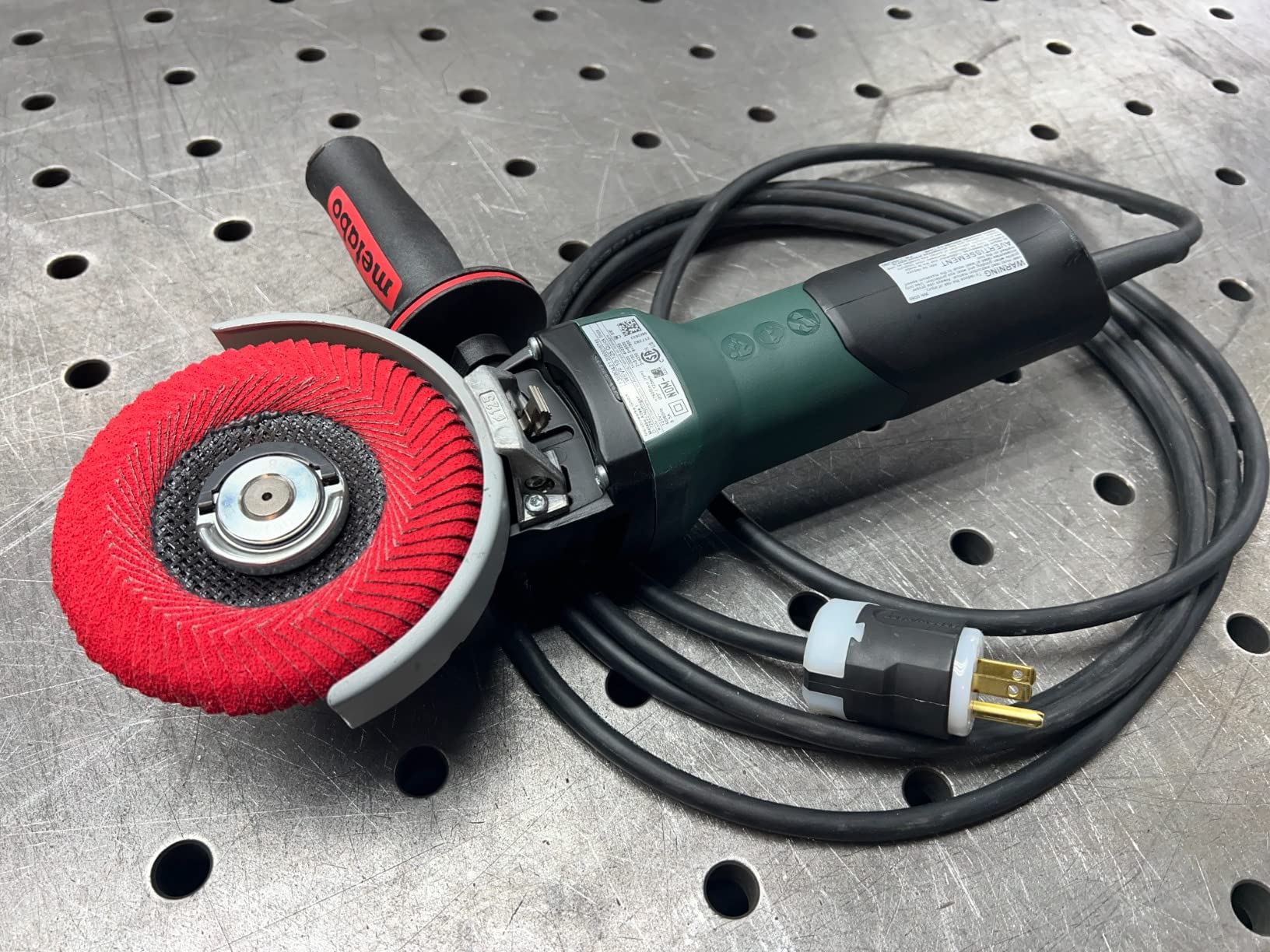
Why the flat head matters for polishing
Polishing is often the step you do in the least accessible place on the job. A flat head lets you get the pad flat on an internal corner or behind a flange while keeping the guard in place, which a standard right-angle head cannot do at that angle.
The combination of the lowest RPM floor and the tightest access angle makes this the pick for stainless and thin metal work where both control and geometry matter.
Where it falls short
Thermal behavior is the weak point. It runs hotter than average under prolonged heavy load, and several owners had to stop and let it cool before continuing. For long uninterrupted buffing sessions on thick sections, that is a real interruption.
There is also a scattering of durability complaints, with a few owners reporting grinders locking up or burning out after modest use, and the rating here is the lowest of the group. The 30-day performance warranty is shorter than competitors, and at 6.5 pounds it is the heaviest tool in the roundup, which works against long finishing sessions.
7. AOBEN AT3113X 4.5 Inch 1200W: Best Value Grinder with the Biggest Accessory Kit
AOBEN 1200W Angle Grinder 4-1/2 inch | 10Amp, 11000 RPM, 6-Speed Corded Power Electric Cut off Tool with Switch Lock | for Heavy Duty Work & Metal Cutting, Grinding & Polishing
1,200W and 10 Amp motor
11,000 RPM no-load speed
6-speed adjustable control
7/8 inch arbor, 5/8-11 spindle
Pros
- Six speed settings give real control across cutting
- grinding and polishing
- 10 Amp motor reaches 11000 RPM for heavy metal and concrete
- Spindle lock makes wheel changes quick
- Includes 19 discs plus guard
- wrench and tool bag
- Very high owner review volume for general DIY and shop work
Cons
- Switch lock is a simple latch
- not a brake-equipped trigger
- Brightly colored plastic body reads as entry-level construction
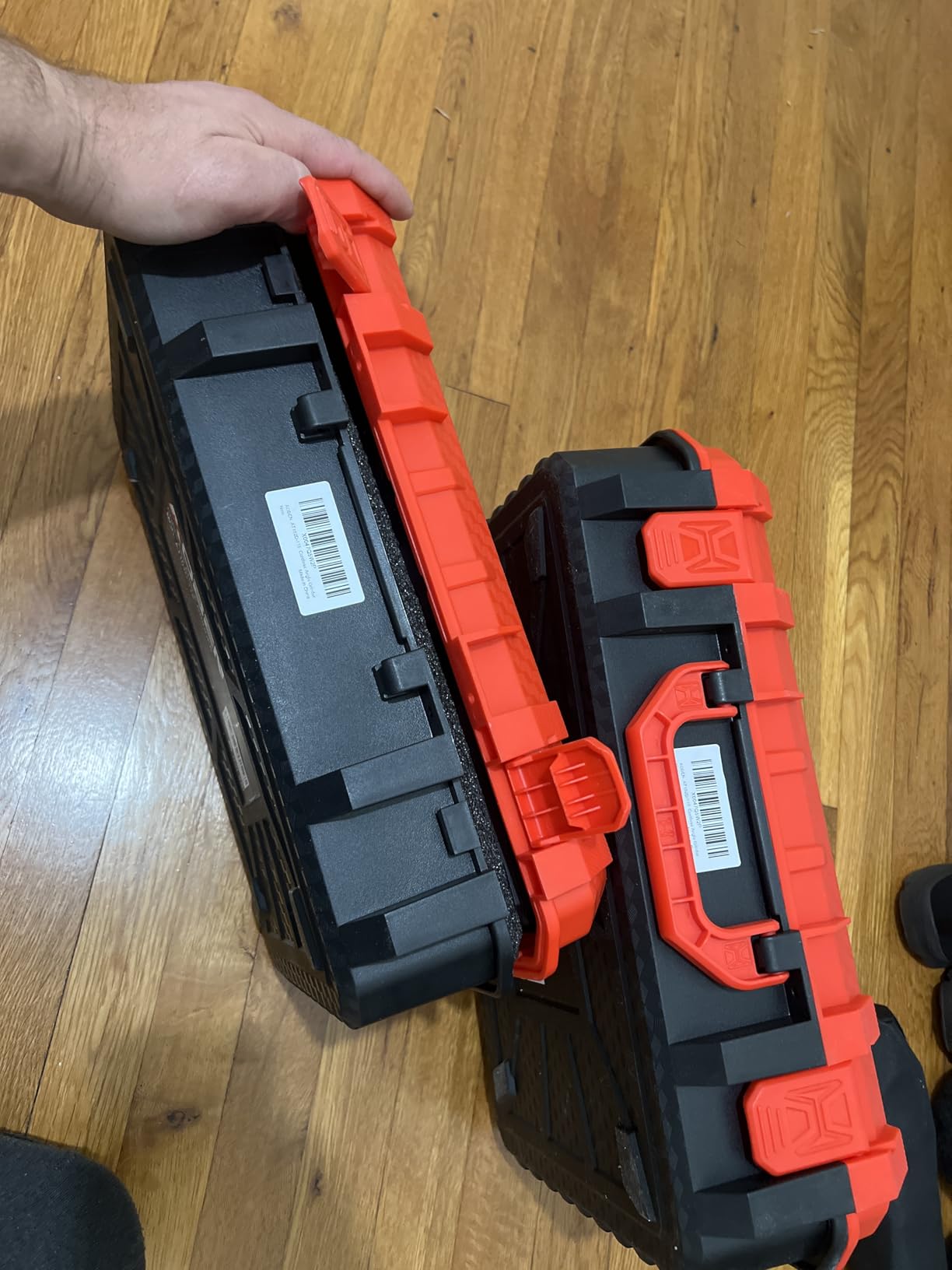
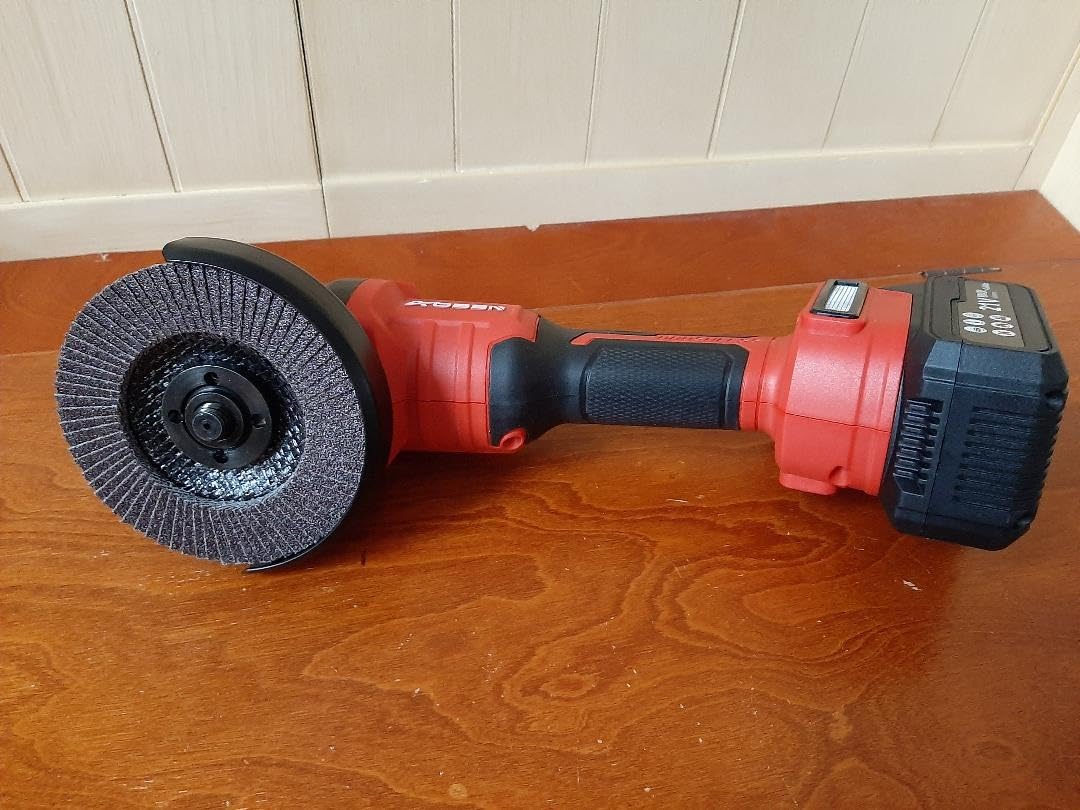
The AOBEN AT3113X is the volume pick here, and the reason is simple: it ships with 19 discs, a guard, a wrench and a tool bag. If you are outfitting a shop or a first workshop, the kit contents remove the accessory shopping step entirely, which is where most first-time grinder buyers underestimate the spend.
The 1,200 watt, 10 Amp motor delivers 11,000 RPM, and a six-speed adjustable control covers cutting, grinding and polishing on the same dial. The spindle lock means wheel changes take seconds rather than the awkward two-wrench fight of a lock-nut-only design.
The 7/8 inch arbor with a 5/8-11 threaded spindle is the useful detail here. Most buffing wheels and thick non-woven discs mount on a 5/8-11 arbor, so this tool accepts standard finishing wheels rather than forcing you into a thin M14 pad only.
Owners frame it as capable value: adequate power for metal cutting and grinding, plus usable speed selection for finishing work, with the accessory kit a frequently cited bonus.
Where the AOBEN fits
It suits a mixed shop doing cutting, grinding and polishing on one budget machine. The six-speed range means the same tool handles a cut-off wheel in the morning and a finishing pad in the afternoon, which is the argument for a variable speed grinder in the first place.
For someone who needs the accessory ecosystem more than they need premium control, the included discs and guard cover most of the first year of work without extra purchases.
Where it falls short
The switch is a simple lock latch, not a brake-equipped paddle trigger. There is no electronic kickback braking and no quick wheel stop, so you will be waiting for a spinning wheel to slow before setting the tool down, and that is where scratches come from.
The brightly colored plastic body also reads as entry-level construction, so the balance of this tool is power and accessories rather than finish quality and control.
8. SHALL SH111010AE 4.5 Inch 6-Speed Grinder: Best Budget Variable Speed Grinder
SHALL Angle Grinder Tool 7.5Amp 4-1/2 Inch, 6-Variable-Speed Grinders Power Tools, Electric Metal Grinder 12000 RPM w/ 2 Safety Guards, Cutting Wheels, Flap Discs, Non-Slip Handle for Metal/Wood
900W and 7.5 Amp motor
6-speed dial from 3,000 to 12,000 RPM
4-1/2 inch, 7/8 inch arbor with 5/8-11 spindle
One year warranty
Pros
- Six-speed dial from 3000 to 12000 RPM covers cut/grind/polish and buff
- Compact 4 pound body reduces fatigue in long sessions
- Two tool-free guards suit cutting and grinding work
- Raised spindle lock and locking side handle simplify accessory changes
- Combo kit includes both guards
- wheels and flap discs
Cons
- Constant-speed and variable-speed variants share the same listing
- One year warranty coverage
The SHALL SH111010AE covers 3,000 to 12,000 RPM across six speed settings, and owners consistently cite that range as the deciding feature because it lets one tool move from cutting to polishing without a tool swap. The 3,000 RPM floor sits in the usable band for non-woven discs and light buffing wheels.
At a compact 4 pounds with a raised spindle lock and a two-position non-slip side handle, the ergonomics reduce fatigue in prolonged use. Two tool-free wheel guards are included, one for cutting and one for grinding, which is more than most tools at this level give you.
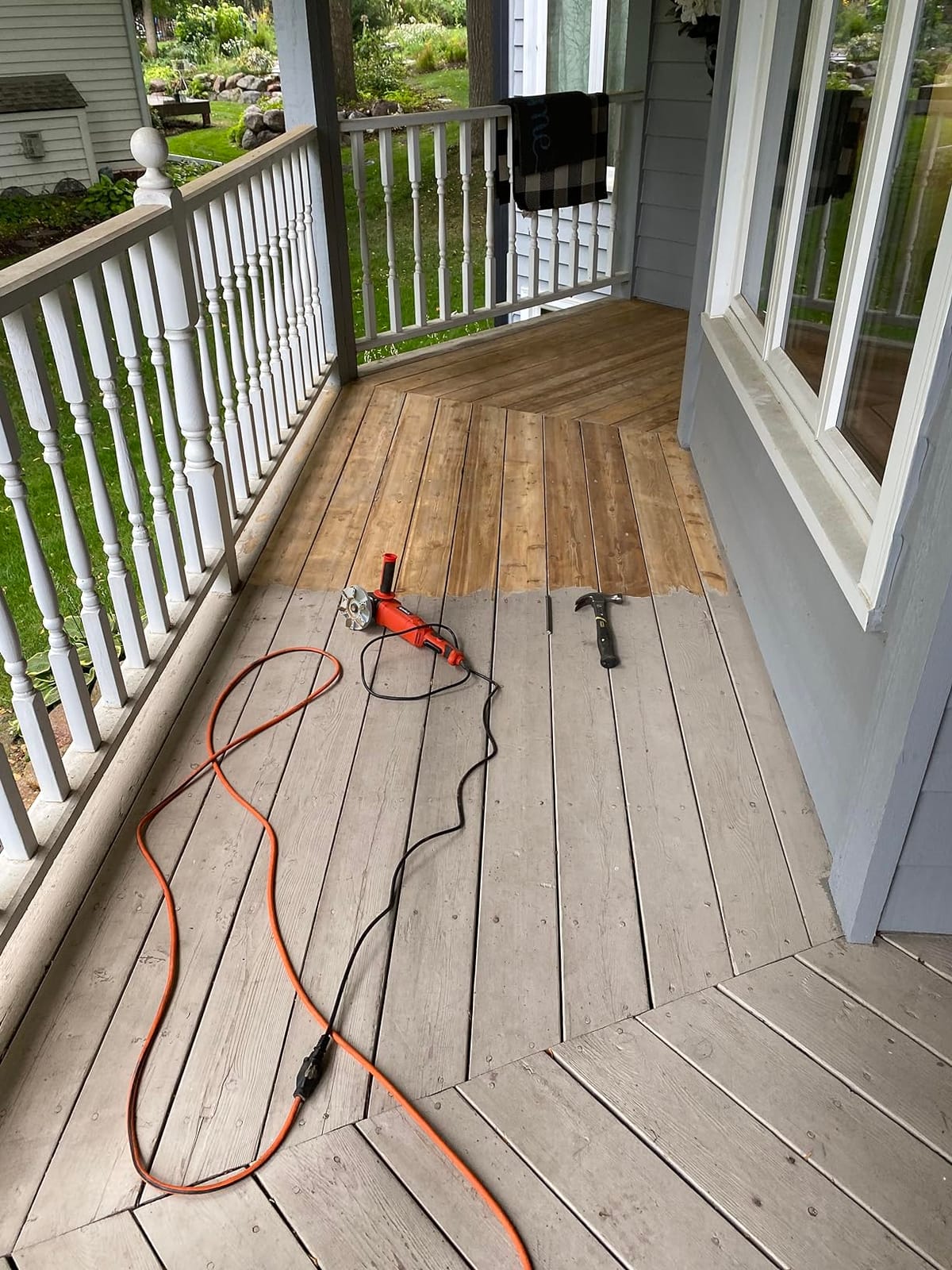
The kit also includes three cutting wheels and three 60 grit flap discs, so you have a full abrasive progression from shaping to smoothing out of the box. The vent system and dust ejection keep the motor cooler than a sealed design during longer passes.
For finishing aluminum, cast iron and mild steel, run the dial in its lower third and move up as the surface improves. The wide span is the point of this tool, and the light body makes the long low-speed passes less tiring.
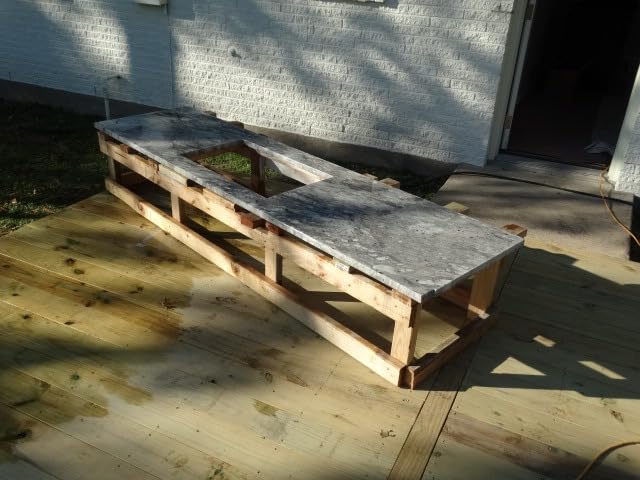
Why it earns the budget slot
It delivers the one feature polishing actually requires, a usable low speed setting, at the lowest tier of the roundup. Everything else about it, the light body, the two guards, the accessory kit, supports that single decision.
For a hobbyist, a renter or a first workshop, this is a complete starting point for cut, grind and polish work without buying discs separately.
Where it falls short
The main issue is listing ambiguity. Constant-speed and variable-speed variants share the same listing, and several reviews caution buyers to confirm they received the variable-speed version. Check the dial is present before you commit.
Warranty coverage is one year, and there is no brake or kickback protection, so finishing work means waiting out the coast-down every time you set the tool down.
9. AVID POWER AG640 4.5 Inch 7-Speed Grinder: Best for Carving, Concrete and Deck Work
AVID POWER Angle Grinder 4-1/2 Inch 8.0 Amp 1000W Electric Grinder Tool 7-Variable-Speed Metal Grinder, 11,500 RPM, Paddle Switch with Lock-on Button, Cutting & Grinding Wheels and Side Handle – Red
1,000W and 8.0 Amp motor
3,000 to 11,500 RPM across 7 settings
Paddle switch with lock-on button
4.2 pounds
Pros
- Seven speed settings with linear response from 3000 to 11500 RPM
- Good balance and easy handling for a 4.5 inch grinder
- Lock-on paddle switch frees the index finger for long jobs
- Strong value next to name-brand grinders
- Slower speeds add control for concrete grinding
- deck stripping and carving
Cons
- One owner reports the lock-on lever stuck and needed unplugging
- Carbon brush motor needs periodic cleaning and eventual replacement
- One owner reports the tool began smoking and stopped after light use
The AG640 runs seven speed settings from 3,000 to 11,500 RPM with linear response, which is more granularity than most tools in this group offer. Owners point to that range as the feature that separates it from single-speed budget grinders, particularly for carving, deck work and concrete.
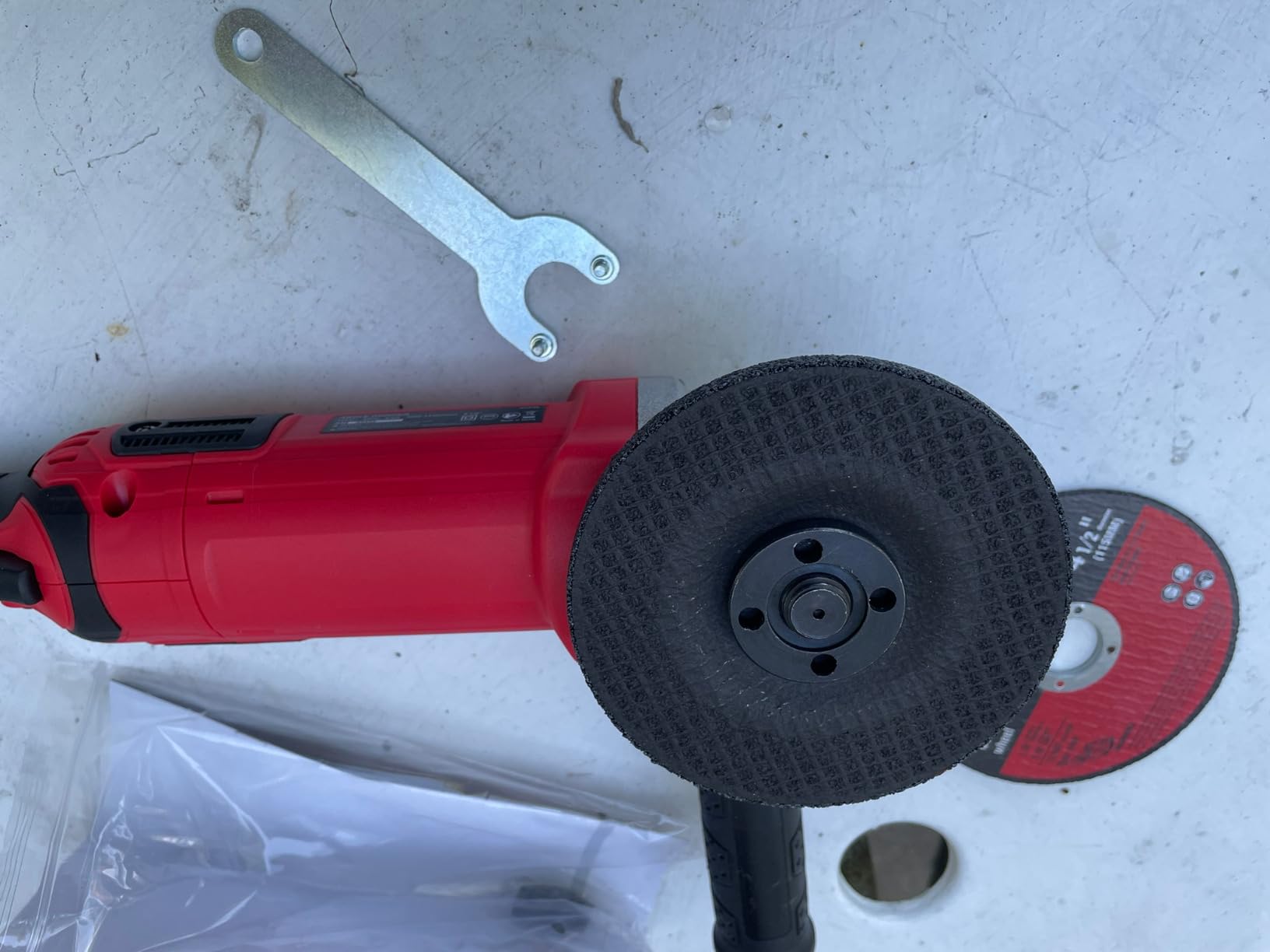
The paddle switch with a lock-on button frees your index finger for long passes on a deck or a concrete edge, and the integrated spindle lock plus two-position handle make accessory changes fast. The package includes wheels, guard, handle, wrench and spare carbon brushes.
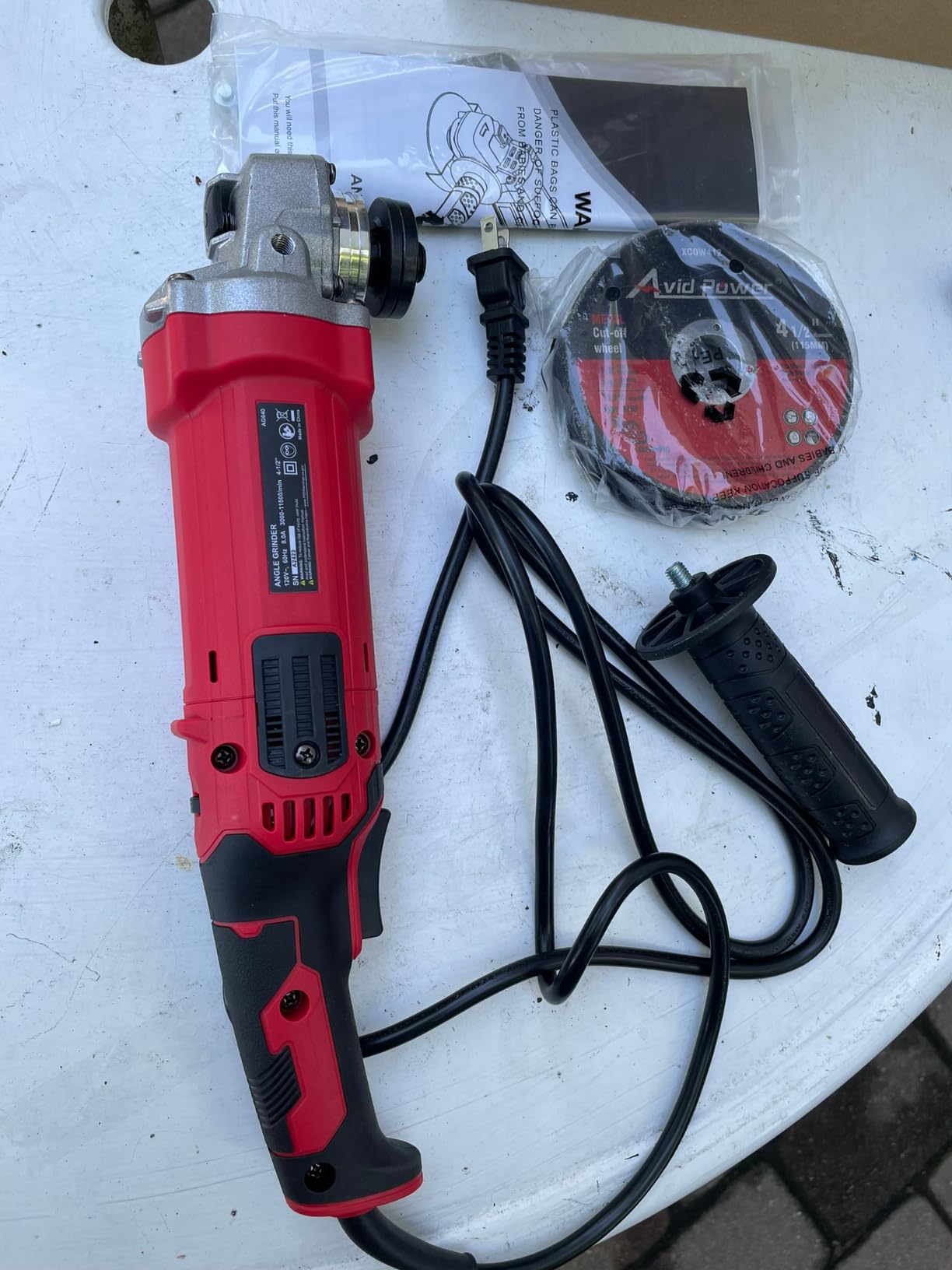
At 4.2 pounds with a non-slip texturized rubber over-mold grip and extended body, the balance is good for a 4.5 inch machine. That balance matters on stone and concrete work where you are following a contour rather than working on a bench.
For a carver, the low end of the dial is what makes the tool usable at all. Slow speed keeps the wheel from grabbing and lets you follow a profile without gouging, which is the same principle as polishing but applied to shaping.
Where the AG640 works
Hard materials and outdoor jobs. Concrete grinding, deck stripping, stone carving and step edges all reward the slower settings, and the seven-step dial gives finer adjustment than the five and six-step machines.
The lock-on switch is the detail that matters on those jobs, because deck work and concrete are long, continuous passes where holding a small trigger becomes tiring.
Where it falls short
The lock-on lever is also the main reliability flag, with one owner reporting it stuck and requiring unplugging to release. If you rely on lock-on heavily, treat the switch as something to check periodically.
It is also a carbon-brush motor, so brushes need periodic cleaning and eventual replacement, and one owner reports a tool that began smoking and stopped after light use. On a mirror finish, the speed response is not as refined as a brushless machine with electronic stabilization.
10. VERVEWAVE 20V Cordless Brushless 6-Speed Grinder: Best for DEWALT Battery Owners
Angle Grinder Brushless fit DEWALT 20V Battery, 6 Variable Speed Power Grinder 4-1/2″ Cordless for Cutting Grinding Polishing (Tool Only)
Brushless motor up to 8,500 RPM
6 speeds from 3,000 RPM
Soft start and power failure protection
Wrench stored inside the side handle
Pros
- Six speed settings from 3000 to 8500 RPM cover sanding through cutting
- Brushless motor runs quiet with a smooth soft-start spin-up
- Uses existing DEWALT 20V MAX batteries and chargers
- Lock switch is more secure than a one-touch latch
- Wrench stored in the side handle
- Good torque and acceptable battery life on a 5Ah pack
Cons
- Tool only
- battery and charger not included
- One reviewer questions full DEWALT battery compatibility and reports bogging down
- No true electronic kickback protection
- Electronic brake engages a couple of seconds after release
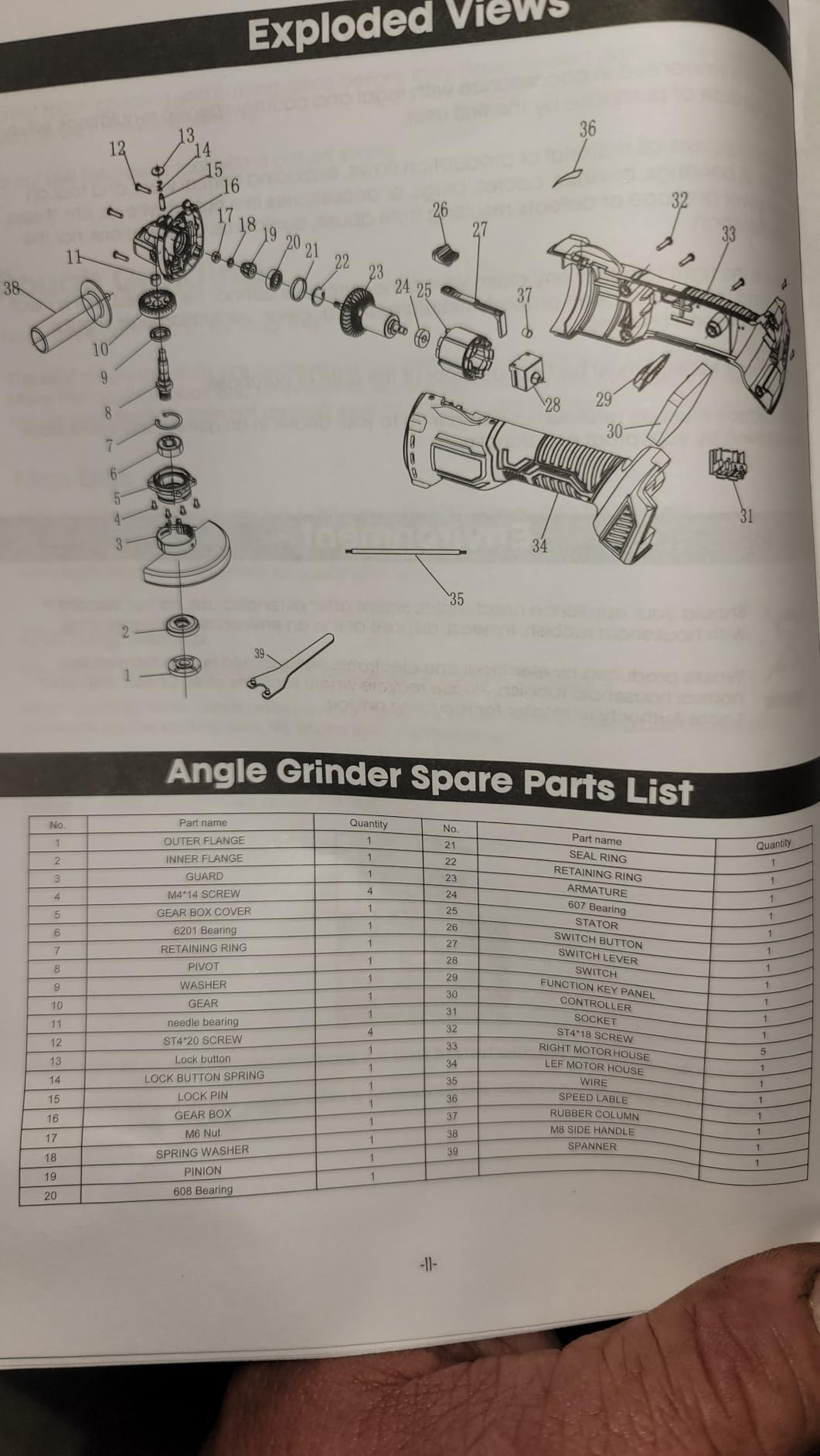
This is the platform play. If a workshop already runs on DEWALT 20V MAX packs, this brushless grinder plugs into that ecosystem instead of asking you to buy a second battery platform. The six speed settings from 3,000 to 8,500 RPM cover fine sanding through fast cutting on a single dial.
Owners treat it as a value cordless grinder with the soft start and brushless motor as standouts. The quiet, smooth spin-up is nice on a polishing pad because there is no aggressive surge to load the pad on contact.
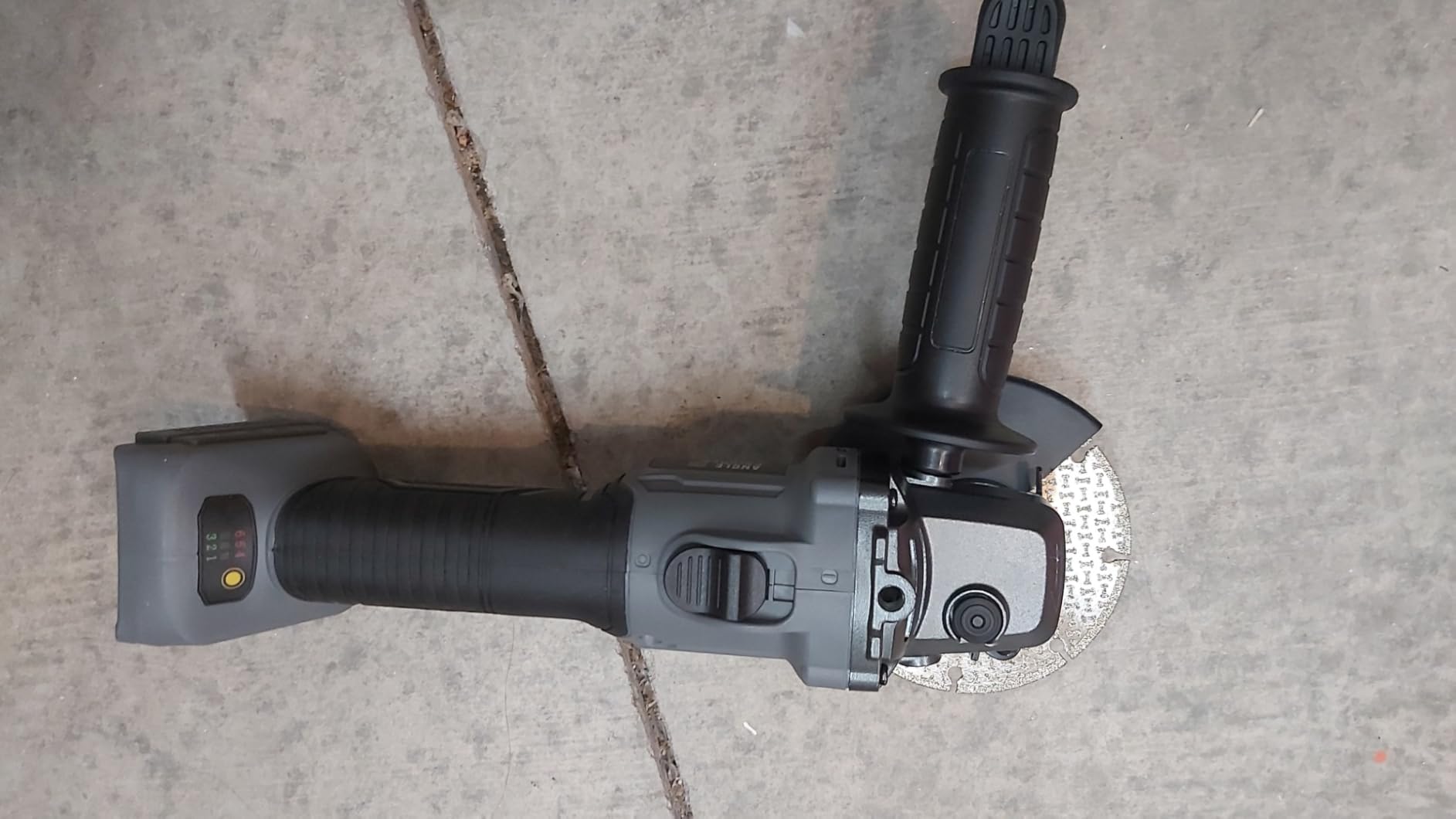
The three-dimensional vent design handles heat dissipation and dust protection, which matters when you are polishing stone or concrete where abrasive dust is constantly in the air. The three-position non-slip auxiliary handle uses a lock switch instead of a one-touch button, and that is the safer choice for finishing work.
Spindle lock with the wrench stored inside the side handle is a small touch that saves real time during a pad progression, because the wrench is never the thing that goes missing when you need it.
Where it earns a spot
Anyone already invested in DEWALT 20V MAX batteries gets a cordless brushless grinder with six usable speed settings and no new platform cost. It is a strong finishing companion for dust-prone work where a cord is a liability.
The lock switch and soft start both point toward careful control work rather than aggressive grinding, which lines up with polishing and light finishing duty.
Where it falls short
Compatibility is the friction point to check. One reviewer reports the tool is not fully compatible with DEWALT batteries as advertised and bogs down, so confirm fit with your specific pack before you rely on it for a long job.
There is also no true electronic kickback protection, and the electronic brake engages a couple of seconds after release rather than immediately, so you are waiting longer than you would on a Milwaukee or DEWALT OEM machine between finishing steps.
How to Actually Polish With an Angle Grinder
The tool matters less than the sequence. A variable speed grinder gives you the control range to do the whole progression on one machine, but only if you change the abrasive in the right order. Skip a step and you are grinding instead of polishing.
Step one: establish shape with a flap disc. A 60 to 120 grit flap disc removes mill scale, weld spatter and surface irregularities. Run it at the upper half of your speed range and let the tool do the work. If the sparks are long and orange rather than short and bright, you are pressing too hard.
Step two: refine with a non-woven disc. A non-woven abrasive disc knocks down the scratches the flap disc left and starts the surface finish. This is where most people over-speed the job, and where the low settings earn their keep.
Step three: change abrasive material for aluminum. Users on Practical Machinist recommend silicon carbide for aluminum because aluminum bonds to aluminum oxide wheels and loads them up, ruining the finish. Choose silicon carbide or a dedicated non-woven pad for aluminum specifically.
Step four: finish with a buffing wheel or felt pad and compound. A sewn muslin buffing wheel with a polishing compound is the standard setup forum users describe for metal graining and finishing, paired with a respirator and a check of the wheel RPM limit. On r/Lapidary the same idea applies to stone, where variable speed is called essential.
Step five: check the wheel rating every single time. Compare the maximum RPM printed on the buffing wheel or pad against the grinder output at your selected speed. Never exceed the pad rating. Repeated forum warnings describe what happens when a wheel is overspun: it disintegrates, and the pieces become projectiles. Let the spindle cool before changing pads.
Compound consistency matters more than people expect. If you are mixing your own polishing compound rather than buying it premixed, a blender that breaks down grit evenly saves you from streaking the panel. Our high speed blender roundup for glass covers that side of the workflow, where a weak motor leaves grit settled at the bottom and the pad cakes unevenly.
For concrete and stone, wet polishing with a dust shroud attached keeps the slurry in place and the dust down. For garage or shop work, add a shroud so debris goes into a vacuum instead of onto your bench and into your lungs.
Buying Guide: Choosing a Variable Speed Angle Grinder for Polishing
RPM floor matters more than peak RPM. The number that decides polishing quality is the lowest speed the tool holds. Below roughly 3,000 RPM you can run most buffing wheels and non-woven pads without overspinning them or generating the heat that glazes compound. A machine that tops out at 11,500 RPM but bottoms out at 4,000 RPM is a grinding tool with a finishing pretence, and forum users regularly note that a lower floor is better.
Speed stabilization under load is the second spec. Look for electronic speed control or a brushless motor with regulation. Without it, the RPM sags when you press on the pad, the compound smears and the pad glazes. This is the difference between a grinder that polishes and one that just spins.
Power: around 1,000 to 1,500 watts, or about 10 to 12 amps, covers finishing work on metal and light stone. You do not need a 15 amp machine to polish a countertop. If you also grind thick cast iron daily, more power helps, but weight and heat then work against you on finishing passes.
Getting the guard angle right matters as much as the power number, and it is one of those setup details people only learn after burning a knuckle. We keep that kind of measurement habit in our digital angle finder roundup, where a small accuracy adjustment is the whole point of the tool. A grinder guard that sits correctly does the same job, keeping the pad flat and your fingers on the right side of the disc.
Brushless versus brushed motors. Brushless motors run cooler, quieter, hold speed better and skip brush maintenance. Brushed motors cost less and are fine for intermittent work. For polishing specifically, the cool low-RPM behavior of a brushless machine is the reason it wins.
Switch type. A paddle switch gives you proportional control and can be released instantly. A lock-on slide switch frees your finger for long continuous passes and is a favorite with fabricators. A brake that stops the wheel in two seconds or less prevents both burns and scratches when you set the tool down.
Kickback braking and guard design. Electronic kickback braking senses a pinch, stall or bind-up and stops the wheel. A tool-free or tool-less guard means you can change pads for a progression faster, and a guard that clamps firmly matters when you are working close to a surface.
Pad and arbor compatibility. Most 4.5 and 5 inch grinders use an M14 thread, while many buffing wheels and thick non-woven discs use a 5/8-11 arbor with a 7/8 inch flange. If you plan to run sewn muslin wheels or thick non-woven discs, confirm the spindle and flange size before you buy the tool. The AOBEN in this roundup accepts the 5/8-11 setup directly.
Weight and balance for long sessions. Forum users complain explicitly about 6 plus pound tools during long polishing sessions. If finishing is your primary task, anything in the 3.5 to 5 pound range keeps wrist fatigue down.
Corded versus cordless for polishing duty cycles. A corded machine holds speed for an uninterrupted multi-hour buffing session, and users on forum threads about extended work generally prefer corded for sustained jobs. Cordless wins where there is no outlet, on stone fabrication and deck work, and it also saves energy because the tool runs harder at the low setting. If your polishing happens in one place with an outlet nearby, go corded.
Warranty and service. Manufacturer warranties in this class range from one year to multi-year coverage. A longer warranty matters more for a brushless cordless machine you plan to keep in a truck, and shorter performance windows, as on the Metabo WEVF, carry more risk on a shop-only tool.
One final note on pad choice. Users on Practical Machinist favor thick non-woven discs over velcro-backed Scotch-Brite pads because worn velcro lets discs fly off, and they last several times longer by wearing down to reveal fresh abrasive. Whichever system you choose, the pad max RPM has to stay under the grinder output at your selected speed. Guard position, like the squareness checks in a meat grinder setup guide, is one of those small habits that keeps a long job predictable.
Frequently Asked Questions
Can you use a variable speed grinder as a polisher?
Yes. A variable speed angle grinder works as a polisher because you can dial the disc down to roughly 2,000 to 4,000 RPM and hold that speed, which keeps heat low and stops the pad glazing. Mount a non-woven disc for scratch removal, then a felt or sewn buffing wheel with compound for the final finish. Check the pad maximum RPM against your selected speed before every change.
What is the best angle grinder with variable speed?
For most people, the Milwaukee 2888-20 18V cordless grinder is the best balance of control, weight and braking. It offers five speed settings up to 8,500 RPM, stops the wheel in two seconds or less, and weighs 5.4 pounds. If you need a lower speed floor for stainless and thin metal, the Metabo WEVF 10-125 reaches down to 2,000 RPM.
Is a variable speed angle grinder worth it?
It is worth it if you cut, grind and finish on the same tool, because the low settings stop you burning the workpiece and loading the pad. On cordless models it also extends runtime. If you only cut material, the speed range rarely matters. For anyone who polishes metal, stone, concrete or wood, the low end of the range is the feature you will use daily.
Can I turn my angle grinder into a polisher?
Yes, and the conversion is mostly about the right attachments. Start with a 60 to 120 grit flap disc for shaping, move to a non-woven abrasive disc to refine scratches, then finish with a felt or muslin buffing wheel and a polishing compound. Use silicon carbide rather than aluminum oxide on aluminum, and never exceed the maximum RPM printed on the wheel.
What is the best angle grinder for polishing aluminum?
For aluminum, pick a tool with a low RPM floor and use silicon carbide or a dedicated non-woven pad, because aluminum bonds to aluminum oxide wheels and loads them up. The Metabo WEVF 10-125 at 2,000 to 7,600 RPM and the Metabo HPT G12VE2 with six speed settings and a cool-running brushless motor both suit this material well.
Can I polish metal with an angle grinder?
Yes. Use a flap disc to remove scale and spatter, a non-woven disc to knock down scratches, then a felt or sewn buffing wheel with compound for a mirror finish. On stainless and thin steel, drop the speed low to avoid heat distortion. Wear eye protection, a respirator and gloves, and let the spindle cool before changing pads.
Conclusion: Which Variable Speed Angle Grinder Should You Buy
The Milwaukee 2888-20 is our pick for the best variable speed angle grinders for polishing because it combines five usable speed settings, a two-second wheel brake and a light 5.4 pound body, and it holds up as a daily finishing tool in owner feedback. If your work is stainless or thin metal, choose the Metabo WEVF 10-125 for its 2,000 RPM floor and flat-head access.
Whatever you pick, choose on the lowest RPM it can hold, whether it stays cool at that speed, and whether the pad you use is rated for it. Those three checks decide whether your grinder polishes or just spins.