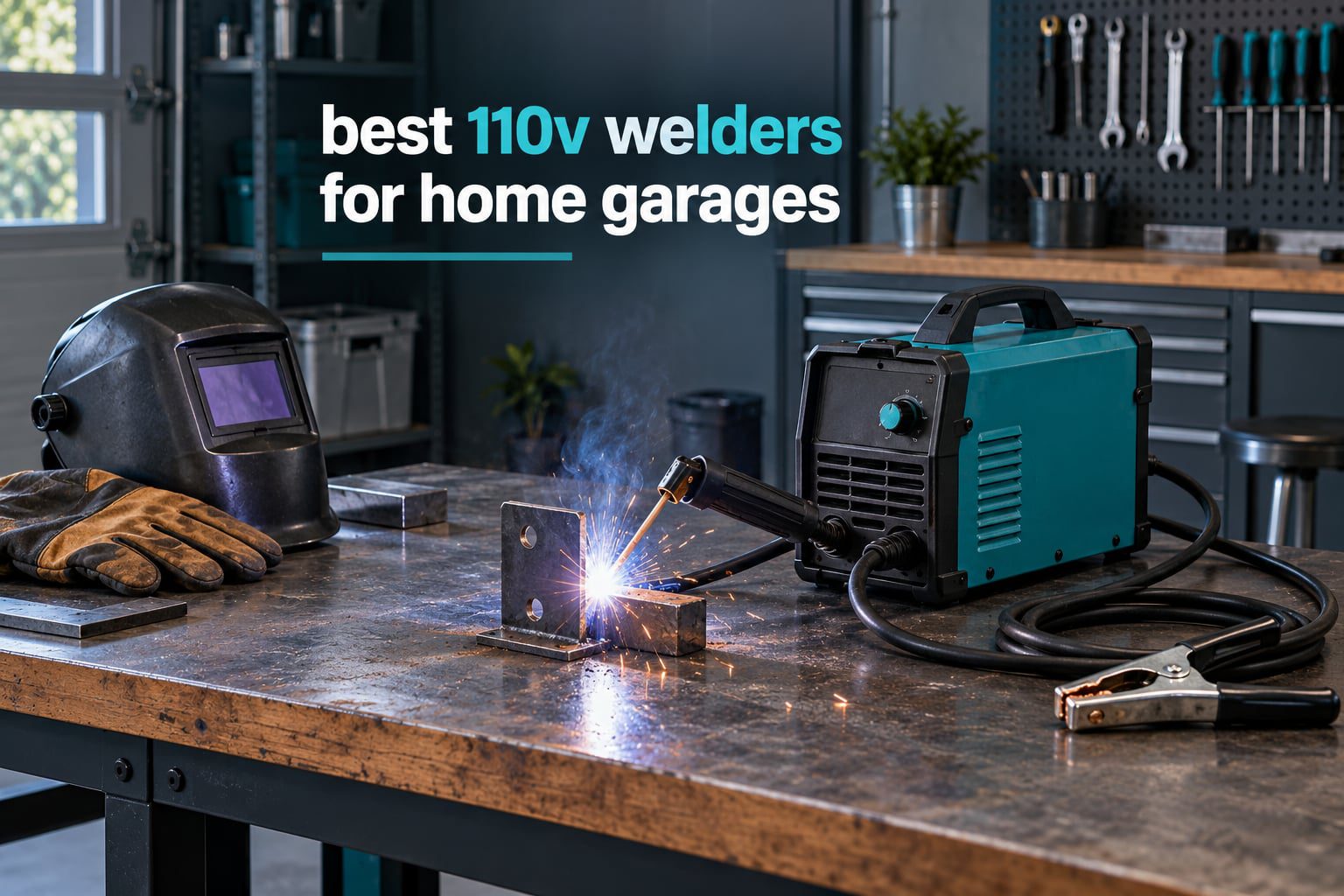
Most people buying a welder for a home garage are not looking for a machine that can build a trailer frame. They are looking for something that plugs into the outlet already on the wall, starts an arc without a three-minute ritual, and survives a Saturday of bracket work without tripping a breaker. That is a narrower job than most roundups suggest, and it is why the best 110V welders for home garages come down to three numbers: output amps, duty cycle at those amps, and how your machine behaves on a 15-amp circuit.
We spent weeks reading owner reviews, spec sheets and forum threads on these ten machines, then narrowed them to the ones that actually earn a place in a residential garage. The lineup below covers gasless flux core MIG, stick, and multi-process machines, including two dual-voltage options that let you start at 110V and move to a dedicated 220V circuit later without buying again.
A 110V welder is a light-duty stick, MIG or multi-process machine designed to run on a standard 110/120V household outlet, so you can weld in a home garage without installing a dedicated 220V line. The honest limitation is material thickness: roughly 1/8 inch steel is the comfortable ceiling, with 24 gauge through 16 gauge being the sweet spot. If you are still choosing your first machine, our beginner MIG welder guide covers process choice in more depth.
This roundup was updated for 2026. Every spec below comes from the manufacturer listing or owner feedback, and we flag the machines where measured output falls short of the number on the display.
Table of Contents
- Top 3 Picks for Home Garages in 2026
- Best 110V Welders for Home Garages in 2026
- What a 110V Welder Can Realistically Weld
- 1. YESWELDER 135A Flux Core 3-in-1 – Best Overall 110V Welder
- 2. ARCCAPTAIN 130A Flux Core 3-in-1 – Best Value Multi-Process Welder
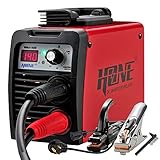
- 3. HONE 140A Dual-Voltage Stick Welder – Best for Thin Sheet Metal and Rod Variety
- 4. ARCCAPTAIN 200A Stick Welder – Best Budget Stick for Heavier Rod Work
- 5. S7 250A Dual-Voltage Stick Welder – Best Budget Step Up
- 6. YESWELDER 160A 4-in-1 MIG Welder – Best Gas MIG Capability
- 7. HITBOX 200A 3-in-1 Flux Core MIG Welder – Best Portable Option
- 8. Bestarc 145A Multi-Process MIG Welder – Best Duty Cycle for the Money
- 9. Lincoln Electric 90i FC Weld-Pak – Best Known-Brand Pick
- 10. AZZUNO 130A Gasless Flux Core MIG Welder – Best Simple First Welder
- How to Choose a 110V Welder Without Regretting It
- Frequently Asked Questions
- The Verdict for 2026
Top 3 Picks for Home Garages in 2026
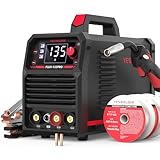
YESWELDER 135A 3-in-1 Flux…
- 135A DC output at 110V
- Mild steel to 3/32 inch
- Synergic control with 3V trim
- 11.4 lb portable body
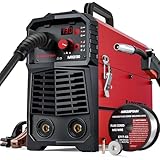
ARCCAPTAIN 130A 3-in-1
- 130A at 110V
- Synergic wire and voltage match
- 11.79 lb with shoulder strap
- 2-year warranty
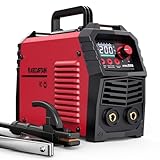
ARCCAPTAIN 200A Stick Welder
- 200A rated dual voltage
- Runs E6010 rod
- Adjustable hot start and arc force
- Shoulder strap included
The YesWelder 135A takes the top slot on the strength of owner volume: nearly 3,000 reviews at a 4.4 average, and the broadest process coverage at the entry end. The ARCCAPTAIN 130A is the cleaner buy if you want the same three processes with a two-year warranty behind it. The ARCCAPTAIN 200A earns the third card because it is one of the few budget stick machines that will actually run 6010 rod.
Best 110V Welders for Home Garages in 2026
| Product | Specs | Action |
|---|---|---|
| YESWELDER 135A Flux Core 3-in-1 |
|
Check Latest Price |
| ARCCAPTAIN 130A 3-in-1 |
|
Check Latest Price |
 HONE 140A Dual-Voltage Stick HONE 140A Dual-Voltage Stick |
|
Check Latest Price |
| ARCCAPTAIN 200A Stick |
|
Check Latest Price |
 S7 250A Dual-Voltage Stick S7 250A Dual-Voltage Stick |
|
Check Latest Price |
 YESWELDER 160A 4-in-1 MIG YESWELDER 160A 4-in-1 MIG |
|
Check Latest Price |
 HITBOX 200A 3-in-1 Flux Core HITBOX 200A 3-in-1 Flux Core |
|
Check Latest Price |
 Bestarc 145A Multi-Process Bestarc 145A Multi-Process |
|
Check Latest Price |
 Lincoln Electric 90i FC Weld-Pak Lincoln Electric 90i FC Weld-Pak |
|
Check Latest Price |
 AZZUNO 130A Gasless Flux Core AZZUNO 130A Gasless Flux Core |
|
Check Latest Price |
What a 110V Welder Can Realistically Weld
Here is the honest thickness list, and it is the single most useful thing to know before you buy anything on this page:
- 24 to 18 gauge steel: auto body panels, patch panels, ductwork, small brackets. Any machine here will do this well.
- 16 to 12 gauge steel: shelf brackets, trailer step, patch panels over old rust. The realistic comfort zone for a 110V machine.
- 1/8 inch (3.2 mm) steel: the practical ceiling. Multi-pass work is possible on several machines here, but slow.
- 3/16 inch and up: stick-only territory at best, and only on the dual-voltage machines once you reach for 220V.
- 1/4 inch steel: only the Lincoln Electric 90i FC is listed at this thickness, and it gets there with multiple passes.
- Aluminum: no budget machine in this roundup handles it properly. That means a spool gun and a gas MIG setup, which pushes you toward a larger unit.
Duty cycle is the second thing people misread. A machine rated at 20 percent duty cycle can weld ten minutes out of every fifty, which sounds stingy until you realize that is still an hour of arc time in a two-hour session. The HONE stick machine lists 40 percent at rated output, and Bestarc’s owners report a figure near 60 percent, which is unusually generous for the money. Thermal overload protection is standard across all ten; it does not raise duty cycle, it just prevents the machine cooking itself when you ignore it.
Third, the circuit. Most garage outlets are 15 amps, and most 110V welders are rated for 20 amps. That gap is the number one source of disappointment on forums. On a 15-amp outlet you should plan on the lower half of the machine’s amperage range and accept a few percent duty cycle loss. If your machine has a 110V and 220V switch, you can start at 110V and step up to 220V when you add a dedicated circuit later.
1. YESWELDER 135A Flux Core 3-in-1 – Best Overall 110V Welder
YESWELDER 135A MIG Welder, 110V Flux Core Gasless MIG/Lift TIG/Stick 3-in-1
135A DC output at 110V
Mild steel to 3/32 inch
2.7 KW
11.4 lb body
IGBT inverter
Pros
- Handles mild steel up to 3/32 inch
- Synergic control with plus or minus 3V manual trim
- Oversized LED display readable in bright outdoor light
- 11.4 lb body moves easily between the bench and the driveway
- Includes .030 and .035 E71T-GS flux core wire so you can weld the day it arrives
Cons
- Spool holder and wire tensioner are cheap-feeling plastic
- Display amperage reads roughly 10-15 amps higher than actual output
- Flux core mode is synergic only with no manual voltage setting
This is the machine we keep coming back to, and it is not because of a spec sheet. It is because the machine has almost 3,000 owner reviews and the complaints are all about the accessories, not the arc. Reviewers report noticeably cleaner, less spattery welds than pricier Harbor Freight units of similar output, and the synergic mode does the voltage math for you when you pick a wire diameter.
Flux core, stick and lift TIG in one box is more than most people need, but it costs nothing here and it means you are not locked into one process. The wire that comes in the box is .030 and .035 E71T-GS, so you can put a bead down before you have bought anything else.
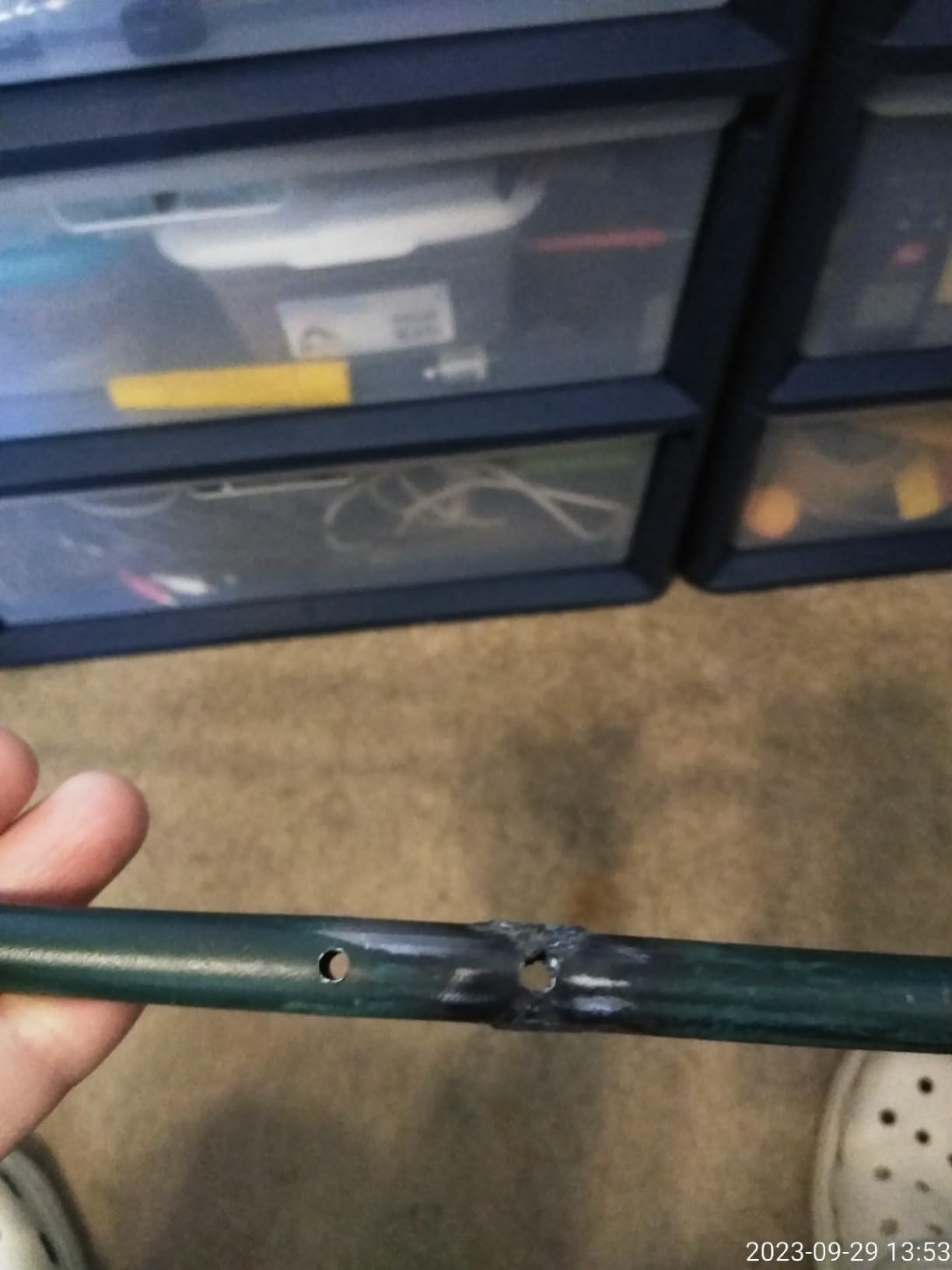
The 2.7 KW draw and 135A output put this squarely in light fabrication territory. Experienced hobbyists who bought it for heavier work report that it tops out around 1/8 inch steel and want you to know that up front. At 11.4 lbs, it is the kind of machine you carry out to the driveway with one hand, which is where a lot of garage work actually happens.
Two things to plan for. The included electrode holder, ground clamp and stinger are budget-grade, and experienced users swap the ground clamp early. The second is that the amperage readout is optimistic by roughly 10 to 15 amps, so mark your own settings on the case after you calibrate with a scrap piece.
Who this 110V welder suits
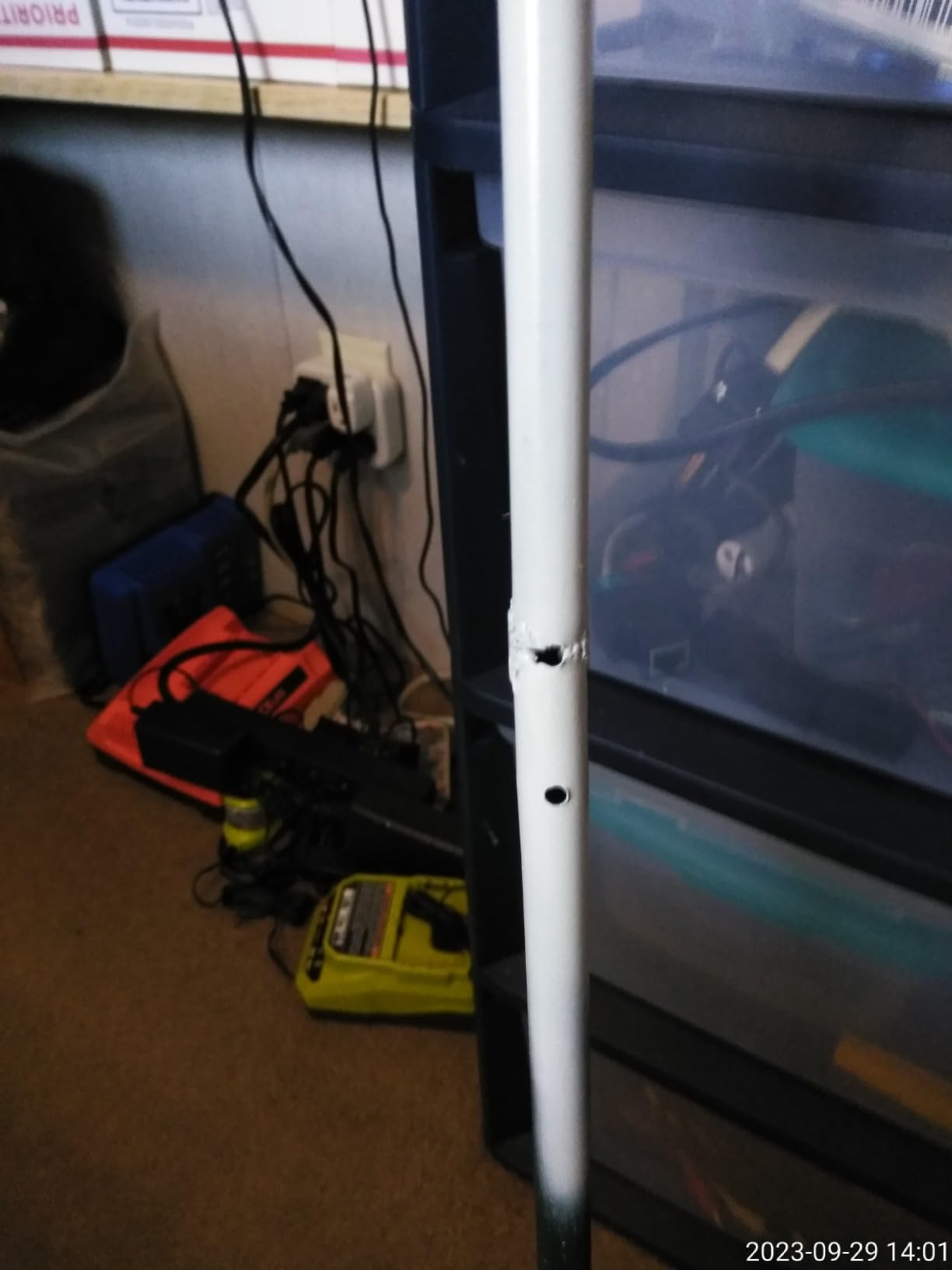
Someone who welds a few times a month, mostly in 16 to 1/8 inch mild steel, and wants stick available without buying a second machine. Owners describe it as paying for itself on the first repair job, which is a fair way to think about a home garage tool.
It is also the right pick if you plan to eventually add gas and want a lift TIG path later, though the DC-only output means aluminum TIG is off the table.
Who should skip it
If you need aluminum, if you want manual voltage control in flux core mode, or if you plan to weld 3/16 inch steel regularly, this machine will frustrate you. Reviewers also report a small stream of units arriving with defects such as a missing power switch, so inspect the box before you leave the driveway.
2. ARCCAPTAIN 130A Flux Core 3-in-1 – Best Value Multi-Process Welder
ARCCAPTAIN 130A Flux Core Welder MIG Welder 110V Gasless MIG Stick Lift TIG
130A at 110V
Flux core MIG and stick and lift TIG
11.79 lb
2-year warranty
Pros
- Synergic control matches current and wire feed to wire diameter
- Lightweight 11.79 lb body with handle or shoulder strap
- Comes with torch ground clamp holder and starter wire
- Over-current over-load and overheat protection built in
- 2-year manufacturer warranty
Cons
- Lift TIG requires buying a separate torch
- Budget-grade cables and clamps limit sustained high-amperage work
- 130A output limits material thickness for heavier fabrication
This is the pick for a first welder who wants three processes and a warranty longer than one year. The synergic control matches current and wire feed speed to the selected wire diameter across .030, .035 and .040 flux core wire, which removes the single most intimidating part of setting up a gasless MIG machine.
At 11.79 lbs with a handle or included shoulder strap, it is easy to take outside for fence and gate repairs. Over-current, over-load and overheat protection cover the failure modes that actually kill budget machines.
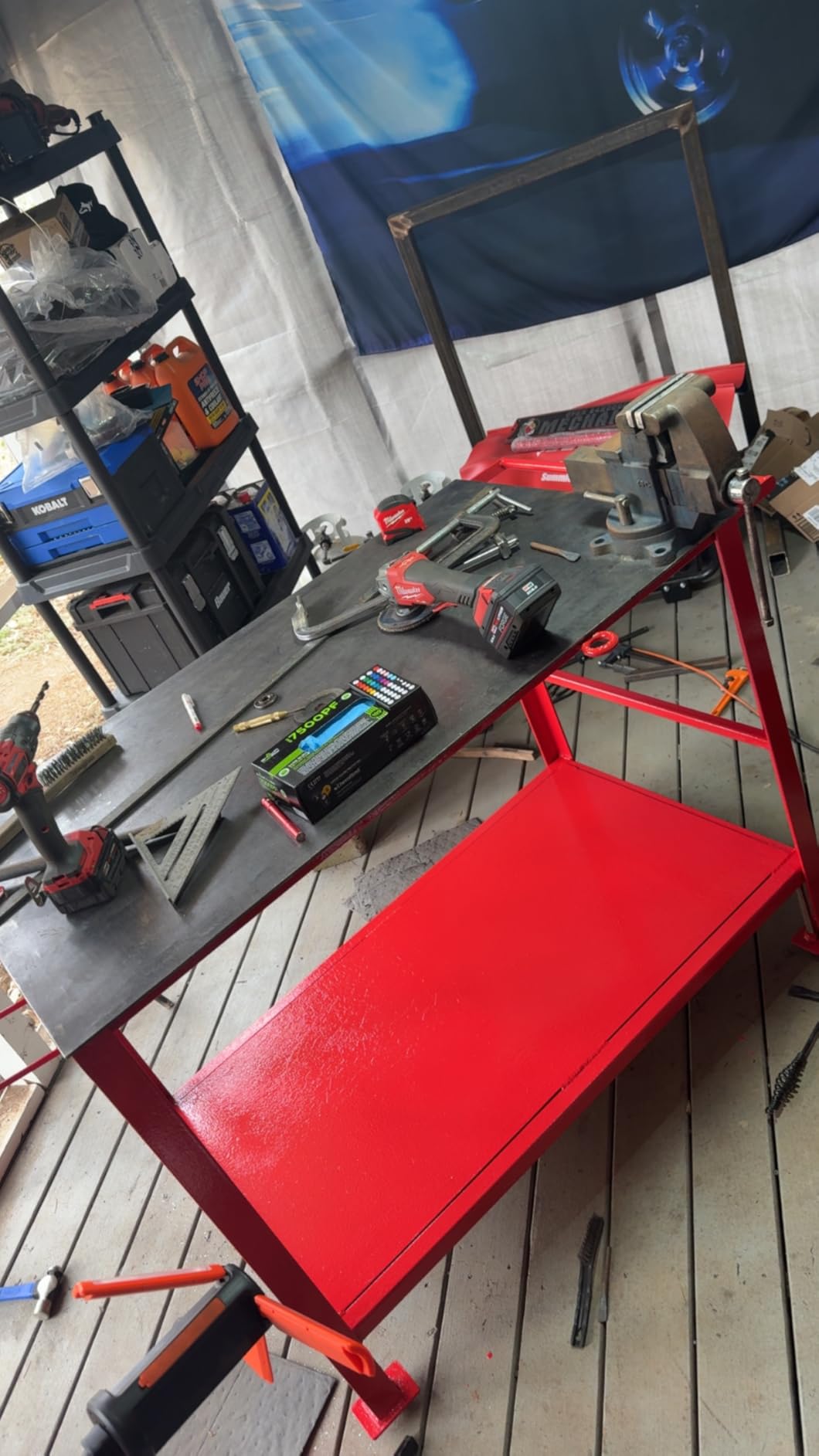
The included torch, ground clamp, electrode holder and starter flux core wire mean it runs out of the box. For someone learning on 16 gauge brackets and 24 gauge panels, that completeness matters more than raw amperage. Owners consistently highlight the automatic wire and voltage matching as the reason setup takes minutes instead of an afternoon.
Where it stops is exactly where you would expect. The 130A rating handles thin and medium mild steel, and reviewers are candid that it is not a heavier fabrication machine. If you need aluminum, this one cannot do it at all. Budget-grade cables and clamps are the other recurring gripes.
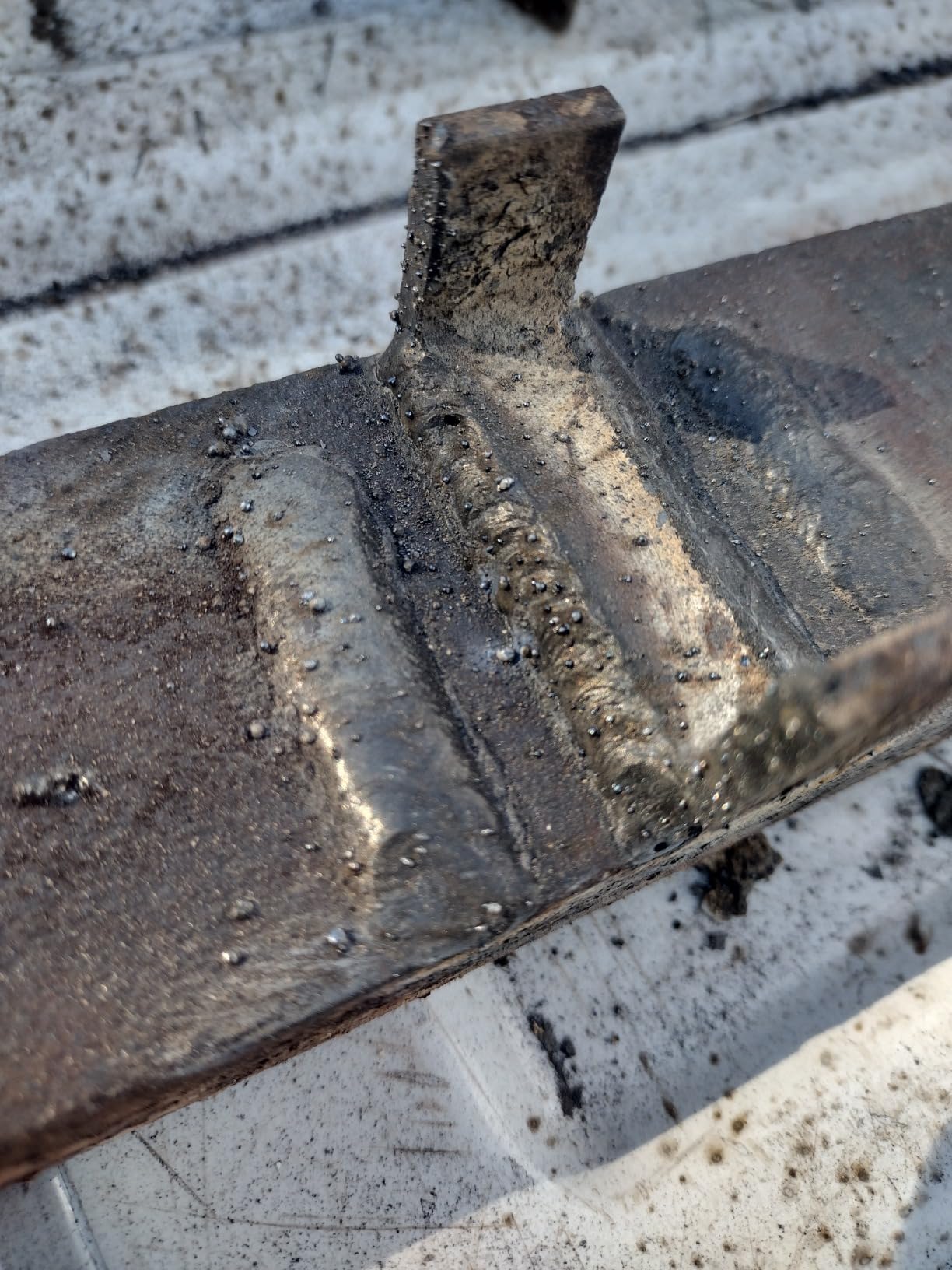
How the 130A output feels in practice
On light garage work, the difference between 130A and 160A is barely noticeable. On 1/8 inch plate with a real bead, you will feel it. Reviewers report that the machine welds its rated material well and that setup simplicity is where its value actually sits.
For anyone shopping on a garage budget, this is the honest center of the lineup: more capable than a single-process box, cheaper to own than a brand-name machine with a one-year term, and covered for two years.
Where it falls short
Lift TIG on this machine requires a separate torch purchase, so budget for that if thin-gauge stainless or aluminum prep is in your plans. Heavy sustained work at the top of the amperage range will expose the thin included leads, and the modest output is a real limit on structural work.
3. HONE 140A Dual-Voltage Stick Welder – Best for Thin Sheet Metal and Rod Variety
HONE Stick Welder, 110V/220V Actual 140Amp ARC Welder Machine, IGBT Inverter Digital Display LCD Welding Machines with Hot Start Arc Force Anti-Stick, High Efficiency for 1/16″-1/8″ Welding Rod.
140A on 220V
40 percent duty cycle at rated output
9.44 lb
Rods 1/16 to 1/8 inch
Pros
- Genuine 140A output on 220V with a 40 percent duty cycle at rated amperage
- Runs E6013 E7018 and E6011 rods smoothly including on thin 18-gauge sheet metal
- 9.44 lb body stores easily under a bench
- Hot start and anti-stick make arc striking forgiving for beginners
- Digital display with fault indicator and real-time current readout
Cons
- Amp display and knob scale read hot - a 130 setting delivers about 115 amps
- Cannot maintain an arc with E6010 cellulose rods despite marketing claims
- Stick-only machine with no MIG or TIG capability
This is the stick specialist in the lineup, and it punches above its class. The output range runs 10 to 120A on 110V and up to 140A on 220V, with an upgraded duty cycle of 40 percent at rated output. That 220V path is the reason we picked it: you start on the garage circuit and step up when you install a dedicated outlet.
Reviewers who weld for a living say it runs 6013, 7018 and 6011 smoothly, and several specifically praise its behavior on thin 18-gauge sheet metal where cheaper inverters tend to either blow through or sputter. Hot start and anti-stick make it forgiving if you are new to stick.
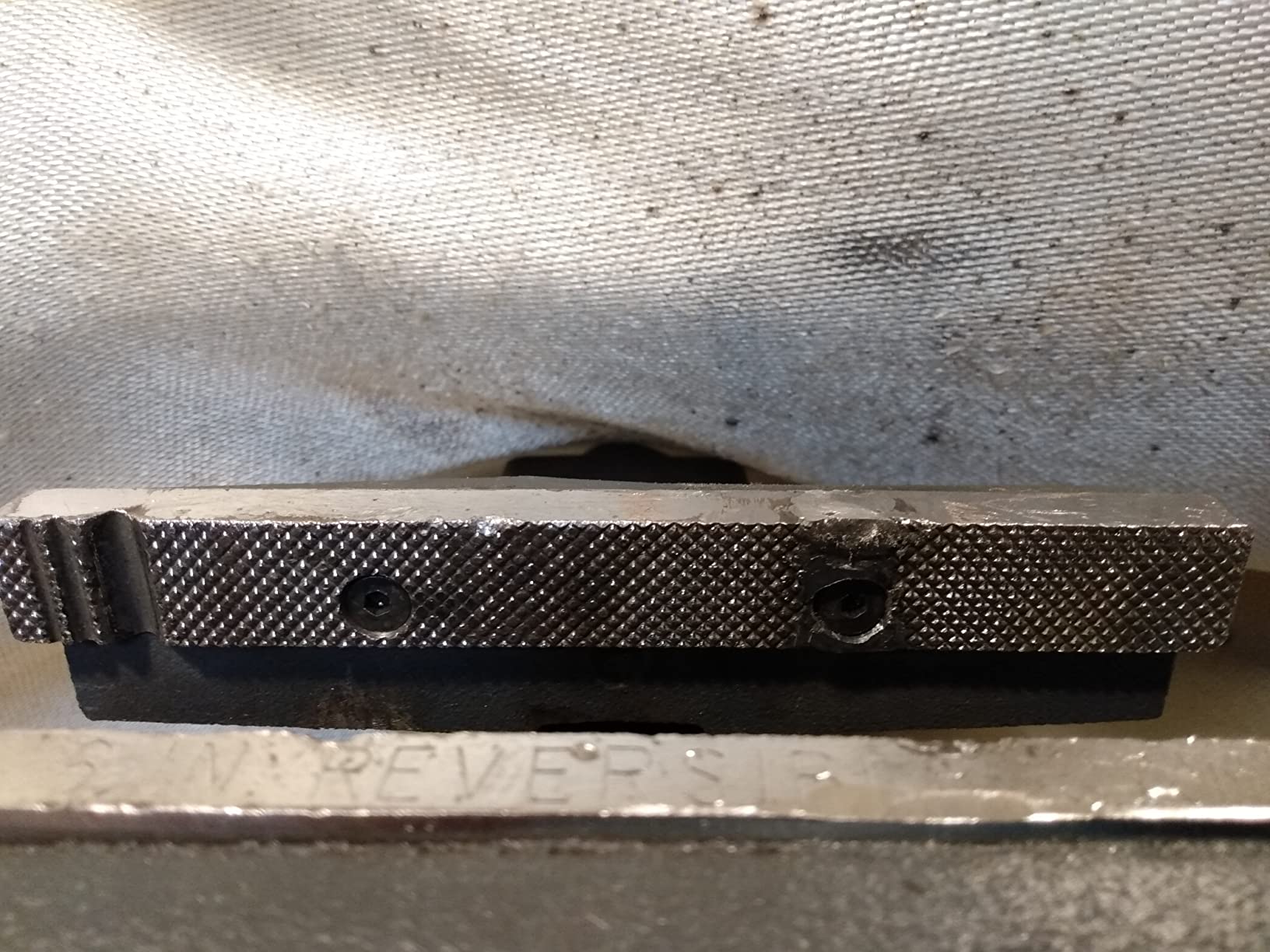
At 9.44 lbs and 9 by 3.9 by 5.6 inches, it disappears into a corner when you are not using it. Owners like the long leads and report quiet operation compared to smaller budget sticks.
The most repeated caveat is amperage calibration. A 130 setting delivers about 115 amps in practice, so owners mark their own reference settings on the machine and work from those. It is an annoyance, not a defect, but know about it before you calibrate the whole garage around the dial.
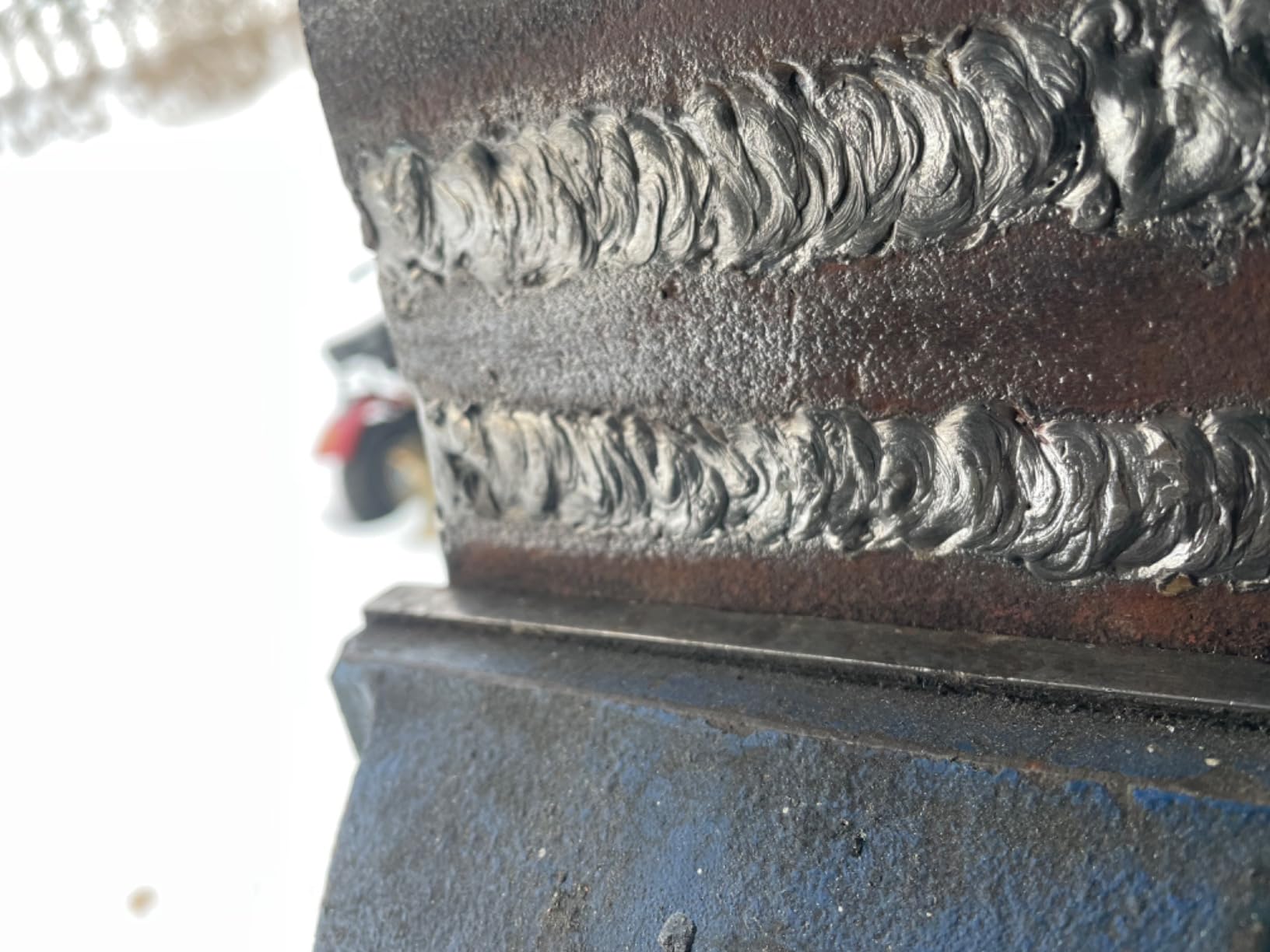
Rod selection and thin-gauge work
This machine is listed for E6013, E7018, E6011 and E6010 electrodes from 1/16 to 1/8 inch, which covers nearly everything a home garage throws at you. The practical exception reported by owners is E6010 cellulose rod, which will not hold a steady arc here despite the marketing claim.
If your work is patch panels, thin brackets or repair welds on lighter steel, the fine current control at the low end is the feature that matters. That is why it edges out other sticks in this group for sheet metal.
Where it falls short
No MIG, no TIG, no flux core. If you plan auto body work or want to feed wire, this is the wrong tool. Owners also recommend a short warm-up run before striking the first rod to avoid ignition hiccups.
4. ARCCAPTAIN 200A Stick Welder – Best Budget Stick for Heavier Rod Work
ARCCAPTAIN Stick Welder, 200A ARC/Lift TIG Welding Machine, 110V/220V
200A ARC output
110V and 220V dual voltage
7-8 lb core unit
TUV and ANSI certified
Pros
- 200A rated stick output with 110V and 220V dual voltage
- One of the few budget sticks that runs E6010 rod
- Rod-diameter selection constrains amperage to sane ranges for beginners
- Anti-stick drops amps instead of burning up a stuck rod
- Very light core unit with included shoulder strap
Cons
- Included cables are copper-plated aluminum and need upgrading for sustained 200A work
- Power cord is only about 6 ft
- Lift TIG torch is not included
Stick welding has a reputation problem it does not deserve. It is the most forgiving process for a beginner, it works on rusty steel and dirty surfaces, and it needs no gas. The ARCCAPTAIN 200A is the strongest argument in this roundup for buying one, because it is one of the few budget machines that will run E6010 rod, the general-purpose electrode farm and repair users keep asking for.
Output is rated at 200A, and experienced welders who meter the machine measure around 175A on the included leads. That gap matters mostly if you are leaning on the top of the range, which is not what a 110V garage circuit supports anyway.
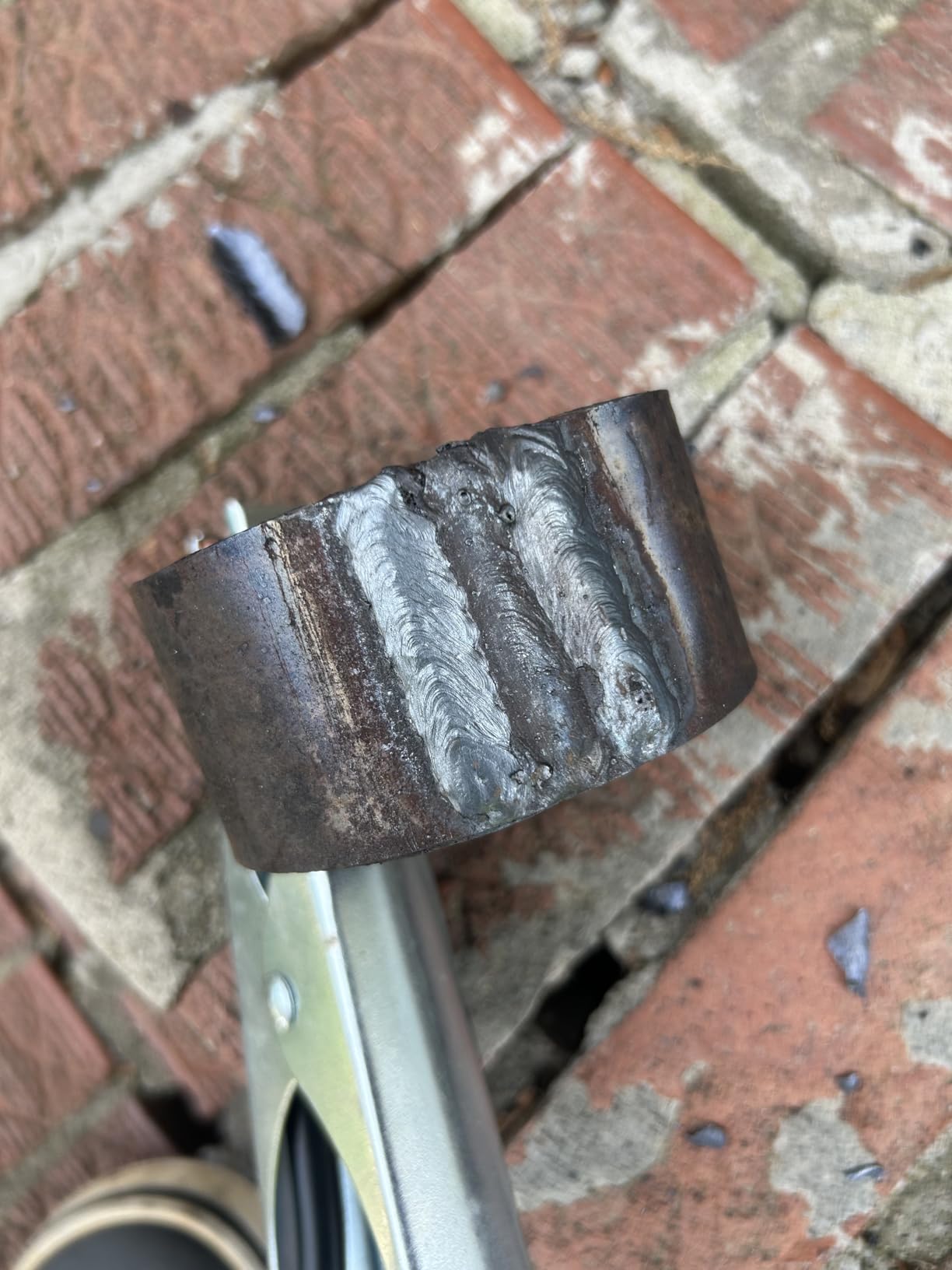
The controls are where this machine separates from cheaper sticks. An MCU digital controller with synergic rod-diameter selection means you pick 1/8 inch rod and the amperage range constrains itself to something sensible. Adjustable hot start and arc force plus automatic anti-stick give you three real levers instead of one.
TUV and ANSI certification is not common at this level, and there is a two-year service term behind it. The large LED display is readable through an auto-darkening helmet, which matters more than it sounds when you are trying to set amperage in a bright garage.
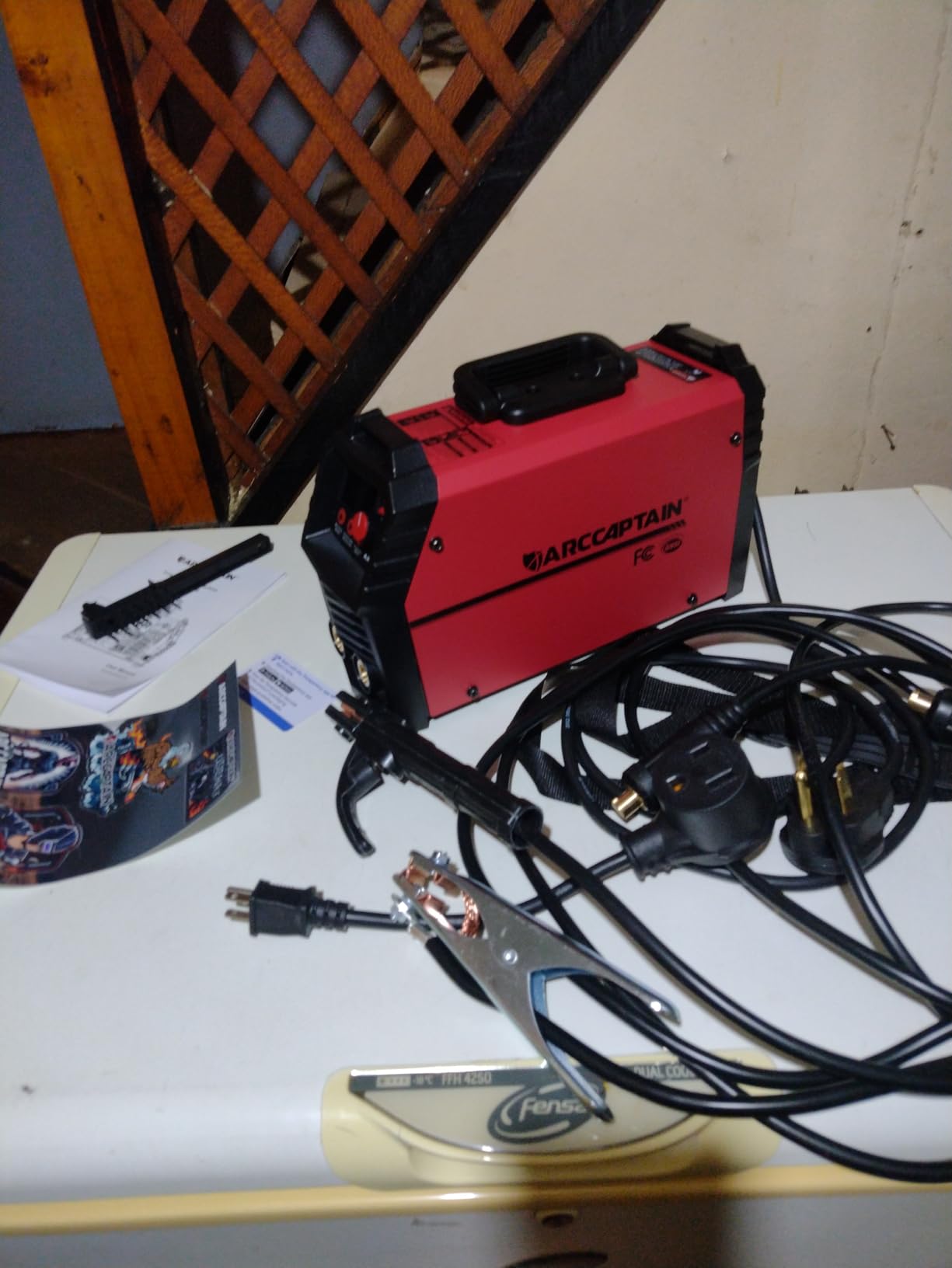
What 200A rated actually gets you at 110V
On a shared 20-amp circuit, 110V output is limited, and reviewers are honest about that. Plan for roughly 100 to 130A of real output on 110V and use the 220V side when you add a dedicated circuit. The 10-foot electrode holder, ground clamp, adapter, shoulder strap, brush and hammer are all in the box.
Weight is the surprise here. The core unit is around 7 to 8 lbs, light enough to sling over the shoulder for fence posts and gate repairs. The included leads are the weak point, not the machine.
Where it falls short
Replace the copper-plated aluminum leads with proper copper before sustained high-amperage work; owners who metered the output recommend exactly that. The power cord is only about 6 ft, and lift TIG needs a separate torch purchase.
5. S7 250A Dual-Voltage Stick Welder – Best Budget Step Up
250A Stick Welder, 110V/220V Portable IGBT Inverter ARC Welder
250A rated dual voltage
IGBT inverter stick output
9.13 lb
E6010 to E7018 rods
Pros
- Least expensive dual-voltage stick machine in this group
- 250A rated output across 110V and 220V
- IGBT inverter keeps the arc stable and the unit light at 9.13 lb
- Handles the common E6010 E6011 E6013 and E7018 rod range
- Hot start arc force and anti-stick help beginners get going
Cons
- Unbranded machine with limited published technical detail
- Basic digital display with few process adjustments
- Output is stick-only with no MIG or TIG
Dual-voltage capability at this money is unusual, and that is the reason this machine is here. It runs at 110V and 220V, so it covers a garage outlet today and a dedicated circuit tomorrow, which means it will not be the machine you outgrow first.
The IGBT inverter platform gives a stable arc for very little weight. At 9.13 lbs it is easy to move between the garage, a farm building or a job site, and the included compatibility with E6010, E6011, E6013 and E7018 rods covers essentially all home stick work.
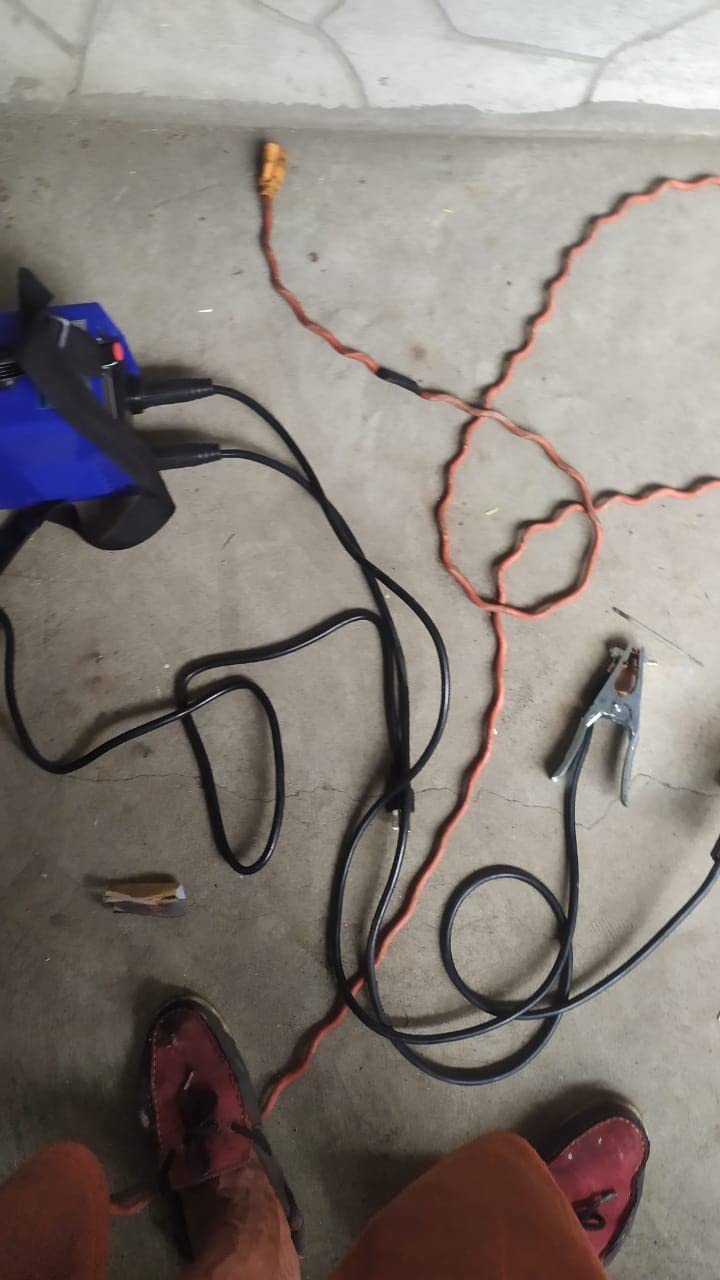
Reviewers frame it consistently as a value-first stick welder. The advice that comes up again is to use a suitable circuit and allow cooling time during longer welds. That is the honest operating envelope: household repair work rather than production use.
It comes with hot start, arc force and anti-stick, which are the three features that make a cheap inverter usable for a beginner. A digital display handles current adjustment, though it is a basic one with few other process settings.
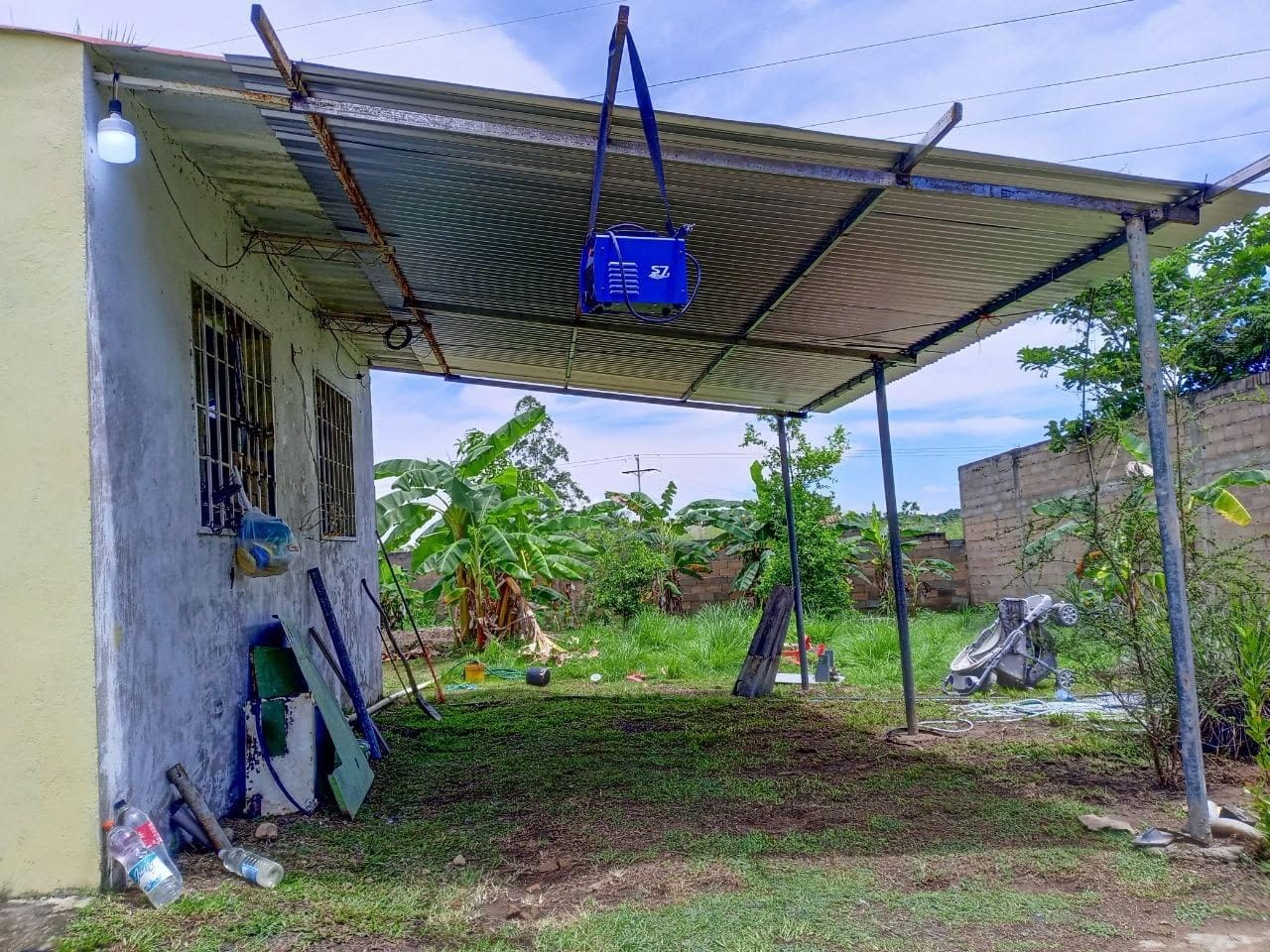
Value and honest limits
This machine earns its place by price, not by features. Nobody is claiming 250A of real 110V output on a 15-amp outlet. What you actually get is a stable inverter arc across the common rod range and the option to move to 220V when your garage allows it.
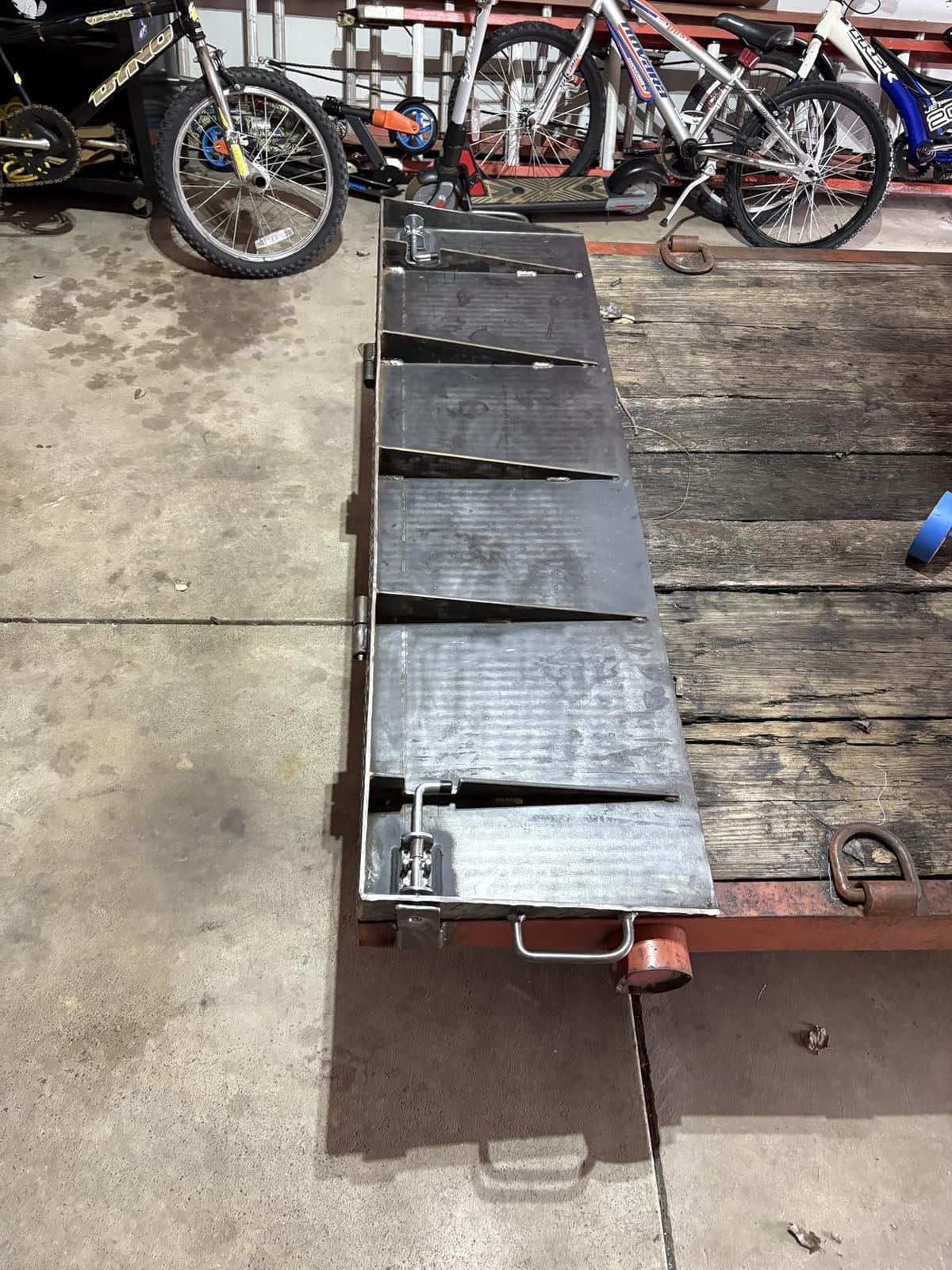
For farm gates, trailer hitches and structural repairs on a budget, that combination is hard to argue with. Owners report it performing well on light household repair work and heavy plate once they respect the duty cycle.
Where it falls short
The published technical detail is thin, which makes it harder to evaluate before you buy. The display is basic, there is no MIG or TIG, and there is no trigger or spool gun path. If parts or support matter to you, an unbranded unit carries more risk than a known name.
6. YESWELDER 160A 4-in-1 MIG Welder – Best Gas MIG Capability
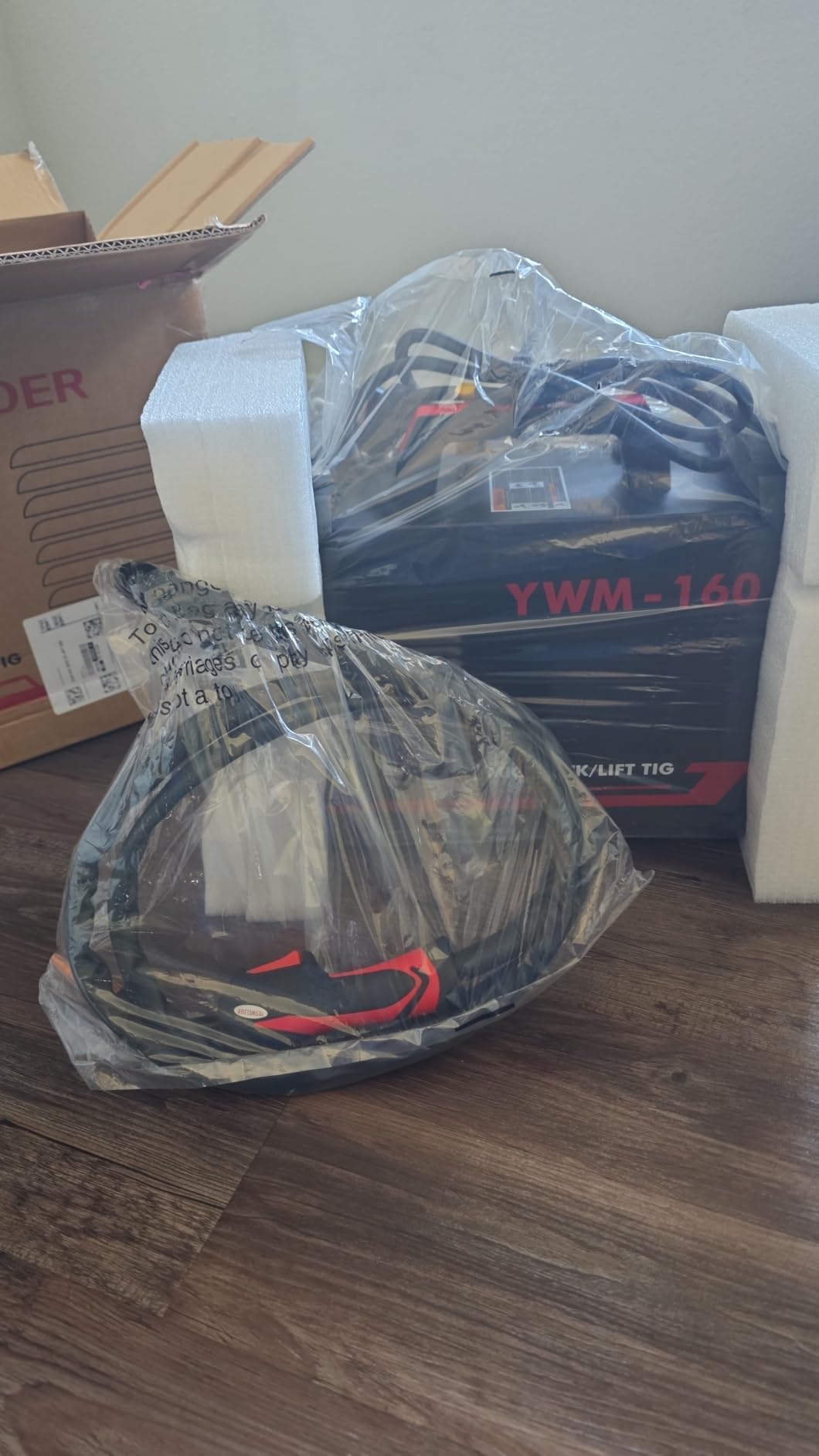
YESWELDER 160A MIG Welder, 110V/220V MIG/Flux Core/Lift TIG/Stick
160A output
110V and 220V dual voltage
Gas MIG and flux core and stick and lift TIG
4.2 KW
Pros
- Only true 4-in-1 in this group with gas MIG flux core MIG stick and lift TIG
- Dual voltage works in a garage now and switches to 220V for thicker stock
- Synergic auto voltage and feed plus a fully manual mode
- Handles .030 and .035 wire in 2 lb and 10 lb spools
- Long-term owners report two-plus years of reliable fabrication work
Cons
- Heaviest unit here at 27.5 lbs listed weight
- Push-button labels are small and the screen washes out in direct sunlight
- Stick arc is hard to strike even though it welds well once running
Gas MIG produces the cleanest, most slag-free bead of any process in a home garage, and this is the only machine here that does it properly. Flux core MIG, gas MIG, stick and lift TIG in one unit, with automatic 110V and 220V switching and a 160A output rating.
Reviewers with Miller and Lincoln experience call the MIG results excellent for the money. The dual-voltage path is the strategic choice here: run it on the garage outlet now, and when you install a dedicated circuit you move to 220V for thicker stock without replacing the machine.
The wire handling is the part that matters for a home shop. It runs .030 and .035 solid or flux core wire and accepts both 2 lb and 10 lb spools, so you can buy a small spool to try it and a large spool once you commit. A 220V to 110V adapter, gas hose, drive roller, ground clamp, electrode holder, MIG torch and tips are included.
Synergic and fully manual modes are both there. Beginners get automatic voltage and feed matching, and anyone who has welded before can drop to manual and take control of the bead.
Gas MIG and the shielding gas question
Once you own a shielding gas cylinder, regulator and a bottle cart, gas MIG rewards you with the least cleanup of any process on this page. If auto body work or thin-gauge stainless is in your plans, this is the machine that makes those jobs pleasant. Our flux core auto body guide covers the process comparison in more detail.
The trade is weight and complexity. This is the heaviest unit in the lineup at 27.5 lbs listed, and setting up gas adds a step every time you switch processes.
Where it falls short
Criticisms target ergonomics rather than arc quality: small button labels, a screen that washes out in direct sunlight, a thin gun liner that some owners reported melting on contact, and a stick arc that is hard to start. It also runs 6010 rod poorly compared with its other rod performance.
7. HITBOX 200A 3-in-1 Flux Core MIG Welder – Best Portable Option
HITBOX 200A MIG Welder, 110V/220V Flux Core MIG/Lift TIG/Stick 3-in-1
200A rated IGBT inverter
110V and 220V dual voltage
8.6 lb with handle
2 lb spool capacity
Pros
- Extremely light and small at 8.6 lb with a built-in carrying handle
- Flux core mode produces clean beads with very little spatter
- Synergic control simplifies voltage and wire feed setup
- Metal housing with over-current overload over-voltage and overheat protection
- Owners report it outperforming pricier Harbor Freight machines of similar size
Cons
- Stick output measures 20-30 percent below the displayed amperage
- No hot start and 6010 or 6011 rods will not hold an arc
- Only holds a 2 lb wire spool
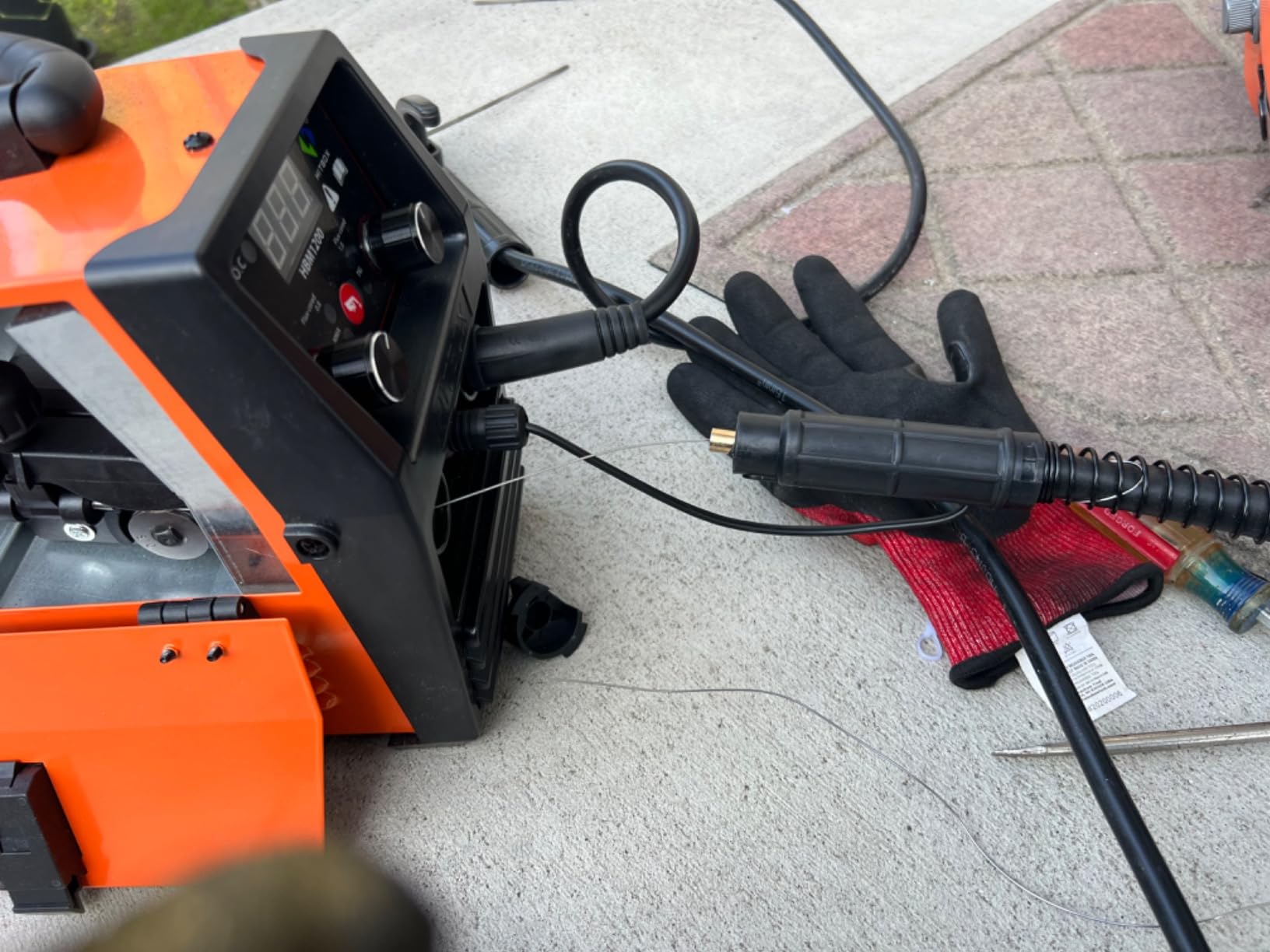
At 8.6 lbs and 9 by 4.3 by 6.7 inches, this is the machine you take to a fence line, a trailer frame in a driveway, or a job site where power is the only thing you have to bring. It handles gasless flux core MIG, stick and lift TIG, and the 200A rating is on a 110V and 220V dual-voltage IGBT inverter platform.
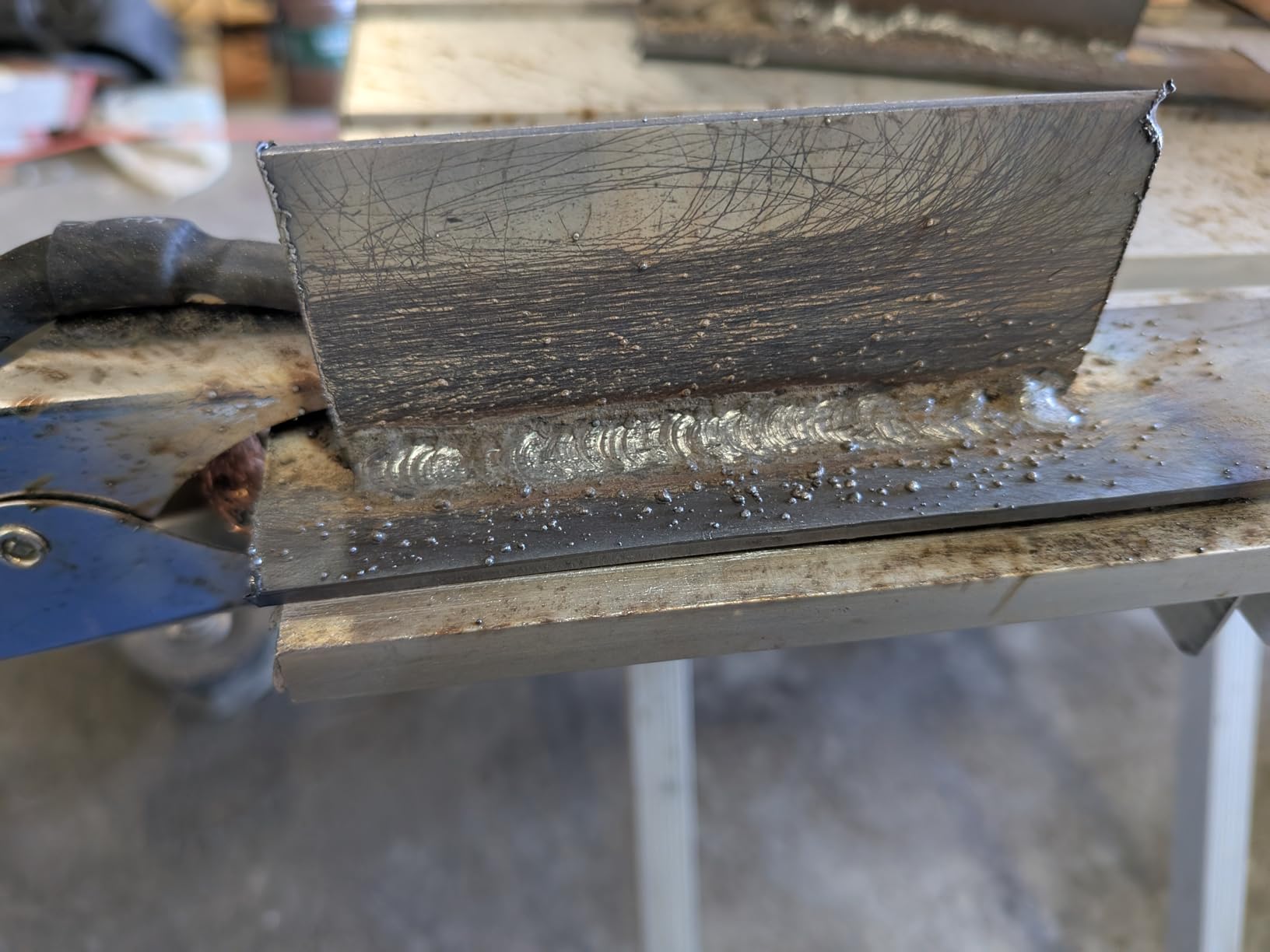
Owners repeatedly describe it as the easiest step up from an entry-level Harbor Freight box, and several say it welds cleaner than pricier machines of similar size. The flux core side produces clean beads with very little spatter, and synergic control simplifies setup.
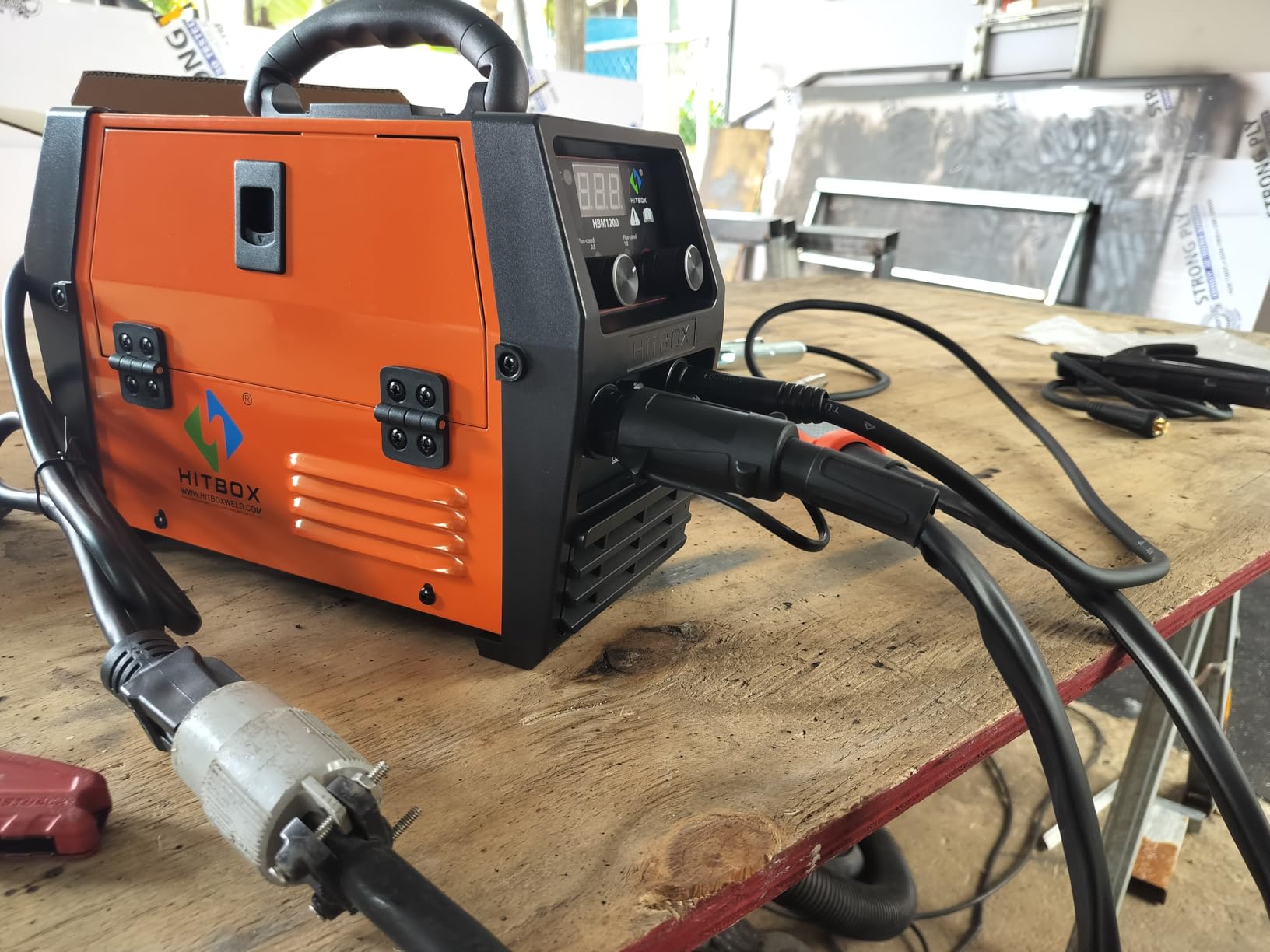
Mild steel up to 4.0mm is the stated capability on .030 and .035 flux core wire, which covers the 16 to 12 gauge bracket work most home garages need. Included items are an 8-foot MIG torch, 5-foot ground clamp, 5-foot electrode holder, .035 flux core wire, contact nozzles, brush and hammer.
Here is where the reviews get specific, and it is worth hearing. Experienced users who metered the machine found stick output running 20 to 30 percent below the display, and the stick side struggles to hold an arc with 6010 and 6011 rods or 3/32 inch 7018. There is no hot start function.
Portability versus spool capacity
The trade on this machine is size against convenience. At only 8.6 lbs it is the most portable unit here, but it holds a 2 lb wire spool only, so you refill more often than you would with a 10 lb spool. For someone welding in short sessions on scattered jobs, that is a fair exchange.
The soft metal ground clamp warps quickly and is the first replacement most owners make. Instructions are hard to follow and after-sales support is limited, so budget time for the manual and for finding parts.
Where it falls short
Treat the stick function as secondary on this machine. The output shortfall and missing hot start mean it is not where you should learn stick, and the 2 lb spool limit adds friction to longer projects.
8. Bestarc 145A Multi-Process MIG Welder – Best Duty Cycle for the Money
Bestarc 145A MIG Welder, Flux Core/Gas MIG Stick Lift TIG Welding, 110/220V
145A 4-in-1
Gas MIG and flux core and stick and lift TIG
60 percent duty cycle
Auto 110V and 220V detection
Pros
- One of the few budget machines that handles gas MIG as well as flux core
- Duty cycle around 60 percent is unusually high for the price
- Automatic 110V and 220V detection removes guesswork on socket mode
- Synergic voltage matching with plus or minus 3V trim makes consistent welds easier
- Includes shoulder strap gas hose both wire types and a 220V-to-110V adapter
Cons
- Ships with plain V-groove drive rolls that can flatten .030 flux core wire
- Lift TIG torch and gas regulator not included
- Stick mode appears limited to about 130A despite the multi-process claims
Duty cycle is where this machine separates from its price class. Owners with production welding backgrounds put it near 60 percent, which means you can weld a long project without stopping every ten minutes to let the machine cool. For a home garage that is a quality-of-life difference you feel on the first weekend.
It is also one of the few budget machines that runs gas MIG as well as flux core, so you get the clean bead of shielding gas on a machine without a big name badge. Automatic 110V and 220V detection is shown on the front panel, which removes the guesswork about which socket mode you are in.
Wire support is the broadest in the group for the money: E71T-GS flux core and ER70S-6 solid wire in .030, .035 and .040. The synergic auto voltage match with a -3V to +3V trim makes consistent beads easier across a range of setups, and a decent ground clamp comes in the box rather than being an immediate replacement.
Included components run long for this tier: MIG torch, earth clamp, stick holder, .040 flux core wire, .030 solid wire, contact tips, feed rollers, a 2 meter gas hose, a 220V-to-110V adapter and a shoulder strap.
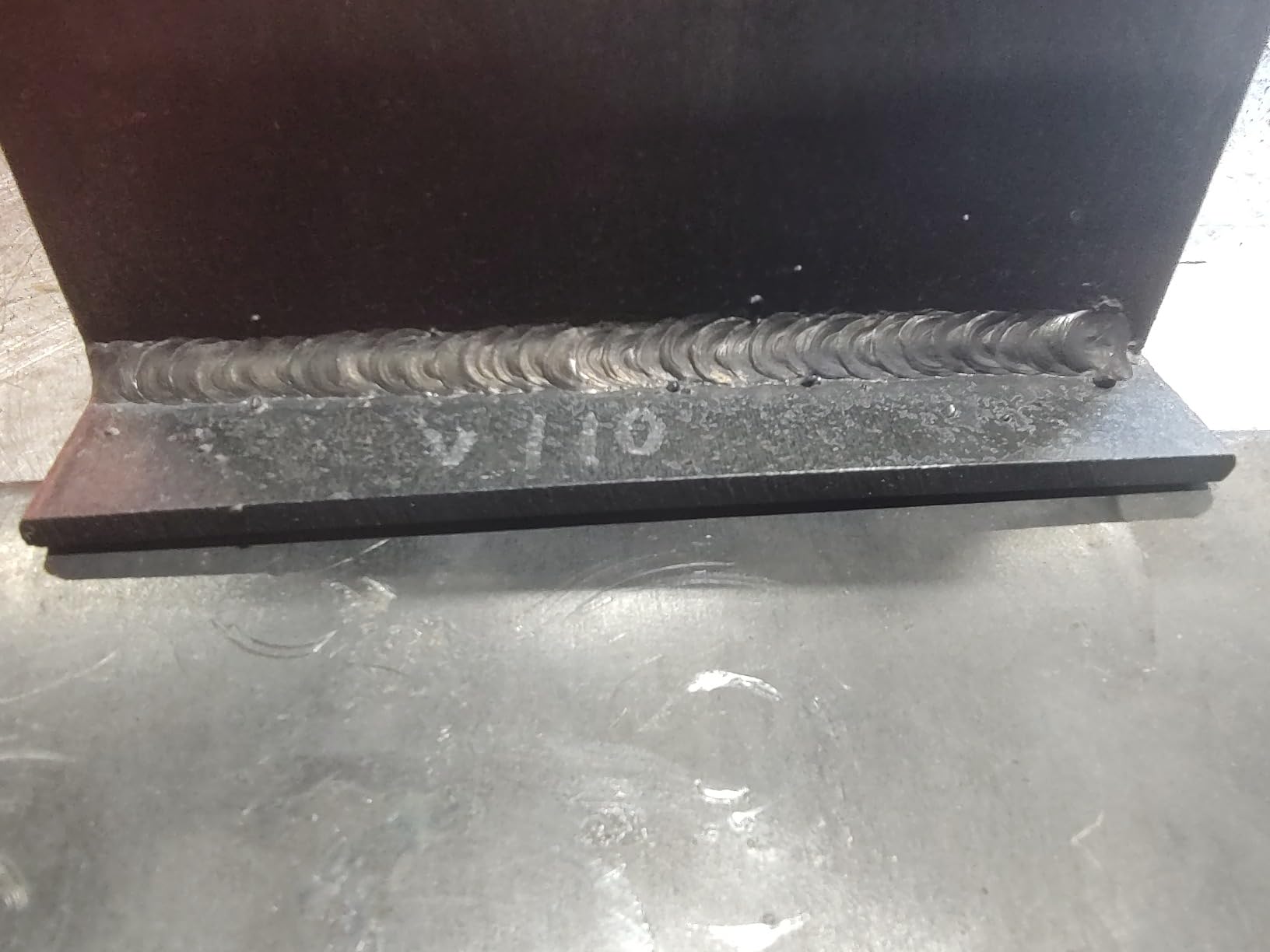
Hardware revisions to know about
Owner updates on this machine are unusually specific, and they matter. Early 145 models had a short gun lead of roughly 5.5 feet, though later units come with longer ones. The included drive rolls are plain V-groove and can flatten .030 flux core wire, so knurled rolls are the first upgrade most experienced buyers make.
The spool tension spring is too tight and not adjustable, and the manual does not explain that pressing the rotary knob gives independent wire feed control. The manual is worth an evening of your attention.
Where it falls short
Stick mode appears limited to about 130A despite the multi-process marketing, and the lift TIG torch and gas regulator are not included. Listed weight is 22.6 lbs while the manufacturer states 13.7 lbs for the unit, so treat the portability claims with some skepticism.
9. Lincoln Electric 90i FC Weld-Pak – Best Known-Brand Pick
Lincoln Electric 90i FC Flux Core Wire Feed Weld-PAK Welder, 120V Welding Machine, Portable w/Shoulder Strap, Protective Metal Case, Best for Small Jobs, K5255-1
120V plug-anywhere flux core
Welds up to 1/4 inch
15 lb with shoulder strap
Metal case included
Pros
- Two simple knobs make setup approachable for first-time welders
- Performs well on thin gauge work like 14-18 gauge stainless
- Handles 3/16 inch steel easily with multiple passes on thicker material
- Metal case and shoulder strap included for transport and storage
- Lincoln brand carries resale value when owners later upgrade
Cons
- Earth clamp bonding braid is short and can fall out after a few welds
- Flux core wire itself is not included in the package
- Only 120V input with no 220V path for thicker work
This is the only machine here from a major American welding manufacturer, and that changes the calculus in a way that specs do not capture. Buyers compare it favorably to full-size Lincoln transformer welders they owned for years, and a 12-month manufacturer warranty is backed by a service network rather than a small parts operation.
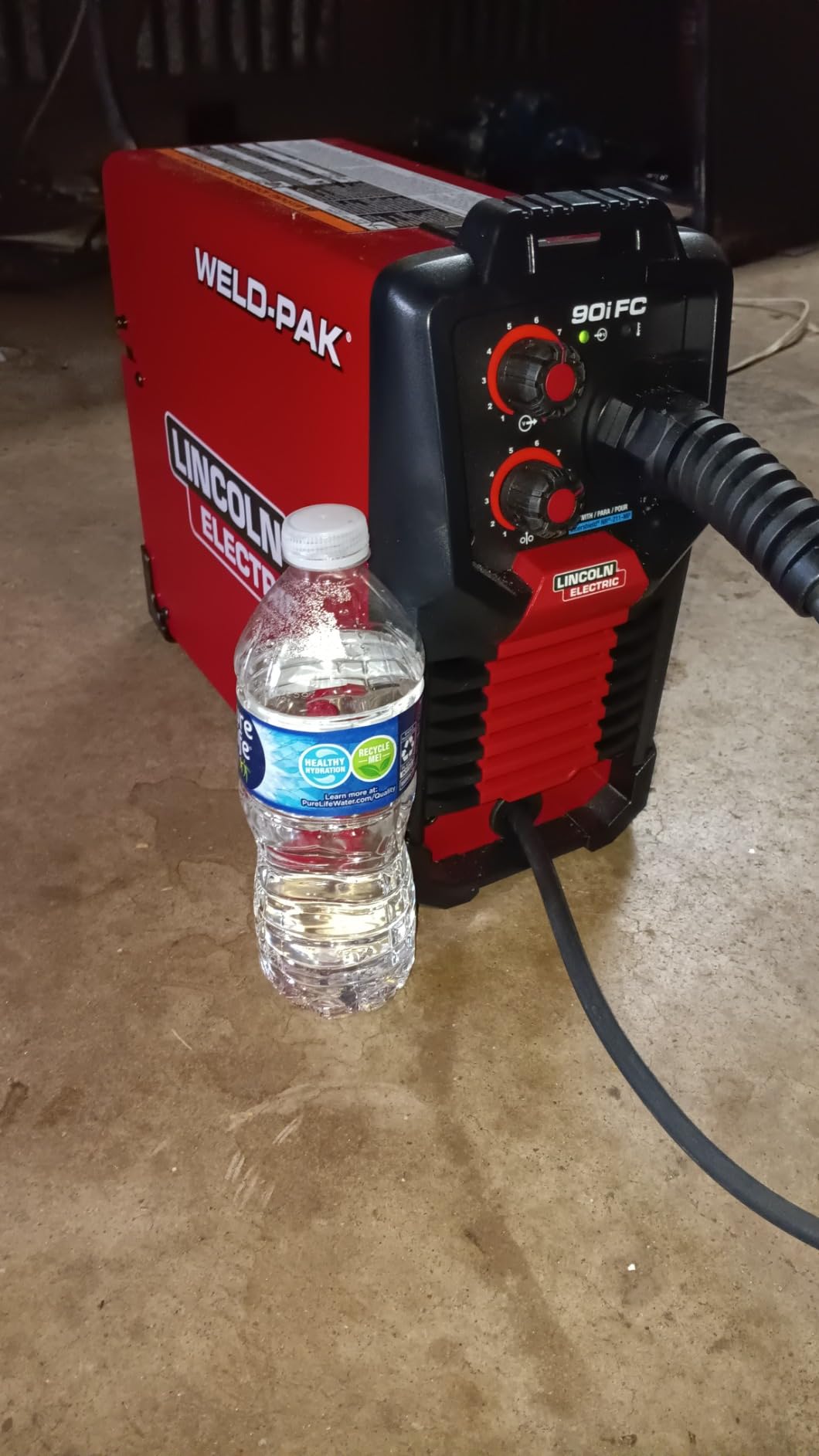
The 90i FC is a dedicated flux core wire feed machine on 120V that welds up to 1/4 inch. That thickness claim is the highest in this roundup, and it gets there with multiple passes rather than a single bead.
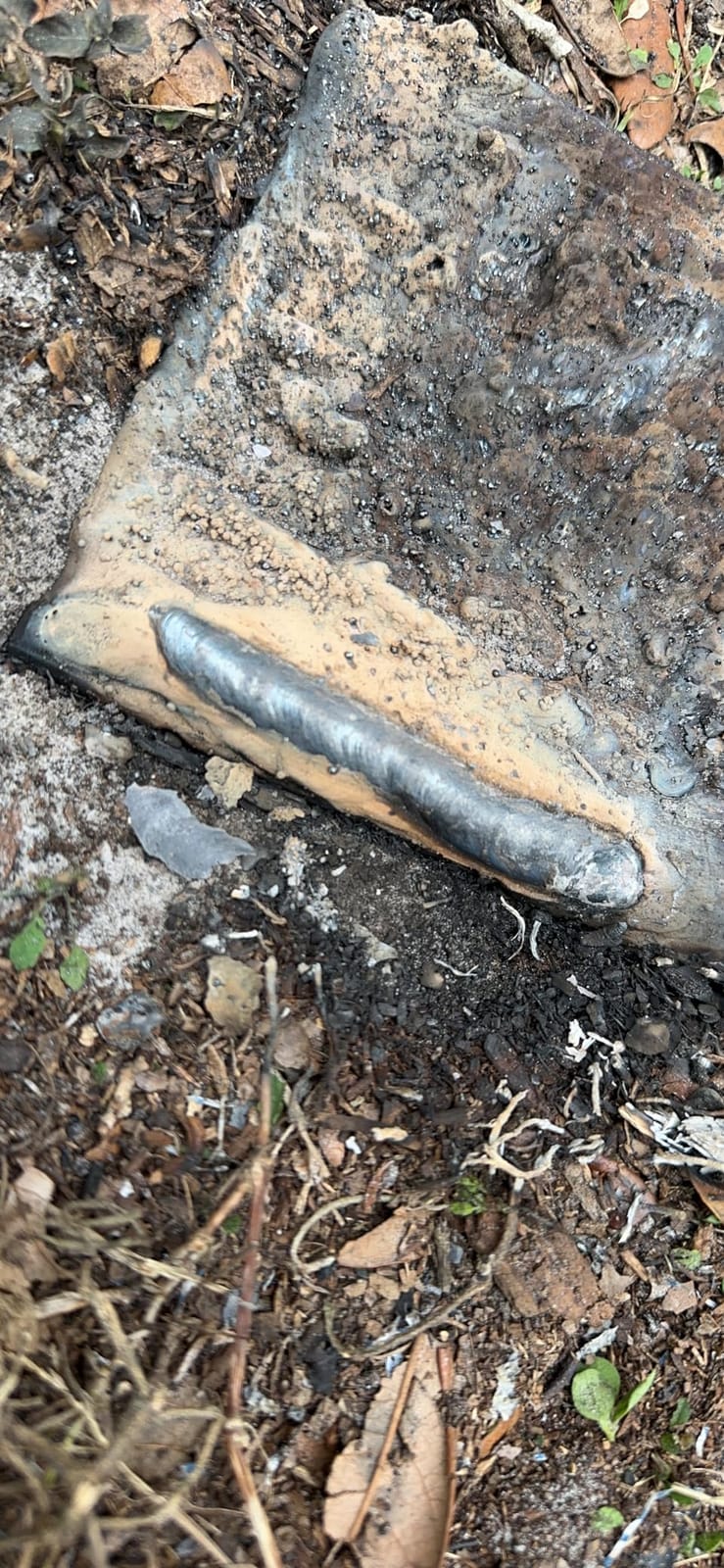
At 15 lbs with a shoulder strap, it is light enough to carry one-handed for maintenance and mobile work. Two knobs, wire speed and voltage, with infinite voltage adjustment, mean there is almost nothing to learn before your first weld.
The Weld-Pak bundle includes the gun, nozzle, contact tip, work cable and clamp inside a protective metal case. Reviewers praise its performance on 14 to 18 gauge stainless and its handling of 3/16 inch steel.
What you give up for the brand
Two things, and both are known before you buy. Flux core wire is not in the package, so budget for a spool. And the machine is 120V only, so when you outgrow it there is no 220V path inside it. If your plan is to add a dedicated circuit in a couple of years, a dual-voltage machine serves you better.
The recurring complaint is the earth clamp. Its bonding braid is short and can fall out after a few welds, which owners fix with a replacement clamp. It is a cheap part and the most common repair on the machine.
Where it falls short
It sits at the top of the price range in this roundup, and flux core wire splatters noticeably compared with gas MIG. If your work is mostly heavier structural steel, a dual-voltage 200A stick machine will serve you better per dollar. If it is sheet metal, auto body panels and small fabrication, this is the safest pick.
10. AZZUNO 130A Gasless Flux Core MIG Welder – Best Simple First Welder
AZZUNO MIG Welder,Flux Core Welder Machine 110V 130Amp, Gasless MIG Welding Machine IGBT Inverter Welder Portable Wire Feed Welder (110V)
130A gasless flux core at 110V
Mild steel to 3.0mm
8.6 lb body
Includes starter wire
Pros
- Light 8.6 lb body with a comfortable hand grip
- Synergic control plus separate voltage and wire speed knobs
- Welds mild steel up to 3.0mm plate which covers typical home projects
- Includes torch ground clamp brush and hammer 1 lb of .030 flux core wire and two contact tips
- Overload and overheating protection for machine longevity
Cons
- Flux core only with no gas MIG stick or TIG modes
- Only handles small 2.2 lb wire rolls
- Single-year manufacturer warranty
Not every garage owner needs three processes. Some people want one process that works, and this machine does exactly that. It is a single-process gasless flux core unit with a 130A output at 110V, rated for mild steel up to 3.0mm, and it holds 2.2 lb wire rolls.
The controls are the appeal. Synergic control plus separate voltage and wire speed knobs give you the automatic setup a beginner wants and the manual trim you eventually learn to use. Owners consistently report that it welds its rated 3mm mild steel and that the setup is simple.
At 8.6 lbs it is one of the lighter bodies here, with a hand grip rather than a handle, and it is easy to move between the bench and the driveway. Overload and overheating protection are both built in.
The included torch, ground clamp, brush and hammer, 1 lb of .030 flux core wire and two contact tips mean you can put a bead down on day one. Budget for more wire and a replacement ground clamp fairly soon.
When one process is the right answer
If your projects are patch panels, small brackets, planters, table frames and general household repair, flux core handles all of it and you never touch a gas bottle or change a process setting. That simplicity is the product, and buyers treat it that way.
The consensus is that its value rests on price and simplicity rather than capability. It has no upgrade path, which is worth weighing against the multi-process machines above.
Where it falls short
No gas MIG, no stick, no TIG. The 2.2 lb spool limit means more frequent refills than a 10 lb spool machine. Entry-level output keeps it on thin mild steel and craft work, and the warranty is a single year.
How to Choose a 110V Welder Without Regretting It
Start with the outlet, because that decision constrains everything else. A 15-amp circuit is the most common garage situation and it is the reason a 135A machine outperforms a 200A machine in a real single-car garage. A 20-amp circuit gives you more headroom, and any machine with a 110V and 220V switch lets you use both as your setup changes.
Next, decide the process by the work you actually do. Auto body panels, patch panels and thin-gauge sheet metal are flux core or gas MIG jobs. Structural steel, gate frames, trailer hitches and anything with rust or paint on it are stick jobs. If you want both, a 3-in-1 machine covers it, with the caveat that budget 3-in-1 units often compromise on the stick side.
Then read the duty cycle at the amperage you need, not the headline number. A machine rated 20 percent at 90A means eight minutes on, thirty-two off. That is fine for hobby work and frustrating for a weekend project. The HONE stick machine and the Bestarc MIG both publish figures roughly double or triple that.
Electrode and wire diameter decide which machine you can grow into. If you need E6010 rod for farm and general repair work, the ARCCAPTAIN 200A and the S7 250A run it while the HONE does not hold an arc with it. On the MIG side, .030 flux core wire is the safe default for 110V, and machines that also take .035 and .040 give you options as you move to thicker stock. The wire cheat sheet in short: .030 for thin and mixed work, .035 for 1/8 inch and heavier, .040 rarely at this voltage.
Our multiprocess welder guide goes deeper on 3-in-1 machines if you are weighing a larger step up.
When to stop fighting 110V
Stay on 110V if you weld 1/8 inch or thinner, a few times a month, on brackets, panels, gates and small repairs. Move up if you regularly weld 3/16 inch and heavier steel, run long production-type projects, weld aluminum regularly, or want to use a spool gun. Tube steel and trailer frames in particular are a bad fit for a 110V machine, and a 180 to 200 amp dual-voltage unit is the standard answer rather than fighting the limit.
If you are still weighing a MIG purchase separately, our TIG welder guide covers the lift TIG path. A welding cart with a gas bottle mount and a stable base makes a MIG machine far easier to use, and our cart guide covers the options.
Accessories you actually need to buy
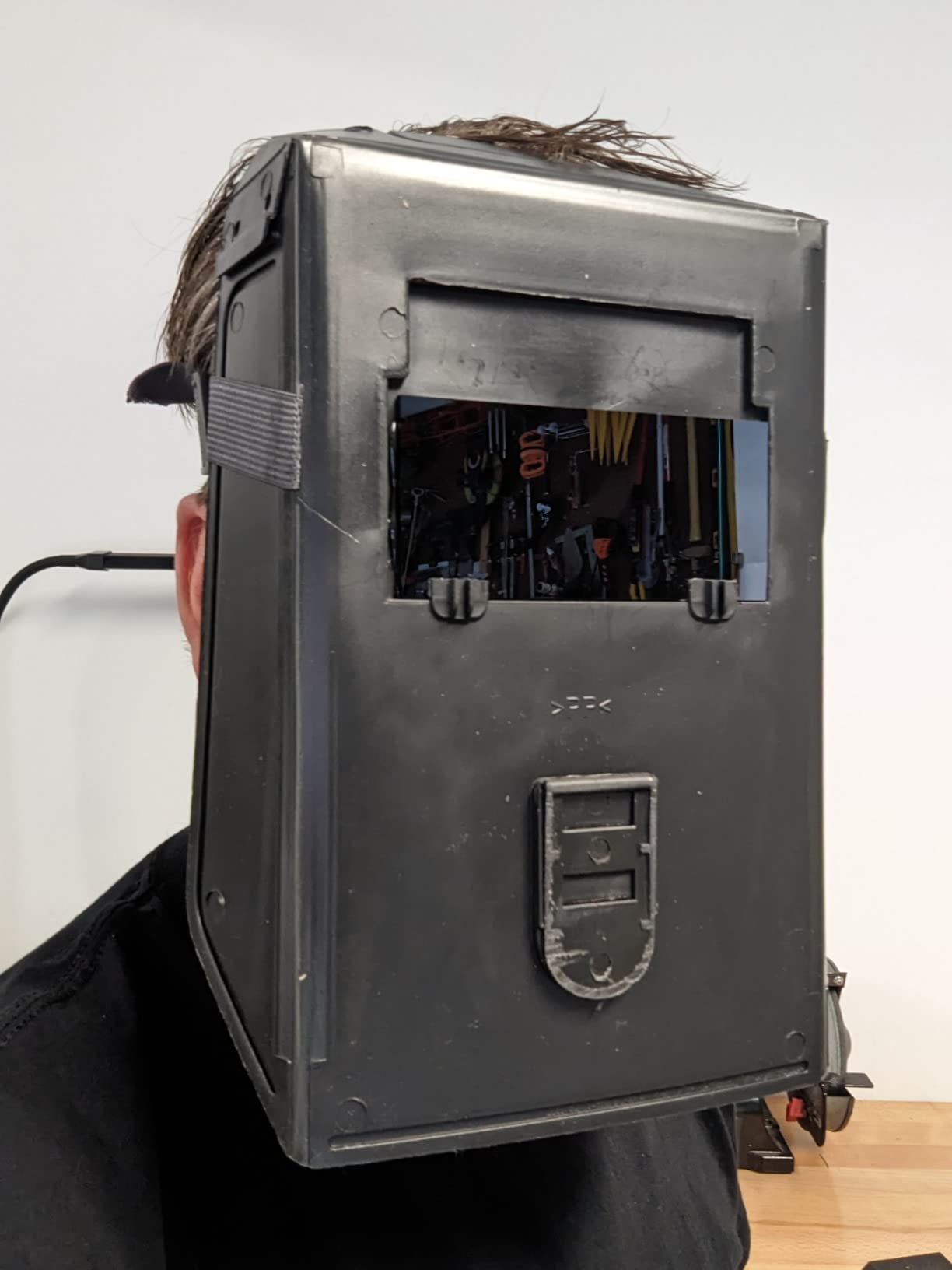
Every machine here includes a torch or leads, a ground clamp or earth clamp and some combination of starter wire or rods. Plan on four additions. First, an auto-darkening welding helmet, which is the single most important purchase after the machine. Second, a real ground clamp, because the included ones are the most common failure point across budget units. Third, consumables: a spool of .030 flux core wire or a box of E6013 and E7018 rods. Fourth, if you go gas MIG, a shielding gas cylinder and regulator.
Add heavy welding gloves, a chipping hammer and a wire brush, and give the machine a dedicated outlet rather than a shared extension. If you must use an extension cord, a short, heavy-gauge cord is what experienced owners use, and long thin cords cause voltage drop that shows up as an unstable arc.
Frequently Asked Questions
What is the best welder for a home garage?
For most home garages, the best 110V welder for home garages pick is a gasless flux core MIG machine in the 130A to 145A range, because it handles sheet metal, brackets and auto body panels without gas. For structural work on thicker steel, a 140A to 200A stick welder is the better tool. Whichever you choose, match it to your circuit amperage and buy a proper ground clamp.
Who makes the best 110V welder?
Hobart, Lincoln Electric and Miller Electric build 110V machines with the widest service networks and best resale value, though several sit outside a typical residential budget. At the entry and mid tiers, the strongest owner feedback in this roundup came from YesWelder, ARCCAPTAIN and Bestarc machines, all of which publish real amperage and duty cycle figures. Warranty length and parts support are the deciding factors for long-term owners.
Are 110V stick welders any good?
Yes. A good 110V stick welder is arguably the best first machine a homeowner can buy, because stick is the most forgiving process, needs no shielding gas, and handles rusty or dirty steel that would defeat a flux core machine. The limits are thickness and duty cycle: plan on 1/8 inch steel and roughly 20 percent duty cycle at full output on a 15-amp circuit.
How thick can a 110V welder weld?
A 110V welder handles 24 to 16 gauge steel comfortably and reaches about 1/8 inch (3.2 mm) as its practical ceiling for good penetration. A few machines push to 3/16 inch with multiple passes, and the Lincoln Electric 90i FC is listed up to 1/4 inch. Anything heavier than that on 110V means slow, hot work and frequent thermal cutouts.
Do 110V welders need a 20 amp circuit?
Most 110V welders are rated for a 20-amp circuit, and a 15-amp household outlet will limit output and can trip mid-bead. You can still run them on 15 amps, but plan on the lower half of the amperage range and some duty cycle loss. Machines rated 110V and 220V let you start on the outlet you have and upgrade when you install a dedicated circuit.
Is 030 or 035 wire better for a 110V welder?
Start with .030 inch flux core wire on a 110V machine. It feeds more easily at low wire feed speeds, works well from 24 gauge up to 1/8 inch mild steel, and is available in 2.2 lb, 2 lb and larger spools. Move to .035 inch when you are doing 1/8 inch and heavier plate or when your machine accepts both and needs more deposition per inch of travel.
The Verdict for 2026
The YESWELDER 135A Flux Core 3-in-1 is our choice as the best 110V welders for home garages winner, on the strength of nearly 3,000 owner reviews and the broadest process coverage at the entry end. Buy the ARCCAPTAIN 130A if you want the same three processes with a two-year warranty behind it. Pick the ARCCAPTAIN 200A stick machine for gates, hitches and heavier rod work, and choose the Lincoln Electric 90i FC if brand service and resale value matter more than capability.
Whichever you choose, buy a real ground clamp and a helmet, and check whether your machines amperage range suits a 15-amp or 20-amp outlet before you commit. That one decision eliminates most of the frustration people associate with 110V welding.