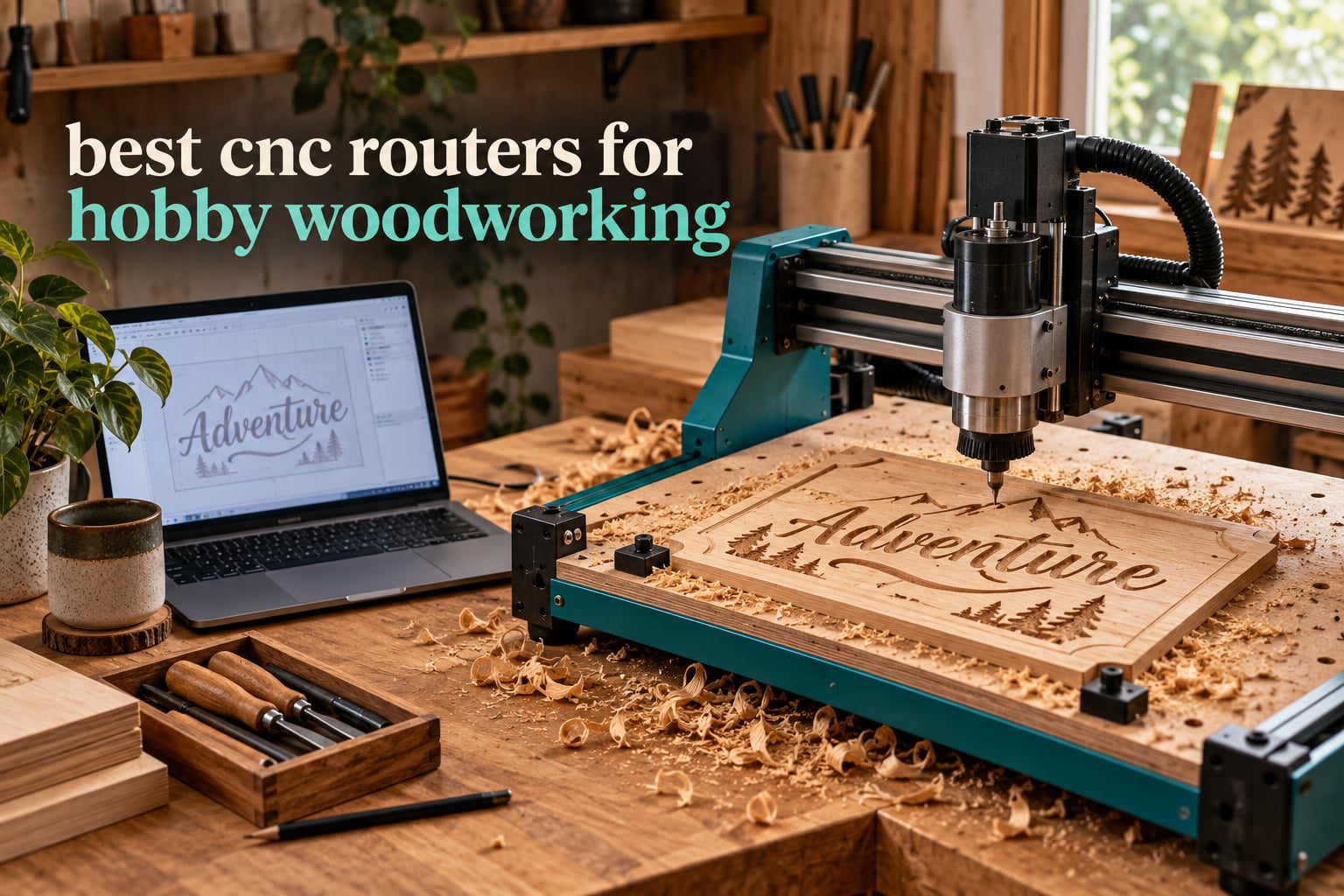
A CNC router turns a drawing into repeatable cuts: cabinet doors, signs, cutting boards, inlay, guitar bodies. The best CNC routers for hobby woodworking do it accurately, quietly enough for a home shop, and without a computer science degree in toolpaths. Our overall pick is the SainSmart Genmitsu 3018-PROVer V2, the most-reviewed machine in this group, and the safest first step into the hobby.
We spent weeks reading owner feedback across all ten machines below, comparing drive systems, spindle output, bed sizes, and controller quirks. What matters for woodworking is rarely the headline spec. It is whether the gantry stays rigid through a full-depth pass in maple, whether the spoilboard is flat enough for a 6-inch wide cut, and whether you can get spare parts when a limit switch fails. Those details decided every pick here.
This roundup covers desktop and benchtop machines in the price band where most hobby woodworkers actually land, from a 300 x 180mm learning machine to 460 x 460mm beds that handle cabinet doors and signage. We have not tested these machines in our own shop, so this guide is built from published manufacturer specifications and from what verified buyers report after living with the hardware. Where owners disagree with the spec sheet, we tell you.
If you also work in metal or measure your own parts, our micrometer guide for hobby machinists covers the inspection tools that pair well with a small router bed.
Table of Contents
- Top 3 Best CNC Routers for Hobby Woodworking (October 2026)
- Quick Overview: 10 CNC Routers Compared in 2026
- What Is the Best CNC Router for Hobby Woodworking?
- 1. Genmitsu 3018-PROVer V2 – The Best CNC Router Overall for First-Time Buyers
- 2. FoxAlien Masuter Pro – Best Rigid Entry Machine for Modest Budgets
- 3. Twotrees TTC450 Pro – Best Large Desktop Bed With a Touchscreen
- 4. Genmitsu PROVerXL 4030 – Best All-Round CNC Router for Wood
- 5. Genmitsu 4040-PRO – Best Value for Larger Panels
- 6. LUNYEE 3018 PRO MAX – Best Small-Bed Machine for Parts and Jewelry
- 7. FoxAlien Masuter 3S – Best for Closed-Loop Precision
- 8. Genmitsu 3030-PROVer Ultra – Best for Aluminum and Acrylic
- 9. AnoleX 4030-Evo Ultra 2 – Best for Measured Accuracy
- 10. AnoleX 3030-Evo Max – Best Compact Machine for Metal Parts
- How to Choose a CNC Router for Hobby Woodworking
- Step 1: Size the work area to your projects
- Step 2: Pick a drive system before a brand
- Step 3: Judge the spindle by what you plan to cut
- Step 4: Check frame rigidity and machine weight
- Step 5: Confirm controller and software support
- Step 6: Plan for dust before the first cut
- Step 7: Work out the true total cost
- What Are the Downsides of Using a CNC Router?
- What You Will Also Need With a New CNC Router
- Frequently Asked Questions
- Final Verdict: The Best CNC Routers for Hobby Woodworking in 2026
Top 3 Best CNC Routers for Hobby Woodworking (October 2026)

Genmitsu 3018-PROVer V2
- Full aluminum frame
- 300 x 180mm bed
- Limit switches and E-Stop included


Genmitsu PROVerXL 4030
- Lead screw and C-beam frame
- 300W spindle
- 15.7 x 11.8 inch work area
Quick Overview: 10 CNC Routers Compared in 2026
| Product | Specs | Action |
|---|---|---|
| Genmitsu 3018-PROVer V2 |
|
Check Latest Price |
| FoxAlien Masuter Pro |
|
Check Latest Price |
 Twotrees TTC450 Pro Twotrees TTC450 Pro |
|
Check Latest Price |
| Genmitsu PROVerXL 4030 |
|
Check Latest Price |
 Genmitsu 4040-PRO Genmitsu 4040-PRO |
|
Check Latest Price |
 LUNYEE 3018 PRO MAX LUNYEE 3018 PRO MAX |
|
Check Latest Price |
 FoxAlien Masuter 3S FoxAlien Masuter 3S |
|
Check Latest Price |
 Genmitsu 3030-PROVer Ultra Genmitsu 3030-PROVer Ultra |
|
Check Latest Price |
 AnoleX 4030-Evo Ultra 2 AnoleX 4030-Evo Ultra 2 |
|
Check Latest Price |
 AnoleX 3030-Evo Max AnoleX 3030-Evo Max |
|
Check Latest Price |
What Is the Best CNC Router for Hobby Woodworking?
For most hobby woodworkers, the best CNC router is the Genmitsu 3018-PROVer V2 if you want the gentlest introduction, and the Genmitsu PROVerXL 4030 if you want a machine that still cuts hardwood in two years. The 4030 wins on screw-driven rigidity, a bundled 300W spindle, and a bed that handles cabinet doors. Everything else in this roundup is either smaller, louder, or demands an upgrade before it works on solid wood.
1. Genmitsu 3018-PROVer V2 – The Best CNC Router Overall for First-Time Buyers
SainSmart Genmitsu 3018-PROVer V2 CNC Router Machine for Beginners
Full aluminum frame
300 x 180mm work area
10000 RPM max speed
342.4 ounce
Pros
- Full aluminum frame owners describe as built like a tank
- Limit switches and emergency stop for first G-code runs
- Offline controller runs headless without a laptop
- Quiet motor with no wobble at 300mm/min
Cons
- Assembly closer to 45 to 90 minutes than advertised
- Printed manual photos too small to follow
- 300 x 180mm bed limits larger projects
I have recommended this machine more than any other in this roundup, because the failure mode is boredom rather than frustration. Owners describe the frame as solid, and most are cutting within a few hours of delivery because the gantry and one-piece aluminum spoilboard arrive pre-assembled. Limit switches and an emergency stop mean a mistyped G-code stops the job instead of burying the bit.
The offline controller is the sleeper feature. You can send a job and close the laptop, which matters more than it sounds when you are learning toolpaths and want to watch from across the room rather than hover over a screen.
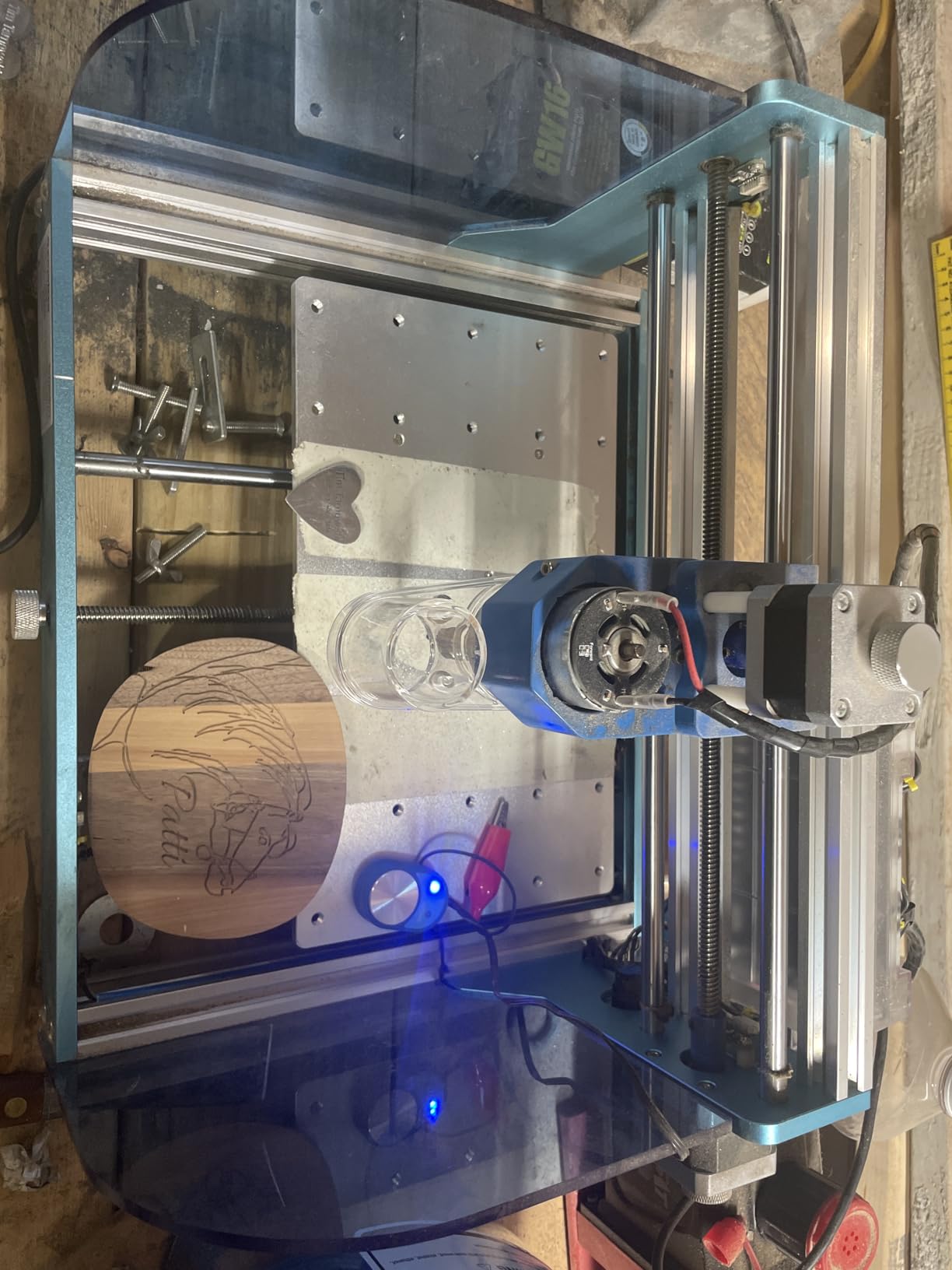
Reviewers report it holding up while cutting wood at 300mm/min with no wobble, and the maker lists engraving in wood, plastic, acrylic, PVC, PCB, and soft metals among its uses. Several buyers upgraded the spindle or added a laser and then reported that the machine handled hardwood and light metals properly, which tells you the limit here is the bundled hardware rather than the frame.
What the aluminum frame and safety hardware actually give you
The frame is the reason to keep this machine rather than replace it later. It is a full aluminum structure with no plastic load path, so it does not rack the way the cheapest kits do, and it weighs 342.4 ounces before you add anything to the bed.
The bigger decision is whether a 300 x 180mm bed matches your projects. That is roughly 11.8 by 7 inches, which suits cribbage boards, small signs, jewelry, and PCB milling. It will not take a cabinet door in one pass.
Where the 300 by 180mm bed becomes a problem
Owners consistently name two friction points that have nothing to do with hardware quality. The first is assembly time: several describe it as closer to 45 to 90 minutes for a first-time builder, largely because the printed manual uses small, low-resolution photos.
The second is dust and chips settling inside the T-slots, which means wiping the machine down after every job. If your first love is 3D relief carving in solid wood, this bed will frustrate you within a month.
2. FoxAlien Masuter Pro – Best Rigid Entry Machine for Modest Budgets
FoxAlien Masuter Pro 3-Axis CNC Router Machine, Beginner Hobby Engraving Machine All-Metal Structure for Wood Acrylic MDF Nylon Routing Milling Carving
All-metal frame
15.75 x 15.75 inch work area
60W spindle
13 kg
Pros
- Square linear rails on Z instead of belts
- Generous 15.75 x 15.75 inch bed for the class
- Manual calibration knobs on all three axes
- Support repeatedly replaces parts free of charge
Cons
- Bundled 775 spindle underpowered for deeper cuts
- NEMA 17 steppers can skip steps during tool changes
- Bundled MDF spoilboard sags over time
This is the machine I would pick if a friend asked me to build one CNC machine for them. The Z-axis rides on square linear rails rather than a belt or lead screw, and owners single that out as noticeably tighter than belt-driven machines at a similar cost. Manual tramming knobs on all three axes let you square the gantry without a computer, which is unusual at this level.
The work area is 15.75 by 15.75 inches, a real 400 x 400mm surface, and an optional Y-axis extension kit grows it further. That is enough for sign blanks, cabinet door blanks, and shallow relief panels without any nesting tricks.
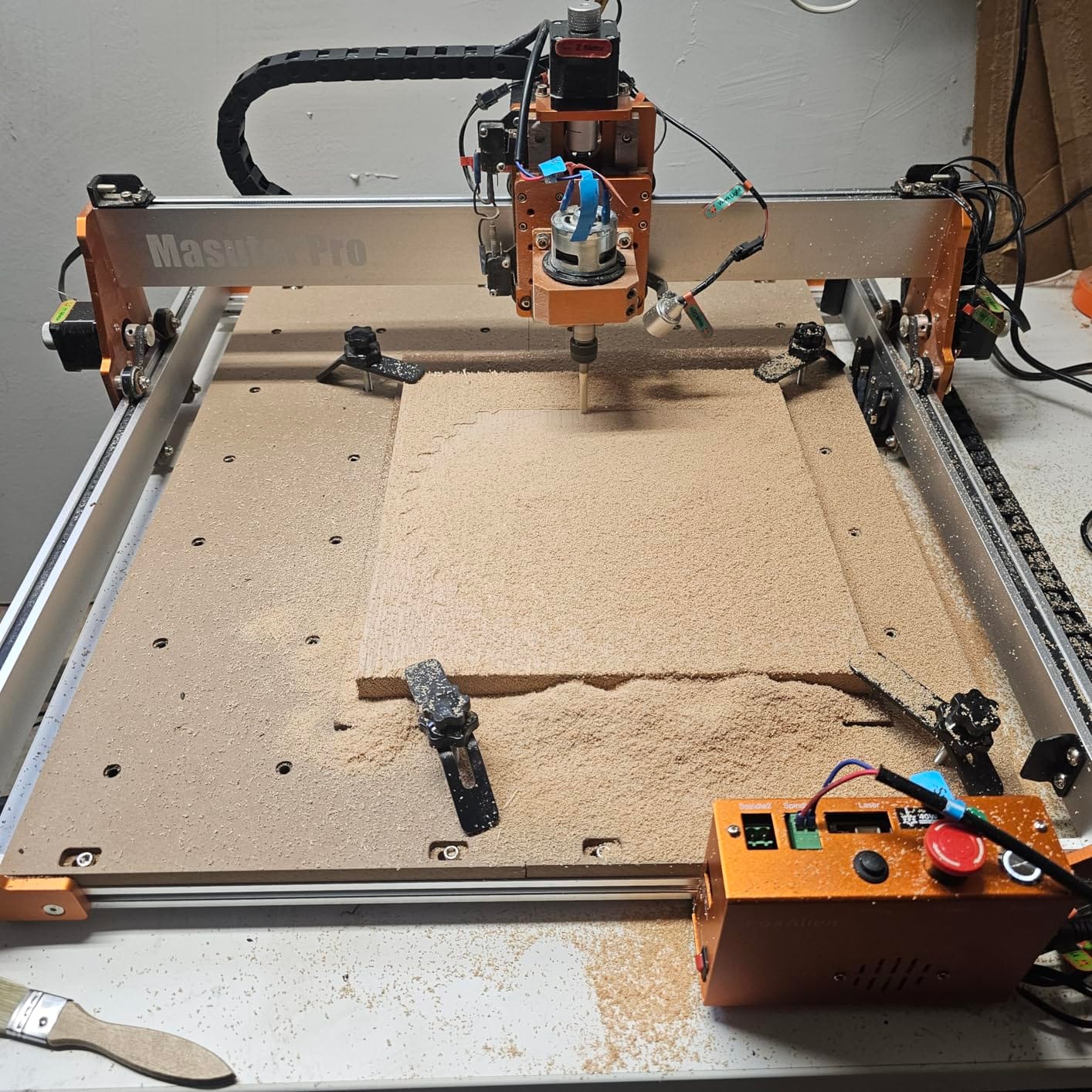
The honest catch is the bundled spindle and steppers. Reviews describe the 775 spindle as underpowered for deeper cuts, requiring slow feeds and shallow passes, and the NEMA 17 motors as capable of skipping steps during a tool change. The NEMA 23 upgrade kit costs extra, and it is closer to mandatory than optional if you plan to work in hardwood.

Spindle flexibility is the reason to buy this one
The Z carriage accepts 65mm routers and larger 300W or 1.5kW spindles, and mounts are included. That flexibility is the strongest argument for this frame: you can start with what is bundled, then move up to a proper spindle once you know what you want to cut.
Support is a genuine strength here. Owners report FoxAlien replacing parts free of charge, sometimes outside the accessory warranty window, though a minority mention slow parts logistics from overseas warehouses. Check the 1 year manufacturer warranty terms before you order.
Where it falls short out of the box
The MDF spoilboard sags over time and can arrive flat but bow in the middle, which shows up as uneven cuts on wide workpieces. Replacement spoilboards are an easy add, but budget for it.
Another detail that trips people up: usable cutting area is smaller than the physical spoilboard. Plan projects against the numbers you can verify, not the headline bed size.
3. Twotrees TTC450 Pro – Best Large Desktop Bed With a Touchscreen
Twotrees TTC450 Pro All-Metal CNC Router Machine with NEMA 57 Stepper Motor
18.1 inch square bed
NEMA 57 Z-axis motor
3.5 inch touch screen
20.5 kg
Pros
- 18.1 inch bed suits panels and signage
- Integrated 3.5 inch touch screen simplifies setup
- Expansion ports for 4th axis laser and higher power spindle
- Includes 10 cutting tools clamps and test material
Cons
- 775 spindle is loud and underpowered
- Some orders arrive missing small hardware
- G-code from some CAM tools needs manual correction
Most desktop routers top out around a 400mm bed. This one is 460 x 460 x 80mm, and that extra 60mm in each direction is the difference between a sign blank that fits and a sign blank you have to split. Owners who already run a larger machine often keep this for smaller jobs because of that footprint.
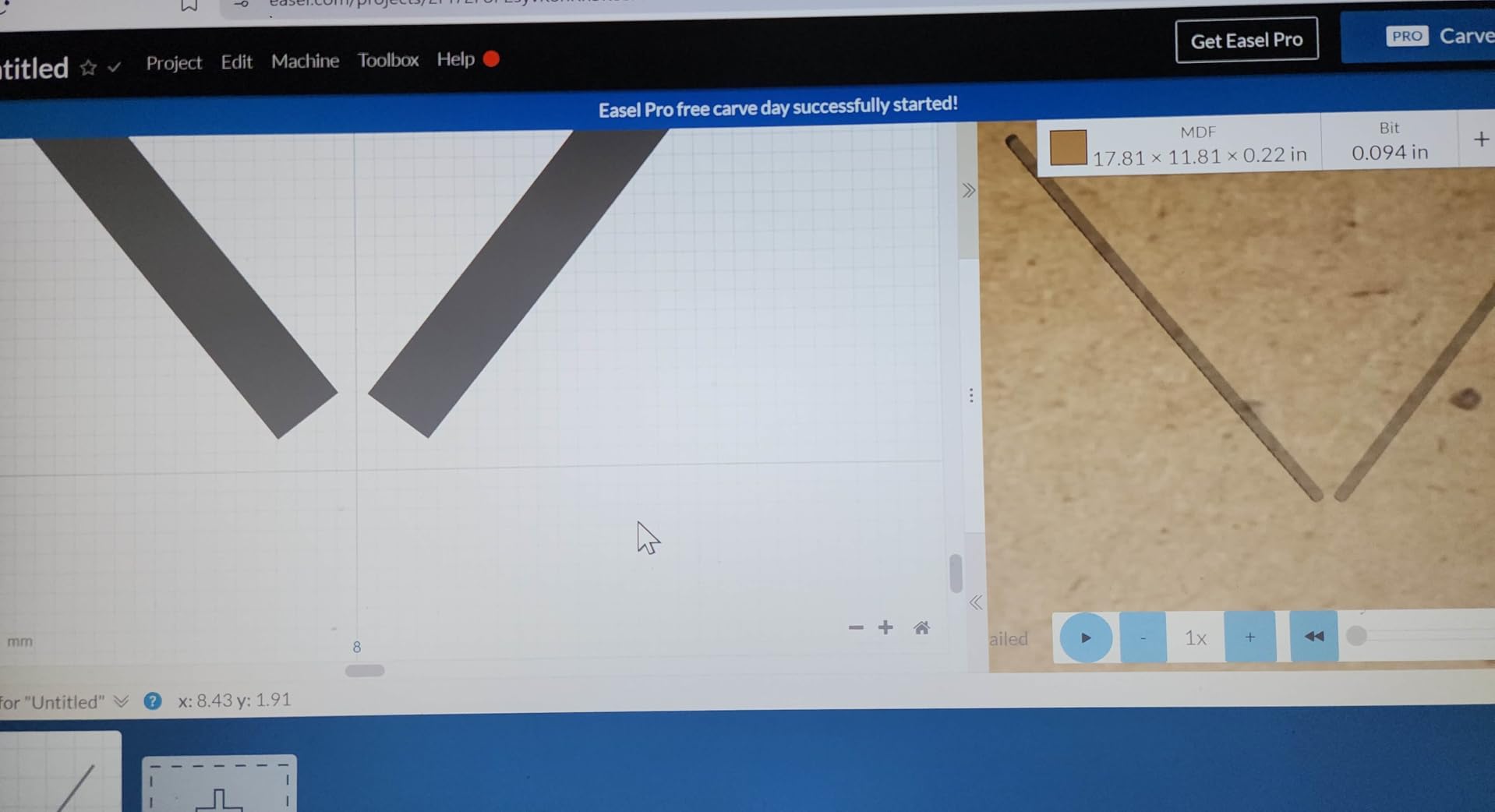
The 3.5-inch capacitive touchscreen is the feature that changes daily workflow. You set origins, start jobs, and adjust feeds without a laptop sitting next to the machine. On a control box that also holds limit switch wiring, that convenience is worth more than it first appears.
The Z-axis is driven by a NEMA 57 stepper, which the maker rates at positioning accuracy up to 0.0025mm. Stainless steel and aluminum alloy construction damp vibration on long jobs, and there are expansion ports for a 4th axis, a laser module, and a 500W spindle.
What the touchscreen and NEMA 57 Z-axis change
A NEMA 57 motor on the Z gives fine depth control and stable repeat positioning under load, which is exactly what a deep V-carve in hardwood needs. The three-axis setup is controlled through GRBL, and the maker lists ArtCAM, Fusion 360, Easel, and Carveco Maker as compatible on Windows, macOS, and Linux.
The accessory bundle is unusually complete: 10 cutting tools, 6 clamping plates, test material, and a 775 brushed spindle. Dual TM-1618D limit switches cover all three axes.
Why the bundled spindle holds this machine back
Many owners plan a 500W spindle upgrade, and the consensus is not optional if you work in hardwood. The bundled 775 motor is described as noisy and slow, which limits depth of cut more than it limits top speed.
A few orders have arrived missing small hardware such as M3x5 screws or rubber feet, and G-code from some CAM tools needs manual correction on the Z. Support is friendly but can take several days and may ask for extensive photo and file evidence.
4. Genmitsu PROVerXL 4030 – Best All-Round CNC Router for Wood
Genmitsu PROVerXL 4030 CNC Router Machine for Wood & Metal
Lead screw drive with dual Y screws
400 x 300 x 110mm area
300W spindle
31 kg
Pros
- Lead screw and C-beam frame resist flex under load
- NEMA 23 steppers and 300W spindle cut wood MDF and plastic
- Limit switches E-stop speed control and Z-probe all included
- Upgrade path to 24 and 40 inch platforms
Cons
- Heavy at 31 kg and awkward to reposition
- Optical axis drive parts feel expensive at this tier
- Bundled spindle still needs shallow passes in hardwood
If I were building a workshop around one machine and cutting mostly wood, this is the one. The C-beam aluminum frame runs on a lead screw with a dual-screw Y axis and an optical Z drive, and that combination is what keeps the tool from pushing the gantry around during a full-width pass in MDF.
The 300W spindle gives it real cutting authority for wood, MDF, and plastics, and it is the first machine here that includes limit switches, emergency stop, speed control, and a Z-probe in the box. Nothing is stripped down to hit a number.
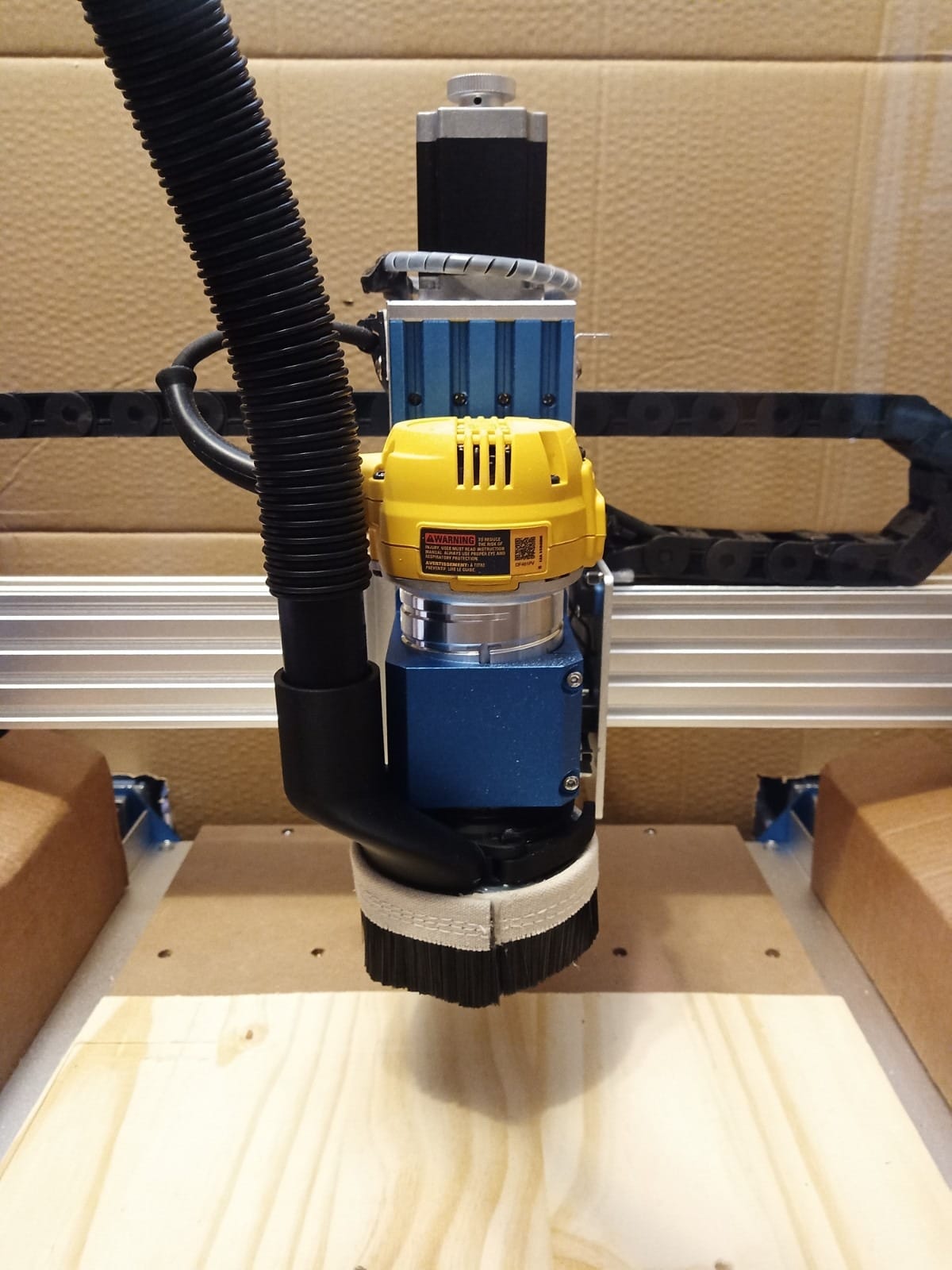
Axis modules arrive pre-assembled, which cuts build time dramatically, and a three-month Carveco Maker subscription is included. If your plans grow, the maker offers upgrade kits at 600 x 600mm and 1000 x 1000mm, so the frame does not become a dead end. There is even an adapter for a drop-in trim router upgrade if you want a variable-speed tool later.
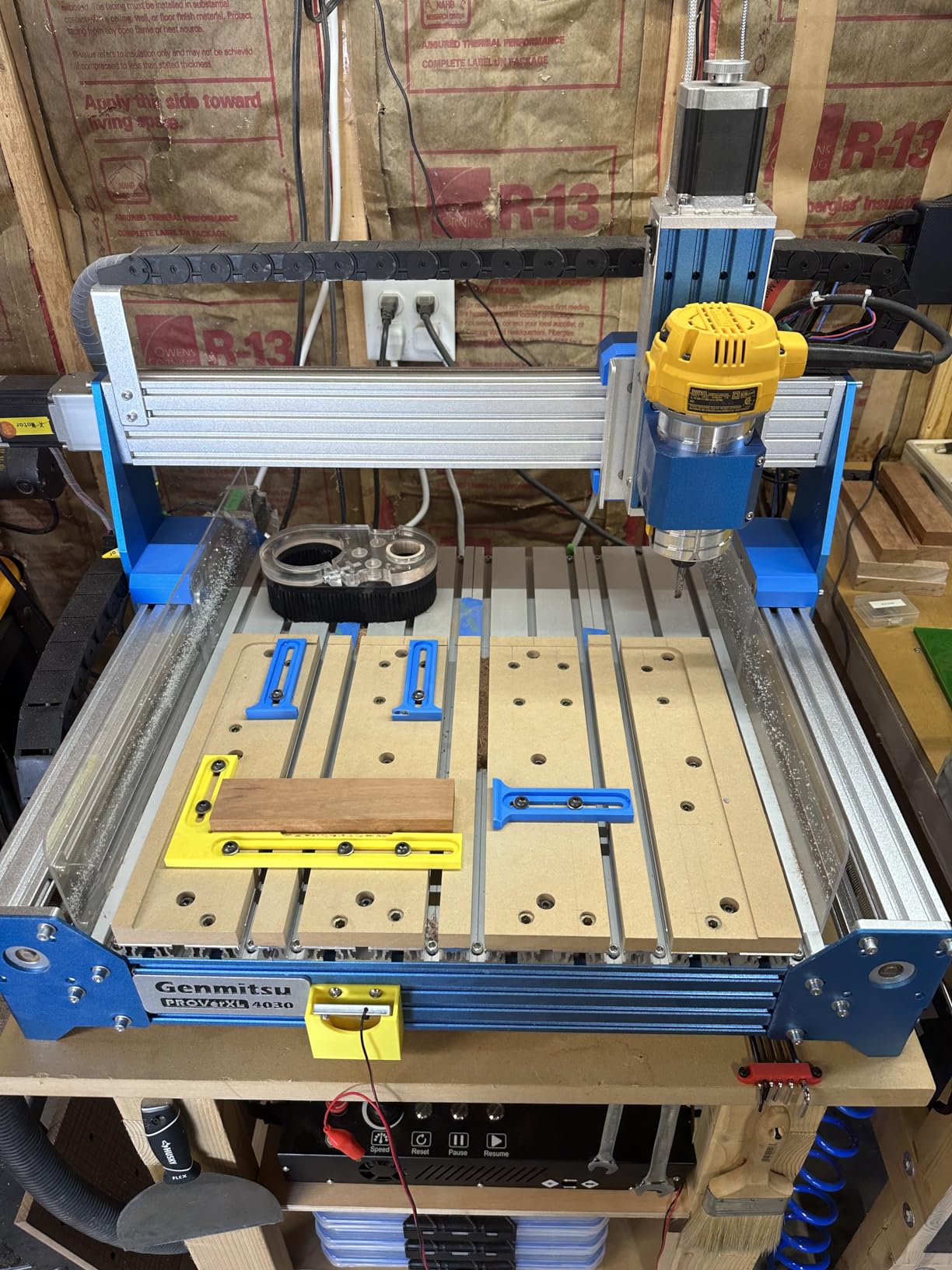
Why the lead screw and C-beam change your cut quality
A lead screw does not stretch under load the way a belt does, so repeat cuts land in the same place. For wood that means consistent pockets and dados, and for a sign business it means batch pieces match without re-registering by hand every time.
The 400 x 300 x 110mm working area is a sensible middle ground. It handles most cabinet door blanks and cutting boards, and the extra 30mm of Z travel over smaller machines gives room for thicker stock.
Where it will disappoint you
It weighs 31 kg. In a small shop, repositioning the machine is a two-person job, and the footprint is bigger than a 3018-class unit. Plan a permanent home for it before it arrives.
Some buyers feel the optical axis components add cost that is hard to justify at this tier, and the bundled spindle still needs depth-of-cut discipline in hardwood. This listing also draws little written review text, so judge it on the spec sheet rather than on anecdote.
5. Genmitsu 4040-PRO – Best Value for Larger Panels
Genmitsu 4040-PRO CNC Router Machine for Metal Acrylic Cutting Milling
435 x 400 x 80mm work area
Lead screw on all axes
32-bit controller
20.84 kg
Pros
- Lead screw drive and dual 16mm steel tubes per axis
- Reinforced hybrid spoilboard with center support bar
- Quiet operation from 32-bit controller and Toshiba drivers
- Assembles in 15 to 30 minutes
Cons
- Bundled spindle turns only about 9000 RPM
- Quarter inch bits do not fit the bundled collet
- Upgrade parts cost close to another machine
This is the quiet machine in the roundup. A 32-bit controller with silent Toshiba drivers means you can run it early in the morning without the neighbours objecting, which matters more in a home shop than most spec sheets admit. For wood dust removal at that volume, our hobby knife sets for adults guide covers the hand cleanup that follows.
The reinforced hybrid spoilboard with a center aluminum support bar is the detail that fixes the classic 4040 sag problem. Owners report the bed stays flat enough for wide passes, and dual 16mm HSS steel tubes per axis give the frame a solid feel under load.
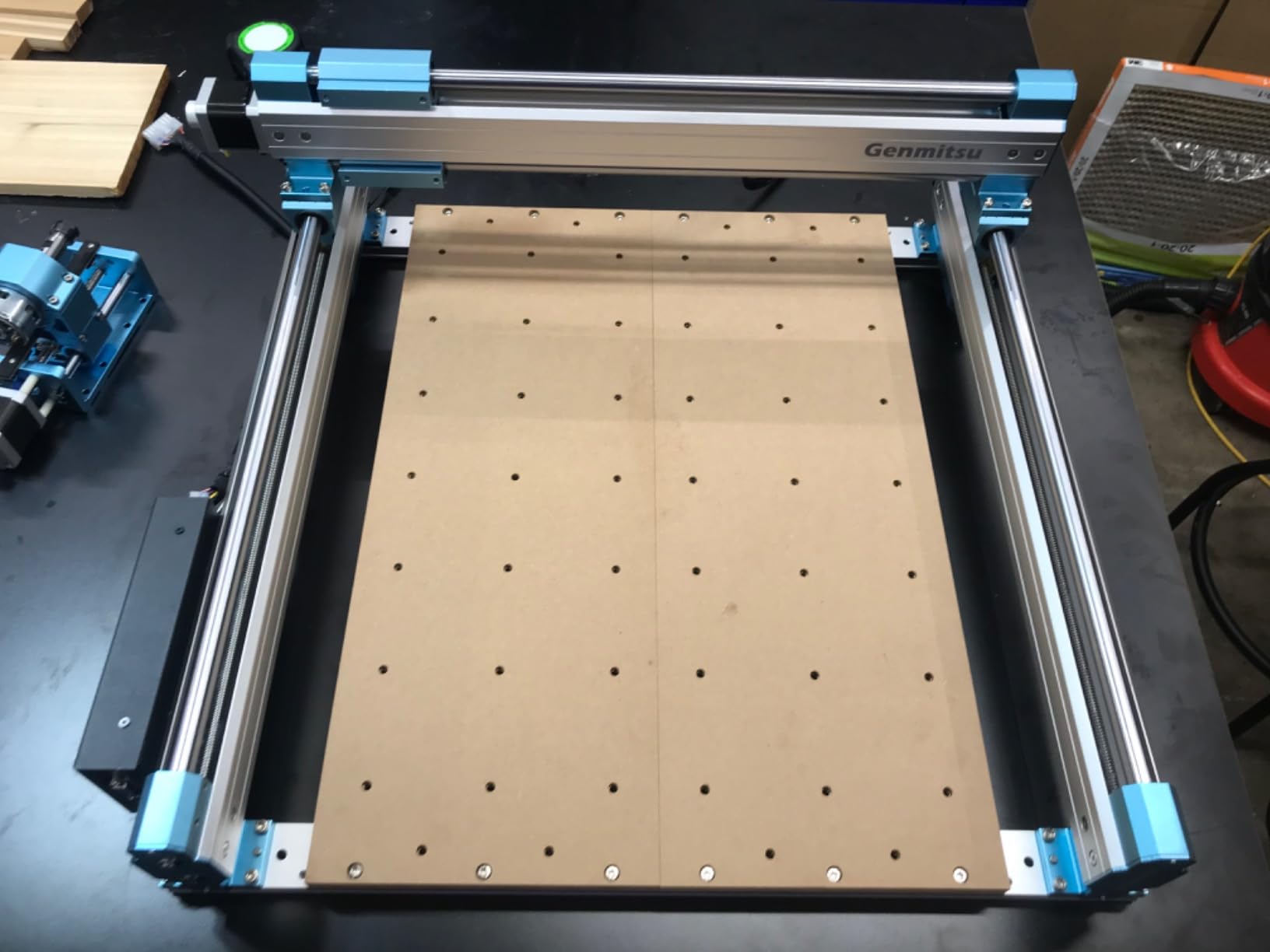
At 435 x 400 x 80mm the bed is the second largest here, which is plenty for cabinet doors and door-and-drawer fronts. Assembly is quick, around 15 to 30 minutes, and the machine comes out square and level without heroics.
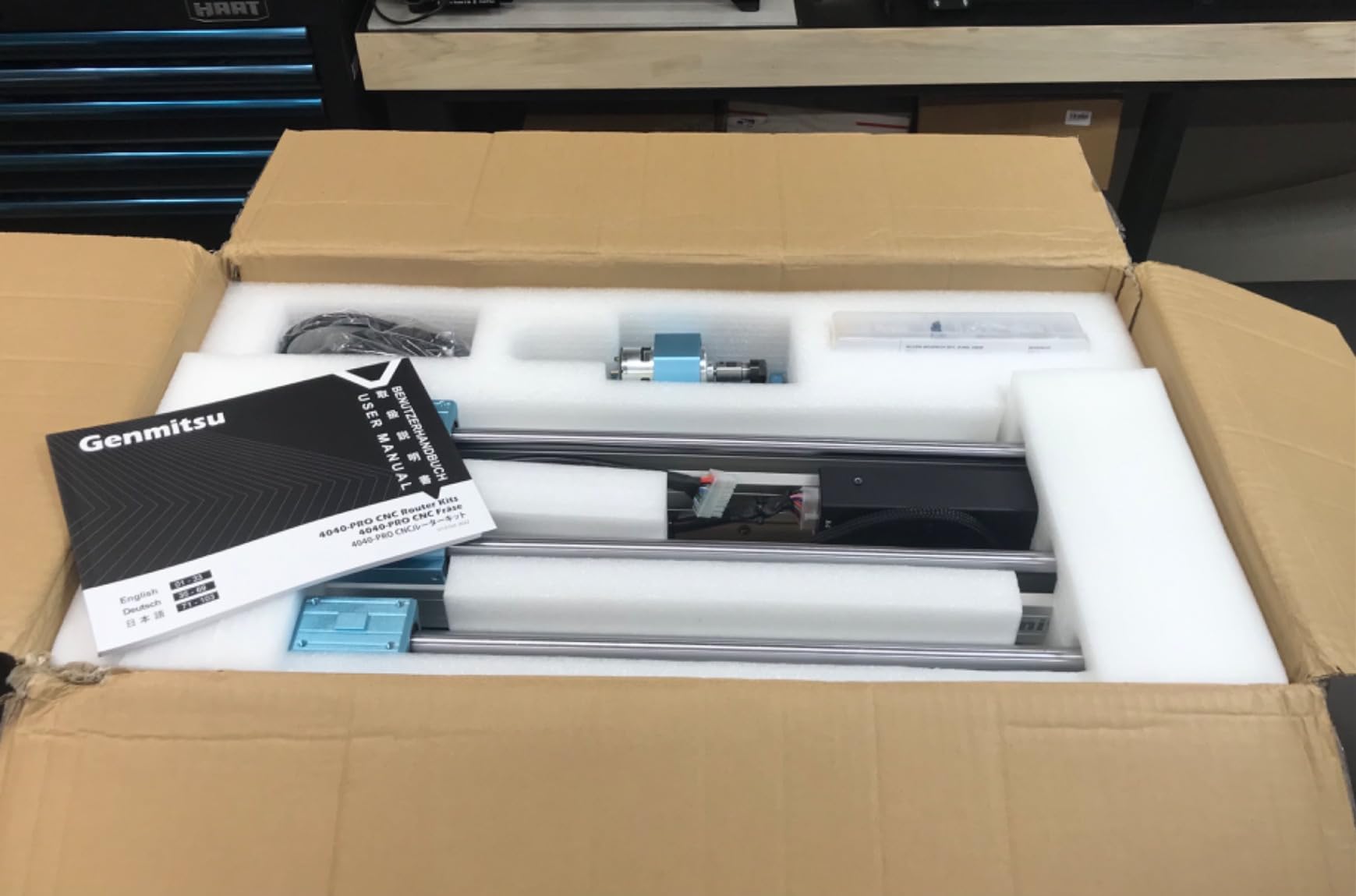
Quiet, rigid and quick to assemble
Two owners we found in the review set explicitly compare this machine favourably to rubber-band-drive machines on cut quality, and the reason is the lead screw on all three axes. Smooth finish, no belt stretch, and repeatability that holds over a long session.
The redesigned Z-carriage accepts 65mm or 69mm spindles plus air assist and MPG accessories, so the machine grows with you rather than boxing you in.
The collet problem you should know about
This is the lowest-rated machine in the group at 4 stars, and there is one dominant reason: the bundled spindle turns only about 9000 RPM, below the 12000 RPM many bits need to work properly. Quarter inch shank bits and end mills do not fit the bundled collet at all.
Two more cautions. Upgrade parts such as spindles and axis extensions cost nearly as much as another machine, and there is very little adjustment available to correct tram and squaring. Owners who prefer gSender or VCarve Pro find the bundled Candle software lacking.
6. LUNYEE 3018 PRO MAX – Best Small-Bed Machine for Parts and Jewelry
LUNYEE 3018 PRO MAX CNC Machine 500W All-Metal CNC Router Machine 3 Axis Limit Switches & Emergency-Stop with GRBL Offline Control for Cutting Wood Acrylic MDF Plastic, Working Area: 300 x 180 x 80mm
300 x 180 x 80mm work area
500W spindle to 12000 RPM
All-metal frame
13 kg
Pros
- 500W spindle reaches 12000 RPM and cuts dense metals
- All-metal frame with no plastic structural parts
- Longest Z travel in its class at 80mm
- Six limit switches emergency stop and handwheels
Cons
- Smallest bed in the roundup at 300 x 180mm
- Two-in-one spindle and carving modes add setup steps
- Optical axis upgrade kit sold separately
Most machines this small ship with a weak spindle. This one does not. The 500W unit runs from 0 to 12000 RPM with up to 5000mm/min movement speed, and owners report cutting dense aluminum and copper, which is not a claim you can make for most 3018-class hardware.
The 80mm Z travel is also the longest in this size category, helped along by a 12mm optical axis on the frame for linear accuracy. That combination is why it works for small parts and jewelry work where depth matters more than bed size.
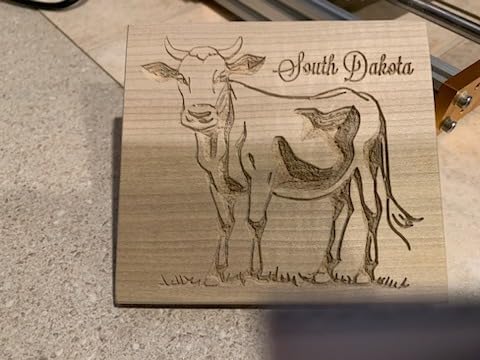
The frame is fully all-metal with reinforced aluminum profiles and no plastic structural parts. Six limit switches, an emergency stop, and manual handwheels on all three axes make setting the origin quick and give a small machine a lot of safety hardware.
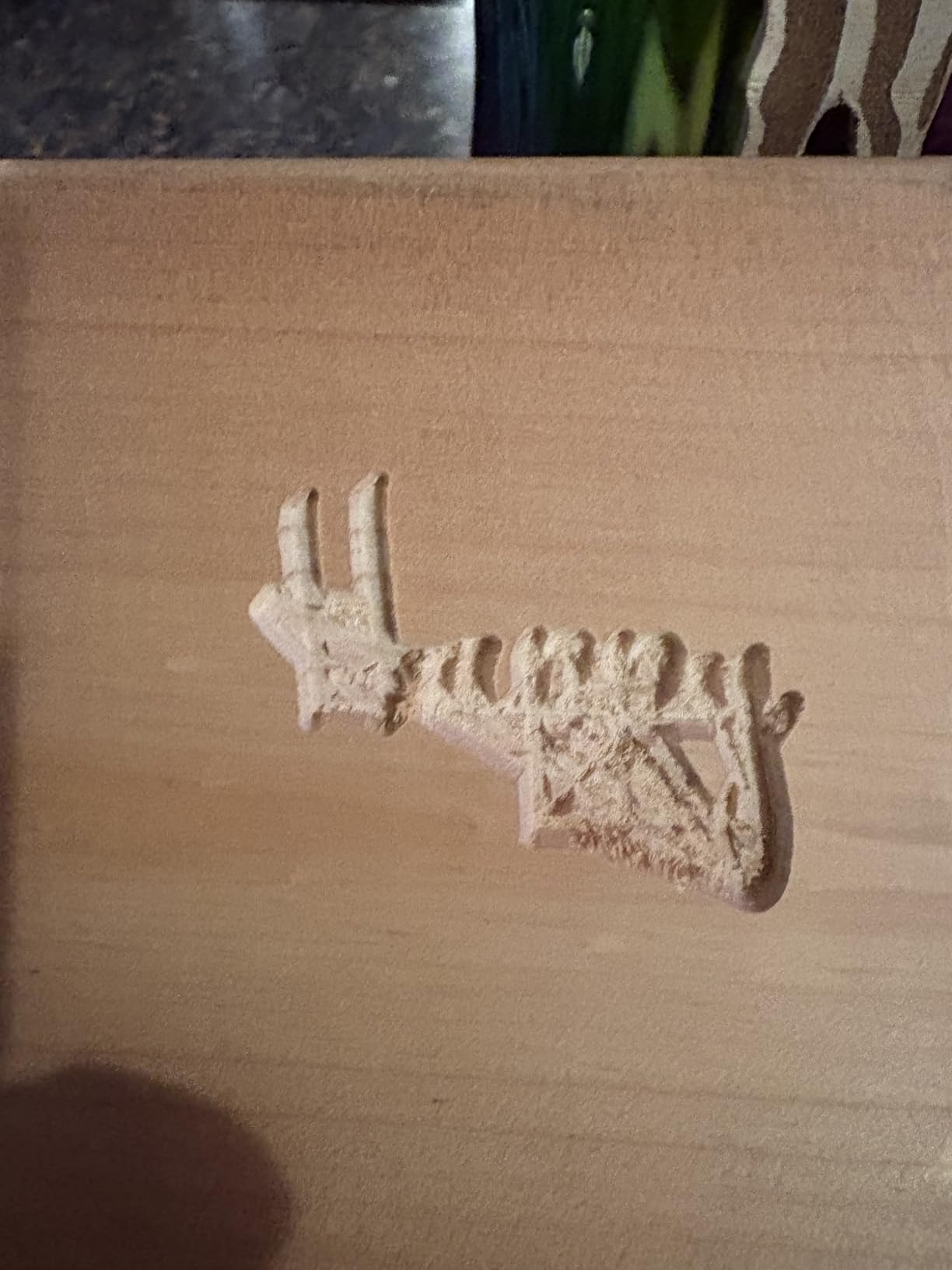
Spindle power that outclasses its size
Put this machine next to a bigger one with a 300W spindle and it will often keep up on aluminum and copper because of the 500W rating and the higher top speed. For a hobbyist making inlays, small boxes, or engraved gifts, that is the capability that matters.
A pre-loaded 4G USB drive carries software and installation videos, which is a thoughtful touch when your only guide is a web page that will change next year.
Where the small bed ends your options
At 300 x 180mm this has the smallest working area in the group, so larger sheet work and sign cutting are simply out. If you mostly make jewelry, small parts, or 2.5D reliefs, that is not a limitation.
Switching between spindle and carving modes adds setup steps to every job, the 12mm optical axis upgrade kit is sold separately, and some buyers report needing extra time to tune spindle speed and feeds for different materials.
7. FoxAlien Masuter 3S – Best for Closed-Loop Precision
FoxAlien Masuter 3S CNC Router Machine with Closed-Loop Stepper Motors
Closed-loop NEMA 23 steppers
400W spindle
15.75 inch square bed
26.5 kg
Pros
- Closed-loop NEMA 23 steppers give 2.2 Nm torque with no lost steps
- Works out of the box with no belt tensioning or squaring
- 400W spindle accepts a 65mm router or 1.5kW spindle
- Dual HG-15 Z rails and T12 lead screw at 0.05mm
Cons
- Vibration can loosen screws and let the gantry drop forward
- Heavy 26.5 kg unit shipped as one box
- No dust shoe or extraction included
- No repair pathway outside email support
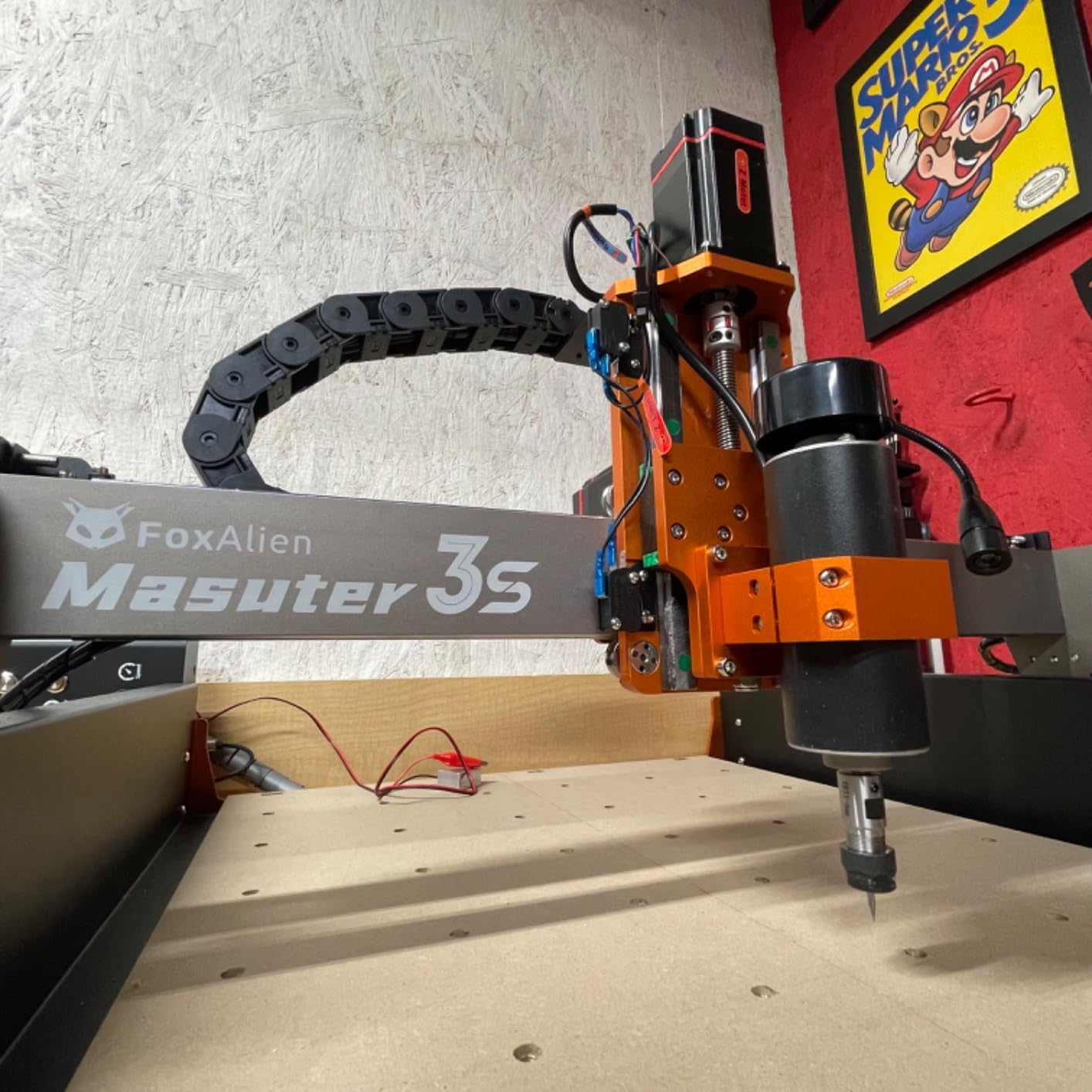
Closed-loop steppers are the headline here, and the reason is straightforward: an open-loop motor has no way to tell the controller it missed a step, so the tool quietly drifts out of position over a long job. A closed-loop motor reads its own position and corrects, which means 2.2 Nm of torque with no lost steps under load.
Owners repeatedly report that this machine runs correctly out of the box, with no belt tensioning and no squaring procedure. Assembly takes about 30 minutes with photo instructions.
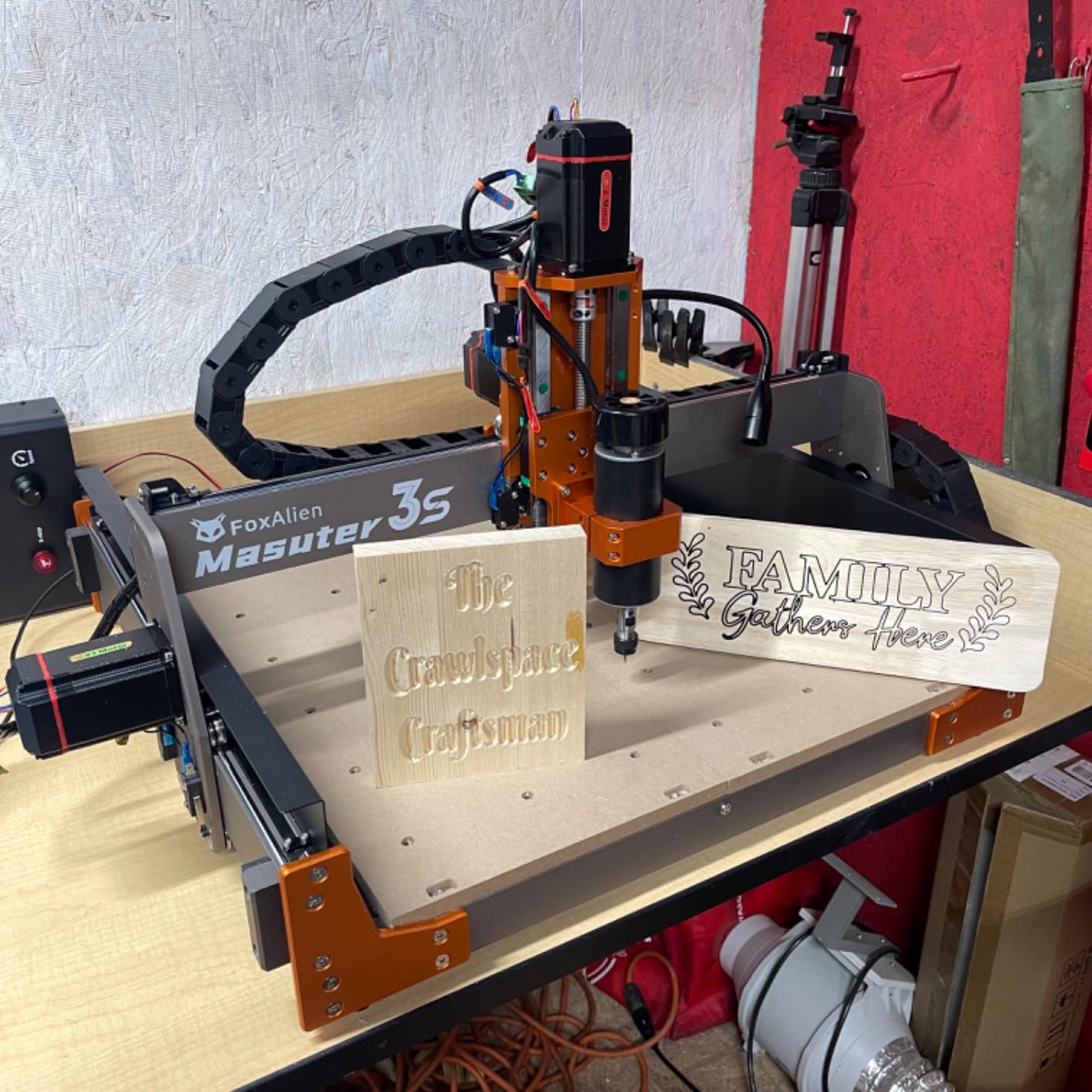
The 400W spindle handles wood, plastics, and soft metals, and the 65mm clamp lets you move up to a trim router or a 1.5kW spindle later. The working area is 15.75 by 15.75 by 3.74 inches with X-axis extension kit support, and 0.05mm engraving precision is the rated figure.
Why closed-loop steppers matter on hardwood
Step loss is worst exactly where hobby woodworkers work: full-depth cuts in dense hardwood, where cutter load spikes and a weak motor stalls. When a step is lost, the cut shifts, and the part is scrap. Closing the loop removes that failure mode, which is why this machine earns the highest average rating among the well-reviewed options here.
Support is also a differentiator. FoxAlien is reported to answer within 24 hours and to replace controllers and spindles even outside warranty.
Who should look elsewhere
Reviewers report vibration on first projects loosening screws, which can let the gantry drop forward if the frame is not tightened properly. Check the frame bolts before every early job.
There is also no dust shoe or extraction included, so chip management is entirely on you, and there is no service location, meaning every repair depends on email support. Some buyers find repeated requests for video and photo evidence frustrating.
8. Genmitsu 3030-PROVer Ultra – Best for Aluminum and Acrylic
Genmitsu 3030-PROVer Ultra CNC Router Machine for Metal, All Metal CNC Engraver with Powerful 710W Spindle, ±0.03mm High Precision, Dual Linear Guides & Ball Screws, for Aluminum & Acrylic Engraving
710W digital spindle
Ball screws and dual rails
Plus or minus 0.03mm rated
23 kg
Pros
- 710W digital spindle runs cooler and stronger than 300W units
- HG15 dual rails and 1204 ball screws on all axes
- Accuracy within 0.01mm over 100mm reported by owners
- Two pre-assembled modules shorten setup to about an hour
Cons
- New ARM controller breaks UGS and bCNC unless firmware is patched
- Offline controller shows no coordinates and has no Z-probe
- 710W spindle is loud and blows chips everywhere
- Shipping damage reported by more than one owner
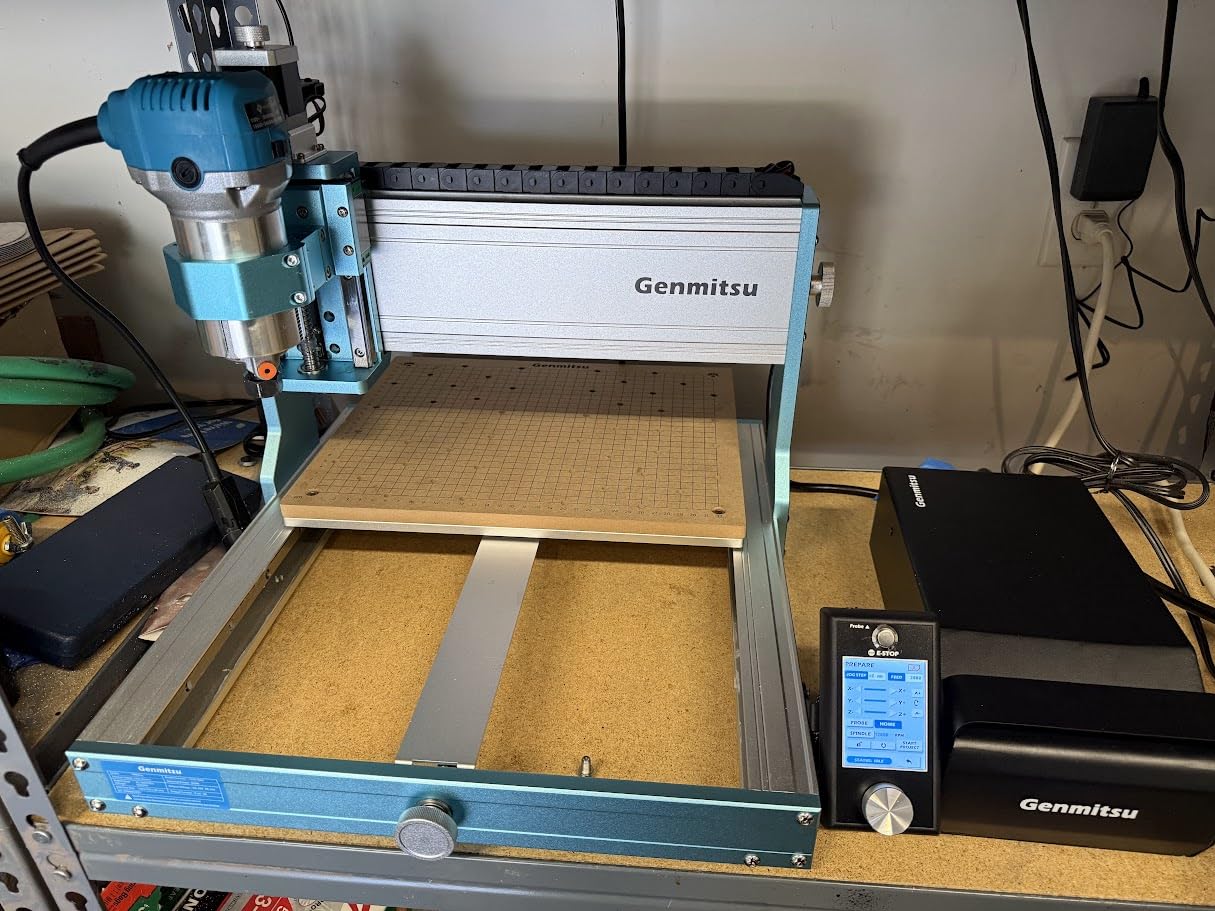
Ball screws and dual linear rails on all three axes put this machine in a different rigidity class from belt-driven hobby routers. The maker rates it at plus or minus 0.03mm precision, and owners report measuring within 0.01mm over 100mm with strong repeatability. Several describe it as the most accurate machine they have owned, including people who have owned several.
The 710W digital spindle has a live display for speed and load, which is genuinely useful because you can see when the tool is bogging down instead of guessing your feeds. Many owners made aluminum genuinely practical with it and moved on to mild steel after switching to a router.
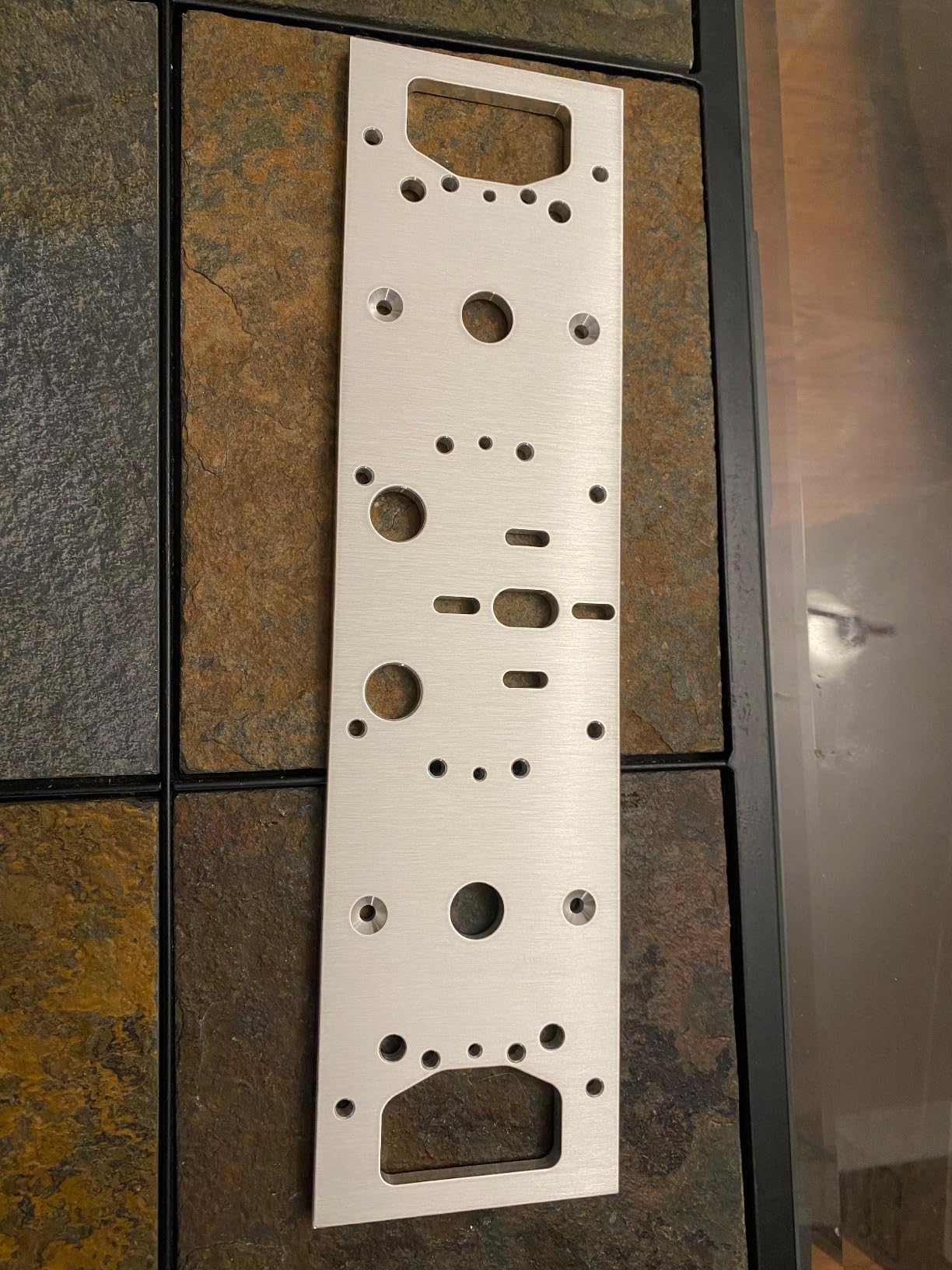
It ships as two pre-assembled modules with dust-protected X and Y axes, so setup takes roughly 30 minutes to an hour. Control runs through the Genmitsu APP, with compatibility listed for Candle, UGS, and Easel.
The 710W spindle opens up non-ferrous work
Rated at 2.4 times the strength of earlier 300W spindles, this changes what the machine can attempt. Thin aluminum plate, brass, copper, and acrylic are all routine rather than experimental, and durable low-maintenance construction is reported over many hours of daily use.
The dual TM-1618D-style limit switches and side-mounted emergency stop are on board, and the dust shields on X and Y help keep fines out of the rails.
Check your controller software before ordering
The single most common complaint is software, not hardware. The new ARM 32-bit GRBL controller reports status pins that do not exist, which breaks UGS and bCNC unless you patch the firmware. The offline controller also shows no coordinates and has no Z-probe function.
Other issues: the 710W spindle is loud and throws chips across the work area, limit switches can foul with metal shavings and halt a job mid-cut, and more than one owner reported shipping damage on a 23 kg machine. Motor mount bolts and the Z-probe screw can loosen in service.
9. AnoleX 4030-Evo Ultra 2 – Best for Measured Accuracy
AnoleX CNC Router Machine 4030-Evo Ultra 2, All-Metal XYZ Axis Dual Steel Linear Guides & Ball Screws with 800W Trim Router for Metal Aluminum Brass Wood Acrylic PCB
HGH-15 rails and 1204 ball screws
800W router at 24000 RPM
Plus or minus 0.005mm
38 kg
Pros
- Highest rated accuracy here at plus or minus 0.005mm repeatability
- Dual rails and ball screws with dual end bearings on every axis
- 800W router to 24000 RPM with software run and stop
- Pre-assembled components with a plastic alignment tool
Cons
- Web UI has control lag and refused connections on some PCs
- Delicate emergency stop loses zero position
- Collet will not seat quarter inch bits correctly past it
- Very heavy at 38 kg and awkward to move
This machine posts the highest average rating in the group at 4.4, and it does so on the smallest written review base here at 35 reviews. Reviewers with previous CNC experience call it professional-grade hardware in a tabletop footprint, and several name it their best overall value after surveying the market.
The hardware is what earns that. HGH-15 dual rails and 1204 ball screws with a dual-bearing design on X, Y, and Z, driven by NEMA 23 steppers rated at 1.2 Nm, inside a 38 kg all-metal chassis. Repeatability is stated at plus or minus 0.005mm with plus or minus 0.02mm accuracy on 6061 aluminum.
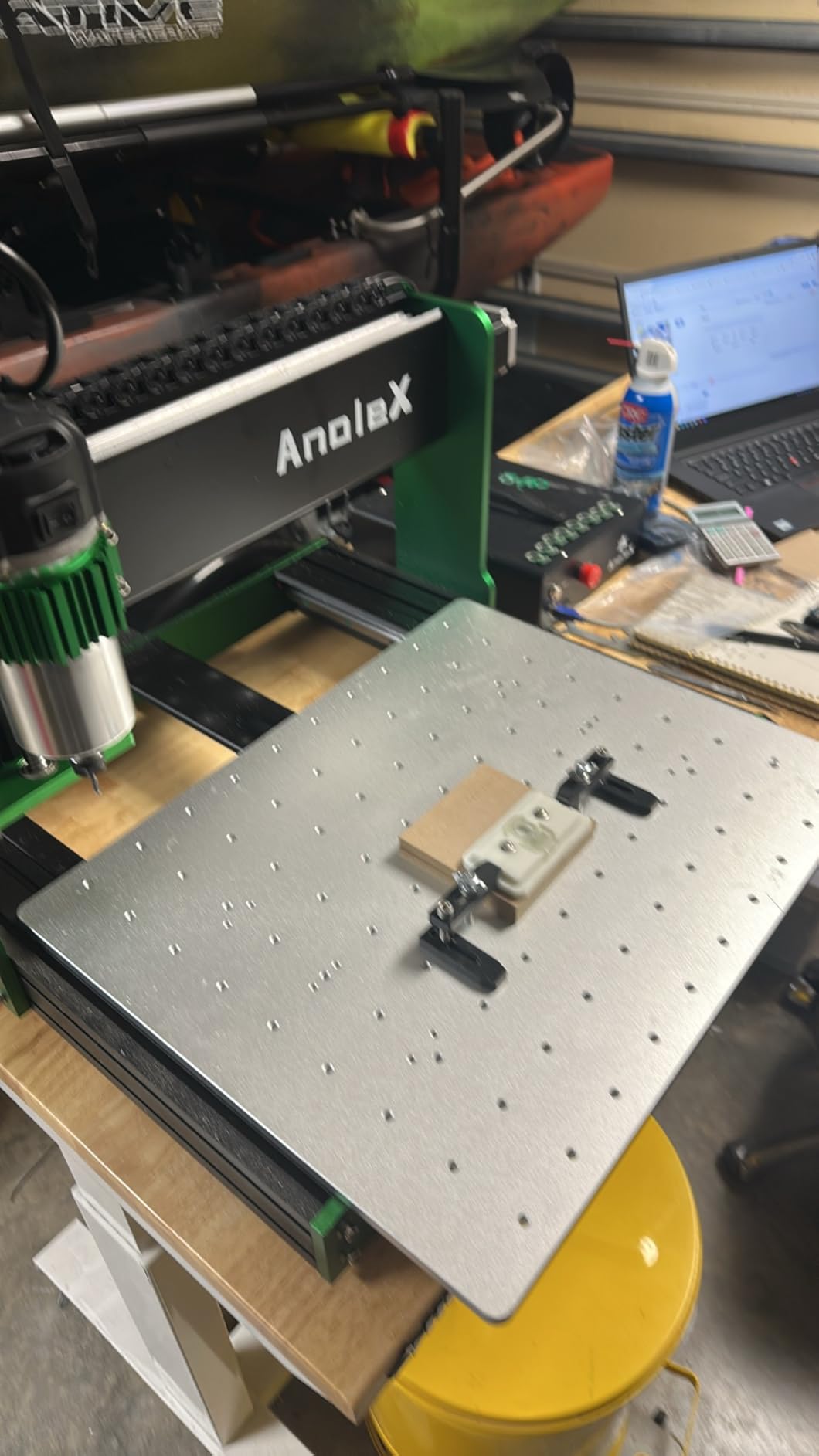
Buyers consistently report it driving quarter inch end mills through aluminum without losing steps. Z clearance is generous for a machine this size, confirmed by multiple owners, and the bundled 800W router runs from 8000 to 24000 RPM across six speeds.
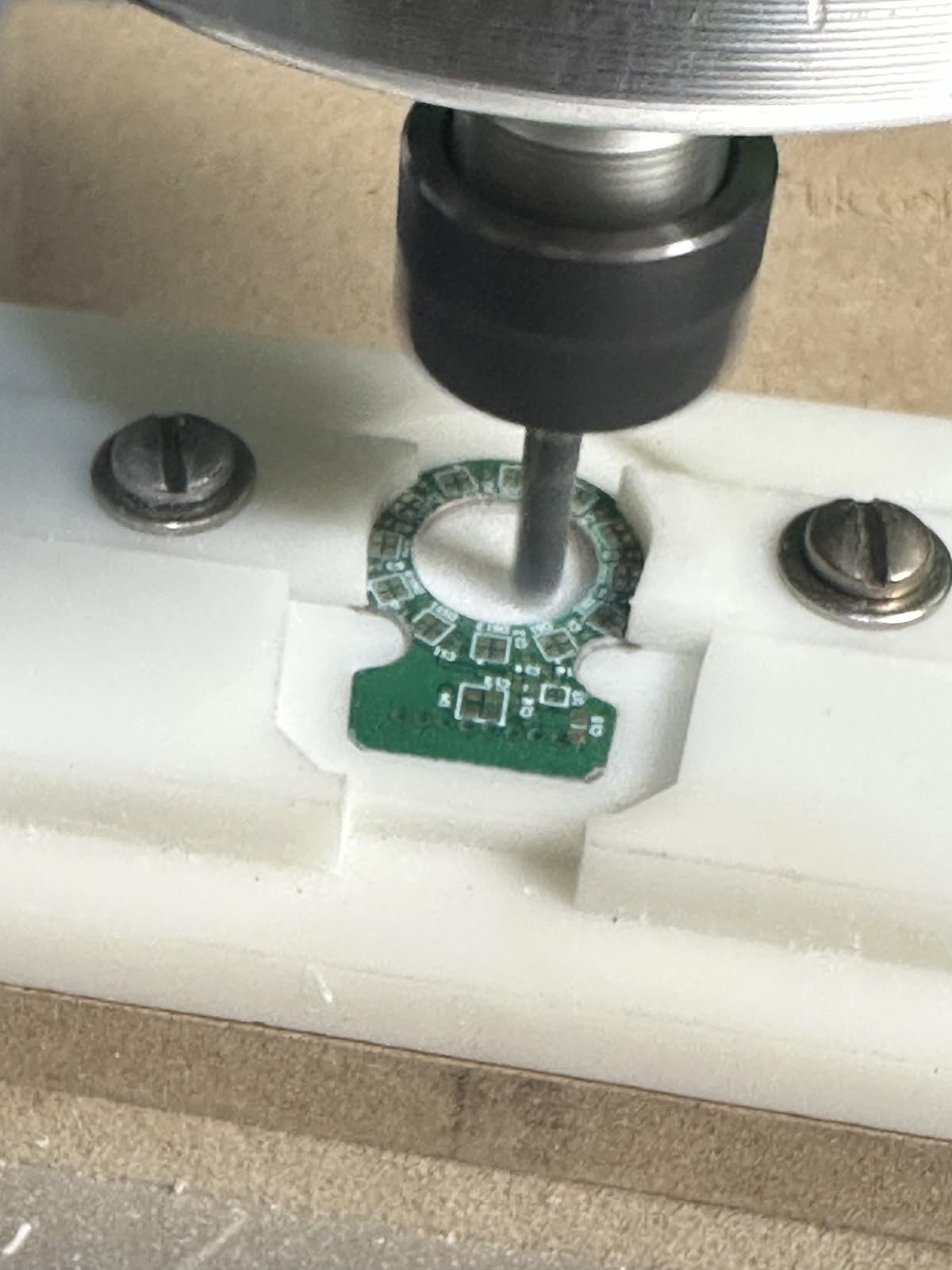
Hardware that reads like shop equipment
Firmware is GRBL 1.3a on ESP32, with laser engraving, 4th axis, coolant commands, closed-loop stepper support, and a 3-pin touch probe. Software compatibility runs through UGS, Fusion 360, VCarve, Easel, and Lightburn on Windows, Linux, and Mac.
AnoleX support is repeatedly described as fast and generous, sending replacement wires free of charge and helping configure firmware upgrades. That responsiveness matters given how much of the feedback here is firmware related.
Firmware caveats to know before buying
The ESP3D web UI has substantial control lag and would not connect from some Windows machines. The emergency stop button is delicate and loses the zero position when pressed, so do not treat it as your only stop.
Two more: the router spindle will not seat quarter inch bits correctly past the collet, which causes visible runout, and limit switches are not detected individually, so the controller cannot tell which end of an axis it hit. At 38 kg, plan where it lives before delivery day.
10. AnoleX 3030-Evo Max – Best Compact Machine for Metal Parts
AnoleX CNC Router Machine 3030-Evo Max, All-Metal XYZ Axis Dual Steel Linear Guides with 800W Trimmer Router, ideal for Cutting Aluminum, Brass, Stainless steel, Wood, Acrylic, MDF, Plastics
800W trim router
MGN-15 rails and T8 lead screws
Plus or minus 0.01mm repeatability
39.5 pounds
Pros
- 800W router reaching 24000 RPM cuts aluminum and copper at usable speeds
- 650 milliNewton metre steppers give more torque than typical units
- Plus or minus 0.01mm repeatability in a small footprint
- Easy 3060 upgrade by removing the base
Cons
- Lighter duty rails and lead screws than the 4030-Evo Ultra 2
- Small bed means larger panels need indexing or the 3060 upgrade
- Closed-loop stepper upgrade costs extra
- Not ideal for heavy material removal
This is the value entry into the Evo platform and it makes a different trade from its bigger sibling. You get the same ESP32 and GRBL 1.3a firmware, the same 800W router, and the same software ecosystem, but with MGN-15 rails and T8 lead screws instead of dual HGH-15 rails and ball screws.
For small metal and wood parts that are indexed onto the bed anyway, that hardware difference matters far less than the 800W router reaching 24000 RPM across six speeds. Stepper torque of 650 milliNewton metres is higher than typical NEMA 17 units, which improves metal handling on lighter cuts.
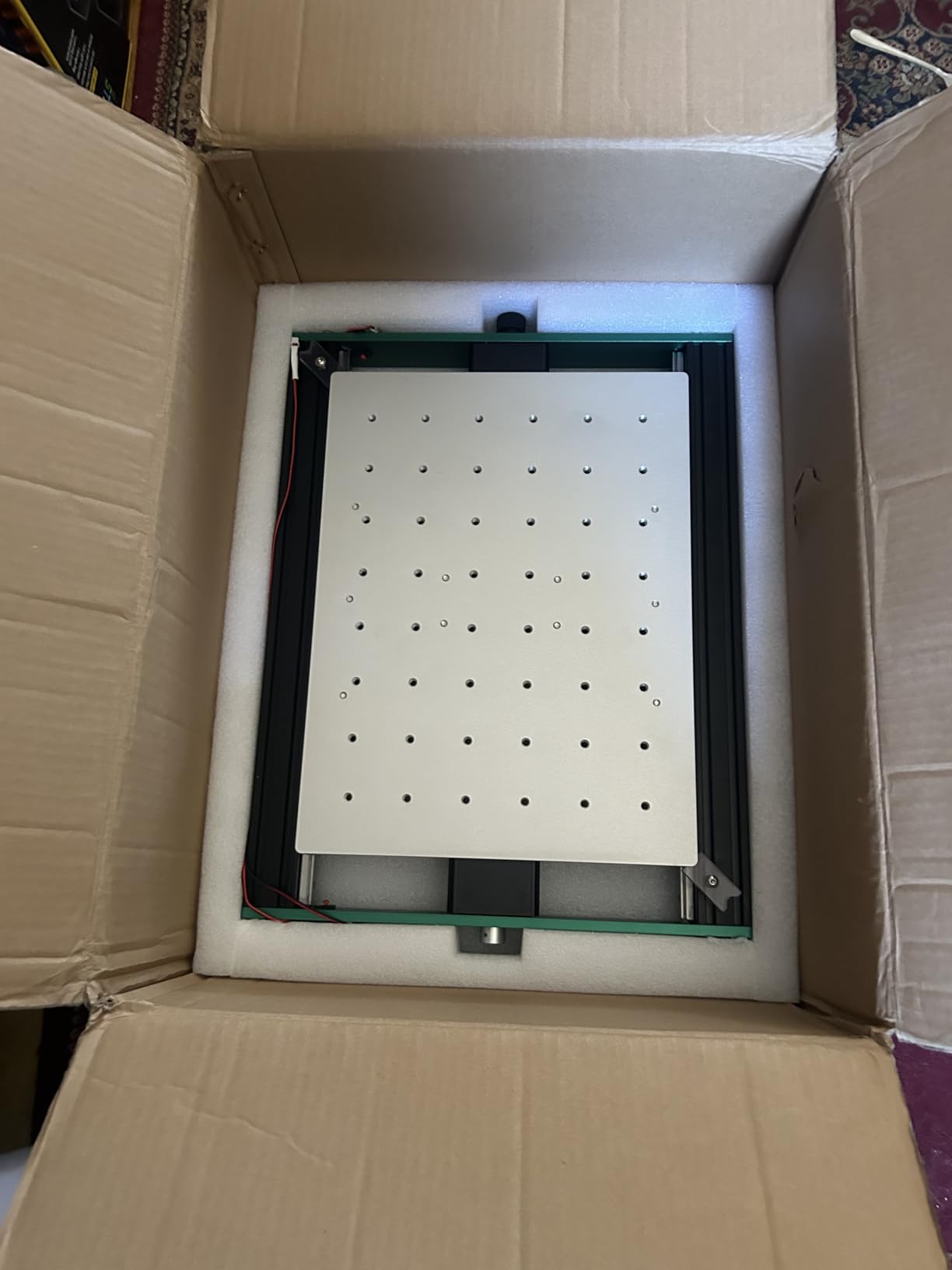
Repeatability is rated at plus or minus 0.01mm with plus or minus 0.05mm accuracy on 6061 aluminum, and the star distribution is strongly positive, with 70 percent five-star and 14 percent four-star. Pre-assembled components and an assembly video get you running quickly.
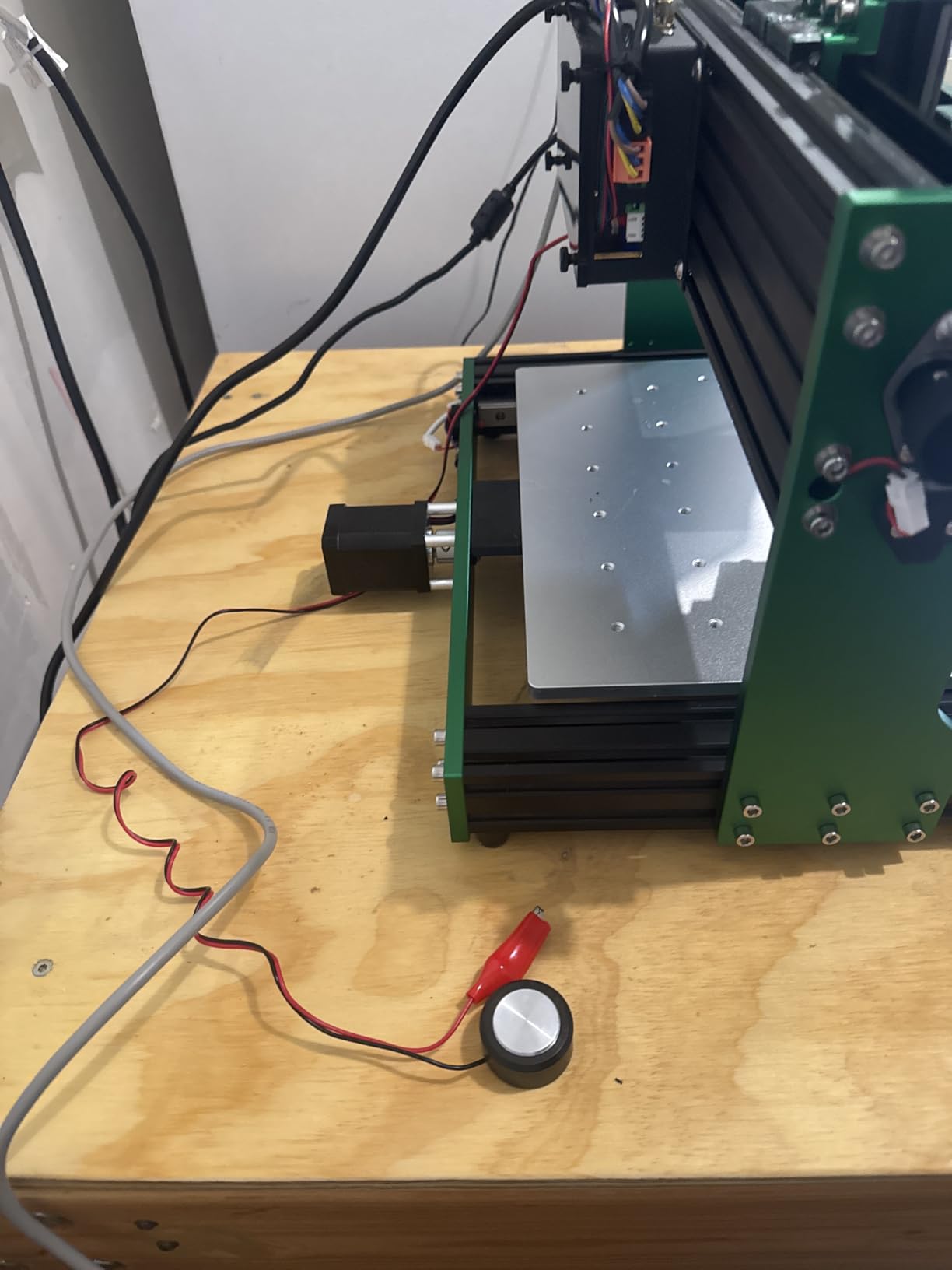
Same platform, lighter hardware
What you gain over a typical 3030-class machine is a genuinely stronger tool and a firmware platform with laser, 4th axis, coolant, closed-loop, and 3-pin touch probe support, plus WiFi control through the ESP3D web UI. Major components arrive pre-assembled with clear cable management.
The upgrade path is the quiet strength. Remove the base, swap in the extension, and you have a 3060. A 1204 ball screw kit and closed-loop NEMA 17 steppers are both available when you outgrow what is fitted.
When the smaller bed becomes the limit
Owners are candid that this is not the machine for heavy material removal. The compact bed and lighter motion hardware mean large panels need indexing or the 3060 upgrade, and heavy cuts in solid hardwood will feel the limits of the hardware first.
If your projects are small parts, plates, and engravings in metal and acrylic, this machine is comfortable and the 800W router is the reason it works at all.
How to Choose a CNC Router for Hobby Woodworking
Most regret on CNC forums comes from sizing a machine against a spec sheet instead of against the projects you want to make. Work through these seven steps in order and the decision gets much easier.
Step 1: Size the work area to your projects
Work area, Z-height, and pass-through are three different numbers, and buyers mix them up constantly. Work area is the flat surface you can use. Z-height is how far the spindle travels up and down, which limits stock thickness. Pass-through is how tall a board you can feed through the machine without removing the bed.
For hobby woodwork, a 300 x 180mm bed handles cribbage boards and small signs. A 400 x 400mm bed handles cabinet doors and sign blanks. Anything approaching a full 4 by 4 foot sheet is a different machine class entirely, and the machines here will not do it in one pass.
Step 2: Pick a drive system before a brand
Belt drives are cheap, fast, and free of backlash until a belt stretches. Lead screws resist load and can be pushed hard without slipping, at the cost of speed. Ball screws combine both and cost more. Rack and pinion systems carry heavy Z loads well.
Rigidity matters more than repeatability numbers. A machine that flexes under a wide cutter removes material unevenly no matter what the spec sheet says. Screw-driven frames are the reason our top pick wins for wood.
Step 3: Judge the spindle by what you plan to cut
A 60W to 80W spindle handles engraving and softwood. A 300W spindle handles hardwood and MDF properly. A 710W or 800W unit opens up aluminum and acrylic. Check the collet diameter too, because a spindle that will not seat a quarter inch end mill limits every future job.
Watch top speed as well as watts. One machine here turns only about 9000 RPM, which is below what many bits need even at low feed rates.
Step 4: Check frame rigidity and machine weight
Machine weight is a proxy for frame mass, and frame mass is a proxy for rigidity. Machines at 38 kg with heavy rails will hold a cut. Machines at 13 kg will move when you push a wide bit through dense material.
Heavy is also awkward. Decide where the machine will live before it arrives, because moving a 31 kg or 38 kg machine is not a casual task.
Step 5: Confirm controller and software support
GRBL is the standard hobby controller and runs on Candle, UGS, and bCNC. Mach3 and Mach4 run on Windows PCs. Vendor apps add their own workflow on top. What matters is whether the specific firmware version reports its status pins correctly, because one machine here breaks two popular senders until the firmware is patched.
For CAM, Carveco Maker, Fusion 360, Vectric VCarve, and FreeCAD cover most hobby workflows. Check that your chosen machine’s controller is supported before you commit.
Step 6: Plan for dust before the first cut
Almost none of these machines include a dust shoe or extraction. MDF and hardwood routing without extraction fills a room and is a genuine health concern, so budget for a dust shoe, a shop vacuum adapter, and ideally an enclosure from the start.
Keep an eye on T-slots as well. Owners of the smaller machines report chips settling inside the slots and needing regular wiping.
Step 7: Work out the true total cost
The machine is only part of what you spend. Add a starter set of end mills and V-bits, hold-downs or a vacuum table, a spare spoilboard, dust extraction, and possibly a spindle upgrade. Our rough rule of thumb from talking to owners is that the machine is roughly half to 60 percent of first-year spend.
That reframes the comparison. A cheaper machine that needs a spindle upgrade and new bits to work in hardwood is not cheaper than a more capable one that arrives complete.
Finally, be honest about the alternative. A CNC router wins when you repeat the same part, need precision joinery or inlay, or want shapes a handheld tool cannot cut. If you make one-off furniture parts and enjoy hand-tool work, a plunge router and a table saw may be the better investment for your bench. Our hobby knife sets for beginners guide is a better use of budget than a machine you will not use.
What Are the Downsides of Using a CNC Router?
Cost beyond the machine. Bits, hold-downs, a spare spoilboard, dust extraction, and often a spindle upgrade add up. The machine is commonly half to 60 percent of your first-year spend.
A real learning curve. CAD, CAM toolpaths, feeds and speeds, workholding, and probe calibration all need study. First projects usually take several attempts.
Dust and noise. Routing MDF and hardwood without a dust shoe and extraction fills the shop quickly. A 700W-class spindle is loud enough to matter in a shared space.
It removes creativity from the design, not the craft. A file produces identical parts every time, which is exactly what you want for production and exactly what you do not want for original hand work.
Maintenance. Rails need cleaning and lubrication, lead screws need tension checks, belts need periodic tensioning, and limit switches foul with shavings.
Spindle limits before machine limits. On most machines under this size, the bundled spindle, not the frame, is what stops you cutting thicker or harder material.
Space and weight. Several machines here are 31 kg to 38 kg and need a permanent, dedicated spot with room for stock handling.
What You Will Also Need With a New CNC Router
Budget for these before the machine arrives. Each one is a small cost that prevents a frustrating first month.
Starter bit set. A compression set of end mills plus a 60-degree and 90-degree V-bit covers most 2.5D work. The 3018-class machines in this roundup do not include end mills with the tool bits.
Dust shoe and extraction. None of these machines include one. A dust shoe plus a shop vacuum adapter is the single highest-value accessory.
Hold-downs. T-track clamps, low-profile clamps, or a vacuum table. The bundled clamps on the entry-level machines are fiddly, so plan a better set.
Spare spoilboard. MDF boards bow. A second spoilboard means you keep working while the first is being flattened.
Touch probe or Z-probe setup. Several machines here include a probe, but calibration takes practice. A reliable probe saves real time setting zeros.
Comfort items. Safety glasses, hearing protection, and a cleanup kit. For hand-finishing carved edges afterwards, our hobby knife sets with case comparison covers the options.
Frequently Asked Questions
Do I need a CNC router or a handheld plunge router for woodworking?
A CNC router earns its place when you repeat the same part, need precision joinery or inlay, run a small sign or gift business, or want shapes a handheld tool cannot physically cut. A plunge router and a table saw serve you better when you make one-off furniture parts and enjoy the hand work. Many hobby woodworkers keep both, using the CNC for batches and the handheld for fit-up and finishing.
How big a CNC router do I need for cabinet doors?
Most hobby cabinet doors are 15.75 by 30 inches or smaller, so a 400 x 400mm bed will hold them flat in a single pass. Smaller doors fit on a 300 x 180mm machine. Check Z-height as well as work area, because a door laid flat needs vertical clearance only for the bit, while raising material through the machine is limited by pass-through.
Can a CNC router cut hardwood?
Yes, but spindle power decides how comfortably. A 60W to 80W spindle handles engraving and softwood only. A 300W spindle with lead screw drives cuts hardwood and MDF properly if you keep depth per pass to a quarter inch. The 710W and 800W machines here open up dense hardwood, hardwood plywood, and non-ferrous metals.
Is a 3018 CNC router worth buying?
As a learning machine, yes. The frame is genuinely capable, it arrives partly assembled, and it teaches you CAD, CAM, feeds, and workholding at the lowest entry point in this roundup. As a forever machine, no. The 300 x 180mm bed and modest spindle will not cut cabinet doors or thick hardwood, and most owners move up within a year or keep it for small parts only.
How long does a hobby CNC router take to assemble?
Pre-assembled axis modules cut the job to 15 to 30 minutes on machines like the 4040-PRO, and roughly 30 minutes to an hour on the larger Genmitsu models. Fully assembled frames like the FoxAlien machines report 10 to 15 minutes for the main assembly. Entry-level kits that ship as loose parts commonly take 45 to 90 minutes for a first-time builder.
Final Verdict: The Best CNC Routers for Hobby Woodworking in 2026
The best CNC routers for hobby woodworking come down to what you are making. For most people, the Genmitsu 3018-PROVer V2 is the right first machine: the most-reviewed router here, an all-aluminum frame, safety hardware in the box, and enough capability to learn on without frustration.
For a machine you will keep for years, the Genmitsu PROVerXL 4030 is our pick. Lead screws, a rigid C-beam frame, a bundled 300W spindle, and a bed sized for cabinet doors mean you are not planning a second purchase in a year. If accuracy at the top of the range matters most, the FoxAlien Masuter 3S with closed-loop steppers and the AnoleX 4030-Evo Ultra 2 with dual rails and ball screws are the two to compare.
Whichever you choose, budget for dust extraction, bits, hold-downs, and a spare spoilboard before you order. We relied on manufacturer specifications and verified buyer feedback for these picks rather than hands-on testing, and we earn a commission when you buy through the links on this page. That never changes the ranking.