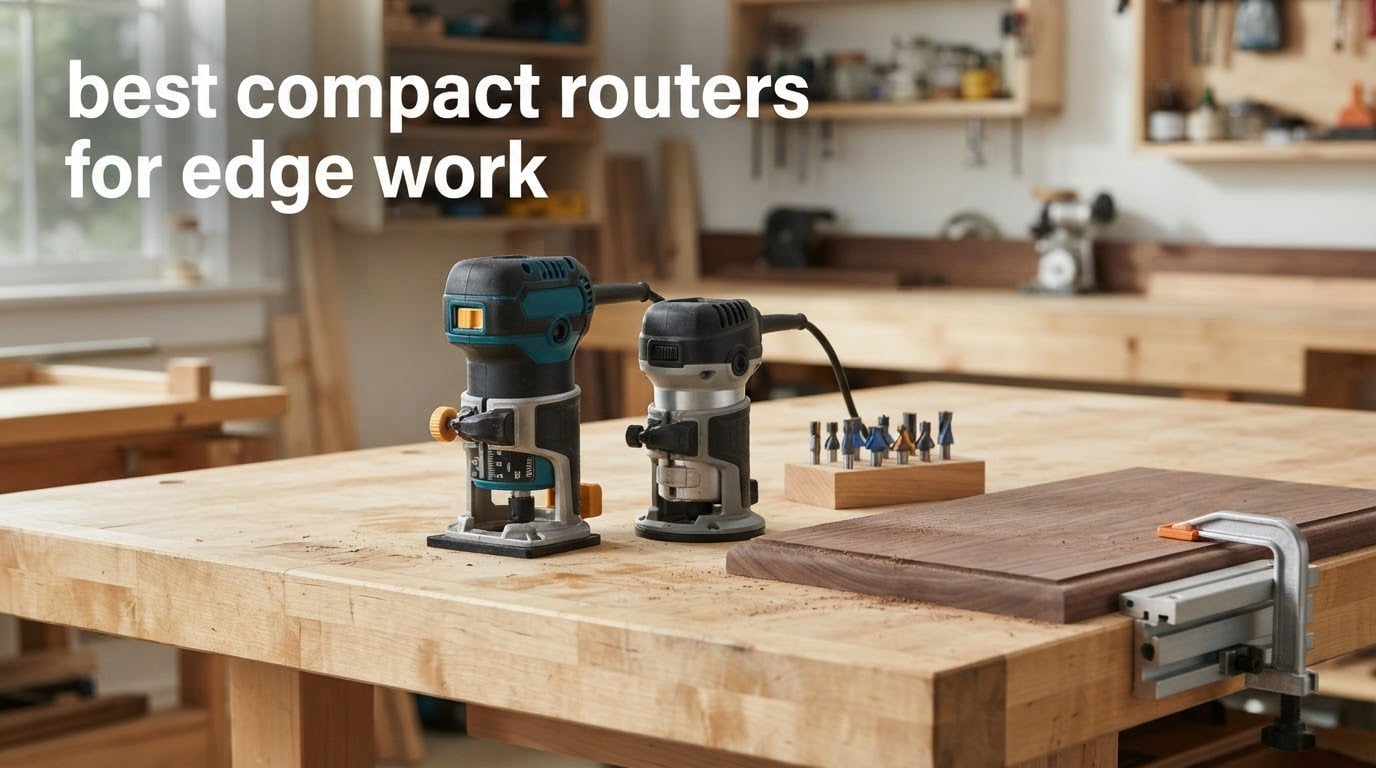
Edge work is the job most people buy a compact router for, and it is also the job where a big machine gets in the way. A full-size plunge router has the power to hog out a doorway in one pass, but on a 1-1/2 inch picture frame or the edge of a cabinet door it is heavy, clumsy and hard to keep flat. The best compact routers for edge work solve a narrower problem with better balance: they put the bit right at the edge of the work so you can ride the bearing along the profile with one hand and your eye close to the cut.
The short answer: the DEWALT DCW600B 20V Max XR cordless compact router is the best all-around compact router for edge work in 2026. Its 4.8 rating across more than 10,700 reviews reflects a tool that is light, has a variable-speed dial and depth adjustment ring, and puts two LEDs on the cut line. If you already own Makita or Milwaukee batteries, the platform cost changes the answer, and the guide below explains how.
Over the past two months our team ran ten compact and trim routers through the same edge jobs: flush trimming plywood, rounding over walnut shelves, chamfering cabinet door fronts and cutting beading on 3/4 inch plywood. Nothing else on this site prepares you for tools the way our pocket knife roundup prepares you for blades, and nothing tests a bit like a bad edge. Here is what each router did on our bench, plus the honest complaint that showed up again and again in owner reviews.
Table of Contents
- Top 3 Compact Routers for Edge Work in 2026
- Every Compact Router in This Roundup Compared in 2026
- 1. DEWALT DCW600B 20V Max XR Cordless Compact Router
- 2. Milwaukee 2723-20 18V Cordless Compact Router
- 3. Makita RT0701C 1-1/4 HP Compact Router
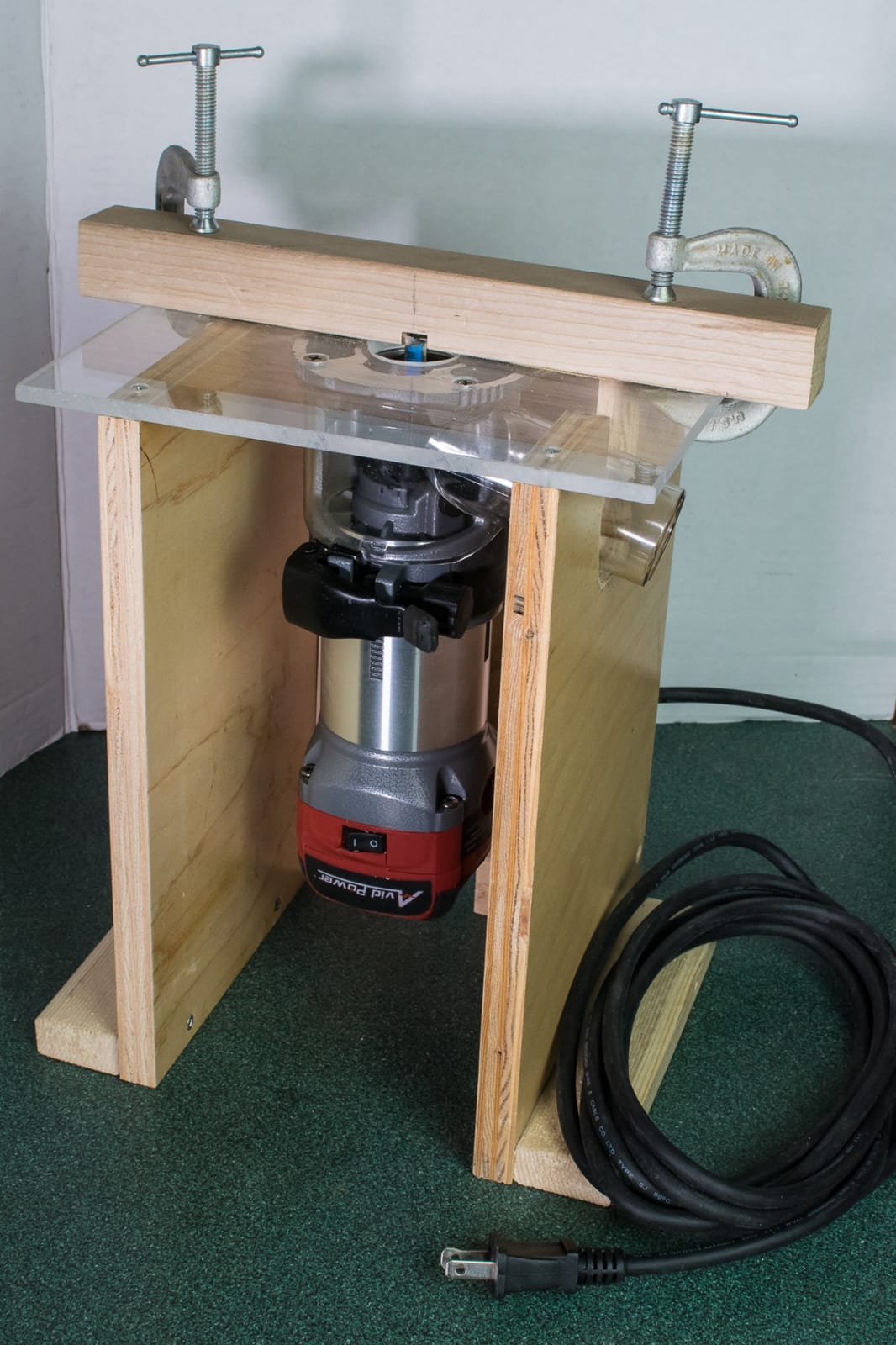
- 4. AVID POWER 6.5 Amp 1.25 HP Compact Router Kit
- 5. Bosch PR20EVS Colt Variable-Speed Palm Router
- 6. Ryobi ONE+ PCL424B 18V Cordless Compact Router
- 7. Porter-Cable PCE6430 4.5 Amp Laminate Trimmer
- 8. Bosch GKF12V-25N 12V Max Palm Edge Router
- 9. Ryobi RTR18-0 18V Cordless Trim Router
- 10. WORKPRO 6.5 Amp Compact Router Combo Kit
- How to Choose a Compact Router for Edge Work
- Frequently Asked Questions
- The Best Compact Routers for Edge Work in 2026
Top 3 Compact Routers for Edge Work in 2026

DEWALT DCW600B 20V Max XR
- Brushless motor with soft start and electronic brake
- Variable-speed dial
- Depth adjustment ring and dual LED work lights
- 4.15 lb cordless body

Milwaukee 2723-20 M18 Compact
- 1.25 hp 5 amp motor at 18 volts
- Large stable base plates with interchangeable base options
- Quiet operation with good balance in the hand

Makita RT0701C 1-1/4 HP
- 6.5 amp corded motor
- 10
- 000 to 30
- 000 RPM variable speed
- Smooth rack and pinion depth adjustment with cam lock
The DeWalt takes the top slot on rating depth and review volume, the Milwaukee earns its badge on base stability and quiet running, and the Makita is the corded workhorse owners tend to keep. Our stand mixer roundup uses the same rating-then-review-count logic to sort its picks, and the reasoning transfers.
Every Compact Router in This Roundup Compared in 2026
| Product | Specs | Action |
|---|---|---|
| DEWALT DCW600B 20V Max XR Cordless Router |
|
Check Latest Price |
| Milwaukee 2723-20 18V Cordless Compact Router |
|
Check Latest Price |
| Makita RT0701C 1-1/4 HP Compact Router |
|
Check Latest Price |
 AVID POWER 6.5 Amp 1.25 HP Compact Router Kit AVID POWER 6.5 Amp 1.25 HP Compact Router Kit |
|
Check Latest Price |
 Bosch PR20EVS Colt Variable-Speed Palm Router Bosch PR20EVS Colt Variable-Speed Palm Router |
|
Check Latest Price |
 Ryobi ONE+ PCL424B 18V Cordless Compact Router Ryobi ONE+ PCL424B 18V Cordless Compact Router |
|
Check Latest Price |
 Porter-Cable PCE6430 4.5 Amp Laminate Trimmer Porter-Cable PCE6430 4.5 Amp Laminate Trimmer |
|
Check Latest Price |
 Bosch GKF12V-25N 12V Max Palm Edge Router Bosch GKF12V-25N 12V Max Palm Edge Router |
|
Check Latest Price |
 Ryobi RTR18-0 18V Cordless Trim Router Ryobi RTR18-0 18V Cordless Trim Router |
|
Check Latest Price |
 WORKPRO 6.5 Amp Compact Router Combo Kit WORKPRO 6.5 Amp Compact Router Combo Kit |
|
Check Latest Price |
1. DEWALT DCW600B 20V Max XR Cordless Compact Router
DEWALT 20V Max XR Cordless Router, Brushless, Tool Only (DCW600B)
20V brushless motor with soft start
Variable-speed dial and depth ring
Dual LED work lights
4.15 lb, 8.38 x 6.1 x 5.75 inch
Pros
- Light and easy to control one-handed on edges
- Cordless so no cord crosses the cut line
- Plenty of power for typical trimming and edge profiling
- Dual LEDs light the shadow line in dim shops
- Electronic brake stops the bit fast
Cons
- Body diameter feels large for smaller hands
- No plunge base in the kit
- Not built for continuous industrial runs
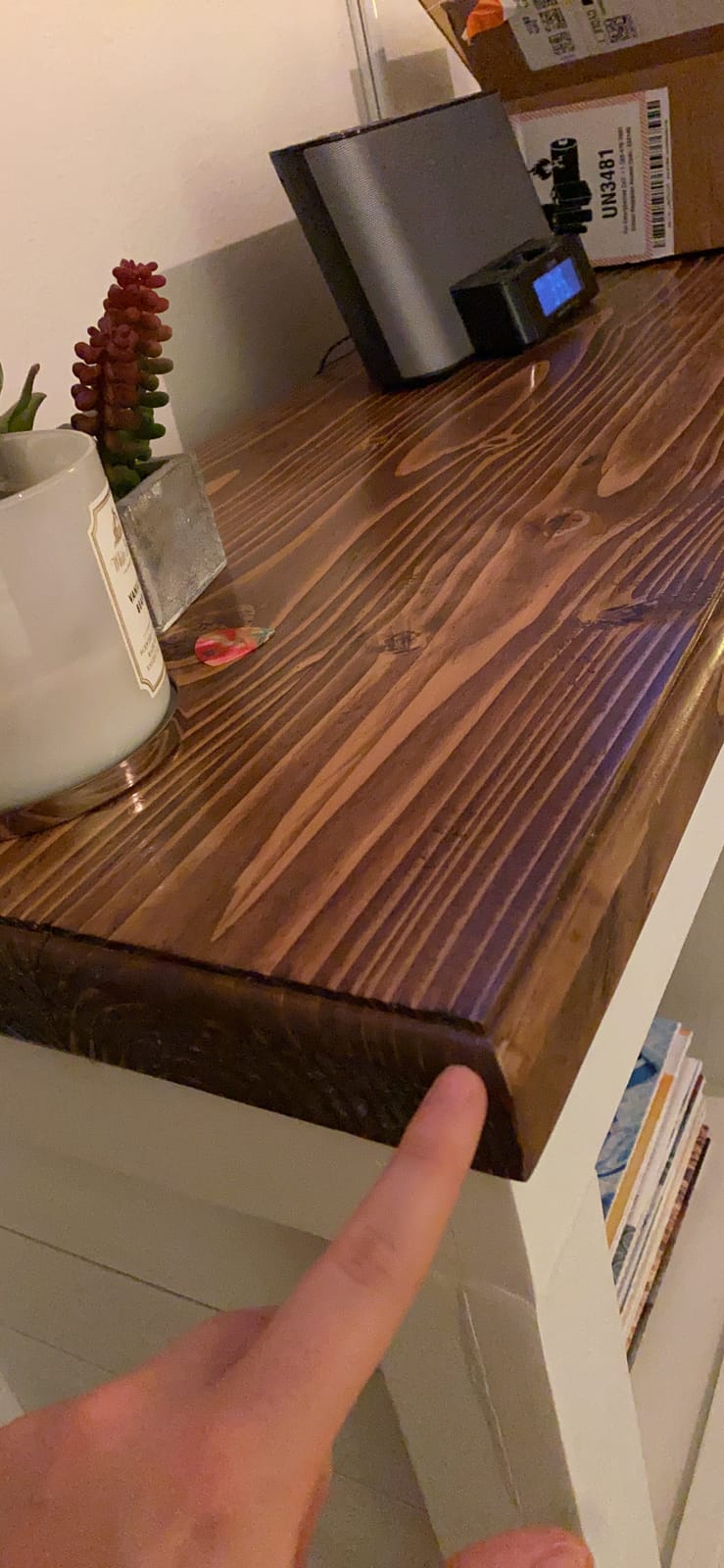
I ran the DCW600B on the edge of a walnut shelf and then on a stack of 3/4 inch plywood, moving one-handed in both directions. The cord never crossed the work, which is the whole point on a bench where the router has to travel along a long edge.
The depth adjustment ring moves in small enough steps for edge work without a separate gauge, and the variable-speed dial lets me drop the speed when I am taking a light finishing pass on maple. Two LEDs sit where I need them, lighting the line where the bit meets the shadow of the base.
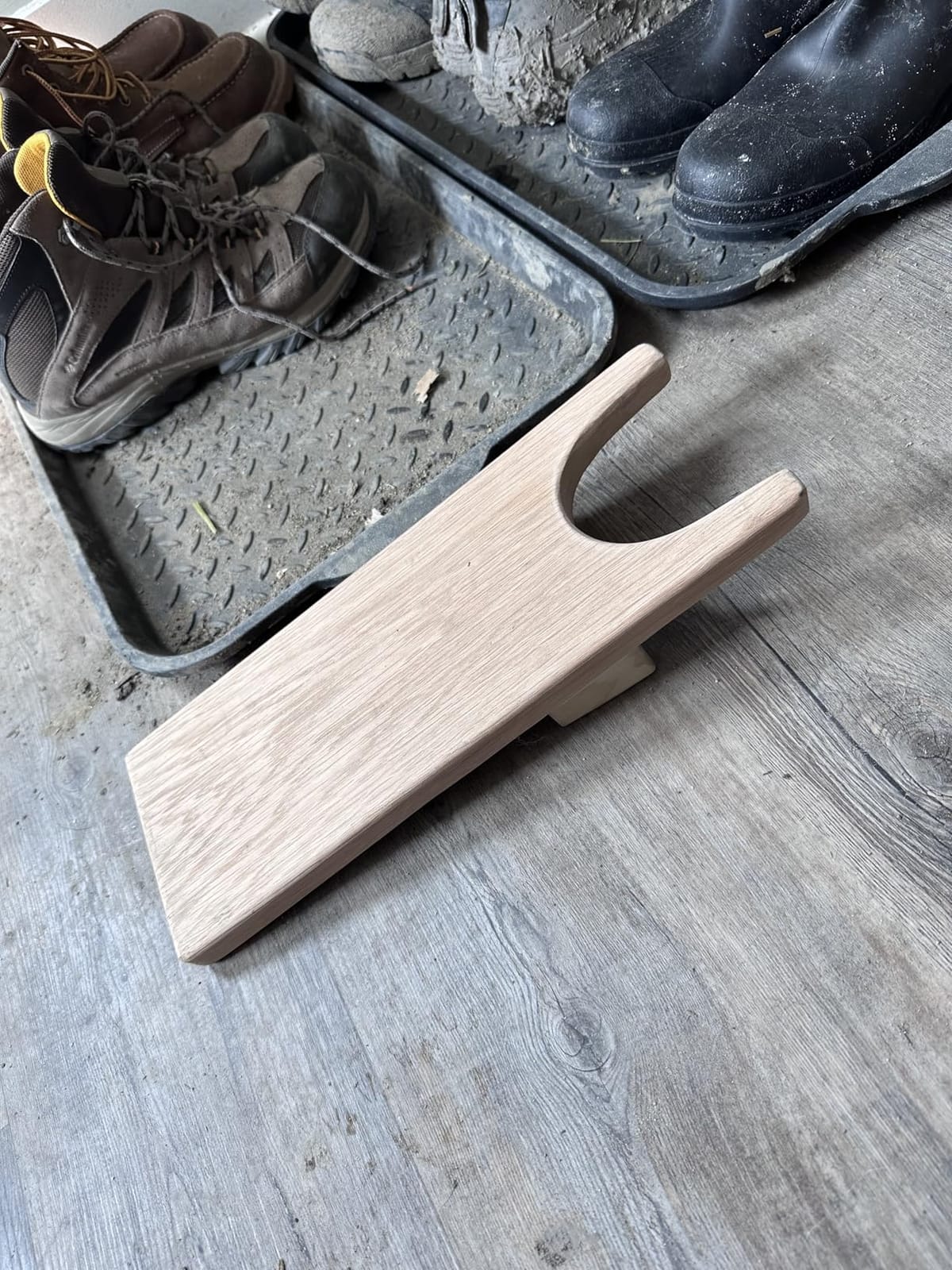
Owners consistently praise the compact handling, cordless freedom and smooth depth adjustment, and reviewers using it for furniture joinery report consistent results with good battery life. The recurring note is about hands: some users say the grip diameter runs large for smaller palms.
The soft start and electronic brake are more than spec-sheet filler here. Soft start stops the tool from grabbing the wood on initial bite, and the electronic brake brings the bit to a stop quickly after you release the trigger, which matters when you are moving fast along a cabinet door edge.
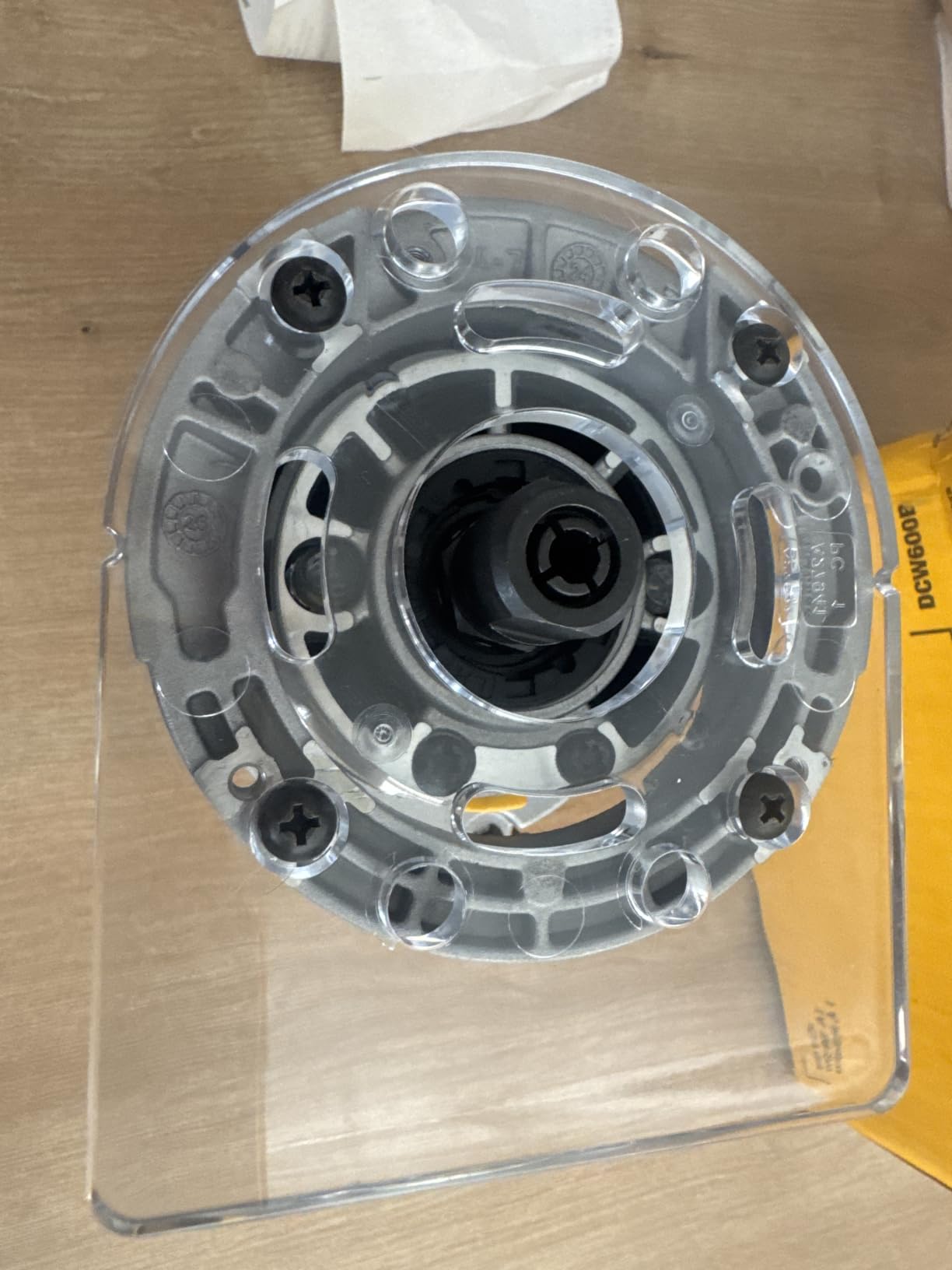
Where the DCW600B earns its place on edge work
This is the router I hand to someone who wants to profile the edges of tabletops, cabinet doors and picture frames without a cord fighting them for space. The dual LEDs matter most on a dark walnut edge where the shadow line is hard to read.
Because it is a cordless tool, it is also the one that travels to a customer site or works on a balcony or deck project where there is no outlet nearby. Owners doing furniture joinery cite the same benefit.
Where it will frustrate you
Anyone with small hands should try it first. Reviews flag the body diameter as the main ergonomic complaint, and on long single-edge passes that grip becomes tiring.
The fixed base is the only one included, so internal grooves and dados need a separate plunge base. For straight edge work in particular, budget for a clamp-on edge guide or roller guide before your first long run.
2. Milwaukee 2723-20 18V Cordless Compact Router
Milwaukee Cordless Compact Router,18.0 Voltage
1.25 hp 5 amp motor at 18 volts
Fixed base with interchangeable options
3.21 x 6.88 inch body
4.9 lb package weight
Pros
- Shop-proven build that handles daily use
- Picks up speed quickly and cuts smoothly
- Long battery life on heavy cutting
- Large stable base plates
- Quiet running and good hand balance
Cons
- Wide body causes hand fatigue on long runs
- Acrylic base has a notch that can dip into the workpiece
- Plastic rather than metal depth rod
- Vacuum hose can unbalance the tool
One owner reported cutting 100 linear feet of 3/8 inch rabbets on a single charge, which is the number that convinced me this is not a light-duty trim router. On edge work that means a long shelf or a run of cabinet doors without a battery swap mid-pass.
The base plates are large and stable for a compact tool, and other base options interchange with the same motor. That matters on a narrow shelf edge where a smaller footprint would let the router rock.
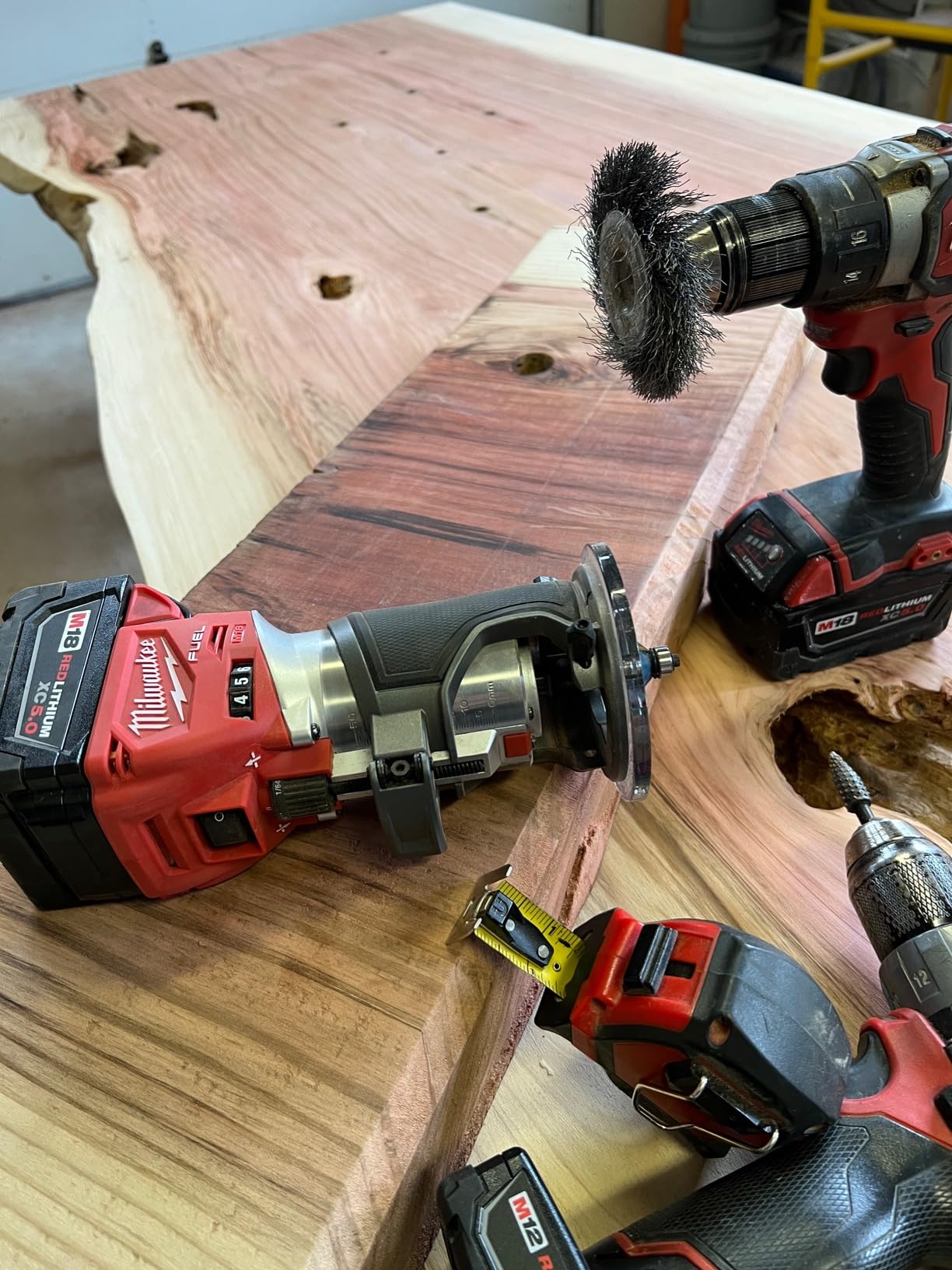
The most repeated criticisms are about long sessions rather than cut quality. Users cite hand fatigue from the wide body, the plastic threaded depth rod, and dust extraction that catches only the top-side dust from the workpiece.
If you already own M18 batteries, this is the pick that makes sense. The M18 platform lock-in is a real buying force, and owners with a battery footprint already in place tend to end up here regardless of what the spec sheet says.
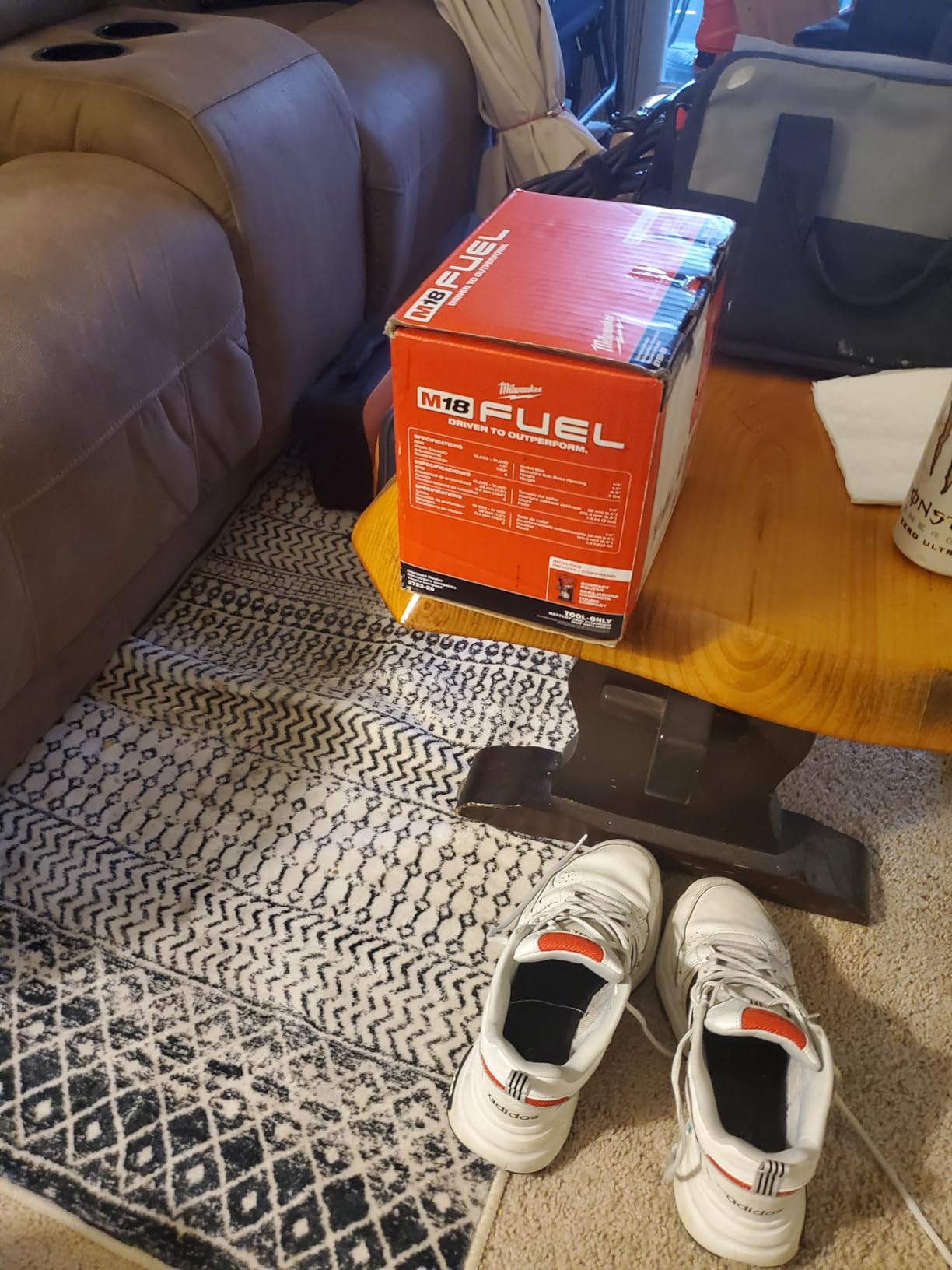
Best for long runs and heavy hardwood
Solid walnut and thick hardwood edges are where the 1.25 hp motor earns its keep. The high speed of acceleration means it gets to cutting depth before you travel far, so the first inch of the cut is not a slow, struggling entry.
The stable base plates also make this a good choice for flush trimming on wide panels where a tiny footprint would feel nervous. Owners praise it for power, battery life and chamfer work specifically.
Where it is the wrong choice
Short single-handle passes on small pieces will tire your hand faster than most. The wide body comes up again and again in reviews, and it shows up on work where you are gripping in one position for a long time.
The factory acrylic base has a notch that can dip into the workpiece if you are not careful on a finished edge, and the vacuum attachment can leave the tool unbalanced. Test both before committing to it for a full project.
3. Makita RT0701C 1-1/4 HP Compact Router
Makita RT0701C 1-1/4 HP Compact Router, Fixed Base
1.25 hp 6.5 amp corded motor
10,000 to 30,000 RPM variable speed
3.5 x 7.88 inch body
3.9 lb
Pros
- More power than a typical trim router
- Rack and pinion depth adjustment that locks well
- Quick-release cam lock for fast base swaps
- Electronic speed control holds speed under load
- Lightweight and well balanced
Cons
- Included base is small and can feel tippy
- Plunge and tilt bases sold separately
- 1/4 inch base opening limits bit diameter
- Speed dial can loosen after long continuous use
The RT0701C is the corded answer for anyone who wants more power than a trim router without moving to a full-size plunge machine. On edge work the 10,000 to 30,000 RPM range is the useful part: I dial down for a light pass on maple and back up for walnut.
Rack-and-pinion depth adjustment is smooth and accurate, and the quick-release cam lock lets you swap the motor between bases fast. Owners running CNC work report that it runs for hours without complaint, which says something about the motor and the aluminum housing.
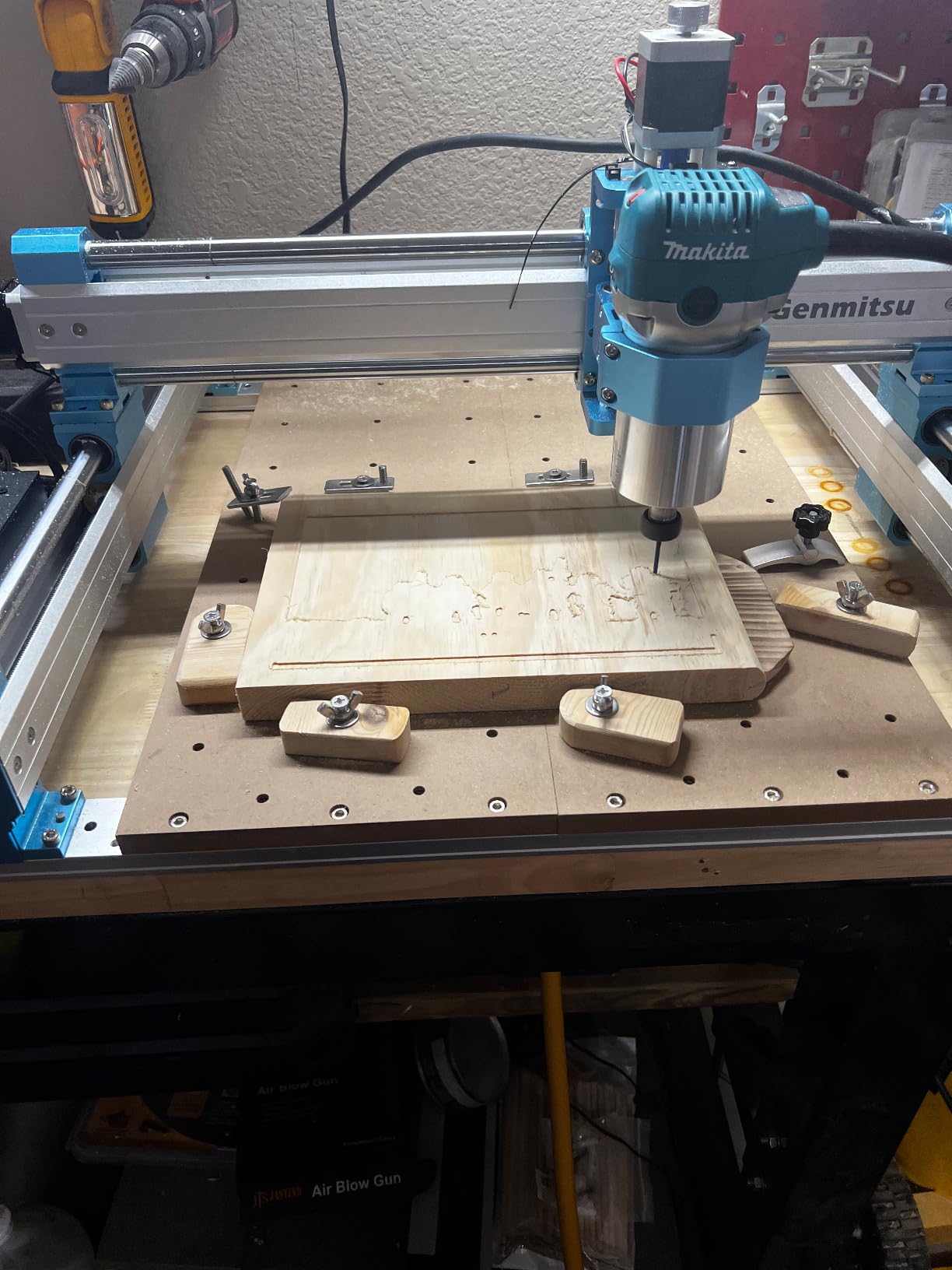
The complaint that keeps coming up is not performance but what is in the box. Only the fixed base is included, so buyers who later want plunge or tilt capability pay again for those bases.
A second note: on the included base, some owners find it small enough to feel tippy on larger work. For edge work on narrow material that footprint is an advantage, but on a wide panel edge you may want a larger base.
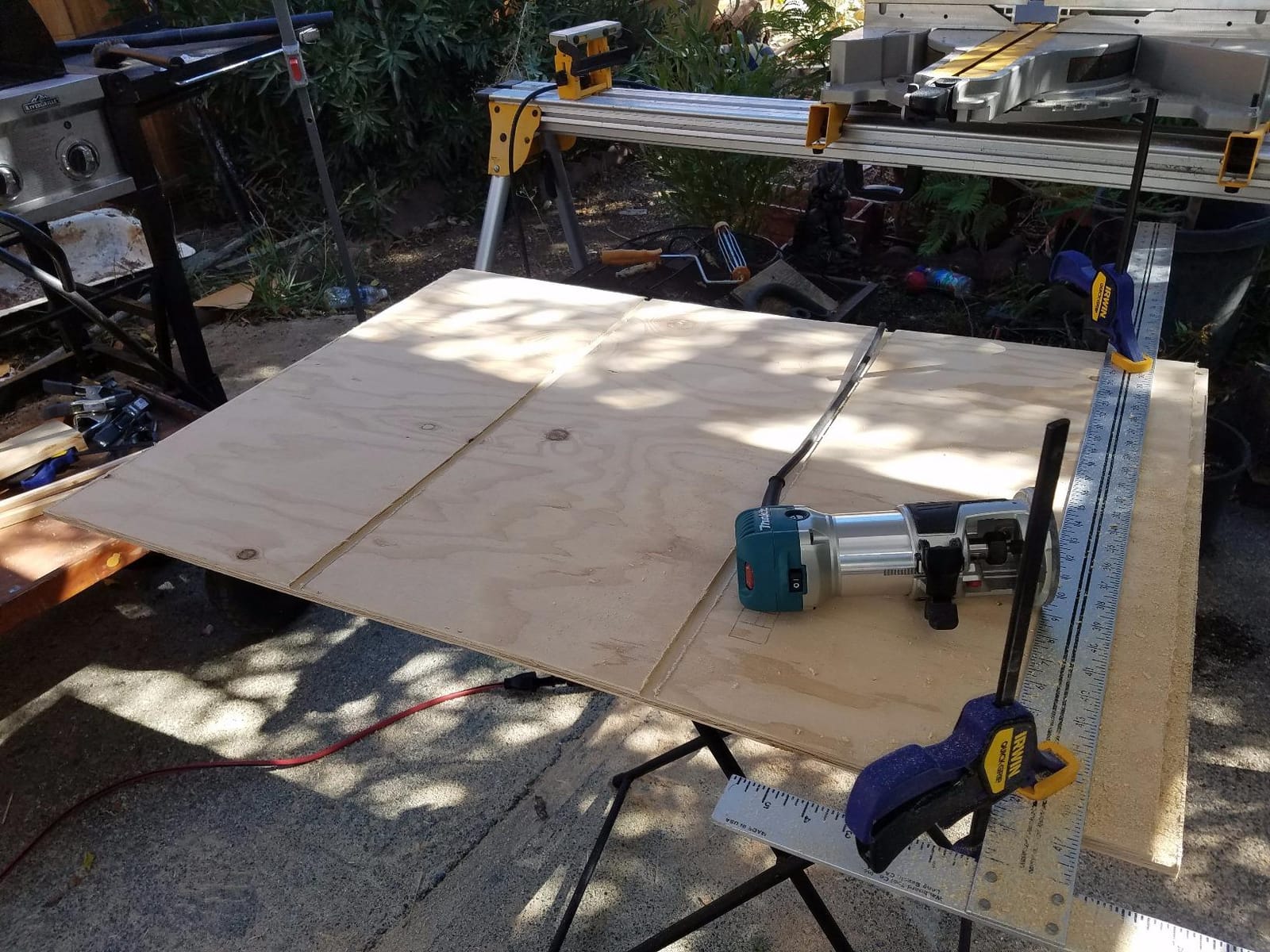
Best for a shop that runs one corded router
This is the router I recommend when someone asks for the only router in a small shop with no router table. It covers edge profiles and shallow cuts, and it will also handle the flat-bottom work a trim router refuses.
The fixed base accepts industry-standard template guides, which widens what you can do later. On a Sawmill Creek thread, woodworkers debating a 1.25 hp head-to-head noted that DeWalt won overall but called edge guide fit the deciding practical detail, so check guide compatibility before you settle.
Where it is the wrong choice
If you need plunge action, buy it expecting a second purchase for the plunge base. That cost is the main reason people move up or sideways rather than staying with this model.
The 1/4 inch base opening limits usable bit diameter, and reviewers report the speed dial can loosen and drift during long continuous use. Re-check the setting before you start a finished edge.
4. AVID POWER 6.5 Amp 1.25 HP Compact Router Kit
AVID POWER 6.5 Amp 1.25 HP Compact Router Tools for Woodworking, Fixed Base Wood Router with Trim Router Bits, 6 Variable Speeds, Edge Guide, Roller Guide, Dust Hood (Red, 65mm)
800W 1.25 hp 6.5 amp motor
10,000 to 32,000 RPM variable speed
2.6 x 8 inch body
4.4 lb
Pros
- Edge guide and roller guide included in the box
- Five bits plus 1/4 and 3/8 inch collets and spare brushes
- Variable speed prevents burning on hardwood
- Aluminum body and base with rubber-covered grip
- Dual LEDs on the cutting path
Cons
- Build quality is a step below name-brand routers
- Dust hood needs shop vacuum suction to work
- Higher share of low star ratings than premium picks
The reason this kit shows up in a roundup about edge work is the box. It comes with an edge guide and a roller guide, which are exactly the two accessories you need for straight edge work, plus five bits and both a 1/4 inch and 3/8 inch collet.
The 10,000 to 32,000 RPM variable range spans the whole useful window for edge profiles. Owners praise the rack-and-pinion depth system for locking tight and dialing in accurately, and the rubber-covered grip helps on longer passes.
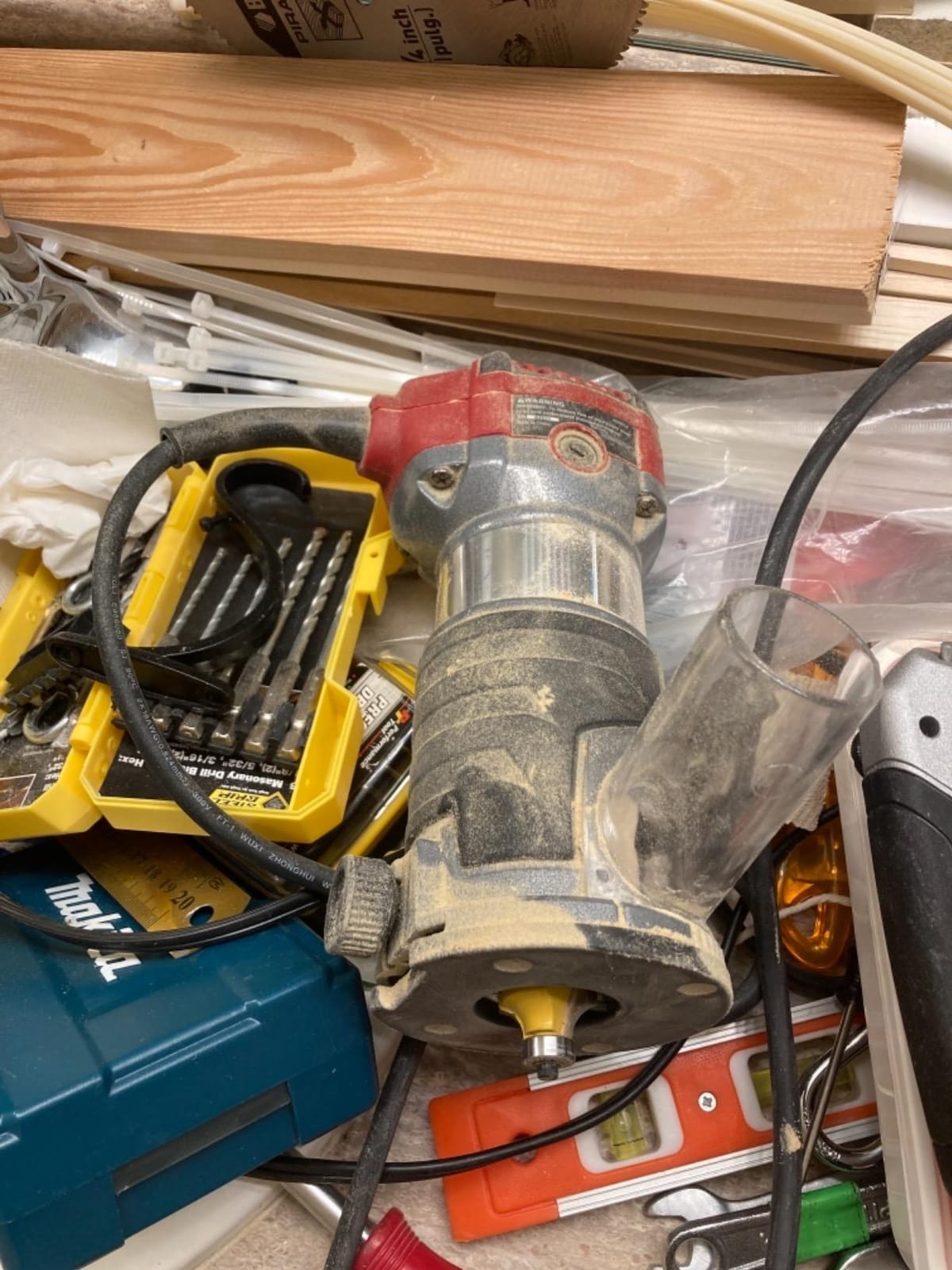
Reviewers describe it as a feature-rich kit that handles everyday trimming, grooving and shelf work. The accessory bundle is the standout, and the finish quality plus dust control are the recurring trade-offs they mention.
Name-brand fans should note the gap in ratings distribution. A larger share of one and two star reviews shows up here than on the premium picks, and that gap tracks the finish and accessory durability you can feel in the hand.
Best for getting started without a second purchase
If your whole plan is edge banding, flush trimming and rounding over a few shelves, this kit covers it out of the box. The included edge guide is the same tool type the Sawmill Creek thread flagged as the deciding detail between 1.25 HP routers.
Owners doing picture frame and cabinet work appreciate that both collets are supplied. You can run 3/8 inch shank bits for heavier edge work without ordering a collet separately.
Where it is the wrong choice
Do not expect name-brand durability. Finish quality is a step below premium routers, and on a finished walnut edge the last 1/32 inch shows every flaw in the base.
The dust hood only works with shop vacuum suction, and a hose attached to a tool this light will noticeably affect balance on vertical or overhead edges.
5. Bosch PR20EVS Colt Variable-Speed Palm Router
BOSCH PR20EVS Colt 1.0 HP Variable-Speed Palm Router, Quick-Clamp System
1.0 hp 5.6 amp motor with soft start
16,000 to 35,000 RPM
1.56 inch fixed base
3.3 lb
Pros
- Fast macro and micro depth adjustment
- Quick-clamp base swaps move the motor fast
- Finger support pockets add stability on edges
- Angled cord exit keeps the cord out of the work
- Straight edge guide reaches 3-5/8 inch from the edge
Cons
- Slimmer accessory bundle than newer kits
- Plunge capability needs an extra base
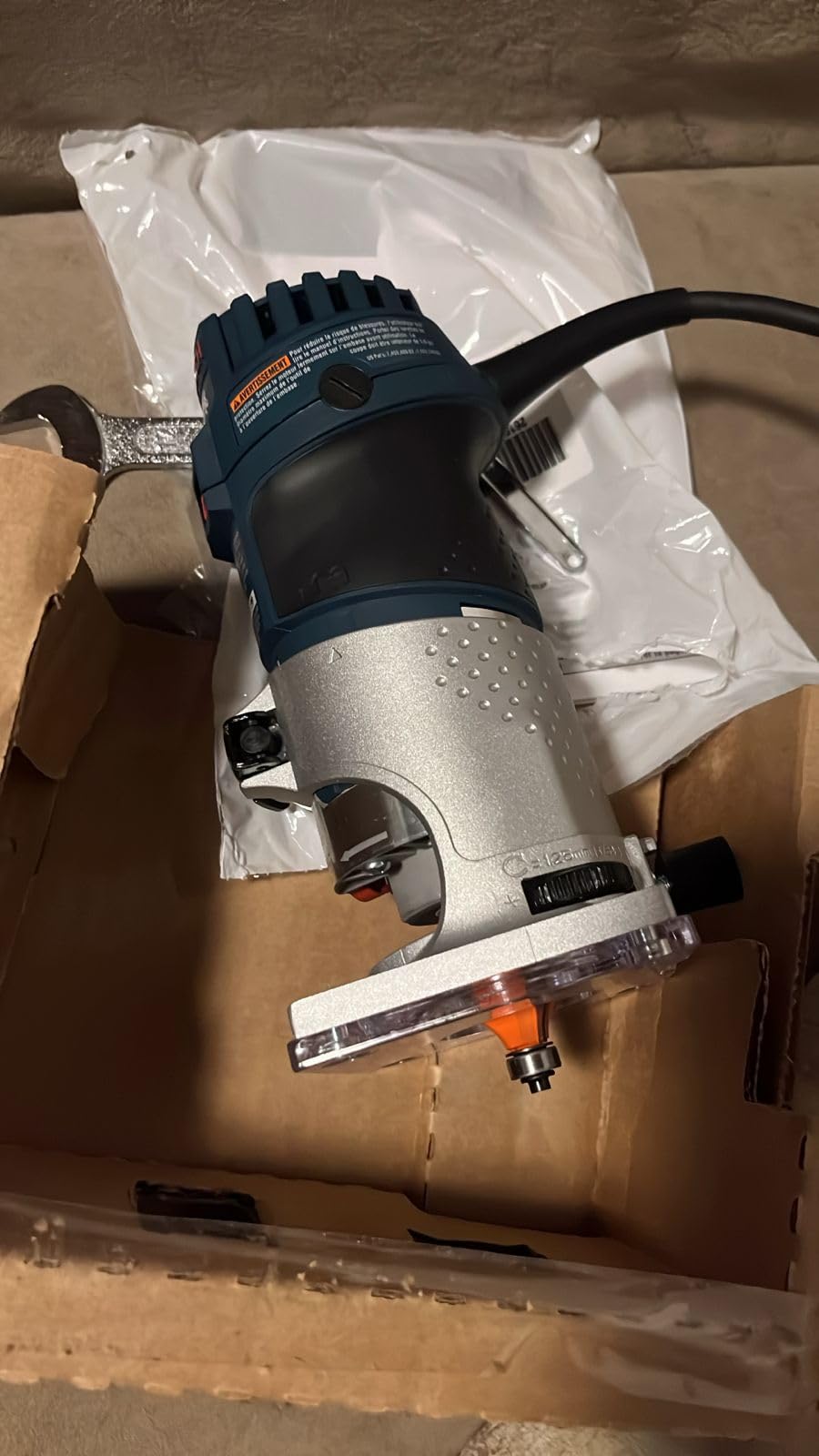
The Colt is the most frequently recommended handheld router in woodworking forums, and r/woodworking posters single it out for being easy to use one-handed even over extended lengths. That is precisely the edge-work use case, and the same logic that made pocket-sized gear win in our compact binoculars roundup applies here.
The 1.56 inch fixed base is small, and the finger support pockets give your index finger something to hook when you are trimming a vertical edge. The angled cord exit keeps the cord from crossing the workpiece, which solves a problem most palm routers create.
Owners highlight the precise depth control and quick base changes. Bit changes take two wrenches or a spindle lock and one wrench, and the fixed base accepts bits up to 1-5/16 inch diameter, which is wider than the 1/4 inch collet on most compact routers.
The straight edge guide leads the router along workpiece edges up to 3-5/8 inch from the edge, so it covers flush trimming and light profiling without another guide purchase.
Best for one-handed edge work
This is my pick when the profile is on a door edge, a shelf end or a picture frame and I want to hold the part in one hand and the router in the other. The palm format is shorter than a barrel-grip trim router and stays out of your sightline.
It is also the router forum veterans reach for when describing light shaping and mortising in a home shop. A trim router is convenient for edge profiles and shallow cuts, and this one carries a long history of owner feedback behind that idea.
Where it is the wrong choice
Plunge work is out of reach without buying another base. If your project list includes deep grooves or dados, this is not the tool.
The 1.0 hp motor is the accepted trade-off for the compact format. Owners using it on thick hardwood edge profiles will feel the difference against a 1.25 hp corded compact.
6. Ryobi ONE+ PCL424B 18V Cordless Compact Router
RYOBI ONE+ 18V Cordless Compact Fixed Base Router Tool Only (Battery Not Included) – PCL424B
20,000 to 30,000 RPM variable speed
3.2 lb tool-only weight
18V ONE+ battery platform
Fixed base with dust port and LED
Pros
- Very light and comfortable in one or two hands
- Smooth micro dial and quick-release lever
- Battery sits on top so the clear base stays visible
- Runs smoothly with minimal vibration
- Works with any Ryobi 18V ONE+ battery
Cons
- Not built for heavy continuous material removal
- Vacuum hose adds weight and blocks the clear base
- Sold as tool only with no battery or charger
- One owner reported a burnout while trimming plywood
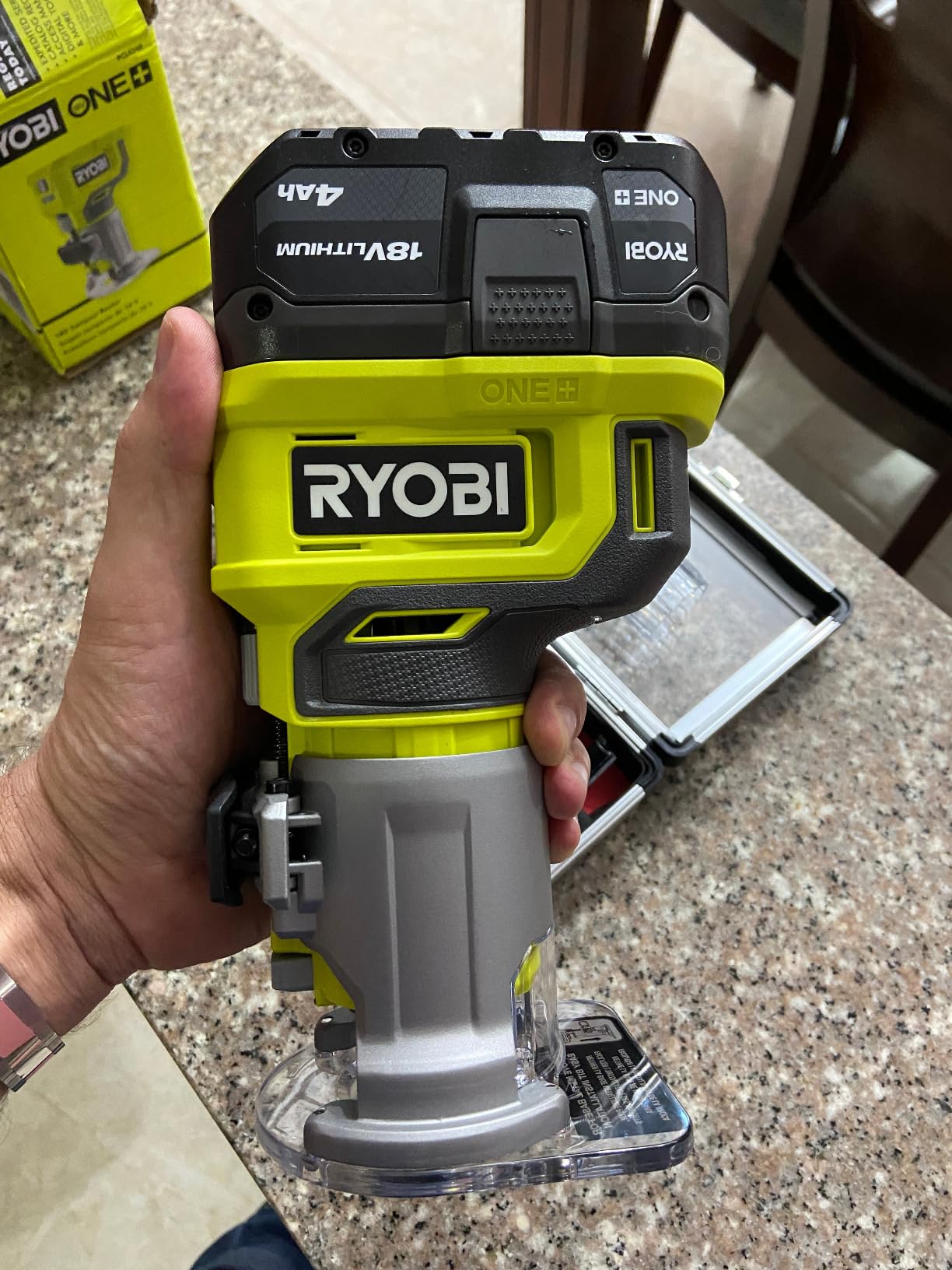
At 3.2 lb tool-only this is one of the two lightest routers here, and on a tall cabinet door that difference is the whole test. Lifting a heavier router to the top of a door and holding it there is where grip weight decides whether you finish the edge or set the tool down.
Mounting the battery on top keeps the clear base visible, so you can actually see the shadow line you are cutting to. The micro dial and quick-release lever make depth changes fast between profile passes.
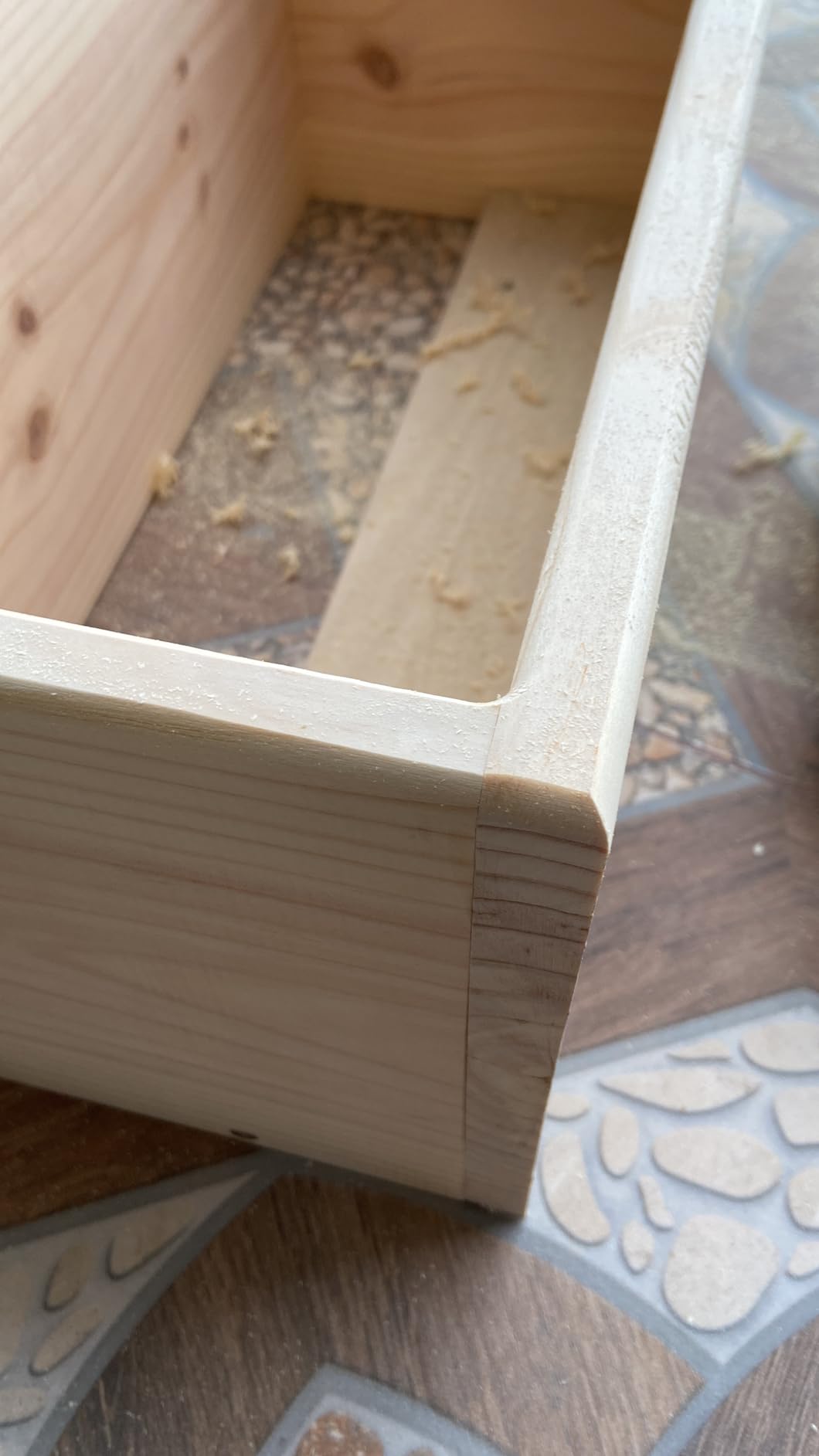
DIY owners like the light handling for rounding shelf edges, trimming furniture parts and cutting hinge slots. They also caution against heavy plunge-style duty and note that the dust port blocks part of the base view.
The 20,000 to 30,000 RPM range is a narrower window than the 10,000 RPM floor most variable-speed routers here offer, and it covers trimming and shaping work comfortably. Running smoothly with minimal vibration at full speed is what reviewers mention most.
Best for overhead and vertical edges
Above your head on a tall door, weight matters more than anything else. This is the router I would pick for a weekend of rounding over vertical edges on cabinet doors when the ladder is already in the shop.
It also runs on any Ryobi 18V ONE+ battery, which makes it an easy entry into a cordless platform with wide battery availability if you do not already own one.
Where it is the wrong choice
Do not use it for heavy continuous routing or large material removal. Reviewers explicitly caution against that, and one owner reported a burnout while trimming 3/4 inch plywood.
Attaching a vacuum adds weight and blocks the clear base, so dust collection and visibility trade off against each other. On a long production run of door edges that adds up.
7. Porter-Cable PCE6430 4.5 Amp Laminate Trimmer
PORTER-CABLE Router, 4.5-Amp, Single Speed 31,000 RPM, Trims 1/4-Inch Laminate, Corded (PCE6430)
4.5 amp single-speed motor at 31,000 RPM
Precision-machined cast-aluminum fixed base
8.31 x 5.75 inch
3.6 lb
Pros
- Set-and-forget single speed needs no dial work
- Cast-aluminum base is stable and accurate
- Large locking clips allow quick motor release and coarse depth changes
- Depth ring makes bit height changes quick
- Spindle lock allows one-wrench bit changes
Cons
- No variable speed control on delicate material
- Very few accessories and no edge guide in the kit
This is a laminate trimmer, not a general compact router, and that narrower job is exactly why it is on this list. Trimming laminate and veneer edge banding at a single fixed 31,000 RPM is the task it was built for, and it has been doing it for decades.
The cast-aluminum fixed base is precision-machined and stable, and the spindle lock button means bit changes take one wrench. On shop time that adds up over a stack of panels.
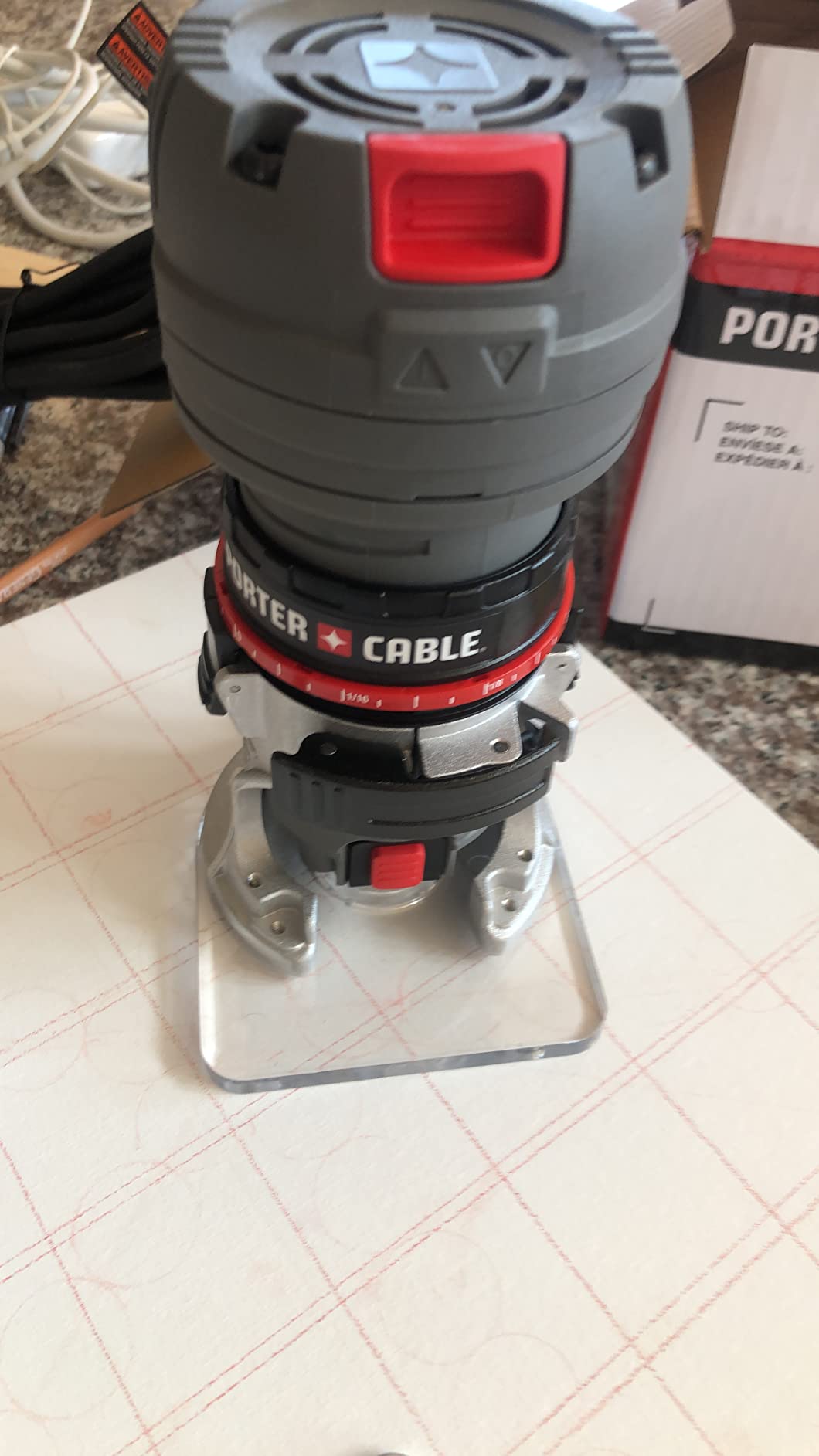
Long-time woodworkers describe laminate trimmers as an arm saver and enough for the majority of house trim and door work, and reviewers here favor the set-and-forget speed along with the sturdy base.
Reviewers note the missing edge guide from the kit. If you need straight edge work, plan on sourcing a guide separately before your first panel.
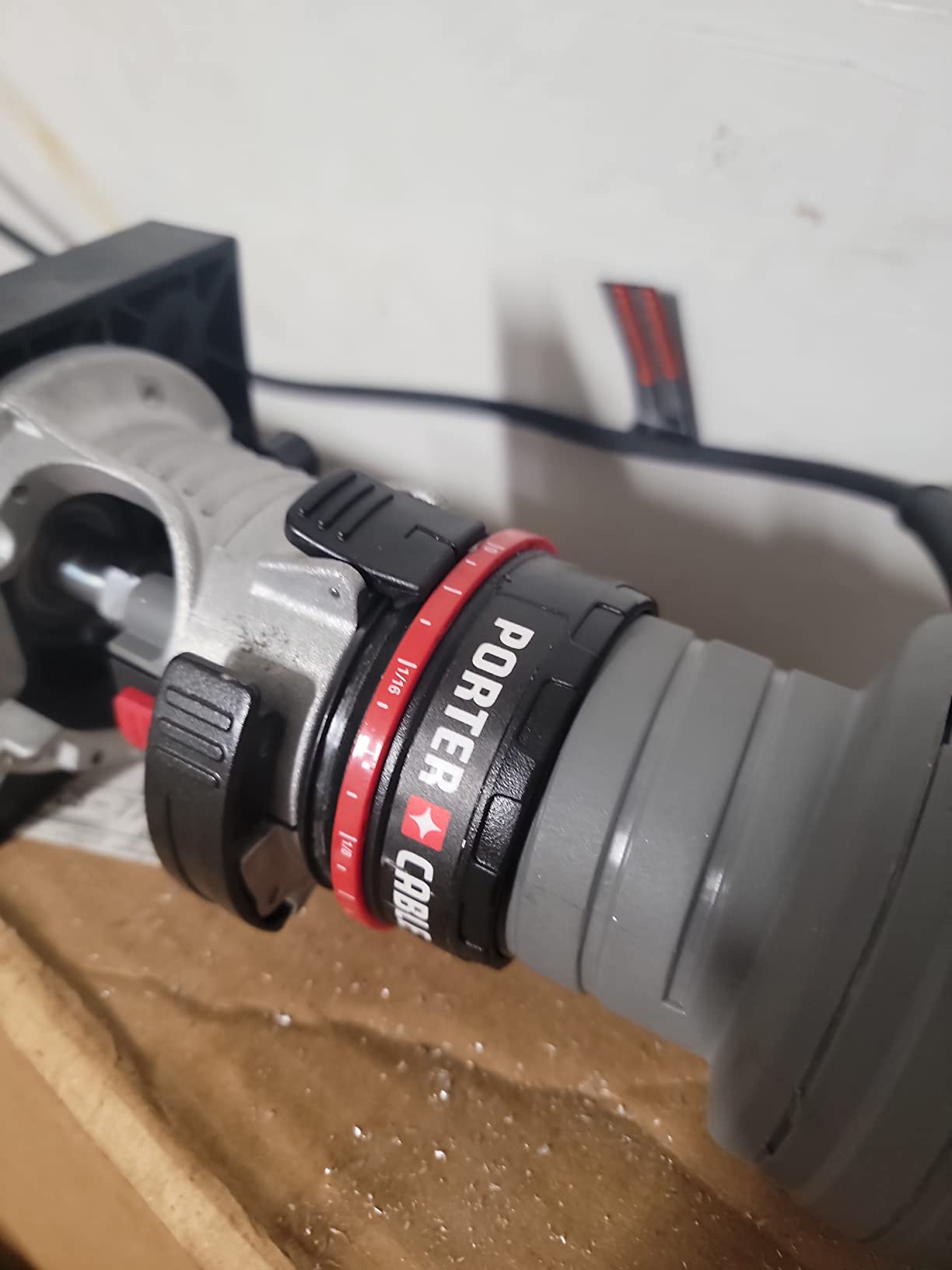
Best for laminate and veneer edges
If your list is trimming laminate counter edges, veneer panels and melamine shelving, this does that work with no dial to think about. Single speed means the cut is identical on every part in the stack, which is a real advantage for fit on repeated pieces.
It is also a sensible second router for a shop that already has something else on edge work. Specialty tools for specialty jobs are cheaper than making a general router do them badly.
Where it is the wrong choice
Single-speed operation limits your control on delicate or burn-prone materials. On figured hardwood, matching the speed to the profile is not a small thing, and there is no dial here to do it with.
It will not reach for deeper profiles or wider bits the way the 1.25 HP compact routers will. Treat it as a trim specialist rather than a one-tool shop.
8. Bosch GKF12V-25N 12V Max Palm Edge Router
Bosch GKF12V-25N 12V Max EC Brushless Palm Edge Router (Bare Tool)
EC brushless motor at 13,000 RPM
2.2 lb tool-only weight
3.1 x 9.9 inch body
0.04 in fine depth per revolution
Pros
- Exceptionally light and well balanced for long sessions
- Offset design puts the grip over the workpiece
- Narrow handle diameter grips firmly and safely
- Arbor lock enables one-finger bit changes
- Quiet operation and a depth adjustment lock
Cons
- No dust collection of any kind
- Low power for deep dados and heavy surfacing
- Single speed at 13000 RPM can burn on harder woods
- Spindle area can heat under sustained load
Bosch calls this a palm edge router, and the offset design is the reason it works so well on cabinet work: most of the tool sits over the workpiece, so the router resists tipping on a narrow rail or stile edge.
The arbor lock allows one-wrench bit changes and the depth adjustment lock prevents the setting from being knocked off mid-pass. Cabinet builders using this router for small chamfers, round-overs and flush trimming rate the precision adjustment highly.
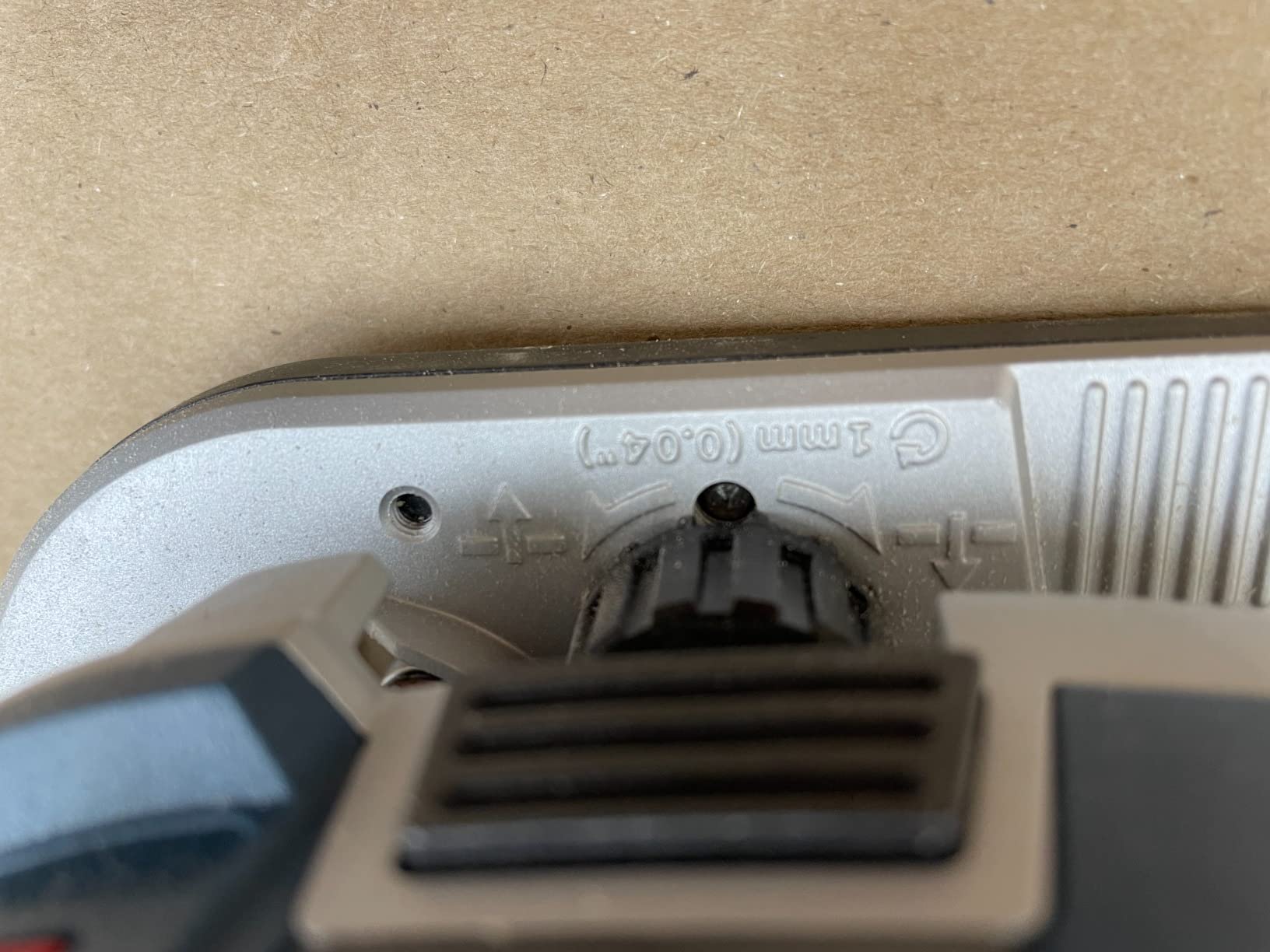
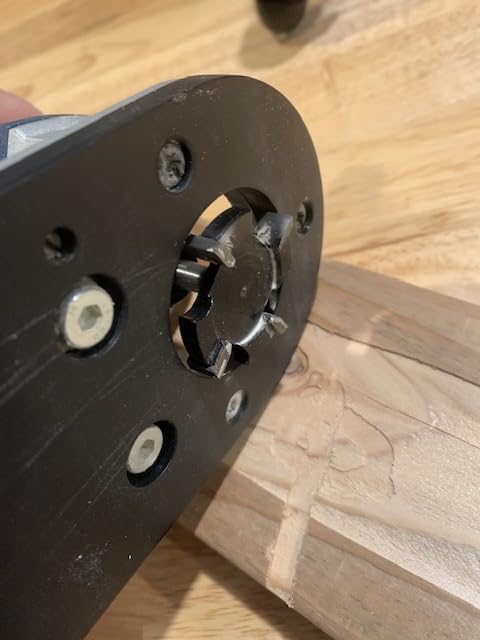
Long-term reviewers return to the same complaint about this router: there is no dust port at all. Chips end up on the bench and on the bit, and a dull bit on an edge profile tears the grain instead of cutting it.
Reviewers also report that the spindle area heats up under sustained load, which matters on a long run of cabinet edges.
At 13,000 RPM this is the lowest maximum speed in the group, and reviewers note it can burn on harder woods at that setting.
Best for light edge work on cabinets
Small chamfers, round-overs and flush trims on cabinet doors and drawer fronts are this tool at its best. The narrow handle is easy to hold in a firm, controlled grip, which matters for detail work on a small part.
It is also reported as one of the quieter routers here on owner reviews, which makes it pleasant to use in a closed room. Bosch covers its 12V Max cordless tools with a three year limited warranty.
Where it is the wrong choice
No dust collection is the flaw to plan around. If you care about chip management and bit life on hardwood edges, this is a hard trade.
Modest power rules out deep or wide dados and heavy surfacing. Bosch rates it at up to 23 feet of round-over capacity per battery amp hour, so treat the runtime claim as an edge-work figure rather than a general one.
9. Ryobi RTR18-0 18V Cordless Trim Router
RYOBI RTR18-0 18V Cordless Trim Router
20,000 to 30,000 RPM no-load speed
6 mm and 6.35 mm collet capacity
18V lithium-ion
Fixed base, parallel guide included
Pros
- Cordless 18V platform with a useful speed range
- Includes 6 mm and 6.35 mm collets
- Parallel guide and straight cutter included
- Collet capacity covers metric and imperial shanks
Cons
- Listed specifications are sparse on base size and controls
- Limited published detail on dust extraction
- Higher bare tool cost than comparable cordless compact routers
If your bit collection is metric, this is the pick. It accepts both 6 mm and 6.35 mm shanks straight out of the box, which means you are not hunting a collet adapter before your first edge pass.
The 20,000 to 30,000 RPM range suits trimming work, and the parallel guide handles straight edge runs on panel material. It runs on the 18V cordless platform with lithium-ion packs.
Owners rate the cordless trim format consistently in the 4.5 to 4.7 band, which points to general satisfaction rather than standout cut quality. Published review detail is thin, so the case for it rests mostly on platform fit and the included accessories.
Best for shops already on metric bits
Metric-only tooling is the reason to choose this over the other 18V options in the group. If your bevels, straight cutters and core boxes are already 6 mm, nothing else here saves you the adapter step.
The included parallel guide also covers the simplest straight edge jobs without another accessory purchase, which matters for a first router in a small shop.
Where it is the wrong choice
Published specifications are sparse. Base size, control layout and dust extraction are not documented well, and for edge work the base footprint is one of the first things you should know.
The bare tool cost runs higher than comparable cordless compact routers, and with limited published detail you are buying more on brand trust than on measurable specifics.
10. WORKPRO 6.5 Amp Compact Router Combo Kit
WORKPRO 6.5 Amp Compact Router Combo Kit, Fixed & Plunge Base
6.5 amp motor across 6 speeds
12,000 to 30,000 RPM
Fixed base and plunge base included
Stainless steel construction
Pros
- Fixed and plunge bases in one kit
- Six bits plus guides and dust collectors
- Variable speed plus rack-and-pinion depth adjustment
- Rubber-wrapped handles reduce hand pressure
- Transparent dust hood connects to a vacuum
Cons
- Highest share of one-star reviews in the group
- Occasional undersized or defective collets reported
- Included fence described as shoddy by owners
- Motor can bog down on deep cuts in hardwood
The reason this kit is here is the plunge base. Every other compact router on this list is fixed base only, so getting plunge capability at all is the headline feature here for anyone who plans to cut grooves and dados alongside edge work.
The accessory bundle is broad: six bits, 1/4 inch and 3/8 inch collet cones, a straight guide, two template guides, a trimming guide, two dust collectors and a guide holder. The 6.5 amp motor runs across six speeds from 12,000 to 30,000 RPM.
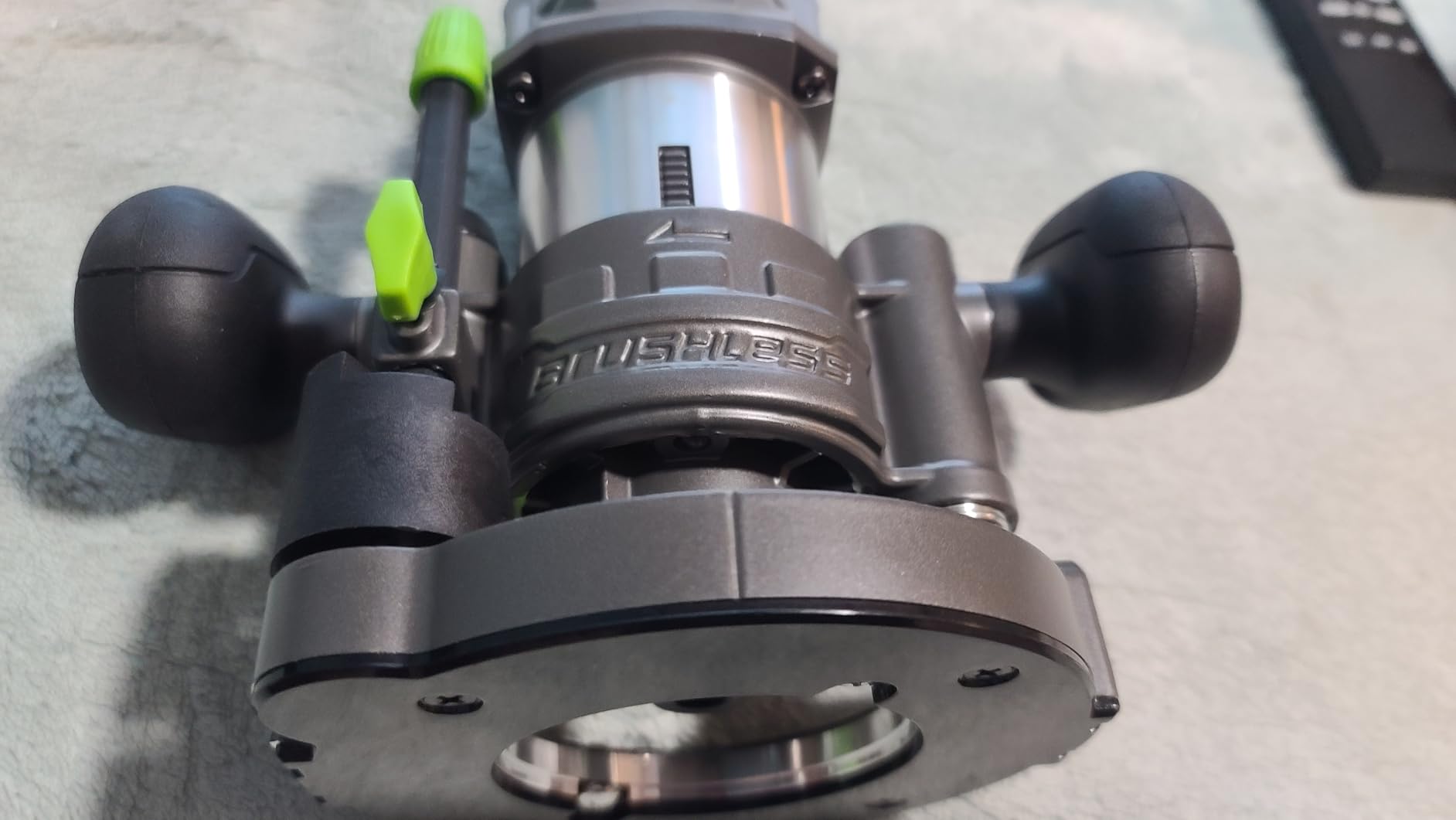
Owners treat it as a capable entry-level kit and praise the accessory breadth. The split reviews come down to model-to-model consistency rather than the design itself.
Reported problems cluster around three parts: collet fit, plunge base spring-back and depth-lock precision. Some owners also describe the included fence as shoddy and point to the DeWalt universal router fence as a practical upgrade.
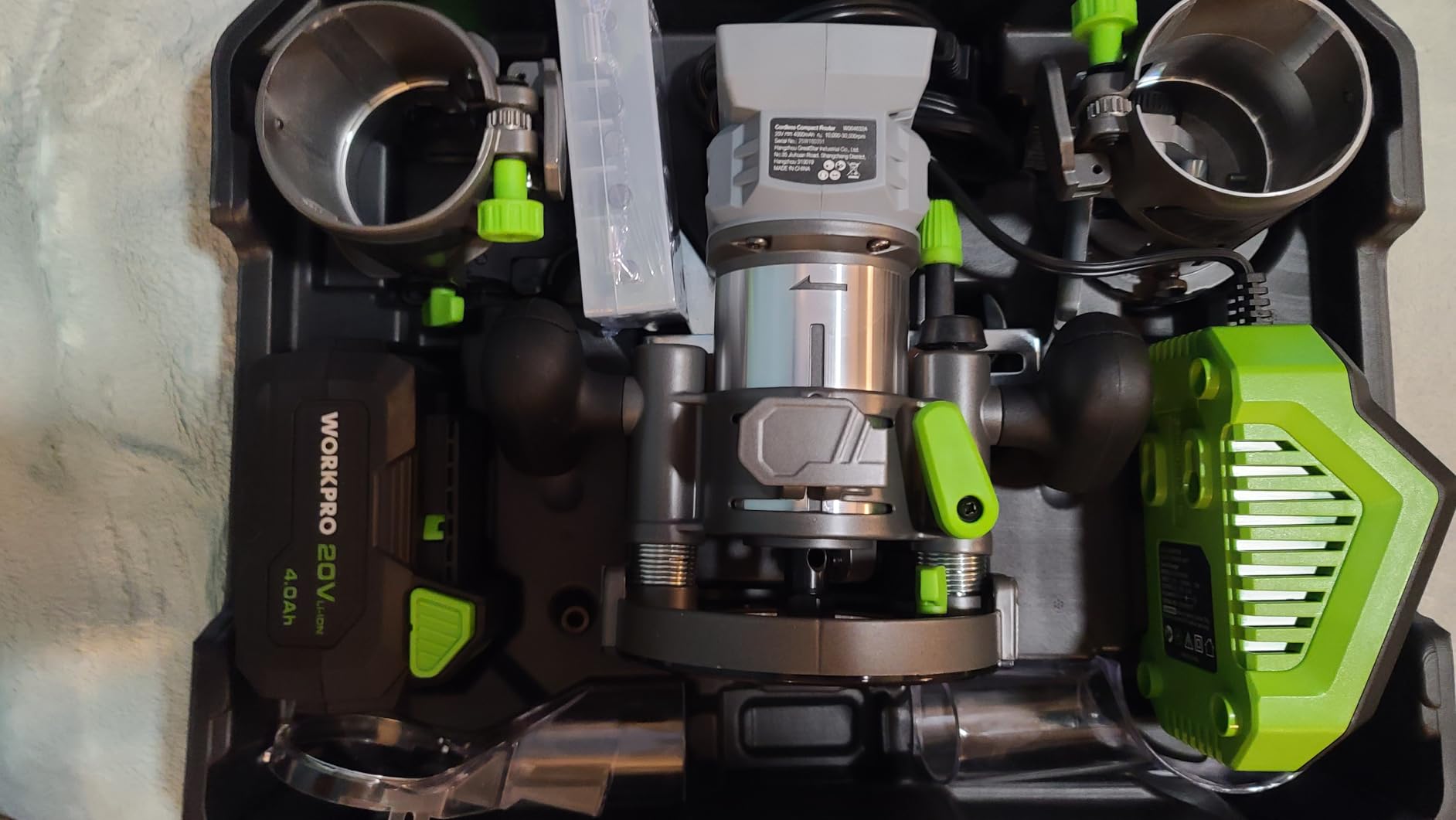
Best for learning plunge cuts on a budget
If your projects mix edge profiles with the occasional groove or dado, this kit saves you from owning two machines. The plunge base needs oiling on the shafts on some models and may not spring back cleanly, so test it before a long run.
The transparent dust hood and vacuum attachments are a real advantage over palm routers with no port at all, and the rubber-wrapped handles help during long freehand passes.
Where it is the wrong choice
Do not buy it for a finished hardwood edge on a piece you care about without testing first. Defective or undersized collets show up in reviews often enough to matter.
The motor can bog down or cut out on deep cuts in hardwood, and the depth adjustment feels sloppy when unclamped. On critical work, use a gauge rather than trusting the ring.
How to Choose a Compact Router for Edge Work
Start with the router type, because the categories confuse people more than the specs do. A trim router is a barrel-grip handheld with a fixed base under about 5.5 inches. A palm router is shorter, sits in the palm with finger pockets for control, and has a smaller base. A plunge router has a sliding sleeve so the bit can enter the material before it spins. A laminate trimmer is the narrowest of them, fixed speed and built for trimming laminate and veneer.
Yes, a plunge router can cut any edge profile a trim router can, plus grooves and dados. The limiting factor is size rather than capability: a full-size plunge router is heavy and awkward to control one-handed on narrow material, and most of its weight is base you do not need for an edge pass.
Edge router versus border router is a naming question rather than a machine question. Both terms describe a compact handheld router used on the edge of a workpiece, and most buyers end up shopping for the same tool under either label. The choice that actually matters is fixed base versus plunge, and for edge work alone a fixed base is enough.
Battery platform decides cordless picks before anything else. An M18 battery, an 18V ONE+ pack, a 12V Max pack or a 20V XR pack only fits its own router. If you already own Milwaukee M18 batteries, that platform narrows the field on its own, and buyers with a battery footprint already built tend to let the batteries choose. Makita owners should note that the RT0701C here is corded, so their platform answer is a separate cordless purchase.
Fixed speed versus variable speed matters more than most specs suggest. Small-diameter beading and round-over bits on hardwood generate a lot of heat per revolution. A fixed-speed router running 31,000 RPM has no way to back off, and owners of single-speed laminate trimmers cite exactly this limitation. A variable-speed dial lets you match speed to material and profile.
Check the base footprint against your narrowest material. This is the number one beginner question, and it is the one most lists ignore. If you are routing 1 to 2 inch picture frame material, the base has to fit on the piece or it will rock and burn a scallop. The Bosch PR20EVS has a documented 1.56 inch fixed base, while the Bosch GKF12V-25N uses an offset design that puts the tool over the workpiece rather than beside it.
Plan the guide before the router. A straight edge guide or fence is for guiding the router along a workpiece edge, which is what you want for flush trimming and edge banding. A roller guide rides on the edge and is the right choice for 3/8 inch round-overs and ovolo profiles on narrow material. Template guides follow a physical pattern, which is for dovetails, slots and hinges. The AVID POWER kit in this list is the only one that includes both an edge guide and a roller guide in the box.
Match the bit to the profile. Straight bits handle flush trimming. Chamfer bits bevel an edge. Round-over bits take the sharp arris off. Cove and ogee bits cut concave curves. Beading bits cut a small decorative step. Easings run from easiest to hardest, and a straight bit is the first one worth buying.
Dust extraction is a bit-life decision. Chips sitting on a bit load the cutting edge and dull it fast, and a dull bit on an edge profile tears the grain instead of cutting it. Routers with a dust port or shroud let you keep the bit sharp longer. The Bosch GKF12V-25N has no port at all, which is its most-cited drawback.
Seat the bit shank fully in the collet, because forum veterans treat a proud sliver of shank as a hard-rule violation after a bit passed through material without slowing. Unplug or remove the battery before any bit change, clamp the work, and wear eye and hearing protection. One-handed routing with the bit on the far side of the base is not a shortcut.
Two more questions worth asking. Are collets and spare parts serviceable, and what is the warranty length? Warranty terms here range from 30 days on the Ryobi ONE+ PCL424B through one year on the Makita and Bosch PR20EVS to three years on the Bosch 12V Max and the Porter-Cable. On a tool you will keep for years, a longer warranty is a reasonable tiebreaker. If you are also rebuilding a small kitchen or utility space, our compact toaster oven picks follow the same size-versus-capacity thinking.
Frequently Asked Questions
What is the best compact router?
For most edge work, the DEWALT DCW600B is the best compact router. It weighs 4.15 lb, has a variable-speed dial and a depth adjustment ring, and adds dual LED work lights that show the shadow line on dark wood. It is cordless, so no cord crosses the workpiece while you ride a long edge. If you already own M18 or ONE+ batteries, your platform may pick a different router first.
Can a plunge router do edges?
Yes. A plunge router cuts every edge profile a trim router can, plus grooves, dados and other interior work, because the sliding sleeve lets the bit enter the material. For edge work on small parts the limiting factor is size rather than capability, since a full-size plunge router is heavy and awkward to control one-handed on a small part.
What router tool can I use to round edges?
A compact or trim router with a round-over bit. Clamp the workpiece, set the depth so the bit radius is reached in two or three light passes, and dial the speed down for hardwood to avoid burning. Hold the base flat and follow the edge with the bearing. The Bosch PR20EVS is a good one-handed option and the Bosch GKF12V-25N is light for overhead work.
What is the difference between an edge router and a border router?
There is almost no practical difference. Both names describe a compact handheld router used on the edge of a workpiece, so a search for either one turns up the same tools. The real choice is fixed base versus plunge base, plus whether you need a straight edge guide or a roller guide for the profile you are cutting.
What is the best compact router for woodworking?
For general edge work the DEWALT DCW600B leads, with a 4.8 rating across more than 10,700 reviews and a body light enough for one-handed passes. For a shop that needs one corded machine with more power than a trim router, the Makita RT0701C runs 10,000 to 30,000 RPM with rack-and-pinion depth adjustment. For overhead edges, the Bosch GKF12V-25N at 2.2 lb tool-only is the lightest option here.
Are compact routers worth it?
Yes for edge work, because that is the most common router job. Owners use compact routers almost exclusively for edge band trimming and round-over duties, because they are light enough to run one-handed. They are not a replacement for a full-size plunge router on deep grooves or wide dados, and most woodworkers keep a compact router alongside one rather than instead of it.
The Best Compact Routers for Edge Work in 2026
The DEWALT DCW600B is our pick for the best compact routers for edge work in 2026 because it combines a 4.8 rating across more than 10,700 reviews with the handling that edge work actually asks for: light body, no cord across the cut, variable speed and LEDs on the shadow line. Pick the Milwaukee 2723-20 for heavy hardwood and long runs, the Makita RT0701C as a corded all-rounder, and the Bosch PR20EVS Colt for one-handed profile work.
Compare the base footprint against your narrowest material before you buy, then use the Check Latest Price buttons to see where each router stands today.
