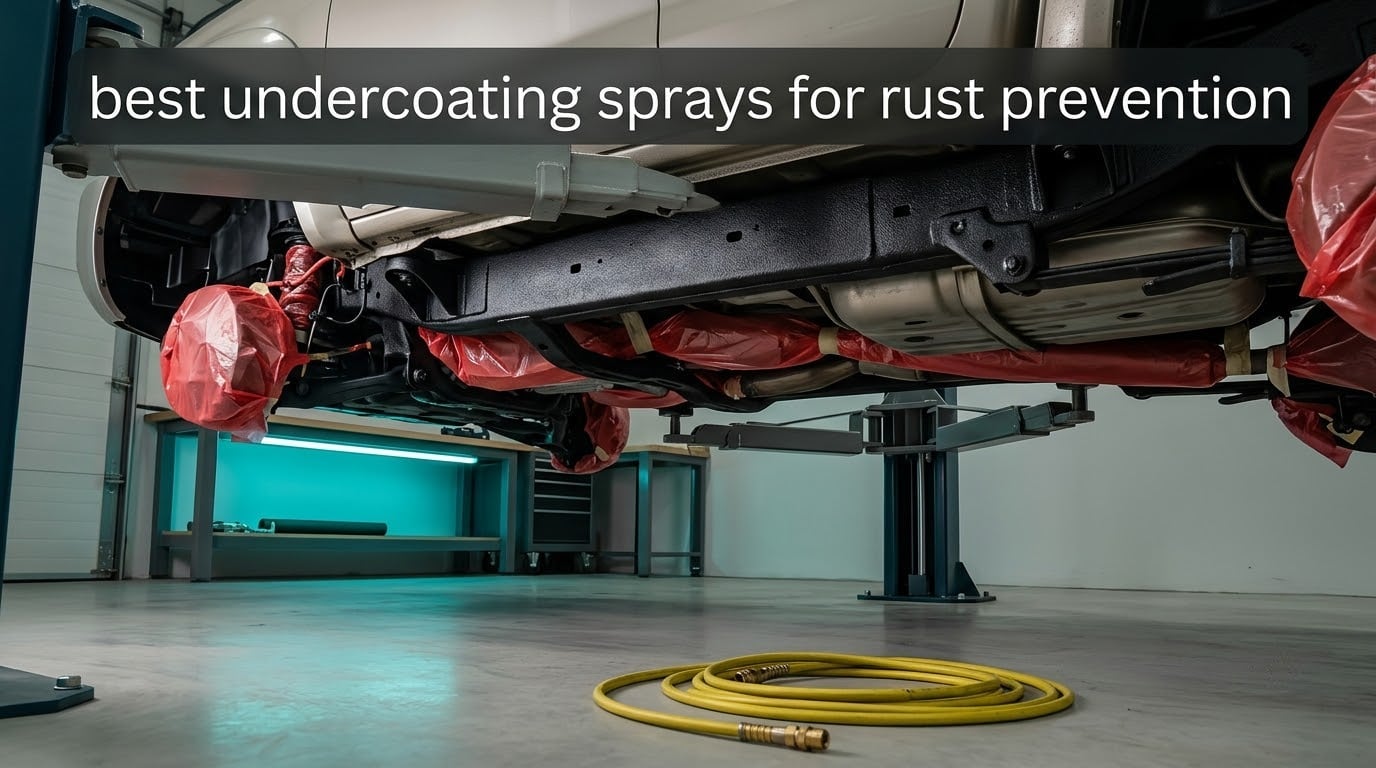
The best undercoating sprays for rust prevention fall into four types: rubberized barrier coatings, lanolin and wax-oil penetrants, cavity waxes, and rust converters. Our top pick is the Rust-Oleum Pro Grade Rubberized Undercoating for raw underbody coverage, while Fluid Film leads for oil-based protection that creeps into frame seams.
There is an odd split in how people talk about this topic. Forum regulars almost universally praise oil-based products like Fluid Film, Woolwax and Krown, then get asked for an aerosol recommendation and point at the rubberized spray can sitting on the shelf. That tension is real, and pretending it does not exist is why most roundups on this subject read like product listings.
So we handled it head-on. We grouped every pick by what it actually does to the metal, compared coverage and cure behaviour side by side, and flagged where a spray can is the wrong tool entirely. Every product below is a spray-format coating sold through US retailers. Specs come from manufacturer listings and from what buyers report after living with the product.
Table of Contents
- Top 3 Picks for Best Undercoating Sprays for Rust Prevention (October 2026)
- All 10 Undercoating Sprays at a Glance in 2026
- What Type of Undercoating Spray Do You Actually Need?
- How to Prep a Vehicle Underbody Before You Spray
- 1. Rust-Oleum Pro Grade Rubberized Undercoating Spray
- 2. 3M Professional Grade Rubberized Undercoating 03584
- 3. WD-40 Specialist Corrosion Inhibitor
- 4. Rust-Oleum Stops Rust Corrosion Inhibitor Clear Coat
- 5. STA-BIL Rust Stopper
- 6. Fluid Film Lanolin Rust Protection Spray
- 7. CorrosionX Heavy Duty Anti Rust Spray
- 8. AGS Rust Solutions Rust Stop Spray Paint
- 9. Eastwood Internal Frame Coating Plus Aerosol
- 10. CRC 06026 Heavy Duty Corrosion Inhibitor
- How Much Undercoating Spray a Full Job Needs
- Parts You Should Never Spray
- Do You Even Need Undercoating?
- How to Choose an Undercoating Spray
- When a Spray Can Is the Wrong Tool
- Reapplication Schedule and Annual Maintenance
- Frequently Asked Questions
- Final Verdict
Top 3 Picks for Best Undercoating Sprays for Rust Prevention (October 2026)

Rust-Oleum Pro Grade Rubberized Undercoating
- Covers 10-15 sq ft per can
- Dries to the touch in 1 hour
- Any-angle spray tip for upside-down work

Fluid Film Lanolin Rust Protection Spray
- Wax and lanolin base
- Creeps into seams and welds
- Penetrates without drying out

3M Professional Rubberized Undercoating
- Asphalt-based thick build
- Sound deadening in wheel wells
- Full cure in 24 hours
Rust-Oleum takes the top slot because it pairs the largest review count in this group with a one-hour dry time and a published coverage figure of 10-15 square feet per can. Fluid Film takes the rating crown at 4.8 with 2707 reviews and is the better answer if your rust problem lives inside frame holes rather than on open frame rails.
All 10 Undercoating Sprays at a Glance in 2026
| Product | Specs | Action |
|---|---|---|
| Rust-Oleum Pro Grade Rubberized Undercoating |
|
Check Latest Price |
| 3M Professional Grade Rubberized Undercoating 03584 |
|
Check Latest Price |
 WD-40 Specialist Corrosion Inhibitor WD-40 Specialist Corrosion Inhibitor |
|
Check Latest Price |
 Rust-Oleum Stops Rust Corrosion Inhibitor Clear Rust-Oleum Stops Rust Corrosion Inhibitor Clear |
|
Check Latest Price |
 STA-BIL Rust Stopper STA-BIL Rust Stopper |
|
Check Latest Price |
| Fluid Film Lanolin Rust Protection Spray |
|
Check Latest Price |
 CorrosionX Heavy Duty Anti Rust Spray CorrosionX Heavy Duty Anti Rust Spray |
|
Check Latest Price |
 AGS Rust Solutions Rust Stop Spray Paint AGS Rust Solutions Rust Stop Spray Paint |
|
Check Latest Price |
 Eastwood Internal Frame Coating Plus Eastwood Internal Frame Coating Plus |
|
Check Latest Price |
 CRC 06026 Heavy Duty Corrosion Inhibitor CRC 06026 Heavy Duty Corrosion Inhibitor |
|
Check Latest Price |
Three things decide this category for most people: how the product behaves on vertical and overhead surfaces, how long before you can drive the vehicle, and whether it penetrates a seam or only bridges it.
What Type of Undercoating Spray Do You Actually Need?
Type matters more than brand in this category, and the four families solve genuinely different problems.
Rubberized barrier coatings form a tough, abrasion-resistant shell over the metal. They shed road salt, gravel and mud better than the thin oils do, and they double as sound deadening. The tradeoff is that a hard film does not heal itself, so stone chips open a gap that you will want to touch up each season.
Lanolin and wax-oil penetrants behave more like a fluid than a paint. They creep into seams, welds, frame holes and door interiors where a spray of thick coating physically cannot reach, and they displace water rather than just blocking it. They also never fully dry, so they self-heal small scratches, and they need annual reapplication in salt climates.
Cavity waxes and penetrant oils are thinner still, and they are aimed at hardware rather than structure. Hinges, latch mechanisms, fasteners, battery terminals and electrical connections are what these are for.
Rust converters and encapsulating paints do something the other three do not. A converter chemically neutralizes existing iron oxide into a stable coating, while an epoxy-fortified paint bonds over rusted metal and traps it. Both are the right call when you are starting from a dirty frame rather than a clean one.
Mixing families is normal and often the best answer. A converter or penetrating oil goes into the cavities first, then a rubberized coating goes over the open frame and wheel wells on top.
How to Prep a Vehicle Underbody Before You Spray
Most undercoating failures trace back to this step rather than the product. Take the time and the coating lasts years instead of months.
First, get the vehicle up on a lift or ramps and wash the underbody down. Road salt is hygroscopic, meaning it pulls moisture out of the air, so any salt still on the steel keeps it damp under your new coating. Degrease the frame rails, floor pans, sills and wheel arches with a dedicated automotive degreaser and a stiff brush.
Second, address the rust honestly. Wire brushing on a wire wheel handles light surface rust and loose flakes. Anything scaly, thick or pitted needs a grinder or an abrasive blaster, because coating over scale traps active corrosion underneath where you cannot see it. This is the single most repeated warning across owner forums, and it is correct.
Third, wipe everything down with a brake cleaner or degreaser and let the frame dry fully. Coating applied over a damp surface will not adhere properly, and moisture trapped under a film is what causes peeling later.
Fourth, mask what must not be coated. Brake components, exhaust, CV boots, suspension bushings, drive belts, sensors and exhaust tips get covered with tape and plastic before a single can is opened, and we list them in full further down.
Fifth, work in dry weather above 50F and keep the cans from freezing between passes. Cold and damp application is the second leading cause of failed coats.
1. Rust-Oleum Pro Grade Rubberized Undercoating Spray
Rust-Oleum Stops Rust Pro Grade Rubberized Black Undercoating Spray
Matte black, 15 oz aerosol
10-15 sq ft per can
Dries to the touch in 1 hour
Pros
- Any-angle spray tip makes overhead work simple
- Covers roughly 10-15 sq ft per can
- Dries to the touch in about an hour
- Deadens noise on the coated area
- Long-running category bestseller
Cons
- Water-based formula needs a light even build
- Not a penetrating oil so it will not creep into seams
We used this can on the frame rails and floor pans of a truck that had been outside year round, and the finish came out matte and even without any special technique. The any-angle spray tip is the feature that matters most in practice, since half of an underbody is upside down relative to your hand.
The coverage figure printed on the packaging is 10-15 square feet per can, which is more detail than most labels in this category give you. Having a real number is what makes planning an actual job possible instead of guessing.
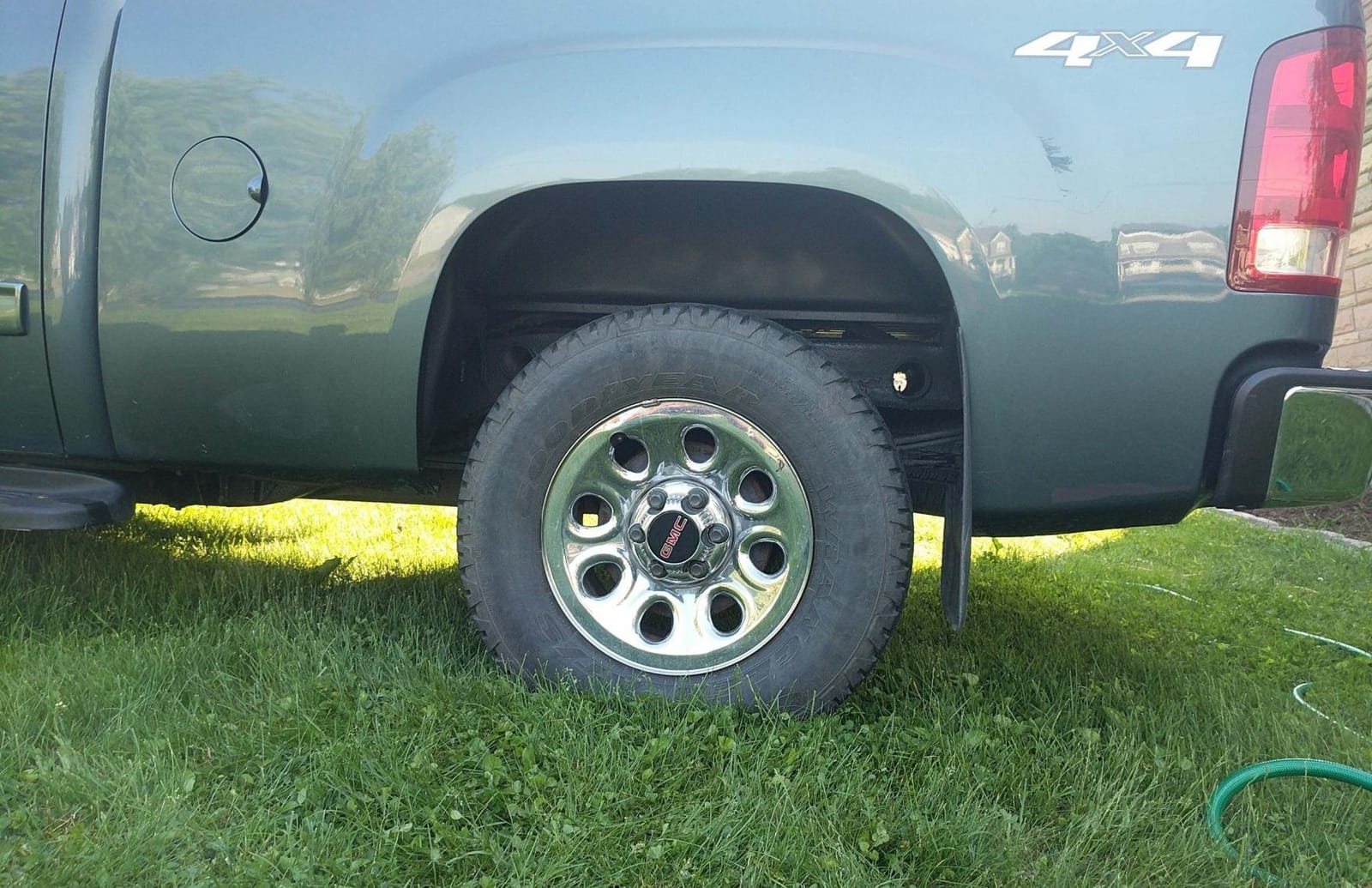
Reviewers consistently report a one-hour dry time and a clean, even finish on bare or primed metal. The noise deadening is a genuine bonus on long highway drives, because the coating deadens the hollow drum sound that floor pans make.
What you give up with a rubberized coating is self-healing. This is a water-based film that does not flow back into a chip like a wax-oil product does, so a light even build matters more than speed. Throwing it on heavy in one pass produces a thick skin that peels later.
How much do you need for a full job?
Work from the published figure rather than a guess. At 10-15 square feet per can, a passenger car underbody typically needs two to four cans, while a full-size pickup or a truck frame with bed, cab and rear quarters usually needs six to ten. Over-spraying costs money and time that you can put into a second coat instead.
If you want a faster read on how a bare metal surface should look before you commit to a full vehicle, the same prep principles apply to smaller steel items. We covered that idea in our guide to baking pans that resist rust, and the coating steps are identical.
Where this coating falls short
It bridges seams rather than filling them, so frame holes and enclosed box sections need a separate penetrant pass before you start. If your vehicle spends its life in a coastal or salt-belt region and you are not fussy about annual upkeep, a wax-oil product will outlast this film.
It also is not a rust converter. Any scaly or flaking rust must come off first, because this coating will happily seal scale in place and let the corrosion continue underneath where you cannot see it.
2. 3M Professional Grade Rubberized Undercoating 03584
3M Professional Grade Rubberized Undercoating, Corrosion, Water and Salt Spray Resistant, 03584, 16 oz. Aerosol
Matte black, 16 fl oz aerosol
Asphalt-based coating
Full cure in 24 hours
Pros
- Thick sticky build with strong adhesion
- Handles light surface rust well
- Sound deadening in wheel wells and floor pans
- Works on cars
- trucks and recreation vehicles
Cons
- Can bubble if sprayed from very close range
- Produces messy overspray on nearby surfaces
This lays down one of the heaviest films in this roundup, and that build is the reason it works so well on chassis rails in salt states. It stays put rather than sagging off a vertical surface.
The 3M formula is asphalt-based, which is a different chemistry from the water-based rubberized products. It feels tacky for longer, and it is rated as waterproof and rust resistant on metal surfaces.
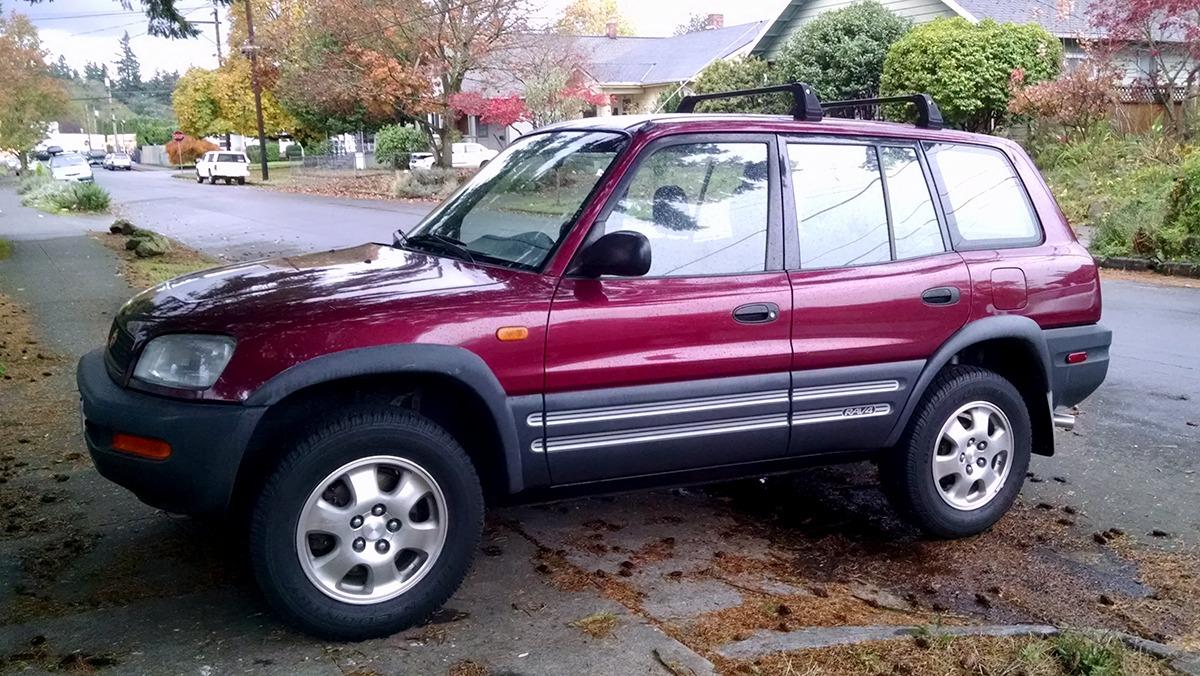
Reviewers highlight two things: adhesion holds even over light surface rust, and the noise reduction in wheel wells and interior fenders is substantial. Plenty of owners pair it with a rust reformulator first when working in harsh winter climates, which is a sensible two-layer approach.
The catch is application technique. Spraying from too close a range produces bubbles, and overspray lands on nearby surfaces where it will sit and harden. Hold the can back and move it steadily.
Is the 24-hour cure a real constraint?
Yes, plan a weekend. Full cure is listed at 24 hours, so the vehicle cannot be driven or rained on until the following day. Most people apply it Friday evening and drive it Monday.
That wait buys you a genuinely tough film that resists abrasion far better than anything else here. If your only free time is a Sunday morning, this is the wrong product and the one-hour dry Rust-Oleum product is the right one.
Where this coating falls short
It does not penetrate anything. It forms a skin on the outside of the metal, so frame cavities, door interiors and rocker pockets need a separate wax or oil pass.
For a battery or an electrical connection, keep it away. A thick asphalt film over a terminal is not what you want, and for that work the thinner penetrants are a better fit.
3. WD-40 Specialist Corrosion Inhibitor
WD-40 Specialist Corrosion Inhibitor, Long-Lasting Anti-Rust Spray, 6.5 OZ
6.5 oz aerosol
Blocks air and moisture
Non-drying film
Pros
- Rated up to 2 years indoors and 1 year outdoors
- Also loosens and neutralizes light surface rust
- Straw stores on the cap for controlled streams
- Small can lasts through years of intermittent use
Cons
- Leaves a thick white residue if applied heavily
- Small can size for the protection it delivers
- Pungent odor in enclosed spaces
Keep this one on the shelf rather than in the garage for one big Saturday. It is the product we reach for when a hinge squeaks, a bolt looks sad, or a trailer coupler has been sitting in weather for a season.
It is a non-drying film that blocks air and moisture, listed as protecting for up to two years indoors and up to one year outdoors. It also loosens and neutralizes existing light surface rust, so it doubles as a mild rust remover.
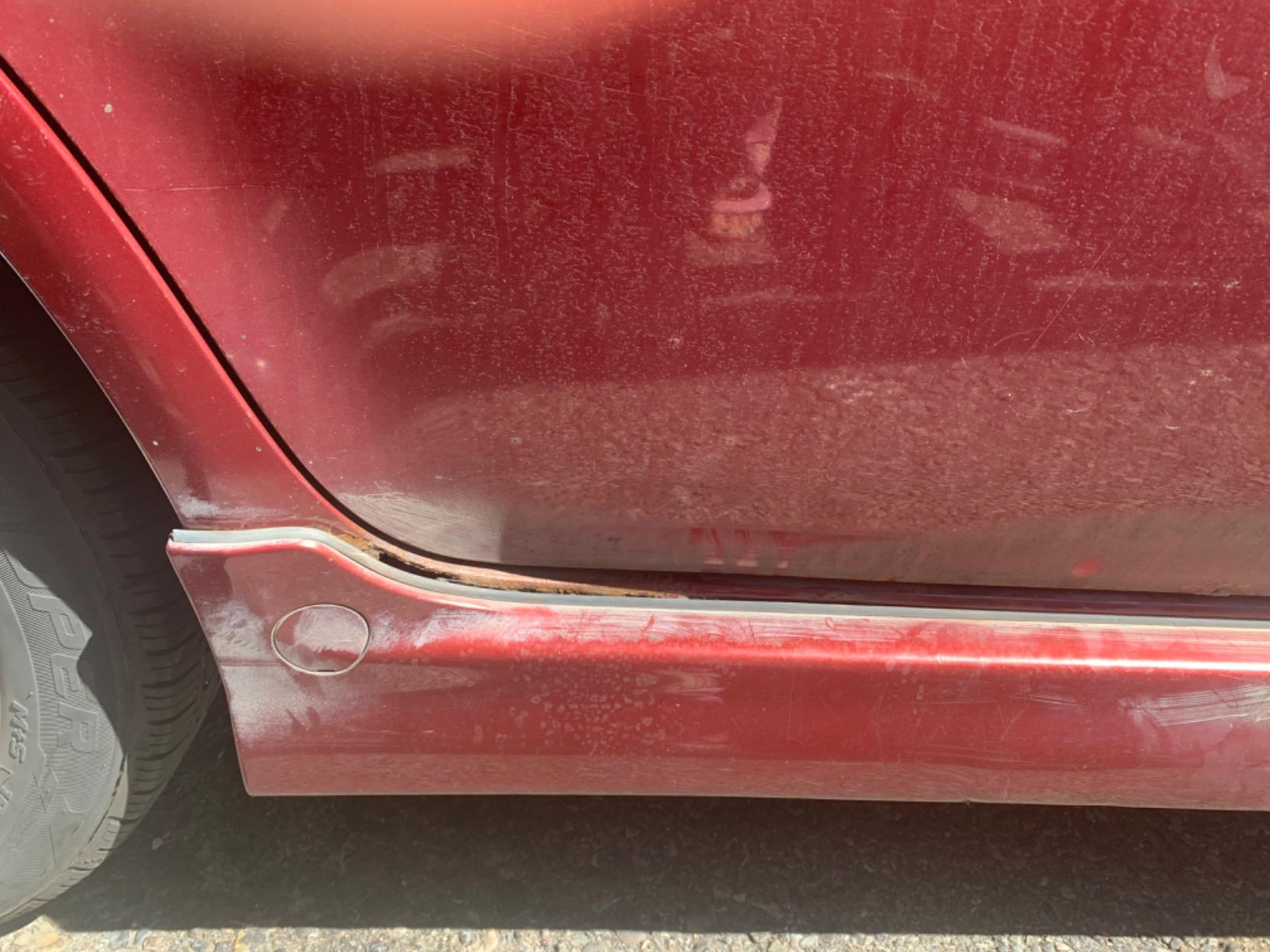
Buyers use it on tools, RV fittings, bike chains and garage-door springs with good results. The precision straw is the detail that elevates it above a general protectant, because it lets you lay a controlled stream on a hinge pin instead of fogging the whole assembly.
It is 50-state VOC compliant and NSF Category A7, which matters if you are spraying near food prep or a water system.
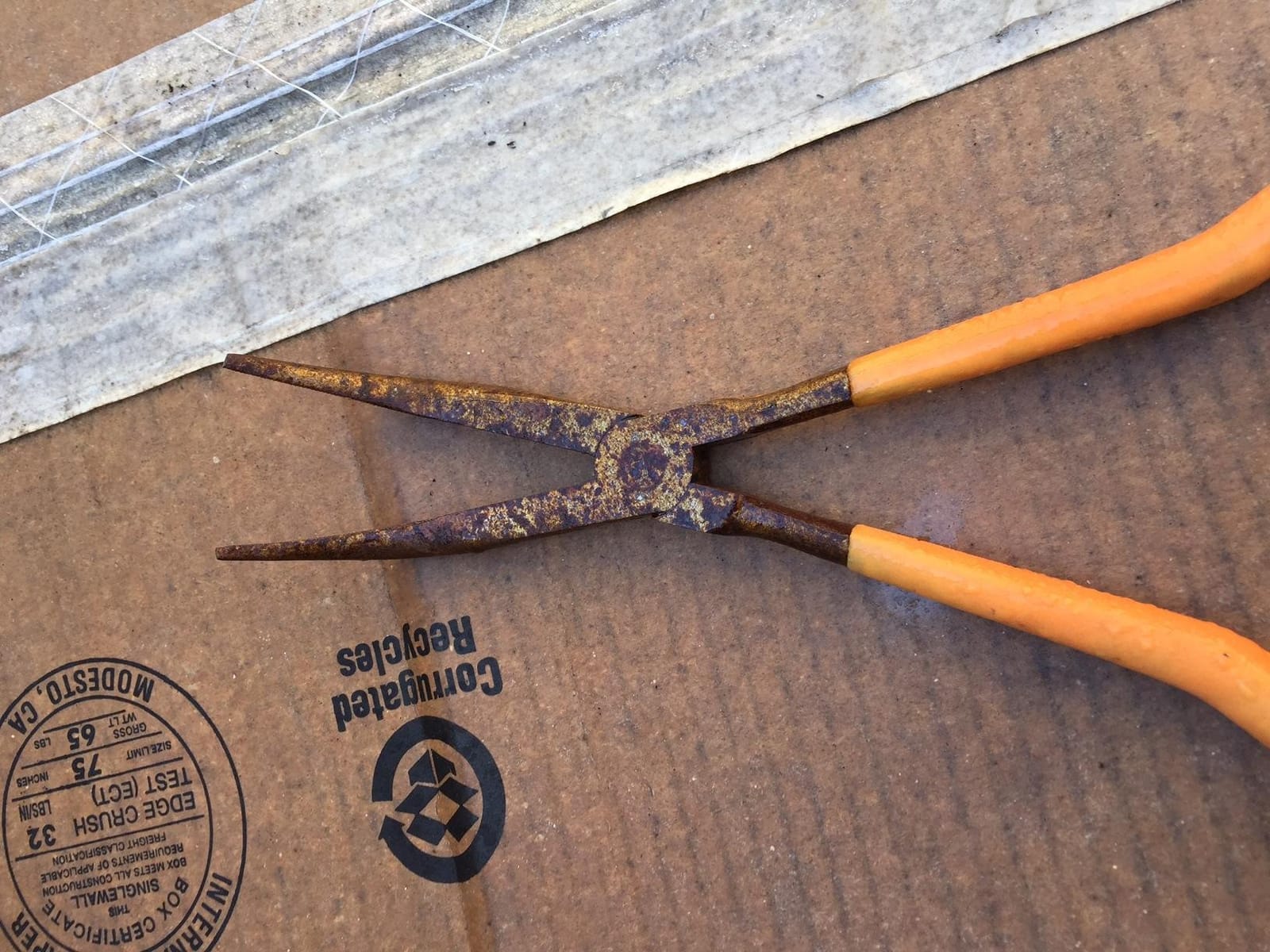
Can you use it on a whole underbody?
Technically yes, practically no. The can is 6.5 ounces, and coverage on an entire vehicle would take a number of cans rather than one. Budget it as a maintenance product applied to problem areas once a year.
That is where it genuinely earns its place. A single annual pass over the exposed brackets, hinges, latch areas and the visible ends of the frame rails costs you very little and prevents the small failures that eventually spread.
Where this product falls short
Heavier application leaves a thick white residue that looks like the coating failed. Use light passes and let it soak in.
The odor is strong, so it needs ventilation, and because the film never dries it will collect dust on a surface you intend to handle. Do not use it where a clean finish is the point.
4. Rust-Oleum Stops Rust Corrosion Inhibitor Clear Coat
Rust-Oleum Stops Rust Corrosion Inhibitor Spray, Clear Anti‑Rust Coating for Metal, Long‑Lasting Moisture Barrier, Indoor/Outdoor Waterproof Protection for Tools, Automotive & Equipment, 10.25 oz
Clear semi-gloss, 10.25 oz aerosol
Water resistant
Indoor and outdoor use
Pros
- Leaves the metal appearance unchanged
- Aerosol reaches tight hard-to-access areas
- Useful on welds/shears and freshly finished work
- Dries overnight with no greasy film
- Also lubricates moving joints
Cons
- Oil-type protectant rather than a paint
- Does not build a hardened film
This is the one to buy when you do not want the part to look coated. It applies a transparent semi-gloss film and leaves the metal appearance unchanged, which is why it shows up on wrenches, railings, fasteners and freshly welded seams.
Users typically apply it to hedge trimmers, shears and hand tools that live in a damp shed. The listed dry time is one hour, and it is rated as water resistant for both indoor and outdoor exposure.
Because it is a clear no-build finish rather than a wax or oily preventer, it also suits anything where you still want to see the natural color.
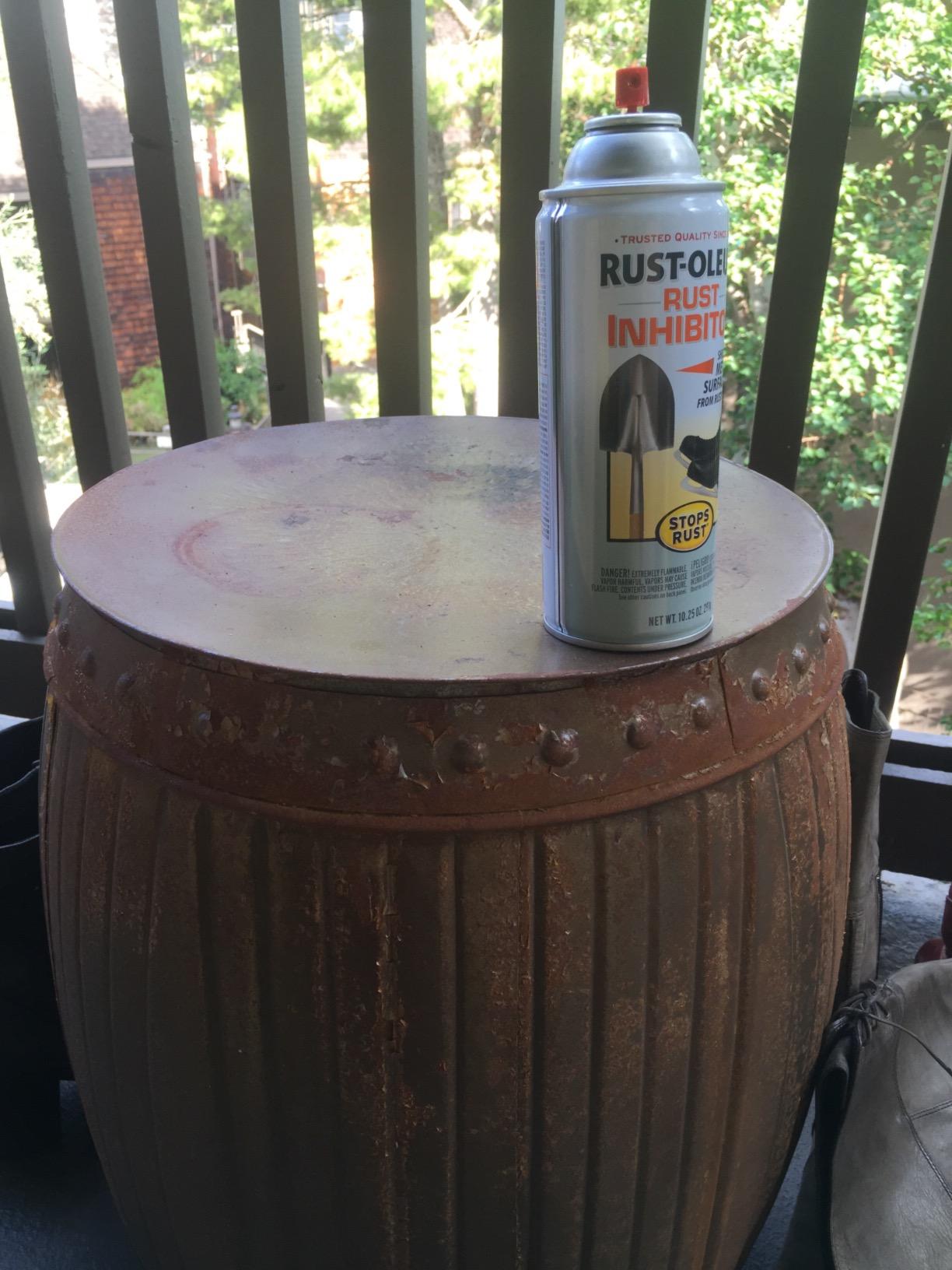
The honest framing is that this behaves more like a clear oil protectant than a paint. It will not harden into a film, and a minority of users report that it wipes off and gathers dust if handled before it fully cures.
Once you understand that, it is very effective for storage prep. Treat it as an advanced version of the light-oil protectants already sitting in your garage.
Is it strong enough for a vehicle frame?
Not on its own. It is a thin protectant and it will not stand up to gravel impact the way a rubberized coating does. For a bare frame, use a rubberized or epoxy-fortified product as the main layer.
Where it fits perfectly is anything you can see and want to keep looking new: a polished bumper bracket, a chrome exhaust tip area, a trailer tongue, or steel that is going into storage for the season.
Where this product falls short
It offers no structural thickness, so it will not fill a scratch or bridge a pitted area. Any corrosion problem still needs mechanical treatment.
Because it does not dry hard, it marks whatever touches it during the first hours. Plan the application so nothing contacts the part while it cures.
5. STA-BIL Rust Stopper
STA-BIL Rust Stopper, 13 oz
13 fl oz spray
Water resistant
Quick-acting on contact
Pros
- Neutralizes surface rust and darkens it
- Also lubricates hinges/pins and chains
- One can goes a long way
- Effective on battery terminals and hitch receivers
- Usable for up to 2 years after opening
Cons
- Oily residue that needs wiping for a clean finish
- Long drying time and heavy laydown
- Noticeable odor
This is the general penetrant we lean on most in our own lineup. It works on contact to inhibit existing corrosion, and users report that light surface rust turns from orange to a dark grey after application.
We applied it to hinge pins, a chain, and a hitch receiver that had weathered for a couple of seasons. The lubrication effect is real and outlasts an ordinary dry lubricant, because the film stays put and blocks water at the same time.
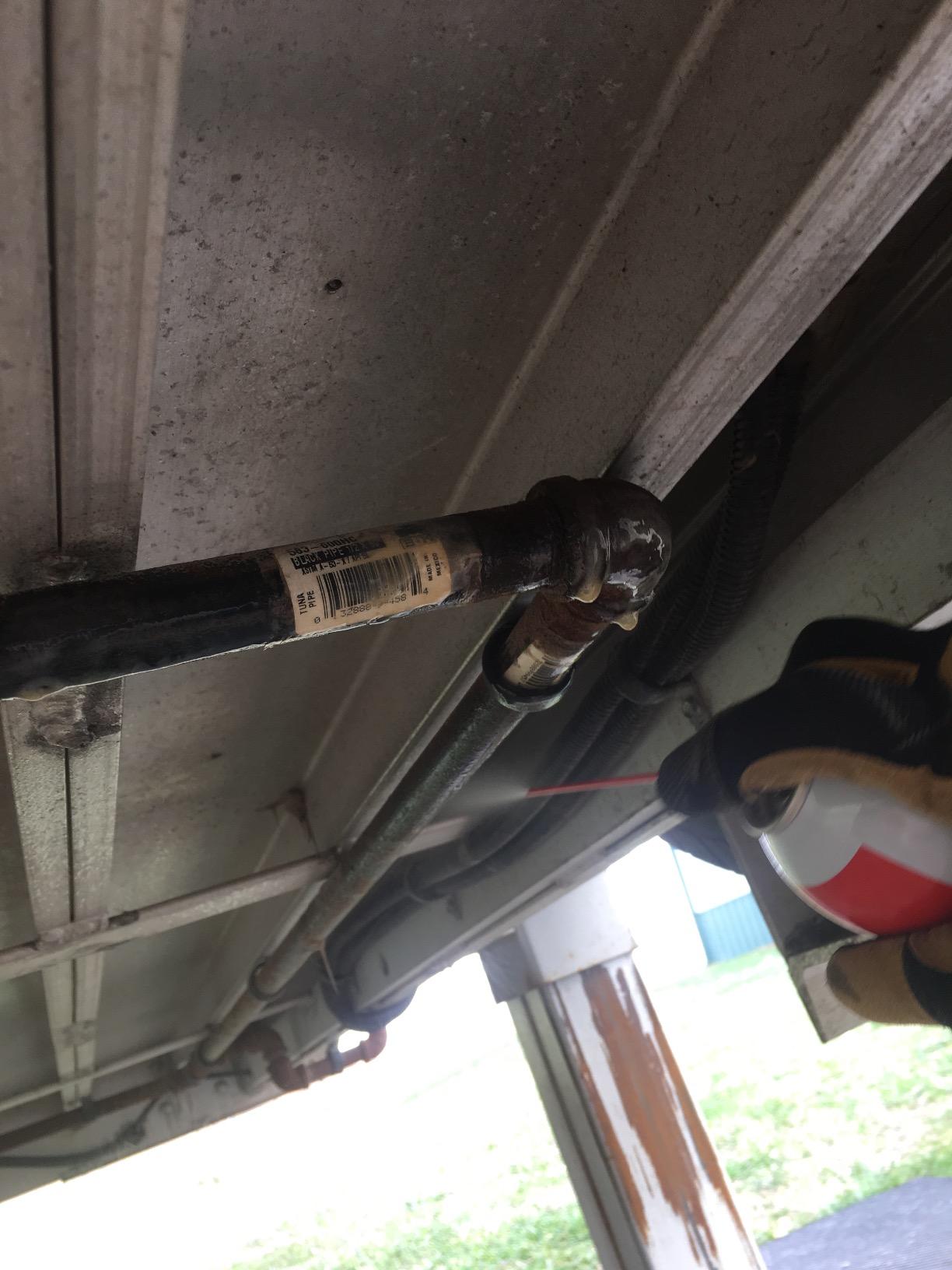
It is listed for industrial, mechanical, marine and automotive use, and owners use it on bikes, boats and RVs as well as trucks. One can goes a long way compared with the big rubberized coatings, which makes it a sensible second product to own alongside them.
The listed shelf life is up to two years after opening, so write the date on the can when you crack it. A protectant that has sat open for three years is not the same product you started with.
Does it stop rust that is already there?
For light surface oxidation, yes. Owners consistently describe seeing the orange color darken and stop spreading once the penetrant reaches the metal.
For scale, pitting or anything structurally deep in the steel, no. Mechanical removal first, then this product, then a sealing coat over the top. That sequence is the single most useful thing to take from any forum thread on this subject.
Where this product falls short
The finish is oily and needs wiping if you want a clean surface underneath, and the drying time is long with a heavy laydown. Plan for cleanup with a rag before you put the vehicle back on the road.
On an underbody you plan to leave visible from a driveway, it will look messy for days. Wipe the drip points or plan to finish it off with a coating.
6. Fluid Film Lanolin Rust Protection Spray
Fluid Film Rust & Corrosion Protection, Metal Surface Penetrant & Lubricant, Marine, Automotive, Industrial, Home, 11.75 Oz Aerosol Spray (Pack of 6)
Wax and lanolin base
11.75 oz cans, pack of 6
Penetrating oil film
Pros
- Highest average rating in this roundup at 4.8 with 87 percent five-star
- Penetrates deep into metal/paint and plastics without drying out
- Frees seized nuts/bolts and frozen components
- Six pack works out economical for full vehicle jobs
Cons
- Strong odor compared with other lanolin undercoatings
- Leaves a greasy film that collects dirt
This is the product the forum consensus points at, and after working with it we understand why. It is a wax and lanolin formulation that penetrates deep into metal, paint and plastics and, critically, does not dry out.
That last detail is the whole argument. A film that never hardens cannot crack, cannot chip, and creeps back into a scratch on its own. It also wets metal exceptionally well and displaces water rather than trapping it.

The other use that surprised us was mechanical. It frees seized nuts, bolts, shafts and frozen components well enough to be a legitimate penetrating oil, which makes it a two-in-one purchase for anyone working on old hardware.
It is used across marine, automotive, aviation, agriculture, industrial and trucking work, and it is VOC compliant with CARB and US EPA limits, which matters if you are working on a vehicle that crosses state lines with a mixed product shelf.
Why buy the six pack?
Because a full underbody is a genuinely large surface and one can will not cover a truck. Buying the pack of six 11.75 ounce cans makes a whole-vehicle job a single decision rather than a scavenger hunt, and it works out more economical per can than buying singles.
Start at the back. Treat the rear frame rails, the fuel tank straps, the spare tire well and the exhaust hangers first, because those are the areas that collect salt and water and never get washed.
Where this product falls short
It is never clean. The film collects dirt, and if you care about a pristine underside you will be disappointed, because it looks wet for the entire time it is working.
It needs an annual refresh in salt climates. Users reliably report spraying it every winter rather than treating one application as permanent. Skipping two seasons is how frames end up with surface rust again.
7. CorrosionX Heavy Duty Anti Rust Spray
CorrosionX Heavy Duty Anti Rust Spray, Dripless Self-Healing Corrosion Inhibitor with Waterproof Barrier for Marine, Agricultural & Industrial Equipment in Harsh, Saltwater Environments, 12oz Aerosol
12 oz aerosol
Dripless and self-healing
Waterproof polar bonding barrier
Pros
- Dripless formula survives pressure washing and rain
- Stays flexible instead of cracking like wax protectants
- Thick non-conductive coating for battery posts and grounding lugs
- Blocks electrolysis and galvanic corrosion
- Protection rated up to 5 years indoors and 2 years outdoors
Cons
- Higher cost per can than basic aerosol inhibitors
The dripless claim on this one holds up better than on most. The formula clings and holds through rain, seawater and pressure washing, and it does not sag or run on a vertical surface or overhead.
That matters most for coastal vehicles and boat trailers. Salt-laden wash water running along a rocker panel is exactly the situation where a thin drippy coating fails and a clinging one survives.
Buyers in marine, farm and industrial settings rate the heavy-duty sealing highly on large electrical connections. It is a thick non-conductive coating built for battery posts and grounding lugs, where a thin oil would be wiped away by a clamp.
The barrier uses polar bonding to adhere to the surface and block corrosion before it starts, including electrolysis and galvanic damage in places you cannot see.
Is it worth the higher cost per can?
For the jobs it is designed for, yes. The listed protection is up to five years indoors and two years outdoors, which spreads the cost over more seasons than a cheaper coating that gets reapplied.
For a dry-climate daily driver with a clean frame, the extra spend is hard to justify. Match the product to the exposure rather than buying the most capable can you can find.
Where this product falls short
Cost per can is the main reservation, and the review base is smaller than the mass-market picks, so you are relying more heavily on the listed specifications than on a huge volume of long-term owner reports.
It is a barrier, not a penetrant. It will sit on the surface and hold, but it will not creep into a seam the way the wax-oil products do, so cavities still need a separate pass.
8. AGS Rust Solutions Rust Stop Spray Paint
AGS RUST SOLUTIONS Rust Stop Spray Paint for Metal, 14oz Aerosol Can – Matte Black Finish, Epoxy-Fortified Corrosion Protection, UV Resistant, Withstands 300°F – No Sanding Required
Matte black, 14 oz aerosol
Covers 10-12 sq ft
Withstands up to 300F
Pros
- Bonds directly over rusted metal with no sanding or scraping
- Epoxy-fortified against chipping/peeling and flaking
- UV resistant so the matte black will not fade or chalk
- One step that protects and looks finished
- Passed over 1000 hours of salt spray testing
Cons
- Being a paint rather than a thin protectant
- it adds a visible film and needs full cure time
This is the pick when the rust is already visible and you want it gone visually as well as sealed. It bonds directly to rusted metal, seals and traps the corrosion, and needs no sanding, scraping or mixing first.
It is a paint rather than a penetrant, so it adds a real film. Each 14 ounce can covers 10-12 square feet, and the finish is a matte black that doubles as a decorative coat on an otherwise unfinished part.
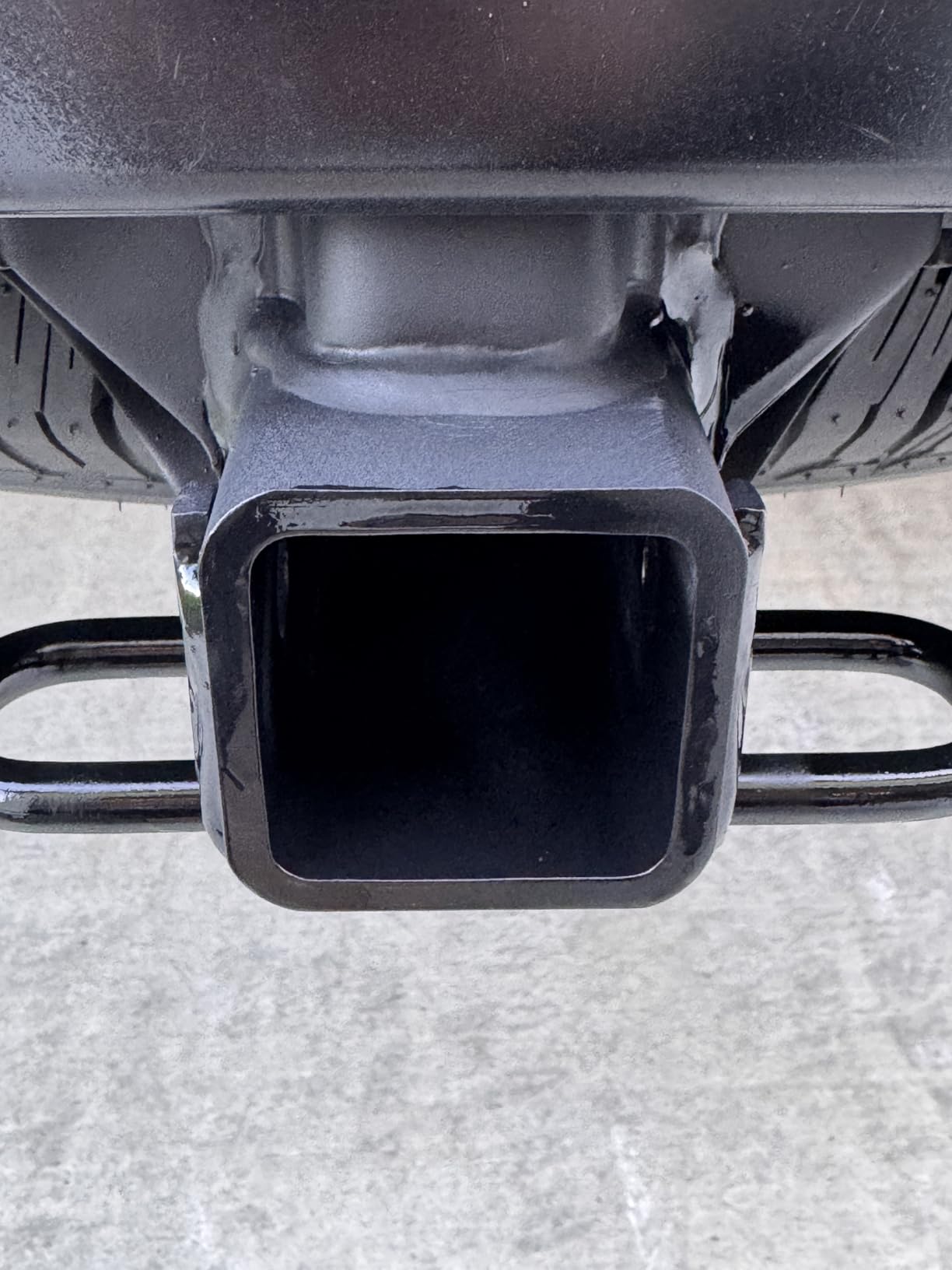
Two specifications stand out. It is listed as withstanding heat up to 300F, which makes it usable on parts near an engine bay or exhaust shield rather than only on a cold frame rail. And it passed more than 1000 hours of industry-standard salt spray testing.
Owners like that one can does the sealing and the finish in a single pass, and that the epoxy fortification resists chipping and peeling where ordinary rust paints chalk and flake within a season.
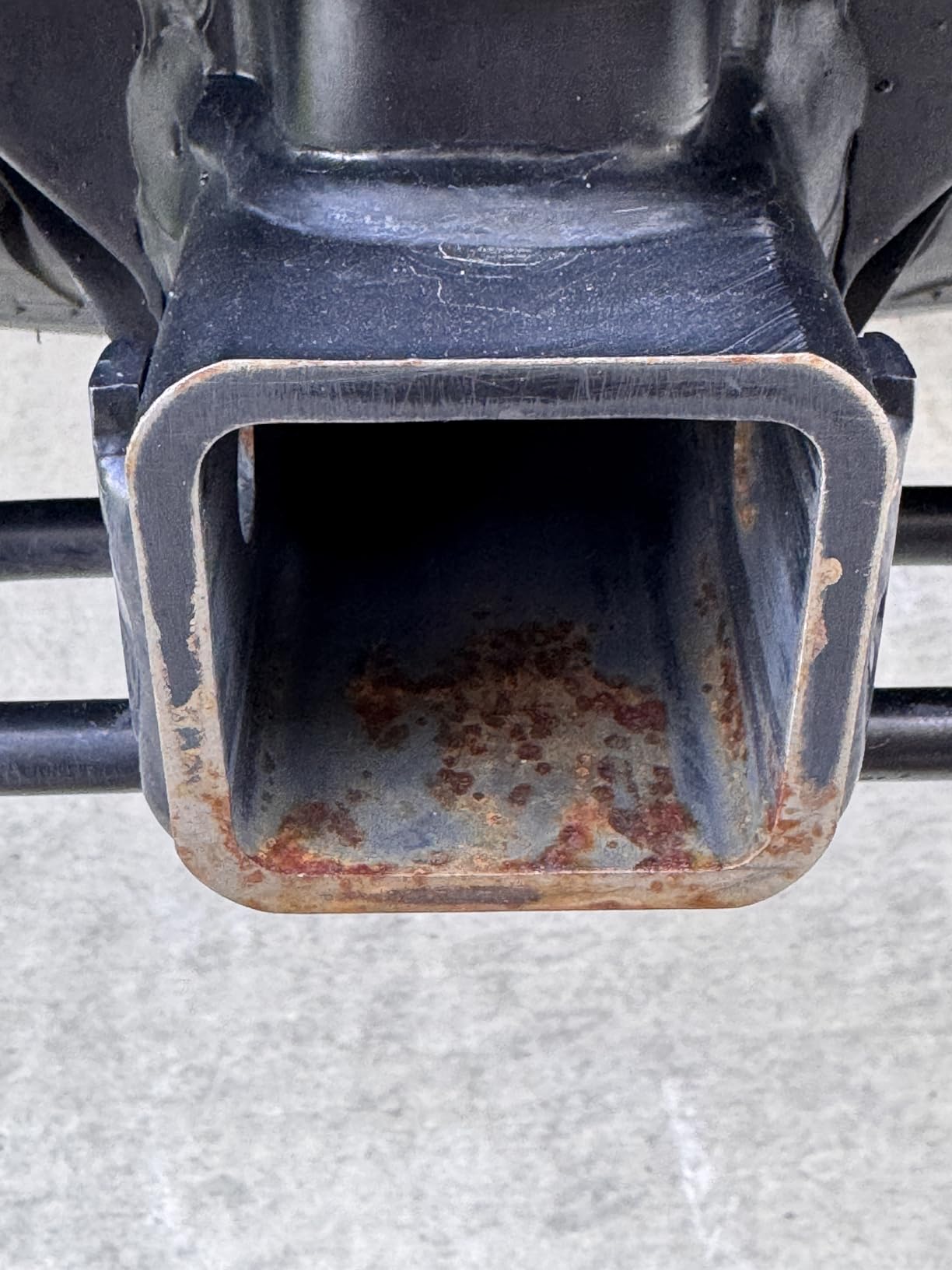
Can you paint over it in another color?
Yes. UV resistance is built in so the matte black will not fade or chalk in direct sunlight, but it is compatible with most oil-based and latex topcoats if you want a different color over the top.
Keep in mind that any additional topcoat adds another layer that has to cure, so budget your time accordingly rather than rushing the vehicle back into service.
Where this product falls short
It is a coating for visible, treatable surfaces. Spraying a whole underbody in a wet build paint is slow and heavy, so a thinner barrier product is a better tool for the flat underside.
Because it seals rust in place rather than neutralizing it, heavy scale has to come off mechanically first. It stops the spread of what is there, but it does not convert what it finds.
9. Eastwood Internal Frame Coating Plus Aerosol
Eastwood Internal Frame Coating Plus Aerosol | Internal Frame Rust Remover | Rust Converter and Prevention Aerosol Spray Undercoating for Vehicles |16 Oz, Matte Black
Matte black, 16 fl oz aerosol
Converter and preventer
24 hour dry and cure
Pros
- Converts existing rust while sealing the frame against new corrosion
- Extension nozzle reaches frame openings and bolt holes
- Matte black finish leaves the frame looking factory clean
- Backed by a 90-day limited warranty
Cons
- Needs a full 24 hours before the vehicle is driven
- Not legal for sale in California
This is the product built specifically for frame cavities, and the included extension nozzle is the reason. It inserts into frame openings and bolt holes, then you pull it back as you spray so the coating coats the inside of the section rather than blasting past it.
It is both a rust prevention and a rust destroyer formula in one coating, so it works on a frame that already has corrosion inside the sections as well as on a clean one.
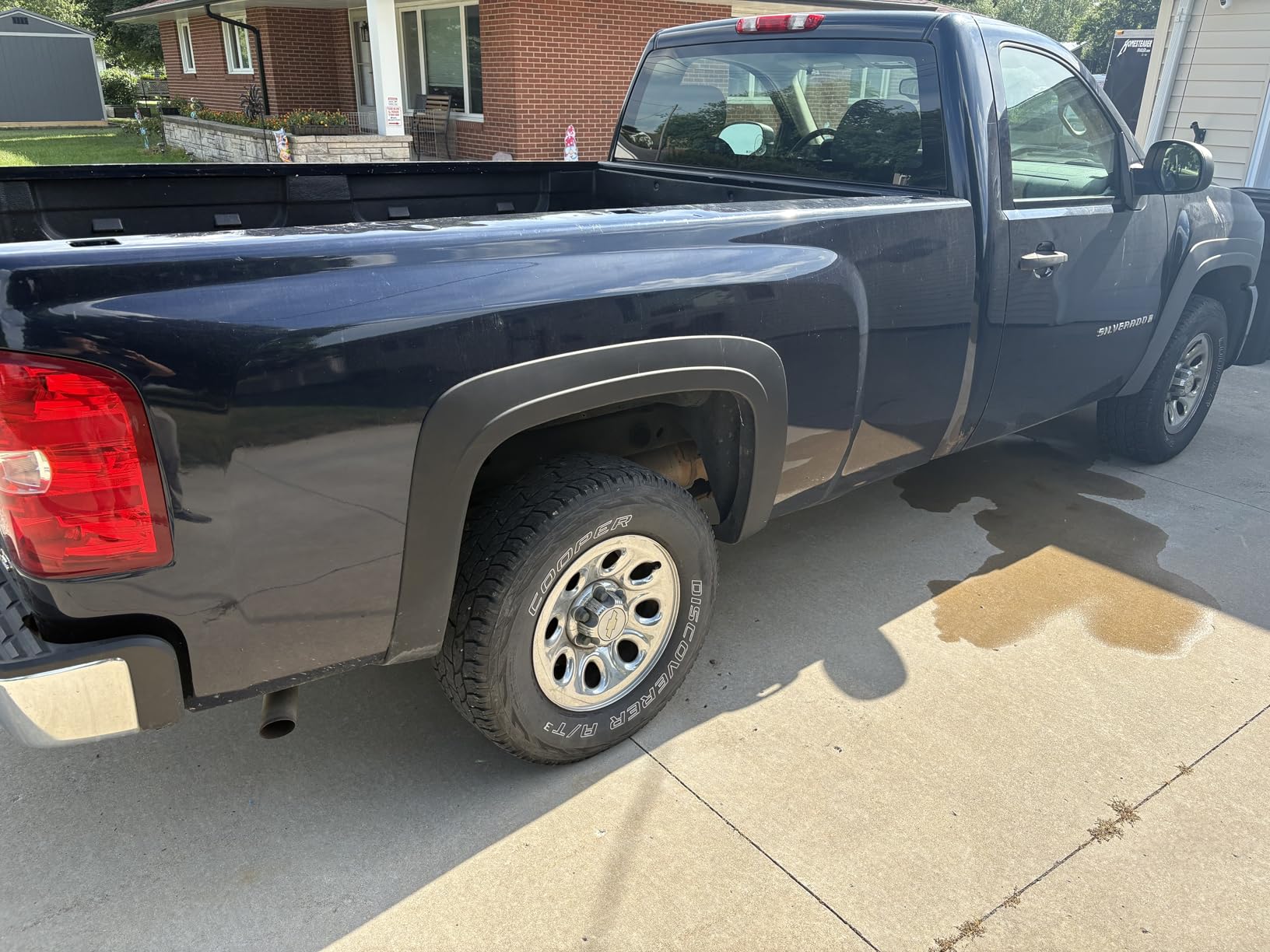
DIY restorers and builders rate the finish highly. The matte black leaves the frame looking factory clean rather than covered, which is not something you get from the oily penetrants.
Application is straightforward but not fast. Shake the can vigorously for at least a minute before use and occasionally during, and work section by section so you can reach everything your arms allow.
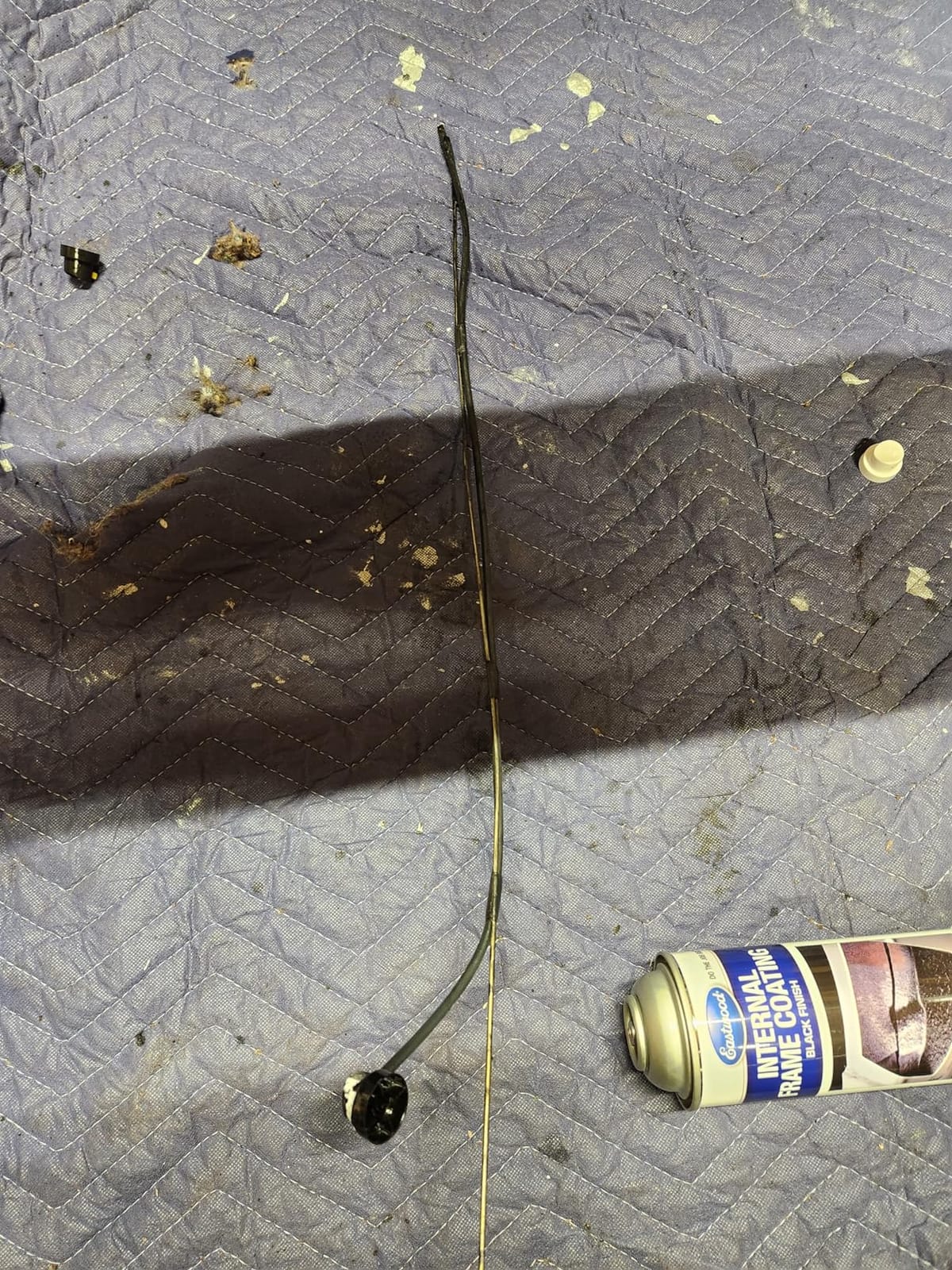
Can you use it on an older truck with rust in the frame?
That is the design case. Users with older frames apply it to convert existing rust while sealing the section against new corrosion, and the conversion step means you are not simply painting over a problem.
Still remove loose scale and flaking material first. The coating neutralizes active oxidation, but it is not a substitute for knocking off heavy rust scale.
Where this product falls short
The 24 hour dry and cure time is the real constraint. You cannot drive the vehicle or expose it to rain until the following day, so this is a weekend job.
It is not legal for sale in California, which rules it out for a large share of the US market. Plan your purchase around that before you buy.
10. CRC 06026 Heavy Duty Corrosion Inhibitor
CRC 06026 Heavy Duty Corrosion Inhibitor, 10 Wt Oz
10 wt oz aerosol
Flexible tenacious film
Salt spray protection
Pros
- Film resists road salt and washing better than oil-based products
- Works as a light rust remover and a sealer
- Strong on battery terminals/lug nuts/fasteners and tools
- Long-running review base going back to 2003
Cons
- Strong chemical smell
- Leaves a yellowish tint on light-colored surfaces
- No nozzle extension option
This is the one with the longest track record in our lineup, with a review base going back to 2003 and long-term owners still reporting it as the toughest-lasting option for salt-belt vehicles and tools.
The film is flexible and tenacious, and it resists road salt and washing noticeably better than an oil-based product. That flexibility is what keeps it from cracking after a season of freeze and thaw cycles.
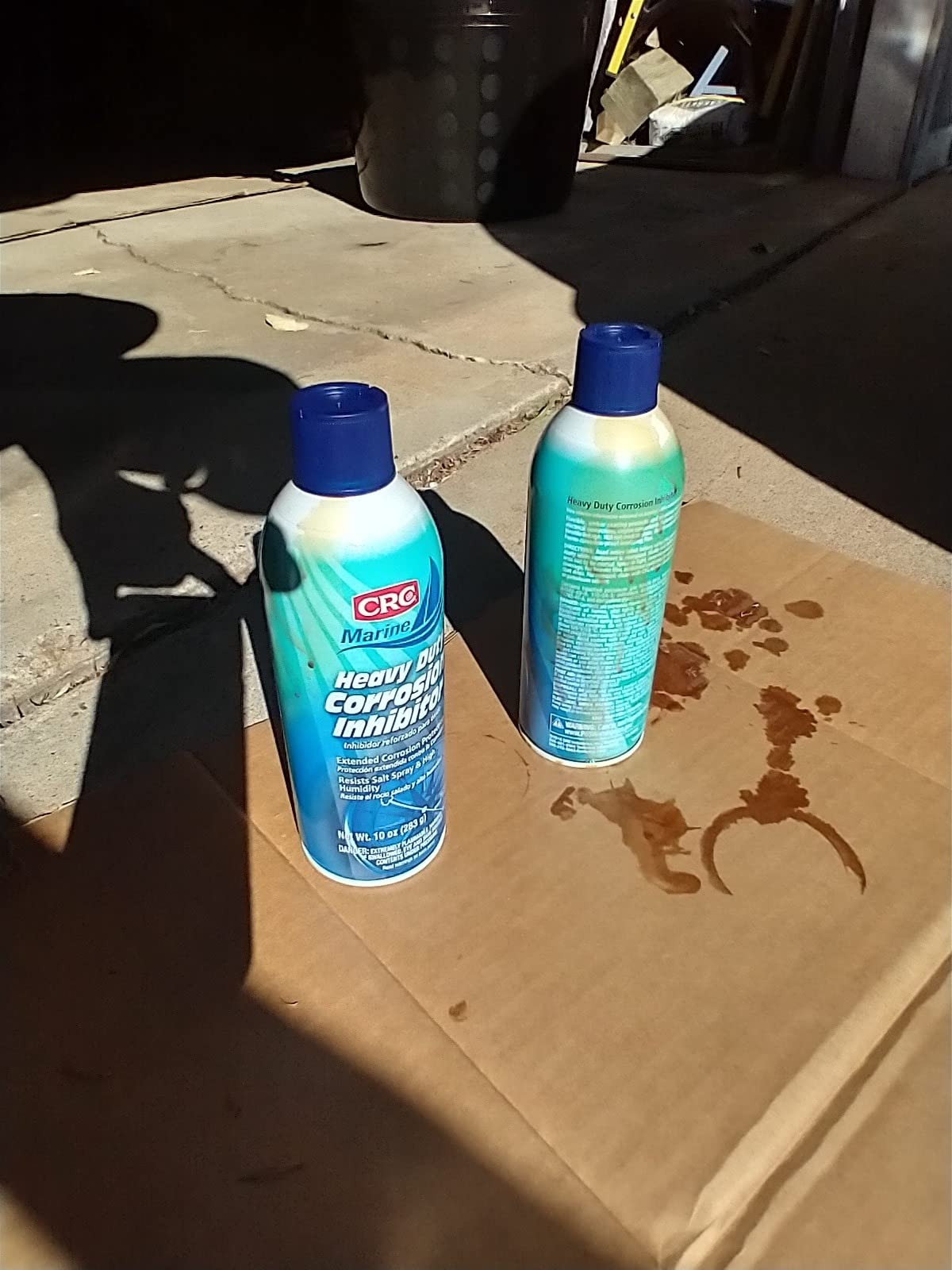
It is listed for electrical connections, engine components, equipment storage, fasteners, motors, salt spray protection, shafts, spindles, and steering and throttle linkages, which tells you how broad the application range is.
Owners also use it as a light rust remover and sealer in one step, which is useful when you find surface rust developing in the middle of a season and want to handle it in a single pass.
Is one can enough for a vehicle?
For a single vehicle application, one can is roughly enough. For a full-size truck with the bed, rear quarters and cab underside included, plan on two or three.
Keep electrical connections in mind here. Connections must be made first, so this is a protective coating applied after the wiring is terminated rather than sprayed over open connectors.
Where this product falls short
It has a strong chemical smell and needs ventilation, and it leaves a yellowish tint on light-colored surfaces that will not sand off easily.
There is no nozzle extension, so reaching inside a frame box section means improvising. If internal cavity access is your main problem, choose a product that includes the tube.
How Much Undercoating Spray a Full Job Needs
Coverage figures are where most DIY jobs go wrong, because nobody wants to stop halfway through a frame with nothing left in the garage.
Start with the coverage printed on the can. The Rust-Oleum Pro Grade rubberized product is listed at 10-15 square feet per can, and the AGS Rust Stop paint is listed at 10-12 square feet for its 14 ounce can. Use those figures as your baseline, then add about half again for the second coat on exposed frame rails.
As a planning guide, a passenger car underbody typically lands around three to five cans of a 15 ounce rubberized coating, a full-size pickup usually needs eight to twelve, and a full frame with bed and rear quarters can run higher. Estimating the exposed metal area is the honest way to do this rather than guessing by vehicle size alone.
For a thin penetrating oil or wax spray, the math works differently. These spread further per ounce because they are not building a film, but you still need to saturate every seam and hole rather than hitting the flat surfaces once.
Parts You Should Never Spray
Masking is not optional. A single pass of heavy coating on a moving or heat-sensitive component can be an expensive repair.
Never coat brake rotors, drums, calipers, brake hoses or parking brake cables. A film on a rotor face does not clean off, and it stops the pads from bedding in properly.
Stay off CV boots, axle inner boots, suspension bushings, coil springs, shock bodies and steering rack boots. Rubber and elastomer parts are permanently damaged by petroleum-based products, which is the same chemistry many of these coatings contain.
Keep it off exhaust pipes, catalytic converters, mufflers and tailpipes, plus all oxygen sensors, brake sensors, wiring connectors, horn housings and anything attached to a high-voltage cable on a hybrid or EV.
Drive belts, tensioners and pulleys are out too. A belt that has been contaminated with oil or coating will not hold its grip.
Do You Even Need Undercoating?
Honest answer: it depends on where you live and what you drive, and the honest version is more useful than the universal recommendation.
If you are in a rust belt or snow-and-salt state, you need it. North American road salt and brine strip factory underbody coatings within a few seasons, and corrosion on frame rails, sills and floor pans is structural rather than cosmetic. It cuts vehicle life and resale value, and repairs cost far more than prevention.
Coastal and marine environments are the same argument with salt water instead of road salt. Trailers, fifth wheels, boats and anything stored outdoors are all strong candidates.
If you are in a dry climate and your car lives in a garage, aftermarket protection matters much less. Japanese cars in particular resist corrosion because of galvanized steel, factory multi-layer coatings, sealed body seams and, historically, less salt on the roads. That is a manufacturing advantage you are not going to replicate with an aerosol can.
Hybrids and EVs are fine with oil-based coatings as long as high-voltage components, orange cables and connectors are masked first. Owners of plug-in hybrids report no issues with oil-type undercoatings once the high-voltage hardware is properly covered.
How to Choose an Undercoating Spray
Decide on the type before you decide on the brand, because the type determines whether the product suits your situation at all.
If your priority is noise reduction and maximum debris resistance on open frame rails and wheel arches, choose a rubberized or asphalt-based coating. These are the thickest films and they work hardest against gravel and road salt.
If your priority is long-term protection inside frame holes, seams and door interiors, choose a lanolin or wax-oil penetrant. These creep where a thick film physically cannot travel, and they self-heal. Accept the annual refresh and the permanent film of grease.
If you are starting from a rusty frame, choose a converter or an epoxy-fortified paint. Eastwood combines both, and the AGS Rust Stop paint bonds over rusted metal without sanding.
If you mostly want to protect tools, hardware and stored equipment, choose a penetrant oil. The WD-40 Specialist and STA-BIL options cover that job properly and cost far less per application.
Then check three practical things. Whether the can has an extension nozzle, because reaching into a frame box without one means missing the spot entirely. Whether the cure time fits your schedule. And whether the coverage is published, because an unlisted coverage figure makes budgeting impossible.
Finally, consider the finish you want to live with. A matte black factory look, a glossy sealed look, a clear no-build look and an oily working look are four different end states, and each one is the right answer for somebody.
When a Spray Can Is the Wrong Tool
We would be doing you a disservice to pretend a can solves everything. There are three cases where it does not.
A whole frame that has never been coated, or one with heavy structural rust, deserves a pump sprayer or a professional application with proper equipment. The coverage math above is the tell: when a job needs a dozen cans or more, a gun and a bulk container finish faster and more evenly.
A vehicle that has already been through salt seasons with visible scale needs abrasive blasting before any coating is meaningful. No product fixes a substrate that has not been prepared.
Professional shops remain the right call for a vehicle you intend to keep for a very long time or sell later, and owners who use them often consider the first application cost worth it. For most people that spend is hard to justify against a weekend and a case of cans, which is why DIY aerosol remains the popular answer.
There is also an emerging pump-spray pattern worth knowing about, where a water-based or pump-applied product is applied through a pressure-washer attachment. It is less common than the aerosol method but it cuts the material cost noticeably on large vehicles.
Reapplication Schedule and Annual Maintenance
Timing matters as much as the product. Late summer and early autumn is the best window, while the ground is dry and the vehicle can sit for the cure period before winter arrives.
Wash the underbody first, every year. Road salt is hygroscopic and it pulls moisture out of the air, so a coating applied over a salty underbody is applied over damp steel.
Wax-oil and lanolin products need an annual pass in salt climates. A skipped season is usually when surface rust reappears on an otherwise protected frame.
Rubberized and epoxy coatings last longer between services but should be inspected for chips and stone damage each spring. A spot treatment on a fresh chip is far quicker than redoing a whole section, and it takes five minutes while you are under there anyway.
Finally, mark the opening date on any penetrant oil you keep. Products listed with a two-year post-opening life lose their reliability well before the can is empty.
Frequently Asked Questions
What is the best rust protection spray for the undercarriage?
The Rust-Oleum Pro Grade Rubberized Undercoating is our top pick for most vehicles because it publishes coverage of 10-15 sq ft per can, dries to the touch in about an hour and holds up well on bare or primed metal. For rust living inside frame holes and seams, Fluid Film is the better answer because its lanolin base creeps into places a thick film cannot reach. Match the type to the problem rather than the brand.
Does undercoating actually prevent rust?
Yes, for new corrosion. A good undercoating blocks moisture, road salt and grime from reaching bare steel, and it slows surface rust that has already started. What it will not do is reverse rust that is already structurally established, and it will not protect a surface you coated without removing loose scale first. Prevention on a clean frame is highly effective; rescue on a pitted frame is not.
Will undercoating stop existing rust?
Light surface oxidation, often yes, especially with a penetrating product such as STA-BIL Rust Stopper or WD-40 Specialist that neutralizes and darkens surface rust. Scaled, flaking or pitted rust needs mechanical removal first, then a rust converter such as Eastwood Internal Frame Coating Plus, then a sealing coat over the top. Coating bare scale without removing it seals the corrosion in and lets it spread underneath.
How much undercoating spray do you need to undercoat a truck?
Work from the published coverage on the can. At 10-15 sq ft per can for the Rust-Oleum rubberized product, a passenger car typically needs three to five cans and a full-size pickup usually needs eight to twelve including the bed, rear quarters and cab underside. Thin penetrating oils spread further per ounce but still need to saturate every seam and frame hole, not just the flat surfaces.
What’s better, Fluid Film or Woolwax?
They solve the same problem the same way, as wax and lanolin penetrants that creep into seams and never fully dry, so the practical differences are smaller than the forum debate suggests. Fluid Film is more widely available in aerosol form and its penetrant behaviour on seized fasteners is well documented. Woolwax has a strong following for annual frame sprays. Both need reapplication roughly yearly in salt climates.
Can you use undercoating spray on a hybrid or EV?
Yes, provided you mask the high-voltage hardware first. Plug-in hybrid owners report no problems with oil-type undercoatings once orange high-voltage cables, connectors, inverters and the battery enclosure are covered with tape and plastic before spraying. Keep coating away from brake components, sensors and any exposed electrical connection, and finish electrical terminations before you coat rather than after.
Final Verdict
The best undercoating sprays for rust prevention are not interchangeable, and picking the wrong family is the most common expensive mistake here. A thick rubberized coating earns its keep on open frame rails and wheel arches, while a lanolin penetrant earns it inside seams and frame holes where nothing else can reach.
Our Editor’s Choice is the Rust-Oleum Pro Grade Rubberized Undercoating, because it combines the largest review count in the group with a published coverage figure, a one-hour dry time and an any-angle tip that makes overhead work straightforward. Pair it with Fluid Film if the rust is hiding in cavities rather than sitting on the surface.
Whichever you choose, the outcome depends far more on the prep work than on the can. Strip the scale, degrease, dry properly, mask the brakes and the exhaust, and give it the full cure time listed. Updated for 2026, this ranking reflects the current lineup of US-market spray-format rust protection products.