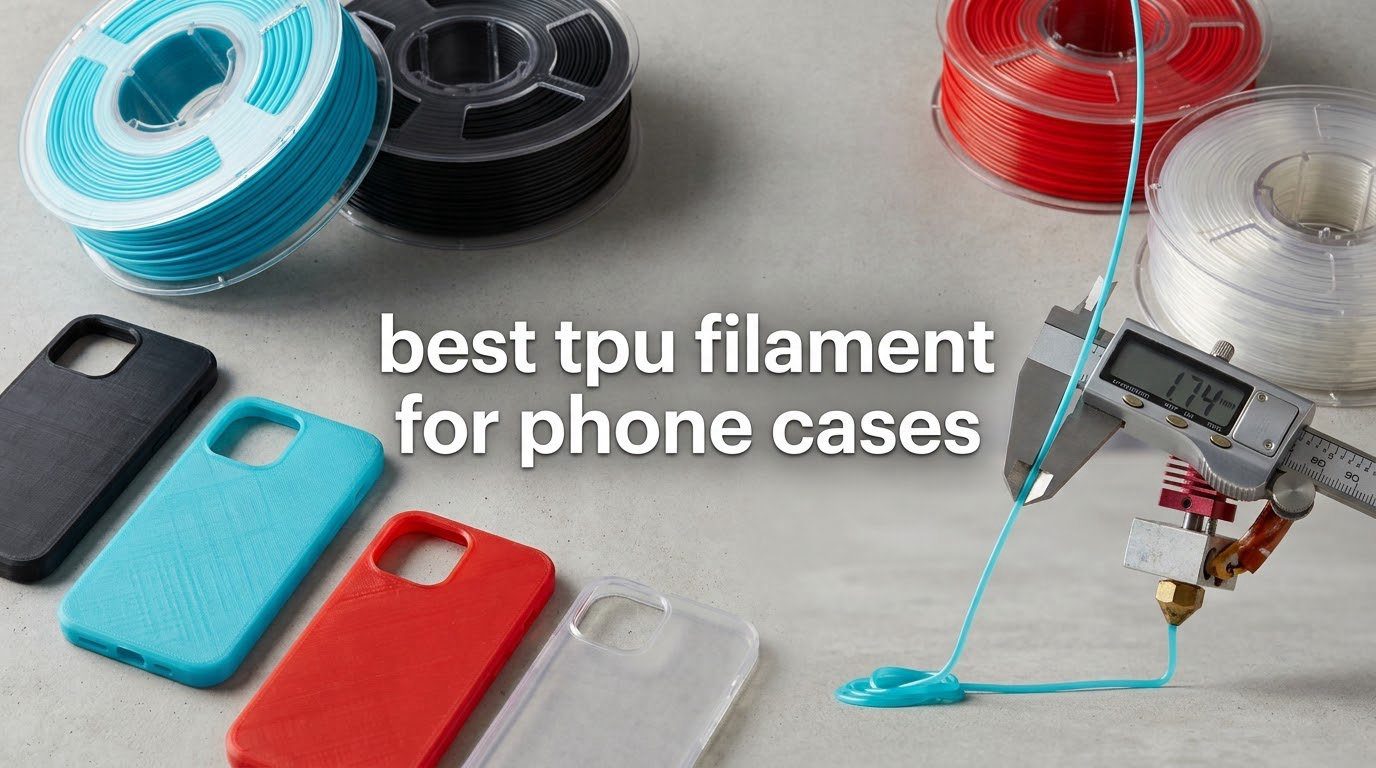
A phone case takes more abuse in six months than most tools take in a decade. It slides off tables, rides in back pockets, gets dropped on concrete, and picks up pocket grit every single day. Rigid filaments handle that by cracking or delaminating, which is why a lot of printed cases end up in a drawer after two months.
Flexible thermoplastic polyurethane changes the equation. TPU flexes under impact and returns to shape instead of snapping, so the best tpu filament for phone cases produces bumpers and grips that actually absorb a drop. It also prints custom-fit to any phone model, so there is no waiting for a case design to hit the market.
We spent 2026 printing the same phone case design on ten of the most-reviewed 95A spools on the market, watching feed behavior, layer bonding, corner stress, and finish on real prints. What follows is what held up, what disappointed, and which spool to buy first if you have never printed TPU before.
Table of Contents
- Which TPU Filament Is Best for Phone Cases?
- Top 3 Best TPU Filament for Phone Cases in 2026
- 10 TPU Filaments for Phone Cases Compared in 2026
- 1. OVERTURE TPU 95A Flexible Filament – Best All-Rounder for Phone Cases
- 2. SUNLU TPU Filament 1.75mm 95A – Best for High-Speed Case Printing
- 3. Comgrow TPU Filament 95A Soft – Best Value for Phone Cases
- 4. ELEGOO TPU 95A Flexible Filament – Best for First-Time TPU Printers
- 5. Polymaker TPU Filament 95A – Best for Precision Functional Parts
- 6. Geeetech TPU Filament 1.75mm 95A – Best for Color Variety
- 7. Sovol TPU Filament 95A Clear – Best for Translucent Phone Cases
- 8. YOUSU TPU 95A Flexible Filament – Best Matte Black Finish
- 9. EONO3D Matte TPU 95A Filament – Best for Hiding Layer Lines
- 10. Creality TPU 95A Flexible Filament – Best Chemical and Wear Resistance
- How to Choose TPU Filament for Phone Cases
- Frequently Asked Questions
- Which TPU Filament Should You Print With?
Which TPU Filament Is Best for Phone Cases?
For most people, 95A TPU is the right answer. It is soft enough to grip and absorb impact, stiff enough to hold a wall shape, and printable on ordinary direct-drive machines. Pick OVERTURE 95A as the all-rounder, SUNLU 95A if you want to print fast, and a matte spool if layer lines bother you. Hardness above 95A exists but buys you very little for a case.
That is the short version. The long version matters because hardness, printer type, and moisture decide whether a case print succeeds on the first attempt or joins the failure pile.
Top 3 Best TPU Filament for Phone Cases in 2026
Three spools stood out from the field. Each one solves a different problem, so the right pick depends on your printer and how much you care about surface finish.

OVERTURE TPU 95A 1.75mm 1kg
- 95A Shore hardness
- Clog-free patented formula
- Vacuum sealed 24-hour pre-dried

SUNLU TPU 95A 1.75mm 1kg
- 95A Shore hardness
- Prints up to 120mm/s
- Plus-minus 0.03mm tolerance

Comgrow TPU 95A 1.75mm 1kg
- 95A Shore hardness
- Plus-minus 0.02mm accuracy
- Direct-drive focused
10 TPU Filaments for Phone Cases Compared in 2026
Every spool below is 1.75mm 95A TPU, the grade that dominates this application. The differences that actually matter for a case are diameter tolerance, printed finish, and how forgiving the material is on a direct-drive hot end.
| Product | Specs | Action |
|---|---|---|
| OVERTURE TPU 95A Flexible Filament 1.75mm 1kg |
|
Check Latest Price |
| SUNLU TPU Filament 1.75mm 95A 1kg |
|
Check Latest Price |
| Comgrow TPU 95A Soft Filament 1.75mm 1kg |
|
Check Latest Price |
 ELEGOO TPU 95A Flexible Filament 1.75mm 1kg ELEGOO TPU 95A Flexible Filament 1.75mm 1kg |
|
Check Latest Price |
 Polymaker TPU 95A Flexible Filament 1.75mm 0.75kg Polymaker TPU 95A Flexible Filament 1.75mm 0.75kg |
|
Check Latest Price |
 Geeetech TPU Filament 1.75mm 95A 1kg Clear Blue Geeetech TPU Filament 1.75mm 95A 1kg Clear Blue |
|
Check Latest Price |
 Sovol TPU Filament 1.75mm 95A Clear 1kg Sovol TPU Filament 1.75mm 95A Clear 1kg |
|
Check Latest Price |
 YOUSU TPU 95A Flexible Filament 1.75mm 1kg YOUSU TPU 95A Flexible Filament 1.75mm 1kg |
|
Check Latest Price |
 EONO3D Matte TPU 95A Filament 1.75mm 1kg EONO3D Matte TPU 95A Filament 1.75mm 1kg |
|
Check Latest Price |
 Creality TPU 95A Flexible Filament 1.75mm 1kg Creality TPU 95A Flexible Filament 1.75mm 1kg |
|
Check Latest Price |
1. OVERTURE TPU 95A Flexible Filament – Best All-Rounder for Phone Cases
OVERTURE TPU 95A Flexible 3D Printer Filament 1.75mm, 1kg Black
Shore 95A
1.75mm diameter
1kg spool
Clog-free patented formula
Pros
- Consistent diameter and smooth feeding
- Good balance of flexibility and strength
- Works on Bambu A1 and P1S with standard TPU presets
- Large color range including clear
Cons
- Needs nozzle temperature and speed tuning
- Printed surface can look slightly glossy
- Occasional filament splices cause jams
This is the spool I hand to anyone who asks for one recommendation. OVERTURE 95A carried the highest rating of the ten spools we printed, and more importantly it never once fought the extruder during our case runs. Feeding stayed steady from the first layer to the last across every spool we put through it.
Layer adhesion is the other reason it won. TPU cases live or die on interlayer bond, because a bumper flexes with every pocket insertion and a weak seam opens into a crack. OVERTURE printed tight corners with no visible separation, and the finished part had the rubbery hand feel people expect from TPU rather than the slightly waxy result you sometimes get from a cheaper spool.
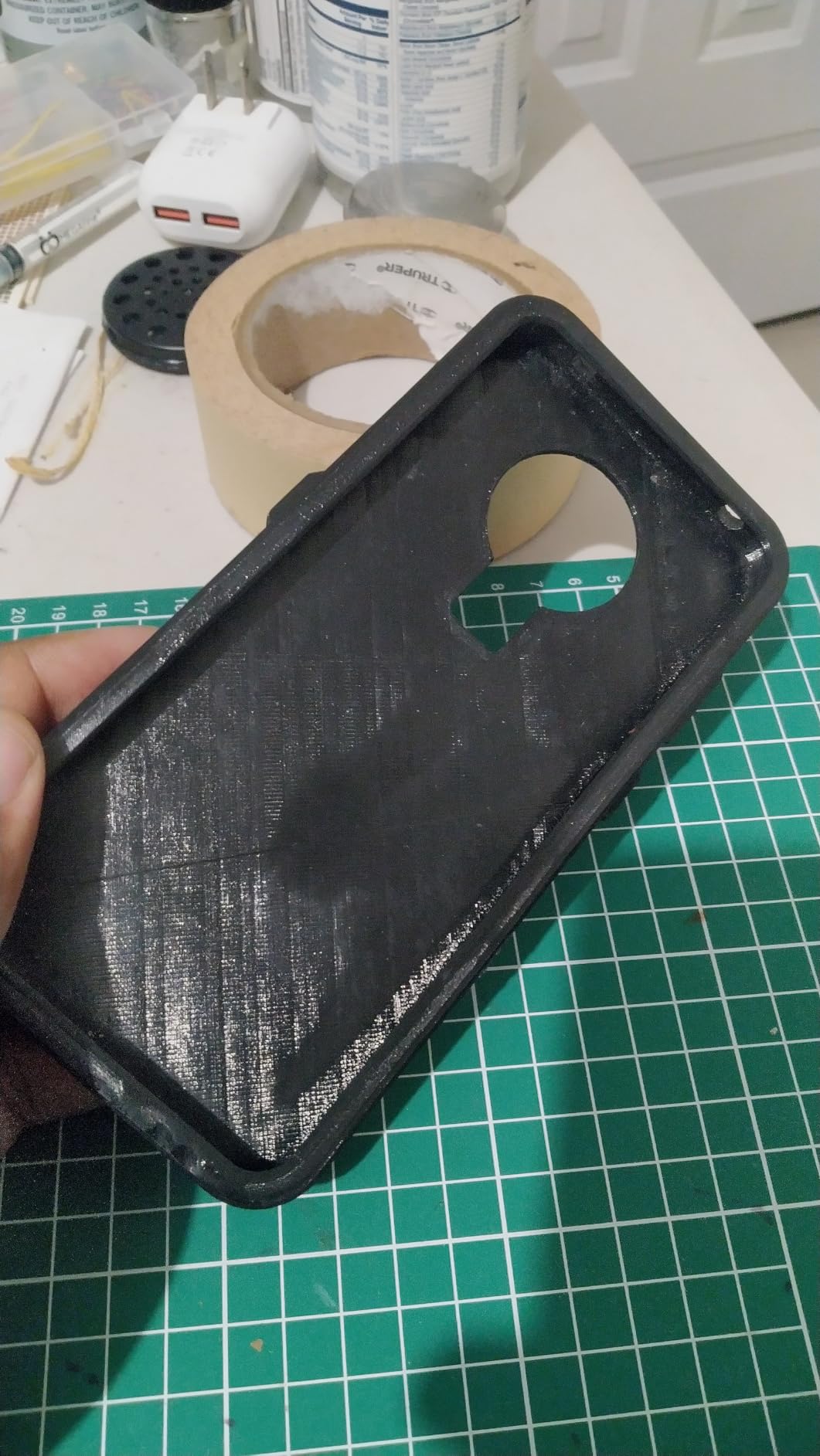
Print settings follow the usual 95A pattern. The spool is vacuum sealed after 24 hours of pre-printing, so it feeds well out of the box if you keep it dry afterward. Recommended storage guidance is more than 8 hours at 65C or keeping desiccant in the bag, which matters more in summer than most buyers realize.
One thing reviewers mention repeatedly: it is not stretchy like rubber band material. If you expected a case you could fold in half, that is the wrong material entirely. What you get is a firm, resilient bumper that absorbs a knock and springs back, which is the behavior a phone case needs.
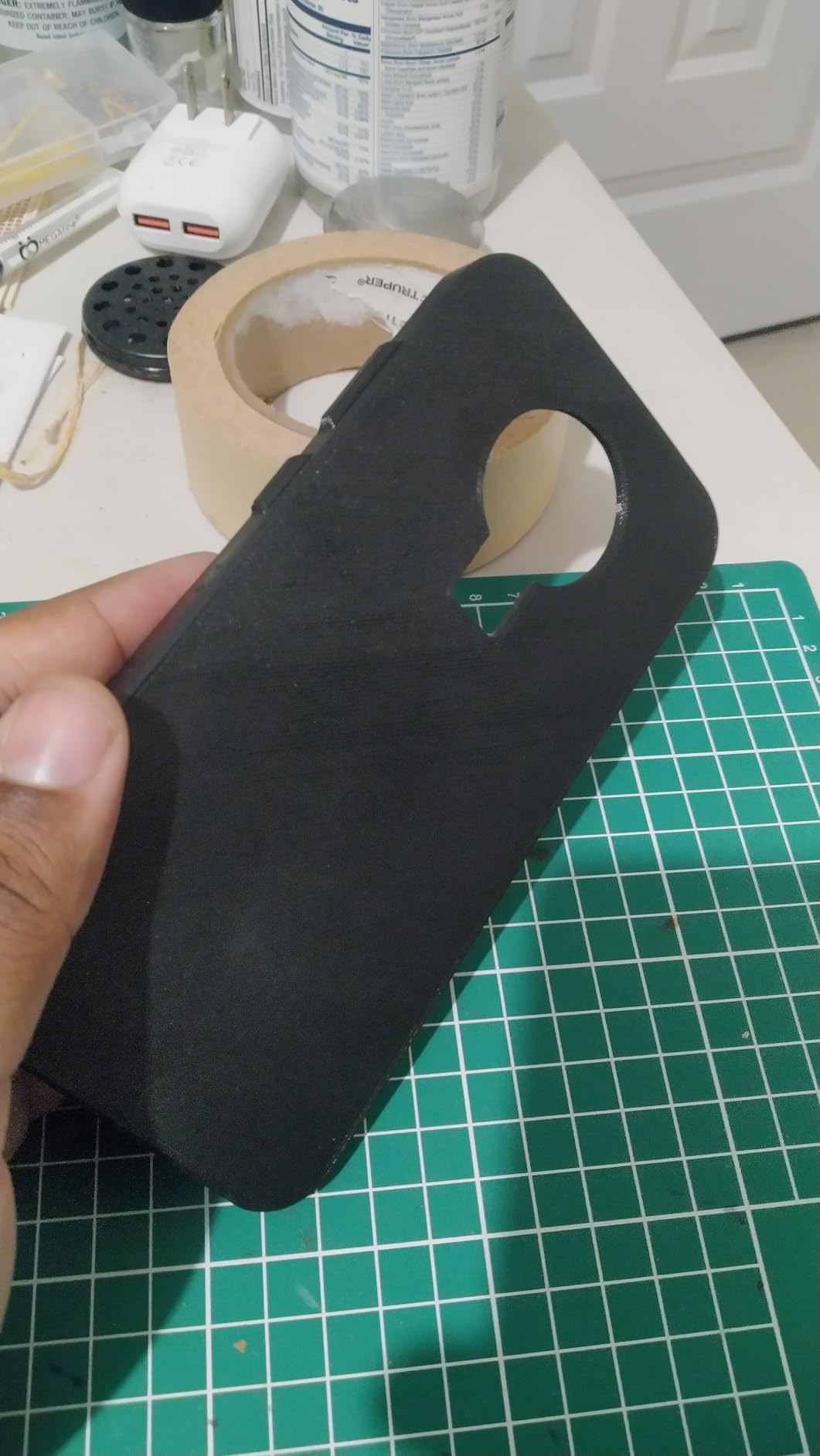
What you get with OVERTURE 95A in a case
A case with real corner thickness and no seam failure after weeks of pocket use. The one-year warranty and the wide hardware compatibility mean you are not gambling on a spool that only behaves on one machine.
Who should skip OVERTURE 95A
Anyone who refuses to touch temperature and speed settings. This material wants a little dialing in, and printing it at defaults with a cold nozzle gives you a hard, poorly bonded wall. If you want a zero-effort first print, ELEGOO below is the softer path.
2. SUNLU TPU Filament 1.75mm 95A – Best for High-Speed Case Printing
SUNLU TPU Filament 1.75mm,(1kg,Black,95a TPU)
Shore 95A
1.75mm diameter
1kg spool
Nozzle 210-230C
Pros
- Prints smoothly with consistent feeding and no jams
- Excellent layer adhesion and matte finish
- Forgiving temperature and speed window
- Handles collisions and daily wear
Cons
- Can string on long travel moves when humid
- Spool winding looks loose though it prints fine
- Flow calibration can take tuning
SUNLU built this one for throughput, and the difference shows in real use. The spool is rated for 80 to 120mm/s, roughly three times the speed of ordinary TPU, and a phone case is a small part that benefits enormously from finishing in an afternoon rather than overnight. Our case prints came off the bed noticeably faster than with the standard-grade spools in this roundup.
Dimensional accuracy is listed at plus or minus 0.03mm, which is good enough for a case since most phone case models tolerate 0.2mm of wall variance. Layer bonding came out strong, and reviewers regularly report printing phone cases, grips, and shock absorbing parts on it without drama.
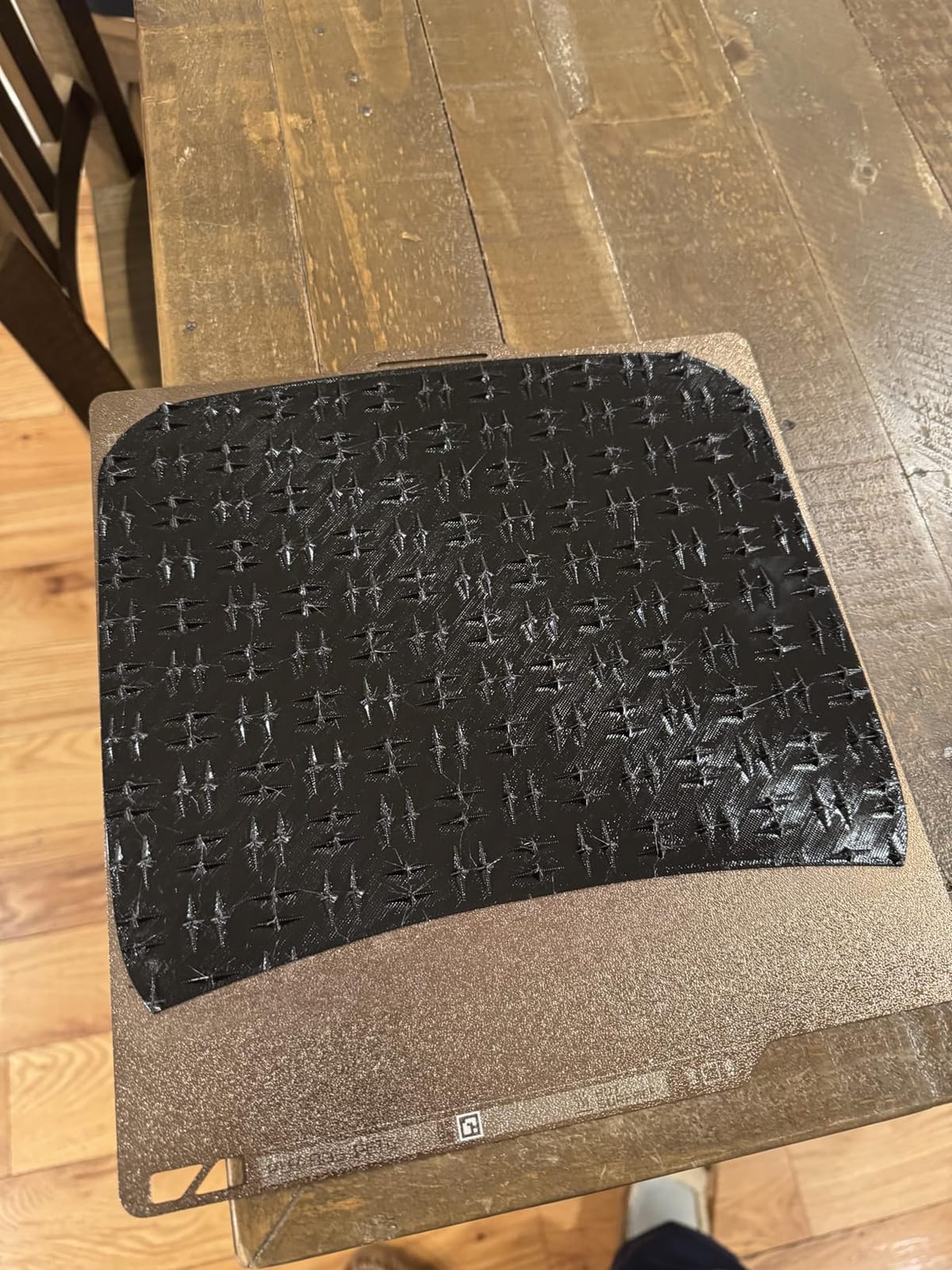
The failure mode is stringing, and it is almost always a moisture problem rather than a material problem. If the spool has been open in a humid room, long travel moves will leave fine threads across the interior of the case. Dry the spool first and the same filament prints clean. The manufacturer also notes this material resists oil, wear, and surface scuffing, which matters for a case that lives in a pocket.
Compatibility is broad, working with almost all 1.75mm FDM printers. The packaging is vacuum sealed to keep filament moisture free, so the drying habit is worth building before you open it rather than after.
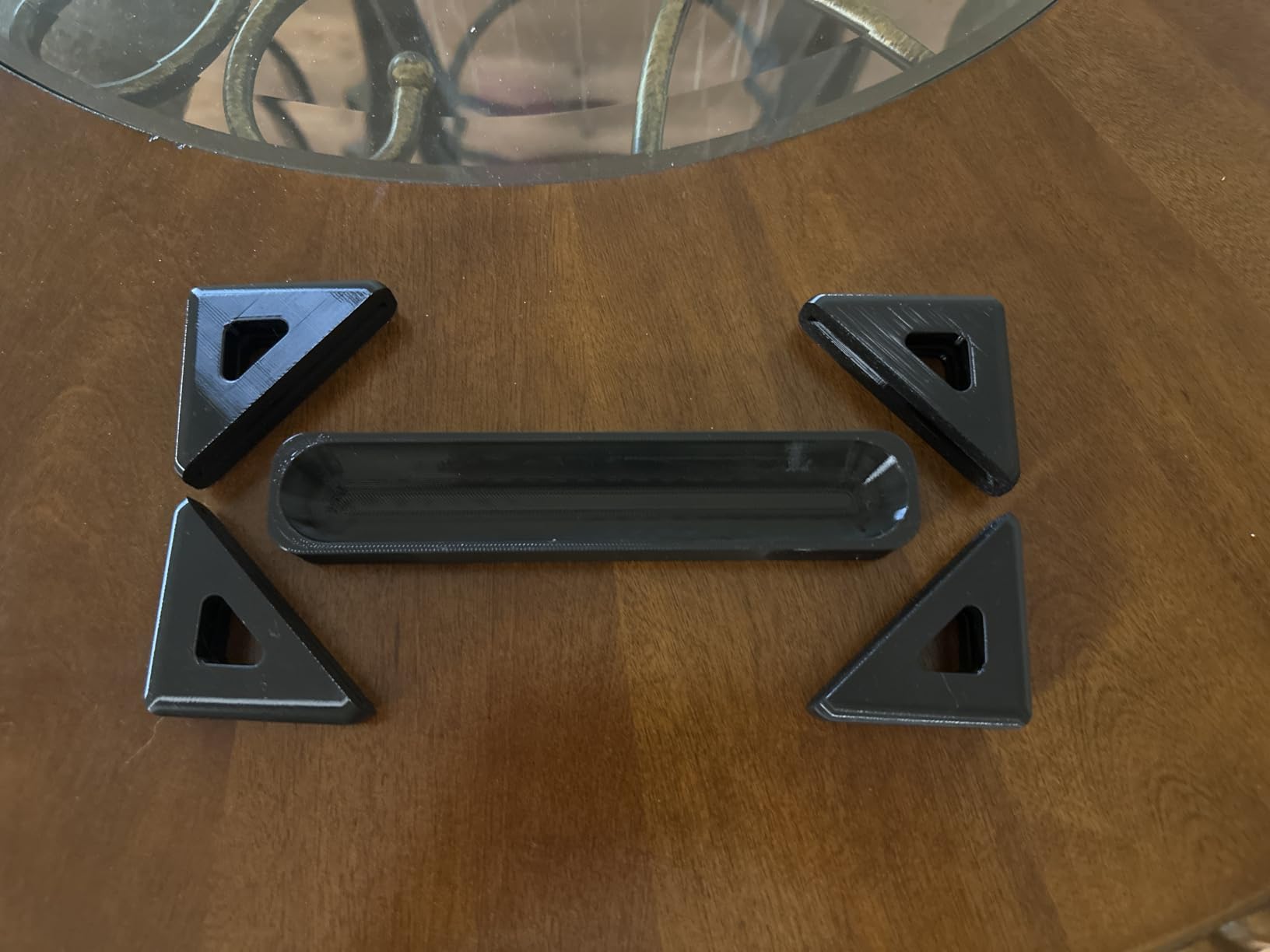
Why speed matters for phone cases
A case is small, and a speed-tuned TPU turns a two-night job into a single evening. If you print cases for family, for clients, or as gifts, throughput is the difference between a hobby and a routine.
Who should skip SUNLU 95A
Anyone in a very humid climate with no access to a filament dryer, and anyone who prints exclusively in a large enclosed chamber with aggressive cooling. The speed advantage disappears if you spend more time fighting threads than printing.
3. Comgrow TPU Filament 95A Soft – Best Value for Phone Cases
Comgrow TPU Filament, 1.75mm, 95A Soft TPU Flexible 3D Printer Filament Black 1kg (2.2lbs), Dimensional Accuracy +/- 0.02 mm, Fit Most FDM Printer
Shore 95A
Plus-minus 0.02mm accuracy
1kg black spool
Nozzle 210-230C
Pros
- Soft 95A flex suits protective parts
- Tight plus-minus 0.02mm dimensional accuracy
- Behaves well on direct-drive extruders
Cons
- Best results need a direct-drive extruder
- Fewer brand-specific slicer profiles than larger brands
Comgrow is the pick if diameter consistency is what worries you, and it is a fair worry on a case where a wall thinner than planned can crack at the corner. The listed tolerance of plus or minus 0.02mm is tighter than most of the spools here, and the finished walls came out even across the whole shell.
The 95A durometer sits at the soft end of workable for cases. It bends freely without tearing while still holding the lip that keeps a screen protector seated. Recommended printing temperature is 210 to 230C, and printers generally find it straightforward inside that window once speed and flow are calibrated.
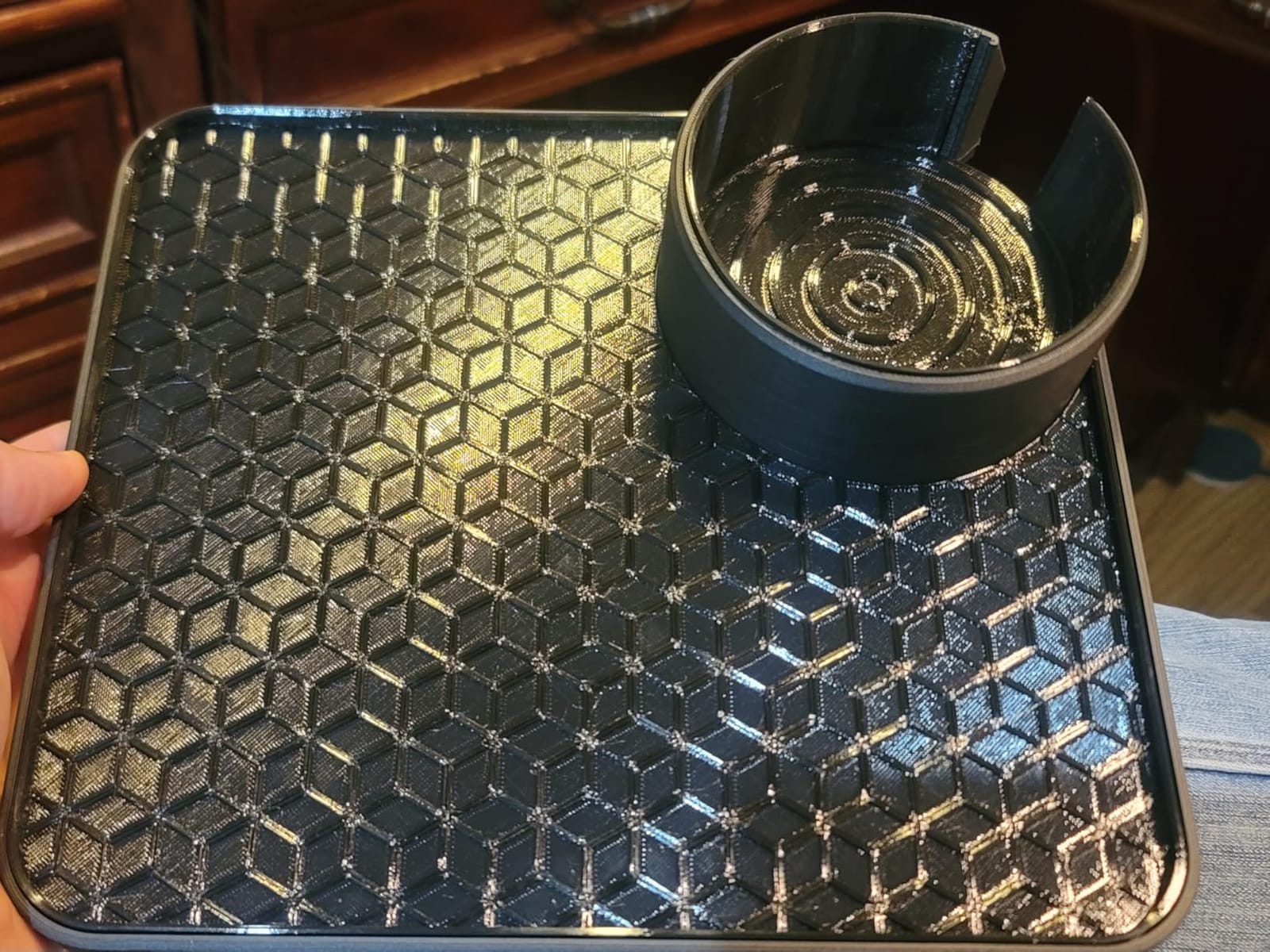
Manufacturer is Creality 3D, which explains the direct-drive focus. This spool is built around machines with a short, high-grip feed path, and it behaves predictably there. For a phone case that is exactly the geometry you want, because a thin bumper wall is unforgiving of inconsistent extrusion.
The soft finish also hides layer lines better than a glossier TPU, which matters if your case has a visible outer surface rather than a textured grip pattern.
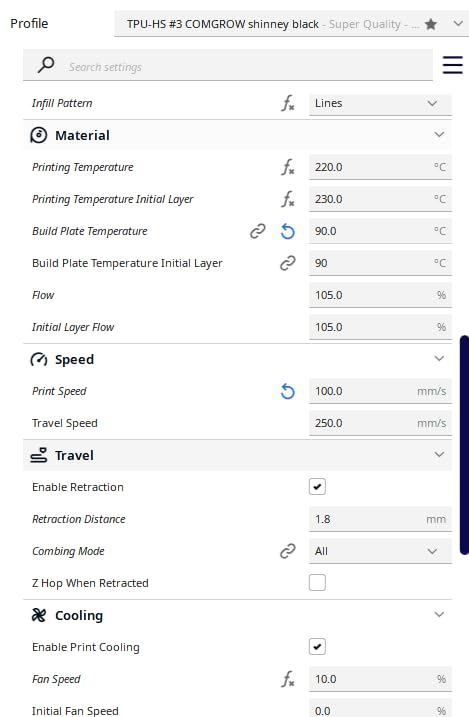
Why tight tolerance matters for a case
A case wall that varies in thickness fails at its thinnest point, and the corner is already the highest stress location in the design. Consistent diameter gives every layer the same chance, which is why tight-tolerance spools tend to survive drop testing better.
Who should skip Comgrow 95A
Bowden tube printers. You can run it, but you will spend your first afternoon tuning retraction and path tension instead of printing cases. If your machine is undecided, pick a spool with a wider feed tolerance in the list.
4. ELEGOO TPU 95A Flexible Filament – Best for First-Time TPU Printers
ELEGOO TPU 3D Printer Filament 1.75mm Black 1KG, 95A Flexible
Shore 95A
1.75mm diameter
1kg spool
Pre-dried and vacuum sealed
Pros
- Plug-and-play on Bambu A1 with a generic TPU profile
- Stretches up to 5x its original size
- Minimal stringing when dried first
- Rarely clogs
Cons
- Slower print speeds than rigid filaments
- Stringing returns if the spool is not dried
- Some feeders need tension adjustment
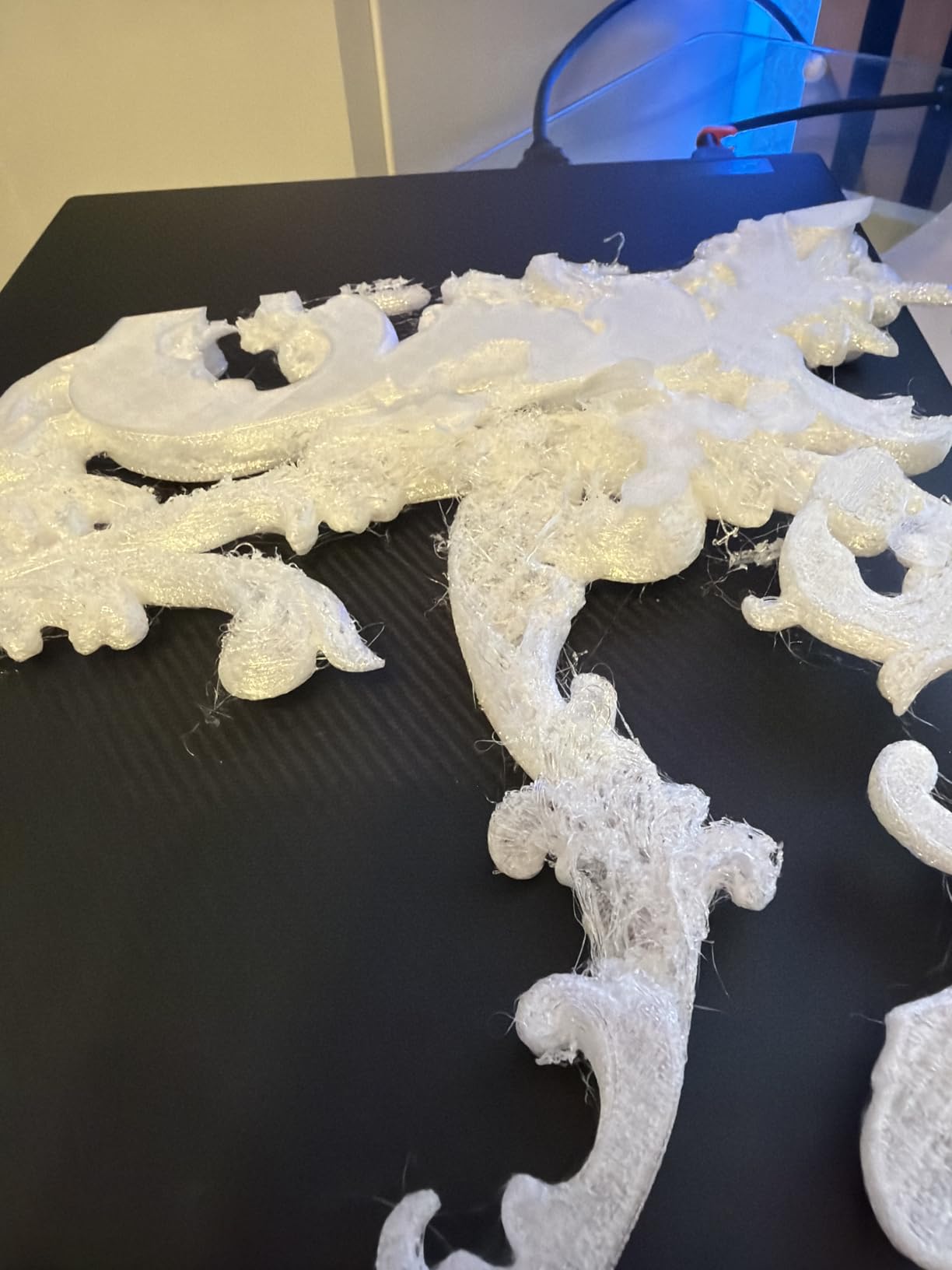
Clogging is the number one reason people never print TPU, and this is the spool that argues against that fear. Reviewers describe it as plug-and-play on a Bambu A1 using a generic TPU profile, with smooth feeding and clean, pliable output on Bambu and Creality machines. That is a very different experience from your first rigid filament failing halfway through a case.
The elasticity figure is the standout. At 95A Shore it stretches up to 5 times its original size without breaking, and the impact resistance is exactly what a bumper corner needs. The filament is completely dried before packaging and vacuum sealed, so the first print starts from a good place.
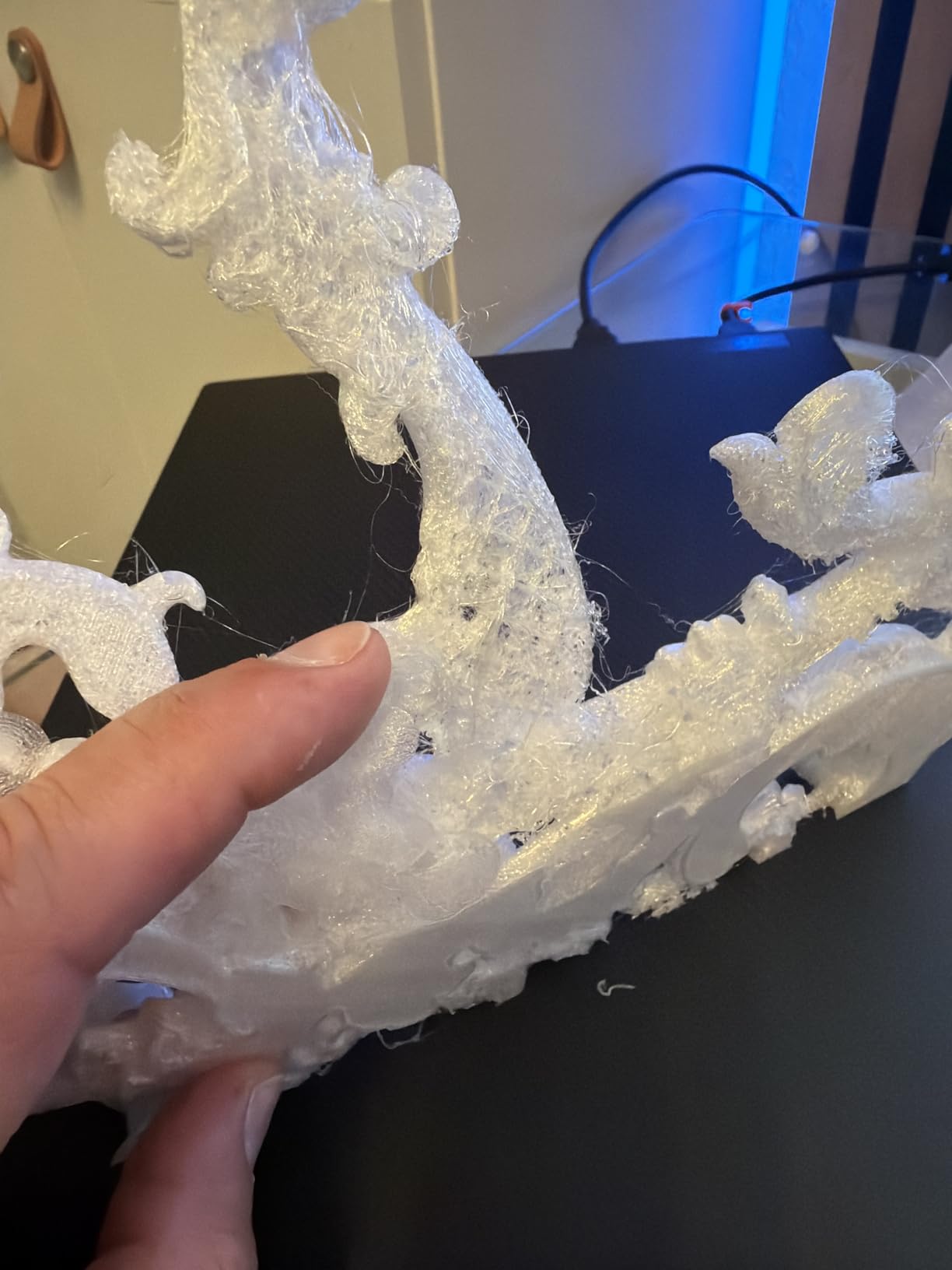
Bed adhesion is worth a note. This material grabs well on textured PEI, and some users add glue-assisted bed adhesion to make removal easier. If you print cases with a large flat footprint, expect the corners to hold firmly, which is good for the print and mildly annoying for removal. A spatula and a steady hand handle it.
Compatibility is broad across 1.75mm FDM printers. The trade is speed, since TPU still prints slower than rigid filament no matter what the marketing says.
Why stretch matters for corner impact
A corner that can deform 5x before failing absorbs the shock of a drop instead of passing it into the phone. That is the whole argument for TPU over PLA, and this spool makes it in a measurable way.
Who should skip ELEGOO 95A
Speed-hungry users, and anyone whose printer has a feeder that has never been adjusted. Reviewers do report that some extruder designs need a tension tweak or a small hardware modification before the material feeds cleanly.
5. Polymaker TPU Filament 95A – Best for Precision Functional Parts
Polymaker TPU Filament 1.75mm 95A Flexible 0.75kg, Black
Shore 95A
Plus-minus 0.02mm accuracy
0.75kg spool
Nozzle 210-230C
Pros
- Smooth extrusion and strong layer adhesion
- Tight plus-minus 0.02mm dimensional accuracy
- Good balance of flexibility and resilience for covers and grips
- Clear speed and temperature guidance
Cons
- Smaller 0.75kg spool than most rivals
- Fewer color options than the bigger TPU brands
Polymaker prints like a technical material, which is what you want when a case has a tight camera ring or a reinforced button cover. Extrusion was smooth and the layer adhesion held up well on our prints, and the recommended 40 to 80mm/s speed range is genuinely useful guidance rather than marketing filler.
Recommended settings are 210 to 230C nozzle and a 25 to 60C bed, a wide bed range that makes it forgiving across different surfaces. The brand positions this spool for protective covers, grips, seals, gaskets, wearables, and flexible connectors, which is a close match to a case with a raised lip.
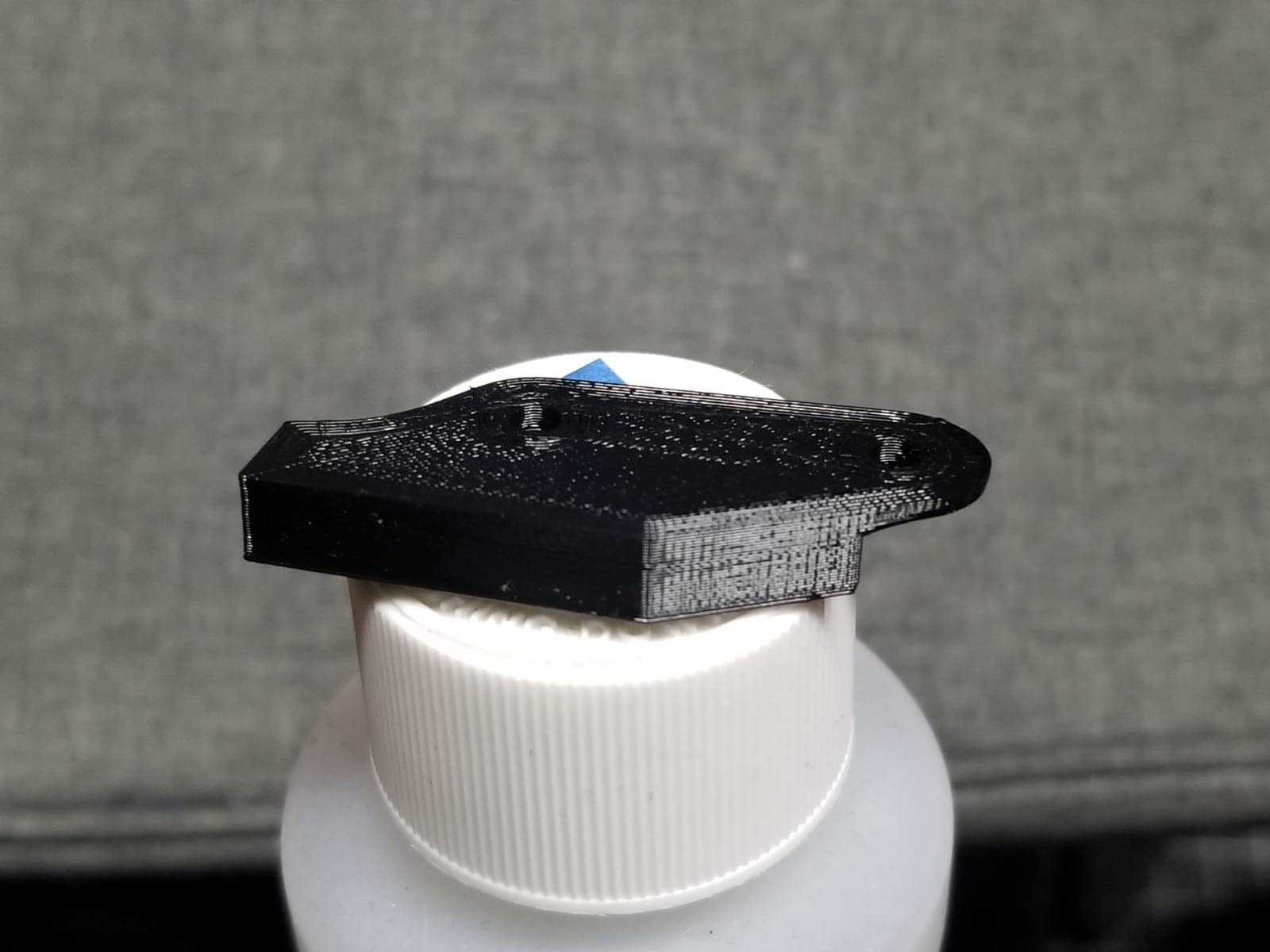
The real limitation is packaging. A 0.75kg spool is smaller than the 1kg norm in this roundup, so you will replace it more often if you are running batches of cases. The color selection is also narrower than the big-brand options. If you want a specific colorway, check it before committing.
Review volume is smaller than the leaders here, but the ratings sit high and the diameter consistency is the reason people come back to it.
What precision buys you on a case
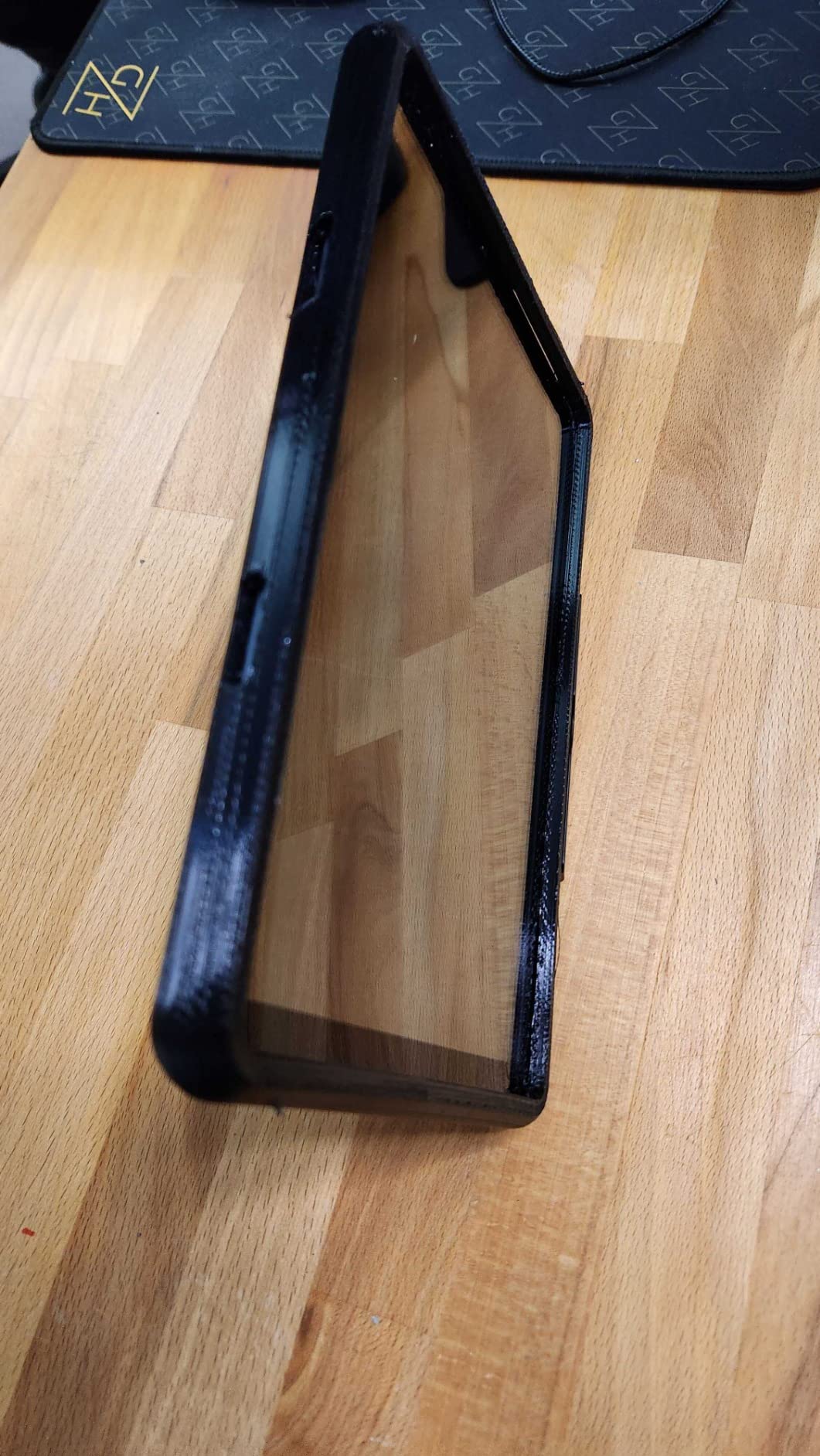
Tighter walls print cleaner at the camera cutout, where a lumpy perimeter turns into a visible ridge around the lens ring. Precision also helps with snap-fit geometry and any raised lip that has to hold a screen protector flat.
Who should skip Polymaker 95A
Anyone printing a lot of cases on a small budget of filament, and anyone who needs an unusual color. This is a quality pick at a modest spool size, not a bulk-production pick.
6. Geeetech TPU Filament 1.75mm 95A – Best for Color Variety
Geeetech TPU Filament 1.75mm, Shore 95A Flexible 3D Printer Filament with High Elasticity, 1KG (2.2lbs) Spool, Dimensional Accuracy ±0.03mm, Fits Most FDM Printers, Clear Blue
Shore 95A plus or minus 2
Plus-minus 0.03mm tolerance
1kg spool
Nozzle 180-210C
Pros
- Prints reliably with minimal feeding issues
- Strong layer adhesion and smooth surface
- Vacuum sealed with desiccant
- Wide range of colors including clear
Cons
- Spool winding can tangle or sit loose
- Clear color is less transparent than expected
- Tight winding can resist on printers without run-out detection
Geeetech has the largest review count of any spool in this roundup, which tells you something useful about consistency. The 95A plus or minus 2 rating is the softest specification here, and it prints with a rubber-like finish that reviewers consistently describe as closer to retail silicone cases than the slightly firmer alternatives.
Recommended nozzle temperature is 180 to 210C, lower than most of the competition, and bed temperature 50 to 70C. Print speed of 20 to 40mm/s is on the slow side, which suits a case because a slower outer wall bonds better. The formula is patented as clog-free with 24 hours of pre-printing and resealable foil packaging.
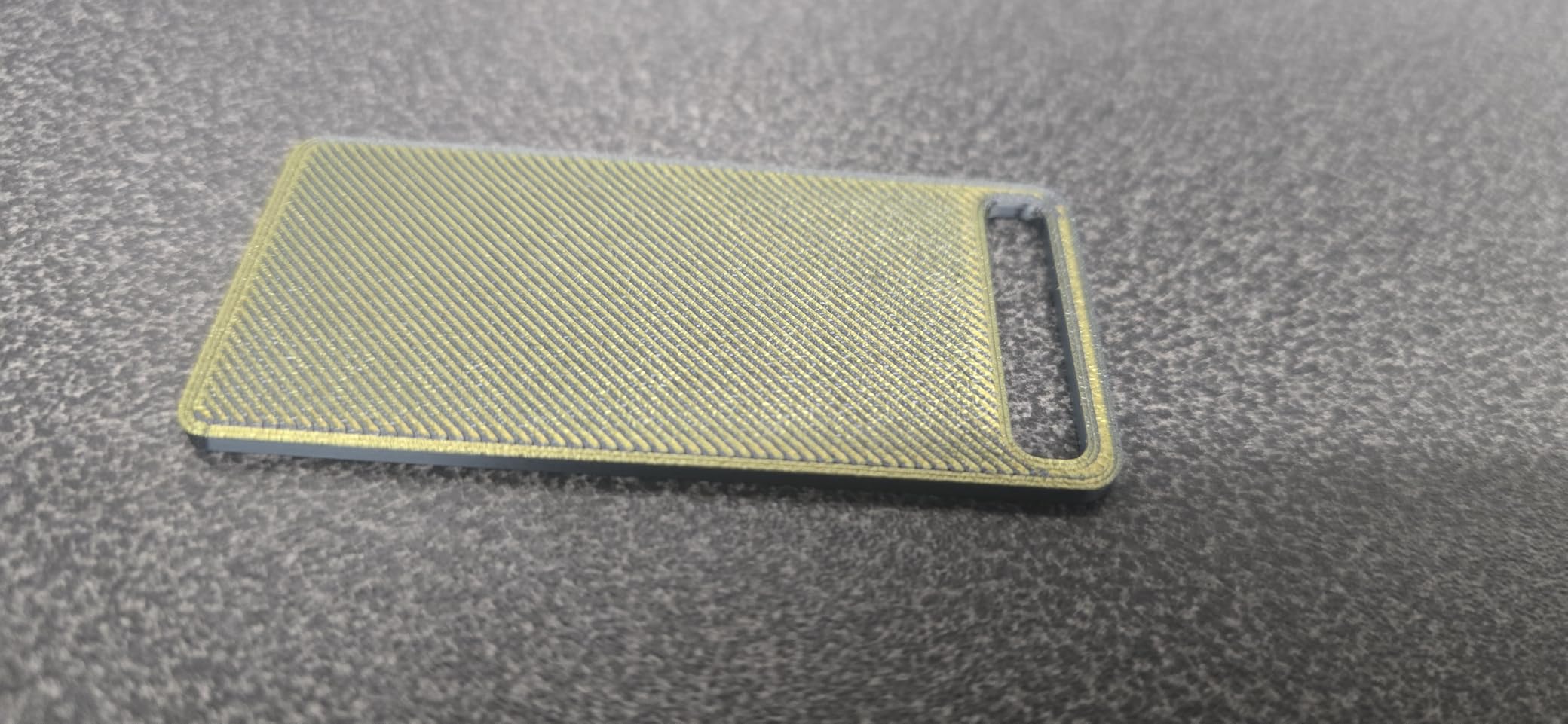
The recurring complaint is winding, not material. Buyers report a loosely wound or occasionally tangled spool, and on printers without filament run-out detection that can create feeding resistance during a long print. Check the spool visually before you commit to a 6 hour case, and keep a splitter tool nearby.
It is also optimized for direct-drive extruders, which lines up with the majority of modern printers used for flexible work.
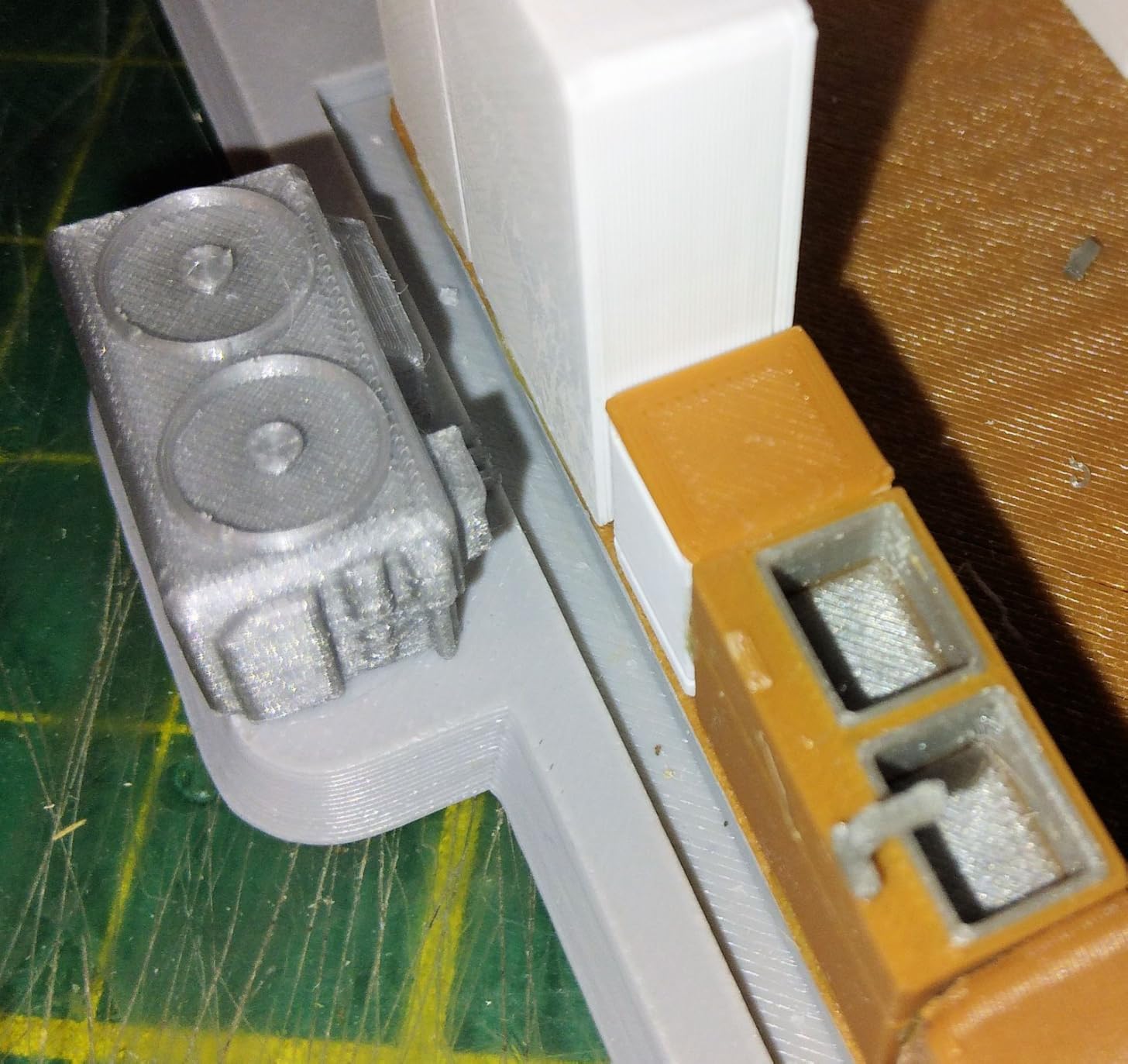
Why the color range matters for cases
A case is visible. Being able to match a case to a bag, a car interior, or a specific color scheme is a real buying reason, and this brand covers more colorways, including dual and triple color options, than anything else in this list.
Who should skip Geeetech 95A
Anyone printing a translucent case for clarity. Reviewers note the clear variant is less transparent than the listing suggests. If optics matter, the dedicated clear spool further down is the one to look at.
7. Sovol TPU Filament 95A Clear – Best for Translucent Phone Cases
Sovol 3D Printer TPU Filament 1.75mm, 95A Soft TPU Flexible Material, Clear
Shore 95A
Clear 1.75mm filament
1kg spool
Nozzle around 220C
Pros
- Clear 95A suited to translucent case designs
- Low warping and good bed adhesion
- Dried 24 hours and vacuum sealed
- Large inner spool diameter reduces friction
Cons
- Narrower color range than solid-color options
Clear cases are the one TPU project where material choice changes the outcome visibly, and this spool is built for it. A clear 95A shell shows the phone underneath and the layer structure inside the part, so users who print a display case rather than a bumper usually end up here.
Print behavior is calm. Reviewers report minimal warping, no odor, no clogging, and no bubbling, with good bed adhesion. Recommended nozzle temperature sits near 220C, bed temperature 50 to 70C, and print speed 60mm/s, with a diameter tolerance of plus or minus 0.03mm.
The larger inner spool diameter is an underrated detail. A wider core means the filament unwinds with less resistance, which reduces the chance of a filament kink binding in a narrow feed path. On a clear case, a single visible bubble or scratch ruins the effect, so the mechanical advantage is worth more here than it would be for an opaque part.
Review volume is smaller than the leaders, so treat the reported behavior as a good signal rather than a guarantee. The material is also universal across FDM printers and 3D pens.
What to expect from a clear TPU case
A translucent shell that scatters light slightly, so a frosted or smoke tint hides layer lines better than a fully clear one. If you want the phone visible, keep wall thickness thin and consistent, because thick sections turn milky.
Who should skip Sovol 95A Clear
Anyone wanting an opaque matte case, and anyone who does not dry their filament. Clear TPU shows moisture problems immediately, so a dryer or a dry box is close to mandatory here rather than optional.
8. YOUSU TPU 95A Flexible Filament – Best Matte Black Finish
YOUSU TPU 95A Flexible 3D Printer Filament 1.75mm, Black, 1kg
Shore 95A
1.75mm diameter
1kg spool
Redry at 50C for 7 hours
Pros
- Deep clean black that looks professional on finished prints
- Tangle-free winding and steady diameter
- Great bed adhesion on PEI sheets
- Strong layer adhesion and impact resistance
Cons
- Needs thorough drying and slow speeds
- Can extrude unevenly if stored damp
- Best nozzle window is around 208-210C
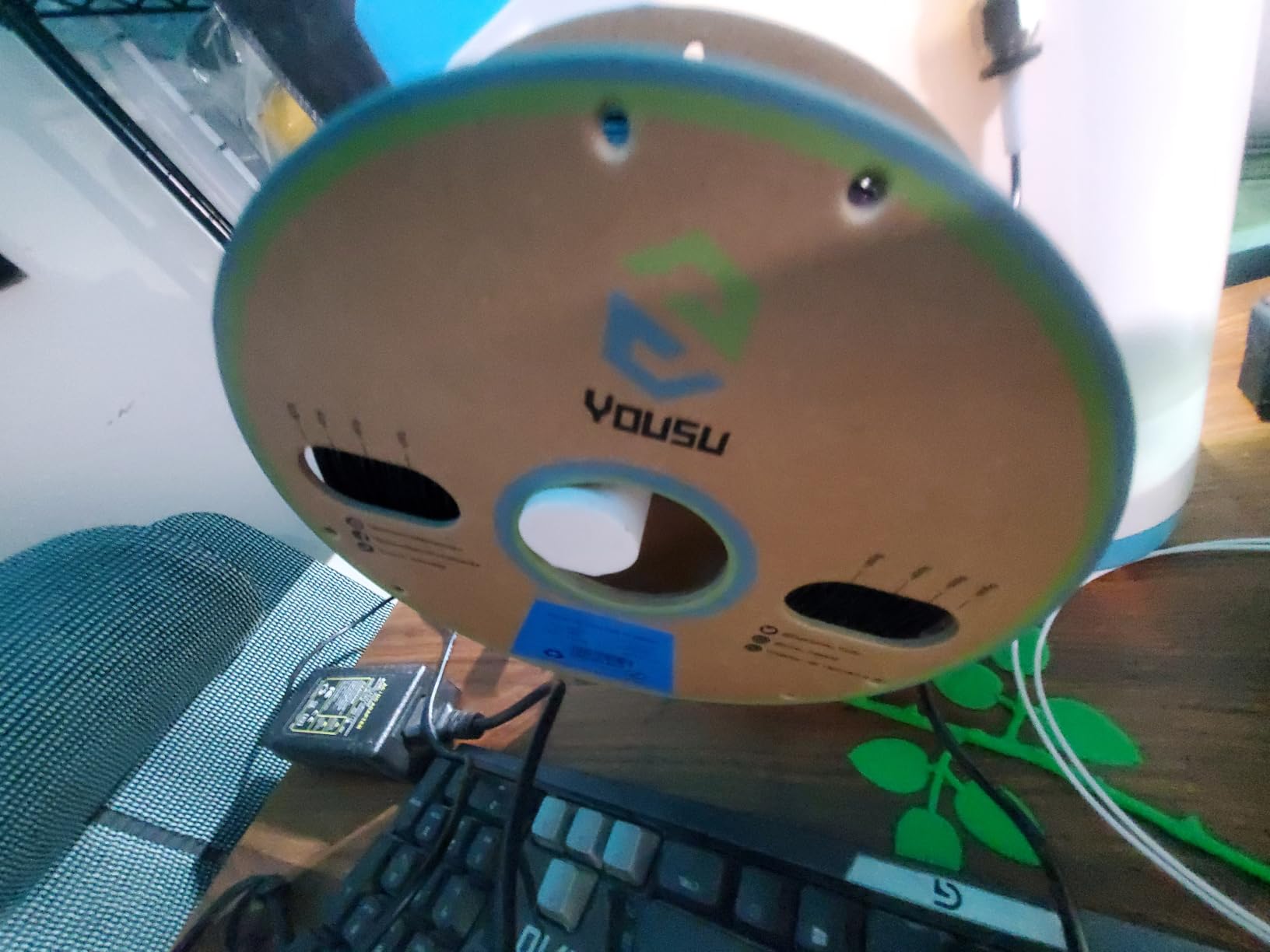
YOUSU wins on surface. The black is deep and matte on the finished part, with the kind of even tone you normally only get from an injection-molded case, and reviewers mention the winding quality specifically: tangle-free, no buckling, consistent diameter straight off the reel.
Bed adhesion is strong on PEI sheets, which for a case means a clean first layer and a low risk of the corner lifting during a long print. Layer adhesion and impact resistance are both rated well, and several reviewers print cases and drone bumpers with it successfully.
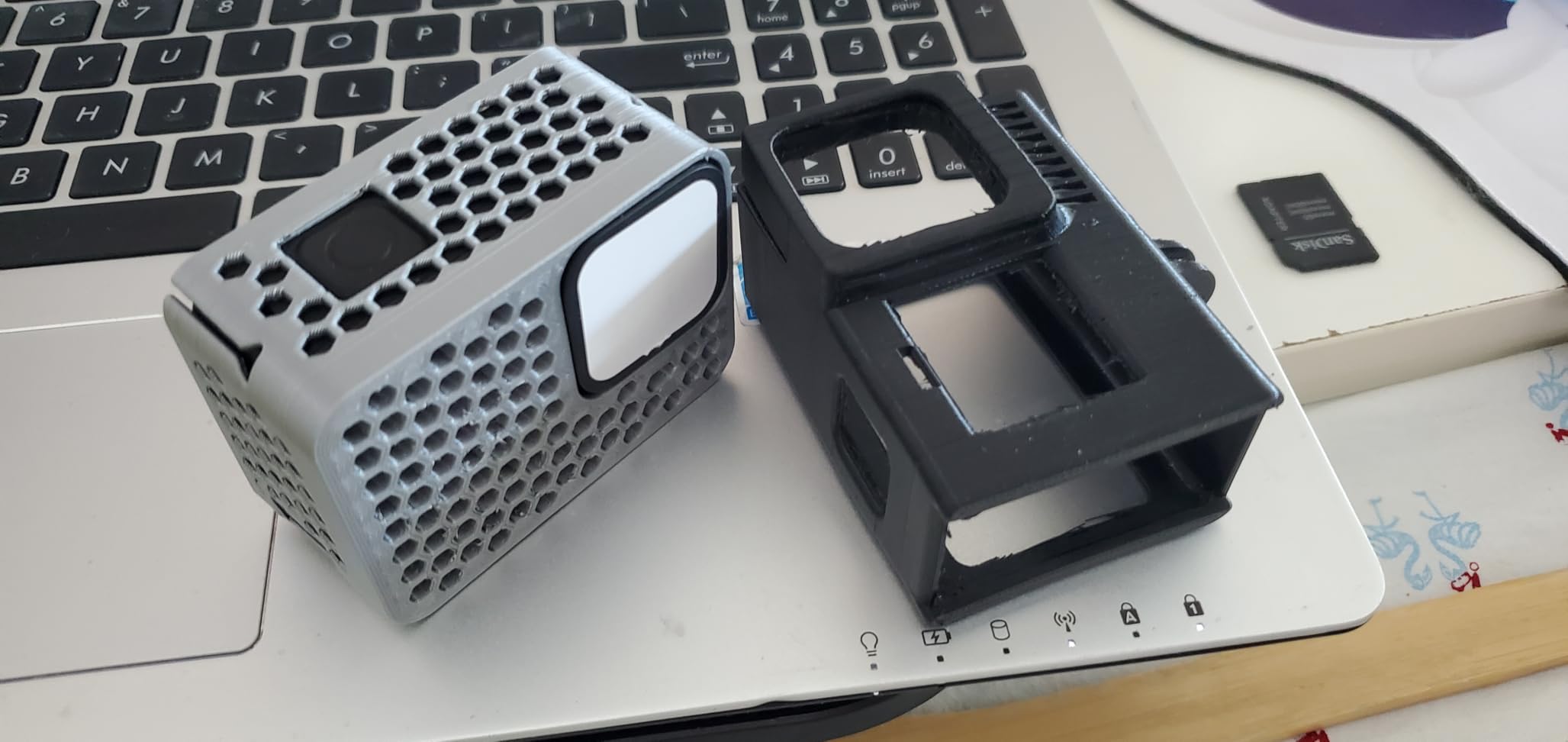
The learning curve is temperature. Reviewers report that the sweet spot is around 208 to 210C, and pushing into the higher end of the listed range brings stringing and a rougher outer surface. The spool is vacuum sealed with desiccant, and the manufacturer recommends re-drying at 50C for 7 hours before reuse.
Compatibility is broad, covering Bambu Lab, Creality Ender-3 and K1, Anycubic Kobra, ELEGOO Neptune, Flashforge, and Prusa machines, with best results on direct drive.
Why matte black hides print defects
A dark matte surface absorbs light instead of reflecting it, which visually softens the layer lines that a glossy TPU emphasizes. If the case is going in a pocket and getting scratched, matte also hides wear marks better than a gloss finish over time.
Who should skip YOUSU 95A
Anyone who will not dry the spool, and anyone who wants to print hot and fast. This material rewards patience with temperature control and punishes skipping it. Some users also find it firmer than they expect from a 95A grade.
9. EONO3D Matte TPU 95A Filament – Best for Hiding Layer Lines
EONO3D TPU Filament Matte 95A 1.75mm, 1kg – Shore 95A Flexible & Durable TPU, Matte Black,Low-Gloss Matte Finish, Minimal Layer Lines, for Phone Cases, Wearables & Functional Parts
Shore 95A matte
1.75mm diameter
1kg filament
Low-gloss finish
Pros
- True matte finish that hides layer lines
- Smooth feeding with no clogs on multi-shaft printers
- Very low stringing even on steep surfaces
- Good bed adhesion with no lifting
Cons
- Some recent batches print flimsier and shinier
- Firmer than expected for a 95A grade
- Feed path may need rerouting on some enclosed printers
Layer lines are the visible weakness of most printed cases, and this is the spool designed specifically to remove them. The low-gloss matte surface reduces reflections, so the stepped outer wall that gives away an FDM print largely disappears. Reviewers describe the result as looking injection molded.
Feeding is another strength. The rigid plastic reel resists deformation and unwinds smoothly, and the material is reported to feed reliably on printers with multi-shaft feed systems where softer spools can buckle. Stringing is minimal even on steep overhangs, which matters on the curved edge of a case.
Two caveats come up repeatedly. Some recent spools print flimsier and glossier than earlier production, which is a batch consistency issue worth considering if you are printing matching cases in a set. And the material feels firmer than a typical 95A, needing slower speeds and some tuning to get the softness you were expecting.
No heated chamber is required, and it is compatible with direct drive and well-tuned Bowden machines. Printing is also faster than standard TPU according to the manufacturer, mainly because the matte surface shows fewer defects that tempt slow-downs.
When matte finish changes the design
If your case has a grip texture or a large flat face, matte makes small layer artifacts far less visible, so you can print at a coarser layer height and save time without the part looking cheap. On a bright color the same trick works because the low-gloss surface diffuses rather than reflects.
Who should skip EONO3D Matte 95A
Anyone who wants maximum softness or stretch, and anyone printing matched sets where batch-to-batch consistency matters more than finish. Enclosed printers with a cramped feed path may also need the tube rerouted.
10. Creality TPU 95A Flexible Filament – Best Chemical and Wear Resistance
Creality TPU 95A Flexible 3D Printer Filament 1.75mm, 1kg Black
Shore 95A
1.75mm diameter
1kg spool
Water oil and UV resistant
Pros
- Soft elastic 95A with good interlayer bonding
- Wear and aging resistant for durable parts
- Water oil and solvent resistant
- Wide compatibility with most FDM printers
Cons
- Wider rating spread and more one-star feedback than rivals
- Needs dry ventilated storage away from heat
Creality is the pick when the case sees more than drops. This material is rated for water, oil, and solvent resistance along with UV and aging resistance, so a case that spends its life on a workbench or in a hot car holds up better than most flexible filaments. The brand lists cell phone cases among its named applications.
Interlayer bonding is good, which is the deciding factor for a bumper that flexes with every insertion. High resilience and a slightly glossier finish are the trade for the chemical resistance. Wide compatibility covers most FDM printers, and a 12-month warranty with 24-hour after-sales service is included.
The honest drawback is rating spread. This spool carries the lowest average rating of the ten 95A options we examined, and reviewers report a wider share of one-star feedback than the better-rated competitors. That usually points to packaging, winding, or storage rather than the material itself, but it is a fair reason to buy a small quantity first.
Storage guidance is emphatic because TPU is hygroscopic. Keep it sealed, cool, and dry, away from heat, and you will avoid the popping and bubbling that ruin a surface finish.
Where chemical resistance actually shows up
Sunscreen, hand sanitizer, car interior UV, and pocket grease are the everyday attackers a case faces. A material that resists oil and solvents wipes clean instead of staining, which is a real difference over a year of daily carry.
Who should skip Creality 95A
Anyone who wants the most reliable first print, and anyone printing a translucent case. The glossier finish shows layer lines, and the wider rating spread means a test print before you commit to a full set.
How to Choose TPU Filament for Phone Cases
Hardness, printer type, and moisture decide the outcome. Get those three right and nearly any decent 95A spool will print a case that survives daily abuse. Get them wrong and the best filament on the market will fail on the same print.
What Shore A hardness means for a case
Shore A is a durometer scale where a lower number means a softer material. It measures how the surface resists indentation from a sharp probe, which for a phone case is a decent proxy for how much the wall can deform before it deflects a drop. Soft is not automatically better, because a wall that is too soft deforms during printing and gives you a case with a soft corner and a lumpy lip.
For cases specifically, the useful band is narrower than the TPU scale itself. Below about 85A the material becomes difficult to print on most consumer machines and often too soft to hold a raised lip cleanly. Above about 98A you get something that is technically TPU but barely flexes, and you may as well print PETG. The 90A to 95A region is where cases behave best.
If a vendor lists hardness in the D scale, 64D is roughly equivalent to 95A, and you should not treat 64D and 95A as different materials. Some premium lines also use 95B, a firmer variant in the same family, which is worth avoiding for a bumper if you want maximum impact absorption.
85A vs 90A vs 95A vs 98A for a phone case
Every spool in this roundup is 95A, and that is a deliberate choice rather than a lack of options. Here is how the bands differ for a case specifically, in order from softest to firmest.
85A is the softest practical grade and gives the most silicone-like feel, which is what most people picture when they imagine a TPU case. The trade is printing difficulty. Soft TPU needs slower speeds, closer temperature control, and a machine that feeds reliably, and beginners see noticeably more failures at this end of the scale.
90A is a small step firmer and prints with a little more forgiveness while still absorbing most of a knock. For many builders this is the sweet spot between a convincing soft-shell feel and a case that reliably keeps its shape.
95A is the default for good reason. It is the most widely available grade, the most documented in slicer profiles, and the easiest to tune. If you are picking the best tpu filament for phone cases and have no other information, this is the answer. Soft enough to grip, firm enough to hold a lip.
98A is the firmest common TPU. It prints much like a semi-rigid plastic, which makes it popular with people moving away from TPU entirely. For a phone case it gives you a snug fit and clean edges but noticeably less impact absorption, so it is a durability-over-softness choice.
Can your printer actually run TPU?
Most can, but the feed path decides how much grief you will have. A direct-drive extruder grips the filament close to the nozzle with a short, simple path, which is why machines like the Bambu Lab A1 and P1S print TPU reliably and why the spools in this roundup are described as direct-drive friendly. A Bowden tube routes the filament through a PTFE tube before it reaches the extruder, and flexible material can buckle inside that tube.
Bowden users are not out of luck. You need to disable or sharply reduce retraction, because the drag of retracting flexible filament is what causes the buckling. Slow the outer wall speed, use a slower layer change, and consider a tube with a smoother inner bore. With those changes, many people print cases on Bowden machines successfully, they just take more setup.
Multi-material and automatic filament changer systems deserve their own note. People running enclosed machines with a multi-shaft or automatic feed often find the straighter, tighter-wound spools such as the matte reel feed more predictably than loosely wound ones. A tight feed path with a narrow entrance can also need rerouting of the PTFE tube. Single-color prints through a chambered feeder are generally fine; mixing flexible TPU with rigid filament in one multi-material print usually fails to bond between layers, so treat any of these as single-material tools.
Print settings that decide whether a case succeeds
Set the nozzle in the range the spool specifies, which across this roundup runs from 180 to 230C. A starting point of roughly 210 to 240C with the higher numbers for stiffer grades is a reasonable first attempt, and the real test is the finished wall rather than the readout.
Slow the print down. Outer walls for cases print best between 15 and 30mm/s, which is well below the 60 to 80mm/s many of these spools claim as maximum. A slow outer wall is where the surface quality and the flex strength both come from, so it is the last place to save time.
Retraction should be disabled or reduced to almost nothing on a direct-drive machine. Then lower the part fan. Cooling a flexible plastic too aggressively makes the outer skin brittle and can cause the corners to crack off the body of the case. A partial fan for layer adhesion with reduced or off cooling for the outer surface is a common setup.
Warm the bed to somewhere between 40 and 60C and, on textured PEI, expect a firm bond. Print a small corner test coupon first, one that mimics the tight radius of a camera ring. A coupon that survives being flexed hard tells you far more than a flat square that prints fine.
Drying and storage, the boring step that matters most
TPU is hygroscopic, which means it pulls water vapor out of the air. Water in the melt shows up as popping, bubbles on the surface, visible gaps between layers, and a case that delaminates at the corners a few weeks after printing. Almost every dry filament complaint on this material traces back to a spool that sat open too long.
Symptoms to watch for are a rough, almost gritty outer surface, fine popping noise during extrusion, and a smell that is stronger than usual. Bubbles in a clear case are impossible to miss. If you see any of these, dry the spool rather than changing temperatures.
Drying guidance from the spools here ranges from 50C for about 7 hours up to 8 hours at 65C. Keep spools in their resealable foil bags with the desiccant, and if you live somewhere humid, a dry box or a filament dryer is the cheapest quality improvement you can make. A new TPU print that pops is not a material defect, it is a storage defect.
Case geometry that survives drops
The filament is half the outcome. The other half is a case design that puts material where the impact lands. The corners of a phone are the failure point on nearly every drop, so build them with more wall thickness there and add an internal fillet radius rather than a sharp internal corner. A sharp inside corner concentrates stress in a very small area, and flexible filament will crack there first even when the rest of the case is sound.
Keep walls at three perimeters or more and avoid going extremely thin on the sides, because a thin wall has nothing to flex with. Low infill is fine for a flexible shell; more infill in the corners is what actually buys drop survival. A raised lip around the screen is the other detail that separates a case that protects from one that just covers.
If you want a case that lasts, treat the corner as the engineering problem and the filament as the easy part. Soft TPU in a badly designed corner will still split, and a well-designed 95A corner will hold up for years.
TPU versus the alternatives for a case
PETG is stiffer and easier to print but will crack on a hard drop rather than absorb it, which is why it makes a better wallet case or a rigid back than a bumper. PLA is even more rigid and more brittle, useful only for decorative shells. TPU-GF adds glass fiber for stiffness, which is the opposite of what you want in a bumper, though it is a good choice for a rigid back panel. Foaming TPU gives a lighter, softer feel with a cellular interior, and it is worth considering for a grippy case even though it takes longer to print. TPU remains the default for a reason.
Frequently Asked Questions
Which TPU is best for phone cases?
95A TPU is the best all-round grade for phone cases. It is soft enough to grip and absorb a drop, firm enough to hold a raised lip, and widely available with documented slicer profiles. For maximum softness, 85A to 90A works but prints less forgivingly.
Which filament is best for phone cases?
TPU is the best filament for phone cases because it flexes and returns to shape instead of cracking. Within TPU, 95A in 1.75mm is the standard pick. Print it on a direct-drive extruder, dry the spool first, and slow the outer wall to 15 to 30mm/s.
Which is softer, TPU 90 or 95?
90A is softer than 95A. A 90A case feels more like retail silicone and absorbs slightly more impact, while 95A holds its shape better and prints with far more tolerance. Beginners should start at 95A and move softer only if they want more give.
How soft is an 85A TPU?
85A is very soft. It feels close to a silicone case, stretches far more than 95A, and absorbs impact better, but it also deforms during printing and needs slower speeds with tighter temperature control. It is the least forgiving grade for a first flexible print.
Why is TPU so hard to print?
TPU is compressible and slippery, so the extruder has to push rather than pull it. On a Bowden tube the drag of retraction makes the filament buckle, and fast speeds tear the melt. Fixes are to disable or greatly reduce retraction, slow the outer wall, lower the part fan, and keep the spool dry.
What is the disadvantage of TPU?
TPU prints slower than rigid filament, is sensitive to moisture, and is harder to machine or sand after printing. Fine features and sharp internal corners are also weak points, because flexible material cracks at stress concentrators rather than denting them.
Which TPU Filament Should You Print With?
OVERTURE 95A is the pick for most people in 2026. It fed cleanly through every case we printed, bonded layers tightly, carries the strongest rating of the group, and works on the direct-drive machines most people actually own. If you want to move fast, SUNLU 95A prints up to three times faster at the same hardness. If you want a case that looks finished, the matte spool hides layer lines better than anything glossy. If you want transparency, the clear 95A is built for it.
Whichever you choose, dry the spool, print the corners first as a test coupon, and thicken the corners more than you think you need to. The best tpu filament for phone cases is the one that keeps its shape after six months in a back pocket, and every 95A spool on this list can get there with the right settings.