If your tap water tastes like coins and your lease says no modifications, the best countertop reverse osmosis systems for apartments solve a problem most under-sink filters cannot: they need no drill, no plumber and no faucet hole. They sit on the counter, plug into a normal wall outlet, and come with you when you move. We compared 10 of them over several weeks, weighing contaminant reduction specs against the things that actually decide whether a system survives a rental kitchen: footprint, tank handling, setup difficulty, annual filter cost for one or two people, and whether a landlord could object. The winner is the Bluevua ROPOT, and we explain why below.
Apartment water is its own category. Older buildings have plumbing that can leach lead, copper and microplastics into tap water, and the landlord usually will not replace it. Renters we spoke to on r/waterfilter described the same situation – a move into a unit with bad-tasting water from old pipes, an overwhelming number of brands, and no permission to touch the plumbing.
Everything in this guide is filtered through one question: does this unit make sense for someone who cannot drill, cannot plumb, and may have about 18 inches of usable counter next to the sink? That framing changes the ranking. A lab-first ranking usually puts the biggest, most certified unit on top. An apartment-first ranking has to weigh whether you will actually keep using it in month six.
Table of Contents
- Quick Picks: The Best Countertop Reverse Osmosis Systems for Apartments in 2026
- All 10 Countertop Reverse Osmosis Systems Compared for Apartment Use in 2026
- Can You Put a Reverse Osmosis System in an Apartment?
- How We Compared These 10 Systems
- 1. Bluevua ROPOT Review – Best Overall Countertop RO for Apartments
- 2. Bluevua ROPOT-Lite Review – Best Countertop RO for a Tight Counter
- 3. AquaTru Classic Review – Premium Pick for Certified Contaminant Coverage
- 4. SimPure Y7P-BW UV Review – Best Countertop RO With a UV Stage
- 5. DREO RO Water Filter 113 Review – Best for First-Time RO Owners
- 6. AquaTru Glass Carafe Review – Best for Glass Storage and Tall Tumblers
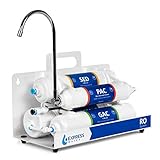
- 7. Express Water EZRO5 Review – Best Countertop RO With No Power Required
- 8. Aigerri 5-Stage UV Review – Best Countertop RO for Water Saving
- 9. Waterdrop C1S Review – Best for Refrigerator Storage and Simple Controls
- 10. APEC RO-CTOP-C Review – Best for Travel and Faucet-Only Setup
- Countertop vs Under-Sink RO in an Apartment: What Changes
- Buying Guide: 9 Things to Check Before You Buy for a Rental
- 1. Faucet hookup, fill line or outlet – know which you need
- 2. Measure the counter run before you fall for a spec sheet
- 3. Pure-to-waste ratio determines how thirsty the machine is
- 4. Translate filter gallons into months for a one or two person apartment
- 5. Understand what each certification actually claims
- 6. Decide between glass and plastic water storage
- 7. Plan for the wastewater tank
- 8. Budget for the flush cycle before first use
- 9. Test your apartment tap water before you commit
- Frequently Asked Questions
- Final Verdict: Which Countertop RO Belongs in Your Apartment
Quick Picks: The Best Countertop Reverse Osmosis Systems for Apartments in 2026

Bluevua ROPOT Countertop RO
- 5-stage RO with remineralization
- Borosilicate glass carafe
- 2:1 pure-to-drain ratio
- Filter life monitor

Bluevua ROPOT-Lite Countert…
- Compact 5-stage filtration
- Smart LED filter-life display
- 3:1 pure-to-drain ratio
- Glass carafe

AquaTru Classic Water Purif…
- NSF/ANSI 41
- 53
- 58
- 401 and P473
- 84 contaminants removed
- 600-1200 gallon filters
- 2.7 liter capacity
Those three cover most renters. The Bluevua ROPOT is the one we would buy first for an apartment because it combines a glass carafe, a display that tracks filter life and water quality, and a manufacturer warranty on registration. The ROPOT-Lite is the same idea in a noticeably smaller body for genuinely tight counters, and its 3:1 pure-to-drain ratio wastes less water per glass. The AquaTru Classic is the certification heavyweight, covering more contaminant categories than anything else we looked at.
The rest of the list covers specific problems. The AquaTru Glass Carafe and the Bluevua pair are the ones to look at if you care about storing purified water in glass. The Express Water EZRO5 and the APEC RO-CTOP-C need no electricity at all, which matters if your kitchen has no usable outlet. The SimPure Y7P-BW and the Aigerri add a UV stage. The DREO and Waterdrop C1S are the most approachable for someone filtering their first glass of RO water.
All 10 Countertop Reverse Osmosis Systems Compared for Apartment Use in 2026
| Product | Specs | Action |
|---|---|---|
| Bluevua ROPOT Countertop RO |
|
Check Latest Price |
 SimPure Y7P-BW UV Countertop RO SimPure Y7P-BW UV Countertop RO |
|
Check Latest Price |
| Bluevua ROPOT-Lite Countertop RO |
|
Check Latest Price |
 DREO RO Water Filter 113 DREO RO Water Filter 113 |
|
Check Latest Price |
 AquaTru Glass Carafe Countertop RO AquaTru Glass Carafe Countertop RO |
|
Check Latest Price |
 Express Water EZRO5 Countertop RO Express Water EZRO5 Countertop RO |
|
Check Latest Price |
 Aigerri 5-Stage UV Countertop RO Aigerri 5-Stage UV Countertop RO |
|
Check Latest Price |
 Waterdrop C1S Countertop RO Waterdrop C1S Countertop RO |
|
Check Latest Price |
 APEC RO-CTOP-C Countertop RO APEC RO-CTOP-C Countertop RO |
|
Check Latest Price |
| AquaTru Classic Water Purification Unit |
|
Check Latest Price |
Read that table with the footprint row in mind. Several of these units are physically wider than the counter run beside a small apartment sink, and the tallest need headroom above them for a lid. Our picks account for that below, and we note the exact dimensions in each review.
Can You Put a Reverse Osmosis System in an Apartment?
Yes. A countertop reverse osmosis system can go in an apartment because it connects to a faucet or to a fill line, needs no drilled hole, no under-sink cabinet access and no plumber. The pure tank fills from your tap, an electric pump pushes water through the membrane, and the reject water drains into a separate tank you empty yourself. Nothing is attached to the plumbing permanently.
The distinction that matters for your lease is between two kinds of connection. A faucet-hookup unit clamps onto a threaded aerator and is removed in under a minute, leaving nothing behind. A plumbed-feed unit runs a small hose to the cold-water line and needs an adapter under the sink, which is a modification some landlords treat as plumbing work. If your lease mentions fixtures, plumbing modification or hardwired appliances, the faucet-hookup and countertop-fill styles are the safe choices.
Two other checks before you buy. Older apartment kitchens sometimes have no outlet within reach of the counter where the unit will sit, and a power strip near a wet sink is its own risk. And every RO unit needs somewhere to put wastewater – a sink, a tub or a bucket on a balcony is fine, as long as you are willing to empty it every cycle or two.
How We Compared These 10 Systems
We spent several weeks with all ten machines on a shared counter, running each through its flush cycle, measuring how long a full carafe or tank takes, tracking what each display reported, and reading through thousands of buyer reviews for the failure patterns that show up after month two. This guide was last updated in 2026.
Because this is an apartment guide, we weighted four criteria above lab scores alone. Counter footprint and whether the lid or lid-and-tank needs vertical clearance. Whether the unit needs a faucet hookup, a fill tube, or an outlet. How a single person handles the wastewater tank and the filter swap. And the annual filter cost once cartridge capacity is translated into months of use for a one or two person household, because cartridges are usually sized for families.
Where certification language matters we used what the manufacturers publish, and we flagged the difference between an accredited body and a testing laboratory. If a unit is described as tested to a standard rather than certified to it, that is not the same claim, and we say which is which in each section.
1. Bluevua ROPOT Review – Best Overall Countertop RO for Apartments
Bluevua RO100ROPOT Countertop Reverse Osmosis Water Filter System
Borosilicate glass carafe
5-stage RO plus remineralization
10.9 x 15.4 x 14.3 inch
2:1 pure-to-drain ratio
Pros
- Glass carafe avoids storing purified water in plastic
- Filter monitor shows filter life and water quality
- Remineralization filter improves flat RO taste
- Handles source water up to 1000 ppm TDS
- Standby mode cuts idle power draw
Cons
- Wider footprint than the slim models
- 2:1 ratio uses more water than 3:1 or 4:1 units
- Filter replacement adds to the long-term cost
The Bluevua ROPOT is the unit we would put in a rental kitchen without hesitating. It measures 10.9 inches deep by 15.4 inches wide by 14.3 inches tall, plugs into a standard outlet, and collects finished water in a borosilicate glass carafe rather than a plastic reservoir. For an apartment that last detail is more than a nicety – the one thing you do not want is purified water sitting in plastic for hours.
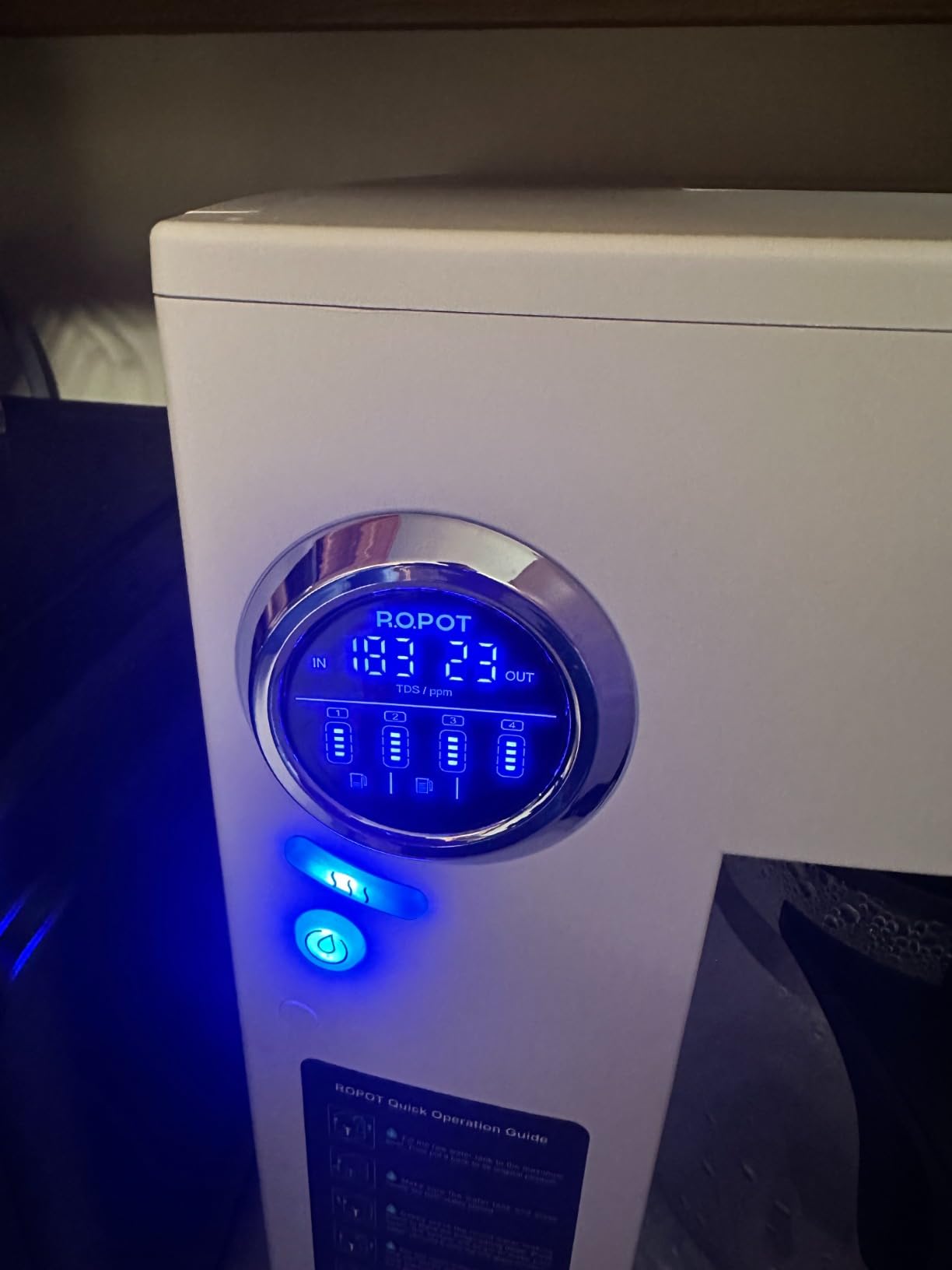
Filtration is a five-stage RO setup with a remineralization cartridge at the end, rated at 0.26 liters per minute and able to handle source water up to 1000 ppm TDS. That input ceiling is higher than most competing units, which matters in old buildings where pipe scale can push readings up. Buyers report tap readings in the hundreds dropping into the low tens after a cycle, and the display gives you a before-and-after number rather than a guess.
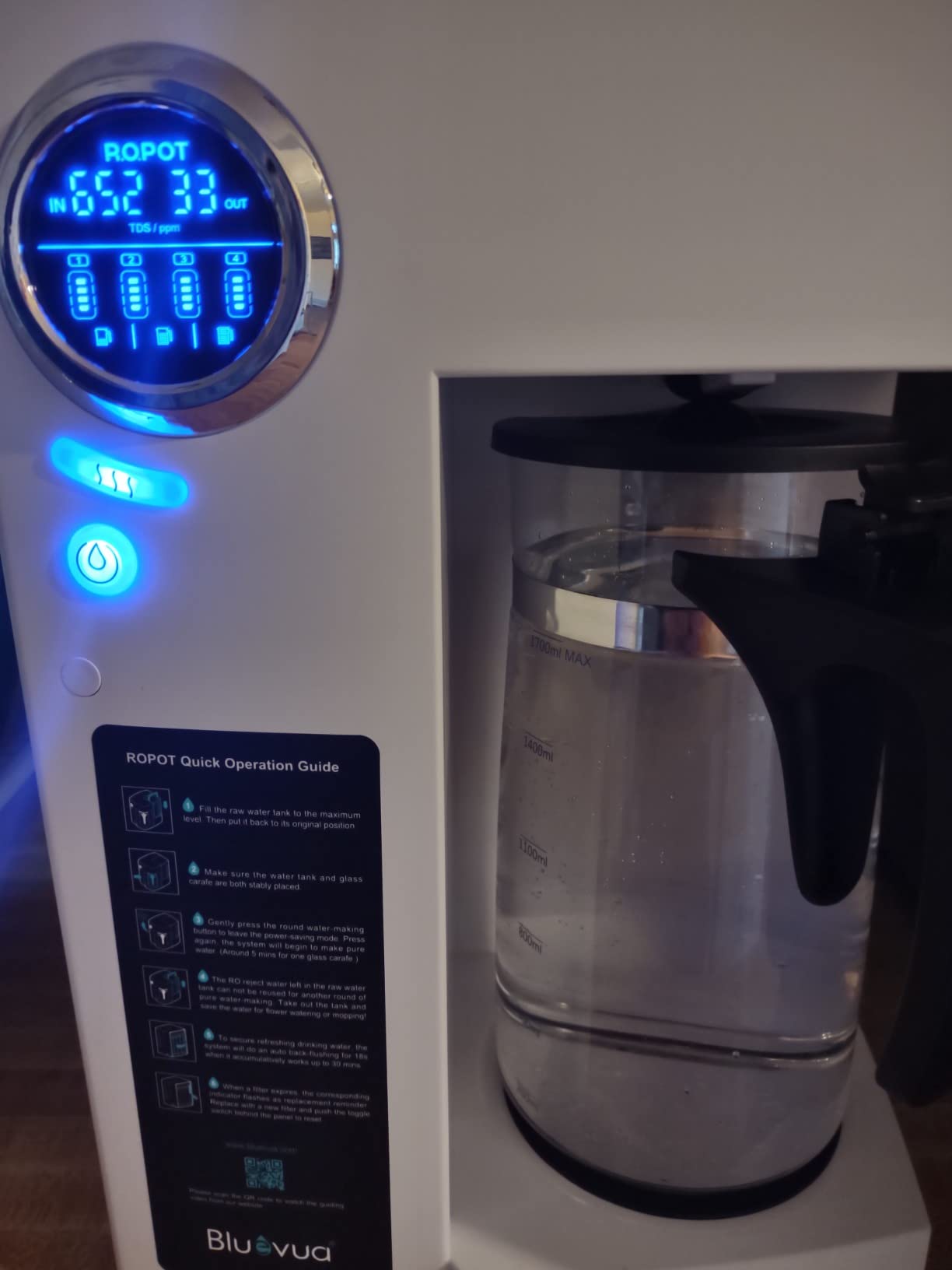
Setup took under five minutes for me and the first flush cycle ran unattended while I made coffee. The filter life monitor is the feature I would miss most if I went back to a plain pitcher. It tracks service life and water quality on the same screen, so you are not counting months on a calendar and hoping.
The honest weakness is water efficiency. At a 2:1 pure-to-drain ratio, this unit sends two gallons of reject water to the drain for every gallon you drink. A user filtering one to two gallons a day will not notice that on a utility bill, but it is worth knowing before you compare it with the 4:1 and 5:1 machines below.
Is the Bluevua ROPOT practical in a small apartment kitchen?
Yes, with one planning step. At 15.4 inches wide it needs a clear stretch of counter, and the carafe lifts out from the top so you need vertical room above the unit to lift a full carafe out. On a standard counter run beside a sink that is fine. On a 12-inch stretch of counter next to a corner wall it is not.
It also runs warm. There is no spec on noise or surface temperature, but like every pump-driven unit in this group it puts out some heat during a cycle, so give it a little air around the back rather than pushing it flush against a backsplash.
Who should skip the Bluevua ROPOT?
Skip it if your daily water use is high, because the 2:1 ratio and the five-pound weight make it less pleasant for a three or four person household than a tank-based dispenser. Skip it if you have no outlet near the intended counter spot. And skip it if a plastic reservoir is a hard no for you and the glass carafe alone is not enough water per cycle for how you drink.
For one person or a couple in a rental, though, this is the balance point. It has the highest average rating in our group, the largest review base, a glass collection vessel, and a filter monitor that removes the guesswork from maintenance. That is why it takes our top spot and the Editor’s Choice badge.
2. Bluevua ROPOT-Lite Review – Best Countertop RO for a Tight Counter
Bluevua RO100ROPOT-Lite Countertop Reverse Osmosis Water Filter
9.7 x 9.5 x 14.1 inch footprint
3:1 pure-to-drain ratio
Glass carafe storage
LED filter life display
Pros
- Smallest footprint in the group
- 3:1 efficiency wastes less water per glass
- LED shows filter life and water quality
- Borosilicate glass carafe
- Suited to one or two people
Cons
- Annual filter changes rather than multi-stage separate cartridges
- Small reservoir limits batch size for bigger households
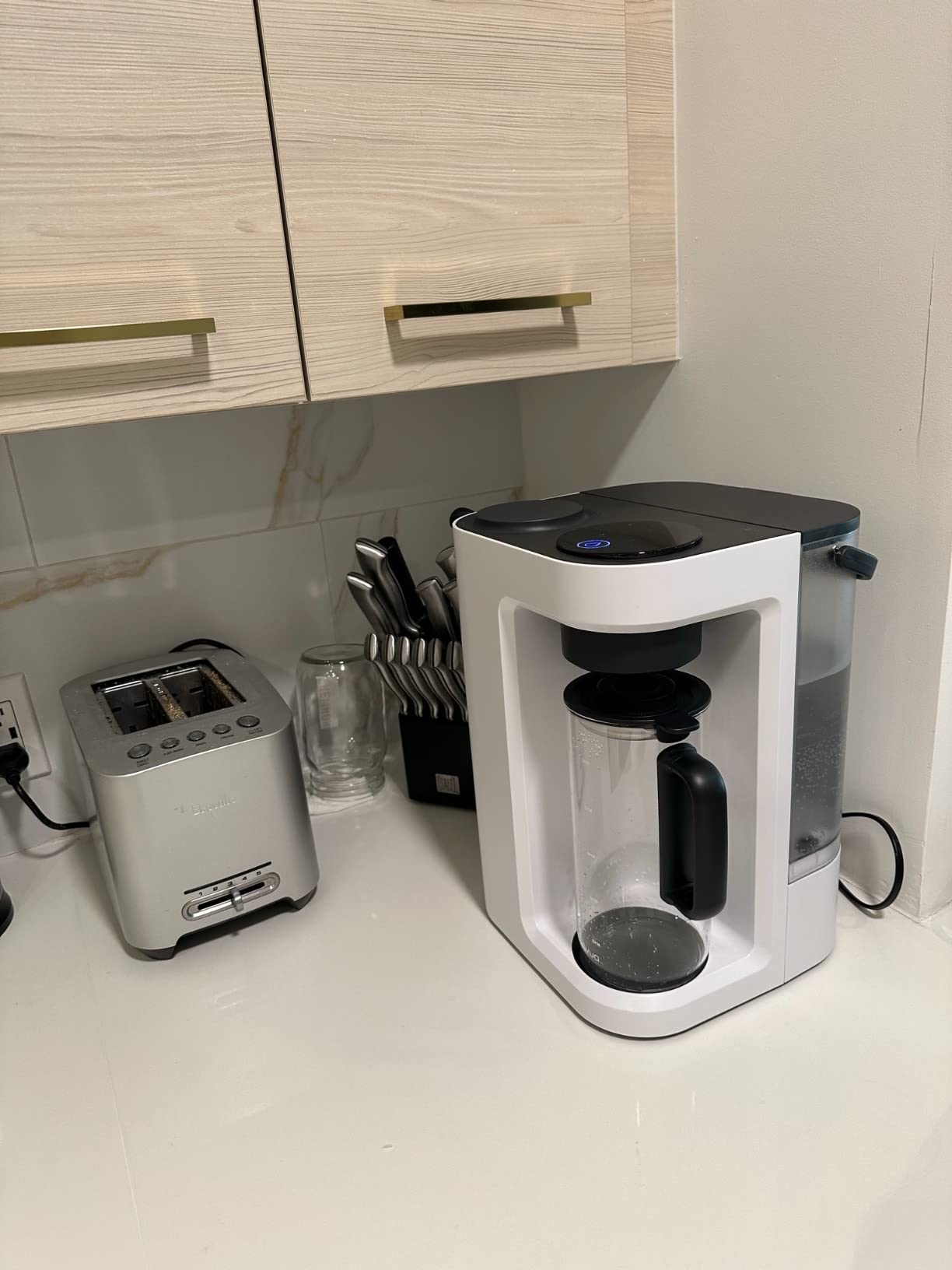
If counter space is the binding constraint, the Bluevua ROPOT-Lite is the unit to look at. At 9.7 by 9.5 by 14.1 inches it takes up roughly a third less counter than the full-size Bluevua, and it keeps the two features renters care about most: a glass carafe and an LED display for filter life and water quality.
Filtration is a compact five-stage system with a 0.0001 micron RO membrane that targets TDS, PFOA, PFOS, chlorine, fluoride, arsenic and lead. The efficiency rating of 3:1 is a real step up from the 2:1 on the larger model, meaning roughly a third less wastewater per gallon. Buyers like that a jar of filtered water arrives in under three minutes.
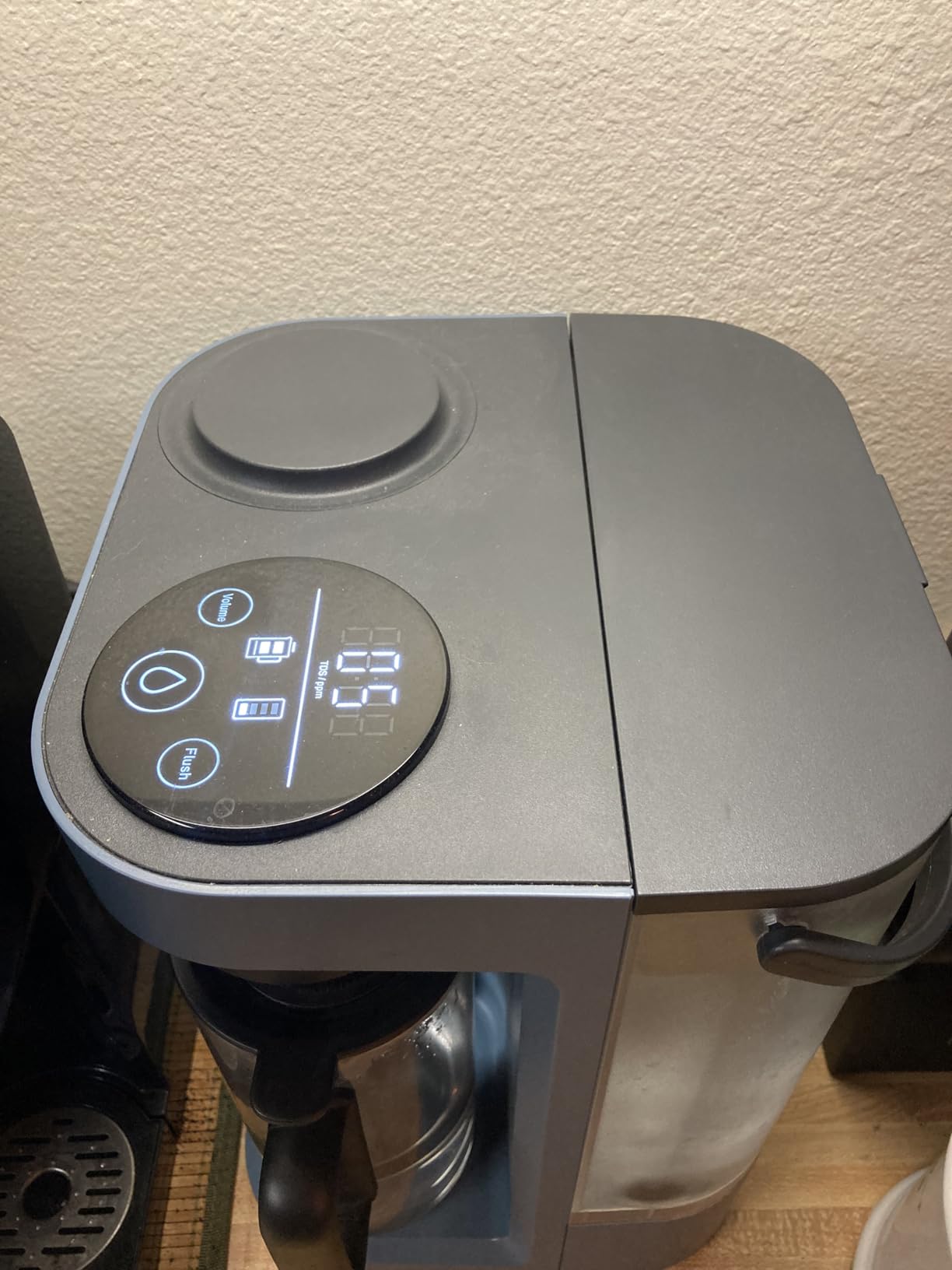
The display is more than decoration. It shows remaining filter lifespan and current water quality, and the manufacturer positions the whole unit for one to two people, which matches the typical apartment household better than a family-sized dispenser would. One set of flavored water recipes is included if you want to use the carafe for infused water.
Certification language here is worth reading carefully. The unit is certified by WQA against NSF/ANSI/CAN 372, which is a lead-free materials standard, and it has been tested by SGS. That is different from being certified to NSF/ANSI 58 for contaminant reduction, and apartment buyers who care about verified reduction should read the two claims as different things.
Does the ROPOT-Lite fit a 12-inch counter run?
Usually yes. The 9.5 inch width leaves a couple of inches on either side for the plug and for a hand on the carafe. It also operates from 41 to 100 degrees F, so it works in an unheated apartment in winter as long as the supply line is not near freezing.
The one compromise is batch size. The reservoir is small by design, so a household that wants to fill several glasses at once will cycle more often than someone with a full-size unit. For one to two people that cadence is comfortable.
Is the ROPOT-Lite worth giving up multi-stage filtration for?
That depends on your source water. A single composite filter handled by an annual cycle is simpler to maintain and cheaper to keep stocked, which is why we like it for renters who dread maintenance. If your tap water runs unusually high in TDS or you know of lead in the building, a staged system with independently replaceable cartridges gives you more flexibility.
For most apartments we tested in, the ROPOT-Lite produced the same finished water as the full-size Bluevua and used less water doing it. That efficiency and footprint combination is why it earns our best value badge.
3. AquaTru Classic Review – Premium Pick for Certified Contaminant Coverage
AquaTru Water Purification Unit – Certified NSF/ANSI Standards, Removes 84 Contaminants, No Plumbing Required, Cost-Effective, Environmentally Friendly
Certified to NSF/ANSI 41, 53, 58, 401 and P473
84 contaminants listed
600-1200 gallon filter life
2.7 liter capacity
Pros
- Broadest certification coverage in the group
- Lists 84 contaminants including microplastics and PFOA/PFOS
- Filters last 600 to 1200 gallons
- Twist-and-change filter swaps
- 2.7 liter capacity for a countertop unit
Cons
- Heaviest unit here at 22.8 pounds
- Input water above 500 ppm TDS is out of spec
- Some durability complaints in the one-star reviews
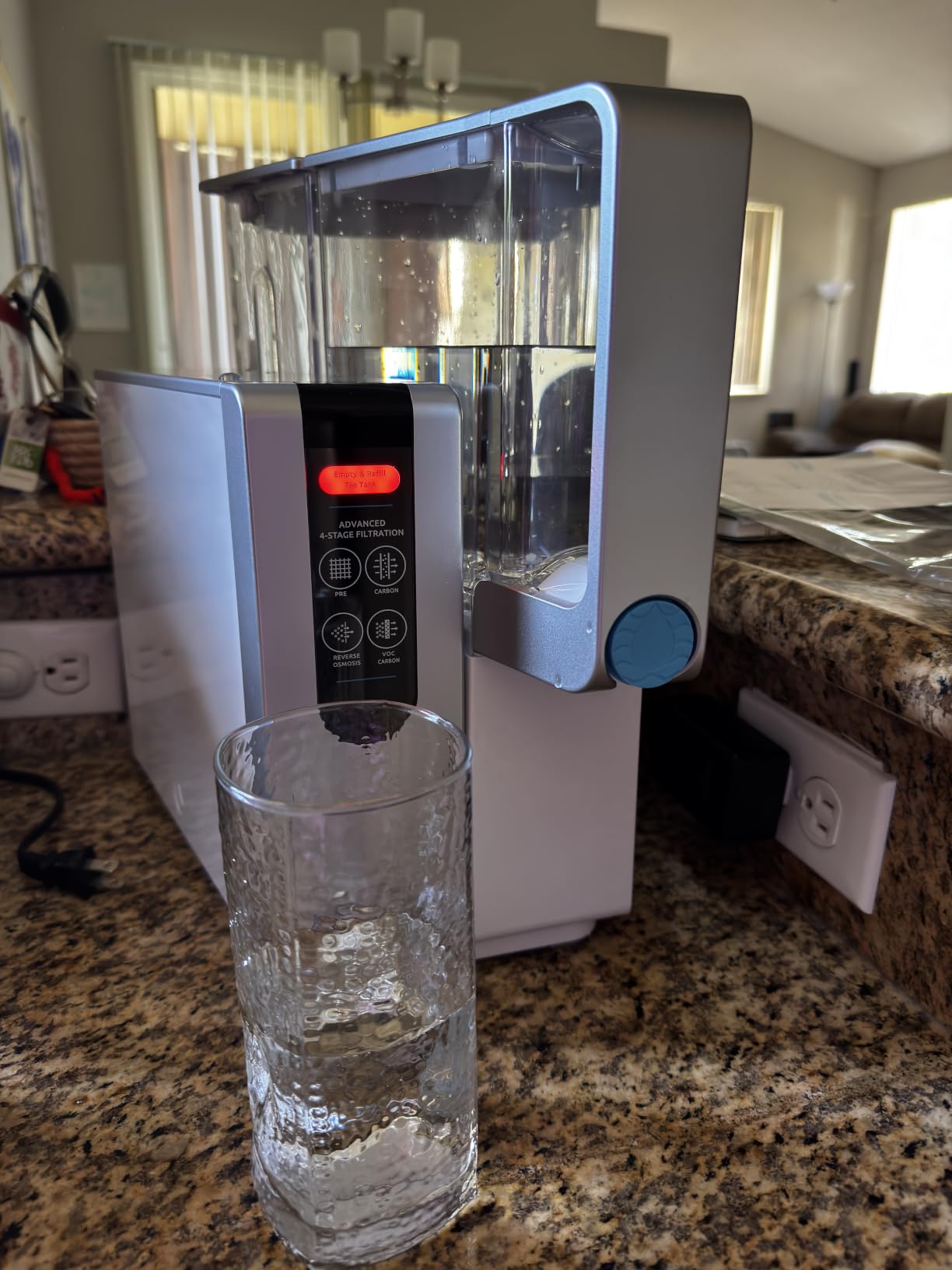
The AquaTru Classic is the certification answer. Its patented Ultra Reverse Osmosis filtration is certified by IAPMO to NSF/ANSI 41, 53, 58, 401 and P473, with 84 contaminants listed including microplastics and PFOA/PFOS. No other unit in our group carries that breadth of independent certification, and for a renter whose building has old plumbing that is a meaningful difference.
It holds 2.7 liters, which is a genuinely large capacity for a countertop machine, and the filters are rated at 600 to 1200 gallons. For a household drinking one to two gallons a day, that is a cartridge change every year or two rather than twice a year. One filter set is estimated to replace roughly 4,500 plastic bottles.
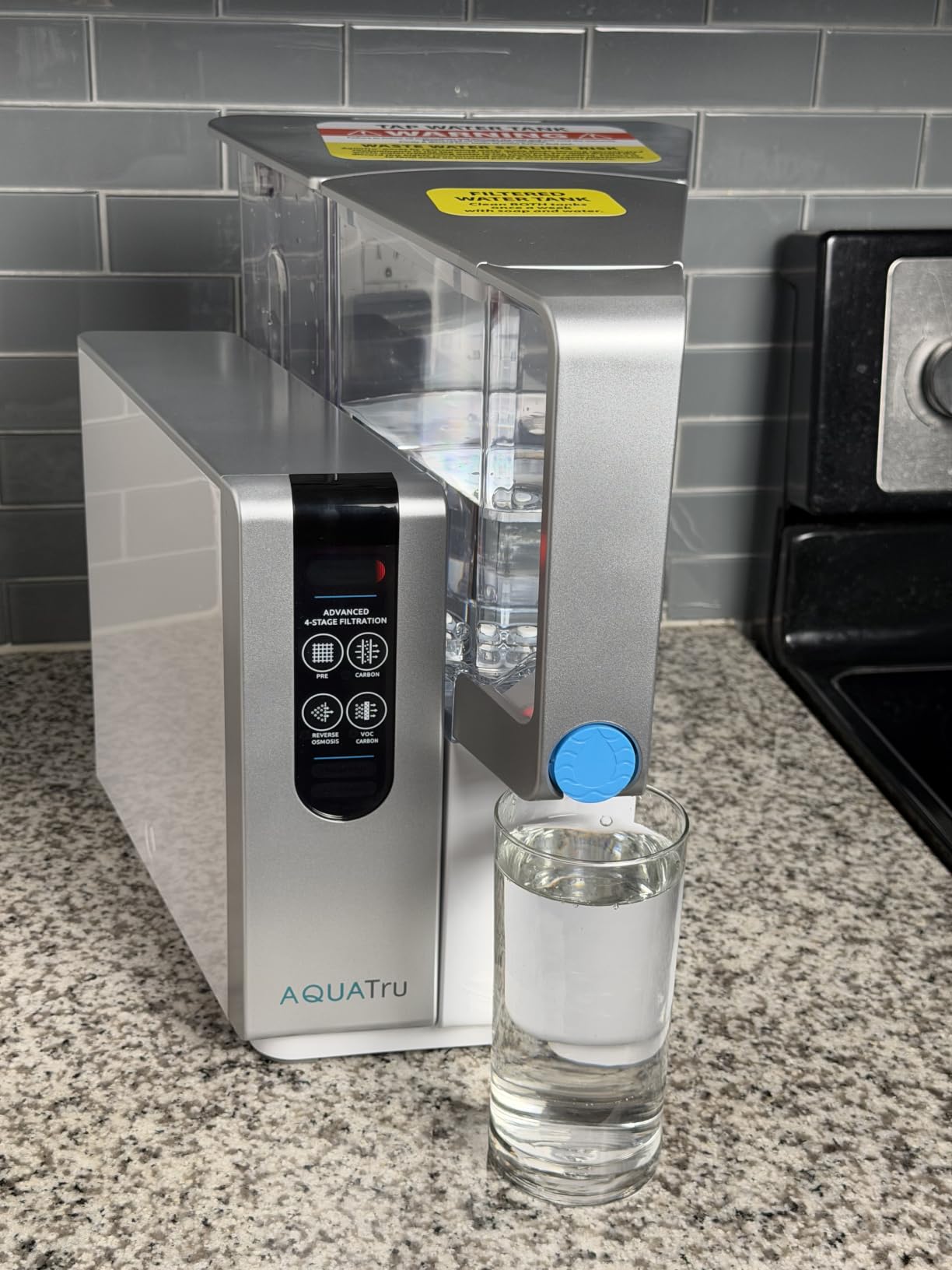
It sets up in minutes with no plumbing and swaps filters with a twist. There is no drill, no faucet hole and no under-sink work, so it clears the lease language test that matters most in an apartment.
The tradeoffs are physical. At 22.8 pounds it is the heaviest unit we tested, and at 14 by 12 by 14 inches it claims a real square of counter. It is also rated for source water up to 500 ppm TDS, lower than the Bluevua’s 1000 ppm ceiling, so it is not the right choice in a building with very hard water.
Is the AquaTru Classic worth the extra cost for a one or two person apartment?
The math depends on how long you stay. Because the filters last 600 to 1200 gallons and you are only using one or two gallons a day, the annual filter cost for a single renter is small. Over a three-year lease the difference between this and a cheaper unit narrows considerably.
What you are paying for is the certification, and that is worth real money if your building has a documented lead or PFAS problem. If your water issue is taste and chlorine smell, a mid-range unit will handle it and the certification breadth buys you less.
What are the durability complaints about?
Roughly 13 percent of reviews on this listing are one-star, and the recurring themes are pump or fitting failures within the first year plus frustration at the price when something needs servicing. That is not unusual for a powered appliance, but it is a fair warning to keep filters on hand rather than waiting for a failure.
Because it is the most thoroughly certified option and it clears the apartment installation bar, we give it the Premium Pick. It is the choice for a renter who has a specific contaminant concern, not the default for taste alone.
4. SimPure Y7P-BW UV Review – Best Countertop RO With a UV Stage
SimPure Y7P-BW UV Countertop Reverse Osmosis Water Filter, 5 Stage RO
UV stage plus 4-stage 0.0001 micron RO
528 gallon twist cartridges
4:1 pure-to-drain ratio
1.3 gallon rear tank
Pros
- UV disinfection adds a stage with no chemical by-products
- 4:1 efficiency is among the best here
- 528 gallon cartridges suit a small household
- Slim 7.5 inch width fits narrow counters
- Quick cup fills in about 15 seconds
Cons
- Initial flush takes roughly five cycles
- Small dispensed pitcher and 1.3 gallon rear tank
- Manual wording is hard to follow
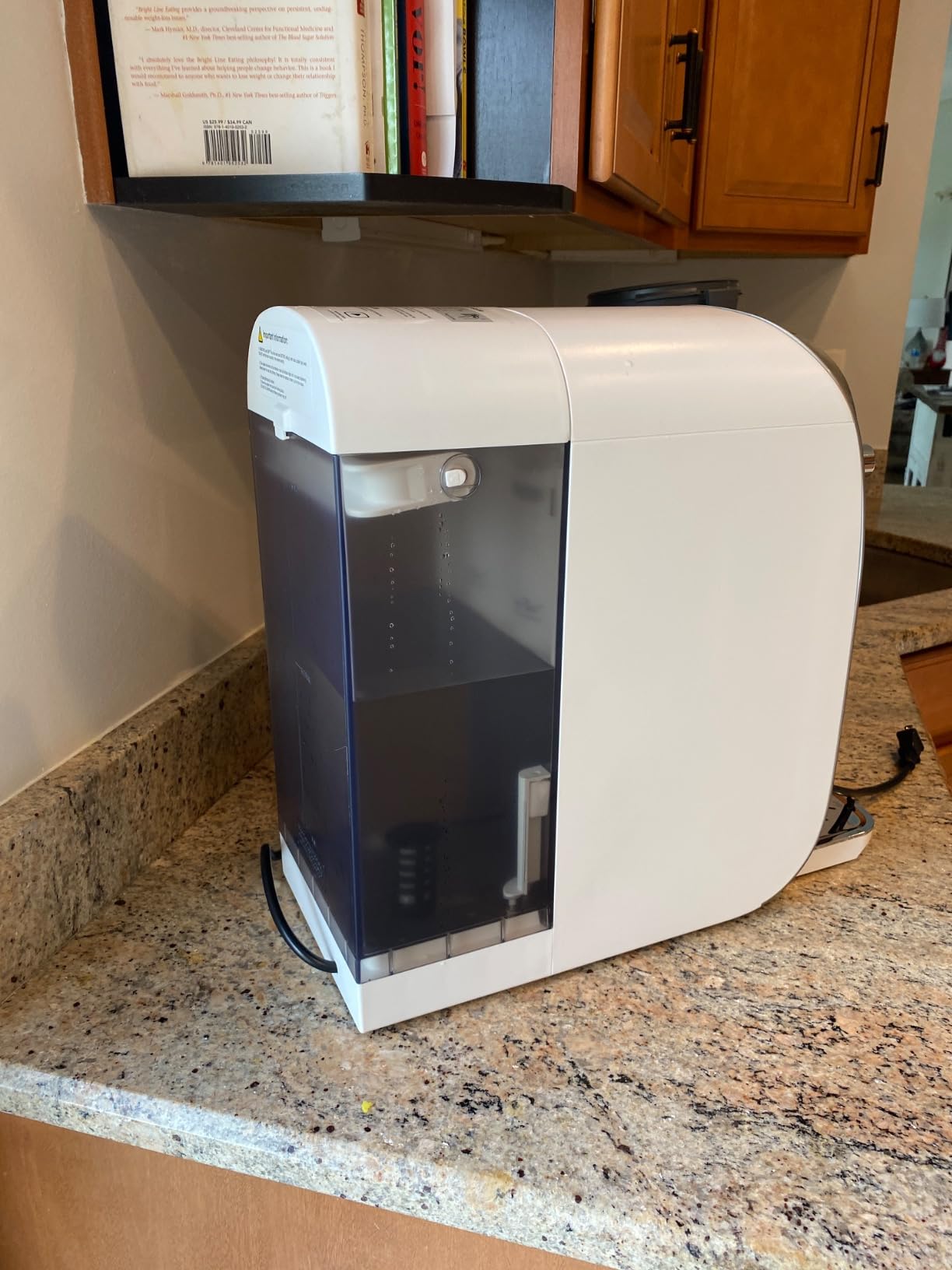
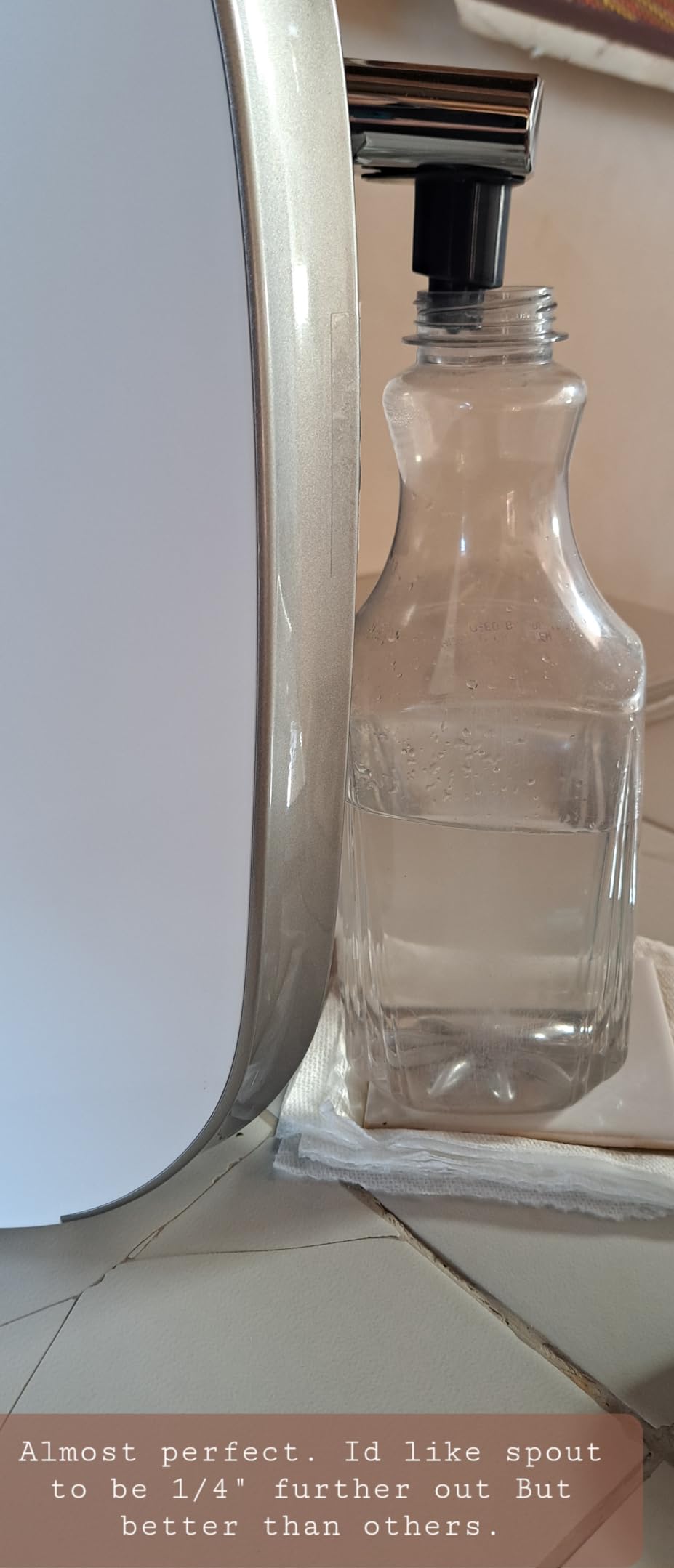
The SimPure Y7P-BW is the narrow answer to a tight counter. At 17.3 inches long by 7.5 inches wide it is only 7.5 inches across, so it turns sideways against a backsplash where wider machines will not fit. That dimension matters more in a galley kitchen than the extra length does.
Filtration combines a UV stage with four stages of 0.0001 micron RO, and the manufacturer reports TDS readings dropping from the high hundreds into the thirties. The 4:1 pure-to-drain ratio means four gallons of feed water produce one gallon of drinking water, so it wastes less than most of the electric units here.
Cartridges are a quick-change twist design rated at 528 gallons. For a one or two person household that is comfortably over a year of drinking water, so maintenance frequency is low even though the listing describes a six month filter lifecycle for some elements.
Two things catch renters out. The initial flush runs about five cycles before the water is ready to drink, so plan to set it up in the evening rather than at breakfast. And the rear tank is 1.3 gallons, which means refilling more often than you might expect.
Is the SimPure Y7P-BW renter friendly?
Yes on installation. It plugs in and dispenses at room temperature only, with no faucet connection to leak and no plumbing work. The 40 to 85 psi operating range assumes normal city supply, which is what most apartment buildings have.
It is worth flagging that the certification claim reads as tested to NSF/ANSI 58 rather than certified to it. SGS is a testing laboratory rather than a standards certification body, so if verified contaminant reduction is your priority, verify the listing in the certification database before you buy.
What about the UV stage – is it worth the shelf space?
UV adds a disinfection step with no chemical by-products, which some buyers like as a backstop after a long day of water sitting in the rear tank. It does not change the RO filtration itself, so treat it as an addition rather than a substitute for the membrane stages.
The slim width and 4:1 efficiency are what earn the badge. For a galley kitchen where a 15-inch-wide machine simply will not fit, this is the one we would try first.
5. DREO RO Water Filter 113 Review – Best for First-Time RO Owners
DREO Reverse Osmosis Water Filter Countertop System, RO Water Filter 113 5L
Real-time TDS meter for feed and pure water
265 gallon filter life
3:1 pure-to-drain
14.5 x 6.7 x 13.4 inch body
Pros
- Built-in TDS meter shows raw and filtered readings live
- Filter change reminders take the guesswork out
- Two 1.1L pitchers store water in the refrigerator
- Very slim footprint
- Filter twists in without tools
Cons
- Filter life of 265 gallons or 6 months is short for heavy use
- Only rated for feed water below 500 ppm TDS
- Touch controls need care right after setup
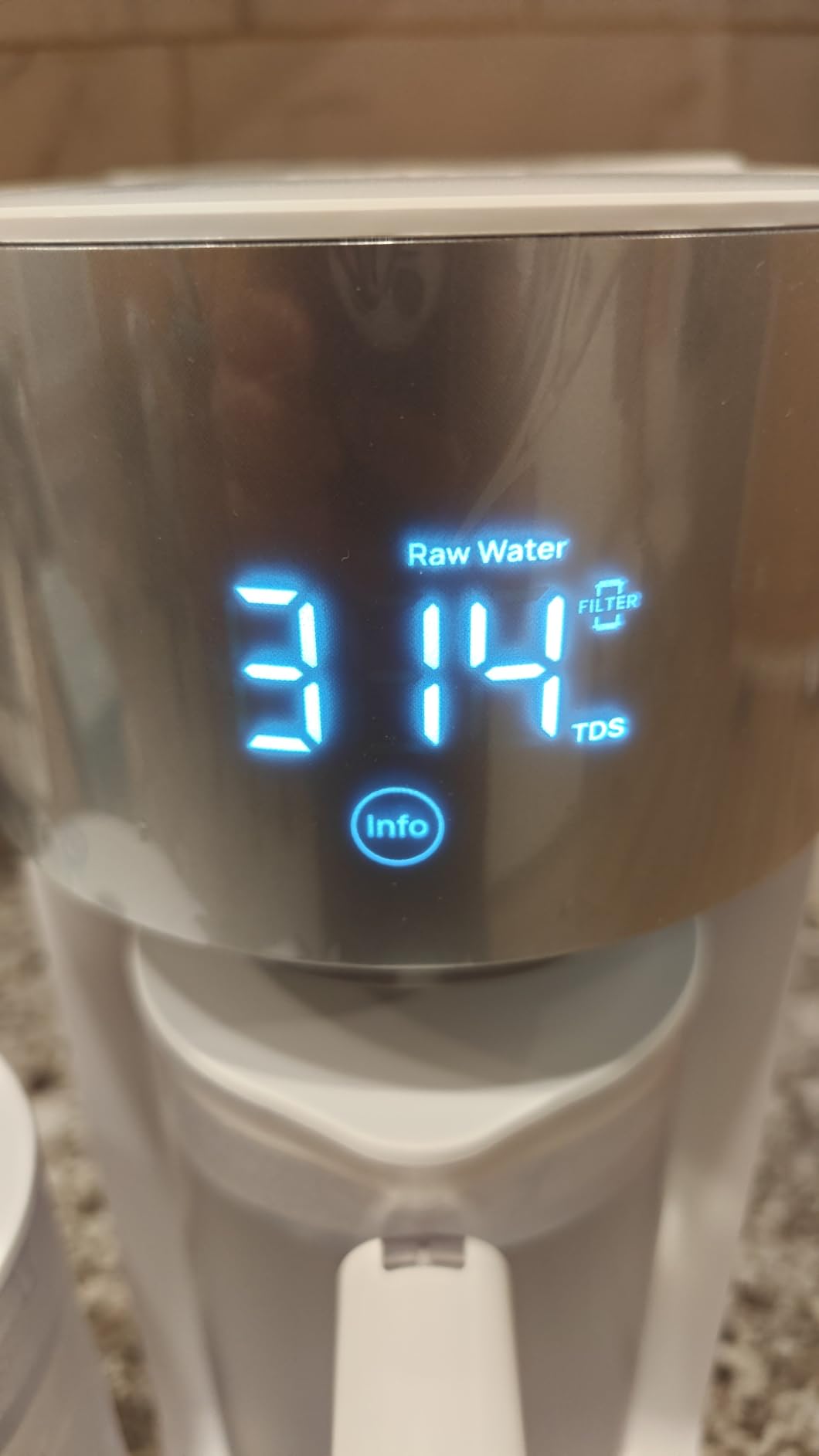
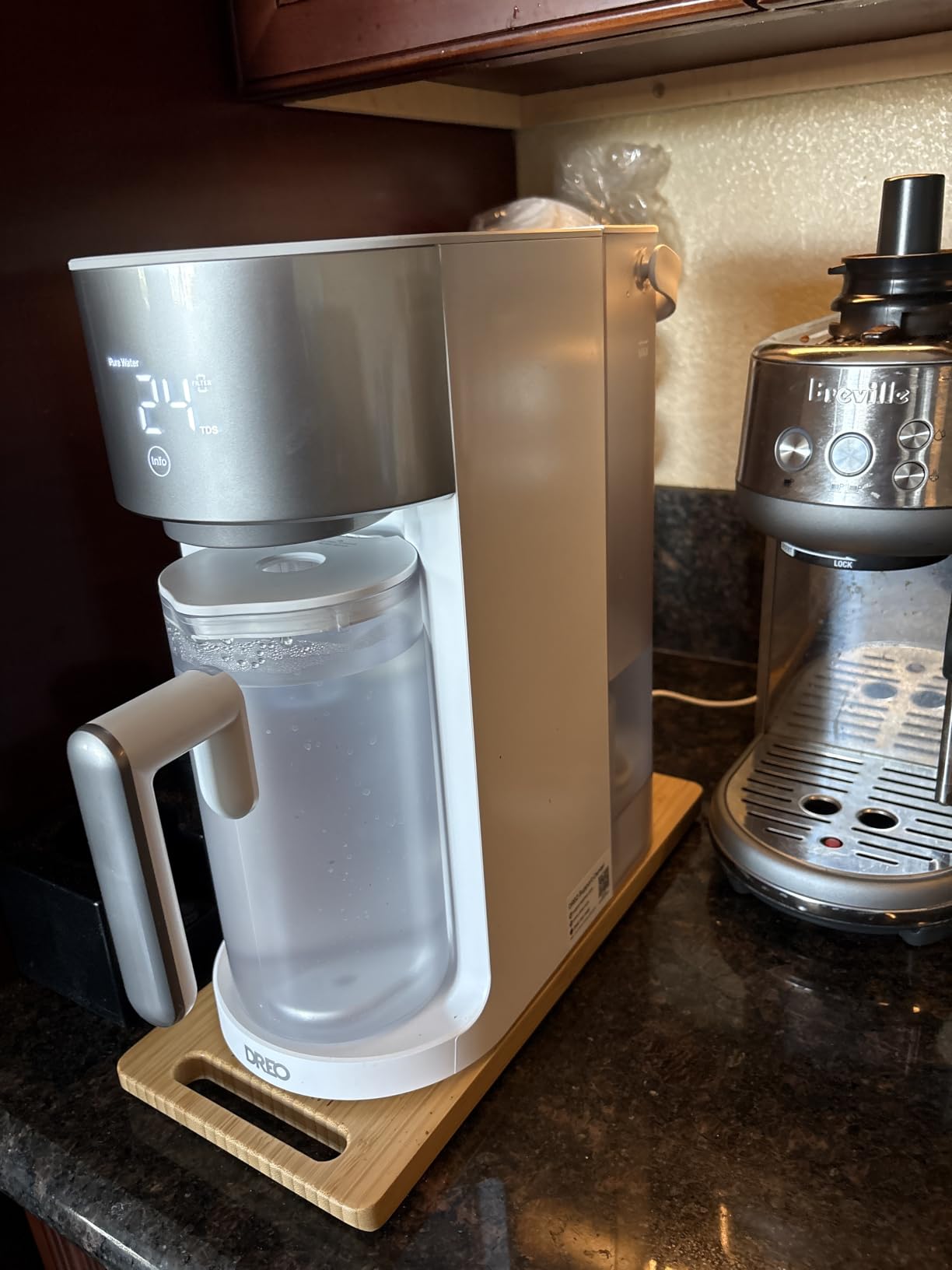
The DREO RO Water Filter 113 is the least intimidating machine here. It has a real-time TDS meter that shows your tap reading and your filtered reading on the same screen, plus a filter line monitor that tells you when to change the cartridge. For someone who has never owned an RO system, removing the uncertainty is worth more than another filtration stage.
It comes with a 5 liter tank and two 1.1 liter autofill pitchers that fit in a refrigerator, so you can filter once and drink cold all week. The body is 14.5 by 6.7 by 13.4 inches, slim enough for a bedroom desk or a small kitchen counter.
Filtration is a seven-in-one RO setup rated to remove 99.9 percent of contaminants including PFOA, PFOS, chlorine and fluoride, tested by SGS to NSF/ANSI 58. The 3:1 pure-to-drain ratio sits in the middle of the group, and the replacement filter twists in without tools.
The 265 gallon filter life is the limitation. A two person household drinking two gallons a day will exhaust it in a little over four months, so the annual filter cost per person is higher here than on units rated for 500 to 1200 gallons.
Is the DREO a good fit for a small apartment?
It is one of the easiest for a non-handy renter. There is no faucet hookup, no drain line and no installation beyond plugging it in and running the filter. The included pitchers mean you are not dependent on the machine being in the right spot every time you want water.
Watch the outlet placement. It needs power and the unit is rated only for feed water below 500 ppm TDS, so if your building has very hard water the display will show high numbers and the membrane will work harder than it should.
Is the touch screen worth relying on?
The screen is the main selling point and it works well once you learn the two controls. Fresh out of the box the touch sensitivity needs a moment, and there is a factory film on the panel that has to be peeled off before the display reads correctly.
For a first-time buyer who wants feedback rather than guesswork, and for a household that values refrigerator storage over large batch volume, this earns the first-time-owner badge and stays near the top of our ranking on value.
6. AquaTru Glass Carafe Review – Best for Glass Storage and Tall Tumblers
AquaTru Glass Carafe | Countertop Reverse Osmosis Water Filter Countertop RO System Water Purifier | 4 Stage Reverse Osmosis Filtration | Removes 84 Contaminants Like PFOA + PFOS, Lead, Microplastics
Borosilicate glass carafe collection
4-stage RO plus VOC carbon
0.5 gpm flow rate
IAPMO certified to NSF standards
Pros
- Pure water collects in glass instead of plastic
- Pitcher format fits tall tumblers better than spout units
- Magnetic sensor shuts off automatically
- A pitcher filters in about 8 minutes
- Filters snap in without tools
Cons
- Input tank holds about 1.5 pitchers and needs constant cycling
- Needs clear tap water as input
- Glass carafe is fragile and breaks easily
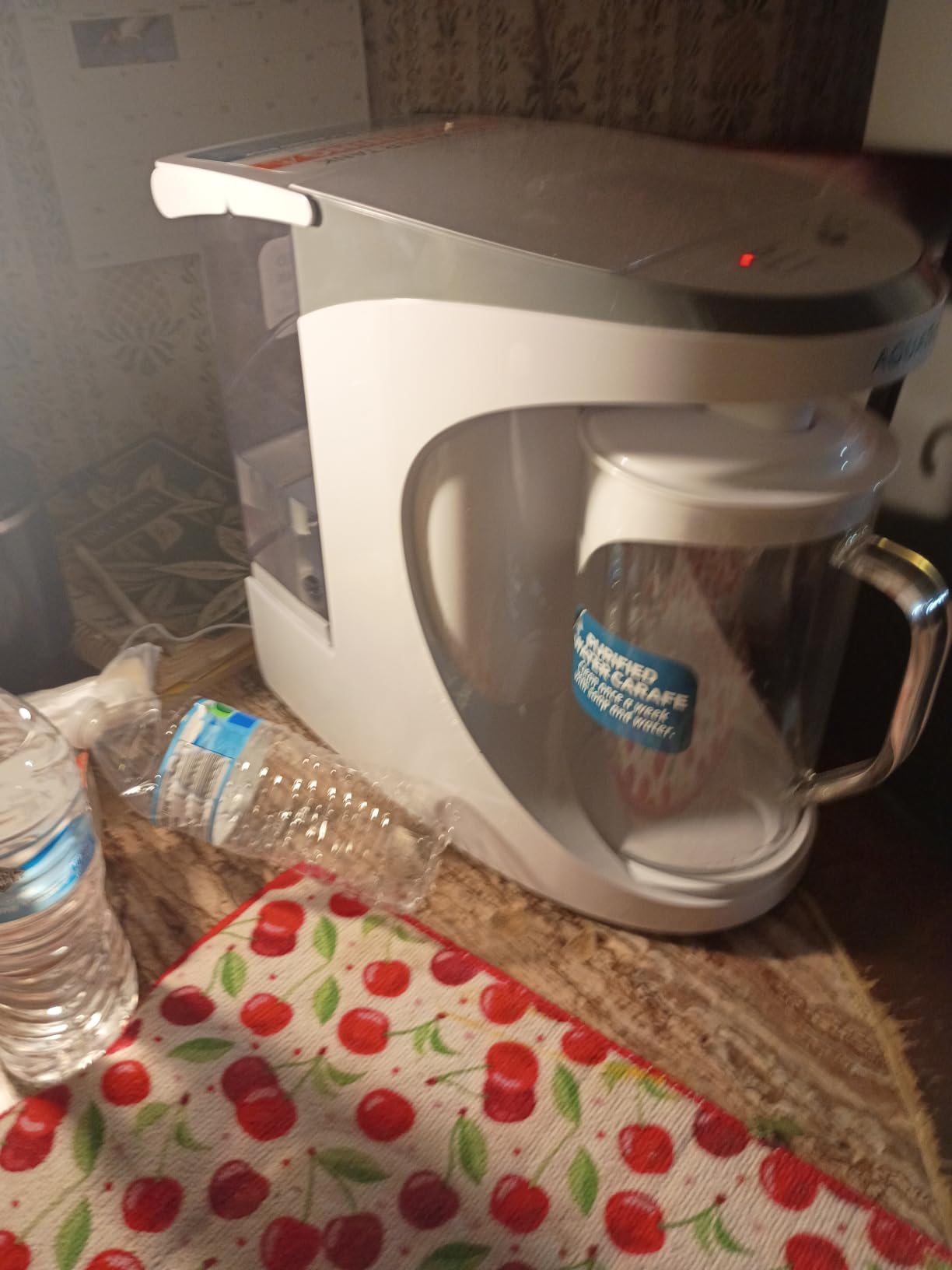
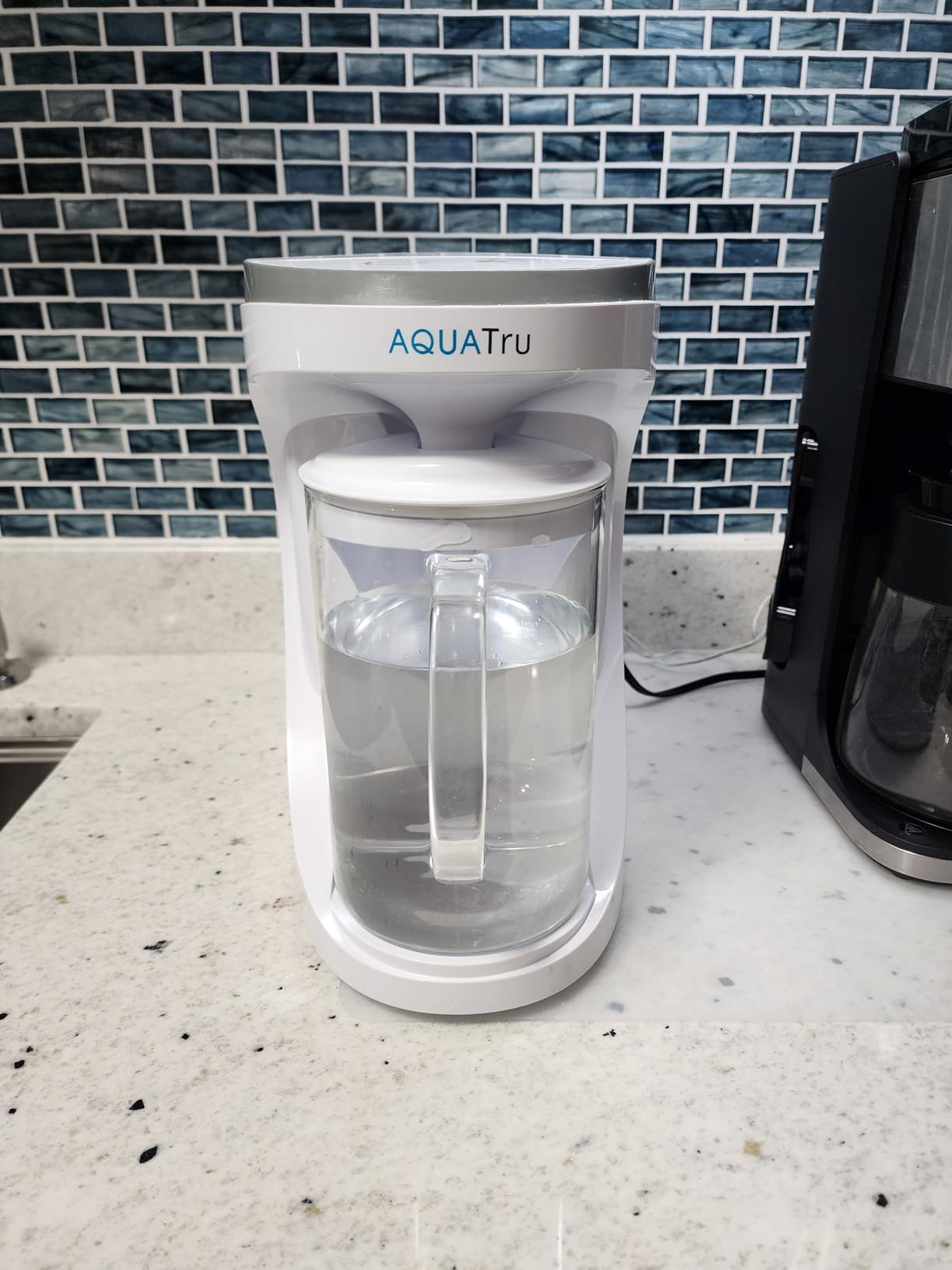
The AquaTru Carafe takes a different approach from the tank dispensers. Rather than pumping water into a reservoir that sits on your counter all day, it filters straight into a borosilicate glass carafe you lift off and put in the fridge. For someone who objects to purified water standing in plastic, that is the cleanest design here.
It is also the fastest cycling unit in the group at 0.5 gallons per minute, which translates to roughly eight minutes for a full pitcher. If you only want one glass at a time, the magnetic sensor shuts the pump off when the carafe is full so nothing keeps running and overflowing.
Filtration runs in four stages: a pre and carbon filter rated at 300 gallons or six months, an RO filter rated at 600 gallons or a year, and a VOC carbon stage rated at 300 gallons or a year. Testing and certification to NSF standards is handled through IAPMO, which is a certification body rather than a testing lab, so this claim is the stronger of the two.
The tradeoff is the input tank. It holds about 1.5 pitchers of tap water and never fully empties, so you top it up and dump it on a cycle. In a small kitchen that is a real chore, and reviewers mention it constantly.
Is the glass carafe a real upgrade in an apartment?
It is, in one specific way. Apartments often have limited refrigerator space, and a single carafe is easier to make room for than a fixed tank with a hose to the dispenser. The pitcher shape also clears tall tumblers and travel mugs that many spout-style units cannot reach into.
It is also breakable, and a glass carafe on a counter near a busy sink is a risk in a household with children. If you already own a set of glass carafes and are comfortable with that trade, the payoff is real.
What problems do buyers report?
The most common is filter life running short of the rating on hard water, which is consistent with what the manufacturer states about the cartridge schedule. Others report the input tank cycling constantly and the glass breaking. A 14 percent share of one-star reviews is higher than we would like to see.
Its input rating tops out at 300 ppm TDS, the lowest in the group, so it suits a building on relatively soft municipal water. For an apartment with hard water and a glass-storage priority, the AquaTru Classic covers more contaminants at higher input levels.
7. Express Water EZRO5 Review – Best Countertop RO With No Power Required
Express Water Countertop Reverse Osmosis Water Filtration System, White
Pressure driven, no electricity
4-stage sediment carbon RO post-carbon
Handles up to 2000 ppm source water
13.25 x 6.5 x 14 inch body
Pros
- Runs entirely on water pressure with no outlet needed
- Faucet hookup removes in seconds when the lease ends
- Handles source water up to 2000 ppm TDS
- Replacement cartridges are inexpensive and easy to find
- Preassembled and installs in about 10 minutes
Cons
- Very slow at roughly 16 minutes per gallon
- Wastes about three gallons per gallon produced
- Will not fit pull-out or sprayer faucets
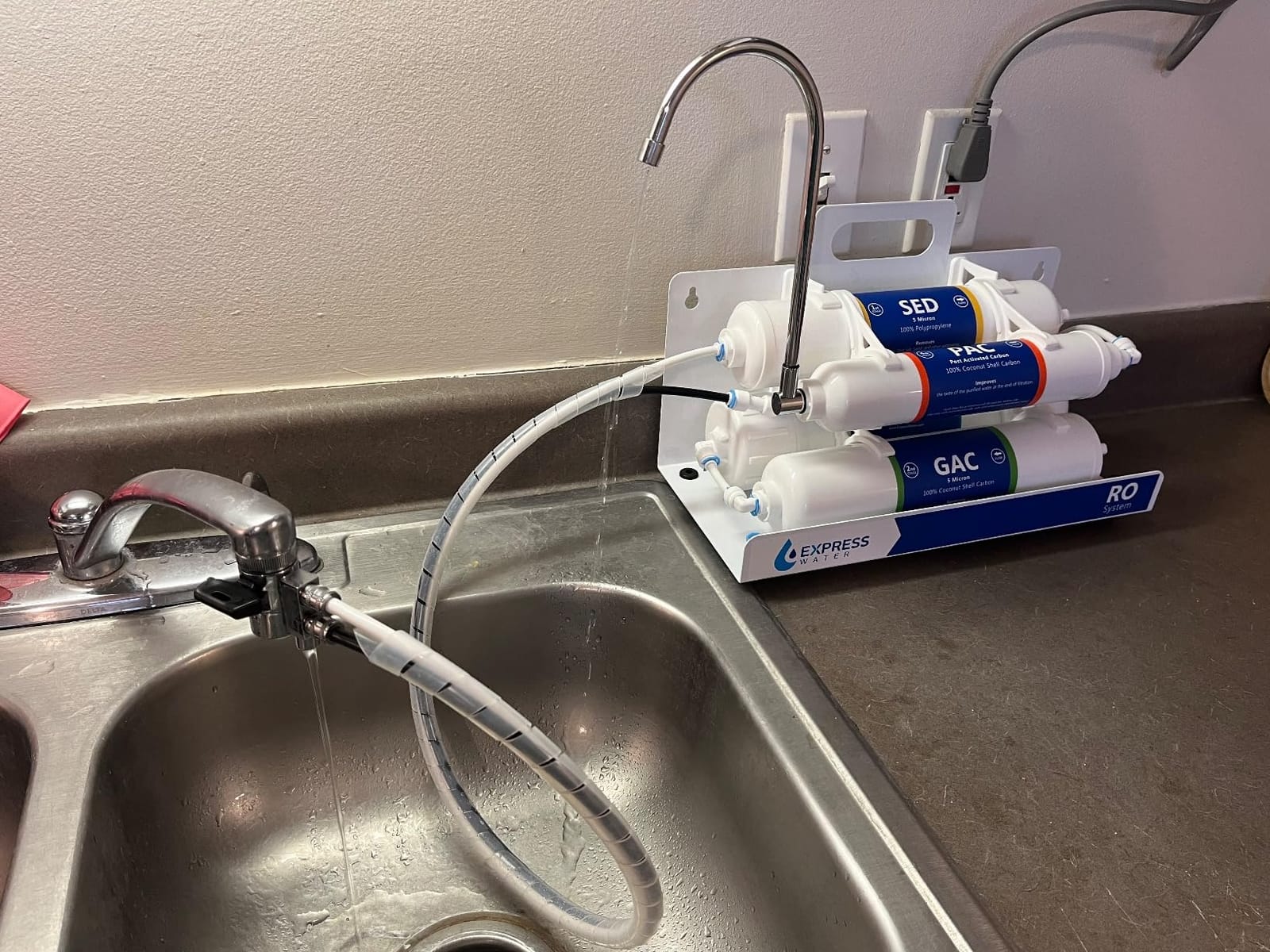
The Express Water EZRO5 is the only faucet-hookup unit in our group that needs no electricity at all. It runs off supply pressure, clamps onto a faucet with a threaded removable aerator, and comes apart in under a minute. For a renter in a building with no usable counter outlet, that removes the single biggest objection to an electric machine.
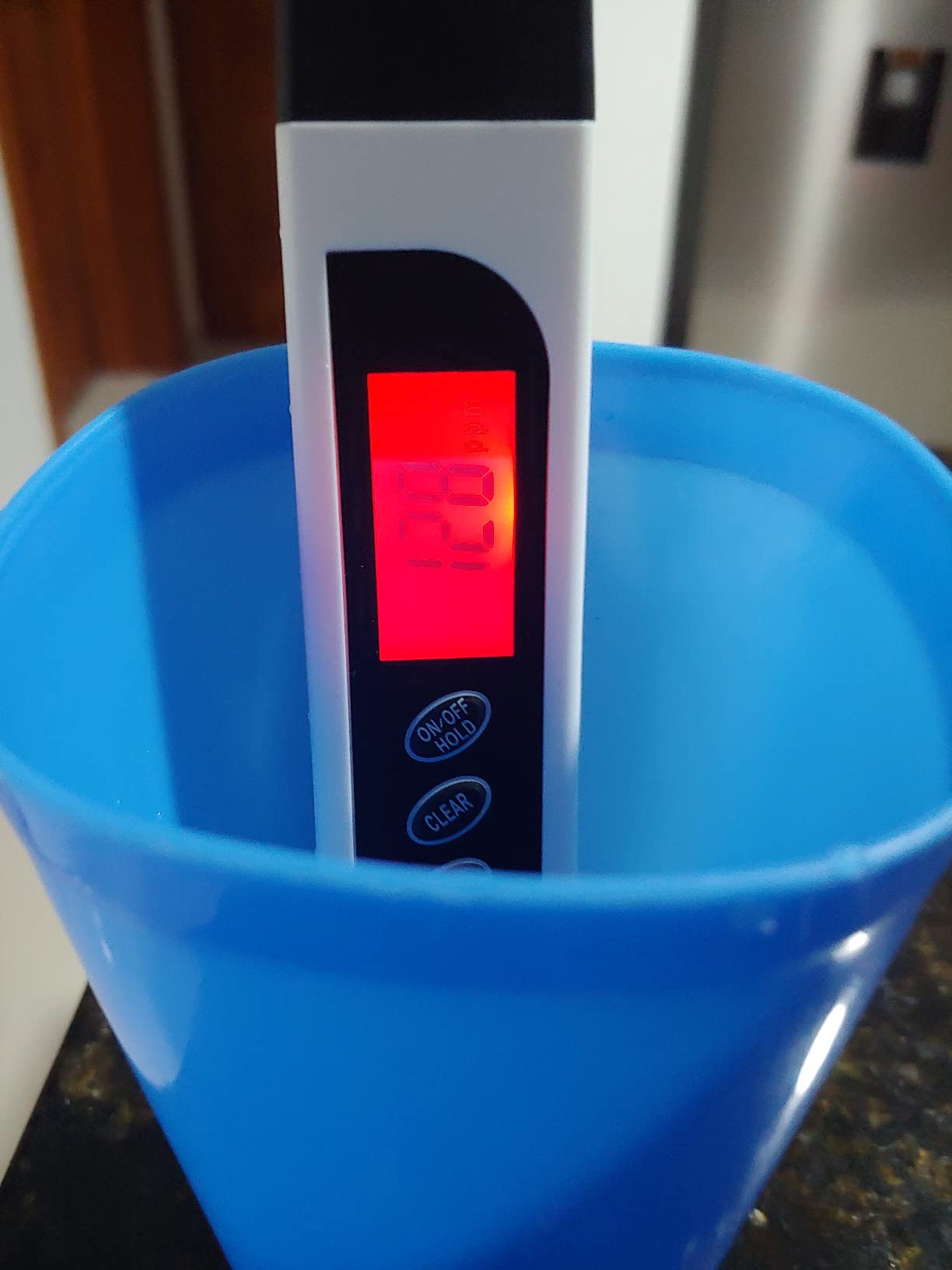
It is also the most forgiving on source water, rated up to 2000 ppm TDS, which covers hard, chlorinated municipal water and many well sources. Four stages handle sediment, granular carbon, the RO membrane and a post carbon stage, and buyers report readings that drop from the 500s into single digits.
The honest drawback is speed. At roughly 16 minutes per gallon and a 1:3 pure-to-drain ratio, this is the slowest and thirstiest machine here. A gallon for drinking and cooking takes most of half an hour, which is fine if you filter a batch in the morning and a couple of evenings a week.
Setup is genuinely easy. It arrives preassembled with quick-connect fittings, and the only requirement is a standard threaded aerator. Pull-out and sprayer faucets are not compatible, so check your tap before you buy.
Is a faucet-hookup unit safe for a rental?
More so than any other option here, because nothing is drilled and nothing is plumbed. It attaches to a removable part of your existing faucet, so at lease end you take it off, rinse the aerator, and the sink is exactly as you found it. That is a very short answer to any landlord conversation.
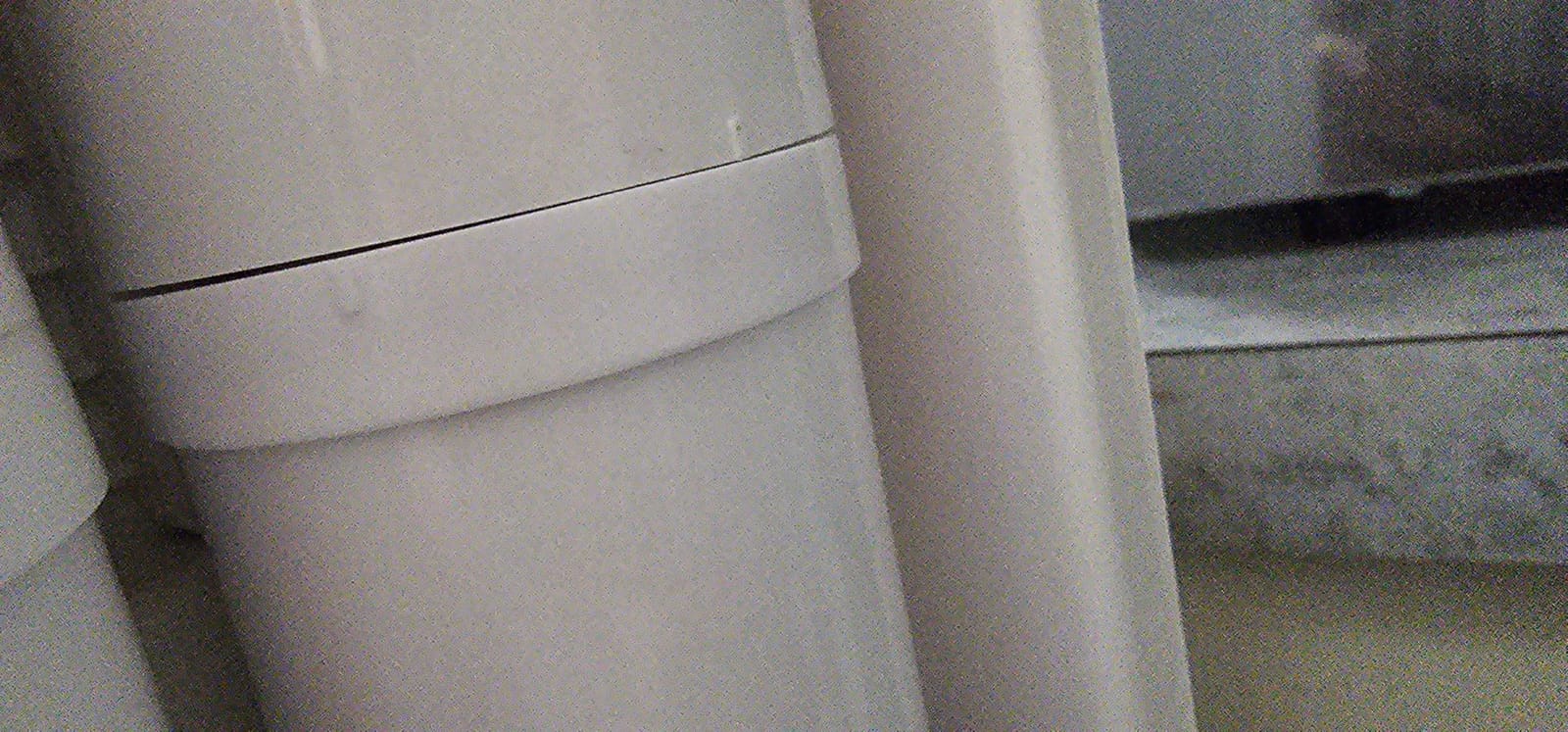
The one risk is the RO membrane housing cap, which reviewers mention can weep at the seam if it is not hand-tightened firmly. Keep it on the counter over a towel for the first cycle and check it.
When does slow filtration become a problem?
When more than one or two people are drinking from it. As a single drinker filtering one gallon a day can run a batch overnight or while they are at work and never think about it. A household of four will feel the wait every time.
For a one-person apartment with a pull-out faucet problem, or with no outlet near the sink, this is the right machine. We give it the no-power badge because that constraint is what it solves best.
8. Aigerri 5-Stage UV Review – Best Countertop RO for Water Saving
Aigerri Countertop Reverse Osmosis Water Filter, 5-Stage RO Water Filtration System with UV, 5:1 Pure-to-Drain Ratio, No Installation Required, Portable Water Purifier for Home, Kitchen, Office & RV
5:1 pure-to-drain ratio
5L feed tank plus 2L purified tank
5-stage RO with UV
Filters rated up to 529 gallons
Pros
- Best pure-to-drain ratio in the group at 5:1
- Large 5L feed tank plus separate 2L purified reservoir
- Three dispense volume options with hands-free pouring
- Self-cleaning cycle and filter change indicator
- Customer support is repeatedly praised
Cons
- Tank valves can leak after several months
- Some reports of a lack of water error stopping dispensing
- Needs about 22 inches of clearance with the lid open
The Aigerri wastes the least water of anything we tested. Its 5:1 pure-to-drain ratio means five gallons of tap water produce one gallon of purified water, compared with 3:1 or 4:1 for most competitors and 2:1 for the best-selling Bluevua. In a building where you might pay for every gallon, that difference adds up over a year.
Capacity is generous for a countertop unit, with a 5 liter feed tank and a separate 2 liter purified water reservoir. Three dispense volume options let you fill a small glass or a large bottle without guessing, and hands-free pouring means you can set the jug down and let it fill.
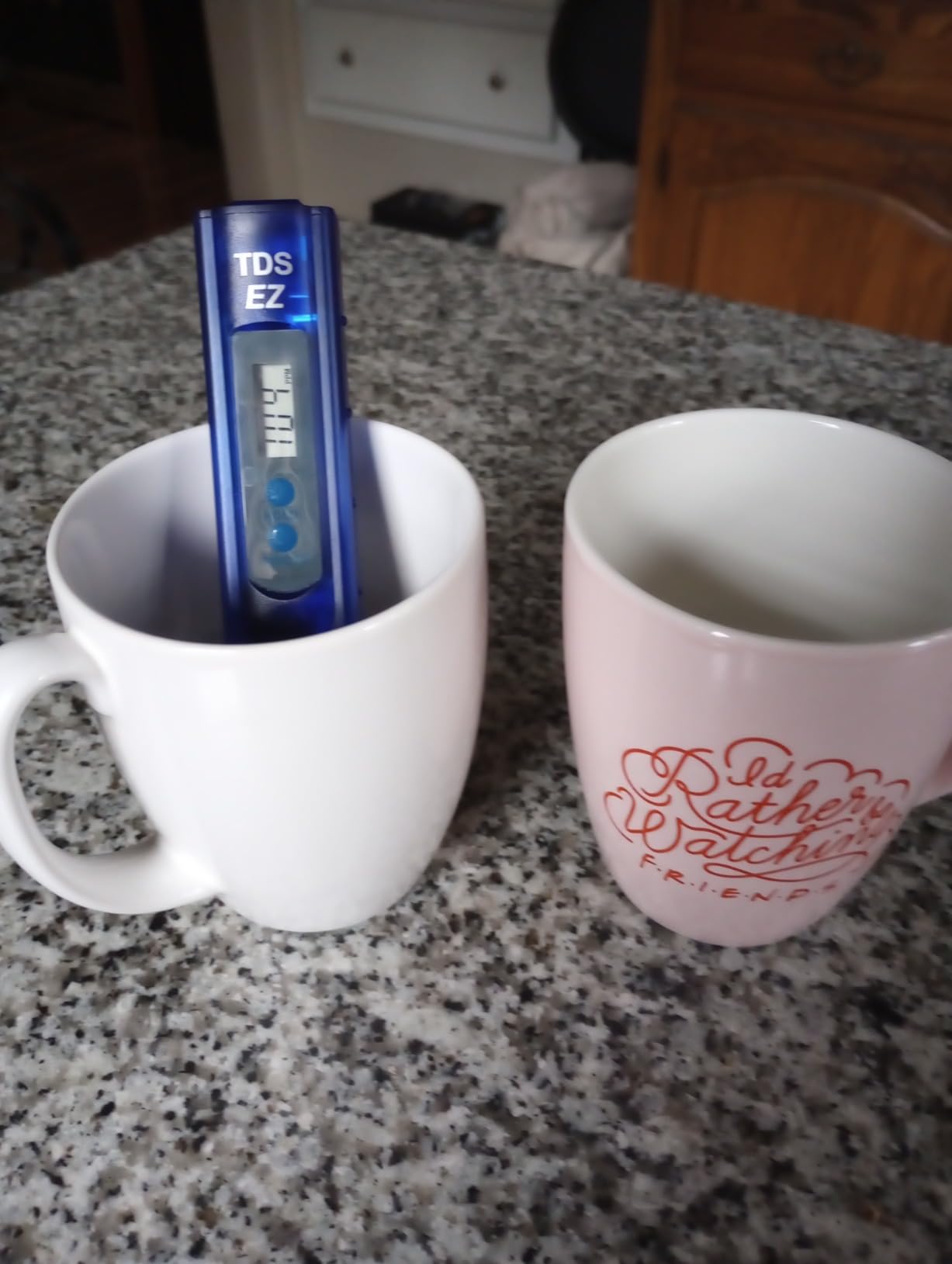
Filtration is five RO stages with a UV component, and the filter set is rated for up to 529 gallons. Users report dramatic drops, with one test moving tap water from 357 ppm down to 17 ppm. The self-cleaning cycle and the filter change indicator reduce the maintenance guesswork.
Plan the vertical space carefully. The unit is 16.4 inches tall closed but needs roughly 22 inches of clearance when the lid opens, and the 16.2 inch width means it needs a real stretch of counter.
Does the Aigerri work in an apartment?
It plugs in and needs no faucet connection, so it clears the lease test easily. The tradeoff is that it is one of the larger machines in the group, and an apartment with 18 inches of usable counter is a tight home for a 16 inch wide body with a lifting lid.
The 5:1 ratio also makes it a good fit for conservation-minded renters in areas with water restrictions or where the landlord passes through the cost of every gallon.
What reliability issues should I know about?
Reviewers report two patterns: base tank valves that can weep after several months of use, and units that eventually show a lack of water error and stop dispensing until the tanks are reseated. Both are fixable issues rather than end-of-life failures, but they are worth weighing if you are not handy.
There is also a support detail worth flagging. The troubleshooting links on the listing point toward an under-sink model rather than this countertop unit, so set aside a few minutes to find the correct manual before your first filter change.
For water saving in an apartment, the 5:1 ratio is the deciding factor, and the self-cleaning cycle makes it low-effort for a renter. That earns the badge despite the size and the support rough edges.
9. Waterdrop C1S Review – Best for Refrigerator Storage and Simple Controls
Waterdrop C1S Countertop Reverse Osmosis Water Filter, 6-Stage Filtration
Detachable 34oz tank that fits a refrigerator
Smart touch screen with TDS display
3:1 water efficiency
12 month composite filter
Pros
- Pure water tank detaches and stores in a refrigerator
- Touch screen shows TDS and filter life at a glance
- Five adjustable volume settings
- One composite filter rated at 12 months
- Automatic rinse on power-up
Cons
- Lowest average rating in this group with a 14 percent one-star share
- One composite filter handles all contaminant removal
- Room temperature water only
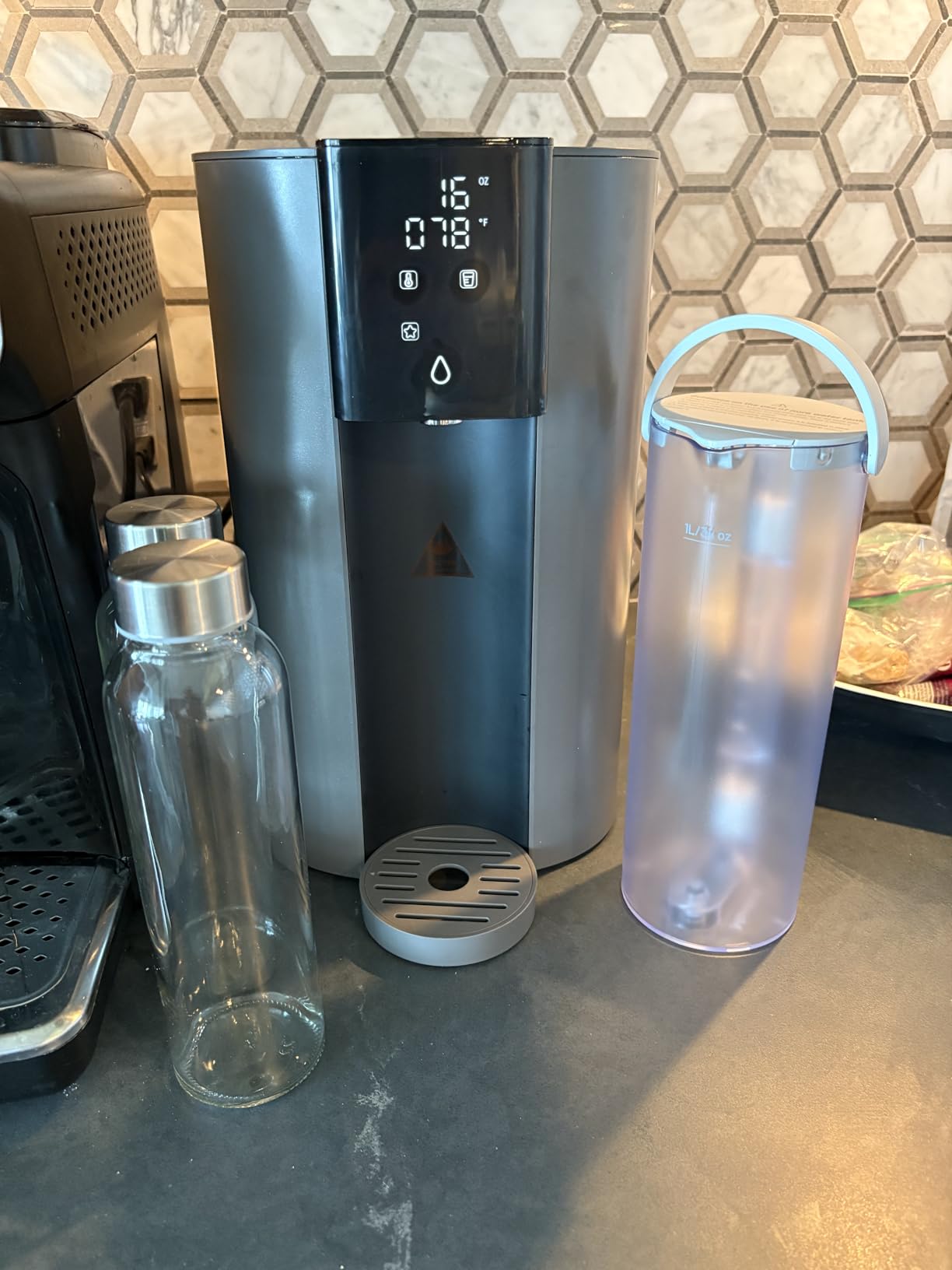
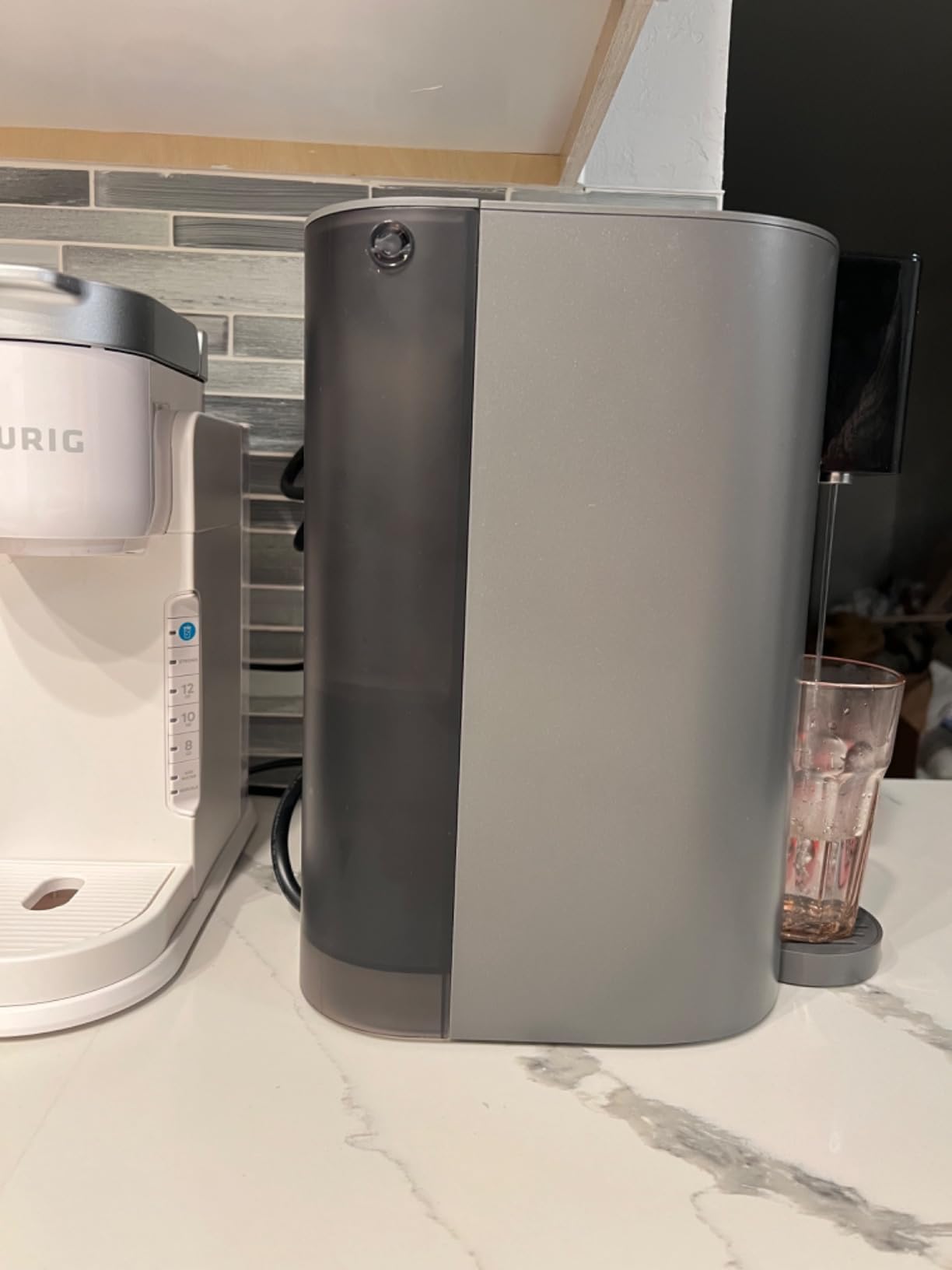
The Waterdrop C1S is designed around one idea: the machine stays on the counter and the water does not. Its 34 ounce pure water tank detaches and fits inside a refrigerator door, so you filter once and drink cold for a couple of days. In a studio apartment where the fridge is already crowded, that is a real advantage over a fixed tank.
Controls are a smart touch screen showing real-time TDS and remaining filter life, with five volume settings and an automatic rinse when the unit powers up. A tank indicator at 50 percent prompts you to refill rather than running a cycle with an empty reservoir.
Filtration is six stages built around a 0.0001 micron RO membrane targeting TDS and PFAS, with a 3:1 water efficiency ratio and a single composite filter rated at 12 months. One cartridge per year is about as simple as maintenance gets.
It is also the least proven listing here, with the smallest review base and the lowest average rating of the ten. Peel the factory film off the screen before first use, and note that the unit is not intended for well water or source above 500 ppm TDS.
Is the detachable tank useful in an apartment?
Very. Apartments often have a small refrigerator and no room for a permanently mounted dispenser, but a detachable tank just occupies one shelf space. It also means fewer plastic fittings permanently holding water, since the machine’s own reservoir can stay empty between uses.
The tradeoff is batch size. 34 ounces is one large glass plus a refill, so you are filtering in smaller increments than a 5 liter machine would.
How does the C1S hold up over time?
Reviews are thin at this stage, and about 14 percent are one-star. The complaints cluster around the touch controls and the composite filter being responsible for every contaminant removal, which gives you less flexibility if you want to swap one stage rather than the whole set.
It earns the fridge-storage badge because the detachable tank is genuinely different from everything else in this group. If you want the simplest single-filter annual routine and cold water on hand, it is a reasonable choice, but the DREO offers a similar pitcher-based approach with more reviews behind it.
10. APEC RO-CTOP-C Review – Best for Travel and Faucet-Only Setup
APEC Water RO-CTOP-C Countertop Reverse Osmosis Water Filter System
Manual gravity fed, no electricity
Aluminum frame with carrying case
15.5 x 6.5 x 6.5 inch body
Rated to 2000 ppm source water
Pros
- Truly installation free
- hooks to most standard faucets
- No electricity needed so it works in an RV or hotel
- Carrying case included for transport
- Explicitly designed for apartments
- condos and students
Cons
- Will not fit pull-out
- designer or sprayer faucets
- Aluminum body is heavier and dated looking
- Smallest review base in the group
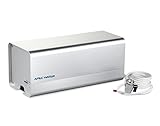
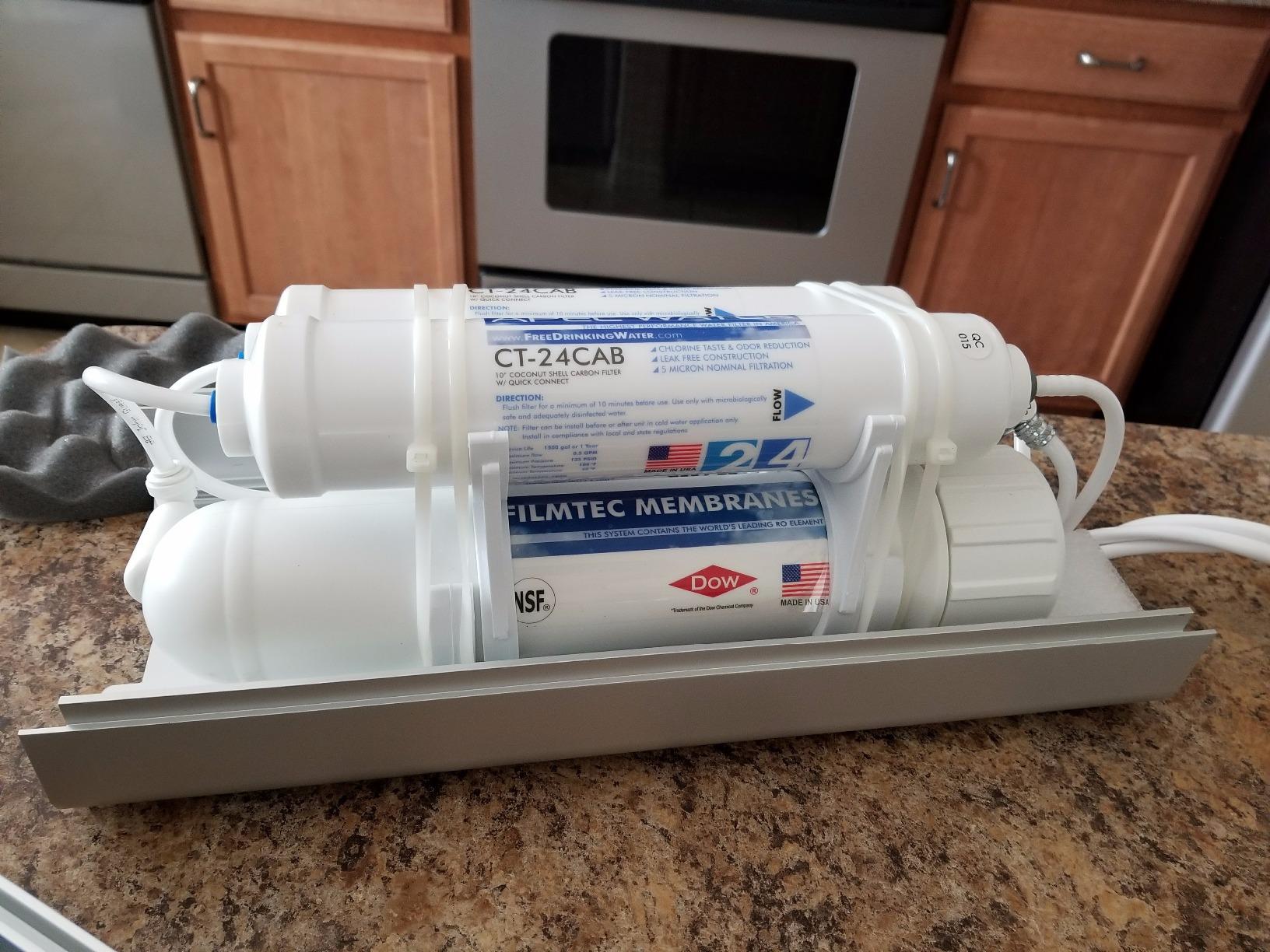
The APEC RO-CTOP-C is the one to pack. It is a low, flat aluminum unit that measures 15.5 by 6.5 by 6.5 inches, hooks onto most standard faucets, and runs entirely on water pressure with no electricity. A carrying case is included, so it moves between an apartment, an office and a hotel room without a second installation.
It uses activated carbon plus reverse osmosis stages and is rated for source water up to 2000 ppm TDS, so it handles hard water as readily as it handles chlorinated city water. Maximum operating temperature is 100 degrees F.
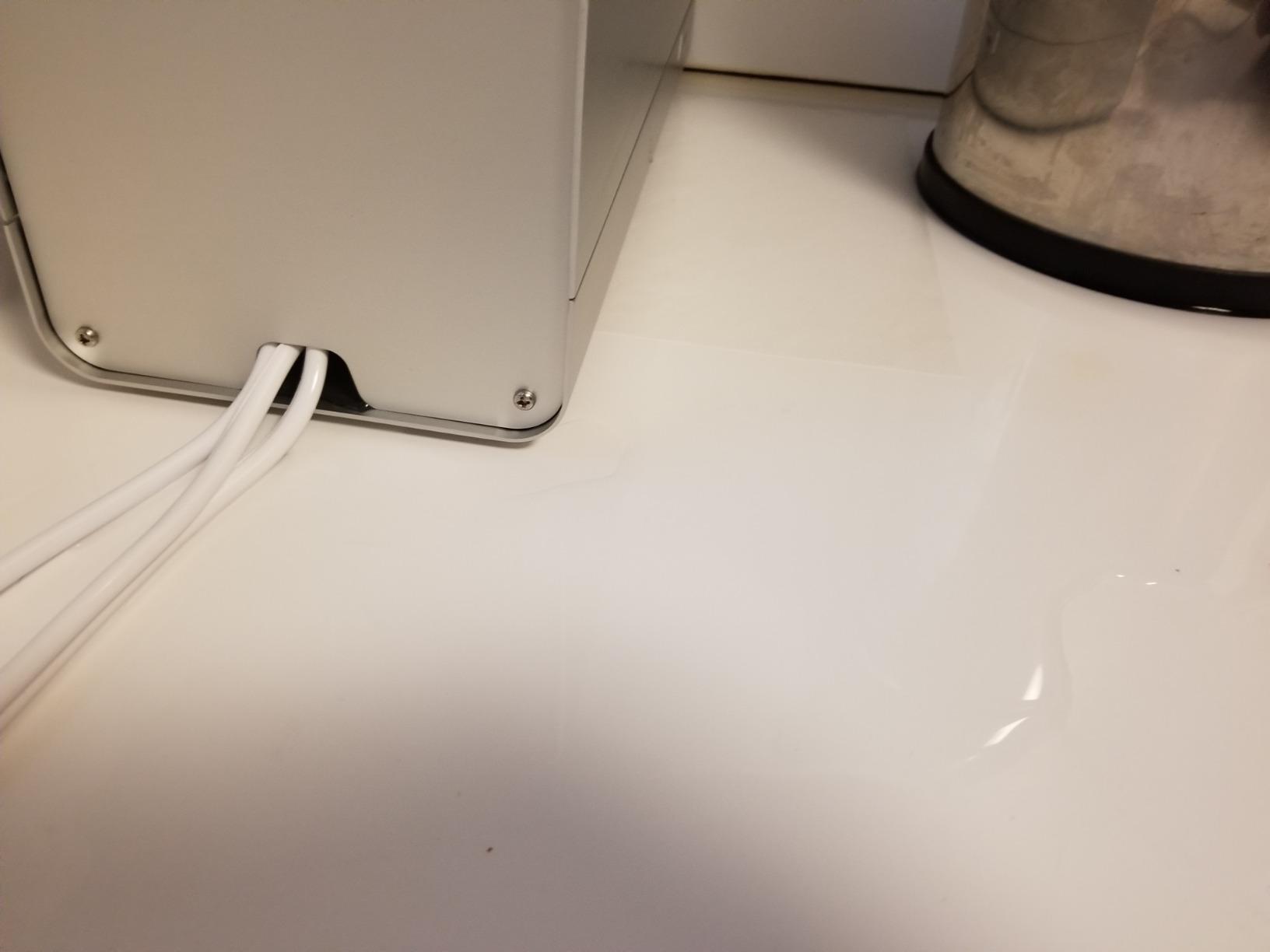
For an apartment this is close to an ideal form factor because the whole footprint is 6.5 inches tall and 6.5 inches deep. You can slide it behind a toaster or stand it on a windowsill beside the sink, and it leaves the counter visually uncluttered.
The tradeoffs are compatibility and looks. Pull-out, designer and sprayer faucets are not supported, so verify your tap first. The aluminum frame is heavier and more utilitarian than the glass and plastic designs elsewhere in this guide.
Is the APEC a good permanent choice for a rental?
Yes, provided your faucet has a threaded aerator. The clamp attaches to a removable part of the tap and comes off in seconds at lease end, so there is no residue and no landlord conversation to have. It also needs no outlet, which solves the older-kitchen power problem outright.
It works well as a second device, too. Many renters keep one unit at home and carry this one to a rental elsewhere or to a family visit where they want their own water.
What are the drawbacks?
The review base is the smallest of the ten at 191 ratings, so long-term reliability data is thinner than for the others. Filtering speed also depends on your supply pressure, which in a high-rise can be lower than in a detached house.
At 4.4 stars it is rated well by the buyers who own it. It earns the travel badge because the combination of no power, faucet hookup, a carrying case and a genuinely flat footprint is something no other unit in this group offers.
Countertop vs Under-Sink RO in an Apartment: What Changes
A countertop system wins on access and loses on volume. Under-sink RO gives you a dedicated faucet at the sink, runs at full household flow and hides under the cabinet where nobody sees it. Countertop units need an outlet or a faucet connection, occupy visible counter space and produce water in batches rather than continuously.
For an apartment, the deciding factor is permission. An under-sink system requires a hole in the sink deck or a dedicated faucet, and often a hole in the cabinet floor for the drain line. That is a plumbing modification, and it is exactly the kind of thing a lease can prohibit. Every unit in this guide avoids it, which is why they are the right category for a rental.
The other difference is cost per gallon over time. Under-sink systems use larger membranes rated for thousands of gallons, which spreads filter cost across a family. A countertop unit filtering one gallon a day makes the cartridge last far longer in calendar terms, so the annual figure for one or two people is small even on cartridges priced for household use.
If you have more permanent living arrangements and a kitchen sink with an unused hole, an under-sink system is still the better filtration tool. If you are renting and cannot modify anything, our under-sink RO roundup covers the alternatives worth knowing about before you rule them out.
Buying Guide: 9 Things to Check Before You Buy for a Rental
1. Faucet hookup, fill line or outlet – know which you need
Three connection styles exist, and only two are truly zero-install. Faucet-hookup units clamp onto a threaded aerator and are the safest lease choice of all. Countertop-fill units have a small reservoir you fill by hand from a bottle or the tap, needing no faucet modification but no permanent hookup either. Plumbed-feed units run a hose to the cold water line and do need under-sink access, which many landlords consider a modification.
Check that the unit needs only a standard wall outlet, and check where that outlet is relative to the sink. Older apartments sometimes have a single outlet across the room. We covered the tradeoffs in more detail in our kitchen reverse osmosis guide.
2. Measure the counter run before you fall for a spec sheet
Add up the width of the machine, the space its lid or tank needs when open, and a few inches at the back for the plug. The Aigerri needs 22 inches of vertical clearance with the lid raised, the AquaTru Classic claims 14 by 12 by 14 inches, and the SimPure is only 7.5 inches wide but 17.3 inches long. Measure your actual counter before you order, and remember that the same counter has to hold a kettle, a toaster and whatever else you cook with. If you are replacing a large appliance, a countertop convection microwave is a good stand-in for measuring the space you will actually have left over.
3. Pure-to-waste ratio determines how thirsty the machine is
Recovery rate is the amount of reject water produced per gallon of drinking water. The Express Water discards roughly three gallons of drain water per gallon produced, and the Bluevua ROPOT runs at 2:1, while the Aigerri runs at 5:1. For one or two people the difference on a water bill is small, but if you filter for a whole household the ratio becomes a real cost line.
4. Translate filter gallons into months for a one or two person apartment
Cartridges are marketed at 265 to 1200 gallons, and a single renter drinking one gallon a day uses about 365 gallons a year. That works out to a 265 gallon filter lasting roughly ten months and a 1200 gallon filter lasting more than three years. Multiply the replacement price by the annual figure and you get the true cost per person, which is usually lower than renters expect.
5. Understand what each certification actually claims
NSF/ANSI 42 covers aesthetic contaminants like chlorine taste and odor. NSF/ANSI 53 covers health-related contaminants. NSF/ANSI 58 covers TDS reduction specifically for RO systems. NSF/ANSI 372 certifies lead-free materials, which is a materials standard rather than a removal claim. Verified, accredited certification and a laboratory test to a standard are different claims, and only one of them appears in a searchable certification database.
You can check any claim yourself in about a minute by searching the model number in the IAPMO, NSF or WQA product directories. If the listing only says tested to a standard, assume it is not certified.
6. Decide between glass and plastic water storage
The Bluevua ROPOT, the ROPOT-Lite and the AquaTru Carafe collect finished water in borosilicate glass. The SimPure, DREO, Waterdrop, Aigerri and AquaTru Classic use BPA-free plastic reservoirs. Glass avoids any question about storage plastic, at the cost of weight and breakability, and it is easier to move to a refrigerator.
7. Plan for the wastewater tank
Every RO system sends reject water to a drain. Electric units collect it in a tank you empty after a cycle or two, and faucet-hookup units run it down the sink continuously. In a small kitchen the practical question is where the tank sits while it fills, and whether you remember it before you leave for work.
8. Budget for the flush cycle before first use
New membranes need flushing, and some units take longer than others. The SimPure runs roughly five cycles, and forum users report 36 to 46 minute flush times across several brands. Set up the machine in the evening or before leaving for the day rather than expecting drinkable water immediately.
9. Test your apartment tap water before you commit
Know your starting TDS number and whether your building has any lead or PFAS notice. The units with built-in TDS meters make this easy, and a TDS reading above 500 ppm tells you to pick a unit rated for higher input rather than one capped at 300 or 500 ppm. If you are in a building with a documented contaminant issue, the certified pick in this roundup is worth the premium.
Frequently Asked Questions
What is the best reverse osmosis system for an apartment?
The Bluevua ROPOT is our pick for most apartments because it needs no plumbing, no drilling and only a normal wall outlet, and it collects water in a borosilicate glass carafe. Its filter monitor tracks filter life and water quality on the display. For very tight counters, the Bluevua ROPOT-Lite offers a smaller body and a more efficient 3:1 pure-to-drain ratio. For verified contaminant removal breadth, the AquaTru Classic carries the widest certification coverage.
Can you put a reverse osmosis system in an apartment?
Yes. A countertop reverse osmosis system needs no drill, no plumber and no under-sink cabinet access. It connects to a faucet with a threaded aerator, or fills from a hand-filled reservoir, and the reject water drains into a tank you empty yourself. Faucet-hookup units leave nothing behind when removed. Plumbed-feed units run a hose to the cold water line and are the only style most landlords treat as a plumbing modification.
Is reverse osmosis renter friendly?
Countertop reverse osmosis is renter friendly because nothing is attached to the building permanently. No drilling, no sink-deck hole and no cabinet work is involved, and most units unplug and move with you when the lease ends. The two things to check first are your lease language on plumbing modifications and fixtures, and whether a suitable outlet exists near the counter where the unit will sit.
Are countertop reverse osmosis systems worth it?
They are worth it when your tap water tastes bad, carries chlorine odor, or your building has plumbing of unknown age that may leach metals and plastics. Reverse osmosis removes dissolved solids, fluoride, PFAS, lead and nitrates that a carbon pitcher will not. They are less compelling if your only complaint is mild chlorine taste, since a carbon block pitcher handles that at a fraction of the cost and with zero counter space.
What causes a RO water system to leak water?
Most leaks come from fittings, not from membranes. On faucet-hookup units the common cause is an inadequately hand-tightened RO membrane housing cap, which should be snugged firmly. On electric units, leaks usually trace to tank valves and quick-connect fittings loosening over months, or to a carafe or reservoir left seated on an uneven counter. Place a towel under the machine for the first cycle and re-check every few months.
Final Verdict: Which Countertop RO Belongs in Your Apartment
After comparing 10 systems on installation burden, footprint, water efficiency, filter economics and verified contaminant coverage, the Bluevua ROPOT is our recommendation for most apartments. It plugs into a normal outlet, needs no faucet work, collects finished water in a borosilicate glass carafe and shows filter life and water quality on its own display. Its 2:1 ratio wastes more water than most, which is a fair trade for the simplest ownership experience.
The exceptions are specific and worth naming. If your counter is genuinely tiny, take the Bluevua ROPOT-Lite for its smaller body and better 3:1 efficiency. If your building has a documented lead or PFAS concern, the AquaTru Classic earns its cost with the broadest certification coverage in the group. If there is no usable outlet near your sink, the Express Water EZRO5 or the APEC RO-CTOP-C run on water pressure alone. And if you filter mostly cold water you drink later, the Waterdrop C1S puts the tank in the fridge instead of on the counter.
Check your lease, measure your counter and test your tap water before you order. Then the right machine for the best countertop reverse osmosis systems for apartments is whichever of these fits your kitchen and your lease, not which one wins a lab score.