
If your water comes from a private well, the softener that works for a city supply will probably disappoint you. Well water runs harder, carries iron and manganese that municipal treatment removes, and picks up sediment after every heavy rain. Pick wrong and you will be replacing resin, not just adding salt.
We spent six weeks comparing ten of the most-reviewed whole-house softeners built for well conditions, reading every customer review we could find on each one and cross-checking specs against what well owners report in the field. What follows is our ranking of the best water softeners for well water in 2026, organized so you can jump straight to the situation that matches your water test.
Every pick below is judged on four things only: how much iron the resin tolerates, whether the control valve parts are still sold in ten years, how the system behaves during and after regeneration, and what real owners say after a year or more on a well. If you are still deciding how much iron you have, jump to the iron filter guide first, because your iron number decides which of these ten you should actually buy.
Table of Contents
- Quick Picks: Best Water Softeners for Well Water by Situation
- Why Well Water Needs a Different Softener Than City Water
- Best Water Softeners for Well Water in 2026: At-a-Glance Comparison
- 1. Aquasure Harmony 48,000 Grain – Best Overall for Well Water
- 2. AFWFilters Fleck 5600SXT 48,000 Grain – Best Value for a DIY Install
- 3. AFWFilters Iron Pro 2 64,000 Grain – Best for Iron and Manganese
- 4. Aquasure 72,000 Grain Whole House Bundle – Best All-in-One Stack
- 5. Tier1 48,000 Grain – Best for High Flow and Low Maintenance
- 6. Fleck 5600 SXT Iron Blaster 48,000 Grain – Most Compact for Long-Horizon Installs
- 7. Fleck 5600 SXT 48,000 Grain with 3/4 Inch Bypass – Best for Small Homes
- 8. Aquasana SimplySoft 40,000 Grain – Best for Tight Utility Rooms
- 9. Aquasure Harmony 70,000 Grain Fine Mesh – Best for Heavy Iron
- 10. Kenmore 350 32,000 Grain – Most Versatile for Small Households
- How to Size a Water Softener for Well Water
- Buying Guide: Iron Thresholds, Resin and Pre-Treatment Order
- Frequently Asked Questions
- Do you need a special water softener for well water?
- Can a water softener remove iron from well water?
- What is the most reliable brand of water softener?
- How do I size a water softener for well water?
- Is a salt-free water softener good for well water?
- How much salt does a water softener use and how long does it last?
- Which Water Softener for Well Water Is Right for You
Quick Picks: Best Water Softeners for Well Water by Situation
Three systems stand out immediately. The Aquasure Harmony 48k is the one we would put in our own house, the AFWFilters Fleck build is the smarter money move for a confident DIYer, and the Iron Pro 2 is the one that actually carries iron and manganese in a single tank.

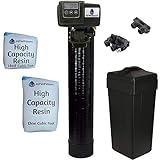
Aquasure Harmony 48,000 Grain
- 48000 grain capacity
- Digital metered head
- Triple-purpose pre-filter
- 5-year warranty
AFWFilters Fleck 5600SXT 48K
- Fleck 5600SXT valve
- 48000 grain capacity
- Salt-saving metered regen
- 5-year warranty

AFWFilters Iron Pro 2 64K
- Iron up to 6 ppm
- Manganese up to 6 ppm
- 64000 grain capacity
- Fleck 5600SXT valve
Other situations worth naming up front: the Aquasure 70k Fine Mesh is the highest iron-rated softener in the group at 10 ppm, the Fleck Iron Blaster is the premium build for a long-horizon install, and the Kenmore 350 is the budget pick if your water tests mild and your household is small.
Why Well Water Needs a Different Softener Than City Water
Yes, you need a softener built for well conditions, and the difference is not cosmetic. A city supply typically arrives at 5 to 7 grains per gallon after the utility has already dealt with hardness. Many wells deliver 10 to 20 GPG, which means the softener is working two to three times harder from day one, and every regeneration cycle costs more salt and more water.
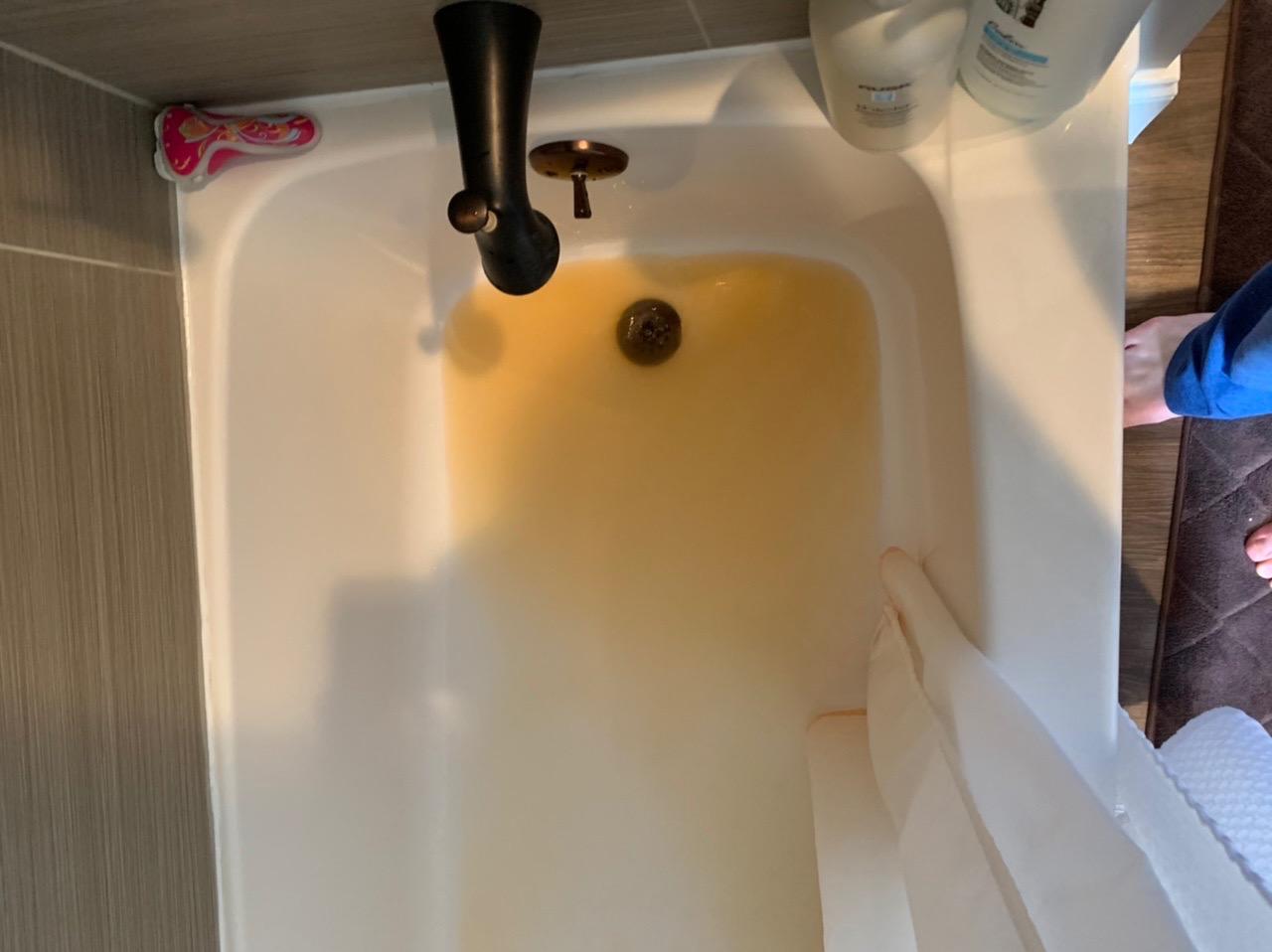
Then there is iron, and this is the part that ends softener careers. Standard resin can handle clear-water ferrous iron up to roughly 1 to 3 ppm. Above that, dissolved iron coats the resin beads and eventually chokes them, and it does not wash back out during a normal regeneration. One well owner posting in r/wellwaterguide documented a softener whose resin fouled in 8 months on a well running 4.2 ppm iron, despite the tank being labelled for iron removal.
Manganese works the same way with less visible warning. Sulfur, or hydrogen sulfide, is a separate problem entirely: a softener can reduce the hardness that feeds sulfate-reducing bacteria but will not remove the odor itself. Our whole-house well filter guide covers that side of the treatment train.
Three numbers from your test report decide everything: hardness in GPG, iron in ppm, and flow rate. A well homeowner in Tennessee quoted 18 GPG hardness, 4.2 ppm iron and 3.1 ppm hydrogen sulfide as a typical rural profile, and that combination rules out a good half of the softeners sold for city water.
One more practical difference: a well softener has no city pressure behind it, and regeneration steals flow. A household running a well pump and pressure tank needs a control valve that can backwash without starving the house of water, and a service flow rate high enough that nobody notices.
Best Water Softeners for Well Water in 2026: At-a-Glance Comparison
Here are all ten systems side by side. Iron rating is the single column to read first, because it is the one that decides whether a softener survives on your particular well.
| Product | Specs | Action |
|---|---|---|
| Aquasure Harmony Series 48,000 Grain |
|
Check Latest Price |
| AFWFilters Fleck 5600SXT 48,000 Grain |
|
Check Latest Price |
| AFWFilters Iron Pro 2 64,000 Grain |
|
Check Latest Price |
 Aquasure Whole House Bundle 72,000 Grain Aquasure Whole House Bundle 72,000 Grain |
|
Check Latest Price |
 Tier1 48,000 Grain Water Softener Tier1 48,000 Grain Water Softener |
|
Check Latest Price |
 Fleck 5600 SXT Iron Blaster 48,000 Grain Fleck 5600 SXT Iron Blaster 48,000 Grain |
|
Check Latest Price |
| Fleck 5600 SXT 48,000 Grain 3/4 inch Bypass |
|
Check Latest Price |
 Aquasana SimplySoft 40,000 Grain Aquasana SimplySoft 40,000 Grain |
|
Check Latest Price |
 Aquasure Harmony 70,000 Grain Fine Mesh Aquasure Harmony 70,000 Grain Fine Mesh |
|
Check Latest Price |
 Kenmore 350 32,000 Grain Kenmore 350 32,000 Grain |
|
Check Latest Price |
1. Aquasure Harmony 48,000 Grain – Best Overall for Well Water
Aquasure Harmony Series 48,000 Grains Whole House Water Softener w/High Efficiency Digital Metered Control Head (48,000 Grains)
48000 grain capacity
12 gpm max flow
Ion exchange
5-year warranty
Pros
- 48000 grain capacity suits 3-4 bathroom homes
- Digital metered head with programmable backlit display
- Triple-purpose sediment carbon and zinc pre-filter
- Fiberglass-lined polyethylene tank with durable bypass
- 5-year warranty plus lifetime US-based support
Cons
- Digital head takes setup time to program right
- Well iron beyond the pre-filter still needs separate treatment
- 120 lb total weight needs two people to position
This is the softener we kept coming back to. With 3,199 reviews behind it and roughly 76 percent five-star, the Harmony 48k has the deepest owner history of anything in this roundup, and the pattern in those reviews matters more on a well than on city water: owners describe pre-filled resin, a metered head that measures real usage, and scale disappearing from faucets within a day or two.
The pre-filter is the underrated part. It handles sediment, chlorine, VOCs, pesticides, odors, rust and heavy metals before the water reaches the resin, which is exactly the job a well needs done and the job most city-oriented softeners skip.
Being straight about the limits: this is not an iron removal machine. Reviewers with iron above a few ppm consistently add separate treatment upstream, and the manufacturer does not claim otherwise. The programmable digital head also takes an evening with the manual before it behaves as expected, which is the single most common complaint in the reviews.
Flow rate is 12 gpm, which is enough for a three to four bathroom home on a well and comfortable during regeneration on a properly sized pressure tank. The tank is fiberglass-lined polyethylene at 10 by 10 by 62 inches, and the resin arrives prefilled so nothing gets spilled in the utility room.
What the well owners who kept it will tell you
Across the reviews, the repeat message is that this unit removes the maintenance headache rather than the maintenance itself. Salt replenishment is the only regular task owners report, and several mention that the digital head has cut their salt use noticeably compared with the timer-controlled unit it replaced.
Support is another theme. Multiple reviewers describe lifetime US-based technical support as a real difference during setup, and the 5-year extended warranty is one of the longer coverages in this price class.
When you should pick something else
If your test report shows iron above roughly 3 ppm, this is the wrong pick on its own, and adding a filter afterward means paying for two installs. The Iron Pro 2 or the Harmony 70k Fine Mesh handle iron in the same footprint.
Households above five people will outgrow 48,000 grains at typical well hardness. And if you want a system with no electronics at all, look at a kinetic dual-tank unit instead, which is outside this roundup entirely.
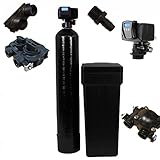
2. AFWFilters Fleck 5600SXT 48,000 Grain – Best Value for a DIY Install
AFWFilters Built Fleck 48,000 Water Softener System with 5600sxt Digital metered Valve 1″ Yoke
Fleck 5600SXT metered valve
48000 grain capacity
10 inch resin tank
5-year warranty
Pros
- Fleck 5600SXT measures real usage before regenerating
- Includes 10 inch resin tank and 15 inch brine tank with safety float
- Salt-saving on-demand regeneration
- 5-year manufacturer warranty
- Vendor support praised for programming help
Cons
- 1 inch ports need adapters that are not included
- Metal bypass is awkward on a 3/4 inch loop
- Printed instructions are poor
Reliability on a well tracks the control valve more than the brand badge, and the Fleck 5600SXT is the most common and most repairable control head sold in the United States. That is exactly what you want in a utility room where you will eventually replace a paddle, a seal or a power cell yourself, and r/WaterTreatment regulars call it out as the valve to buy if you want parts a decade from now.
This build pairs it with a 10 by 54 inch Pentair resin tank, a 15 by 34 inch brine tank with a safety float, a metal bypass and a 1 inch yoke, assembled at 62 inches overall. Owners replacing failed big-box units report dramatic hardness and taste improvement within a day or two.
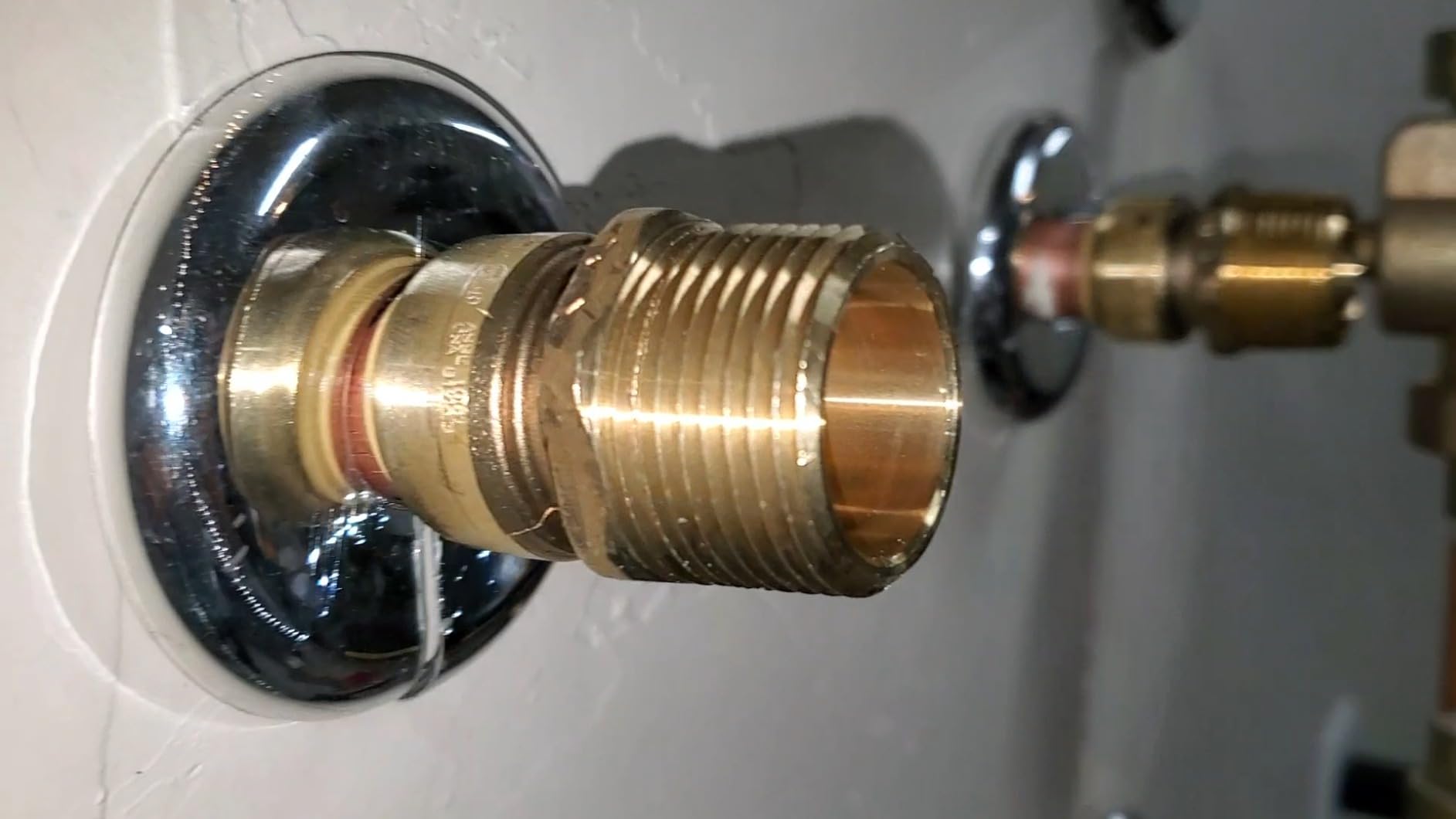
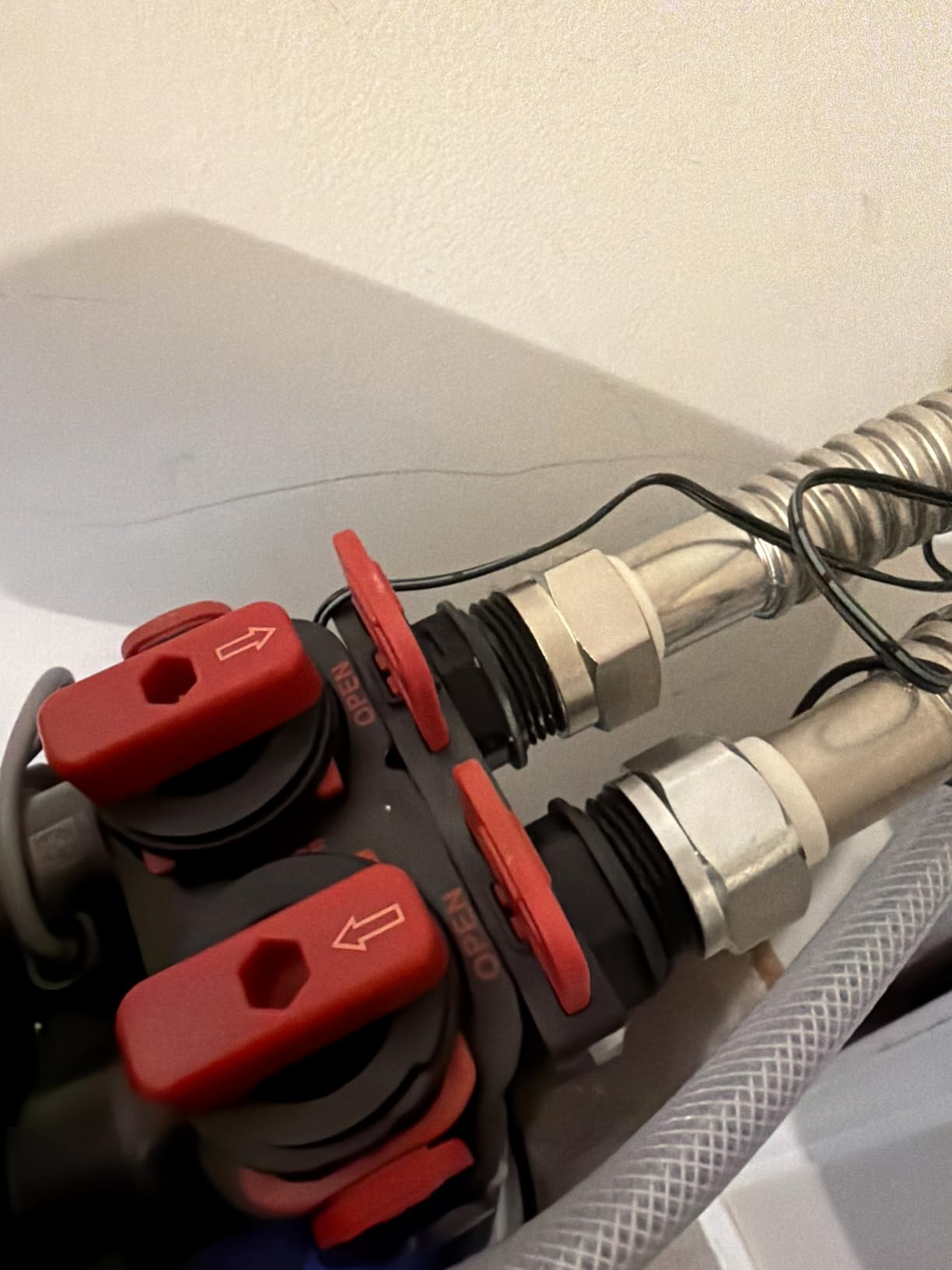
Every recurring complaint is installation hardware, not performance. The 1 inch female-threaded inlet and outlet need brass adapters to reach typical 3/4 inch residential plumbing, and those adapters are not in the box, which is the most common reason a weekend project turns into a plumber visit.
Worth noting for a well: you should still plan on a sediment pre-filter ahead of this tank. Iron-bearing wells also want fine mesh resin, which this standard build does not carry, so the sizing math below is the more important part of your decision here.
What matters before you buy this one
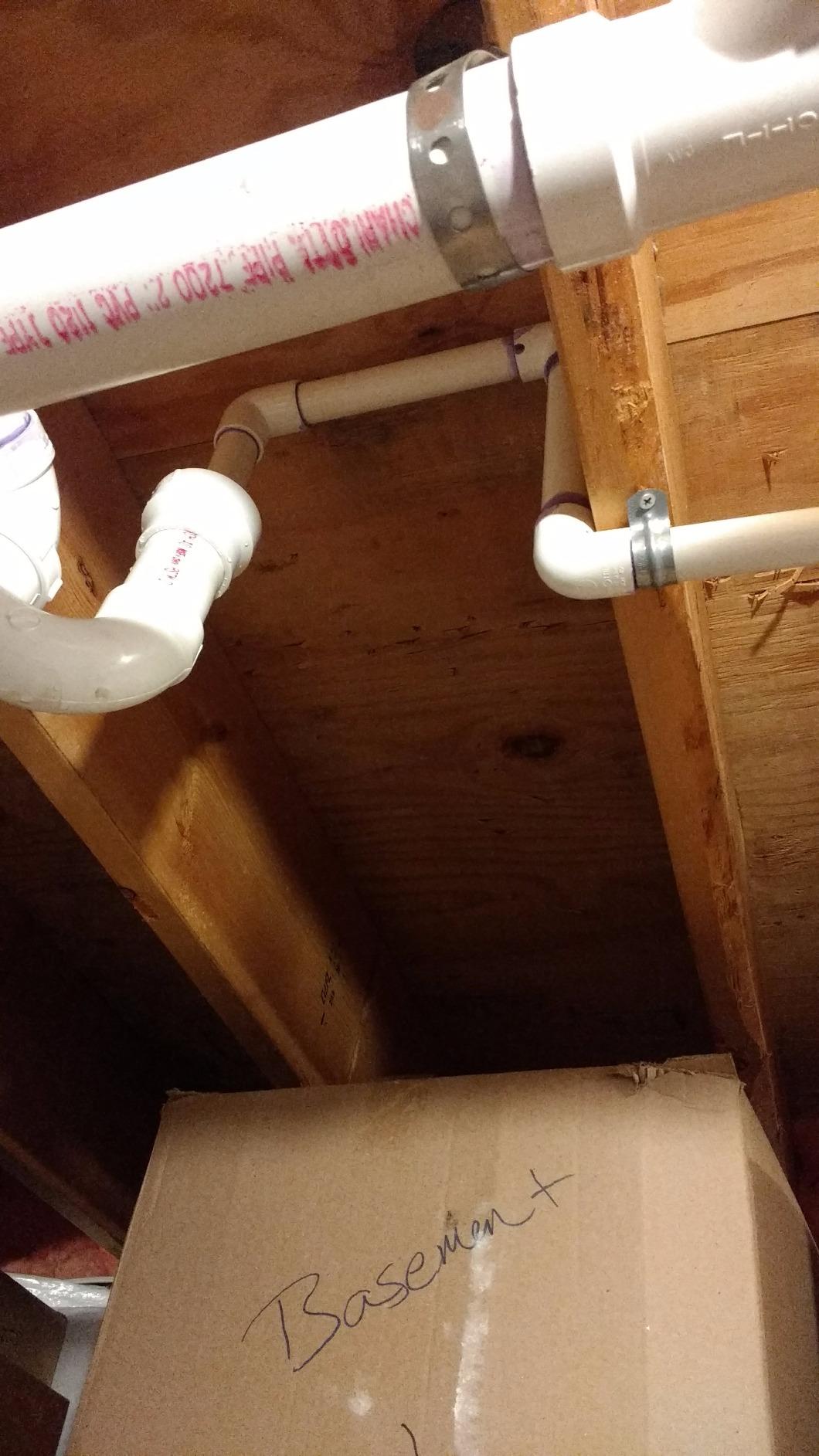
Check the diameter of the existing softener loop. If it is 3/4 inch, budget time and parts for adapting the 1 inch yoke, and seal the threads with the proper sealant rather than tape alone or you will be chasing a drip that shows up months later.
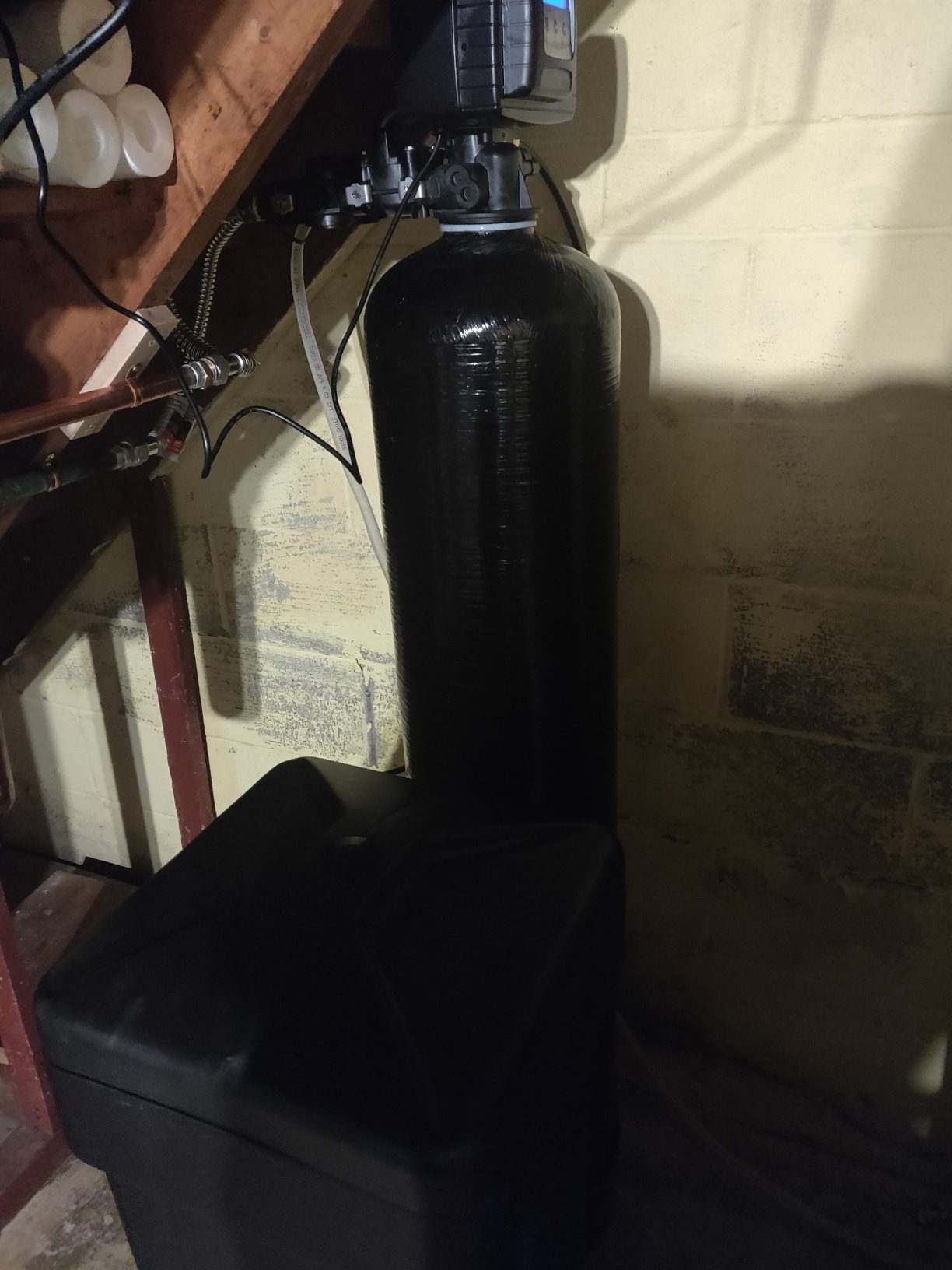
Look at the footprint too. This system is physically larger than a big-box softener, and a tight utility room next to the pressure tank is where most installs get rushed.
Where owners report trouble
The documentation is the weak point. Printed instructions are described as poor, and the valve label can be mismatched, so most installers end up working from install videos. One review also reports a failed control board and an unresolved warranty dispute, which is a single isolated case rather than a pattern.
It is also the least well-specific of the ten. It softens very well and holds up for years, but on a high-iron well it is a starting point, not a finished system.
3. AFWFilters Iron Pro 2 64,000 Grain – Best for Iron and Manganese
AFWFilters Iron Pro 2 Combination Water Softener Iron Filter Fleck 5600SXT Digital Metered Valve 64,000 Grain – High Flow for Whole House Use – Removes Hardness, Iron, Manganese, Sediment, Rust
Iron up to 6 ppm
Manganese up to 6 ppm
64000 grain capacity
Fleck 5600SXT valve
Pros
- Softener and iron filter combined in a single tank
- Iron up to 6 ppm and manganese up to 6 ppm
- 64000 grain capacity for larger households
- Fleck 5600SXT digital metered valve
- Resin pre-loaded in the mineral tank
Cons
- Installation instructions are thin
- 1-1/4 inch to 3/4 inch fittings not included
- One municipal-water owner reported higher than expected TDS
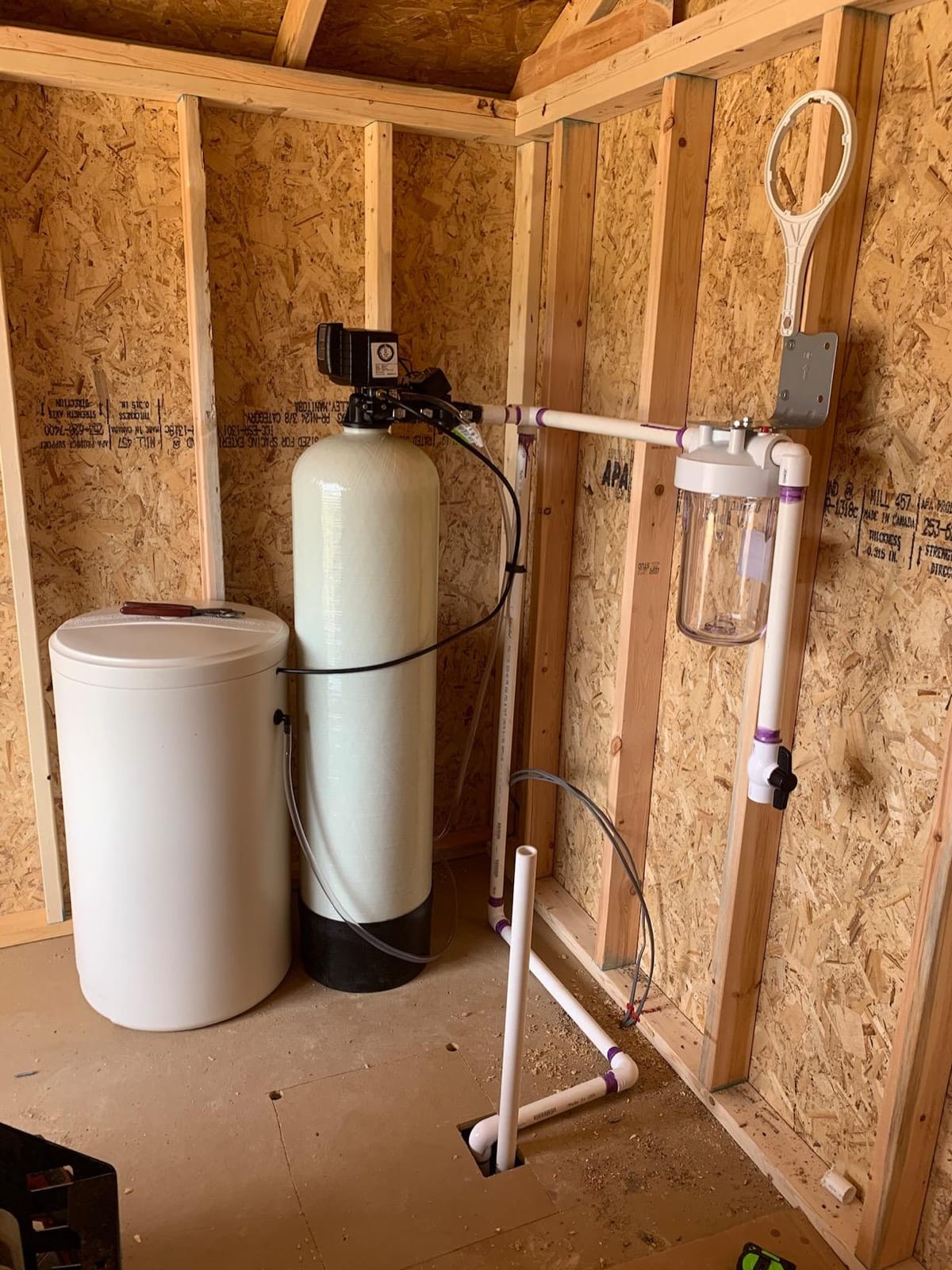
This is the most well-specific unit in the group. It is a combination softener and iron filter rated for hardness, iron up to 6 ppm, manganese up to 6 ppm, rust and sediment, all in one tank, which is the single question most well owners ask when they start shopping.
The reviews from well households are unusually specific. Buyers on high-iron wells report clear, odor-free water and no returning red staining after weeks of use, and the 4.4 star average across 483 reviews carries a 72 percent five-star share that is heavily weighted toward exactly this use case.
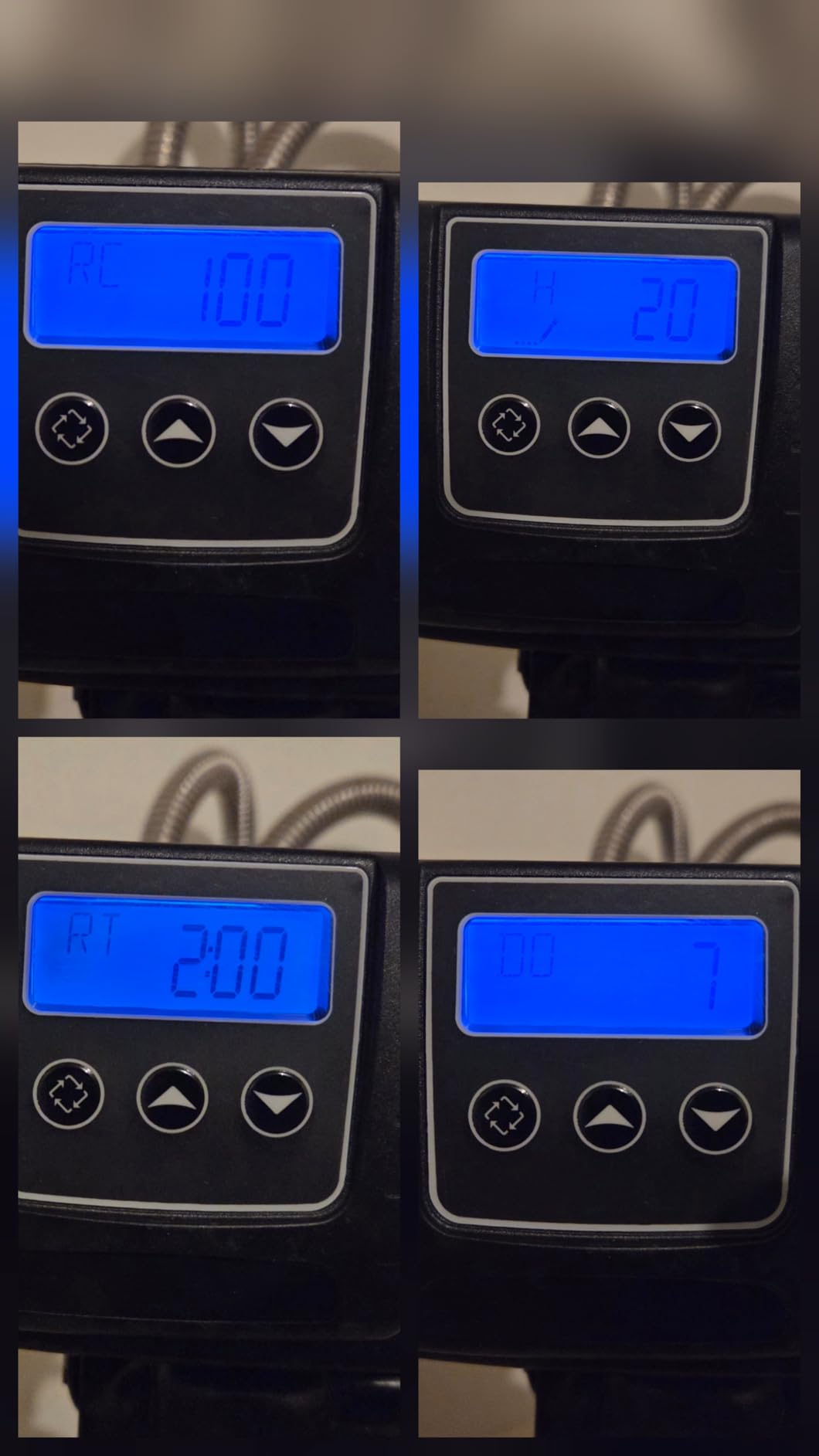
The Fleck 5600SXT valve can be set to regenerate on a fixed weekly schedule rather than purely on metered demand, and experienced well owners often prefer that because iron needs more frequent flushing than a pure usage calculation will trigger. Advanced programming is only reachable through a specific clock setting, which the instructions do not make obvious.
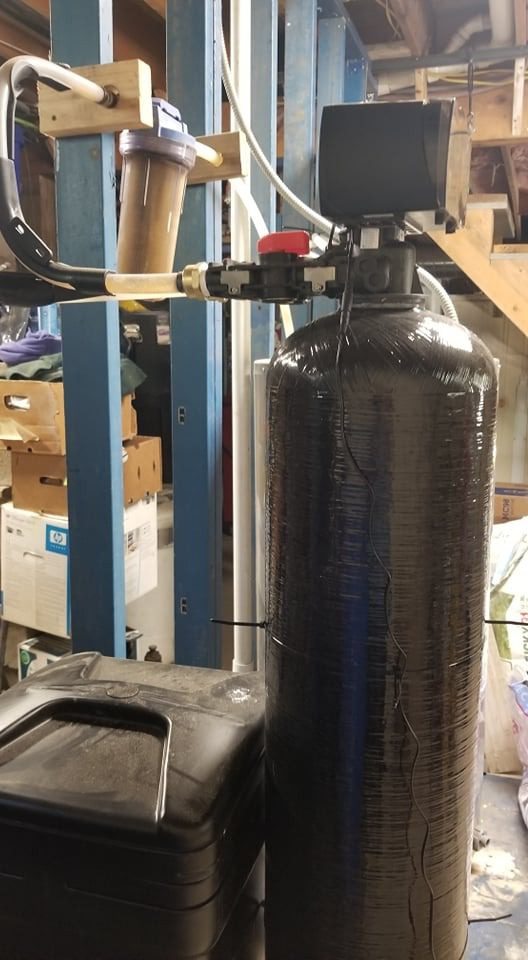
Capacity is 64,000 grains in a 64k configuration, sized for larger households that need both jobs done. Resin ships pre-loaded at roughly 119 lb, so you are not handling loose media in a cold garage.
Why well owners keep recommending it
The honest reason is that it removes the two-install problem. Instead of buying a softener and an iron filter and plumbing them in series, you have one tank doing both jobs, which saves parts, saves floor space and removes the single most common sequencing error beginners make.
Several owners also recommend pairing it with a 1 micron sediment filter upstream to keep grit out of the resin, which is cheap insurance on a well that runs cloudy after rain.
When this is not the answer
At 6 ppm iron you are at the top of the rating, not comfortably inside it. Wells running 8 ppm or more are better served by a dedicated oxidation stage ahead of a standard softener, and wells with hydrogen sulfide need treatment for the gas that a softener cannot touch.
Expect to source fittings separately. The 1-1/4 inch to 3/4 inch adapters are not included, and the instruction sheet is thin enough that experienced well owners treat the install as a weekend job with a backup plan.
4. Aquasure 72,000 Grain Whole House Bundle – Best All-in-One Stack
Aquasure Whole House Water Filtration Bundle w/Water Softener, 75 GPD RO System & Dual Purpose Sediment/GAC Pre-Filter (72,000 Grains)
72000 grain softener
75 GPD reverse osmosis
Sediment and GAC pre-filter
Digital metered head
Pros
- Largest softener capacity in this lineup at 72000 grains
- Includes a 75 GPD four-stage reverse osmosis drinking system
- Automatic digital metered head removes manual steps
- Users report multi-year problem-free ownership
- 5-year warranty with lifetime US-based support
Cons
- RO feed-water adapter is not included
- A few RO faucet failures reported in later months
- Bundle arrives as multiple boxes
Some households do not want two decisions, they want one. This bundle pairs a 72,000-grain whole-house softener, the largest capacity in this lineup, with a 75 GPD four-stage reverse osmosis drinking system and a dual-purpose sediment and GAC pre-filter in a single order.
That makes it the closest thing here to a complete treatment train, and reviewers treat it that way. Across 267 reviews at a 4.5 star average, owners report soft whole-house water plus drinking-grade RO water measured around 16 ppm, with salt replenishment as the only routine upkeep over multi-year service.
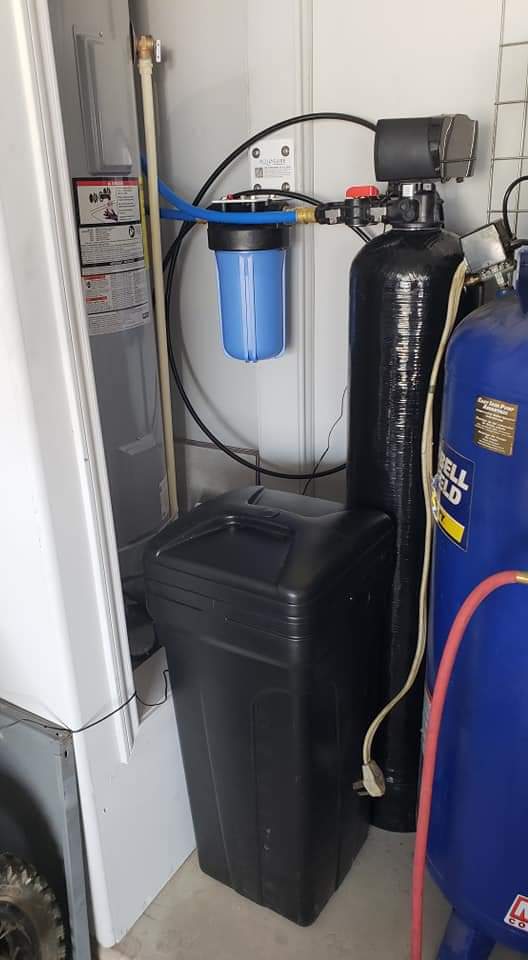
The softener itself is the well-proven part of the package: a fiberglass-lined polyethylene tank, a durable bypass, prefilled premium resin and an automatic digital metered head with a backlit programmable display. Seventy-two thousand grains covers up to six bathrooms, which is where most well families need to be.
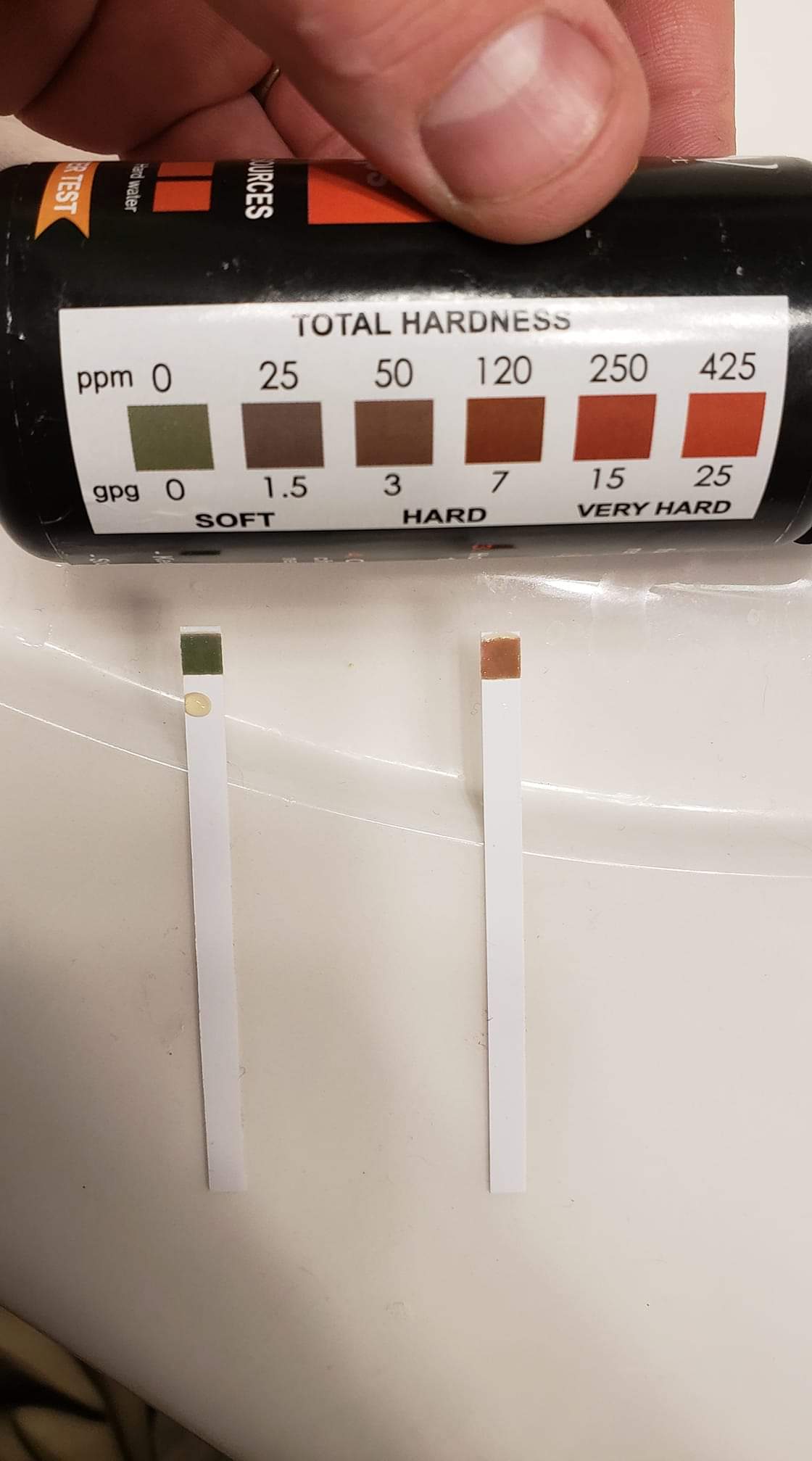
The measured TDS ceiling is listed at 500 ppm, which is worth checking against your own test report. Some wells run higher, and pushing a system past its listed ceiling is how you get resin that never fully recovers.
What buyers like most
The metered head removes the manual regeneration, backwash and draining steps that catch out first-time owners on a timer system. That single feature is why so many reviewers describe the system as set-and-forget over years rather than a weekend project.
Support is also a strength. Owners report that customer service supplies missing manifold adapters and replacement parts quickly, which softens the sting of the one fitting the package does not include.
Before you order, know this
The correct feed-water adapter for the RO system is not included, and the instructions do not flag that the unit will not connect without it. Budget for that part and for the extra plumbing to a separate drinking faucet before the box arrives.
A few owners reported RO faucet failures in the months after installation, and the bundle arrives as multiple boxes, so plan the delivery and a little storage. If you do not want drinking water filtered to a separate tap, the single-tank options above are cheaper and simpler.
5. Tier1 48,000 Grain – Best for High Flow and Low Maintenance
Tier1 48,000 Grain Water Softener System for 4-5 Bathroom Homes
18 gpm max flow
1.5 cu ft certified resin
Ceramic disk valve
10-year tank warranty
Pros
- 18 gpm maximum flow is the highest in this lineup
- Ceramic disk valve has no seals or rebuild kits
- 1.5 cu ft of preloaded NSF/ANSI 44 certified resin
- 10-year limited tank warranty
- Support singled out as fast and helpful
Cons
- One reviewer reported fixed 30-day regeneration
- 120 ppm maximum TDS is the lowest here
- Indoor installation only and not stated on the listing
Flow rate is the reason to look at this one, and on a well with a well pump and a modest pressure tank, flow is everything. At 18 gpm maximum, this system moves more water than any other unit in the group, which means nobody in the house notices when regeneration starts.
The other headline feature is the patented ceramic disk valve, which has no seals and no rebuild kits. Most softener service calls over a decade come down to a failed seal or a worn piston, and this design removes both from the failure list. The 1.5 cubic feet of preloaded NSF/ANSI 44 certified cation resin is sized for four to five bathroom homes.
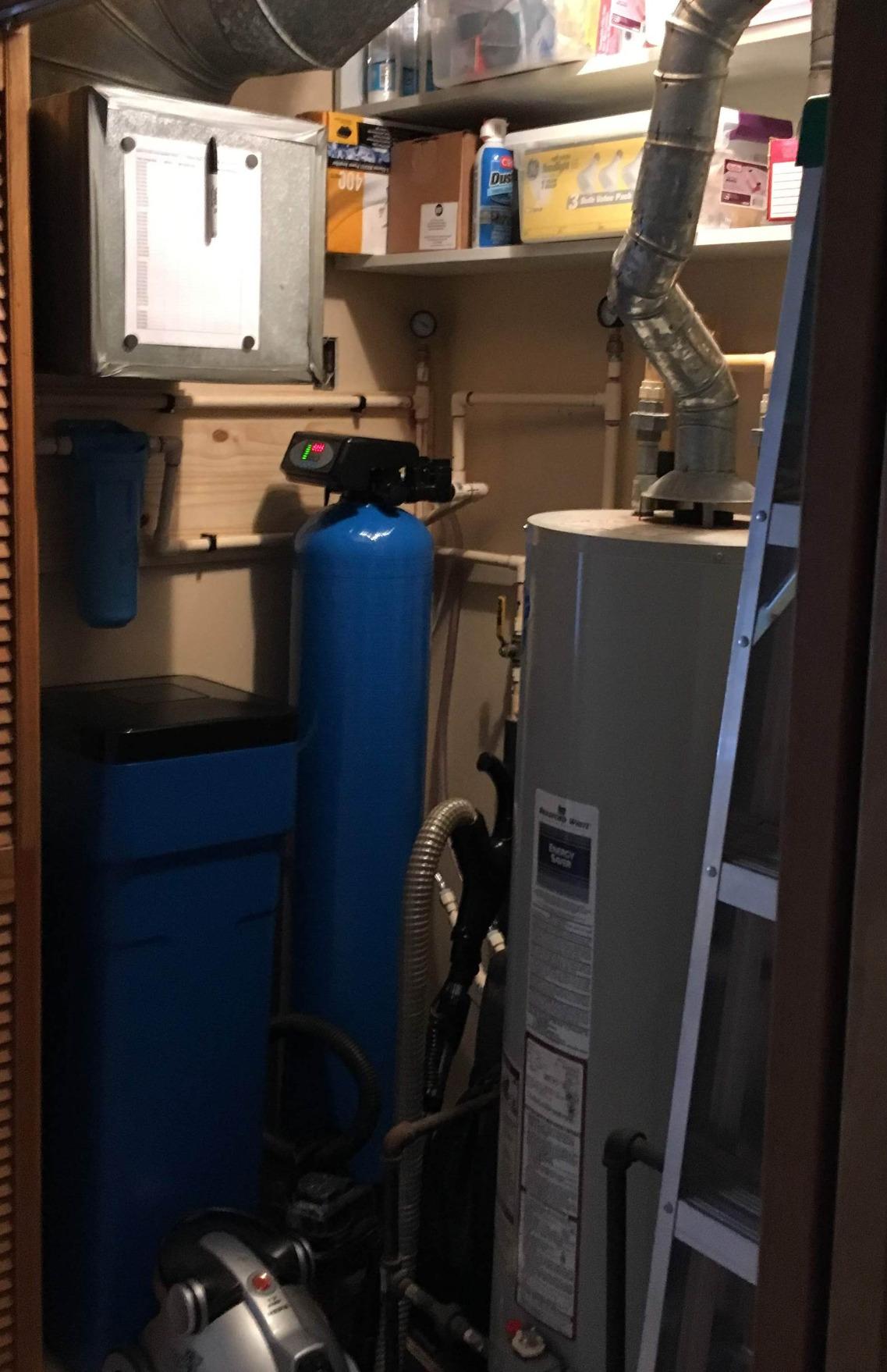
At 10 by 59 inches, the mineral tank and 13.5 by 32 inch salt tank also fit a tight utility room better than most, and the whole thing is powered by water pressure rather than an adapter, so there is no electrical outlet to find.
Warranty is the best in the roundup: 10 years on the tank, extendable by five more with registration and scheduled cleanser use.
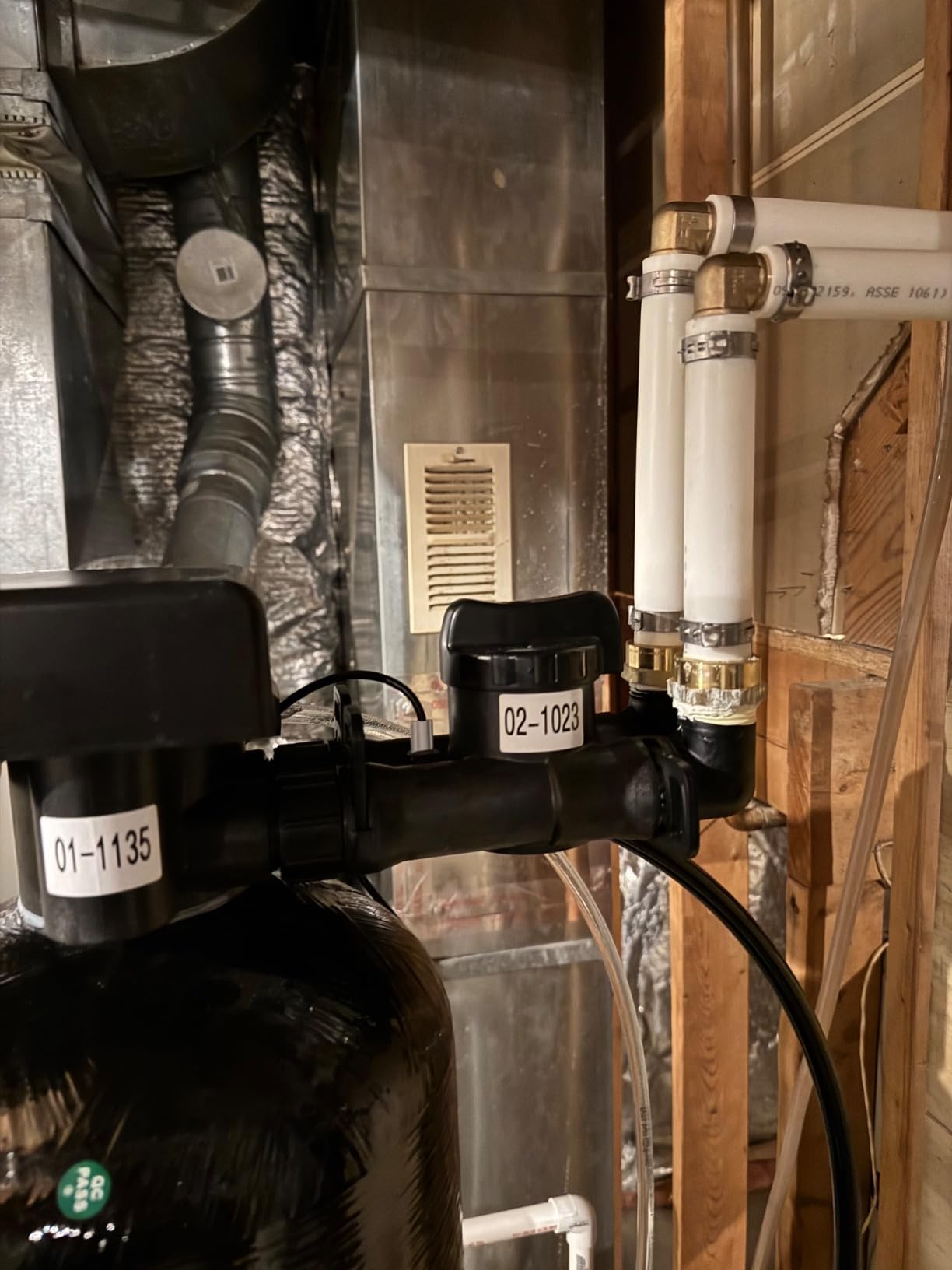
What long-term owners report
Most reviews describe a quiet, effective unit that runs for years. Owners particularly value the warranty length paired with responsive support that has troubleshot brine tank and fitting issues for them, which is the combination you actually feel at year five.
Salt bridges in the brine tank, the single most common maintenance complaint across this whole category, are reduced in the reports here, and the pressure-fed design keeps regeneration working even during a power outage.
Where this one falls short
Its 4.2 star average is the second lowest here, and the one-star share is heavier than the other Fleck-based builds. One owner reports the unit regenerating on a fixed 30-day schedule regardless of usage, which contradicts the metered description, so verify the behavior yourself in the first weeks.
The 120 ppm maximum supported TDS is the lowest in the lineup and a real constraint on a sediment-heavy well. It is also not rated for outdoor installation, and that restriction is not stated on the listing, so keep it in a heated space between 40 and 100 degrees.
6. Fleck 5600 SXT Iron Blaster 48,000 Grain – Most Compact for Long-Horizon Installs
DURAWATER Fleck 5600 SXT Iron Blaster 48,000 Grain Water Softener
Fine mesh resin for iron
48000 grain capacity
250 lb salt brine tank
60-month warranty
Pros
- Fine mesh resin chosen for wells with high iron
- Fleck 5600 SXT digital metered valve
- Brine tank holds about 250 lb of salt
- Resin tank arrives pre-loaded
- Detailed installation manual
Cons
- Does not fully clear sulfur odor on its own
- Uses a fair amount of salt
- Resin can load with iron under very high iron
This is the build we would trust for a ten-year horizon on a well that has iron. The resin is upgraded fine mesh, chosen specifically for elevated iron rather than for capacity, and the valve is the same Fleck 5600 SXT that has the deepest parts supply in the country.
Long-horizon reporting is the norm in the reviews. Multiple owners document four to six years of service on high-iron wells, and the 4.5 star average across 374 reviews comes with a 76 percent five-star share.
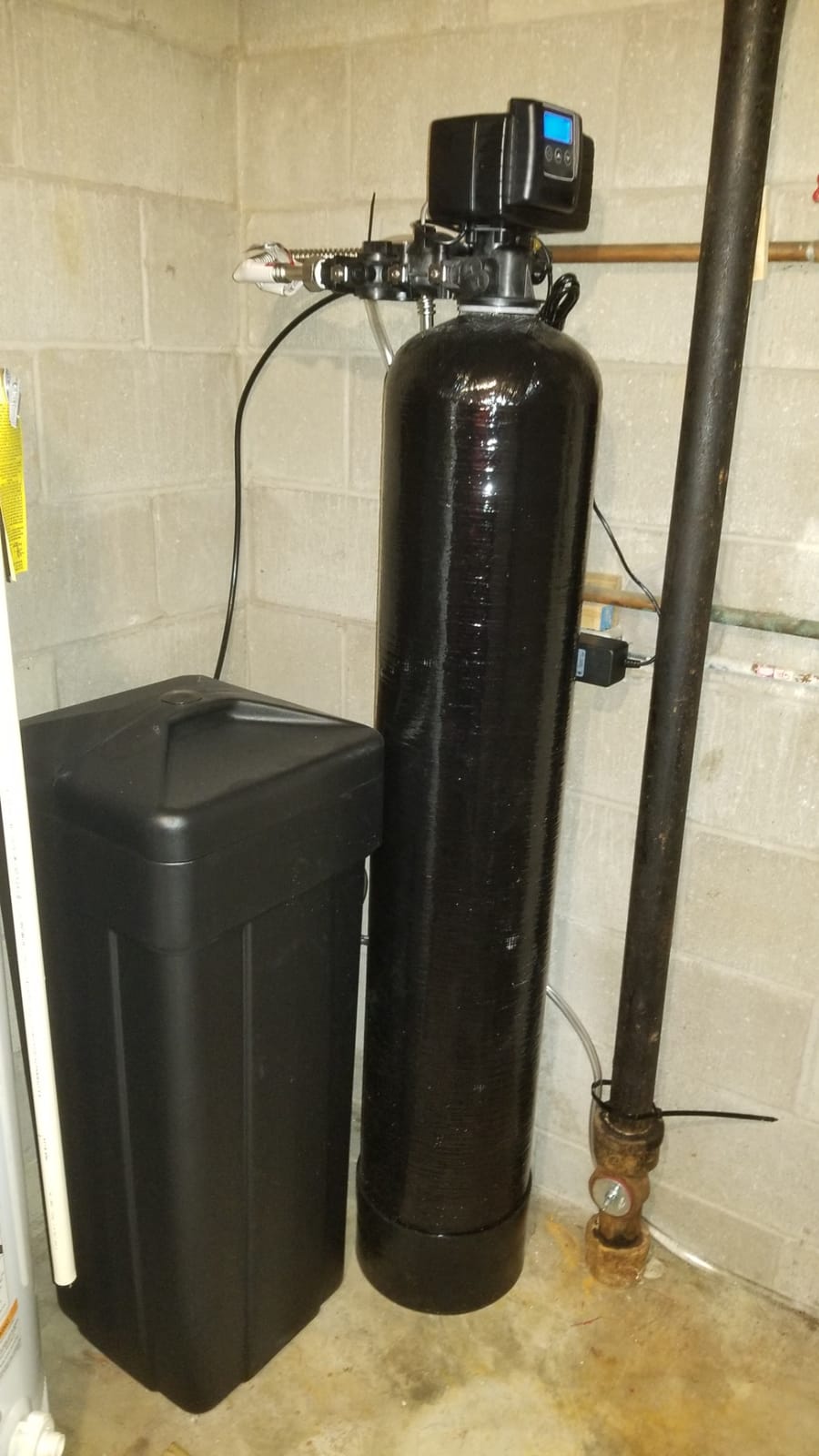
The hardware is thoughtful for a well. The upgraded paddle wheel meter regenerates on accurate measured usage, the 10 by 54 inch resin tank arrives pre-loaded, and the 14 inch square brine tank with a safety float holds roughly 250 lb of salt, which means you refill it a handful of times a year rather than monthly.
The DuraWater installation manual is detailed and easy to follow, which matters more than it sounds. Thin paperwork is the most common cause of a paid plumber visit on a weekend install, and this one avoids it.
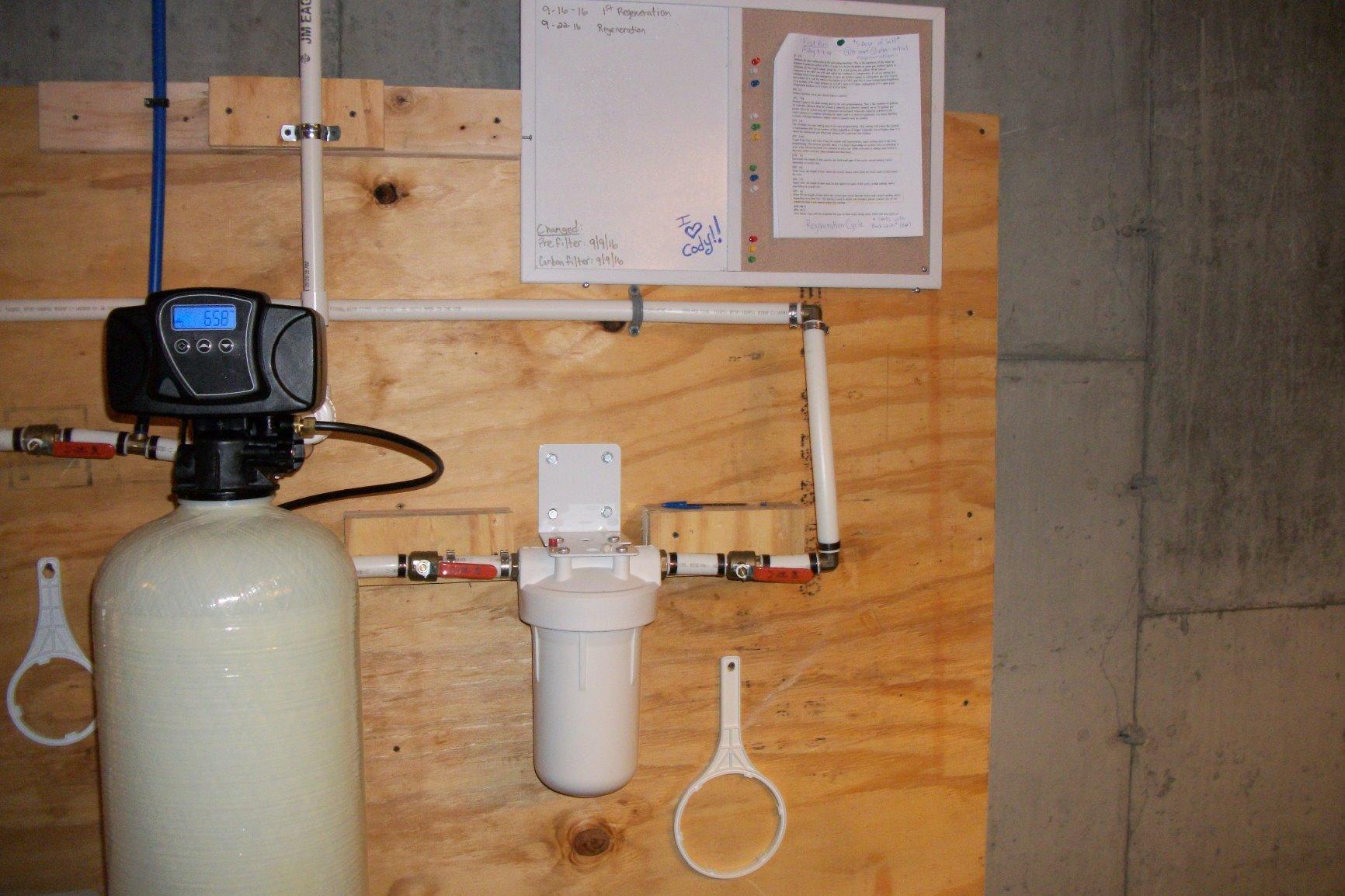
What experienced well owners add to the setup
The honest consensus in the reviews is that a softener softens, it does not fully remediate iron or sulfur on its own. Owners with heavy iron add an upstream iron filter and a periodic iron treatment in the brine tank, and the valve back-washes only as needed, which cuts salt compared with a fixed schedule.
That combination, fine mesh resin plus a metered Fleck valve plus an upstream filter, is the pairing r/WaterTreatment keeps arriving at for well installs, and this unit is the softener half of it.
Where it is not enough
If your hydrogen sulfide reading is meaningful, this will not fix the odor. The water needs oxidation or filtration for the gas, and a softener only removes the hardness that lets the bacteria thrive.
Salt consumption is another caveat, since this configuration is a fair salt user, and under very high iron the resin can load up and need more frequent regeneration than the meter calls for on its own.
7. Fleck 5600 SXT 48,000 Grain with 3/4 Inch Bypass – Best for Small Homes
DuraWater Fleck 5600 SXT 48K Water Softener/Iron Filter, 3/4″ Bypass, Black
Fine mesh iron resin
14 gpm max flow
3/4 inch bypass
Five-year warranty
Pros
- Handles hardness and iron staining in one unit
- Fine mesh resin tuned for well iron
- 14 gpm maximum flow
- 3/4 inch bypass avoids the adapter hassle
- Five-year warranty on the control valve
Cons
- No printed manual
- Orange water after backwash reported at about 5 ppm iron
- Drain hose and clamp not included
This is the same Fleck 5600SXT platform in a 3/4 inch bypass configuration, and that one detail solves the single most common install complaint in this roundup. No adapters, no mismatched threads, no weeping fittings, on residential plumbing that is almost certainly already 3/4 inch.
It is also a combination unit, handling hardness scale and iron staining in the same fine mesh resin bed. At 14 gpm it also runs a good deal faster than most competitors here.
The review record skews strongly toward well households, and they describe the same arc: hard, orange, metallic-tasting water becomes clear and soft within a day or two, and rust-stained fixtures and silverware stop deteriorating. Across 139 reviews the five-star share is 78 percent, the highest of the ten.
It is also available in black, blue or almond, which is a minor but real consideration in a finished utility room, and the 5-year warranty on the valve matches the platform.
What to check before you commit
There is no printed manual in the box, so setup depends on online documentation and install video, and the instruction photos are hard to read. Read them fully before you cut pipe, because the programming sequence on this valve is not guessable.
Also confirm the discharge path. The drain hose and clamp are not included despite the listing implying a complete system, and on a well you also need somewhere to put the brine line that will not freeze.
The one open issue worth weighing
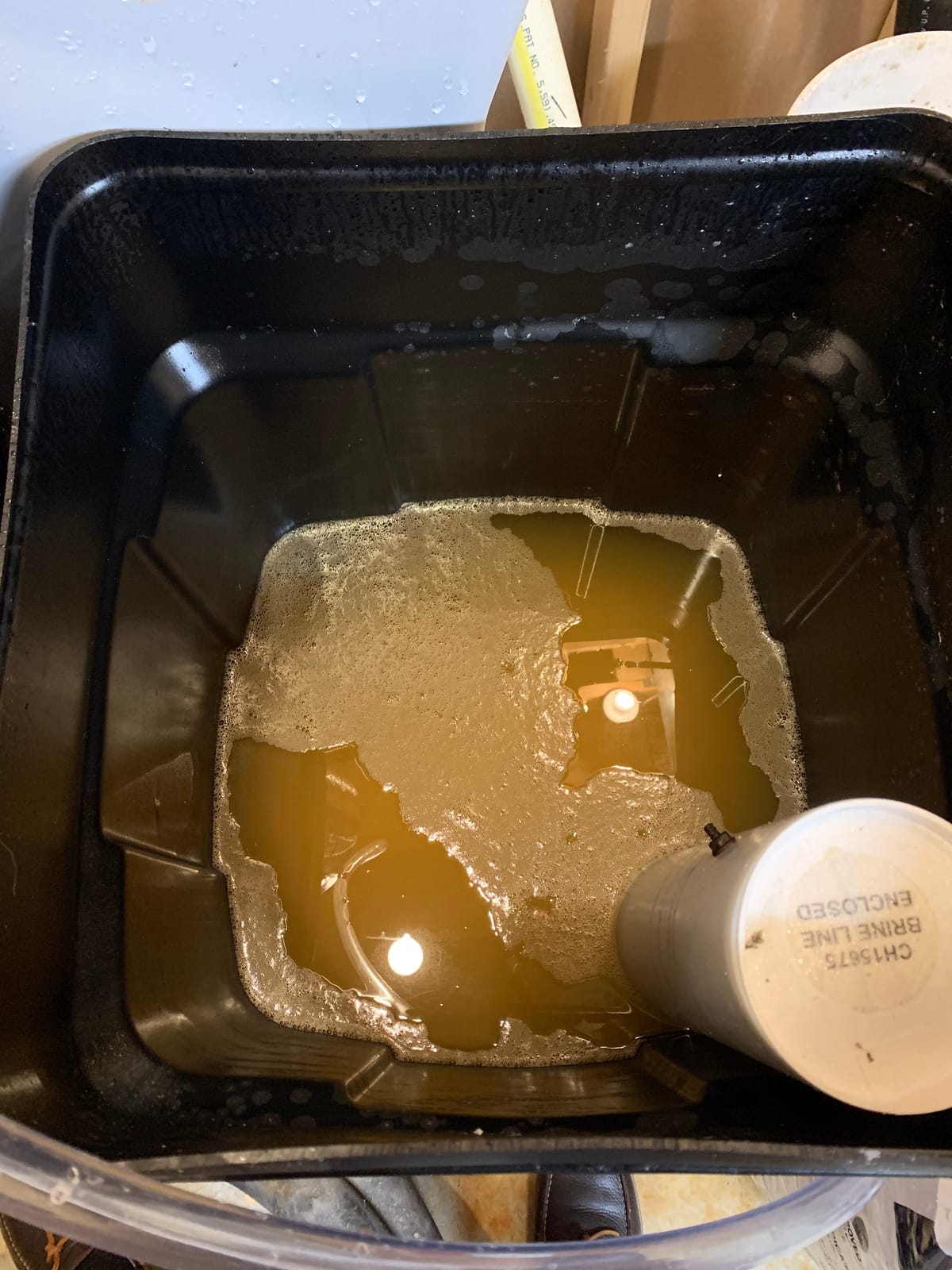
Two separate one-star reviews report orange water for a stretch after each backwash at roughly 5 ppm iron, and those cases were not resolved by tech support. At 5 ppm you are near the practical ceiling of what a softener-only approach handles well.
If your iron is that high, treat the free post-backwash clarity as a temporary cosmetic effect and plan on an oxidation stage upstream instead of living with it.
8. Aquasana SimplySoft 40,000 Grain – Best for Tight Utility Rooms
Aquasana SimplySoft Whole House Water Softener | 40K Grain | WH-SF40-BASE
Compact cabinet design
15.5 gpm max flow
50% less salt metered mode
IAPMO NSF 44 certified
Pros
- Metered mode uses 50% less salt and 28% less water
- Compact base tank and brine cabinet
- IAPMO certified to NSF/ANSI 44 and CSA B483.1
- 15.5 gpm flow across a 20-125 psi range
- Resin can be replaced without replacing the unit
Cons
- No printed manual and the guide conflicts with the video
- 40000 grains suits up to 5 people
- Programming requires converting ppm to grains
Every other system on this list is two cylinders standing on a floor. The SimplySoft is a base tank and brine cabinet, and at roughly 30 by 16 by 43 inches it takes about a third of the space of a conventional softener and brine tank setup. If your well equipment is squeezed next to a pressure tank, that is a real advantage rather than a cosmetic one.
Efficiency is the other argument. In metered mode the manufacturer claims 50 percent less salt and 28 percent less water than standard time-clock softeners, and owners highlight the space savings, near-silent regeneration and straightforward usage-based programming.
It is IAPMO certified to NSF/ANSI 44 and CSA B483.1 for hardness reduction, which matters if you want certification you can point at rather than a marketing claim.
Flow is 15.5 gpm across a 20 to 125 psi operating range, and the water temperature band is 40 to 100 degrees. The resin can be replaced in future rather than replacing the whole unit, which is the kind of detail that changes the ten-year math.

What well owners report
A well-water reviewer with heavy ferrous iron reports excellent results using the unit downstream of an upstream filter plus a resin cleaner feeder, which is the realistic way to run it: softener last, iron handled ahead of it.
Aquasana support is repeatedly described as responsive, and the 5-year and 10-year limited warranty options are among the more generous terms here.
Where you will feel the compromises
Documentation is the most substantive complaint in the reviews. There is no printed manual, it is online only, and the written guide conflicts with the install video on O-ring lubrication and thread sealer. Follow the video and you will be fine, but know that going in.
Forty thousand grains is a mid-range capacity and suits up to five people and four bathrooms. And programming requires converting your test reading from ppm to grains by dividing by 17.1, a small step that catches a lot of first-time owners out.
9. Aquasure Harmony 70,000 Grain Fine Mesh – Best for Heavy Iron
Aquasure Harmony Series 70,000 Grains Whole House Water Softener with Automatic Digital Metered Control Head | Fine Mesh Resin for Iron Removal, Reduces Hardness & Improves Water | for 4-6 bathrooms
Iron up to 10 ppm
70000 grain capacity
Automatic digital metered head
5-year warranty
Pros
- Highest iron rating in the lineup at 10 ppm
- 70000 grain capacity for 4-6 bathrooms
- Triple-purpose pre-filter clears chlorine and sediment
- Automatic digital metered head with programmable display
- 5-year warranty plus lifetime US-based support
Cons
- 13 by 13 by 57 inch footprint is bulky
- Lowest five-star share in the lineup
- 160 lb listed weight makes it a two-person move
If your iron reading is high and you want to keep everything in one softener rather than plumbing a separate oxidation stage, this is the unit with the highest iron rating in the roundup. The pre-filled fine mesh resin is rated to reduce iron up to 10 ppm, which is a meaningful jump over the 6 ppm ceiling of the Iron Pro 2 and the 3 ppm practical limit of standard resin.
Capacity is 70,000 grains, the largest softener-only figure here, sized for four to six bathrooms. Buyers who moved up from the 48k Harmony report the same digital head experience at higher capacity, which is a good sign of a mature product rather than a rushed variant.
The triple-purpose pre-filter is specified to clear 99 percent of chlorine, VOCs, pesticides, sediment, odors and heavy metals, and the metered head lets you tune regeneration intervals to incoming water quality and actual usage. On a well with variable water quality, being able to adjust that schedule is worth more than it sounds.
Construction is stainless steel with a durable bypass and prefilled premium resin, and the warranty is 5-year extended with lifetime US-based technical support on online activation.
What the reviews say about real installs
Critical feedback here is thin on any single defect and spread across installation logistics and whether the capacity step up is worth the price for your household. The 66 percent five-star share is the lowest in this lineup, so read the negative reviews for fit rather than defect patterns.
Owners who moved up from the smaller Harmony report a familiar interface, which matters if you already know how to program one of these.
When it is overkill
At 13 by 13 by 57 inches and 160 lb, this is the bulkiest and heaviest unit here, and it needs two people to move into position. Plan the floor space before you commit, particularly in a crawlspace-adjacent utility room.
If your iron is under 3 ppm, paying for a 10 ppm fine mesh rating is money you would be better spent on a pre-filter for a bigger sediment load. And if you are buying for four people or fewer, 70,000 grains is capacity you will not use, which pushes regeneration intervals and salt use up rather than down.
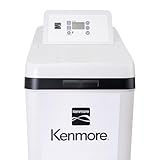
10. Kenmore 350 32,000 Grain – Most Versatile for Small Households
Kenmore 350 Whole House Water Softener System, 32,000 Grain, 1-4 People
32000 grain capacity
7.2 gpm max flow
IntelliSoft adaptive control
10-year tank warranty
Pros
- IntelliSoft learns household water use and regenerates on demand
- Reduces hardness plus clear-water iron
- Compact 20.5 by 15 by 48 inch footprint
- Built-in sediment shield
- 10-year tank warranty
Cons
- 32000 grains and 7.2 gpm are the smallest here
- 250 ppm maximum TDS is low for iron-heavy wells
- One-year full warranty is short
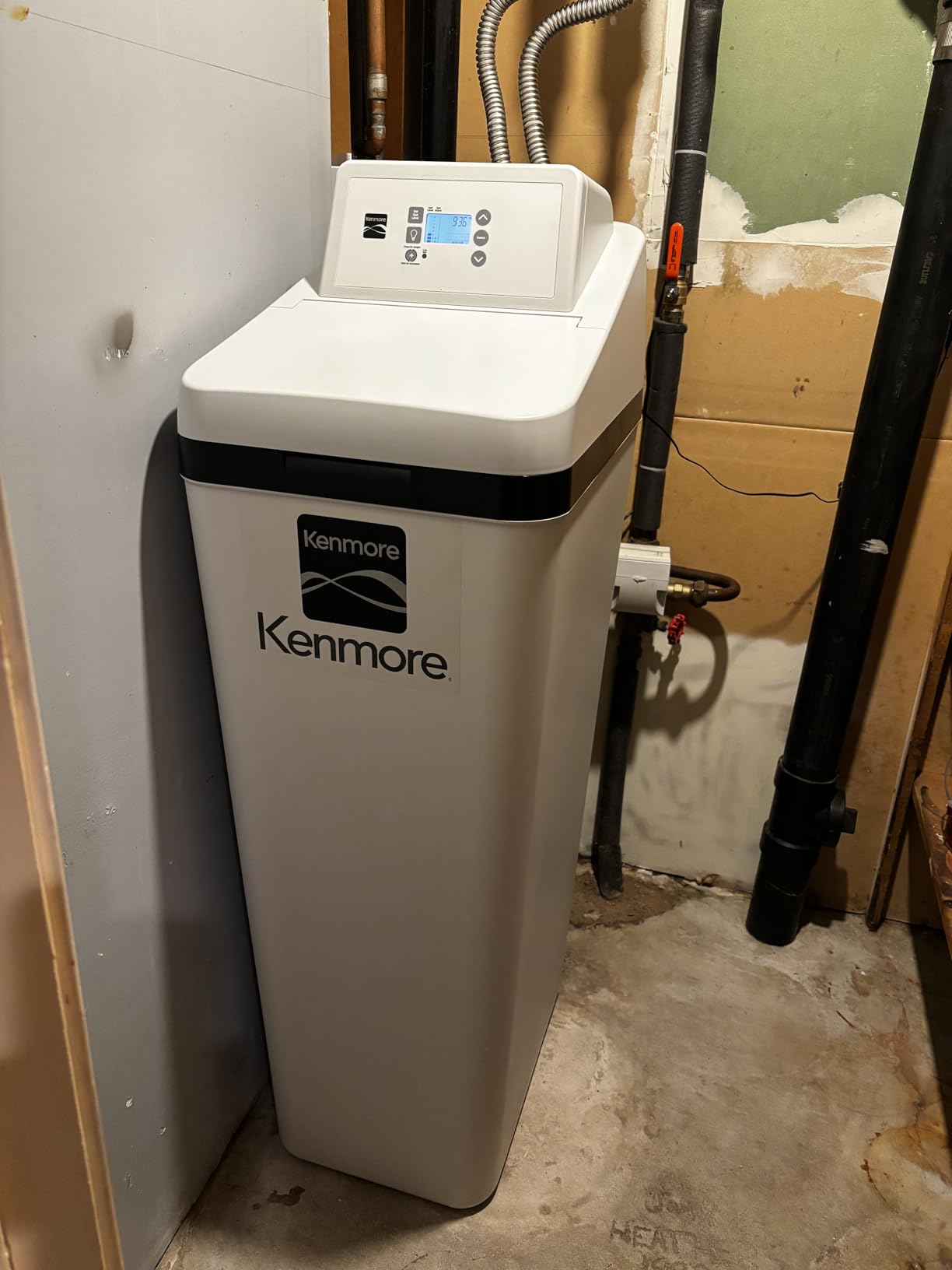
The Kenmore 350 is the simplest well-appropriate softener on this list, and for a specific household it is a genuinely sensible buy. The IntelliSoft control learns how your family uses water and regenerates only when needed, which is a real salt saving over a fixed time clock, and the built-in sediment shield handles the grit that a well brings in.
At 20.5 by 15 by 48 inches and 80 lb, it is also the smallest and lightest unit here, which matters in a utility room where you have to move it to service the brine tank.
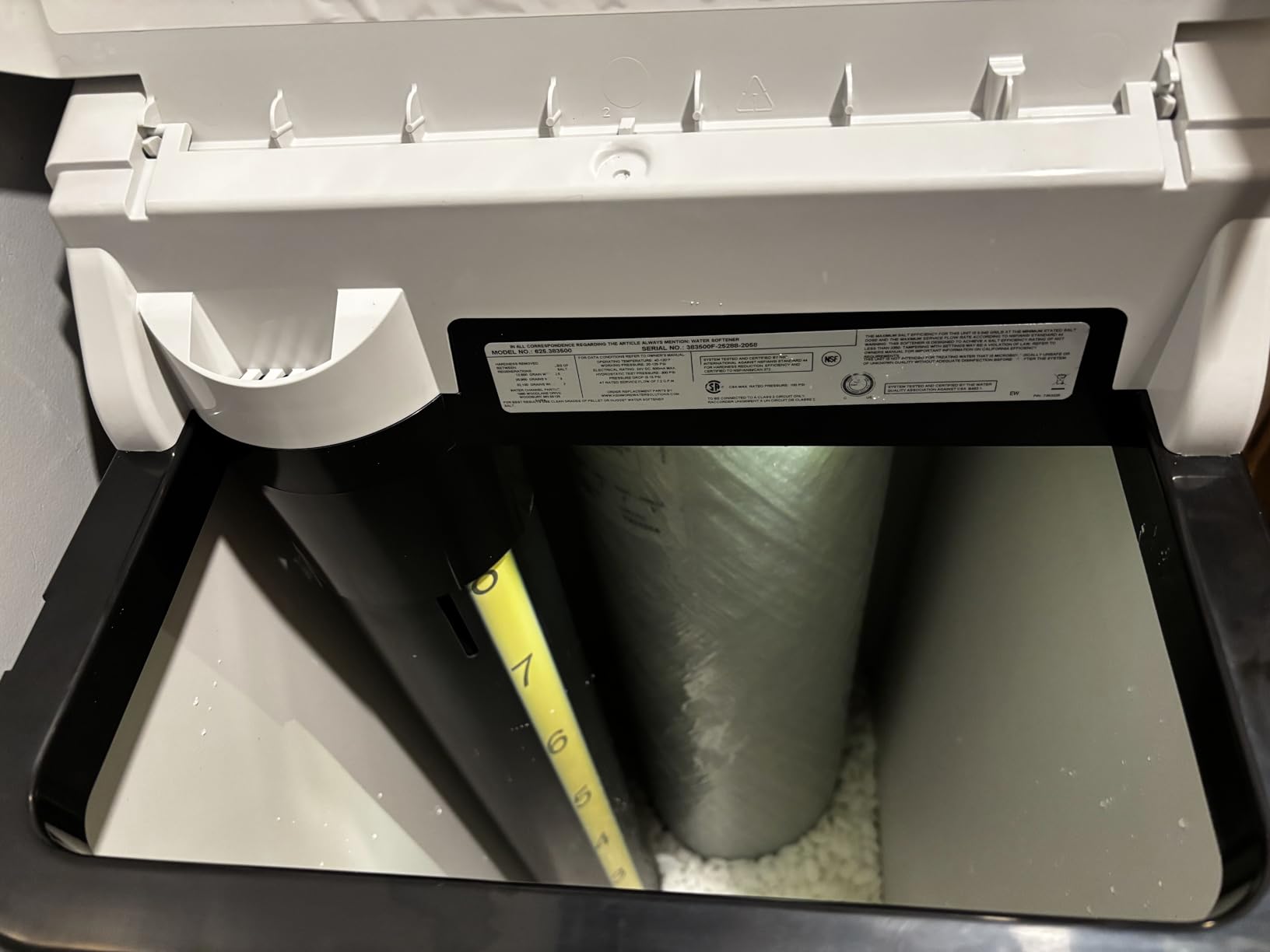
It is the only one in this roundup with a straightforward warranty structure that includes a 10-year tank warranty alongside a 3-year control board warranty, and the brand service network is easy to find if something fails.
Reviewers consistently like the smart metered regeneration, the small footprint and the fact that a recognizable brand answers the phone.
What you give up for the smaller footprint
Capacity is 32,000 grains and flow is 7.2 gpm, both the lowest figures in this roundup, and the listing is explicit that it is built for one to four people. The 3/4 inch valve is the other limit, and on a well with a pressure tank it is the flow number that matters when several fixtures run during regeneration.
The 250 ppm maximum supported TDS is also on the low side for a sediment and iron heavy well, and the one-year full warranty is short next to the 5-year coverage on the Fleck and Aquasure builds.
Be clear about what it does not fix
It handles clear-water iron, which is the ferrous kind that dissolves in well water. It does not address iron bacteria or a sulfur odor, and both are common well-water problems that no softener at any size solves on its own.
Our whole-home softener comparison covers the larger-capacity options if 32,000 grains is going to feel thin after a year.
How to Size a Water Softener for Well Water
Size your softener with one multiplication. Take your daily gallons used, multiply by your hardness in grains per gallon, and you have the grains of hardness your system must remove per day.
A family of four on a well typically runs 300 to 400 gallons a day, and the 300 gallon figure is the one most sizing guides use. At 18 GPG, that is 300 times 18, which equals 5,400 grains of capacity needed per day. A softener regenerating roughly 50 to 60 percent of its rated capacity can absorb that load, which points you at a 48,000-grain unit as the sensible starting point for a household that size.
That is why nearly every unit on this list sits at 40,000 to 64,000 grains, and why the 32,000-grain Kenmore is genuinely undersized at that hardness. The 70,000 and 72,000-grain models are not premium products, they are correctly sized for four to six people on a well.
Hardness bands make the math easier. Under 7 GPG is soft, 7 to 14 GPG is moderately hard, 15 to 20 GPG is hard, and above 20 GPG is very hard. Multiply the top of your band by your daily gallons and treat the result as the minimum capacity you should consider.
Then add your margin. A well’s output changes seasonally, and a system sized with zero headroom will run regenerating almost continuously through a dry stretch, which shows up as both salt cost and water waste.
Buying Guide: Iron Thresholds, Resin and Pre-Treatment Order
Read this section before you spend anything, because the order of equipment matters more than any single brand. Getting it wrong is the most common reason an expensive softener fails within a year.
Iron thresholds set the direction. Under 1 ppm, standard resin is fine. From 1 to 3 ppm, fine mesh resin handles it and regeneration may need to be more frequent. From 3 to 6 ppm, you want fine mesh or 10 percent crosslink resin with a scheduled flush, which is the Iron Pro 2 and Iron Blaster territory. From 6 to 8 ppm, put an oxidation stage ahead of the softener. Above 8 ppm, plan a dedicated iron filter and a softener behind it rather than expecting one tank to do both.
Resin type matters for the same reason. Fine mesh resin has smaller beads with more surface area and holds more iron before breakthrough, while 10 percent crosslink resin resists compaction and channeling in high-TDS water. A well with iron above 3 ppm and no pre-filter is a resin-fouling event with a calendar date on it.
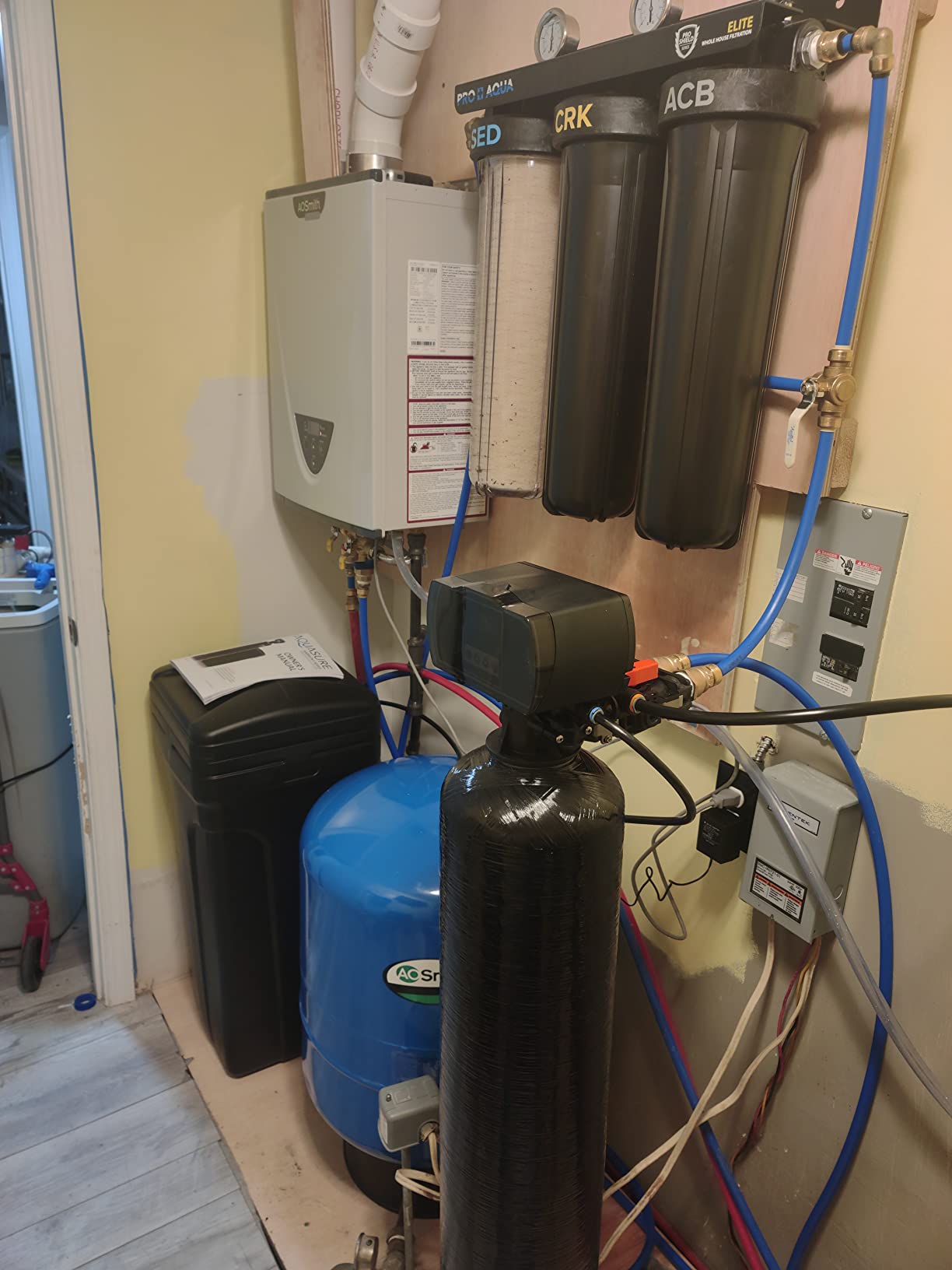
Pre-treatment order is the part nobody gets right. The correct sequence is a sediment pre-filter first, then an air injection oxidation iron filter, then the softener, then a carbon post-filter if you want taste and odor polishing on the drinking side. Reverse any two of those and you will blame the softener for something it was never built to do.
Control valve type changes your day-to-day life. A digital metered valve tracks gallons used and regenerates on demand, which is what nine of the ten systems here use. A timer clock regenerates on a fixed schedule regardless of usage, which wastes salt and water. A non-electric kinetic dual-tank system uses water pressure instead of power and never stops producing soft water during regeneration, and it is worth considering if your well has a proven pressure tank, though none of the models in this roundup use that design.
Salt-based versus salt-free is the one question with a clear answer on a well. Ion exchange actually reduces hardness. A salt-free conditioner using Template Assisted Crystallization stops scale from forming but leaves the water just as hard, and it cannot remove iron. On a well with real hardness and measurable iron, a salt-free unit solves a problem you do not have.
Finally, maintenance is a schedule, not a surprise. Add salt monthly and check the brine float. Clean the sediment pre-filter quarterly. Run an iron treatment in the brine tank on a cycle if you are above 3 ppm. Service the control valve and replace any O-rings annually. Expect resin replacement somewhere in the five to ten year range on a well, sooner with iron present, while the tank and valve themselves commonly last fifteen to twenty years.
Annual salt use on a metered system typically lands between 30 and 50 pounds a month for an average home, with the rest of the running cost being water, electricity and occasional media. If your well is on a septic system, that discharge matters and the salt-free conversation becomes a real tradeoff rather than a default.
Frequently Asked Questions
Do you need a special water softener for well water?
Yes. Well water runs harder than city water and carries iron, manganese and sediment that municipal treatment removes. At minimum you want fine mesh or 10 percent crosslink resin, a sediment pre-filter ahead of the tank, and an iron-handling approach matched to your measured ppm. Standard city softeners foul above about 3 ppm iron.
Can a water softener remove iron from well water?
Only clear-water ferrous iron, and only in small amounts. Standard resin handles roughly 1 to 3 ppm. Above 3 ppm you need an oxidation stage such as an air injection oxidation filter in front of the softener, and above 8 ppm a dedicated iron filter. One well owner documented resin fouled in 8 months on a well running 4.2 ppm iron.
What is the most reliable brand of water softener?
Reliability tracks the control valve rather than the brand. The Fleck 5600SXT and Clack WS1 dominate for DIY serviceability because parts stay available for decades, and Kinetico leads in non-electric kinetic durability. Of the ten systems here, the Fleck-valve builds score highest for repairability.
How do I size a water softener for well water?
Multiply your daily gallons used by your hardness in grains per gallon. A family of four on a well runs about 300 gallons a day, so at 18 GPG you need 5400 grains of daily capacity, which points to a 48000 grain unit once you account for roughly 50 to 60 percent usable capacity. Add margin for seasonal change.
Is a salt-free water softener good for well water?
Only if your goal is scale prevention and your iron is under about 3 ppm. Salt-free conditioners using Template Assisted Crystallization do not reduce hardness and cannot remove iron, so a well with real hardness needs ion exchange. For a home on a septic system, a salt-free unit may still make sense to avoid salt discharge near the drain field.
How much salt does a water softener use and how long does it last?
A metered system typically uses 30 to 50 pounds of salt a month for an average home. Tanks and control valves commonly last 15 to 20 years, but well water shortens resin life to somewhere in the five to ten year range, and sooner than that when iron is present above 3 ppm.
Which Water Softener for Well Water Is Right for You
After six weeks of comparing these ten, the answer is narrower than it looks. The Aquasure Harmony 48,000 grain is the one we would put in our own house, because it has the deepest owner record, a metered head and a pre-filter that handles what a well throws at it. If your iron sits above 3 ppm, the AFWFilters Iron Pro 2 covers more iron and manganese in one tank than anything else at this capacity.
Match the system to your test report before you match it to your budget. Hardness in GPG sets the size, iron in ppm sets the equipment in front of the softener, and the order of that equipment decides whether the install works or fails in year one.
Tell us your hardness, your iron reading, how many people use the water and whether you are on septic, and we will point you at the right pick rather than making you read ten reviews to get there.