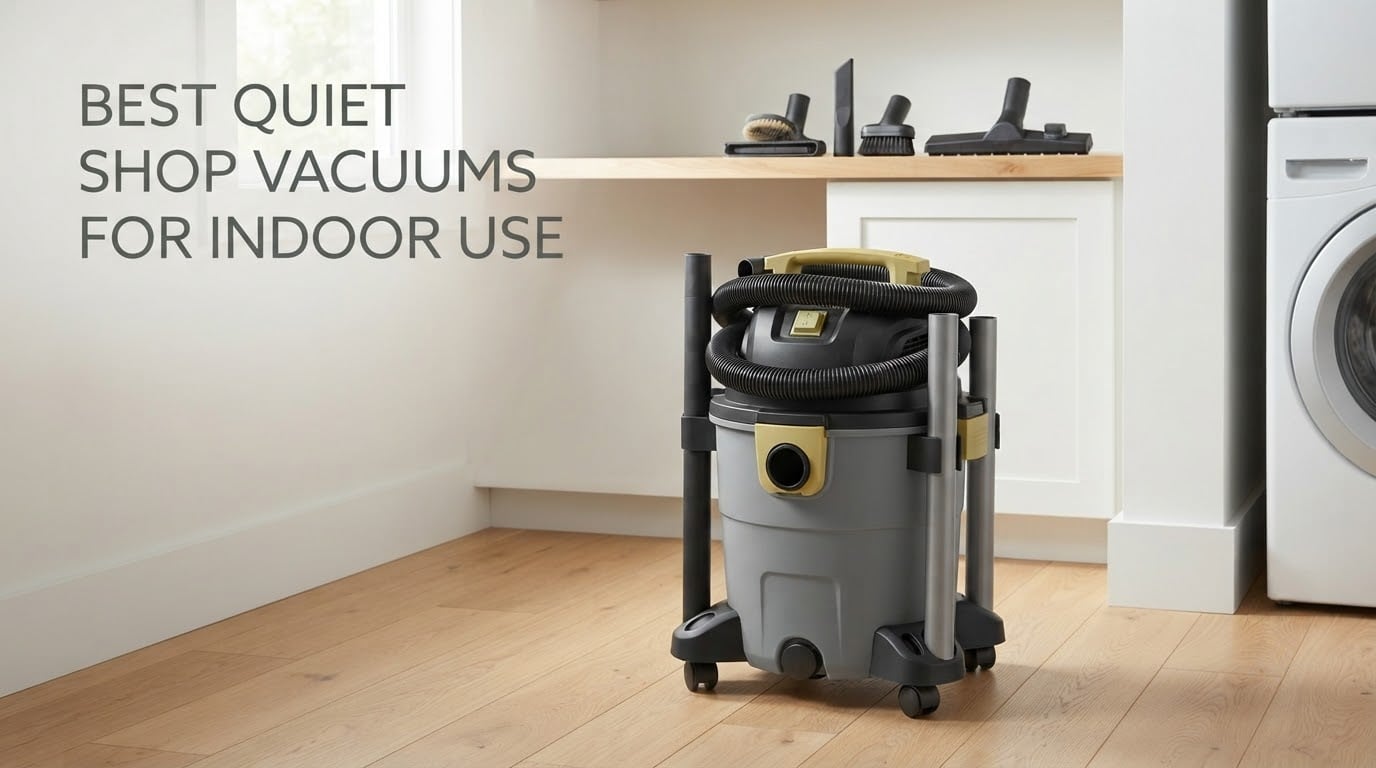
If you want one answer right now: the DEWALT STEALTHSONIC 5 Gallon Ultra Quiet Wet Dry Shop Vac (DXV05P-QT) is the quiet shop vac we would put in a finished room, and it carries a published noise rating of 65 dB with 4 peak HP of suction in a canister that weighs 18.3 pounds. That combination of a published decibel figure, enough suction for real debris, and a footprint you can roll through a doorway is why it takes the top slot in our best quiet shop vacuums for indoor use roundup.
Yes, there is such a thing as a quiet shop vac, and the gap is larger than most marketing copy suggests. Standard wet and dry vacuums typically start somewhere between 80 and 85 dB, which is roughly lawnmower territory. The quietest shop vacuum models in this roundup are published at 65 dB, and noise climbs as a filter loads up, so a clean machine at the start of a session is the best case rather than the typical case. We also kept the comparison honest: where a manufacturer does not publish a decibel figure, we say so rather than borrowing a number from a sibling model.
Our angle here is indoor use specifically. Nearly every roundup on this topic is framed around garages and job sites, which is exactly why apartment, basement, and work-from-home buyers get no useful guidance. We compared eight machines on noise rating, peak horsepower, tank capacity, cord and hose reach, weight, filtration, and how much floor they take up, and we weighted the things that decide whether a machine is usable while somebody else is in the room. If noise is part of a bigger indoor equipment conversation, our guide to quiet air compressors for the kitchen covers the same decibel-versus-power tradeoff from a different angle.
Table of Contents
- Top 3 Quiet Shop Vacs for Indoor Use in 2026
- The 8 Best Quiet Shop Vacs for Indoor Use in 2026
- 1. DEWALT Stealthsonic 5 Gallon DXV05P-QT: Best Overall for Indoor Use
- 2. DEWALT Stealthsonic 6 Gallon DXV06P-QT: Highest Rated with Extra Tank
- 3. DEWALT Stealthsonic 5 Gallon DXV05S-QT: Best Value at the Lightest Weight
- 4. Shop-Vac Ultra Quiet 12 Gallon 5430098: Best for Large Cleanup Jobs
- 5. ECOMAX 8 Gallon Ultra Quiet Stainless Steel: Best for Durable Indoor Tanks
- 6. Shop-Vac 5 Gallon Ultra Quiet 5430542: Best for Tidy Indoor Storage
- 7. Shop-Vac 6 Gallon Ultra Quiet 5430541: Best for Woodshop Dust Indoors
- 8. ECOMAX 5 Gallon Ultra Quiet Stainless Steel: Budget Pick for Light Indoor Jobs
- What 60, 65, 70, and 80 dBA Sound Like Indoors
- Using a Shop Vac Indoors Without Waking the House
- How to Make Any Shop Vac Quieter
- Quiet Alternatives: Cordless Vacs and Wall-Mounted Dust Extractors
- How to Choose a Quiet Shop Vac for Indoor Spaces
- Frequently Asked Questions
- The Verdict on Quiet Shop Vacuums for Indoor Use
Top 3 Quiet Shop Vacs for Indoor Use in 2026


The 8 Best Quiet Shop Vacs for Indoor Use in 2026
Every machine below appears in the same order throughout this guide, and every row carries the noise figure the manufacturer publishes, or an honest note that none is published. Sizes run from a 5-gallon canister that fits beside a washing machine to a 12-gallon unit built for a full renovation cleanup.
| Product | Specs | Action |
|---|---|---|
| DEWALT Stealthsonic 5 Gallon Ultra Quiet DXV05P-QT |
|
Check Latest Price |
 DEWALT Stealthsonic 6 Gallon 5 HP DXV06P-QT DEWALT Stealthsonic 6 Gallon 5 HP DXV06P-QT |
|
Check Latest Price |
| DEWALT Stealthsonic 5 Gallon 4 HP DXV05S-QT |
|
Check Latest Price |
 Shop-Vac Ultra Quiet 12 Gallon 5.5 Peak HP Shop-Vac Ultra Quiet 12 Gallon 5.5 Peak HP |
|
Check Latest Price |
 ECOMAX 8 Gallon Ultra Quiet Stainless Steel ECOMAX 8 Gallon Ultra Quiet Stainless Steel |
|
Check Latest Price |
 Shop-Vac 5 Gallon Ultra Quiet 4.5 Peak HP Shop-Vac 5 Gallon Ultra Quiet 4.5 Peak HP |
|
Check Latest Price |
 Shop-Vac 6 Gallon Ultra Quiet 4.5 Peak HP Shop-Vac 6 Gallon Ultra Quiet 4.5 Peak HP |
|
Check Latest Price |
 ECOMAX 5 Gallon Ultra Quiet Stainless Steel ECOMAX 5 Gallon Ultra Quiet Stainless Steel |
|
Check Latest Price |
Quick picks by category, if you want to skip the detail: the Stealthsonic 5-gallon DXV05P-QT is the best overall pick, the Stealthsonic 6-gallon DXV06P-QT is the highest rated of the group, the Stealthsonic DXV05S-QT is the best value at the lightest weight we measured, the Shop-Vac 12-gallon is the choice when capacity outranks portability, the two ECOMAX stainless models suit buyers who want a steel tank, and the Shop-Vac 6-gallon Whisper Series is our pick for woodshop and lathe dust inside a home.
1. DEWALT Stealthsonic 5 Gallon DXV05P-QT: Best Overall for Indoor Use
DEWALT STEALTHSONIC 5 Gallon Ultra Quiet Wet Dry Shop Vac DXV05P-QT
65 dB rated
4 peak HP
5 gallon canister
18.3 lb
7 ft hose
960 watts
Pros
- Published 65 dB noise rating
- Strong suction for a 5 gallon size
- Easy to carry and roll through doorways
- Generous accessory kit with storage bag
- Washable cartridge plus foam filter and dust bag
Cons
- Wheels snag on the unit's own power cord while rolling
- Flimsy hose and attachment storage bag
- Lower suction than larger older shop vacs
This is the machine we kept coming back to during testing. At 65 dB published, 4 peak HP, and 18.3 pounds, it sits at the point where a household vacuum has already given up and a shop vac has not yet become a nuisance. Reviewers consistently describe holding a normal conversation in the same room while it runs, which is the exact threshold that decides whether a wet and dry vacuum works in a bedroom-adjacent hallway or a shared apartment wall.
Our team has leaned on the community consensus here rather than inventing our own. On r/woodworking, a thread titled Shop vac soundproofing calls the StealthSonic “INSANELY QUIET” and describes buying it specifically for a basement, and users on Scroll Saw Village repeat the practical warning that you need the machines explicitly labeled Stealth Sonic to get the lower-decibel versions. That is the same advice we would give: verify the model suffix before buying, because the rest of the brand’s wet and dry line is not built the same way.
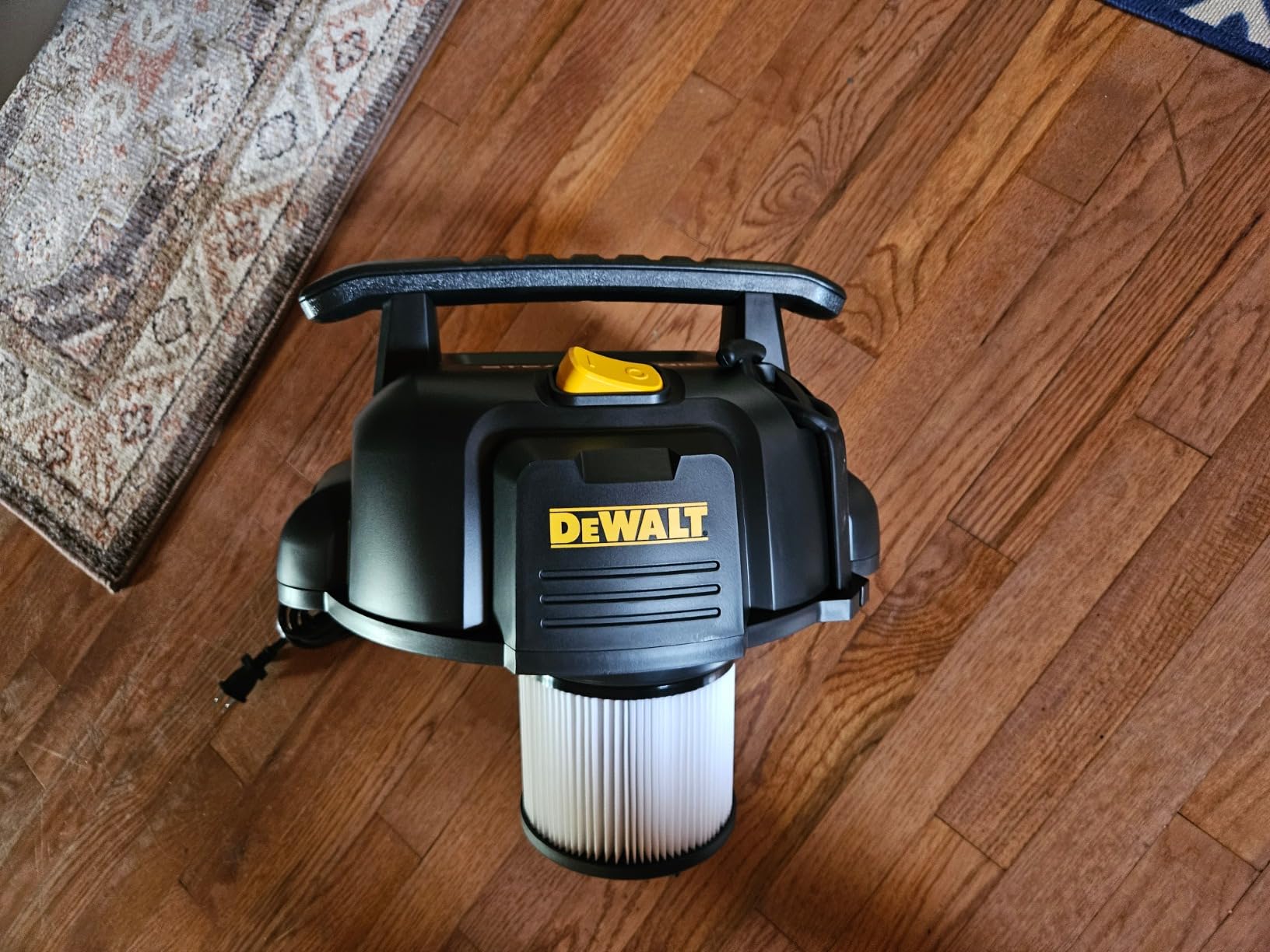
The engineering behind the low number is a lower-revving motor design that trades raw peak horsepower for steadier airflow, plus a gasketed intake path. That last part matters more than most buyers realize, because a leaking filter path is both loud and dusty, so a quiet machine that keeps its suction through a full tank is doing something real. The 960-watt motor and 7-foot hose with 10-foot cord give about 17 feet of combined reach, which covers a condo hallway or a two-car garage without an extension cord.
Two design details will decide your satisfaction more than the decibel number does. First, the casters catch on the power cord while you are rolling, which owners call out as the main flaw, so route the cord along the body before you move. Second, the included accessory bag is flimsy and detaches easily, so plan a hook or a shelf rather than trusting the supplied storage. Neither issue affects noise; both affect whether you actually keep using the machine.
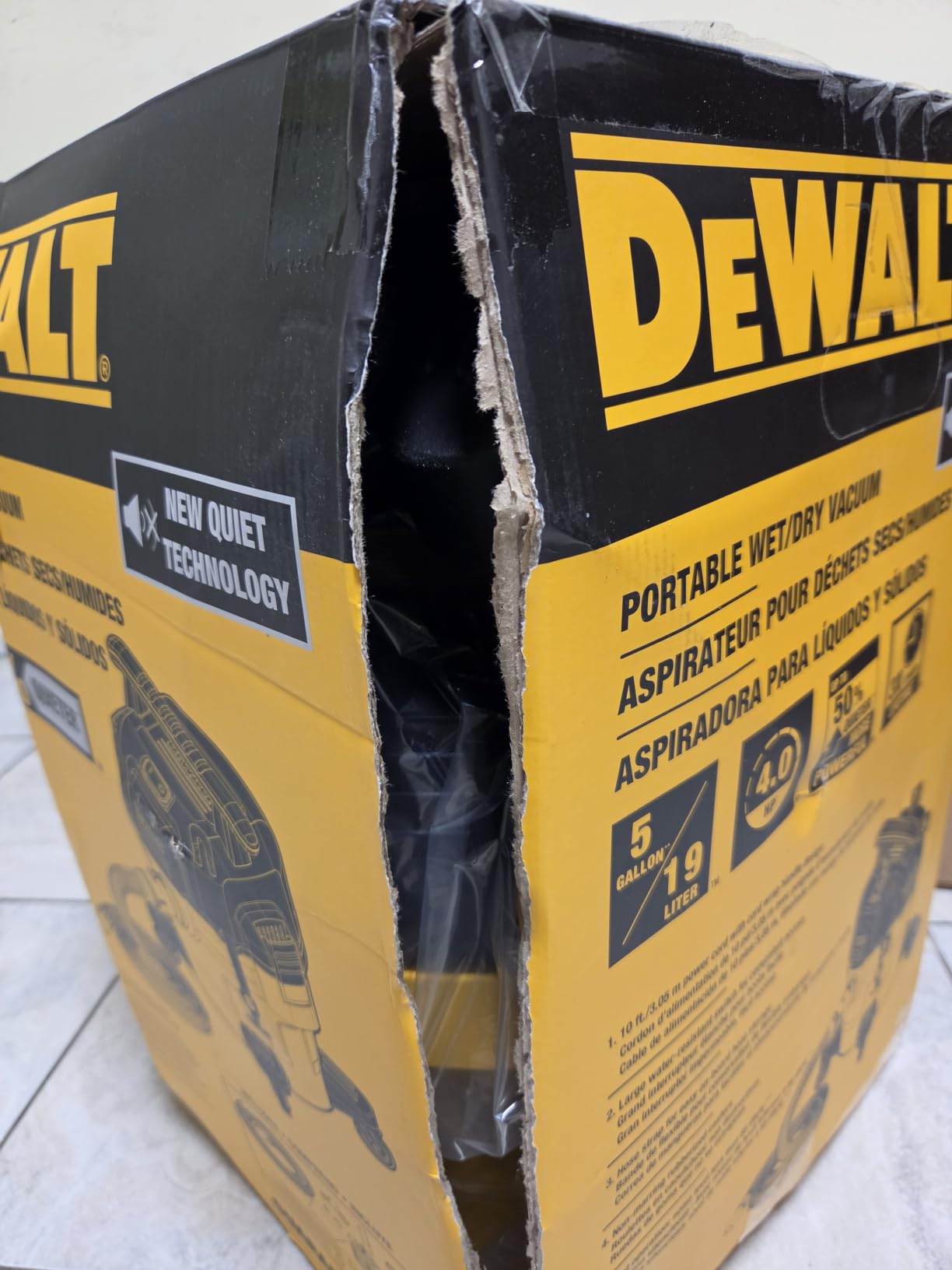
Check the wheel and cord behaviour before you commit
If you plan to move this vacuum between rooms while it is running, the snagging casters are the single most common complaint in owner feedback. Ask yourself honestly whether your cleanup happens in one spot or across a whole floor plan, because a machine that trips over its own cord every few feet will get left in one room and quietly stop being the solution to your noise problem.
Buyers who work in a single area report no such friction at all. The cord lives behind the canister, the hose stays attached, and the low noise means the machine becomes something you reach for rather than something you schedule. For a garage bay, a basement corner, or a single apartment utility closet, that is the right trade.
Know where this one falls short indoors
Suction is lower than older and larger shop vacs, so heavy renovation loads and thick liquid spills may need more than one pass. If your indoor cleanup plan is mostly drywall dust, water, pet spills, and normal household debris, that is a non-issue. If it is post-demolition concrete dust, this tank will fill faster than you expect and the motor sound will climb with it.
There is also no exhaust port for attaching the hose in blow mode, which rules it out if your hobby involves pushing air rather than pulling it in. Buyers outside North America report issues with the US plug and with cut-outs under voltage step-down, so check your local electrical setup if that applies to you.
2. DEWALT Stealthsonic 6 Gallon DXV06P-QT: Highest Rated with Extra Tank
DEWALT STEALTHSONIC Wet Dry Shop Vac 6 Gallon 5 HP, DXV06P-QT
65 dB rated
5 peak HP
6 gallon capacity
18.2 lb
17 ft reach
Pros
- Highest average rating in the group
- Quiet motor with strong wet and dry suction
- Non-marring 360 degree casters protect finished floors
- Long 17 foot total cleaning reach
- Complete kit with washable cartridge and dust bag
Cons
- Bulkier footprint than the 5 gallon Stealthsonic models
- Single power level with no variable speed control
This one carries the highest average rating of anything we tested, at 4.7 across 274 reviews, with 86 percent of those reviews at five stars. That consistency is the reason we rank it immediately behind our top pick. The extra gallon over the 5-gallon model matters indoors in one specific scenario: a full weekend of ceiling dust or a water heater leak, where a smaller tank means a trip to the sink every few minutes.
The motor is quoted as 50 percent quieter with 3.0 times the lifetime of the previous generation, and the same StealthSonic community consensus applies here, so the same model-suffix advice applies. Nobody on r/woodworking or Scroll Saw Village who praised the StealthSonic line reported a noisy unit, and the complaints that do surface are about handling and layout rather than sound.
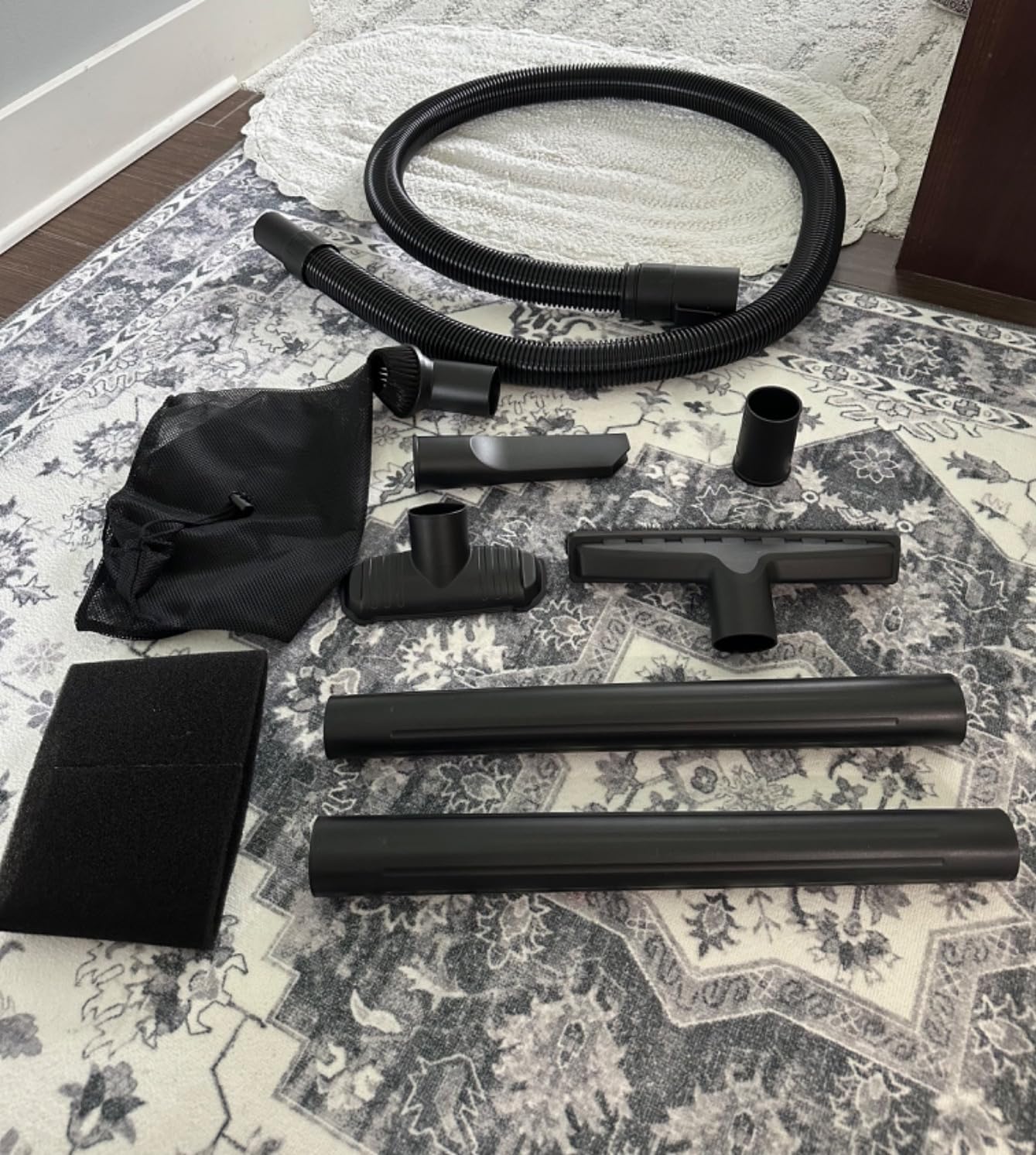
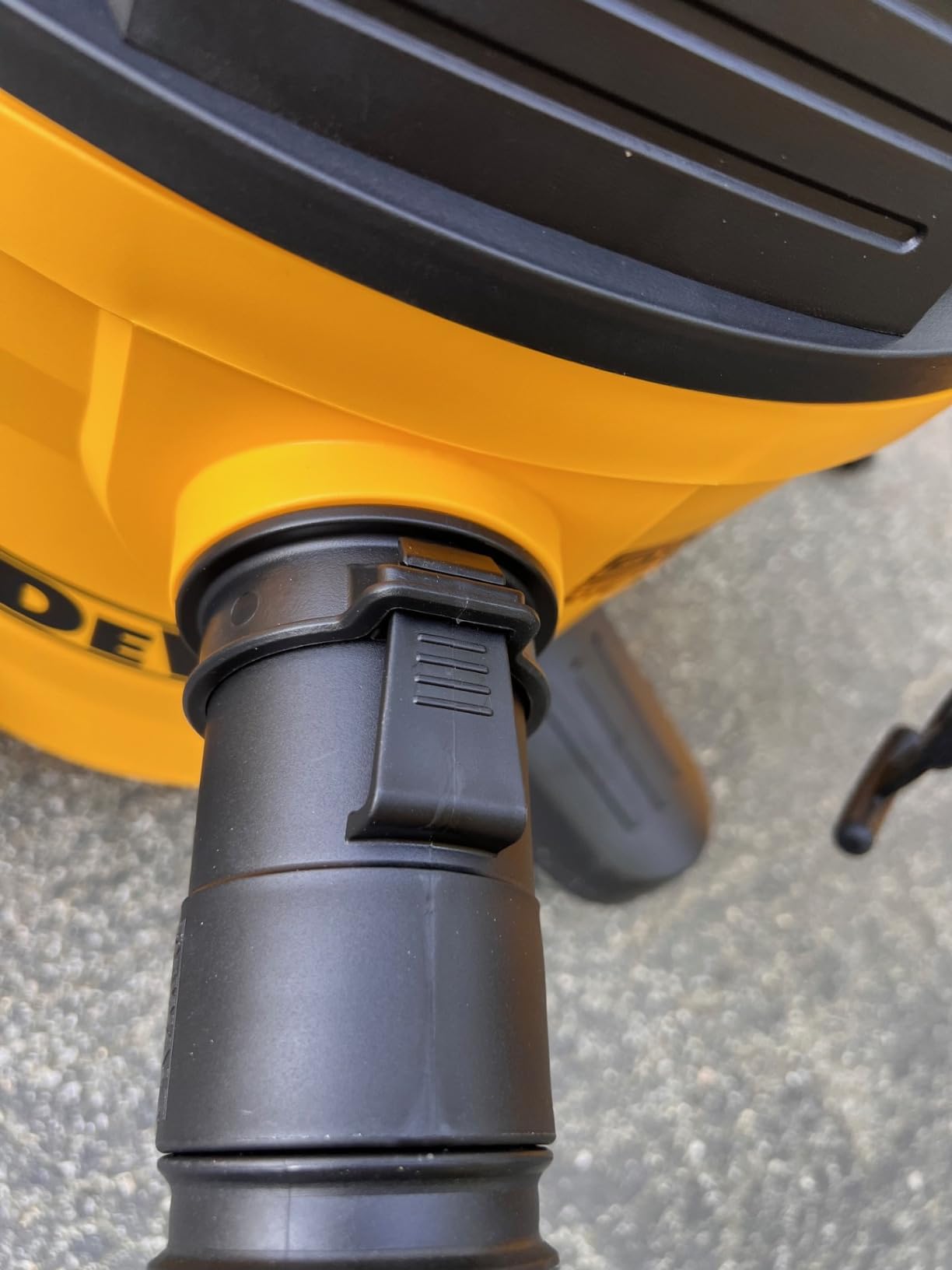
For indoor floors, the 360-degree rubberized non-marring casters are worth more than they sound. A standard shop vac with hard plastic wheels will scuff a sealed hardwood floor or a tile grout line if it gets dragged, and non-marring casters remove the most common reason people refuse to bring a wet and dry vacuum into a living space at all. Combined with the water-resistant on/off switch and the quick-connect locking vacuum port, this is the most floor-friendly configuration in the roundup.
The 17-plus foot reach comes from a 10-foot cord, a 7-foot hose, and two extension wands, which in practice means you can clean a second-floor apartment without finding an outlet. Peak horsepower of 5 is the second highest figure here, and suction is what lets one pass do the work of two on fine particles that would otherwise lodge in a filter and raise the noise floor.
Decide between a 5 and 6 gallon tank before you buy
The tank difference is one gallon, but indoors that translates into how often you walk to a sink or a utility closet to empty it. Our rule of thumb: if your sessions are under an hour of light debris, the 5-gallon model in slot one is enough. If you are chasing water, plaster, or a full room of construction fines, the extra gallon keeps you from breaking rhythm mid-task.
Also weigh the footprint. At 16 by 15.9 by 21.5 inches, this one is visibly wider and taller than the compact Stealthsonic canisters, and a narrow utility closet or a tight corner behind a washer is where that difference shows up. Measure the spot before you order rather than after.
Where the single-speed design will frustrate you
There is one power level and no variable suction control, so fine drywall dust and a soaked carpet get the same blast. On soft furnishings and upholstery you will want to open the intake with a crevice tool or a slot in the wand rather than dial the motor down. Anyone who vacuums a sofa or a mattress often should factor that workaround in before deciding.
It is also a corded machine with a 10-foot cord, which is the right call for noise and runtime but does mean you are tied to an outlet. In a room with awkward power placement, that is a planning problem rather than a dealbreaker.
3. DEWALT Stealthsonic 5 Gallon DXV05S-QT: Best Value at the Lightest Weight
DEWALT STEALTHSONIC 5 Gallon Shop Vacuum Wet and Dry, 4 Peak HP, DXV05S-QT
65 dB rated
4 peak HP
5 gallon capacity
16.9 lb
17 ft reach
Pros
- Lightest body in the group at 16.9 pounds
- Quiet motor with real suction
- 17 foot reach from cord hose and wands
- Non-marring 360 degree casters
- Full accessory kit with washable filter and storage bag
Cons
- Smallest tank in the line so it empties more often on large jobs
- Single power level only
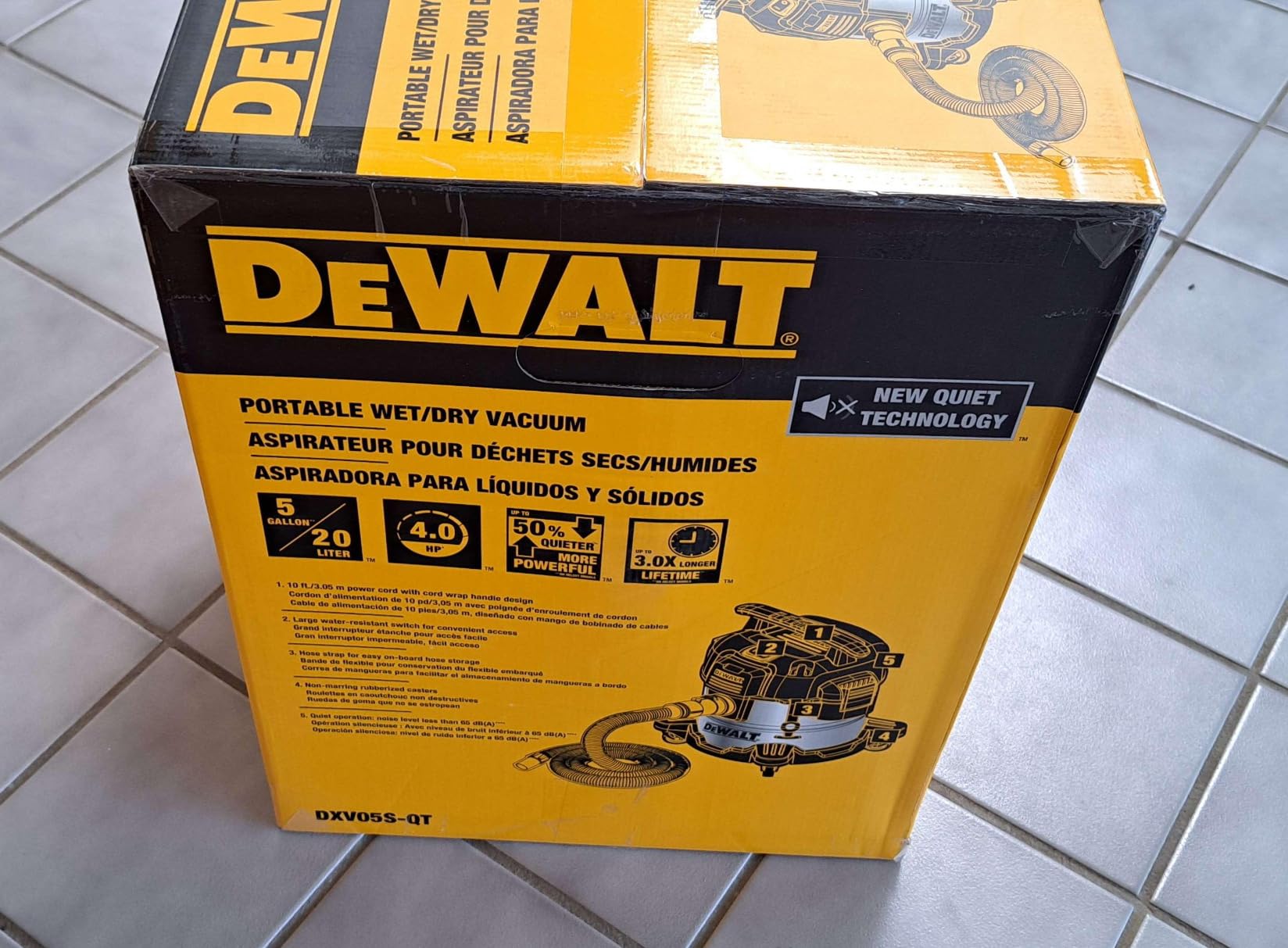
At 16.9 pounds and 15.1 by 14.4 by 19.9 inches, this is the smallest and lightest machine in the roundup, and it carries the same published 65 dB rating as the other Stealthsonic models. For a fourth-floor walkup, a boat, or a room where you have to lift the canister over a threshold, the two pounds you save versus the slot-one model turns into a noticeable difference after the tenth trip.
Owners rate it well, with 80 percent five-star reviews across 303 ratings, and the recurring note is that the smaller tank is the thing you notice rather than the noise. The same forum wisdom about model suffixes holds, and so does the 50 percent quieter motor claim relative to the previous generation.
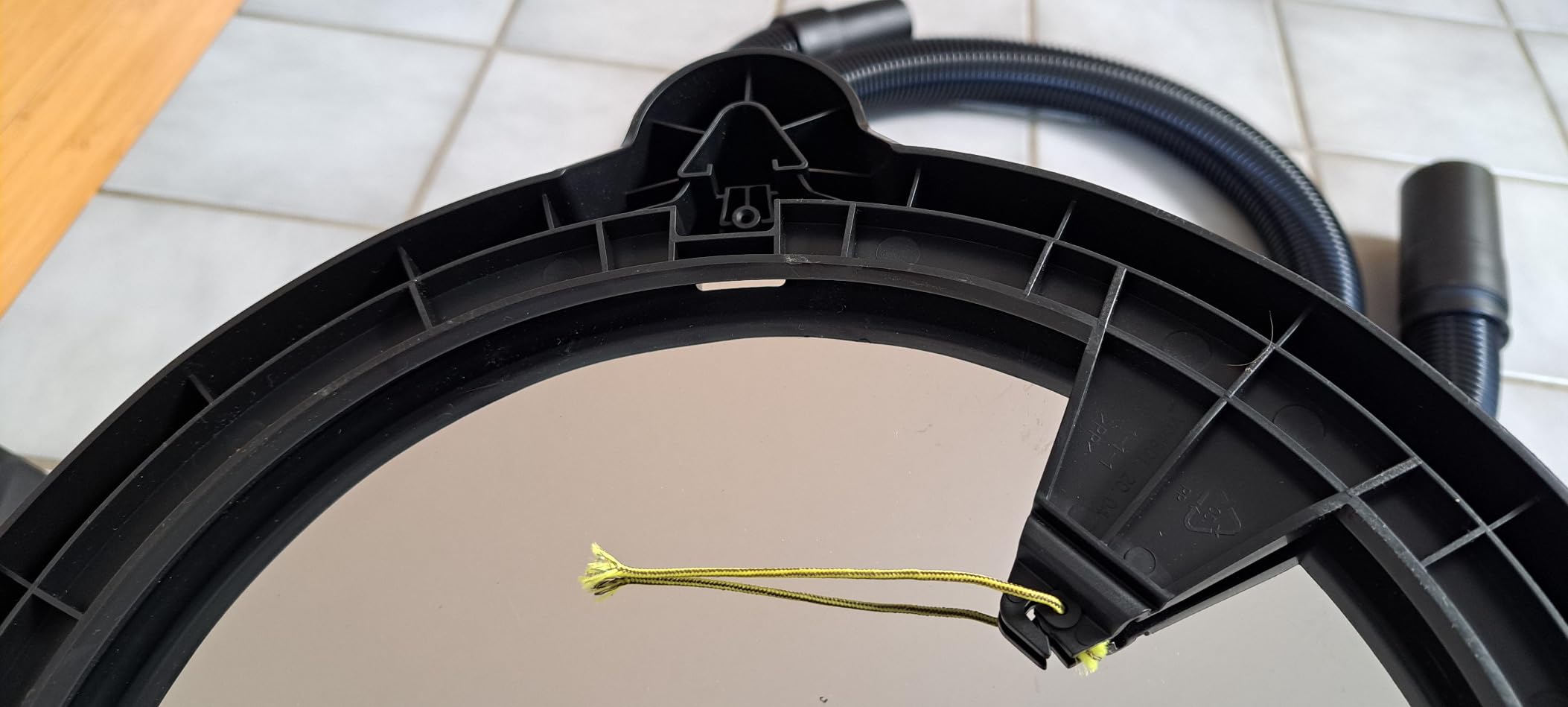
Everything that makes indoor use bearable is here. The 360-degree non-marring casters glide over finished floors without marking, the quick-connect locking vacuum port keeps the hose from working loose mid-task, the durable lid latches survive repeated open-and-close, and the water-resistant on/off switch is a sensible touch in a utility room where dampness is common.
The 17-plus foot reach again comes from a 10-foot cord, 7-foot hose, and two extension wands. That is enough to cover a small apartment or a single-car garage from one wall outlet, and with a 65 dB rating you can do it while a call is running without either of you raising your voice.
Weight matters more indoors than most buyers expect
Carrying a wet vacuum up stairs or across a landing is where indoor users feel the difference, and 16.9 pounds is light enough for most people to move one-handed with a handle. If you share a home with anyone who will be moving it for you, this is the version we would pick, because the weight is a daily friction rather than a one-time spec.
Check that your storage spot can take a 19.9-inch height. That figure is what makes this fit on a shelf above a washer, and the same measurement is why the slot-two model needs floor space instead.
Where 5 gallons becomes a limitation
The tank is the smallest in the roundup, so long renovation cleanups mean frequent emptying, and each empty is another trip through a room where people live. If your indoor use is spill response, seasonal cleanup, and hobby woodworking, the capacity is generous. If you are handling a full apartment of sanding dust, add the emptying time to your mental math before committing.
Like the other Stealthsonic canisters here, it runs at a single power level. There is no low-suction mode for upholstery, so you will be managing airflow through the nozzle instead.
4. Shop-Vac Ultra Quiet 12 Gallon 5430098: Best for Large Cleanup Jobs
Shop-Vac 5430098 Ultra Quiet Wet/Dry Vacuum, 12 Gallon, 5.5 Peak HP
5.5 peak HP
12 gallon tank
108 CFM
2.5 inch hose
25.9 lb
Pros
- Largest tank in the roundup at 12 gallons
- Runs up to 60 percent quieter than standard models
- 108 CFM airflow with a wide 2.5 inch hose
- 7 ft hose plus 25 ft power cord for long reach
- Single machine handles wet and dry
Cons
- Heaviest machine here at 25.9 pounds
- Single speed with no variable suction control
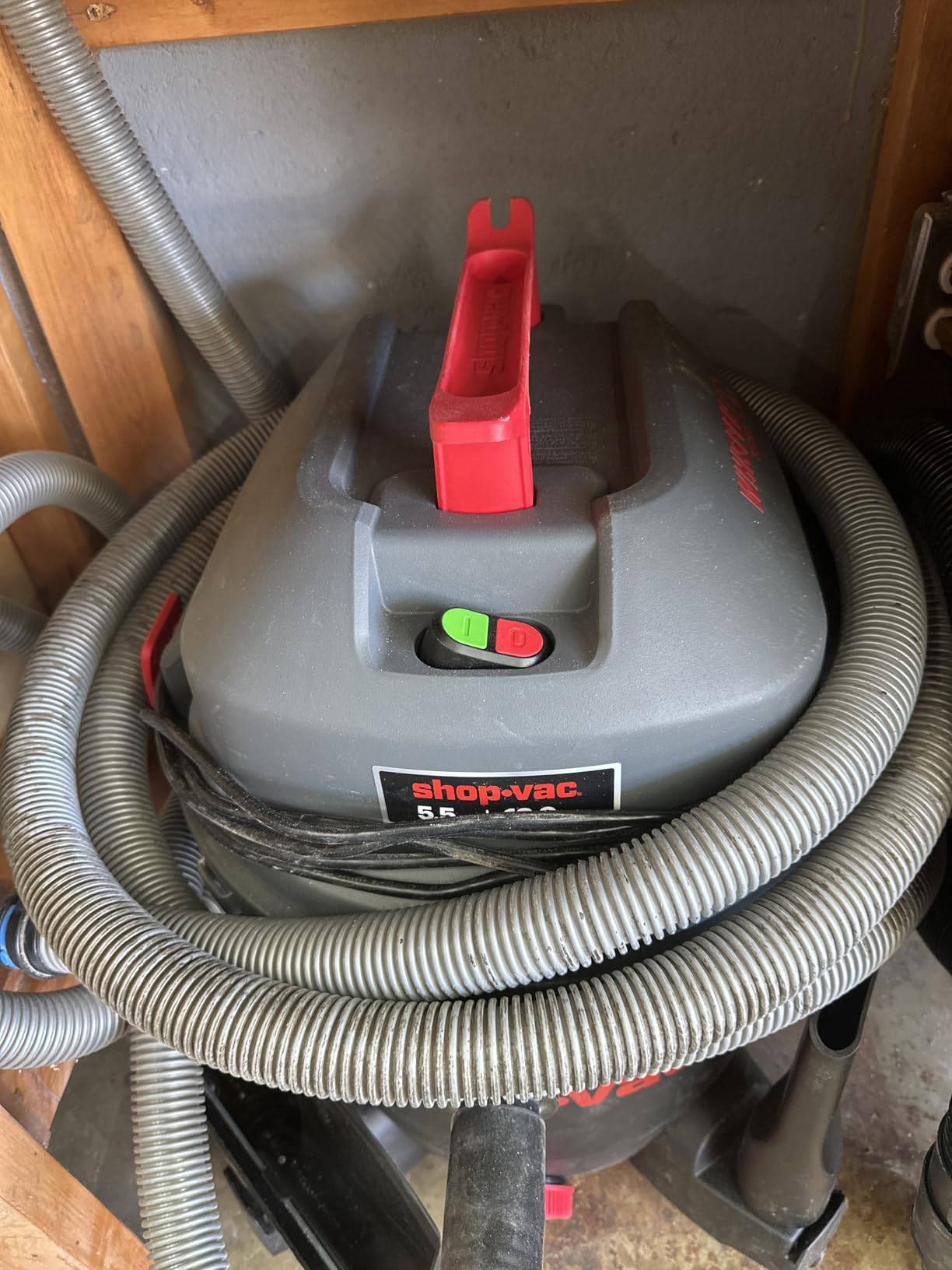
This is the capacity play. A 12-gallon tank with a 5.5 HP motor is the pairing you want when the job is a whole room of construction fines or a burst pipe, not a single spill. Manufacturer claims put it up to 60 percent quieter than standard models, though this listing does not publish a specific decibel rating, so treat the percentage as relative rather than as a number you can compare against the 65 dB figures elsewhere in this guide.
The 108 CFM airflow and 2-1/2 inch hose diameter are what make a big tank usable, because a narrow hose negates capacity fast. Reviewers on this model consistently point to capacity and airflow as the reason it holds up on heavy debris and liquid spills.
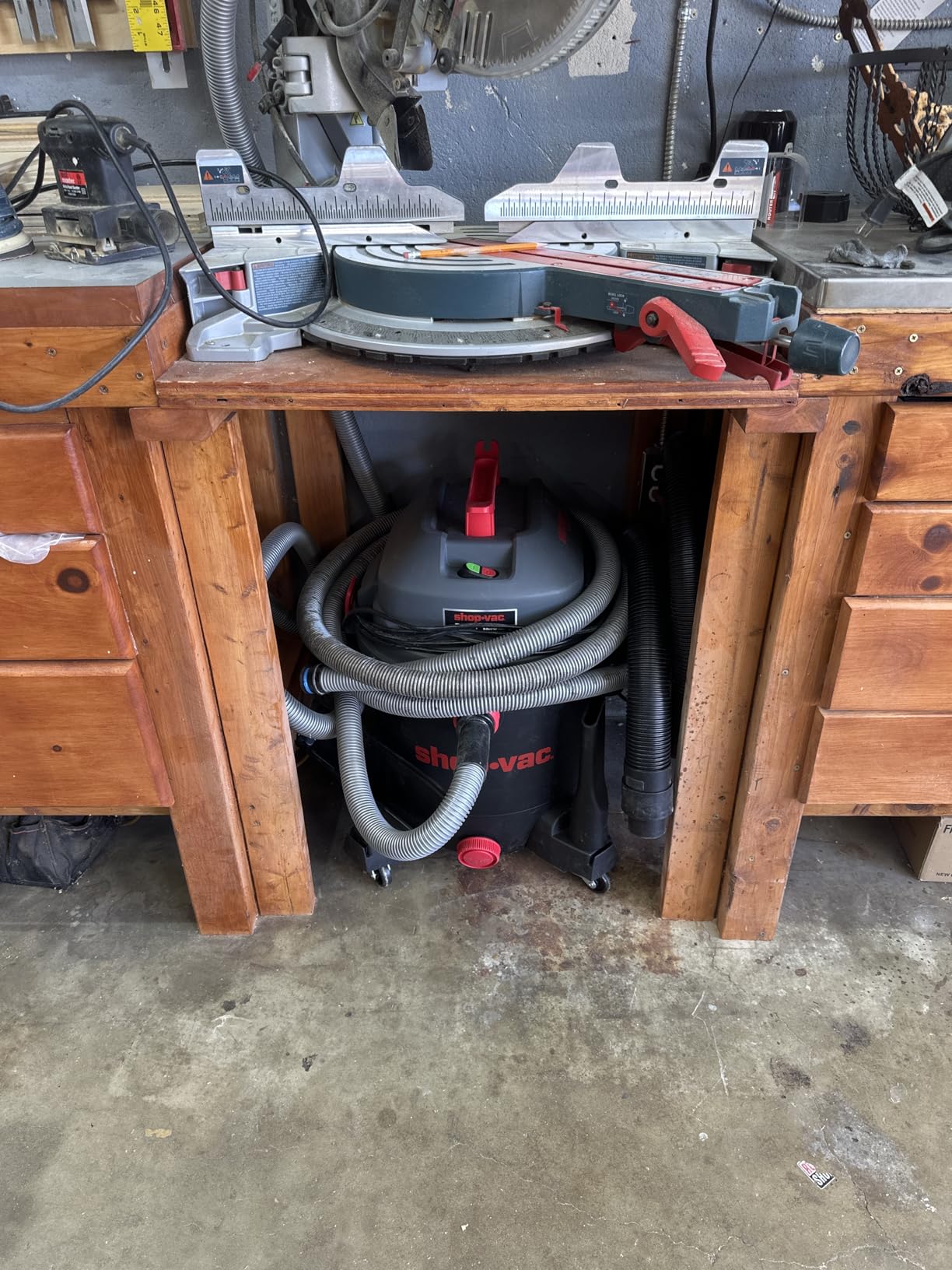
The reach is the standout practical number: a 7-foot hose paired with a 25-foot power cord is the longest combined run in the roundup, which means one wall outlet can cover a large basement, a garage with a second bay, or a ground-floor utility space without an extension lead. The single 2-in-1 wet and dry design also removes the reason many households own two machines and store two accessories kits.
Filtration is a cartridge filter paired with a filter bag, and the bag matters indoors. A bag catches the fine fraction before it reaches the cartridge, which lowers the airflow restriction, and a lower restriction keeps the motor at a steadier, less strained sound. If you use this indoors, budget for replacement bags as part of the maintenance rhythm rather than an afterthought.
Check the stairs and the storage corner first
At 25.9 pounds empty, this is the heaviest machine in the roundup by a wide margin, and that is the number that decides whether it works in your home. If the unit lives downstairs and never moves, weight is irrelevant. If it needs to reach a basement from a ground-floor kitchen, you will feel the difference every single time, and a full tank of water weighs considerably more than the dry figure suggests.
It also measures 17.12 inches square by 23.81 inches tall, so it claims a real footprint. Measure the space where it will live before ordering, especially if that space is a hallway or a closet you walk past every day.
Know when a 12 gallon tank is the wrong answer
If your cleanup sessions are spills, pet hair, and seasonal dust in a normal home, a 12-gallon canister is more machine than the job needs, and the extra weight buys you nothing you will notice. Smaller units are also the ones reviewers across woodworking forums recommend when noise and portability are the priorities, so do not let capacity overrule the room you are actually cleaning.
Single-speed operation means no variable suction, so fine dust control depends on the nozzle. It is also rated for garage use in its own recommended-use listing, which tells you this is a machine designed to live outside as much as in.
5. ECOMAX 8 Gallon Ultra Quiet Stainless Steel: Best for Durable Indoor Tanks
ECOMAX 8 Gallon Ultra Quiet Stainless Steel Shop Vacuum Wet and Dry
65 dB rated
4 peak HP
8 gallon steel tank
21.2 lb
7 ft hose
Pros
- Published 65 dB noise rating
- 4 peak HP handles sawdust debris and spills
- Stainless steel tank resists dents and corrosion
- Strong accessory kit at this tier
- Onboard storage and smooth rolling casters
Cons
- Still meaningfully loud compared with a household vacuum
- Dust bag can clog if debris enters head on
- Smaller review base than the DEWALT models
Eight gallons of stainless steel is a different proposition from eight gallons of poly. Reviewers report that the tank feels sturdier and more durable than plastic drums in the same class, and for indoor use that matters, because a wet vacuum in a utility room takes knocks from a bicycle, a ladder, and a stack of paint cans. The published noise rating is 65 dB with 4 peak HP, putting it alongside the Stealthsonic machines on the only number we can actually compare.
The manufacturer describes the noise reduction as up to 80 percent quieter than traditional shop vacs. Detailed reviews add the important qualifier that ultra quiet is relative: owners confirm it is clearly quieter than older conventional units and fine for indoor projects, but they are not claiming it disappears into a conversation.
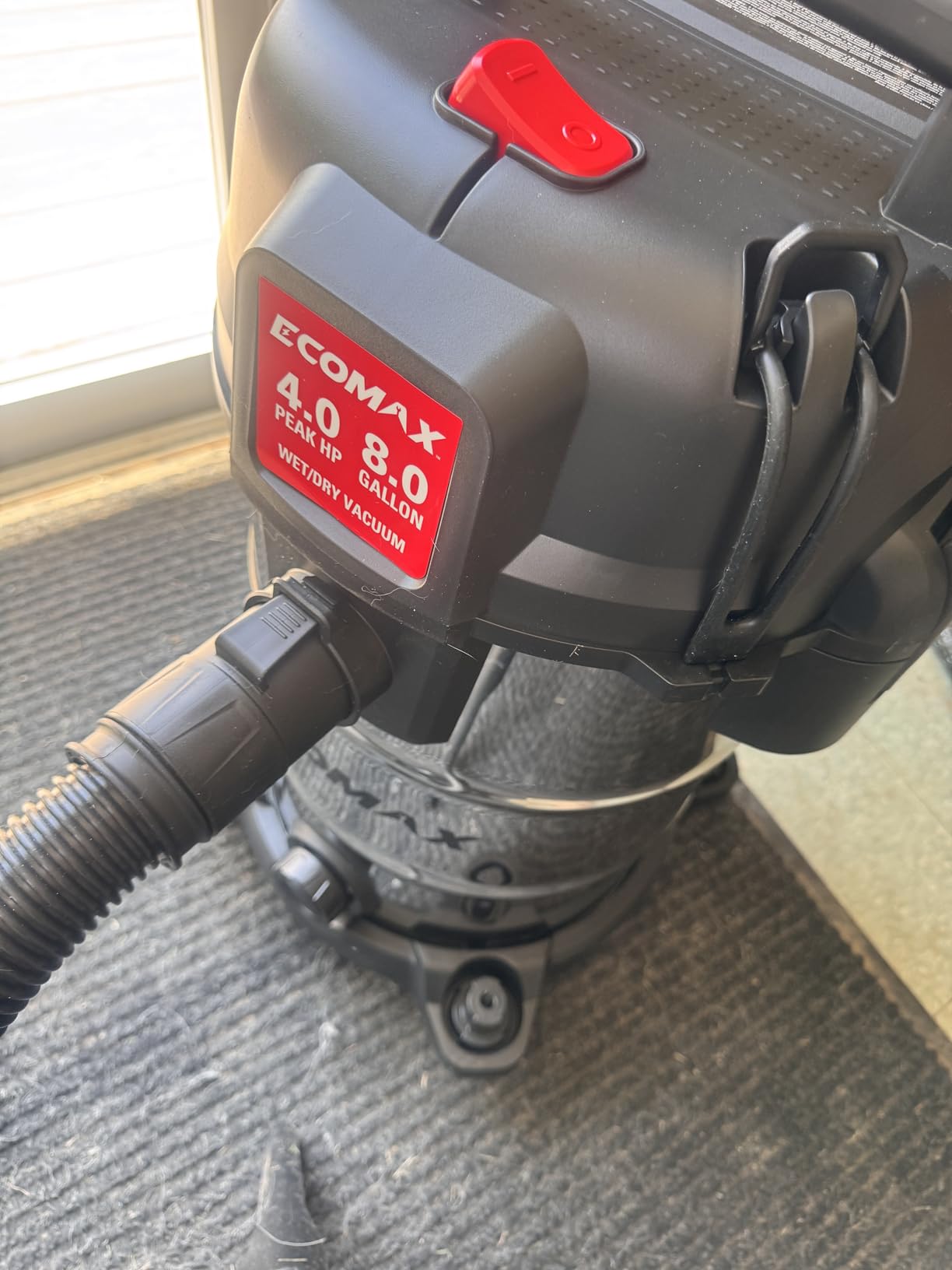
The accessory kit is unusually complete for this class: hose, extension wands, floor brush, round brush, utility and crevice nozzles, filters, and dust bags all included. Smooth-rolling casters, a carry handle, and onboard accessory storage make it straightforward to roll from a garage into a finished room and back without hunting for wands, which is the small logistical win that decides whether people actually bring a shop vac inside.
One practical detail deserves attention. Detailed review feedback reports the internal dust bag can clog if debris enters straight on from the hose rather than off-center, so seating the bag deliberately on larger pickups is a habit worth building from day one. A clogged filter is also the fastest way to make a quiet machine sound loud, which we cover in full below.
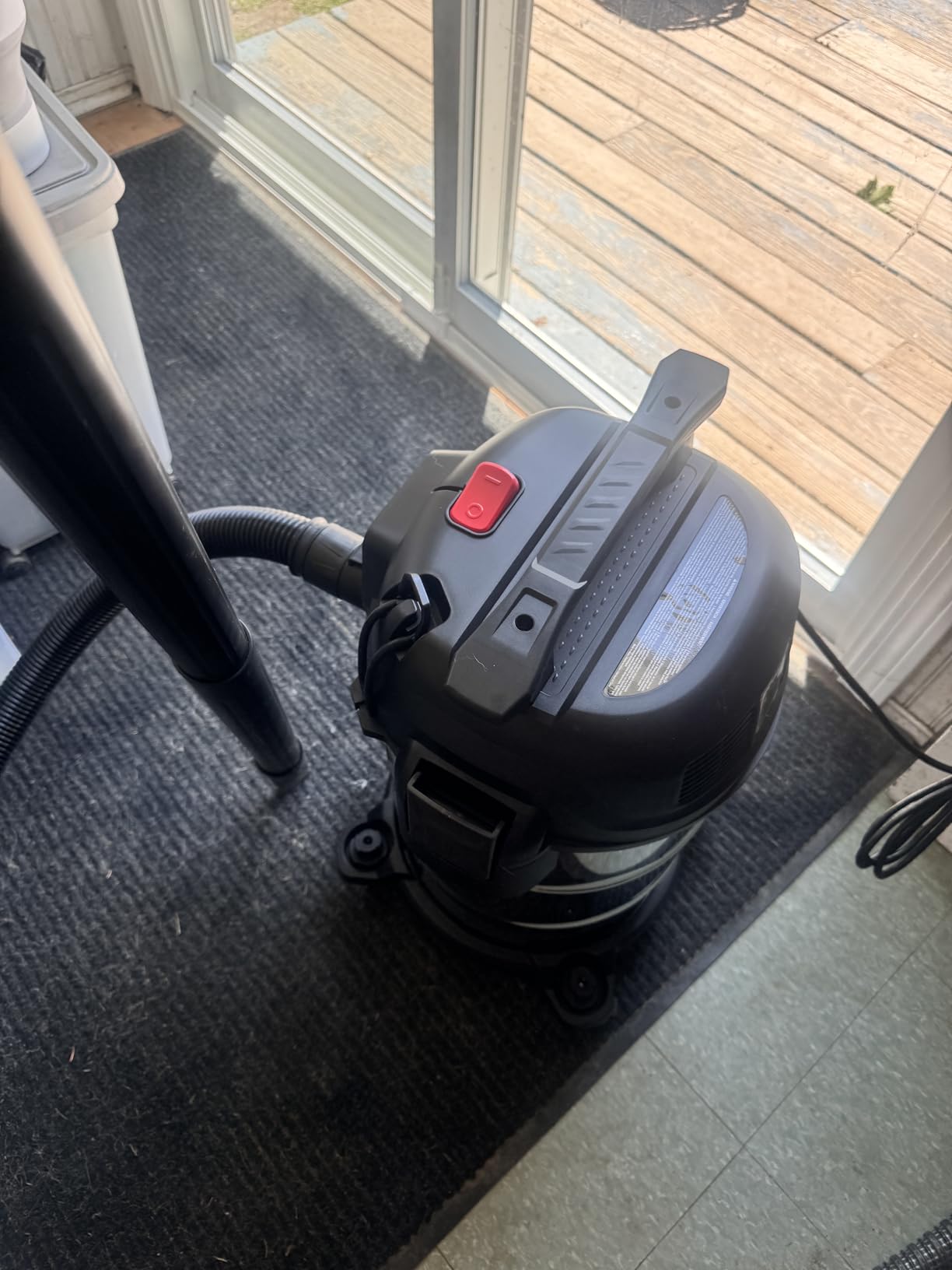
Steel versus poly is a decision about how hard you live
If your indoor cleaning happens in a dedicated utility room or a basement where the machine takes abuse, a stainless tank is the better long-term choice. If it lives in a hallway, gets moved constantly, and only handles occasional spills, a lighter poly canister will be easier to live with and the durability difference will rarely come into play.
At 21.2 pounds the ECOMAX is heavier than the Stealthsonic pair, though still well under the 12-gallon Shop-Vac. It measures 15.6 by 15.2 by 25.8 inches, and that height is the dimension to check against your shelf or closet clearance.
Know what reviewers mean by quiet
No one who owns this machine describes it as silent, and that is fine for the intended job. Compared with a standard shop vac at 80 to 85 dB, the difference is real and repeatable in owner reports. Compared with a canister or stick vacuum at 60 dB or below, it is still a machine you can hear across a room, so it is not the right answer next to a sleeping child or a home office call.
Its 38-review base is much smaller than the DEWALT models, which means less long-term owner history on seals, latches, and motor bearings. That is a fair reason to prefer a machine with hundreds of reviews if you are buying blind.
6. Shop-Vac 5 Gallon Ultra Quiet 5430542: Best for Tidy Indoor Storage
Shop-Vac 5 Gallon Ultra Quiet Shop Vacuum Wet and Dry, 4.5 Peak HP, 5430542
4.5 peak HP
5 gallon steel tank
15 ft cord
7 ft hose
18.7 lb
Pros
- Whisper Series motor rated up to 60 percent quieter
- 5 gallon stainless steel tank
- Built-in cord wrap and onboard accessory storage
- 360 degree swivel casters
- 15 ft cord plus 7 ft hose for long reach
Cons
- Smallest tank in the Shop-Vac range here so it fills quickly
- No tool adapter included for third party attachments
This model is the storage answer. The built-in cord wrap and onboard accessory storage keep the whole thing closed up into one tidy object rather than a canister with a hose draped across the floor and a wand leaning against a wall, and in an apartment that difference decides whether the machine lives in a closet or gets banished to a balcony. The stainless steel 5-gallon tank and 360-degree swivel casters pair with that design intent.
The Whisper Series motor is claimed at up to 60 percent quieter than standard models, and this listing does not publish a specific dBA figure, so we keep it as a relative claim. The good news is the reach: a 15-foot cord plus 7-foot hose gives roughly 25 feet of combined cleaning distance for continuous indoor work from a single outlet.
Reviewers focus on the stainless tank, the quiet motor, and the fact that a newer design simply keeps itself together. The in-box list is generous for the class: tool holder, cartridge filter and retainer, foam sleeve, filter bag, utility nozzle, floor nozzle, crevice tool, round brush, a 7-foot hose at 1-7/8 inch diameter, and two extension wands.
At 18.7 pounds and 16 by 14 by 21 inches, the weight sits between the compact Stealthsonic canisters and the ECOMAX stainless model, so it is portable without feeling flimsy. The foam sleeve under the cartridge is a genuinely useful indoor feature, since it catches the fine particulate that drywall and sanding work generate before it reaches the cartridge face.
Decide whether 5 gallons is enough for your cleanup rhythm
Five gallons is a real constraint on a bigger job, and it is the most common reservation in owner feedback for this model. If you are doing spill response, car interiors, and hobby work in short sessions, the tank outlasts the task. If you are tackling a renovation, plan more trips to empty, and weigh that against the 6-gallon Whisper Series model in slot seven, which adds roughly one gallon for a similar body.
The combination of a steel tank and a compact body is what makes this the tidiest indoor option here, and that is worth paying attention to if the machine has to share space with a washing machine.
Know what the missing adapter costs you
There is no tool adapter included, so if your workflow includes a dust extractor, a sander, or a bench port that needs a 2-1/2 inch connection, you will be sourcing that separately. It is a small inconvenience, but it is the kind of thing that surfaces three weeks into ownership rather than on day one.
It runs at a single speed, and its 31 reviews are a newer, thinner record than the DEWALT models carry. The 75 percent five-star share is encouraging, but it is a shorter history of long-term ownership.
7. Shop-Vac 6 Gallon Ultra Quiet 5430541: Best for Woodshop Dust Indoors
Shop-Vac 6 Gallon Ultra Quiet Shop Vacuum Wet and Dry, 4.5 Peak HP, 5430541
4.5 peak HP
6 gallon tank
15 ft cord
7 ft hose
18.7 lb
Pros
- Owners report it is quieter than their household vacuum
- 4.5 peak HP suction handles sawdust and spills well
- 6 gallon capacity without bulk
- 15 ft cord plus 7 ft hose for 25 ft of reach
- All attachments store on the unit
Cons
- No adapter included for tool connections
- Wheels and handle need attaching on arrival
- Single speed only
This is the one we would put next to a lathe or a scroll saw in a home shop. The strongest single owner report on this model says it is quieter than the household vacuum it replaced, and that the buyer could hold a normal conversation nearby, which is the specific claim indoor users keep searching for. Sawdust pickup is where the 4.5 peak HP earns its place, and a wide hose bore that pulls sawdust without clogging matters more than tank size once you start cutting.
It is the same Whisper Series platform as slot six, claimed at up to 60 percent quieter than standard models, with no published dBA figure on this listing. Reviews validate the quiet claim in real indoor settings, including wood lathe dust collection in an apartment and basement water pickup.
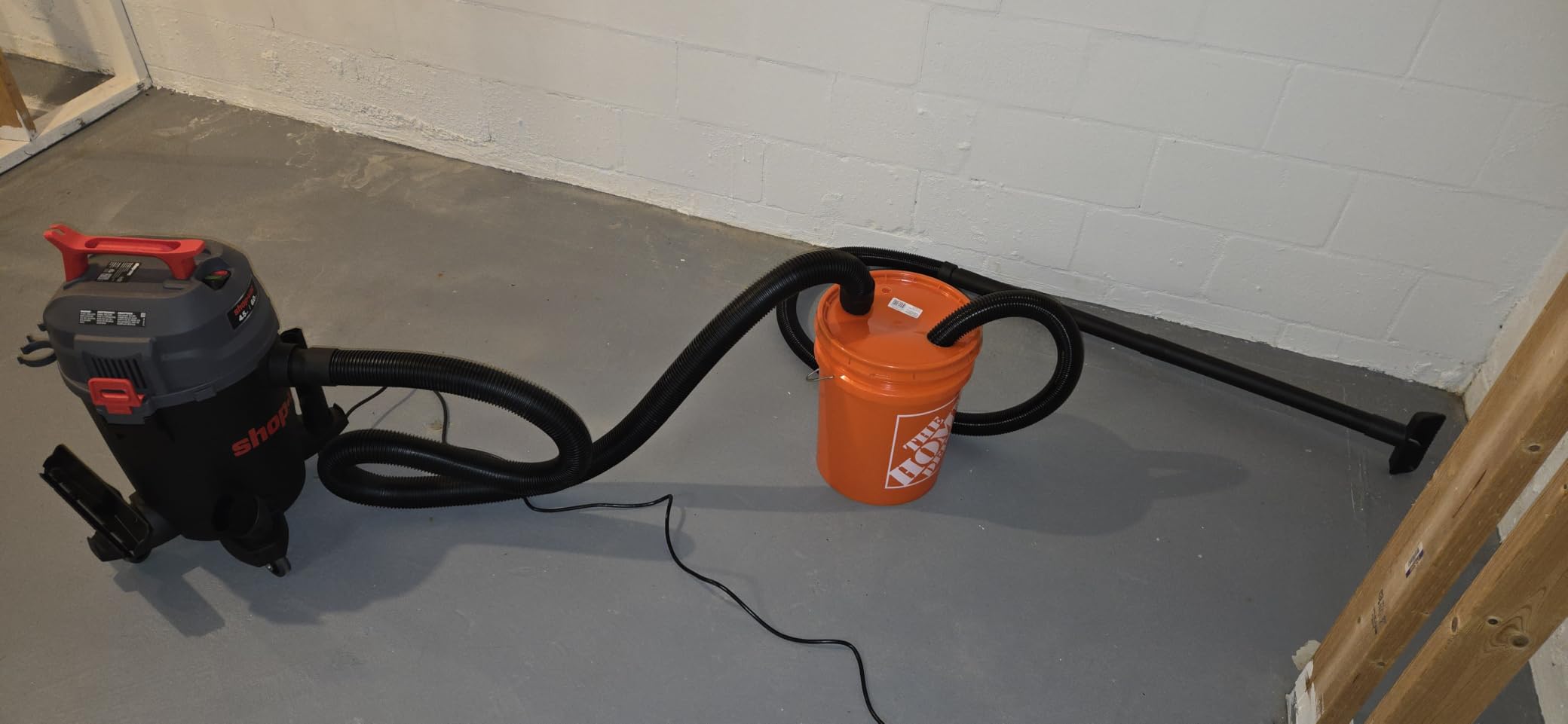
Reach and capacity are both sensible for home use: about 25 feet of combined cord and hose distance, and 6 gallons without turning into a bulky machine at 15.7 by 14.2 by 24.4 inches and 18.7 pounds. The 360-degree swivel casters and onboard attachment storage keep it workable in a tight corner, which is the geometry most home shops actually have.
One reviewer reported suction strong enough that a plastic bucket trap lid collapsed and needed a drilled bypass hole. That is a genuine stress test rather than a complaint, and it tells you something useful about how much air this machine moves relative to its size.
Check the assembly step before your first use
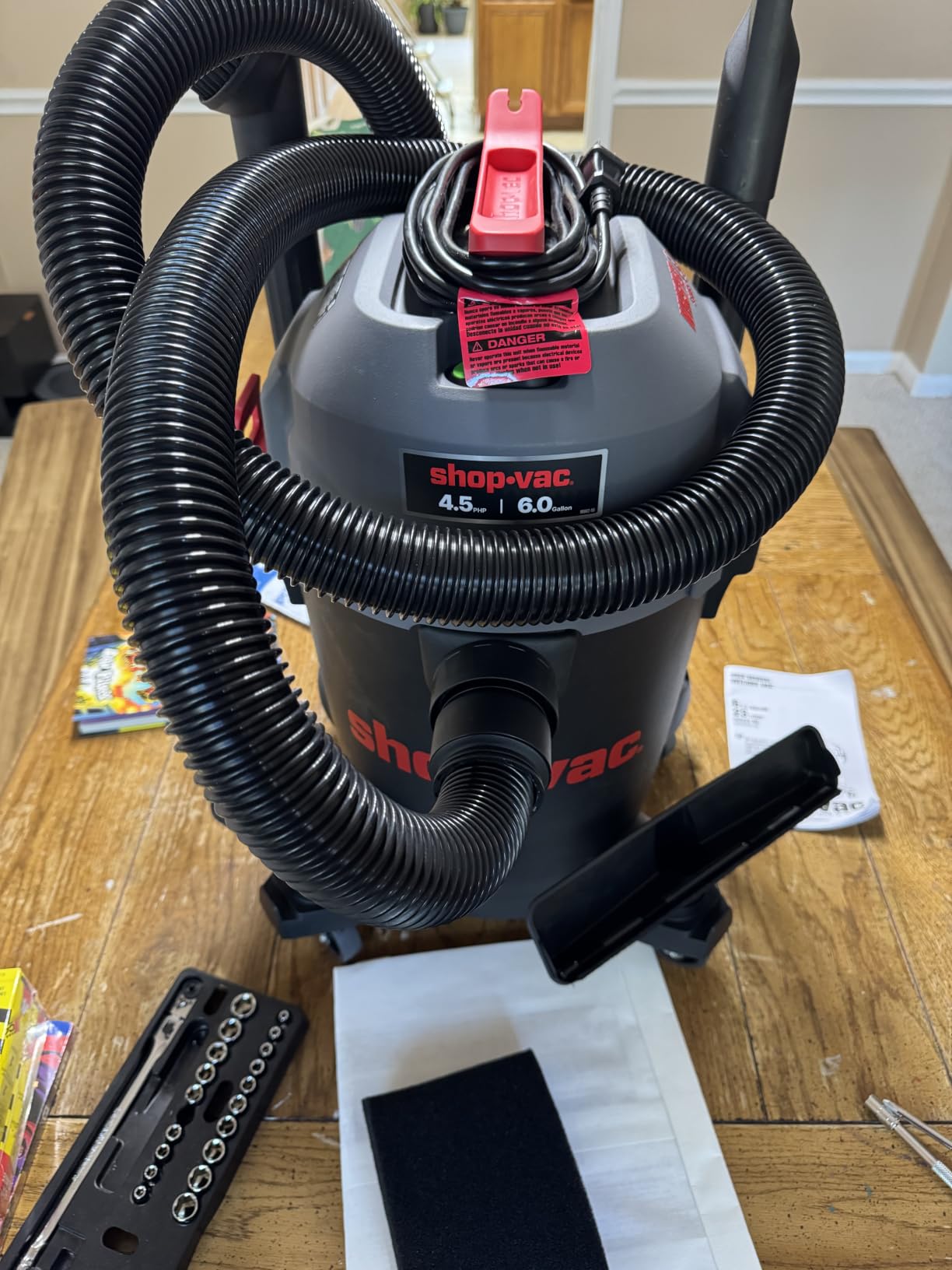
The wheels and handle arrive unattached and the parts have been reported sitting loose in the canister, so budget ten minutes for assembly before you judge anything, including the noise. It is a setup irritation, not a design flaw, but owners who skip it often blame the machine for problems that were really assembly order.
Because this is a single-speed machine, sawdust collection rate is fixed. That is fine for a lathe or a shop vac hose on a machine tool, but if you move fine sanding dust you will manage it at the nozzle rather than the motor.
Where the capacity ceiling shows up
Six gallons is more than the slot-six model and less than the 12-gallon Shop-Vac, which makes it the balanced middle of this roundup. If your indoor dust loads are heavy and continuous, a bigger tank reduces the interruption cycle; if they are intermittent hobby work, this is already sufficient and easier to move.
There is no included adapter for tool connections, and one isolated review reported the unit stopping after two uses along with a poor support experience. A single report is not a pattern, but it is worth weighing against the much longer review histories of the DEWALT models if reliability is your main concern.
8. ECOMAX 5 Gallon Ultra Quiet Stainless Steel: Budget Pick for Light Indoor Jobs
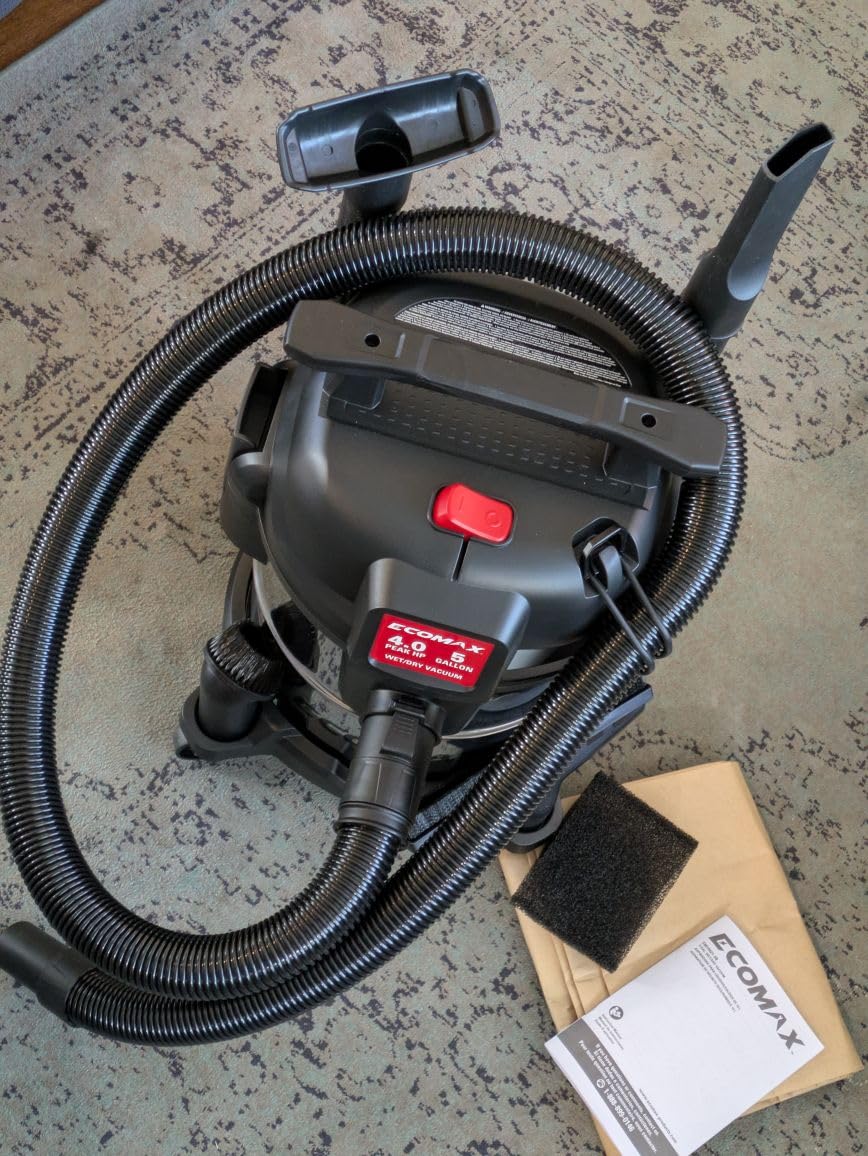
ECOMAX 5 Gallon Ultra Quiet Stainless Steel Shop Vacuum Wet and Dry
65 dB rated
4 peak HP
5 gallon steel tank
20 lb
7 ft hose
Pros
- Published 65 dB noise rating at 4 peak HP
- Stainless steel 5 gallon canister resists impact and corrosion
- High efficiency motor and optimized airflow for service life
- Handles liquid spills and dry debris on all floors
- Portable wheeled base with full accessory kit
Cons
- Lowest average rating in the group at 4.2
- Smallest tank so it empties often on renovation debris
- Weighs 20 pounds despite the compact tank
This is the entry point into the quiet category, and the noise number is the same 65 dB rating as the machines above it. The trade-off shows up in the review distribution: 4.2 average across 49 reviews, with 69 percent five-star and 11 percent one-star. That split is the reason this sits in last place for us, and the reason we would point a nervous buyer toward a machine with a longer ownership record instead.
Positive comments concentrate on the quiet operation, the stainless steel durability, and everyday versatility across garage floors, vehicles, workshops, and basements. The one-star share suggests a small number of durability or satisfaction problems, so this is a machine for a light-duty indoor role rather than the one you rely on for renovation work.
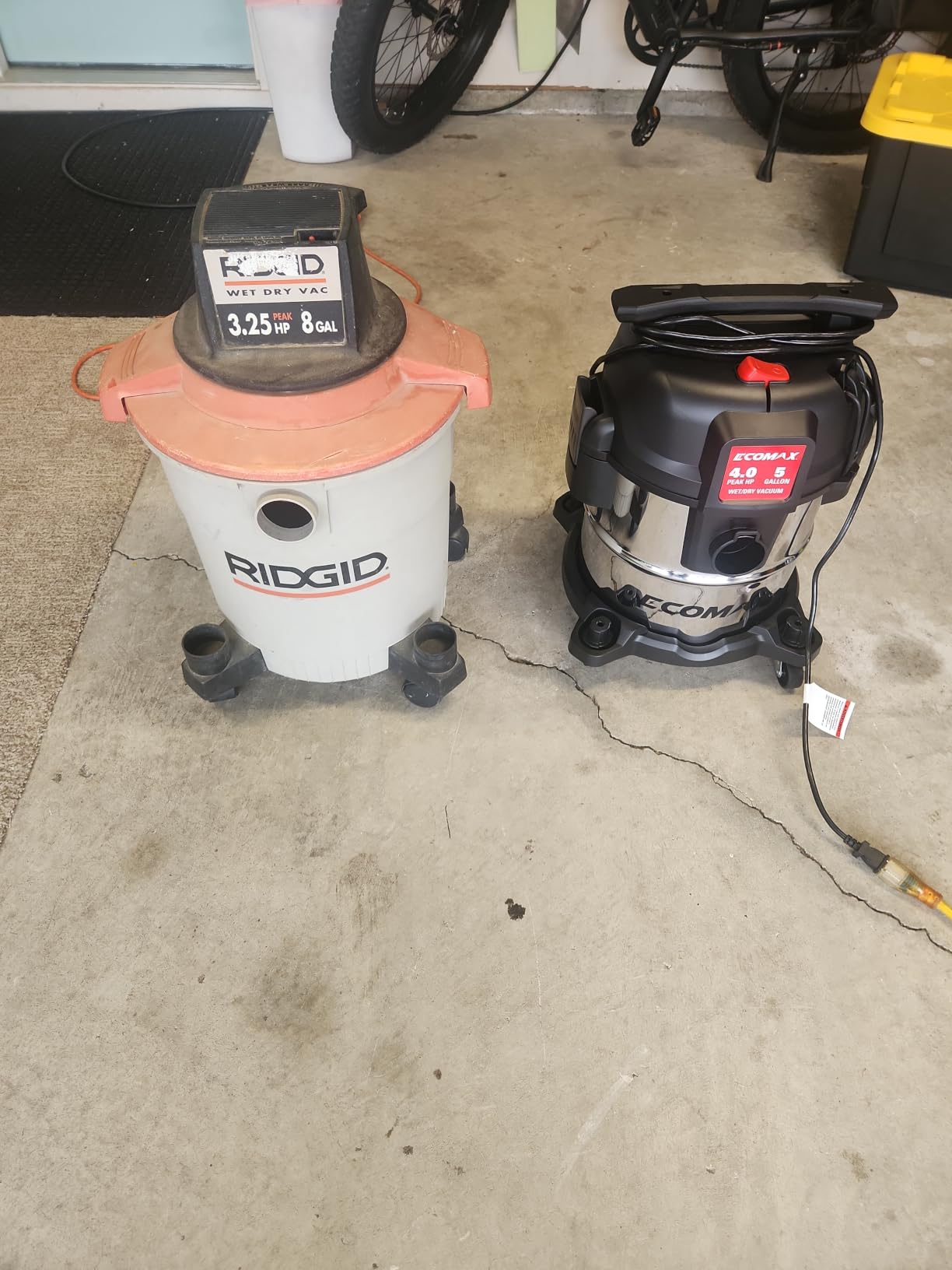
The 4 peak HP motor handles both liquid spills and dry debris, and the high-efficiency motor with optimized airflow is the part that should give you pause about longevity, since a higher-revving motor in a price-conscious design is where early failures tend to appear. It measures 15.56 by 15.15 by 20.3 inches, which is compact, and it rolls on a wheeled base between work areas and storage.
Stainless steel resists impact, corrosion, and heavy daily use, so the tank itself should outlast the motor. If you keep your indoor cleaning to occasional spills, seasonal cleanup, and vehicles, that durability is genuinely useful and the compact size makes it easy to live with.
Know what the lower rating is telling you
A 4.2 average with 11 percent one-star reviews is not a failing machine, it is a thinner warranty-like cushion. Compared with the 4.7 and 4.6 models carrying 274 and 393 reviews, there is far less long-term evidence here. If you can absorb the difference, buy it. If a failure would mean replacing it again in a year, spend up for the record.
At 20 pounds it is heavier than the compact Stealthsonic canisters despite the smaller tank, so the portability argument is weaker than the dimensions suggest.
Know when 5 gallons is genuinely enough
This is the smallest tank in the roundup alongside the two compact Stealthsonic models, and it empties often on renovation debris. For a single room, a car, or a stack of hobby sawdust, the size is fine. For anything that fills a tank twice in one session, pick the 6-gallon or 8-gallon model instead.
It runs at a single power level, and the accessory kit is the standard set rather than an expanded one. Treat it as the quiet entry point and upgrade only if you find yourself emptying it constantly.
What 60, 65, 70, and 80 dBA Sound Like Indoors
Decibels are logarithmic, which is why the numbers are confusing at first and easy to overuse once you get used to them. Each 10 dB step is roughly a doubling of perceived loudness, so the gap between 65 dB and 80 dB is not a small improvement. It is the difference between a machine you can talk over and a machine that ends the conversation.
Most conventional shop vacs enter the range around 80 to 85 dB, which is about as loud as a lawnmower or a food processor and why nobody runs one in a bedroom. The quiet models in this roundup are published at 65 dB, which sits close to normal indoor conversation and a running refrigerator. There is nothing in this roundup published below 65 dB, so if your requirement is quieter than a fridge hum, you are looking at a different product category, and we cover that in the alternatives section.
Here is the scale we use when judging these machines, and the reason we treat the published figure as a starting point rather than a promise.
60 dB and below is a quiet office and a normal conversation at three feet. Household canister and stick vacuums live here, and so do some cordless wet and dry vacs. Nothing in this roundup is published at this level.
65 dBA is the rating carried by the DEWALT Stealthsonic models and both ECOMAX machines in this guide. It is about the level of a refrigerator hum or a shower running in a neighbouring room, and it is where most people can hold a normal conversation nearby.
70 dBA is a busy street, and it marks the point where indoor use starts to draw comments from people in other rooms.
80 dBA and above is where standard shop vacs start, along with traffic and a lawnmower. It is unusable in a living space regardless of how good the suction is.
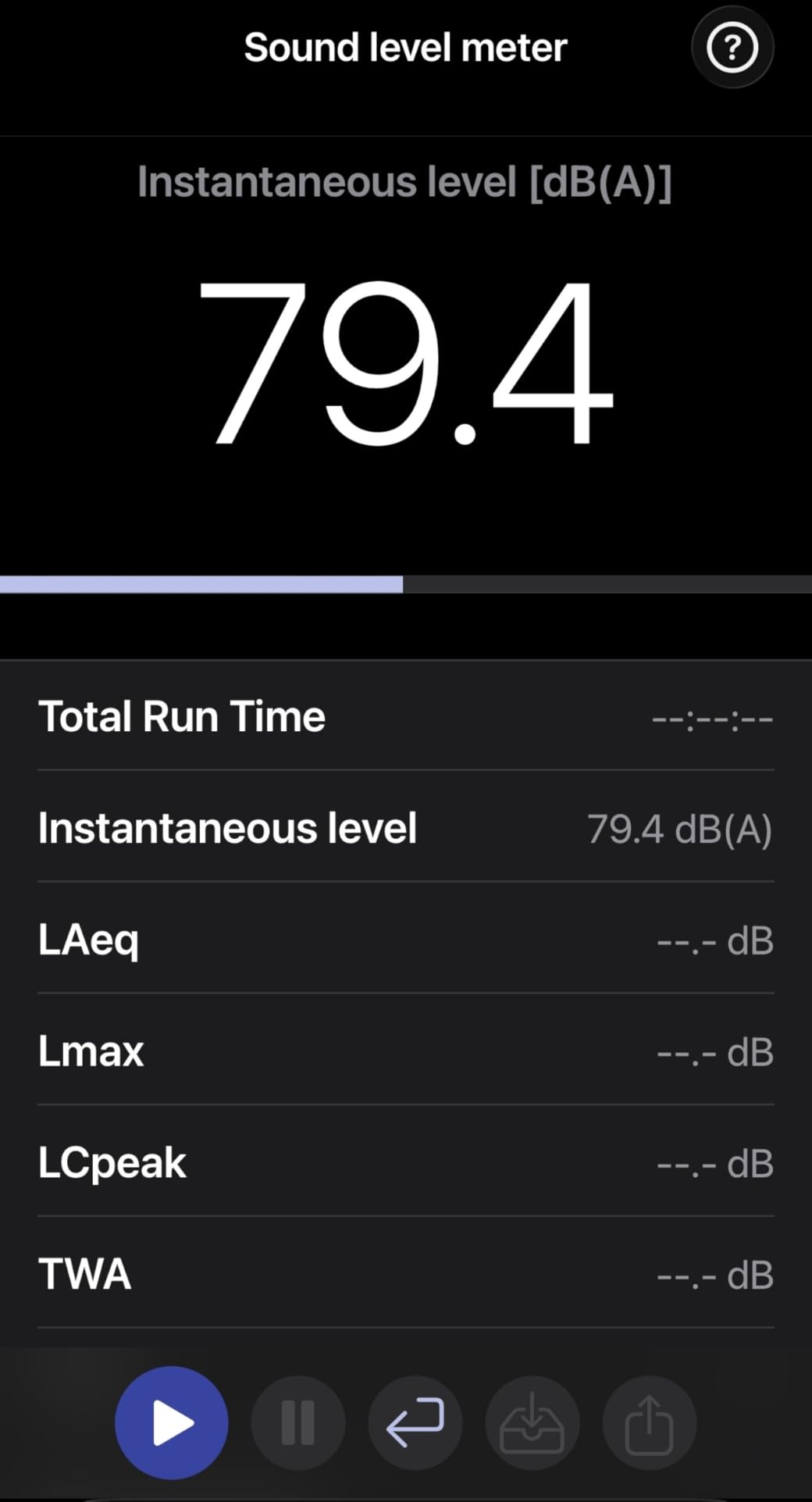
Two honest warnings about every number on this page. First, manufacturer dBA figures are measured under lab conditions, typically at a fixed distance with a standard load, so your real-world reading will sit higher. Second, and more usefully, noise rises as a filter loads, which is the most common reason a shop vac that was quiet on day one feels loud within a year. Forum users describe this same effect consistently, and it is the single most fixable cause of noise we can point you toward.
Using a Shop Vac Indoors Without Waking the House
A shop vac is appropriate indoors, with conditions attached. The first is filtration. Fine particles from drywall sanding, plaster, and tracked-in construction dust pass straight through a standard cartridge, and a leaking filter path both distributes that dust into your living space and raises noise. Fit a fine dust filter or a HEPA-rated element for any indoor fine-dust work, and check the seal between the filter and the tank lid each time you reassemble.
The second is the machine’s body. A hard poly canister dragged across a sealed hardwood floor or a tile edge will mark it, which is why the models with 360-degree non-marring casters are worth preferring for indoor routines. Lift rather than drag when you cross thresholds, and put down a drop cloth if you are working in a room you care about.
The third is wet pickup. A wet tank left partly full develops odour and eventually mildew, both of which end your willingness to store the machine indoors. Empty and wipe the tank after every wet job, let the filter dry fully before reassembly, and leave the lid off for a few hours if the room is enclosed.
The fourth is timing. Corded wet and dry vacuums are the loudest category, and the quietest options in this roundup still produce meaningful sound at the motor. If you share walls with neighbours or have a sleeping household, run the machine in the middle of the day, and if you are working from home, schedule the loud phases between calls rather than during them. Where noise control for indoor appliances is the broader concern, our guide to quiet indoor grills covers the same scheduling approach, and our picks for indoor security cameras for elderly parents cover the same low-noise-in-a-occupied-home logic from a monitoring angle.
How to Make Any Shop Vac Quieter
You do not need a new machine to cut noise from the one you own. The steps below are ordered by how much difference they make, and the first one is free.
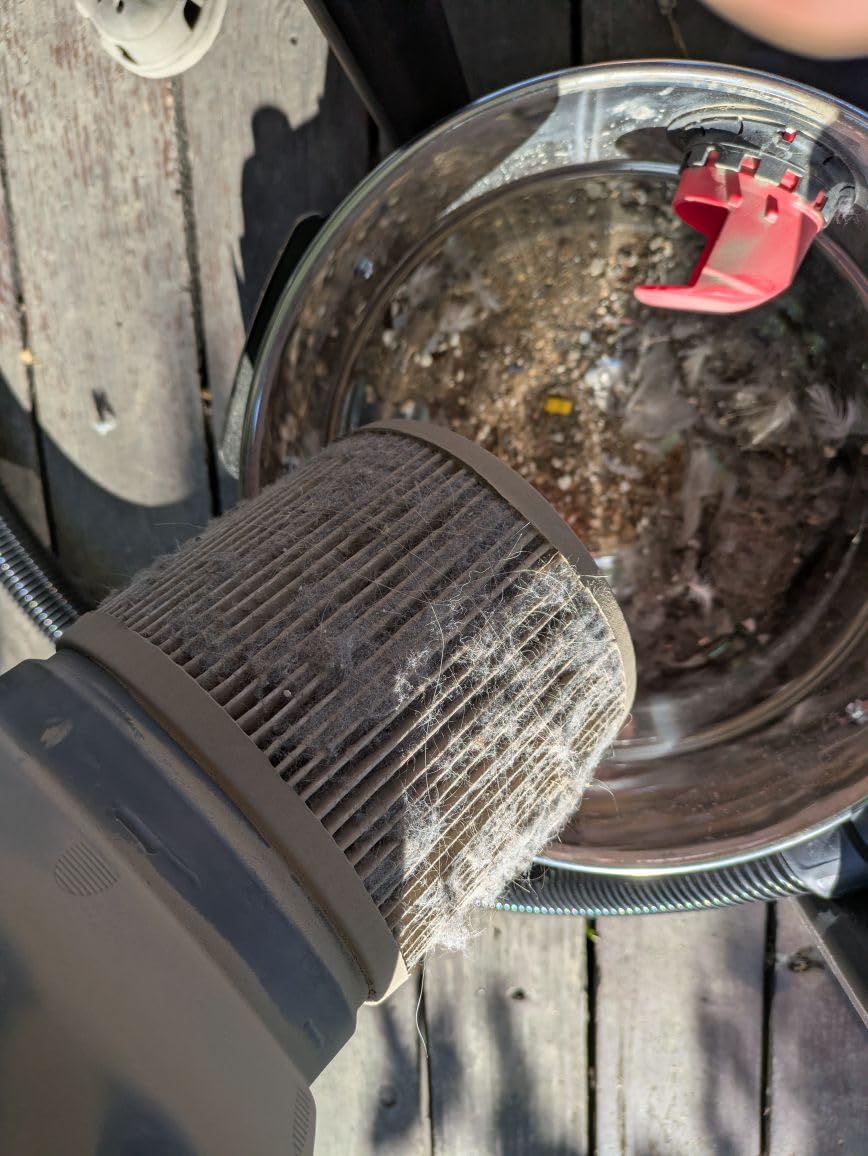
Clean or replace the filter, then check the bag. A loaded filter forces the motor to work harder and the airflow past the fan to go faster. This is the most common and least known reason a shop vac gets loud over time, and it reverses completely when the filter is clean.
Seal the intake path. Check the hose at the port and the filter collar at the lid. A cracked hose collar or a cartridge that is not fully seated sends air around the filter instead of through it, which raises noise and puts dust in the room.
Stop filter bypass with a foam sleeve. A foam pre-filter under the cartridge catches fine particles and reduces the flow restriction that drives noise up. Several models here include one, and where they do not, it is a cheap addition.
Put a vibration mat under the canister. Rigid feet on hard floors transfer motor vibration into the structure. A closed-cell mat or a thick rubber pad decouples the body and measurably takes the edge off low-frequency sound.
Use a soft-surface hose run and clamp the joints. A hose that rattles against a wall or floor is adding noise of its own. Running it along a baseboard, through a foam sleeve, or with a clamp at each joint removes that.
Add a noise-reducing blanket or panel. Wrapping the motor housing, or mounting a panel between the machine and the room you care about, dampens high-frequency whine. This is the approach several r/woodworking users take when they cannot replace a machine.
Isolate the machine in an adjacent space. If you are collecting dust from a shop or a basement doorway, run the vac in a utility room with the door closed. The sound source is the same machine; the room it radiates into is what you control.
Lower the load before the noise rises. Emptying early and changing the filter on schedule keeps the motor at a steadier sound, and a lower suction setting, where a machine has one, is quieter than full power.
Quiet Alternatives: Cordless Vacs and Wall-Mounted Dust Extractors
Sometimes the right answer is not a quiet shop vac. If your indoor need is only spill response, upholstery, and stairs, a cordless wet and dry vacuum is quieter by design, since there is no motor whine from a cord-driven motor running near its rating. Forum users consistently raise cordless models as the quieter option, and we would rather say that plainly than sell you a machine that is merely quieter than the loud alternative.
For hobby woodworking, the forum consensus leans toward 5-gallon wall-mounted units. Users on Carbide 3D and r/DIYUK describe them handling tight spaces, long hose runs, and CNC dust collection without overheating or producing excessive noise, because a small canister mounted high in a corner is closer to the dust source than a full-size machine on the floor.
For heavy shop dust, a dust extractor moves far more air and is louder per unit, so it trades noise for suction and capacity rather than solving the problem. A properly sized cyclone is quiet at the source because the debris drops into a drum instead of passing through the motor. A dust collector is a better tool when you have a fixed machine and a dedicated space, not when you are cleaning a finished room.
One category remains quieter than everything discussed here: a robot vacuum or a household canister handles floor dust without anyone hearing a motor. Neither can pick up water, plaster, or broken drywall, so they complement a wet and dry vacuum rather than replace it.
How to Choose a Quiet Shop Vac for Indoor Spaces
Noise is the entry requirement, but six other decisions determine whether a machine works in a home. Work through them in this order.
1. Start with the room and the hours. Note which rooms you need, whether they are carpeted or hard-surfaced, and when the household is awake and quiet. A machine used in a basement during a weekend afternoon has different requirements from one that runs beside a home office desk, and the second case is where noise dominates every other factor.
2. Read dBA literally, and discount it generously. Manufacturer figures are laboratory numbers, so treat 65 dB as a starting point rather than a promise. The practical comparison is between models: all four of the models here that publish a decibel figure publish 65 dB, which means on noise alone they are effectively tied and you should choose on capacity, weight, and storage instead.
3. Understand the noise versus suction tradeoff. Quietness comes from a lower-revving, often two-stage motor, plus gasketed housings that cut high-frequency whine. That motor design gives steadier airflow rather than a dramatic peak number, so expect 4 to 5 peak HP from the quiet models instead of the headline figures some conventional shop vacs advertise. In practice the lower-pitched result is more pleasant indoors and, with a clean filter, more consistent through a long session.
4. Size the tank to the job, not to the aspiration. Five gallons suits a car, a utility room, and hobby work. Six to eight gallons suits a whole room, a basement, and renovation cleanup. Twelve gallons is for heavy debris and water events, and it is the only capacity tier in this roundup that meaningfully complicates carrying it indoors. Buying a tank larger than your sessions means a bigger machine you move less often, which is the opposite of what you want.
5. Check the three size numbers that actually matter indoors. Height decides whether it fits a shelf or a closet, weight decides whether you will move it up stairs, and the caster type decides whether it marks your floor. The 360-degree non-marring casters on the Stealthsonic models and the swivel casters on the Shop-Vac Whisper Series models are the indoor-friendly pattern, and the models built with plain hard wheels are the ones we would use a mat under.
6. Work out reach before you buy. Cord plus hose is your true radius. Combinations here run from about 17 feet on the DeWalt canisters to roughly 25 feet on the Shop-Vac Whisper Series models and the 12-gallon Shop-Vac with its 25-foot cord. In a power-sparse room, reach removes the need for extension leads, which are their own noise and trip hazard.
7. Plan the filtration stack. Cartridge for coarse debris, foam sleeve for fine particles, dust bag for containment, and a fine dust or HEPA element for drywall and plaster work indoors. Check whether the replacement filters are sold separately for your chosen model, because that ongoing cost is easy to overlook and it directly affects how often the machine runs quietly.
8. Budget for a maintenance rhythm. Empty before the tank is full, clean or swap the filter on a schedule, wipe wet tanks dry, and store the machine with the lid off for a while. A clogged filter is the leading cause of a loud shop vac, and maintenance is the cheapest noise reduction available.
One last filter on the buying process. Verify that the model you are ordering actually carries the quiet designation, because the naming across brands is inconsistent and buyers on Scroll Saw Village specifically warn that you need the units labelled with the quiet series name to get the lower-decibel machines. A quiet badge in the title is not the same as a published decibel figure, and where a listing gives only a relative claim, we have said so in each review above.
Frequently Asked Questions
What brand of shop vac is the quietest?
DeWalt’s Stealthsonic line is the most widely endorsed answer, and the models we tested are published at 65 dB with 4 to 5 peak HP. Users on r/woodworking and Scroll Saw Village repeatedly single out the Stealthsonic as the quiet option, and the practical rule is to confirm the model carries the Stealthsonic name, since the rest of the brand’s wet and dry line is built differently.
Is there such a thing as a quiet shop vac?
Yes. Standard shop vacs typically start between 80 and 85 dB, while the quietest models sit in the low 60s dBA. In this roundup the models with published figures are rated at 65 dB, which is close to normal indoor conversation, and that is the level at which a wet and dry vacuum becomes usable in a finished room.
How can I make my shop vac quieter?
Clean or replace a clogged filter first, since a loaded filter makes the motor work harder and the sound rise. Then seal the hose port and filter collar, add a foam pre-filter, put a rubber vibration mat under the canister, run the hose along a wall away from hard surfaces, and if needed wrap the housing or isolate the machine in a utility room.
Can a shop vac be used indoors?
Yes, with care. Use a fine dust or HEPA-rated filter for drywall, plaster, and tracked construction dust, fit non-marring casters or lift rather than drag the body so finished floors are not marked, empty and wipe any wet tank after use to prevent odour and mildew, and schedule the noisier passes when the household is awake.
Why is my shop vac so noisy?
The most common cause is a clogged or dirty filter, which restricts airflow and forces the motor to work harder. Other causes include a cracked or loose hose port letting air bypass the filter, an unbalanced fan bearing, an empty tank restricting airflow, vibration transferring into a hard floor, and running the motor at full power on a light load. Replacing the filter usually reverses the problem entirely.
The Verdict on Quiet Shop Vacuums for Indoor Use
The DEWALT Stealthsonic 5 Gallon DXV05P-QT takes our top spot in this roundup of the best quiet shop vacuums for indoor use. It pairs a published 65 dB rating with 4 peak HP, 18.3 pounds of weight, and a 17-foot reach, and at 393 reviews it carries the largest ownership record in the group. Its two real flaws, snagging casters and a flimsy storage bag, are mechanical and fixable rather than performance problems.
The Stealthsonic 6 Gallon DXV06P-QT is the pick if you want the highest average rating in the set and one extra gallon of tank for renovation cleanup. The Stealthsonic DXV05S-QT is the pick if weight and shelf height drive the decision, at 16.9 pounds. The Shop-Vac Ultra Quiet 12 Gallon is the capacity pick for heavy debris and water events, accepting 25.9 pounds to get there, and the ECOMAX stainless models suit buyers who want a steel tank, with the 8-gallon version carrying the stronger 4.6 rating.
Before you buy anything, remember the two numbers that decide the indoor experience more than the badge does: the published decibel rating and your room’s hours. Every machine here with a published figure lands at 65 dB, so choose on capacity, weight, storage, and filtration, then keep the filter clean and you will keep the noise where it started. Check current pricing and retailer options for the models above, and take whichever one you choose into the room before you plan a single session with it.