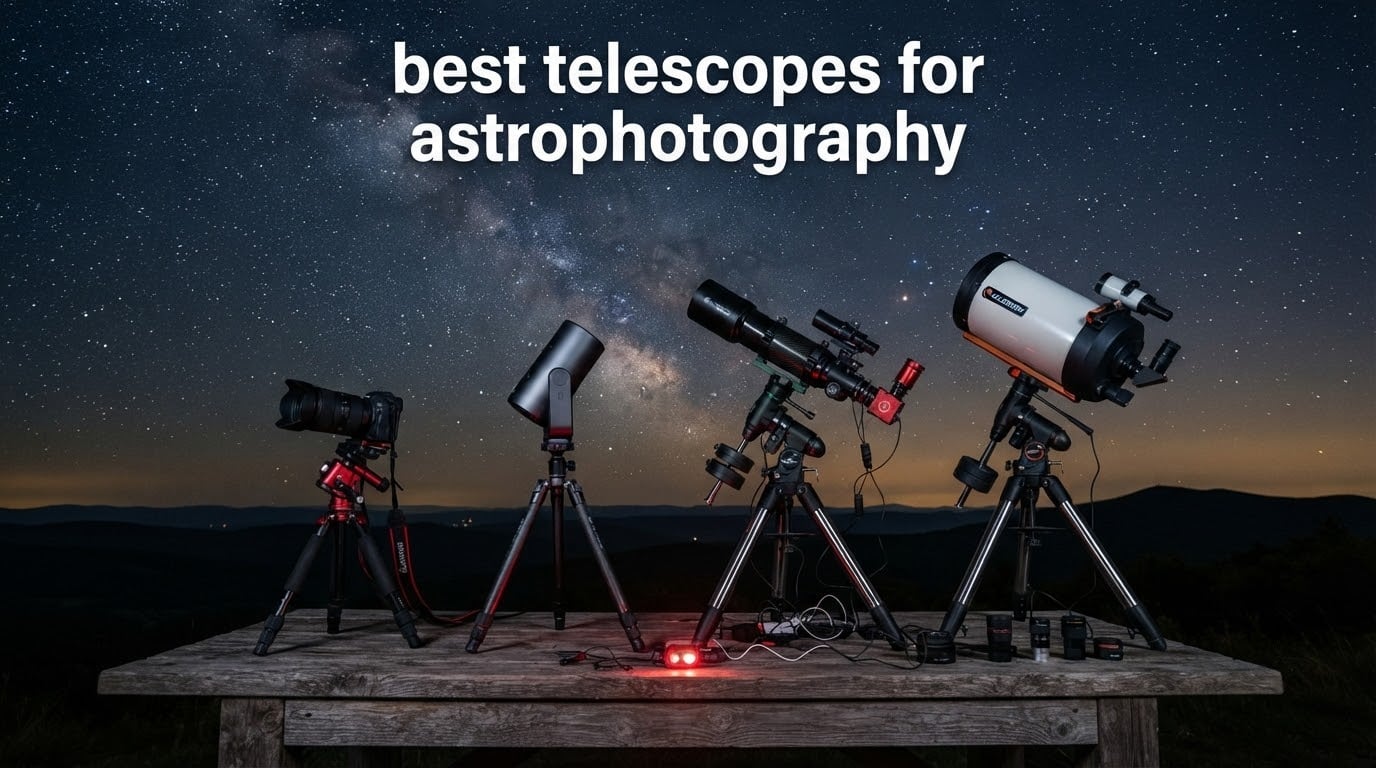
The best telescopes for astrophotography are fast, low-coma refractors for wide nebulae, flat-field Schmidt-Cassegrains and triplets for smaller galaxies and clusters, and fully automatic smart scopes for anyone who does not want to buy a mount and a camera separately. Aperture decides how much light you gather, focal length and sensor size decide what fits in the frame, and the mount decides whether the stars stay round or trail into dashes.
That third point trips up most first-time buyers. Forum threads on r/AskAstrophotography and CloudyNights keep circling the same lesson: people budget a beautiful optical tube, then discover the equatorial mount is the real tracking bottleneck and the accessory list doubles the cost of the night. I compared ten scopes across the three families you can actually buy today, pulled the published aperture, focal length, focal ratio and weight for each one, and sorted them by the kind of image you want to end up with.
Three groups show up in this roundup. Traditional optical tube assemblies need a mount, a camera and usually a flattener before the first frame. Complete kits arrive with an equatorial mount and accessories in the box, which is why they are forgiving for beginners even when the optics are modest. Smart telescopes fold the camera, the mount, the stacking software and the processing into one battery-powered body you point at the sky and drive from a phone.
Nothing here is a visual observing scope dressed up as an imaging tool, and nothing here needs a computer to produce a finished frame except the bare optical tubes. Read the mount section below before you spend anything, then pick the column that matches your targets.
Table of Contents
- Top 3 Picks for Astrophotography in 2026
- All 10 Best Telescopes for Astrophotography (October 2026)
- Quick Picks by Budget and Target Type
- 1. Celestron AstroMaster 130EQ-MD – Budget Newtonian with Real Motorized Tracking
- 2. SVBONY SV503 80mm f/7 ED Refractor – Sharpest Wide Field on a Tight Budget
- 3. SVBONY SV550 80mm f/6 Triplet – Cheapest Route to True Apochromatic Color
- 4. Sky-Watcher EvoStar 100 APO – The Tube That Works Visually and Photographically
- 5. ZWO Seestar S30 Pro – Apochromatic Wide Field From a Bright City
- 6. DWARFLAB Dwarf Mini – The 1.85 Pound Option for Dark Sky Trips
- 7. DWARFLAB Dwarf 3 – One Device That Also Photographs Daytime Subjects
- 8. Celestron NexStar 8SE – The Most Aperture for Planetary Detail
- 9. Celestron PowerSeeker 127EQ – The Lowest Outlay and the Most Documented
- 10. MEEZAA 150EQ Newtonian – The Most Complete Kit in the Box
- How to Choose a Telescope for Astrophotography
- Which Optical Design Frames Which Target
- What Astrophotography Costs Beyond the Telescope
- Frequently Asked Questions
- What type of telescope is best for astrophotography?
- What is the 500 rule in astrophotography?
- What is a good telescope to see Saturn’s rings?
- Do I need a separate equatorial mount for astrophotography?
- Can I use a DSLR or mirrorless camera with a telescope for astrophotography?
- Is a smart telescope good enough for astrophotography?
- The Best Telescopes for Astrophotography in 2026
Top 3 Picks for Astrophotography in 2026

Celestron AstroMaster 130EQ-MD
- 130mm aperture
- 650mm focal length
- RA motor drive
- 17 lb complete

SVBONY SV503 80mm ED Refractor
- S-FPL51 ED glass
- bundled 0.8x flattener
- 5.51 lb optical tube

The AstroMaster 130EQ-MD takes the top spot because it is the only kit in this list that pairs a real aperture with a motor that tracks for you, and it still leaves room in the budget for a camera. The SV503 is the sharpest entry into serious wide-field work. The SV550 is the most direct route to true apochromatic color without fringing.
All 10 Best Telescopes for Astrophotography (October 2026)
| Product | Specs | Action |
|---|---|---|
| Celestron AstroMaster 130EQ-MD |
|
Check Latest Price |
| SVBONY SV503 80mm ED Refractor |
|
Check Latest Price |
| SVBONY SV550 80mm f/6 Triplet |
|
Check Latest Price |
 Sky-Watcher EvoStar 100 APO Sky-Watcher EvoStar 100 APO |
|
Check Latest Price |
 ZWO Seestar S30 Pro ZWO Seestar S30 Pro |
|
Check Latest Price |
 DWARFLAB Dwarf Mini DWARFLAB Dwarf Mini |
|
Check Latest Price |
 DWARFLAB Dwarf 3 DWARFLAB Dwarf 3 |
|
Check Latest Price |
 Celestron NexStar 8SE Celestron NexStar 8SE |
|
Check Latest Price |
 Celestron PowerSeeker 127EQ Celestron PowerSeeker 127EQ |
|
Check Latest Price |
 MEEZAA 150EQ Newtonian MEEZAA 150EQ Newtonian |
|
Check Latest Price |
Quick Picks by Budget and Target Type
Best all-round starter kit: Celestron AstroMaster 130EQ-MD – a 130mm Newtonian at 650mm with a right-ascension motor drive, all in one box.
Best wide-field value: SVBONY SV503 80mm ED refractor – 560mm at f/7 with a 0.8x flattener already in the box.
Best true apo color: SVBONY SV550 80mm f/6 triplet – air-spaced ED design, pinpoint stars, short enough for a gym bag.
Best do-everything tube: Sky-Watcher EvoStar 100 APO – fluorite-corrected doublet that doubles as a visual scope.
Best from a bright city: ZWO Seestar S30 Pro – apochromatic optics, built-in light pollution filters, tripod in the box.
Best for a dark sky trip: DWARFLAB Dwarf Mini – 1.85 lb, equatorial mode with sub-exposure stacking.
Best one device for day and night: DWARFLAB Dwarf 3 – dual telephoto and wide-angle lenses, 4K auto tracking.
Best planetary aperture: Celestron NexStar 8SE – 203mm aperture with a computerized GoTo fork mount.
Best first visual telescope: Celestron PowerSeeker 127EQ – 1000mm of focal length, 127mm of aperture and the largest review base in this roundup.
Best complete accessory kit: MEEZAA 150EQ Newtonian – moon filter, phone adapter and carry bag included.
1. Celestron AstroMaster 130EQ-MD – Budget Newtonian with Real Motorized Tracking
Celestron AstroMaster 130EQ-MD Telescope with Motorized Tracking
130mm aperture
650mm focal length
f/5.0 focal ratio
17 lb complete
Pros
- Motorized RA tracking for longer exposures
- 130mm aperture gathers real planetary and lunar detail
- No star fringing that budget refractors show
- No-tool setup with eyepieces and red dot finder in the box
Cons
- CG-3 mount has backlash and drifts after adjustment
- Tripod is shaky and needs added stabilization
- Spherical primary mirror bloats stars in longer frames
A five-inch aperture on a German equatorial mount with a motor is still the shortest path from a cardboard box to a stacked deep-sky frame, and the AstroMaster 130EQ-MD is the only kit here that gives you all three. The 130mm primary is aluminum and SiO2 coated at 650mm focal length, which works out to f/5.0 and a listed field of view of 1.3 degrees. Owners report solid views of Jupiter’s bands, craters along the lunar terminator and the brighter Messier objects straight out of the box.
What makes it different from the other reflectors in this roundup is the right-ascension motor drive, powered by a single 9V alkaline battery, plus two slow-motion cables for fine control in both axes. That is what turns it from a visual scope into an imaging scope. It is still a modest mount, and reviewers are blunt that tracking typically holds for roughly 5 to 10 seconds before drift shows up, but for a first attempt at the Orion Nebula or a wide Andromeda crop, that is enough.
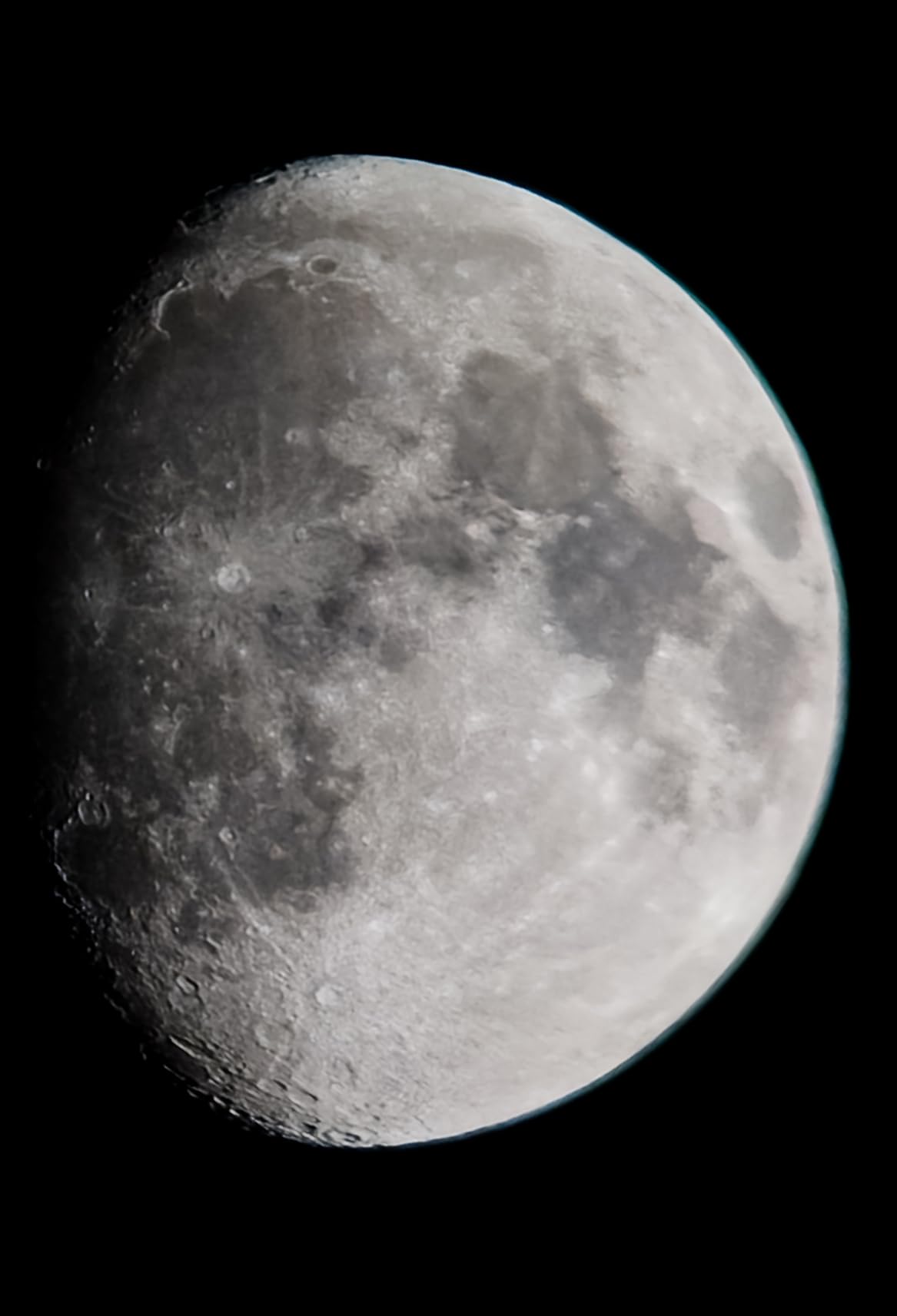
There is a real optical caveat here and I would rather name it than let you find it later. The primary is spherical, not parabolic, so stars grow soft halos in longer integrations and fast f/5 imaging is where that shows most. The CG-3 mount also has tight and loose spots with backlash after an adjustment, and the fine adjustment knobs only work when the motor drive is switched off. Experienced imagers on r/AskAstrophotography repeatedly make the same point about this class of kit: the mount is the part that limits you, not the mirror.
Best for a first tracked deep-sky attempt
Buy this if you have never tracked anything and you want planetary, lunar and short-exposure deep-sky results from one purchase. The motor drive plus slow-motion controls mean you can find, center and hold a target without buying a separate drive unit, and the 20mm and 10mm eyepieces get you observing the same night you assemble it.
The included accessories are unusually complete for the money: a red dot finder, a 20mm eyepiece with an erect image corrector, a 10mm eyepiece, the tripod and the mount preassembled. Two-year limited warranty and US-based support come with it. Budget a Barlow for higher magnification, because the included eyepieces are entry level.
Not for long integrations or large prints
Anyone planning multi-hour narrowband work should look elsewhere, because drift after several minutes will eat most of a longer session. The tripod is also described as shaky enough that hands have to stay off it during a frame, and it cannot be pointed within about 20 degrees of straight overhead without the mount fouling itself or the tripod legs.
Treat it as a training wheel with more capability than a pure visual kit. If you outgrow the 5 to 10 second limit, the sensible upgrade path is a stiffer mount rather than a different tube, which is the advice that comes up most often in the imaging forums.
2. SVBONY SV503 80mm f/7 ED Refractor – Sharpest Wide Field on a Tight Budget
SVBONY SV503 Upgraded ED Refractor Telescope, 80mm F7 with Field Flattener
80mm aperture
560mm focal length
f/7.0 focal ratio
5.51 lb optical tube
Pros
- Highest rated in the group at 4.6 stars
- 0.8x flattener included in the box
- S-FPL51 ED glass for low chroma
- 2 inch dual-speed focuser with 1:10 micro-adjustment
Cons
- Optical tube only
- mount and camera sold separately
- Back spacing needs care for flat corners
- No finder scope included
This is the highest-rated product we reviewed, at 4.6 stars across 186 reviews, and the reason is not subtle. Most entry refractors ship as a bare tube and make you hunt down a flattener before your corners stop looking like fishbowl glass. The SV503 includes the SV193 0.8x field flattener, which shortens the focal length, widens the field of view and cuts your exposure times in one accessory.
At 80mm aperture and 560mm focal length the native focal ratio is f/7.0, and the bundled flattener drops that to roughly f/5.6 while keeping stars sharp from center to edge on larger sensors. The S-FPL51 extra-low-dispersion glass handles the color correction that separates a real refractor from an achromat, and the 2 inch dual-speed focuser with 1:10 micro-adjustment gives you the fine control long exposures demand.
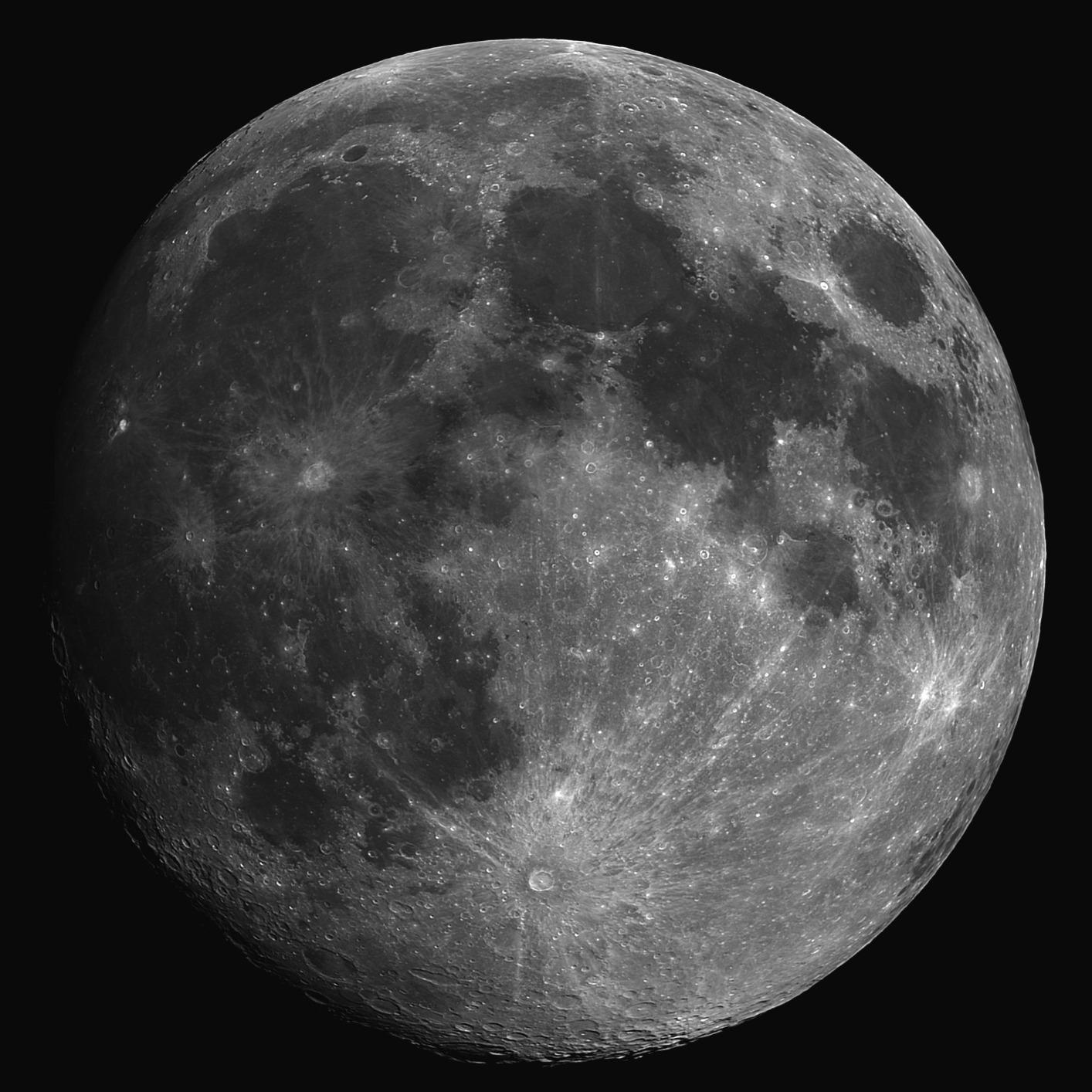
At 5.51 lb the whole optical tube is light enough for a modest mount, and the CNC metal finish and white tube read like a more expensive product. Buyers describe an even star field and clean color, and the lifetime warranty on the tube removes one common worry. Everything you need for the optics is in the box except the parts that photograph with it.
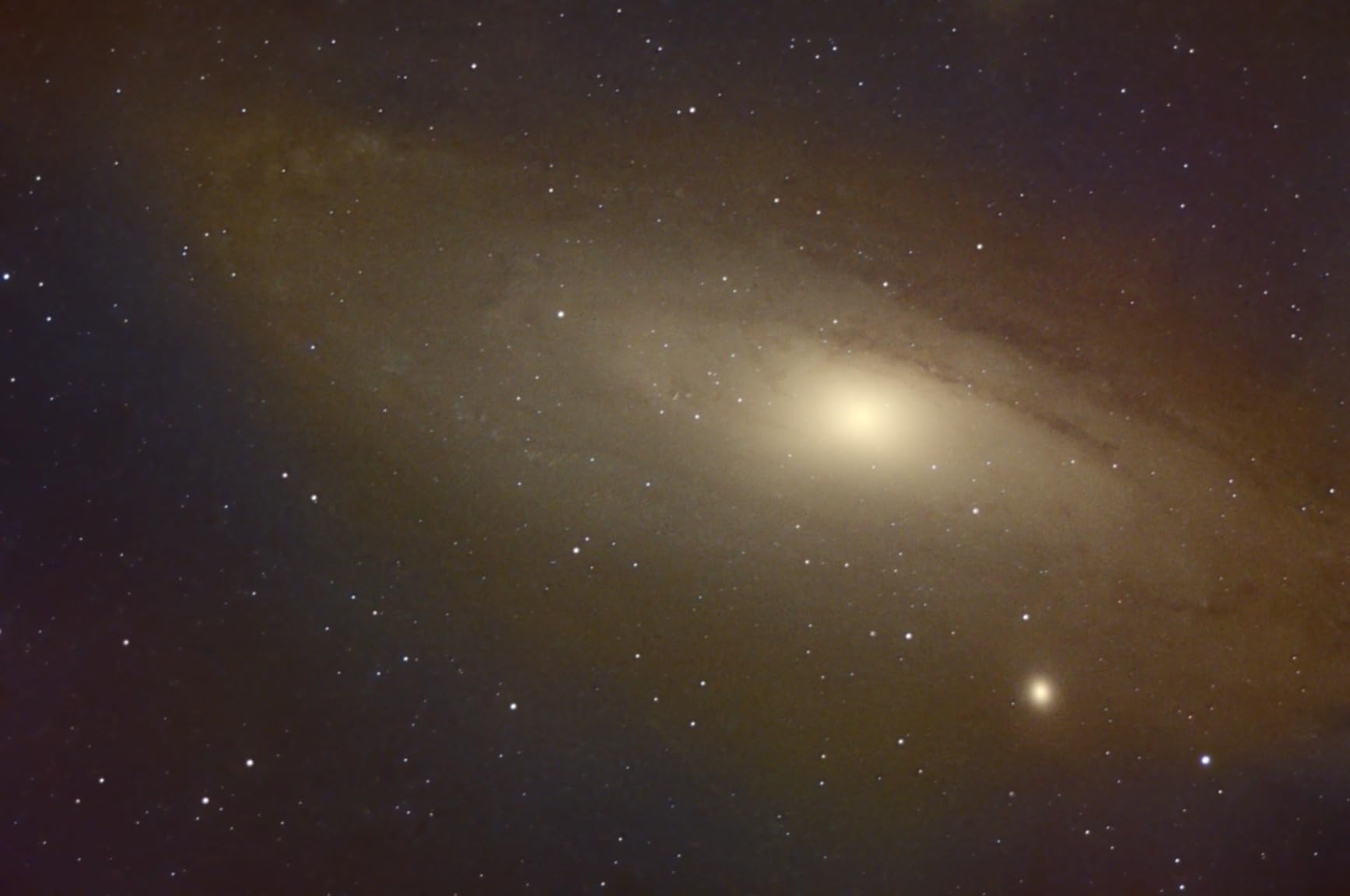
Best for a serious first imaging rig on a budget
Pick this if you already own, or are about to buy, a camera and an equatorial mount. The included flattener is the expensive accessory it replaces, the focal length keeps big emission nebulae within reach of a modest sensor, and the low weight means you do not need a heavyweight mount to keep it steady.
It is also a smart first step toward a fast wide-field system. Because the flattener is a 0.8x, stacking a second reducer later gives you an even faster, even wider field for the largest targets, and the 2 inch focuser has room for spacers and an electronic focuser later on.
Not for a plug-and-play first purchase
This is an optical tube assembly, and that means a mount, an imaging camera, filters and a field flattener or reducer stack are all separate purchases. Correct back spacing is the step that decides whether you get a flat field, and getting it wrong leaves curved corners even with a flattener in place.
There is also no finder scope in the box, which is fine for imaging and mildly annoying for finding targets visually. If you want something you can carry out and start shooting the same evening with zero assembly decisions, a smart telescope or a complete kit fits the brief better.
3. SVBONY SV550 80mm f/6 Triplet – Cheapest Route to True Apochromatic Color
SVBONY SV550 AP0 Telescope, 80mm ED F6 Triplet Apochromatic Refractor OTA
80mm aperture
480mm focal length
f/6.0 focal ratio
2.86 kg
Pros
- Air-spaced triplet design nearly removes chromatic aberration
- 480mm focal length fits huge nebulae
- 2.5 inch focuser limits vignetting on full-frame
- 14 inch tube fits in a gym bag
Cons
- Optical tube only
- mount and camera sold separately
- Focuser tube too short for electronic autofocusers
- Internal dust reported between lens elements on some examples
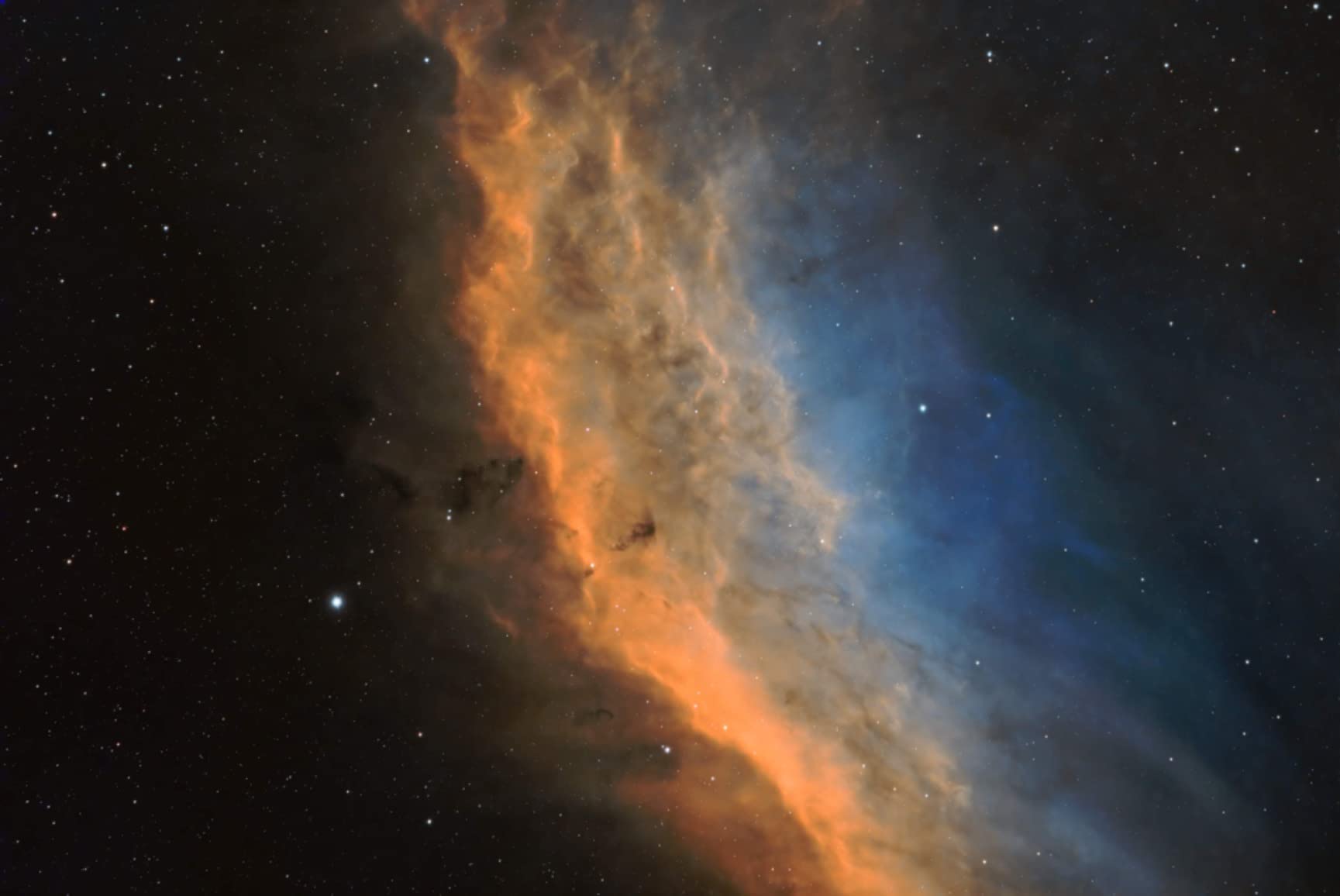
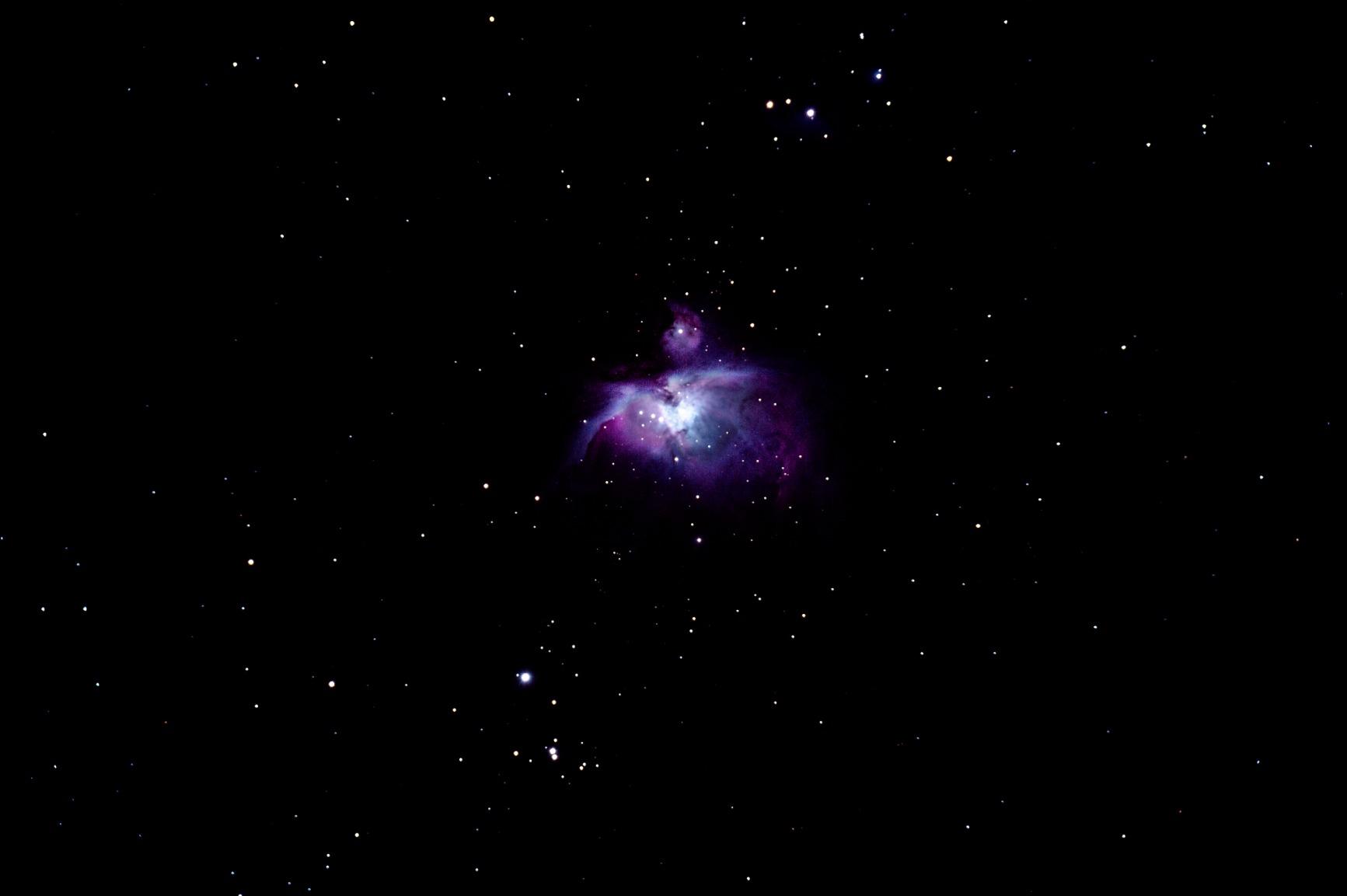
A triplet is the design serious imagers ask for by name, and this one puts an air-spaced S-FPL51 ED element between two correction elements at 80mm aperture and 480mm focal length. That is f/6.0, wide enough to frame the Orion Nebula, the Heart Nebula or the Andromeda Galaxy without a mosaic, and the chromatic fringe that colors stars blue and orange on cheaper doublets is essentially absent.
The 39-review base is small, but owners describe bright, high-contrast images with colors they compare favorably to scopes costing several times more, and they single out the paint and fit finish as comparable to William Optics. The 2.5 inch magnesium alloy dual-speed focuser with 1:10 toothed gearing is a real step up, and it reduces vignetting on full-frame bodies where a 2 inch focuser would darken the corners.
The 87mm back focus distance is the number that matters most to an owner, because it gives you room to run a flattener, a reducer or both without the focuser running out of travel. Multiple light-extinction barriers in the focuser seat and lens barrel help with stray light, which shows up as contrast loss in broadband data. The whole tube is 2.86 kg and 14 inches long, so portability is a genuine strength rather than a claim.
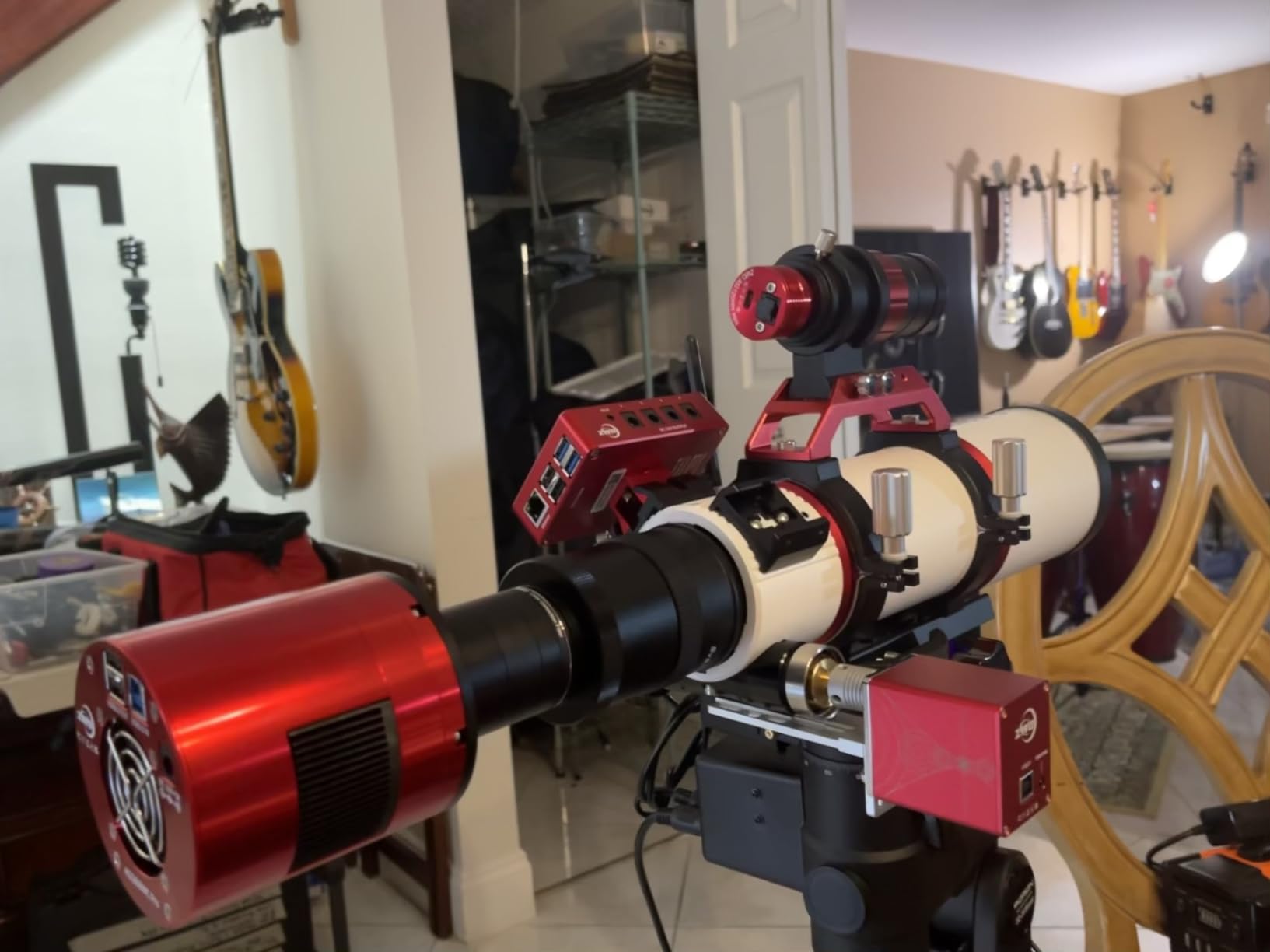
Best for wide nebulae with clean star color
Choose this if star color matters to you and you are shooting emission nebulae where fringing is most obvious. At 480mm you can frame targets that would need a mosaic with a longer tube, and the short optical length makes it easy to balance on a light mount or carry to a dark site in a backpack.
It also suits first-time apochromatic owners because the design does the color correction for you rather than asking you to calibrate around it. Owners report pinpoint stars with no visible aberration, and Messier targets such as M42 and M45 are well within this focal length.
Not for delicate handling or autofocus upgrades
Several reviewers report that the focus lock and focuser can be bumped easily, so fine framing shifts after repositioning the tube. Some examples also arrive with dust between the second and third lens elements, which is a manufacturing consistency issue rather than a design flaw, but it is worth knowing about before you open the tube.
The more limiting item is the focuser tube, which some owners say is too short to allow inward travel when paired with SVBONY SV209 or SV210 accessories, blocking electronic autofocusers. Parts support and documentation are also described as weak, so if you run automated sequences with a focuser in the loop, read the compatibility notes first.
4. Sky-Watcher EvoStar 100 APO – The Tube That Works Visually and Photographically
Sky-Watcher EvoStar 100 APO Doublet Refractor – Compact and Portable Optical Tube for Affordable Astrophotography and Visual Astronomy
100mm aperture
918mm focal length
f/9.2 focal ratio
8.4 lb
Pros
- Synthetic fluorite element gives strong color correction
- Completely accessorized with hard case
- finder and eyepieces
- 10:1 dual-speed Crayford-style focuser
- Compact for a 100mm apochromat
Cons
- Optical tube only
- mount and camera sold separately
- Some residual color remains on high-contrast targets
- Premium pricing for this aperture class
Most 100mm apochromats run long and heavy. The EvoStar 100 APO packs 100mm of aperture into 918mm of focal length at 8.4 lb, which makes it one of the few truly grab-and-go apochromats you can carry to a dark site in one hand. The matched doublet objective includes one synthetic fluorite element, and the metallic high-transmission coatings are reported to produce tack sharp, color-accurate results.
The f/9.2 focal ratio is the tradeoff for that compactness, and it works in your favor on galaxies and smaller targets because you get more magnification per inch of sensor. Owners frame it as a tube that can grow with you, serving first as a visual instrument and later as a primary imaging tube once you have the mount and camera workflow dialed in.
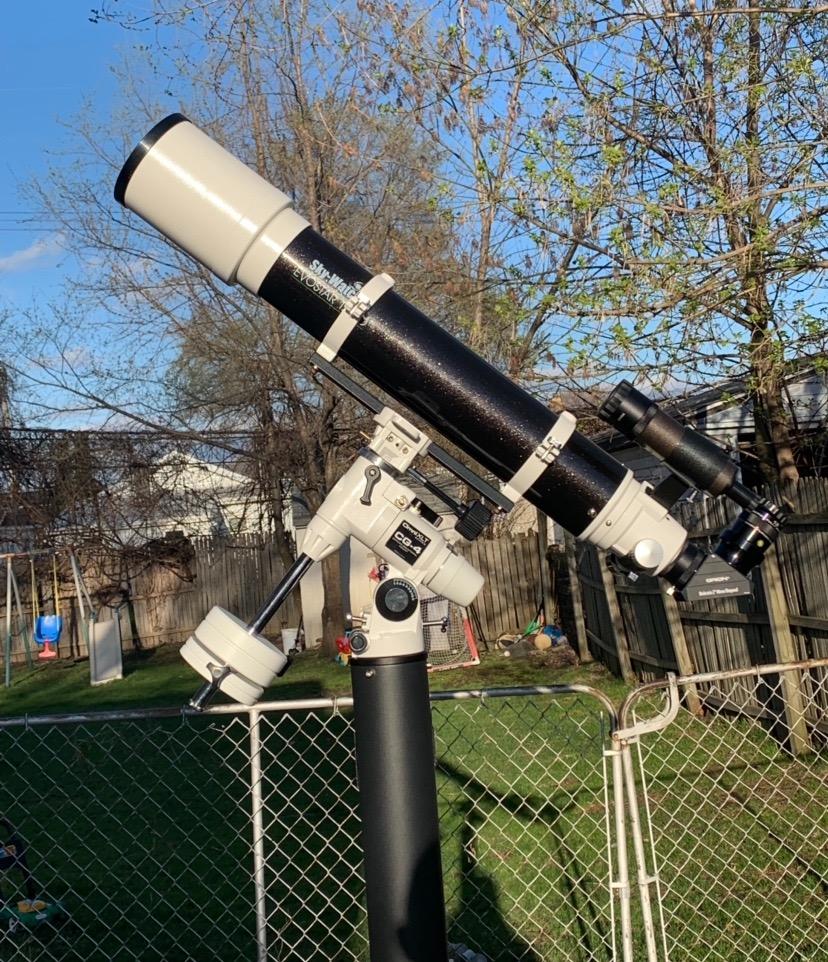
The accessory list is unusually complete for an optical tube. You get a foam-lined aluminum hard case, an 8×50 right-angle finder, a 2 inch dielectric diagonal, 5mm and 25mm eyepieces, a 1.25 inch adapter, mounting rings and a V-style dovetail, all under a two-year telescope warranty. The 10:1 dual-speed Crayford-style focuser is smooth enough for fine focus with a camera attached.
Best for imagers who also want to look through it
This is the pick if you have not decided whether your interest is visual or photographic, because the included diagonal, finder and two eyepieces make it a complete visual package on day one. When the camera goes on, the same tube handles M31, M33 and the brighter Messier galaxies without a reducer.
It is also a good second system for someone who already owns a wide-field refractor, since 918mm reaches the galaxy and globular cluster targets that short tubes cannot frame well. The hard case means moving it between a garage and a field is painless rather than a chore.
Not for the widest fields or the lowest outlay
At 918mm, large emission nebulae such as the North America Nebula will need a mosaic or a reducer you add later. Reviewers also note that apochromatic doublets can still show some residual color on high-contrast targets, so if perfectly neutral stars are the goal, a triplet is the design that delivers it.
The other limitation is what you get per unit of aperture. Against entry-level ED doublets, the premium here buys you color correction, a hard case and a complete accessory set rather than light gathering.
5. ZWO Seestar S30 Pro – Apochromatic Wide Field From a Bright City
ZWO Seestar S30 Pro Smart Telescope, App-Controlled Astrophotography
30mm aperture
160mm focal length
4.6 degree field of view
3.6 lb
Pros
- Apochromatic optics cut color distortion on stars
- Built-in light pollution filters for urban skies
- One-tap Milky Way
- nebula/galaxy and mosaic modes
- 3.64 lb body with anti-dew protection
- Tripod and filter in the box
Cons
- Not intended for planetary imaging
- Sensor resolution caps enlargement and print size
- Unit must stay put during deep-sky imaging
- Requires a phone or tablet and app workflow
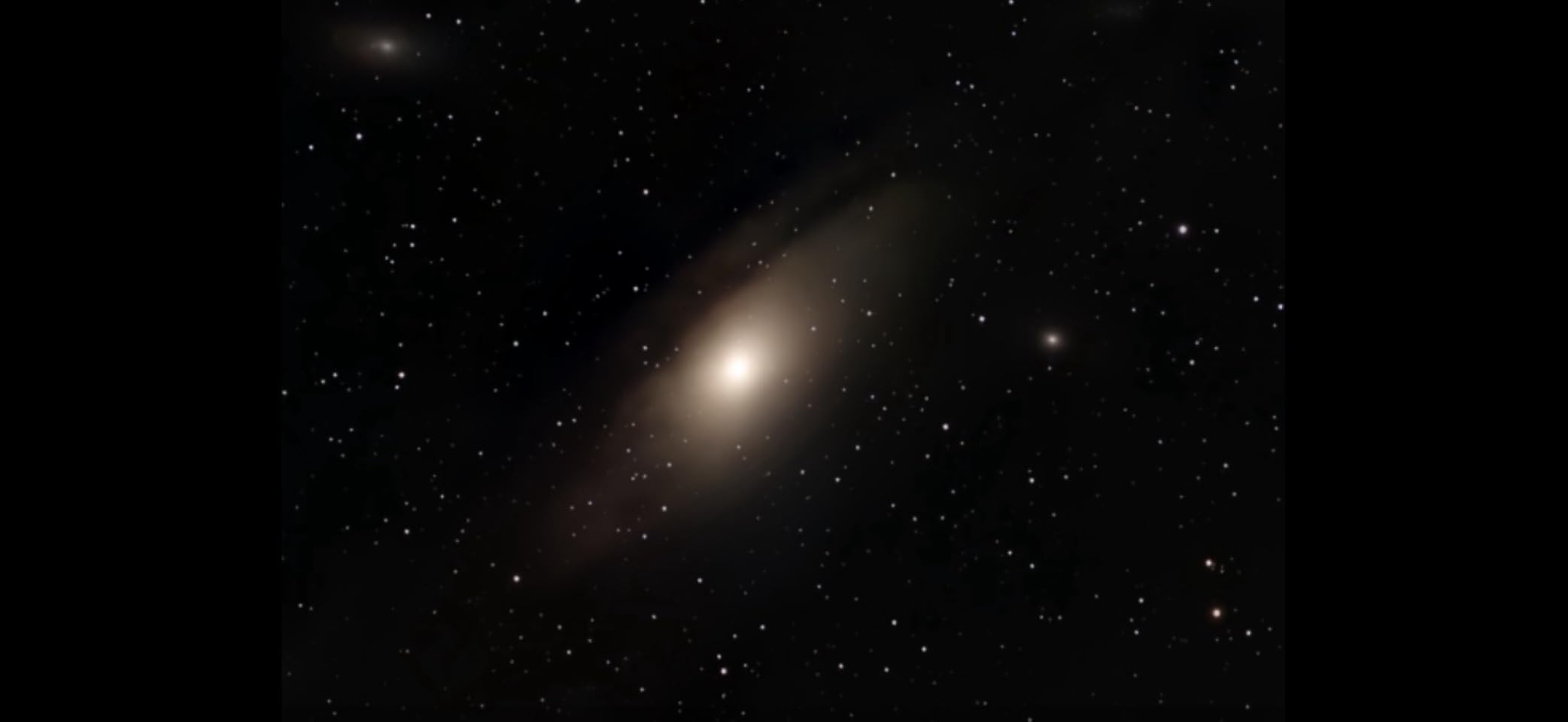
Light pollution is the reason most city astrophotographers quit, and this scope is built around that problem. The 4.6 degree field of view from 160mm of focal length means targets like the Andromeda Galaxy or the Pleiades sit comfortably inside one frame, and the built-in light pollution filters mean you can work from a suburban backyard without building a light shield. Seventy-six percent of its 232 reviews are five-star, and the apochromatic optics come up repeatedly as the reason stars look clean.
Everything is driven from the app. One tap captures the Milky Way, star trails, nebulae, galaxies, the Moon or the Sun, and the AI processing reduces noise and separates sky from foreground in a single pass. There is a plan mode, automatic mosaic stitching, dual-camera 4K imaging, and an equatorial mode for tracked deep-sky work on top of the alt-azimuth mount.
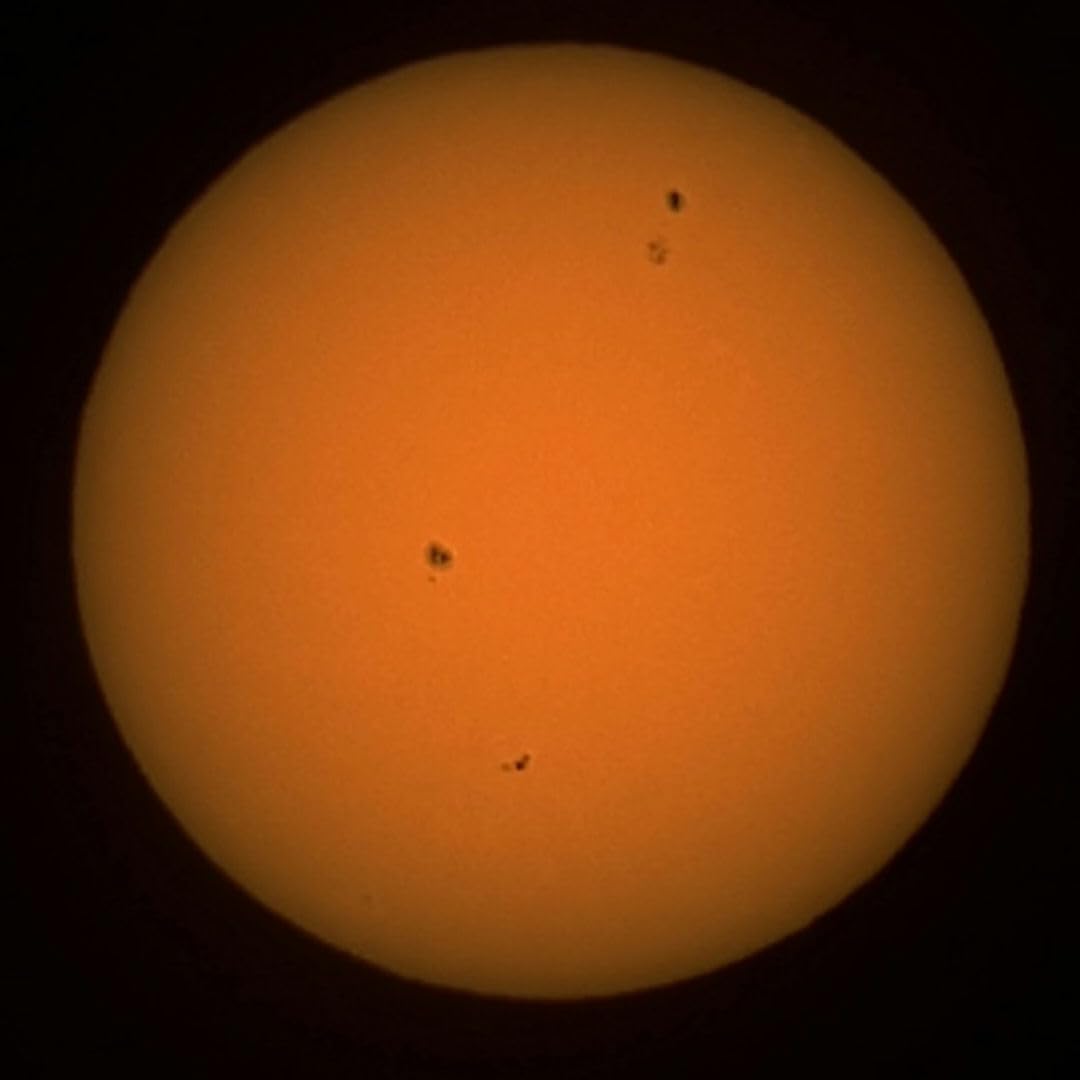
The body is 3.64 lb with anti-dew protection for all-night sessions, and the box includes a tripod, a filter, a quick start guide, safety instructions and a Type-C cable, plus a two-year warranty. Battery powered, it needs nothing else to produce a finished stacked image.
Best for urban and suburban astrophotography
If your sky is bright and your evenings are short, the combination of a 4.6 degree field and integrated light pollution filters is the deciding factor. You can point it at a target, start a sequence and let the app build the stack while you sleep, which is a very different experience from assembling calibration frames by hand in a driveway.
The anti-dew protection and battery power also make it the most practical option for travel, since there is no separate power bank or counterweight to arrange. Owners who pair it with a refractor for wide fields and come home to processed images report it becomes the tool they reach for most often.
Not for planets or for large prints
The manufacturer is explicit that this is a deep-sky instrument, and reviewers agree. The 30mm aperture and 160mm focal length deliver little planetary detail, and stacking more frames cannot add resolution the sensor does not have. If Jupiter’s cloud bands or Saturn’s rings are on your list, this is the wrong instrument.
Sensor resolution is the other limit. The output is built for screen viewing and social sharing, and it does not hold up when enlarged to poster size. The unit must also remain stationary during deep-sky imaging, which rules out the moving-mount techniques that experienced imagers use for longer integrations.
6. DWARFLAB Dwarf Mini – The 1.85 Pound Option for Dark Sky Trips
DWARFLAB Dwarf Mini Smart Telescope – 1.85lb Portable Astronomy Telescope
30mm aperture
150mm focal length
f/5.0 focal ratio
1.9 lb
Pros
- Weighs 1.85 lb and fits in a backpack
- Plate-solving auto GoTo finds targets unattended
- EQ mode supports up to 90-second single frames
- Built-in light pollution filters
- Magnetic solar filter included
Cons
- Sensor resolution too low for large prints
- Planetary detail is weak
- Tile mosaics split your total imaging time
- Needs a tripod and power bank for all-night work
The Dwarf Mini is the smallest complete imaging system in this roundup at 1.9 lb, and it is light enough to carry in a backpack. That makes it the strongest pick for the portable workflow: drive to a dark site, set it on a picnic table, and let the plate-solving GoTo acquire and track the target while you do something else. The Sony IMX662 sensor has 2.9um pixels on a 1/2.8 inch sensor, and 75 percent of its 305 reviews are five-star.
The equatorial mode is what separates it from a point-and-shoot gadget. Owners report guided EQ mode at 60-second exposures with gain 60, and the spec supports single-frame exposures up to 90 seconds with manual shutter and gain control. Sub frames stack internally and process in the cloud through the Stellar Studio app, so no computer, no calibration frames and no stacking software are required.
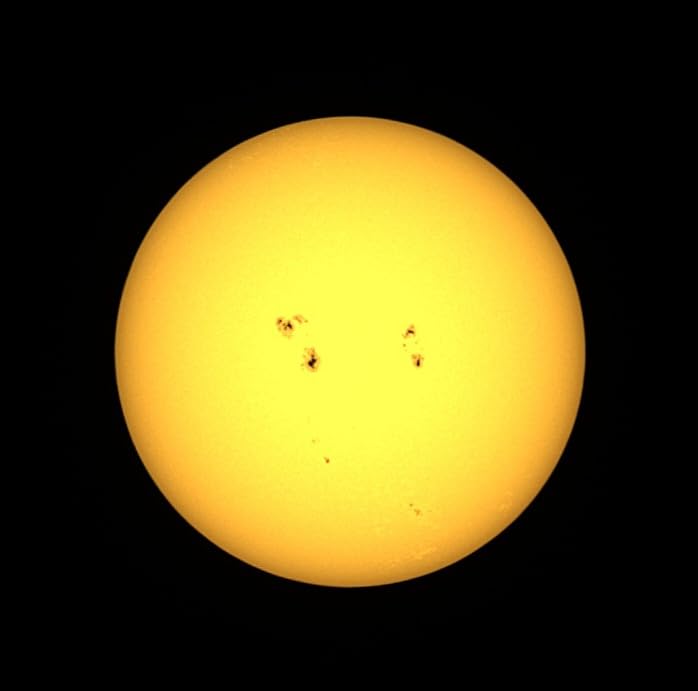
It also handles more than deep sky. The 2×2 and 2×4 tile mosaics extend the coverage, frames accumulate across multiple sessions, built-in light pollution filters keep urban results usable, and a magnetic solar filter in the box covers sunspots and eclipse imaging. Altazimuth and equatorial modes are both available, and the 360 degree pivot frees up the framing.
Best for backpacking to a dark site
Weight is the whole argument here. Nothing else in this list lets you carry a working deep-sky imager on your back, and experienced users on r/telescopes repeatedly point to app-controlled smart scopes as the low-friction alternative to building a modular rig. The Dwarf Mini is the lightest credible version of that idea.
Because stacking and processing happen in the app and the cloud, it also suits anyone who does not want to learn capture software before their first successful image. You come home with a processed frame, learn the craft, and move up to a manual setup when you want control.
Not for planets, big prints, or all-night sessions
Small deep-sky targets appear tiny in a 2.45 degree field and do not enlarge well, and the limited aperture and 150mm focal length show almost no planetary detail. The sensor resolution ceiling is the same story the Seestar has: good on a screen, short of poster prints.
Two practical notes. Tile mosaics divide your total imaging time among the individual panels, so a four-panel mosaic takes four times the exposure budget for the same surface brightness. And all-night EQ mode sessions need a separate tripod and a power bank, which are not in the box alongside the telescope, filter, Type-C cable and cleaning cloth.
7. DWARFLAB Dwarf 3 – One Device That Also Photographs Daytime Subjects
DWARFLAB Dwarf 3 Smart Telescope, App-Controlled Astrophotography Camera
35mm objective
2.28 kg weight
dual lens system
auto focus
Pros
- 3 lb body fits a standard backpack
- Telephoto and wide-angle lenses in one device
- 4K auto tracking for stars
- planets and moving subjects
- Cloud processing means no computer needed
- Carrying bag and magnetic filters included
Cons
- Altazimuth mount with EQ mode for tracked work
- Sensor resolution cannot match a dedicated astro camera
- Limited planetary detail from the short focal length
- Depends heavily on the automatic processing stack
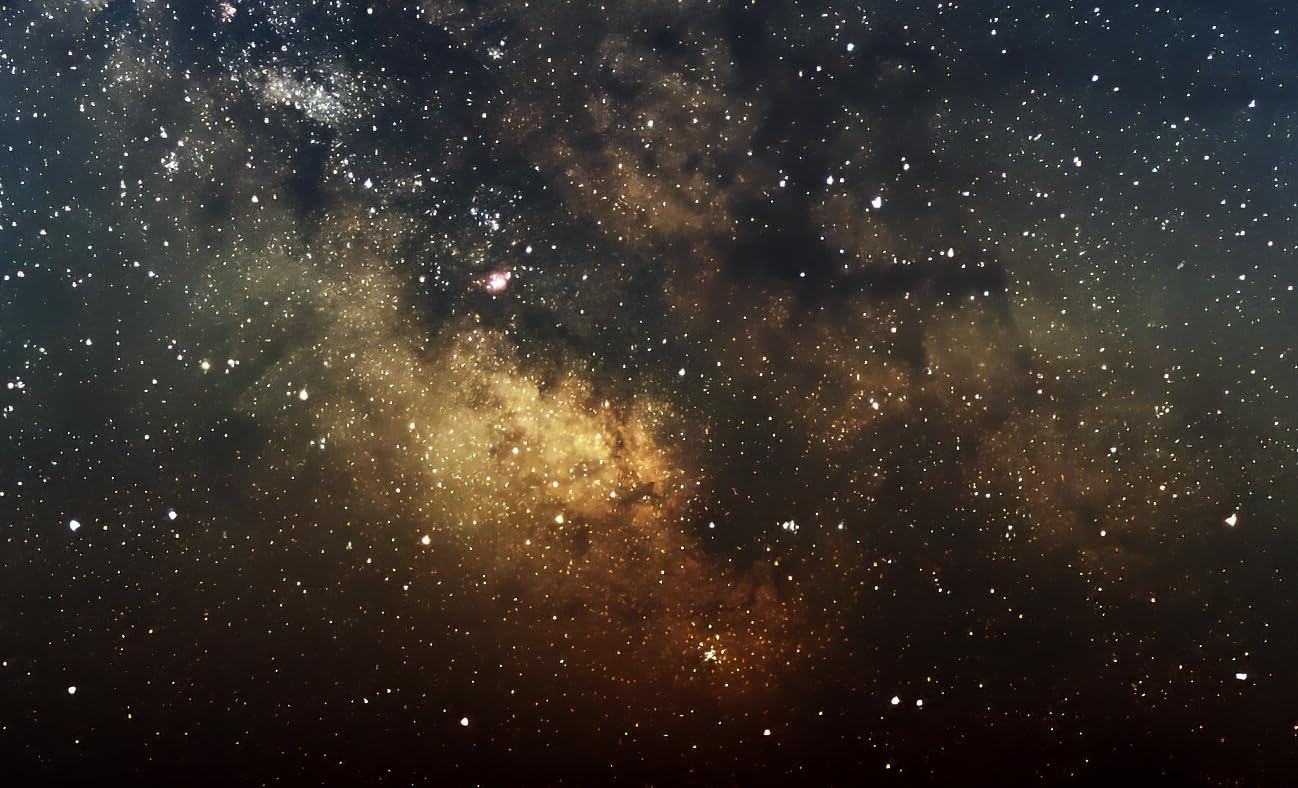
The Dwarf 3 splits the difference between the Mini and a full rig. At 2.28 kg it stays portable, and its defining feature is a dual imaging system: a telephoto lens for deep space objects and wildlife, and a wide-angle lens for Milky Way panoramas and star trails. That makes it the only scope here that works as a daytime nature camera as well as an astro tool, which 76 percent five-star reviewers clearly appreciate.
Tracking is automatic at 4K, following stars, planets and moving subjects without manual input, and the cloud-powered one-touch processing removes the need for a computer or complex stacking software. Setup takes about two minutes, and the stated age range of 6 to 98 is a fair description of how little stands between you and the first image.
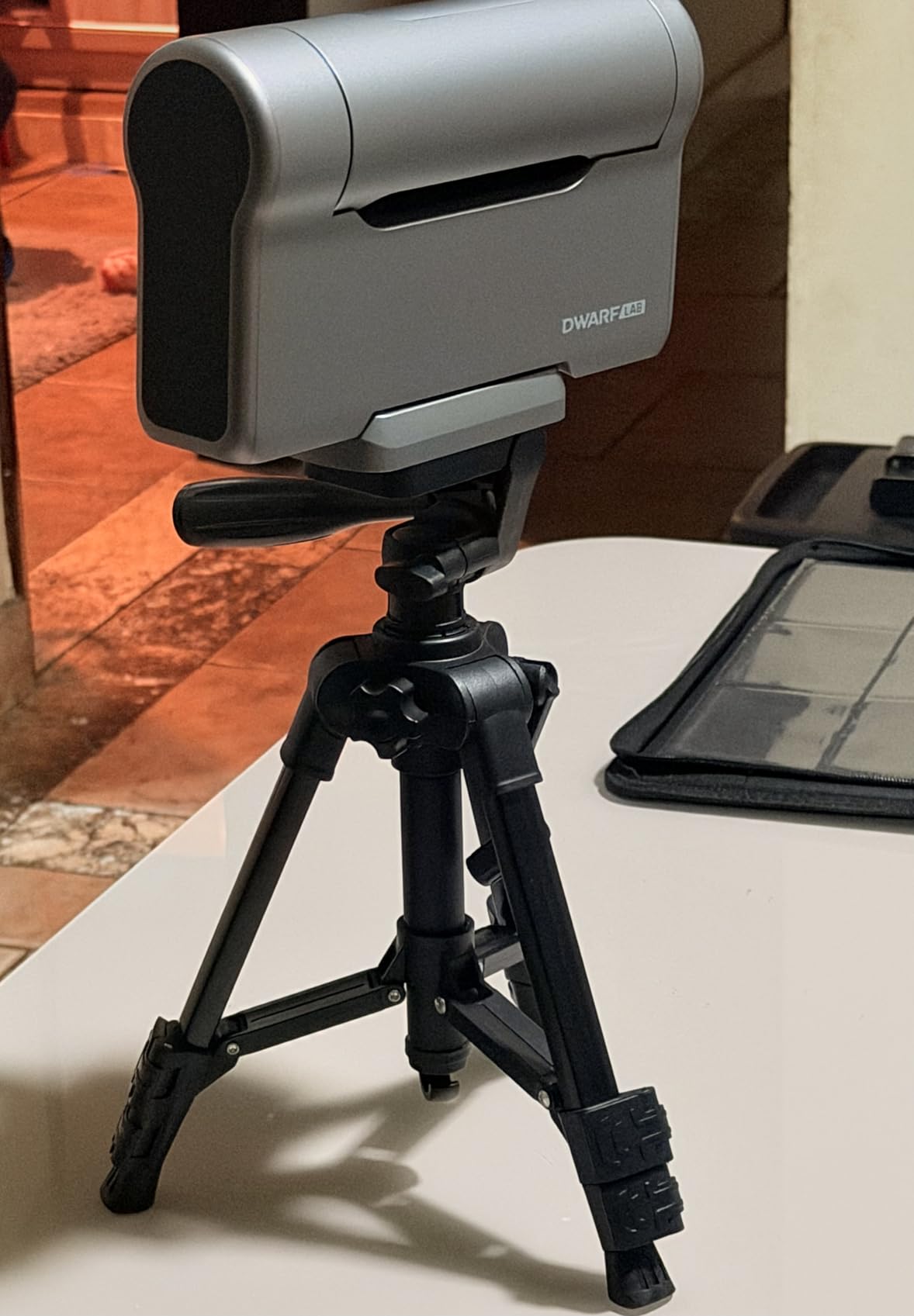
The box includes a carrying bag, a pouch for the magnetic filters, a USB-C cable and a wipe cloth, with a two-year manufacturer warranty. Auto focus is handled for you, and the app works on a smartphone, laptop or personal computer, so you are not locked into one device.
Best for households sharing one device day and night
If someone in your household will also use the camera during the day, the dual-lens design stops the telescope from becoming a drawer item six months in. Wide-angle Milky Way scenes and star trails are one tap, and the telephoto side covers galaxies, nebulae and clusters from the same body.
It is also a good fit for families or beginners, because the processing runs in the cloud and there is no calibration frame workflow to explain. You point, tap, and the app returns a finished image, which is the fastest possible path to a first successful astrophoto.
Not for fine planetary detail or large prints
The mount is altazimuth with EQ mode available for tracked deep-sky work, and the short focal length plus small aperture limit planetary results. As with the other smart scopes here, the sensor cannot match a dedicated astronomy camera, so enlargement and print size are the practical ceiling.
One specification gap is worth flagging: the manufacturer does not publish a detailed focal length for the telephoto lens, which makes precise field-of-view planning harder than with a conventional optical tube. Final image quality also leans on the automatic processing stack, so if you want to control every step of the stretch and the noise reduction, that is a workflow change rather than a small preference.
8. Celestron NexStar 8SE – The Most Aperture for Planetary Detail
Celestron NexStar 8SE Computerized Telescope – Schmidt-Cassegrain
203mm aperture
2032mm focal length
f/10 focal ratio
10.88 kg
Pros
- 203mm aperture resolves fine lunar and Jupiter detail
- Computerized GoTo with 40000 plus object database
- SkyAlign needs only three bright stars
- Short 2032mm tube stays portable for 8 inches
Cons
- Single fork alt-azimuth mount is poor for long deep-sky exposures
- Only a 25mm eyepiece included
- Batteries and external power not included
- Needs periodic collimation checks
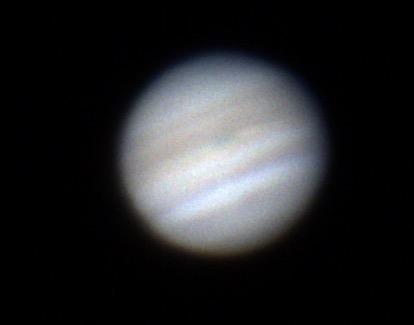
Eight inches of aperture is the jump that changes what you can see, and this is the only scope in the list that delivers it. The 2032mm focal length gives f/10, a listed 0.75 degree field of view and a 0.57 arc second Dawes limit, with StarBright XLT coatings on the Schmidt corrector. Owners talk about lunar craters resolving along the terminator and cloud bands on Jupiter, which is exactly what a good telescope to see Saturn’s rings needs to deliver.
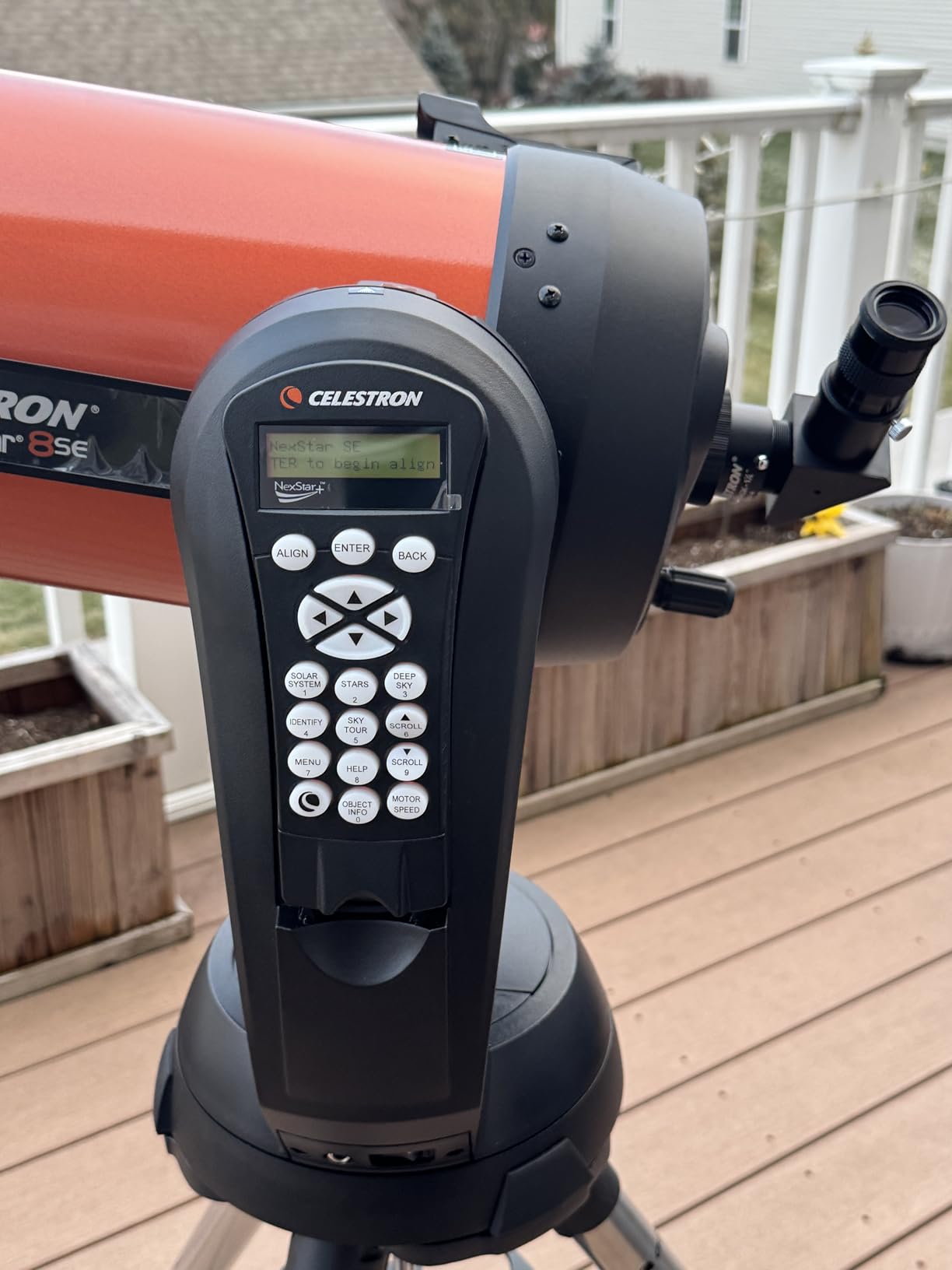
The mount is where the caution lives. It is a computerized single fork arm alt-azimuth mount with a NexStar+ hand control, a 40,000 plus object database, and SkyAlign that gets you aligned on three bright stars in minutes. Seventy percent of its 1579 reviews are five-star, and the recurring praise is how fast a family goes from box to planets and galaxies.
Being alt-azimuth, the field rotation it introduces is the reason most experienced imagers do not put this on a German equatorial mount for deep-sky work. Field rotation means stars drift around the edge of the frame relative to the sensor, and stacking can correct it but only with careful framing. For planets, where you record thousands of frames and lucky-image stack them, it is a much smaller problem.
Best for planets, the Moon, and visual observing
If your list includes Jupiter, Saturn, Mars and lunar detail, aperture is the dominant factor and this is the strongest instrument here. The fork mount tracks and GoTo slews automatically, so a beginner can find a planet without a chart, and the 2032mm focal length gives real magnification without a Barlow. The 2-year warranty and compatibility with Celestron automation accessories keep the upgrade path open.
It is also an excellent first telescope for households where the same instrument serves daytime observing on the Moon and evening planetary sessions. The short 43.2cm optical tube is portable for an 8-inch scope, and the red dot StarPointer finder is included.
Not for long-exposure deep-sky imaging as shipped
The single fork arm alt-azimuth mount is the honest weakness. It is not designed for the multi-minute guided exposures that deep-sky work requires, and reviewers consistently flag it as the reason this scope is a visual and planetary instrument more than an imaging one.
Accessory gaps are real too. Only a 25mm eyepiece is included, so more magnification means buying eyepieces, and the eight AA batteries or a 12V adapter and external power source are not in the box. The optical tube also needs periodic collimation checks, which is a normal part of owning a Schmidt-Cassegrain but another step a beginner has to learn.
9. Celestron PowerSeeker 127EQ – The Lowest Outlay and the Most Documented
Celestron PowerSeeker 127EQ Reflector Telescope for Home Astronomy
127mm aperture
1000mm focal length
f/7.9 focal ratio
13 lb
Pros
- Largest review base in the group at 9247 ratings
- 127mm aperture shows planets
- craters and the Orion Nebula
- German equatorial mount with slow-motion altitude rod
- Includes two eyepieces
- a 3x Barlow and free software
Cons
- Newtonian collimation takes practice and often arrives off
- Mount and tripod use lots of plastic with backlash
- Not balanced out of the box so the scope drifts
- Bundled 4mm eyepiece is effectively unusable
With 9247 ratings, the PowerSeeker 127EQ is the most thoroughly documented telescope in this roundup, and owners treat it as the standard first instrument. At 127mm aperture and 1000mm focal length, the focal ratio works out to f/7.9 with a listed 2.5 degree field of view, which is a longer, narrower view than most people expect from their first Newtonian. Sixty percent of reviews are five-star, with clear reports of Saturn’s rings, Jupiter’s bands and the Orion Nebula after some setup work.
The German equatorial mount has a slow-motion altitude rod for smooth manual tracking, and the package includes 20mm and 4mm eyepieces, a 3x Barlow lens, a finder scope and a free astronomy software download under a two-year warranty. Several users report piggyback mounting it with a single-axis motor drive and getting usable 30-second exposures, which is a common first-imaging path with this class of scope.
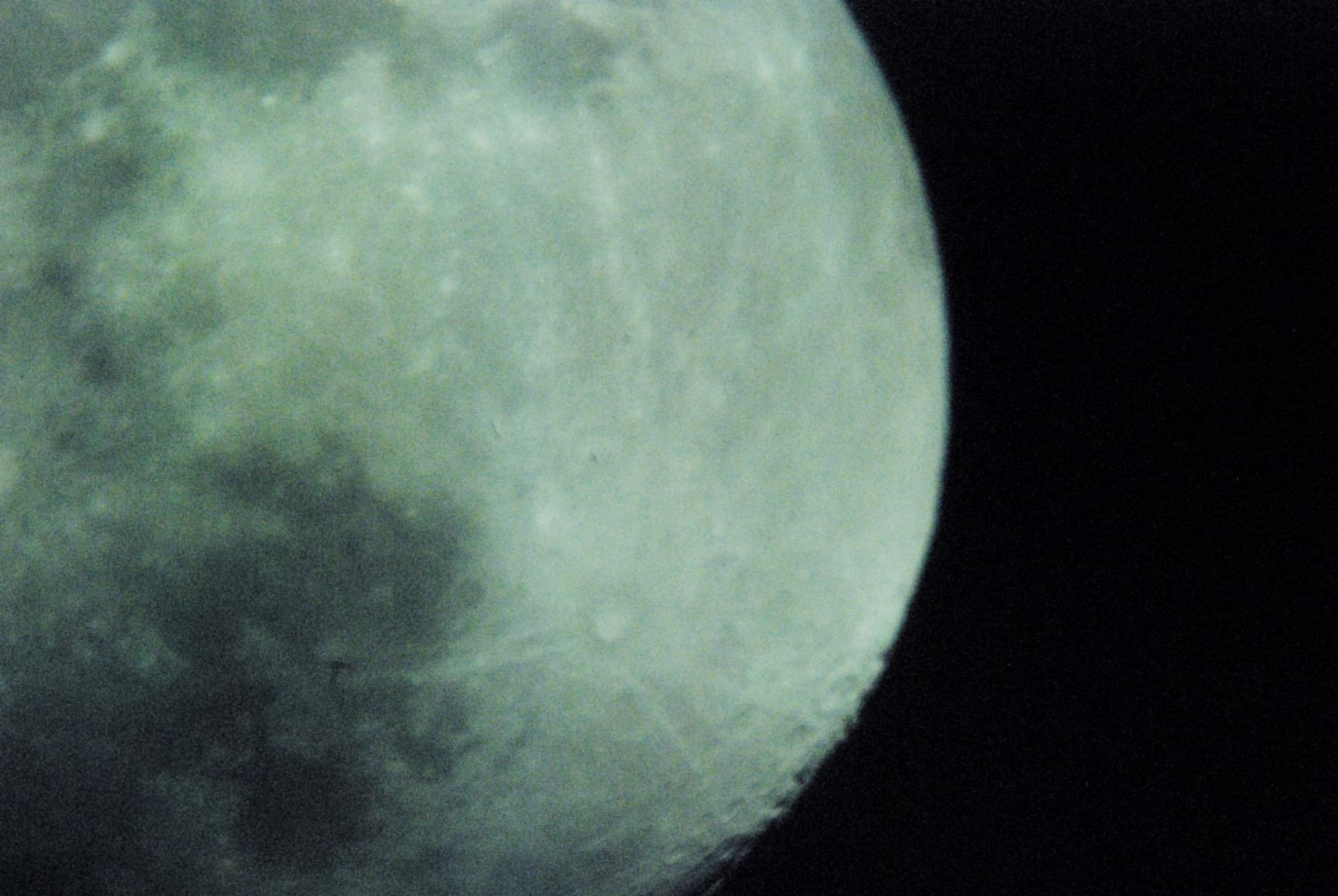
Imaging with it, though, is a project. The Newtonian needs collimation, factory alignment often arrives off, and the equatorial head is not balanced as shipped so the tube drifts until carefully counterweighted. Reviewers recommend treating eyepiece upgrades and a replacement finder as part of the purchase rather than optional extras, and the 3x Barlow is described as cheaply made with images degrading above roughly 250 to 300x magnification.
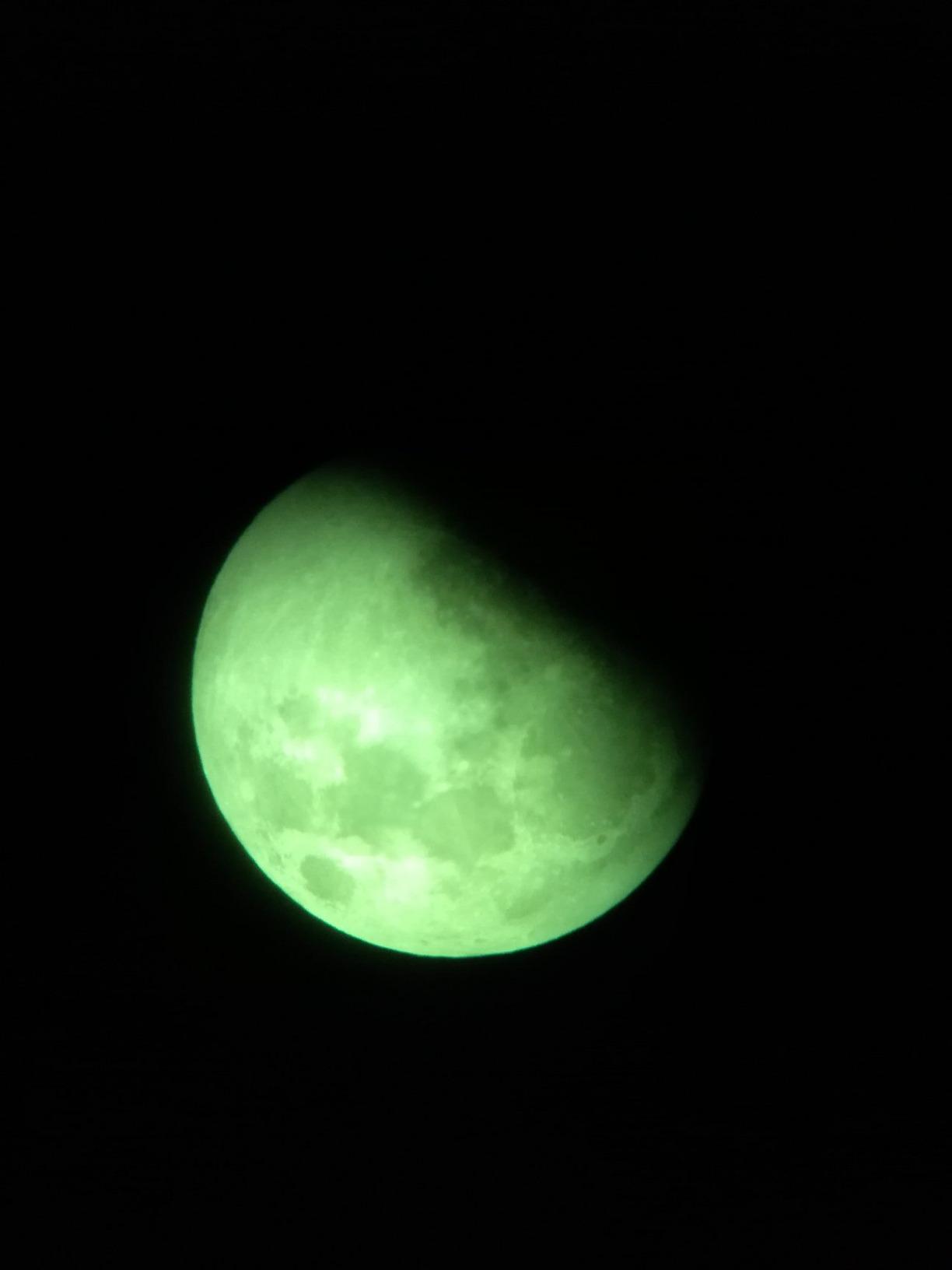
Best as a first telescope for visual observing
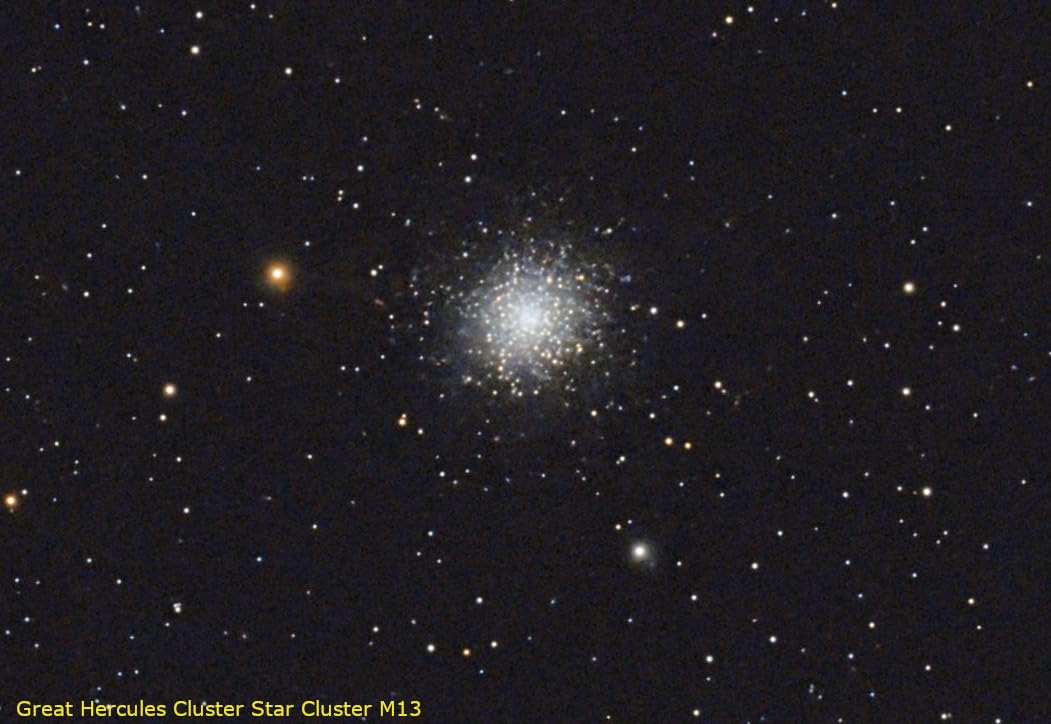
Buy this if the goal is a first real telescope rather than a first imaging rig. The 127mm aperture shows craters along the lunar terminator, the banding on Jupiter, Saturn’s rings and open clusters like M13, and the equatorial head makes slow tracking across the sky straightforward once aligned. At 13 lb it also moves between a backyard, a campsite and a dark site without a car boot full of gear.
It is also the safest place to start if you want to learn the sky before committing money to imaging. Nothing here is wasted, because the same tube and mount later accept a DSLR in piggyback mode for short deep-sky exposures.
Not for astrophotography without added motor and collimation work
There is no motor drive in this package, so every exposure has to be hand-guided or supported by a mount you add yourself. Combined with drift from an unbalanced head, that limits you to very short frames unless you invest in a drive and a stiffer tripod.
Build quality is the other honest limitation. The mount and tripod use a lot of plastic, reviewers describe noticeable backlash and imprecise slow-motion knobs, the 4mm eyepiece is effectively unusable, the finder is criticized as cheap and hard to align, and the main tube dust cap is fragile. All of that is workable for visual observing and frustrating for imaging.
10. MEEZAA 150EQ Newtonian – The Most Complete Kit in the Box
MEEZAA Telescope, 150EQ Newtonian Reflector Telescope for Adults Astronomy Beginners, Professional Astronomical Telescopes with Equatorial Mount, Tripod, Phone Adapter, Moon Filter and Large Carry Bag
150mm aperture
650mm focal length
f/4.3 focal ratio
tool-free assembly
Pros
- Bright detailed lunar and planetary views
- German equatorial mount with dials and slow-motion knobs
- Moon filter/phone adapter and large carry bag included
- Stainless steel tripod and smooth gimbal
- 72 percent five-star ratings
Cons
- One documented 130mm primary instead of the advertised 150mm
- Kellner eyepieces are entry level
- All plastic focuser
- Heavy and awkward to move
The MEEZAA 150EQ is the most accessorized package here. You get a 150mm aperture Newtonian at 650mm focal length, a German equatorial mount with precision dials and slow-motion control knobs, a stainless steel tripod, an accessory tray, 25mm and 10mm Kellner eyepieces, a 2x Barlow for 26x to 130x magnification, a red dot finder, a moon filter, a phone adapter and a large carry bag. No tools are needed for assembly.
Owners report build quality and accessory completeness rivaling far more expensive scopes, and the smooth gimbal plus steel tripod hold steady at higher magnification. Visible targets named repeatedly in reviews include Jupiter with its moons, Saturn’s rings, the Moon, M13 and the Beehive cluster. Seventy-two percent of the 250 reviews are five-star, and the stainless steel tripod is a genuine step up from plastic legs on cheaper kits.
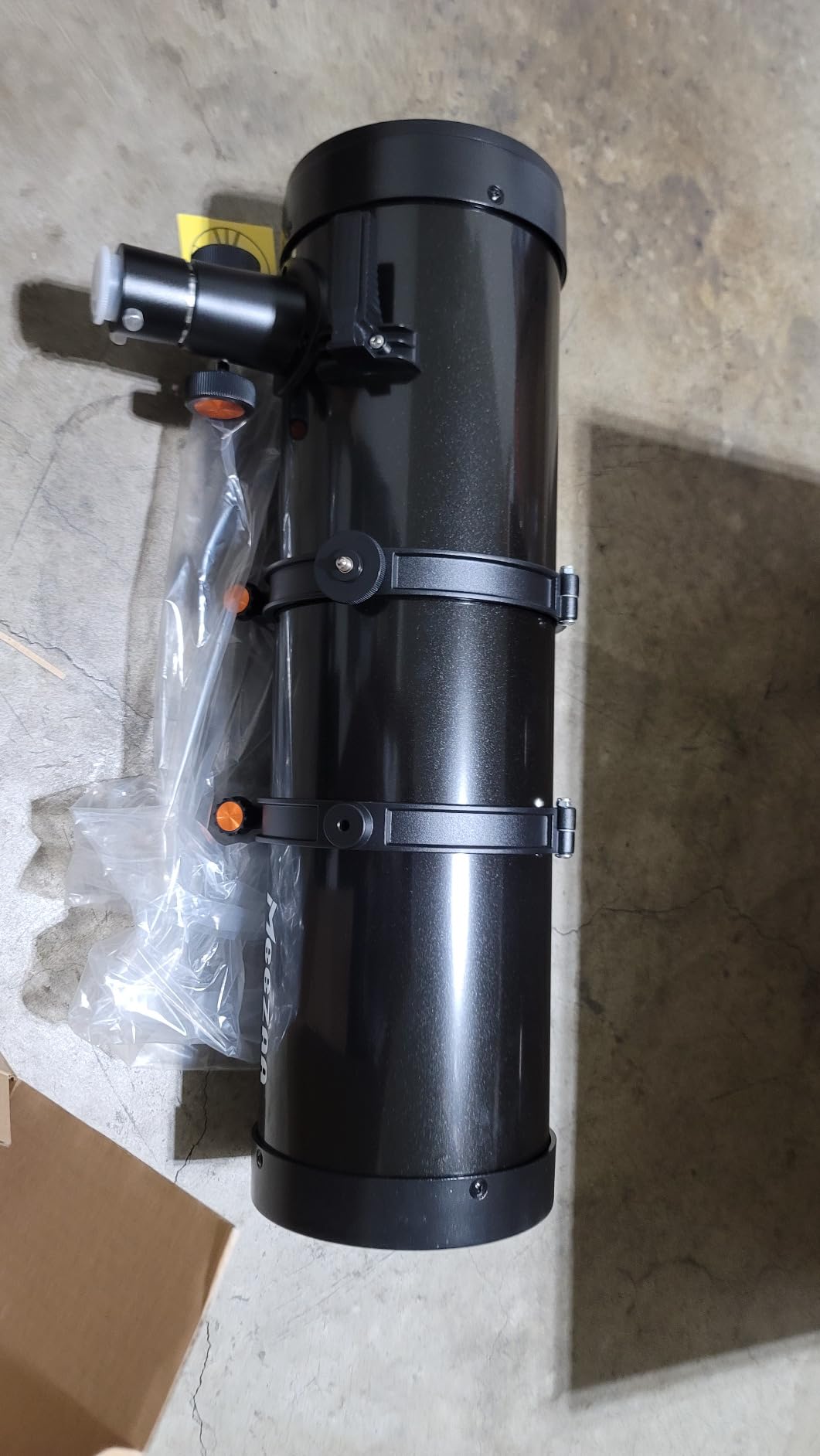
The moon filter is a small touch that matters on a 150mm aperture, because it cuts lunar glare enough to make the terminator readable. The phone adapter supports smartphone and camera attachment for lunar and planetary snaps, and everything packs into the included carry bag for travel.
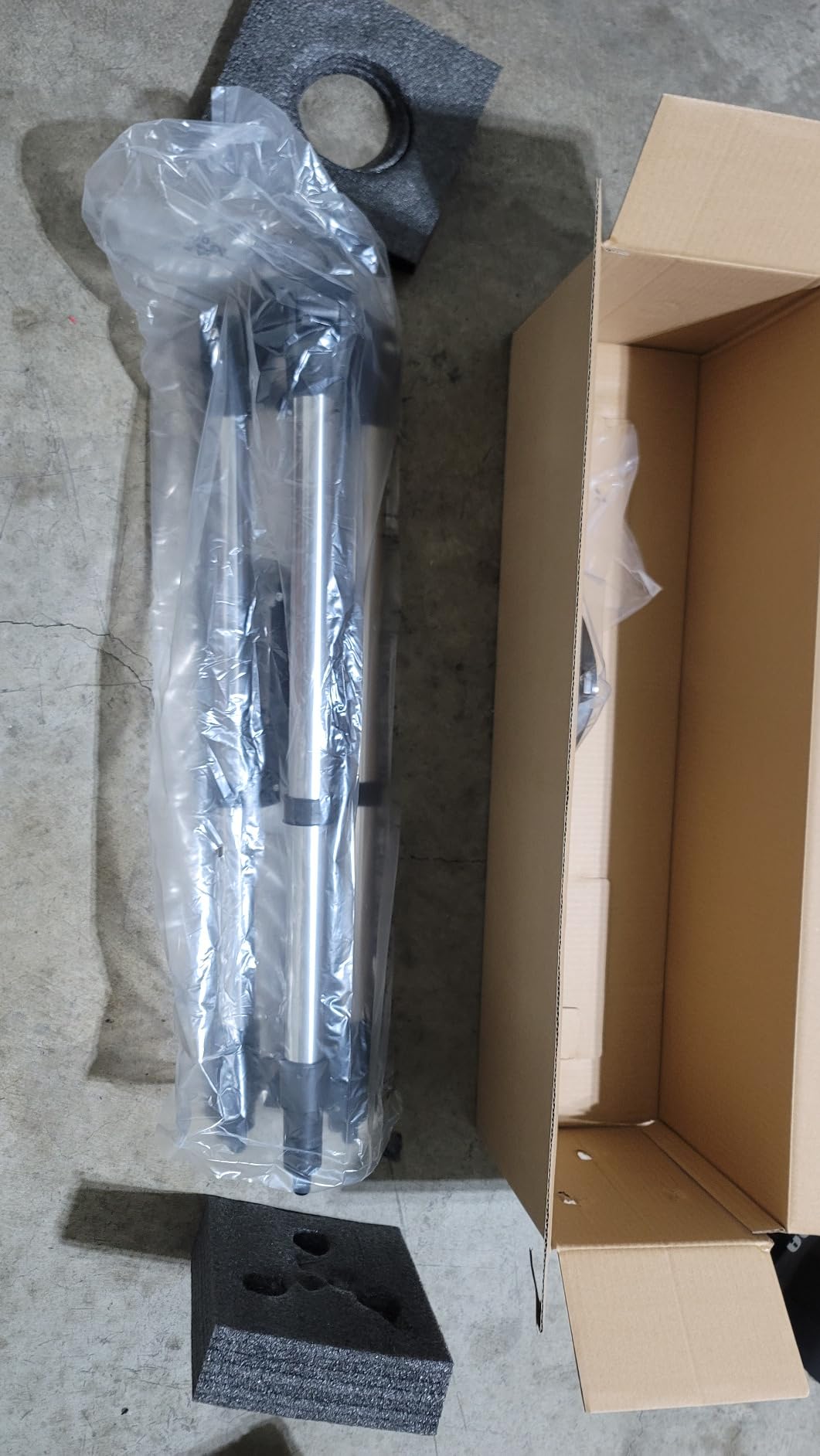
Best for a complete kit with nothing else to buy
Choose this when you want a full setup on day one without a shopping list. The equatorial head with dials makes tracking easy once aligned, the moon filter and dual eyepieces cover visual work, and the phone adapter gives you a quick way to capture the Moon before you graduate to a camera.
At f/4.3 it is also the fastest Newtonian in the group, which shortens exposure times for a given aperture, though there is no motor drive in the package so long tracked frames are not the plan. It is built for a first instrument that also travels well, since the whole rig fits in the included bag.
Not for buyers sensitive to aperture accuracy
The most significant documented issue is that at least one shipped scope arrived with a 130mm primary rather than the advertised 150mm aperture. That is a fulfillment inconsistency rather than a design problem, but it is exactly the kind of thing to check on arrival if you are paying for a specific aperture.
Other limits are familiar from this class of kit. The included Kellner eyepieces are entry level and worth upgrading to mid-range Plossl, the focuser is all plastic, the phone adapter is difficult to align, and swapping eyepieces can knock the telescope out of focus. The rig is also heavy and awkward to move, and there are some limits on angle positioning near the zenith.
How to Choose a Telescope for Astrophotography
Aperture is how much light you collect, and every stop you lose in collecting costs you in exposure time. It is the one number that never works against you, so if your budget is tight, spend it on aperture before anything else. Focal length does the opposite: more of it means more magnification and smaller fields, less of it means wider fields and shorter framing of big targets. Focal ratio is just focal length divided by aperture, and it mostly tells you how fast the tube is.
Field of view is the number that decides whether you can photograph a target at all, and it depends on both the focal length and the sensor you attach. A wide-field refractor at 480mm with a small sensor can swallow the Andromeda Galaxy, while a 2032mm Schmidt-Cassegrain needs a mosaic or a reducer to do the same. Work out your framing before you buy, not after.
The 500 rule is the traditional shortcut for visual observing, where you divide the focal length in millimeters by the aperture to get the highest useful magnification. Under 500 means wide fields and low magnification, which is why so many beginner recommendations are short refractors. For imaging, exposure length and mount accuracy matter more than the magnification limit, so treat the rule as background rather than a buying formula.
The mount is the part people under-budget. Star trailing comes from tracking error, not from the telescope, and a stiff equatorial mount carrying a light tube will outperform an expensive scope on a wobbly head. A long-standing user on r/telescopes described returning to a Sky-Guider Pro star tracker first after two years and countless images, which is the clearest evidence that simple tracking hardware can carry a whole workflow. Star trackers suit the wide-field crowd; a German equatorial mount is what you want once you are chasing smaller targets.
Apochromatic versus achromat is the other decision that shapes your files. Achromats are cheap doublets with color fringing around bright stars, which is visible in raw data and shows up as blue and orange halos after processing. Doublets with a fluorite or extra-low-dispersion element fix most of it, and an air-spaced triplet fixes it almost completely. Buy the triplet if star color is the part of the image you care most about.
Which Optical Design Frames Which Target
For wide emission nebulae and galaxy groups, short focal lengths win. Anything under about 600mm with a 4 degree or wider field frames targets such as the Orion Nebula, the Heart Nebula and the Andromeda Galaxy in a single exposure, which is why the 480mm triplet and the smart scopes at 150 to 160mm are strong choices here.
For galaxies, globular clusters and planetary nebulae, longer focal lengths win because the target is small and you need magnification. The 918mm apochromat and the 1000mm Newtonian both suit this range, and a fast f/ratio or a reducer helps keep exposure times manageable.
For planets and the Moon, aperture is the deciding factor. Reflectors and Schmidt-Cassegrains gather the light that reveals cloud bands and craters, and a high frame rate video camera benefits from the long focal lengths that catadioptrics and longer Newtonians provide. The 203mm Schmidt-Cassegrain in this list is the strongest planetary instrument, and the 150mm Newtonian is the strongest value.
Smart telescopes sit outside that framing logic. Their sensors are small and their apertures are 30 to 35mm, so the field is wide and the resolution ceiling is low. They trade resolution for automation, which makes them the most practical choice for a first image and the least practical choice for a large print or a planet.
What Astrophotography Costs Beyond the Telescope
Budget for four items outside the scope itself, because together they usually cost more than the optics. A computerized equatorial mount rated above your payload, a camera, a set of filters, and a guide scope or off-axis guider are the working system. Forum discussions about first astrophotography budgets converge on the same point: the mount and the camera are where the money goes, and the telescope is the part buyers research hardest and underestimate least.
You can reuse an existing DSLR or mirrorless body instead of buying an astronomy camera, and it is a reasonable way to start. T-ring adapters for the lens you already own are inexpensive, and in manual mode with the mirror or long-exposure noise reduction enabled, a modern mirrorless body produces usable data. The forum question about pairing a Sony body with a telescope comes up constantly, and the answer is that a refractor with a field flattener and a short focal length is the most forgiving combination.
Filters are the easiest value in the system. A light pollution filter helps in suburban skies, and narrowband filters make emission nebulae photographable from brighter locations because they isolate the emission lines instead of fighting the sky glow. Many imagers add those later, once they know which targets they actually want.
Smart telescopes invert that budget. The mount, camera, stacking software and processing are already inside the body, and the only things left are a tripod and power. That is why the all-in-one category is showing up in buying guides for beginners despite none of these units competing on resolution.
Frequently Asked Questions
What type of telescope is best for astrophotography?
A refractor is the most forgiving optical design for astrophotography. Wide-field apochromats under 600mm frame large nebulae and the Andromeda Galaxy in a single frame, and ED doublets or triplets keep star color clean. Flat-field Schmidt-Cassegrains reach smaller galaxies and planets with more aperture. The mount and camera matter more to the final image than the telescope itself.
What is the 500 rule in astrophotography?
The 500 rule is a shortcut from visual observing: divide the focal length in millimeters by the aperture in millimeters to get the highest useful magnification. Staying under that number keeps the view sharp for visual work. For imaging, exposure length and mount tracking accuracy limit the image far more than magnification does, so treat the rule as a visual guideline.
What is a good telescope to see Saturn’s rings?
Aperture is what resolves Saturn’s rings, and any scope from 100mm upward shows them with a 25mm or 30mm eyepiece. A 150mm to 203mm aperture reveals the Cassini Division and the ring shadow, and longer focal lengths help with planetary detail. For imaging Saturn, pair a high frame rate camera with the longest focal length you can steady.
Do I need a separate equatorial mount for astrophotography?
For an optical tube assembly, yes. The equatorial mount is what tracks the sky and prevents star trailing during a long exposure, and mount accuracy usually limits the image more than the optics do. Complete kits include a mount, and smart telescopes include a tracking mount, camera and stacking software in a single battery-powered body.
Can I use a DSLR or mirrorless camera with a telescope for astrophotography?
Yes, and it is a common way to start. A T-ring adapter lets your camera body sit at the focuser, and a mirrorless camera with manual mode and long-exposure noise reduction works well with a short-focal-length refractor. Over time, a cooled astronomy camera gains you lower noise, more dynamic range and cleaner calibration frames than any body designed for daylight use.
Is a smart telescope good enough for astrophotography?
Yes for deep-sky targets and for learning the workflow. Smart telescopes from 30 to 35mm aperture with 4 to 5 degree fields produce finished stacked images from a phone, including built-in light pollution filters for city skies. They are not built for planetary detail or large prints, and the sensor resolution sets that ceiling rather than your processing.
The Best Telescopes for Astrophotography in 2026
The best telescopes for astrophotography fall into three groups, and the right one depends on how much of the system you want to own. Our editor’s choice, the Celestron AstroMaster 130EQ-MD, is the strongest starting point because a motor drive and a real 130mm aperture arrive in one box, leaving your remaining budget for a camera and filters. The most capable image per dollar comes from the SVBONY SV503 with its bundled flattener, and the cleanest star color comes from the SVBONY SV550 triplet.
If your priority is planets and the Moon, the Celestron NexStar 8SE has the aperture, and if you want one instrument for observing and imaging, the Sky-Watcher EvoStar 100 APO arrives almost fully accessorized. For a bright backyard or a packed bag, the ZWO Seestar S30 Pro and the DWARFLAB Dwarf Mini produce finished deep-sky images from a phone with no computer in the loop.
Before any of them, sort out the mount. The tube sets how much light you gather and how wide a frame you get, but the mount decides whether the stars stay round, and forum consensus has not changed on that point in years. Pick the optical design that matches your targets, then spend what is left on tracking that can carry it.