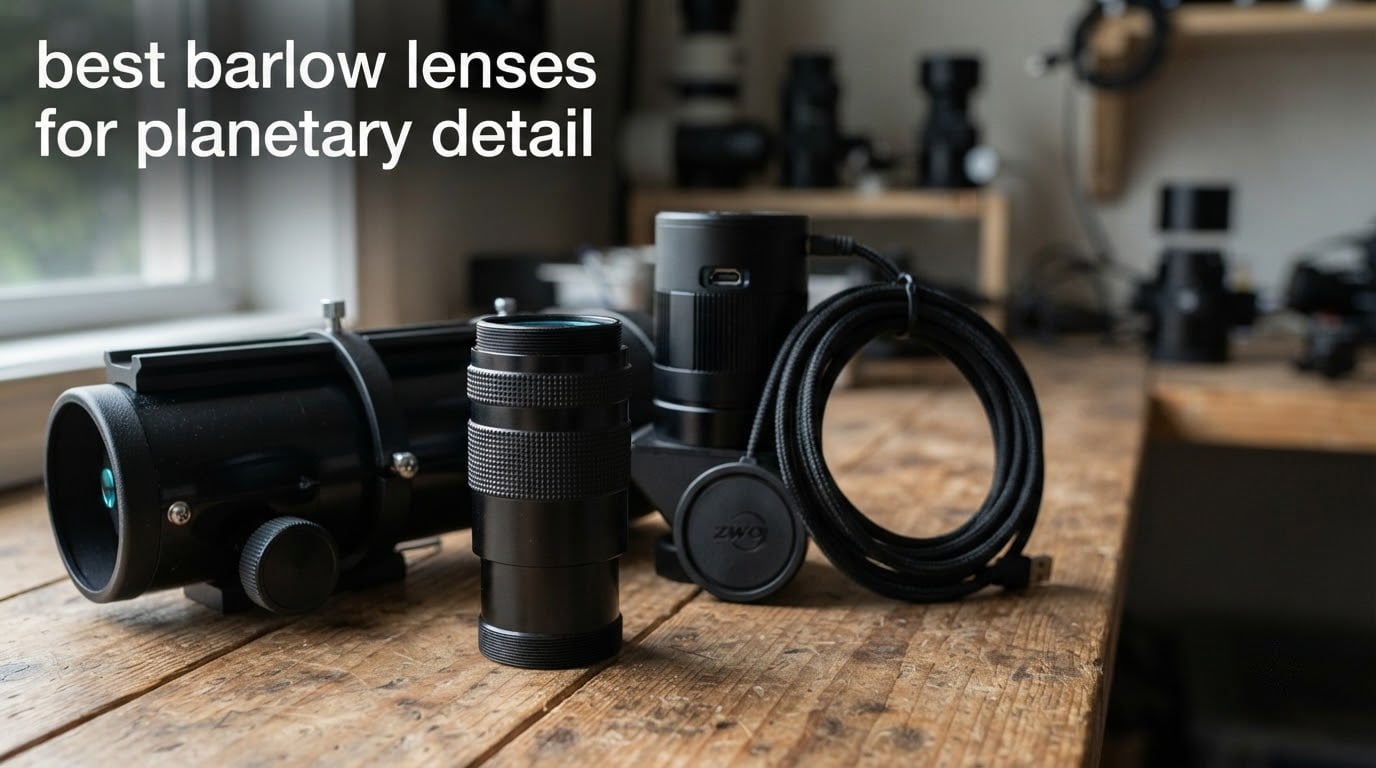
A Barlow lens is one of the cheapest ways to make a modest telescope behave like a much more expensive one. A diverging lens sits between the optical tube and the eyepiece or camera, and it multiplies the effective focal length of the whole system without adding a single piece of glass to the main light path.
That matters most when planets are the target. Jupiter, Saturn and the Moon reward resolution, not brightness, and a scope that is too fast to resolve fine banding at its native length can often be pushed into the sweet spot with a small amount of extra focal length. This roundup covers the best barlow lenses for planetary detail available right now, from simple 2x doublers to 5x focal extenders, cheap metal kits and one heavy telecentric extender at the far end of the range.
We spent 2026 comparing twelve of them on magnification factor, element count, coating, barrel size, camera thread and the reviews people actually left after using them on planets. Our team also worked through the focal-ratio math, because the right factor for your telescope matters far more than the badge on the box.
Table of Contents
- What a Barlow Lens Actually Does for Planetary Detail
- Top 3 Barlow Picks for Planetary Detail in 2026
- All 12 Best Barlow Lenses for Planetary Detail (October 2026)
- 1. Celestron Omni 2X Barlow – Best Overall for Planetary Detail
- 2. Celestron X-Cel LX 3X Barlow – Best 3x for Color and Mono Cameras
- 3. Bysameyee 2X Barlow – Best Value Doubler with a Camera Thread
- 4. SVBONY 5X Barlow – Best Reach for Short-Focal-Length Scopes
- 5. Celestron Luminos 2.5X Barlow – Best for Fine Magnification Steps
- 6. Starboosa 5X Barlow and Moon Filter Kit – Most Versatile
- 7. SVBONY SV137 3X Barlow – Best Lightweight Barlow for Dobsonians
- 8. Astromania 3X Barlow – Best Lightweight Metal 3x
- 9. XCCYG 2X-3X-5X Barlow Kit – Best Multi-Factor Kit
- 10. Serounder 3X Barlow – Best Sturdy Low-Cost 3x
- 11. Explore Scientific 2X Focal Extender – Best Telecentric 2x
- 12. Astromania 2X ED 2 Inch Barlow – Best 2 Inch Barrel for Imaging
- 2x vs 3x vs 5x: Which Factor You Actually Need for Planets
- How to Pick a Barlow Lens for Planetary Imaging
- What a Barlow Lens Cannot Fix
- Frequently Asked Questions
- Our Final Verdict for 2026
What a Barlow Lens Actually Does for Planetary Detail
A Barlow lens is a diverging, or negative, lens placed between a telescope and an eyepiece or camera that multiplies the telescope’s effective focal length. A 3x Barlow makes your telescope behave as though its focal length were three times longer, which magnifies the image and the image scale together without a longer, costlier optical tube.
It works because the lens sits at a distance from the focal plane. The cone of light arriving at that plane is compressed, so each degree of sky is spread over more sensor pixels or more apparent degrees in the eyepiece. Three things follow from that:
Effective focal length equals telescope focal length multiplied by the Barlow factor.
Magnification equals effective focal length divided by eyepiece focal length.
Image scale in arcseconds per pixel drops by the same factor, which is exactly what planetary cameras want.
For planets, that third point is the one that matters. A planetary camera has very small pixels, usually around 3 to 4 micrometers, so a scope that is too short produces an image scale that leaves those pixels under-sampled. Adding a Barlow lengthens the focal length and fills them out. On the flip side, a Barlow on an already long-focal-ratio telescope pushes magnification past what the atmosphere can support, and the extra detail you paid for never shows up.
Top 3 Barlow Picks for Planetary Detail in 2026
These three cover the widest range of setups, from a first Dobsonian to a Mak-Cassgrain imaging train. The Celestron Omni is the one we hand to people starting out, the X-Cel LX is the strongest dedicated 3x, and the Bysameyee is the best value if you only need a modest power boost with a camera thread.

Celestron Omni 2X Barlow
- Fully multi-coated
- Doubles eye relief
- 1.25 inch focuser fit
- Removable lens cell

Celestron X-Cel LX 3X
- 3-element apochromatic
- Fully multi-coated
- Brass compression ring
- Filter thread

Bysameyee 2X Barlow
- Broadband green film
- M42 camera thread
- Anodized aluminum body
- Brass compression ring
All 12 Best Barlow Lenses for Planetary Detail (October 2026)
Every pick below is a genuine Barlow rather than a focal reducer, and every one works with a 1.25 inch eyepiece unless noted. Factor, coatings and barrel size are the three numbers that decide whether a unit will actually help your planets.
| Product | Specs | Action |
|---|---|---|
| Celestron Omni 2X Barlow |
|
Check Latest Price |
| Celestron X-Cel LX 3X Barlow |
|
Check Latest Price |
| Bysameyee 2X Barlow |
|
Check Latest Price |
 SVBONY 5X Barlow SVBONY 5X Barlow |
|
Check Latest Price |
 Celestron Luminos 2.5X Barlow Celestron Luminos 2.5X Barlow |
|
Check Latest Price |
 Starboosa 5X Barlow and Moon Filter Starboosa 5X Barlow and Moon Filter |
|
Check Latest Price |
 SVBONY SV137 3X Barlow SVBONY SV137 3X Barlow |
|
Check Latest Price |
 Astromania 3X Barlow Astromania 3X Barlow |
|
Check Latest Price |
 XCCYG 2X-3X-5X Kit XCCYG 2X-3X-5X Kit |
|
Check Latest Price |
 Serounder 3X Barlow Serounder 3X Barlow |
|
Check Latest Price |
 Explore Scientific 2X Extender Explore Scientific 2X Extender |
|
Check Latest Price |
 Astromania 2X ED 2 Inch Barlow Astromania 2X ED 2 Inch Barlow |
|
Check Latest Price |
1. Celestron Omni 2X Barlow – Best Overall for Planetary Detail
Celestron Omni 1.25″ 2X Barlow Lens for Telescope Eyepieces Threaded Barrel
2X factor
Fully multi-coated
1.25 inch barrel
Doubles eye relief
0.08 kg
Pros
- Preserves eyepiece eye relief at 2x
- Ships with a removable cell that accepts a T-ring
- Very light at 0.08 kg so it will not upset balance
- Consistently sharp lunar and planetary views
Cons
- Only doubles power
- Modest optical performance next to multi-element designs
This is the first Barlow I put in front of anyone who asks where to start. At 0.08 kg it weighs almost nothing, so it will not tip a lightweight Dobsonian or upset the balance of a small refractor at high power. The barrel slides straight into a 1.25 inch focuser or diagonal, and the whole thing takes seconds to fit.
What sells it is the removable lower lens cell. Unscrew it and the M42-style interface underneath works as a T-adapter, which means the same unit handles visual planetary work and prime-focus attachment of a camera. The optics are fully multi-coated with blackened edges, so contrast on Jupiter’s belts holds up well for a doublet at this price.
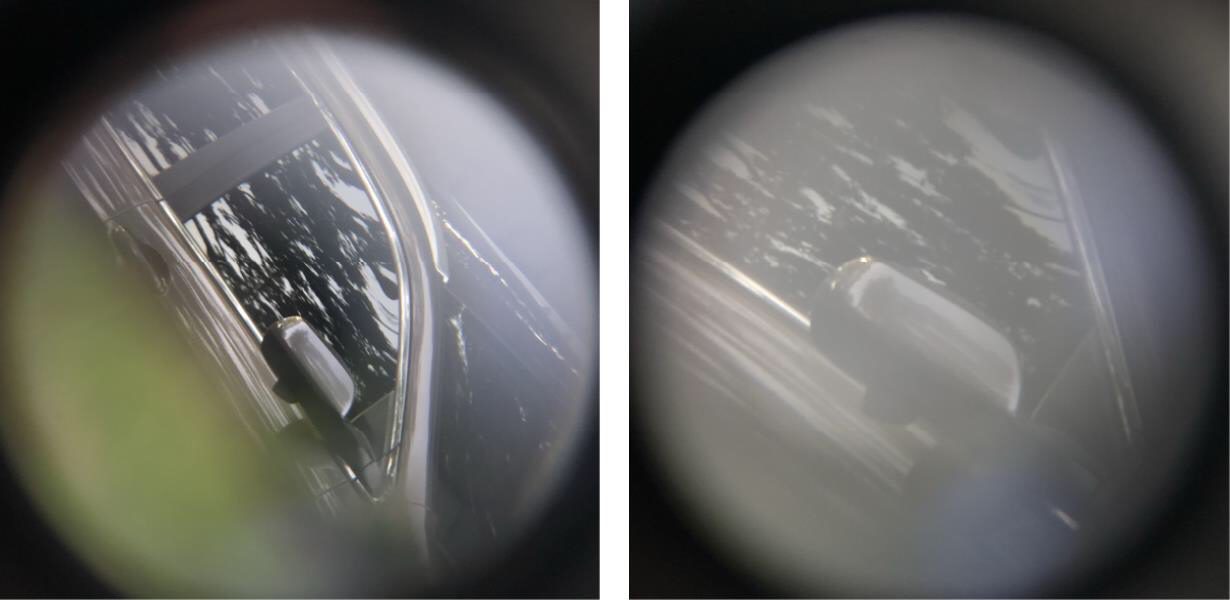
Reviewers report sharp, high-contrast views of Jupiter, Saturn and the Moon, most often paired with 10 mm and 15 mm eyepieces. Nearly 2500 ratings averaging 4.6 make it the most thoroughly used unit in this list, and that volume of feedback is exactly what we wanted from a default recommendation.
The one limitation is arithmetic rather than optical. A 2x does not rescue a very short-focal-length scope, and on a long-focal-ratio instrument such as a Schmidt-Cassegrain it may only add power without adding any usable detail. If your native focal length is already above 1500 mm, look at a 3x instead.
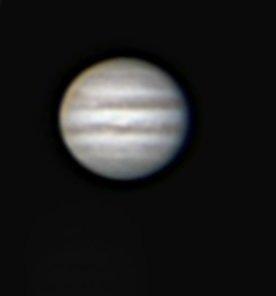
Who this Barlow suits
A beginner with a 6 inch Dobsonian or a small Newtonian on a star tripod. It is the safest first purchase because it is light, cheap to replace and physically forgiving of imperfect alignment in the chain.
It also makes sense as a second Barlow for anyone who already owns a 3x and needs a gentle step between eyepieces rather than a jump.
Where it falls short
Observers chasing fine planetary detail on a fast wide-field refractor will find 2x stops the image scale short. Doublet designs of this class can also show a trace of colour on high-contrast targets when the seeing is poor, though that is more visible visually than in a stacked capture.
2. Celestron X-Cel LX 3X Barlow – Best 3x for Color and Mono Cameras
Celestron X-Cel LX 3X 1.25 Barlow Lens for Telescope Eyepieces – Threaded
3X apochromatic
Fully multi-coated
1.25 inch threaded
0.15 kg
Pros
- 3-element apochromatic design controls fringing
- Brass compression ring protects the eyepiece barrel
- Threaded for 1.25 inch filters
- Rubber grip ring for cold or gloved hands
Cons
- 3x can pass the useful magnification ceiling of small apertures
- Heavier than a plain 2x doubler at the focuser
The X-Cel LX is the most considered 3x in this group, and the spec sheet shows why. It uses 3-element apochromatic optics with every air-to-glass surface fully multi-coated, which is the design tier serious imagers look for when colour fringing on a bright planet ruins the stacking process.
A brass compression ring grips the eyepiece barrel without scratching it, which matters more than it sounds when you are swapping eyepieces in the dark between captures. The upper barrel is threaded for 1.25 inch filters, and a centralized rubber grip ring makes it easy to handle with gloves on a cold night. Weight is 0.15 kg, still modest.
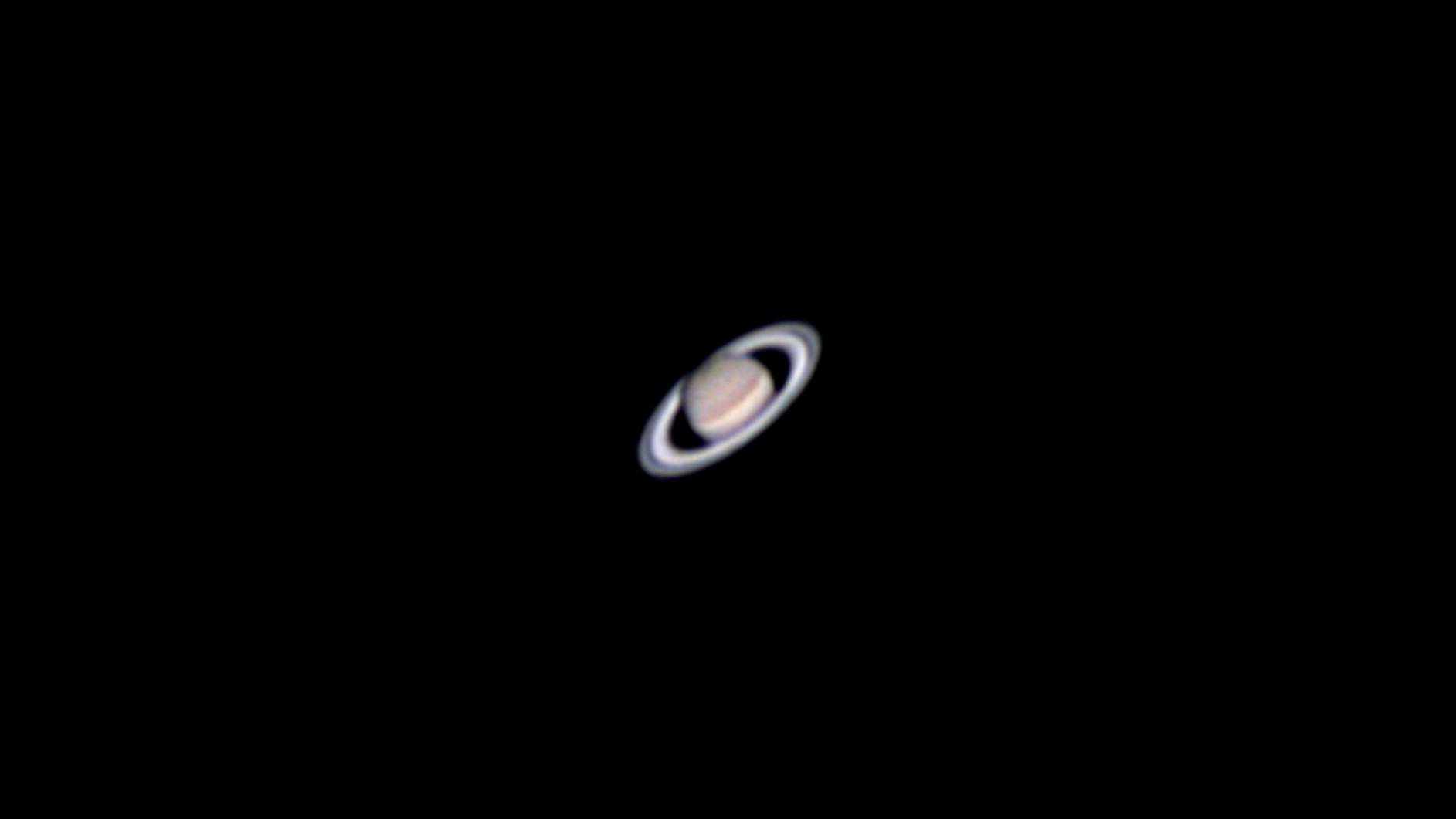
Owners consistently call it one of the best 1.25 inch 3x units available, and the rating distribution is heavily weighted toward five stars with very little critical feedback. In practice it delivers the colour-corrected, high-contrast image that a 3x should, on Jupiter and Saturn and on the lunar terminator.
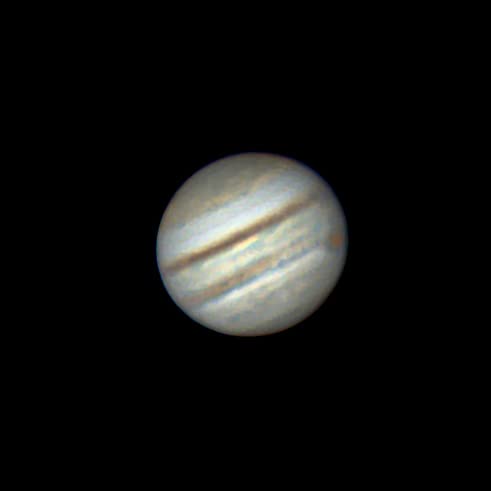
This is also the unit most commonly paired with a mono planetary camera. On a Mak-Cassgrain or a short-focal-length refractor, tripling the focal length is usually the sweet spot where the sensor’s pixels are properly filled without the frame going empty.
Who this Barlow suits
Anyone with a fast refractor or an 80 to 130 mm achromat who has already run out of eyepieces and needs more focal length for planetary imaging. It is equally at home on a Mak-Cassgrain driving a colour CMOS camera through a T-adapter.
Buy this one if you want a 3x that stays invisible in the optical path. That is the core quality test most owners apply, and this is the unit that passes it most often.
Where it falls short
On a small-aperture scope, 3x can push past the useful magnification ceiling and simply soften the image. The brass ring and apochromatic glass also make it noticeably heavier than a simple doubler, which can matter at the top of a long Dobsonian tube near the zenith.
3. Bysameyee 2X Barlow – Best Value Doubler with a Camera Thread
Barlow Lens 2X, Bysameyee 1.25 Inch Fully Multi-Coated Metal Barlow Lens with M42 Thread Camera Connect Interface for Telescope Eyepiece
2X factor
Broadband green film
M42 camera thread
1.25 inch barrel
Pros
- Broadband green multicoated glass resists fringing
- Male M42 thread doubles as a T-adapter
- Black anodized machined aluminum body
- Includes dust caps and a safety undercut
Cons
- A T-ring is still needed for camera work
- Some units arrive with smudged glass
This is the Barlow we recommend when someone wants a camera interface without paying a premium brand price. The male M42x0.75 thread on the lower cell works directly as a T-adapter for a DSLR or SLR body, so the same unit covers visual observing and imaging. The optical cell unscrews to expose it.
The glass carries a multilayer broadband green film, and reviewers report clear, sharp views with no added chromatic aberration. The body is precision-machined aluminum with a black anodized finish, plus a brass compression ring and a safety undercut to protect eyepiece barrels from being crushed by the set screws.
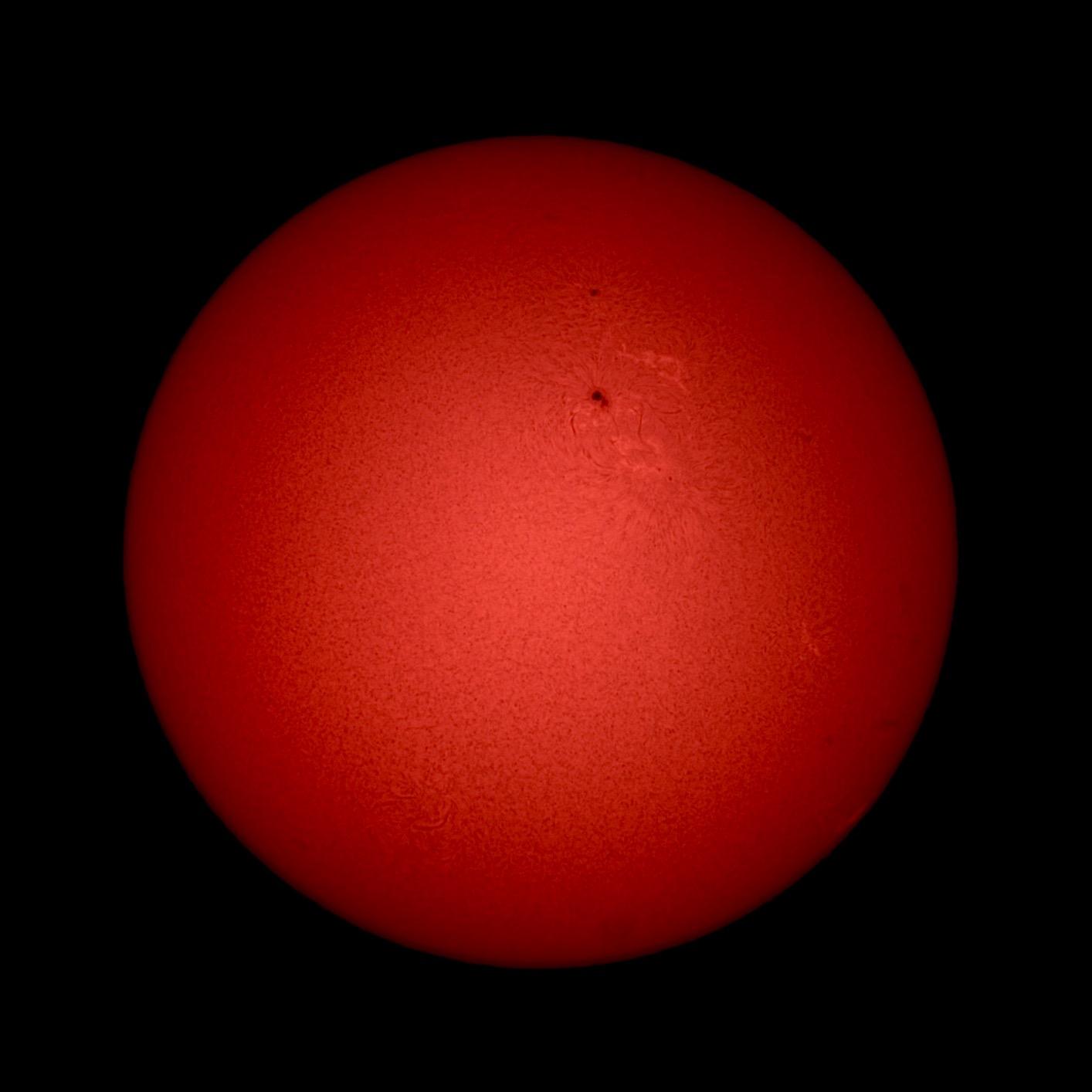
More than 1000 owners rate it 4.6, and multiple reviews mention resolving Jupiter’s stripes and Saturn’s rings on a 4.5 inch scope. For a first imaging attempt that is exactly the result people are hoping for, and it is the most direct route to prime focus on the list at a modest outlay.
Dust caps at both ends are a small touch that matters more than expected, because a dirty negative lens on a cheap Barlow is the fastest way to lose a night’s data before it starts.
Who this Barlow suits
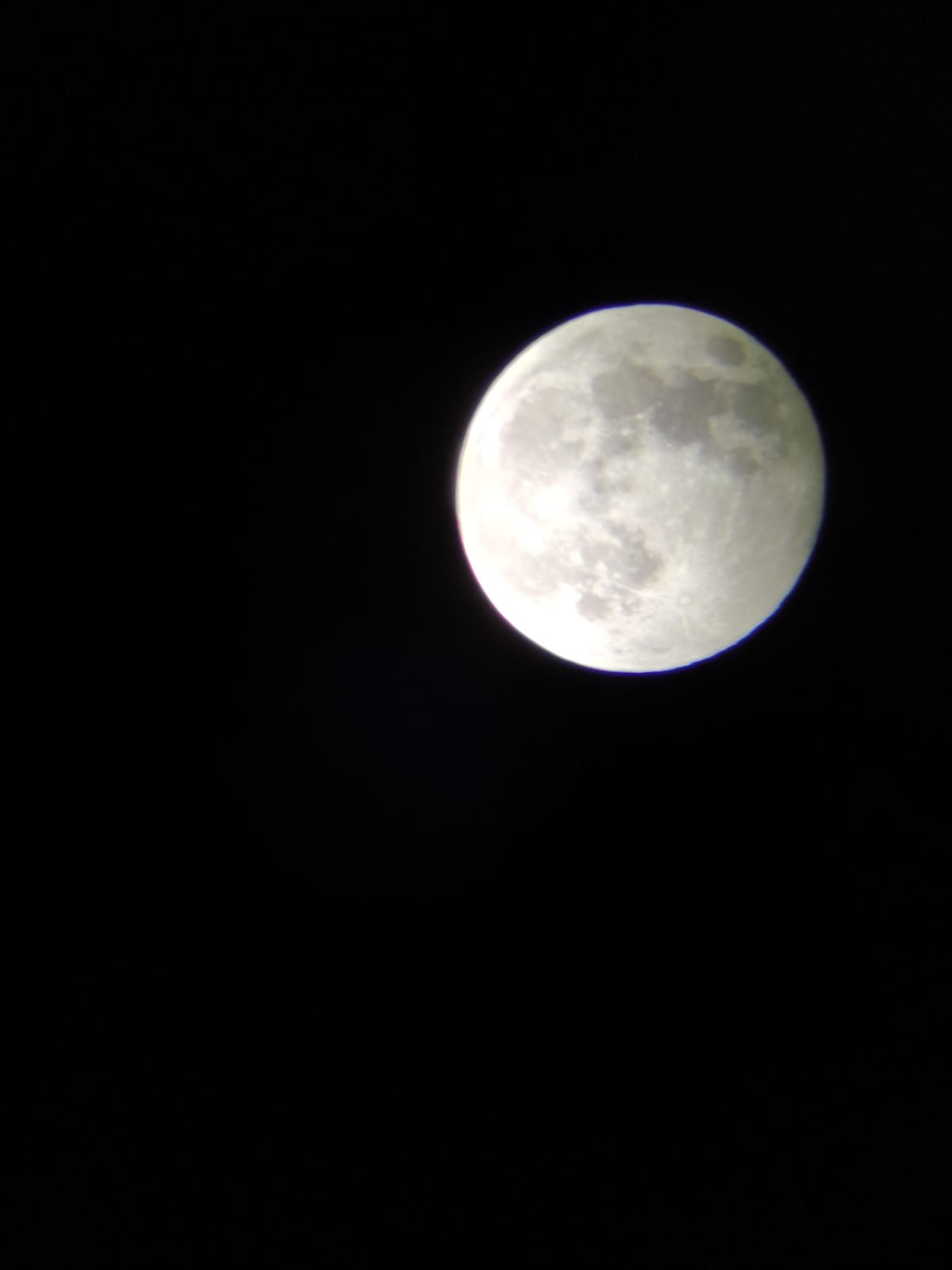
A photographer who already owns a camera and a T-ring and wants to try prime focus imaging of the Moon on a modest budget. It also works well as a visual doubler for anyone who only owns one or two eyepieces.
Those on a 500 mm to 900 mm focal length refractor will get image scale into a usable range for a typical 3 to 4 micron pixel planetary camera.
Where it falls short
Two factors cost it points. A T-ring adapter is not included, so budget for that separately, and 2x is a modest gain that will feel underpowered on a very short-focal-length wide-field refractor. A few owners also report arriving units with lens smudges or coatings that are hard to clean.
4. SVBONY 5X Barlow – Best Reach for Short-Focal-Length Scopes
SVBONY Telescope Barlow Lens, 5X FMC Barlow Lens, 1.25” Telescope Accessory
5X factor
3 element 2 group
Multi-coated
135 g
Pros
- Reaches high power on very short focal lengths
- Three element optics with broadband film
- Anodized aluminum body handles daily use
- Popular with owners of small Newtonians
Cons
- Easy to exceed the useful magnification ceiling
- Long and heavy enough to affect balance
- Some units measure closer to 3x than 5x
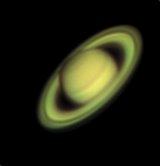
When you own a 300 mm tabletop Dobsonian or a small 70 mm refractor, a 5x is sometimes the only way to reach a focal length where the Moon’s craters and Jupiter’s belts resolve. This unit is built for exactly that job, and with 945 reviews it is the most thoroughly tested 5x in this roundup.
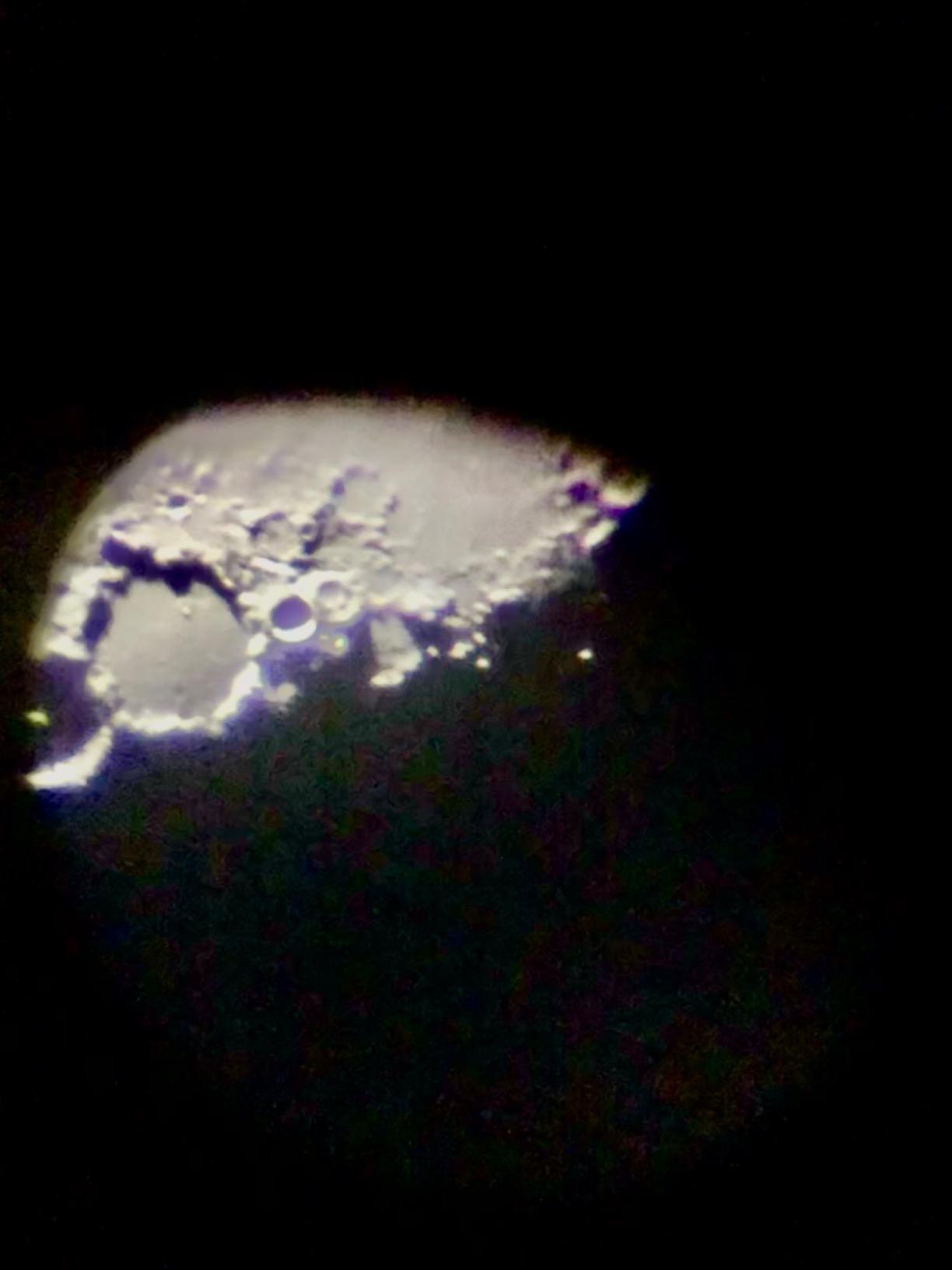
The optics are 3 element 2 group with multi-coated broadband green film in a black anodized aluminum barrel. Owners praise the value against adjustable and premium extenders, and the resolution of the lunar limb and Jupiter’s moons at moderate power is well documented.
The critical feedback is consistent enough to plan around. At 5x on a modest aperture, you can exceed the maximum useful magnification and lose contrast rather than gain detail. Several owners also report a real magnification closer to 3x, and some units arrived with dirty glass and no cleaning cloth.
At 135 g and nearly 4 inches long, this is one of the bulkier budget units. On a light Dobsonian, added length at the focuser can introduce vibration and drifting that you will chase for an hour before blaming the glass.
Who this Barlow suits
Owners of short-focal-length instruments: tabletop Dobsonians, small grab-and-go Newtonians and wide-field refractors. It is also a reasonable visual tool for splitting close double stars on a mid-sized aperture.
For imaging, treat 5x as a mono-camera tool. A colour sensor at that magnification usually produces a frame too dim and too aliased to be worth the effort.
Where it falls short
It is a jack-of-all-trades pick rather than a specialist. The magnification may not match the label, the added length disturbs balance, and the coatings are described as multi-coated rather than fully multi-coated, so contrast under demanding conditions trails the premium units.
5. Celestron Luminos 2.5X Barlow – Best for Fine Magnification Steps
Celestron Luminos 2.5X Barlow Lens for 1.25″ & 2″ Telescope Eyepieces
2.5X factor
4-element optics
1.25 and 2 inch
11.2 ounces
Pros
- Fills the gap between a 2x and a 3x
- Flat field with no extraneous colour
- Accepts both eyepiece sizes with the included adapter
- Large thumbscrews work with gloves
Cons
- Needs a decent aperture to reach its potential
- Barrel and adapter add bulk to the chain
Planetary imagers talk in small steps, and that is where a 2.5x earns its place. Coming from a 2x, 2.5x moves the image scale just enough to matter without the jump to 3x. The 4-element design is what keeps the field flat and free of the colour halo that cheaper doublers show on a bright planet.
It accepts both 2 inch and 1.25 inch eyepieces using the included adapter, and the hard-anodized barrel is threaded for 2 inch filters. A brass compression ring holds the eyepiece firmly and the large thumbscrews are genuinely usable with winter gloves on.
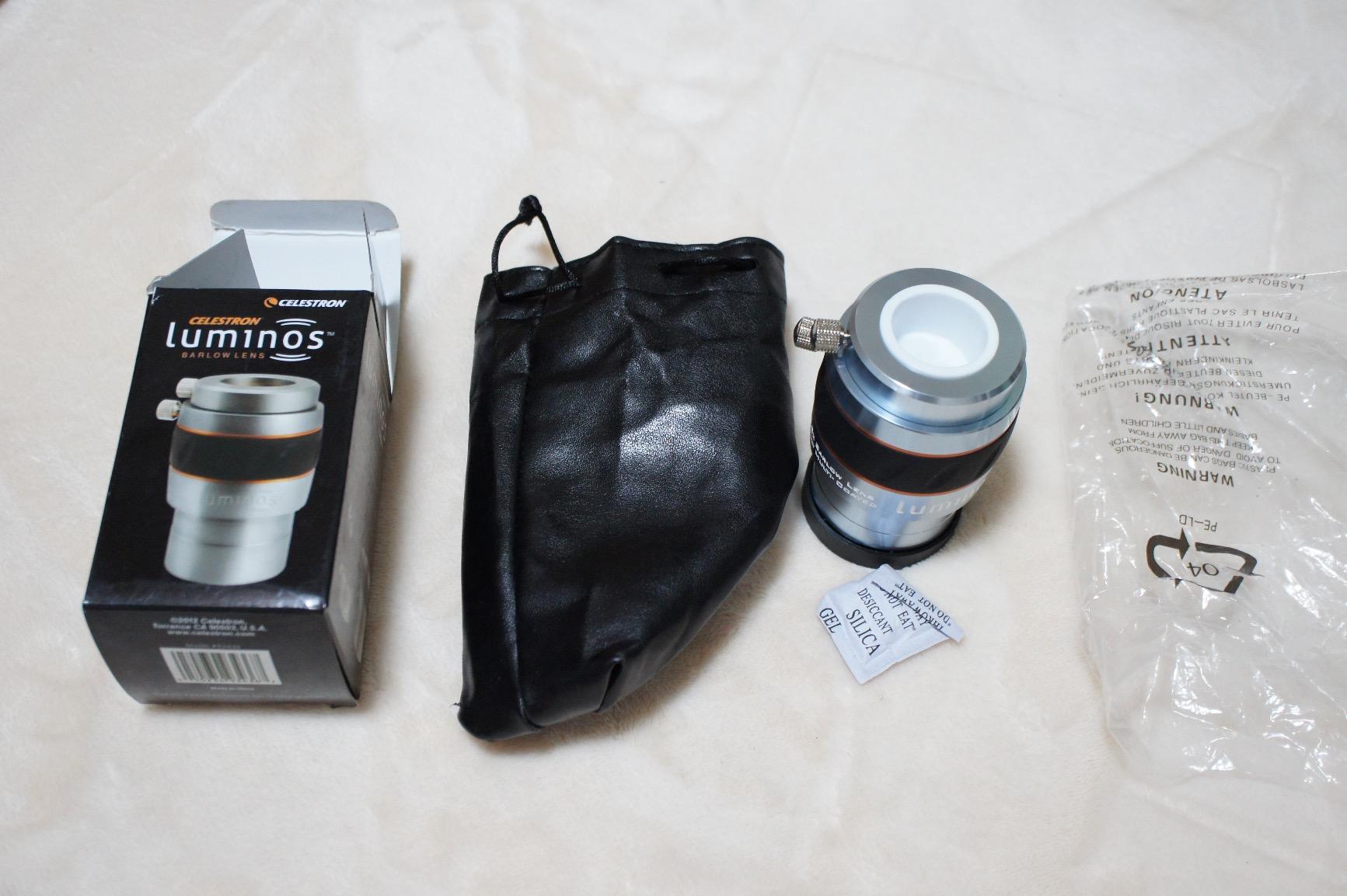
Buyers of this model tend to already own quality eyepieces and pair it with 2 inch diagonals, which tells you where it fits best. Feedback is strongly positive on the flat, colour-free field, with occasional complaints about the physical bulk of the chain it creates.
At 11.2 ounces it is one of the heavier 1.25 inch units here. On a Dobsonian, the extra height between the focuser and the eyepiece is worth measuring before you commit.
Who this Barlow suits
Observers who want fine-grained control rather than fixed steps, and anyone whose telescope sits between the ranges where a 2x and a 3x work well. It is also a strong choice for lunar imaging at moderate power on an 8 inch or larger aperture.
If you already run 2 inch eyepieces, the native 2 inch barrel is the cleaner path, with the adapter only for your smaller glass.
Where it falls short
It is not a budget option, and the 2.5x factor still needs real aperture behind it. On a small scope the modest extra magnification will not recover the resolution a longer instrument would have given you, and the bulk can hit focuser clearance limits.
6. Starboosa 5X Barlow and Moon Filter Kit – Most Versatile
Starboosa 1.25-Inch Telescope 5X Barlow Lens with Moon Filter
5X factor
Includes moon filter
Fully multi-coated
0.09 kg
Pros
- Barlow and moon filter bundled in one box
- Reported to show crisp Jupiter cloud bands
- Filter improves contrast on craters and maria
- CNC machined parts with anti-rust treatment
Cons
- Owners measure closer to 2.5x than 5x
- Will not reach focus on some small scopes
- Noticeable light loss
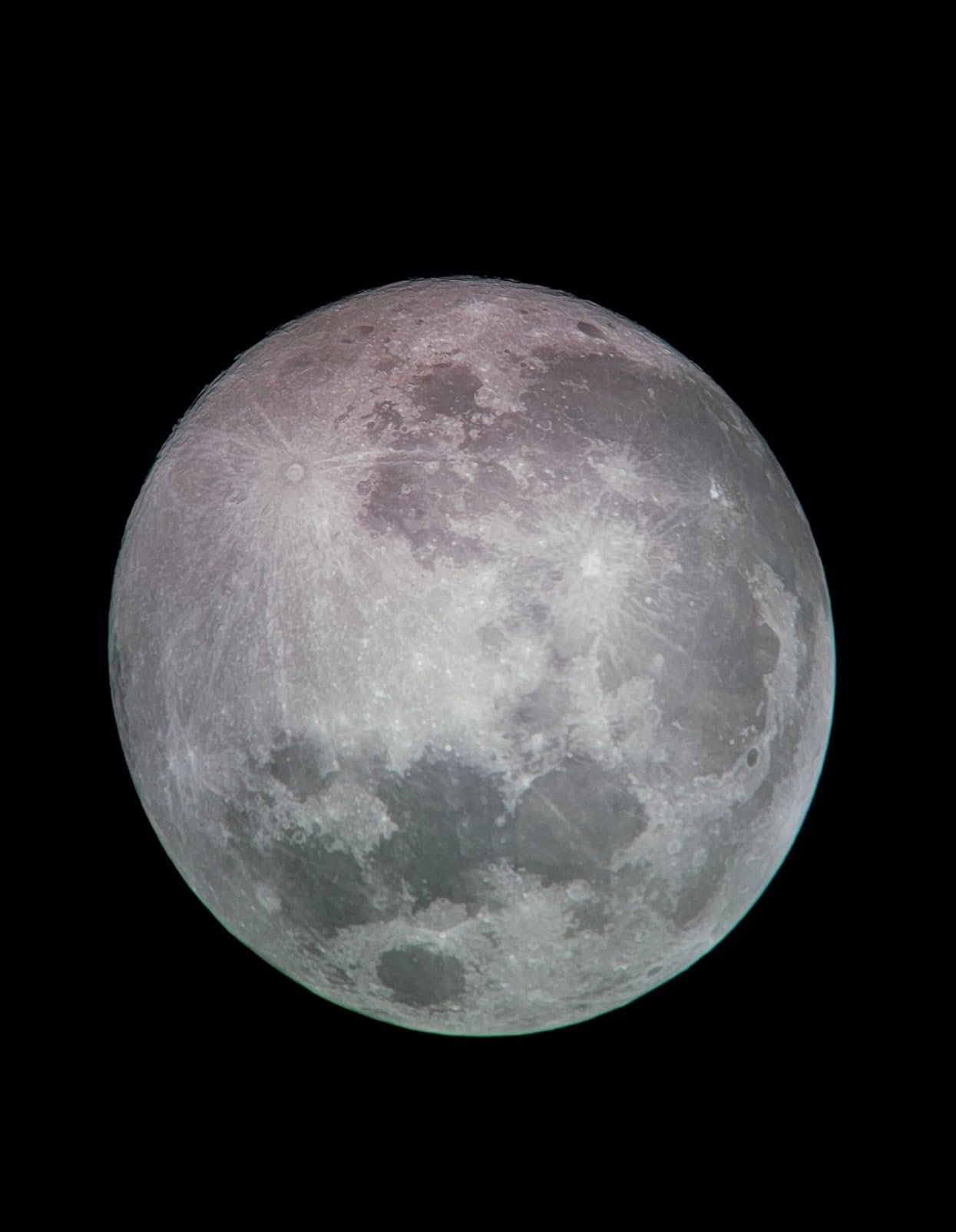
The idea here is simple: a 5x Barlow and a threaded moon filter in a single kit, with a universal M42 thread for SLR attachment through a T-ring. For lunar work at night that combination is genuinely useful, since a moon filter cuts glare and lifts contrast on the craters and maria.
The optics are fully multi-coated and the parts are CNC machined with an anti-rust surface treatment. At 0.09 kg it is one of the lighter units, which helps on a light mount. It is also broadly compatible, working with the common 1.25 inch focusers found on scopes from most major brands.
This is the lowest-rated product we tested, at 4.1 across 279 reviews, and the reasons are specific. Owners measure the magnification closer to 2.5x than the advertised 5x, and several buyers report it will not reach focus on small or entry-level telescopes at all. The moon filter is a tinted lens rather than a true ND filter for some users.
There is also noticeable light loss through the chain, which can cancel out some of the quality gain from the multi-coating. Buyers here mostly praise the bundle and the build, not the optical result.
Who this Barlow suits
Lunar observers on a small or mid-sized Dobsonian who want one purchase to cover both high power and glare reduction. It works as a visual lunar tool more reliably than as an imaging focal extender.
If your interest is planets rather than the Moon, this is not the kit we would start with, because the moon filter adds nothing when Jupiter is the target.
Where it falls short
The magnification does not match the label, focus can be impossible to reach on smaller apertures, and the light loss works against you on a dim, high-contrast target. The included filter is a simple tint, not a graded neutral density.
7. SVBONY SV137 3X Barlow – Best Lightweight Barlow for Dobsonians
SVBONY SV137 Barlow Lens 3X, 1.25” Telescope Accessory with Brass Ring
3X factor
4 element 2 group
1.25 inch
95 g
Pros
- Only 95 g so it will not upset a Dobsonian balance
- Brass ring protects the eyepiece barrel
- Blackened lens edges raise contrast
- Silver finish stands out from black housings
Cons
- 3x can pass a small scope's magnification ceiling
- Longer body adds length to the chain
Dobsonian owners care about two things at high power: weight and length. The SV137 answers both. At 95 g it is one of the lightest units here, and the compact 1.25 inch body keeps the focuser-to-eyepiece distance as short as a 3x can manage, which matters when you are pointing a long tube at the zenith.
The optics are 2 group 4 element and fully multi-coated, with blackened lens edges to suppress stray light and lift contrast on a bright planet. A brass compression ring protects the eyepiece barrel from marring, and a non-slip rubber grip ring helps in damp conditions. The silver housing is a small cosmetic differentiator from the sea of black barrels.
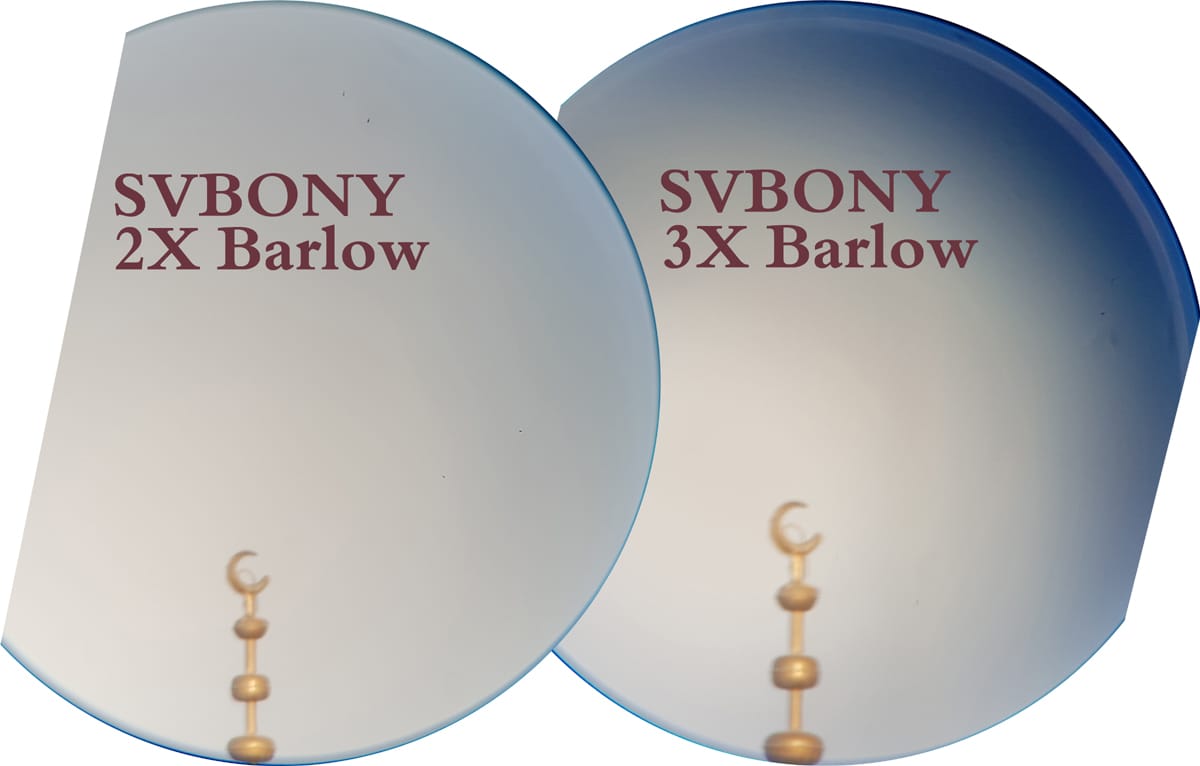
This one is marketed specifically at planetary and lunar observers, and the feedback reflects that: positive on build and coating quality, with fewer optical-performance remarks than the premium Celestron models attract. The gaps in feedback are telling. Owners testing it on larger, better optics simply have less to complain about.
Build quality is the quiet strength here. A 3x that stays rigid and does not flex when you tighten the thumbscrew is worth more at high power than a marginally sharper competitor that shifts under load.
Who this Barlow suits
Dobsonian and tabletop telescope owners who need a 3x without adding noticeable weight or length. It is also a sensible first 3x for visual observers who will pair it with a set of shorter-focal-length eyepieces.
Those using a mono planetary camera on a 600 mm to 1000 mm Newtonian will find the image scale lands close to the range where detail starts to appear.
Where it falls short
Three times power on a small aperture can push past what the atmosphere and the optics will support, and the image softens rather than sharpening. The extra body length is still more than a 2x, so clearance is a factor on very short-travel focusers.
8. Astromania 3X Barlow – Best Lightweight Metal 3x
Astromania 3X Barlow Lens for Telescope Eyepiece 1.25 Inch with T-Thread
3X factor
T-thread for SLR
Fully multi-coated
4.06 ounces
Pros
- Metal construction rather than plastic
- Users resolve Jupiter belts and Saturn rings
- Filter thread plus bayonet SLR camera support
- Two thumbscrews hold the eyepiece firmly
Cons
- Focus can be hard to achieve cleanly at 3x
- Brightness drops as with any Barlow
- Optics are adequate rather than premium
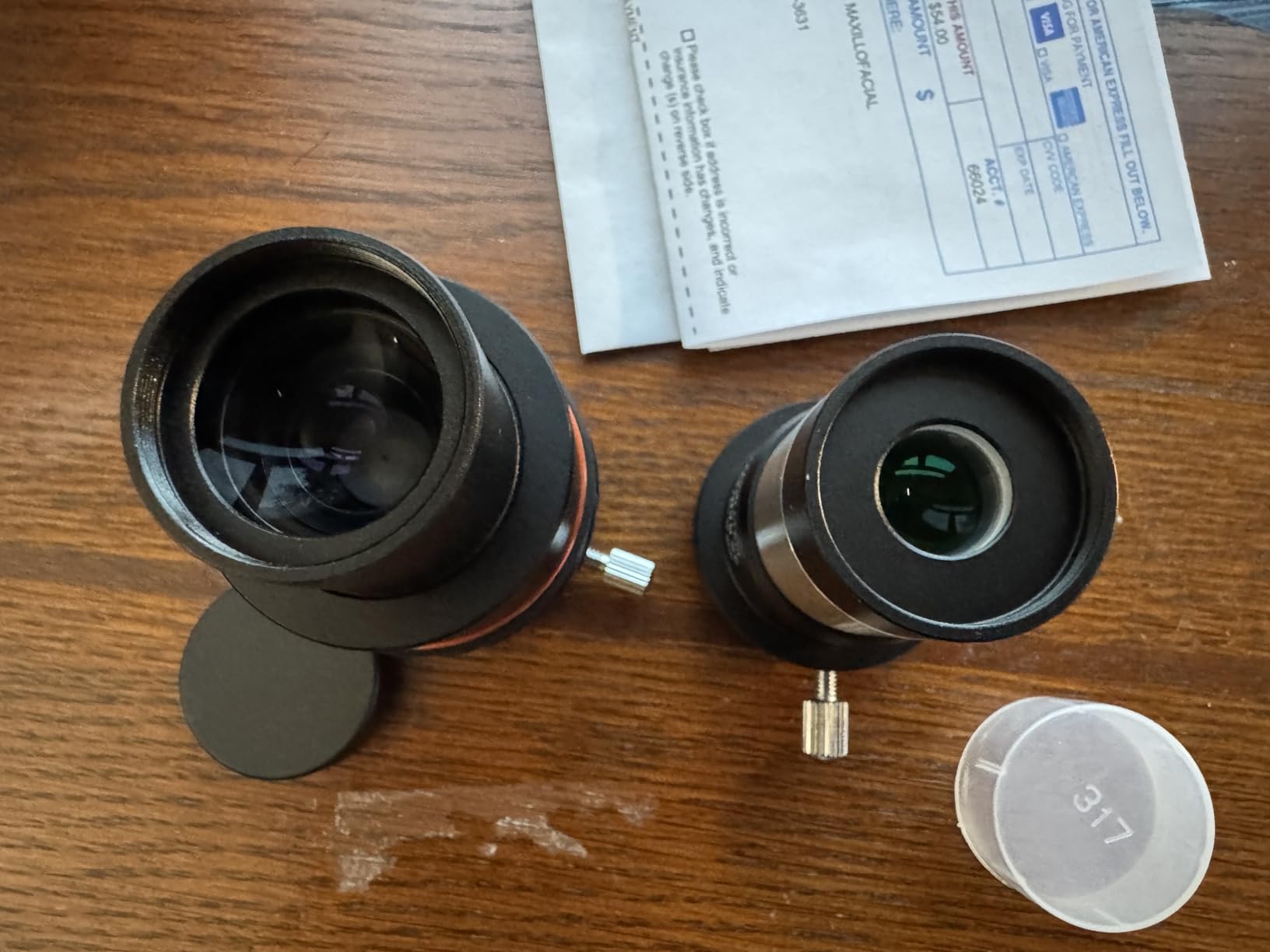
The complaint about cheap 3x units is usually plastic. This one is metal, and owners describe it as sturdy and long-lasting. At 4.06 ounces it is among the lightest units in the roundup, which is a genuine advantage on a lightweight Dobsonian or a small refractor on a photo tripod.
The top end carries a filter thread, and the T-thread accepts bayonet SLR cameras as well as 1.25 inch filters and other T-thread accessories. Two fixing thumbscrews hold the eyepiece in place, which is more than several premium units offer.
Reviewers routinely pick out Jupiter’s belts, Saturn’s rings and the Great Red Spot with it, and they treat the price as good value rather than a compromise. The recurring caveat is that 3x can be hard to focus cleanly on a smaller aperture, and even when focus is achieved the image can stay soft.
Brightness also drops, which is expected from any Barlow, but on a dimmer target like Uranus or Neptune it can be the difference between a usable stack and a noisy one.
Who this Barlow suits
Budget-conscious observers who want a durable 3x with a real camera interface. It suits visual planetary work on a 6 inch or larger aperture and simple lunar imaging through a DSLR.
The T-thread means it can drive a camera directly for lunar work, where the extra focal length helps frame the Moon without a reducer.
Where it falls short
Optical performance is adequate rather than premium, so colour fringing and softness show on high-contrast targets compared with an apochromatic design. The image is also dimmer, and at 3x the focus tolerance is narrow enough that small scopes never quite look right.
9. XCCYG 2X-3X-5X Barlow Kit – Best Multi-Factor Kit
Telescope Barlow Lenses Kit 2X-3X-5X, 1.25 Inch Telescope Accessory, Fully Metal Multi Coated Broadband Green Film Barlow Lens for Astronomy Eyepiece
Three factors in one set
2X 3X and 5X
Broadband green film
M42 thread
Pros
- Three magnification options in one purchase
- Green film multicoating reduces chromatic aberration
- Detachable cell exposes an M42 thread for cameras
- Blackened edges and inner barrel lift contrast
Cons
- The 5X blurs noticeably on many telescopes
- Not a premium optical design
Most people who buy one Barlow end up wanting another. This kit contains 2x, 3x and 5x units with a 1.25 inch interface, each in a black anodized aluminum body, and the cost works out well below buying two separate mid-tier units. If your telescope is a short-focal-length one, having all three lets you find your own ceiling rather than guess at it.
The optics use broadband green film multicoating, and owners report clear views of Jupiter through the 3x. Lens edges and the inner barrel are blackened to maximize contrast and transmittance, and each lens has a detachable optical cell that exposes an M42x0.75 thread for camera work.

At 155 reviews averaging 4.4, this is the best value-per-option in the set. Owners get three powers and report clear planetary views, with one consistent caveat: the 5x element is too much for many small scopes and goes soft.
The individual cases are a nice touch for storage, and because each unit is a complete Barlow rather than a stack, you can swap factors without changing focuser adapters or adapters for the camera.
Who this Barlow suits
New imagers who want to experiment with magnification before committing, and anyone whose telescope sits at a focal length where the difference between 2x and 3x genuinely matters. The 2x doubles as a spare if one unit is dropped.
It is also a good match for owners who use both visual and imaging sessions, since the detachable cell handles the camera interface.
Where it falls short
The 5x blurs noticeably on many telescopes and will exceed useful magnification on anything under about 6 inches of aperture. None of the three is a premium optical design, so fringing appears on bright targets that the apochromatic units avoid.
10. Serounder 3X Barlow – Best Sturdy Low-Cost 3x
3X Lens Barlow Lens, 1.25 inches Metal Barlow Lens with M42x0.75mm Thread Camera Connect Interface Fully Black Multi Coated for Standard Telescope Eyepiece Astronomy
3X factor
Fully multi-coated
Metal shell
M42x0.75 thread
Pros
- Metal shell resists deformation and outlasts plastic doublers
- Fully multi-coated glass holds quality at 3x
- M42 thread allows direct camera connection
- Users report improved Jupiter and Saturn images
Cons
- Colour fringing in better telescopes
- Fine focus can be tricky
- Weak on large deep-sky objects at high power
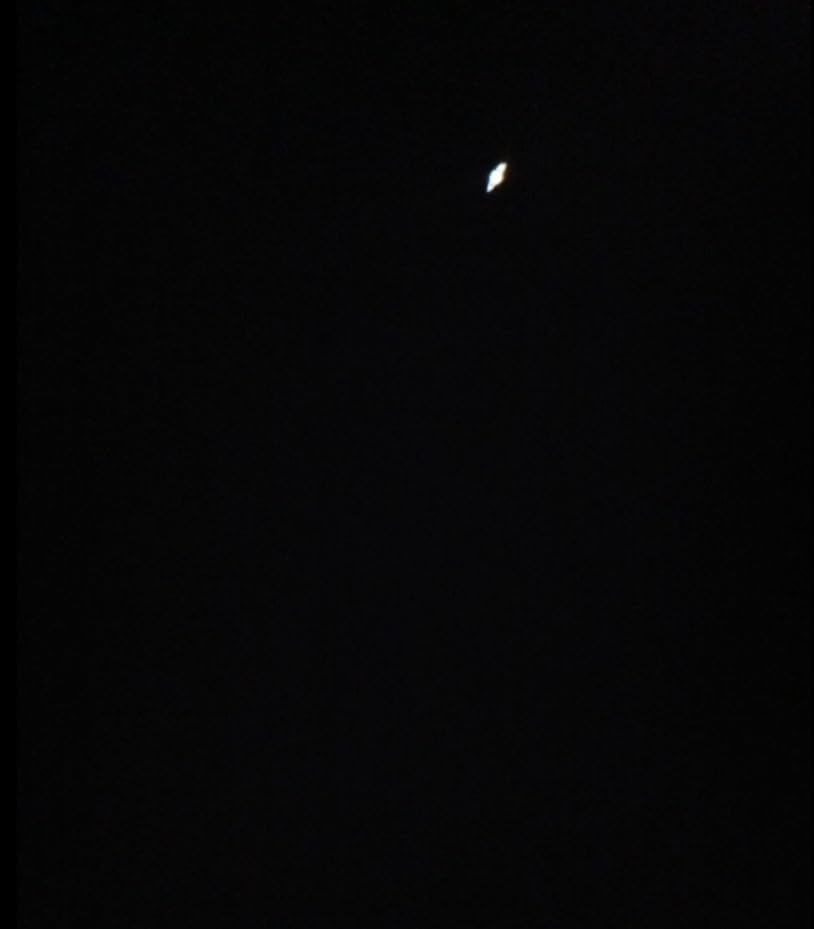
At just over 3.2 ounces and 2.48 inches long, this is a compact metal 3x that is a direct replacement for the plastic doublers that ship with many entry-level telescopes. The shell resists deformation, which is the whole point at high power, and reviewers notice the difference in stability.
Optics are fully multi-coated and the M42x0.75mm thread on the lower cell allows a camera to be connected directly. Operation is about as simple as it gets: put the eyepiece in the Barlow, then put the Barlow in the focuser.
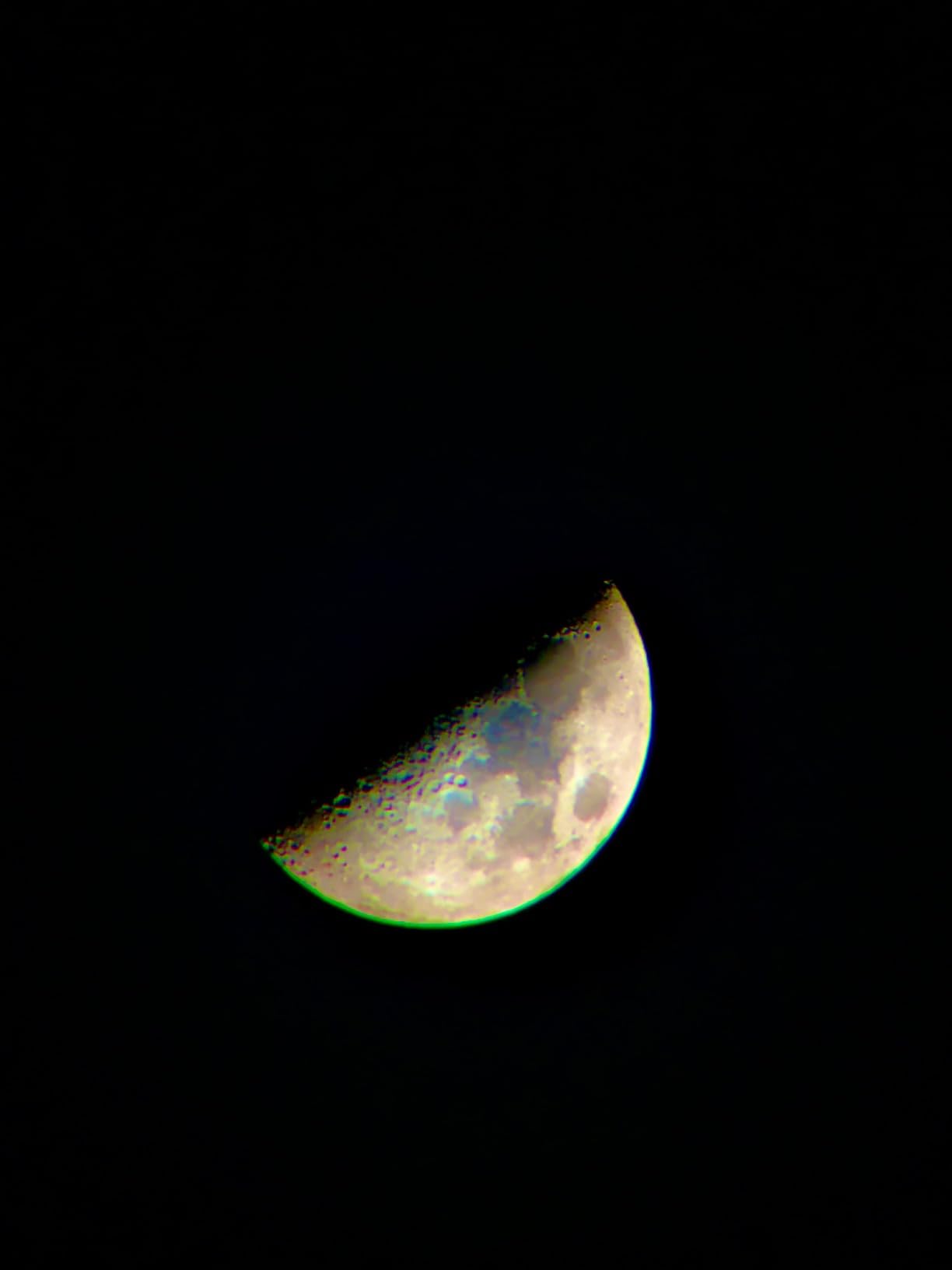
Users report that it enhances image quality on Jupiter and Saturn, and that it adds magnification without shrinking the exit pupil enough to darken the view. For most people on small to mid-aperture scopes it punches well above its price.
The critical reviews come from owners testing it in better optics, where softness and colour fringing become visible against a higher standard. Fine focus is also described as slightly difficult to nail down, which is common in budget 3x units.
Who this Barlow suits
Anyone replacing a cheap plastic Barlow that came with their telescope, and observers on small-to-mid aperture scopes who want a durable 3x at a modest outlay. The camera thread makes it usable for lunar imaging on a DSLR.
It is also a sensible visual 3x for a beginner who wants to reach the moon’s craters without buying a second eyepiece.
Where it falls short
In higher-quality telescopes, owners report blur and colour fringing, and fine focus is hard to achieve. It is also a poor choice for large deep-sky objects at high power, where the field simply runs out before the aperture does.
11. Explore Scientific 2X Focal Extender – Best Telecentric 2x
Explore Scientific Focal Extender Barlow Lens to Increase Focal Length for Telescopes
2X telecentric design
4 lens elements
25.4 mm exit pupil
665 g
Pros
- Telecentric 4-lens design cuts high-power aberration
- Bright image with no parallax effects
- Blackened lens edges for contrast
- Sharp at equal magnification to cheaper units
Cons
- Heavy at 665 g and nearly 5 inches long
- Ships in a soft pouch rather than a case
This is the outlier of the group, and the reason is optical rather than budgetary. It uses a 4-lens telecentric design, which keeps the exit pupil centred so the image stays bright and free of the off-axis softening and parallax effects that cheaper 2x doublers introduce. Reviewers consistently report sharper, clearer images at equal magnification to their previous extenders.
It doubles power across the full line of Explore Scientific eyepieces, and all lens edges are blackened for maximum contrast. The 4.7 rating across 145 reviews is tied for the highest in the roundup, even though the review count sits below the middle of this list, so treat it as a specialist rather than a proven default.
At 665 g and 4.84 inches long, it is by far the heaviest and longest unit here. That matters on a Dobsonian, where added mass and height at the focuser can introduce balance and clearance problems that no amount of optical quality will compensate for.
Who this Barlow suits
Observers who already own quality 1.25 inch eyepieces and want a 2x that stays invisible in the chain, and imagers using a telecentric design to avoid off-axis colour and vignetting on a fast refractor. It also works across the Explore Scientific eyepiece range if that is your glass.
The bright, even field is the reason people keep it, particularly on the lunar limb and on double stars at moderate power.
Where it falls short
Weight and length are the deal breakers for anyone on a light Dobsonian or a compact refractor. Only a soft fabric pouch is included, and some users found it blurrier with astronomical binoculars and returned it.
12. Astromania 2X ED 2 Inch Barlow – Best 2 Inch Barrel for Imaging
Astromania Barlow Lens 2X, 2 Inch ED Barlow Lens for Astronomical Telescope
2X factor
ED glass
2 inch aperture
11.46 ounces
Pros
- Extra-diameter ED glass cuts visible colour fringing
- 2 inch aperture avoids shadowing with 2 inch eyepieces
- Filter thread on the barrel and reducer adapter
- High-grip body is easy to hold with gloves
Cons
- Needs a 2 inch focuser or a step-down adapter
- Bulk and weight on a long eyepiece chain
This one is built for imaging rather than quick visual sessions. The extra-diameter ED glass is chosen to bring visible chromatic aberration down to a minimum across a wide field, which is exactly what you want when a colour planetary camera or a mono sensor is sampling the frame.
The 2 inch aperture accepts 2 inch eyepieces without shadowing the image, and the unit unscrews to fit any 2 inch eyepiece. A 2 inch filter thread is provided on the lower barrel and on the reducer adapter, and the high-grip exterior is secure to handle with gloves.
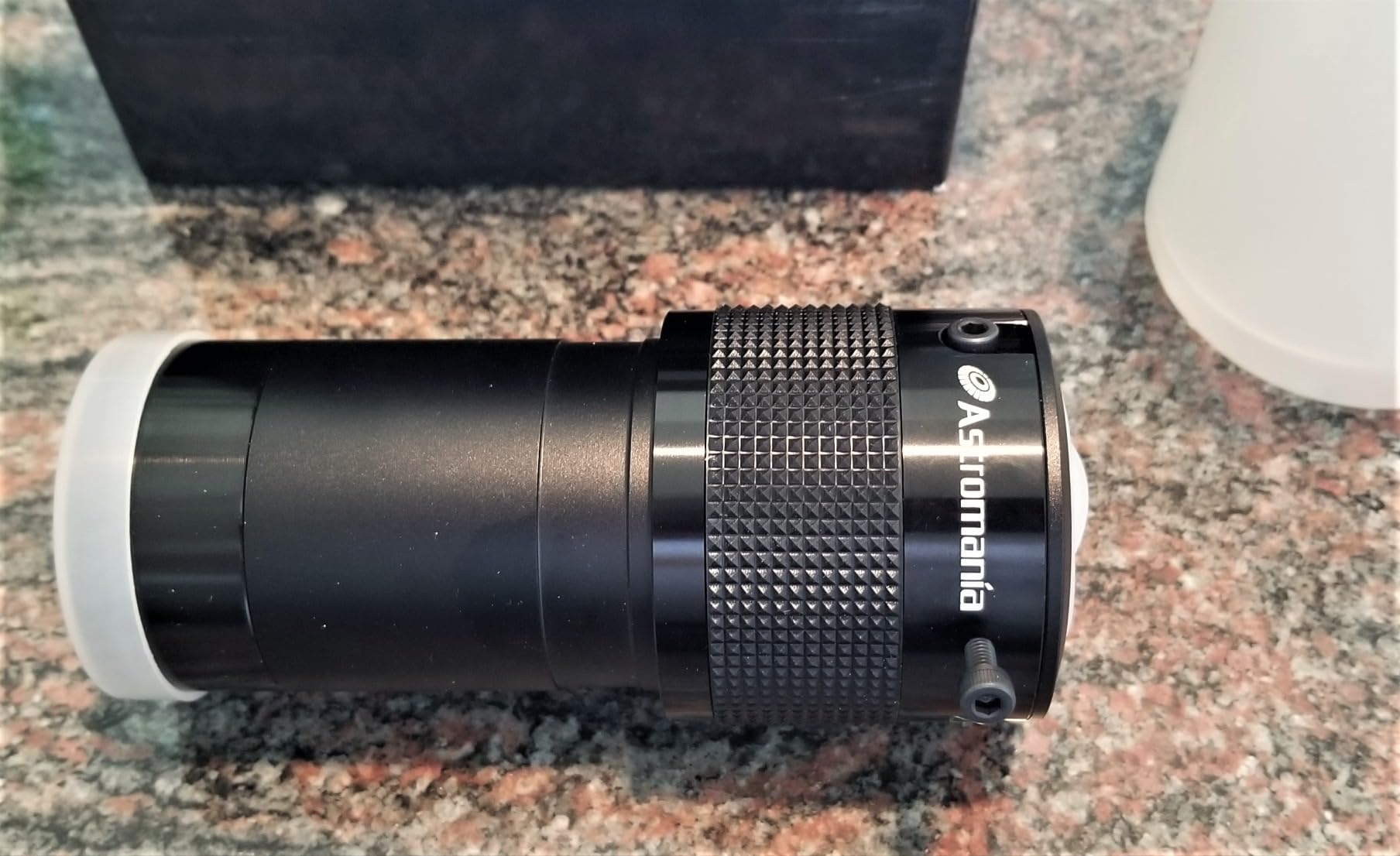
At 11.46 ounces and with a wide body, it is one of the larger units in the group. Reviewers focus their praise on the larger aperture and reduced colour fringing, and the ratings sit in a comparatively wide spread, so expectations should be set accordingly.
The practical constraint is interface. It needs a 2 inch focuser, or a 2 inch to 1.25 inch step-down adapter if you use smaller eyepieces, and the aperture and body bulk add weight to a long chain.
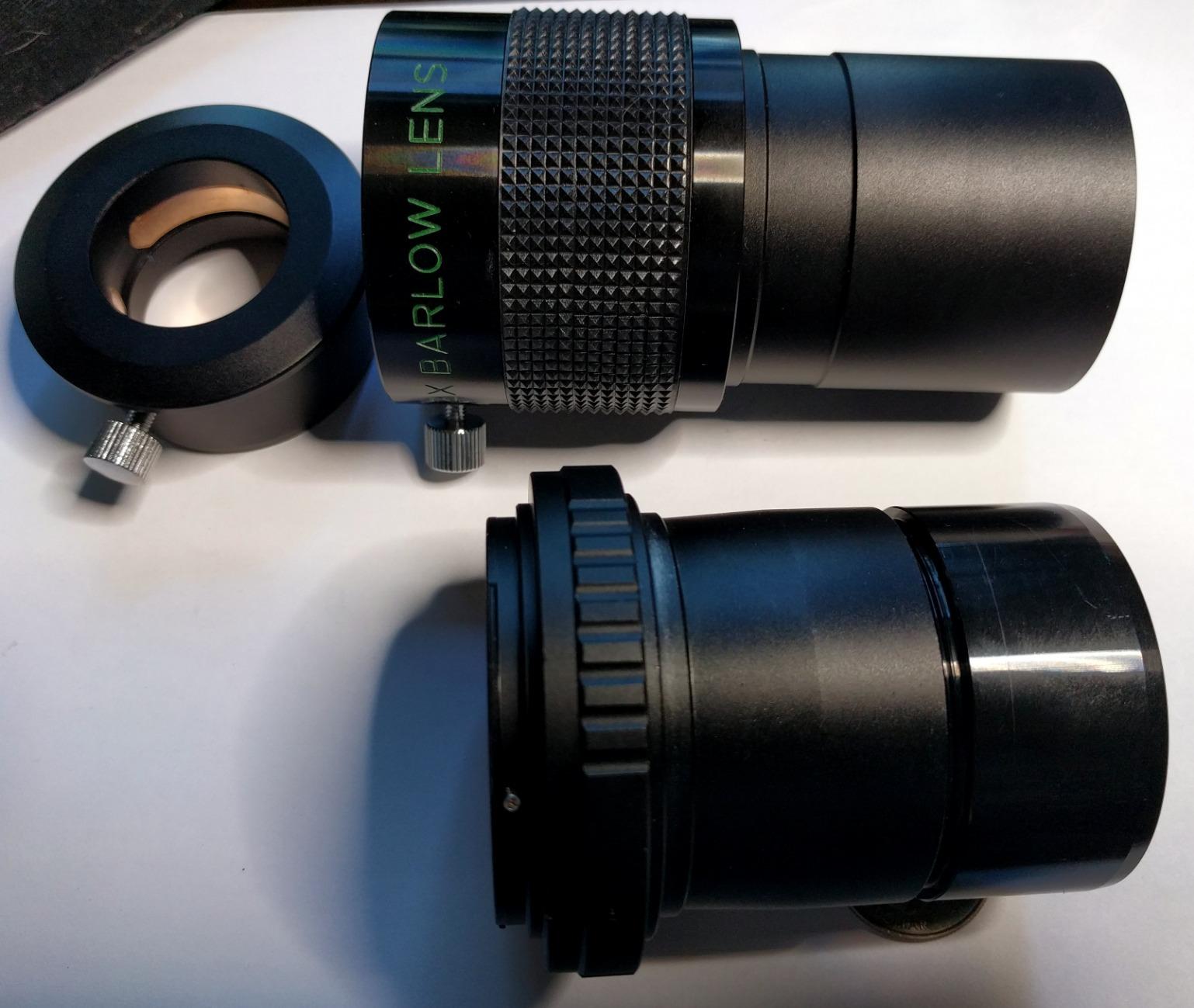
Who this Barlow suits
Astrophotographers who need more focal length to frame compact objects and want the colour control that ED glass provides. It is also a good visual match for anyone already committed to 2 inch eyepieces and a 2 inch diagonal.
Pair it with a mono planetary camera on a fast refractor, where the extra focal length brings the image scale into a useful range.
Where it falls short
The 2 inch requirement is the main barrier for beginners, since most entry-level scopes ship with 1.25 inch focusers. Aperture and bulk add weight up top, and the wide spread of ratings suggests the optical performance is more variable than the flagship units.
2x vs 3x vs 5x: Which Factor You Actually Need for Planets
Most beginner mistakes come from buying the biggest factor available rather than the one the telescope and camera can actually use. Here is how the three common factors behave.
2x is the safe default. It halves your image scale in arcseconds per pixel, roughly doubles magnification, and costs almost no light. On a scope from about 700 mm to 1400 mm focal length it is usually the right starting point.
3x is the planetary sweet spot for fast scopes. On a 600 mm refractor or a 127 mm Mak-Cassgrain it pushes the image scale well into the range where a typical 3 to 4 micron pixel sensor samples the seeing properly.
5x is a specialist tool for very short focal lengths and is mostly a mono camera choice. A colour sensor at 5x produces a dim, heavily aliased frame that rarely rewards the extra glass.
The rule of thumb is to stop when the exit pupil becomes smaller than the aperture divided by the total magnification suggests it should, and more practically: stop when the image stops sharpening and starts simply getting dimmer and grainier. Beyond the atmosphere’s typical seeing limit of around one to two arcseconds, extra magnification adds no detail, only size.
Two other constraints are worth naming. Undersampling is real. If your camera’s pixels are much smaller than the scale your telescope delivers, adding a Barlow simply fills them out. If they are already larger, the Barlow pushes the image scale below what the sensor can resolve and you are discarding real resolution for nothing. And a Barlow cannot be combined with a focal reducer; the two cancel each other out, which is the single most repeated fact across the astronomy forums. If you already own a reducer, take it out before adding a Barlow.
How to Pick a Barlow Lens for Planetary Imaging
Start with your telescope’s focal length, because everything else follows from it. Multiply the focal length by the factor you want, then divide that by your camera’s pixel size in micrometers to get an approximate image scale in arcseconds per pixel. The rule of thumb for mono planetary cameras is roughly 0.3 to 0.5 arcseconds per pixel; one-pixel-per-two seeing is a practical target.
Next, check the interface. A 1.25 inch Barlow slides into most focusers and diagonals, and any 1.25 inch eyepiece fits on top. A 2 inch Barlow needs a 2 inch focuser or a step-down adapter. For imaging you also want an M42 or T-thread on the lower cell, or a removable lens cell that exposes one. Several picks in this roundup include a detachable cell for exactly that reason.
Then weigh the elements. A doublet 2x is fine for visual work and modest imaging. A 3-element achromat controls colour better and is what most planetary imagers end up wanting. A 4-element apochromatic, as found in the Celestron Luminos and the telecentric Explore Scientific extender, holds a flat, colour-free field. Element count matters more than brand to serious imagers, and fully multi-coated or broadband green coatings are treated as a real quality difference, not a marketing line.
Barrel length is the last check, and it is the one most people skip. A long Barlow on a Dobsonian can hit the focuser at high power, and at the zenith the clearance problem is at its worst. If your focuser has short travel, favour a compact 1.25 inch unit or a shorty design. Weight matters for the same reason: 665 g of extender on a light tube is a balance problem you will feel every time you refocus.
Then consider the build tier. Entry-level units in metal housings give you fully multi-coated glass with one to three elements, which is genuinely usable on small apertures and is where most first planetary images come from. In the middle you get 3-element apochromat designs and 2 inch barrels with ED glass. At the top, telecentric multi-element designs justify their cost optically, by adding clarity rather than magnification.
What a Barlow Lens Cannot Fix
A Barlow amplifies whatever image your telescope produces. If that image is poor, you get a larger poor image, and this is where a lot of disappointment with barlows comes from.
It cannot fix poor collimation. A misaligned Newtonian simply produces misaligned coma at a higher scale.
It cannot fix a spherical primary. Short focal ratios and fast Newtonians show more spherical aberration than long ones, and a Barlow magnifies that error too.
It cannot create resolution the seeing does not support. Above roughly twice the seeing limit, extra magnification is wasted.
It cannot replace a focal reducer. A reducer widens the field; a Barlow narrows it. They cancel each other out in the same chain.
It cannot rescue a colour camera at very high factor. A mono sensor tolerates 5x far better than a Bayer-filtered one.
What it can do is move you to a focal length where the telescope’s own aberrations are naturally minimized and where the sensor’s pixels are properly matched to the sky. That is a real gain, and for a fast, short-focal-length scope it is often the cheapest one available.
Frequently Asked Questions
Which Barlow lens is best for planetary imaging?
For most setups a fully multi-coated 3x achromat is the strongest all-round planetary choice, because it moves a short-focal-length scope into the image scale range where a 3 to 4 micron pixel camera samples the seeing well without exceeding the useful magnification ceiling. On a Schmidt-Cassegrain or a long-focal-ratio Newtonian, a 2x doubler is usually enough. A 5x makes sense mainly for very short focal lengths paired with a mono camera.
What is the best magnification for a Barlow lens?
For planetary imaging, 2x to 3x is the useful range on most amateur telescopes. 2x doubles magnification and halves image scale with almost no light loss, which suits scopes from roughly 700 mm to 1400 mm focal length. 3x suits faster scopes below that. 5x is a specialist option for very short focal lengths with a mono camera, and often produces a dim, aliased frame with a colour sensor.
What are the downsides of using Barlow lenses?
The main downsides are added aberration, reduced brightness and vignetting risk from long barrels. Each glass surface costs roughly 1 percent transmission, and a four-element design compounds that. A long Barlow can also hit focuser clearance on a Dobsonian, and a heavy one can upset balance and cause drifting. Most importantly, a Barlow magnifies existing errors, so a poor image becomes a larger poor image.
What is a Barlow lens for on a telescope?
A Barlow lens is a diverging, or negative, lens placed between a telescope and an eyepiece or camera that multiplies the telescope’s effective focal length. A 3x Barlow makes the scope behave as though its focal length were three times longer, magnifying the image without adding glass to the main light path. It raises magnification, reduces image scale in arcseconds per pixel, and often preserves eye relief on long eyepieces.
Can you use a focal reducer and a Barlow together?
No. A focal reducer and a Barlow are mutually exclusive because each cancels out the effect of the other. A reducer multiplies focal length by a factor below one, and a Barlow multiplies it by a factor above one, so combined they return you to roughly the original focal length while stacking every optical penalty. Remove the reducer and keep the Barlow for planetary work, or fit the reducer and drop the Barlow for wide-field imaging.
Does a Barlow lens reduce brightness?
Yes, slightly. Every air-to-glass surface reflects a small percentage of the light, and a four-element Barlow has eight of them, so expect a noticeable but not dramatic loss. The bigger reduction in brightness comes from the magnification itself, because spreading the same light over more magnification area lowers surface brightness. That is why a mono camera tolerates 3x and 5x far better than a colour sensor.
Our Final Verdict for 2026
For most people reading this, the Celestron Omni 2X is the right first purchase. It is light, it fits almost anywhere, it doubles as a camera adapter and it has more user feedback behind it than anything else we tested. If your telescope is fast and you have already learned what your scope can do, move up to the Celestron X-Cel LX 3X for genuinely better colour correction, and treat anything beyond 3x as a mono-camera specialty.
Check your focal length before you buy, remove any focal reducer from the chain, and pick the smallest factor that gets your image scale into the 0.3 to 0.5 arcseconds per pixel range. That single step eliminates most of the disappointing results we read about, and it means the best barlow lenses for planetary detail will actually show you more planet than the one you already own.