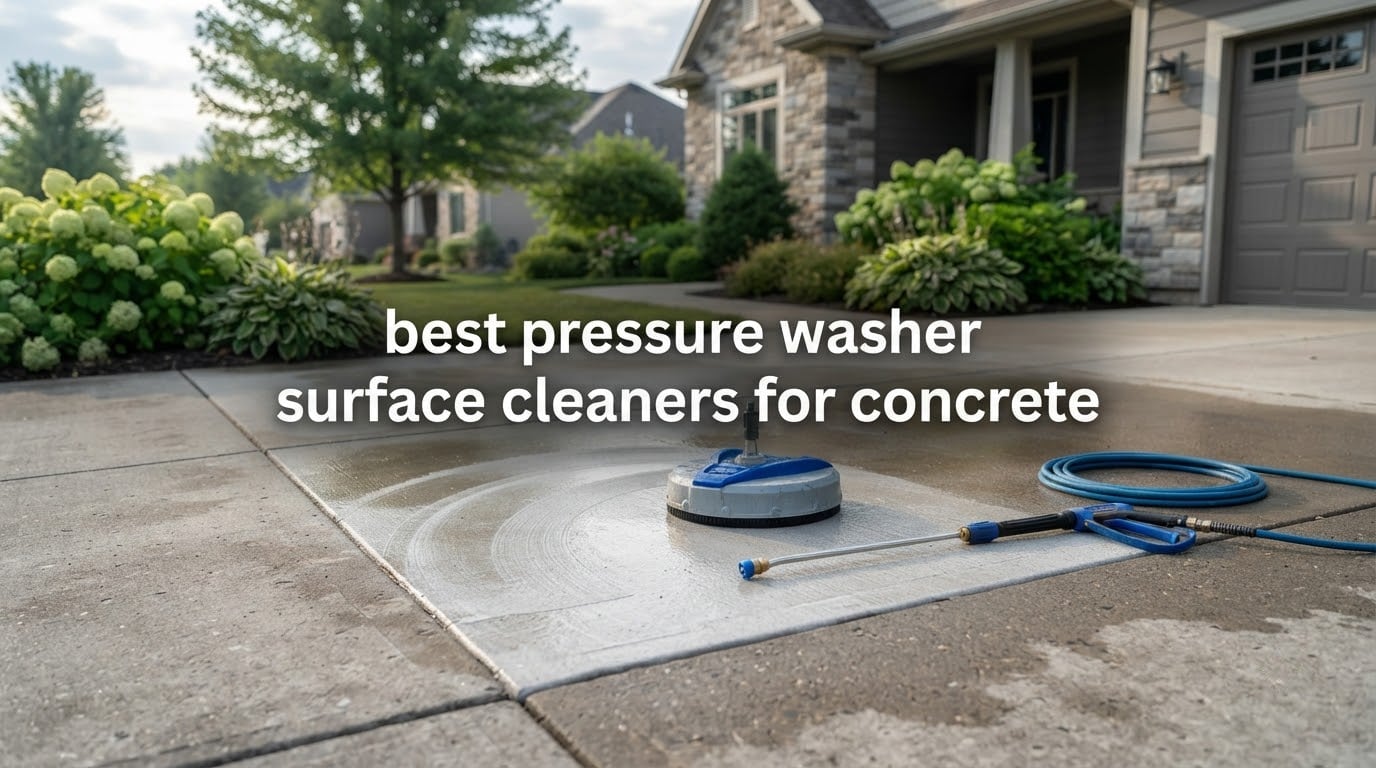
A pressure washer surface cleaner is a disc-shaped attachment that clips onto the end of your wand and spins two rotating spray arms under a skirt, laying down an even, overlapping fan of water across flat concrete. On a driveway or patio it works several times faster than a bare spray tip, leaves far fewer stripes, and uses less water overall, because nozzle height and spray width are set by the machine rather than by your wrist. For anyone with a concrete driveway, sidewalk, garage floor or stamped patio, this one attachment changes the result more than any wand tip will.
Concrete is the surface that punishes inconsistency most. A jet wand held at a slightly different height or a slightly different speed leaves visible light and dark bands, and those bands are the reason so many driveways look worse after a weekend of cleaning than before. A rotary surface cleaner removes the two variables you cannot hold steady by hand, which is why contractors use them on almost every concrete job.
We compared ten of the most-reviewed surface cleaner attachments on the market, weighing deck size against washer flow rate, pressure windows, connector type, wheel hardware, and the durability complaints that show up years later rather than weeks later. The list below covers everything from a lightweight head for an electric washer to wide commercial decks for paid work. Last updated: October 2026.
Table of Contents
- Top 3 Pressure Washer Surface Cleaners for Concrete in 2026
- All 10 Surface Cleaners Compared in 2026
- How We Evaluated These Surface Cleaners
- 1. Westinghouse 16.5 in. Pressure Washer Surface Cleaner – Best Overall
- 2. Karcher 15 in. Surface Cleaner – Best Value for Concrete
- 3. Greenworks 12 in. Surface Cleaner – Best Budget Pick and Best for Electric Washers
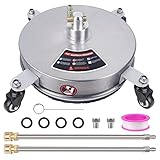
- 4. LidoDola 14 in. Surface Cleaner – Best Accessory Package for Gas Washers
- 5. Biswing 14 in. Surface Cleaner – Best for Routine Maintenance Cleaning
- 6. JANZ 14 in. Surface Cleaner – Best for Stamped and Decorative Concrete
- 7. Tool Daily 14 in. Surface Cleaner – Best for Reducing Back Strain
- 8. Hourleey 14 in. Surface Cleaner – Best for Corner and Edge Coverage
- 9. MEKOH 20 in. Surface Cleaner – Best for Large Driveways
- 10. WOJET 20 in. Commercial Surface Cleaner – Best for Paid Concrete Work
- What Size Surface Cleaner Do You Need?
- How to Use a Surface Cleaner on Concrete Without Etching It
- Detergent and Cleaning Solutions for Concrete
- What to Avoid When Buying a Surface Cleaner
- Frequently Asked Questions
- What is the best pressure washer attachment for cleaning concrete?
- How do I clean a concrete driveway with a pressure washer?
- What size surface cleaner do I need for my pressure washer?
- Do surface cleaners work with electric pressure washers?
- Will a surface cleaner damage my concrete?
- How do I stop a surface cleaner from leaving stripes?
- Can I use a surface cleaner on a vertical wall or fence?
- What is the best cleaner to use on a pressure washer for a driveway?
- Will water use increase when I use a surface cleaner?
- Final Verdict: Which Surface Cleaner Should You Buy in 2026
Top 3 Pressure Washer Surface Cleaners for Concrete in 2026
The Westinghouse 16.5-inch stainless head is the best overall pick, the Karcher 15-inch is the best value, and the Greenworks 12-inch is the budget and electric-washer choice. Those three cover the majority of concrete jobs, and each one has thousands of owner reviews behind it.

Westinghouse 16.5 in. Stainless Head
- 16.5 inch cleaning path
- 4400 max PSI
- Stainless steel with casters
- 1/4 inch quick connect

Karcher 15 in. Surface Cleaner
- 15 inch cleaning path
- 3200 max PSI
- 2.7 GPM flow
- 3.8 lb sealed bearing

Greenworks 12 in. Rotating Head
- 12 inch cleaning path
- 2000 max PSI
- 2.3 GPM flow
- 2.5 lb brush skirt
All 10 Surface Cleaners Compared in 2026
Every model below is a rotary surface cleaner that attaches to a pressure washer wand. The table lists the numbers that decide compatibility: cleaning path width, maximum pressure, flow rate, and connection type.
| Product | Specs | Action |
|---|---|---|
| Westinghouse 16.5 in. Stainless Steel |
|
Check Latest Price |
| Karcher 15 in. Surface Cleaner |
|
Check Latest Price |
| Greenworks 12 in. Rotating Head |
|
Check Latest Price |
 LidoDola 14 in. Surface Cleaner LidoDola 14 in. Surface Cleaner |
|
Check Latest Price |
 Biswing 14 in. Surface Cleaner Biswing 14 in. Surface Cleaner |
|
Check Latest Price |
 JANZ 14 in. Surface Cleaner JANZ 14 in. Surface Cleaner |
|
Check Latest Price |
 Tool Daily 14 in. Surface Cleaner Tool Daily 14 in. Surface Cleaner |
|
Check Latest Price |
 Hourleey 14 in. Surface Cleaner Hourleey 14 in. Surface Cleaner |
|
Check Latest Price |
 MEKOH 20 in. Heavy-Duty Cleaner MEKOH 20 in. Heavy-Duty Cleaner |
|
Check Latest Price |
 WOJET 20 in. Commercial Cleaner WOJET 20 in. Commercial Cleaner |
|
Check Latest Price |
How We Evaluated These Surface Cleaners
We ranked these ten attachments on compatibility first and marketing second, because the compatibility numbers decide whether a head works at all on the washer you already own. Every spec listed here comes from the manufacturer listing, and every performance note reflects patterns across the owner review history for that model.
Four checks carried the most weight. The first is flow rate, since a deck that is too wide for your washer will not spin fast enough to clean evenly. The second is the pressure window, because a head rated well above your washer’s output will simply underperform. The third is connector type, where a proprietary fitting is the number one reason a surface cleaner ends up unused. The fourth is wheel and bearing hardware, which is what separates a head that survives five seasons from one that does not.
Review volume mattered too, but as a confidence measure rather than a quality one. A model with thousands of reviews tells you more about long-term behavior than a model with dozens, because durability complaints do not appear in week one.
1. Westinghouse 16.5 in. Pressure Washer Surface Cleaner – Best Overall
Westinghouse Universal 16.5” Pressure Washer Surface Cleaner Attachment – Stainless Steel – 4400 Max PSI, 1/4” Connector – for Gas and Electric Pressure Washers
16.5 inch cleaning path
Max 4400 PSI
Stainless steel with casters
1/4 inch quick connect
180-day warranty
Pros
- All-stainless build resists corrosion and outlasts plastic-bodied heads
- Solid casters and a large center bearing roll smoothly under load
- Perimeter brush skirt contains overspray
- Roughly halves cleaning time versus a wand on flat concrete
Cons
- Needs a washer with real PSI and flow or the job stays underpowered
- Edges and corners still require a wand
- Heavy grime may need a second pass
- A few owners see faint streaking if they rush or skip overlapping
The Westinghouse Universal 16.5-inch head is the all-round answer for a mid-size driveway, and in our comparison it is the highest-rated attachment in this group at 4.7 stars across more than a thousand reviews. The body is stainless steel rather than painted steel or plastic, rated to 4400 PSI, and it connects through a 1/4-inch quick-connect fitting that works with most gas and electric washers.
Owners consistently report that the casters and the large center bearing make it roll smoothly instead of dragging, which is the difference between a pleasant afternoon and a backache on a long slab. One of the most common comments is that it cuts cleaning time roughly in half compared with a standard wand on large flat concrete.
The honest limit is the washer, not the head. Light-duty machines leave the job underpowered, and the stainless deck is only as good as the flow and pressure feeding it. If you run a 2000 PSI electric washer, expect routine maintenance cleaning rather than restoration.
Two more expectations worth setting. The 16.5-inch deck cannot reach the final inches along a wall, post, or corner, so a wand is still part of the kit. And reviewers who moved quickly without overlapping passes occasionally saw faint streaking, which is a technique problem, not a product failure.
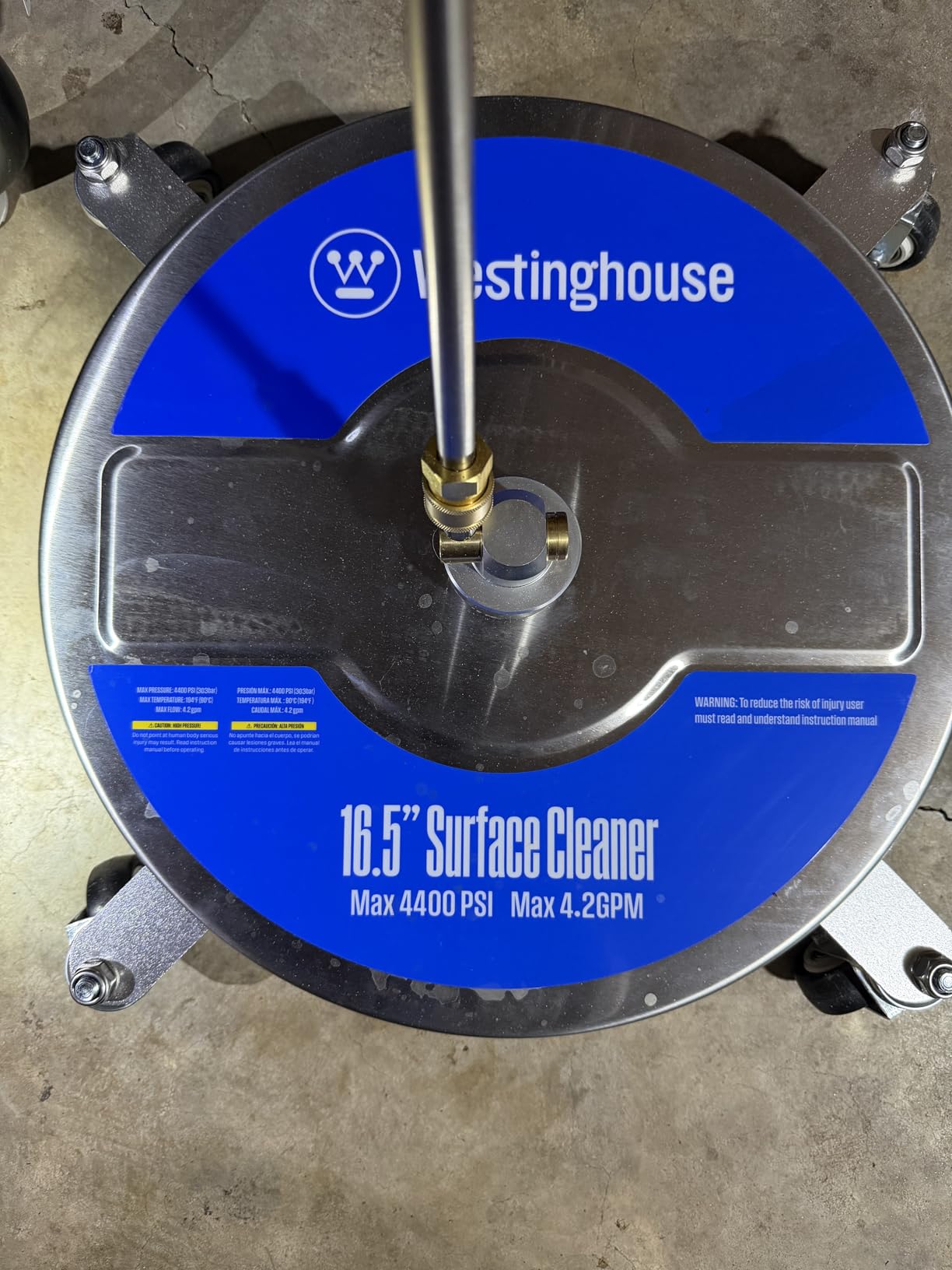
Who the Westinghouse 16.5 in. head suits
It suits anyone with a two-car driveway or larger who already owns a washer in the 3000 PSI and up range and wants one attachment that covers concrete, patios, decks, and low walls. The stainless construction and the casters are built for repeated seasonal work rather than a single afternoon.
It also suits buyers who want a stated compatibility range rather than a guess. The 4400 PSI ceiling and universal 1/4-inch fitting mean it will accept almost any gas machine you are likely to own, and it will not be dead hardware if you upgrade washers later.
Who should skip it
Skip it if your washer is a small electric unit, because the deck will be wider than the flow can spin. Reviewers of light-duty setups report an underpowered, slow result, and the same complaint appears on other mid-size heads.
Skip it if your project is a small patio where maneuvering a 16.5-inch deck is more awkward than the job requires. In tight areas a smaller head or a wand is faster and easier to control.
2. Karcher 15 in. Surface Cleaner – Best Value for Concrete
Kärcher Pressure Washer 15″ Surface Cleaner Suitable for 2600 to 3200 PSI
15 inch cleaning path
3200 max PSI
2.7 GPM max flow
3.8 lb body
90-day consumer warranty
Pros
- Sealed metal bearing in the highest-wear spot
- Fixes nozzle height so stripes disappear
- Splash skirt keeps the operator dry
- 13151 reviews document long-term behavior
Cons
- Plastic housing nut on the spray bar can loosen over long jobs
- Occasional heads arrive with clogged or poorly drilled nozzles
- Splash skirt blocks the last strip next to walls
- Swivel action makes vertical work impractical
The Karcher 15-inch surface cleaner is the most reviewed attachment in this roundup, with more than 13000 owner reviews, and it holds a 4.6 star average. For our money it is the pick we would put in front of most people: rated for washers between 2600 and 3200 PSI up to 2.7 GPM, it weighs 3.8 pounds and connects to any wand with a standard 1/4-inch quick-connect fitting.
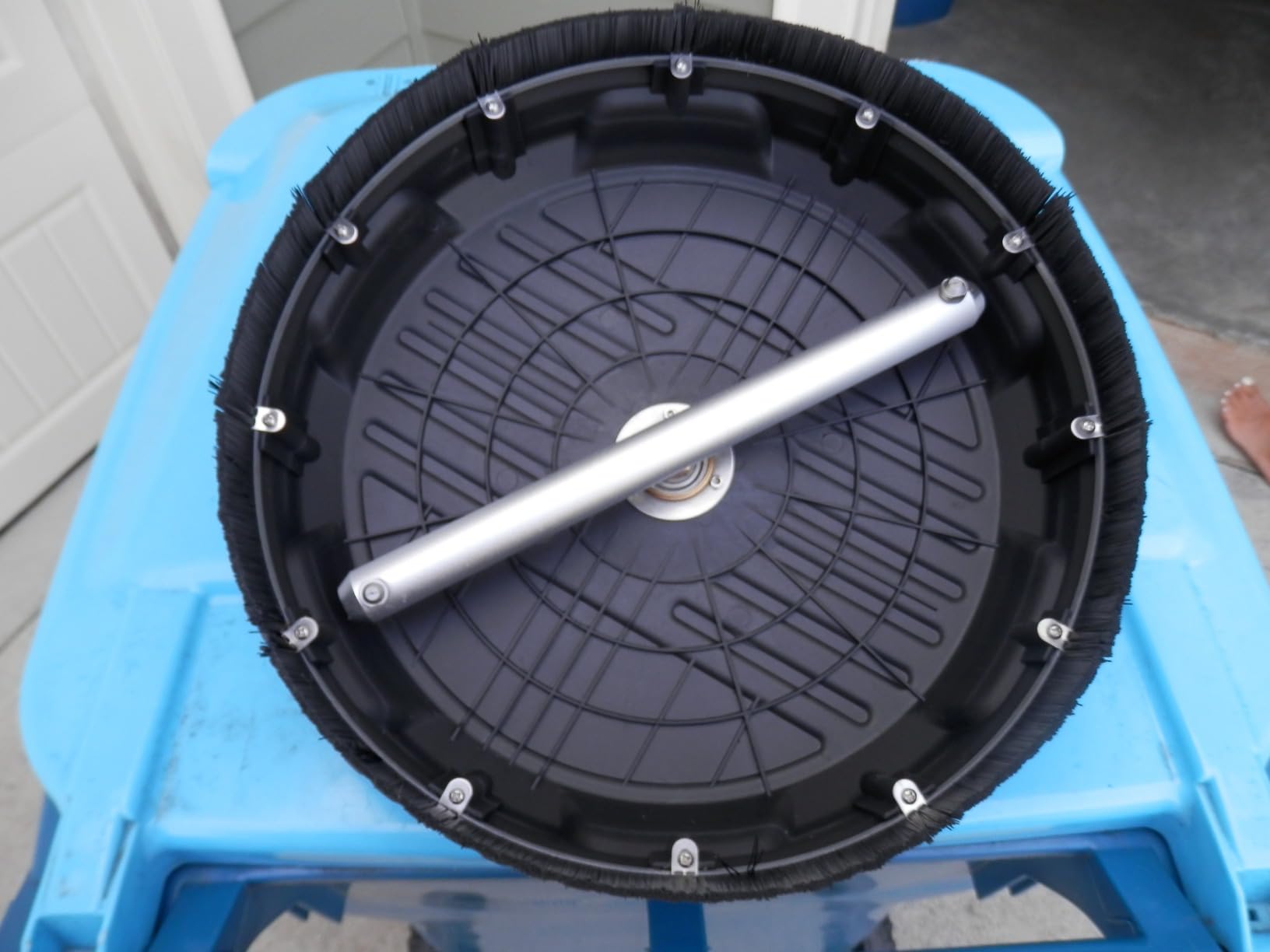
The hardware detail that shows up most in reviews is the sealed metal bearing at the spray bar, which is exactly the part many cheaper heads leave out. Dual spinning nozzles hold a fixed height, which is why this model is credited with eliminating the zebra striping a wand leaves behind.
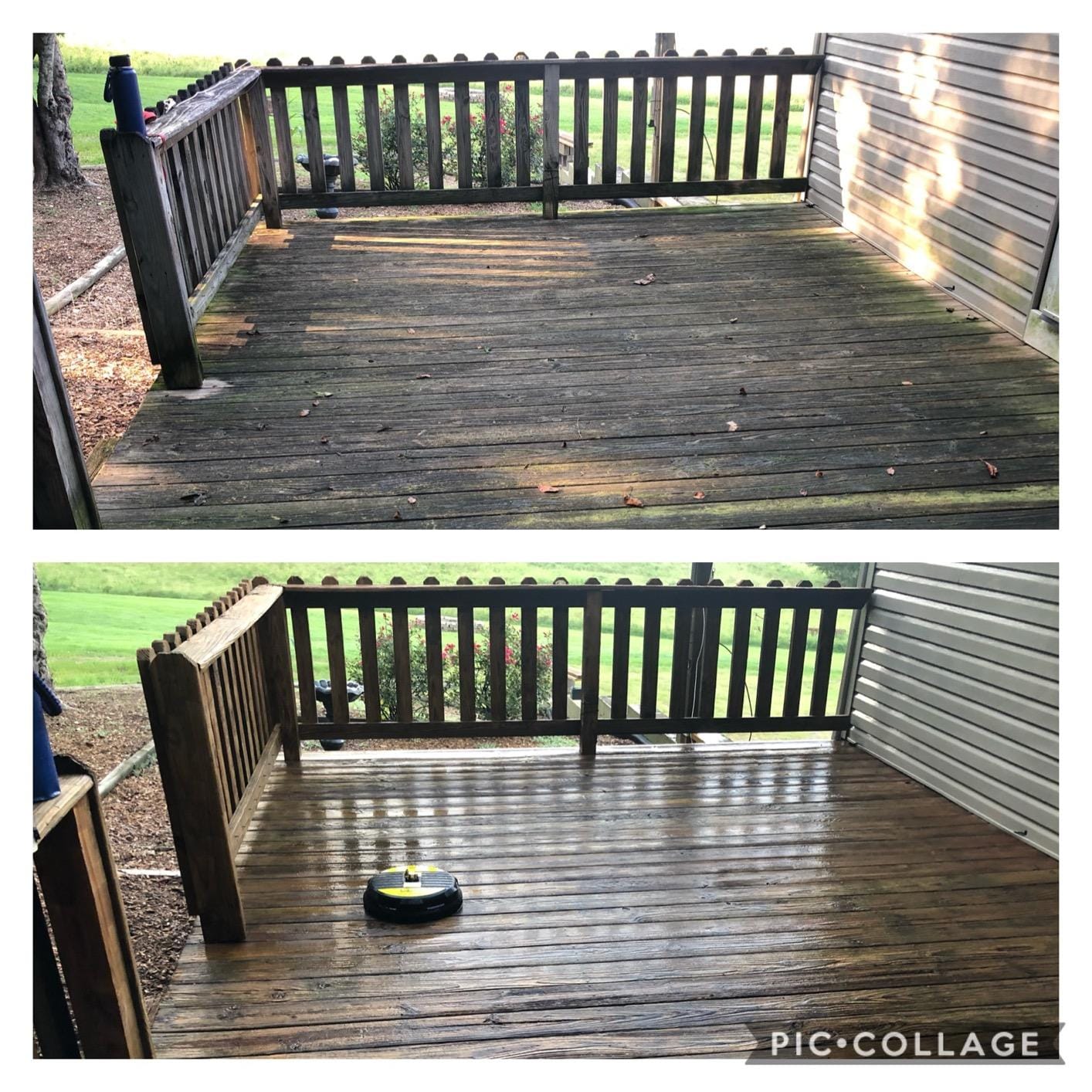
On concrete driveways and sidewalks, owners report cutting cleaning time by roughly a quarter to a half. The splash-free skirt keeps overspray off you, your plants, and anything parked nearby, which matters on a narrow side yard.
Two cautions came up repeatedly. The plastic retaining nut that holds the spray bar can loosen during long jobs and needs a periodic check, and a small number of buyers received a head that was not working straight out of the box because of nozzle drilling or clogging. Note also that the advertised 15-inch deck yields closer to 12 inches of actual spray-bar coverage.
Who the Karcher 15 in. head suits
It suits a mid-range gas washer in the 2600 to 3200 PSI band, and it is our pick for anyone whose top priority is an even, stripe-free finish on a sidewalk or medium driveway. At 3.8 pounds it is light enough to guide precisely and simple to set up.
It also suits buyers who care about the sprayer rather than the housing, since the sealed bearing and metal fittings are the parts that determine whether a head still spins evenly after several seasons.
Who should skip it
Skip it if you run a washer above 3200 PSI and want headroom, or below 2600 PSI where the flow will not spin a 15-inch deck. Both ends of that window are stated in the listing, which is unusual and worth respecting.
Skip it for vertical surfaces. The swivel design and the skirt make wall and fence work awkward, and reviewers caution against pairing it with a wand extension. Keep the wand for those jobs.
3. Greenworks 12 in. Surface Cleaner – Best Budget Pick and Best for Electric Washers
Greenworks 12″ (in.) Surface Cleaner Pressure Washer Attachment
12 inch cleaning path
2000 max PSI
2.3 GPM max flow
2.5 lb body
3 year warranty
Pros
- Lightest and least expensive head in the group
- Easy to maneuver into corners and onto steps
- Ring brush skirt virtually eliminates overspray
- Gentler than a bare jet so colored and stamped concrete stays intact
Cons
- No wheels so it must be pushed by hand
- Sits high above the slab and skips deep grime
- Fast passes leave visible rings
- Brush skirt can trap water against the concrete
The Greenworks 12-inch head is the budget pick and the only one here sized honestly for an electric washer. It is rated to 2000 PSI and 2.3 GPM, weighs 2.5 pounds, connects with a 1/4-inch quick connect, and carries a 3 year warranty, which is the longest coverage in this roundup.
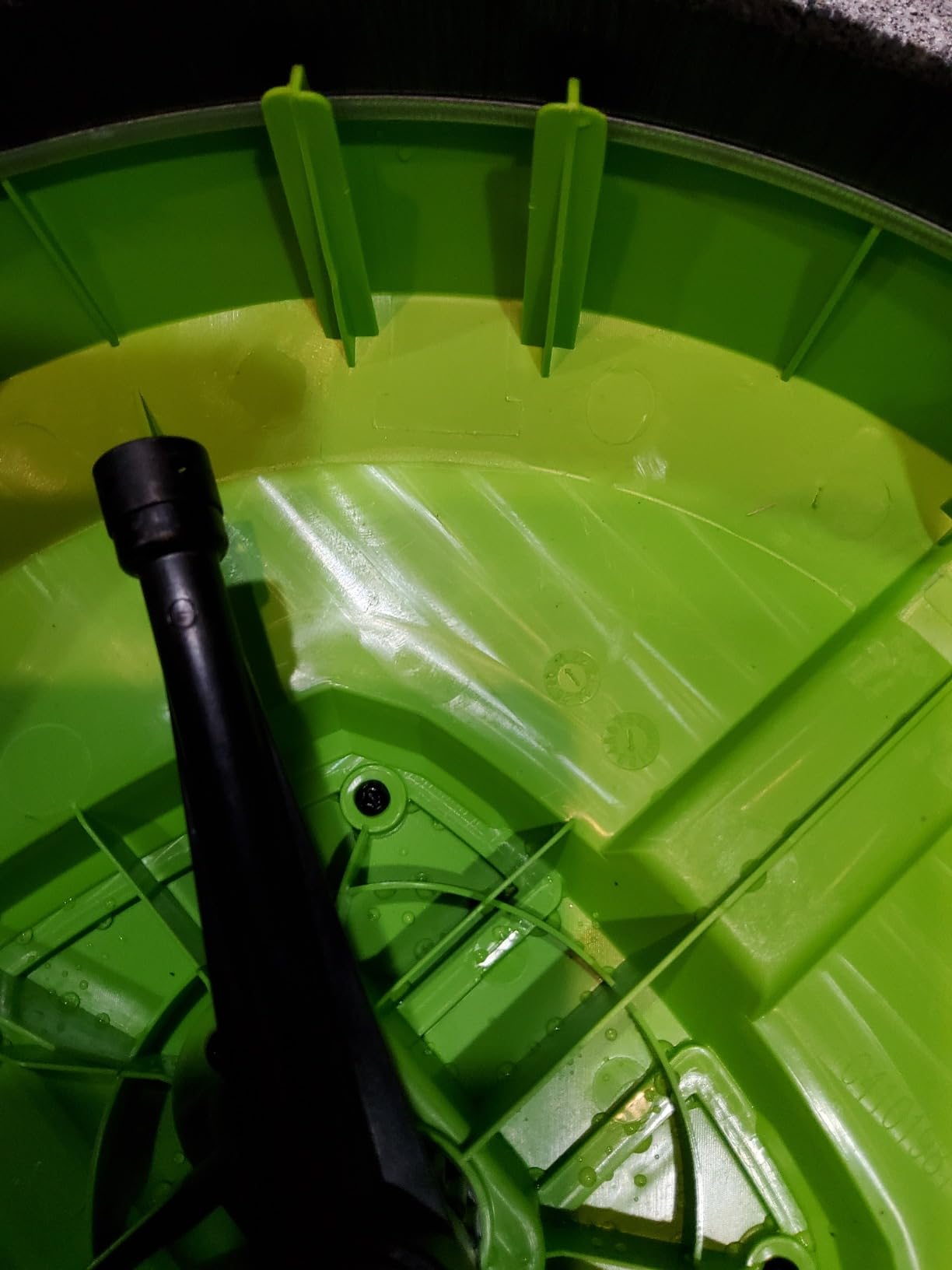
At 2.5 pounds it is the easiest model to place and reposition, and owners put it on deck stairs and tight corners where wheeled heads cannot go. The ring brush skirt holds water in and splash out, and reviewers credit it with cleaning up to five times faster than a plain spray tip.
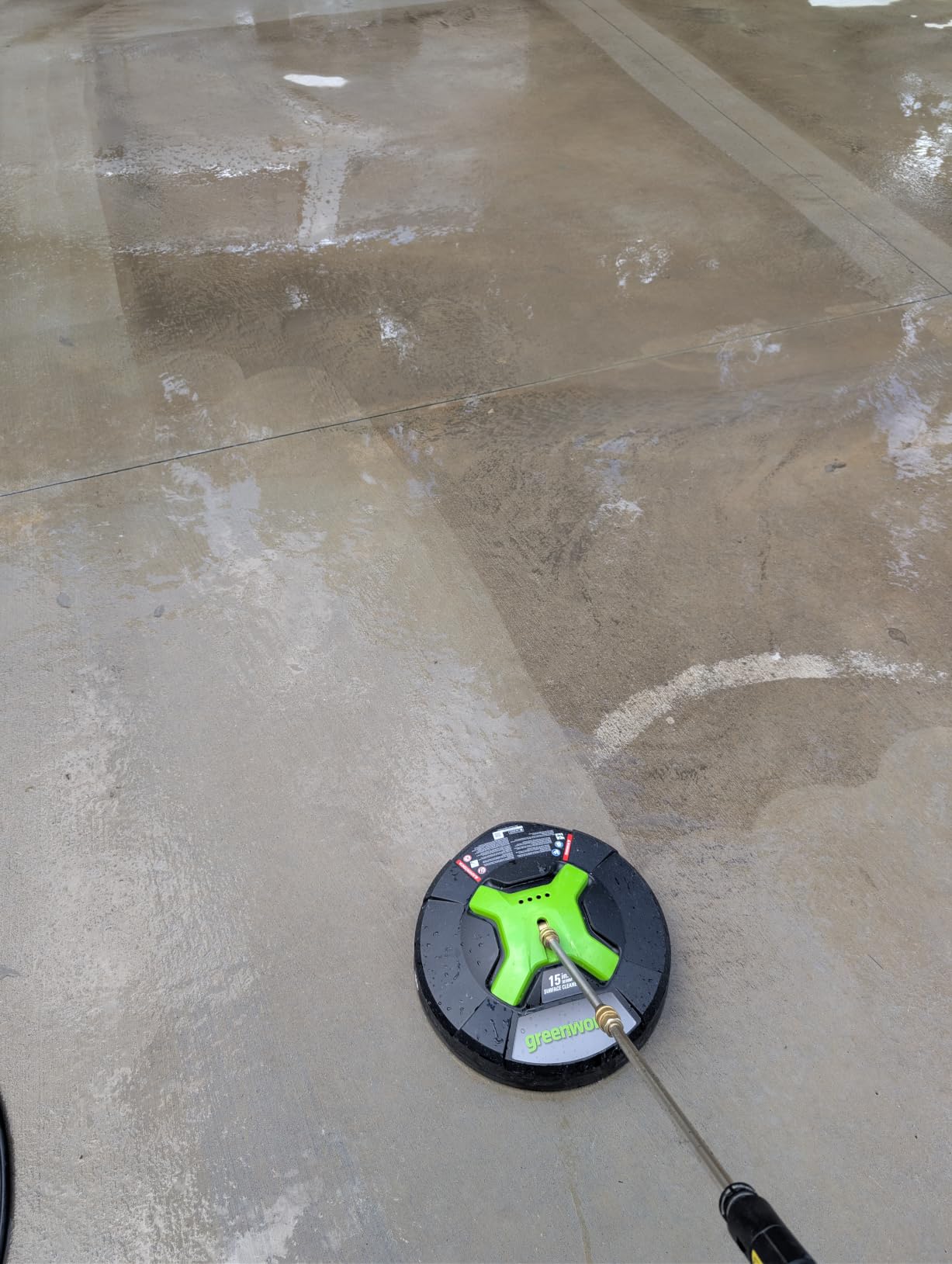
The gentleness is a real feature on this head. Because the head rides a little high above the slab, it is less aggressive than a bare jet, which is why owners use it on colored, stained, and stamped concrete where a wand would etch the surface.
The trade-off is depth. It handles routine grime well, but reviewers are consistent that it will not strip decades of embedded dirt, and real deep cleaning still needs a flat nozzle afterward. There are no wheels on this size, so on a large driveway you are pushing it, and moving quickly leaves rings.
Who the Greenworks 12 in. head suits
It suits owners of an electric pressure washer, or anyone who wants a second head for patios, walkways, and around steps without wrestling with a wheeled frame. The 2.5-pound weight and 12-inch path make it the most controllable model here.
It also suits anyone cleaning decorative concrete. The lower effective pressure at the surface makes this the safest of the ten on stamped, colored, or sealed slabs, and the 3 year warranty is the best in the group.
Who should skip it
Skip it if the goal is a first-time restoration of a neglected driveway. Multiple reviewers describe it as a maintenance tool rather than a restoration tool, and several note that deep stains still require a wand pass.
Skip it if you have a long driveway and no patience for pushing rather than rolling. Two of the ten models here add four wheels at low cost, and on a two-car slab that difference shows up in your shoulders.
4. LidoDola 14 in. Surface Cleaner – Best Accessory Package for Gas Washers
LidoDola 14” Pressure Washer Surface Cleaner, Power Washer Accessory
14 inch cleaning path
2000-4000 PSI working range
Stainless steel,4 wheels,3.5 kg
Pros
- Weighted base and heavy-duty bearing resist lifting under pressure
- Four universal wheels cut fatigue on long jobs
- Inlet filter helps block debris before it reaches the nozzles
- Includes two wands/spare nozzles/O-rings/filter/tape and a nozzle cleaner
Cons
- 1/4 inch plug may need an adapter on some washer guns
- Cleaning depth is capped by the washer you pair it with
- 14 inch head is less useful along close-to-wall edges
The LidoDola 14-inch head is the best pick for a gas washer, with a stated working range of 2000 to 4000 PSI that covers most mid-size machines. The stainless body, heavy-duty bearing, and weighted base are the features owners mention most, because a head that lifts under pressure is impossible to steer.
Four universal wheels glide across large flat concrete and take the pushing load off your back. Owners report dual rotating nozzles delivering uniform, streak-free coverage with the splash-free skirt keeping overspray down.
The accessory package is unusually generous for this tier: two extension wands, two replacement nozzles, two O-rings, an inlet filter, Teflon tape, and a nozzle cleaning tool. Most competing heads in the same class include one or two of those, and the consumables are exactly what you need after a season of use.
The practical note that comes up most in reviews is connector fit. Some pressure washer guns, particularly with finer threads, need an adapter coupler for the 1/4-inch plug, and performance scales directly with the PSI of the machine behind it.
Who the LidoDola 14 in. head suits
It suits gas washer owners in the 2000 to 4000 PSI band who want wheels, a weighted base, and a full set of spares in one box. For a first attachment on a working setup, the included wands and replacement nozzles remove a second purchase.
It also suits anyone cleaning a long driveway or a double-width sidewalk, where the four wheels and the fixed nozzle height turn a full afternoon of pushing into a short job.
Who should skip it
Skip it if your washer gun has an unusual thread and you do not want to source an adapter. The connector is the single most reported friction point, so check your gun before ordering.
Skip it for narrow side yards and work along a wall. At 14 inches the head is less useful in tight spaces, and a 12-inch model gives you more control there.
5. Biswing 14 in. Surface Cleaner – Best for Routine Maintenance Cleaning
Biswing 14″ Pressure Washer Surface Cleaner with 4 Wheels, Stainless Steel Power Washer Accessory for Driveways Sidewalks Patios Cleaning, 1/4″ Quick Connector, 2 Extension Wand Attachments, 4000 PSI
14 inch cleaning path
4000 max PSI, 2000 min
1.8-3.7 GPM flow
6.6 lb, four wheels
Pros
- Stainless steel and brass parts feel more substantial than plastic heads
- Four wheels make long jobs easy to push
- Built-in inlet filter blocks debris before the nozzles
- Splits flow across two nozzles so routine cleaning runs up to 60 percent faster
Cons
- Underperforms on severely neglected concrete that needs a jet tip
- Splits pressure and flow across two nozzles so deep dirt stays
- Dirt is loosened more than lifted so a rinse or wand pass follows
- Needs a washer gun with a 1/4 inch quick connect
The Biswing 14-inch head is the strongest maintenance tool in this group, rated to 4000 PSI with a 1.8 to 3.7 GPM flow window. It weighs 6.6 pounds, rides on four wheels, and the stainless steel and brass construction feels noticeably more substantial than the plastic-headed alternatives.
Owners describe it as a workhorse: even cleaning, no striping on concrete flatwork, and roughly half the time of a wand on routine jobs. The built-in inlet filter stops debris before it reaches the nozzles, and the package includes two 15-inch extension wands, spare nozzles, O-rings, seal tape, and a nozzle cleaning tool.
Set the expectation correctly, because that is where reviews agree. Two rotating nozzles split your pressure and flow, so the head does not strip a first-time restoration the way a narrow-angle jet does. What it does is prevent the annual deep clean, which is a different and cheaper job.
Two more notes. It needs a pressure washer gun with a 1/4-inch quick connect and will not run off a garden hose, and a few users found the extension wand or top connector a little wobbly or short for taller operators.
Who the Biswing 14 in. head suits
It suits owners who already keep their concrete reasonably clean and want to stay that way with one attachment. The 4000 PSI ceiling and 1.8 to 3.7 GPM window cover most gas washers, and the wheels make long passes easy.
It also suits anyone who has been using an un-wheeled plastic head and wants the upgrade to a metal build without moving to a commercial deck size. The included spares mean you are not ordering nozzles again next season.
Who should skip it
Skip it for a neglected driveway with years of embedded dirt. Reviewers are direct that the head loosens and redistributes grime, and you will still be chasing it with a wand.
Skip it if you have no pressure washer yet and are hoping the attachment supplies the power. Every head in this roundup is an attachment, and this one needs a gun with a quarter-inch quick connect to function.
6. JANZ 14 in. Surface Cleaner – Best for Stamped and Decorative Concrete
JANZ 14” Pressure Washer Surface Cleaner
14 inch cleaning path
4000 max PSI
1.8-3.7 GPM flow
7 lb, four wheels, stainless
Pros
- Stainless housing and heavy-duty bearing hold up under repeated use
- Weighted enough not to lift
- so you can steer one-handed
- Four wheels roll into corners with full coverage
- Fixed nozzle height removes streaks on driveways and stamped patios
Cons
- Will not lift well-adhered paint drips or bad stains without pre-treatment
- Nozzles can block with metal chips
- Spinning arm can feel stiff on first use
- Top connector may need a 1/4 inch adapter on some guns
The JANZ 14-inch head is rated to 4000 PSI across a 2000 to 4000 PSI window with 1.8 to 3.7 GPM flow, and it weighs 7 pounds. The stainless housing and heavy-duty bearing are the parts reviewers praise, and owners say the weight means it does not lift, so you can steer it with one hand.
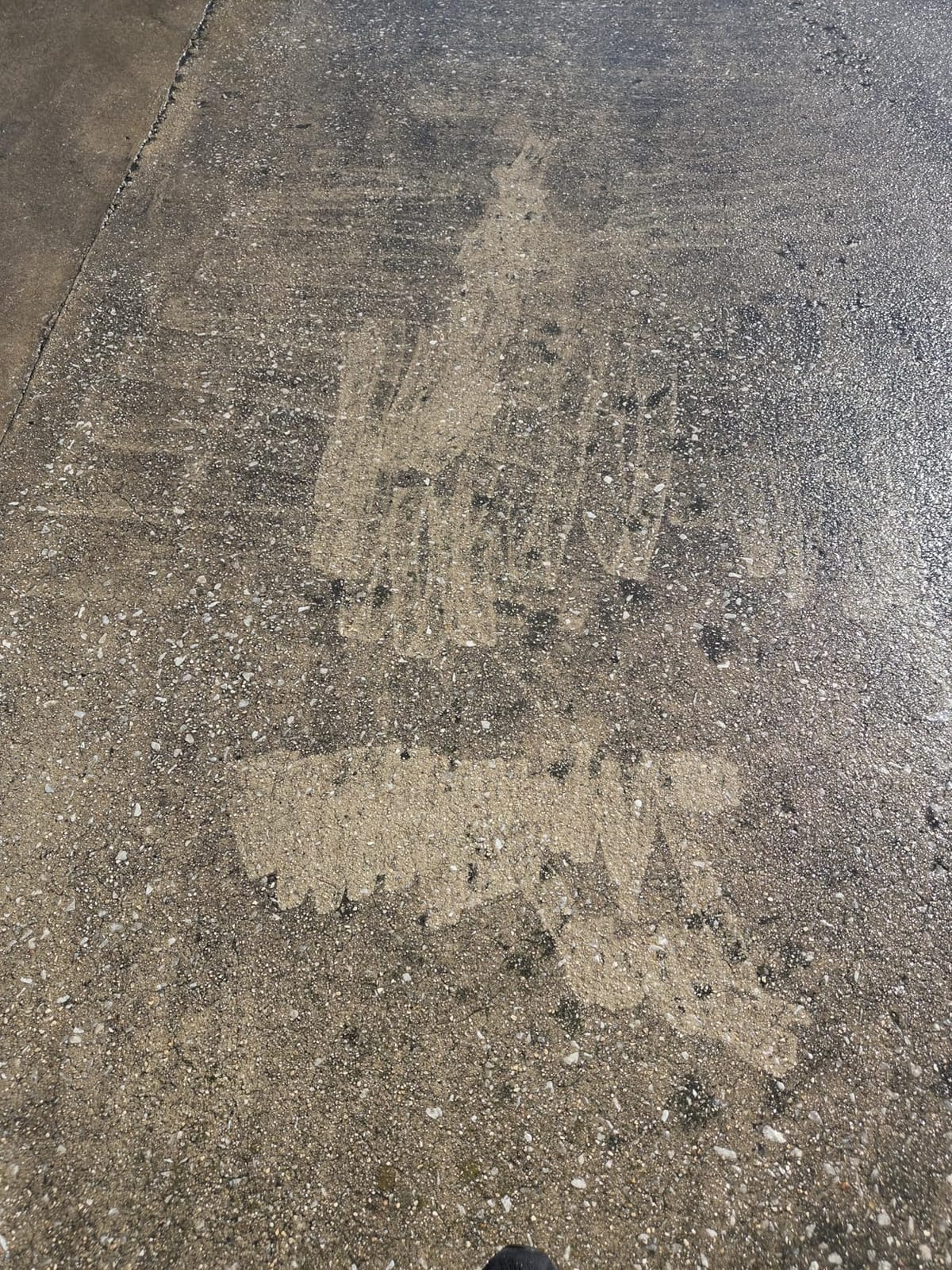
Four universal wheels roll easily and reduce fatigue on large flat areas, and the wheels also let you get close to corners for full edge coverage. On driveways, decks, and stamped patios, owners report streak-free results and cleaning up to four times faster than a spray nozzle.
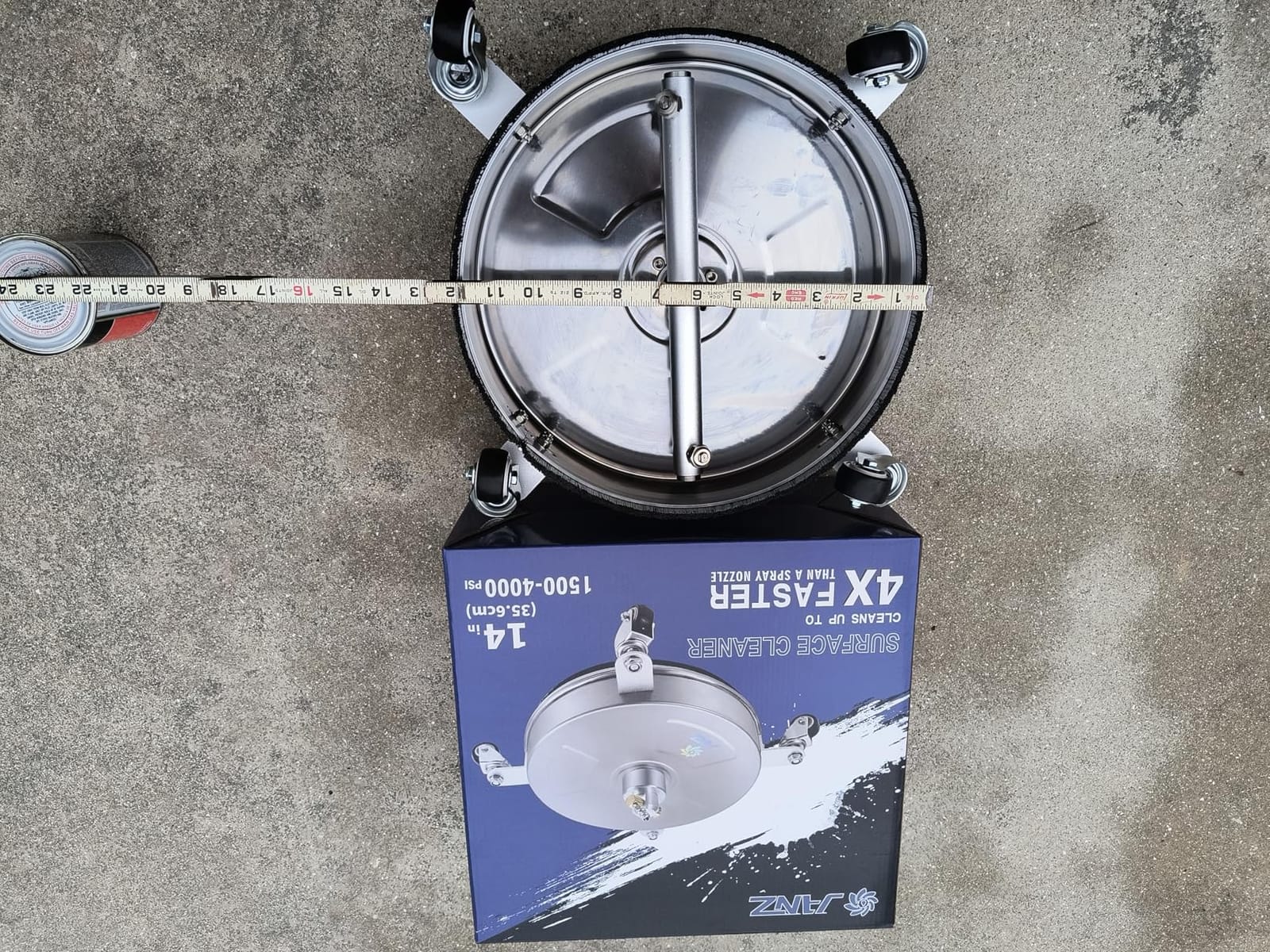
The package is the most complete in the 14-inch class: two extension wands, two replacement nozzles, three 0-degree spray tips, two O-rings, an inlet filter, Teflon tape, and a nozzle cleaner. The 0-degree tips matter if you want to spot-treat a stubborn spot before you go over it with the head.
Reviewers on stamped and colored concrete rate it well, but they are equally clear that chemistry does the heavy lifting. Well-adhered paint drips and bad stains want pre-treatment or jet washing, and the nozzles can block with small metal chips that the included tool clears.
Who the JANZ 14 in. head suits
It suits owners of a mid-size gas washer who want a metal build, a weighted feel, and four wheels at a mid-tier price. Buyers often compare it favorably with units sold at big-box home improvement stores and find the construction better for less.
It also suits anyone working around stamped patios and decorative slabs, because the fixed nozzle height and the splash-free skirt produce even results without the aggressive jet pattern that marks patterns and colored finishes.
Who should skip it
Skip it if your project is stain removal rather than cleaning. This head will not lift well-adhered paint drips, and reviewers consistently point to pre-treatment as the answer rather than more pressure.
Skip it if a stiff spinning arm on day one would bother you. A few owners noted the arm feels stiff initially and loosens up with use, and the top connector needs an adapter on certain guns.
7. Tool Daily 14 in. Surface Cleaner – Best for Reducing Back Strain
Tool Daily 14” Pressure Washer Surface Cleaner with 4 Wheels, 4000 PSI
14 inch cleaning path
4000 max working PSI
Stainless steel, four wheels
Two 15 inch extension wands included
Pros
- Stainless construction and solid fittings hold up over multi-hour projects
- Four wheels glide over uneven concrete and remove lifting and repositioning
- Two 15 inch wands cut reach fatigue
- Splash containment keeps you dry on a driveway
Cons
- Results depend heavily on slow
- even passes
- Rushing leaves uneven coverage
- Does not strip heavy grime the way a wand does
- Wheels hold the head off the surface so pitted dirt stays
The Tool Daily 14-inch head is the pick for anyone whose back gives out before the driveway does. It has four wheels that glide over uneven concrete, removing the need to lift and reposition the head, and the stainless construction and solid fittings hold up over multi-hour projects.
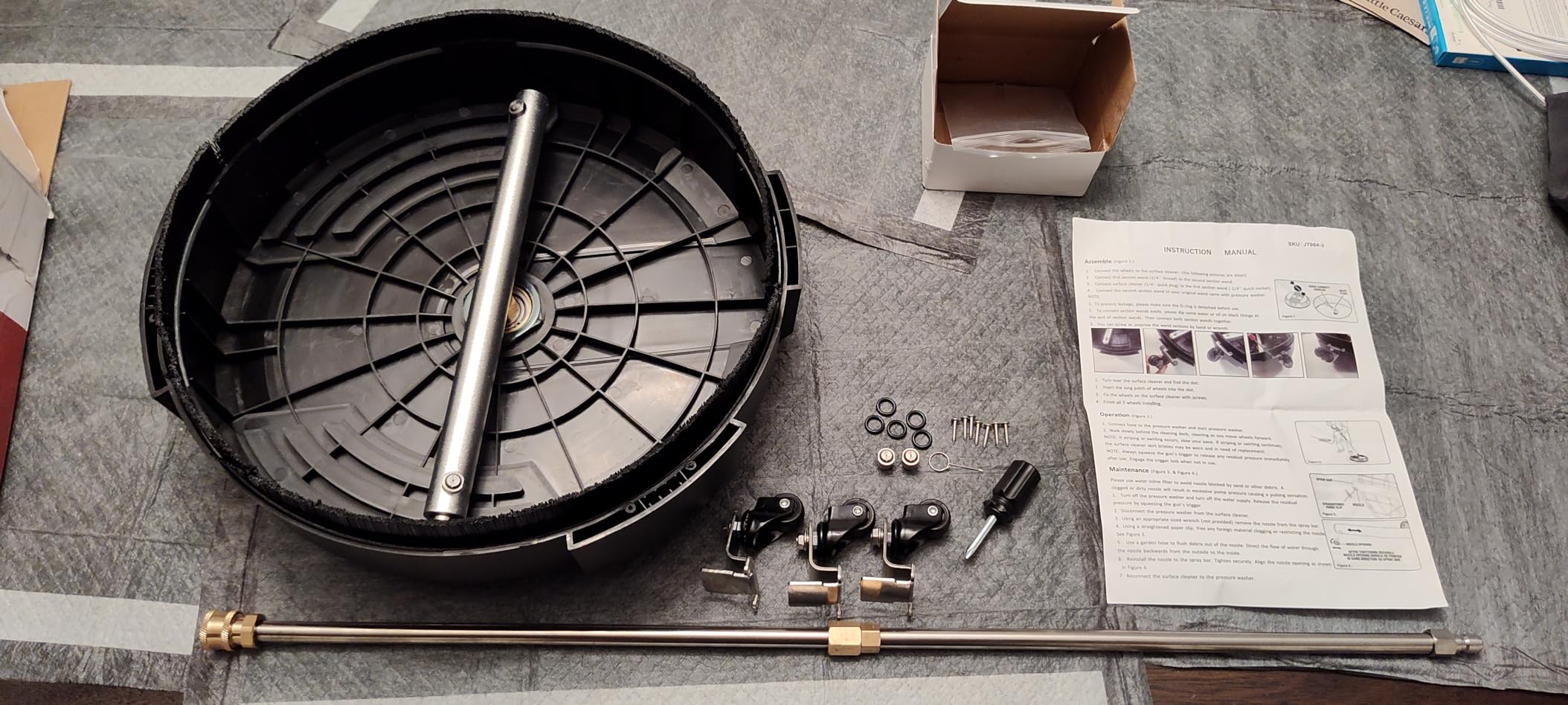
Two 15-inch extension wands are included, which adds reach and saves back strain, and reviewers credit the splash containment with keeping them dry in a way a bare wand never does. Several owners describe the wheels as transformative compared with an un-wheeled head they used before.
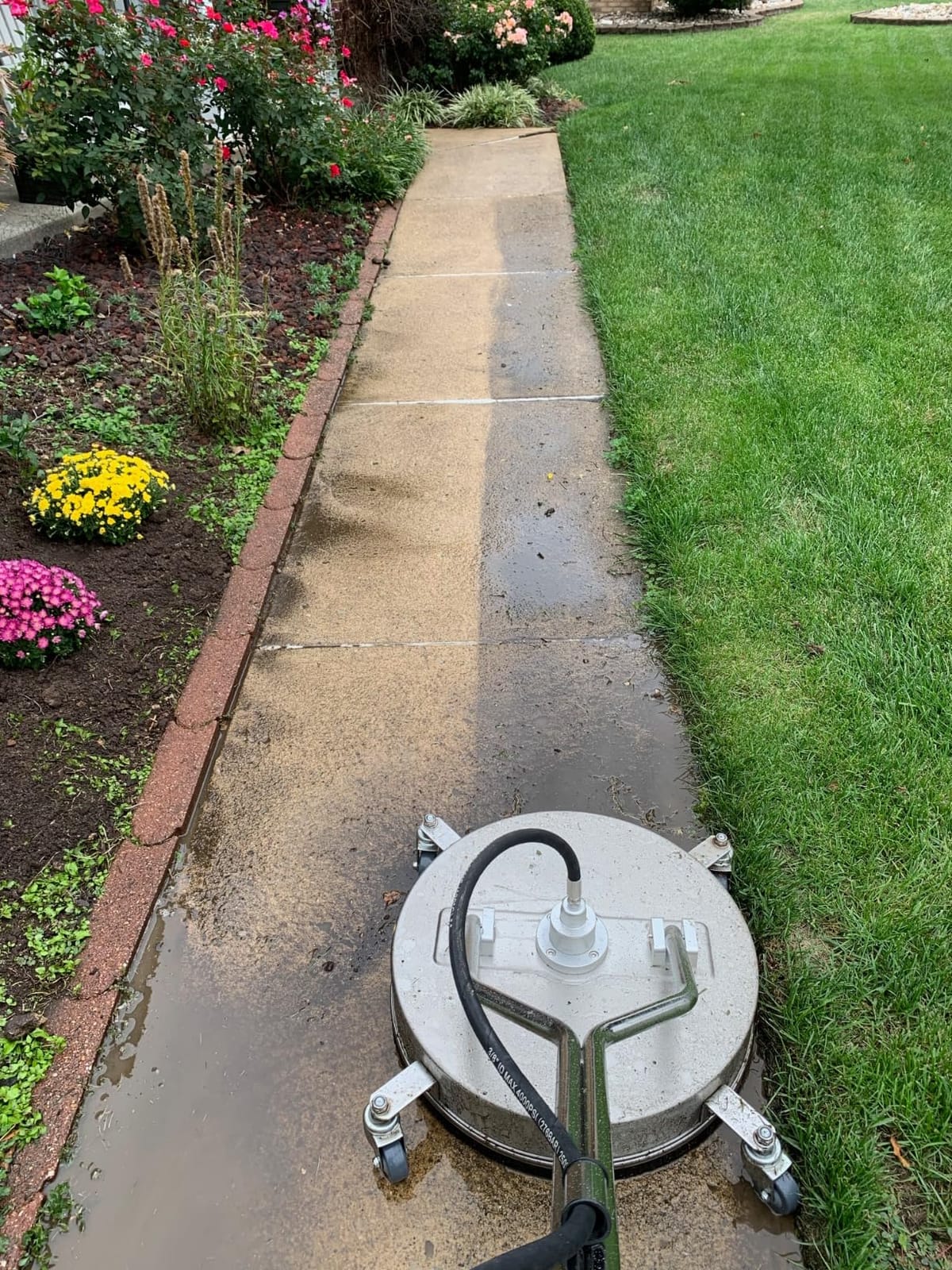
The candid criticism, largely from experienced operators, is that a mid-priced head like this cleans well but does not fully strip heavy grime. The wheels hold the head slightly above the surface, so grime sitting in the pits of aged concrete stays behind, and loose dirt usually needs a follow-up wand pass or a tilt-and-blow rinse.
Speed is the other variable. Owners are consistent that the results depend heavily on how slowly you push it, and rushing leaves uneven coverage. One buyer also received a used head with missing nozzles, which is worth checking when the package arrives.
Who the Tool Daily 14 in. head suits
It suits homeowners with a long driveway, a double-width sidewalk, or a commercial-scale slab who will be pushing this thing for an hour or more. The four wheels and included wands address fatigue directly, and the stainless build suits repeated seasonal use.
It also suits anyone who wants to stay dry. Splash containment is a genuine quality-of-life difference on concrete work, and reviewers mention it as often as they mention the wheels.
Who should skip it
Skip it for a restoration job on badly neglected concrete. Experienced operators say plainly that a wand pass is still needed afterward, and no attachment changes that.
Skip it if you work in very poor light or over deeply pitted slabs, where the wheel clearance leaves the worst dirt behind. A lower-profile head or a jet pass on the problem areas is the better sequence.
8. Hourleey 14 in. Surface Cleaner – Best for Corner and Edge Coverage
Hourleey 14″ Pressure Washer Surface Cleaner, Stainless Steel Surface Cleaner with 4 Wheels for Concrete, Patio, Sidewalk, Deck, Pathway 1/4″ Quick Connector, 2 Extension Wand, 4000 PSI
14 inch cleaning path
2000-4000 PSI working range
2500 PSI washer or above recommended
Stainless and aluminum, four wheels
Pros
- Ball-bearing casters roll very easily over concrete
- Stainless and aluminum body with decent quality fasteners
- Stiff bristle perimeter skirt holds splash back
- One owner cleaned a two-car driveway and sidewalk in about 20 minutes
Cons
- Can leave swirl marks on a dirty slab at 2500 PSI
- Only loosens embedded dirt rather than removing it
- 14 inch width is measured wheel-to-wheel so coverage is narrower
- Manufacturer item dimensions do not match the described head
The Hourleey 14-inch head has a 2000 to 4000 PSI working range, with the manufacturer recommending a washer of 2500 PSI or above. The body is stainless steel and aluminum with decent quality fasteners, and the four ball-bearing casters are the detail owners mention most because they roll very easily.
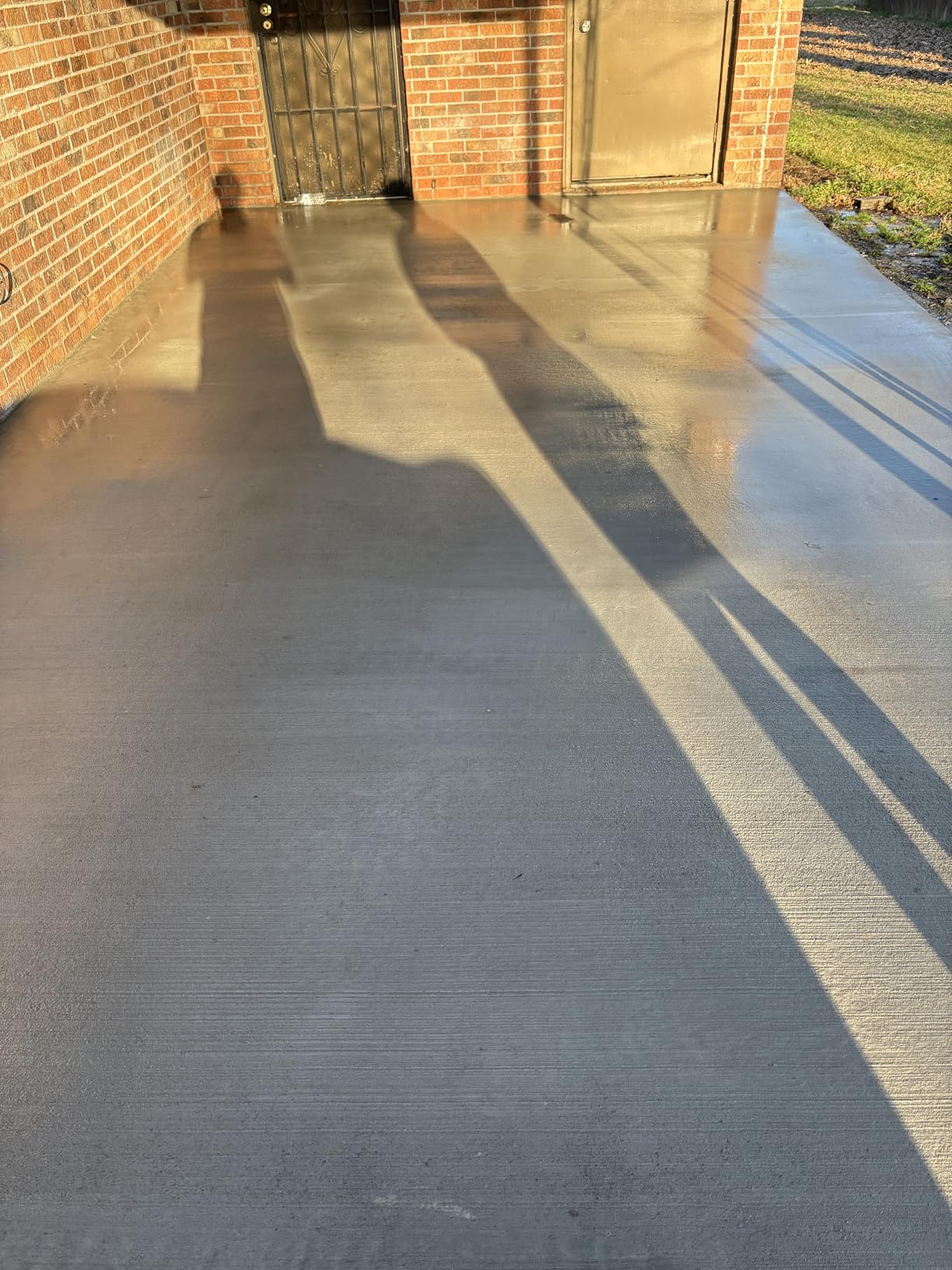
The stiff bristle perimeter skirt keeps splash back off the user, and one owner reported cleaning a two-car driveway plus sidewalk in about 20 minutes with a 3200 PSI washer. The wheels also let you get almost fully into corners for complete edge coverage, which is the main reason to choose it.
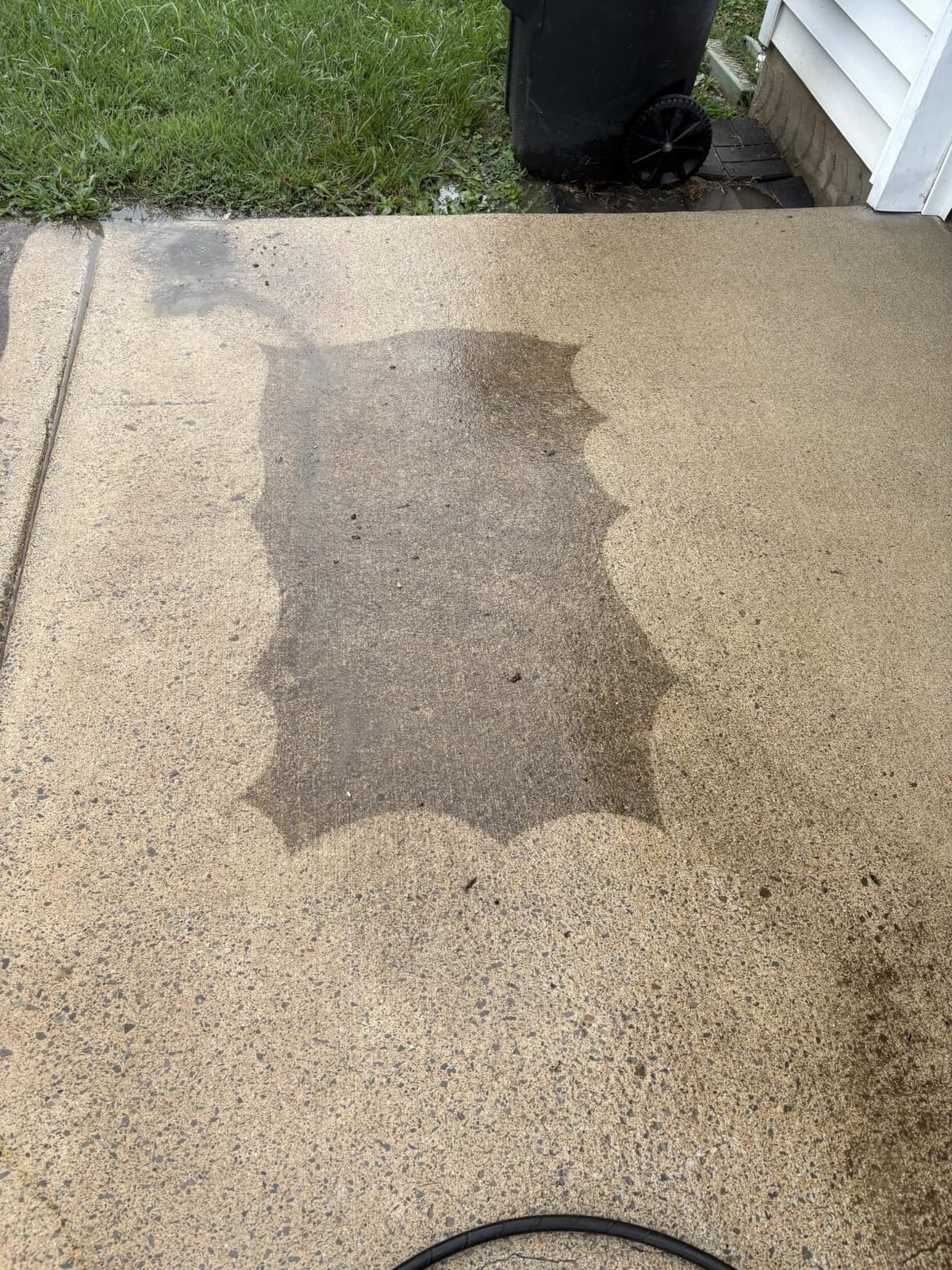
The technique note matters more here than with most heads. On a dirty driveway at 2500 PSI this model can leave swirl marks, and reviewers say it works better on the pull than the push. It also only loosens embedded dirt rather than removing it, so a low-pressure tip pass is needed to pick up the remainder.
One spec detail to know before you buy: the 14-inch width is measured wheel-to-wheel, so actual cleaning coverage is a bit narrower. The manufacturer’s listed item dimensions also do not match the described head, which is a minor listing inconsistency rather than a build problem.
Who the Hourleey 14 in. head suits
It suits owners of a 2500 PSI or better washer who want a wheeled 14-inch head with a genuinely stiff bristle skirt. The casters and the skirt together handle both fatigue and overspray, which is the combination most people notice on a long driveway.
It also suits anyone cleaning a property with tight corners, steps, or posts where edge coverage matters more than raw pass width.
Who should skip it
Skip it if you have a small electric washer below 2500 PSI. The manufacturer names that threshold, and owners on lower output report swirl marks and loose rather than removed grime.
Skip it if you are patient about process. The pull-stroke advice and the follow-up rinse are not optional with this head, and skipping them is what produces the streaked result people report.
9. MEKOH 20 in. Surface Cleaner – Best for Large Driveways
MEKOH 20” Heavy-Duty Pressure Washer Surface Cleaner with Wheels, 4500PSI
20 inch cleaning path
4500 max PSI
4 GPM max flow
Requires 2000+ PSI and 2+ GPM
Two adjustable handles, four wheels
Pros
- 20 inch head covers large concrete in far fewer passes
- Changeable nozzles allow power washing or soft washing patterns
- Fully sealed bearing prevents leaking and debris blockages
- Works with cold water
- hot water
- and soap solutions
Cons
- Needs a genuine pressure washer of 2000+ PSI and 2+ GPM
- Taller and wider than a 14 inch head so tight spaces are awkward
- Heaviest of the two 20 inch models at 7.86 kg
- Nozzles require occasional swapping between patterns
The MEKOH 20-inch head is the wide-format choice for long driveways, sidewalks, curbs, and commercial flatwork. It is rated to 4500 PSI and 4 GPM, works with most electric and gas washers above 2000 PSI and 2 GPM, and the 20-inch path covers large concrete areas in far fewer passes than any 14-inch model.
Two high-pressure spinning nozzles deliver non-marking, even cleaning without stripes, and the changeable nozzles let you move between a power washing pattern and a soft washing pattern without buying a second head. It also works with cold water, hot water, and soap solutions, which matters for contractors doing more than rinsing.
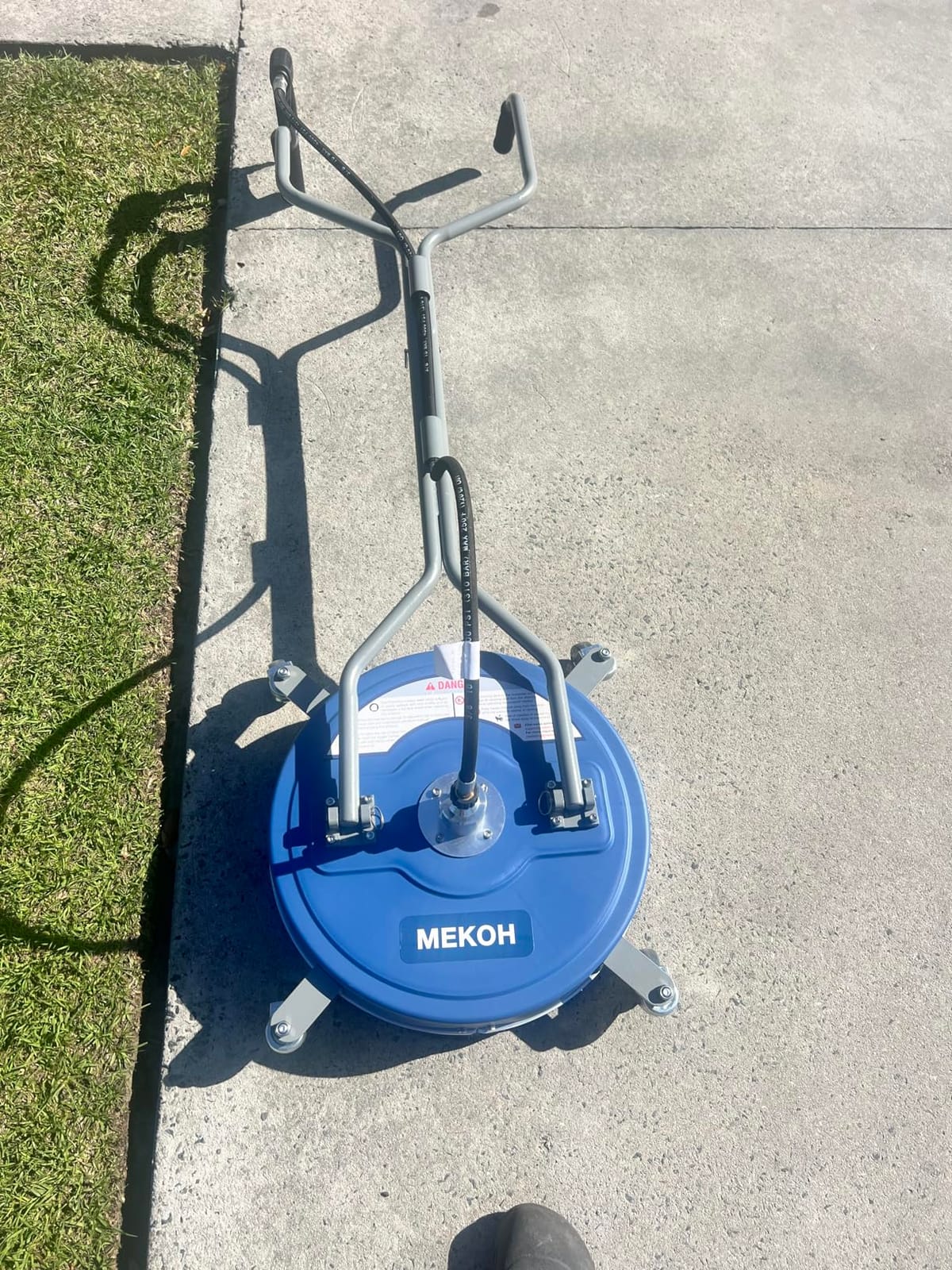
Construction is a mix worth understanding: PP material with solid brass components and a fully sealed bearing, which is what resists heat and chemical attack. The fully sealed bearing is the reason the head stays dry and keeps spinning without debris blocking it, and two angle-adjustable handles plus four universal wheels make it steerable rather than just rollable.
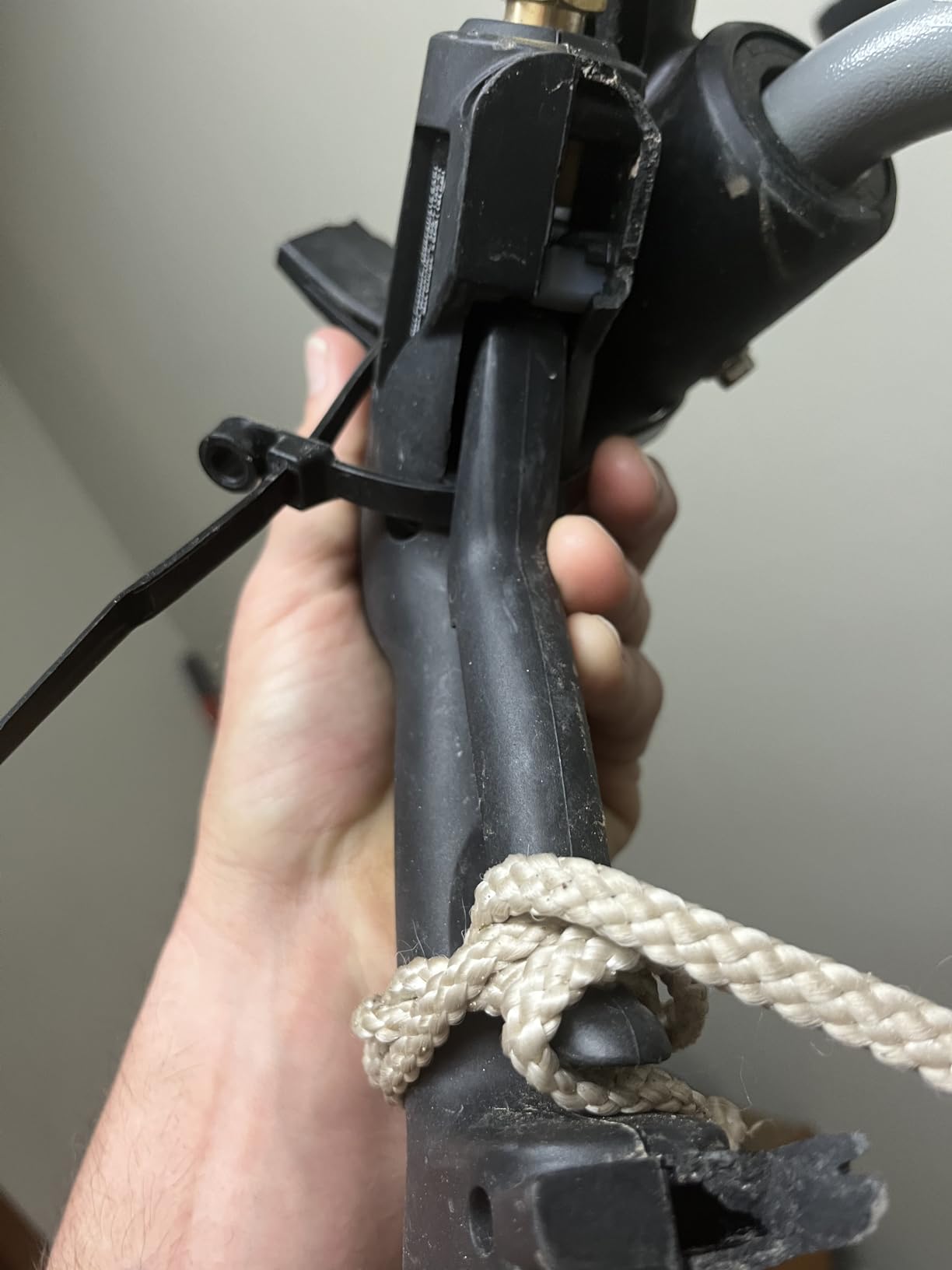
The requirement is real, though. Reviewers are consistent that this head needs a genuine pressure washer of 2000 PSI and 2 GPM or better to perform as designed, and on anything weaker the results will not justify the outlay. It is also the heavier and taller of the two 20-inch models here.
Who the MEKOH 20 in. head suits
It suits owners of a long driveway, a parking pad, or a small commercial lot who already run a washer in the 3 to 4 GPM range. At 20 inches it is the most efficient path in this roundup, and the four wheels keep the nozzles at a fixed height that protects both the nozzles and the slab.
It also suits anyone who wants soft washing capability from the same tool, since the changeable nozzles and the hot water and soap compatibility let you apply cleaner as you rinse.
Who should skip it
Skip it if you run a small electric washer. The head is designed around real flow, and reviewers say plainly that a weaker machine will not produce results worth the price.
Skip it for side yards, steps, and other tight spaces. The 20-inch frame and the adjustable handles make it awkward where a 12-inch or 14-inch head glides.
10. WOJET 20 in. Commercial Surface Cleaner – Best for Paid Concrete Work
WOJET 20” Commercial Pressure Washer Surface Cleaner with Wheels 4500PSI
20 inch cleaning path
4500 max PSI
4 GPM max flow
3/8 inch quick plug inlet
27 lb, four wheels, dual handles
Pros
- Heavy-duty stainless cast rollers and hardware feel built to last
- 20 inch coverage with two jets cleans large slabs fast with no striping
- Fully sealed pre-greased swivel resists debris and cuts maintenance
- Four wheels and dual handles cut arm and back strain on long jobs
Cons
- 3/8 inch inlet may need a different hose than a 1/4 inch setup
- Heaviest model here at 27 pounds for occasional small jobs
- Deeply grimy surfaces still need slow 50 percent overlapped passes
- An isolated swivel bearing failure required a replacement
The WOJET 20-inch is the pick for paid concrete work and heavy daily use, rated to 4500 PSI and 4 GPM across most gas and electric washers above 2000 PSI and 2 GPM. It is certified to EPA, ETL, and PWMA standards, and it also works with hot water machines.
Owners running 3000 to 4000 PSI washers report results comparable to far more expensive commercial units. The heavy-duty stainless cast rollers and hardware feel built to last, the 20-inch head covers a lot of ground per pass, and the four wheels with dual handles save roughly 80 percent of the labor involved in moving across large slabs.
The fully sealed, pre-greased swivel is the durability story. It resists debris clogging and cuts maintenance, which is why this model holds a 4.6 star average and draws the strongest support comments in the group. After-sales support is also singled out as responsive, which matters when a tool is earning money.
Two things to plan around. The inlet is a 3/8-inch quick plug rather than the 1/4-inch standard, so you may need a different hose, and at 27 pounds it is the heaviest model here and awkward for occasional small jobs. Deeply grimy surfaces still need slow passes overlapped by about half to avoid streaking.
Who the WOJET 20 in. head suits
It suits contractors and serious hobbyists cleaning multiple concrete surfaces a week, or anyone who owns a hot water machine and wants an attachment rated for it. The 20-inch path, dual handles, and sealed swivel are all aimed at repeat commercial use.
It also suits buyers who weigh support as part of the purchase. The isolation on quality is worth noting: one buyer received a head with a faulty swivel bearing that delivered no pressure, and the replacement was handled quickly by support.
Who should skip it
Skip it for occasional weekend use. At 27 pounds and with a 3/8-inch inlet, it is more tool than a homeowner needs, and a 14-inch head does the same job on a two-car driveway.
Skip it if your hose and gun are set up for 1/4-inch quick connects and you do not want to change them. The 14-inch models in this list drop straight onto a standard setup.
What Size Surface Cleaner Do You Need?
Match the cleaning path to your washer’s flow rate, using roughly 4 inches of deck per 1 GPM as the working rule. A deck that is too wide will not spin fast enough to lay down an even fan of water, and that is the most common reason a new attachment disappoints on the first afternoon.
Here is the mapping we use when checking a washer against a head. A 2 GPM washer pairs with a 8 to 10 inch path, a 3 GPM washer with a 12 inch path, a 4 GPM washer with a 16 inch path, a 5 GPM washer with a 18 to 21 inch path, and an 8 GPM machine with a 32 inch commercial deck.
Once you have a path in mind, check two more numbers. The washer’s maximum PSI should sit inside the attachment’s working range, and the washer’s flow should sit inside the attachment’s flow range, because a head rated 4000 PSI will happily attach to a 2000 PSI washer and simply underperform.
A useful reality check from experienced operators: a deck is only as good as the nozzle and the working distance behind it. A mid-size head with well-sized nozzles at moderate pressure often outperforms a premium head on an undersized washer.
How to Use a Surface Cleaner on Concrete Without Etching It
Etching happens when the surface layer of concrete is stripped away, and it is permanent. Follow this order and the risk largely disappears.
Sweep the slab. Remove leaves, grit, and sticks with a broom, because debris under the wheels can scratch concrete.
Apply a concrete-safe or oxygen-based cleaner and let it dwell. This does most of the work on algae, oil, and mildew, and the head then rinses rather than scrubs.
Connect the attachment with the engine off and the gun trigger locked, then confirm your washer’s PSI and GPM are inside the head’s stated window.
Start at zero pressure. Squeeze the trigger, hold the head about 6 to 8 inches off the concrete, and step the pressure up gradually while watching the surface.
Prime the spray arm. With the trigger open and the wand pointed at a safe area, let the arm spin up before it touches the slab so nozzles do not start dry.
Test a hidden corner. Older or broom-finished concrete is the most vulnerable to etching, so confirm the pressure there before you start on the open driveway.
Work in slow, overlapping passes with the surface wet ahead of the head. Overlap by about a third to a half, keep one direction, and never let the arm stall in one spot.
Rinse and dry. Tilt the head to blow the loosened grit off the slab, then let the concrete dry fully before parking anything on it.
Two concrete-specific warnings. Freshly poured or newly sealed slabs are the most vulnerable, so leave them alone for the curing period the installer specified. Aged, broom-finished concrete has a soft surface layer, and that is where etching shows up first as a permanently rougher, lighter patch.
If the surface is sealed, note that a surface cleaner will not strip a sealer, and water sitting behind the skirt can soften a water-based sealer that has not fully cured.
Detergent and Cleaning Solutions for Concrete
Use a concrete-safe or oxygen-based cleaner applied before washing, not during the rinse pass. The head distributes what is already on the slab evenly, which is exactly why pre-treatment works so much better with a surface cleaner than with a wand.
Pre-treatment matters most on the jobs a head cannot solve alone. Reviewers across several of these models say the same thing: paint drips, oil stains, and decades of embedded dirt want chemistry first, and the attachment is the tool that rinses the result evenly afterward.
Two cautions. Never mix bleach with acids or ammonia-based products, and check that the cleaner is labeled safe for the concrete you own, since some acidic products etch the surface you are trying to protect.
Cleaning the slab is usually step one in a bigger outdoor refresh. If the patio next to it is hosting more cooking than usual, we have also put together a guide to wood pellet grills with a flat cooking surface that holds up to a hard season.
What to Avoid When Buying a Surface Cleaner
Avoid heads with proprietary or brand-specific couplers, because that is the single most common reason a surface cleaner becomes dead hardware. A standard 1/4-inch quick-connect fitting drops onto essentially any gas or electric washer, and several reviews in this roundup describe needing an adapter or a different hose after the fact.
Avoid all-plastic housings on any machine that runs hot or hot water, since plastic bodies crack and deform under sustained heat and chemical exposure. If you are buying a wide deck for a big driveway, the material should be stainless steel, brass, or a sealed bearing assembly.
Avoid pairing a wide deck with an undersized washer. A 20-inch head on a 2 GPM electric machine will not spin at the speed the design assumes, and you will get uneven coverage rather than the even finish the attachment is supposed to deliver.
Also watch the stated width. One model in this list measures its 14 inches wheel-to-wheel, which means the real spray coverage is narrower, and another yields closer to 12 inches of spray bar from a 15-inch deck. Measure the coverage, not the housing.
Frequently Asked Questions
What is the best pressure washer attachment for cleaning concrete?
The Westinghouse Universal 16.5-inch is our top pick, with a stainless steel body, 4400 PSI rating, casters, and a universal 1/4-inch quick-connect fitting that fits most gas and electric washers. The Karcher 15-inch is the value pick, and the Greenworks 12-inch is the choice for electric washers. Match deck width to your washer’s flow rate at roughly 4 inches per GPM.
How do I clean a concrete driveway with a pressure washer?
Sweep the slab, apply a concrete-safe or oxygen-based cleaner and let it dwell, then connect the surface cleaner with the engine off. Start at zero pressure, hold the head 6 to 8 inches above the concrete, test a hidden corner, and work in slow passes overlapped by a third while keeping the surface wet ahead of the head. Finish by rinsing and blowing the loosened grit off the slab.
What size surface cleaner do I need for my pressure washer?
Use roughly 4 inches of cleaning path per 1 GPM of flow. A 2 GPM washer pairs with an 8 to 10 inch head, 3 GPM with 12 inches, 4 GPM with 16 inches, 5 GPM with 18 to 21 inches, and 8 GPM with a 32 inch commercial deck. A deck wider than the flow supports will not spin fast enough to clean evenly.
Do surface cleaners work with electric pressure washers?
Yes, if the head is sized for the washer’s output. A 2000 PSI and 2.3 GPM electric washer pairs well with a 12 inch head, and pairing a wide deck with an electric machine leaves the arm spinning too slowly for even coverage. Check both the pressure window and the flow range before buying, and match the deck width to the flow.
Will a surface cleaner damage my concrete?
It can, at excessive pressure or on a soft surface. Aged and broom-finished concrete has a surface layer that etching permanently removes, and freshly poured or newly sealed slabs are the most vulnerable. Test a hidden corner first, keep a consistent working distance of 6 to 8 inches, stay inside the attachment’s pressure window, and keep the surface wet ahead of the head.
How do I stop a surface cleaner from leaving stripes?
Keep the concrete wet ahead of the head, overlap each pass by a third to a half, and work in one direction. Move slowly, since a fast pass leaves uneven coverage, and never let the spinning arm stall in one spot. On a dirty slab, pre-treat with a concrete-safe cleaner first, because a head that only loosens grime will redistribute it into bands.
Can I use a surface cleaner on a vertical wall or fence?
Yes, with a lightweight head and reduced pressure. The Greenworks 12-inch at 2.5 pounds is the most practical of this group for vertical work, and the Karcher 15-inch at 3.8 pounds is light but its swivel and skirt make walls awkward. A surface cleaner also uses far more water than a wand, so on vertical surfaces many owners simply keep the wand.
What is the best cleaner to use on a pressure washer for a driveway?
A concrete-safe or oxygen-based cleaner applied before washing works best. Let it dwell so it breaks down algae, oil, and mildew, then use the surface cleaner to rinse it evenly. The attachment distributes cleaner across the slab more uniformly than a wand, but it does not replace the chemistry, and you should never mix bleach with acids or ammonia-based products.
Will water use increase when I use a surface cleaner?
No. A surface cleaner is more water-efficient than a wand because the even, overlapping pass pattern needs far less total rinse to reach an acceptable result. The spray arm applies a uniform fan instead of a narrow cone you have to keep moving, so you spend less time washing the same square foot of concrete and waste less water flushing loose dirt.
Final Verdict: Which Surface Cleaner Should You Buy in 2026
The Westinghouse 16.5-inch stainless head is the best pressure washer surface cleaner for most concrete jobs, because it combines a wide 16.5-inch path, a 4400 PSI rating, real casters, and a universal quarter-inch fitting in one package. Owners report roughly half the cleaning time of a wand, and the stainless build is the one that survives repeated seasons.
Buy the Karcher 15-inch instead if you want the most proven option at a mid-range price, or the Greenworks 12-inch if you own an electric washer or want the gentlest option on stamped concrete. Move up to the MEKOH or WOJET 20-inch models only when a washer at 3 GPM or more is already in your garage.
Whatever you choose, match the deck to your flow rate first. That one decision decides more about your results than the price tier does, and it is the reason most disappointing surface cleaners turn out to be mismatched rather than faulty.