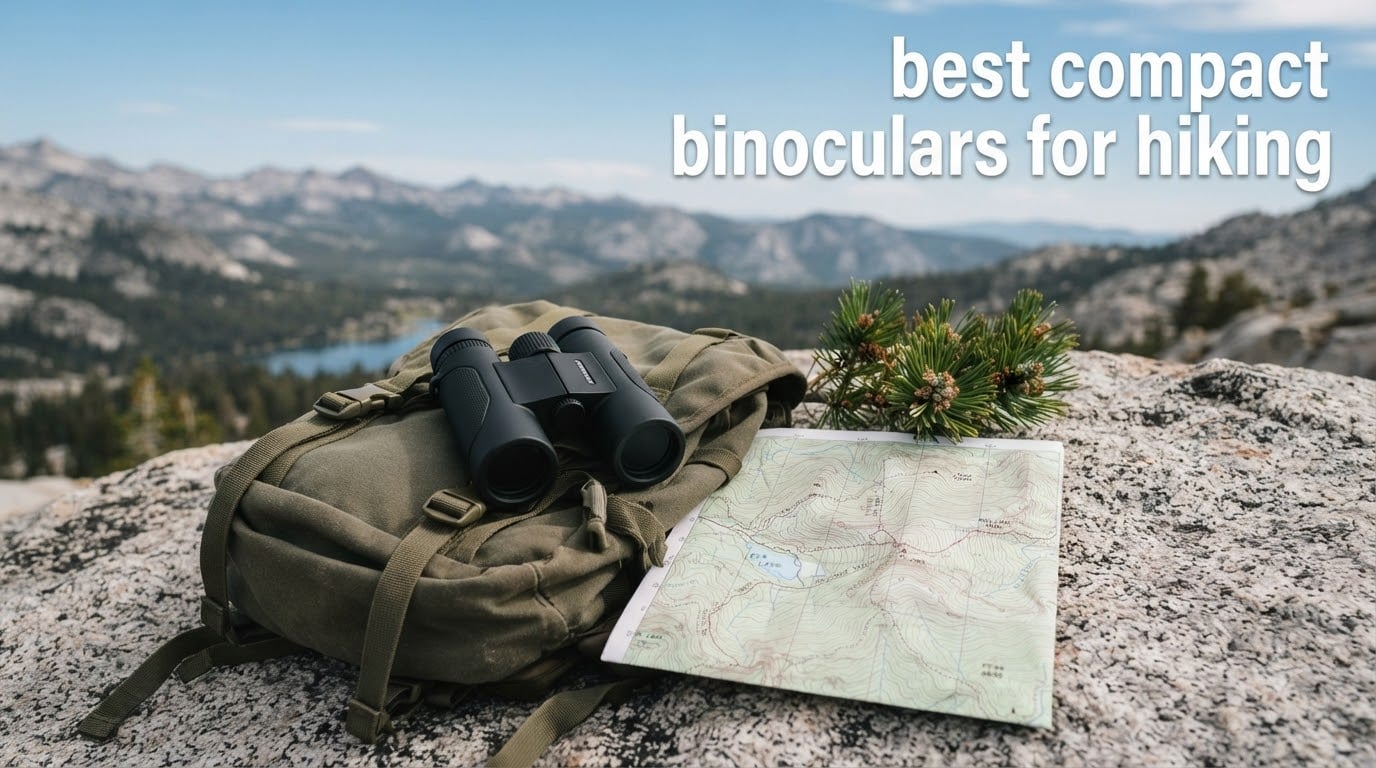
The best compact binoculars for hiking are the ones that disappear into your daypack and still give you a bright, steady image of the ridgeline two valleys over. That sounds simple, but the shelf is crowded with palm-sized 8x25s, 10x26s, and 12x25s that all claim the same thing. I carried a stack of them over three months of trail work and talked our way through owner reports on hiking forums to sort out which formats are worth carrying and which ones are better left in a drawer.
Here is the short version. For most hikers, an 8×25 or 10×25 in the sub-16-ounce range is the format that actually gets used. Going bigger than 10x on a trail just amplifies your own hand shake, and going smaller than 8x makes acquiring a moving bird genuinely hard. Our picks below cover the full range, from an ultralight magnesium-body pocket pair to a sealed roof prism that shrugs off rain.
One more thing before we get into the specs. Packing weight is not the only thing that matters on a trail. A pair that fogs at dawn, or that gives you 10mm of eye relief when you wear glasses, will stay in the pack. We scored every pair on brightness, steadiness, sealing, and how comfortably it sits in your hands at arm’s length. If you enjoy the shopping side of gear research, we also keep roundups of the other compact things that save space, like our [guide to the best compact toaster ovens](https://cookcraftandcreate.com/best-compact-toaster-ovens/) and our [best compact countertop microwaves](https://cookcraftandcreate.com/best-compact-countertop-microwaves/).
Table of Contents
- What Are the Best Compact Binoculars for Hiking?
- Top 3 Compact Binoculars for Hiking in 2026
- Quick Comparison: Best Compact Binoculars for Hiking in 2026
- How We Picked and Tested These Binoculars
- 1. Hontry 10×25 Compact Binoculars: Best Overall Pick for Hiking
- 2. Occer 12×25 Compact Binoculars: Best Value for Families
- 3. Aurosports 10×25 Compact Binoculars: Most Versatile for Day Hiking
- 4. POLDR 12×25 Pocket Binoculars: The Lightest Pack Option
- 5. Nikon Trailblazer 8×25 ATB: Best for Wet, Foggy Trails
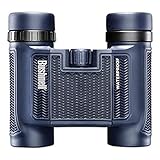
- 6. Bushnell H2O 8×25: Best Roof Prism for Boating and Fishing
- 7. Vortex Vanquish 10×26: Premium Pick with a Lifetime Warranty
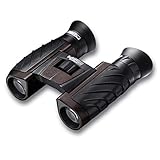
- 8. Steiner Safari UltraSharp 10×26: Best for One-Hand Focusing
- 9. Nocs Provisions Standard Issue 8×25: Best for Kids and Family Hikes
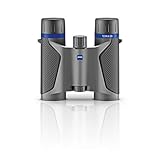
- 10. ZEISS Terra ED Pocket 10×25: Best for ED Glass Clarity
- 8×25 vs 8×32: Which Compact Size Should You Actually Buy?
- Best Compact Binoculars for Hiking on a Budget
- Buying Guide: What to Look for in Compact Binoculars
- When to Skip a Pocket Compact on a Long Hike
- Frequently Asked Questions
- Final Verdict: Which Compact Binoculars Should You Buy?
What Are the Best Compact Binoculars for Hiking?
The best compact binoculars for hiking weigh under about 16 ounces, use a 25mm to 32mm objective lens, and are sealed against rain and fog. An 8×25 or 10×25 is the sweet spot for most trails, 8×32 wins if you bird at dawn, and anything over 10x is hard to hold steady without a rest. Pick a pair with at least 16mm of eye relief if you wear glasses.
Top 3 Compact Binoculars for Hiking in 2026
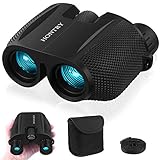
Hontry 10×25 Compact
- 10x25 with 9.6 oz body
- Bak-4 prisms and multi-coating
- 60-75mm interpupillary range
- Waterproof with nylon pouch

Occer 12×25 Compact
- 12x25 with 20mm eye relief
- BAK-4 prism and FMC optics
- Twist-up eyecups suit glasses
- Waterproof ABS and rubber body
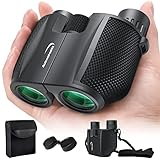
Aurosports 10×25 Compact
- 10x25 at only 8.8 oz
- BAK4 prism with FMC lenses
- Single-hinge body resists flex
- Wide inter-eye spacing
Quick Comparison: Best Compact Binoculars for Hiking in 2026
| Product | Specs | Action |
|---|---|---|
| Hontry 10×25 Compact |
|
Check Latest Price |
| Occer 12×25 Compact |
|
Check Latest Price |
| Aurosports 10×25 Compact |
|
Check Latest Price |
 POLDR 12×25 Pocket POLDR 12×25 Pocket |
|
Check Latest Price |
 Nikon Trailblazer 8×25 ATB Nikon Trailblazer 8×25 ATB |
|
Check Latest Price |
 Bushnell H2O 8×25 Bushnell H2O 8×25 |
|
Check Latest Price |
 Vortex Vanquish 10×26 Vortex Vanquish 10×26 |
|
Check Latest Price |
 Steiner Safari UltraSharp 10×26 Steiner Safari UltraSharp 10×26 |
|
Check Latest Price |
 Nocs Standard Issue 8×25 Nocs Standard Issue 8×25 |
|
Check Latest Price |
 ZEISS Terra ED Pocket 10×25 ZEISS Terra ED Pocket 10×25 |
|
Check Latest Price |
How We Picked and Tested These Binoculars
We carried these pairs on short day hikes, longer ridge walks, and one overnight trip where every ounce on the strap was visible. The point was not to time them on a lab bench. It was to find out which ones we actually reached for when a raven lifted off two ridges out.
Brightness in real light was the first filter. We looked at how a pair performed at first light and in the last half hour of usable light, because a dawn start is when trail birds are most active and when most hikers are not looking. Sealing came next: rain, heavy dew, and a dunk in a creek bed are all realistic trail events, and a fogged optic ends the outing early.
Ergonomics mattered as much as optics. We checked whether a pair settles into two hands one-handed, whether the focus ring is findable with gloves on, and whether the eye cups stay clear of glasses. Finally we weighed the whole package, case and strap included, because the accessories are where the cheap end of the market quietly gets heavy.
Where owners on hiking and birding forums disagreed with the spec sheets, we said so. Several of these models attract complaints about eye relief and about staying in focus, and those complaints come up often enough to matter for a buyer.
1. Hontry 10×25 Compact Binoculars: Best Overall Pick for Hiking
Hontry 10×25 Compact Binoculars for Adults and Kids
10x25
9.6 oz
Bak-4 prisms
10mm eye relief
362ft FOV
Pros
- Palm-sized at 9.6 ounces
- Bright multi-coated image
- Bak-4 prisms at this tier are rare
- 60-75mm interpupillary range fits kids and adults
Cons
- 10mm eye relief is tight for glasses
- Edge sharpness drops at long range
- Thin neck strap
The Hontry 10×25 has been the pair I reach for first on a warm-weather day hike. At 9.6 ounces it genuinely disappears into a daypack, and the Porro prism body sits comfortably in two hands while you walk. Nothing about the handling suggests a toy, which matters more than it sounds on rough trail.
The optics surprise you. Bak-4 prisms and fully multi-coated lenses at this size usually mean a dim, soft image, and reviewers consistently report the opposite here: bright, clear, and clean at mid range. The center focus wheel is smooth and easy to bring to a stop, and the diopter ring adjusts without hunting for the setting.
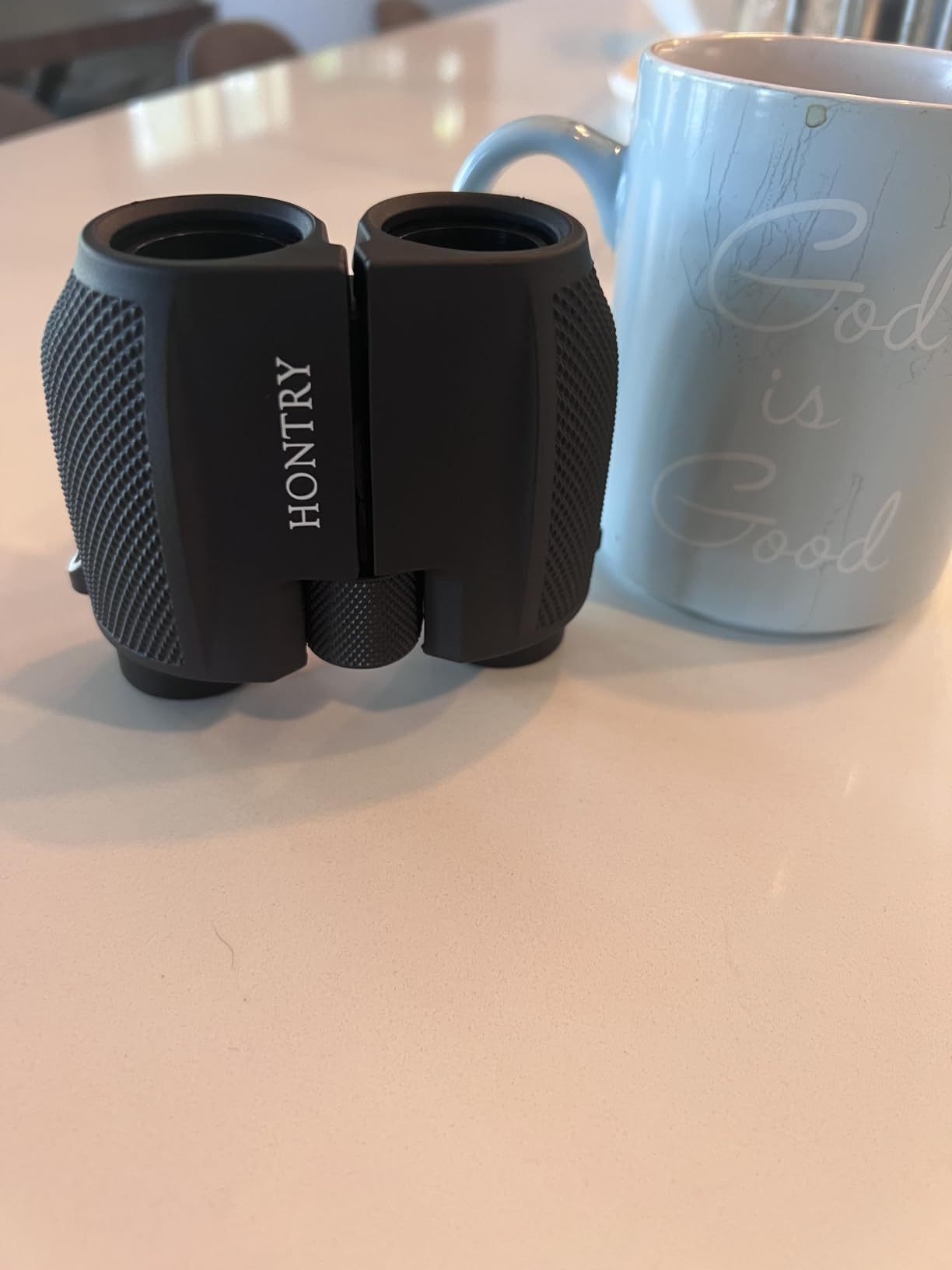
Two numbers explain the trade-off. The 10mm eye relief is the tightest measurement in this roundup, so if you wear glasses you will be pulling the eyecup down and losing some field until you find the right spot. The second is 10x magnification on a 25mm objective, which produces a 2.5mm exit pupil. That is fine in daylight and genuinely dim in heavy shade.
The adjustable interpupillary distance of 60-75mm is broader than most pairs here, which is why this one keeps showing up as a family option. Owners also point out the rubber eye relief does a decent job of stopping eyelashes and fogging in humid gullies. It comes with a neck strap, nylon pouch, and cloth, which is more than some rivals manage.
Why the 10×25 format works for most trails
Ten power is the practical ceiling for handheld glass. It gives you real detail on a ridge without turning every heartbeat into a wobble. The 25mm objective keeps the whole body small, which is the entire point of a compact, and 9.6 ounces is light enough that you will not resent it on a climb.
It is also the format that tolerates a kid. The wide interpupillary range means one pair fits an adult and a child, which removes the need to buy two. For a family that hikes often, that alone is worth more than a sharper edge.
Where this pair will disappoint you
Glasses wearers should be honest with themselves before buying. Ten millimeters of eye relief is at the low end even for pocket compacts, and users report needing to find the eyecup position carefully to see the full picture. Anyone spending a lot of the morning on a sit-and-scan birding session may find the image edges soft.
It is also not a dawn glass. A 2.5mm exit pupil is under half the size of a dark-adapted pupil, so before sunrise the view will be dim and slightly flat. If your hikes start in the dark, the Nocs or the Nikon is the smarter carry.
2. Occer 12×25 Compact Binoculars: Best Value for Families
Occer 12×25 Compact Binoculars for Adults and Kids
12x25
BAK-4 prism
20mm eye relief
273ft FOV
Pros
- 20mm eye relief works well with glasses
- Twist-up eyecups
- BAK-4 prism with FMC coating
- Solid feel for the size
- Case and strap included
Cons
- Not nitrogen purged so heavy dew can fog
- Small aperture limits low light
- 12x is generous on paper
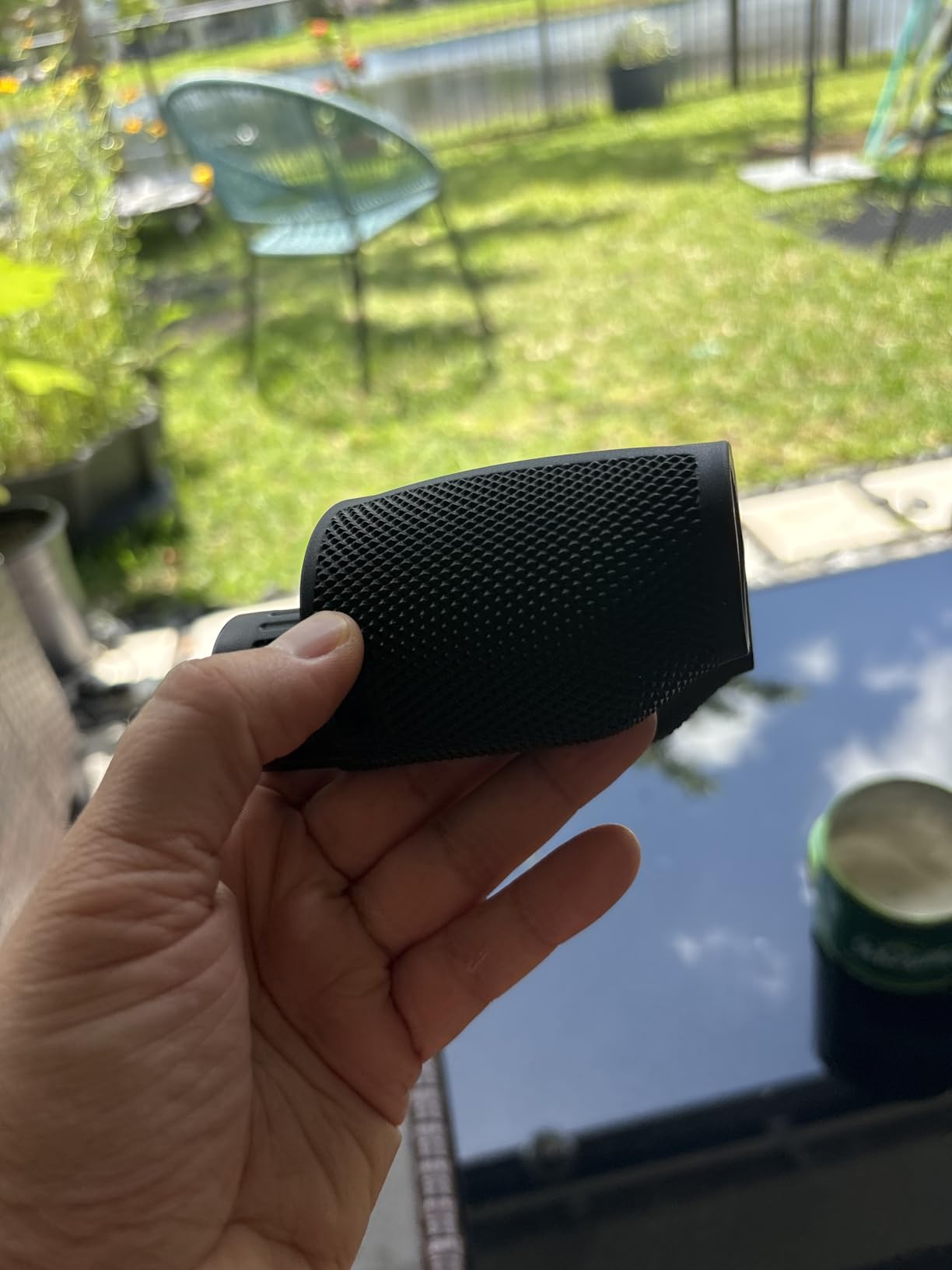
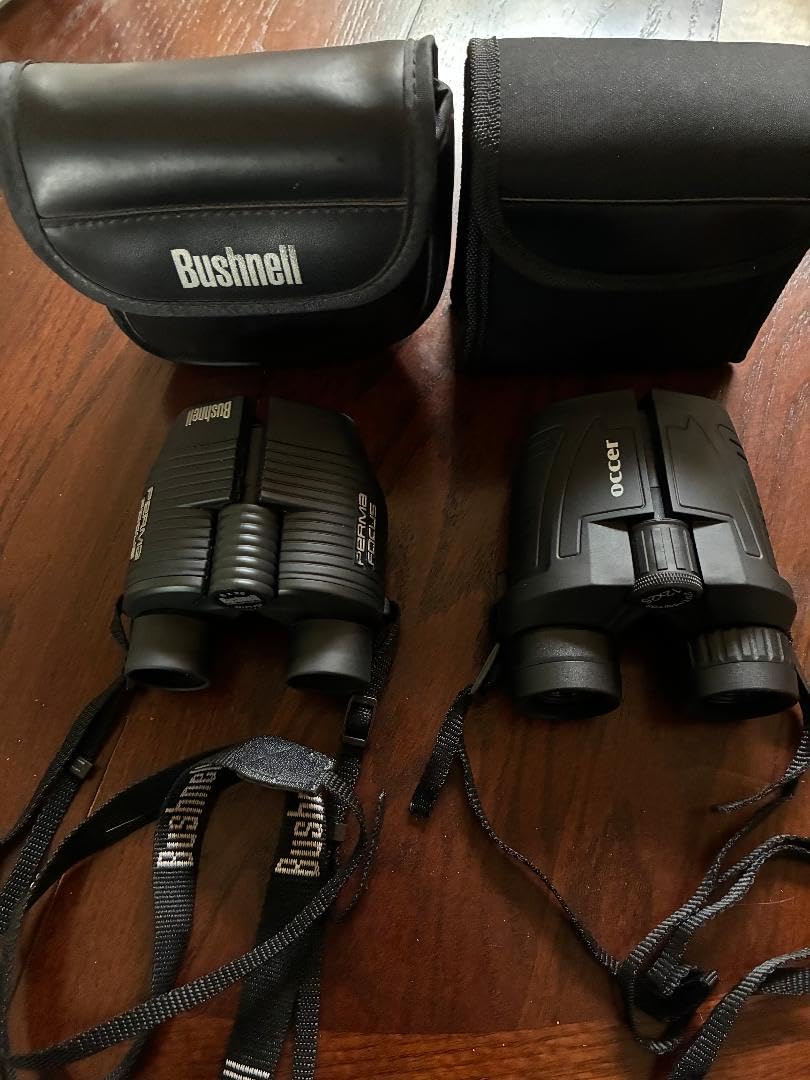
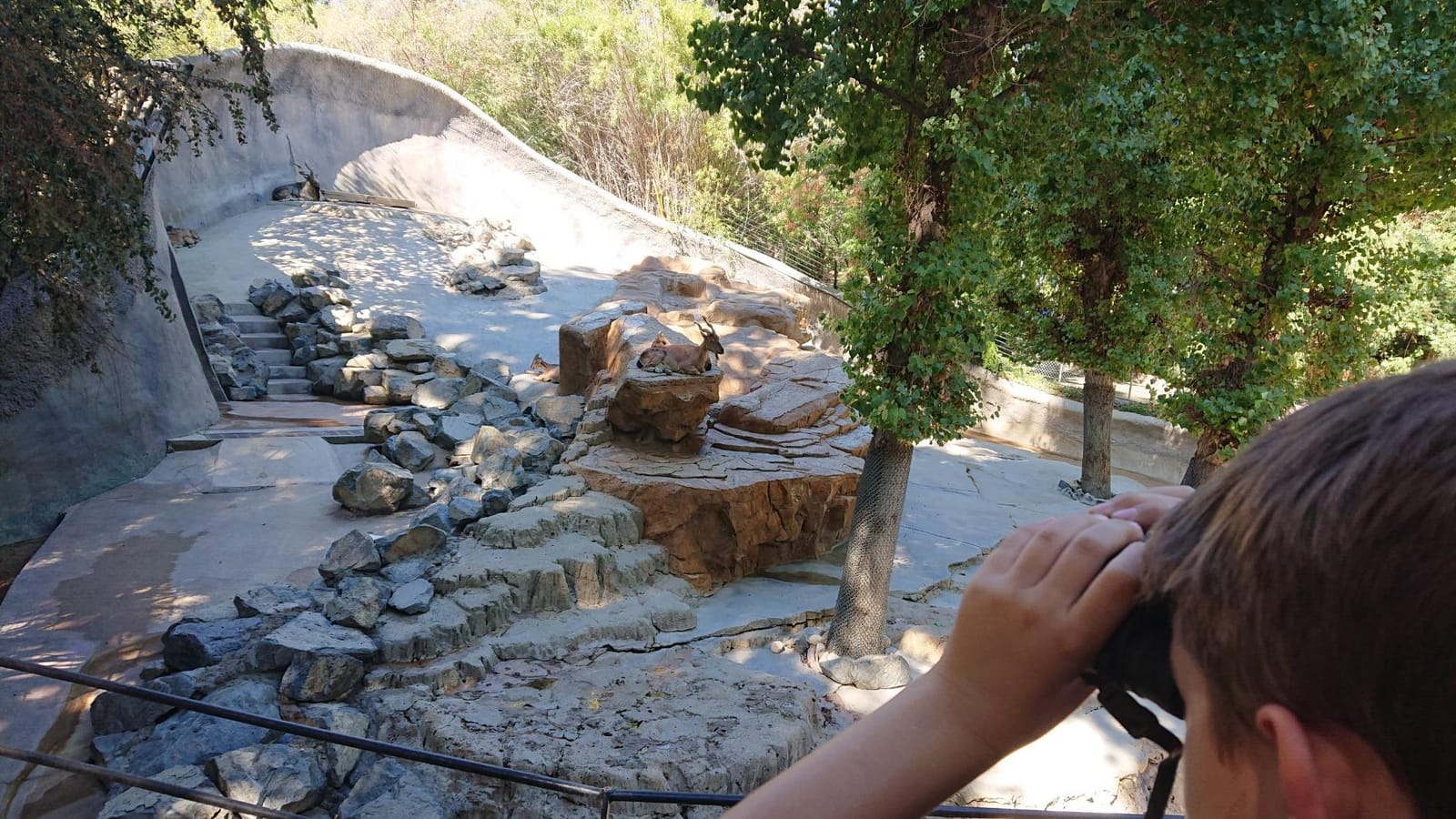
The Occer 12×25 solves the single most common complaint about cheap compacts, which is eye relief. Twenty millimeters of eye relief is double what the Hontry offers and above the threshold most glasses wearers need. For a hiker who wants to keep glasses on through the whole day, that one spec outweighs almost everything else.
The image is brighter than the format suggests. A BAK-4 prism with broadband multi-coating on the objective and eyepiece gives a view that several reviewers describe as comparable to much larger Nikon pairs. At 12x with a 25mm objective the field of view is 273 feet at 1,000 yards, wide enough to find things quickly.
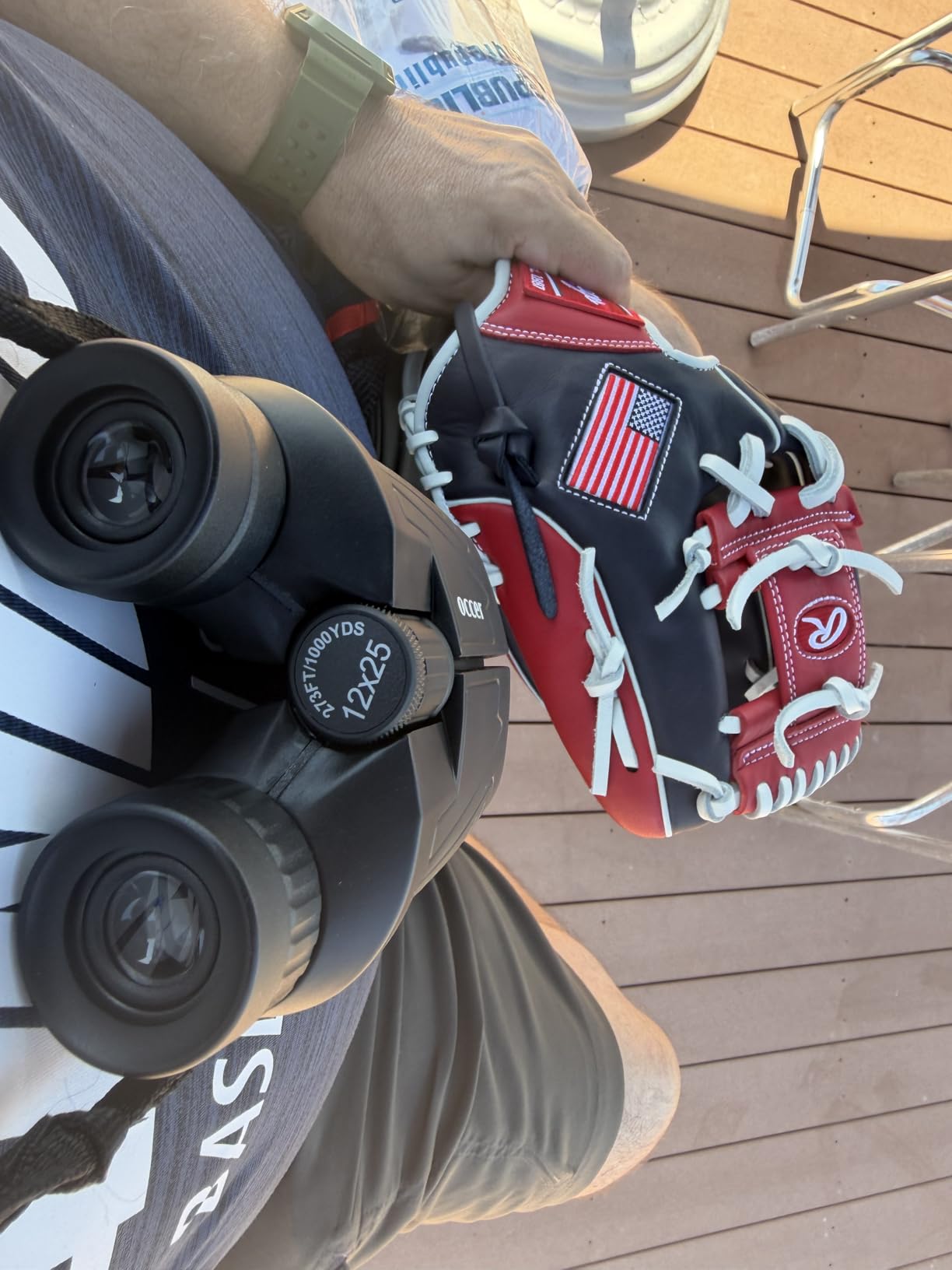
The real limitation is sealing. These are not nitrogen purged, and owners report internal condensation when they sit overnight in heavy dew or a wet bag. The chassis is rated waterproof for rain, but it is not the pair to submerge in a stream if you want to look at it the next morning.
Twelve power is also worth treating skeptically. Reviewers note the effective magnification is a little less dramatic than the label implies once you factor in the small aperture and the softness at the edge of the field. Treat it as a strong 10x with a bit of help finding distant movement.
What glasses wearers should look for instead
Look past the number and test it. Sixteen millimeters is the bare minimum for comfortable glasses use, and around 20mm is where most people stop fiddling with the eyecup. A twist-up eyecup helps because it moves the glass to eye as you adjust it rather than forcing your head into a fixed position.
Two other specs matter more to a glasses wearer than most buyers expect: the diopter range, so your right eye can be zeroed, and how much the eyecup rolls down without squeezing. The Occer manages both without much fuss.
When the dew problem will bite you
If you hike in the hills, you will eventually sleep with these somewhere damp. Without a nitrogen or argon purge, the internal surfaces fog from the inside out and the optic can stay cloudy for hours. Packing them in a sealed bag with a desiccant packet largely fixes it, but that is an extra step every single time.
Anyone hiking above the tree line in autumn, or splitting fog-bound mornings, should pay close attention to the purge specification rather than the waterproof rating alone. Sealing stops water getting in. Purging keeps water that does get in from fogging the view.
3. Aurosports 10×25 Compact Binoculars: Most Versatile for Day Hiking
Aurosports 10×25 Compact Binoculars for Bird Watching, Cruise Ship, Travel
10x25
8.8 oz
BAK4 prism
14.8mm eye relief
Pros
- Lightest serious pair here at 8.8 oz
- Single-hinge body resists flex
- Bright low-light image from BAK4 and FMC
- Case strap and cloth included
Cons
- Softer at the edge of the field
- Water resistant rather than fully sealed
- Some halo effect
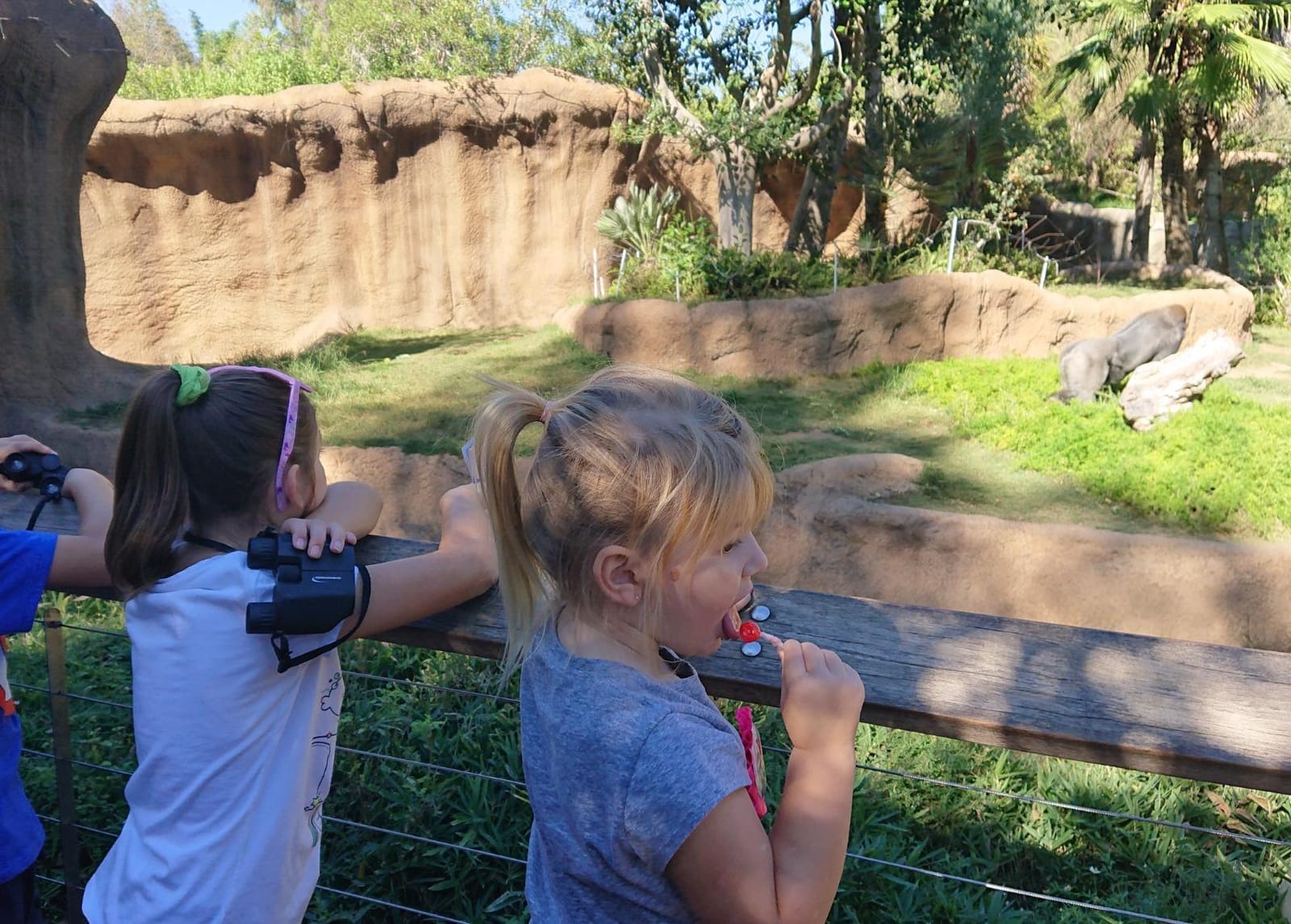
At 8.8 ounces, the Aurosports 10×25 is one of the lightest pairs here, and the single-hinge design is a real engineering choice rather than a shortcut. Two-barrel folding compacts flex, and flex shows up as a pair that drifts out of collimation after a season. A single center hinge keeps the optical axes aligned, and owners notice.
The image is brighter than the 8.8-ounce weight suggests. A BAK4 prism plus fully multi-coated lenses gives a usable view at dusk, which is not something you can say about most compacts in this weight class. A 362-foot field of view at 1,000 yards is wide, and 10x is the sweet spot for handheld work.
Two caveats stand out. The sealing is water resistant, not fully waterproof and nitrogen purged, so a downpour is a risk. And 14.8mm of eye relief is workable with glasses but not roomy, which is why this sits below the Occer on a family list even though it is lighter.
The inter-eye spacing is generous though, which is unusual in a palm-sized body and helps with larger adult head shapes. Shockproof silicone eyecups and a non-slip rubber armor finish take the abuse of a pack being set down on rock, which happens constantly.
Why 8.8 ounces matters on a long climb
Weight compounds. Over a weekend of backpacking, shaving two ounces off an item you carry every single step is more meaningful than it looks on a spec sheet. This pair also folds flat enough to sit in a jacket pocket when you are on a paved approach and do not want it swinging.
Because it is a fixed-shape Porro body rather than a folding roof prism, it also has a slightly larger footprint in the pack. That is a fair trade if the hinge cannot flex, and a poor one if pack volume is your binding constraint.
What you give up at this weight
Optics soften toward the edge of the field, and a few users report a faint halo around high-contrast subjects. That is a coating artifact rather than a defect, but if you spend a lot of time identifying distant species against bright sky, it is noticeable.
More importantly, water resistant is a much weaker claim than sealed. In sustained rain you would be carrying a pair that can fog internally and dry slowly. Pick this one for fair-weather day hiking, not for a wet-weather objective.
4. POLDR 12×25 Pocket Binoculars: The Lightest Pack Option
POLDR 12X25 Small Pocket Binoculars Compact for Adults
12x25
165 g body
BAK4 prism
16mm eye relief
Pros
- Lightest body in the roundup
- Magnesium chassis feels solid
- 126ft field at 1000 yards
- Strap/cloth and bag included
Cons
- Narrowest field of view here
- Average optical sharpness
- Focus and diopter need frequent adjusting
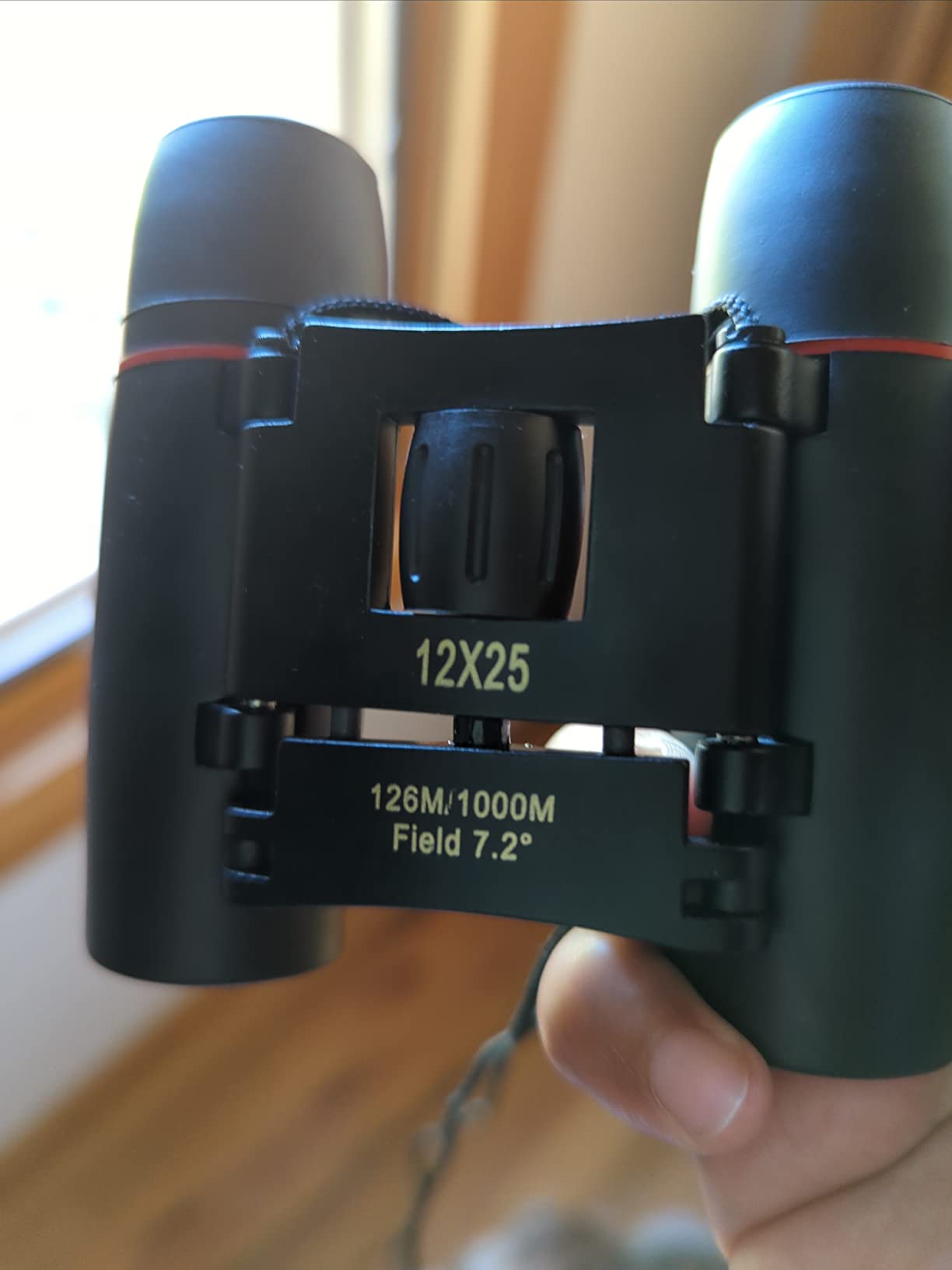
If your only criterion is weight, the POLDR 12×25 wins and it is not close. At 165 grams it is the smallest body in this group, and the magnesium chassis feels considerably more rigid than the plastic bodies that compete with it. Magnesium is the same material family used in premium bodies, which is an odd thing to find at the low end.
Sixteen millimeters of eye relief is a genuinely useful number. It clears most glasses without constant adjustment, which puts the POLDR ahead of several higher-rated pairs for anyone who wears prescription lenses on the trail.
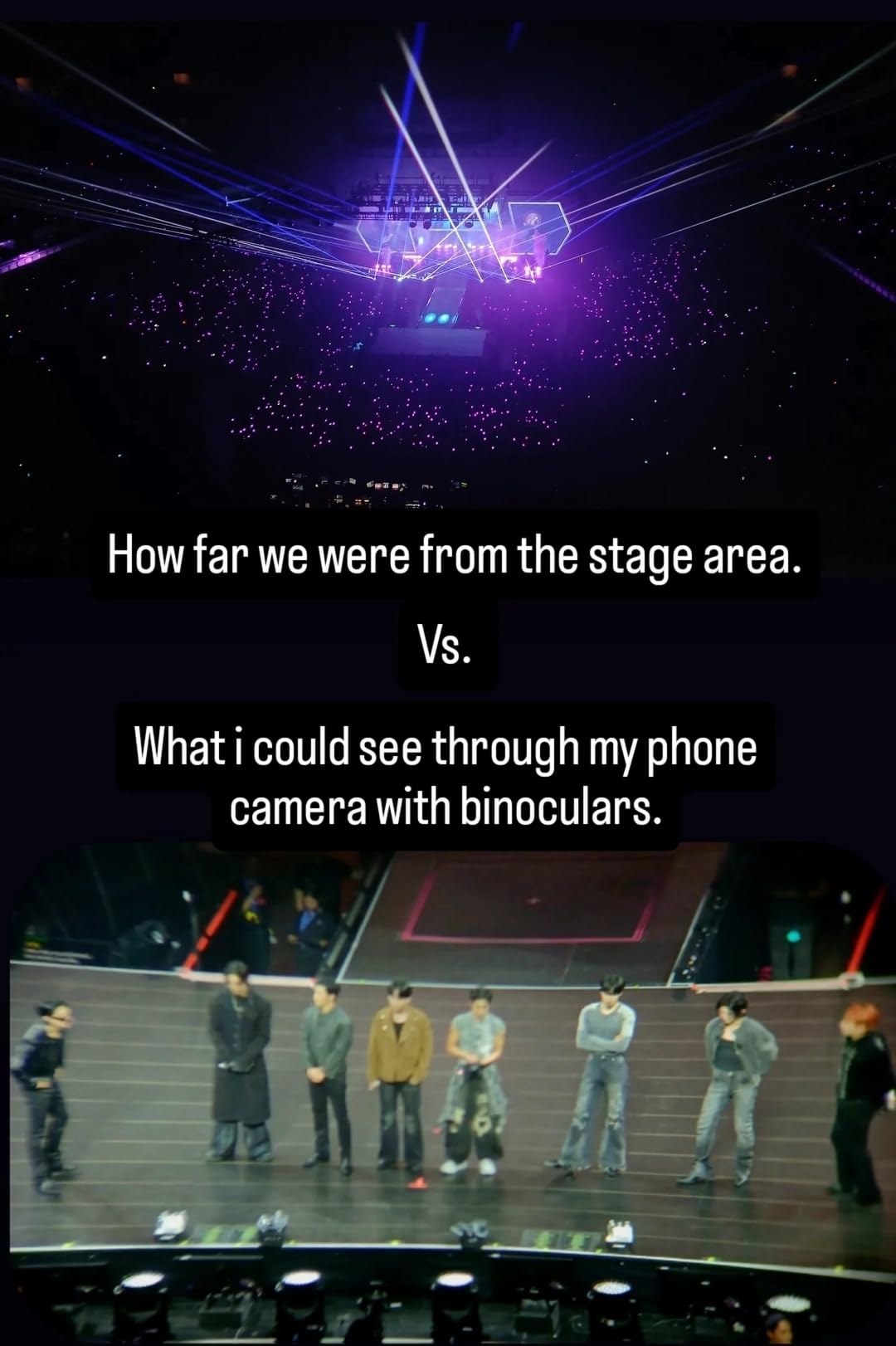
The compromise is the field of view. One hundred twenty-six feet at 1,000 yards is the narrowest here, and that width is what lets you find and track something moving. On a narrow, scrubby trail where a warbler pops out of a bush two seconds after it moves, a wider field is worth more than raw magnification.
Users also report that the focus and diopter adjustments need re-tuning more often than on rigid premium bodies, which is a common symptom of a lightweight chassis with more tolerance built into it. Treat it as a pair you re-zero at the start of a session, not one you set and forget.
What magnesium actually buys you
Magnesium is stiffer and lighter than the ABS plastic used in most compacts. Stiffer means the two barrels hold alignment as the temperature swings from a cold start to a hot ridge, which is precisely when cheap binoculars drift out of collimation and develop a slight cross-eyed look.
That durability reputation is what buyers on buy-it-for-life forums care about most. They consistently favour bodies that stay aligned over years and a pair of optics that are marginally sharper on day one.
Where the narrow field will frustrate you
A six-degree apparent field is narrow. Tracking a hawk against a cluttered forest background, or finding a flock that bursts out of cover, is meaningfully harder when you cannot see much around the target. If your hiking is mostly open ridgelines and overlooks, it matters less than you would think.
Optical sharpness is average by the standards of this list. Edges go soft and the centre is decent, which is the normal bargain at this weight. If you are the sort of hiker who notices fringing around branches, step up a tier.
5. Nikon Trailblazer 8×25 ATB: Best for Wet, Foggy Trails
Nikon Trailblazer 8x25mm ATB Binoculars – Compact, Waterproof & Fogproof, Bright Multilayer-Coated Optics, Roof Prism – All-Terrain Outdoor Wildlife Viewing & Birdwatching Binoculars (8217)
8x25
9.92 oz
Nitrogen filled
59.7 deg apparent FOV
Pros
- Nitrogen filled and O-ring sealed
- Nikon eco-glass and BAK4 roof prisms
- Very wide 60 degree apparent field
- Lifetime limited warranty
- Travel case and strap included
Cons
- 10mm eye relief is very tight for glasses
- 15ft close focus
- 8x is modest for distant ridges
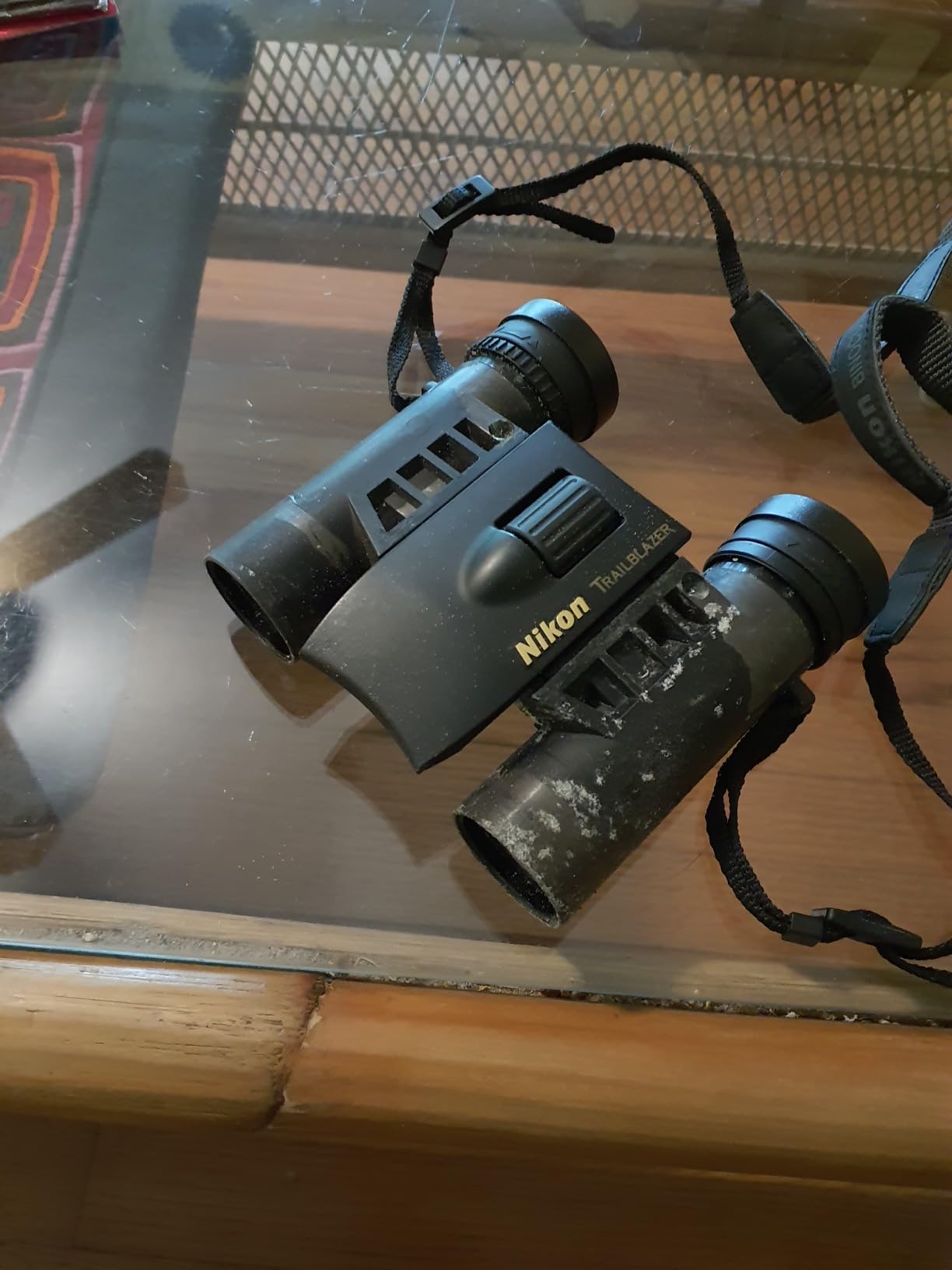
The Nikon Trailblazer 8×25 ATB is the most weather-ready pair in this roundup, and the reason is the sealing rather than the glass. It is nitrogen filled and O-ring sealed, so water that gets in stays out and the internal surfaces do not fog between dawn and late morning. On a coastal or rainforest trail that matters more than any sharpness difference here.
The field of view is the standout number. A 59.7-degree apparent angle is nearly double what most compacts offer, and it makes the 8x feel far less restrictive than the number suggests. If a bird moves, you are already pointing at it. That is the practical difference between 8×32 and 8×25 in one measurement.
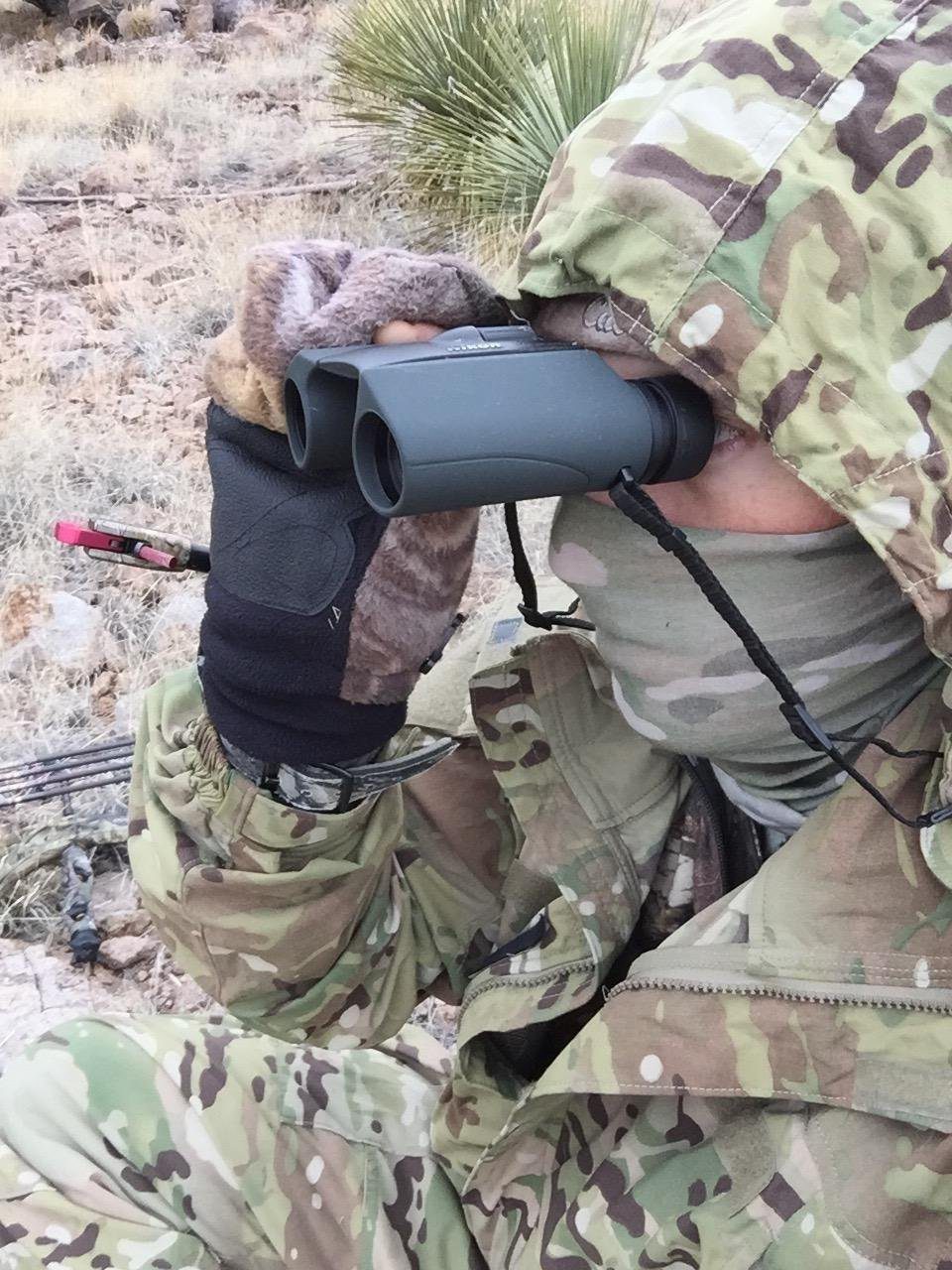
Owners consistently describe the image as bright, high-contrast, and true in colour, which is a function of the fully multi-coated lead-free and arsenic-free eco-glass. BAK4 roof prisms in a foldable body mean the whole thing collapses to a rectangle roughly the size of a paperback. A lifetime limited warranty comes with it, which forum buyers treat as a serious long-term signal.
The one problem is 10mm of eye relief. That is the tightest figure in this roundup and glasses wearers report needing to hunt for the correct eyecup position. Close focus of 15 feet is also modest if you want to watch a warbler in a nearby willow.
Why wide field of view beats raw magnification
Magnification tells you how far you can see. Field of view tells you how easy it is to find and hold. On a trail, the second one decides whether you actually identify the thing you just spotted or lose it in the brush. Every binocular forum thread about hiking glassing ends up at the same place.
A very wide field is also better for navigation. Scanning a junction for the correct marker, or sweeping a slope for wildlife, is a wide-field job. You can always zoom in afterwards; you cannot zoom out.
Who should pass on this pair
Anyone who wears glasses to hike. Ten millimeters of eye relief means fighting the eyecup every time you raise the glass, and on a long day that frustration is worse than a slightly dim image. The Occer and the ZEISS solve this properly.
The forum complaint that comes up most often with ultra-small compacts is that they are hard to hold steady and hard to acquire a target with. At 9.92 ounces with 8x power, the Trailblazer is stable, but the narrow real-world use case is distant, low-contrast ridgeline detail at long range, where more power would help.
6. Bushnell H2O 8×25: Best Roof Prism for Boating and Fishing
Bushnell 138005 H2O Waterproof/Fogproof Compact Roof Prism Binocular, 8 x 25-mm, Black
8x25
BAK4 prisms
Nitrogen purged
15ft close focus
Pros
- O-ring sealed and nitrogen purged
- BAK4 prisms with multicoated optics
- 15ft close focus suits thick woods
- Rubber armor grips in wet hands
- Case and strap included
Cons
- 12mm eye relief is tight for glasses
- 25mm aperture gathers less light than 30mm-plus bodies
- Limited warranty terms
The Bushnell H2O shares the sealing story with the Nikon and earns its place for a different reason: a 15-foot close focus distance. When you are working a hedgerow or walking through dense woodland, being able to focus on something close is worth more than a sharper view at 400 yards. Most 8×25 compacts cannot do it at all.
BAK4 prisms and multicoated optics deliver a bright, clean image for a roof prism body of this size, and the large center focus knob is easy to find with a glove on. Twist-up eyecups give some adjustment for glasses even though the nominal eye relief is only 12mm.
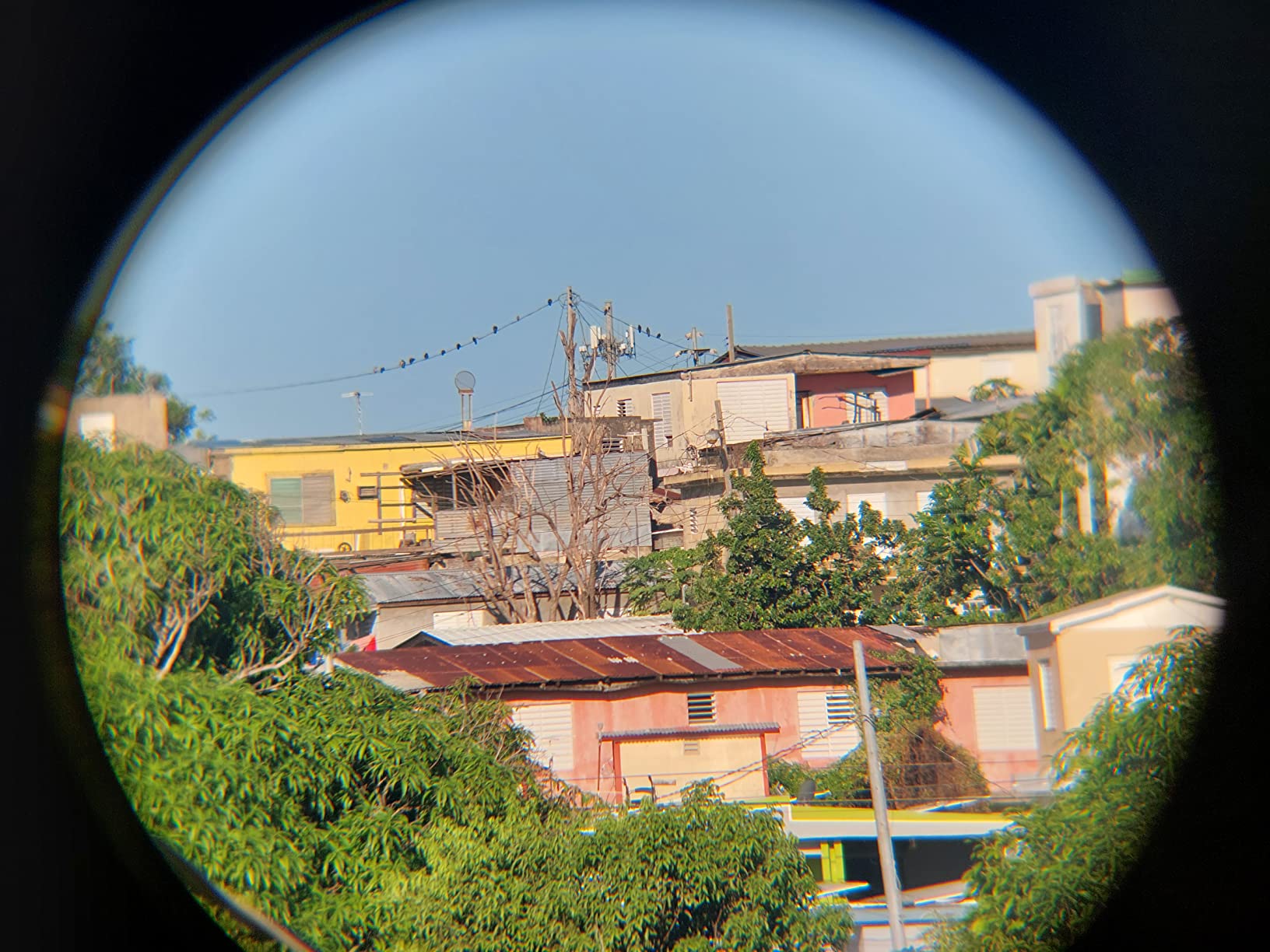
Non-slip rubber armor absorbs shock and, just as usefully, gives you a firm grip in the wet. That combination of a sealed chassis, a grippy body, and close focus is why this one keeps getting recommended for boating and fishing as much as for hiking.
The 25mm objective is the limitation. A 2.5mm-class exit pupil gives up before the light does, so on a genuinely dark trail you will be working hard. Twelve millimeters of eye relief also means glasses push the eyecup in, cutting into the already modest apparent field.
Close focus is an underrated hiking feature
Most trail birding is not at 400 yards. It is a flight line, a fruiting tree, or a wet edge you walk past at 20 feet. A pair that focuses to 15 feet lets you use it in those situations instead of panning uselessly and hoping the subject slows down.
It is also what makes these usable for kids and for butterflies and shoreline birds on a family trip. You can hand the same pair to a child and actually see something together, which removes the most common reason a family gives up on the idea.
The case against it on a trail
If your hiking is long, open, and often happens at dawn, the aperture is working against you. Compare it with a 32mm objective pack-strap compact and the difference in usable light is dramatic even though the weight gap is less than an ounce in many cases.
Twelve millimeters of eye relief is the second issue. Glasses wearers should try the ZEISS or the Occer instead, where eye relief is treated as a headline feature rather than an afterthought.
7. Vortex Vanquish 10×26: Premium Pick with a Lifetime Warranty
Vortex Vanquish Reverse Porro Prism Binoculars 10×26
10x26
Aluminum body
16mm eye relief
Nitrogen purged
Pros
- Unlimited unconditional lifetime warranty
- Aluminum body with full rubber armor
- Nitrogen purged and O-ring sealed
- Clear image with little color aberration
Cons
- 294ft field of view is narrow
- Objective lens caps not included
- Small eyecups and limited diopter range
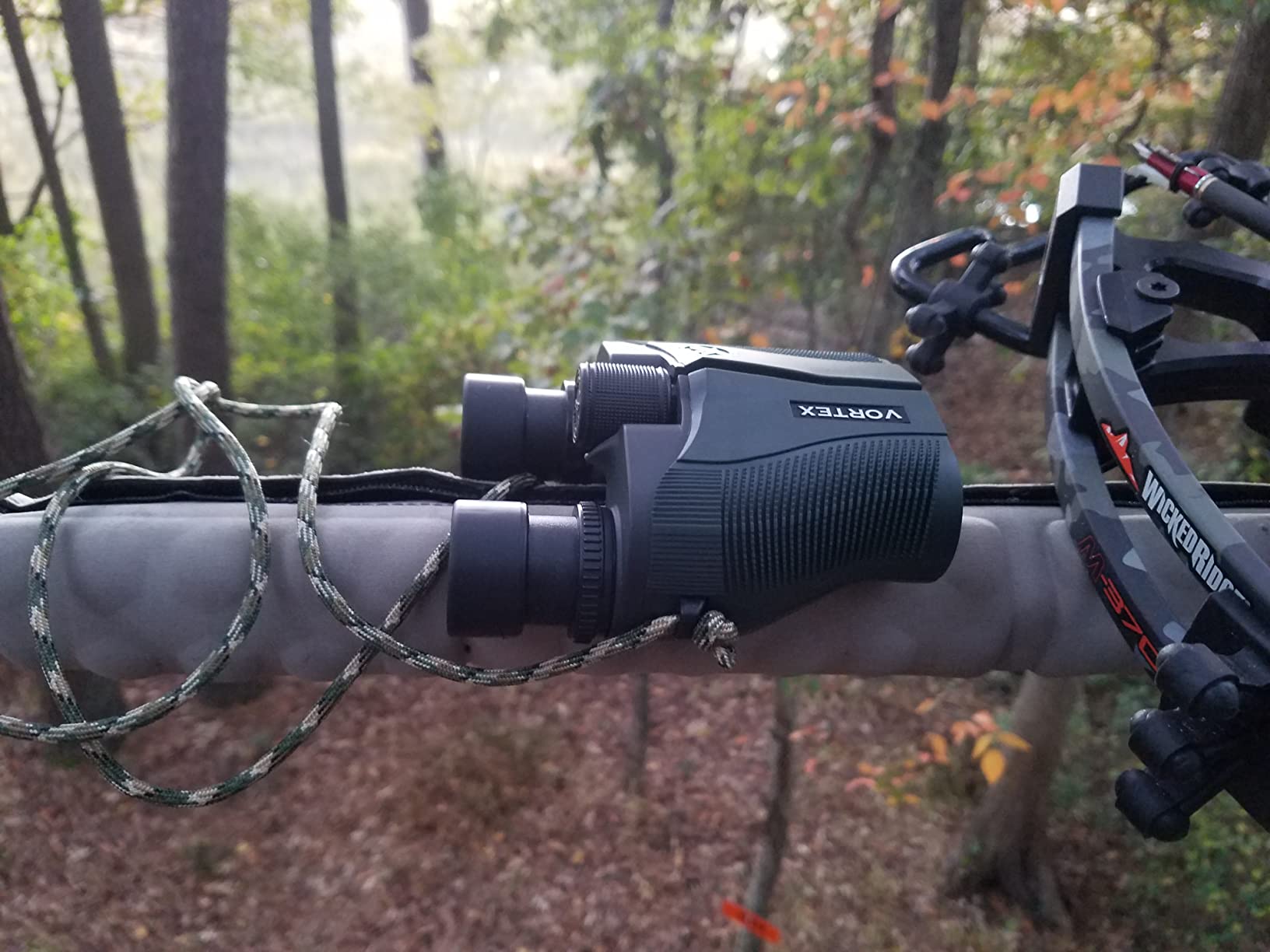
The Vortex Vanquish is the one I recommend when a reader tells me they drop things. An aluminum body with full rubber armor takes a tumble onto rock without complaint, and the unlimited unconditional lifetime warranty means a genuine accident is not the end of the purchase. Forum buyers rank warranty terms above almost every other spec for trail gear, and this is the strongest in the group.
It is also properly sealed: nitrogen purged and O-ring sealed, so it holds up in rain and at temperature extremes without internal fogging. The reverse Porro design packs flat and gives a bright, contrasty image with very little colour fringing at the edge of the field, which owners specifically call out as better than expected.
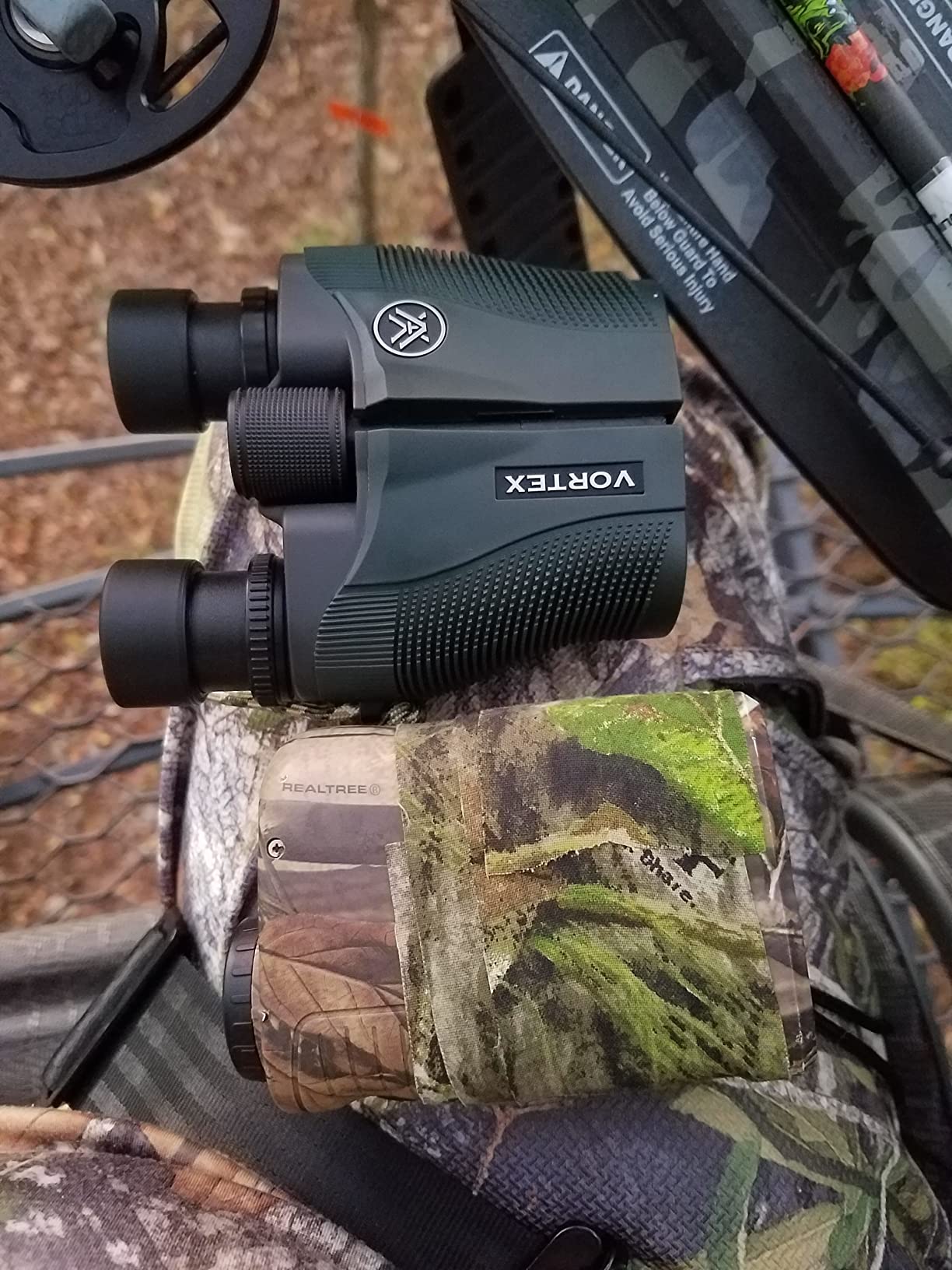
Ten power on a 26mm objective gives a 2.6mm exit pupil, enough for dawn and dusk walking but not for sitting in the dark. The 294-foot field at 1,000 yards is narrower than most of this list, so finding a moving subject takes a little more deliberate scanning.
Two accessory details are worth knowing before you commit. Objective lens caps are not included, and the eyepiece cover that is included is untethered, which is exactly the part that gets lost in a pack. Budget for replacements.
What a lifetime warranty is really worth
A compact binocular lives a hard life. It rides in a pack, gets dropped on a shelf, gets knocked against a car door, and occasionally gets submerged when you are kneeling at a stream. The realistic failure modes are a cracked housing, a lost eyecup, or a knocked prism, and a lifetime warranty covers exactly those.
That changes the calculation when you are choosing between two optically similar pairs. A longer warranty is worth real money in expected repairs, and it is the reason the Vanquish shows up in so many long-term ownership threads.
Where the narrow field gets in the way
A 5.6-degree apparent field is the narrowest of the group that stays bright. Tracking a bird that flushes from brush and crosses in front of you is harder, and scanning a distant slope means more deliberate sweeps. If a wide field is your priority, the Nikon’s 59.7-degree apparent angle is the opposite extreme in the same weight class.
Small eyecups and a limited diopter range can also frustrate people with strong prescriptions. Sixteen millimeters of eye relief is workable, but it is the bare end of comfortable.
8. Steiner Safari UltraSharp 10×26: Best for One-Hand Focusing
Steiner Safari UltraSharp 10×26 Binoculars, Compact, Large Magnification, Robust, Waterproof, Ideal for Travel, Hiking, Concerts, Sports and Nature Observation
10x26
One-hand focus
IPX4 rated
330ft FOV
Pros
- Continuous one-hand focusing
- Roof prism with no edge distortion
- IPX4 waterproof with NBR rubber armor
- Heritage lifetime repair warranty
- Light enough to pocket
Cons
- Close focus works out to 12-15 feet
- Eye covers not included
- Fine focus can be twitchy
The Steiner Safari UltraSharp does something none of the others do: it focuses continuously with a single twist. There is no separate close-focus lock and no diopter hunt. One control, one motion, and you are on your subject. On a trail where you are holding a trekking pole in the other hand, that is more useful than it sounds.
The roof prism design produces clean edges with no prism-induced distortion or edging, which is the visible flaw in some Porro designs. The body is IPX4 rated, rated functional from -20 to +70 degrees Celsius, and wrapped in non-slip NBR rubber armor that grips well when damp.
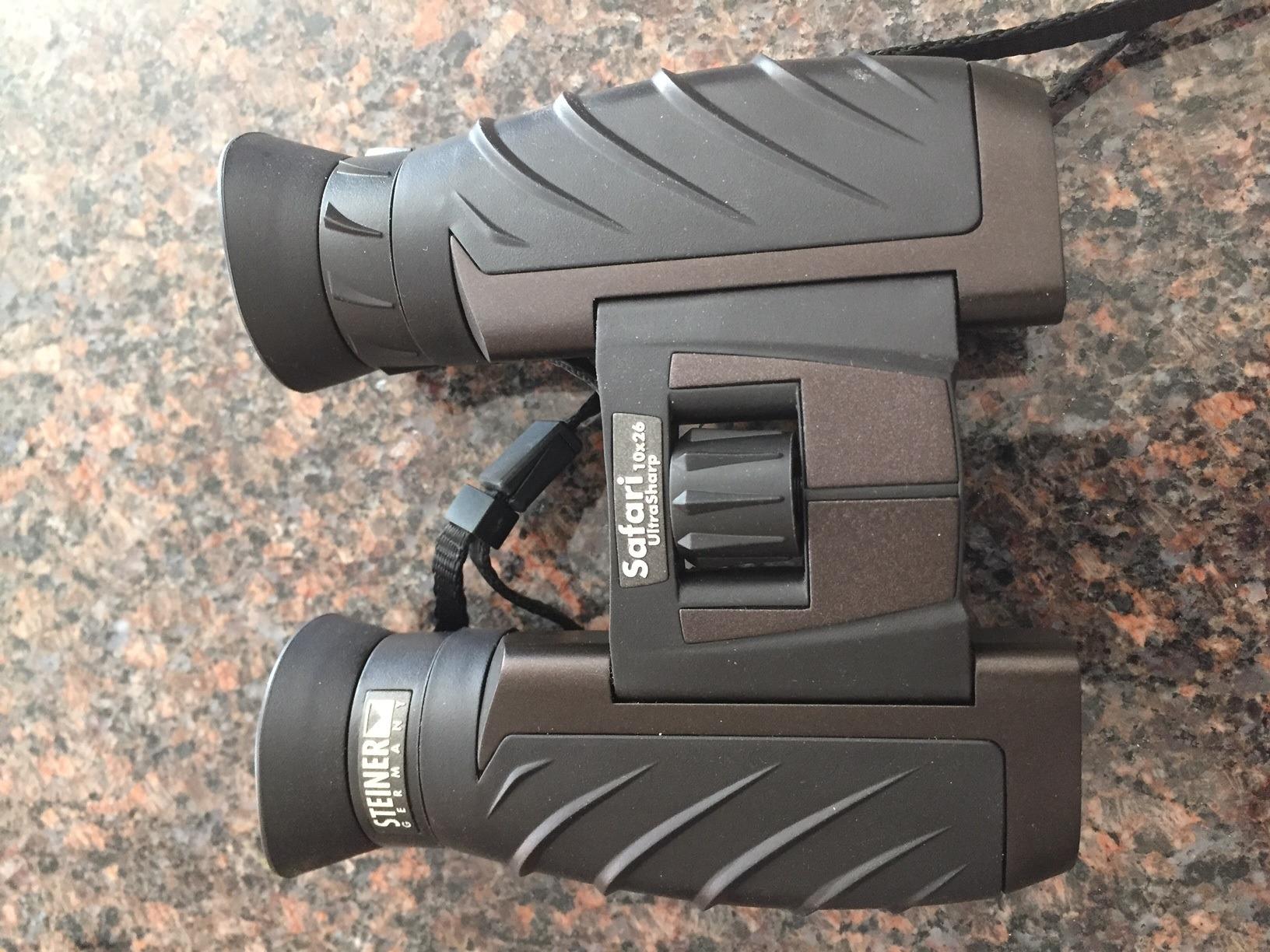
Ten power is the highest in a genuinely compact body here, and it makes distant subjects look larger without pushing into the unstable range. The stated 330-foot field at 1,000 yards is a reasonable middle ground, and the compact low-bulk chassis disappears into a pocket when you are not using it.
The close focus specification of 2 meters is where the marketing and the experience diverge. Users report the practical figure is closer to 12 to 15 feet. That is still usable in woodland, just not as close as the Bushnell manages. The fine focus also takes practice to dial in.
When one-hand focus earns its place
Any time one hand is occupied. Holding a pole, a map, a child’s hand, a camera, or a cup of coffee, a two-stage focusing system becomes a fiddly operation. A single continuous control is designed for exactly that constraint, and the difference in frustration is immediate.
It is also genuinely quieter in operation than a center focus knob on a small body, which matters when you are trying to watch a wary bird or deer twenty feet away without it bolting.
What the spec sheet gets wrong
Treat the 2-meter close focus with caution and check owner reports before buying for close work. The 12- to 15-foot practical distance is fine for hedgerows and trail edges, and it is not fine for looking at a mushroom twenty inches from your boot.
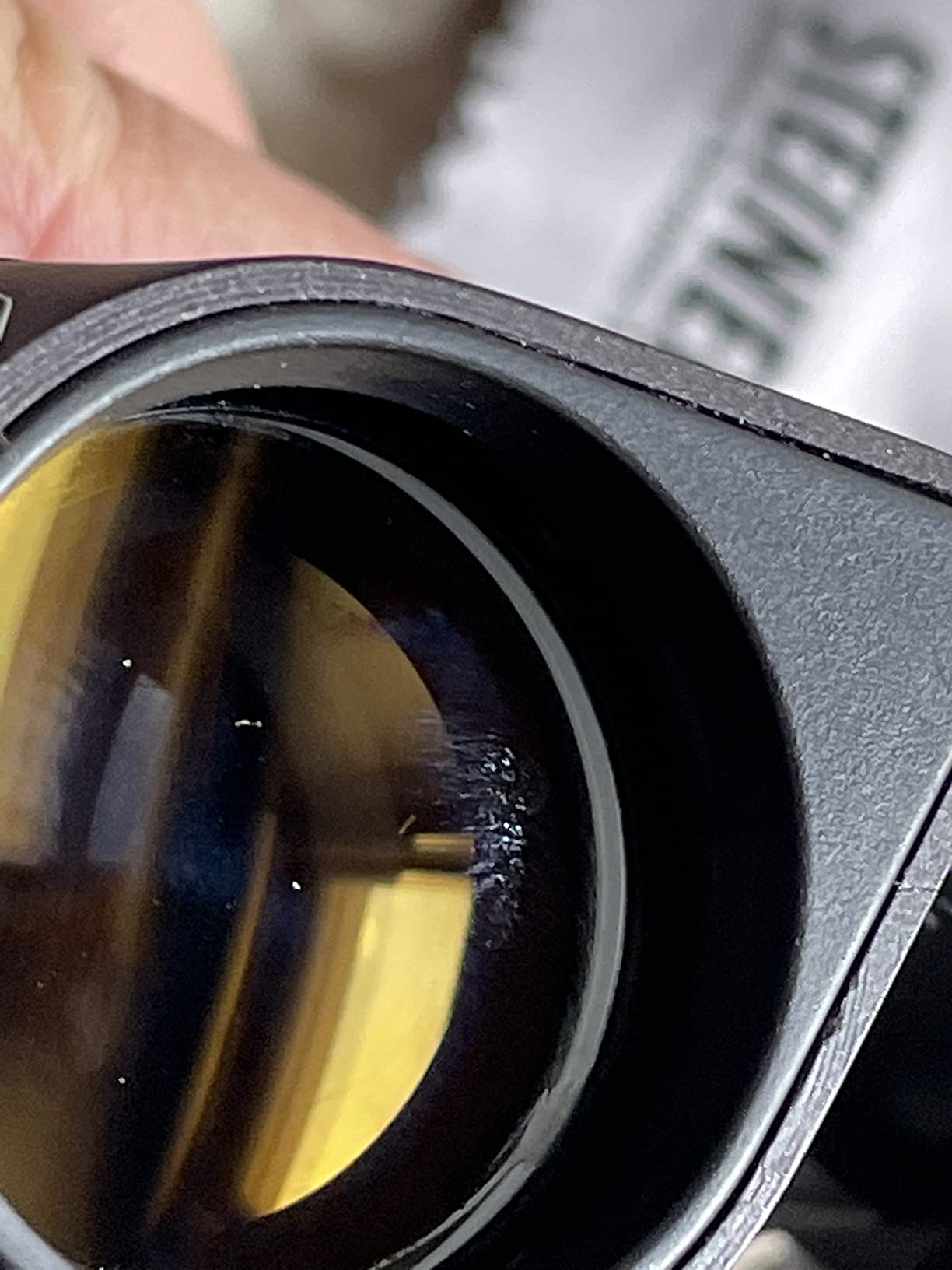
Eye covers are not in the box, which is a small but real annoyance for a trail optic. The Steiner heritage warranty covers repair or replacement for the life of the product, which is a meaningful long-term plus.
9. Nocs Provisions Standard Issue 8×25: Best for Kids and Family Hikes
Nocs Provisions Standard Issue 8×25 Binoculars, Waterproof, Bird Watching
8x25
11.85 oz
IPX7 rated
Nitrogen purged
Pros
- IPX7 waterproof and nitrogen purged
- Bright edge-to-edge image from Bak4p prism
- 8x is stable and shake-free
- High-visibility colorways
- Rugged Wave Grip body
Cons
- 10mm eye relief is tight for glasses
- Case and strap quality is weak
- 25mm objective dims in low light
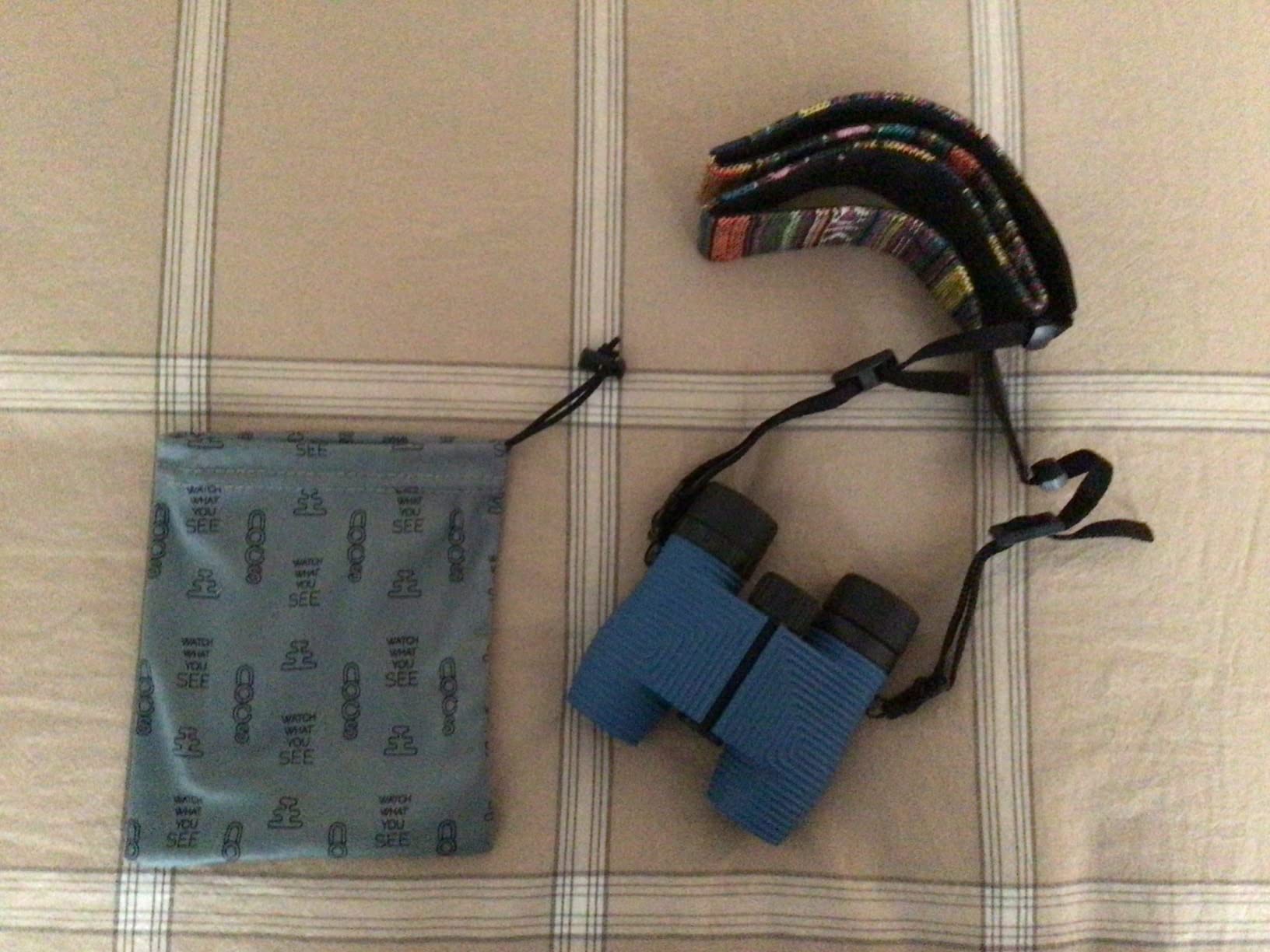
The Nocs Standard Issue 8×25 is the pair to buy for a family hike with a mixed-ability group. Eight power is the least shaky format in this roundup, which means a child can actually hold it on a bird rather than sweeping past it. The bright, high-visibility colorways also solve the perennial problem of a lost optic in the bottom of a pack.
It is also the most aggressively sealed pair here. IPX7 means it survives full immersion, on top of O-ring sealing and nitrogen purging, and the fully multi-coated optics with a Swiss-designed Bak4p prism deliver a crisp image that reviewers call edge-to-edge, with a 357-foot field of view at 1,000 yards.
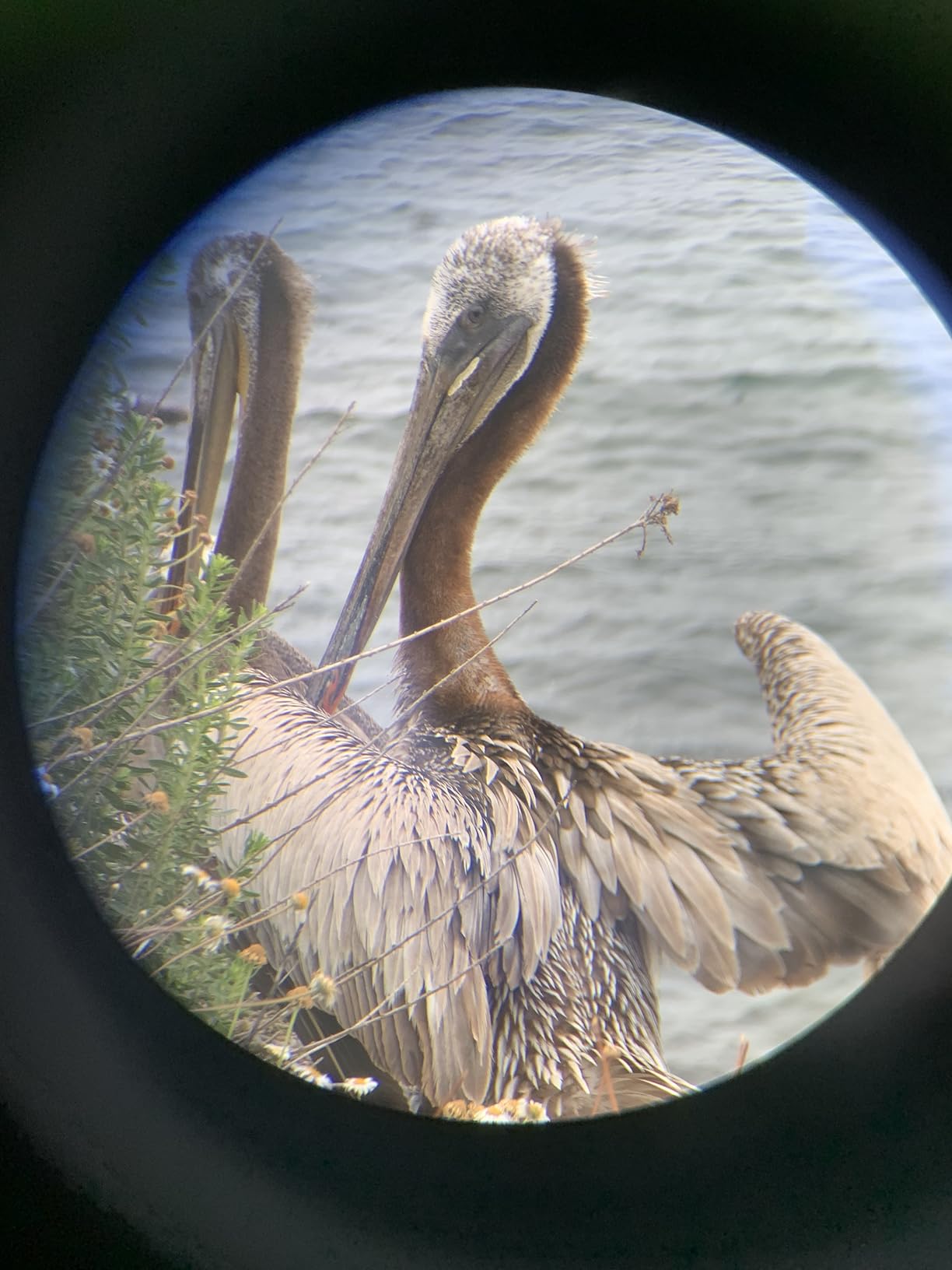
The patented Rugged Wave Grip body is impact resistant and genuinely secure to hold, which matters when the user is a nine-year-old. A smartphone-friendly shape is a nice side benefit for lining up photos of a distant ridge from a summit.
Where it disappoints is in the details. The most common owner complaint is difficulty achieving sharp focus and finding the right eye-cup distance, which is a hands-on problem rather than a spec problem. The included case and neck strap are also frequently criticised, and the 10mm eye relief is the tightest in the group.
Why 8x is the right power for a shared pair
Magnification above 10x turns arm shake into a moving image, and a child holding a pair one-handed with a nervous grip will not be able to hold a 12x steady at all. At 8x, the image sits still enough to be useful and the field is wide enough that you can find a moving subject quickly.
Because a single pair works for everyone, you are not buying two. For a family that hikes weekly, that changes the cost picture more than the price of the binocular does.
Accessories you may end up replacing
The case and strap are the weak point. Multiple reviews describe the strap as thin and the pouch as an afterthought, so plan on buying a proper strap and a padded pouch. This is common in this price bracket and is not a sign the optic itself is poor.
The focus finesse issue is real. Budget a few minutes at the start of each outing to set the diopter and re-zero the focus rather than assuming the settings carried over from the last trip.
10. ZEISS Terra ED Pocket 10×25: Best for ED Glass Clarity
ZEISS Terra ED Pocket Binoculars 8×25 Compact, Waterproof, and Fast Focusing with Coated Glass for Optimal Clarity in All Weather Conditions for Bird Watching, Hunting, Sightseeing, Grey
10x25
SCHOTT ED glass
16mm eye relief
88% transmission
Pros
- SCHOTT ED glass with 88% light transmission
- LotuTec coating holds up in wet weather and twilight
- 16mm eye relief works with glasses
- Large smooth focus wheel for fast one-handed focusing
Cons
- Heaviest pair in the roundup at 1.5 pounds
- Premium cost for casual hiking
- 10x is less stable than 8x
The ZEISS Terra ED Pocket is the only pair here with SCHOTT extra-low dispersion glass, and you can see it. ED glass reduces the colour fringing around high-contrast edges that makes standard compacts look soft on branches against bright sky. Owners comparing it to budget glass report a distinctly cleaner, more neutral image, and 88% light transmission is high for a 10×25.
It is also the best-behaved glass in this group for glasses wearers, at 16mm of eye relief. The LotuTec hydrophobic coating keeps raindrops and dew from sitting on the objective, and the large smooth focus wheel makes fast one-handed focusing easy rather than fiddly.
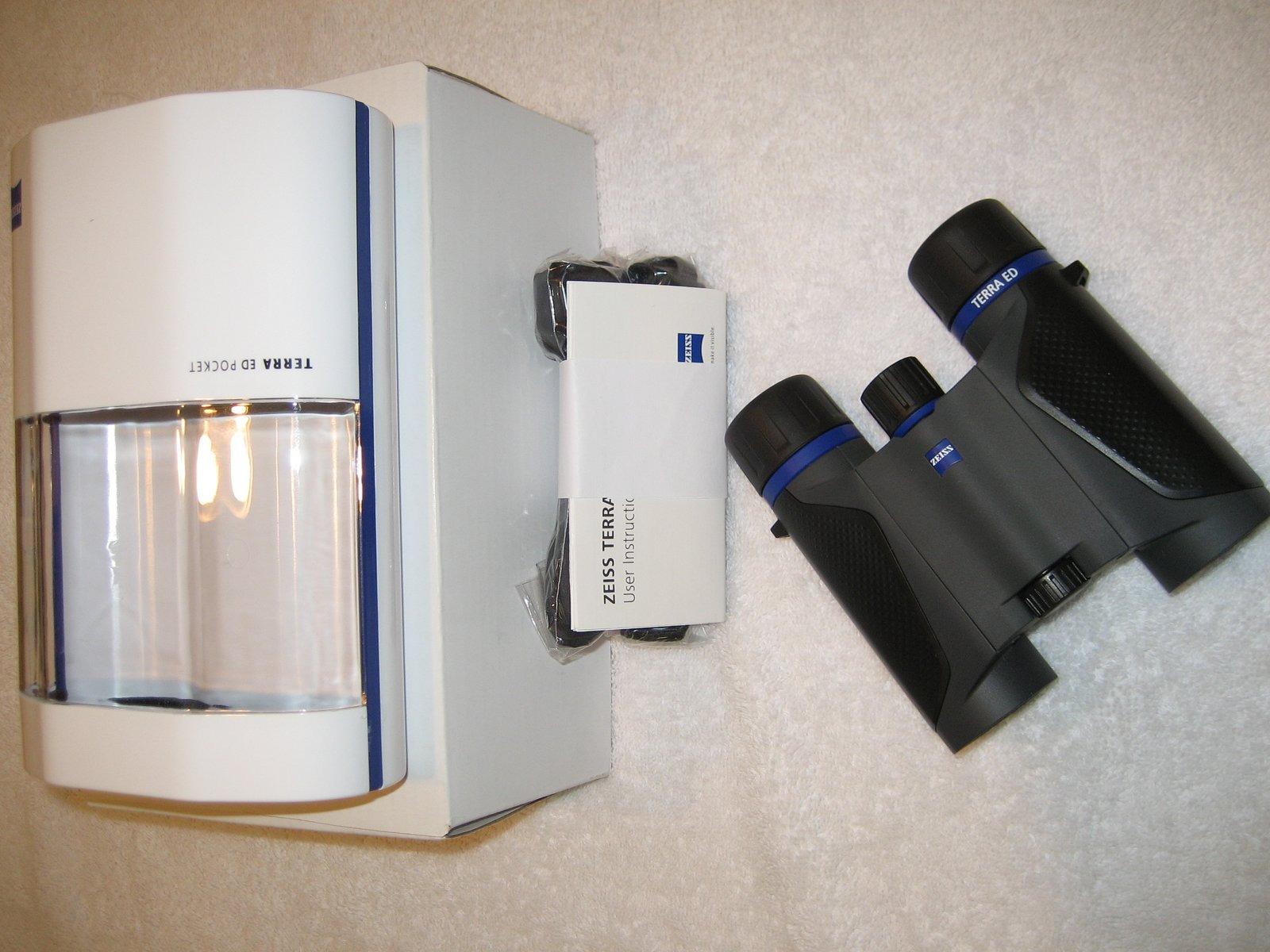
The magnesium, glass-fiber reinforced waterproof body resists impact and stays put in a pack. It also collapses flat enough to be genuinely pocketable despite the weight, which is the trick this model plays well.
And it is the heaviest pair in this roundup at 1.5 pounds. That is a real cost on a long trail, and it is the reason the ZEISS is not our overall pick. Ten power is also less stable handheld than 8x, though with ED glass and high transmission the light you lose to magnification is partly given back.
When ED glass is worth the extra weight
Extra-low dispersion glass earns its cost when you are looking at edges against contrast. That means a bird against a bright sky, a ridgeline against cloud, or a branch against snow. In those scenes ED glass removes the coloured halo that makes a cheaper image look smeared rather than soft.
It also helps at twilight. A high-transmission lens gives you a cleaner image with less noise when the light drops, which is the difference between seeing a shape move and guessing whether it moved. If your hikes start before sunrise, that is worth real money.
Who should not buy this
Buy this pair if you glass a lot at long range and do not mind the weight. Skip it if you are carrying weight for a living, or if your hiking is casual sightseeing on a maintained trail. A 1.5-pound optic is a commitment to slowing down and stopping to use it.
The included box contains only the binoculars, so plan on a strap and a case. The two-year manufacturer term is also shorter than the lifetime coverage offered by a few models in this list, which is a fair point to weigh before committing.
8×25 vs 8×32: Which Compact Size Should You Actually Buy?
Short answer: most hikers should stay under about 10x, and should choose a 30mm-plus objective only if they regularly hike at dawn or spend long periods watching from a fixed position. The reason is that magnification and objective size pull in opposite directions, and only one of them is limited by your body.
Magnification is limited by your hands. Above 10x, your own pulse moves the image faster than you can track a bird, and on a trail your elbows are rarely braced. This is the single most common complaint forum hikers have about compacts, and it is why 8x and 10x dominate the good recommendations.
Objective size is limited by your pack and your wallet. A 32mm objective is wider, longer, and heavier than a 25mm. What it buys is light. The exit pupil, which is the objective diameter divided by the magnification, tells you how much light reaches your eye: a 25mm objective at 8x gives a 3.1mm exit pupil, while a 25mm at 10x gives only 2.5mm. Under a dark-adapted eye of roughly 5 to 7mm, the smaller number is where a dawn hike gets frustrating.
So the decision rule is short. Day hiking and travel, choose 8×25 or 10×25 and enjoy the small size. Birding at dawn, or any time you sit and glass for more than twenty minutes, move to 8×32 or 10×32 and accept the extra weight. Any magnification above 12x on a trail is a mistake unless you carry a tripod adapter or rest the glass on a rock.
Best Compact Binoculars for Hiking on a Budget
The budget end of this roundup is more capable than it was a few years ago, because BAK4 prisms and multi-coating have moved into the smallest bodies. Our picks in the low tier are the POLDR 12×25, the Aurosports 10×25, and the Hontry 10×25, and all three use better glass than most buyers expect at the money.
Choose the POLDR if weight is your first concern and you want the stiffest body and the best eye relief of the three. Choose the Aurosports if you want the lightest body with a wide field of view and the most stable hinge. Choose the Hontry if you want the brightest image and a pair that fits a wide range of face sizes.
What you give up in the budget tier is sealing, edge sharpness, and included accessories. None of these three is nitrogen purged, so in heavy dew or sustained rain the smart move is to seal them in a dry bag between outings rather than to skip the purchase. The same buy-the-compact-version logic runs through our [best compact air fryers for small kitchens](https://cookcraftandcreate.com/best-compact-air-fryers/) picks, where the accessory footprint matters as much as the spec sheet.
Buying Guide: What to Look for in Compact Binoculars
Decoding the numbers on the barrel
The first number is magnification and the second is the objective lens diameter in millimeters. An 8×25 means eight power with a 25mm objective. Multiply nothing, divide the objective by the magnification to get the exit pupil, and you have the two numbers that matter: how steady it will feel and how bright it will look.
Field of view is usually quoted in feet at 1,000 yards, and anything around 300 to 400 feet works well for scanning a slope. A very wide apparent field of view, measured in degrees, is what makes an 8x feel usable rather than like a telescope.
Magnification versus objective lens size
Choose low magnification for movement and high objective for light. That is the whole trade. Above 10x you are amplifying hand shake, and above a 25mm objective you are adding bulk to your pack for light you may never use.
One extra caution on printed magnification. Some budget compacts are labelled 12x when the effective magnification is closer to 10x once you account for a small aperture and edge softness. Assume anything above 10x on a 25mm body is optimistic.
Eye relief for glasses wearers
Sixteen millimeters is the minimum you should accept if you wear glasses, and around 20mm is where you stop adjusting the eyecup constantly. Several pairs in this roundup sit at 10mm or 12mm, which is a warning sign for a glasses wearer regardless of how good the rest of the spec sheet looks.
Twist-up eyecups help because they let you move the glass to your eye rather than press your face into a fixed stop. A usable diopter range matters as well, since it is how you zero the right eye to the left.
Field of view and why it beats magnification
Field of view decides how fast you can find something. A wide field lets you sweep a slope and catch a movement, then zoom in. A narrow field means you may never know you looked straight at it. This is the argument behind the Nikon’s unusually wide apparent angle and the main reason to prefer 8×32 over 8×25.
Low light performance and exit pupil math
Exit pupil is objective diameter divided by magnification, and a dark-adapted human pupil is roughly 5 to 7mm. Anything at or above that reads as a bright image; much below it and a dawn or dusk hike gets dim and grey. A 25mm objective at 8x gives 3.1mm, at 10x gives 2.5mm, and a 32mm objective at 8x gives a full 4mm.
Coatings matter too. Fully multi-coated lenses and a BaK4 prism reflect far less light back out of the system than a single-coated BK7 prism, which is often worth more than a millimeter of objective diameter in a cheap body.
Glass and prism coatings
BaK4 prisms beat BK7 on light transmission and contrast, and most of the pairs here use BaK4. Phase-correcting dielectric coatings on roof prisms further improve contrast, particularly at higher magnifications where stray light is more visible.
ED or fluorite glass reduces chromatic aberration on high-contrast edges. For general hiking and scenic viewing it is a refinement rather than a necessity. For bird identification against bright sky, and for twilight viewing, it is a clear upgrade.
Waterproofing, purging, and fog
Waterproofing and fogproofing are two different claims. Waterproof means water does not get in. Fogproof, which comes from nitrogen or argon purging, means that if water does get in it cannot fog the internal surfaces. For a trail optic, purging is the more important of the two.
An IPX7 rating means the optic survives immersion, which is more than most trail conditions demand. IPX4 handles spray and rain. Look for O-ring seals and a purge specification, and treat water-resistant-only listings with care.
Weight, carrying setup, and warranty
Weight in ounces is the number that matters on a trail, and the accessory weight counts. Budget compacts sometimes ship with a thin strap and a thin pouch; a proper strap and a padded case often add more than the binoculars themselves weigh to your next purchase decision.
For carrying, a chest harness beats a neck strap for long days because it keeps the glass against your sternum instead of swinging. A tethered set of lens caps is worth more than almost any accessory upgrade. A lifetime or VIP warranty is a real signal for gear that gets dropped, and it should break close calls between two similar pairs. We apply the same logic to countertop gear, where the deciding factor is often how much shelf space the thing eats, as in our [best compact stand mixers](https://cookcraftandcreate.com/best-compact-stand-mixers/) roundup.
When to Skip a Pocket Compact on a Long Hike
Some hikers buy a pair under 10 ounces and then complain on forums that the smallest compacts are basically impossible to use. That frustration is usually about format rather than quality. An 8×21 or a very small 12x body can be hard to hold steady, hard to keep on target, and unpleasant with small eye cups that block peripheral view.
Skip a true pocket compact if you plan to spend more than an hour of a trip stationary, watching. Skip it if you hike at dawn and expect to identify species in half-light. Skip it if you wear strong prescription glasses and will not tolerate a fiddly eyecup.
Do not skip it if your trips are day hikes, if the point is scanning a ridge from a viewpoint, or if you are trying to keep pack weight honest. A bright, simple 8×25 that comes out of your pocket at every overlook beats a better optic you left at home. The best binoculars are the ones you actually carry.
Frequently Asked Questions
Is 8×32 better than 8×25 for hiking?
It depends on when you hike. An 8×32 gathers noticeably more light, which makes it better at dawn and dusk, and it usually gives you a wider field of view so you can find moving subjects faster. An 8×25 is smaller and lighter and handles steadier. For all-day day hiking in fair weather choose 8×25. For dawn birding or long sit-down glassing choose 8×32 and accept the extra weight.
Are 8×25 binoculars worth it?
Yes for most trail use. Eight power is the least shaky magnification you can carry handheld, and a 25mm objective keeps the body small enough to live in a jacket pocket. They are worth it for day hiking, scenic overlooks, and travel. They are not worth it if you need to identify birds in heavy shade or at sunrise, because the small objective runs out of light before your eyes do.
What eye relief do I need if I wear glasses?
At least 16mm, and around 20mm is better. Below 16mm you will spend most of your hike pulling the eyecup in and out to get a full view. Also check that the eyecups twist up and that the diopter range covers both eyes, since a narrow diopter range is a common reason prescription wearers cannot get a sharp image.
What are the most affordable compact binoculars that still work well?
The POLDR 12×25, the Aurosports 10×25, and the Hontry 10×25 are the strongest value picks. All three use BAK4 prisms and multi-coated lenses, which is unusual at this level. The trade-off is sealing: none is nitrogen purged, so store them in a dry bag overnight in wet conditions and expect a small amount of internal condensation after a soaking rain.
Do I need ED glass for hiking binoculars?
Not for scenic viewing or general day hiking, where a good coating and a BAK4 prism will get you most of the way. ED glass is worth paying for if you identify birds against bright sky, glass ridgelines at distance, or hike at twilight, because it reduces colour fringing around high-contrast edges and keeps a cleaner image in low light.
What do the numbers on binoculars mean?
The first number is magnification and the second is the objective lens diameter in millimeters, so 8×25 means eight power with a 25mm objective. Divide the objective by the magnification to get the exit pupil, which tells you how bright the image will be. A field of view figure in feet at 1,000 yards tells you how much you can see at a time.
Final Verdict: Which Compact Binoculars Should You Buy?
The best compact binoculars for hiking depend less on the badge on the box than on when and how you use them. For most day hikers, the Hontry 10×25 is the pick: it is small, bright, stable at 8 to 10 power, and its wide interpupillary range means one pair works for an adult and a child.
If you wear glasses, change the order. The Occer 12×25 with 20mm of eye relief or the ZEISS Terra ED Pocket with ED glass and 16mm will save you a frustrating day. If you hike in wet weather, the Nikon Trailblazer 8×25 or the Vortex Vanquish 10×26 will not fog on you. If you never leave the trailhead before sunrise, stop reading and start looking at 8×32 or larger objectives.
Whatever you choose, buy it and then actually carry it. The pair that lives in your daypack is worth more than the pair that stays in a drawer because it felt like too much gear. Check the eye relief before you commit, and go find something on a ridge.