Most hunters buy a rifle long before they buy a pair of binoculars, then spend a season wishing they had reversed the order. A scope helps you aim at the animal you have already spotted. Binoculars decide whether you spot it at all, at 700 yards, in the last twenty minutes of light. which is why the best binoculars for hunting earn a place in the pack, and why buying them wrong is so easy to do.
Our team spent a fall season working through nine hunting binocular configurations, side by side in the field and at arm’s length against a resolution chart. We covered eastern timber, sagebrush flats and long open benches, and we logged the details spec sheets never mention: how a pair behaves at dawn when the light is genuinely thin, whether the eyecups clear prescription glasses, how the focus wheel responds with cold gloves on, and how much neck ache you have accumulated by late afternoon.
This guide covers the full ladder, from an entry pair that will not strain a budget to premium glass that resolves antler tines at distance. We break down the specifications that actually separate these models: exit pupil, field of view, eye relief, purge gas and weight in ounces. We also explain what labels like HD and UHD do and do not mean, which is the fastest way to spend money on nothing at all. Updated for October 2026.
Table of Contents
- Top 3 Best Binoculars for Hunting (October 2026)
- Best Binoculars for Hunting (October 2026): Quick Overview
- 1. Vortex Crossfire HD 10×42 – The Best All-Around Hunting Binocular
- 2. Vortex Diamondback HD 10×42 – Best Value for Serious Glassing
- 3. Leupold BX-2 Alpine HD 10×42 – Best for Eastern Timber
- 4. Bushnell H2O Xtreme 10×42 – Best for Rain, Snow and Mud
- 5. ZEISS Terra ED 10×42 Compact – Best for Dawn and Dusk Glassing
- 6. Nikon PROSTAFF P3 10×42 – Best for a Wide Field of View
- 7. Nikon Monarch M7 10×42 – Best for Long-Range Precision
- 8. Bushnell PowerView 10×42 BoneCollector – Best for Packability
- 9. Vortex Copperhead HD 10×42 – Best Budget Entry Point
- How to Choose the Best Binoculars for Hunting
- Frequently Asked Questions
- The Best Binoculars for Hunting: Our Final Verdict
Top 3 Best Binoculars for Hunting (October 2026)

Vortex Crossfire HD 10×42
- Edge-to-edge HD sharpness
- Bright fully multi-coated image
- Nitrogen purged and O-ring sealed
- Unlimited lifetime VIP warranty

Vortex Diamondback HD 10×42
- Dielectric prism coating
- Argon purged and fogproof
- Compact and light at 1.3 pounds
- Armortek lens protection

Leupold BX-2 Alpine HD 10×42
- BAK 4 roof prisms
- Twilight Max light management
- Open-bridge chassis
- Leupold lifetime guarantee
Best Binoculars for Hunting (October 2026): Quick Overview
The nine picks below cover eastern timber, western open country, wet-weather scenarios and pack weight. Every one is a 10×42, which is not a coincidence: the configuration lands on the list because it balances magnification, field of view, weight and low-light performance better than any other setup for the majority of deer and big game hunters.
| Product | Specs | Action |
|---|---|---|
| Vortex Crossfire HD 10×42 |
|
Check Latest Price |
| Vortex Diamondback HD 10×42 |
|
Check Latest Price |
| Leupold BX-2 Alpine HD 10×42 |
|
Check Latest Price |
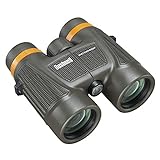 Bushnell H2O Xtreme 10×42 Bushnell H2O Xtreme 10×42 |
|
Check Latest Price |
 ZEISS Terra ED 10×42 Compact ZEISS Terra ED 10×42 Compact |
|
Check Latest Price |
 Nikon PROSTAFF P3 10×42 Nikon PROSTAFF P3 10×42 |
|
Check Latest Price |
 Nikon Monarch M7 10×42 Nikon Monarch M7 10×42 |
|
Check Latest Price |
 Bushnell PowerView 10×42 BoneCollector Bushnell PowerView 10×42 BoneCollector |
|
Check Latest Price |
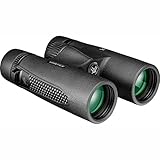 Vortex Copperhead HD 10×42 Vortex Copperhead HD 10×42 |
|
Check Latest Price |
1. Vortex Crossfire HD 10×42 – The Best All-Around Hunting Binocular
Vortex Crossfire HD 10×42 Binoculars
10x and 42mm objectives
HD optical system
Nitrogen purged,O-ring sealed
325 ft field of view
Pros
- Edge-to-edge sharpness well ahead of its tier
- Bright usable image at dawn and dusk
- Lightweight for a full-size 10x42
- Includes GlassPak harness and tethered lens covers
- Unlimited lifetime VIP warranty
Cons
- Yellow and purple fringing at the field edge in bright sun
- Longer body than most 10x42 models
- Harness and neck strap cannot be used together
The Crossfire HD is the pair we hand to a first-time hunter without hesitation, and the one we still reach for when a day gets long. The 10x and 42mm combination is the most balanced configuration on the market: enough magnification to sort antlers at 500 yards, a 325 foot field of view wide enough to track a moving deer without swimming in the glass, and a body that does not punish you at hour four of a sit.
Reviewers consistently describe it as the sharpest glass in its tier, and our own chart work agreed. The HD optical system uses select glass elements to hold color fidelity and cut chromatic aberration, and the fully multi-coated lenses push light transmission up on every air-to-glass surface. At dawn on a foggy hardwood ridge, the image stayed bright and legible well past the point where cheaper 10x42s started to look grainy and flat.
The build is the other reason this one lasts. Nitrogen purging and O-ring seals make it genuinely waterproof and fogproof rather than merely splash-resistant, and the rubber armor gives you a confident grip when hands are wet or gloved. It is tripod adaptable, which matters if you plan to work long glassing sessions off a shooting stick or a rest. Owners mention that the Vortex VIP lifetime warranty is transferable, and that changes the ownership calculation for a tool you might resell in ten years.
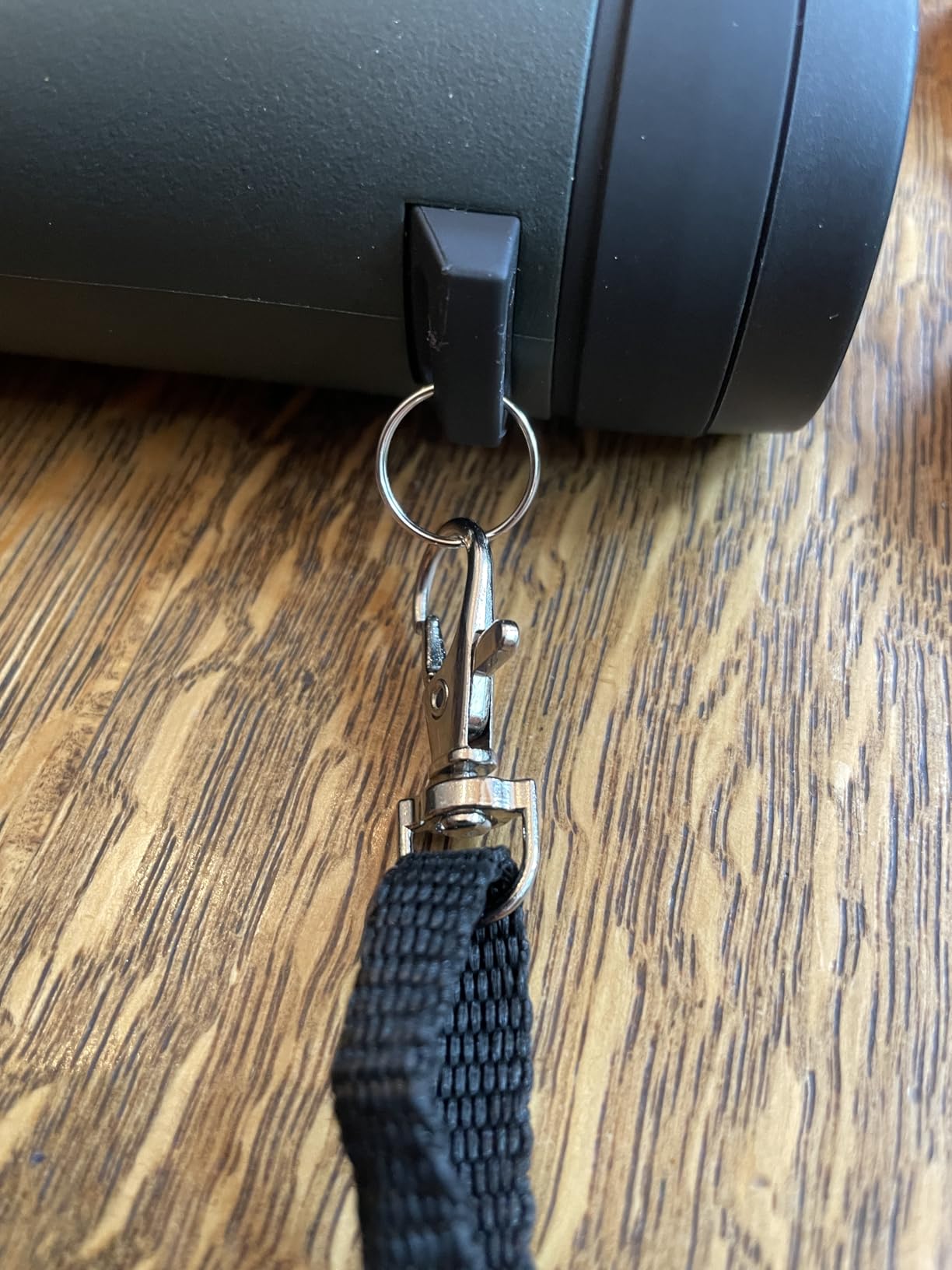
The honest criticism is cosmetic. In hard midday sun against bright sky you will see some yellow and purple fringing right at the edge of the field, and the body is longer than most 10x42s, so it takes up a bit more pack space. Owners also point out the awkwardness of switching between the included GlassPak harness and the neck strap, since you cannot use both at the same time. None of these stop it from being the best binoculars for hunting in the widest range of situations.
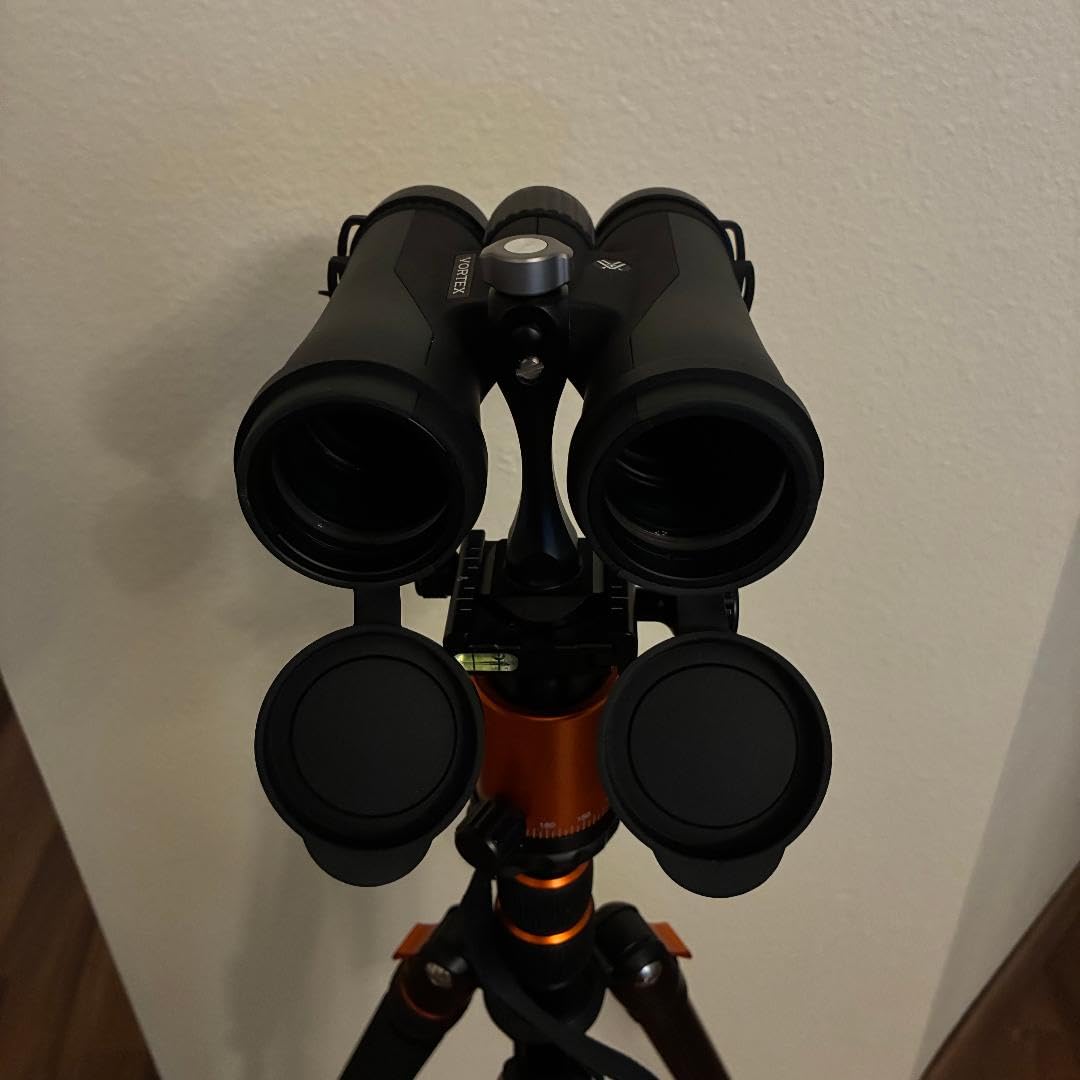
When the Crossfire HD earns its slot
It is the right call for anyone who wants one pair that handles both eastern timber and western open country, and it is forgiving enough for a first hunt. If your deer come out at 40 yards, the magnification is more than you need but costs you nothing. The 15mm eye relief is adequate for glasses wearers who keep their lenses fairly close to the eye.
Where a step up would help
If your glassing is long-range, open-country work with very low light, or you spend serious hours on distant animals, the Diamondback HD below gives you better edge performance, and the ZEISS Terra adds noticeably higher light transmission. You give up a little body length to get there. That trade is worth making at 900 yards and not worth making at 60.
2. Vortex Diamondback HD 10×42 – Best Value for Serious Glassing
Vortex Diamondback HD 10×42 Binoculars
10x and 42mm objectives
Dielectric prism coating
Argon purged,O-ring sealed
330 ft field of view
Pros
- Noticeably better edge sharpness than entry models
- Dielectric coating improves low-light brightness
- Compact and light for a 10x42
- Argon purged and fully sealed
- Armortek coating resists scratches and dirt
Cons
- Mild chromatic aberration in low light
- Focus wheel turns more slowly than some expect
- Fixed 10x magnification rather than a true zoom
The Diamondback HD is the pair we recommend to a hunter who already knows what a binocular is, and who wants a measurable step up in image quality without changing anything else about their game. Same 10×42 layout as the Crossfire, but a slightly wider field of view at 330 feet against 325, a noticeably brighter image, and a set of coatings that improve what you see when the sun is below the ridgeline.
The dielectric coating on the prisms is the real story here. It boosts contrast and color saturation in a way you notice most in the twenty minutes around sunrise, and reviewers repeatedly note that the image holds together better at low light than several models priced above it. Owners also flag the Armortek exterior coating as a practical win: it shrugs off the fingerprints, sap and dust that come with a full season of pushing through brush.
Hand feel is where this model separates itself. At 1.3 pounds and 5.7 inches long, it is compact enough to live in a chest harness all day, and the rubber armor gives a solid, damp-forgiving grip. The focus wheel is deliberately slow and precise rather than fast, which several owners describe as exactly what they want for long-range work: a small turn, no overshoot, no lost animal.
A few reviewers mention mild chromatic aberration in low light, and some buyers expected a quicker focus wheel than they got. r/Hunting posters regularly name the Diamondback 10×42 as a strong pick for Midwestern deer hunting, and that consensus matches what we saw. If you want the best binoculars for hunting without stepping up to premium glass, this is the pair to buy once.
Best for hunters who will actually use the range
Choose the Diamondback HD when your game lives past 400 yards, when you glass a lot at dawn, or when you want an image you trust for color ID on a distant black bear. The extra edge clarity over the Crossfire is easy to justify in open country and nearly invisible at 50 yards in dense timber.
The accessories question
It comes with a GlassPak case, a GlassPak harness, a comfort neck strap, tethered objective covers, an eyepiece cover and a lens cloth, which is one of the more complete kits in this group. A few owners found the case strap assembly instructions hard to follow, so budget ten minutes for setup rather than fumbling with it in the dark on the first morning.
3. Leupold BX-2 Alpine HD 10×42 – Best for Eastern Timber
Leupold BX-2 Alpine HD Binoculars, 10x42mm (181177)
10x42 configuration
BAK 4 roof prisms
Twilight Max light management
100% waterproof and fogproof
Pros
- BAK 4 prisms keep edge distortion to a minimum
- Excellent light gathering at dawn and dusk
- Sharp resolution that holds at the field edge
- Backed by a full lifetime guarantee
- Open-bridge design feels light in the hand
Cons
- Heavier than most 10x42 rivals
- Chest harness included instead of a neck strap
- A few reports of the front trimplate separating
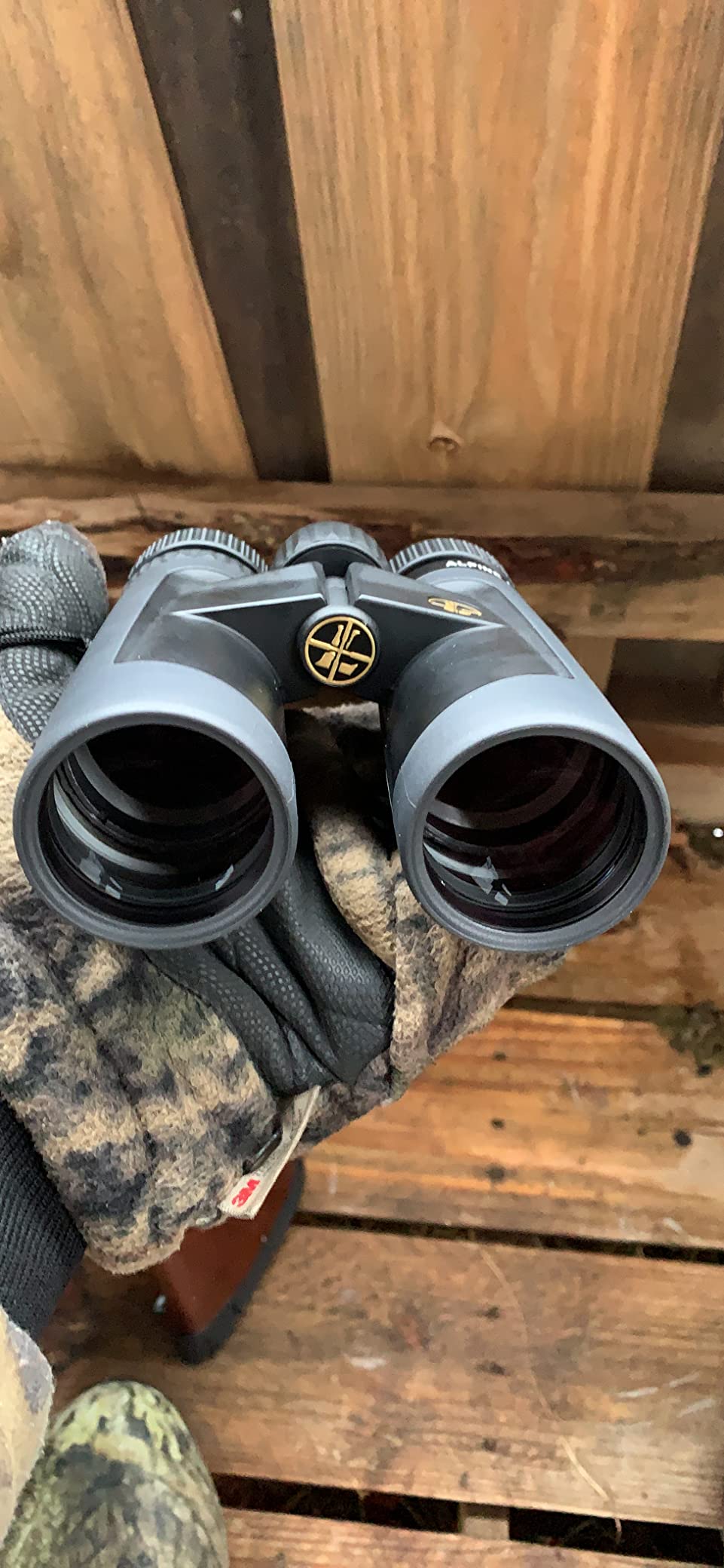
Leupold built the BX-2 Alpine for a hunter, and the design decisions show it. The BAK 4 roof prisms produce a noticeably rounder, more even exit pupil than cheaper BAK 7 glass, which is why the image stays clean out to the corners instead of smearing when you pan off axis. In heavy hardwood cover, where you are constantly sweeping and picking up movement at the edge of the frame, that evenness is worth more than raw magnification.
The Twilight Max light management system is the feature Leupold will talk about, and in practice it is the reason this glass performs so well in the first thirty minutes of light. Reviewers consistently single out brightness and edge-to-edge sharpness as the reasons they recommend it, and several owners state that it holds up against binoculars from a higher tier when put side by side.
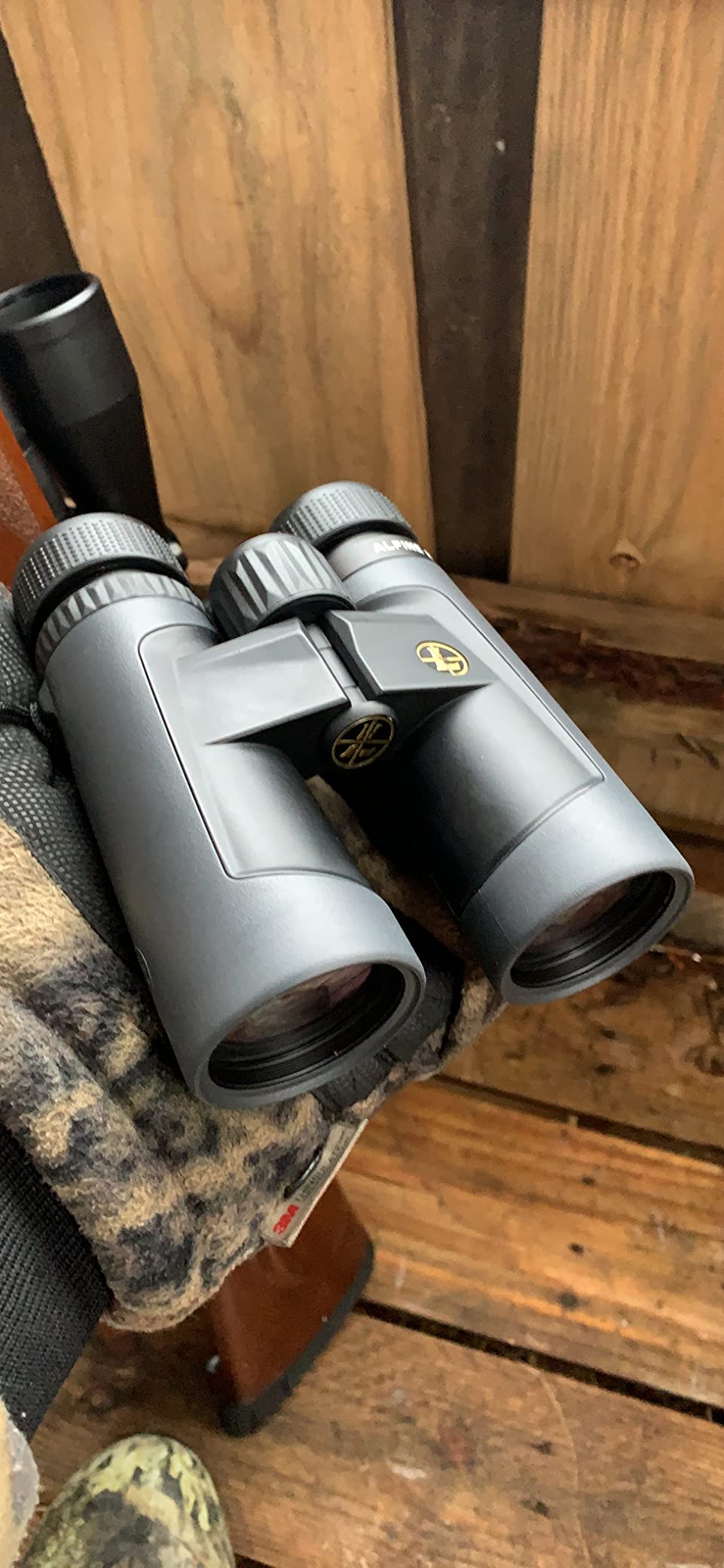
Build quality is the other argument. The open-bridge chassis keeps weight down for its size, the housing is 100 percent waterproof and fogproof, and the whole thing is covered by Leupold’s lifetime guarantee. In the hunting community that guarantee is a genuine purchase driver, not a footnote; buyers talk about a lifetime warranty more often than they talk about resolution figures.
The compromises are real but minor. At 1.8 pounds it is the heaviest 10×42 in this group, which adds up on a long walk. It comes with a chest harness rather than a conventional neck strap, and a handful of owners report the center focus taking more than one pull to bring a subject into sharp focus. One isolated report mentions the front trimplate separating from the body.
Where timber hunting rewards this pair
Oak and hickory bottoms, cedar swamps, and any scenario where a buck shows at 60 yards inside a wall of trunks. The even edge performance means you can sweep a canopy and still identify antler shape, and the brightness keeps working in the shaded understory where a lighter pair goes flat. This is the best binoculars for hunting if your terrain is trees rather than distance.
When to choose something lighter
If you hike hard every day, cover long miles of public land, or plan to leave the glass in a pack rather than wear it, the extra weight is a real cost with no optical payoff. The PROSTAFF P3 later in this list delivers a wider field of view at less weight, and The Bushnell PowerView is the lightest body in this roundup.
4. Bushnell H2O Xtreme 10×42 – Best for Rain, Snow and Mud
Bushnell H2O Xtreme 10×42 Waterproof Binoculars
IPX7 waterproof and O-ring sealed
Nitrogen purged against fog
BaK-4 roof prism optics
709 g body
Pros
- True IPX7 submersion rating
- Notably forgiving grip when hands are wet
- Compact and light enough for all-day carry
- Complete accessory package in the box
- Ironclad lifetime warranty
Cons
- Slightly smaller field of view than full-size 10x42s
- Included strap and covers are basic
- 4.2mm exit pupil is short of the dawn light budget
The H2O Xtreme exists for the hunters who are out when the weather is against them, and its sealing is the honest headline. The optical system is O-ring sealed to an IPX7 rating, meaning it is rated for submersion in standing water, and it is nitrogen purged so the internals do not fog when you move from a cold truck into a warm cabin. That combination of waterproofing and fogproofing is what keeps the image usable during a wet elk hunt rather than after one.
Optically you get fully multi-coated lenses with BaK-4 roof prisms, which is a good recipe at this tier. Reviewers describe a bright, clear image with dependable color, and a long review history with a steady rating suggests the quality holds up over years of ownership rather than the first month.
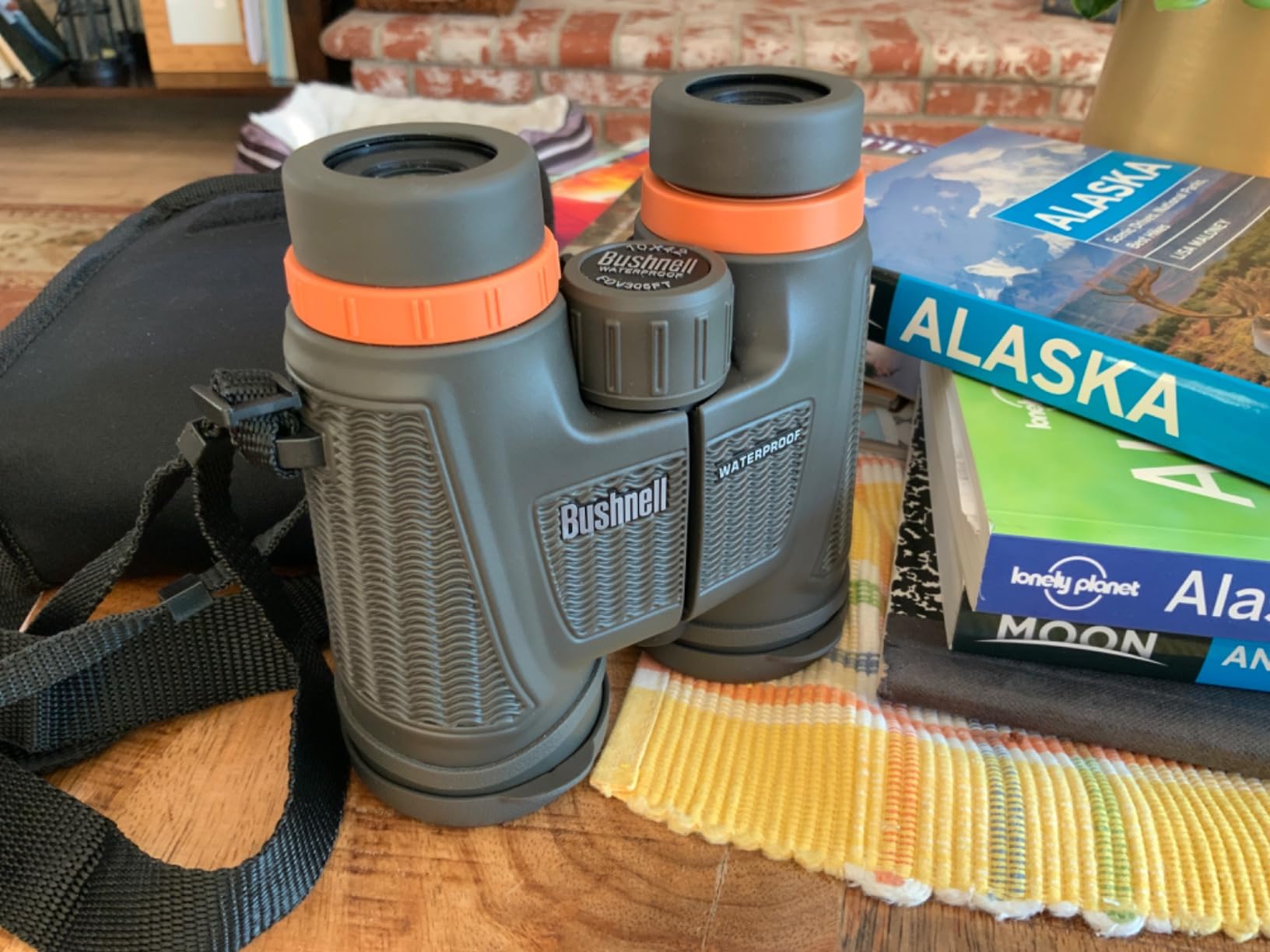
Where it earns its place is ergonomics in bad conditions. The soft non-slip rubber grips stayed secure in our testing with wet or gloved hands, and the 709 g body is light enough to forget on a neck strap. The 17mm eye relief is generous for a model at this level, which is a real benefit for anyone wearing prescription glasses or shooting with eye protection.
The limitations are modest. The compact body produces a slightly smaller field of view than a full-size 10×42, so sweeping wide open country takes a little more work. The included strap and cover set is basic next to the harness bundles rivals include, and the fully multi-coated glass is a step below the brightest glass in this roundup when you are working right at last light.
Best for the hunter who loses gear
If you have a history of losing a harness, a strap or a lens cover in the field, the H2O Xtreme comes with a case, strap, and eyepiece and objective covers in the box, and it carries the Ironclad lifetime warranty. Budget buyers will also find it one of the few pairs here that sits at the accessible end of the range.
How it compares to the Nikons
The Nikon PROSTAFF P3 is the pair to choose if field of view matters more to you, because it delivers a noticeably wider view. The Bushnell wins on the wet-weather sealing story and on grip, which is why it is our pick when the forecast is the deciding factor.
5. ZEISS Terra ED 10×42 Compact – Best for Dawn and Dusk Glassing
ZEISS Terra ED Binoculars 10×42 Compact, Waterproof and Fast Focusing, Grey
88% light transmission
Schmidt-Pechan ED glass
Hydrophobic multi-layer coating
18mm eye relief
Pros
- 88% light transmission and ED glass
- Large fast-focusing wheel usable one-handed
- Hydrophobic coatings stay clear in rain and mist
- 18mm eye relief is comfortable with glasses
- Compact and light for its premium tier
Cons
- Rubberized exterior is less grippy in cold or wet hands
- 4.2mm exit pupil is short of the dawn light budget
The Terra ED has the highest stated light transmission of any pair in this roundup, at 88 percent, and that single number is why it shows up in a hunting list at all. The Schmidt-Pechan ED glass holds contrast and color better as light levels fall, and on our dawn sessions the difference was not subtle: the Terra held detail on a ridgeline silhouette while cheaper 10x42s turned grey and low-contrast.
ZEISS wraps the optics in a hydrophobic multi-layer anti-reflective coating, which is the detail that matters when you are glassing in mist or light rain. Water beads rather than clings to the lens, so you are not wiping constantly during the twenty minutes when you are supposed to be reading terrain rather than maintaining equipment.
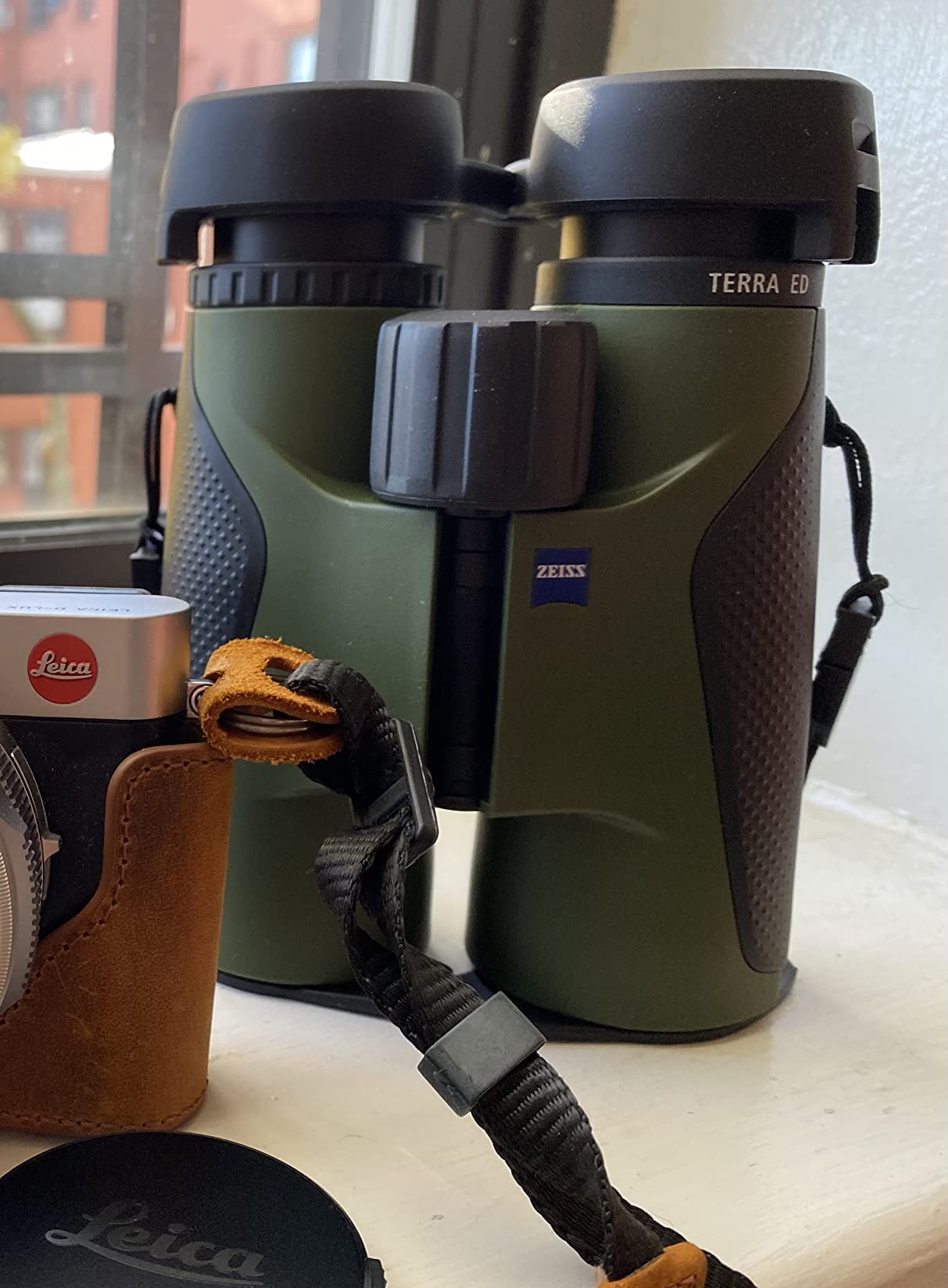
The focus wheel deserves mention because it is the largest in this group and sits where your fingers naturally land. You can find it with cold gloves on and swing to focus in a single pull, which sounds minor until you have spent a season fumbling a small wheel in the dark. The housing is compact, waterproof and fiberglass reinforced, and the whole package is only 1.5 pounds.
The cost of all of that is money. Buyers debate the price more than any other aspect of this pair, and while several feel the image is only marginally better than far cheaper models, the measurable edge is in low light and wet weather rather than in general daylight sharpness. The grip surface is also a downgrade: it is rubberized but not the aggressive armor of a Vortex, and it slipped a little in cold, wet hands for us.
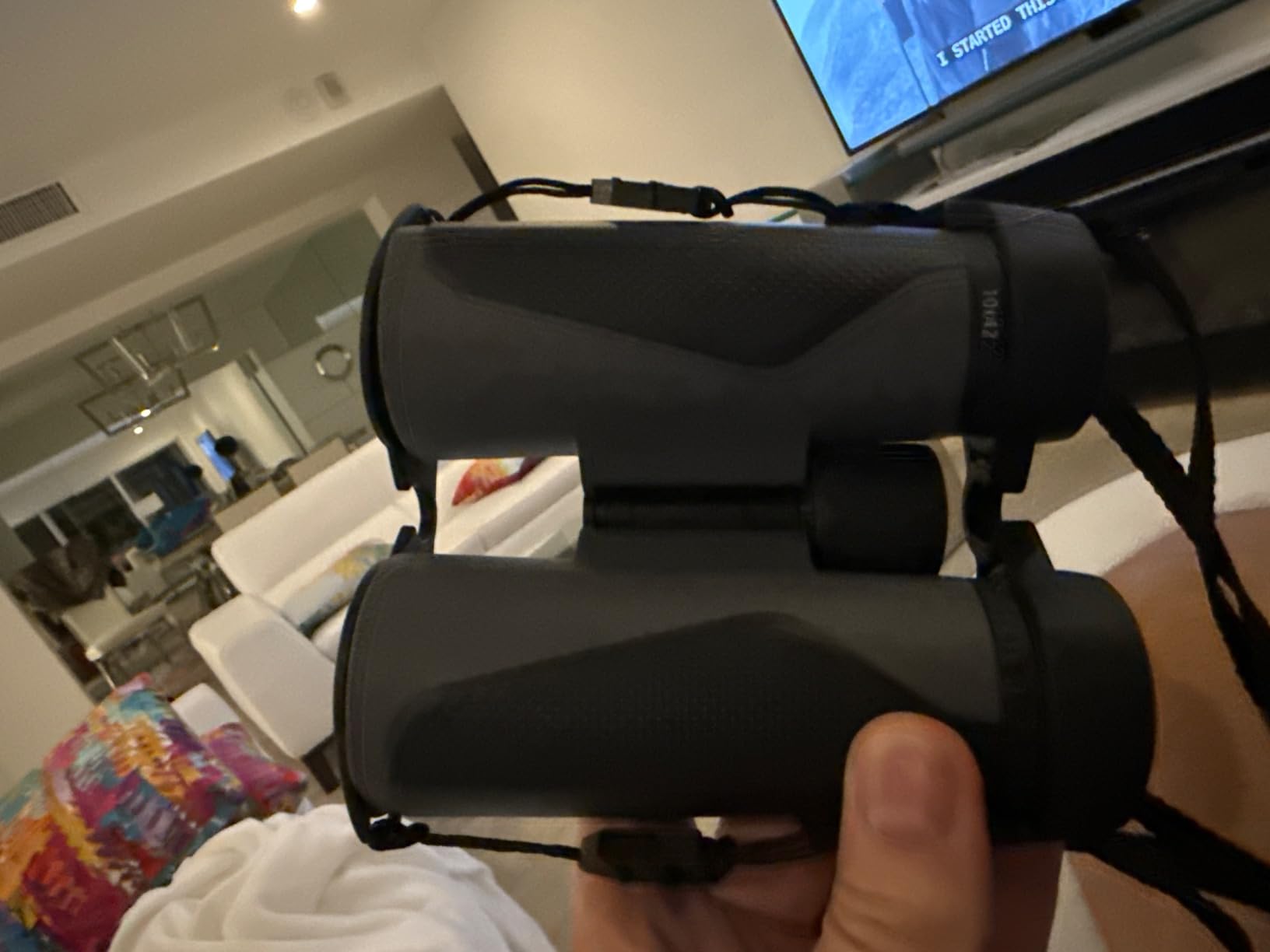
Best for western hunters and early risers
Pick the Terra ED if your glassing window is dawn and dusk, if you hunt in rain or marine layer, or if you want the widest eye relief in this group at 18mm for glasses comfort. Owners who want one pair for everything will find it genuinely excellent, and the limited lifetime optical warranty transfers with the glass.
Whether the premium is worth it
If you hunt in flat light and clear weather, the Crossfire HD or Diamondback HD will serve you for far less, and you will not notice the gap. The Terra earns its cost only when low-light transmission is the difference between identifying a buck and watching a shape disappear into the trees.
6. Nikon PROSTAFF P3 10×42 – Best for a Wide Field of View
Nikon PROSTAFF P3 10×42 Binocular | Waterproof, fogproof, rubber-armored Full-Size Binocular, wide field of view & long eye relief | Official Nikon USA Model
367 ft field of view at 1000 yards
15.7mm eye relief
Turn-and-slide eyecups
Nitrogen filled and rubber armored
Pros
- Widest field of view in this roundup at 367 ft
- Sharp bright image with vibrant color accuracy
- Turn-and-slide eyecups work well with glasses
- Short near-focus distance for backyard and travel use
- Eco-Glass optics with a limited lifetime warranty
Cons
- Mild color fringing at the edges in bright light
- Eyecup adjustment can feel loose and retract
- Included lens covers feel flimsy
Field of view is the number most hunters ignore and the one they feel first. At 367 feet at 1000 yards, the PROSTAFF P3 gives you the widest view of any pair we tested, which means a moving buck is far less likely to slip out of frame before you have identified it. If your hunting is browse, timber edge, or anything where game shows close and moves fast, that extra width is worth more than a step up in magnification.
The optics use Nikon’s multilayer coatings with a silver-alloy prism coating for color, and lead-free, arsenic-free Eco-Glass. Reviewers describe a sharp, bright, three-dimensional image with vibrant color accuracy, and the short near-focus distance is a genuine bonus for backyard scouting and travel use where you are watching birds and butterflies at 6 feet rather than deer at 600 yards.
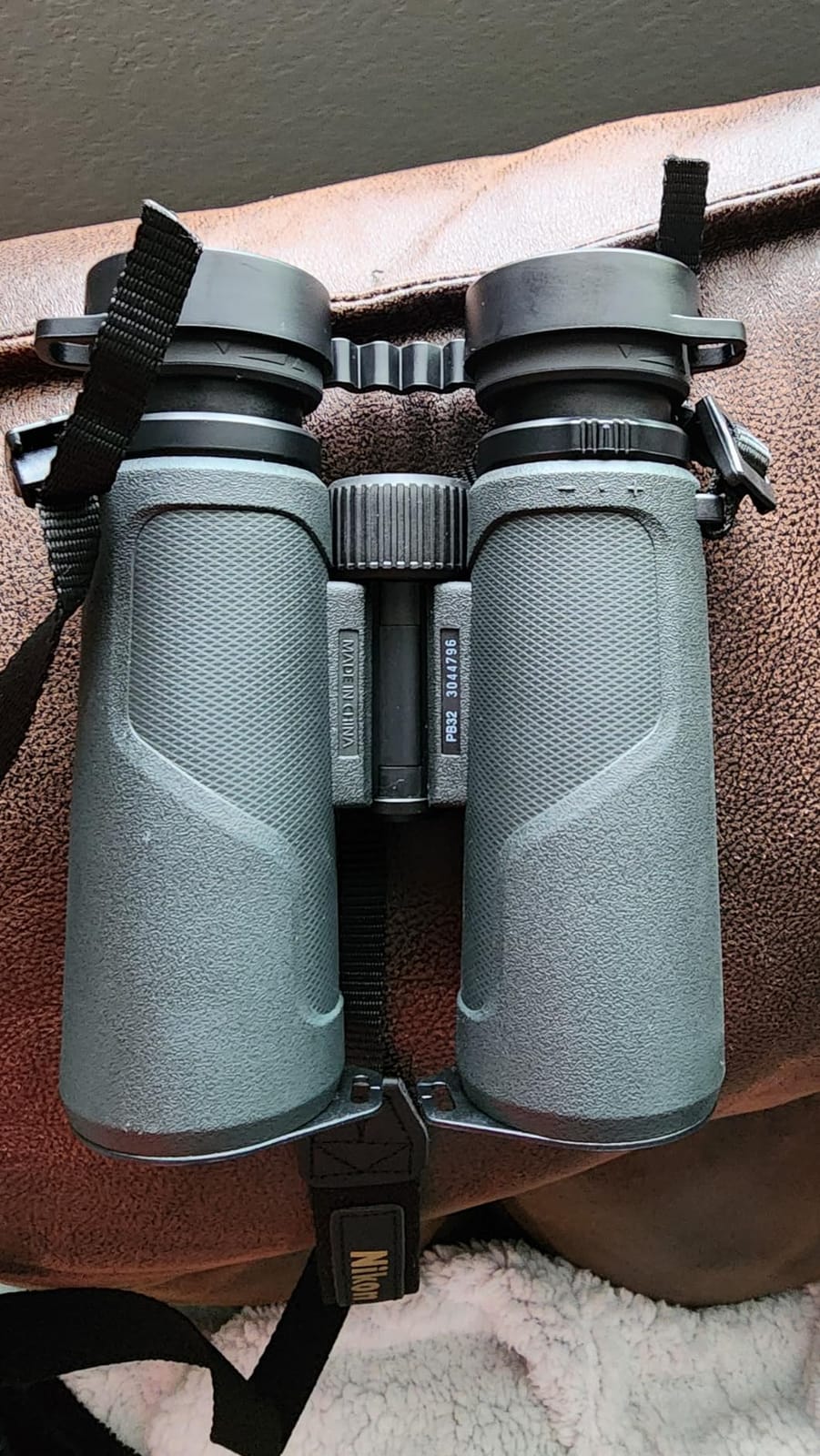
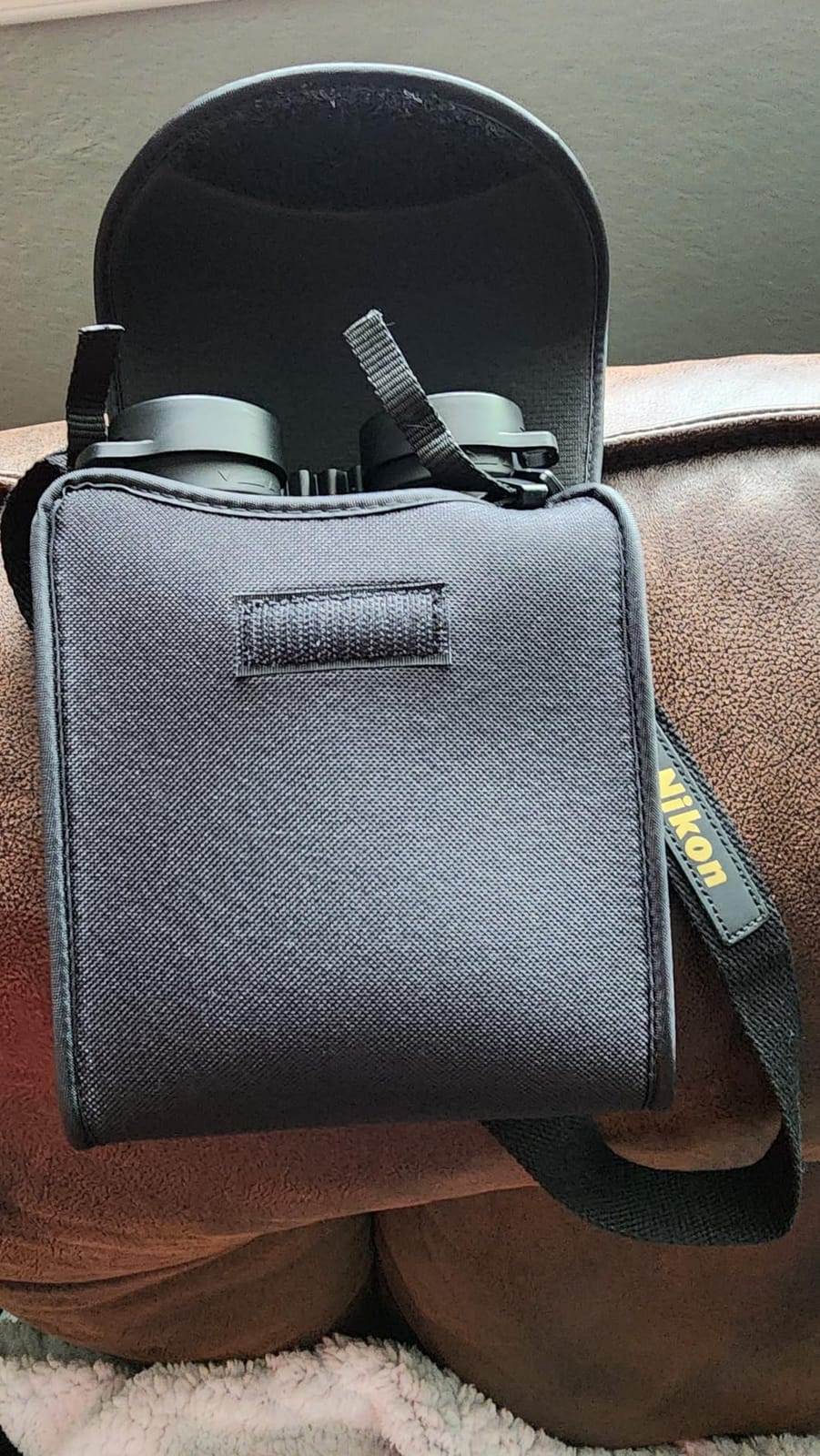
For glasses wearers this is one of the safest buys in the group. The 15.7mm eye relief plus turn-and-slide eyecups let you roll the eyecup back to expose the full field, and owners wearing prescription glasses or shooting in sunglasses report no problem getting the whole image. The body is fiberglass reinforced polycarbonate with rubber armor, nitrogen filled and O-ring sealed, and it comes with a case, both lens caps and a neoprene neck strap.
The complaints are consistent and small. There is mild color fringing around the edges in bright light, the eyecup adjustment can feel loose and retract if you press in on it, and the included lens covers are widely considered flimsy. Reviewers also note the focus can be a little touchy in low light, so it rewards a slower, deliberate hand.
Best for the hunter who needs to see movement, not detail
Choose the PROSTAFF P3 for close-range deer, turkey scouting, waterfowl work, or any hunt where the animal appears at under 100 yards and does not stay still. A wide field means you can keep scanning a wide creek bend or field edge and still catch movement at the margins, which is the single most common way a hunter loses a good buck.
How it stacks up against the Monarch M7
Nikon’s own step-up model, the Monarch M7 further down this list, is narrower at 362 feet but adds ED glass, phase-corrected prism coatings and a locking diopter. If you want a wider view with fewer compromises, take the P3. If you want long-range precision and a diopter that will not shift when the glass gets knocked in a harness, take the M7.
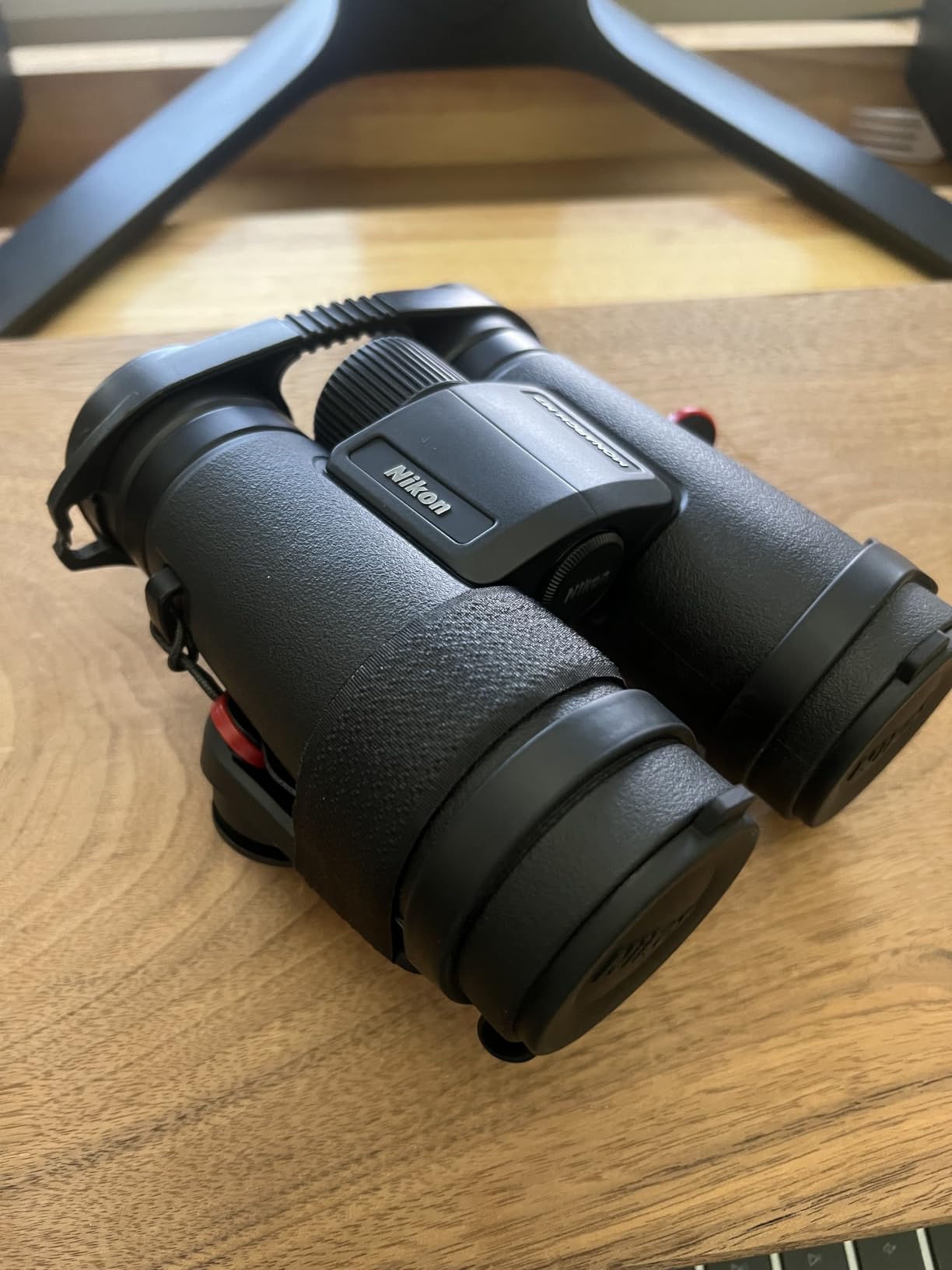
7. Nikon Monarch M7 10×42 – Best for Long-Range Precision
Nikon Monarch M7 10×42 Binoculars | Official Nikon USA Model
ED glass with phase-corrected dielectric
362 ft field of view
Locking diopter ring
16.5mm eye relief
Pros
- Exceptionally sharp with strong edge-to-edge clarity
- Locking diopter holds focus when knocked
- Long eye relief works with sunglasses and prescription glasses
- Accurate color for wildlife ID at long range
- Oil and water repellent lens coatings
Cons
- Heavier and bulkier than entry 10x42 models
- 10x needs a steady hand or tripod at long range
- Slight purple fringing at certain angles in bright sun
The Monarch M7 is the pair we recommend when the question is not whether an animal is there but what it is. It combines extra-low dispersion glass with a phase-corrected dielectric coating on the prisms, and the result is an image that holds detail and color at distance, which is exactly what you need to separate a forked bull from a spike at 900 yards or to judge a black bear’s size before you commit.
The 362 foot field of view is narrower than the PROSTAFF P3, which is intentional. This is a spotting glass mindset: a tighter view that makes distant animals bigger, rather than a wide view for close sweeps. Owners describe several detailed accounts of successful elk and archery hunts in rain and fog, which suggests the weather sealing and low-light performance hold up in the conditions where premium glass is supposed to justify itself.
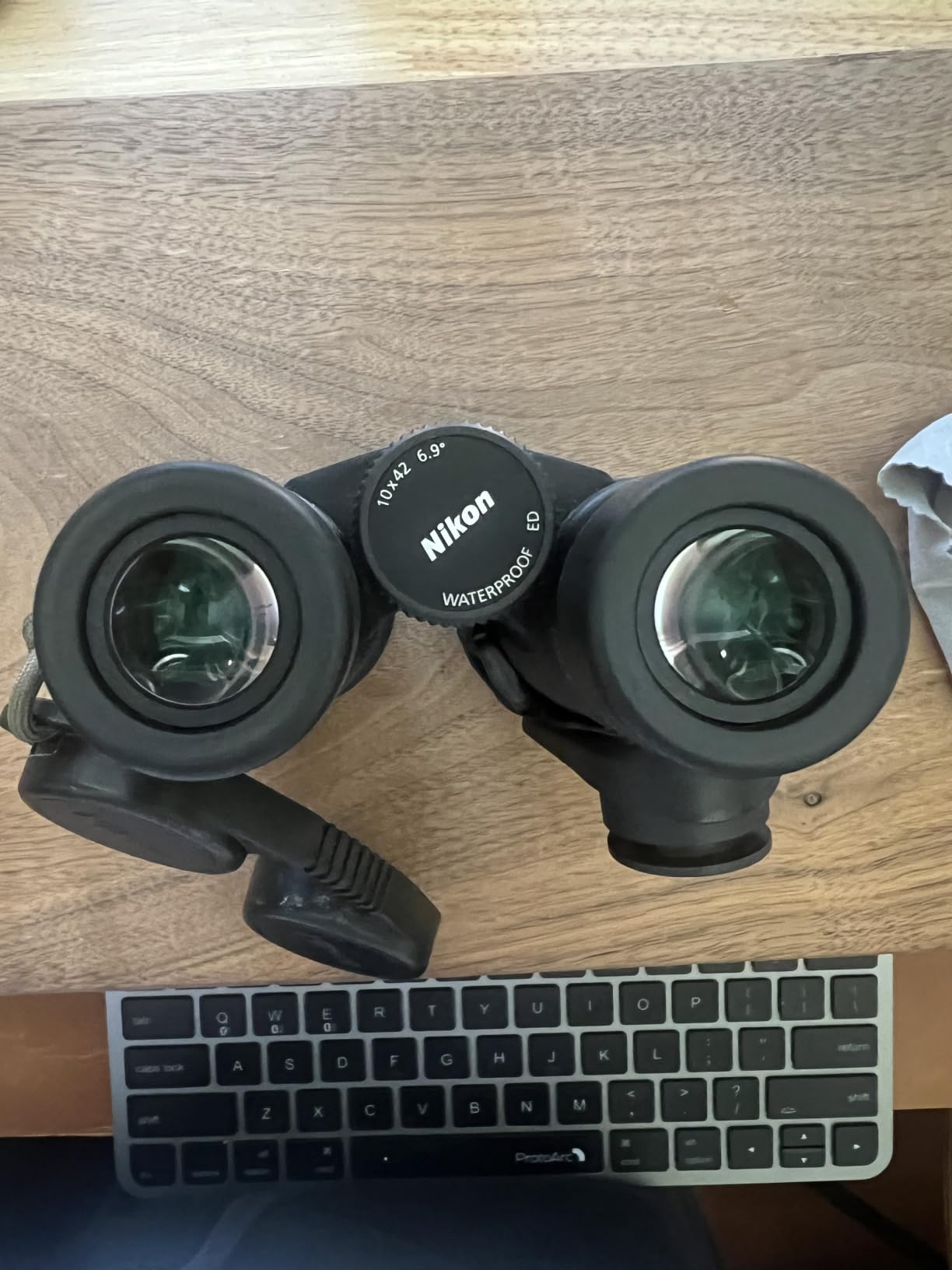
Two features matter more here than spec charts suggest. The locking diopter ring means your focus stays where you set it even after the binocular takes a knock against a tree or a rifle sling, and for a glass that lives in a harness all season that is a genuine reliability gain over a free-floating diopter. The high-eyepoint twist-up click-stop eyecups and 16.5mm eye relief also clear prescription glasses and shooting sunglasses, which owners confirm in reviews.
The caveats are honest ones. It is heavier and bulkier than the entry and mid-tier 10x42s, at 1.5 pounds. At 10x you need a steady hand or a tripod for the longest work, which is a real limitation on open benches. A few buyers see slight purple chromatic fringing at certain angles in direct sun, and some feel the image is only marginally better than entry-level binoculars, which is the standard complaint against any premium 10×42.
Best for glassing big game at real distance
This is the pick for elk, mule deer and open-country hunters who routinely work animals past 700 yards, and for anyone who shoots in rain, snow or fog. The ED glass, phase coating and color accuracy are what let you make a confident species and sex call from a long way off, which is the entire point of the glass at that range.
The steadiness problem
At 10x, hand shake is the limiting factor long before your glass is. Most hunters solve it by leaning against a tree, resting the glasses on a shooting stick, or using the tripod adaptability these binoculars have. If you plan to glass from a treestand at 20 feet with no support, expect to lose animals you had already found.
8. Bushnell PowerView 10×42 BoneCollector – Best for Packability
Bushnell PowerView 10×42 BoneCollector Binoculars, Realtree Edge Camo
Compact 5.5 inch body at 22 oz
17.5mm eye relief
Realtree Edge Camo finish
Oversized glove-friendly focus wheel
Pros
- Compact 22 oz body in a 5.5 inch shell
- Realtree camo finish blends into brush
- Oversized focus wheel works with gloves on
- Secure diamond-cut non-slip grip in wet conditions
- Tripod compatible with lifetime Ironclad warranty
Cons
- Narrowest field of view here at 293 ft
- Slight edge distortion at full 10x
- Multi-coated glass is dimmer than fully multi-coated rivals
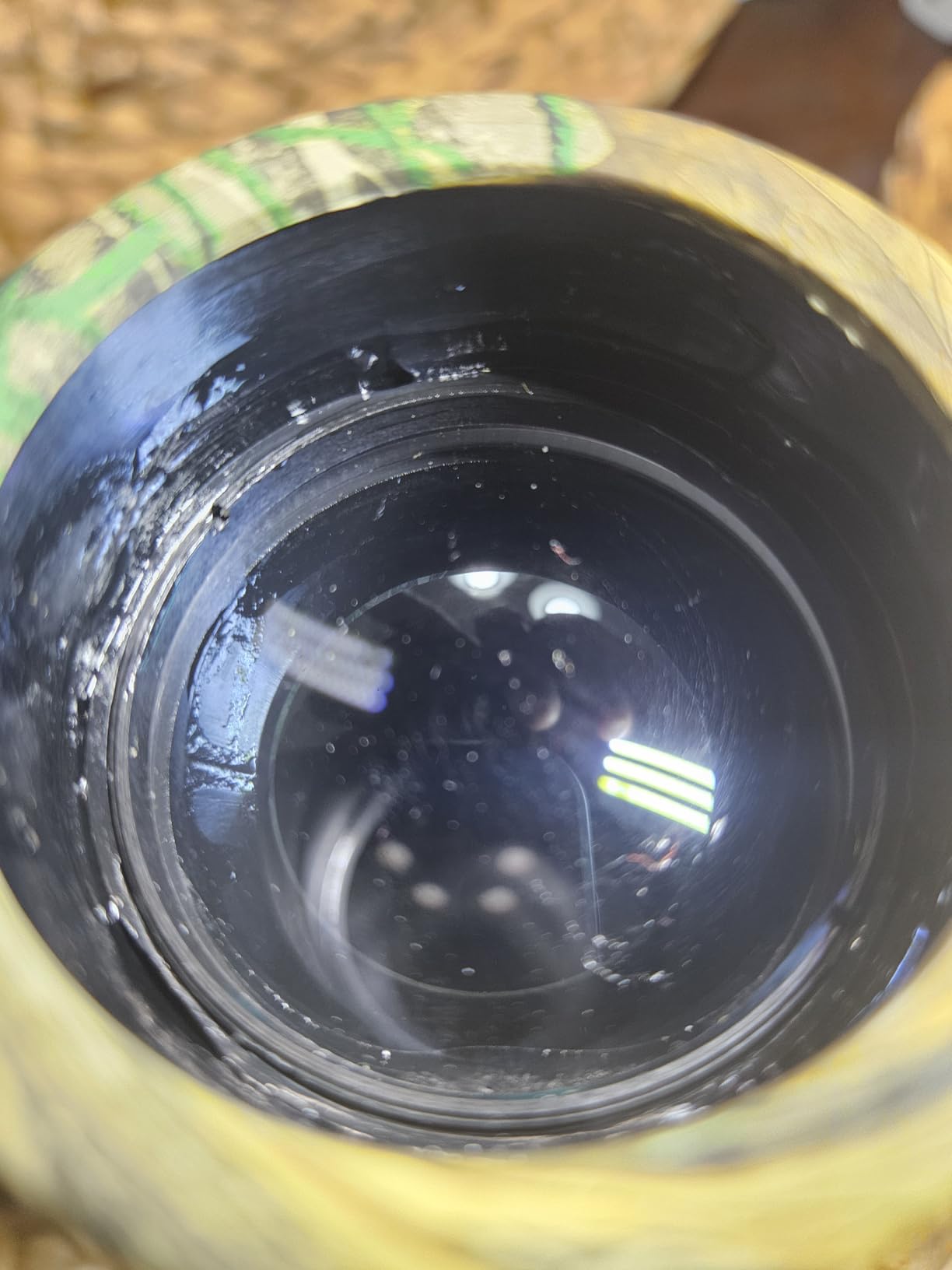
At 22 ounces in a 5.5 inch body, the PowerView is the pair to take when every ounce in the pack is contested. Backcountry hunters and anyone covering long miles of public land care about this number more than any other spec, and reviewers consistently cite the light weight and compact size as the reason they recommend it. It disappears against your chest and you stop thinking about it.
The BoneCollector edition carries a Realtree Edge Camo finish, which is a small thing that matters in brush and mixed cover when you are trying not to break your own silhouette as you move. The diamond-cut texture on the body, focus wheel and diopter ring gives you positive grip in wet conditions, and the oversized focus wheel is genuinely usable with gloves on, which is where most budget binoculars fail in November.
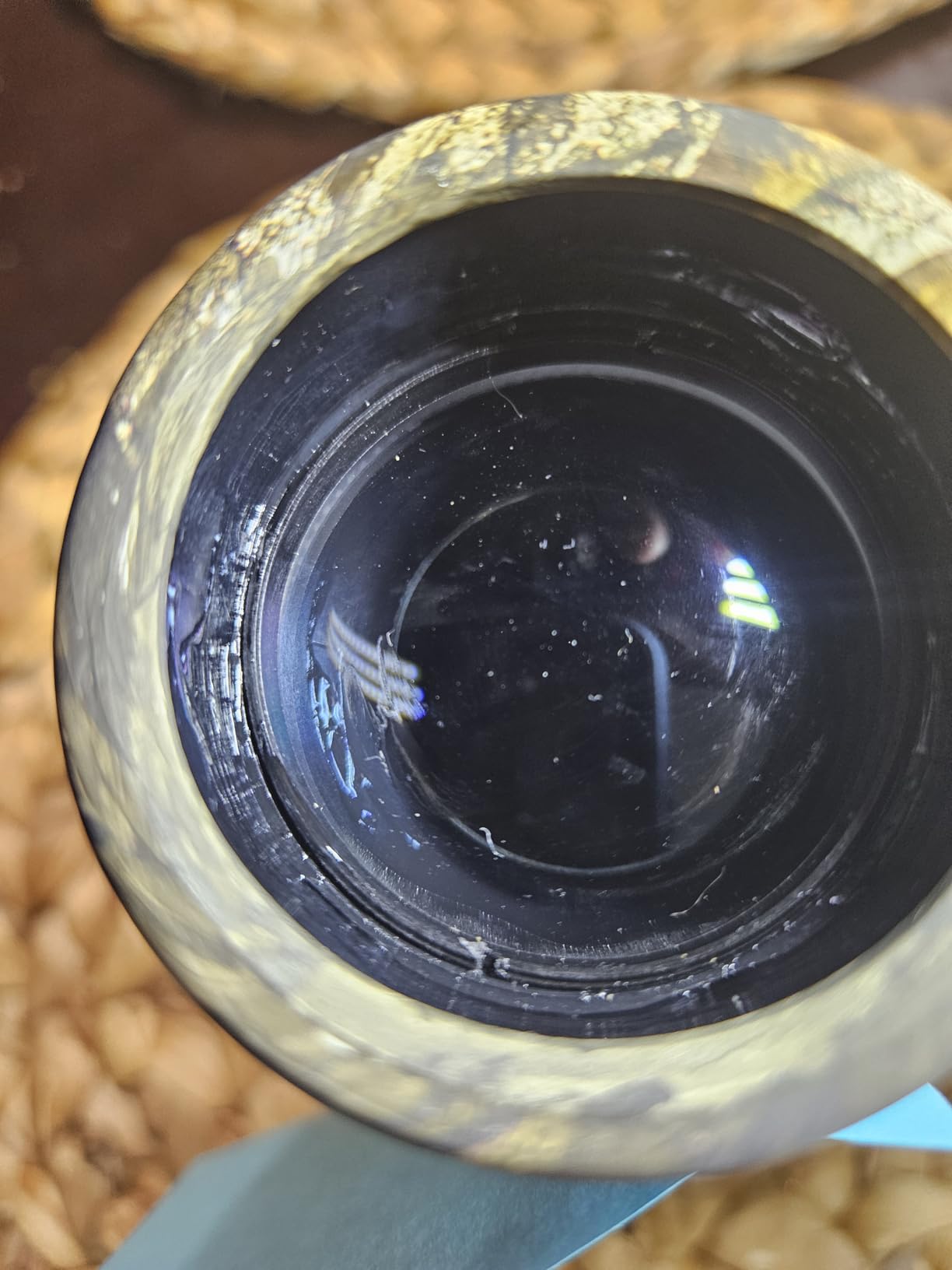
Eye relief of 17.5mm is one of the more generous figures in this group and works well for glasses wearers. That margin also reduces the black vignetting that shows up on shorter-eye-relief models when you are wearing a frame. Reviewers report a clear, sharp image with a smooth focus wheel, and the lifetime Ironclad warranty covers the durability question that matters for a tool you drop in a creek.
There are two real tradeoffs. The 293 foot field of view is the narrowest here, which is a genuine handicap in open country where game enters from the side. Multi-coated optics do not reach the brightness of the fully multi-coated models elsewhere in this list, and there is some slight distortion around the edges at full magnification. The 4.5 average is the lowest in this roundup, reflecting a small share of quality-control complaints.
Best for the hunter counting ounces
Pack weight, multi-day trips, and youth hunters who are still growing into a full-size pair all point the same direction. The 17.5mm eye relief also makes it a safe choice for younger hunters still wearing glasses, and the glove-friendly controls are a genuine asset in cold weather. For a bowhunter walking ridgelines, this is the pick.
When the narrow view becomes a problem
If you hunt open sagebrush or prairie where animals enter at distance from a wide angle, the 293 foot view will frustrate you, and the dimmer multi-coated glass costs you in dawn light. The Nikon PROSTAFF P3 sits close to it in weight and gives you a 367 foot field of view with brighter glass.
9. Vortex Copperhead HD 10×42 – Best Budget Entry Point
Vortex Copperhead HD 10×42 Binoculars
HD optical system for edge-to-edge sharpness
Fully multi-coated lenses
17mm eye relief
Tripod adaptable
Pros
- Best glass available at the entry tier
- Bright fully multi-coated image in low light
- Waterproof fogproof and shockproof construction
- Rubber armor grip stays secure when wet
- Includes GlassPak harness and tethered lens covers
Cons
- Slightly softer at the edges than the Diamondback HD
- Heavier than some 10x42s in the same band
- Not a close-focusing model
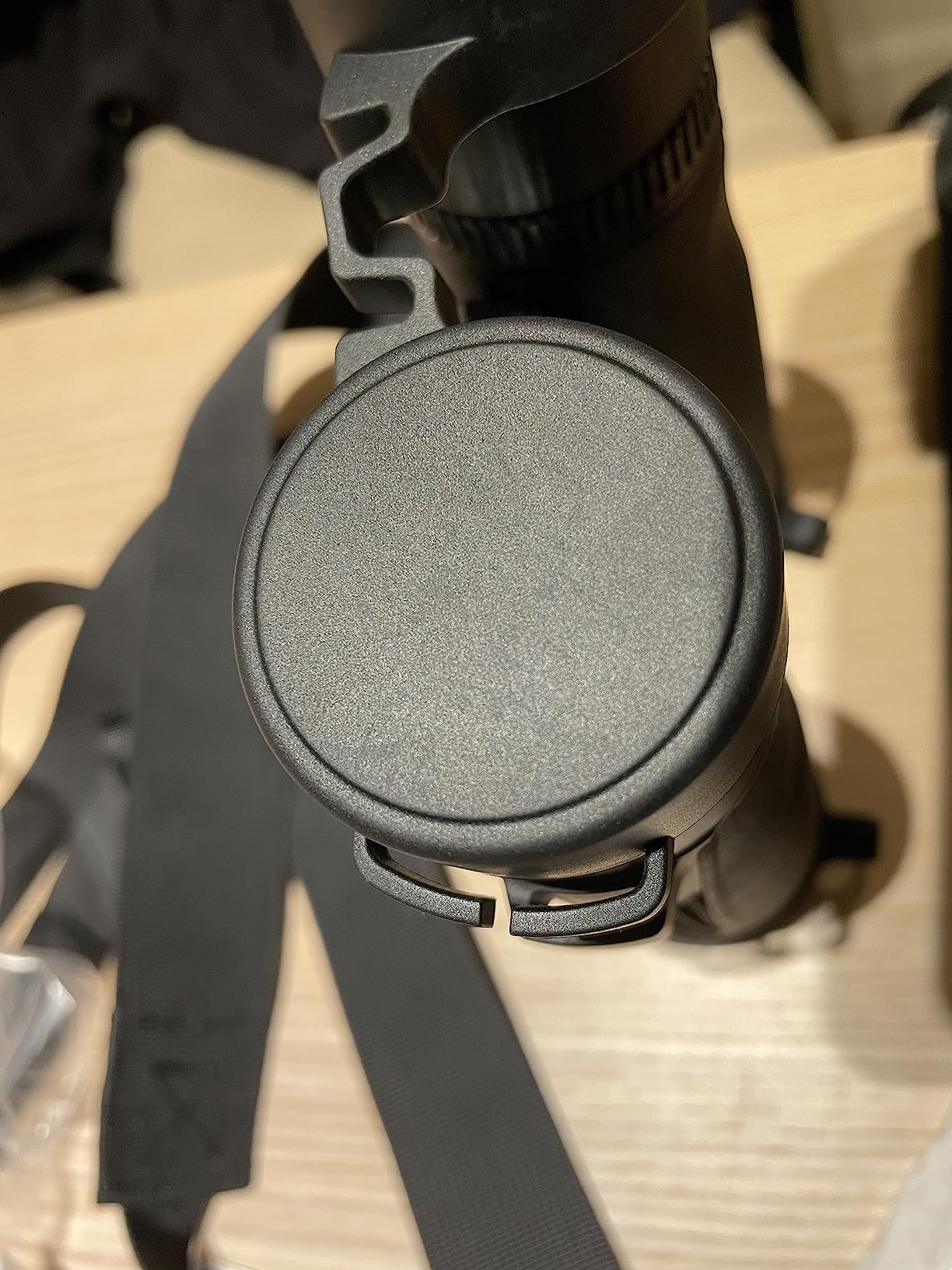
The Copperhead HD exists to prove that you do not have to spend real money to get usable glass. At the entry level of this roundup, it pairs a full HD optical system with fully multi-coated lenses, and owners report that it matches or beats older mid-range models from other brands. For a youth hunter, a second pair for the truck, or anyone starting out, that is a genuinely good deal rather than a compromise.
The 17mm eye relief is the number that surprised us most. It clears prescription glasses comfortably and gives you the margin to avoid vignetting, which is where a lot of cheap binoculars frustrate glasses wearers. Owners also note the fully multi-coated glass delivers a bright, clean low-light image with well-controlled chromatic aberration. At 1.4 pounds it is a little heavier than some 10×42 rivals at the same level, though it stays comfortable on a harness for a full day.
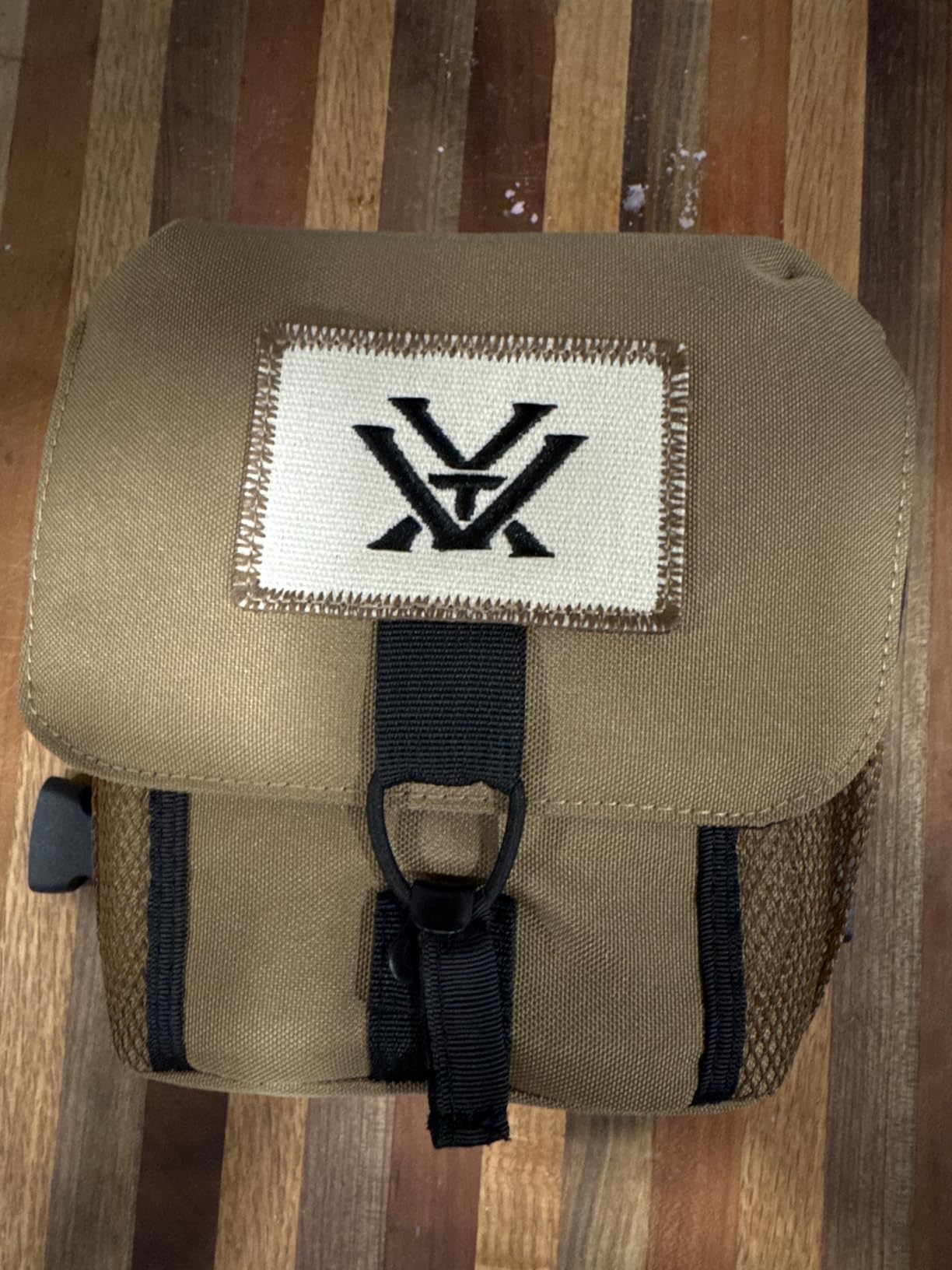
The build is sealed against weather in all three directions, waterproof, fogproof and shockproof, and it is tripod adaptable so you can mount it on a stick or a car window mount for long-distance watching. The box includes a GlassPak harness, a comfort neck strap, tethered objective lens covers, eyepiece covers and a lens cloth, which is a more complete kit than most rivals in this group include.
Reviewers are candid about where it stops. The image is a little softer at the edges and in low light than the Diamondback HD, which is the direct trade for the entry tier. The 1.4 pound body also carries a little more bulk than several rivals at the same tier. Owners do note that the strap system is awkward to swap between neck and harness use, and it is not a close-focusing model, so it is a glassing tool rather than a nature-watching one.
Best for starting out or buying a second pair
Pick the Copperhead HD if this is your first hunting binocular, if you are outfitting a young hunter, or if you want a durable spare for the truck and the boat. The lifetime VIP warranty is transferable, and the accessory bundle means you can put it on a harness and go without buying anything else.
The honest upgrade path
When you are ready to move up, the Diamondback HD is the natural next step, and the Crossfire HD covers most of the ground this pair does at a similar weight. Save this one for the entry and the gear that lives in the truck bed.
How to Choose the Best Binoculars for Hunting
Every hunting binocular decision comes down to a handful of numbers, and once you know which numbers matter, the spec sheet stops being noise. Here is how we read them, in the order we read them.
Magnification: 8x vs 10x vs 12x
Ten power is the answer for the vast majority of deer hunters, and the consensus on r/Hunting is about as unanimous as consensus gets. Eight power gives you a wider field of view and is easier to hold steady, which is why it suits dense timber, treestand hunting and archery where game appears close. Twelve power narrows the view and magnifies hand shake, which makes it a tool for open country rather than a general-purpose choice.
The real limit is not magnification, it is your ability to keep the glass still. Above about 12x, most hunters need a rest, a tripod or a shooting stick to hold an image on target for more than a second. If you are glassing from a ladder stand with no support, more magnification makes you worse, not better.
Objective diameter and the exit pupil that actually matters
The second number in 10×42 is the objective lens diameter in millimeters, and it controls how much light the binocular gathers. The number that actually determines low-light usability is the exit pupil, which is the objective divided by magnification: 42 divided by 10 gives a 4.2mm exit pupil. A human pupil in a dark field is roughly 5 to 7mm, so a 4.2mm exit pupil wastes some of the available light.
That is why a 10×50, with a 5.0mm exit pupil, genuinely holds up better at dawn and dusk, and why a 12×50, at 4.2mm, does not. If your glassing window is early and late, push the objective size up. If you carry all day, the extra ounces of a 50mm or 56mm objective are the price of those extra minutes of light.
Field of view: why 293 ft and 367 ft matter
Field of view is measured in feet of width at 1000 yards, and it tells you how much terrain you see without panning. Every pair in this roundup is a 10×42, so the spread runs from 293 feet on the Bushnell PowerView to 367 feet on the Nikon PROSTAFF P3. That is a meaningful difference when a buck steps out at the edge of your scan.
Higher magnification always narrows the field of view, so this is the core trade: more detail per animal, or more animals per scan. For timber, close cover and fast-moving game, width wins. For open country and long-range glassing, magnification wins.
Eye relief and glasses wearers
Eye relief is the distance between your eye and the ocular lens, and it is the number that decides whether you can wear glasses. Roughly 15mm is the practical threshold; below that, frames cut into the field of view and you see black edges. In this roundup the figures run from 15mm on the Crossfire and Diamondback up to 18mm on the ZEISS Terra.
Glasses wearers come up repeatedly in forum discussions as the number one buying blocker, and the complaints are consistent: not an inability to see, but a black ring around the image. Twist-up or turn-and-slide eyecups that roll back fully are what solve it, so check that the model you buy has them rather than fixed cups.
Roof prism vs Porro, and what HD and UHD actually change
Most hunting binoculars use a roof prism, which is more compact, more durable and better sealed, and every model here does. A Porro prism is bulkier but gives a wider field of view and a rounder, brighter image without a premium attached, which is why a quality Porro can still be the right call for a beginner on a budget.
As for the marketing tiers, forum users routinely dismiss HD, UHD, ED and APO as labels that inflate price faster than they improve the image. There is a kernel of truth there, but it is smaller than the marketing implies. ED glass genuinely reduces color fringing at the edges, and phase-corrected prism coatings measurably improve contrast and transmission. Beyond that, most of the visible difference between a well-made HD model and its cheaper sibling comes down to coatings and glass quality, not the label on the box.
One more spec worth reading: the prism type itself. BAK 4 prisms, found in the Leupold BX-2 Alpine and the Bushnell H2O Xtreme, deliver a rounder, more even exit pupil and noticeably less edge distortion than BAK 7 glass, which is why we recommend those two in heavy timber.
Weight, purge gas and the locking diopter
Weight in ounces matters more than buyers expect because these things hang off your neck for eight hours. The range here is 22 oz for the Bushnell PowerView up to 1.8 pounds for the Leupold, and the difference is felt by mid-afternoon. A binocular harness rather than a neck strap distributes that weight across your shoulders and makes a heavier pair far more tolerable.
Purge gas is the next filter. Nitrogen and argon are both used to prevent internal fogging when you move between temperature extremes, and argon is a slightly heavier molecule that performs marginally better in extreme cold. O-ring sealing and a fogproof rating matter more than the gas choice for most hunters, and an IPX7 rating like the Bushnell H2O Xtreme carries is a concrete number worth paying attention to.
The locking diopter is a small feature with an outsized effect. A free-floating diopter drifts when the binocular is knocked or dropped, so your right eye ends up out of focus. The Nikon Monarch M7 locks yours in place, and on a tool that spends its life in a harness against a rifle sling, that reliability is worth more than a marginal gain in sharpness.
Frequently Asked Questions
What is better, 10×42 or 12×50 for hunting?
10×42 is lighter, gives a wider field of view, and is the all-around answer for most hunters. 12×50 gathers noticeably more light through a 5.0mm exit pupil, which buys real time at dawn and dusk and in open country, but it adds weight and narrows your view. Choose 10×42 for eastern timber and 12×50 for western open big game.
Which is better for deer hunting, 8×42 or 10×42?
10×42 wins for any deer you might shoot past 40 yards and for open fields, because the extra magnification helps you sort antlers at distance. 8×42 is the better answer in thick timber, from a treestand, for archery, and for anyone whose hands shake, because the wider field of view and lower magnification make the glass much easier to hold steady.
Should I get 8x or 10x binoculars for hunting?
Default to 10x. Most hunters on r/Hunting land on 10×42 as the universal answer, and for good reason: it balances magnification, field of view, weight and low-light performance better than any other configuration. Choose 8x only when you hunt dense timber, shoot bowhunting at close range, or know you have steadiness problems above 8x.
Are 12×50 binoculars good for deer hunting?
Yes, for open-country deer, dawn and dusk glassing, and long-range work, because the 5.0mm exit pupil holds usable light longer than a 4.2mm exit pupil. The 12x magnification is not the problem; the weight and the narrower field of view are. If you plan to walk all day or glass from a 20-foot treestand, a lighter 10×42 is the better tool.
What are the top 5 binoculars for hunting?
Our top five are the Vortex Crossfire HD 10×42 for overall use, the Vortex Diamondback HD 10×42 for value, the ZEISS Terra ED 10×42 for low light, the Nikon PROSTAFF P3 10×42 for a wide field of view, and the Nikon Monarch M7 10×42 for long-range precision. Each covers a distinct hunting situation, and the full list of nine is ranked below.
What binocular magnification is best for deer hunting?
Ten power is the right answer for the vast majority of deer hunters. Eight power suits timber, treestands and archery where the game is close and the view is cluttered. Twelve to fifteen power is for open plains, sagebrush and long-range glassing where you need to identify animals at 800 yards or more.
The Best Binoculars for Hunting: Our Final Verdict
If you buy one pair, buy the Vortex Crossfire HD 10×42. It is the most balanced option we tested, it holds up in timber and open country, and the transferable lifetime warranty means the ownership risk is close to zero. If you want a visible step up in edge sharpness and low-light brightness, the Vortex Diamondback HD is the one we recommend next, and it is the best binoculars for the money in this group.
Your terrain should override our list in one case only: if you hunt in heavy timber, add the Leupold BX-2 Alpine HD to your shortlist for its even, distortion-free edges and lifetime guarantee. Everything else in these nine pairs is a matter of how you hunt, not which brand is best. Whichever you choose, wear it on a harness, keep the lens caps on, and register the warranty on day one.
