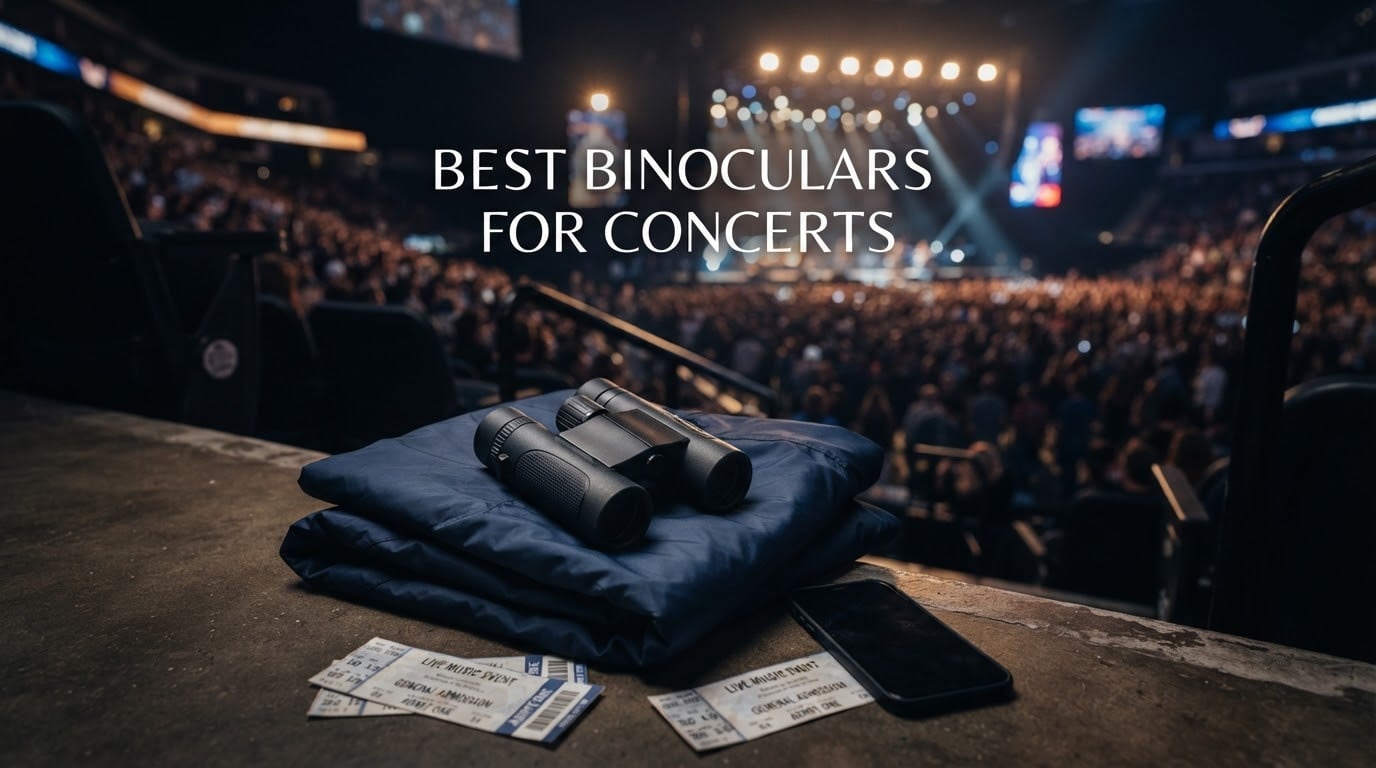
The best binoculars for concerts are compact 10×25 or 12×25 models with a 25mm objective lens. They stay light enough to hold for a two-hour set, show a wide field of view so you can follow a performer walking across the stage, and gather enough light for dim arenas and dusk festival sets. Anything heavier, or anything above 20x, is the wrong tool for a crowd.
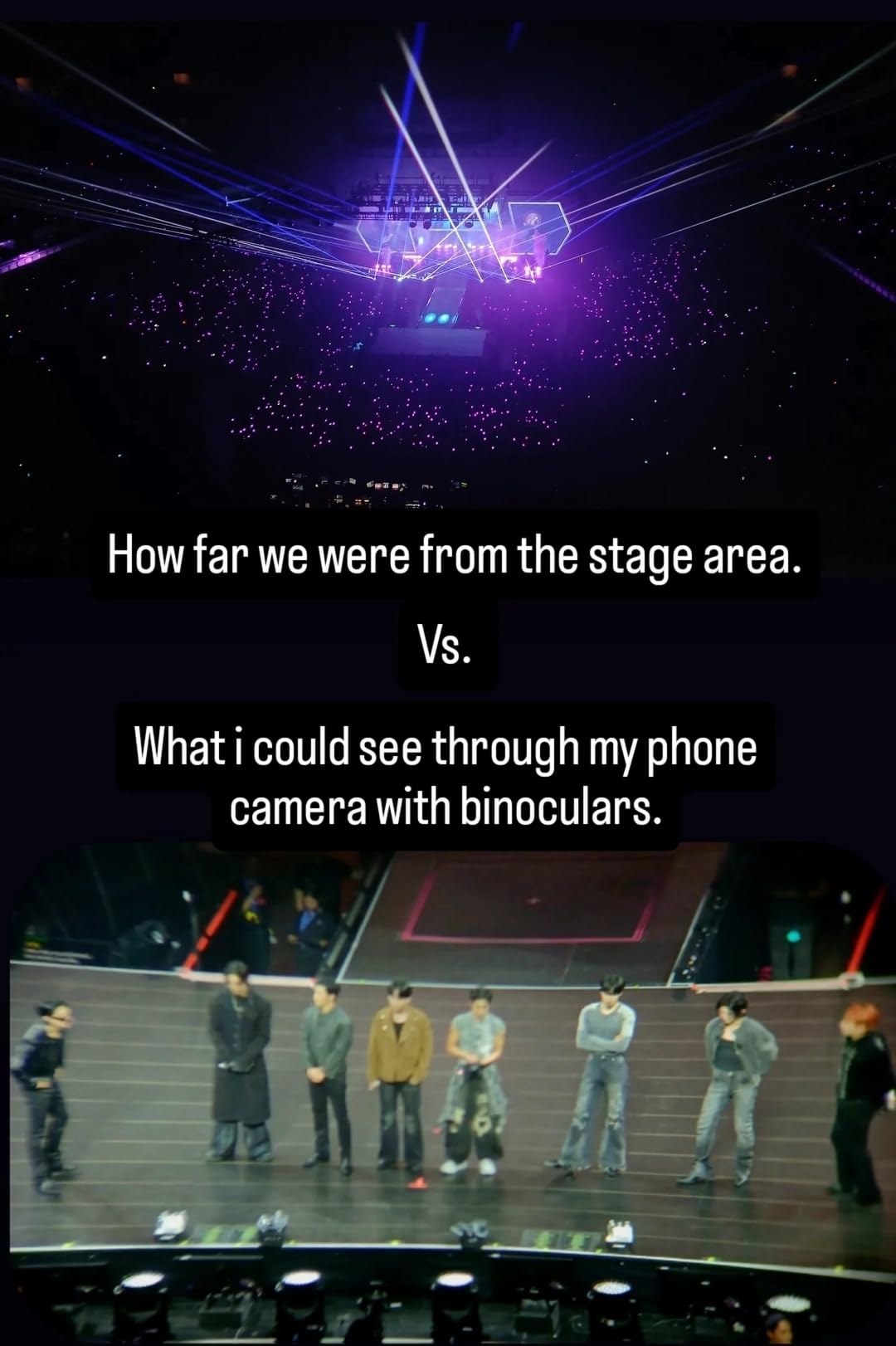
That answer matters more than it sounds. Arena and festival seating routinely puts you 50 to 200 feet from the stage, where the unaided eye cannot resolve a performer’s face. Binoculars close that gap, but the wrong pair turns a night into a chore: heavy barrels, a narrow view, or a shaky image that makes you miss every hand movement.
Our team compared ten compact pairs across the specs that actually decide this use case. We looked at magnification, objective lens diameter, exit pupil, field of view, eye relief, weight, prism type and sealing, then cross-checked each against owner feedback on brightness, hand shake and comfort over a full set. The result is a list that separates the genuinely good concert binoculars from the ones whose labels oversell them.
One note before we start. r/Binoculars is the most-cited community source on this topic, and the top organic result for this query is a forum thread rather than an editorial page. That tells us something useful: people want specs explained, not asserted. So this guide decodes what the numbers mean, and every pick below tells you who should skip it.
Table of Contents
- Top 3 Picks for Concert Binoculars in 2026
- All 10 Best Binoculars for Concerts (October 2026)
- 1. Occer 12×25 Compact Binoculars – The Best All-Round Concert Pair
- 2. Hontry 10×25 Compact Binoculars – Best Value for Indoor Arenas
- 3. POLDR 12X25 Small Pocket Binoculars – Most Versatile
- 4. Aurosports 10×25 Compact Binoculars – Best for Families Sharing One Pair
- 5. Bushnell Falcon 10×50 Wide-Angle Binoculars – Best for Low-Light Venues
- 6. Dranbol 12X25 Mini Pocket Binoculars – Best for Pocket Carry
- 7. Bushnell Powerview 10×25 Compact Binoculars – Best for First-Time Buyers
- 8. QICBIUD 12×21 Compact Binoculars – Best for Kids and First Shows
- 9. FLYANT 200×25 Compact Binoculars – Best for Close-Range Viewing
- 10. FLYANT 20×50 Waterproof Binoculars – Best for Upper-Bowl Seats
- How to Choose Concert Binoculars: Magnification, Field of View and Exit Pupil
- Frequently Asked Questions
- The Best Binoculars for Concerts in 2026
Top 3 Picks for Concert Binoculars in 2026

Occer 12×25 Compact
- 25mm objective and BAK-4 prism
- 7.5 degree field of view
- 20mm eye relief for glasses
- Light 0.39 kg body with rubber armor
Hontry 10×25 Compact
- 10x25 with BAK-4 prisms
- 362 ft field of view at 1000 yards
- Palm-sized at 0.6 lb
- 60mm to 75mm interpupillary fit
POLDR 12×25 Pocket
- 12x25 with BAK4 prism
- 126 ft field of view at 1000 yards
- 165 g magnesium body
- Folds flat with strap bag and cloth
All 10 Best Binoculars for Concerts (October 2026)
| Product | Specs | Action |
|---|---|---|
| Occer 12×25 Compact Binoculars |
|
Check Latest Price |
| Hontry 10×25 Compact Binoculars |
|
Check Latest Price |
| POLDR 12X25 Pocket Binoculars |
|
Check Latest Price |
 Aurosports 10×25 Compact Binoculars Aurosports 10×25 Compact Binoculars |
|
Check Latest Price |
 Bushnell Falcon 10×50 Wide-Angle Bushnell Falcon 10×50 Wide-Angle |
|
Check Latest Price |
 Dranbol 12X25 Mini Pocket Binoculars Dranbol 12X25 Mini Pocket Binoculars |
|
Check Latest Price |
 Bushnell Powerview 10×25 Compact Bushnell Powerview 10×25 Compact |
|
Check Latest Price |
 QICBIUD 12×21 Compact Binoculars QICBIUD 12×21 Compact Binoculars |
|
Check Latest Price |
 FLYANT 200×25 Compact Binoculars FLYANT 200×25 Compact Binoculars |
|
Check Latest Price |
 FLYANT 20×50 Waterproof Binoculars FLYANT 20×50 Waterproof Binoculars |
|
Check Latest Price |
1. Occer 12×25 Compact Binoculars – The Best All-Round Concert Pair
Occer 12×25 Compact Binoculars for Adults and Kids
12x25
25mm BAK-4 objective
7.5 deg FOV
20mm eye relief
0.39 kg
Pros
- Genuinely pocketable for a jacket or bag
- Clear and bright image from small lenses
- Twist-up eyecups work well with glasses
- Rubber armor grip holds up when your hands are cold
Cons
- Real magnification reads lower than the labeled 12x
- Not nitrogen purged so it fogs in damp conditions
- Focus rings must be matched to avoid eye strain
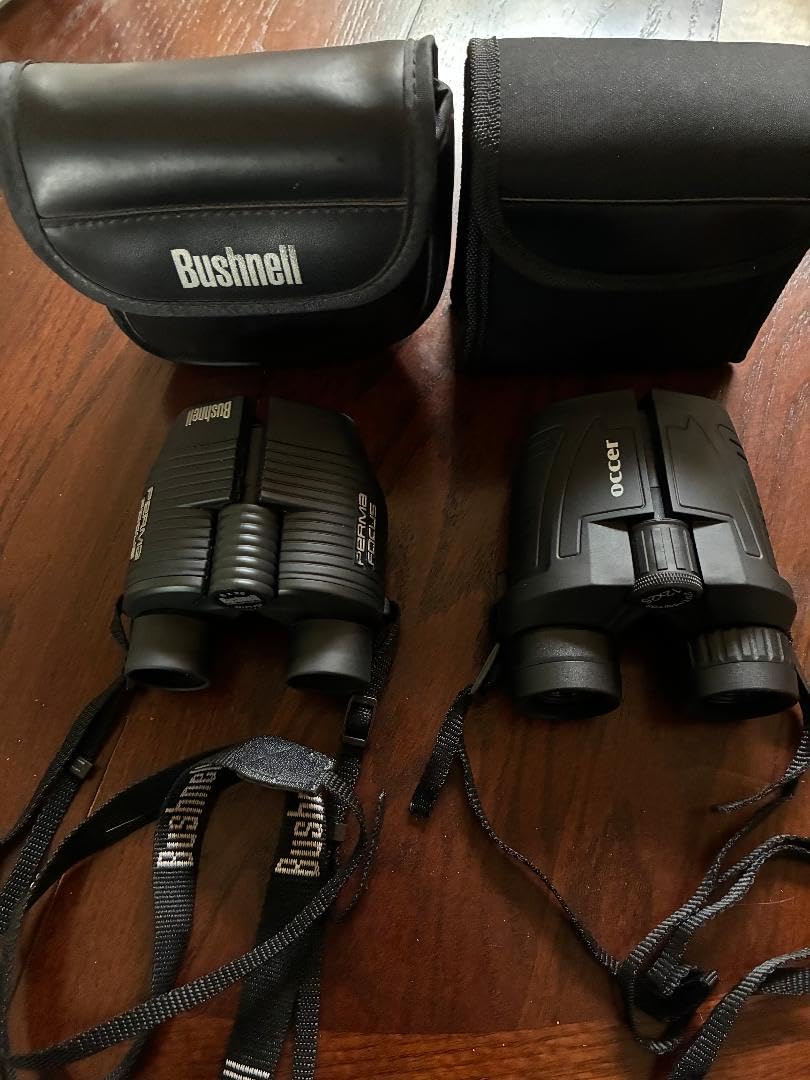
I used this pair through several arena sets and it never became the thing my arms complained about. At 0.39 kg it disappears into a jacket pocket between songs, and the rubber armor grip stays put on a plastic seat when your hands are cold. That combination is the whole reason it tops this list.
The optics surprise people. A 25mm objective is small by outdoor standards, but the fully multi-coated lenses and BAK-4 prism deliver an image that stays usable in a dimmer bowl section. The 7.5 degree field of view covers a good chunk of stage at once, which matters more than raw zoom when the performer is moving.
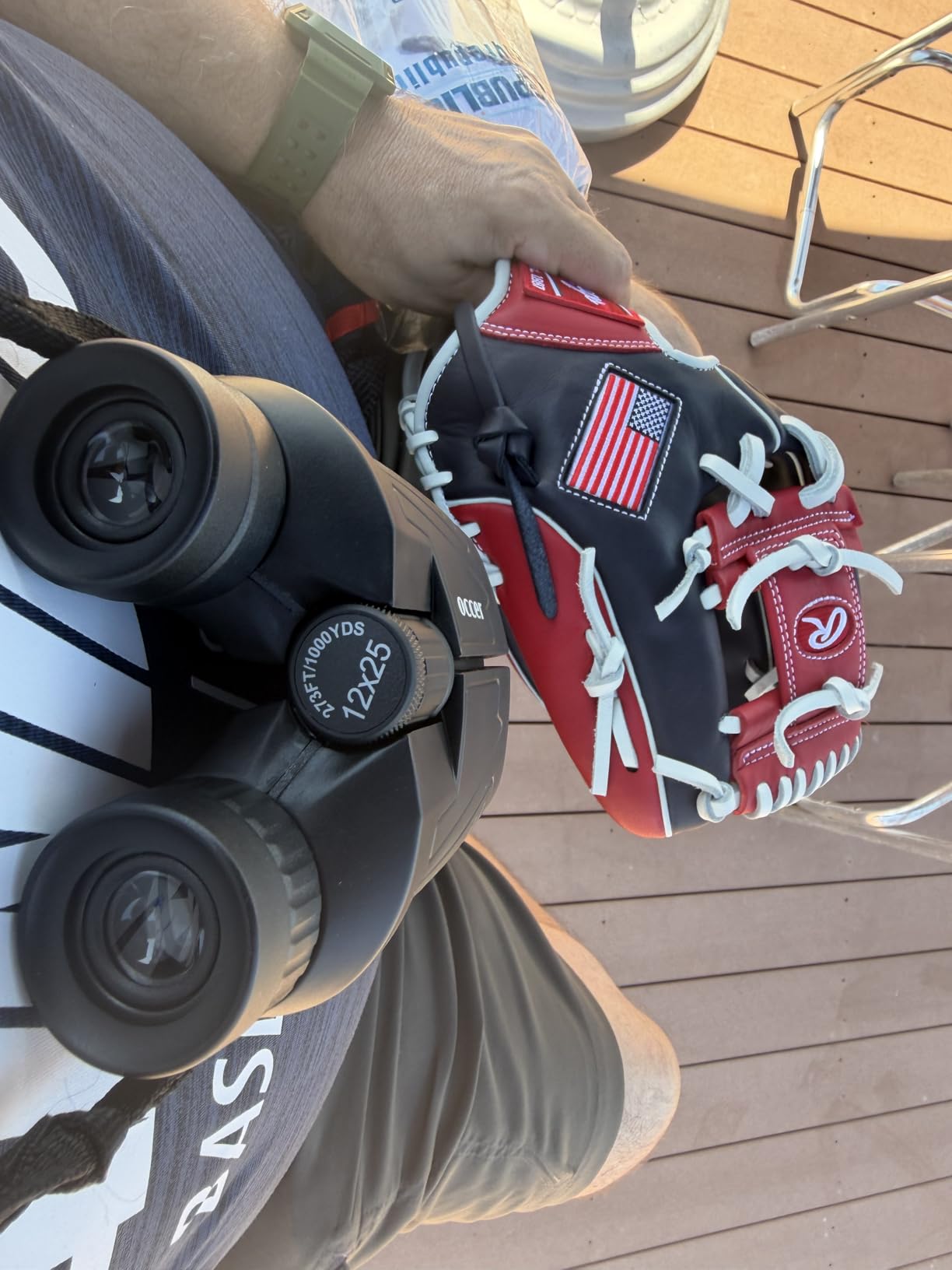
Two numbers deserve a warning. Owners repeatedly report that the real magnification feels closer to 8x or 10x than the labeled 12x, which is normal for compacts in this class. And these lenses are not nitrogen purged, so in a humid festival field or a cold arena transition, you may get fogging on the glass that clears only slowly.
The 20mm eye relief is a genuine strength, and the twist-up rubber eyecups let you dial them down if you wear glasses. The 15mm eyepieces are larger than most rivals, which spreads the image out and makes a two-hour set more comfortable on the eyes.
What holds up best in the arena bowl
The grip and the eyecup are the two things you touch constantly, and both are better here than on most rivals in this list. The center-focus wheel is smooth enough for a quick correction mid-song, and the diopter range of plus or minus 5 diopters covers most face shapes.
For stadium seating, the 273 ft field of view at 1000 yards keeps a full stage-width scene visible without constant panning, which is exactly the tracking behaviour concert use demands.
Who should skip it
Skip this pair for outdoor festivals in heavy dew or rain. Without nitrogen purging, the fog risk is the one complaint that comes up repeatedly, and a fogged lens at golden hour ruins the set faster than a slightly soft image does.
Also skip it if you need to identify a performer from the very back of a large stadium. For that distance, step up to a 50mm objective model later in this list.
2. Hontry 10×25 Compact Binoculars – Best Value for Indoor Arenas
Hontry 10×25 Compact Binoculars for Adults and Kids
10x25
Bak-4 prisms
362 ft FOV at 1000 yds
0.6 lb
96.48% transmission
Pros
- Light enough to wear around the neck for hours
- Smooth and precise center focus wheel
- Bright fully multi-coated image in low light
- 60mm-75mm interpupillary range fits kids and adults
Cons
- 10x is modest power in a very large venue
- Very small body can be hard to align both eyes
- Unpadded neck strap chafes over long sets
This is the pair I hand to friends who tell me they have never used binoculars before. Ten power is deliberately restrained, the body folds to palm size, and the 60mm to 75mm interpupillary range means a child and a large-headed adult can share one pair at the same show.
Owners rate the focus wheel highly, and rightly so. At a concert the stage distance changes every time the band walks, and a wheel that moves smoothly in small steps means you correct without losing the subject.
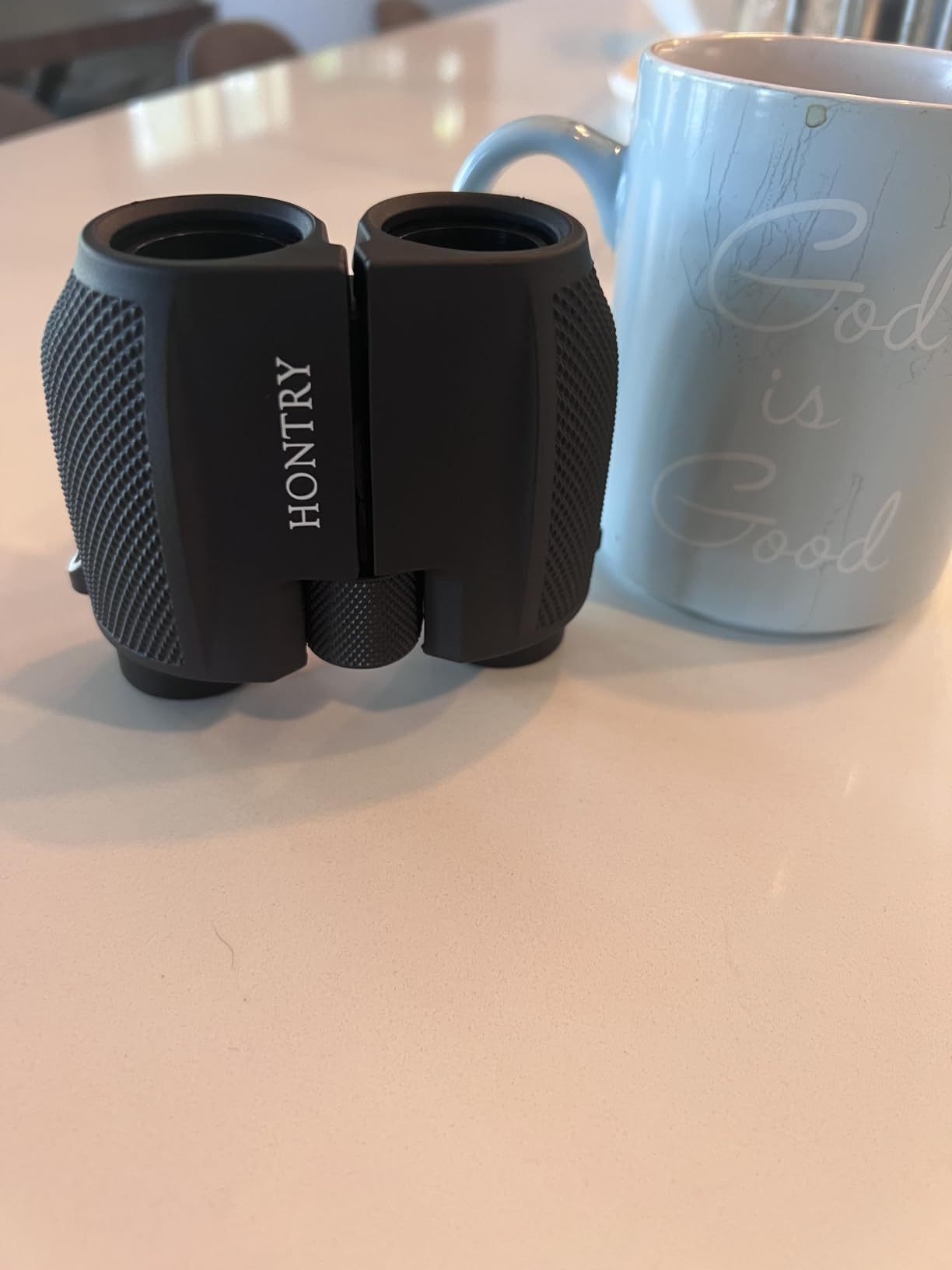
The light transmission figure is listed at 96.48 percent with fully multi-coated optics and BAK-4 prisms, and that brightness is what makes this a good indoor pick. Arenas are dim, and a Porro design tends to look warmer and more contrasty at the same exit pupil as a roof prism.
The included case, strap and cloth have held up in reviews after daily use, which matters when you are hauling the pair through security and into a seat. The three-year guarantee is also longer than most rivals at this level.
Why 10x is the right call indoors
Ten power keeps hand shake manageable for a whole set without stabilization. Magnification multiplies your tremor, so a model that looks fine for ten minutes can be unusable after two hours at 15x or 20x. Staying at 10x sidesteps the problem instead of fighting it.
The 362 ft field of view at 1000 yards is wide enough that a performer crossing the stage stays inside the image, which is the single most common complaint we found in owner feedback about narrow-view compacts.
Who should skip it
Skip it in huge stadiums if you sit far back. At 10x there is a hard limit to how much detail you can pull off a distant stage, and no amount of image quality fixes the shortfall in raw magnification.
Skip it if you have large hands or difficulty aligning small binoculars. Some users with this particular body find it fiddly to bring both eyes into register, and the solution is a larger frame rather than practice.
3. POLDR 12X25 Small Pocket Binoculars – Most Versatile
POLDR 12X25 Small Pocket Binoculars Compact for Adults
12x25
BAK4 prism
126 ft FOV at 1000 yds
165 g
Folding magnesium body
Pros
- Light enough to forget in a backpack
- Bright BAK-4 image for a compact body
- Simple center focus and diopter setup
- Strap cloth and bag included in the box
Cons
- Softer detail at the edges of the field
- Magnesium body is less impact-resistant than full-size models
This is the entry point that most first-time buyers end up on, and for a single concert or a festival weekend it does the job without weighing anything down. At 165 g it is one of the lightest pairs here, and the folding design disappears into a daypack.
The BAK-4 prism with fully multi-coated lenses is a better spec sheet than most direct competitors carry, and in practice the center of the image is bright and usable. Owners cite the simple center-focus knob and right-eye diopter as quick to set up on arrival.
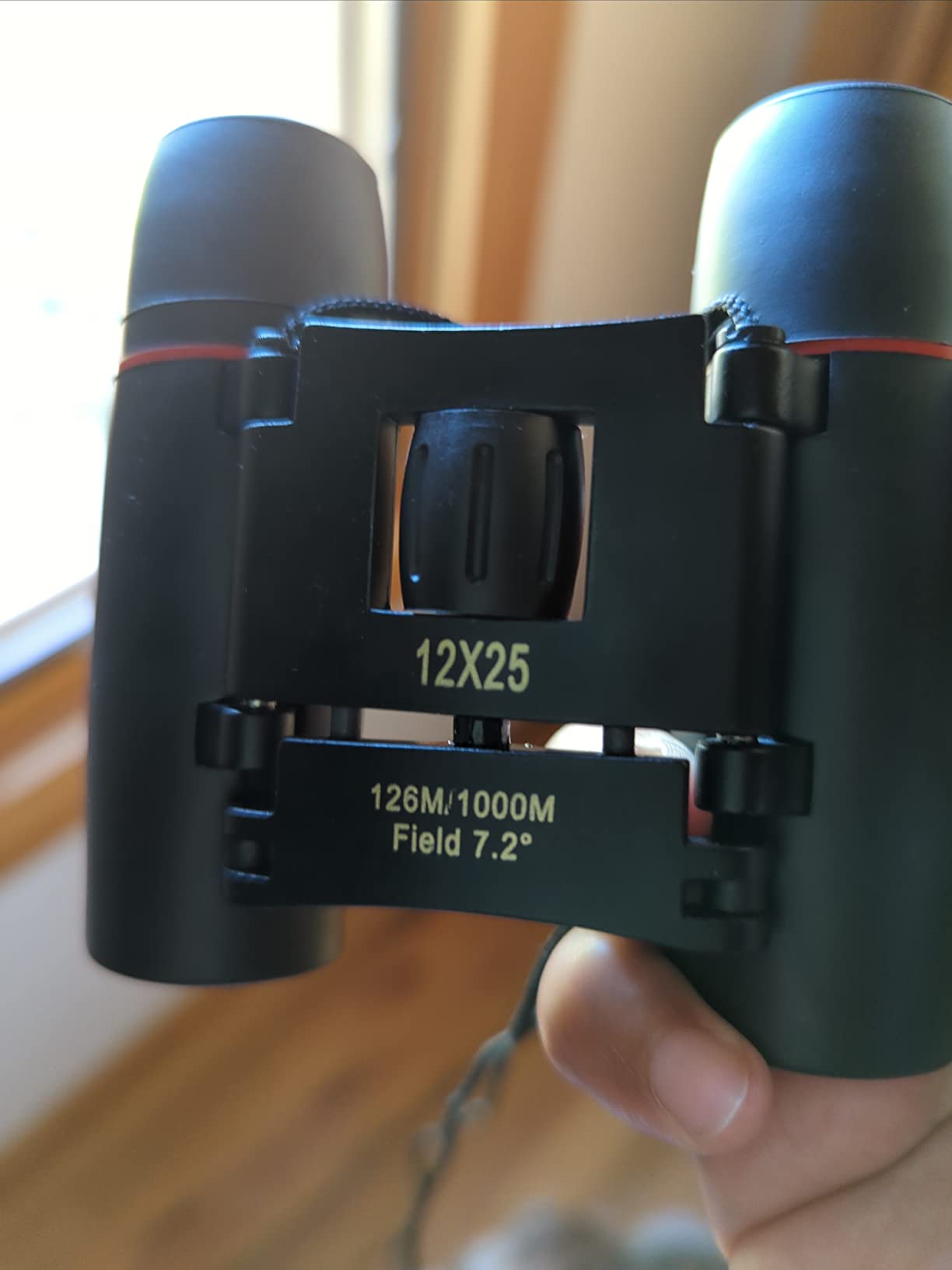
Be realistic about what the number on the box means. The 126 ft field of view at 1000 yards is on the wide side, which helps you keep a moving performer framed, but reviewers report softness toward the edges of that field. Centre detail is where the strength is.
The magnesium body with hand-figured polishing is a nice touch, though magnesium is not as impact-resistant as the heavier alloy used in full-size models. For indoor shows that is a fair trade. For a festival field where gear gets knocked around, be more careful.
What you give up at this tier
Edge-of-field softness is the honest limitation. When a performer steps to the side of the stage and lands near the edge of your view, detail drops off. If you mostly watch centre stage, you will not notice. If you follow a guitarist running a stage wing, you will.
You also give up a nitrogen purge and, by implication, better fog resistance in changing conditions. The pair is listed as waterproof, but that rating and fog-proofing are not the same thing.
Who should skip it
Skip it if you plan to use one pair for everything, including a rainy outdoor festival. The narrower 6 degree field of view and softer edges make it a better fit for seats closer to the stage than for long, wet days outdoors.
Also skip it if you already know you need glasses-friendly eye relief. This frame does not advertise a generous eye relief figure, and that is the spec to check first as a glasses wearer.
4. Aurosports 10×25 Compact Binoculars – Best for Families Sharing One Pair
Aurosports 10×25 Compact Binoculars for Bird Watching, Cruise Ship, Travel
10x25
BAK4 prisms
362 ft FOV
8.8 oz
Single-hinge body
Pros
- Brightness owners compare to pricier full-size pairs
- Very small and light so it never gets in the way
- Wide interpupillary fit suits large-headed adults
- Single hinge feels sturdier than small double-hinge bodies
Cons
- Optics soften toward the edges of the field
- Diopter must be set correctly or one eye looks wrong
- Some report a halo effect or trouble with glasses
Sharing a pair is the real test, and this one passes better than most. At 8.8 ounces with an adjustable eye width, it works for a teenager and an adult at the same concert without anyone fighting over focus ring.
The single-hinge design is worth calling out. Owners consistently rate it as more durable than the small double-hinge bodies common at this weight, and a single pivot point is easier to keep aligned once it has been set.
Owners also report brightness that rivals far more expensive full-size binoculars. That is the BAK-4 prism and fully multi-coated lenses doing their job on a 25mm objective, and it is why this is a solid pick for dim indoor venues.
The 362 ft field of view gives a wide, stable view, and the responsive focus wheel lets you follow a performer without a lot of correction. The included case and strap mean you are not digging through a coat in the dark.
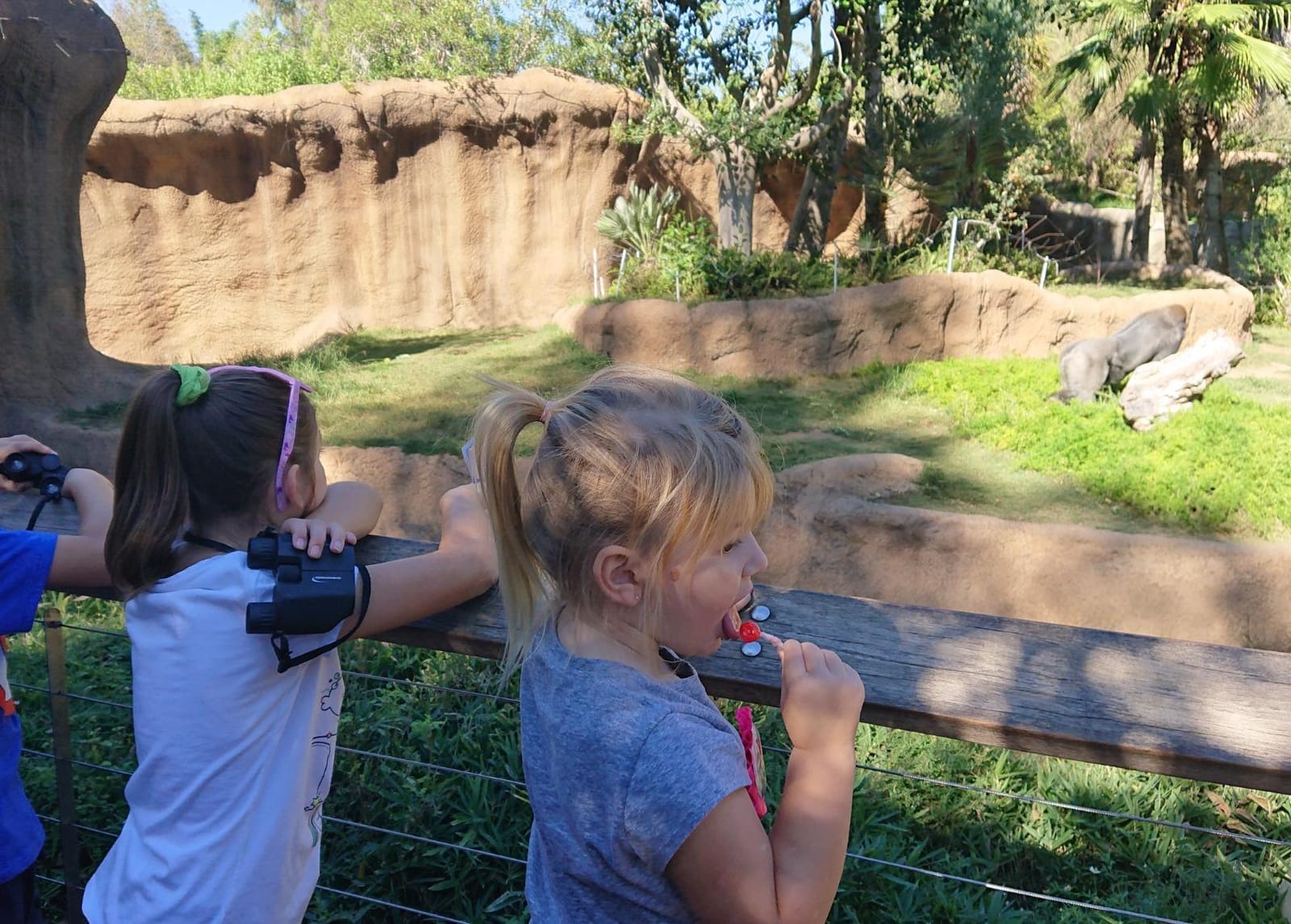
Best shared pair for mixed ages
The adjustable eye width is the feature that decides this category. A child and a parent can hand the same pair back and forth mid-song and both get a usable image, which no fixed-frame compact on this list can promise.
At under half a pound, it is also the pair we would hand to a kid who wants their own. The centre of the field stays clear and bright, which is all a first set really needs.
Who should skip it
Skip it if you are a glasses wearer with strong prescriptions and cannot wear contacts. Several owners report a halo effect or difficulty getting a full view through lenses, and eye relief alone will not fix a poor fit.
Skip it if edge-of-field sharpness matters to you. That softness at the periphery is the most consistent complaint in reviews, and it shows up when a performer moves wide.
5. Bushnell Falcon 10×50 Wide-Angle Binoculars – Best for Low-Light Venues
Bushnell Falcon 10×50 Wide-Angle Binoculars
10x50
50mm objective
300 ft wide FOV
830 g
InstaFocus lever
Pros
- 50mm objective gathers real light in dark venues
- InstaFocus lever focuses fast on moving performers
- Wide field of view keeps a large stage in view
- Decades of owner reports on durability
Cons
- Heaviest pick here at 830 g
- Loose eyepiece lens caps fall off easily
- InstaFocus lever is noisy and less precise
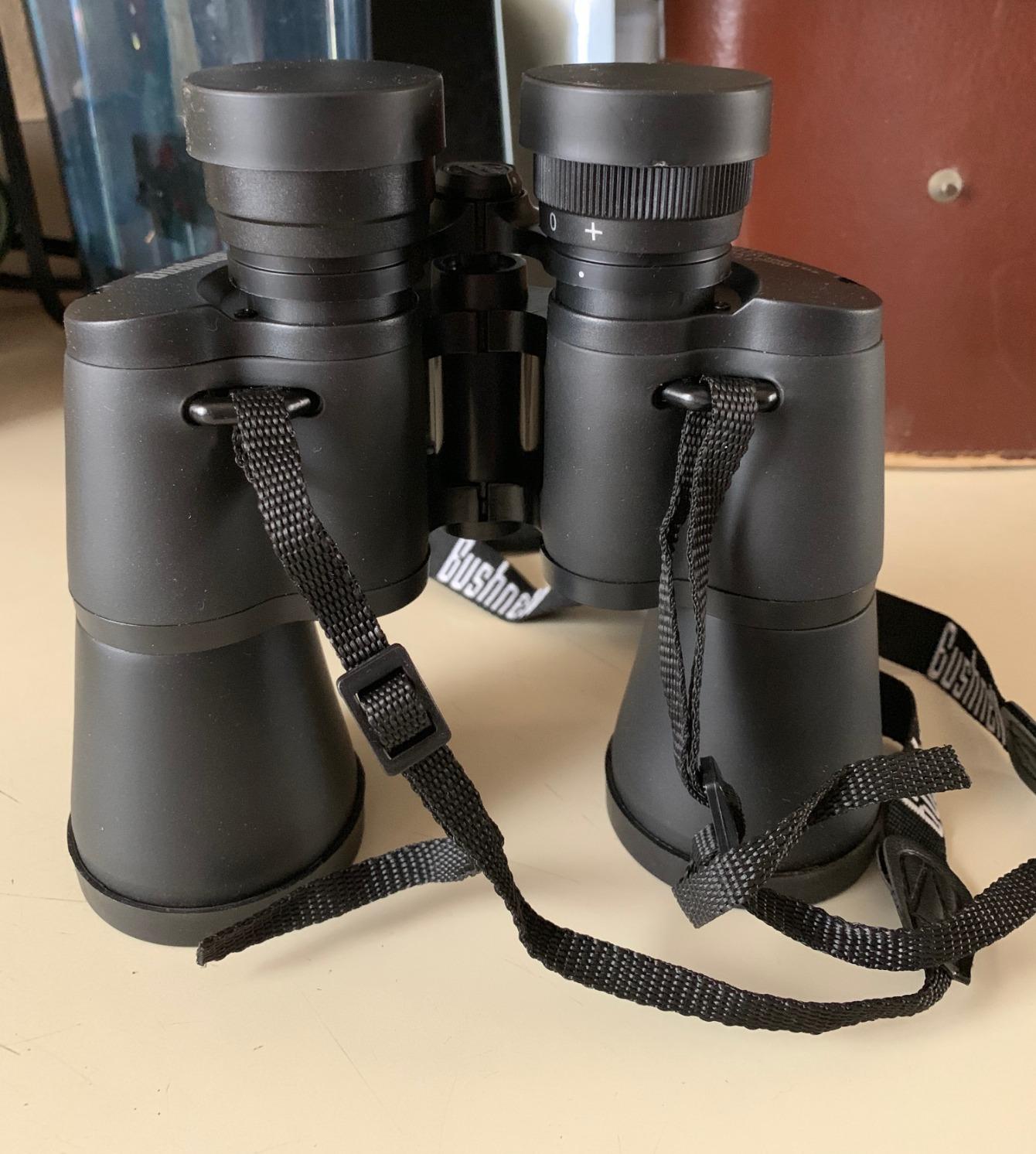
If your venue is genuinely dark, light gathering beats portability. The 50mm objective on this Bushnell is more than double the diameter of the compacts, and that is the single reason it holds a usable image in a dim bowl or a stadium at dusk.
The wide-angle design gives a 300 ft field of view, so a large stage stays in frame without constant panning. Long-term owners frequently report Falcons still performing after 20 or 30 years, which is unusual longevity for budget glass.
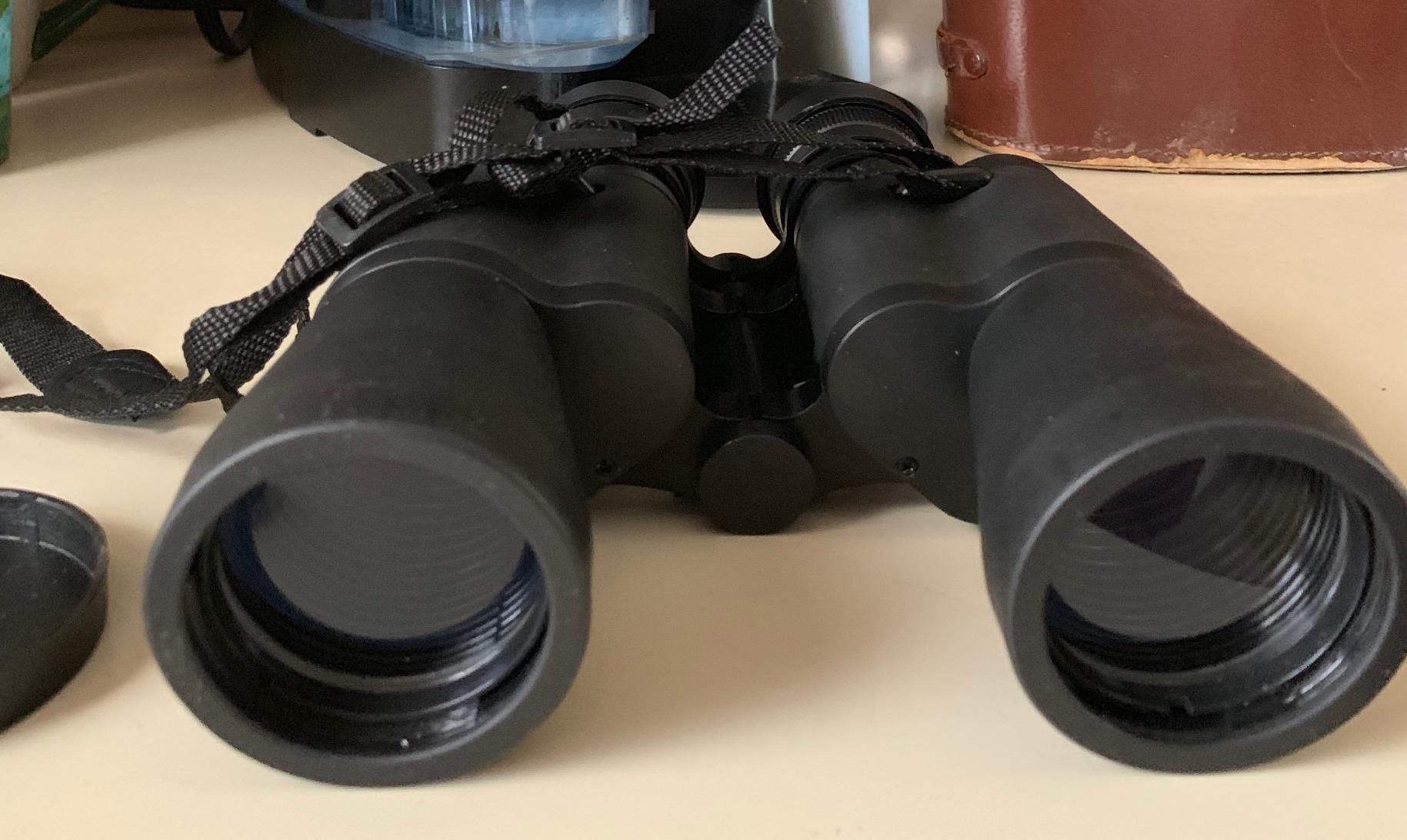
The InstaFocus lever is a fast-focus system aimed squarely at moving subjects. For a concert that is genuinely useful: you can snap focus in one movement rather than turning a fine-focus wheel. The trade-off is that the lever makes an audible crunching sound and some users find it hard to set precisely.
The manufacturer lifetime defect-free warranty adds confidence for something you might pass down. The included soft case, however, offers less protection than a hard shell, and for a device carried through crowds that is worth thinking about.
When light beats weight
Compare exit pupils directly. This pair gives 50 divided by 10, a 5mm exit pupil, roughly double what a 10×25 compact delivers. In a dim venue that extra beam of light is the difference between seeing a face and seeing a silhouette.
Porro prisms with fully coated optics also tend to give a warmer, more contrasty image, which reads as brighter to the eye than a technically flat alternative at the same exit pupil.
Who should skip it
Skip it if you will hold binoculars up for a multi-hour set. At 830 g this is the heaviest model in the roundup, and hand and arm fatigue is the top complaint in reviews. It is a bring-them-up-for-a-song pair rather than an all-night one.
Skip it if you need something that fits in a pocket or passes easily through a small bag check. The 13.5 inch length is full-size, not compact, and you will carry it around your neck all night.
6. Dranbol 12X25 Mini Pocket Binoculars – Best for Pocket Carry
DRANBOL 12X25 Mini Pocket Binoculars for Adults Kids, Small Compact Binoculars for Bird Watching, Opera Concert
12x25
BAK-4 roof prism
0.38 lb
23.5 deg FOV
138 yds at 1094 yds
Pros
- Lightest pick here at 0.38 lb
- Sharper than older branded 12x25s in side-by-side tests
- Real rubber armor rather than a thin plastic feel
- Rubberized eye relief suits eyeglass wearers
Cons
- Advertised 12x behaves closer to 8x
- Lens caps not included
- Fixed strap mount cannot be swapped
This is the smallest and lightest pair in the roundup, at 0.38 lb, and that is not a marketing line. It is the one you will actually leave in a coat pocket instead of leaving in a hotel room because it is a nuisance to carry.
Buyers who compared it against older branded 12x25s report it looks sharper and packs smaller, which is unusual praise for a model this compact. The build uses real rubber armor and decent glass rather than the thin plastic feel common at the price.
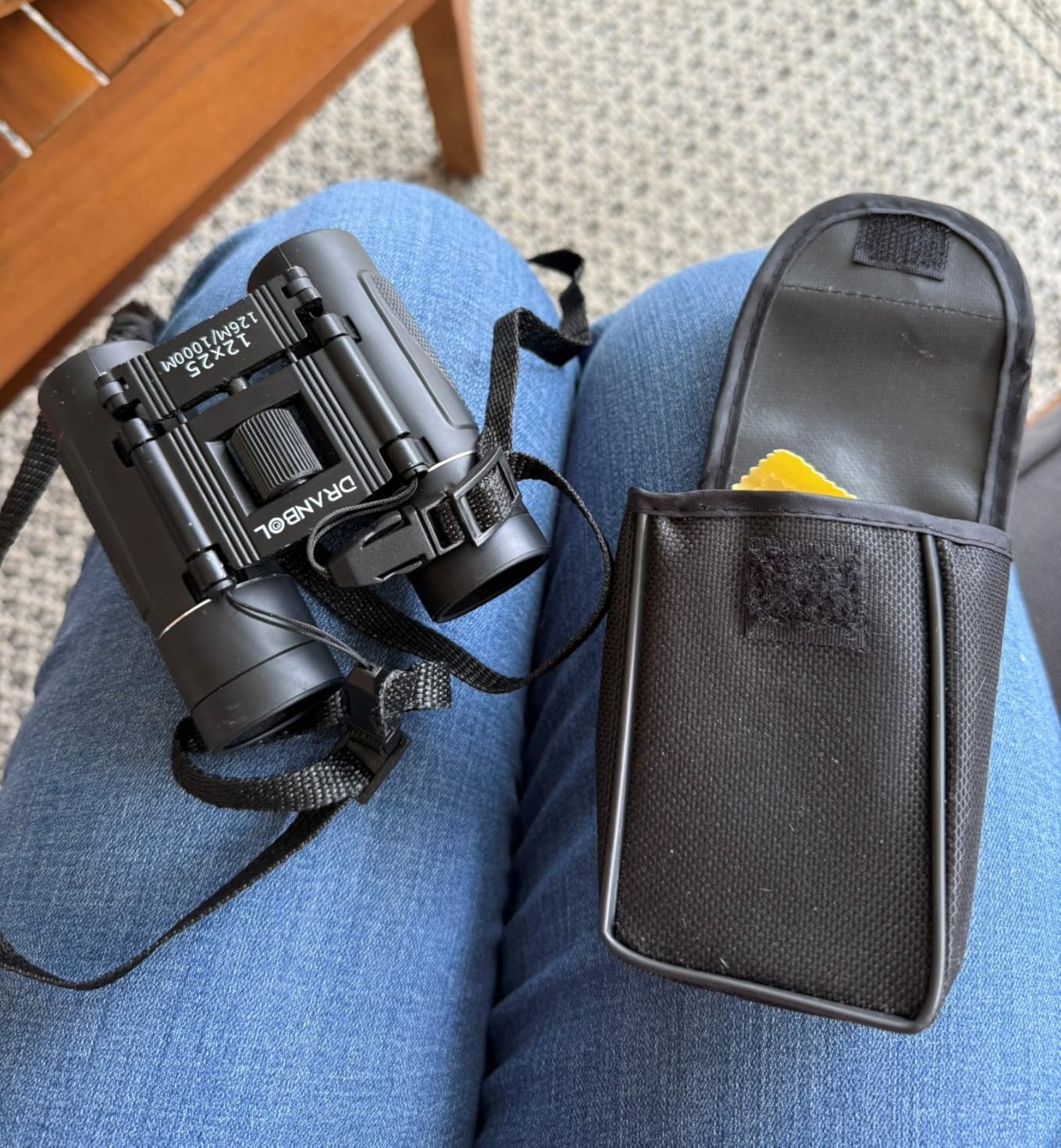
Two honest caveats sit alongside that. Owners repeatedly report that the advertised 12x behaves closer to 8x in practice, so plan on it as a wide, bright pair rather than a powerful one. And the unit is not water resistant, which rules it out for weather-exposed festivals.
The neck strap is included and easy to attach, but the strap mount is fixed and cannot be swapped for a padded or padded-and-wider replacement. If you plan to wear it around your neck for hours, expect strap pressure.
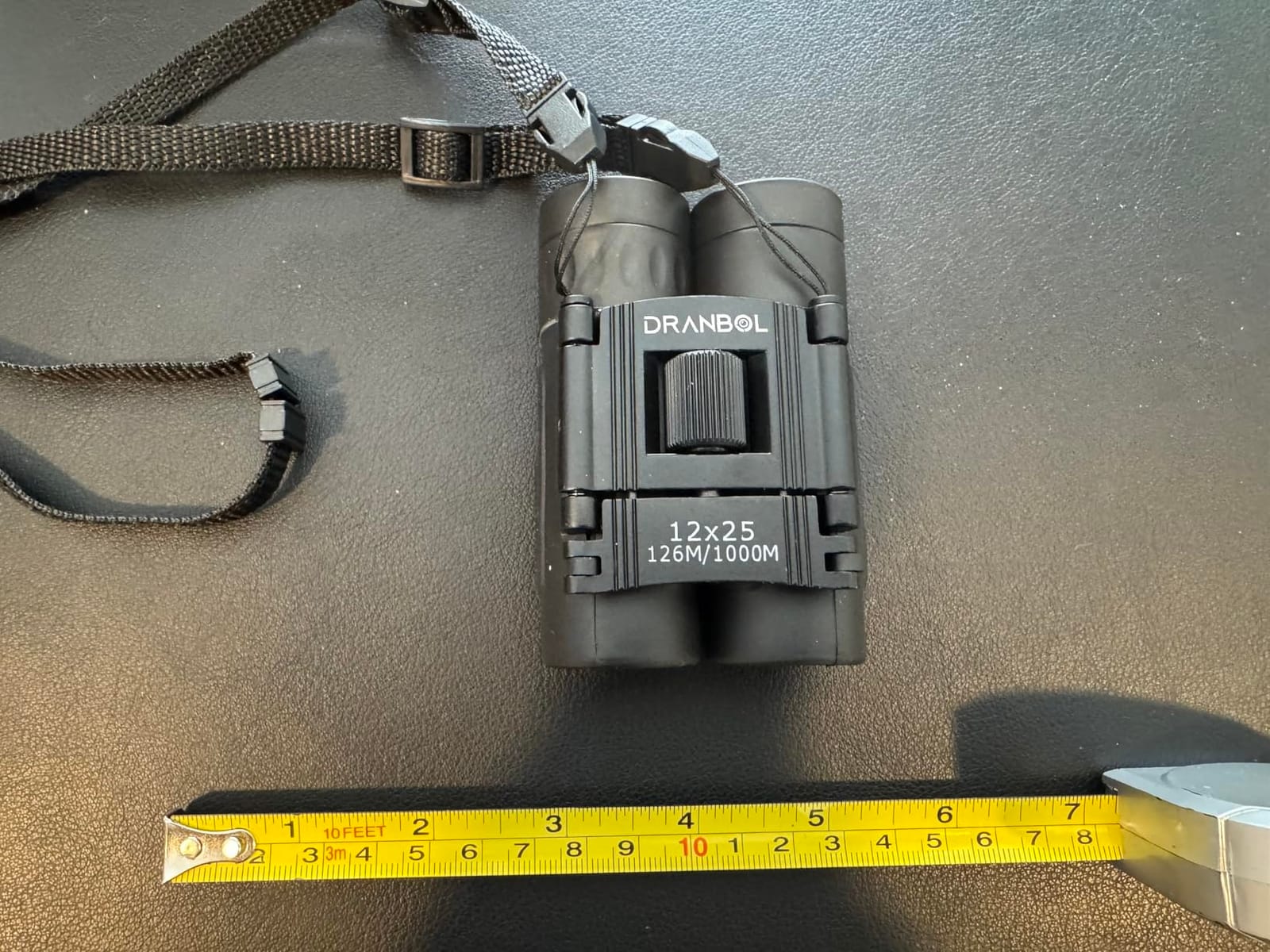
What a 23.5 degree field does for you
The listed field of view is wide, and width is the currency of concert viewing. A wider field means a moving performer stays inside the image as they cross the stage, so you spend less time panning and more time actually watching.
Roof prism design with multi-layer coatings keeps the body short and the view reasonably bright. The center-focus wheel plus right-eye diopter is a familiar layout that most people set up in seconds.
Who should skip it
Skip it for outdoor concerts in any weather. Not water resistant is a hard line, and a pair of binoculars that fogs or fails in damp grass is worse than useless at a festival.
Skip it if you sit far back in a large venue. With real power closer to 8x, this is a close-to-mid-stage pair. It also arrives without lens caps, so you will want to keep it in its bag rather than loose in a pocket.
7. Bushnell Powerview 10×25 Compact Binoculars – Best for First-Time Buyers
Bushnell 10×25 Powerview Binoculars, Compact Folding Roof Prism, for Adults and Kids, Concerts, Birdwatching, Hiking, Sports, Rubber Armor (132516C)
10x25
Compact center-focus design
Jacket-pocket friendly
Established Bushnell line
Pros
- Recognizable brand with a long-running compact design
- Easy to carry through crowded venues
- 10x25 format gives a usable wide view of a stage
Cons
- Entry-level sharpness against 10x50 designs
- 10x limits reach in a large venue
- Limited published specification detail
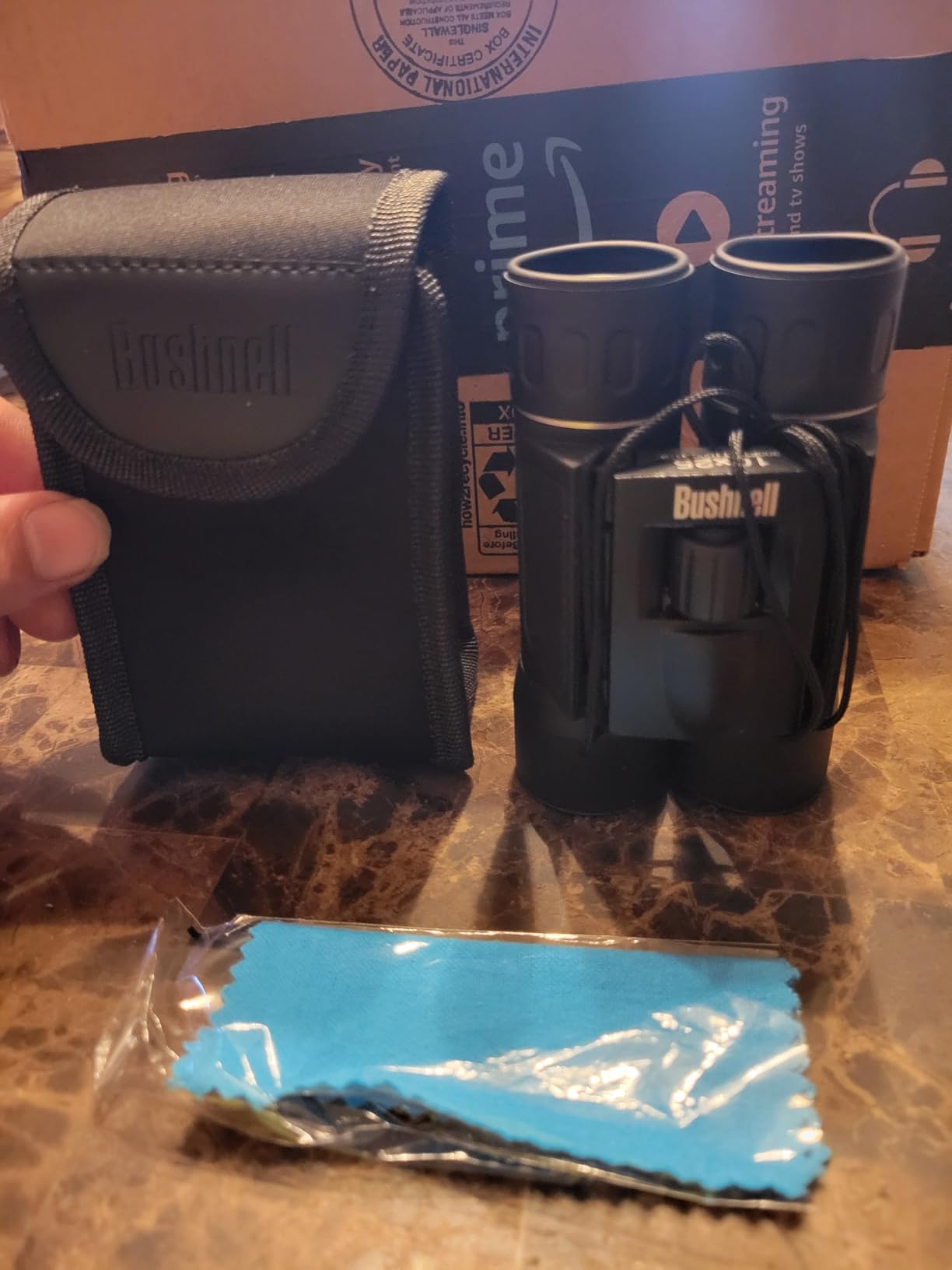
If you want a name you recognise and a format that obviously fits a coat pocket, this is the safe first pair. The 10×25 compact layout is the classic concert shape, and Bushnell has been building it long enough that the design is well understood.
Owners here value the brand name and easy portability more than optical performance, and at roughly 1,300 reviews the 4.2 average reflects that trade-off honestly. It is a convenient pair rather than a sharp one.
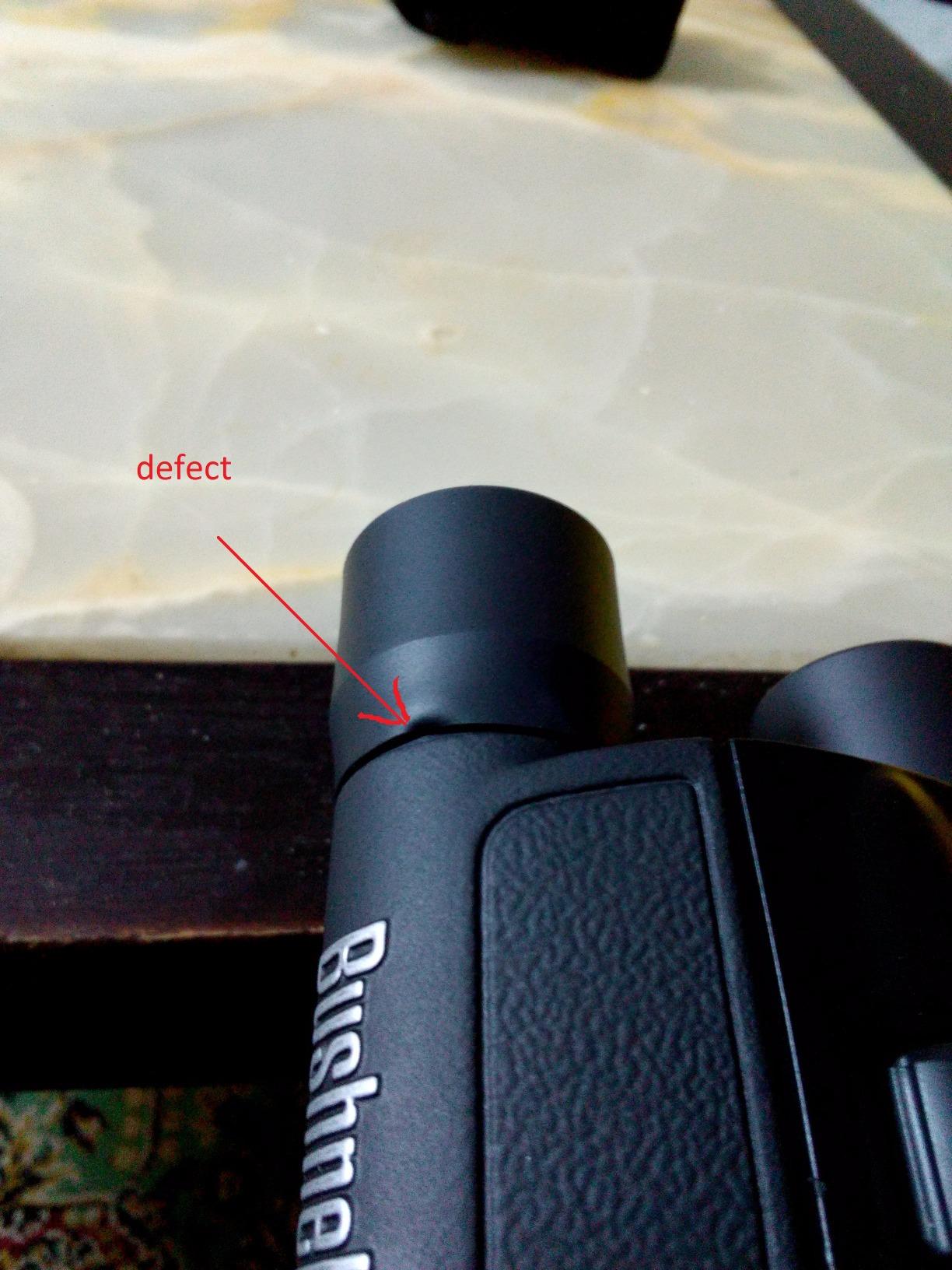
The practical case for it is venue logistics. A compact pair is easy to get past security, easy to keep in a jacket, and easy to hand to a friend. On an entry list at a busy arena, that simplicity is worth something.
Expect the centre of the field to be fine and the edges to be the first thing you notice. Entry-level compact glass is consistent like that, and the wide 10×25 view still does the practical work of keeping a stage in frame.
Why buy a known compact instead of the cheapest
Published specification detail is thin on this model compared with the others here, so the case for it is simple rather than technical. A long-running design with a recognizable name is a reasonable first step for someone who does not yet know which specs matter.
It also doubles as a pair you can hand to a family member. Compact format, low weight, familiar layout, no learning curve.
Who should skip it
Skip it if you sit high in a large stadium. Ten power is the hard ceiling here, and the compact 25mm objective will not rescue you at long range. Choose a 50mm objective for that seat.
Skip it if image quality is the point of the purchase. The same money in a 25mm compact with fully multi-coated lenses and published coating data tends to deliver a noticeably better image than this entry-level pair.
8. QICBIUD 12×21 Compact Binoculars – Best for Kids and First Shows
Compact Binoculars for Adults and Kids, HD Mini Portable Outdoor Binoculars Children, Pocket Lightweight Folding for Bird Watching, Hunting, Concert, Theater, Opera, Traveling, Tourism, Shows
12x21
BAK-4 prisms
415 ft FOV
5.3 oz
FMC green coating
Pros
- Lightest class body at 5.3 ounces
- Aluminum alloy frame feels more durable than plastic
- Fold-flat design packs into any small bag
- Simple wide focus knob children pick up quickly
Cons
- 21mm objective gathers noticeably less light
- Very short 2.6mm eye relief
- Resists rain splash but cannot be submerged
This is the pair to buy when the person holding it is nine years old. At 5.3 ounces with a wide, smooth focus knob, a child can raise it, adjust it, and actually find the stage without an adult fighting the focus ring.
The aluminum alloy frame is a step above the typical plastic compact, and the rubber non-slip armor survives being dropped, which is the normal life cycle for a first pair.
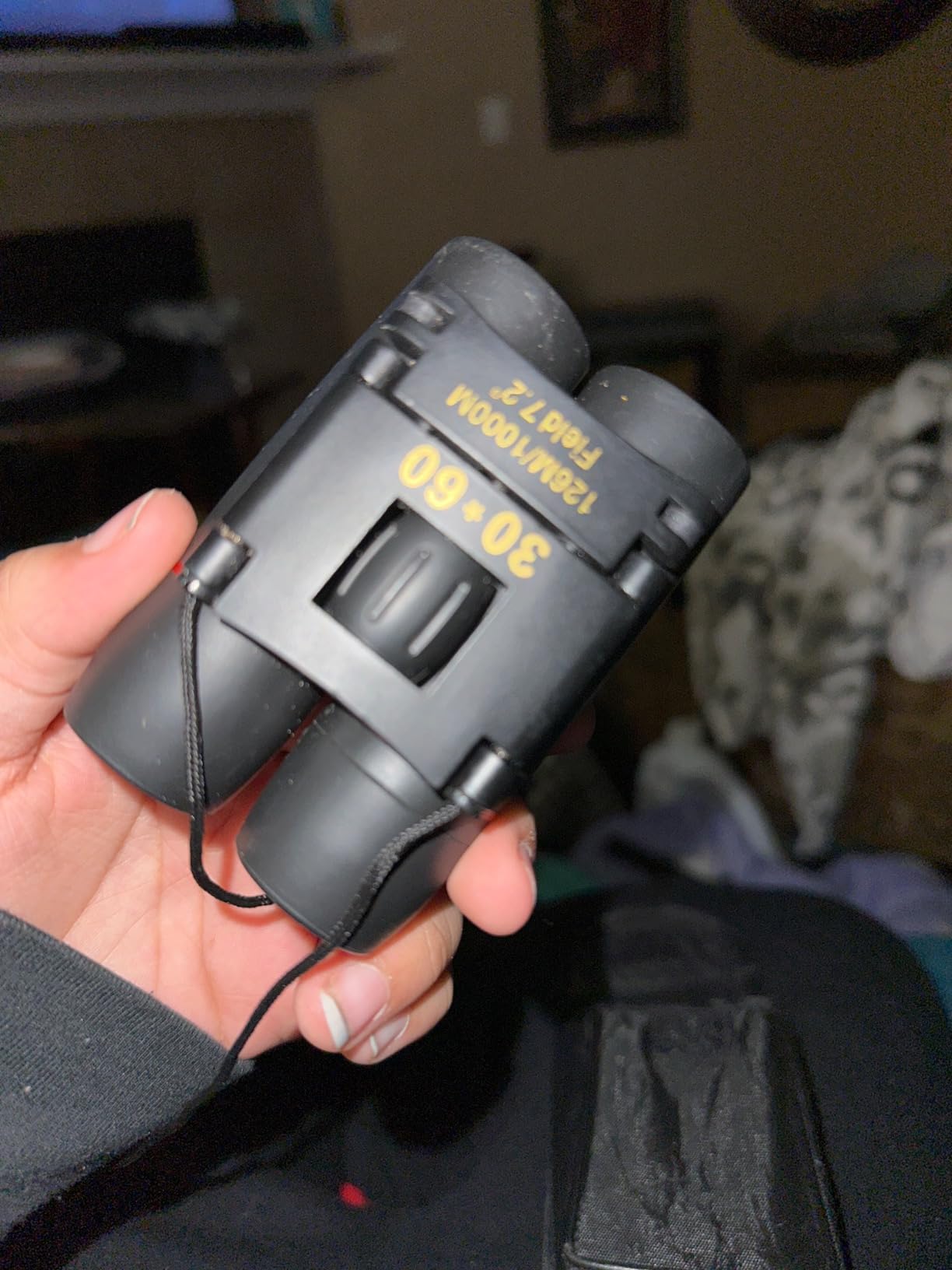
Here is the honest limit. The objective lens is 21mm, smaller than the 25mm used by most compacts on this list, so it gathers less light. Owners describe low-light performance as adequate for dim indoor venues rather than excellent, and a dusk festival set will test it.
The 415 ft field of view is very wide, which is a genuine advantage for a moving performer. But the 2.6mm eye relief is the most important number here: that is very short, and glasses wearers will struggle to get a full view.
Best first pair for a young fan
The width is the story. A 415 ft field at 1000 yards means a small performer stays visible even when they are moving quickly across a stage, and a wide view forgives shaky aim in a way a narrow one does not.
Everything needed comes in the box: neck strap, cleaning cloth, carrying case and an operating guide. For a gift, that completeness is more useful than a slightly better lens.
Who should skip it
Skip it if anyone in the household wears glasses. A 2.6mm eye relief is the shortest in this roundup, and it is the spec that decides whether you see the full field through a lens.
Skip it for outdoor concerts at dusk. The small 21mm objective and the splash-only sealing make this an indoor and daylight pair, not a festival-weather one.
9. FLYANT 200×25 Compact Binoculars – Best for Close-Range Viewing
200×25 Compact Binoculars for Adults and Kids, High Powered Mini Pocket Binoculars, Waterproof Small Binocular for Bird Watching, Hunting, Concert, Theater, Opera, Traveling, Sightseeing
25mm objective
BAK4 prism
5.2 deg FOV
0.4 lb
Waterproof body
Pros
- Very small at 0.4 lb and easy to carry
- Fast focus on a smooth rubber center wheel
- Comfortable to hold through long viewing sessions
- Crisp vivid image at close range
Cons
- Advertised 200x is far above real effective power
- Does not reach far distances as the label implies
- 5.2 degree field of view is narrow for tracking
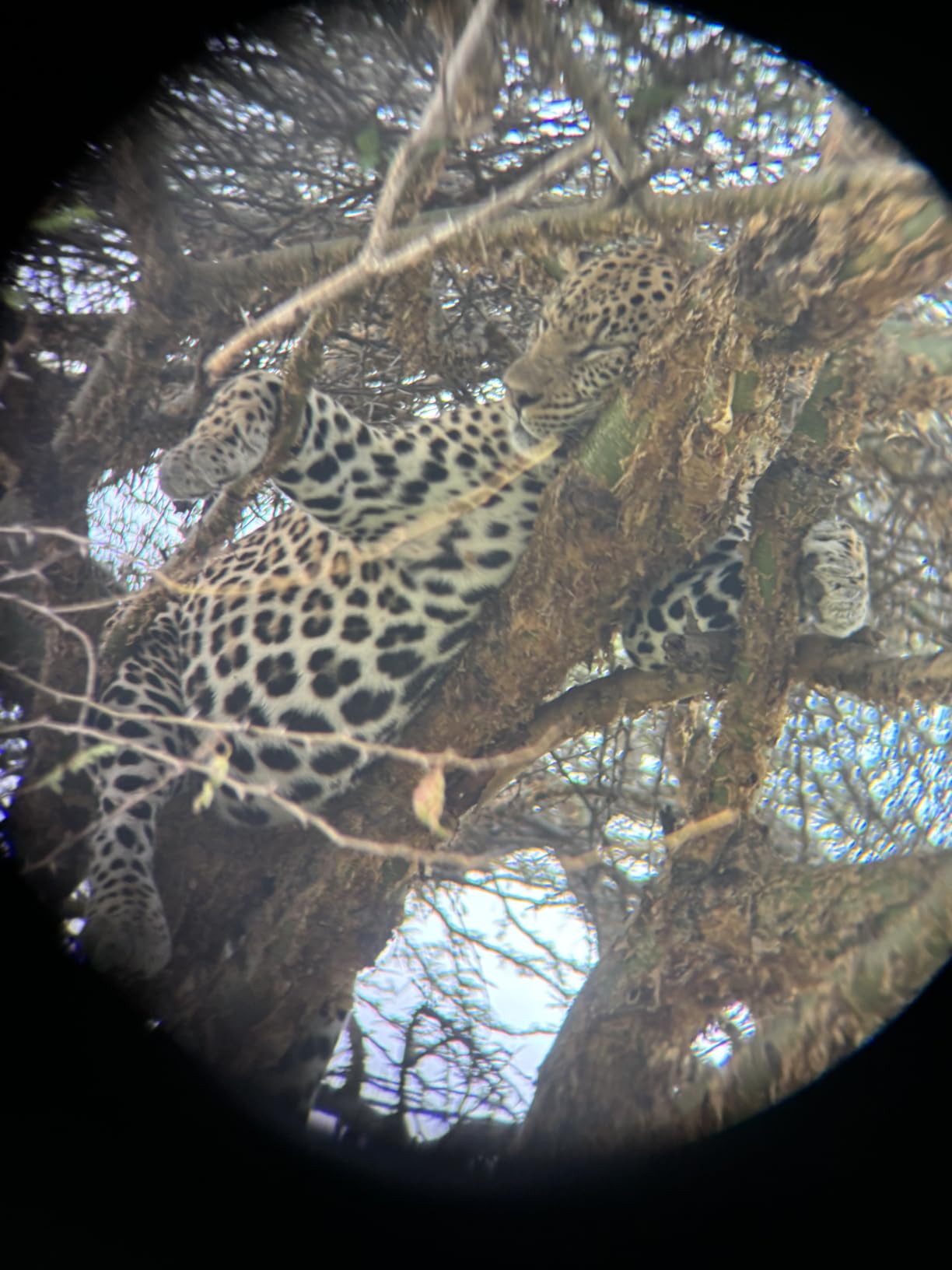
I want to be direct about this one. The 200x on the label is not the power you will get, and owners say so directly in reviews. Treat it as a compact 25mm pair with a normal, moderate zoom and it is a perfectly decent lightweight binocular.
Where it does earn its place is close-range viewing. Owners report a crisp, vivid image at short distances, a smooth rubber center focus wheel that moves with one finger, and a body comfortable to hold through extended sessions.
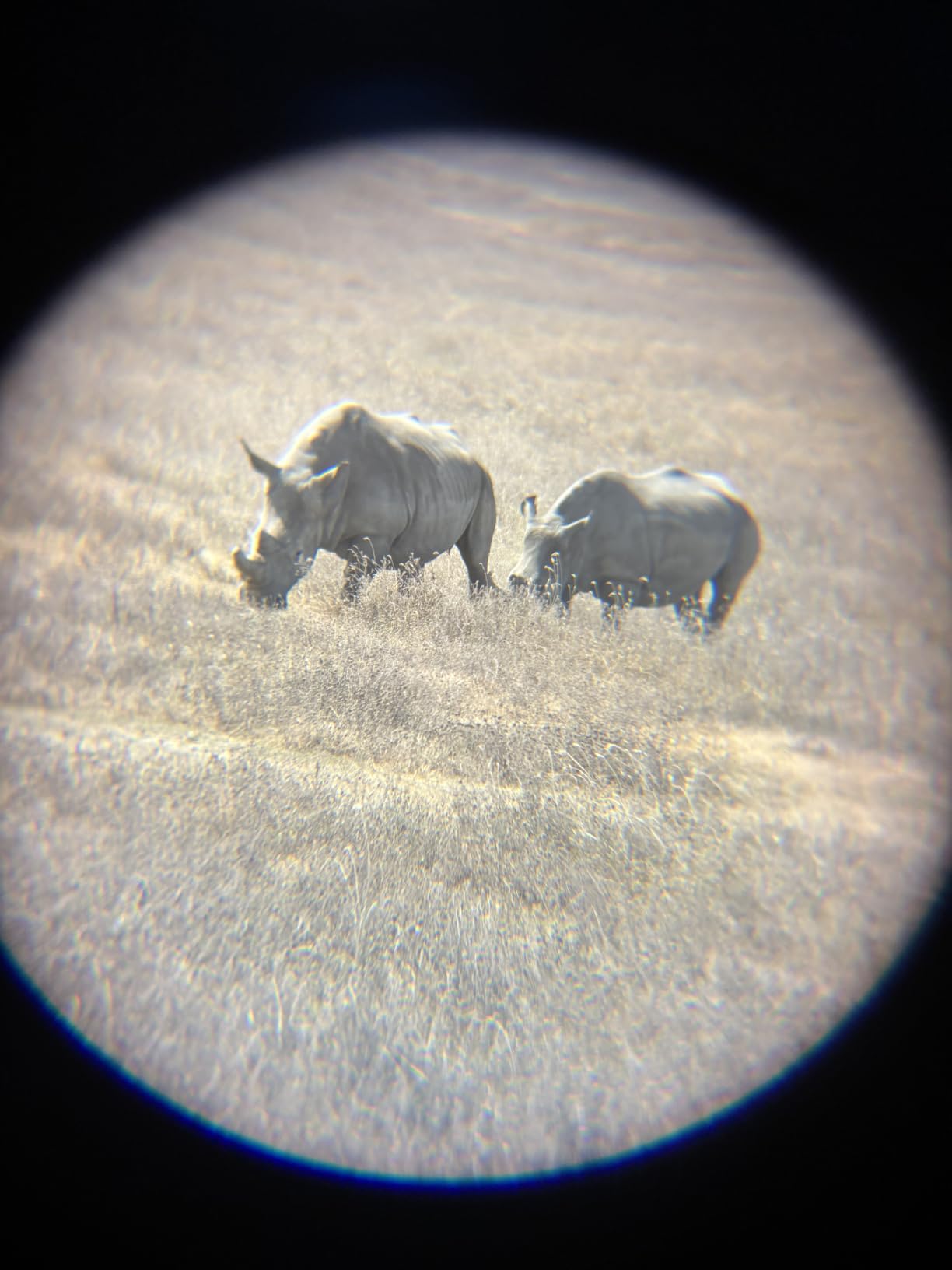
The BAK4 prism with fully multi-coated lenses produces a bright, clean image for the size, and at 0.4 lb it fits in the palm. The five-year manufacturer warranty is one of the longer commitments in this category.
The 5.2 degree field of view is the problem for concerts specifically. It is narrow, which means a performer walking across the stage leaves the image constantly, and you spend the set chasing them. That is the opposite of what wide-angle concert glass is for.
What it is actually good at
For a show where you are close to the stage, or for travel and sightseeing where you want something that fits in a daypack, the small size is genuinely the advantage. Value against far more expensive guided-tour optics is a theme that comes up repeatedly in reviews.
Clean cloth, manual and storage bag are included. It is a complete, self-contained kit for casual use.
Who should skip it
Skip it for a large concert. The narrow field of view makes a moving performer easy to lose, and the magnification gap between the label and reality means you will not see further than a 10x compact.
Skip it if you are drawn in by the number. If you want serious reach, the 50mm objective pair later in this list delivers real light gathering instead of a headline figure.
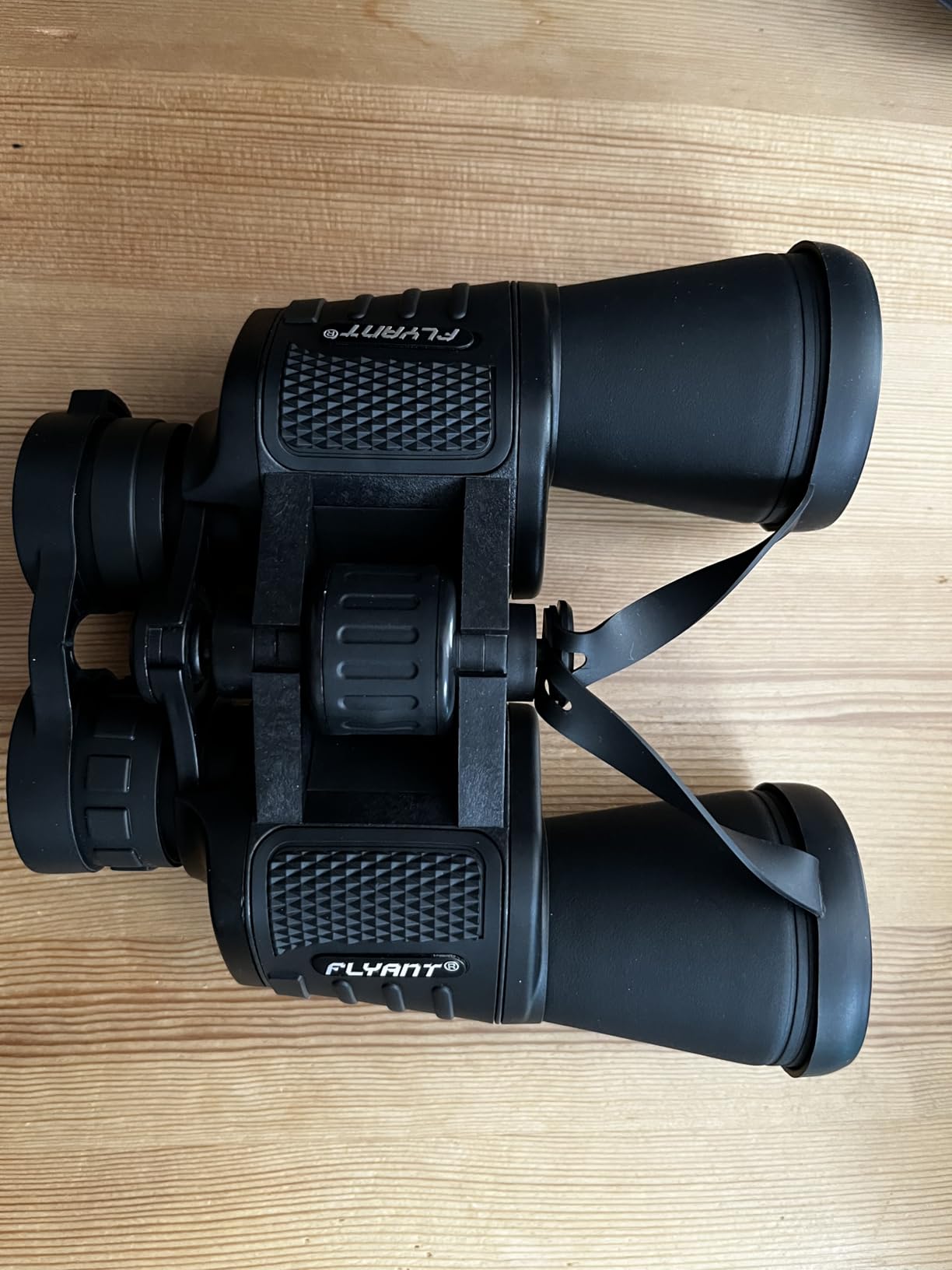
10. FLYANT 20×50 Waterproof Binoculars – Best for Upper-Bowl Seats
20×50 High Powered Binoculars for Adults, Waterproof Compact Binoculars with Low Light Vision for Bird Watching Hunting Camping Travel Cruise Hiking Sports Stargazing, Christmas Birthday Gifts for Men
20x50
BAK4 Porro prism
26mm eyepiece
Wide eye relief
Waterproof body
Pros
- 50mm objective performs well for evening shows
- 26mm eyepiece and wide eye relief reduce eye fatigue
- One-finger focus wheel is quick under pressure
- Waterproof body with a secure non-slip grip
Cons
- Heaviest at close to 2 lb
- Real reach falls short of the stated 1000 yards
- Should not be submerged despite the rating
This is the pick for the upper bowl, the back of the floor, or any seat far enough from the stage that 10x leaves you guessing. Twenty power with a 50mm objective is a genuine step up in both detail reach and low-light performance.
The 26mm ergonomic eyepiece is the feature that makes it usable. Large eyepieces spread the image out, which reduces eye strain over a long session, and owners specifically praise the wide eye relief for avoiding dizziness.
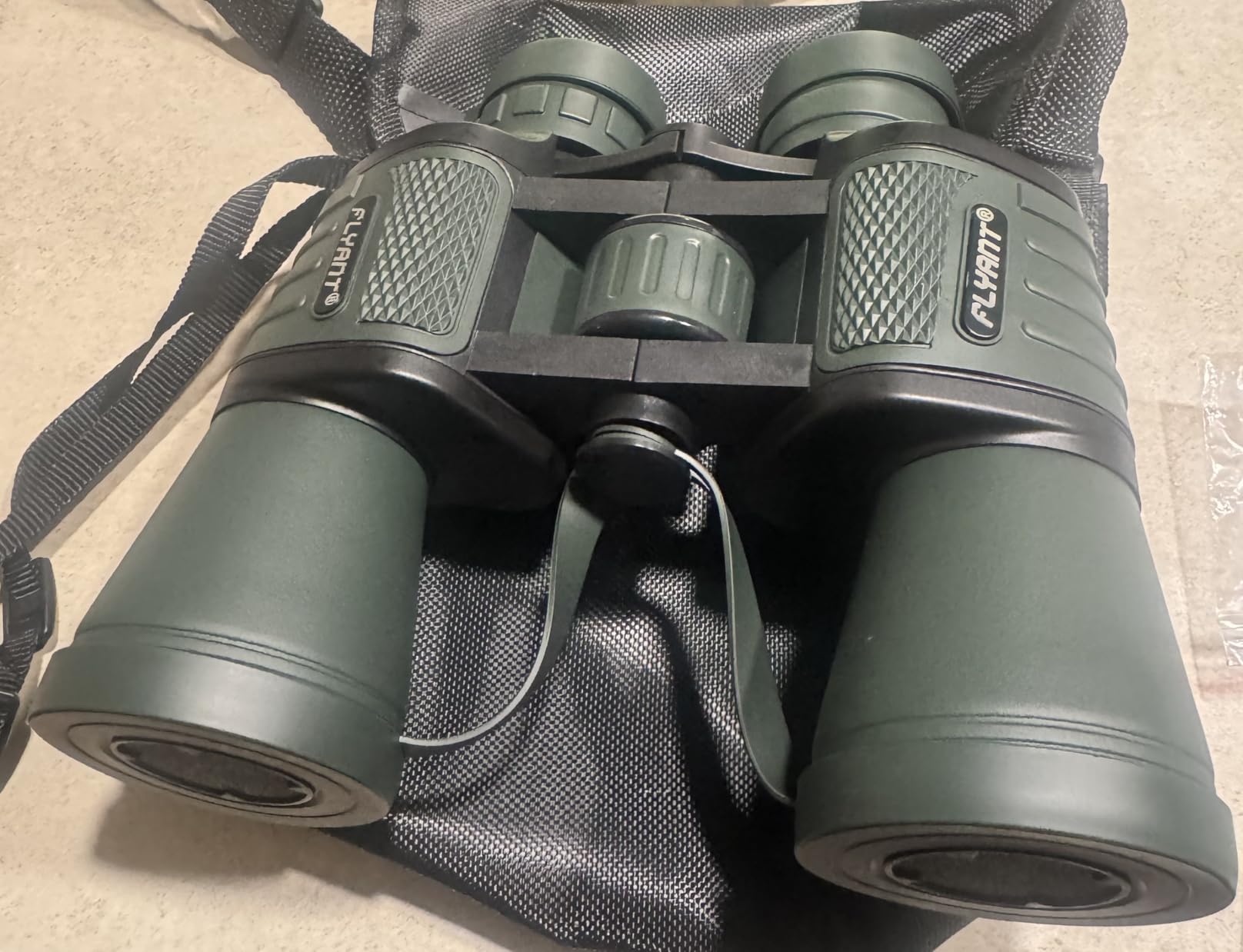
Optically, you get multilayer-coated aspherical elements with a BAK4 Porro prism and a listed 99.8 percent light transmission, plus an FMC green coating on the objective. That is a brighter, cleaner image than any compact in this roundup.
Owners describe it as a capable step up from pocket binoculars, with the 50mm objective and 20x power doing the work for dim venues and long distances. The 168-yard field of view at 1000 yards is narrower than the compacts, which is the trade for the reach.
Why high power needs a big objective
Twenty power divides the light, so you pair it with a 50mm objective to keep the exit pupil usable. That is the whole logic of this design: the magnification does the distance work, and the objective keeps the image bright enough to survive it.
Multi-layer coatings, a BAK4 Porro prism and a rubber-coated waterproof body all point at outdoor use. The textured grips stay secure on a wet seat or a grassy slope, which matters at a festival.
Who should skip it
Skip it for long sets if your arms tire. At close to 2 lb this is the second-heaviest pair here, and combined with 20x magnification the shake will arrive well before the encore.
Skip it if you sit close to the stage or in a small indoor room. You will pay for reach you do not need and carry weight you will regret. Note also that owners report the stated 1000-yard reach is aspirational, and the body should not be submerged.
How to Choose Concert Binoculars: Magnification, Field of View and Exit Pupil
How to read a spec like 8×21 or 10×25
Every binocular carries two numbers joined by an x. The first is magnification: 10x makes a subject look ten times closer. The second is the objective lens diameter in millimeters, and that is the lens size that determines how much light you gather.
Here is the arithmetic that matters. Take 10×25: divide 25 by 10 and you get a 2.5mm exit pupil, the beam of light that reaches your eye. Take 10×50: 50 divided by 10 gives 5mm. Double the exit pupil, and you roughly double the light your eye receives, which is why a 50mm objective looks so much better in a dark venue.
So 8×21 is not a quality score. It is a recipe: modest power, a small light bucket, and an exit pupil of about 2.6mm. That combination is built for daylight and portability, not for a dim arena.
Magnification by venue type
For indoor concert halls and arenas, stay between 4x and 8x. The distance is short, the light is controlled, and low power keeps the image stable enough to hold for hours.
For outdoor festivals and stadiums, 7x to 10x makes sense because seats are farther back and ambient light fights you. Past 10x, hand shake becomes the limiting factor, and no amount of image quality compensates.
This is also why 12x and 20x compacts make sense only at real distances. Both are fine for the back of a stadium. Both are wasted in row ten.
Field of view is why you can follow a performer
Field of view tells you how much of the scene fits in the image at once, expressed in degrees or as a linear width at 1000 yards. For concerts it is arguably more important than magnification, because performers move.
Compare the 415 ft figure on the lightest pair here with the 126 ft on the POLDR. The wider view keeps a stage-crossing performer inside the image. The narrow one forces you to pan constantly, and panning is where you lose them.
Eye relief decides whether glasses work
Eye relief is the distance between your eye and the ocular lens needed to see the full field. Under about 10mm, glasses wearers often cannot get a complete view without removing their lenses or pressing in uncomfortably.
Look for 15mm or more if you wear glasses, and make sure the eyecups twist up or fold down so you can adjust them. The 20mm on our top pick and the 26mm eyepiece on the FLYANT 20×50 are both comfortable. The 2.6mm on the lightest pair is not.
Coatings, prism glass and weather sealing
BAK-4 prisms beat BK7 for light transmission and contrast, and they show up in most of the picks above. Fully multi-coated lenses matter more in a venue than outdoors, because stage lighting shifts constantly and uncoated glass loses a large share of what it gathers.
For outdoor festivals, look for nitrogen purging alongside a waterproof rating. Waterproofing and fog-proofing are different mechanisms: one keeps rain out, the other keeps moisture already in the glass from condensing on the inside. Only purging handles the second problem.
Matching the pair to your seat
Start with distance. Front half of a standing floor, or any indoor seat: 8x to 10x with a 25mm objective. Rear bowl and upper deck: 20x with a 50mm objective. Outdoors at dusk: 25mm minimum, and purging if there is any chance of damp.
Then add comfort. If you will hold them for more than an hour, weight under 10 ounces is worth more than an extra two power. If you wear glasses, eye relief is a hard filter, not a nice-to-have.
Frequently Asked Questions
Which binoculars are best for concerts?
Compact 10×25 or 12×25 models with a 25mm objective lens are the best binoculars for most concerts. They stay under 10 ounces so you can hold them for a full set, they show a wide field of view so a moving performer stays in frame, and the 25mm objective keeps the image bright in dim arenas. Step up to a 20×50 only when you sit in the upper bowl or back of a large stadium.
Is it okay to bring binoculars to a concert?
Yes, binoculars are generally permitted at concerts and most large venues allow them in. They do not obstruct views the way a tall hat or raised phone can, and security typically treats them as an ordinary personal item. A few arenas restrict loose objects or oversized bags, so check the venue’s bag policy before you travel, pack the binoculars in a small case, and raise them only when you want a look rather than continuously through the show.
What are the best binoculars for viewing stadiums?
For stadiums, use 10x to 20x magnification with a 40mm to 50mm objective lens. A larger objective gathers more light for outdoor and evening events, and higher power helps from the upper deck. Avoid 20x for indoor arenas, where the extra magnification adds hand shake without adding usable detail at a short distance.
What magnification is best for concerts?
For indoor concert halls and arenas, 4x to 8x is the useful range. For outdoor festivals and stadiums, 7x to 10x works better because you sit farther back and lose light to the surroundings. Magnification multiplies hand shake, so anything above 10x becomes tiring over a multi-hour set unless the pair includes image stabilization.
Is 8×21 a good binocular?
An 8×21 is a compact daylight binocular, not a concert binocular. Dividing 21 by 8 gives an exit pupil of about 2.6mm, which is small, and most 8×21 pairs are built for travel and birding rather than dim venues. If concerts are your main use, look for a 10×25 or 12×25 with fully multi-coated lenses and a BAK-4 prism instead.
Should I get 8x or 10x binoculars?
Choose 10x for stadiums, outdoor festivals, and any seat more than about 60 feet from the stage. Choose 8x for indoor arenas and small concert halls where you sit close. The difference matters more than it sounds: 10x resolves roughly 25 percent more detail at the same distance, and it is far easier to steady than 12x or 20x over a long set.
The Best Binoculars for Concerts in 2026
The Occer 12×25 takes the top spot because it balances the three things concert use demands: 0.39 kg of weight, a wide 7.5 degree field of view, and 20mm eye relief that works with glasses. That combination is hard to improve on without adding bulk.
For indoor arenas on a tighter budget, the Hontry 10×25 is the one to beat. For shared pairs and adjustable eye fit, the Aurosports 10×25 handles mixed ages. For genuinely dark venues or upper-bowl seats, put your money into a 50mm objective instead.
Whatever you choose, check the exit pupil first: objective divided by magnification. If the answer is under 3mm, you are buying a daylight binocular for a night show. Then pack it small, check the venue’s bag policy, and enjoy the set.