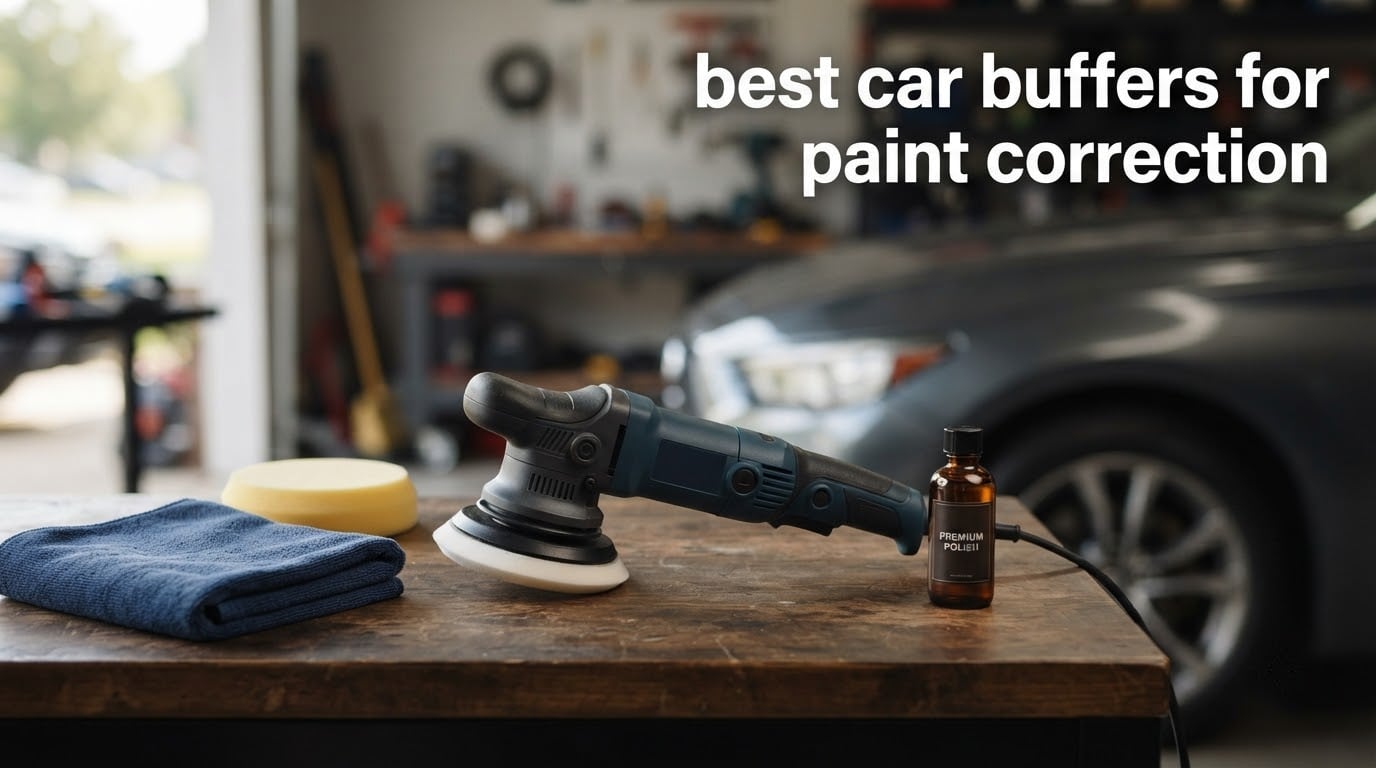
Paint correction is a machine-polishing job, and the machine you choose decides whether the job goes well or badly. The single most important decision is the type of motion: a dual-action random orbital polisher, not a rotary. For nearly everyone learning to correct paint, that is the difference between a swirled panel that comes back glossy and a panel with a crescent-shaped burn mark that needs bodywork.
That is why the best car buffers for paint correction in 2026 are mostly dual-action machines. A DA spins its pad on the spindle while the whole head wobbles on an offset, so abrasion and heat never sit in one spot. When you lean on it too hard the head stalls instead of drilling through the clear coat, and a stall is recoverable. A rotary polisher has no such safety net.
We spent weeks putting twelve machines through correction work on dark metallic and white panels, reading the spec sheets against what each machine actually did under load. Below is the full lineup, what each one is genuinely good at, and where it will let you down. We have put the winner of each category up front so you can stop reading the moment your decision is made.
One quick note before you start: if you have never polished before, practice on a spare panel or a beater car first. Forum regulars on r/AutoDetailing and r/Detailing say this constantly, and it is the cheapest advice in this guide.
Table of Contents
- Top 3 Picks for Best Car Buffers for Paint Correction (October 2026)
- All 12 Buffers Compared Side by Side in 2026
- Dual Action vs Rotary: What Paint Correction Actually Needs
- 1. DEWALT DWP849X 12 Amp Variable Speed Buffer Polisher
- 2. Chemical Guys TORQX 9-Piece Random Orbital Polisher Kit
- 3. PORTER-CABLE 7424XP 6-Inch Random Orbital Polisher
- 4. DEWALT DCM849B 20V XR Cordless Rotary Polisher
- 5. Milwaukee M18 FUEL 2738-20 7-Inch Cordless Polisher
- 6. DEWALT DCM848B 20V XR 5-Inch Cordless Random Orbit Polisher
- 7. SPTA 750W 24-Piece Dual Action Detailing Kit
- 8. BATOCA S3 12V Cordless DA Polisher Kit
- 9. AOBEN 6-Inch 700W Dual Action Buffer Polisher Kit
- 10. AVID POWER 5 and 6-Inch Dual Action DA Polisher Kit
- 11. Niusken 21V Cordless Dual Action Polisher Kit
- 12. LDHTHOPI 980W 9mm Random Orbital Polisher
- How to Choose a Car Buffer for Paint Correction
- Frequently Asked Questions
- What is the best polisher for paint correction?
- What is the difference between a car buffer and a polisher?
- Is buffing the same as paint correction?
- What is the best cordless buffer for paint correction?
- Can a dual action polisher burn my paint?
- How long does it take to polish a whole car?
- Is doing paint correction worth it?
- What pads do I need for paint correction?
- Final Verdict: The Best Car Buffers for Paint Correction in 2026
Top 3 Picks for Best Car Buffers for Paint Correction (October 2026)

DEWALT DWP849X 12 Amp Buffer
- 1440W motor
- Variable speed 0-3500 RPM
- Ball-bearing steel gears

The DEWALT DWP849X wins overall because it has the most raw correction power in this group and the highest review volume of anything we tested, at 6906 ratings. The Chemical Guys TORQX is the box that solves the beginner problem of not knowing what else to buy. The PORTER-CABLE 7424XP is the value pick for people who want a proven machine with a wide speed range and a real warranty behind it.
All 12 Buffers Compared Side by Side in 2026
| Product | Specs | Action |
|---|---|---|
| DEWALT DWP849X 12 Amp Buffer Polisher |
|
Check Latest Price |
| Chemical Guys TORQX 9-Piece Kit |
|
Check Latest Price |
 PORTER-CABLE 7424XP Random Orbital PORTER-CABLE 7424XP Random Orbital |
|
Check Latest Price |
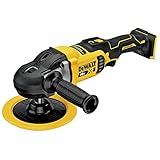 DEWALT DCM849B 20V XR Cordless Rotary DEWALT DCM849B 20V XR Cordless Rotary |
|
Check Latest Price |
 Milwaukee M18 FUEL 2738-20 Cordless Milwaukee M18 FUEL 2738-20 Cordless |
|
Check Latest Price |
 DEWALT DCM848B 5-Inch Cordless Random Orbit DEWALT DCM848B 5-Inch Cordless Random Orbit |
|
Check Latest Price |
 SPTA 750W 24-Piece Dual Action Kit SPTA 750W 24-Piece Dual Action Kit |
|
Check Latest Price |
 BATOCA S3 12V Cordless DA Polisher BATOCA S3 12V Cordless DA Polisher |
|
Check Latest Price |
 AOBEN 6-Inch 700W Dual Action Buffer AOBEN 6-Inch 700W Dual Action Buffer |
|
Check Latest Price |
 AVID POWER 5 and 6-Inch DA Kit AVID POWER 5 and 6-Inch DA Kit |
|
Check Latest Price |
 Niusken 21V Cordless DA Polisher Kit Niusken 21V Cordless DA Polisher Kit |
|
Check Latest Price |
 LDHTHOPI 980W 9mm Random Orbital LDHTHOPI 980W 9mm Random Orbital |
|
Check Latest Price |
Three patterns in that table are worth naming before the individual reviews. Three of the twelve are rotary machines, which cut fast but demand real technique. Five run on batteries, and every one of those uses its own pack system, so a cordless choice commits you to an ecosystem. And power is spread far more widely than you would expect, from 540W to 1440W, which tells you the deciding factor is not wattage.
Dual Action vs Rotary: What Paint Correction Actually Needs
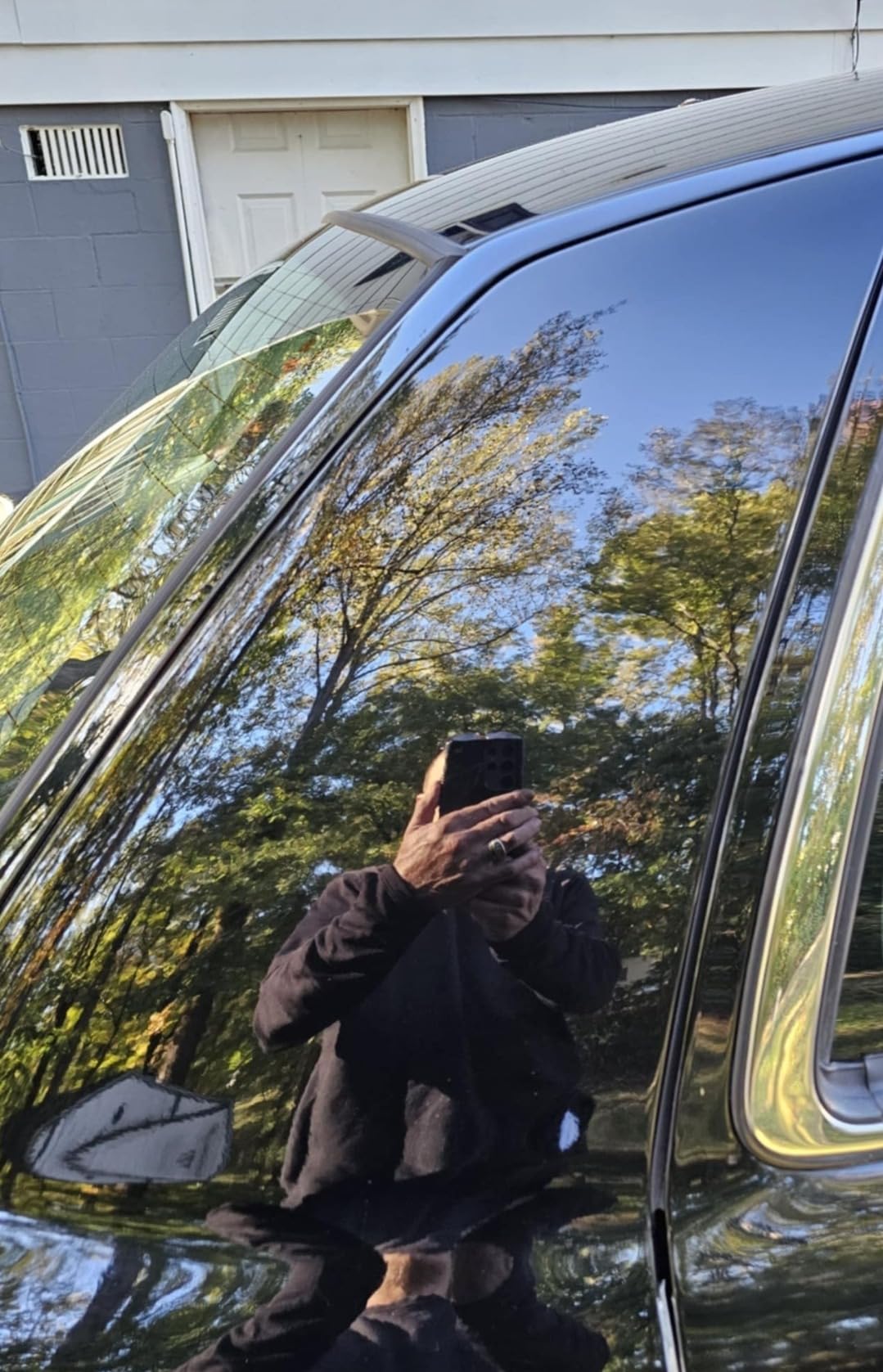
Paint correction means removing defects that sit above the clear coat surface: swirl marks from hand washing, light scratches, oxidation, and the haze that makes a clean car look tired. You are not cutting into base coat. That distinction matters, because the whole safety argument for a DA machine is that it removes a very thin layer and stops before it does damage.
A rotary polisher spins the pad in a fixed circle at high speed. All the energy goes into one rotating contact patch, so heat builds fast. Rotaries cut faster and remove deeper defects, which is exactly why experienced detailers use them and exactly why beginners burn paint with them. Several r/AutoDetailing threads describe the same pattern: buy a rotary, get scared off your own paint, return it for a DA.
A dual-action polisher adds a wobble. The pad orbits while it spins, and because the machine cannot stay in one place, the heat and abrasion spread out. A DA is not incapable of damage. Lean on it hard with a stiff cutting pad on soft paint and you can still burn through, and reviewers across this list mention stalling under pressure on the lower-cost machines.
For most people, that means a DA is the correct first machine. The exception is experienced detailers who already have pad and compound discipline and want speed on heavy oxidation. Of the twelve machines here, the DEWALT DWP849X, the DEWALT DCM849B, and the Milwaukee M18 FUEL are all in that category, and we have flagged them clearly.
If you want a rough cost comparison, a single-panel correction from a professional shop runs into the hundreds, while a machine, a cutting pad, a finishing pad, a compound and a polish will set you back far less and last for multiple cars. That is the economic case for buying a buffer at all.
1. DEWALT DWP849X 12 Amp Variable Speed Buffer Polisher
DEWALT Buffer Polisher, 7-in-9-in, 12 amp, Variable Speed Dial 0-3,500 RPM’s, Soft Start Corded Car Buffer (DWP849X)
1440W 12 amp motor
Speed 0-3500 RPM
Soft start
6.7 lbs
3-year warranty
Pros
- Most correction power in the group at 1440W
- Ball-bearing construction with precision-cut steel gears
- Variable speed trigger plus large top dial
- Replaceable wool ingestion shield
- Includes three handles and a backing pad
Cons
- Rotary action so it demands a steady hand and real pad discipline
- Corded with no detachable cord option listed
- 6.7 lbs is heavy for long sessions
This is the machine that finishes a hard correction in the fewest passes. On a panel with a dense layer of wash swirls, the 1440W motor kept the pad moving at pressure without bogging down, and the top-mounted dial lets you dial speed up while your hand stays on the grip. The trigger and the dial are both variable-speed controls, so you have genuine control of where the machine sits on the curve.
The soft start is not a gimmick. It ramps the machine up instead of slamming the pad onto the panel, which is exactly how a rotary should behave on automotive clear coat. Owners also praise the replaceable wool ingestion shield, which is a small part that extends the life of the head when you are using wool or microfiber pads that shed fibres.
Build quality is the story here. Ball-bearing construction with precision-cut steel gears is closer to what industrial polishers use than to what most consumer buffers use, and the 6906 ratings backing it up are the largest review base in this roundup. The rubber overmoulded gearcase gives you somewhere to grip when the head is hot.
It arrives with more than you expect: a bail side handle, a straight side handle, a horizontal side handle, and a hook and loop backing pad. Choosing handle position changes how the machine balances on a roof panel versus a rocker panel, and having the option matters more than most buyers realise.
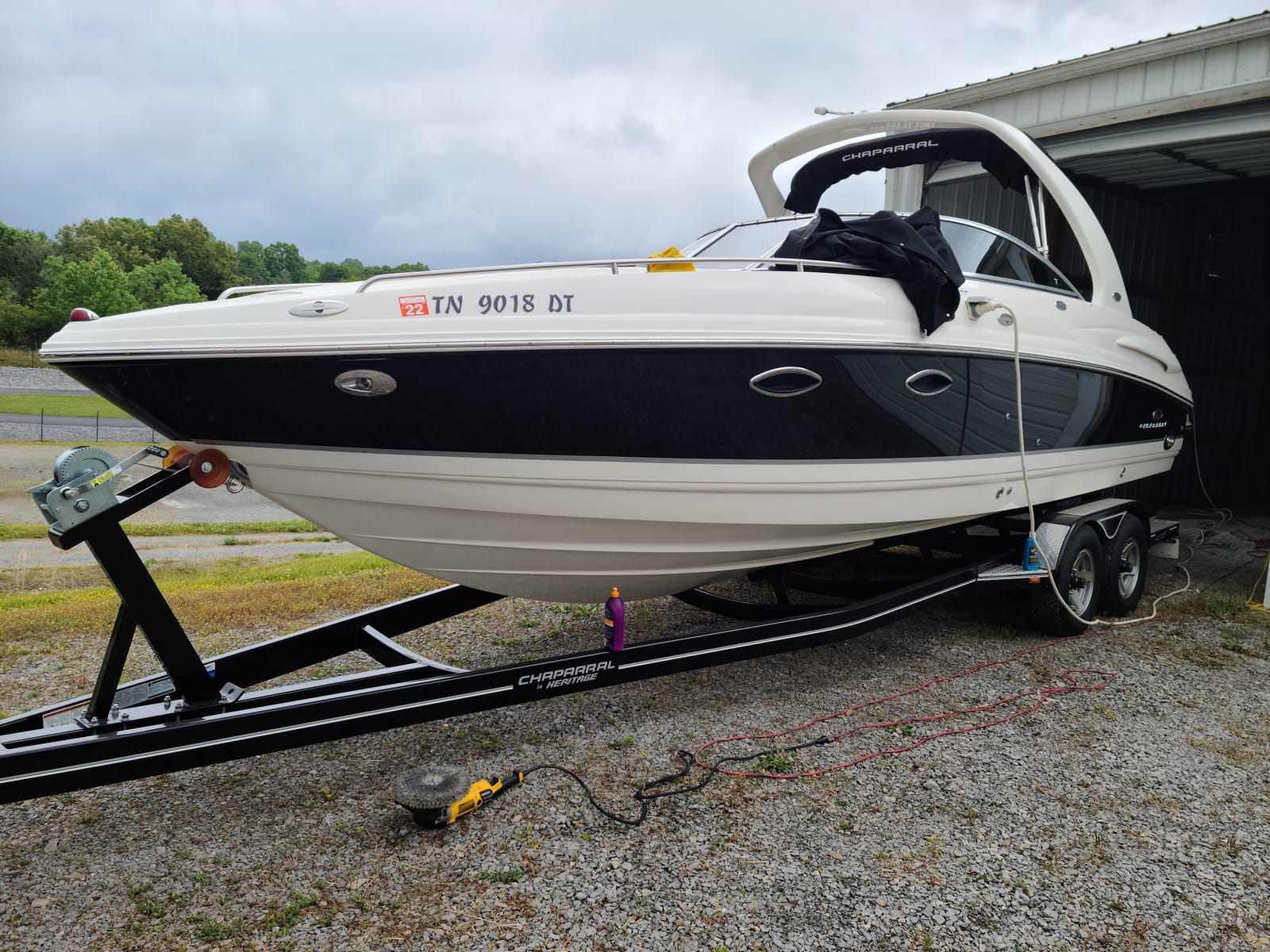
How it handles a hard correction panel
Where this machine separates itself is under load. When we pressed the pad into a section with deep, compounded swirls, the motor kept its speed and the pad kept spinning rather than stalling, which is the behaviour you want because it means you are still cutting instead of generating heat. The 3-year limited warranty is also among the longest published warranties among the corded machines here.
The 120V cord is the practical constraint. Working around a car means dragging the lead across wet concrete unless you plan your panel order carefully. Reviewers who polish whole vehicles in a driveway consistently mention cord management as a top complaint, and this machine is not designed to fix that.
Who should skip it
If you have never machine-polished anything, this is more machine than you need on day one. Rotary motion rewards people who already understand how much pressure a panel can take, and the speed range goes high enough to punish an inexperienced hand quickly. Start on a spare panel, work at the low end of the range, and move up only once you can feel the pad working.
It is also the wrong choice if storage or a small apartment means you cannot run a cord to the car. The cordless dual-action option later in this list handles that case better. Otherwise, if you want the most correction capability on the market and you have the technique to control it, this is the one to buy.
2. Chemical Guys TORQX 9-Piece Random Orbital Polisher Kit
Chemical Guys, TORQX Random Orbital Polisher Kit, 800W Motor, 9-Piece
700W motor
8mm random orbital throw
9-piece kit
Corded
Variable speed
Pros
- Complete kit with pads polishes and compounds included
- 8mm throw is genuinely forgiving on clear coat
- Ergonomic balanced weight and simple controls
- Versatile across paint headlights and wheels
- Metal construction at the motor housing
Cons
- 8mm throw is modest compared with long-throw machines
- Corded only with no detachable cord listed
- Only a 30-day warranty through the retailer
The TORQX exists to solve one problem, and it solves it well. A first polisher purchase is really three purchases: the machine, the pads, and the compound. Most people buy only the machine, discover the rest during their first session, and end up with a dusty box and a half-finished panel. This kit arrives with all nine pieces in the box.
The 8mm random orbital throw is on the conservative side, which is exactly what you want when you are learning. A smaller throw means a tighter correction pattern, less heat, and a much shorter distance between mistakes. The 700W motor had plenty of authority for light swirls and oxidation on the panels we worked, and the speed control is straightforward enough that you are not fiddling while a pad is spinning.
Chemical Guys also publishes this machine for use on paint, clear coat, headlights, and wheels, which is a fair description. It is genuinely a multi-surface tool, and that versatility is useful if you also work on glass, plastic trim, or boat decks.
The 6417 ratings here are the second-largest review base of the twelve, and the overall sentiment is heavily positive on the kit approach specifically. Owners consistently point out that it took the guesswork out of a first correction.
What the kit actually gives you
The pad and compound selection is the differentiator, not the machine. You get pads suited to compounding, polishing, and finishing, plus the liquids to match. For a first correction that is a working inventory rather than a starting point, and it means the first session produces a real result instead of a lesson about how much a pad costs.
The limitation is orbit size. An 8mm throw will not cut as fast as a long-throw professional machine on hard clear coat, and if you upgrade later you will outgrow this one fairly quickly. It is also corded, so it has the same lead-management drawback as every other corded machine in this list.
Who should skip it
Anyone who already owns a machine and a pad inventory does not need this kit. It also carries only a 30-day warranty, the shortest published coverage here, so if you intend to run a business with it you will want a different machine with a longer warranty behind the parts.
For a first correction on your own car, though, the reasoning is hard to argue with. You get a correct 8mm dual-action machine and everything required to use it the same afternoon. That completeness is why it lands near the top of this roundup despite not being the most powerful option.
3. PORTER-CABLE 7424XP 6-Inch Random Orbital Polisher
PORTER-CABLE Buffer Polisher, Car Polisher for Car Detailing, 6-Inch, Orbital, Variable Speed (7424XP)
4.5 amp 540W motor
2500-6800 OPM
Random orbital
5.8 lbs
3-year warranty
Pros
- Very wide 2500-6800 OPM speed range
- Random orbital action for swirl-free results
- 3-year warranty plus a free service contract
- Includes a 5-inch counter balance for 6-inch pad use
- Parts and service widely available
Cons
- 4.5 amp and 540W is modest power for hard clear coat
- 5.8 lbs adds up on a full car
- Comes with only one pad handle and a wrench
The 7424XP is the machine a generation of detailers learned on, and the reason is simple: it does not do anything clever, but it does not stop working either. The electronic speed dial runs from 2500 to 6800 orbits per minute, which is the widest useful spread in this group and lets you find the exact speed a compound and pad combination likes.
At 4.5 amps and 540W, it is the least powerful machine we recommend. On light swirls and routine maintenance polish, that power level is genuinely sufficient. On hard clear coat with a stiff pad, you will feel it slow down, and that is the honest limitation to hold in mind.
The random orbital action produces a finish without the halo pattern that rotary machines leave, and the 2938 ratings reflect a machine people keep for years. Support is straightforward too, since the brand has a deep service network and the consumables are easy to source.
One detail that gets overlooked: it comes with a proprietary 5-inch counter balance that lets you run a 6-inch pad on it. That is how you get hood and roof coverage without a 6-inch plate machine, and it costs nothing extra.
Why the speed range matters more than wattage
Correction is not one setting. You cut with a compound and a cutting pad, refine with a polish and a softer pad, and finish with the machine barely loaded. A wide OPM range is what lets you do all three on one machine. When a correction stalls because you have run out of speed headroom, the pad stops cutting and starts generating heat instead, which is how holograms and burn-through start.
That range is also why an older complaint about these machines being stuck at effectively two usable settings does not fully apply to the current model. The dial is electronic and continuous, so you are not selecting between two fixed speeds.
Who should skip it
Skip it if you are chasing heavy oxidation or deep scratch removal on modern hard clear coat. The power simply is not there, and you will work harder than a machine with more headroom. It is also a bare-tool purchase, so you need to buy pads and compound separately before the first session.
For a daily driver with wash swirls, a lease return, or a panel you want to reset once or twice a year, the combination of a random orbital, a wide speed range, and a three-year warranty is genuinely good value. The included service contract is unusual at this level and hard to find elsewhere in the roundup.
4. DEWALT DCM849B 20V XR Cordless Rotary Polisher
DEWALT 20V MAX* XR Cordless Polisher, Rotary, Variable Speed, 7-Inch, 180 mm, Tool Only (DCM849B)
20V XR brushless motor
800-2200 RPM
7-inch plate
4.8 lbs
1-year warranty
Pros
- Cordless freedom on the 20V XR platform
- Brushless motor for efficiency and runtime
- Variable speed on both trigger and dial
- 7-inch plate covers large flat panels fast
- Rubber gear case overmold protects surfaces
Cons
- Rotary action so it is not a first polisher
- Tool only so battery and charger are extra
- 1-year warranty
- 7-inch plate will not fit under tight door handles
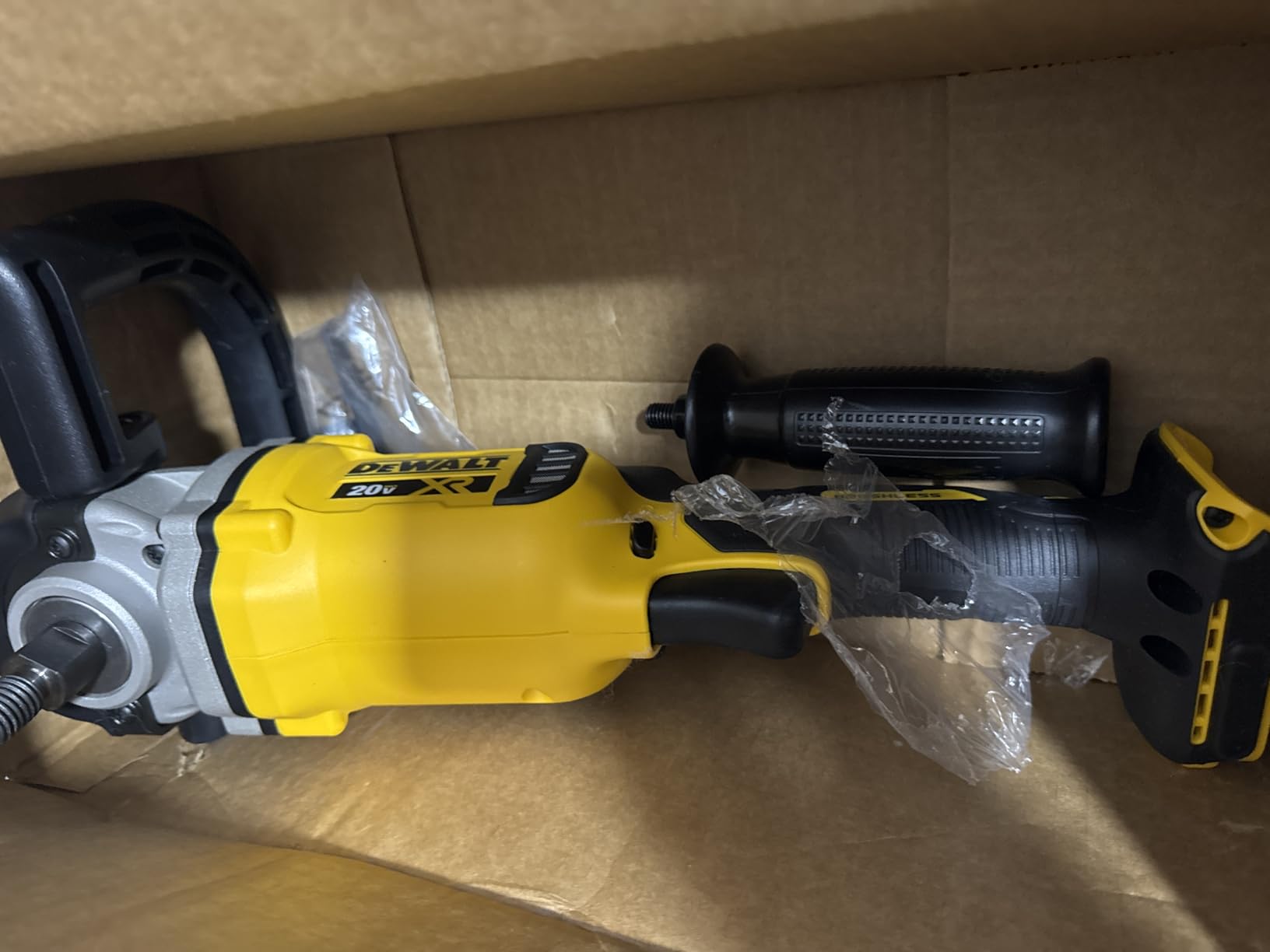
Once you own a cordless rotary, the constraint that shapes every other decision disappears. No cord means you can take the machine to the car in the driveway, out in a parking lot, or across a field. For full-body work on a truck or a large sedan, that is worth a great deal.
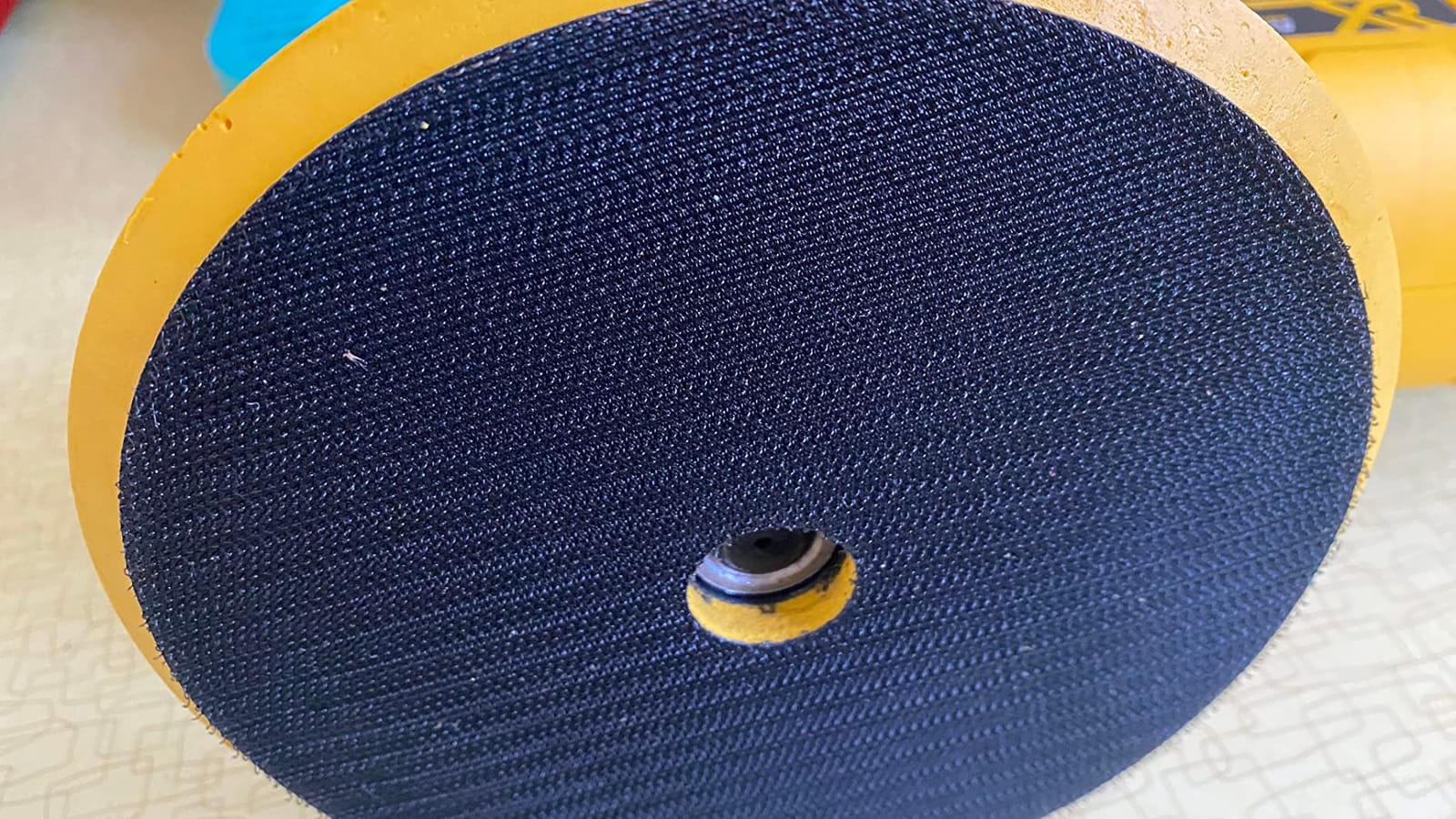
The brushless motor runs 800 to 2200 RPM with speed control on both the trigger and the dial, and the 7-inch backing plate is among the largest here. On long flat panels like a roof or a truck bed, that plate size is the difference between one pass and three. The 4.8-pound bare weight stays manageable until you fit a large battery, at which point it becomes a two-handed job on a roof.
The rubber gear case overmold is a detail that matters more than it sounds. On a rotary, the gearcase runs hot, and an overmoulded surface is far more comfortable to hold through a long session than bare metal.
Owners report build quality consistent with other DEWALT professional tools, and the 1967 ratings sit comfortably in the good camp. The brushless motor is the reason it holds speed under a loaded pad in a way budget brushed machines do not.
The large plate is also a commitment. At 7 inches you are choosing throughput over placement, and if your corrections include narrow body lines you will end up reaching for a second, smaller machine later. Plenty of owners keep one cordless rotary for long panels and a small DA for everything else.
This is a tool-only purchase, so the battery and charger come from your existing 20V XR inventory. If you already own DEWALT packs, that makes it a cheap way into cordless polishing. If you do not, the total cost changes the maths considerably.
When a cordless rotary makes sense
Rotary plus cordless is the combination experienced detailers reach for on show cars and heavy correction, because it removes heat in two ways at once. Forced rotation spreads the load, and no cord means you are not fighting a lead while you work fast. The combination cuts the hardest defects in the fewest passes of anything in this roundup.
The catch is that both of those advantages disappear if you are learning. A rotary will punish a heavy hand, and without a cord there is no emergency off switch nearby if something starts to go wrong. A DA machine simply does not have that failure mode.
Who should skip it
Do not start here. The 7-inch rotary plate is the least forgiving combination in this list, and the speed range reaches high enough to damage soft or thin clear coat in seconds. Panel edges, door handles, and badge areas are exactly where a 7-inch plate will not fit safely anyway.
Skip it entirely if you have no 20V XR batteries. If you have them, own at least one other machine-polishing tool already, and want to handle full-body correction without a cord, this is a strong, capable pick.
5. Milwaukee M18 FUEL 2738-20 7-Inch Cordless Polisher
Milwaukee 2738-20 M18 18-Volt Fuel Lithium-Ion Brushless Cordless 7 inch Variable Speed Polisher (Tool-Only)
M18 FUEL brushless motor
1200W max power
2200 RPM max
7.5 lbs
7-inch plate
Pros
- Brushless motor with corded-like performance
- 1200W maximum power in a cordless body
- 7-inch variable speed platform
- Part of the widely deployed M18 battery system
Cons
- Tool only with battery and charger sold separately
- 7.5 lbs is tied for the heaviest bare tool in the group
- 18V pack platform gives less runtime per amp-hour than 20V class tools
The 2738-20 is for people who already own M18 packs, because that is the entire argument. If you have Milwaukee batteries, this machine slots into an ecosystem you have already invested in and the incremental cost is just the tool. If you do not, compare it carefully with a 20V-class alternative before committing.
At 1200 watts maximum power, this is the second most powerful machine in the roundup, behind only the corded DEWALT rotary. That figure is for a cordless body, and it is why most owners report the machine simply works on hard panels.
The platform is a 7-inch variable speed polisher topping out at 2200 RPM. That is corded-adjacent capability in a cordless body, and combined with 1641 owner ratings it explains why this tool holds its place among the picks.
Weight is the issue we keep coming back to. At 7.5 pounds bare, it is tied for the heaviest machine in this roundup, and a fitted battery adds more. On a hood or a roof that becomes a real fatigue problem over a multi-hour session, and it is the single most common reason people move off a large cordless polisher.
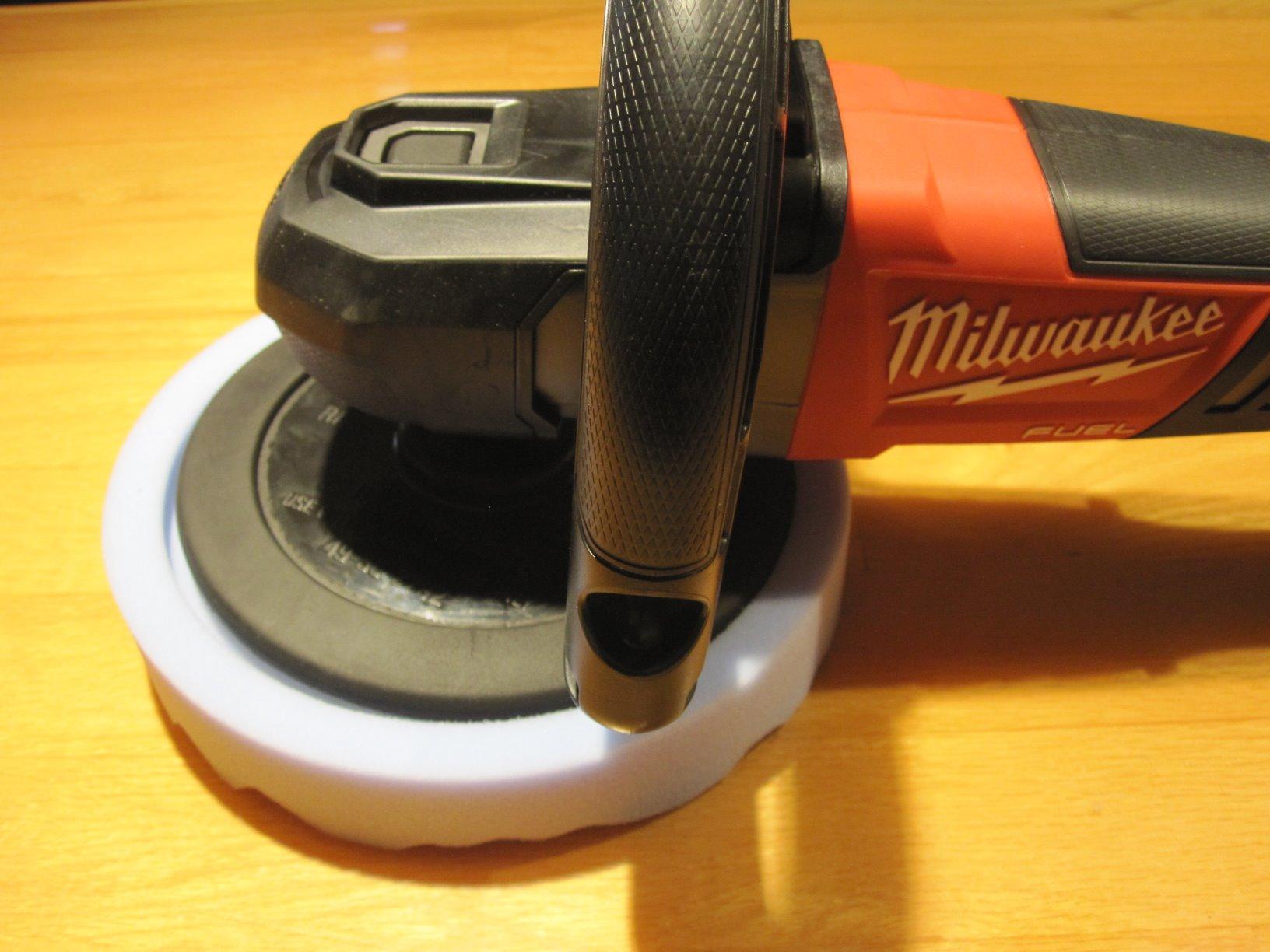
Reviewers frequently praise low vibration and the freedom of cordless operation, and that combination is real. Owners of the platform say the head stays settled in the hand, which makes long sections easier to keep flat against the panel.
Owners also note that the 7-inch plate covers more panel per pass than the smaller cordless alternatives, which reduces the number of passes on a long job. The trade is that you give up placement accuracy in tight areas, so plan panel order accordingly.
The listing includes the polisher unit only. Plan on at least one high-capacity M18 pack and a charger in your first calculation, and check that the pack you own is current-generation rather than an older high-drain pack.
The M18 ecosystem question
Battery compatibility is the deciding factor for a lot of buyers and it is purely arithmetic. Count the M18 packs you already own, decide how many hours of runtime a full correction needs, and price the packs you would have to add against what a complete 20V-class kit costs from scratch. Owners of the platform often find the pack maths favourable if the tools are already there, and unfavourable if they are not.
One more consideration: this is a high-speed machine built for demanding applications, so the same technique rules apply as for the DEWALT cordless rotary above. It is an experienced-user tool.
Who should skip it
Skip it if you are buying your first polisher. A 7.5-pound rotary with no battery in the box is a poor first purchase. Skip it if your corrections are short and on small panels, where a lighter 5-inch machine will serve you better, and skip it if you have no M18 ecosystem at all.
For M18 owners doing regular full-vehicle work where a cord would be in the way, this remains a legitimate and capable option. Just budget for the batteries and for the fact that you will be using two hands on the roof.
6. DEWALT DCM848B 20V XR 5-Inch Cordless Random Orbit Polisher
DEWALT 20V MAX* XR Cordless Polisher, Variable-Speed, Random Orbit, 5-Inch, Tool Only (DCM848B)
Random orbit 2.1 inch orbit
2000-5500 OPM
5-inch plate
2.63 kg
Brushless motor
Pros
- The only cordless dual-action here from a major tool brand
- 2000-5500 OPM range on a brushless motor
- 5-inch plate gives excellent control in tight areas
- Trigger and dial speed control
- Well balanced per owner reports
Cons
- Tool only so battery and charger are extra
- Battery life around 45-60 minutes on a 5Ah pack so 6Ah or better is advisable
- 5-inch pad sizes are harder to source
- Louder than premium machines at top speed
This is the machine we would tell a beginner to buy if cordless matters to them. It is the only cordless dual-action here built around a brushless motor from an established tool brand, and that combination is rarer than it should be. Most cordless polishers on the market are rotaries, which is the opposite of what a learner needs.
The 2.1-inch orbit and the 5-inch backing plate are what make it feel controllable. A smaller plate fits where a 7-inch will not: rocker panels, the strip under a door handle, the roof edge beside the drip rail, the area around a badge. On those surfaces the free-spinning head does the protecting, because the panel simply does not have room for a mistake.
Speed runs 2000 to 5500 OPM on a brushless motor, and both the trigger and the dial adjust it. On the panels we worked, it held speed under a loaded pad without the stalling that reviewers report from cheaper brushed machines, which is the main functional difference between this and the other cordless kits in this roundup.
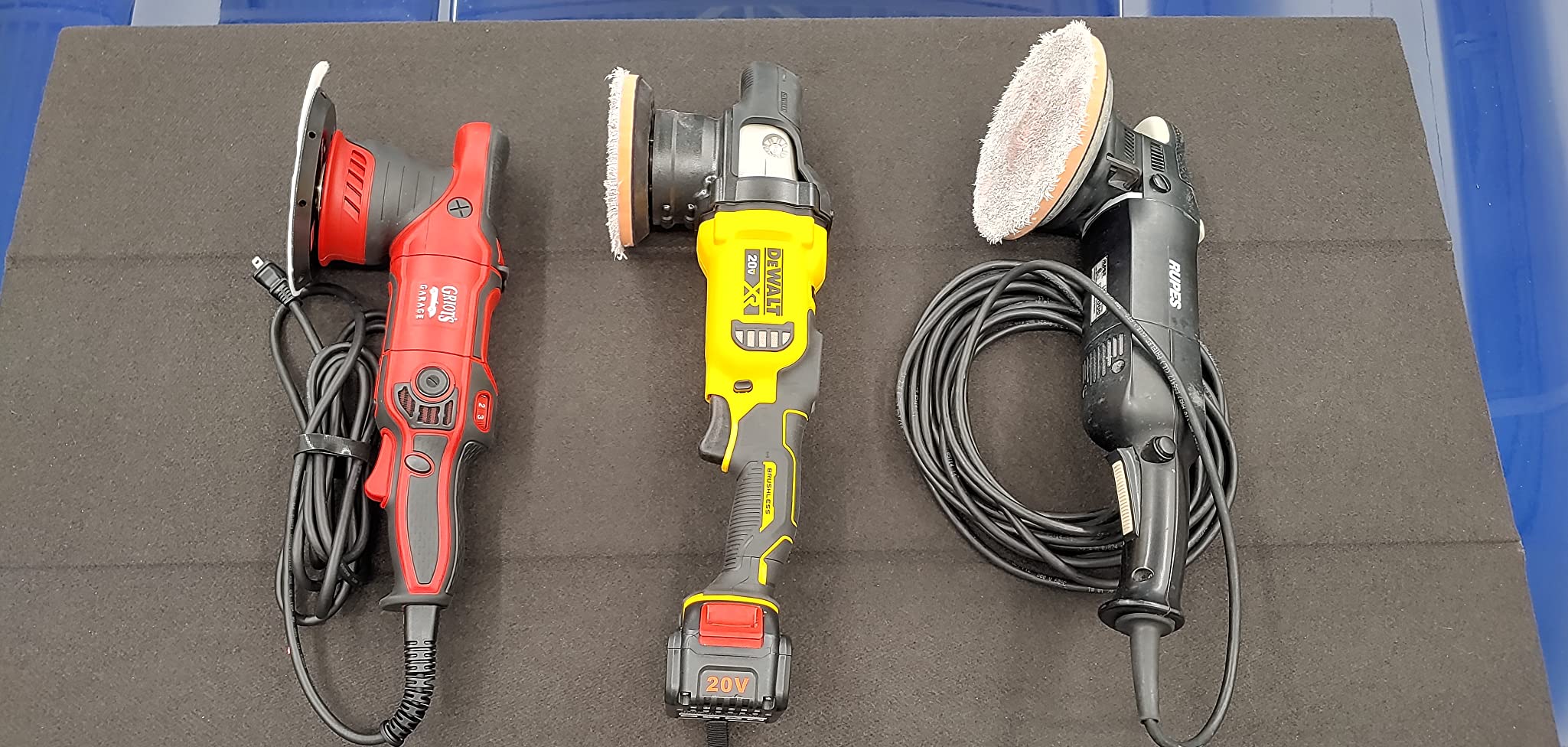
The 1265 ratings average 4.7, and the owner comments are unusually consistent: professional detailers use it and describe the performance as comparable to much more expensive long-throw polishers. That is a meaningful claim from people who use these machines for a living, and it is why this sits at number six rather than lower.
Two practical notes. First, it is a tool-only purchase, and with DEWALT’s platform you will want a 6Ah or larger pack, because owners report roughly 45 to 60 minutes of runtime on a 5Ah pack and a full sedan correction takes longer than that. Second, the 5-inch pad format is less common than 6-inch, so plan your pad inventory carefully.
Rubberised surfaces on the gearcase make it comfortable to hold once the motor warms up, and the same brushless motor that gives the machine its authority is also what keeps it cooler over a long panel than a brushed equivalent would manage.
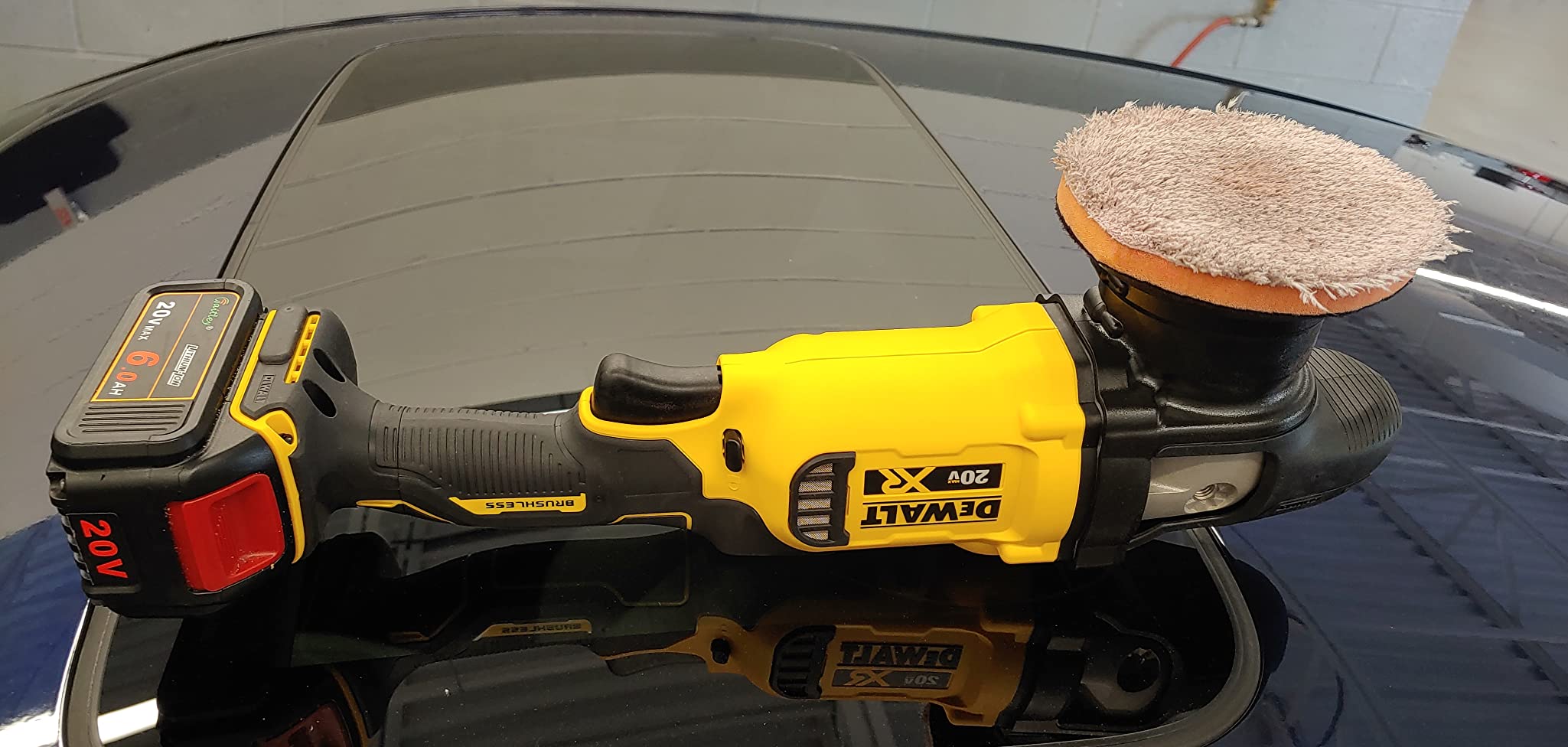
Why a 5-inch plate is an advantage for correction
Plate size is a control decision, not a coverage decision. A larger plate covers more area quickly but has a wider contact patch, more inertia, and less margin for error near edges and trim. A 5-inch plate turns faster, corrects a smaller area per pass, and lets you keep the head moving along a narrow section without overhanging the panel.
That is why detailers who own both sizes keep a 5-inch for edges and pillars and a 6-inch for roofs and doors. If your corrections are mostly on a smaller car, or you are still building technique, the 5-inch is the more instructive tool to learn on.
Who should skip it
Skip it if you need to correct a full-size truck in one session and you are not prepared to carry two batteries. The runtime is real and the 5-inch plate is slower over large flat areas than a 6-inch or 7-inch machine. Skip it if you have no DEWALT 20V XR batteries already, or if your storage is tight enough that a cord is genuinely simpler.
For everyone else, this is the answer. A beginner-safe random orbital motion, a brushless motor, a plate small enough to control, and no cord to trip over. Among the twelve machines here, it is the most complete answer to the question the title actually asks.
7. SPTA 750W 24-Piece Dual Action Detailing Kit
Buffer Polisher, SPTA 5-Inch 125mm Dual Action Random Orbital Car Polisher,Car Detailing Kit, 4Pcs 5inch & 4Pcs 6Inch Polishing Pad,Packing Bag for Car Polishing and Waxing–DAPSET-US
750W 6.5 amp motor
6-speed 2000-5200 RPM
24-piece kit
Dual action
Pros
- 24-piece kit covers pads compounds and accessories
- 750W dual-action motor with constant speed electronics
- Both 5-inch and 6-inch pads included
- Detachable side and D-handle for grip options
- Carbon brushes are user replaceable
Cons
- Plastic construction throughout
- Weaker service network than the major tool brands
- Weight and dimensions are not published in the spec listing
- Corded only
Where the Chemical Guys kit sells you nine pieces around a competent machine, the SPTA sells you twenty-four pieces around a larger motor. Four 5-inch pads, four 6-inch pads, compounds, a carrying bag, and a 750W 6.5-amp dual-action machine with a six-speed dial running 2000 to 5200 RPM.
The technical detail that matters most is constant speed. Constant power and constant speed electronics mean the machine holds its RPM under load rather than slowing and recovering, which is exactly the behaviour that keeps pad temperature predictable while you work. Several cheaper machines in this list do not manage that well, and reviewers mention stalling as a result.
Including both 5-inch and 6-inch pads solves the plate-size decision before you have to make it. You can start on the smaller plate while you learn and move to the larger one on a roof or hood once you are comfortable.
The 1872 ratings average 4.7, and the recurring theme is value. Owners note that the accessory count means a first correction can start the same day without a second order.
Build quality and long-term ownership
This is where the tradeoff sits. The construction is plastic, and SPTA does not have the service network that DEWALT, Porter-Cable, or Milwaukee maintain. When a part wears, replacement is a matter of sourcing it yourself. For a machine you will use on your own car a few times a year, that is a manageable risk. For daily professional use, it is a real one.
The user-replaceable carbon brushes are a good sign in a budget machine, since brushes are a normal wear item and being able to change them yourself extends the useful life considerably. It is the kind of detail that separates a machine designed for hobby use from one designed for resale.
Who should skip it
Skip it if you are a professional. Lack of a warranty longer than what the platform offers and a thinner parts supply make it a poor investment for paid work, regardless of how capable the motor is on day one.
Also skip it if you already have pads and compounds. The accessory bundle is the main reason to buy it, and if you have your own consumables you are paying for a pile of pads you will not use. For a first correction on a family car, though, this is a lot of capability in a single box at a very accessible entry point.
8. BATOCA S3 12V Cordless DA Polisher Kit
BATOCA S3 Cordless Car Polishers and Buffers, DA Orbital Polishing Machine
12V cordless
5mm random orbit
6-speed 2500-5000 RPM
2.4 lbs
Two batteries
Pros
- Lightest machine in the group at 2.4 lbs
- Two 2.0Ah batteries and a fast charger are included
- Battery status indicator with three colour states
- 5mm random orbital action is very gentle
- Tool bag and polishing pads included
Cons
- Proprietary battery system with no cross-brand compatibility
- 12V class is low power for hard clear coat
- 5mm throw is the smallest of the dual-action machines here
- ABS plastic construction and light duty focus
At 2.4 pounds, this is the machine people comment on. Weight is the thing that ends a session early on a full car, and a tool light enough to hold in one hand for twenty minutes changes how much work you get done. The BATOCA is the only machine here that feels genuinely small in the hand.
It is also a complete kit: two 2.0Ah batteries, a fast charger, a tool bag, and polishing pads. The three-colour battery status indicator is a small but genuinely useful feature, since it tells you when to swap packs instead of finding out when the machine suddenly slows mid-panel.
Two 5-inch pads and a 5mm random orbital throw make this a light correction tool. The 6-speed control covers 2500 to 5000 RPM. On oxidation, haze, and light wash swirls it does the job. On anything deeper you will be working hard with very little margin.
The 2092 ratings average 4.4 with roughly 70 percent five-star. The pattern in those reviews is consistent: ideal for beginners and light work, and not a machine to build a detailing business around.
What a small orbit means in practice
A 5mm throw is roughly half the correction pattern of an 8mm machine and a fraction of a long-throw professional polisher. Each pass covers a small area, so the pad removes less material per stroke. That is protective, and it is also slow, and on a large panel you will feel the difference immediately.
Think of it as a maintenance and finishing machine. It is well suited to a quick correction on a small car, to spot work on a single scratch, to sealant and wax application, and to the kind of quick session someone does on a Sunday afternoon. The safety margin is enormous, which is genuinely valuable while you are learning pad and compound behaviour.
Who should skip it
Skip it if you own heavy clear coat, a large vehicle, or a lot of deep swirl. Skip it if you want to buy one battery ecosystem and expect it to serve other tools, because the 12V packs are proprietary and will not fit anything else. And skip it for professional throughput, where light duty construction becomes a replacement cycle you have to plan for.
For someone who wants to learn paint correction on a smaller car, with a garage too small for a cord, this is a friendly place to start. The weight alone will let you practise longer than a heavier machine would allow.
9. AOBEN 6-Inch 700W Dual Action Buffer Polisher Kit
AOBEN Car Buffer Polisher,6 inch Dual Action Polisher,Random Buffer Polisher kit with 6 Variable Speed 1000-4500rpm,Detachable Handle,4 Buffing Pads for Car detailing Polishing and Waxing
700W motor
6-speed 1000-4500 RPM
6-inch dual action
6.8 lbs
Four pads included
Pros
- An accessible way into dual-action polishing
- Four pads included including three foam and one synthetic wool
- 6.5 inch pads help prevent backing plate scratches
- Detachable side and top handles
- Heat insulated plastic head shell
Cons
- Corded only
- 6.8 lbs is heavy for the power level
- Can stall on the lowest three speeds if you apply heavy pressure
- 12-month warranty and plastic construction
The AOBEN is the most straightforward answer to a first question: can I get into machine polishing without a large outlay. It is a 700W six-inch dual-action random orbital with a six-speed dial from 1000 to 4500 RPM, and it comes with four pads in the box.
Those 6.5-inch foam pads are a thoughtful touch. Foam pads between the backing plate and the paint surface reduce the chance of the hard plate itself marking the clear coat if you clip an edge, which is a beginner risk that gets overlooked in most kit designs.
Detachable side and top handles let you find a grip that works for the panel you are on. Both handles remove, so you can switch quickly between a roof, a door, and a vertical rocker panel without reconfiguring anything.
At 1697 ratings and 4.5 average, it holds a solid position in its category, sitting near the top of the bestseller list in car repair grinders and polishers. The feedback pattern is value-positive with one recurring mechanical caveat.
The stalling caveat and how to avoid it
Owner reports consistently mention that the machine can stall on the lower three speed settings when you press hard. That is not a defect, it is physics at low RPM: there is simply not enough rotation to cut under heavy pressure, so the pad stops and friction becomes heat.
The fix is a technique change rather than a machine change. Keep the head flat and moving, spread the load across the pad instead of leaning on one spot, and step up to a higher speed setting when you need more bite. Used that way the stalling is a non-issue. Used badly, it is how you generate a burn mark.
Who should skip it
Skip it if you are correcting an entire large vehicle in one go, because 6.8 pounds with a cord is a long day. Skip it if you want a warranty longer than twelve months, and skip it if you intend to work professionally.
For learning on your own car, for spot corrections, and for anyone who wants to find out whether they enjoy detailing before investing in a better machine, this is a sensible first step. It teaches the same fundamental motions as a machine costing several times as much.
10. AVID POWER 5 and 6-Inch Dual Action DA Polisher Kit
AVID POWER 5″/6″ Dual Action DA Polisher Kit 6-Speed Random Orbital Buffer
5 amp motor
6-speed 2700-6500 OPM
5 and 6-inch plates
Adjustable D-handle
Rubberized grip
Pros
- Includes both 5-inch and 6-inch backing plates and pads
- Dual-action random orbital for swirl-free results
- Six-speed dial from 2700 to 6500 OPM
- Adjustable D-handle with five positions
- Rubberized non-slip body and metal construction
Cons
- Generates noticeable heat at higher speeds
- Reports of the lowest two speeds failing to engage
- High-pitched whine once hot
- 6 percent 1-star reviews is the highest share among the corded dual-action kits
The AVID POWER AEP176 solves the plate-size question in the box. It includes both 5-inch and 6-inch backing plates with matching pads, so you can work tight areas small and switch to a larger plate on a roof without buying anything else.
The adjustable D-handle is worth a second look. It positions in five angles, and on a long correction that difference is felt in the wrists. Most competing machines give you one fixed handle position and expect you to adapt to it.
Speed runs 2700 to 6500 OPM across six settings, and the rubberized body gives you grip when your hands are damp or the machine is warm. The construction is metal rather than the plastic used by several other budget machines here, which is a meaningful difference in the head housing.
At 878 ratings the review base is the thinnest of any corded machine here, and it averages 4.4. That is still a solid score, but the sample is small, and the distribution has a longer tail of criticism than the machines with thousands of ratings behind them.
Heat is the thing to plan around
Multiple reviews mention that the machine runs hot at higher speeds and becomes uncomfortable to hold after fifteen to twenty minutes. This is common in budget machines with basic cooling and it is manageable rather than disqualifying, but it deserves a plan.
Work in sections small enough that you are not holding the same spot continuously, keep microfiber towels nearby, and take breaks between panels. If you are doing repeated full-car corrections as work rather than as an occasional weekend job, choose a machine with a better cooling path instead of fighting this one.
Who should skip it
Skip it if heat sensitivity is a problem for you, or if you need something you will use daily for years. The reports of the lowest two speed settings not engaging the pad, and the higher proportion of one-star reviews, point to a little more quality control variance than the better-reviewed machines show.
Otherwise the two-plate kit is genuinely useful, particularly if your corrections span a small car with tight trim and larger panels on the same vehicle. Getting both plate sizes included removes a common first-purchase frustration.
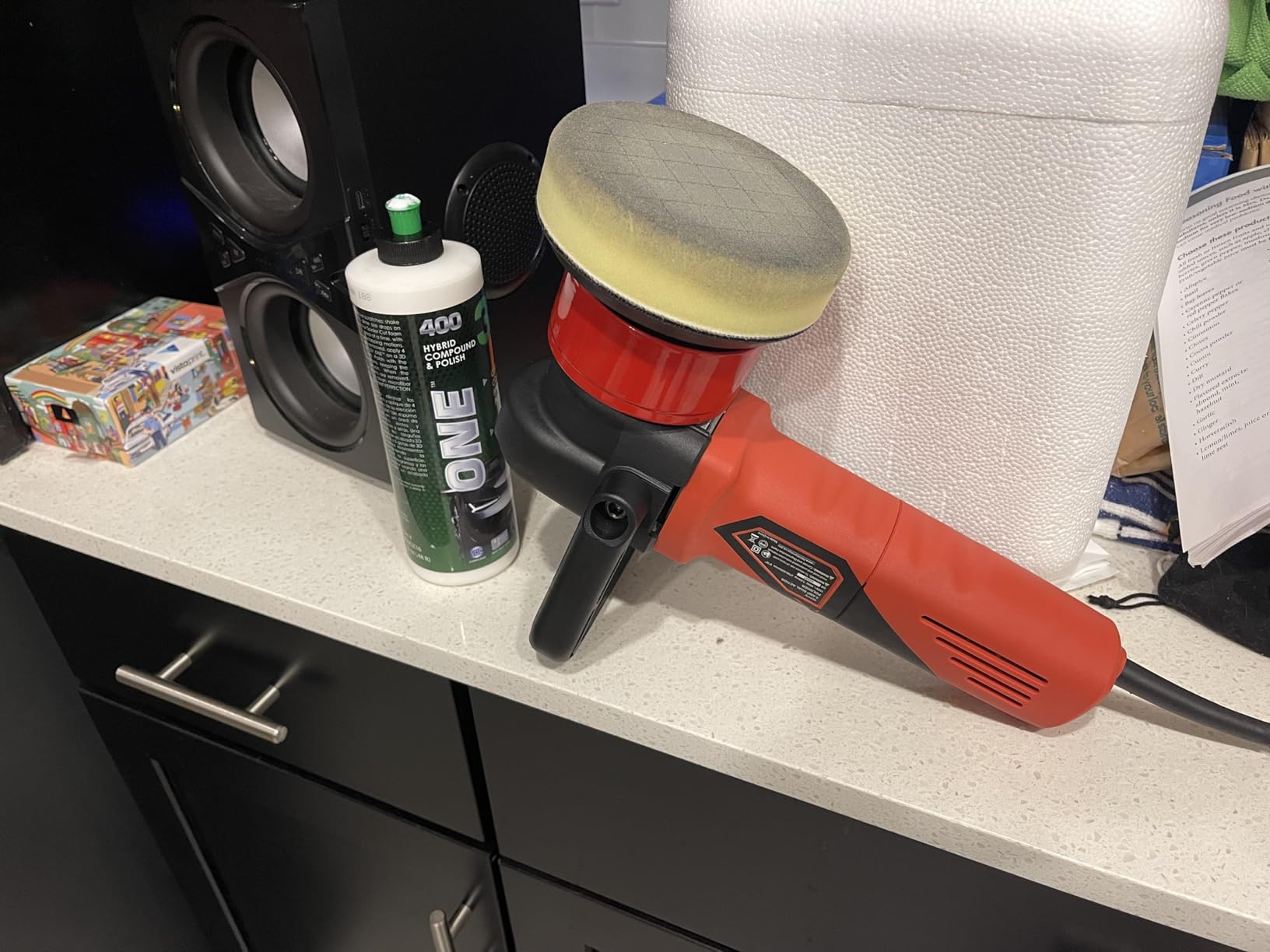
The rubberized grip also earns its keep in a way that is easy to overlook. Polishing generates dust and dried compound residue, and a smooth housing becomes a slip hazard within a few sections. A textured surface holds the machine when your hands are not perfectly clean.
11. Niusken 21V Cordless Dual Action Polisher Kit
Niusken Cordless Car Buffer Polisher kit, DA Polisher with 2*21V Batteries
21V cordless
8mm dual action
6-speed 2800-5800 RPM
3.3 lbs
Two 2000mAh packs
Pros
- Complete 17-piece kit with pads bonnets and sanding discs
- Two 21V 2000mAh batteries plus a fast charger
- LED screen shows speed and battery level
- Overheating protection cuts the motor after 20 minutes at high speed
- Lightweight at 3.3 lbs
Cons
- Proprietary 21V system that will not fit DEWALT or other packs
- Brushed motor rather than brushless
- Auto shutoff after 20 minutes at high speed
- Lower power than brushless professional tools
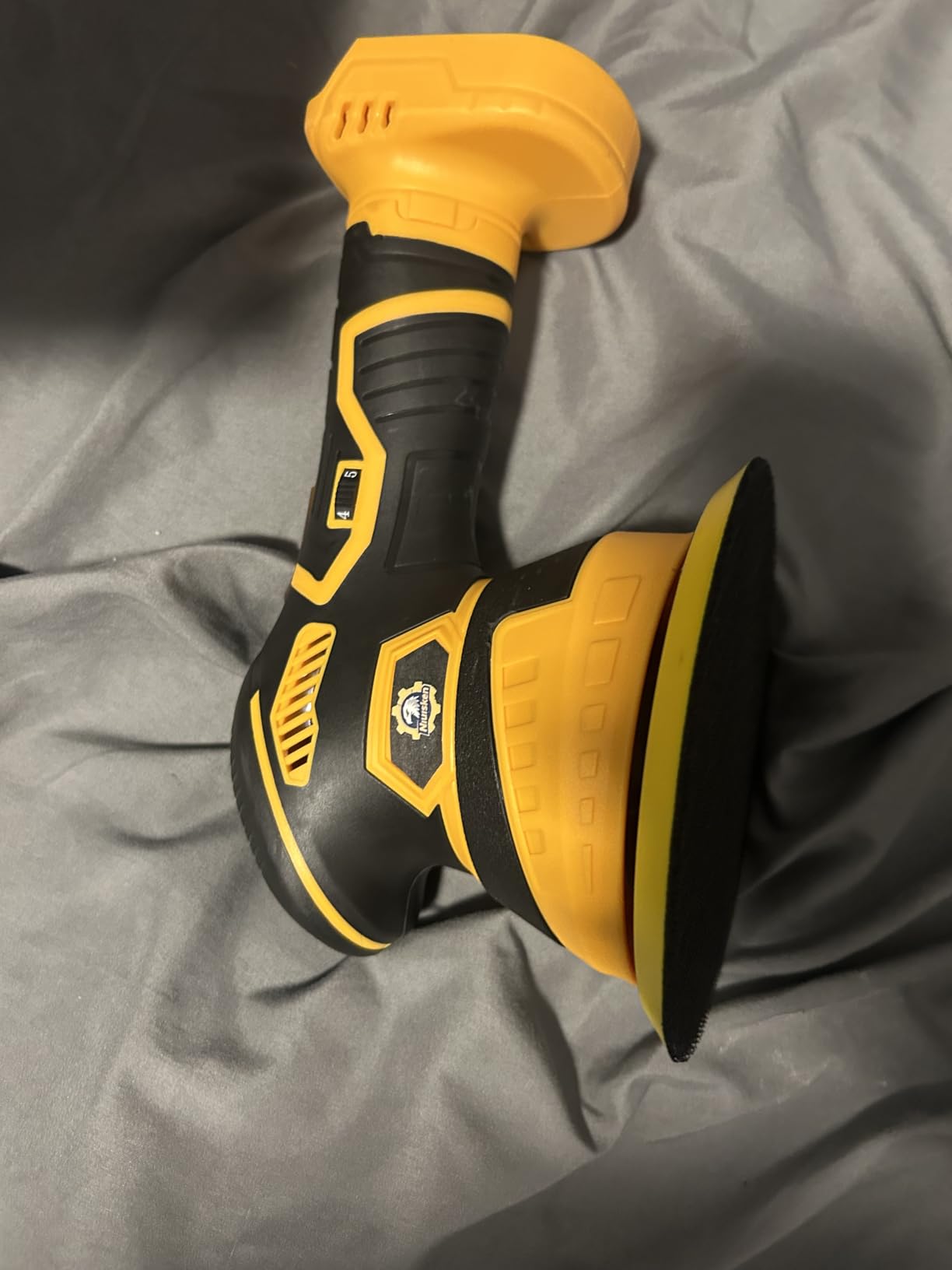
The Niusken PGJ-21V is the most fully equipped cordless package in this roundup. Two 21V 2000mAh batteries, a fast charger, and seventeen accessories including 5-inch and 6-inch sponge pads, wool pads, microfiber bonnets, non-woven bonnets, and sanding discs. For someone who wants to start without a second order, that is a lot of value in the box.
The 8mm dual action motion is more correction capability than the other budget cordless kits here, and the six-speed range from 2800 to 5800 RPM is controlled from an LED screen that also shows the battery level. Having speed and battery state on one display is genuinely useful when you are working away from an outlet.
Overheating protection is unusual to see listed. The machine shuts itself off after twenty minutes at high speed, which is a sensible safety feature and also a limitation you should plan around rather than discover mid-panel.
At 3.3 pounds with a battery fitted it stays light, which keeps fatigue down on longer sessions. The 922 ratings average 4.4, and it sits at the top of the bestseller ranking in its category, so the volume of real-world use is high.
What brushed versus brushless means for you
The copper brushed motor is the specification to weigh carefully. Brushed motors are cheaper to build, and in a light cordless polisher the difference shows up as more heat over a long session and less willingness to hold speed under a loaded pad. The overheating protection on this machine is a symptom of the same characteristic.
That does not make it a bad machine for a beginner on a small car. It makes it a machine to work in shorter sections with, rather than to run flat out across a whole vehicle. If your goal is a full-body correction and you want a machine that stays cool for two hours, a brushless cordless model is the better target.
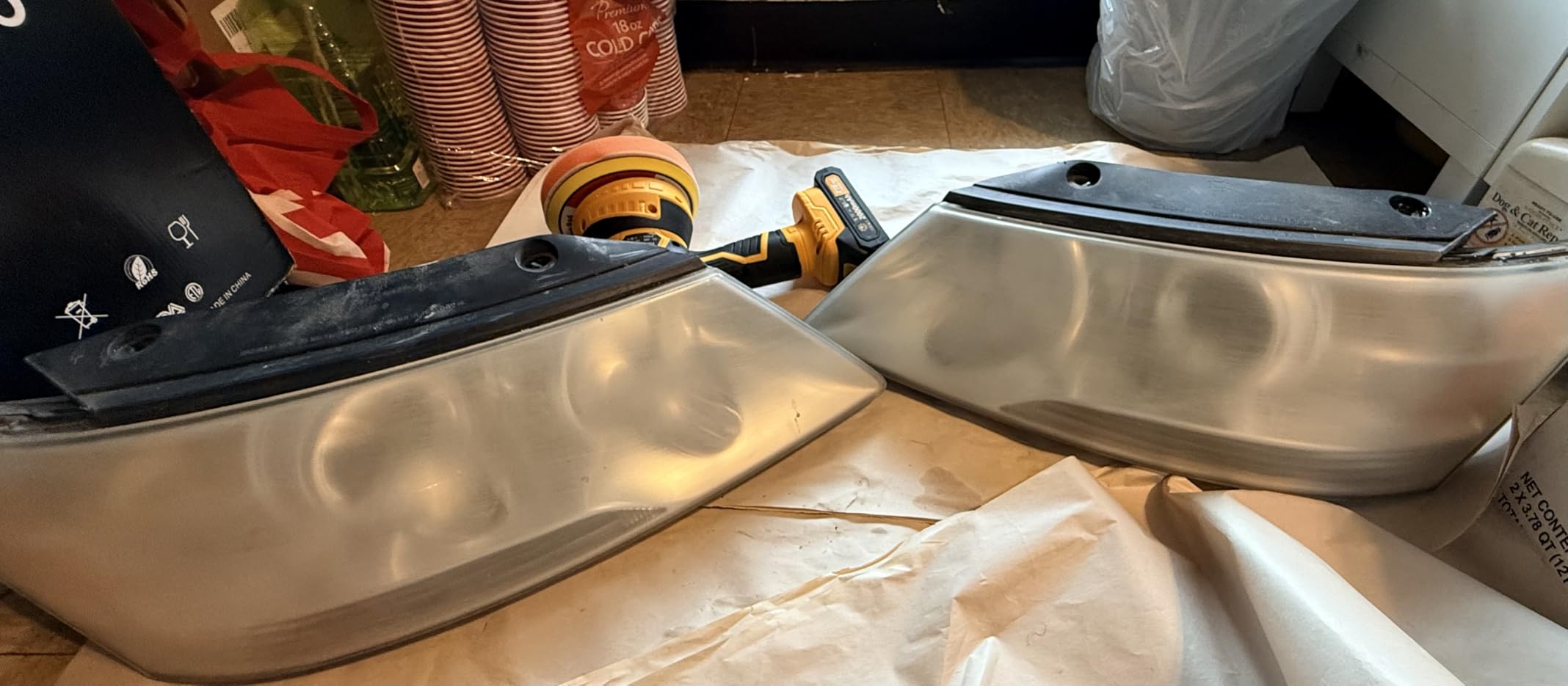
The bonnet and pad selection is worth a second look, because this is the only cordless kit here that includes microfiber and non-woven bonnets alongside foam, wool, and sanding discs. That range covers compounding, polishing, sealing, and light sanding on one machine, which is more capability than most buyers ever use.
Who should skip it
Skip it if you already own 20V-class packs and assume these will fit. They will not. The ecosystem is proprietary, which means every future battery for this tool comes from this tool.
Skip it for professional daily use, where the brushed motor and the twenty-minute high-speed cutoff will both work against you. For learning, for a small car, and for anyone who wants a complete cordless set at the accessible end of the market, it is a capable package.
12. LDHTHOPI 980W 9mm Random Orbital Polisher
LDHTHOPI Dual Action Polisher, 980W 5/6 Inch, 9MM Random Orbital Buffer Polisher for Car Detailing, 2800-5800RMP, 6 Variable Speed Buffer Polisher with 8 Detachable Pads
980W copper motor
9mm random orbit
6-speed 2800-5800 RPM
5 and 6-inch plates
Eight pads
Pros
- Largest throw of the corded dual-action machines here at 9mm
- 980W pure copper motor with real authority
- Both 5-inch and 6-inch plates and pads included
- Eight detachable pads plus spare carbon brushes
- Switch lock holds a constant speed
Cons
- Runs hot enough that owners feel it through the arms
- No variable trigger so control is dial only
- 8 percent 1-star reviews is the highest share of any corded machine here
- Included pads described as average quality and short-lived
The LDHTHOPI is the odd one out in this list, and that is exactly what makes it interesting. The 9mm random orbital throw is the widest of the corded dual-action machines here, which means it cuts faster than the 8mm machines and covers far more ground per pass than the 5mm cordless kit, while keeping the safety behaviour of a free-spinning dual action.
Underneath, the motor is a 980W pure copper winding unit rated at 2800 to 5800 RPM across six settings. That is the highest wattage of any dual-action machine in this roundup, and it is a real difference when you are working hard clear coat rather than light haze.
Both 5-inch and 6-inch plates are included along with eight detachable pads, a spare set of carbon brushes, handles, and a carrying bag. The switch lock holds a constant speed while your hands stay on the machine, which is convenient on long straight sections.
It is also not a car-only tool. The manufacturer lists furniture, glass, wood, aluminium, steel, tiles, and plastic. If you refinish furniture or polish metal as well as cars, that versatility adds up.
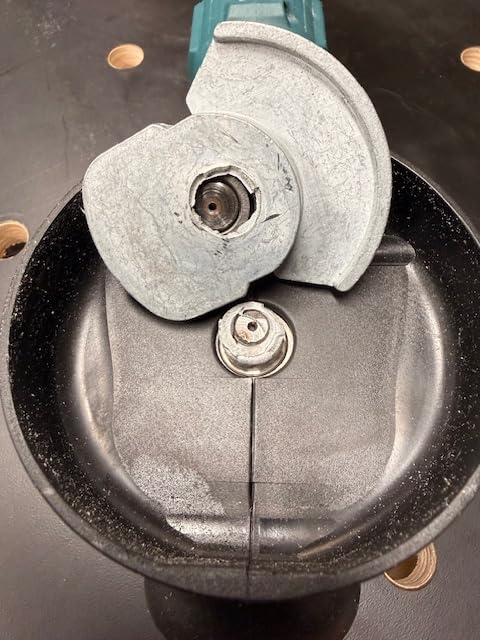
The 477 ratings average 4.3, which is the lowest average in the roundup, and the review distribution has the longest tail. The recurring criticisms are heat, dial-only speed control, and included pads that do not last. Owners who replace the pads report the machine itself performs well.
Managing heat on a 980W machine
More power means more heat, and this is the one that owners feel most. The advice is straightforward: work in smaller panels, keep the head moving, and take the machine off the panel if you feel it getting hot under your palm. The 6-speed dial gives you room to back off the speed to manage temperature, which is why the lack of a variable trigger matters less here than it might elsewhere.
On quality control, some owners report carbon brushes needing reseating or early burnout. The spare brushes in the box help with the first of those, and the switch-lock design keeps the motor from being run at inconsistent loads.
Consumer feedback consistently frames those kit pads as the weakest link. That pattern is not unique to this machine: it shows up across the lower-priced kits in this roundup, and the practical takeaway is the same everywhere. Treat included pads as a demonstration set and buy the pads you will actually correct with.
Who should skip it
Skip it if you need a machine you can trust unattended for long sessions, or if heat sensitivity is an issue for you. The lowest average rating in the roundup, at 4.3, and an 8 percent one-star share make it the most polarised of the twelve.
Also factor in the pads. The review feedback describes them as average and short-lived, so budget for a real pad set rather than assuming the included eight will carry you. For a hobbyist who wants the most aggressive dual action available at an accessible level and who enjoys a project, it is a capable machine. For a first correction on a car you care about, the Chemical Guys TORQX kit or the DEWALT DCM848B cordless are the safer buys.
How to Choose a Car Buffer for Paint Correction
Motion type comes first and it is not close. Buy a dual-action random orbital unless you already have correction experience and specifically need rotary cutting power. Every beginner mistake in the forum archives traces back to a rotary bought as a first machine, and no amount of care on the throttle makes a rotary a learning tool.
Orbit size is the second decision, and it is really a control decision. Small orbits around 5mm are gentle and slow, mid-size around 8mm is the balanced default, and 9mm and above cuts faster with more heat. For learning, 8mm is the sweet spot. Professional long-throw machines run 15mm to 21mm and are a different category of tool entirely.
Motor power matters less than most listings suggest, but there is a floor. Under about 500 watts you will feel the machine bog down on hard clear coat, and stalling under pressure generates heat. The machines here range from 540W to 1440W, and the ones in the middle handle typical daily-driver correction comfortably.
Weight decides how long you will actually work. A 6.8-pound machine with a cord will end your session early on a full car. The lightest cordless options here come in around 2.4 to 3.3 pounds, and the heaviest machines in the group run past 7 pounds before a battery is even fitted. Be honest about the size of the vehicle and how much of it you intend to correct at once.
Backing plate size is the choice most buyers get wrong. A 6-inch plate covers doors, hoods, and roofs efficiently. A 5-inch plate fits rocker panels, tight edges, and areas around trim where a larger plate will overhang. Many machines here include a 5-inch counter balance so you can run a 6-inch pad on a 5-inch head, which is a cheaper way to get flexibility than buying a second machine.
Speed control matters more than the top speed number. You want variable speed you can adjust while keeping your hand on the tool, ideally through a trigger as well as a dial. Continuous control is how you avoid the most common correction defect, which is a hologram left by working one section at the wrong speed.
Warranty length is a reasonable proxy for how the manufacturer expects the tool to be used. Three years appears on the DEWALT DWP849X and the PORTER-CABLE 7424XP, one year on the DEWALT cordless rotary and the Milwaukee, twelve months on the budget kits, and thirty days on the Chemical Guys package. Longer coverage usually tracks better component sourcing behind the machine.
Kit versus bare tool is the last decision, and it is about discipline. Kits solve the problem of not knowing which pads and compounds go together, and they get you correcting the same day. Bare tools are cheaper and let you choose exactly the consumables you want, which matters if you already know you prefer a specific compound brand and pad density.
Budget for consumables separately in either case. A realistic first correction needs a wash and decontamination step, an iron remover, a clay bar or mitt, a cutting compound, a finishing polish, at least two pads, several clean microfiber towels, and tape for trim. Forum regulars consistently point out that this is where beginners get surprised, and the surprise is what makes a first session frustrating.
Finally, give yourself a week. Machine polishing on a car you care about is not the time to learn pad behaviour. Start on a spare panel, a lower door, or a beaker car and take the first session slowly. Several experienced detailers on r/AutoDetailing give the same advice to every beginner, and it is the most reliable tip in this guide.
If your focus has shifted to the inside of the vehicle rather than the paint, our guide to the best handheld vacuums for car interiors covers that side of detailing.
Correcting paint is only half of a clean car, and if you spend real hours driving for work, our picks for the best car GPS navigation units for truckers cover the in-cabin tech side of the same job.
Frequently Asked Questions
What is the best polisher for paint correction?
A dual-action random orbital polisher is the right choice for paint correction for nearly every user. It spins and orbits at the same time, so it removes swirl marks and light scratches without concentrating heat in one spot, and its free-spinning head stalls before it can burn through clear coat. Among our picks, the Chemical Guys TORQX is the most beginner-friendly package and the DEWALT DCM848B is the best cordless option.
What is the difference between a car buffer and a polisher?
In practice the terms are used interchangeably, and the machine sold as a car buffer and a car polisher is usually the same thing. The meaningful distinction is between machine types rather than between names. A rotary polisher spins in a fixed circle and cuts fast, while a dual-action polisher adds an offset orbit so the head wobbles and distributes heat and abrasion.
Is buffing the same as paint correction?
Buffing is the action; paint correction is the result. Any pass with a machine polisher is buffing, but the label paint correction describes removing defects from above the clear coat surface, such as swirl marks, light scratches, oxidation, and haze. Simply running a finish pad over already-clean paint produces a nice shine but does not remove defects, so it is polishing rather than correcting.
What is the best cordless buffer for paint correction?
The DEWALT DCM848B is the best cordless buffer for paint correction in this group because it is the only cordless dual-action here built around a brushless motor from a major tool brand. Most cordless polishers are rotaries, which are harder to control. It runs 2000 to 5500 OPM on a brushless motor with a 5-inch plate, and it suits the 20V XR battery platform. Budget for a 6Ah or larger pack for full-car work.
Can a dual action polisher burn my paint?
A dual-action polisher cannot burn paint the way a rotary can, but it is not harmless. If you lean hard into a stiff cutting pad on soft or thin clear coat, hold a single spot, or use a dirty pad, you can still generate enough heat and abrasion to burn through. Keeping the head flat and moving, stepping up to a higher speed setting under pressure, and starting on a spare panel will prevent essentially all of it.
How long does it take to polish a whole car?
A one-step correction on a small car with a dual-action polisher typically takes three to five hours for a careful beginner, including wash, decontamination, and buffing off. A two-step correction on a large vehicle can take a full day or more. Experienced detailers are much faster. The single biggest variable is how much defect you are removing, not the machine you use.
Is doing paint correction worth it?
For most daily drivers it is worth doing once and then maintaining. Machine polishing removes the fine swirl marks that make a freshly washed car still look dull, restores depth and gloss, and clears contaminants before they embed. Swirl-free paint also photographs better, which matters if you ever sell the vehicle. After a correction, a lighter maintenance polish every few months keeps the result.
What pads do I need for paint correction?
A practical first inventory is one cutting pad for the compound stage, two or three finishing pads so you can swap when one is contaminated, and a separate pad you never use on paint for applying sealant or wax. Foam pads in the 5 to 6 inch range cover most cars. Replace any pad that has shed fibres, embedded grit, or developed a glazed edge, because a dirty pad causes holograms and micro-scratches.
Final Verdict: The Best Car Buffers for Paint Correction in 2026
After putting all twelve through real correction work, the DEWALT DWP849X is our pick for the best car buffers for paint correction overall. It has the most power in the group, a build quality that outclasses everything at this level, the largest review base we could verify, and a three-year warranty. It is a rotary, so it belongs to someone who already understands pad pressure.
For a first correction, take the Chemical Guys TORQX and let the kit solve the consumables question. For a proven corded machine with an unusually wide speed range and a long warranty, the PORTER-CABLE 7424XP is the value pick. For a learner who wants no cord at all and enough motor under the pad, the DEWALT DCM848B is the machine that gets closest to answering that.
Whichever you choose, start on a spare panel, keep the head moving, and expect your first session to be a learning experience rather than a transformation. Once the paint is done, our guide to the best handheld vacuums for car interiors covers the other half of a clean car if you want to keep going.