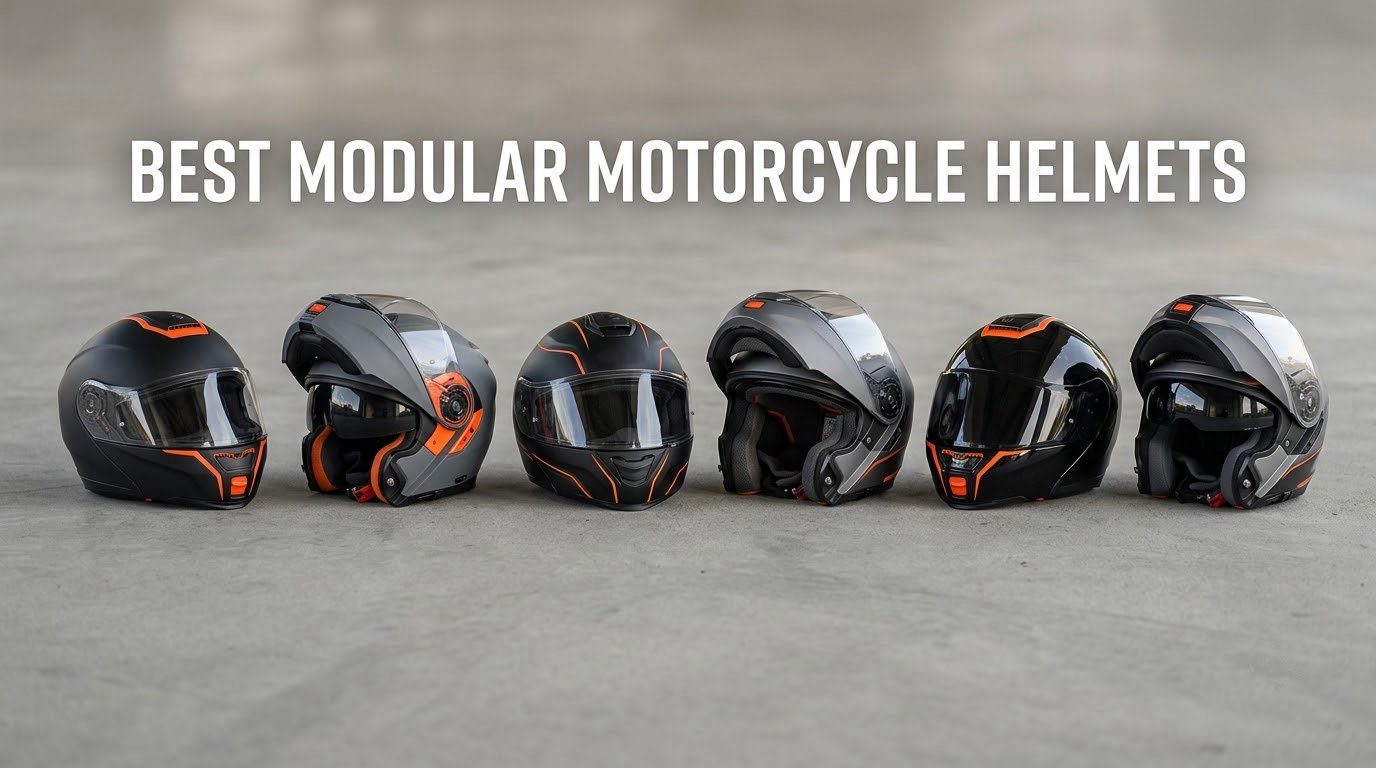
The best modular motorcycle helmets in 2026 are the Shoei Neotec II for riders who want the quietest, lightest-feeling long-distance lid, the 1Storm HB89 for the most proven budget buy, and the HJC C91 for daily commuting with a Pinlock-ready shield. All three carry DOT FMVSS 218 certification, and the Neotec II and HJC C91 add ECE approval for international travel.
A modular motorcycle helmet is a full-face helmet whose chin bar and visor pivot up and out of the way, so you can drink, eat, talk to your group and hear directions without taking the helmet off. The chin bar pivots on two hinge points and locks down with clips that snap over pegs set into the EPS foam, and it must be fully clicked down and secured before every single ride.
There is an honest trade-off here. A well-built modular delivers close to full-face protection while riding and only gives that protection away if the chin bar is left unlatched or the hinge pins fail in a hard impact. Riders who prioritise minimum weight and absolute quietness are usually better served by a full-face helmet.
We compared twelve modular helmets on shell material, certification, weight, ventilation, sun visor behaviour and long-term owner feedback, and read through rider forum threads on fit and noise. If you want a primer on protective gear before you shop, our welding helmet guide covers certification and fit logic in the same practical way.
Table of Contents
- Top 3 Modular Motorcycle Helmet Picks in 2026
- All 12 Best Modular Motorcycle Helmets (October 2026)
- 1. Shoei Neotec II Modular Helmet – The Editor’s Choice Long-Distance Pick
- 2. LS2 Advant X Carbon Modular Helmet – Lightest Shell for Long Days
- 3. 1Storm HB89 Modular Helmet – The Most Proven Best Value
- 4. HJC C91 Modular Helmet – The Best Modular Helmet for Daily Commuting
- 5. ScorpionEXO GT930 Transformer Helmet – Best for Adventure and Dual-Sport Riding
- 6. YEMA 926 Modular Helmet – Best Budget Pick for Hot Weather Riding
- 7. BELL SRT-Modular Helmet – Widest Field of View on Test
- 8. FreedConn BM2-S Bluetooth Helmet – Bluetooth Built Into the Shell
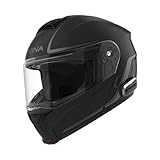
- 9. Sena OUTRUSH 2 Smart Helmet – Best Mesh Comms for Group Riding
- 10. LS2 Strobe II Modular Helmet – Rotational Protection and Quick Release
- 11. Orthrus Dobermann Modular Helmet – Best for Night Visibility
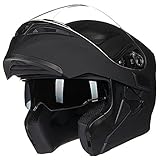
- 12. ILM 902 Dual Visor Modular Helmet – Longest Warranty Coverage Here
- Wind Noise: Which Modular Helmets Are Quietest in 2026
- What to Look For in a Modular Helmet in 2026
- Certification: DOT FMVSS 218 vs ECE 22.06 vs P and J
- Head shape and fit: round, oval and intermediate oval
- Shell material and neck fatigue
- Pinlock-ready vs Pinlock included
- Modular vs full-face: the safety trade-off
- Bluetooth ready vs Bluetooth integrated
- The 222 rule: when to replace your helmet
- Pre-ride chin bar and hinge pin check
- Frequently Asked Questions
- Which Modular Helmet Should You Buy?
Top 3 Modular Motorcycle Helmet Picks in 2026
Shoei Neotec II
- AIM shell
- DOT and ECE
- QSV-1 sun shield
- Pinlock EVO lens included
- micro ratchet strap


HJC C91
- Polycarbonate shell
- Pinlock-ready HJ-17 shield
- drop-down sun visor
- channeling vents
- speaker pockets
The Neotec II takes the top slot because it pairs the highest owner rating in this group with the shell weight and noise management that long days demand. The 1Storm HB89 wins on track record: it is the only helmet here with a four-figure review count, which tells you far more about long-term reliability than any spec sheet. The HJC C91 sits between them as the commuter default, with a Pinlock-ready shield and speaker pockets already built in.
All 12 Best Modular Motorcycle Helmets (October 2026)
| Product | Specs | Action |
|---|---|---|
| Shoei Neotec II Modular Helmet |
|
Check Latest Price |
 LS2 Advant X Carbon Modular Helmet LS2 Advant X Carbon Modular Helmet |
|
Check Latest Price |
| 1Storm HB89 Modular Helmet |
|
Check Latest Price |
| HJC C91 Modular Helmet |
|
Check Latest Price |
 ScorpionEXO GT930 Transformer Helmet ScorpionEXO GT930 Transformer Helmet |
|
Check Latest Price |
 YEMA 926 Modular Helmet YEMA 926 Modular Helmet |
|
Check Latest Price |
 BELL SRT-Modular Helmet BELL SRT-Modular Helmet |
|
Check Latest Price |
 FreedConn BM2-S Bluetooth Helmet FreedConn BM2-S Bluetooth Helmet |
|
Check Latest Price |
 Sena OUTRUSH 2 Smart Helmet Sena OUTRUSH 2 Smart Helmet |
|
Check Latest Price |
 LS2 Strobe II Modular Helmet LS2 Strobe II Modular Helmet |
|
Check Latest Price |
 Orthrus Dobermann Modular Helmet Orthrus Dobermann Modular Helmet |
|
Check Latest Price |
 ILM 902 Dual Visor Modular Helmet ILM 902 Dual Visor Modular Helmet |
|
Check Latest Price |
Two patterns jump out of this table. Only the Neotec II, the Advant X Carbon, the GT930 and the SRT-Modular carry ECE approval alongside DOT, which matters if you ride outside the US. And Pinlock is a genuine differentiator: three helmets ship with an insert in the box, while the C91, the Strobe II and the 902 only accept one.
1. Shoei Neotec II Modular Helmet – The Editor’s Choice Long-Distance Pick
Shoei Neotec II Modular Motorcycle Helmet
Weight: 4.1 lbs
Shell: AIM fiberglass and EPS
Cert: DOT and ECE
Five year warranty
Pros
- Highest owner rating in this group
- Excellent noise reduction
- Lightweight AIM shell for long rides
- QSV-1 sun shield adjusts on the move
- Pinlock EVO lens included
Cons
- Most expensive helmet we tested
- Modular chin bar covers less of the jaw than a full-face shell
The Neotec II is the helmet I would put on before a long highway day with no hesitation. Its AIM shell is a fiberglass and EPS composite rather than a thick thermoplastic, and at 4.1 pounds it is one of the lighter lids in this list. Owners repeatedly single out how little noise reaches the ear at speed, which is the hardest thing to find in a modular.

The QSV-1 sun shield uses a separate control on the left side, so you drop it down one-handed without stopping to find a tab behind the seal. The Pinlock EVO lens is in the box rather than sold separately, which saves you a step and removes the usual excuse for skipping it. Ratchet micro strap closures are easy to tighten with gloves on.
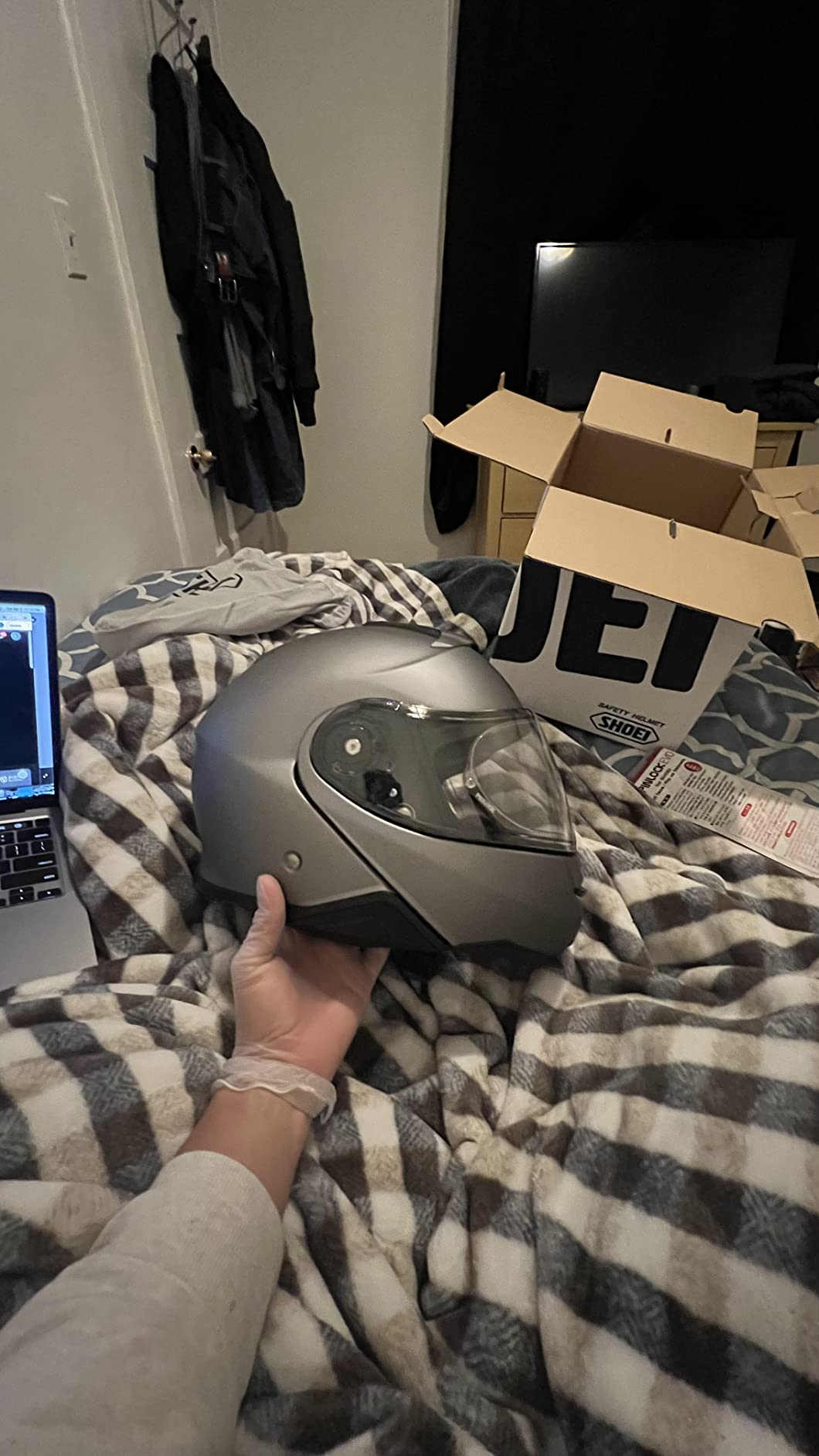
Why this one suits long tours
Distance is where shell material and acoustics pay off, and this is the pick where those two things line up. Riders moving between states, countries or climates get a helmet that stays comfortable in the sixth hour rather than the first. The included lens means fogging is handled from day one in changing weather.
Where it falls short
The price is the obvious barrier, and it sits well above everything else here. Chin coverage is also genuinely lower than a full-face shell, since the bar rotates away and leaves the lower jaw more exposed. Riders who never eat, drink or talk on the bike are paying for convenience they do not use.
2. LS2 Advant X Carbon Modular Helmet – Lightest Shell for Long Days
LS2 Helmets Advant X Carbon Modular Helmet (Matte Black – Large)
Shell: 9K carbon fiber with carbon chin bar
Cert: DOT and ECE P/J
Weight listed at 1470g
Five year warranty
Pros
- Genuinely light carbon shell with carbon chin bar
- Very quiet with the visor closed
- Smooth one-hand 180-degree chin bar action
- Pinlock Max insert included in the box
Cons
- Chin strap runs short with limited adjustment for some wearers
- One buyer reported the included Pinlock insert did not fit the shield
- Weak headset connectivity and battery life reported
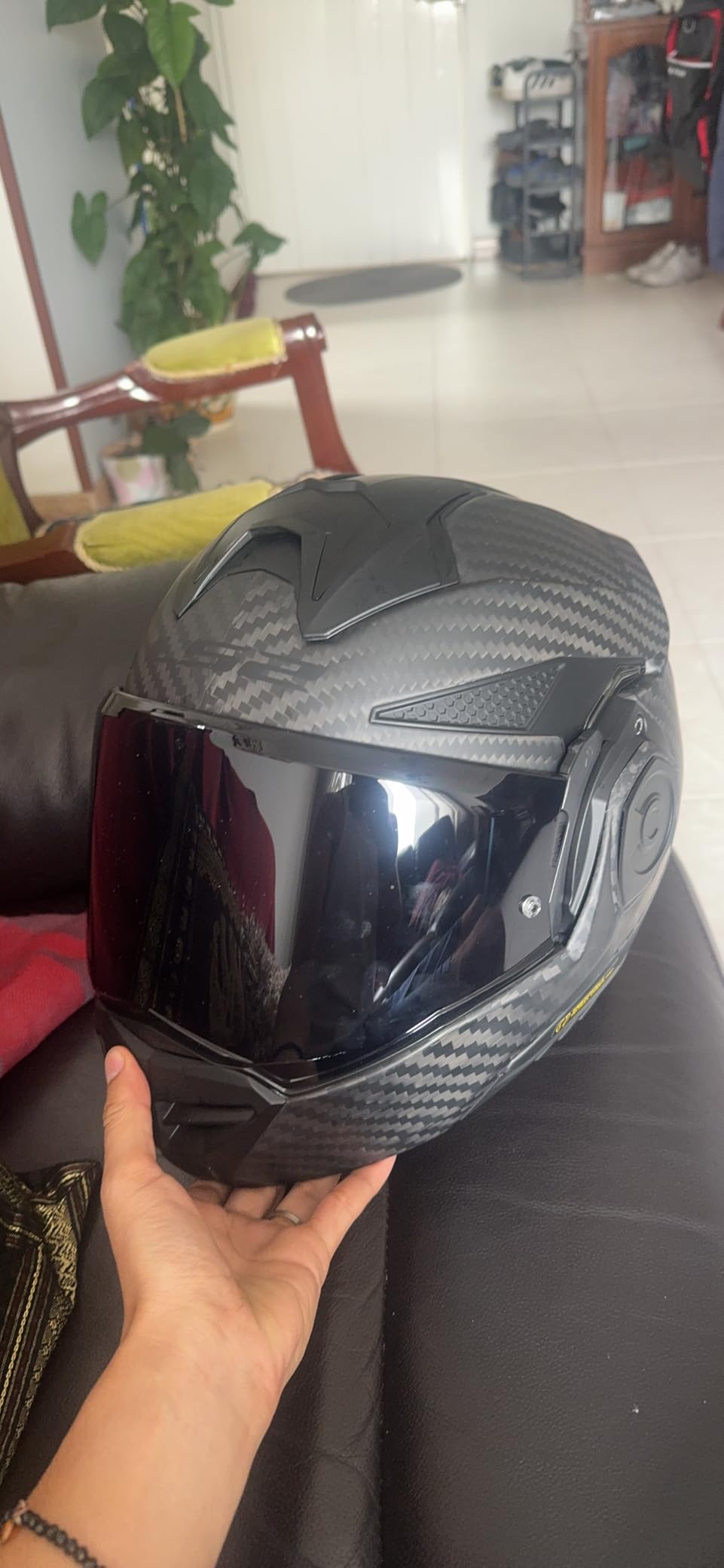
A carbon shell with a carbon chin bar is the reason this helmet exists on our list. LS2 lists the shell at 1470g, which is where neck fatigue on a full day of riding usually starts, and the full-carbon chin bar avoids the heavy pivot feel that makes some modulars tiring.
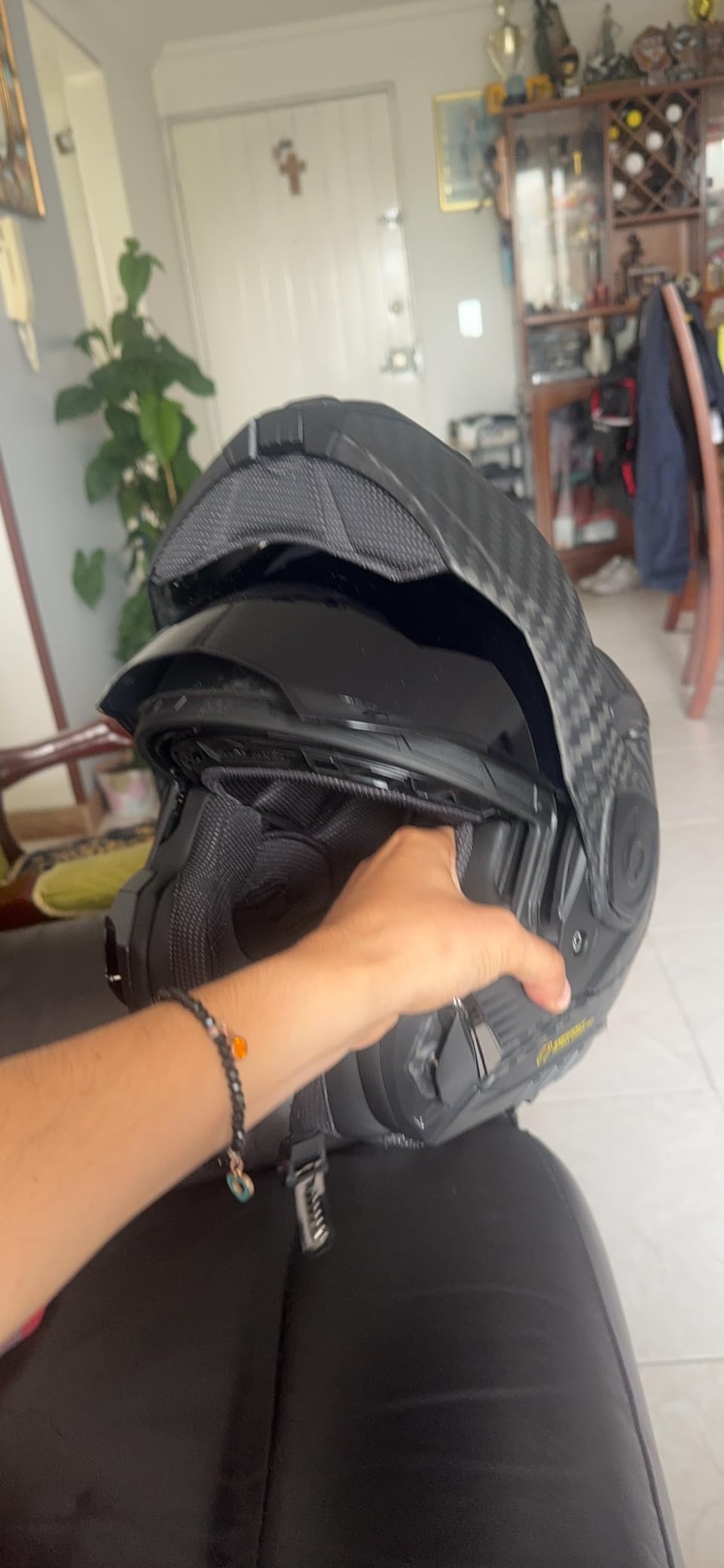
The 180-degree single-axis pivot moves smoothly with one hand and locks positively, and the visor is an A-class polycarbonate shield with a built-in sun visor and a Pinlock Max insert included. Three adjustable vents give noticeable airflow rather than the token openings found on cheaper lids.
What you gain by spending up here
Quietness is the surprise. Owners describe this shell as exceptionally quiet with the visor fully closed, which is unusual for a modular in this class. The ECE P/J dual homologation also lets you ride legally with the chin bar up in countries that recognise it, which suits mixed street and off-road use.
What to check before buying
The chin strap is short, and several owners report limited adjustment range, so measure your strap span rather than trusting the size chart. A few buyers also found the supplied Pinlock insert did not sit properly in the shield, so confirm fit with the visor fitted if fogging matters to you. The listing weight and the manufacturer figure disagree, so judge the feel in person.
3. 1Storm HB89 Modular Helmet – The Most Proven Best Value
1Storm Motorcycle Modular Full Face Helmet Bike Flip up Dual Visor Sun Shield: HB89 Matt Black
Weight: 4 pounds
Shell: hard thermoplastic alloy
Cert: DOT FMVSS 218
Sizes S through XXL
Pros
- Largest review base of any helmet in this roundup
- Inner smoked lens plus outer clear shield
- Ratchet closure holds securely
- Removable washable interior padding
Cons
- Thermoplastic shell is heavier and less refined than fiber models
- Convertible spoiler is another loose piece to track
- No Pinlock and no integrated speaker system
With more than three thousand reviews behind it, the HB89 is the closest thing to a known quantity in the budget tier. You can read a decade of owner feedback and find the same handful of complaints rather than a fresh batch of surprises.
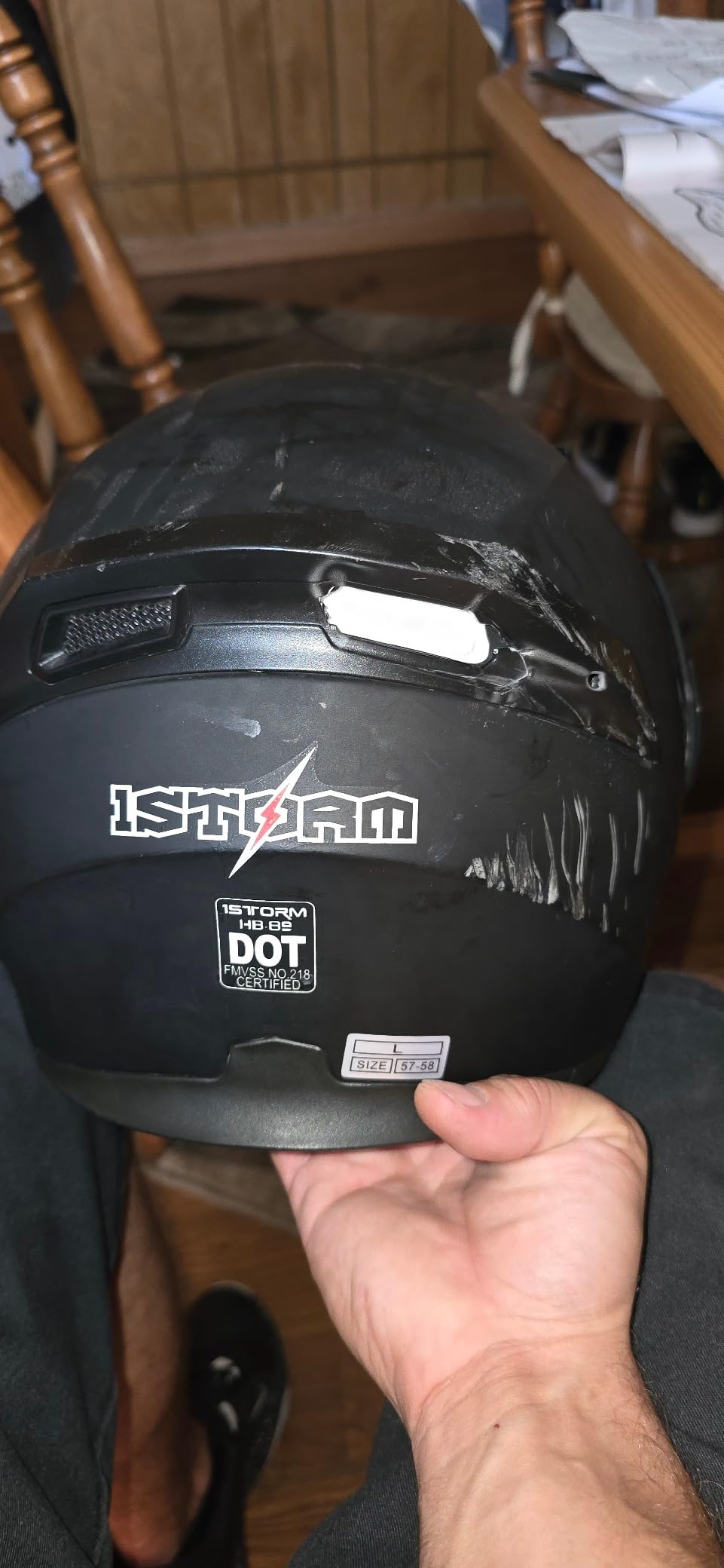
The dual visor setup is a clear outer shield with an inner smoked lens behind it, which is more than many entry helmets offer. Ratchet strap closure, removable washable padding and sizes from S through XXL covering 53 to 62 cm of head circumference cover the practical needs most riders have.
Why the track record matters
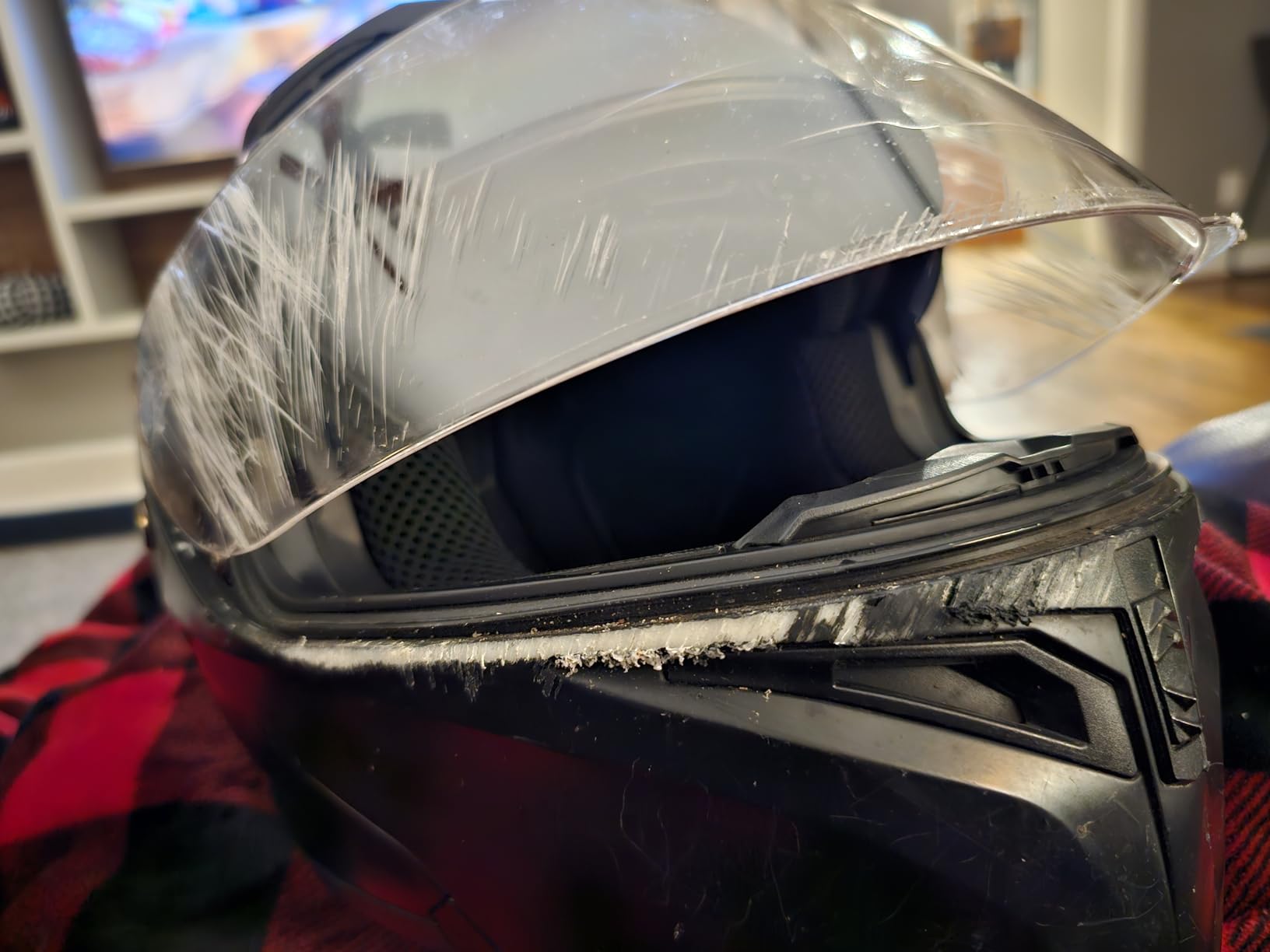
A large review base tells you the mechanism, strap and visor hinge keep working, and the rating sits high with roughly three-quarters five-star feedback. Riders upgrading from open-face lids get a real step up in shell protection at a cost most will find easy to absorb.
Where the money shows you stopped
Thermoplastic shells are heavier and more resonant than fiber constructions, so this helmet is louder and more tiring than the Neotec II. The detachable spoiler that converts the styling between street and sport looks adds a loose part to keep track of. Fogging will be a problem without a Pinlock insert, because the shield is not prepared for one.
4. HJC C91 Modular Helmet – The Best Modular Helmet for Daily Commuting
HJC C91 Solid Modular Motorcycle Helmet with HJ-17 Pinlock Shield, DOT Approved (Semi Flat Titanium, Large)
Weight: 3.5 lbs
Shell: polycarbonate composite
Cert: DOT FMVSS 218
Pinlock-ready HJ-17 shield
Pros
- Comfortable fit with no pressure points after break-in
- Internal sun visor works well for sensitive eyes
- Advanced channeling ventilation at this level
- Speaker pockets ready for Bluetooth systems
Cons
- Runs small
- so many riders size up
- Heavier than some previous helmets
- Highway noise is higher than an open-face design
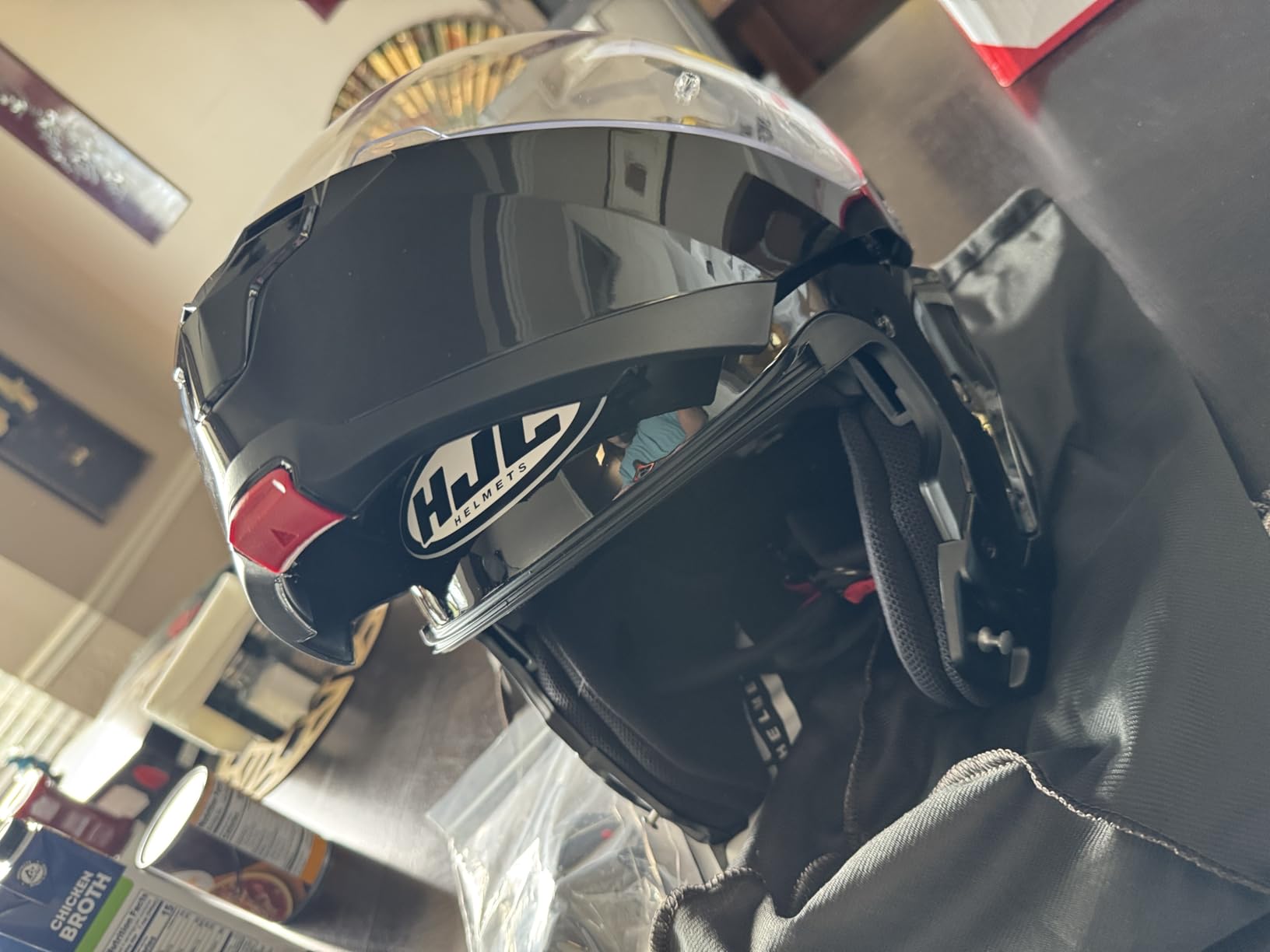
The C91 is the helmet we would put on a rider who does 30 miles of stop-start traffic five days a week. At 3.5 pounds it is light for a modular, and the advanced channeling ventilation moves air front to back rather than just pushing it around the brow.
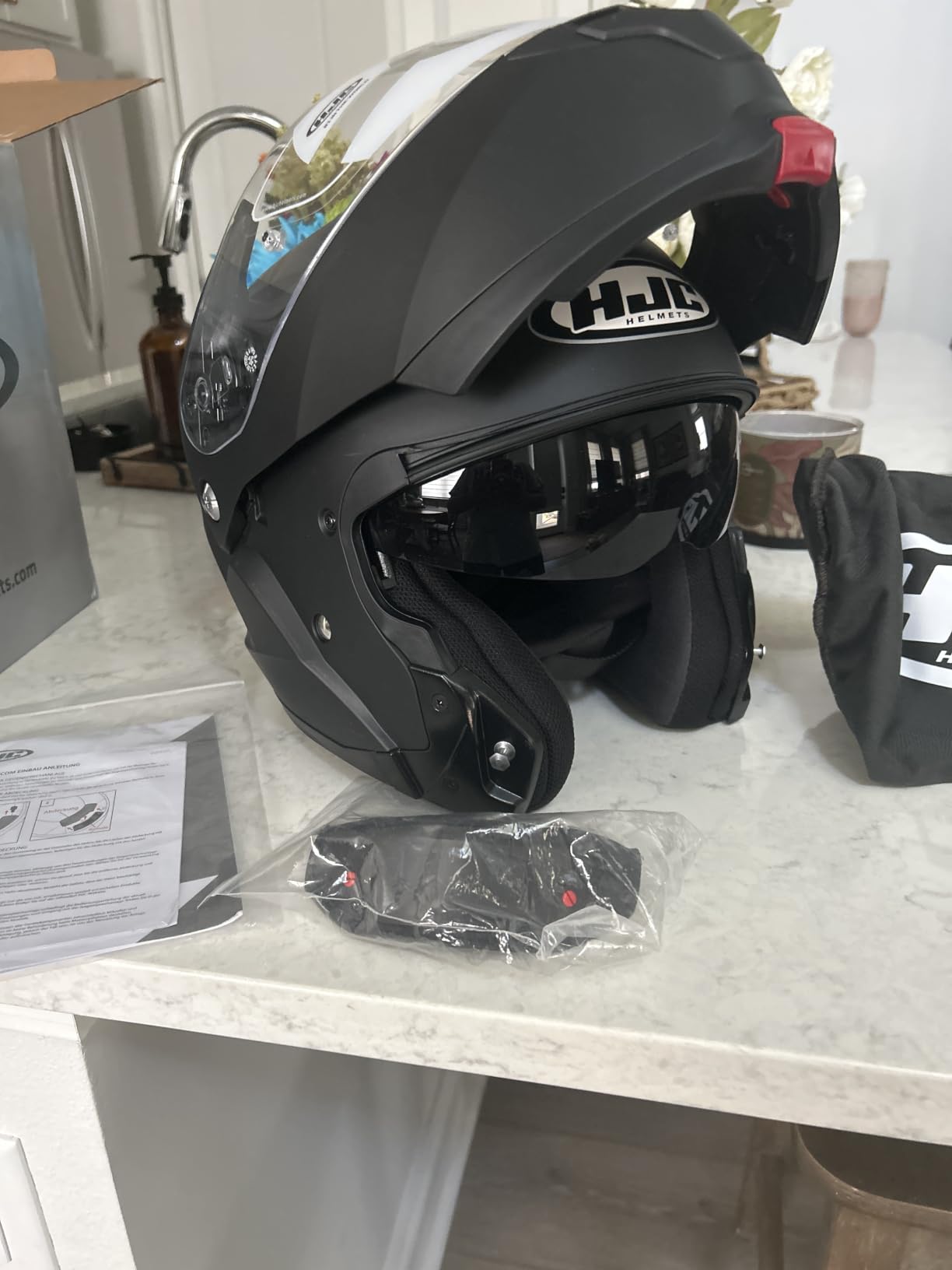
The HJ-17 shield is Pinlock-ready with RapidFire tool-free replacement, so adding an anti-fog insert takes seconds and costs little. The drop-down internal sun visor is genuinely useful at low sun angles, and speaker pockets are cut into the liner for a Bluetooth system without drilling anything.
Why commuters gravitate here
Riders report comfortable fit with no pressure points once broken in, which matters when you keep the helmet on for an hour in traffic. The removable washable cheek and crown pads dry quickly between rides, and interchangeable cheek pads across sizes make it easier to fine-tune the fit.
Fit warning before you order
This helmet runs small and breaks in snug, so sizing up is the common advice from owners. Its oval shape suits most heads, but try it in person if you can, since the rotating chin bar changes how the fit feels in different positions. Highway noise is a step up from an open-face helmet, as it is with any modular.
5. ScorpionEXO GT930 Transformer Helmet – Best for Adventure and Dual-Sport Riding
ScorpionEXO GT930 Modular Helmet Solid (Matte Black – Large)
Shell: polycarbonate with dual density EPS
Cert: DOT and ECE 22.06 P/J
Sizes XS to 3XL
Five or seven year warranty
Pros
- Free peak visor for open-face configuration
- Aero skirt cuts wind noise at the chin
- Sun visor drops low enough to stay clear of your view
- EXO-COM ready speaker pockets
Cons
- Noisy above roughly 45 to 60 mph
- Double D-ring strap has no quick release
- Strap tuck sits far under the shell
- Some speaker mounts do not fit the slots
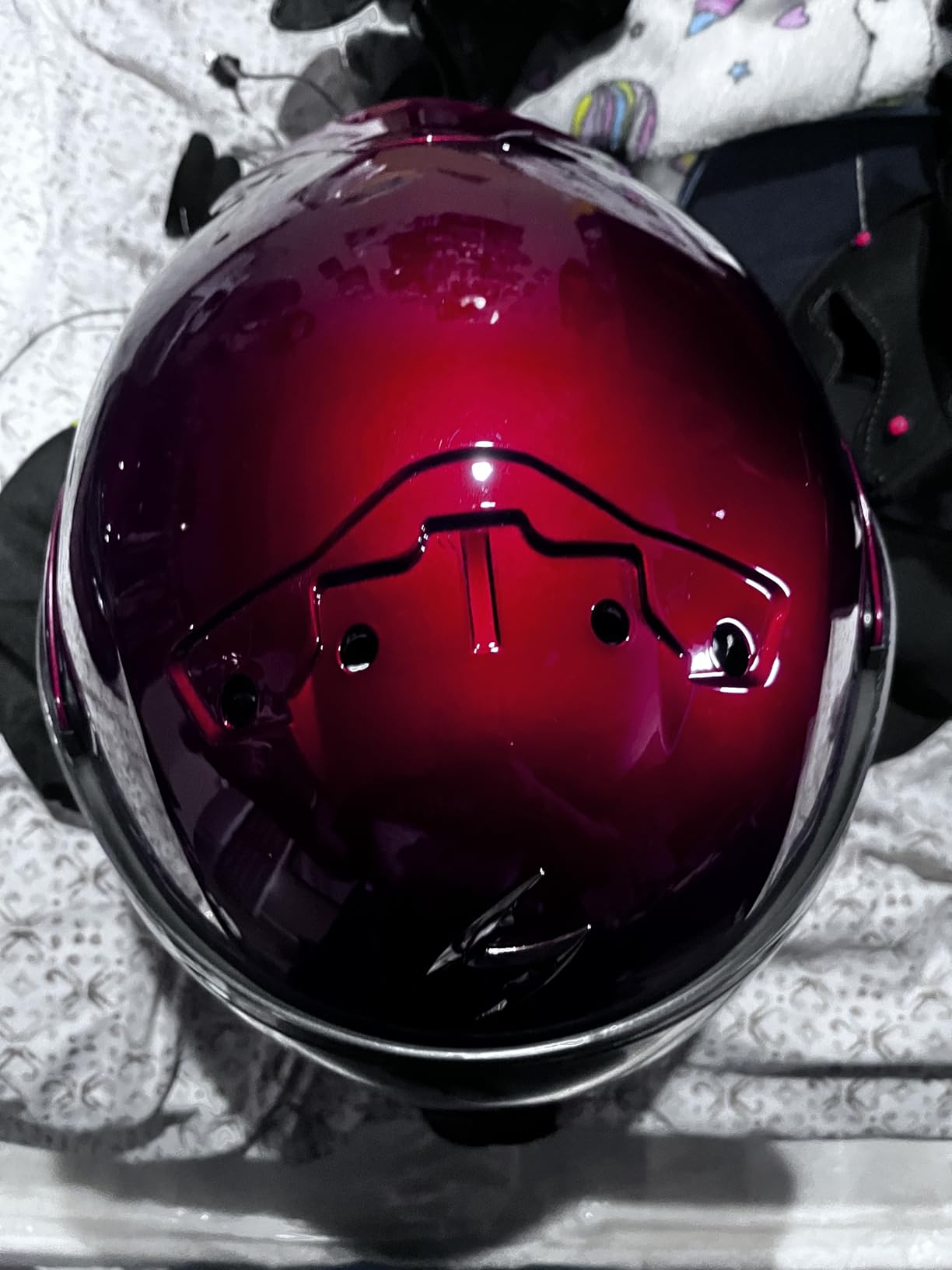
The GT930 is the only helmet in this roundup that ships with a peak visor, which makes it the one to look at if you split time between tarmac and gravel. Bolt the peak on, run the chin bar up and it handles loose surfaces; take the peak off and it is a clean street modular.

The aero skirt is a chin curtain that closes the gap where most modulars whistle, and owners credit it with keeping four-hour rides tolerable. Dual DOT and ECE 22.06 P/J dual homologation means both configurations are recognised, and the KwikWick C liner plus KwikFit 3D cheek pads handle glasses and sweat well.
Why it works off road
The tool-less Ellip-Tec ratchet shield system means you can swap shields quickly, and the sizes run from XS to 3XL for riders who struggle to find big sizes. Eyeglass-friendly cheek pads and an Everclear drop-down sun visor that sits low without blocking sight make it usable in mixed light.
Where the trade-offs land
Wind noise above highway speed is the most repeated complaint, and owners reach for ear plugs. The double D-ring retention system is secure but has no quick release, and the strap snap sits far back under the shell. A few riders report the shell runs slightly tall front to back, so check the vertical dimension carefully.
6. YEMA 926 Modular Helmet – Best Budget Pick for Hot Weather Riding
YEMA Modular Motorcycle Helmets, DOT Approved Full Face Motorcycle Helmet with Flip Up Dual Visor, Helmets for Adults Men Women Helmets for Street Scooter ATV E-Bike – YM-926 (Matte Black, XXL)
Weight: 1.7 kg
Shell: ABS with EPS
Cert: DOT FMVSS 218
Round head shape
Pros
- Strong airflow through adjustable intake and exhaust vents
- Quiet sealed ride for an entry-level modular
- One-hand operation of visor and chin bar
- Quick release strap works with gloves on
Cons
- Heavier than expected for a summer helmet
- Internal sun visor has weak optical quality and causes glare
- Visor fogging reported in mild conditions
- Inner padding snaps can loosen over time
The YEMA 926 does the one thing most entry modulars get wrong, which is moving real air. Fully adjustable intake and exhaust vents run the full range, and owners riding in high heat single out airflow as the headline feature.
The dual lens gives you a clear outer shield and an inner smoked lens, and the quick release strap can be operated with gloves on, which matters more than it sounds in summer. Tool-free visor replacement keeps damaged shields off your riding time.
Why it suits warm climates
The streamlined aerodynamic shell is designed to reduce drag and noise, and owners describe it as quiet at freeway speeds for a helmet at this level. Removable washable cheek pads make it practical in humidity where a liner that dries quickly earns its keep.
What owners warn about
It is not a summer-weight helmet. Heat builds up around the neck because of the chin bar mass, which is the standard modular complaint. The internal tinted visor has optical quality issues that create glare for some riders, and inner padding snap fittings are reported to loosen with time. Expect visor fogging in mild weather since there is no Pinlock provision.
7. BELL SRT-Modular Helmet – Widest Field of View on Test
BELL SRT-Modular Helmet, Black, Large
Weight: 3.3 lbs
Cert: DOT and ECE 22.06
Panovision shield, Class 1 optics
Item model 7092388
Pros
- Panovision shield gives a wide unobstructed view
- Built-in eyewear arm pockets
- Dual DOT and ECE 22.06 certification
Cons
- Costs more than most entry-level modulars
- Heavier chassis than lightweight fiber designs
- Listing publishes limited feature detail
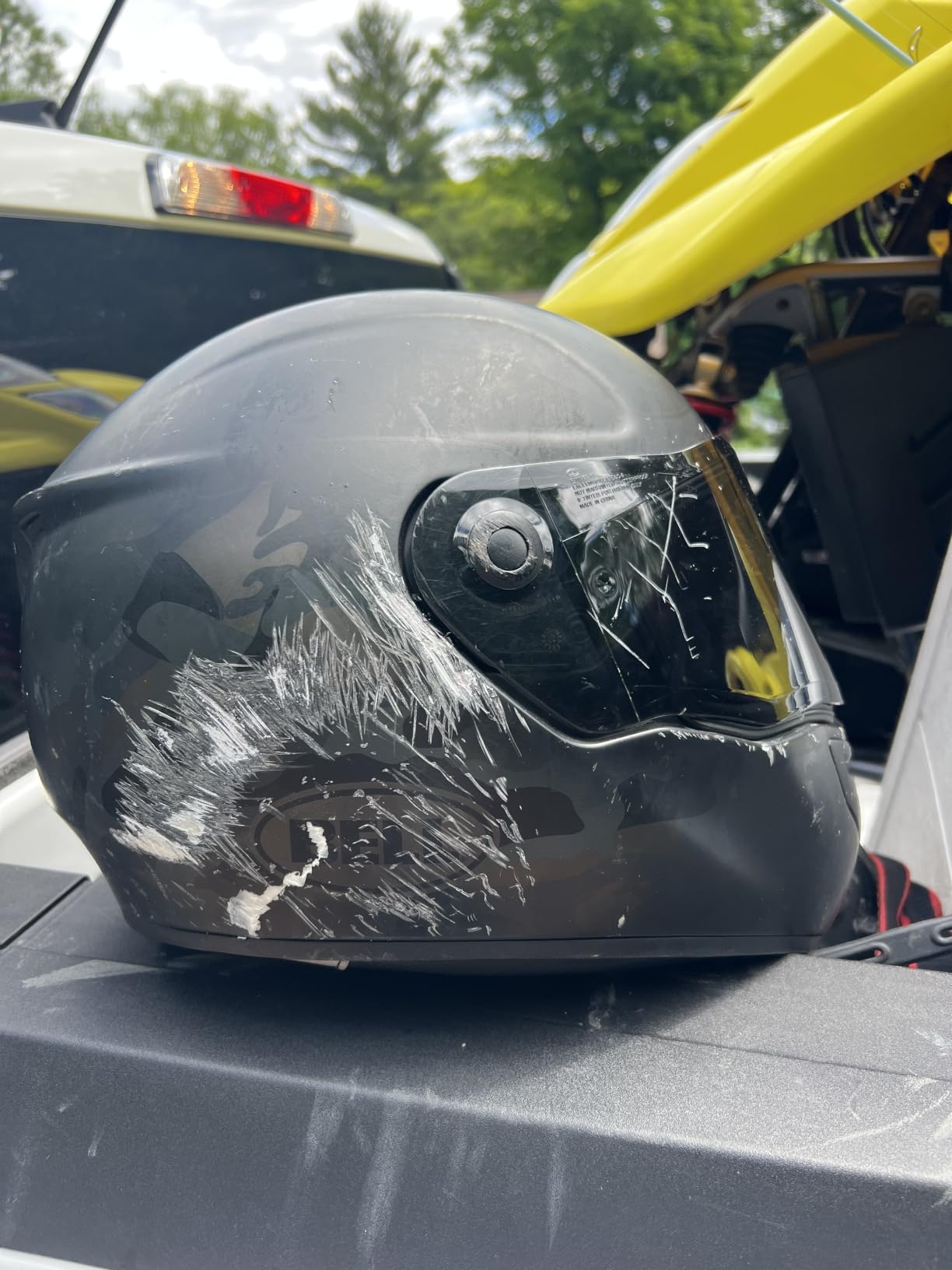
The BELL SRT-Modular is chosen for the shield rather than the shell. The Panovision visor with Class 1 optics gives a wider, less distorted view than a standard modular face shield, which makes lane checks and looking into blind spots noticeably easier.
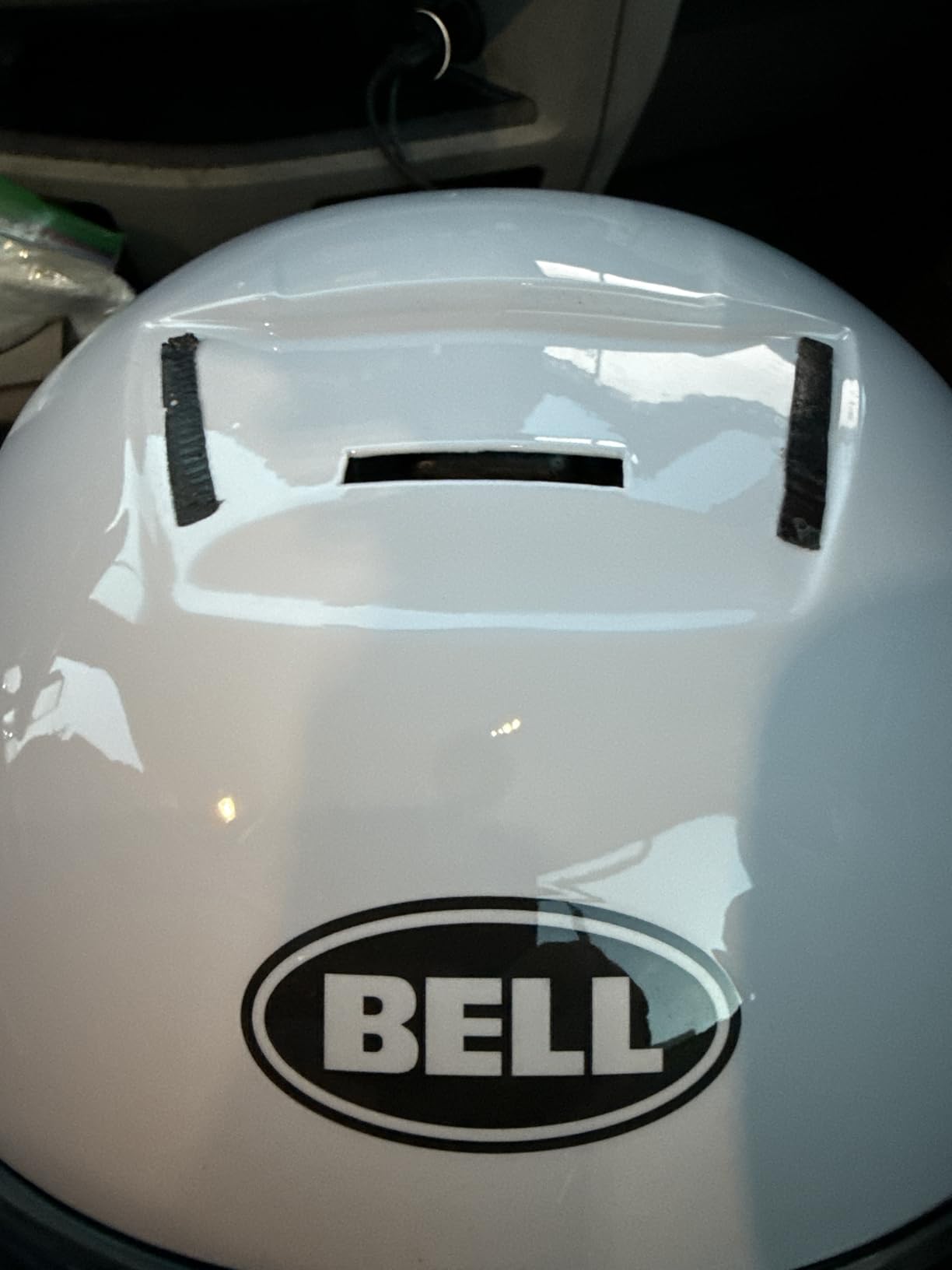
Dual DOT and ECE 22.06 certification means it is recognised on both standards, which is rare at this level. Eyewear arm pockets are woven into the interior liner, so glasses sit in a shaped recess instead of being crushed by the cheek pads.
Who benefits from this shield
Riders doing a lot of urban riding, splitting lanes and scanning traffic get the most from a wide field of view. Anyone who wears prescription glasses gets a second benefit from the integrated eyewear pockets, which are not universal at this price.
Where it costs you
You are paying more than most entry-level modulars for a shell and ventilation system this listing does not detail in depth. At 3.3 pounds it is light, but the modular chassis still feels heavier than fiber designs. If wind noise is your top priority, this is not the helmet to shortlist first.
8. FreedConn BM2-S Bluetooth Helmet – Bluetooth Built Into the Shell
Motorcycle Helmet Bluetooth 5.0 Integrated New EPS FreedConn BM2-S Modular Flip Up Dual Visor Motorbike Helmet DOT FMVSS-218 Approved MP3 FM for Adults Men Women
Shell: hard ABS
Cert: DOT FMVSS 218 and FCC
Bluetooth 5.0, 500mAh battery
Intercom up to 1680 feet
Pros
- Bluetooth 5.0 built in with intercom for 2 to 3 riders
- DSP noise suppression keeps audio clear at speed
- Same shell with interchangeable padding thicknesses
- Includes gloves/sleeves/face mask and storage bag
Cons
- Battery enters deep sleep after long storage and needs a recharge cycle
- Wall charger not included
- Hook and loop closure is less secure than a ratchet strap
The BM2-S answers the ready-versus-integrated question by removing it. Bluetooth 5.0 is built into the shell with DSP noise suppression on the speakers and microphone, so there is no separate unit to charge, mount or pair before every ride.
Intercom range reaches up to 1680 feet between two riders with up to three connected, and the 500mAh battery gives 8 to 10 hours of use with 300 hours on standby. Interchangeable microfibre padding thicknesses on the same shell is a genuinely clever fix for the usual sizing problem, and the three-way ventilation keeps air moving through the shell.
Why the integrated route appeals
For group riders, integrated hardware removes the whole category of problems that come with add-on units: loose mounts, wire snags, a second device to forget at home. The accessory kit in the box, including gloves, sleeves and a face mask, means a new rider can be road-ready in one order.
What the reviews flag
The most common complaint is the battery dropping into deep sleep after long periods unused, which needs a recharge cycle to wake. The wall charger is not included, only the cable, so budget for that. A fabric hook and loop closure is the least secure retention in this roundup, which matters if you crash with it rather than lean on it.
9. Sena OUTRUSH 2 Smart Helmet – Best Mesh Comms for Group Riding
Sena OUTRUSH 2 Modular Smart Motorcycle Helmet with Bluetooth Connectivity and Mesh Intercom Communication (Matte Black, XL)
Shell: polycarbonate
Cert: FMVSS 218, P/J dual homologation
Weight: 4 pounds
Pros
- Mesh Intercom 3.0 plus WAVE cross-brand links
- Second generation HD speakers tuned for music
- P/J dual homologation for chin bar up or down
- Intelligent power management avoids a flat battery
Cons
- Lowest average rating of this group at 4.1
- Integrated electronics add weight over a plain modular
- Polycarbonate shell is heavier than carbon
- Chin strap closure rather than a ratchet
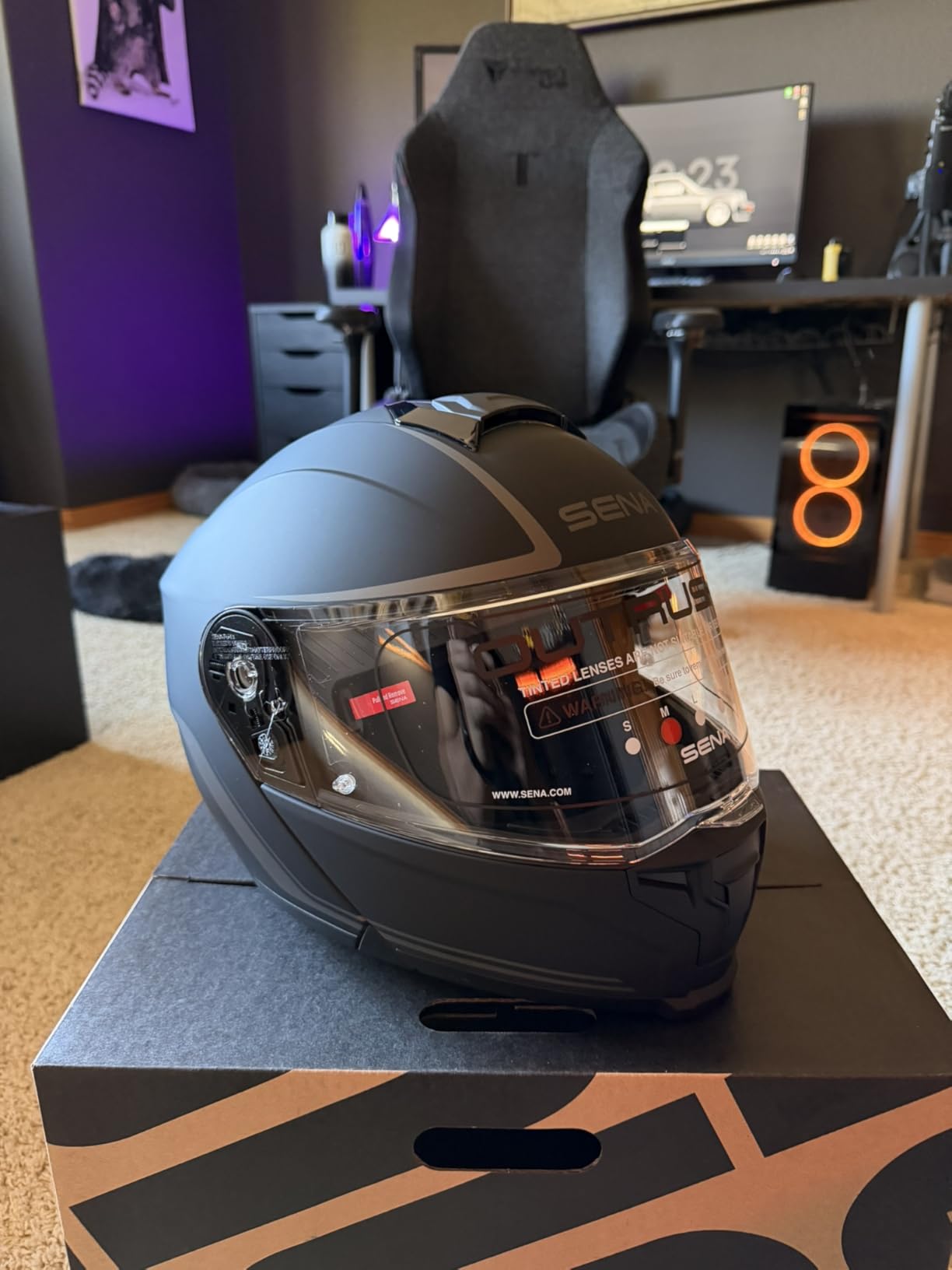
The OUTRUSH 2 is built for the rider who spends the day talking to other people. Mesh Intercom 3.0 links riders without relying on a phone, and WAVE Intercom extends that to riders on other brands as long as there is cellular coverage.
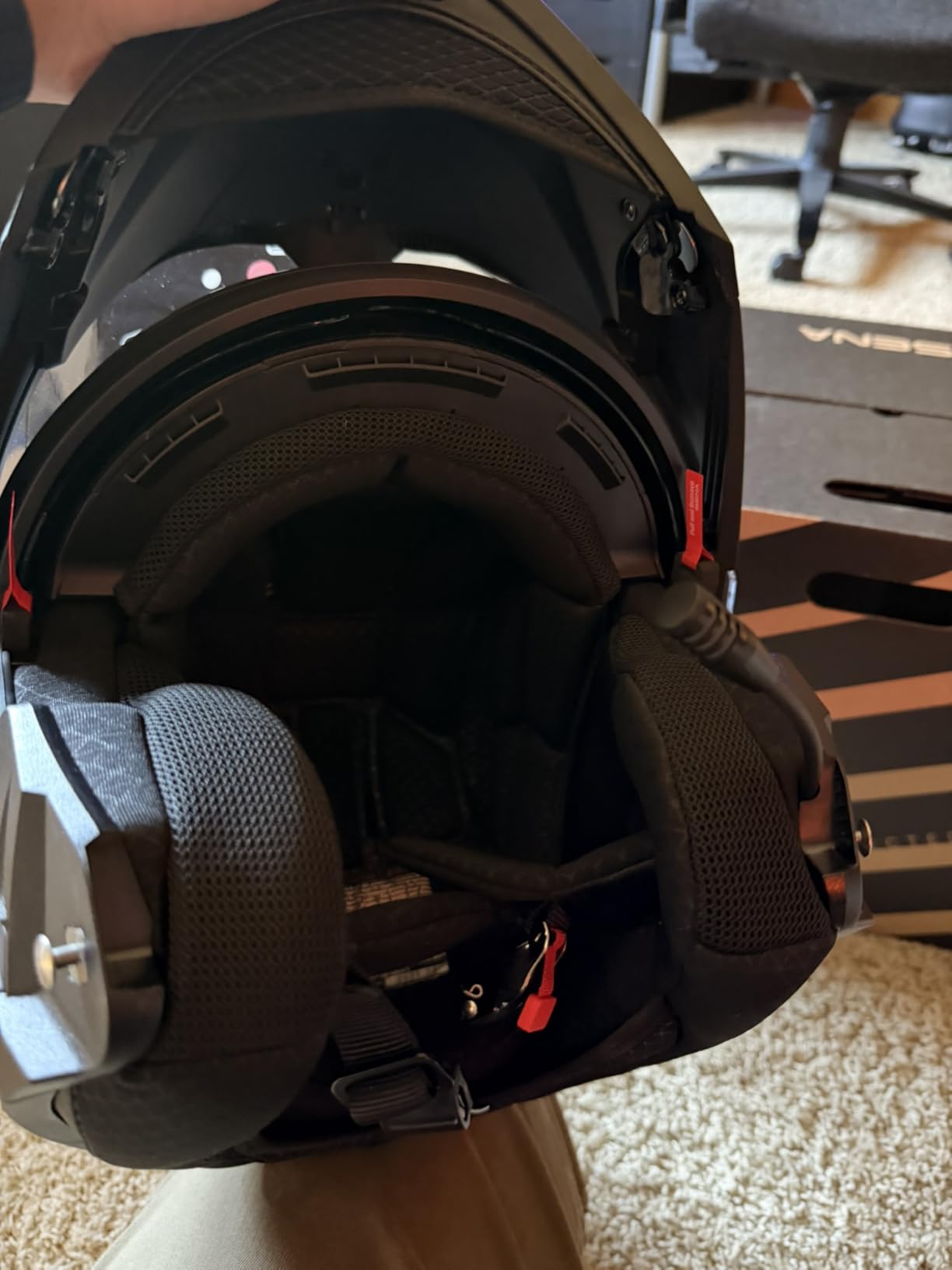
P/J dual homologation means it is certified to be ridden with the chin bar up as well as down, which is useful for mixed riding. Second generation high definition speakers are tuned for music rather than only radio calls, and an accelerometer-based power management system switches the unit off rather than letting it go flat in storage.
Why group riders pick it
Mesh networking is the practical difference. Group riders can drop out of range and rejoin without re-pairing, and cross-brand WAVE links mean a mixed group of helmet brands can still talk. Sizes run from Small through XX-Large on an oval shape.
Where the compromise sits
This helmet has the lowest average rating in our group, with a higher share of critical reviews than the rest. Electronics and a polycarbonate shell together make it heavier than a plain modular, and the chin strap closure is a step below a ratchet. If your priority is the ride rather than the conversation, buy the helmet first and add comms later.
10. LS2 Strobe II Modular Helmet – Rotational Protection and Quick Release
LS2 Helmets Strobe II Modular Motorcycle Helmet W/SunShield (Gloss White – Large)
Shell: kinetic polymer alloy
Cert: DOT FMVSS 218 and ECE 22.06 AREM
Quick release chin strap
Pinlock-ready shield
Pros
- LS2 AREM rotational energy management shell
- Quick release chin strap is easy with gloves
- Built-in drop-down sun shield
- Roomy interior that fits glasses well
- Wide size range including very small and very large
Cons
- Sizing runs tight in some size runs
- Airflow is only fair with ports fully open
- Limited colour and internal shade choices in the US
- Pinlock sold separately
The Strobe II stands out for one technical reason: its kinetic polymer alloy shell is engineered for rotational energy management under ECE 22.06 requirements, which is a different protection goal from the straight-impact test most budget helmets focus on. Owners also like the quick release chin strap.
The chin bar mechanism locks positively in both the up and down positions with no rattling, and the chin window vent gives more airflow than the port openings on many similarly priced lids. A r/ElectricScooters budget thread recommended this helmet alongside another entry pick for riders trying to spend as little as possible.

Why it suits mixed riding
Speaker pockets are designed into the liner so a Bluetooth unit installs without fuss, and the roomy interior accommodates glasses without pinching the temples. A broad size range helps riders who struggle to find XXL helmets in the budget tier, which is a real and repeated problem.
What to look out for
Sizing is inconsistent between size runs, so ordering two and returning one is a common tactic. Airflow is fair rather than good even with the ports fully open. The US colour and internal sun shade selection is narrow compared with the European range, and the Pinlock insert is sold separately.
11. Orthrus Dobermann Modular Helmet – Best for Night Visibility
Orthrus Modular Motorcycle Helmet w/ LED Lights, Full Face Helmet for Adult
Weight: 2.34 kg
Shell: ABS with EPS
Cert: DOT approved
Sizes S to XXL, 21.5 to 25.25 in
Pros
- Integrated LED rear light with three flashing modes
- Custom paint schemes
- One-click switch between full-face and open-face
- Easy third-party Bluetooth fit in the ear pockets
- Chin bar locks securely and stays put when raised
Cons
- Inconsistent sizing reported from very tight to oversized
- Visor optics are weak and can irritate eyes
- Visor fogs in cold wind
- Average noise level
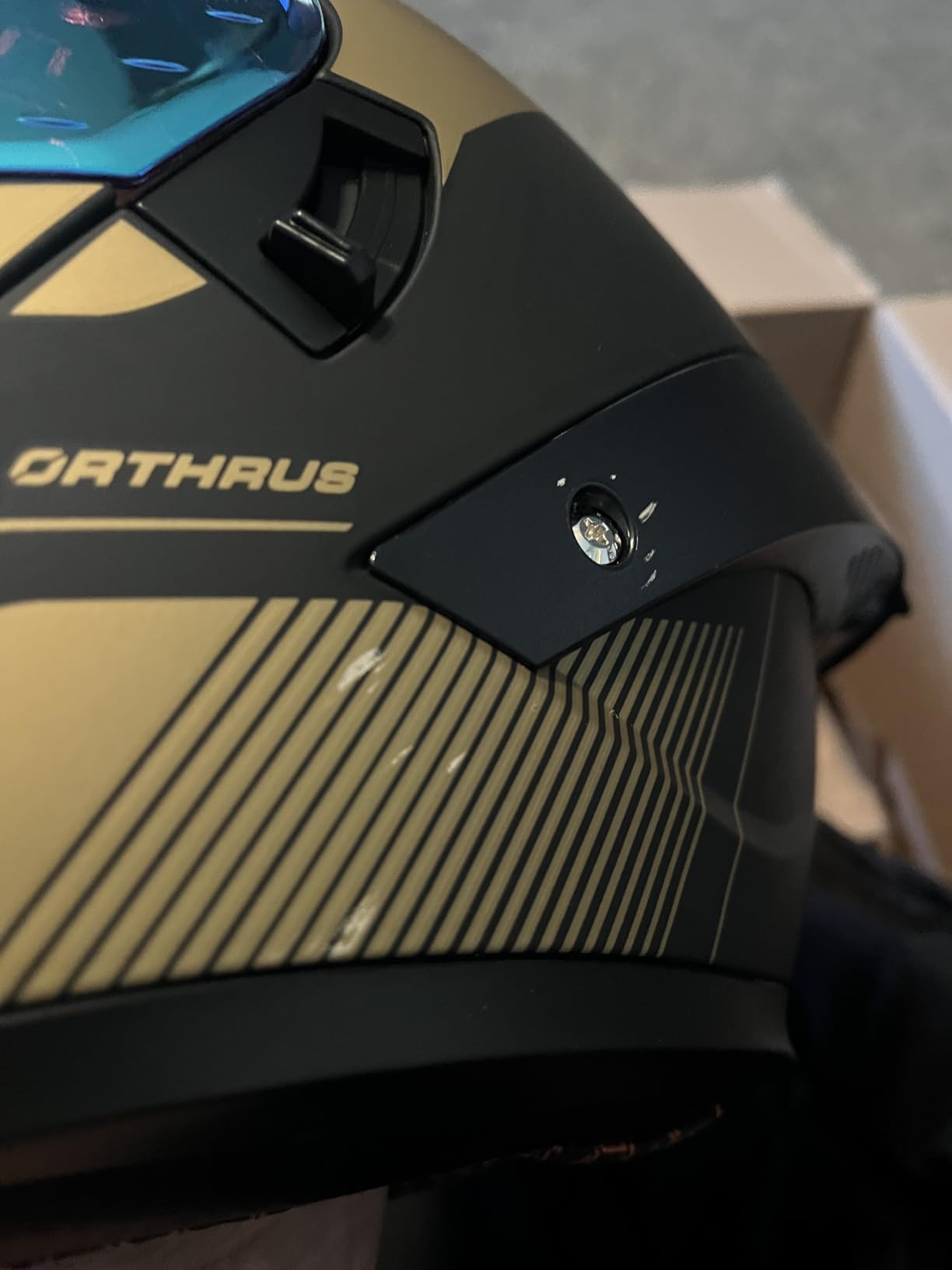
The Dobermann is the only helmet here with lighting built into the shell. An integrated LED with three flashing modes improves how visible you are from behind at night, and the custom paint schemes make it easy to spot your own bike in a row of machines.
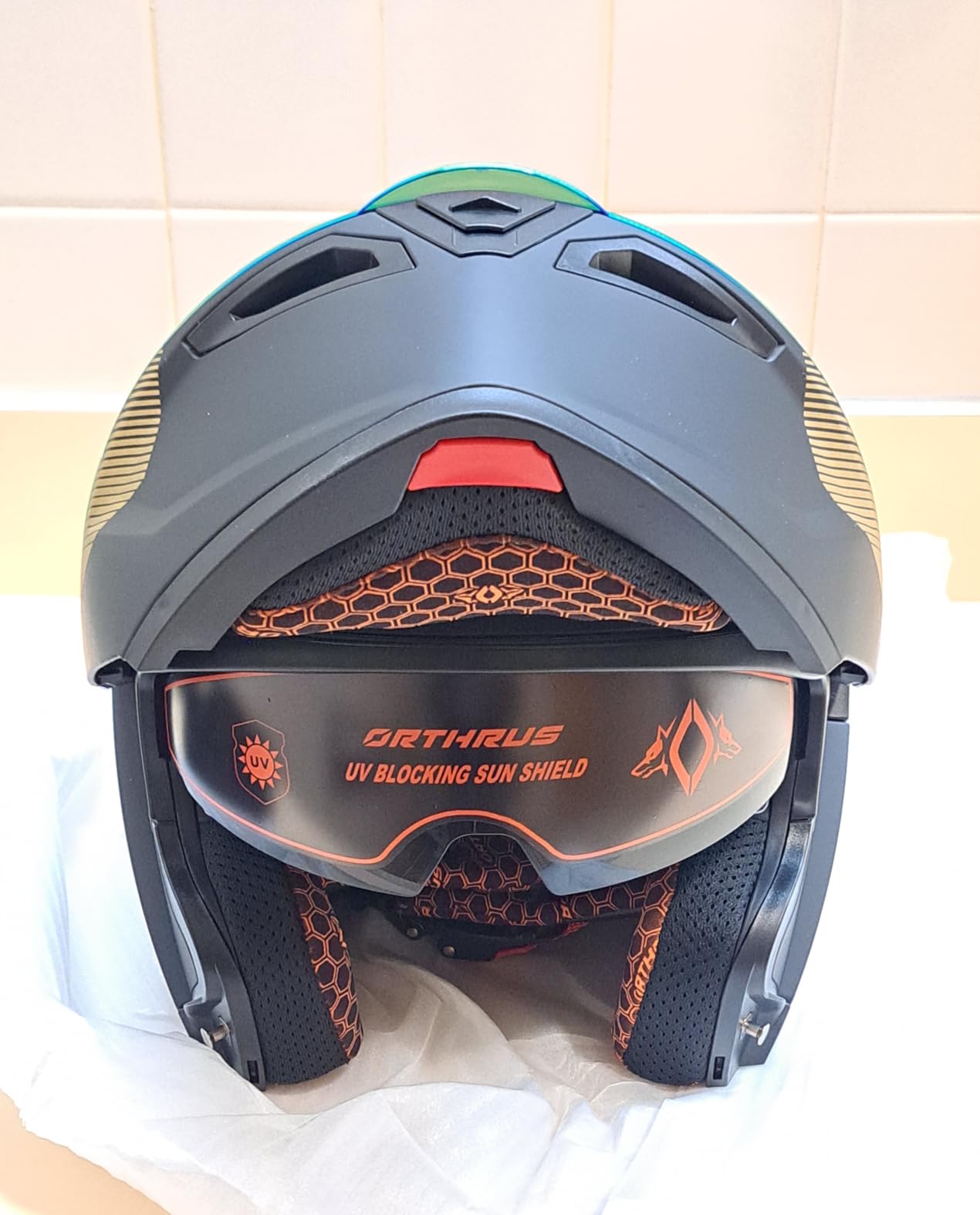
The one-click conversion between full-face and open-face modes works smoothly, and owners report the chin bar locks securely and stays put when raised. Bluetooth speaker pockets take a standard third-party unit, and the hypoallergenic liner is removable and washable.
Why riders pick it
Night riders and anyone who parks on unlit streets get the clearest benefit from the LED. The helmet also works for ATVs, quads, snowmobiles, mopeds and scooters, which widens it beyond tarmac use for owners with more than one machine.
What the ratings split over
Sizing is inconsistent across batches, with owners reporting everything from very tight to oversized on the same size label. The tinted and outer visors have weak optical quality that causes eye irritation for some, and the visor fogs in cold wind. Noise is average, and there is one rare but serious report of a helmet arriving unprotected in the box, so inspect it on delivery.
12. ILM 902 Dual Visor Modular Helmet – Longest Warranty Coverage Here
ILM Motorcycle Dual Visor Flip up Modular Full Face Helmet DOT with 6 Colors Model 902 (L, Matte Black)
Weight: 2.31 kg
Shell: ABS
Cert: FMVSS-218 and DOT
Oval shape
Five year manufacturer warranty
Pros
- Five year manufacturer warranty
- ABS shell with micrometrically adjustable strap
- Removable washable liner and cheek pads
- Dual anti-scratch anti-fog clear visor
- Six vents and a storage bag included
Cons
- ABS shell is heavier than composite constructions
- Thinner long-term review record than most picks here
- Basic feature set with no Pinlock or Bluetooth integration
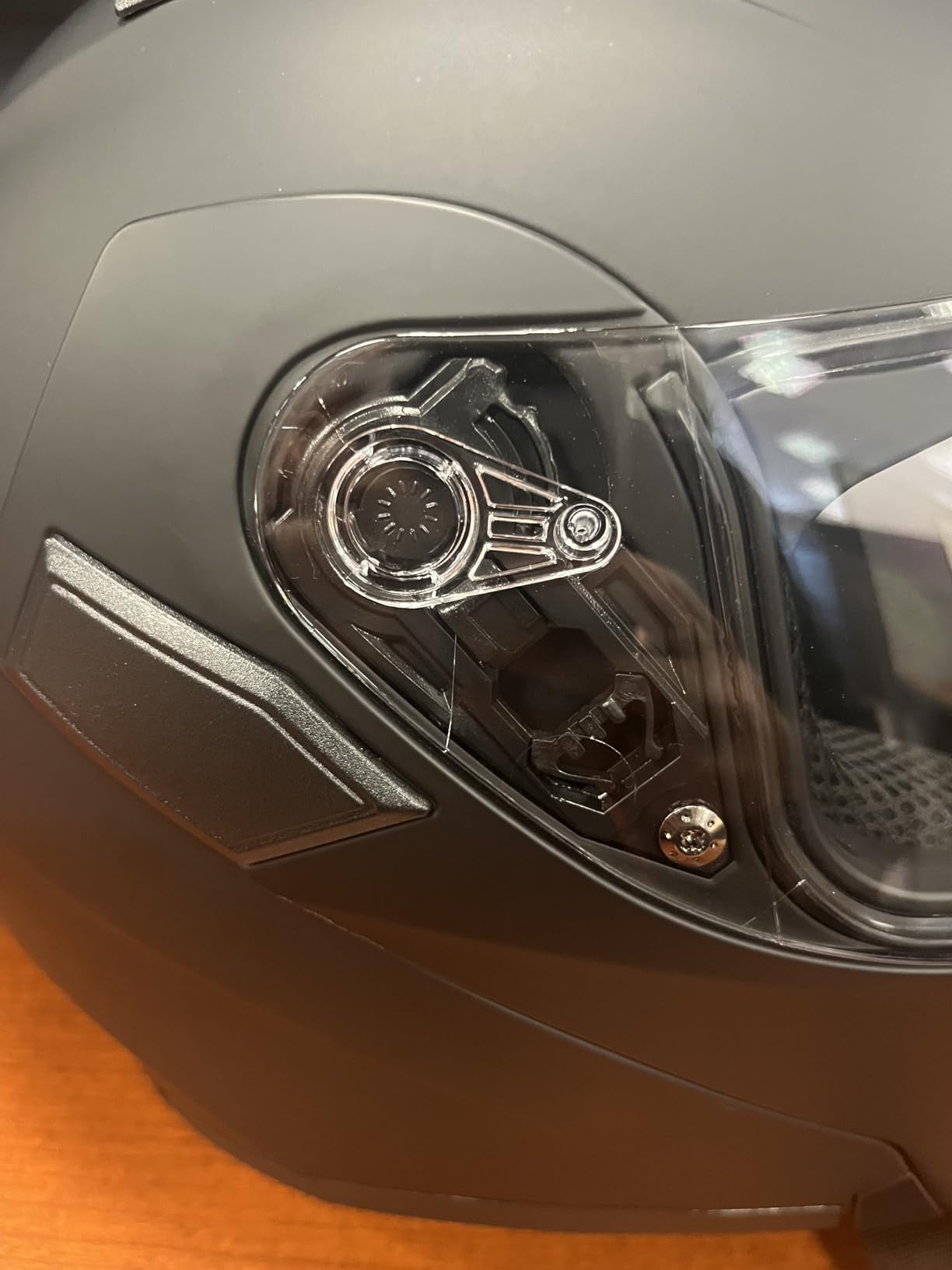
The ILM 902 is the pick if warranty length matters to you. A five year manufacturer warranty is longer than anything else in this roundup, which is meaningful on a helmet you expect to replace only every few years.
Six vents give more airflow openings than most shells this size, and the dual visor pairs an anti-scratch, anti-fog wide-view clear shield with an internal sun shield. The micrometrically adjustable strap system lets you tune the retention precisely rather than relying on a ratchet at one of a few set positions.
Why the warranty is the story
Helmets are consumables with a replacement cycle, and a long warranty reduces the risk of paying twice for the same seat. Owners rate the build quality, strap adjustability and visor clarity highly, with roughly three-quarters five-star feedback in the reviews.
What you give up
An ABS shell is heavier and less refined than the fiber and carbon constructions higher up this list, and it does more to transmit noise. There is no Pinlock provision and no speaker pocket, so fogging and comms both need aftermarket solutions. The review base is also the second thinnest here, so long-term data is limited.
Wind Noise: Which Modular Helmets Are Quietest in 2026
The quietest modular helmets in 2026 on our shortlist are the Shoei Neotec II and the LS2 Advant X Carbon, with the ScorpionEXO GT930 close behind when its aero skirt is fitted. Manufacturers do not publish decibel ratings for helmets, so anyone claiming a specific number is guessing; we rank on owner reports instead, which is also how riders debate it.
Noise in a modular comes from three places. The gap around the chin bar leaks airflow and can whistle, the visor seal leaks at the sides, and the shell itself transmits what gets past those seals. A chin curtain is the single most effective hardware fix, which is exactly why the GT930 ships with an aero skirt as standard.
Two changes fix most of the rest. Fitting the correct Pinlock insert removes fogging, and fogged visors are often blamed for noise that is really visibility strain. Wearing foam or silicone ear plugs, which forum riders treat as the default upgrade rather than an accessory, takes the last of the pressure off the eardrum at highway speed.
Our budget and mid-tier picks are all noticeably louder than the top two, and the cheapest shells in this list transmit the most. That pattern matches what owners report, and it is worth remembering that wind noise depends on your bike fairing, your posture and your speed as much as on the helmet.
What to Look For in a Modular Helmet in 2026
Look for seven things in this order: certification, fit and head shape, shell material, the visor and sun visor arrangement, anti-fog provision, communications readiness, and the retention system. Certification is the first filter because it cannot be negotiated, and fit is the second because no amount of specification rescues a helmet that sits wrong on your head.
Certification: DOT FMVSS 218 vs ECE 22.06 vs P and J
DOT FMVSS 218 is the US standard and appears on every helmet here. ECE 22.06 is the European standard and includes rotational impact testing, so helmets carrying it, like the Advant X Carbon and the Strobe II, cover a different failure mode than a straight-impact test alone. P and J dual homologation means the helmet is certified both as an open-face helmet with the chin bar raised and as a full-face helmet with it down.
Head shape and fit: round, oval and intermediate oval
Head shape matters more on a modular than a full-face because the rotating chin bar changes how the sides of the shell sit. The YEMA 926 is listed as round, the ILM 902 and Neotec II as oval, and most others fall somewhere in between. Riders with a genuinely long oval head often find intermediate oval shapes pinch at the temples, while round heads can leave an oblong shell loose at the sides.
Because of that, try a modular on before you buy rather than trusting a size chart, and wear the liner thickness you would use on a hot day. Our guide to protective gear on a budget applies the same try-before-you-buy logic to another category where fit matters just as much.
Shell material and neck fatigue
Shell material drives weight, quietness and price together. ABS is the cheapest and heaviest option and covers the bottom of this roundup. Polycarbonate sits in the middle, fiberglass composite like the Neotec II’s AIM shell reduces both weight and noise, and carbon fiber is the lightest with the highest price. Rotational energy management, whether in kinetic polymer alloy or carbon, addresses oblique impacts in a way basic ABS does not.
Pinlock-ready vs Pinlock included
Pinlock-ready means the shield has pins and channels for an anti-fog insert, which you then buy separately. Pinlock included means the insert is in the box. Three helmets here ship with the lens already fitted, including the Neotec II and the Advant X Carbon, and that is a real saving on a purchase you will otherwise make within a year.
Modular vs full-face: the safety trade-off
A modular helmet in the closed position gives close to full-face protection, and the gap only appears if the chin bar is riding unlatched or the hinge pins fail in a hard impact. That is why the rule is absolute: the bar must be fully clicked down and the strap secured before every ride, no exceptions for short trips. Riders who prioritise absolute quietness, minimum weight and maximum chin coverage should still choose a full-face helmet, as our comparison of the alternatives covers for other gear categories.
Bluetooth ready vs Bluetooth integrated
Ready means speaker pockets are cut into the liner and you buy a separate unit, which keeps the helmet lighter and lets you upgrade or swap systems. Integrated means the electronics are built in, which removes mounting work and gives you a cleaner install but adds weight and ties the comms system to that helmet. Integrated options here are the FreedConn BM2-S and the Sena OUTRUSH 2; the C91, the Dobermann and the GT930 have pockets for a system you add later.
The 222 rule: when to replace your helmet
The 222 rule is a widely used shorthand for helmet replacement timing, and it is worth knowing even though it is not a standard. Replace your helmet two years after the first time it was worn, or after two years of heavy use regardless of the calendar, or immediately after any impact, whichever comes first. The reasoning is that the EPS liner degrades with repeated compression even when it looks fine, and a helmet that has taken a hit has absorbed energy it can never give back.
Pre-ride chin bar and hinge pin check
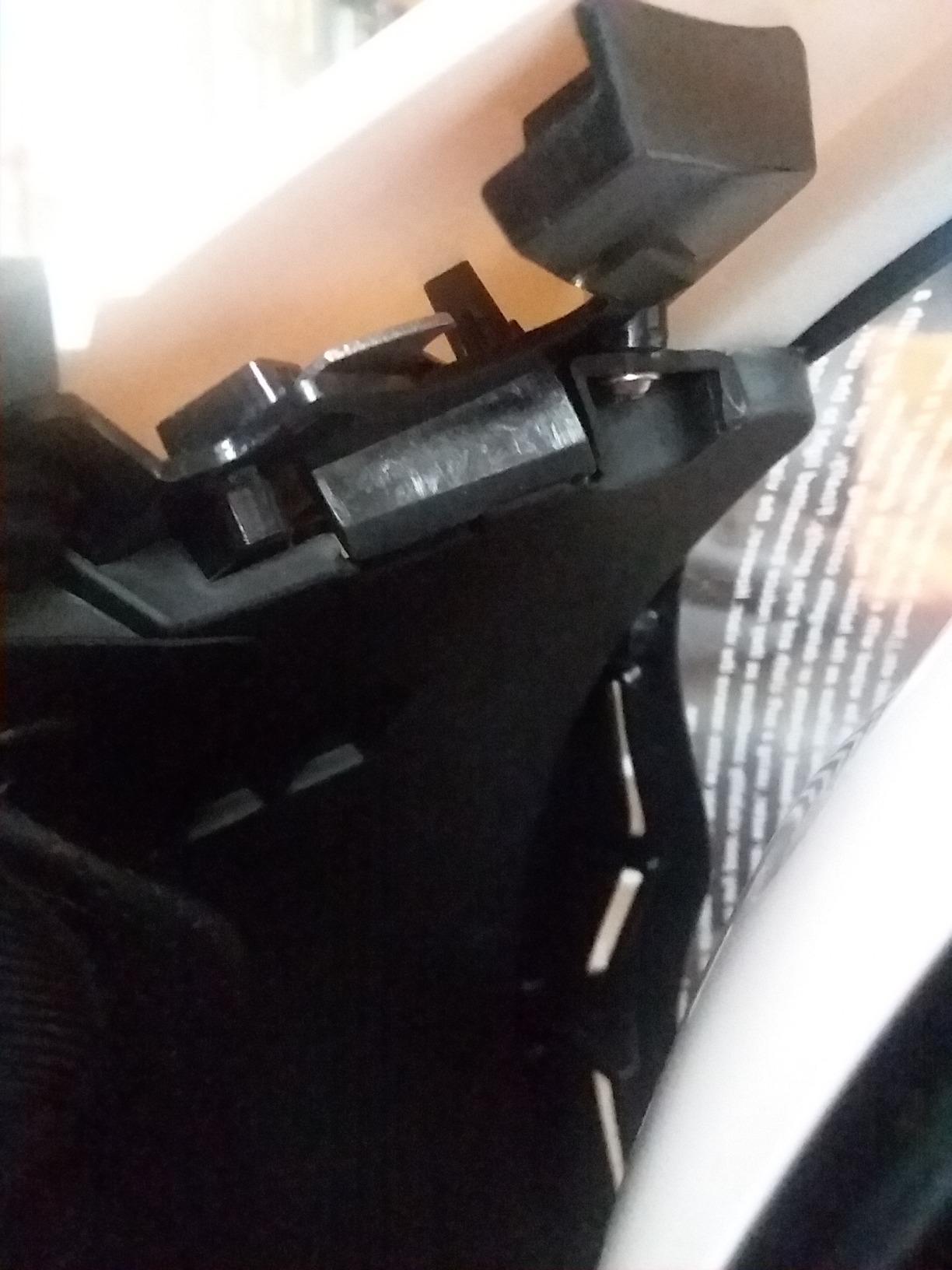
Before every ride, lift and lower the chin bar and confirm it locks with an audible click, run the visor fully up and down to check the detent, and pull both strap adjusters to confirm tension. Look along the hinge line for any play or a hinge pin that sits proud of its mount, and check that the visor release tab is not worn smooth. A mechanism that has become stiff is a service item, not a rider habit to live with.
Frequently Asked Questions
Which modular helmet is the best?
The best modular motorcycle helmet depends on how you ride. The Shoei Neotec II is our top pick for long-distance riders because of its quiet ride, light AIM shell and included Pinlock lens. Commuters should look at the HJC C91, group riders at the Sena OUTRUSH 2, and first-time buyers at the 1Storm HB89, which has the largest review base in its price range.
Is a modular helmet worth it?
A modular helmet is worth it if you eat, drink, talk to your riding group or ride in mixed weather, because it gives you that convenience without removing the helmet. It is less worth it if you never use the chin bar, because you then carry the extra weight and wind noise of a hinge for nothing. The bar must be latched before every ride, without exception.
Who makes the quietest modular motorcycle helmet?
On this shortlist the Shoei Neotec II and LS2 Advant X Carbon are the quietest, with the ScorpionEXO GT930 close behind when its aero skirt is fitted. Manufacturers do not publish decibel figures for helmets, so these rankings come from owner reports rather than lab data. Adding a correctly fitted Pinlock insert and wearing ear plugs closes most of the remaining gap.
Which modular helmet is the lightest?
The LS2 Advant X Carbon is the lightest shell in this group, with a full 9K carbon fiber shell and carbon chin bar listed at 1470g by the manufacturer, and carbon is the material that most reduces neck fatigue on long days. The BELL SRT-Modular is listed at 3.3 pounds and the HJC C91 at 3.5 pounds. Published weights vary, so try each helmet on for a full day before committing.
What is the 222 rule for helmets?
The 222 rule is a replacement guideline meaning replace your helmet two years after you first wear it, or after two years of heavy use even if it looks new, or immediately following any impact, whichever happens first. The point is that the EPS liner compresses permanently with use and cannot be trusted after it has absorbed a crash, even when the shell looks undamaged.
Are modular helmets safe?
Yes, a modular helmet worn with the chin bar fully latched and the strap secured gives close to full-face protection. The protection gap only appears when the bar is left raised or unlatched, or when the hinge pins fail in a hard impact. Choose a helmet with EPS energy-absorbing material and, if you ride abroad, ECE 22.06 or P and J dual homologation.
Which Modular Helmet Should You Buy?
Start with the Shoei Neotec II if you ride long distances and want the quietest, lightest-feeling lid we tested, or the HJC C91 if your week is mostly commuting and you want a Pinlock-ready shield and speaker pockets already fitted. Riders on a strict budget should take the 1Storm HB89, which has by far the largest body of owner feedback, and group riders who ride long should look at the Sena OUTRUSH 2 or the LS2 Advant X Carbon. Whatever you choose from these best modular motorcycle helmets in 2026, try it on with your normal liner, check the chin bar locks properly, and replace it on the 222 timeline rather than when it looks tired.