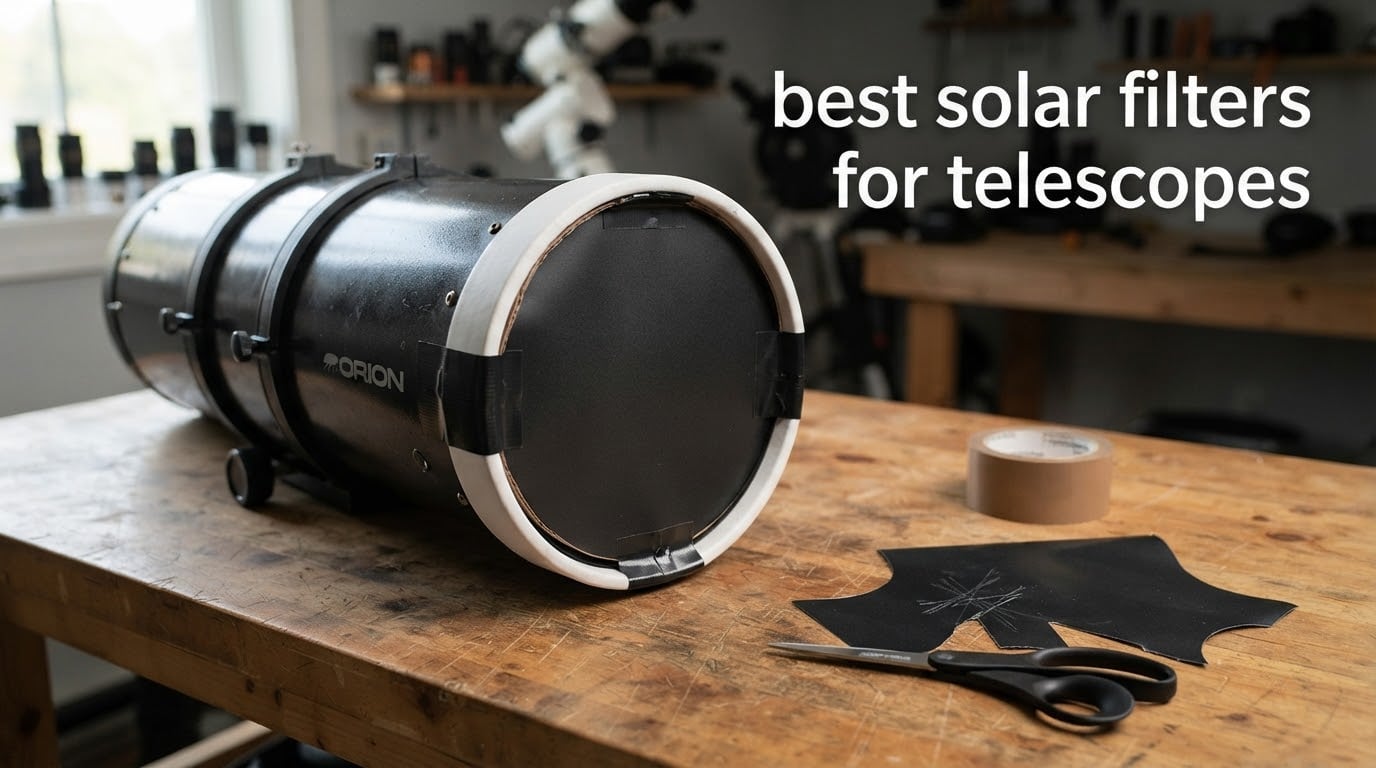
Pointing a telescope at the Sun without a certified filter will damage your eyes in a fraction of a second. The Sun’s surface is bright enough that an unfiltered instrument concentrates enough energy to destroy retinal tissue before you can blink, and repeated small exposures cause damage that may not show up until much later. That is why the only safe way to use one of the best solar filters for telescopes is over the full front aperture, before any sunlight enters the tube.
I have assembled these picks after comparing every solar filter format we could find: bare polymer sheets you cut yourself, pre-mounted cells with screw or strap retention, adjustable universal caps, and rigid threaded filters for small refractors. The category splits less by price than by fit, because the single question that decides whether a filter works for you is how wide your telescope’s front cell or dew shield actually is.
One warning before we get into the list. Solar eclipse glasses, camera filters, sunglasses and ordinary photographic film are all rated for looking at the Sun directly with the naked eye, and every one of them is unsafe in a telescope. A telescope concentrates sunlight far beyond what any of those products were tested for, which is why the filters below are rated to the ISO 12312-2 standard for direct solar viewing. Updated for 2026, this roundup covers eight options across every common aperture, with the material, tone and mounting method spelled out for each.
If you are still working out what you own, the fit table further down maps dew shield diameters to filter sizes, which is the question that comes up most often on astronomy forums. If you already know your aperture, jump straight to the reviews.
Table of Contents
- Top 3 Solar Filter Picks for Telescopes in 2026
- All 8 Best Solar Filters for Telescopes (October 2026)
- 1. Thousand Oaks 6×6 Solar Filter Sheet – Best Overall for Most Telescopes
- 2. Celestron EclipSmart 8 inch Solar Filter for 8 inch Schmidt-Cassegrains
- 3. Thousand Oaks 8×8 Solar Filter Sheet – Best for Large Apertures
- 4. Celestron EclipSmart Universal Solar Filter – Best Budget Ready-Made Pick
- 5. Thousand Oaks 4×4 Solar Filter Sheet – Best for Small Refractors
- 6. Celestron EclipSmart Filter for 127mm and 130mm Reflectors
- 7. Astromania Deluxe 100mm Filter Cap – Best for a Neutral White-Light Image
- 8. Rainbow Symphony 60mm Solar Filter – Best for 60mm Tubes and Threaded Lenses
- How to Tell If a Solar Filter Is Safe Before You Use It
- What Size Solar Filter Do You Need?
- Film or Glass: Which Solar Filter Material Should You Buy?
- Solar Filters vs Moon, H-Alpha and Light-Pollution Filters
- Can You Make Your Own Solar Filter?
- Frequently Asked Questions
- Conclusion
Top 3 Solar Filter Picks for Telescopes in 2026

Thousand Oaks 6×6 Solar…
- Cut-to-size polymer sheet
- Covers apertures up to 6 inch
- Natural orange solar image

Celestron EclipSmart 8…
- Pre-mounted 8 inch cell
- ISO 12312-2 compliant film
- Hook and loop straps
Thousand Oaks 4×4 Solar…
- Ideal for 60-90mm scopes
- Largest review base at 1370
- Easy to trim for DIY cells
All 8 Best Solar Filters for Telescopes (October 2026)
| Product | Specs | Action |
|---|---|---|
| Thousand Oaks 6×6 Solar Filter Sheet |
|
Check Latest Price |
| Celestron EclipSmart 8 inch SCT Filter |
|
Check Latest Price |
 Thousand Oaks 8×8 Solar Filter Sheet Thousand Oaks 8×8 Solar Filter Sheet |
|
Check Latest Price |
 Celestron EclipSmart Universal Filter Celestron EclipSmart Universal Filter |
|
Check Latest Price |
| Thousand Oaks 4×4 Solar Filter Sheet |
|
Check Latest Price |
 Celestron EclipSmart 127mm and 130mm Celestron EclipSmart 127mm and 130mm |
|
Check Latest Price |
 Astromania Deluxe 100mm Filter Cap Astromania Deluxe 100mm Filter Cap |
|
Check Latest Price |
 Rainbow Symphony 60mm Solar Filter Rainbow Symphony 60mm Solar Filter |
|
Check Latest Price |
1. Thousand Oaks 6×6 Solar Filter Sheet – Best Overall for Most Telescopes
Thousand Oaks Optical 6″x6″ Solar Filter Sheet for Telescopes, Binoculars and Cameras
6x6 inch black polymer sheet
Covers any aperture up to 6 inch
Natural orange solar image
Pros
- Uniform optical quality with no visible pinholes reported
- Sun renders in a natural orange tone
- Easy to cut and adapt to homemade filter mounts
- Covers telescopes
- binoculars and camera lenses
Cons
- Very thin film that scratches easily if rubbed against clothing or tools
- Needs a separately made mount and secure taping
- Some users report it is darker than expected in low-power binoculars
This is the sheet I keep coming back to. It is a 6 inch by 6 inch square of black polymer filter material from Thousand Oaks Optical, a manufacturer that has been making solar filters out of Arizona for more than three decades. The sheet covers any telescope, pair of binoculars or camera lens with an aperture up to six inches, and because it is flat material rather than a finished part, one purchase can serve several instruments.
What convinced me was the consistency of the review base. Across 1097 ratings it holds a 4.6 average, and the recurring theme in owner feedback is an even sheet with no pinholes found, plus a Sun that renders in a natural orange rather than a washed-out white. Experienced users on CloudyNights, the forum that ranks second for this whole topic, specifically recommend mounting this kind of material in an existing filter cell rather than relying on a homemade frame.
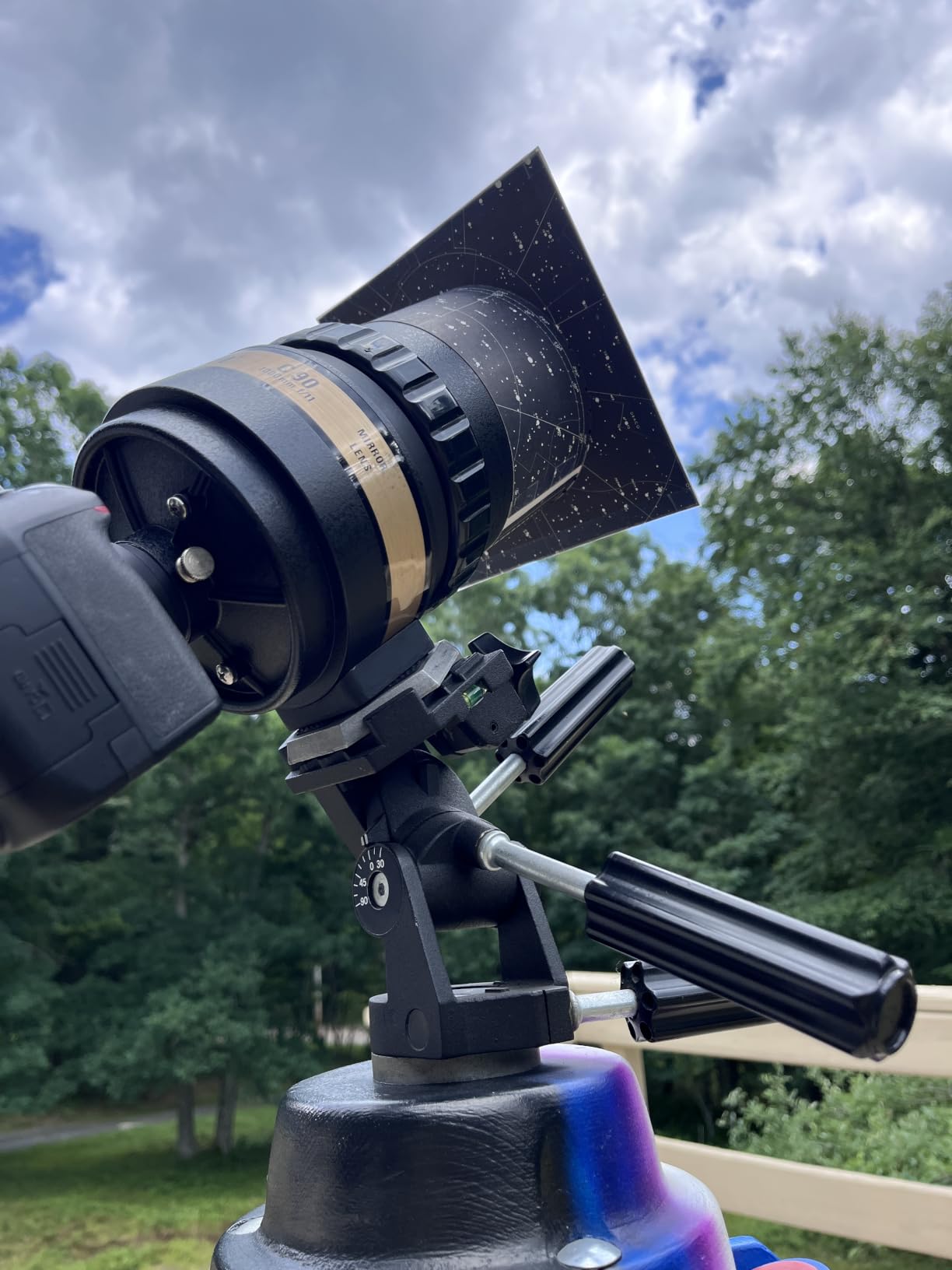
The catch is that this is raw material, not a product you can put on a telescope in thirty seconds. You need to cut it to size, seat it in a rigid cell, and secure that cell to the front of the tube with tape or screws. The manufacturer is blunt about this in the listing itself, warning that you must make sure the filter is well attached using sticky tape so it cannot fall while observing, and experienced observers on StargazersLounge repeat the same point about front-mounted full-aperture film.
The film is thin and it will scratch if you brush it against clothing or set it on a rough bench, so treat it like a piece of negatives film rather than a glass plate. A minority of binocular users also find the view darker than expected at low magnification, which matters more if your plan is to use it on 10×50 glass than on a telescope.
Why it suits most beginners
You get one sheet that adapts to whatever you own now and whatever you buy next, which removes the guesswork that trips up first-time buyers. Forums are full of people asking how to tell which filter fits their tube, and a 6 inch square covers the overwhelming majority of amateur apertures, from a 60mm refractor to a 150mm Dobsonian front cell, once cut down.
It is also the easiest option to inspect before every session. Hold it up to a bright lamp, look for pinholes, and run a fingertip very lightly across the surface to feel for scratches, then check the cut edge for light gaps. That whole routine takes under a minute and it catches the failure modes that actually cause problems.
Where it falls short
If you want something you can clamp onto a tube and leave there for years without thinking about it, this is the wrong product. The mounting is your responsibility, and a badly taped cell that shifts in the breeze is a genuine safety problem, not just an annoyance.
It is also not the choice for a large-aperture Dobsonian or an 11 inch or 12.5 inch tube, where the 6 inch sheet is simply too small to cover the opening safely. Step up to the 8 by 8 inch sheet further down, or to a pre-mounted cell cut for that size.
2. Celestron EclipSmart 8 inch Solar Filter for 8 inch Schmidt-Cassegrains
Celestron EclipSmart 8″ Solar Safe Eclipse Telescope Filter – ISO Compliant
Pre-mounted 8 inch filter cell
ISO 12312-2:2015(E) compliant film
Hook and loop straps
Pros
- Secure hook-and-loop attachment keeps the filter firmly on the objective
- Orange tint gives a natural high-contrast view of sunspots
- Solar film made in the USA and independently tested by a third-party lab
- Protective cap and two-year warranty
Cons
- Only fits 8 inch Schmidt-Cassegrain and EdgeHD tubes
- Hook-and-loop straps can lose grip with repeated use
- Small effective aperture makes the Sun harder to locate and hold in view
If you own an 8 inch Celestron Schmidt-Cassegrain or EdgeHD, this is the straightforward choice because it arrives as a complete part rather than a sheet and a project. The filter conforms to the ISO 12312-2:2015(E) international standard for filters used to view the Sun directly, and the film is produced in the USA by American Paper Optics and independently tested by a third-party lab.
Retention is handled by two hook-and-loop straps that hold the cell against the objective. That is a real improvement on tape for a heavy tube, and it is a system you can check in a second before you put your eye to the eyepiece. A two-year US warranty comes with it, along with unlimited support, which matters if the film tears during your first eclipse trip.
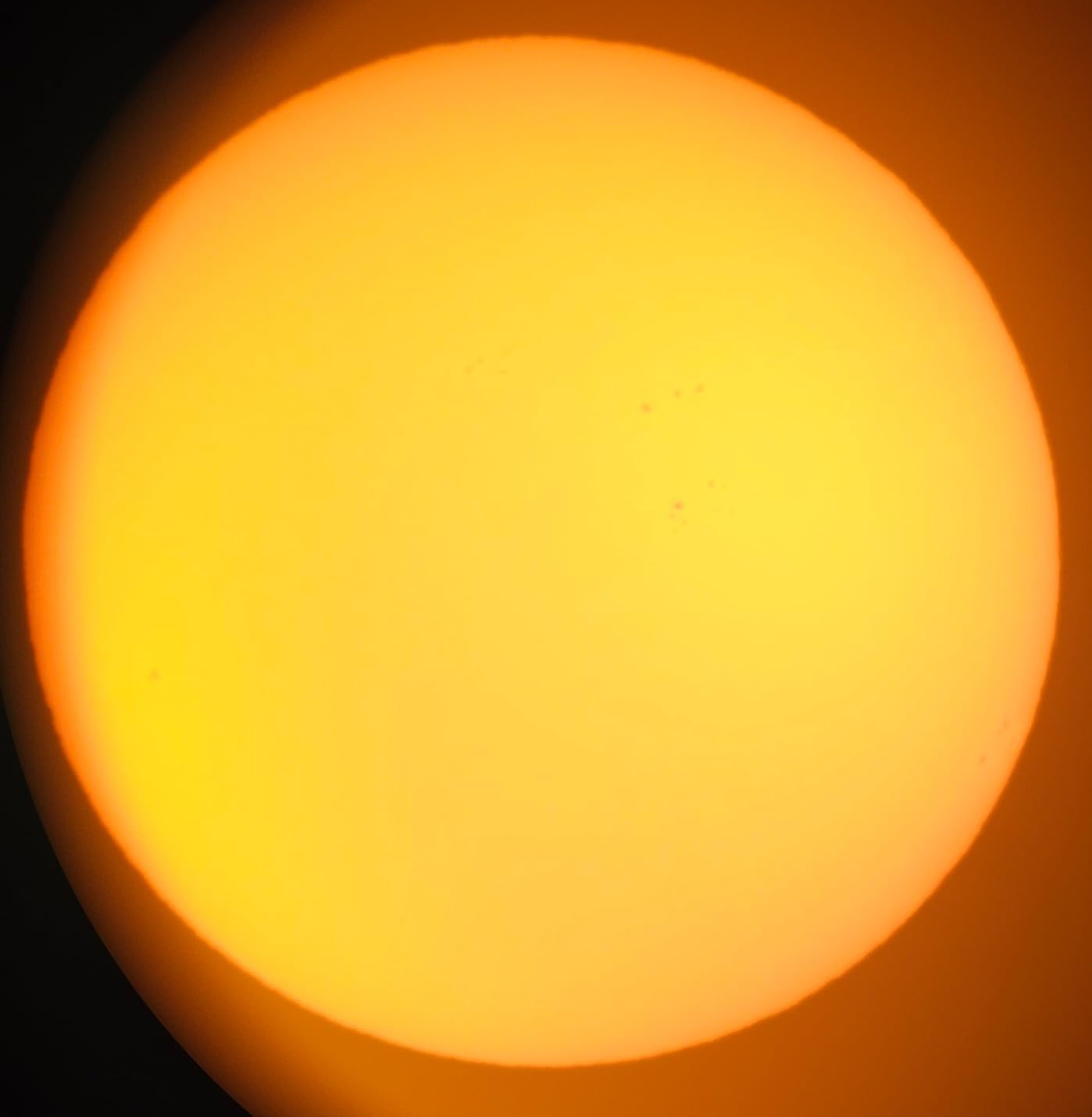
Across 597 ratings it sits at 4.5, and owner feedback is consistent: a snug, gap-free fit on matching tubes and clean natural orange views of the Sun and eclipse phases. Nobody in the reviews is describing a soft or colour-shifted image. If you also photograph the eclipse with a camera, the orange tint works in imaging as well as visual observing, which is more than many reviewers expected from a filter this easy to fit.
The complaint that shows up again and again is target acquisition. Because the cell leaves only a small central opening uncovered, the Sun is fiddly to find and easy to lose, particularly at low magnification on a long SCT. Some users work around this by masking the outer film to enlarge the opening, though that trades away some of the safe full-aperture coverage you paid for.
Why it suits Celestron SCT owners
This is a purpose-built part for one telescope family, and that specificity is the advantage. Nothing about the fit is guesswork, the retention is mechanical rather than improvised, and the film is certified for the exact job you are doing. For anyone with an 8 inch SCT whose main event is an eclipse morning, it removes every decision between the front of the tube and the eyepiece.
It is also the pick for families, because a filter that stays attached between sessions is far harder to misplace than a loose sheet. Leave it on the objective with the cap fitted, check it each time, and the whole family can observe without anyone improvising a mount.
Where it falls short
If your telescope is not an 8 inch Celestron Schmidt-Cassegrain or EdgeHD, this is dead weight. Celestron sells model-specific versions for its other tubes, and the same brand logic applies to the other two EclipSmart picks in this list.
The small effective aperture is a genuine usability cost rather than a defect. On a wide-field SCT that behaves like a 400mm f/10 refractor, the Sun is small and the image is less forgiving than on a Newtonian. Expect to spend more time centring than you would on a Dobsonian with the same filter.
3. Thousand Oaks 8×8 Solar Filter Sheet – Best for Large Apertures
8″x8″ Solar Filter Sheet for Telescopes, Binoculars and Cameras
8x8 inch black polymer sheet
Large format for big apertures
Filtering protected inside the substrate
Pros
- Large enough sheet to cover big apertures and to cut down for smaller ones
- Consistent natural orange rendering of the Sun
- Lightweight and easily trimmed to fit filter rings or DIY cells
- Filtering properties embedded in the substrate rather than coated on
Cons
- Bare film needs a separate frame and secure attachment
- Thin film is vulnerable to scratches that degrade image quality
- Metallic side orientation is not obvious from the packaging
This is the 8 by 8 inch version of the same black polymer material, weighing just 1.6 ounces, and it exists for the people the 6 inch sheet cannot serve. An 8 inch Dobsonian, a 10 inch Newtonian, an 11 inch or 12.5 inch truss-frame tube, and most 150mm to 200mm aperture front cells all need a sheet this size or larger, and trying to cover them with a smaller square means a light gap.
One detail makes it stand out among the bare sheets. The manufacturer describes the filtering properties as protected within the substrate rather than coated on the surface, and gives them as stronger than Mylar with a five-year guarantee. In practice that means a scratch to the face is far less likely to be a scratch straight through the filter, which is exactly the failure mode that forces film replacements early.
Its 4.6 average across 947 ratings is backed by owner reports of a clean, evenly orange image of the Sun in both telescopes and long-lens camera work. The same people repeatedly raise the two things you already know about film: you need to build a mount, and you need to confirm which side faces the Sun. The metallic side is not labelled on the packaging, so check it in bright light before you commit it to a tube.
It also cuts down usefully. Buyers with a 6 inch or 8 inch front cell can trim a piece from the larger sheet, so if you own a big Dobsonian and a small refractor, one purchase covers both.
Why it suits large-aperture owners
Coverage is the whole argument. A front-aperture filter either covers the opening or it does not, and partial coverage is not a compromise, it is a hazard. Buying the sheet that matches your largest instrument removes the temptation to tape two smaller pieces together and hope.
It also suits the camera side of solar work. A telephoto lens pointed at the Sun needs the same optical density as a telescope, and mounting this over the front element of a long lens gives you eclipse and transit images without a separate solar imaging rig.
Where it falls short
If you want a finished part with nothing to build, this is the wrong product. The same mounting caveats apply as with the smaller sheet, and if you are squeamish about handling thin film with bare hands, pre-mounted options are kinder.
It is also more sheet than you need for a small scope, so a 70mm refractor owner will pay for material they will trim away. The 4 by 4 inch sheet covers those apertures directly, and cutting a corner off a large sheet is the only real argument in favour of buying the bigger one first.
4. Celestron EclipSmart Universal Solar Filter – Best Budget Ready-Made Pick
Celestron EclipSmart Universal Solar Filter for Telescopes
Adjusts for 75-100mm objectives
ISO 12312-2:2015(E) compliant film
Folds flat with elastic band
Pros
- Adjustable side panels accommodate a wide range of 75-100mm tubes
- Folds flat for easy storage in a carrying bag
- Works on telescopes
- spotting scopes and DSLR camera lenses alike
Cons
- Loose elastic-band retention compared with hook-and-loop or screw clamps
- Narrow fit range means it will not cover smaller or larger apertures
- Some users report fitting it to curved or non-cylindrical tubes is awkward
This is the folding universal option, and it is aimed squarely at the largest group of beginner telescopes on the market. It fits objective lenses with an outside diameter of 75mm to 100mm, which covers the Celestron PowerSeeker, Travel Scope, AstroMaster, StarSense Explorer LT 80, Regal M2 and TrailSeeker families, along with many competing scopes in the same size class.
You adjust the folding side panels to the diameter of your tube and stretch an elastic band around the assembly. It ships with a reusable storage bag and folds down to roughly 3 inches square, so it lives in the same case as the telescope instead of rattling loose in a drawer. The film also conforms to ISO 12312-2:2015(E) and is produced by American Paper Optics with independent third-party testing.
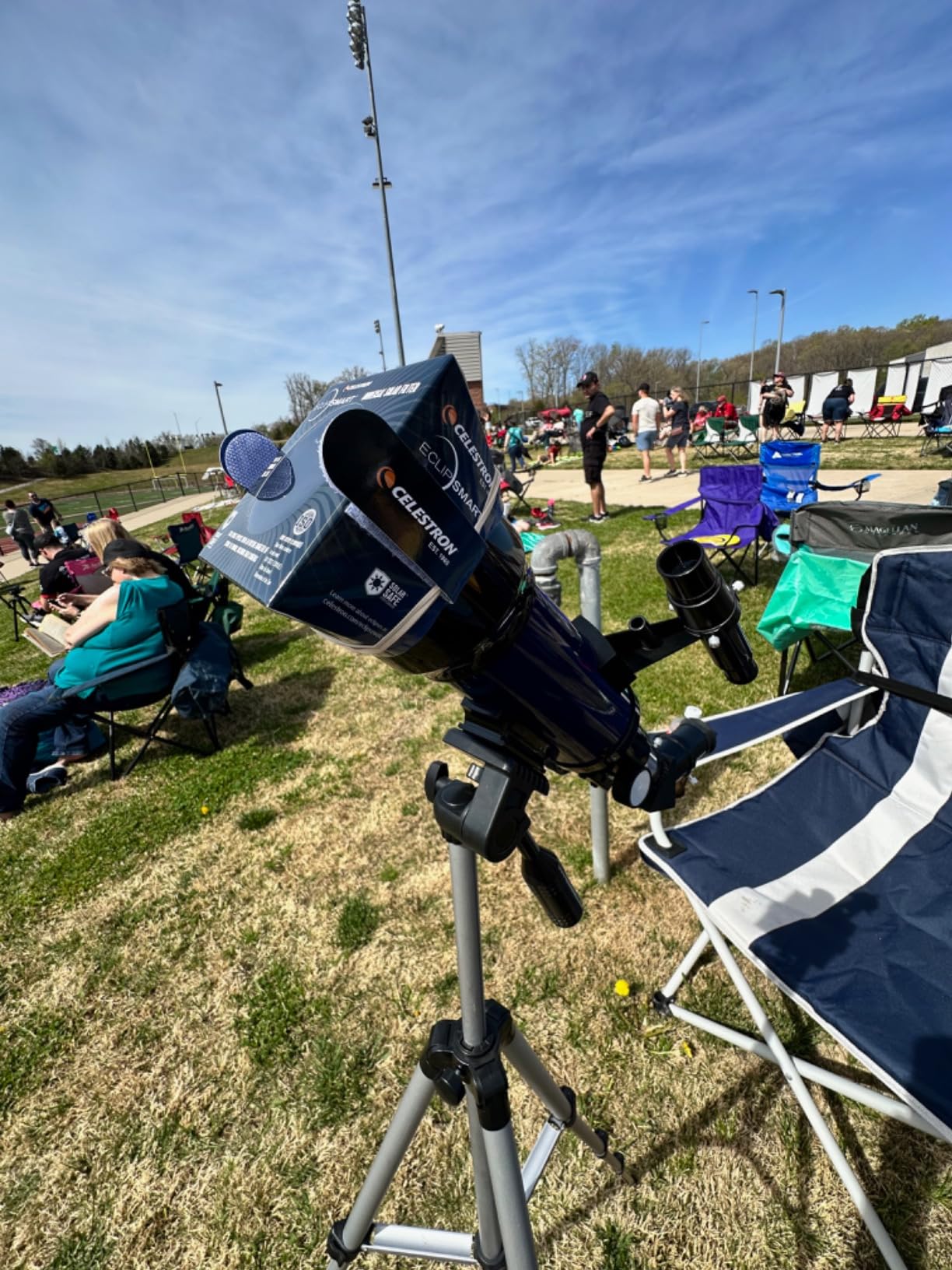
At 4.2 across 452 ratings, this is the lowest-rated Celestron in the list, and the reason is retention rather than optics. Owners like the flexibility of the folding design and the fact that one filter covers several instruments, but they describe the elastic band as loose next to hook-and-loop or screw clamps, and a few report that fitting it to a curved or non-cylindrical tube is awkward. Check the band every time before you look, and treat the outer edge as a pinch point.
The film also works on spotting scopes and DSLR camera lenses in that same diameter range, which turns it into a three-in-one tool for anyone who does solar work across several instruments. Image tone is a natural orange rather than the neutral white you get from some glass and metallised film products.
Why it suits beginners and portable kits
Nothing to build, nothing to cut, and no risk of mis-taping a cell in the dark before an eclipse. For a first solar purchase, the simplicity is worth more than the retention refinement, and the storage bag means the filter is not lost in a drawer for the three years between eclipse seasons.
It is the practical choice for a family that owns a small refractor, a spotting scope and a camera with a telephoto lens, all within the 75 to 100mm range. One filter covers all three, which is hard to argue with when it comes to grabbing gear at short notice for a transit.
Where it falls short
Measure before you buy. If your objective is outside 75 to 100mm, this will not stretch to fit and the panels will not extend to cover it, so you need a model-specific EclipSmart or a sheet cut to size instead.
Elastic retention is also the weakest of the retention methods in this roundup, and a crosswind can shift the whole assembly on a lightweight tube. If your observing site is exposed, the screw-clamped aluminium cap or a hook-and-loop cell is the safer build, even if it costs a little more to start.
5. Thousand Oaks 4×4 Solar Filter Sheet – Best for Small Refractors
4″x4″ Solar Filter Sheet for Telescopes, Binoculars and Cameras
4x4 inch black polymer sheet
Suits 60-90mm refractors
Natural orange solar image
Pros
- Clear sunspots and granulation once correctly mounted
- Easy to trim and fit into existing filter rings or homemade cells
- Consistent optical quality without pinholes across the sheet
- Works for both eclipse viewing and telephoto solar photography
Cons
- Sheets are fragile and scratch easily
- Some binocular users find it noticeably darker than expected at low magnification
- Requires a DIY mount with corners taped and no light gaps
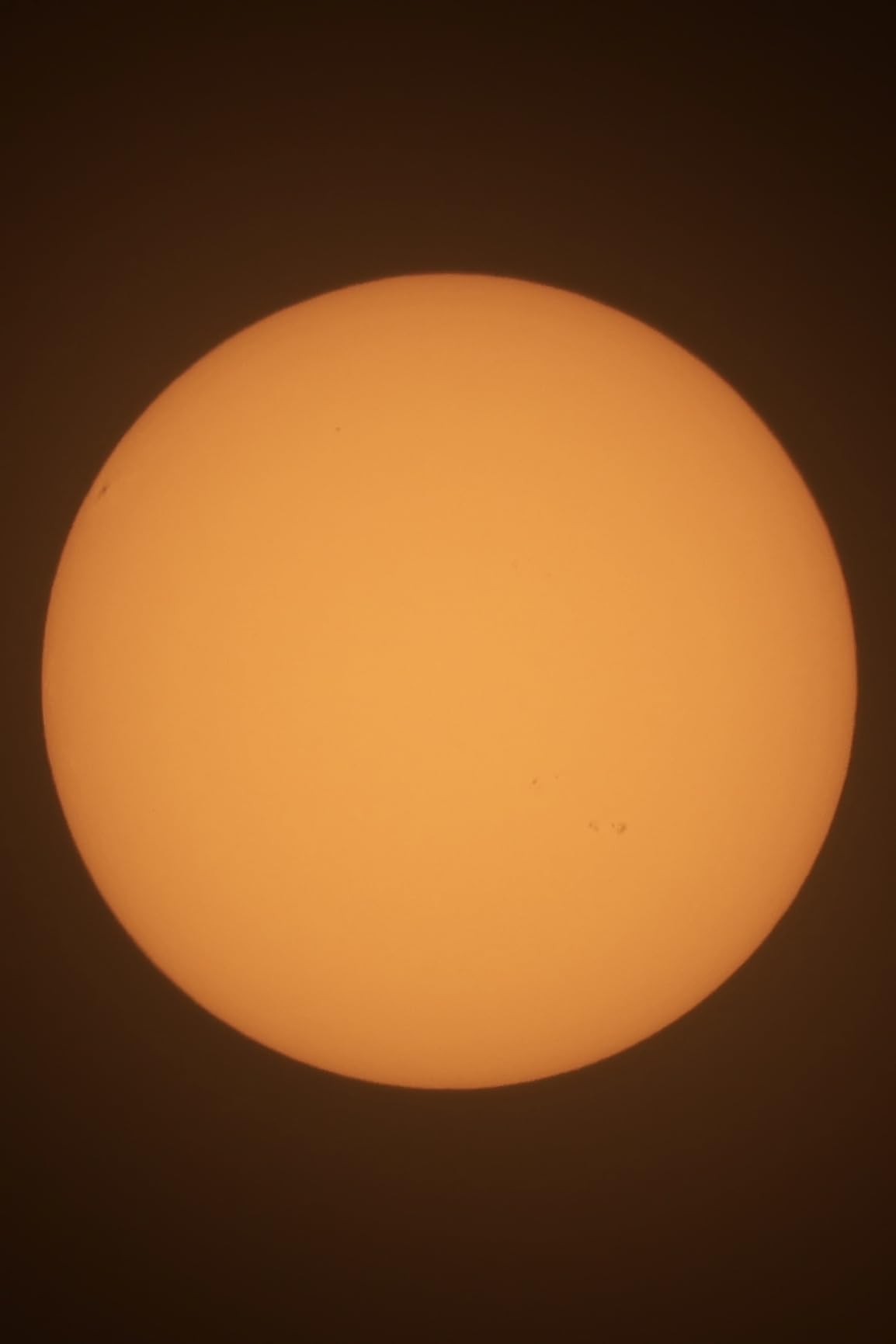
This is the most reviewed product in the entire roundup, with 1370 ratings at a 4.5 average, and for a simple reason: it fits the small refractors and spotting scopes most first-time telescope buyers actually own. A 4 inch square covers the front of a 60mm, 70mm, 76mm or 90mm refractor once trimmed, which is the whole beginner telescope market in one piece of material.
Buyers consistently report clear sunspots and granulation through small refractors, and plenty of them also use it over a telephoto camera lens for eclipse photographs. The optical quality is described as consistent across the sheet with no pinholes, which is the one thing that must not be compromised in a film filter.
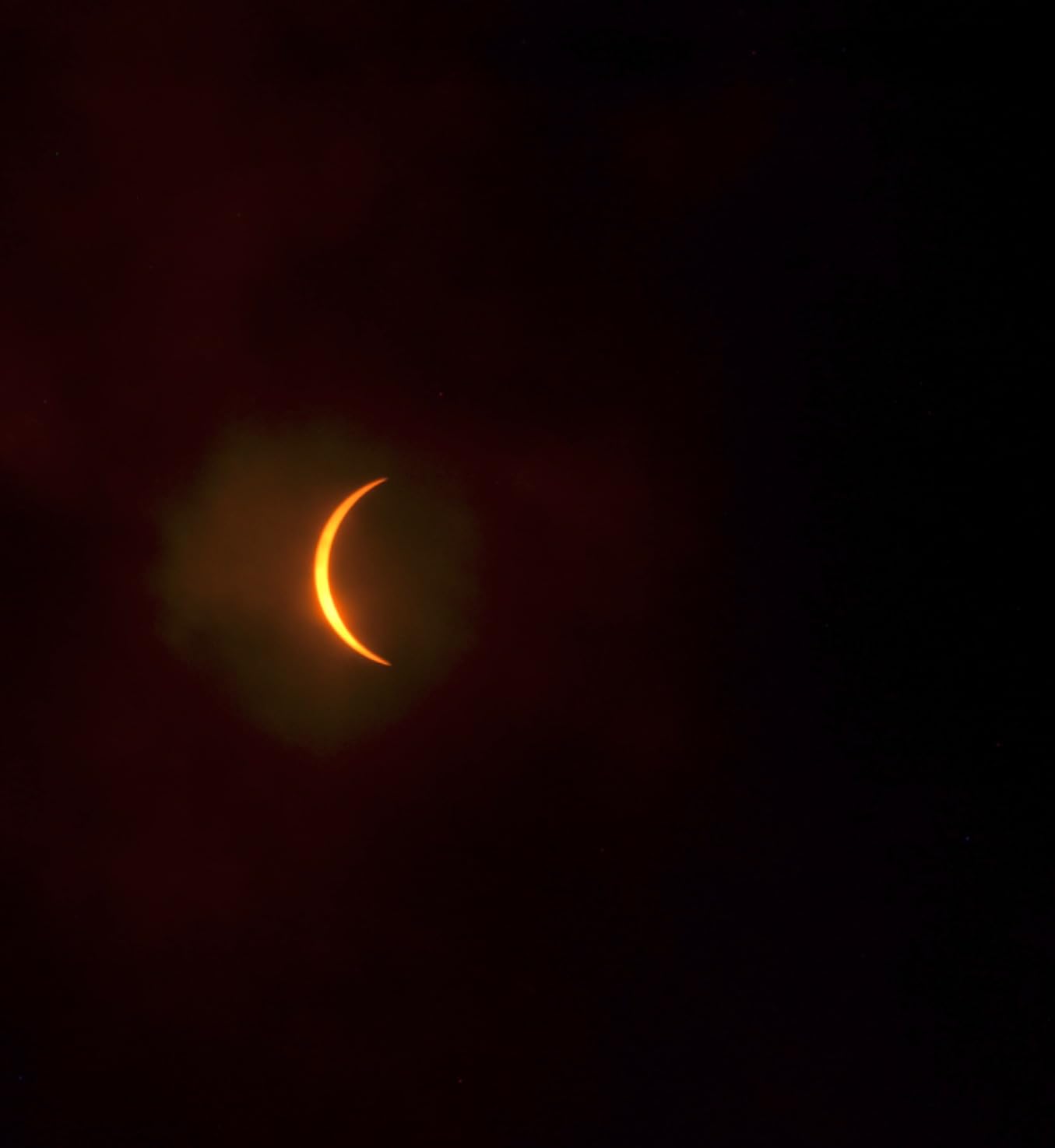
The material is described as stronger than Mylar, with the filtering properties held inside the substrate, and it is also sold in a range covering 50mm, 60mm, 70mm, 76mm and 101mm apertures if you would rather buy a sized part than cut one. The Sun renders in a natural orange, and as with the other sheets here the manufacturer insists the filter be well secured with tape before use.
Two caveats dominate owner feedback. The film is fragile and scratches easily, and the listing does not call that out up front, so treat it gently. Some binocular users also find the view darker than expected at low magnification, which is a real limitation if you plan to sweep the sky with 10x50s rather than sit at an eyepiece.
Why it suits small-aperture owners
Size is the deciding factor and this sheet is sized for the telescopes that most people actually own. It also trims neatly into existing filter rings and cells, so if you have ever removed a dew shield or front cell from a small refractor, you can use that hardware instead of building something from scratch.
The review volume matters too. When a product carries 1370 ratings, the awkward edge cases show up in public long before they show up in your own kit, and the useful information here is that mounting, not optical quality, is the only real variable.
Where it falls short
It cannot cover anything larger than a roughly 4 inch opening, so it is useless on a 6 inch or 8 inch Dobsonian or a 127mm reflector with a wide front cell. Measure your opening before you order rather than after.
As a DIY material it also puts the safety-critical step squarely on you. Corners must be taped with no light gaps and the cell must not shift, and if you would rather not own that responsibility, buy the pre-mounted or screw-clamped option for your aperture instead.
6. Celestron EclipSmart Filter for 127mm and 130mm Reflectors
Celestron EclipSmart Telescope Solar Filter for 127mm & 130mm Reflectors
Pre-mounted for named Celestron reflectors
ISO 12312-2:2015(E) film
Straps plus protective cap
Pros
- Snug
- gap-free fit on matching 127mm and 130mm reflector tubes
- Produces a natural orange image of sunspots
- Protective outer cap keeps the film safe between sessions
- Good optical quality for the price
Cons
- Small central opening makes the Sun hard to locate and hold
- Only fits a specific list of Celestron 127mm and 130mm models
- Hook-and-loop straps need periodic re-tightening
Name your telescope before you buy this one. The filter is built for the Celestron PowerSeeker 127EQ, Astro Fi 130, NexStar 130SLT, Omni XLT AZ 130, SkyProdigy 130, StarSense Explorer LT 127AZ and StarSense Explorer DX 130AZ. If your tube is on that list, this is one of the better values in the roundup, with a 4.6 average across 156 ratings.
Like the 8 inch EclipSmart, the film conforms to ISO 12312-2:2015(E), comes from American Paper Optics with independent third-party testing, and is retained by two hook-and-loop straps. The addition here is a safety cap that protects the outer surface of the film when the telescope is not in use, which matters for a reflector that lives in a damp garage between observing sessions.
Owners of matching tubes report a snug, gap-free fit and excellent views of sunspots and eclipse phases, with several describing the optical quality as very good for what the filter costs. The dominant complaint is again target acquisition. The central opening is small, so the Sun is fiddly to find, and some users solve it by covering the outer film to enlarge the opening, which is a modification worth thinking through before you do it.
Masking the outer film reduces the aperture the filter protects, and it also removes material that was helping to block stray light around the edge. If you do it, re-inspect what remains before every use, and never leave the outer ring uncovered in a way that lets light bypass the film.
Why it suits this specific reflector range
The 127mm and 130mm reflector bracket is one of the most common sizes sold in the last decade, and this filter is made for exactly that tube diameter. A snug, factory-sized cell with a cap and mechanical retention removes the entire mounting problem, which is the step where most home-built solar filters go wrong.
It is also a good first eclipse purchase for this group, because the two-year warranty and the protective cap mean a mishap during a transit or a partial eclipse does not end your solar observing for years.
Where it falls short
The fit list is narrow. Any other 127mm or 130mm scope from a different brand, or a Celestron model not named, may have a different front cell diameter and will not sit properly, so check the model list carefully.
It is also the lowest review count of the Celestron model-specific filters here, so there is less long-term evidence about how the film ages. If you observe often and store the scope in damp conditions, the cap is essential and the straps need periodic re-tightening.
7. Astromania Deluxe 100mm Filter Cap – Best for a Neutral White-Light Image
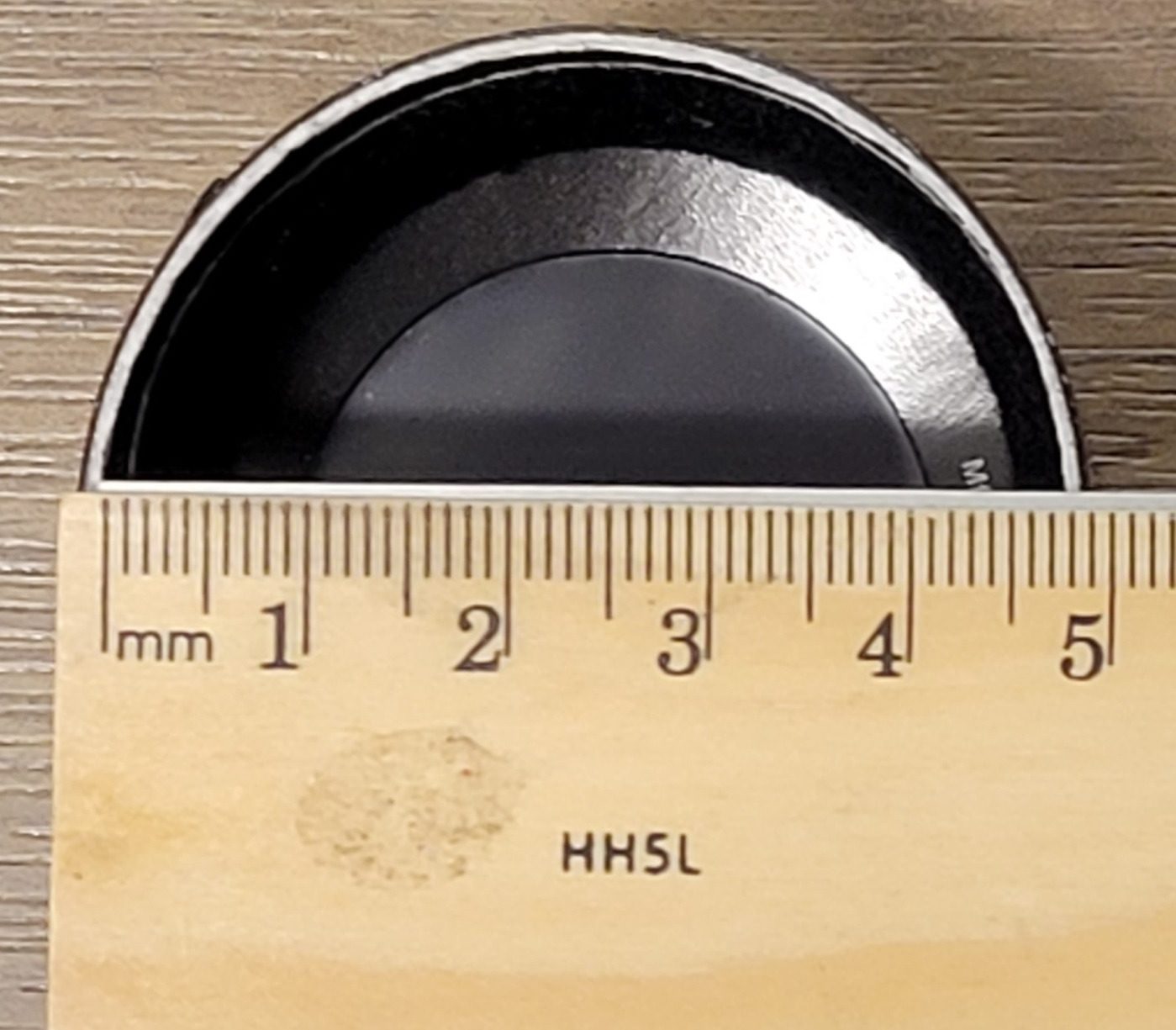
Astromania Deluxe Filter 100mm Adjustable Metal Cap for Telescope Tubes with Outer Diameter from 70mm to 92mm Aperture 75mm
100mm anodized aluminium cap
75mm aperture inside
Fits 70-92mm outer diameter tubes
Pros
- Rigid anodized aluminium cell gives a solid
- non-floppy fit
- Clamping screws hold securely on tubes of varying diameter
- Neutral white-light image that shows fine detail and sub-spots
Cons
- The film is bare in the ring and very easy to scratch or puncture
- Listed size range is optimistic at the top end
- Supplied screws can be overlong and awkward to use
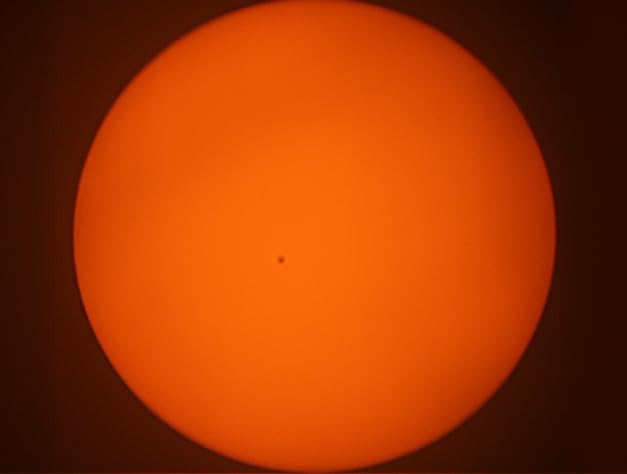
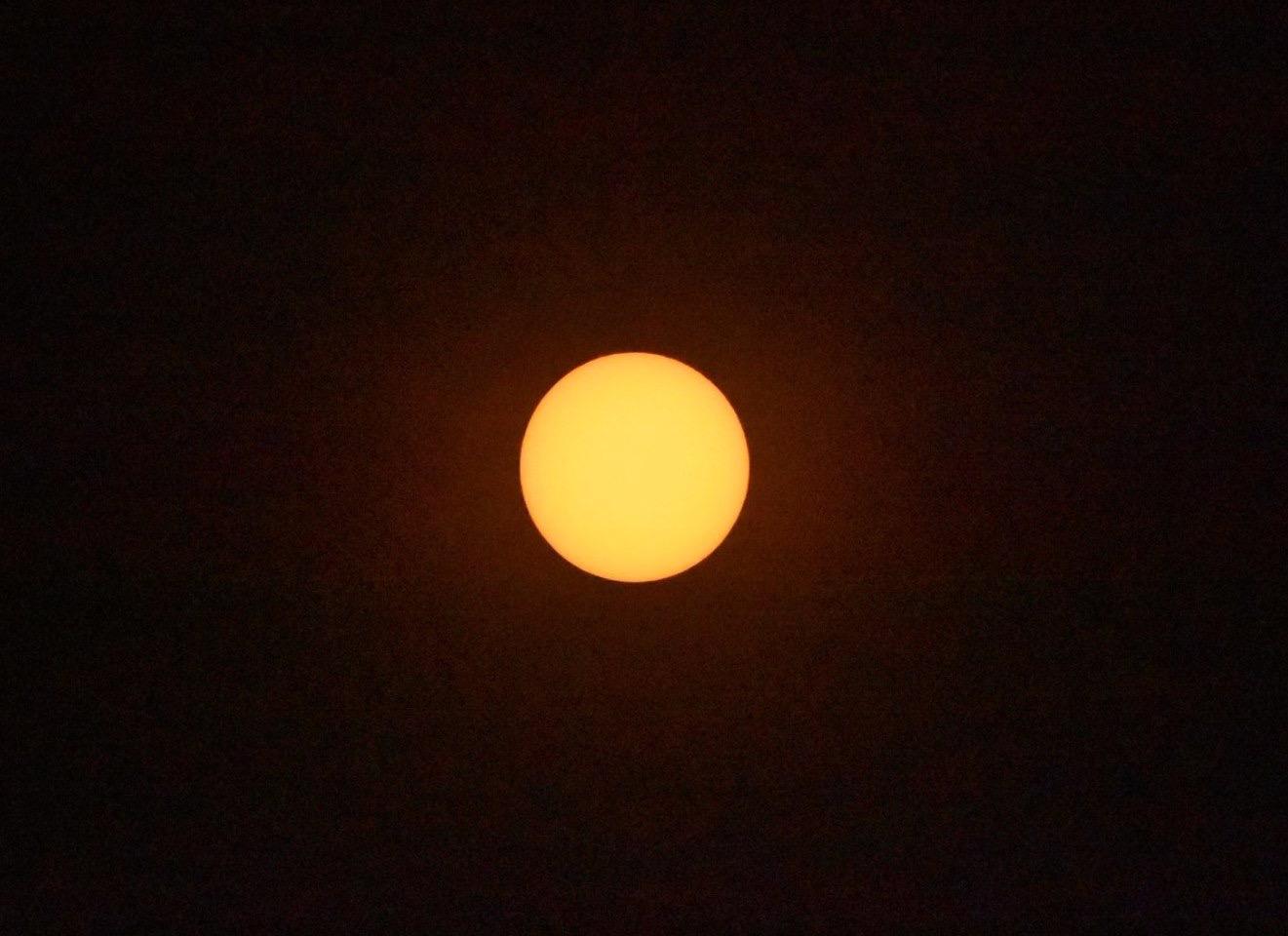
Every other film product in this list gives you an orange Sun. This one is built around Baader Astro film, which many observers rate as the closest thing to a neutral, true-colour white-light view of the solar surface, and it is the only pick here where that difference is the main reason to buy. If you have seen grainulation and sub-spots in photographs and want that tonal realism in the eyepiece, this is the filter to try.
Mechanically it is the most substantial product in the roundup. The filter is a 100mm anodised aluminium cap with a 75mm aperture inside, designed to fit optical tubes with an outer diameter of 70mm to 92mm, and it meets ISO 12312-2:2015. Three clamping screws with protective plastic caps hold it firmly on a tube of varying diameter without crushing the tube or the filter, which solves the wobble that plagues elastic and tape mounting.
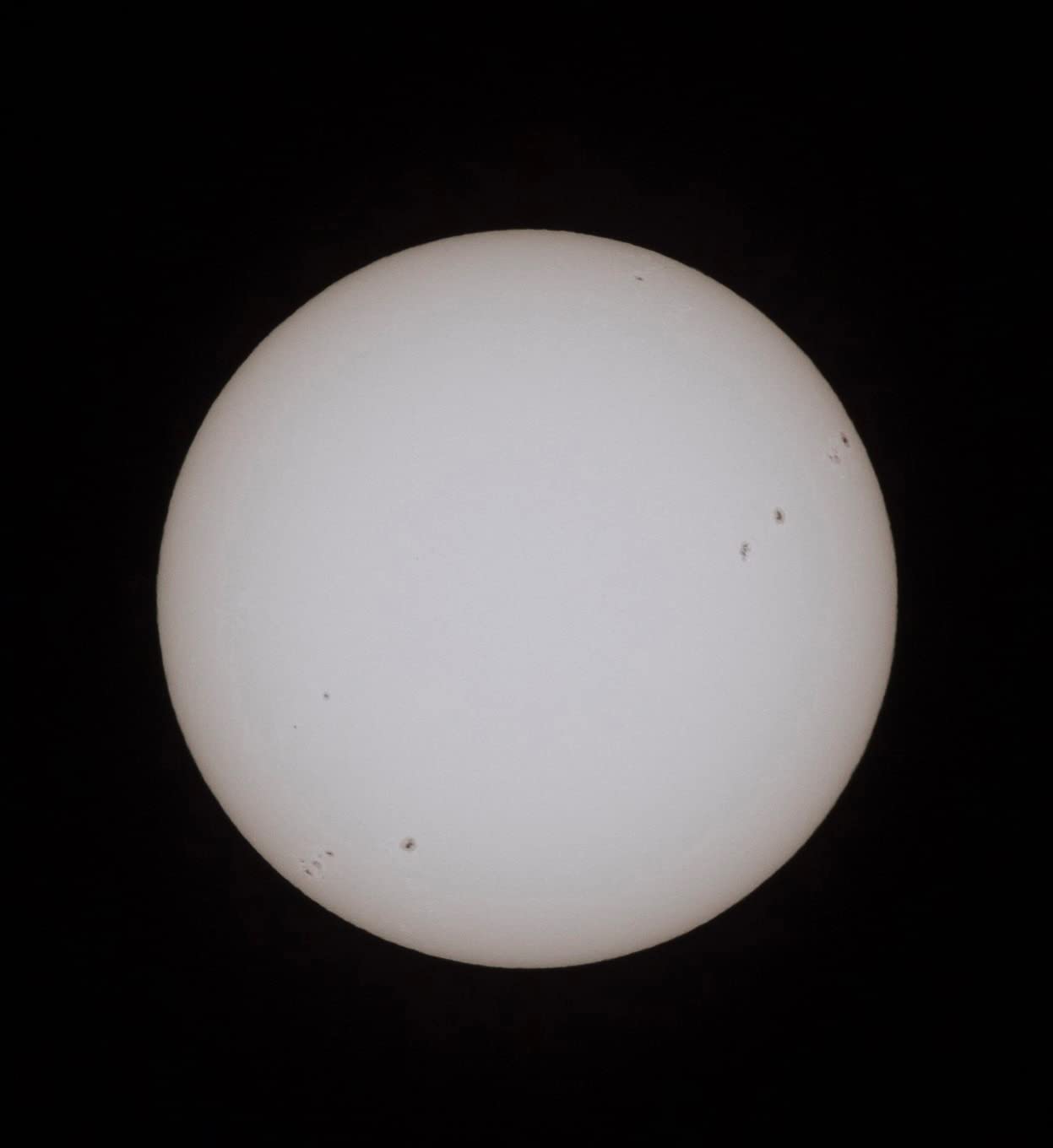
The rating is 4.1 across 129 reviews, and the feedback is sharply split between the view and the hardware. Users with correctly measured tubes praise the sturdy cell, the firm screw-clamp fit and a bright, sharp, near-white image of sunspots. Others report fit mismatches at the top of the stated range, where a 92mm tube will not slide over a cap advertised for 92mm, so measure your tube rather than taking the stated range at face value.
One more quirk worth knowing: the manufacturer notes that the larger diameter can produce harmless wavy lines in the film, a cosmetic effect rather than a fault. Some filters also arrive with a doubled film layer that dims the view, and the supplied screws can be overlong, so check the layer count when the filter first arrives.
Why it suits observers chasing fine detail
A neutral white image shows more contrast between granulation cells, faculae and sub-spots, and owners with correctly sized tubes specifically mention fine detail. If you already have an orange film filter and feel you are seeing a flat, tinted disc, that tonal difference is the reason to switch rather than anything about resolution.
The screw-clamped aluminium cell is also the best retention system here for windy sites. Three screws around the circumference hold the filter square to the tube face, and there is no elastic to stretch, no tape to peel, and nothing that shifts if you brush against the scope.
Where it falls short
The film sits bare in the ring with nothing protecting it, and reviewers say it is very easy to scratch or puncture. Handle the cap by the edge, keep the supplied plastic screw caps on, and store it in a case rather than loose in a vehicle.
It is also the lowest-rated product here, and the rating reflects real fit issues rather than optical complaints. If your tube sits anywhere near 90mm outer diameter, confirm the measurement before ordering, and expect a fiddly first fit while you find the right screw tension.
8. Rainbow Symphony 60mm Solar Filter – Best for 60mm Tubes and Threaded Lenses
Rainbow Symphony Solar Filter 60mm Black Polymer
60mm multi-coated black polymer filter
Rigid cell for 60mm apertures
Threads onto 60mm lens filters
Pros
- Correct 60mm sizing for small refractors and 60mm-thread camera lenses
- Darker glass-like light reduction suited to binocular magnification
- Rigid filter cell rather than loose film
Cons
- Fixed size only fits 60mm apertures without adaptation
- Polymer surface scratches over repeated use
- Occasional filters arrive with cosmetic defects or incorrect fit
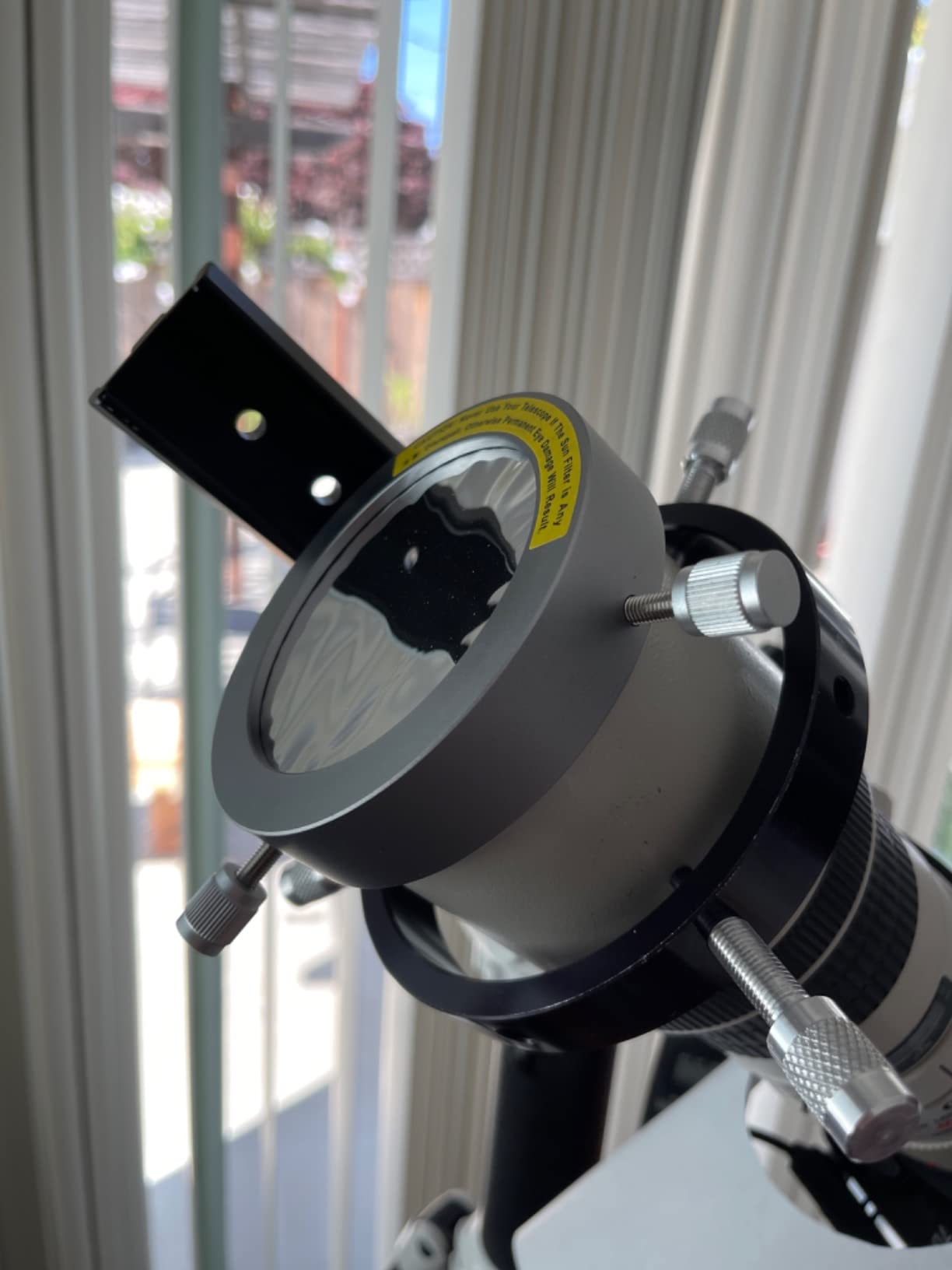
Rainbow Symphony is one of the specialist names retailers in this category point buyers toward, and this 60mm polymer filter is the smallest finished part in the roundup. It is a rigid filter cell rather than a loose sheet, with a multi-coated filtering surface, sized for 60mm aperture tubes and for camera lenses with a 60mm filter thread.
That fixed sizing is the trade. You get a part that needs no cutting, no taping and no cell-building, which removes every failure mode a sheet introduces, but it fits one aperture and nothing else. The same range also covers 50mm, 70mm, 76mm and 101mm versions, so if you are still deciding what to buy, work out your actual aperture first and then order the matching size rather than the smallest one available.
At 4.2 across 115 ratings, this is the smallest review base in the roundup, and owners of 60mm instruments report that the filter gives a properly dark, usable solar image and screws straight onto a 60mm-thread lens. They also note that the reduction reads more like glass than like the thin film sheets, which is exactly what you want when using magnification on binoculars where a lighter filter would wash out.
The recurring negatives are the usual ones for polymer: the surface scratches over repeated use, and a small number of filters arrive with cosmetic defects or a fit that does not match the stated size. Inspect it on arrival, and keep it in a sleeve between sessions.
Why it suits small-instrument owners
It is the shortest path from unboxing to observing for anyone with a 60mm refractor or a 60mm-thread telephoto lens. There is no build step to get wrong, and because it is rigid, an accidental knock is far less likely to end your solar observing for the season.
The darker reduction also makes it a better binocular filter than the film sheets. If you want to sweep with 10x50s rather than sit at an eyepiece, this is the pick in the list that reviewers say is suited to binocular magnification.
Where it falls short
One size, one job. A 60mm filter will not cover a 70mm or 90mm front cell, and it will not adapt to a larger tube with tape, because a partial cover is not a compromise, it is a hazard.
The 4.2 rating and 115 reviews also mean less evidence about long-term ageing than the Thousand Oaks sheets carry. Check for pinholes and scratches before each use, and replace it if the coating dulls or the image darkens unevenly.
How to Tell If a Solar Filter Is Safe Before You Use It
The most useful check happens before you buy, not before you observe. Look for a stated conformance to ISO 12312-2, the international standard covering filters for direct solar viewing, and treat any listing that omits it as disqualified. Several filters in this roundup state the standard together with the edition, for example ISO 12312-2:2015(E), and the Celestron EclipSmart models name American Paper Optics as the film producer and note independent third-party laboratory testing.
Optical density is the number that tells you how much light the filter removes, and OD 5.0 is the reference figure most buyers are told to look for. Each step of optical density corresponds to a factor of ten in light reduction, so OD 5.0 removes 99.999 percent of the light reaching it, leaving one hundredth of one percent. That is the difference between a filter that is rated for a telescope and a piece of dark plastic that is not.
Then run a physical inspection before every single session, because film degrades and glass coatings scratch. Hold the filter up to a bright lamp or against the sky and look for pinholes, check the mounting for gaps, run a fingertip very lightly across the surface to feel for scratches, confirm the cell is firmly attached, and look for any yellowing or dulling in the coating. Any one of those and the filter comes off the telescope.
Finally, be sceptical of products designed for something else. Eclipse glasses, welder’s glasses, camera variable-density filters, sunglasses and ordinary film are all tested for naked-eye viewing, and a telescope magnifies and concentrates the Sun far beyond anything those products were rated for. Only filters built and certified for telescope use at the front aperture belong on your scope.
Why the front aperture is the only safe position
A telescope concentrates sunlight to a point. Mounted at the front, the filter absorbs that energy before it enters the tube, which is why full-aperture front-mounted film is the consensus recommendation on StargazersLounge and CloudyNights. Mounted at the eyepiece end instead, the unfiltered sunlight arrives already focused, and it heats the filter and the internal optics far beyond what they can survive.
That arrangement can crack glass elements, damage coatings, and cause permanent eye injury. The exceptions are purpose-built hydrogen-alpha and white-light eyepiece filters rated for that position, which are filtered differently by design. Every filter in this roundup is a front-aperture product and none of them goes at the eyepiece end.
What Size Solar Filter Do You Need?
Measure before you order, and measure the outside diameter of the front cell or the dew shield, not the aperture printed on the specification plate. Most mistakes come from ordering to nominal aperture when the number that matters is the physical diameter of the opening the filter has to cover. A soft tape measure and a rule are enough, and the table below covers the most common amateur apertures.
| Telescope type | Front cell or dew shield outer diameter | What to buy |
|---|---|---|
| 60mm compact refractor or spotting scope | Around 60mm, or a 60mm filter thread | Rainbow Symphony 60mm polymer filter, or a 4×4 inch sheet trimmed to fit |
| 70mm to 76mm refractor, achromat or short tube | Around 70-80mm | 4×4 inch sheet, or a universal cap covering that range |
| 90mm refractor or small Dobsonian | Around 90-100mm | Celestron EclipSmart Universal 75-100mm, or 6×6 inch sheet |
| 100mm to 114mm refractor or 4.5 inch Dobsonian | Around 100-120mm | 6×6 inch sheet, or a pre-mounted cell in the matching size |
| 127mm or 130mm reflector | Around 130-140mm | Celestron EclipSmart 127mm and 130mm if it is a listed model, otherwise 6×6 inch sheet |
| 150mm or 6 inch Dobsonian | Around 150-160mm | 8×8 inch sheet, or a pre-mounted 6 inch cell |
| 8 inch Schmidt-Cassegrain or EdgeHD | Around 200mm | Celestron EclipSmart 8 inch filter |
| 200mm or 8 inch Dobsonian and larger | 200mm and up | 8×8 inch sheet minimum, or a glass cell made for that diameter |
Two rules make sizing simple. Buy a sheet one size up from your opening if you are building a cell, so you have material to overlap the edge with no gap. And never rely on a listing that says universal without giving a diameter range, because the word universal covers anything from a 75mm travel scope to a 130mm reflector.
Film or Glass: Which Solar Filter Material Should You Buy?
There is no wrong material here, only different tradeoffs. Film is cheap, gives a warm orange image, and can be cut to any shape you need. Glass is rigid, gives a cooler or more neutral tone, cannot be torn, and survives a decade of handling. The honest answer is that the best solar filters for telescopes for most people are film, because the risk in a solar filter is fit and mounting, not material.
That same logic runs through the hardware roundups we publish elsewhere, from our [whole-house picks for well water](https://cookcraftandcreate.com/best-whole-house-water-filters-for-wells-for-the-kitchen/) to our [countertop water filter guide](https://cookcraftandcreate.com/best-countertop-water-filters/): the material is rarely the weak point, the fitting is.
| Factor | Polymer film | Coated glass |
|---|---|---|
| Image tone | Warm, natural orange | Neutral to pale, some products read white |
| Cost for the same coverage | Lower, small sheets cover most apertures | Higher, priced by diameter |
| Durability | Scratches and tears easily, substrate-protected films last longer | Resists handling, coatings can still scratch |
| Mounting | Must be cut and seated in a cell | Usually arrives rigid and ready |
| Best for | Budget buyers, multi-instrument households, DIY builders | Heavy use, public outreach, anyone tired of handling film |
| Main risk | Pinholes from handling, poor taping | Chipping, cracked cells, heavier than expected |
One more difference explains the colours you will see. A metallised film reflects a filtered spectrum and the coating reads warm, which is why film looks orange. Many glass products achieve a higher optical density and a flatter response, so the disc reads white or pale yellow. Both are normal, and neither is a measure of safety.
Film and glass both expire
Film is consumable. Store it flat in a sleeve, keep it away from humidity and direct sunlight when not in use, and replace it the moment you find a pinhole, a tear through the substrate, a scratch across the optical area, or visible yellowing.
Glass lasts much longer but is not permanent either. Watch for edge chips, coating haze, and mounting cells that no longer clamp squarely. A five-year guarantee is common on good film, and a two-year warranty is typical on pre-mounted cells, so keep the receipt and the packaging for the specification label.
Solar Filters vs Moon, H-Alpha and Light-Pollution Filters
A lot of the traffic for this topic is people who own plenty of filters and are not sure which one they need. A moon filter is a neutral-density or colour filter that reduces brightness on a bright Moon and is not a solar filter. A variable-density or neutral filter is the right choice for Saturn and other bright planets, since a solar filter would make the image far too dim.
For planetary nebulae, light-pollution filters such as O-III and UHC narrow the band of light reaching the eyepiece and improve contrast on emission targets. For the Sun, you need a certified solar filter at the front aperture. H-alpha filters are a separate category, tuned to a narrow hydrogen line, and they are used with dedicated solar telescopes or with aperture reduction on an ordinary scope, which is a different discipline from white-light observing.
Can You Make Your Own Solar Filter?
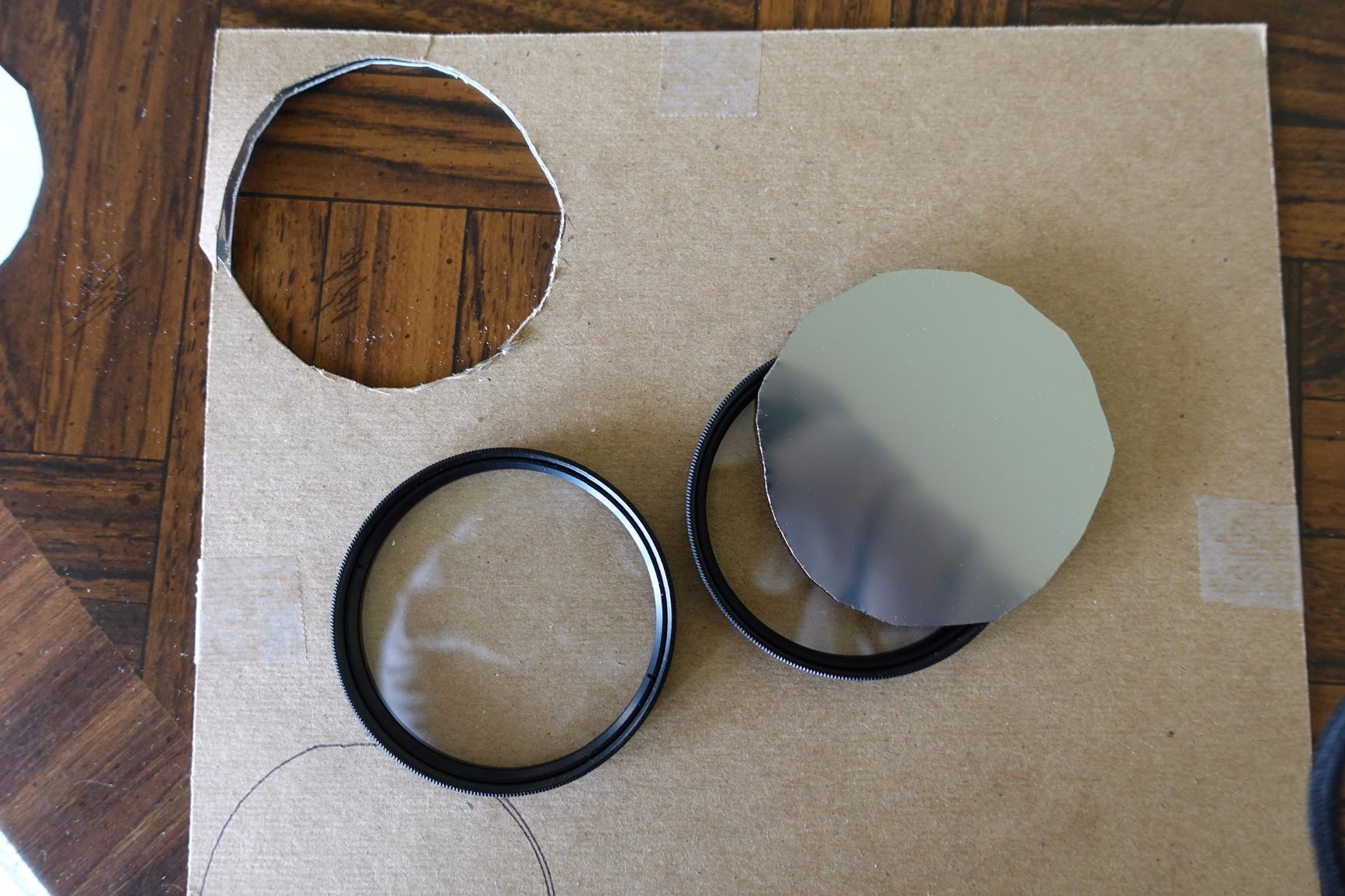
You can build your own solar filter, but only from certified filter material seated in a proper rigid cell. Never use float glass, sunglasses, welder’s glass, camera film, or a bare piece of film held across the front of the tube by hand. Experienced observers on CloudyNights warn specifically against float glass DIY filters and recommend mounting genuine material such as AstroSolar or a Thousand Oaks sheet in an existing filter cell, where it is cheap to replace and mechanically protected.
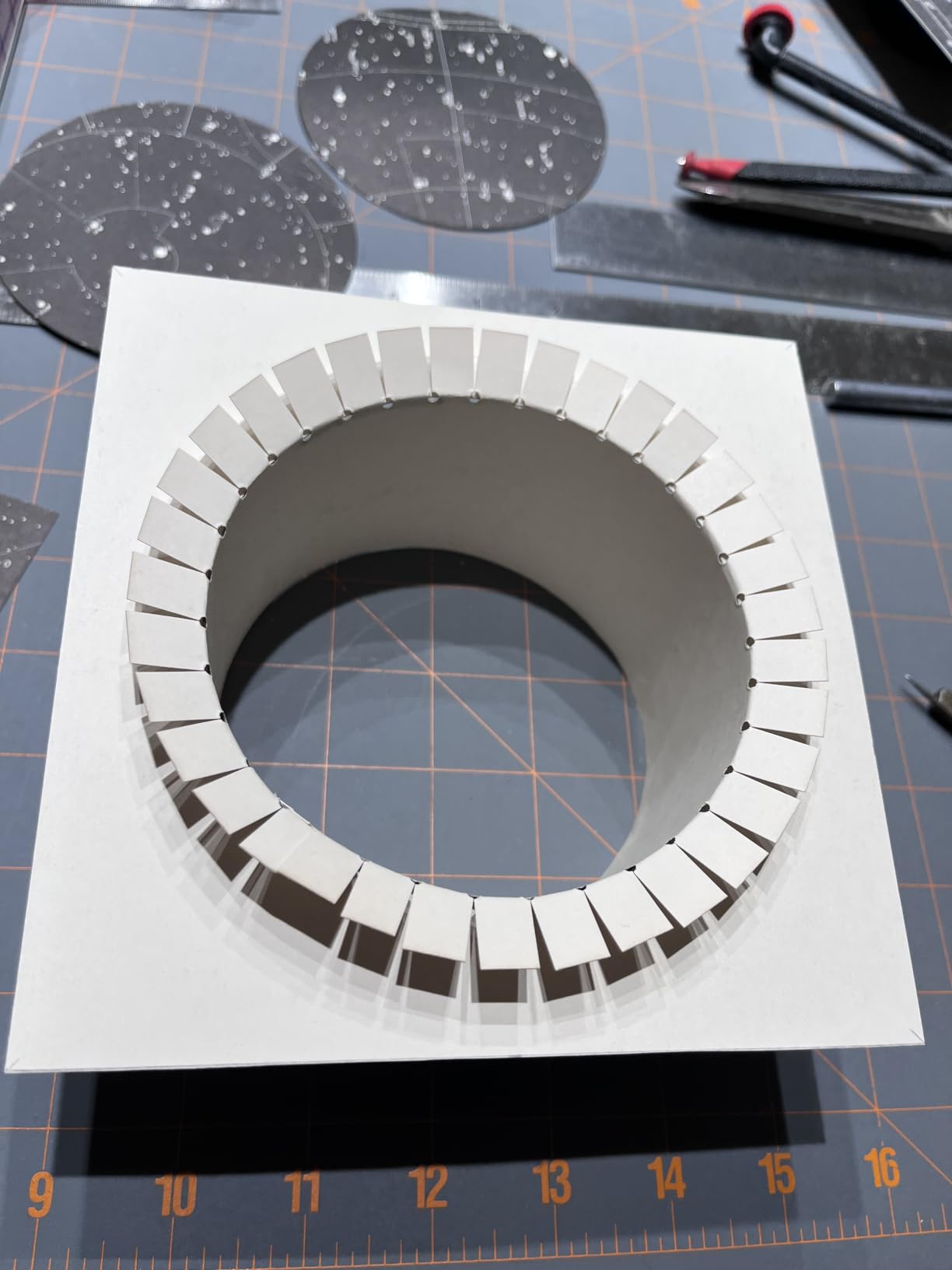
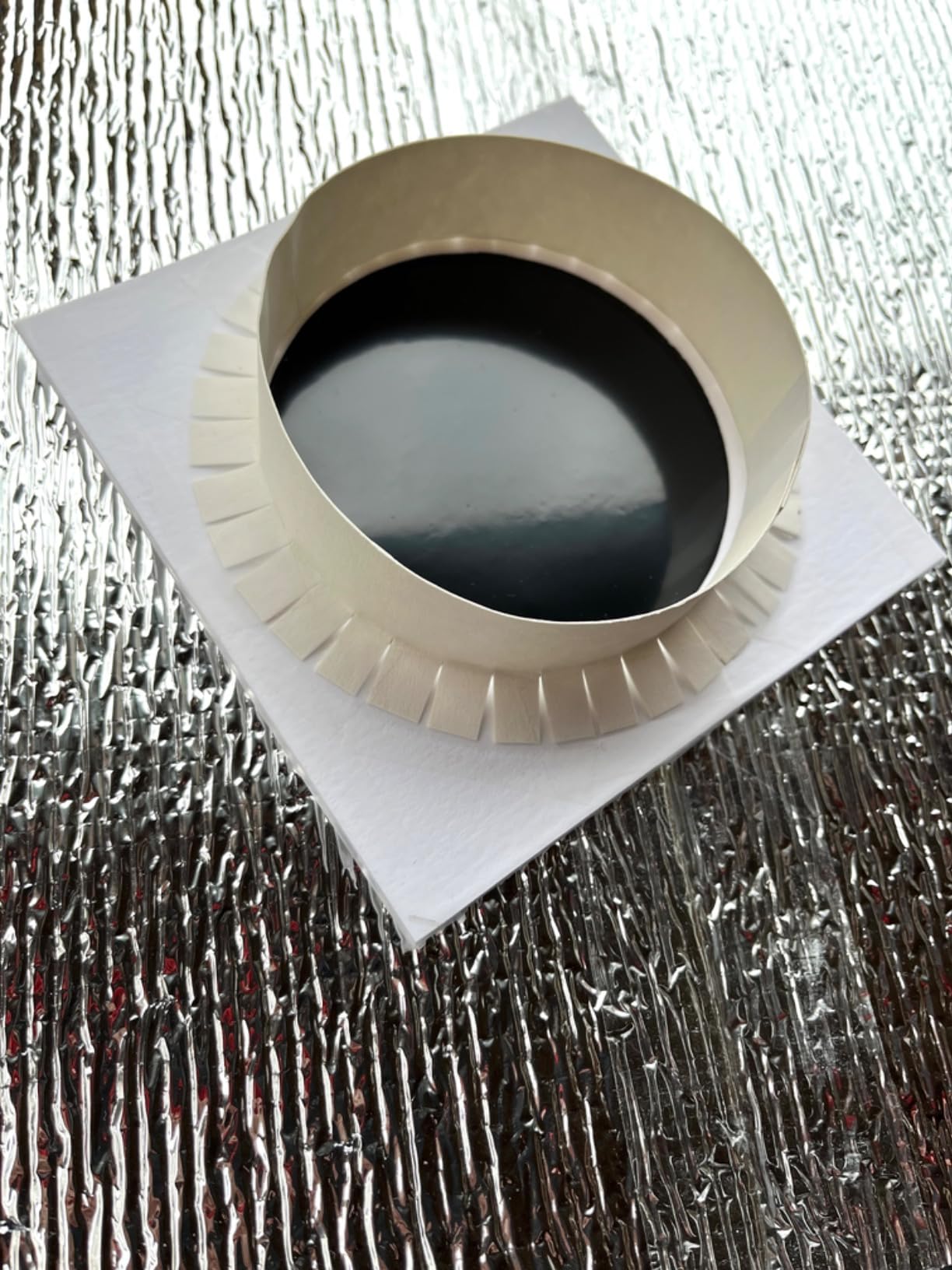
If you build one, cut the sheet oversized so it overlaps the cell rim by a few millimetres on every side, seat it in the groove with the metallised side facing the Sun, tension it so it sits flat without stretching, then clamp or screw the cell to the front of the tube so it cannot shift. Tape every edge of the cell, not just the film. Inspect for pinholes and light gaps, and replace the film rather than repairing it.
Honestly, for most people the build is not worth it. A rigid pre-mounted cell removes the one step where a mistake causes permanent eye damage, and that is the same reason our [canister filter roundup](https://cookcraftandcreate.com/best-canister-filters-under-100/) favours a properly fitted part over a cut-to-shape one, as does our [kitchen sink air filter guide](https://cookcraftandcreate.com/best-air-filters-under-kitchen-sink/).
Frequently Asked Questions
Can I make my own solar filter for my telescope?
Only from certified solar filter material such as AstroSolar or a Thousand Oaks sheet, seated in a proper rigid cell and clamped over the full front aperture. Never use float glass, sunglasses, welder’s glass, camera film, or a bare sheet held by hand. Cut the material oversized, seat it metallised side toward the Sun, tension it flat, secure every edge, and inspect for pinholes before each use.
Can I use solar eclipse glasses as a telescope solar filter?
No. Eclipse glasses are rated for direct naked-eye viewing and are not strong enough for a telescope, which concentrates sunlight far beyond anything they were tested for. Using one in a telescope can crack optical glass, damage coatings and cause permanent eye injury. Use only a filter certified to ISO 12312-2 and mounted at the front aperture.
What optical density do I need for solar viewing?
OD 5.0 is the reference figure most buyers are told to look for, and it removes 99.999 percent of the light reaching the filter. Each step of optical density removes another factor of ten, so OD 5.0 leaves one hundredth of one percent of the incoming light. Verify that the filter states conformance to ISO 12312-2 before you buy.
Should solar filters go on the front or back of a telescope?
Always the front, over the full aperture, before any sunlight enters the tube. A filter at the eyepiece end receives sunlight that the telescope has already concentrated to a point, which can crack glass, melt components and injure eyes. Purpose-built hydrogen-alpha and white-light eyepiece filters are the only exceptions and are filtered differently by design.
How do I know which solar filter fits my telescope?
Measure the outside diameter of the front cell or dew shield with a tape measure, not the nominal aperture on the specification plate, then match it to a filter that fully covers that opening. Sheets should be cut at least a few millimetres larger than the cell rim. Any listing that says universal without giving a diameter range is not telling you enough.
Conclusion
After working through all eight, the Thousand Oaks 6 by 6 inch sheet is our pick for the best solar filters for telescopes overall, because one sheet covers almost every amateur aperture and has 1097 ratings behind it at a 4.6 average. If you would rather not build a cell, the Celestron EclipSmart 8 inch filter is the safest all-in choice for 8 inch Schmidt-Cassegrains, and the Astromania 100mm cap is the one to buy if a neutral white Sun matters more to you than an orange one.
Whatever you choose, measure your front cell before ordering, confirm the filter states ISO 12312-2 conformance, and check it for pinholes and tears every time you set it up. The rule stays the same whatever the format: full-aperture cover at the front, verified before your eye goes to the eyepiece. This roundup is updated for 2026.