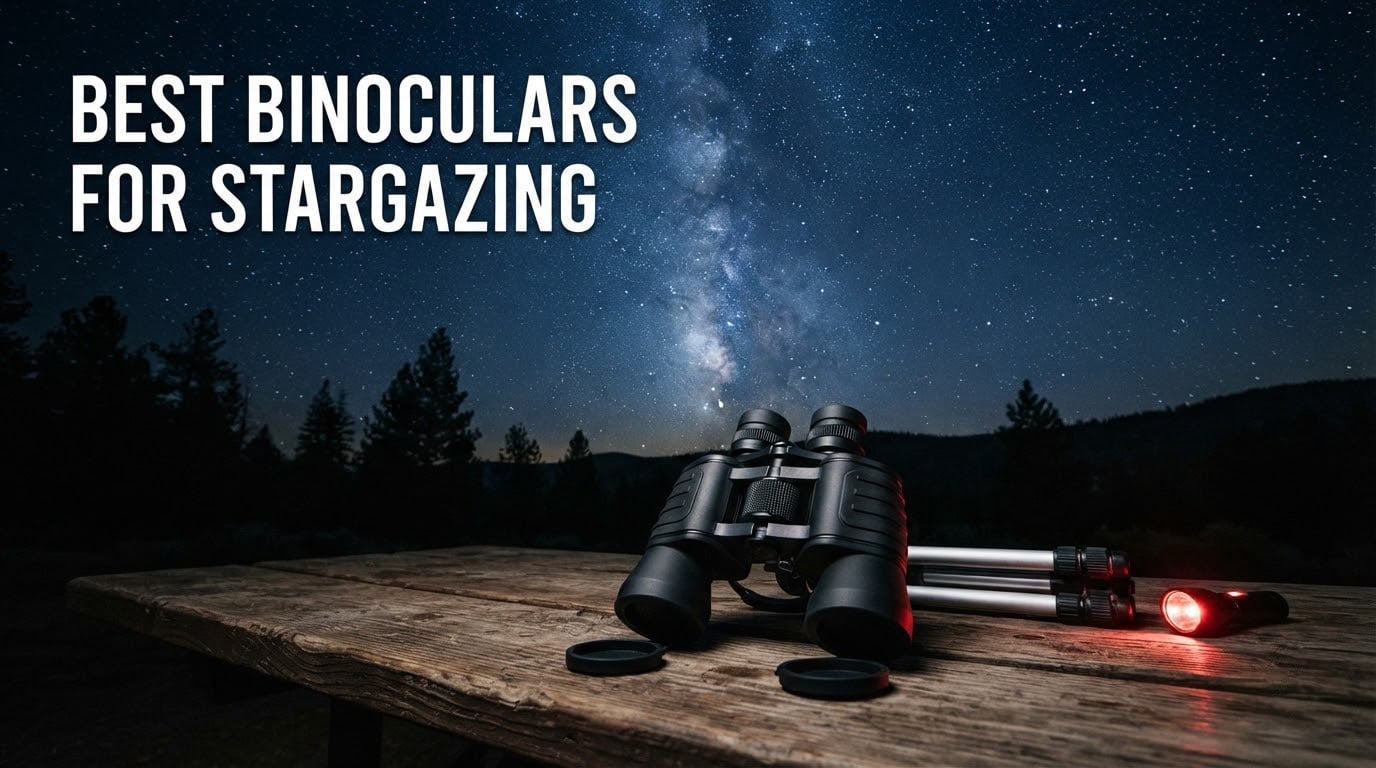
If you want a single pair that works on the night sky and on a daylight hike, the Vortex Crossfire HD 10×42 is the pick we keep coming back to in 2026. For deeper reach on faint targets, the Celestron SkyMaster 15×70 is the better astronomy instrument, and for the widest, brightest sweep of the Milky Way without spending much, the Celestron Cometron 7×50 is hard to beat.
Binoculars are the fastest way into astronomy. There is no setup, no collimation, no finder scope to align, and no batteries to drain, so you can be looking at the Pleiades within a minute of walking outside. Naked eye, a fully dark-adapted observer sees roughly 5000 stars. Binoculars push that to around 40,000, and they add things the eye alone cannot do: the four Galilean moons strung in a line beside Jupiter, the Andromeda Galaxy as a fuzzy oval, the terminator shadow line running across the Moon, and the dark lanes of the Cygnus Rift splitting the Milky Way in half.
This guide covers the best binoculars for stargazing across ten models from Celestron, Vortex, Nikon, ZEISS and Sogries. We ranked them on the numbers that actually decide how a pair performs after dark: exit pupil, true field of view, steadiness at the stated power, prism glass, coatings, weather sealing, weight and warranty. Where owners report a recurring problem, we say so rather than smoothing it over. Forum consensus on r/Binoculars and r/telescopes shapes the shortlist too, because that is where the shake, dew and collimation complaints get named honestly.
If you read nothing else: a 10×50 with a 5mm exit pupil is the most useful all-round format, a 7×50 shows you the most sky at once, and anything above 15x needs a tripod before it needs anything else. A word on the trap to avoid, too. Plenty of mass-market binoculars are advertised as astronomy glass with figures like 25×50 or 30×60 on the box. Those numbers produce a 2mm exit pupil and a field of view under two degrees, which means a dim, shaky, tunnel-vision image. Walk past them.
Table of Contents
- Top 3 Stargazing Binoculars in 2026
- Quick Overview of Best Binoculars for Stargazing (October 2026)
- 1. Vortex Crossfire HD 10×42 – Best Overall for Stargazing and Daytime Use
- 2. Celestron SkyMaster 15×70 – Best Value for Deep-Sky Objects
- 3. Vortex Diamondback HD 10×50 – Best for Faint, Light-Polluted Skies
- 4. Celestron Cometron 7×50 – Best Budget Wide-Field Starter
- 5. ZEISS Terra ED 8×42 – Best Extra-Low Dispersion Glass
- 6. Vortex Triumph HD 10×42 – Best All-Rounder for Long Sessions
- 7. Nikon ACULON A211 12×50 – Best for Daytime Crossover Use
- 8. Celestron SkyMaster 25×70 – Best for Maximum Power on a Tripod
- 9. Sogries 20×80 – Best Starter High-Power Setup
- 10. Sogries 25×100 – Best for the Faintest Deep-Sky Targets
- What the Numbers on Stargazing Binoculars Mean
- Tripod Rules by Magnification, and What It Costs You
- What You Can and Cannot See With Binoculars
- Binoculars vs Telescope for Beginners
- How to Get More From Your First Night Out
- Frequently Asked Questions
- What kind of binoculars are best for seeing the night sky?
- What strength of binoculars is best for stargazing?
- Are 10x binoculars enough for beginner stargazing?
- Do I need a tripod for 15x binoculars?
- What is the minimum aperture for seeing galaxies?
- Can you see Saturn’s rings through binoculars?
- How important are BaK-4 prisms for low-light viewing?
- Can budget binoculars handle stargazing?
- The Best Binoculars for Stargazing in 2026: Final Verdict
Top 3 Stargazing Binoculars in 2026


Those three cover three genuinely different jobs rather than three versions of the same pair. The Crossfire HD is the one you will keep in the car and use in daylight. The SkyMaster 15×70 is the astronomy workhorse that shows galaxies and globular clusters you will never see by eye. The Cometron 7×50 is the cheapest way to sweep the Milky Way from end to end.
Quick Overview of Best Binoculars for Stargazing (October 2026)
| Product | Specs | Action |
|---|---|---|
| Vortex Crossfire HD 10×42 |
|
Check Latest Price |
| Celestron SkyMaster 15×70 |
|
Check Latest Price |
 Vortex Diamondback HD 10×50 Vortex Diamondback HD 10×50 |
|
Check Latest Price |
| Celestron Cometron 7×50 |
|
Check Latest Price |
 ZEISS Terra ED 8×42 ZEISS Terra ED 8×42 |
|
Check Latest Price |
 Vortex Triumph HD 10×42 Vortex Triumph HD 10×42 |
|
Check Latest Price |
 Nikon ACULON A211 12×50 Nikon ACULON A211 12×50 |
|
Check Latest Price |
 Celestron SkyMaster 25×70 Celestron SkyMaster 25×70 |
|
Check Latest Price |
 Sogries 20×80 Sogries 20×80 |
|
Check Latest Price |
 Sogries 25×100 Sogries 25×100 |
|
Check Latest Price |
A few patterns jump out of that list. Three of the ten use 50mm or larger objective lenses, which is where real astronomical brightness comes from. Four are roof-prism designs that double as daytime binoculars, and three are large Porro-prism astronomy instruments that will never leave the car at noon.
1. Vortex Crossfire HD 10×42 – Best Overall for Stargazing and Daytime Use
Vortex Crossfire HD 10×42 Binoculars
10x42 roof prism
4.2mm exit pupil
15mm eye relief
1.4 lb, nitrogen purged
Pros
- Fully multi-coated HD optics
- nitrogen purged and fogproof
- light enough for long handheld sessions
- unlimited lifetime VIP warranty
- includes GlassPak case and tethered lens covers
Cons
- 42mm objectives give a dimmer astronomical view than 50mm glass
- some edge fringing at the field stop
- tripod adapter sold separately
Our Editor’s Choice is not the biggest instrument on this list, and that is the point. Owners rate it 4.8 stars across more than 4,000 reviews, and the reason is consistency: the image is bright and clean in twilight, it packs small, and the warranty is unlimited rather than time-limited. That combination is rare in a binocular that costs what this one does.
The optical system is fully multi-coated on every air-to-glass surface and uses a roof prism, so the glass and the coatings are doing the work rather than the size of the objectives. Sharpness holds well toward the edge of the field, which matters when you are sweeping rather than staring at one object. Some owners do note visible fringing right at the very edge, and the body is longer than most 10×42 models.
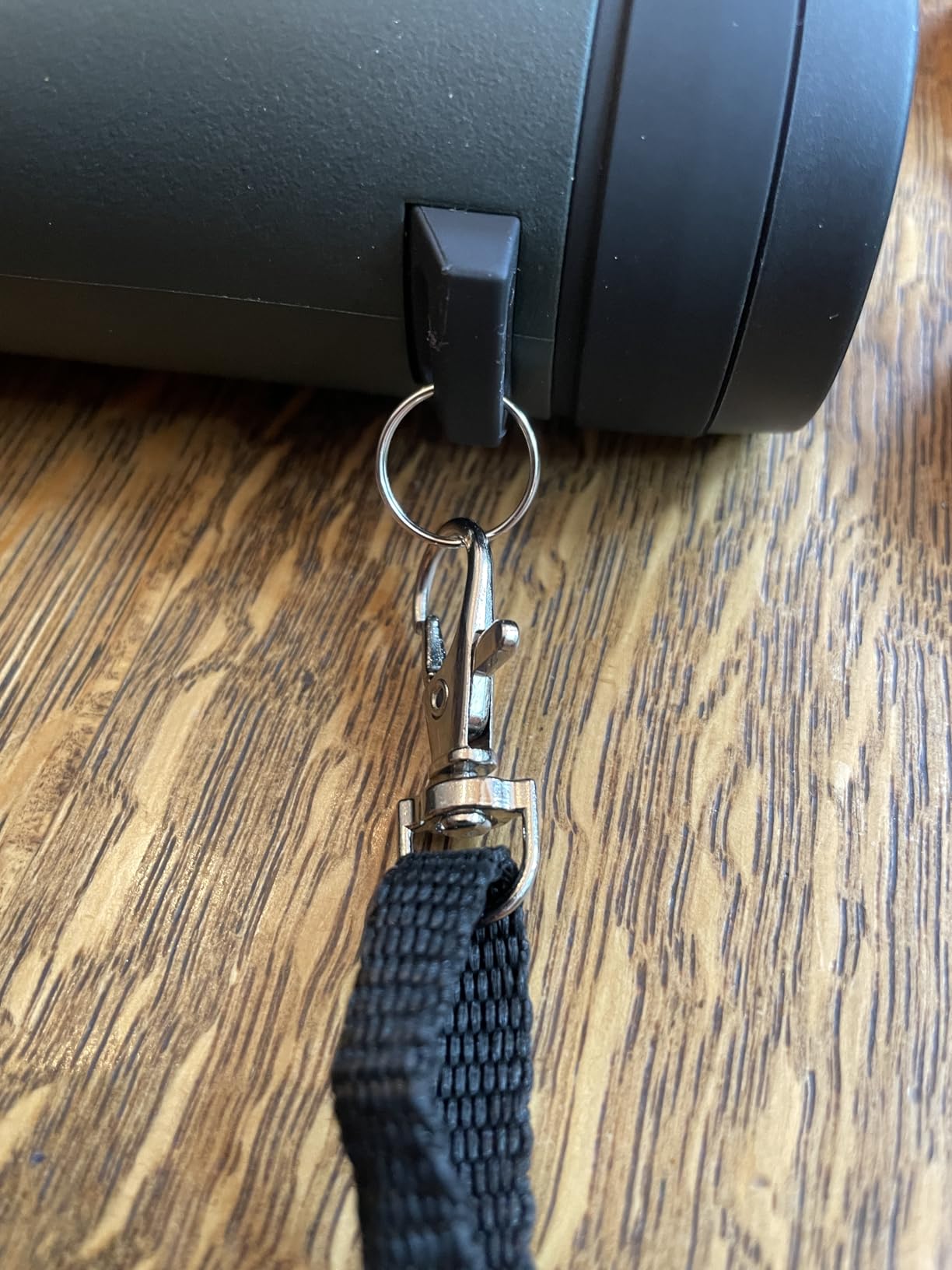
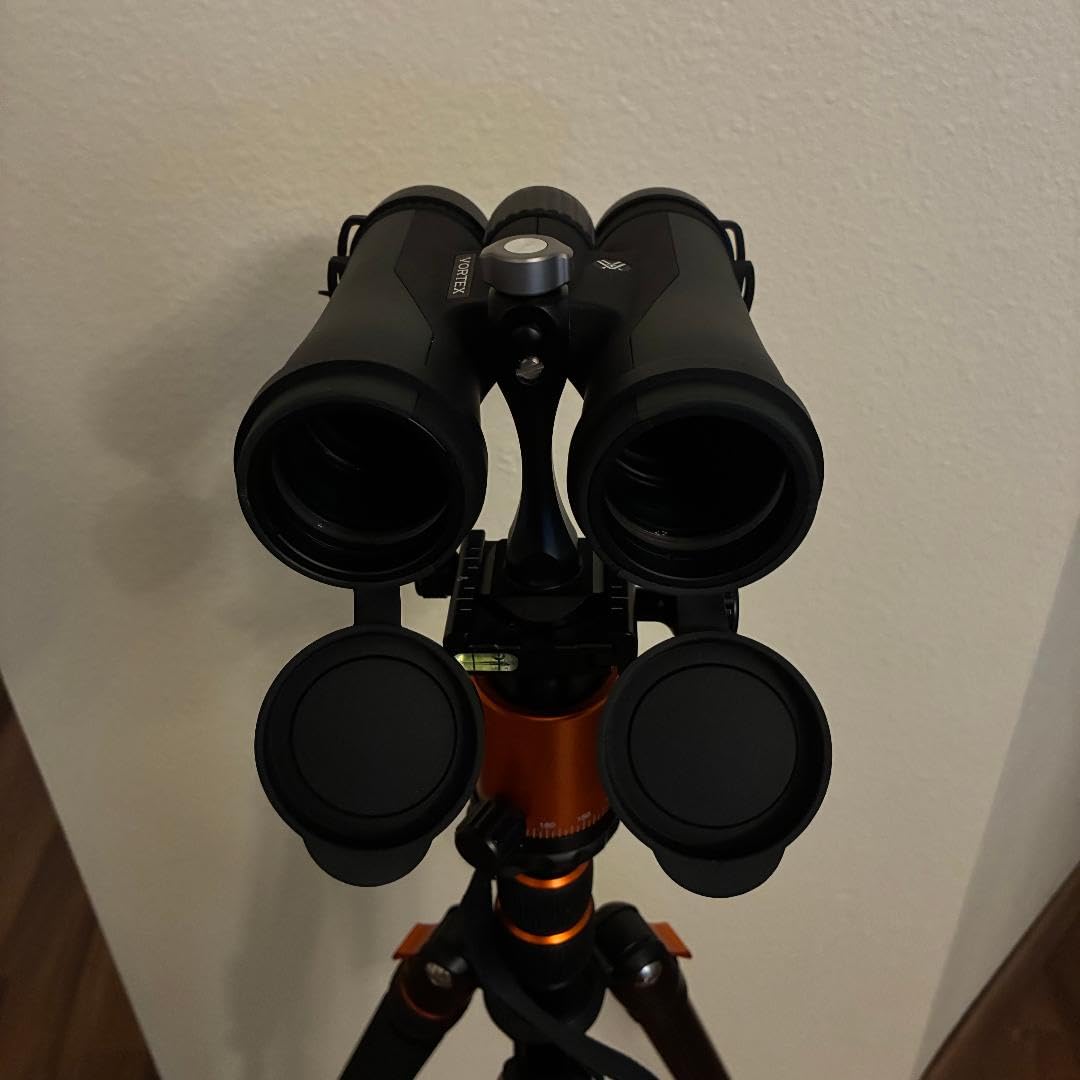
The honest limitation for astronomy is the aperture. At 42mm with 10x magnification, the exit pupil is 4.2mm, which is smaller than the fully dark-adapted pupil of 5-7mm. On a moonless night far from city glow the image is lovely. Under suburban skyglow it will look dimmer than a 50mm pair of the same price. Forum buyers hit this constantly: a 10×42 is a superb daytime binocular that retailers market as astronomy glass.
Because it weighs 1.4 pounds, you can hold this one for a long session without your arms giving out, and the nitrogen purge plus waterproof shell means a damp meadow or a sudden shower is not the end of your evening. The included GlassPak harness is awkward with a neck strap, and close focus lands nearer 8 feet than the advertised 6.
Will the exit pupil dim it under light pollution?
It will dim it, and no coating changes that arithmetic. A 4.2mm exit pupil passes less total light than a 5mm one, so in a bright suburb the Crossfire HD gives you less than a 10×50 of similar build. What it does give you is a very clean, high-contrast image of the Moon, the Pleiades and the Orion Nebula, plus a pair you will actually use at 8am on a trail.
Our rule of thumb: if your observing site has a visible Milky Way, choose this. If you are under orange sky glow most nights, move up to the 10×50 in slot three.
What to check before you buy
Check the minimum interpupillary distance and try them with your glasses on. At 15mm of eye relief they are wearable with most frames, but not every one. Also confirm you have somewhere to hang them, because these are not pocket binoculars at 1.4 pounds, and budget separately for a tripod adapter if you plan to mount them.
2. Celestron SkyMaster 15×70 – Best Value for Deep-Sky Objects
Celestron SkyMaster 15×70 Astronomy Binoculars for Stargazing and Deep-Sky
15x70 Porro prism
4.7mm exit pupil
4.4 degree field
3.3 lb
Pros
- Genuine 70mm light gathering with BaK-4 prisms
- 18mm eye relief suits glasses wearers
- built-in tripod adapter
- 8570 owner reviews
- limited lifetime warranty
Cons
- 3.3 lb is too heavy to hold steady at 15x
- supplied plastic adapter oscillates
- collimation screws are hard to reach
- soft centre sharpness versus premium 10x42 glass
With more than 8,500 owner reviews behind it, the SkyMaster 15×70 is one of the most thoroughly examined astronomy binoculars ever sold, and the reasons it keeps selling are straightforward. The 70mm objective lenses collect real light, so galaxies, globular clusters and the fainter Messier objects start to show texture rather than just a smudge.
On the numbers, this is a well-balanced instrument. A 70mm objective at 15x gives a 4.7mm exit pupil, close to the ideal for a dark-adapted eye, and the 4.4 degree true field of view is wide enough to find things and frame them without constant adjustment. The 18mm eye relief is the best on this list for glasses wearers, and the rubber-armoured, water-resistant body has survived years of field use.
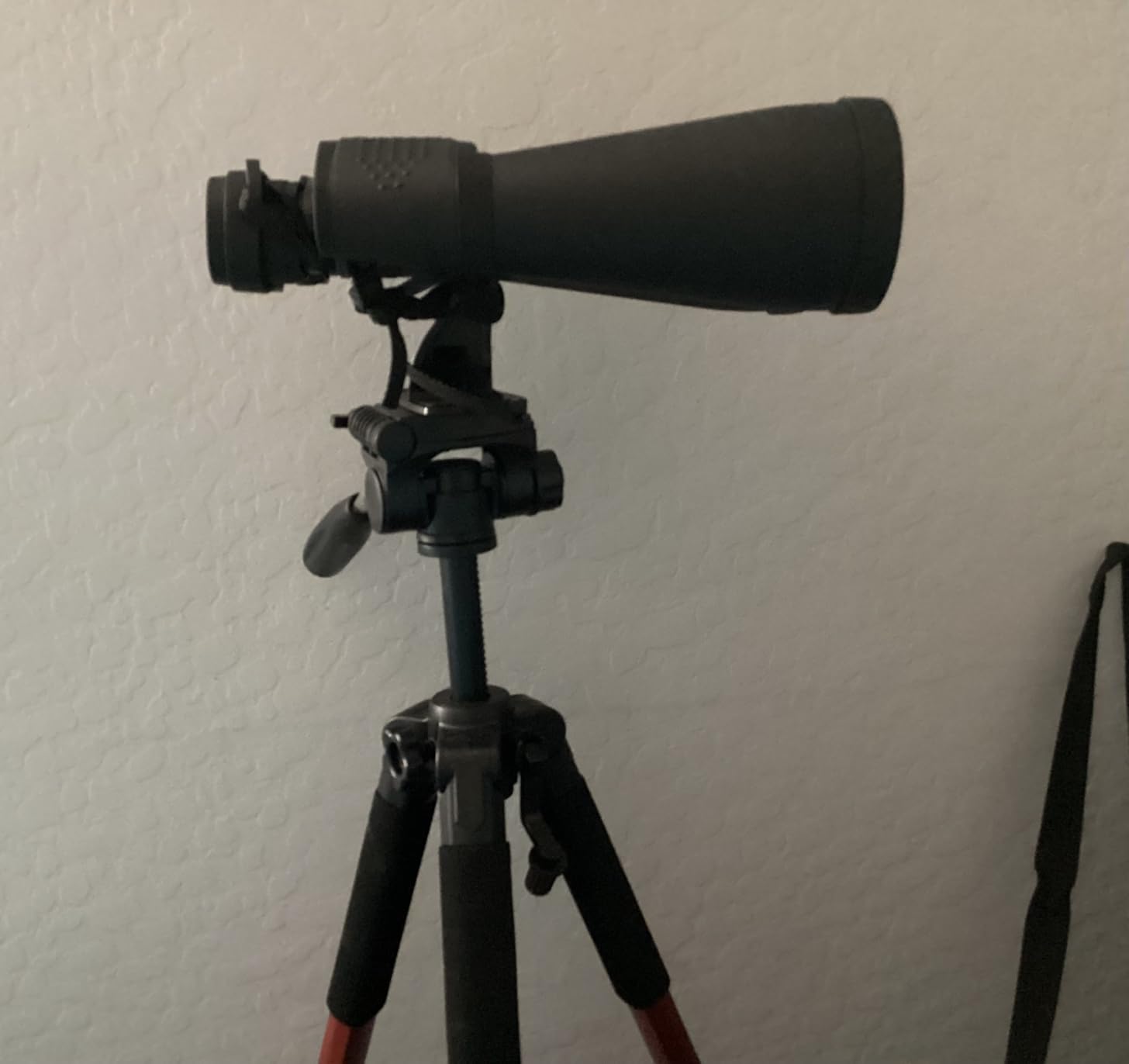
The reviews consistently praise brightness and how easy it is to focus, including for people who had never looked through binoculars before. The same reviews consistently flag one thing. At 3.3 pounds and 15x, this does not shake itself. r/telescopes describes the SkyMaster 15×70 as popular for higher-power deep-sky views while repeatedly noting the weight and the tripod requirement, and that is accurate.
Two smaller gripes recur. The plastic tripod adapter supplied in the box lets the barrels wobble and takes several seconds to settle, so a metal adapter is a worthwhile upgrade. Collimation can also arrive slightly off, and the adjustment screws on a Porro prism are tucked away where a small tool is needed.
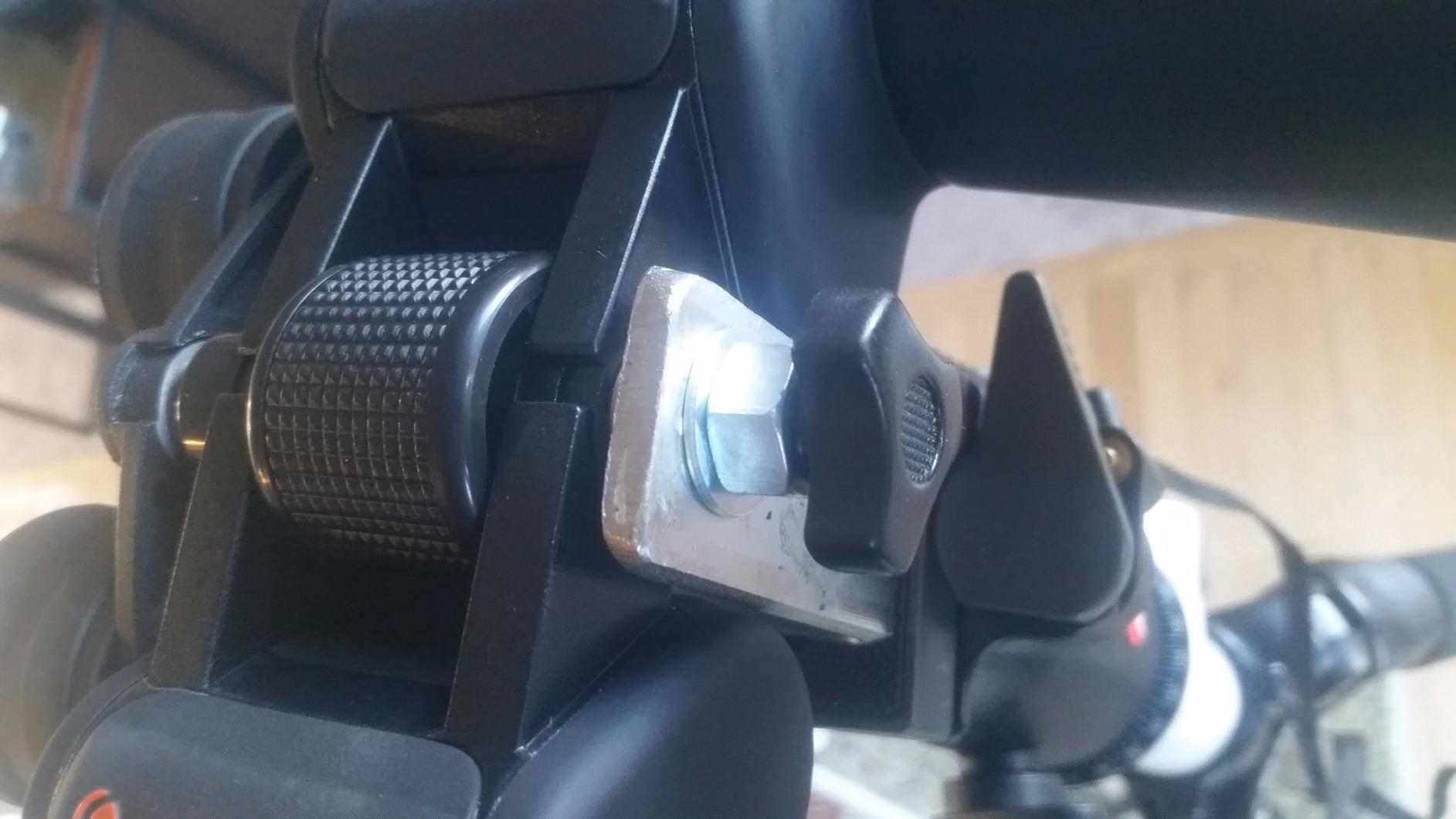
Is a tripod genuinely mandatory at 15x?
For anything beyond a few seconds of looking, yes. Human tremor at 15x makes stars crawl visibly, and at 3.3 pounds you will also feel the weight in your forearms before you have finished a target. Mounted on any steady tripod, the same binoculars become a genuinely capable deep-sky instrument.
That is why the SkyMaster has a built-in tripod socket. The socket is the feature to buy the binoculars for; the handheld use is a bonus on a stable deck chair or a car roof.
What to check before you buy
Measure your tripod’s capacity and its height. Binoculars mount to a standard 1/4-20 thread, so almost anything works, but a short tabletop mount will leave you hunched after ten minutes. Also decide how you will carry 3.3 pounds to the site, because that is where this pick loses points for casual users.
3. Vortex Diamondback HD 10×50 – Best for Faint, Light-Polluted Skies
Vortex Diamondback HD 10×50 Binoculars
10x50 HD optics
5mm exit pupil
17mm eye relief
argon purged, 1.9 lb
Pros
- 50mm objectives with dielectric and Armortek coatings
- 5mm exit pupil suits dark-adapted vision
- argon purged and fogproof after heavy use
- centre focus and diopter work with glasses
- lifetime VIP warranty
Cons
- Heavier than 10x42 models
- edge sharpness and fringing improve only in higher tiers
- case and eyepiece cover straps work loose
- harder to track fast subjects at 10x
If your observing happens under suburban or small-town skyglow, aperture matters more than almost anything else, and this is the pair we would choose. Fifty millimetre objectives at 10x produce a 5mm exit pupil, which matches a fully dark-adapted human eye almost exactly. Nothing you do to a coating adds light, but aperture does.
The coating stack here is the most serious on this list. Dielectric and Armortek coatings sit on fully multi-coated lenses, and owners consistently report a sharp centre image with minimal colour fringing on the lunar terminator, which is the hardest test you can put binocular glass under a high-power eyepiece.
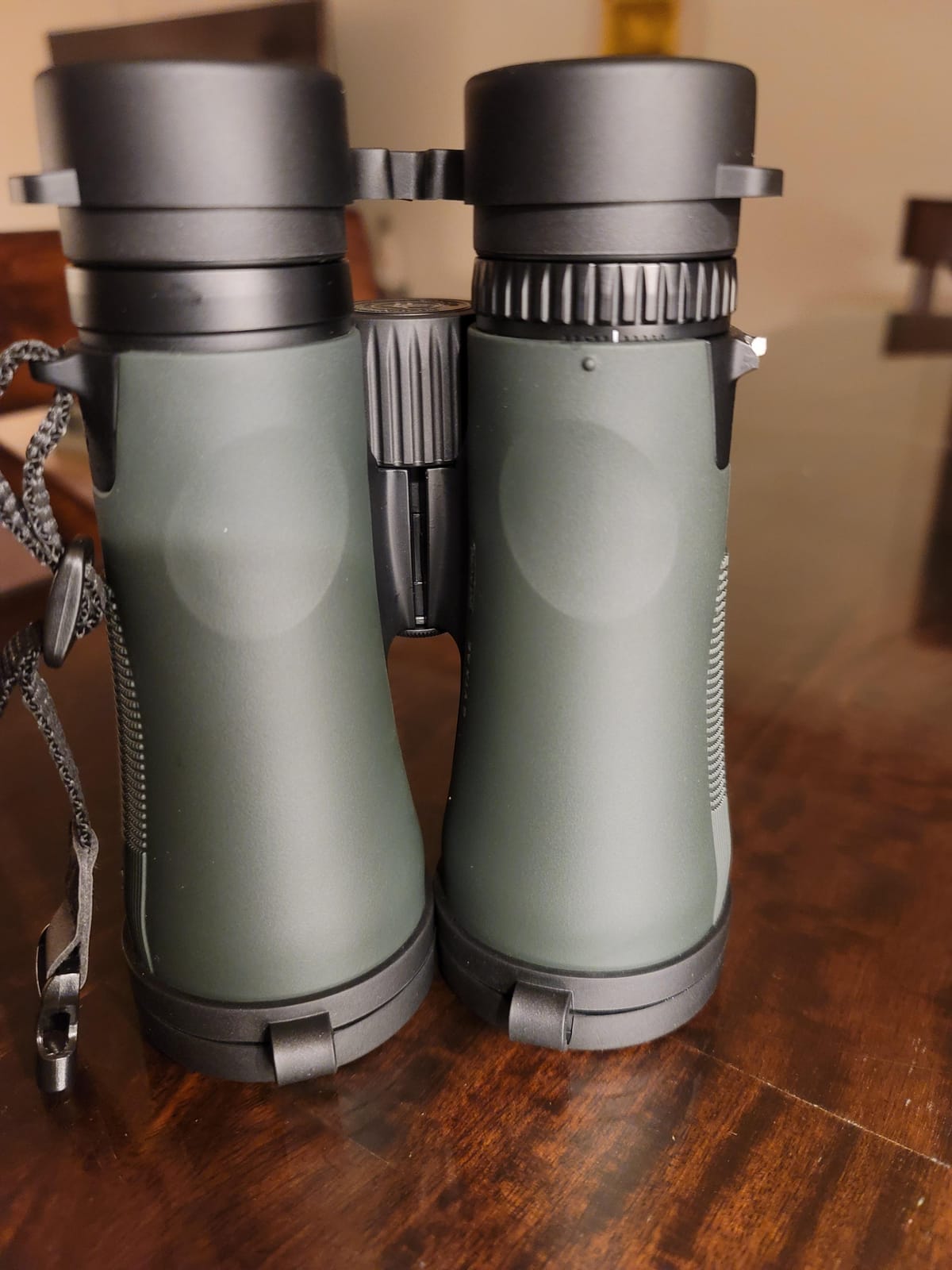
The sealing is the other story. Argon purging with o-ring seals means the glass stays clear after a cold drive and a humid evening, and owners report no fogging at all after heavy use. The twist-up eyecups and centre focus work cleanly with or without glasses, and 17mm of eye relief is generous for most frames.
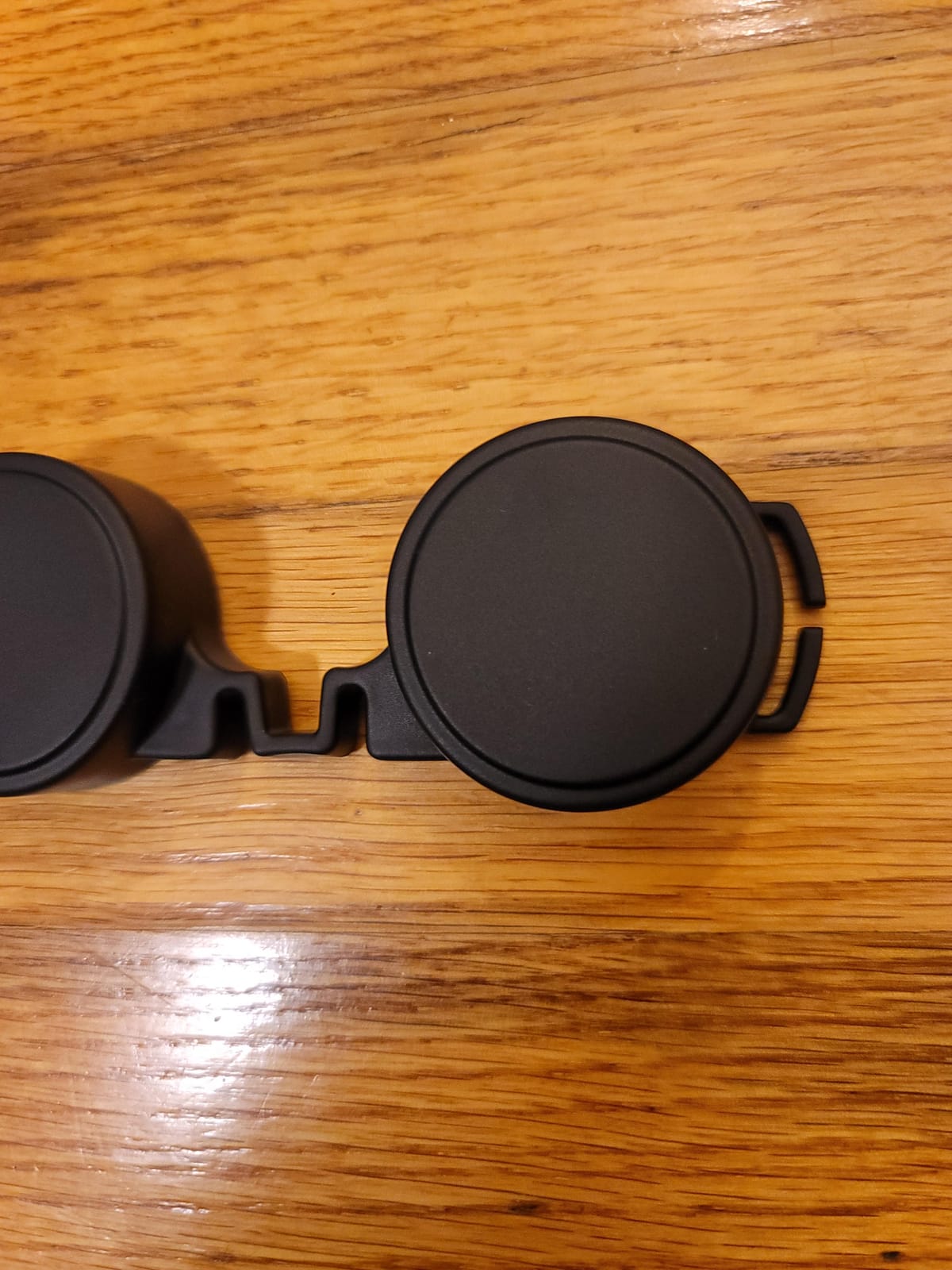
Weighing 1.9 pounds, it is heavier than a 10×42 and noticeably less pleasant on a long walk, and edge-to-edge sharpness still trails the top tier of the same range. Case and eyepiece cover straps do work loose with use, which is the sort of thing nobody mentions until the case drops in the car park.
How much brighter is 5mm versus 4.2mm at night?
A 5mm exit pupil passes roughly 40 percent more light than a 4.2mm one of the same design. In practice that is the difference between a comfortable, full-contrast view of the Andromeda Galaxy and a patchy one on a mediocre night, and it is why 50mm glass is the standard recommendation for astronomy on r/Binoculars rather than 42mm.
It is also why retailers get away with marketing 10x42s as astronomy binoculars. They are fine binoculars. They are just not the brightest ones after dark.
What to check before you buy
Decide whether you are walking or driving. At 1.9 pounds this is a car binocular first and a hiking binocular second. Check that the centre focus ring and diopter are reachable with thick gloves on, since that is when fiddly adjustments are most annoying, and note that a tripod adapter is a separate purchase if you already own a mount.
4. Celestron Cometron 7×50 – Best Budget Wide-Field Starter
Celestron Cometron 7x50mm Astronomy Binoculars
7x50 Porro prism
7.1mm exit pupil
6.8 degree field
774 g
Pros
- Widest field of view in this guide
- very bright 7.1mm exit pupil
- 774 g is genuinely handheld
- works for birdwatching and scenic viewing
- limited lifetime warranty
Cons
- 7x shows little more than the naked eye on faint deep-sky targets
- individual barrel focus instead of a centre wheel
- tripod socket has no adapter included
The Cometron 7×50 exists for one job, and it does that job extremely well: showing you as much sky as possible at once. A 6.8 degree true field of view means a pair like this frames the Pleiades, the Hyades and large swathes of the Milky Way in a single view, which makes panning and learning the sky far easier than peering through a narrow field.
Brightness is the other strength. Fifty millimetre objectives at 7x give a 7.1mm exit pupil, the widest light beam of any binocular here, and the multi-coated lenses keep the image contrasty enough to pick out the brighter members of open clusters. At 774 g it is the only genuinely light pair in the guide.
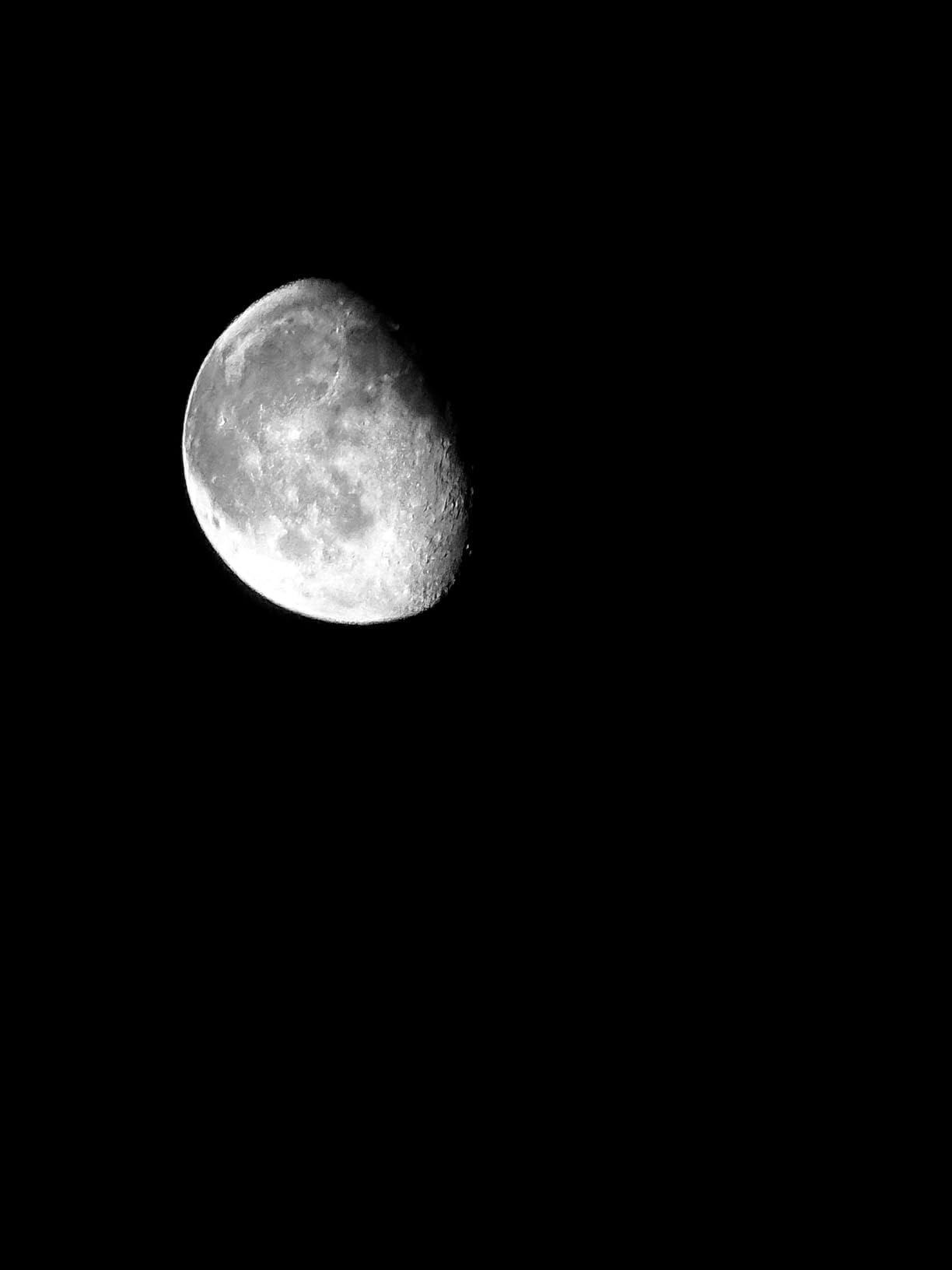
The compromise is magnification. At 7x, faint galaxies and nebulae look much as they do to the unaided eye, and lunar craters along the terminator are not resolved. If you want to see a target change shape, this is not the pair. If you want to find targets, learn constellations and watch meteors, it is excellent.
Two practical notes. Focusing is individual, meaning you turn each eyepiece separately rather than using a single centre wheel, which takes a little getting used to. And there is a tripod socket but no adapter in the box, so if you want to mount it you need to source the thread adapter yourself.
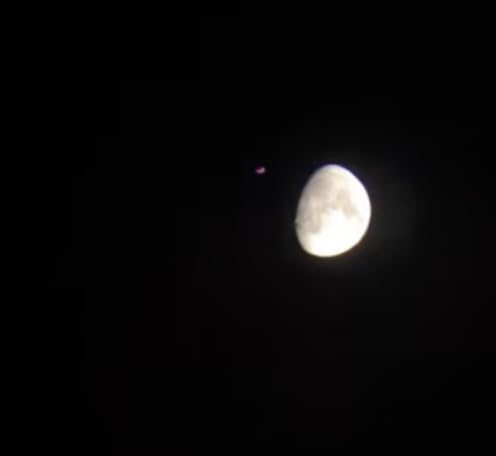
Is 7x magnification worth starting with?
For a first pair, often yes. The whole difficulty of stargazing is locating things, and a wide field solves that instantly. Once you can sweep from Cassiopeia to Orion without losing your place, you are ready to move to 10x or 15x for detail. Many beginners buy wide first and regret it; the reverse order is the safer path.
It also has the highest relative brightness figure in the group, which matters if you are under town lights. A wide, bright field beats a narrow, dim one when the sky is glowing.
What to check before you buy
Try the interpupillary adjustment at its narrowest setting. The two barrels need to come close enough together for your eyes to merge the images into a single circle, and a gap that is too wide is the most common reason a first binocular gets written off as faulty. Twelve point five millimetres of eye relief also means glasses wearers may need to remove their spectacles.
5. ZEISS Terra ED 8×42 – Best Extra-Low Dispersion Glass
ZEISS Terra ED Binoculars 8×42 Compact, Waterproof, and Fast Focusing, Grey
8x42 Schmidt-Pechan ED
88% light transmission
18mm eye relief
waterproof
Pros
- ED glass keeps colour fringing to a minimum
- 88% light transmission
- large fast focus wheel
- 18mm eye relief is the best here for glasses
- transferable limited lifetime optics warranty
Cons
- 8x is a wide-field format rather than a detail instrument
- heavier than expected for a compact 8x42
- soft nylon case with little padding
- slight halos near the field edge
This is the only pair in the guide built around extra-low dispersion glass, and that single choice changes what you see at the edge of bright objects. ED elements hold colours together where standard glass frings, so the lunar limb and the brighter stars stay cleaner when they sit off-centre.
ZEISS quotes 88% light transmission for the Schmidt-Pechan ED optical system, and owners back that up with reports of edge-to-edge clarity and low-light brightness that regularly outclassed more expensive binoculars they compared against. The large, fast focus wheel is genuinely the best-damped focusing control here, and it takes less than a full turn to go from one end of focus to the other.
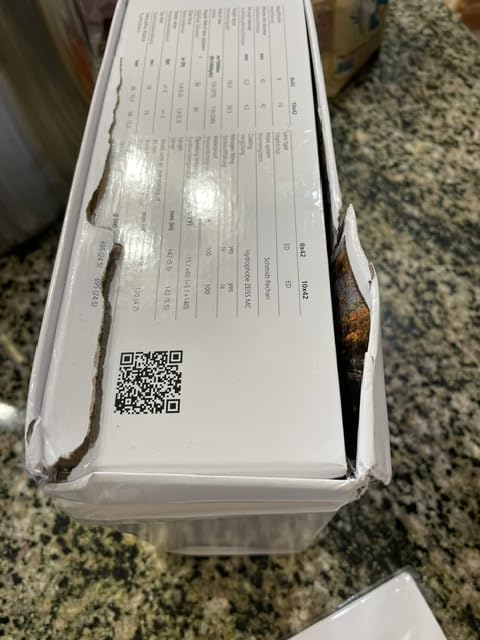
At 8x with 42mm objectives you get a 5.3mm exit pupil, close to optimal for a dark-adapted eye, and a wide true field that makes constellation work pleasant. The waterproof, fibreglass-reinforced chassis and hydrophobic multi-layer coating handle wet grass and damp mornings without fogging internally.
Eighteen millimetres of eye relief is the joint best here, and the ±3 diopter adjustment covers almost any prescription. The transferability of the limited lifetime optics warranty is a real plus for anyone who intends to keep buying glass from the same family. The trade-offs are the modest 8x power, a weight of 3.2 pounds that is high for a compact design, and a thinly padded soft case.
How much does ED glass matter under a dark sky?
Less than the marketing implies on faint targets, more than most people expect on bright ones. Colour fringing shows up on the Moon, on Venus and on the limb of Jupiter, and it is distracting exactly where you are looking hardest. On dim nebulae you are collecting photons rather than resolving detail, and the difference in transmission matters more than the dispersion.
Both effects are real at once, which is why owners describe this binocular as clearer without being able to explain why. The practical advice: if your interest is the Moon and planets rather than galaxies, glass quality pays off more than another 10mm of aperture.
What to check before you buy
Put them on and notice where your eyes settle. The large focus wheel is fast, so it is easy to overshoot focus, and binocular observers who are slightly myopic may prefer to leave their glasses on. Check the case situation too, since 3.2 pounds plus a thin case is a lot to carry to a remote site.
6. Vortex Triumph HD 10×42 – Best All-Rounder for Long Sessions
Vortex Triumph HD 10×42 Binoculars
10x42 HD roof prism
4.2mm exit pupil
17mm eye relief
±5 diopter, 2.3 lb
Pros
- Sharp bright images with good colour accuracy in dim light
- comfortable with glasses and easy focus adjustment
- full rubber armor
- waterproof and fogproof
- lifetime VIP warranty
Cons
- Heavier and bulkier than the Crossfire HD at the same power
- 10x is modest for fine lunar detail
- focus ring can feel noisy
- a small number of reports of internal haze
The Triumph HD is the pair to consider if the Crossfire HD felt too small to you. Same 10×42 format, same 4.2mm exit pupil, same warranty, but a noticeably more substantial body with a wider, more distortion-free field and adjustable rubber eyecups that suit longer sessions.
Owners rate the optics 4.7 stars and describe bright, colour-accurate HD images that hold up in dim light, with focus and diopter adjustment that are among the easiest in this roundup. The ±5 diopter range is the widest here, which helps if your two eyes differ noticeably or if you use the right-eyepiece correction instead of glasses.
Rubber armour over a waterproof, fogproof, nitrogen-purged polycarbonate chassis means it tolerates rough handling and damp storage, and the GlassPak harness keeps it safe in a pack. The whole package carries more than 2,300 owner reviews.
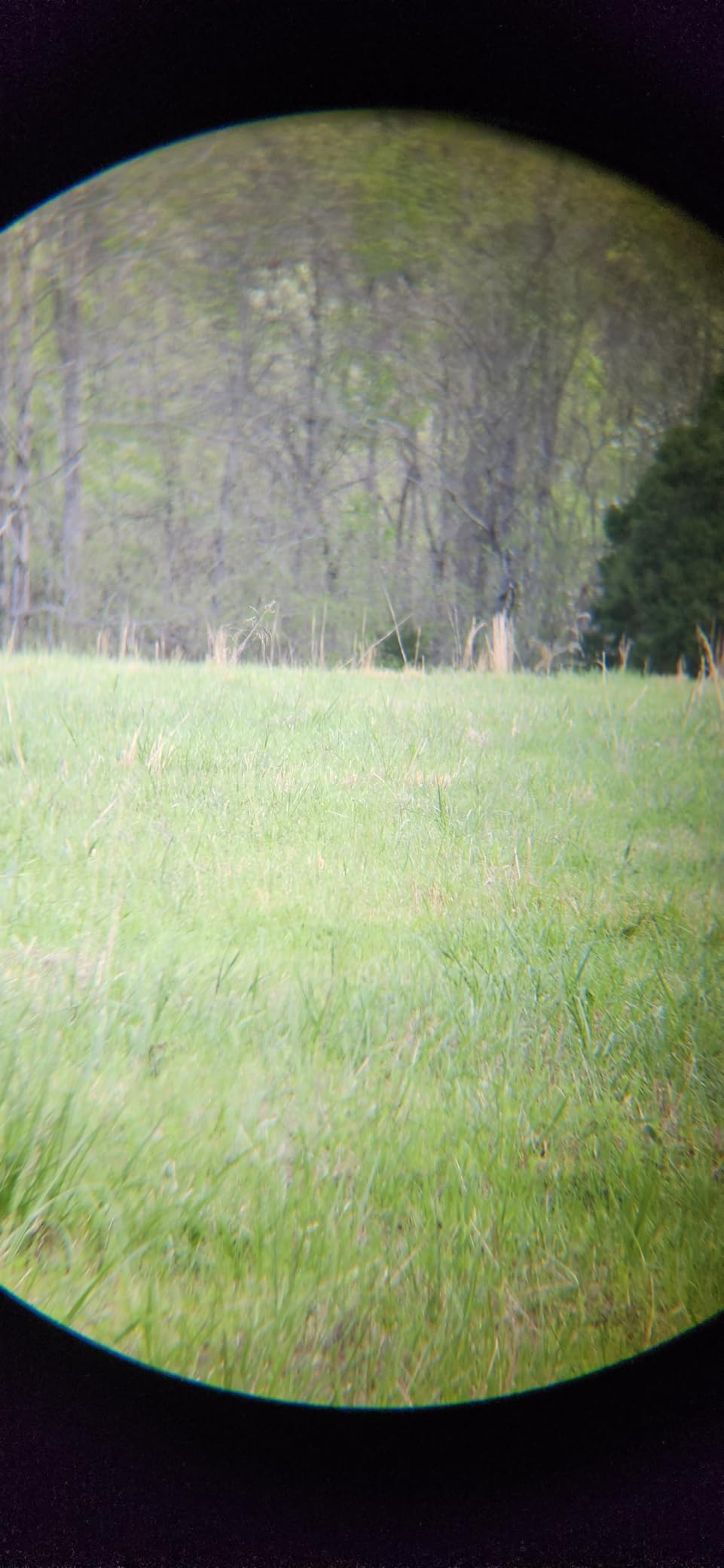
The compromises are weight and size. At 2.3 pounds it is heavier and bulkier than the Crossfire HD at identical magnification, which matters if you carry it on a hike. Ten power is a modest amount for resolving fine lunar detail, and a small number of owners report a white haze in the image or a focus ring that feels noisy in use.
Like the Crossfire, the 42mm objectives mean this is a clean, pleasant, contrasty view rather than a bright one. The distinction matters most on the Moon, where aperture is less critical, and least on galaxies under city glow.

Is 17mm of eye relief enough for glasses?
For most wearers, yes. Around 16mm is generally the point where eyeglass frames start clipping the field, and 17mm clears the frames used by most people under moderate prescription. If you wear thick progressive lenses or high frames, test before you commit, and if the eyecups are adjustable, folding them down usually recovers enough clearance.
The ±5 diopter adjustment is the backup plan. If the field edge is still hidden, dialling correction into the right eyepiece can let you observe with your glasses off.
What to check before you buy
Try it for a full ten minutes rather than thirty seconds. This is a binocular you can sit with, and comfort over a long session is the whole point of the design. Check the harness system against your bag, since the GlassPak arrangement is over-engineered for casual carry, and confirm the 2.3 pound weight is something you are willing to hold up for an hour.
7. Nikon ACULON A211 12×50 – Best for Daytime Crossover Use
Nikon ACULON A211 12×50 Binocular | Multilayer coating, Porro prism Binocular with turn and slide eyecups, Tripod Adaptable | Official Nikon USA Model
12x50 Porro prism
4.2mm exit pupil
11.5mm eye relief
2.6 lb
Pros
- Bright clear multicoated Eco-Glass images
- 12x with 50mm objectives gathers strong low light
- smooth central focus knob
- turn-and-slide rubber eyecups
- grippy rubber-armoured body
Cons
- 11.5mm eye relief is the shortest here and clips the field with glasses
- 2.6 lb is heavy for 12x50
- limited low-light edge performance against ED glass
- one-year manufacturer warranty
Nikon built the A211 as an all-purpose binocular and it fills that role well. Twelve power with 50mm objectives is an unusual combination for a daytime model, and it is genuinely brighter after dark than a 10×42 because of the extra glass. Aspherical multicoated Eco-Glass elements deliver clear, bright images across most lighting conditions.
Controls are the strength here. The central focus knob is smooth and easy to find by feel, and the turn-and-slide rubber eyecups let you set the eye position precisely, which matters more for comfort over a long session than most spec sheets admit. The rubber-armoured, non-slip body holds up well in wet conditions.

Two numbers stand out as cautions. The 11.5mm eye relief is the shortest in this guide, and glasses wearers will struggle to see the whole field without lifting their spectacles or using the focus ring trick. At 2.6 pounds it is also heavy for its size, and the tripod-adaptable mount is a good reason to plan on using it mounted.
Owners also note that edge performance drops off in low light compared with ED glass models, which is expected from standard optical glass. The warranty is one year, the shortest of any pick here, and that is worth weighing against the lifetime warranties offered by Vortex and Celestron.
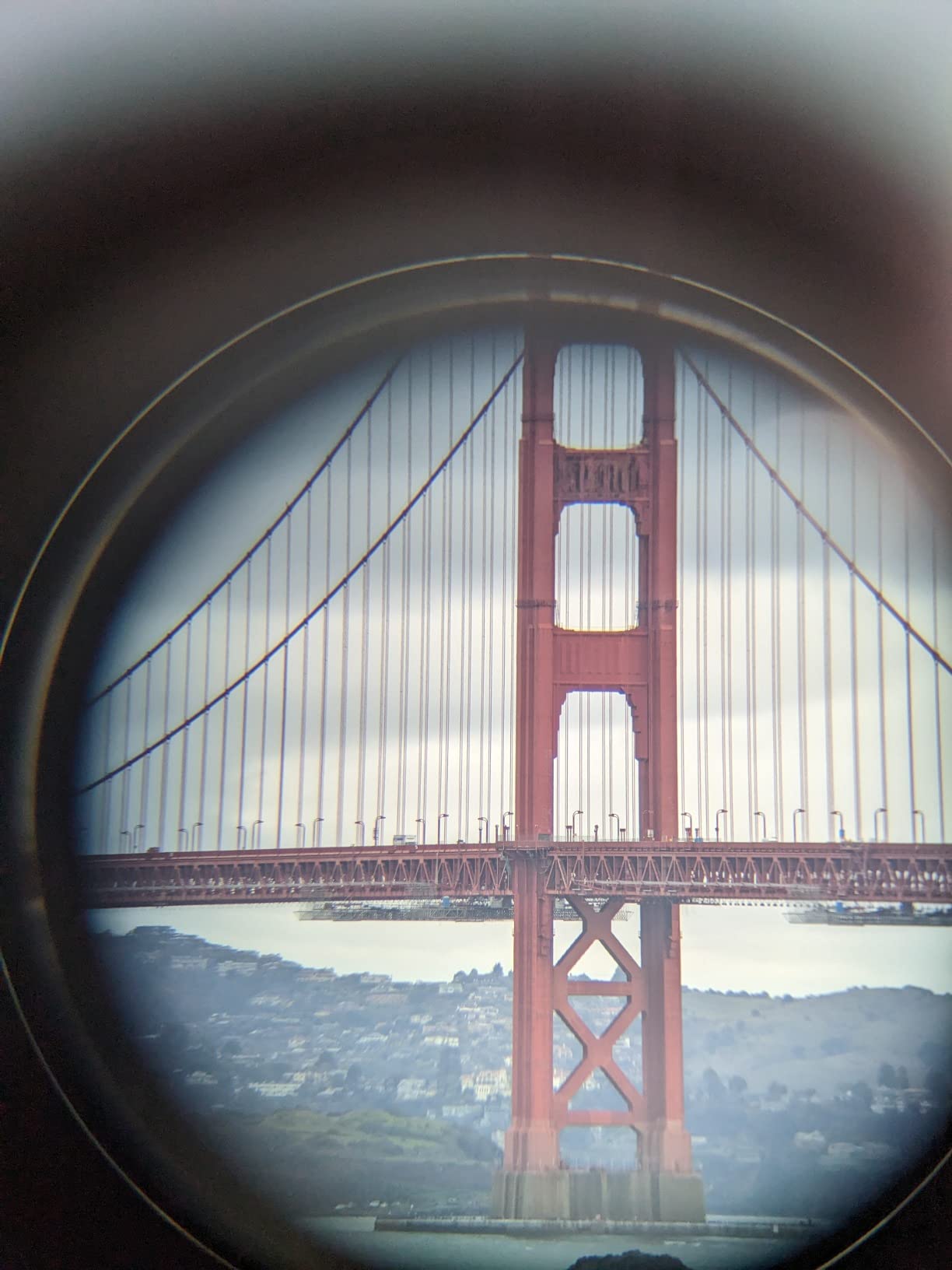
Does 12x shake more than 10x handheld?
It does, measurably. Binoculars pass roughly one and a half times the movement at 12x that they do at 10x, and human tremor is the limiting factor at both. For steady short looks at a bright target it is fine. For extended viewing of anything dim, mount it, because a shaky high-power image is genuinely tiring on the eyes.
The 50mm objectives partly compensate. More light means you can tolerate a slightly less steady image, because a bright object is easier to hold onto mentally than a faint one.
What to check before you buy
Try these with your glasses on, because that is where the eye relief will be tested hardest. If the field edge is hidden, check the current minimum interpupillary distance against your own before buying. Also note that the barrel design is a Porro prism, which is bulkier than a roof prism of the same specification.
8. Celestron SkyMaster 25×70 – Best for Maximum Power on a Tripod
Celestron SkyMaster 25×70 Binoculars for Astronomy, Long-Range & Wildlife
25x70 Porro prism
2.8mm exit pupil
2.7 degree field
1474 g
Pros
- Highest magnification here for pinpoint targets on the Moon and Jupiter
- 70mm objectives gather real light
- lighter than expected for 25x
- includes case strap cloth and tripod adapter
- limited lifetime warranty
Cons
- 2.8mm exit pupil is below the ideal range and makes the image dim
- 2.7 degree field makes navigation hard
- supplied adapter allows barrel wobble
- some examples arrive out of collimation
This is the highest magnification in the guide that does not require a separate crane, and it exists for a narrow purpose: putting a known target in the middle of the field. At 25x, the Moon fills a good part of the view, Jupiter’s moons separate cleanly, and bright galaxies like M31 and the globular M13 show a defined core rather than a glow.
Owners rate it 4.3 stars across more than 9,000 reviews, and the recurring theme is that the value is excellent for the power on offer. The 70mm objectives do the light gathering, while a pair like a 20×80 would do the same job with a slightly wider view and steadier handheld behaviour.
At 1,474 g it is lighter than the 15×70 it shares a chassis with, which is a genuine surprise and the main reason we would pick this over the 25×100. Owners also mention how well the supplied accessories are thought out: case, strap, lens cloth and a tripod adapter are all included.
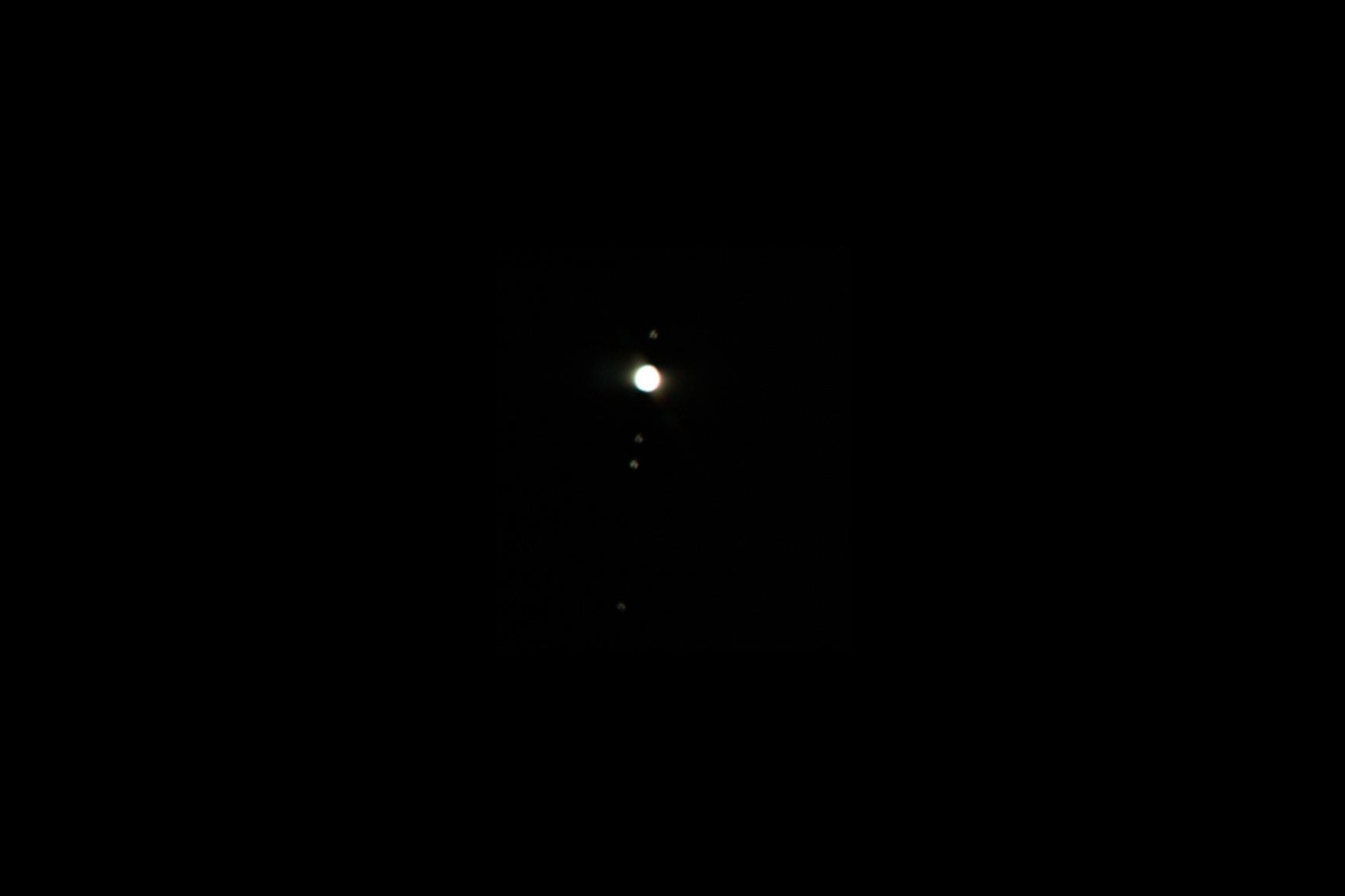
Now the honest part. Twenty-five power produces a 2.8mm exit pupil, well below the 5-7mm a dark-adapted eye can use, so the image is dimmer than a lower-powered pair with the same glass. In practice the sky has to be genuinely dark, or the Moon has to be up, for this magnification to pay off. The 2.7 degree field is also narrow enough that finding a target takes patience.
Mount it on a tripod, and expect the supplied adapter to take a few seconds to stop wobbling. A minority of owners report examples arriving out of collimation, so check the two images merge cleanly at a distant object as soon as it arrives.
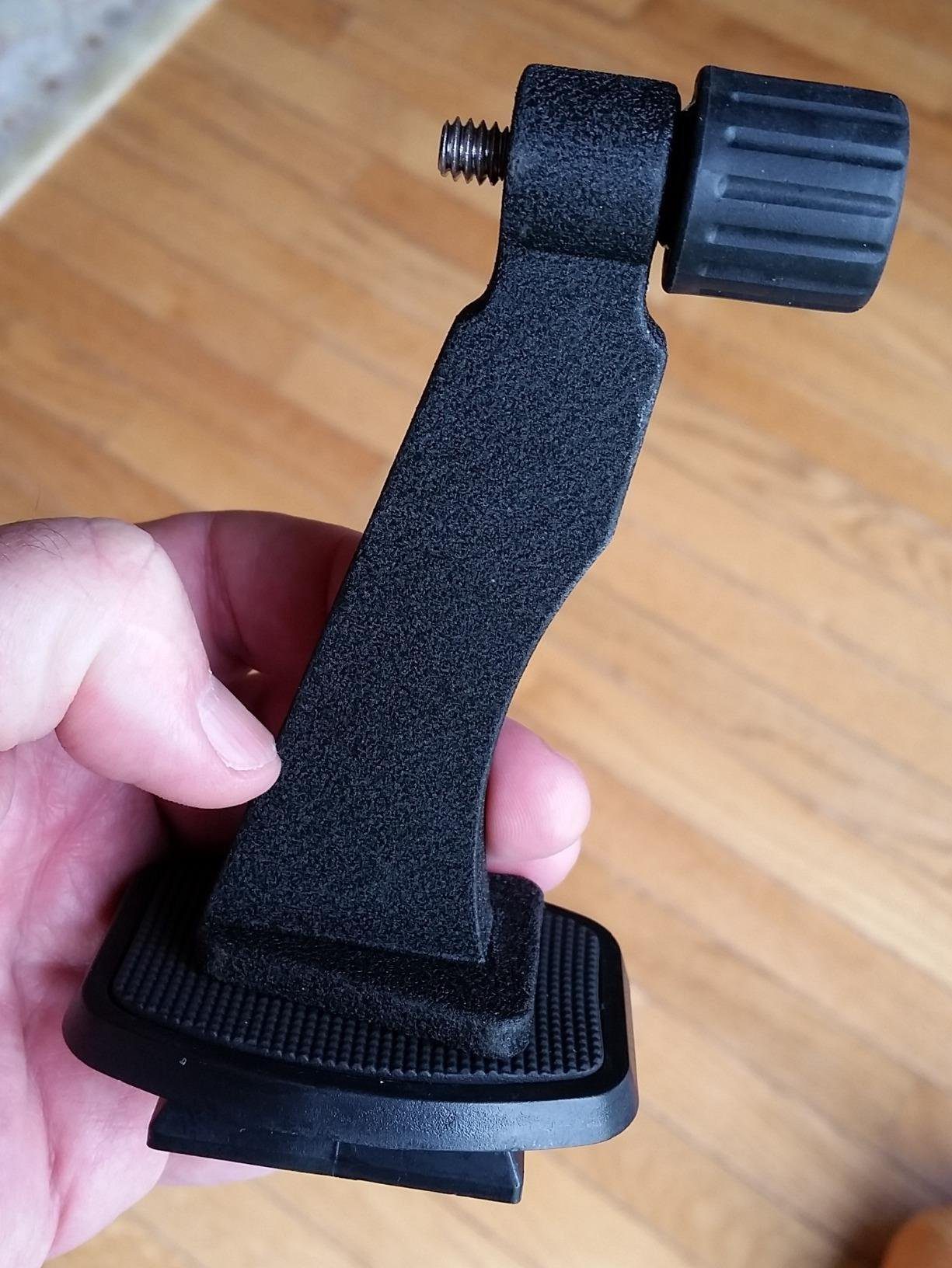
Is a 2.8mm exit pupil too dim to use?
Not too dim, but definitely dimmer than you want on a mediocre night. An exit pupil smaller than your dark-adapted pupil wastes light because the pupil cannot open wide enough to take all of it. A 2.8mm beam still shows plenty on a moonless night at a dark site, and the magnification partly compensates by spreading light out more thinly, which is the trade you are making.
If your site is bright or your sessions are frequent and short, a 15×70 will serve you better every time. If you are patient and often travel somewhere genuinely dark, the extra power is worth the extra setup.
What to check before you buy
Check that your tripod plate can take the weight and that you can reach focus without standing up, because 25x needs a precise focus and fiddling with it while kneeling is no fun. Confirm the interpupillary adjustment reaches your eyes comfortably, and inspect for double images on a distant target on arrival to catch any collimation issue while the warranty is fresh.
9. Sogries 20×80 – Best Starter High-Power Setup
20×80 Astronomy Binoculars for Adults High Powered
20x80 metal housing
4mm exit pupil
17mm eye relief
1/4-inch tripod thread
Pros
- Bright sharp views of the Moon at 20x
- 80mm objectives give plenty of light for dusk viewing
- substantial metal build
- wide clear field with a well-damped focus ring
- includes case strap phone holder and tripod hardware
Cons
- 4.66 lb is too heavy for hiking or travel
- hand-holding tires the arms quickly
- the included tripod is small and better treated as a handle
- a few reports of cracked eyepiece housings
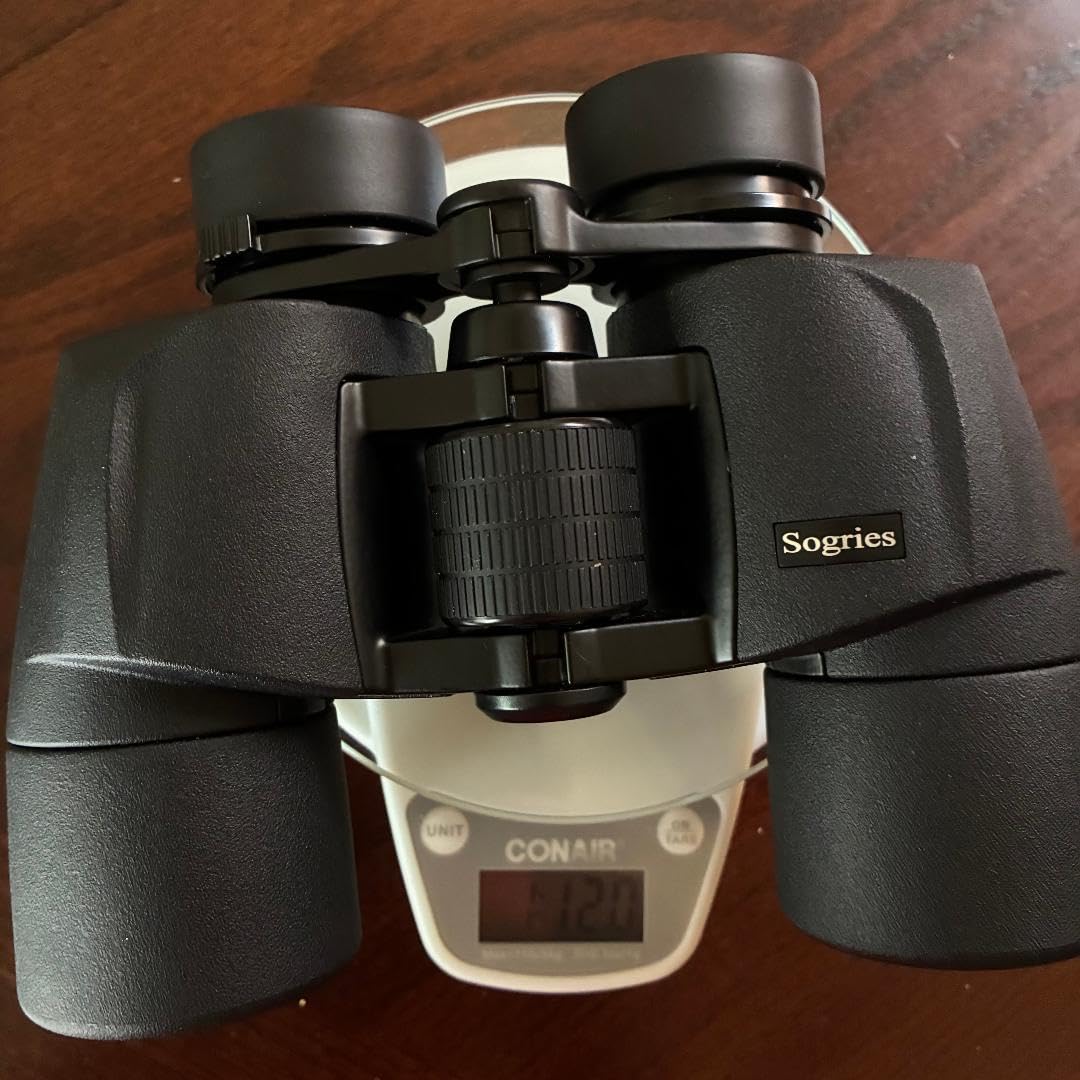
The 20×80 format is where most people stop when they start asking for more power, and this one makes the case well. Eighty millimetre objectives at 20x give a 4mm exit pupil, which is small but workable, and the result is a bright, sharp view of the Moon that fills the field, plus solid performance on bright deep-sky targets in the hours after sunset.
Owners describe the metal housing as substantial and well finished, with a weight that reads as quality rather than inconvenience. The focus ring is well damped, so you can find focus without overshooting, and the field is described as wide and clear for the magnification. The accessory package is unusually complete, with a carrying case, strap, phone holder and tripod hardware included.
This is also the one high-power pick where the accessory list changes the equation. A phone holder lets you line up a wide-field photo of the Milky Way through the eyecup, which is a genuine benefit no other pair in this guide offers.
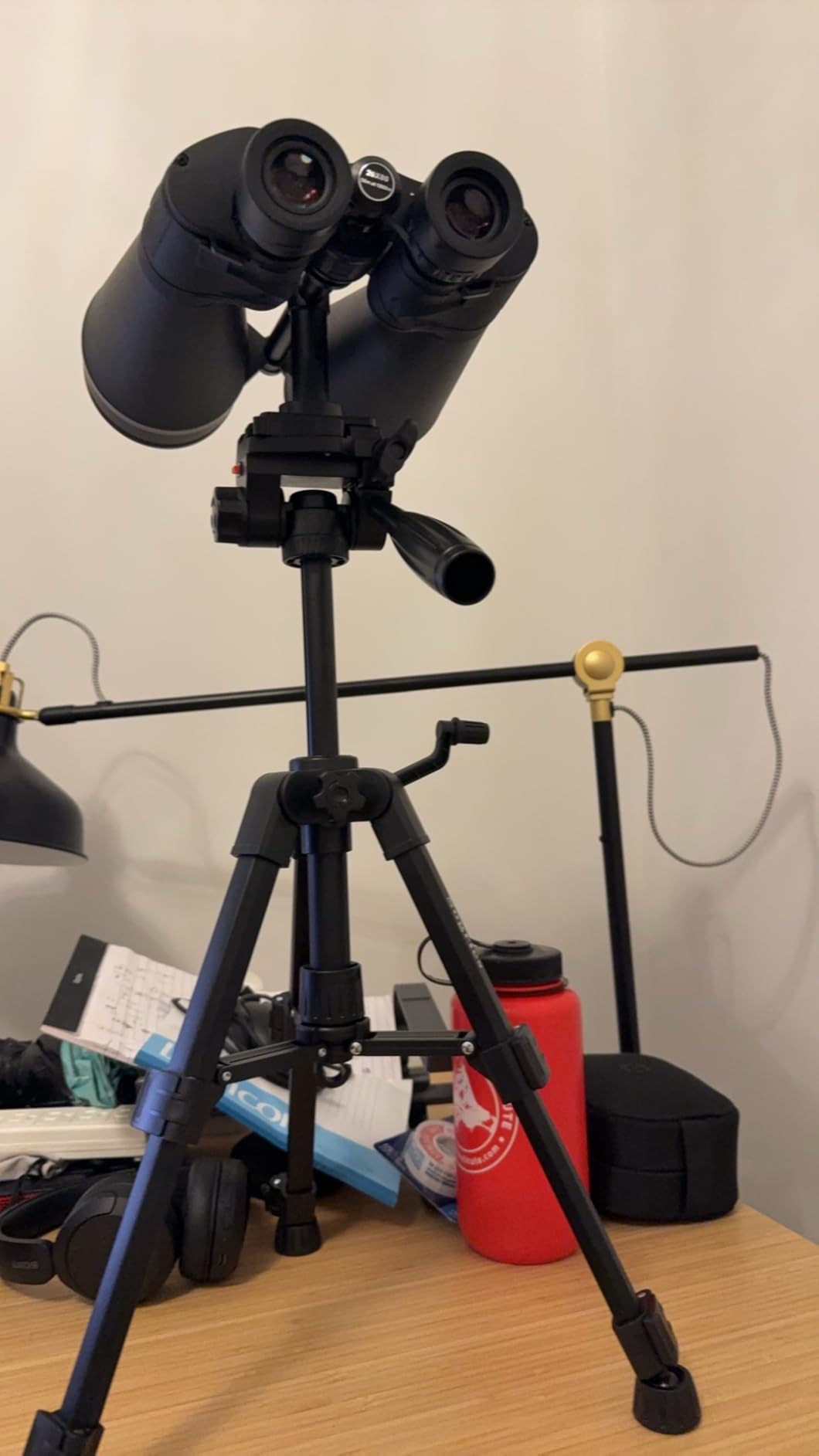
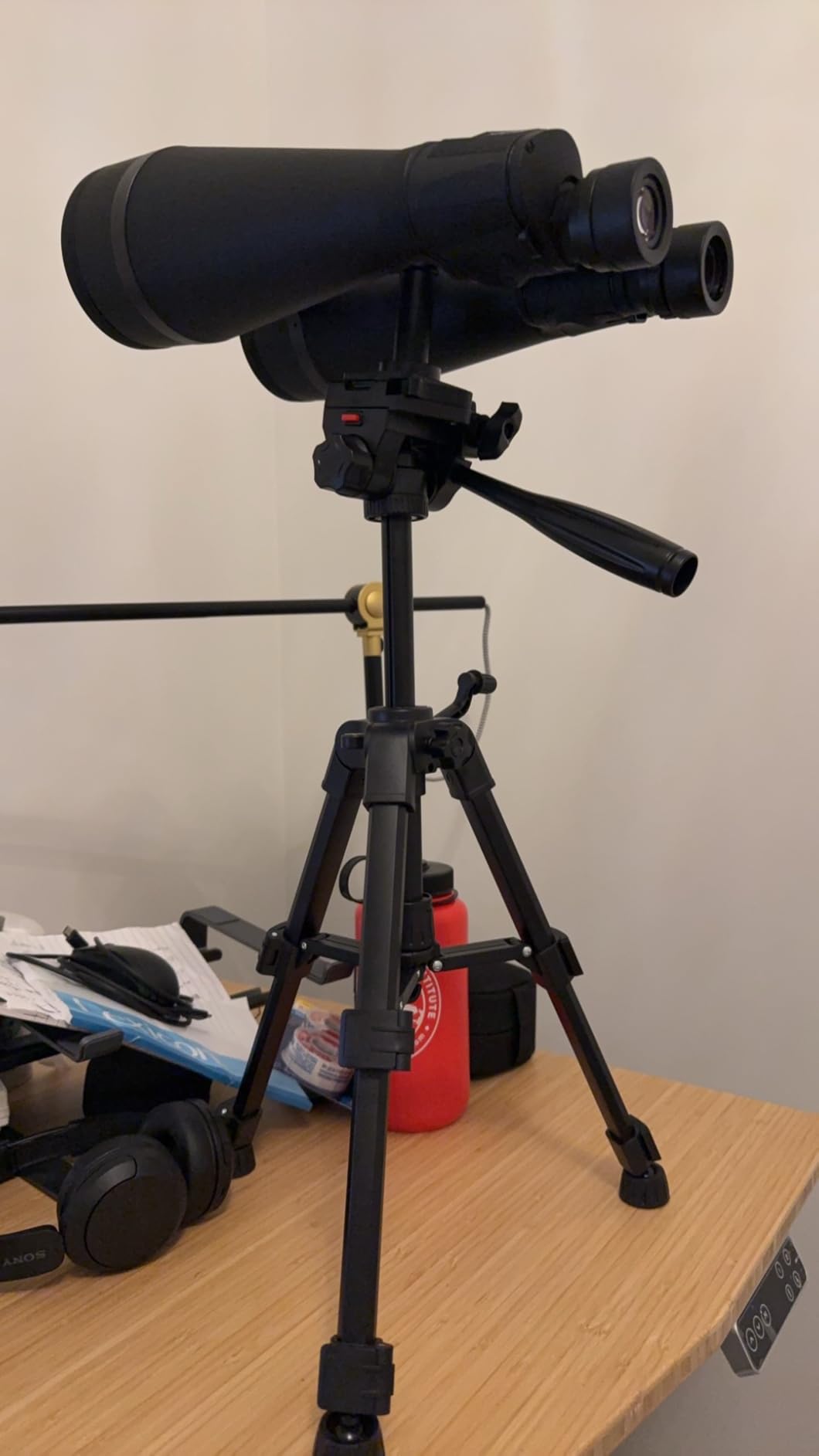
The caveats are consistent across reviews. At 4.66 lb it is far too heavy for hiking, cycling or travel, and hand-holding tires the arms within minutes, so a tripod is not optional. The tripod that comes in the box is small, and owners mostly use it as a handle. A small number of reports describe cracked eyepiece housings after extended use, so check yours early.
BaK-4 prisms and o-ring sealing do the durability work, and the two-year warranty is shorter than the lifetime cover on the Celestron and Vortex picks at similar specifications.
Should a first high-power pair be 20×80 or 15×70?
Start at 15×70 unless you have a tripod you are already confident with. The lower power is steadier, the field is 60 percent wider, and targets are far easier to locate, which means you spend more time looking at things and less time hunting for them. Move to 20×80 once you know your way around the sky.
If you are buying both in the long run, 20×80 is the one for lunar and planetary work and 15×70 is the one for sweeping. They answer different questions.
What to check before you buy
Plan your mount before you order. A 1/4-inch thread is standard and universal, but the adapter supplied in the box is not a substitute for a real tripod, and this body needs one. Check the height of your setup as well, because 20x on a low table will have you bent forward for an hour.
10. Sogries 25×100 – Best for the Faintest Deep-Sky Targets
Sogries 25×100 Astronomy Binoculars for Stargazing High Powered Long Range
25x100 Porro prism
4mm exit pupil
15.5mm eye relief
8.8 lb
Pros
- 100mm objectives give the brightest views in this guide
- owners report resolving Jupiter's moons and the Orion Nebula from a suburban yard
- rubber-armored metal housing
- nitrogen filled and waterproof
- includes a leather backpack
Cons
- 8.8 lb makes a sturdy tripod essential and none is included
- very large and difficult to carry
- individual barrel focus is slow to adjust
- a few reports of doubled images from collimation
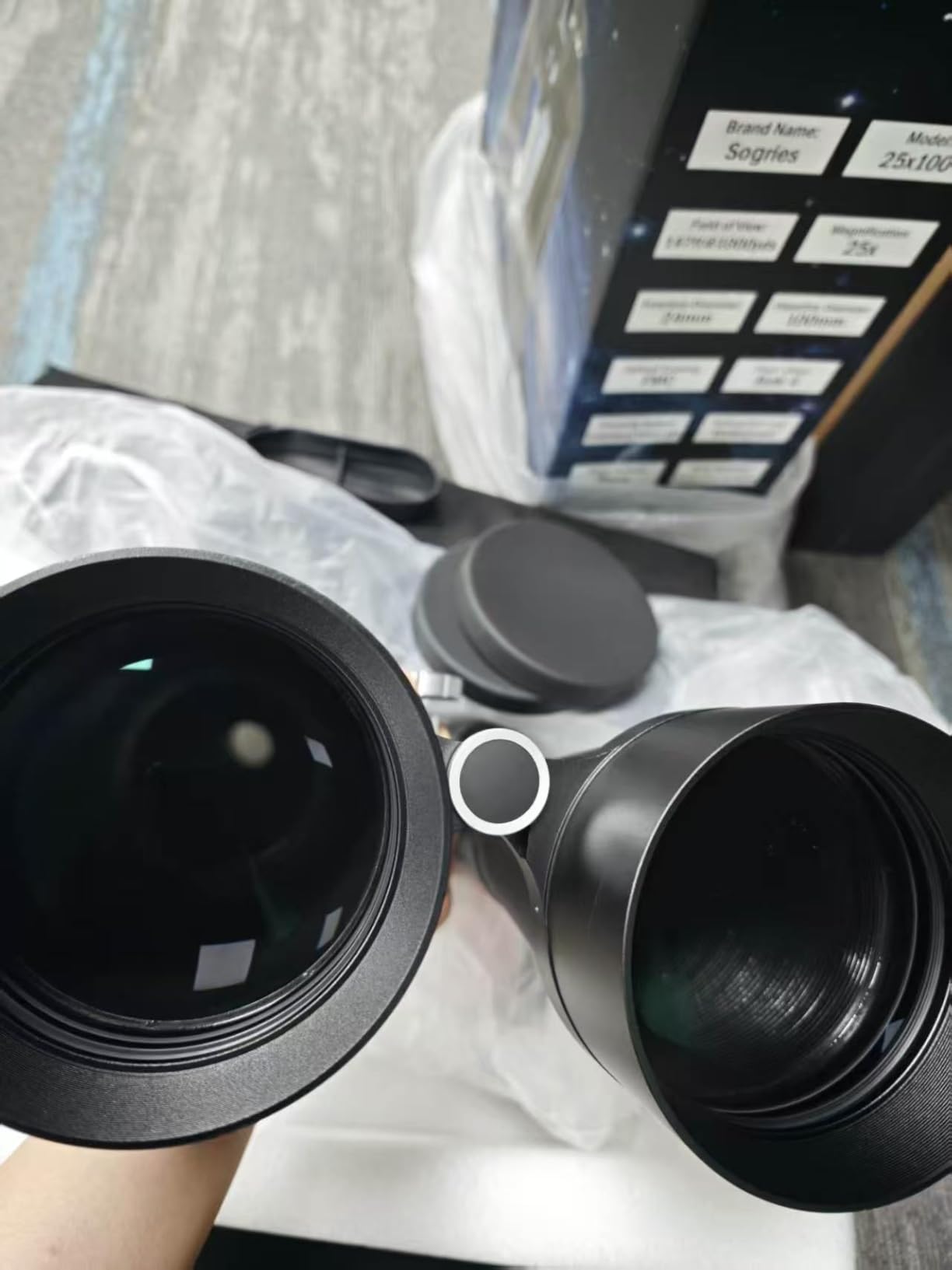
Nothing else in this guide gathers as much light. A hundred millimetre objective is twice the diameter of a 50mm lens and collects roughly four times the light, and at 25x the exit pupil is still 4mm, so the beam is usable. If your goal is the faintest things visible from where you live, this is the instrument that gets you there.
Owners report resolving Jupiter’s moons and picking out structure in the Orion Nebula from an ordinary suburban backyard, which is a stronger claim than most astronomy binoculars at this size support. The optics use BaK-4 prisms with fully multi-coated glass across six elements in four groups, and the rubber-armoured metal housing is genuinely built for the job rather than for a shelf.
It is also nitrogen filled, waterproof and fogproof, and the box includes a leather backpack, strap, lens cover and cleaning cloth, which is a sensible package for something this size.
Now the part nobody enjoys. At 8.8 lb these are not binoculars, they are a mounted instrument you lift onto a tripod, and the tripod is not included. The body measures over 16 inches long, so transport and setup are the real cost. Focusing is individual on each barrel rather than a single centre wheel, which is slower when you are refocusing between targets.
A minority of owners report doubled images from collimation on arrival and difficulty getting them resolved through support, so inspect the pair carefully in daylight before the warranty window closes. The warranty is two years rather than a lifetime, which is another reason we would not start here.
Is 100mm of aperture worth doubling the weight?
Only if you have a tripod and a dark site. Four times the light means you can see objects that a 50mm pair shows as nothing, which is the whole appeal. But every one of those extra photons arrives through an instrument you cannot hold, so without a mount the extra light is wasted.
Our advice is to prove you like astronomy with a 10×50 or a 15×70 first, then add a pair like this as the second step. Buying the giant first is how people end up with an expensive object in a cupboard.
What to check before you buy
Check your tripod payload rating and whether it has a counterweight or a way to keep the barrels from tipping. Measure your vehicle, because the packing dimensions are large. And test the interpupillary adjustment at its narrowest, since a 100mm body cannot close up as far as a compact model.
What the Numbers on Stargazing Binoculars Mean
A binocular’s name is two numbers, and everything else follows from them. In 10×50, the 10 is magnification and the 50 is the objective diameter in millimetres. Divide the second by the first and you get the exit pupil, the size of the light beam leaving the eyepiece, which is the single most useful number for astronomy.
Exit pupil is the number to check first. A fully dark-adapted human pupil is roughly 5-7mm across. If the exit pupil is smaller than that, some light is wasted; if it is much larger than your pupil, the extra beam is wasted too. The practical target is 4-7mm, which is why 10×50 (50 divided by 10 = 5.0mm), 8×42 (5.25mm) and 7×50 (7.1mm) all work well, and why 25×70 at 2.8mm and any 30×60 at 2.0mm do not.
Aperture decides how faint you can go. Light gathering scales with the square of the diameter, so 70mm collects roughly twice the light of 50mm and 100mm roughly four times. Below about 40mm the view is pleasant but faint, which is the honest reason 8×42 and 10×42 day binoculars get marketed as astronomy glass.
True field of view decides how easily you find things. True field is the real angle of sky visible, as opposed to the apparent field fixed by the eyepiece. A useful scale: the Moon is about half a degree across, the Pleiades roughly 2 degrees, the Hyades about 5 degrees, and the halo around the Andromeda Galaxy close to 6 degrees. A 6.8 degree pair like the Cometron holds the Andromeda halo and most of the Hyades in one view. A 2.7 degree pair like the 25×70 holds barely five Moons side by side.
Prism glass and coatings shape contrast. BaK-4 prisms reflect more light than cheaper BK7 glass, which is why 70mm astronomy instruments use it. Fully multi-coated lenses put an anti-reflective layer on every air-to-glass surface, and phase-corrected or dielectric coatings on the prisms reduce the loss where light is turned through a right angle. ED glass reduces the colour fringing you would otherwise see on the Moon and on bright stars near the edge of the field.
Two terms you can ignore. Limiting magnitude is a laboratory figure quoted under perfect conditions, and the number you will actually see depends far more on your site. Aperture figures printed as relative brightness are calculated from the same square-of-the-diameter rule, so they add nothing to the aperture number itself.
Tripod Rules by Magnification, and What It Costs You
Tremor, not optics, is the limit on handheld astronomy viewing. Human hand movement is about one arcminute, and magnification multiplies whatever movement the instrument has. At 10x the sky looks steady. At 15x stars visibly swim. At 20x and above you will spend more time waiting for the image to stop moving than looking at it.
The tiers are simple. Seven and eight power need nothing, and a 7×50 or 8×42 will happily be held for an hour. Ten power needs nothing if you have a steady grip and a chair to lean on. Fifteen power strongly benefits from a mount, especially on anything over about 3 pounds. Twenty power and above effectively require one.
Budget for it as part of the purchase. Binoculars take a standard 1/4-20 thread, so a basic mount and a simple adapter cover every pick in this guide, and an entry-level setup will serve a 15×70 or 20×80 perfectly well. A car window mount is the cheapest option for a fixed observing spot. Whatever you choose, buy it at the same time as the binoculars, because the tripod requirement is the single most common surprise for first-time buyers.
What You Can and Cannot See With Binoculars
Binoculars are excellent at brightness, context and movement, and poor at magnification. The Moon is the best first target: craters along the terminator, the smooth dark maria, and the line where shadow meets sunlight. Open clusters such as the Pleiades resolve into individual bright stars with a faint blue tint at the edges. The Orion Nebula shows as a fuzzy patch with a visible core, and globular clusters such as M13 resolve progressively toward the centre as aperture and power allow.
Jupiter is where binoculars genuinely surprise people. Around ten power, the four Galilean moons appear as distinct points in a straight line and you can watch them change position against the planet in an evening. Venus shows phases at higher power, and a young Moon shows a crescent with earthshine. The Milky Way itself needs no magnification at all, only dark sky and wide field, and comets become visible as fuzzy patches that move between sessions.
Now the honest list of what you will not see. Forum consensus is clear on this, and it matches what physics predicts: binoculars cannot resolve Saturn’s rings. You will see Saturn as a small oval, which is genuinely satisfying, and that is the limit. Jupiter’s cloud belts need a telescope. Mars appears as a disc without polar caps or surface markings. Uranus and Neptune are dots, and no surface detail on any planet is available below about 40x.
Deep-sky detail has limits too. Faint galaxies show as smudges, not spiral arms. The famous shape of the Whirlpool Galaxy or the Ring Nebula is telescope territory, and a large Newtonian or a good refractor is the right instrument. Binoculars get you to the target and show you that it exists. For planetary detail, a telescope at 60x to 200x is what you want, and the binoculars remain the best way to find it first.
Binoculars vs Telescope for Beginners
Start with binoculars, in almost every case. They need no alignment, no finder scope, no eyepiece changes and no batteries, so the barrier between buying one and using one is close to zero. They are also wide-field instruments, so a constellation fits in the view and you can learn the sky rather than hunting for it.
A telescope shows you more, but it asks for more. You need to know how to align a finder, which eyepieces to use, and how to focus without losing the object. Many first telescopes are sold in that state for years. If your interest is the Moon and the planets, go the telescope route and add binoculars later. If your interest is the wider night sky, binoculars alone will keep you interested for a long time.
How to Get More From Your First Night Out
Give your eyes twenty to thirty minutes to dark-adapt, and look at nothing bright on the way. A red flashlight preserves your night vision where a white one destroys it, and if you use a phone, drop the screen brightness to its lowest setting and use a red filter app.
Check the moon phase before you go. A new moon gives you dark skies and faint galaxies; a first-quarter moon gives you a cratered lunar surface and hides everything else. Meteor showers are best under a new moon. Use a free planetarium app to find the Pleiades, the Orion Nebula and Andromeda before you leave, because finding is half the difficulty and an app removes it entirely.
Learn one technique that pays off more than any other: scan slowly with averted vision. Looking slightly to the side of a faint object uses the more sensitive outer part of your retina and makes dim nebulae and clusters appear to brighten and gain detail. The same object that looks like a smudge head-on often resolves when you glance beside it.
Finally, manage dew. Overnight temperatures drop faster than most people expect, and dew on objective lenses is the most common reason a session ends early. Nitrogen-filled bodies resist internal fogging but do nothing for external condensation. Let the glasses sit for a few minutes before you wipe them, never use a hot spot or a car heater on them, and a dew shield or a cheap lens heater solves the problem entirely.
Frequently Asked Questions
What kind of binoculars are best for seeing the night sky?
A 10×50 with a 5mm exit pupil and BaK-4 prisms is the most useful all-round format, because 50 divided by 10 gives a 5mm beam that matches a dark-adapted pupil. A 7×50 shows the widest field for sweeping the Milky Way, and a 15×70 reaches fainter galaxies but wants a tripod.
What strength of binoculars is best for stargazing?
Between 7x and 10x for handheld use, and 15x to 20x if you already own a tripod. Magnification multiplies hand tremor, so anything above 10x shakes visibly without support, and 25x or more is only practical mounted.
Are 10x binoculars enough for beginner stargazing?
Yes, 10x is the standard starting point and it is where most experienced users settle. With 50mm objectives you get a bright 5mm exit pupil, plenty of light for the Moon, Jupiter’s moons, open clusters and the brightest deep-sky objects, and a wide enough field to find them.
Do I need a tripod for 15x binoculars?
For anything longer than a quick look, yes. At 15x hand tremor becomes obvious and a pair weighing 3 pounds or more will tire your arms before you finish a target. Binoculars use a standard 1/4-20 thread, so almost any entry-level mount and a simple adapter will work.
What is the minimum aperture for seeing galaxies?
Around 50mm is the practical floor. Below that, faint galaxies look much as they do to the unaided eye, and light gathering scales with the square of the lens diameter, so 70mm collects about twice the light of 50mm and 100mm about four times.
Can you see Saturn’s rings through binoculars?
No. You will see Saturn as a small oval, which is genuinely satisfying, but ring separation needs roughly 15 times the apparent size of the planet, which means telescope-level magnification. Binoculars are still the best tool for finding it first.
How important are BaK-4 prisms for low-light viewing?
BaK-4 glass reflects noticeably more light than cheaper BK7 prisms, which matters most on dim targets where every photon counts. It is one reason 70mm astronomy binoculars are worth more than 70mm day binoculars, though at the limit it is aperture that dominates brightness.
Can budget binoculars handle stargazing?
Yes. A pair such as the Celestron Cometron 7×50 gives a bright 7.1mm exit pupil and a 6.8 degree field of view, which is genuinely useful for the Milky Way, the Pleiades and learning the sky. Just avoid advertised astronomy models with 50mm or smaller objectives at 20x or more.
The Best Binoculars for Stargazing in 2026: Final Verdict
The best binoculars for stargazing depend on one question: where will you use them? Pick the Vortex Crossfire HD 10×42 if you want one pair for hiking, birdwatching and stars, because at 1.4 pounds with a lifetime warranty it is the easiest instrument to live with. Pick the Celestron SkyMaster 15×70 if you want a dedicated astronomy binocular and already have, or will buy, a tripod. Pick the Celestron Cometron 7×50 if your budget is small and your priority is learning the sky.
Move up only when you know what you are missing. The Vortex Diamondback HD 10×50 is the step for brighter skies, the ZEISS Terra ED 8×42 for the best glass, and the Celestron SkyMaster 25×70 or Sogries 20×80 for detail on a stable mount. Buy the binoculars and the tripod together, and take the first one out on a moonless night. Whatever you choose, check the collimation on a distant daytime target before you rely on it after dark.