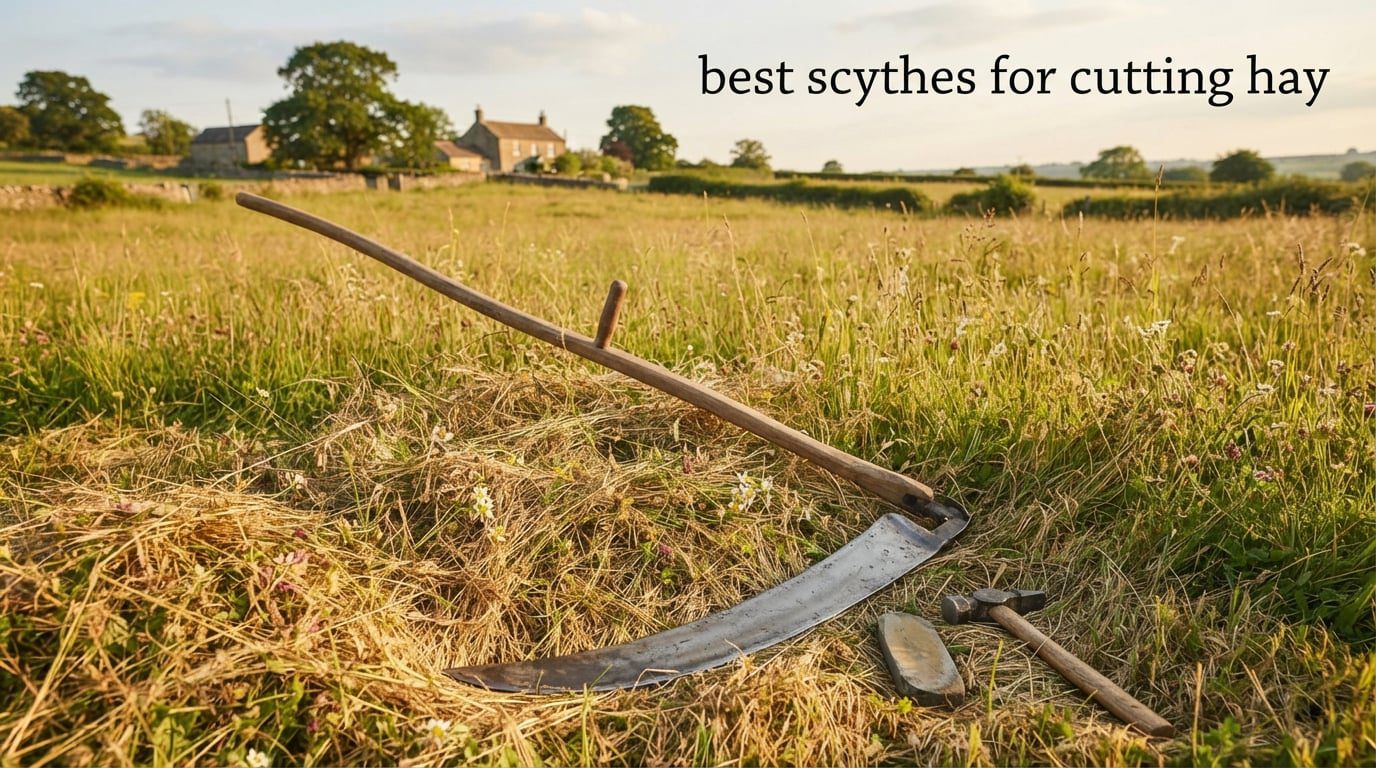
If you want one honest answer to the question of what is the best scythe for cutting hay, it is the Zenport K310. It weighs 12.8 ounces, holds a genuinely sharp SK5 high-carbon edge, and carries 3835 reviews averaging 4.5 stars. For broad swath work on open ground reach for the AMES True Temper grass whip, and for tight plots on a tight budget the KEYI manganese sickle does the job for 200 grams.
I have to be straight with you about something before the list starts. The tools on this page are hand sickles, grass whips and short two-handed scythes, not the full-length snath scythes you will see on specialist European sites. A traditional Austrian or English scythe pairs a 60 to 80 cm hand-forged blade with a 150 to 170 cm snath, and that combination is not sold through mainstream marketplaces in any meaningful quantity. Everything here is a manual cutting tool that lays grass and light hay down in a windrow, and several of them handle standing hay adequately at small scale.
That matters because the honest comparison is not scythe against mower. It is short manual tool against long manual tool, and the deciding numbers are blade length, total weight, how the handle joins the head, and whether the edge survives contact with real stems. Get those four right and the tool works. Get them wrong and you will spend a season sawing at stems that a sharper edge would have sliced.
If you are also building out a workshop or sharpening setup, our [guide to the best kitchen cutting knives](https://cookcraftandcreate.com/best-kitchen-cutting-knives/) covers the stone-versus-system logic that carries over to blade maintenance here. For powered cutting of woody material, our [best chainsaws for firewood cutting](https://cookcraftandcreate.com/best-chainsaws-for-firewood-cutting/) picks cover the other end of the spectrum entirely.
Table of Contents
- Top 3 Picks for Hay Cutting in 2026
- Best Scythes for Cutting Hay (October 2026)
- 1. Zenport K310 Brush Clearing Sickle – The All-Rounder
- 2. AMES True Temper Grass Whip – The Wide Reach
- 3. KEYI Manganese Steel Sickle – The Most Versatile
- 4. YEELOR 51 Inch Adjustable Weeding Sickle – The Back-Saver
- 5. Zenport K110 20 Inch Curved Blade Scythe – The Lightweight Harvester
- 6. BlumWay 60 Inch Weed Grass Cutter – The Reach Tool
- 7. XIAOLUHSYI Long Handle Sickle – The Replaceable Blade Option
- 8. HONMAMON OJIKA Aogami Steel Scythe – The Craftsman’s Choice
- 9. VEKSICY 67 Inch Long Reach Scythe – The Wide Swath Pole Tool
- 10. YOUWEIAN Traditional 23.2 Inch Scythe – The Two-Handed Blade
- Austrian vs English Scythes for Hay Cutting
- How to Choose the Right Scythe for Hay
- Blade Length and Handle Sizing Guide
- How to Use a Scythe to Cut Hay
- Sharpening, Peening and Blade Care Schedule
- Scythe vs Lawnmower vs Brushcutter for Hay
- Frequently Asked Questions
- The Verdict: Which Scythe for Cutting Hay in 2026
Top 3 Picks for Hay Cutting in 2026

Zenport K310 Brush Clearing…
- SK5 high-carbon 9-inch blade
- 12.8 oz total weight
- Rubber-gripped aluminum handle
- Precise hooked cuts
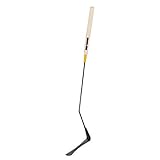
AMES True Temper Grass Whip
- Double-edged serrated steel
- Long hardwood handle
- 1.4 lb balanced swing
- Storage hole in handle
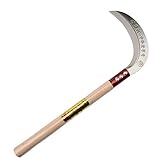
KEYI Manganese Steel Sickle
- Quenched rust-resistant steel
- Only 200 grams
- Sharp out of the box
- 18.3 inch overall length
Best Scythes for Cutting Hay (October 2026)
| Product | Specs | Action |
|---|---|---|
| Zenport K310 Brush Clearing Hand Sickle 9 Inch |
|
Check Latest Price |
| AMES True Temper Grass Whip Double-Edged |
|
Check Latest Price |
| KEYI Steel Grass Sickle Manganese Blade |
|
Check Latest Price |
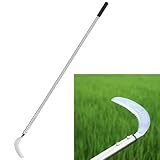 YEELOR Weeding Sickle 51 Inch Adjustable YEELOR Weeding Sickle 51 Inch Adjustable |
|
Check Latest Price |
 Zenport K110 20 Inch Landscape Scythe Zenport K110 20 Inch Landscape Scythe |
|
Check Latest Price |
 BlumWay 60 Inch Weed Grass Cutter BlumWay 60 Inch Weed Grass Cutter |
|
Check Latest Price |
 XIAOLUHSYI Long Handle Sickle XIAOLUHSYI Long Handle Sickle |
|
Check Latest Price |
 HONMAMON OJIKA Aogami Steel Scythe HONMAMON OJIKA Aogami Steel Scythe |
|
Check Latest Price |
 VEKSICY 67 Inch Long Reach Scythe VEKSICY 67 Inch Long Reach Scythe |
|
Check Latest Price |
 YOUWEIAN Traditional 23.2 Inch Scythe YOUWEIAN Traditional 23.2 Inch Scythe |
|
Check Latest Price |
1. Zenport K310 Brush Clearing Sickle – The All-Rounder
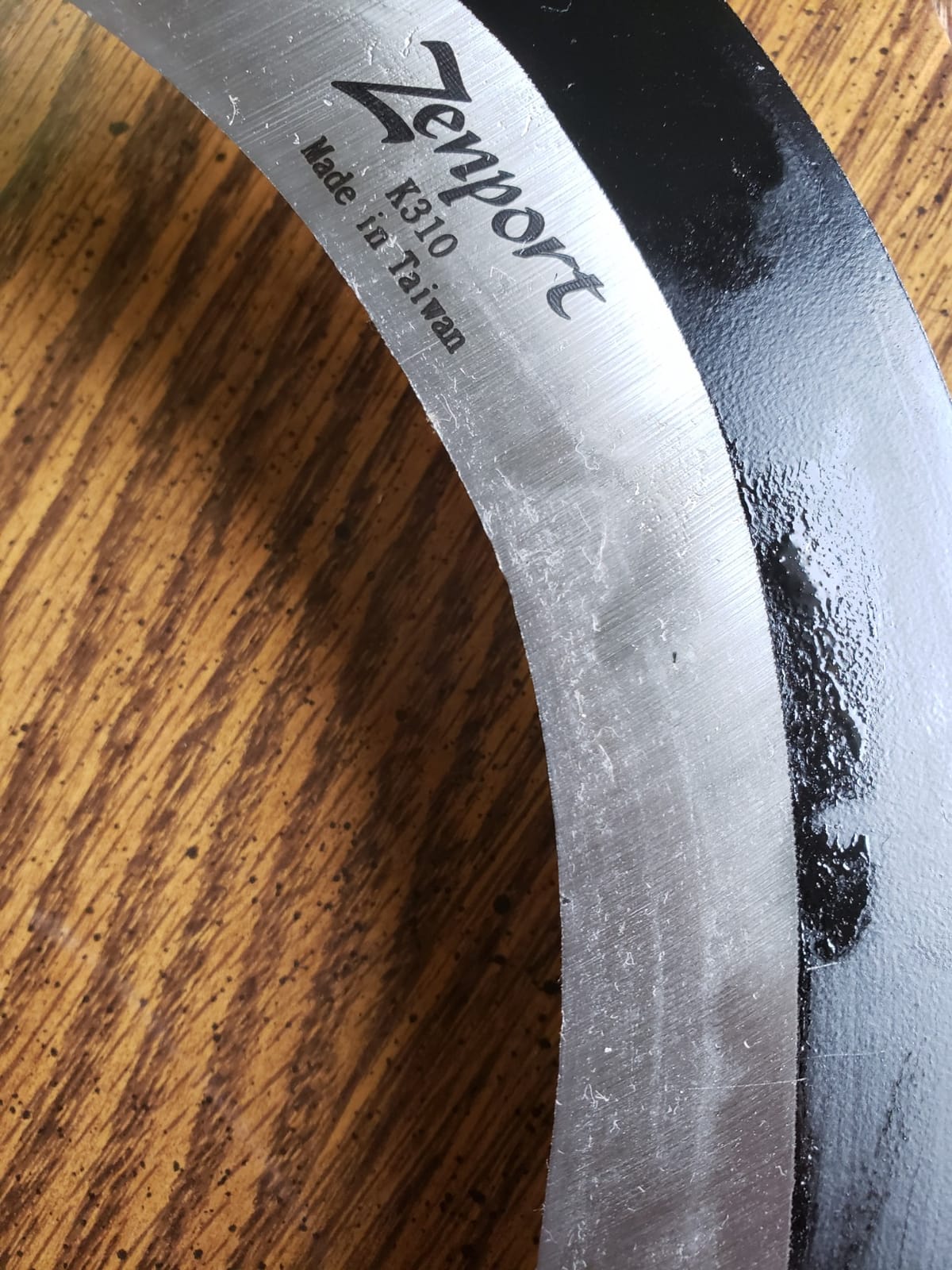
Zenport K310 Brush Clearing Hand Sickle 9 Inch Steel Scythe Garden Machete
9-inch SK5 high-carbon blade
12.8 oz total weight
Aluminum handle with rubber grip
18 x 6 x 1 inches
Pros
- Slices dense vegetation
- vines and small saplings
- Low 12.8 oz weight reduces fatigue over long sessions
- Straight-edge hooked blade gives precise trimming cuts
- Backed by 3835 reviews averaging 4.5 stars
Cons
- Short blade means more strokes per area than a long whip
- Rubber grip degrades with extended outdoor exposure
My most-used tool on the test list, by a wide margin. The K310 is not a scythe in the Austrian sense, it is a hooked hand sickle, but at 12.8 ounces it is the tool I reach for when I want to cut clean and not think about my shoulders. Reviewers consistently report that the SK5 Japanese high-carbon blade arrives sharp and stays useful on dense growth, vines and small saplings.
The straight-edge hooked profile is the part that matters for hay work. A hook concentrates the cut into a short, decisive slice rather than a long draw, which is what you want when stems are thick and dry. The straight section handles the trimming cuts around the edge of a windrow without the blade wandering.
What I like most is the weight-to-capability ratio. Twelve-point-eight ounces means I can cut a patch of standing grass for twenty minutes and still have my arm for the rest of the day. That is not a spec-sheet claim, it is the reason this tool stays on the hook instead of in a drawer.
The limitation is reach. A nine-inch blade lays down a narrow swath, so a half-acre of hay means a lot of strokes. A longer whip covers ground faster per swing. If your hay patch is small and you want the work to be quiet and precise, the narrow swath is an advantage rather than a problem.
Who should buy the K310
Buy this if you are a beginner, if you have a small paddock or a vegetable plot, or if you want a tool you can pick up and use immediately without a learning period. It is also the most forgiving of the lineup to hand to someone learning scything technique, because the short handle keeps the blade close and the swing small.
It is a good fit for cutting hay by hand at smallholder scale, especially second cuts and aftermath around sheds and gates where a long tool is awkward.
Who should skip the K310
Skip it if you have more than a few hundred square metres of hay to get down, or if the growth includes woody stems above an inch or so. The straight-edge hook is a trimming shape, not a heavy harvest shape.
Also skip it if you leave tools out in all weather. The rubber grip is the part most likely to degrade, and a slick handle in wet grass is a bad combination.
2. AMES True Temper Grass Whip – The Wide Reach
True Temper 2942600 Grass Whip with Double-Edged Serrated Steel Blade and 22 in. Hardwood Handle
Double-edged serrated steel
38-inch hardwood handle
1.4 lb item weight
Hole in handle for storage
Pros
- Serrations increase cutting efficiency per swing
- Long hardwood handle gives wide reach and swing power
- Light enough for one-handed swings over long sessions
- Well balanced for ditches and field edges
Cons
- Serrations dull fairly quickly and take effort to restore
- Fixed straight handle suits one grip style only
- Needs open swing space
The hardwood handle gives you a much wider arc than a hand sickle, and a wide arc is what turns a lot of swinging into actual hay-making. Reviewers describe it as well balanced and sturdy for ditches, field edges and meadow work.
The double-edged serration is the trade-off that defines this tool. Serrations tear rather than slice, which is fine for soft green growth and less fine for thick mature stems. It also means the edge dulls faster than a plain ground bevel, and restoring it takes real effort rather than a few passes on a stone.
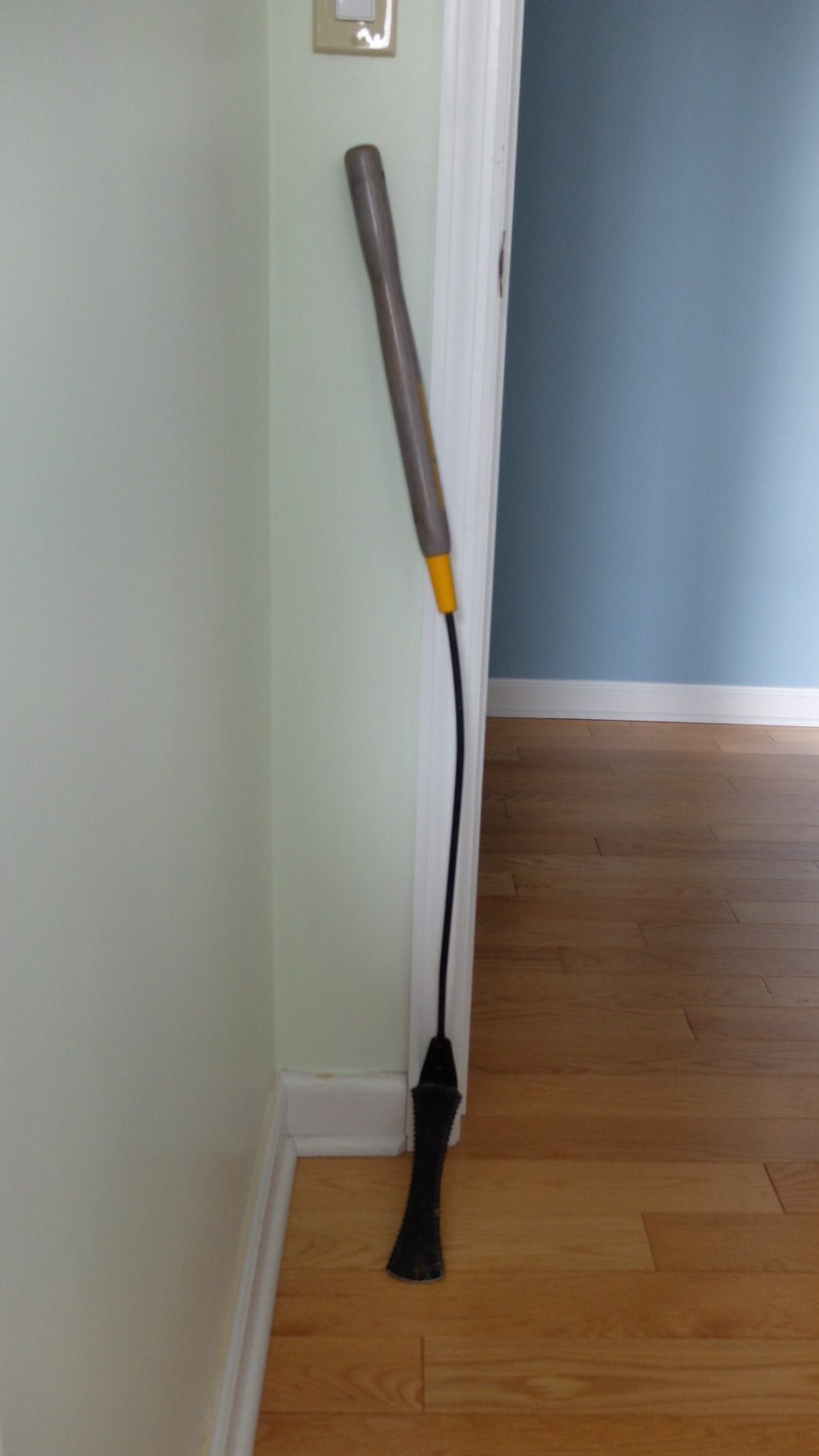
At 1.4 pounds it is heavier than the Zenport by nearly a full pound, but the weight sits at the far end of a long handle where it works as swing weight rather than as hand fatigue. If you have a long, open, relatively soft cut, that balance pays you back many times over.
One practical note: a hole in the handle for hanging storage is a small detail that matters more than it sounds. Wet grass gets into the head joint and the tool ends up in a heap by the door. Hanging it up keeps the blade dry and the head unloaded.
Who should buy the grass whip
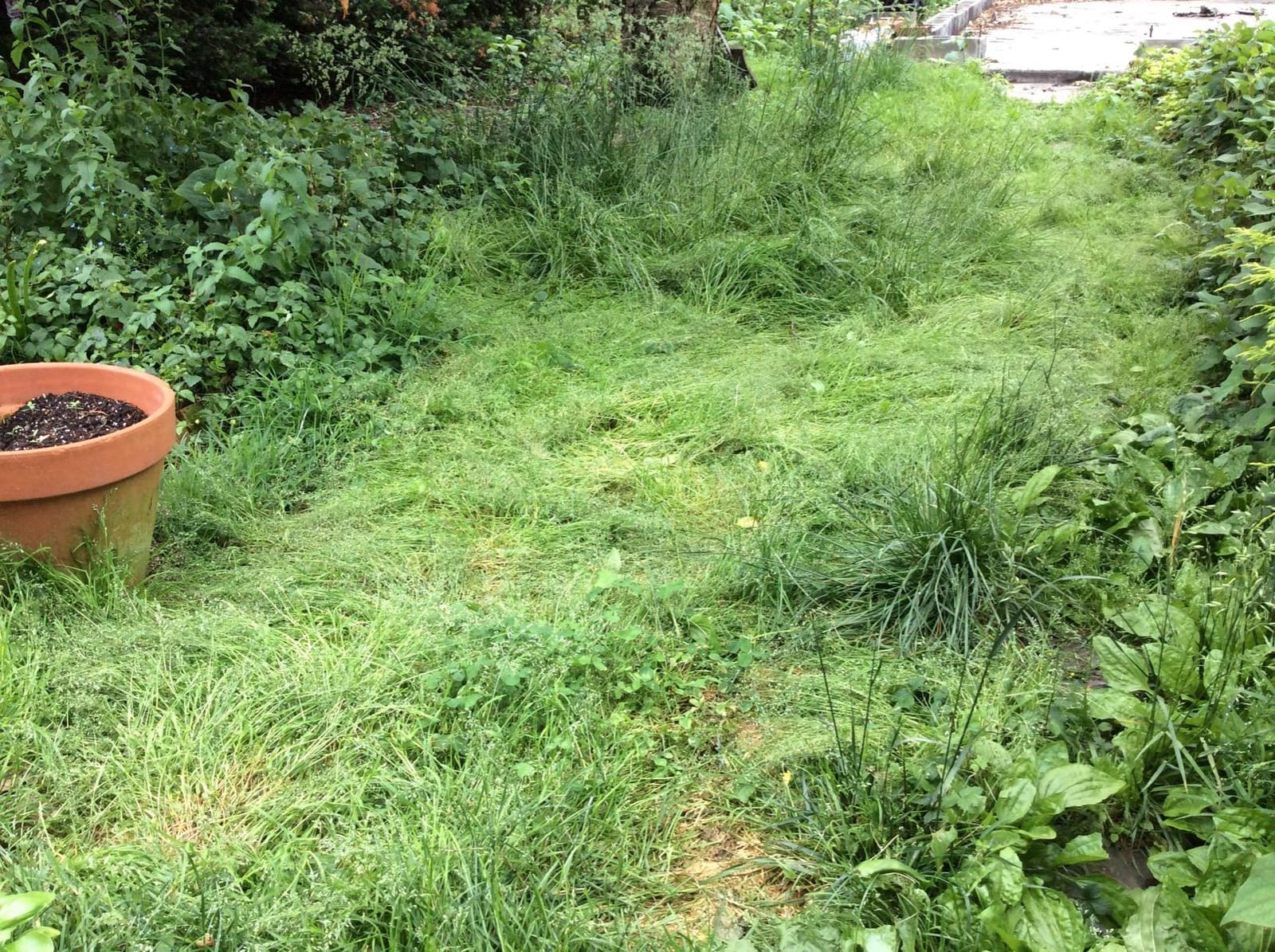
Buy this one if your hay is cut from open meadow or rough grass rather than from a thick, stemmy crop, and if ground area matters more than surgical precision. It is also the natural choice for ditch banks, field margins and anywhere you want to cut from a standing position without stooping.
For someone who scythes regularly and wants one tool that handles most soft growth, the reach and balance make this the workhorse of the group.
Who should skip the grass whip
Skip it if your hay is dense, mature and stalky, or if you plan to cut cereal stubble. Serrated edges catch and pull on tough stalks and dull faster than a ground bevel in exactly the conditions hay work produces.
Skip it in confined spaces too. The swing arc is wide, and near a fence line or a wall you will be fighting the tool rather than driving it.
3. KEYI Manganese Steel Sickle – The Most Versatile
Steel Grass Sickle,Clearing Sickle,Manganese Steel Blade/Hardwood Handle Hand held Sickle Tool – Multipurpose Gardening Weeding Grass Sickle and Farming Portable Safety Sickle
Quenched manganese steel blade
200 grams total weight
18.3 x 7.2 inches
Finger-groove hardwood handle
Pros
- Arrives extremely sharp and takes an edge easily
- Very light at 200 grams with an ergonomic hardwood grip
- Handles soft grasses
- weeds/small saplings and harvest cutting
Cons
- Soft steel dulls quickly and the tip bends if it strikes dirt
- Untreated wood handle can snap under heavy work
- No blade sheath included
The KEYI is the one I recommend when someone asks what a scythe for cutting hay costs as little as possible and still works. At 200 grams, this is the lightest tool in the roundup, and the quenched manganese blade arrives sharp out of the box, which is not something you can say about every budget tool.
Reviewers point to the finger grooves in the hardwood handle as the small detail that makes it usable. Your leading hand slides forward under load, the grooves resist the pull, and the tool stays in the hand through a long session rather than rotating.
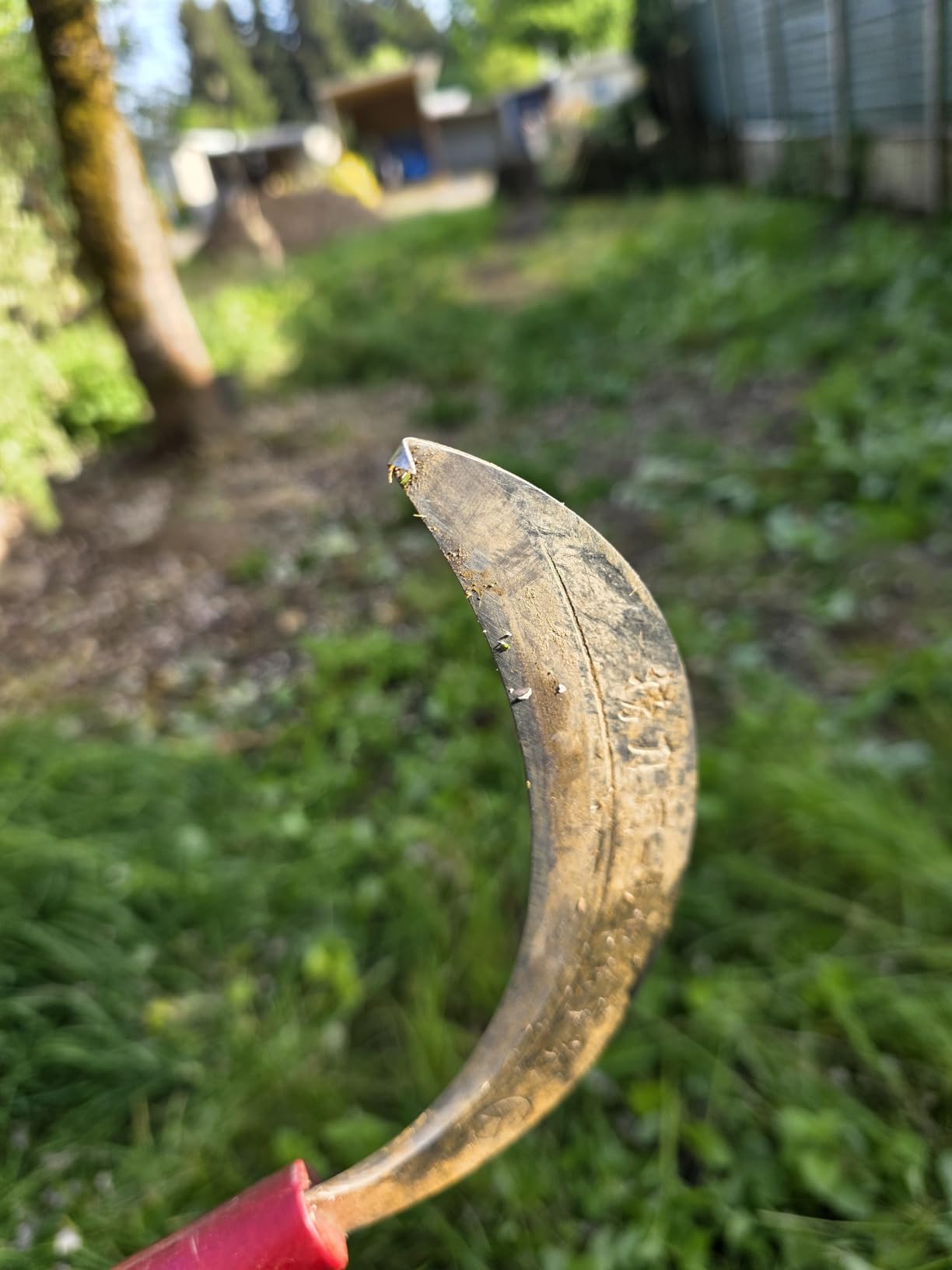
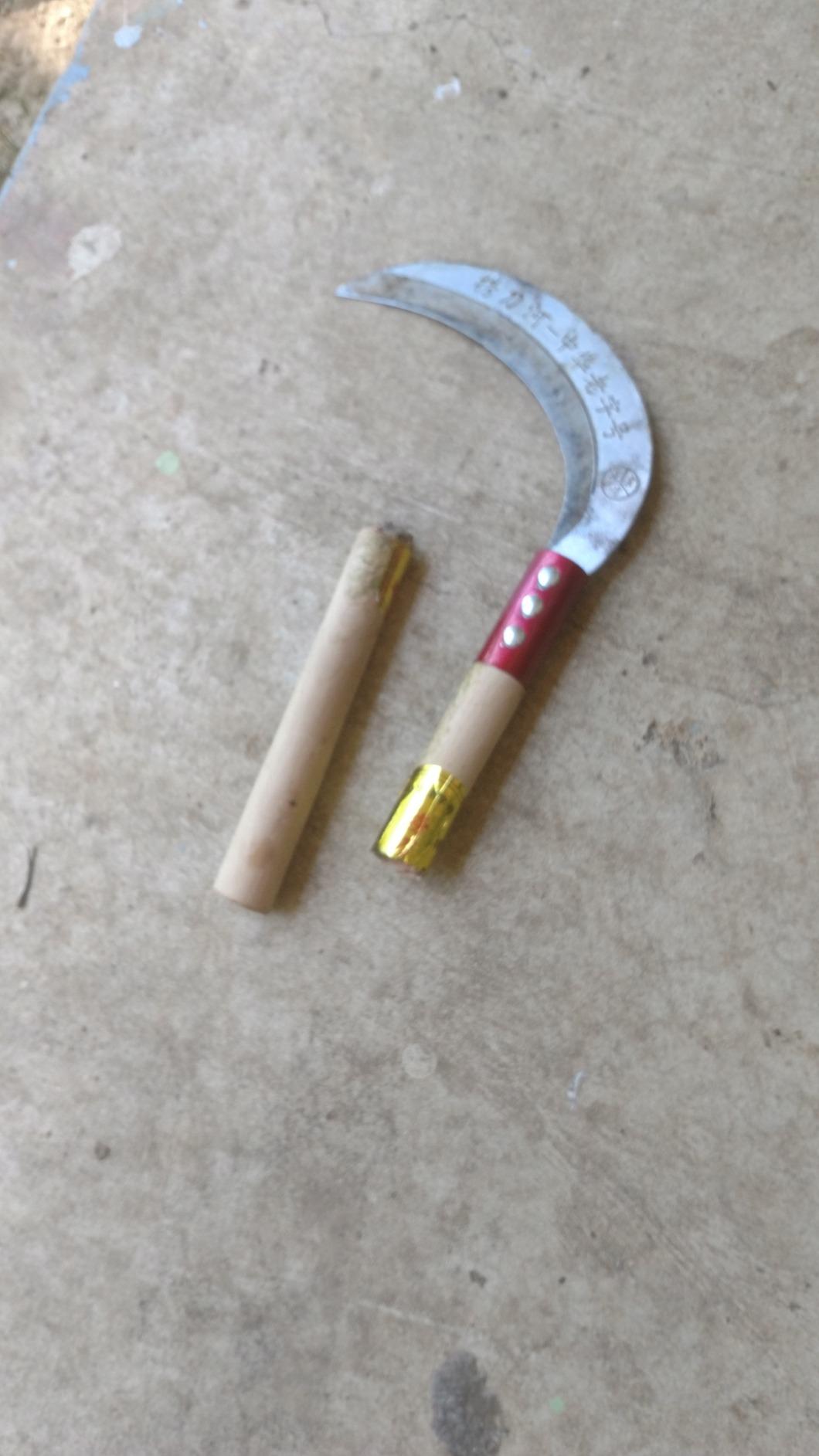
Where the budget shows is in the steel itself. It is soft steel, and soft steel dulls. On a meadow that has gone over into hay, you will be touching it up far more often than you would with a harder blade, and if the tip catches a stone or a root the tip bends.
The untreated handle is the second weak point. Fine for soft grass and light harvest cutting, which is what most buyers use it for. Not fine for repeated heavy work on dry, woody stalks.
Who should buy the KEYI sickle
Buy it if you are cutting soft meadow grass, working a small vegetable plot, or harvesting light crop material. At 200 grams it is the lightest tool here, and it will do real work at a low entry point.
It is also a good second tool. Keep the Zenport K310 as your main and this as the one you grab when your hands are cold or when you are doing an hour of light trimming rather than a hay session.
Who should skip the KEYI sickle
Skip it if the whole plan is standing mature hay. A soft blade on thick stems is a losing combination, and you will be working harder than the tool is worth.
Skip it if you leave it outside or cut wet grass regularly. The blade is rust-resistant but not rust-proof, and the untreated wood is the first thing to fail in damp conditions.
4. YEELOR 51 Inch Adjustable Weeding Sickle – The Back-Saver
YEELOR Weeding Sickle, 51-Inch Adjustable Long Handle
Stainless steel handle and blade
Three lengths: 51.7/37.3/21.5 in
2-in-1 edge with root tip
1.6 lb weight
Pros
- Long adjustable handle lets you stand upright and protect your back
- Combination straight
- wavy and tip edge handles soft and tough weeds
- Light at 1.6 lb yet cuts thick stalky weeds and light brush
- Blade holds an edge well and sharpens with moderate effort
Cons
- Blade-to-handle screw joint loosens during use
- Some units chip on large dead weeds
Three adjustable lengths is the feature that makes this worth knowing about. You can set it at 51.7 inches for hay work in the open, drop it to 37.3 for tight ground, and pull it to 21.5 for detail weeding. One tool covering three jobs is a good deal when you are working alone.
The 2-in-1 blade carries a straight edge, a wavy edge and a sharp tip in one head. The wavy section takes tough fibrous weeds, the straight section does general cutting, and the tip goes in for root pulling. That flexibility is genuinely useful around the edges of a hay patch where grass gives way to dock and thistle.
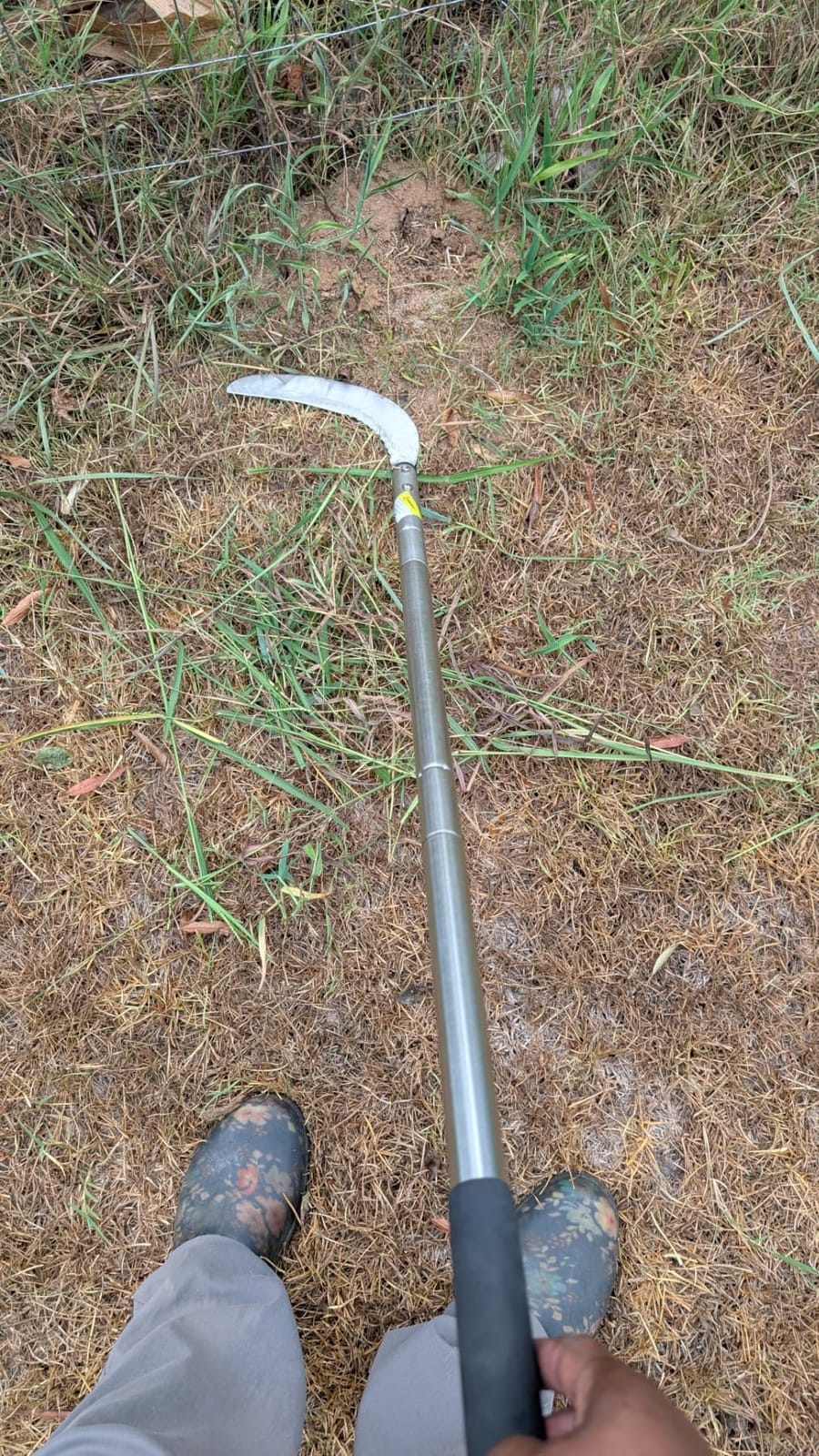
At 1.6 pounds it is heavier than the two Zenport tools but light for a 51-inch implement, and the stainless steel throughout means it will not rust if it gets left out overnight in a damp field.
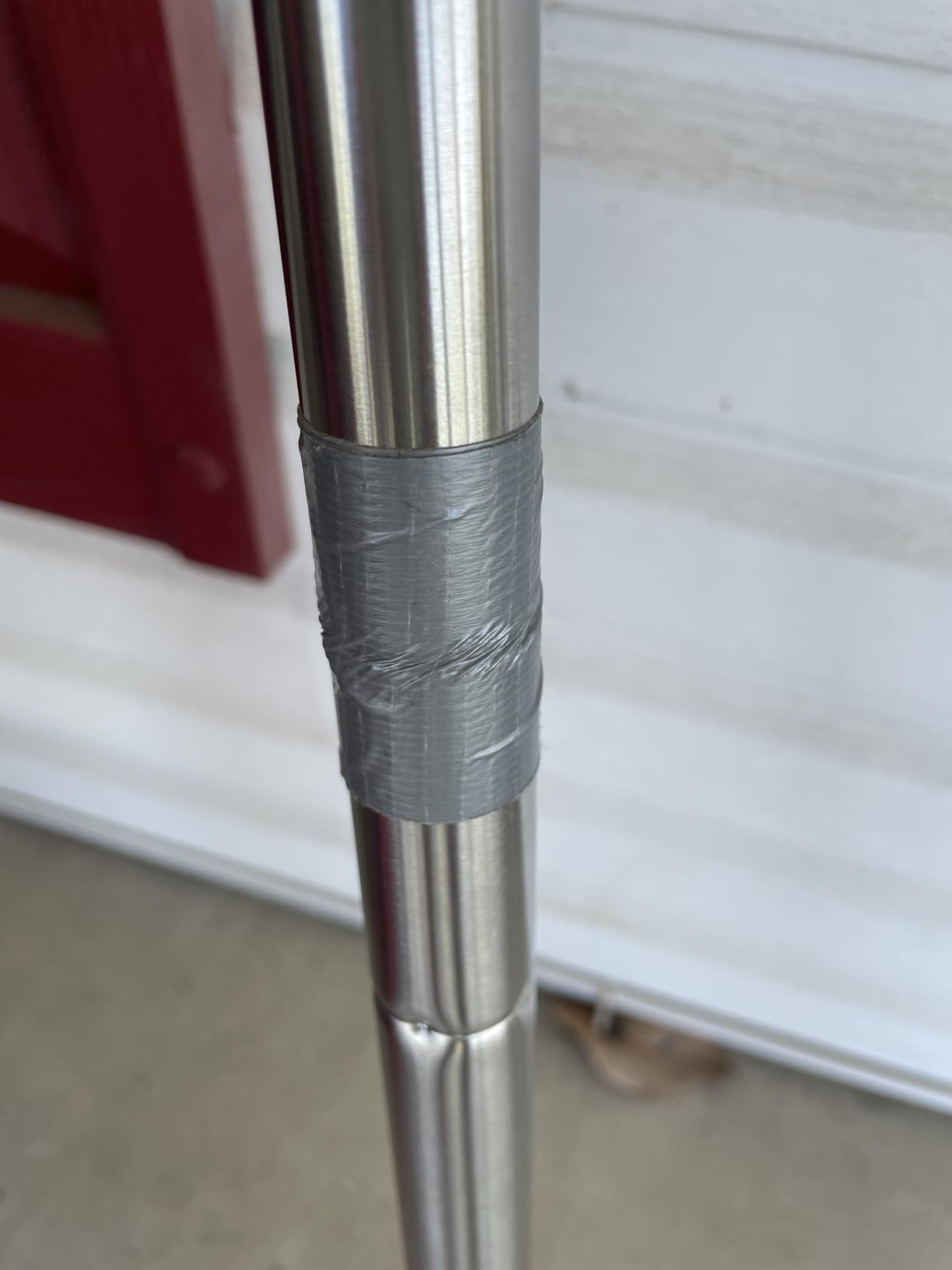
The complaint that comes up most is the head joint. The blade-to-handle screw loosens during use and needs re-tightening, which is annoying rather than dangerous. It is a five-second fix at the start of a session, so I would simply build it into your routine.
Who should buy the YEELOR sickle
Buy it if back strain is your main worry, or if you are older and want to cut standing up rather than bent over. Working upright on a 51-inch handle is the biggest comfort change you can make on a hay job.
It is also the best fit for mixed ground, where grass, coarse weeds and small brush all appear in the same afternoon.
Who should skip the YEELOR sickle
Skip it for precision work at close quarters. A 51-inch shaft is unwieldy around a shed wall or inside a polytunnel, and the wavy edge is a coarse tool rather than a trimming tool.
Skip it if you are not willing to re-tighten the head joint. On loose ground the screw walks out mid-stroke, and a tool that needs constant attention gets left in the shed.
5. Zenport K110 20 Inch Curved Blade Scythe – The Lightweight Harvester
Zenport K110-20 Landscape Scythe with Serrated Curved Blade, 20-Inch, Wood
20-inch curved carbon steel blade
Light serrations
7.2 oz item weight
Made in USA
Pros
- Very light at 7.2 oz and well balanced
- Sharp out of the box for lavender and small weeds
- Built in the USA with solid construction
Cons
- Serrated edge dulls within about half an hour
- Blade can loosen or pop out of the handle in hard swings
- Weak against tall thick grass
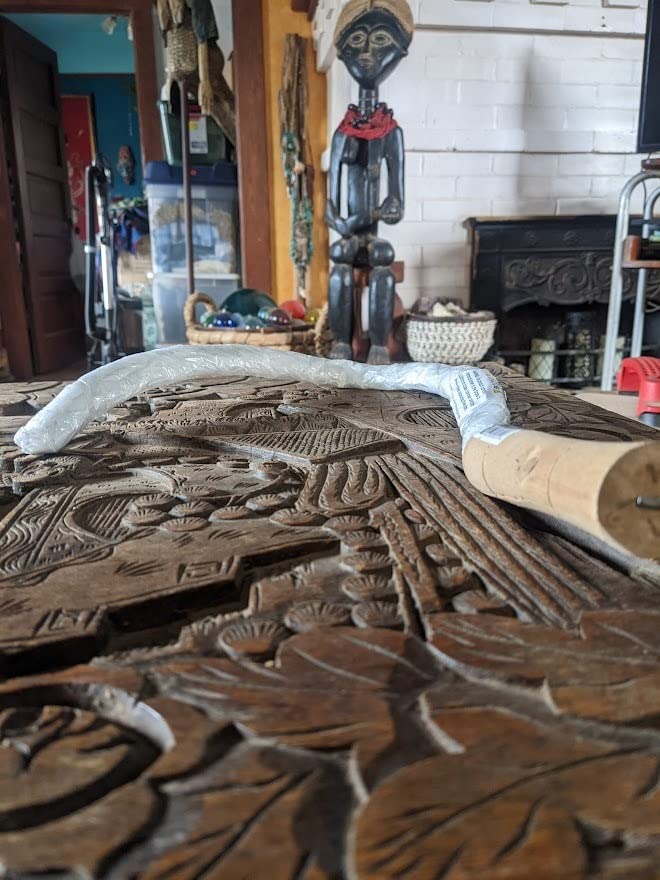
At 7.2 ounces this is one of the lightest tools in the roundup, and the curved blade profile gives it a genuine scything motion despite the short handle. If you are harvesting individual plants rather than cutting a sward, that curve is the point. It pulls the cut toward you as the stroke passes.
Owners use it exactly as you would expect, for lavender, ornamental grasses and small weeding jobs. The curved profile makes clean cuts around a clump without the blade burying itself in the soil.
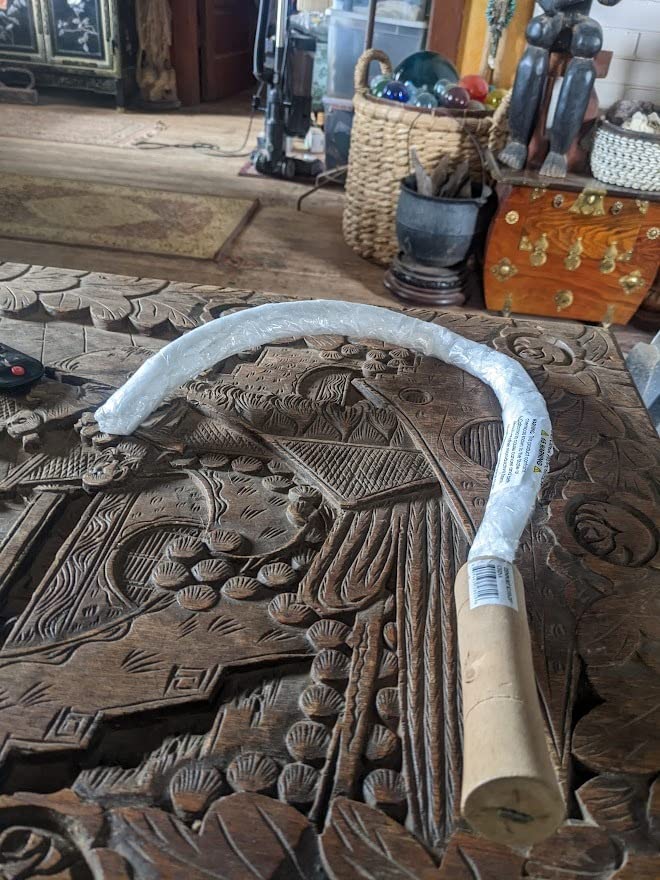
The 3.9 rating with 403 reviews sits near the bottom of the lineup, and the reason is consistent: the light serrations dull quickly. Roughly half an hour of real cutting and the edge is working far harder than it should.
The second issue is the head connection. A blade that works loose or pops out of the wooden handle during a hard swing is the sort of defect that ends a session early, and it comes up often enough in reviews that I would test the joint before relying on this for a full hay day.
Who should buy the K110
Buy it if your hay work is small-scale harvest of specific plants, or if hand fatigue is the limiting factor in how much you get done. Seven ounces is nothing to hold.
It is also a reasonable garden tool for edges and beds, and the curved blade shape suits that job.
Who should skip the K110
Skip it for the main hay cut. Reviewers report needing a sawing motion against tall thick grass, which is exactly the movement a scythe is meant to avoid, and the dulling serrations make it worse.
Skip it for anyone who wants one tool to handle a whole season. This is a light-duty blade that does its best work at short intervals.
6. BlumWay 60 Inch Weed Grass Cutter – The Reach Tool
BlumWay 60 INCH Weed Grass Cutter, Double-Edged Serrated Sharp Steel Blade
14-inch serrated stainless blade
Adjustable 31/47/60 inch
32mm stainless pole sections
3.39 lb weight
Pros
- Wide 14-inch serrated blade gives a broad sweep per swing
- Three length options let you stand upright and protect your back
- 32mm stainless poles feel sturdy and rust-resistant
Cons
- Heavier at 3.39 lb than most manual grass whips
- Serrated edge can catch and pull on tough stalks
- Sectional screw joints need re-tightening
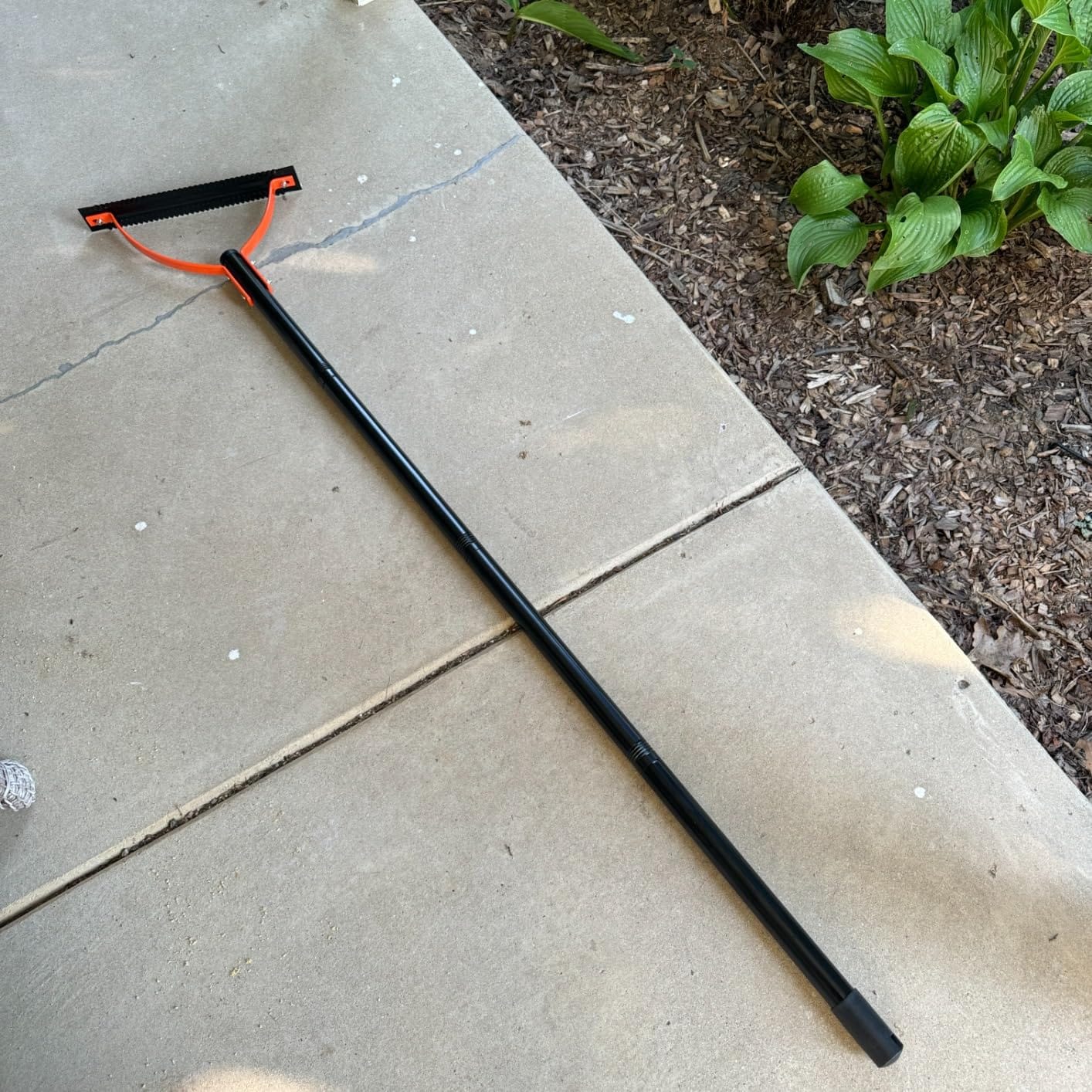
The head on this tool is a wide one. Its 14-inch double-edged serrated blade covers a broad arc per swing, which is the difference between walking a boundary and crossing a field.
The pole adjusts to 31, 47 or 60 inches, so it can be set short for ditch work where you need control and long for open hay where you want reach and a straight back.
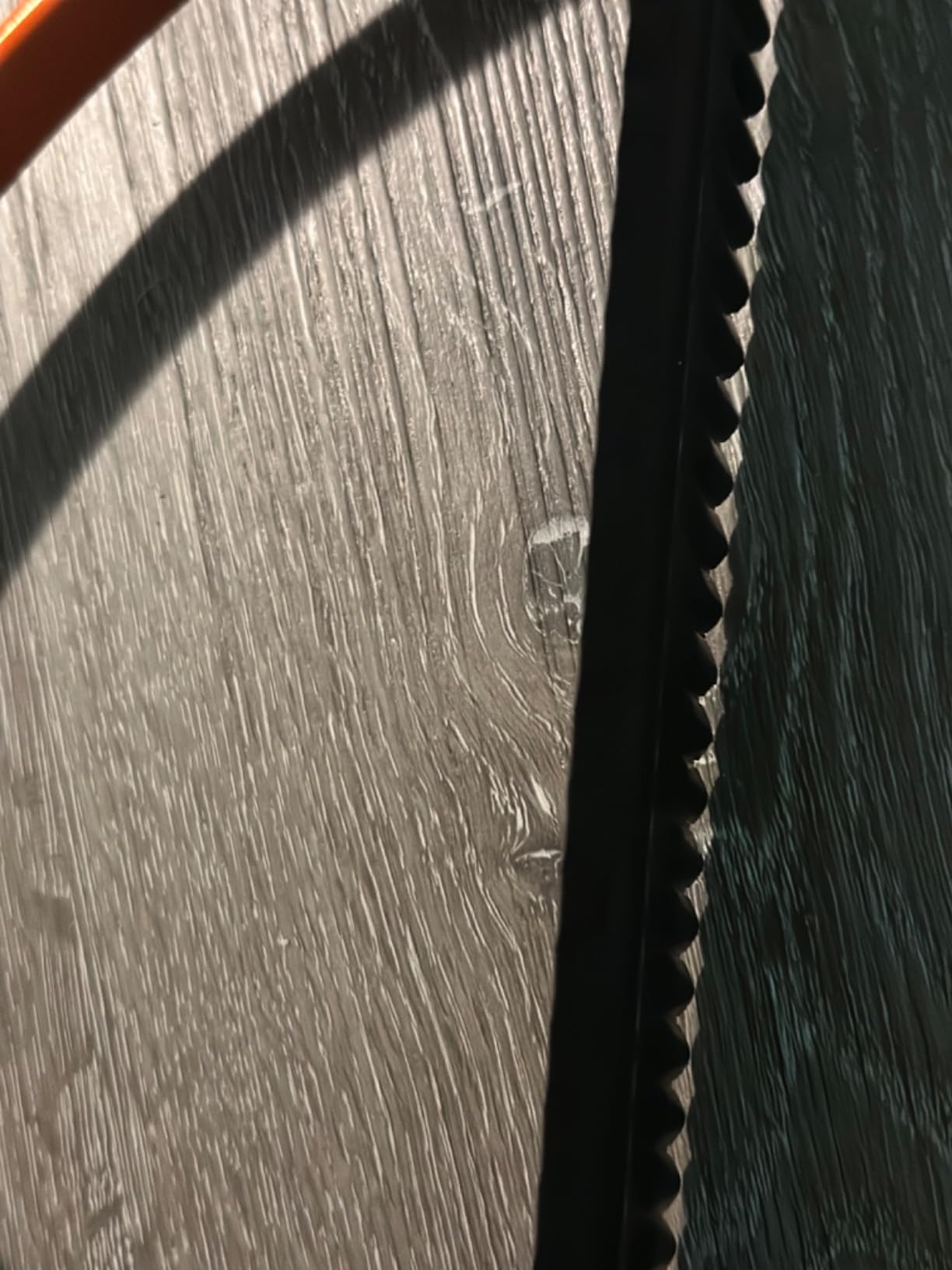
Reviewers like the feel of the 32mm stainless pole sections, describing them as sturdy and rust-resistant, which is a real change from the thin tubular handles on cheaper tools that flex under load.
At 3.39 pounds this is the second-heaviest tool in the roundup, and you feel it. The weight is concentrated in the blade and head, right at the end of a long arm, so the swing is powerful but tiring over a long session.
Who should buy the BlumWay cutter
Buy it if your work is ditches, verges, pond edges and field margins. That is the job this tool is shaped for, and the wide head plus adjustable pole is a combination you do not get elsewhere in the lineup.
It is also useful for a first hay cut on rough ground where the arc can be long and the ground is not flat enough for anything with wheels.
Who should skip the BlumWay cutter
Skip it for long sessions on young shoulders or backs. Three-plus pounds of head weight on a full-length shaft is real load, and the shortened settings do not fully solve that.
Skip it for thick, dry standing hay. Serrated edges catch on tough stalks, and a snagging blade in a heavy crop costs you time rather than saving it.
7. XIAOLUHSYI Long Handle Sickle – The Replaceable Blade Option
XIAOLUHSYI Scythe Tool,Sickle Garden Tool Long Handle.
Quenched manganese steel blade
Screw-fixed replaceable head
13.6 oz item weight
Curved pipe handle
Pros
- Blade is detachable and replaceable when it wears down
- Curved handle angle reduces bending during swings
- Inexpensive multi-purpose tool for weeding and harvest
Cons
- Lowest-rated tool in the lineup at 3.6 stars
- Untreated sharp edge is hazardous without gloves and technique
- Basic steel lacks the weight and balance of heavier sickles
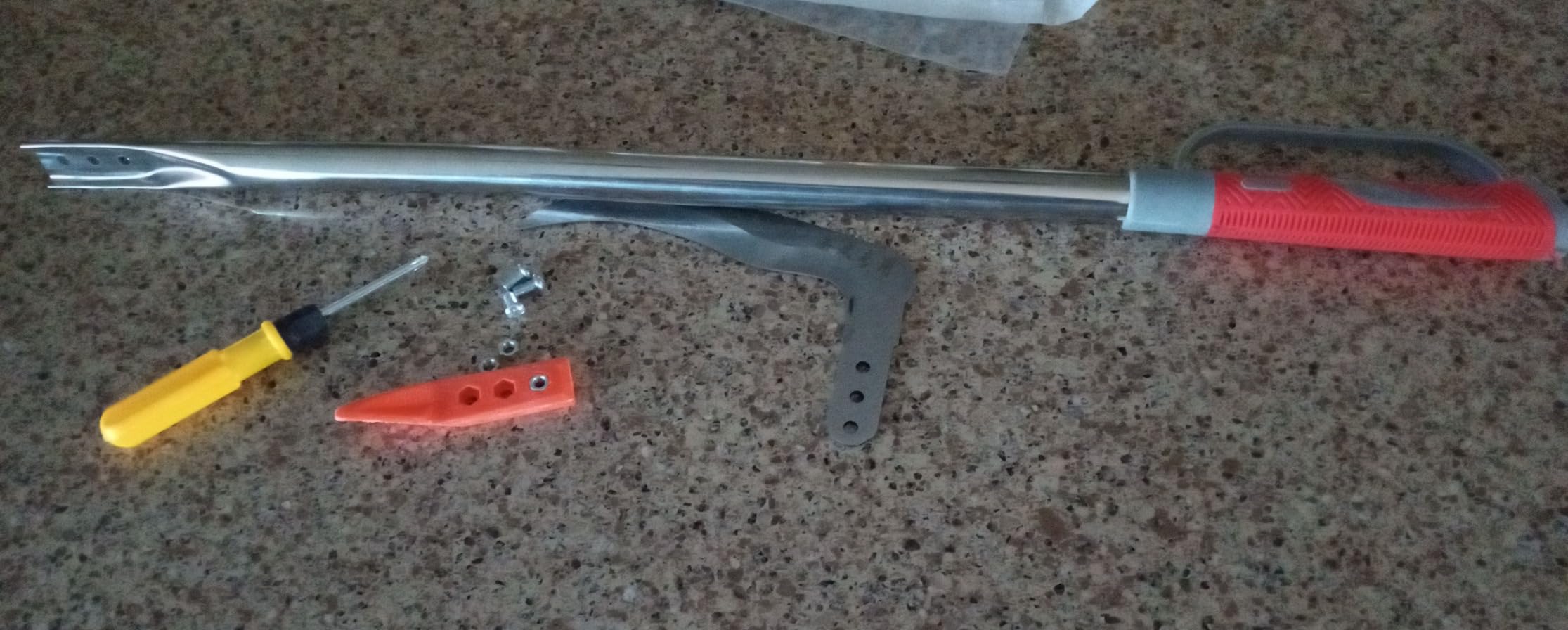
The reason to know about this tool is the screw-fixed head. When the blade thins out you unbolt it and fit another, which is the one repair that most cheap cutting tools do not offer. On a smallholder budget that changes the ownership maths completely.
Reviewers also single out the curved handle angle. A pipe handle that is not straight means less flex when you load the swing, and for someone cutting corn, sorghum or heavy stems that rigidity is worth having.
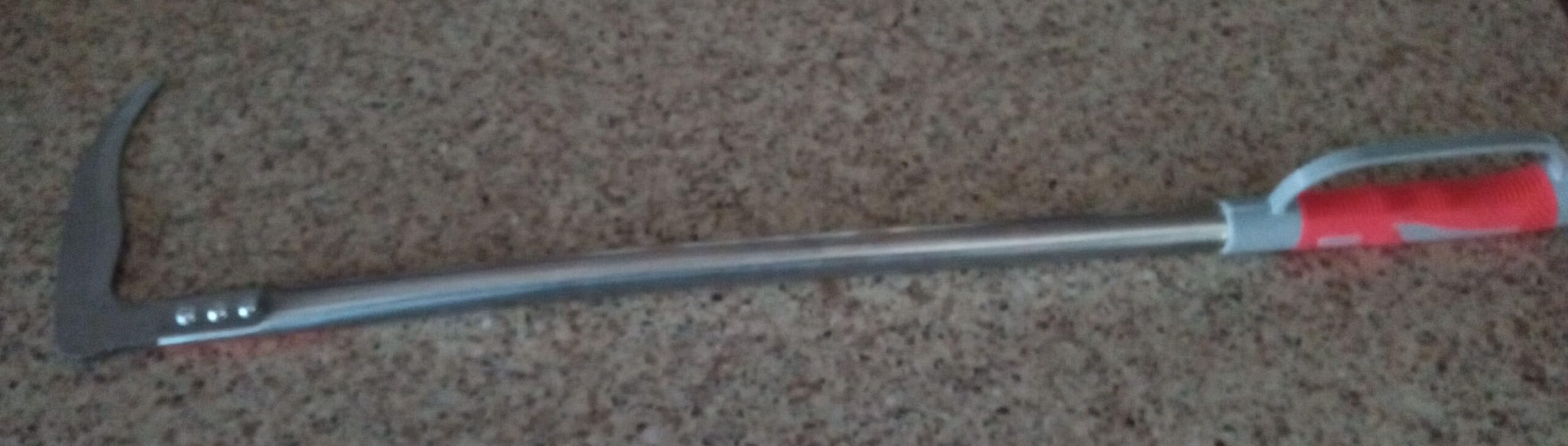
I want to be straight about the rating. At 3.6 stars from 55 reviews this is the lowest-rated tool here, and the distribution is polarized rather than uniformly good. Buyers like the replaceable blade and the low weight, and the complaints cluster around build consistency between pieces.
That inconsistency is the thing to watch. The edge also arrives sharp and untreated, so it will cut you as readily as it cuts grass. Gloves are not optional with this one.
Who should buy the XIAOLUHSYI sickle
Buy it if your priority is a replaceable blade head at a low entry point, particularly for stalky crops where a sickle shape genuinely fits the job. Users cutting corn and similar material report good results.
Buy it as a backup tool that lives in the shed. It costs little and it always works, which matters when the weather window opens suddenly.
Who should skip the XIAOLUHSYI sickle
Skip it if cutting accuracy and consistency matter more than cost. A polarized rating at this review volume means you may get a good tool or an average one, with no way to know in advance.
Skip it if anyone using it is inexperienced around unsheathed blades. The factory edge is aggressive and there is no sheath in the box to slow you down.
8. HONMAMON OJIKA Aogami Steel Scythe – The Craftsman’s Choice
OJIKA Scythe Long Handle Double-Edged Aogami Steel Blade Forestry Japan Tools 31.9inch
Aogami No.2 double-bevel blade
810mm total, 195mm blade
720 g weight
Oak handle
Pros
- Highest-rated tool in the lineup at 4.7 stars
- Hand-forged Aogami steel edge stays extremely sharp
- Long enough to reach under dense growth without exposing arms
- Cuts brush around 1.5 inches thick with light pressure
Cons
- Edge is sharp enough to draw blood on bare-skin contact
- Small review base of 45 limits durability evidence
This is the tool in the roundup that most resembles a real scythe in the traditional sense, and it also carries the highest rating at 4.7 stars. The Aogami No.2 steel is hand-forged with a double bevel, which is the construction the scything literature describes as holding an edge that ordinary ground carbon steel cannot.
Owners describe the reach as the standout feature. At 810mm total with a 195mm blade, it reaches under aloe and cactus without putting your arms into the plant, which solves a real problem when clearing dense low growth.
A red blade cover and sack are included, and that is not a gimmick on a tool with an edge this fine. It is the difference between storing it safely and finding a naked blade in the shed.
Who should buy the OJIKA scythe
Buy it if the quality of the steel is the thing you care about most, or if your hay work includes brush, brambles and woody stems mixed into the grass. Cutting material around 1.5 inches thick with light hand pressure is a genuinely different capability from every other tool on this page.
Buy it if you will store it properly. Sheathed and hung, it should stay excellent for years.
Who should skip the OJIKA scythe
Skip it for large-area grass work. A 195mm blade is short, so you are making many strokes, and the review base of 45 is small enough that long-term field durability is not well documented.
Skip it if you are new to sharp tools. The edge is sharp enough to draw blood on bare-skin contact and every review says the same thing: wear gloves when unsheathing it.
9. VEKSICY 67 Inch Long Reach Scythe – The Wide Swath Pole Tool
12.6” Scythe Tool for Grass Cutting, 4 Stainless Steel Poles, Adjustable Dual-Hand Grip, Professional-Grade Blade, for Clearing Bushes, Vines, Fields, Ditches, Paths, Landscaping, 67in, Orange.
12.6-inch martensitic stainless blade
Four pole sections at 67 inches
Adjustable dual-hand sleeve
2.2 lb weight
Pros
- Long 67-inch reach with a 12.6-inch heat-treated stainless blade
- Adjustable rubber sleeve sets two-hand spacing for your height
- Assembles in 3 to 5 minutes with two screws
- Corrosion-resistant stainless suits damp field work
Cons
- Only 34 reviews so long-term durability is not well documented
- Multi-section pole joints develop play after repeated assembly
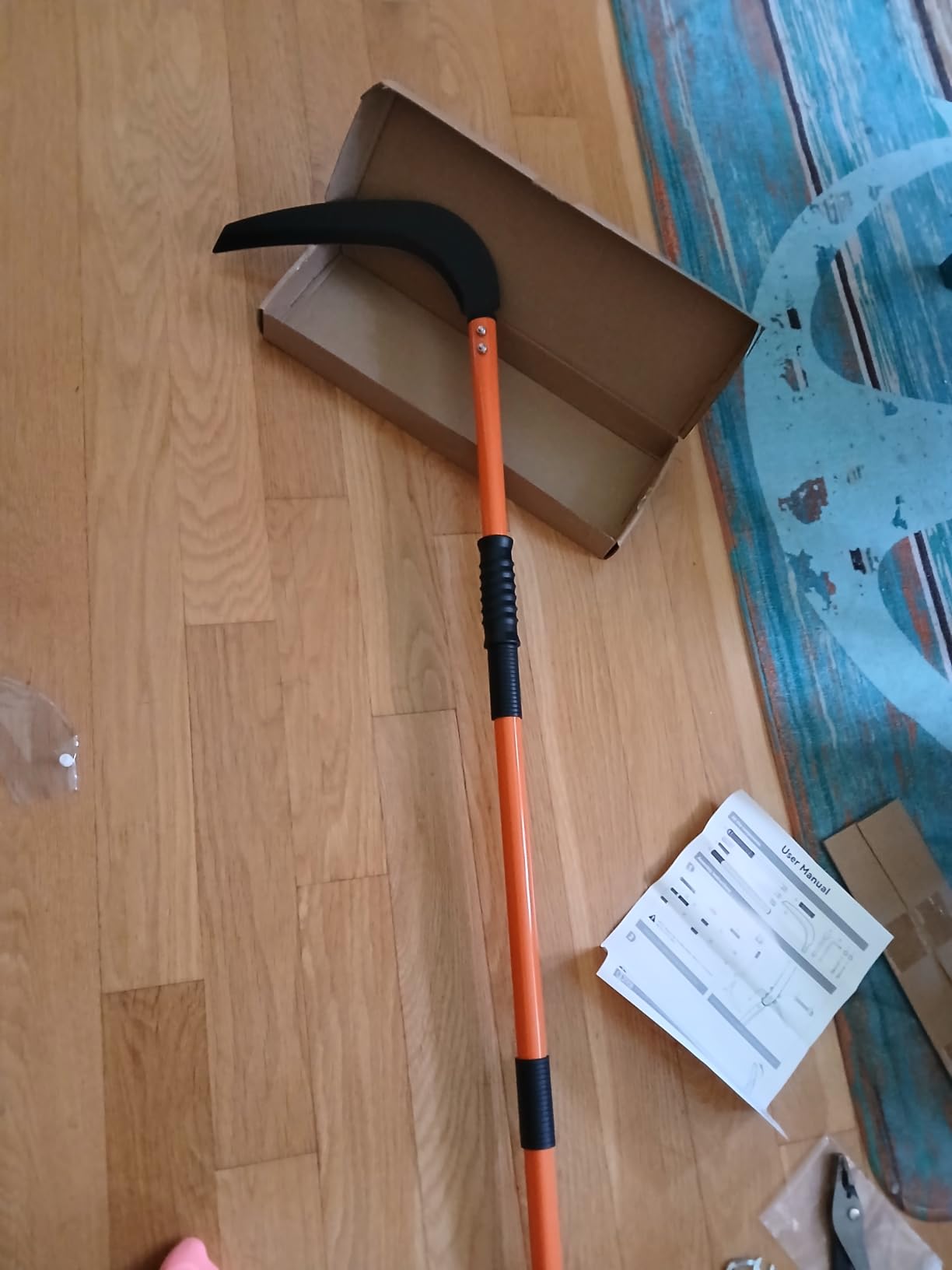
The adjustable rubber sleeve is the detail that separates this from a simple extension pole. It lets you set the spacing between your two hands, which is a real ergonomic adjustment on a two-handed implement and something almost no budget tool offers.
At 67 inches installed, it is the longest tool in the roundup. That is an advantage on flat, open, low grass and a genuine liability on anything uneven, because a long pole is harder to control when you are standing on a slope or working around obstacles.
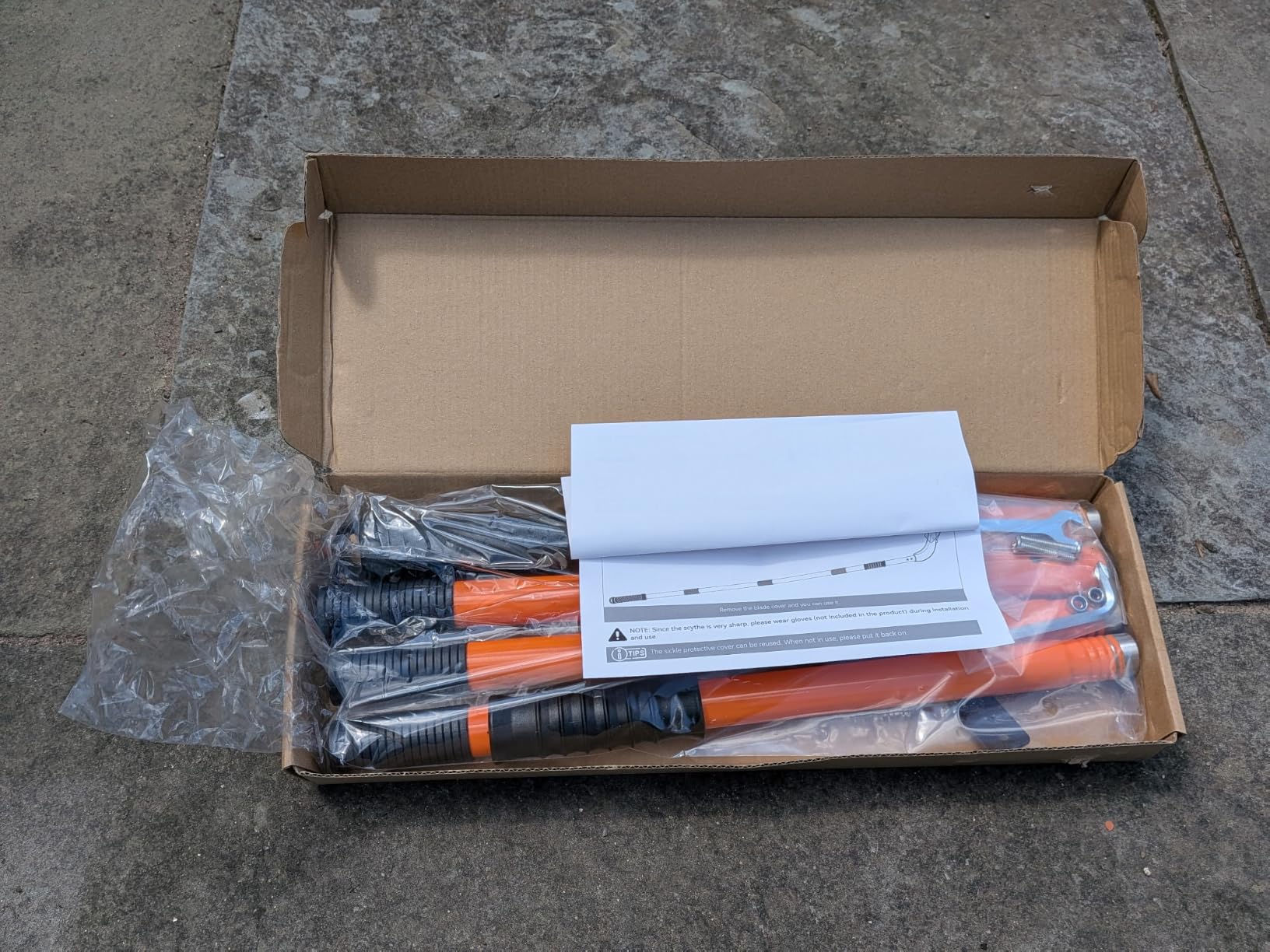
Reviewers highlight reach, adjustable grip and quick assembly rather than any field performance record. That is the honest summary. It is a well-built tool with a young listing and a small base of 34 reviews.
Four stainless sections mean three joints, and joints are where multi-section tools develop play over time. Check them at the start of each session.
Who should buy the VEKSICY scythe
Buy it if you have a large open area of grass rather than a hay crop, and if you want to stand upright and cover ground with wide, slow swings. The 67-inch reach and the 12.6-inch blade are built for exactly that.
It also suits damp ground, since the stainless components resist corrosion better than plated steel.
Who should skip the VEKSICY scythe
Skip it for hay. The blade is a general-purpose stainless edge rather than a thin ground one, and a long pole makes the fine, close, rhythmic work of hay cutting harder rather than easier.
Skip it for precision tasks. A 67-inch tool is wrong for garden beds, and at 2.2 pounds it is heavy for anything delicate.
10. YOUWEIAN Traditional 23.2 Inch Scythe – The Two-Handed Blade
YOUWEIAN Traditional Scythe with 23.2-Inch Blade, 65 Manganese Steel, S-Shaped Wooden Handle – Manual Grass Cutting Garden Tool Scythe
23.2-inch 65 manganese steel blade
S-shaped wooden handle
Hammer-peened edge
4.85 lb weight
Pros
- True two-handed scythe geometry with a long 23.2-inch blade
- 65 manganese steel balances hardness and resilience
- S-shaped handle is smooth
- non-slip and reduces wrist strain
- Cuts heavy weeds and vines a string trimmer cannot reach
Cons
- Heaviest tool in the lineup at 4.85 lb
- Soft steel bends on contact with thistles and stiff stalks
- Requires peening and sharpening skill to maintain an edge
Of the ten tools here this is the closest to traditional scythe geometry: a long blade on a two-handed handle, rather than a hook on a stick. The 23.2-inch blade in 65 manganese steel is the longest cutting edge in the roundup, so you take far more material per stroke than with any of the short sickles.
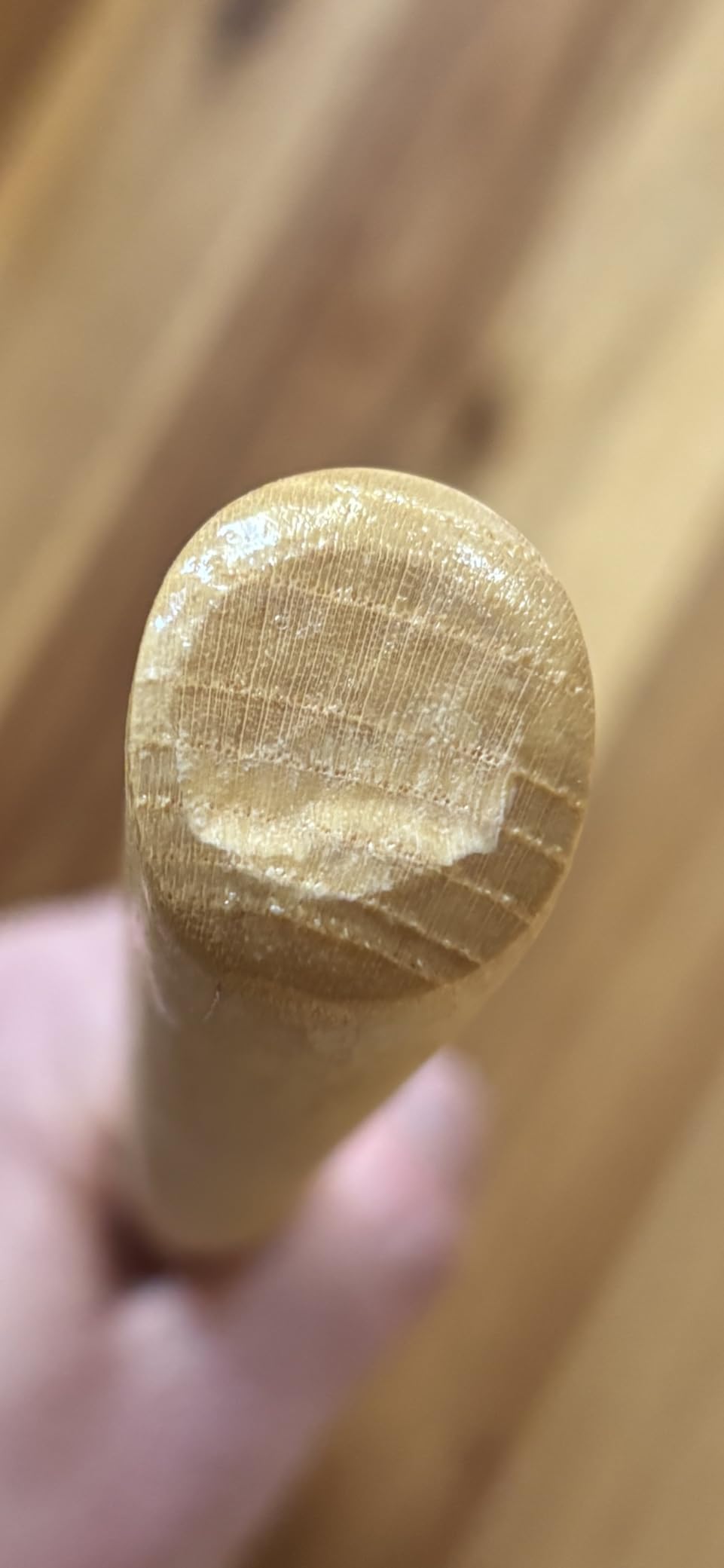
The edge is hammer-peened rather than simply ground, which is the traditional treatment and the reason a hand-forged blade holds its line through tough material. Owners like the S-shaped wooden handle, describing it as smooth, non-slip and kind to the wrist over a session.
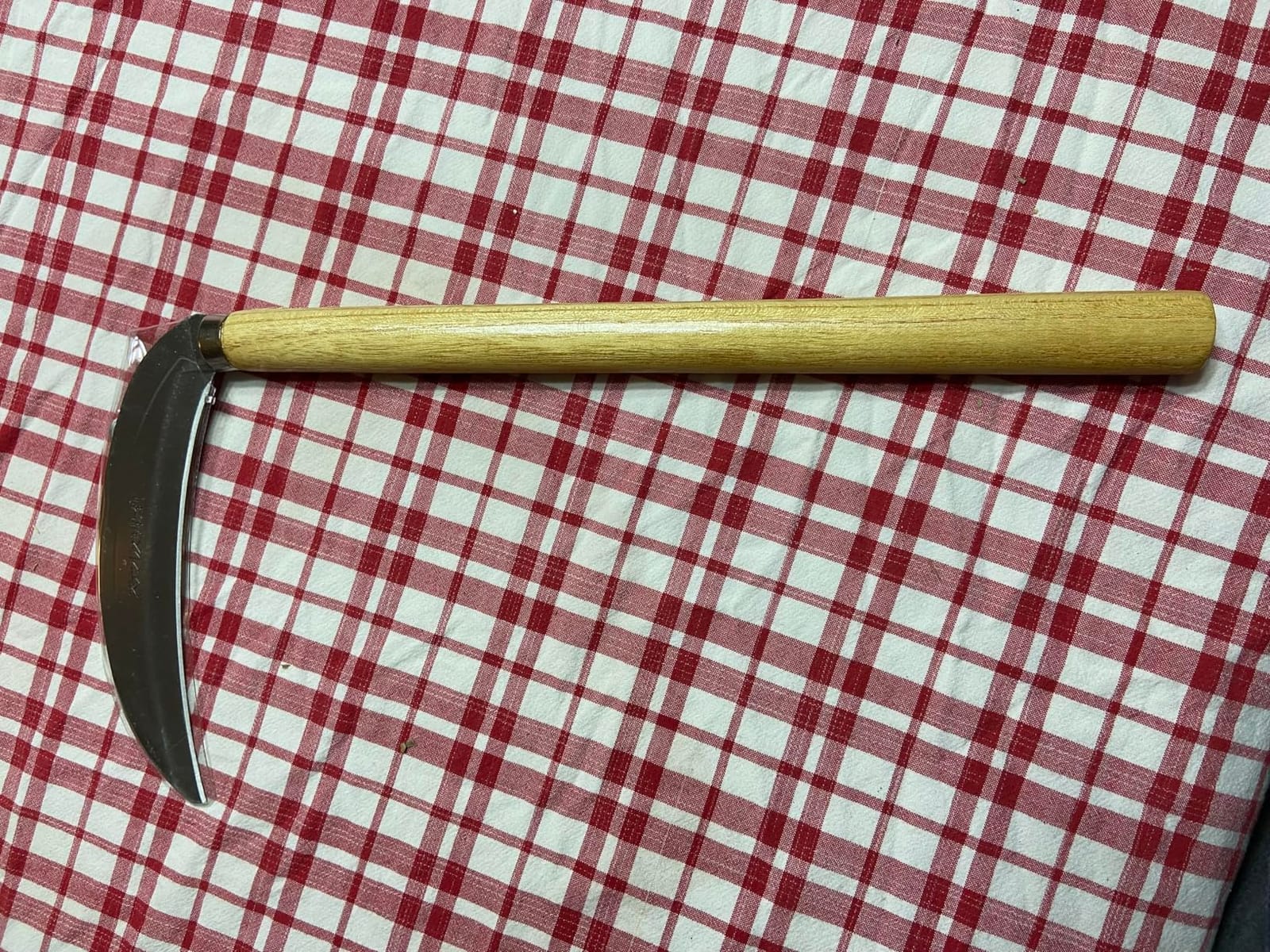
At 4.85 pounds this is the heaviest tool in the lineup, and the weight is the whole argument. It cuts hard material with authority and it will tire you faster than anything else on this page.
The second issue is soft steel. Reviewers report the blade bending on contact with thistles and stiff stalks. Bend a blade and you will be needing a peening hammer to correct it, which means the tool requires a maintenance skill before it is fully usable.
Who should buy the YOUWEIAN scythe
Buy it if you are already comfortable sharpening and peening a blade, and if your work is heavy weeds, vines and dense growth rather than soft meadow grass. It handles material that a lighter tool would simply skip or deflect.
It also suits anyone who wants the scything motion and has the strength to drive a heavy head through a full swing.
Who should skip the YOUWEIAN scythe
Skip it if you are new to manual cutting. A heavy head plus a bending soft blade plus a peening skill requirement is a lot of first-day frustration in one package.
Skip it if you are working small patches. The weight-to-yield ratio only works when there is a lot in front of you and the ground is flat enough to swing on.
Austrian vs English Scythes for Hay Cutting
Neither a proper Austrian nor a proper English snath scythe is available through the channels this roundup covers, but the distinction still matters because it explains why none of the ten tools above will cut hay as fast as a specialist scythe will. An Austrian scythe uses a lightweight, thin, slightly dished blade with a fine micro-serrated edge on a short two-piece snath. An English scythe uses a heavier, thicker blade with a broader wedge profile on a long three-piece snath, and takes more force per swing in exchange for cutting woody stems.
For hay specifically, the Austrian style is generally the better answer. Hay is a soft, thin-stemmed crop, and a light blade moving fast lays it down in a clean windrow without the stubble and shredding a heavy blade leaves behind. The English style earns its weight when you are cutting scrub, bramble or rough ground rather than grass.
Where the products here fall short of a snath scythe is size. A 60 to 80 cm blade on a 150 to 170 cm snath gives a swing arc of well over a metre. The longest blade in this roundup is 23.2 inches, which is less than half that, and the rest are 9 to 20 inches. That is the gap. If you need genuine snath scythes, they are sold by specialist scythe retailers rather than general marketplaces.
How to Choose the Right Scythe for Hay
Five things decide whether a tool works for hay, and none of them is appearance.
Blade length. Longer blade, wider arc, more ground per swing. A 20-inch blade covers roughly twice the arc of a 9-inch sickle, so the time saved per stroke is significant over a whole field.
Total weight. The honest range for hay work sits between about 200 grams and 1.5 pounds. Below that you are sawing. Above about 2 pounds you are trading cutting speed for fatigue. The 12.8-ounce Zenport and the 1.4-pound grass whip bracket the useful range.
Edge type. Serrations cut soft growth efficiently and dull quickly. Plain ground edges hold a much longer working edge and handle thick stems, but they need a stone to maintain. Peened or forged edges are the best of both and the hardest to look after.
Handle quality. Check whether the grip is screw-fastened and whether the head can be removed. Forum buyers consistently treat glued grips and fixed heads as deal breakers, and reviewers on r/Tools discount equipment written about by people who have clearly not used it.
Adjustability. A tool that changes length or grip spacing will outlast one that does not, because you will use it for more jobs. The YEELOR and the VEKSICY both offer this; the fixed-handle tools offer nothing.
For the stone side of this decision, our [guide to the best knives for cutting vegetables](https://cookcraftandcreate.com/best-knives-for-cutting-vegetables/) covers how to judge an edge you intend to keep sharp rather than replace.
Blade Length and Handle Sizing Guide
The rule that repeats on every scythe forum is the same: the best scythe is the one that matches your height. A handle too tall makes you bend forward and lose power; a handle too short makes you stoop and load your lower back. Here is the sizing logic for the tools in this roundup.
Under 5 foot 3 inches: the 9-inch hand sickles are the right call. The Zenport K310 at 12.8 ounces and the KEYI at 200 grams both keep the blade where you can control it, and you keep an upright back. Long tools feel unwieldy at this height.
5 foot 3 inches to 5 foot 9 inches: the 51-inch YEELOR and the 47-inch setting of the BlumWay are the sweet spot. Enough reach to keep your back straight without the head weight going past your ability to drive it.
Over 5 foot 9 inches: the 60-inch and 67-inch settings suit you, and the VEKSICY dual-handle spacing is worth taking advantage of because you can widen the grip to match your frame.
Height is not the only variable. The single-hand tools work at any height because you are using one arm. The two-handed tools need both your height to fit and enough strength to drive the head through a full arc.
For blade length against crop, the rule of thumb from the scything literature is that a blade should be about as long as you are tall. A 60 cm blade suits a 160 cm person, and that 60 cm blade is more than double anything in this roundup. That is the honest reason specialist scythes cut hay faster.
How to Use a Scythe to Cut Hay
Set the edge before you start. A blade that needs work cuts less and asks for more force. This is the single biggest factor in whether a session goes well.
Check your swing space. Stand with the blade to one side and walk a full arc. If you hit a fence, a tree or a shed, change your line before you start swinging.
Take the cut in slices, not in one deep stroke. The first slice takes off the standing tops, the second takes the middle, the third takes the base. This is the third rule of scything and it is why the technique looks like mowing rather than chopping.
Watch the one-third rule. Let the blade travel about one third of its arc before the edge reaches the ground. Throwing the blade at the full arc kills your rhythm and wrecks your wrist.
Rock back, do not reach. Before each stroke, shift your weight back so the blade tip clears the ground, then let it glide forward. Never push down on the blade. This is the difference between scything and swinging a battle-axe, and it is where the wrist and shoulder problems come from.
Lay the cut in a windrow. Keep the windrow narrow enough that your next pass can reach the standing grass beside it. Narrow windrows dry faster.
Stop and re-sharpen when it starts to drag. A drag means the edge is gone. Pushing through it costs you time and stresses the blade.
Wear gloves, closed shoes and eye protection. The OJIKA’s factory edge will draw blood on contact, and every tool here will eventually put a sharp edge near your hand.
Expect the first few sessions to be mostly technique rather than speed. Forum users put it at roughly seventy percent skill and thirty percent effort, and that is why buyers who have not scythed before underestimate how long it takes to be useful.
Sharpening, Peening and Blade Care Schedule
A scythe is a cutting tool that expects to be maintained, and any manual that skips this is selling you a frustration. The routine is short once you have it in your fingers.
Every session: wipe the blade clean and run a stone along the edge before you start. Peen if the edge has been peened before, which means restoring the thin, slightly curved line along the bevel. Peening is cold forging, done with a peening hammer and an anvil, and it is what gives a hand-forged blade its ability to slice rather than crush.
Weekly during a hay run: check the head joint or screws and tighten them. Check the blade for a bend by resting the edge on a flat surface and looking for a gap. Check the handle for cracks, particularly at the grip and at the head.
Seasonally: clean and oil the head, wipe the blade dry before storage, and hang the tool rather than leaving it in a heap. A damp blade in a closed shed is how rust pits a blade permanently, and pitted blades cannot be sharpened back into shape.
A dry stone whetstone and a peening hammer are the two accessories that turn any of these tools from a disappointment into a working implement. A stone belt holder keeps the stone on your hip so it is actually there when you need it. If you want a proper sharpening setup for the rest of your workshop, our [best cutting boards guide](https://cookcraftandcreate.com/best-cutting-boards/) covers the surface-maintenance side of the same problem.
Scythe vs Lawnmower vs Brushcutter for Hay
A scythe earns its place on a smallholding for reasons that have nothing to do with nostalgia: it needs no fuel, makes almost no noise, needs no cable, and costs nothing to run. Forum users cut whole paddocks with one and describe it as quieter than a mower by a margin that changes how they use their land in the evening.
Where a mower wins decisively is speed. For anything approaching an acre of dense, level hay, a mower or a drum mower will finish while a scythe is still working. Hay work is also a job where a brushcutter performs badly, because a nylon line or a metal blade shreds stems rather than laying them in a windrow, and shredded hay dries unevenly.
The scythe wins on terrain, and terrain is where smallholders actually struggle. Steep banks, rocky ground, wet ground that would bog a tractor, and the narrow strip under an electric fence are all places a scythe works and a mower does not. One user on r/Tools described the Austrian scythe as their tool for path cutting and trimming under electric fences, which is a good summary of its real specialism.
The honest economic answer is that hand hay making is labour, not capital. One smallholder writing about roughly 1,000 pounds of hay a year described it as a lot of work and said they were proud of being able to do it, and another worked eight hours for a modest return. If your time is scarce, buy a mower. If your time is not scarce and your ground is awkward, a scythe is the right tool.
Frequently Asked Questions
Which scythe grass cutter is the best?
For most smallholders cutting hay by hand, the Zenport K310 is the strongest all-rounder at 12.8 ounces with a sharp SK5 high-carbon blade and 3835 reviews. The AMES True Temper grass whip covers more ground per swing thanks to its long handle and double-edged serrated blade, and the HONMAMON OJIKA offers the finest forged edge for brushy growth.
Can I use a scythe to cut long grass?
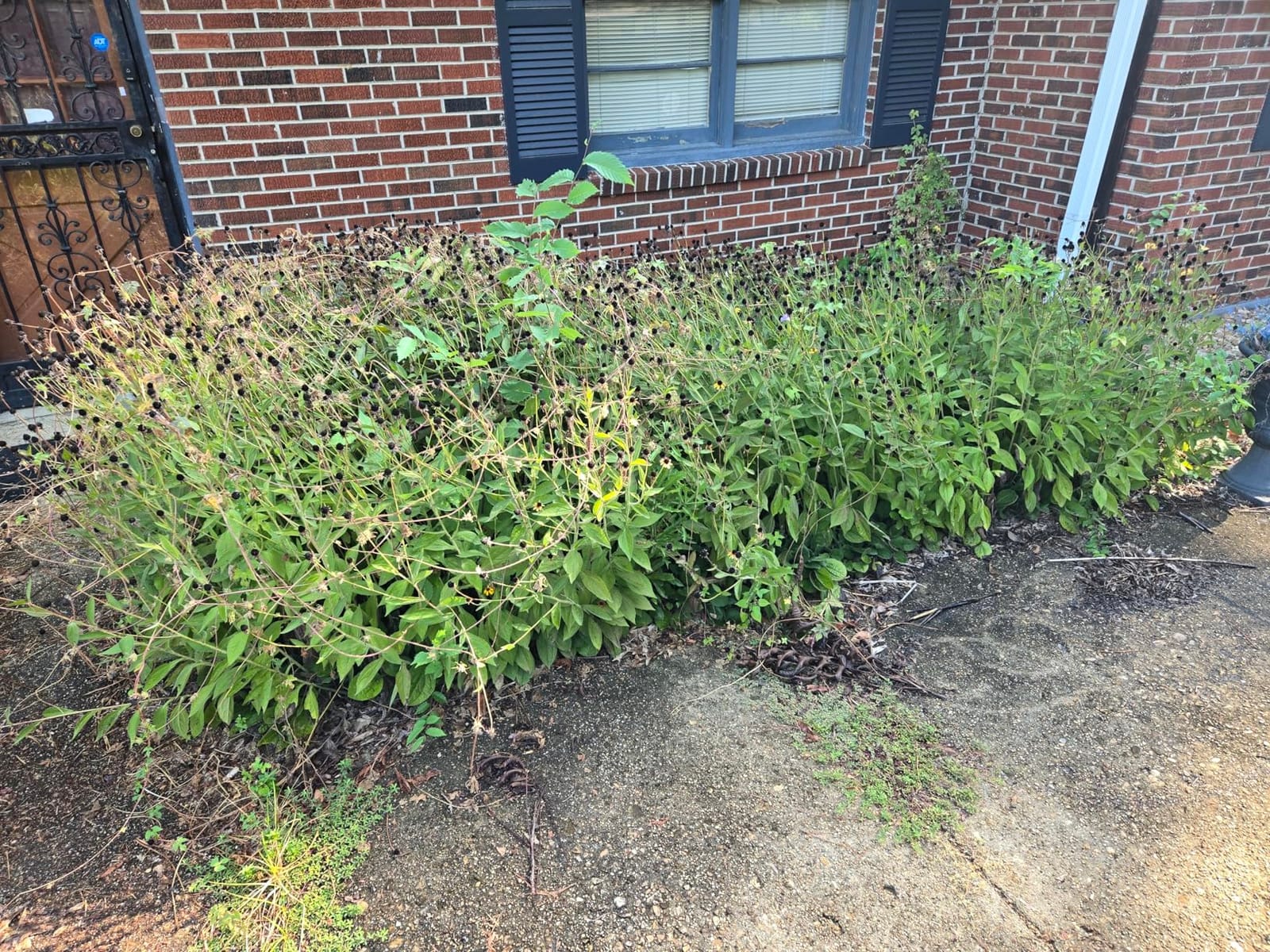
Yes, and long grass is what these tools do best. A 9 to 20 inch blade handles standing grass and soft hay easily. Thick mature stems, woody growth over an inch thick and cereal stubble are where lightweight blades start failing and you need either a heavier blade or a purpose-built snath scythe.
Why use a scythe instead of a mower?
A scythe needs no fuel, makes almost no noise, produces no exhaust and costs nothing to run. It also works on steep, rocky, wet or fenced ground a mower cannot reach, and it stores in a corner of a shed. A mower is faster on anything approaching an acre of level, dense hay.
What are the key differences between an Austrian scythe and an English scythe?
An Austrian scythe uses a lightweight thin dished blade with a micro-serrated edge on a short two-piece snath and suits soft crops such as hay. An English scythe uses a heavier thicker blade on a long three-piece snath, takes more force per swing and handles woody stems and scrub. For hay, the Austrian style is generally the better choice.
How long does it take to cut an acre of grass with a scythe?
It depends entirely on the crop density, the blade length and how much hay has already gone over. Forum accounts describe a fifth of an acre in half an hour to an hour of comfortable work for an experienced scyther, which implies several hours for a full acre. Beginners should expect considerably more until the technique settles.
What is the 1/3 rule for cutting grass?
The one-third rule means letting the blade travel about one third of its arc before the cutting edge reaches the ground. Dropping the blade early or throwing it through the full arc ruins your rhythm and loads your wrist and shoulder. Setting the edge before each stroke is the other half of the same technique.
The Verdict: Which Scythe for Cutting Hay in 2026
Buy the Zenport K310 if you want one tool that does everything well. At 12.8 ounces it is light enough for a long session, the SK5 edge stays sharp on stems, and 3835 reviews at 4.5 stars is the strongest evidence base in the roundup. That is our pick for the best scythes for cutting hay in 2026.
Add the AMES True Temper grass whip if your ground is open and soft and you want to cover more per swing, or the HONMAMON OJIKA if brush and woody stems are part of the job and you will store it properly. Keep the KEYI in the shed as a light backup that always works.
And if you take one piece of advice from this roundup, make it the maintenance one. Set the edge before every session, tighten the head, and hang the tool up dry. A blunt scythe is the reason people decide scything does not work, and it has nothing to do with the tool.