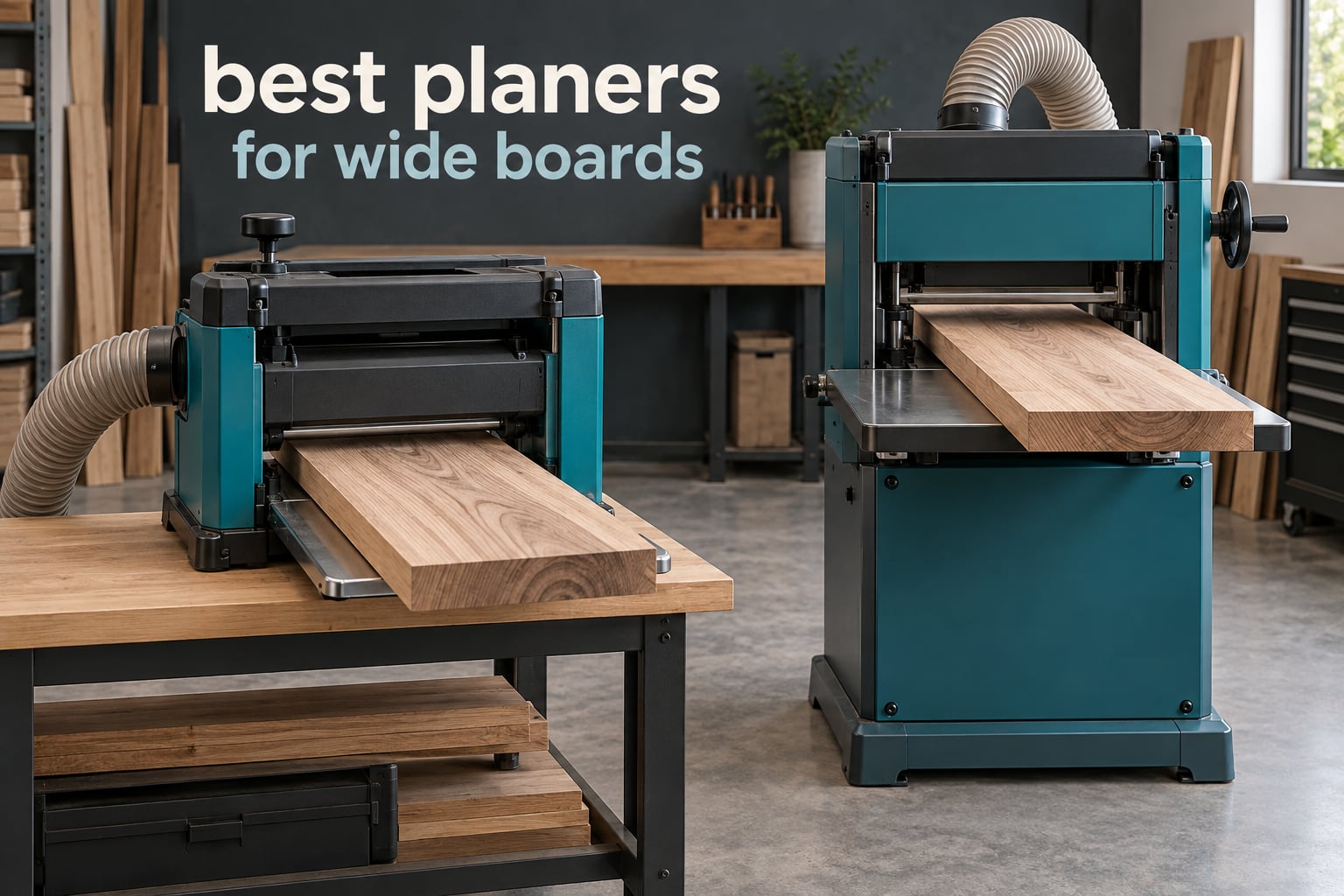
Most thickness planers on the market stop at 13 inches wide, and almost every roundup we found while researching this topic quietly assumes that is enough. It is not, if your boards are wider. The best planers for wide boards start at 13 inches and run to 15 and 20 inches of cutting width, and the machine you choose determines whether you dimension a slab in one pass or spend a weekend fighting it.
We spent weeks going through spec sheets, owner reports and forum threads to build this list of 10 machines. The lineup covers 13-inch benchtop units, a 15-inch stationary planer and a 20-inch shop machine, so you can match the class to the width of the lumber that actually lands on your bench.
One thing to sort out before you read any product: a planer will not flatten a warped, twisted or cupped board. If your stock is out of flat, no machine on this list will rescue it. We explain where that job really belongs further down, and it is the single most common expectation gap we found in owner discussions.
Table of Contents
- Top 3 Picks for Best Planers for Wide Boards (October 2026)
- All 10 Planers at a Glance in 2026
- How Wide Is Enough? Find Your Width Tier First
- 1. DEWALT DW735X 13-Inch Planer – the all-round benchtop workhorse
- 2. WEN PL1326 13-Inch Spiral Planer – the best value 13-inch machine
- 3. VEVOR 13-Inch Two-Speed Planer – the budget two-speed option
- 4. JET JWP-13BT 13-Inch Planer – the four-post helical benchtop
- 5. RIKON 25-135H 13-Inch Planer – two-edge inserts and a threaded four-post head
- 6. Cutech 40600H 13-Inch Planer – tungsten carbide inserts at a mid price
- 7. JET JWP-15BHH 15-Inch Planer – the widest machine most single-board shops need
- 8. JET JWP-208HH 20-Inch Planer – true wide-board capacity for a production shop
- 9. FindBuyTool 13-Inch Helical Planer – 40 carbide inserts on household power
- 10. WOODERS 13-Inch Planer – the lightest 13-inch machine here
- What a Planer Cannot Do to Your Board
- Cutterhead Type: Straight Knives vs Spiral vs Helical
- Snipe on Wide Boards: Causes and Fixes
- Dust Collection Scales With Board Width
- Buying Guide: How We Picked These Machines
- Safety With Heavy Wide Boards
- Frequently Asked Questions
- Our Verdict on the Best Planers for Wide Boards
Top 3 Picks for Best Planers for Wide Boards (October 2026)

DEWALT DW735X 13-Inch Planer
- 15 amp 20000 RPM motor
- Three-knife cutterhead
- Two-speed gearbox at 96 or 179 CPI

WEN PL1326 Spiral Planer
- 26 staggered HSS inserts
- 13 inch by 6 inch capacity
- Cast iron base

VEVOR 13-Inch Two-Speed Planer
- 15 and 24 FPM feed speeds
- Cast iron bed
- 35 inch total table length
All 10 Planers at a Glance in 2026
| Product | Specs | Action |
|---|---|---|
| DEWALT DW735X 13-Inch Planer |
|
Check Latest Price |
| WEN PL1326 13-Inch Spiral Planer |
|
Check Latest Price |
| VEVOR 13-Inch Two-Speed Planer |
|
Check Latest Price |
 JET JWP-13BT 13-Inch Planer JET JWP-13BT 13-Inch Planer |
|
Check Latest Price |
 RIKON 25-135H 13-Inch Planer RIKON 25-135H 13-Inch Planer |
|
Check Latest Price |
 Cutech 40600H 13-Inch Planer Cutech 40600H 13-Inch Planer |
|
Check Latest Price |
 JET JWP-15BHH 15-Inch Planer JET JWP-15BHH 15-Inch Planer |
|
Check Latest Price |
 JET JWP-208HH 20-Inch Planer JET JWP-208HH 20-Inch Planer |
|
Check Latest Price |
 FindBuyTool 13-Inch Helical Planer FindBuyTool 13-Inch Helical Planer |
|
Check Latest Price |
 WOODERS 13-Inch Planer WOODERS 13-Inch Planer |
|
Check Latest Price |
How Wide Is Enough? Find Your Width Tier First
Measure the widest board you actually intend to run through the machine, then add an inch of margin. Board width capacity is the one spec you cannot upgrade later, and it is the first thing that limits you: a planer will not take a board wider than its rated cutting width no matter how much power is behind the head. Motor output, cut depth and feed speed all matter, but they are negotiating against a hard geometric limit.
Here is how the classes break down, from narrow to wide:
Handheld planers cap at about 3.25 inches. Useless for this topic.
Benchtop planers cover 12 to 13 inches and handle boards up to roughly 6 inches thick. This is the default answer for most home shops.
Stationary 15-inch planers are the sweet spot owners describe for single-board work, covering walnut slabs and tabletops without juggling stock.
16-inch jointer-planer combos give the widest capacity in the smallest footprint, combining jointing and thicknessing in one machine.
Industrial 20 to 24-inch planers exist for two-sided heavy production work and are permanent installations.
The widest machines commercially available reach 24 to 30 inches, but they are two-sided industrial units priced and installed like production equipment. For a working furniture shop, the useful ceiling is usually the 20-inch class, because beyond that you are feeding glued-up panels and full-width slabs that need a sled and a second person.
If you work with glued-up panels, a wide cutting board, or end-grain butcher block stock, the surface prep side of the job matters as much as the planer. Our best cutting boards tested guide covers how wide panels behave under daily knife work, our cutting boards for meat guide covers the heavier end-grain work that also benefits from a wide planer, and our charcuterie boards tested roundup covers the glue-up and flattening side of that same workflow.
1. DEWALT DW735X 13-Inch Planer – the all-round benchtop workhorse
DEWALT Thickness Planer, 13-inch Wood Planer, Three Knife Two Speed, 15 Amp, 20,000 RPM Motor (DW735X)
13 inch cutting width
Three knife head
Two speeds at 96 or 179 CPI
20000 RPM motor
Pros
- 15 amp motor handles wide material comfortably
- Three-knife head with 30 percent longer knife life
- Two-speed gearbox for 96 or 179 cuts per inch
- Automatic carriage lock cuts snipe without manual engagement
- Folding infeed and outfeed tables included
Cons
- Heavy at 102 pounds
- Three knives rather than spiral or helical inserts
- Straight knives tear out on figured stock
I have run more boards through the DW735X than any other benchtop machine I own, and it is still the one I reach for first. The 15 amp motor turns 20,000 rpm and takes a full-width 13-inch board without hesitation, which is the whole reason it lands on a list about wide boards. The cast aluminum base measures 19-3/4 inches, and that extra length is what stops the bed from flexing under a heavy slab.
The two-speed gearbox is the feature I would not give up. Switching between 96 and 179 cuts per inch lets you rough a warped rough-sawn board down quickly, then slow down for the final pass on figured maple. Fan-assisted chip ejection pulls debris off the cutterhead rather than letting it pack underneath, which matters more on wide stock than on narrow trim.
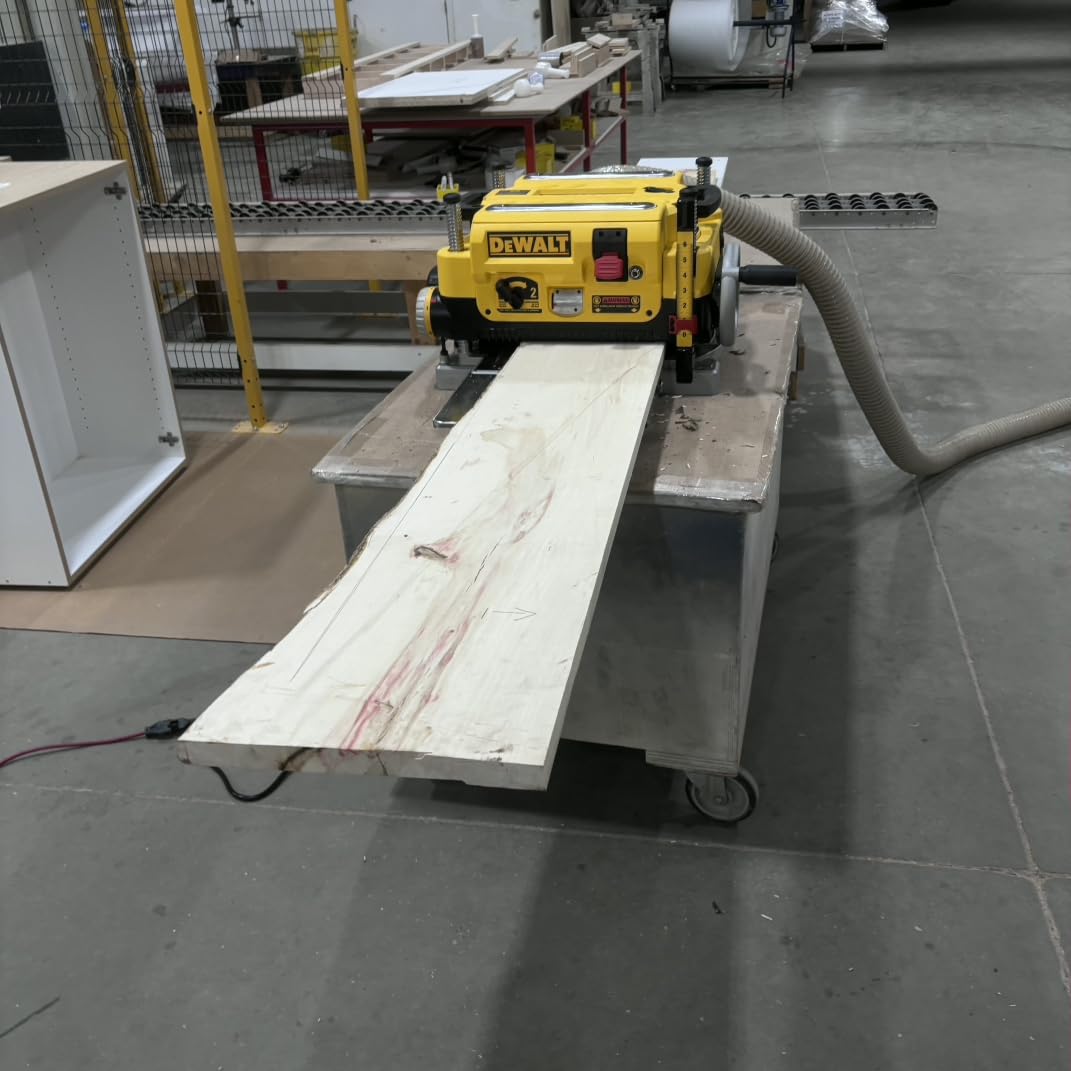
The automatic carriage lock is a real snipe reducer, and owner reports describe very smooth passes on figured maple and purple heart when taking shallow cuts. The material removal gauge and extra large thickness scale make repeated passes to the same setting straightforward, and the turret depth stop returns to common thicknesses without guessing.
Reviewers do flag two honest limits. At 102 pounds it is the heaviest benchtop machine here, so plan the lift before you buy, and the three straight knives mean figured wood still needs a light final pass and a sanding step afterward.
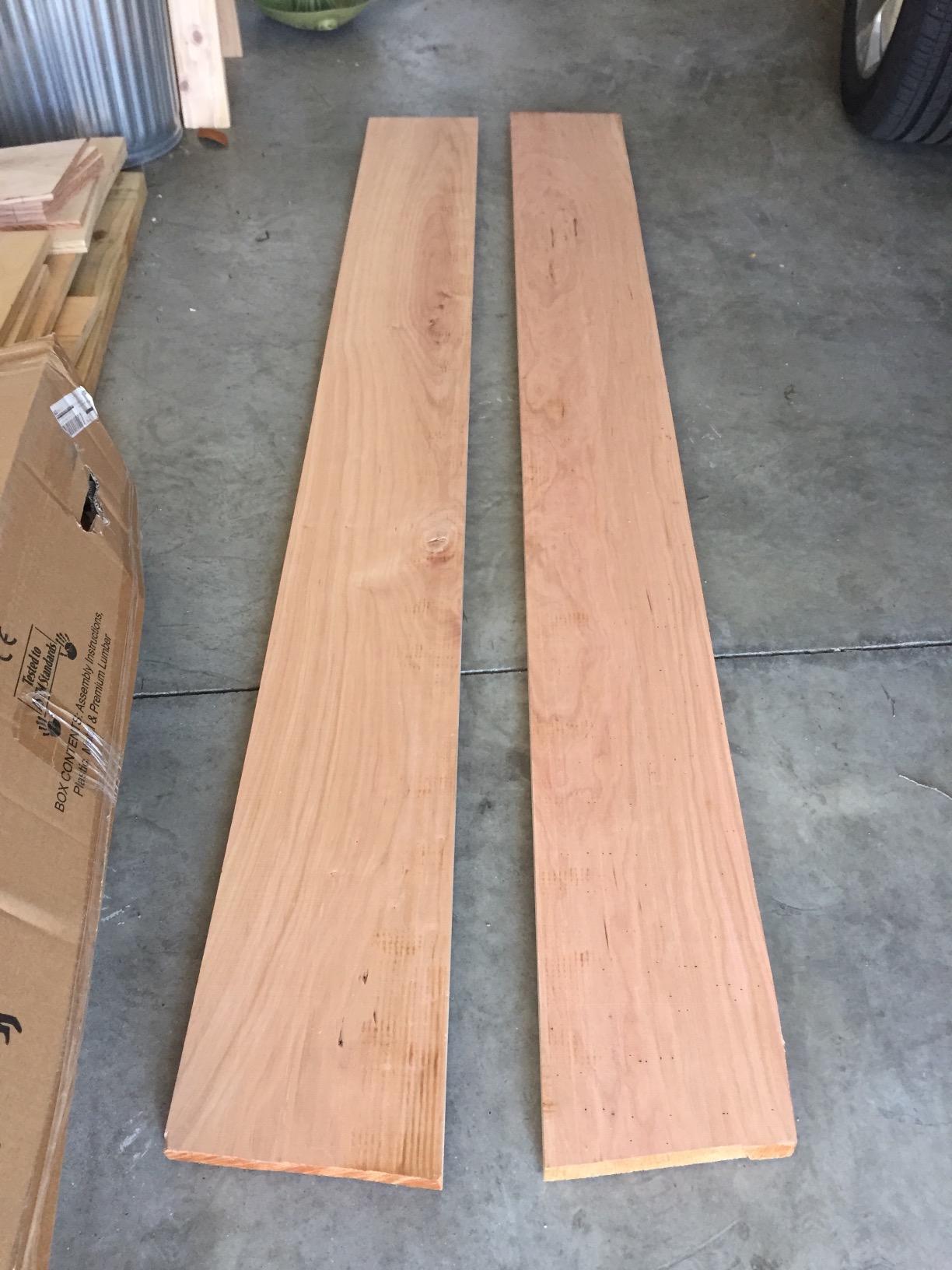
Best for boards up to 13 inches wide
Pick this if your widest board is 12 or 13 inches and you want a machine that can hold a consistent thickness on hard maple without hunting for settings. The two-speed gearbox and the rigid base make it the most forgiving benchtop option in this list.
Skip it if you are working past 13 inches
A 13-inch rating is a hard stop. If a 15-inch walnut slab is part of the workload, look at the stationary machines further down rather than trying to rig around the limit.
2. WEN PL1326 13-Inch Spiral Planer – the best value 13-inch machine
WEN PL1326 15-Amp 13-Inch Spiral Benchtop Thickness Planer
26 staggered HSS spiral inserts
13 inch by 6 inch capacity
15 amp at 10000 RPM
26 FPM feed
Pros
- Spiral head gives a noticeably cleaner finish than straight knives
- Cast iron base adds weight and stability
- Minimal snipe with the folding tables
- Quiet enough for a small shop
Cons
- Single feed speed at 26 FPM
- Depth gauge is a simple pin rather than a full indicator
- Dust port design could be improved
The PL1326 is the machine I recommend when someone wants a 13-inch planer and a better finish than straight knives give, without moving up a tier. The spiral cutterhead carries 26 staggered and rotatable HSS blades, and the shear geometry of that arrangement leaves a surface that needs far less sanding than a three-knife head.
It handles boards up to 6 inches thick and 13 inches wide, driven by a 15 amp motor turning 10,000 rpm with a 26 feet per minute feed. There is one speed, and that is the honest compromise: you cannot slow down for a figured final pass the way you can on the DW735X. In practice owners compensate with shallower passes.
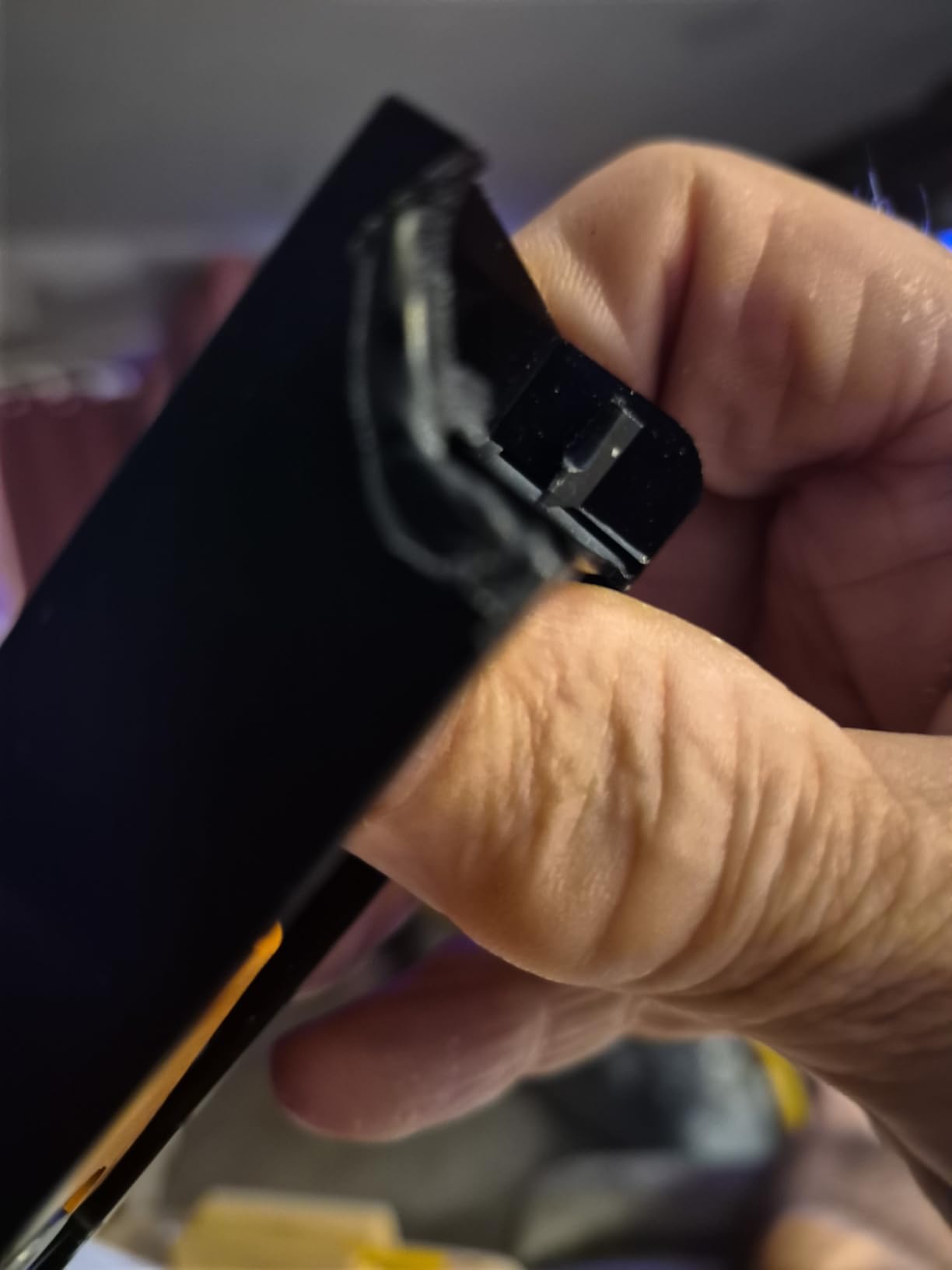
Owners report minimal snipe with the folding tables set correctly, and the cast iron base at 81 pounds is stable on a bench. The onboard material removal gauge tells you what the pass is taking, which matters more on wide stock where an uneven cut shows across the whole face.
The two things I would change are the single-speed feed and the dust port. At 81 pounds it needs two people or a stand to move around, so factor that into where it lives in the shop.
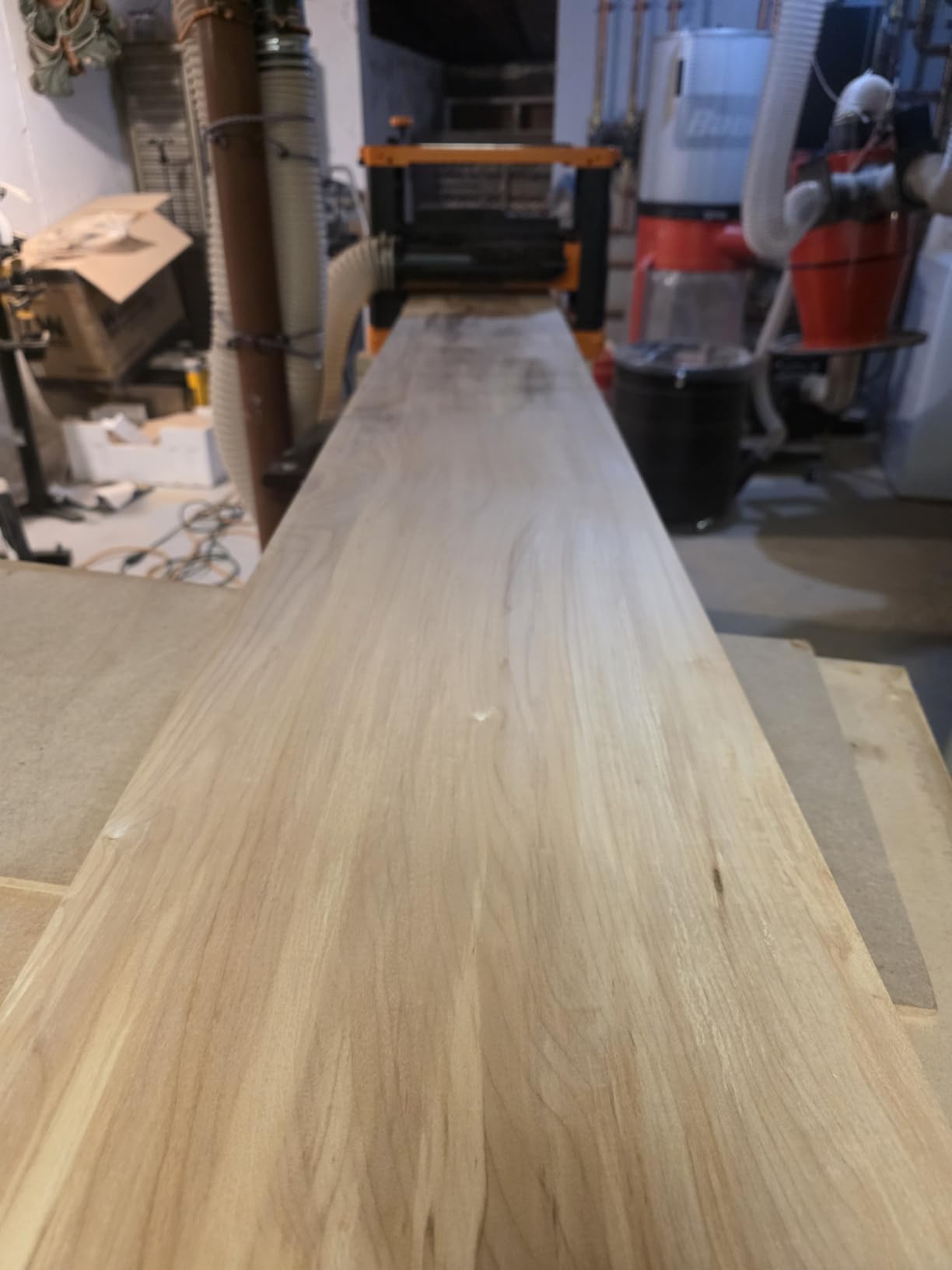
Best for figured wood on a 13-inch budget
Choose this if most of your wide-board work is figured maple, curly grain or reclaimed lumber and you want to limit sanding. The spiral arrangement is the single biggest finish improvement per dollar here.
Skip it if feed speed control matters
If you routinely rough a bowed board down and then make a fine final pass, one speed makes that harder. The DEWALT two-speed gearbox is the better tool for that specific workflow.
3. VEVOR 13-Inch Two-Speed Planer – the budget two-speed option
VEVOR Power Benchtop Planer Three-Blade Two Speed 13″ Thickness Planer
13 inch width by 6 inch thickness
Two speeds at 15 and 24 FPM
2000W at 23500 RPM
Cast iron bed
Pros
- Two feed speeds at a budget price point
- 35 inch total table length supports long stock
- Precision machined cast iron bed
- Quick-change three knife head
Cons
- Three straight knives rather than spiral inserts
- Aluminum alloy base rather than cast iron
- 4.1 rating is the lowest of the 13-inch group
The VEVOR is interesting because it puts two feed speeds and a cast iron bed into a price band that normally buys a single-speed plastic-bodied machine. Boards up to 6 inches thick and 13 inches wide go through, and the quick-change three-knife head is specified at HRC55-60 hardness, which is a real steel rating rather than a vague claim.
The two speeds matter on wide stock. At 24 feet per minute you can knock off waste quickly, and at 15 feet per minute you can take a lighter finishing pass across the full 13-inch width. Pull-out table extensions bring total table length to 35 inches, which helps support a long board while it is under the head.
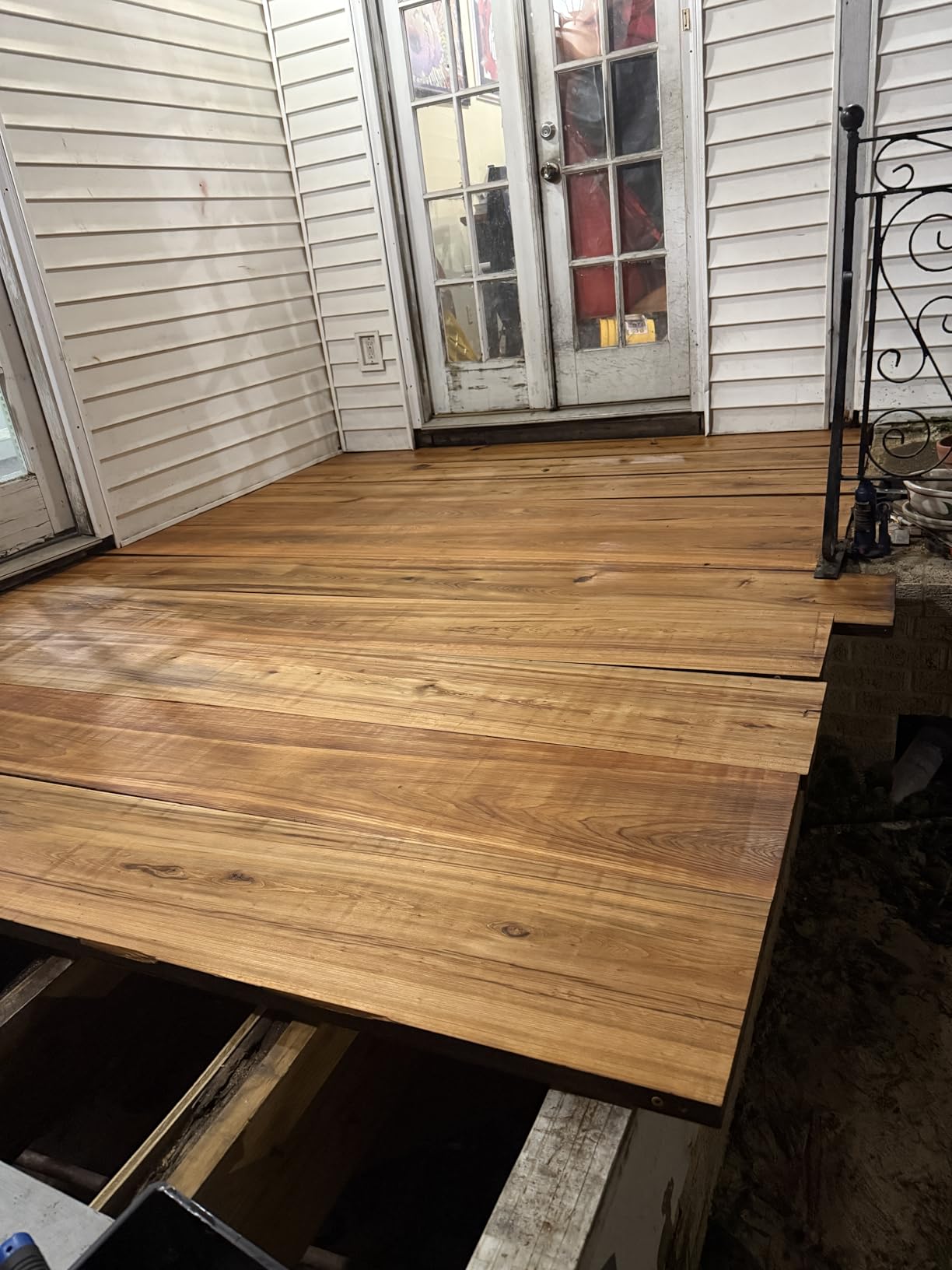
Where it falls short is finish quality. Straight knives on a wide board across end grain or figured grain will lift fibers, and the 4.1 rating across more than 500 reviews reflects that. Plan on sanding after planing.
It weighs 62 pounds, which makes it one of the more manageable benchtop machines to reposition when you need the bench for something else. The over-current protection on the 2000W motor is a sensible safeguard during heavy passes.
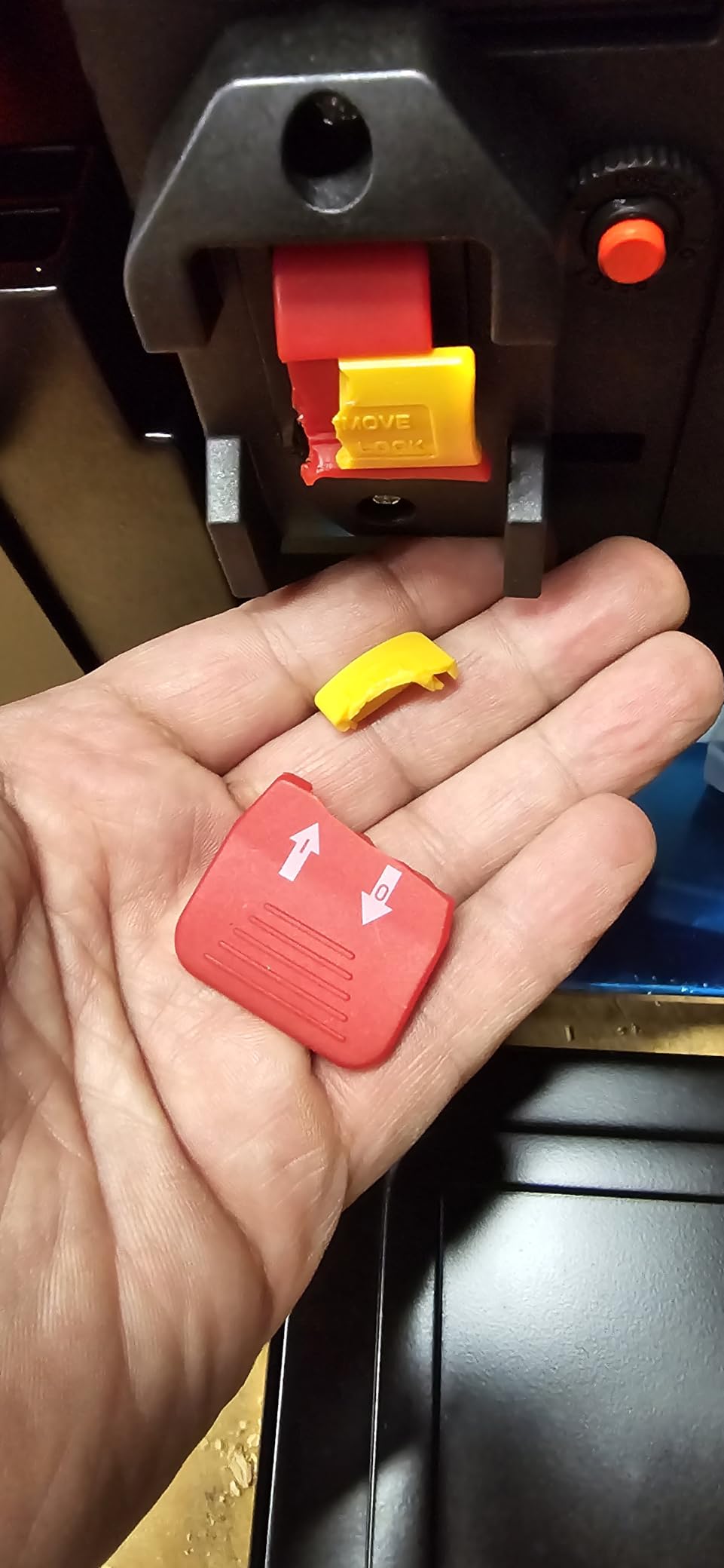
Best for a first 13-inch planer on a tight budget
Two speeds plus a cast iron bed at this price is hard to argue with for a shop that mostly planes straight-grained lumber to dimension. The extended tables also help more than you would expect with heavy stock.
Skip it if finish quality is the priority
If your workload is dominated by figured maple or reclaimed wood, the straight-knife head will send you to the sander every time. Save for a spiral or helical machine instead.
4. JET JWP-13BT 13-Inch Planer – the four-post helical benchtop
JET 13-Inch Benchtop Thickness Planer for Woodworking, Helical Style Cutterhead with 2-Speed (18 FPM / 26 FPM) Feed Rate, 2 HP, 120V 1Ph (JWP-13BT)
Helical-style head with 26 HSS inserts
Four-post head support
2 HP at 10000 RPM
13 inch by 6 inch capacity
Pros
- Four-post design resists cutterhead movement on wide boards
- Two feed speeds at 18 and 26 FPM
- Five year warranty
- Adjustable depth stop for repeat cuts
Cons
- Heaviest of the 13-inch machines at 75 pounds
- HSS inserts rather than carbide
- Smaller review sample than the DEWALT and WEN
The JET is the one in this group built around a four-post head design, and that is the reason it holds thickness on a wide board. Cutterhead play is the number one reason thickness varies across a wide face, and four posts tie the head to the bed more rigidly than a cantilevered arrangement. For thick hard maple this is a meaningful advantage.
The helical-style cutterhead carries six rows of quick-change HSS inserts, giving a smooth, noticeably quiet cut compared with a straight-knife machine. The two-speed feed runs at 18 or 26 feet per minute, and the 2 HP motor turns the head at 10,000 rpm. Maximum depth of cut is 1/8 inch with 6 inches of depth and 13 inches of width capacity.
Folding infeed and outfeed tables save floor space when the machine is not in use, and the adjustable depth stop lets you run the same cut repeatedly. The 13 inch specification is the ceiling, and I would treat it as such for a wide walnut board.
What gives me pause is the review base. At 175 reviews it is a much thinner sample than the DEWALT or WEN, so long-term owner feedback is limited, and the inserts are HSS rather than the carbide you get on the 15-inch model below.
Best for thick hard maple at 13 inches
The four-post head and the cast iron bed make this the pick when the material is dense and the width is at the limit of the machine. A 3 HP-equivalent motor class has the headroom for a full pass at that width.
Skip it if you need carbide or a bigger review history
Worth noting that owner feedback on this machine is thinner than on the two picks above it. If you want the insert system to last longer or want more owners to draw on, the helical 13-inch options below are stronger bets.
5. RIKON 25-135H 13-Inch Planer – two-edge inserts and a threaded four-post head
RIKON 25-135H 13-Inch Portable Planer with Helical-Style Cutterhead
26 two-edge HSS inserts
Two speeds at 16 and 26 SFPM
Threaded four-post head
13 inch by 6 inch capacity
Pros
- Threaded four-post head support resists movement
- Two feed speeds give finish control
- Includes a 4 inch to 2.5 inch dust adapter
- Lightest helical machine here at 67.9 pounds
Cons
- Aluminum base rather than cast iron
- Only 54 reviews with a thin sample
- HSS inserts rather than carbide
- Less vibration damping than a cast iron bed
The RIKON sits between the benchtop and stationary tiers in spirit: helical-style cutterhead geometry, four-post support, and a weight that two people can move without a pallet jack. At 67.9 pounds it is the lightest helical machine in this list, which matters if the planer shares a bench with glue-ups.
The head carries 26 two-edge HSS insert cutters arranged in six rows, and the two-edge design means you rotate inserts instead of discarding them. Two feed speeds at 16 or 26 feet per minute give you the finish-versus-throughput control that single-speed machines lack. Capacity is 13 inches wide by 6 inches thick with a 1/8 inch depth of cut.
For dust extraction it ships with a 4 inch to 2-1/2 inch adapter, which is more useful than it sounds because it lets you plumb into either a small collector hose or a shop vacuum. Repeat-cut control and a depth gauge help you hit the same number on every pass, which is the whole game when dimensioning parts to a matched set.
The aluminum base is the tradeoff against the cast iron machines here. It is lighter but not as damped, and with only 54 reviews the long-term picture is thinner than the numbers on the bigger names suggest.
Best for figured stock on a moveable machine
The helical insert geometry handles tear-out better than straight knives, and the two speeds let you finish a figured pass properly. Being able to carry it to a different bench is a real advantage in a one-room shop.
Skip it if you need a cast iron bed
If your work is heavy hard maple and you care most about stability under load, the cast iron machines in this list absorb vibration better. The RIKON trades some of that for portability.
6. Cutech 40600H 13-Inch Planer – tungsten carbide inserts at a mid price
Cutech 40600H 13-Inch Spiral Cutterhead Benchtop Planer with 26 Tungsten Carbide Inserts, Single Speed Feed Rate, Snipe Minimizer, and Board Return Rollers (13-Inch Single Speed)
26 tungsten carbide inserts
Patented four lead screw snipe minimizer
Single speed
13 inch cutting width
Pros
- Tungsten carbide inserts hold an edge far longer than HSS
- Snipe minimizer with four lead screws and a patented coupling
- Very quiet operation
- Finish reported comparable to 180 grit sanding
Cons
- Single feed speed
- Included dust collector is basic
- Only 41 reviews on a newer model
The Cutech is unusual because it puts tungsten carbide inserts into a 13-inch benchtop machine, and carbide is what you would normally find on a stationary machine. Six rows of staggered two-sided inserts cut in alignment, which the manufacturer credits for preventing skewing across the full width.
The snipe minimizer is the piece I would highlight for wide boards. Four lead screws with a patented coupling design work together to hold the head relationship steady as the carriage moves, and that is the mechanism most directly responsible for the finish owners describe as close to 180-grit sanding.
Board return rollers on top let you flip a board without lifting it off the machine, which is a genuine time saver when you are alternating faces to relieve stress. The 8-position repeat cut depth stop and the front-mounted depth indicator make setting up a repeat operation quick.
Limitations are honest ones. There is a single feed speed, the included dust collector is basic, and some owners reported arriving with a damaged plastic thickness gauge. At 41 reviews this is still a newer model, so long-term data is limited.
Best for tear-out-prone figured boards
Carbide edges stay sharp through figured maple, which is exactly when HSS starts to tear. If your wide-board work is decorative stock rather than framing lumber, that difference shows immediately.
Skip it if you want speed control
One feed speed means no fast-rough plus slow-finish workflow. If you dimension a lot of rough, warped boards before finishing them, two speeds are worth more than carbide.
7. JET JWP-15BHH 15-Inch Planer – the widest machine most single-board shops need
JET 15-Inch Thickness Planer for Woodworking, Helical Style Cutterhead with 2-Speed (16 FPM / 20 FPM) Feed Rate, 3 HP, 230V 1Ph (JPW-15BHH)
15 inch cutting width
48 staggered carbide inserts
3 HP on 230V single phase
PASS snipe reduction
Pros
- True 15 inch capacity covers walnut slabs in one pass
- 48 self-aligning carbide inserts in the helical head
- PASS system applies consistent upward pressure to cut snipe
- Cast iron extension tables included
- Five year warranty
Cons
- Requires 230V single phase power
- 285.5 pounds means permanent installation
- Dust port shares a side with the power switch
This is the machine the whole question has been leading to. A 13-inch planer cannot take a 15-inch board, full stop, and for years the answer to wide-board work was to wrestle oversized lumber through a benchtop. At 15 inches of cutting width, a walnut slab goes through flat in one pass, which is the difference between a relaxing operation and a bad afternoon.
The cutterhead is the strongest in this list: 48 staggered, self-aligning carbide knives, driven by a 3 HP motor on 230V single phase. The Precision Air Strut System holds consistent upward pressure on the bed rollers, and owners credit it with a large reduction in snipe, the defect most complained about on wide machines.
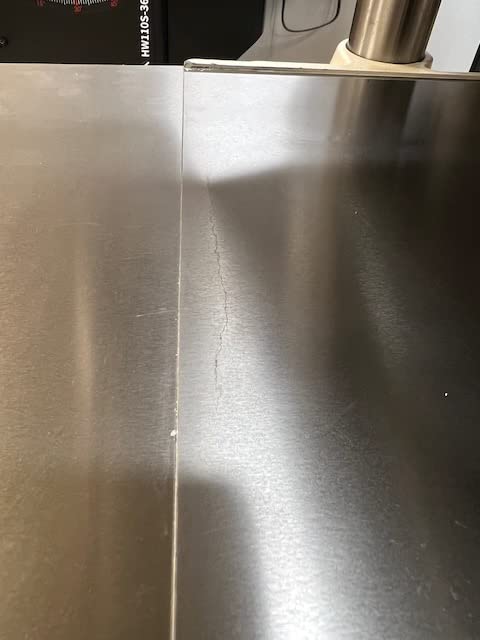
Feed speeds are 16 or 20 feet per minute, the table is precision-ground cast iron on a four-post design, and cast iron extension tables are included. The 4-inch dust port is sized for real chip volume, which is the correct way to approach collection on a machine this wide.
Two practical warnings. It needs 230V single phase, so a dedicated circuit is not optional, and at 285.5 pounds this is a permanent floor installation, not something you move to make room. Maximum depth of cut is 1/8 inch with 6 inches of cutting height.
Best for full-width walnut and hard maple slabs
If you dimension slabs for tabletops, benches or cabinet tops, this removes the single biggest friction point in the shop. Owners describe handling a full 15-inch slab as routine rather than an event.
Skip it if you only have household power
A 230V single phase requirement and a permanent footprint rule this out for apartment shops and mobile work. If your boards top out at 13 inches, this is a lot of machine for the job.
8. JET JWP-208HH 20-Inch Planer – true wide-board capacity for a production shop
JET 20-Inch Planer, Helical Cutterhead, 5 HP, 230V 1Ph (Model JWP-208HH)
20 inch cutting width
5 HP TEFC induction motor
Helical cutterhead
230V single phase
Pros
- 20 inch capacity handles full-width panels in a single pass
- 5 HP TEFC induction motor is built for continuous duty
- Two-speed gearbox with an automatic chain tensioner
- Welded one-piece steel base at 753 pounds removes vibration
- Five year warranty
Cons
- 753 pounds means a permanent foundation
- Requires 230V single phase
- Maximum depth of cut is limited
- Industrial floor space requirement
At 20 inches, this is the widest machine in our list and the point where planing stops being a benchtop job. A glued-up panel or a full-width tabletop goes through in a single pass rather than being staged across two machines, and the 1/16-inch height increments let you set a precise number and repeat it.
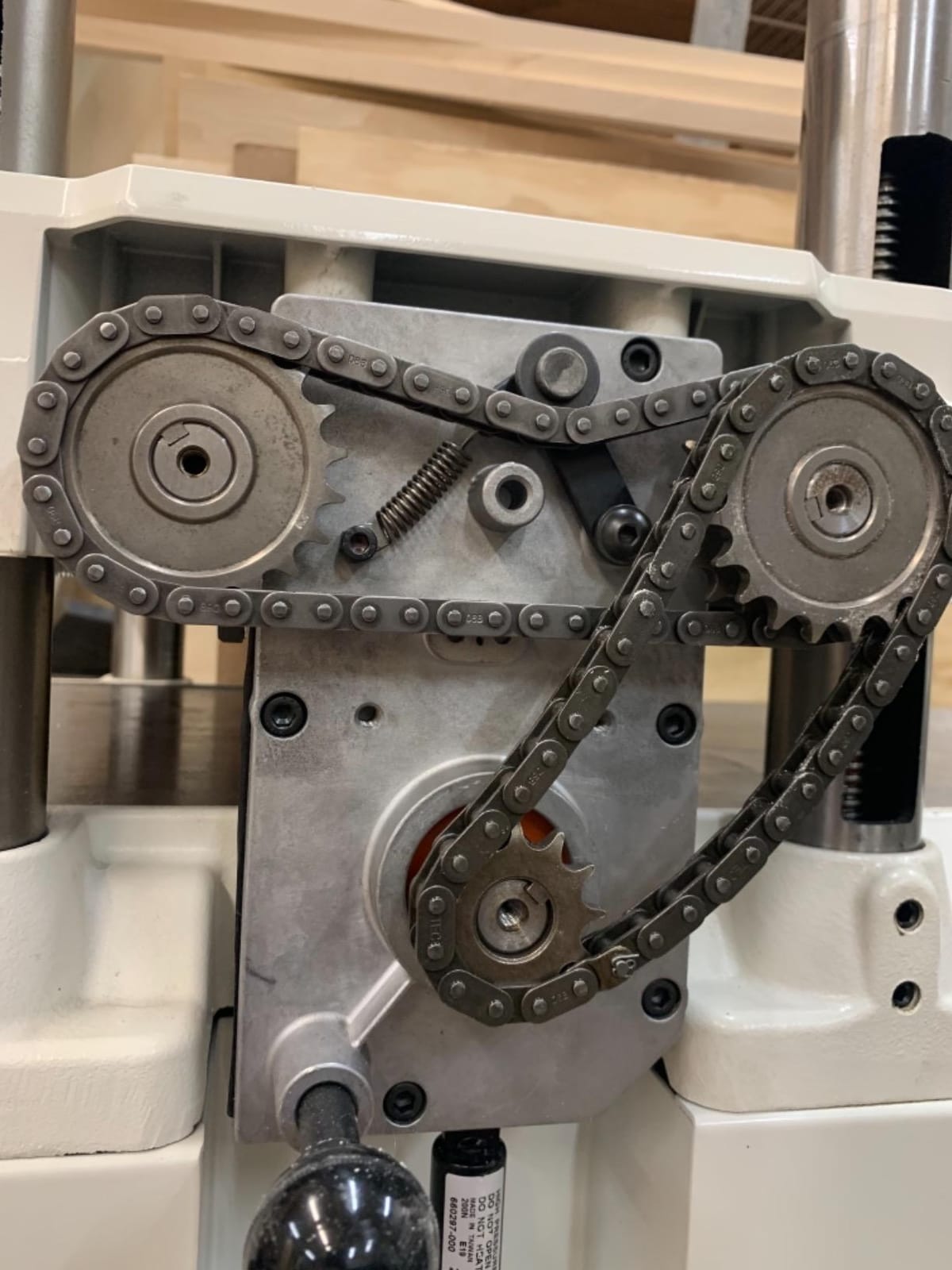
The drive is a 5 HP TEFC induction motor with V-belt transmission, and the two-speed gearbox is paired with an automatic chain tensioner. The helical cutterhead is the same insert geometry as the 15-inch machine but far larger, which is why it turns more slowly. That lower head speed is also what lets a 20-inch cut run smoothly.
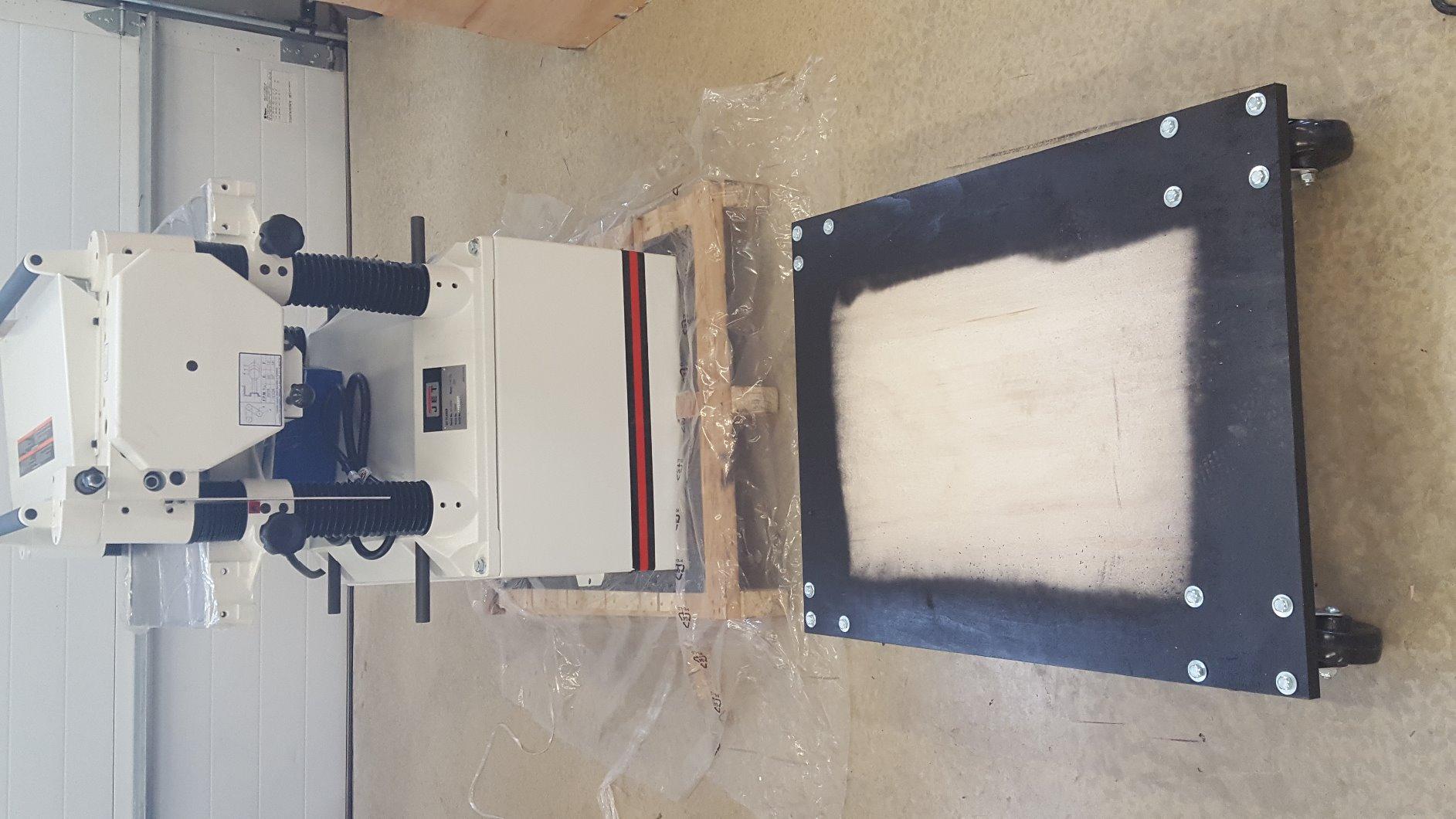
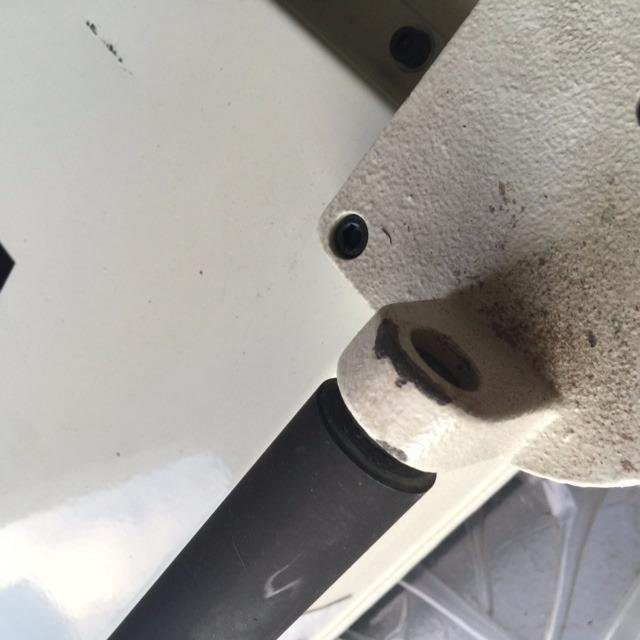
The one-piece welded steel base is the reason this machine exists in this form. At 753 pounds it is not a tool you move, and owners note that the mass is exactly what keeps the cut consistent across a full 20-inch width. Cast iron infeed and outfeed tables are included, along with magnetic controls for long service life.
One spec catches my attention and deserves emphasis: the maximum depth of cut on this machine is shallower than the 1/8 inch on the smaller machines in this list. Even with 5 HP, a wide cut removes a lot of material. Take shallow passes on hard stock.
Best for full-width panels and glued-up tops
This is the pick for a shop that builds furniture tops, conference tables or wide panel work where rehandling an oversized board is the bottleneck. The 20-inch width keeps production moving in a single pass.
Skip it for a one-person home shop
At 753 pounds with a 230V requirement and a shallower depth-of-cut limit than the 15-inch machine, this is a production investment. Most serious single-board shops get what they need a tier down.
9. FindBuyTool 13-Inch Helical Planer – 40 carbide inserts on household power
FindBuyTool 13″ Benchtop Wood Thickness Planer with Helical Cutterhead, 120V 15-AMP 20000RPM Power Electric Motor Infeeding Worktable for Woodworking
40 tungsten carbide inserts
Four-column anti-wobble design
15 amp at 20000 RPM
13 inch width
Pros
- Highest insert count in this list at 40
- Four-column design holds tolerance under 0.1mm
- Fast feed rate for a 13 inch machine
- No tear-out reported on figured woods
- 120V household power
Cons
- Single speed only
- Dust port design causes blowback
- Depth gauge is awkward to fit
The FindBuyTool is the machine I would look at if you want a helical carbide head without stepping up in size or voltage. Forty tungsten carbide inserts across four rows is more cutting edge than most competitors carry, and the four-column head design is specified to hold tolerance under 0.1mm, which matters when thickness consistency across 13 inches is the goal.
Power is 120V at 15 amps with the motor turning 20,000 rpm, and the feed rate is quicker than most of the 13-inch machines here. That combination means you do not need an electrician to install it, which for a lot of home shops is the deciding factor.
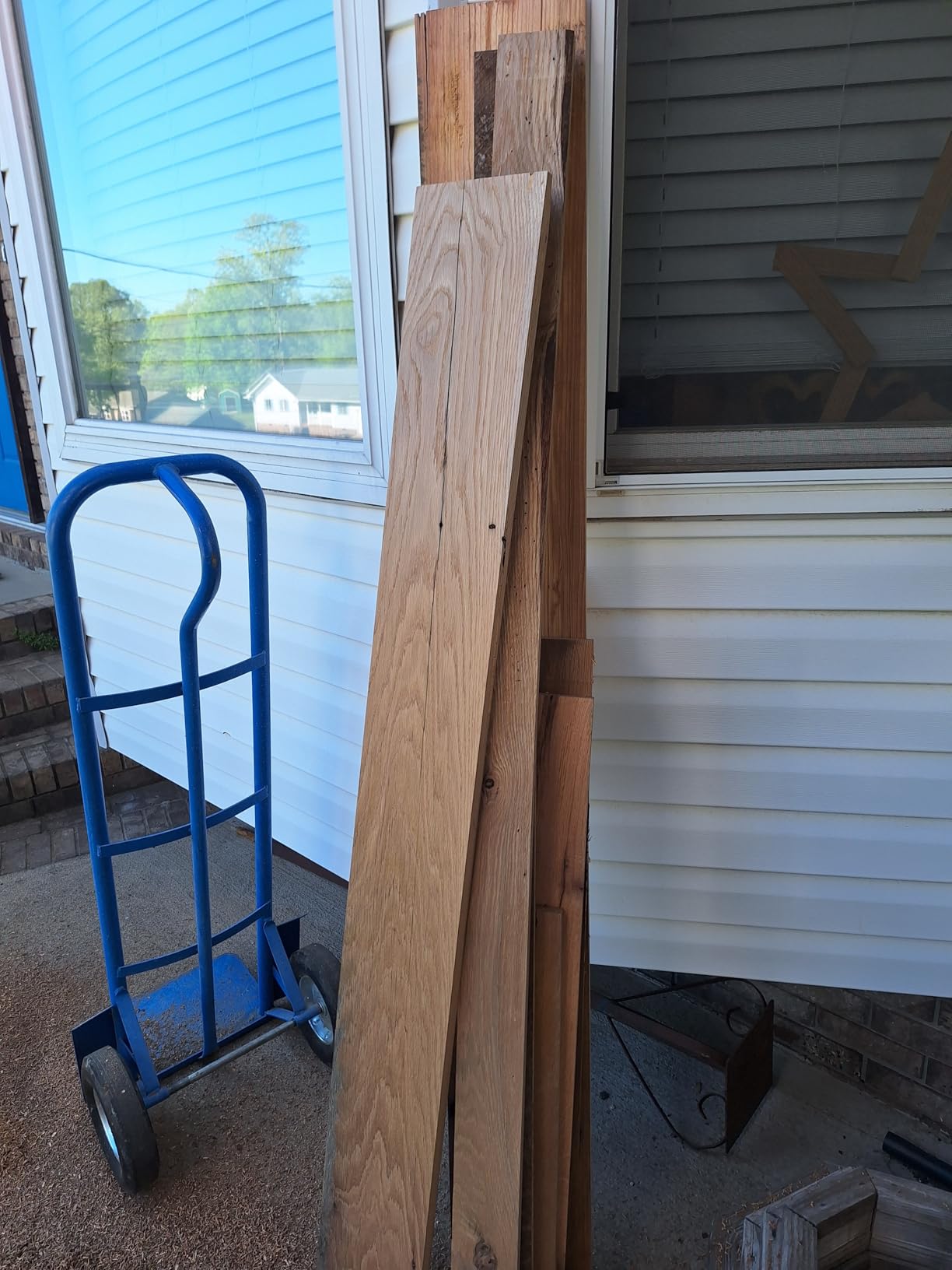
Owners report a finish comparable to 180 to 220 grit sanding with no tear-out on figured wood, and the machine is much quieter than a three-blade planer. The 8-position repeat cut depth stop helps when you are cutting a matched set of parts to one number.
The complaints cluster around details: the dust port can blow back, the depth gauge is awkward to fit, and a few units arrived without the height adjustment knob. Manufacturer support is responsive by email but not fast, so check the parts box before your first project.
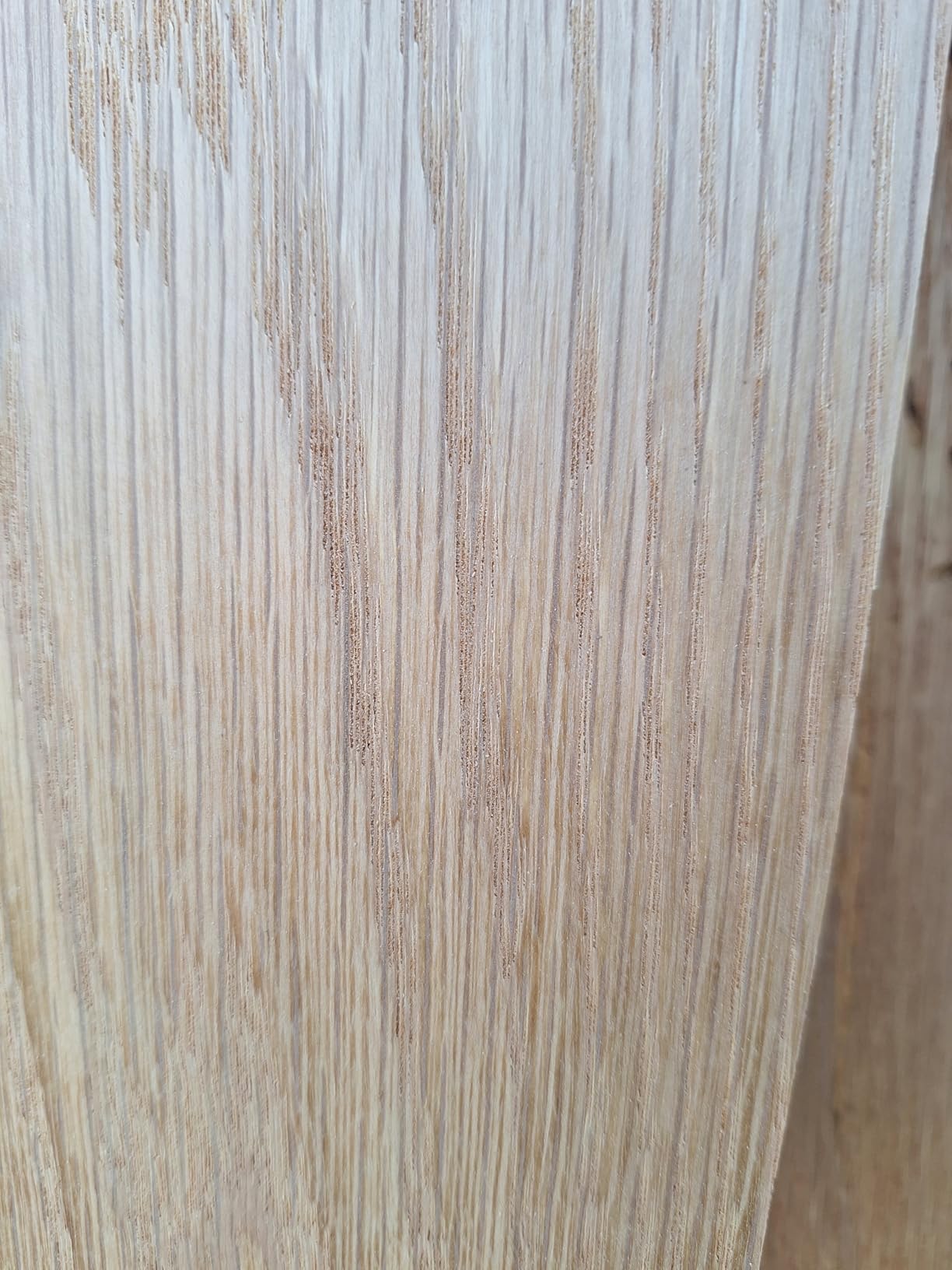
Best for helical finish without a 230V install
If you want insert geometry and a quiet head but your shop only has household power, this is the most direct route. The insert count is well above the class average.
Skip it if you need two speeds
Single-speed operation means no roughing pass at speed followed by a light finishing pass. For mostly straight-grained dimensional work, that is a reasonable trade.
10. WOODERS 13-Inch Planer – the lightest 13-inch machine here
WOODERS 13-Inch Benchtop Thickness Planer, 15A Wood Planer with 4 HSS Blades, 2000W All Copper Motor, Overload Protection for Woodworking
13 inch width by 6.3 inch height
Four double-edged HSS blades
15 amp 2000W at 10000 RPM
60 pounds
Pros
- Lightest 13 inch machine here at 60 pounds
- Includes a dust collector and two spare HSS blades
- Overload protection cuts power under extreme load
- Oversized depth crank with a clear indicator
Cons
- Four HSS blades rather than spiral or helical inserts
- 4.0 rating with mixed reviews
- Plastic components in the construction
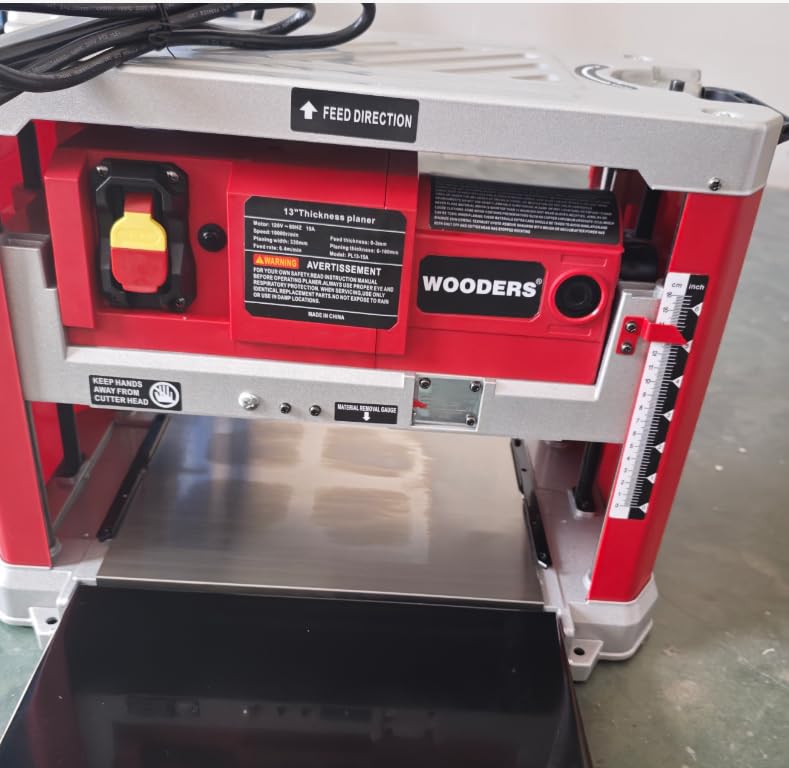
At 60 pounds, the WOODERS is the easiest machine here to lift, place and store, and in a small shop that is not a minor consideration. A 15 amp 2000W all-copper motor drives the cutterhead at 10,000 rpm, and the height range covers a quarter inch up to 6.3 inches.
It ships with a dust collector, a lifting handle and two extra double-edged HSS blades, which is a generous box for an entry-level machine. The anti-snipe dual-blade system and the optimized infeed and outfeed structure are aimed squarely at the defect that shows up most on wide boards.
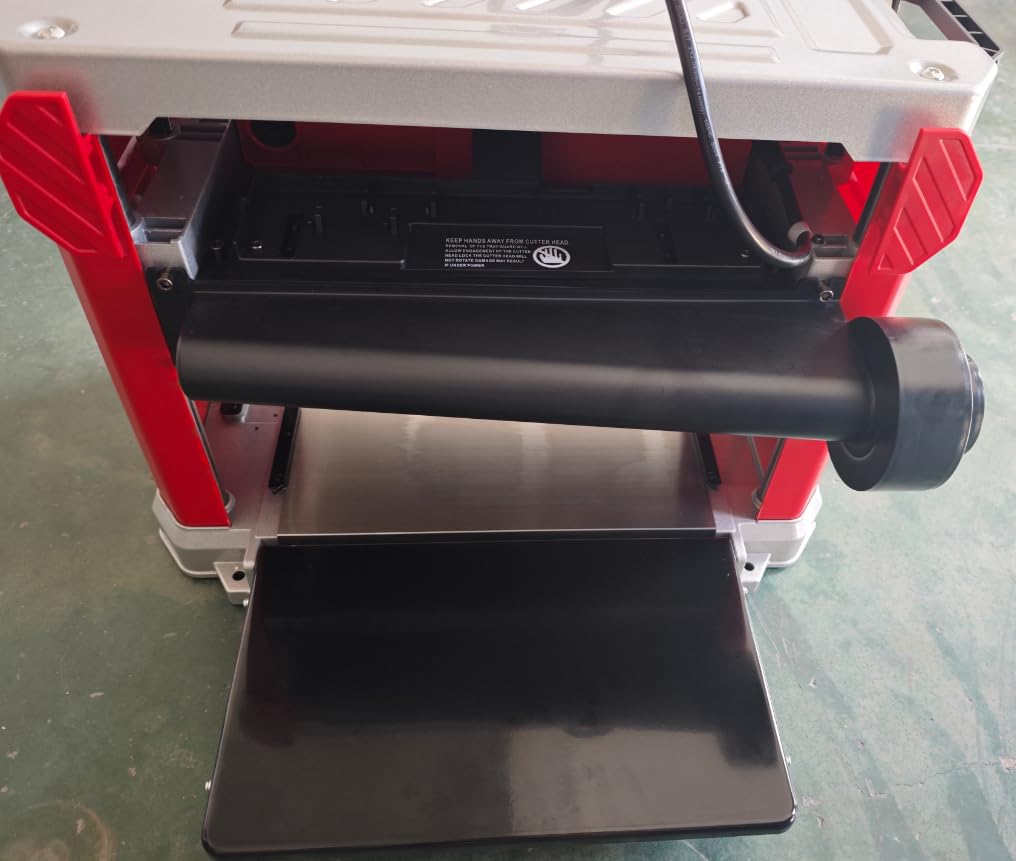
Built-in overload protection cuts power during extreme loads, which on wide hard stock is a genuine safeguard. Owners use it on dense hardwoods like oak and walnut and on soft pine without bogging, and the oversized depth crank with a high-visibility indicator makes setting thickness straightforward.
The honest limitation is cutter quality. Four HSS blades on a straight-knife style head is the least advanced cutting system in this list, and the 4.0 rating across 44 reviews reflects mixed experiences. Long-term durability is not yet well documented.
Best for occasional wide-board planing in a small shop
If you dimension boards a few times a year rather than weekly, and you need to reclaim bench space between jobs, the low weight and included dust collector are the reasons to choose it. It handles boards up to 13 inches wide.
Skip it as a production workhorse
Straight HSS knives need more frequent sharpening and will tear figured wood. If this machine is going to run every week, the spiral and helical options above repay their cost quickly in finish quality.
What a Planer Cannot Do to Your Board
A planer makes a board the same thickness from face to face. It does not make a warped, twisted or cupped board flat, and no machine in this list changes that. If a board is twisted along its length, the planer will faithfully dimension it and leave the twist in place, because the two ends of the same board will not sit at the same height.
That job belongs to a jointer, a planer sled over a table saw, or a wide-belt sander. Jointing one face flat first gives the planer a stable reference, and only then can the second face come out parallel. A wide-belt sander is the better tool for large glued-up panels, because it works across the full width in one pass and does not need the panel to be flat first.
For boards wider than your machine, stage the work. Flatten one edge on a planer sled or wide-belt sander, rip it to fit, then run it through the planer. It is slower than a 20-inch machine and far cheaper, and for occasional oversized work it is the sensible answer.
One more habit pays off on wide stock: alternate faces with light passes. Removing material from one side only releases stress unevenly and can leave the board cupped, so take a shallow pass, flip, take the matching pass, and repeat until you reach your target thickness.
Cutterhead Type: Straight Knives vs Spiral vs Helical
Straight knives are the simplest system: two or three blades on a straight shaft. They are cheap to replace and easy to sharpen, and on straight-grained lumber a 13-inch board can look excellent. The problem on wide boards is end grain and figured grain, where the blade lifts fibers across the full width of the cut.
Spiral and helical cutterheads use small inserts mounted on angled rows, so each cutting edge shears a thin chip rather than slicing a full-width shaving. The practical consequences on a wide board are reduced tear-out, a quieter cut, and a surface that often needs only a light sanding pass. The trade is insert cost and the fact that the label is used loosely in marketplace listings, so verify the actual insert geometry rather than trusting the word helical.
For a wide board, the ratio of cutting edges to width matters. A 13-inch head with 26 inserts has far more cutting edge than a 15-inch head with 48, but the wider machine carries the load with a heavier motor. Judge by the whole package, not the insert count alone.
Snipe on Wide Boards: Causes and Fixes
Snipe is a series of shallow ridges left where each cutter knife enters the board, most visible under raking light on a glossy finish. On a wide board it is easier to see because there is more surface to show it, and it is the defect most owners of large machines complain about most.
Four fixes cover almost every case we found in practice. First, check table alignment and bed wax, since an infeed and outfeed table that are not coplanar will produce a dip at the transition. Second, look for carriage movement, which is what a carriage lock or a head design with active pressure is meant to prevent. Third, support the board so it does not sag, since a wide heavy board that droops between the rollers will wander into the head. Fourth, keep the cutterhead sharp, because a dull insert chips rather than cuts cleanly.
Feeding direction matters too. A board fed with its previously planed face against the bed rides on the surface you already flattened, which is far more stable. If you alternate faces for stress relief, flip the direction of feed as you flip the board.
Depth of cut is the hidden variable. A 1/16 inch pass that a 13-inch machine handles easily can bog a smaller motor at full width, and a bogging motor is a stalling motor. Start at 1/32 inch on wide hard stock and take two passes rather than one deep one.
Dust Collection Scales With Board Width
Chip volume on a 15-inch machine is roughly half again what a 13-inch machine produces at the same depth of cut, and a shop vacuum will not move enough air to keep up. Owners report choked hoses within seconds on wide machines, and the fix is always the same: a collector with a 4-inch port and a cyclone separator, plus a hose run short enough to keep static pressure up.
Match the port. A 4-inch duct needs a 4-inch machine port, and adapters cut against flow. A cyclone ahead of the filter extends filter life because heavier chips drop out before they reach the cloth, which matters on figured and reclaimed wood where dust is fine and sticky.
Plan a dedicated circuit for the 15-inch and 20-inch machines. They are 230V single phase, and running one on a shared circuit is the most common cause of a nuisance trip mid-pass, which is exactly when you do not want the head stopping.
Buying Guide: How We Picked These Machines
We started with the width of the boards, not the brands. Every machine here was measured against the widest board it claims to handle, then against the next tier up, to see whether buying it would mean outgrowing it within a year. That is how most shops end up with a 13-inch planer and a pile of 15-inch slabs they cannot feed.
Second, we looked hard at bed rigidity and head support, because cutterhead play shows up as thickness variation across a wide face and there is no way to tune it out. Cast iron beds and four-post heads scored well; light aluminum bases scored lower on stability while winning on portability.
Third, we weighted the cutterhead by what the material does to it. Straight knives are fine for straight-grained dimensional work and poor for figured stock. Insert heads cost more up front and save sanding time forever, so for decorative wide-board work they usually win.
Fourth, we read the owner complaints as closely as the praise. Snipe, dust port design, missing parts in the box and short review histories all showed up repeatedly, and we have flagged them where they apply rather than listing only the highlights.
Finally, we filtered out anything we could not stand behind. Three of these ten machines have fewer than 60 reviews, and we have said so in each case. A thin review base is a real risk on a machine that will sit in your shop for a decade, and pretending otherwise would not be useful to you.
Safety With Heavy Wide Boards
A 15-inch board is heavy and awkward, and most injuries on these machines happen during handling rather than cutting. Feed wide stock with two people, one on the infeed and one on the outfeed, and keep the outfeed table at the same height as the bed so the board is not lifted or dropped as it transitions.
Wait for the cutterhead to reach full speed before feeding, and let it stop completely before you reach near the head. Unplug the machine before any inspection, adjustment or knife change, every time, without exception. Never pass your fingers across the bed looking for splinters while the machine is connected.
Wear eye protection and hearing protection, and use a respirator when you are running reclaimed lumber or a species you are sensitive to. Clear the floor around the machine before you start, because a wide planer leaves little room to step back from a shifting board.
Frequently Asked Questions
What is the widest thickness planer made?
The widest commercially available planers are industrial two-sided machines in the 24 to 30 inch class. For a working furniture shop the useful ceiling is the 20 inch class, which handles full-width panels and slabs in one pass. Machines beyond 20 inches are priced and installed like production equipment.
How wide is enough for a planer?
Measure the widest board you plan to run and add an inch of margin. A 12 to 13 inch benchtop handles most single boards, a 15 inch stationary planer covers walnut slabs and tabletops, and a 16 inch jointer-planer combo gives the widest capacity in the smallest footprint. Industrial 20 inch plus machines are for full-width panels.
How do I plane a large wood surface?
Plane one edge of the board flat using a planer sled over a table saw or a wide-belt sander, rip it to fit your machine width, then run it through the planer to final thickness. For glued-up panels a wide-belt sander is faster because it works across the full width in a single pass.
Can I plane an OSB?
You can run OSB through a planer, but it is a poor use of the machine. The binder and face veneer dull knives quickly and produce fine dust that loads filters and dulls inserts, and any chip that stays in the glue line dulls the head. If you must, take shallow passes and expect to clean the cutterhead and replace inserts sooner.
Which 15-inch planer is best for wide boards?
For single-board work in a serious shop, the JET JWP-15BHH is the strongest match we reviewed. It has 48 staggered self-aligning carbide inserts, a 3 HP motor on 230V single phase, two feed speeds at 16 and 20 feet per minute, and an air strut system that reduces snipe across the full 15 inch width.
Why does my planer leave snipe?
Snipe is a shallow ridge where each cutter enters the board. Check that the infeed and outfeed tables are coplanar, that the carriage is not moving under load, that the board is supported so it does not sag, and that the cutterhead is sharp. Feed the previously planed face against the bed and take shallower passes on wide hard stock.
Our Verdict on the Best Planers for Wide Boards
Start with the measurement, not the machine. If your widest board is 13 inches or under, the DEWALT DW735X is the one we recommend, with the WEN PL1326 as the better choice if figured wood dominates your work. If boards reach 15 inches, no benchtop machine will save you and the JET JWP-15BHH is the right destination. Full-width panel work points to the 20-inch JET JWP-208HH, for shops that can support it.
And remember the part no machine can do for you. Flatten the board first, then dimension it. Every planer in this list in 2026 will give you consistent thickness across its rated width, and none of them will take a twist out of your stock.