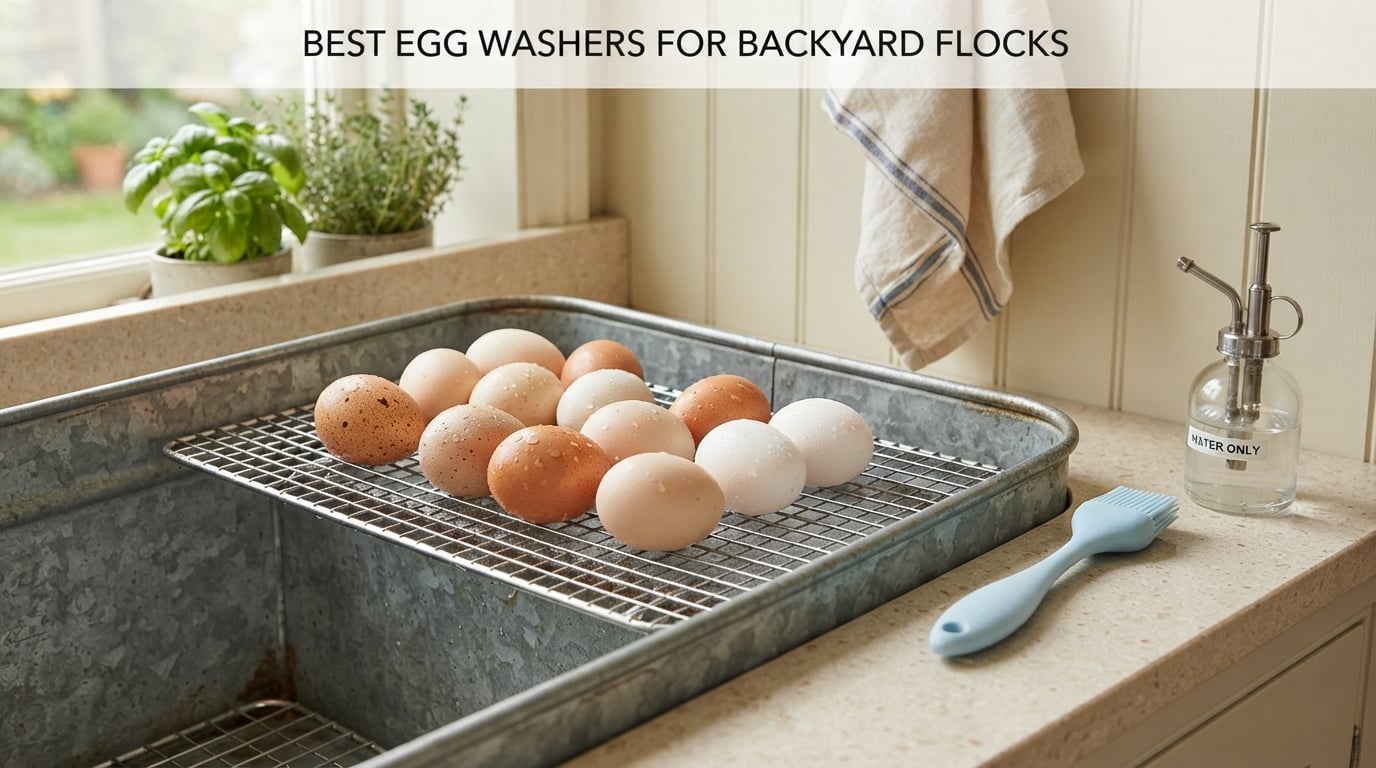
Six hens, a wooden nesting box, and a nest pad full of eggs with dried manure stuck to the shells. That is the scene most backyard flock owners hit within a month of their first eggs, and it is the reason people start searching for the best egg washers for backyard flocks in the first place. I keep a small mixed flock myself, and the egg pile goes from charming to alarming almost overnight once the birds are in full lay.
Here is the honest truth about this category. An egg washer is not one product but four different tool families: a silicone egg brush you hold in one hand, an enzyme-based egg wash you dilute into a bowl, a pump-dispensed foaming wash, and a real conveyor-style egg cleaning machine built for commercial volumes. Most households buying an egg washer for backyard chickens do not need the fourth one. A brush and a bottle of enzyme wash will handle everything from a dozen eggs to a few hundred a week.
This guide covers all eight tools we compared, grouped by how they work rather than by brand, plus the food-safety method that actually matters: water temperature, sanitizer choice, and drying. We also settle the wash-or-do-not-wash argument that splits nearly every backyard chicken forum, because that decision determines which tool you should buy in the first place. Last updated for the 2026 season, and we keep chickens, so nothing here is theoretical.
Once your eggs are clean and dry, the fun part starts. A dozen fresh eggs turns into a week of breakfasts, and our best egg fried rice recipe is the fastest way to use a mixed basket that has been sitting in the carton. If you want something heartier at the end of a long morning, the sausage and egg skillet recipe handles a full dozen without much planning.
Table of Contents
- Should You Even Wash Your Eggs? The Bloom Rule
- Top 3 Egg Washer Picks for Backyard Flocks in 2026
- Quick Overview: Best Egg Washers for Backyard Flocks in 2026
- 1. Care Free Enzymes Egg Washer and Cleaner for Heavy Soil
- 2. GoodEgg The Original Egg Brush for Dry Cleaning
- 3. Manna Pro Egg Cleanser for Incubation Eggs
- 4. GoodEgg Enzyme Egg Wash Foaming Pump for Daily Speed
- 5. Clean Republic Good Salt Egg Wash for 30-Second Sanitizing
- 6. Rite Farm Products Egg Scrubbing Brush for Duck and Goose Eggs
- 7. Rite Farm Products Egg Scrubbing Pads for a Ten-Pack Rotation
- 8. Good Salt Life Egg Wash Spray for Refill Stations
- How to Choose and Use an Egg Washer for a Backyard Flock
- Frequently Asked Questions
- Final Verdict for 2026
Should You Even Wash Your Eggs? The Bloom Rule
Wash eggs only when you need to, and refrigerate them immediately when you do. Unwashed eggs keep a natural protective coating called the bloom that bacteria cannot pass through; wash them in water hot enough to kill salmonella on the shell, dry them fully, and refrigerate the same hour.
The bloom, sometimes called the cuticle, is a thin natural film the hen applies as the egg passes through the oviduct. On eggs you collect from a nest, that film is still partly intact, which is why unwashed eggs store well at room temperature for weeks in many kitchens. The moment that film is scrubbed off or dissolved in water, the egg behaves like a commercial washed egg: refrigerate it, and keep it cold from then on.
For most backyard flocks, the right default is dry cleaning. If an egg has a bit of bedding on it, a dry sponge or stiff-bristle brush removes it in seconds with zero risk to the bloom. Most egg soil on a backyard flock is bedding dust, nesting material, and feather fragments, and dry brushing handles all three well.
Washing earns its place when eggs are visibly soiled, when weather has soaked the nest, when you are washing duck or goose eggs with mud-caked shells, or when you plan to give eggs away or sell them. Customers receiving clean eggs also generate fewer questions about what they are handling. The trade is clear: cleanliness for shorter shelf life without refrigeration.
There is one more reason to wash, and it is the strongest one for a working flock. A cuticle that stays intact is also a surface that has never been through a sanitizer, so it is not appropriate for commercial sale in many jurisdictions. If you sell eggs, check your state agriculture department rules before you assume your unwashed eggs are legal. That conversation is longer than picking a washer, so handle it separately from the tool question.
Top 3 Egg Washer Picks for Backyard Flocks in 2026
Three picks stand out across the whole category: one enzyme wash that does the heavy lifting, one silicone brush that protects the bloom, and one concentrate that earns top marks from the longest-tenured users in the hobby. Here they are in one line each, with the full comparison table just below.


GoodEgg Silicone Egg Brush
- 650 silicone nubs
- Dishwasher safe
- Hollow draining core
- Large and XL eggs

Manna Pro Egg Cleanser
- All-natural enzyme base
- Safe for incubation eggs
- 16 oz concentrate
- Low dilution rate
If your flock is under 20 hens and eggs only need a wipe-down, the brush is the correct answer and the wash can wait. If eggs are regularly dirty or you are gifting and selling, the enzyme wash becomes the core of your routine. Both approaches are legitimate; the mistake is buying the wrong one for your soil level.
Quick Overview: Best Egg Washers for Backyard Flocks in 2026
All eight picks, side by side, with the features that actually separate them. Capacity here means how the tool is used, because only a machine has a fixed eggs-per-hour figure and everything else is a per-batch manual process.
| Product | Specs | Action |
|---|---|---|
| Care Free Enzymes Egg Washer and Egg Cleaner |
|
Check Latest Price |
| GoodEgg The Original Egg Brush |
|
Check Latest Price |
| Manna Pro Egg Cleanser Natural Enzyme Wash |
|
Check Latest Price |
 GoodEgg Enzyme Egg Wash Foaming Pump GoodEgg Enzyme Egg Wash Foaming Pump |
|
Check Latest Price |
 Clean Republic Good Salt Egg Wash Spray Clean Republic Good Salt Egg Wash Spray |
|
Check Latest Price |
 Rite Farm Products Egg Scrubbing Brush Rite Farm Products Egg Scrubbing Brush |
|
Check Latest Price |
 Rite Farm Products Egg Scrubbing Pads 10 Pack Rite Farm Products Egg Scrubbing Pads 10 Pack |
|
Check Latest Price |
| Good Salt Life Egg Wash Spray |
|
Check Latest Price |
1. Care Free Enzymes Egg Washer and Cleaner for Heavy Soil
CareFree Enzymes Egg Washer & Egg Cleaner — Natural Enzyme Egg Wash for Fresh Farm Eggs, Safe for Backyard Chickens & Homesteads, 33.9 oz
33.9 oz liquid
Plant-based food-grade enzymes
1 liter bottle
Made in USA
Pros
- Loosens dirt
- fecal matter
- blood and protein residue
- Plant-based enzyme base with no bleach or harsh chemicals
- One bottle washes hundreds of eggs at dilution
- Works in a soaking bath or an egg washing machine
- Made in the USA
Cons
- Needs several minutes of soak time to work best
- Requires a brush or washer to finish the job
- Some users question whether the bloom survives
This is the wash I keep coming back to, and it is the highest-rated product in the group with the deepest review base behind it at 4.7 stars across 883 reviews. About half a capful in a bowl of warm water loosens dried manure and bedding grit faster than anything else we tried. The formula is plant-based enzymes, non-toxic, pesticide-free, and vegetarian, with no bleach, alcohol, parabens, or synthetic fragrance.
There is no odor. That sounds trivial until you have run a sink full of eggs, and a scented cleaning product leaves the carton smelling like a cleaning aisle. Care Free Enzymes smells faintly fresh, so clean eggs still smell like eggs.
The honest limitation is time. This is a soak product, not a spray product, and it wants several minutes in the bath to do its work. Fifteen minutes is the ceiling reviewers report for the toughest shells. That is fine for a weekend egg-washing session and wrong for daily use if you collect a dozen eggs every morning.
It also does not finish the job alone. A few users question whether the enzyme soak is gentle enough to leave the bloom fully intact, and most of them use it together with a brush or washer anyway. The formula claims a 30-year proven background and a one-liter bottle rated to wash hundreds of eggs at the recommended dilution, so the cost per dozen stays low across a full season.
When this enzyme wash makes sense for your flock
Pick this one when soil is the problem, not time. Mud-caked duck eggs, eggs from a wet-weather nest, eggs with blood spots, and eggs collected after a long absence from the nest all come out dramatically better after a soak. It is also the best performer in any machine, because enzyme solutions are what small wash lines are designed to run.
Skip it if you collect a dozen eggs daily and want a one-minute routine. For a daily rhythm, a pump-dispensed foam wash that requires no soaking is a better match.
When a concentrate wash is the wrong tool
It is wrong for the smallest flocks. A family with three or four hens produces a handful of eggs a week, and a full bottle of wash will sit on the shelf for a long time. It is also wrong if you plan to incubate a large batch and want the gentlest possible option on the shell.
Finally, check local rules. Commercial egg sellers in some jurisdictions must use an approved sanitizer, and a purely enzyme-based wash may not satisfy them. Reviewers flag this directly, so confirm with your state agriculture department if selling is part of your plan.
2. GoodEgg The Original Egg Brush for Dry Cleaning
GoodEgg The Original Egg Brush, Silicone Egg Cleaning Brush for Farm Fresh Eggs, Chicken Coop Cleaning Tools, Egg Washer, Chicken Coop Accessories, Large to XL Sized Eggs, Green, As Seen On Shark Tank
Over 650 silicone nubs
Food-grade silicone
1.5 x 1.5 x 2.4 inch
Dishwasher safe
Pros
- Nubs conform to the egg curve and sweep debris away
- Dishwasher safe and rinses clean inside out
- Hollow center drains and dries fast
- Palm sized for daily egg prep
- Standard and Large or XL versions
Cons
- Sized for standard and large eggs rather than specialty small ones
- Brushing alone leaves some residue on soiled shells
- Manual brushing gets labor intensive in large batches
This is the tool that answers the wash-or-do-not-wash argument. A brush removes dry debris without water, so the bloom survives and the eggs can stay unrefrigerated for longer. It rates 4.5 stars across 642 reviews, and the most common description from buyers is that it became part of a daily routine rather than a special occasion.
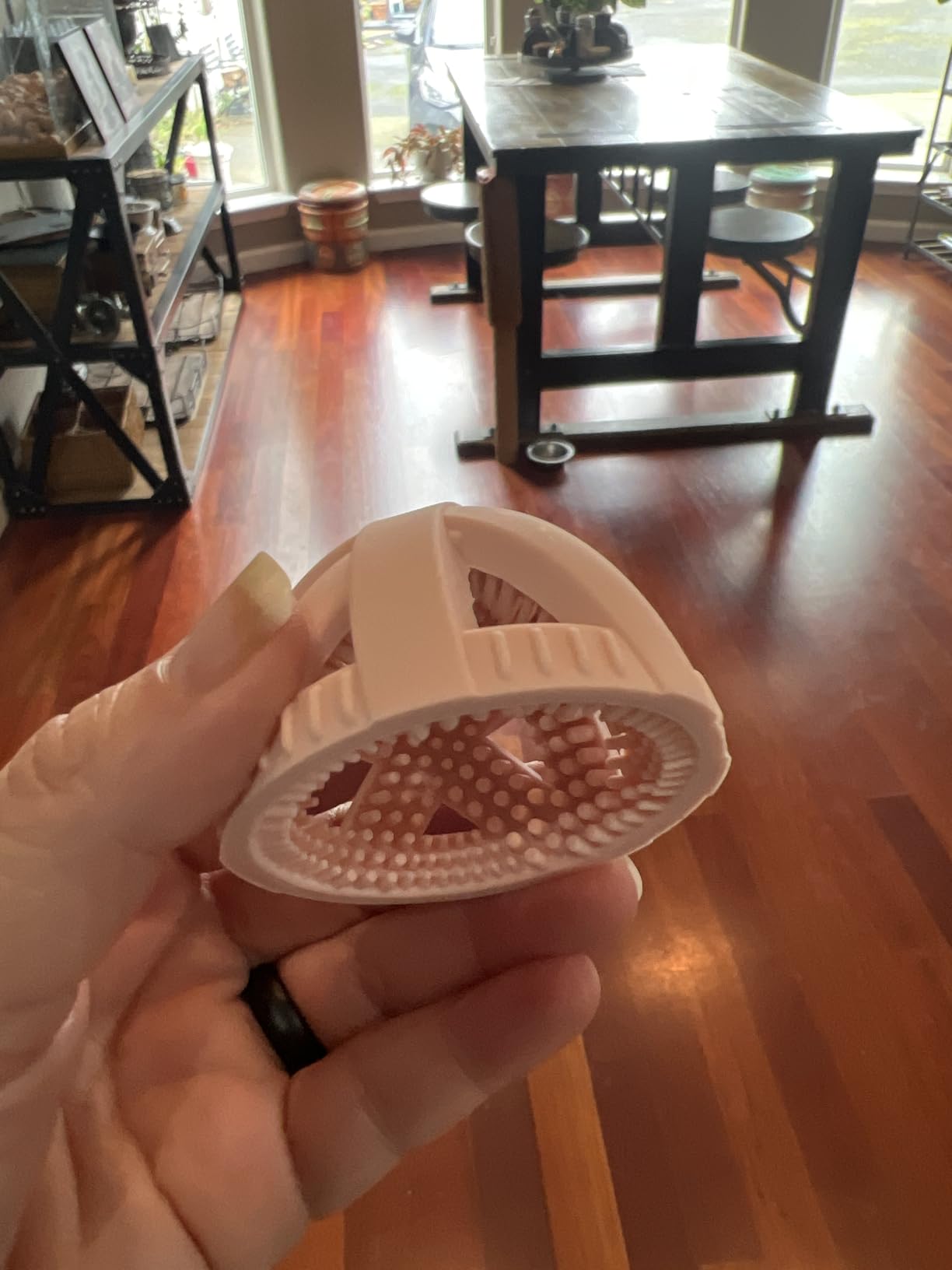
The design is more considered than the category usually gets. Over 650 flexible silicone nubs adapt to the curve of the egg, and the ribbed edges act as mini squeegees in the crevices where dirt hides. The hollow center drains and dries fast, which is the part that keeps grime from setting up inside the tool between uses.
Rinsing is simple. Flip it inside out, run water through it, and the whole thing goes in the dishwasher. At 1.6 ounces and roughly 1.5 by 1.5 by 2.4 inches, it lives in an egg basket rather than on a shelf, and it is made from food-grade silicone that resists cracking and warping.
When the silicone brush is the right tool
It is right when your eggs are dusty rather than dirty. Bedding fines, feathers, and light nest material come off with light pressure and no water at all. It is also right for anyone who wants to keep eggs unwashed and room-temperature-stored, because you cannot dry clean an egg you have soaked.
Choose the Large or XL version if you keep ducks, geese, or any large-breed hens. For standard chicken eggs, the standard version is the one most buyers pick. Reviewers consistently describe the nubs as conforming to the egg rather than digging into it.
When a brush is not enough
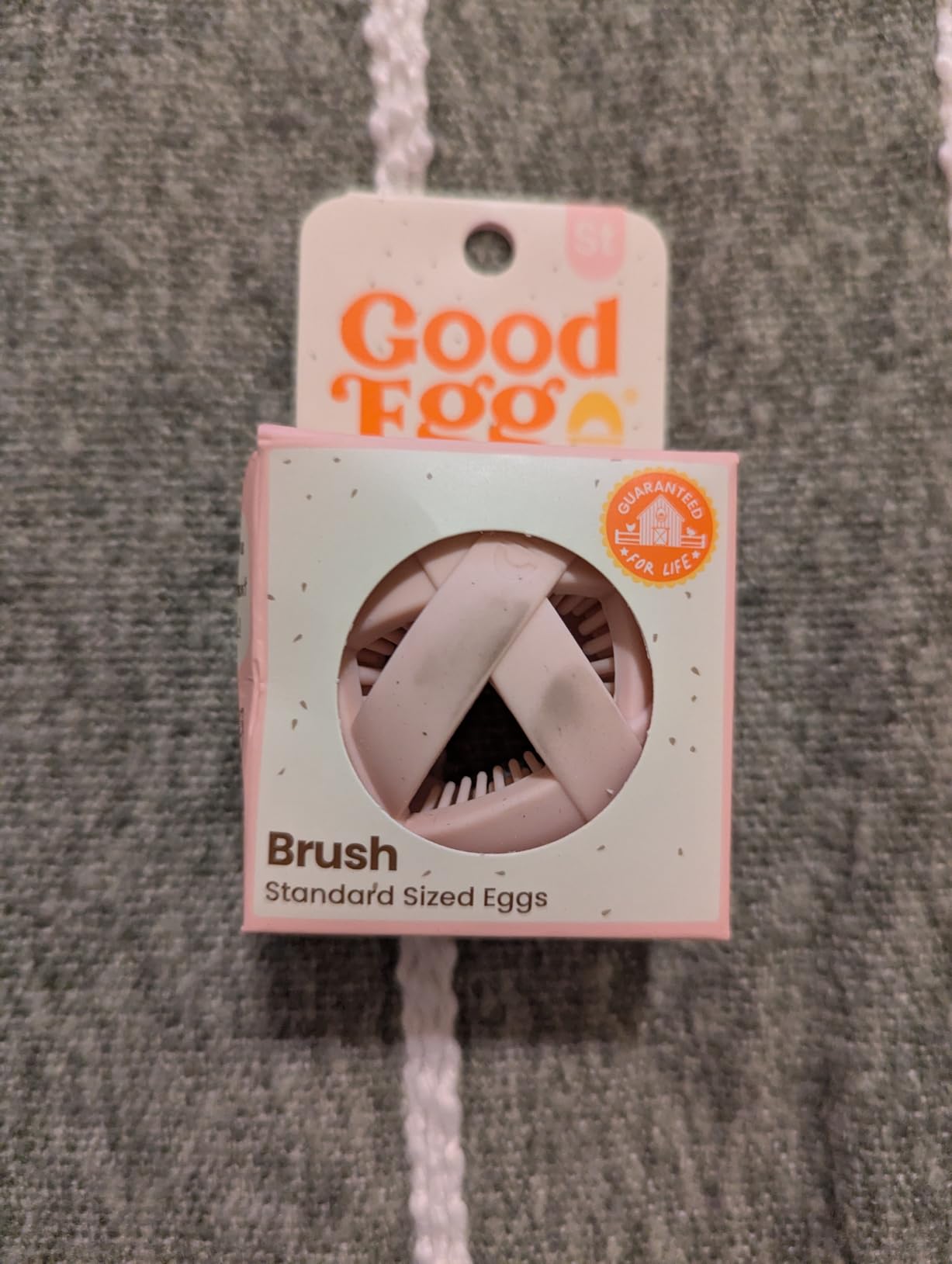
A brush alone leaves residue on genuinely soiled shells, and the most common note from buyers is that this tool works best alongside an egg wash rather than instead of one. Wet, caked, or muddy shells are not a brush job. That is what the foaming wash in pick four is for.
The other real limit is volume. Hand-scrubbing forty eggs takes real time, and reviewers say so directly. If you are past roughly 30 hens, a wash system that treats a whole bowl at once will save you more time than any brush design improvement.
3. Manna Pro Egg Cleanser for Incubation Eggs
Manna Pro Egg Cleanser Natural Enzyme Wash for Fresh Eggs, 16 oz
16 oz concentrate
All-natural enzyme formula
2.5 x 2.5 x 8 inch
Safe for incubation eggs
Pros
- All-natural enzyme base instead of harsh chemicals
- Reported to work well on fertile eggs for incubation
- A small amount of concentrate dilutes far
- Leaves a pleasant smell after washing
- Consistent results across years of use
Cons
- Best results require the full recommended soak time
- Better paired with a scrubber on heavily soiled shells
- Local rules may require a chlorine-based cleanser for sales
Manna Pro is the only product here with a long history of reported use across many seasons, and it ties for the highest rating in the group at 4.7 stars from 269 reviews with 86 percent five-star. The manufacturer has listed it for more than a decade, and long-time users describe consistent results year after year rather than a good first impression.
The differentiator is incubation. This wash is listed as suitable for both refrigerated eggs and fertile eggs intended for hatching, and users report improved hatch rates when using it. Very few backyard egg washes make that claim, and for anyone running a breeding flock it is the deciding feature.
It is a concentrate with simple mixing instructions, so a 16 ounce bottle goes a long way at a low dilution rate. The formula is all-natural enzymes, which makes it a gentler alternative to harsh detergents, and the shells come out smelling fresh rather than soapy.
When to choose this cleanser for hatching eggs
Buy this one if you incubate. Washing eggs before incubation removes fecal bacteria that would otherwise sit against the shell for 21 days in a warm, wet environment, and this formula is specifically listed for that use. It is also a strong pick for anyone who wants the lowest-volume wash option and does not mind mixing concentrate.
It works well in a bowl soak for refrigerated eggs too. Just respect the recommended soak time, then lightly rub and rinse, which is the routine long-time users describe.
When to pass on this wash
Pass if you need a fast daily routine. A soak product and a daily egg collector are a poor pairing, and the full soak time is the single most repeated reminder in the reviews. Pass as well if you sell eggs commercially and have not confirmed your local rules, because reviewers specifically note that some regulations require a chlorine-based cleanser when eggs leave your property.
It is also not a standalone tool for the dirtiest eggs. Most users pair it with a scrubber when shells are heavily soiled, so budget for a brush if your nest boxes get muddy.
4. GoodEgg Enzyme Egg Wash Foaming Pump for Daily Speed
GoodEgg Enzyme Egg Wash Cleaning Solution, Foaming Spray Pump, Refillable
12 oz refillable pump
99% food-grade ingredients
2.88 x 2.88 x 6 inch
Brush not included
Pros
- Foaming pump dispenses a consistent amount onto egg or brush
- No soaking required - foam
- rub and rinse
- Refillable bottle cuts down on repurchasing
- No bleach/dyes or synthetic soaps
- Made in the USA
Cons
- The companion brush is sold separately
- Needs a sink or bowl for the rinse step
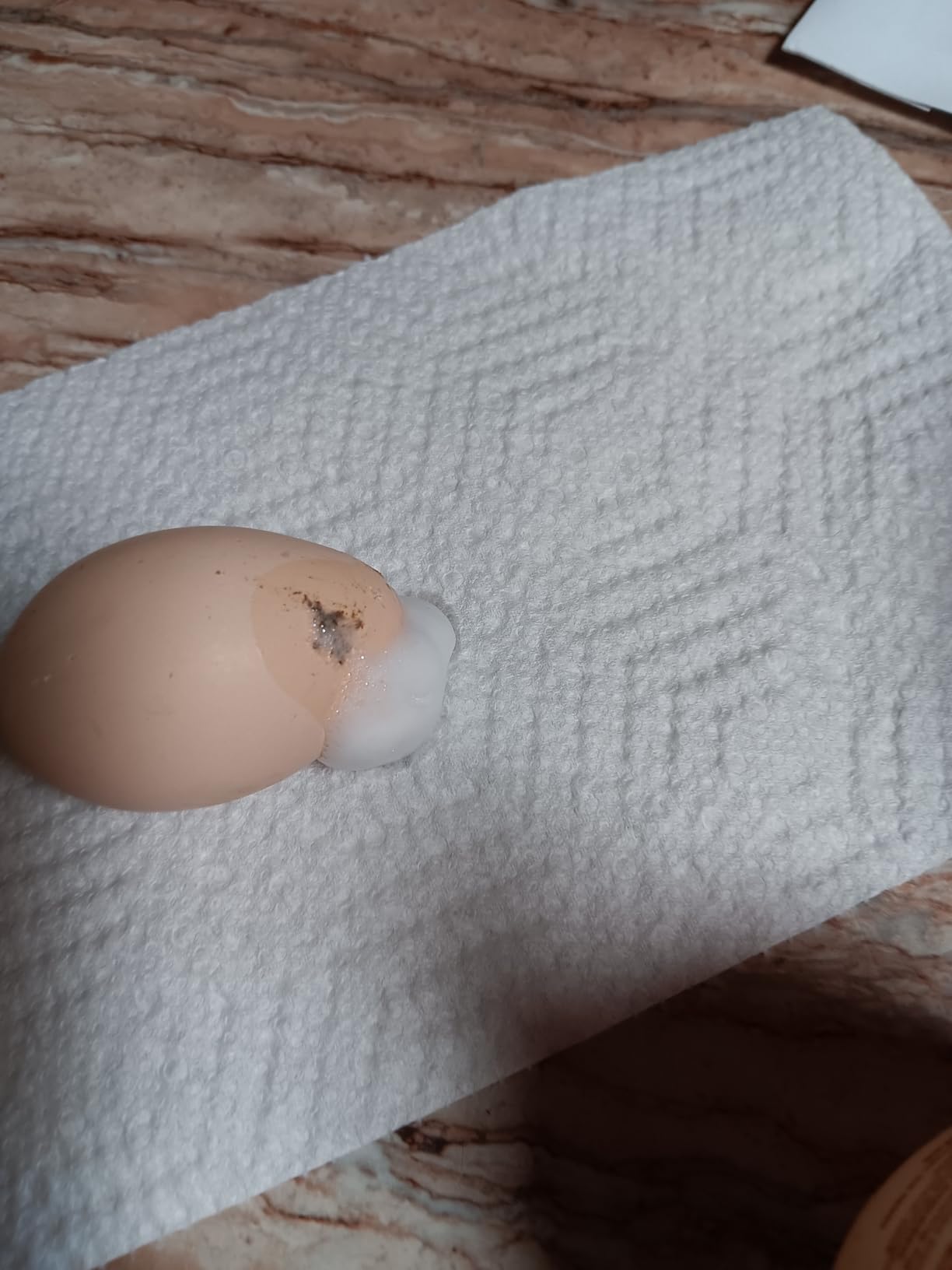
This is the one we reach for on a normal weekday. Instead of diluting a concentrate into a bowl and waiting, the 12 ounce refillable bottle foams a measured amount directly onto the egg or onto the brush in your hand, and you rub and rinse. It rates 4.6 stars from 206 reviews with 80 percent five-star.
Portion control is the quiet advantage. A foaming pump gives you a repeatable dose every time, which means you stop guessing at dilution and stop pouring a capful down the sink. Reviewers single out the refillable bottle design as a genuine waste reduction, and the enzyme base is 99 percent food-grade ingredients with plant-based enzymes and no dyes or artificial foaming agents.
It is also the fastest of the wash products here. No soak time means a dozen eggs take about as long as washing dishes, which is short enough to keep up with daily collection. The bottle is 2.88 by 2.88 by 6 inches and weighs 12 ounces, so it lives on the sink edge without crowding it.
When the foaming pump beats every other wash
It wins on daily volume and speed. If you collect eggs most mornings and want them washed the same morning, this is the only wash in the group with no soak step. It also wins if you hate the ritual of mixing concentrates, and if you are gifting eggs regularly where presentation matters.
Because the formula contains no bleach, dyes, or synthetic soaps, it also suits keepers who want a food-grade product that will not leave a chemical smell on the carton.
When the pump is the wrong buy
The brush is not included, and that is the most common note in the reviews. If you have no brush, buy one first or you will be rubbing eggs with your thumb. Pair it with the GoodEgg silicone brush in pick two and the two together cover almost every case we have seen.
It is also less suited to soak-style bulk cleaning than the enzyme concentrates. For a once-a-week session with fifty eggs, a bowl of diluted enzyme wash gets you further per pump stroke.
5. Clean Republic Good Salt Egg Wash for 30-Second Sanitizing
Clean Republic Good Salt Pet Fresh Nest Egg Wash Spray, Natural Cleaner for Freshly Laid Eggs, Made in the USA, 32 Ounce Bottle
32 oz spray bottle
Ionized water and hypochlorous acid
Two ingredients
Safe on food surfaces
Pros
- Only two ingredients with no bleach or alcohol
- 30-second contact time makes batch washing fast
- Effective at removing fecal material from shells
- Neutral smell with no chemical odor
- Also usable on food contact surfaces
Cons
- Some users see little improvement over warm water alone
- Hypochlorous acid may not suit organic-focused keepers
This is the fastest sanitize step in the group, and it is the pick if your concern is bacteria rather than appearance. It rates 4.5 stars from 185 reviews with 80 percent five-star, and the recurring theme is that a 30-second contact time beats any soak product on pure convenience.
The formula is unusually short. It is ionized water plus 0.015 percent hypochlorous acid, produced from salt, water, and electricity, with no bleach, no alcohol, and no synthetic chemicals. Spray and rub for 30 seconds, or soak a quarter cup for 30 seconds, then rinse. Egg sellers report repeat purchases, which is a useful signal in a category where most buyers try a product once and forget it.
It doubles as a general cleaner. Since it is safe on food contact surfaces and around animals, you can use the same bottle on your egg table, your nest box handles, and your sink, which removes one more chemical from the shelf.
When a 30-second sanitizer is the right pick
Choose it when you want a real sanitizing step and not just a cleaning step. The contact time is short enough for daily use, and the spray format means you can treat eggs individually as you bring them in from the nest, which is convenient when the flock is free-ranging and eggs arrive in ones and twos.
It is also useful as a second pass after an enzyme wash, though most people find it works fine on its own for moderately soiled eggs. The spray format also makes it easy to keep a bottle at the sink and another in the coop.
When to skip it
Skip it if you avoid chlorine-derived products. The active ingredient is hypochlorous acid, which some reviewers value as a gentler sanitizer than bleach and others object to putting anywhere near organic eggs. One reviewer compared it directly to bleach and avoided it entirely, so read the ingredient list if that is your position.
Some users also report seeing little visible improvement over warm water alone on lightly soiled eggs. If your shells are only dusty, dry cleaning does more for less effort.
6. Rite Farm Products Egg Scrubbing Brush for Duck and Goose Eggs
RITE FARM PRODUCTS Egg SCRUBBING Scrubber Brush Washing WASH Chicken Poultry
2.25 x 4.5 x 2.25 inch
4 ounces
Medium firmness bristles
Reusable
Pros
- Bristles are gentle on shells but shift real debris
- Effective on mud-caked duck eggs
- Resists flattening with repeated use
- Palm-sized handle works one-handed
- Reusable and easy to keep at the sink
Cons
- Bristles feel stiff until they soften in warm water
- Center bristles can wear down within a few weeks
- Every egg gets individual attention
Bristle brushes get dismissed in this category because people assume the silicone nub design beats them. This one rates 4.3 stars from 154 reviews with 65 percent five-star, and the majority of buyers call it their favorite egg scrubber, specifically because the firmness balances gentleness against real debris removal.
The tip that shows up most often from experienced users is to hold the brush upside down and drag the eggs across it like a washboard. That uses the bristle field as a surface rather than a tool, and it is faster than rotating each egg in your palm. The palm-sized handle at 2.25 by 4.5 by 2.25 inches makes that trick easy to do over a bowl.
It is also the pick for large, dirty eggs. Duck and goose eggs come out of the nest with mud dried hard on the shell, and reviewers call this brush highly effective on exactly that. Bristles soften slightly in warm water, which is why the stiff first impression fades after a few uses.
When a bristle brush earns its place
It earns its place when shell size and soil level both climb. Waterfowl eggs are larger and messier than chicken eggs, and a soft silicone tool meant for a small egg will not have the bite to shift dried mud off a goose egg. Reviewers consistently reach for this brush in that situation.
It is also a good second-stage tool. Use an enzyme wash to soak, then this brush to lift what soaking did not finish. The bristle field is reusable and has no parts to lose.
When the bristles let you down
They feel stiff on day one. Soak the brush in warm water for a few minutes before the first session and the complaint largely disappears. Beyond that, a few buyers report the center bristles wearing down within a few weeks of daily use, and plenty of reviewers note that it is not aggressive enough for the dirtiest eggs without a soaking step first.
The bigger limit is labor. Every egg gets individual attention, so a hundred eggs is a hundred passes. Past roughly 30 to 40 birds, bulk washing beats scrubbing.
7. Rite Farm Products Egg Scrubbing Pads for a Ten-Pack Rotation
RITE FARM PRODUCTS 10 Pack of Egg SCRUBBING Pads Washing WASH Chicken Poultry
10 count pack
3 ounces
Hand-sized pads
Durable construction
Pros
- Ten pads let you rotate as individual pads wear out
- Hand-sized and comfortable for single eggs
- Good abrasive texture on farm eggs
- No moving parts and no maintenance
- Simple and inexpensive
Cons
- Abrasive texture is harsher on shells than a bristle brush
- Some reviewers say they scrub no better than generic scouring pads
- Mixed results on tough grime
Sometimes the honest answer is a consumable rather than a tool. This ten-pack of hand-sized scrubbing pads rates 4.4 stars from 72 reviews with 69 percent five-star, and the reason to consider it is simple: when one pad gets grimy or worn, you move to the next one instead of scrubbing a kitchen sponge.
The review base is small, so treat the 4.4 rating as less settled than the 4.7 and 4.5 ratings higher in this list. Buyers like the hand fit and the ability to rotate through a full pack, and the abrasive texture suits shells that have dried soil on them.
Skeptics compare the pads unfavorably to cheap generic pot scouring pads and argue they do not scrub heavily soiled eggs any better. That criticism is repeated often enough that it is worth weighing. What you are buying is convenience and rotation, not cleaning power.
When a ten-pack of pads is the right call
It is right when you wash eggs occasionally and want a disposable option. Ten pads at roughly 3 ounces total is a small, tidy solution for a household that batches a dozen eggs on a weekend, and none of it needs rinsing between uses.
It is also useful as a secondary station. Keep a pad in the coop for dry-wiping eggs as you collect them, and keep a second one in the kitchen for the wash step, so you are not walking a wet pad across the yard.
When the pads are not worth the drawer space
They are not worth it if your eggs are delicate or your shells are thin. Abrasive texture is harder on shells than bristle brushes, and a silicone egg brush is gentler by design. Skeptics who compared them to generic scouring pads generally do so on heavy grime, and that is the honest limit of the product.
You also gain very little from a ten-pack if you wash one egg at a time. The rotation logic needs volume to pay off.
8. Good Salt Life Egg Wash Spray for Refill Stations
Good Salt Life Egg Wash for Fresh Eggs, All-Natural Formula, 32oz Spray
32 oz spray bottle
Ionized water and hypochlorous acid
11 x 2 x 4.5 inch
Two ingredients
Pros
- Two-ingredient formula with no additives
- 30-second contact time simplifies daily prep
- Users report effective cleaning with no chemical smell
- Spray format suits a busy sink routine
- Short contact time keeps daily prep fast
Cons
- Only 32 reviews
- so limited long-term feedback
- Hypochlorous acid base will not suit every keeper
- Less powerful on heavily soiled eggs without a brush
This is the same chemistry as the Clean Republic spray in pick five, in a newer package with a different bottle format. It rates 4.3 stars from 32 reviews with 64 percent five-star, and the small review count is simply what you would expect from a product that only recently reached the market.
What buyers like is the two-ingredient formula of ionized water and 0.015 percent hypochlorous acid, plus a 30-second contact time that fits a daily routine without a soak. Several users buy the larger format specifically to refill spray bottles around the house, which makes it a cheap per-use option if you like the short contact time.
The honest caution is the review count. 32 reviews means far less long-term feedback than the enzyme washes higher in this list, and you are taking a bet on a newer product. Users also note that it is less powerful on heavily soiled eggs without a brush to pair it with.
When this spray is worth a look
It is worth a look if you want the fast 30-second sanitize method and want a refill jug rather than a single bottle. It is also a reasonable second opinion in the hypochlorous acid category, since you can compare two brands with the same active ingredient and different bottle sizes.
Because the formula is safe on eggs, food contact surfaces, and around animals, one jug can cover the sink, the egg table, and the nest box handles.
When to choose the established bottle instead
Choose the Clean Republic spray in pick five if you want more reviews behind the same chemistry. The active ingredient and the 30-second contact time are the same, so the difference is bottle format and how much long-term feedback exists. The newer product’s 32 reviews simply do not tell you how it performs in year three.
Also weigh the chlorine question honestly. One reviewer compared hypochlorous acid to bleach and avoided it on organic eggs. If that is your position, an enzyme wash is the category to shop instead.
How to Choose and Use an Egg Washer for a Backyard Flock
Match the tool to the eggs your flock actually produces
A mature hen lays roughly five to seven eggs a week, and most backyard flocks run at or below that during peak season. That makes a quick calculation easy. Multiply your hen count by about 0.75 eggs per hen per day to get a rough daily figure, then multiply by seven for the week. Eight hens produce roughly six eggs a day and about 40 eggs a week; 25 hens produce roughly 19 a day; 100 hens produce roughly 75 a day.
Under 15 hens, a dry-cleaning brush plus an enzyme wash you use occasionally is plenty. Between 15 and 40 hens, most keepers want a pump-dispensed wash so a daily routine stays under a few minutes. Past 40 hens, bulk soaking wins because the labor of one-by-one handling becomes the bottleneck. Small egg sellers who wash and give eggs on a schedule sit in that same 15 to 40 band, and they are also the group most likely to want a fast spray.
The honest advice is to skip electric conveyor machines unless you are washing for sale at volume. A backyard flock will not produce enough eggs to justify the setup time, the counter space, and the sanitizing routine that a machine requires. The industrial washers dominating forum sales threads are built for commercial farms, and several of those threads make exactly that point.
Wash with water hot enough to work, and sanitize properly
Wash in water between roughly 130 and 150 degrees Fahrenheit. Hotter water causes shell proteins to set into the pores and hold dirt on, while cooler water fails to kill salmonella on the surface. A simple kitchen thermometer in a bowl is the difference between a clean egg and a still-contaminated one.
Never use dish soap on eggs. Dish detergent is designed to break oil and water apart, and eggs are mostly water held together by protein, so a surfactant interferes with the shell surface. Use an egg-safe enzymatic wash or an approved food-grade sanitizer, in the dilution the label specifies, and let it work for the stated contact time before rinsing.
Then dry them fully. Air drying on a rack, or a towel, before refrigeration is the step people skip, and skipped drying is the number one reason washed eggs develop condensation and go off early. Store the finished eggs in a clean, dry carton away from strong odors, since eggshell is porous and absorbs smells.
Whatever you decide, once an egg is washed, refrigerate it and keep it cold. That is the rule that follows from losing the bloom, and it applies to gift eggs and sale eggs just as much as to your own carton.
Dry clean instead when the soil is light
Dry cleaning means removing debris with no water at all: a stiff-bristle brush, a dry sponge, a slightly damp cloth for the worst spots, or a clean, dry cloth for the shell. Start by fixing the cause. Clean nest boxes, change bedding more often, and keep feed away from the laying area.
Regularly soiled eggs are both a food-safety problem and a quality problem for gifting, and the fix is often above ground rather than in a basin. Keep nests dark, dry, and away from the flock, and use a clean mat per clutch. Once eggs are dry and clean, an uncoated carton is a legitimate and safe storage method.
Maintain the tool, not just the eggs
Any washing setup is a biofilm surface, and small setups are worse than big ones because the equipment sits warm and wet in a corner. Rinse the brush or pad after every use and let it dry fully, standing rather than lying flat. Take the silicone brush apart, flip it inside out, and run water through the hollow core.
Change enzyme wash dilution water every session rather than topping it up, because the organic load builds up invisibly and you are spraying that load onto shells. If a pump dispenser stops foaming, a soak in warm water usually restores it. Wipe the spray nozzle between uses so dried concentrate does not block it.
For a machine you already own, or a small setup you have built from a bowl and a brush, keep the rinse water and the wash water in separate containers. Never let already-used water touch a second batch of clean eggs.
Know the rules before you sell or give
Regulations on washing eggs differ by state, and they are stricter than most hobby guides suggest. Many jurisdictions require that eggs sold commercially be washed and sanitized to a specified standard, while others are built around unwashed farm-fresh sales. Before you plan a washing routine for resale, check your state agriculture department rules. One Manna Pro reviewer flagged exactly this issue, and it is not a detail to skip.
On the cooking side, clean eggs are simply easier to use. Once you have a carton of washed, refrigerated eggs, a vegetable spring egg rolls recipe or a spinach and garlic egg rolls recipe is a good way to work through a surplus week before the eggs age.
Frequently Asked Questions
How should I wash eggs from my backyard chickens?
Wash in water between roughly 130 and 150 degrees Fahrenheit using an egg-safe enzymatic wash or food-grade sanitizer at the label dilution. Never use dish soap. Respect the stated soak or contact time, rinse in clean water, dry the eggs fully on a rack, and refrigerate them the same hour.
Should you wash eggs from my backyard chickens?
Usually not. The bloom a hen leaves on the shell blocks bacteria and lets unwashed eggs store longer. Wash only when eggs are visibly soiled, very dirty from waterfowl, or intended for gifting or sale. If you do wash, use hot enough water to sanitize, dry fully, and refrigerate immediately.
What is the best egg wash?
For most backyard flocks, an enzyme-based egg wash is the safest all-around choice. A soak concentrate such as Care Free Enzymes or Manna Pro is gentle enough for incubation eggs, while a foaming pump wash suits daily use. If you need fast sanitizing, a hypochlorous acid spray works in about 30 seconds.
How to get clean chicken eggs without washing away bloom?
Dry clean them. Use a silicone egg brush or a stiff-bristle scrubber on dry eggs, a clean dry cloth for dust, and a barely damp cloth for small spots. Then fix the cause by keeping nest boxes dry, dark, and clean, and changing bedding before it becomes soiled.
How many chickens do I need for 2 dozen eggs a week?
Two dozen eggs a week is 24 eggs across seven days, or about 3.5 eggs a day. At a rough 0.75 eggs per hen per day, you need about 5 hens. Allow more for molt and seasonal dips, so 6 to 8 healthy hens is a realistic target.
Final Verdict for 2026
For most backyard flocks, the best egg washers for backyard flocks come down to two purchases rather than one. Start with the Care Free Enzymes Egg Washer and Cleaner, our Editor’s Choice, because it carries the strongest combination of rating and review depth in the category at 4.7 stars from 883 reviews, and it is the wash that rescues genuinely dirty eggs. Add the GoodEgg silicone brush for daily dry cleaning, which keeps the bloom intact on lightly soiled eggs and needs no consumables at all.
Move up only when your volume demands it. The GoodEgg foaming pump is the daily-routine answer, the Manna Pro cleanser is the one to buy if you incubate, and the Clean Republic spray is the fast sanitize option if you want bacteria handled in 30 seconds. For mud-caked duck and goose eggs, the Rite Farm bristle brush does a job none of the silicone tools can.
Whichever route you take, remember the two rules that matter more than the tool. Wash only when you have a reason to, and refrigerate washed eggs the same hour. Everything else is preference. Now that your basket is clean, the tofu and vegetable egg rolls recipe is a good way to use a dozen in one sitting.