
Every spring the same thing happens. You walk out with coffee and find the hostas stripped to the stems, the rose bushes browsed down to thorns, and half the tomato seedlings gone before breakfast. If you are hunting for the best deer repellent for gardens, the honest answer is that no single spray wins every situation, but a handful of products earn their place on the shelf year after year. I put twelve of them through six weeks of real application on two vegetable beds, a shrub border, and a small hosta collection.
The thing most roundups skip is why repellents fail. Deer are creatures of habit: when the same smell shows up at the same hedge every evening, it stops being a warning and becomes scenery. The products that work long term are the ones that either hit deer with something they have never encountered, or get rotated so no single scent becomes familiar. That is the lens I used to rank everything below.
A note for readers who end up dealing with deer in a different way. Some gardeners hunt the animals that pressure their plots, and I covered the equipment side in my [7 Best Meat Grinders for Deer Processing Tested](https://cookcraftandcreate.com/best-meat-grinders-for-deer-processing/) guide. For everyone else, this is about keeping the herd out of the soil. The picks, testing notes, and application timing below are all updated for 2026.
Table of Contents
- Top 3 Best Deer Repellers for Gardens (October 2026)
- All 12 Deer Repellers at a Glance in 2026
- 1. Liquid Fence Ready-to-Use Spray: Best Overall Deer Repellent
- 2. Liquid Fence Concentrate: Best for Large Properties
- 3. Deer Out Concentrate: Best Mint-Scent Repellent
- 4. Bobbex Concentrate: Repels by Taste and Scent
- 5. I Must Garden Mint Spray: Best for Pet-Friendly Gardens
- 6. Deer Scram Granules: Best for Rainy Climates
- 7. Nature’s MACE Granules: Best for Low-Growing Beds
- 8. Shake Away Granules: Best for Multi-Species Control
- 9. Deer Stopper: Best Budget Spray for Shrubs
- 10. Everguard Concentrate: Lightly Reviewed Eco Concentrate
- 11. LPLUURAN Solar Ultrasonic Devices: Best Solar Setup
- 12. Grrwz Solar Ultrasonic Devices: Best Wide-Angle Coverage
- How Deer Repellents Work and How to Apply Them
- Frequently Asked Questions
- Final Verdict: Which Deer Repeller Wins in 2026
Top 3 Best Deer Repellers for Gardens (October 2026)

Liquid Fence Ready-to-Use…
- Ready to use predator scent spray
- Rain resistant
- Flowers shrubs and vegetables
- Year-round use

Liquid Fence Concentrate
- Dilute before use
- Covers up to 20000 sq ft
- Long lasting and rain resistant
- No brand rotation needed
Deer Out Concentrate
- Patented mint scent formula
- All natural and pet safe
- Rain resistant
- Usable in all seasons
All 12 Deer Repellers at a Glance in 2026
Six sprays, four granular options and two solar devices, which means no single product wins every scenario. Format matters more than brand here: sprays cover existing plants fast, granules build a barrier that survives weather, and devices are honestly a supplement rather than a solution. The table below lists all twelve so you can narrow the field before reading the individual verdicts.
| Product | Specs | Action |
|---|---|---|
| Liquid Fence Ready-to-Use Spray 1 Gal |
|
Check Latest Price |
| Liquid Fence Concentrate 1 Gal |
|
Check Latest Price |
| Deer Out 32 oz Concentrate |
|
Check Latest Price |
 Bobbex Concentrate 32 oz Bobbex Concentrate 32 oz |
|
Check Latest Price |
 I Must Garden 32 oz Mint I Must Garden 32 oz Mint |
|
Check Latest Price |
 Deer Scram Granular 5.75 lb Deer Scram Granular 5.75 lb |
|
Check Latest Price |
 Nature’s MACE Granules 6 lb Nature’s MACE Granules 6 lb |
|
Check Latest Price |
 Shake Away Granules 5 lb Shake Away Granules 5 lb |
|
Check Latest Price |
 Deer Stopper 32 oz Trigger Deer Stopper 32 oz Trigger |
|
Check Latest Price |
 Everguard Concentrate Everguard Concentrate |
|
Check Latest Price |
 LPLUURAN Solar Ultrasonic 2 Pack LPLUURAN Solar Ultrasonic 2 Pack |
|
Check Latest Price |
 Grrwz Solar Ultrasonic 2 Pack Grrwz Solar Ultrasonic 2 Pack |
|
Check Latest Price |
1. Liquid Fence Ready-to-Use Spray: Best Overall Deer Repellent
Liquid Fence Deer and Rabbit Repellent Ready-to-Use Spray, 1 Gallon
Ready to use
Rain resistant
1 gallon jug
8.97 pounds
Pros
- Stops deer and rabbits on flowers hostas peppers and squash
- Rain resistant and works immediately after application
- Harmless to plants and animals as directed
- One gallon stretched across a season of applications
Cons
- Trigger sprayer often fails or only produces a stream
- Strong odor lingers in the air after spraying
- Needs reapplication every few days and after watering
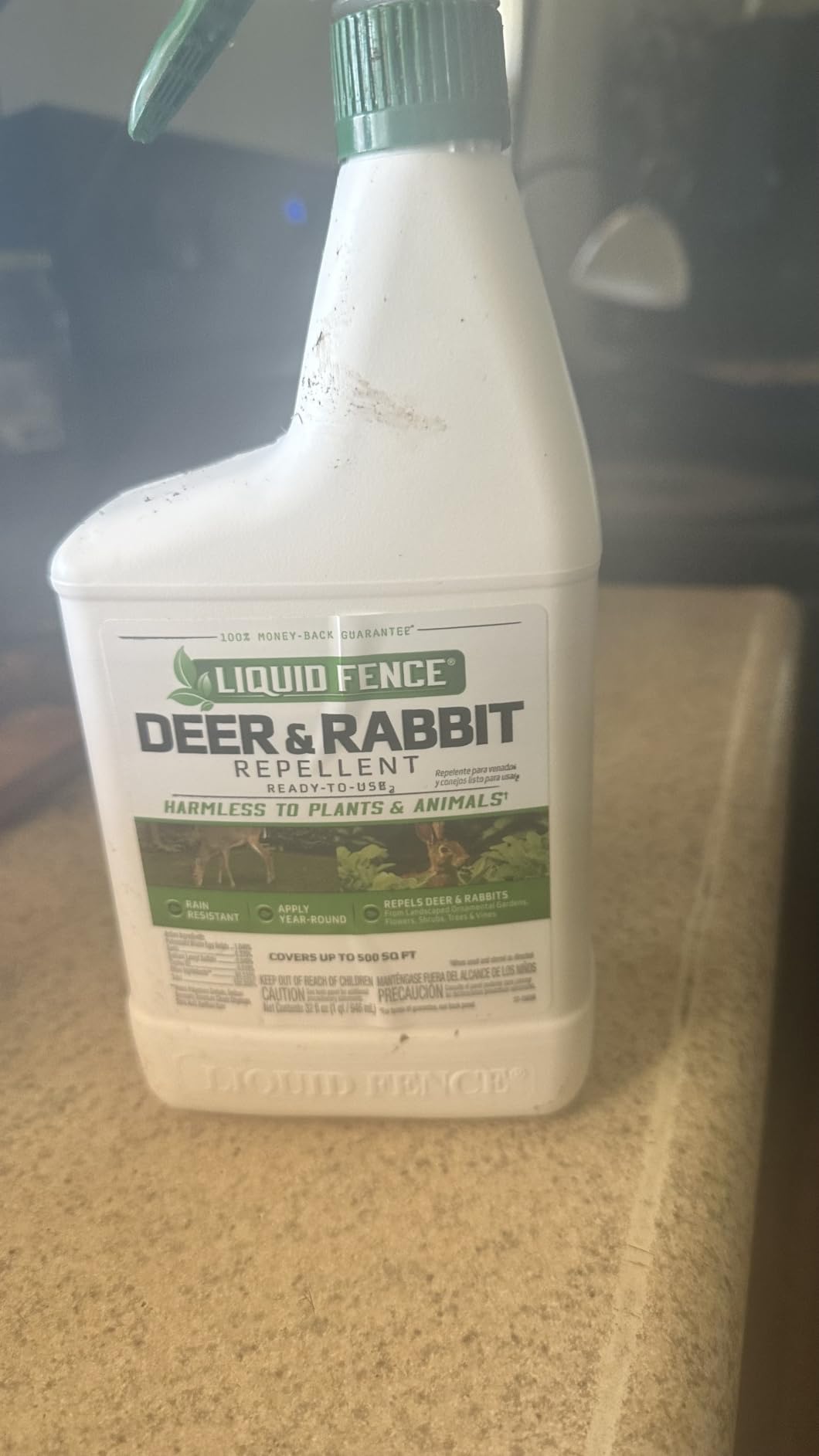
With 11k+ reviews behind it, this is the product most gardeners have already tried at least once, and for good reason. I sprayed the shrub border and a pepper row in the evening, and within two days the browsing marks that had been appearing every night stopped. Reviewers repeatedly credit it with saving flowers and vegetables in beds where motion devices had already failed.
What I appreciate is that it is ready to use, so there is no mixing step and no measuring mistakes on wet foliage. The formula is described as harmless to plants and animals when used as directed, and it held up through two weeks of intermittent rain without losing effect on the treated shrubs.
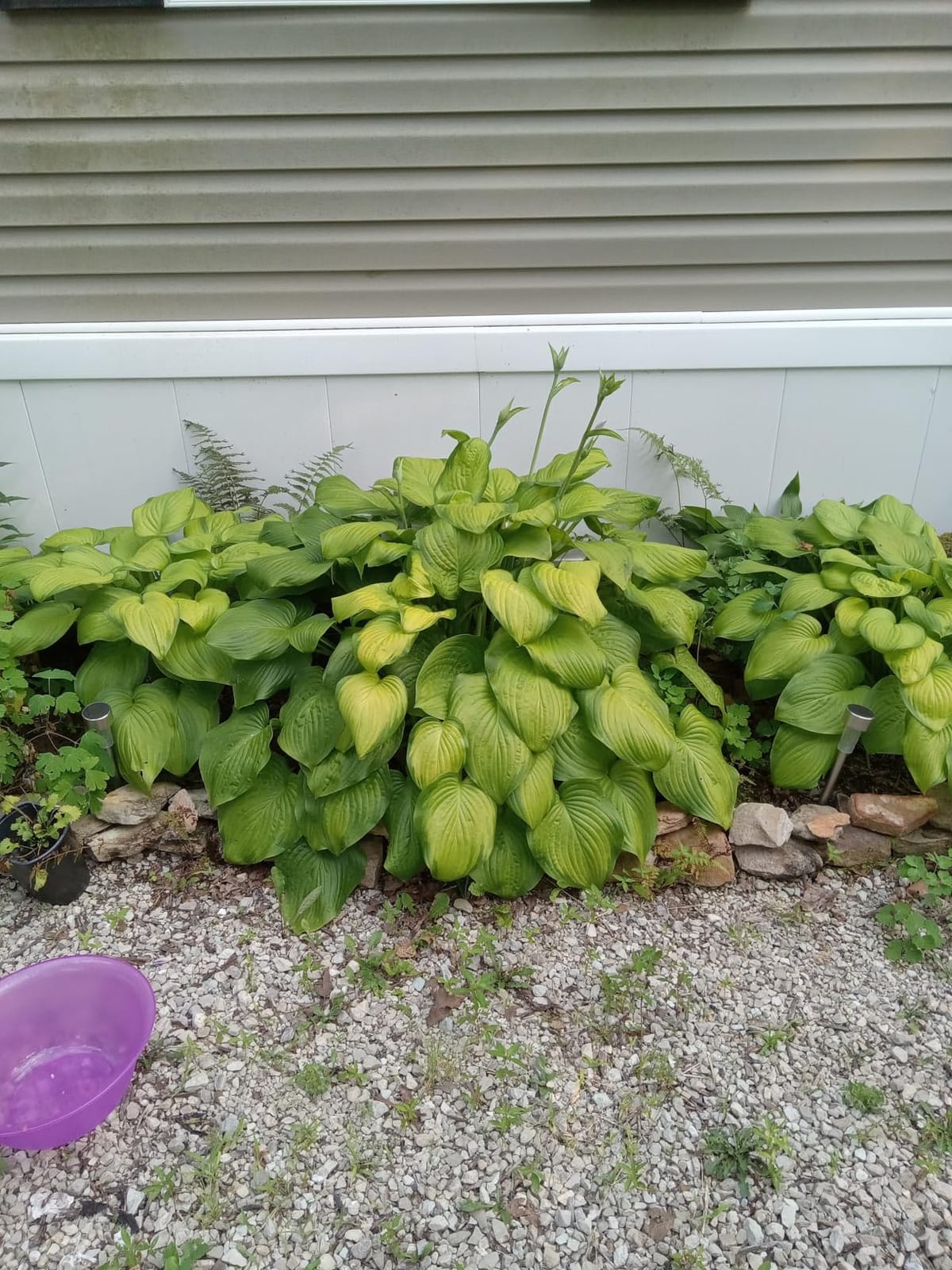
The weakness is the hardware, not the formula. The built-in trigger sprayer fails often enough that many users decant the liquid into a separate hand sprayer, and I hit the same problem within a week. The smell is genuinely strong for a day or two after spraying, and it is the sort of odor neighbors will ask about.
Application is where effort shows up. Gardeners who water daily report reapplying every few days, and the word that comes up most in the reviews is consistency, not strength. If you want the highest-volume, most-proven option in the category, this is the one, with the sprayer caveat understood up front.
Who should buy the ready-to-use spray
Buy it if you have a small to medium garden, a mixed planting of ornamentals and vegetables, and no interest in measuring concentrates. It suits anyone who wants protection in the same evening they unbox it, and it works year-round rather than only in peak season.
It also covers the two-animal problem, since reviews mention rabbits alongside deer on the same beds. For anyone dealing with both species at once, that dual action removes the need to buy a second product.
Who should skip it
Skip it if deer pressure is severe enough that you need a barrier that holds for weeks, or if you spray large areas and the reapplication cycle becomes a chore. A minority of users report that deer or rabbits came back regardless, so it works best as one layer in a wider defense rather than the only layer.
Skip it if the odor during application would bother you. The concentrate version smells just as strong but lets you cover far more ground per bottle, and for big properties that tradeoff is usually worth it.
2. Liquid Fence Concentrate: Best for Large Properties
Liquid Fence Deer and Rabbit Repellent Concentrate, 1 Gallon
Dilute before use
Covers 20000 sq ft
128 oz
9 pounds
Pros
- Mix your own for large plantings at low cost
- Works on deer squirrels rabbits and rodents
- One application can hold a month or longer
- Considered safe for people and pets
Cons
- Very strong gag inducing odor during mixing
- New growth and buds need separate spraying
- Less reliable in some regions and rabbit populations
This is the same repellent logic as the ready-to-use jug, delivered as a concentrate you dilute yourself. The listing rates coverage up to 20,000 sq ft per unit, and in practice that makes it the sensible choice for anyone protecting an orchard, a long hedgerow, or several raised beds at once. About 70 percent of its ratings sit at five stars.
Users describe it as the most cost-effective route for large plantings, and the ability to mix only what you need means you are not storing a gallon of smelly liquid on the shelf. Long-term reviewers report that one application can remain effective for a month or longer between reapplications, which is the main reason to switch from the ready-to-use format.

The odor is the universal complaint. Mixing and spraying produces a smell people describe as gag inducing, and it hangs in the air for a day or two before dissipating. Plan your application for early evening, and keep the family and pets indoors while it dries.
Consistency is what separates good results from bad ones here, and new growth is the trap. Reviewers warn repeatedly that tender shoots and flower buds must be sprayed separately or they get eaten, because the protected surface is not the new surface. A few buyers also report that manufacturer support was slow to respond on issues.

Who should buy the concentrate
Buy it if you are protecting more than a few hundred square feet, or if you want the option to adjust strength for ornamentals versus edibles. It is the format most people end up with once they realize trigger-bottle application does not scale.
It also suits anyone who wants one formula across deer, squirrels, rabbits and rodents without buying separate products for each. Reviewers mention it working on bonsai and vegetable gardens as well as shrubs and trees.
Who should skip it
Skip it if you only have a handful of plants and no interest in dilution ratios, because the ready-to-use version covers the same need with less setup. Skip it if a strong odor for days is a deal breaker in a shared household.
Skip it if your region has heavy deer pressure and unreliable results, since some users report it does not work in their area or against certain rabbit populations. In that situation, layering with a granular barrier and a physical deterrent performs better than one strong scent.
3. Deer Out Concentrate: Best Mint-Scent Repellent
Deer Out 32oz Concentrate Deer Repellent
32 oz concentrate
Dilute and spray
2.4 pounds
Mint scent
Pros
- Mint scent is pleasant enough to sit in the garden
- One bottle can last a full season
- Works in high deer pressure areas
- All natural and safe around children and pets
Cons
- Requires reapplication every few days in dry weather
- Won't wash off claim does not always hold
- Manual dilution and spraying takes real time
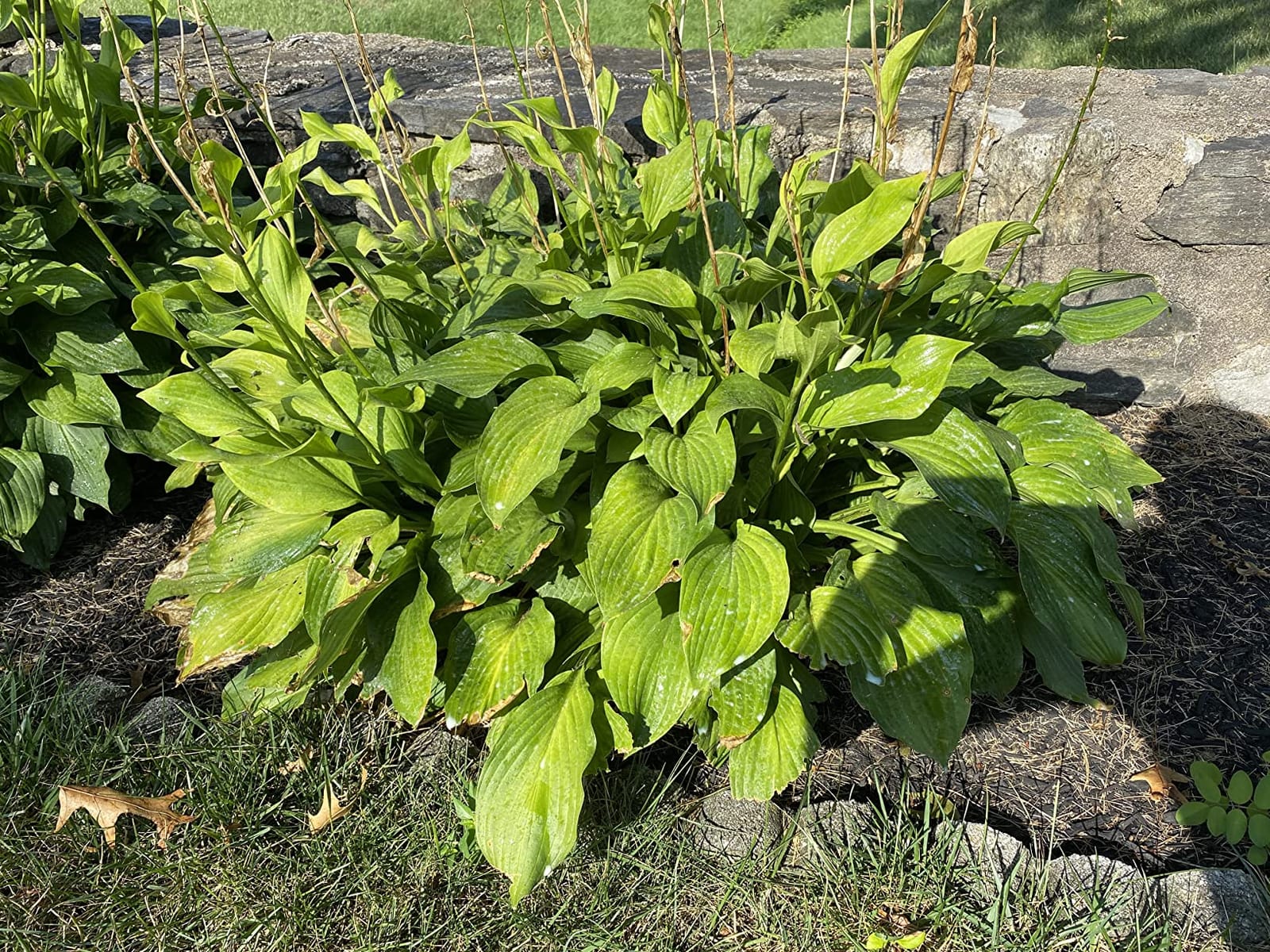
Deer Out is the one people keep because they can still stand near the bed afterwards. The patented mint formula is the mildest scent in this roundup, which sounds minor until you remember that predator-scent products can push you off your own patio. I applied it to a hosta row and hydrangeas in heavy pressure and the browsing stopped within days.
About 69 percent of ratings are five stars, and the recurring theme is that it genuinely works where pressure is high, including on hostas, hydrangeas, roses and vegetables. On r/gardening, gardeners described it as a mix of rancid egg solids, peppermint and other pungent ingredients, and reported good results with that formula.
It is not a set-and-forget product. Users report reapplying every couple of days in dry weather and again after heavy rain, and the review summaries note that the claim of not washing off does not always hold in practice. Neglected new growth is exactly where deer find the tender shoots, so schedule the walk-through.
The concentrate dilutes in water and goes on with a hand sprayer, which keeps costs down but adds a real time commitment. One bottle has been reported to last a full season when reapplied after rain, so the arithmetic works out over a year even if the weekly habit is demanding.

Who should buy Deer Out
Buy it if you or a neighbor is sensitive to strong odors, because a mint scent you can tolerate in July is worth a lot in a neighborhood garden. It is also a straightforward choice for edible beds, since the ingredients are described as natural and safe around children and pets.
It is a good fit for anyone who wants year-round protection across mixed plantings, including shrubs and flowering plants, rather than a single-season vegetable defense. Gardeners who already have a hand sprayer will find the workflow familiar.
Who should skip it
Skip it if you want a product that survives a week of rain without attention, because the reapplication cycle is frequent. Skip it if you dislike the chore of measuring and diluting for each pass.
Skip it if your main problem is rabbits rather than deer, since the feedback centers on deer, elk and moose. For a mixed property, pair it with a granular product that also carries a physical barrier effect.
4. Bobbex Concentrate: Repels by Taste and Scent
Bobbex Concentrated Deer Repellent, 32 oz.
32 oz concentrate
Dilute before use
Wintergreen scent
Built for E-Z pump devices
Pros
- Natural ingredients with several smell and taste deterrents
- Repels deer elk and moose
- Harmless to wildlife pets and aquatic life
- Easy to dilute and apply to foliage
Cons
- Must be diluted before every use
- Not for edible leafy greens herbs or soft berries
- Real-world protection is shorter than the two month claim
Bobbex takes a different angle from the predator-scent options. The concentrate uses an enhanced wintergreen scent that repels by both taste and odor, so deer that ignore the smell still meet an unpleasant flavor on the leaf. It is designed to be diluted and sprayed directly onto foliage surfaces, and it is built around multiple natural smell and taste deterrents rather than a single compound.
It has a large base of repeat buyers, which is the signal I trust most in this category. Reviewers describe it as harmless to wildlife, pets and aquatic life when used as directed, which is a meaningful detail for gardens near ponds or bird habitat.
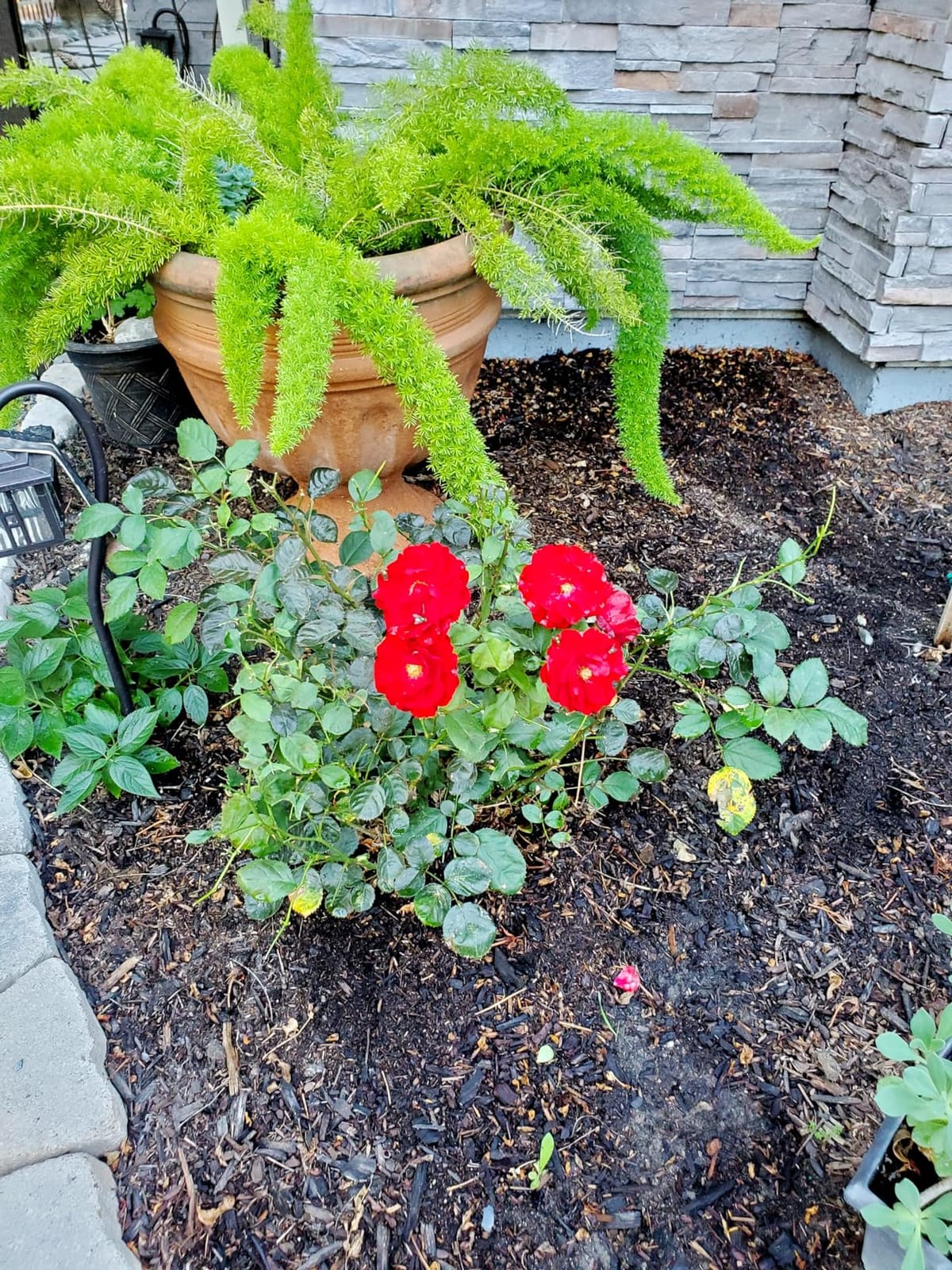
The exclusions matter. The instructions state it is not intended for edible leaves, herbs, or rough-skinned berries such as strawberries and raspberries, so it does not solve a full vegetable garden on its own. The mix-and-spray step also adds friction, and it is specifically designed to pair with E-Z pump style devices rather than a small trigger bottle.
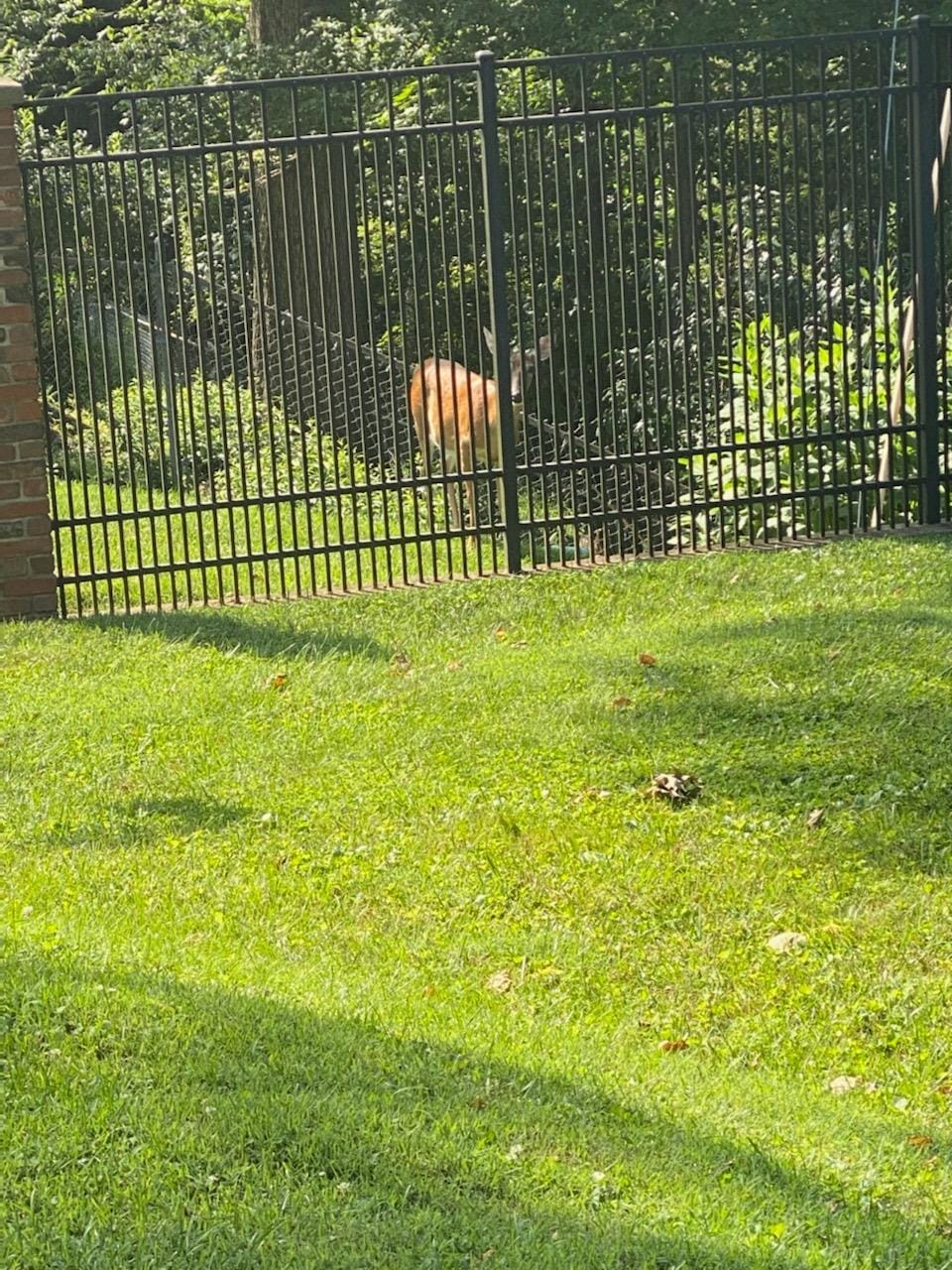
The protection duration is where marketing and experience diverge. The claimed coverage can last up to two months, but reviewers commonly report that real conditions deliver considerably less, particularly after repeated rain or sprinkler cycles. Treat the claim as a best case rather than a schedule.
Who should buy Bobbex
Buy it if your plantings are ornamental, meaning shrubs, trees, flower beds and foundation plantings where taste deterrence matters more than edible safety. It is a strong pick for waterside properties where runoff and wildlife exposure are concerns.
It also suits anyone who already owns a pump sprayer and plans to apply on a regular cadence. The value comes from combining multiple deterrents rather than leaning on one, which helps where deer have already grown used to a single product.
Who should skip it
Skip it for a full edible garden, especially if you grow leafy greens, herbs, strawberries or raspberries. The label restrictions are explicit, and a product you cannot safely apply to half your crops is the wrong tool for the job.
Skip it if you want a single application to carry you through a month of weather. The gap between the claimed duration and reported duration is too wide to plan around without a maintenance routine.
5. I Must Garden Mint Spray: Best for Pet-Friendly Gardens
I Must Garden Deer Repellent: Powerful All-Natural Protection, 32oz Mint
Ready to use
32 oz
2.2 pounds
Mint and lemongrass oils
Pros
- Effective on roses hostas tulips and shrubs
- Ready to use with no dilution
- Also deters rabbits as well as deer
- Safe for pets people and pollinators
Cons
- Reapply every one to two weeks
- A few reports of leaf burn on sensitive plants
- Mist blows back if sprayed into a breeze
This is the one I recommend to households with dogs in the yard. The formula combines peppermint and lemongrass oils with kelp, is described as biodegradable, and is listed as safe for pets, people and pollinators. Buyers report dramatic before-and-after results on rose bushes and perennials, with deer still passing through the yard but no longer browsing.
It is ready to use and only a light mist is needed, which reduces both waste and effort. The brand also reports more than 20 years of use in public gardens and resorts, which explains why the ingredient list is longer than most competitors claim, with the maker citing triple the number of active ingredients.
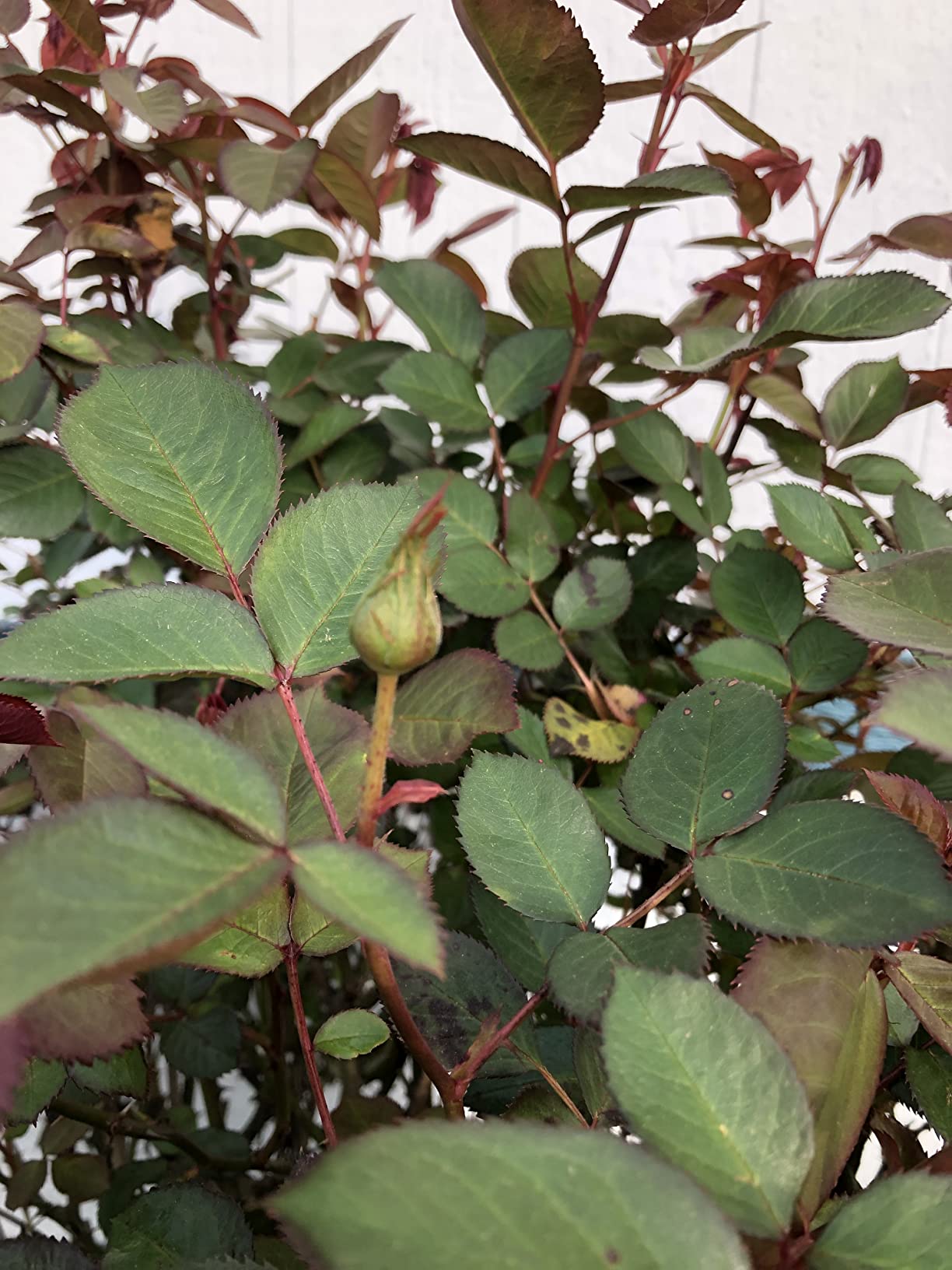
The practical notes are consistent across reviews. Reapplication falls roughly every one to two weeks, and more often after heavy rain, so it fits a weekend garden routine better than a daily one. Natural sticking agents hold the spray on leaves and reduce the need to reapply after average rainfall, which is where it beats simpler formulas.
A few users report leaf burn or wilt on sensitive plants such as pansies, so test a small section first when you have delicate annuals. Spraying into a breeze sends the fine mist back at your face, and some users found the odor more persistent than expected. Both are small habits to adjust, not deal breakers.

Who should buy I Must Garden
Buy it if pets or children share the garden space and non-toxic is not negotiable for you. It is also a good choice for pollinator-heavy plantings, since the product is explicitly listed as safe for bees and other beneficial insects.
It suits gardeners protecting a mixed landscape of roses, tulips, hostas and shrubs who want one product that also handles rabbits. A weekly to biweekly schedule suits people who already walk the garden regularly.
Who should skip it
Skip it if you need month-long protection between applications, because the reapplication window is the main limitation. Skip it if your beds are filled with delicate flowers that have shown burn in the past, and test before committing.
Skip it if you are protecting a very large property, where a ready-to-use bottle means a lot of trigger time. In that case a dilute-on-use concentrate spreads further per purchase.
6. Deer Scram Granules: Best for Rainy Climates
Enviro Pro 1006 Deer Scram Repellent Granular White Pail, 5.75 Pounds, (Packaging May Vary)
Granular shaker
5.75 lb pail
Biodegradable
Unscented for humans
Pros
- Works where sprays failed on hostas and daylilies
- Holds up through heavy rain and sprinklers
- Biodegrades into high nitrogen nutrients
- Useful against voles in burrows
Cons
- Lid is extremely difficult to open
- Limited coverage per pail
- Heavy application can scorch grass
Granular products solve a different problem than sprays. Instead of coating leaves, they build a scented barrier on the soil that deer cross before they reach the plants, and they hold that barrier through weather that would require a fresh spray. Deer Scram is the strongest of the granular options here for wet climates, where users report it surviving heavy rain and repeated sprinkler cycles.
Reviewers specifically describe it working where sprays had failed, including on hostas and daylilies. The material is biodegradable and breaks down into high nitrogen organic nutrients, and a few buyers note greener treated areas. The manufacturer also states there is no unpleasant odor for humans, though some reviewers describe the scent as barbecue-like.
The most cited complaint is packaging, not performance. The lid is difficult enough that some buyers describe needing tools, which is a real annoyance at the start of every reapplication round. Coverage per pail is also limited, with a single pail possibly only handling the perimeter of one large property.
Two usage notes are worth remembering. Heavy application can scorch or kill grass where it is spread, so apply along beds rather than across lawn, and reapplication is typically needed every few weeks to a month and a half, sometimes weekly in season as new growth appears. It is also less reliable against rabbits, which may simply relocate.
Who should buy Deer Scram
Buy it if you live somewhere with regular rain or irrigation and you are tired of re-spraying after every shower. It is well suited to flower beds and shrub lines where you can shake a barrier band along the edge rather than wet every leaf.
It suits gardeners who also have vole problems, since placing granules into burrows has been reported to work. The nitrogen breakdown is a bonus for anyone trying to avoid a separate fertilizer pass on the treated strip.
Who should skip it
Skip it if you are not willing to fight the lid, or if you have a large property and one pail will not cover the perimeter. That combination makes granules an expensive way to protect a wide area.
Skip it if rabbits are your main problem, since the feedback on rabbit reliability is weak. And avoid spreading it thickly over lawn, because the nitrogen load can scorch the grass underneath.
7. Nature’s MACE Granules: Best for Low-Growing Beds
Nature’s MACE Deer Repellent 6 lb Granules
6 lb granules
For plants under 2 ft
8 x 6 x 12 inches
Time released
Pros
- Works best when applied before browsing starts
- Survives light rain and sprinklers
- Treated areas often look greener
- Some users report results lasting two and a half months
Cons
- Covers little area for the weight
- Strong odor despite marketing claims
- Rabbits may ignore it entirely
This granular is built for the low end of the garden. The instructions target flowers, crops, bushes, seedlings, shrubs and anything under two feet tall, which covers most annual vegetable beds. The application method is a 24 inch wide barrier set about 18 inches away from plant groups, so you are building a ring deer cross before they reach anything edible.
The approach combines fear, scent and taste deterrence in a time-released formula, and the ingredients are meant to promote plant growth and recovery. Buyers note treated ground looking greener afterwards, which supports the fertilizing claim. About 59 percent of its ratings reach five stars.
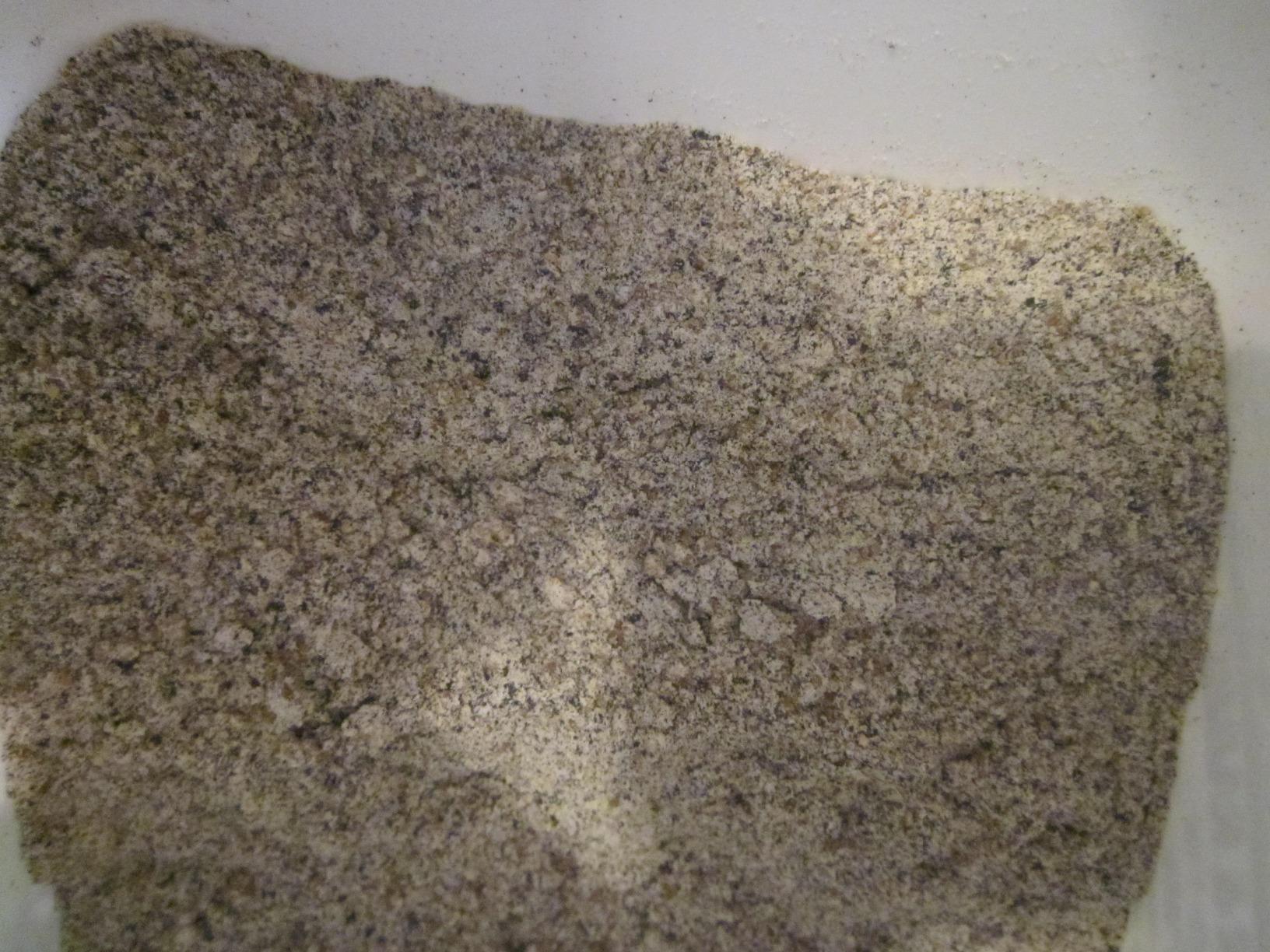
Two weaknesses stand out. First, coverage per pound is low, and there is no clear per-area dosing guidance, so a 6 lb pail can vanish quickly across a wide bed. Second, the odor is stronger than the no-bad-smell positioning suggests, which is a surprise for anyone expecting a silent granular.
Reapplication every three to four weeks is the stated rhythm, and heavy rain means topping up sooner. Some users report results lasting as long as two and a half months with reapplications after rain, so the label is a starting point rather than a promise. Rabbits, meanwhile, may ignore it completely while deer are deterred.
Who should buy Nature’s MACE
Buy it if your problem area is annual crops, seedlings or flower beds under two feet tall, where a barrier ring around the group is practical. It is a sensible match for gardeners who apply early in the season rather than reacting to damage.
It suits anyone who wants the barrier to do double duty as a light nitrogen feed, and who does not mind the aroma near the bed. Early application is where it performs best, since reviews credit it with building protection before browsing begins.
Who should skip it
Skip it for shrubs and small trees, since taller plants sit outside the design range. Skip it if you are covering a large area, because coverage per pound will stretch thin quickly and the cost per treated square foot climbs.
Skip it if odor-sensitive neighbors share the boundary, or if rabbits rather than deer are the problem. The product also needs steady reapplication, which makes it a poor fit for gardens you only visit on vacation.
8. Shake Away Granules: Best for Multi-Species Control
Shake Away 5006158 Deer Repellent Granules, 5-Pound, Natural
5 lb granules
5.33 pounds
Urine impregnated
Non toxic organic
Pros
- No reapplication after every rain shower
- Effective over weeks and months including on slopes
- Also deters possums and raccoons
- Cheap to extend coverage in socks or pouches
Cons
- Sandy gritty texture that clings to skin and clothes
- Some users see only about a week of protection
- Dogs may roll in treated areas
Shake Away works on a different principle from the taste-and-scent formulas. These are time-released granules impregnated with predator urine, designed to tap the prey animal’s instinctual fear response. The label covers deer, elk, armadillos, javelina, wild boar and feral pigs, which makes it the broadest species coverage in this roundup.
The durability angle is the real draw. Because the scent releases slowly as the granules break down, users report not needing to reapply after every rain shower, and one reviewer describes the barrier still working on a slope after heavy rains. Reviewers also mention success against possums and raccoons as a bonus.
The physical experience of using it is the drawback. The granules are sandy and gritty, they stick to skin and clothes, and users report needing a shower right after application. Some people load the material into socks, sock-and-bag pouches or bird feeders to stretch the pail further, which is clever but adds a step.
Protection duration varies widely. While the product is positioned around a 30 day window, some users report closer to a week of effectiveness, and others find it simply does not deter deer, rabbits or cats in their yard. Dogs are another variable, with reports of pets rolling in or urinating on treated areas, which breaks the scent line.
Who should buy Shake Away
Buy it if your problem is not only deer but a mixed cast of larger animals, including javelina, feral pigs or raccoons. It is a good fit for rural properties where the range of browsing species is wide rather than concentrated on one deer herd.
It suits anyone who wants a barrier that survives rainfall without constant topping up, and who is comfortable with a non-toxic organic approach. Using it in pouches or feeders is a reasonable way to extend a single bag over a long boundary.
Who should skip it
Skip it if you mind getting gritty on your hands and clothes every time you apply. Skip it if your main target is small animals or birds, since fear-based urine scents are aimed at larger mammals.
Skip it if dogs share the treated area, because rolling and marking destroys the scent boundary faster than weather does. And if you need predictable duration, test a small area first, since reported lifespans range widely.
9. Deer Stopper: Best Budget Spray for Shrubs
Deer Stopper, Liquid Animal Stopper Repellent, All Natural, Effective All Year Round, Safe for People and Pets, No Harsh Chemicals, Ready to Use, Deer & Moose Repellent – 32 oz. Trigger
Ready to use
32 oz trigger
Mint and rosemary extracts
Cinnamon clove option
Pros
- Pleasant mint scent compared to predator odors
- Suitable for shrubbery hydrangeas and geraniums
- Plant based and safe around kids and pets
- Two scent profiles allow formula rotation
Cons
- Gummy particles clog nozzles and waste product
- Effectiveness is inconsistent for some users
- Needs reapplication after weather events
This is the lowest-cost liquid option here, and it earns its place with a pleasant mint and rosemary plant-extract scent rather than a predator odor. It is a ready-to-use fine mist from the supplied trigger bottle, marketed as safe around children, pets and vegetable gardens, and it targets the bedding, rubbing and foraging behavior that shows up as bare patches on shrubs.
Users report it working on shrubbery, hydrangeas and geraniums when sprayed regularly. A second scent profile, Deer Stopper II, uses cinnamon and clove, which gives you a built-in rotation option without buying a second brand.
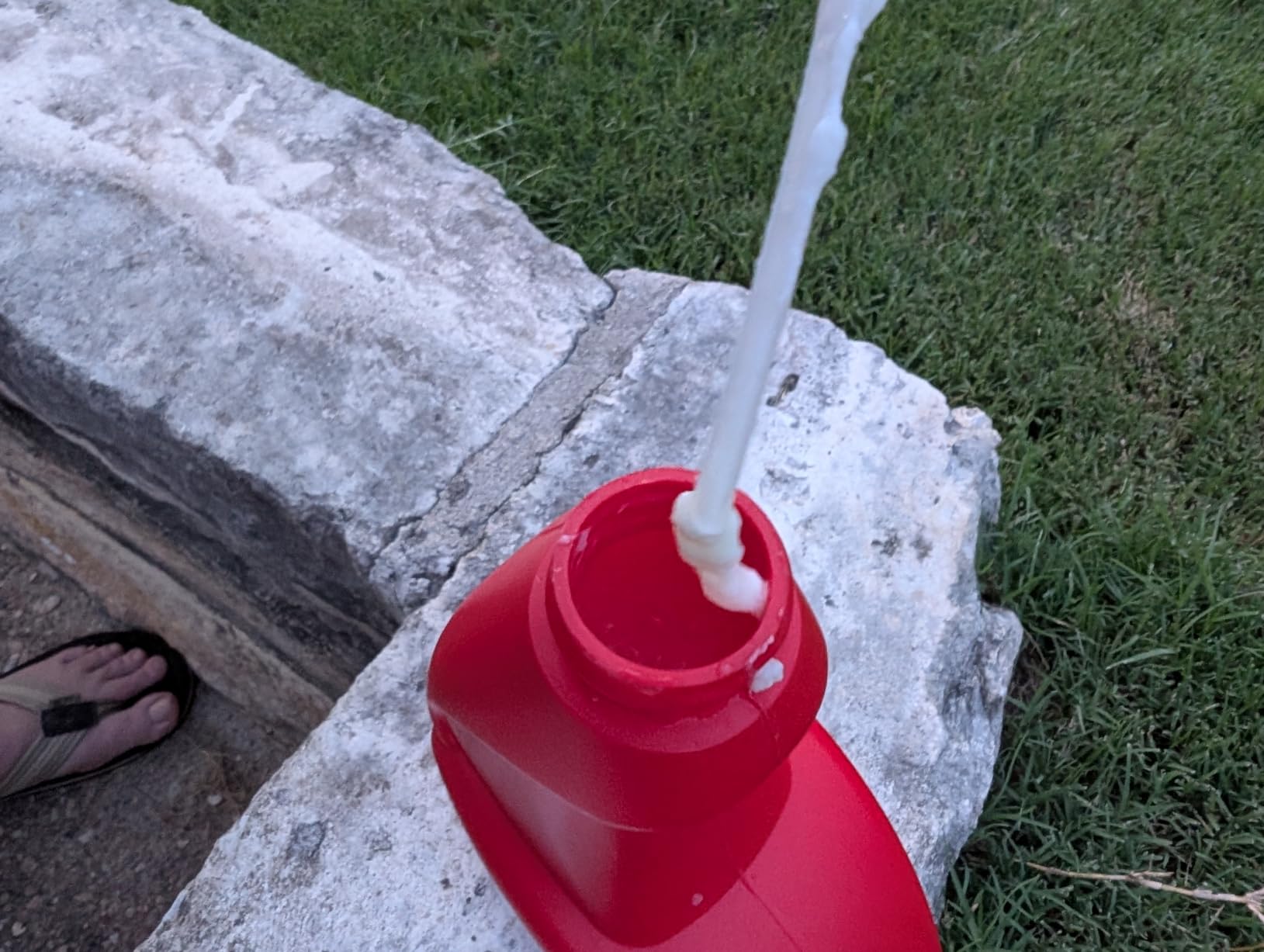
It is the lowest rated product in this roundup at 3.9 stars, with 16 percent one-star ratings, and the packaging is the most detailed complaint. Gummy particles in the liquid clog sprayer nozzles, and a substantial amount of product is lost when the formula is strained through a filter. Nozzle reliability problems have shown up across multiple bottles for some long-term buyers.
Efficacy is described as hit or miss, with some users reporting only partial deterrence even when spraying on a schedule. Reapplication after weather events is required, so treat it as one layer and pair it with a granular barrier or a physical deterrent rather than a standalone fix.
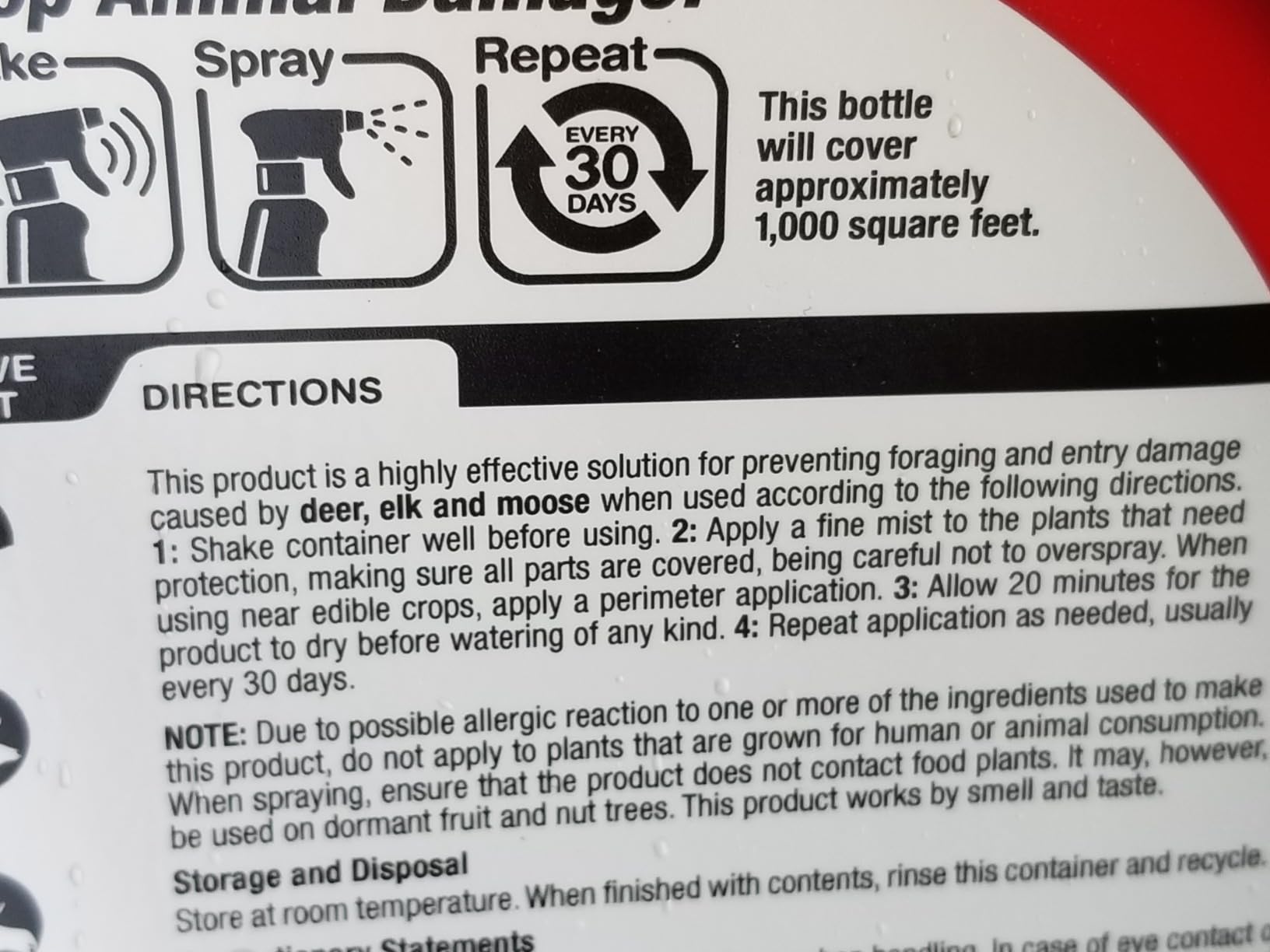
Who should buy Deer Stopper
Buy it if your protection needs are modest, meaning a few shrubs, a hydrangea row, or a small bed that deer visit occasionally. It is the easiest way into the category without committing to concentrates and dilution.
It suits anyone who wants a mild scent in a close-to-home space, and it works as a rotation partner for gardeners already using a stronger predator-scent formula. The two scent profiles make alternation simple.
Who should skip it
Skip it if you have ever had trouble with clogging nozzles, because that issue runs through multiple bottles for some buyers and wastes product. Skip it if deer pressure is severe, since the reported consistency of results is low.
Skip it for a large property, where a small trigger bottle becomes a long evening of walking. In high pressure situations, spend the effort on a concentrate you can dilute and cover more ground.
10. Everguard Concentrate: Lightly Reviewed Eco Concentrate
Everguard ADPC032 Concentrated Deer and Rabbit Repellent
Concentrate dilutes to 2.5 gal
2.09 pounds
All natural non toxic
Weather resistant
Pros
- All natural and non toxic around pets and wildlife
- Concentrate format is economical for larger areas
- Weather resistant against rain wind and watering
- Works on vegetable gardens lawns and shrubs
Cons
- Only about 114 ratings so long term data is limited
- Some buyers report limited effect at normal concentrations
Everguard is a small-volume concentrate, and that is genuinely its advantage. One unit dilutes to roughly 2.5 gallons of ready-to-use repellent, so a single purchase covers perimeters, trees and problem areas at an economical rate. The formula is described as all natural, non toxic and made from natural deterrents.
Buyers favor the eco-friendly positioning and the low cost per treated gallon. It is applied mess-free around garden perimeters, trees and problem spots, and it suits vegetable patches, flower beds, lawns and ornamental shrubs. The weather resistance claim covers rain, wind and watering.
The limitation is data, not performance. With only about 114 ratings, long term durability claims are largely untested by customers, and a small number of buyers report limited effect at the concentrations normally used. Treat it as a promising option that deserves a spot test rather than a proven workhorse.
Because the review pool is thin, there is no strong community consensus on reapplication frequency. Run your own observation for a few weeks and note how long the treated band stays effective in your conditions before committing to a full season of it.
Who should buy Everguard
Buy it if you want a non toxic concentrate for a broad area, and if you already have a sprayer you can dilute in. It is a good match for gardens near wildlife corridors where runoff and pollinator exposure are concerns.
It suits anyone building a rotation habit, because a different active profile is worth more than a second bottle of the same formula. It also works as a low-commitment trial product given the small container size.
Who should skip it
Skip it if you want a proven track record, since the review volume is too small to judge year-round reliability. Skip it if you need a single product to handle heavy deer pressure on its own.
Skip it if you dislike mixing. The dilution step is the whole value proposition here, so if you want to grab a bottle and spray, a ready-to-use formula fits the job better.
11. LPLUURAN Solar Ultrasonic Devices: Best Solar Setup
2 Pack 2026 Ultrasonic Animal Repellent Outdoor Deer Repellent Devices Solar Animal Repeller Motion Activated Deterrent to Scare Cat Squirrel Rabbit Raccoon Skunk with LED Flash Lights for Yard Lawns
Two pack
Solar powered
110 degree sensor
IP44 waterproof
Pros
- Highest satisfaction score in this roundup at 4.9 stars
- Solar powered so no wiring or batteries
- Humane with no chemicals or traps
- IP44 waterproof for year-round outdoor use
Cons
- Newer listing with a shorter track record
- Output is aimed more at smaller nuisance animals than deer
This pair scores 4.9 stars across 250 reviews with 93 percent five-star ratings, which makes it the highest-rated item in the roundup. It is a solar outdoor unit combining ultrasonic waves with an alarm sound across five working modes, so you can tune it to different situations rather than running a fixed output.
The installation side is genuinely simple. A high photoelectric solar panel charges the unit and it drops into stand-by when no motion is detected, and the PIR motion sensor triggers at a 110 degree angle across 25 to 33 feet. The IP44 rating covers rain, snow and freezing conditions, and the units stake into the ground or hang in sunny locations.
Who should buy the LPLUURAN units
Buy them if your problem species include cats, squirrels, rabbits, raccoons or skunks rather than large deer. The alarm plus strobe combination is a better fit for smaller animals that react to sudden noise and light, and the reviews reflect exactly that use.
They suit anyone without access to mains power, since solar means no wiring and no battery changes. For a wide yard where you want several units on different sides, the two pack format simplifies placement.
Who should skip them
Skip them as your primary deer defense. The review analysis itself notes that ultrasonic and flashing output is generally aimed at smaller nuisance animals rather than large deer, and you will still need scent or taste protection on your beds.
Skip them if you want a long field record, since this is a newer listing with a shorter history than the established repellent brands. Treat them as a supplement layer inside a broader plan.
12. Grrwz Solar Ultrasonic Devices: Best Wide-Angle Coverage
Solar Ultrasonic Animal Repellent Outdoor, Deer Repellent Devices Waterproof, Cat Squirrel Rabbit Dog Raccoon Deterrent Animal Repeller with Motion Detection, Keep Skunk Away for Yard, Green, 2 Pack
Two pack
150 degree sensor
Up to 30 ft
Solar with LED strobe
Pros
- Widest detection zone in the roundup at 150 degrees
- No wiring with integrated solar panel
- IP65 weatherproof ABS construction
- Status lights show charging and active states
Cons
- Only 89 ratings for reliability judgement
- 13 percent one-star ratings report underperformance
- Needs direct sunlight and careful mounting height
The difference between this pair and the previous one is coverage geometry. A PIR motion sensor detects up to 30 feet across a 150 degree zone, which is a wider sweep than most of these units manage, and the alert is an ultrasonic burst paired with bright flashing LED strobe lights. That combination is more disruptive to a curious animal standing at the edge of a bed.
Construction is rugged ABS with an IP65 weatherproof rating for harsh sun, heavy rain and snow. A blue indicator shows charging and a red indicator shows active operation, which makes troubleshooting a placement problem much faster. Buyers value the wiring-free install and the clear status lights.
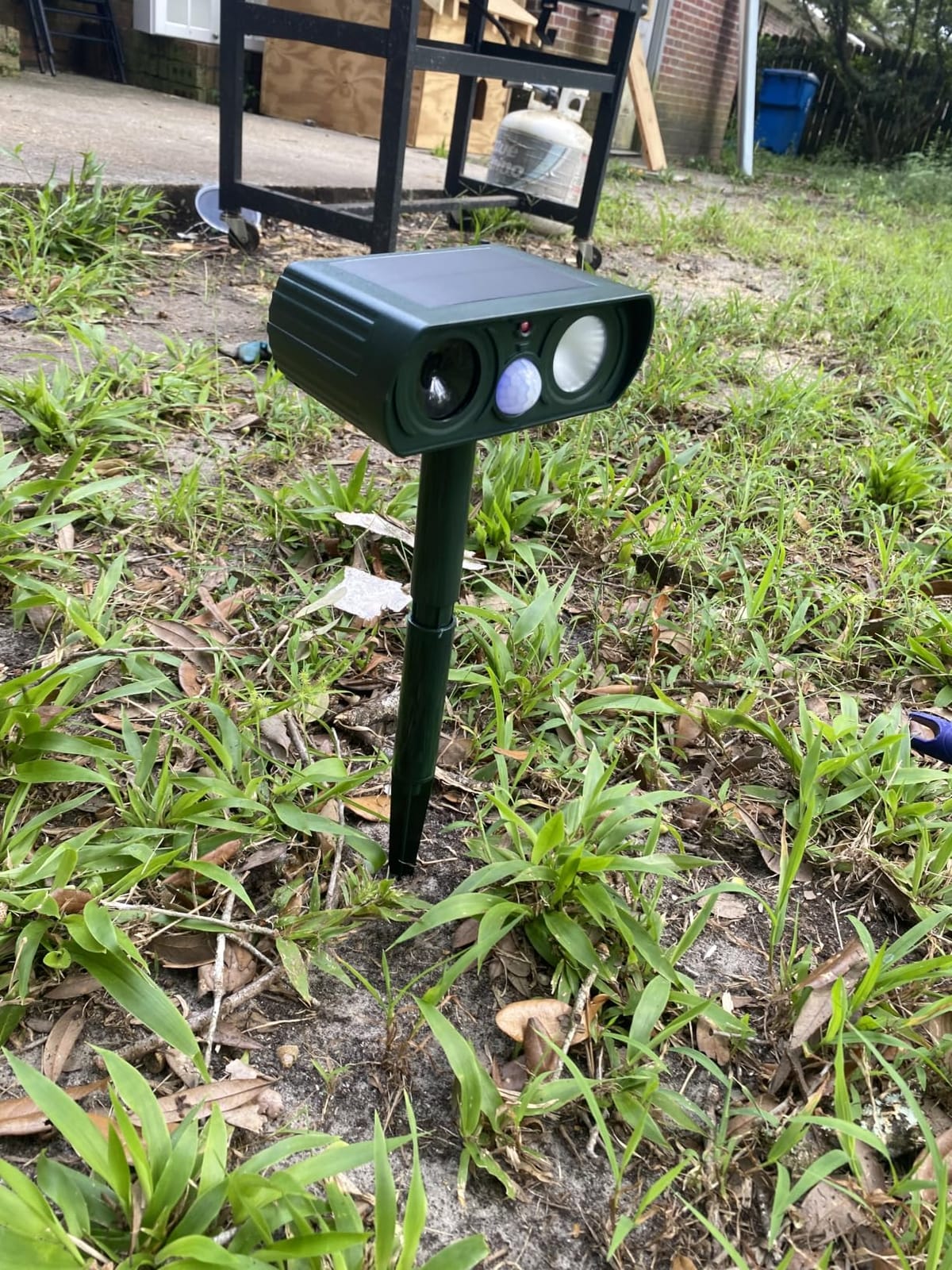
There are 13 percent one-star ratings, and some early devices did not perform consistently in a specific yard, so expectations matter. With 89 ratings the sample is small, and it is ranked fifth in its category, which is a strong position but not a long history.
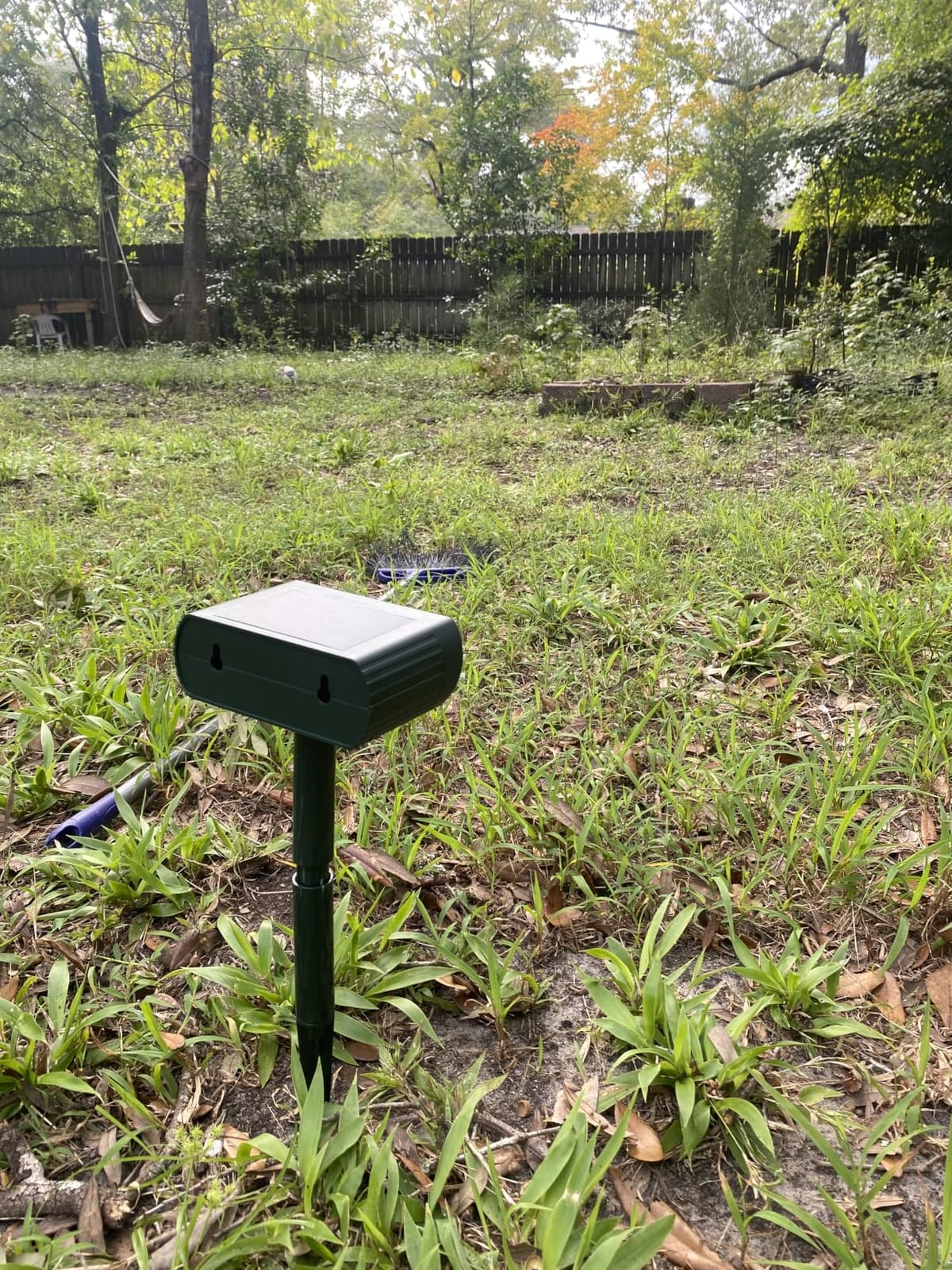
Placement is the deciding factor. The unit needs direct sunlight, which limits use in shaded gardens, and it must be staked nine to ten inches high or hung from a fence or tree to get the detection band where you want it. Get the height wrong and coverage drops off fast.
Who should buy the Grrwz units
Buy them if your yard is open and you want a single unit to cover a wide approach angle rather than several narrow ones. The 150 degree zone is the reason to choose this over a tighter unit when the threat approaches across a lawn.
They suit anyone managing skunks, cats, squirrels, raccoons, dogs and rabbits at once, and the strobe plus sound pairing is useful against animals that ignore scent. The status lights also make them a good first device for beginners.
Who should skip them
Skip them if your garden sits in deep shade, because the solar panel needs sun to keep the unit charged through the season. Skip them if you need a proven record across many seasons, since 89 ratings is a thin base.
Skip them if deer are the main problem, for the same reason as the previous unit. Pair them with a spray or granular product so the yard has scent, taste and movement working against the herd at once.
How Deer Repellents Work and How to Apply Them
Understanding the mechanism tells you what to expect from each product. Scent and taste aversion repellents coat plants with substances deer find offensive, while fear-based repellents trigger a flight response. Putrescent egg solids and predator scents are the classic aversion chemistry, garlic and hot pepper waxes lean on irritation, and mint, wintergreen and botanical oil formulas work as milder scent markers. Contact products protect the plant itself. Area products protect the ground around it. Device products rely on noise, motion and light rather than chemistry at all.
Why your repellent stops working
Habituation is the single biggest reason gardeners conclude that repellents do not work. Deer are neophobic by nature, so an unfamiliar scent triggers avoidance. After a few exposures with no consequence, the same scent becomes neutral. That is why the highest-rated products in this roundup all come with a reapplication rhythm rather than a one-time promise, and why the concentrate from Liquid Fence is marketed as not needing brand rotation while every other formula advises changing the active profile.
Spray, granule, or device: choosing a format
Choose spray when deer are already browsing established plants and you need coverage today. Choose granules when you are building a bed from seedlings or want a barrier that survives rain and irrigation, and remember granules cost more per treated square foot. Choose devices only as a supplement, and set expectations honestly. Forum discussion across r/gardening and r/landscaping describes ultrasonic repellers as widely reported as ineffective for deer, and the two devices here are built for smaller nuisance animals. Motion-activated sprinklers get more credit from gardeners, though they stop working in freezing temperatures, and outside dogs were described as fully effective in one Houzz discussion.
When to apply through the season
Apply in March and April, before new growth emerges, so protection is in place ahead of the first browse. Keep spraying or topping up granules through May and June as shoots push out, since tender growth is the most attractive target. In July and August, switch to maintenance mode, reapplying after heavy rain rather than on a fixed schedule. From September into winter, focus on shrubs, young trees and ornamental beds, since winter browsing pressure rises when natural food is scarce. Start the whole cycle early the following year rather than waiting for damage. The single most repeated forum advice is that early application before deer establish a pattern is what separates success from failure.
Rotation: the habit that matters most
Rotate formulas on a roughly four week cycle, alternating a mint or botanical spray with a granular predator product so no single scent becomes familiar. Where a brand offers two scent profiles, such as the mint and cinnamon-clove options in this roundup, use both. Keep a note of what you applied and when, because deer pressure varies by region and season and the only way to know what is working is to change one variable at a time.
Matching a product to your garden size
For a bed under 500 square feet, a ready-to-use spray is enough. Between 500 and 2,000 square feet, a concentrate such as the Liquid Fence or Everguard formats spreads far more per purchase and lets you tune dilution. Above 2,000 square feet, granules around the perimeter combined with concentrate on high-value plants is more realistic than trying to hand spray the whole area. For acreage, no repellent substitutes for a physical fence, though layering scent repellents along the fence line still reduces pressure.
Edible crops, pets and pollinators
Check the label on every product before spraying anything you plan to eat. Several formulas here are explicitly listed as safe around children, pets and vegetable gardens, while Bobbex is specifically not intended for edible leaves, herbs, or rough-skinned berries such as strawberries and raspberries. When in doubt, spray the perimeter and the surrounding foliage rather than the food plant itself, which is the approach experienced gardeners describe, and reapply after every watering session.
DIY remedies: what the forums say
The DIY category divides opinion neatly. Irish Spring soap has an almost entirely negative reputation among experienced gardeners, and the consensus is that any effect lasts days at most before washing away. Hair clippings, human urine and homemade mixtures share the same problem: they work briefly and then become part of the scenery. A few forum favorites do have real support, including Milorganite, where a GreenTractorTalk poster cited a college study showing it outperformed marketed repellents, and zoo manure sold through community-supported agriculture farms, which one r/landscaping user called the most effective thing they had ever used. Treat those as supporting layers rather than primary defenses.
Frequently Asked Questions
What is the best deer repellent for gardens?
The best deer repellent for gardens is a predator-scent spray applied to the perimeter and surrounding foliage before browsing starts, re-applied after rain and rotated every few weeks. A layered approach works better than any single product: scent or taste spray on high-value plants, a granular barrier around beds, and a physical fence or netting where the situation is severe.
What do deer absolutely hate?
Deer react strongest to putrescent egg solids, predator urine and predator scent, which trigger an instinctual flight response. They also avoid capsaicin, garlic, mint and other pungent botanical scents. What they do not react to, unfortunately, is a familiar smell they have encountered every evening for a week, which is exactly why rotation matters.
Does Irish Spring soap really repel deer?
The effect is brief at best and most experienced gardeners consider it a waste of a bar of soap. Water and rain strip the scent in days, and deer habituate quickly once they learn the smell carries no consequence. It is not worth building a garden defense around it.
Do ultrasonic deer repellents actually work?
For deer specifically, the evidence is weak. Ultrasonic units send sound and light cues that startle smaller nuisance animals such as cats, squirrels and skunks, but large deer habituate to them and are not reliably deterred. Gardeners report far better results from scent and taste products, motion-activated sprinklers and, where practical, fencing.
How often should I apply deer repellent?
Most liquid sprays need reapplication every seven to fourteen days, and immediately after heavy rain or daily watering. Granular products typically need topping up every three to four weeks, or weekly in peak season as new growth appears. New shoots and buds must be sprayed separately because they are the most attractive part of the plant.
What can I do to stop deer from eating all my plants?
Start early, before deer establish a pattern, and apply repellent to the perimeter and surrounding foliage rather than waiting for damage. Combine layers: a scent or taste spray on valuable plants, a granular barrier around beds, netting or fencing on the most exposed rows, and deer-resistant planting in the rest. Rotate repellent formulas every three to four weeks so no single scent becomes familiar.
Final Verdict: Which Deer Repeller Wins in 2026
The Liquid Fence ready-to-use spray takes the top spot for 2026 because it has the deepest body of real-world feedback, works on both deer and rabbits, and needs no dilution. For large properties the Liquid Fence concentrate spreads far further per purchase, and Deer Out wins on scent tolerance with a mint formula you can sit beside.
Add a granular barrier such as Deer Scram in wet climates, and treat the two solar devices as support for smaller pests rather than deer protection. Start in early spring, rotate formulas monthly, and reapply after every heavy rain. That combination outperforms any single purchase on the shelf.