Six hours into a 500-mile day, a touring helmet stops being a piece of safety equipment and becomes the only thing between you and a headache. Wind roar works its way past the earplugs, the pressure points you ignored in the first hour turn into a burning ache across the crown, and the visor that was crystal clear at breakfast is fogged solid at the third fuel stop.
We spent weeks comparing the ten touring helmets below, reading owner reviews in the thousands, weighing the published specifications against what riders actually say after real distances. What follows is not a list of the flashiest lids on the market. It is a list of the ones that hold together when the trip runs long, the temperature swings, and the road stops being kind.
What type of helmet is best for touring? A full-face helmet certified to DOT FMVSS 218 or ECE 22.06 is the best choice for most touring riders, because the sealed chin bar, neck roll and closable vents control wind noise and heat better than any open design. Riders who want the convenience of a flip-up chin bar without giving up that protection should choose a modular helmet with dual certification.
Noise is the quiet villain of long-distance riding. On touring forum threads about the quietest helmets, riders describe the same thing repeatedly: at 75 to 85 mph, wind noise buries everything, including the intercom in your own helmet. That single complaint shaped how we ranked this list, because a helmet you cannot hear through is a helmet that leaves you riding on instinct for eight hours.
Table of Contents
- Top 3 Best Motorcycle Helmets for Touring (October 2026)
- All 10 Touring Helmets at a Glance in 2026
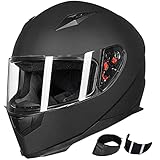
- 1. ILM ILM-313 Full-Face Helmet – Best All-Rounder for Touring
- 2. GLX GX11 Compact Full-Face Helmet – Best Value Full-Face
- 3. BELL Qualifier Full-Face Helmet – Top Rated Name-Brand Pick
- 4. 1Storm HB89 Modular Helmet – Best First Modular
- 5. O’Neal Sierra Helmet – Best for Glasses Wearers
- 6. ILM 902 Modular Helmet – Best for Pillion Riders
- 7. TRIANGLE Full-Face Helmet – Best Lightweight Budget Buy
- 8. YEMA 926MBS Modular Helmet – Best for Hot Weather Touring
- 9. HAX Obsidian Full-Face Helmet – Best for Up-to-Date Certification
- 10. KYPARA 101 Modular Helmet – Best for Large Head Circumferences
- How to Choose a Touring Helmet
- Frequently Asked Questions
- What type of helmet is best for touring?
- What is the best motorcycle helmet for touring?
- What is the quietest touring motorcycle helmet?
- Are modular helmets as safe as full-face helmets for touring?
- What weight helmet is best for long rides?
- How often should I replace a motorcycle helmet?
- How do I stop my helmet visor fogging while touring?
- Do I need earplugs with a touring helmet?
- Which Touring Helmet Should You Buy?
Top 3 Best Motorcycle Helmets for Touring (October 2026)
ILM ILM-313 Full-Face Helmet
- DOT FMVSS 218 certified
- ABS shell at 3 lb
- Two visors plus neck scarf

GLX GX11 Full-Face Helmet
- Three intakes and four exhausts
- Multi-density EPS liner
- Tinted visor included

BELL Qualifier Full-Face…
- NutraFog II anti-fog shield
- Velocity Flow ventilation
- Bluetooth speaker pockets
The ILM-313 takes the top spot because it does the unglamorous things well: it is light, it ships with two visors and a neck scarf, and it holds its shape and its seal over repeated long rides. Nine thousand owners have said much the same. If you want more ventilation control, the GLX GX11 runs seven adjustable vents. If you want a name brand with a longer track record, the BELL Qualifier holds its value and quiets buffeting well for its class.
All 10 Touring Helmets at a Glance in 2026
| Product | Specs | Action |
|---|---|---|
| ILM ILM-313 Full-Face Helmet |
|
Check Latest Price |
| GLX GX11 Compact Full-Face Helmet |
|
Check Latest Price |
| BELL Qualifier Full-Face Helmet |
|
Check Latest Price |
 1Storm HB89 Modular Helmet 1Storm HB89 Modular Helmet |
|
Check Latest Price |
 O’Neal Sierra Helmet O’Neal Sierra Helmet |
|
Check Latest Price |
 ILM 902 Modular Helmet ILM 902 Modular Helmet |
|
Check Latest Price |
 TRIANGLE Full-Face Helmet TRIANGLE Full-Face Helmet |
|
Check Latest Price |
 YEMA 926MBS Modular Helmet YEMA 926MBS Modular Helmet |
|
Check Latest Price |
 HAX Obsidian Full-Face Helmet HAX Obsidian Full-Face Helmet |
|
Check Latest Price |
 KYPARA 101 Modular Helmet KYPARA 101 Modular Helmet |
|
Check Latest Price |
1. ILM ILM-313 Full-Face Helmet – Best All-Rounder for Touring
ILM Full Face Motorcycle Helmets for Adult Men and Women DOT Model ILM-313
DOT FMVSS 218 certified
3 lb ABS shell
Two visors plus neck scarf
5 year manufacturer warranty
Pros
- Lightweight 3 lb ABS shell
- Clear and smoked visors included
- Neck scarf for cold rides
- Removable washable liner pads
- Quick-release clasp and strap
Cons
- DOT-only certification with no ECE or Snell rating
- Visor hardware loosens with repeated opening
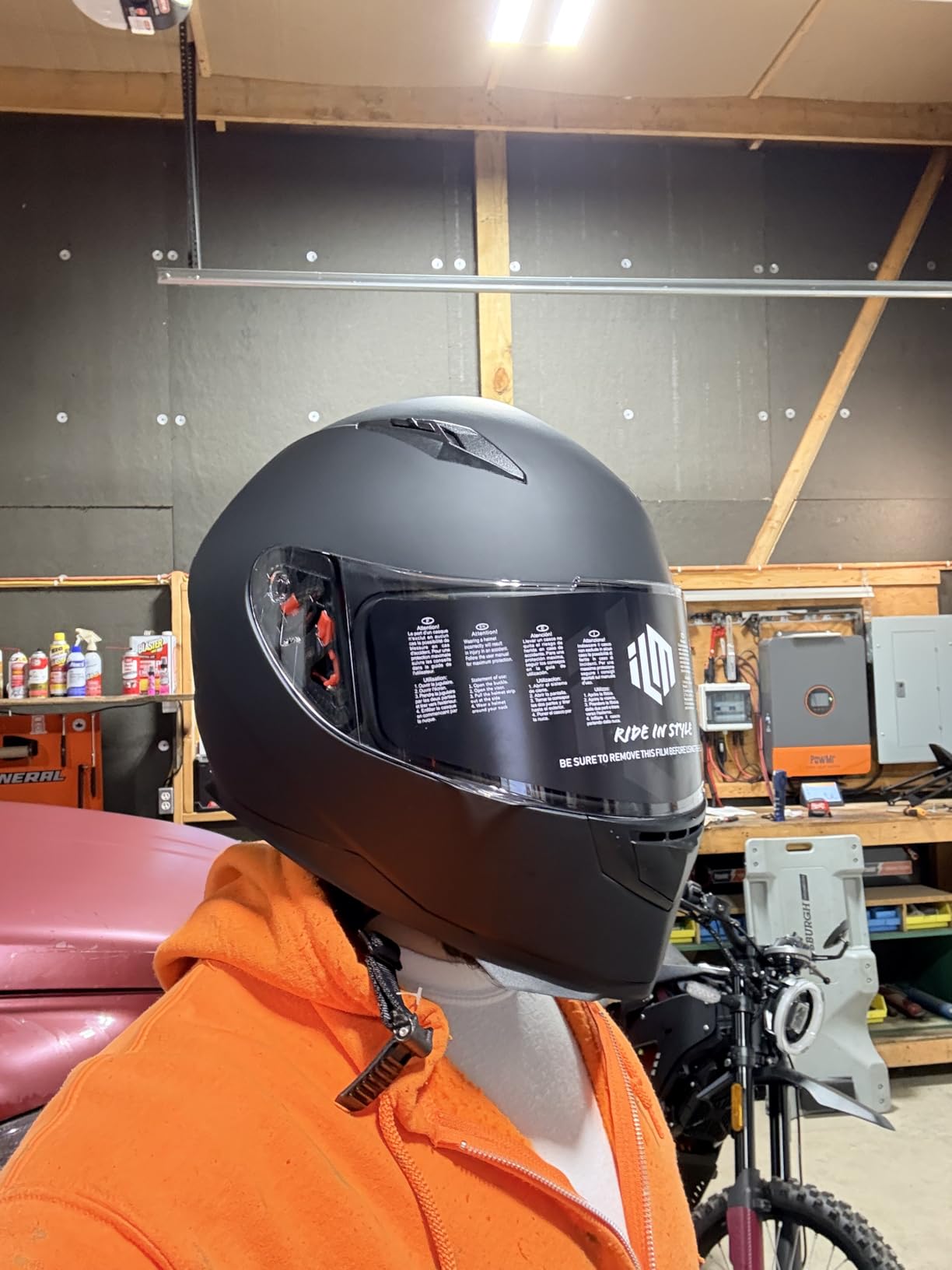
The first thing I noticed on this helmet was the weight. At three pounds it is one of the lightest full-face designs here, and that difference is not academic. On a long day, every hundred grams above what your neck is used to turns into a slow build of pressure behind the eyes. Riders who log serious mileage consistently name head weight as the reason they can finish a long tour without a stiff shoulder.
The ILM-313 is a plain, honest budget full-face, and that plainness is its strength. The shell is ABS with a streamlined shape designed to cut drag and wind noise. You get a clear visor, a smoked visor, a neck scarf for cold mornings, a helmet bag and a five year manufacturer warranty in the package. Nothing needs buying separately before the first ride.
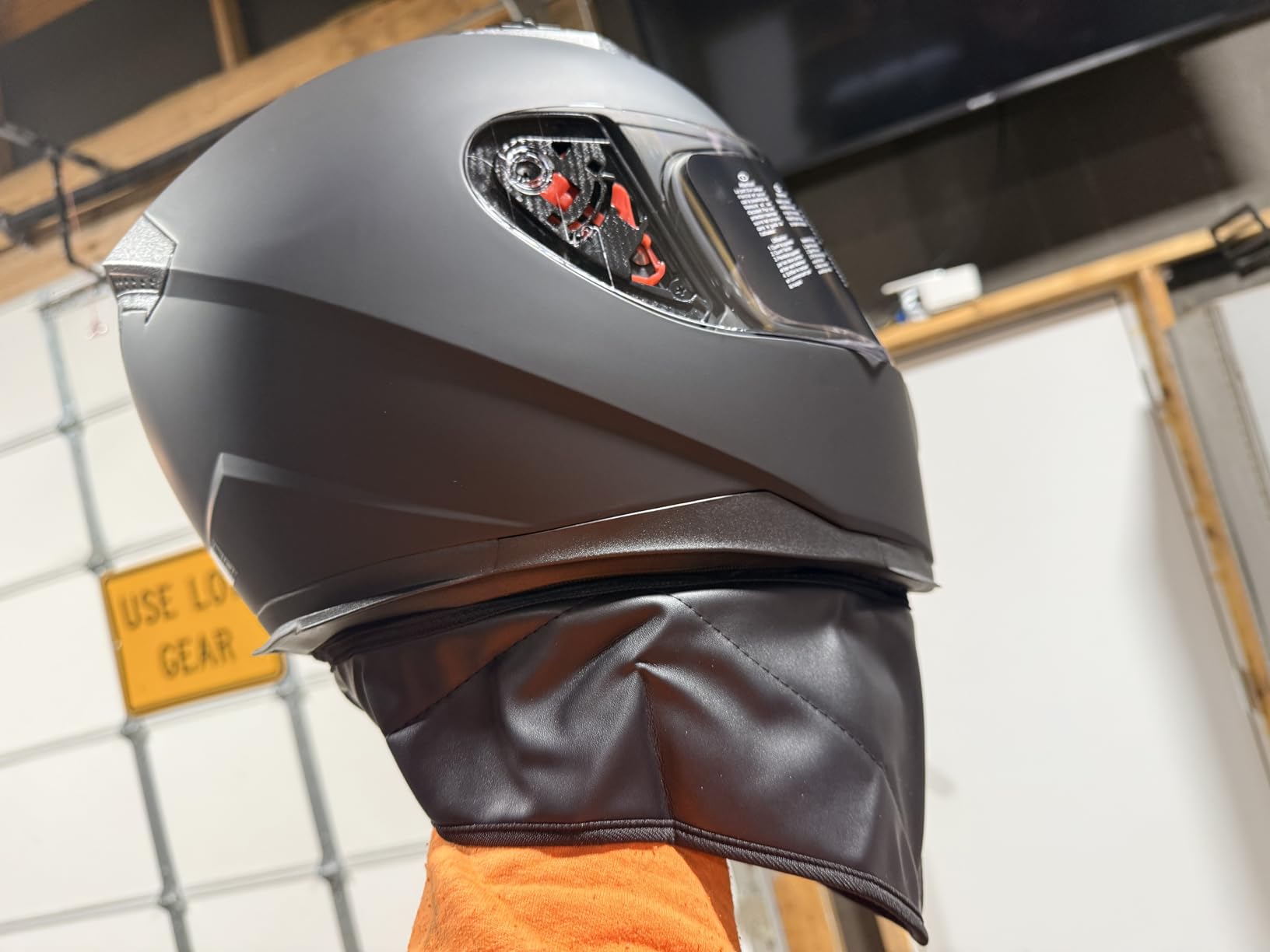
Where it shows its price is in the certification line. It meets FMVSS 218, the US legal minimum, and it does not carry an ECE 22.06 or Snell rating. For riders on a home-state or country road that is a non-issue. For riders who want the newer European rotational-impact standard, or who plan European trips where ECE approval is expected, that is a genuine limitation you should weigh before buying.
The recurring complaint in reviews is the visor. The side hardware loosens with repeated opening and closing and needs a tightening now and then. Owners also note that replacement parts and later accessories are thinner on this model than on a long-established brand. Neither issue compromises safety, but both are exactly the kind of small annoyance that turns a smooth eight-hour day into a fussy one.
Who the ILM ILM-313 suits
This is the helmet for someone on their first multi-day tour who wants a full-face design, a light shell, and everything needed to ride on day one without a second purchase. The included smoked visor means you can leave the sun shade problem behind for most riding, and the neck scarf is genuinely useful on cold starts. For riders who prioritise low weight over the newest certification, the package here is hard to argue with.
Who should skip it
Skip it if certification level is the deciding factor for you. If you ride where ECE 22.06 is expected or you want Snell-level testing, choose a model that carries those marks on the label rather than relying on the DOT stamp alone. Riders who expect to keep one helmet for a decade should also weigh a brand with deeper parts support. The warranty is generous at five years, but the shell and visor ecosystem thins out faster than it does with an established manufacturer.
2. GLX GX11 Compact Full-Face Helmet – Best Value Full-Face
GLX GX11 Compact Full Face Motorcycle Helmet w/ Tinted Visor, DOT
DOT FMVSS 218 certified
3.1 lb full-face build
Seven ventilation points
Multi-density EPS liner
Pros
- Very effective top and chin vents
- Padding breaks in well
- Tinted visor included
- Lightweight 3.1 lb full-face shell
Cons
- Runs small
- so size up
- Visor side screw loosens with use
- Only DOT certified
The GX11 solves the exact problem most budget helmets create: they are sealed and quiet on paper, then cook you in summer. Seven ventilation points do the opposite here. Three adjustable intakes move air across the brow and chin, and four exhaust outlets pull it out the back, so the head stays workable in July traffic rather than turning into a sauna. That matters enormously on a tour through hot country, where the day starts at six in the morning.
Inside, a multi-density EPS liner handles first and second layer impact defence, and the whole interior is removable, washable and adjustable. The padding is substantial enough that it needs a genuine break-in period, which is a fair trade if the shape suits your head. After a few hundred miles it settles into a support that most riders describe as comfortable rather than merely tolerable.
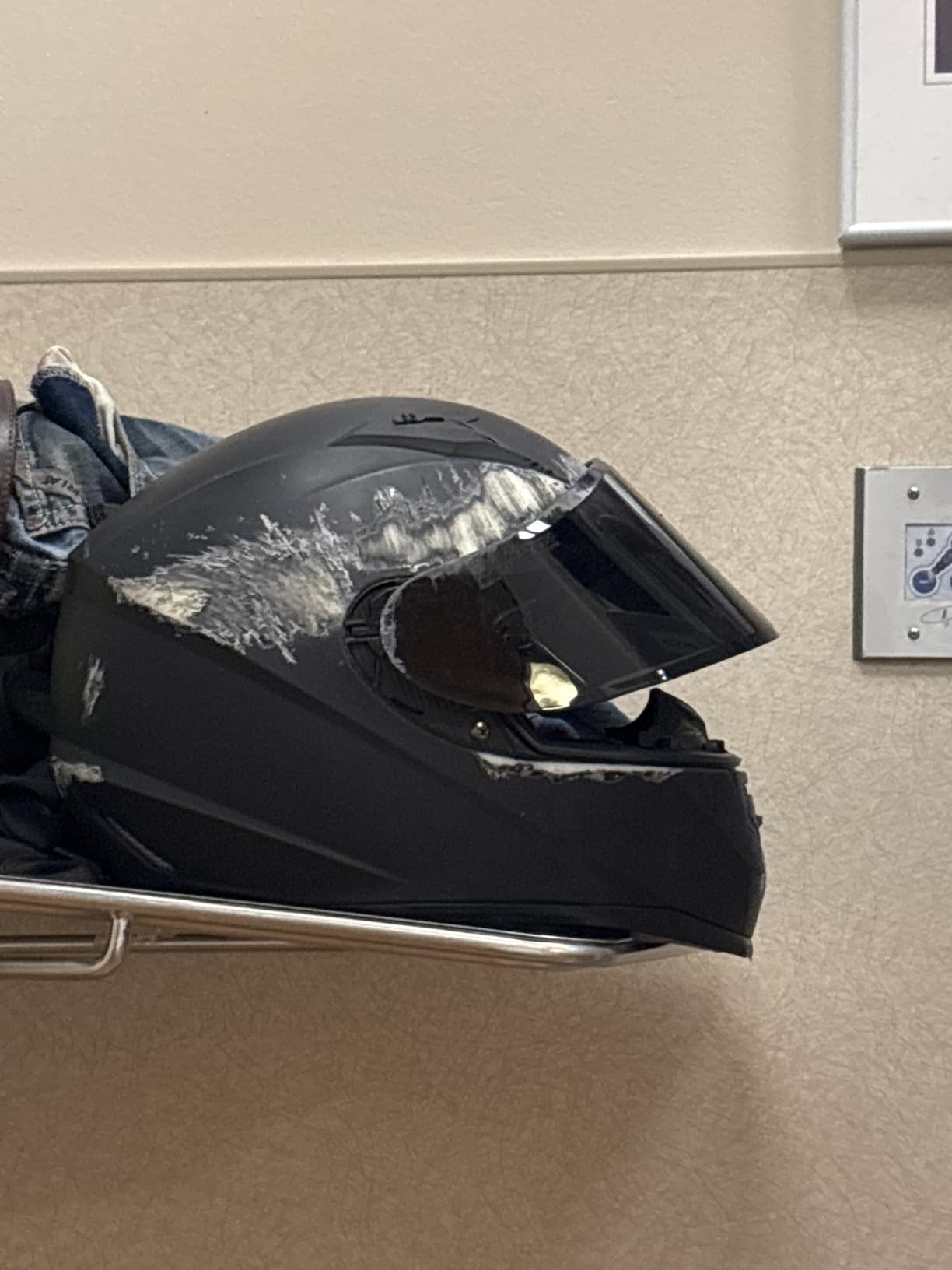
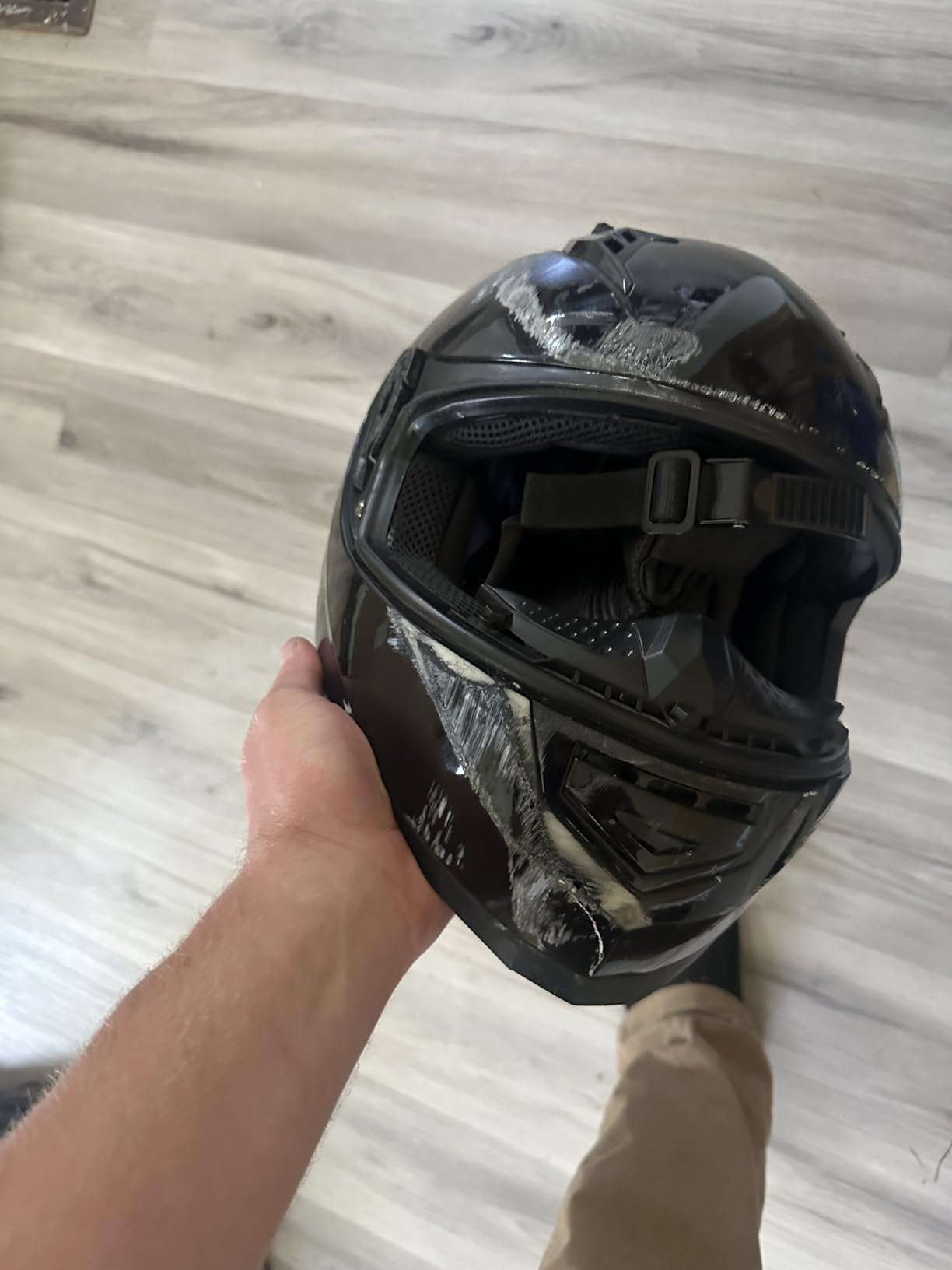
Size is the biggest thing to get right here. The GX11 runs small relative to many brands, and multiple owners recommend stepping up to the next shell size or a larger shell option. The visor side screw is the other recurring theme; it loosens under repeated opening and needs a periodic tightening. The clear visor also scuffs and fogs over extended service, so a replacement shield is worth budgeting for.
One practical note for touring riders who wear earbuds: the ear padding is thick, and several reviewers report that fitting earplugs or earbuds inside the helmet is fiddly. If your noise protection plan depends on in-ear plugs rather than foam, take a look at that padding before you commit. There is no anti-fog insert port listed in the specification, so visor fog management on a cold morning is limited to airflow control.
Who the GLX GX11 suits
This is our pick for riders who cover hot, long days and need ventilation more than anything else. It is also the sensible step up for someone moving from a very cheap open-face or half shell, because it adds a proper multi-density liner, a sealed neck area and a tinted visor in one move. Riders upgrading their first touring helmet will find the break-in comfortable once the size is right.
Who should skip it
Skip it if you ride in cold, wet weather and expect clear vision at 50 mph in the rain. Without an anti-fog insert, fogging becomes your problem rather than the helmet’s. Riders who take trips where ECE 22.06 certification is required should look elsewhere, and anyone who wants deep parts availability across a decade of ownership will be better served by a longer-established brand.
3. BELL Qualifier Full-Face Helmet – Top Rated Name-Brand Pick
BELL Qualifier Full-Face Motorcycle Helmet – Matte Black, X-Large
DOT FMVSS 218 certified
NutraFog II anti-fog shield
Velocity Flow ventilation
Bluetooth speaker pockets
Pros
- Well-dialed aerodynamics with little buffeting
- Simple visor ratchet seals against wind
- Integrated Bluetooth speaker pockets
- Padded wind collar for long rides
Cons
- Sizing runs small
- buyers often size up
- Considerable wind noise
- Clear visor only in the box
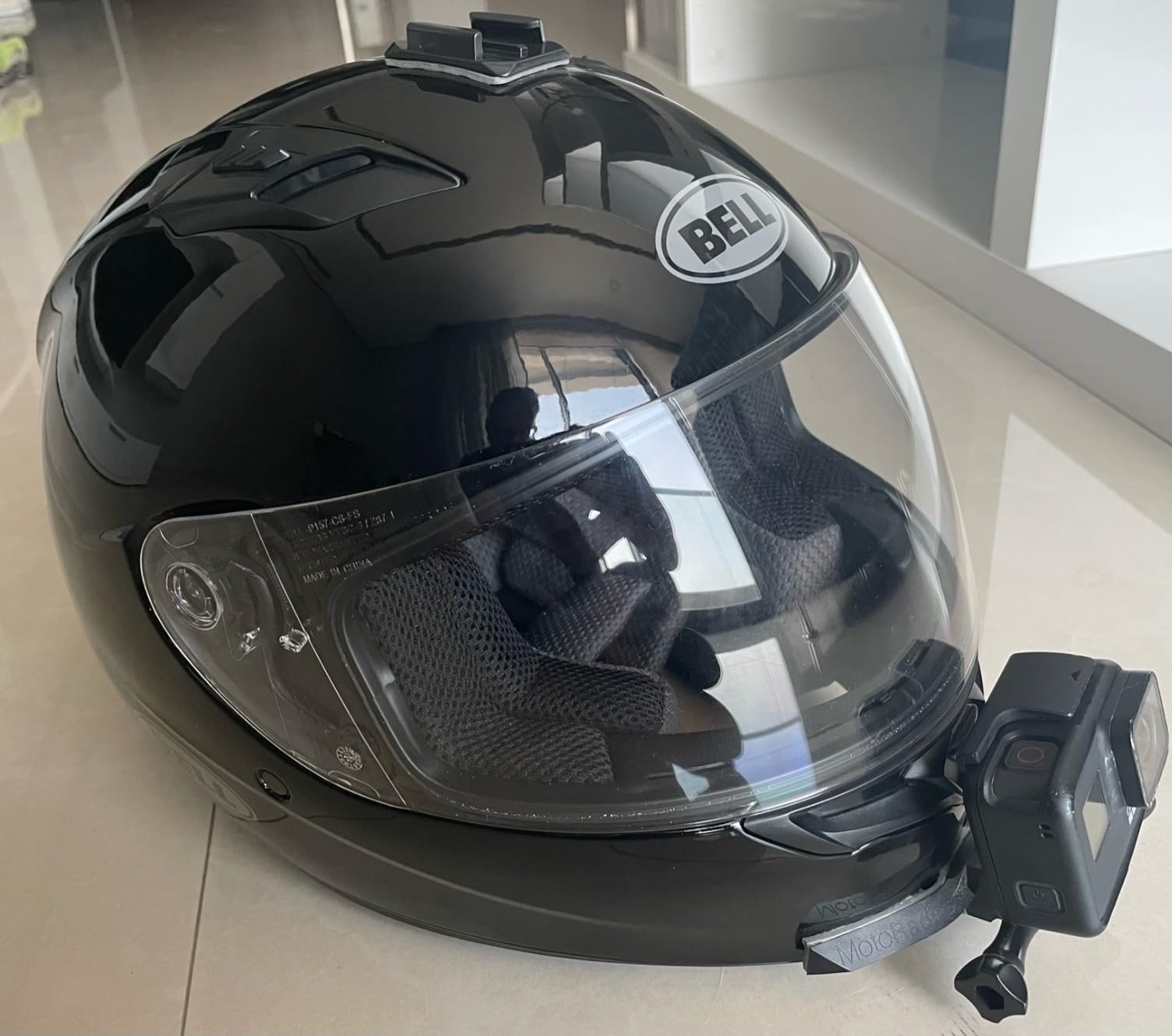
Buyers keep landing on the same observation about this helmet: it just does not buffet. The aerodynamic profile stays settled at highway speed, where cheaper shapes tend to lift and rock. For a touring rider who spends most of the day at motorway pace, a stable helmet is worth more than a clever feature list, because buffeting forces you to fight the bike with your neck for hours.
BELL built this as an entry point into its Star Line feature set, and the important pieces are all here. A NutraFog II anti-fog and anti-scratch clear shield, Velocity Flow ventilation with a removable washable quick-drying liner, a padded wind collar that reduces the hollow feeling under the chin, and integrated speaker pockets for a Bluetooth system. The buckle is a simple, proven design with a one year repair or replacement warranty from the manufacturer.
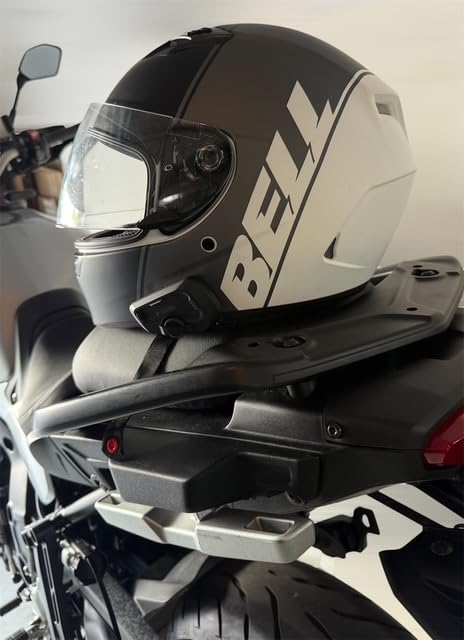
Two limitations deserve a direct mention. First, the wind noise. There is no internal sound deadening in this design, and owners describe it as noticeably louder than the marketing language on the box suggests. On a genuine multi-day tour you will want proper filtered earplugs, not the foam kind. Second, the sizing. Like most American brands, BELL runs small against Japanese and European head shapes, and a number of owners had to exchange up.
Only a clear visor ships in the box, so plan on adding a dark smoke shield for daylight touring. The listed weight is 4.9 pounds, which is the heaviest figure in this group and worth factoring into how you read the rest of the specification. Most riders find the extra mass sits close to the head rather than out at the ears, which softens the neck fatigue effect considerably.
Who the BELL Qualifier suits
This is the pick for riders who want a recognised, long-established helmet brand at a modest outlay, and who ride mostly at speed with the visor sealed. It suits daily commuters doing 150 to 200 miles a day as well as weekend tourers. If you plan to fit a Bluetooth intercom later, the integrated speaker pockets mean you can do it cleanly instead of fighting loose speakers and straps.
Who should skip it
Skip it if your priority is silence. On long motorway stretches with a comms system, the noise here will compete with your music and your intercom, and you will end up riding louder than you want to protect your hearing. Riders with very round head shapes may also find the intermediate fit between shells less forgiving than an adjustable liner would be.
4. 1Storm HB89 Modular Helmet – Best First Modular
1Storm Motorcycle Modular Full Face Helmet Bike Flip up Dual Visor Sun Shield: HB89 Matt Black
DOT FMVSS 218 certified
Flip-up chin bar
Dual visor with inner sun lens
4 lb thermoplastic shell
Pros
- Chin bar flips up for easy face access
- Dual visor system with clear shield
- Interchangeable rear spoiler included
- Removable washable interior padding
Cons
- Thermoplastic shell feels basic in the hand
- DOT-only certification
- Ratchet buckle is awkward with gloves
There is a moment on every long trip when you want to talk to someone at a fuel stop without wrestling the whole helmet off your head. A modular solves that. The HB89 flips its chin bar up in one motion, exposing your face while the top shell stays on, and it packs a dual visor system with an inner smoked lens behind a clear outer shield so you can change light conditions with a slider rather than a swap.
The shell is a lightweight thermoplastic alloy in an aerodynamic shape, meeting FMVSS 218. It is offered from size S at 53 to 54 cm through to XXL at 61 to 62 cm, which is a broad range and one of the wider size charts in this roundup. A second rear spoiler is included, so you can change the rear profile to suit a sportier look without buying anything.
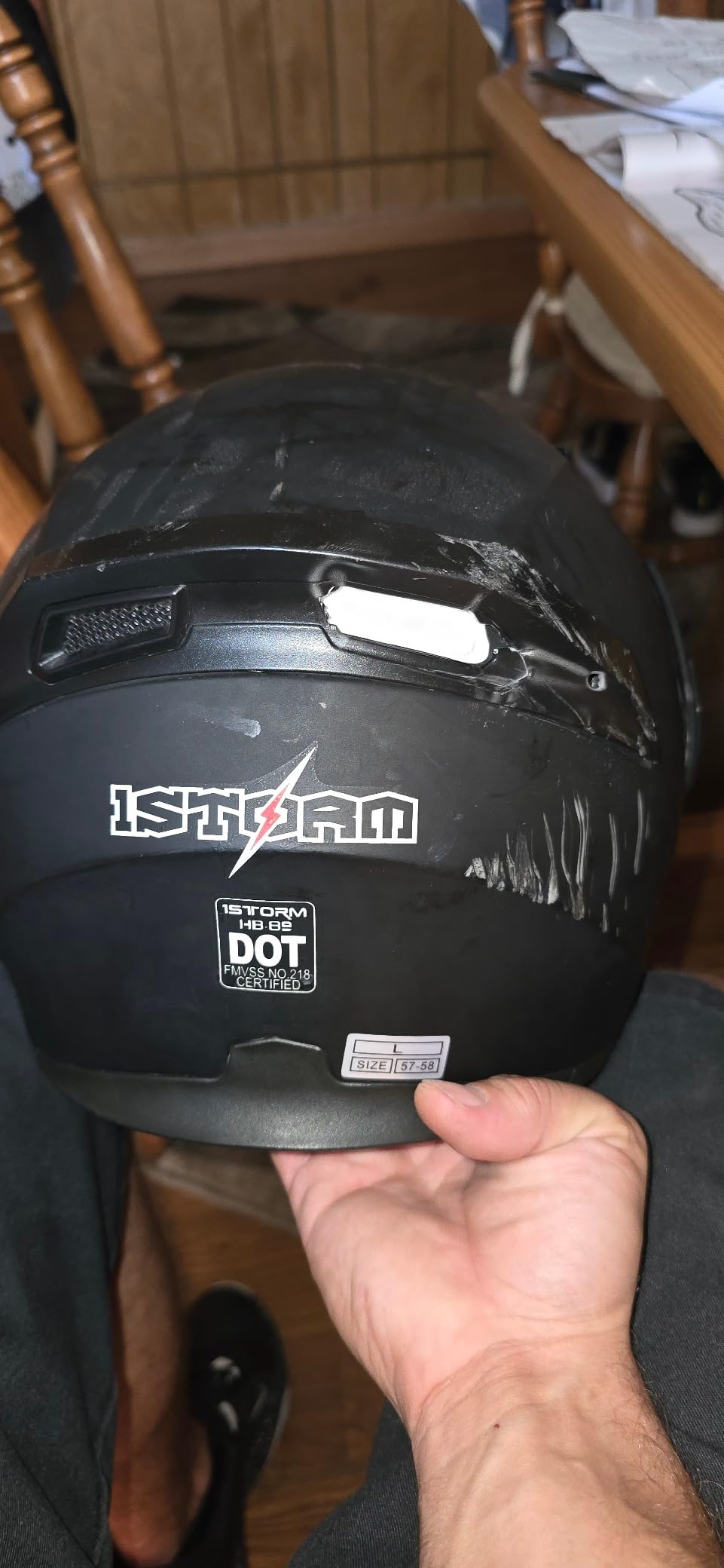
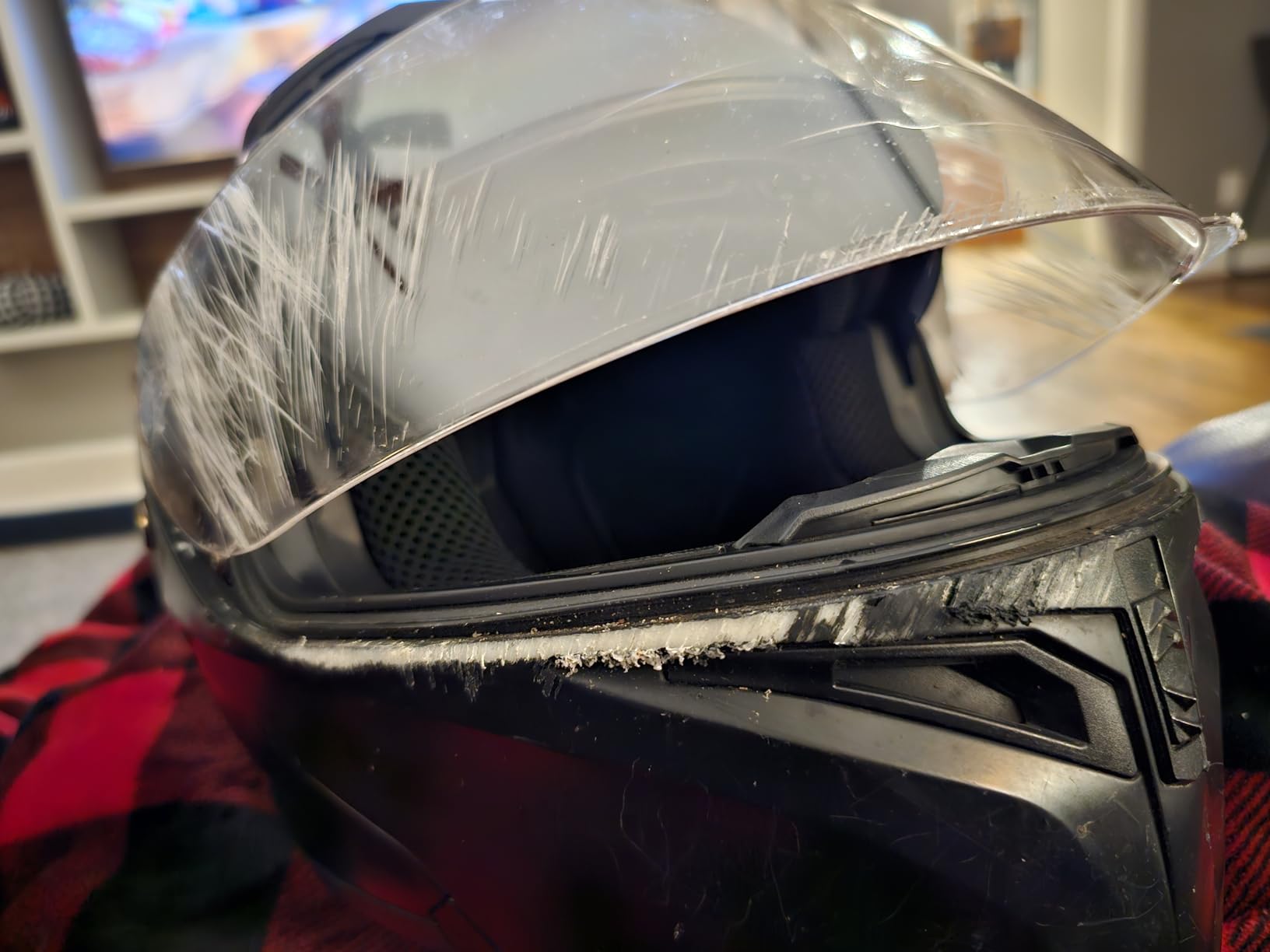
Be clear-eyed about what a modular trades away. Any flip-up helmet with the chin bar raised loses the continuous chin and jaw protection of a full-face design, and consensus among touring riders is that modulars run louder than the equivalent full-face once the hinge and seals are accounted for. The ratchet closure here is also less forgiving than a quick-release strap when you are wearing touring gloves.
There is no anti-fog insert provision listed, and the interior padding is removable and washable but fairly basic. That is fine for occasional trips. On a two-week run with variable climates, you will miss the layered liner and the chin curtain that full-face designs in this class tend to include. Think of this as a helmet for riders who like the convenience more than the maximum protection.
Who the 1Storm HB89 suits
This suits first-time modular buyers, riders who wear glasses and want the chin bar down most of the time, and anyone who wants a dual visor without paying for a premium flip-up. The wide size range is helpful for riders between standard sizes, since you have more shells to choose from. It also serves as a light city and weekend helmet that still covers the basics.
Who should skip it
Skip it if your tours are long and motorway-heavy, because the seam around the hinge is a noise leak you cannot seal out. Riders whose priority is the strongest possible head and jaw protection should stay with a full-face. Anyone needing ECE 22.06 or Snell certification for track days or European trips should look at a different model entirely.
5. O’Neal Sierra Helmet – Best for Glasses Wearers
O’Neal Sierra Helmet, Black/Gray MD
DOT and ECE 22.05 certified
Polycarbonate shell
Integrated drop-down sun visor
Double-D chin strap
Pros
- Meets DOT FMVSS 218 and ECE 22.05
- Integrated drop-down sun visor
- Effective venting for summer riding
- Fits prescription glasses underneath
Cons
- Noticeably louder than a street helmet
- Thin visor plastic scratches easily
- D-ring strap is fiddly
This is one of the few helmets in the group carrying two certification marks, meeting both DOT FMVSS 218 and ECE 22.05. That is not the newest European standard, but it is broader coverage than most of this list offers and it covers riders who want a recognised international approval without stepping up a tier. The polycarbonate shell is light and the interior is well padded around the neck.
The reason this one earns a place on a touring list is the integrated drop-down sun visor combined with a dual-sport profile. Riders who wear prescription glasses report that the glasses fit comfortably underneath, and the height-adjustable integrated shield means you can bring shade down without juggling an external sun shield. The ventilated design runs cool in warm weather, which is a genuine asset on a summer loop.

Now the honest part. Owners describe this helmet as louder than a standard street design, which follows directly from the peak-style silhouette. The peak spoiler adds buffeting at highway speed and creates a wind path down the side of the helmet. Riders doing long motorway days here should plan on filtered earplugs and accept that this is not a quiet helmet.
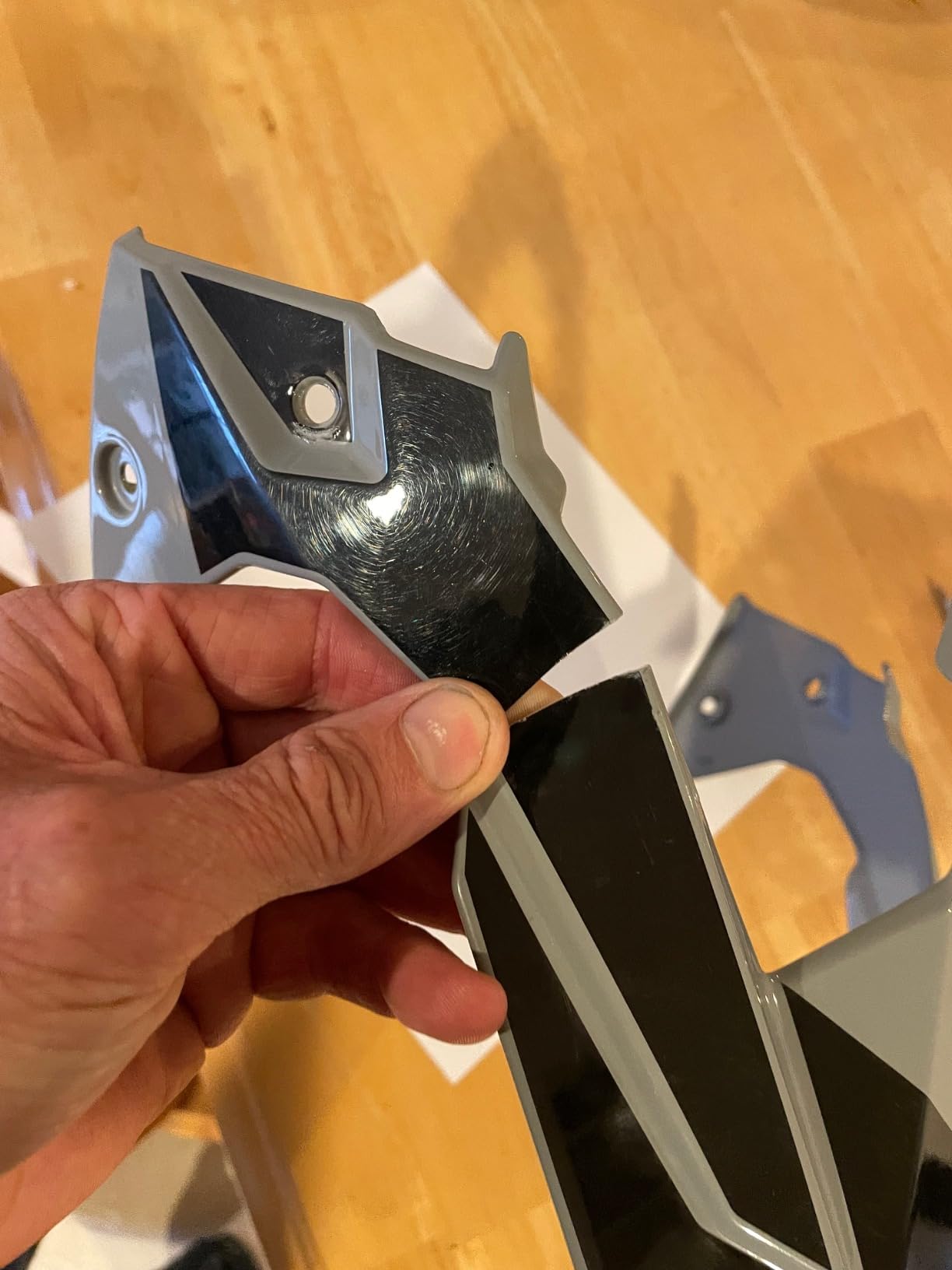
There are smaller gripes worth knowing. The visor plastic is thin and scratches easily in a gear bag. The visor hinge screws work loose in use and benefit from thread locker. The D-ring strap uses small rings on a short comfort strap, which is fiddly one-handed and awkward in gloves. Sizing also runs small between standard sizes, so tweener head shapes are hard to fit and stepping up is usually the right call.
Who the O’Neal Sierra suits
This is the touring pick for riders who wear glasses and want the sun visor handled by the helmet rather than by a separate accessory. The dual certification also makes it a sensible choice for riders who split their year between US roads and European trips. If your touring runs through hot regions with strong sun, the drop-down shield earns its place on its own.
Who should skip it
Skip it if you ride long motorway stretches where silence matters most, or if buffeting bothers your neck. Riders with tweener sizing who cannot easily find a shell two sizes up will find the fit frustrating. The thin visor and fiddly strap also mean this helmet needs more care than its price suggests if you want it to look good after a few seasons.
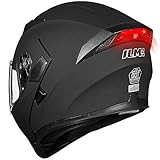
6. ILM 902 Modular Helmet – Best for Pillion Riders
ILM Motorcycle Dual Visor Flip up Modular Full Face Helmet DOT Model 902L
DOT FMVSS 218 certified
ABS shell with six vents
Dual visor with rear LED light
Removable liner and cheek pads
Pros
- Fits true to size for most riders
- Smooth internal sun visor lever
- Integrated rear LED improves night visibility
- Quick-release buckle works with gloves
Cons
- Visor fogs in cool and stop-and-go riding
- Top sliding vents rattle at speed
- Rear LED wiring is cheaply built
Pillion passengers have a different set of requirements from the rider. You cannot adjust anything mid-trip, you sit further back, and comfort over several hours matters more than peak protection. The ILM 902 is built around a soft, removable and washable liner with separate cheek pads, and the fit runs true to size for most people, which removes the single biggest headache of buying a helmet for someone else’s head.
The rear LED light is the detail that separates this from other budget modulars. It improves how visible you are to the rider behind at night, and on a multi-day evening ride through unfamiliar roads that is a real comfort to the person on the back. Six vents, a wide clear visor with an internal sun shade, and a quick-release buckle that works with gloves round out a package built for passengers first.
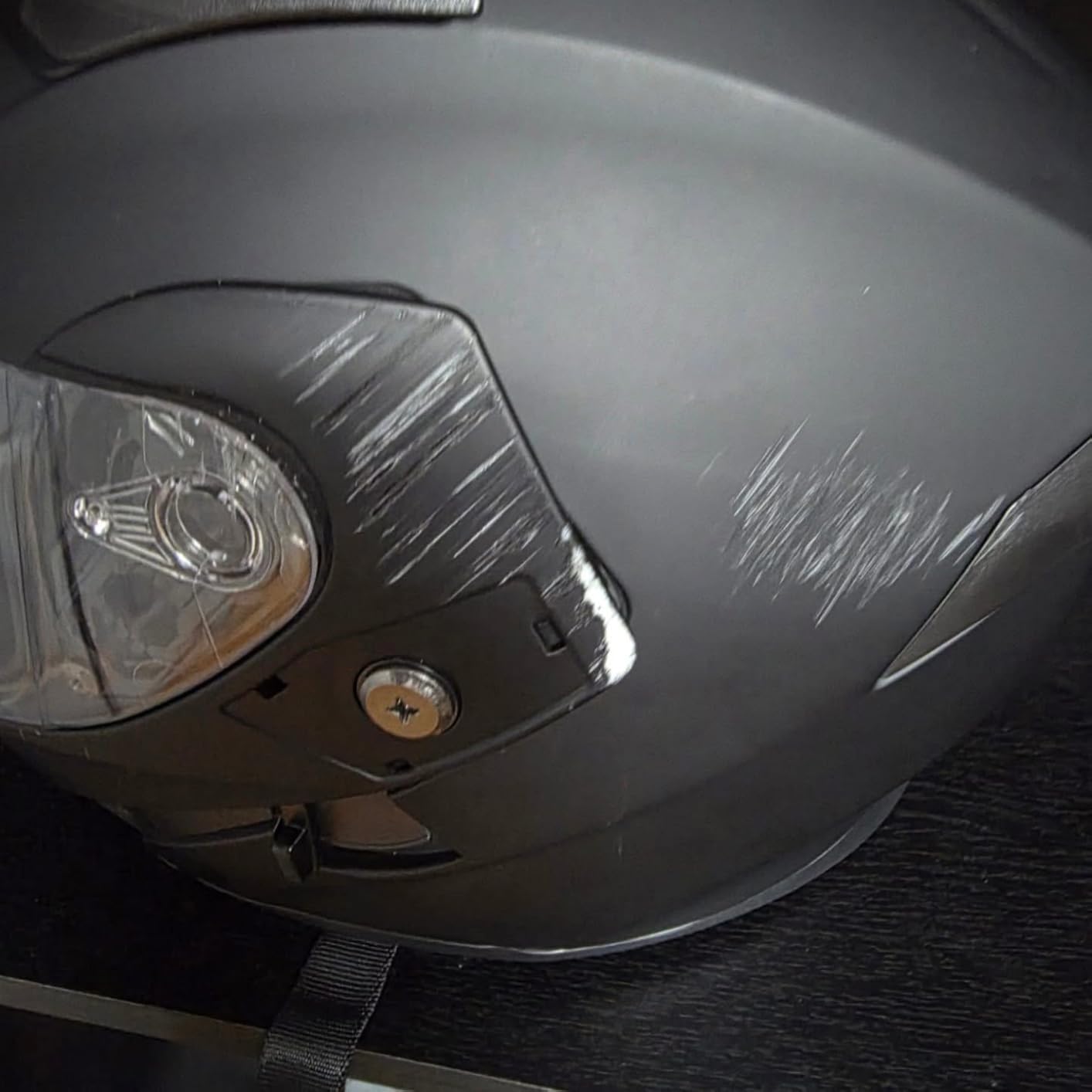
The visor is the weak point. Owners report it fogs quickly in cool weather and in stop-and-go traffic despite the chin curtain, and the top sliding vent levers rattle audibly at speed, which is unpleasant for a passenger who cannot reach up and fix it. The chin-strap tether is also very long with an awkward securing tab. Several riders recommend sizing up, so check the fit with the liner out if you are between sizes.
The listed weight is 2.31 kg, which is heavier than most of the full-face designs here. Passengers should factor that into longer days, particularly on a bike with limited rear padding. The integrated rear LED is the least robust part of the build, with owners describing the wiring and battery compartment as cheaply made. Treat it as a visibility aid, not a safety device.
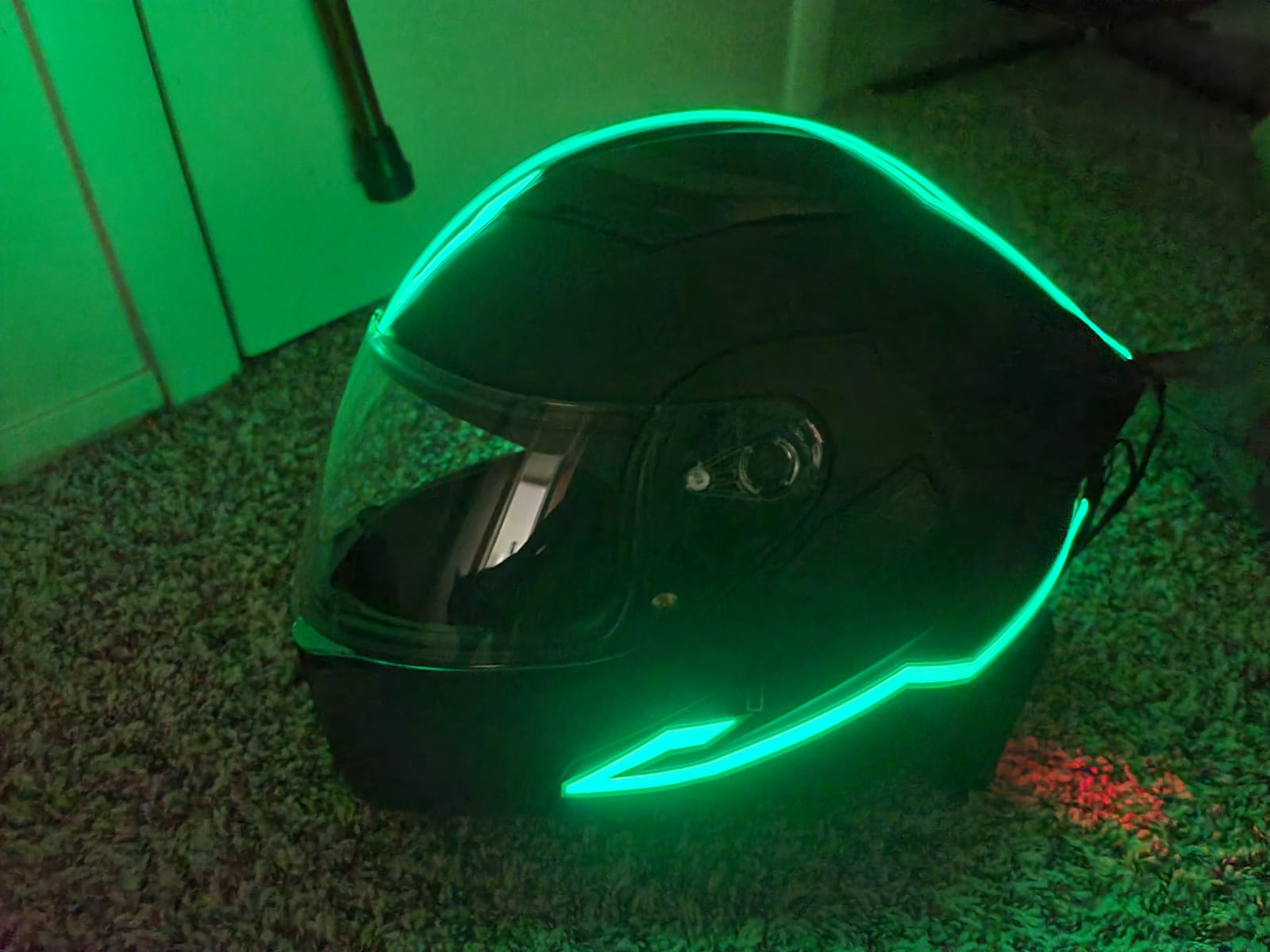
Who the ILM 902 suits
This suits couples who tour together and want the passenger to have a helmet that is comfortable, easy to fit, and visible at night without spending premium money. Riders with communication needs will like the removable liner, which makes fitting a Bluetooth unit straightforward. Anyone whose primary helmet need is a full-face will find this less compelling.
Who should skip it
Skip it if you ride in cold, wet climates where fogging is constant, or if you are sensitive to mechanical noise at speed because the vent levers rattle. The 2.31 kg weight is the main issue for long days on the back. Riders who want the strongest protection from a passenger position should accept the trade-off or choose a full-face instead.
7. TRIANGLE Full-Face Helmet – Best Lightweight Budget Buy
TRIANGLE Full Face Motorcycle Helmet DOT Approved Men Women, Street Bike
DOT FMVSS 218 certified
2.7 lb ABS shell with EPS
Four vents with dual visor
One year warranty
Pros
- Light 2.7 lb shell stays comfortable on long rides
- Tinted and clear visors included
- Good airflow without heavy fogging
- Tool-free quick visor swap
Cons
- DOT-only certification with no ECE rating
- Some riders prefer higher-tier brands for longevity
At 2.7 pounds, this is one of the lightest full-face helmets in the roundup, and weight is the quiet hero of long-distance comfort. The high-impact ABS shell pairs with energy-absorbing EPS, and the profile is designed in an oval shape with a low, tucked silhouette that tends to sit quietly in the airflow rather than lifting at speed.
The package is unusually complete for the money. You get a tinted shield and a clear shield, both fitting on a tool-free quick-release system, which means swapping between a dark visor for open road and a clear one for tunnels or night riding takes seconds with cold hands. Four air intakes and exhaust vents move enough air to keep the head workable in warm weather without pushing fog onto the visor.
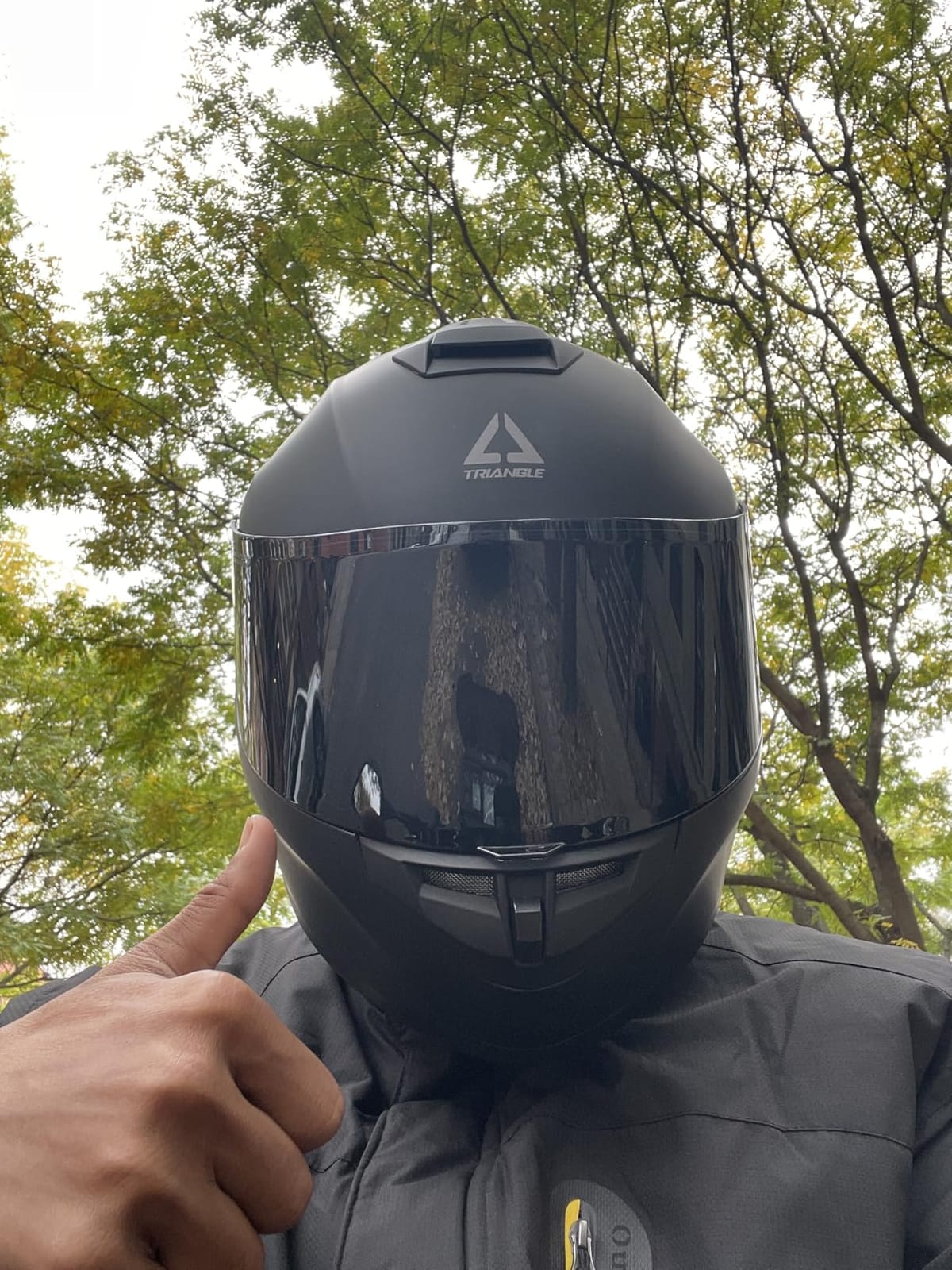
The liner is fully removable and machine washable with a moisture-wicking finish, and a carrying bag is included, which protects the visor from the gravel rash that ruins most budget helmets in the first season. Sizes run from S to XL across four options, so check your measurement carefully before ordering.
The obvious caveat is certification. This meets DOT FMVSS 218 and nothing more. A small number of owners also note that for a long-term ownership horizon they would rather run a more established brand with deeper support for liners and cheek pads. The one year warranty is thinner than some competitors in this list. None of that makes it a bad choice; it just defines the horizon it suits.
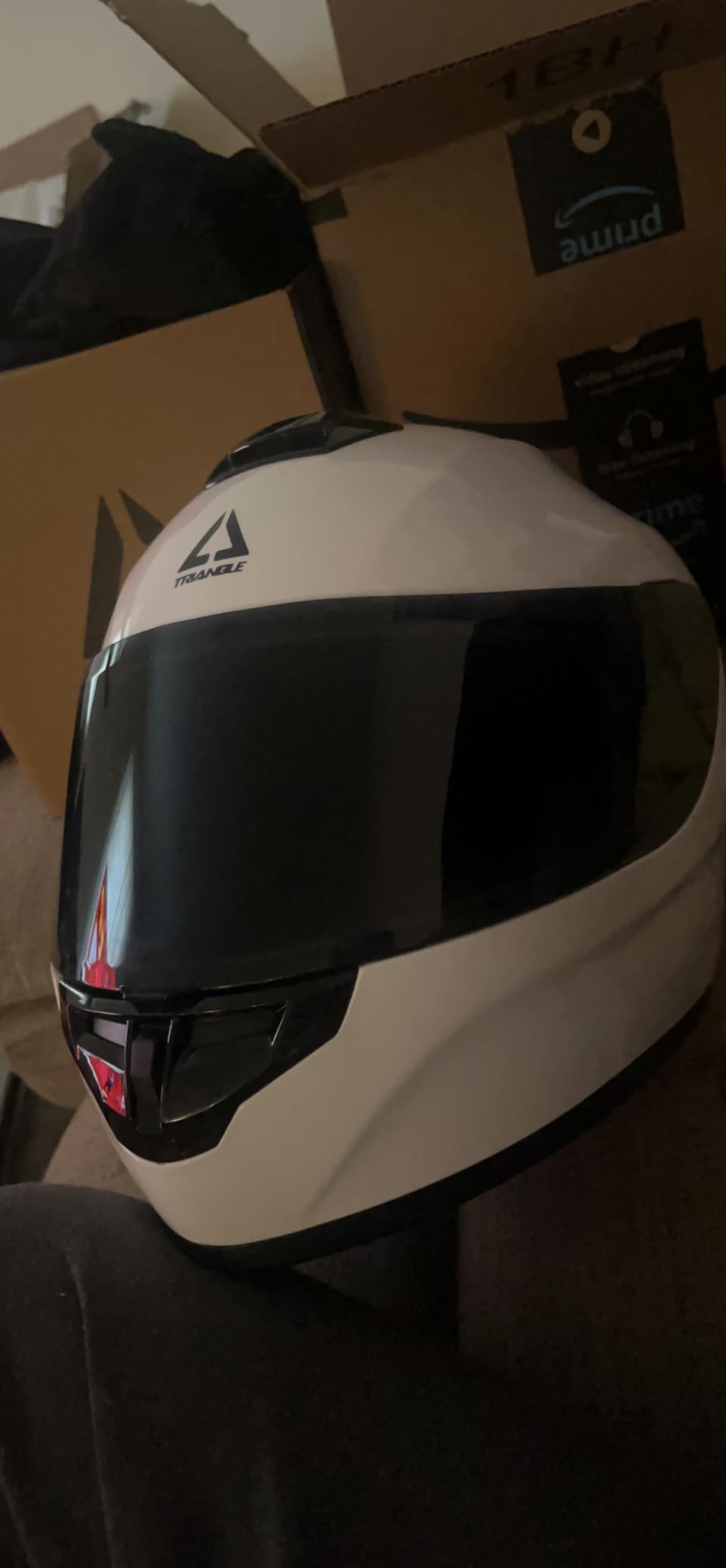
Who the TRIANGLE suits
This is the one for riders who want the lowest possible weight in a full-face design and are working to a tight outlay. The twin-visor package removes the single most common extra purchase, and the washable liner makes it a practical pick for summer touring in hot climates. Riders upgrading from an open-face helmet get a large step in protection for very little money.
Who should skip it
Skip it if you want the newest European rotational-impact certification, or if you are planning to keep this helmet for well over five years and want parts support to match. Riders who need a very specific oval fit across multiple shell sizes may find four sizes limiting. Anyone who rides in cold rain should plan for visor fog management of their own.
8. YEMA 926MBS Modular Helmet – Best for Hot Weather Touring
YEMA Modular Motorcycle Helmets, DOT Approved Full Face Motorcycle Helmet with Flip Up Dual Visor, Helmets for Adults Men Women Helmets for Street Scooter ATV E-Bike – YM-926 (Matte Black, XXL)
DOT FMVSS 218 approved
1.7 kg modular shell
Dual lens system
Adjustable intake and exhaust vents
Pros
- Strong airflow keeps riders cool
- Pinlock-compatible insert works well
- Controls operate smoothly with gloves
- Visors swap without tools
Cons
- Visor fogs even in mild conditions
- Inner sun visor produces glare
- Plastic snaps in the liner loosen
Ventilation is the argument for this one. Fully adjustable intake and exhaust vents deliver the kind of airflow owners describe as excellent in very hot conditions, with the head staying dry through slow city riding and stop-start traffic. If your tour runs through hot country in summer, the air moving through the shell matters more than almost any other feature, because overheating ruins concentration long before it ruins comfort.
It is also one of the few modulars here with a Pinlock-compatible visor. The anti-fog insert fits and works, which addresses the single most common complaint about modular helmets in this roundup. Visors swap without tools, the sun visor and chin bar operate smoothly enough to use with gloves on, and the modular lock has a positive, satisfying click that tells you the bar is properly seated.
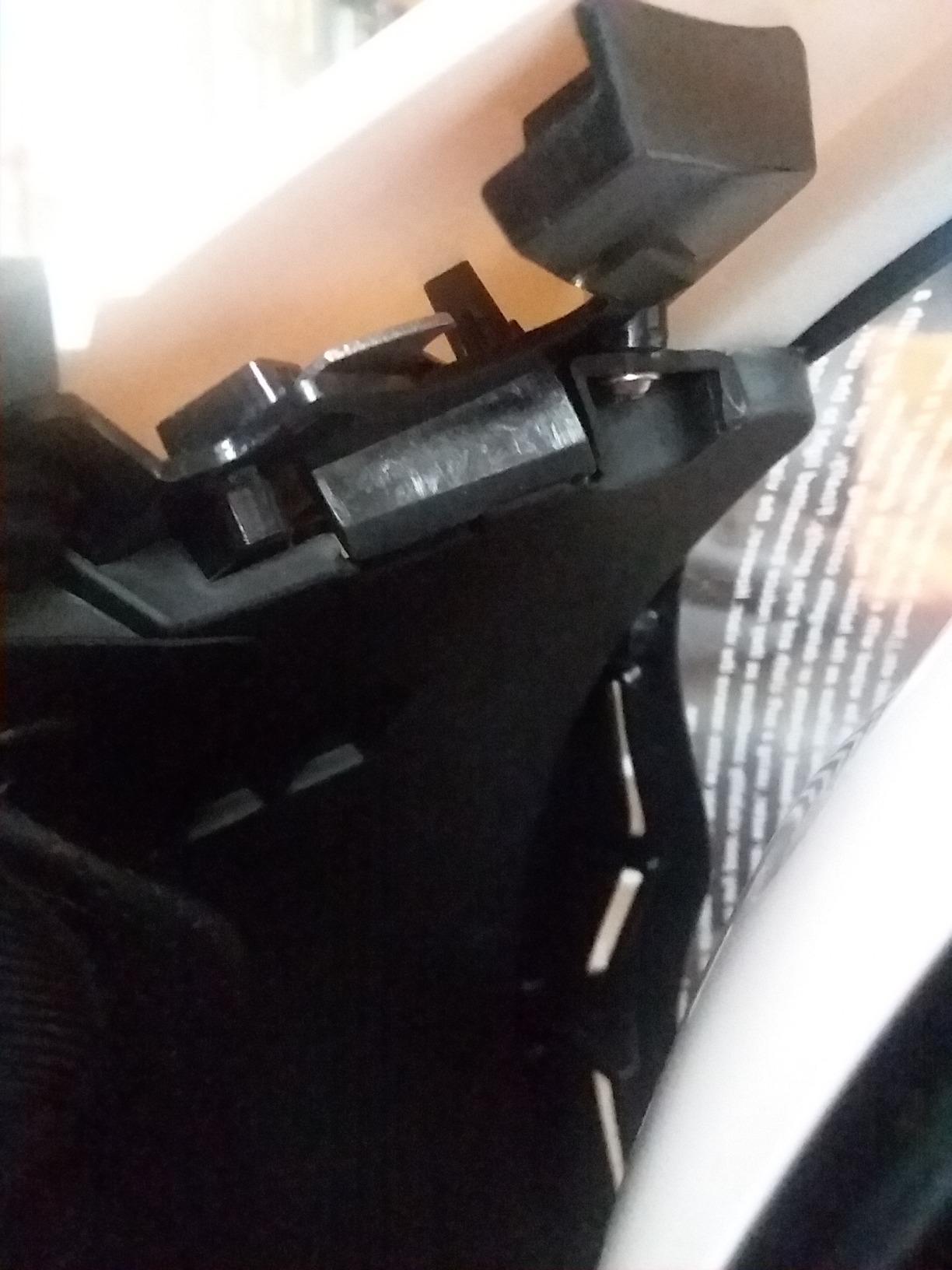
Against that, the visor still fogs in mild conditions even with the vents open, and the internal sun visor has poor optical quality that produces glare rather than usable shade. Sizes run from S to XXL by head circumference from 54 to 63 cm, which is one of the wider ranges available. Owners also report that the internal padding and rubber trim are held by plastic snaps that loosen and are awkward to refit.
The listed weight of 1.7 kg is heavier than expected for a modular in this class, and it is described as a bit noisy at freeway speeds. The liner is not a summer-weight liner and needs hand washing rather than a machine cycle. Riders who want the quietest ride at highway pace should treat this as a hot-weather and low-speed pick rather than a motorway one.
Who the YEMA 926MBS suits
This suits riders touring in heat who want a modular for the convenience and need serious airflow to stay comfortable. The Pinlock compatibility means it also handles the cooler evening legs of a hot-weather trip far better than most budget modulars. Anyone moving from a half shell will find the ventilation difference the most noticeable upgrade.
Who should skip it
Skip it if you ride long motorway stints where wind noise is your main frustration, because the weight and the seam around the chin bar both work against you at speed. Riders who need to work the chin bar up and down constantly may find the lever placement awkward. Anyone expecting the internal sun visor to be a usable replacement for a dark shield should look elsewhere.
9. HAX Obsidian Full-Face Helmet – Best for Up-to-Date Certification
HAX Obsidian Dual Visor Full Face Motorcycle Helmet DOT/ECE 22.06 Approved, Pinlock & Bluetooth Ready, Aerodynamic Spoiler for Powersports Street Bike Racing, Unisex Adult (Matte Black Red, M)
DOT and ECE R22.06 certified
Multi-density EPS core
Pinlock 30 pin-ready shield
2.4 kg with rear spoiler
Pros
- Dual DOT and ECE 22.06 certification
- Six-point ventilation with breath deflector
- Pinlock-ready visor and Bluetooth pockets
- Glasses-friendly interior slot
Cons
- Anti-fog insert sold separately
- Replacement visors in other colors cost extra
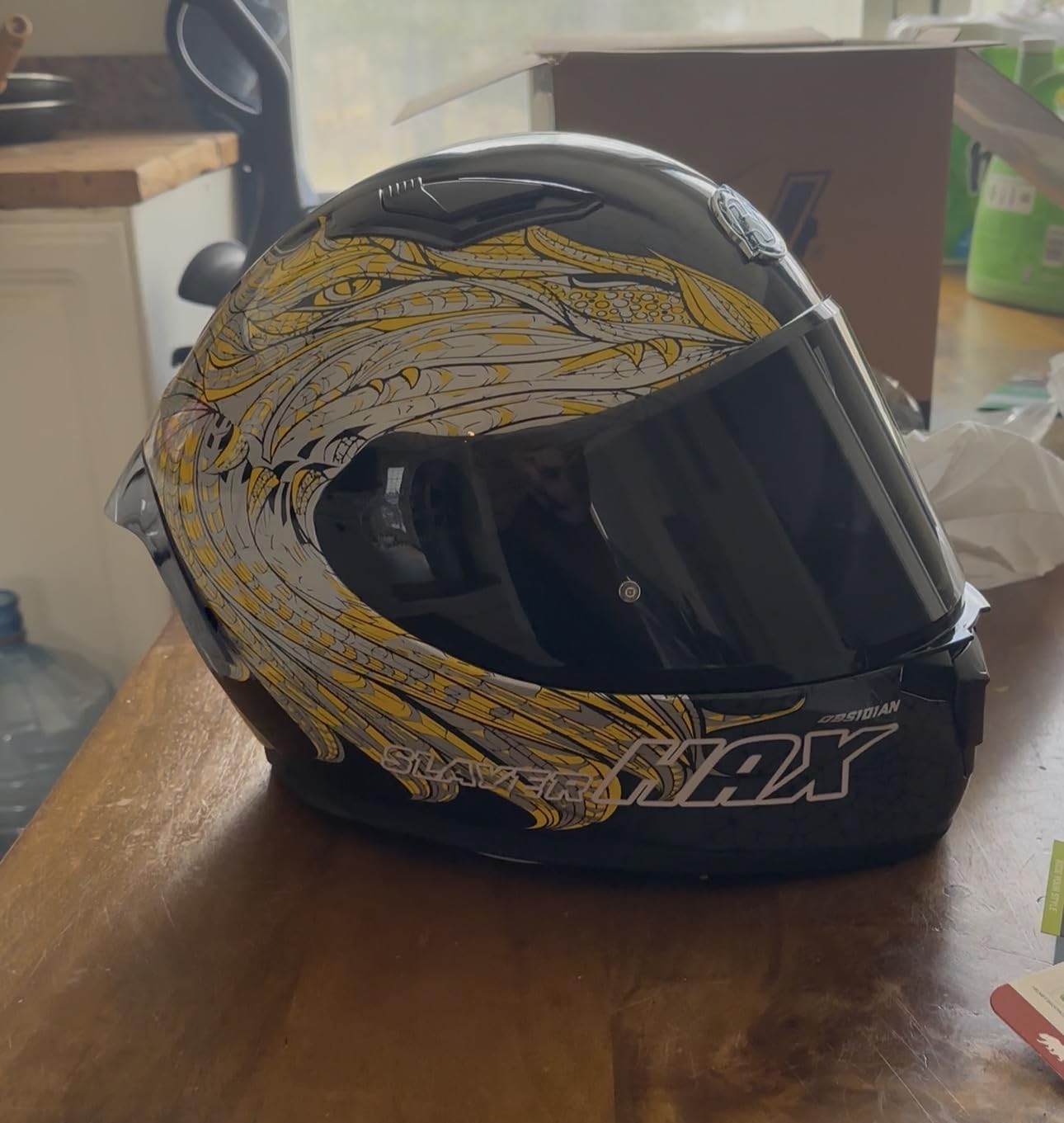
Only one helmet on this list carries the current European standard, ECE Regulation 22.06, alongside DOT FMVSS 218. That combination is the reason it earns a place. The 22.06 update added oblique impact and rotational testing to the older standard, and if you want a touring helmet that meets both the US requirement and the newest European rotational benchmark, this is the pick without stepping up several tiers.
The shell is a high-impact ABS with a multi-density EPS core, and the visor is Pinlock 30 pin-ready, so an anti-fog insert can be added whenever you want one. Six-point ventilation covers adjustable chin and top vents plus rear exhausts, with a breath deflector to keep moving air off your face. A rear spoiler is included to stabilise the helmet and take load off the neck at highway speed, which is exactly the touring problem.
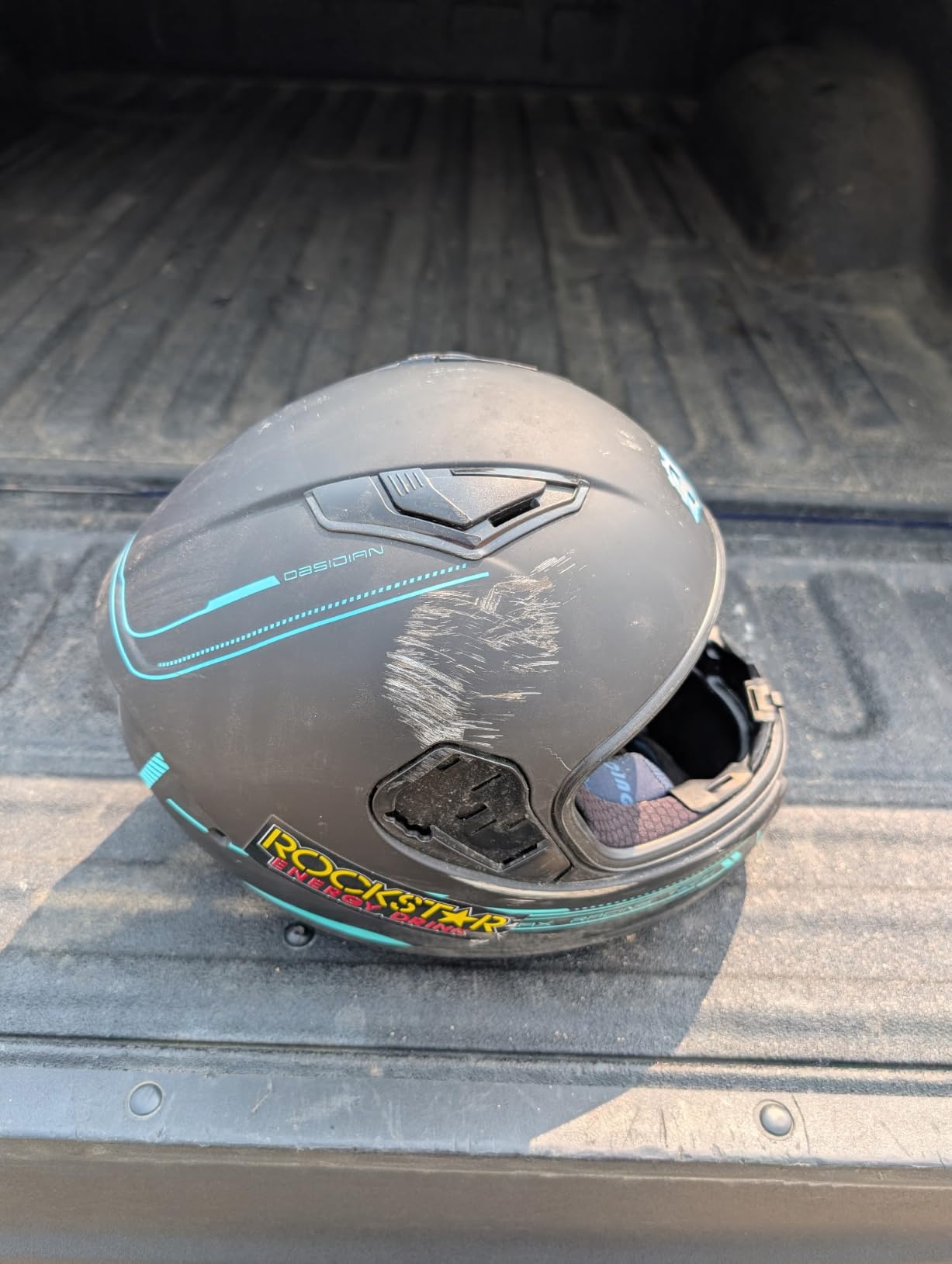
The liner is fully removable, washable, absorbent and hypoallergenic, with a dedicated slot that fits prescription glasses. Dedicated Bluetooth headset pockets are moulded in, and the buckle is a micrometric quick-release. A waterproof ripstop gear bag with fleece lining comes in the box, which protects the finish better than most helmets in this price band manage.
The friction points are narrow and specific. The Pinlock anti-fog insert is not included and has to be bought separately, which is an odd omission on a helmet whose selling point is visor readiness. Replacement visors in other colours are also sold separately. At a listed 2.4 kg it is a full kilo heavier than the lightest shell here, so weight-sensitive riders with long necks should test it before committing.
Who the HAX Obsidian suits
This suits touring riders who care about certification depth more than brand prestige, and who want ECE 22.06 coverage without moving to a premium price band. Riders who wear glasses or run a comms system on every long trip will find the moulded pockets and interior slot genuinely thought through. It is also a strong choice for European tours and for anyone planning future track days.
Who should skip it
Skip it if weight is your primary concern, because at 2.4 kg it is among the heavier designs here and neck fatigue builds faster. Riders who want everything in one box should factor in the extra cost of the anti-fog insert. If you need a Snell rating for competition use, this does not carry one.
10. KYPARA 101 Modular Helmet – Best for Large Head Circumferences
KYPARA Modular Motorcycle Helmet Flip-Up Dual Visor DOT
DOT FMVSS 218 approved
ABS shell with oversized vents
Removable washable liner
Quick-release buckle
Pros
- Excellent airflow in very hot conditions
- Removable pads speed up comms installation
- Low wind noise for a modular
- Generous sizing across the range
Cons
- Visor pivot screws lack thread locker
- No padding at the lower chin
- Runs large in the size ordered
Sizing is the story here. Owners consistently report this helmet runs large in the size they ordered, to the point where some had to fit replacement inner pads or exchange down. For riders who normally sit between standard sizes, or who wear a thick balaclava or liner under the helmet on cold mornings, that generosity is a genuine advantage rather than an inconvenience.
The multiple oversized vents are designed for air circulation and heat dissipation, and they deliver. Owners describe the airflow as excellent in very hot conditions, which pairs neatly with the generous fit since you are unlikely to be fighting tightness. The visor position is clearly visible to the rider when open or closed, a small detail that removes a real source of confusion on a long ride.
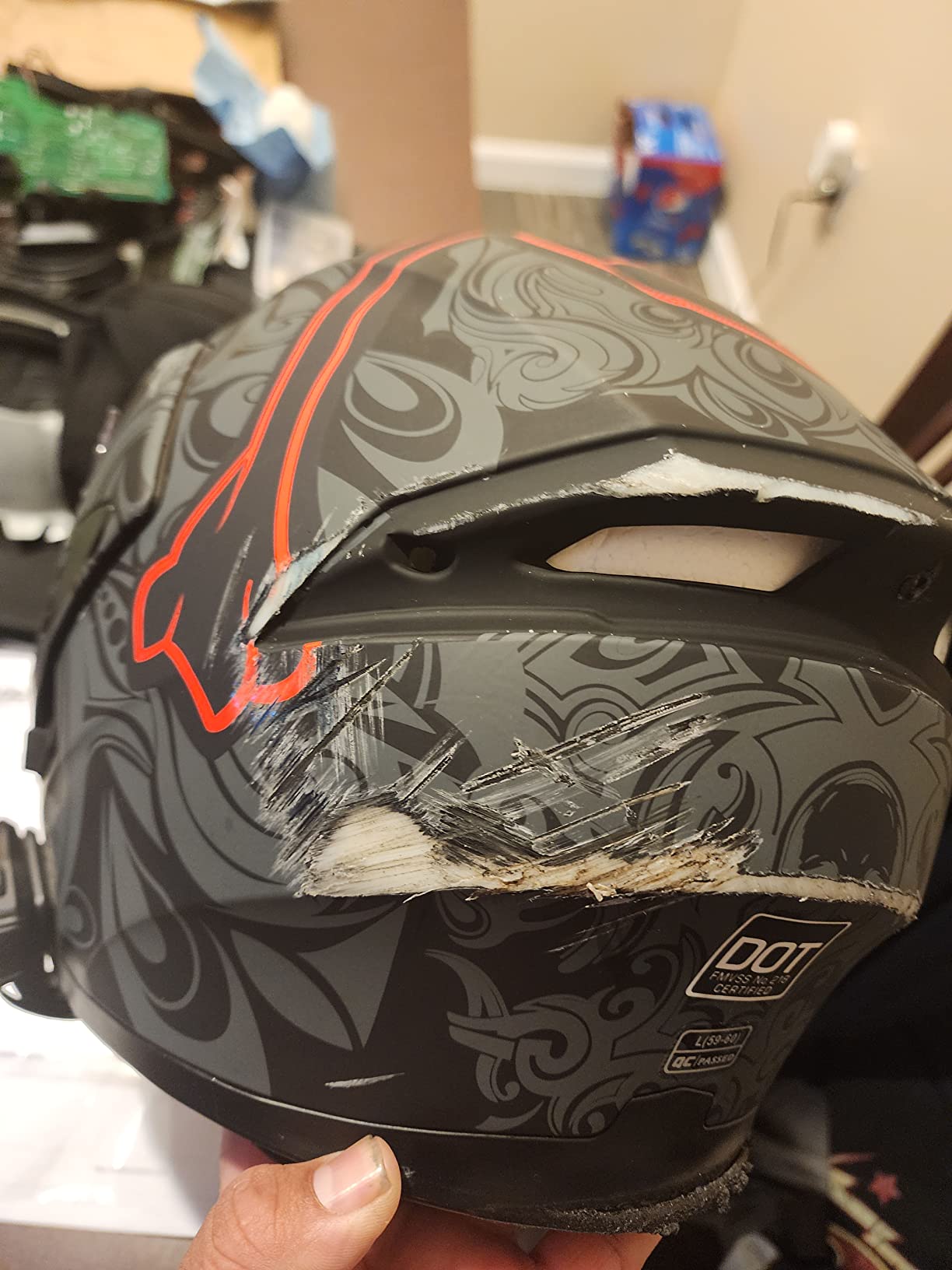
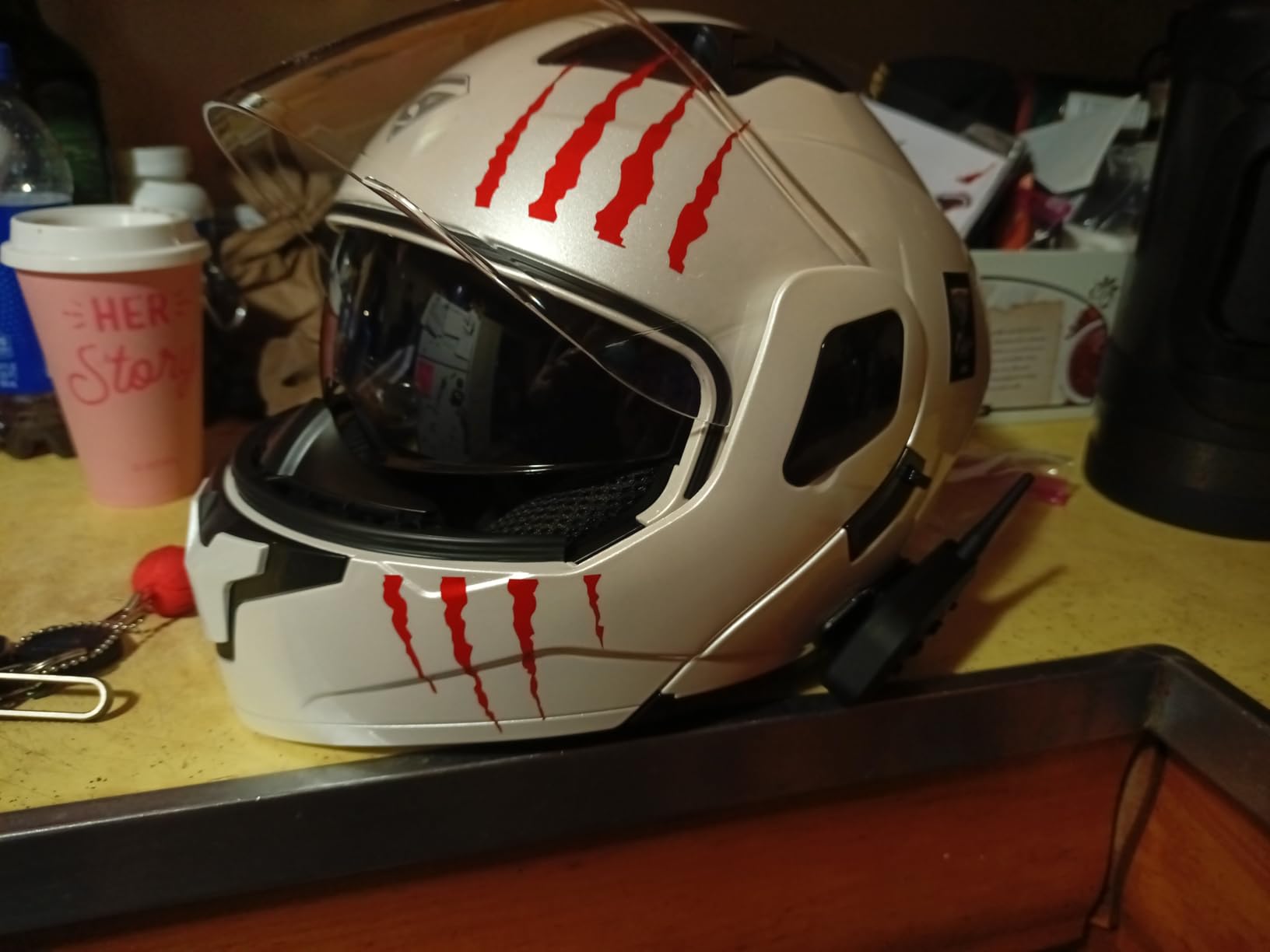
The liner and pads come out completely, and the extra interior space leaves room for glasses as well as a Bluetooth headset. Installation of a comms unit is quick because of it. A quick-release buckle handles the on and off cycle well, and the shell is finished cleanly with a wide range of graphic options.
The visor mechanism is the weak point and the one to inspect on arrival. The pivot screws have no thread locker and can loosen in use; one owner reported the visor half detaching in the rain because of it. Add a drop of thread locker before the first long trip. There is also no padding at the lower chin, which lets wind into the helmet, and owners report the helmet feeling heavy after three hours or more. Sizing down where you can will help.
Who the KYPARA 101 suits
This suits riders who always end up between sizes and want a helmet that will accommodate a liner, a balaclava or glasses without pressing. Hot-weather riders who want a modular with strong airflow will find the oversized vents convincing. Anyone installing a comms system will appreciate how quickly the pads come out.
Who should skip it
Skip it if you want a tight, quiet seal, because the lack of lower chin padding is a real noise and comfort leak on a highway day. Riders who need a visor mechanism that stays put in heavy rain should apply thread locker on day one or choose another model. If you are between sizes and prefer a snug fit, order one size down.
How to Choose a Touring Helmet
The order of priorities below matters more than the individual features. Riders who buy on colour or brand first and sort certification later often end up replacing the helmet within a season. Work down the list in order and the decision makes itself.
Certification comes before everything
DOT FMVSS 218 is the legal minimum in the United States and covers penetration and impact attenuation. ECE Regulation 22.06 is the current European standard and adds oblique impact and rotational testing on top of the older 22.05 requirements, which is why the HAX Obsidian stands out here. Snell M2020 and M2025D are voluntary private standards popular with track riders. For touring, look for DOT plus ECE 22.06 if your riding crosses borders or you simply want the deeper testing.
One more certification term to recognise: P/J dual homologation. It applies to modular helmets and means the helmet is certified both with the chin bar down as a full-face and with the chin bar up as an open-face design. It matters in European countries where riding a modular with the bar raised is otherwise restricted.
Measure your head shape, do not guess your size
Wrap a soft measuring tape around your head about one inch above your eyebrows, across the widest point at the back, and keep the number. Then compare it with the manufacturer’s head circumference range, because each brand publishes its own chart and they do not agree with each other. A helmet that is correct in one brand can be a full size off in another, which is why riders should never assume their usual size transfers.
Head shapes fall into three broad groups: round oval, which is wider than it is long; intermediate oval, the most common; and long oval, which is narrower and longer. Brands differ more here than in size. If you sit between shapes, note where the helmet contacts your temples and the base of your skull. Pressure at the temples points to a shape too round for you, while looseness at the back means it is too long. If you have a compound or tweener shape, choose a model with a wider size range and an adjustable interior rather than one fixed shell.
Weight is the quietest comfort factor
Every extra hundred grams above what your neck is accustomed to shows up as pressure by hour four. The lightest shells in this roundup sit between 2.7 and 3.1 pounds, while the heavier designs reach 2.4 kg and beyond. Weight matters less on short commutes than on days that include six or seven hours in the saddle. If you ride with a passenger on a bike without a windscreen, the difference is felt even faster.
Noise, earplugs and the reality of motorway speed
Wind noise is the loudest complaint in every touring discussion, and it is a health issue rather than a comfort one. Prolonged exposure at motorway speed risks permanent hearing damage. No helmet on this list makes noise disappear, so the answer is a two-part plan: choose the quietest shell you can live with, then add properly filtered earplugs worn before you pull away.
Shell features that genuinely help are a padded wind collar, a chin curtain, and a visor system that seals properly at the ratchet. Dual-sport profiles with a peak, such as the O’Neal Sierra, are typically louder than low street shapes. Modulars are louder than full-face designs because of the hinge seam, and several riders on touring forums independently say the same thing about that trade-off. If your intercom audio matters to you, check the specification for speaker pockets before you buy, because retrofitting a comms system into a helmet without them is an awkward job.
Visor fogging and ventilation control
Fogging is what riders most regret on a cold multi-day trip. Four things prevent it. First, a Pinlock-compatible visor, which the YEMA and the HAX Obsidian both offer. Second, closable vents so you can seal the shell in cold air and open it in heat, which is where the GLX GX11 and the HAX earn their keep. Third, a breath deflector that keeps warm exhaled air off the inside of the visor. Fourth, a visor that seals completely at the top edge when closed.
A fifth measure is behavioural, and it is free. Crack the visor a few millimetres for the first few minutes after leaving a cold start, then close it once the airflow clears the fog. Riders who do this rarely need to reach for the visor mid-journey.
Modular versus full-face for touring
The trade-off is honest and there is no way around it. Riders on touring forums reach the same conclusion independently: any modular is noisier than a comparable full-face, and the best modulars in this roundup are the least-bad option rather than the quiet option. What you gain is the ability to talk, eat and drink at a stop without removing the helmet, plus an integrated sun shade on most designs. What you give up is continuous chin and jaw protection, a lower noise floor and a lighter shell. Riders who spend most of their day at motorway speed on long days should read that as a steer toward a full-face.
When your touring helmet needs replacing
The widely used guidance is five years from the date of manufacture, not five years from purchase. The EPS liner, the resin shell and the straps all age with UV exposure, temperature cycling and sweat, and none of that degradation is visible from outside. Always replace after any impact, even a low-speed one, and even when the shell looks undamaged, because the liner absorbs energy invisibly.
Check the manufacture date before you buy. It is on a sticker inside the helmet, usually under the liner or behind the cheek pads. Never buy a used helmet; the history of drops and crashes cannot be verified, and replacement liners for older models are often unavailable, which is what turns a used helmet into a repair waiting to happen. Clean the liner and shell with mild soap, never with solvents, and replace the visor before it becomes hard to see through.
One last warning that applies to premium brands and is worth repeating: grey-market and counterfeit helmets from marketplace sellers are common in this category. Buy through an authorised dealer where you can, confirm the certification label inside the shell matches the listing, and check that the model name on the label matches the model on the packaging. A helmet is not worth saving money on.
For readers who also care about protective gear standards in other fields, our guides to welding helmets, welding helmets for beginners and auto-darkening welding helmets under 200 cover the same certification-first approach in detail.
Frequently Asked Questions
What type of helmet is best for touring?
A full-face helmet certified to DOT FMVSS 218 or ECE 22.06 is the best choice for most touring riders, because the sealed chin bar, neck roll and closable vents control wind noise and heat far better than an open design. Riders who want a flip-up chin bar should choose a modular helmet with P/J dual homologation.
What is the best motorcycle helmet for touring?
The ILM ILM-313 is our overall pick: a 3 lb ABS full-face shell rated to FMVSS 218, supplied with a clear visor, a smoked visor, a neck scarf and a five year warranty. The GLX GX11 is the better ventilated alternative, and the BELL Qualifier suits riders who want an established brand with Bluetooth speaker pockets.
What is the quietest touring motorcycle helmet?
Among the helmets reviewed here, the BELL Qualifier has the most settled aerodynamics and the least buffeting at highway speed, followed by the GLX GX11, which uses a compact low profile to cut wind noise. Dual-sport designs with a peak, such as the O’Neal Sierra, and modulars with a hinge seam are consistently the loudest. No helmet removes noise entirely, so filtered earplugs remain essential.
Are modular helmets as safe as full-face helmets for touring?
Not quite. With the chin bar down and latched, a well-fitted modular provides comparable protection, but the hinge and chin bar are structural weak points and the seam around them is a permanent noise leak. For multi-day motorway touring, a full-face design is the safer and quieter option; modulars make more sense for riders who value convenience at fuel stops and in traffic.
What weight helmet is best for long rides?
Lighter is better for long distances. The lightest full-face shells reviewed here are 2.7 to 3.1 pounds, and every extra hundred grams above what your neck is used to contributes to pressure and fatigue by hour four. Riders with very sensitive necks, and passengers on bikes without a windscreen, should prioritise the lightest option that still carries a certification they trust.
How often should I replace a motorcycle helmet?
Replace it five years from the date of manufacture rather than five years from purchase, and immediately after any impact even if the shell looks clean, because the EPS liner absorbs energy invisibly. Check the manufacture date sticker under the liner before buying, and never buy a used helmet, since drop history cannot be verified and replacement liners for older models are often unavailable.
How do I stop my helmet visor fogging while touring?
Choose a Pinlock-compatible visor and add an anti-fog insert, then use closable vents so you can seal the shell in cold conditions and open it in heat. A breath deflector helps too. On the road, crack the visor a few millimetres for the first minutes after a cold start, then close it once airflow clears the fog. Venting alone is not enough in cold, wet weather.
Do I need earplugs with a touring helmet?
Yes. Wind noise inside a helmet at motorway speed can reach levels associated with permanent hearing damage, and no shell on the market makes that disappear. Riders on touring forums report being unable to hear their own intercom over wind noise even with plugs fitted. Use properly filtered earplugs worn before you set off, and treat the helmet and the plugs as a pair.
Which Touring Helmet Should You Buy?
Pick the ILM ILM-313 as your all-rounder. It is the lightest full-face design we reviewed, it comes with everything you need for a first long trip, and it holds a four and a half star rating across more than nine thousand reviews, which tells you the fit and the seal survive repeat use.
Buy the GLX GX11 instead if your route runs through heat, because seven adjustable vents keep the head workable when a sealed full-face normally would not. Choose the BELL Qualifier if you want a long-established brand, minimal buffeting at speed, and moulded pockets for a Bluetooth system. Riders chasing the newest European standard should go straight to the HAX Obsidian, the only helmet here carrying both DOT and ECE 22.06.
The modulars have their own audiences. The 1Storm HB89 suits first-time flip-up buyers, the ILM 902 is built for pillion passengers who want comfort and rear visibility, the YEMA 926MBS wins in hot weather with the strongest airflow and Pinlock compatibility, and the KYPARA 101 is the one to try if you always end up between sizes. The O’Neal Sierra takes the glasses-wearer slot, and the TRIANGLE is the lightest budget full-face of the group.
Whichever one you choose, measure your head shape before you order, wear proper earplugs from the first mile, and replace it five years from the date of manufacture or immediately after any impact. That is the whole of good touring helmet advice in 2026, and it will serve you better than any badge on the side.