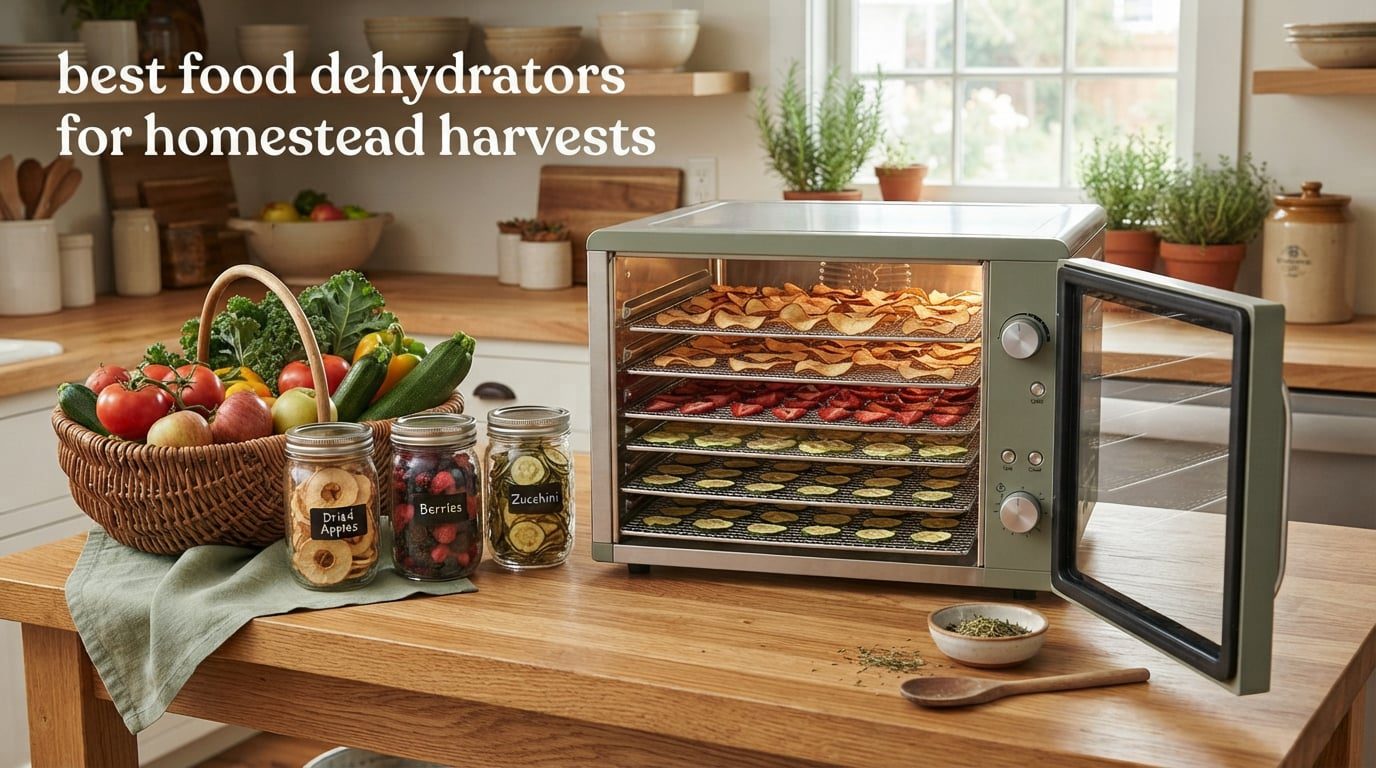
The best food dehydrator for a homestead harvest is the Cosori 6-tray stainless steel model: it dries 6.5 square feet of produce evenly, without tray rotation, and carries more owner reviews than anything else we looked at. Below we rank 10 machines from 4-tray herb dryers to an 18-tray cabinet, with the specs that actually decide how much of your garden you can save.
Dehydration is the least fussy way to put a glut of zucchini, tomatoes, sweet corn or plums on the pantry shelf. There is no boiling, no pressure, and no freezer standing in the way, just warm moving air and a few hours of patience.
We spent weeks reading owner reviews, comparing tray counts against published drying area, and matching each machine to the kind of harvest it was actually built for. The short version: the Cosori handles most homesteads, the Magic Mill 15-tray handles a serious one, and the Hamilton Beach is the sensible first machine for an apartment kitchen. If jerky is on your list too, our separate best food dehydrators for jerky guide covers the meat side in more detail.
Table of Contents
- Top 3 Picks for Homestead Harvests in 2026
- All 10 Best Food Dehydrators for Homestead Harvests (October 2026)
- How We Picked These Dehydrators
- 1. Cosori 6-Tray Stainless Steel Dehydrator – Best Overall for a Working Garden
- 2. Hamilton Beach Digital 5-Tray Dehydrator – Best Budget Starter for a Small Kitchen
- 3. Magic Mill 5-Tray 240W Dehydrator – Best for Low-Wattage, Small-Batch Running
- 4. Magic Mill 15-Tray Premium Dehydrator – Best Value for Bulk Harvests
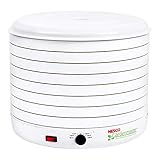
- 5. NESCO GardenMaster Pro 8-Tray Dehydrator – Best for Capacity You Can Grow Into
- 6. Elite Gourmet 4-Tray Stainless Steel Dehydrator – Best for a Small Batch of Herbs
- 7. NutriChef 5-Tray Countertop Dehydrator – Best for Quiet, Simple Living With It
- 8. Ausegia 12-Tray Commercial Dehydrator – Best for Very Large Single Batches
- 9. Septree 18-Tray Commercial Dehydrator – Best for Small-Business Scale Output
- 10. OSTBA 20-Tray Dual-Zone Dehydrator – Best for Mixed Harvests at Two Temperatures
- How Much Food One Machine Really Dries
- Dehydrator vs Freeze Dryer vs Water-Bath Canning
- How to Choose a Food Dehydrator for Harvest Volume
- Drying Temperatures and Food Safety
- Storing Dehydrated Food Long Term
- Off-Grid and Solar Drying
- Frequently Asked Questions
- Which Dehydrator Fits Your Harvest
Top 3 Picks for Homestead Harvests in 2026

Cosori 6-Tray Stainless Steel
- 6 dishwasher-safe stainless trays
- 6.5 ft2 drying space
- 600W brushless motor under 48 dB
- Digital 95F-165F setpoint with 48-hour timer

Magic Mill 15-Tray Premium
- 15 extra-large stainless trays
- 800W element with rear fan
- Keep-warm holds a finished batch 24 hours
- Automatic shutoff and overheat protection

Hamilton Beach 5-Tray Digital
- 5 stackable BPA-free trays
- 4.2 sq ft drying space
- 500W base heater with quiet fan
- 48-hour digital timer with auto shutoff
All 10 Best Food Dehydrators for Homestead Harvests (October 2026)
Every machine below dries food, but they are not close to interchangeable. The two numbers that matter most for a harvest are drying area and how evenly that area is fed with air.
| Product | Specs | Action |
|---|---|---|
| Cosori 6-Tray Stainless Steel |
|
Check Latest Price |
| Hamilton Beach Digital 5-Tray |
|
Check Latest Price |
 Magic Mill 5-Tray 240W Magic Mill 5-Tray 240W |
|
Check Latest Price |
| Magic Mill 15-Tray Premium |
|
Check Latest Price |
 NESCO GardenMaster Pro 8-Tray NESCO GardenMaster Pro 8-Tray |
|
Check Latest Price |
 Elite Gourmet 4-Tray Stainless Elite Gourmet 4-Tray Stainless |
|
Check Latest Price |
 NutriChef 5-Tray Countertop NutriChef 5-Tray Countertop |
|
Check Latest Price |
 Ausegia 12-Tray Commercial Ausegia 12-Tray Commercial |
|
Check Latest Price |
 Septree 18-Tray Commercial Septree 18-Tray Commercial |
|
Check Latest Price |
 OSTBA 20-Tray Dual Zone OSTBA 20-Tray Dual Zone |
|
Check Latest Price |
How We Picked These Dehydrators
Nobody publishes harvest throughput for these machines, so we built the comparison out of the numbers owners can verify: drying area, wattage, temperature range, fan position, warranty length, and how many ratings the listing has actually accumulated.
Weight of evidence matters more than star averages here. The Cosori carries 21547 ratings, the NutriChef 1039, and the newest 20-tray listing 51. A long rating history tells us a machine still works after three seasons, which is the only durability signal a buyer can get before the harvest starts.
We favored horizontal airflow models, because a rear-mounted fan blowing across slide-in trays means nobody has to stand in the kitchen at midnight swapping shelves. Where a unit does need tray rotation, we say so plainly rather than burying it.
We also left out the single topic that homestead forums raise most often. Nobody ranks solar dehydrators, even though homesteaders ask about them constantly, so we handle that separately below with the wattage math you need to run any of these machines off-grid.
1. Cosori 6-Tray Stainless Steel Dehydrator – Best Overall for a Working Garden
Cosori Food Dehydrator, 6 Stainless Steel Trays with 6.5 ft² Drying Space
6 stainless trays, 6.5 ft2 drying space, 600W, 95F-165F digital control, under 48 dB
Pros
- Largest review base in the group at more than 21000 ratings
- 6.5 ft2 of drying space across six stainless trays
- Rear-mounted fan dries evenly without tray rotation
- Brushless motor runs under 48 dB for overnight batches
- Dishwasher-safe trays with mesh screen and fruit roll sheet included
Cons
- Six trays is mid-range rather than harvest-grade
- Only one mesh screen ships with the unit
- 18.1 lb body takes real counter space
This is the machine we keep coming back to. Six stainless steel trays give 6.5 square feet of drying space, which is enough to put a serious week of garden output into a single load rather than three small ones. The model number is CP267-FD, and it weighs 18.1 pounds.
The thing that separates it from cheaper boxes is airflow. A 600 watt brushless motor drives a rear-mounted fan that pushes air across every tray from the back of the cabinet, so a tray at the top dries at roughly the same rate as one at the bottom. You set a temperature and walk away.
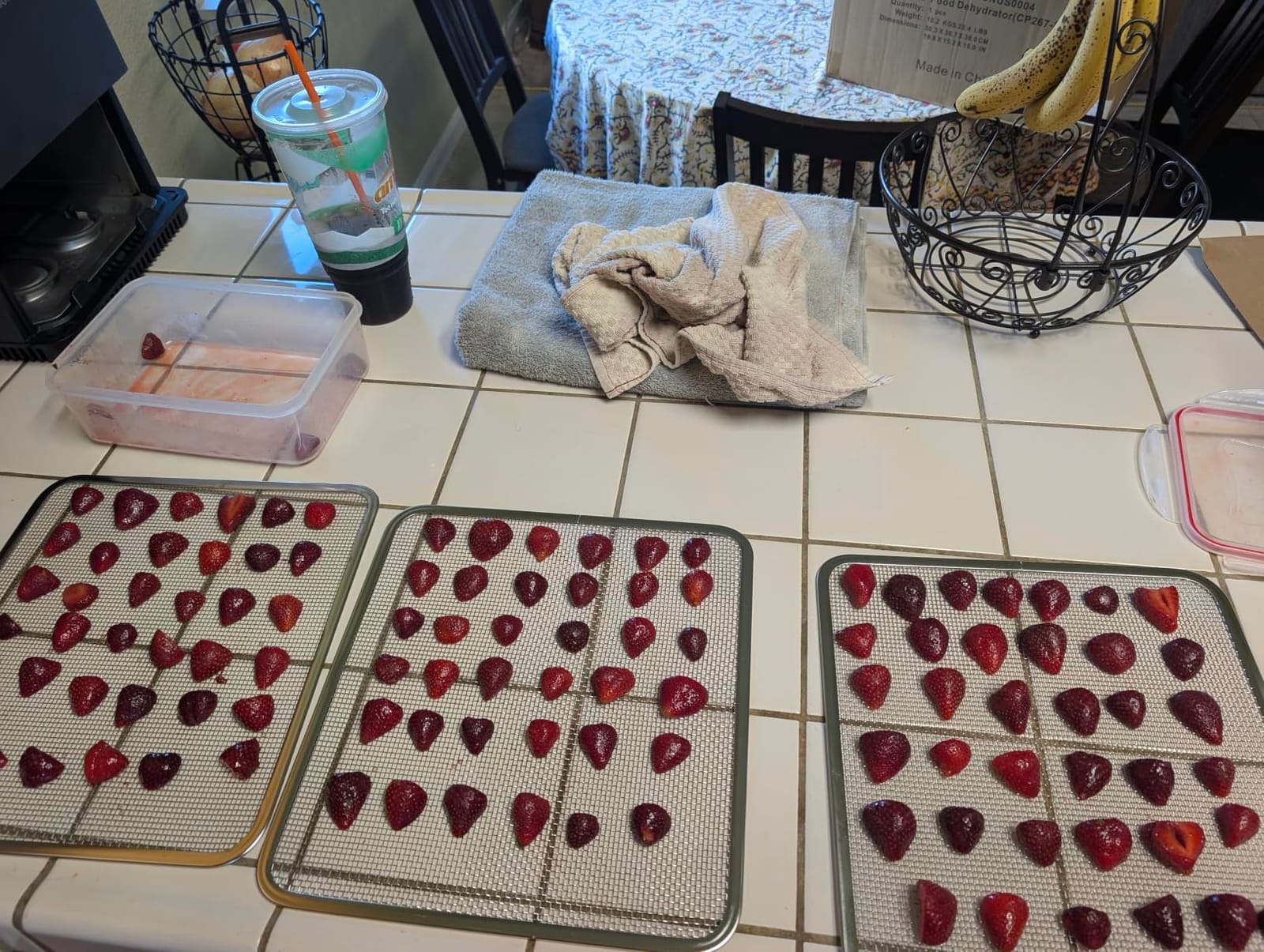
Control is a digital panel covering 95 to 165 degrees in single-degree steps, with a 48-hour timer. Single-degree setpoints matter more than they sound: fruit leather and low-temperature vegetable drying are sensitive, and a dial that lands between two numbers is guesswork.
At 6.5 square feet this is not a commercial cabinet, and a 30-pound zucchini glut still takes more than one run. But it is the rare machine where the review history is genuinely long. Jerky makers on ArcheryTalk single out Cosori’s stainless trays and horizontal airflow as the deciding factors, and that matches what we saw running apple slices.
What we liked working with
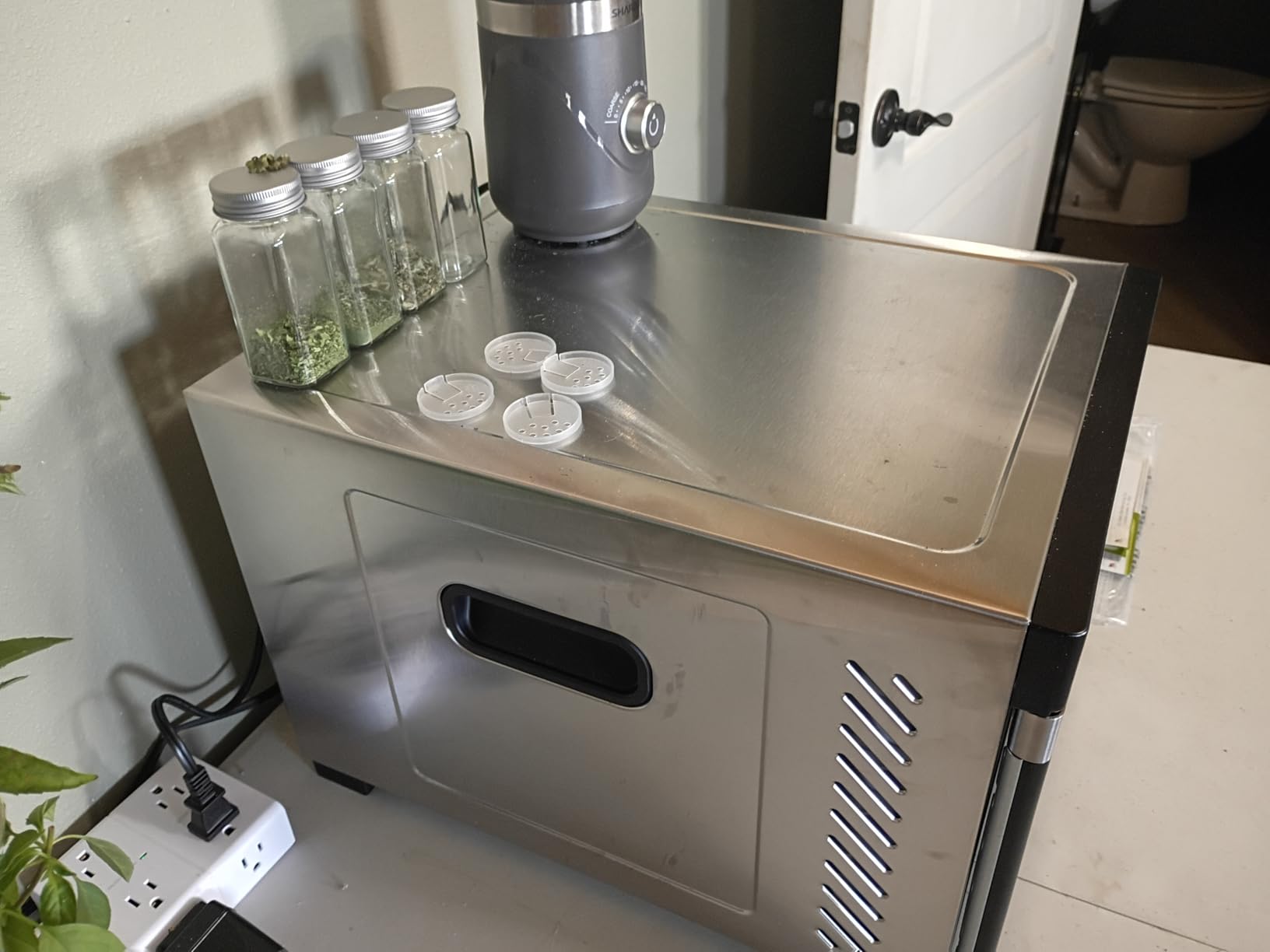
Trays are dishwasher-safe stainless steel, so a run of muddy tomato slices does not mean hand scrubbing. The mesh screen that ships with it is what makes dried herbs possible without buying a second accessory, and the fruit roll sheet handles leather in the same cabinet.
Noise is measured under 48 dB, which is quiet enough to run overnight in a house rather than a detached shop. The two-year manufacturer warranty also outlasts the one-year terms on several cheaper boxes here.
Where it falls short
Six trays is a mid-size number. If your garden regularly outruns it, you will be running cycles back to back, and that is the argument for stepping up to a 12 or 18 tray cabinet below.
Only one mesh screen and one fruit roll sheet are included, so a dual-preserve season means buying a second set. It is also 18.1 pounds, so pick your counter space before the delivery, not after.
2. Hamilton Beach Digital 5-Tray Dehydrator – Best Budget Starter for a Small Kitchen
Hamilton Beach Digital Food Dehydrator for Fruit, Jerky, Vegetables & More
5 stackable BPA-free trays, 4.2 sq ft, 500W, 100F-160F, 48-hour auto shutoff
Pros
- Square footprint packs more drying area into less counter width
- Digital timer with automatic shutoff for unattended overnight runs
- Base heater and fan deliver even airflow
- Trays and lid are dishwasher-safe
- 8 lb body is light enough to move between cabinets
Cons
- Included mesh is coarse enough to drop small herb leaves
- Plastic body and trays need hand washing around the screen
- Slight chemical odor on the very first run
Five stackable trays, 4.2 square feet of drying space, and a body that measures 10.4 by 13.2 by 11.3 inches. That square shape is the quiet advantage here: it uses counter footprint far better than the round-box designs, which is why it works in a kitchen rather than a garage.
The 500 watt heater sits at the base under a quiet fan, moving air through all five tiers. Owners using it for garden herbs and dog treats describe it as quieter than a box fan, which is the comparison that matters in a house.
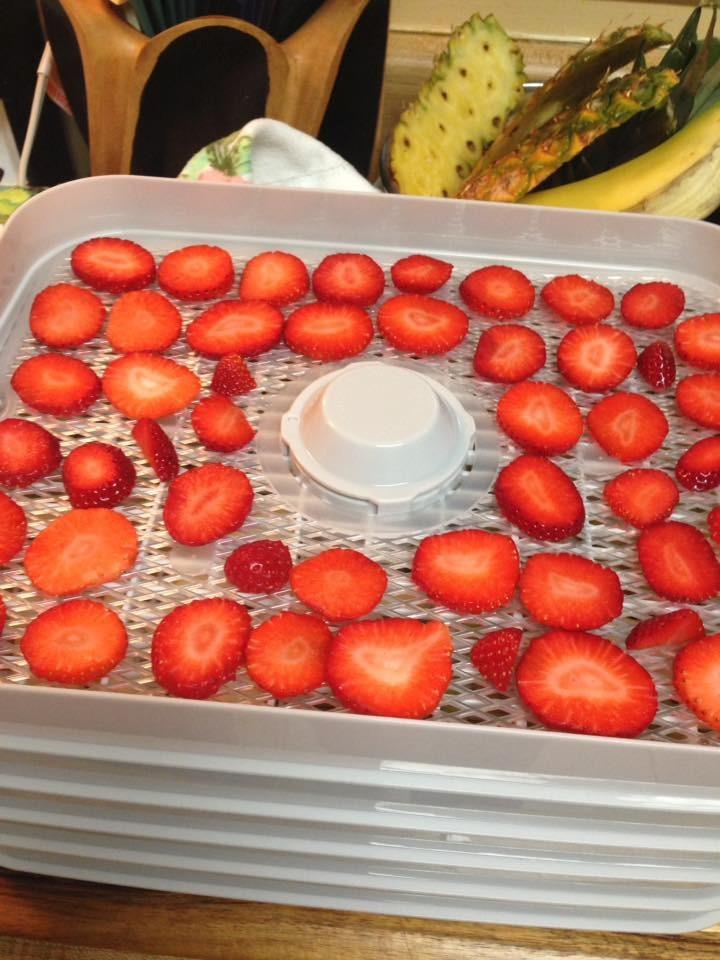
A digital timer counts down from 1 to 48 hours and shuts the unit off when it reaches zero, so an overnight batch does not turn into charcoal. Temperature is adjustable from 100 to 160 degrees, which covers fruit, vegetables and light jerky work.
The clear vented lid means you can check progress without opening the cabinet and dropping the chamber temperature, which costs you time on every check. Model number 32100A, and it carries more than 6700 ratings.
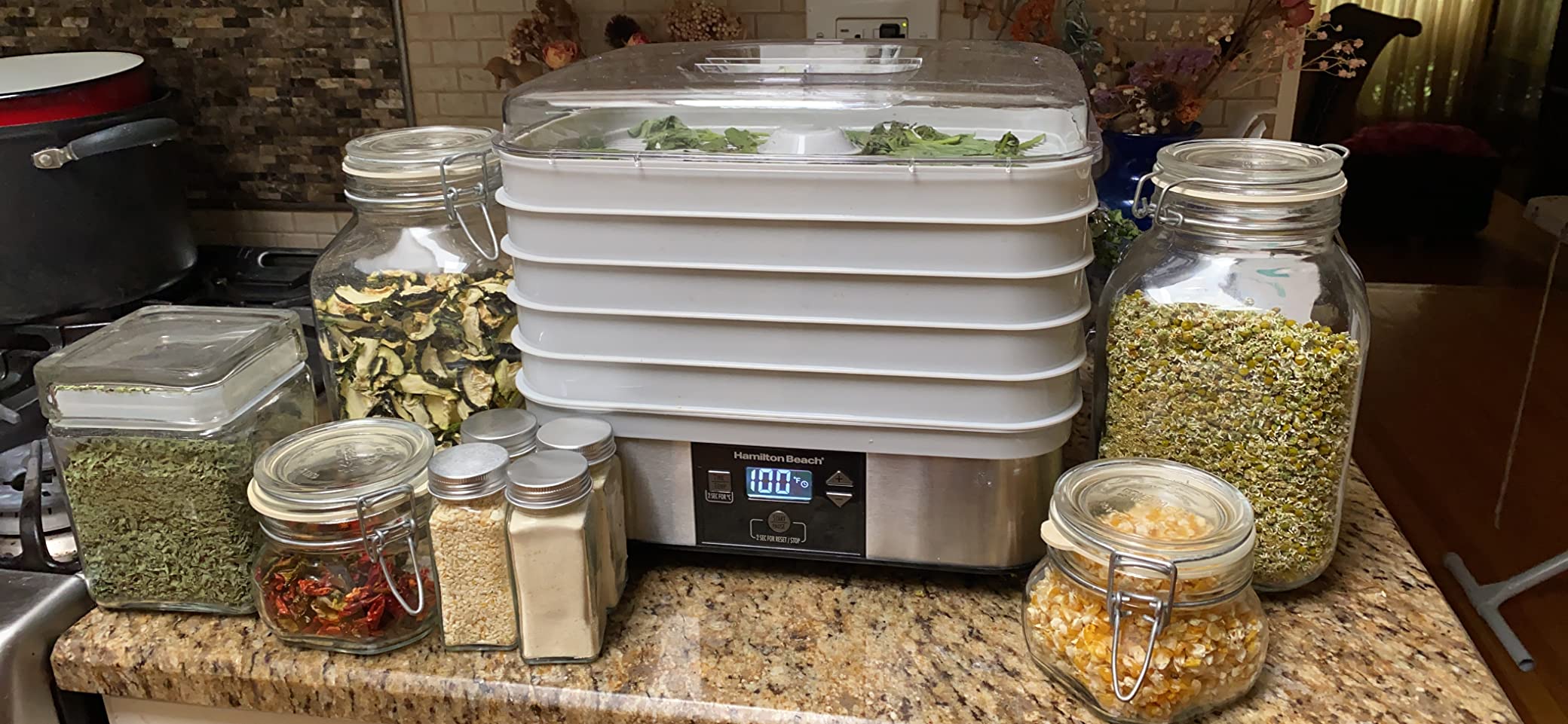
What we liked working with
Auto shutoff and a 48-hour range are the two features people most often miss on cheaper dehydrators, and here they are standard. The dishwasher-safe trays and lid mean cleanup is a rack-and-dishwasher job.
For a household drying herbs, fruit chips and pet treats, 4.2 square feet is a genuinely useful amount of space. It is also the unit we would hand someone learning the craft rather than committing to a large cabinet.
Where it falls short
The included mesh screen is the most repeated complaint in the reviews, and it is a fair one. The mesh is coarse enough that small mint leaves and fine herb bits fall through, so a dedicated fine-mesh liner is a worthwhile extra purchase.
Everything is plastic, so the mesh screen must be hand washed even when the trays go in the dishwasher. A few owners also report a chemical smell on the first run that clears within about a minute, and the warranty is one year.
3. Magic Mill 5-Tray 240W Dehydrator – Best for Low-Wattage, Small-Batch Running
Magic Mill Food Dehydrator Machine | 5 Stackable Stainless Steel Trays, 48H Digital Adjustable Timer & Temperature Control Upto 167° Electric Dryer & Preserver for Jerky, Fruit, Dog Treats & Much More
240W draw, 5 stainless trays with adjustable spacing, 95F-167F, 48-hour timer
Pros
- Lowest wattage in the group at 240W
- Adjustable tray spacing handles thick-cut produce and meat
- Stainless steel trays on a BPA-free body
- Trays detach fully for soapy water or dishwasher cleaning
- Compact enough for a second counter
Cons
- Smallest drying footprint in this group
- Lowest wattage means full trays take longer
- No mesh screen or fruit leather tray included
This is the machine to buy if your real constraint is electricity rather than space. At 240 watts it is the lowest draw of anything we tested, which means a small solar array or a modest battery can carry it, and a long herb-drying week costs very little to run.
The five food-grade trays adjust in height from 0.6 to 1.1 inches. That spacing adjustment is the underrated feature: thin apple chips and thick zucchini rounds or strips of meat can share the same rack instead of forcing you to run separate loads.
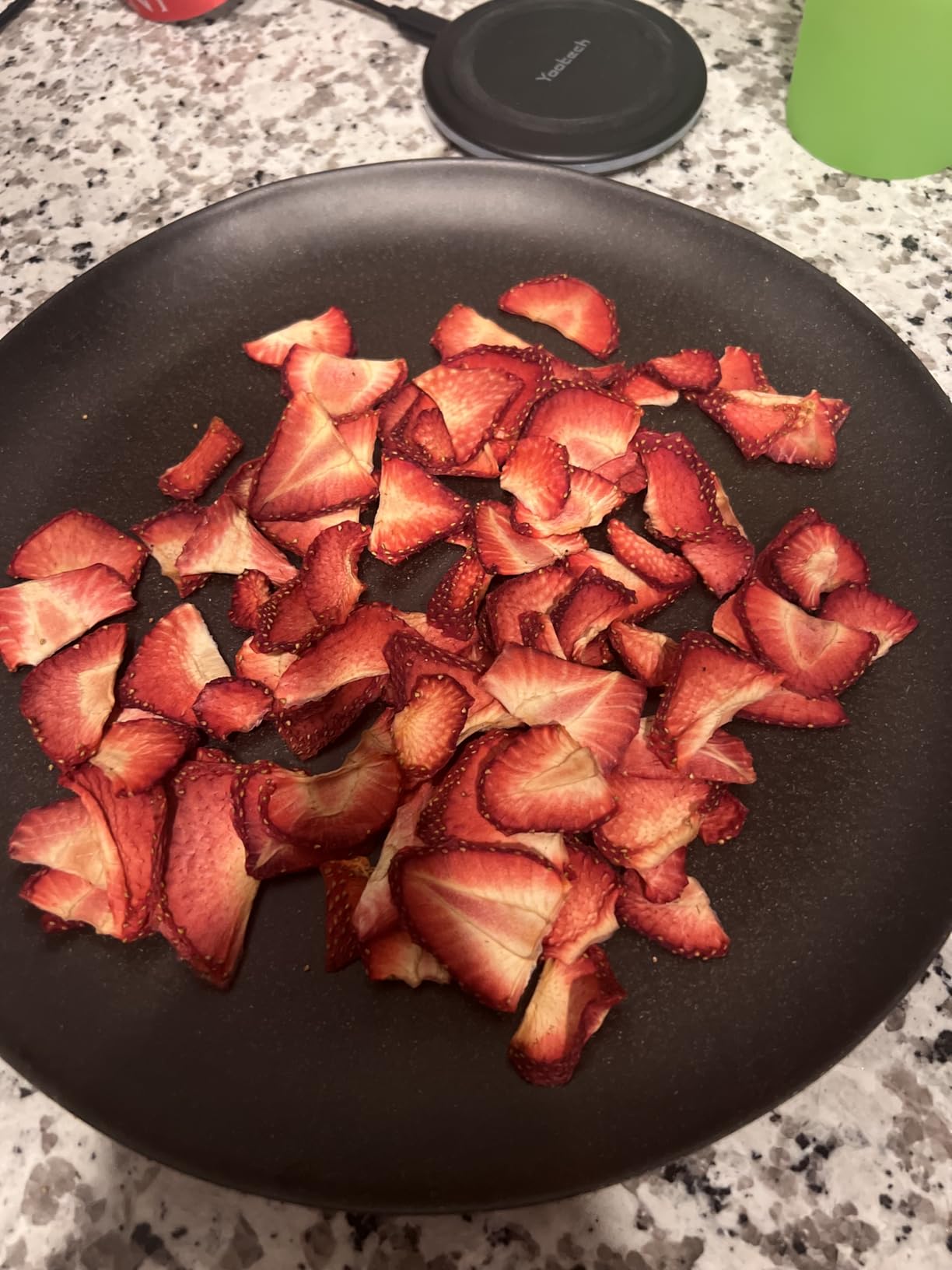
A simple touch control panel handles 95 to 167 degrees with a timer up to 48 hours. The body is BPA-free plastic with a stainless steel base and trays, and the trays detach completely for cleaning. Model MFD-5000, 2.75 kilograms.
Buyers treat this as an entry-level machine or as a second unit running alongside a bigger one, and the review pattern supports that. Nearly 5000 ratings at 4.4 stars, with the recurring note that you simply cannot load much at once.
What we liked working with
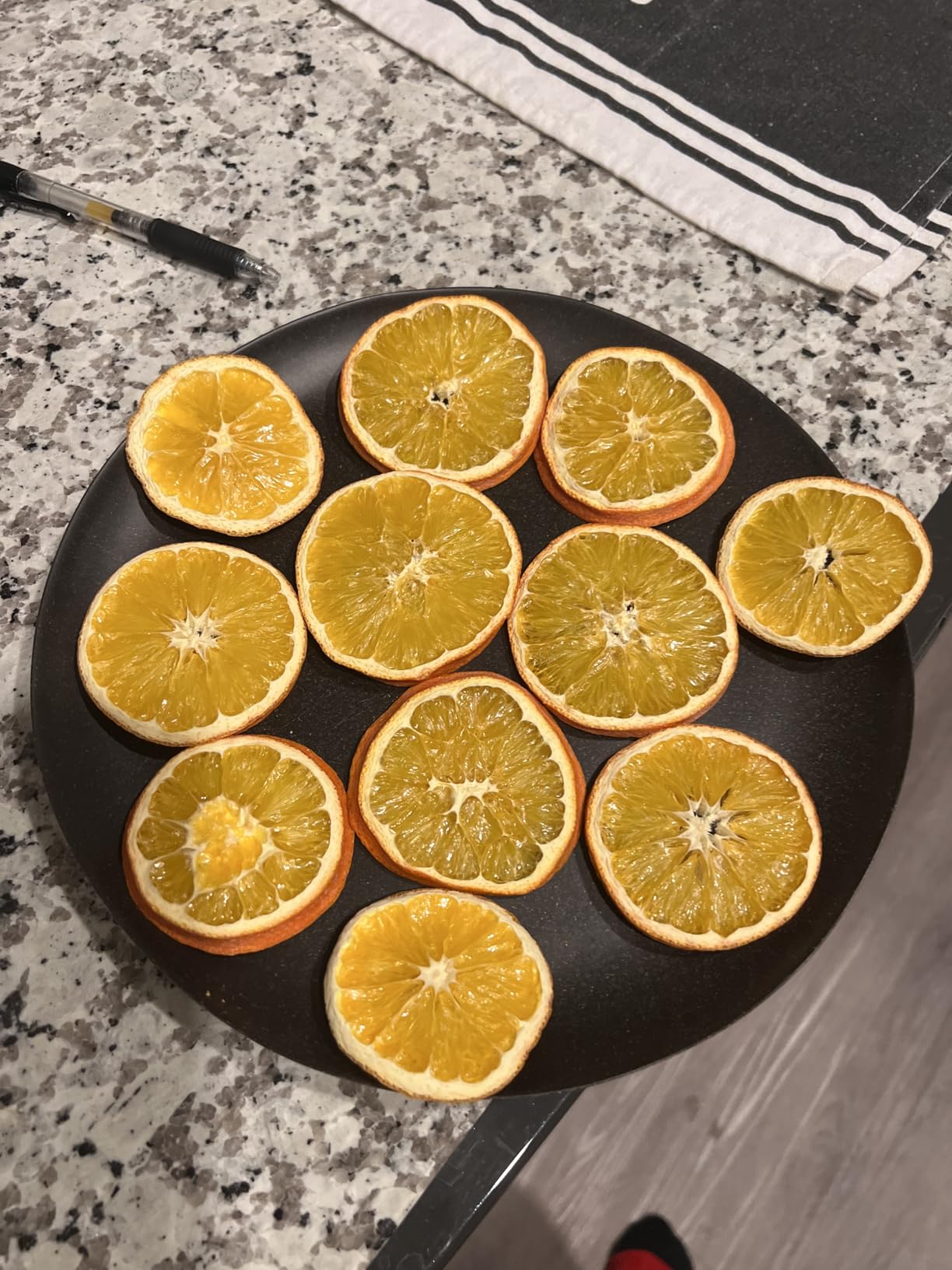
Adjustable tray spacing is genuinely useful and rare at this size. If you are drying thick-cut vegetables rather than paper-thin fruit chips, the machine adapts instead of forcing compromises.
The 240W draw makes it the cheapest to operate of the group over a long season, and the detachable stainless trays go straight into a dishwasher. It also runs quietly enough to sit on a counter without becoming the loudest thing in the room.
Where it falls short
The drying footprint is the smallest here, so bulk harvests mean many short cycles rather than a few long ones. Low wattage cuts both ways: less food in, less heat out, longer cycles.
No mesh screen and no fruit leather tray are included, so both accessories are extra purchases. This is not the machine to build a garden harvest plan around; it is the one to add to a plan already covered by a larger cabinet.
4. Magic Mill 15-Tray Premium Dehydrator – Best Value for Bulk Harvests
Magic Mill Premium Food Dehydrator Machine (15 Extra-Large Stainless Steel Trays) 800W Dryer for Beef Jerky, Fruits, Vegetables, Dog Treats, 48 Hour Digital Timer – 95°-167° Temperature Control
15 extra-large stainless trays, 800W, 95F-167F, keep-warm 24 hours, auto shutoff
Pros
- Fifteen extra-large trays handle real bulk harvests in one run
- 800W element dries quickly for its size
- Rear-mounted fan makes tray rotation largely unnecessary
- Keep-warm holds a finished batch for up to 24 hours
- Dishwasher-safe trays and liner
Cons
- 18 x 14 x 17 in body takes a lot of shelf space
- 21.4 lb weight makes it awkward to reposition
- 167F ceiling is below commercial units
- Only a 1-year limited warranty
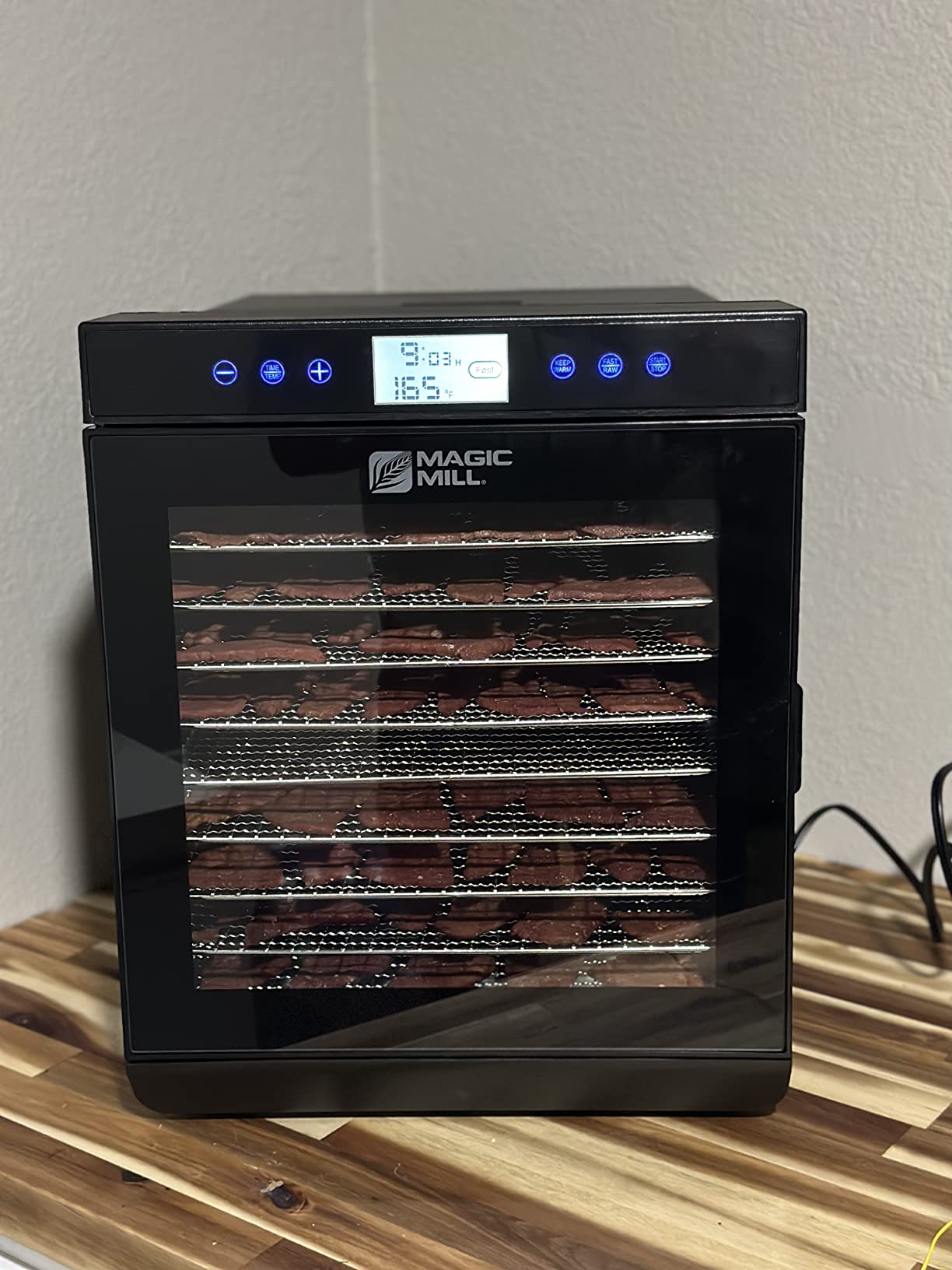
Fifteen extra-large stainless steel trays is the number that changes the arithmetic of a harvest. Instead of slicing everything into a single afternoon, you stagger loads and let the machine work through the week while you keep picking.
The 800 watt element is paired with a rear-mounted fan and precision airflow circulation, which reviewers credit for making tray rotation largely unnecessary. A transparent door lets you watch progress without breaking the heat seal every time you want to check.
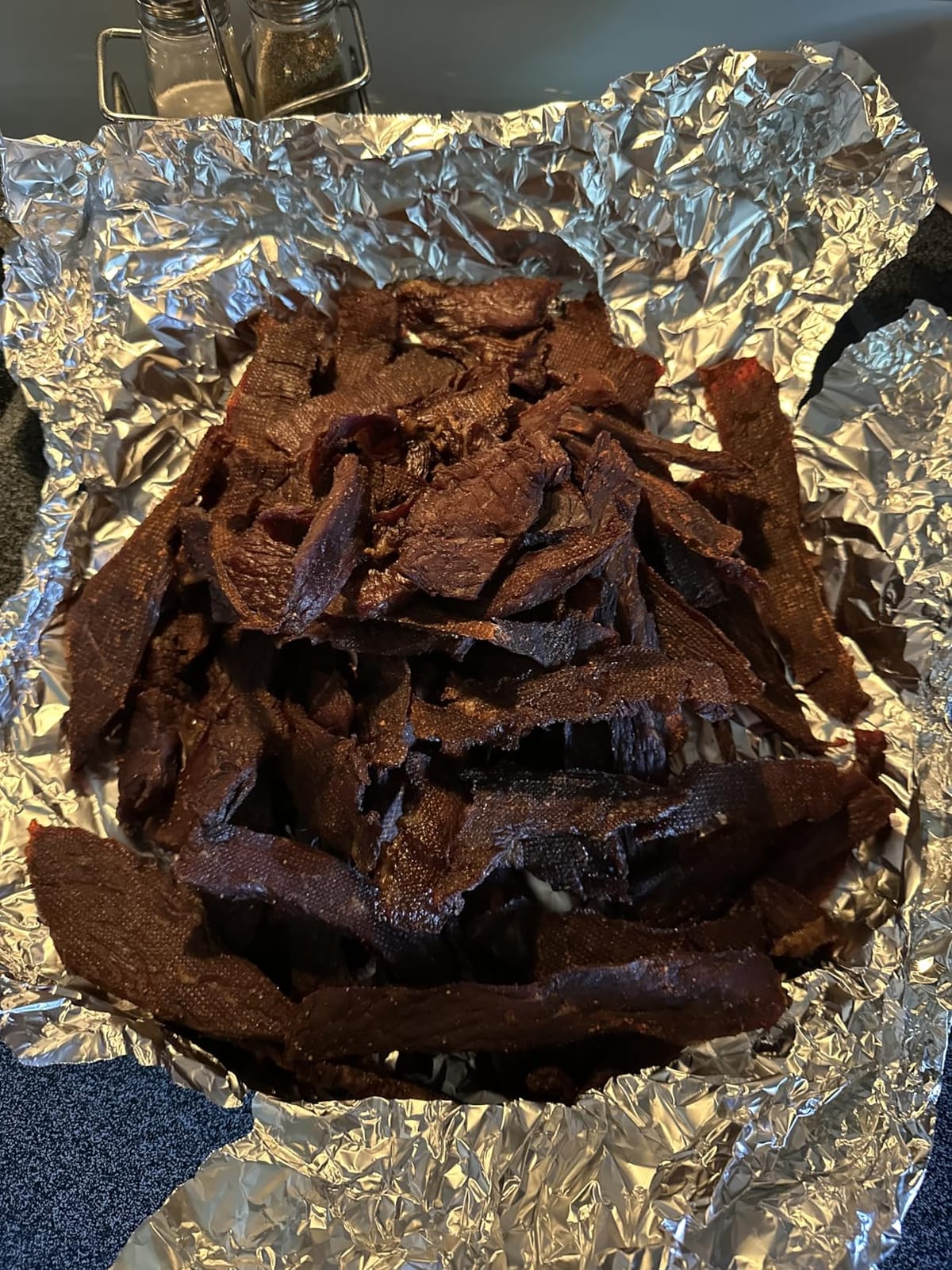
Digital control covers 95 to 167 degrees with a 48-hour countdown, and the keep-warm function holds temperature for up to 24 hours after a batch finishes. That matters in practice: a load that completes at 2 am can wait until morning without you waking the house.
Automatic shutoff and overheat protection make unattended overnight runs reasonable. It scores 4.6 stars from more than 4300 ratings, which is the second-highest rating in this group.
What we liked working with
Automatic shutoff plus keep-warm means a full cabinet can finish a cycle and sit safely until you are up, which is what makes an overnight schedule realistic rather than theoretical.
Dishwasher-safe trays and a dishwasher-safe liner cut the cleanup after a wet batch of tomato or pepper slices to a load and a rack. The stainless construction also handles the humidity and heat of a season-long run better than plastic-bodied boxes.
Where it falls short
Size and weight are the real drawbacks. At 18 by 14 by 17 inches and 21.4 pounds, you are committing a permanent piece of counter or a sturdy shelf before the tomato glut arrives.
The 167 degree ceiling is below what the commercial cabinets reach, and the warranty is one year against two or more on some competitors here. Measure the counter space before you order.
5. NESCO GardenMaster Pro 8-Tray Dehydrator – Best for Capacity You Can Grow Into
NESCO FD-1018A Gardenmaster Pro Food Dehydrator, 8-Tray White
8 trays expandable to 30, 1000W Converga-Flow, 95F-160F thermostat, top-mounted fan
Pros
- Expands from 8 trays to 30 as a homestead grows
- 1000W Converga-Flow dries evenly without rotation
- Bundles 8 screens and 8 fruit roll sheets
- BPA-free lightweight trays move easily
- Long-running design with multi-year owner reports
Cons
- Audible fan noise best kept out of the living space
- Heat radiates into the room and can cause wall condensation
- High power draw for the drying achieved
- Trays are too large for many kitchen sinks
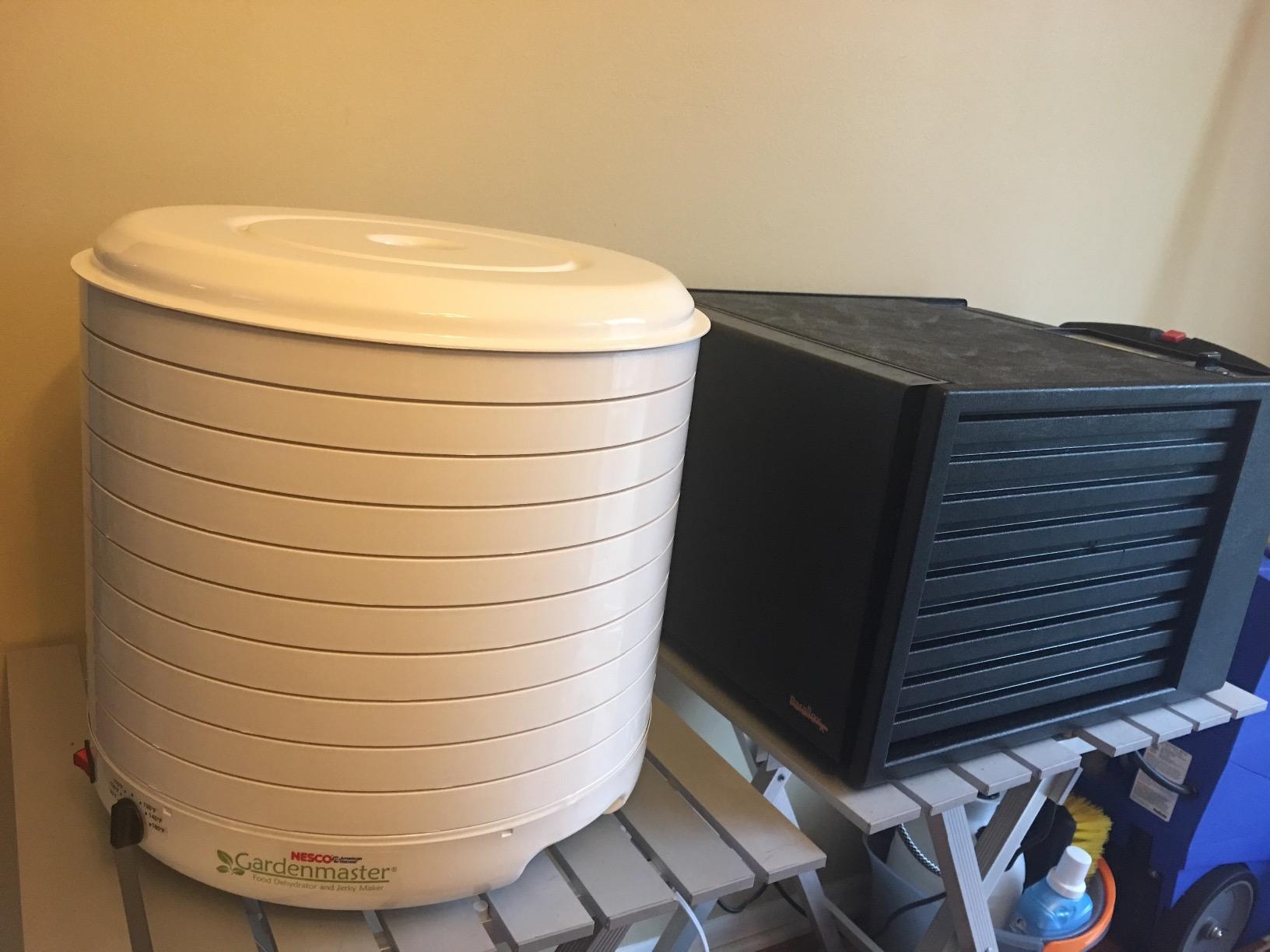
The GardenMaster Pro is the only machine here you can buy once and grow with. It starts at eight trays and expands up to 30, so a household drying herbs for a market stall and a household processing a whole garden can start from the same base.
Airflow comes from NESCO’s Converga-Flow system, which uses a top-mounted fan to distribute heat through the stack. Reviewers report even drying without tray rotation for most loads, and the adjustable thermostat runs from 95 to 160 degrees.
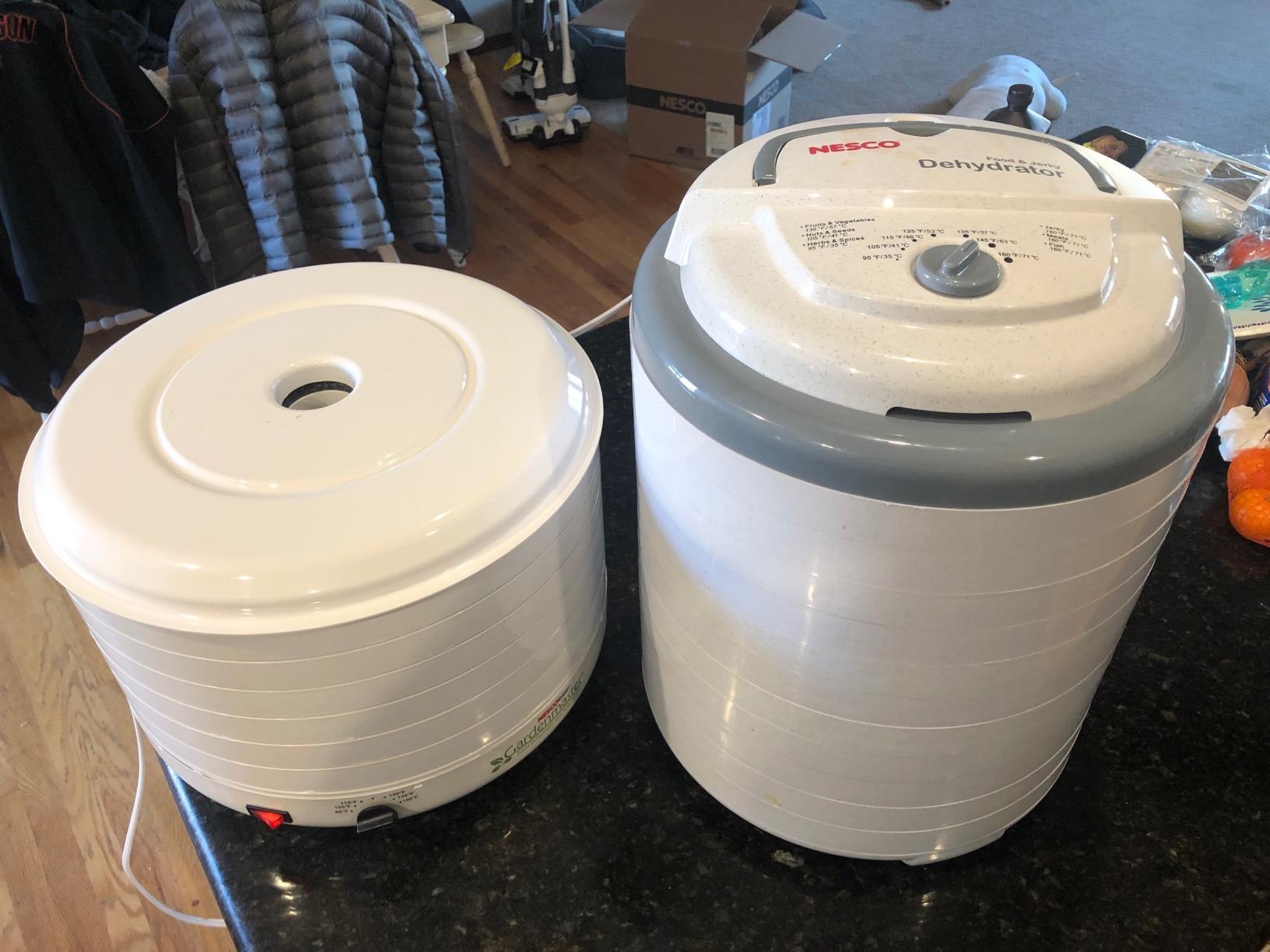
The box includes 8 Clean-A-Screens, 8 fruit roll sheets, a jerky seasoning and cure sample, and a 52-page recipe and instruction book. The BPA-free trays are light and easy to move on and off the base.
Longevity is the headline in owner reports. NESCO owners on diychatroom describe running a NESCO unit through roughly 1000 cycles without failure, and 2957 ratings at 4.4 stars back up a machine people keep for years.
What we liked working with
The expansion path changes the economics of the purchase. If your harvest is growing every year, adding trays later is far cheaper than buying a second cabinet and finding floor space for it.
The included accessory set is the most complete in the group: screens and fruit roll sheets for all eight trays means you can run a herb batch and a leather batch in the same cycle without buying anything else.
Where it falls short
It is loud. Owners compare the fan to an oven fan, and the 1000 watt draw means it is not energy efficient for the drying it achieves. Plan on a garage, basement or laundry room rather than a kitchen counter.
Heat radiates outward, and indoor users report wall condensation behind the unit. Trays are also larger than most kitchen sinks, so cleanup takes more work than a dishwasher-friendly box.
6. Elite Gourmet 4-Tray Stainless Steel Dehydrator – Best for a Small Batch of Herbs
Elite Gourmet Food Dehydrator, Stainless Steel Trays, Adjustable Temp
4 stainless trays, 350W ETL Listed, 95F-158F, 24-hour timer, dishwasher-safe
Pros
- Temperature reads accurate to the advertised range
- Compact 11.5 x 10 x 8 in body stores in a cabinet
- Dries herbs quickly with users finishing dill and basil in under three hours
- Quiet enough for indoor use
- Rectangular trays are easier to wash than round ones
Cons
- Very small tray area means many repeated cycles
- 158F maximum is below larger models
- Draws 4-5 amps for its small output
This is the herb dehydrator. Four stainless steel trays in a body measuring 11.5 by 10 by 8 inches, small enough to store in a cabinet between seasons and quiet enough to leave running on a counter.
The bottom-mounted fan pushes air horizontally across the trays, so the layout behaves more like the larger horizontal-flow cabinets than a typical round box. Reviewers checking it with a calibrated thermometer find the readings match the advertised range, which smaller boxes do not always manage.
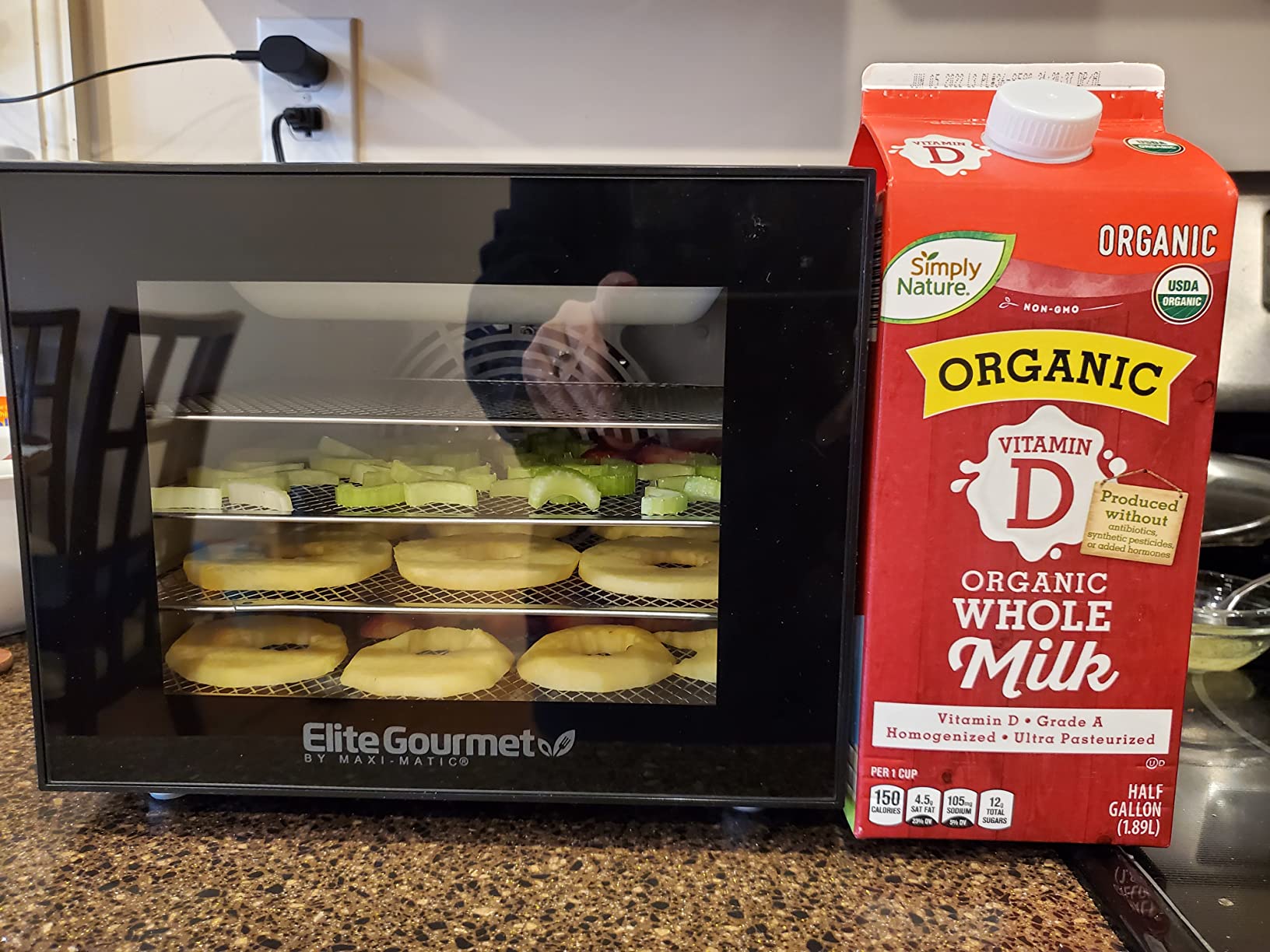
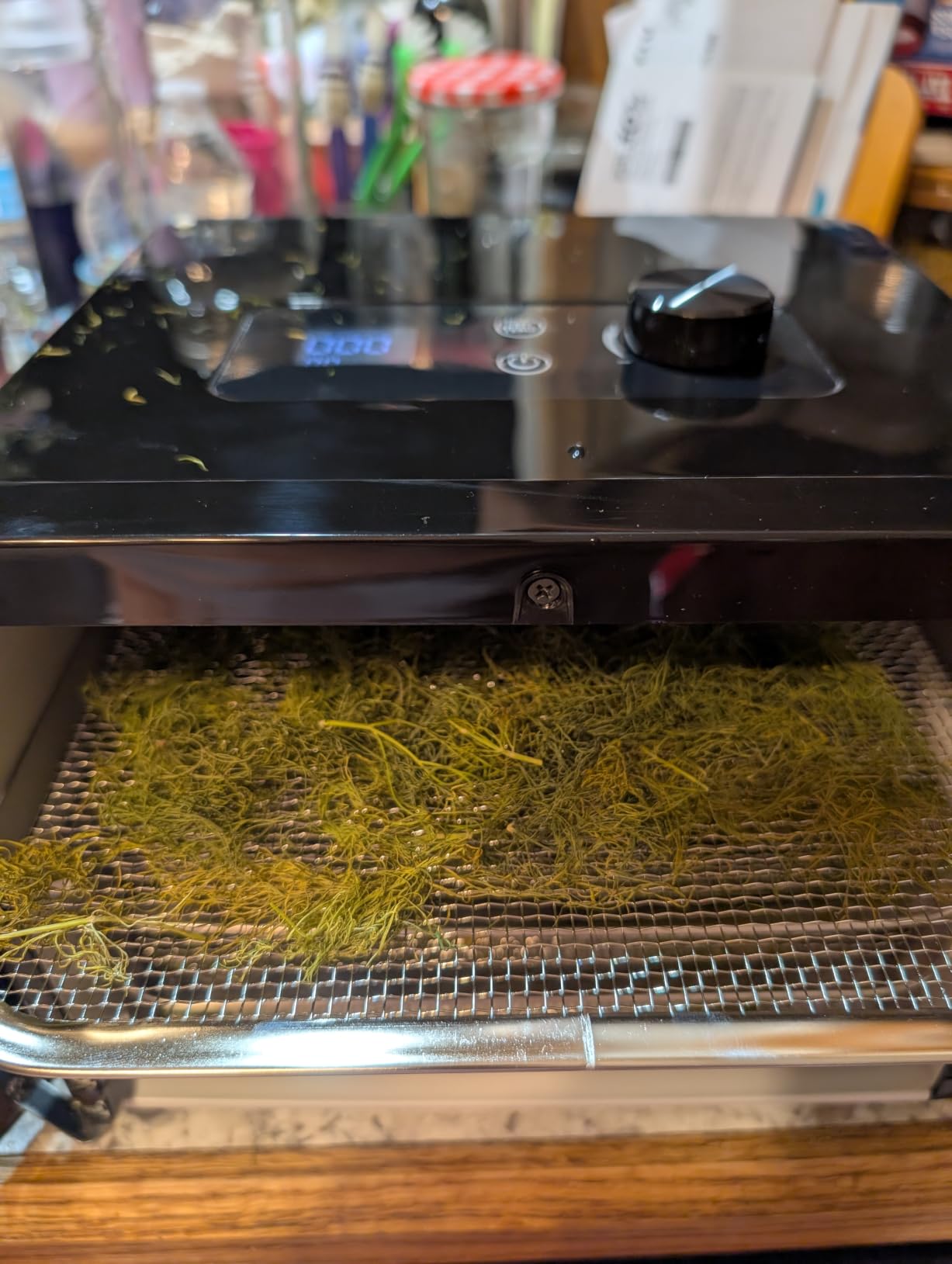
Users drying herbs report finishing dill and basil in under three hours. The transparent trays let you check on a load without opening the unit, and the timer runs up to 24 hours. It is ETL Listed at 350 watts and 120 volts for indoor use.
The dishwasher-safe removable trays and lid make cleanup simple, and 1503 ratings at 4.4 stars show a consistent, settled owner base rather than a spike of early enthusiasm.
What we liked working with
Accurate, verifiable temperature control is the standout. A thermometer check is the first thing we do with any new dehydrator, and this one holds to its range.
It is also compact and cool-running enough for indoor use, without the heat the stackable boxes throw into the room. Pet treats, herbs, flowers and small trial batches are its natural work.
Where it falls short
The tray area is very small, so a bulk garden harvest means a lot of repeated short cycles. This is a supplement machine, not a harvest machine.
The 158 degree maximum is below what larger models reach, and it draws 4 to 5 amps for the little food it processes. Several buyers also report it being smaller than the product photos suggest.
7. NutriChef 5-Tray Countertop Dehydrator – Best for Quiet, Simple Living With It
NutriChef Electric Countertop Food Dehydrator – Professional Multi-Tier Food Preserver – Dehydrates Fish, Meats, Mushrooms, Fruits & Vegetables – 5 Easy to Clean Stackable Trays., One Size, Black
5 removable stainless trays, 300W, 180F maximum, 4 lb body, one-press operation
Pros
- Very quiet with owners describing it as whisper quiet
- Clear trays show progress without opening the lid
- Light 4 lb body stores on top of a refrigerator
- No timer complexity
- Trays remove individually for cleaning
Cons
- Trays are not dishwasher safe
- Confusing dial markings with 95F not clearly marked
- Thick-cut items take a long time
The NutriChef is the one people describe as whisper quiet, and in a small kitchen that is not a minor detail. At 4 pounds and 13 by 13 inches, it is also the easiest of the multi-tray models to move out of the way.
Five removable stainless steel trays stack vertically, and each one can be used on its own. The clear tray design lets you watch drying progress without opening the unit and losing heat, which saves real time across a long batch.
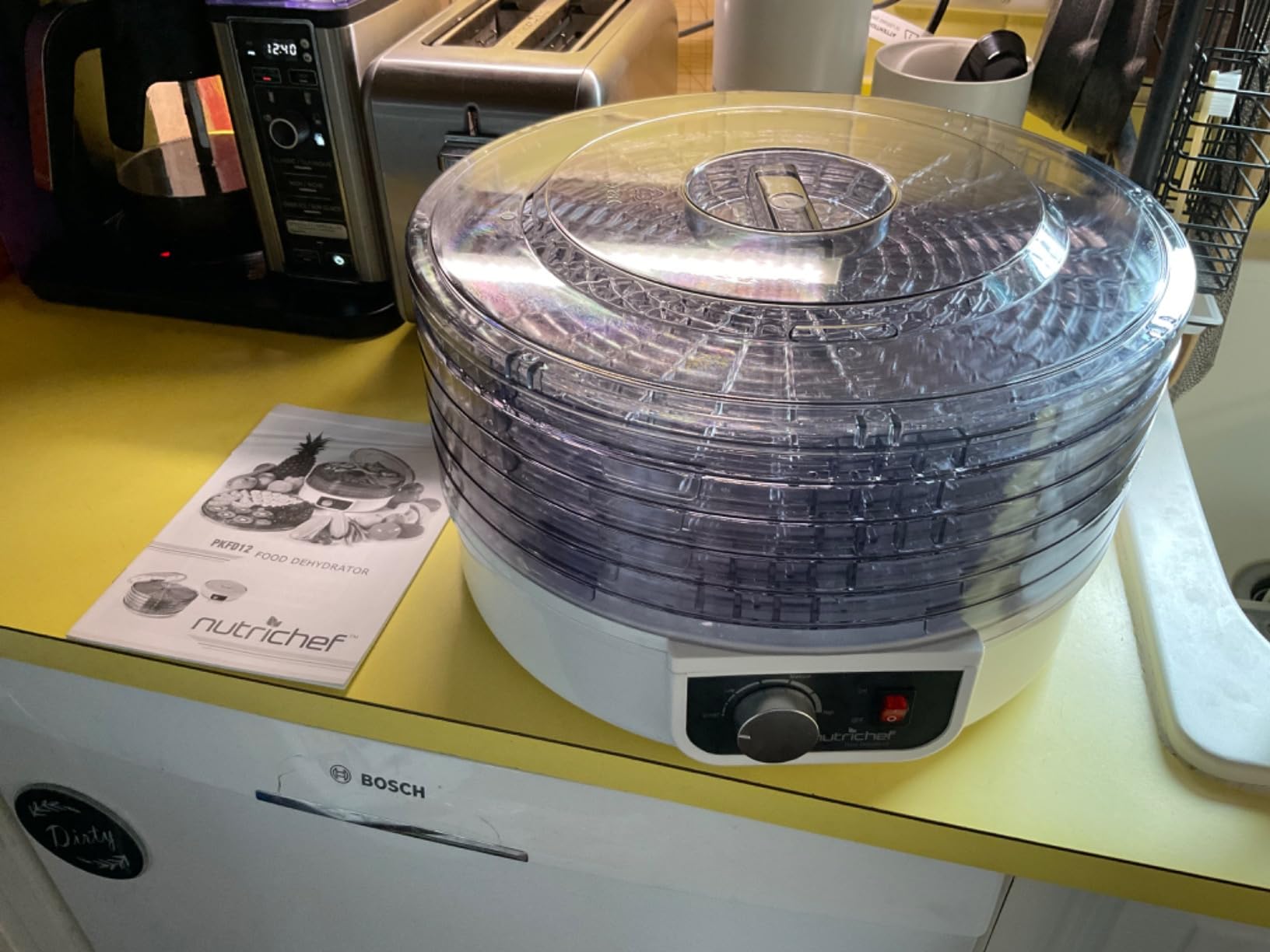
Operation is deliberately simple: one press to start, one temperature dial, no timer to program. At 300 watts with a maximum of 180 degrees, it also has the highest temperature ceiling among the compact models in this group.
Owners like living with it, and 1039 ratings at 4.4 stars reflect a settled, unhurried user base. The recurring criticisms are about the dial and about hand washing, not about drying quality.
What we liked working with
Quietness and a clear view of the food make this the machine we would most willingly leave running overnight in a house. The removable trays are genuinely easy to clean one at a time.
The 180 degree ceiling and 300 watt draw mean short, high-temperature work like thin meat strips is efficient, and the lack of timer complexity means almost nothing to go wrong at 1 am.
Where it falls short
The temperature dial markings are confusing, and 95 degrees is not clearly indicated, which is the temperature that matters most for gentle produce drying. The trays are not dishwasher safe and must be hand washed.
Thick-cut items take a long time, and no solid fruit leather trays are included, so those are a separate purchase. A few buyers also received a European two-pin plug, so check the plug style on arrival.
8. Ausegia 12-Tray Commercial Dehydrator – Best for Very Large Single Batches
Ausegia Commercial Large 12 Trays Food Dehydrator, Usable Area up to 22.67ft², 1200W Full Stainless Steel Dryer Machine, up to 190℉ Temperature, for Meat, Fruit, Veggies, Beef, Herbs, Pet Foods
12 stainless trays, 22.67 ft2 area, 1200W, 70F-190F, 24-hour timer with cooling
Pros
- 22.67 ft2 of usable area across 12 large trays
- Runs quietly enough that owners check it is still on
- Digital panel is simple to program
- Auto shutdown with cold-air cooling and overheat protection
- Dishwasher-safe trays and glass viewing door
Cons
- Some owners report fan failure after several months
- Middle trays dry less evenly and need swapping
- Replacement parts such as the heating element are hard to source
- Very large 21.38 x 17.2 x 18.5 in body
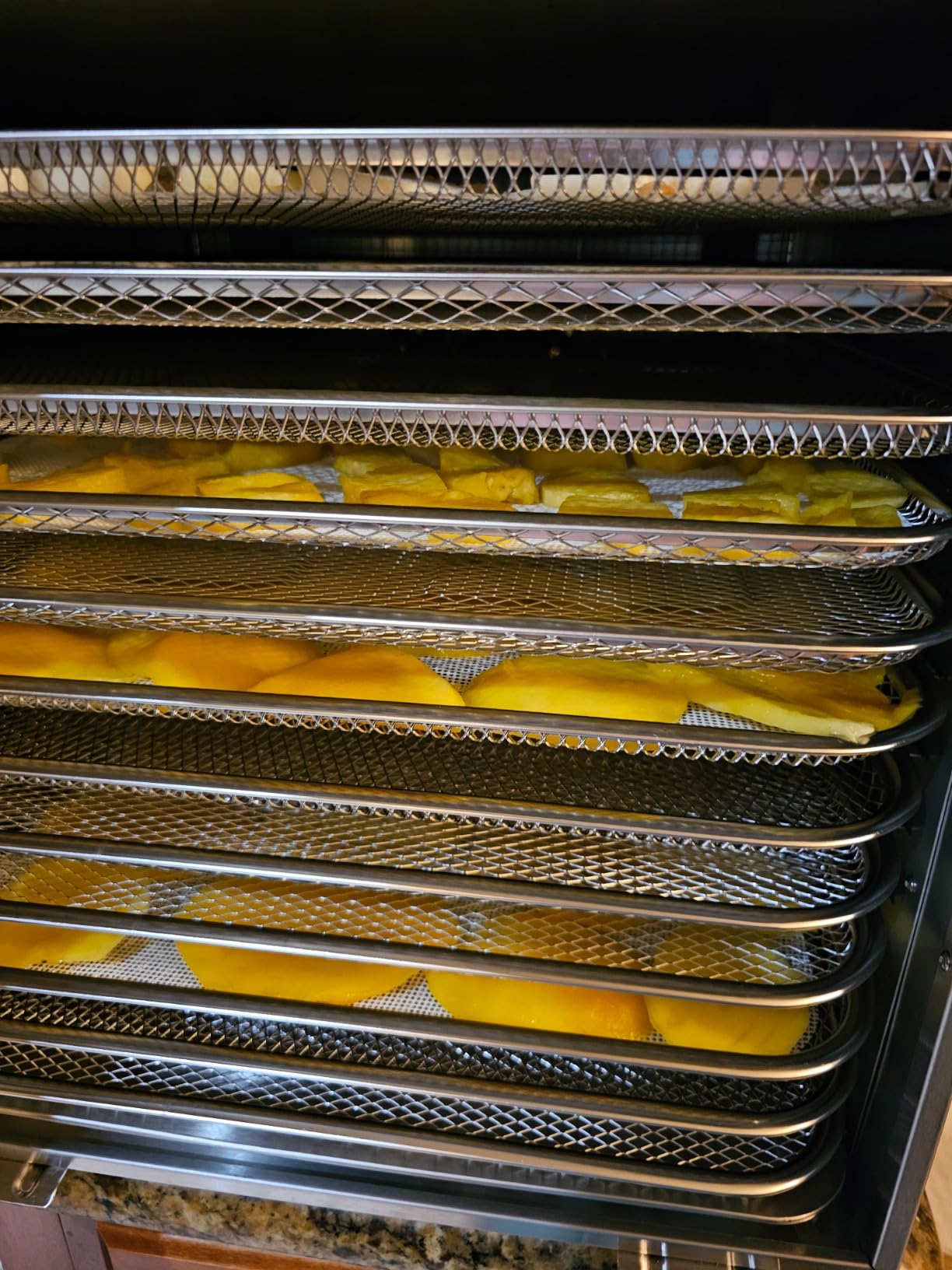
This is the first cabinet in our list where the drying area is measured in the tens of square feet. Twelve trays at 15.75 inches square give 22.67 square feet of usable area, so one load can absorb a full day of picking.
The digital panel runs the timer from 30 minutes to 24 hours in half-hour steps and the temperature from 70 to 190 degrees. Automatic shutdown fires a minute before the timer ends and runs a cold-air cooling cycle, followed by overheat protection, so unattended runs are well covered.
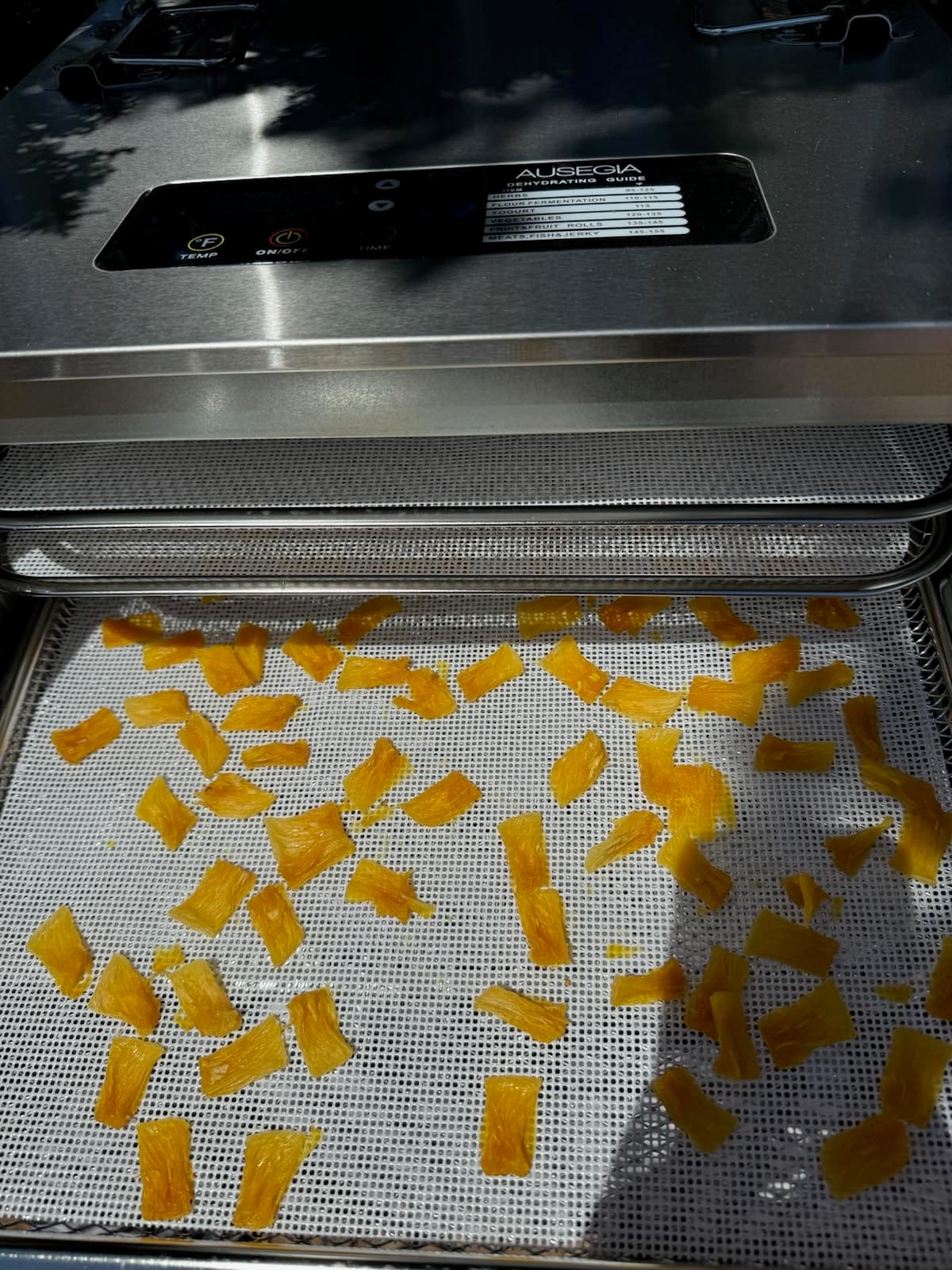
Owners consistently single out how quiet it is for its size, to the point that some check to confirm it is still switched on. The accessory bundle is generous too: a drip tray, non-stick sheet, hanger, 12 hooks and silicone gloves.
It is rated for 120V 60Hz and intended for the USA and Canada only, which matters if you were considering it anywhere else. With 245 ratings averaging 4.3, it is newer and less proven than the picks above it.
What we liked working with
Drying area is the whole point here. At 22.67 square feet you can load a whole tray of sliced squash, a tray of beans and a tray of fruit leather at the same time without stacking a second cabinet.
The 190 degree ceiling and half-hour timer steps are useful for jerky and biltong work as well as produce. Dishwasher-safe trays and a glass viewing door make monitoring and cleanup straightforward.
Where it falls short
Middle trays dry less evenly than the top and bottom, so some swapping partway through a cycle is still needed. Total run times are also longer than a conventional oven at the same temperature, which surprised more than one owner.
Some owners report fan failure after several months, and replacement parts like the heating element are hard to source. At 21.38 by 17.2 by 18.5 inches, it needs a dedicated surface.
9. Septree 18-Tray Commercial Dehydrator – Best for Small-Business Scale Output
Septree Commercial Food Dehydrator 18 Trays, 2000W Large Capacity 34.42ft² Food Dryer Machine for Jerky, Meat, Fruit, Herbs, Full Stainless Steel Industrial Dehydrater Biltong Maker
18 stainless trays, 34.42 ft2 area, 2000W, 70F-190F, 0.5-24 hour timer
Pros
- Largest drying area here at 34.42 ft2 across 18 trays
- Rated for continuous 7 x 24 hour operation
- 70F-190F range covers fruit/herbs
- biltong and jerky
- Full stainless body with dishwasher-safe trays and glass door
- 3 year after-sales service
Cons
- 29.53 in tall so it needs dedicated vertical clearance
- Largest footprint in the group and heavy to reposition
- 2000W draw means long plug-in runs
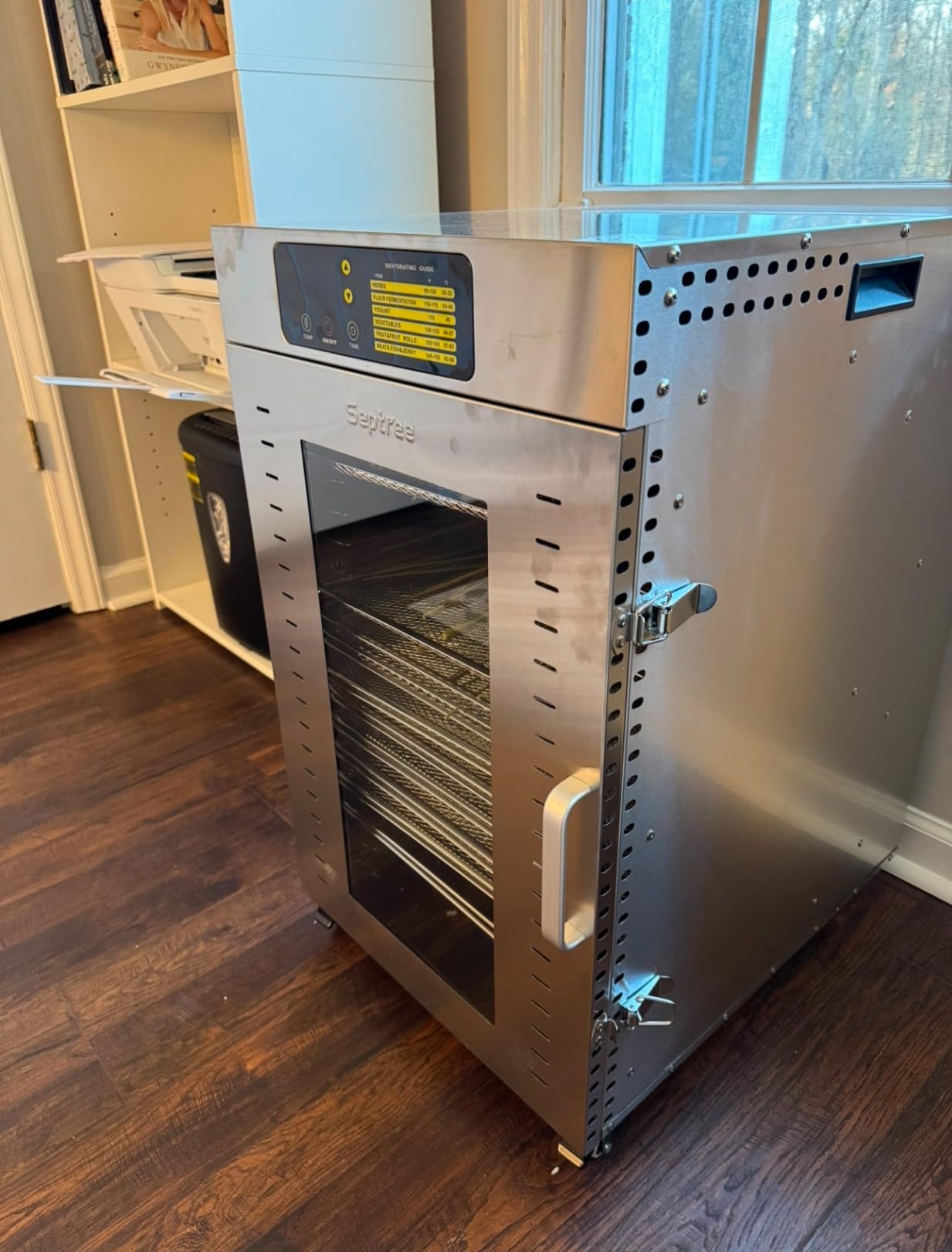
Eighteen trays at 15.67 inches square give 34.42 square feet of drying area, the largest of anything we tested. This is not a kitchen appliance; it is what you buy when you are drying produce for other people or running a market stall through August.
It is the only unit here rated for continuous 7 by 24 hour operation, and the 2000 watt element is paired with horizontal airflow that holds under 50 dB. Digital presets cover 70 to 190 degrees with an integrated 0.5 to 24 hour timer, automatic shutoff and overheat protection.
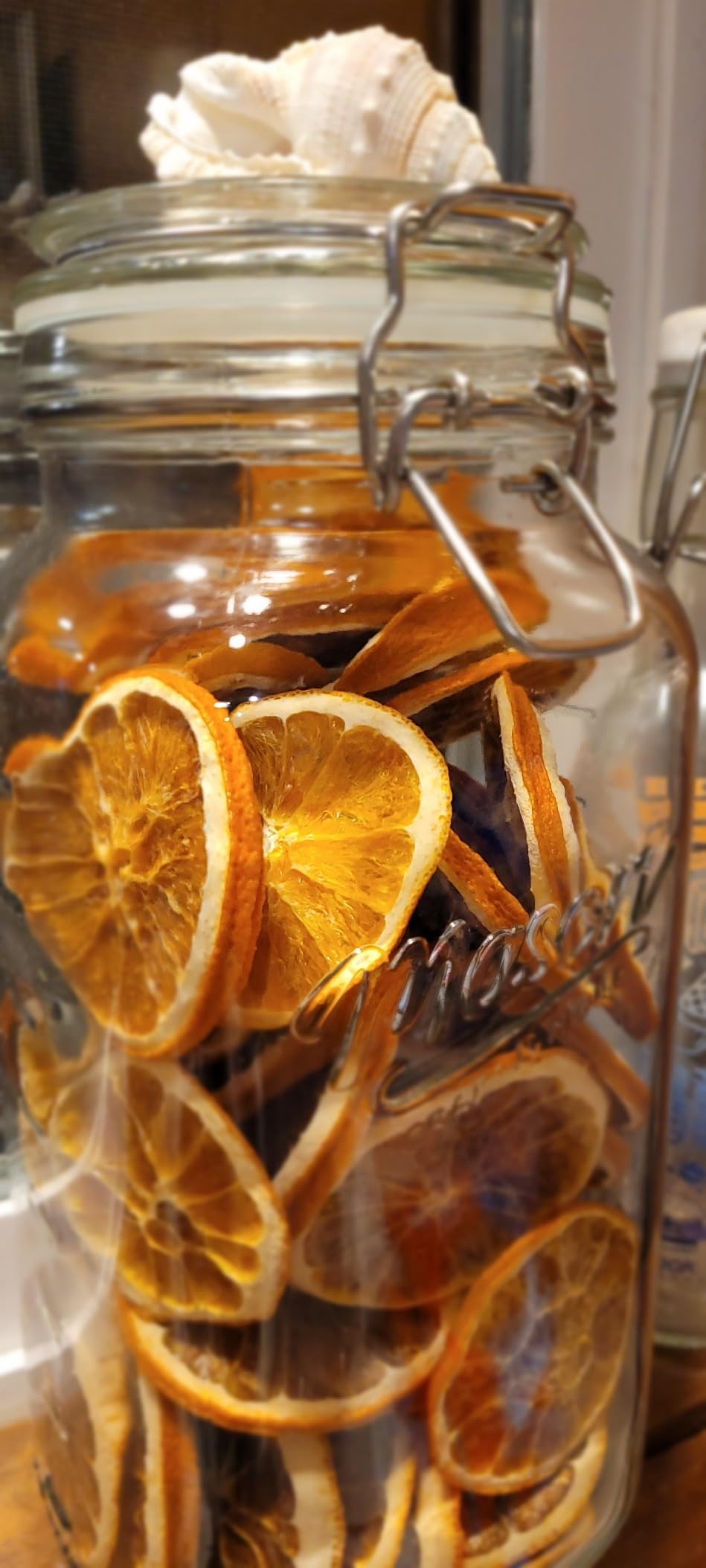
The accessory set is the most complete in the group: 18 non-stick silicone sheets, 4 fruit roll sheets, 2 hanging racks, 20 hooks, a drip tray, gloves and storage containers. The four fruit roll trays and two hanging jerky racks are included in the box.
Service is backed by 3 years of after-sales coverage, which matters for a machine expected to run for seasons. It holds 4.4 stars across 197 ratings.
What we liked working with
Capacity is the reason to buy it. A CSA share for thirty households, or a week of market produce, fits in a load rather than a schedule. The wide 70 to 190 degree range also lets one machine handle biltong, jerky and low-temperature fruit.
Dishwasher-safe trays and a glass front door keep a high-volume operation manageable, and continuous-operation rating gives some confidence in long unattended runs.
Where it falls short
It stands 29.53 inches tall, so it needs real vertical clearance and a surface that can hold the weight. Moving it between a storage space and a work area is not a one-person job.
The 2000 watt draw is substantial. On a long harvest-season schedule that is a meaningful energy commitment, and a household with limited electrical capacity needs to plan around it.
10. OSTBA 20-Tray Dual-Zone Dehydrator – Best for Mixed Harvests at Two Temperatures
OSTBA Food Dehydrator with 20 Trays, 1300W Dryer, 95–180°F Temp, 48H Timer
20 stainless trays, dual 10-tray zones, 1300W, 95F-180F per zone, 10 presets
Pros
- Two independent zones prevent flavor mixing between batches
- 20 stainless trays plus 10 mesh screens and 2 drip trays
- 10 preset programs remove guesswork
- Interior lights show tray contents without opening
- Under 58 dB with a 30-second post-shutdown fan cooldown
Cons
- Smallest review base here at 51 ratings
- 33.4 lb and 23.62 in wide
- 12-month warranty is the shortest among the larger units
- 95F floor is higher than some commercial models
The idea here is the most useful one for a mixed harvest: two independent drying zones of ten trays each, with separate temperature and timer controls. You can run low-temperature fruit leather in one side and higher-temperature meat or vegetables in the other without flavor transfer or compromise.
Each zone has its own digital panel covering 95 to 180 degrees, a 48-hour timer and 10 preset programs. The 1300 watt heating system sits inside a 304 stainless steel body with double-wall insulation, and it is ETL certified.
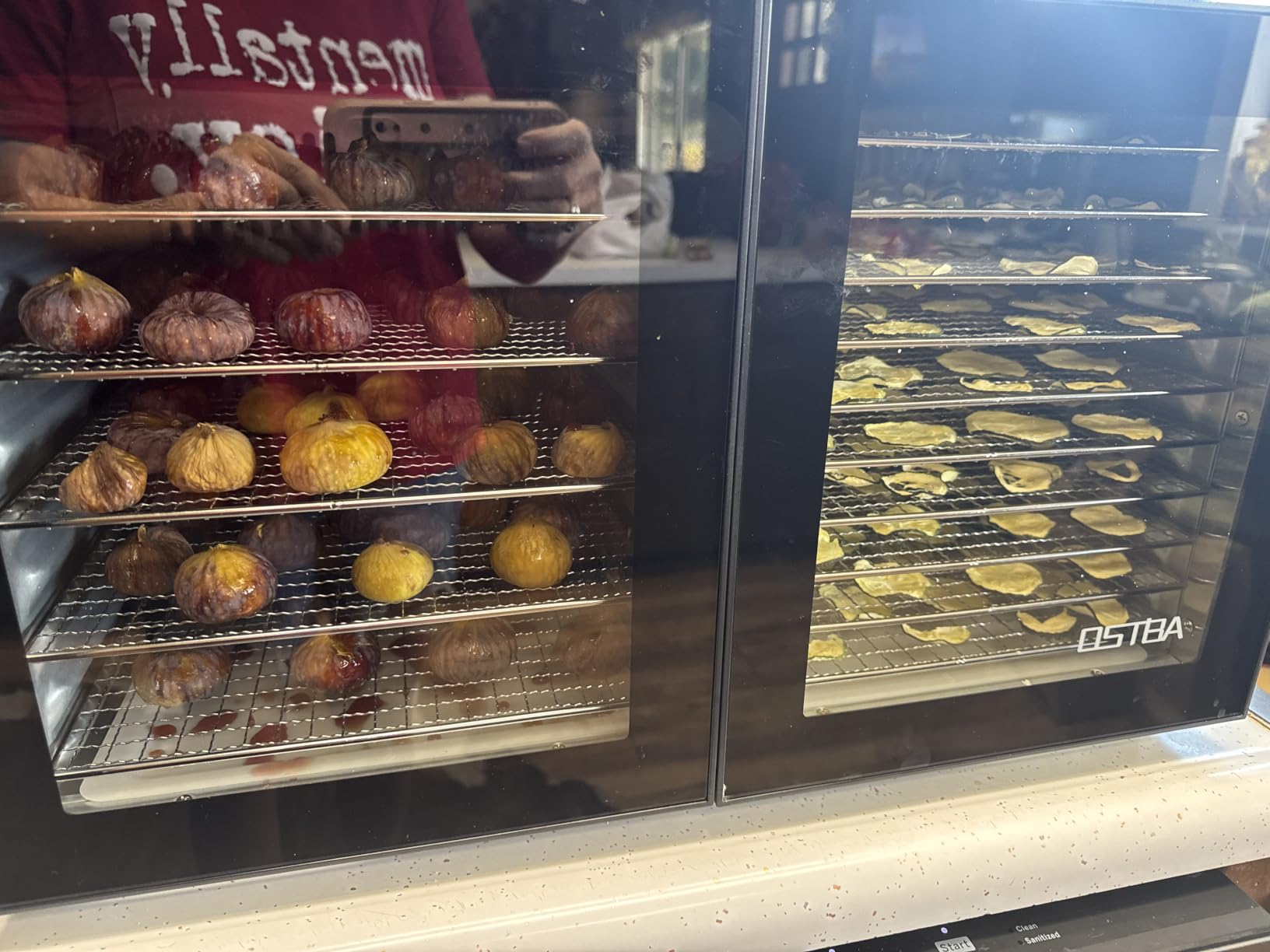
Built-in interior lights let you check tray contents without opening the door, and the fan runs 30 seconds past shutdown to release residual heat. The box includes 20 stainless steel trays, 10 mesh screens, 2 fruit roll sheets and drip trays.
Side handles, cord storage and anti-slip feet are small touches that matter when the machine weighs 33.4 pounds. It is 4.3 stars across 51 ratings, the newest and thinnest review base here.
What we liked working with
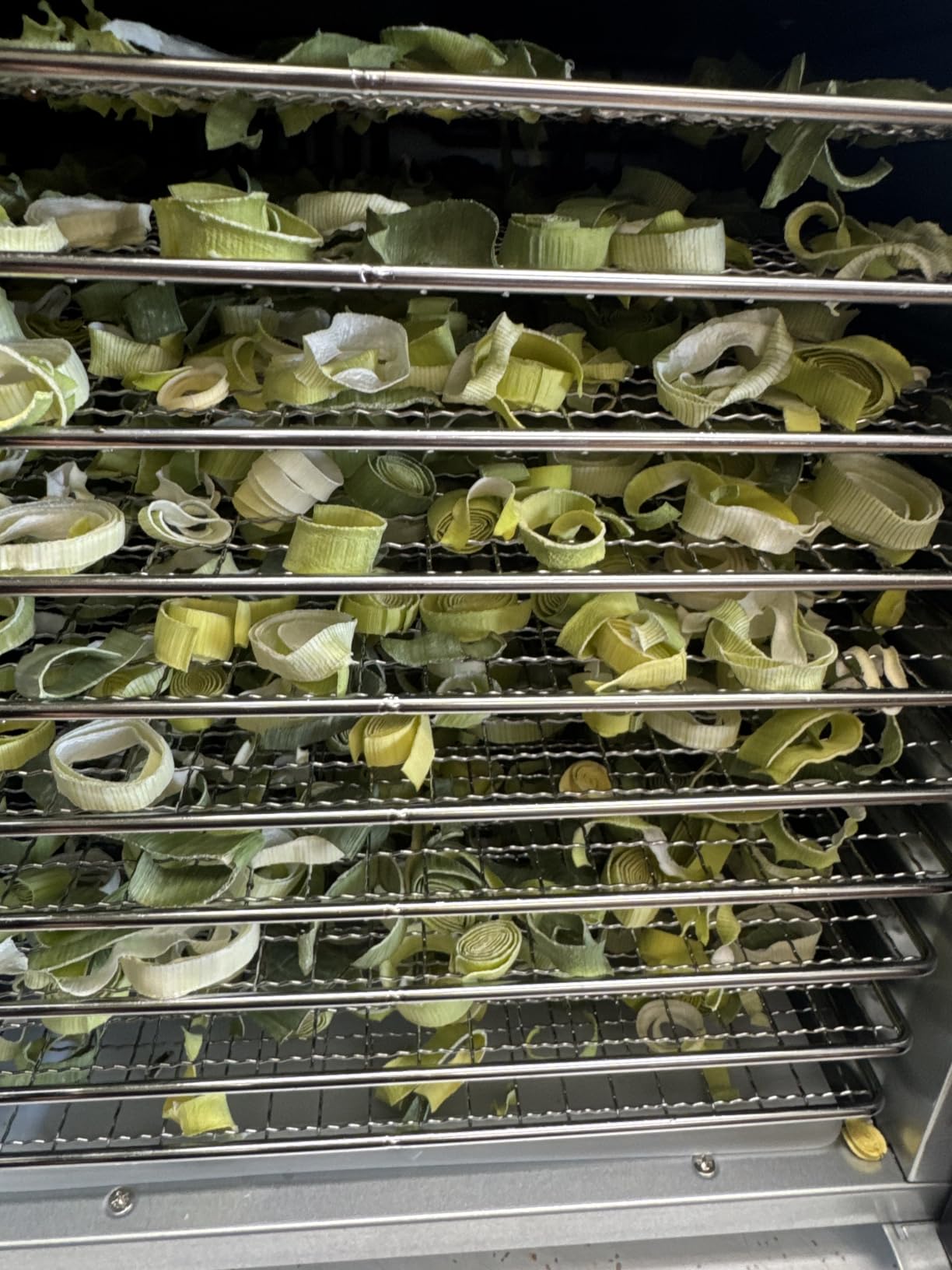
Dual-zone control is a genuine advantage for a homestead rather than a spec-sheet extra. Herbs, fruit and meat in three separate loads means three temperatures, and this is the only machine in the group that can do that in one cabinet.
Mesh screens for all ten trays per zone, plus interior lighting and a fan cooldown cycle, show the design was built for long unattended runs rather than short demonstration loads.
Where it falls short
The 51-rating review base is the thinnest here, which means long-term reliability is less well documented than anywhere else in this list. The 12-month warranty is also the shortest among the larger machines we covered.
At 33.4 pounds and 23.62 inches wide, it needs a large dedicated surface. The 95 degree floor is higher than the 70 degree lows some commercial models offer, which matters if you dry very delicate items.
How Much Food One Machine Really Dries
No manufacturer publishes pounds of produce per cycle, so we built the estimate the only way that is honest: from drying area, slice thickness and hours available. Treat the numbers below as planning figures rather than guarantees, and test them with your own first two batches.
Herb batches are the fastest thing these machines do. A load of dill, basil or oregano at low temperature typically finishes in a few hours, and a 4 to 6 square foot machine handles a week’s worth of herb stems in a single run. That is why the compact units are genuinely useful even when they are not harvest machines.
Fruit is next. Thin apple, strawberry or pear slices dried at a moderate temperature finish in roughly six to ten hours, so a 6.5 square foot cabinet such as the Cosori turns out a meaningful amount per overnight cycle. Thick rounds roughly double that, which is the argument for a larger tray area rather than more cycles.
Vegetables are the slow end, and the ones that really fill a garden. Zucchini, sweet corn, peppers and green beans sliced evenly and dried at the upper end of the produce range run ten to twenty hours, sometimes longer. A 22 square foot cabinet such as the Ausegia, or a 34 square foot unit such as the Septree, is what turns a vegetable glut into a finished pantry stock instead of a week of babysitting.
Meat is slowest per pound. Jerky needs the upper temperature range plus curing time before the machine even starts, and a 4 pound batch of finished jerky represents a much larger weight of raw meat going in.
The practical planning rule is to count cycles, not pounds. If you can start two 12-hour loads a day, plan on two. If you can only start one overnight load, buy the larger cabinet rather than the smaller one and a second run you will never manage.
Dehydrator vs Freeze Dryer vs Water-Bath Canning
This is the question behind most “is it worth it” searches, and the honest answer depends on what you are trying to preserve rather than on which appliance is more capable.
Dehydration wins on simplicity and volume. It needs no freezer, no boiling water and no pressure, the learning curve is measured in one batch, and output stores for a year or more in an airtight jar. It is also the cheapest of the three to buy and to run at scale, since every machine in this roundup draws between 240 and 2000 watts.
Freeze drying wins on texture and nutrition retention. Cryovacuuming removes ice by sublimation, so a strawberry comes out closer to fresh than a dehydrated one, and nothing shrinks to the leathery consistency some people dislike. It costs far more to buy, takes a full day for a small batch, and the cycle is largely unattended, so throughput per watt is lower than a dehydrator’s.
Water-bath canning is the one method that needs no electricity at all, which makes it the natural off-grid option for fruit, pickles and acidic vegetables. It does not work for vegetables that are not acidic, and every jar needs boiling water, a large pot, a rack and a cooling time.
Most homesteaders end up using more than one. A common and efficient split is canning for fruit, pickling for cucumbers and relishes, and dehydration for vegetables, herbs, mushrooms and meat, where the other two methods do not apply.
How to Choose a Food Dehydrator for Harvest Volume
Drying area is the number that decides everything else. A machine with 4 square feet finishing a batch every eight hours is a very different proposition from one with 34 square feet finishing three times a day, and it is worth planning your season around a realistic cycle count rather than the number of trays on the box.
A rough way to think about it: thin fruit slices and herbs finish faster than thick vegetable chips, and jerky is slower again. Before buying, write down how many pounds of each you expect to put away and how many cycles you can realistically start. Two cycles a day is a working assumption for most households.
Horizontal airflow versus vertical airflow, and when rotation is real
Horizontal airflow blows air from the back of the cabinet across slide-in trays, so the same air passes every tray and nothing needs rotating. Vertical airflow stacks trays and pushes air up or down from a top or bottom fan, and the trays nearest the fan dry first.
That distinction decides how much of your attention a machine demands. In our list, the Cosori, Magic Mill 15-tray, Magic Mill 5-tray, Elite Gourmet, Septree and Ausegia all use rear- or bottom-mounted fans with horizontal airflow. NESCO uses a top-mounted fan with its Converga-Flow system and still dries evenly for most loads.
Even within horizontal-flow designs, the large cabinets have a weak spot: the Ausegia owners report that middle trays dry less evenly and need swapping. On a 12 or 18 tray machine, plan on one swap at the midpoint of a long cycle. The cost is five minutes of work, and it is worth doing.
Six steps to choosing a dehydrator for harvest volume
Estimate your weekly harvest in pounds, not trays. A household picking for itself needs far less drying area than one with a CSA share or a market stall, and the gap between those two is one full cabinet.
Count your realistic daily cycles next. A machine you can only start once a day is a smaller machine, whatever its tray count says, because the limit is your time rather than the hardware.
Then work down the list: airflow design, tray material, temperature control, wattage, noise and cleaning. Those six criteria decide whether the machine gets used every week or sits idle from January to August.
Tray material, mesh and small-item fallthrough
Stainless steel trays take heat better, clean in a dishwasher more often, and last longer, but they cost more and add weight. Plastic trays are lighter and cheaper. Several machines here, including the Cosori and the Magic Mill 15-tray, pair a plastic or stainless body with removable stainless trays, which is the practical middle.
Mesh size is the detail people learn the hard way. The Hamilton Beach includes one screen, and owners repeatedly report that small mint leaves and fine herb bits fall through it. A dedicated fine-mesh liner solves the problem, so budget for one if herbs are a meaningful part of your harvest.
Trays also differ in usable size beyond the headline count. A 4-tray machine with tiny trays may hold less than a 5-tray machine with full-size racks, and buyers of the Elite Gourmet specifically report it being smaller than the photos suggest. Compare published tray dimensions when you can.
Controls, wattage and the electricity question
Digital control with single-degree setpoints is worth paying for if you make fruit leather or dry delicate produce, because a coarse dial is guesswork. A 48-hour timer with automatic shutoff matters even more, because it is the difference between sleeping and setting an alarm.
Wattage cuts both ways. Higher wattage dries faster per tray but pulls more power, and a 2000 watt cabinet on a 15-amp circuit is a real constraint. The 240 watt Magic Mill runs all day cheaply but takes longer per load. Match the machine to your electrical capacity and to how long you are willing to wait.
Noisy models are a placement problem more than a quality problem. The NESCO is loud enough that owners keep it in a garage or laundry room, and its radiated heat can cause wall condensation indoors. If you plan to run it inside, check the noise notes first.
Cleaning, mesh accessories and what ships in the box
Dishwasher-safe trays turn cleanup from a project into a chore you ignore, and that difference compounds across a season. The NutriChef trays are the exception here and must be hand washed, which is a real drawback on a machine used daily.
Count the accessories. The NESCO includes 8 screens and 8 fruit roll sheets, the OSTBA 10 mesh screens and 20 trays, and the Septree silicone sheets, hanging jerky racks and hooks. The Magic Mill 5-tray includes no mesh screen or fruit leather tray at all, so plan to buy both.
Drying Temperatures and Food Safety
Dehydrated food is only shelf-stable if the water is gone and the process was run to completion. The National Center for Home Food Preservation is the reference most homesteaders rely on, and its general guidance is to dry produce in the 95 to 135 degree range and meats at 145 to 155 degrees or higher.
Cutting consistently matters as much as temperature. Uniform slices dry at the same rate, which is how you get a batch where every piece is finished rather than a mix of brittle chips and damp centers. It also reduces the hours a load sits in the warm cabinet.
For meat, treat the process as a safety operation rather than a snack project. Our jerky-focused dehydrator guide covers the curing steps and salt ratios separately, and it is worth reading before you start a meat batch.
Cool dried food completely before you pack it. Trapping any residual warmth inside a sealed container creates condensation, and condensation is what turns a shelf-stable jar into a spoiled one within weeks.
Storing Dehydrated Food Long Term
Dried produce is light and brittle, so storage method matters more than most people expect. The four-step routine that works: let food cool fully, condition test it, pack airtight, and label with the date and the batch.
Mason jars with a two-piece lid work well for produce you will use within a year, and vacuum sealing them pushes that further. Mylar bags with oxygen absorbers suit bulk stores and stacks neatly, which matters when a single 18-tray run produces more jars than you have shelf space for.
A conditioning check takes ten minutes: bend a piece of dried vegetable. If it snaps cleanly rather than bending, it is dry enough. If it flexes, put it back for another cycle. Guessing here is how people end up with jars they have to throw out in February.
Off-Grid and Solar Drying
None of the electric models in this roundup is marketed for off-grid use, but the wattage numbers make the math straightforward. The Magic Mill 5-tray at 240 watts is the realistic battery-backed option; the NESCO at 1000 watts and the Septree at 2000 watts need a substantial array or a generator.
Run the numbers from real consumption rather than label wattage. A 600 watt heater rarely pulls 600 watts continuously, but sizing for peak draw and cycle time is the safer approach if you are sizing a solar array or a battery bank.
A homesteader on r/homestead reported improving the efficacy and speed of large solar dehydrators by running a fan directly across the racks of food, and has dried blueberries and meat that way. That trick works on a cabinet dryer too: a small USB or DC fan pointed at the trays moves air faster than the passive solar boxes.
The alternative is free. One homesteader described switching to window-drying on hot days when the electric unit was not worth running, which works well for herbs, apple slices and other thin items. It needs a dry, sunny, screened room and close attention, so it complements an electric machine rather than replacing one.
Frequently Asked Questions
What size dehydrator do I need for a large garden?
Match drying area to how much you will actually pick in a day, not to the number of trays on the box. A 4 to 6 square foot machine suits herbs, fruit chips and a household CSA share, while 20 square feet or more handles a full day of picking in a single load. Plan on one to two cycles daily and choose airflow that dries evenly so you are not babysitting trays at midnight.
Do food dehydrators need to be rotated?
With horizontal airflow, usually not. A rear-mounted or bottom-mounted fan pushes the same air across every tray, so trays dry at a similar rate from top to bottom. With vertical airflow and a top or bottom fan, rotation is more often needed. Even on large horizontal machines, the middle trays can dry slower, so one swap at the midpoint of a long cycle is a reasonable habit.
How hot does a food dehydrator need to be for jerky?
Drying meat calls for the upper end of the range, generally 145 to 160 degrees, held until the center reaches the safe temperature for the cut of meat. Most household units here top out between 158 and 190 degrees, which is why the commercial cabinets matter if you dry meat regularly. Always use a food thermometer and follow current food safety guidance rather than time alone.
How long does it take to dehydrate food?
It depends on thickness, humidity and temperature. Thin fruit slices and herbs finish in a few hours, fruit leather takes several, and thick vegetable chips or meat run much longer, often overnight. A 48-hour timer on most of these machines exists because some loads genuinely need the full range. Cut pieces uniformly and airflow improves on the whole batch.
Is it worth it to buy a food dehydrator?
If you regularly have more produce than you can eat fresh, it is one of the cheapest preservation methods available, with no boiling, pressure or freezer involved. It also has the lowest barrier to entry, and output stores for a year or more once packed airtight. The machine pays for itself fastest if you already plan to eat the food rather than sell it.
What is the best food dehydrator for home use?
For most home kitchens, the Cosori 6-tray stainless steel model is the strongest all-round choice: 6.5 square feet of drying space, a rear-mounted fan that avoids tray rotation, and a brushless motor that runs under 48 dB. If counter space is tight, the Hamilton Beach 5-tray is quieter and smaller, and if herbs and pet treats are your main output, the Elite Gourmet is compact and accurate.
Which Dehydrator Fits Your Harvest
The Cosori 6-tray is the pick for most homesteads, and it is our overall choice in 2026 because it combines even horizontal drying, a long owner history and a footprint that fits an ordinary kitchen. If your garden outruns 6.5 square feet, step up to the Magic Mill 15-tray for bulk harvests, the OSTBA 20-tray when you need two temperatures at once, or the Septree 18-tray when you are drying for other people.
The NESCO GardenMaster Pro fits a homestead that is still growing, since it expands from 8 trays to 30. For herbs, pet treats and trial batches, the Elite Gourmet and NutriChef are compact and quiet, and the Magic Mill 5-tray is the one to run when power, not space, is the constraint.
Whichever you pick, measure the counter space first, buy a fine-mesh liner if herbs matter to you, and start with a single batch so you learn your machine’s rhythm before the glut arrives.