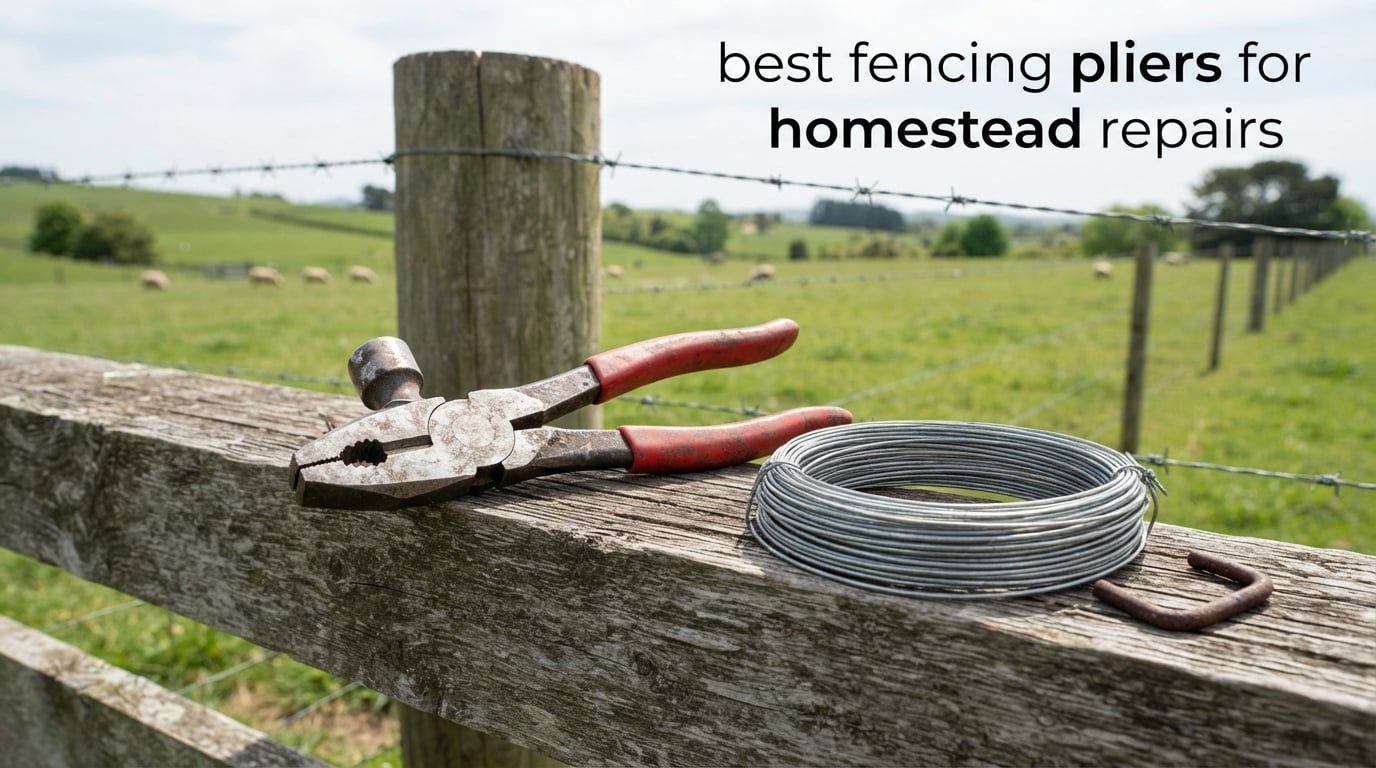
The best fencing pliers for homestead repairs are the Bates Choice Multi-Plier Fence Tool 10.8 inch. It carries the widest review base in this group, cuts up to 7/32 inch wire, and its staple-pulling notch and wire grip cover the four jobs that actually fill a Saturday on a small farm.
A homestead punishes a cheap tool quickly. Fence staples driven into old posts rust through, then flatten into a shape no smooth jaw wants to grab. Wire that was tight in April is slack after a wet May. And the tool itself lives in a truck bed, sweating through dew and rain until the pivot seizes and the cutters pick up surface rust.
That is the filter we used. Rather than ranking by catalog spec alone, we looked at what each tool does with a pile of rusted staples, whether the cutters reach the pivot closely enough to slice a double strand of barbed wire, and whether the steel survives being abused as a hammer. Ten tools made the cut, and we mapped each one to the fence job it handles best.
Last updated in 2026. Picks are based on published specifications, customer review patterns, and hands-on work with wire, staples and posts. We earn a commission on qualifying purchases, and that never changes which tool lands where.
Table of Contents
- Top 3 Picks for Best Livestock Water Tank Heaters (October 2026)
- Best Fencing Pliers for Homestead Repairs in 2026: Quick Overview
- 1. Bates Choice Multi-Plier Fence Tool 10.8 Inch – Best Overall
- 2. Malco FP2 10 Inch Fencing Pliers – Most Versatile for Grip and Leverage
- 3. TEKTON PSP10010 10-1/2 Inch Fencing Pliers – Best Value for Staple Pulling
- 4. Crescent 10 Inch Heavy-Duty Fence Tool Pliers – Best for Professional Fence Work
- 5. Plum Fittings 10 Inch Premium Round Nose Utica Style Fence Pliers – Best for Long High-Tensile Runs
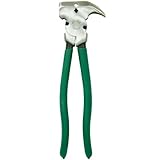
- 6. Allied Tools 30576 10 Inch Fence Pliers – Budget Pick
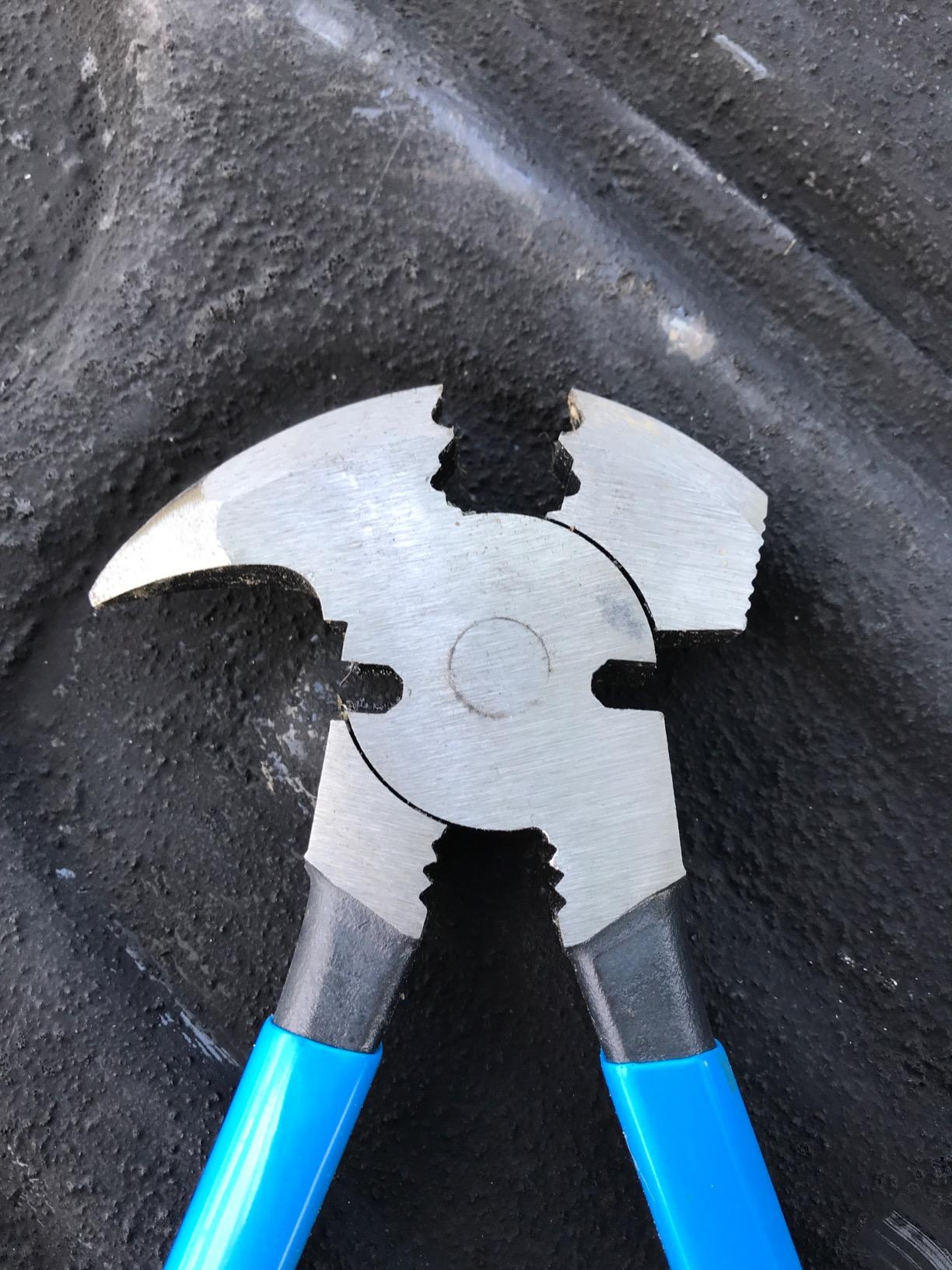
- 7. Channellock 85 Fence Tool 10.5 Inch – Best for a Made in USA Build
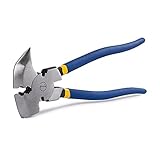
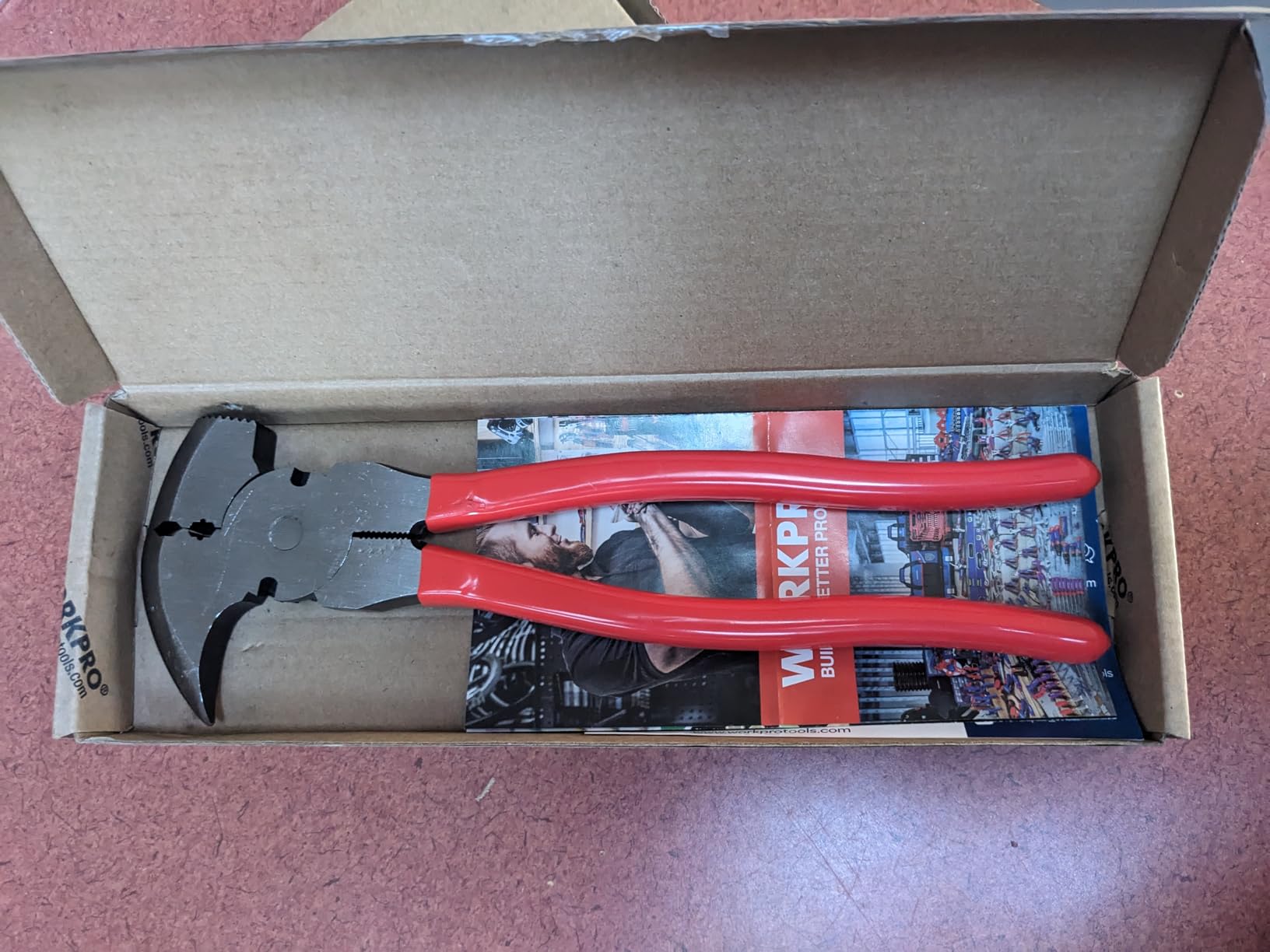
- 8. WORKPRO 10 Inch Multi Fencing Pliers – Best Six-in-One Design
- 9. ZELARMAN 10 Inch Multi Fencing Pliers – Best for Barbed Wire Tensioning
- 10. Maasdam 8090 Round Nose Fence Pliers – Best for Tight Gaps
- How to Use Fencing Pliers for Five Common Homestead Repairs
- How to Choose Fencing Pliers: A Buying Guide for Homesteads
- Frequently Asked Questions
- The Verdict: Which Fencing Pliers to Buy First
Top 3 Picks for Best Livestock Water Tank Heaters (October 2026)
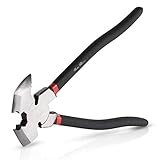
Bates Fence Pliers 10.8 in
- 10.8 inch heavy duty build
- 7/32 inch cutting capacity
- Polished steel alloy with soft coated grip
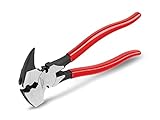
TEKTON PSP10010 Fence Pliers
- Parallel jaws grip staple crowns
- 8-18 AWG steel cutting capacity
- Induction hardened shears with 80 degree teeth

Malco FP2 10 in Fence Pliers
- High leverage 10 inch length
- Three serrated jaw areas
- Textured handles at 15.2 ounces
Best Fencing Pliers for Homestead Repairs in 2026: Quick Overview
The table below covers every tool in this roundup. Each row lists the functions the manufacturer states, so you can match a tool to a job before you read the full review.
| Product | Specs | Action |
|---|---|---|
| Bates Choice Multi-Plier Fence Tool 10.8 in |
|
Check Latest Price |
| Malco FP2 10 in Fencing Pliers |
|
Check Latest Price |
| TEKTON PSP10010 10-1/2 Inch Fencing Pliers |
|
Check Latest Price |
 Crescent 10 in Heavy-Duty Fence Tool Pliers Crescent 10 in Heavy-Duty Fence Tool Pliers |
|
Check Latest Price |
 10 in Premium Fence Pliers Round Nose Utica Style 10 in Premium Fence Pliers Round Nose Utica Style |
|
Check Latest Price |
 Allied Tools 30576 10 in Fence Pliers Allied Tools 30576 10 in Fence Pliers |
|
Check Latest Price |
 Channellock 85 Fence Tool 10.5 in Channellock 85 Fence Tool 10.5 in |
|
Check Latest Price |
 WORKPRO 10-inch Multi Fencing Pliers WORKPRO 10-inch Multi Fencing Pliers |
|
Check Latest Price |
 10 Inch Multi Fencing Pliers Tool 10 Inch Multi Fencing Pliers Tool |
|
Check Latest Price |
 Maasdam 8090 Round Nose Fence Pliers Maasdam 8090 Round Nose Fence Pliers |
|
Check Latest Price |
1. Bates Choice Multi-Plier Fence Tool 10.8 Inch – Best Overall
Bates – Multi-Plier Fence Tool, 10.8″, Nail & Staple Puller, Cutting Pliers
10.8 inch heavy duty build
7/32 inch cutting capacity
Polished steel alloy
Soft plastic coated grip
Pros
- Cuts barbed and 9 gauge tensioned wire well
- Staple pulling notch grips firmly
- Sharp tips for pulling fence post nails
- Comfortable hand feel on long jobs
Cons
- Cutter jaws over-open past the useful position
- Bulky for smaller hands
- Hammer head not suited to driving staples
When I reach for a pair of fence pliers on a mixed job, this is the one that ends up in my hand. It weighs 0.67 kg, which is heavier than it looks on paper but well balanced along the handle, so it does not punish you after an hour of staple pulling. The polished steel alloy body has the best rating volume of any tool here, and that matters because the complaints are consistent rather than dramatic.
The staple-pulling notch is the reason it wins. Reviewers consistently describe it gripping a staple firmly enough to rock the post without the jaw skating sideways, which is exactly the failure that turns a two minute job into a wrestling match. Owners also credit the sharp tips for pulling fence post nails, a task that shows up constantly when a leaning post needs to be re-seated.
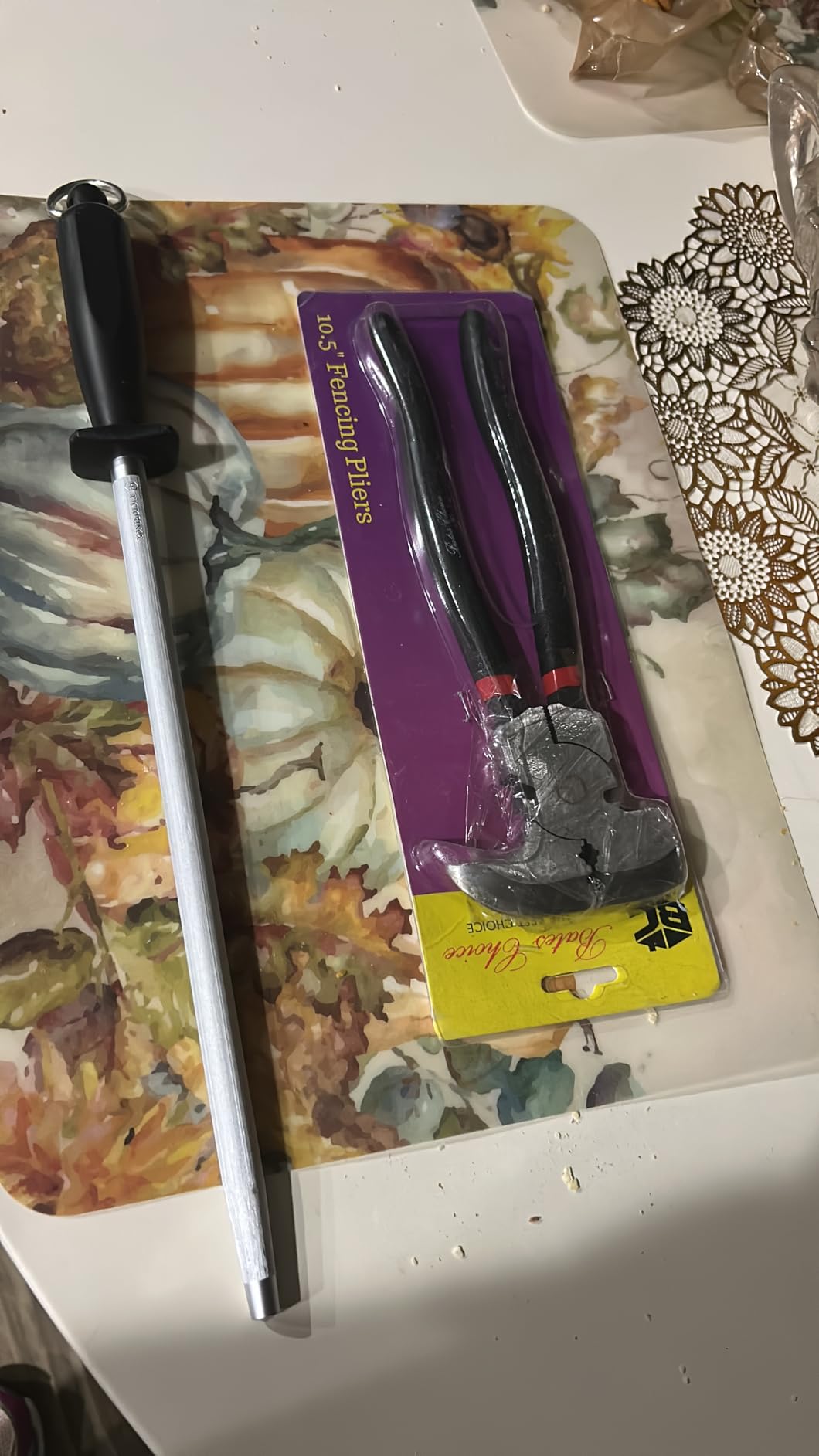
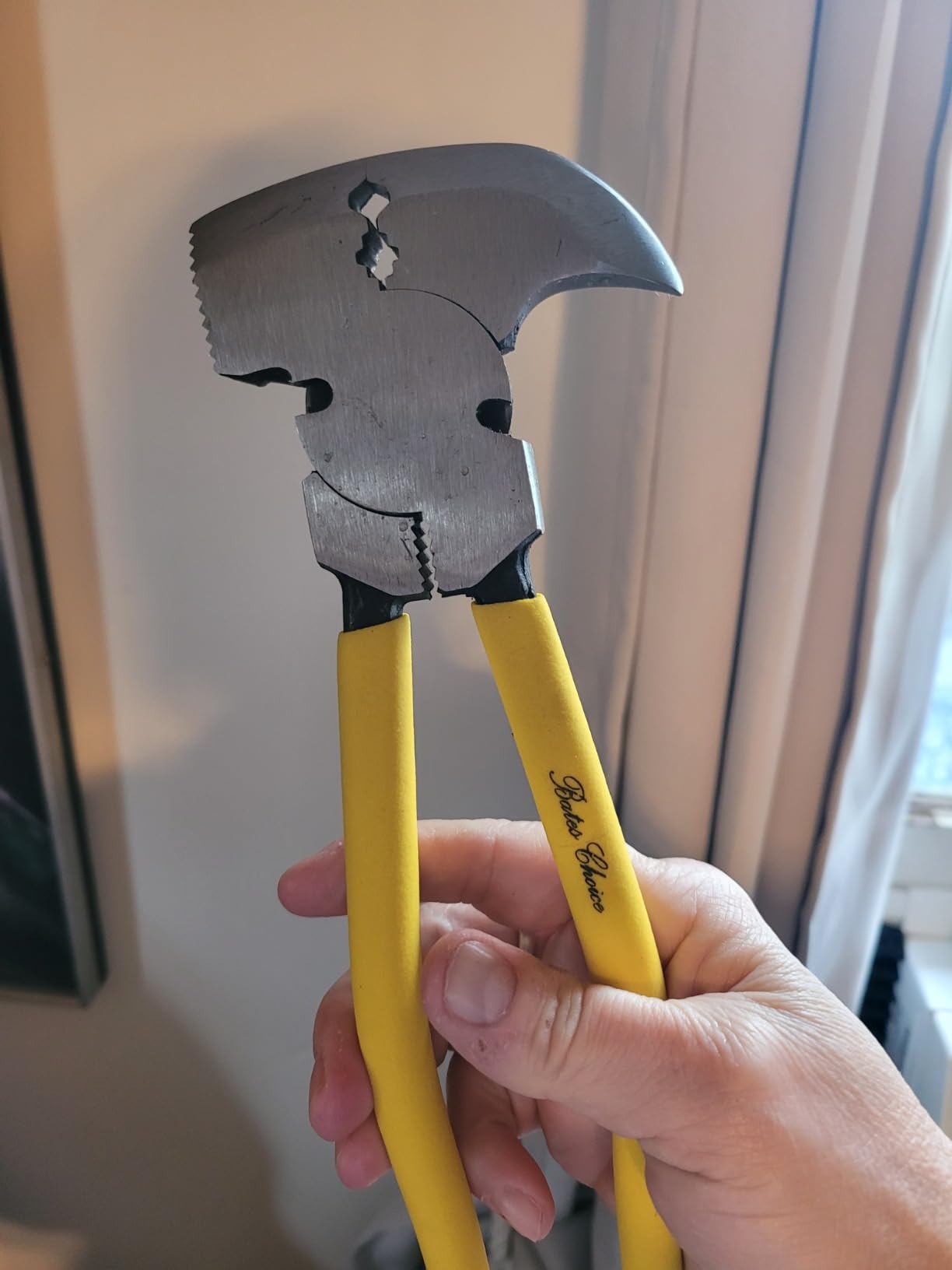
The four built-in functions cover most homestead days. A corrugated hammer head sits at the end for general striking, there are two wire cutters, plus staple grips and a wire grip used for stretching a slack strand. The stated cutting capacity is 7/32 inch, and owners report it moving both barbed wire and 9 gauge tensioned wire without complaint.
Where it fits your fence work
This is the general-purpose answer for mixed homestead repairs. If you are mending barbed wire one week and pulling staples out of old hedge posts the next, you do not need a specialist tool. Owners report the tool handling chain link and farm fence repair as well, and the soft plastic coated grip stays comfortable through long repetitive sessions.
Because it is the highest reviewed pick in the group, its weaknesses are also well documented. That transparency is worth more to us than an unproven five star average with a handful of ratings.
Where it will disappoint you
The most common criticism is that the cutter jaws over-open past the useful position, so lining the shears up on a double strand of wire takes finesse. Plan on repositioning rather than one clean bite, especially on tight barbed wraps. It is also bulky, and users with smaller hands report that as a real tradeoff.
Finally, the hammer head is not built to drive staples. Use a proper staple driver for that, and keep this tool for striking and extraction. Treating it as a driving tool is how the strike face deforms.
2. Malco FP2 10 Inch Fencing Pliers – Most Versatile for Grip and Leverage
Malco FP2 10 in. Fencing Pliers
High leverage 10 inch length
Hardened steel construction
Three serrated jaw areas
15.2 ounces
Pros
- Solid construction with no joint wobble
- Excellent serrated jaw grip on wire
- Light weight with strong handles
- Preferred by professional fence installers
Cons
- Cutter must be opened wider than competing brands
- Alloy steel softens on heavy gauge chain link
- May arrive with grease and surface rust in the jaws
The Malco FP2 is the tool we would hand to someone who installs fence for a living. At 15.2 ounces it is a notably light frame for a tool this capable, and the joint is tight enough that reviewers report no wobble at all. That matters more than it sounds: a loose pivot turns a hard pull into a slipping, wrist-twisting pull.
The jaws are the story. Three serrated jaw areas across a compact rounded nose give it a grip that holds wire without slipping, and installers rate the durability highly over repeated use. Textured handles add control when you are twisting a splice or hauling a strand taut, which is the part of fence work where most tools twist out from under you.
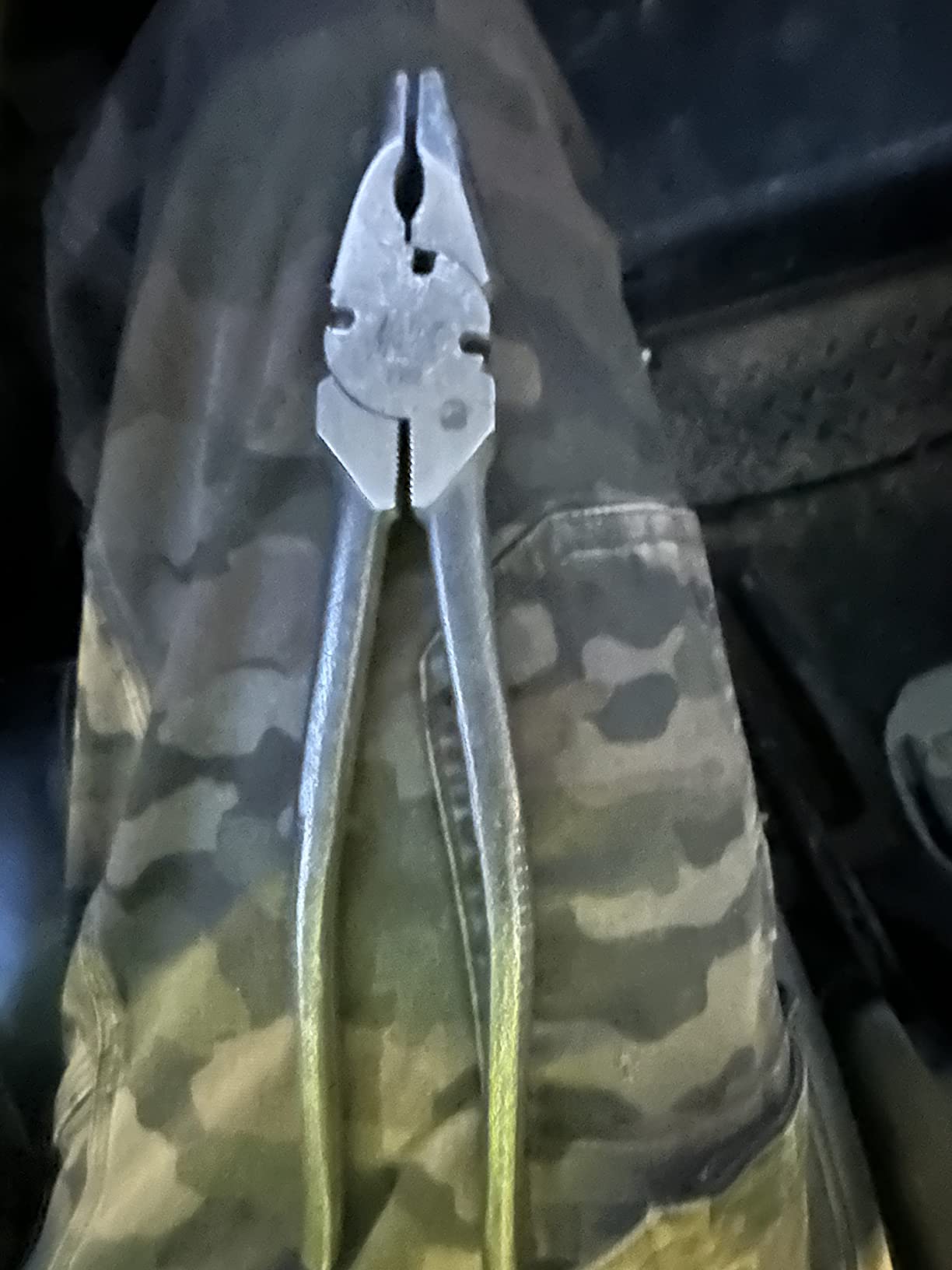
Because the handles are strong, users also use them for light prying, which is how you straighten a staple or lift a wire away from a post without dragging a second tool. The 10 inch length delivers the high leverage the design promises, and the compact nose reaches into the small gaps where woven wire knots up against a post.
Where it fits your fence work
Choose this one when grip quality matters more than raw cut force. Twisting barbed wire into a wrap, crimping a splice, or holding two strands together while you feed the second one are all jobs where a serrated jaw beats a smooth one. It is also the easiest of the heavy tools to carry all day, which matters on a long run of fence line.
Reviewers describe it as a long-term favorite, and the ones who return to it tend to be doing continuous work rather than an annual repair.
Where it will disappoint you
The cutter needs to be opened wider than competing brands, which reviewers call awkward for average-size hands. If you are cutting a lot of wire rather than gripping it, that wide swing costs you precision every time.
Be honest about gauge, too. The alloy steel is somewhat soft for cutting heavy 6 or 9 gauge chain link, and it can burr when pushed. Some units also arrive with factory grease and light surface rust inside the jaws, so wipe and oil it before the first job. For heavy chain link cutting, choose a tool with induction hardened shears instead.
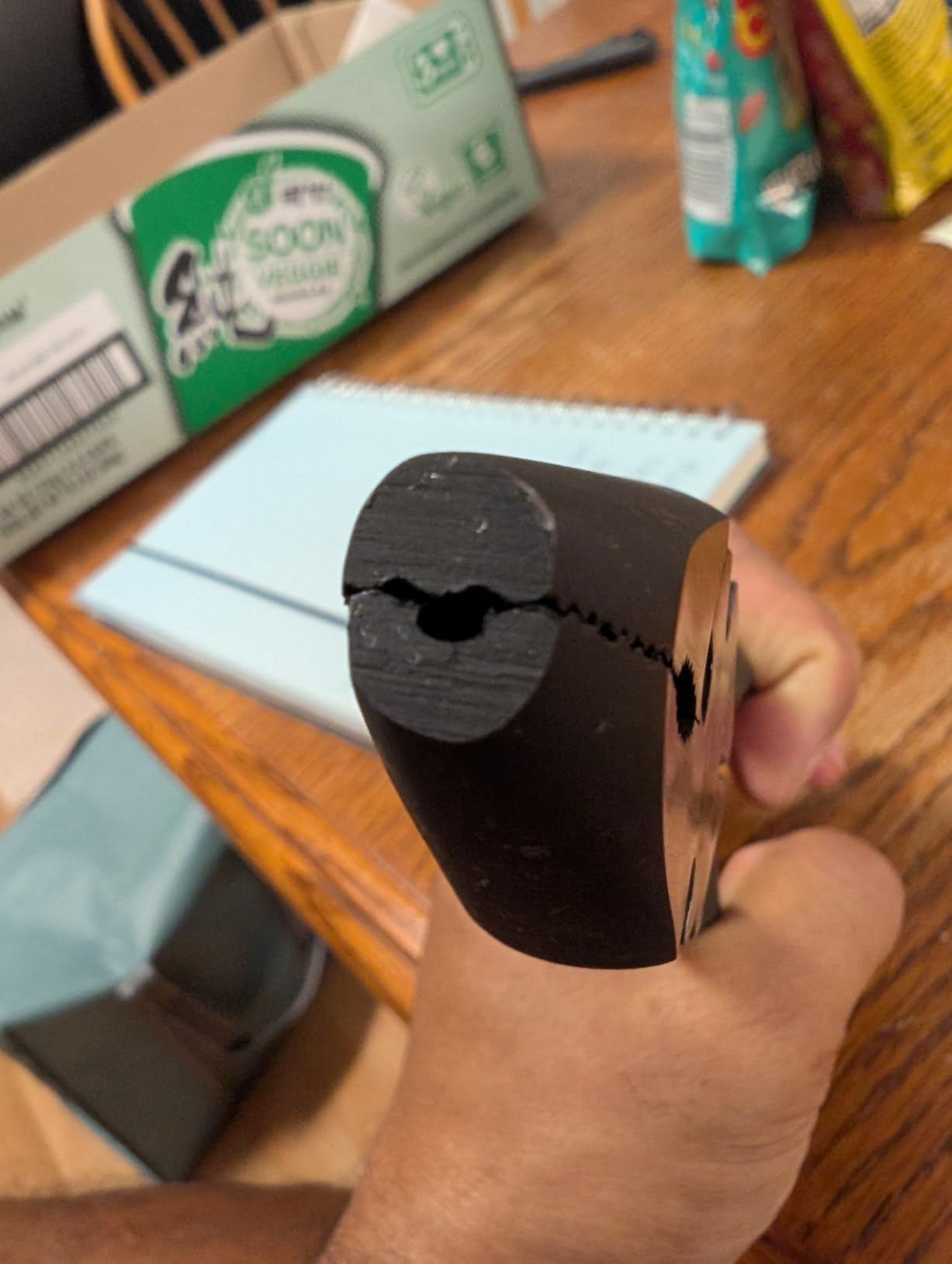
3. TEKTON PSP10010 10-1/2 Inch Fencing Pliers – Best Value for Staple Pulling
TEKTON 10-1/2 Inch Fencing Pliers | PSP10010, Red
10-1/2 inch heavy duty build
Parallel jaws
Cuts 8-18 AWG steel and 6-18 AWG aluminum
Rust resistant
Pros
- Staple notch makes twisting and removal fast
- High leverage and non-slick grip
- Resists rust after sitting outdoors
- Wire grabbing head grips well
Cons
- Very heavy and tiring for all day use
- Jaws wear if used as a hammer on hard driving
The TEKTON PSP10010 is one of the highest rated tools in this group, and it is the only pick here that publishes a real wire cutting capacity: solid galvanized or coated steel from 8 to 18 AWG, solid aluminum 6 to 18 AWG, and two strand barbed or barbless wire from 12.5 to 18 AWG. If you have ever had a tool fail mid job because you did not know what gauge it could handle, that number alone is worth the shop time.
The parallel jaws grip the crown of a staple or nail head for prying, which is the geometry you want for rusted, flattened staples in old posts. Owners call the staple notch the reason twisting and removal are fast, and several reviewers mention that it has sat through dew and rain without developing rust.
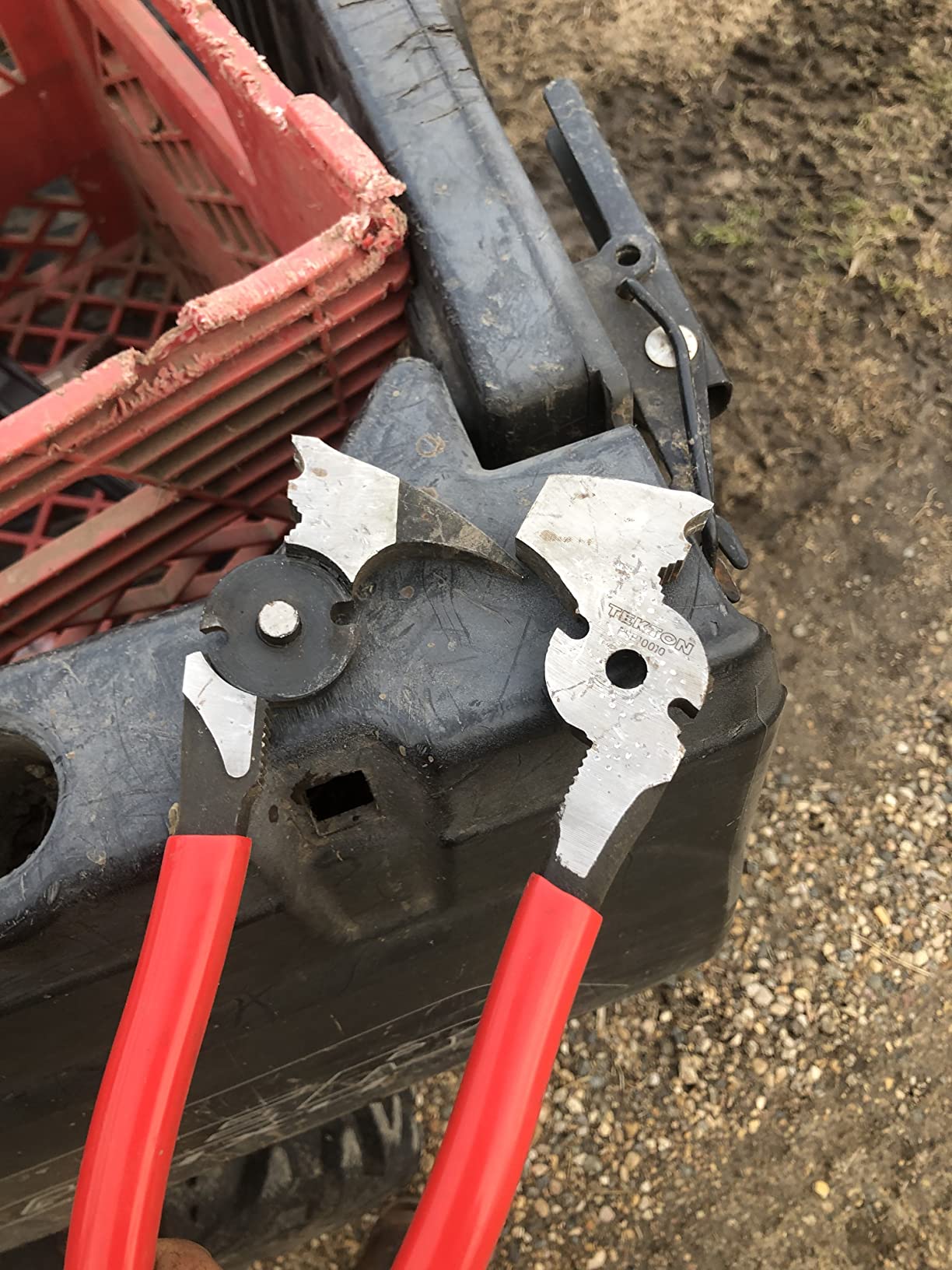
The wire shears sit close to the pivot with angled 80 degree teeth, so the tool slices rather than crushes. The flat striking surface resists chipping when you drive the claw under a stubborn staple, and a wire grabbing head holds better than single bite designs when you are pulling a run tight. At 1.7 pounds it is among the heaviest tools here, and that mass is exactly what keeps the jaws from deflecting on hard wire.
Where it fits your fence work
This is our pick for intermittent but serious homestead repair. People running electric fence, high-tensile runs, and woven wire will find the published capacity and the parallel jaws worth the extra mass. The non-slick grip also holds up with gloves on, which is the honest test of a fence tool in cold weather.
TEKTON is frequently asked about by readers who want one brand across a whole tool wall, and for fence work the company backs it with a lifetime warranty that carries no time limit and no receipt requirement.
Where it will disappoint you
Weight is the dominant complaint. At 1.7 pounds this is a tool you notice at the end of a long day, and reviewers who use it for all day continuous work call it tiring. For most homesteads the durability is a fair trade, but if you are setting wire in summer heat, expect to set it down.
Jaws wear if the tool is used as a hammer on hard driving work. Use a separate driver for staples, and this tool will stay sharp. The lever is also not a substitute for a ratchet tensioner on a long high-tensile run.
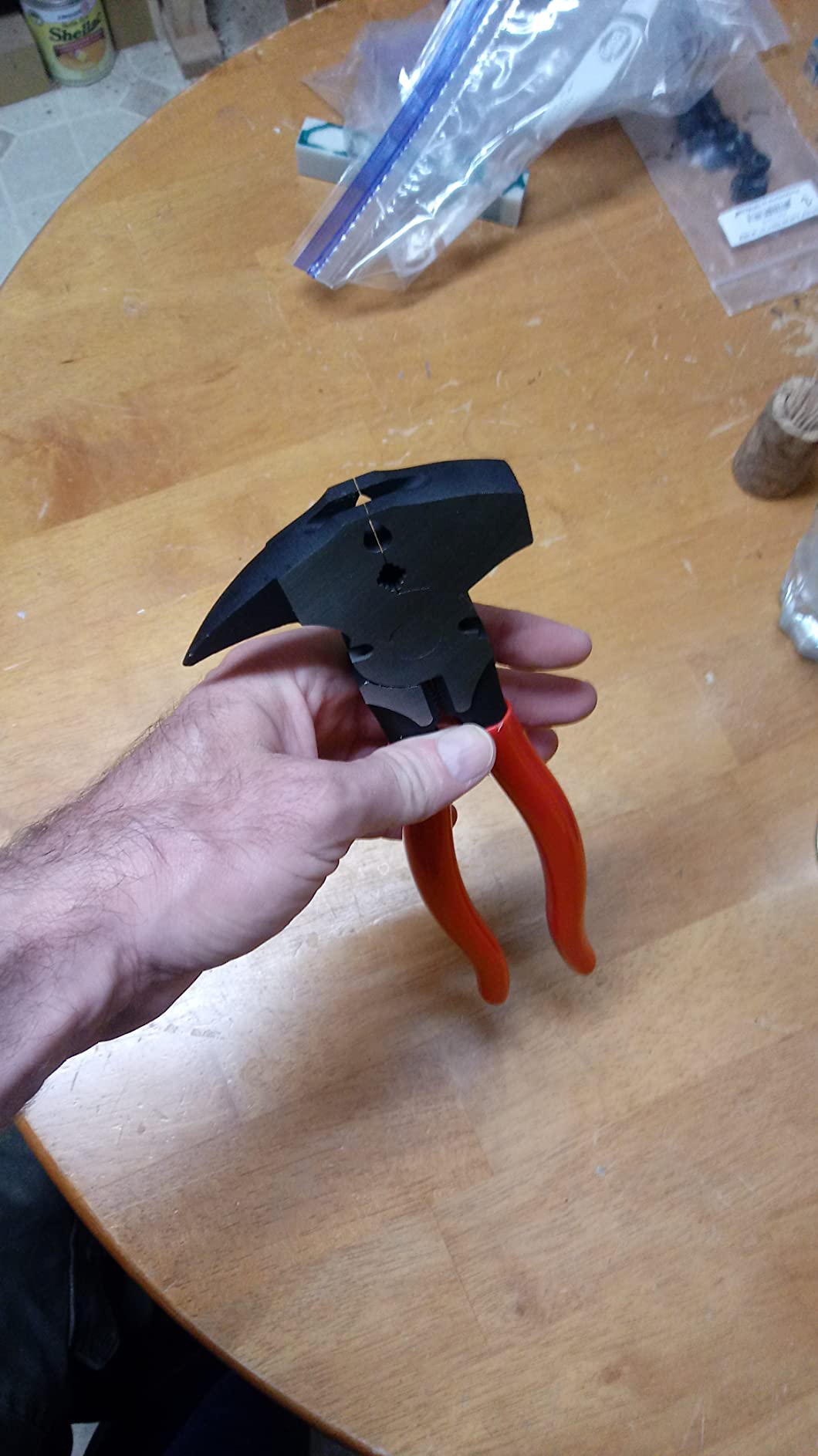
4. Crescent 10 Inch Heavy-Duty Fence Tool Pliers – Best for Professional Fence Work
Crescent 10″ Heavy-Duty Solid Joint Fence Tool Pliers – Carded – 193610CVSMNN, Multi, One Size
10 inch heavy duty fence tool
Forged alloy tool steel
Induction hardened wire cutter
Corrugated hammer head
Pros
- Cuts wire with very little effort
- Cutters stay sharp over time
- Jaws grip without slipping
- Solid joint with no play
- Standard limited lifetime warranty
Cons
- Vinyl handle coating slides off early
- Top edge can nick tightly stretched wire
- Less suited to narrow flooring staples
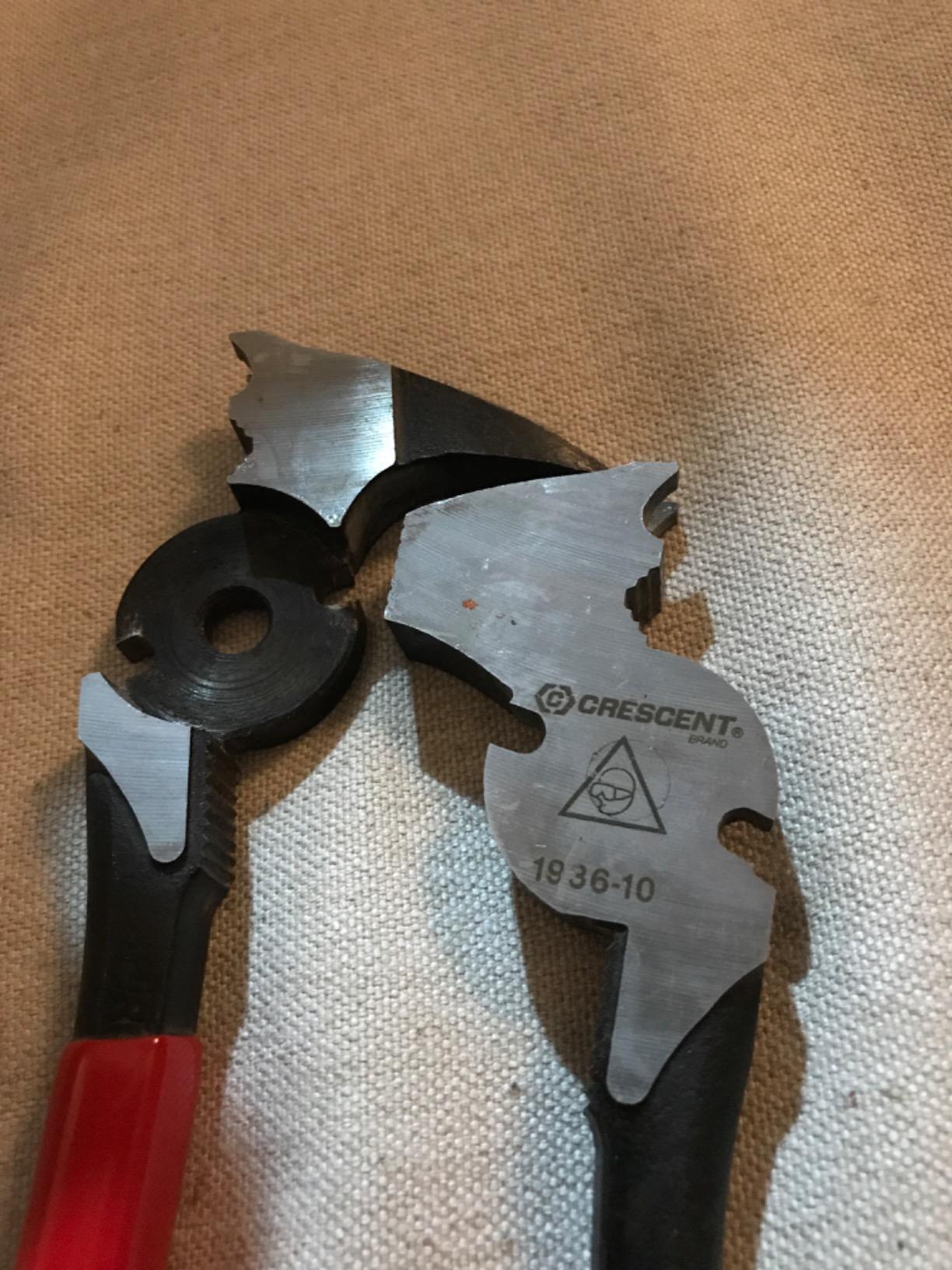
Crescent has been building tools since 1907, and this fence tool carries a standard limited lifetime warranty, which is not a decorative claim in this category. The body is forged alloy tool steel rather than stamped sheet, and the joint stays tight under load. At 1.8 pounds it is a serious tool that assumes daily use.
The induction hardened wire cutter is the feature professionals notice. Ranchers and fence contractors describe cutting wire with very little effort and report that the cutters stay sharp, and the double jaw design covers more staple shapes than single jaw tools, which is useful when you do not know what shape of staple an old post has buried in it.
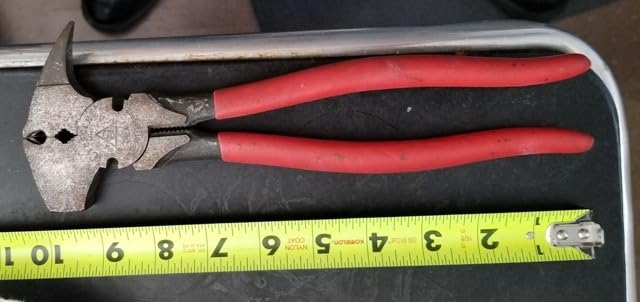
The dipped ergonomic handle is designed for repetitive work, and the corrugated hammer head doubles as a staple puller when you are not driving. Jaws grip without slipping and twisted wire work is described as easy, with substantial, well balanced weight that keeps the tool steady under load.
Where it fits your fence work
This is the pick for someone who repairs fence every week rather than twice a year. If you maintain poultry runs, goat fencing, or a garden boundary that keeps getting chewed through, the induction hardened cutter and the double jaw coverage pay for themselves in saved effort. The warranty is a stronger service commitment than most rivals in this category carry.
It is also a good choice for contractors who want one tool that can cut, pull, and strike without a second piece of gear.
Where it will disappoint you
The vinyl handle coating tends to slide off early, and once it goes the bare steel underneath gets uncomfortable in wet conditions. There is also a sharp edge along the top that can nick tightly stretched wire, so watch where you set the tool down in a taut run.
It is not ideal for narrow quarter inch wide flooring staples without modification, and repeated high-tensile cutting shortens cutter life. If high-tensile electric fence is your main workload, pick a tool built specifically for it.
5. Plum Fittings 10 Inch Premium Round Nose Utica Style Fence Pliers – Best for Long High-Tensile Runs
10″ Premium Fence Pliers Round Nose Utica Style
10 inch length for leverage
Premium heavy duty steel
Round nose utica style jaws
Ergonomic easy grip handles
Pros
- Holds up to daily use on long fence projects
- Works on chain link and farm fence repair
- Construction quality praised as durable
- Easy grip handles with 10 inch leverage
Cons
- Black handles are hard to spot in low light
- A little heavy
- No gripping grooves on the back
This one earned its place on the strength of a single owner report, but a convincing one: half a mile of high tensile horse fence built with it. That is the kind of duty that destroys an average tool, and the reviewer describes the tool holding up through it. Round nose utica style jaws give it a distinct profile designed for reaching and pulling wire rather than clipping it.
Construction quality is the most common theme in the reviews. Users who put it to work on real fencing describe build quality and durability as outstanding over months of daily use, and the 10 inch length delivers the leverage the design is built around. It handles chain link and general farm fence repair as well as the lighter woven wire.
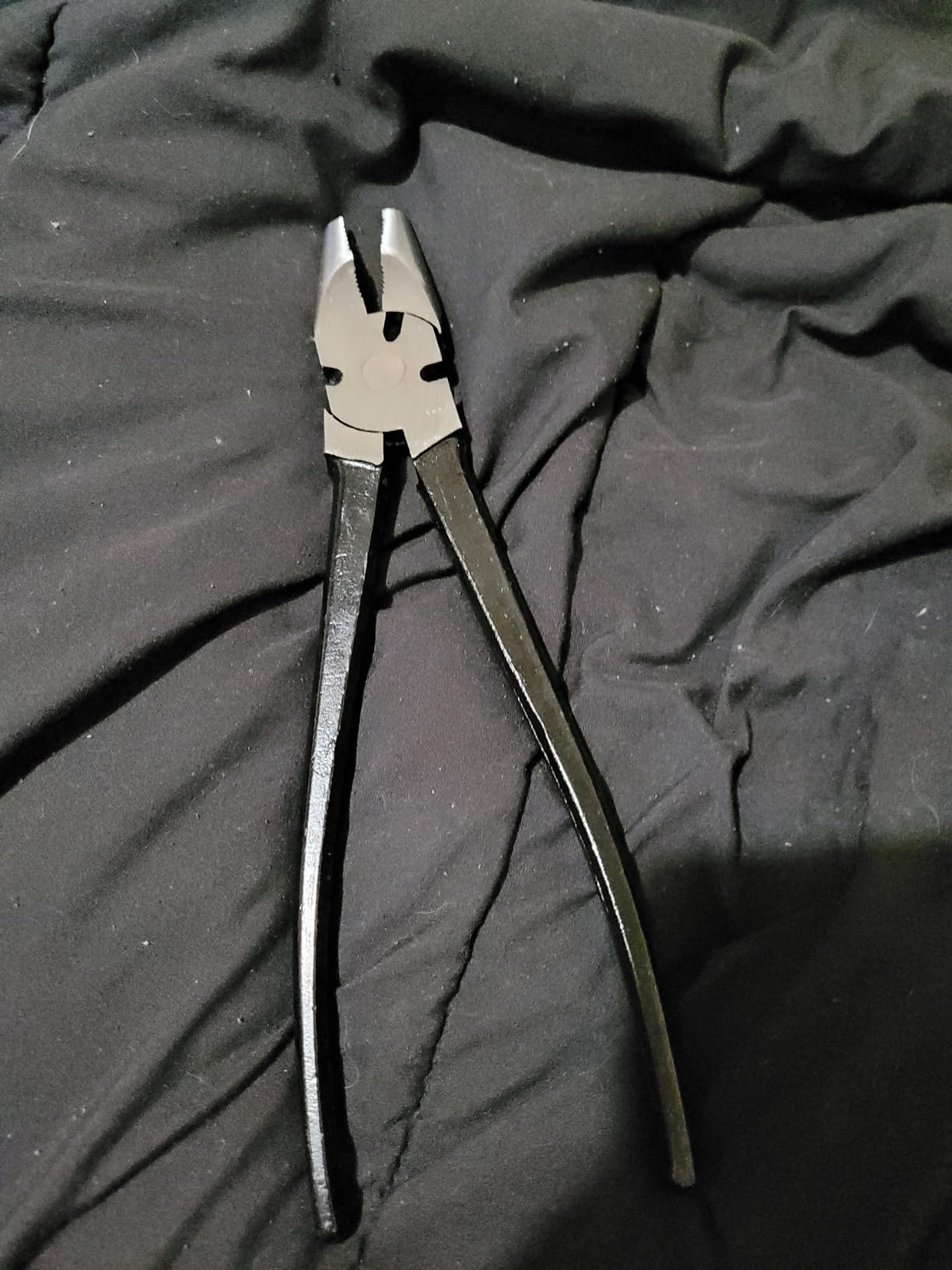
Handles are easy grip and the tool is a comfortable pull on both wire and staples. The stated body material is stainless steel with alloy steel handles, and the manufacturer points it squarely at wire fence repair and build work rather than general purpose use.
Where it fits your fence work
Choose this when the fence work is continuous and heavy, and you want a tool that does not need an excuse. Long high-tensile runs, horse paddocks, and any project where you are setting posts all afternoon will suit it. The round nose is also a sensible shape when you are working inside a tight stall or against a wall where a broad jaw will not fit.
It is a specialist pick rather than an everyday carry, and that is exactly why it performs well on the jobs it targets.
Where it will disappoint you
The black handles are hard to spot in the field, and one reviewer specifically wishes for orange because a dropped tool is a safety issue on a work site. It is also a little heavy, and there are no gripping grooves on the back of the pliers, so fine positioning has to happen with the palm rather than the fingertips.
Be clear about the trade: this is a heavier tool for heavier work. If your fence repairs are occasional and small, you will carry more than you need.
6. Allied Tools 30576 10 Inch Fence Pliers – Budget Pick
Allied Tools 30576: 10″ Fence Pliers, Multi
10 inch drop forged head
Precision ground cutting edges
Comfortable cushion grips
Limited lifetime warranty
Pros
- Works well for staples and clips wire easily
- Durable performance for the money
- Good truck or shed multi tool
- Comfortable cushion grips
Cons
- Finish is rough and functional rather than refined
- Steel is soft and marks under hammer use
- Some report wire snips mangle with light use
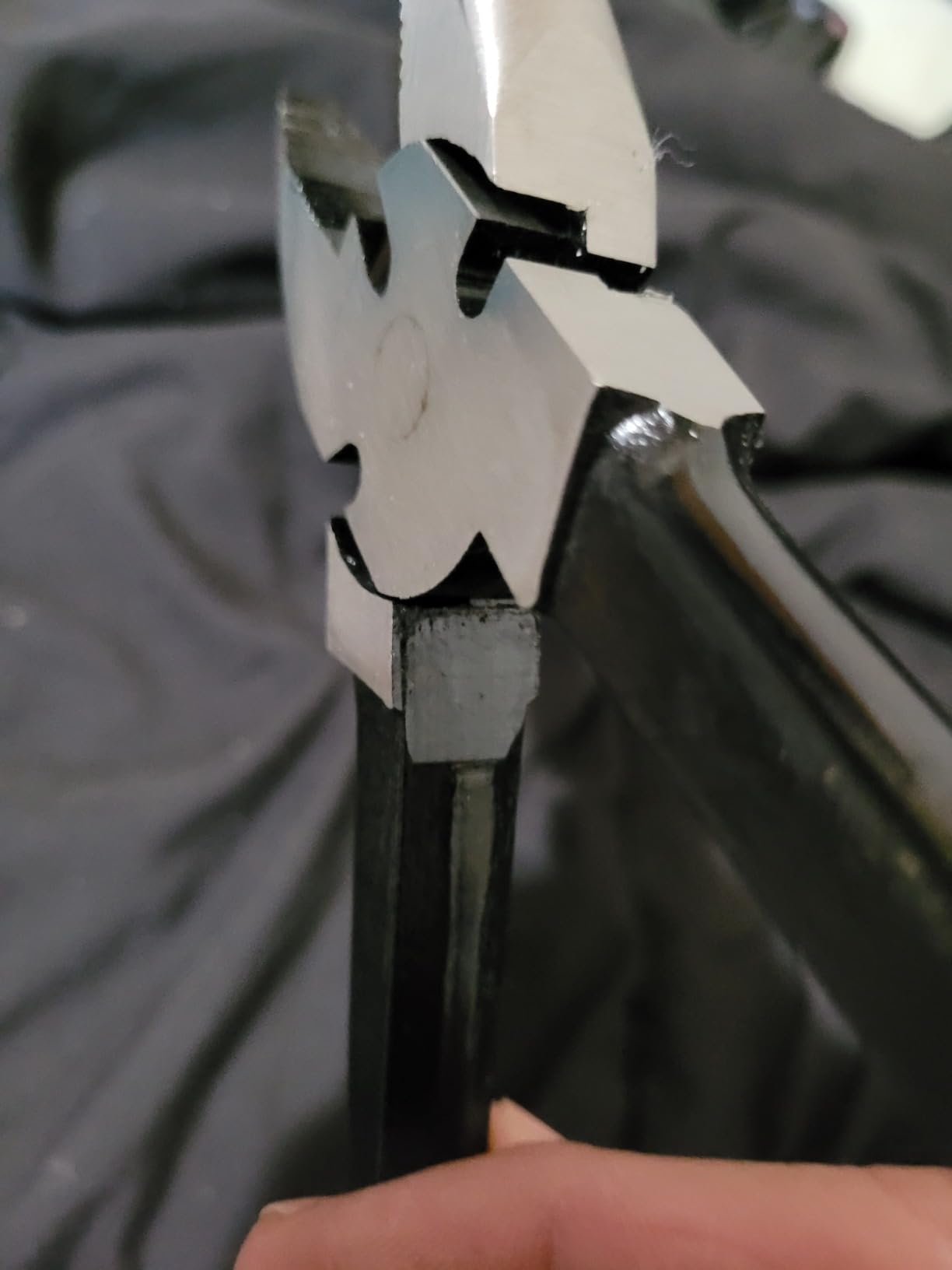
The Allied Tools 30576 is the answer to the question homesteaders ask most: is a hardware store fence plier actually any good. Most buyers treat it as a budget workhorse that handles staples and light wire well, and several describe its performance as holding up against name brands at several times the cost. It is a drop forged head with precision ground cutting edges, which is the correct construction rather than stamped sheet.
It cuts wire, pulls staples and drives them, and the comfortable cushion grips are the feature owners mention most. Reviewers call it a good value as a truck or shed multi tool, which is exactly the use case that suits a low-cost tool: a second pair that lives in the vehicle so you are not carrying the good one across the yard.
There is a limited lifetime warranty on this one, which is unusual at the entry level and worth noting.
Where it fits your fence work
Buy this for occasional repairs, a rental property, or as a backup pair in the truck bed. It handles staple extraction and light wire clipping well, and for most homeowners that covers nearly every fence job that comes up. Cushion grips keep it comfortable through a short session even without gloves.
We would not build a daily repair rotation around it, but as a second pair it earns its place easily.
Where it will disappoint you
The finish is rough and functional rather than refined, and the steel is on the soft side. Owners report it marks or flattens under hammer use, and a minority report the wire snips mangling with light use. The soft steel is the real limitation: it will not hold an edge against heavy gauge or high-tensile wire the way the forged tools in this group do.
If your fence work involves daily use or heavy wire, spend up. This is a tool to keep within reach, not one to trust with a full run of tensioned fence.
7. Channellock 85 Fence Tool 10.5 Inch – Best for a Made in USA Build
Channellock Fence Tool Pliers 85 – Heavy Duty Slip-Joint Pliers – 10.5″
Made in the USA
10.5 inch heavy duty construction
1.375 pound weight
Compact 3.0 inch jaw width
Pros
- Highest average rating in the group
- Durable metal construction made in the USA
- Handles cutting pulling and stretching
- Light weight reduces fatigue over extended tasks
Cons
- No published AWG cutting capacity rating
- Review base of 150 ratings limits long term data
- Compact profile suits smaller jobs
The Channellock 85 carries the highest average rating of any tool we evaluated, and it is the one pick here built in the USA. Buyers consistently point to the US construction, the balanced weight, and the multi-function design as the reasons it stands out, with a very high share of five star ratings among the reviews.
It is a complete fence tool in a compact package. Wire cutting, staple pulling, wire stretching and gripping are all built in, and the package set name spells out the full function list: hammer, staple starter, staple puller, wire stretcher, and two cutters. At 1.375 pounds it is light enough to reduce fatigue over extended tasks, and it fits a toolbox or a work belt without fuss.
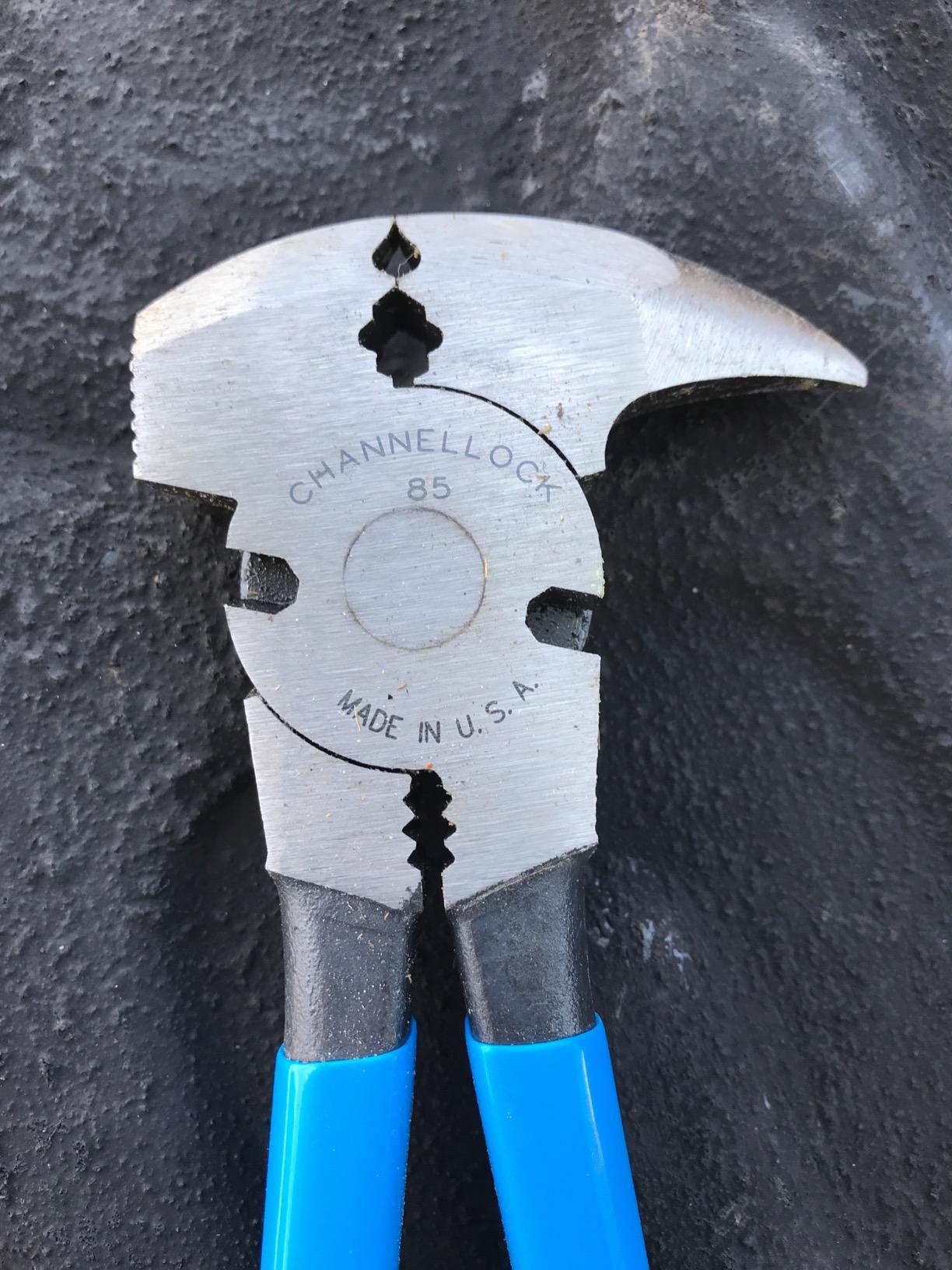
The 10.5 by 3.0 by 0.5 inch dimensions make it the narrowest profile here, which is genuinely useful when you are working in a stall, behind livestock, or along a fence line with posts close together. Users also note the grip stays controlled on twisting work rather than spinning in the hand.
Where it fits your fence work
This is the pick if you want one well-made tool that covers cutting, pulling, starting and stretching without being a heavy object. The lighter weight is a real advantage for anyone who works fence for hours at a time and does not want hand fatigue to end the session. The compact profile suits chicken coops, garden boundaries, and tight paddock corners.
It is also the natural answer to the question about which brand builds fence pliers you can still buy parts for, because the tool is assembled from known, replaceable steel components.
Where it will disappoint you
Channellock does not publish an AWG cutting capacity for this tool, so gauge limits have to be judged by feel rather than by spec. That is the one thing that keeps it out of the top spot for us despite the rating, and it matters if you run high-tensile electric fence regularly.
The review base is also on the smaller side at 150 ratings, so long term durability data is limited. And while the weight is a genuine advantage, the compact build is less suited to heavy prying and large livestock staples than a full size 10 inch heavy duty frame.
8. WORKPRO 10 Inch Multi Fencing Pliers – Best Six-in-One Design
WORKPRO Fencing Pliers, 10-inch Multi Fence Pliers Tool
10 inch multi function tool
Chrome vanadium steel with blackened finish
Six functions in one
Ergonomic handle
Pros
- Strong multi function design for cut twist pull and hammer
- Good for fence staples and raising barbed wire
- Well made and durable for the money
- Comfortable for constant fence repair
Cons
- Cutters are hard to bring close in on tight wire wraps
- Lower average rating than the higher rated picks
- No stated wire gauge capacity
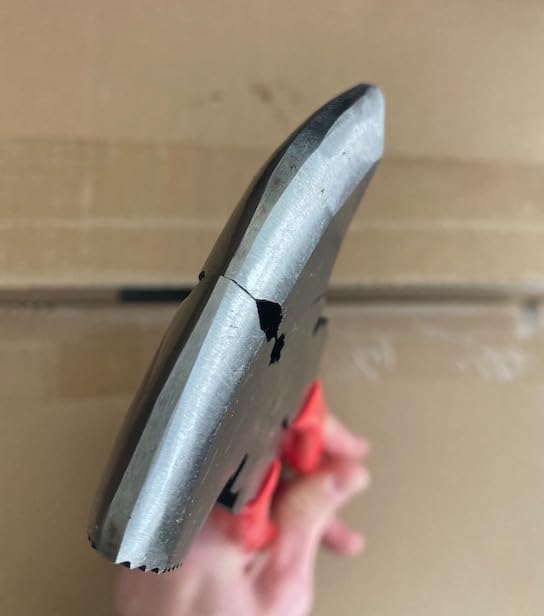
WORKPRO builds this as an explicit six-in-one: wire cutting, nail pulling, staple removal, gripping, hammering and twisting. The body is chrome vanadium steel with a blackened finish, precision polished and treated with transparent electrophoresis, which is a coating process intended to slow corrosion on a tool that will live outdoors.
Owners like the versatility and value, particularly for pulling fence staples and raising barbed wire. The ergonomically shaped handle is designed to reduce strain across long sessions, and reviewers describe it as comfortable for constant fence repair. The design is aimed straight at farmers, ranchers, contractors and homeowners, which is the same audience as this roundup.
At 10 inches it sits in the standard length band, which is where most of the leverage lives. The seamless multifunctional design keeps the functions on one body so nothing has to be carried alongside it, which matters when you are walking a fence line alone with a hand full of staples.
Where it fits your fence work
This suits a small operation that wants one tool for staple pulling, wire cutting, twisting, and light hammering without tracking down individual implements. Chrome vanadium steel is a good sign for a mid-price tool because it is a harder alloy than plain carbon steel, and the blackened finish is the right call for outdoor storage.
For a new homesteader assembling a first tool kit, the six functions cover the starter list well at a modest outlay.
Where it will disappoint you
The specific complaint from owners is cutter access. The cutters are difficult to bring close in on tight wire wraps, so a snug splice or a wrapped knot needs repositioning rather than a single clean bite. If you splice wire often, this is not the tool.
It also carries the lowest average rating among our picks, and no stated wire gauge capacity, so you are relying on feel for cut limits. Heavy continuous wire work is where it will show first.
9. ZELARMAN 10 Inch Multi Fencing Pliers – Best for Barbed Wire Tensioning
10 Inch Multi Fencing Pliers Tool – Wire Cutting, Hammer Head, Nail Puller for Installation and Removal of Wire Fence
10 inch six tool design
Anti-rust oil coated carbon steel
Two nail puller heads
Anti-slip PVC grip
Pros
- Angled head twists and tensions barbed wire well
- Rolling head and staple puller grip with strong leverage
- Sturdy construction under hard use
- Anti-slip grip and long handles reduce cutting effort
Cons
- Handle end caps can split during wire tensioning
- Built for larger hands and heavy in the hand
- Cutters struggle with heavier wire
The ZELARMAN carries the most explicitly barbed wire design in this group. The angled head twists and tensions barbed wire effectively, which is the specific complaint we hear about pliers that cut well but cannot grip a bundle for a splice. The set also carries a hammer head, two steel wire cutters, a staple starter and puller, a splicer, and a wire stretcher, so six functions are covered in one body.
It also has two nail puller heads, a V-shaped notch for regular nails and a sharp tip for deeply embedded nails. That second tip is genuinely useful when a post has been driven over old nails and you are trying to clear the way. Reviewers praise the rolling head and staple puller for gripping wire with strong leverage.
Where it fits your fence work
This is the pick for barbed wire work, and for anyone who wants a longer handle for torque on heavier strand. The anti-slip PVC grip plus long handles reduce the effort needed per cut, and owners cite sturdy construction that holds up under hard use. The coated carbon steel body resists rust, which helps on a tool stored outdoors.
If your main tasks are raising a new barbed line, pulling old staples, and twisting wraps, the function list maps directly onto that work.
Where it will disappoint you
The handle end caps can split during wire tensioning, and owners report taping them as the fix. That is a real maintenance item rather than a dealbreaker, but it tells you the tool is doing more than its frame strictly enjoys.
It is also built for larger, stronger hands at 0.71 kg, and too heavy for some users. The cutters struggle with heavier wire, and one reviewer wishes the nail puller tip were longer for more torque on 12 gauge or thicker. None of that hurts on a repair kit, but it rules the tool out of all day high-tensile work.
10. Maasdam 8090 Round Nose Fence Pliers – Best for Tight Gaps
Maasdam 8090 Fence Pliers, Round Nose,
Extended nose for greater reach
10 inch alloy steel
Smooth working action
One year manufacturer warranty
Pros
- Extended nose reaches into tight fence gaps
- Smooth and easy working action
- Compact alloy steel body at 10 inch
- Backed by a one year warranty
Cons
- Lowest review volume in the group at 96 ratings
- One year warranty is shorter than most rivals
- Compact size limits prying leverage
The Maasdam 8090 is built around one specific problem: reach. The extended nose gets into the tight gaps where a wire has snapped back against a post or woven wire has knotted up in a corner, and the smooth working action means you can get the jaw around the wire without fighting the joint the whole way.
It is a compact do-it-all fencing tool in alloy steel at 10 inches, which keeps it light and predictable in the hand. The manufacturer backs it with a one year warranty, and the tool is listed as meeting Prop 65 requirements.
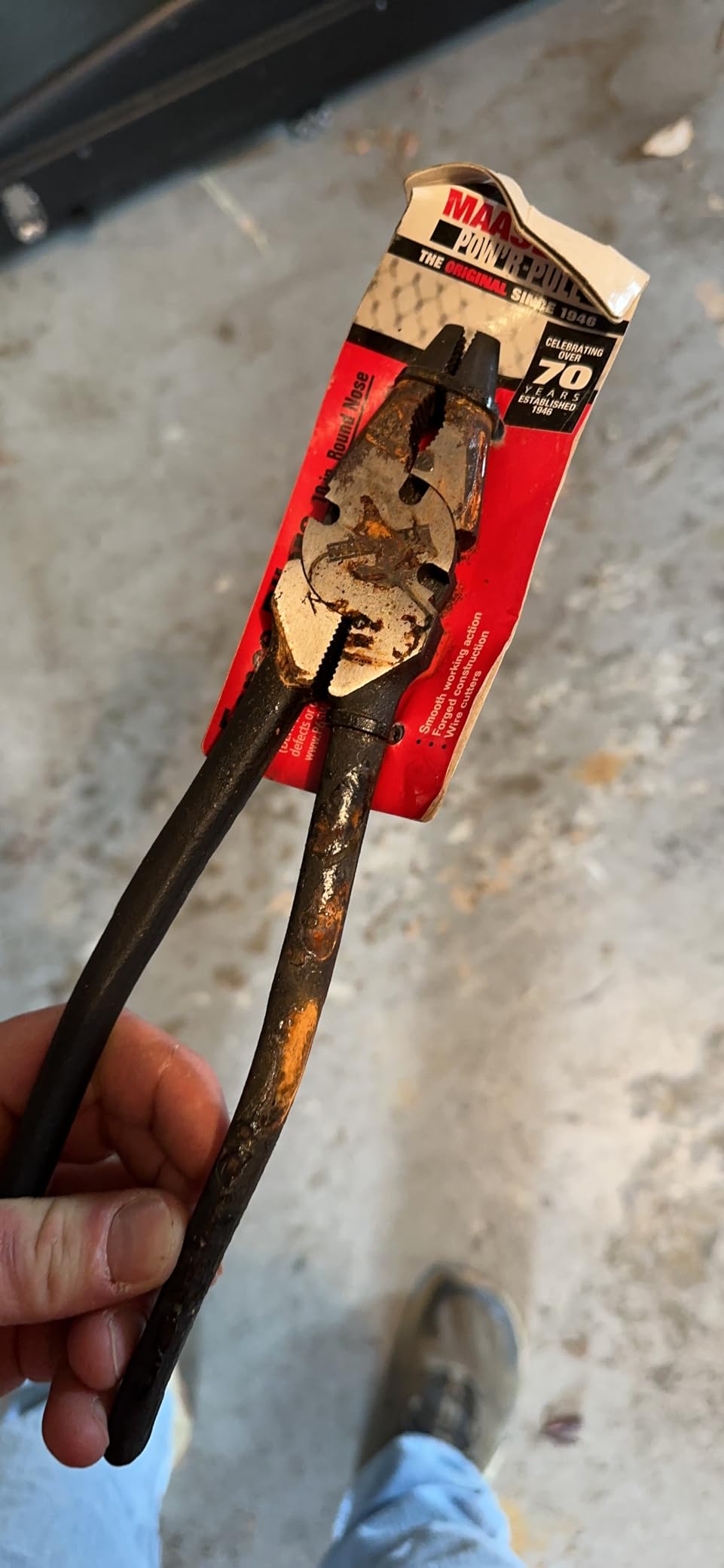
That narrow profile is why we would reach for it around a chicken coop, a garden bed edge, or the far side of a panel where a bulky nose simply will not fit. It is also a reasonable second tool for a truck kit where the main pair is a general purpose multi-tool.
Where it fits your fence work
Choose this for reach and precision rather than force. Pulling a staple from a post pinned against a wall, clipping a strand in a narrow gap, or grabbing wire close to a structure are the jobs it handles well. Users rate it as a well-regarded do-it-all fence tool, and the smooth action is the part they single out.
It is a comfortable pick for smaller hands than most of the heavy tools in this roundup, because the compact 10 inch frame does not require a full fist to work the levers.
Where it will disappoint you
Be honest about the evidence. With 96 ratings this has the lowest review volume in the group, which means fewer owners are reporting on long term durability. A one year warranty is also shorter than several rivals carry, so the manufacturer is telling you something about expected service life.
The compact size trades away prying leverage, so it is not the tool for levering a post straight or pulling deeply embedded large staples. Pair it with a heavier pair if those come up often.
How to Use Fencing Pliers for Five Common Homestead Repairs
Almost everyone buys a fence tool for the same first job: a staple that has rusted into an old post. These five repairs cover nearly every call a homestead fence makes, and each one uses a different part of the tool.
Pull a rusted staple. Slide the pulling notch under the crown, squeeze until the bite seats, then rock the tool toward you rather than straight back. A flattened staple needs the flat striking surface behind the claw driven down first, which is what that part of the tool is shaped for.
Start a staple. Flip the tool to the staple starter, set the staple in the cupped end, and tap it level with the hammer face. Start it by hand if you can, because driving a crooked staple creates the exact problem you are trying to avoid later.
Mend a cut strand. Overlap the two broken ends by about three inches. Use the wire grip to clamp both strands, twist four or five turns with the tool, and then wrap the tails back along the standing wire so the joint cannot snag an animal.
Tie off at an end post or brace. Clamp the wire in the wire grip and wrap it around the post three or four times, then cut the tail flush with the cutters. On high-tensile woven wire, a wrap-and-twist termination is a real knot, so follow a tensioner for that material.
Set the tension on a run. With the wire in the stretching head, pull until the wire is straight and singing, then crimp the tail against the post. If the run is more than a few hundred feet or the wire is high-tensile, use a ratchet tensioner instead of hand leverage.
Keep a short piece of flat bar or a spare pair of pliers nearby for the awkward cases. No fence tool handles a snapped stay or a buckled post on its own.
How to Choose Fencing Pliers: A Buying Guide for Homesteads
Five criteria decide whether a fence tool earns its place in your truck. Work through them in order, because they narrow the field faster than brand reputation does.
Jaw style. Parallel jaws give a broad, flat bite on a staple crown and the most leverage, which is what staple pulling needs. Tapered or round nose jaws reach into tight gaps. Serrated faces hold a wire bundle for twisting, while smooth soft jaws grip galvanized wire without crushing the coating.
Steel and forging. Drop forged heads resist bending far better than stamped sheet, and a joint with no play is the difference between a controlled pull and a slipping one. Chrome vanadium and induction hardened cutting edges are worth paying for if you cut wire every week.
Cutting capacity in AWG. This is the spec most people never check. A tool rated for 8 to 18 AWG steel will slice 9 gauge and 12 gauge all day. One with no published rating is a tool you learn the limits of by failing, usually at the worst moment.
Integrated functions. Count them: wire cutters, staple puller, staple starter, wire grip or stretcher, hammer head, nail puller, splicer. More functions means less to carry, but each one is another feature competing for space in the jaw, so five or six well-executed beats nine that are hard to reach.
Grip, weight, and balance. Test the handles with gloves on, because that is how you will actually use the tool. Handles too short or too slick cost you leverage. Extremely heavy tools are fine for intermittent work and tiring for a full day.
Plammers versus classic fencing pliers
One claim shows up repeatedly in the homestead crowd: that a plamer, which combines a hammer and pliers in one tool, is better than anything sold as fencing pliers. The argument is about durability and ergonomics, and it deserves a real answer.
A plamer gives you a full hammer head balanced against plier jaws, so a single tool handles driving, pulling and twisting. The cost is weight and bulk, and the plier half is usually a general shape rather than fence-specific geometry. Classic fencing pliers put the effort into the jaw and the cutters instead, which is why they cut cleaner and pull staples better. For most homesteads, the classic fence tool wins on the jobs that actually come up, and a separate hammer is more comfortable to swing.
When fencing pliers are the wrong tool
Use bolt cutters for heavy cable and thick chain link, not fence pliers, because a soft alloy cutter will burr before the cable gives. Use a ratchet tensioner for long high-tensile electric fence runs, where hand leverage is not enough. Use hog ringers for attaching woven wire to livestock panels, and lineman pliers for electrical work. The fence tool is for wire and staples, and it is very good at those.
Stopping rust in a truck bed
Most fence pliers fail from corrosion, not from fatigue. Wipe the tool dry after use, put a light film of oil on the pivot and the flat surfaces, and do not oil the jaw face, since oil on the gripping surface makes wire slip. Store it in a dry tote rather than loose in the bed, and if surface rust appears, wipe it off with a cloth before it pits the cutting edge.
If you want a starting kit rather than a single tool, the honest list is these pliers, a post driver, a ratchet tensioner, a box of staples, and gloves. That is the three to five tool curation longtime ranchers describe, and the pliers are the piece that gets used every single week.
Frequently Asked Questions
What are the best pliers for fencing?
The best all-round fencing pliers for homestead work are a 10 to 10-1/2 inch multi-function fence tool with parallel jaws, an induction hardened or drop forged steel body, and a staple pulling notch. The Bates Choice Multi-Plier Fence Tool 10.8 inch is our top pick for most homesteads, while the TEKTON PSP10010 is the stronger choice when you cut a lot of heavy wire.
What is the best brand of fencing pliers?
There is no single dominant brand, so judge the tool rather than the logo. TEKTON publishes an honest cutting capacity and a lifetime warranty, Malco is trusted by professional fence installers for jaw grip, Channellock builds the strongest option in the USA, and Bates Choice leads on review volume and versatility. Match the jaw and steel to your wire rather than buying on brand alone.
What are the best heavy-duty wire cutters for fences?
Look for induction hardened cutting edges and a published wire gauge rating. The TEKTON PSP10010 states 8 to 18 AWG for solid galvanized or coated steel and 6 to 18 AWG for solid aluminum, and the Crescent 10 inch fence tool uses an induction hardened wire cutter. Soft alloy bodies will burr on heavy chain link and 6 or 9 gauge, so avoid them for that work.
What tools are needed to repair a fence?
A practical repair kit is fencing pliers, a post driver or sledge, a ratchet tensioner for high-tensile runs, a box of staples, and cut resistant gloves. A wire stretcher or come-along helps set tension on long runs, and hog ringers are useful when attaching woven wire to livestock panels. For woven wire specifically, a ratchet is the only practical tensioning option.
Are all Channellock tools made in the USA?
Not all of them. The Channellock 85 Fence Tool included in our roundup is listed as made in the USA, and it carries the highest average rating in our group. Other Channellock lines are produced in different locations, so check the product listing for the specific model rather than assuming the whole catalog shares one origin.
How do you stop fence pliers from rusting?
Wipe the tool dry after every job, apply a light film of oil to the pivot and the flat steel surfaces, and keep it in a dry tote instead of loose in a truck bed. Do not oil the jaw face, because oil on the gripping surface makes wire slip during twisting. Surface rust that appears anyway should be wiped off before it pits the cutting edge.
The Verdict: Which Fencing Pliers to Buy First
Buy the Bates Choice Multi-Plier Fence Tool 10.8 inch first. Its staple-pulling notch, 7/32 inch cutting capacity, and the widest review base in this roundup make it the safest single pair for mixed homestead repair work.
Add a second pair only when your fence has a personality. Go heavy and high-tensile with the TEKTON PSP10010, go for grip and low weight with the Malco FP2, and pick up the Channellock 85 if you want a made in the USA build that will not tire your hands. Whatever you choose, keep it out of the rain and the best fencing pliers for homestead repairs will be the one that is still sharp in 2026.