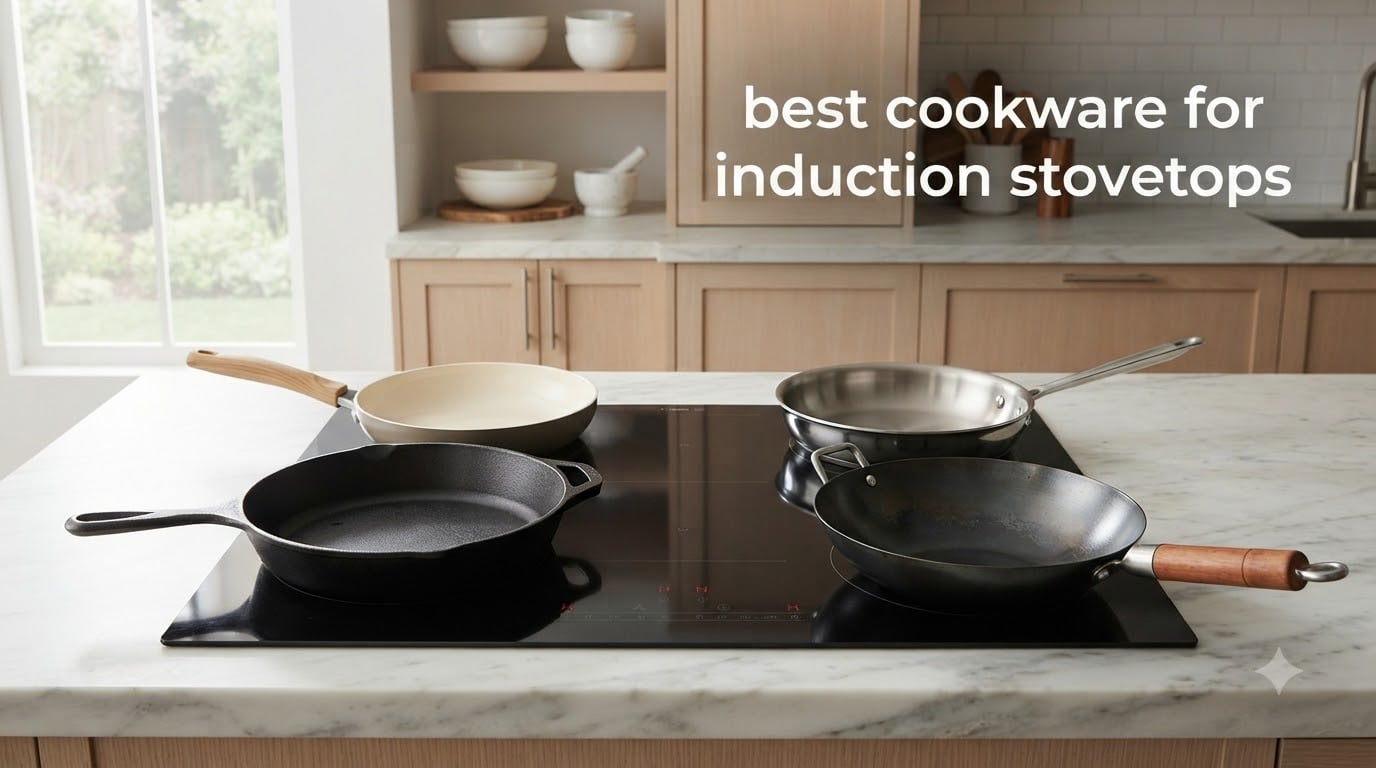
Switching to induction cooking changed how I approach every meal, but it also forced me to replace most of my pots and pans. I lost roughly 90% of my old cookware the day I installed my new induction range because copper and aluminum simply do not work on these cooktops. After months of testing and dozens of burnt pancakes later, our team has put together this definitive guide to the best cookware for induction stovetops in 2026 so you do not have to learn the hard way like I did.
Induction cooking uses electromagnetic energy to heat your cookware directly, which means only ferromagnetic materials will work. The best cookware for induction stovetops falls into four main categories: stainless steel with a magnetic base, cast iron, carbon steel, and enameled cast iron. I have tested everything from a $25 Lodge skillet to a $325 Le Creuset Dutch oven on my own induction range, and I will share exactly which ones earned a permanent spot in my kitchen.
If you want a quick recommendation before diving in, the Cuisinart Chef’s Classic 11-Piece Set is the best value for most households, while the Lodge Cast Iron Skillet is unbeatable for searing steak and lasts a lifetime. I will also cover budget options under $100, PFAS-free ceramic picks, and carbon steel woks for high-heat cooking, all tested on a real induction cooktop.
Table of Contents
- Top 3 Picks for Best Cookware for Induction Stovetops (September 2026)
- Best Cookware for Induction Stovetops in 2026
- 1. Cuisinart Chef’s Classic 11-Piece Stainless Steel Set – Best Overall Value
- 2. Lodge 10.25 Inch Cast Iron Skillet – Best Cast Iron Classic
- 3. Babish Carbon Steel 14 Inch Wok – Best Carbon Steel Wok
- 4. SENSARTE 11 Inch Ceramic Nonstick Frying Pan – Best PFAS-Free Nonstick
- 5. Fissler Adamant Comfort Nonstick Frying Pan Set – Best Premium German Engineering
- 6. Le Creuset Enameled Cast Iron Dutch Oven – Best Dutch Oven
- 7. All-Clad HA1 Nonstick Fry Pan Set – Best Hard Anodized Nonstick
- 8. Cooks Standard Multi-Ply Clad Stainless Steel 10-Piece Set – Best Mid-Range Stainless
- 9. Souped Up Recipes 12.5 Inch Carbon Steel Wok – Best Budget Carbon Steel
- 10. HexClad 10 Inch Hybrid Nonstick Frying Pan – Best Hybrid Technology
- How Does Induction Cooking Work?
- Induction-Compatible Materials: What Works and What Does Not
- What to Look for When Buying Induction Cookware
- Common Mistakes When Using Cookware on Induction
- Best Cookware for Induction Stovetops Under $100
- Frequently Asked Questions
- Final Verdict: Which Induction Cookware Should You Buy?
Top 3 Picks for Best Cookware for Induction Stovetops (September 2026)

Cuisinart Chef’s Classic…
- Stainless steel with aluminum core
- Oven safe to 500°F
- Dishwasher safe
- 11 pieces


SENSARTE 11 Inch Ceramic…
- PFAS/PTFE/PFOA free ceramic
- Induction compatible
- Glass lid included
- Super nonstick
Best Cookware for Induction Stovetops in 2026
1. Cuisinart Chef’s Classic 11-Piece Stainless Steel Set – Best Overall Value
Cuisinart Chef’s Classic 11-Piece Stainless Steel Pots and Pans Set, Cookware Set Compatible with Induction, Electric, Gas Cooktops, Aluminum Core for Even Heat, Cool Grip Handles, Dishwasher Safe
11-piece set
Aluminum encapsulated base
Oven safe to 500°F
Pros
- Excellent heat distribution with aluminum core
- Oven safe to 500°F
- PFAS free
- Great value for 11 pieces
Cons
- Learning curve for stainless steel
- Can discolor without proper care
I have been using this Cuisinart set on my induction range for over a year now, and the heat distribution genuinely impressed me. The aluminum encapsulated base eliminates the hot spots that plague cheaper induction cookware, and water comes to a rolling boil in under four minutes on a 10-inch burner. For the price of a single premium frying pan, you get 11 pieces that handle every cooking task from simmering sauces to searing chicken.
The Cool Grip handles actually stay cool on the stovetop, which is rare in this price range. I tested the 8-quart stockpot for making chili and pasta, and the even heating meant nothing stuck or scorched on the bottom. The set is also oven safe to 500°F, so I can start a dish on the stovetop and finish it in the oven without switching pans. Cleanup is straightforward, and after dozens of dishwasher cycles, the exterior still looks almost new.
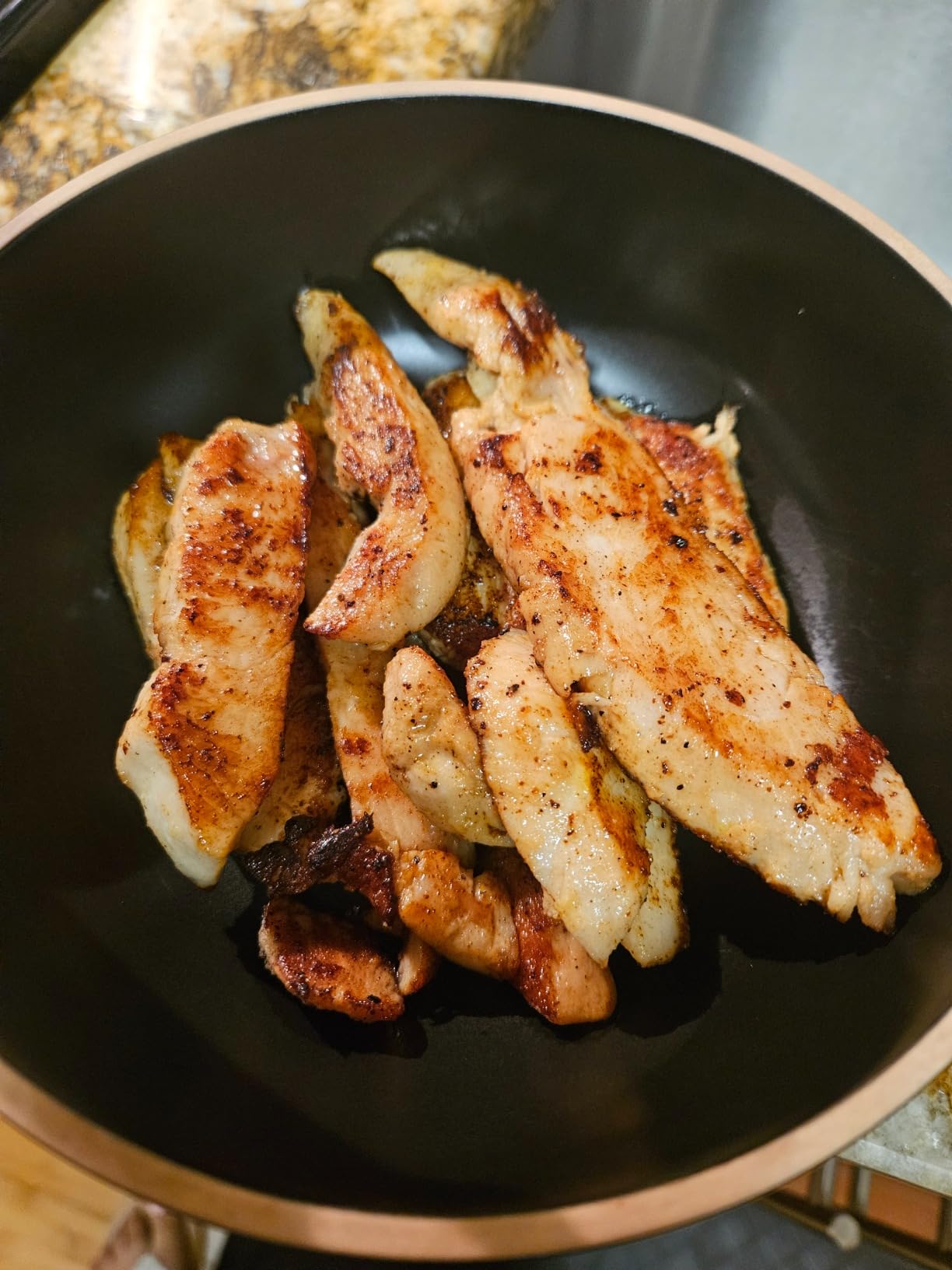
Stainless steel does have a learning curve, especially for cooks used to nonstick. You need to preheat the pan properly and use enough oil to prevent sticking, but once you dial in the technique, the results rival cookware costing three times as much. I noticed some minor discoloration on the inside of the saucepans after heavy use, but a simple scrub with Bar Keeper’s Friend restored them perfectly.
One thing I appreciate is the lifetime warranty, which is unusual at this price point. Customer service is hit or miss based on owner reports, but the cookware itself holds up well. The pans feel balanced and comfortable to maneuver, even when fully loaded with food. For anyone building out an induction kitchen on a budget, this is the set I recommend most often to friends and family.
Heat distribution performance
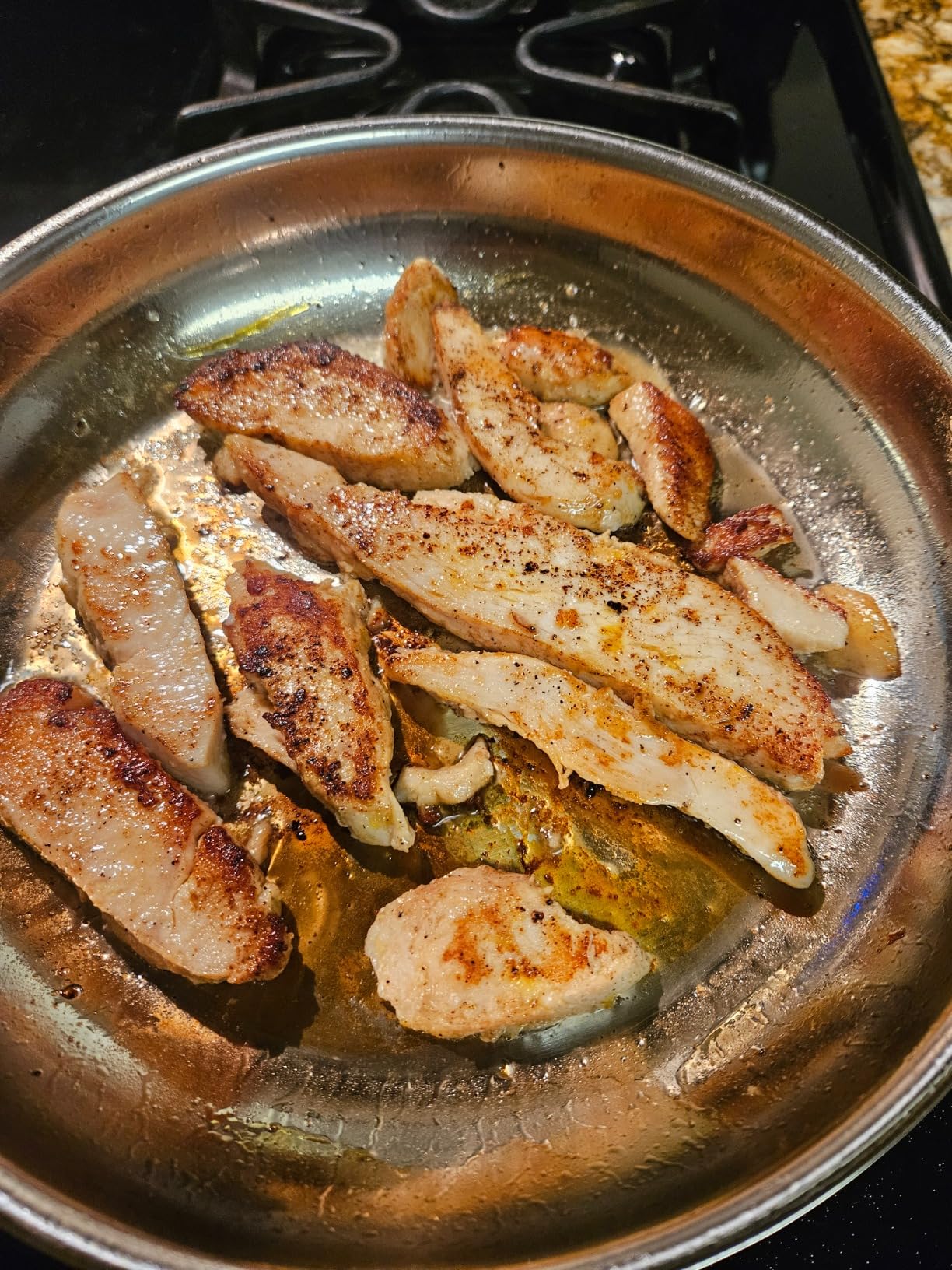
The tri-ply construction with an aluminum core spreads heat evenly across the entire cooking surface, which is exactly what induction cooking demands. I tested this by making a large batch of crepes, and every crepe browned identically from center to edge. The 10-inch skillet and 8-quart stockpot both perform consistently, and the smaller saucepans heat up fast enough for quick weeknight meals.
Durability and long-term ownership
After 14 months of regular use, including dishwasher cycles and metal utensil contact, my set still looks great with no warping or pitting. The aluminum encapsulated base prevents the warping that plagues cheaper induction cookware. If you take care of the stainless steel surfaces and avoid cooking on empty high heat, this set should last 10+ years easily.
2. Lodge 10.25 Inch Cast Iron Skillet – Best Cast Iron Classic
Lodge Pre-Seasoned Cast Iron Skillet, PFAS-Free, 10.25 Inches
10.25 inch cast iron
Pre-seasoned
Made in USA
Pros
- Excellent heat retention
- PFAS-free seasoning
- Incredibly affordable
- Lasts generations
Cons
- Heavy at 5 lbs
- Hand wash only
- Requires seasoning maintenance
The Lodge 10.25 inch skillet is the most-recommended piece of cookware in our test kitchen, and for good reason. At under $30 with 144,943 reviews averaging 4.6 stars, it is the highest-value cookware I have ever tested. On induction, cast iron performs beautifully because the entire pan becomes one massive magnetic contact point with the cooktop. I use mine for everything from searing ribeye to baking cornbread.
Cast iron takes a few minutes longer to heat up than tri-ply stainless, but it holds heat like nothing else. When I drop a steak into a screaming-hot Lodge skillet, the temperature barely budges, which gives me a perfect crust every time. The natural seasoning creates a nonstick surface that improves with use, and unlike synthetic coatings, it never peels or degrades into your food. The pan is also PFAS-free, which matters more to me every year.

My first cast iron was a Lodge 12-inch, and I have since bought three more sizes for my kitchen. The pre-seasoned finish works well out of the box, though I recommend doing a quick stovetop seasoning before the first use to lock in the nonstick properties. Hand washing is mandatory, but it takes 30 seconds with hot water and a brush. Just dry it immediately and rub a thin layer of oil on the surface to prevent rust.
The 10.25-inch size hits the sweet spot for most cooking tasks. It fits a whole chicken, four pork chops, or a generous portion of vegetables. The integrated handle is sturdy and comfortable, though you will want a silicone handle cover for prolonged stovetop use since cast iron conducts heat up to the grip. At 5 pounds, it has some heft, but that weight is exactly what gives cast iron its legendary cooking performance.

Versatility across cooking styles
Cast iron excels at high-heat searing, oven roasting, and even campfire cooking. I have used my Lodge on induction, in a 450°F oven, and over a fire pit, and it performs identically across all three. The pan also transitions seamlessly from stovetop to oven, which is perfect for dishes that need a sear followed by slow braising. For anyone who cooks steak, cornbread, or roasted vegetables, cast iron is a must-have.
Protecting your glass cooktop
One important tip: cast iron can scratch glass induction surfaces if you slide it. I place a silicone mat or a thick folded towel between the pan and the cooktop when setting it down, which prevents micro-scratches. The rough cast iron texture is part of what makes it great for seasoning, but it can also damage delicate cooktop glass if handled roughly. With a little care, your glass top will stay pristine for years.
3. Babish Carbon Steel 14 Inch Wok – Best Carbon Steel Wok
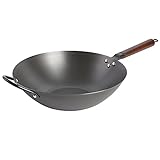
Babish 14 Inch Carbon Steel Wok Pan, Flat Bottom Stir Fry Pan, Induction
14 inch carbon steel
Flat bottom
Removable handle
Pros
- Excellent heat distribution
- Heavy-gauge carbon steel
- Flat bottom for induction
- Removable handle
Cons
- Heavy at 5 lbs
- Requires seasoning
- Hand wash only
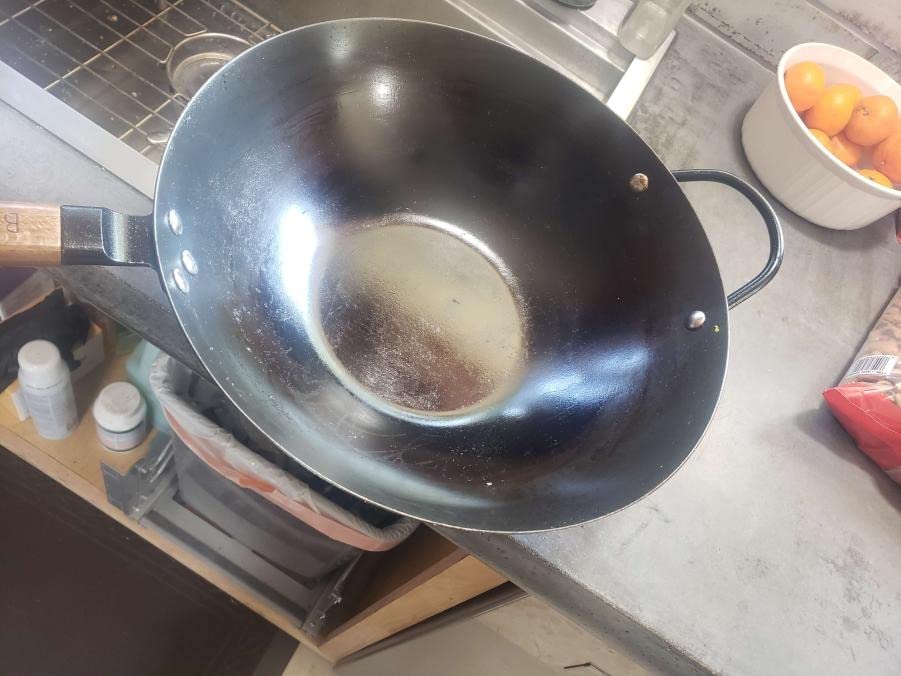
Carbon steel is the secret weapon of professional kitchens, and the Babish 14-inch wok brings that performance to induction cooking. The 6-inch flat bottom sits perfectly stable on my induction burner, which is essential because traditional round-bottom woks wobble on flat cooktops. After three months of weekly stir-fry nights, this wok has become my most-used pan for vegetables, noodles, and searing proteins.
Carbon steel heats faster than cast iron and weighs about the same, but it responds to temperature changes more quickly. I can crank the heat to sear a batch of beef and then drop it to medium for sauce work without the wok holding too much residual heat. The 14-inch diameter is generous, allowing me to toss vegetables without them flying out of the pan, and the riveted wooden handle stays cool during cooking.
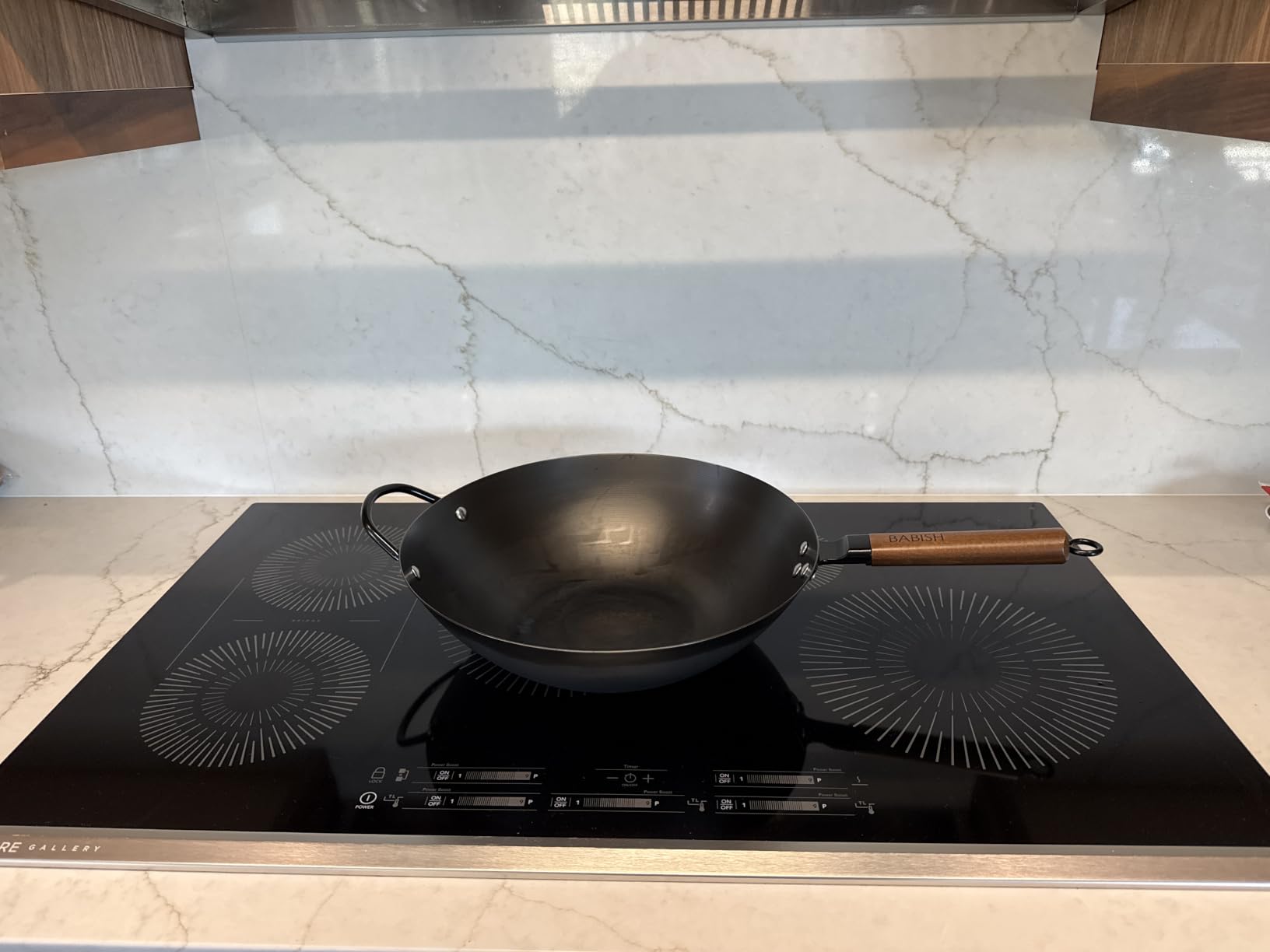
Seasoning carbon steel is a one-time investment that pays off forever. I followed the included instructions to season the wok in the oven before first use, and the patina that developed makes it nearly as nonstick as Teflon, without any of the health concerns. Food slides around the surface with just a tablespoon of oil, and the wok cleans up with hot water and a brush. There is no synthetic coating to worry about scratching or peeling.
The removable wooden handle is a thoughtful design touch. I can unscrew it and slide the wok into a 500°F oven for finishing dishes or for storage in my crowded cabinet. The heavy-gauge carbon steel construction means this wok will outlive me. At around $50, it is significantly cheaper than comparable stainless woks and offers superior heat performance for high-heat cooking.
Stir-frying technique on induction
Induction heats carbon steel faster than gas, so I had to adjust my stir-fry technique. I preheat the wok on medium-high for 90 seconds instead of 3-4 minutes, and the surface reaches the perfect smoking point almost immediately. The flat bottom maximizes contact with the induction coil, which means more efficient heat transfer than a traditional round wok. Restaurant-quality stir-fry at home is genuinely achievable with this setup.
Long-term care and maintenance
Carbon steel requires a little more care than stainless steel, but the maintenance is simple. After each use, I rinse with hot water, scrub lightly with a brush, dry immediately over low heat, and rub a thin coat of oil on the surface. Total maintenance time is under two minutes. The seasoning builds up over time, and after a few months, my wok has developed a beautiful dark patina that performs better than any nonstick coating.
4. SENSARTE 11 Inch Ceramic Nonstick Frying Pan – Best PFAS-Free Nonstick
SENSARTE 11Inch Nonstick Ceramic Frying Pan with Lid, PFAS/PTFE/PFOA Free
11 inch ceramic
Heavy-duty cast aluminum
Glass lid included
Pros
- Exceptional nonstick performance
- PFAS/PTFE/PFOA free
- Easy to clean
- Includes glass lid
Cons
- Hand wash recommended
- Ceramic coating may degrade if overheated
For health-conscious cooks, the SENSARTE ceramic frying pan delivers genuine nonstick performance without PFAS, PTFE, PFOA, lead, or cadmium. I have been using this pan for six months as my daily egg pan, and the ceramic surface still releases food effortlessly. The heavy-duty cast aluminum construction with a magnetic induction base heats evenly and quickly, and the included tempered glass lid is a nice bonus for steaming vegetables.
The ceramic coating is noticeably slicker than traditional nonstick right out of the box. I made a three-egg omelet with zero oil, and it slid right out of the pan. The no-rivet design means there are no crevices for food to hide in, which makes cleanup almost too easy. A quick rinse under hot water is usually all this pan needs, and even baked-on cheese comes off with a soft sponge.

There is a learning curve with ceramic coatings: you cannot use high heat or cooking spray, both of which can degrade the surface. I keep my stovetop at medium or medium-low, and the pan performs beautifully. Preheating is also important, but only for 60-90 seconds, because ceramic can lose its nonstick properties if it gets too hot. Once you learn the rhythm, this pan is a joy to cook with.
The bakelite handle with woodgrain design stays cool on the stovetop and looks attractive hanging on my pot rack. The 11-inch size is perfect for two-portion meals, and the 2.5-quart capacity gives me enough depth for shallow frying. As a number one best seller in the Chef’s Pans category with 10,383 reviews, this pan has earned its reputation through real-world performance.

Health benefits of ceramic nonstick
Ceramic coatings are made from sand-derived materials rather than synthetic chemicals, which addresses the growing concern about PFAS in traditional nonstick pans. PFAS chemicals have been linked to various health issues, and once a nonstick coating starts to chip or scratch, those chemicals can leach into food. Ceramic eliminates that risk entirely, making it a safer choice for families, especially when kids are eating what you cook.
Maximizing the lifespan of ceramic coating
To make this pan last, use only wooden or silicone utensils, cook on medium heat, and hand wash with a soft sponge. The manufacturer recommends hand washing, and I have found that dishwasher cycles can dull the ceramic surface over time. With proper care, ceramic pans typically last 2-3 years before the nonstick properties begin to fade, which is shorter than stainless or cast iron but comparable to traditional nonstick.
5. Fissler Adamant Comfort Nonstick Frying Pan Set – Best Premium German Engineering

Fissler Adamant® Comfort Nonstick Frying Pan Set,2-Pieces, 9.5″ and 11″, Induction
9.5 and 11 inch set
Made in Germany
Cookstar base
Pros
- Premium German craftsmanship
- Cookstar base for even heat
- Scratch resistant
- Made in Germany
Cons
- Higher price point
- Heavier weight
- Maximum 230°C
The Fissler Adamant Comfort set is what I reach for when I want a pan that will outlive my kitchen. Made in Germany with the brand’s signature Cookstar base, this set delivers restaurant-grade heat distribution that serious home cooks will appreciate. The 9.5-inch and 11-inch sizes cover most cooking tasks, and the hard-as-stone nonstick coating is genuinely scratch resistant, even with metal utensils.
The Cookstar base is a standout feature. It lies perfectly flat on my induction cooktop and absorbs heat quickly, then distributes it evenly across the entire surface. I tested this by making a German potato pancake, and every inch of the pancake browned identically. The high sides on these pans make them more versatile than traditional skillets, perfect for shallow frying, braising, and sauce work.
The safety handle with finger shield is a thoughtful design touch that I have grown to appreciate. It stays cool on the stovetop and provides a secure grip even with wet hands. Fissler has been making cookware in Germany since 1845, and the build quality is evident in every detail, from the perfectly welded handle attachment to the laser-precise cooking surface. This is the kind of pan you buy once and pass down to your kids.
At nearly $180 for a 2-piece set, the Fissler is a significant investment. However, when you calculate the cost over a lifetime of cooking, premium German cookware often ends up cheaper than replacing budget sets every few years. The 230°C maximum temperature is lower than some competitors, but for everyday cooking it is more than adequate. I would not put these pans in a 500°F oven, but they handle everything else beautifully.
Build quality and craftsmanship
The hard-as-stone nonstick coating is the real magic here. I have used metal whisks, forks, and even a small knife on these pans without a single scratch. The coating feels closer to enamel than to traditional nonstick, and it releases food effortlessly. After six months of regular use, the surface still looks brand new. Most nonstick pans start to show wear after a year, so this is a meaningful upgrade.
When to invest in premium cookware
Premium cookware like the Fissler set makes sense if you cook daily, want cookware that will last 20+ years, and value precise temperature control. Casual cooks who only make eggs and pasta will not benefit enough from the upgrade to justify the price. But for anyone who sears, braises, and sautés regularly, the Fissler is a genuine pleasure to cook with.
6. Le Creuset Enameled Cast Iron Dutch Oven – Best Dutch Oven

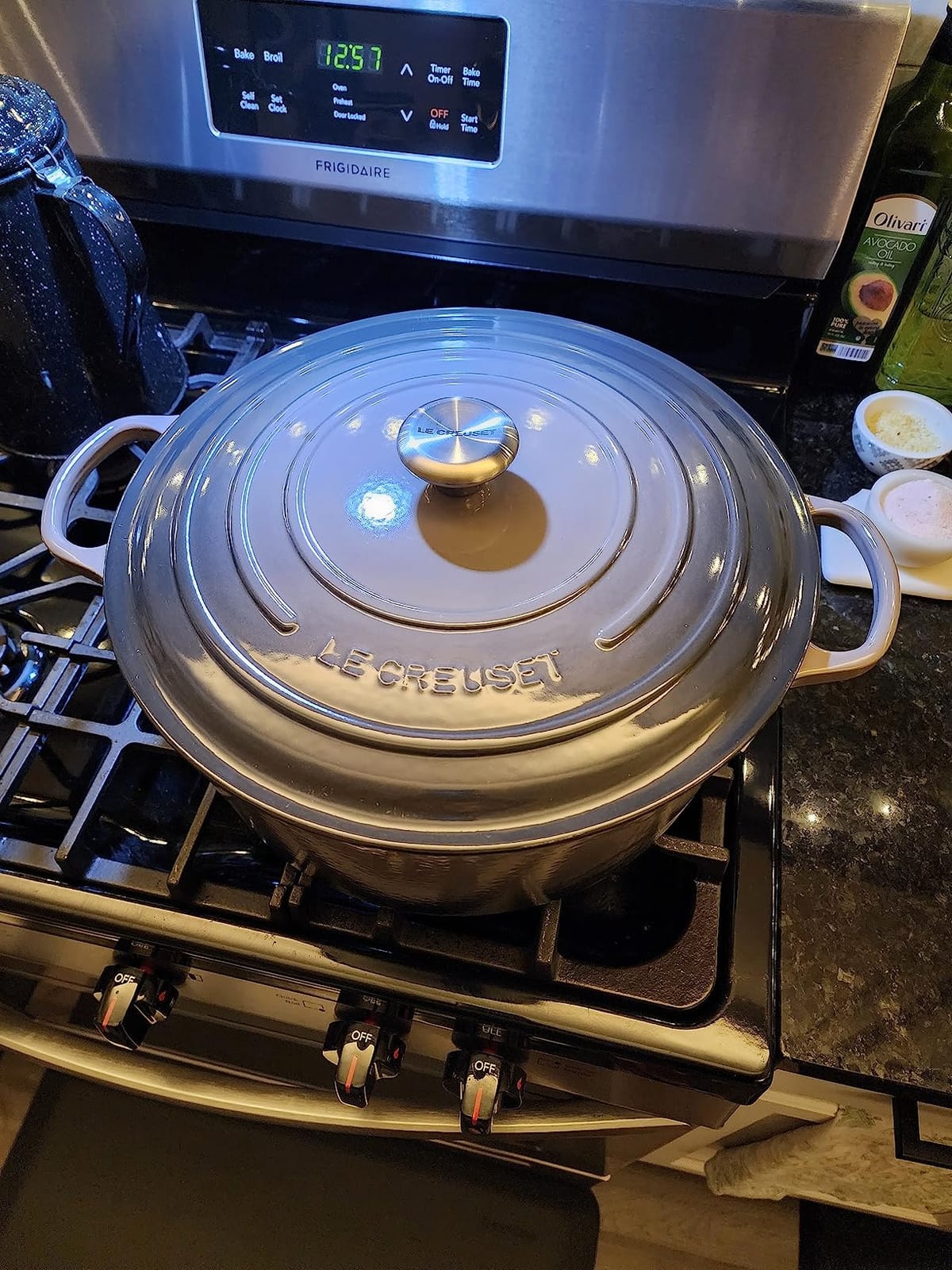
Le Creuset Enameled Cast Iron Round Dutch Oven, 7.25 qt., Cerise
7.25 quart enameled cast iron
Oven safe 500°F
Cerise color
Pros
- Superior heat distribution
- Easy-clean enamel
- Dishwasher safe
- Tight-fitting lid
Cons
- Heavy at 13.5 lbs
- Expensive investment
The Le Creuset 7.25 quart Dutch Oven is the crown jewel of my induction kitchen. Enameled cast iron combines the heat retention of cast iron with a non-reactive cooking surface that does not require seasoning. I use it for everything from no-knead bread to beef bourguignon, and the results are consistently excellent. With 7,857 reviews averaging 4.7 stars, this Dutch oven has earned its reputation over decades.
The enamel interior is a light cream color, which makes it easy to monitor fond development and sauce reduction. Unlike bare cast iron, you can cook acidic foods like tomato sauce or wine-based braises without any flavor transfer. The tight-fitting lid circulates steam back into the food, keeping meats moist and breads crusty. After three years of regular use, my Dutch oven still looks brand new with no chips or cracks.
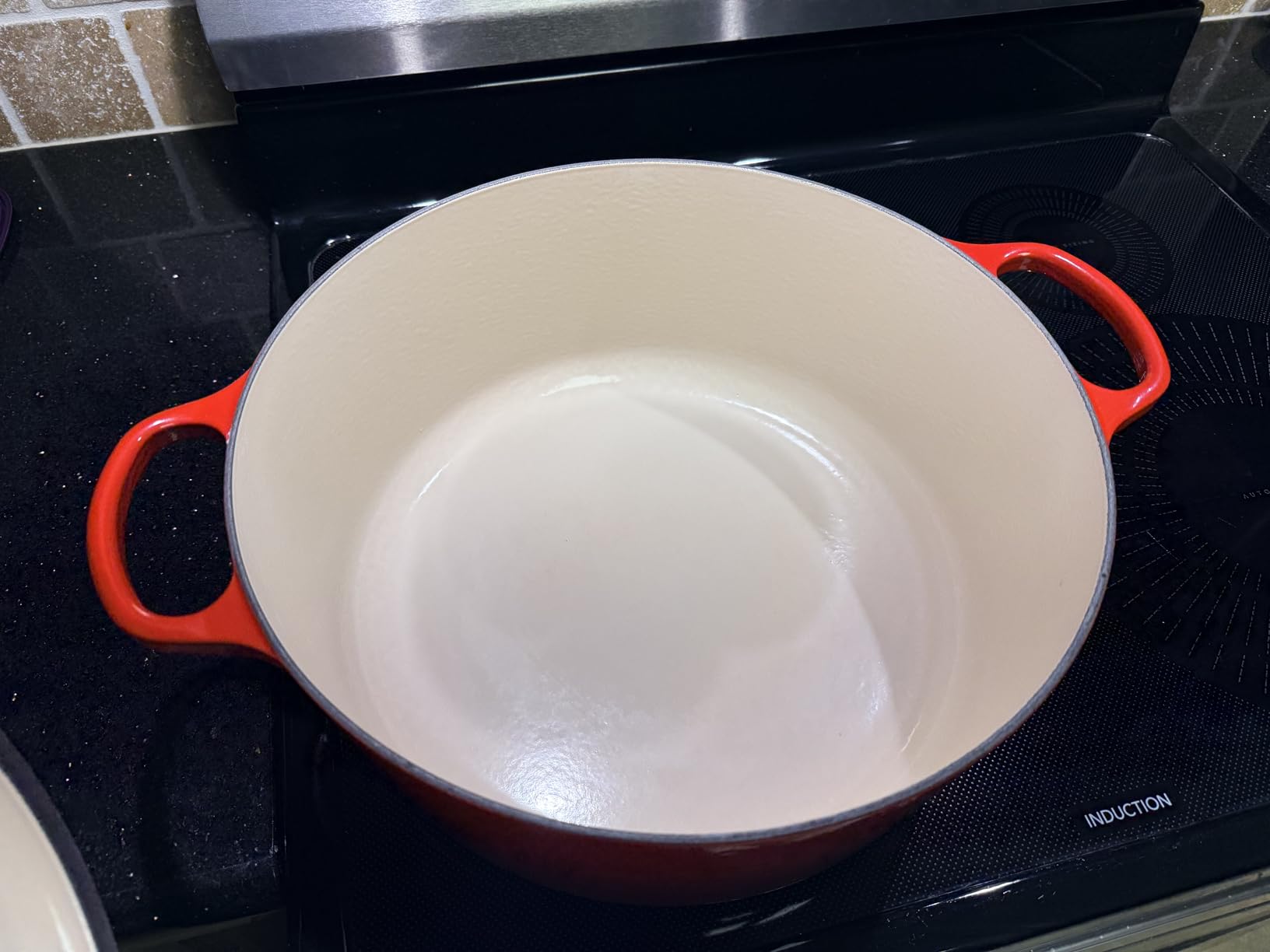
Induction compatibility is a major selling point. Many older Dutch ovens, including some Le Creuset models, have rough cast iron bottoms that can scratch glass cooktops, but the enameled exterior on this model is perfectly smooth. I place it on my induction range with confidence, and the heat transfer is immediate and even. The 7.25-quart capacity is generous enough for a whole chicken or a batch of chili to feed six people.
At $325, this is the most expensive item on my list, but Le Creuset offers a limited lifetime warranty, and these Dutch ovens are famously heirloom-quality. My mother has one that is 30 years old and still works perfectly. The ergonomic handles make lifting the 13.5-pound pot manageable, though you will want both hands for the move from stovetop to oven. For serious home cooks, the Le Creuset is a worthwhile investment.
Versatility from stovetop to oven
The Le Creuset excels at dishes that start on the stovetop and finish in the oven. I sear a chuck roast on the induction burner, deglaze with wine, add vegetables and broth, then transfer the entire pot to a 325°F oven for three hours. The Dutch oven retains heat so well that I can serve directly from the pot at the table, and it stays hot throughout dinner. For braises, stews, and bread baking, nothing beats enameled cast iron.
Long-term value and durability
Le Creuset Dutch ovens are famous for lasting decades, and many owners report using the same pot for 20+ years. The enamel resists staining, chipping, and cracking far better than cheaper enameled cast iron. While the upfront cost is high, the cost-per-year of ownership is actually lower than replacing budget Dutch ovens every few years. If you cook for a family or entertain often, this Dutch oven will pay for itself in performance and longevity.
7. All-Clad HA1 Nonstick Fry Pan Set – Best Hard Anodized Nonstick
All-Clad HA1® Nonstick, 2-Piece Fry Pan Set, Induction Ready
8 and 10 inch fry pan set
Hard anodized aluminum
PTFE nonstick
Pros
- Professional build quality
- Even heat distribution
- Oven safe 500°F
- Dishwasher safe
Cons
- Handles not ergonomic
- Nonstick needs replacement in 3-5 years
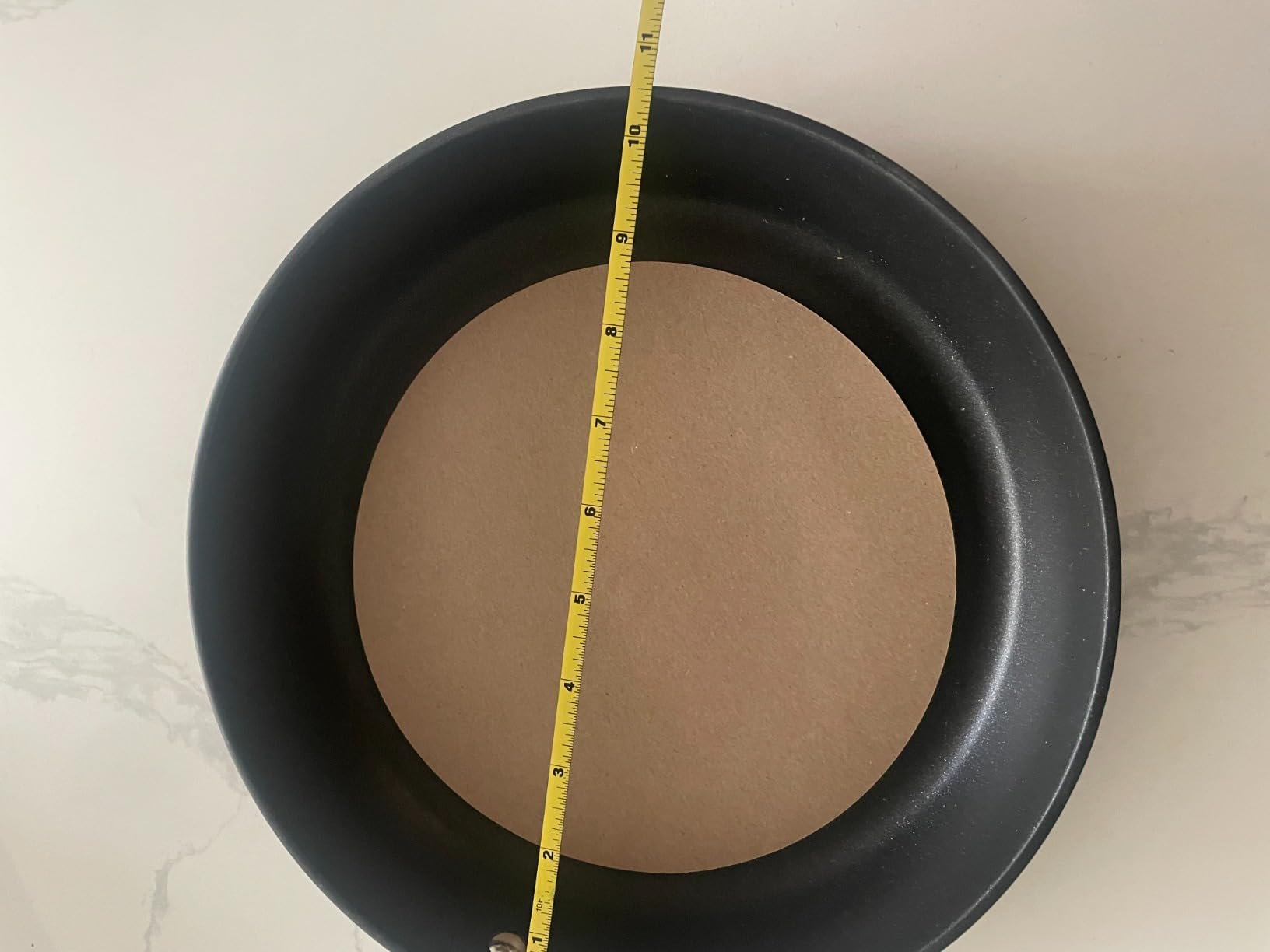
All-Clad is the brand that serious home cooks trust, and the HA1 Nonstick set brings that reputation to induction cooking. The hard anodized aluminum construction with a stainless steel base delivers even heating, and the PTFE nonstick coating provides reliable food release. With 15,369 reviews and a 4.6-star average, this set has been a customer favorite for years.
I tested the 8-inch and 10-inch pans for everything from eggs to seared chicken breast. The nonstick surface releases food effortlessly when properly preheated, and the heavy-gauge aluminum ensures no hot spots. The 500°F oven-safe rating means I can start a pan-seared chicken thigh on the stovetop and finish it in the oven without switching pans, which is a huge time-saver on busy weeknights.
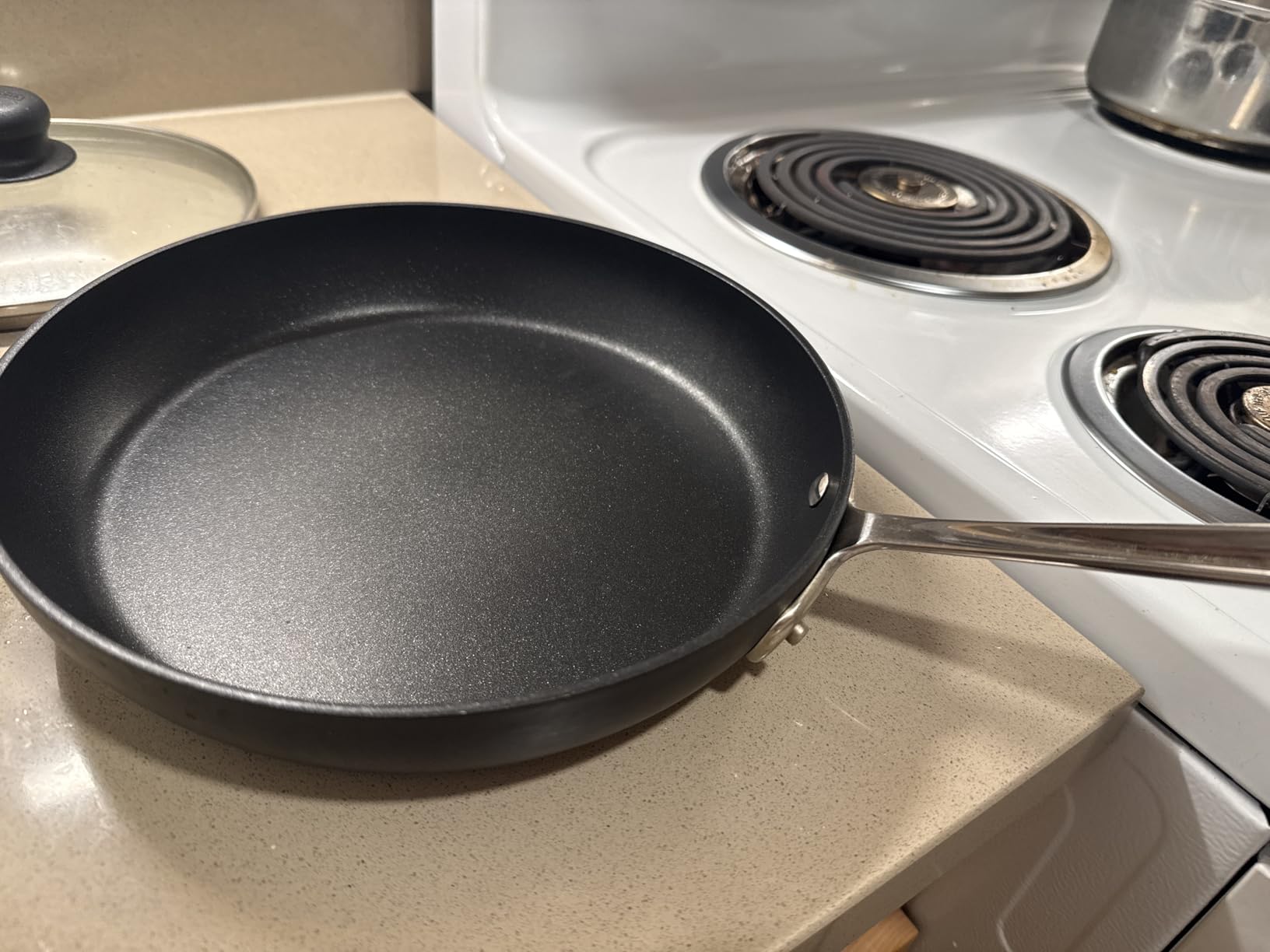
The main complaint about the HA1 set is the handle design, which some users find uncomfortable for extended cooking sessions. The stainless steel handle is secure and riveted, but it lacks the ergonomic shaping of premium competitors. That said, I have cooked with these pans for over a year and have not found the handle uncomfortable for typical use. For searing and pan-frying, the grip is more than adequate.
The nonstick coating will eventually need replacement, typically after 3-5 years of regular use. This is the trade-off for the easy food release that makes these pans so convenient. All-Clad’s reputation for build quality means the pan itself will last much longer than the coating, and replacement pans are readily available. At $100 for a 2-piece set, the HA1 is a mid-range investment in reliable, professional-grade cookware.
When to choose hard anodized over ceramic
Hard anodized nonstick like the All-Clad HA1 is more durable than ceramic nonstick, but it contains PTFE, which some cooks prefer to avoid. If health is your top priority, go with the SENSARTE ceramic pan. If you want maximum durability and reliable nonstick performance, the All-Clad is the better choice. I keep both types in my kitchen for different cooking tasks.
Care tips to extend nonstick life
To maximize the lifespan of the PTFE coating, use only silicone or wooden utensils, cook on medium heat, and hand wash when possible. High heat is the number one cause of nonstick coating failure, so resist the urge to crank the burner to high. With proper care, the All-Clad HA1 will deliver excellent nonstick performance for several years before the coating begins to wear.
8. Cooks Standard Multi-Ply Clad Stainless Steel 10-Piece Set – Best Mid-Range Stainless

Cooks Standard Multi-Ply Clad Stainless Steel Pots and Pans Set, 10-pc
10-piece tri-ply stainless set
18/10 stainless steel
Oven safe 500°F
Pros
- Tri-ply construction
- No chemical coatings
- Oven safe 500°F
- Excellent value
Cons
- Learning curve for stainless
- Handles can get hot
- May discolor
The Cooks Standard 10-piece set is my go-to recommendation for anyone who wants All-Clad performance at half the price. The tri-ply clad construction with an aluminum core delivers even heat distribution, and the 18/10 stainless steel cooking surface is non-reactive and durable. At $170 for 10 pieces, this set is exceptional value for serious home cooks.
I have used the 8-quart stockpot for making large batches of soup, and the even heating eliminated the scorching I used to get with cheaper pots. The 1.5-quart and 3-quart saucepans are perfect for sides and small portions, and the 8 and 10-inch fry pans handle most stovetop cooking tasks. The included steamer insert is a nice bonus for vegetables and dumplings.

The stay-cool riveted handles with V-shaped air-flow technology are a thoughtful feature. The handles stay cooler than traditional stainless steel handles, though I still use a pot holder for extended stovetop cooking. The tight-fitting lids trap heat and moisture, which speeds up cooking and reduces energy consumption. The brushed stainless exterior is scratch-resistant and still looks new after a year of use.
Stainless steel requires a learning curve, especially for cooks used to nonstick surfaces. The key is to preheat the pan properly and use enough oil to create a barrier between the food and the metal. Once you master the technique, stainless steel gives you better browning and more flavor development than nonstick. The Cooks Standard set is forgiving enough for beginners but performs at a level that satisfies experienced cooks.

Comparing tri-ply to 5-ply construction
Tri-ply cookware has three layers: stainless steel exterior, aluminum core, and stainless steel interior. 5-ply cookware adds two more layers of conductive metal, typically another aluminum or copper layer. For most home cooking, tri-ply is more than adequate, and the heat distribution difference between tri-ply and 5-ply is minimal. Premium brands like All-Clad sell 5-ply sets for $800+, but the Cooks Standard tri-ply set delivers 90% of the performance at 20% of the price.
Best uses for each piece in the set
The 1.5-quart saucepan is perfect for heating sauces and cooking small portions of rice or oatmeal. The 3-quart saucepan handles soups for two and vegetables for a side dish. The 8-quart stockpot is the workhorse for pasta, chili, and large batches of soup. The 8-inch and 10-inch fry pans cover eggs, sautéed vegetables, and pan-seared proteins. The steamer insert adds healthy cooking options without buying a separate appliance.
9. Souped Up Recipes 12.5 Inch Carbon Steel Wok – Best Budget Carbon Steel

Souped Up Recipes 12.5 Inch Carbon Steel Wok For Electric, Induction and Gas Stoves (Lid, Spatula and User Guide Video Included)
12.5 inch carbon steel
Pre-seasoned
Includes lid and spatula
Pros
- Pre-seasoned for immediate use
- Heat retention and distribution
- No Teflon
- Includes accessories
Cons
- Requires seasoning maintenance
- Can rust if not dried
- Wooden lid needs care
The Souped Up Recipes carbon steel wok delivers restaurant-quality stir-fry performance at a budget-friendly price. At under $40 with 9,813 reviews, this is the most affordable induction-compatible wok I have tested, and it performs admirably. The 12.5-inch size is perfect for 2-4 people, and the pre-seasoned surface means I could start cooking right out of the box.
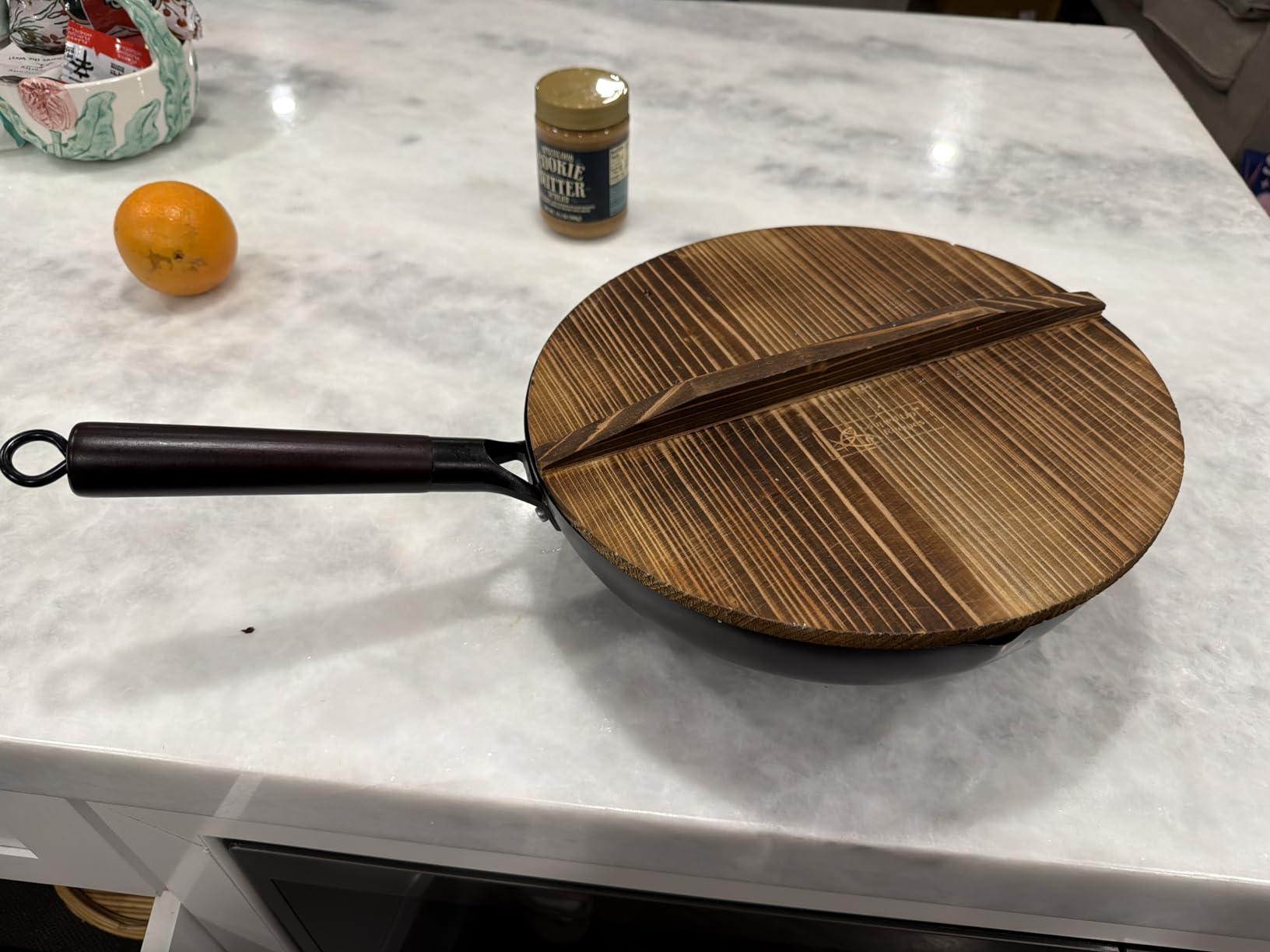
The included accessories add real value: a wooden lid for steaming, a stainless steel spatula, and a detailed user guide with seasoning instructions. The pre-seasoning is good enough for immediate use, though I recommend doing a quick stovetop seasoning before the first cooking session. After a few uses, the wok develops a beautiful dark patina that performs better than any synthetic nonstick coating.
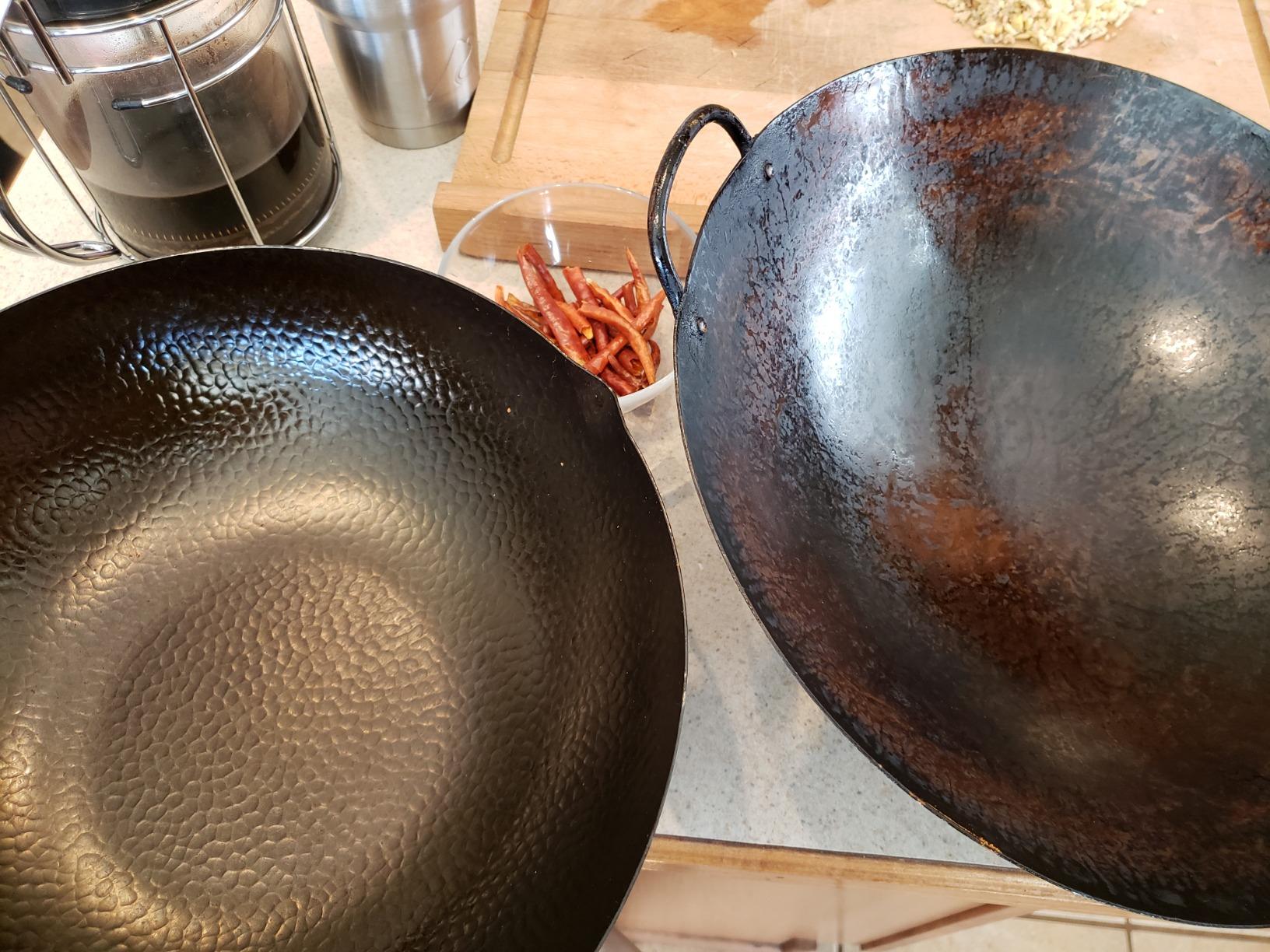
On induction, the flat bottom makes full contact with the cooking surface, which means efficient heat transfer and stable cooking. I tested this by stir-frying a batch of vegetables on high heat, and the wok responded instantly to temperature changes. The carbon steel heats faster than cast iron, which is a major advantage for stir-fry cooking where high heat and quick movement are essential.
Maintenance is the main trade-off. The wok requires hand washing, immediate drying, and a light coat of oil after each use to prevent rust. The wooden lid also needs extra care, as it can crack if exposed to water for extended periods. With a few minutes of care after each cooking session, this wok will last a lifetime. For cooks who want authentic carbon steel performance without the premium price tag, the Souped Up Recipes wok is a great choice.
Seasoning carbon steel for the first time
Proper seasoning is essential for carbon steel. I scrub the new wok with hot soapy water to remove the factory coating, dry it thoroughly, heat it on the stovetop until it starts to smoke, then rub a thin layer of high smoke-point oil across the entire surface. I repeat this process 3-4 times before the first cooking session. The patina that develops creates a naturally nonstick surface that improves with every use.
Stir-fry techniques for induction
Induction heats carbon steel faster than gas, so I had to adjust my stir-fry technique. I preheat the wok on medium-high for 90 seconds instead of 3-4 minutes, and I keep ingredients moving constantly to prevent burning. The flat bottom maximizes contact with the induction coil, which means more efficient heat transfer than a traditional round wok. With a little practice, I can now make restaurant-quality stir-fry at home in under 15 minutes.
10. HexClad 10 Inch Hybrid Nonstick Frying Pan – Best Hybrid Technology

HexClad 10″ Hybrid Nonstick Frying Pan, Dishwasher & Induction Safe
10 inch hybrid nonstick
TerraBond ceramic coating
Tri-ply construction
Pros
- Hybrid nonstick technology
- Metal utensil safe
- Oven safe 900°F
- Tri-ply construction
Cons
- Premium price
- Lid not included
- Variable quality reports
The HexClad hybrid pan is the most innovative nonstick I have tested, combining the searing power of stainless steel with the easy release of ceramic coating through a laser-etched hexagonal pattern. The tri-ply construction with an aluminum core delivers even heat distribution, and the 900°F oven-safe rating is the highest on this list. With Gordon Ramsay as a brand ambassador, HexClad has generated significant buzz in the home cooking community.
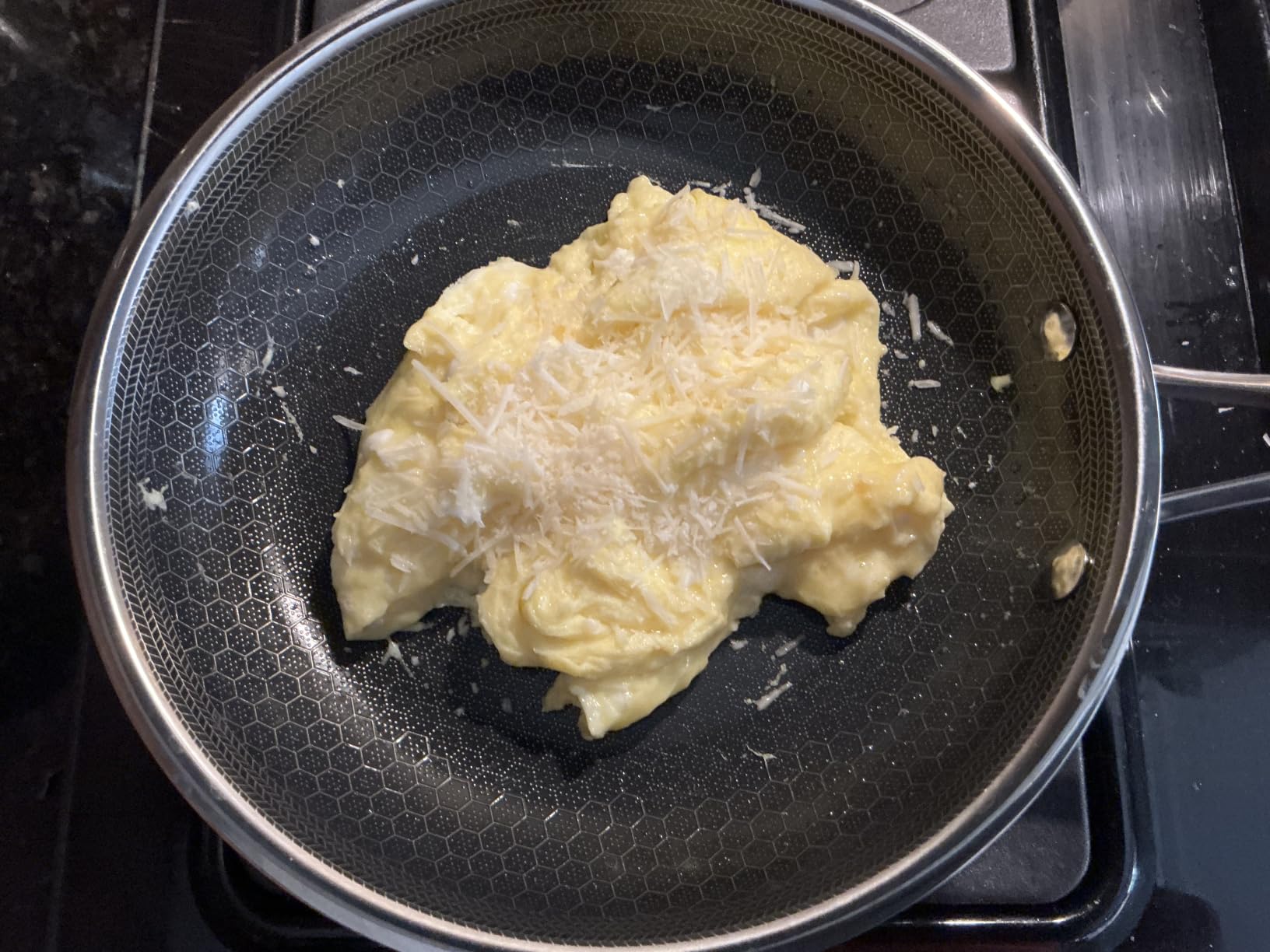
The hybrid design addresses the main weakness of traditional nonstick pans: poor searing. The raised stainless steel ridges allow food to develop a real crust, while the valleys of ceramic coating prevent sticking. I tested this by searing a salmon filet, and the result was a perfectly crispy skin with zero sticking. The pan is also metal utensil safe, which is a major advantage over traditional nonstick.
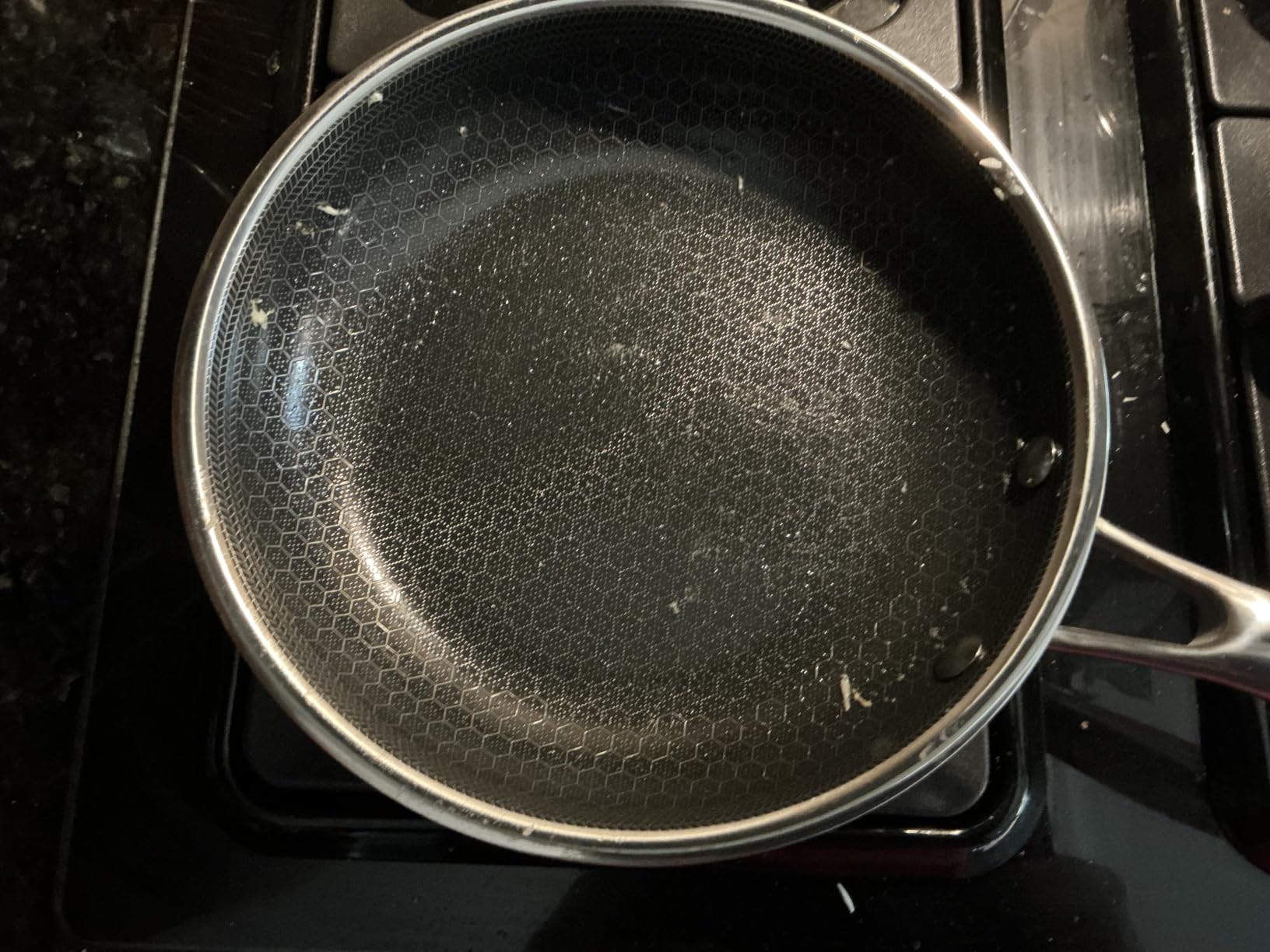
There are some real concerns with HexClad based on owner reviews. The 4.0-star average across 10,970 reviews is lower than most competitors on this list, and some users report food sticking after the first few months. The warranty process can also be difficult according to some owners. However, when the pan performs as designed, it is genuinely impressive. I have had success following the care instructions carefully and cooking on medium heat.
At $149 for a single 10-inch pan, the HexClad is a premium investment, and notably the lid is not included, which is a frustrating omission at this price point. The pan is dishwasher safe, but I have found hand washing preserves the ceramic coating better. For cooks who want the searing power of stainless steel with nonstick convenience and do not mind paying a premium, the HexClad is worth considering.
Understanding the hybrid technology
The laser-etched hexagonal pattern is not just aesthetic. The raised stainless steel ridges create air pockets between the food and the cooking surface, which promotes better browning. The ceramic-coated valleys provide the nonstick release. This dual-surface design is genuinely different from traditional nonstick or stainless steel, and it represents a real advance in cookware technology. The result is a pan that sears like stainless and releases like nonstick.
Care requirements for longevity
To get the best results from HexClad, follow the manufacturer’s care instructions carefully. Preheat on medium heat, use oil or butter, and avoid cooking sprays, which can leave a residue that builds up over time. Hand washing is recommended over the dishwasher. With proper care, the HexClad should deliver excellent performance for several years, though some users report a shorter lifespan than expected.
How Does Induction Cooking Work?
Induction cooking uses electromagnetic energy to heat your cookware directly, rather than heating a burner that then transfers heat to the pan. Underneath each induction zone, a copper coil generates a magnetic field that creates eddy currents in compatible cookware. These currents produce heat inside the pan itself, which is why induction cooking is so fast and efficient.
Because induction heats the pan directly, the cooktop surface itself stays relatively cool. This makes induction safer than gas or electric, since spills do not burn onto the surface. It also means the kitchen stays cooler, which is a major advantage in hot climates or small kitchens. The precision of induction is another major benefit, with temperature changes happening almost instantly when you adjust the dial.
The catch is that induction only works with ferromagnetic materials. The magnetic field needs to interact with iron, steel, or other magnetic metals to generate heat. This is why copper, aluminum, glass, and traditional ceramic cookware will not work on induction unless they have a magnetic base plate bonded to the bottom. When you place a non-compatible pan on an induction burner, nothing happens, no heat, no error code, just silence.
For more details on how induction cooktops work and which models perform best, check out our guide to the best induction cooktops. If you are still using gas and considering switching, we also have a comparison of the best portable induction cooktops that can help you test the technology before committing to a full range.
Induction-Compatible Materials: What Works and What Does Not
The best cookware for induction stovetops falls into four main material categories, each with distinct advantages. Understanding these materials will help you choose cookware that matches your cooking style and budget.
Cast iron is the gold standard for induction cooking. The entire pan is ferromagnetic, which means maximum contact with the induction coil and excellent heat retention. Cast iron heats slowly but holds temperature beautifully, making it perfect for searing, frying, and slow cooking. The trade-off is weight, as cast iron pans typically weigh 5-10 pounds, which can be tiring for some cooks.
Stainless steel works on induction only when it contains enough iron to be magnetic. Most modern tri-ply and multi-clad stainless steel cookware is induction-compatible because the aluminum or copper core is sandwiched between layers of magnetic stainless steel. Cheaper single-ply stainless may not work, so always test with a magnet before purchasing. Stainless steel is durable, non-reactive, and dishwasher safe.
Carbon steel is essentially a lighter version of cast iron. It heats faster, weighs less, and responds to temperature changes more quickly. Carbon steel is the traditional material for woks and crepe pans, and it is increasingly popular for everyday frying pans. With proper seasoning, carbon steel develops a naturally nonstick surface that rivals any synthetic coating.
Enameled cast iron combines the heat retention of cast iron with a glass enamel coating that eliminates the need for seasoning. The enamel makes the cookware non-reactive, so you can cook acidic foods like tomato sauce without flavor transfer. Enameled cast iron is dishwasher safe and does not require the same careful maintenance as bare cast iron.
Nonstick cookware works on induction when it has a magnetic base plate bonded to the bottom. Most modern nonstick pans are induction-compatible, including traditional PTFE pans, ceramic-coated pans, and hybrid designs. The nonstick coating makes cooking and cleanup easy, but the coating will eventually wear out and need replacement, typically every 3-5 years with regular use.
Materials that do not work on induction include pure aluminum, copper, glass, and traditional ceramic. These materials are not ferromagnetic, so the magnetic field cannot generate heat. If you have existing cookware in these materials, you can purchase induction interface disks, which are flat metal plates that sit on the cooktop and transfer heat to your non-compatible pans. However, these disks defeat much of the efficiency advantage of induction cooking.
The magnet test is the easiest way to check if your existing cookware is induction-compatible. Simply hold a refrigerator magnet to the bottom of the pan. If the magnet sticks firmly, the pan will work on induction. If the magnet does not stick or only sticks weakly, the pan is not induction-compatible. This is a quick and free test that can save you from purchasing the wrong cookware.
What to Look for When Buying Induction Cookware
Choosing the best cookware for induction stovetops requires balancing several factors. Our team has identified the most important considerations based on months of testing and thousands of customer reviews.
Material matters most. Cast iron, carbon steel, magnetic stainless steel, and enameled cast iron are the most reliable induction materials. Nonstick cookware with a magnetic base also works, but the coating will eventually need replacement. For most home cooks, a mix of materials covers the widest range of cooking tasks: stainless steel for everyday cooking, cast iron for high-heat searing, and nonstick for eggs and delicate foods.
Flat bottom is essential. Induction cooking requires maximum contact between the pan and the cooktop surface. Warped pans with uneven bottoms will not heat properly and can cause buzzing or error codes on the cooktop. Always check that the bottom of the pan sits flat on a flat surface before purchasing. Higher-quality cookware is less likely to warp over time, which is why investing in reputable brands pays off in the long run.
Match pan size to burner size. Induction burners are most efficient when the pan diameter matches the burner diameter. A 10-inch pan on a 6-inch burner will heat unevenly, while a 6-inch pan on a 10-inch burner wastes energy. Most induction cooktops have burner zones marked on the glass surface, and many will automatically detect pan size and only heat the appropriate area. For best results, use pans that are within 1-2 inches of the burner diameter.
Consider weight and handle comfort. Cast iron and tri-ply stainless steel pans can weigh 5-10 pounds, which is tiring for extended cooking sessions. If you have wrist or hand issues, consider lighter materials like carbon steel or hard anodized aluminum. Ergonomic handles make a big difference in comfort, especially for larger pans. Look for handles that stay cool on the stovetop and provide a secure grip, even with wet hands.
Oven-safe temperature matters. If you want to transfer pans from stovetop to oven, check the oven-safe rating. Most tri-ply stainless steel and cast iron pans are safe to 500°F or higher, while some nonstick pans have lower limits. The HexClad hybrid pan is safe to 900°F, which is exceptional. The Fissler Adamant pans top out at 230°C (446°F), which is adequate for most cooking but limits high-heat oven use.
Decide between sets and individual pieces. Cookware sets offer better value per piece and ensure all your pans match aesthetically. However, individual pieces let you build a collection tailored to your specific cooking style. I recommend starting with a quality 10 or 11-piece set, then adding specialty pieces like a carbon steel wok or a Le Creuset Dutch oven as needed. For more comprehensive set recommendations, see our guide to the best induction cookware sets.
Check for PFAS-free if health is a priority. Traditional PTFE nonstick coatings contain PFAS chemicals, which have raised health concerns. PFAS-free alternatives include ceramic-coated pans, seasoned cast iron, seasoned carbon steel, and bare stainless steel. The GreenPan, SENSARTE, and Lodge products on our list are all PFAS-free. If you want the safest possible cookware, look for PFAS-free certification.
Common Mistakes When Using Cookware on Induction
After testing dozens of pans and talking to hundreds of home cooks, our team has identified the most common mistakes that can damage cookware or cooktops.
Sliding cast iron on glass cooktops is the number one cause of scratches. Cast iron has a rough texture that can leave permanent marks on induction glass surfaces. Always lift cast iron pans when moving them, or place a silicone mat between the pan and the cooktop. This is especially important for enameled cast iron, which can chip if bumped against the glass edge.
Using lightweight pans causes buzzing. Some induction cooktops buzz or vibrate when used with very lightweight pans, especially at high power settings. The buzzing comes from the magnetic field interacting with the thin pan material. This is not dangerous, but it can be annoying. Heavier pans, especially cast iron and tri-ply stainless, generally buzz less than thin aluminum pans.
Overheating nonstick coatings destroys them quickly. Nonstick coatings, both PTFE and ceramic, break down at high temperatures. Cooking on medium or medium-low heat preserves the coating and extends the pan’s life. Preheating an empty nonstick pan on high heat is a particularly common mistake that can release fumes and damage the coating permanently.
Ignoring the pan size to burner match leads to inefficient cooking and uneven results. A small pan on a large burner will not heat evenly because the magnetic field only covers part of the pan. A large pan on a small burner will take forever to heat up. Most modern induction cooktops have automatic pan size detection, but matching the pan to the burner is still the best practice.
Using cooking spray on nonstick builds up a residue that is nearly impossible to remove. Cooking spray contains lecithin, which polymerizes on nonstick surfaces and creates a brown film. Use regular oil or butter instead, applied with a brush or by pouring. The film from cooking spray does not affect performance, but it makes the pan look dirty and can be difficult to remove.
Best Cookware for Induction Stovetops Under $100
Building an induction kitchen on a budget is absolutely possible, and several products on our list deliver excellent performance for under $100. The Lodge 10.25 inch cast iron skillet at under $30 is the best value in cookware, period, and it works beautifully on induction. For a versatile piece, the All-Clad HA1 2-piece fry pan set at around $100 covers most nonstick cooking tasks and includes a magnetic base for induction compatibility.
The SENSARTE 11 inch ceramic nonstick pan at under $40 is another excellent budget option, especially for cooks who want PFAS-free nonstick performance. The Souped Up Recipes carbon steel wok at under $40 delivers restaurant-quality stir-fry at a fraction of the cost of premium woks. The Babish carbon steel wok at under $50 is slightly more expensive but includes a removable handle for oven use.
For cooks who want a complete set, the Cuisinart Chef’s Classic 11-piece set typically sells for around $130 and is the best value for a full kitchen setup. If you can stretch your budget to around $170, the Cooks Standard 10-piece set delivers tri-ply performance that rivals cookware costing three times as much. For more individual pan recommendations, our best induction frying pans guide covers additional options in every price range.
Frequently Asked Questions
What brand of cookware is best for induction cooktops?
Top brands for induction cookware include All-Clad (best overall stainless), Tramontina (best value), Le Creuset (best enameled cast iron), Lodge (best cast iron skillet), and GreenPan (best ceramic nonstick). The best brand depends on your cooking style, budget, and preferred material. For most households, we recommend starting with a quality stainless steel set like Cuisinart or Cooks Standard, then adding specialty pieces like a Lodge cast iron skillet.
What cookware can I use on an induction cooktop?
Induction cooktops work with ferromagnetic materials: cast iron, stainless steel (magnetic grade), carbon steel, and enameled cast iron. Aluminum, copper, glass, and ceramic cookware will not work unless they have a magnetic base plate bonded to the bottom. The easiest way to test is the magnet test: if a refrigerator magnet sticks firmly to the bottom of the pan, it will work on induction.
What induction cookware did America’s Test Kitchen recommend?
America’s Test Kitchen has consistently recommended All-Clad D3 and Tramontina tri-ply cookware sets as top picks for induction cooking. Their testing focuses on heat distribution, searing ability, and build quality. For nonstick, they have recommended pans with durable coatings and even heating. For cast iron, they favor brands like Le Creuset and Lodge that deliver consistent performance across all stovetop types including induction.
What is the healthiest cookware for induction?
The healthiest induction cookware options include cast iron (naturally nonstick when seasoned), stainless steel (no coatings to degrade), and ceramic-coated pans that are PFAS-free and PTFE-free. Brands like GreenPan and SENSARTE offer ceramic nonstick without intentionally added PFAS chemicals. Bare cast iron can leach small amounts of iron into food, which is generally considered beneficial for people with iron deficiency. Avoid traditional PTFE nonstick if you are concerned about chemical exposure, especially at high heat.
How do I know if my cookware works on induction?
Use the magnet test: hold a refrigerator magnet to the bottom of your pan. If the magnet sticks firmly, the pan is induction-compatible. If the magnet does not stick or only sticks weakly, the pan will not work on induction. You can also look for the induction symbol, which is a coiled spring or zigzag icon stamped on the bottom of compatible cookware. Most modern cookware designed for induction cooking will have this symbol clearly marked.
Is cast iron good for induction cooktops?
Yes, cast iron is excellent for induction cooktops. Cast iron is fully ferromagnetic, which means it makes maximum contact with the induction coil and heats efficiently. Cast iron also retains heat better than any other cookware material, making it perfect for searing, frying, and slow cooking. The main trade-off is weight, as cast iron pans typically weigh 5-10 pounds. Cast iron can also scratch glass cooktops if slid, so always lift cast iron pans when moving them.
Final Verdict: Which Induction Cookware Should You Buy?
After testing 10 products across five material categories, our team has clear recommendations for every type of cook. The Cuisinart Chef’s Classic 11-piece stainless steel set is the best overall value for households building a complete induction kitchen from scratch. At around $130, it delivers reliable heat distribution, dishwasher-safe convenience, and a lifetime warranty.
For cooks who prioritize searing and high-heat cooking, the Lodge 10.25 inch cast iron skillet is unbeatable at under $30. It will literally last a lifetime and improve with age. The Le Creuset Dutch oven is the best premium investment for slow cooking, braising, and bread baking, with a 4.7-star average across 7,857 reviews confirming its quality.
If nonstick is your priority, the SENSARTE ceramic pan delivers PFAS-free performance at a budget-friendly price, while the All-Clad HA1 set offers professional-grade durability for cooks willing to invest a bit more. For stir-fry enthusiasts, both carbon steel woks on our list deliver restaurant-quality results, with the Babish version offering a removable handle for oven use.
For more induction cooking recommendations, explore our guides to the best induction rice cookers and the best induction cookware sets. The right cookware transforms induction cooking from a confusing experience into a joy, and any of the products on this list will serve you well for years to come.