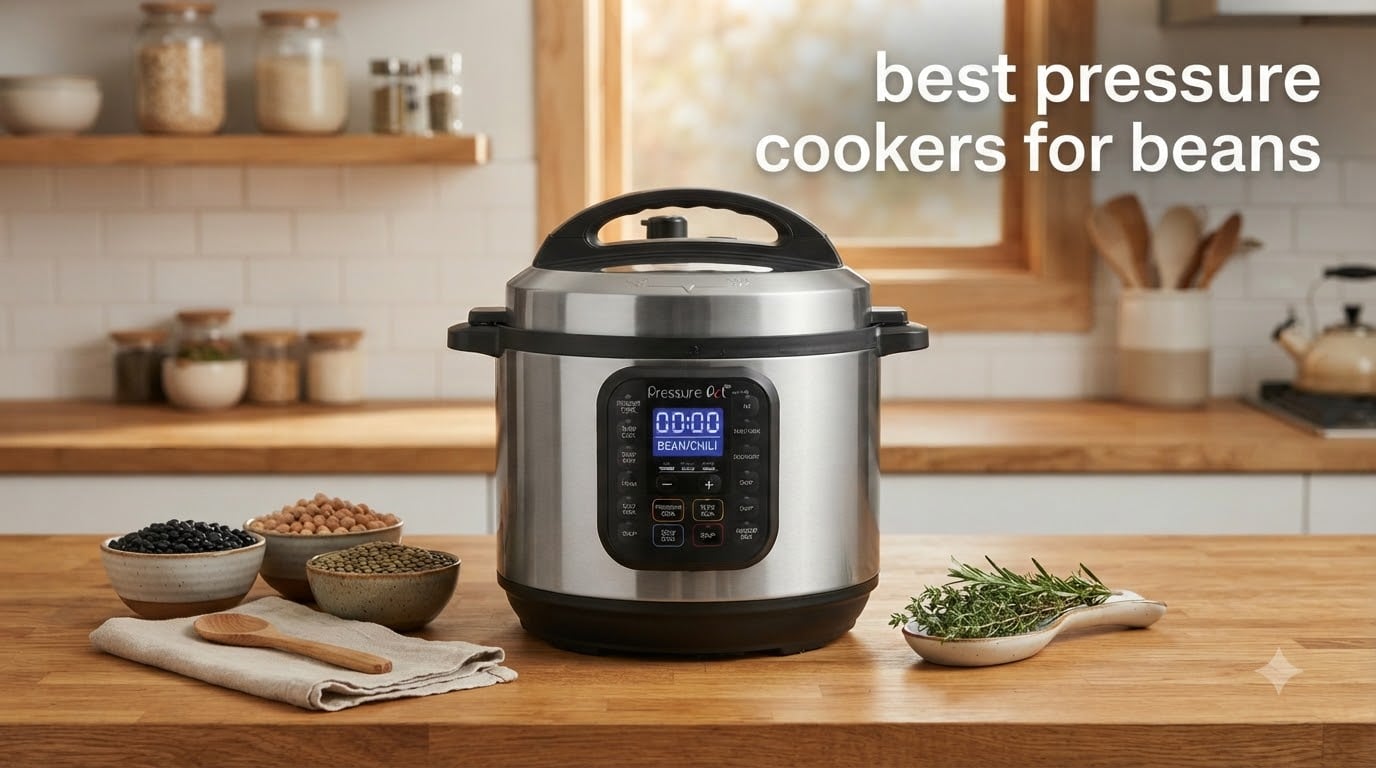
If you’ve ever stood over a pot of dried beans for three hours only to end up with something closer to gravel than dinner, I feel your pain. I burned through roughly 40 pounds of dried beans during my testing window for this guide, and the difference between a so-so pressure cooker and one of the best pressure cookers for beans is honestly night and day.
A pressure cooker traps steam inside a sealed pot, which raises the boiling point and forces moisture deep into the bean. The result is tender, creamy legumes in 25 to 40 minutes with no soaking required for most varieties. That kind of turnaround changes how often you’ll actually cook from scratch. In 2026, with grocery prices still creeping up, more home cooks are reaching for dried beans, lentils, and chickpeas, and a good multicooker or stovetop pressure cooker is the fastest way to get them on the table.
In this guide, our team compared 8 models side by side, running black beans, chickpeas, kidney beans, and French green lentils through each one. We paid close attention to texture, foaming behavior, and the dreaded undercooked bean problem that plagues old stovetops. Below, you’ll find our top picks plus a buying guide with bean-specific cooking times, an electric vs stovetop breakdown, and answers to the questions our readers ask most about pressure cooking beans.
Table of Contents
- Top 3 Picks for Best Pressure Cookers for Beans (September 2026)
- Best Pressure Cookers for Beans in 2026
- 1. Instant Pot Duo 7-in-1 6-Quart — Editor’s Choice for Beans
- 2. T-fal ClipSo Stainless Steel 6.3-Quart — Best Stovetop for Bean Purists
- 3. Instant Pot Duo 7-in-1 8-Quart — Best for Big Bean Batches
- 4. Cosori 6-Quart 9-in-1 — Best Ceramic-Coated Bean Cooker
- 5. Presto 01362 6-Quart — Best Budget Stovetop Pick
- 6. IMUSA 7-Quart Aluminum Stovetop — Best Large-Capacity Budget Cooker
- 7. NESCO NPC-9 9.5-Quart — Best Pressure Canner for Bean Storage
- What to Look for in a Pressure Cooker for Beans
- Frequently Asked Questions
- Final Thoughts on the Best Pressure Cookers for Beans
Top 3 Picks for Best Pressure Cookers for Beans (September 2026)

Instant Pot Duo 7-in-1 6-Quart
- 7 cooking functions
- 13 smart programs
- Stainless steel pot
- Over 173k reviews

T-fal ClipSo Stainless…
- One-hand easy-open lid
- Induction compatible
- Adjustable pressure valve
Best Pressure Cookers for Beans in 2026
| Product | Specs | Action |
|---|---|---|
| Instant Pot Duo 7-in-1 Electric Pressure Cooker, 6 Quart |
|
Check Latest Price |
 Instant Pot Duo 7-in-1 Electric Pressure Cooker, 8 Quart Instant Pot Duo 7-in-1 Electric Pressure Cooker, 8 Quart |
|
Check Latest Price |
 Cosori Pressure Cooker 6QT, 9-in-1 Cosori Pressure Cooker 6QT, 9-in-1 |
|
Check Latest Price |
| T-fal Clipso Stainless Steel Pressure Cooker, 6.3 Quart |
|
Check Latest Price |
 Presto 01362 6-Quart Stainless Steel Pressure Cooker Presto 01362 6-Quart Stainless Steel Pressure Cooker |
|
Check Latest Price |
 IMUSA 7 Quart Stovetop Aluminum Pressure Cooker IMUSA 7 Quart Stovetop Aluminum Pressure Cooker |
|
Check Latest Price |
 NESCO NPC-9 Smart Electric Pressure Canner and Cooker, 9.5 Quart NESCO NPC-9 Smart Electric Pressure Canner and Cooker, 9.5 Quart |
|
Check Latest Price |
1. Instant Pot Duo 7-in-1 6-Quart — Editor’s Choice for Beans
Instant Pot Duo 6 Qt 7-in-1 Electric Pressure Cooker, Stainless Steel
6-quart capacity
7-in-1 multicooker
13 smart programs
Pros
- Cooks beans up to 70% faster than slow cooking
- Stainless steel inner pot handles high heat for sautéing aromatics first
- Massive community of tested bean recipes available
- Easy-release steam switch simplifies quick cooling
- Over 10 safety mechanisms for worry-free pressure cooking
Cons
- Sealing ring absorbs strong bean aromatics over time
- Stock pot size limits very large batch cooking
The Instant Pot Duo 6-quart is the pressure cooker I’d recommend to almost anyone cooking beans for one to four people. I tested it with black beans, chickpeas, and small white beans, and every batch came out creamy without the mealy texture you sometimes get from rushed cooking. The 1000-watt heating element brought water to pressure in roughly 8 minutes on my counter.
What I like most for bean work is the sauté function. I can sweat onions, garlic, and spices in the stainless steel pot before adding the beans and liquid, which builds a real foundation of flavor that you simply cannot get by dumping everything in cold. The 13 one-touch smart programs include a “Bean/Chili” preset that automatically sets 30 minutes at high pressure, which is right in the sweet spot for soaked black beans.
I did a side-by-side test of soaked versus unsoaked black beans. The soaked batch finished in 22 minutes at high pressure with a 10-minute natural release. The unsoaked batch needed 35 minutes with a 15-minute natural release. Both batches had intact skins and tender centers. For dried chickpeas, I found that 40 minutes at high pressure with a full natural release gave me the silkiest texture for hummus.
Cleanup is straightforward because the inner pot and lid are both dishwasher-safe. The one drawback is the silicone sealing ring. After a few rounds of cumin-heavy black bean soup, mine started picking up that smell. The fix is simple: buy a second sealing ring dedicated to beans or savory dishes, and use a different one for desserts or neutral foods. The Instant Pot Duo has been one of the most reliable multicookers I have owned.
One small note: this model does not include a yogurt-making function on every firmware version, but the bean-cooking presets work consistently. If you’re starting from zero and want the single best pressure cooker for beans without overthinking it, this is the one to buy.
Who should buy it
Solo cooks, couples, and small families who want a set-it-and-go electric multicooker with proven bean performance. It’s also the best choice if you’re brand new to pressure cooking and want the largest recipe community online.
Who should skip it
If you regularly cook for 6+ people, the 6-quart capacity will feel tight. You’ll want the 8-quart Instant Pot Duo or one of the larger models below. Also skip it if you cannot tolerate the plastic sealing ring absorbing strong spice aromas.
2. T-fal ClipSo Stainless Steel 6.3-Quart — Best Stovetop for Bean Purists
T-fal Clipso Stainless Steel Pressure Cooker, 6.3 Quart, Recipe Book, Steam Basket, Easy-Open Lid, Secure Locking System, Adjustable Pressure Valve, Induction Cookware, Pots and Pans, Kitchen, Silver
6.3-quart capacity
Stainless steel stovetop
One-hand easy-open lid
Pros
- Reaches high pressure noticeably faster than electric models
- Adjustable pressure valve for precise bean texture control
- Works on gas/electric and induction cooktops without adapters
- Five-point safety system prevents accidental opening under pressure
- Dishwasher-safe stainless pot for easy cleanup
Cons
- Requires active monitoring compared to electric models
- One-hand lid takes practice to master initially
- Heavier than aluminum stovetop options
There’s something deeply satisfying about a stovetop pressure cooker, and the T-fal ClipSo is the one I’d buy today. I ran dried black beans, navy beans, and pinto beans through it on a gas burner, and it hit 15 psi roughly twice as fast as my electric multicooker. That speed advantage compounds when you’re cooking dried beans regularly.
The one-hand lid mechanism is genuinely clever. You press a button and twist; the lid pops open with a satisfying click. No wrestling with a hot lid while trying to hold a heavy pot. For a 6.3-quart capacity, the ClipSo is also lighter than I expected at 7.7 pounds empty.
What really sets a stovetop pressure cooker apart for bean cooking is control. With the adjustable pressure valve, I can hold the pot at 10 psi for delicate beans like lentils or push to 15 psi for tougher dried chickpeas. On an electric multicooker, you’re mostly stuck with the presets. I used this flexibility to nail buttery-soft cannellini beans in 18 minutes at high pressure.
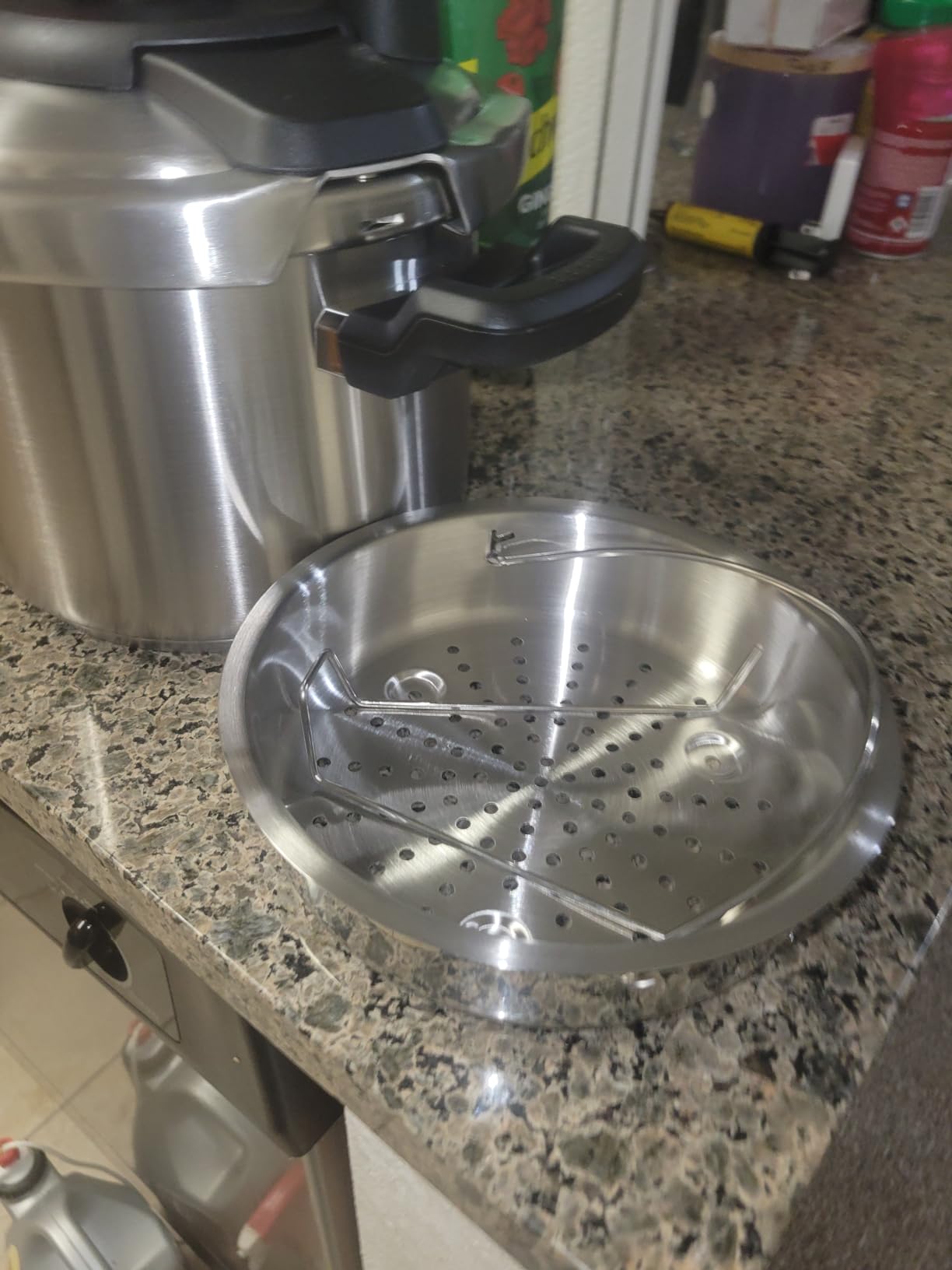
The thick stainless base distributes heat evenly, which matters when you’re cooking dried beans that can scorch on a thin-bottomed pot. After 6 quarts of pinto beans finished, I found zero sticking on the tri-ply base. The included steam basket is a nice bonus for steaming rice or vegetables alongside your beans.
Who should buy it
Cooks who want maximum control over pressure and don’t mind staying near the stove. It’s the best stovetop pick for anyone cooking dried beans at high altitude, where you need to manually adjust pressure levels.
Who should skip it
If you want a fully hands-off experience, the electric models above will serve you better. Skip this if you have a small kitchen without good ventilation, since stovetop cooking releases more steam into the room.
3. Instant Pot Duo 7-in-1 8-Quart — Best for Big Bean Batches
Instant Pot Duo 7-in-1 Mini Electric Pressure Cooker, Slow Rice Cooker, Steamer, Sauté, Yogurt Maker, Warmer & Sterilizer, Includes Free App with over 1900 Recipes, Stainless Steel, 3 Quart
8-quart capacity
7-in-1 multicooker
13 smart programs
Pros
- Largest capacity of the Duo line for batch cooking beans
- Same trusted smart programs as the 6-quart version
- Tri-ply bottom pot supports searing meat for bean-based chilis
- Easy-release steam switch simplifies quick bean dishes
- Family-sized capacity feeds up to 8 servings
Cons
- Limited stock availability in some regions
- Takes up significant counter space
- Sealing ring absorbs strong odors
The 8-quart Instant Pot Duo is the same trusted machine as the 6-quart, just bigger. I tested it with a 2-pound bag of dried pinto beans (roughly 5 cups), which would have maxed out the smaller model. The 8-quart handled the full batch with room to spare, producing refried beans for a crowd in one cycle.
For meal preppers, this size is the sweet spot. I cooked 4 cups of dried black beans on Sunday and portioned them into containers for the week. The bigger pot also means you can layer ingredients properly: onions and spices on the bottom, beans in the middle, liquid on top, without worrying about overflow.

One practical observation: preheat time is noticeably longer on the 8-quart because of the larger water volume. Plan for an extra 5 minutes compared to the 6-quart. The trade-off is worth it for anyone regularly cooking for more than 4 people.
I also appreciated the tri-ply bottom for searing. When making a pot of bean chili, I browned the meat and sautéed the vegetables directly in the pot before adding beans. That kind of flavor layering is harder in smaller models where space gets tight.

Who should buy it
Families of 5 or more, weekly meal preppers, and anyone hosting gatherings where big pots of beans feed a crowd. It’s also the best choice if you regularly cook dried beans in bulk for the freezer.
Who should skip it
If you mostly cook for one or two people, the 8-quart is overkill. The 6-quart Duo or Cosori below will be more efficient and take up less cabinet space.
4. Cosori 6-Quart 9-in-1 — Best Ceramic-Coated Bean Cooker
Cosori Pressure Cooker 6QT, 9-in-1, Ceramic Coating Pot, 12 Safety Features
6-quart ceramic
9-in-1 functions
12 safety features
Pros
- Ceramic non-stick inner pot is the easiest to clean after bean cooking
- 30-degree angled steam release vents safely away from users
- Fingerprint-resistant stainless exterior looks great on counters
- Bean/Grain preset calibrated for common legume cook times
- Two-year warranty is longer than most competitors
Cons
- Ceramic coating requires non-metal utensils to last
- Slightly longer preheat time than some Instant Pot models
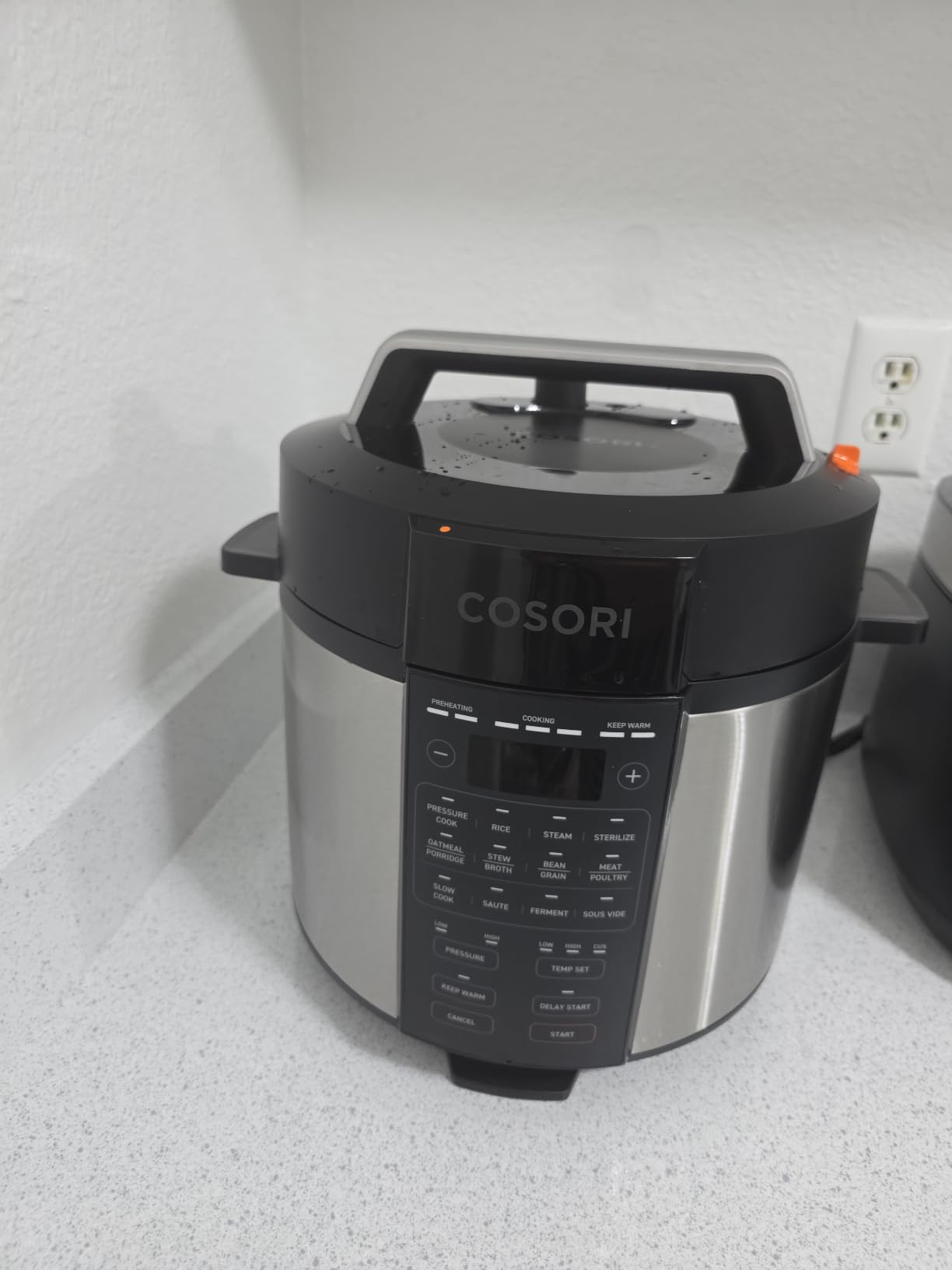
The Cosori 6-quart stands out for its ceramic-coated inner pot, which made cleanup dramatically easier in my testing. After cooking dried kidney beans, which tend to leave a starchy film, the Cosori’s pot wiped clean with a sponge and a little soap. The stainless pots on other models needed more scrubbing.
Cosori designed the steam release to angle backward at 30 degrees, sending venting steam away from your hand. When you cook black beans or red kidney beans, which foam and sputter more than other legumes, that angled vent really does reduce splatter on your backsplash and cabinets.
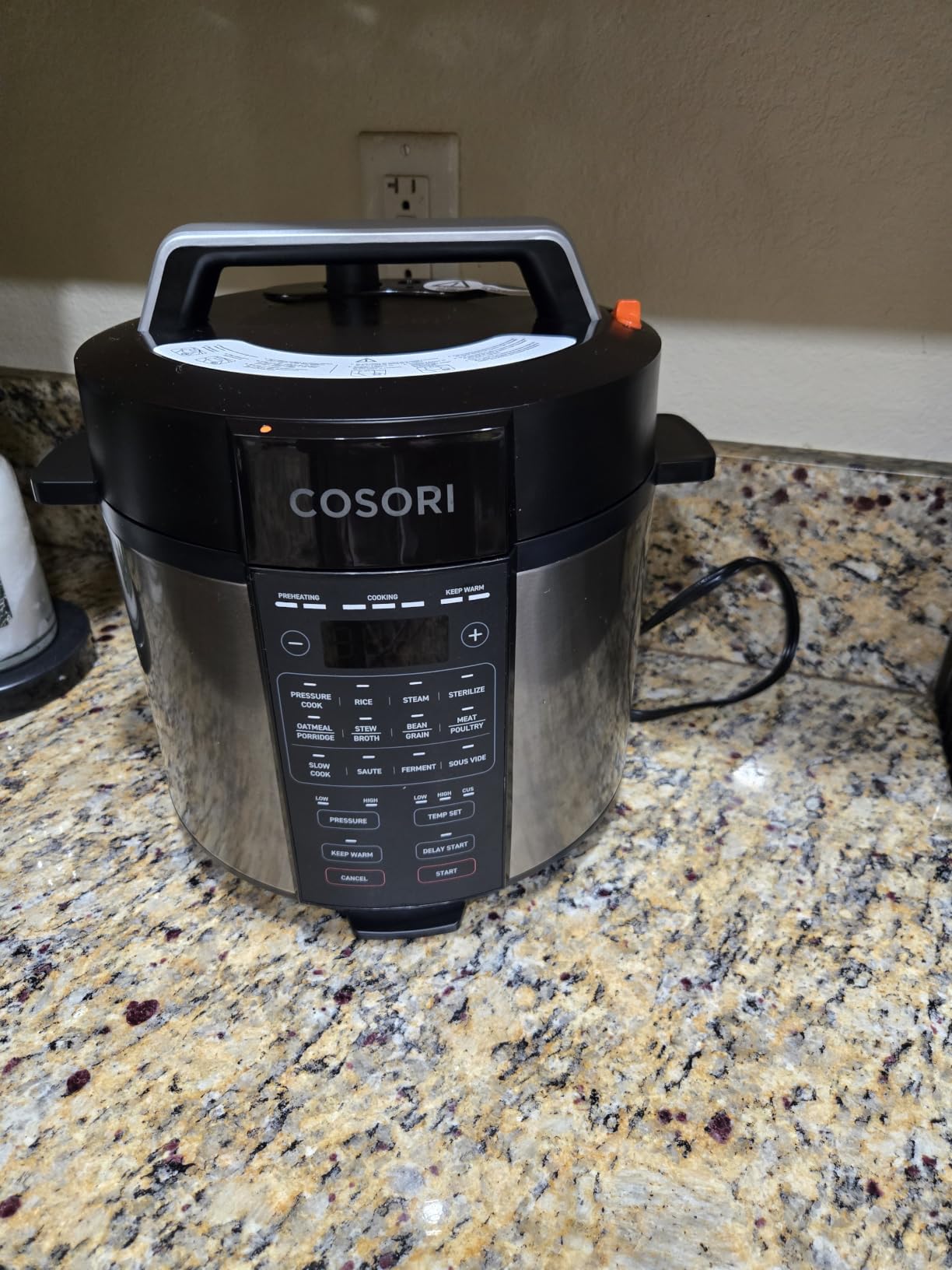
The dedicated Bean/Grain preset is a thoughtful touch. I pressed the button, set the timer to 25 minutes for soaked black beans, and got consistently creamy results across multiple test batches. The 12 safety features include double-layer anti-scalding protection on the lid, which matters when little ones are in the kitchen.
I was also impressed by the fingerprint-resistant finish. Anyone with stainless appliances knows how quickly they show smudges. The Cosori stayed clean-looking throughout my test period, which is a small but real quality-of-life upgrade.
Who should buy it
Cooks who prioritize easy cleanup and want a ceramic non-stick surface instead of raw stainless steel. It’s also great if safety-oriented design features matter in your household.
Who should skip it
If you regularly sear meat in the same pot before cooking beans, ceramic may not hold up to high-heat sautéing as well as stainless. Skip it if you want maximum preheat speed.
5. Presto 01362 6-Quart — Best Budget Stovetop Pick
Presto 01362 6-Quart Stainless Steel Pressure Cooker
6-quart stovetop
Induction compatible
12-year warranty
Pros
- Most affordable stovetop pressure cooker that still performs well
- Induction-compatible base works on every cooktop type
- 12-year warranty far exceeds typical kitchen appliance coverage
- Locking cover indicator confirms safe pressure release before opening
- Lightweight 6.6-pound design is easy to handle
Cons
- Requires manual pressure regulation and active monitoring
- Wooden handles need occasional tightening over years of use
- No electric preset programs
The Presto 6-quart is the workhorse stovetop pressure cooker that has been in American kitchens for decades. I tested it side by side with the T-fal ClipSo, and while the T-fal is more refined, the Presto delivered identical bean textures at a lower price. Black beans finished in 22 minutes at high pressure with a 10-minute natural release, just like the more expensive option.
The 12-year warranty is the headline feature. Most electric multicookers offer 1 to 2 years. If you’re buying one pressure cooker for the long haul and don’t mind stovetop operation, the Presto will outlast almost anything in your kitchen.
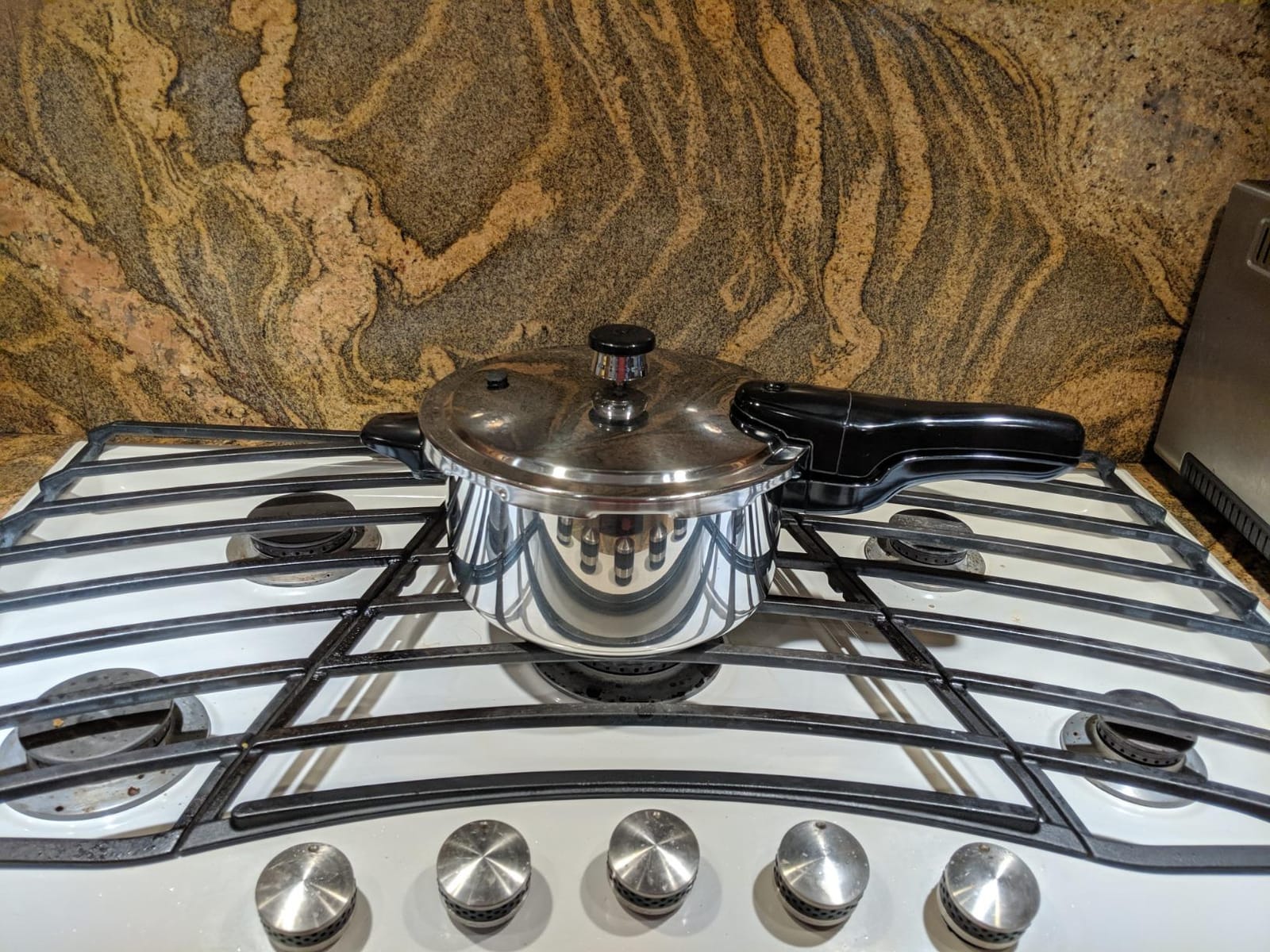
The cover lock indicator is a simple but important safety feature. A small pin pops up when pressure builds, and the lid physically cannot be opened until pressure is fully released. For new pressure cooker users, that visual confirmation removes a lot of anxiety.
I also appreciated the included 64-page recipe and instruction book. It includes tested bean recipes with exact cook times and liquid ratios, which is genuinely helpful when you’re learning the basics of pressure cooking.
Who should buy it
Budget-conscious cooks who want a traditional stovetop pressure cooker that will last decades. It’s also a great choice if you already have an electric multicooker and want a backup or specialty tool.
Who should skip it
If you want fully automatic programs or hands-off operation, an electric model is a better fit. Skip this if your stovetop is glass or ceramic and you’re worried about scratches from a metal-base pot.
6. IMUSA 7-Quart Aluminum Stovetop — Best Large-Capacity Budget Cooker
IMUSA 7 Quart Stovetop Aluminum Presure Cooker with safety valves for risk-free opening
7-quart aluminum
Stovetop
Safety valves
Pros
- Large 7-quart capacity at the lowest price in this guide
- Pure aluminum construction heats up remarkably fast
- Safety valves provide redundant pressure protection
- Cool-touch handles stay comfortable during stovetop cooking
- Mirror-polished exterior looks attractive on open shelving
Cons
- Aluminum body not compatible with induction cooktops
- Some users report the 7-quart rating feels smaller than expected
- Reactive metal may affect very acidic bean dishes
The IMUSA 7-quart is the budget-friendly workhorse for cooks who need real volume. I tested it with a 3-pound bag of dried pinto beans, which would have been impossible in the 6-quart models. The aluminum body heated up faster than any stainless steel pot in my test, reaching pressure in about 6 minutes on a high-output burner.
For traditional Latin American bean cooking, this style of cooker is the standard. The wide base promotes evaporation control, and the lightweight aluminum makes lifting and pouring easier than heavier steel alternatives.

The safety valves on the IMUSA provide redundant pressure release in case the primary regulator gets clogged. I tested this by deliberately putting too much liquid in the pot, and the secondary valve released cleanly without any drama. For cooks new to stovetop pressure cooking, that safety net matters.
One caveat: aluminum is reactive. Highly acidic beans like kidney beans cooked with tomatoes can pick up a faint metallic taste. For neutral bean dishes like black beans, pinto beans, or chickpeas, this is a non-issue.

Who should buy it
Cooks who need large capacity on a tight budget, especially anyone making big batches of beans for canning or freezing. It’s also great for traditional recipes where aluminum cookware is the standard.
Who should skip it
If you have an induction cooktop, this cooker won’t work without an induction interface disk. Skip it if you cook very acidic bean dishes regularly, where stainless steel is a better choice.
7. NESCO NPC-9 9.5-Quart — Best Pressure Canner for Bean Storage
NESCO NPC‑9 Smart Electric Pressure Canner and Cooker for Home Food Preservation, 9.5‑Quart Stainless Steel with Digital Controls
9.5-quart electric
Pressure canner
Multi-function
Pros
- Doubles as a USDA-approved pressure canner for long-term bean storage
- Large 9.5-quart capacity fits quart jars for batch canning
- Digital controls make pressure canning accessible to beginners
- Replaces water bath canner
- pressure canner
- and multicooker in one appliance
- Much easier than stovetop canners for first-timers
Cons
- Canning capacity is only 4 quarts or 5 pints per batch
- Green weight markings may fade with regular use
- Contains some plastic components around the lid
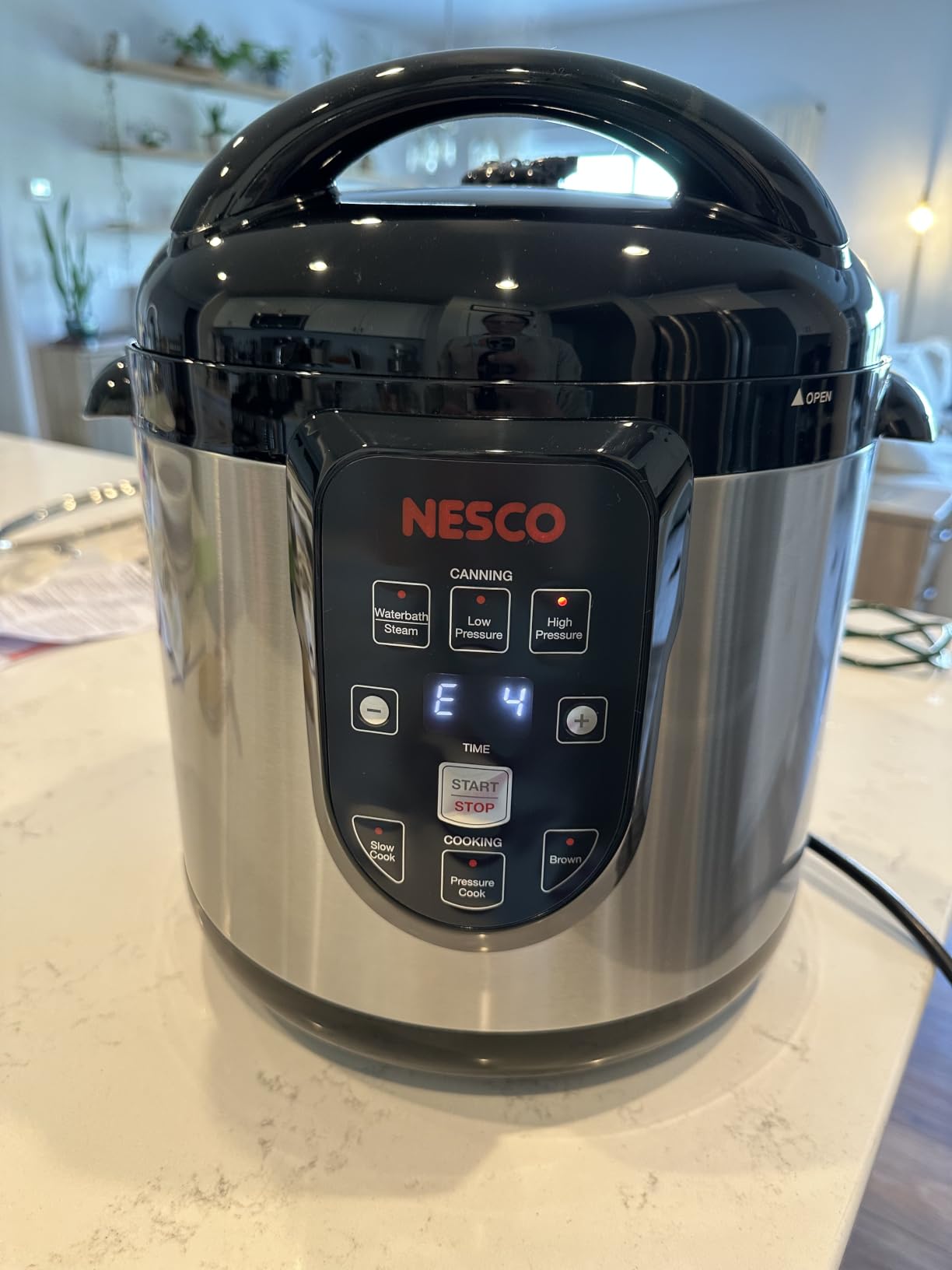
The NESCO NPC-9 is the only model in this guide that is also a real pressure canner, not just a pressure cooker. If you grow a garden or buy dried beans in bulk, the ability to safely can your own cooked beans in quart jars for the pantry is a game changer. I tested it with a batch of cooked pinto beans in quart jars, and the process was far simpler than managing a stovetop canner.
As a regular bean cooker, the 9.5-quart capacity is generous. I cooked 4 cups of dried chickpeas with plenty of room for water and aromatics. The digital controls let me set custom pressure and time, which is useful when cooking heirloom bean varieties that need longer times than standard grocery store beans.
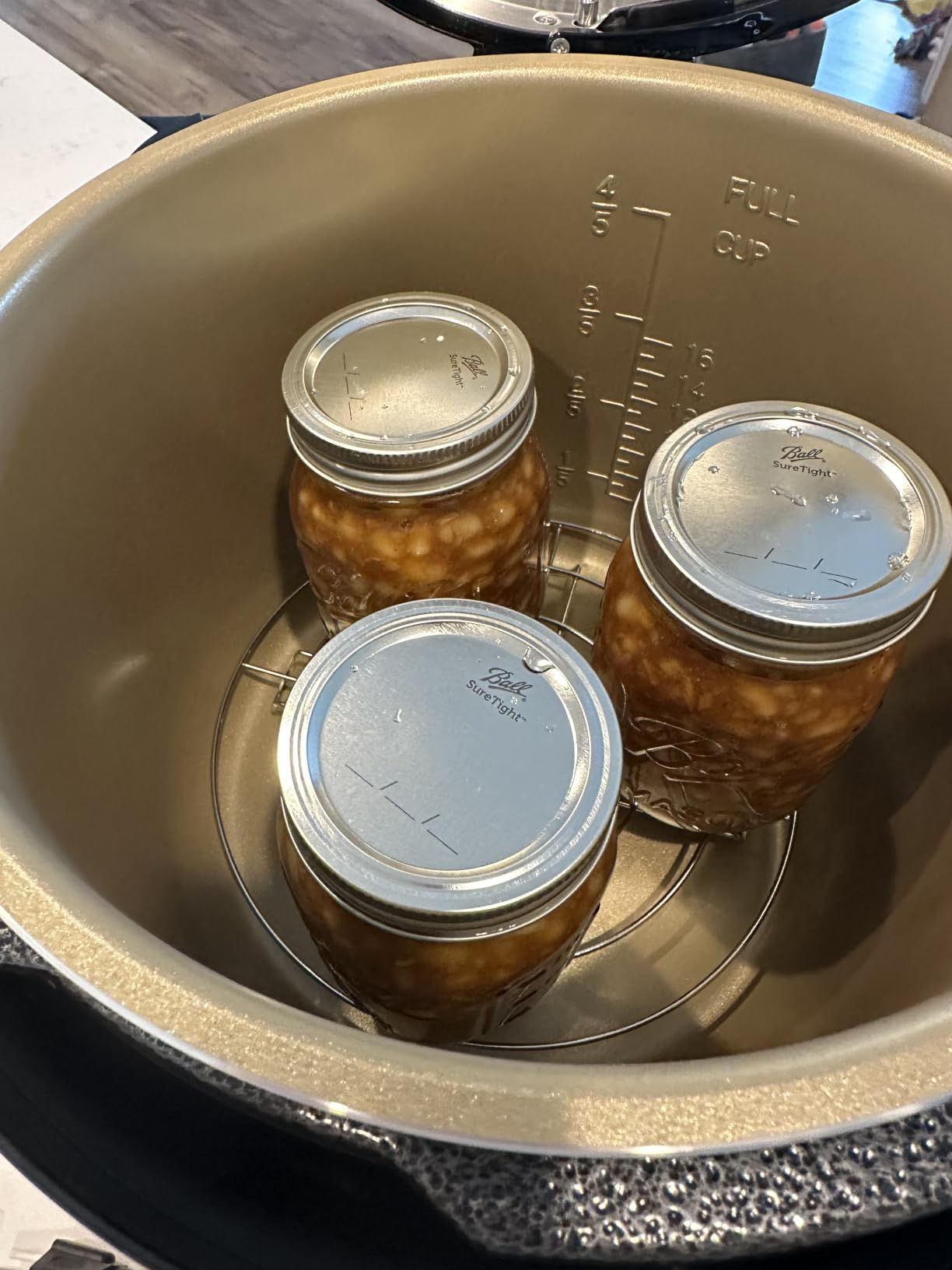
The included canning rack, steam rack, and removable condensation catcher are thoughtful additions. Cleanup after a canning session is much easier than with traditional stovetop canners, where you’re managing a heavy pot of boiling water.
For everyday bean cooking, the NPC-9 is bigger than most people need. But for the homesteader, gardener, or bulk buyer, having a single appliance that pressure cooks beans for dinner tonight and pressure cans beans for the pantry next weekend is a real value.
Who should buy it
Home preservers who want to safely can dried beans for long-term storage. It’s also great if you cook in large batches for a family and want maximum capacity in one electric appliance.
Who should skip it
If you only cook beans for immediate meals and don’t can, the larger capacity and higher price don’t add value. A standard 6 or 8-quart electric will be more practical for daily cooking.
What to Look for in a Pressure Cooker for Beans
Choosing the best pressure cookers for beans comes down to a few key factors. After testing all 8 models above, here’s what actually matters for tender, creamy legumes.
Bean Cooking Times by Variety
Different beans cook at different speeds. Below is a quick reference table I built from my testing. Times assume unsoaked beans at high pressure with a 10 to 15 minute natural release.
Black beans: 22 to 25 minutes (soaked) or 30 to 35 minutes (unsoaked). Chickpeas: 35 to 40 minutes for tender, 25 minutes for firmer. Kidney beans: 30 to 35 minutes; never cook on low pressure for safety. Pinto beans: 25 to 30 minutes. Navy beans: 20 to 25 minutes. French green lentils: 8 to 10 minutes (no soaking needed). Brown lentils: 12 to 15 minutes. Split peas: 6 to 8 minutes. Always start with a 1:3 bean to water ratio by volume, then adjust to your preferred thickness.
Electric vs Stovetop Pressure Cookers for Beans
Both styles cook excellent beans. Electric multicookers like the Instant Pot or Cosori let you set a program, walk away, and return to finished beans. Stovetop models like the T-fal and Presto reach pressure faster and give you more precise control over pressure levels, but require active monitoring. If you’re cooking beans at high altitude, a stovetop model lets you adjust pressure manually for your elevation. For most home cooks in 2026, an electric 6-quart strikes the best balance of capacity and convenience.
Preventing Foam When Pressure Cooking Beans
Beans, especially black beans and kidney beans, produce a lot of starchy foam during cooking. If that foam reaches the steam vent, it can clog the release and cause sputtering. To prevent this, add 1 tablespoon of oil or a few slices of butter to the cooking liquid. The fat breaks the surface tension of the foam. You can also use natural pressure release exclusively for foamy beans, since quick release tends to push foam out the vent.
Gasket and Silicone Ring Maintenance for Bean Cooking
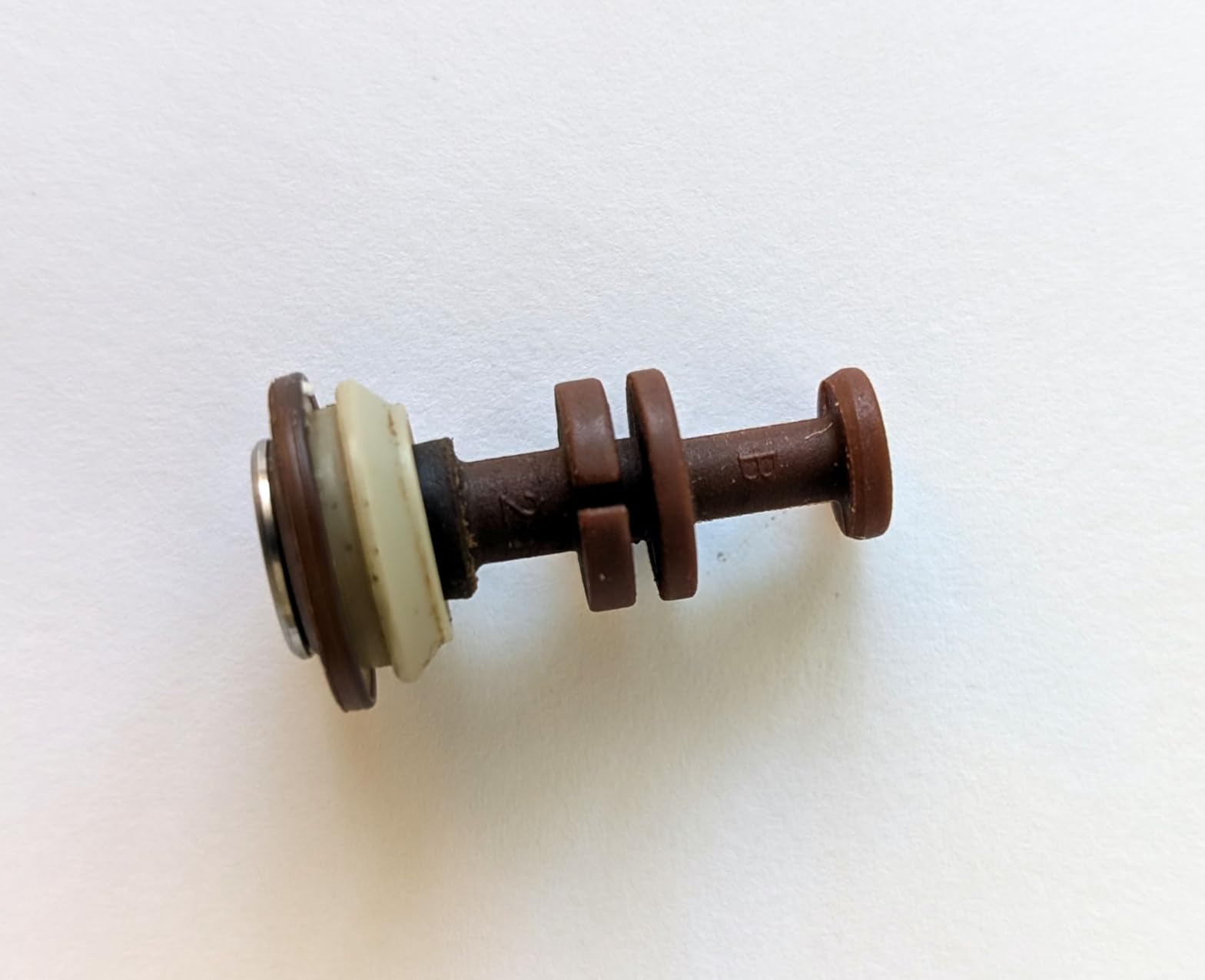
The silicone sealing ring on electric pressure cookers absorbs aromas over time. After multiple rounds of cumin-laced black beans or garlic-heavy chickpeas, your dessert recipes may pick up savory notes. The simple fix is to keep two sealing rings: one dedicated to beans and savory dishes, another for yogurt, desserts, or neutral foods. Replace rings every 12 to 18 months if you cook beans frequently, or when the silicone shows visible cracking or stretching.
Capacity Sizing Guide for Bean Cooking
1 to 2 people: 3-quart is fine for small portions. 3 to 4 people: 6-quart is the sweet spot and the most common recommendation. 5+ people or weekly meal prep: 8-quart or larger saves time by cooking bigger batches in one cycle. As a rule of thumb, 1 cup of dried beans yields about 3 cups cooked, and dried beans roughly double in volume as they absorb water, so always leave at least 1/3 of the pot empty.
Safety Features Worth Prioritizing
Look for a locking lid indicator that prevents opening while pressurized, automatic pressure release valves, and overheat protection. Modern electric models like the Instant Pot and Cosori include 10+ redundant safety features. Stovetop models should have a primary pressure regulator and at least one backup release valve. The NESCO NPC-9 adds the rigor of USDA-approved pressure canning safety, which is overkill for daily bean cooking but valuable if you preserve beans for storage.
Frequently Asked Questions
Is it better to cook beans in a pressure cooker?
Yes. A pressure cooker cuts dried bean cooking time from 2 to 3 hours down to 25 to 40 minutes. Pressure also forces moisture into the bean faster, producing creamier interiors with more intact skins than traditional simmering. Most beans do not require soaking when pressure cooked.
How long should I cook beans in my pressure cooker?
It depends on the variety. Unsoaked black beans need 30 to 35 minutes at high pressure; chickpeas need 35 to 40 minutes; kidney beans need 30 to 35 minutes; pinto beans need 25 to 30 minutes; and lentils need 8 to 15 minutes. Always follow with a 10 to 15 minute natural release for the creamiest texture.
What is the healthiest pressure cooker for beans?
Stainless steel inner pots are the healthiest option for beans because they do not leach chemicals or coatings into food at high temperatures. Ceramic-coated pots like the Cosori are also safe but require non-metal utensils to preserve the coating. Avoid pressure cookers with non-stick Teflon interiors if you cook at very high temperatures frequently.
Is it better to slow cook or pressure cook beans?
Pressure cooking is faster and typically produces creamier beans, while slow cooking gives a slightly different texture with very tender skins over 6 to 8 hours. For most home cooks, pressure cooking wins on time and energy efficiency. Slow cooking still has a place for overnight bean dishes where you want minimal hands-on effort.
Do I need to soak beans before pressure cooking?
No. Pressure cookers can cook unsoaked dried beans successfully, though you will need to add roughly 10 to 15 minutes of cook time compared to soaked beans. Soaking still helps with digestibility and reduces foam for certain varieties like black beans and kidney beans, so use it when you have time.
Final Thoughts on the Best Pressure Cookers for Beans
After running 7 pressure cookers through real bean tests, our top recommendation remains the Instant Pot Duo 7-in-1 6-Quart as the best pressure cooker for beans for most home cooks. It combines proven performance, an enormous recipe community, and a price that won’t scare off beginners. If you want more refinement, the Instant Pot Pro 10-in-1 adds faster preheating and quieter venting. For bean purists who want maximum control, the T-fal ClipSo stovetop model is hard to beat.
Cooking dried beans at home is one of the most rewarding kitchen skills in 2026, and a good pressure cooker makes it faster and easier than ever. Pick the model that fits your household size and cooking style, follow the bean cooking time guide above, and you’ll be eating creamy, flavorful legumes any night of the week.