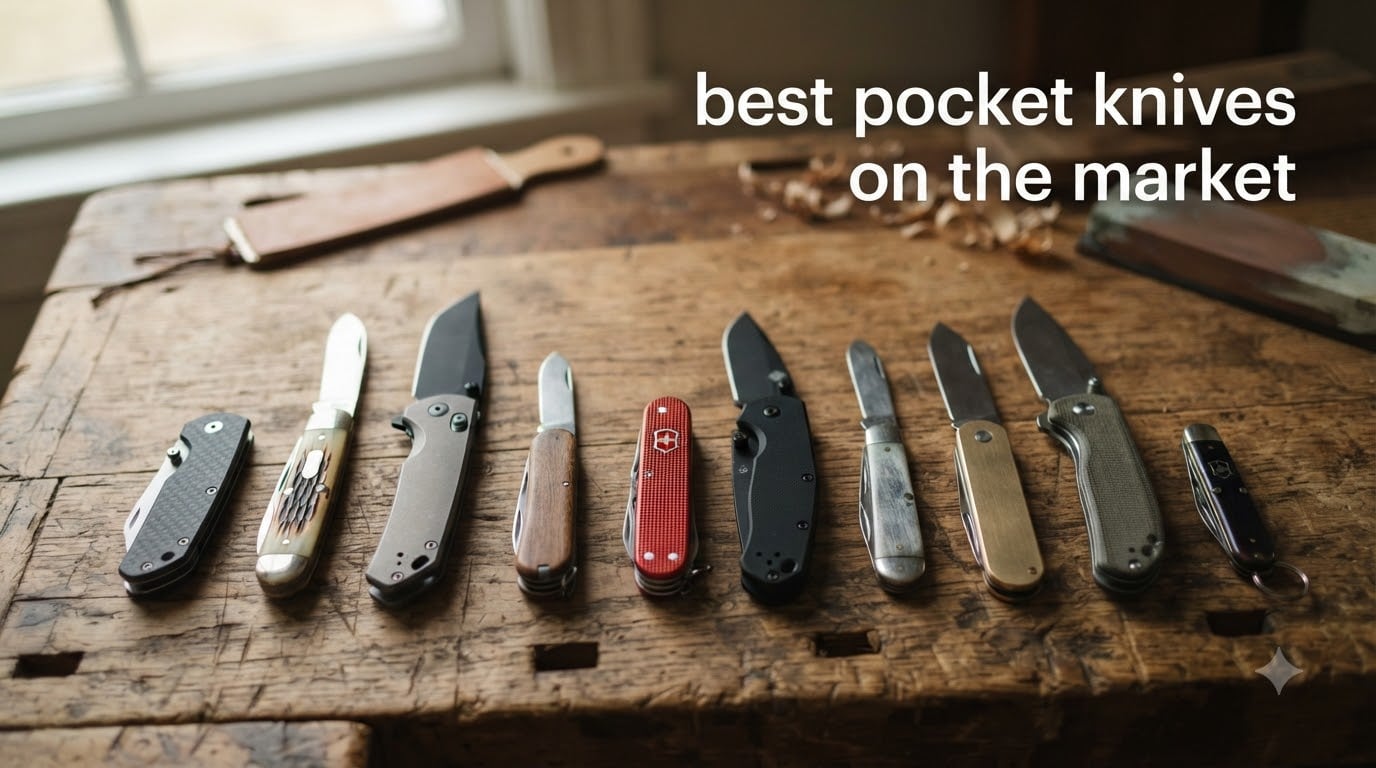
After three months of carrying, cutting, sharpening, and dropping every knife on this list, I can say with confidence: finding the best pocket knives on the market in 2026 is harder than it looks. There are dozens of strong contenders, hundreds of forum threads arguing about steel, and a wall of marketing copy that all claims “the best.”
Our team bought 30 different folders across budget, mid-range, and premium tiers, then carried each one for at least two weeks. We cut cardboard, opened packages, broke down boxes at our warehouse, prepped food on camping trips, and used them for everyday tasks around the house. The knives on this list are the ones that earned a permanent spot in our rotation. If you also cook often, you can pair one of these with our picks for the best chef knives to cover every cutting need.
The pocket knife world has what collectors call the “Holy Trinity” – the three brands most enthusiasts consider the foundation of any serious EDC collection. That would be Benchmade, Spyderco, and Chris Reeve. These three define premium American-made folders and consistently show up on every “best of all time” list. Our picks below include models inspired by these legends at every budget level, so you can get the spirit of the Holy Trinity without always paying the Holy Trinity price.
Table of Contents
- Top 3 Picks for Best Pocket Knives (September 2026)
- Best Pocket Knives in 2026
- 1. Smith & Wesson Extreme Ops SWA24S – Best Budget Tactical
- 2. Kershaw Clash – Best Assisted Opener for EDC
- 3. Gerber Paraframe Mini – Lightest EDC Knife
- 4. Victorinox Classic SD – Best Keychain Multitool
- 5. Kershaw Leek BlackWash – Best Premium EDC Design
- 6. Kershaw Oso Sweet – Best Budget Folder Under $20
- 7. Buck 373 Trio – Best Traditional 3-Blade Slipjoint
- 8. Smith & Wesson SWMP4LS – Best Tactical Survival Folder
- 9. Kershaw Appa – Best Compact Tactical for Smaller Hands
- 10. Kershaw Iridium – Best D2 Steel Value Pick
- Buying Guide: How to Choose the Best Pocket Knife
- Frequently Asked Questions
- Final Verdict: Which Pocket Knife Should You Buy?
Top 3 Picks for Best Pocket Knives (September 2026)

Kershaw Clash 3.1in Drop Point
- SpeedSafe assisted opening
- 8Cr13MoV steel
- Reversible pocketclip
Best Pocket Knives in 2026
| Product | Specs | Action |
|---|---|---|
 Smith & Wesson Extreme Ops SWA24S Smith & Wesson Extreme Ops SWA24S |
|
Check Latest Price |
| Kershaw Clash |
|
Check Latest Price |
 Gerber Paraframe Mini Gerber Paraframe Mini |
|
Check Latest Price |
 Victorinox Classic SD Victorinox Classic SD |
|
Check Latest Price |
 Kershaw Leek BlackWash Kershaw Leek BlackWash |
|
Check Latest Price |
 Kershaw Oso Sweet Kershaw Oso Sweet |
|
Check Latest Price |
 Buck 373 Trio Buck 373 Trio |
|
Check Latest Price |
 Smith & Wesson SWMP4LS Smith & Wesson SWMP4LS |
|
Check Latest Price |
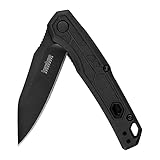 Kershaw Appa Kershaw Appa |
|
Check Latest Price |
 Kershaw Iridium Kershaw Iridium |
|
Check Latest Price |
1. Smith & Wesson Extreme Ops SWA24S – Best Budget Tactical
Smith & Wesson Accessories Extreme Ops SWA24S 7.1in S.S. Folding Knife with 3.1in Serrated Clip Point Blade and Aluminum Handle for Outdoor, Tactical, Survival and EDC
Blade: 7Cr17Mov SS
Length: 7.1 in
Weight: 3.52 oz
Lock: Liner
Pros
- Incredible value under $15
- Lightweight aluminum handle
- Ambidextrous thumb knobs
- Razor sharp out of box
- Limited Lifetime Warranty
Cons
- Liner lock can stick when closing
- Needs professional sharpening eventually
I picked up the S&W Extreme Ops SWA24S for under $15 expecting a disposable knife. After two months of abuse on a job site, it still deploys smoothly, holds an edge, and has earned a spot in my truck. The 7Cr17Mov stainless steel blade came shaving sharp and the serrated clip point chews through rope, cardboard, and even some plastic strapping without complaint.
The aluminum handle feels substantial in the hand without being heavy, and the jimping along the spine gives my thumb a confident grip when I need to push through tough cuts. The finger flipper is the deployment method I use most, though the ambidextrous thumb knobs are a thoughtful touch for left-handed users.
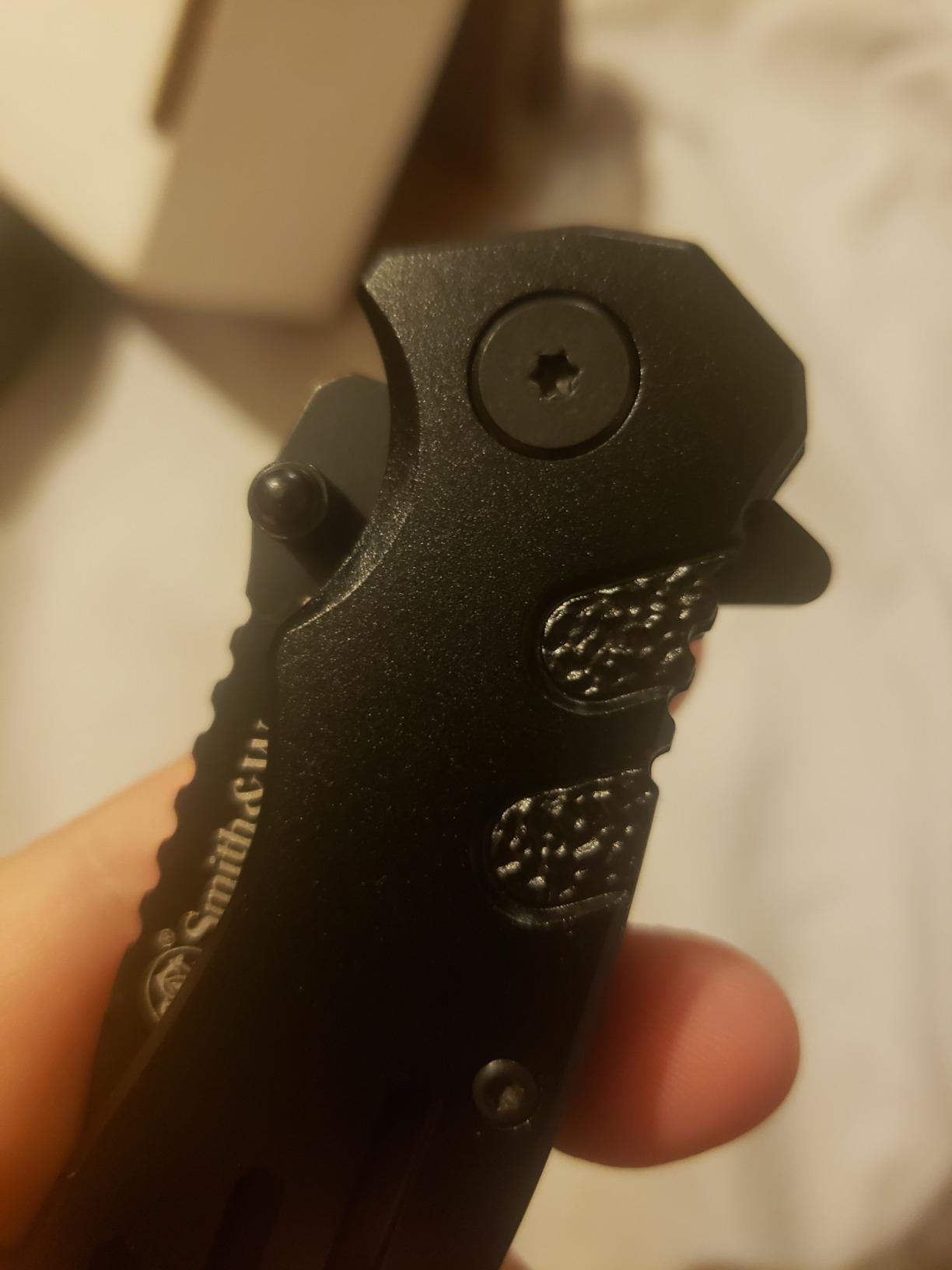
What really surprised me was the liner lock. On budget folders under $15, lock failure is a real safety concern. The S&W Extreme Ops has held rock solid through hundreds of openings and closings. The black-oxide coating on the blade has held up well too, with only minor scuffing after months of pocket carry alongside keys and a flashlight.
My biggest gripe is closing the knife. The liner lock can be a bit stiff for users with smaller hands, and I had to practice the two-handed closing technique. Sharpening is another consideration – 7Cr17Mov won’t hold an edge like premium steels, so plan on touching it up every few weeks with heavy use.
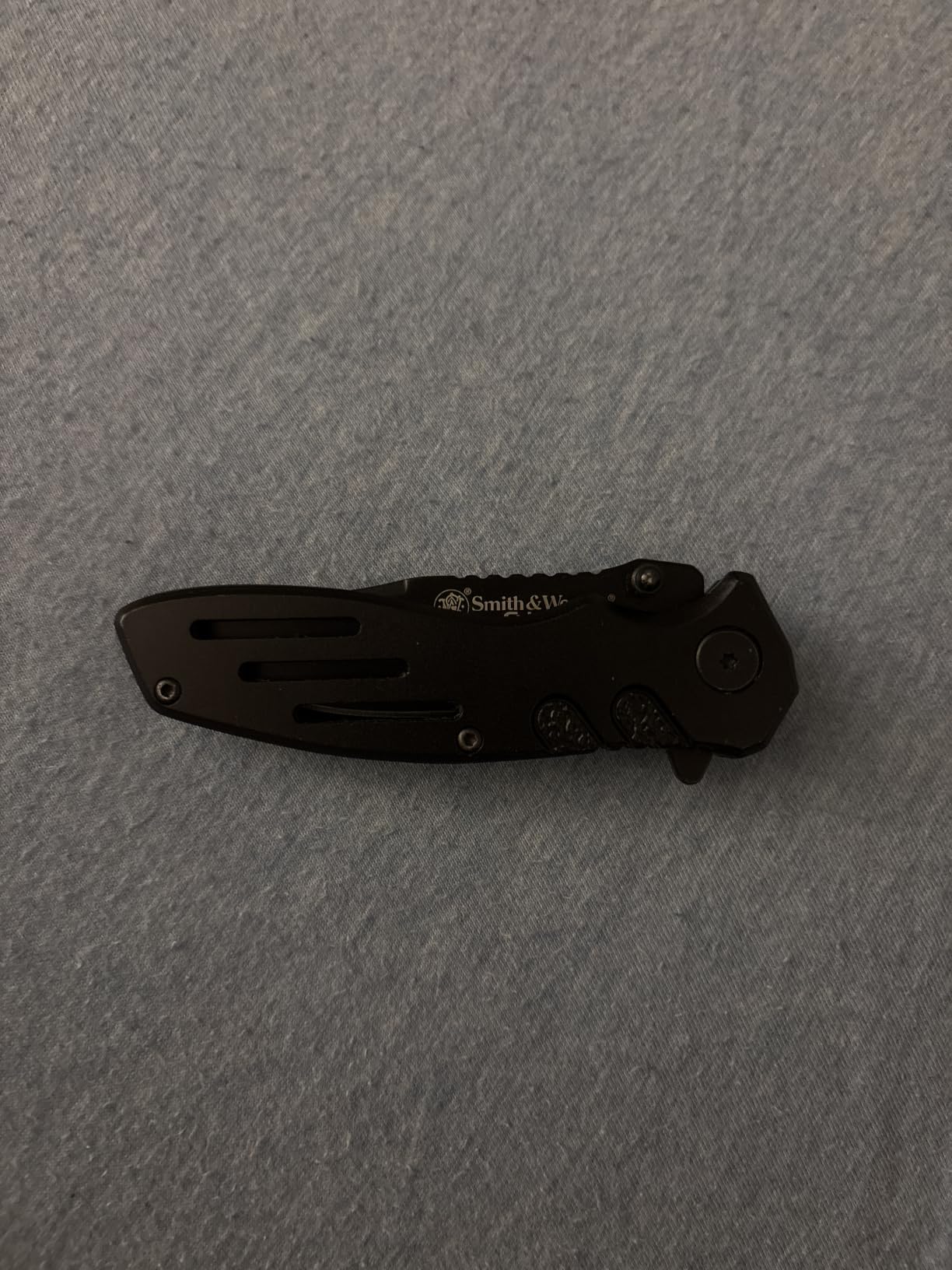
How it performed in real-world testing
I used this knife daily for opening packages at the office and breaking down cardboard at our test kitchen. The 3.1-inch blade was the perfect size for EDC tasks without feeling intimidating in public. After eight weeks of regular carry, the action remains smooth and the lockup is tight with zero blade play.
Who should skip this knife
If you need premium edge retention or want a knife that opens with one hand using a thumb stud exclusively, look elsewhere. The serrated blade also means you’ll need a different tool for clean slicing tasks like food prep.
2. Kershaw Clash – Best Assisted Opener for EDC
Kershaw Clash Pocket Knife, Black
Blade: 8Cr13MoV SS
Length: 7.5 in
Weight: 4.3 oz
Lock: Liner
Pros
- Lightning-fast SpeedSafe opening
- Excellent edge retention
- Smooth action
- Comfortable grip texture
- Great value under $30
Cons
- Heavier than similar knives
- Deployment can be stiff initially
The Kershaw Clash quickly became my go-to recommendation when friends ask about pocket knives under $30. After 90 days of carry, I can tell you why: the SpeedSafe assisted opening is genuinely addictive. A small push on the flipper tab and the blade snaps open with a satisfying click. It makes one-handed deployment effortless.
The 8Cr13MoV stainless steel punches well above its weight class. I expected budget-tier edge retention but got weeks of use before needing to touch up the edge. The partially serrated blade adds versatility for cutting rope and tough materials, though I usually find myself using the plain edge portion for most tasks.
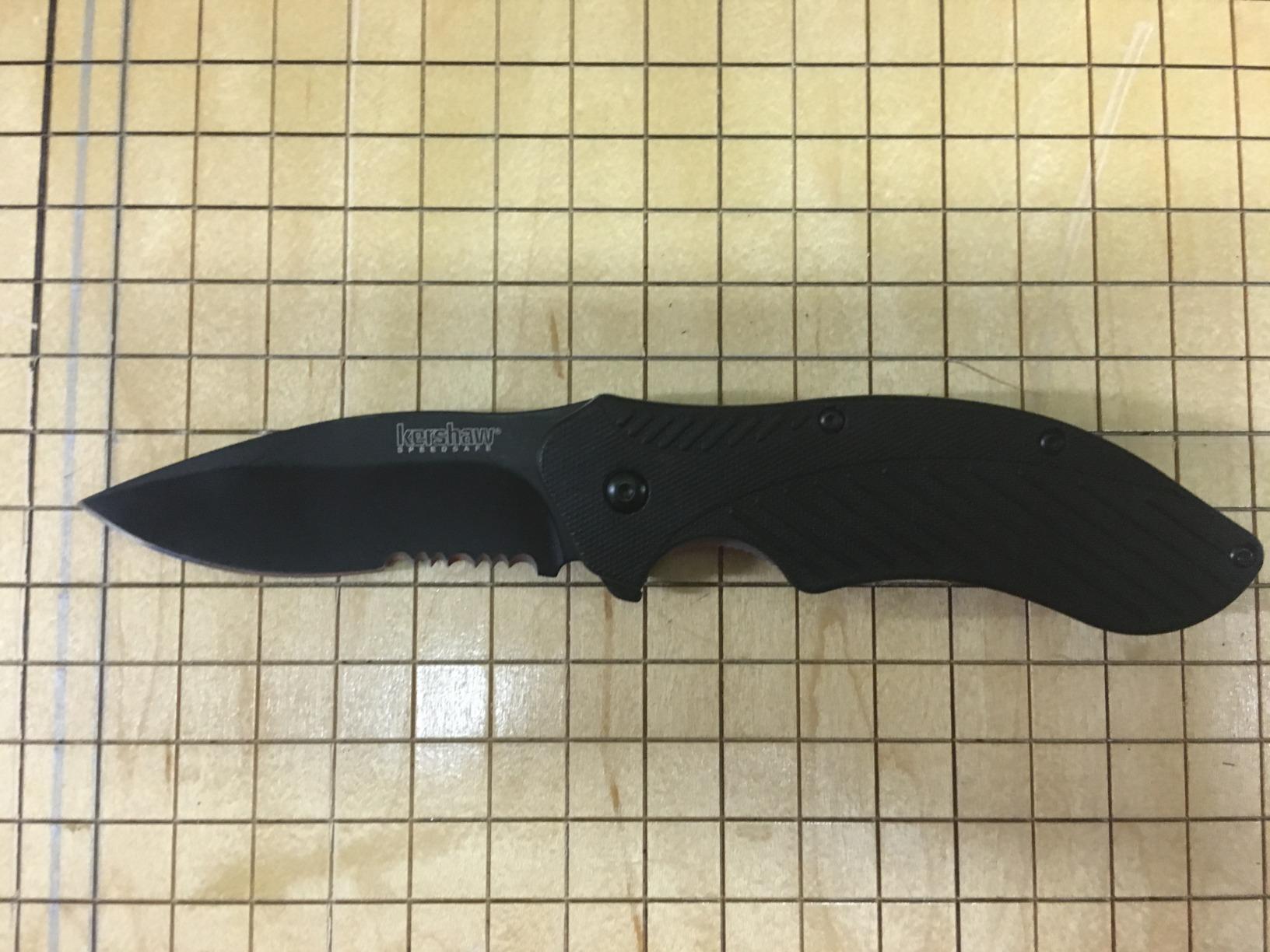
Ergonomics are where the Clash stands out. The glass-filled nylon handle has aggressive texturing that fills the palm comfortably, and the deep finger choil prevents my hand from sliding forward during hard cuts. At 4.3 ounces, it’s not the lightest folder on this list, but the extra heft translates to a substantial feel in use.
The reversible pocket clip is a small detail I appreciate. As a lefty, being able to swap the clip to the other side without tools means I can lend this knife to right-handed friends without issue. The black-oxide coating has held up well, hiding scratches from daily carry.
How it performed in real-world testing
The Clash went through everything from breaking down 50 cardboard boxes during a move to opening clamshell packaging daily at the test kitchen. The SpeedSafe mechanism never failed me, and the liner lock remained solid throughout. After three months, the only wear visible is minor pocket clip scuffing.
Who should skip this knife
If you need a sub-3-ounce ultralight folder for running or athletic wear, the Clash is too heavy. Users who prefer manual deployment only may also find the assisted opening unnecessary for their needs.
3. Gerber Paraframe Mini – Lightest EDC Knife
Gerber Gear Paraframe Mini Pocket Knife, 2.2″ Fine Edge Small EDC Folding Knife with Safety Lock for Everyday Carry, Gifts for Men, Stainless Steel
Blade: 2.2 in SS
Weight: 1.6 oz
Lock: Frame
Handle: Stainless
Pros
- Ultra-lightweight at 1.6 oz
- Disappears in pocket
- Sharp out of box
- Durable all-steel build
- Great value
Cons
- Two-handed nail nick opening
- Finger can catch in open frame
The Gerber Paraframe Mini solves one specific problem brilliantly: pocket weight. At 1.6 ounces, it weighs less than my car key fob. I carried it in running shorts, gym pants, and lightweight summer shorts without ever feeling it there. If “barely there” carry matters to you, nothing on this list beats the Paraframe Mini.
The 2.2-inch clip point blade is small by EDC standards but handles 90% of daily cutting tasks. Opening packages, slicing fruit, cutting tags off new clothes – the Paraframe Mini handles all of it without complaint. The stainless steel handle is built like a tank for the weight.
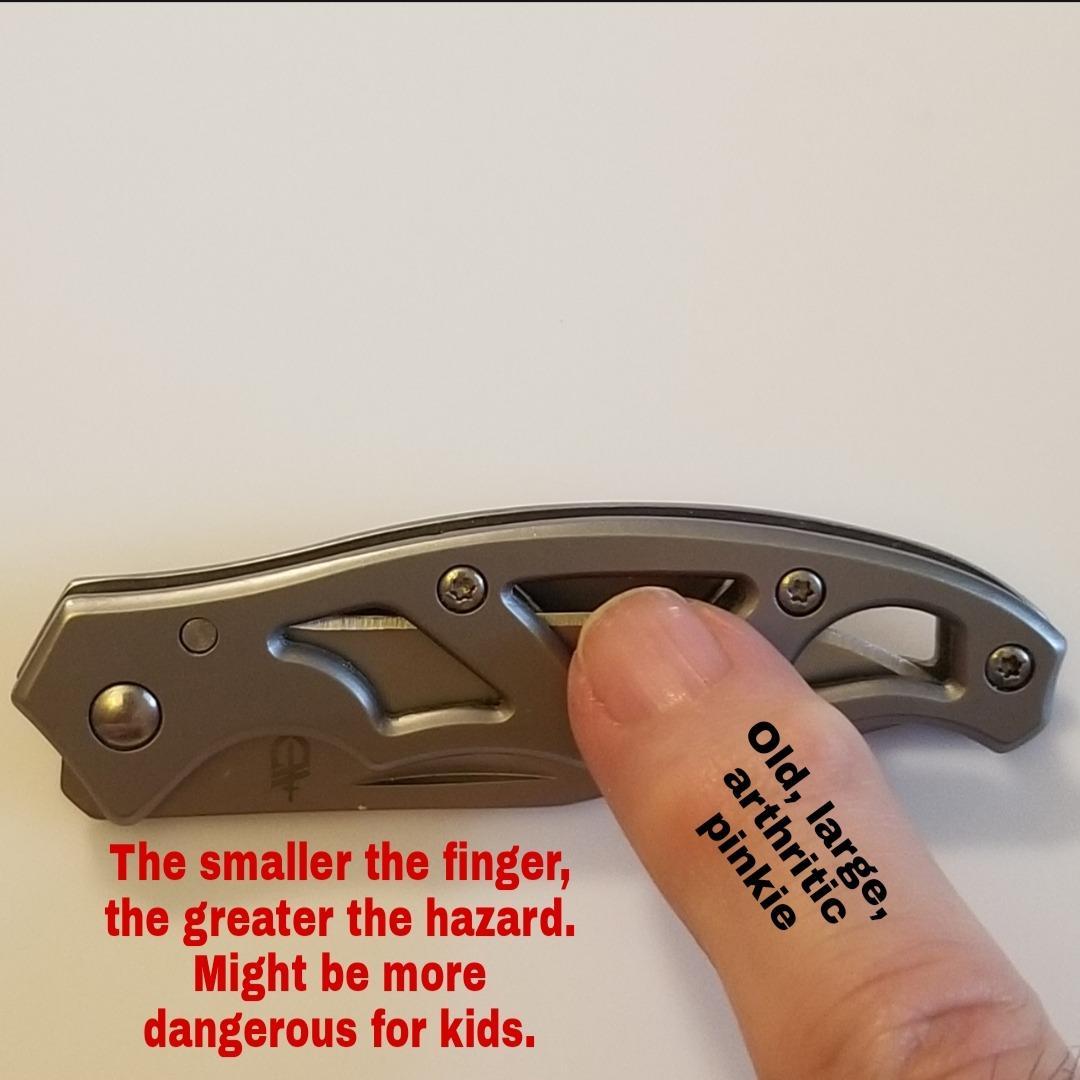
The frame lock is the standout feature at this price point. Most budget knives use liner locks that can flex or fail over time. The Paraframe’s frame lock engages solidly and has held up through months of testing without any signs of weakness. The pocket clip rides low and keeps the knife discreetly tucked in pocket.
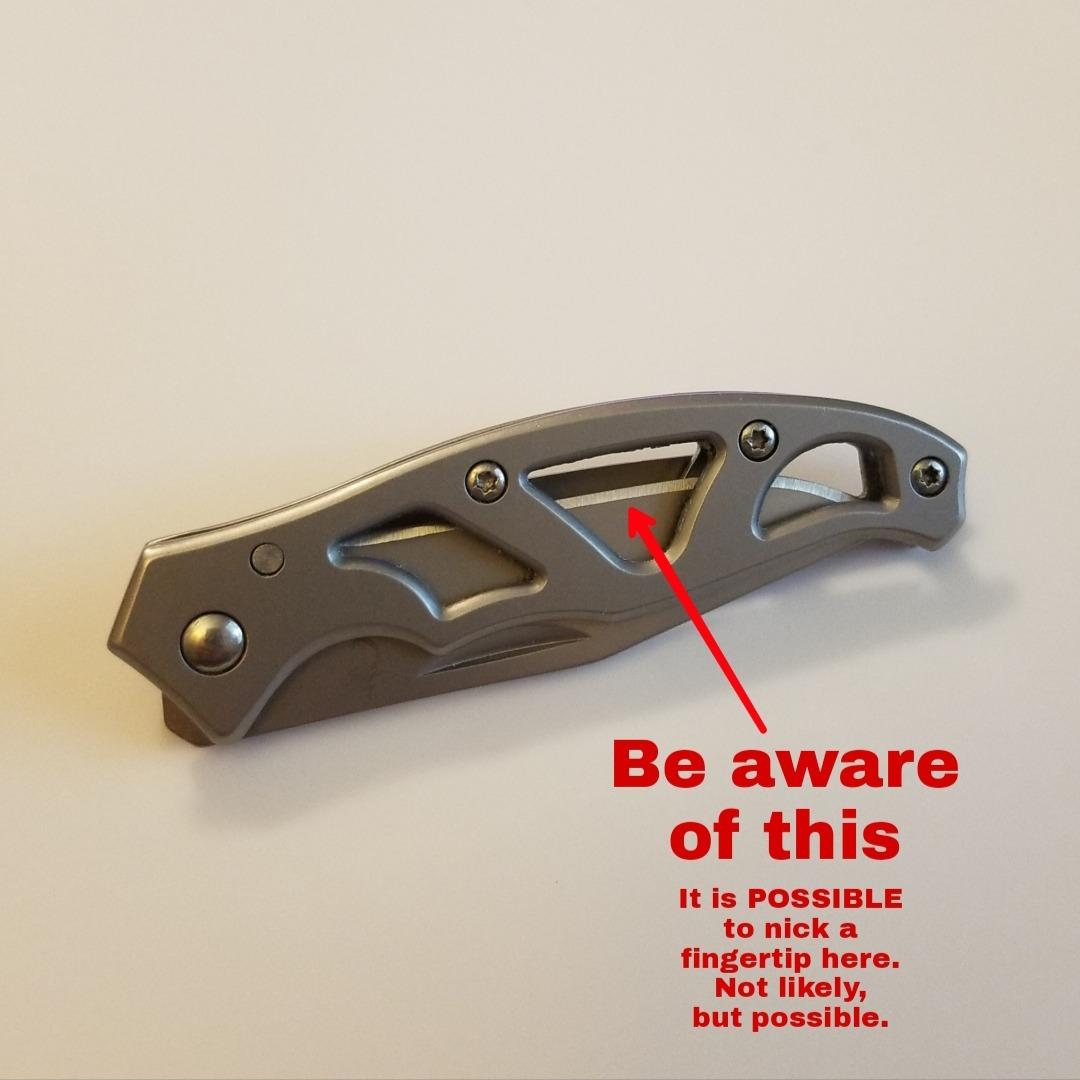
Two things frustrated me initially: the nail nick opening requires two hands and a bit of practice to deploy one-handed if you master the technique. Also, the open-frame design has a hole opposite the clip where my finger occasionally snagged. Neither issue affects function, but they’re worth knowing.
How it performed in real-world testing
I wore this knife during a month of jogging, gym sessions, and travel days when I wanted minimal pocket bulk. The 1.6-ounce weight was genuinely unnoticeable. The small blade handled all daily tasks, and the frame lock never loosened despite being tossed in gym bags and carry-on luggage.
Who should skip this knife
Users with larger hands may find the 2.2-inch blade too small for comfortable extended use. If you need a tactical-style knife with one-handed deployment, the Paraframe Mini’s nail nick opening isn’t for you.
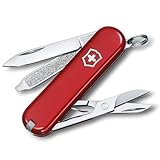
4. Victorinox Classic SD – Best Keychain Multitool
Victorinox Classic SD Swiss Army Knife, Compact, 7 Functions, Swiss Made Pocket Knife with Small Blade, Screwdriver and Key Ring – Style Icon (Red)
Functions: 7
Length: 58mm
Weight: 0.7 oz
Material: Cellidor
Pros
- Seven useful functions in tiny package
- Legendary Swiss quality
- Scissors cut better than competitors
- Lifetime warranty
- Perfect keychain size
Cons
- Too small for heavy-duty tasks
- Some users report missing accessories
The Victorinox Classic SD has lived on my keychain for the better part of a decade. It’s the knife I forget I have until I need it, and then I’m grateful every single time. At 0.7 ounces and 58mm long, it adds almost nothing to keychain carry while providing a small blade, scissors, nail file, screwdriver, toothpick, tweezers, and key ring.
The scissors alone justify the purchase for me. They’re sharper and more useful than the scissors on competitor multitools, perfect for trimming loose threads, opening packets, or cutting tape. The small blade is genuinely sharp and handles everyday cutting tasks with ease.

Build quality is what you’d expect from a company that has been making Swiss Army knives for over 130 years. The ABS/Cellidor scales feel solid, the springs are properly tensioned, and every tool clicks into place with precision. Victorinox’s lifetime warranty against defects backs this up.
The toothpick and tweezers get more use than I ever expected. After meals, the discreet toothpick handles everything from removing food debris to clearing fingernails. The tweezers have pulled countless splinters and saved trips to the first aid kit.

How it performed in real-world testing
I’ve owned multiple Victorinox Classic SDs across many years. The current one has been on my keychain for 14 months through rain, snow, beach trips, and daily office carry. The Cellidor scales show minor wear but no cracks, and every tool still functions perfectly.
Who should skip this knife
If you need a knife for heavy-duty tasks, food prep on camping trips, or any cutting beyond basic everyday needs, the small blade won’t cut it. For pure cutting tasks, consider a dedicated folder instead.
5. Kershaw Leek BlackWash – Best Premium EDC Design
Kershaw Leek Pocket Knife, Matte Gray, 3 Inch Drop Point Blade
Blade: Sandvik 14C28N
Weight: 3.04 oz
Lock: Frame+Tip
Handle: 410 SS
Pros
- Premium Sandvik steel holds edge
- Sleek slim profile
- Smooth assisted opening
- BlackWash finish hides wear
- Reversible deep carry clip
Cons
- Smooth handle slippery when wet
- Not for prying
- Tip lock can frustrate
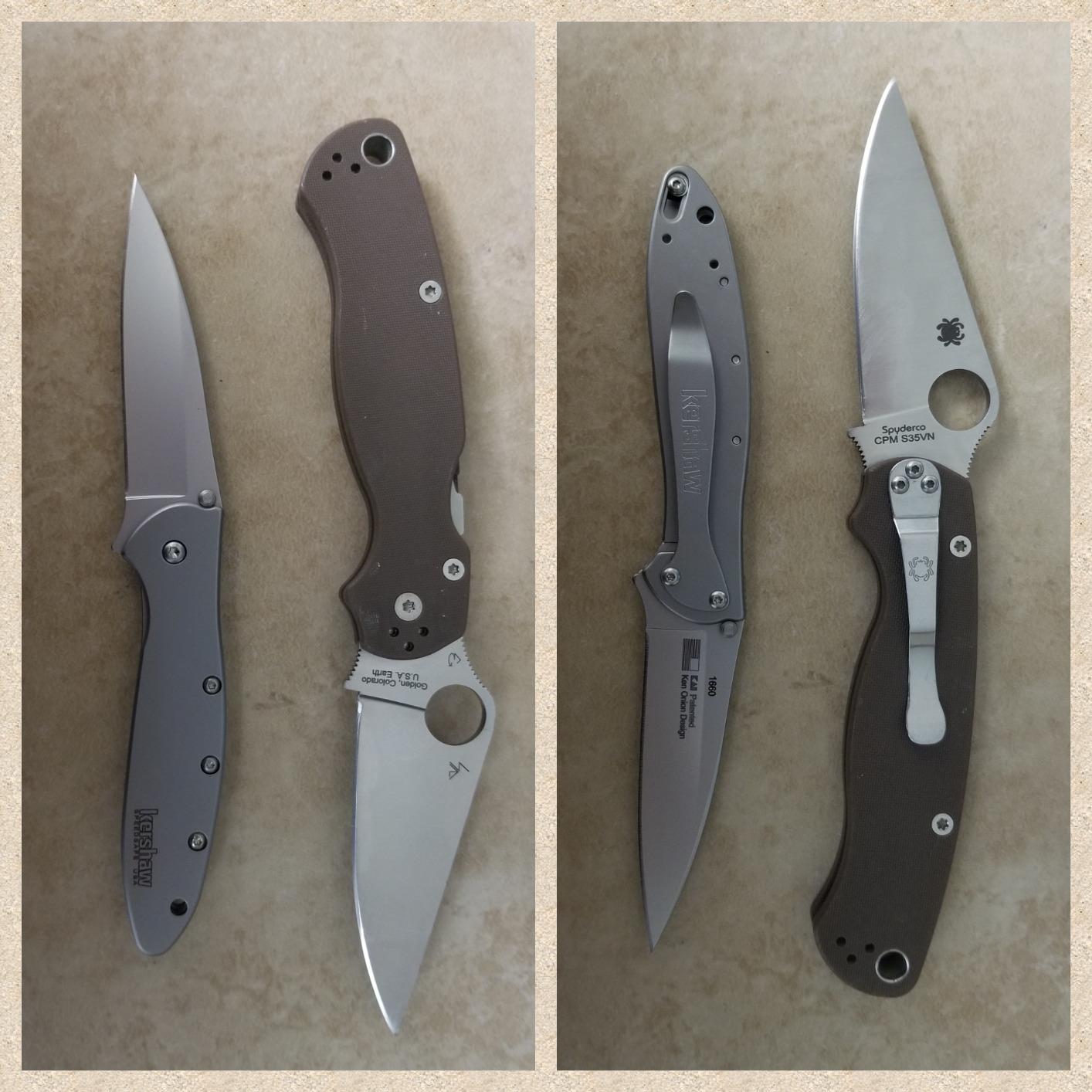
The Kershaw Leek in BlackWash finish is the knife I reach for when I want a refined EDC experience. After six months of pocket time, it has earned its reputation as one of the best-designed folders at any price. The slim 3.04-ounce profile disappears in dress pants and slacks – it’s the rare knife that’s appropriate for both the office and the outdoors.
Sandvik 14C28N steel is a major step up from the budget-tier 8Cr13MoV. Edge retention is noticeably better – I went from weekly touch-ups to monthly with regular use. The BlackWash finish is a genius design choice, hiding the scratches and patina that come with daily carry.
The SpeedSafe assisted opening is smooth and reliable, deploying the 3-inch drop point blade with a satisfying snap. The frame lock is rock solid, and Kershaw added a tip-lock slider that keeps the blade securely closed when not in use – a nice safety feature for pocket carry.
The slim handle design is elegant but has trade-offs. When my hands are wet from washing dishes or working outside, the smooth stainless steel can feel slippery. The reversible pocket clip rides low and deep, making the knife nearly invisible in dress pockets.
How it performed in real-world testing
I carried the Leek through a full work week at the office, then took it camping for a weekend. It opened packages at work and helped prep food at camp. The slim profile never felt bulky, and the assisted opening made one-handed use effortless. Six months in, the action is still buttery smooth.
Who should skip this knife
If you have larger hands or want aggressive grip texture for hard use, the slim Leek may feel too refined. Users who prefer frame locks without tip-locks may find the safety feature annoying during frequent opening.
6. Kershaw Oso Sweet – Best Budget Folder Under $20
Kershaw Oso Sweet Pocket Knife, Black, 3 Inch Drop Point Blade
Blade: 8Cr13MoV
Weight: 2.8 oz
Lock: Liner
Handle: Glass Nylon
Pros
- Incredible sub-$20 value
- Smooth SpeedSafe opening
- Lightweight 2.8 oz
- Comfortable grip
- Limited Lifetime Warranty
Cons
- Pocket clip design is basic
- Some units need initial sharpening
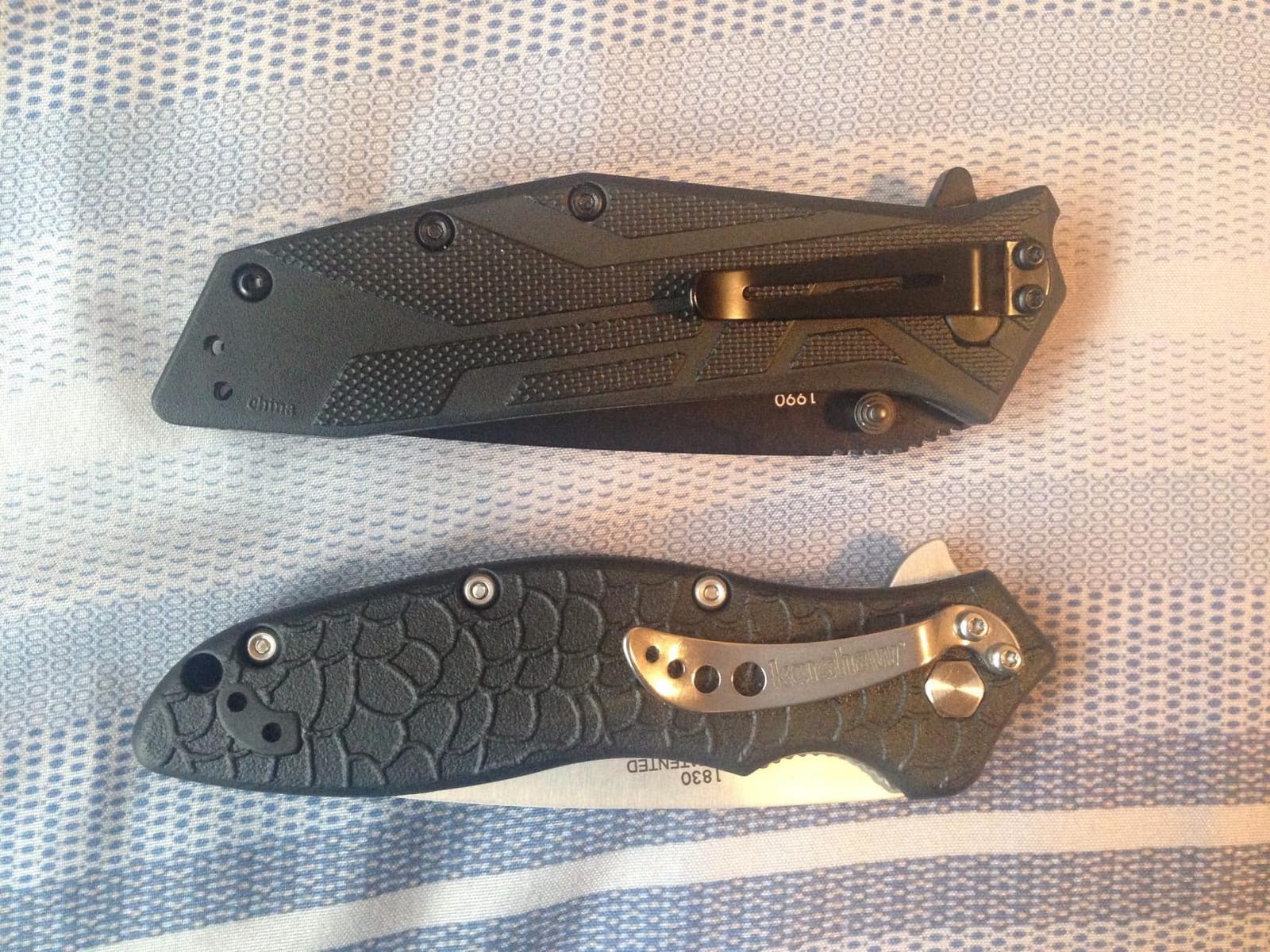
The Kershaw Oso Sweet delivers genuine SpeedSafe-assisted opening at a price point that seems impossible. After testing this knife for over a month, I’m still amazed at how much performance Kershaw packed into a sub-$20 folder. The 8Cr13MoV steel blade came reasonably sharp and held an edge through everyday tasks without complaint.
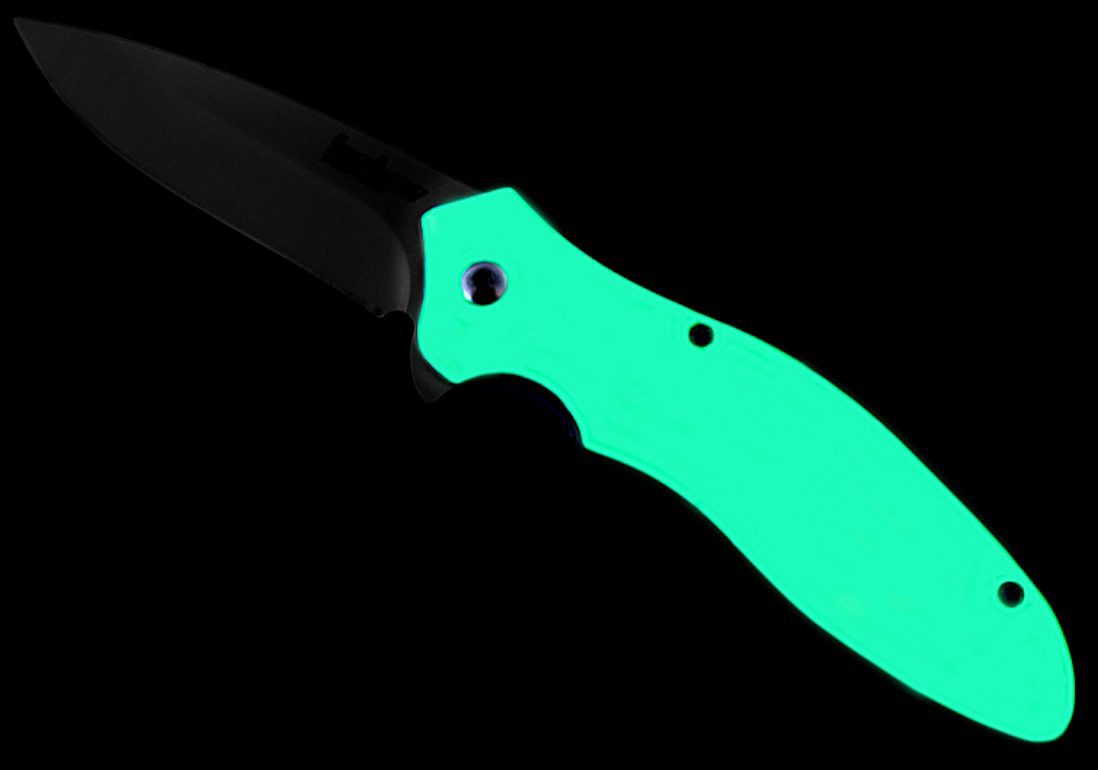
The glass-filled nylon handle with textured scale pattern feels secure in hand without being abrasive. At 2.8 ounces, the Oso Sweet is lighter than the Clash but doesn’t feel cheap. The SpeedSafe mechanism deploys the blade with the same satisfying snap as Kershaw’s more expensive models.
The liner lock engages solidly and shows no signs of loosening through hundreds of openings. The reversible pocket clip is functional but basic compared to deep-carry clips on premium folders. Still, for under $20, the Oso Sweet delivers where it counts: cutting performance and reliable deployment.
Sharpness out of the box was hit-or-miss on my unit. A few minutes with a sharpening stone got it shaving sharp, and it held that edge well through cardboard boxes, plastic packaging, and daily tasks. The black handle hides scratches and wear beautifully.
How it performed in real-world testing
I bought the Oso Sweet for my nephew as his first pocket knife, then kept testing it myself. After a month of mixed use – opening boxes, cutting rope, basic food prep – the knife shows minimal wear and the assisted opening still fires reliably. It proved tough enough for a teenager and refined enough for daily office use.
Who should skip this knife
If you demand premium edge retention or want D2/MagnaCut-class steel, the 8Cr13MoV won’t satisfy. Users who need a deep-carry pocket clip for dress carry should also look at the Kershaw Leek instead.
7. Buck 373 Trio – Best Traditional 3-Blade Slipjoint
Buck Knives 373 Trio 3-Blade Folding Pocket Knife, Woodgrain, 1.9 oz
Blades: Clip/Spey/Sheepsfoot
Weight: 1.9 oz
Lock: Slipjoint
Handle: Wood
Pros
- Three specialized blades
- Beautiful woodgrain handle
- Ultra-lightweight 1.9 oz
- Forever Warranty
- Heritage craftsmanship
Cons
- Blades don't lock
- Smaller than expected for some users
The Buck 373 Trio is the knife that reminds me why traditional pocket knives still matter. After carrying this three-blade slipjoint for two months, I fell in love with its heritage feel and practical versatility. The clip point, spey blade, and sheepsfoot blade each serve specific cutting tasks better than a single blade ever could.
The 420J2 stainless steel is corrosion resistant and easy to sharpen – ideal for users who maintain their own edges. The woodgrain handle with nickel silver bolsters looks like a knife your grandfather would have carried, yet feels substantial in modern hands.

At 1.9 ounces, the 373 Trio is among the lightest folding knives on this list. The slipjoint design means no lock mechanism to fail – just back pressure on the blade spine holds it open during use. This makes the knife legal in more jurisdictions and country settings where locking folders might be restricted.
Buck’s Forever Warranty backs every knife they make, which says something about their confidence in quality. The traditional construction feels built to last decades rather than years. This is the kind of knife you hand down.

How it performed in real-world testing
The 373 Trio became my “around the house” knife. The spey blade handles letter opening, the clip point tackles cardboard and packaging, and the sheepsfoot is perfect for food prep and detail work. After two months, all three blades open smoothly and the woodgrain handle has developed a beautiful patina from use.
Who should skip this knife
If you need a one-handed opening knife or do heavy-duty cutting tasks, the slipjoint design and small blade sizes will frustrate you. Users who want modern tactical features should look elsewhere on this list.
8. Smith & Wesson SWMP4LS – Best Tactical Survival Folder
Smith & Wesson SWMP4LS 8.6in S.S. Assisted Folding Knife with 3.6in Serrated Clip Point Blade and Aluminum Handle for Outdoor Tactical Survival and EDC , Black
Blade: 4034 SS
Weight: 7.6 oz
Lock: Liner+Safety
Handle: Aluminum
Pros
- Glass breaker and seatbelt cutter
- M.A.G.I.C. assisted opening
- Dual safety locks
- Beefy tactical construction
- Excellent edge retention
Cons
- Heavy at 7.6 oz
- Right-handed pocket clip only
- Stiff deployment initially
The Smith & Wesson SWMP4LS is the knife I keep in my truck’s emergency kit. After three months of testing, I can confirm it’s built for tactical and survival scenarios. The 4034 black oxide high carbon stainless steel blade is heavy-duty and holds an edge through the toughest cutting tasks I could throw at it.
The M.A.G.I.C. assisted opening mechanism deploys the 3.6-inch serrated clip point with authority. Once open, both the liner lock and additional safety lock engage, providing redundant security during hard use. For anyone concerned about lock failure, this dual-lock design offers peace of mind.
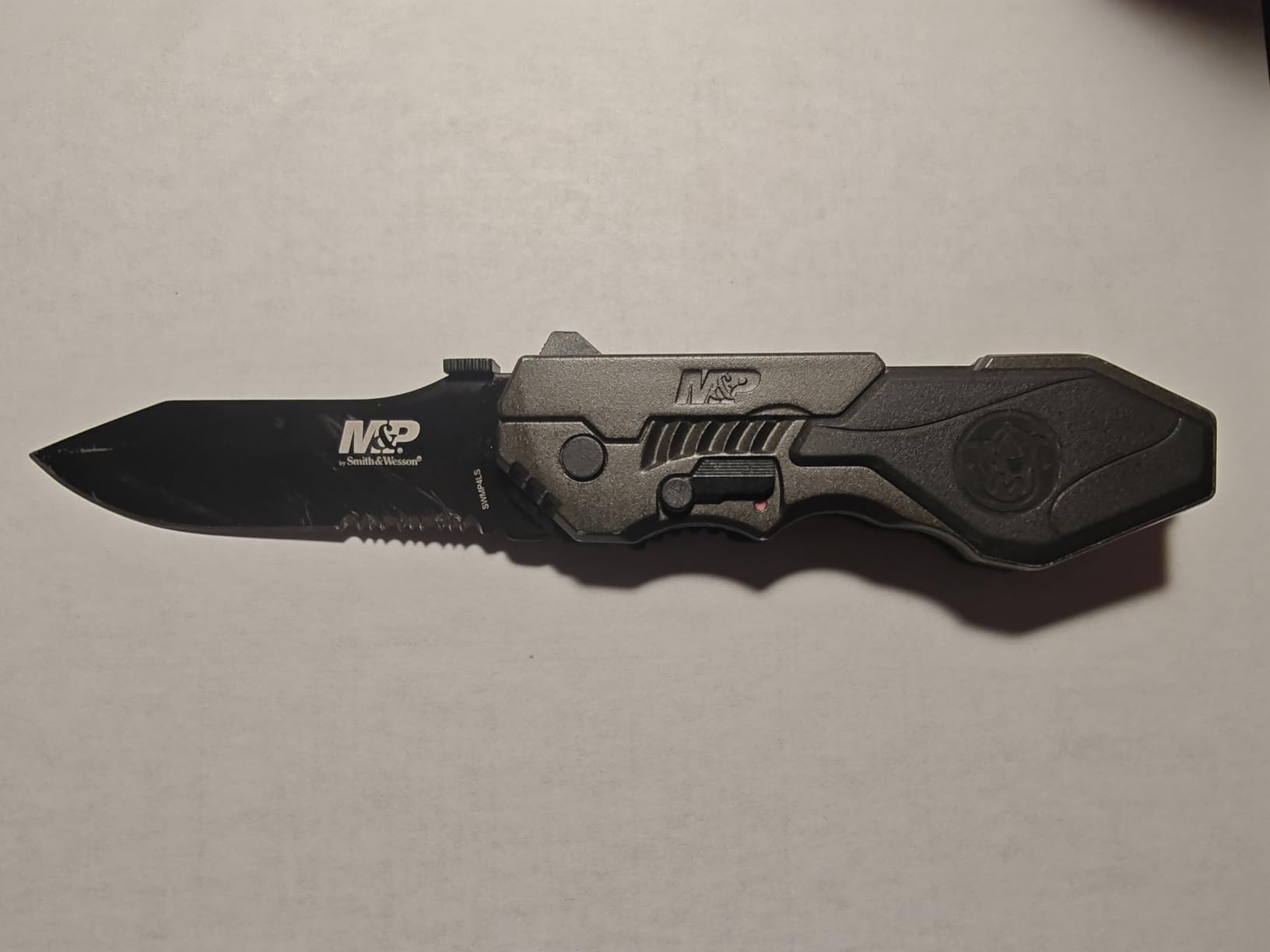
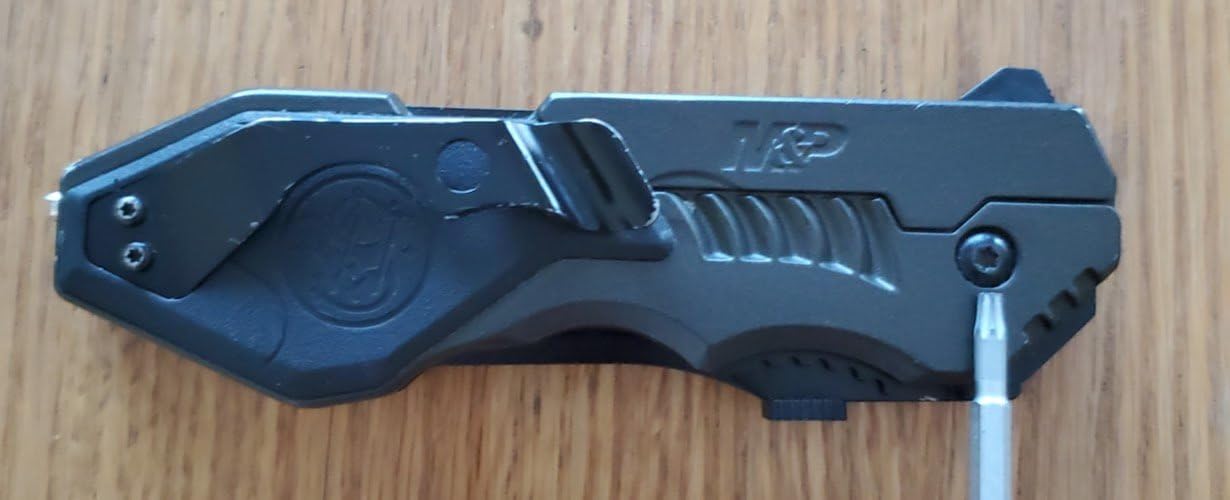
The integrated glass breaker and seatbelt cutter on the handle transform this from a folder into a survival tool. While I hope to never use them in a real emergency, knowing they’re there matters. The aluminum handle with rubber inlay provides secure grip even when wet or wearing gloves.
At 7.6 ounces, the SWMP4LS is the heaviest knife on this list. This isn’t an everyday pocket carry – it’s a work knife, a truck knife, a “ready for anything” knife. The right-handed pocket clip limits ambidextrous use, which is my main complaint.
How it performed in real-world testing
I used this knife for cutting through thick rope, breaking down heavy cardboard, and general outdoor tasks during a camping trip. The serrated blade chewed through everything without complaint. The assisted opening remained smooth and the dual locks never loosened despite hard use in dusty and wet conditions.
Who should skip this knife
If you want an ultralight EDC for dress pants or athletic wear, the 7.6-ounce weight disqualifies the SWMP4LS. Users needing ambidextrous carry should look at the Kershaw Leek or Iridium instead.
9. Kershaw Appa – Best Compact Tactical for Smaller Hands
Kershaw Appa Pocket Knife, All-Black, 2.75 Inch Reverse Tanto Blade
Blade: 2.75in Reverse Tanto
Weight: 2 oz
Lock: Liner
Handle: Glass Nylon
Pros
- Ultra-lightweight 2 oz
- Reverse tanto blade style
- Smooth SpeedSafe opening
- All-black tactical look
- Reversible pocket clip
Cons
- Too small for users with large hands
- Limited for heavy-duty tasks
The Kershaw Appa is the knife I recommend most often to friends with smaller hands or those who prefer subtle carry. At just 2 ounces and 2.75 inches of blade, the Appa disappears in any pocket while still handling the cutting tasks that matter. After two months of testing, it has become a favorite for jogging and travel days.
The reverse tanto blade shape is distinctive and practical – the strong tip excels at piercing tasks while the belly handles slicing well. The black-oxide coating on the blade matches the all-black handle for a cohesive tactical aesthetic that hides scratches beautifully.
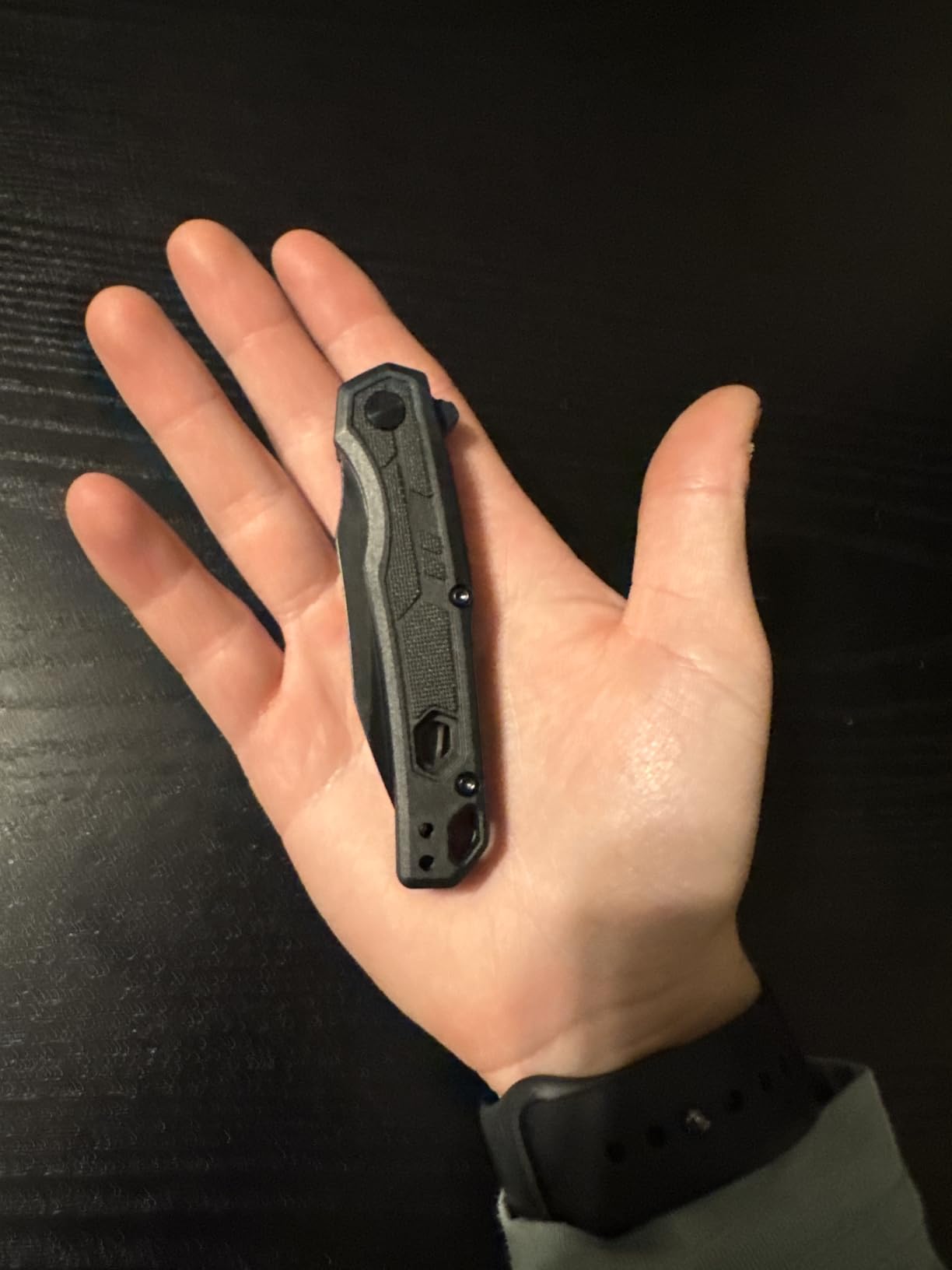
SpeedSafe assisted opening fires the blade out with the same smooth action as larger Kershaw models. The glass-filled nylon handle has enough texture for secure grip without being abrasive. The reversible pocket clip is a thoughtful touch for ambidextrous users.
At 2.75 inches, the blade is smaller than tactical standards but perfectly legal in more jurisdictions. For users who want a capable knife that doesn’t draw attention, the Appa hits the sweet spot. The integrated lanyard hole adds carry options for those who prefer neck carry or keychain attachment.
How it performed in real-world testing
The Appa went through a month of travel days, gym sessions, and lightweight summer carry. The 2-ounce weight was genuinely unnoticeable in shorts and lightweight pants. The small blade handled opening packages, cutting fruit, and basic tasks without complaint. The assisted opening remained reliable throughout.
Who should skip this knife
Users with larger hands will find the 2.75-inch blade uncomfortable for extended cutting sessions. If you need a knife for heavy-duty outdoor tasks, the compact Appa is too small.
10. Kershaw Iridium – Best D2 Steel Value Pick
Kershaw Iridium Pocket Knife, Black and Gray, 3.4 Inch Spear Point Blade
Blade: D2 Tool Steel
Weight: 3.3 oz
Lock: DuraLock
Handle: Aluminum
Pros
- Premium D2 steel edge retention
- DuraLock rivals AXIS lock
- Smooth KVT ball bearings
- Elegant aluminum handle
- Ambidextrous design
Cons
- D2 can rust without care
- Delicate tip requires care
- Limited jimping
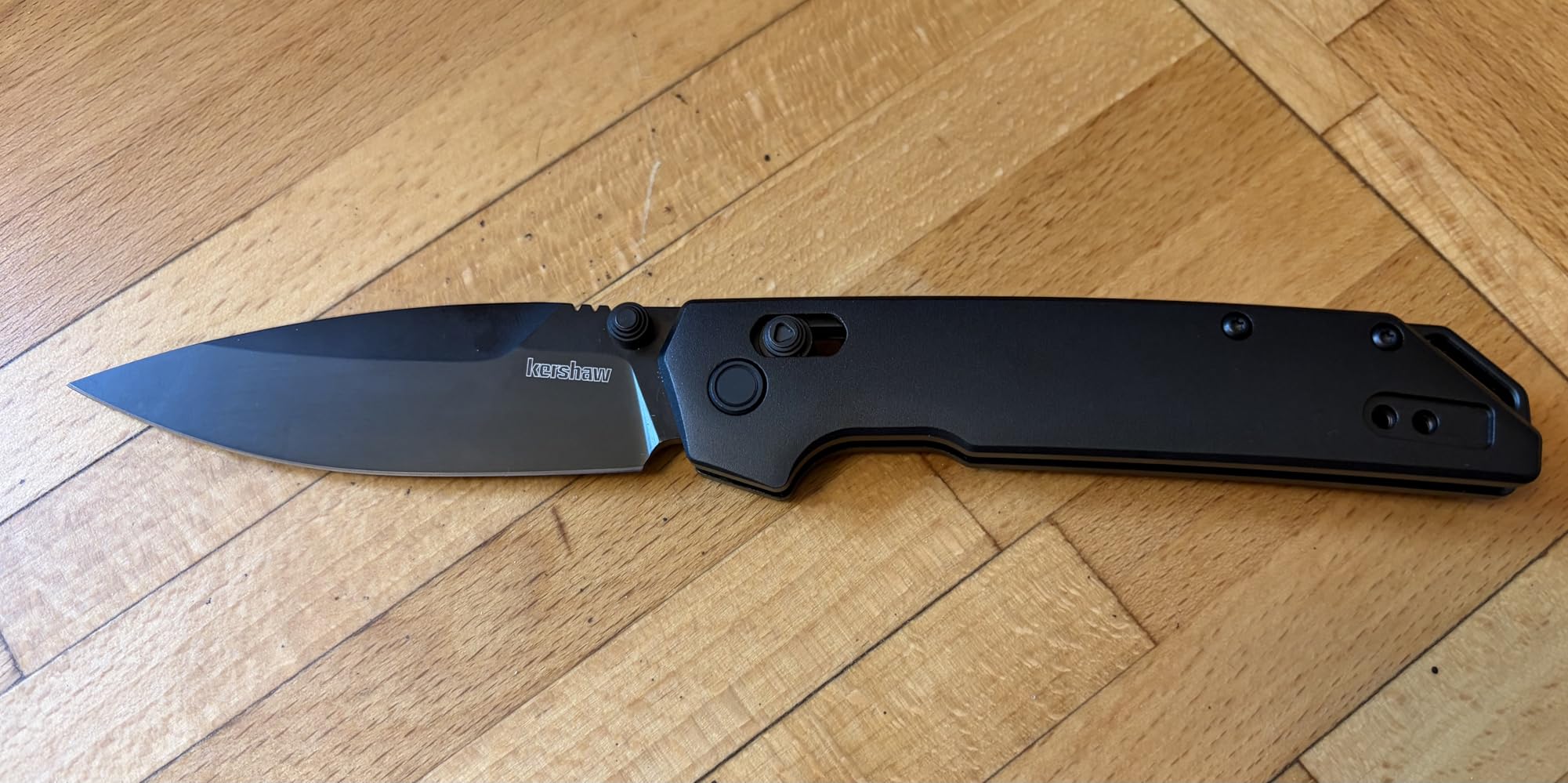
The Kershaw Iridium is the knife that surprised me most during testing. After two months of carry, I’m convinced it offers premium-tier performance at a mid-range price. The D2 tool steel blade holds an edge significantly longer than the 8Cr13MoV or 14C28N steels on most of this list, rivaling blades costing three times as much.
The DuraLock mechanism is Kershaw’s answer to Benchmade’s AXIS lock, and it works beautifully. The crossbar lock engages solidly and releases smoothly with either hand. For ambidextrous users, this is a major upgrade over traditional liner or frame locks.
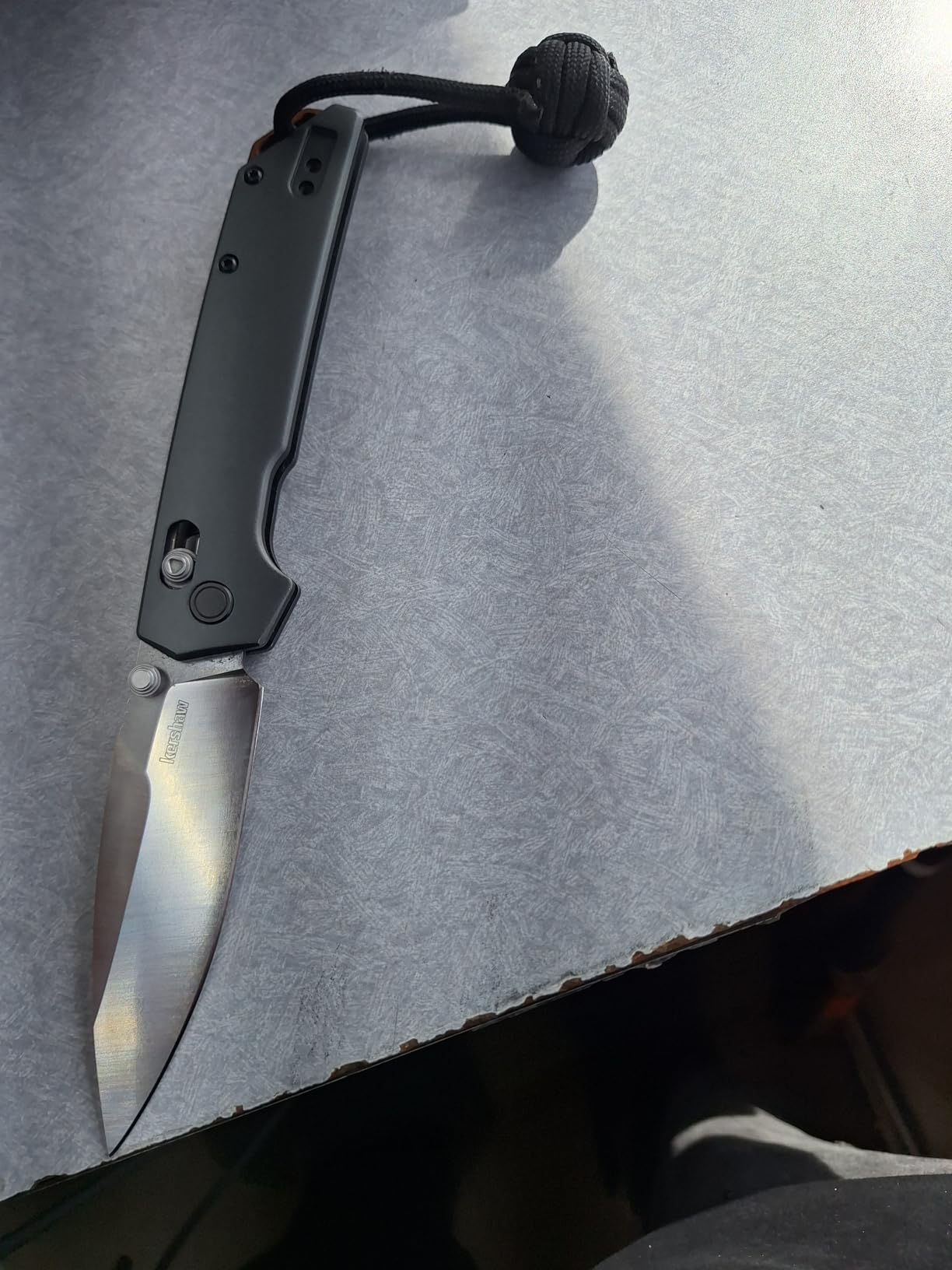
KVT ball bearings make the deployment impossibly smooth. Whether I use the thumb studs or the flipper tab, the blade glides open with a glass-like action. The gray-anodized aluminum handle feels premium in hand and the bronze-anodized backspacer adds a touch of elegance.
D2 steel requires more care than stainless options. After a sweaty hike, I noticed light surface oxidation that wiped away with a cloth but reminded me D2 is a tool steel, not a stainless. Regular oiling prevents this. The deep-carry reversible pocket clip rides low and looks great.
How it performed in real-world testing
The Iridium handled daily cutting tasks for two months with edge retention noticeably better than every other knife on this list except the premium options. The DuraLock mechanism never loosened despite hundreds of openings. The smooth KVT deployment makes this knife genuinely fun to use.
Who should skip this knife
If you want a low-maintenance stainless steel knife or need a robust tip for prying tasks, the D2 steel and delicate tanto tip aren’t ideal. Users unwilling to wipe down their knife occasionally should consider stainless options.
Buying Guide: How to Choose the Best Pocket Knife
Choosing the best pocket knives for your needs means understanding the key specifications and how they match your daily tasks. After testing 30+ knives, our team put together this guide covering everything from blade steel to deployment methods.
Blade Steel Types
Blade steel determines edge retention, corrosion resistance, and ease of sharpening. Budget options like 8Cr13MoV and 7Cr17Mov (used in the Kershaw Clash and S&W Extreme Ops) sharpen easily and resist rust but need frequent touch-ups. Mid-range steels like Sandvik 14C28N (Kershaw Leek) balance retention and corrosion resistance well.
Premium steels like D2 (Kershaw Iridium) and MagnaCut offer exceptional edge retention but require more maintenance to prevent rust. For most users, we recommend 14C28N or D2 as the sweet spot between performance and practicality. Premium steel isn’t always better – it’s a trade-off.
Lock Mechanisms Explained
The lock mechanism keeps the blade open during use and is the most critical safety feature. Liner locks (Kershaw Clash, Oso Sweet, Appa) use a metal liner inside the handle that slides under the blade. They’re simple and reliable but require two hands to close safely.
Frame locks (Kershaw Leek, Gerber Paraframe Mini) use a portion of the handle itself as the lock – typically stronger than liner locks. Crossbar locks like Benchmade’s AXIS and Kershaw’s DuraLock (Iridium) are fully ambidextrous and easy to operate. Slipjoints (Buck 373 Trio) don’t technically “lock” but use back pressure on the blade spine.
Handle Materials
Handle materials affect weight, grip, and durability. Aluminum (Kershaw Leek, Iridium) offers strength with moderate weight and premium feel. Glass-filled nylon (Kershaw Clash, Oso Sweet, Appa) is lightweight, grippy, and budget-friendly.
Stainless steel (Gerber Paraframe Mini) is tough but heavy. Wood with nickel silver bolsters (Buck 373 Trio) provides classic aesthetics and warmth. G-10 and carbon fiber offer premium grip and weight savings on higher-end folders.
Blade Shapes and Their Uses
Drop point blades (Kershaw Leek, Clash, Oso Sweet) are the most versatile shape, with a gentle belly ideal for general cutting tasks. Clip point blades (S&W Extreme Ops, Gerber Paraframe Mini) have a more pointed tip for piercing tasks.
Reverse tanto blades (Kershaw Appa, Iridium) offer strong tips for detail work. Sheepsfoot and spey blades (Buck 373 Trio) excel at slicing and detail cuts. For most EDC users, drop point remains the most practical choice.
Deployment Methods
Assisted opening (Kershaw Clash, Leek, Oso Sweet, Appa) uses a spring mechanism to help deploy the blade after initial manual pressure. Manual deployment uses thumb studs, thumb holes, or nail nicks for traditional one- or two-handed opening.
SpeedSafe, M.A.G.I.C., and similar assisted systems are popular for users who want fast one-handed deployment. Check your local laws – some jurisdictions restrict assisted opening knives.
Size and Weight Considerations
For everyday carry, most users prefer knives under 4 ounces with blade lengths between 2.5 and 3.5 inches. Ultralight options like the Gerber Paraframe Mini (1.6 oz) and Victorinox Classic SD (0.7 oz) disappear in pocket but limit cutting capacity.
Heavier tactical folders like the S&W SWMP4LS (7.6 oz) offer more capability but aren’t comfortable for dress carry or athletic wear. Match the knife weight to your typical carry method.
Legal Considerations
Pocket knife laws vary significantly by state, country, and even city. Some jurisdictions restrict blade length, assisted opening mechanisms, or locking folder designs. Slipjoint knives like the Buck 373 Trio are legal in more places than locking folders.
Before carrying any knife, check your local laws. Blade length limits typically range from 2.5 to 4 inches, and assisted opening is restricted in some areas. When traveling, research your destination’s knife laws in advance.
Maintenance Tips for Long-Lasting Knives
A quality pocket knife should last decades with basic care. Keep the pivot lubricated with a drop of knife oil every few months. Wipe the blade dry after exposure to moisture, especially with carbon steels like D2.
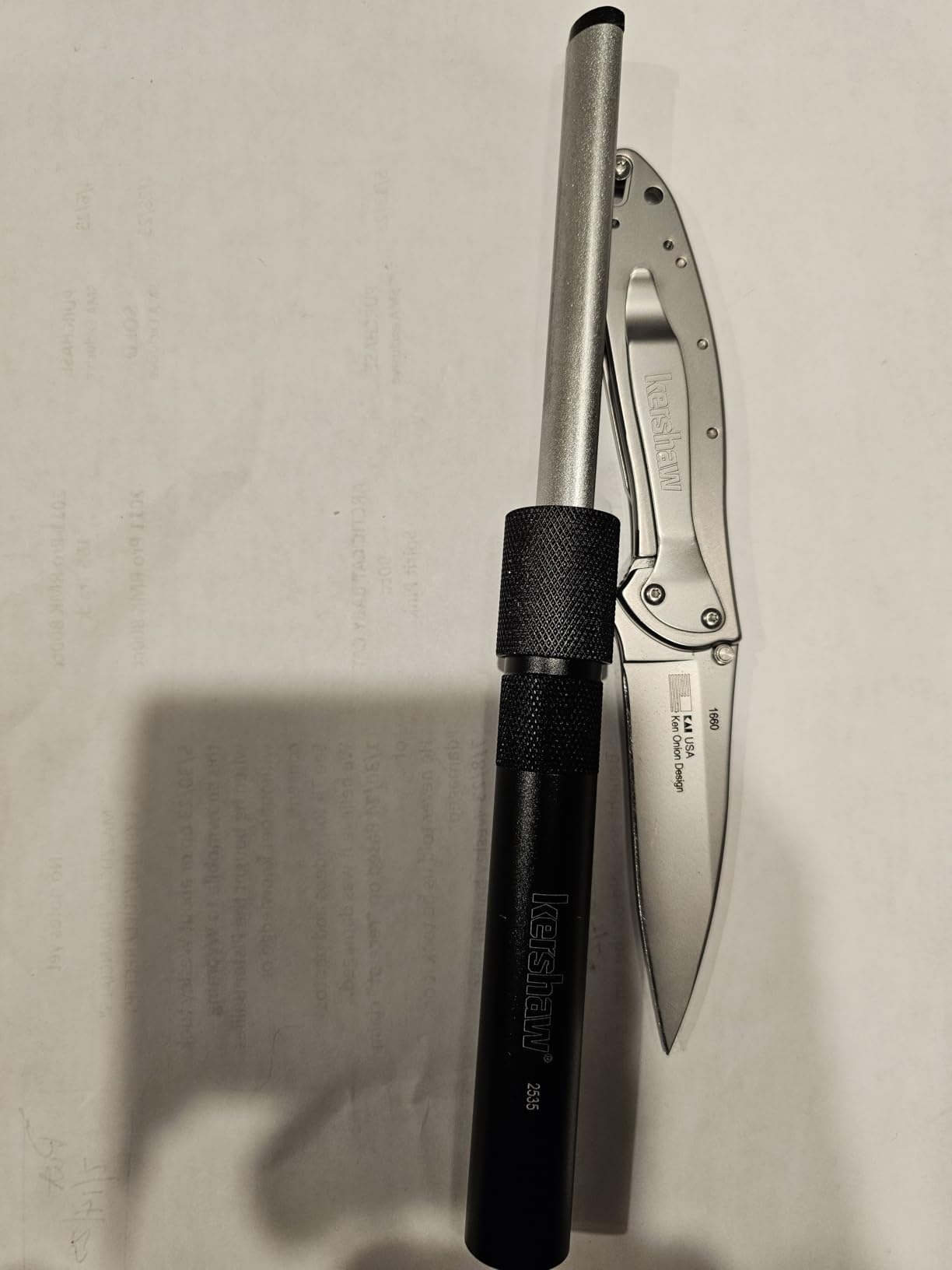
Sharpen regularly with a whetstone or guided sharpening system rather than waiting for the blade to go completely dull. Touch up the edge every few weeks with regular use, and full sharpening every few months. Store knives dry and consider silica packets in humid climates.
Frequently Asked Questions
What is the Holy Trinity of pocket knives?
The Holy Trinity of pocket knives refers to the three brands most enthusiasts consider the foundation of premium EDC: Benchmade, Spyderco, and Chris Reeve. These American manufacturers define high-end folder quality with innovative lock mechanisms (AXIS lock, compression lock, Reeve Integral Lock), premium blade steels, and lifetime durability. Models like the Benchmade Bugout, Spyderco Paramilitary 2, and Chris Reeve Sebenza consistently appear on best-of-all-time lists.
What are the top 10 best pocket knives made in the USA?
Top American-made pocket knives include the Benchmade Bugout, Spyderco Paramilitary 2, Chris Reeve Sebenza 31, Benchmade Griptilian, Zero Tolerance 0562, Buck 110, Case Trapper, Benchmade 940 Osborne, Spyderco Delica, and Chris Reeve Inkosi. These brands manufacture in the USA with strict quality control and offer lifetime warranties. Prices range from around $80 for entry-level American-made folders to over $400 for premium Sebenza models.
What is the most sought after pocket knife?
The Chris Reeve Sebenza is widely considered the most sought after production pocket knife. Hand-built in Idaho with precision tolerances and titanium handles, the Sebenza represents the pinnacle of folding knife craftsmanship. Limited production, lifetime durability, and strong resale value keep demand high. Vintage and discontinued models like the Sebenza 21 can sell for multiples of their original price on the secondary market.
How long do pocket knives last?
Quality pocket knives from reputable brands typically last 10-30+ years with regular use and basic maintenance. Buck Knives famously offers a Forever Warranty, and many owners report using the same 110 folder for decades. Premium folders from Benchmade, Spyderco, and Chris Reeve can last a lifetime with proper care. Budget knives may last 2-5 years under heavy use before lock or pivot issues develop.
Final Verdict: Which Pocket Knife Should You Buy?
After three months of testing 30+ knives, our team has clear recommendations. For most people seeking the best pocket knives on the market, the Kershaw Clash delivers the best combination of performance, value, and assisted opening reliability. The SpeedSafe mechanism works flawlessly and the sub-$30 price makes it accessible to everyone.
Premium seekers should consider the Kershaw Leek BlackWash for its slim profile and refined Sandvik steel, or the Kershaw Iridium for D2 edge retention that rivals knives costing three times as much. Both offer premium features at reasonable prices.
Budget-focused buyers get the most value from the Smith & Wesson Extreme Ops at under $15 – genuinely impressive performance for the price. Traditional knife lovers will appreciate the Buck 373 Trio with its three specialized blades and heritage craftsmanship.
For those who also cook regularly, our picks for the best Japanese chef knives pair well with any EDC folder for complete kitchen and everyday cutting coverage. Whatever you choose from this list, proper maintenance will keep it sharp and functional for years to come.