Do you want to be healthy and strong? Choosing a good diet is very important. It should have lots of good food like fruits and vegetables, and not too much bad food like sweets and junk food.
You can try different diets like Mediterranean, DASH, and high-protein plans. These diets are good for your heart and help you lose weight. They are also backed by science, so you can trust that they will work.
Table of Contents
Mediterranean Diet

The Mediterranean Diet emphasizes whole, plant-based foods such as fruits, vegetables, whole grains, legumes, nuts, and healthy fats like olive oil. It includes moderate consumption of fish, poultry, and dairy products, with limited intake of red meats and sweets. Known for its heart health benefits, this diet is rich in antioxidants and omega-3 fatty acids, supporting reduced inflammation, improved cholesterol levels, and overall longevity while promoting a balanced and enjoyable approach to eating.
DASH Diet

The DASH (Dietary Approaches to Stop Hypertension) diet is designed primarily to lower blood pressure and promote heart health. It emphasizes a balanced intake of fruits, vegetables, whole grains, lean proteins, and low-fat dairy, while limiting sodium, red meats, sweets, and processed foods. Rich in nutrients like potassium, calcium, and magnesium, the DASH diet supports healthy weight management and may reduce the risk of cardiovascular disease and diabetes.
Flexitarian Diet
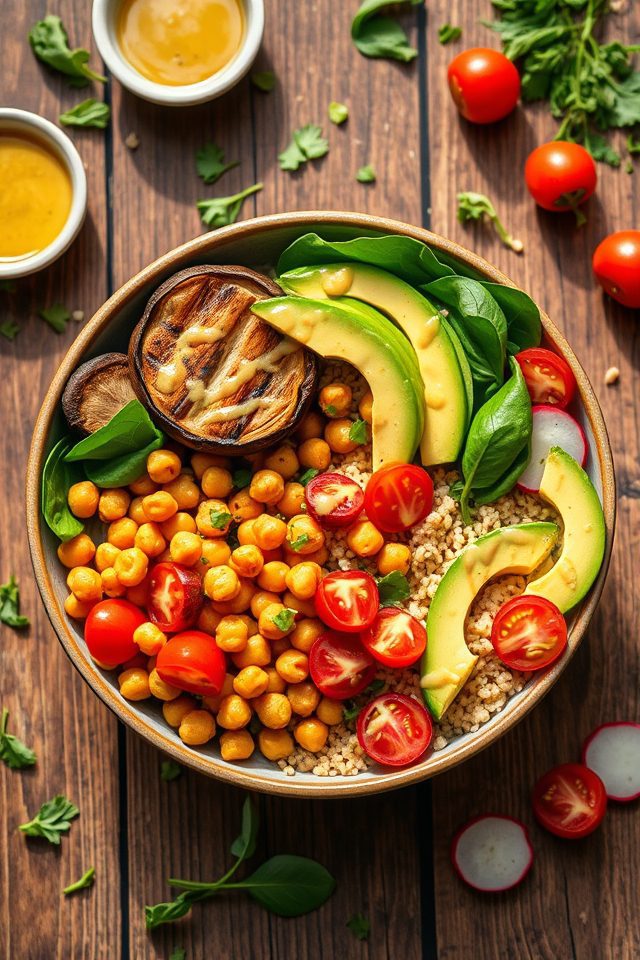
The Flexitarian Diet encourages primarily plant-based eating while allowing occasional meat and animal products. It emphasizes fruits, vegetables, legumes, whole grains, and plant-based proteins to promote overall health. This flexible approach may help reduce calorie intake and lower the risk of chronic diseases without the strict limitations of fully vegetarian or vegan diets. It supports gradual lifestyle changes, making it an accessible option for those looking to adopt healthier, more sustainable eating habits.
Plant-Based Whole Foods Diet

A plant-based whole foods diet emphasizes consuming minimally processed foods derived from plants, including fruits, vegetables, whole grains, legumes, nuts, and seeds. This approach avoids refined sugars, processed oils, and additives, focusing on nutrient-dense ingredients rich in fiber, vitamins, minerals, and antioxidants. Such a diet supports heart health, weight management, and reduced inflammation, and lowers the risk of chronic diseases by promoting natural, unrefined nutrition and sustainable eating habits.
High-Protein Diet
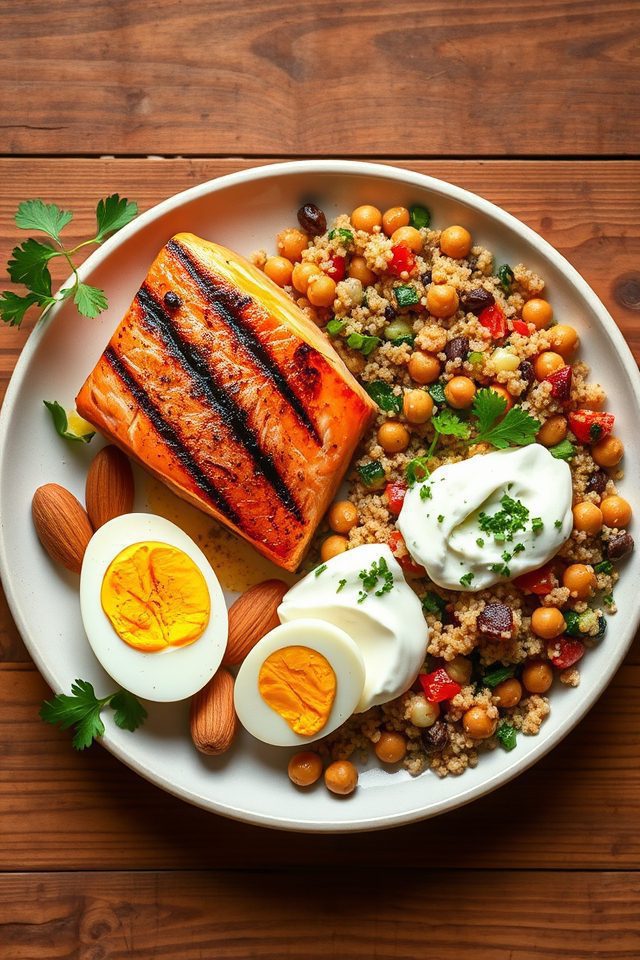
A high-protein diet emphasizes increased consumption of protein-rich foods like lean meats, fish, eggs, dairy, legumes, and nuts. This approach supports muscle growth, repairs tissue, and helps maintain a healthy metabolism. It may promote satiety longer, aiding weight management by reducing hunger cravings. Proper hydration is important, as high protein intake can strain the kidneys if unbalanced. Combining protein with vegetables, whole grains, and healthy fats creates a more sustainable and nutritious dietary plan.
Low-Carb Diet

A low-carb diet focuses on reducing the intake of carbohydrates by limiting foods such as bread, pasta, sugary snacks, and certain fruits. Instead, it emphasizes protein-rich foods, healthy fats, vegetables, and some dairy. This approach helps regulate blood sugar levels and may promote weight loss by encouraging the body to burn stored fat for energy. Popular low-carb diets include ketogenic and Atkins, both aiming to improve metabolic health and increase energy levels.
Intermittent Fasting

Intermittent fasting is an eating pattern that cycles between periods of eating and fasting. Common methods include the 16/8 method, which involves fasting for 16 hours and eating during an 8-hour window, or the 5:2 approach with normal eating five days a week and limited calorie intake on two non-consecutive days. This strategy may support weight management, improve metabolic health, regulate blood sugar, and reduce inflammation by promoting cellular repair processes.
Mindful Eating Approach

The mindful eating approach emphasizes being fully present during meals, paying close attention to hunger cues, taste, and satiety signals. This practice encourages slowing down, savoring each bite, and minimizing distractions like screens. By fostering a deeper awareness of food choices and portion sizes, mindful eating helps prevent overeating and emotional eating. It promotes a healthier relationship with food, supporting weight management and improved digestion while enhancing overall enjoyment of meals.
Anti-Inflammatory Diet

An anti-inflammatory diet focuses on reducing inflammation in the body by emphasizing whole, nutrient-dense foods. It includes plenty of fruits, vegetables, fatty fish rich in omega-3 fatty acids, nuts, seeds, and whole grains. The diet limits processed foods, refined sugars, trans fats, and excessive red meat. Such dietary patterns may help manage chronic conditions like arthritis, heart disease, and autoimmune disorders, while supporting overall health and a balanced immune response.
Intuitive Eating

Intuitive eating promotes a healthy relationship with food by encouraging individuals to listen to their body’s hunger and fullness cues rather than following restrictive diets. It emphasizes honoring natural appetite signals, rejecting the diet mentality, and focusing on nourishment and satisfaction. This approach fosters body awareness, reduces emotional eating, and cultivates self-trust around food choices. Intuitive eating aims to support physical and mental well-being through mindful, balanced eating habits.
Glycemic Index-Focused Diet

A glycemic index-focused diet prioritizes foods based on their effect on blood sugar levels. It emphasizes low-glycemic foods like non-starchy vegetables, legumes, and whole grains that cause gradual blood sugar rises, helping maintain energy and reduce insulin spikes. High-glycemic items such as white bread, sugary snacks, and processed foods are minimized to prevent rapid glucose fluctuations. This approach supports weight management, improved metabolic health, and is beneficial for individuals managing diabetes or insulin resistance.
Portion Control Strategy

Portion control strategy involves managing the amount of food consumed during each meal to maintain a healthy calorie intake. It focuses on understanding serving sizes, using smaller plates, and listening to hunger cues to avoid overeating. This approach supports weight management, improves digestion, and helps balance nutrient intake. By paying attention to portions rather than restricting specific foods, it encourages a sustainable and mindful eating pattern essential for a healthy diet plan.
Balanced Macros Method
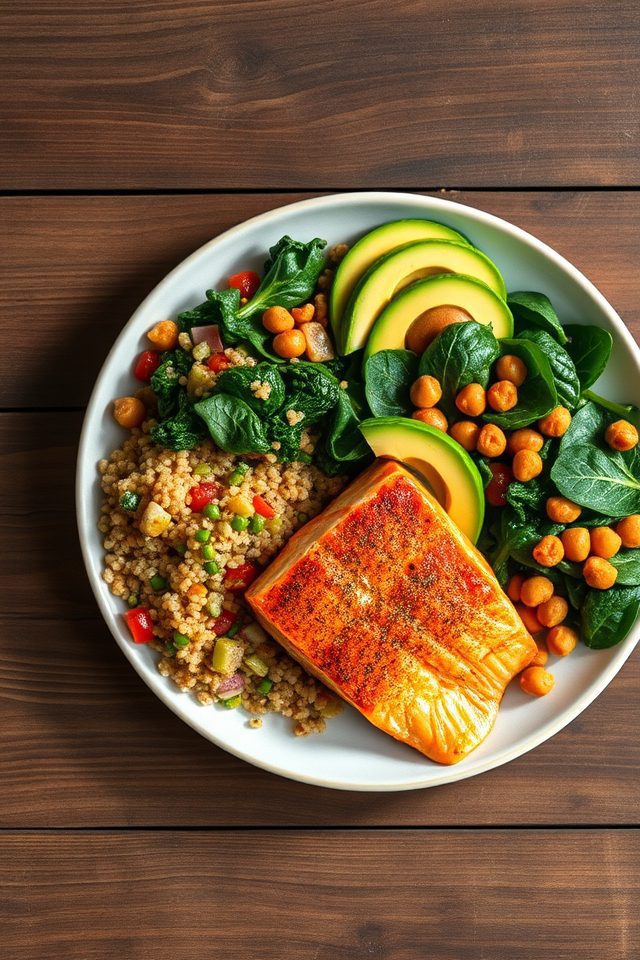
The Balanced Macros Method emphasizes consuming an ideal ratio of macronutrients—carbohydrates, proteins, and healthy fats—to support overall health, energy levels, and body composition. Typically, it involves tailoring intake based on personal goals, such as weight loss or muscle gain, ensuring no nutrient group is deprived. This approach promotes steady blood sugar, sustained energy, and muscle preservation, making it a sustainable plan for those seeking balanced, nutritious eating habits.
Paleo Diet

The Paleo diet focuses on consuming foods believed to resemble those eaten by early humans. It emphasizes whole, unprocessed foods such as lean meats, fish, fruits, vegetables, nuts, and seeds, while excluding dairy products, grains, legumes, refined sugars, and processed foods. This diet aims to improve health by reducing inflammation and stabilizing blood sugar. Supporters claim it can aid in weight loss, boost energy, and promote overall well-being by avoiding modern, heavily processed foods.
Conclusion
Choosing a healthy diet isn’t about strict deprivation—it’s about finding a sustainable plan supported by research that fits your lifestyle. While you might think changing eating habits is overwhelming, just start small by focusing on whole, nutrient-dense foods and mindful choices. Different strategies like Mediterranean, DASH, or plant-based have scientifically proven benefits for heart health, weight, and inflammation. Stick with what works for you and remember gradual improvements lead to lasting, evidence-backed results.