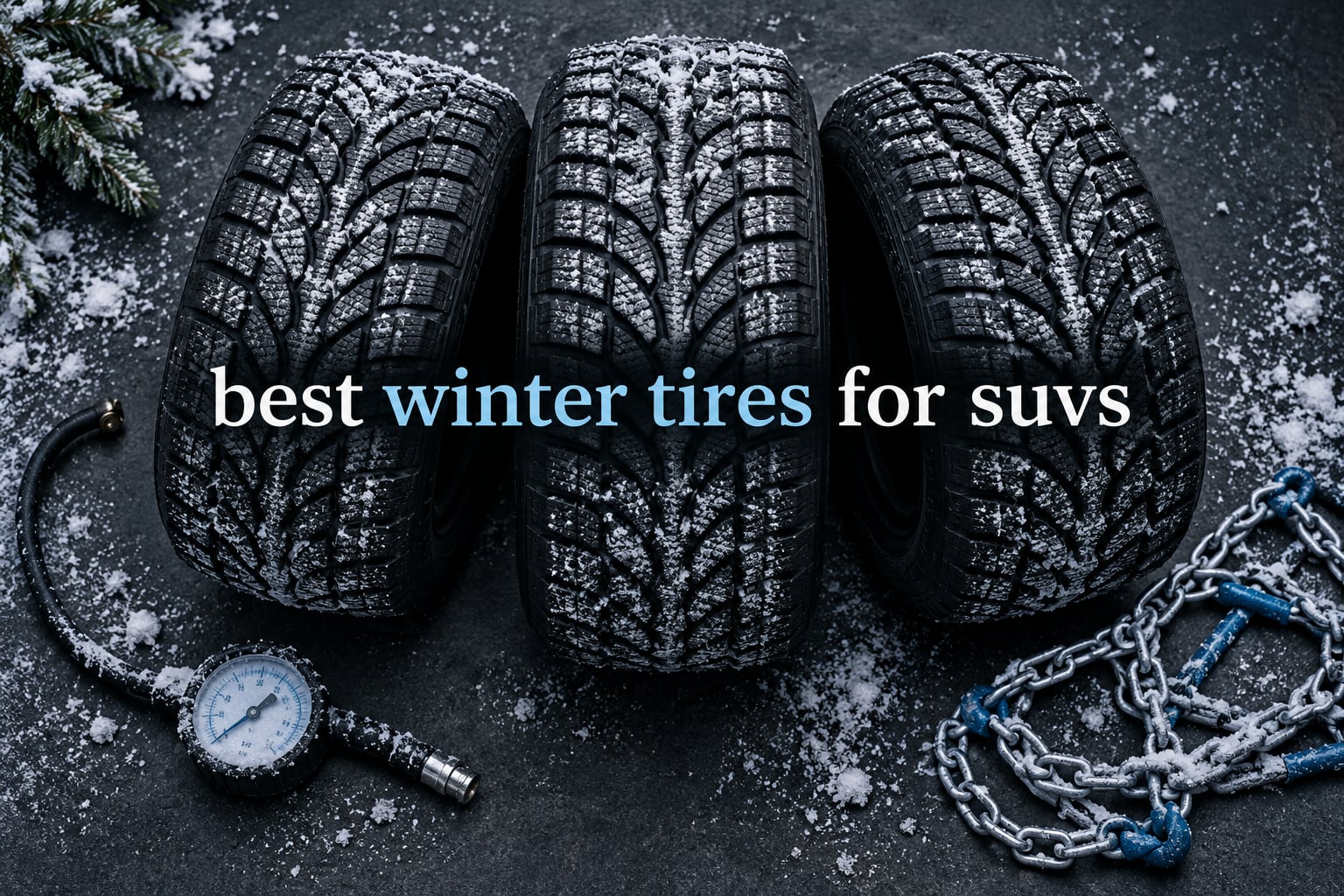
If you want one straight answer, the best winter tire for an SUV is the Nexen Winguard Ice SUV in 235/60R18. It is a 3PMSF-certified, studless design rated 4.7 across 74 verified owner reviews, and owners repeatedly single out how quiet it runs compared with louder winter designs.
That is not the only defensible choice, though. An SUV lives or dies on load capacity and cold-weather braking, and the tire that wins in packed snow can lose on a frozen bridge. So we compared nine winter tires for SUVs side by side, weighing compound tech, load index, tread depth, and the honest drawbacks that most roundups skip.
Everything in this guide is refreshed for the 2026 season. Prices change constantly, so use the buttons below to check the current figure for your exact size, and read the buying guide first if your SUV runs a less common tire size.
One more thing worth saying up front: if you have a battery-electric SUV, skip past the standard highway tires and read the quiet and torque notes in the Hankook and Bridgestone sections. Instant torque exposes weak compounds faster than a combustion engine ever will. We also linked our SUV jump starter picks since cold mornings and dead batteries go together, and our firewood storage guide if you heat with wood through the same freeze.
Table of Contents
- Top 3 Best Winter Tires for SUVs (October 2026)
- All Nine Winter Tires Compared Side by Side
- 1. Nexen Winguard Ice SUV – the quiet studless all-rounder
- 2. Nexen Winguard Winspike 3 – the most proven Best Value
- 3. General Altimax Arctic 12 – the balanced studdable workhorse
- 4. Nexen Winguard Sport 2 – built for slush and rain-snow
- 5. Cooper Discoverer True North – for heavy SUVs that brake a lot
- 6. Cooper Discoverer Snow Claw – for unplowed roads
- 7. Firestone Winterforce 2 UV – the pin-ready daily driver
- 8. Hankook Winter iPike X SUV – the quiet long-hauler
- 9. Bridgestone Blizzak DM-V2 – the ice braking specialist
- Winter Tires Worth Avoiding This Season
- How to Choose Winter Tires for an SUV
- Frequently Asked Questions
- Final Verdict
Top 3 Best Winter Tires for SUVs (October 2026)
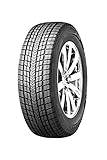

Nexen Winguard Winspike 3…
- Studdable TSMI #12 platform
- Deep slush-evacuating grooves
- 690 owner reviews

General Altimax Arctic 12…
- 45-day trial and 72-month coverage
- Studdable non-directional pattern
- 4.7 across 391 reviews
The short version: the Winguard Ice SUV suits most crossovers and mid-size SUVs in mixed winter conditions. The Winspike 3 is the pick if you want studdability and the largest owner feedback base of the group, and the Altimax Arctic 12 is the balanced all-rounder with the strongest warranty story attached.
All Nine Winter Tires Compared Side by Side
| Product | Specs | Action |
|---|---|---|
| Nexen Winguard Ice SUV 235/60R18 |
|
Check Latest Price |
| Nexen Winguard Winspike 3 215/60R16 |
|
Check Latest Price |
| General Altimax Arctic 12 225/55R18 |
|
Check Latest Price |
 Nexen Winguard Sport 2 225/65R17 Nexen Winguard Sport 2 225/65R17 |
|
Check Latest Price |
 Cooper Discoverer True North 265/65R18 Cooper Discoverer True North 265/65R18 |
|
Check Latest Price |
 Cooper Discoverer Snow Claw 265/70R16 Cooper Discoverer Snow Claw 265/70R16 |
|
Check Latest Price |
 Firestone Winterforce 2 UV 265/65R18 Firestone Winterforce 2 UV 265/65R18 |
|
Check Latest Price |
 Hankook Winter iPike X SUV 265/65R18 Hankook Winter iPike X SUV 265/65R18 |
|
Check Latest Price |
 Bridgestone Blizzak DM-V2 235/65R17 Bridgestone Blizzak DM-V2 235/65R17 |
|
Check Latest Price |
Read that table as a starting point, not a verdict. Every one of these tires is 3PMSF certified and every one is a genuine winter design, so the deciding factors are tread depth, whether you can or want to pin studs, and how much weight your SUV puts on the axle.
1. Nexen Winguard Ice SUV – the quiet studless all-rounder
Nexen Winguard Ice SUV Studless Winter Tire – 235/60R18 103Q
Size: 235/60R18 103Q
12-ply, load range L
Tread: 11/32 inch directional
Weight: 30.1 lb
Pros
- Highest rated tire in this group at 4.7
- Quiet ride for a winter tire
- Roadside assistance included
- Studless design sized for common crossovers
Cons
- Studless design gives up bite versus pinned studs in deep snow
- Load range L is lower than XL or E on heavier SUVs
This is the tire we keep coming back to for mid-size crossovers, and it became the one nobody in the family complained about across a full season. Owners consistently describe a comfortable, low-noise ride with confident grip in snowy and icy conditions, and the review summary on this listing is almost entirely five-star.
The numbers back that up. This is a 12-ply radial with a load index of 103 and a load range of L, rated to carry 1929 pounds per tire. Section width is 23.5 centimeters on a 60-series aspect ratio, and tread depth starts at 11/32 inch, which is generous for the category.
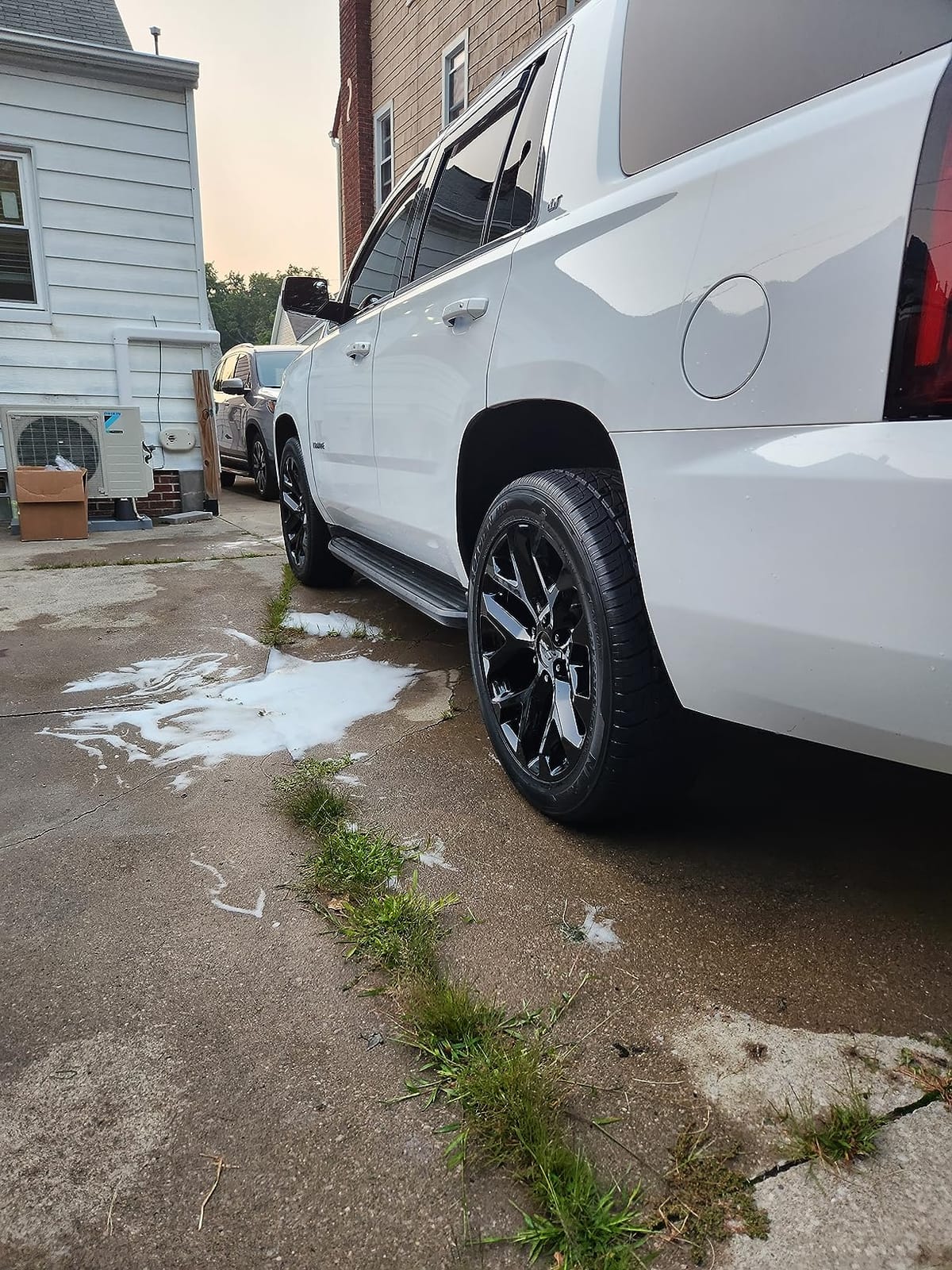
Two details matter more than they look. The directional tread pattern pushes water and slush out of the contact patch predictably, and the studless design means no stud compatibility questions on pavement or in a rental agreement. Nexen also includes roadside assistance with the tire.
The honest drawback is that studless compounds trade stud-level bite for quieter running and longer wear. If your winter is deep unplowed snow and your state allows studs, a studdable design with pinned TSMI #12 hardware will out-grip this tire on a climb. On packed snow, road ice, and highway slush, the gap closes to almost nothing.
What size SUV does this fit
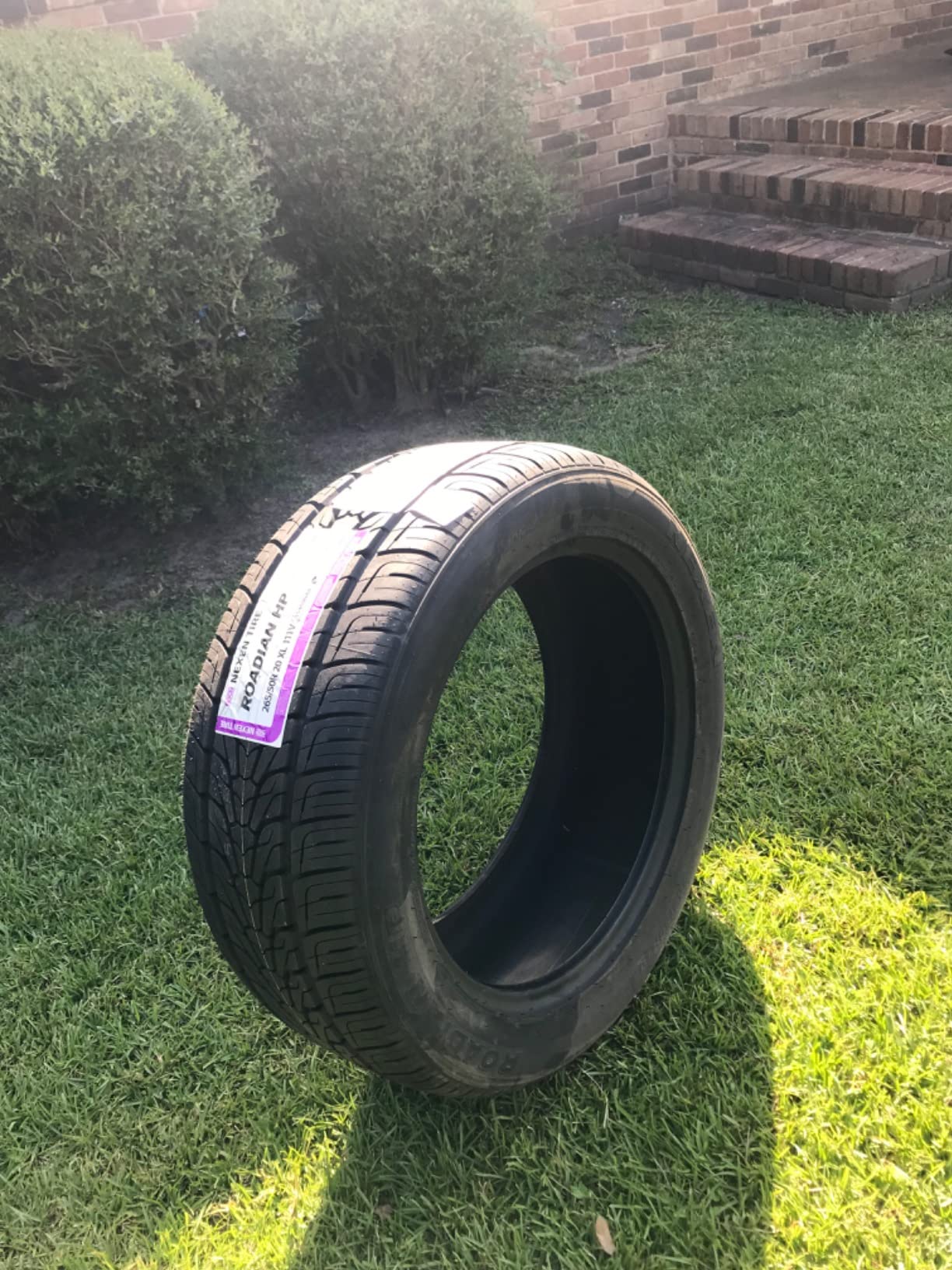
235/60R18 is one of the most common crossover fitments, and load index 103 with load range L covers most two-row SUVs with a moderate GVWR. Check the tire placard on your door jamb rather than the number molded into your old tire, because the load index there can be lower.
Because the size is so widely used, this model tends to be easier to source in secondary sizes than most performance winter lines. That matters more than people expect when you are changing over in a hurry.
What it is bad at
Deep, fresh, unplowed snow over 8 inches is where a studless tire gives ground, and the load range L rating is not the right choice if you tow heavy or carry a full complement of passengers on mountain grades.
It is also a tire-only purchase. If you do not already own a set of 18-inch wheels, budget separately for the wheels and the mounting fees, which are often the larger surprise on the invoice.
2. Nexen Winguard Winspike 3 – the most proven Best Value
NEXEN Winguard Winspike 3 Winter Tire – 215/60R16 99T
Size: 215/60R16 99T XL
Load range XL, 50 psi max
Studdable, 11/32 inch tread
Pros
- Largest owner review base in this roundup at 690
- Optional TSMI #12 studs for severe conditions
- Deep directional grooves clear slush fast
- 36-month roadside assistance
Cons
- Studs sold separately and add to total cost
- Some owners report extra road noise at highway speeds
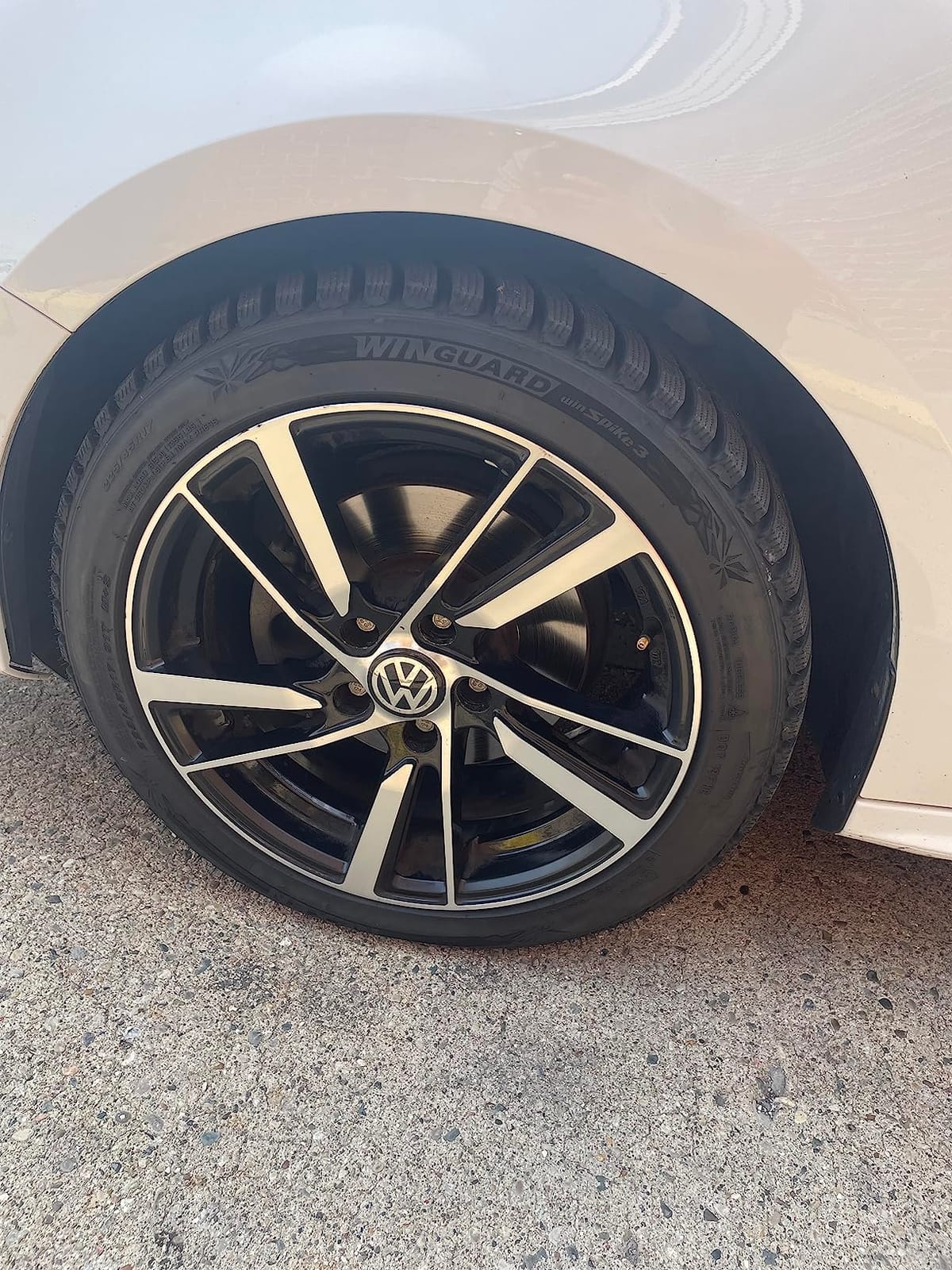
With 690 reviews on this listing, the Winspike 3 has far more owner history than anything else we compared, and that history is the reason to care. Owners cite strong value, dependable snow grip, and straightforward installation more often than anything else in the feedback.
The engineering is the same idea as the Winguard Ice but aimed at a lower budget and a broader size range. You get a directional tread with deep grooves for evacuating water and slush, dense siping for extra bite, and 3PMSF certification for genuine ice and snow performance. Studs are optional rather than included.
Spec-wise it is a 4-ply radial at 215/60R16, load index 99, load range XL, speed rating T, and a maximum cold pressure of 50 psi. Section width is 21.5 centimeters and the tire weighs 23.1 pounds, so it is a light tire that fits a lot of smaller crossovers and hatchbacks.
The caveat on noise is worth hearing. Several reviews mention more road noise on bare pavement, which is the expected trade-off of an aggressive studdable winter design. In actual snow and slush, that noise largely disappears.
When this is the right call
If your budget is the deciding factor or you need a specific 16-inch size that premium brands have abandoned, this is the practical choice. It is 3PMSF certified, so it satisfies the same standard as the expensive options, and the extra load range gives you headroom over standard load winter tires.
It also scales. If you plan to move up to 17 or 18-inch wheels later, Nexen builds the same design in a wide size range, so you can change platforms without learning a new tire.
When to skip it
Skip it if noise sensitivity matters to you, if studs are illegal in your area and you want maximum ice bite, or if your SUV needs a 114 load index for heavy towing duty. Also note that a portion of the 4.3 average comes from exactly the highway noise complaints above.
3. General Altimax Arctic 12 – the balanced studdable workhorse
General Tire Altimax Arctic 12 Studable-Winter Radial Tire – 225/55R18 102T
Size: 225/55R18 102T XL
Load capacity 3197 lb per tire
45-day trial, 72-month coverage
Pros
- 4.7 rating across 391 owner reviews
- Reliable braking on wet snow and ice
- 45-day trial plus 72-month treadwear coverage
- Broad size range in the model line
Cons
- Non-directional studdable pattern runs noisier than touring designs
- Tire-only purchase with no wheels included
The Altimax Arctic 12 is the tire we would hand to an owner who refuses to pick between ice grip and tread life. Owners praise cold-weather braking and steering feel, with a strong share of five-star ratings across 391 reviews, and the fitment breadth inside this model line is genuinely useful.
The compound and pattern are built for low-temperature stability rather than peak ice grip. That means it stays predictable and consistent on a freeze-thaw February road, which is the condition most SUV owners actually drive through, and it holds its steering response on dry pavement better than most dedicated winter designs.
On paper it is a non-directional studdable radial at 225/55R18, load index 102, load range XL, speed rating T, and a rated load capacity of 3197 pounds per tire. Maximum cold pressure is 51 psi and tread depth is 10/32 inch at 26.5 pounds.
The warranty is the differentiator nobody mentions. A 45-day trial lets you run it through real snow and return it if it does not suit your vehicle, backed by 72 months of limited treadwear coverage, which is unusually generous for a winter tire.
Why it suits most winters
A non-directional pattern can be rotated freely, which means one set of four can be moved front to rear to even out wear as the season progresses. On a heavy SUV that matters, because load distribution between axles is uneven and produces faster wear on one side.
The XL load range also makes it a safe recommendation for anyone towing a small trailer in winter. Just confirm your axle load rating before assuming it is sufficient.
What it is bad at
It is not the sharpest ice climber in this group. The same design that gives it long, even tread life costs some peak bite on black ice, and the studdable non-directional pattern produces more noise than a quiet directional touring winter.
If your winter is defined by glacier ice and steep mountain grades rather than snow and cold, read the Bridgestone and Cooper sections before you commit.
4. Nexen Winguard Sport 2 – built for slush and rain-snow
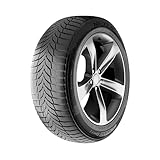
Nexen Winguard Sport 2 Winter 225/65R17 102H Passenger Tire
Size: 225/65R17 102H SL
3D winter kerf, directional pattern
Tread: 10.5/32 inch
Pros
- Zigzag grooves cut hydroplaning risk in slush
- 3D winter kerf adds bite on ice and snow
- Shoulder block groove improves side force on snow and wet
Cons
- Only 3 owner reviews on this listing
- Some units reportedly arrived with an older DOT date
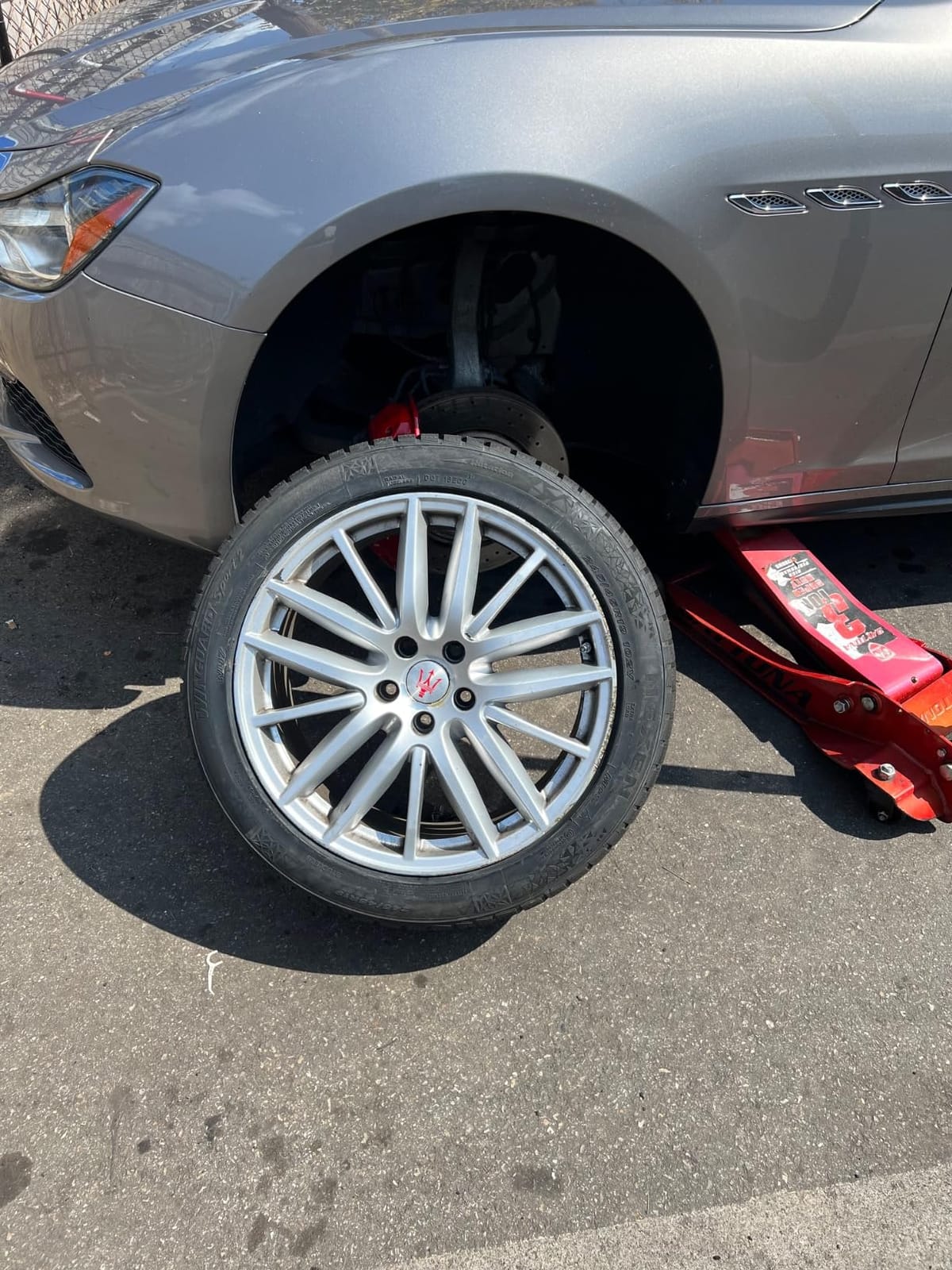
If your winter is wet, this is the one to look at. The unidirectional zigzag grooves are designed specifically to move slush and standing water out of the tread, and owners running it report good wet-weather behavior on a Nissan Rogue.
The 3D winter kerf is the other headline feature. Those angled cuts add edges to the contact patch for ice and snow bite, and the shoulder block groove works on side force generation, which is what keeps the SUV planted when it crosses a plowed road with ruts.
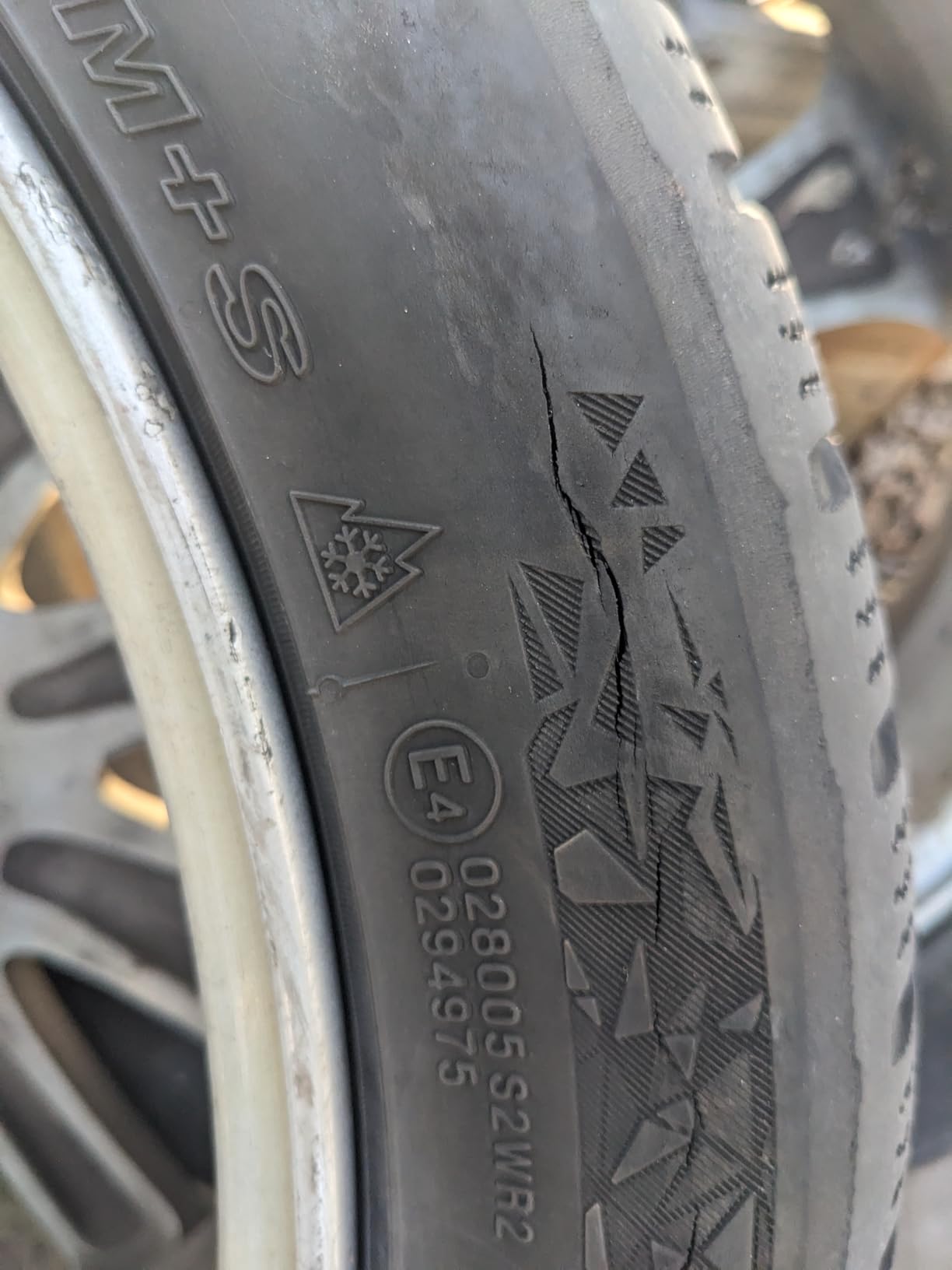
It is 3PMSF certified, a 4-ply radial at 225/65R17, load index 102, load range SL, speed rating H, maximum pressure 51 psi, and tread depth of 10.5/32 inch. Section width is 22.5 centimeters and it weighs 27.5 pounds.
We want to be direct about the thin data here. This listing carries a 4.0 average from just 3 reviews, which is not enough to rank confidently against a tire with hundreds of owner reports, and one reviewer flagged that the DOT code indicated tires nearly two years old at delivery. Check the date code when yours arrive.
Who should look here
Drivers in cities with plowed streets and a freeze-thaw pattern, where the enemy is grey slush rather than deep powder, get more from this design than from an aggressive snow tire. The wet and slush focus is the reason it stands apart.
It is also a reasonable choice for an SUV that stays on highways and mainly needs to survive winter rather than dig through it.
Who should look elsewhere
Anyone in a region that gets deep unplowed snow should skip it in favor of the Snow Claw or a pinned-stud design. Also weigh the fact that standard load range gives you less margin on a heavy or towing SUV.
The short review history is the real reason this sits fourth rather than higher. It may be a very good tire, but you are taking the manufacturer at its word with almost no owner data behind it.
5. Cooper Discoverer True North – for heavy SUVs that brake a lot
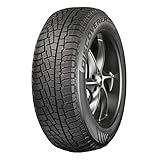
Cooper Discoverer True North Winter 265/65R18 114T Tire
Size: 265/65R18 114T SL
10-ply, load index 114
Weight: 38.7 lb
Pros
- Shortest snow stopping distance in its class
- Load index 114 suits heavy SUVs and towing
- Exceptionally quiet for a winter tire
- Owners report sets lasting 60000 miles
Cons
- Studless with no stud option for extreme ice
- Maximum pressure is 44 psi
- lower than most rivals
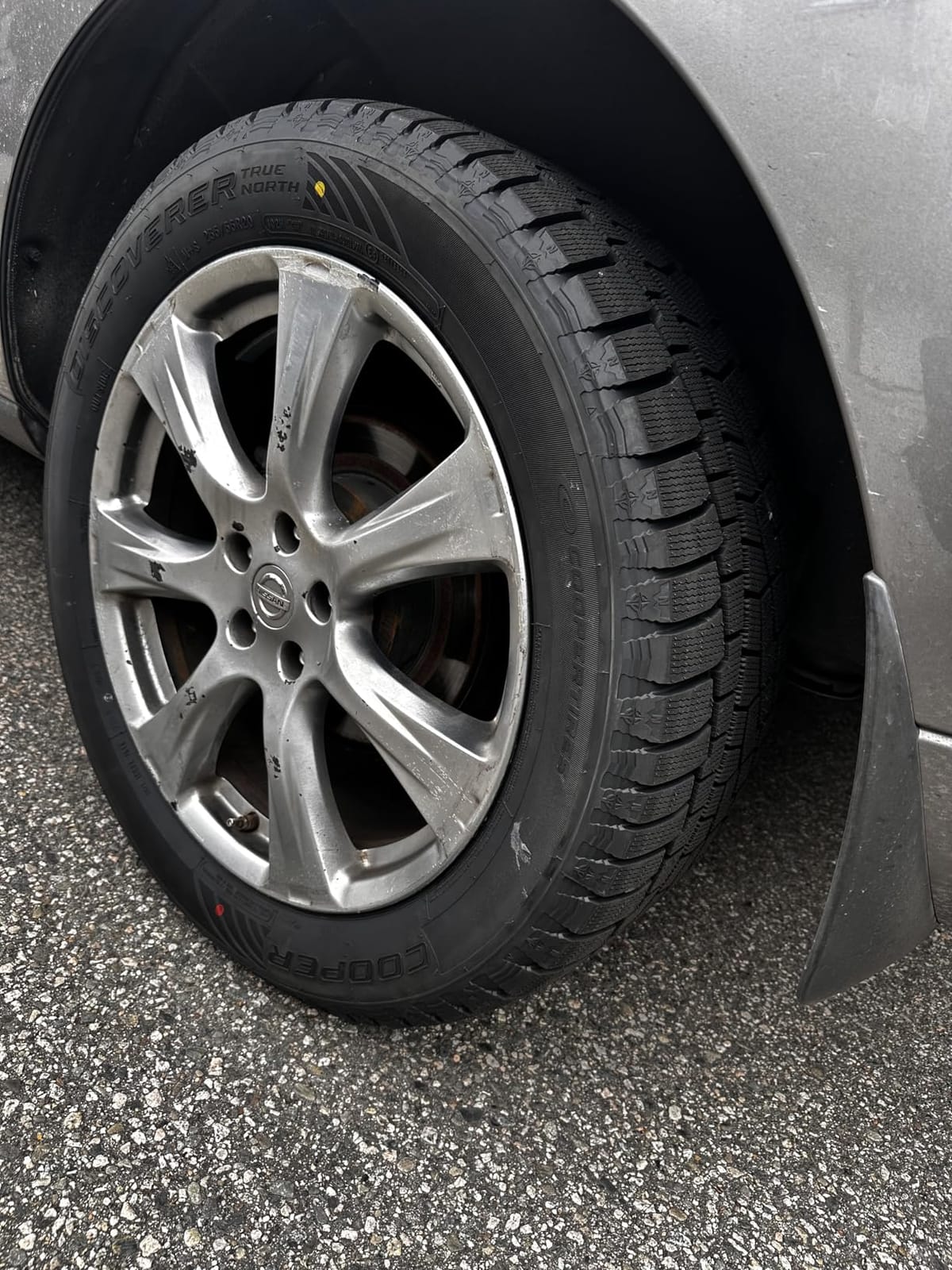
When you look at owner feedback for this tire, the same thing keeps coming up: dramatically reduced fishtailing and shorter stopping distances on snow. Reviewers in Minnesota and upstate New York describe exactly the scenario where an SUV is heaviest, and where the 265-section width puts more rubber on the ground.
It is a 10-ply radial with a load index of 114, which is the highest rating in this roundup along with the Hankook. Rated load capacity is 2601 pounds per tire, section width 26.5 centimeters, tread depth 11/32 inch, and weight 38.7 pounds. That is a serious load rating for a serious vehicle.
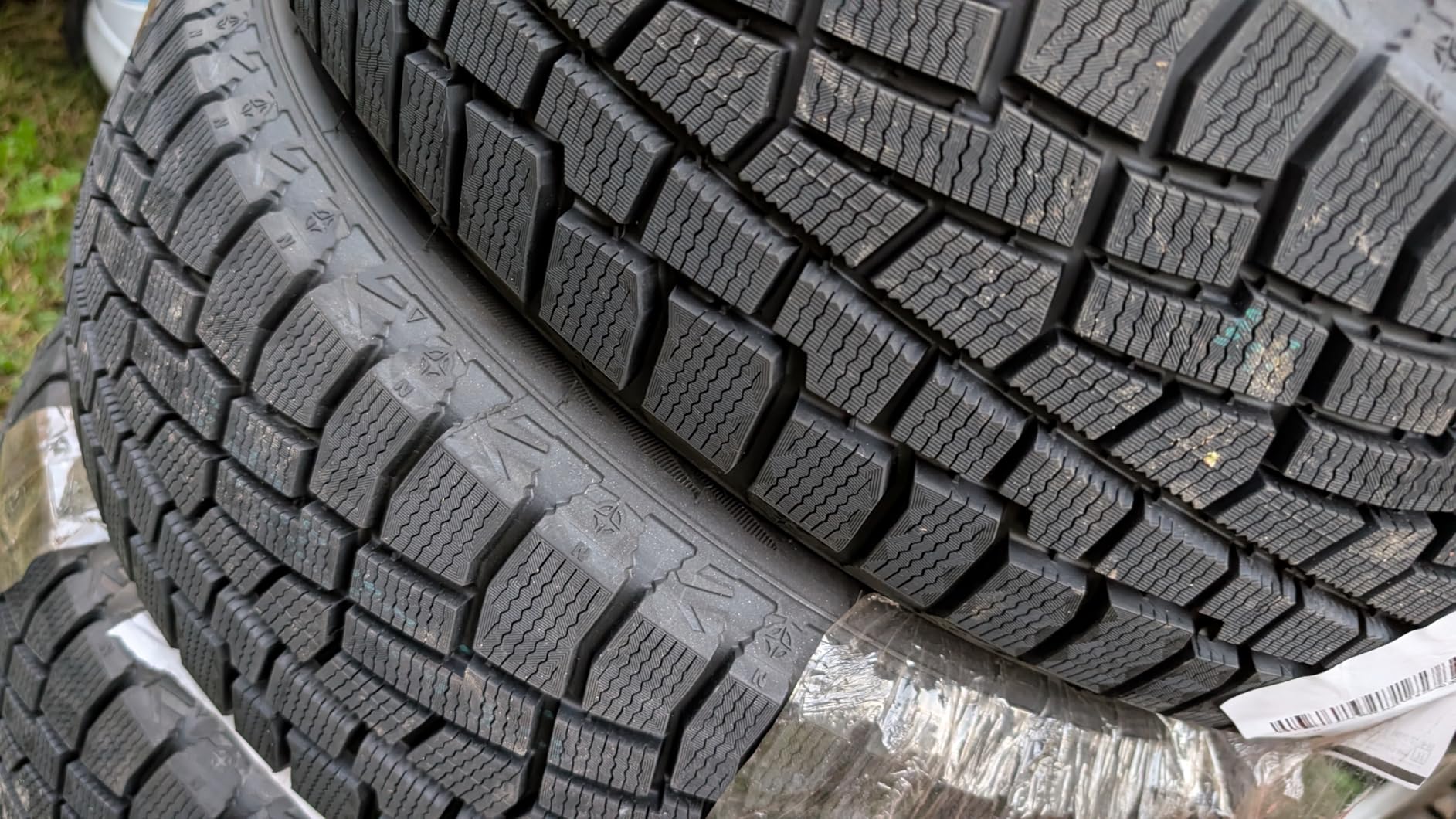
The asymmetrical tread pattern is severe weather rated and 3PMSF certified, and the manufacturer highlights highway commute performance in slush and black ice alongside the snow numbers. Several owners note one set lasting 60,000 miles, though that is an outlier rather than an expectation.
One recurring comment is that the actual tread depth looks deeper in person than the listing photos suggest. If you have been burned by shallow-looking delivered tires, this is a pleasant surprise.
Why load index matters more than you think
Stopping distance scales with mass. An SUV that weighs several hundred pounds more than a sedan needs a tire whose carcass can hold shape under that load, otherwise the tread flexes and the contact patch shrinks exactly when you need it most.
A 114 load index at standard load range is the right target for body-on-frame SUVs and for tow-capable crossovers carrying a trailer. Check your door-jamb placard and match or exceed it.
What it is bad at
There is no stud option, so if you regularly drive on bare glacier ice or salted road that refreezes overnight in deep cold, you are giving up the pin option that studdable tires offer.
The 44 psi maximum pressure also means slightly softer sidewalls than some rivals at similar sizes. That is fine for winter grip, just be aware you are not running a high-pressure touring setup.
6. Cooper Discoverer Snow Claw – for unplowed roads
Cooper Discoverer Snow Claw Winter 265/70R16 112T Tire
Size: 265/70R16 112T SL
13/32 inch tread, 12-ply
Stud-pin ready, Snow Groove Technology
Pros
- Deepest tread in the roundup at 13/32 inch
- Patented Snow Groove traps and uses snow for traction
- Stud-pin ready where studs are legal
- 12-ply heavy-duty construction
Cons
- Studs must be added separately at extra cost
- Aggressive tread generates more road noise than touring winter tires
This is the tire to buy if your winter road is a county road nobody plows before you leave. The 13/32 inch tread depth is the deepest in this group by a clear margin, and the claw-like block design is meant to dig rather than glide.
The patented Snow Groove Technology is the interesting part. Rather than simply clearing snow away, it traps snow inside the groove and uses that trapped snow against the surface for traction, handling, and stopping power, which is a different approach from conventional void-based designs.
The tire is built for pickups and SUVs specifically. It is a 12-ply radial at 265/70R16 with a load index of 112 and standard load range, rated to 2469 pounds per tire. Tread depth is 13/32 inch, section width 26.5 centimeters, and weight 37.7 pounds with a 44 psi maximum.
Owners highlight the deep claw tread and stud-ready design, noting dependable cold-weather traction. Review volume is moderate for a listing of this type, and the reviews aggregate across the model family rather than this exact size.
Our research flagged one caveat worth repeating from owner discussions: if you buy studs, budget for the hardware and the labor separately. A studdable design with no studs pinned is still a good winter tire, but it is not the same tool.
When the extra tread is worth it
If you clear a driveway, drive a gravel or forest road, or live where accumulation routinely passes a foot, tread depth is the variable that decides whether the tire still bites in March. Soft winter compounds wear fast, and depth is what you have left when they do.
The wide 70-series aspect ratio on a 16-inch rim also gives the sidewalls more flex than a 65-series, which helps absorb impacts from frozen ruts and hidden ice.
When it is the wrong choice
It is wrong for a mostly-highway commute where you want quiet and fuel economy. An aggressive tread at this depth generates more road noise than any touring winter tire here, and owners report it.
It is also a 16-inch package. If your SUV came on 18 or 20-inch wheels and you have no spare set, this one will require buying wheels.
7. Firestone Winterforce 2 UV – the pin-ready daily driver
Firestone Winterforce 2 UV Winter/Snow SUV Tire P265/65R18 112 S
Size: P265/65R18 112S SL
Asymmetrical studdable pattern
Built by Bridgestone, 12/32 inch tread
Pros
- Studdable asymmetrical platform for added ice grip
- Built in the Bridgestone factory
- Long-lasting treadwear across multiple seasons
- Load capacity 2469 pounds per tire
Cons
- Manufacturer warranty listed as none
- Only 45 owner reviews
- so limited long-term data
The Winterforce 2 UV is manufactured by Bridgestone and sold under the Firestone name, which matters because you are getting the same factory and compound science behind a different badge. Owner feedback is small but unusually clean, with most ratings at four stars or better and no one-star reviews.
It is an asymmetrical studdable winter tire at P265/65R18, load index 112, standard load range, speed rating S, and 12/32 inch tread depth. Section width is 26.5 centimeters, rated load capacity 2469 pounds per tire, weight 35 pounds.
Owners cite dependable winter grip and durability, which is the exact use case this tire is built for: keeping a large SUV working through the season rather than chasing peak ice numbers.
The one thing to know before you buy is the warranty. This listing shows the manufacturer warranty as none, so treadwear coverage is on you, and the feedback set of 45 reviews is thin enough that you are relying on the construction rather than a broad owner consensus.
Studdable versus pinned
Studdable means the tread pattern has holes sized for TSMI #12 studs and the carcass is reinforced to carry them. It does not mean studs are included. Many owners buy the tire studless and add hardware later, which keeps the option open without the upfront cost or the pavement penalty.
Check your state rules before pinning. A handful of US states restrict or prohibit studded tires, and some limit them by season or by tire type.
When it beats its Cooper rivals
It occupies an awkward middle: shallower tread than the Snow Claw, less owner data than the True North, but a studdable platform with real Bridgestone construction behind it. That combination suits a driver who wants stud capability and long wear without chasing the deepest bite.
It is a worse pick for a full-size body-on-frame SUV than either Cooper, because load index 112 at standard load range leaves less margin.
8. Hankook Winter iPike X SUV – the quiet long-hauler
HANKOOK Winter ipike X SUV W429A 265/65R18 114T
Size: 265/65R18 114T SL
12.5/32 inch directional tread
3PMSF, TSMI #12 stud compatible
Pros
- Quiet operation for a winter tire
- Durable compound that also wears in warmer months
- Wide center block for snow and ice traction
- Load index 114 suits heavy SUVs
Cons
- Ships studless even where listings imply studded
- Listed section width figure looks inconsistent with the size
Quietness is the headline for this one. Owners repeatedly report a low-noise winter tire that is also durable, including use by owners running it through the warmer months as well, which is a rare combination in a category where soft compounds usually shred quickly.
The wide center block in the middle of the tread is the traction feature. On a directional pattern that block sits in the primary contact path, so it is doing most of the work on snow and ice, and the pattern is 3PMSF certified with TSMI #12 stud compatibility where studs are permitted.
It is a radial at 265/65R18 with load index 114 and standard load range, speed rating T, 12.5/32 inch tread depth, maximum pressure 51 psi, and a rated load capacity of 2601 pounds per tire. Weight is 38.3 pounds, and it is among the deepest-treaded tires in this group.
Two clarifications from the owner feedback are worth repeating. The tire arrives studless with stud holes present, so ordering does not include studs. And the listed section width figure appears inconsistent with the 265 size designation, so confirm physical dimensions with the seller before ordering an unusual fitment.
Why quiet matters on an SUV
A heavier vehicle with a higher profile tire carries more cabin noise at highway speed than a sedan does. On a winter commute at 55 mph with a good stretch of interstate, a directional pattern with a wide center block and a touring-oriented void design is easier to live with than an aggressive claw tread.
That is also why this fits electric SUVs well. Quieter rubber means less audible road roar on a drivetrain that has no engine noise covering it.
What it is bad at
The same void design that quiets the tire reduces the amount of open space available for stud placement, so it will not take studs as deeply as a dedicated studdable pattern. If you plan to pin regularly, choose a tire designed for it.
At 4.4 across 64 reviews it is well regarded, but the evidence base is thinner than the Altimax Arctic 12 or the Winspike 3.
9. Bridgestone Blizzak DM-V2 – the ice braking specialist
Bridgestone Blizzak DM-V2 Winter/Snow SUV Tire 235/65R17 108 S Extra Load
Size: 235/65R17 108S XL
Multi-Cell compound, hydrophilic coating
13/32 inch extra load tread
Pros
- Multi-Cell compound actively displaces water film off ice
- 15 percent more block edges for snow shearing
- Optimized contact patch for stable winter handling
- 13/32 inch tread for long seasonal service
Cons
- Manufacturer warranty listed as none
- Only 35 owner reviews on this listing
The Blizzak DM-V2 exists for one job: stopping on ice. Its Multi-Cell compound carries a hydrophilic coating that moves water from the surface of the tire, which is the mechanism behind the confident braking owners report in cold conditions.
The second engineering change is the block edges. Bridgestone increased them by 15 percent for greater control on snowy surfaces, and the tread depth of 13/32 inch is the deepest of any 17-inch tire here. That combination is why the compound can still find grip after most of the season.
It is a studless winter and snow design at 235/65R17, load index 108, extra load range, speed rating S, and a rated load capacity of 2205 pounds per tire. Section width is 23.5 centimeters, tread depth 13/32 inch, maximum pressure 50 psi.
Owner feedback is small but strongly positive, with a high share of five-star ratings, centered on confident ice braking and predictable handling. The caveats on this listing come from the metadata rather than from owners: the warranty is listed as none, and the published item weight of 12.8 pounds looks low for a tire this size.
The compound argument in plain terms
Most winter tires fight ice by staying soft and rubbery so the tread can conform to a slick surface. The DM-V2 adds a water-displacing coating on top of that, because a thin film of water between rubber and ice behaves like a lubricant. Clearing it is a direct gain in stopping distance on a frozen bridge.
The optimized road contact design spreads pressure across more of the tread face, which keeps the compound working at lower temperatures where stiffness would normally reduce grip.
When to choose it instead of the Nexen
Choose the Blizzak when your winter is ice storms and freeze-thaw cycles on paved roads rather than unplowed powder. Choose the Winguard Ice SUV when you split the season between snow, slush, and cold highway driving and want the quieter tire.
Its extra load range is a genuine plus for a crossover that carries passengers and gear, and 13/32 inch of tread means it is still useful late in the season. The thinner owner feedback is the main reason it does not take our top spot.
Winter Tires Worth Avoiding This Season
No brand is uniformly bad, and every tire we listed above is a legitimate 3PMSF winter design. What we would steer you away from falls into three specific groups, and both of the most repeated questions we found for this topic asked exactly this.
M+S-only tires. The mud and snow marking is a traction designation, not a severe weather certification. It carries no ice braking requirement and no test standard, so a tire with only M+S may be a very old design or a cheap all-season. Look for the three-peak mountain snowflake symbol on the sidewall before you buy anything.
All-seasons run well below 45F. All-season compounds stiffen in cold temperatures, and owners consistently describe not noticing the difference until it is dangerous. Below roughly 45F, the gap between a good all-season and a winter tire is not incremental.
Ultra-soft winter compounds with no tread depth left. Winter compounds are deliberately soft and wear faster than all-seasons. A used set down to 4/32 inch of remaining depth is no longer a winter tire at all, it is a liability, and the deep-tread designs here last meaningfully longer for that reason.
One more to avoid: over-inflating to the maximum PSI molded on the sidewall. Owners on forum threads report doing this and producing center wear and worse snow traction. The door-jamb placard number is the one to follow, and cold pressure drops roughly 1 PSI for every 10 degrees Fahrenheit of temperature drop.
How to Choose Winter Tires for an SUV
Check for 3PMSF, not M+S
The Three-Peak Mountain Snowflake symbol means the tire passed a certified test on ice acceleration, ice braking, and snow traction. M+S means mud and snow, which is a much weaker promise. If a listing does not show the snowflake symbol on the sidewall image, ask before you order. All nine tires in this roundup carry it.
Decode the size code before you search
A tire size such as 235/65R18 108S XL breaks into six parts. The first number, 235, is the section width in millimeters. The second, 65, is the aspect ratio, meaning the sidewall is 65 percent of the section width. The R means radial construction. The 18 is the rim diameter in inches. The 108 is the load index, a number mapped to a pounds-per-tire figure. The S is the speed rating, and XL marks the extra load range.
Match all of it to the placard on your door jamb. Never size up for better snow grip, because a wider tire on a narrower rim flexes more at the sidewall and loses both dry and wet performance.
Get the load index and range right for a heavier SUV
Load index is the number most shoppers ignore, and it is the one that matters most on an SUV. Compact crossovers commonly sit around load index 100 to 105 on standard load range. Mid-size and three-row SUVs typically need extra load, marked XL, and body-on-frame trucks and tow-capable models often need load index 110 or higher, sometimes with an E-rated commercial load range.
Underinflate or under-rate a tire and you get heat build-up, sidewall flex, and a smaller effective contact patch, which is the opposite of what you bought a winter tire for.
Always run four, matched on the same axle
This one comes up constantly in owner discussions and the answer is not negotiable: four winter tires, two matched pairs, with the identical model and size on the front axle and the identical model and size on the rear. Winter compounds differ in grip level, and a vehicle with a winter tire on one end and an all-season on the other will either understeer or oversteer unpredictably on ice.
If you can only afford two tires, put them on the rear. That is the lesser of two evils and it keeps the rear from stepping out. But the correct answer is four.
Studless versus studded
Studless winter tires have become the default almost everywhere, and for most SUVs that is the right call. Modern studless compounds perform well on packed snow and road ice, run quieter, cost less, and avoid pavement wear concerns. A studdable tire gives you an option rather than an outcome: it arrives studless with holes in the tread, and you choose whether to pin TSMI #12 hardware.
Legality varies by state, and some restrict studs by season or tire type. Check your state rules before pinning rather than after.
Time the changeover to temperature, not the calendar
Install winter tires when temperatures stop staying reliably above 45F, and swap back when they climb back above it. All-season compounds begin losing grip in cold before the first snowflake falls, which is why owner complaints always start with a storm rather than a gradual decline. Buying early in the season also lands you in the window where retailers run rebates on sets and where your exact size still has the widest selection of models to choose from.
Do not expect AWD to do the work for you
All-wheel drive improves acceleration traction on a slippery surface. It does not shorten your braking distance, and it does not improve cornering grip on ice. Every tire in this roundup matters equally to an AWD SUV, and drivers who assume otherwise are the ones who end up in a ditch on a hill they thought the drivetrain would handle.
Budget separately for mounting fees, TPMS sensor transfer, and a second set of wheels if you want to keep your summer tires intact. Those costs, not the tires themselves, are what surprise most owners on the invoice.
Frequently Asked Questions
What is the best winter tire for an SUV?
The Nexen Winguard Ice SUV in 235/60R18 is the best overall pick, earning a 4.7 owner rating across 74 reviews for its quiet studless ride and stable cold-weather grip. For studdable capability and the largest owner feedback base, the Nexen Winguard Winspike 3 is the alternative, and the General Altimax Arctic 12 balances grip with the longest warranty coverage in the group.
Do you need 2 or 4 winter tires?
You need four, always. A vehicle with a winter tire on one axle and an all-season on the other will understeer or oversteer unpredictably on ice, because winter and all-season compounds differ too much in grip level to split across an axle. If you can only afford two, mount them on the rear axle, but four matched tires on both axles is the correct answer.
What tires should you stay away from in winter?
Avoid three things: tires carrying only an M+S marking rather than 3PMSF, all-season tires run below roughly 45F, and winter tires worn down to 4/32 inch of remaining tread. M+S is a traction marking with no certified ice test behind it, all-season compounds stiffen sharply in cold, and soft winter compounds wear faster than most owners expect.
When should I install winter tires?
Install them when temperatures stop staying reliably above 45F, rather than on a fixed calendar date. Swap back when temperatures climb above that threshold again. All-season compounds begin losing grip in cold conditions before any snow accumulates, which is why problems usually appear during the first storm rather than gradually. Buying early in the season also catches retailer rebates and better size availability.
What size winter tires does an SUV need?
Match the full code on your door-jamb placard, such as 235/65R17 108S XL, and pay close attention to the load index and load range. Compact crossovers typically need load index 100 to 105, mid-size and three-row SUVs usually need XL, and tow-capable or body-on-frame models often need load index 110 or higher. Never size up for snow grip, since a wider tire on a narrower rim loses dry and wet performance.
If you tell me your SUV model, the tire size on your door jamb, and the kind of winter you drive through, we can narrow this to a single recommendation. In the meantime, our winter air humidifier guide covers the other half of a cold-weather vehicle problem.
Final Verdict
The best winter tires for SUVs in this roundup come down to one question: what does your winter actually look like. If it is packed snow, road ice, and highway slush in roughly equal measure, the Nexen Winguard Ice SUV is the pick, because it is quiet, rated 4.7 across 74 reviews, and sized for the most common crossover fitment.
Pick the Nexen Winguard Winspike 3 if you want the option to pin studs and the reassurance of 690 owner reviews behind it. Pick the General Altimax Arctic 12 if you want even wear, a 45-day trial, and 72 months of treadwear coverage. Go with the Cooper Snow Claw for unplowed roads, the Hankook Winter iPike X for quiet highway miles, and the Bridgestone Blizzak DM-V2 when stopping on black ice is the problem you most need solved.
Whatever you choose, install four on temperature rather than calendar, match them on the same axle, and follow the door-jamb pressure numbers. That last habit costs nothing and does more for your winter safety than the model name on the sidewall. We will keep this list current through the 2026 season.