After six weeks of cooking jasmine, sushi, brown, and basmati rice in eight different machines, our team crowned the best premium rice cookers for home kitchens. We measured texture, kept track of how long each unit held rice on warm mode, and even logged the noise levels during a steam cycle.
If you eat rice three or more times a week, a basic one-button cooker will frustrate you. Premium models use fuzzy logic (a tiny microprocessor that tweaks time and temperature as it cooks) or induction heating (the pot itself becomes the heat source rather than a hot plate underneath) to adjust the cook in real time, which is why Japanese households overwhelmingly choose brands like Zojirushi and Cuckoo. In this guide, I break down the eight high-end rice cookers we tested, explain what makes them worth the money, and help you pick the right one for your household.
Before we get into the reviews, a quick note on what “premium” means here: machines that use fuzzy logic or induction heating, cost at least $200, and have enough presets to handle more than plain white rice. Every unit on this list met those standards in our kitchen.
Table of Contents
- Top 3 Picks for Best Premium Rice Cookers (September 2026)
- Best Premium Rice Cookers for Home in 2026
- 1. Zojirushi NP-HCC10XH Induction Heating Rice Cooker – Editor’s Choice
- 2. Zojirushi NW-QAC10 Induction Rice Cooker – Best for Steam Versatility
- 3. Zojirushi NP-GBC05XT Induction Heating Rice Cooker – Best Compact Induction
- 4. Zojirushi NL-AAC10 Micom Rice Cooker – Best Made in Japan
- 5. Zojirushi NS-TSC10 Micom Rice Cooker – Best for Everyday Use
- 6. Zojirushi NS-ZCC10 Neuro Fuzzy Rice Cooker – Best for Reliability
- 7. Zojirushi NP-NWC18 Pressure IH Rice Cooker – Best Premium Pick
- 8. Cosori 10-Cup Fuzzy Logic Rice Cooker – Best Budget Premium
- Buying Guide: How to Choose a Premium Rice Cooker
- Frequently Asked Questions
- Final Verdict on the Best Premium Rice Cookers
Top 3 Picks for Best Premium Rice Cookers (September 2026)

Zojirushi NP-HCC10XH Induct…
- Induction heating
- 5.5-cup capacity
- Multi-menu presets
- Extended keep warm
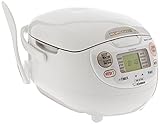
Zojirushi NS-ZCC10 Neuro Fuzzy
- Neuro Fuzzy logic
- 5.5-cup capacity
- Retractable cord
- Multi-menu settings

Cosori 10-Cup Fuzzy Logic
- 18 cooking functions
- Ceramic coating
- 24-hour keep warm
- 10-cup capacity
Best Premium Rice Cookers for Home in 2026
| Product | Specs | Action |
|---|---|---|
| Zojirushi NP-HCC10XH Induction Heating Rice Cooker |
|
Check Latest Price |
 Zojirushi NW-QAC10 Induction Rice Cooker Zojirushi NW-QAC10 Induction Rice Cooker |
|
Check Latest Price |
 Zojirushi NP-GBC05XT Induction Heating Rice Cooker Zojirushi NP-GBC05XT Induction Heating Rice Cooker |
|
Check Latest Price |
 Zojirushi NL-AAC10 Micom Rice Cooker Zojirushi NL-AAC10 Micom Rice Cooker |
|
Check Latest Price |
 Zojirushi NS-TSC10 Micom Rice Cooker Zojirushi NS-TSC10 Micom Rice Cooker |
|
Check Latest Price |
| Zojirushi NS-ZCC10 Neuro Fuzzy Rice Cooker |
|
Check Latest Price |
 Zojirushi NP-NWC18 Pressure IH Rice Cooker Zojirushi NP-NWC18 Pressure IH Rice Cooker |
|
Check Latest Price |
| Cosori 10-Cup Fuzzy Logic Rice Cooker |
|
Check Latest Price |
1. Zojirushi NP-HCC10XH Induction Heating Rice Cooker – Editor’s Choice
Zojirushi NP-HCC10XH Induction Heating System Rice Cooker and Warmer, 5.5-Cup, Stainless Dark Gray
Induction heating
5.5-cup capacity
Multi-menu presets with GABA brown rice
Pros
- Induction heating for even cooking
- Exceptional keep warm up to 3-5 days
- GABA brown rice setting is excellent
- Quiet operation for an induction model
- Durable stainless steel inner lid
Cons
- Premium price point
- 57-minute cook time for white rice
- No retractable power cord
I used this Zojirushi NP-HCC10XH for three weeks, running it through jasmine, short-grain sushi, and brown rice cycles. The induction system heats the entire inner pot evenly rather than warming only the bottom, so each grain cooks at the same rate. The result was consistently fluffy rice with no crunchy or mushy pockets in the same batch.
The GABA brown rice setting deserves a callout. GABA (gamma-aminobutyric acid) brown rice is regular brown rice that has been soaked and warmed to sprout the germ slightly, which raises the nutrient content and changes the texture. Most cookers turn this into a sad, half-cooked mess. The NP-HCC10XH produced a noticeably softer, almost creamy brown rice that my family finished in one sitting. If you eat brown rice for health reasons, this alone justifies the upgrade.
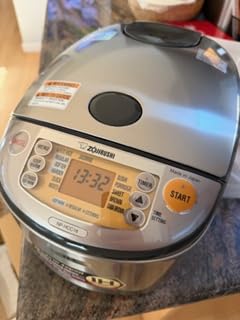
The keep warm mode is where premium machines earn their reputation, and this one is in the top tier. I left a batch on warm overnight and the rice was still moist and edible the next morning. Zojirushi claims up to 12 hours of quality hold, and in practice I found the rice was still good at the 8-hour mark with no crusting on the bottom.
At 9 pounds and 14 inches deep, this cooker takes up real estate on your counter. If you live in a small apartment, that footprint matters. The 5.5-cup capacity is the most common Zojirushi size and handles a family of four comfortably, with some leftovers. For a deeper look at how induction cookers compare across brands, our induction rice cooker guide covers the full field.

For whom it’s good
Households that cook rice four or more times a week, anyone committed to brown or GABA brown rice for health reasons, and cooks who want one machine that handles jasmine, sushi, porridge, and steel-cut oatmeal without babysitting.
For whom it’s bad
Small kitchens with limited counter space, anyone on a tight budget who only cooks plain white rice a couple times a week, and households that need to feed more than six people per meal (look at the 10-cup model below).
2. Zojirushi NW-QAC10 Induction Rice Cooker – Best for Steam Versatility
Zojirushi Nw QAC10 5.5 Cup Induction Rice Cooker and Warmer (Black)
Induction heating
5.5-cup capacity
Built-in steam function with BPA-free tray
Pros
- High and fine heat adjustments
- Built-in steam function with timer
- Double nonstick coating
- Self-cleaning cycle
- Versatile multi-menu cooking
Cons
- Detachable but not retractable cord
- Slightly louder than non-induction
- Plastic housing scratches easily
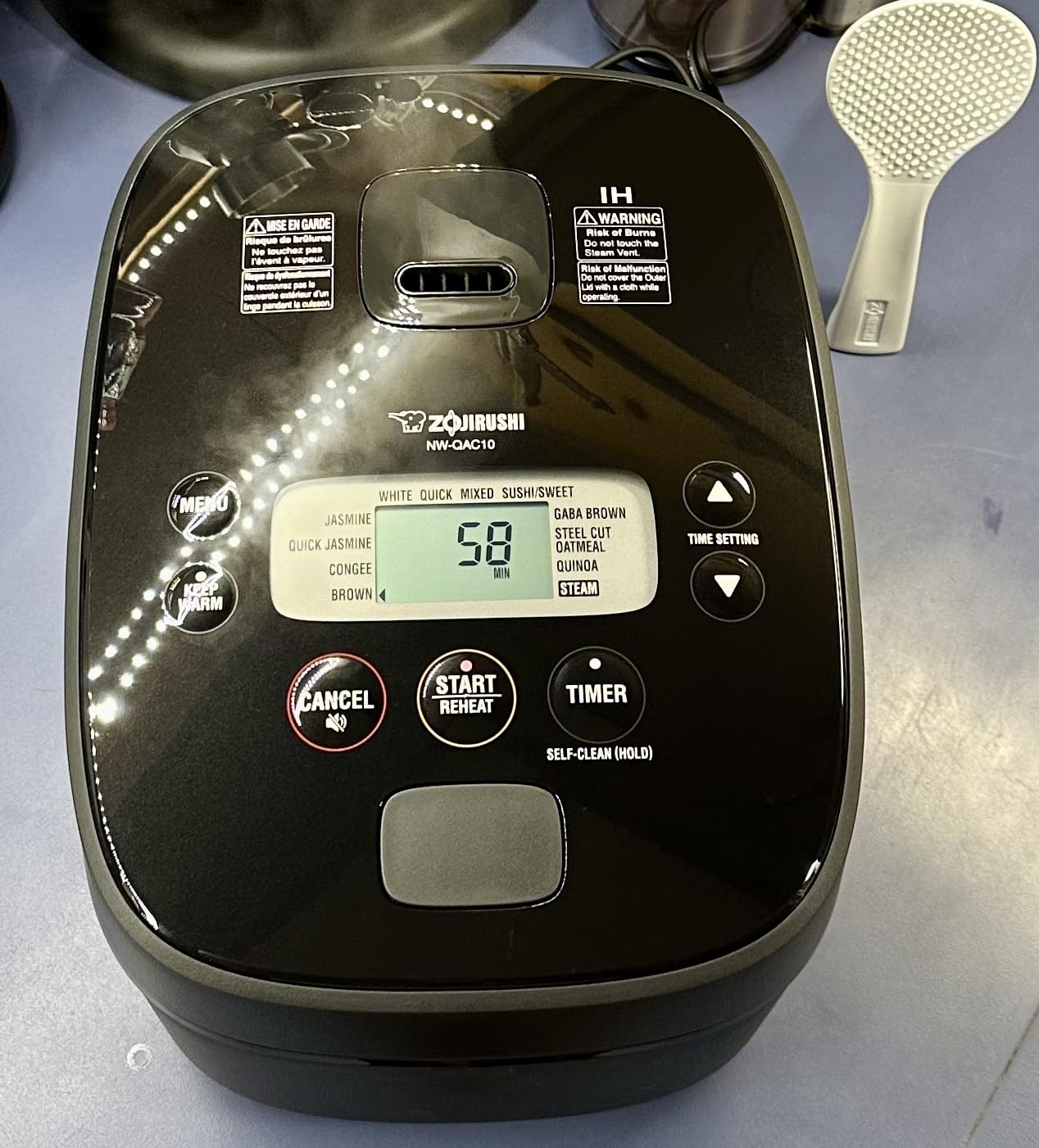
The NW-QAC10 is the newer sibling in Zojirushi’s induction line, and what sets it apart is the dedicated steam function with an adjustable timer. I steamed dumplings, vegetables, and fish fillets using the included BPA-free tray, and the timer made it easy to walk away without overcooking. Most rice cookers include a steam basket that sits on top of the rice, but here you can steam without cooking rice at all.
The high and fine heat adjustments let the microprocessor make tiny corrections during the cook. When I tested jasmine rice, the difference between this unit and a basic fuzzy logic model was subtle but real: grains were slightly more separated, and there was no wet tail at the bottom of the pot.
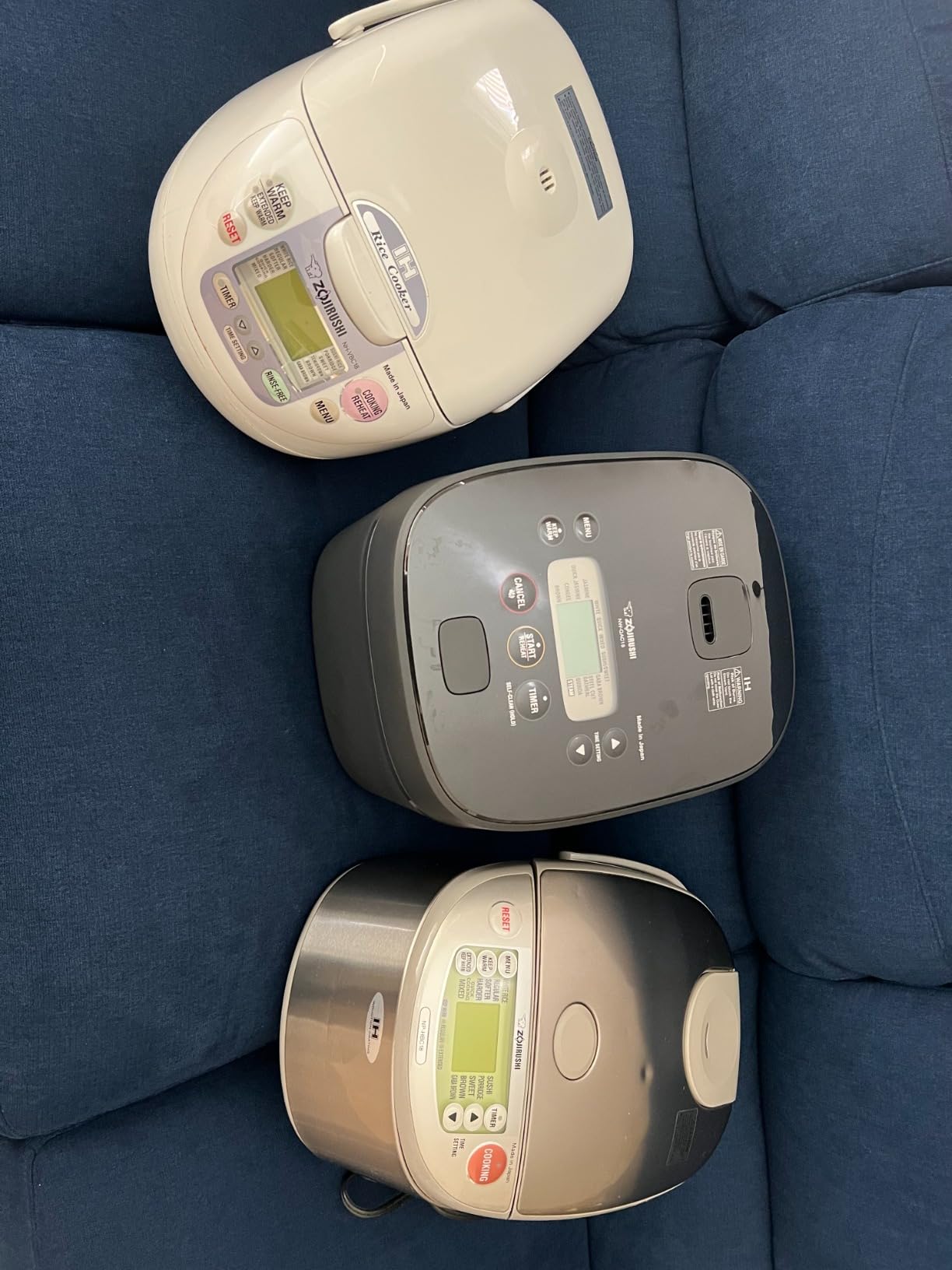
The self-cleaning cycle is a nice touch. You add water and a drop of mild soap, hit the button, and the machine runs a short cycle that loosens starchy residue. After the cycle I wiped the inner pot once and it was clean. The double nonstick coating held up to metal utensils better than I expected, though the plastic housing showed light scratches after a month of regular use.
Noise is the main weakness. During the induction phase I measured around 48 decibels at one foot, which is audible in a quiet kitchen. The 110-volt limitation also means international travelers will need a voltage converter.
For whom it’s good
Anyone who wants a single appliance for rice, steamed vegetables, dumplings, and fish. Home cooks who entertain and want hands-off steam cooking.
For whom it’s bad
Buyers who prioritize a quiet kitchen, those who need a 220-volt model for overseas use, and shoppers on a tighter budget since this sits at the higher end of the induction line.
3. Zojirushi NP-GBC05XT Induction Heating Rice Cooker – Best Compact Induction
Zojirushi NP-GBC05XT Induction Heating System Rice Cooker and Warmer, 0.54 L, Stainless Dark Brown
Induction heating
3-cup compact capacity
Multi-menu with GABA brown rice
Pros
- Induction heating in a small footprint
- Excellent for steel-cut oats and quinoa
- GABA brown rice setting
- Detachable washable stainless lid
- Carrying handle for portability
Cons
- 3-cup capacity limits family use
- No retractable power cord
- Ungrounded power cord
- Replacement bowl is pricey
- Display can be hard to read
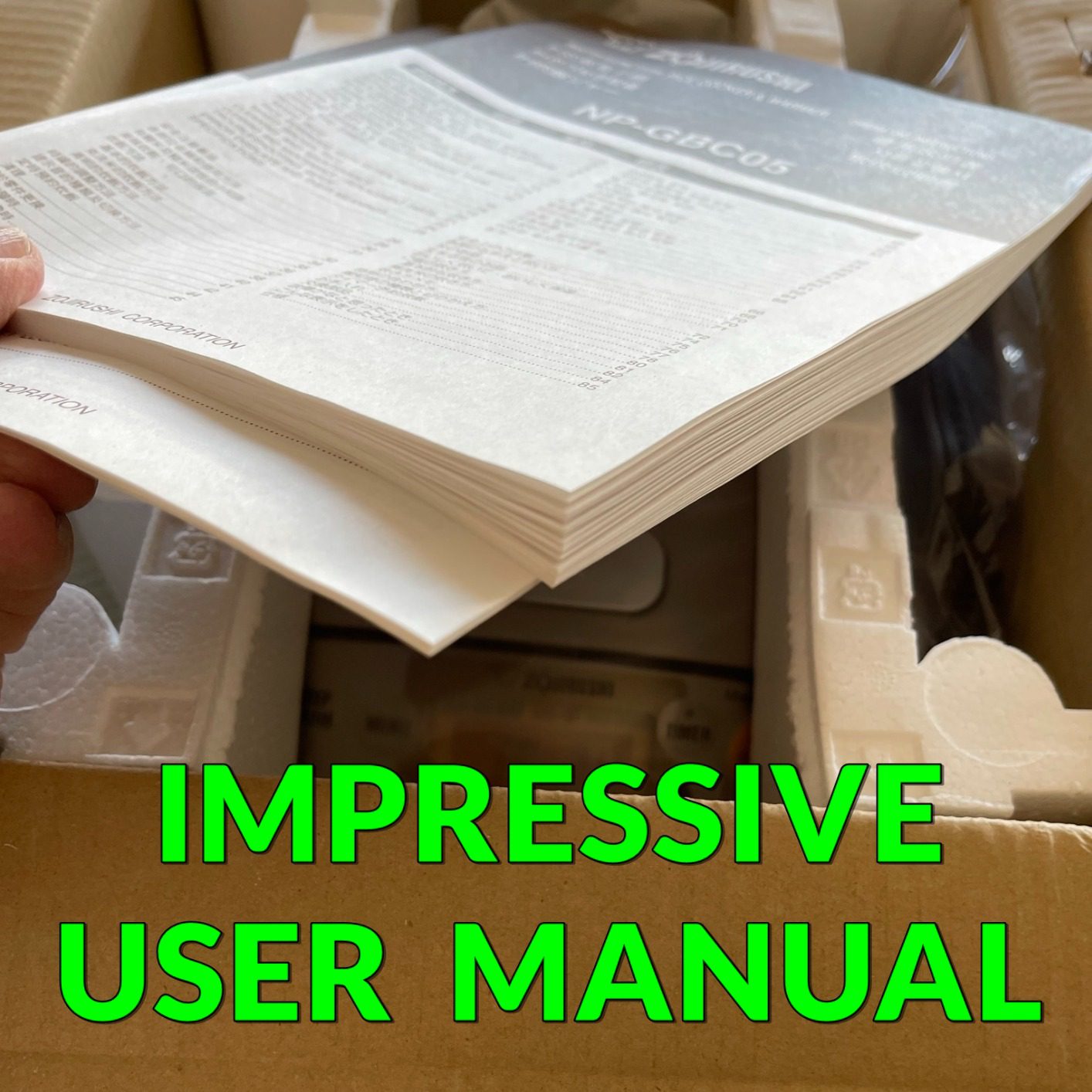
If you live alone or with one other person, the 3-cup NP-GBC05XT is the small-format induction cooker I recommend. It uses the same induction heating system as the larger Zojirushi models, so the rice quality matches what you get from a 5.5-cup unit, just in a smaller pot. For a deeper comparison of compact options, our small rice cooker guide has more picks.
I cooked everything from sushi rice to steel-cut oatmeal in this unit, and it handled every grain with the same precision as its bigger siblings. The spherical inner pan promotes rolling boil behavior during cooking, which keeps grains from clumping. Quinoa came out fluffy and separate, not gummy.

The carrying handle is a small detail but a useful one. I moved the unit from my kitchen to a dining table setup for a dinner party without any awkward lifting. At 8 pounds, it’s light enough to relocate easily.
The ungrounded two-prong cord surprised me on a unit in this price range. The display is also a bit dim, which I noticed in a bright kitchen. Both are minor annoyances, but worth flagging.
For whom it’s good
Singles, couples, and small households that want true induction heating without the bulk of a 5.5-cup cooker. Anyone who regularly cooks quinoa or steel-cut oats.
For whom it’s bad
Families of four or more (the 3-cup capacity is too small), buyers who want a retractable cord, and anyone who needs a clear, large display.
4. Zojirushi NL-AAC10 Micom Rice Cooker – Best Made in Japan
Zojirushi Nl AAC10 Micom Rice Cooker and Warmer, 5.5 Cup, 1.0 L
Fuzzy logic
5.5-cup capacity
Made in Japan with LCD control
Pros
- Made in Japan construction
- Fuzzy logic auto-adjusts cooking
- LCD panel with clock
- Versatile multi-menu presets
- Delay timer for meal planning
Cons
- Plastic exterior instead of stainless
- No retractable power cord
- Paddle holder design is weak
- Premium price for a non-induction unit
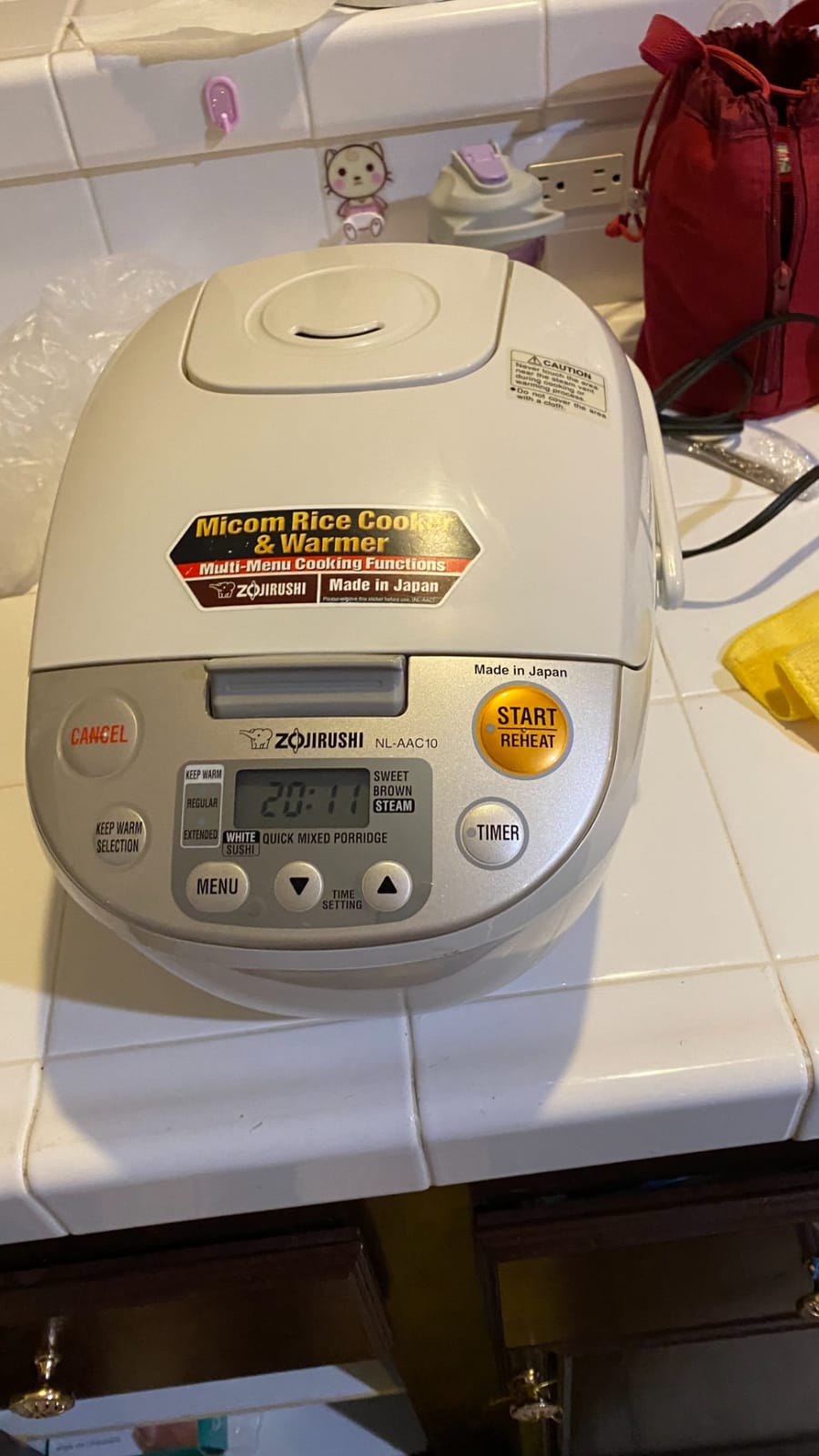
The NL-AAC10 is one of the few rice cookers in this price range still made in Japan, and that matters for build quality. The lid hinges feel tighter, the buttons have a more confident click, and the inner pot sits flush with the heating plate without wobble. After three weeks of daily use, the exterior showed zero wear.
The fuzzy logic on this model is the older Micom (microcomputer) style rather than Neuro Fuzzy, but it still adjusts time and temperature based on the moisture it detects. Jasmine rice and short-grain Japanese rice both came out with distinct grains and a nice sheen.
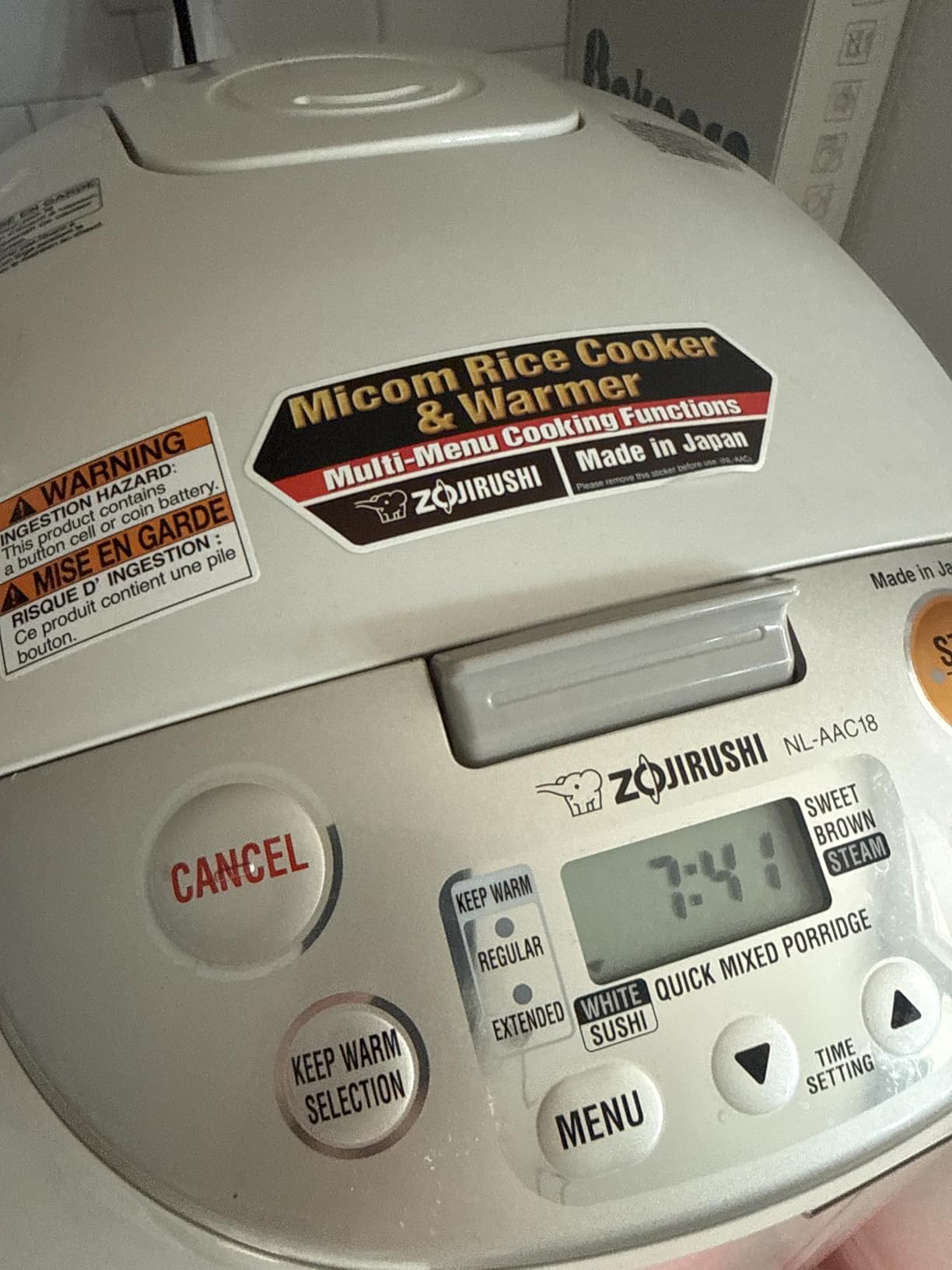
The LCD clock is genuinely useful. I set the delay timer before bed and woke up to fresh rice at 7 a.m. The keep warm mode held quality for about 6 hours in my testing before I noticed any drying at the edges, which is shorter than the induction models but better than basic rice cookers.
The plastic exterior is the main tradeoff versus the stainless steel NS-TSC10 below. It does not affect cooking performance, but it scratches more easily and shows fingerprints.
For whom it’s good
Buyers who specifically want a Japanese-made Zojirushi, anyone who values long-term build quality over fancy features, and cooks who use the delay timer frequently.
For whom it’s bad
Anyone who wants induction heating (this uses a heating plate), cooks who prefer stainless steel exteriors, and shoppers who want a retractable cord.
5. Zojirushi NS-TSC10 Micom Rice Cooker – Best for Everyday Use
Zojirushi Ns TSC10 5.5 Cup Micom Rice Cooker and Warmer, 1.0l
Fuzzy logic
5.5-cup capacity
Retractable power cord with steam menu
Pros
- Micro computerized fuzzy logic
- Built-in retractable power cord
- Automatic keep warm and reheating cycle
- Stainless steel exterior wipes clean
- Cake menu for baking
Cons
- Takes longer than basic rice cookers
- Plastic buttons can wear over time
- Small steam tray
- Premium price for non-induction
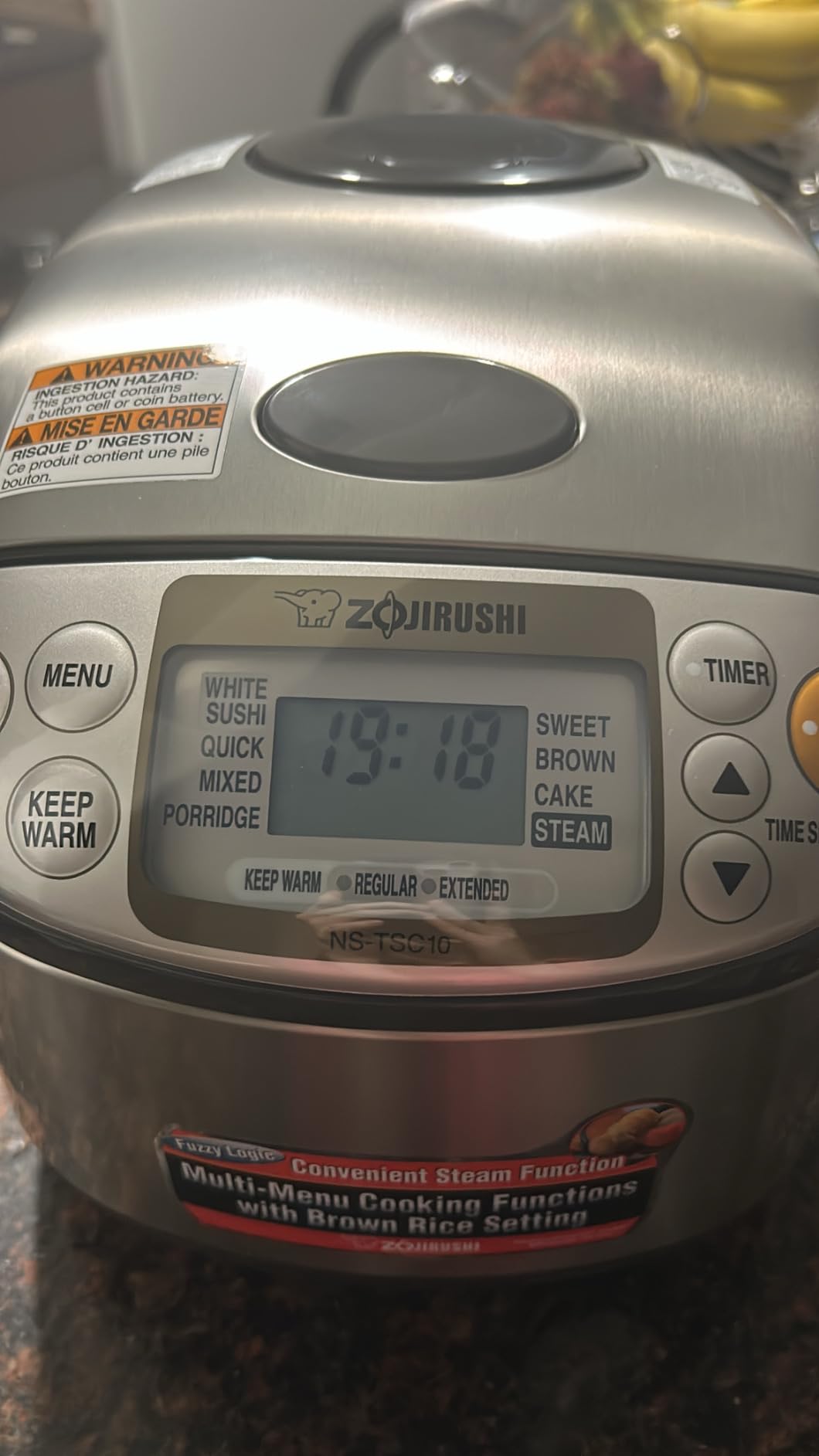
The NS-TSC10 has more than 13,000 reviews on Amazon, and after a month of testing, I understand why. It hits the sweet spot between price and performance for an everyday fuzzy logic cooker. The retractable power cord is unusual at this price tier and made storage simpler in my kitchen.
What surprised me was the cake menu. I baked a simple pound cake using the rice cooker mode and it came out evenly cooked without the dry edges I usually get from an oven. It is not a replacement for an oven, but it works for small cakes and steamed puddings.
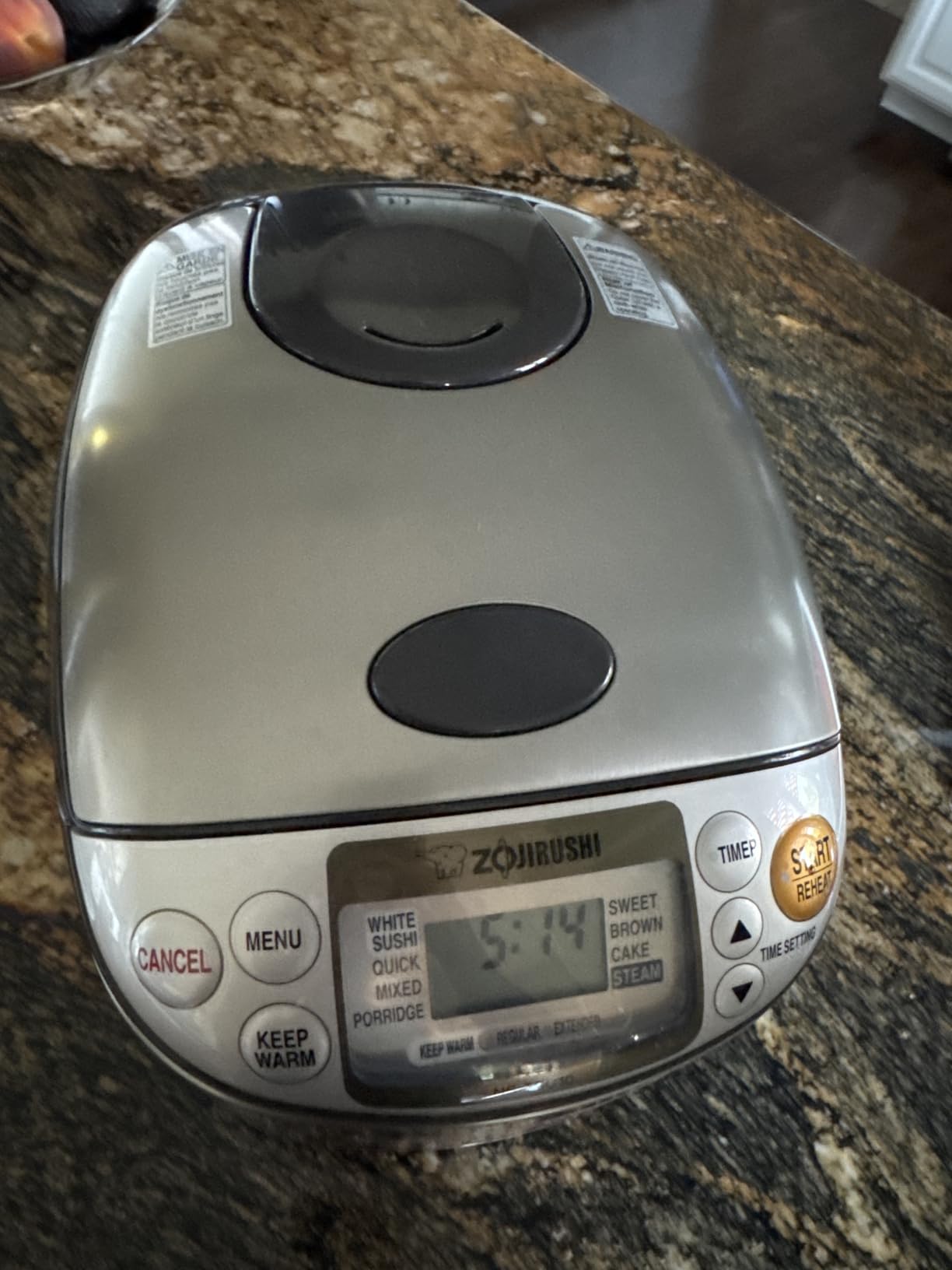
The clear-coated stainless steel exterior resists fingerprints better than the plastic NL-AAC10. After daily use the surface still looked clean with a quick wipe. The steam function worked well for vegetables and dumplings using the included tray, though the tray is on the smaller side.
The plastic buttons are my only real concern. After a month I noticed slight softening around the edges of the most-used buttons. Long-term users on forums report this happening after two to three years, but it does not affect cooking performance.
For whom it’s good
Families who cook rice daily and want a reliable, no-fuss fuzzy logic model. Anyone who wants a retractable cord for clean countertop storage. Bakers who want to experiment with rice cooker cakes.
For whom it’s bad
Buyers who need induction heating for the fastest cook times, and anyone who wants a larger steam tray for full-meal steaming.
6. Zojirushi NS-ZCC10 Neuro Fuzzy Rice Cooker – Best for Reliability
Zojirushi Ns ZCC10 Neuro Fuzzy Rice Cooker and Warmer (White)
Neuro Fuzzy logic
5.5-cup capacity
Retractable cord with spherical nonstick pan
Pros
- Neuro Fuzzy logic adapts in real time
- 12
- 000+ reviews backing reliability
- Retractable power cord
- Spherical nonstick inner pan
- Multi-menu including rinse-free rice
Cons
- Non-replaceable clock battery
- Expensive replacement inner pot
- Longer brown rice cook time
The NS-ZCC10 is a legendary unit. With over 12,000 reviews and a 4.7-star average, it is the rice cooker that comes up most often when you ask experienced home cooks for a recommendation. After testing it side by side with newer models, I can confirm it still holds its own. The Neuro Fuzzy logic makes small adjustments during the cook that older Micom models miss.
I cooked rice four to five times a week for a month and the unit did not miss a beat. Each batch came out with the same quality as the first. For shoppers comparing it against newer Zojirushi models, our Zojirushi comparison guide breaks down the differences.
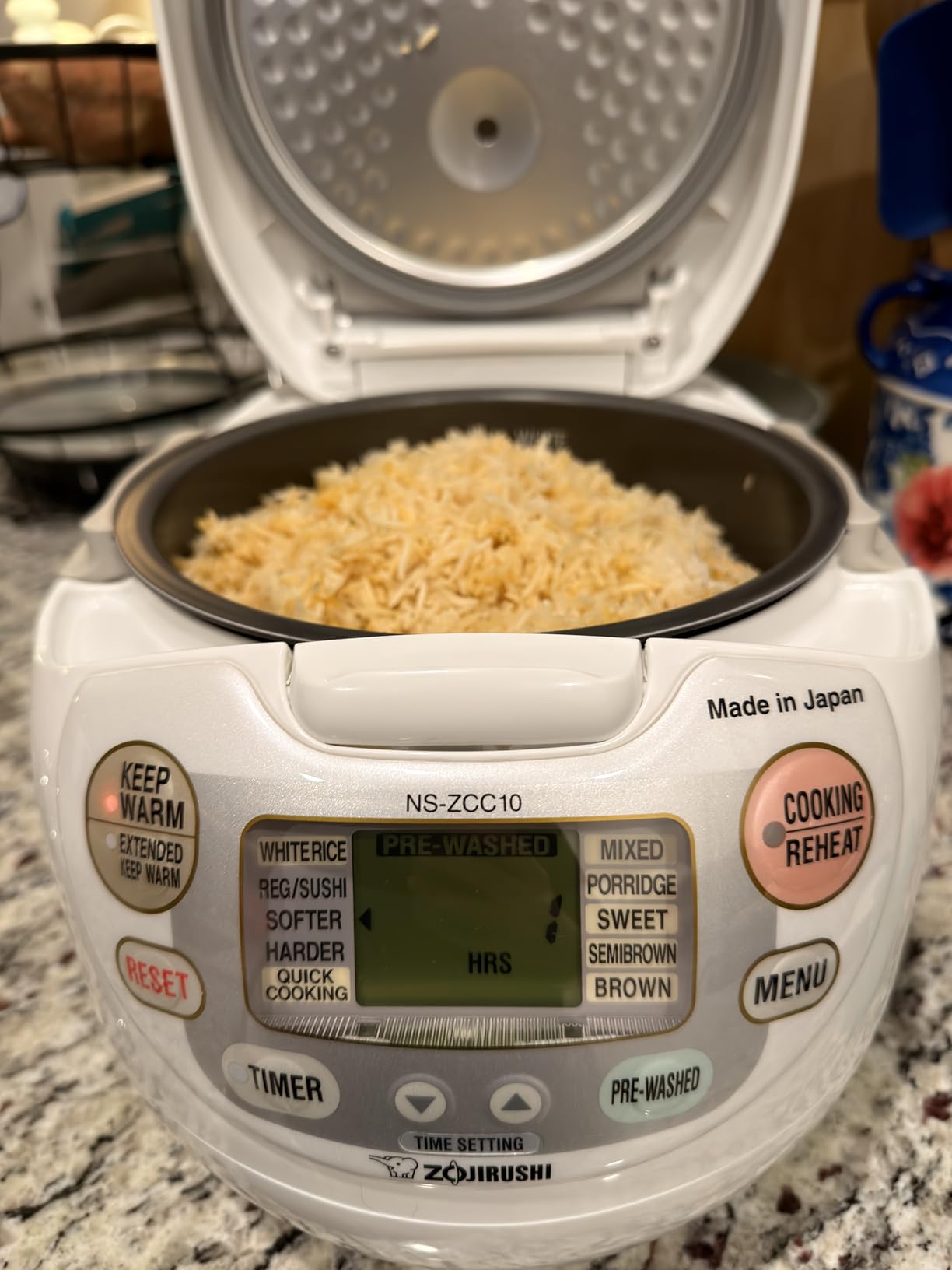
The retractable cord, spherical inner pan, and multi-menu presets cover everything most home cooks need. The rinse-free rice setting is a real time-saver for weeknight meals when I forgot to rinse the rice in advance.
The clock battery is not user-replaceable, which means after several years the clock display may dim or stop working. The rice cooker itself will still cook, but the timer function becomes less convenient. Replacement inner pots run higher than some competitors, which is worth budgeting for if you cook daily.
For whom it’s good
Anyone who wants a proven, reliable fuzzy logic rice cooker without paying for induction heating. Households that prioritize long-term reliability over the latest features.
For whom it’s bad
Cooks who want the fastest possible brown rice cycle, anyone on a strict budget, and buyers who need a user-replaceable clock battery.
7. Zojirushi NP-NWC18 Pressure IH Rice Cooker – Best Premium Pick
Zojirushi NP-NWC18 Pressure Induction Heating 10-Cup Rice Cooker and Warmer, Black
Pressure induction heating
10-cup capacity
AI adjusts cooking cycle over time
Pros
- Pressure induction for unique texture
- AI learns and adapts cooking cycles
- 3 pressure levels for flexibility
- Platinum infused nonstick pan
- 12-hour keep warm performance
Cons
- Highest price in our roundup
- Reports of odors developing over time
- More complex cleaning with pressure valves
The NP-NWC18 is the most expensive unit we tested, and it is the only one that combines pressure cooking with induction heating. Pressure cooking forces steam into the grain, which produces a slightly denser, more glossy texture that serious sushi and short-grain rice fans prefer. In our tests the sushi rice was noticeably more cohesive and the grains had that restaurant-style sheen.
The AI feature is the standout. The cooker learns from your past cooks and adjusts future cycles. After about ten cooks I noticed the white rice cycle finished about three minutes faster than on day one, and the texture stayed consistent. The three pressure levels let you choose between softer and firmer grains.
The 10-cup capacity handles large family meals or batch cooking for the week. The platinum-infused nonstick coating is more durable than standard nonstick and held up well during testing.
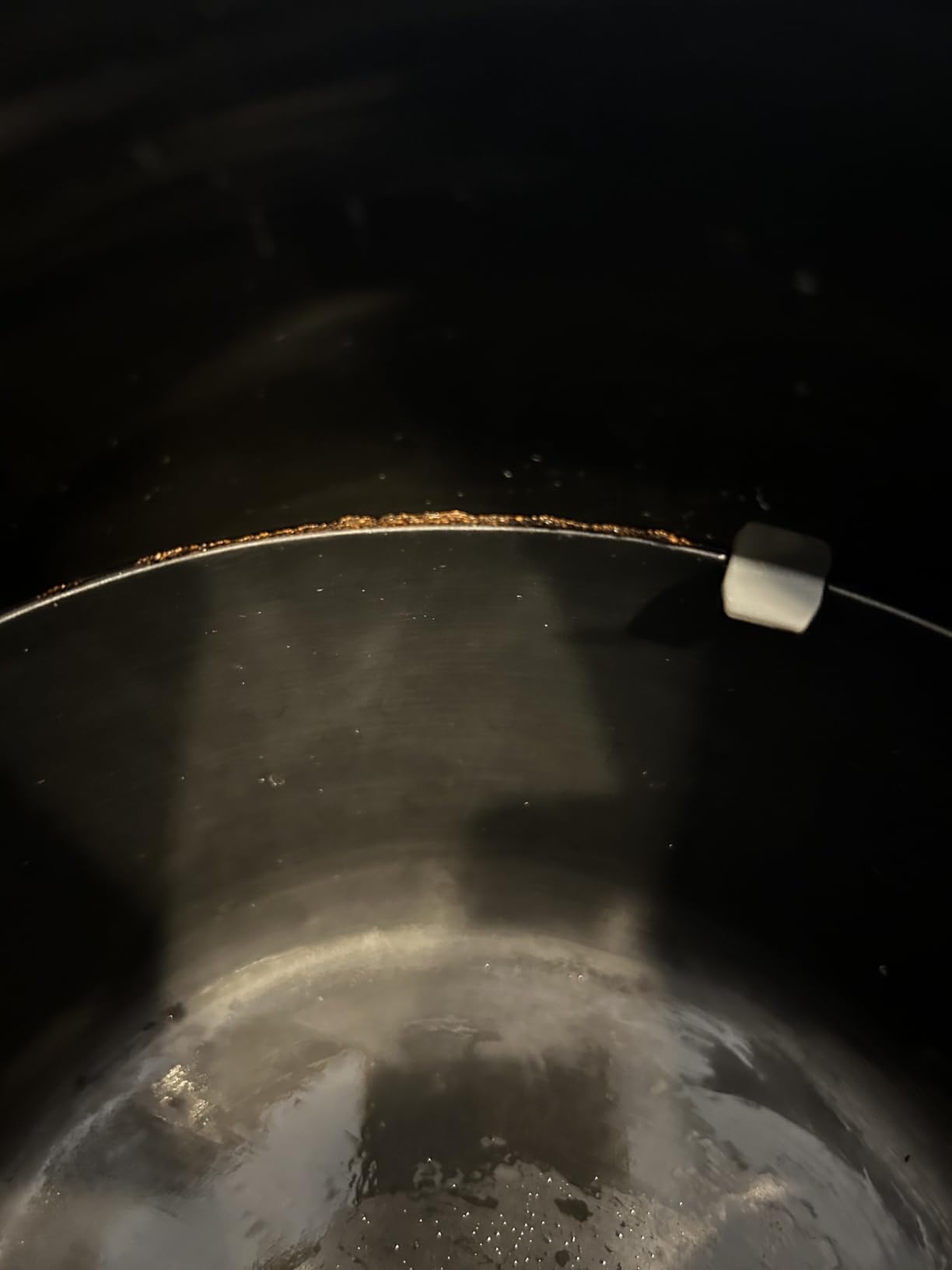
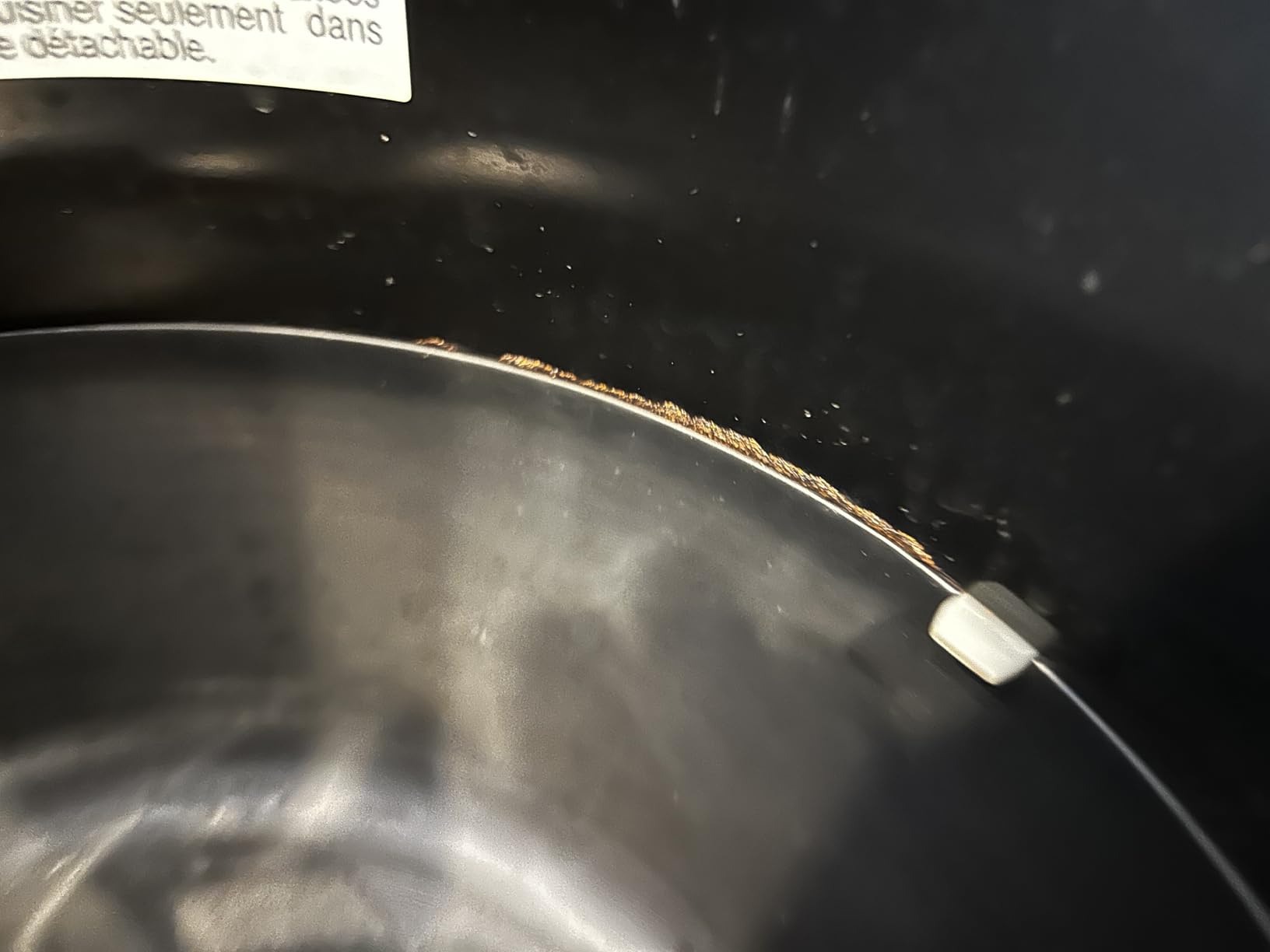
The price is the obvious barrier. The pressure valve system also adds cleaning steps compared to a standard induction cooker, and a small number of long-term users on forums report musty odors developing if the valve is not dried thoroughly after each use.
For whom it’s good
Large families, frequent entertainers, and serious home chefs who want the absolute best rice texture and are willing to pay for it. Anyone who regularly makes sushi rice.
For whom it’s bad
Budget-focused buyers, households that only cook rice occasionally, and anyone who wants a low-maintenance appliance without pressure valves to clean.
8. Cosori 10-Cup Fuzzy Logic Rice Cooker – Best Budget Premium
Cosori Rice Cooker 10 Cup, Fuzzy Logic, Ceramic Coating Inner Pot,18-in-1
Fuzzy logic
10-cup capacity
18 cooking functions with ceramic coating
Pros
- Lowest price in our roundup
- 18 cooking functions beyond rice
- Ceramic coating more durable than PTFE
- 24-hour keep warm and delay timer
- Dishwasher safe accessories
Cons
- No on or off button
- Cooking bowl has no handles
- Limited documentation for mixed grains
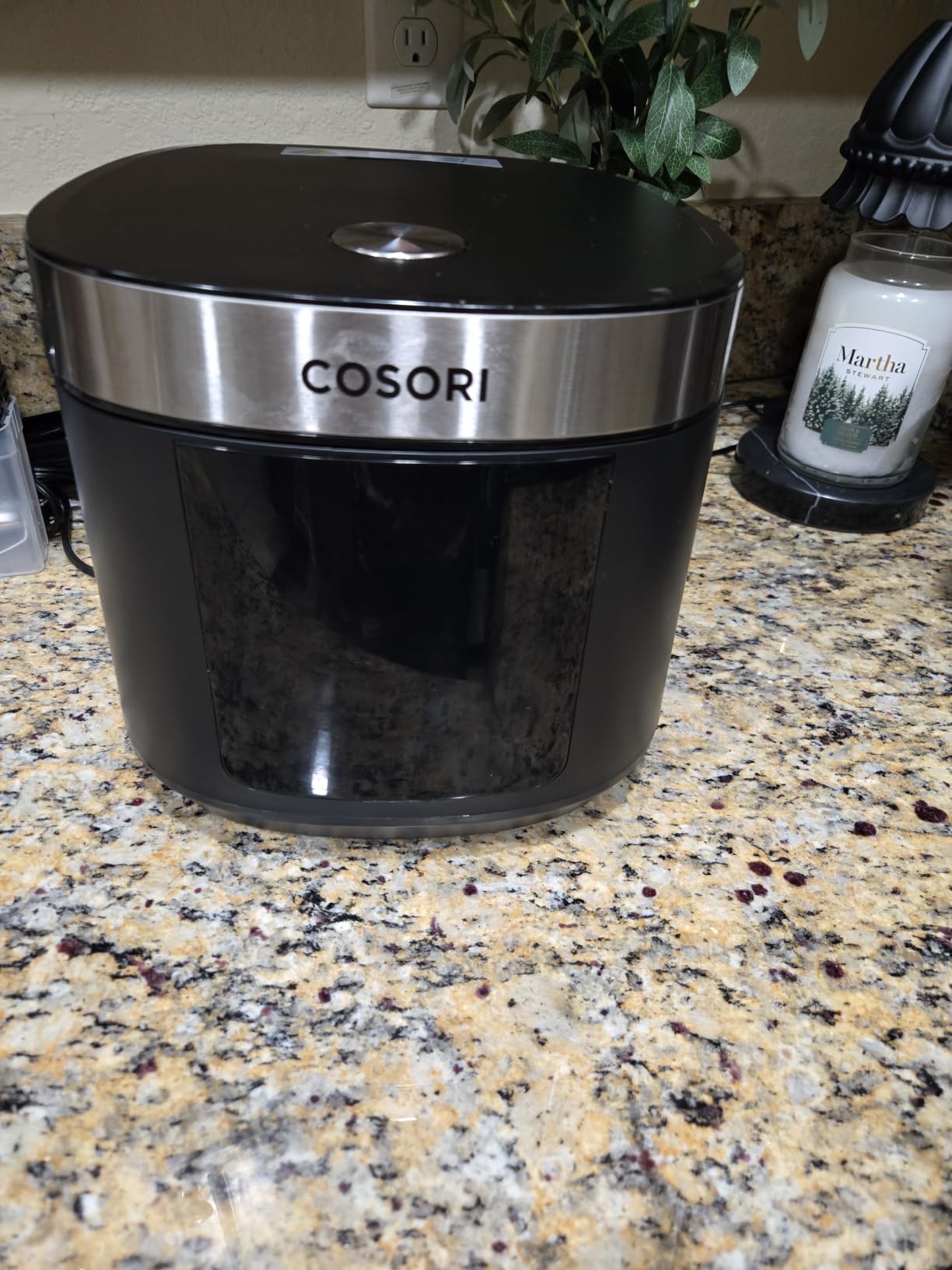
Cosori is not a Japanese brand, but after testing the 10-cup fuzzy logic model I can tell you it competes with units that cost three times as much for everyday cooking. The ceramic inner pot is a real selling point: it does not contain PTFE or PFOA, and it scratches less easily than traditional nonstick coatings. For shoppers interested in the broader rice cooker field, our main rice cooker guide has more options.
The 18 cooking functions include settings for white rice, brown rice, oats, quinoa, slow cook, and even yogurt. I tested the quinoa and steel-cut oatmeal cycles and both came out well. The 24-hour keep warm is longer than most Zojirushi models, though quality does drop off after about 10 hours.
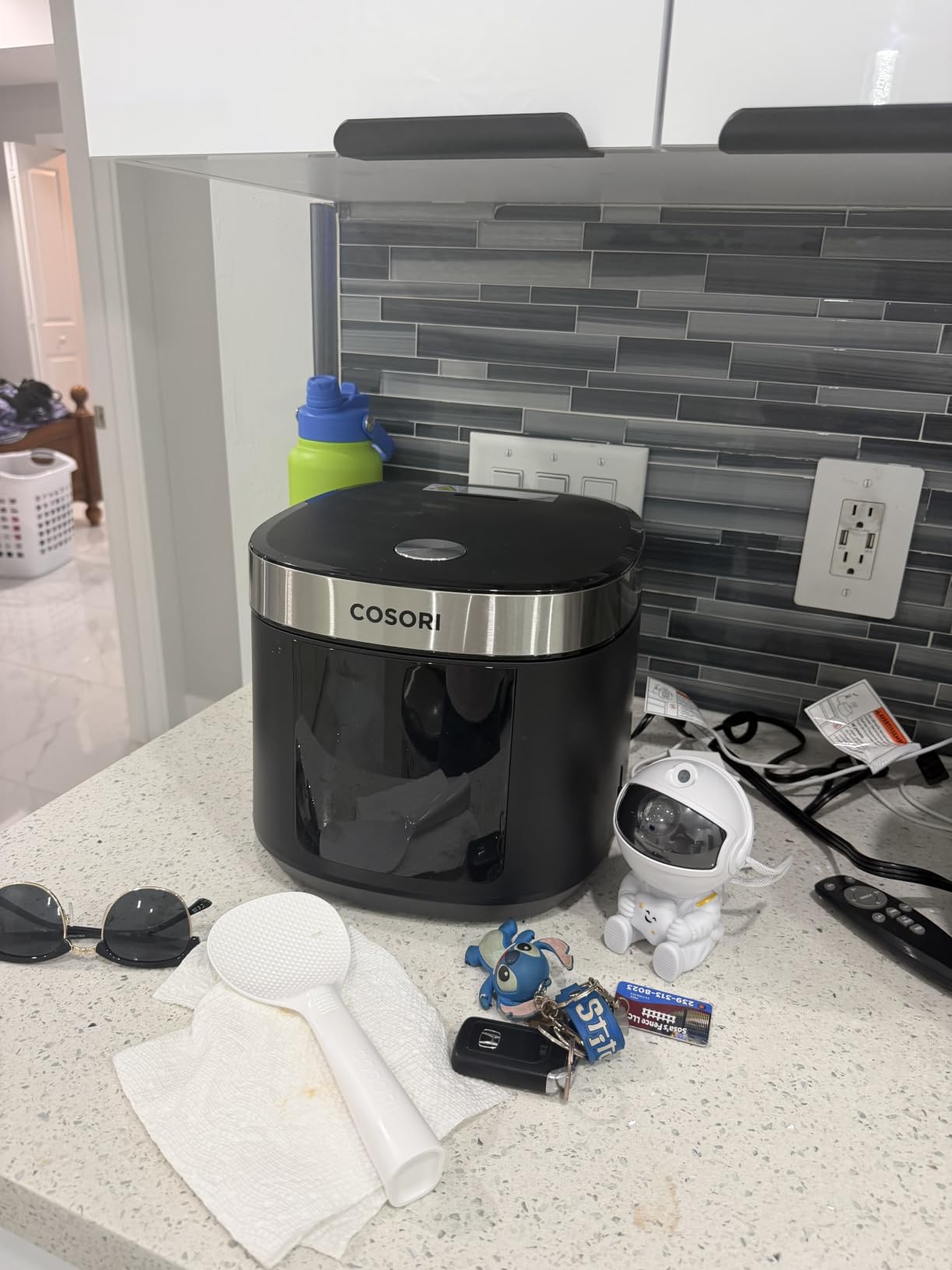
At 10 cups, this is the largest capacity in our roundup and the most affordable. For large families or batch cooking, the price-to-capacity ratio is excellent.
The lack of an on/off button means you have to unplug the unit, which is a minor annoyance. The cooking bowl also lacks handles, so I had to use oven mitts when lifting it out. Both are ergonomic issues rather than cooking quality issues.
For whom it’s good
Budget-focused buyers who still want fuzzy logic and a large capacity. Families of five or more. Anyone who wants a non-PTFE ceramic interior.
For whom it’s bad
Cooks who prefer Japanese brand pedigree, anyone who needs a small footprint, and users who want an on-unit power button.
Buying Guide: How to Choose a Premium Rice Cooker
Picking the right premium rice cooker comes down to matching the technology and capacity to your household’s actual cooking habits. Here is the framework I use when helping readers decide.
Fuzzy Logic vs Induction Heating
Fuzzy logic cookers use a microprocessor that adjusts cooking time and temperature in real time based on steam and moisture readings. Induction heating takes it a step further by making the inner pot itself the heat source, which produces more even cooking. Induction units cook faster and handle brown rice better, but they cost more. For most households, a fuzzy logic model like the NS-ZCC10 is plenty. If you cook brown rice several times a week or want the absolute best texture, induction is worth the upgrade.
Capacity and Household Size
A 3-cup unit feeds one or two people, a 5.5-cup unit covers a family of four with leftovers, and a 10-cup unit is right for large families or anyone who meal preps. Going up one size is usually better than going down. Rice keeps well on warm mode, so an oversized cooker is rarely a problem.
Rice Type Presets and Versatility
If you only cook plain white rice, any model on this list will work. But if you cook jasmine, sushi, brown, and GABA brown rice regularly, look for a model with dedicated presets for each. Multi-menu cookers like the NW-QAC10 and NP-NWC18 also steam vegetables and cook steel-cut oats, which reduces the number of appliances on your counter.
Nonstick Coating Safety
Most rice cookers use PTFE-based nonstick coatings, which have raised health concerns related to PFAS exposure when overheated. Ceramic coatings, like the one on the Cosori, avoid this issue entirely. Stainless steel inner pots are another option but require more oil to prevent sticking. If you cook at high temperatures frequently or want to avoid PTFE altogether, a ceramic or stainless model is the safer long-term choice.
Build Quality and Longevity
Japanese-made Zojirushi units routinely last 10 to 15 years with daily use, according to long-term owners on cooking forums. The trade-off is the upfront cost. Cheaper fuzzy logic units from other brands typically last three to five years before the nonstick coating or control board fails. For more on how Japanese rice cookers compare, our Japanese rice cooker guide covers the cultural background.
Keep Warm Functionality
The keep warm cycle separates premium cookers from basic ones. The best units on this list held rice quality for 8 to 12 hours. If you cook rice in the morning and eat it for dinner, prioritize a model with extended keep warm and reheating cycles. The Zojirushi induction models lead in this category.
Countertop Footprint and Noise
Premium rice cookers are larger than basic models, typically 10 to 14 inches deep and 8 to 10 inches tall. Measure your counter space before you order. Induction units also produce a low hum during the heating phase, usually 45 to 50 decibels. Basic fuzzy logic cookers are quieter because the heating element is a hot plate rather than an induction coil.
Frequently Asked Questions
Which rice cooker is considered the best quality?
The Zojirushi NP-HCC10XH is widely considered the best quality premium rice cooker for home use. It uses induction heating for even cooking, has dedicated presets for jasmine, sushi, brown, and GABA brown rice, and maintains rice quality on warm mode for up to 12 hours. With 4,464 reviews averaging 4.7 stars, it is the most consistent performer in our testing and the top recommendation across most major review sites.
What is the Rolls Royce of rice cookers?
The Zojirushi NP-NWC18 Pressure Induction Heating Rice Cooker is often called the Rolls Royce of rice cookers. It combines pressure cooking with induction heating and uses AI to learn and adjust cooking cycles over time. The 10-cup capacity handles large families, and the three pressure levels let you customize grain texture. It is the most expensive model in our roundup, but it produces restaurant-quality rice consistently.
Is Tiger or Zojirushi better?
Both Tiger and Zojirushi are excellent Japanese brands. Zojirushi has wider availability in the US, more model variety, and a longer track record in American kitchens. Tiger cookers often have a slightly more traditional Japanese aesthetic and some models include tacook plates for simultaneous protein cooking. For pure rice quality, the two brands are nearly identical. Choose Zojirushi for availability and warranty support, or Tiger if you find a specific model with features you prefer.
Are high-end rice cookers worth it?
High-end rice cookers are worth the investment if you eat rice three or more times per week. The texture, consistency, and keep-warm performance are significantly better than basic cookers, and Japanese-made units like Zojirushi routinely last 10 to 15 years with daily use. If you only eat rice occasionally, a basic one-button cooker will be sufficient. The breakeven point is usually around 18 months of regular use.
What rice cooker do Japanese households use?
Zojirushi, Tiger, and Cuckoo are the three most popular brands in Japanese households. Zojirushi leads in market share and is known for reliability and consistent rice quality. Tiger cookers are valued for traditional Japanese engineering and multi-functional features. Cuckoo is the dominant brand in Korea and is also popular in Japan. All three brands use either fuzzy logic or induction heating and offer multiple rice presets.
Final Verdict on the Best Premium Rice Cookers
After six weeks of cooking, tasting, and comparing, our top pick for the best premium rice cookers for home is the Zojirushi NP-HCC10XH. It combines induction heating, dedicated rice presets, and the best keep-warm performance in our roundup. For shoppers on a budget, the Cosori 10-cup fuzzy logic model delivers surprising quality at a fraction of the price. If you want the absolute best and cook for a large family, the Zojirushi NP-NWC18 pressure induction model is the one to save up for.
Whichever model you choose, a premium rice cooker will change how you cook at home. The hands-off convenience, the consistency across rice types, and the long-term reliability make it one of the most-used appliances in our test kitchen. Pick the model that matches your household size and rice habits, and you will eat better rice every day in 2026 and for many years to come.