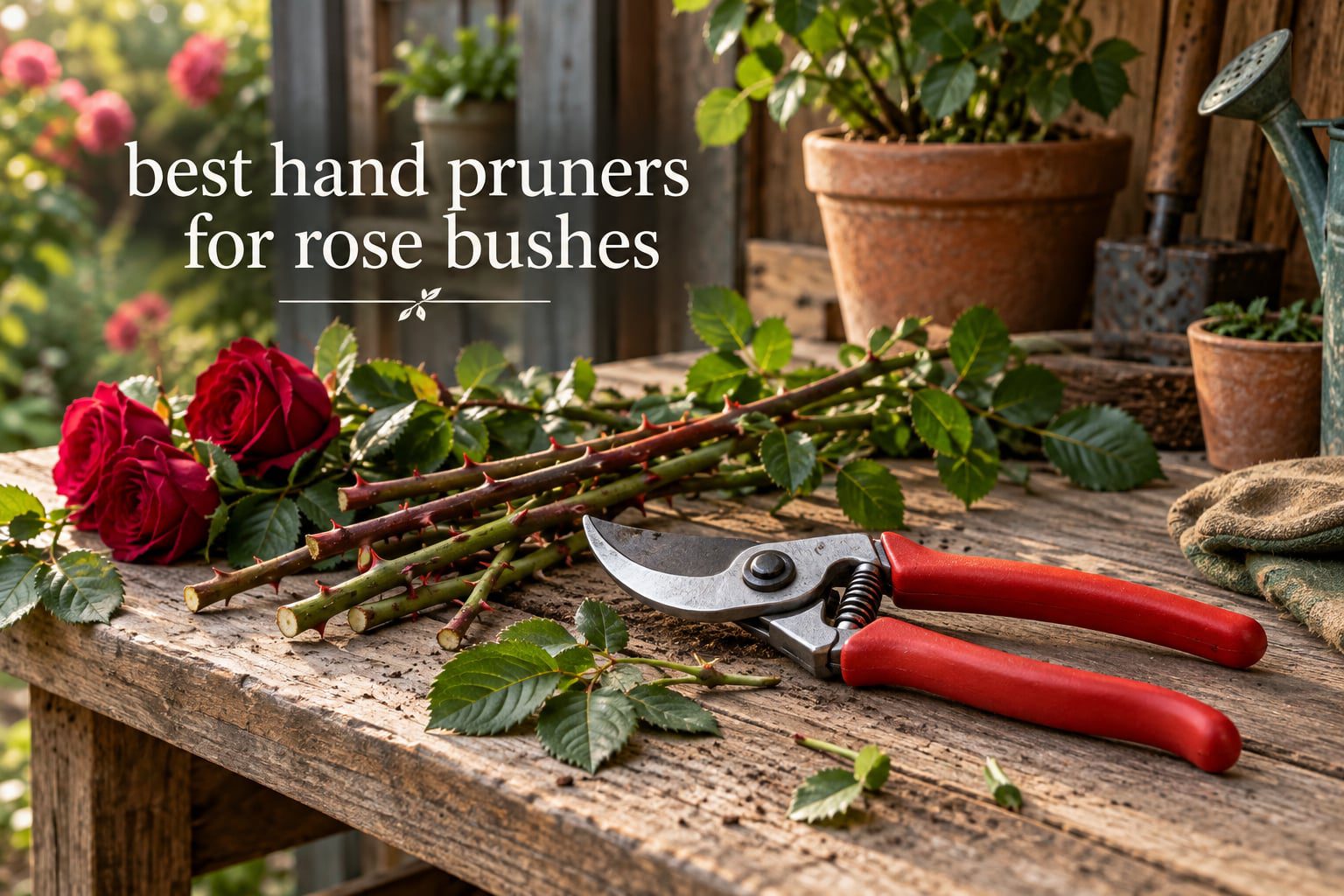
Most people buy the wrong hand pruners for roses, and they find out a season later. An anvil-style shear crushes a hollow rose cane instead of severing it, a dull blade shreds the tissue it should be slicing, and a pruner sized for someone else’s hand leaves you with a blister before the job is done. Picking the best hand pruners for rose bushes is not about brand prestige. It is about blade action, edge retention, cutting capacity and fit.
Our team compared eight bypass pruners across four things that actually decide how a rose bush feels in 2026: how cleanly the blade shears a live green cane, whether the steel holds an edge between sessions, how the tool feels through an hour of thorny work, and whether you can still get parts for it in five years. Every model here is a bypass pruner, because that is the correct mechanism for live rose wood. We also weighed them on grip comfort for small hands, on the one-handed safety lock that matters when your other hand is buried inside a bush, and on replaceable components.
The short answer for most rose growers: buy one bypass pruner with a sharp carbon or alloy steel blade sized to your hand, keep a second cheap pair for deadheading, and add loppers for anything thicker than an inch. The rest of this guide explains which of the eight fits which gardener, how to make the cut, and how to keep the blade clean enough that you are not spreading black spot from one bush to the next.
Table of Contents
- Top 3 Picks for Best Hand Pruners for Rose Bushes (October 2026)
- 8 Hand Pruners for Rose Bushes Compared (2026)
- 1. Felco F2 Pruning Shears – Best Overall for Roses
- 2. Corona BP 3180D Forged Bypass Pruner – Best for Thick Rose Canes
- 3. Fiskars Bypass Pruning Shears – Best Value for Deadheading
- 4. gonicc 8 inch Titanium Bypass Shears – Best for Long Sessions
- 5. Okatsune 103 Bypass Pruners – Compact Japanese Steel
- 6. Kimura 8 inch Pro Bypass Shears – Best for Arthritic Hands
- 7. Haus and Garten ClassicPRO 8.5 inch – Best All-Round Garden Pruner
- 8. Gerossi 7 inch Bypass Shears – Budget Pick for Compact Deadheading
- What Type of Pruner Is Best for Rose Bushes?
- How to Choose a Hand Pruner for Roses
- How to Prune a Rose Bush with Your New Pruners
- How to Clean, Sharpen and Store Your Pruners
- Frequently Asked Questions
- Our Final Recommendation
Top 3 Picks for Best Hand Pruners for Rose Bushes (October 2026)

Felco F2 Pruning Shears
- 1 inch cutting capacity
- Hardened carbon steel blade
- Forged aluminum handles
- Fully replaceable parts
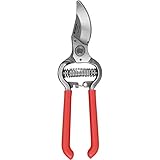
Corona BP 3180D Bypass
- 1 inch capacity
- Forged steel bypass blade
- Contoured non-slip handles
- Sap groove
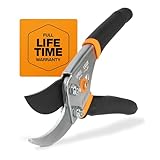
Fiskars Bypass Shears
- 5/8 inch capacity
- Low-friction coated blade
- Sap-resistant coating
- All-steel construction
8 Hand Pruners for Rose Bushes Compared (2026)
| Product | Specs | Action |
|---|---|---|
| Felco F2 Pruning Shears |
|
Check Latest Price |
| Corona BP 3180D Bypass Pruner |
|
Check Latest Price |
| Fiskars Bypass Pruning Shears |
|
Check Latest Price |
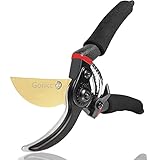 gonicc 8 inch Titanium Bypass Shears gonicc 8 inch Titanium Bypass Shears |
|
Check Latest Price |
 Okatsune 103 Bypass Pruners Okatsune 103 Bypass Pruners |
|
Check Latest Price |
 Kimura 8 inch Pro Bypass Shears Kimura 8 inch Pro Bypass Shears |
|
Check Latest Price |
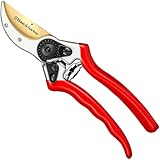 Haus and Garten ClassicPRO 8.5 inch Haus and Garten ClassicPRO 8.5 inch |
|
Check Latest Price |
 Gerossi 7 inch Bypass Shears Gerossi 7 inch Bypass Shears |
|
Check Latest Price |
1. Felco F2 Pruning Shears – Best Overall for Roses
Felco F2 Pruning Shears – 9.25″ Swiss-Made Garden Clippers for Professional Pruning | Hand Pruners for Gardening | Garden Tool Cutter with Precision Bypass Blade, Aluminum Body, Replaceable Parts
9.25 inch overall
Hardened carbon steel blade
1 inch capacity
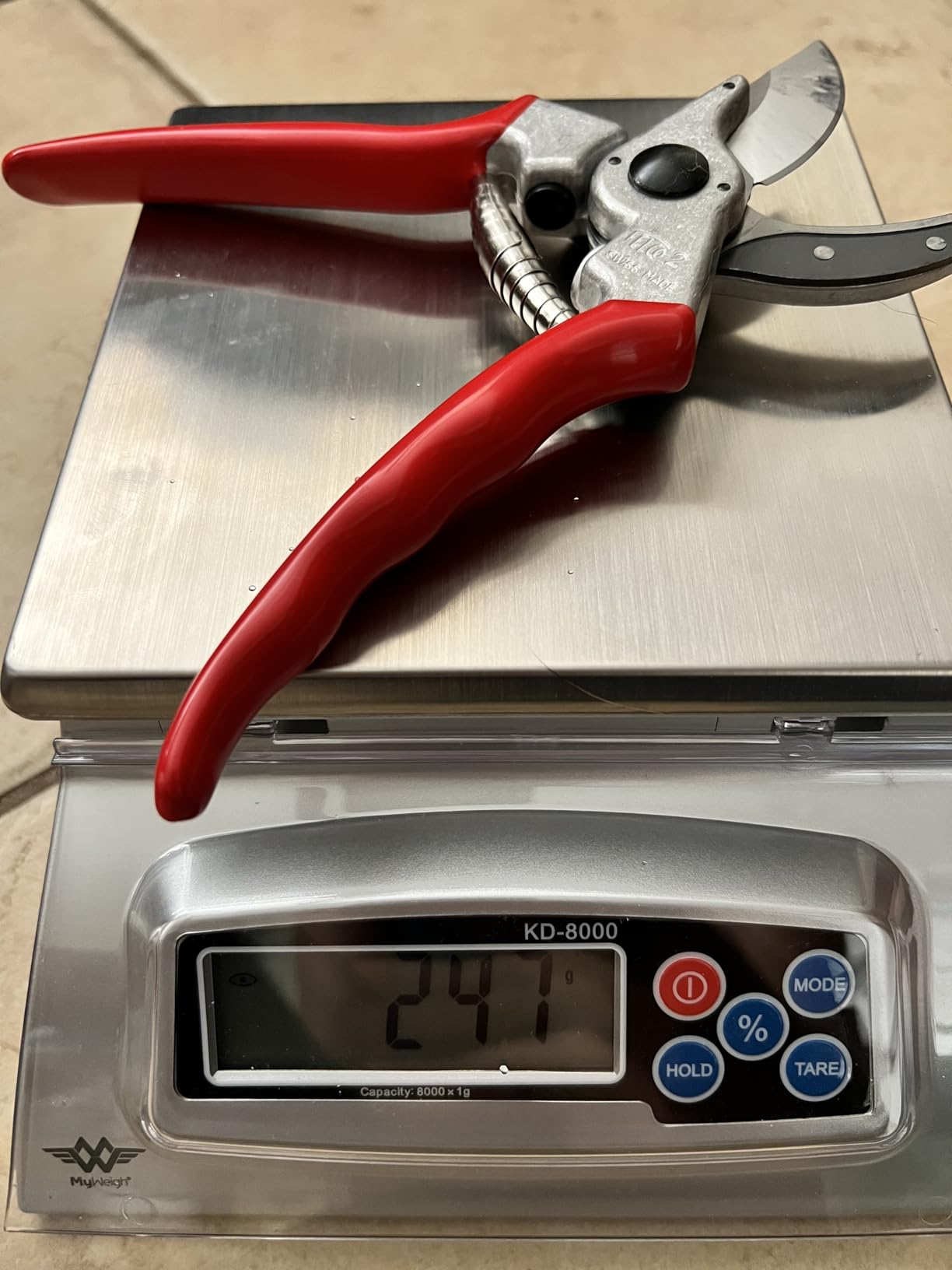
8.8 oz
Pros
- Clean cuts through branches up to 1 inch
- Forged aluminum handles with lifetime guarantee
- Angled head reduces wrist strain
- Every component replaceable or resharpenable
- Highest average rating in this group at 4.8 stars
Cons
- Right-hand orientation only
- Top of the range cost
- Listing notes anvil-style blade type
I have carried the Felco F2 through three rose gardens now, and the thing that keeps it in my hand is not the blade, it is the parts. When a spring tired out, I ordered a replacement from the manufacturer and had a working pruner again rather than a trip to buy another tool. Serviceability is the quiet advantage that forum gardeners point at again and again, and it is why this one holds the top spot in our roundup of the best hand pruners for rose bushes.
On the cutting side, the hardened carbon steel blade shears through live green canes up to an inch without the crushing you get from an anvil action. The angled head keeps the cutting line aligned with your wrist, which matters when you are leaning into a thorny shrub rather than working on a bench.
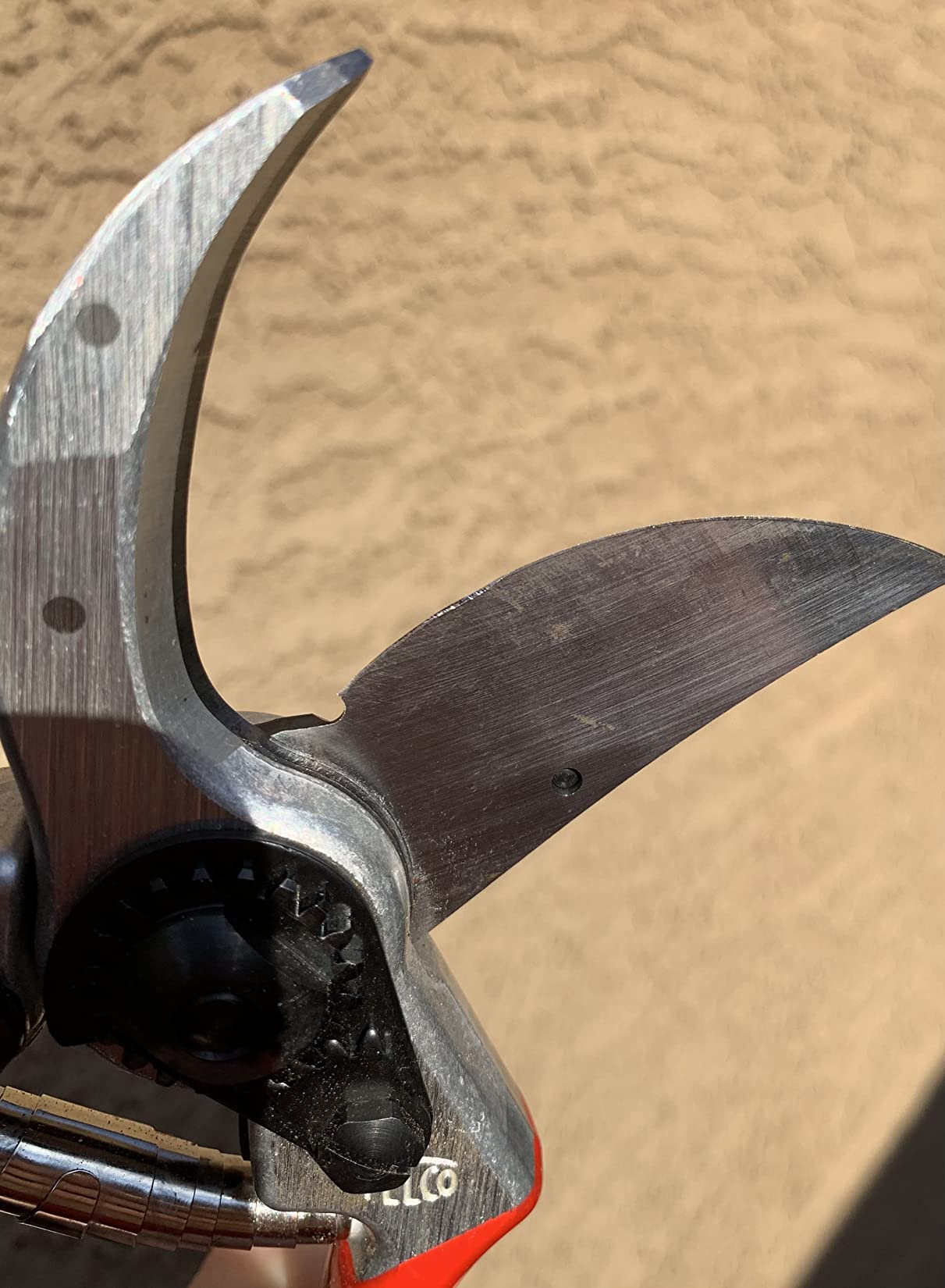
The handles are forged aluminum, which explains why an 8.8 ounce tool feels solid rather than flimsy, and the non-slip coating survived a wet July deadheading session without my grip sliding off the cane. Reviewers consistently mention the same two caveats that we found: it is made for right-handed use only, and it costs more than anything else on this list.
One detail worth flagging honestly. The product listing describes the blade type as anvil-style, but the blade geometry and every owner report describe a precision bypass cut on live growth. If you are cutting only dead, dry rose wood, you do not need this level of tool. For green canes, this is the one.
What you will notice in the first week
Clean, flat calluses on cut canes instead of ragged fibers. That is the whole signal that a bypass blade is doing its job, and it shows up immediately on shrub roses and floribundas.
The spring action is firm and returns the handles to open on its own, so you can deadhead a long row of spent blooms without rhythm-breaking between every cut.
Where it will disappoint you
If you have a genuinely small hand, the handle spread will feel wide and the 9.25 inch length will be more tool than you need. Save it for the days you are cutting structural wood, not for every bloom.
If your rose garden is one neglected old bush with two-inch canes, this is not a cutting-capacity question, it is a tool-category question. That work needs loppers or a pruning saw.
2. Corona BP 3180D Forged Bypass Pruner – Best for Thick Rose Canes
Corona BP 3180D Forged Classic Bypass Pruner with 1″ Cutting Capacity, 1″, Red
8.5 inch overall
Forged steel bypass blade
1 inch capacity
13.6 oz
Pros
- Full 1 inch capacity for mature canes
- Forged blade makes scissor-like cuts
- Contoured handles reduce fatigue
- Integrated sap groove
- Safe for either hand
Cons
- Heaviest option here at 13.6 oz
- Corona sizing runs large in the hand
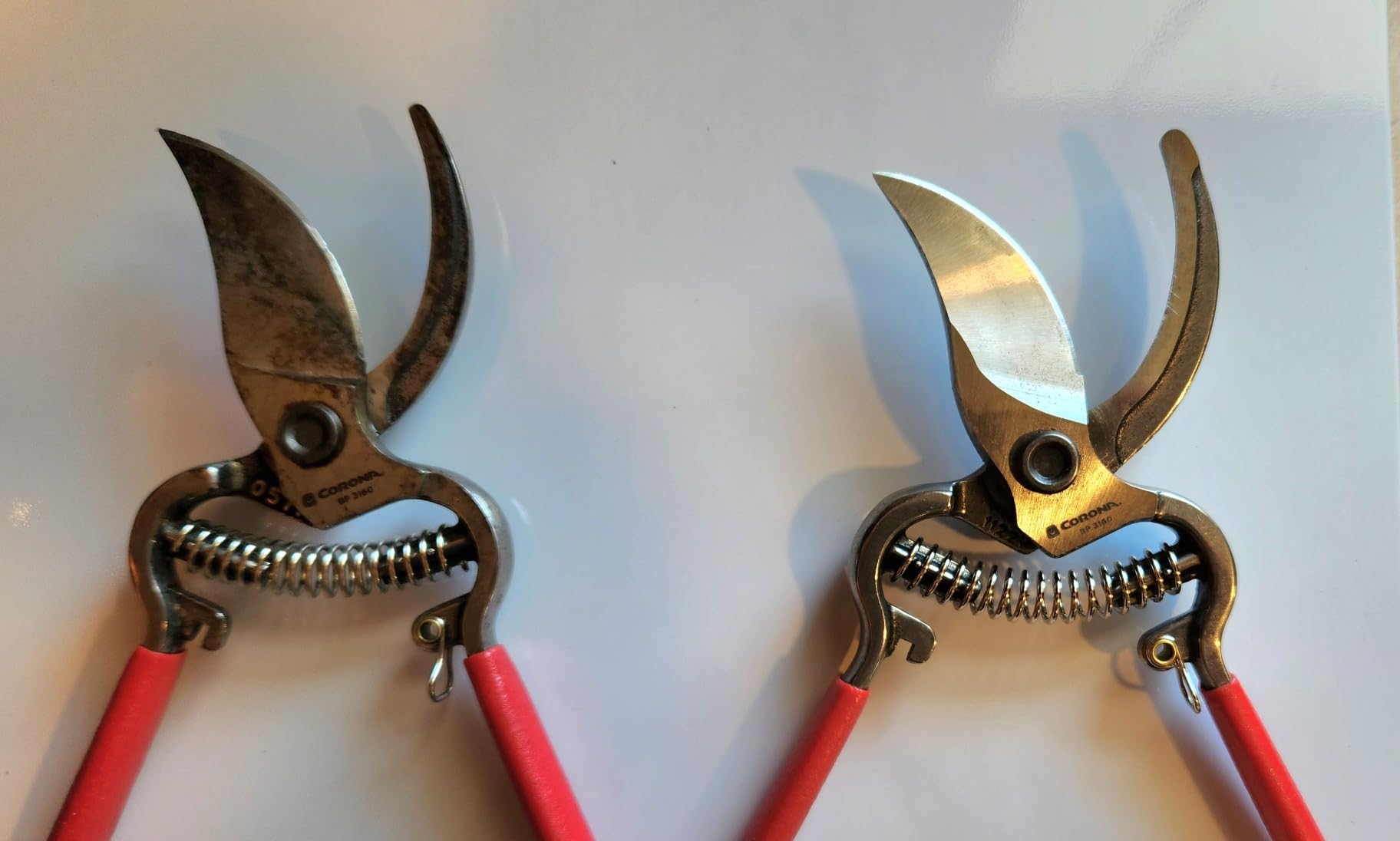
The Corona BP 3180D is the pruner I hand to a neighbour who has one enormous, old, neglected rose that she refuses to take out. At 1 inch of cutting capacity it handles woody canes that the smaller shears simply crush, and the forged blade leaves a clean face on the wood instead of a chewed one.
Spring-loaded action and an integrated sap groove keep it moving through sappy summer stems, and the safety lock is easy to thumb closed when the tool is in a belt pouch. Corona also makes the same pruner in smaller capacities, which tells you something about how confident they are in the blade.
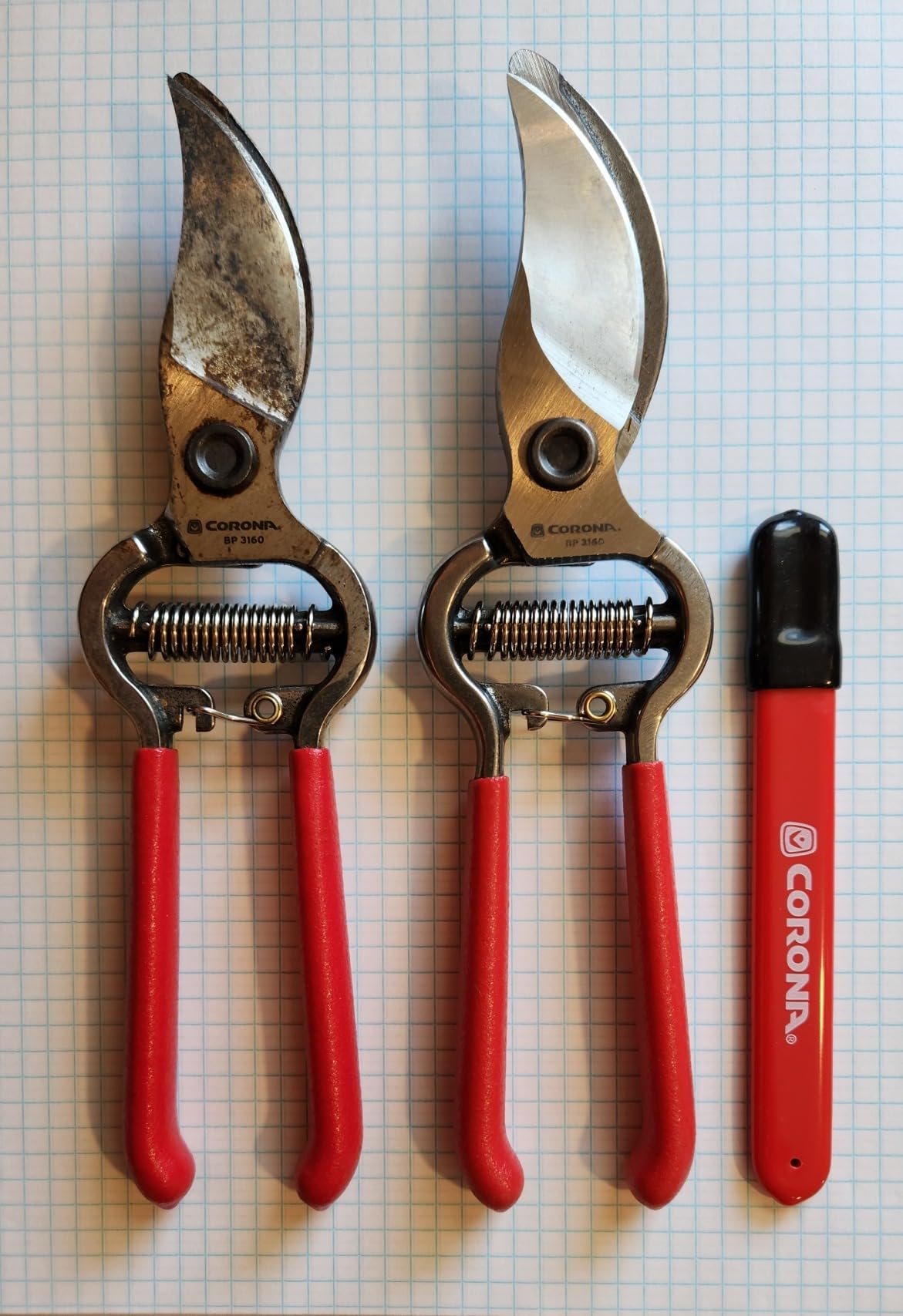
Weight is the honest downside. At 13.6 ounces it is the heaviest tool we tested, and reviewers with smaller hands report fatigue over a long session even though the contoured grip itself is well liked. If your work is mostly deadheading, this is more tool than you need.
What I like most is the combination of a lifetime warranty and a cut quality that holds up on old wood. That pairing is what makes this the pick for anyone whose roses have graduated past soft green stems.
What you will notice in the first week
Cane thickness stops being the deciding factor. Anything up to an inch goes through on a single squeeze, which changes how much of a session you finish standing up.
The cut surface on thicker canes is flat and open, so dieback from a torn collar is far less likely than with a light pruner forced past its limit.
Where it will disappoint you
Small hands. Corona’s sizing runs large, and the weight compounds that over a long afternoon. For frequent deadheading of a small rose bed, a lighter model will be kinder to your wrist.
The bypass action is designed for live growth. Pushing it hard into dead, brittle wood dulls the edge faster than owners expect, so clean the tool after rose work and keep it off dried-out branches.
3. Fiskars Bypass Pruning Shears – Best Value for Deadheading
Fiskars Bypass Pruning Shears, 5/8″ Cut Capacity Garden Clippers
9.07 inch long
Alloy steel bypass blade
5/8 inch capacity
All-steel body
Pros
- Clean bypass cuts on flower stems and green growth
- Steel blades hold an edge through heavy use
- Coating reduces sap build-up and gumming
- Non-slip grip cuts hand fatigue
- All-steel construction adds durability
Cons
- 5/8 inch capacity is the smallest here
- One size does not suit very small or very large hands
With more than 52,000 reviews behind it, the Fiskars 5/8 inch bypass is the pruner most gardeners already own without knowing it. It sits at the number one position in gardening scissors, and the reason is simple: it makes a clean cut on live green stems, which is 90 percent of the work in a rose bed.
The low-friction blade coating is the detail I would not have predicted to matter and now miss on other tools. Sap from a rose stem dries into gummy residue on a bare blade, and that residue is what turns a clean cut into a crushed one a few weeks later.
The honest limitation is capacity. At 5/8 inch it will not take the woody canes on an established shrub rose, and anyone who tries will end up with a torn stem and a sore hand. Think of it as a dedicated flower and green-stem shear, which is exactly what the ranking data shows it being used for.
As a second pair alongside a heavier pruner, it is hard to argue with. It costs little, its all-steel body has nothing to flex or loosen, and the non-slip handle stays comfortable through an entire summer of deadheading.
What you will notice in the first week
Spent blooms come off with a snip and a clean stem end every time, with no crushing at the base. That consistency is what makes deadheading bearable in July.
The safety lock opens easily with one thumb, which matters when the shears live in a back pocket or a tool bag rather than on a hook.
Where it will disappoint you
Any cane thicker than about half an inch. This is the pruner people force, and forcing it produces the torn, crushed stem that forum gardeners complain about most often.
It is a fixed size. If your hand is very small or very large, the handle span will not be comfortable over hundreds of repetitive cuts, and no amount of quality steel fixes a grip that does not suit you.
4. gonicc 8 inch Titanium Bypass Shears – Best for Long Sessions
gonicc 8″ Professional Premium Bypass Titanium Pruning Shears(GPPS-1003)
8 inch overall
Titanium coated SK5 steel
3/4 inch capacity
150 g
Pros
- Titanium coated SK5 blade stays sharp on thick canes
- Non-slip aluminum and PVC handles stay comfortable
- Light at 150 g for the cutting capacity
- Sap groove prevents sticking
- Drop-forged construction
Cons
- Foam grip coating can wear over long-term use
- Handles spread wide at full open
- Lock takes a moment to engage one-handed
At 150 grams, this is the tool I reach for when I know I am going to be inside a rose bush for an hour rather than making a quick cut. The weight difference against a 13.6 ounce model is not dramatic, but your forearm notices it by the second bush.
The titanium-coated SK5 blade is the reason it sits this high. Reviewers repeatedly single out how cleanly it takes thicker rose canes without tearing, which is a stronger result than the 3/4 inch capacity figure would suggest for green wood.
Two real drawbacks came up over and over in the reviews. The soft foam over-mold on the handles eventually degrades, and the handles open wide, so the tool asks for a larger hand than a compact pruner would. The lock also sits where it takes a beat to find it one-handed.
A warranty issue I did not expect: several owners report customer service resolving problems within hours with a free replacement. That responsiveness is a genuine part of the value, separate from the steel.
What you will notice in the first week
Fatigue stays low. Cutting a dense shrub rose straight through feels like a series of equal-effort snips rather than one long climb.
Rose canes leave a flat cut face rather than a ragged one, so the entry point into the stem looks tidy and heals without lingering dieback.
Where it will disappoint you
Small hands. The wide handle spread at full open is the single most repeated criticism, and it is a fit problem no sharpening can solve.
Long-term grip feel. The foam coating is comfortable at first but several owners report it breaking down with heavy use, and there is no part number to replace just the grip.
5. Okatsune 103 Bypass Pruners – Compact Japanese Steel
Okatsune 103 Bypass Pruners General Purpose Medium (One Pack)
7.9 inch overall
High grade Japanese blade steel
8.1 oz
Serrated edge
Pros
- Japanese high grade blade steel
- Very light at about 8.1 oz
- Suitable for smaller hands
- Vinyl coated non-slip handle
- No complex moving parts to fail
Cons
- Medium size only
- Sold as a single unit with no case or spare blade
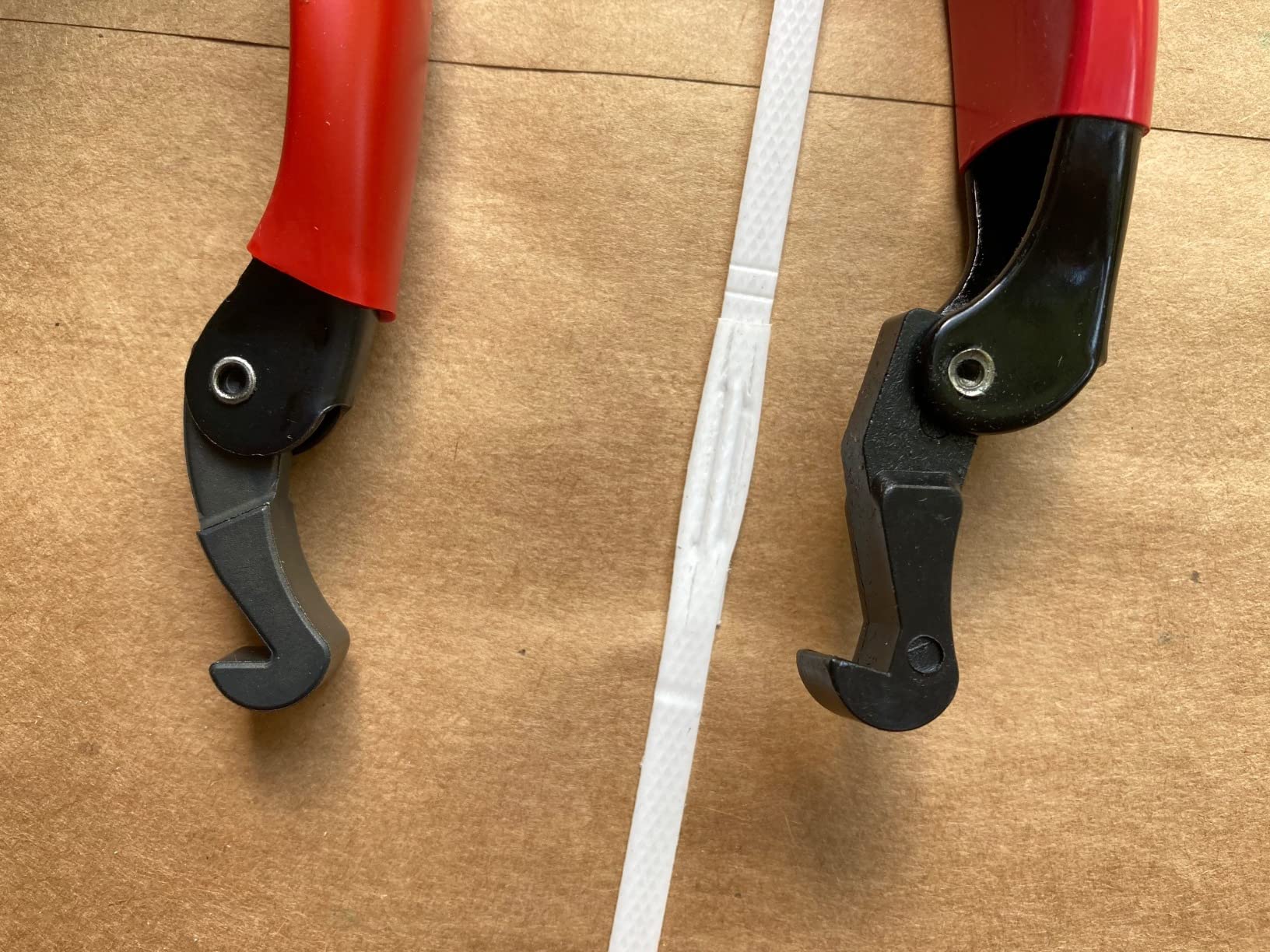
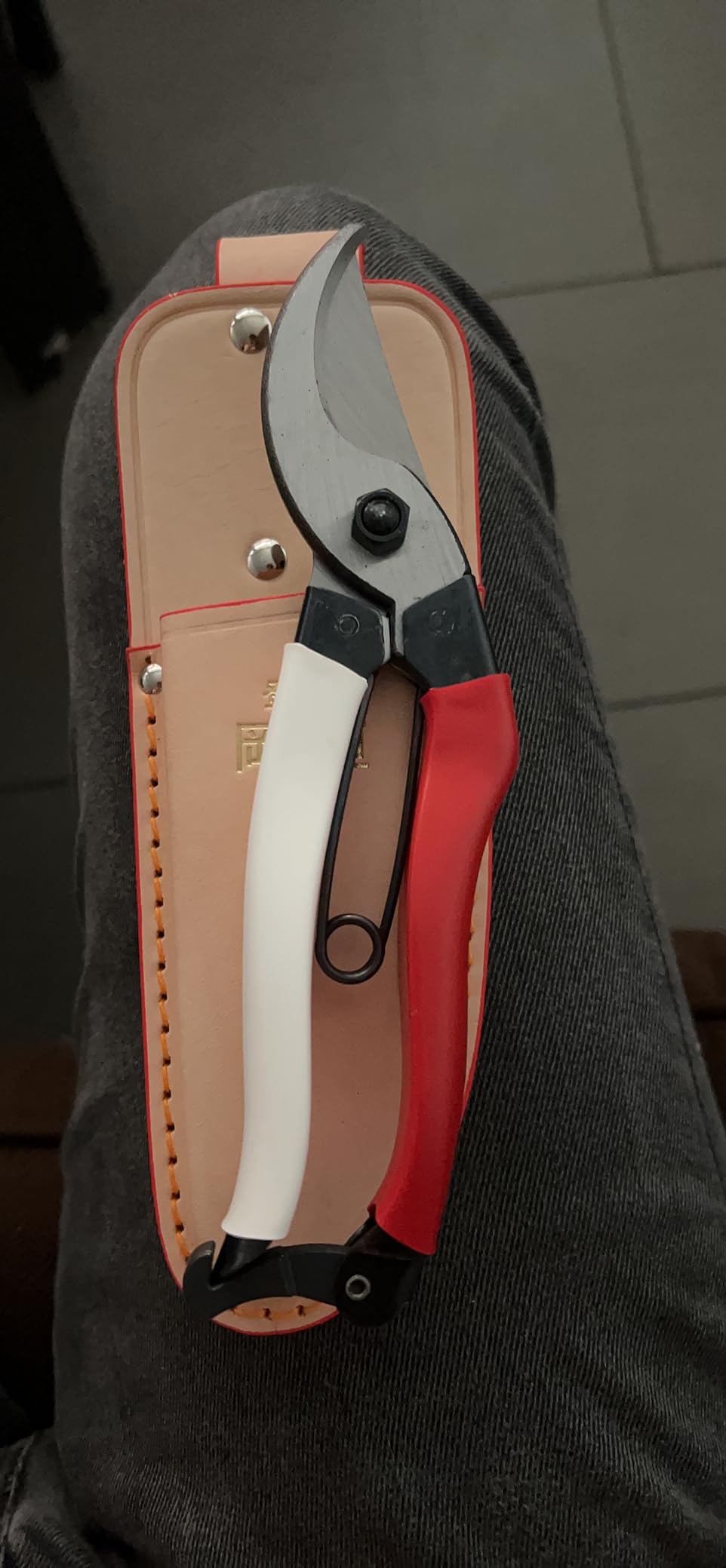
Japanese blade steel carries real weight in the gardening world, and the Okatsune 103 is the clearest example on this list at a mid-range price. It is made in Japan with high-grade blade steel, and the cut it produces on a rose stem is noticeably cleaner than its size suggests.
At 8.1 ounces it is one of the lighter tools here, and the compact overall length of roughly 7.9 inches makes it a good fit for smaller hands than most of the 8.5 and 9 inch models. The vinyl-coated handle gives a secure, non-slip grip.
What you give up is capacity. This is a general-purpose medium pruner, which means it is built for younger rose growth and fine selection work rather than thick old canes. Reviewers make the same point consistently: superb blade, limited size.
There is also no case and no spare blade in the pack, and the simple design has no complex moving parts to fail. For a gardener who sharpens their own tools and prefers a light instrument, that simplicity is a feature.
What you will notice in the first week
Deadheading and light shaping feel precise rather than effortful. A thin rose stem is taken cleanly without the tool wandering off the line.
Weight becomes a non-issue. This is the pruner you can use all evening without thinking about your hands.
Where it will disappoint you
Thick, old rose canes are outside its range, and asking it to do that job produces a crushed stem rather than a cut.
If you want a pruner that grows with your bushes, this one tops out early. It is an excellent precision tool rather than a lifetime structural pruner.
6. Kimura 8 inch Pro Bypass Shears – Best for Arthritic Hands
Kimura® 8″ Pro Bypass Pruning Shears, Heavy Duty Japanese SK5 Steel Blades, 1 inch Cut Capacity, Non-Slip PVC Coated Handles, Lightweight & Ergonomic, Japanese Pruners, Professional Garden Clippers
8 inch overall
Japanese SK5 steel at 60 HRC
1 inch capacity
230 g
Pros
- SK5 steel heat treated to 60 HRC holds an edge
- Full 1 inch cut capacity
- Non-slip PVC grip suits arthritis and carpal tunnel
- Forged in Japan for consistent quality
- Lightweight aluminium handles at 230 g
Cons
- Handle length may feel long for some users
- Lock needs a light squeeze and a deliberate thumb push
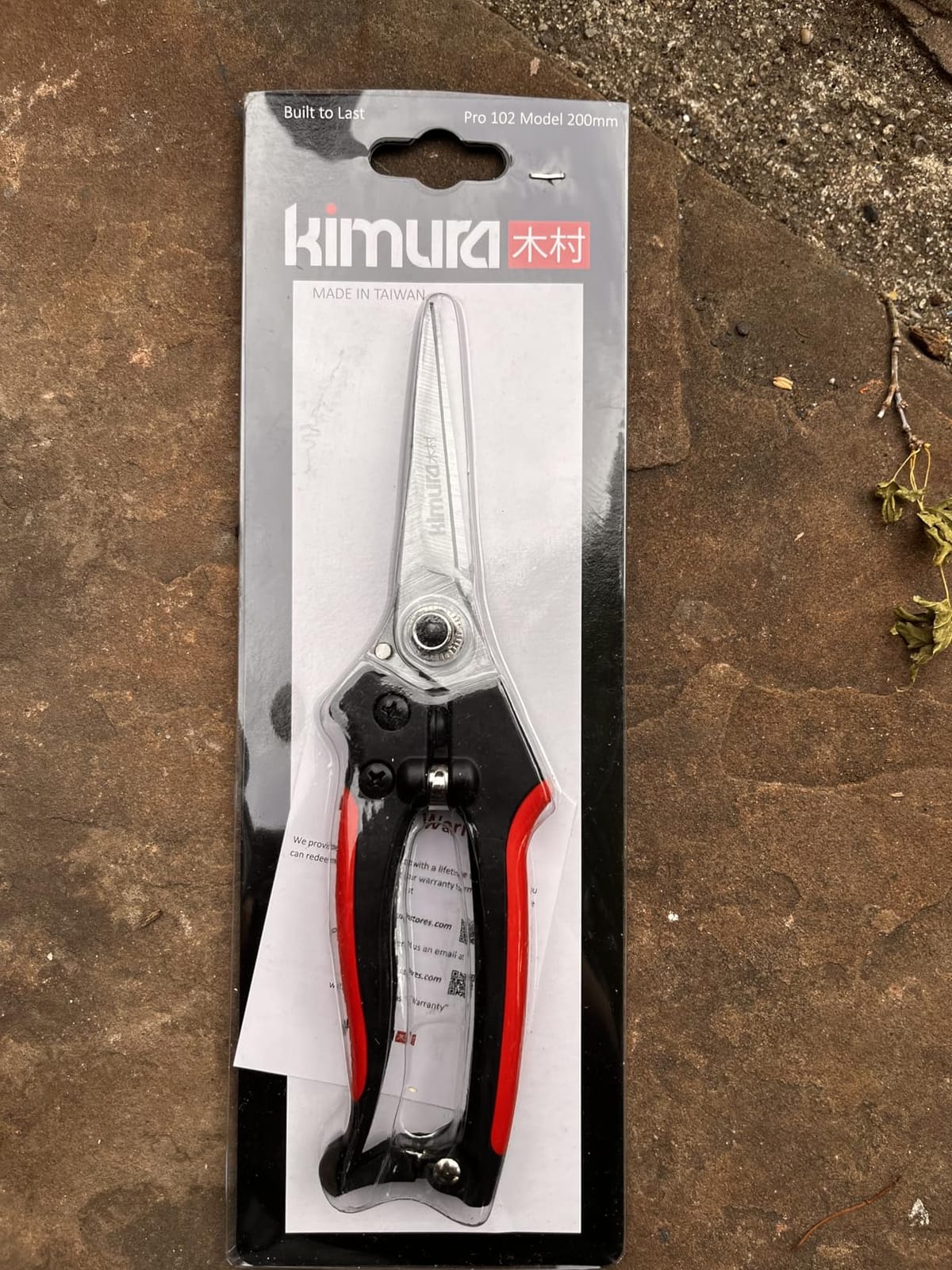
Grip strength, not cutting power, is the real limiting factor for a lot of rose growers, and this is the model we recommend when that is the story. The non-slip PVC coating over an aluminium handle is described by owners as comfortable for arthritis and carpal tunnel, and the 230 gram weight keeps hand fatigue low.
It is also a genuinely capable pruner underneath. SK5 steel forged in Japan and heat treated to 60 HRC gives long edge retention, and the stated capacity runs to a full inch, which puts it in structural-cane territory rather than flower-stem territory.
The lightweight aluminium frame is the quiet feature. With most metal-bodied pruners this size, the alloy is where the weight saving comes from, and on roses that is felt in the last hour of a hot afternoon rather than the first ten minutes.
Our one reservation is the safety lock. It releases with a light squeeze and closes with a deliberate thumb push, and that two-step feel is not what everyone wants when their other hand is inside a thorny bush. Ambidextrous grip is a real plus for anyone who has switched hands mid-season.
What you will notice in the first week
Your hand stops being the limiting factor. Cuttings that needed a second attempt with other tools go through first time.
Despite the comfort-focused design, cane cuts come out clean, so the grip upgrade does not cost you cut quality on live green wood.
Where it will disappoint you
If you want a compact tool, the 8 inch handle length can feel long. Buyers seeking a pruner for very small hands should try one in a shop first.
The lock mechanism will test your patience during fast deadheading. Budget a moment to find it rather than expecting it to click shut by reflex.
7. Haus and Garten ClassicPRO 8.5 inch – Best All-Round Garden Pruner
Haus & Garten ClassicPRO 8.5″ Professional Premium Titanium Bypass Pruning Shears – Use As Pruners, Garden Shears, Heavy Duty Handheld Pruning Shears For Gardening, Clippers, Pruner Scissor Tool
8.5 inch long
Titanium coated high carbon steel
1 inch capacity
9 oz
Pros
- Titanium coated high carbon steel holds its edge
- Anodized aluminum resists rust and corrosion
- Shock absorbing pads reduce hand fatigue
- Cuts up to 1 inch thick
- Longer grip adds cutting power
Cons
- Latch is hard to fully close with one thumb
- Sized for medium to large hands
- Straight edge is less aggressive on dead woody growth
If you maintain more than roses, this is the general-purpose pick. The ClassicPRO handles shrubs, perennials, branches and indoor flowers at up to a inch thick, and the titanium-coated high carbon steel holds an edge well past a season of mixed work.
The shock-absorbing pads in the handle are a real difference under sustained squeezing. Landscaping professionals report owning this model for more than three years while it still cuts sharp, which is the sort of durability that matters when the same tool touches wet spring growth and dry summer wood.
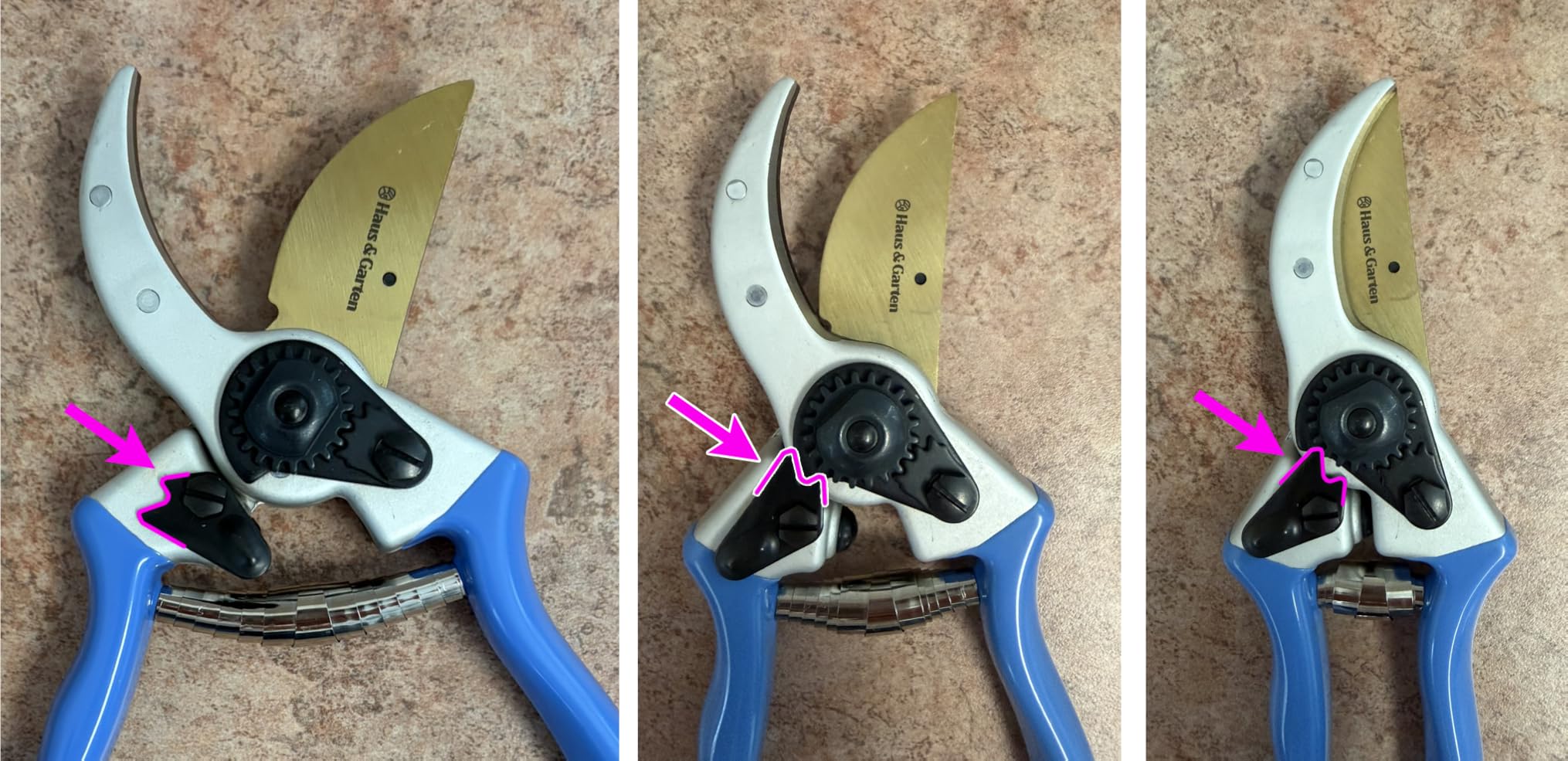
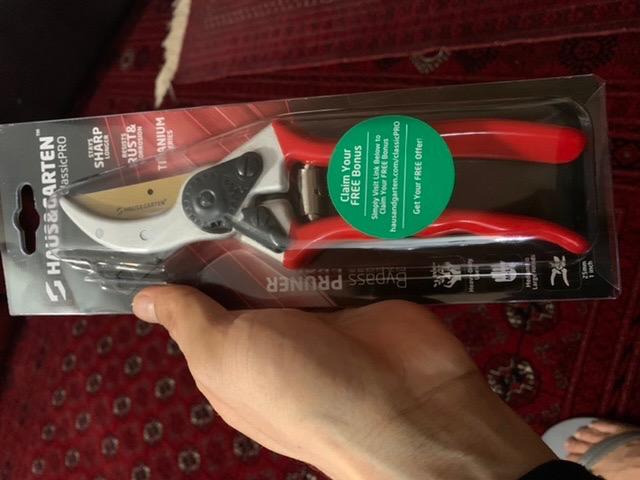
The latch is the most common complaint in the reviews. Fully closing it with a single thumb takes practice, although plenty of owners deliberately half-close it during deadheading because the shorter throw is faster.
It is listed for medium to large hands at 8.5 inches, and the straight blade edge is less aggressive on very thick dead wood than a forged bypass blade would be. For live green growth it performs well.
What you will notice in the first week
One tool covers the rose bed, the hydrangeas and the herb patch. That versatility is the reason to own it rather than a dedicated flower shear.
Hand fatigue drops noticeably during long sessions compared with lighter, harder-gripped models, largely because of the padded handle.
Where it will disappoint you
Smaller hands. The sizing and the longer grip both work against you, and this is not a delicate-tool pruner.
The straight blade edge on very thick dead woody growth. It is a bypass tool built for live stems, so do not use it as an anvil shear on old brittle branches.
8. Gerossi 7 inch Bypass Shears – Budget Pick for Compact Deadheading
Gerossi Premium Bypass Pruning Shears for Gardening, 7″ Heavy Duty Pruners
7 inch overall
SK5 high carbon steel
3/4 inch capacity
Compression spring
Pros
- SK5 high carbon steel holds a sharp edge
- Soft cushion grip reduces hand strain
- Compression spring returns handles open
- One-handed safety lock
- Ergonomic non-slip handles for safe use
Cons
- Chisel blade edge is less refined on very thin stems
- Bright orange finish is not discreet
The loudest debate in gardening forums is whether an inexpensive pruner is actually any good. This one answers that fairly well: SK5 high carbon steel with good edge retention, a quick compression spring return, and a soft cushion grip that stands up to repeated cutting. The mechanism is more than adequate for a home rose bed.
At 7 inches it is the most compact model here, and the compression spring snaps the handles back open on its own. That quick reset is exactly what you want when you are running along a row of floribundas removing spent flowers.
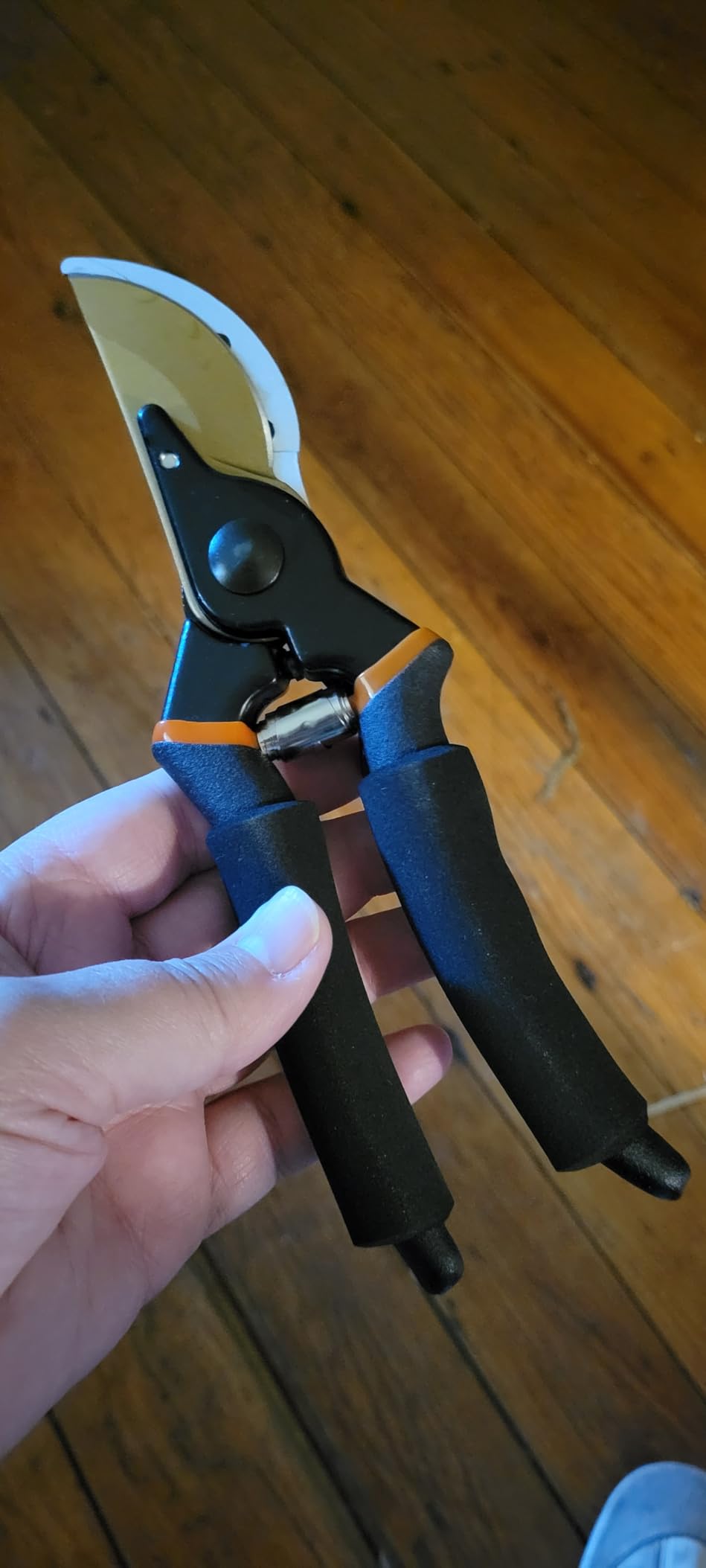
The one real technical compromise is the chisel blade edge rather than fine serration. Reviewers say precision on very thin rose stems is less refined, which shows up if you are doing fine bud work rather than general shaping.
Capacity runs to 3/4 inch, so it handles green canes but not mature woody ones. If you are pruning a neglected rose, this is not your pruner.

What you will notice in the first week
Speed of repetitive cuts. The spring return and compact size make long deadheading sessions genuinely fast.
Comfort on the cushion grip, which reviewers point to as the feature that keeps the tool in hand rather than in the drawer.
Where it will disappoint you
Delicate precision work. On thin stems the chisel edge does not give the same clean, refined cut as a serrated bypass blade.
Structural pruning. Three-quarter inch capacity stops well short of the old wood most neglected roses throw at you, so you will need loppers alongside it.
What Type of Pruner Is Best for Rose Bushes?
Bypass pruners with a sharp steel blade, sized to your hand, are the best hand pruners for rose bushes. The two curved blades slide past each other like scissors and shear live green cane cleanly, letting the cut face heal fast. Anvil pruners press a blade against a flat plate and crush that same tissue, which on a hollow rose cane means tearing, slow healing and an entry point for black spot.
Bypass or anvil: what actually happens to the cane
A rose cane is not solid wood like a branch. It is largely hollow and soft-walled, which is exactly why a crushing action damages it so badly. Gardeners describe the result as a squashed, torn stem end that browns back along the cane.
A bypass blade treats the same stem like a piece of celery being sliced rather than stepped on. That difference shows in the cut face, in how fast the wound calluses, and in how much of the cane you lose to dieback behind the cut.
Anvil pruners still have a place. They are genuinely good for dead, dry, brittle material such as old woody stems or cut flowers, and for a neglected rose with plenty of dead wood they are not the wrong tool. They are simply the wrong tool for the living wood that makes up most of a rose bush.
Blade material: high carbon steel versus stainless
High carbon steel holds an edge longer and is easier to sharpen, which is why it dominates the professional and enthusiast end of this list. Stainless steel resists rust without oiling but dulls sooner, which suits occasional users in humid climates more than someone pruning every week.
What matters more than the alloy is whether the steel is coated and whether the tool can be sharpened at home. A cheap pruner with a hardened blade you can put on a stone is a better ten-year proposition than a pruner whose blade cannot be reached.
Hand fit, which decides whether you keep using it
Gardeners on the forums are consistent about this. Grip strain, not cutting power, is what forces people to abandon a pruner. Measure your hand span against the closed handle and try the open position before you commit, because that is where the stress lands.
Compact models around 7 inches suit smaller hands. The 8.5 to 9.25 inch frames suit average to large hands. Padded or non-slip grips help most if you have arthritis or carpal tunnel, and they are worth more to those users than any increase in cutting capacity.
Cutting capacity and where the limit really is
Stated capacity is a maximum, not a working target. Forcing a pruner past its rating produces the crushed stem that frustrates people, so treat three-quarter inch as your comfortable limit and one inch as the point where you should think about loppers.
Anything above roughly an inch, and any rose cane that is genuinely woody rather than green, is a lopper or a pruning saw job. Buying the bigger tool at that moment is not overspending, it is the difference between a clean wound and a torn one.
Serviceability and the small features that matter
Replaceable blades, springs and screws are the strongest long-term value signal on this list. Gardeners repeatedly name disassemble-and-clean ability as a hallmark of a good pruner, and it is also what makes sanitizing between rose bushes possible.
Smaller details matter more than they look. A sap groove keeps rose sap off the blade, a low-friction coating resists gumming, a one-handed safety lock is genuinely useful, and a sheath or holster stops a bypass blade catching on your pocket.
Our other tested-and-ranked buying guides follow the same format, including our hand mixer roundup, our immersion blender guide and our hand held electric mixer picks, if you want the same level of detail on a different set of tools.
How to Choose a Hand Pruner for Roses
Start with the mechanism. Bypass is the only correct answer for live rose growth, and every model in this roundup uses it. Anvil pruners belong in a florist’s bucket for hard woody material, not in a rose bed.
Next comes capacity, matched honestly to your bushes. If you own shrub roses and floribundas, three-quarter inch is plenty. If you have an old hybrid tea or a climber with thick structural canes, look for a full inch and keep loppers in the shed.
Then check the blade. Look for steel you can sharpen, a coating that resists sap, and edge geometry that suits your work. Fine serration gives precision on thin stems, a chisel edge is faster on general shaping, and high-carbon or hardened steel outlasts plain stainless.
Fit is the step people skip and regret. Close your hand around the handles in the open position, the way you would grip a cane inside a bush. If your fingers cramp before you finish a cut, the tool is wrong regardless of what the spec sheet claims.
Finally, weigh serviceability. Blades, springs and pivot screws that can be ordered separately extend a pruner’s life by years, and a tool that comes apart is a tool you can properly sanitise between a diseased rose and a healthy one.
One note on cordless electric pruners. They are useful for people with limited hand strength who are cutting a lot of dead wood, but the blades are consumable, the charge adds a step to every task, and they cannot make the fine cut that rose deadheading requires. We would not start there.
How to Prune a Rose Bush with Your New Pruners
Disinfect before you start. Wipe the blades with a cloth soaked in 70 percent isopropyl alcohol, or dip them for about 30 seconds in a one-to-nine bleach and water solution, then dry. Extension services recommend this between rose bushes, and it is the single most effective thing you can do to avoid carrying black spot from one rose to another on your own blade.
Make the cut at a 45 degree angle about a quarter inch above an outward-facing bud. The sloped face sheds water instead of letting it sit on the cut, and an outward-facing bud grows away from the centre of the bush so air can move through it. This placement is what separates a well-pruned rose from a pruned rose.
Take spent blooms down to the first set of five leaves, or to a healthy outward bud if the cane is still young. Cut into living tissue, not into the bare stretch between sets of leaflets, because a cut there leaves a long bare stub that dies back and gives disease somewhere to start.
Remove any sucker growing from below the graft union at the base of the plant, and always cut it off rather than bending it, because a broken sucker stub can push again. Rosa rootstock suckers carry the vigorous, wrong-coloured growth that takes over a bush if you let it.
Wear gauntlet gloves that reach the forearm. Roses catch clothing and draw blood, and reaching deep inside a bush with bare hands is how most gardeners end up with scratches they did not expect. If you are working on a neglected, overgrown rose, wear gloves, clear the debris out first with gloved hands, and cut your way in from the outside rather than forcing the blades into a closed canopy.
Moving from pruners to loppers
Use your hand pruners for anything up to about three-quarter inch, and one inch at a real squeeze. Past that, switch to loppers, which give you the leverage a hand pruner physically cannot.
Do not treat a hard squeeze as a challenge. Forcing a pruner beyond its rating crushes the cane, dulls the blade, and leaves a wound that invites dieback and disease in the exact plant you are trying to improve.
Final structural cuts belong just above a healthy outward-facing bud or at a branch collar on older wood, and the same 45 degree rule applies. Clean the blade again when you move to the next bush, and oil the tool when the session is finished.
How to Clean, Sharpen and Store Your Pruners
Wipe the blades after every session and remove sap residue while it is still soft. Sap left to dry turns into a gummy film that dulls the edge and makes the next cut tear rather than slice.
Sanitise between rose bushes with 70 percent isopropyl alcohol on a cloth, or a 30 second dip in a one-to-nine bleach and water solution followed by a rinse and dry. This is the step most people skip, and it is how fungal problems move through a whole rose garden.
Sharpen bypass blades on a fine stone or a small file, working on the single bevel only. Ten to fifteen strokes is usually enough to restore a working edge, and removing the burr on the back of the blade matters as much as the front. Test on a piece of paper: it should slice cleanly without tearing.
Oil the pivot and the blade with a light machine oil, then work the handles a few times so the oil reaches the joint. Wipe off the excess, because sticky oil attracts dirt and holds grit against the edge.
Store them closed and dry, ideally in a holster or sheath, with the safety lock engaged so the bypass blades cannot catch on a pocket or tool bag. Moisture is what ends the life of a good steel blade, so avoid a damp shed or a hot car boot over winter.
Frequently Asked Questions
What type of pruner is best for rose bushes?
Bypass pruners with a sharp steel blade, sized to your hand, are the right tool for rose bushes. The two curved blades slide past each other like scissors and shear live green cane cleanly so the cut face heals quickly. Anvil pruners press a blade against a flat plate and crush the hollow tissue inside a cane, which tears and slows healing.
Are bypass pruners better than anvils for roses?
Yes, for any live rose wood. Bypass action shears the stem the way scissors cut paper, leaving a flat face that calluses over quickly. Anvil action crushes the hollow cane, produces a torn end that dies back, and opens a wound that black spot and other rose diseases can enter. Anvils remain useful on dead, dry, brittle material.
What are the best secateurs for pruning roses?
Secateurs is the British term for hand pruners. For most rose gardens the best-value choice is a bypass model with a coated steel blade, a sap groove and a one-handed lock, such as a Fiskars 5/8 inch pair for deadheading. For structural work on old canes, a forged bypass pruner rated to 1 inch is worth the step up.
What are the top 5 pruning shears for roses?
The five strongest options for rose work in this roundup are the Felco F2, the Corona BP 3180D, the Fiskars bypass shears, the gonicc 8 inch titanium shears and the Kimura 8 inch Pro. Between them they cover small hands, arthritic hands, thick canes, lightweight long sessions and dedicated deadheading.
Can hand pruners cut rose canes?
Yes, up to their stated cutting capacity, which is usually three-quarter inch to one inch. Treat that figure as a maximum rather than a working target. Anything thicker or genuinely woody needs loppers or a pruning saw, and forcing a pruner past its rating crushes the cane and dulls the blade.
Should I sterilize pruners between roses?
Yes, especially if any bush in your garden has black spot. Wipe the blades with 70 percent isopropyl alcohol or dip them for about 30 seconds in a one-to-nine bleach and water solution, then rinse and dry. Extension services recommend this between plants, and it stops you carrying fungal problems from one bush to the next on your own blade.
Our Final Recommendation
The Felco F2 earns our editor’s choice for 2026 because it is the only pruner in this group where nothing about it is temporary. A hardened carbon steel blade that shears a full inch of live cane, forged aluminum handles, and replacement parts available for every component is a combination you rarely find, and it is why gardeners on the forums keep recommending serviceable pruners over sharper-looking ones.
Buy the Corona BP 3180D if your roses have old thick canes, the Fiskars 5/8 inch if you mostly deadhead and want a second dedicated pair, the Okatsune 103 or Gerossi 7 inch if your hands are small, and the Kimura if grip strength is your limiting factor. Whatever you choose, keep it sharp, wipe it clean between bushes, and step up to loppers for anything your hand pruners cannot take comfortably.