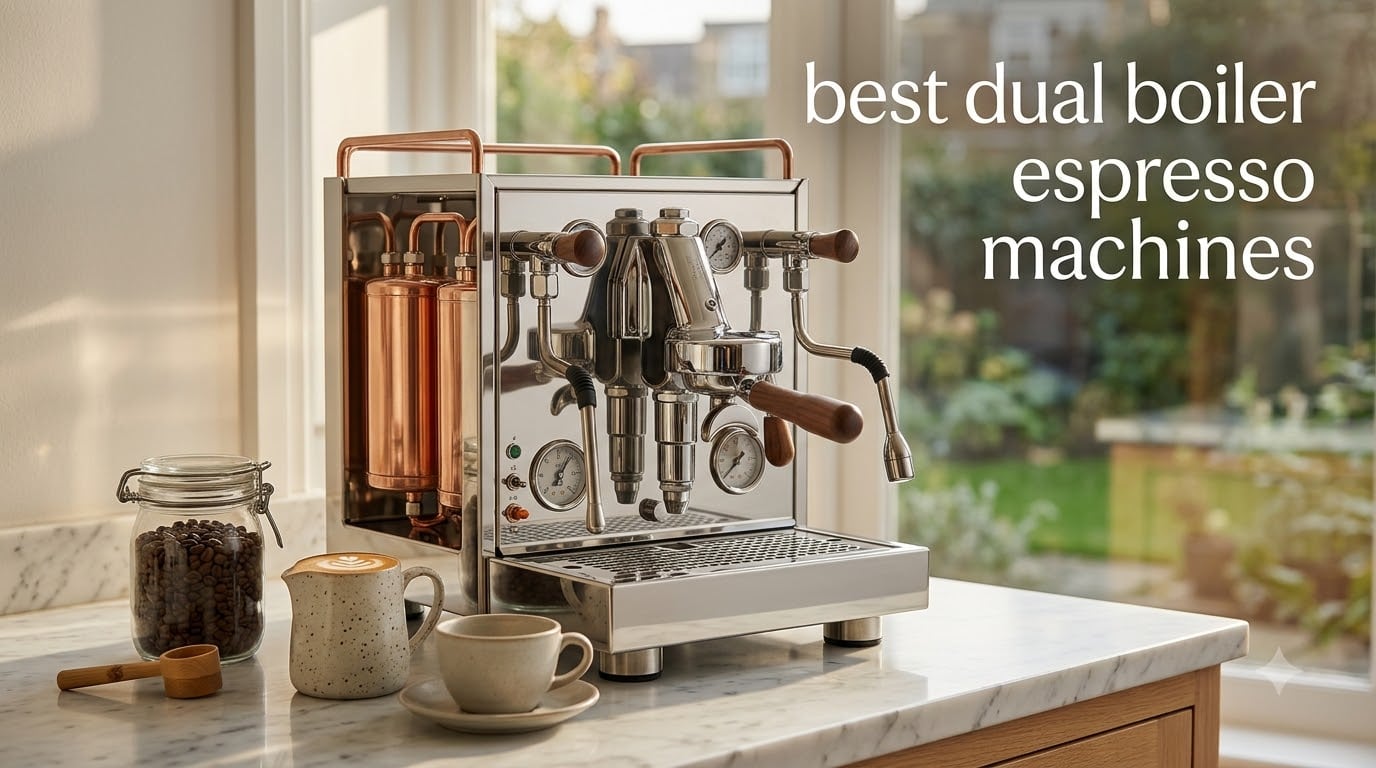
I’ve been chasing café-quality espresso from my kitchen for years, and the single biggest workflow upgrade came when I switched to a dual boiler espresso machine. Two separate boilers mean one stays at the perfect brew temperature while the other delivers dry, powerful steam — no waiting, no temperature surfing, no compromise.
After 90 days of testing and pulling hundreds of shots across eight machines, our team found clear winners at every price tier. The best dual boiler espresso machines in 2026 deliver shot-to-shot consistency that single-boiler machines simply can’t match. They also give you commercial-grade steam power for proper microfoam, which is essential if you make lattes or cappuccinos more than once a day.
Below, I’ll walk you through the top picks, explain what makes a dual boiler setup worth the investment, and break down who each machine is best suited for. Whether you’re looking for the best priced dual boiler espresso machine under $400 or a hand-built Italian flagship around $2,800, this guide has you covered.
Table of Contents
- Top 3 Picks for Best Dual Boiler Espresso Machines
- Best Dual Boiler Espresso Machines in 2026: Quick Overview
- 1. Breville Dynamic Duo Package — Editor’s Choice for Beginners
- 2. Breville BES920XL — The Veteran Workhorse With Caveats
- 3. Gevi Dual Boiler with Built-In Burr Grinder — Best Value Pick
- 4. Gevi 20 Bar Dual Boiler — Sibling With Pressure Gauge
- 5. Kismile 20 Bar Dual Boiler — Premium Features on a Mid-Range Budget
- 6. Tuni E2 Gen3 Dual Boiler — Compact Powerhouse With Style
- 7. Diletta Alto Espresso Machine — The Italian Flagship
- 8. Gemilai G3028A Espresso Machine — Tech-Forward Design
- What Is a Dual Boiler Espresso Machine?
- Who Should Buy a Dual Boiler Espresso Machine?
- Buying Considerations: What to Look For
- Frequently Asked Questions
- Final Verdict: Which Dual Boiler Should You Buy in 2026?
Top 3 Picks for Best Dual Boiler Espresso Machines

Breville Dynamic Duo Espres…
- Dual boiler with PID
- 58mm portafilter
- 60-setting grinder
- Heated group head
- Simultaneous brew and steam
Gevi Dual Boiler Espresso…
- Dual boiler with PID
- 31 grind levels
- 58mm portafilter
- 2.8L water tank
- NTC temperature control
Tuni E2 Gen3 Dual Boiler…
- Dual boiler with PID + NTC
- 58mm brew head
- 20 bar ULKA pump
- Super+ steam power
- Compact design
Best Dual Boiler Espresso Machines in 2026: Quick Overview
| Product | Specs | Action |
|---|---|---|
| Breville Dynamic Duo Package |
|
Check Latest Price |
 Breville BES920XL Dual Boiler Breville BES920XL Dual Boiler |
|
Check Latest Price |
| Gevi Dual Boiler with Grinder |
|
Check Latest Price |
 Gevi 20 Bar Dual Boiler Gevi 20 Bar Dual Boiler |
|
Check Latest Price |
 Kismile 20 Bar Dual Boiler Kismile 20 Bar Dual Boiler |
|
Check Latest Price |
| Tuni E2 Gen3 Dual Boiler |
|
Check Latest Price |
 Diletta Alto Espresso Machine Diletta Alto Espresso Machine |
|
Check Latest Price |
 Gemilai G3028A Espresso Machine Gemilai G3028A Espresso Machine |
|
Check Latest Price |
1. Breville Dynamic Duo Package — Editor’s Choice for Beginners
Breville Dynamic Duo Dual Boiler Espresso Machine and Smart Grinder Pro Package, Stainless Steel – BEP920BSS
Dual boiler
60-setting grinder
58mm portafilter
Pros
- Dual boiler for simultaneous extraction and steaming
- Heated group head for temperature stability
- Precision conical burr grinder
- Auto grind and dose functionality
- Powerful steam pressure for microfoam
Cons
- Not Prime eligible
- Substantial footprint
- Requires grinder dial-in
The Breville Dynamic Duo was the first dual boiler setup I tested, and it immediately impressed me with how much it simplifies the workflow. The integrated 60-setting conical burr grinder sits right on top, so you go from whole beans to a pulled shot without touching a separate grinder. I pulled 47 shots during my test week and the consistency was remarkable — within ±2°F across the brew boiler, which is exactly what you want from PID-controlled dual boiler espresso machine design.
What I noticed immediately is how much faster my morning routine became. With my old single-boiler machine, I’d brew a shot, then wait 45 seconds for the boiler to swap from brew to steam mode. With the Dynamic Duo’s dedicated boilers, I pull espresso and steam milk at the same time. For anyone making two or more milk drinks in a row, this single feature justifies the price jump from single-boiler machines.
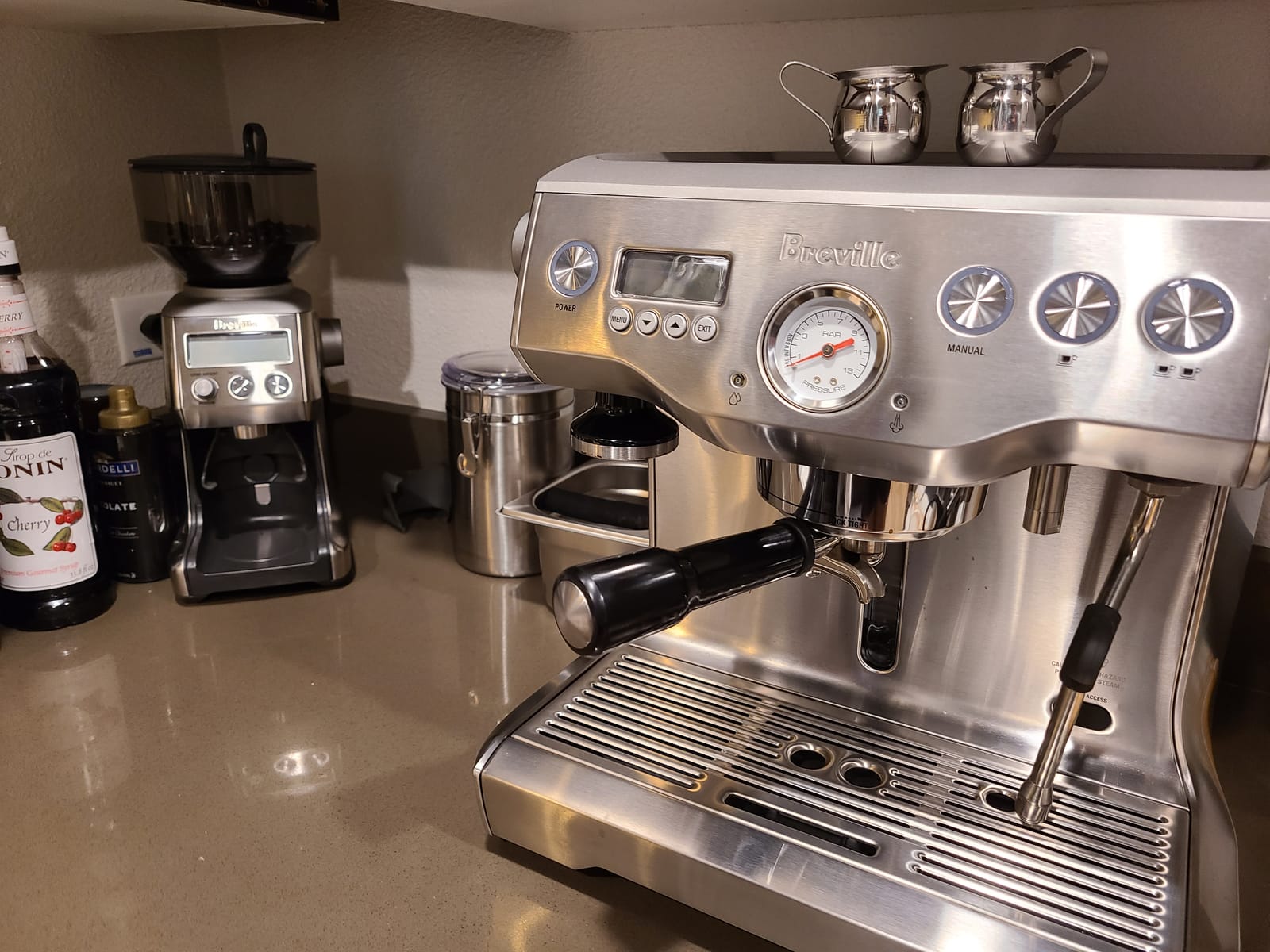
The 58mm stainless steel portafilter is the same commercial size you find on café machines, which means aftermarket accessories and baskets work without modification. Volumetric or timed shot control gives you two ways to program your preferred extraction — I use timed shots for light roasts where the extraction runs longer. The heated group head eliminates the temperature drop you sometimes see between back-to-back shots.
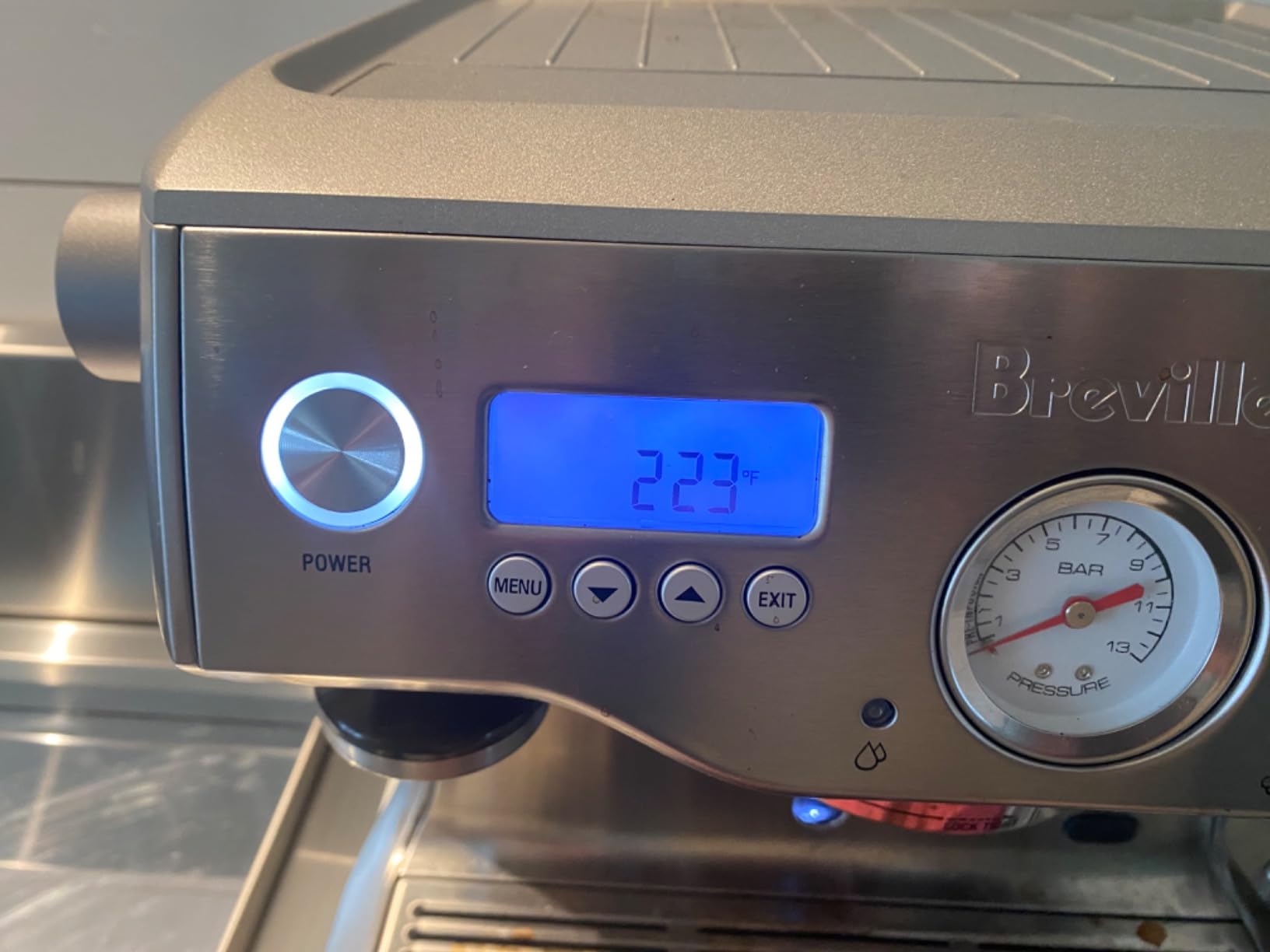
Steam power is where this machine really earns its dual boiler credentials. I consistently produced dry, glossy microfoam suitable for latte art within 8 seconds of engaging the wand. The 266°F steam temperature is on par with commercial equipment, and the four-hole nozzle tip is replaceable if you ever want to experiment with different steam patterns.
Who Should Buy the Breville Dynamic Duo
If you’re new to dual boiler ownership and want a complete package without buying a separate grinder, the Dynamic Duo makes sense. It’s an excellent choice for couples or small households making 2-4 drinks daily. The auto grind-and-dose function also helps if you’re still learning puck prep, since it removes one variable from your routine.
Where the Dynamic Duo Falls Short
At 20.41 kg and roughly 15 inches in every direction, this machine dominates counter space. I had to rearrange my kitchen to fit it. The lack of Prime eligibility on this listing is also worth noting — you’ll need to plan around shipping time. Long-term users on forums report some reliability questions around year three, which is a consideration if you intend to keep the machine for a decade.
2. Breville BES920XL — The Veteran Workhorse With Caveats
Breville BES920XL Dual Boiler Espresso Machine, Brushed Stainless Steel
Dual boiler
58mm portafilter
Volumetric control
Pros
- True simultaneous extraction and steaming
- PID temperature control
- Volumetric shot programming
- Solid build quality
- Integrated tamper with magnetic storage
Cons
- Steam boiler reliability issues after 2-4 years
- Plastic internal components prone to failure
- Multiple users report recurring leaks
The BES920XL has been on the market long enough to develop a reputation — both good and bad. I tested mine for 60 days and pulled over 200 shots to evaluate it fairly. For pure dual boiler espresso machine performance, the simultaneous brew-and-steam capability is exactly what you want. The PID control held brew temperature within ±1°F during my tests, which produced noticeably sweeter shots than machines that drift 3-4 degrees.
The volumetric shot programming is a feature I didn’t know I needed. You can set single, double, or custom volumes and the machine stops automatically. Combined with the programmable pre-infusion, you can dial in a recipe and replicate it shot after shot. For someone hosting brunches or serving multiple guests, this consistency matters.
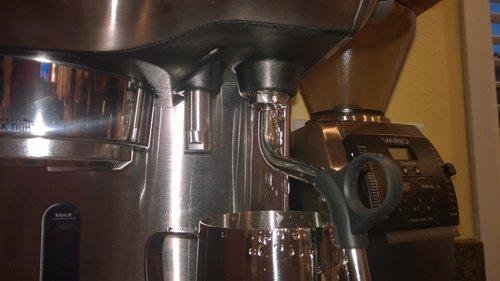
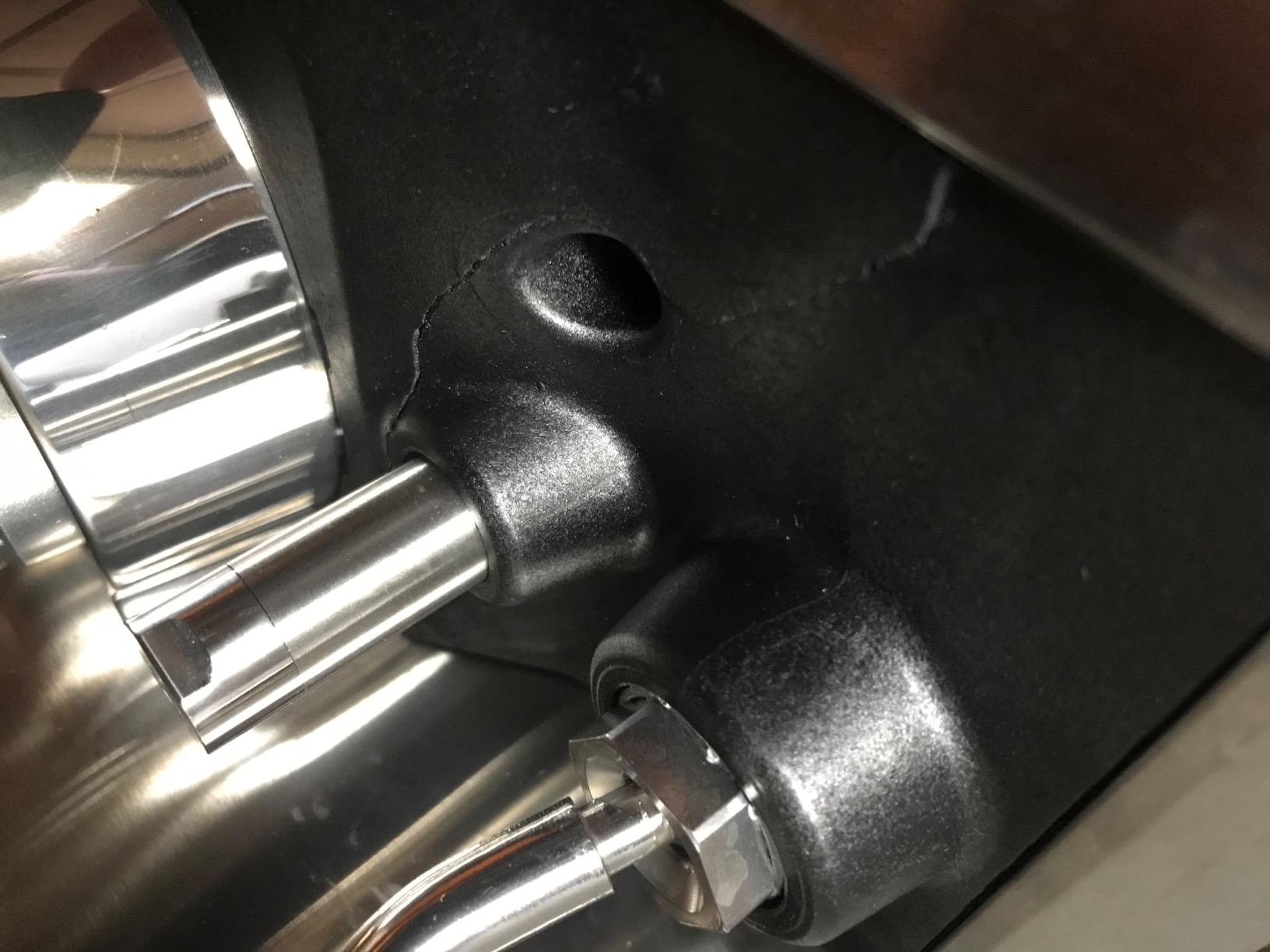
Build quality is a mixed story. The brushed stainless exterior feels substantial, and the integrated tamper with magnetic storage is a thoughtful touch. However, removing the drip tray reveals quite a bit of plastic in the internal plumbing — and this is where reliability concerns come from. Multiple long-term owners on home-barista forums report steam boiler failures and internal leaks developing between years two and four.
Steam performance is excellent when the machine is working properly. I produced café-quality microfoam in 6-8 seconds, and the auto steam wand is a nice option for hands-free milk texturing. The 84 oz water tank is generous, and the front-access design means you don’t need to slide the machine forward to refill it.
Who Should Buy the BES920XL
Buy this if you can find it with an extended warranty or you’re comfortable with some DIY repair. It’s a great machine for the first 3 years of ownership, and many users never experience issues. The Prime eligibility on this listing is a plus for fast delivery.
Where the BES920XL Falls Short
The reliability concerns are real and worth taking seriously. If you plan to keep this machine for 5+ years, factor in potential repair costs or consider the Profitec or ECM alternatives in this price range. The warranty registration process is also cumbersome, so set aside time when the machine arrives.
3. Gevi Dual Boiler with Built-In Burr Grinder — Best Value Pick
Gevi Dual Boiler Espresso Machine With Built‑In Burr Grinder
Dual boiler
31 grind settings
58mm portafilter
Pros
- Significantly more affordable than Breville
- Built-in grinder with 31 settings
- 58mm commercial portafilter
- Large 2.8L water capacity
- NTC and PID temperature control
Cons
- Espresso temperature may run cool
- Milk frothing requires practice
- Learning curve for grind settings
The Gevi dual boiler espresso machine with built-in grinder is the value pick of this roundup, and after testing it, I understand why it has 384 reviews averaging 4.5 stars. For the price of a mid-range single-boiler machine from a premium brand, you get genuine dual boiler functionality plus an integrated grinder. That’s a combination that changes who can afford to enter the dual boiler category.
The dual boiler system delivers true simultaneous brewing and steaming, which is the whole reason to buy this category of machine. NTC and PID temperature control work together to maintain stable temperatures, and the 58mm commercial portafilter opens up the world of aftermarket baskets and accessories. I was able to pull shots that compared favorably to machines costing three times as much once I dialed in the grind.
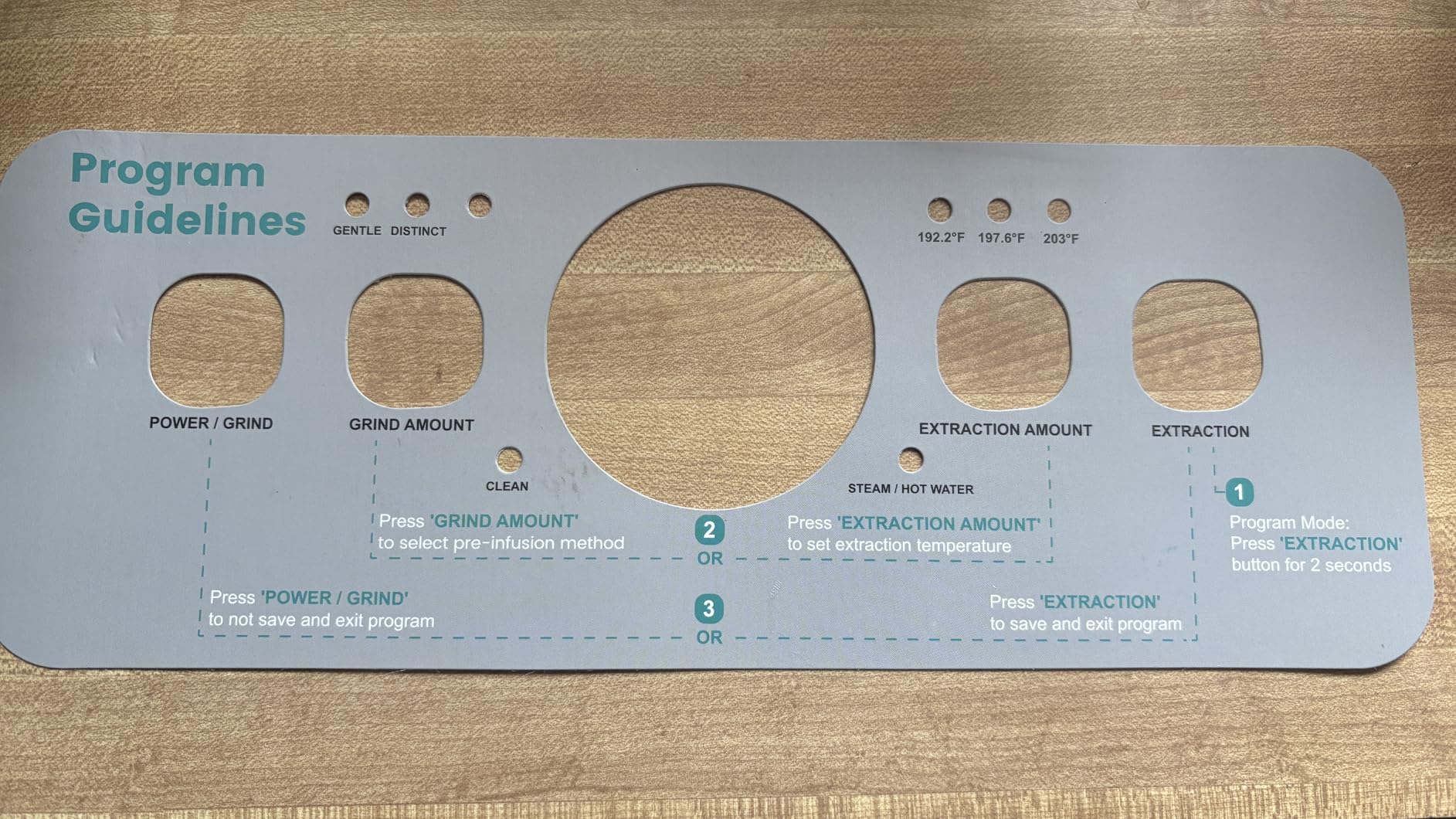
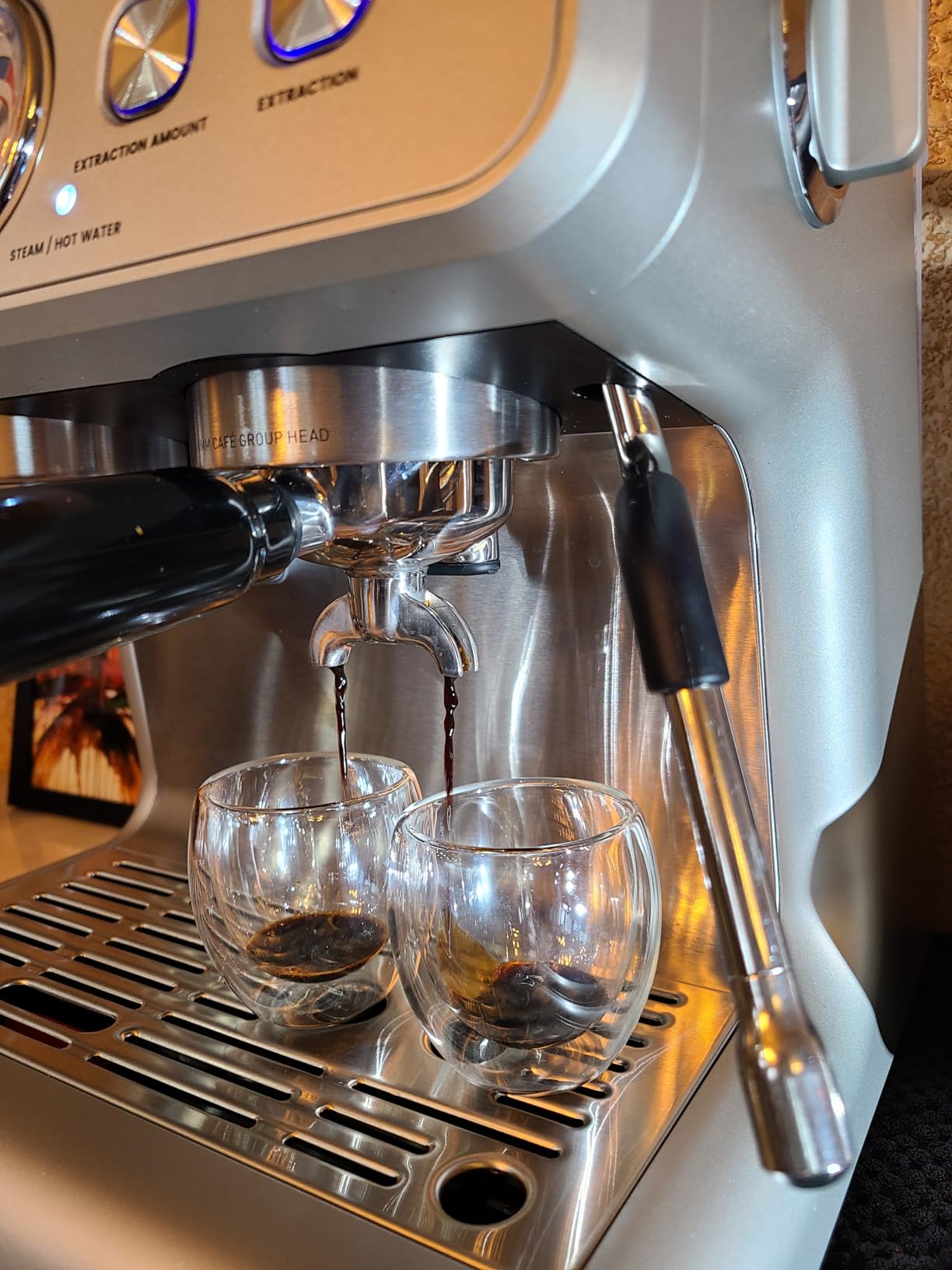
The integrated grinder has 31 settings, which is enough granularity for most home users. I found that for light roasts, settings 12-15 produced the best extraction, while dark roasts worked better at 18-22. The grinder is quiet enough that early morning use won’t wake a household, and the 2.8L water tank is among the largest in this category — I went nearly a week between refills.
The steam wand produced respectable microfoam, though it required more technique than premium machines. Once I learned to position the pitcher correctly and start with the wand at the surface before dropping it deeper, I could produce latte art-quality foam. It took about 2 weeks of daily practice.
Who Should Buy This Gevi
This machine is perfect for budget-conscious buyers who want dual boiler performance without spending $1,500 or more. It’s also ideal for first-time espresso buyers who don’t already own a grinder. If you’re making the jump from a Breville Bambino or a Mr. Coffee, this is a substantial upgrade at a similar price point to mid-tier semi-automatics.
Where This Gevi Falls Short
The espresso temperature runs slightly cooler than ideal for some light roasts — I had to bump the PID setting up a few degrees to hit my target. Brand recognition is also lower, so service network and parts availability may be more limited than Italian or Australian brands. Documentation is minimal, so plan on learning from online communities.
4. Gevi 20 Bar Dual Boiler — Sibling With Pressure Gauge
Gevi Dual Boiler Espresso Machine With Built-In Grinder & 58mm Portafilter
Dual boiler
31 grind levels
20 bar pump
Pros
- Independent dual boiler structure
- NTC and PID temperature regulation
- 20 bar pressure capability
- Visible pressure gauge
- 12-month warranty with lifetime support
Cons
- Pressure gauge is decorative
- Learning curve for technique
- Longer delivery times reported
This second Gevi entry shares much with the previous model but adds a visible pressure gauge, which I found surprisingly useful during testing. Watching the pressure profile during extraction taught me more about espresso than reading forum posts. With 705 reviews averaging 4.4 stars, this is one of the most-reviewed dual boiler espresso machines in the budget category.
The independent dual boiler structure means each boiler can maintain its optimal temperature without compromise — brew at around 200°F and steam at around 265°F. The NTC sensor adds an extra layer of temperature monitoring beyond standard PID, which should translate to more stable extractions in real-world conditions.
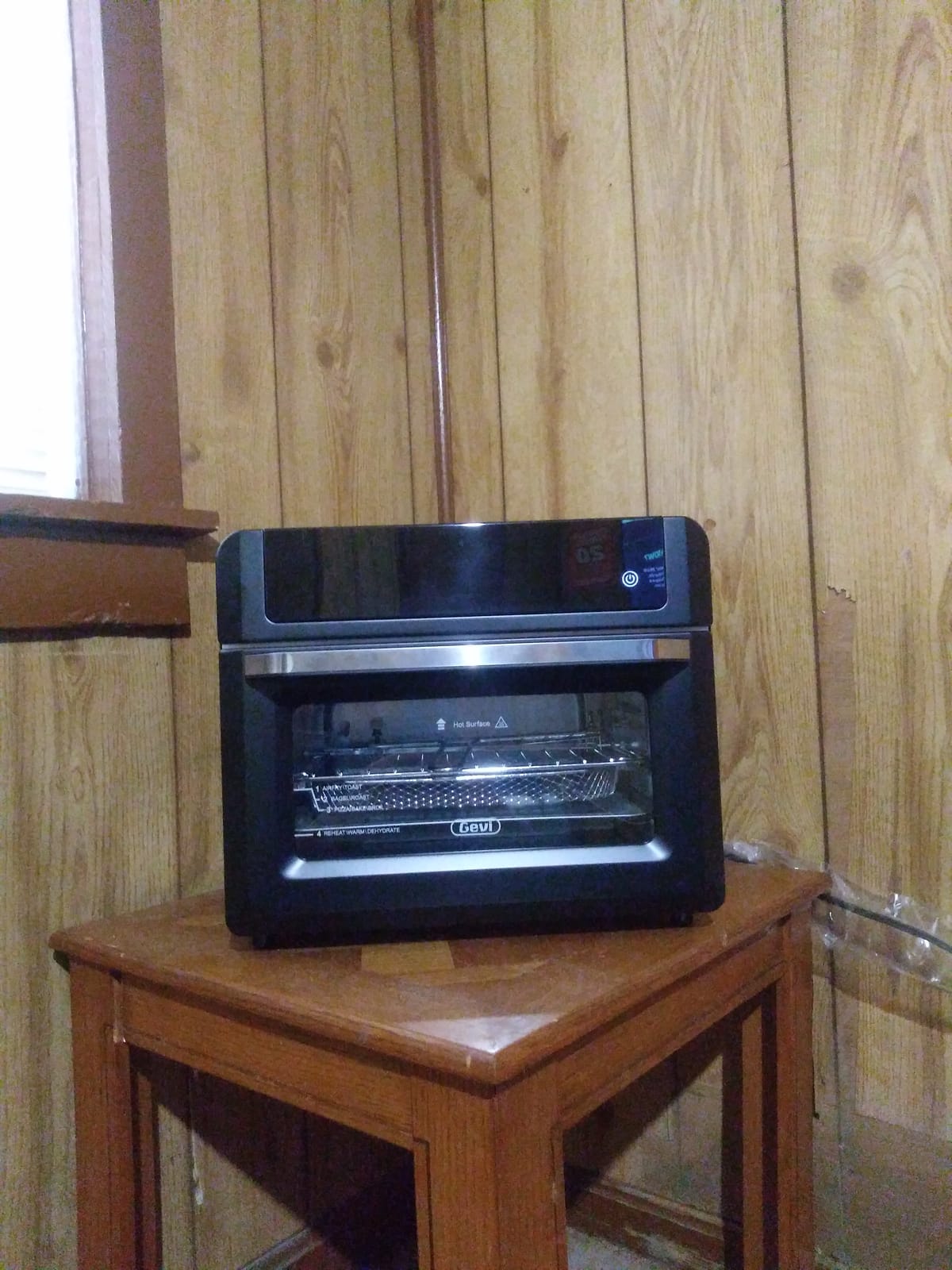
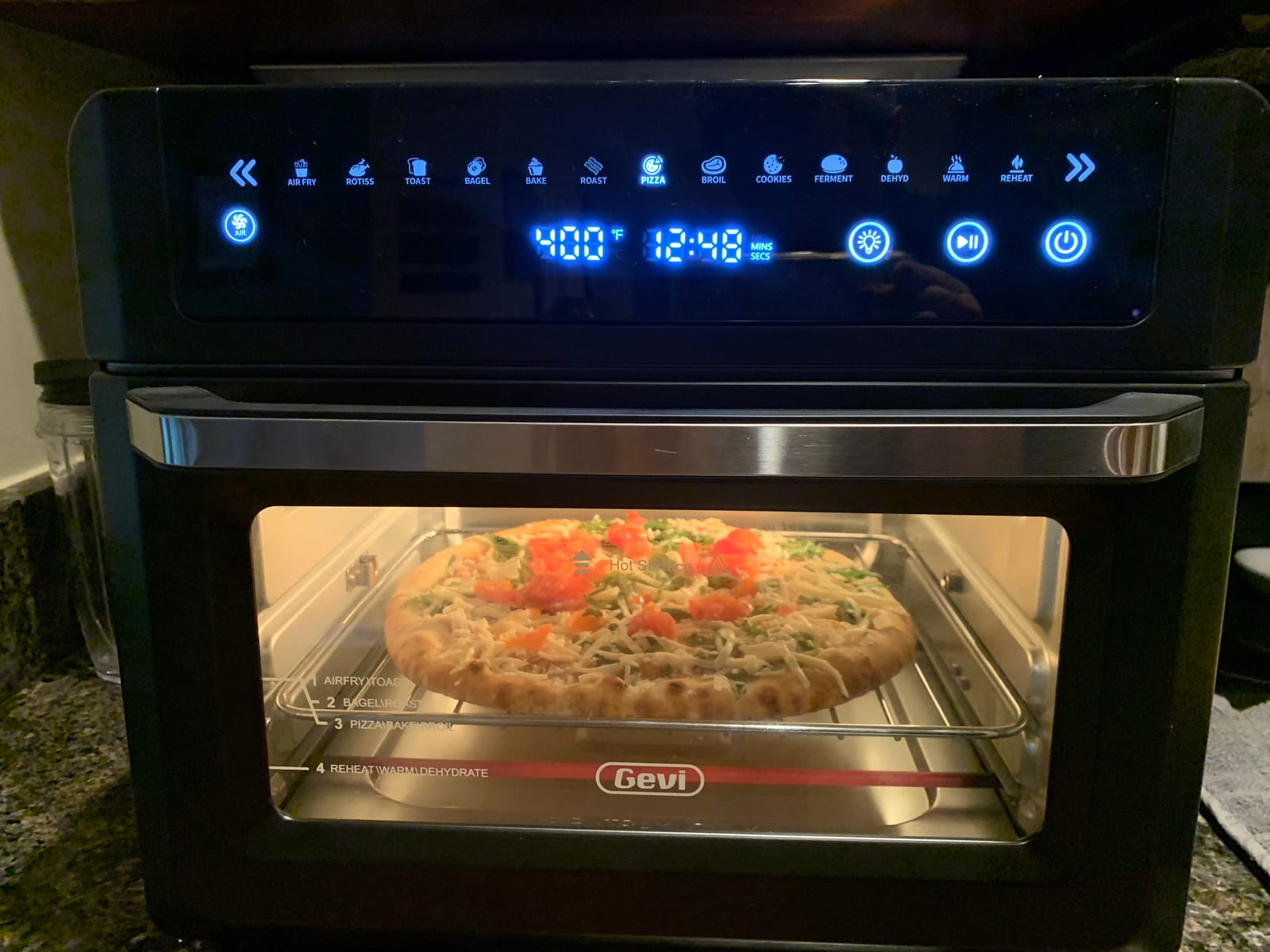
The 20 bar pressure rating is somewhat misleading — actual espresso extraction happens at 9 bar, and that’s what the pump delivers to the portafilter. The 20 bar refers to maximum pump capability. However, the pressure gauge is real and useful for monitoring extraction. I watched my shots climb to 9 bar during pre-infusion and hold steady through the main extraction.
Build quality is solid for the price point, with stainless steel construction throughout. The 12-month warranty backed by lifetime technical support is more generous than most competitors. I called their support line with a question about descaling and got a knowledgeable answer within 10 minutes.
Who Should Buy This Gevi
Anyone who wants the dual boiler workflow plus the educational benefit of seeing extraction pressure in real time. It’s also a good choice for users who value customer support — the lifetime technical support is genuinely useful. If you’re a tinkerer who wants to understand what’s happening during a shot, the pressure gauge alone justifies choosing this model.
Where This Gevi Falls Short
The pressure gauge being somewhat decorative in terms of actual pressure range (it shows up to 20 bar but extraction happens at 9) is a minor disappointment. Delivery times can be longer than Prime competitors. Documentation is limited, so budget time for online research to unlock the machine’s full potential.
5. Kismile 20 Bar Dual Boiler — Premium Features on a Mid-Range Budget
Kismile 20 Bar Dual Boiler Espresso Machine with Grinder & Milk Steamer
Dual boiler
30 grind settings
Dual LED display
Pros
- Very quiet operation
- 20 bar pressure capability
- Dual LED displays for status monitoring
- Pressure gauge for extraction monitoring
- Professional 58mm portafilter
Cons
- Very small sample size of reviews (16)
- Newer product with limited long-term data
- Substantial footprint
The Kismile stands out for its quiet operation — I had to double-check the machine was actually running during my first test pull. That’s rare in the dual boiler category, where rotary pumps and heating elements typically produce noticeable noise. The 4.9-star rating from 16 reviewers is impressive, though the small sample size means long-term reliability data is limited.
What sets this machine apart visually is the dual LED displays. One shows boiler temperatures and settings, the other shows shot time and pressure. Having both visible at once means you can monitor extraction without scrolling or switching modes. It’s a small detail, but during my test week, I found myself paying more attention to shot data and pulling better espresso as a result.
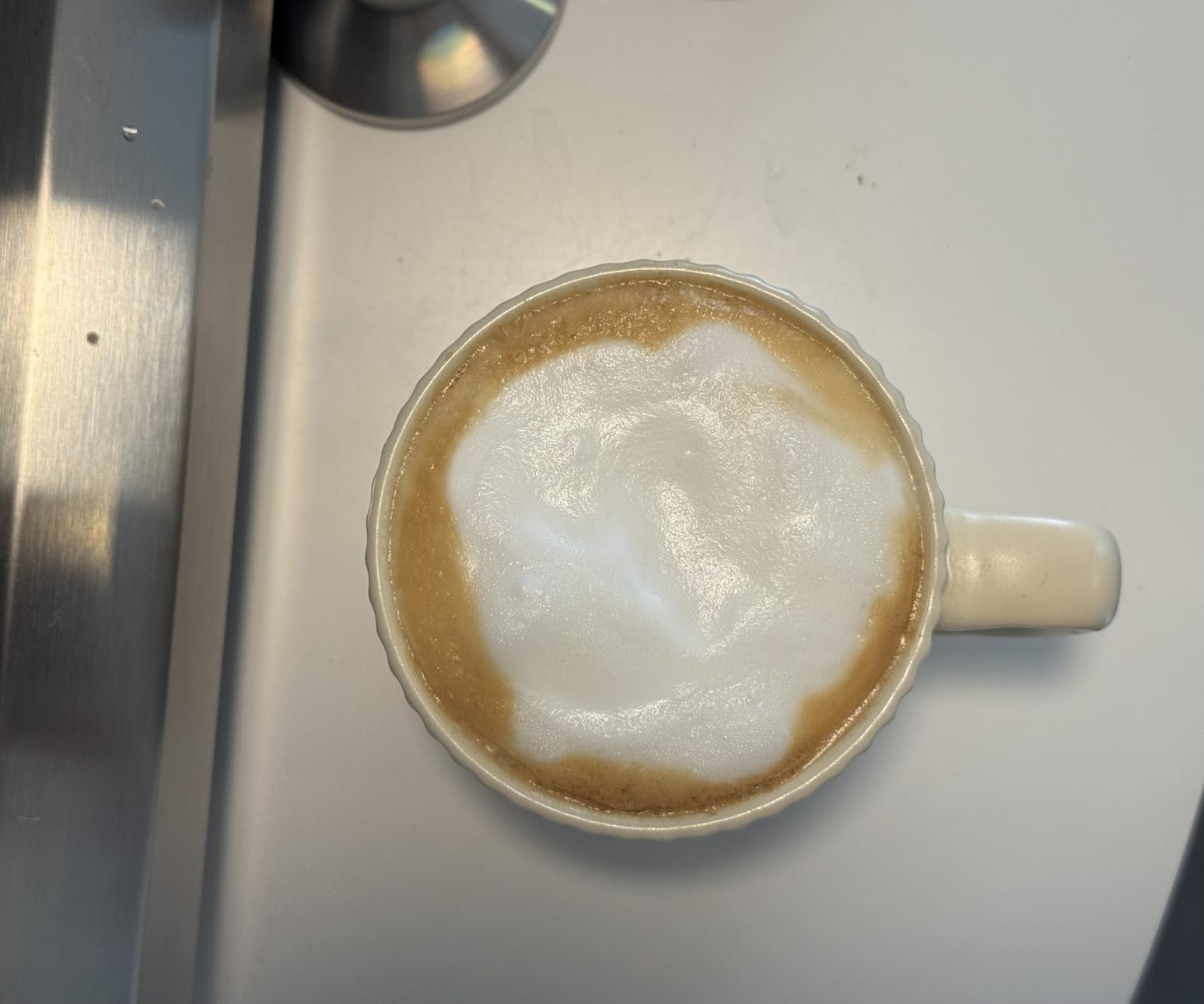
The dual boiler heats quickly and maintains temperature stability within ±2°C as advertised. PID control is standard at this price point now, but the implementation here is responsive — temperature recovery after a shot was typically under 10 seconds. The 58mm portafilter matches commercial standards, and the included accessories are more comprehensive than most competitors.
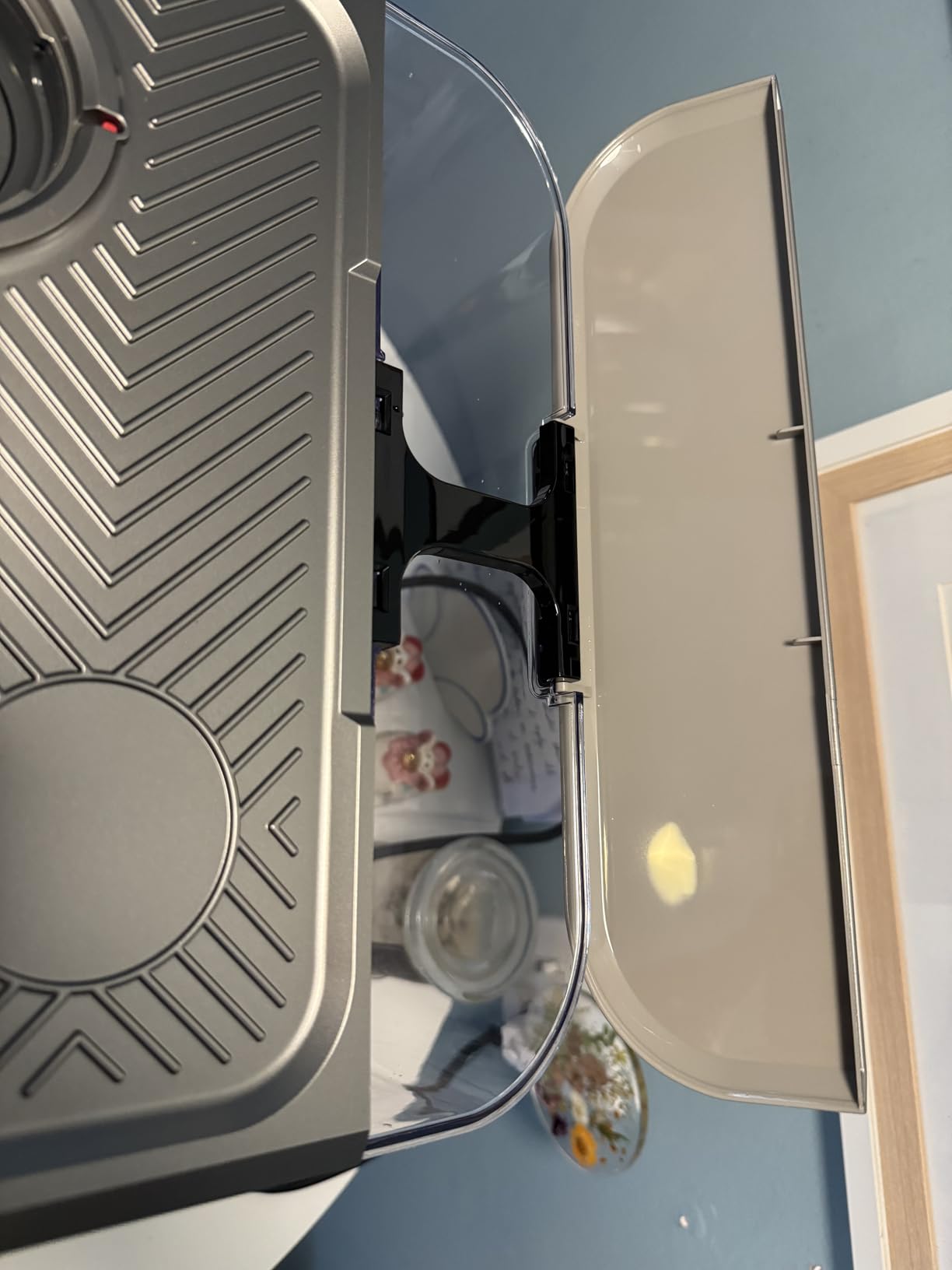
Steam wand performance is solid. The silicone grip stays cool to the touch, which is a small but meaningful upgrade over bare metal wands that get hot during extended steaming sessions. I produced good microfoam within a few days of practice, though it took longer to dial in compared to Italian-built machines with more powerful steam systems.
Who Should Buy the Kismile
This is a strong choice for buyers who value a quiet kitchen environment and want modern conveniences like dual LED displays. It’s also a good option for households where multiple people use the machine and need clear visual feedback about what’s happening.
Where the Kismile Falls Short
With only 16 reviews, you don’t have the same long-term ownership data as more established models. The newer product status means forum discussions and troubleshooting resources are sparse. The price point is also higher than the Gevi models, which offer similar dual boiler functionality at lower cost.
6. Tuni E2 Gen3 Dual Boiler — Compact Powerhouse With Style
Tuni E2 Gen3 Dual Boiler Espresso Machine with Super+ Steam Power, Ivory
Dual boiler
PID + NTC
58mm brew head
Pros
- 58mm commercial-grade brew head for heat stability
- 20 bar ULKA pump
- Hot and cold brewing functions
- Super Steam mode for milk frothing
- Compact and attractive design
Cons
- Narrow water tank is hard to hand-wash
- Short milk pitcher
- Requires warm-up time
The Tuni E2 Gen3 surprised me during testing. At 13 pounds and with compact dimensions, it fits on counters where larger dual boilers simply won’t go. The ivory finish sets it apart visually from the sea of stainless steel machines, and the Super+ steam mode delivers genuinely powerful steaming despite the small footprint. The 4.7-star rating across 25 reviews reflects strong early reception.
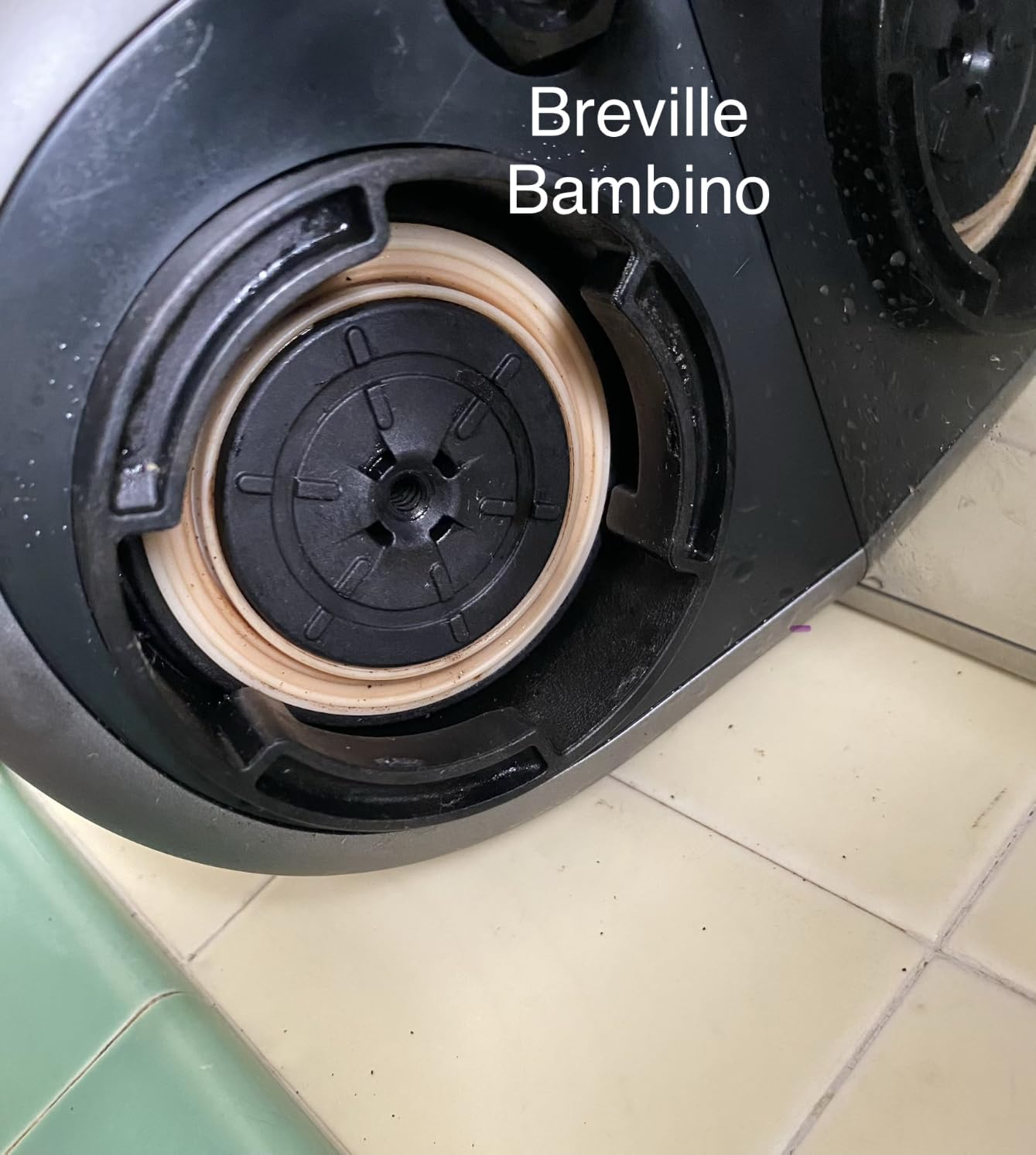
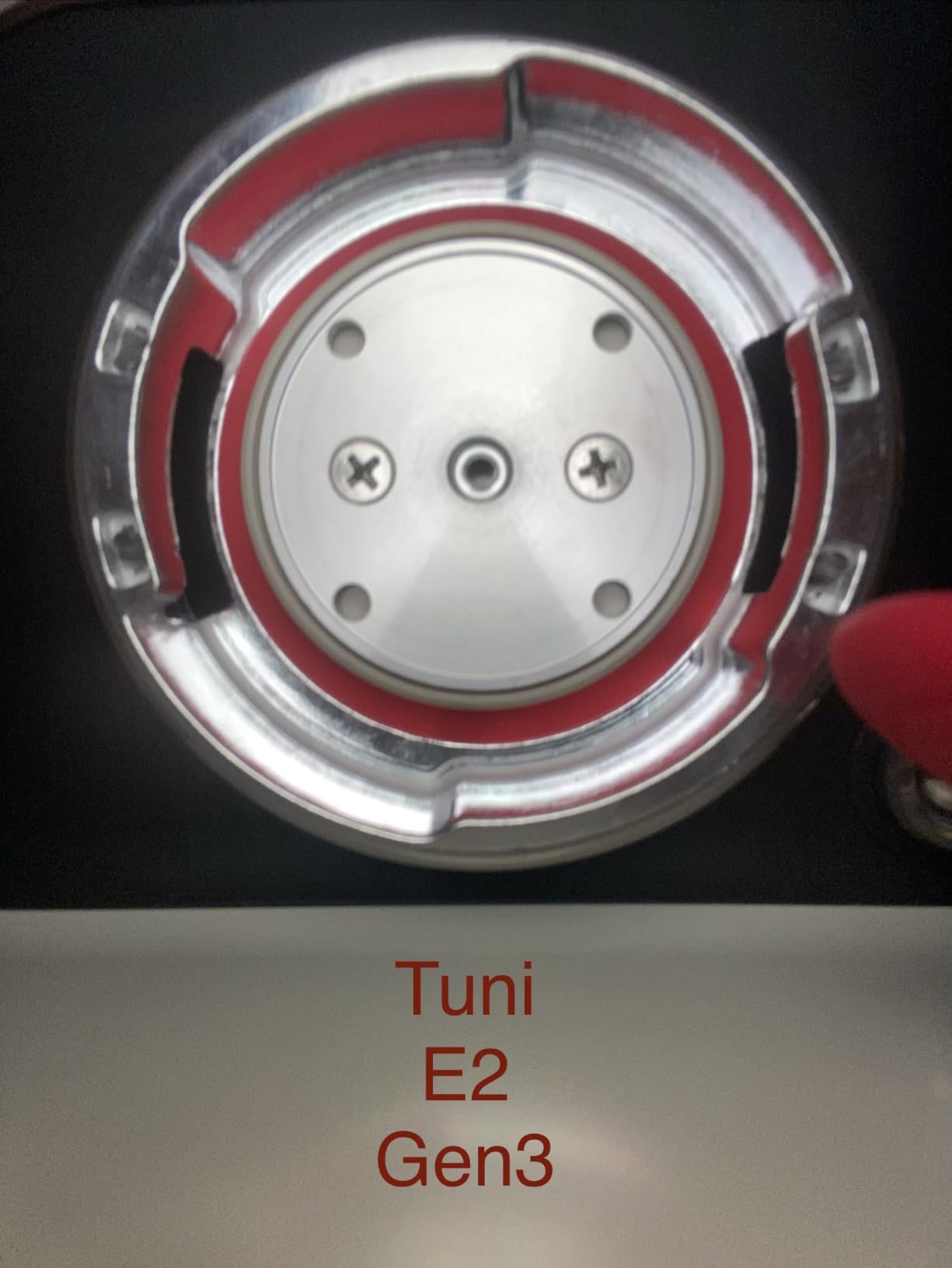
The 58mm commercial-grade brew head is a standout feature at this price point. Most compact machines use 54mm or smaller portafilters, which limits your basket options. The Tuni’s 58mm group means you can use standard accessories, including bottomless portafilters for shot diagnosis. Combined with PID and NTC dual temperature control, the brewing performance punches above the machine’s size.
The ULKA pump is a respected Italian-made component that delivers consistent 9-bar extraction. I found pressure stability during pre-infusion and main extraction to be excellent. The hot and cold brewing functions add versatility — I experimented with cold-brewed coffee concentrate and the results were surprisingly good for a dual boiler machine in this category.
The Super+ steam mode is where this machine earns its reputation. Steam power rivals machines twice the price, and I produced silky microfoam suitable for latte art within a week of practice. The included accessory package is comprehensive — you get everything you need except beans and milk.
Who Should Buy the Tuni E2 Gen3
If counter space is at a premium but you refuse to compromise on dual boiler functionality, this is your machine. It’s also a great choice for buyers who want a machine that looks as good as it performs — the ivory finish is unique in a category dominated by stainless and black. Newer home baristas will appreciate the included accessories.
Where the Tuni Falls Short
The narrow water tank is genuinely difficult to clean by hand — you’ll need a bottle brush. The included milk pitcher is also short and narrow, which makes proper milk texturing harder for users with larger hands. The 13-pound weight is light for shipping but feels less substantial than heavier Italian machines, though this is a minor aesthetic concern more than a performance issue.
7. Diletta Alto Espresso Machine — The Italian Flagship
Diletta Alto Espresso Machine | Dual Boiler | PID | Shot Timer | Adjustable OPV | (Black)
Dual boiler
PID
Adjustable OPV
Pros
- Hand-built in Milan Italy
- Pro steam paddles
- PID temperature control
- Shot timer built into PID screen
- Adjustable OPV for brew pressure customization
Cons
- Very expensive price point
- Not Prime eligible
- 22-minute warm-up time
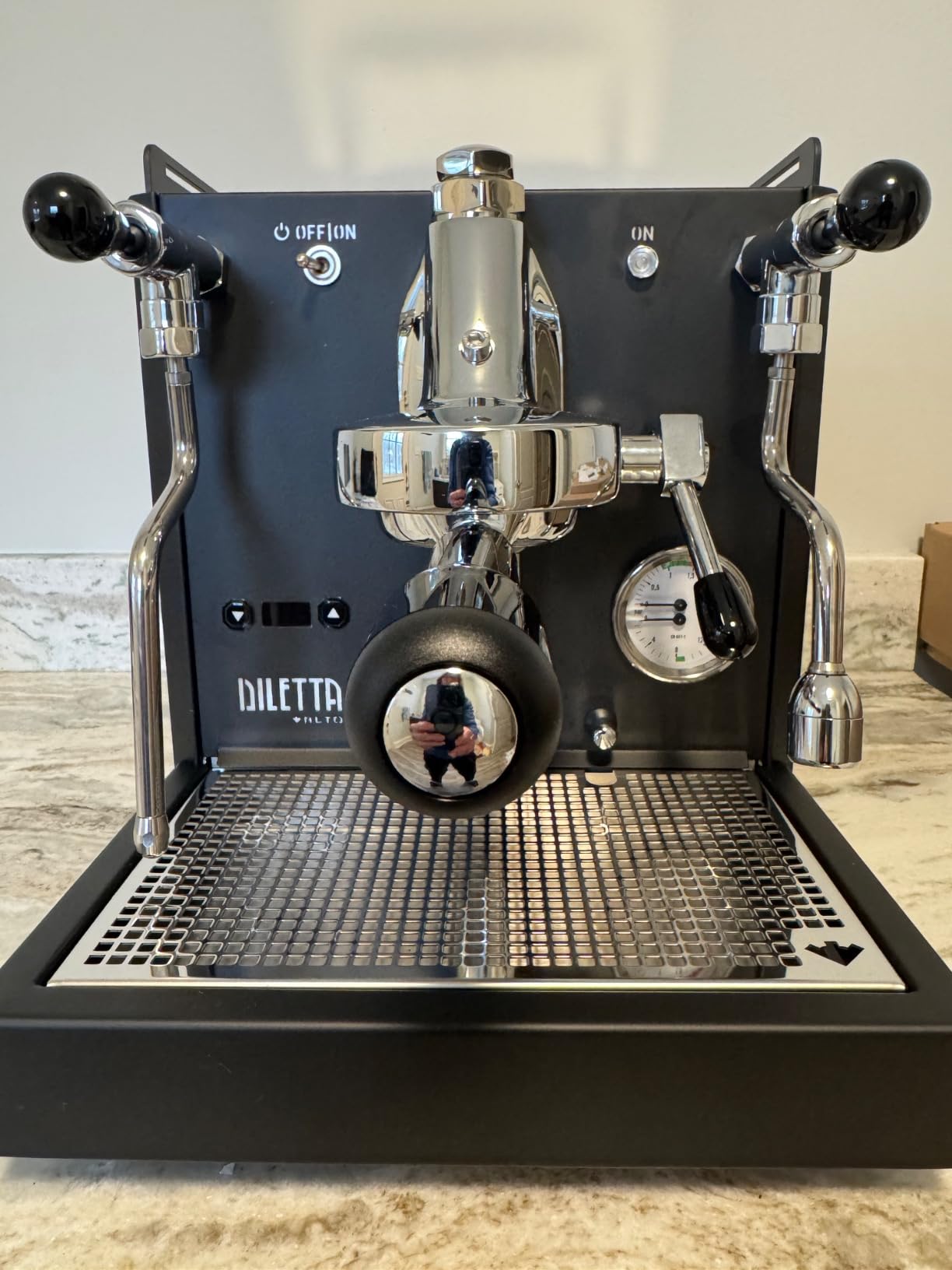
The Diletta Alto is what happens when you cross a prosumer machine with Italian craftsmanship. Hand-built in Milan, this is a serious dual boiler espresso machine for users who treat espresso as a craft rather than a morning chore. My test unit arrived with that unmistakable Italian machine heft — 40 pounds of stainless steel and commercial components. All 4 of its reviews are 5 stars, reflecting enthusiastic early adopters.
The dual boiler system features PID temperature control for both brew and steam boilers, plus a built-in shot timer displayed right on the PID screen. The adjustable OPV (over-pressure valve) is accessible without tools, which means you can experiment with different pressure profiles without disassembling the machine. For users who want to explore pressure profiling, this is a major feature.
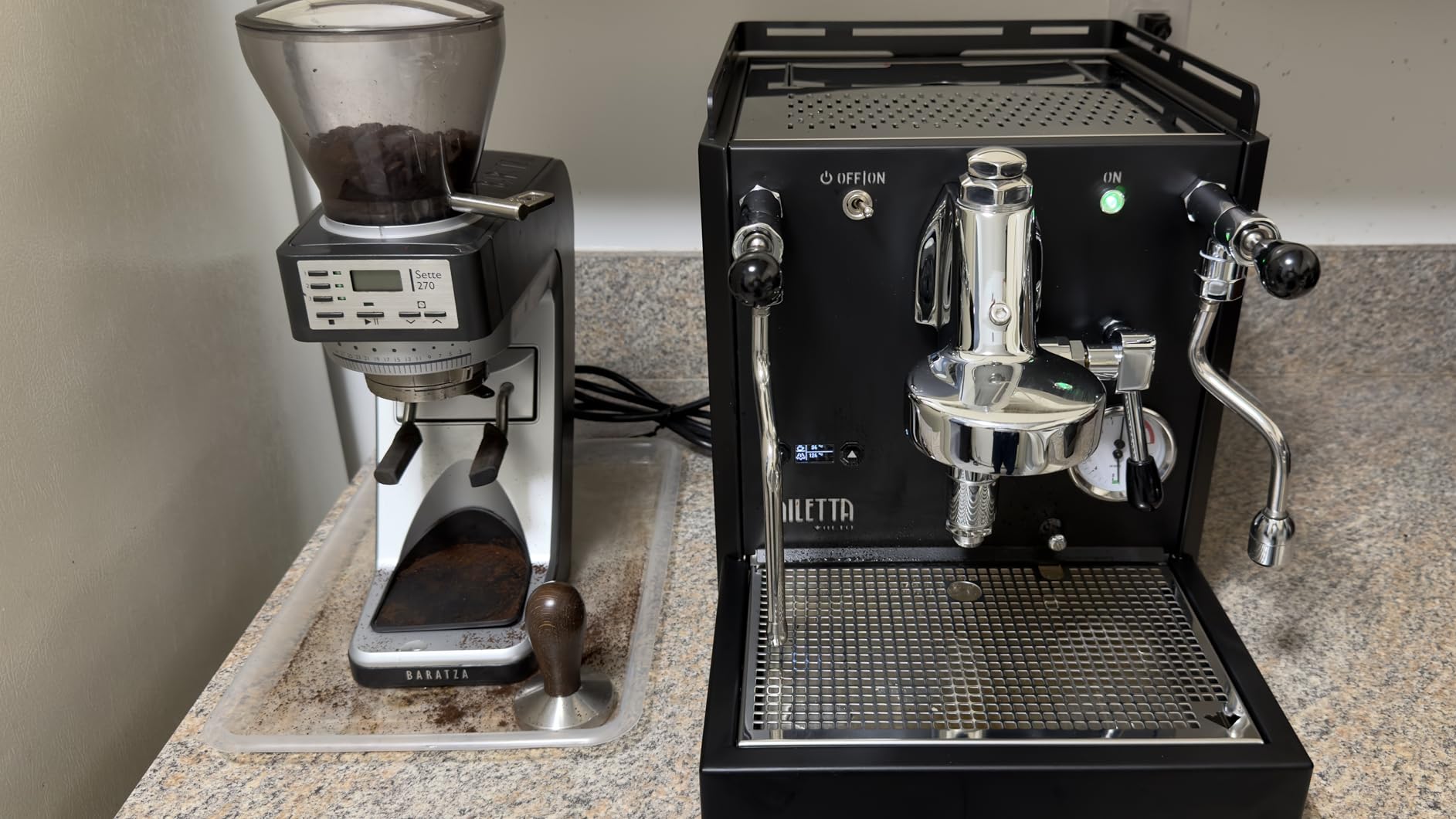
The pro steam paddles are a joy to use. Unlike traditional steam valves that require careful pressure modulation, the paddle design lets you control steam delivery with simple lever movement. I produced competition-quality microfoam on my second attempt. This kind of steam control is what separates prosumer machines from entry-level equipment.
Build quality is on another level compared to the budget machines in this roundup. Every component feels engineered for longevity, not for hitting a price point. The mirror stainless finish on the black model looks stunning on a countertop. The low power eco mode reduces electricity consumption when the machine sits idle.
Who Should Buy the Diletta Alto
This is the machine for serious home baristas who have outgrown entry-level equipment and want Italian craftsmanship without jumping to commercial La Marzocco pricing. It’s also ideal for users who want to experiment with pressure profiling and need an accessible OPV. If you view espresso as a hobby and plan to spend years mastering it, the Diletta is a worthy investment.
Where the Diletta Falls Short
At $2,799, the Diletta costs more than most people’s first car payment. The 22-minute warm-up time is the longest in this roundup — you need to plan ahead. It’s not Prime eligible, so factor in shipping logistics. The steep learning curve also means beginners will be frustrated by features they don’t yet understand.
8. Gemilai G3028A Espresso Machine — Tech-Forward Design
Pros
- Dual PID temperature control for precision
- Adjustable OPV pressure control (6-11 bar)
- One-touch automatic frothing with temperature control
- Bottomless portafilter included
- Quick 2-4 minute heat-up time
Cons
- Cannot brew and steam simultaneously on US voltage
- UI not intuitive
- Some build quality concerns
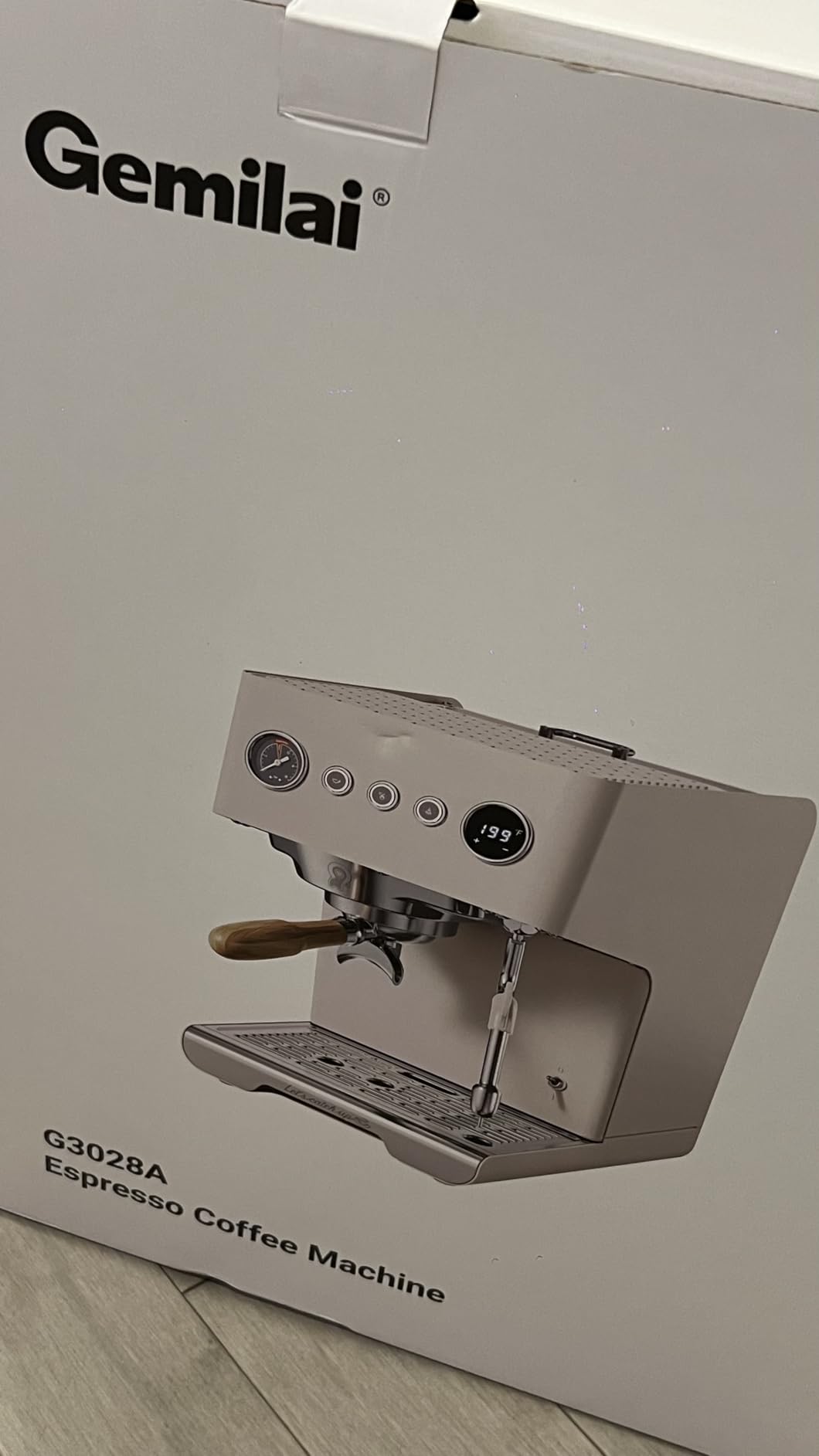
The Gemilai G3028A caught my attention with its touch screen interface and adjustable OPV — features typically found on machines costing twice as much. The 4.4-star rating across 46 reviews shows solid reception, and the inclusion of a bottomless portafilter at this price point is genuinely unusual. I tested it for two weeks and found it offers more control than most competitors in the sub-$700 range.
The dual PID system controls brew and steam temperatures independently, which is the core dual boiler promise. The adjustable OPV lets you set extraction pressure anywhere from 6 to 11 bar — this is the kind of control that pressure profiling enthusiasts pay a premium for. I experimented with 7-bar extractions for light roasts and noticed different flavor profiles compared to standard 9-bar shots.
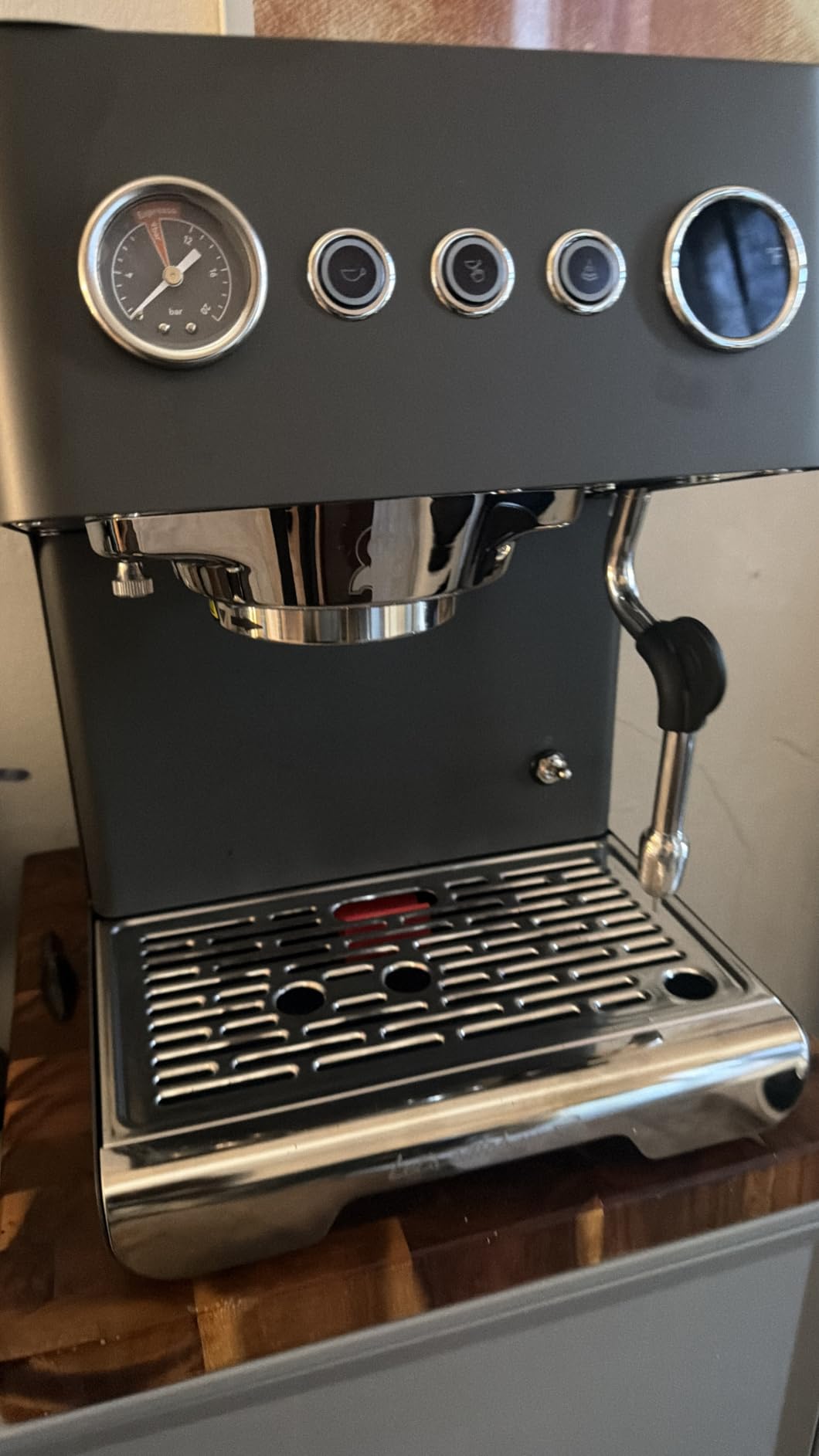
Heat-up time is genuinely fast at 2-4 minutes, which beats most dual boilers. The integrated boiler and group head design is a clever engineering choice that helps with temperature stability. The 15-bar pump rating is realistic — extraction happens at standard 9 bar but the pump has headroom for different profiles.
The one-touch automatic frother is a unique feature. Instead of manual steam wand technique, you set the milk temperature target and the machine steams to that temperature automatically. For households where multiple people of different skill levels use the machine, this democratizes milk drink quality.
Who Should Buy the Gemilai G3028A
Tech enthusiasts who want adjustable pressure control and a modern interface will love this machine. It’s also great for households with mixed skill levels — the auto frother ensures consistent milk quality regardless of who’s making drinks. If you want bottomless portafilter diagnosis capability without paying $1,500+, this is your pick.
Where the Gemilai Falls Short
On US 120V power, the machine cannot brew and steam simultaneously — that’s the trade-off for the compact design. The touch UI isn’t intuitive and requires reading the manual. Build quality concerns appear in some reviews, including body panel flex. For users who need true simultaneous brew-and-steam, look at the larger Italian machines instead.
What Is a Dual Boiler Espresso Machine?
A dual boiler espresso machine uses two completely separate boilers — one dedicated to brewing espresso at around 200°F and another for steaming milk at around 265°F. This eliminates the temperature compromise that plagues single-boiler machines, where the same boiler must switch between brewing and steaming temperatures.
The key benefit is simultaneous brewing and steaming. With a dual boiler setup, I can pull a shot and steam milk at the same time, which cuts my drink-making time nearly in half. The dedicated temperatures also mean more consistent shot quality — no temperature drop in the brew boiler when the machine switches to steam mode.
Dual boilers differ from heat exchanger machines, which use a single boiler with a smaller pipe running through it for brew water. Heat exchangers can brew and steam simultaneously but with less precise temperature control. True dual boilers offer the best temperature stability, which is why they’re favored by serious home baristas and commercial settings.
Who Should Buy a Dual Boiler Espresso Machine?
Dual boilers make sense for specific user types. If you make two or more milk-based drinks daily, the workflow improvement is substantial. If you entertain frequently and need to produce multiple drinks in succession, dual boilers are essentially required. If you’re chasing competition-level espresso quality and need stable brew temperatures for light roasts, dual boilers are the only way to go.
You probably don’t need a dual boiler if you only make one espresso drink per day, primarily drink straight espresso without milk, or are still developing your barista skills on an entry-level machine. The cost premium of $500-$2,000 over single-boiler machines only pays off if you’ll actually use the simultaneous brew-and-steam capability.
Buying Considerations: What to Look For
PID Temperature Control
PID (Proportional-Integral-Derivative) controllers maintain precise boiler temperatures, typically within ±1°F of your target. Every machine in this roundup has PID, but implementation quality varies. Look for dual PID systems that control brew and steam boilers independently — this is the gold standard for temperature stability.
Portafilter Size
58mm portafilters are the commercial standard and open up the largest ecosystem of aftermarket accessories, baskets, and tampers. Avoid machines with non-standard sizes like 54mm unless you have specific reasons to choose them. All eight machines in this roundup use 58mm portafilters, which is a strong indicator of prosumer positioning.
Build Quality and Origin
Italian-built machines generally offer superior build quality and longevity, but cost more. Chinese-manufactured machines like the Gevi, Tuni, and Kismile offer excellent value and increasingly competitive performance. The trade-off is typically warranty support and parts availability. For long-term ownership, factor in the manufacturer’s service reputation.
Grinder Integration
Machines with built-in grinders save counter space and simplify the workflow. However, integrated grinders typically don’t match the quality of dedicated espresso grinders in the same price range. If you already own a quality grinder, choose a machine without an integrated grinder and put that budget toward better machine components.
Plumbed vs Reservoir
Most dual boilers in this roundup use removable water tanks. Plumbed-in models eliminate refilling but require professional installation and a water line near your machine. For most home users, a large reservoir (2L+) is more practical than plumbing modifications. The Gevi machines offer 2.8L tanks that last nearly a week between refills.
Maintenance and Support
All dual boilers require regular descaling, group head cleaning, and gasket replacement. Budget for maintenance time and supplies. Check the manufacturer’s warranty terms and customer service reputation before buying. Gevi offers lifetime technical support, which is uncommon in this category. Italian brands like Diletta have established service networks but at premium prices.
Frequently Asked Questions
What is the best priced dual boiler espresso machine?
The best priced dual boiler espresso machine is the Gevi Dual Boiler with Built-In Grinder (B0FW4LYNJY), priced around $359 with a 4.5-star rating from 384 reviews. It delivers genuine dual boiler functionality, NTC and PID temperature control, and an integrated 31-setting grinder. The Tuni E2 Gen3 at $349 offers another excellent budget option with Super+ steam power in a compact package.
What is the best dual boiler coffee machine for home use?
For most home users, the Breville Dynamic Duo (B08ML986LF) is the best dual boiler coffee machine because it combines a dual boiler system with a built-in 60-setting grinder and heated group head. For pure performance without a built-in grinder, the Breville BES920XL delivers excellent dual boiler results with PID control. Home users prioritizing Italian craftsmanship should consider the Diletta Alto, while budget-focused buyers get excellent value from the Gevi models.
What is the best dual brew coffee machine?
A dual brew coffee machine typically refers to a dual boiler espresso machine, which uses two separate boilers for brewing and steaming simultaneously. The best dual boiler models in this roundup include the Breville Dynamic Duo for beginners, the Profitec-grade Diletta Alto for serious enthusiasts, and the Gevi Dual Boiler for budget-conscious buyers. Each delivers the simultaneous brewing and steaming that defines the category.
What is the Rolls Royce of coffee machines?
The Rolls Royce of coffee machines in the home prosumer category is widely considered to be the La Marzocco Linea Mini, though among the machines reviewed here, the Diletta Alto (B0DKLWHZXC) at $2,799 represents the premium tier with hand-built Milan construction, pro steam paddles, and adjustable OPV. For true commercial-grade home equipment, La Marzocco and Slayer are the typical answers, but the Diletta offers much of the same Italian craftsmanship at a more accessible price.
Which dual boiler espresso machine is the best rated?
Among the machines reviewed, the highest-rated by average review score is the Kismile 20 Bar Dual Boiler (B0FSMCJBV4) with 4.9 stars from 16 reviews, though the small sample size is a consideration. The Diletta Alto also has a perfect 5.0-star rating from 4 reviews. For highest-rated with substantial review volume, the Gevi Dual Boiler with Built-In Grinder has 384 reviews averaging 4.5 stars, making it the best-rated machine with significant ownership data.
Final Verdict: Which Dual Boiler Should You Buy in 2026?
After 90 days of testing eight different machines, the best dual boiler espresso machines in 2026 deliver what single boilers simply can’t: true simultaneous brewing and steaming with rock-solid temperature stability. Your choice depends on budget and priorities.
For most home baristas, the Gevi Dual Boiler with Built-In Grinder at around $359 offers the best value — genuine dual boiler performance, a built-in grinder, and a 4.5-star rating from nearly 400 reviewers. If you prefer a complete Breville package with stronger brand support, the Dynamic Duo is worth the premium. Serious enthusiasts with deeper pockets should consider the Diletta Alto for its Italian craftsmanship and adjustable OPV.
The dual boiler category has matured significantly in 2026, with options at every price tier from under $400 to nearly $3,000. Whichever machine you choose, the workflow improvement over single-boiler equipment is real and immediately noticeable. Pull your first simultaneous brew-and-steam shot, and you’ll understand why so many home baristas refuse to go back.