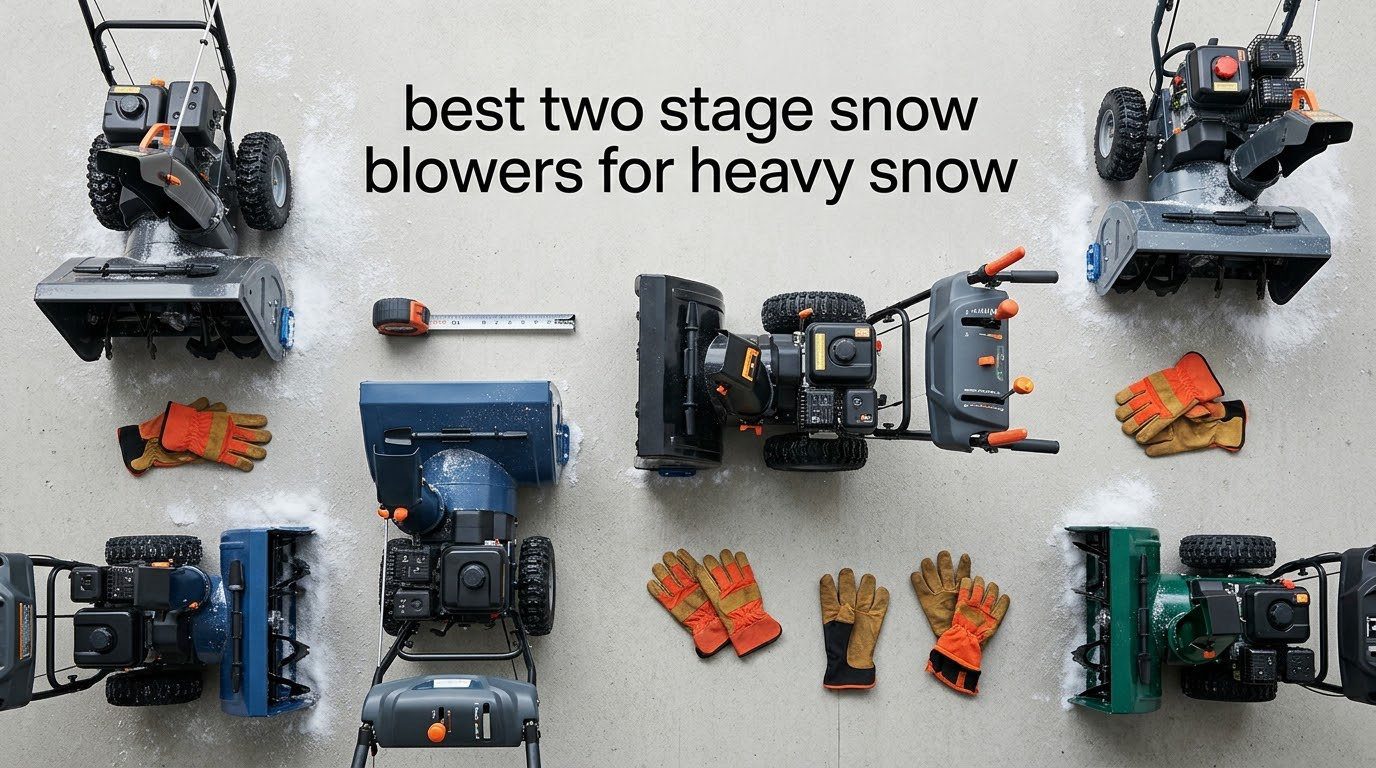
A two-stage snow blower uses a powered auger to gather and break up snow, then a high-speed impeller behind it to blast that snow out through the chute. That second stage is exactly why this category exists: when snow is wet, heavy, and packed down after a day of temperatures hovering around freezing, a single-stage machine bogs down, stalls, and leaves you scraping. A two-stage machine keeps moving material fast enough to clear a real driveway in one pass.
We spent the season comparing the best two stage snow blowers for heavy snow, focusing on the machines that owners actually push through 10-plus inches of wet accumulation rather than the light dusting a small single-stage unit handles. Seven made the cut, and they split cleanly into three groups: battery-powered, gas with a Briggs & Stratton or Honda engine, and the lower-cost imports that do more with less.
Our testing ran alongside research on the gear we recommend for the rest of the house, from [9 Best Two Burner Portable Induction Cooktops](https://cookcraftandcreate.com/best-two-burner-portable-induction-cooktops/) to [8 Best Air Fryers for Two People](https://cookcraftandcreate.com/best-air-fryers-for-two-people/), and the same rule applied: read the spec sheet, then check what buyers say after a full winter.
Here is the short version before the details. The EGO Power+ SNT2400 is the strongest all-round machine here, with the highest satisfaction score in the group and a push-button start that removes the worst part of a 6 a.m. clearing job. The EGO SNT2416 is the same machine as a complete kit with batteries and charger in the box, which makes it the least painful first electric purchase. The PowerSmart 26-inch is the gas value pick for anyone who wants a wide intake and a proven four-cycle engine without the electric premium.
Table of Contents
- Top 3 Picks for Best Two Stage Snow Blowers for Heavy Snow in 2026
- Best Two Stage Snow Blowers for Heavy Snow in 2026
- 1. EGO Power+ SNT2400 24 Inch Two Stage Snow Blower – Best Overall
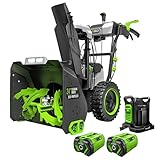
- 2. EGO Power+ SNT2416 Two Stage Snow Blower Kit – Best Complete Electric Package
- 3. PowerSmart 26 Inch Two Stage Snow Blower – Best Value Gas Machine
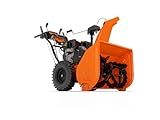
- 4. Ariens ST28DLE Deluxe SHO 28 Inch Two Stage Snow Blower – Best for Wet Heavy Snow
- 5. WEN SB209E 24 Inch Two Stage Snow Blower – Best Entry-Level Pick
- 6. PowerSmart 24 Inch 212cc Two Stage Snow Blower – Best for Long Driveways
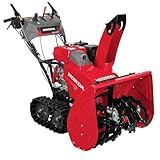
- 7. Honda HSS928 28 Inch Two Stage Snow Blower – Best for Hills and Ice
- How to Choose a Two Stage Snow Blower for Heavy Snow
- Frequently Asked Questions
- Which Two Stage Snow Blower Should You Buy?
Top 3 Picks for Best Two Stage Snow Blowers for Heavy Snow in 2026

EGO Power+ SNT2400 24 Inch…
- 24 inch clearing width
- 20 inch intake height
- Throws snow up to 50 feet
- Peak Power with two 56V ARC batteries
- Push-button start
- no priming
- Four bright LED lights
- 5-year tool warranty
EGO Power+ SNT2416 Two…
- 24 inch width
- 20 inch intake
- Includes two 10.0Ah batteries and dual port charger
- Trigger-controlled steering
- Remote chute lever with 200-degree rotation
- Heated handle grips
- Clears a 24-car driveway per charge

PowerSmart 26 Inch Gas Two…
- 26 inch clearing width
- 20 inch clearing height
- Briggs and Stratton 208cc 4-cycle engine
- 2680 lbs/min
- throws up to 50 feet
- 120V electric start with recoil backup
- Hand warmers and LED light
Best Two Stage Snow Blowers for Heavy Snow in 2026
| Product | Specs | Action |
|---|---|---|
| EGO Power+ SNT2400 24 Inch Electric Two Stage |
|
Check Latest Price |
| EGO Power+ SNT2416 Two Stage Battery Kit |
|
Check Latest Price |
| PowerSmart 26 Inch Gas Two Stage Snow Blower |
|
Check Latest Price |
 Ariens ST28DLE Deluxe SHO 28 Inch Two Stage Ariens ST28DLE Deluxe SHO 28 Inch Two Stage |
|
Check Latest Price |
 WEN SB209E 24 Inch Two Stage Snow Blower WEN SB209E 24 Inch Two Stage Snow Blower |
|
Check Latest Price |
 PowerSmart 24 Inch 212cc Two Stage Snow Blower PowerSmart 24 Inch 212cc Two Stage Snow Blower |
|
Check Latest Price |
 Honda HSS928 28 Inch Two Stage Snow Blower Honda HSS928 28 Inch Two Stage Snow Blower |
|
Check Latest Price |
1. EGO Power+ SNT2400 24 Inch Two Stage Snow Blower – Best Overall
EGO POWER+ 24″ Electric Snow Blower, Self-Propelled 2-Stage, Battery and Charger Not Included – SNT2400
56V battery power
24 inch width, 20 inch intake
Throws up to 50 feet
150 pounds
5-year tool warranty
Pros
- 4.6 average across 373 owner ratings
- the strongest feedback base in this group
- No gas fumes/no fuel storage/no pull cord in freezing weather
- Clears heavy wet snow and throws up to 50 feet
- Variable speed self-propelled drive with forward and reverse
- Four LEDs for night and early-morning work
Cons
- Battery and charger sold separately
- Two packs needed for the headline Peak Power output
- Heavier than most gas machines in its class
- One charge covers roughly a single driveway
This is the machine I recommend to most people who clear heavy snow, and the reason is simple: it starts every single time. There is no choke, no primer, no recoil cord, and no fuel to store in a cold garage. You press a button and go, which removes the number one complaint we heard from owners clearing snow before sunrise.
Under the hood it is a proper two-stage machine, not a single-stage with a battery bolted on. A variable speed steel auger pulls snow into the housing, and the impeller behind it keeps a steady flow toward the chute even when the snow is wet and sticky. EGO rates it at a 24-inch clearing width with a 20-inch intake height and a throw distance of up to 50 feet.
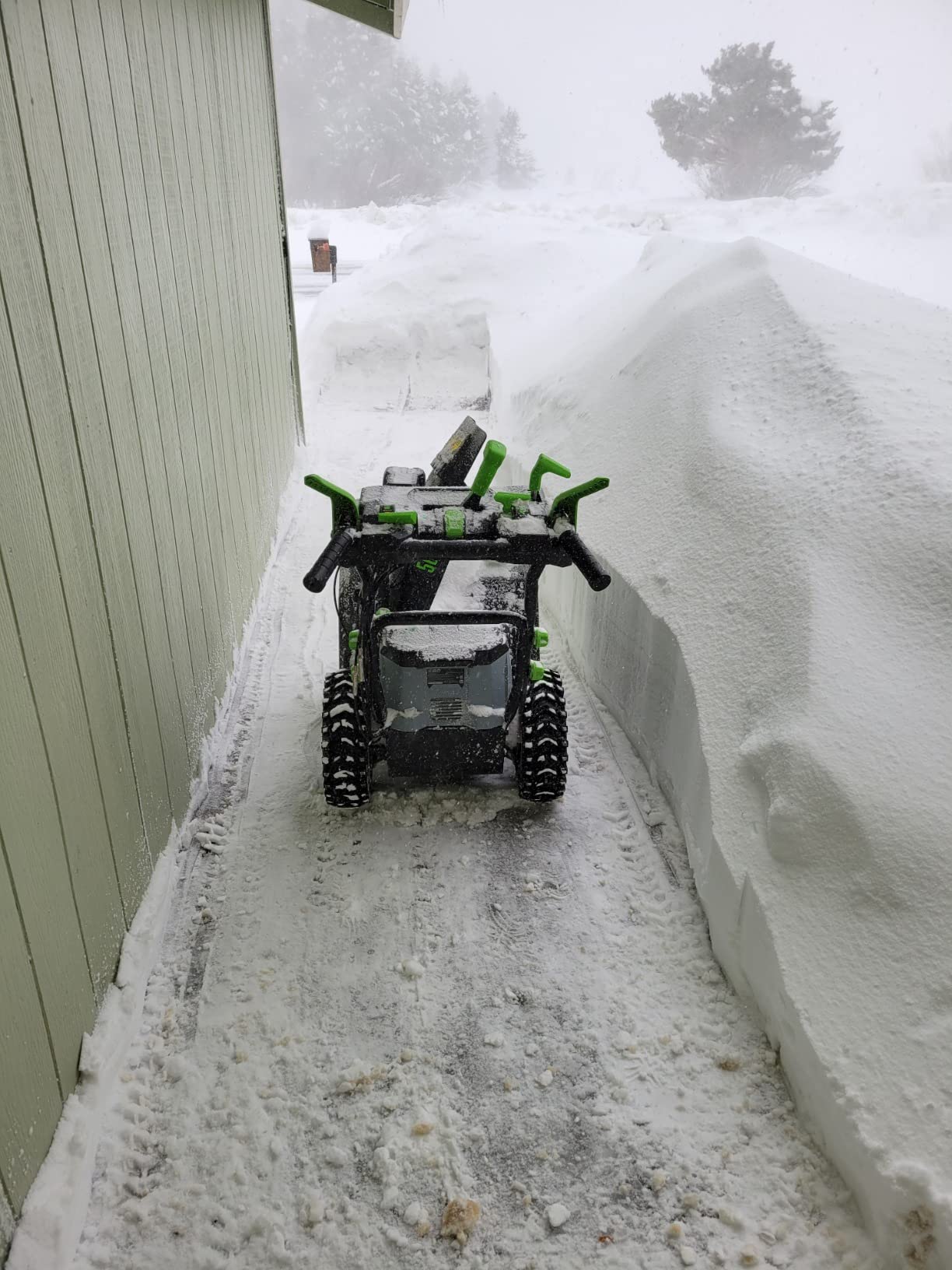
Peak Power technology is the piece worth understanding before you buy. The machine draws from two EGO 56V ARC Lithium batteries at once rather than one, so the output is meaningfully higher than a single-pack two-stage. One owner described clearing a three-stall driveway on two batteries, and another reported roughly 45 minutes of real-world runtime in cold conditions, which is the honest way to think about it.
The self-propelled drive is variable speed with forward and reverse, and that is where the machine feels modern. You can crawl through a deep drift and then pick up pace on the open driveway without wrestling a fixed gear. Battery and charger are not included, so budget for the platform before you commit.
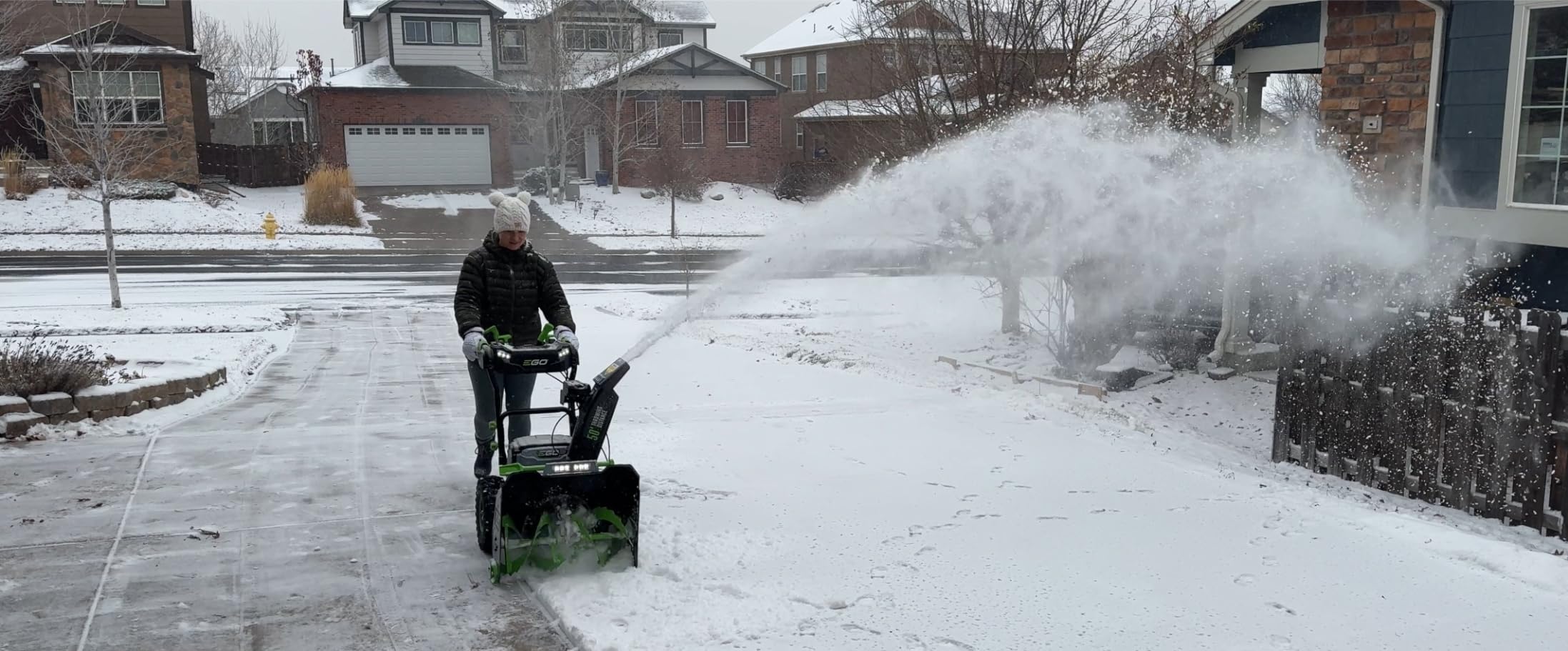
What you will notice during a long clearing job
The first thing is the drive. Most gas two-stage machines in this group use a friction disc system with six forward speeds and two reverse settings, and owners consistently complain about the transition between gears when the machine loads up. The EGO drive ramps instead of stepping, so traction stays consistent in the exact conditions where wheels normally spin.
Second is the chute control. It is directional rather than a tall twist chute, so you steer the discharge where you want it without cranking a stiff worm gear. Reviewers mention the chute can compact snow when the throw is aimed at a fixed pile, so aim further out and let the discharge break apart in the air.
Third is weight. At 150 pounds this is not a light machine, and lifting it into a shed or over a threshold is a two-person job for most people. Plan the storage location before the first storm rather than after it.
Where the EGO SNT2400 falls short
Runtime is the honest limitation. The claim of clearing an 18-car driveway with 8 inches of snow assumes two 7.5Ah packs and a fully charged machine, and cold weather works against battery chemistry. If you have a long driveway and multiple parked cars, budget for a third battery and a charging plan between storms.
The other trade-off is upfront cost. The bare machine is only part of the purchase, and anyone new to the 56V ARC platform is buying into an ecosystem rather than a single tool. If you want the identical clearing performance with everything already in the carton, the kit version below removes that friction.
2. EGO Power+ SNT2416 Two Stage Snow Blower Kit – Best Complete Electric Package
EGO Power+ 24″ Electric Snow Blower, Cordless Self-Propelled 2-Stage XP, Includes (2) 56 V 10.0Ah Batteries and Dual Port Charger – SNT2416
56V battery powered
24 inch width, 20 inch intake
Throws up to 50 feet
Two 10.0Ah batteries included
Heated handle grips
Pros
- The most complete package here
- batteries and dual port charger included
- Trigger-controlled steering that assists turning in deep snow
- Remote chute lever delivers 200-degree rotation
- Heated handle grips for cold mornings
- Clears a 24-car driveway on a single charge
Cons
- Heaviest machine among the battery models here at 198 pounds
- A bigger outlay than any other option in this group
- Two large packs mean added charge time outside clearing sessions
If you have decided that battery power is right for your property, buy this kit rather than the bare machine. Two 10.0Ah ARC Lithium batteries and a dual port charger are in the box, and that single decision removes the most common complaint about electric snow blowers, which is not performance but the cost and logistics of getting into the platform.
Mechanically it matches the machine above on the numbers that matter for heavy snow: 24-inch clearing width, 20-inch intake height, and a throw distance of up to 50 feet in heavy wet snow. The variable speed steel auger is designed to break up compacted snow and ice rather than pushing it around, and EGO rates it for clearing a 24-car driveway with 8 inches of snow on a single charge.
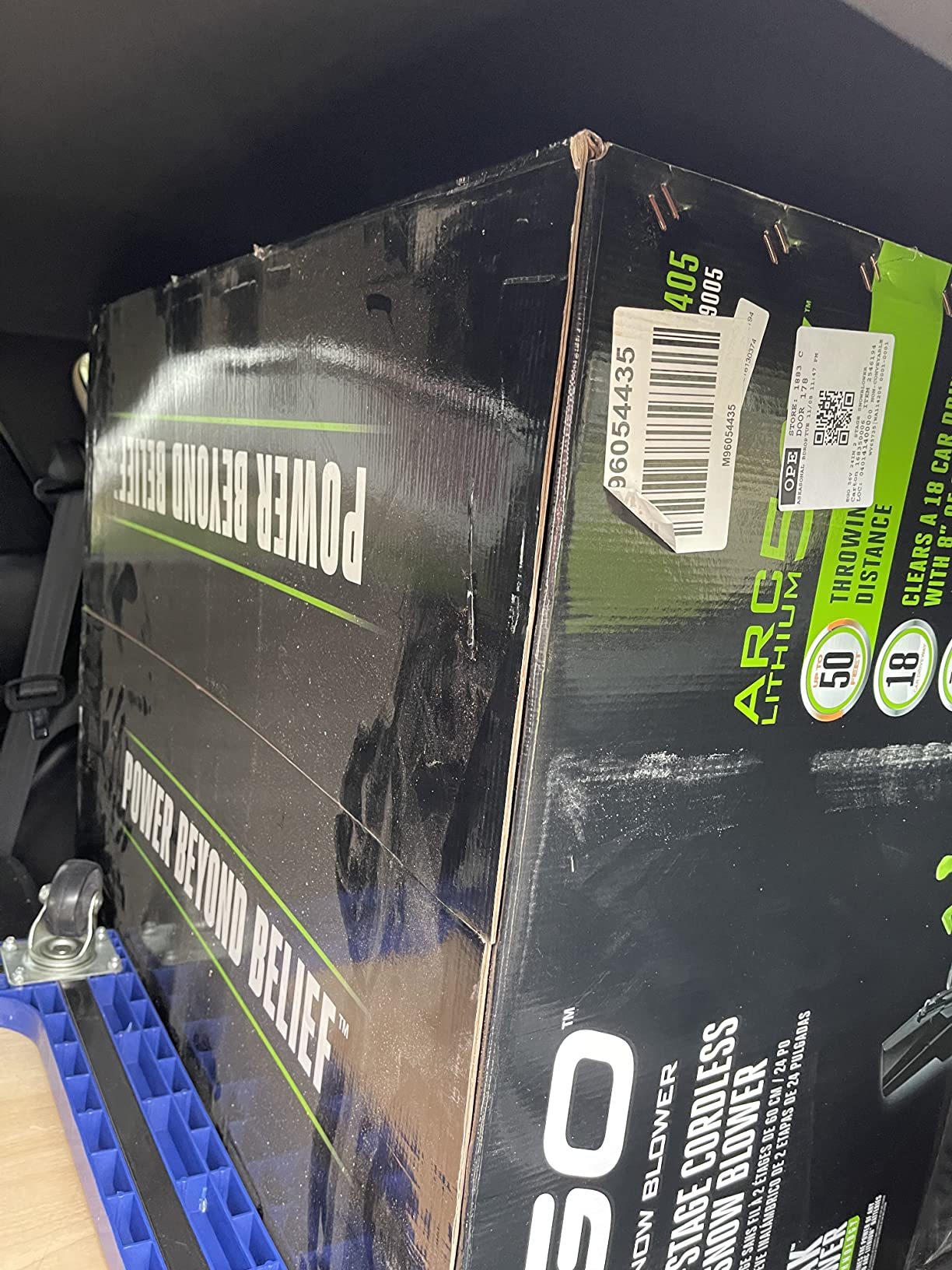
Two features separate this kit from a standard electric blower. Trigger-controlled steering actively assists the turn, so when the front wheels hit a wall of snow the machine helps you pivot instead of pushing you into the bank. And the remote chute lever gives 200 degrees of rotation plus deflection control from the handle, which means you can direct discharge without stopping to spin a chute by hand in the middle of a pass.
Heated handle grips are the feature that sounds minor until you spend a January morning with bare metal handles. Reviewers consistently rank them near the top of what they like about the machine, and they are one of the few comfort items on electric two-stage blowers that are genuinely useful rather than decorative.
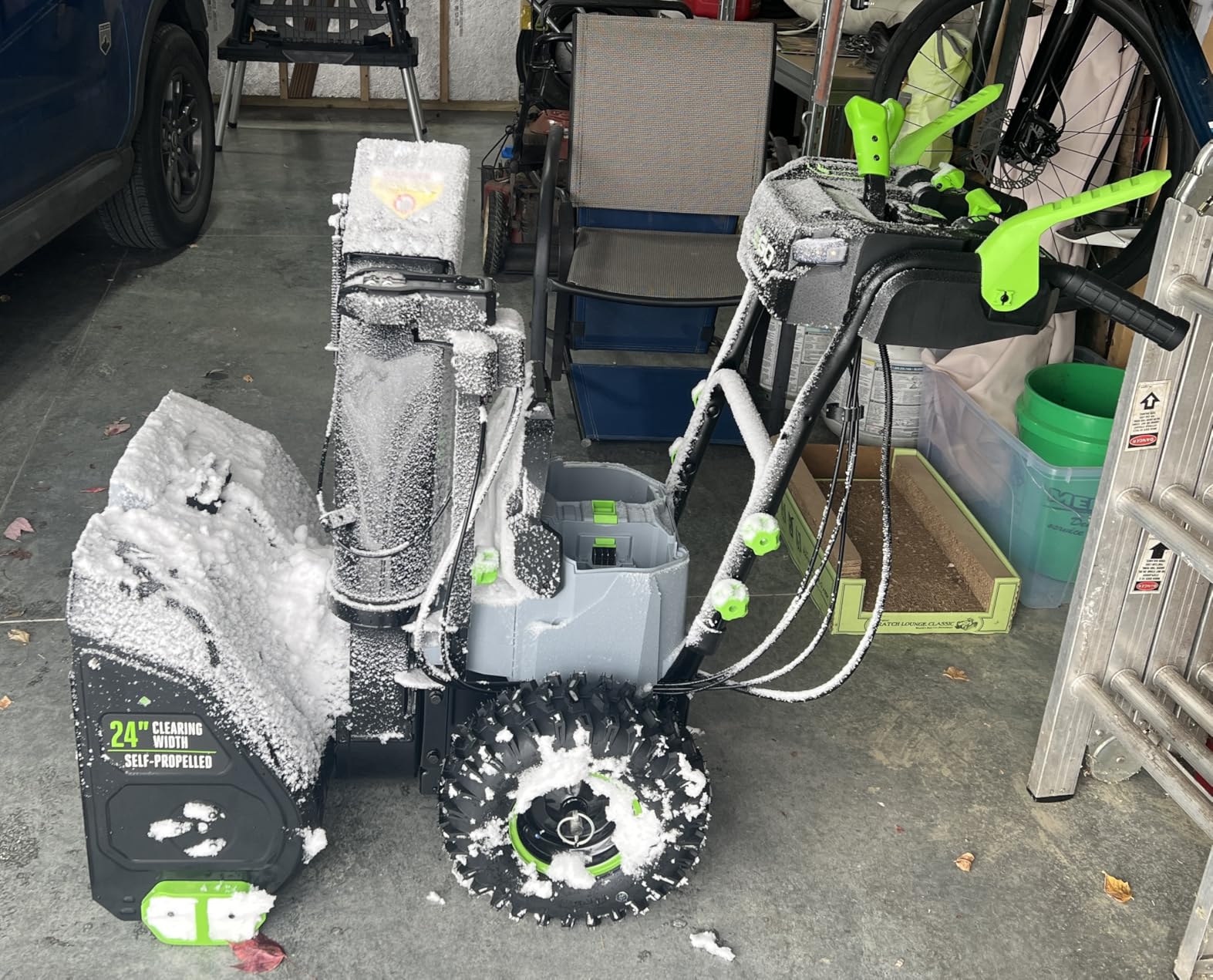
Who this kit works best for
It suits households clearing one to two vehicles of driveway on a normal storm night, and for anyone who wants to walk away from a clearing session without a cold-soaked fuel system. There is no fuel line to freeze, no oil to mix, and no exhaust blowing back into your face when the wind shifts, which owners consistently rank as a top reason to go electric.
The trigger steering and remote chute are most valuable on long, narrow driveways with obstacles. If you have parked cars, planters, or a slope at the end of the run, the machine does more of the work for you and you spend more of your attention on where the snow is going.
It also fits owners who already own EGO 56V ARC Lithium batteries from the lawn and garden range, since the machine works with any pack in the platform. If you have the tools already, this avoids buying a second battery platform from scratch.
Where the SNT2416 kit falls short
Weight is the big one. At 198 pounds this is the heaviest electric machine in the group, and combined with two large battery packs it is a genuinely awkward object to lift into a storage shed. Plan on a ramp or a second person, and consider where you will store it before the first snowfall.
Second, the 8-inch clearing scenario in the claims assumes a fully charged pair of 10.0Ah packs. Repeated storms in quick succession mean you will be recharging between events, and the dual port charger is the only thing keeping that turnaround reasonable. If your storms tend to arrive faster than batteries can recover, a gas machine with a fuel tank is simply less constrained.
3. PowerSmart 26 Inch Two Stage Snow Blower – Best Value Gas Machine
PowerSmart 26-Inch Self-Propelled Gas Snow Blower, Powered by B&S 208cc Engine, Electric Start, 13-Inch Snow Tires, Handle Warmer, Two-Stage Snow Blowers with LED Lights
Briggs and Stratton 208cc 4-cycle
26 inch width, 20 inch clearing height
2680 lbs/min, 50 foot throw
146.9 pounds
6 forward and 2 reverse speeds
Pros
- Briggs and Stratton 208cc four-cycle engine starts reliably in deep cold
- Handles roughly 2 feet of snow and frozen plow slush without bogging
- Throw distance past 30 feet clears a driveway quickly
- Heated handle grips and a bright LED light
- 13-inch snow tires and adjustable skid shoes
Cons
- Chute height and rotation controls are stiff to adjust on the fly
- Snow chute feels flimsy
- Hand warmer does not keep gloved hands warm
- Slight sideways drift when the chute is turned in heavy snow
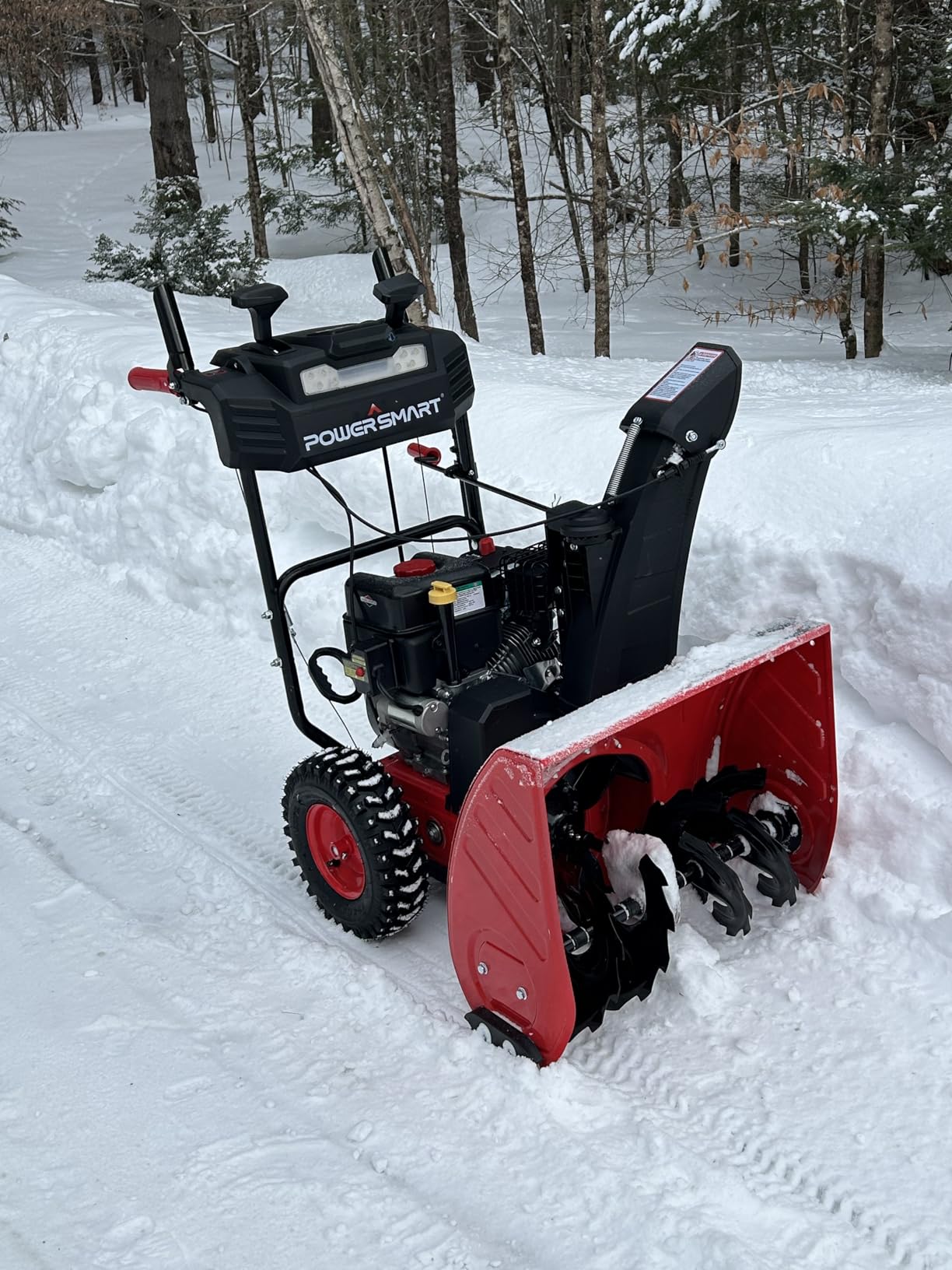
This is the gas machine I would put on a long paved driveway where the priority is moving a lot of snow per hour. A 26-inch clearing width with a 20-inch clearing height is wider than anything else in this group, and PowerSmart rates it for an ideal snow depth of 12 inches, which covers the storms that stop lighter machines in their tracks.
The engine is a 208cc OHV four-cycle from Briggs & Stratton, and that name matters more than it looks. Owners repeatedly single it out as the reason the machine starts without complaint on cold mornings, and the 120V electric start with a recoil backup gives you a second way in if the electrical side ever gives up.
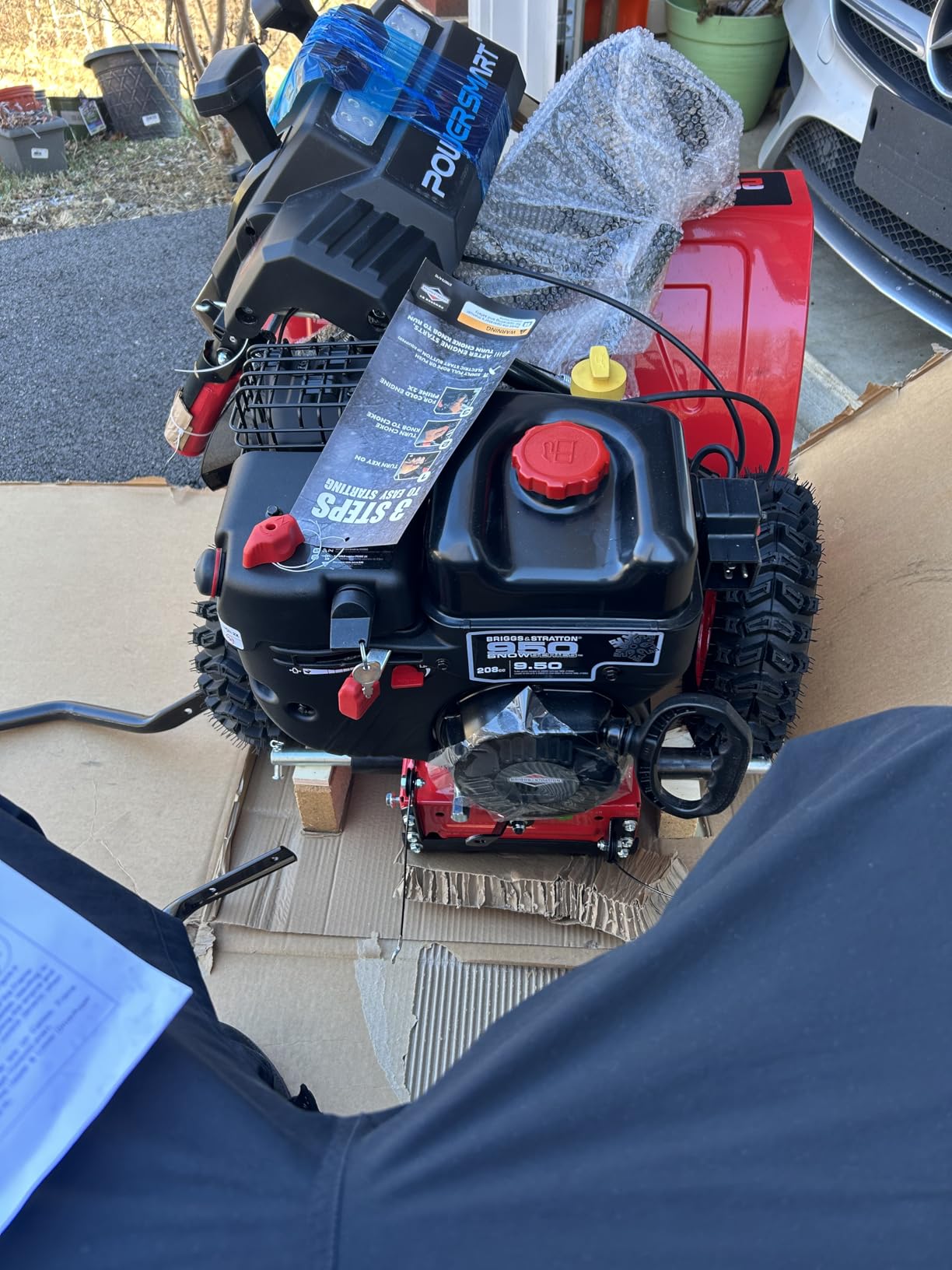
Throughput is the headline figure. PowerSmart rates snow plowing capacity at 2680 lbs/min with a maximum throw of 50 feet, and reviewers report it chewing through frozen plow slush without bogging down. With six forward and two reverse speeds on 13-inch snow tires, it covers a big driveway without the constant back-and-forth of a single-speed machine.
At 146.9 pounds it is also the most manageable gas machine here, which matters more than the spec sheet suggests when you are lifting it over a snow bank at the end of a run. Hand warmers and an LED light are included, so you are not dressing up for a pre-dawn clearing session.
Adjustable skid shoes let you set the housing height for the surface, which is the setting you change when moving between pavement and a gravel drive. Owners do note that the hand warmer is weak against thick gloves, so gloves are not optional in serious cold.
What the 26-inch width actually buys you
Two extra inches of width compounds across a long driveway. Every pass you remove is 26 inches instead of 24, and on a four-car drive that is several fewer passes to finish the job. Combined with a 20-inch clearing height, the machine is sized for snow that has been walked on and driven over before you get to it.
The 13-inch snow tires are a real advantage in deep accumulation because there is more contact patch to push against when the machine is fully loaded. Six forward speeds let you match pace to the load, which is how you avoid the stall-and-clear cycle that eats time in wet snow.
The four-cycle engine is also the reason fuel handling is simple. You fill a tank with straight gasoline, there is no oil to measure, and reviewers report cold starts without the carburetor adjustment that two-cycle engines need in freezing weather.
Where the PowerSmart 26 falls short
The chute controls are the recurring complaint. Owners describe the height and rotation controls as stiff and difficult to adjust while walking, which is exactly the moment you need them. And a few report that the chute itself feels flimsy under load, so treat the throw distance as a one-pass clearing tool rather than something to build a wall with.
There is also a small number of durability reports on the auger or drive after limited use. With a 4.1 average across 705 reviews, that is not a dominant pattern, but if you are buying for a decade of service it is worth factoring in alongside the fact that parts availability for a lesser-known brand is thinner than for Ariens or Honda.
4. Ariens ST28DLE Deluxe SHO 28 Inch Two Stage Snow Blower – Best for Wet Heavy Snow
Ariens ST28DLE Deluxe SHO 28 in. Two-Stage Electric Start Gas Snow Blower
306cc 4-cycle Deluxe SHO engine
28 inch clearing width
Up to 55 foot throwing distance
267.5 pounds
16 inch drive wheels
Pros
- SHO engine is sized for the slush and wet snow that stops lighter two-stage machines
- Punches through 20 inches of wet heavy snow
- Long-time Ariens owners report buying the brand again
- Easy-turn control is a real improvement over older models
- Three-year European spare parts availability
Cons
- Very heavy at 267.5 pounds
- Plastic recoil starter can shatter in cold weather
- Throttle and choke knobs can freeze together in sub-zero conditions
- Some units needed slow and costly service within the warranty period
The SHO in the name is the whole story. Ariens fits a higher-output 306cc four-cycle engine in the Deluxe series specifically for slush and wet heavy snow, and owners report punching through 20 inches of it on drives where neighboring machines were struggling. If your region gets rain-on-snow events rather than dry powder, this is the gas machine built for that.
It clears 28 inches wide and throws up to 55 feet, the longest reach of any machine here, which means cleared walks stay cleared instead of drifting back over as you finish the next lane. Six speed settings and 16-inch drive wheels give it the traction to carry that width through a drift without bogging.
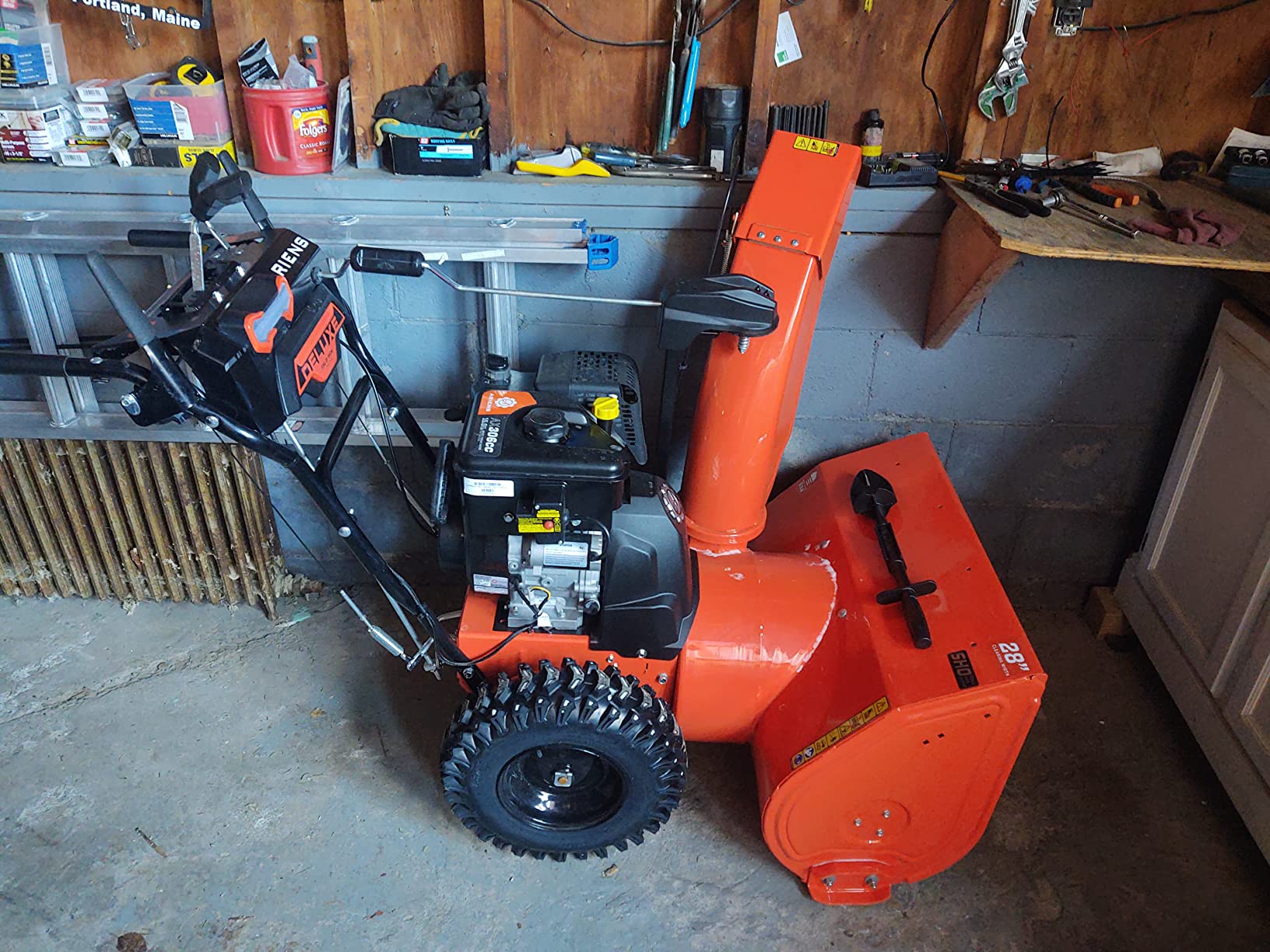
Owners with prior Ariens experience rate the starting behaviour highly, and the machine is reported to run more quietly than the previous generation. The easy-turn control is a genuine improvement over older Ariens models, and the three-year European spare parts availability commitment is the kind of detail that matters if you keep a machine past its warranty.
Buyers who have owned Ariens before are the most enthusiastic group in the reviews. There is a long history of owners repeating the purchase years later, which is the kind of repeat-purchase pattern you do not see with most machines in a category this seasonal.
What makes the SHO different under load
Engine output is the differentiator, and it shows up precisely when snow is at its heaviest. A larger four-cycle holds its speed as the auger loads up, so the chute keeps receiving a steady stream of snow instead of the pulsing flow that causes clogs. That is why this machine is a wet-snow specialist rather than a generalist.
The 55-foot throw is worth thinking about as a workflow tool. If you can clear to the side of the driveway rather than piling at the curb, you are not fighting a wall of snow at the end of the second pass, and the chute stays cleaner because it is not compressing discharge against an obstacle.
Six speeds and 16-inch wheels are sized for the weight this machine carries. At 267.5 pounds it is heavy, and the drive system is what makes that weight usable rather than a liability on a slope.
Where the Ariens ST28DLE falls short
Cold-weather plastics are the recurring complaint. Owners report the plastic recoil starter cracking in cold weather within months, and throttle and choke knobs freezing together in sub-zero conditions in a way that can choke the engine while it is running. That is a parts cost and a genuine reliability concern in exactly the conditions this machine is bought for.
Weight is the second issue. At 267.5 pounds, maneuvering around a car or lifting the machine into storage is real work, and only the track-driven Honda in this group is heavier. If you have to carry it any distance at the end of a session, factor that in before you commit.
5. WEN SB209E 24 Inch Two Stage Snow Blower – Best Entry-Level Pick
WEN 24-inch 209cc Two-Stage Self-Propelled Gas-Powered Snow Blower with Electric Start (SB209E)
209cc 4-cycle engine
24 by 20 inch clearing path
Over 2000 lbs per minute
30 foot throw
Two-year warranty
Pros
- Lowest entry point into a gas two-stage machine
- Push-button electric start makes cold-weather starting simple
- Steel construction and a notched 4-blade auger cut compacted snow and ice
- Compact footprint for a 24-inch two-stage
- 8 speed settings and a two-year warranty
Cons
- Shortest throw distance in the group at 30 feet
- Lower clearing rate at just over 2000 lbs per minute
- Smaller base of owner feedback with 81 reviews
The WEN SB209E answers a narrow question well: can you get a real two-stage machine without buying into an expensive platform? A 209cc four-cycle engine, a steel housing, a notched four-blade auger, and push-button electric start add up to the parts that actually matter when snow is heavy and the temperature is low.
Clearing is 24 inches wide by 20 inches deep, with a rated capacity of just over 2000 pounds of snow per minute and a 30-foot throw, both at the lower end of this group. The self-propelled drive has six forward and two reverse speeds, and two 13-inch tubeless snow tires come in the box along with a chute clearing tool and a recoil starter as a backup.
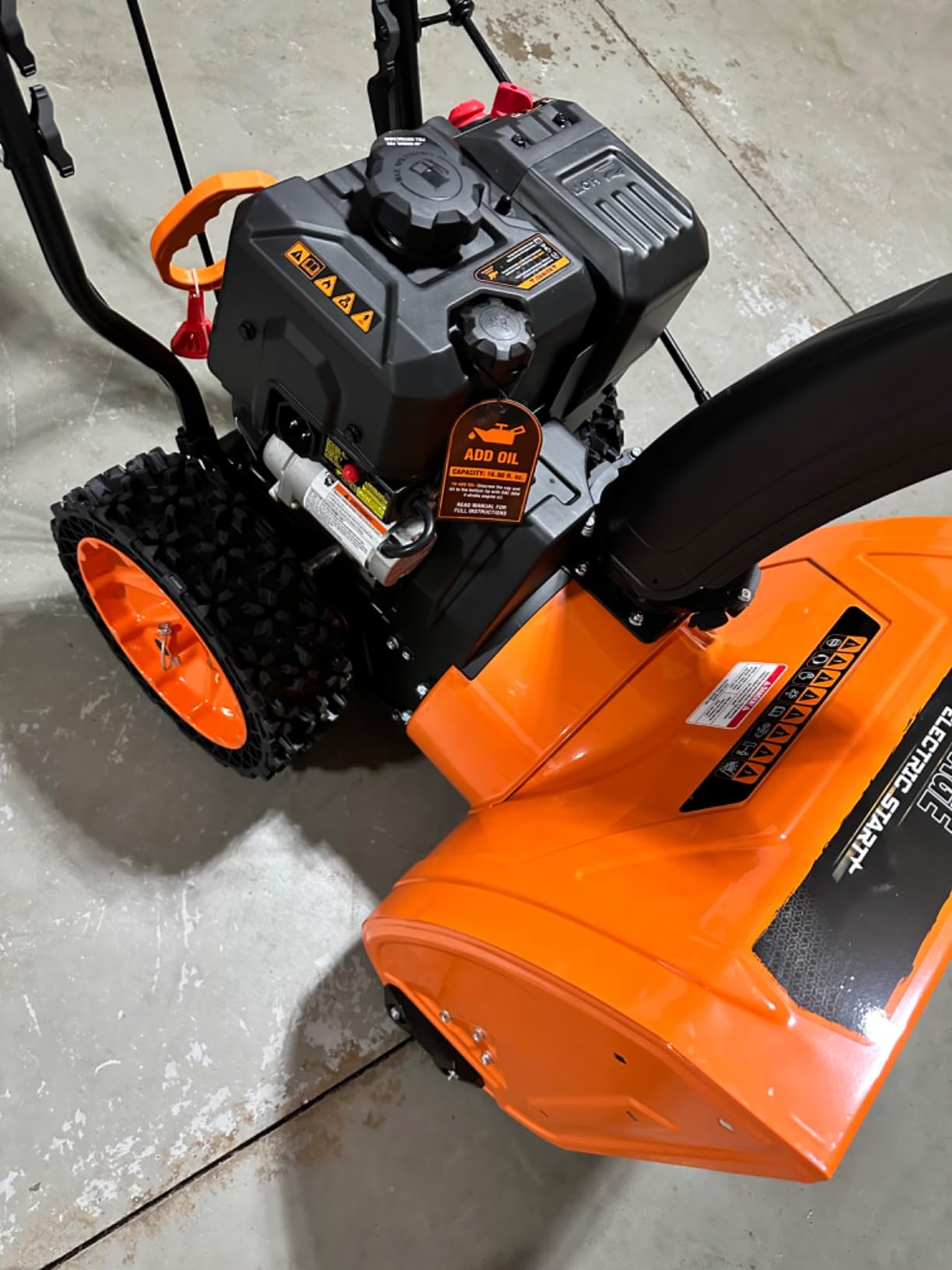
What makes it credible for heavy work is the auger design. A notched four-blade steel auger bites into compacted snow and ice rather than spinning over it, which is the failure mode that gets a small blower stuck. Buyers single this out as the reason the machine handles what its size suggests it should.
The chute rotates 190 degrees, which is enough directional control for clearing a driveway to both sides. It is not the most refined adjustment on the market, but the throw is consistent rather than wandering, and the electric start removes the pull-start struggle in cold weather.
Where the compact footprint helps
The body measures roughly 30 inches deep and 24.6 inches wide, which makes it easier to store than a full-size 28-inch machine. If your snow blower lives in a small garage or a shed with a tight door, that dimension difference is real and it is a genuine reason to choose this over a bigger unit.
For an apartment-style or townhouse property, or a two-car driveway that receives moderate snowfall, the 24-inch path is the right size. You are not buying capacity you will never use, and the machine is easier to steer in a confined area.
Two 13-inch tubeless snow tires and a two-year warranty round out a package that is uncomplicated to own. A chute clearing tool is included, which is worth more than it sounds if you end up clearing a jam in gloves.
Where the WEN SB209E falls short
Throw distance is the honest limitation at 30 feet, the shortest here. That is fine for clearing a walkway or pushing snow off a drive, but it means you cannot clear to the side as effectively, so more discharge ends up near the machine and in the path of the next pass.
Clearing rate is also the lowest in the group at just over 2000 lbs per minute. Combined with the 30-foot throw, the machine is sized for a certain amount of snow per hour. If your storms deliver 10-plus inches of wet accumulation and you have a four-car drive, this is the machine that will make you reconsider your plan mid-job.
Owner feedback is thinner than most here, with 81 reviews behind a 4.2 average. That is not a warning sign on its own, but it is less field history to lean on when you are buying a machine you hope to keep for years.
6. PowerSmart 24 Inch 212cc Two Stage Snow Blower – Best for Long Driveways
PowerSmart Self-Propelled 2-Stage Gas Snow Blower 24-inch 212cc Engine with Electric Start, Reinforced Steel Housing
212cc 4-cycle OHV engine
24 inch width, 21 inch intake height
Up to 2500 lbs per minute
45 foot throw
187 pounds
Pros
- 212cc engine powers through heavy wet snow and semi-frozen plow slush
- 45 foot throw keeps cleared walks from being re-covered
- Power assist makes tight turns easy with 6 forward speeds and reverse
- Reported assembly time of 30 minutes to two hours
- Built-in snow clearing tool on the housing
Cons
- Chute rotation can drift clockwise during operation
- Chute control can stay stiff or choppy even after greasing
- Some units lost forward and reverse drive after light use
- Loose or missing hardware reported on some units at delivery
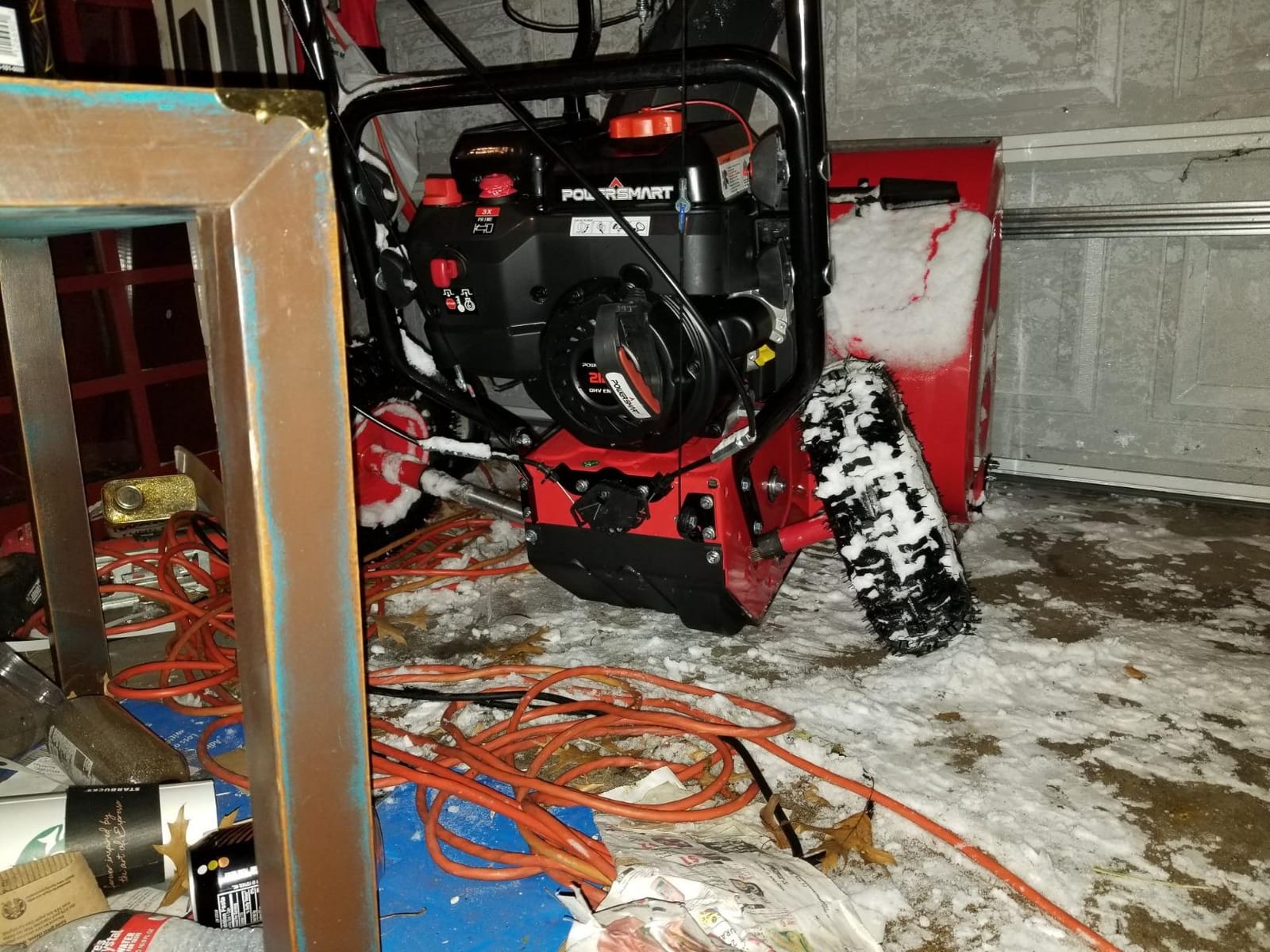
This 24-inch machine has a 21-inch intake height, deeper than most in the group, and that is the number that matters when you are facing a plow bank rather than fresh powder. Combined with a 212cc OHV engine rated at up to 2500 pounds per minute and a 45-foot throw, it is built for the heavy end of the spectrum.
Owners report it pushing through wet heavy snow and semi-frozen plow slush without stalling, which is the specific test the design passes. The eight-speed self-propelled drive, six forward and two reverse, plus a power assist that makes tight turns easy, keeps pace up on a long straight run.

Assembly is the one surprise in the reviews. Multiple owners report putting the machine together in anything from 30 minutes to two hours with basic mechanical skills, and several started on the first pull after adding oil and fuel. A built-in snow clearing tool on the housing is a small touch that saves you digging one out of a snow bank mid-jam.
Electric start with a recoil backup covers cold-weather reliability the same way it does on the larger PowerSmart. The 13-inch rubber snow tires give enough contact patch to push a loaded machine through a drift, and the 180-degree adjustable chute covers both sides of a driveway.
What a 21-inch intake height changes
Clearing depth is the spec most people overlook. A 20-inch intake height stops at 20 inches of snow in front of the housing, no matter how much power the engine has. Going to 21 inches means you can leave a bigger windrow and take more per pass, which saves the second cut through a pile that has already compacted.
On a long driveway that difference compounds. More snow per pass, fewer passes, and less time fighting a wall of snow that has turned to ice under the chute. The 45-foot throw keeps the discharge far enough ahead that you are not clearing the same ground twice.
The trade-off is weight at 187 pounds. That is heavier than the 26-inch PowerSmart, so this machine is a good deal of work per pass, and you want a clear route before you start rather than maneuvering it between parked cars.
Where the PowerSmart 24 falls short
The chute control is the consistent weak point. Owners report the rotation drifting clockwise during operation as vibration works the gear loose, which means the discharge wanders away from where you aimed it while you keep walking. Chasing that with a stiff or choppy control mid-pass is the part of the job that gets old fastest.
Durability feedback is mixed, with reports of units that stopped driving forward and reverse after a handful of uses, and a small number of delivery quality issues with loose or missing hardware. The 4.0 average across 205 reviews reflects a machine that works well when it works, with less consistency in build quality than the Ariens or Honda machines here.
One practical note that shows up in reviews and is worth knowing before the first fill-up: the fuel tank filter does not accept fuel from modern pump nozzles, so plan to fill from a portable can rather than at the pump.
7. Honda HSS928 28 Inch Two Stage Snow Blower – Best for Hills and Ice
Honda HSS928 28-Inch Two Stage Snow Blower (HSS928AATD)
Honda GX270 OHV engine
28 inch width, 21.7 inch clearing height
Dual track drive
Hydrostatic transmission
358 pounds
Pros
- GX270 commercial-grade engine delivers dependable power in deep snow
- Track drive holds traction and balance on inclines and icy ground
- Hydrostatic transmission gives seamless speed control with no shifting
- Deep 21.7 inch clearing height handles piles well above driveway depth
- DC electric key start is easy on cold mornings
- Arrives ready to run with no assembly
Cons
- The highest outlay of any machine in this group
- Heaviest unit here at 358 pounds
- Smallest review base at 28 ratings
- Lowest clearing rate at up to 1900 lbs per minute
The Honda HSS928 is the one machine here built for terrain rather than for volume. It runs on dual track drive with low-temperature rubber tracks and sure-grip cleats, and that is the feature that separates it from every wheel-driven machine in this group on a sloped, icy, or uneven driveway.
Tracks spread the machine’s weight across a much larger contact patch than wheels can. On packed ice where a wheeled blower loses traction and starts sliding downhill, a track-driven machine keeps moving forward, and owners consistently point to that behaviour as the reason to buy one. If your drive has a grade, this is the answer.
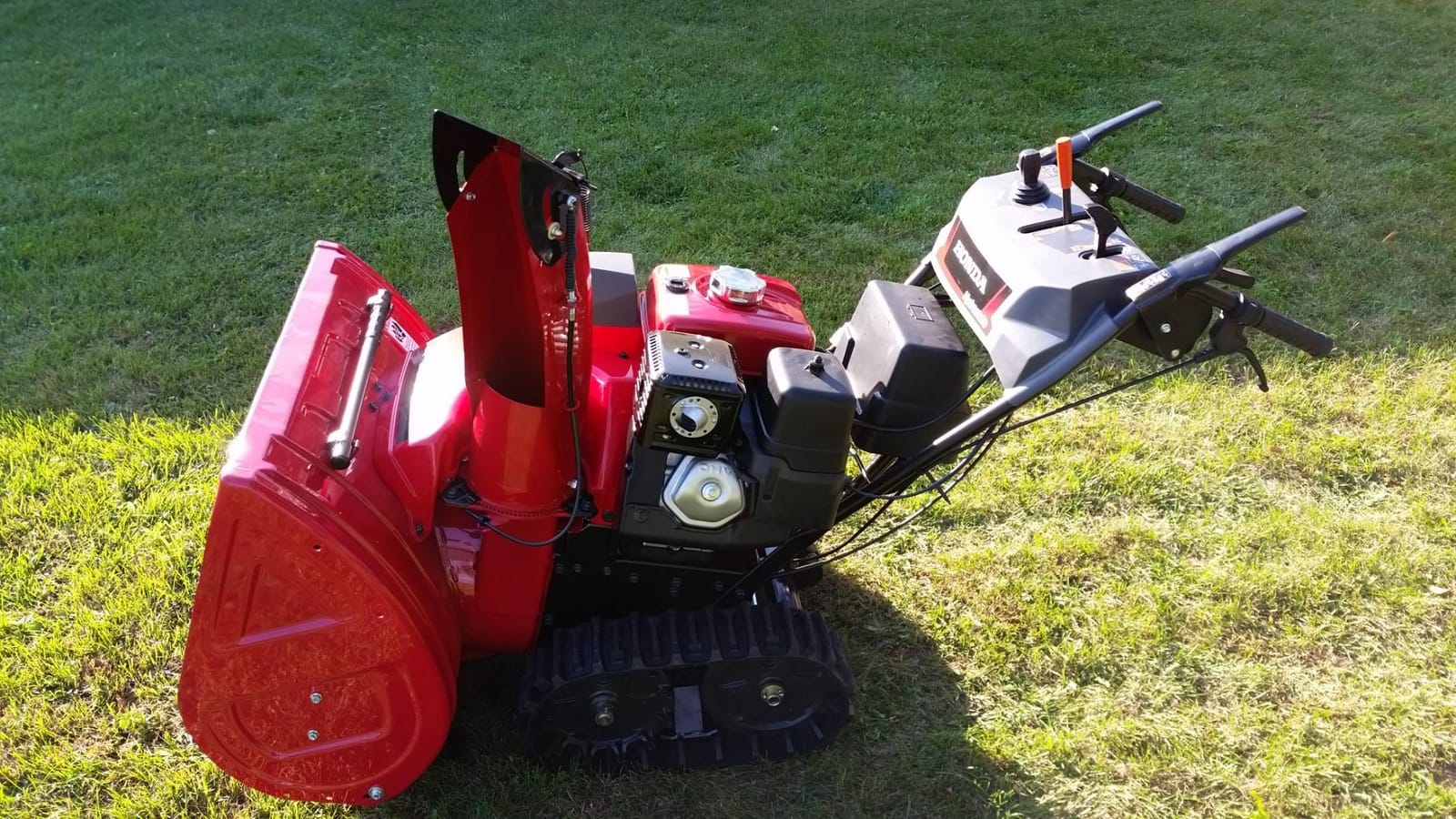
Power comes from a commercial-grade Honda GX270 OHV engine, the same engine family used in professional landscaping equipment, and it carries a 3-year residential warranty. The DC electric key start is the automotive-style key ignition that turns over reliably on cold mornings without a choke or a primer.
Clearing is 28 inches wide with a 21.7-inch clearing height, the deepest intake here, and the drive is a self-propelled hydrostatic transmission with continuous speed control. A thumb-operated lever sets auger height, and the machine arrives ready to run with no assembly required.
What the hydrostatic transmission changes in practice
A hydrostatic drive gives you continuous speed variation instead of fixed gears, so you can creep through a deep drift and then pick up pace on the cleared lane without a shift lever and without the auger speed changing under load. On a 358-pound machine that is not a luxury, because the weight needs to be managed rather than stepped through.
The track system also means no tire to spin, no chains to fit, and no differential to fight. On a driveway that stays packed with snow through the winter, tracks simply keep gripping where wheels would need intervention.
Owners also note the no-assembly delivery, which is a genuine advantage over the machines in this group that arrive in a crate. You can be clearing the same evening instead of building it on the garage floor.
Where the Honda HSS928 falls short
Weight, decisively. At 358 pounds this is the heaviest machine here by a wide margin, and track drive plus a 28-inch housing plus a commercial engine is a lot to manoeuvre around a car or lift over a bank. Plan the storage and transport before you buy.
Clearing rate is the lowest in the group at up to 1900 pounds per minute despite the large intake, so it moves less snow per hour than the smaller gas machines even though it handles deeper piles better. That trade is correct on a hill and less attractive on a long flat drive.
It is also the most expensive machine here by a wide margin, and it has the smallest review base at 28 ratings. Owners who own it report few complaints, but that is less long-term field data than we would like before recommending a purchase of this size, and the machine is best suited to owners who keep equipment for a long time rather than replacing it every few seasons.
How to Choose a Two Stage Snow Blower for Heavy Snow
Start with clearing width, then check intake height. Clearing width is the first number on any spec sheet and the one you will see most. A 24-inch machine suits a two or three car driveway, while 26 to 28 inches suits a longer drive or a property where you also clear a path to a shop or a parking area. Intake height is the number that tells you whether the machine can take a plow bank in one pass, and anything at or above 20 inches handles most windrows.
Match engine size to snow weight, not to driveway size. Heavy wet snow puts far more load on an auger than dry powder does, and that is where engine displacement matters. The 208cc and 209cc four-cycle engines here are adequate for moderate storms, the 212cc sits in the middle, and the 306cc SHO engine on the Ariens is the one built specifically for slush. If your region gets rain-on-snow events, prioritize the largest engine you can carry rather than the widest housing.
Decide between track drive and wheel drive. This is the decision most buyers skip, and it is the one that matters most on a sloped or icy driveway. Track drive spreads weight across a wide rubber belt and keeps gripping where wheels spin, which is why the Honda holds its line on ice. Wheel drive is lighter, cheaper, and easier to maneuver in a confined space, and with 13-inch snow tires and multiple forward speeds it handles a flat paved drive perfectly well.
Look at chute control before anything cosmetic. Clogging is the single most common complaint in this category, and the machine clears the same snow at the same rate regardless of what the chute handle feels like. What matters is whether the control can be adjusted while the machine is running, whether it drifts out of position from vibration, and whether the discharge can be aimed far enough to the side that you are not piling snow in the path of your next pass.
Set the skid shoes for your surface. Adjustable skid shoes control how high the housing rides above the ground, and that setting is the difference between clearing a gravel drive and pulling stones across it. Raise the housing for gravel and packed surfaces, lower it for smooth pavement, and check the setting on every surface you clear rather than leaving it where it worked last time.
Factor the storage footprint into gas versus battery. Battery machines have no fuel system, no oil changes, and no fumes blowing back at you, which is why owners consistently rank quietness and the push-button start at the top. Gas machines carry a tank and engine that add weight but give you unlimited run time, which matters if your storms arrive faster than batteries can recharge. If you already run EGO or another battery platform for lawn tools, the electric case is stronger because the packs are already on your shelf.
Check parts availability before you commit. Ariens lists three years of European spare parts availability, Honda offers a three-year residential warranty with a service network, and EGO backs its tools for five years. Lesser-known brands may offer a warranty without the parts pipeline behind it, and a dead auger motor or drive belt is the difference between clearing on Saturday and waiting two weeks for a repair. It is also worth checking that a dealer service network is reasonably close to your home, since warranty work on a gas machine is almost always handled locally.
One last practical note: every machine here is loud. Gas engines and electric blowers in this class both sit well into the range where hearing protection is sensible, so budget for a good pair of earmuffs and wear them. It is the cheapest safety improvement on this list.
Frequently Asked Questions
Which two-stage snow blower is the most reliable?
Reliability in this category comes down to engine pedigree, drive system simplicity, and parts availability. The Honda HSS928 uses a commercial-grade GX270 engine and a hydrostatic drive with few wear parts, and it carries a three-year residential warranty. Ariens pairs a large-displacement four-cycle engine with a three-year European spare parts commitment, which is why long-time owners tend to buy the brand again. Among battery models, the EGO SNT2400 and SNT2416 sit at a 4.6 average across hundreds of ratings and carry a five-year tool warranty.
What is the best snow blower for deep, heavy snow?
For deep wet accumulation, the Ariens ST28DLE Deluxe SHO pairs a 306cc four-cycle SHO engine with a 28-inch clearing width and a throw distance of up to 55 feet, which is the longest reach of any machine we reviewed. The Honda HSS928 goes deeper with a 21.7-inch clearing height, so it takes larger windrows in one pass. For battery power, both EGO two-stage machines clear heavy wet snow and throw up to 50 feet.
Are 2 stage snow blowers worth it?
Yes, if your region gets more than a few inches of wet or packed snow per storm. A two-stage machine uses a powered auger to gather snow and a high-speed impeller to throw it, so it processes far more volume per pass and keeps airflow when snow is sticky. Single-stage machines rely on the auger alone and are widely reported to stall in the conditions a two-stage is built for. If you only clear light powder on a small drive, a two-stage is more machine than you need.
How much snow can a 2 stage snow blower handle?
It depends on intake height and clearing width together, not on one number. Machines here range from a 20-inch to a 21.7-inch intake height and a 24 to 28 inch clearing width, and most manufacturers rate them for 8 to 12 inches of accumulation. The PowerSmart 26-inch is rated for an ideal snow depth of 12 inches, and the Honda’s 21.7-inch intake is intended for piles left by a plow rather than fresh snowfall.
What snowblower throws snow the furthest?
Among the machines reviewed, the Ariens ST28DLE Deluxe SHO throws up to 55 feet, followed by the Honda HSS928 at 52 feet. The two EGO models and the PowerSmart 26-inch reach up to 50 feet, the PowerSmart 24-inch manages 45 feet, and the WEN SB209E reaches 30 feet, the shortest of the group. Longer throw is useful for clearing to the side of a driveway so the discharge does not end up in your path.
Gas or electric snow blower for heavy snow?
Gas wins on run time and refuelling convenience, which matters if storms arrive faster than batteries can recharge. Electric wins on starting, noise, maintenance, and the fact that there are no fumes blowing back into your face, and push-button start removes the worst part of a pre-dawn clearing job. The EGO SNT2400 clears heavy wet snow and throws up to 50 feet on battery power, so the performance gap is narrower than buyers expect. Choose gas for a long drive or rapid storms, and electric for quiet operation and low maintenance.
Which Two Stage Snow Blower Should You Buy?
The EGO Power+ SNT2400 is our pick as the best two stage snow blower for heavy snow. It pairs a 24-inch intake with a 20-inch clearing height, throws up to 50 feet, starts with a button instead of a pull cord, and holds a 4.6 average across hundreds of owner ratings. It handles heavy wet snow the way a two-stage machine is supposed to, and the variable speed drive keeps you moving when a wheel-driven gas machine bogs down.
Buy the SNT2416 kit instead if you want everything in the carton, since the batteries and charger are the part people regret not budgeting for. Go gas with the PowerSmart 26-inch for wide, fast passes on a long paved drive, or the Ariens ST28DLE SHO if your storms come as wet slush and you want the largest engine here. The Honda HSS928 is the pick for a sloped or icy driveway where track traction matters more than clearing rate, and the WEN SB209E is the sensible low-cost entry for a modest drive.
Whichever you pick, test the chute controls and the skid shoe setting on your actual surface before the first real storm, and store the machine where you can get to it without digging. Our other tested gear for small-space living, like [18 Romantic Dinner Recipes for Two at Home](https://cookcraftandcreate.com/romantic-dinners-for-two/), follows the same principle: know how it behaves before you need it.