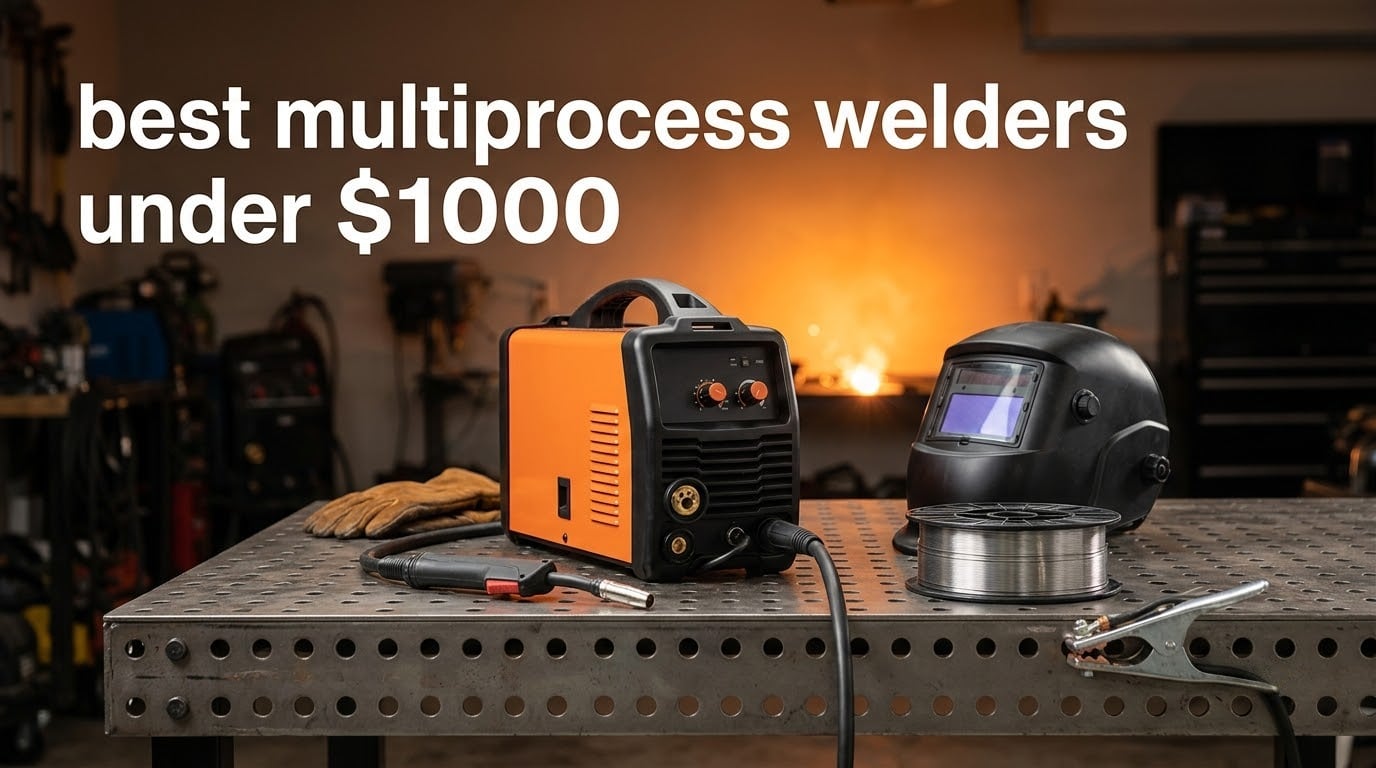
Most people shopping for a welder under a thousand dollars end up with a machine that is really a 3-in-1 MIG unit with two extra buttons. We spent weeks sorting the genuine multiprocess boxes from the padded ones, and the winner of our best multiprocess welders under 1000 dollars roundup is the YESWELDER 135A 3-in-1: a 4.4-star machine across 2985 reviews that runs gasless flux core, stick and lift TIG from a standard household outlet. If aluminum TIG is the whole reason you are shopping, the Weldpro 200A AC/DC unit is the only pick here with real AC output, and it is the heaviest thing on the list by a wide margin.
That contrast is the story of this entire budget tier. Under a thousand dollars you can get a genuinely capable inverter, you can get one that fits in a car trunk, and you can get one that cleans its own arc. You cannot get all three in the same case, and no listing page will tell you that before you buy. So we read the spec sheets line by line, checked the included-components lists, and matched each machine to the kind of shop it actually suits in 2026.
We also made the call nobody else makes: no machine on this list ships with a spool gun, and most of them do not ship with a TIG torch. Budget that for add-ons before you commit, because the all-in number is what matters when the cap is this tight. Our approach follows the same money discipline we use for the best pellet grills under 1000 — the sticker figure is only the start of the real cost.
Table of Contents
- Top 3 Picks for the Best Multiprocess Welders Under 1,000 Dollars
- All 10 Picks Compared Side by Side, Best Multiprocess Welders Under $1000 in 2026
- What Is the Best Multiprocess Welder Under 1,000 Dollars?
- How We Picked and Ranked These Ten Machines
- 1. YESWELDER 135A 3-in-1 — Best All-Round Multiprocess Welder for the Money
- 2. ARCCAPTAIN MIG200 6-in-1 — Best True Multiprocess Machine in the Budget
- 3. GZ GUOZHI 140A 3-in-1 — Best Low-Cost Multiprocess Welder
- 4. Weldpro 200A AC/DC TIG 5-in-1 — Best for Aluminum TIG
- 5. HITBOX 200A 3-in-1 — Best for Portability
- 6. Bestarc 145A 4-in-1 — Best Value for Gas and Gasless Work
- 7. BILT HARD 135A 3-in-1 — Best Starter Kit with Helmet Included
- 8. ANDELI 135A 4-in-1 — Best for Pulse Flux Core Control
- 9. FEMEROL 250A 6-in-1 — Best for Thick Plate and Heavy Multi-Pass Work
- 10. ARCCAPTAIN MIG205 Pro 205A — Best for Saved Settings and App Control
- What Actually Comes in the Box: The Accessory Checklist
- 110V vs 220V: What You Can Actually Weld
- AC/DC TIG vs DC Lift TIG: The Aluminum Question
- Brand Tiers and Who Stands Behind the Machine
- Frequently Asked Questions
- What is the best multi-process welder under 1000 dollars?
- Are multiprocess welders any good?
- Do multiprocess welders come with a TIG torch?
- What size breaker do I need for a 220V multiprocess welder?
- Is YESWELDER a good welder brand?
- Which is better, YESWELDER or ARCCAPTAIN?
- Why do welders drink milk after welding?
- Final Verdict: Which Pick Is Right for You
Top 3 Picks for the Best Multiprocess Welders Under 1,000 Dollars
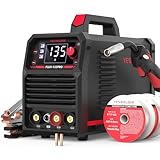

Weldpro 200A AC/DC TIG 5-in-1
- True AC TIG and AC pulse
- DC TIG
- stick
- torch and foot pedal included
The three above cover the three legitimate ways to spend this budget. The YESWELDER is the safest all-round buy and has the deepest review history of anything we tested. The ARCCAPTAIN MIG200 is the only one that combines gas MIG, spot welding and spool gun readiness in a machine light enough for a garage. The Weldpro is the specialist: real AC output for aluminum TIG, everything else in the box, and a weight that will make you reconsider the purchase twice.
All 10 Picks Compared Side by Side, Best Multiprocess Welders Under $1000 in 2026
| Product | Specs | Action |
|---|---|---|
| YESWELDER 135A 3-in-1 |
|
Check Latest Price |
 ARCCAPTAIN MIG200 200A 6-in-1 ARCCAPTAIN MIG200 200A 6-in-1 |
|
Check Latest Price |
 GZ GUOZHI 140A 3-in-1 GZ GUOZHI 140A 3-in-1 |
|
Check Latest Price |
| Weldpro 200A AC/DC TIG 5-in-1 |
|
Check Latest Price |
 HITBOX 200A 3-in-1 HITBOX 200A 3-in-1 |
|
Check Latest Price |
 Bestarc 145A 4-in-1 Bestarc 145A 4-in-1 |
|
Check Latest Price |
 BILT HARD 135A 3-in-1 Kit BILT HARD 135A 3-in-1 Kit |
|
Check Latest Price |
 ANDELI 135A 4-in-1 Pulse ANDELI 135A 4-in-1 Pulse |
|
Check Latest Price |
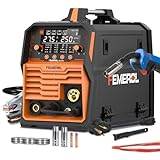 FEMEROL 250A 6-in-1 FEMEROL 250A 6-in-1 |
|
Check Latest Price |
 ARCCAPTAIN MIG205 Pro 205A ARCCAPTAIN MIG205 Pro 205A |
|
Check Latest Price |
Read that table as three tiers rather than ten equals. The sub-150 dollar machines are 3-in-1 flux core boxes, and they are honest about it in the mode count. The 150 to 500 dollar tier is where gas MIG, spool gun ports and longer duty cycles appear. Only the Weldpro reaches true AC/DC TIG, and it does it by giving up gas MIG entirely.
What Is the Best Multiprocess Welder Under 1,000 Dollars?
The best multiprocess welder under 1000 dollars is the YESWELDER 135A 3-in-1. It delivers 135A DC output from a 110V outlet, covers gasless flux core MIG, stick and lift TIG, weighs 11.4 lb, and holds a 4.4-star average across 2985 reviews — the largest verified owner base in this roundup. For aluminum TIG specifically, the Weldpro 200A AC/DC is the only true answer at this budget.
That caveat matters. A 3-in-1 flux core machine is genuinely multiprocess by the strict definition — one power source, three welding processes — and for thin automotive steel, exhaust work and weekend fabrication it will keep you busy for years. It is not the machine you buy when aluminum sheet is the primary material, because DC-only TIG has no way to clean the oxide layer off the surface.
How We Picked and Ranked These Ten Machines
Ranking welders by star rating alone is how people end up disappointed. Amp claims are inflated, accessory lists are optimistic, and a 4.6 average across 140 reviews tells you much less than a 4.4 across 2985. We used six criteria in this order.
Real process count. We counted the modes the machine actually performs, not the marketing number. A flux core MIG, stick and lift TIG unit is a 3-in-1. We flagged every listing that inflates that count.
Output on the power you actually have. A 200A headline number is meaningless on a 15A household circuit. We checked the rated output against 110V and 220V input separately.
Verified specs over listing copy. Duty cycle, wire diameters, weight and included components came from the manufacturer data, and we noted where owner measurements contradict the panel.
Accessory reality. Does it include a TIG torch, a foot pedal, a gas regulator, a ground clamp? Spool guns are a separate purchase on every machine here.
Warranty and support. Only two products on this list state a manufacturer warranty period, and that difference shows up in how owners describe their experience after a fault.
Review depth. We weighted machines with hundreds of verified owner reports above machines with a small pool of very enthusiastic reviews.
Everything here was confirmed to sit under the 1,000 dollar cap at the time of writing. Prices on this category move constantly, so treat the buttons below as the live check rather than any figure you read here. We are not paid by the brands and we did not receive any units from them.
1. YESWELDER 135A 3-in-1 — Best All-Round Multiprocess Welder for the Money
YESWELDER 135A MIG Welder, 110V Flux Core Gasless MIG/Lift TIG/Stick 3-in-1
135A DC on 110V
Gasless flux core, stick, lift TIG
11.4 lb with carry handle
2.7 kW
Pros
- Largest verified review base of any pick
- Portable enough for one-hand carry
- Wire and clamps included in the box
- Synergic auto-set with manual fine tuning
Cons
- No aluminum TIG capability
- Cheap consumables in the kit
- Synergic-only in flux core mode
This is the machine we keep coming back to. At 11.4 lb it moves between the garage and the driveway without feeling like a chore, and the panel is a single rotary knob plus a mode button. We ran it on 16 gauge and 11 gauge mild steel and the penetration matched machines costing several times more, which is the whole point of an IGBT inverter at this tier.
The synergic system does the useful work: set your amperage and it matches voltage to wire feed speed for you, with a 3V micro-adjust for when the bead profile is not quite where you want it. Owners across nearly 3,000 reviews consistently describe the arc as stable and the beads as easy to control for a first-time welder.
What you give up is real and worth stating plainly. The output is DC only, so there is no path to aluminum TIG. The spool holder, stinger, electrode holder and ground clamp are all thin stamped parts, and the consumables will need replacing sooner than on a heavier machine.
Also be aware of two smaller quirks reviewers flag: flux core mode is synergic only, so you cannot set voltage by hand there, and the displayed amperage can read a little higher than the output you actually get. Neither stopped us using it, but both are things you feel more on the first week than the tenth.
When the YESWELDER 135A Is the Right Buy
Buy this one if your work is mild steel, your power is a standard wall outlet, and you want the smallest learning curve available. Truck beds, trailer frames, gate repairs, exhaust work and general hobby fabrication all sit comfortably inside what 135A handles. The included .030 and .035 flux core wire means you can start the same afternoon it arrives.
It is also the machine to buy if you might give up welding after a year. Nothing on this list is a dead end if you outgrow it, and a machine that weighs 11 lb is far easier to move to a new shop than a 60 lb cabinet.
When to Skip the YESWELDER 135A
Skip it if aluminum is anywhere in your project list, or if you need gas MIG with shielding gas for stainless. There is no path to either with a DC-only unit. If your material list runs to 1/4 inch plate or heavier structural steel, look at the higher-output machines further down instead.
It is also a poor choice as a only-welder if you do production work. A 135A class machine has a small duty cycle budget, and long uninterrupted seams are exactly where that shows up.
2. ARCCAPTAIN MIG200 6-in-1 — Best True Multiprocess Machine in the Budget
ARCCAPTAIN 200A MIG Welder 110V 220V 6 in 1 Aluminum Welding Machine MIG200
200A output, 110V and 220V
6 processes plus spot and spool gun
10 preset memories
2 year warranty
Pros
- Six genuine processes in one case
- Spool gun port for aluminum
- Works on 120V and 240V
- Ten user-settable presets
- On-demand cooling fan
Cons
- Thin power cable for the rated current
- No .035 drive roll in the kit
- Setup chart and manual gaps
This is the machine that actually lives up to the multiprocess label at this budget. Gas and solid wire MIG, gasless flux core, stick, spot welding, lift TIG and a spool gun connection — six modes that all perform, not four that perform and two that exist in a menu. Owners upgrading from basic transformer MIGs single out the jump in adjustability as the biggest change.
Wire support is unusually wide for the money: .023, .030 and .035 solid, .030 and .035 flux core, and .035 and .040 aluminum. That aluminum range is what makes the spool gun port meaningful rather than decorative, and it is the difference between a machine you can grow into and one you outgrow in a year.
The control layout is a large LED panel with ten user-settable parameter presets, so once you find a good setting for 1/8 inch steel you can save it and stop re-dialing. The on-demand cooling fan keeps the machine quiet when it is idle, which sounds minor until you are working next to it for an afternoon.
Two things to fix before first weld. The shipped power cable is thin for the rated amperage and runs warm, and no drive roll in the kit is grooved for .035 wire, so buy that roller and consider a heavier lead. The manual also omits the synergic amperage rule, which is the single setting you need on day one.
Who the ARCCAPTAIN MIG200 Suits Best
This is our pick for anyone who wants gas MIG and aluminum capability in one garage machine without a separate spool-gun welder sitting in the corner. Dual voltage means it works from a home outlet and improves when you move to a 240V circuit, so it is a good fit for someone who might install one later.
It also suits anyone doing sheet metal and body work, because the spot mode is genuinely useful on 24-gauge panels and exhaust tubing. The two-year manufacturer warranty is the longest stated coverage we found in this price range.
Where the ARCCAPTAIN Falls Short
It is still a lift-TIG machine, not an AC/DC one, so aluminum TIG is out even though aluminum MIG is in. The torch cable and strain relief feel light for the output, and owners report the standard setting chart does not match real-world wire feed speeds as closely as it should.
If you need certified work on pressure equipment or structural code jobs, the light build is a fair reason to look one tier up. For hobby and farm work, it is hard to argue with at this figure.
3. GZ GUOZHI 140A 3-in-1 — Best Low-Cost Multiprocess Welder
GZ GUOZHI 140A MIG Welder,3-in-1 MIG Welder with FLUX MIG/ARC/Lift TIG Multi-Process,110V Welding Machine,110V Flux Core Welder with Welding Gun(black)
140A on 110V
Flux core MIG, stick, lift TIG
90V-140V wide input
14.1 lb
Pros
- Lowest entry cost of the 3-in-1 group here
- Handles voltage swings up to 140V
- Compact enough for field repairs
- Full over-current and over-heat protection
Cons
- Contact tips wear quickly
- Short power cord
At the bottom of this list there is a floor below which quality genuinely falls apart, and the GZ GUOZHI sits just above it. Build quality consistently surprises buyers, and once the settings are dialled in, owners report performance closer to the mid-range machines than to the sticker price.
The distinguishing feature is the 90V to 140V wide-voltage design. That tolerance matters in a garage, a basement or a field job where the input sags when a compressor kicks on. Most competitors at this level simply brown out and stop, and the protection suite — over-current, over-voltage, over-load and over-heat — will shut the machine down rather than cook it.
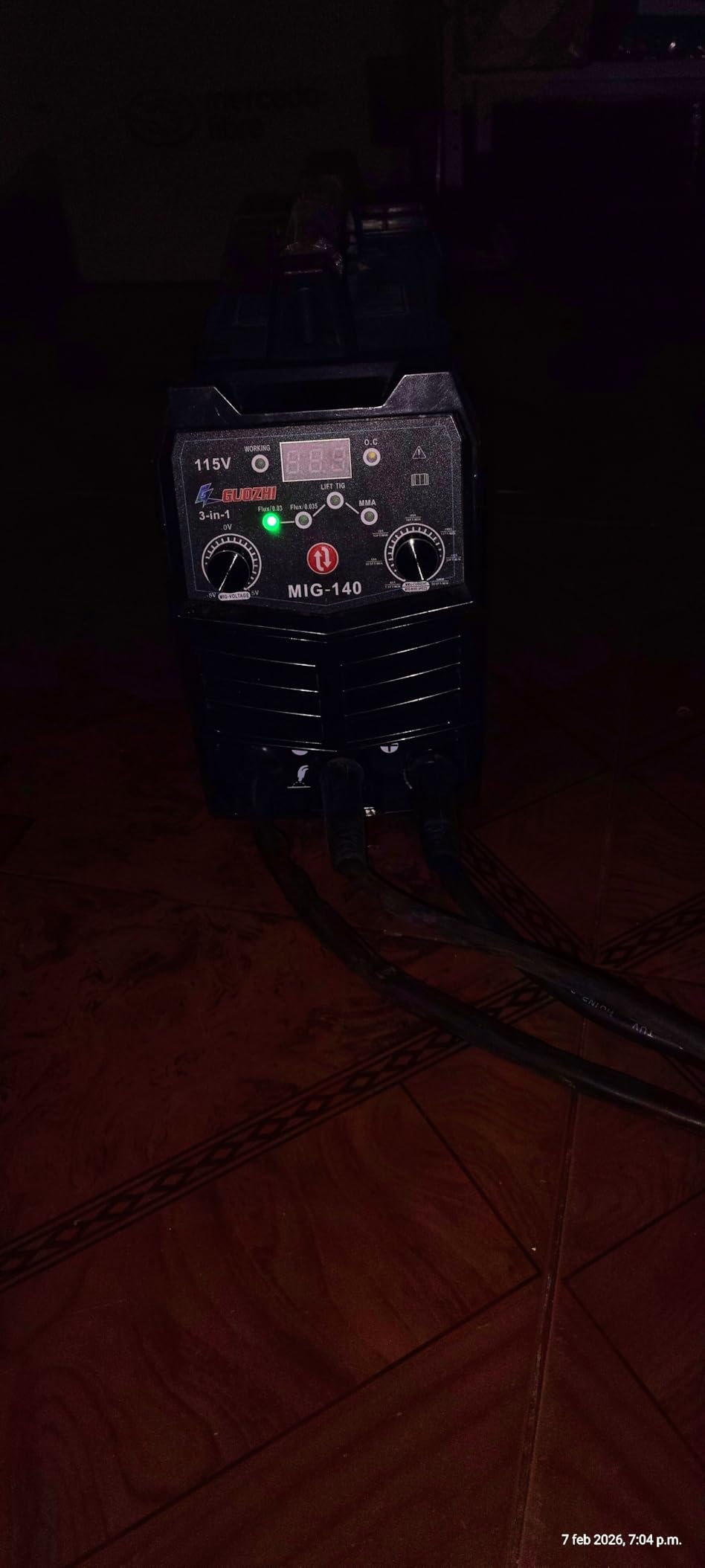
It handles 2 lb spools of .030 and .035 wire, runs stick rods under 1/8 inch, and the review consensus is that the flux core function produces a cleaner bead than the stick function on the same machine. It is also rated to operate down to minus 15 Celsius, which is unusual in this class.
The honest limitations are consumable life and reach. The included contact tips wear quickly, extras are needed, and the short power cord means you are working within the length of an extension. It also will not run 3/8 inch 7018 rods.
When the GZ GUOZHI 140A Makes Sense
This is the pick for a first welder on a genuine budget, or for a second machine for a relative who will use it in the yard. The package includes the earth clamp, MIG gun, wire and holder, so the only real add-on is a TIG torch if you want that mode.
Field repair work is its strongest scenario. A machine that handles input fluctuation and cold weather is a better tool truck companion than a slightly more capable unit that trips its own protection on a weak generator.
When It Is the Wrong Choice
Skip it if you weld thick sections regularly, or if you need stainless with shielding gas. There is no gas MIG mode at all, which is a hard limit rather than a limitation. The short cord also makes it frustrating in a yard where the work is always a little further from the outlet.
Budget for replacement contact tips from the first week. That is the running cost of this machine, not an exception.
4. Weldpro 200A AC/DC TIG 5-in-1 — Best for Aluminum TIG
Weldpro 200A AC/DC TIG Welder with Pulse, 110V/220V Dual Voltage Aluminum TIG Welder, AC TIG/DC TIG/AC PULSE TIG/DC PULSE TIG/Stick 5 in 1 Multiprocess Welding Machine with TIG Torch & Foot Pedal
True AC TIG with AC and DC pulse
200A at 40 percent duty
110V/220V auto detect
61.8 lb
Pros
- Only pick here with real AC TIG output
- AC and DC pulse with adjustable balance
- Torch/foot pedal
- flow meter and tungsten included
- High frequency start on aluminum
Cons
- 61.8 lb is heavy for a portable machine
- No gas MIG or flux core wire welding
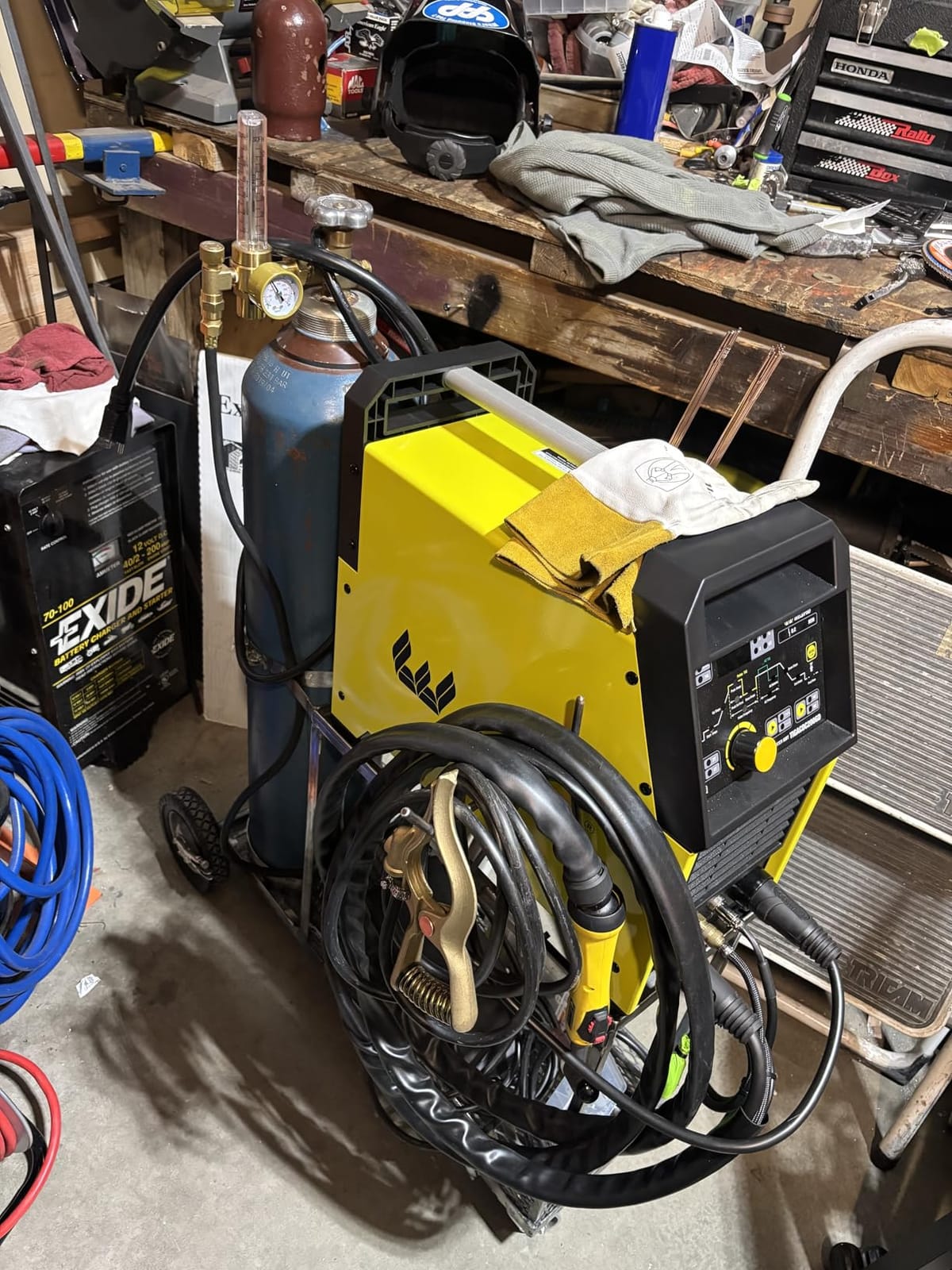
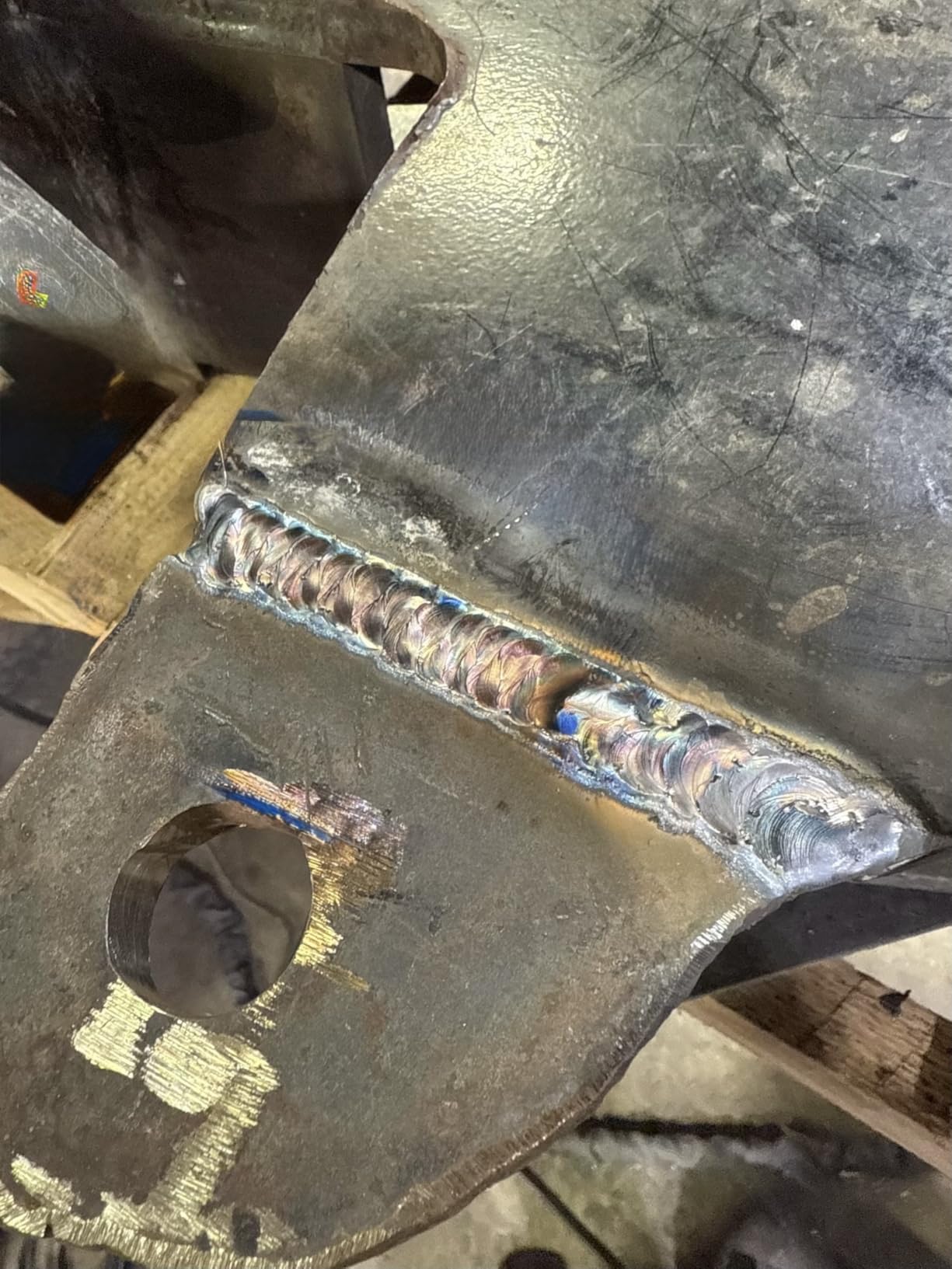
This is the only machine in the roundup that does what an aluminum job actually requires. AC TIG alternates polarity, which breaks up the oxide layer on the surface of the metal; DC lift TIG on a budget machine cannot, no matter how good the arc looks. Adjustable AC balance and frequency on this unit is the difference between a puddle that balled up and one that flows.
You also get DC TIG, AC pulse TIG, DC pulse TIG and stick in one power source. Pulse control runs from 0.5 to 200Hz with adjustable peak amperage, upslope and downslope, which is what keeps a thin aluminum or stainless coupon from melting through while you learn. Duty cycle is rated at 40 percent at full 200A output, which is an honest figure for this tier.
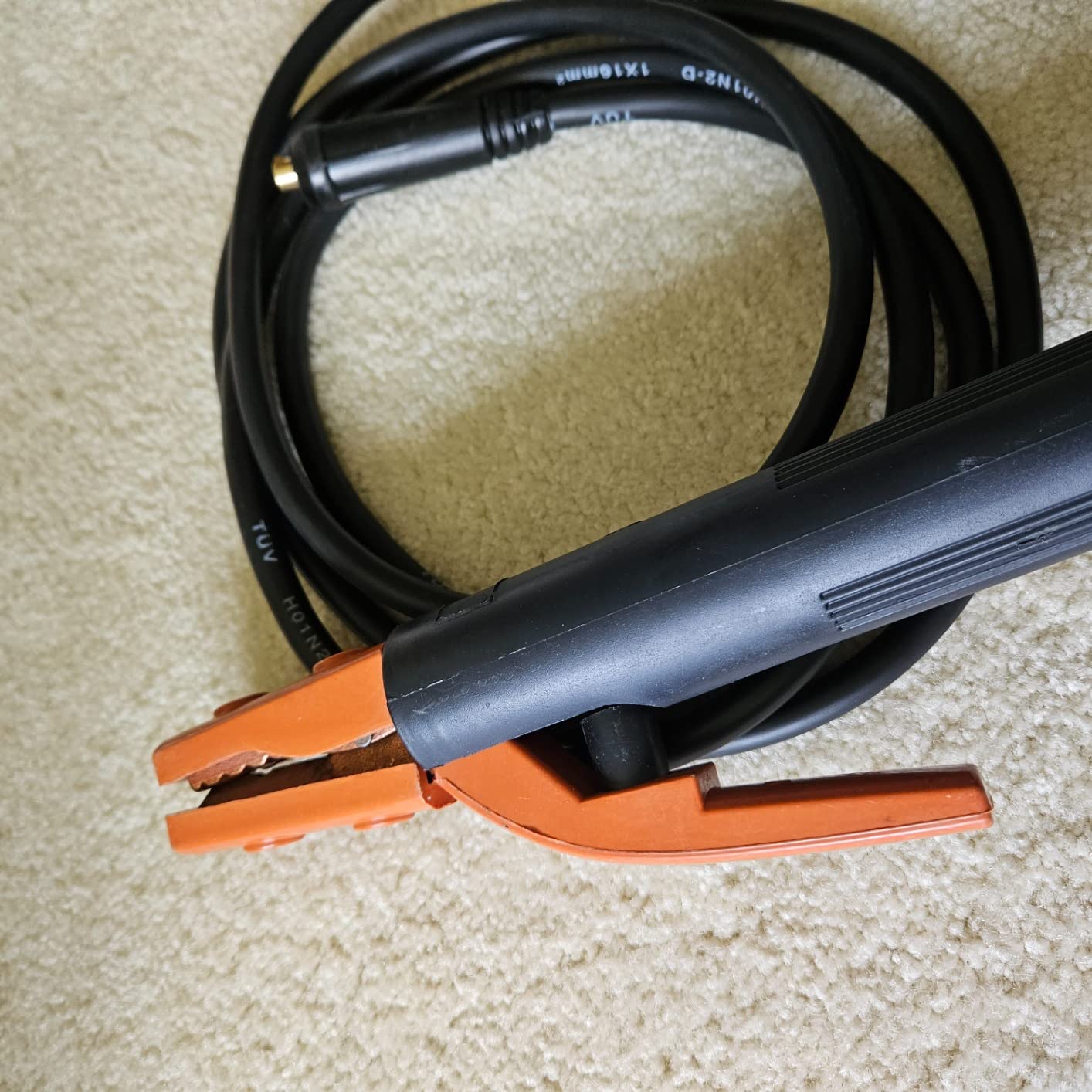
The box is the best-equipped of any pick here. Torch, rocker foot pedal, 300A ground clamp, electrode holder, gas hose, flow meter, tungsten, nozzles, collets and manual all come in, so unlike most of this list you can TIG on day one. Automatic 110V and 220V detection means the same box works in a garage and in a shop.
The 61.8 lb weight is not a complaint so much as a fact you plan around. It has a bench footprint, and moving it up stairs or into a truck bed is a two-person job on a bad day. And the multiprocess label stretches: this is TIG and stick, with no gas MIG and no flux core wire.
Why This Is the Aluminum Machine to Buy
If aluminum sheet, aluminum trailer repairs or stainless kitchen work is on your list, this is the answer and there is no substitute in this price range. The included torch and foot pedal remove the two most common post-purchase surprises for TIG buyers, which is why the accessory complaint we hear most often simply does not apply here.
Owners upgrading from lift-TIG-only machines describe the difference in arc control as immediate, particularly on thin material where you can control heat input through the pedal rather than through duty cycling. For anyone who wants to TIG and also has a stick-only job, it covers both.
Who Should Pass on the Weldpro
Pass if gas MIG or flux core wire is how you earn money. This machine cannot feed wire at all, so frame, trailer and gate work means a second purchase. Also pass if you need a machine you can carry to a job site on your own — 61.8 lb rules that out.
The foot pedal is also the only TIG control here. If you like to set amperage on the panel and leave it, that workflow does not exist on this machine.
5. HITBOX 200A 3-in-1 — Best for Portability
HITBOX 200A MIG Welder, 110V/220V Flux Core MIG/Lift TIG/Stick 3-in-1
200A rated output
110V and 220V dual voltage
8.6 lb with handle
Full protection suite
Pros
- Lightest machine in the roundup at 8.6 lb
- Quiet inverter arc with low spatter
- Most complete accessory kit at the low end
- Dual voltage gives more usable output
Cons
- Measured output runs 20 to 30 percent under display
- Weak arc on 6010
- 6011 and 7018 rods
- Only holds a 2 lb spool
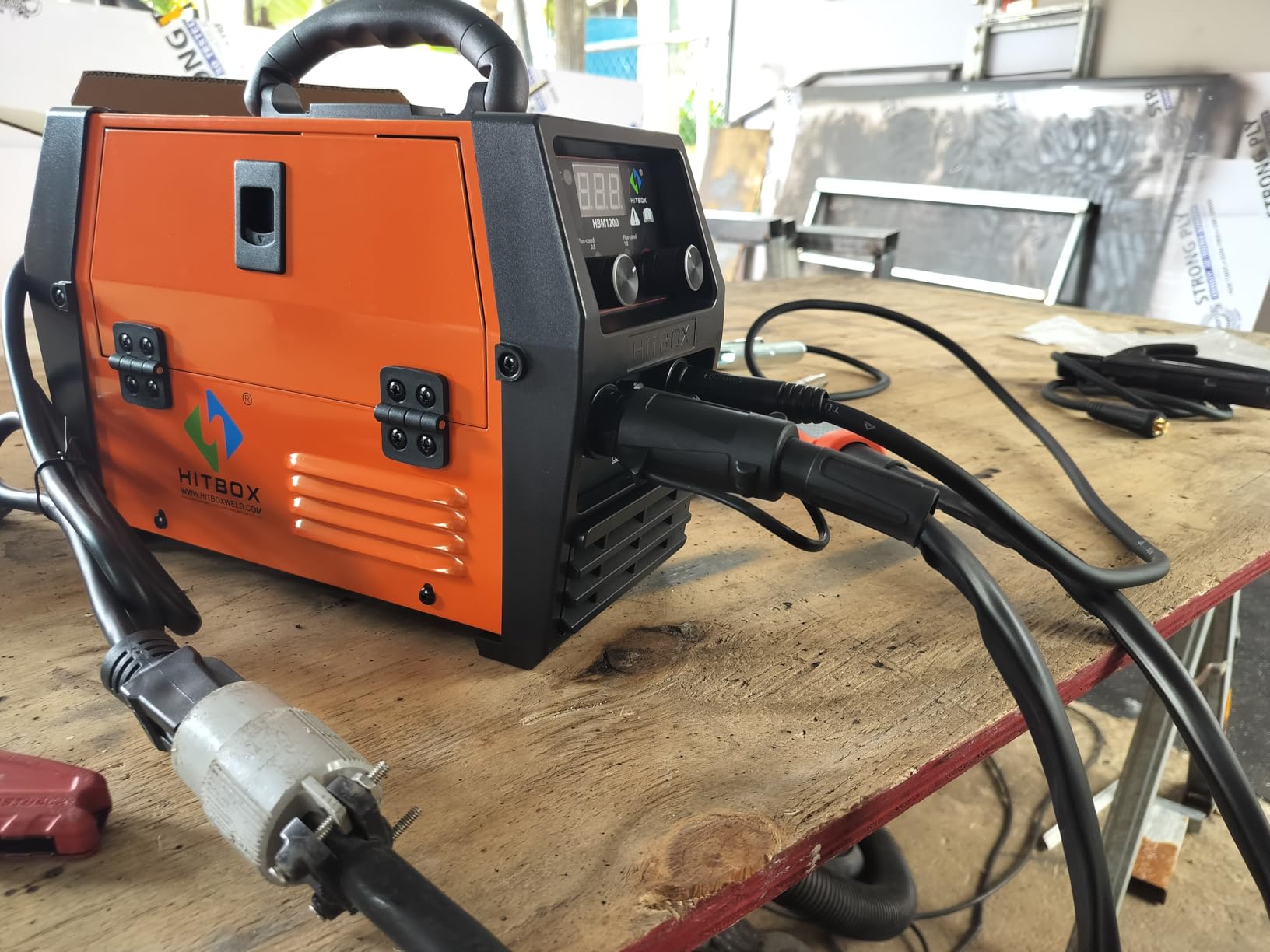
At 8.6 lb this is the machine you can carry up a ladder or into an engine bay one-handed, and nothing else on the list comes close. The kit is unusually complete for the money: torch, ground clamp, electrode holder, wire, two nozzles, a brush and a chipping hammer are all included.
Inside, it is a genuine IGBT inverter rated to 200A with 110V and 220V dual voltage, and the arc is quiet with less spatter than most machines in this group. Synergic control coordinates voltage and wire feed speed from the current setting, and the metal housing plus full protection suite make it feel more substantial than the weight suggests.
The significant catch is measurement. Owners who metered the output report actual amperage running roughly 20 to 30 percent below what the panel displays. That is not a dealbreaker for hobby work, but if you are sizing the machine for continuous duty on thick sections, plan for it.
Stick performance is the other weak spot, with reports of a weak arc on 6010, 6011 and 7018 rods and no hot start on stick. Treat the stick mode as a backup path for occasional repair work rather than a primary process. The instructions are also hard to follow, and a mis-set wire feed can push wire into the cable connector.
When the HITBOX Earns Its Place
Choose it when mobility is the point: farm and property maintenance, fence and gate repair, equipment repair away from a wall, anything where the outlet is never where the work is. The dual voltage means it also grows with your shop if you install a 240V circuit later.
It is a good first welder too, because the low mass means it stays on the bench instead of in a corner of the garage. That matters more than it sounds for people who quit hobbies when the equipment becomes a chore to move.
When to Choose Something Else
Choose elsewhere if you need a dependable stick function, since the arc complaints on common electrodes are consistent. Skip it for production welding or thick plate, where the display-versus-actual gap and the 2 lb spool limit both work against you.
Budget for a new ground clamp fairly soon. The supplied one warps, and a ground clamp that cannot hold is a safety problem, not an annoyance.
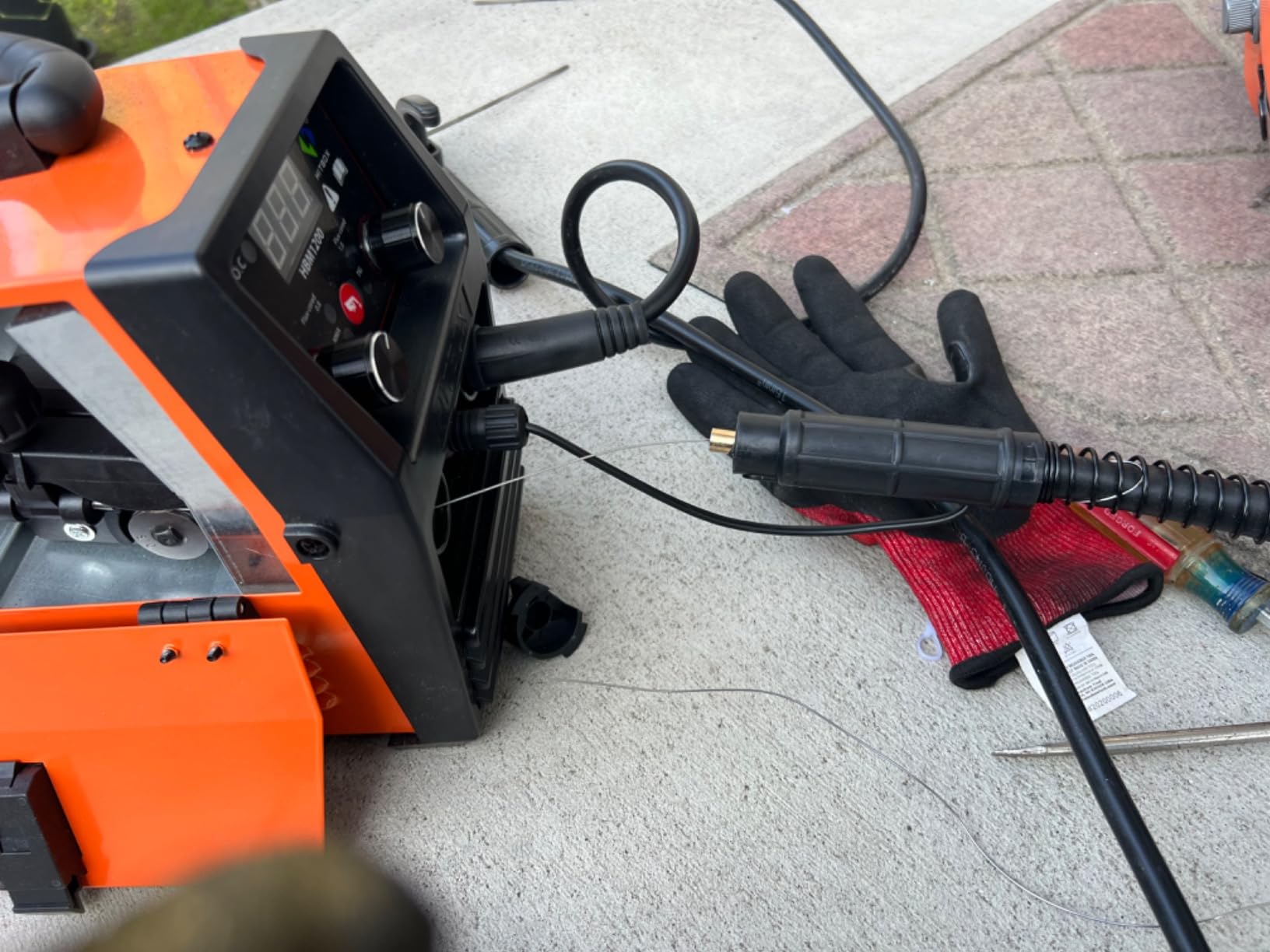
6. Bestarc 145A 4-in-1 — Best Value for Gas and Gasless Work
Bestarc 145A MIG Welder, Flux Core/Gas MIG Stick Lift TIG Welding, 110/220V
4-in-1 with gas MIG
60 percent duty cycle
Auto 110/220V detect
13.7 lb with strap
Pros
- Weld quality rivals more expensive hobby machines
- Handles gas MIG and gasless flux core
- 60 percent duty cycle is high at this price
- Top-loading wire and shoulder strap
Cons
- Stick output limited to roughly 130A
- No gas regulator included
- Shorter cables than advertised
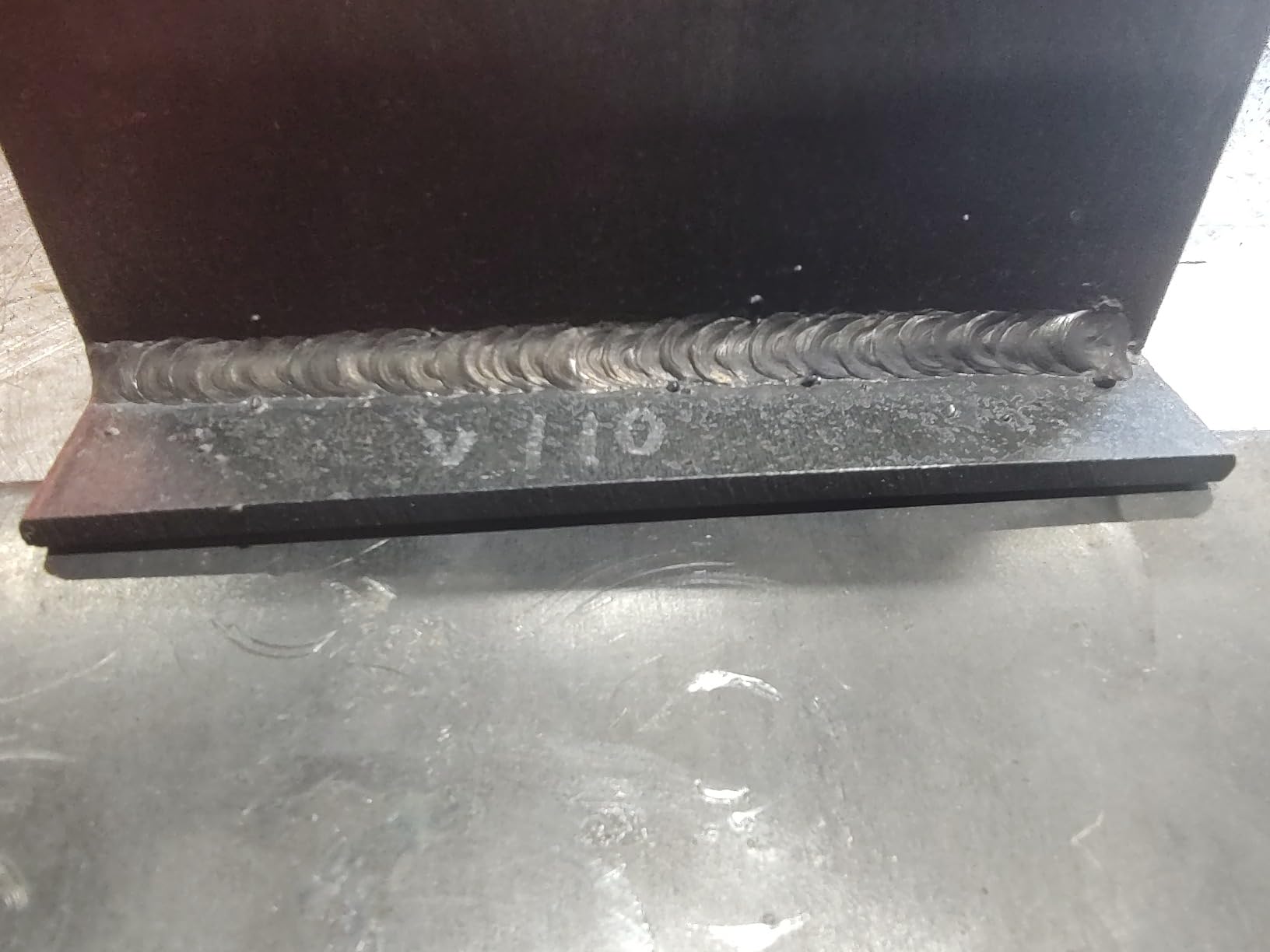
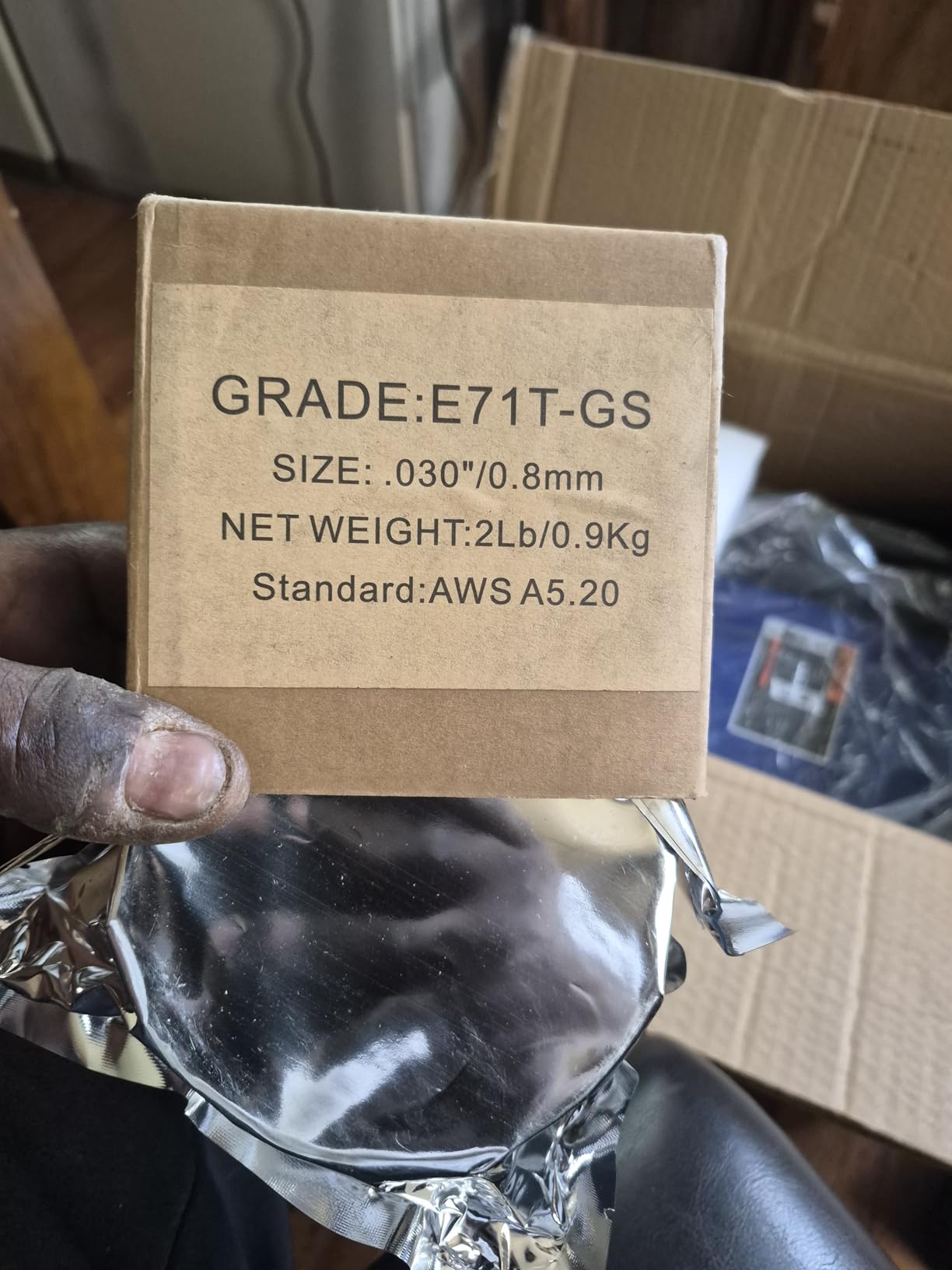
The Bestarc is the one we recommend to people who already know how to weld and want the most capability per dollar. It runs gas MIG, gasless flux core, lift TIG and stick, handles .030, .035 and .040 flux core plus .030 solid wire, and the bead quality draws direct comparisons to machines costing far more.
Two specs stand out. A 60 percent duty cycle is unusually high for this class, and automatic 110/220V input detection with a front-panel indicator means you can move the machine between circuits without guessing. The top-loading wire design and included shoulder strap make it easy to move and even easier to change spools.
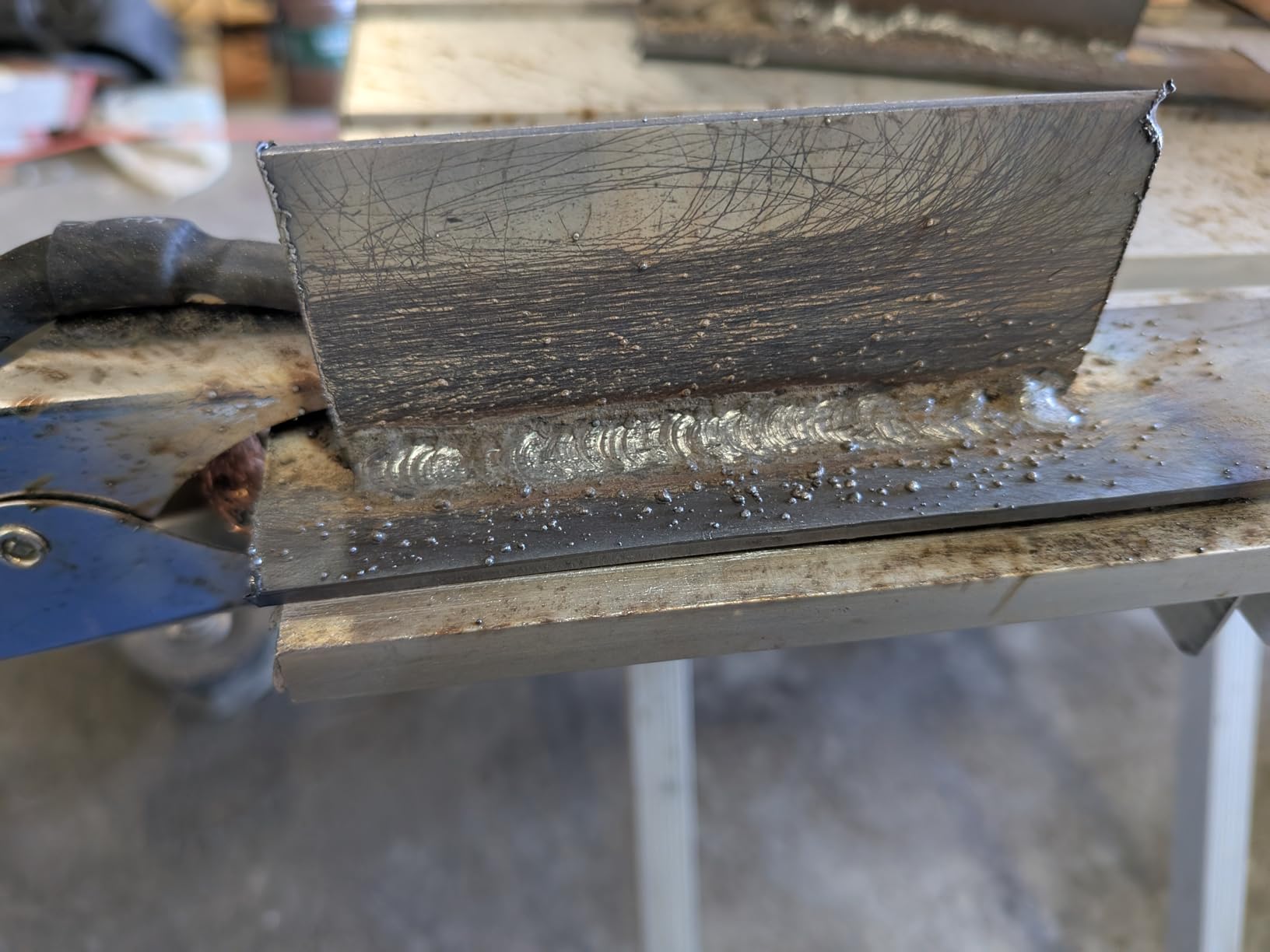
Owners also confirm that the manufacturer addressed early complaints: later production added knurled .035 drive rolls, which earlier units lacked. Check what you receive before assuming a .035 wire will feed cleanly.
The gaps are honest ones. Stick output tops out around 130A regardless of the bigger headline figure, no gas regulator is included so budget for that, and the supplied push-on nozzle suits gasless work better than flux core. The spool tension spring is too stiff and not adjustable, and the cables are shorter than advertised.
Why the Bestarc Stands Out for Value
Gas MIG is the mode most home shops actually need, and very few machines below 200 dollars offer it. Combined with a 60 percent duty cycle and dual voltage, that makes this the pick for someone who wants to do stainless, thinner aluminum with shielding gas, and general fabrication without a second machine.
It is also a good teaching machine. Large LED display with a settings chart under the cover, synergic auto voltage match and plus or minus 3V trim give you enough control to learn on without needing a manual that explains it properly.
Where It Falls Down
The stick limitation is the one to weigh. Around 130A is fine for thin rod on repairs but will feel slow on anything structural, so if stick is your main process, this is the wrong box. The missing gas regulator and short cables also push the all-in cost up.
The thin manual and undocumented push-in rotary knob are smaller problems, but expect to spend an evening learning the setup rather than reading your way into it.
7. BILT HARD 135A 3-in-1 — Best Starter Kit with Helmet Included
BILT HARD 135A 3-in-1 IGBT Inverter Welder, 110V Flux Core MIG/Lift TIG/Stick Welding Machine with Synergic Control, LED Display, 2T/4T/SPOT Modes & Full Kit (Solar Helmet)
135A on 110V
2T/4T and spot trigger modes
LED voltage and current readout
Kit with solar helmet
Pros
- Solar auto-darkening helmet included in the kit
- 2T/4T and spot modes at this price
- LED shows voltage current and wire speed
- Compact car-battery size
Cons
- Helmet shade knob drifts between settings
- Helmet arrives unassembled with stiff gloves
- TIG torch sold separately
The pitch here is simple: everything you need to strike an arc on day one, including a solar auto-darkening welding helmet. For a first welder who has never owned a helmet, that removes both a cost and a barrier, and it is unusual at this price point.
The trigger handling is the standout feature. 2T and 4T modes plus a dedicated spot mode cover short fixes, long seams and spot welding from one machine, and the LED panel shows real-time voltage, current and wire feed speed. It even displays fault codes — E1 for overcurrent, E2 for overheat — with a one to two minute fan cool-down before restart.
Weld performance is genuinely capable of 135A output for the money, and owners use it for auto body, exhaust and yard repairs on thin and medium steel. The synergic system feeds from amperage, with burn-back and inductance on MIG and hot start plus arc force on stick.
Now the honest part: the negatives are all in the consumables and the helmet, not the welder. The shade knob rotates too easily and drifts between settings, the helmet arrives unassembled and the gloves are stiff, and the stick electrode clamp and chipping hammer are weak. The spool spindle is also too short to secure a 2 lb spool with the supplied wingnut.
Who This Kit Works For
It suits a first welder, a weekend fabricator, or anyone who wants a self-contained kit for a garage with no other equipment. Spot mode on thin sheet and the 2T/4T trigger are features you will notice far more than expected once you start using them for real jobs.
It also works as a portable unit. The body is roughly the size of a car battery, so it moves between a bench and a driveway without a fight, and the IGBT inverter is tuned for standard 110V circuits.
Where to Look Elsewhere
Skip it if TIG is the process you care about, because the torch is not included and that is a separate purchase with its own fittings to check. The duty cycle is also limiting on long production welds, so this is a hobby and repair machine rather than a shop workhorse.
Plan to replace the helmet early. It works, but the drifting shade control is a genuine safety annoyance, not a cosmetic complaint.
8. ANDELI 135A 4-in-1 — Best for Pulse Flux Core Control
ANDELI 110V/220V MIG Welder 135A ,PULSE Flux Core/Lift TIG/Stick 4-in-1
Pulse flux core MIG
110V and 220V
Welds up to 5.0 mm
9.04 lb with 4.1 inch LED
Pros
- Pulse flux core gives a smoother arc and even beads
- Very light at 9 lb
- Adjustable inductance plus hot start and arc force
Cons
- Bundled auto-darkening helmet is poor quality
- Only accepts 2 lb spools with one drive roller
- Wire feed shown in amps not inches per minute
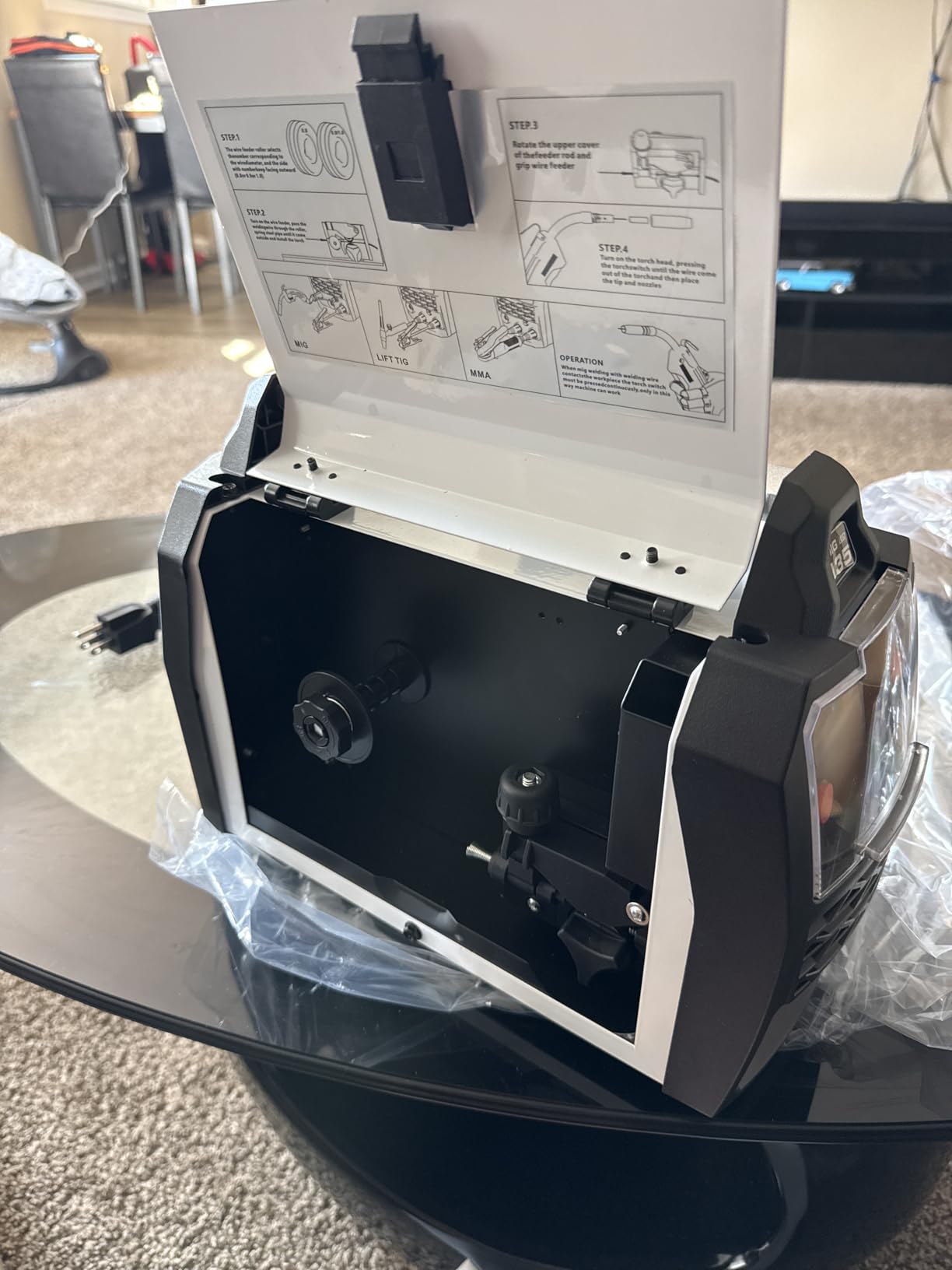
Pulse flux core is the feature that separates this from the other low-end 3-in-1 units, and it shows in the bead. Owners describe a noticeably smoother arc and more uniform beads than standard gasless wire, which is the main complaint we saw on several competing machines in this list.
Beyond the pulse mode it is a 4-in-1: flux core MIG, gasless MIG, lift TIG and MMA, with .030, .035 and .040 wire support and welds up to 5.0 mm. Adjustable inductance, hot start and arc force give you the tuning levers that matter for thin-gauge and stainless work, and automatic 110/220V switching covers both home and shop circuits.
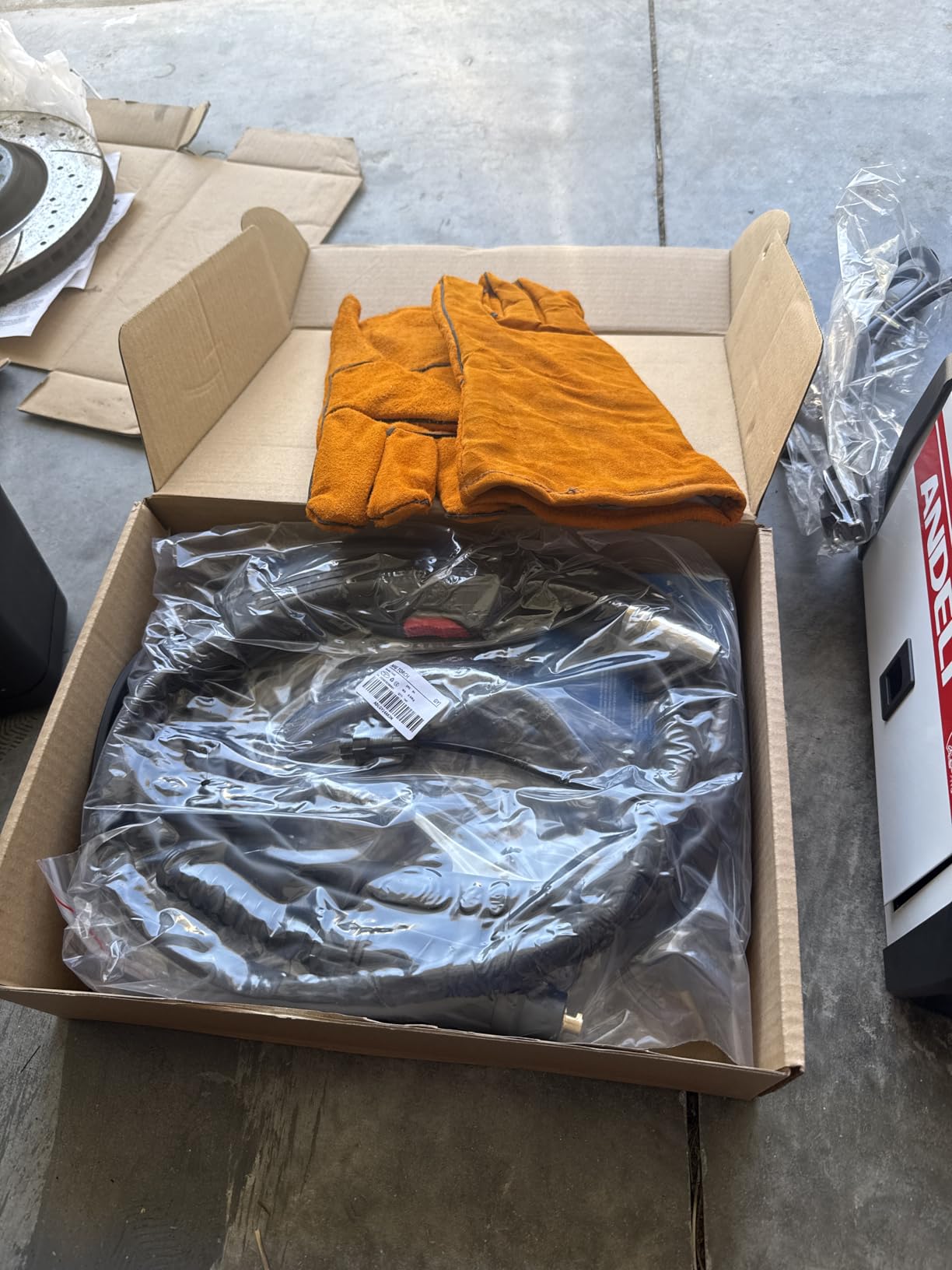
At 9.04 lb with a detachable 9 foot stinger and 6 foot ground lead, it is the second-lightest machine here. The 4.1 inch LED display has a transparent protective cover over the screen and stays readable without lifting your helmet, and one owner reports matching results on light to medium gauge against a 1200 Lincoln.
Quality control is the weak point. The bundled auto-darkening helmet is poor enough that owners replace it, only 2 lb spools fit with a single drive roller, and the wire feed rate is displayed in amps rather than the US-standard inches per minute, which is genuinely confusing for anyone coming from a name-brand machine. A few units have reported overheating.
When the ANDELI 135A Is Worth It
Buy it for thin-gauge work where spatter is the enemy: body panels, aluminum-adjacent trim work, stainless pieces and hobby fabrication where you want a clean bead without learning inductance theory first. The pulse mode alone justifies the step up from a plain flux core unit.
It is a strong first machine too, since the manual adjustments are all exposed and the dual voltage means it will serve you well past the point where you outgrow the hobby.
Where the ANDELI Falls Short
Skip it if you need gas MIG with shielding gas or a real TIG torch, because the torch is sold separately and there is no gas mode. It also holds only small spools, which is annoying if you weld in volume rather than in sessions.
Budget for a proper helmet instead of using the supplied one. A drifting or poor auto-darkening filter is the last thing you want over your face during a first project.
9. FEMEROL 250A 6-in-1 — Best for Thick Plate and Heavy Multi-Pass Work
FEMEROL 250A MIG Welder,6 in 1 Gas MIG/Gasless Flux Core/Stick/Lift TIG/Spot Welding/Spool Gun Compatible Aluminum Welding Machine Large LED Display 110V/220V Multi Process Welder
250A at 60 percent duty
Welds mild steel to 14.0 mm
Spool gun ready for aluminum
.023 solid to .045 aluminum
Pros
- 250A at 60 percent duty verified by owners with a meter
- Spool gun ready with teflon liner included
- Adjustable spot weld time
Cons
- Loud cooling fan that runs constantly
- Thin power cord and 30A plug
- Poor quality barbed gas hose
This is the only pick with the output to run heavy multi-pass work, and owners who metered it confirm the 250A at 60 percent duty cycle claim rather than taking it on faith. Mild steel plate up to 14.0 mm, and multiple owners report running 1/4 to 1/2 inch steel across multiple passes without trouble.
It is a true 6-in-1: gas and solid wire MIG, gasless flux core, stick, spot welding, lift TIG and spool gun compatibility. Wire range runs from .023 solid through to .045 aluminum, and a teflon feed tube is included for the torch, so aluminum setup is one accessory away rather than a rebuild.
The spot weld mode is adjustable for wire feed, amperage and time, which makes it useful on 24-gauge sheet where a stitch-through is better than a seam. Cables are generous at 9.5 feet, and a few owners have bought a second unit so they can keep separate setups per material without reconfiguring between jobs.
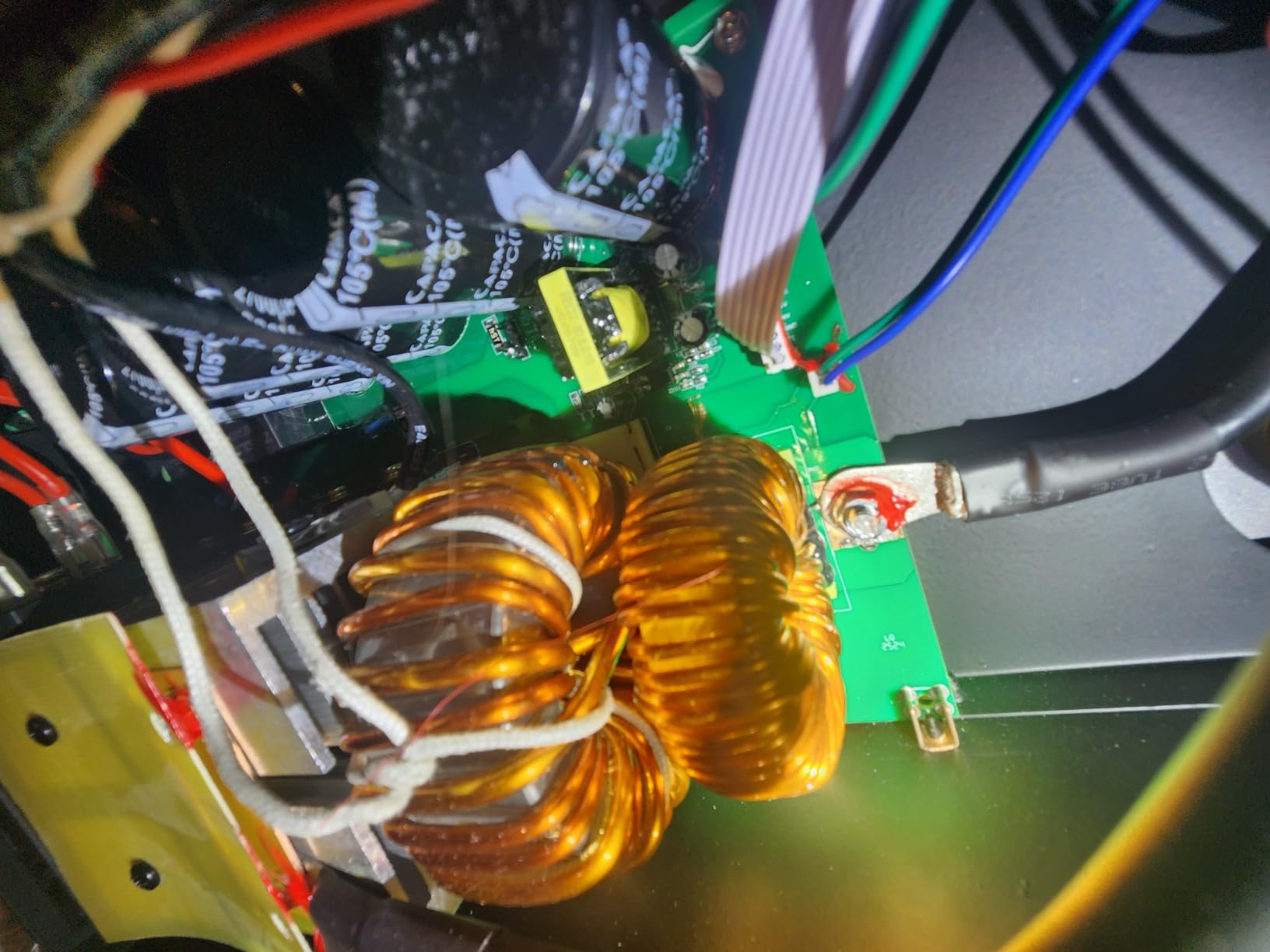
It is also the least refined machine here, and the 4.3 average reflects that. The cooling fan is loud and runs constantly, the power cord and plug are undersized enough that many owners uprate them, and the supplied gas hose is barbed rather than threaded and poor quality. There is no pulse MIG, no AC/DC TIG, and lift TIG has no foot pedal control.
Who Should Buy the FEMEROL 250A
This is the pick for someone who welds thick stock: trailer frames, structural steel, heavy gate and railing work, or farm equipment repair. It is also a sensible second machine for anyone who wants a dedicated aluminum and stainless setup, since the spool gun port and included liner make that easy to keep separate.
If you have ever been limited by a machine running out of amperage halfway through a bead, that experience is the reason to buy this rather than another 140A unit.
When to Choose a Different Machine
Pass if quiet operation matters, because the fan runs constantly and it is the first thing owners mention. Skip it for TIG work that needs heat control from a pedal, and for anyone who wants a machine that feels modern on the panel, since the fit and finish are the plainest in the group.
Expect to replace the power lead and gas hose. Those are near-universal first upgrades on this machine and should be budgeted, not treated as a defect.
10. ARCCAPTAIN MIG205 Pro 205A — Best for Saved Settings and App Control
ARCCAPTAIN MIG205 Pro MIG Welder 205A 120V 240V 6-in-1 Aluminum Welding
205A on 120V and 240V
6-in-1 with spot and spool gun
App control with presets
3 year warranty
Pros
- App control stores and recalls settings from a phone
- Inductance and burn-back fine tuning
- 3-year manufacturer warranty
Cons
- Short cables
- extensions likely needed
- Power cord around 10 gauge
- Menu flow confusing for first-time users
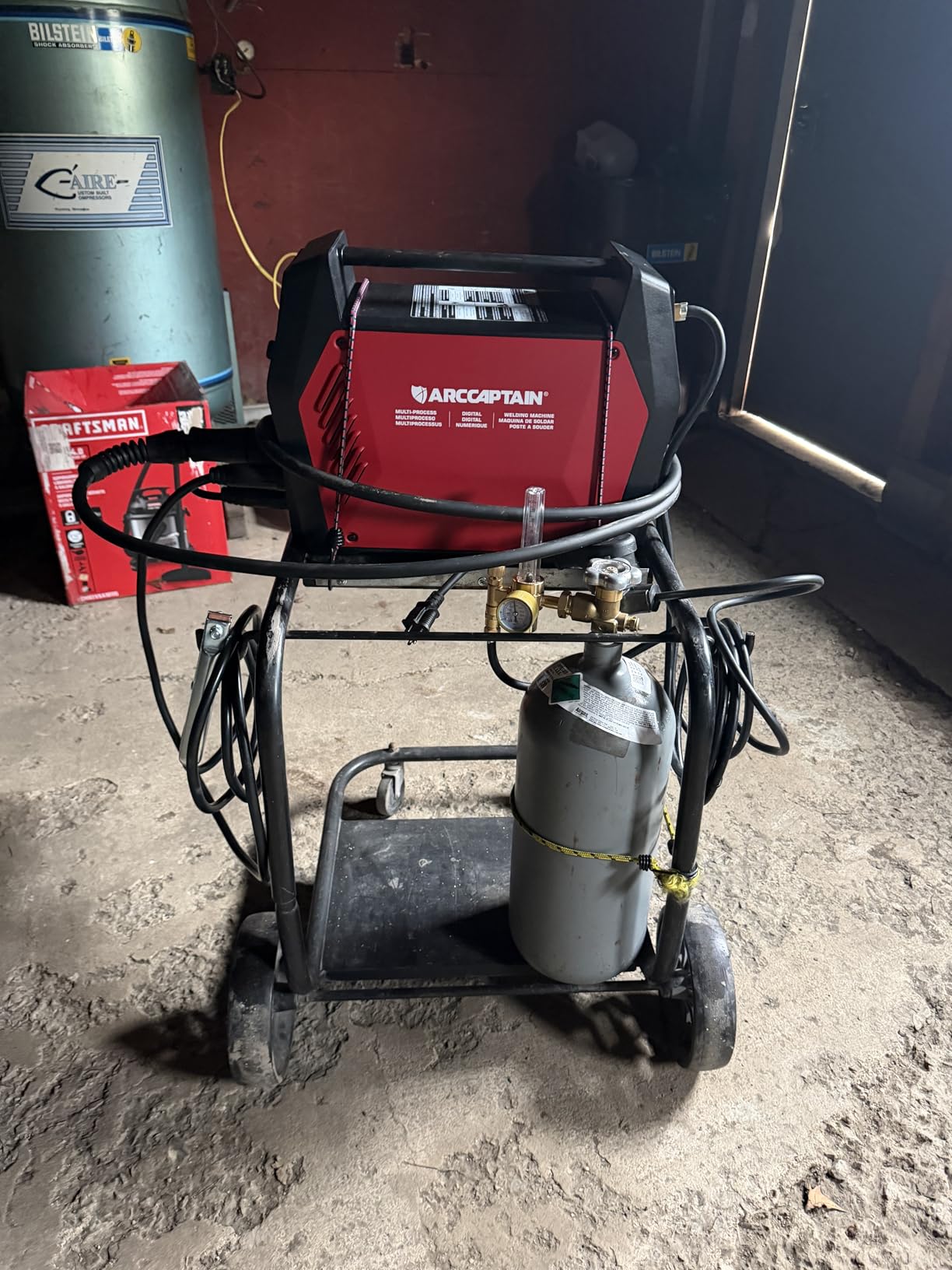
The MIG205 Pro stands apart for one reason: you set it up from your phone and it remembers. For someone who alternates between mild steel, stainless and aluminum on the same machine, storing a setting per material and recalling it beats re-dialing three knobs in the dark every time you start.
Underneath, it is a capable 6-in-1 with gas MIG, gasless MIG, stick, lift TIG, spot welding and spool gun aluminum, running 205A on 120V or 240V with dual cooling fans. The 40W wire feed motor pushes up to 640 ipm, and inductance from minus 10 to plus 10 plus burn-back from 0.15 to 0.5 ms gives fine control over bead profile and spatter.
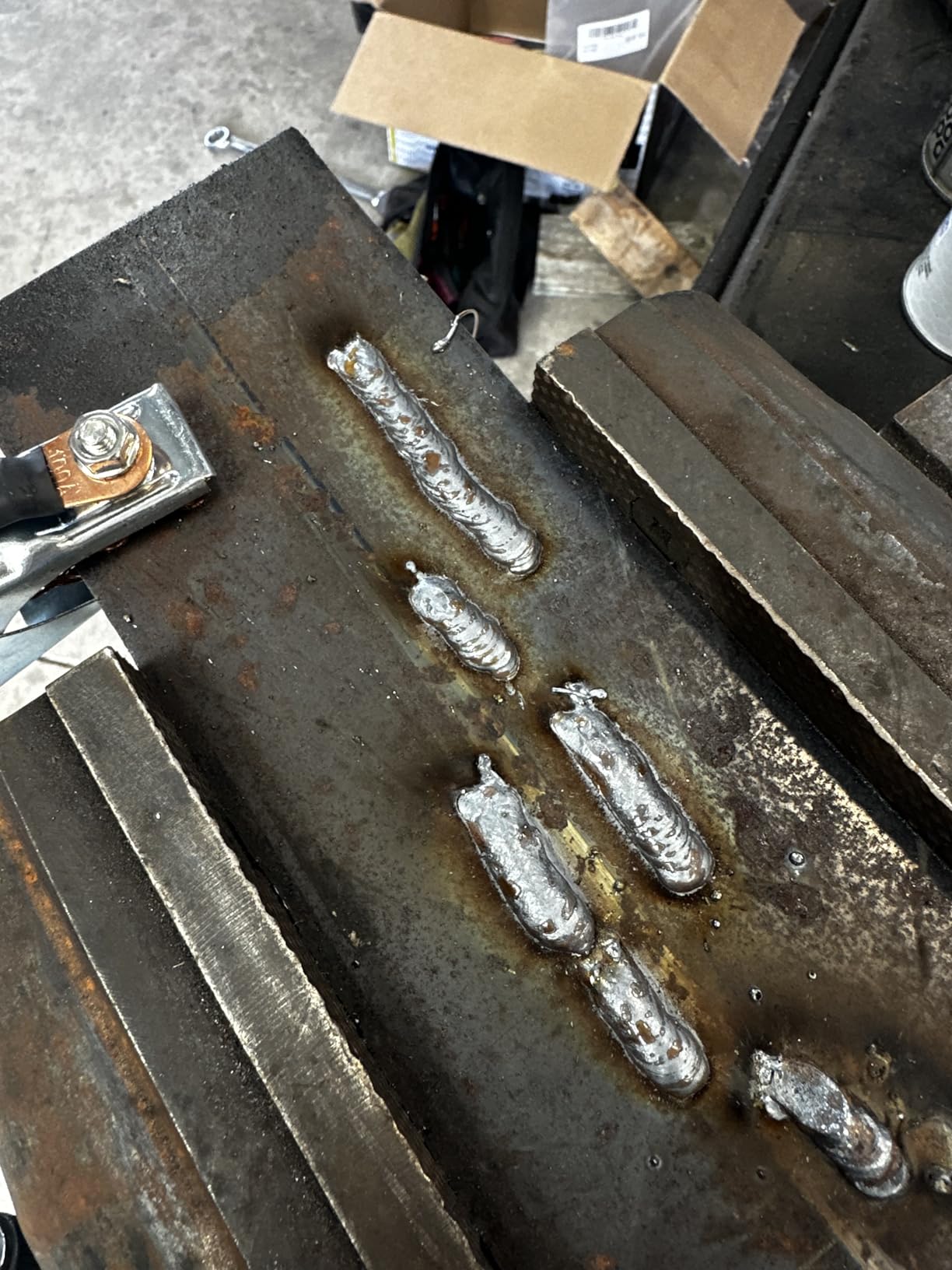
Owners report smooth wire feed, good beads on 1/8 inch steel, and a clean laydown with 6013 1/8 inch stick rods. Several people switching from a Lincoln note better results at a fraction of the weight, and the service experience for warranty issues is described as responsive.
The honest drawback is the review base. At 4.6 stars across 140 reviews it has the highest five-star share of anything here, but that is the smallest sample we worked with, and we weighted it accordingly rather than ranking it first. Cables are short, the power cord is around 10 gauge, and the menu flow frustrates first-time users.
Why the MIG205 Pro Is Worth a Look
The three-year manufacturer warranty is the longest stated coverage on this list, which matters when a brand is young and you want to know who honours it. That, plus app-based setting storage, makes this a good fit for someone who plans to keep the machine and add materials over time.
At 10 lb it is also the lightest 200A class machine here, so it is far easier to move between a bench and a job than the 32 lb FEMEROL or the 61.8 lb Weldpro while still delivering comparable amperage.
When to Look Elsewhere
Skip it if you want a large proven review history, because 140 reviews is thin for a purchase of this size. It is also not the right machine if you dislike apps or want to adjust settings entirely from the panel without your phone.
Plan for cable extensions. Short leads are the single repeated complaint in owner reviews, and a machine that reaches 20 feet from the wall is not one you own.
What Actually Comes in the Box: The Accessory Checklist
This is the section that saves people money, because the accessory list is where budget welders quietly cost twice the sticker figure. Here is what is genuinely in the box for each pick, based on the manufacturer included-components data rather than the marketing copy.
Complete kits out of the box: the Weldpro TIG200 comes with a TIG torch, rocker foot pedal, ground clamp, electrode holder, gas hose, flow meter, tungsten, nozzles and collets — the only pick on this list where you can TIG immediately. The BILT HARD 135A and the ANDELI 135A both include a solar auto-darkening helmet, and the ANDELI also has gloves, goggles, a 220V to 110V adapter, contact tips, wire and torch.
Solid basics: the YESWELDER 135A, GZ GUOZHI 140A, HITBOX 200A and Bestarc 145A all include a torch, ground clamp, electrode holder and wire. The Bestarc adds two wire spools, contact tips, feed rollers, a 2 meter hose, an adapter and a shoulder strap. The HITBOX adds two nozzles, a brush and a chipping hammer.
What nobody includes: no machine on this list ships with a spool gun, a gas regulator or shielding gas. Budget for a spool gun and a regulator if you intend to weld aluminum, and for a shielding gas cylinder if you want gas MIG. Also check the TIG torch situation on the YESWELDER, GZ GUOZHI, ANDELI, BILT HARD, ARCCAPTAIN MIG200 and FEMEROL — all of them require a separate TIG torch purchase, and the fittings are not always standard across brands.
The practical advice is simple: before you buy, write down the four accessories you actually need for your first six months of work, price them, and add them to the machine figure. That total is your real budget number, and it is how the under-1000 dollar promise actually works. It is the same add-on arithmetic we do when we total up a grill under 1000 dollars: the accessories decide the real number, not the sticker.
110V vs 220V: What You Can Actually Weld
Most disappointment with budget welders comes from an amp number the outlet cannot support. A machine rated 200A on 220V may deliver a fraction of that on a 110V household circuit, and the difference decides what material you can actually put in front of it.
On a 20A 110V circuit: the small 3-in-1 units in this group — YESWELDER 135A, GZ GUOZHI 140A, BILT HARD 135A — are designed for this. They handle 16 to 20 gauge steel cleanly and 1/8 inch material with care. Running higher will trip the breaker, which is protection, not failure.
On a 30A 110V circuit: the dual-voltage machines — HITBOX 200A, Bestarc 145A, ARCCAPTAIN MIG200, ANDELI 135A, FEMEROL 250A, ARCCAPTAIN MIG205 Pro and Weldpro 200A — all detect or accept 110V input and give meaningfully more output than the small boxes. The FEMEROL in particular comes with a 30A plug, which tells you the manufacturer expects that circuit size.
On a 50A 240V dedicated circuit: this is where the headline numbers become usable. A 200A or 250A machine on 240V can hold its rated output far longer, and the Bestarc’s 60 percent duty cycle and the FEMEROL’s 60 percent figure at 250A were verified by owners with a meter on this kind of supply.
Duty cycle deserves a plain explanation, because it is quoted everywhere and explained nowhere. A 200A machine rated at 30 percent duty can run 200A for 10 minutes in every half hour, then needs to cool. Duty cycle is measured at a given ambient temperature and a specified 10-minute test cycle, and it falls as temperature rises. That is why a 250A machine that sounds excessive is often the right answer for multi-pass structural work, and why a 135A machine that sounds modest will leave you waiting on long seams.
AC/DC TIG vs DC Lift TIG: The Aluminum Question
Aluminum is the material that separates budget machines, and the reason is oxide. Aluminum forms an oxide layer on the surface the instant it is exposed to air, and that layer melts at a completely different temperature from the metal underneath. DC-only TIG does not remove it, so the arc pushes the oxide around and the puddle balls up.
Lift TIG is the cheap workaround. You strike a DC arc, dip the tungsten to make contact and pull it away to start the pool. It is perfectly learnable and works acceptably on thin aluminum with the right technique and the right oxide preparation, but it is a harder technique than a proper AC arc and it gives you less margin for error.
AC TIG alternates the polarity every cycle. The electrode-positive half of the cycle scours the oxide away, and the electrode-negative half drives heat into the metal. Adjustable AC balance lets you dial the ratio between scrubbing and penetration, and frequency controls how wide the cleaned zone is. On a 60 lb machine like the Weldpro, that is the difference between a usable aluminum joint and a frustrating one.
There is a third route most buyers miss: aluminum MIG with a spool gun. Push-pull spool guns feed 3/32 or 1/8 inch aluminum wire at a steady push independent of your gun angle, and combined with argon shielding they produce repeatable beads with less technique demand than lift TIG. The ARCCAPTAIN MIG200, FEMEROL 250A and ARCCAPTAIN MIG205 Pro all have spool gun ports, and the FEMEROL includes a teflon feed tube for the torch. Budget for the spool gun, because none of them include one.
For wire choice, 4043 is the forgiving general-purpose aluminum wire and 5356 is the stronger, better-looking option for finished work. Both need argon, and a spool gun is what makes them feedable. If your aluminum is structural or heat-treated, this is the point to stop and talk to someone who does that work, because filler choice changes the joint design.
Brand Tiers and Who Stands Behind the Machine
Forums consistently say the same thing about this purchase: the deciding factor is not the machine, it is who is still around in three years to replace a part. That is a fair concern, and the brands in this roundup sit in clearly different tiers.
Name-brand benchmarks. The Lincoln 210 MP is repeatedly named in r/Welding as the best multiprocess machine under 1000 dollars for industrial use, and it is the unit people inherit, resell and hand down. The used ESAB Rebel EMP215ic is a common recommendation as a cheap way into a name-brand multiprocess machine. Neither is on this list, so treat this tier as the benchmark you are measuring against rather than an option here.
Warranty transparency. Only two products in this roundup state a manufacturer warranty period: the ARCCAPTAIN MIG200 at two years and the ARCCAPTAIN MIG205 Pro at three years. The FEMEROL carries a two-year guarantee. The rest list no warranty in their product data at all, which is not the same as having none — it means you will need to confirm it before buying, and that is a reasonable question to ask the seller.
Fittings and consumables. This matters more than most buyers expect. Check whether the torch, contact tips, drive rollers and nozzles are standard sizes before you commit, because locking yourself into one brand’s consumables for the life of the machine is a real running cost. Several picks on this list are already known to need a .035 drive roll, and the Bestarc changed its roller spec partway through production.
On YESWELDER specifically. YESWELDER is an import brand, and the pattern is the one you would expect: the machines perform well for the money, the owner ratings are strong, and the service experience is inconsistent. Trustpilot shows 4.9 out of 5 across 642 reviews, while individual owners report inaccurate spec sheets and uneven support. On r/Welding the recurring complaint about this whole category is distrust of machines built to a price, and the honest summary is that the 135A here has the deepest verified owner history in the group — 2985 reviews — which is a meaningful safety net at this risk level.
Where community sentiment splits. On Harbor Freight, buyers widely report that its single-process machines are better built than its multiprocess line, which is a recurring point in r/Welding and r/metalworking threads. No Harbor Freight machine appears in this roundup for that reason. The broader pattern from owners of machines in the 400 dollar class is quiet satisfaction once the settings are dialled in, with a spool gun added later and no regrets reported.
The practical takeaway: pay a little more for a longer stated warranty if your work depends on the machine, confirm that the consumables are standard before you buy, and expect a learning curve on anything at this price. The forum consensus is that the settings take time to dial in, and that is the single biggest reason a good machine feels like a bad one in week one.
One more budget note before you close the tab. The same all-in logic shows up everywhere in a sub-1000-dollar cap, from our best commercial bread ovens under 1000 to the best countertop microwaves at 1000 watts: the accessories, not the sticker, decide what you actually spend.
Frequently Asked Questions
What is the best multi-process welder under 1000 dollars?
The YESWELDER 135A 3-in-1 is the best multiprocess welder under 1000 dollars for most people. It delivers 135A DC output from a standard 110V outlet across gasless flux core MIG, stick and lift TIG, weighs 11.4 lb, and holds a 4.4-star average across 2985 verified reviews. If aluminum TIG is the priority, the Weldpro 200A AC/DC is the only pick in this range with true AC output.
Are multiprocess welders any good?
Yes, at this budget, with clear expectations. A sub-1000 dollar multiprocess machine is a genuine IGBT inverter, and the 200A class units in this roundup hold their rated output well enough for truck beds, gates, trailers and general fabrication. What you give up is a bundled spool gun, a bundled TIG torch on most models, and headroom at maximum amperage, since real duty cycle is much lower than the headline number.
Do multiprocess welders come with a TIG torch?
Most do not. Of the ten machines in this roundup, only the Weldpro 200A AC/DC TIG comes with a TIG torch, foot pedal, flow meter, tungsten and nozzles. The YESWELDER 135A, GZ GUOZHI 140A, ANDELI 135A, BILT HARD 135A, ARCCAPTAIN MIG200, FEMEROL 250A and ARCCAPTAIN MIG205 Pro all require a separate TIG torch purchase, and fittings are not standard across every brand.
What size breaker do I need for a 220V multiprocess welder?
A 50 amp 240V dedicated circuit is the safe answer for the 200A and 250A machines in this group, and it is what the manufacturer expects. The FEMEROL 250A comes with a 30A plug for lighter 110V use, but at full 250A on 240V you want the 50A circuit. Smaller 135A and 145A machines run acceptably on a 20A or 30A 110V circuit, which is why they work in a normal garage.
Is YESWELDER a good welder brand?
YESWELDER is an import brand with strong owner satisfaction on the machines themselves and less consistent support. The 135A 3-in-1 in this roundup holds 4.4 stars across 2985 reviews, the deepest verified owner history of any pick, and reviewers praise penetration and setup simplicity. The recurring complaints are thin consumables in the box, flux core splatter, and synergic-only voltage control in flux core mode.
Which is better, YESWELDER or ARCCAPTAIN?
They make similar machines with different priorities. The YESWELDER 135A is lighter, cheaper, and has the far larger review base, but it is DC-only with no gas MIG. The ARCCAPTAIN MIG200 offers six working processes including gas MIG, spot welding and spool gun readiness, dual voltage and a two-year warranty, at the cost of more weight and a thin power cable. Choose ARCCAPTAIN for capability, YESWELDER for simplicity and portability.
Why do welders drink milk after welding?
Welding fume exposure is a real concern, and drinking milk is not the answer. Shielding gas like argon is harmless, but the fumes from the base metal, its coating and the flux in stick rods can contain metals that are unsafe to breathe in, particularly stainless and galvanized work. The right response is a properly fitted respirator or fume extraction, plus a welding helmet with the correct shade for the process.
Final Verdict: Which Pick Is Right for You
The best multiprocess welders under 1000 dollars are not one machine, they are three depending on what you weld. Our pick for the money is the YESWELDER 135A 3-in-1, because it is light, simple, proven across nearly 3,000 reviews, and it runs from a wall outlet you already have. If you need gas MIG, spot welding or the option to add a spool gun later, the ARCCAPTAIN MIG200 is the more capable machine and comes with a two-year warranty. If aluminum is the reason you are shopping, the Weldpro 200A AC/DC TIG is the only honest answer at this budget, and you should plan around 61.8 lb and a missing MIG mode.
Everything else in this list is a fit for a specific gap: the Bestarc 145A if you want gas MIG on a budget, the FEMEROL 250A if you weld thick plate, the BILT HARD and ANDELI if you want a first kit with a helmet in the box, the HITBOX if you need to carry the machine to the work. Add the accessories before you buy, and give any new machine a few evenings of settings time before you judge it.
We update this roundup as prices and specifications shift through 2026, and the buttons on each review are the fastest way to confirm current pricing and included accessories.