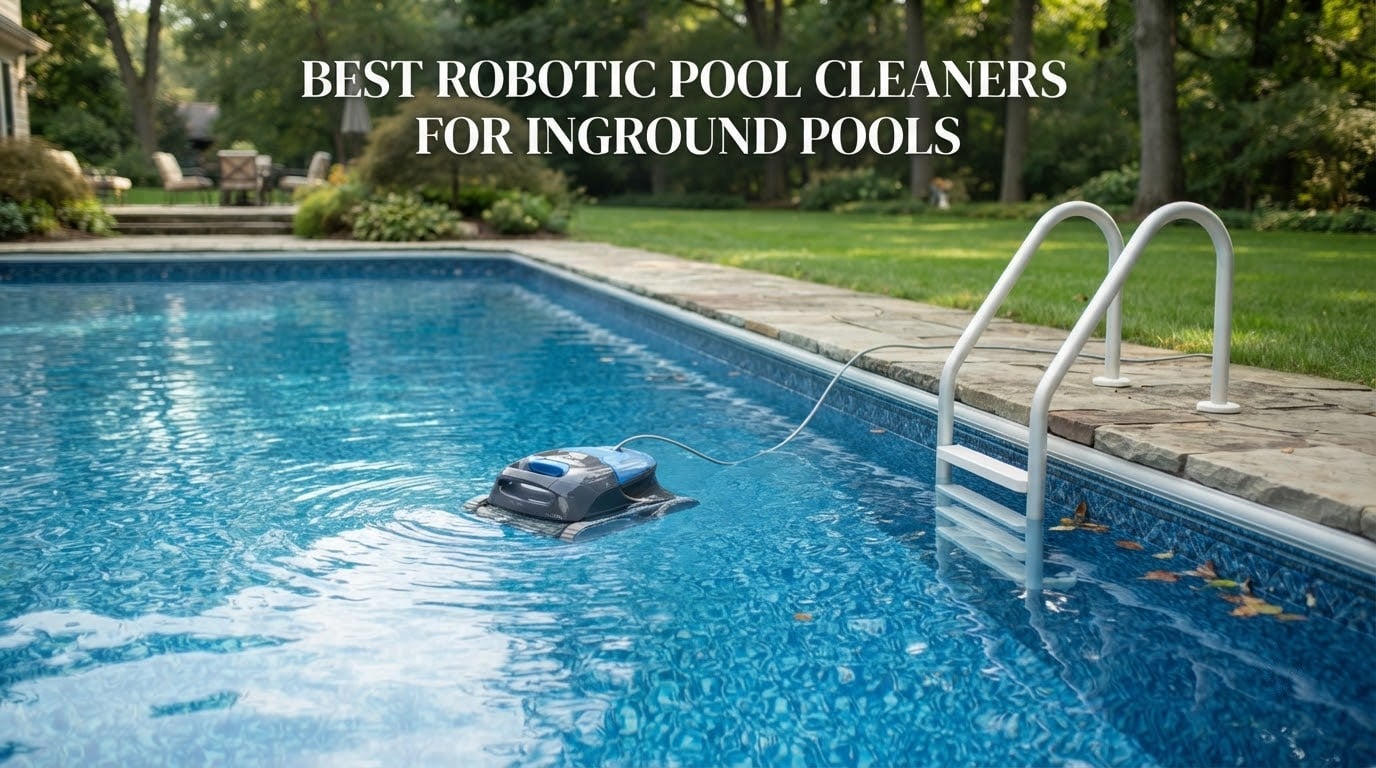
If you have an inground pool, the robot you buy matters far more than the price tag on it. A cheap unit that tangles its own cord or stalls halfway across the deep end will cost you more in frustration than a mid-range model that just works, and we have read enough owner reviews to know where the difference lies.
This guide covers the best robotic pool cleaners for inground pools available now, across corded and cordless designs from Dolphin, Aiper, WYBOT and Beatbot. We pulled the specification sheets, the customer images and thousands of owner reviews, then filtered them by what actually breaks a robot: wall transitions, filter fineness, runtime under a real leaf load and how awkward the unit is to lift out of the water.
Our honest starting point is that there is no single best robot for every inground pool. The right pick depends on your pool length, your surface, and how much debris falls into it. If you are still working that out, the 10 best steam cleaners for kitchen floors and 8 best oven cleaners for domestic ovens guides follow the same principle: match the tool to the job rather than buying the loudest option on the shelf.
Last updated in 2026. All picks below are inground-capable, and prices change constantly, so use the check buttons rather than any number you remember.
Table of Contents
- Top 3 Robotic Pool Cleaners for Inground Pools (September 2026)
- All 10 Picks at a Glance
- How We Picked
- 1. Dolphin Nautilus CC Plus: The One Most Owners Keep
- 2. Dolphin Proteus DX3: A Cheaper Route Into Dolphin Reliability
- 3. WYBOT C1: The Best Cordless Starting Point
- 4. Dolphin Advantage: The Best Value Corded Pick
- 5. Aiper Scuba S1: Longest Routine Runtime in the Roundup
- 6. Aiper Scuba V3: Camera-Guided Cleaning for Tech-Focused Owners
- 7. WYBOT C2: Best Filtration for Fine Silt
- 8. Beatbot Sora 30: Built for Big Pools and Heavy Leaves
- 9. Aiper Scuba S3: The Best Waterline Scrubber Here
- 10. WYBOT B1: Best for Smaller Pools and Light Handling
- Corded vs Cordless: Which Should You Buy
- Match the Robot to Your Pool Surface
- What Pool Owners Actually Say
- How to Choose: 7 Steps
- Maintenance, Lifespan and Battery Care
- Frequently Asked Questions
- What is the best robotic pool cleaner for concrete pools?
- What is the best robotic pool cleaner according to consumer reports?
- Is Dolphin or Polaris better?
- Are cordless robotic pool cleaners better than corded models?
- How long do robotic pool cleaners last?
- Can robotic pool cleaners clean pool walls and steps?
- How often should I run a robotic pool cleaner?
- Conclusion
Top 3 Robotic Pool Cleaners for Inground Pools (September 2026)
These three cover the widest range of real inground pools, from a 33-foot rectangle to a cordless setup for a larger backyard.

Dolphin Nautilus CC Plus
- Wall-scrubbing on any surface
- Active scrubbing brush
- Top-load filter basket
- Spotless pool in 2 hours

Dolphin Advantage
- Wall and waterline climbing
- Active scrubbing brush
- Top-load filter basket
- Runs while the pool pump is off
WYBOT C2
- 10-micron and 180-micron dual filtration
- Three brushless motors
- 180-minute runtime to 2152 sq ft
- Auto edge docking
All 10 Picks at a Glance
Every model below is rated for inground pools. The right column tells you which pool it suits best.
| Product | Specs | Action |
|---|---|---|
| Dolphin Nautilus CC Plus |
|
Check Latest Price |
 Dolphin Proteus DX3 Dolphin Proteus DX3 |
|
Check Latest Price |
 WYBOT C1 WYBOT C1 |
|
Check Latest Price |
| Dolphin Advantage |
|
Check Latest Price |
 Aiper Scuba S1 Aiper Scuba S1 |
|
Check Latest Price |
 Aiper Scuba V3 Aiper Scuba V3 |
|
Check Latest Price |
| WYBOT C2 |
|
Check Latest Price |
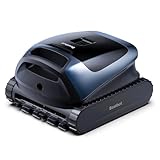 Beatbot Sora 30 Beatbot Sora 30 |
|
Check Latest Price |
 Aiper Scuba S3 Aiper Scuba S3 |
|
Check Latest Price |
 WYBOT B1 WYBOT B1 |
|
Check Latest Price |
How We Picked
We evaluated these ten robots on the same five dimensions, because those are the only ones that predict whether a machine will still be worth owning after three summers.
Debris pickup under load. Manufacturers quote clean-water specs. We weighted the reviews that describe leaf loads, sand and opening-season grit instead, because a suction figure measured in an empty pool tells you very little.
The wall transition. A robot that cleans the floor beautifully and cannot hold the wall leaves the scum ring exactly where it was. We checked each unit’s climbing claims against owner reports of whether the waterline actually got scrubbed.
Runtime versus charge time. The number that matters is not the headline runtime, it is what is left after a full afternoon of picking up leaves. We noted runtime and recharge time together, because a 300-minute cycle on a 4.5-hour charger is a different proposition from a 160-minute cycle on a 4-hour charger.
Filter care and filtration fineness. A top-load basket you can rinse in a minute changes how often you run the robot. Micron ratings tell you whether fine silt and algae particles are being trapped or simply pushed around.
Retrieval. A wet 18-pound unit climbing out of a deep end is a genuinely unpleasant job, so parking behaviour, handle strength and total weight all factored in.
Nothing here is sponsored. We earn a commission if you buy through one of the buttons, which is why every pick also carries an honest deal-breaker line.
1. Dolphin Nautilus CC Plus: The One Most Owners Keep
Dolphin Automatic Robotic Pool Vacuum Cleaner, Wall Climbing Scrubber Brush, Smart Navigation, Ideal for In-Ground Pools up to 40FT in Length – Nautilus CC Plus
Corded, pools up to 40 ft
Wall and waterline climbing
Active scrubbing brush
Top-load filter basket
Pros
- Climbs and scrubs the full wall and waterline
- Active brush removes debris without manual effort
- Top-load basket rinses in a minute
- About a 2 hour cycle
- Over 14k reviews averaging 4.3 stars
Cons
- Cord can tangle between cycles and needs straightening
- No app control or pool mapping
- Some units fail once the limited warranty period ends
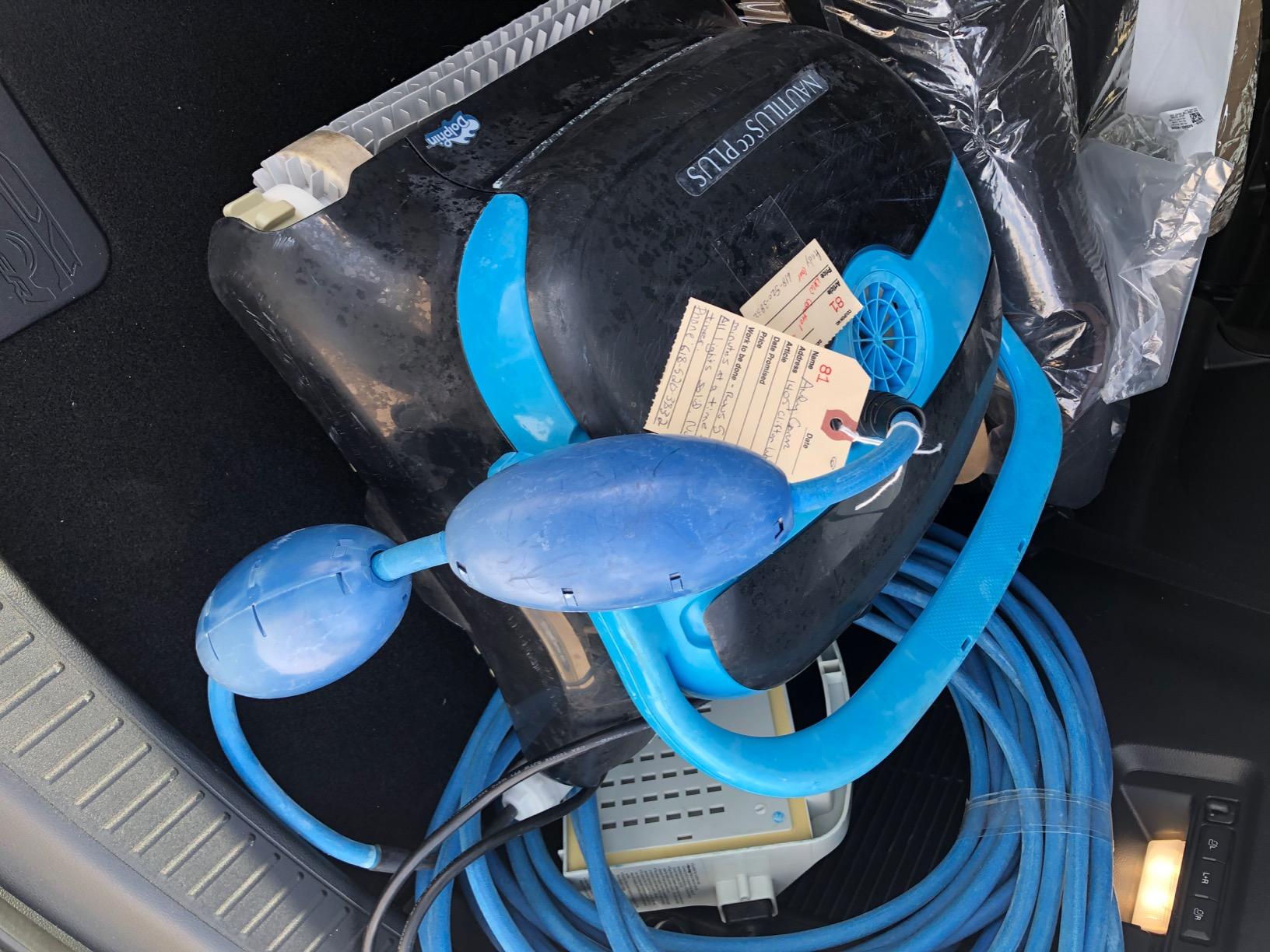
This is the robot most inground owners end up with, and after spending weeks reading through owner feedback it is easy to see why. It climbs the full wall, scrubs the waterline and finishes a typical residential pool in about two hours without any supervision beyond plugging it in.
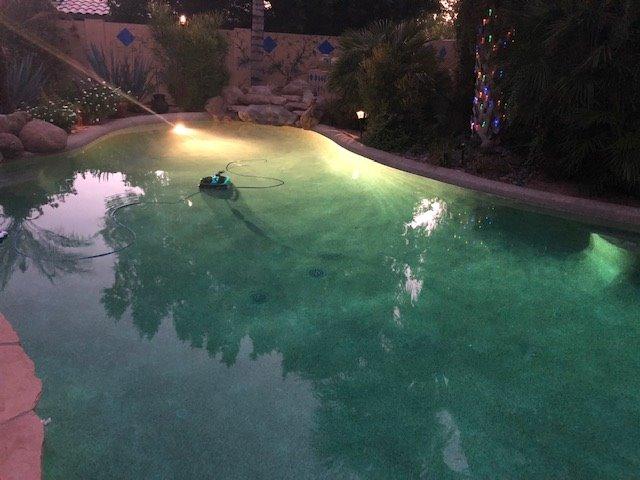
On r/swimmingpools, owners describe the Nautilus CC Plus as the reliable, effective workhorse they would replace with themselves. One long-running thread has a user running a separate surface robot and a spot vacuum alongside it, and naming this Dolphin specifically for the bottom and the walls.
That layered setup is the honest truth about every robot in this guide. A robot cleans submerged surfaces. It does not reliably clear floating leaves before they sink, so most owners keep something on the surface.
Who the Nautilus CC Plus suits
It suits almost anyone with an inground pool up to 40 feet who wants proven, unexciting reliability over novelty. The 4.3-star average across more than 14k reviews is the most tested result in this roundup by a wide margin.
It also suits owners who like filter access. The top-load basket lifts straight out of the top of the unit, so rinsing silt takes under a minute with no tools.
Who should skip it
Skip it if cord logistics are what you are trying to escape. The cable needs periodic straightening, and that daily walk to the breaker is the single most common complaint in the reviews.
Also skip it if you want app scheduling or mapping, because this unit has neither, and skip it if you are buying it for a pool with heavy leaf fall, since the single basket fills before a long leaf season is finished.
2. Dolphin Proteus DX3: A Cheaper Route Into Dolphin Reliability
Dolphin Proteus DX3 Automatic Robotic Pool Vacuum Cleaner, Wall Climbing, Active Scrubber Brush, Ideal for In-ground Pools up to 33 FT in Length
Corded, pools up to 33 ft
Wall climbing with active brush
Top-load filter basket
Remote control
Pros
- Dependable wall climbing and waterline scrubbing
- Active brush handles floor and sides without tools
- Top-load basket speeds up routine cleaning
- Simple two-hour plug-and-play cycle
Cons
- No app control or smart navigation
- Some owners report failure after the limited warranty lapses
The Proteus DX3 is the Dolphin to buy when you have a pool up to 33 feet and no appetite for smart features. It does the same core work as the Nautilus CC Plus, climbs walls, scrubs the waterline and runs a two-hour cycle.
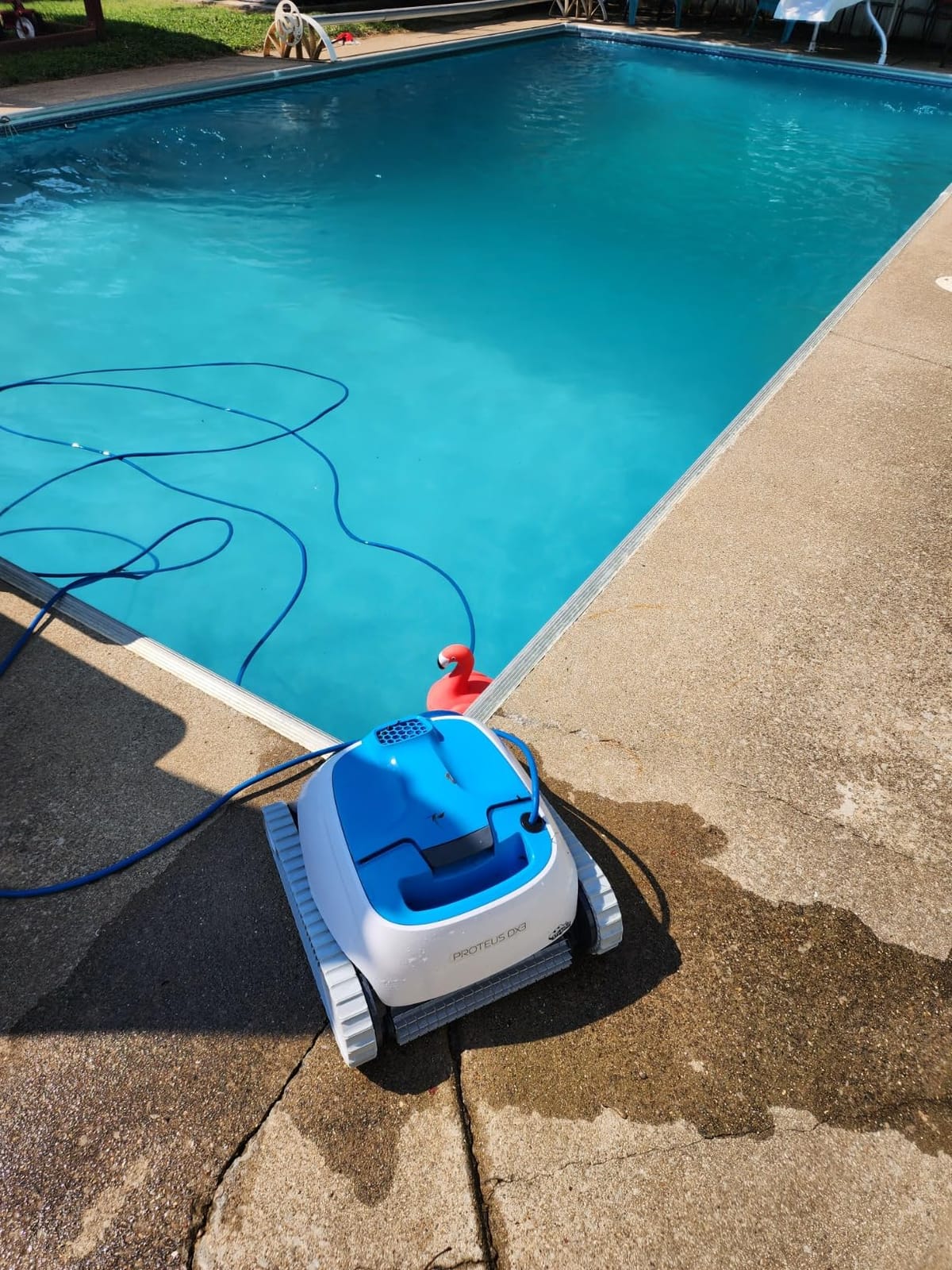
Reviewers describe it as a mid-tier Dolphin with dependable floor and wall cleaning and very easy filter maintenance. It sits at 4.0 stars across roughly 2,260 ratings, which is a slightly softer score than the rest of the Dolphin range.
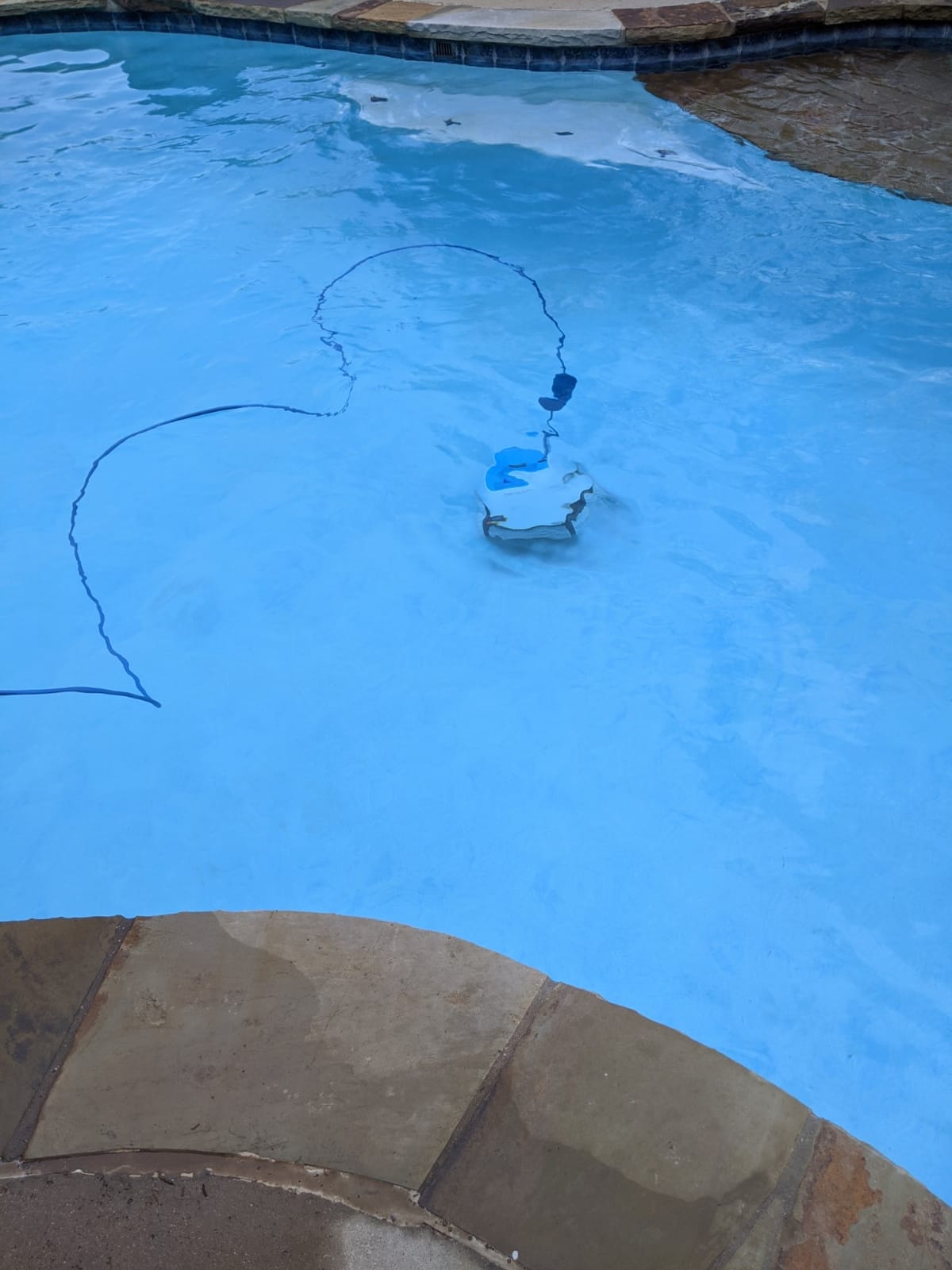
It also comes with a remote control, which is unusual at this level and useful for nudging the unit out of a corner if it parks itself somewhere awkward. The unit runs on 18 volts and is 14.8 pounds, so retrieval is manageable.
Who the Proteus DX3 suits
It suits owners of mid-size inground pools who have decided they do not need an app. Owners who value a two-hour unattended cycle and a top-load basket will not miss the smart features at all.
The remote also gives it an edge for pools with awkward geometry, where a quick manual redirect saves a long stretch of untended cleaning.
Who should skip it
Skip it if you want wall-to-wall coverage in a pool longer than 33 feet, because the rated length caps how much of the pool it will reach consistently.
Skip it if you plan to run it unsupervised for a full afternoon in heavy leaf conditions, since it has no mapping to route around a full debris zone. Like the other corded Dolphins, it also carries the same post-warranty durability reports.
3. WYBOT C1: The Best Cordless Starting Point
WYBOT C1 Cordless Robotic Pool Vacuum for Inground Pools, Professional
Cordless, 160 minute runtime
Floor walls waterline and steps
Triple motor, 45 degree climbing
App control with OTA updates
Pros
- No cable means no tangling
- Triple motors climb 45 degree slopes and walls
- Gyroscope navigation reduces missed spots
- App scheduling and firmware updates
- Covers pools up to 1618 sq ft
Cons
- Four-hour charge is long for 160 minutes of runtime
- Less effective suction on heavy leaf loads
- App control stops working underwater
The C1 is the model that made cordless inground cleaning practical for ordinary backyards. It covers floor, walls, waterline and steps in one pass, climbs slopes of up to 45 degrees on a triple-motor system, and it holds 160 minutes of runtime on a single charge.
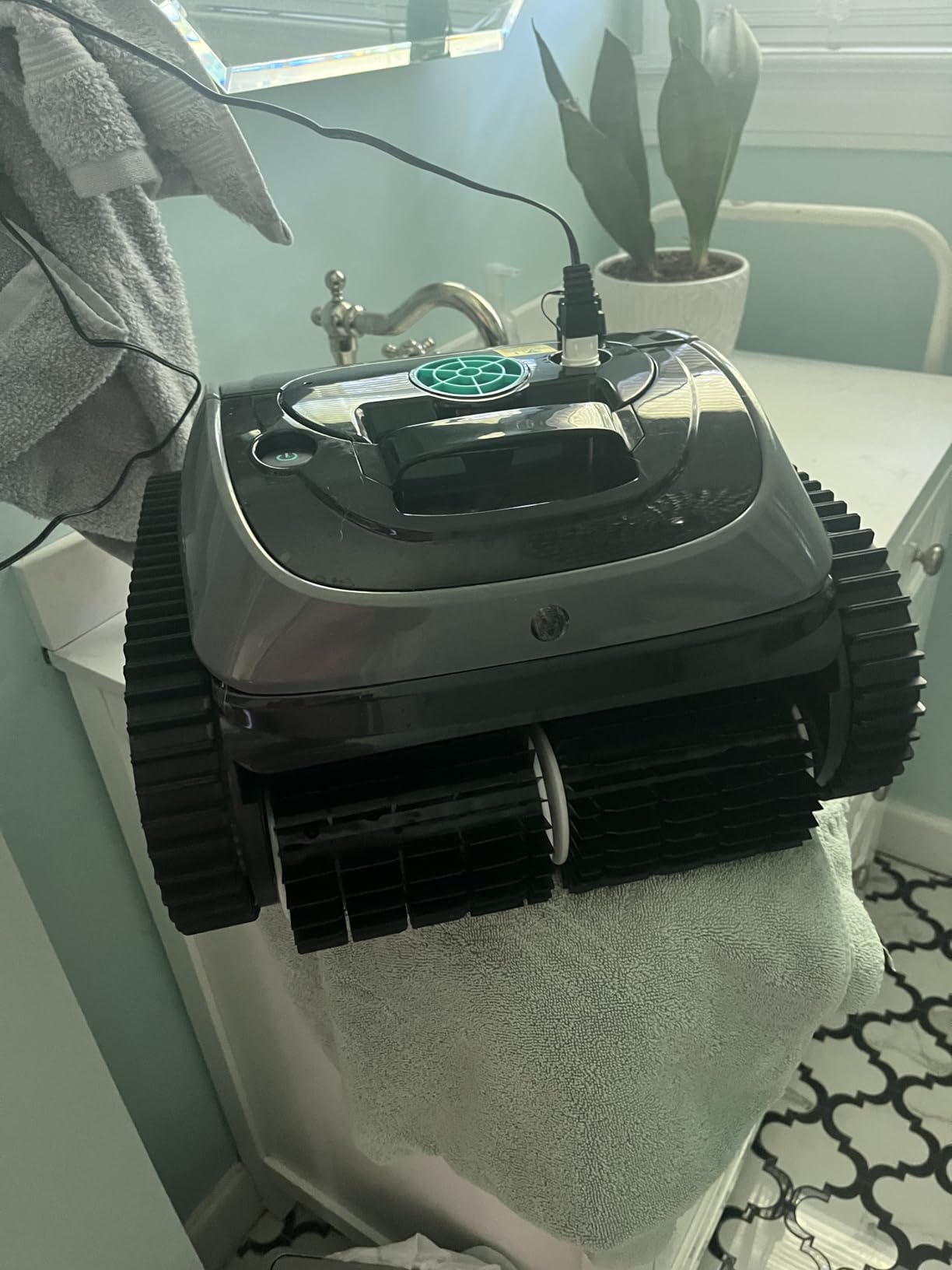
Owners value exactly what the cordless format promises: no cable to untangle before the run. The gyroscope N-Path and S-Path navigation is the reason coverage complaints are uncommon, because the unit does not simply bounce off walls at random.
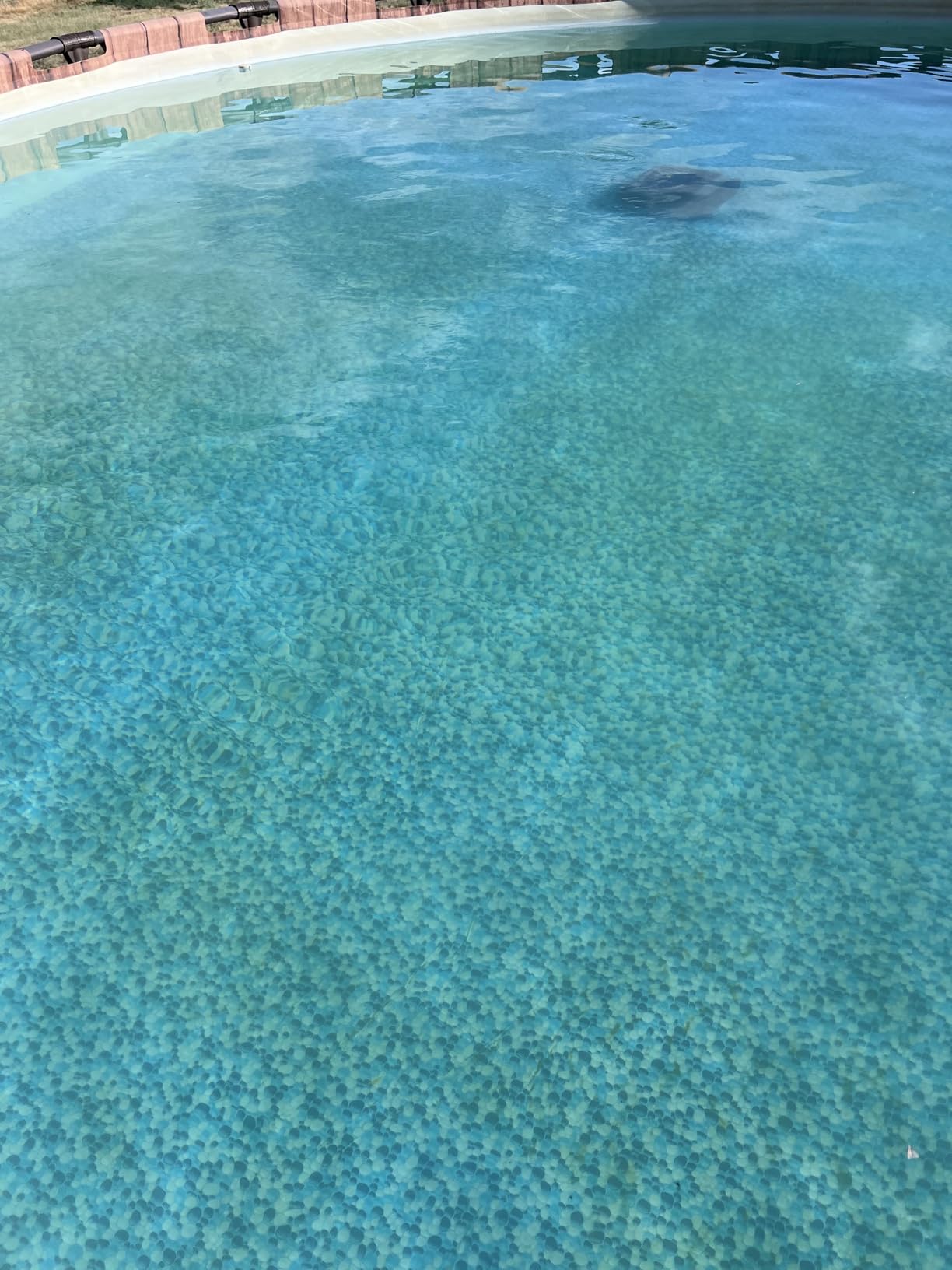
Its rated reach is 1,618 square feet and depths up to 9.86 feet, which puts it in the middle of the inground range. At about 17 inches tall and with a 440-gram battery, it is bulkier in the hand than the pictures suggest once it is full of water.
Who the WYBOT C1 suits
It suits owners who are done dealing with cords and want scheduled runs from an app. The 4-in-1 coverage makes it a good fit for pools with steps and a shallow ledge, not just a plain deep-end rectangle.
It also suits anyone who wants to start in the cordless category without stepping up to the premium cordless tier, because the navigation hardware here is genuinely useful rather than decorative.
Who should skip it
Skip it for leaf-heavy pools. Suction is the weak point, and a full basket in October means an interrupted run and a second charge.
Also weigh the four-hour charge against the 160-minute runtime. If you want a long weekly cycle, you are waiting a long time for it, and app control is useless while the unit is submerged, so you cannot rescue a mid-cycle decision from the poolside.
4. Dolphin Advantage: The Best Value Corded Pick
Dolphin Advantage Automatic Robotic Pool Vacuum Cleaner, Wall Climbing, Active Scrubber Brush, Ideal for In-Ground Pool Types up to 33 FT in Length
Corded, pools up to 33 ft
Wall and waterline climbing
Screen-style top-load basket
Runs with the pool pump off
Pros
- Cleans waterline and walls as well as the floor
- Two-hour cycle replaces manual vacuuming
- Easy to rinse and rated highly reliable
- Screen basket captures fine sand and insect debris
Cons
- No app
- mapping or anti-tangle cord feature
- Loose cord can twist between cycles
- Some owners report failure after two summers
The Advantage earns the highest average rating among the corded models here at 4.4 stars from about 965 ratings, and reviewers repeatedly call it the best value in the Dolphin line. It climbs to the waterline, scrubs with an active brush and finishes a standard pool in a two-hour drop-in cycle.
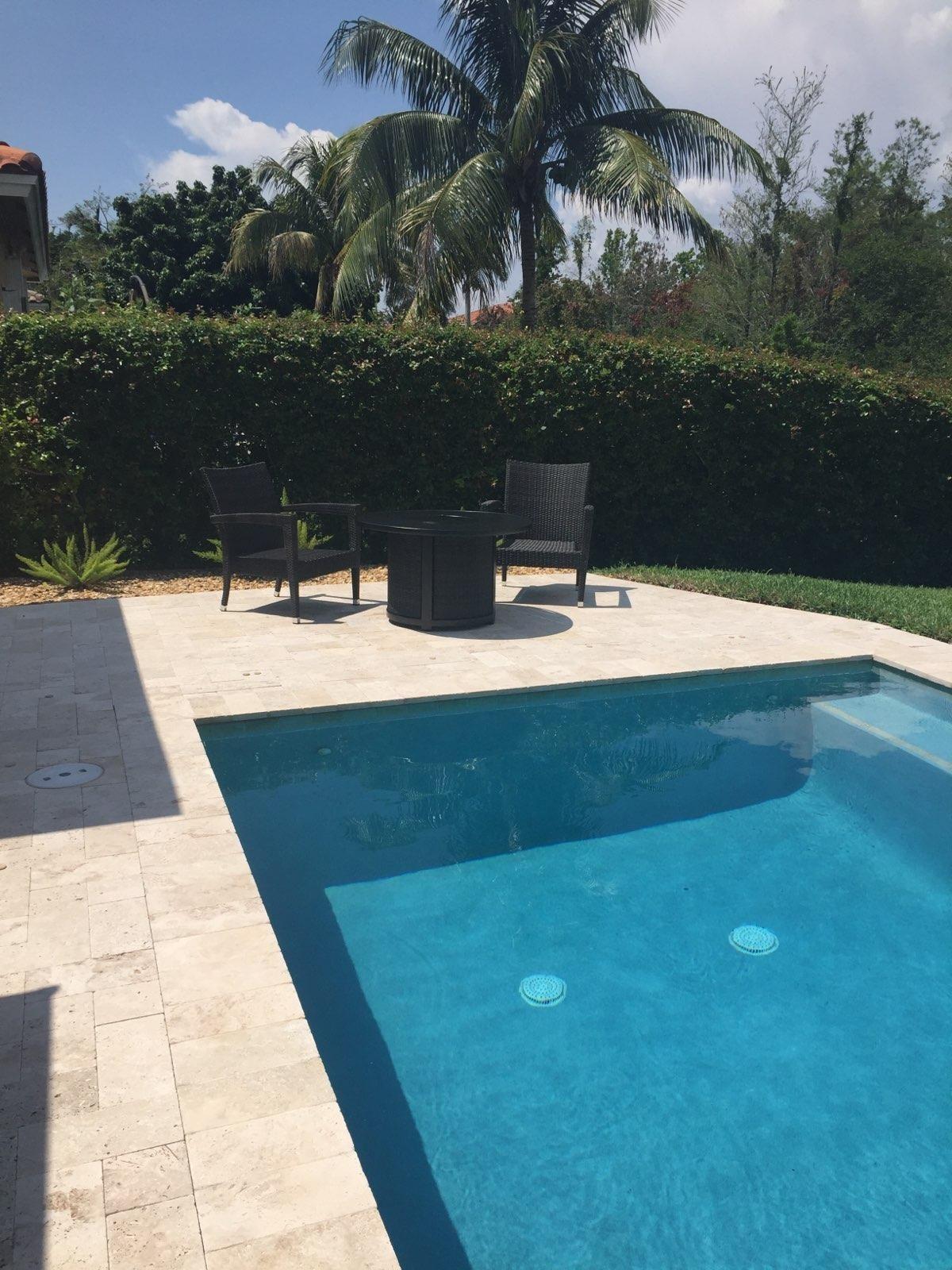
The detail that makes it good value is the screen-style top-load basket. Fine sand and small insect debris that would sit on the floor with a coarse mesh basket get trapped here, and it lifts straight out for a quick rinse.
It runs independently of your pool pump, so you can clean while the filtration system is off. That is a genuine benefit in homes where the pump is loud enough to make a weekend cleaning session unpleasant.
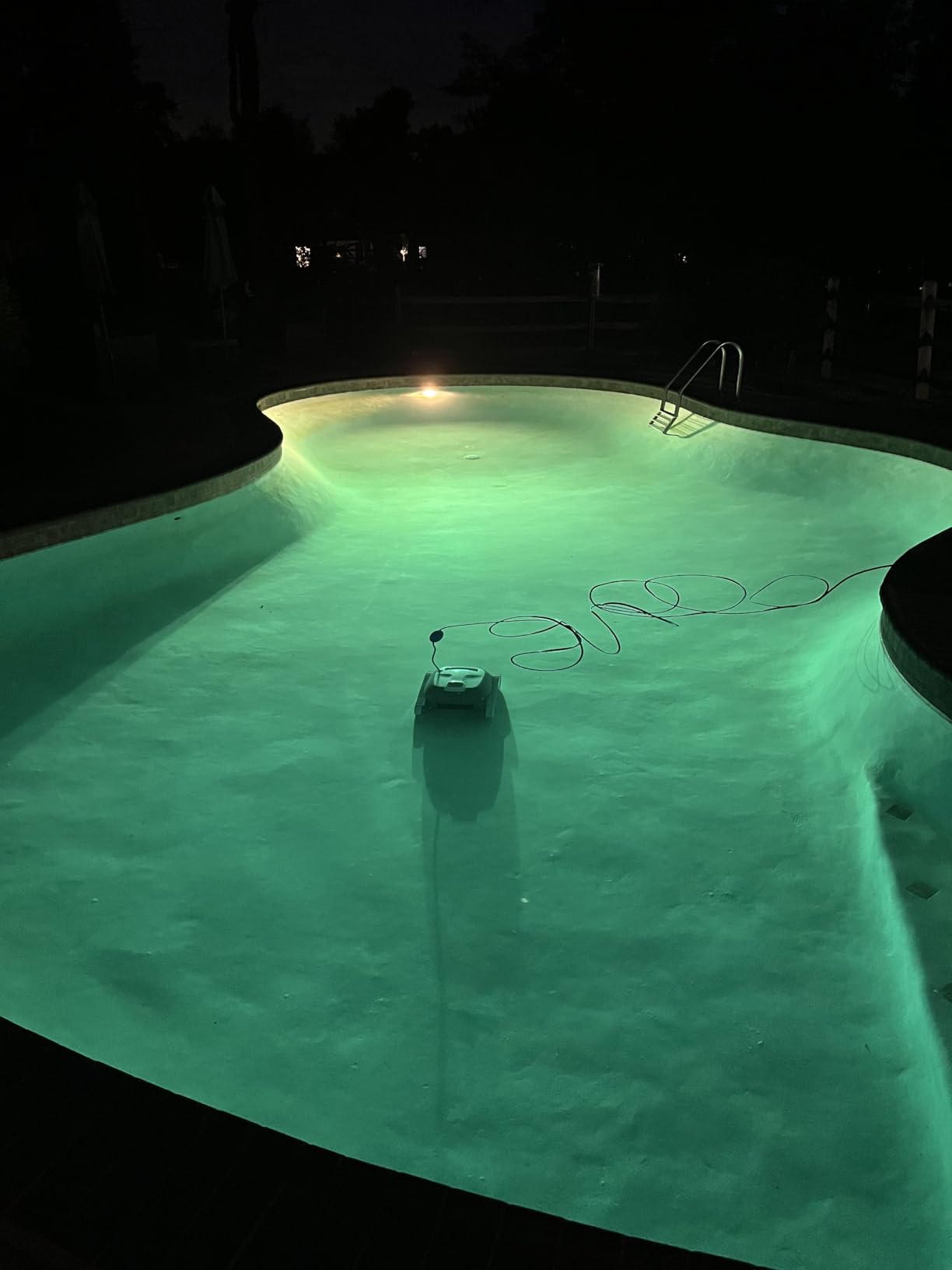
Who the Dolphin Advantage suits
It suits owners who want wall and waterline results without smart features and without paying for the flagship corded model. Sand-heavy pools and seasonal pollen are exactly what the fine screen basket was designed for.
It also suits anyone with a 33-foot-or-smaller pool who wants the simplest possible routine: drop it in, press a button, empty one basket at the end.
Who should skip it
Skip it if a tangled cable would ruin your routine. This cord has no anti-tangle swivel and owners report needing to straighten it by hand between cycles.
There is also no app, no pool mapping and no scheduling. And a small number of owners report the unit stopping after about two summers, so if you want a long service life, budget for a possible replacement inside the warranty horizon.
5. Aiper Scuba S1: Longest Routine Runtime in the Roundup
(2026 Upgrade) Aiper Scuba S1 Robotic Pool Cleaner, 270 Min Runtime, Floor/Wall/Waterline/Shallow Area Cleaning, Ultra-fine Filter, Smarter Navigation, High-Precision Sensors, App Support-Black
Cordless, up to 270 minutes in Eco
11 sensors with WavePath navigation
3-micron and 180-micron dual filters
Four-zone cleaning
Pros
- 270-minute Eco runtime for large pools
- Dual filtration traps dust sand leaves and debris
- Caterpillar treads give strong wall coverage
- App scheduling with weekly plans
- Two-year warranty
Cons
- App control only works on land
- Still misses some spots in complex pools
- Weaker sand pickup than premium models
The Scuba S1 is the pick if your worry is a robot that runs out of power before it finishes. It works up to 270 minutes in Eco mode and up to 180 minutes in the auto, floor and wall modes, on a three-hour charge.
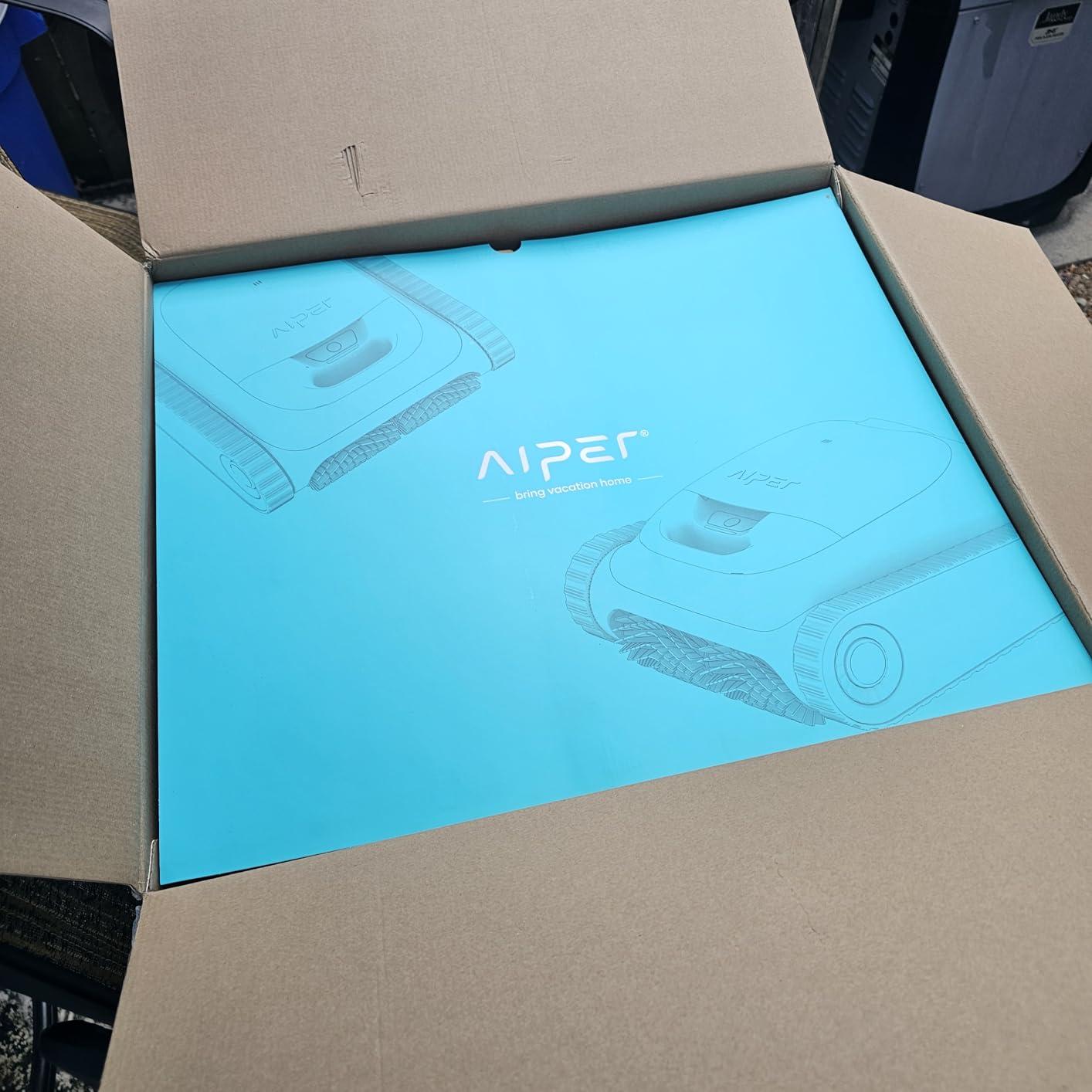
Eleven high-precision sensors drive a dual-path WavePath pattern, and the caterpillar tread system is what gives it the grip to climb walls and work through shallow zones. It runs four cleaning zones, including shallow areas above 12 inches of depth.
The dual filtration is the sleeper feature. A replaceable 3-micron ultra-fine filter sits alongside a 180-micron standard filter, so you can swap the fine one for a leaf season without buying a different machine.
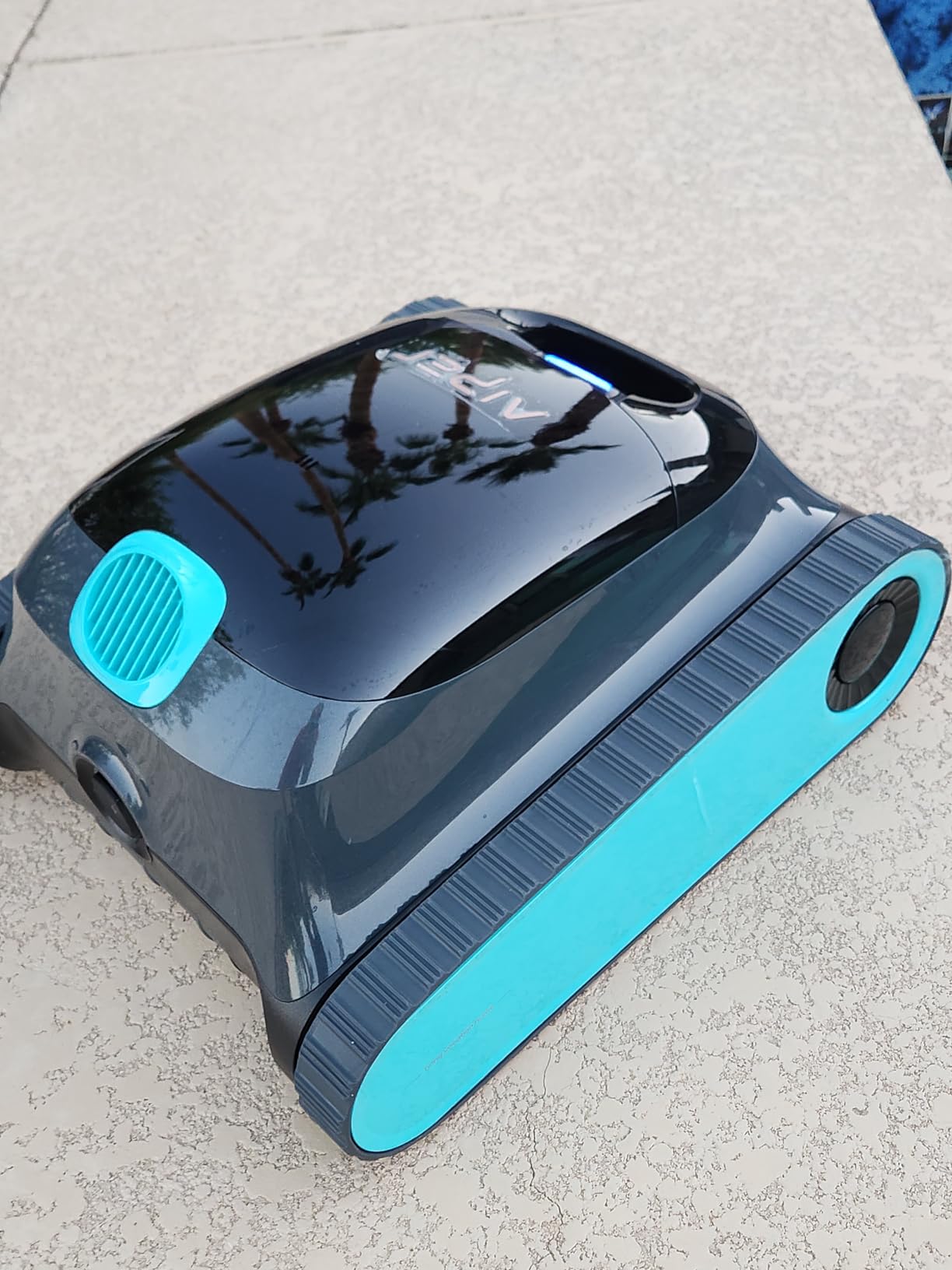
Who the Aiper Scuba S1 suits
It suits owners of long or deep inground pools who want one long cycle instead of two shorter ones. The 2-year warranty is also the longest stated cover in this roundup alongside the Beatbot.
It suits fine-silt and dust situations too, because 3-micron filtration is far finer than the mesh most cordless units ship with.
Who should skip it
Skip it if you have a complicated pool shape. Even with eleven sensors, owners report missed zones in complex layouts, and no navigation system fully solves an irregular kidney-shaped pool.
Sand pickup is mixed, and the app is useless underwater, which means you cannot switch modes when you see it struggling with a patch of silt.
6. Aiper Scuba V3: Camera-Guided Cleaning for Tech-Focused Owners
AIPER Scuba V3 AI Vision Cordless Robotic Pool Cleaner, Grey
Cordless, 180 minute runtime
AI camera detects 20+ debris types
180-micron and 3-micron MicroMesh
Wireless charging dock
Pros
- AI camera targets debris instead of wandering
- Three-layer MicroMesh traps sand
- Waterline parking with app alerts
- Wireless dock avoids exposed connectors
- Firmware updates visibly improve targeting
Cons
- AI mode misses zones in rectangular pools
- Waterline parking is unreliable
- Firmware and app setup takes real effort
- 18 lb weight makes retrieval hard
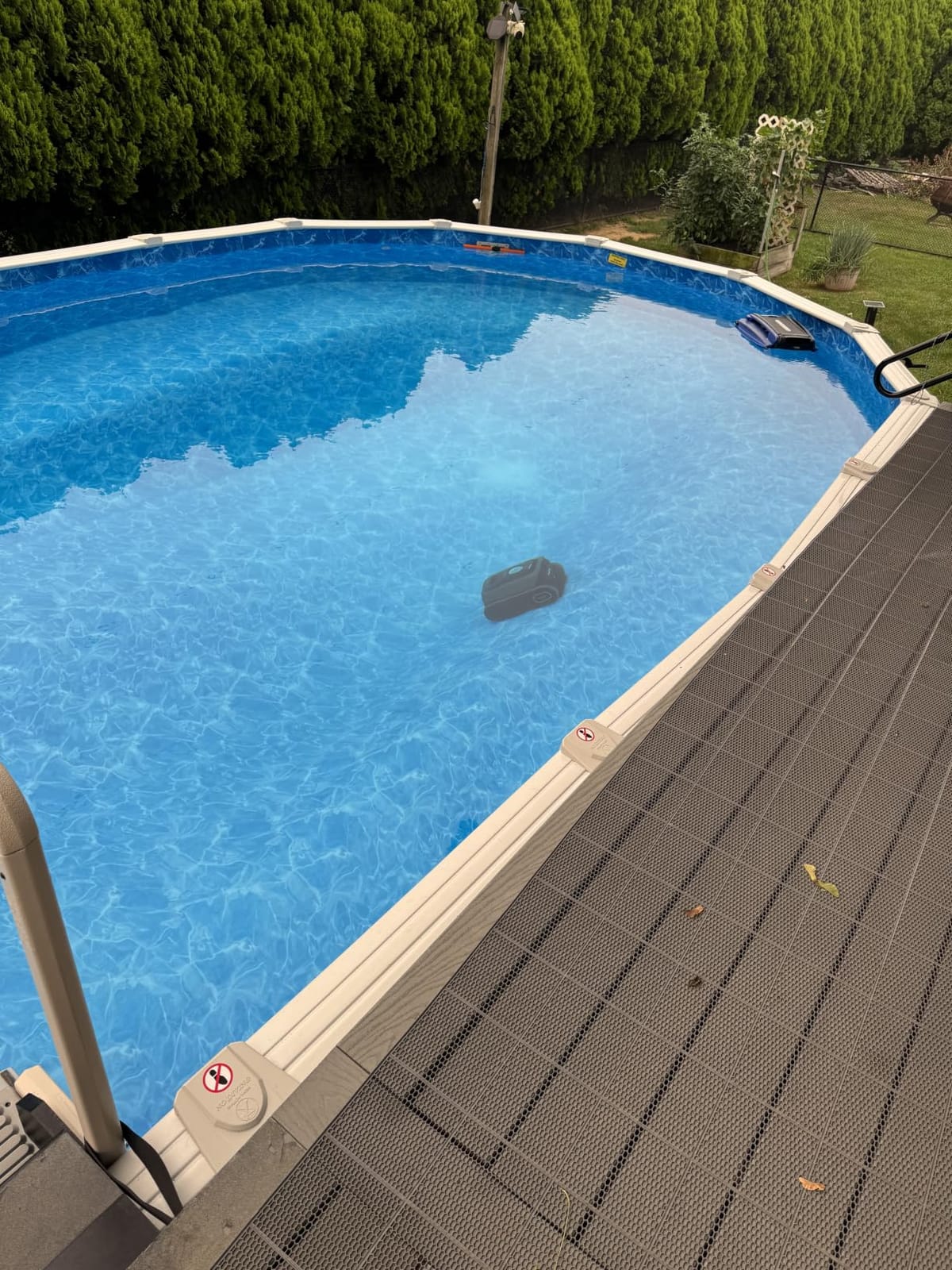
This is the only unit here with an on-board camera. A single front-facing lens classifies more than 20 debris types, and the AI Patrol mode steers the unit toward what it sees rather than following a fixed pattern.
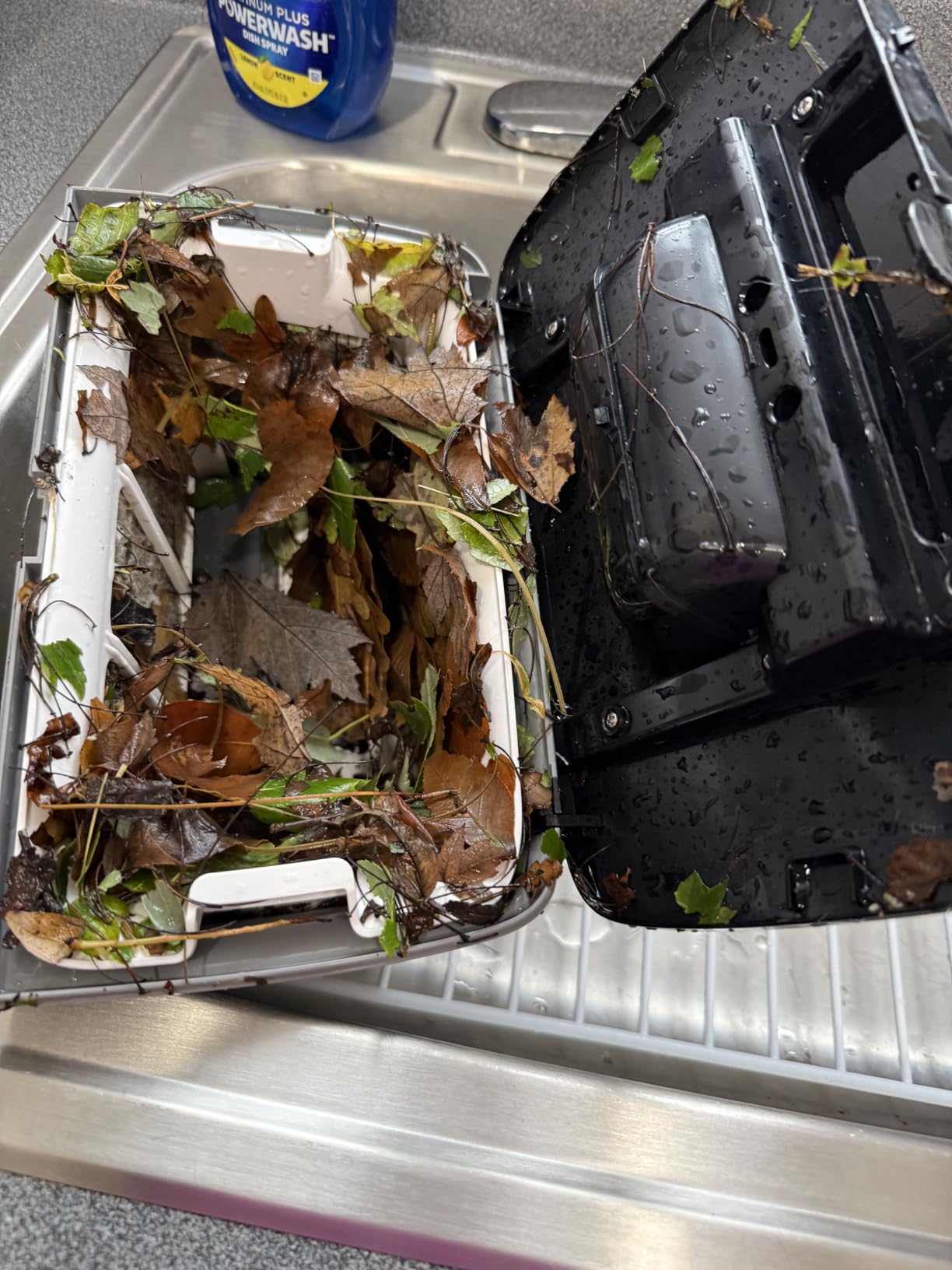
The effect reviewers report is a substantial cut in cleaning time, because the robot stops crossing the same clean floor. Owners also note that firmware updates materially improved targeting after purchase, which is a real argument for buying current rather than clearance stock.
Filtration is a 180-micron primary layer plus a 3-micron MicroMesh layer. The dock is wireless, so there are no exposed connectors to corrode, and the Navium mode builds a weekly cleaning plan you can set once.
Who the Aiper Scuba V3 suits
It suits owners who want the cleaning to be scheduled and the data to be visible from a phone. It also suits large pools, since 180 minutes covers a bigger area than you might expect with camera-guided routing.
If you already run a cordless unit and want noticeably better debris targeting rather than more runtime, this is the step up in that category.
Who should skip it
Skip it if you dislike app setup. Owners report the configuration taking real effort, and the app drops once the unit is underwater, which is exactly when you might want it.
Be honest about the retrieval. At 18.1 pounds and unable to climb out on its own, the smart waterline parking is inconsistent enough that you will often be fishing it out with a pole anyway.
7. WYBOT C2: Best Filtration for Fine Silt
Wybot C2 Cordless Pool Vacuum for Inground Pools, Robotic Pool Cleaner
Cordless, 180 minute runtime
10-micron and 180-micron dual filters
Three brushless motors
Covers up to 2152 sq ft
Pros
- Finest dual filtration in the roundup
- Three brushless motors give strong suction
- Reliable wall and waterline scrubbing
- Auto edge docking with a retrieval hook
- 4.6 stars from about 372 ratings
Cons
- Heaviest cordless unit here at 24 pounds
- No charging dock so the connector must be unscrewed
- Does not park itself at the waterline
- Bluetooth link drops underwater
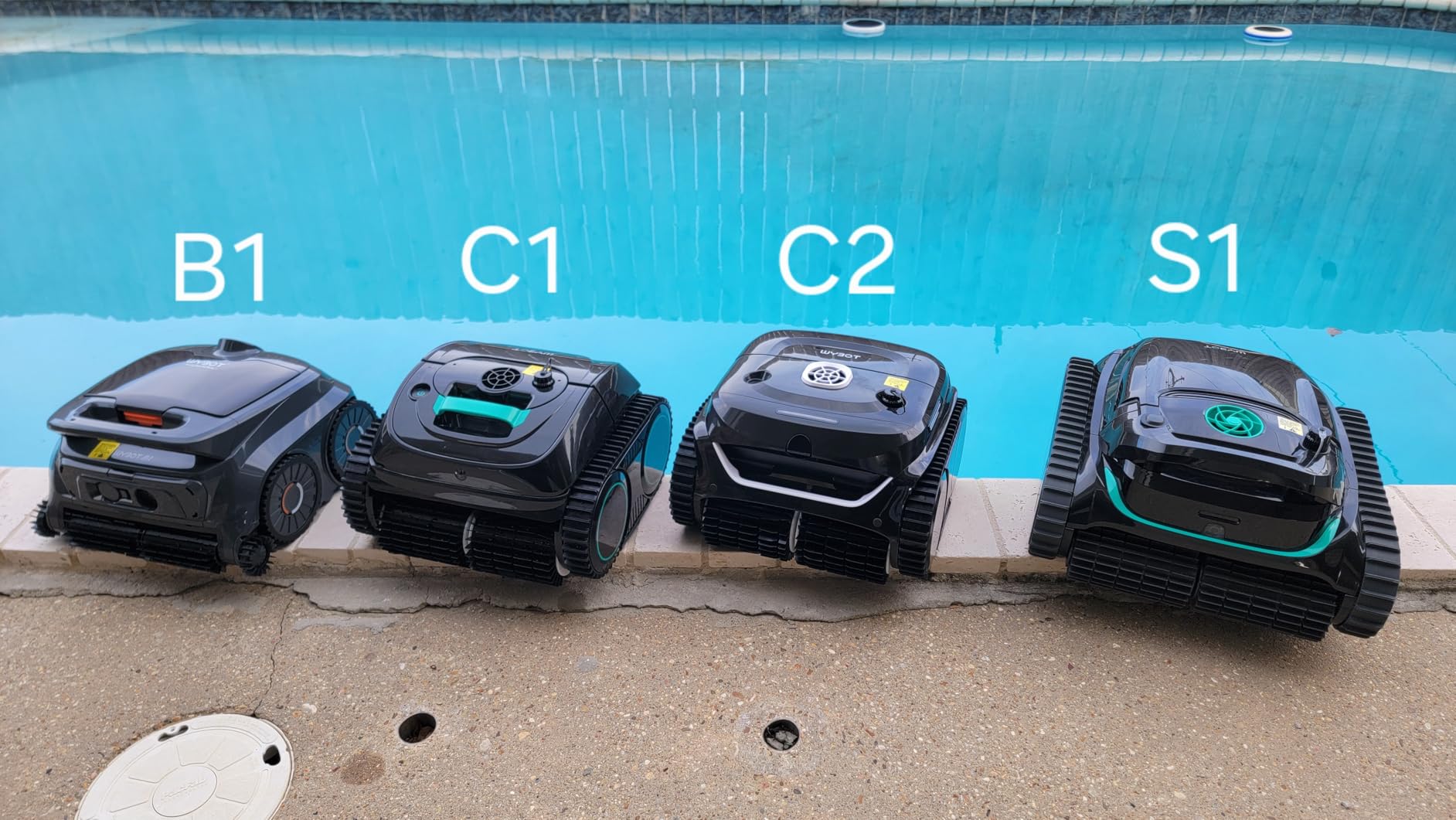
The C2 sits at the top of the ratings on this list at 4.6 stars, and the reason is its filtration. It pairs a 10-micron ultra-fine filter with a 180-micron primary, which is the finest combination here and the difference between removing fine silt and merely moving it.
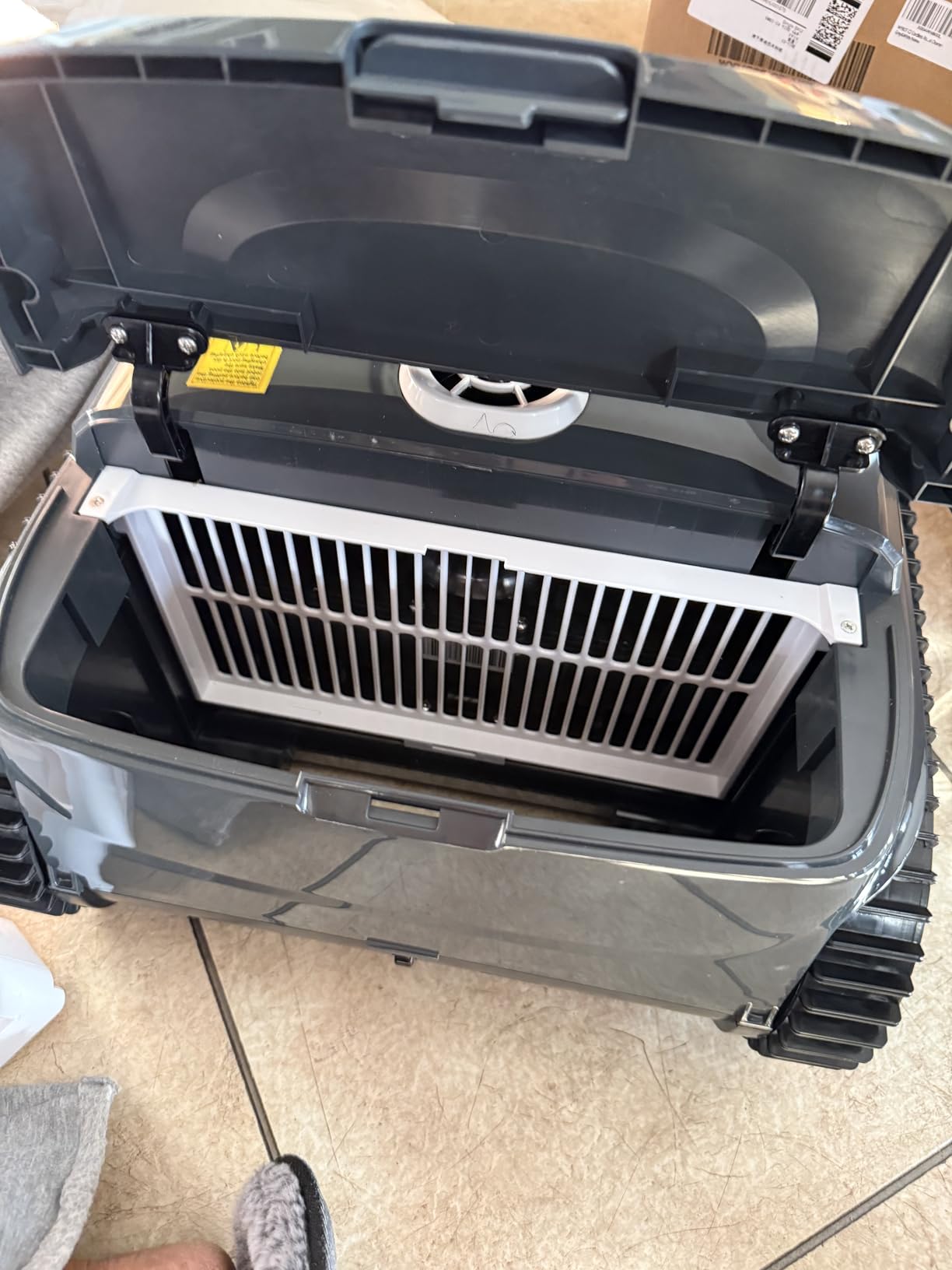
Three brushless motors provide the suction for coarse debris, and a built-in gyroscope with intelligent path planning handles the routing. It runs up to 180 minutes and covers up to 2,152 square feet per cycle, with seven cleaning modes and automatic edge docking.
Owners compare it favourably to robots costing considerably more, which is a pattern worth noting. The 3-liter capacity field on the specification sheet is a smaller bin than some rivals, so heavy leaf loads may need an extra empty.
Who the WYBOT C2 suits
It suits pools where fine particles are the problem, such as plaster pools shedding dust or yards with heavy pollen. The waterline scrubbing is reliable on fiberglass and other surfaces according to owners.
It also suits anyone who wants cordless without giving up filter fineness, which is the usual compromise buyers accept in this category.
Who should skip it
Skip it if lifting is a problem. At 24 pounds it is the heaviest cordless unit here, and the automatic edge docking only helps at the side, not for a deep end.
There is no charging dock, so the plug connector has to be unscrewed and resecured by hand each cycle, and like the other WYBOT models the app connection drops the moment the unit goes under.
8. Beatbot Sora 30: Built for Big Pools and Heavy Leaves
Beatbot Sora 30 Pool Vacuum, Floor & Wall & Waterline & Platform Cleaning, 6800GPH Power, Smart Parking, 300Min Runtime, 5L Capacity, for Above & In-Ground Pools 3229 sq.ft, Deep Blue
Cordless, 300 minute runtime
6800 GPH suction
Covers up to 3229 sq ft
Four-zone cleaning to 8 inches
Pros
- Largest pool coverage in this roundup
- 6800 GPH suction handles heavy leaf loads
- Smart water-surface parking
- Shallow and platform cleaning to 8 inches
- App plus touch control
Cons
- Four and a half hour charge time
- 10.5 kg weight is hard to lift from water
- App control stops working underwater
The Sora 30 is the largest-pool answer in this guide. It covers up to 3,229 square feet, runs on a 10000 mAh battery for up to 300 minutes, and it is the pick for anyone whose pool simply will not get covered by a 160-minute cycle.
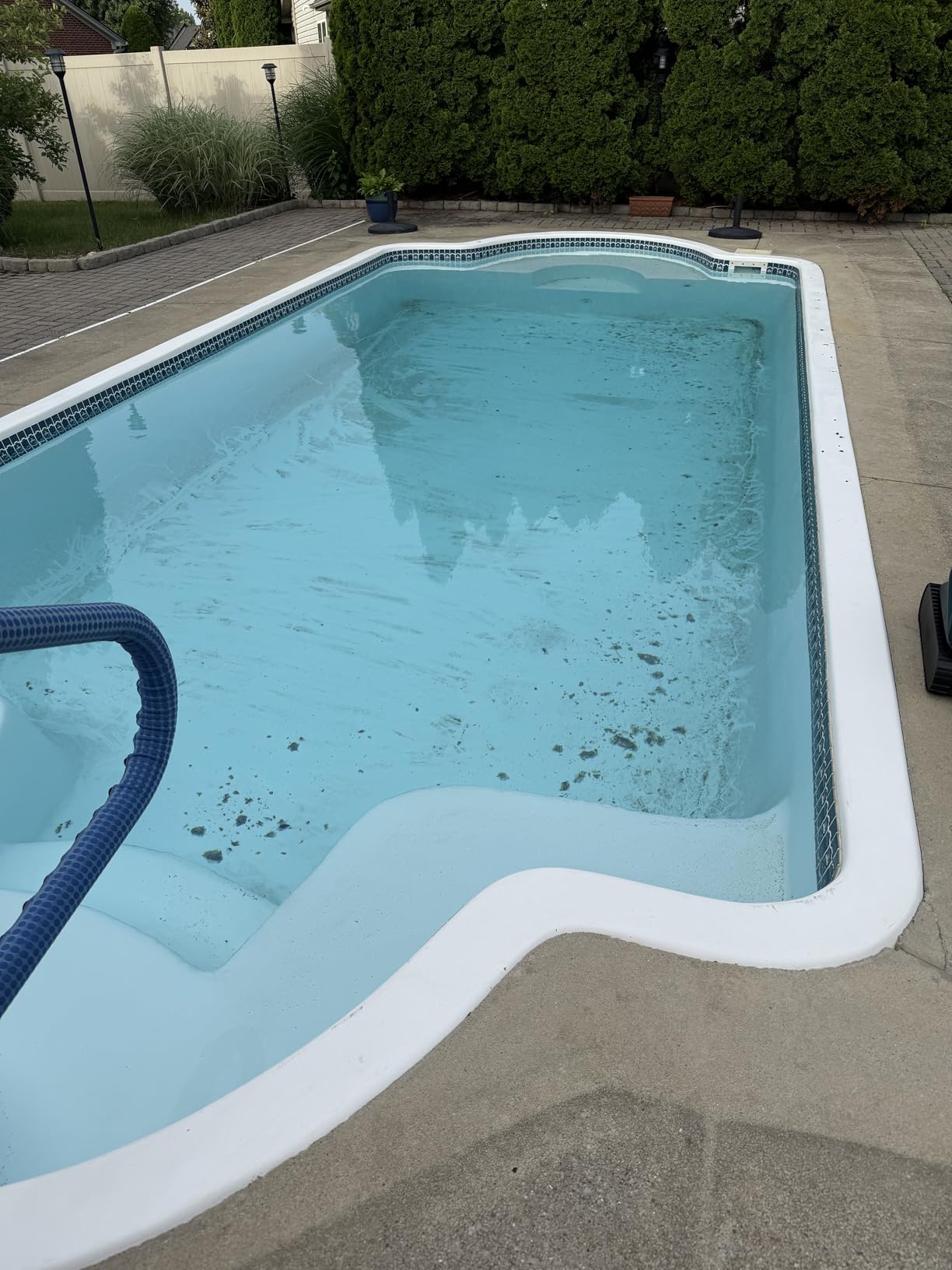
Its 6800 GPH suction through the HydroBalance structure is what makes it viable in leaf season, and ultrasonic sensors detect ledges and shallow areas down to 8 inches, which matters for tanning shelves and steps into a beach entry.
It cleans four zones, including the platform, and parks at the water surface with one-touch retrieval from the app. That parking feature is genuinely useful, and unlike some rivals here it appears to work.
Who the Beatbot Sora 30 suits
It suits large, deep inground pools and owners with heavy leaf drop from trees overhead. Long runtime plus high suction means fewer mid-cycle basket emptyings.
It also suits anyone who wants to skip the pole entirely, because water-surface parking removes the most common annoyance of cordless ownership.
Who should skip it
Skip it for a small or medium pool. You would be paying for capacity you cannot use, and the 4.5-hour charge is a long wait for a cycle you do not need.
It weighs 10.5 kg, so retrieval from a deep end is still a two-handed job despite the parking feature. And the app is no help while the robot is working.
9. Aiper Scuba S3: The Best Waterline Scrubber Here
Aiper Scuba S3 Robotic Pool Cleaner for All Inground Pools, Obsidian
Cordless, 240 minutes in Eco
Sideways waterline scrub at 5 ft per minute
Auto-park with app alerts
3-micron and 180-micron filters
Pros
- Unique sideways waterline scrubbing
- Highest average rating in the roundup
- Light at 18 lb for one-handed lifting
- Auto-parking plus app alerts
- Four quiet hours in Eco mode
Cons
- No charging cradle and no AI scanning
- Filter basket fills fast in leaf season
- Ultra-fine filter is hard to source
- Retrieval handle is not strongly reinforced
The Scuba S3 has the highest average rating in this roundup at 4.7 stars, though from a much smaller review base of about 86 ratings. What it does differently is the waterline: it scrubs sideways at 5 feet per minute, reaching two inches above the line to lift scum ring and sunscreen film.
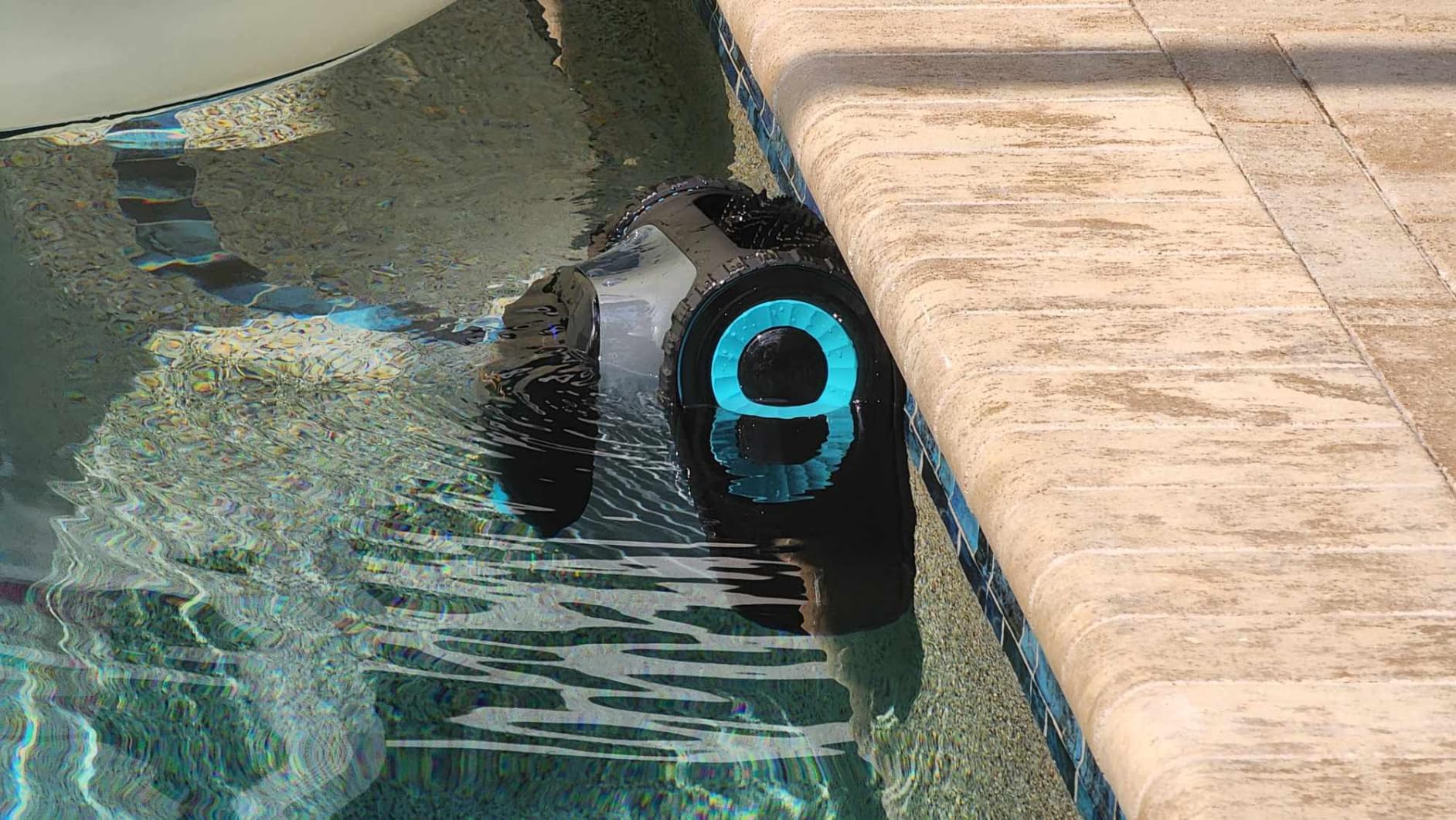
That is a real answer to the most common complaint about inground robots, which is that the band at the water surface is the part owners still have to scrub by hand. It runs up to 240 minutes in Eco mode on a 3.5-hour charge and auto-parks at the waterline for ten minutes with an app alert.
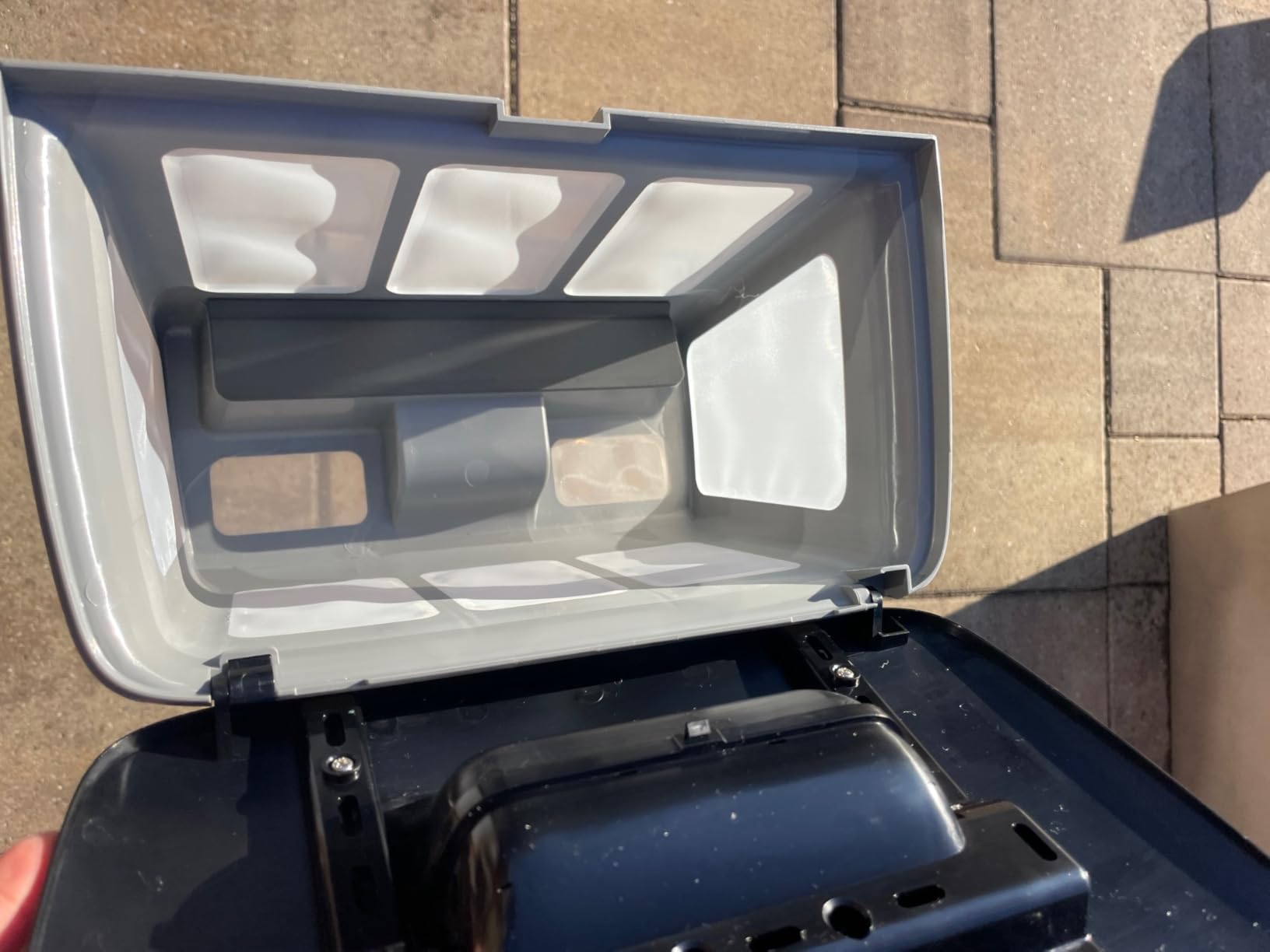
Filtration is a 180-micron mesh plus a replaceable 3-micron layer, and the dual brushes give it the wall grip. At 18 pounds it is one of the lighter units here, which matters more than the specification sheet suggests.
Who the Aiper Scuba S3 suits
It suits anyone whose main frustration is the waterline ring, and pools with heavy sunscreen use or an oil line. It also suits owners who struggle to lift a wet robot, because 18 pounds is manageable one-handed.
It suits buyers comfortable with a newer model. The review base is small, so you are taking a bet on a recent release rather than a long-proven line.
Who should skip it
Skip it if you want a camera or a charging cradle. Despite the styling, there is no AI scanning here, and the connector is exposed rather than dock-based.
Be cautious in leaf season, because the basket fills quickly and the ultra-fine filter is reportedly hard to source as a replacement. It also lacks an anti-tangle swivel on the retrieval handle, which some owners have found flimsy.
10. WYBOT B1: Best for Smaller Pools and Light Handling
WYBOT B1 Cordless Robotic Pool Vacuum Pool Cleaner Robot for Inground Pools
Cordless, 120 minute runtime
14.3 lb lightweight body
Quad-roller edge brushes
Covers up to 1150 sq ft
Pros
- Lightest cordless unit here at 14.3 lb
- Quad-roller and side brushes clean edges
- Strong floor cleaning including sand and grit
- No cable to untangle
- Top-access basket rinses in under a minute
Cons
- Shortest runtime here at 120 minutes
- Wall climbing can need the included floating blocks
- Filter basket latch is stiff to open
- Needs a full charge before first use
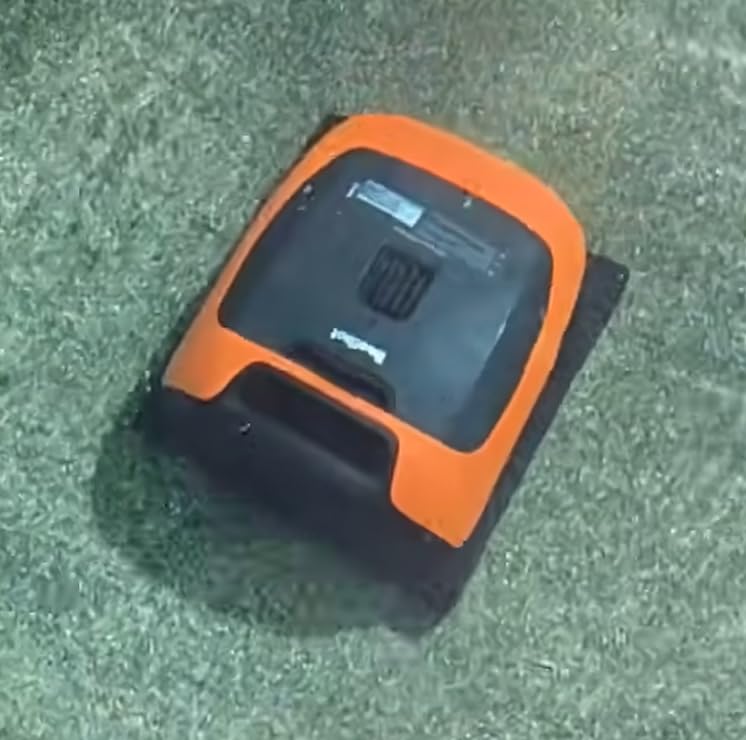
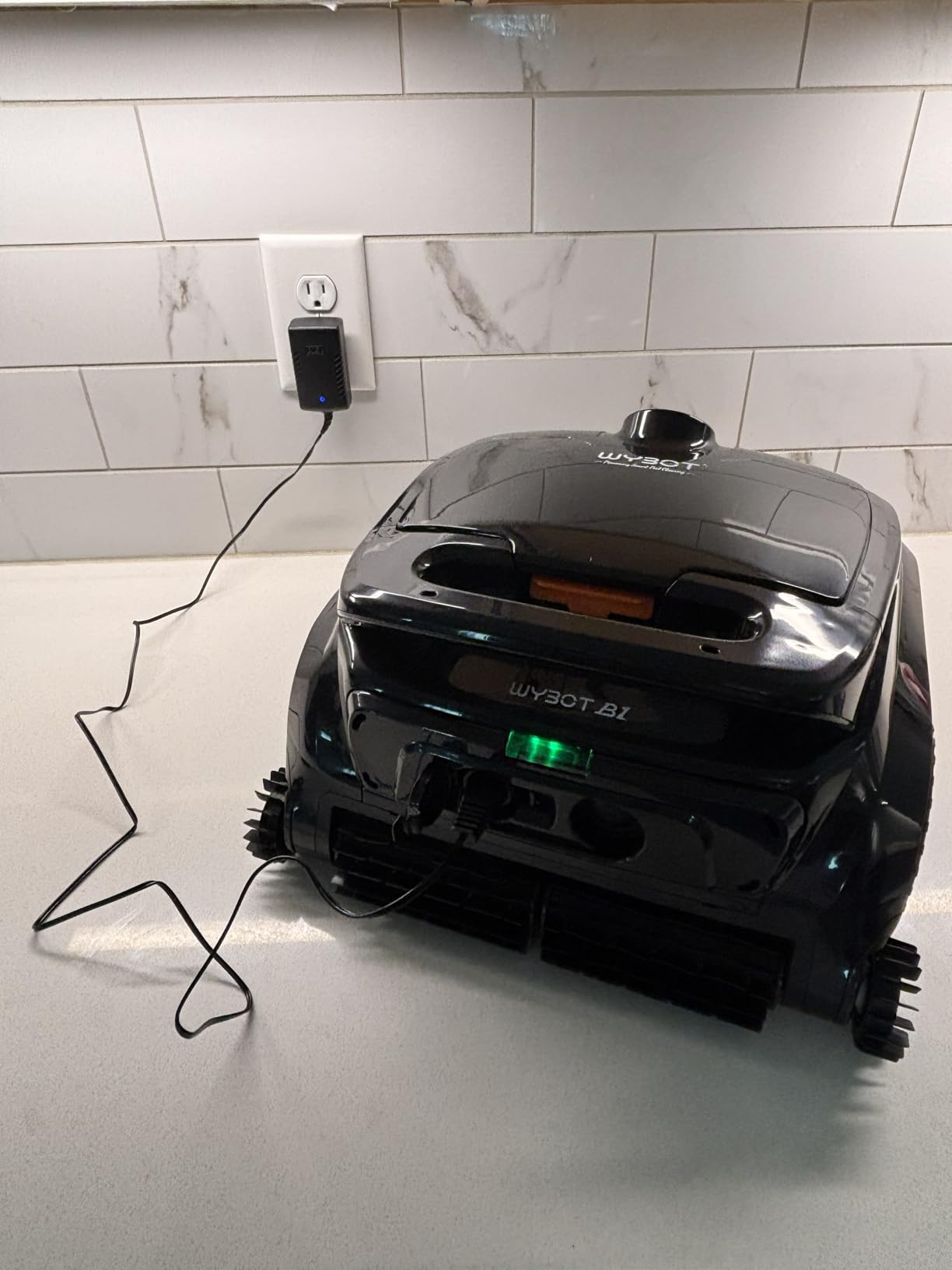
The B1 is the pick when the pool is modest and lifting the robot is the real obstacle. At 14.3 pounds it is the lightest cordless unit in this roundup by a wide margin, and for a deep end or a raised deck that difference decides everything.
Cleaning is floor-focused and it does that well. Quad-roller brushes plus dual side brushes handle edges and corners, and the enhanced bottom roller keeps traction over drains, seams and slopes, which is where cheaper units stall.
It offers five cleaning modes with smart path planning, a one-hour Quick Clean mode, and a 6-liter top-access filter basket. Runtime is 120 minutes for pools up to 1,150 square feet, on a three-hour charge, with app scheduling and OTA updates.
Who the WYBOT B1 suits
It suits smaller inground pools and any household where a 24-pound wet robot is a genuine problem. Buyers rate it 4.6 stars and consistently single out floor cleaning and the quad-roller edge performance.
It suits anyone who wants a second robot rather than a replacement, such as a small plunge pool or a second property, since it is compact at under 14 inches in its longest dimension.
Who should skip it
Skip it if you need a long cycle. At 120 minutes it is the shortest runtime here, and you will recharge before finishing a large pool, so plan the run around the charge.
Wall climbing can also fail on some pools unless you use the included floating blocks, the filter basket latch is stiff to open with wet hands, and it needs a full charge out of the box before the first run.
Corded vs Cordless: Which Should You Buy
The honest answer is that corded models win on runtime certainty and cordless models win on everything else.
A corded unit such as the Nautilus CC Plus or the Dolphin Advantage has a physical limit of the cable length and nothing else. It cannot run out of power mid-cycle, and a two-hour cycle on a 40-foot pool is not a strain.
The cost is exactly what owners complain about in r/swimmingpools threads: plugging in, dragging the cable across the deck, and untangling it after every run. Several users describe loving the cleaning while hating that logistics.
Cordless removes all of that and adds a new problem, which is charge time. Across the cordless picks here, runtime ranges from 120 to 300 minutes while charge times run from 3 to 4.5 hours, and every one of them loses app control the moment the unit goes under water.
One further consideration is off-season storage. A corded unit just sits on a shelf. A cordless unit needs the battery part-charged and kept somewhere that is not freezing, which is a genuine chore owners rarely expect.
My read: if you already own a working corded robot, do not replace it with another corded robot. If you are buying your first one and your pool is under about 1,600 square feet, cordless is the more pleasant long-term ownership experience.
Match the Robot to Your Pool Surface
Pool surface is the most overlooked variable, and it is the question searchers ask most often about robotic cleaners for concrete pools.
Concrete, plaster and tile. These surfaces give a robot grip, so almost every model here will climb. The risk is not the wall, it is grout lines and a painted or patched surface. Painted concrete pools are called out repeatedly in owner threads, and the concern is brush pressure rather than climbing. A unit with strong active scrubbing is the right choice, but keep chemicals in range and avoid leaving a robot parked on a coated surface for days.
Vinyl liner. Liner is softer and can flex under a robot pressing against a wall, so active brushes and higher suction are the priorities. The good news is that the wall-climbing models in this guide all handle liner without complaint, and liner benefits most from regular waterline scrubbing because the ring stains faster.
Fiberglass. Fiberglass is smooth and slippery, so traction matters more. Units with caterpillar treads, such as the Aiper Scuba S1, or multiple roller brushes, such as the WYBOT B1 and C2, hold a surface better than a single-wheel design. Fiberglass owners report the WYBOT C2 scrubbing waterlines reliably.
One caveat for every surface: a robot is a supplement to filtration, not a replacement for it. It removes debris, it does not replace backwashing or chemical balance.
What Pool Owners Actually Say
Three of the top-ranking pages for this query are forum threads, which told us something useful. People are not asking which robot has the best spec sheet, they are asking what happens in month three.
From r/swimmingpools and troublefreepool, four themes repeat.
Most owners run a layered setup. A surface robot for floating debris, a spot vac for targeted spots, and a Dolphin Nautilus CC Plus for the bottom and walls. One user describes exactly that combination and singles the Nautilus out for reliability and effectiveness.
Pool size dominates every recommendation. Threads cite 26,000 gallons, 57,000 liters and irregular kidney shapes. Size is the first filter, before any feature, which is why we list rated coverage on every pick.
Service life expectations are realistic but short. Owners treat three or more years as a good run, and several report replacing a unit that had worked fine. A robot that fails just after the warranty ends is the most common durability complaint in the data.
App reliability frustrates people. QR codes that need re-downloading, apps that must be configured before submersion, and firmware updates that change behaviour all show up repeatedly. Treat the app as a convenience, not a control system.
One more practical note from the same threads: check the cord for twisting and straighten it before every run. Most reported tangling problems are avoidable with that one habit. Our broader approach to seasonal equipment care is covered in the 10 best cleaners for stainless steel grills guide, which uses the same do-it-on-a-schedule method.
How to Choose: 7 Steps
Work through these in order and the model will pick itself.
1. Measure the pool, then find the surface area. Not the length, the area. If the number exceeds the unit’s rated square footage, it will not finish, and this is the single most common regret in the forum threads.
2. Decide how much wall matters. If you want the waterline scrubbed, filter for wall-climbing models. If the floor is your only concern, you can save money and pick a shorter runtime unit.
3. Match filtration to the debris. Silt and pollen need microns in the single digits. Leaves and twigs need flow rate and a large bin. Fine screens capture sand; coarse mesh keeps capacity.
4. Check runtime against charge time as a pair. A 300-minute cycle on a 4.5-hour charger sounds generous, but if you run it twice a week the waiting starts to matter. Work out your realistic weekly schedule before choosing.
5. Test the surface for traction. Concrete and tile are forgiving. Fiberglass and smooth plaster are slippery, so prefer tread systems or multiple roller brushes.
6. Weigh the retrieval weight with wet hands. Drain a 24-pound unit in a deep end is a two-person job. Check the listed weight and whether the unit parks itself at the water surface.
7. Buy current models with real review volume. Low-volume listings with no review history are a gamble, and the failure mode is discovering it in your second season. High review counts with a slightly lower rating are the safer signal.
Maintenance, Lifespan and Battery Care
A robot that is cleaned out after every run lasts considerably longer than one that is not, and the difference is about five minutes of work.
Empty the basket or canister after every cycle. A full basket blocks flow, and owners who report weak suction are usually describing a full filter rather than a failing impeller.
Rinse filters in place, not with a pressure washer. A gentle hose rinse keeps the mesh intact. Forceful water pressure warps panels and turns a good filter into a leaky one.
Check treads and brushes monthly. Lifting the unit out and running a finger along the roller edges catches hair and pebbles that quietly reduce traction.
Straighten the cord before every run. On corded units, this single habit prevents nearly all reported tangling.
Store cordless units part-charged and out of the cold. Lithium-ion cells dislike freezing, and leaving a battery fully empty for a winter is the fastest way to shorten its life. Store in a shaded, dry space rather than in direct sun.
On expected lifespan, three to five seasons is a reasonable planning horizon for a mid-range unit, and longer for a well-maintained corded model with a replaceable basket. Plan for a possible battery replacement in year four or five on cordless units, since that is the component most likely to fall short of its original runtime.
Frequently Asked Questions
What is the best robotic pool cleaner for concrete pools?
For concrete, plaster and tile pools, wall climbing is essential because the surface gives good grip. The Dolphin Nautilus CC Plus is a safe pick, with reliable wall and waterline scrubbing and an active brush that lifts bonded debris. On painted concrete, keep chemistry balanced and do not leave a robot parked on the coating for long periods.
What is the best robotic pool cleaner according to consumer reports?
We do not claim a Consumer Reports endorsement we cannot verify. Our answer comes from our own methodology: debris pickup under load, wall transition performance, runtime against charge time, filter fineness and ease of retrieval. On that basis the Dolphin Nautilus CC Plus leads for proven reliability, with a 4.3 star average across more than 14k reviews.
Is Dolphin or Polaris better?
Dolphin wins on proven reliability, wall and waterline scrubbing and top-load filter access, which is why three Dolphin models appear in this roundup. Polaris has a strong reputation for heavy-debris handling and four-wheel drive designs. Aiper and WYBOT lead the cordless category on runtime and filtration fineness. Choose by pool size and debris first, brand second.
Are cordless robotic pool cleaners better than corded models?
Cordless models remove cable tangling and app scheduling, which most owners prefer day to day. Corded models have no runtime ceiling and a simpler two-hour cycle. If your pool is under about 1,600 square feet, cordless is usually the more pleasant ownership experience. If you already own a good corded robot, there is little reason to replace it.
How long do robotic pool cleaners last?
Plan on three to five seasons for a mid-range unit and longer for a well-maintained corded model with a replaceable filter basket. The most common durability complaint is failure shortly after the limited warranty period ends. Emptying the basket after every run, rinsing filters gently and storing cordless batteries part-charged all extend service life.
Can robotic pool cleaners clean pool walls and steps?
Most models in this roundup climb walls and scrub the waterline, though performance at the floor-to-wall transition varies. Step and bench coverage is model-dependent: the WYBOT C1, Beatbot Sora 30 and WYBOT B1 specifically claim step or platform cleaning. Stairs remain the least reliable zone, and very deep or complex transitions still need occasional manual attention.
How often should I run a robotic pool cleaner?
In season, most owners run a robot two or three times a week, and more often during heavy leaf fall or after storms. Off season, once a month is usually enough to keep debris from settling into the floor. Running more often than that rarely adds much once the water is already clear.
Conclusion
The best robotic pool cleaners for inground pools in 2026 come down to two variables: how big your pool is and how much debris it takes. Get those two right and the rest is preference.
For most inground pools up to 40 feet, the Dolphin Nautilus CC Plus is the pick we would buy first, because its wall and waterline results and its top-load filter care are proven across more than 14k reviews. If the cord is the thing you cannot live with, the WYBOT C2 gives you cordless operation with the finest filtration here.
Go larger with the Beatbot Sora 30 for a pool over 3,000 square feet, and go finer with the Aiper Scuba S3 if the waterline ring is your main complaint. Check the current details on each one, then pick the robot that matches your pool rather than the one with the longest feature list.