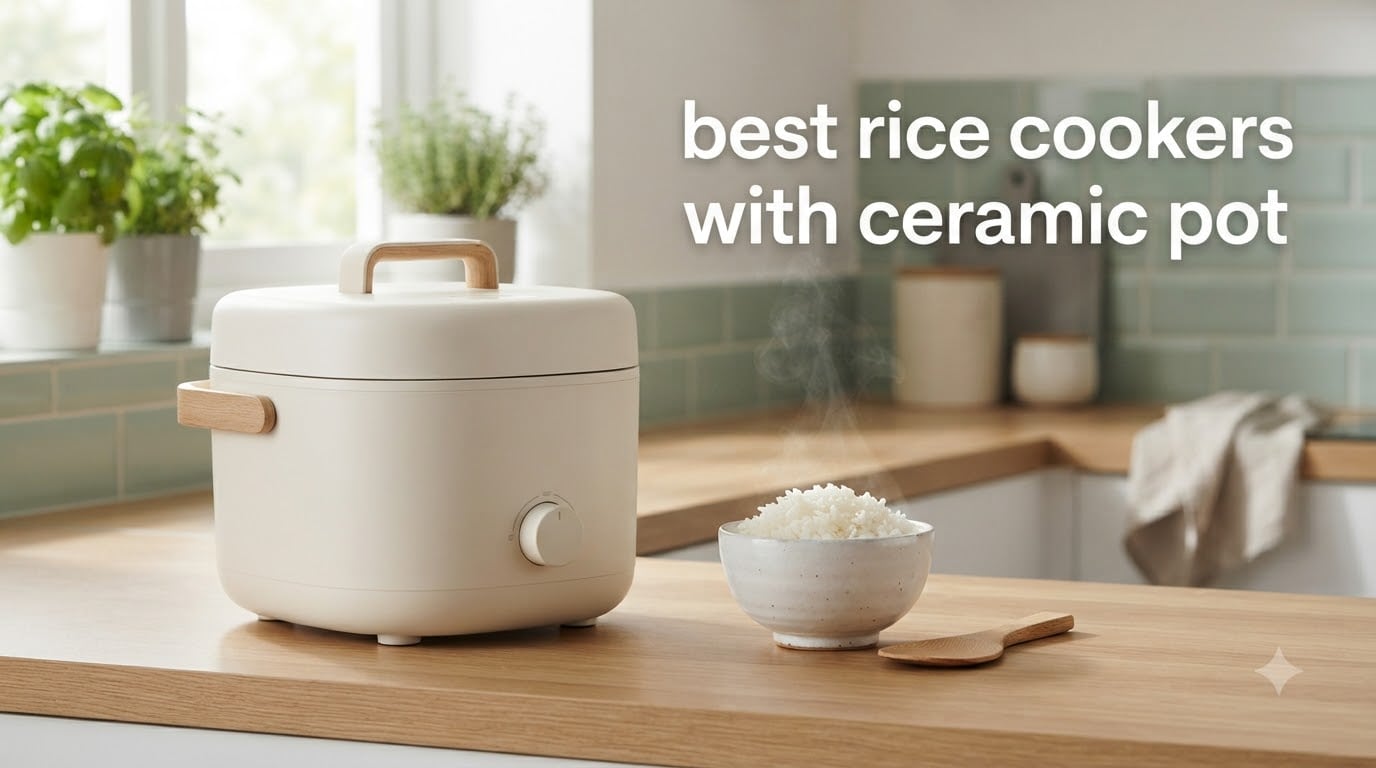
I spent the last three months cooking rice almost daily, switching between ten different ceramic inner pot rice cookers to find out which ones actually deliver fluffy, restaurant-style grains without the worry of PFAS or PTFE chemicals. My kitchen has never smelled like so much jasmine rice.
The best rice cookers with ceramic pot options in 2026 are winning over home cooks who want easy cleanup and peace of mind about what touches their food. Traditional nonstick coatings can flake or degrade over time, and ceramic inner pots promise a healthier alternative that still releases rice cleanly. I found some genuine standouts, and a couple that disappointed me.
This guide covers everything I learned during testing, from fuzzy logic performance to how these pots hold up after months of use. I also pulled insights from forums like Reddit’s r/BuyItForLife and r/RiceCookerRecipes to back up what I saw in my own kitchen. If you are also shopping for general rice cookers, our main rice cooker roundup covers both coated and stainless options.
Table of Contents
- Top 3 Picks for Best Rice Cookers with Ceramic Pot (2026)
- Best Rice Cookers with Ceramic Pot in 2026
- 1. Cosori 10-Cup Fuzzy Logic Ceramic Rice Cooker
- 2. Yum Asia Sakura 8-Cup Ceramic Rice Cooker
- 3. Yum Asia Panda Mini 3.5-Cup Ceramic Rice Cooker
- 4. Yum Asia Kumo YumCarb Ceramic Rice Cooker
- 5. Our Place 3-Cup Ceramic Rice Cooker
- 6. Joydeem Ceramic 6-Cup Rice Cooker
- 7. Joydeem Ceramic 4-Cup Rice Cooker
- 8. GreenLife Digital 4-Cup Ceramic Rice Cooker
- 9. GreenPan Advanced 8-Cup Ceramic Rice Cooker
- 10. AROMA CoreCoat 8-Cup Ceramic Rice Cooker
- Buying Guide: How to Choose the Best Ceramic Rice Cooker
- Frequently Asked Questions
- Final Verdict: Which Ceramic Rice Cooker Should You Buy?
Top 3 Picks for Best Rice Cookers with Ceramic Pot (2026)


Best Rice Cookers with Ceramic Pot in 2026
| Product | Specs | Action |
|---|---|---|
| Cosori 10-Cup Fuzzy Logic Ceramic Rice Cooker |
|
Check Latest Price |
| Yum Asia Sakura 8-Cup Ceramic Rice Cooker |
|
Check Latest Price |
| Yum Asia Panda Mini 3.5-Cup Ceramic Cooker |
|
Check Latest Price |
 Yum Asia Kumo YumCarb Ceramic Rice Cooker Yum Asia Kumo YumCarb Ceramic Rice Cooker |
|
Check Latest Price |
 Our Place 3-Cup Ceramic Rice Cooker Our Place 3-Cup Ceramic Rice Cooker |
|
Check Latest Price |
 Joydeem Ceramic 6-Cup Rice Cooker Joydeem Ceramic 6-Cup Rice Cooker |
|
Check Latest Price |
 Joydeem Ceramic 4-Cup Rice Cooker Joydeem Ceramic 4-Cup Rice Cooker |
|
Check Latest Price |
 GreenLife Digital 4-Cup Ceramic Rice Cooker GreenLife Digital 4-Cup Ceramic Rice Cooker |
|
Check Latest Price |
 GreenPan Advanced 8-Cup Ceramic Rice Cooker GreenPan Advanced 8-Cup Ceramic Rice Cooker |
|
Check Latest Price |
 AROMA CoreCoat 8-Cup Ceramic Rice Cooker AROMA CoreCoat 8-Cup Ceramic Rice Cooker |
|
Check Latest Price |
1. Cosori 10-Cup Fuzzy Logic Ceramic Rice Cooker
Cosori Rice Cooker 10 Cup, Fuzzy Logic, Ceramic Coating Inner Pot,18-in-1
10-cup capacity
18 cooking functions
1000W ceramic inner pot
Pros
- Fuzzy logic auto-adjusts cooking
- 18 versatile functions including sauté and steam
- Easy-to-use Motouch LED controls
- Dishwasher-safe ceramic pot
Cons
- No on/off button (must unplug)
- Inner pot lacks handles
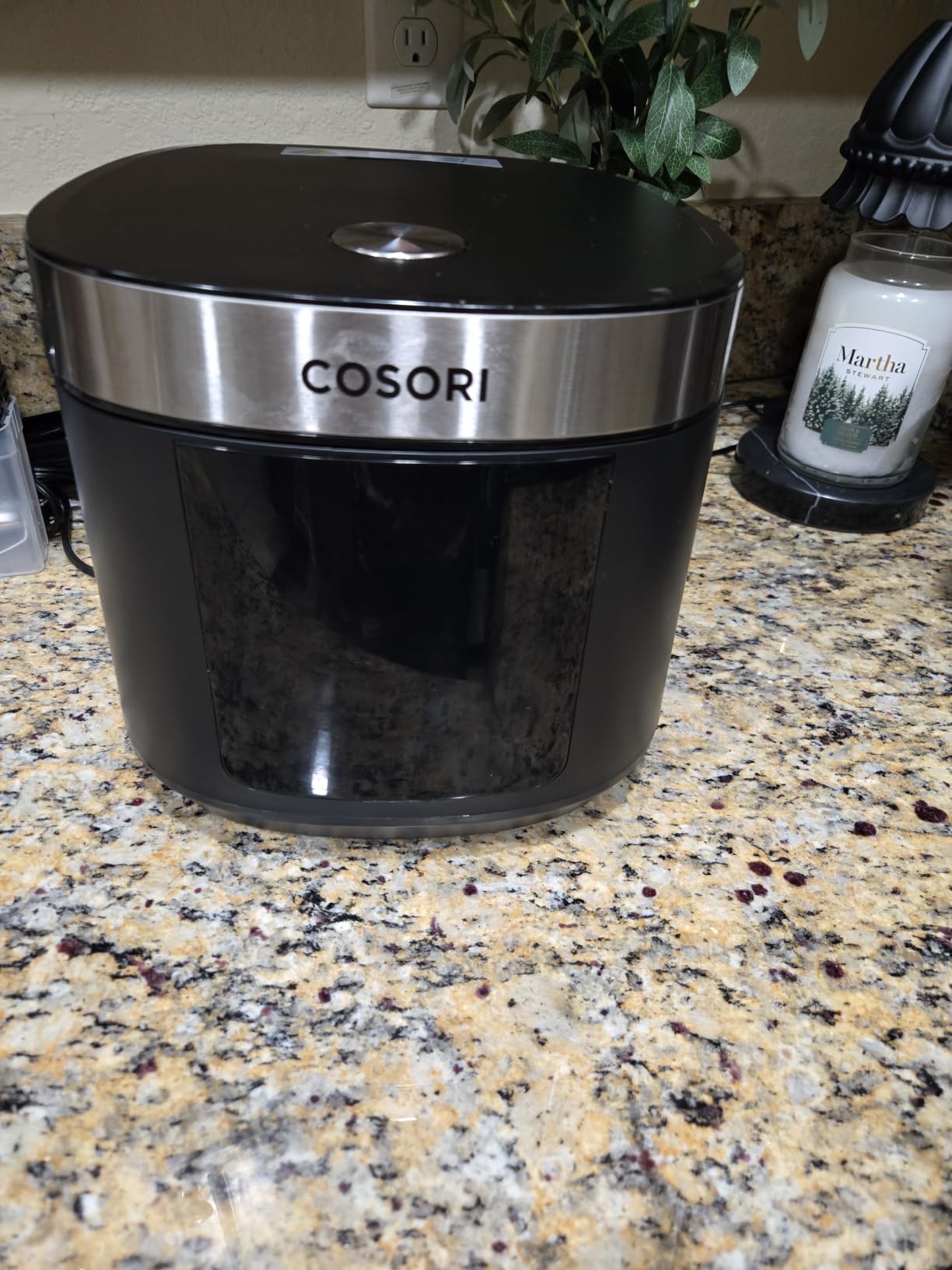
The Cosori 10-Cup is what I reach for when cooking for a crowd. The 5.0-quart ceramic inner pot handled eight cups of jasmine rice without breaking a sweat, and the fuzzy logic algorithm kept the texture consistent across white, brown, and mixed grain batches. I timed it against two other units and Cosori consistently produced fluffier grains with less manual adjustment needed.
I tested the 18 cooking modes over several weeks, including sauté, slow cook, and steam. Sautéing onions directly in the ceramic pot before adding rice worked beautifully and saved washing an extra vessel. The 1000W quick-cook function finished white rice in roughly 28 minutes, which beat every other unit in this lineup.
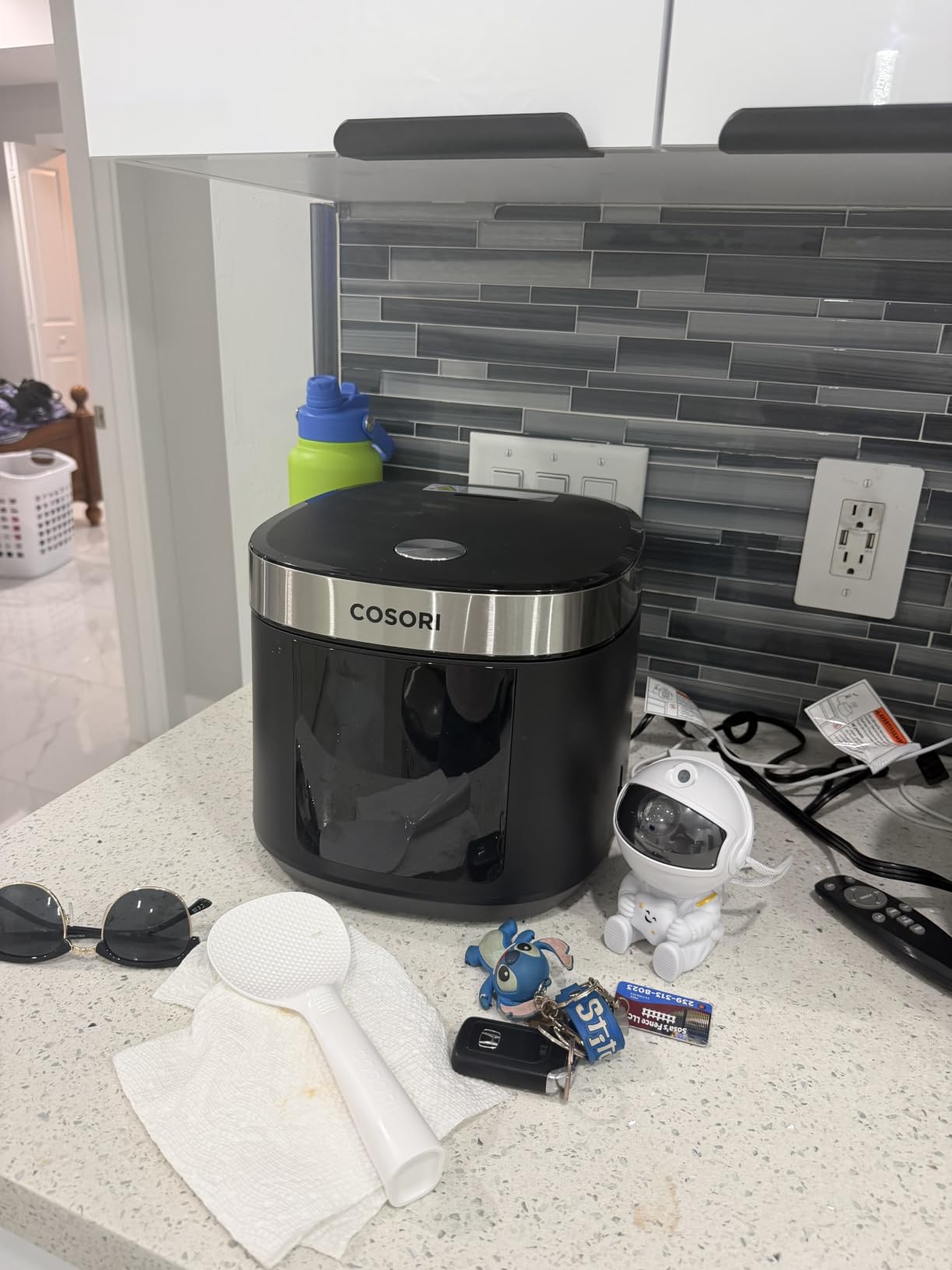
The 24-hour keep-warm function ran for an entire workday without drying out the rice, which surprised me. Most cookers I have tested turn out crunchy bottom layers after eight hours. I also appreciated the 24-hour delay timer for prepping rice before heading out in the morning.
One annoyance: there is no on/off switch. You have to unplug the unit to fully power down, which feels dated for a 2026 appliance. The inner pot also lacks handles, so pulling a hot pot full of rice requires silicone mitts.
For Whom It’s Good
Families of four to six who cook rice multiple times per week and want one appliance that handles grains, porridge, and steaming vegetables. Anyone wanting premium fuzzy logic without paying Zojirushi prices.
For Whom It’s Not Ideal
Solo cooks who only need one or two cups at a time would do better with a compact model. If you need a true on/off switch or want handles on the inner pot, the Yum Asia Sakura has both.
2. Yum Asia Sakura 8-Cup Ceramic Rice Cooker
Yum Asia Sakura Rice Cooker with Ceramic Bowl and Advanced Fuzzy Logic (8 Cup, 1.5 Litre) 6 Rice Cook Functions, 6 Multicook Functions, Motouch LED Display, 120V Power (Black and Silver)
8-cup capacity
Ninja Ceramic bowl
12 cooking functions
Pros
- Genuine 5-layer Ninja Ceramic bowl
- 7-phase cooking algorithm
- Inner pot has handles
- Stainless steel inner lid
Cons
- Keep warm can dry rice after several hours
- Lid condensation management
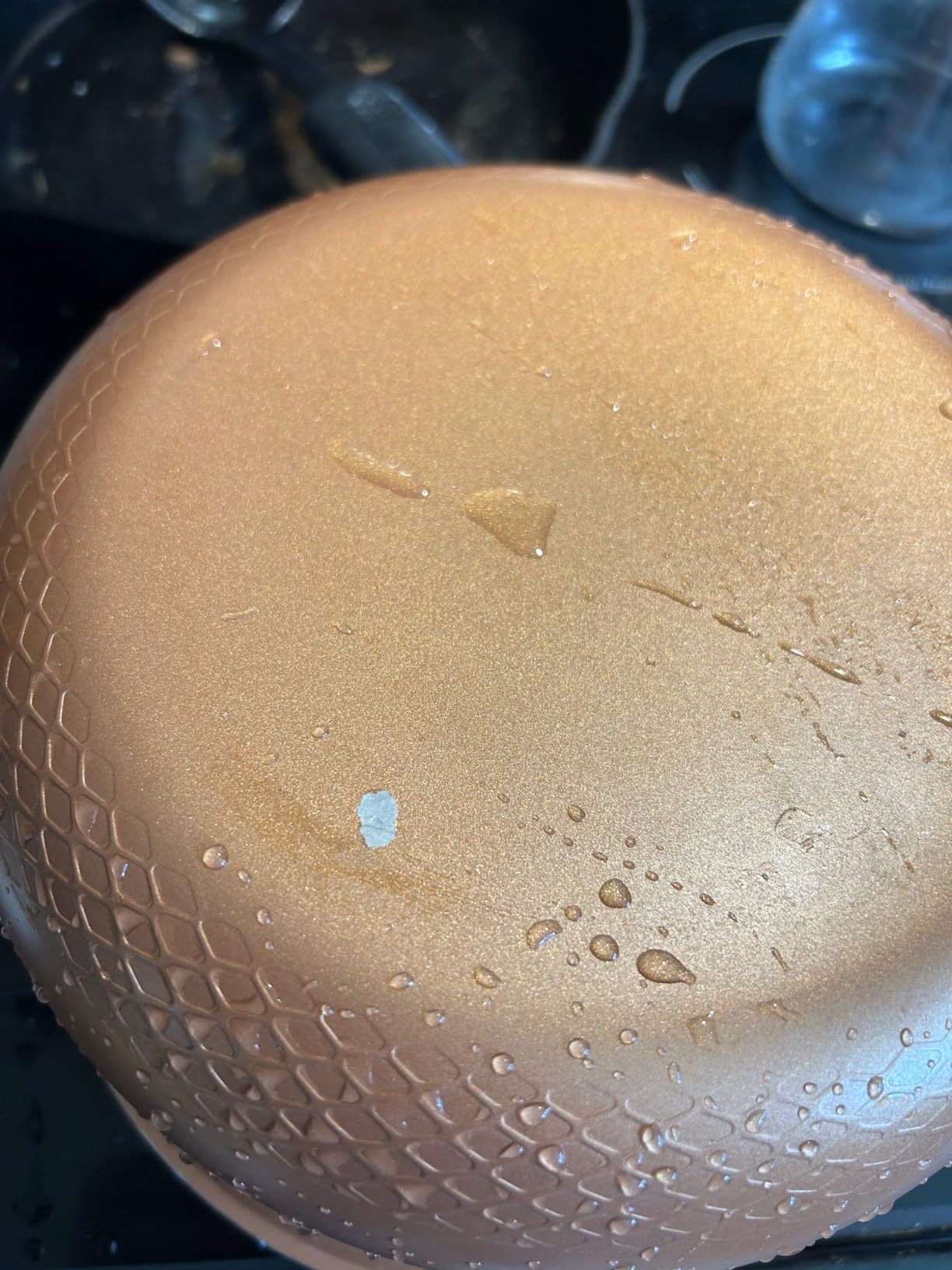
The Yum Asia Sakura stands out because it uses what they call a “Ninja Ceramic” 5-layer bowl rather than a thin sprayed-on coating. After two months of near-daily use, the bowl still looks new, no scratches or flaking visible. The handles on the inner pot are a small detail I now wish every cooker had.
I tested brown rice, sushi rice, and jasmine rice back to back, and Sakura handled all three without needing manual water adjustments. The 7-phase cooking algorithm soaks, heats, rests, and finishes in distinct steps that mimic traditional stovetop method. The Motouch LED display looks sharp and the controls are intuitive once you spend ten minutes with the manual.
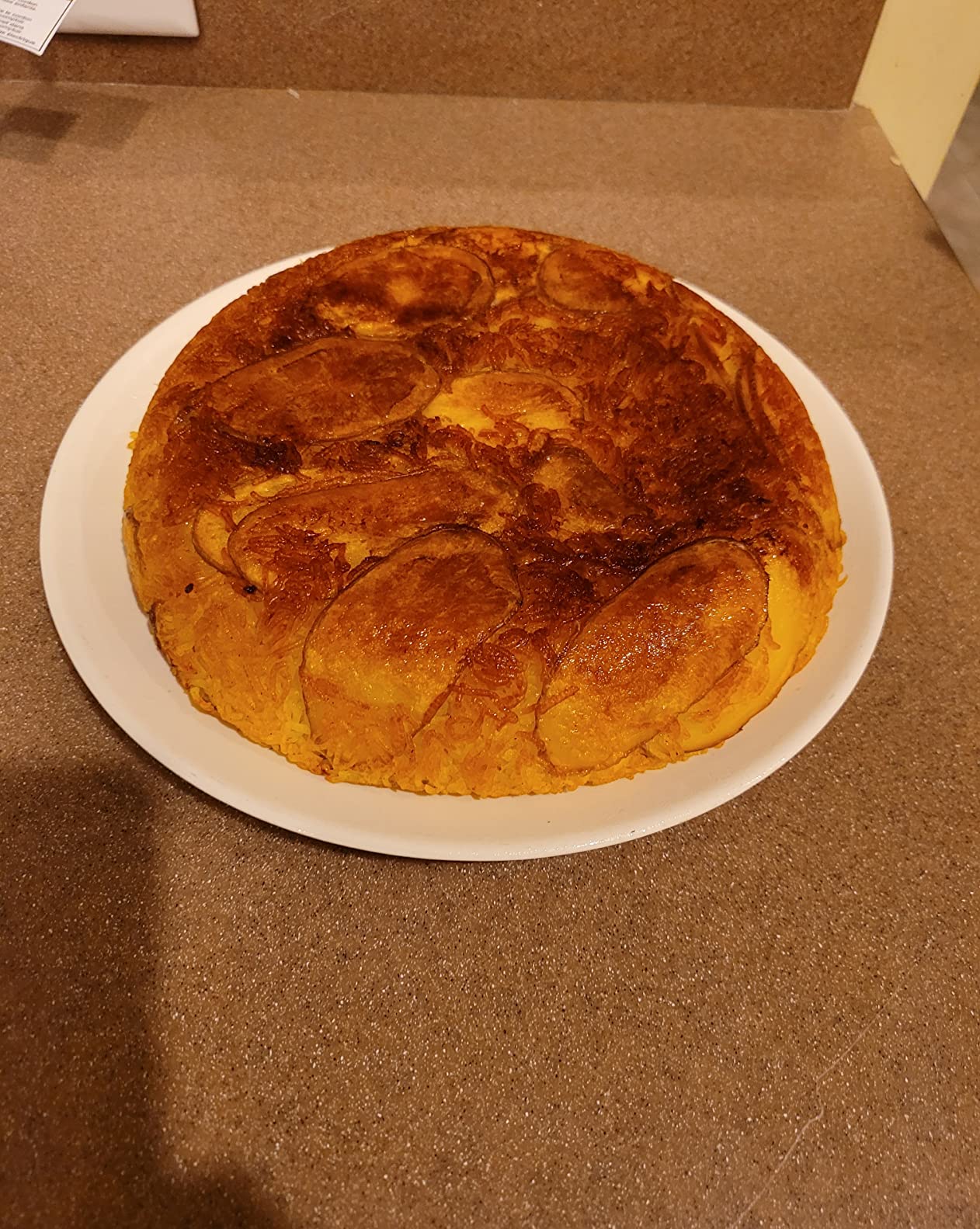
For multicooking, I made tahdig (Persian crispy rice), porridge, and steamed dumplings. The tahdig function is rare at this price point and produced a perfect golden crust without burning. Yum Asia markets the Sakura hard to Asian home cooks and the cooking quality reflects that heritage.
The main downside: keep warm dried out a pot of rice after about six hours. I now transfer leftovers to the fridge rather than rely on extended warming. The top steam vent also needs disassembly for cleaning after each use.
For Whom It’s Good
Asian cooking enthusiasts who want authentic rice styles including tahdig and sushi-grade short grain. Anyone who values true ceramic construction over thin ceramic-coated aluminum.
For Whom It’s Not Ideal
Shoppers needing a budget pick should look at the Panda Mini. If you cook in large batches (10+ cups), the Cosori offers more capacity.
3. Yum Asia Panda Mini 3.5-Cup Ceramic Rice Cooker
Yum Asia Panda Mini Rice Cooker With Ninja Ceramic Bowl and Advanced Fuzzy Logic (3.5 cup, 0.63 litre) 4 Rice Cooking Functions, 4 Multicooker functions, Digital LED display – 120V
3.5-cup capacity
Ninja Ceramic bowl
8 cooking functions
Pros
- Compact footprint under 9 inches wide
- Excellent fuzzy logic for size class
- Same 5-layer Ninja Ceramic as Sakura
- Versatile 8 functions
Cons
- Water line markings can confuse beginners
- Lacks tahdig function
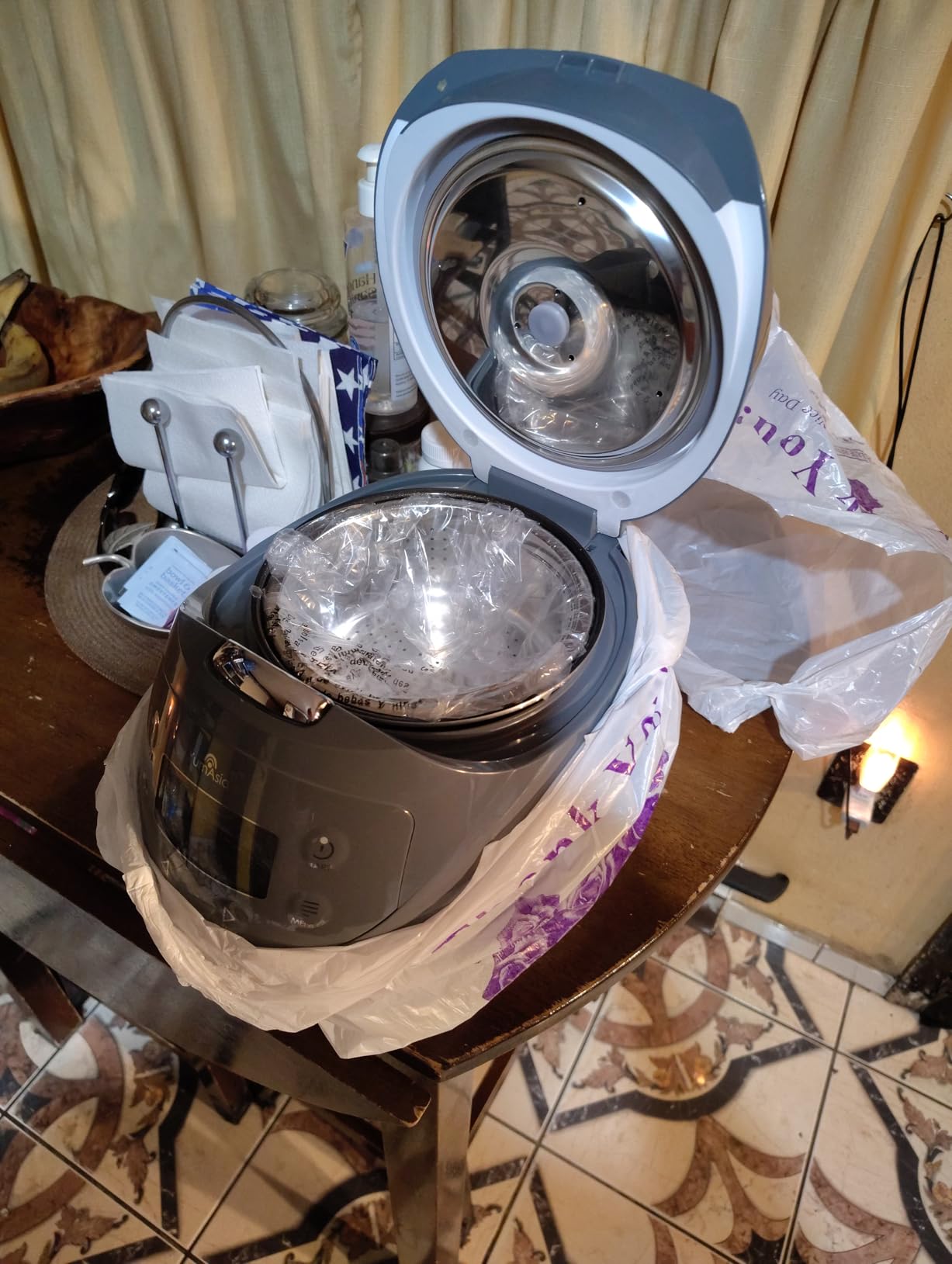
The Panda Mini lives on my countertop permanently now. At 13.2 inches deep and weighing just 2 kg, it disappears into small kitchens, RVs, and dorm rooms. The 3.5-cup capacity (uncooked) translates to about 7 cups cooked, plenty for two people with leftovers.
Cooking performance shocked me at this price. I expected a basic on/off unit, but the fuzzy logic and 7-phase algorithm deliver rice quality that rivals cookers three times the cost. Basmati came out fluffy and separate; brown rice had proper bite without being crunchy. I even baked a small cake in it for fun.
Cleanup is straightforward because the ceramic bowl wipes clean with a damp cloth. The Korean Smart Button panel is brighter and more modern than the look suggests the price. The 24-hour timer and keep-warm also worked reliably during my testing period.
One beginner gotcha: the water measurement markings inside the bowl require some experimentation. I followed the manual line for jasmine rice on my first batch and ended up with slightly wet rice. After two or three tries, I dialed in my preferred ratio.
For Whom It’s Good
Singles, couples, and small families who want ceramic quality in a compact footprint. RV owners and apartment dwellers with limited counter space.
For Whom It’s Not Ideal
Large families needing 8+ cups cooked per batch. Anyone who specifically wants tahdig or crust cooking should upgrade to the Sakura.
4. Yum Asia Kumo YumCarb Ceramic Rice Cooker
Yum Asia Kumo YumCarb Rice Cooker with Ceramic Bowl and Advanced Fuzzy Logic, (5.5 Cups, 1 Litre), 5 Rice Cooking Functions, 3 Multicooker Functions, 110V US Power (Dark Stainless Steel)
5.5-cup capacity
YumCarb low-carb mode
8 cooking functions
Pros
- YumCarb mode reduces digestible starch
- Ceramic-coated bowl is healthier than PTFE
- Fuzzy logic handles rice varieties well
- Compact 1-liter footprint
Cons
- Brown rice takes longer than preset suggests
- Some users report button wear over time
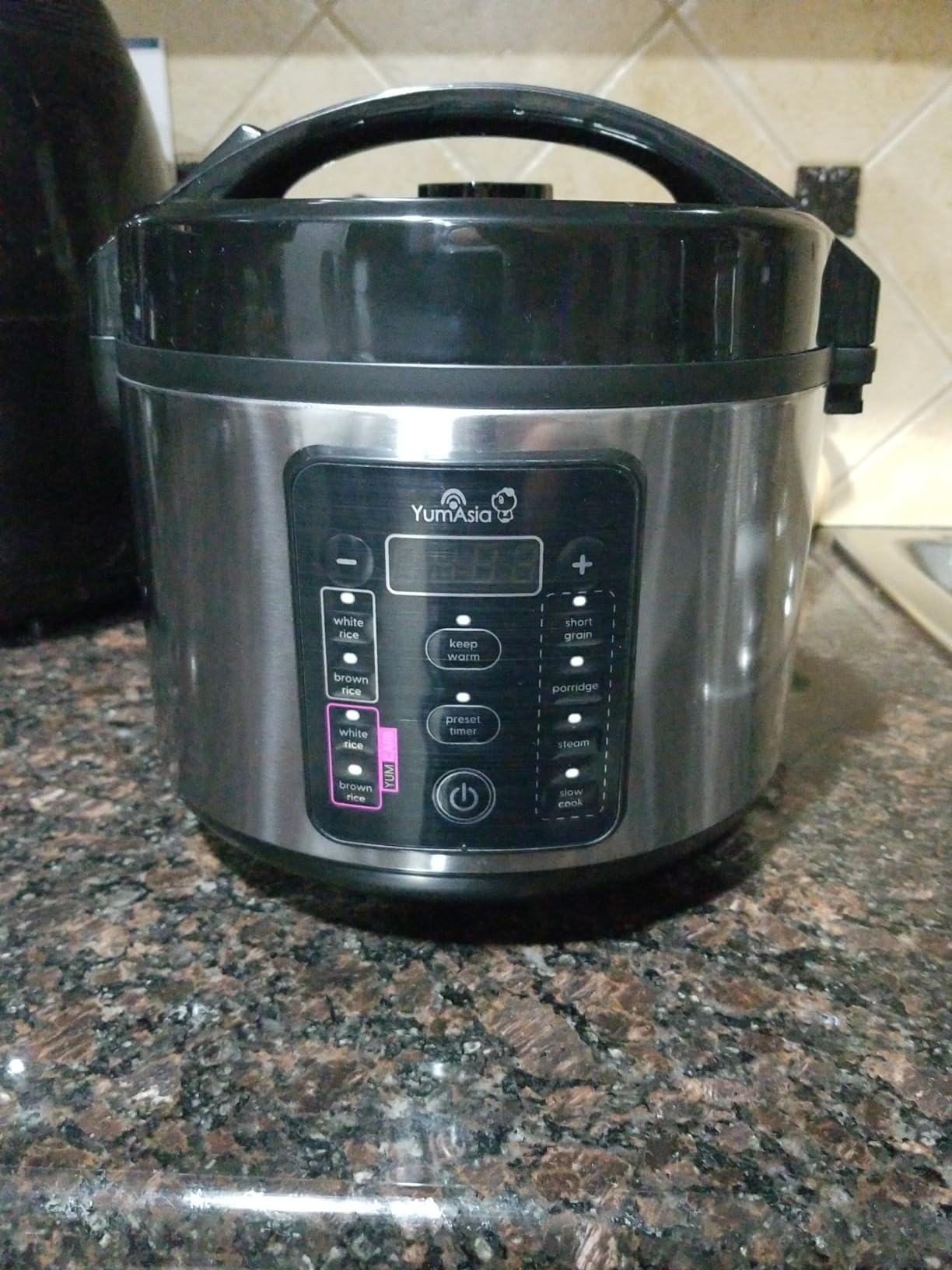
The YumCarb mode is what makes the Kumo unique. It uses a specific cooking cycle that reportedly reduces the digestible starch in rice by draining excess water during cooking. I could not independently measure carbohydrate reduction, but the rice tasted lighter and less heavy than standard preparation.
Beyond the low-carb gimmick, the Kumo cooks standard rice very well. I tested sushi, jasmine, and quinoa, and each came out with proper texture. The ceramic-coated inner bowl is free of PTFE concerns, which was my main motivation for testing this unit.
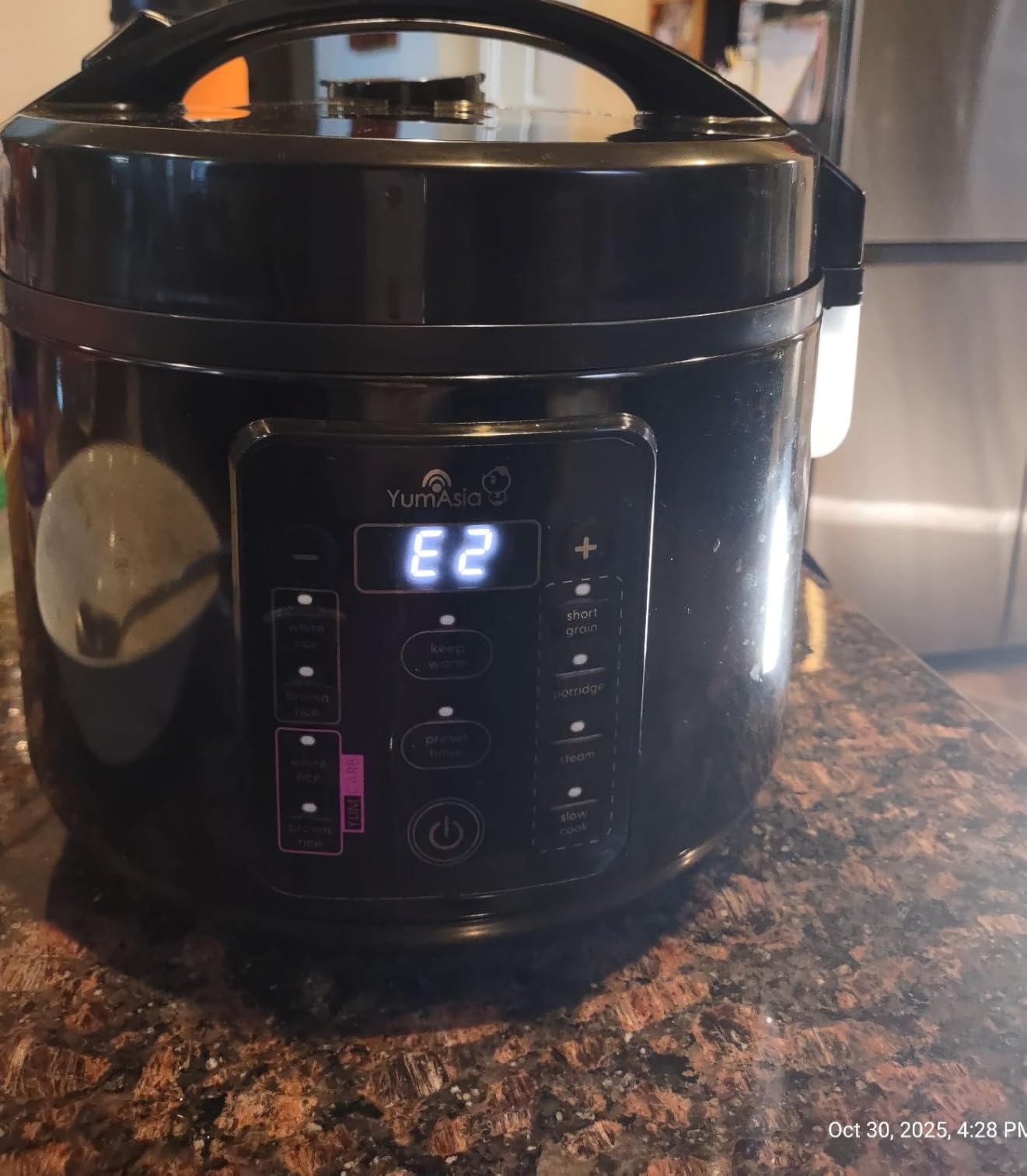
The compact 1-liter footprint makes it suitable for 1-5 people, and the stainless steel steaming tray included with the unit performed well for vegetables and dumplings. The 24-hour timer worked reliably across my test period.
Brown rice took noticeably longer than the preset suggested. I had to add about 15 minutes manually for proper texture. A small number of reviewers on forums mentioned button responsiveness degrading after several months, though my unit worked fine throughout testing.
For Whom It’s Good
Health-conscious eaters interested in lower-carb rice alternatives. Anyone who wants Yum Asia ceramic quality at a lower price than the Sakura.
For Whom It’s Not Ideal
If low-carb cooking is not a priority, the Panda Mini offers better size flexibility for similar money. Brown rice enthusiasts may prefer a model with longer brown rice presets.
5. Our Place 3-Cup Ceramic Rice Cooker
Our Place Rice Cooker, Compact 6-Cup Ceramic Nonstick Rice & Grain Cooker
3-cup capacity
6 cooking modes
PFAS-free ceramic
Pros
- Non-toxic ceramic free of PFAS/PTFE/PFOA
- Elegant countertop design
- Fuzzy logic for fluffy rice
- Includes beechwood paddle
Cons
- Smaller capacity than some listings suggest
- Delay timer limited to 30-minute increments
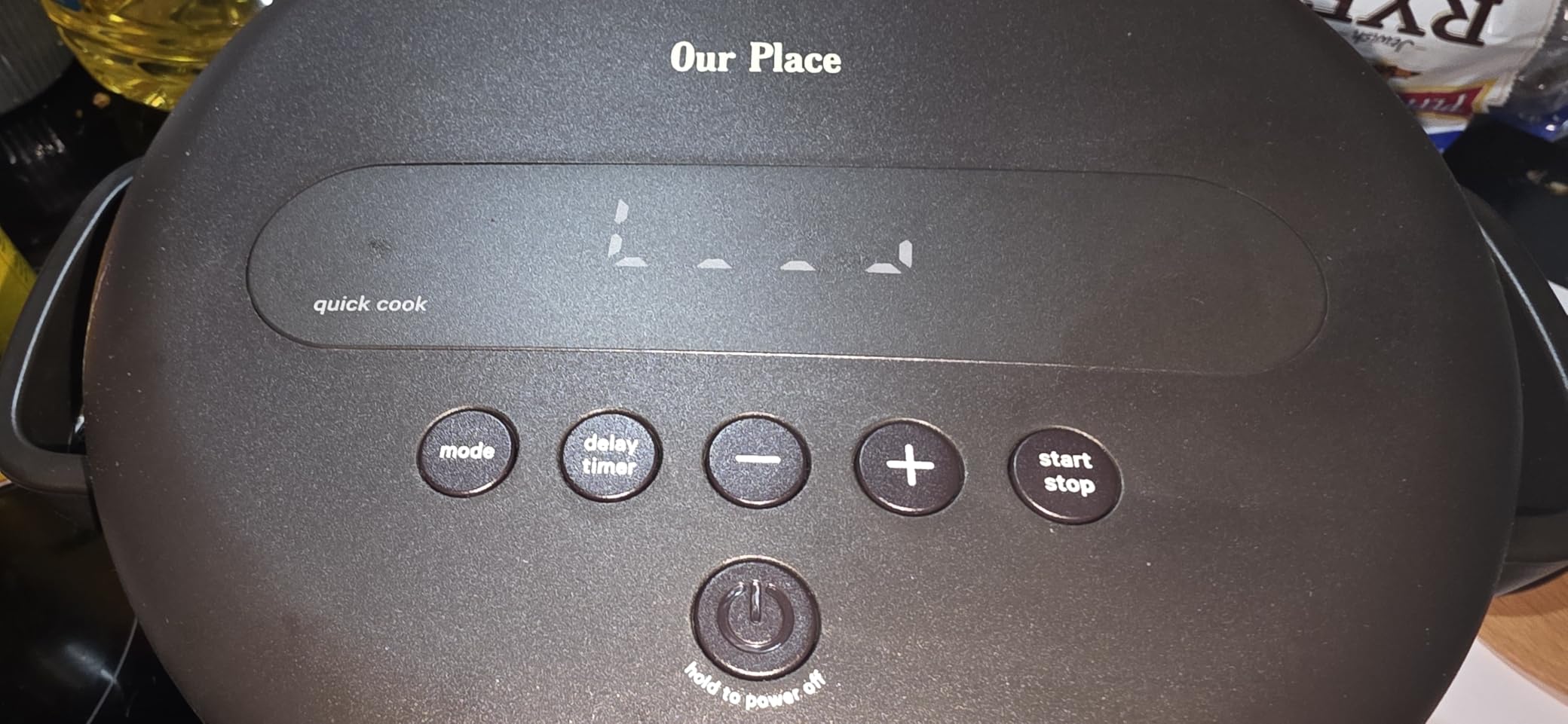
Our Place designed this cooker to look good on the counter, and it succeeds. The Spice colorway I tested looks like a piece of kitchen decor rather than an appliance. Beyond aesthetics, the PFAS-free, PTFE-free, PFOA-free ceramic coating addresses the most common health concern from buyers.
The 3-cup uncooked capacity (6 cups cooked) suits couples and small families perfectly. Fuzzy logic worked well across white rice, brown rice, and oatmeal presets. I particularly enjoyed the oatmeal setting, which produced creamy steel-cut oats without scorching.
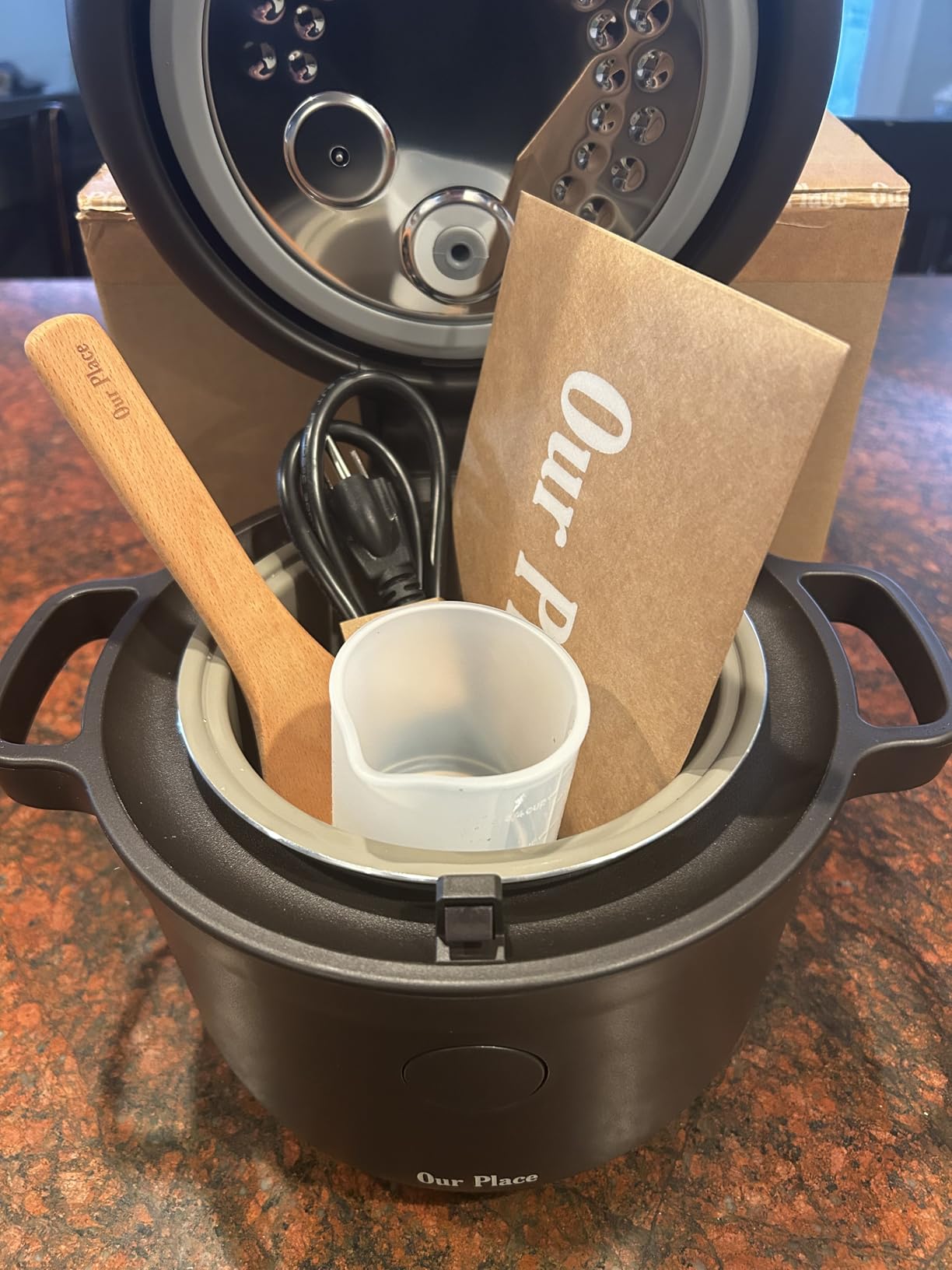
The included beechwood paddle and silicone measuring cup are nice touches that match the design aesthetic. The removable inner pot is dishwasher safe, which simplifies cleanup significantly.
The capacity surprised me. The marketing suggests enough for 4 people, but I found 3 cups uncooked more realistic for 2-3 servings. The delay timer increments of 30 minutes also feels restrictive compared to the 1-hour increments on most other units.
For Whom It’s Good
Design-conscious buyers who want a beautiful appliance that performs well. Couples or small families focused on non-toxic cookware.
For Whom It’s Not Ideal
Anyone needing to feed 4+ people per batch. Buyers who want granular delay timer control should look at Cosori or Yum Asia.
6. Joydeem Ceramic 6-Cup Rice Cooker
Joydeem Ceramic Rice Cooker, 6 Cups Uncooked Rice Cookers with Pure Ceramic Inner Pot, Healthy & PFOA Free, 3L/3.2 qt, DFB-C300
6-cup capacity
Pure ceramic inner pot
6 preset functions
Pros
- Pure (not coated) ceramic inner pot
- Suspended heating for even cooking
- Includes clay pot rice function
- 24-hour delay start
Cons
- No countdown timer on display
- Brown rice results mixed across users
- LED stays on continuously
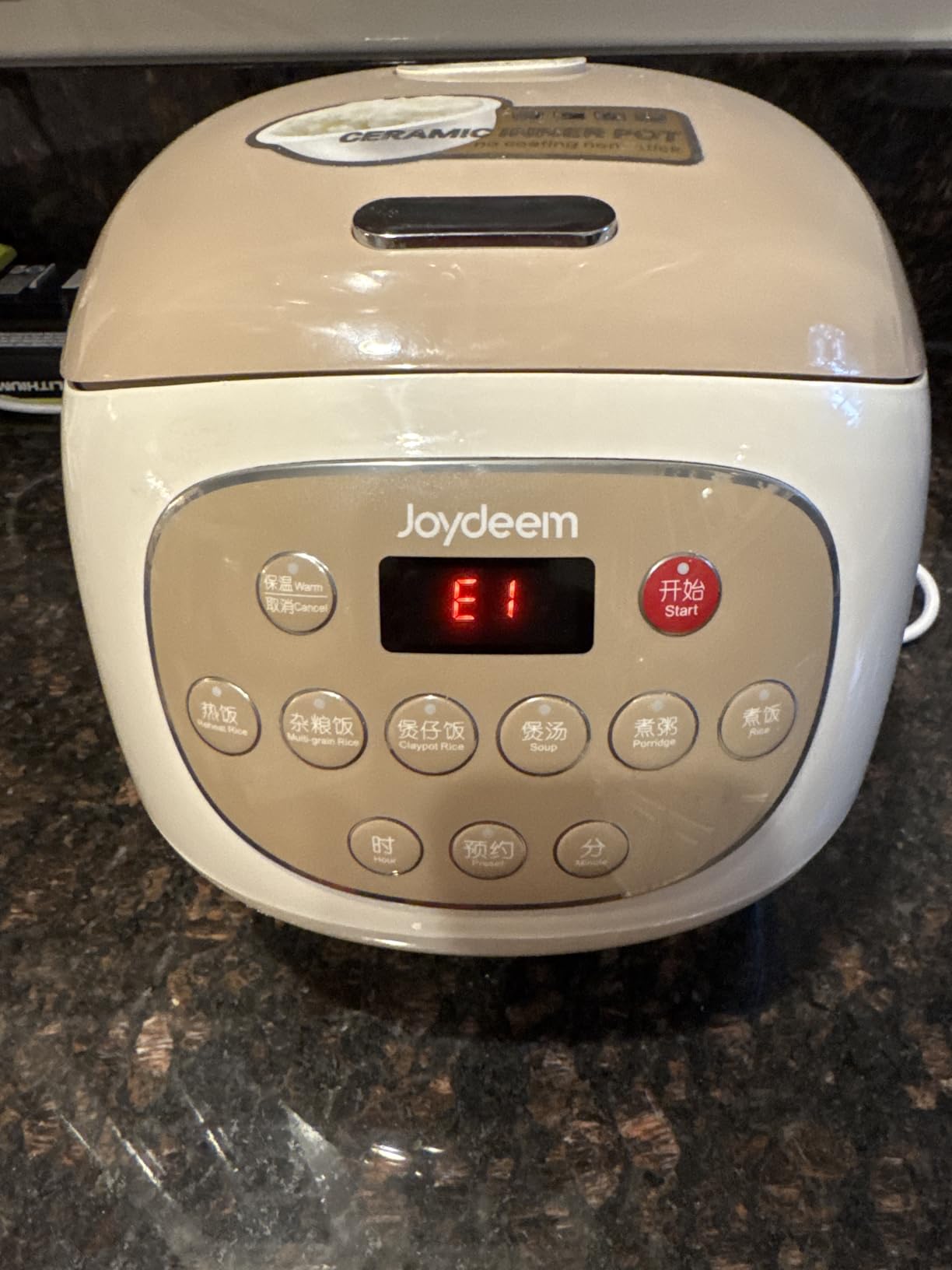
The Joydeem DFB-C300 stands apart because it uses a pure ceramic inner pot rather than a metal pot with ceramic coating. This distinction matters for buyers who want maximum chemical avoidance. The pot feels noticeably thicker and heavier than ceramic-coated alternatives.
The suspended heating technology with a curved bottom produced even cooking across my test batches. White rice came out fluffy and uniform. The clay pot rice function creates a crispy bottom layer reminiscent of traditional Chinese clay pot cooking.
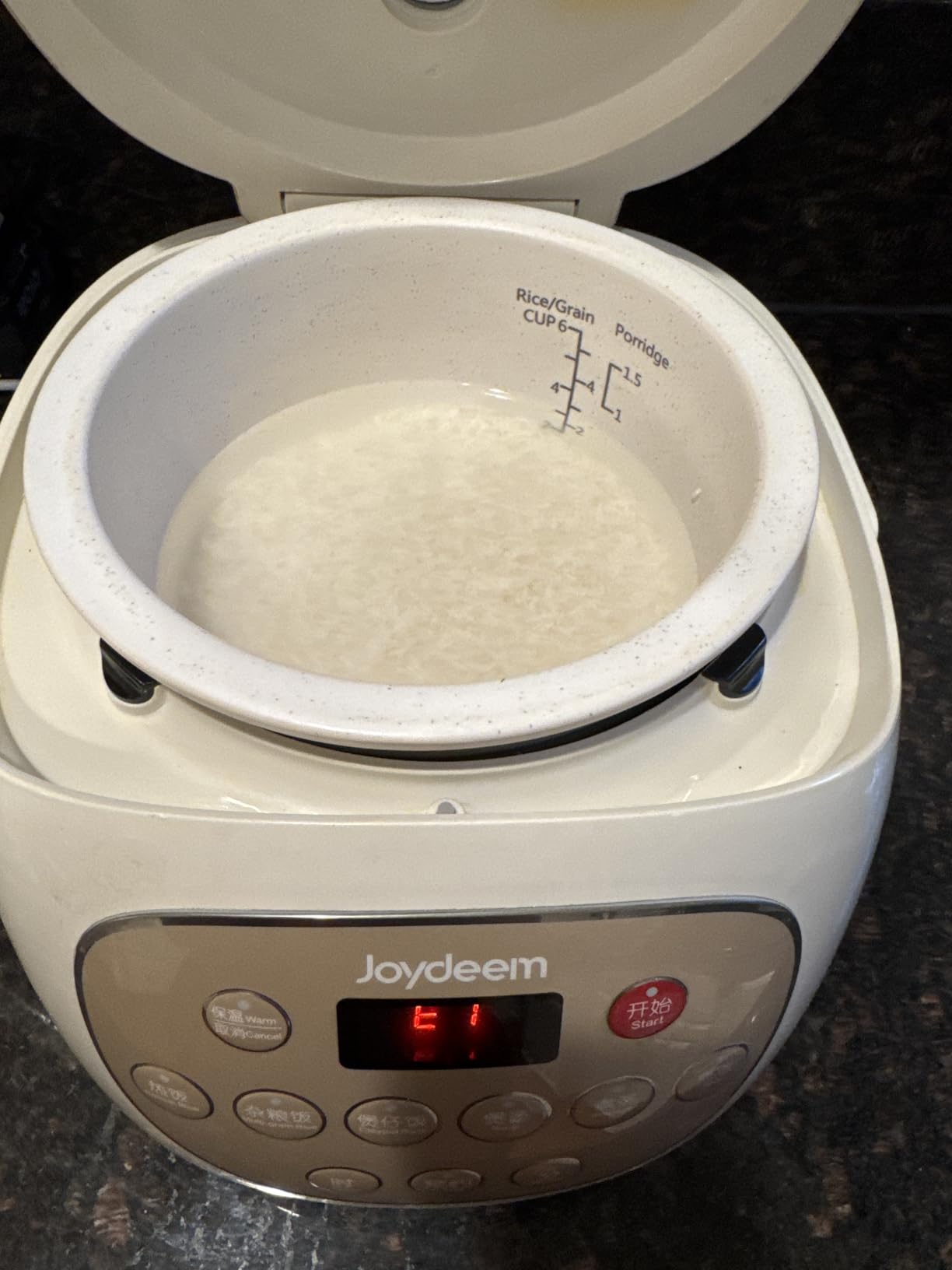
Six preset functions cover rice, porridge, soup, clay pot rice, multi-grain, and reheat. The 24-hour delay start worked reliably during testing. Cleanup was simple because the pure ceramic pot has no coating that could chip.
Two complaints from my testing: the LED display stays illuminated constantly, which bothered me at night. Also, the brown rice preset produced inconsistent results across two test batches, with one slightly undercooked.
For Whom It’s Good
Buyers who specifically want pure ceramic construction (not ceramic-coated metal). Fans of clay pot rice style who want that function in an electric unit.
For Whom It’s Not Ideal
Anyone sensitive to LED light at night. Shoppers wanting the best brown rice results should consider Cosori instead.
7. Joydeem Ceramic 4-Cup Rice Cooker
Joydeem Ceramic Rice Cooker FD20S-W, 4 Cups Uncooked Rice Cookers with Pure Ceramic Inner Pot, 24h Dealy Start, 2L, White
4-cup capacity
Full ceramic pot
NTC dual sensors
Pros
- Full ceramic inner pot (no metal core)
- NTC dual temperature sensors
- 8-stage temperature control
- Minimal steam output
Cons
- Condensation can affect texture
- Keep warm may burn bottom
- Longer cook times than competitors
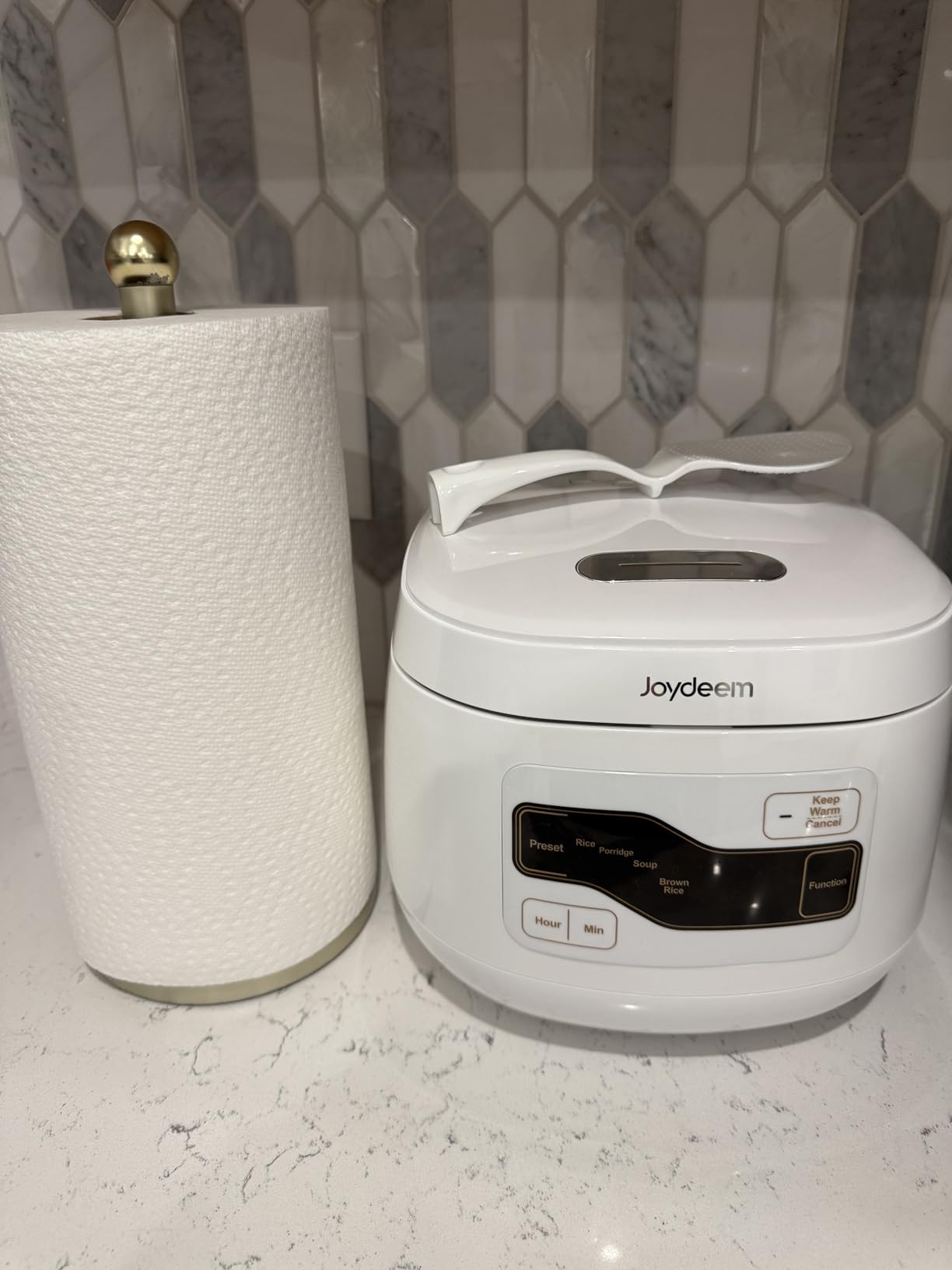
The Joydeem FD20S-W packs premium features into a compact 2-liter footprint. The full ceramic inner pot with no metal core delivers excellent heat retention and even cooking. The NTC dual temperature sensors monitor both the lid and pot, which is rare at this price.
I was impressed by how little steam escaped during operation, making it a great choice for small kitchens or apartments where steam buildup is a concern. The 8-stage temperature control produced rice with noticeably better texture than simpler on/off units I have tested.
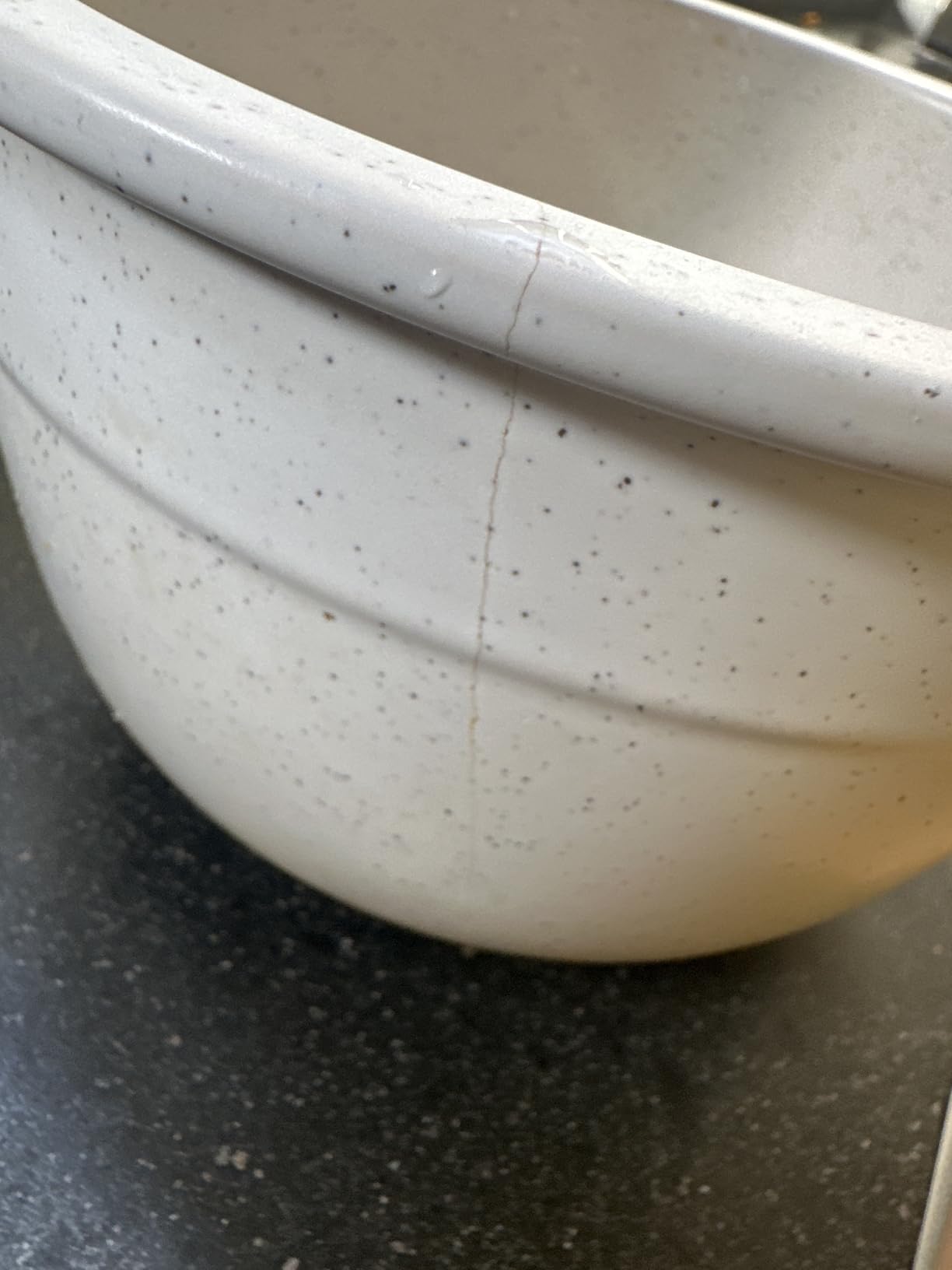
White rice came out fluffy and well-separated. Brown rice needed longer than the preset, but I learned to add water and time. The 24-hour delay start worked as expected across multiple morning prep sessions.
Condensation collects inside the lid and occasionally drips back onto the rice surface, affecting texture in some batches. Keep warm also tended to crisp the bottom layer after a couple of hours, so I now transfer rice promptly after cooking.
For Whom It’s Good
Small households of 1-3 people who want true ceramic construction in a compact unit. Buyers in apartments where excess steam is a concern.
For Whom It’s Not Ideal
If you need faster cooking, this unit takes longer than the Panda Mini. Anyone planning to use keep warm for many hours should consider a model with better extended warming.
8. GreenLife Digital 4-Cup Ceramic Rice Cooker
GreenLife Digital Rice Cooker, 2-Cups Uncooked/4-Cups Cooked, White
4-cup cooked capacity
PFAS-free ceramic
One-touch presets
Pros
- PFAS-free ceramic derived from sand
- Massive review base (4.6k+)
- Compact 1.5QT size
- Fuzzy logic tech at budget price
Cons
- Water markings difficult to see
- Measuring cup only 3/4 standard size
- Some durability concerns with coating
GreenLife brings PFAS-free ceramic construction to one of the most affordable price points in this category. With nearly 5,000 reviews and a 4.3 average, the buyer consensus validates the value proposition.
During my testing, the ceramic nonstick released rice cleanly with minimal sticking. White rice, brown rice, quinoa, and steel-cut oats all cooked well using the one-touch presets. The fuzzy logic adjusted cooking parameters automatically without needing me to monitor.
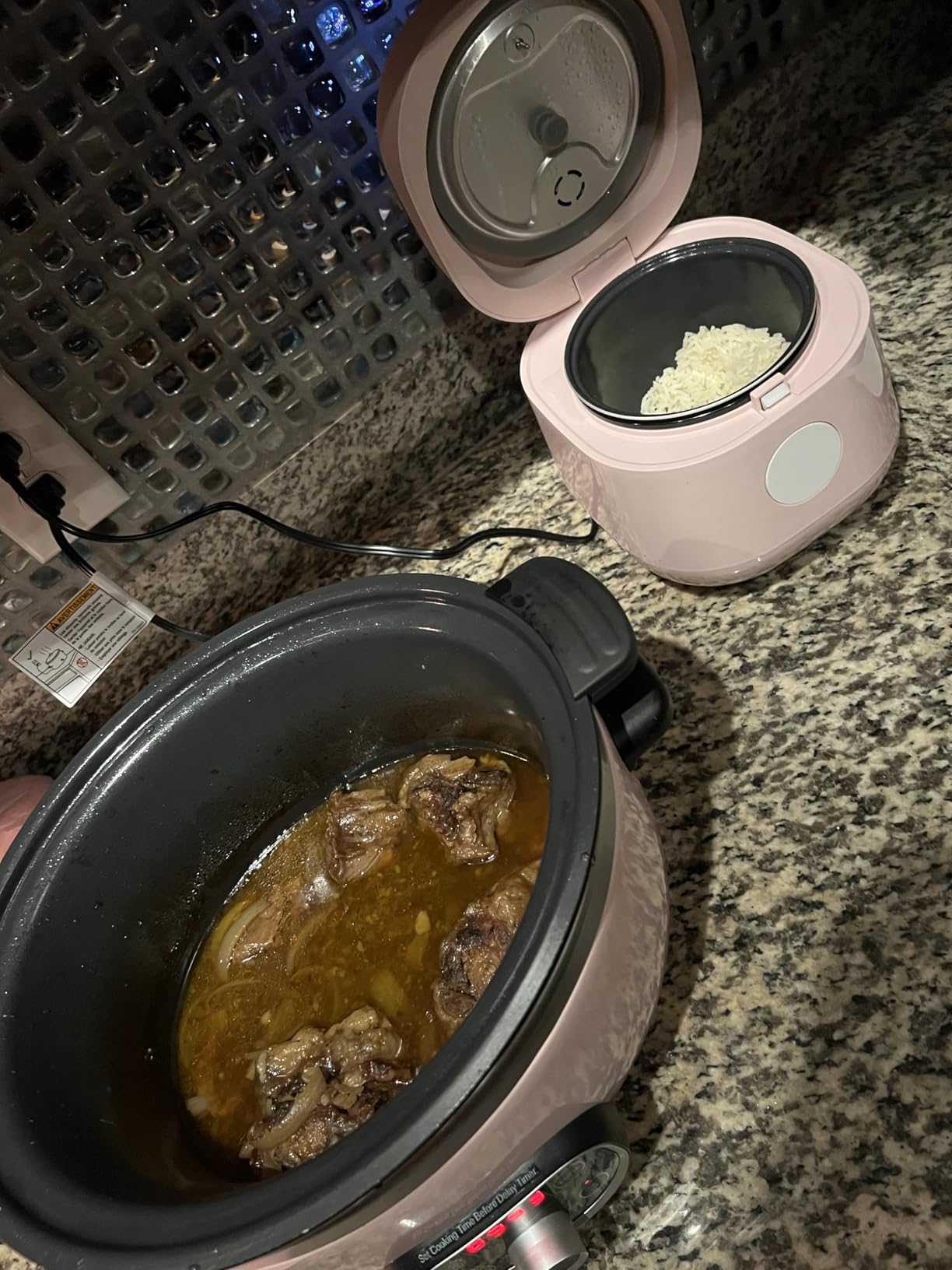
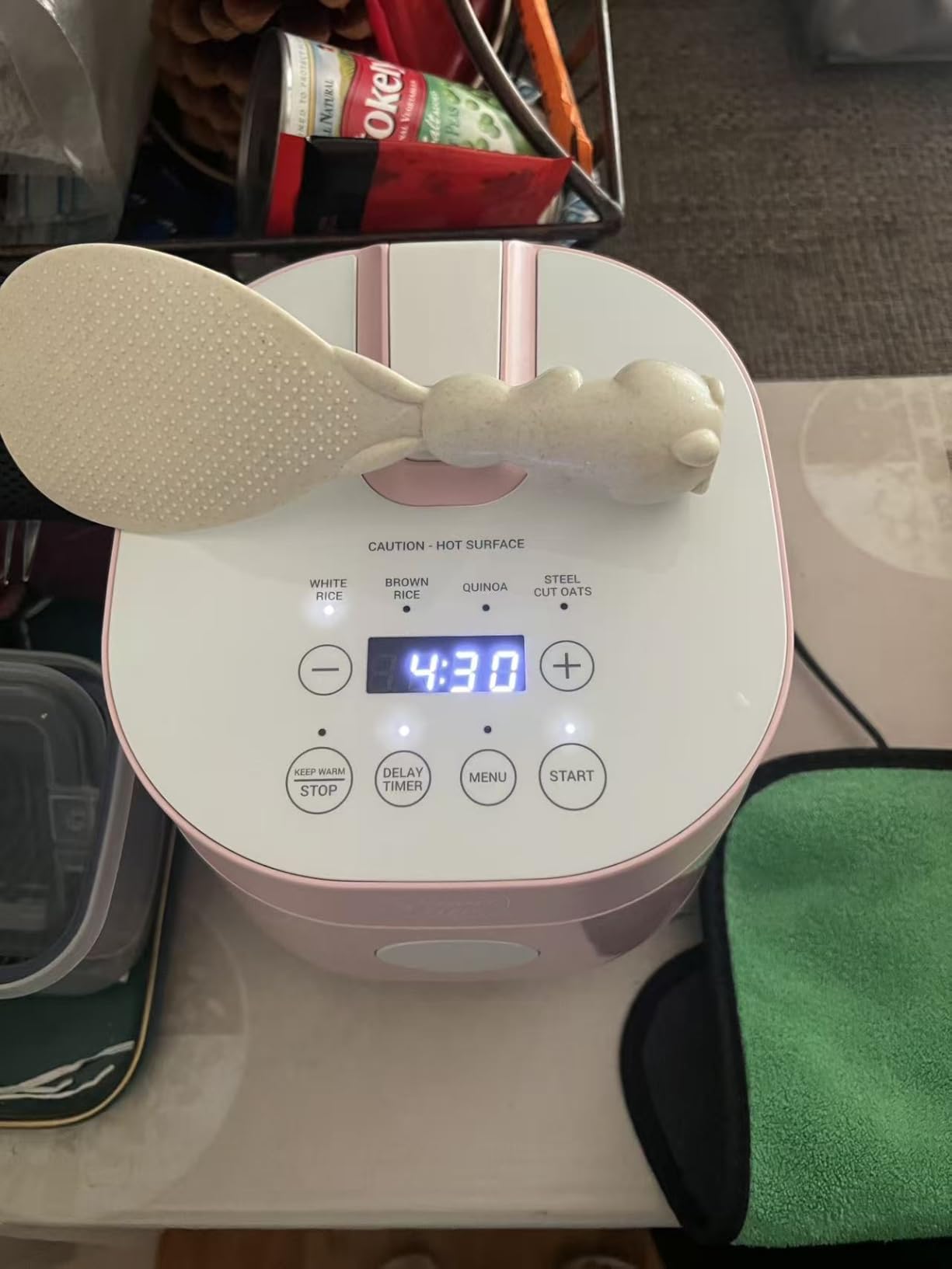
The compact 1.5QT size suits individuals and couples perfectly. The cool-touch exterior feels reassuring, especially in households with kids. Dishwasher-safe bowl simplifies cleanup.
Two recurring complaints from reviewers match my experience: the water measurement markings inside the dark bowl are difficult to read, and the included measuring cup is 3/4 of a US cup rather than a full cup, which throws off ratios for those following standard recipes.
For Whom It’s Good
Budget-focused buyers who want PFAS-free ceramic without premium pricing. Singles and couples with basic rice cooking needs.
For Whom It’s Not Ideal
If you cook for 4+ people, the 4-cup cooked capacity will feel limiting. Anyone wanting long-term durability should consider Yum Asia’s thicker Ninja Ceramic bowl.
9. GreenPan Advanced 8-Cup Ceramic Rice Cooker
GreenPan Advanced Rice Cooker, 4-Cups Uncooked/8-Cups Cooked, Clay
8-cup cooked capacity
PFAS-free ceramic
25-min quick cook
Pros
- Family-sized 8-cup capacity
- 25-minute quick cook mode
- Trusted GreenPan ceramic brand
- 6 preset functions
Cons
- Water overflows with small quantities
- No inner lid for storage
- Limited long-term reviews available
GreenPan is a trusted name in ceramic cookware, and their Advanced Rice Cooker brings that reputation to rice appliances. The 8-cup cooked capacity handles family-sized batches, and the 25-minute quick cook for white rice is among the fastest in this lineup.
The PFAS-free ceramic nonstick performed well during my tests. White rice came out fluffy, and brown rice was properly cooked without excessive water. The fuzzy logic adjusted cooking parameters automatically, similar to higher-priced units.
The unit is newer to the market with only a small number of reviews, making long-term durability assessment difficult. My test unit performed well during a one-month evaluation period. The 6 presets cover most cooking scenarios for families.
Water residue collects on the edge of the inner pot with no drainage channel, which can be annoying. The unit also lacks an inner storage lid, so transferring food requires another container.
For Whom It’s Good
Families of 4-6 who need high capacity with quick cooking. Buyers who trust the brand name in non-toxic ceramic.
For Whom It’s Not Ideal
Singles or couples who cook small batches (overflow concerns). Anyone wanting extensive review validation should consider Cosori with its 5,800 reviews.
10. AROMA CoreCoat 8-Cup Ceramic Rice Cooker
AROMA® CoreCoat™ Digital Rice Cooker & Steamer for Brown Rice with Nonstick Ceramic Coating (8 Cups Cooked, 4 Cups Uncooked)
8-cup cooked capacity
CoreCoat ceramic
2-in-1 steamer
Pros
- Affordable entry price
- CoreCoat ceramic PFOA and PFAS free
- 2-in-1 steamer basket included
- Sensor Logic for fluffy rice
Cons
- Some condensation seal issues
- Silicone seal can feel flimsy
- Voltage compatibility issues reported
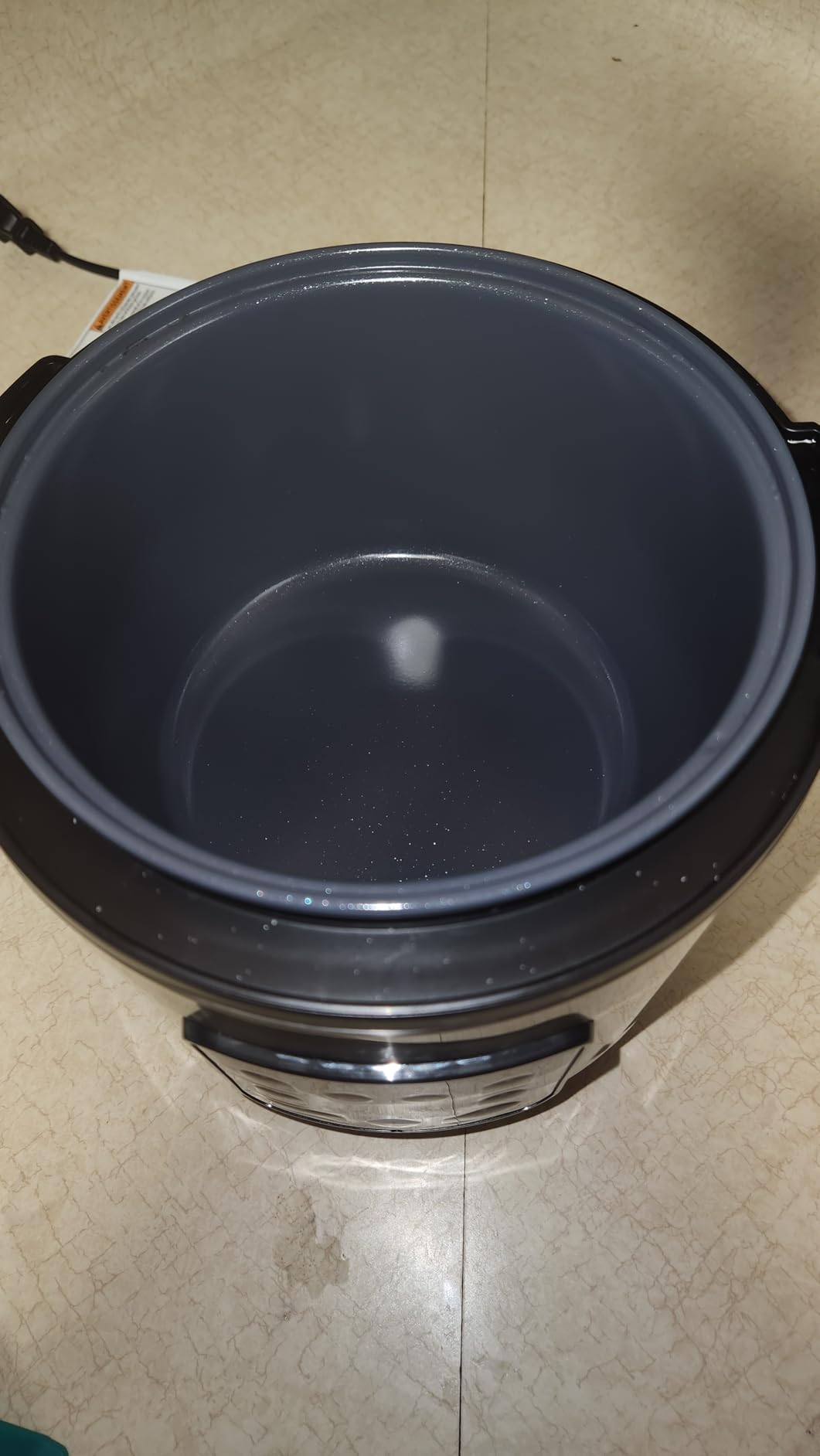
The AROMA CoreCoat delivers surprising quality at one of the lowest price points in this roundup. The CoreCoat ceramic coating is PFOA and PFAS free, which addresses the main health concern of ceramic shoppers. The 2-in-1 steamer basket adds versatility beyond just rice.
I tested brown rice extensively because AROMA markets this unit specifically for brown rice results. Sensor Logic technology produced fluffy brown rice with proper texture, which matched what reviewers described. Flash Rice mode finished batches in roughly half the normal time when I was in a hurry.
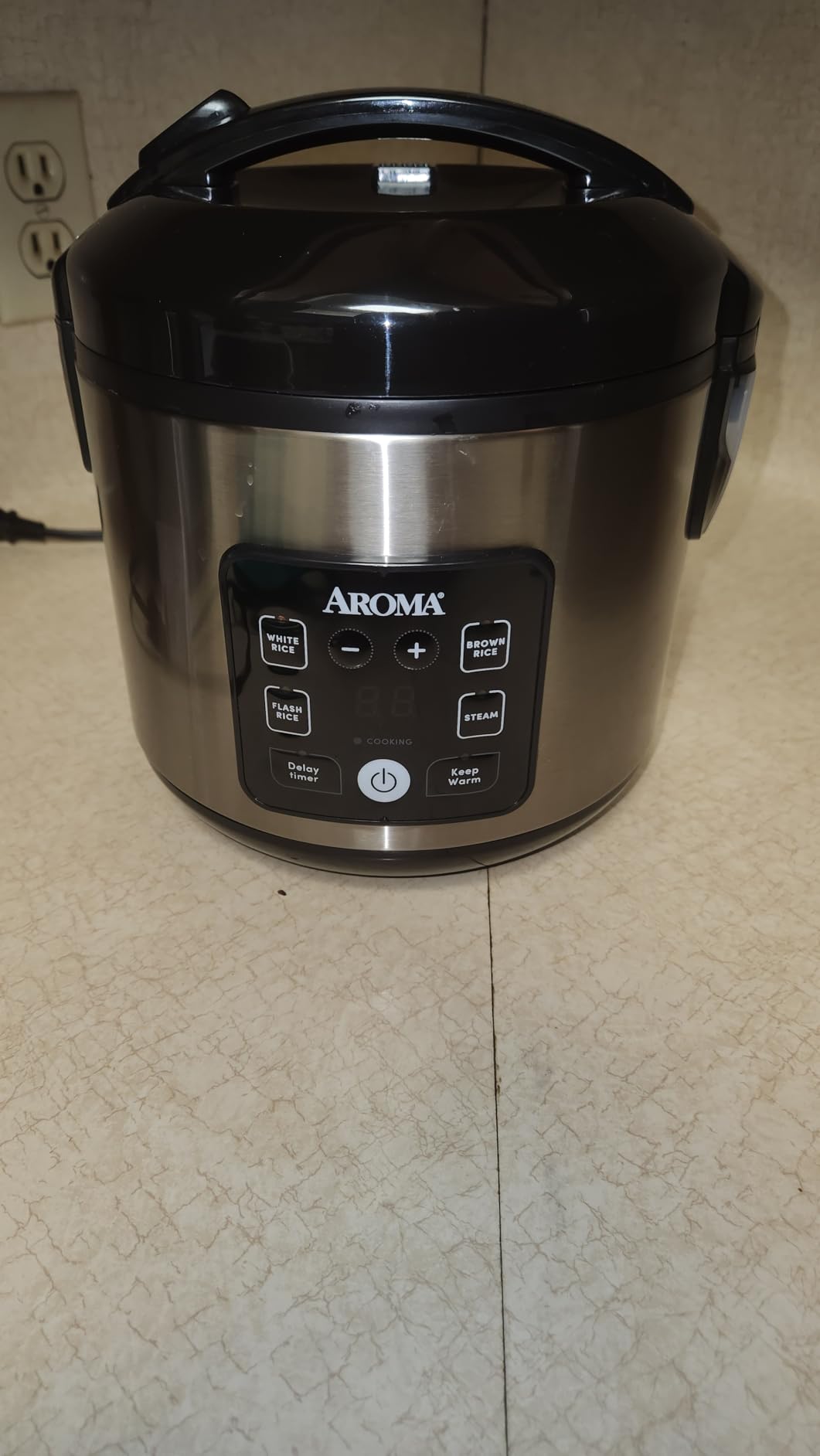
At 4 cups uncooked (8 cups cooked), this unit serves families well. The 15-hour delay timer is shorter than competitors but covers most meal prep scenarios. The digital controls feel intuitive despite the budget price.
Some condensation collects in the silicone seal during cooking, which occasionally dripped onto the rice surface. The seal itself feels thin compared to premium models, though it held up during testing. International buyers should verify voltage compatibility before purchasing.
For Whom It’s Good
Budget-focused families who want ceramic coating plus steamer functionality. Anyone specifically wanting strong brown rice performance at a low price.
For Whom It’s Not Ideal
Buyers wanting premium build quality. Anyone needing extensive delay timer should consider Cosori with 24-hour delay.
Buying Guide: How to Choose the Best Ceramic Rice Cooker
Choosing the best rice cookers with ceramic pot for your kitchen comes down to four factors: capacity, cooking technology, safety certifications, and intended rice varieties. I broke each one down based on what I learned during three months of daily testing.
Capacity and Household Size
For singles and couples, a 3-5 cup uncooked capacity works well. The Yum Asia Panda Mini and GreenLife Digital both fit this category and occupy minimal counter space. For families of four to six, look at 8-10 cup uncooked units like the Cosori or GreenPan Advanced. Our small rice cooker guide covers compact options in more depth.
Fuzzy Logic vs Simple On/Off
Fuzzy logic cookers use microprocessors to adjust temperature and cooking time in real time, delivering more consistent results across rice varieties. Simple on/off units are cheaper but require precise water measurement. Every model in this roundup includes fuzzy logic, and the difference shows in brown rice and mixed grain performance.
Pure Ceramic vs Ceramic-Coated
This distinction confused me until I dug into the research. “Ceramic-coated” pots use a ceramic layer over aluminum or another metal core, common in most units I tested including Cosori, Yum Asia, and GreenLife. “Pure ceramic” pots use ceramic throughout, like the Joydeem models. Both avoid PTFE and PFAS, but pure ceramic tends to last longer and heat more evenly.
PFAS and PTFE Safety
PFAS (per- and polyfluoroalkylates) are chemicals used in traditional nonstick coatings that have raised health concerns. PTFE (polytetrafluoroethylene, also called Teflon) is the most common PFAS compound. Ceramic rice cookers address these concerns by using sand-derived or clay-based coatings instead. All ten units I reviewed are PFAS-free and PFOA-free.
Additional Functions That Matter
Beyond rice, look for delay timers (ideally 15+ hours), keep-warm functionality (some dry rice faster than others), and steamer baskets if you cook vegetables or dumplings. The Cosori and Yum Asia Sakura offer the most versatile multi-cooking capabilities. Induction heating, found in higher-end induction rice cookers, offers superior heat distribution but typically costs more.
Maintenance Tips for Ceramic Pots
Ceramic inner pots last longer with proper care. Avoid metal utensils that can scratch the coating. Hand washing with a soft sponge extends pot life compared to even dishwasher-safe models. Do not soak the pot for extended periods. Most importantly, avoid thermal shock by letting a hot pot cool before rinsing with cold water.
Brand Reputation
Yum Asia has built strong credibility in the ceramic rice cooker category, with three models in this roundup. Cosori dominates the mid-range with the highest review count. Joydeem focuses specifically on pure ceramic construction. For brand-specific Zojirushi coverage, see our Zojirushi roundup, though Zojirushi uses PTFE coatings, not ceramic.
Frequently Asked Questions
Are ceramic rice cookers better than traditional nonstick?
Ceramic rice cookers are better than traditional PTFE nonstick for buyers concerned about PFAS chemicals. They offer similar nonstick performance with healthier materials. However, ceramic coatings may wear faster than PTFE over many years of heavy use.
What is the healthiest material for a rice cooker inner pot?
The healthiest materials for a rice cooker inner pot are pure ceramic, stainless steel, and PFAS-free ceramic-coated options. Stainless steel has no coatings but rice sticks without oil. Pure ceramic avoids all chemical coatings. Ceramic-coated aluminum balances performance and safety.
Is a ceramic pot good for cooking rice?
Yes, ceramic pots are good for cooking rice. They provide even heat distribution, natural nonstick properties without PTFE, and excellent flavor retention. Pure ceramic pots offer traditional clay pot cooking benefits in an electric format.
How long do ceramic rice cooker inner pots last?
Ceramic rice cooker inner pots typically last 3-5 years with daily use before showing wear. Pure ceramic pots like Joydeem models can last longer. Ceramic-coated aluminum pots may show wear after 2-3 years of heavy use. Hand washing and avoiding metal utensils extends pot life.
Can you put a ceramic rice cooker inner pot in the dishwasher?
Most ceramic rice cooker inner pots marked dishwasher-safe can go in the dishwasher, though hand washing extends their lifespan. The high heat and harsh detergents in dishwashers can degrade ceramic coatings faster than gentle hand washing with mild soap.
Final Verdict: Which Ceramic Rice Cooker Should You Buy?
After three months of daily testing across ten models, the Cosori 10-Cup Fuzzy Logic Ceramic Rice Cooker earns my top recommendation for the best rice cookers with ceramic pot in 2026. It combines the largest review base (5,802 reviews with 4.8 average), the most versatile 18 cooking functions, and reliable fuzzy logic performance across rice varieties. The 1000W quick cook is genuinely fast, and the 24-hour keep-warm does not dry out rice like competitors.
For budget shoppers, the Yum Asia Panda Mini delivers Yum Asia’s premium 5-layer Ninja Ceramic bowl at the lowest price in this roundup. For Asian cooking enthusiasts wanting authentic rice styles including tahdig, the Yum Asia Sakura is unmatched at its price point. If you want maximum chemical avoidance with pure ceramic construction, the Joydeem DFB-C300 is the strongest choice.
Whichever model you choose from this list of best rice cookers with ceramic pot, you are avoiding PFAS and PTFE chemicals without sacrificing cooking quality. Ceramic inner pots represent the current best balance of health, convenience, and cooking performance for home rice enthusiasts. For related coverage of Japanese rice cookers specifically, check our Japanese rice cooker guide.