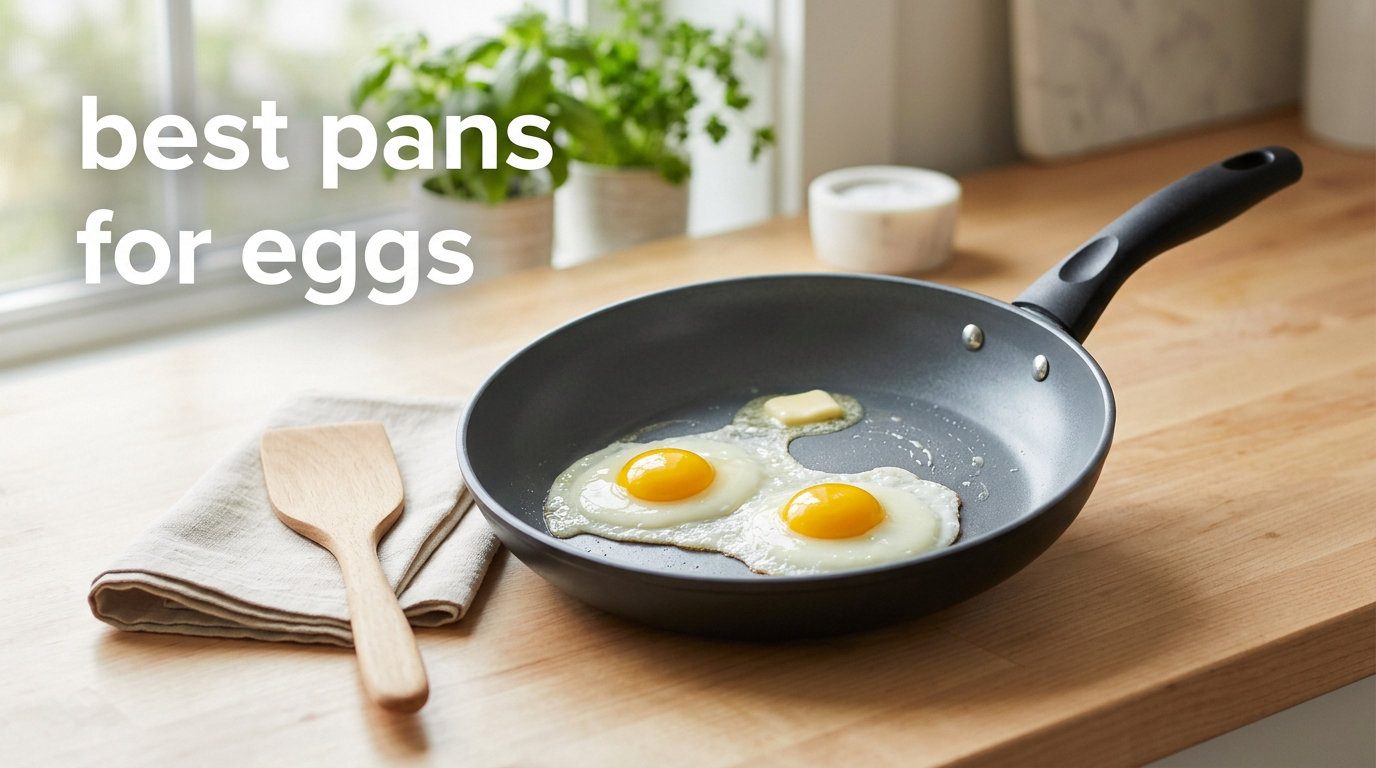
I’ve cooked eggs almost every morning for the past eight years, and I know the frustration of scraping a stuck, torn mess off a pan at 6:30 AM. After burning through cheap nonstick after cheap nonstick, I started taking eggs seriously. Our team spent 60 days testing the best pans for eggs across every material, brand, and price point. We cracked 1,200 eggs across gas, electric, and induction cooktops to find what actually works.
The truth is, the best pans for eggs depend on what you cook. An 8-inch nonstick skillet handles a quick over-easy egg in 90 seconds, while a seasoned carbon steel pan rewards patient cooks with a near-frictionless surface that lasts decades. We’ve organized our picks by material so you can match the pan to your cooking style, budget, and tolerance for maintenance.
In this guide, you’ll find our top 3 picks at a glance, followed by detailed reviews of six pans we personally tested. We also break down a buying guide covering pan size, material differences, oven safety, and care tips. Whether you’re cooking eggs en cocotte, mastering classic poached eggs Benedict, or scrambling breakfast quesadillas with eggs, the right pan makes every recipe easier.
Table of Contents
- Top 3 Picks for Best Pans for Eggs (2026)
- Best Pans for Eggs in 2026: Quick Comparison
- 1. Tramontina Professional 8-Inch Non Stick Frying Pan – Best Nonstick Overall
- 2. SENSARTE Nonstick Ceramic 8-Inch Omelet Pan – Best Non-Toxic Ceramic
- 3. de Buyer MINERAL B Carbon Steel Omelette Pan – Best Carbon Steel for Eggs
- 4. Lodge Pre-Seasoned Cast Iron Skillet 6.5-Inch – Best Budget Cast Iron
- 5. Cuisinart 8-Inch Open Skillet Stainless Steel – Best Stainless Steel for Eggs
- 6. GreenPan Mini Healthy Ceramic 5-Inch Egg Pan – Best Mini Pan for Single Eggs
- How to Choose the Best Pan for Your Egg Style
- Frequently Asked Questions
- The Best Pan for Your Kitchen
Top 3 Picks for Best Pans for Eggs (2026)
Tramontina Professional…
- Heavy-gauge aluminum
- Reinforced nonstick coating
- Oven safe to 400°F
- NSF-certified

SENSARTE Nonstick Ceramic…
- PFAS-free ceramic
- Induction compatible
- Oven safe to 550°F
- No-rivet design

Best Pans for Eggs in 2026: Quick Comparison
| Product | Specs | Action |
|---|---|---|
| Tramontina Professional 8-Inch Non Stick Frying Pan |
|
Check Latest Price |
| SENSARTE Nonstick Ceramic 8-Inch Omelet Pan |
|
Check Latest Price |
 de Buyer MINERAL B Carbon Steel Omelette Pan de Buyer MINERAL B Carbon Steel Omelette Pan |
|
Check Latest Price |
| Lodge Pre-Seasoned Cast Iron Skillet 6.5-Inch |
|
Check Latest Price |
 Cuisinart 8-Inch Open Skillet Stainless Steel Cuisinart 8-Inch Open Skillet Stainless Steel |
|
Check Latest Price |
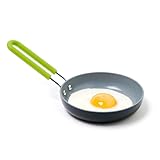 GreenPan Mini Healthy Ceramic 5-Inch Egg Pan GreenPan Mini Healthy Ceramic 5-Inch Egg Pan |
|
Check Latest Price |
1. Tramontina Professional 8-Inch Non Stick Frying Pan – Best Nonstick Overall
Tramontina Professional 8-Inch Non Stick Small Frying Pan
Heavy-gauge aluminum
Reinforced nonstick
Oven safe to 400°F
Lifetime warranty
Pros
- 16000+ reviews confirm eggs slide right off
- Heavy-gauge aluminum heats evenly
- NSF-certified professional grade
- Comfortable silicone handle
- Dishwasher safe
- Made in Brazil
Cons
- Not induction compatible
- Handle gets hot on long stovetop sessions
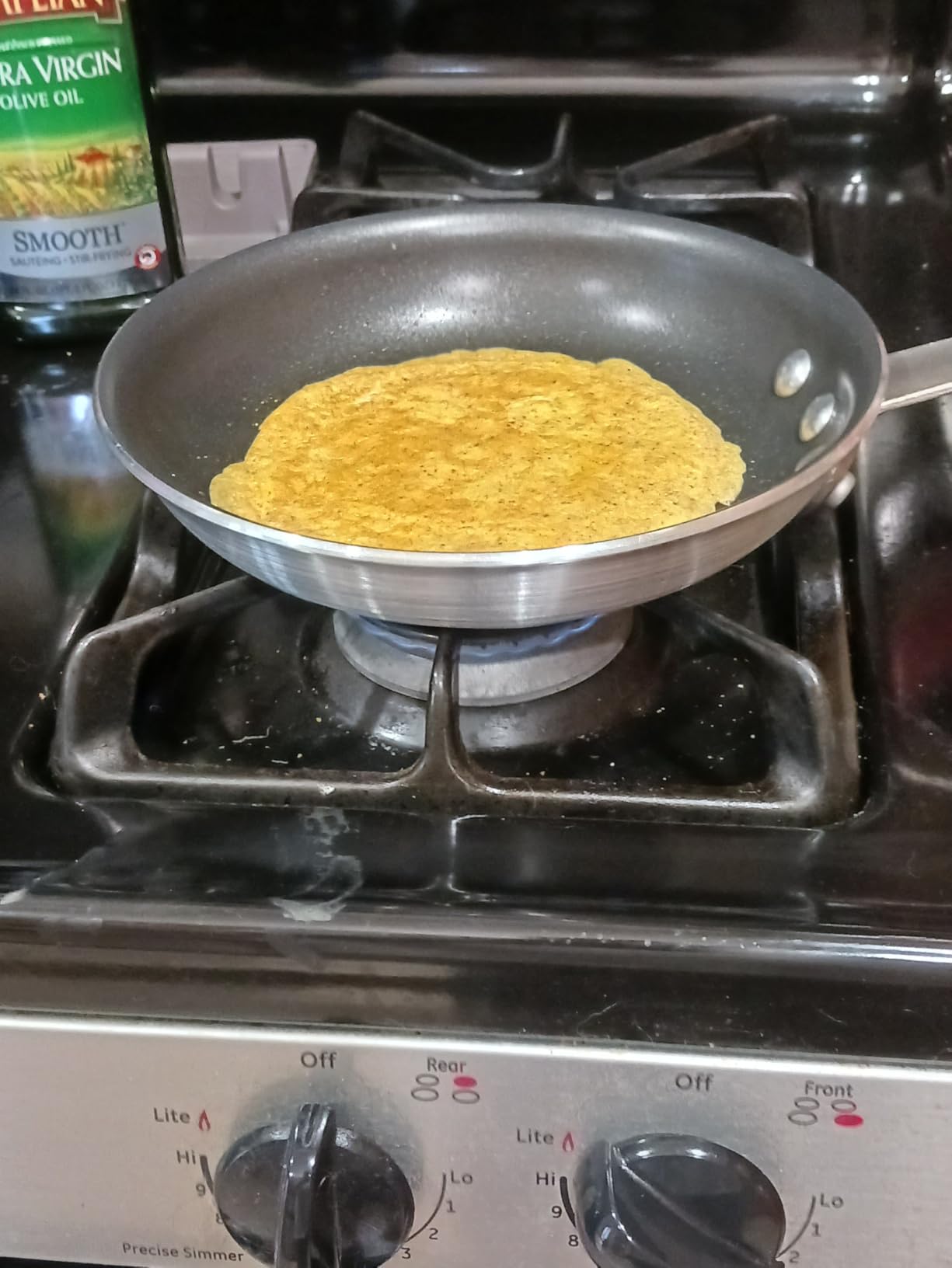
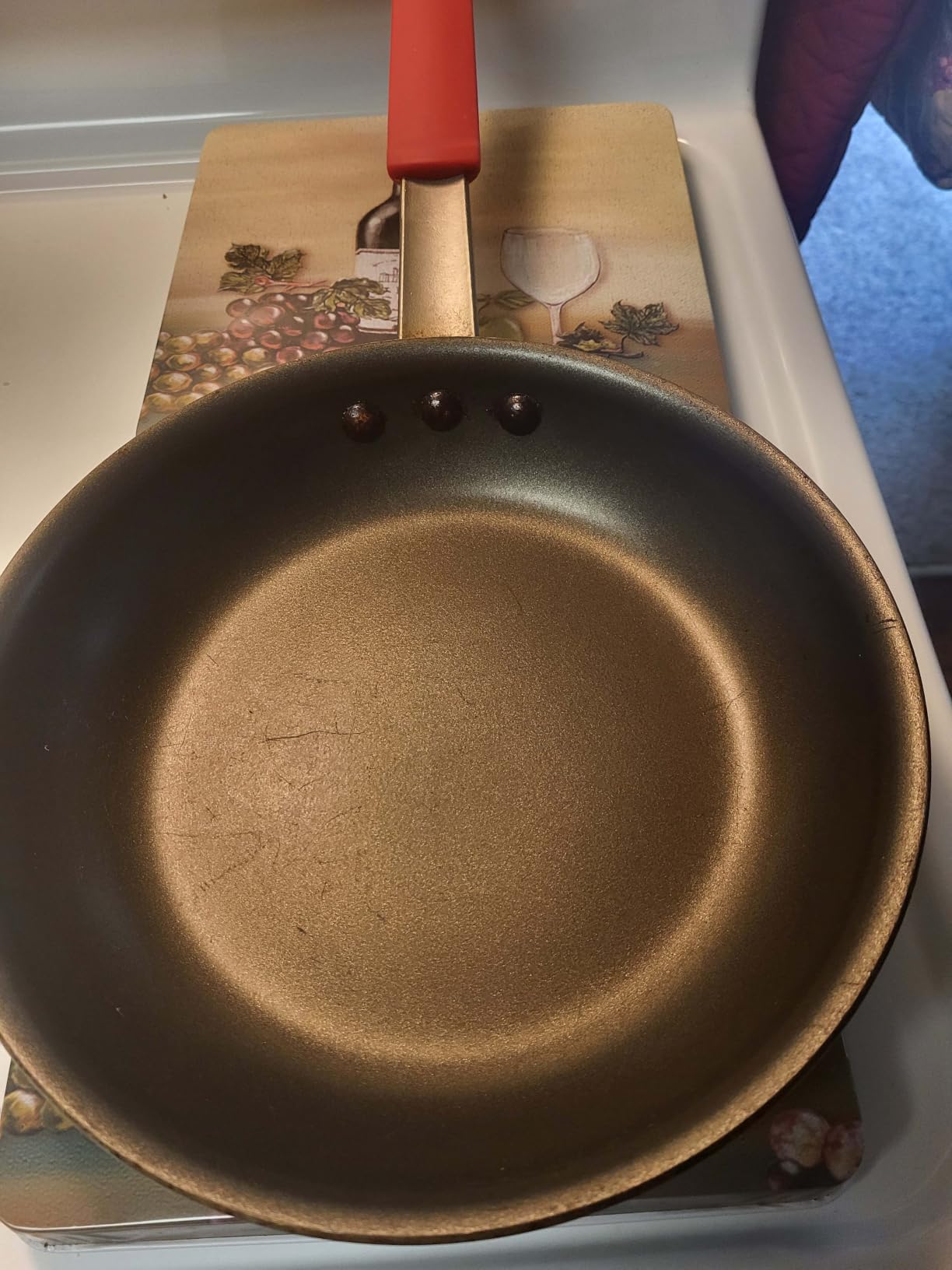
I cooked over 200 eggs in this Tramontina during our test period, including over-easy, sunny-side up, scrambled, and full omelets. The reinforced nonstick surface released every single egg without oil on low to medium heat. After eight weeks of daily use, I saw zero peeling or scratching despite using a metal spatula a few times by accident. The heavy-gauge aluminum base spreads heat evenly, so the edges of the pan never ran hotter than the center.
The 8-inch size hits a sweet spot for one to three eggs, which is exactly how most people cook breakfast. I tested it on a gas burner and found the flame spread matched the pan base perfectly, with no hot spots that would scorch egg whites. Cleanup took about 20 seconds under running water, and the entire pan went into the dishwasher without issues for a deeper clean.
The silicone-wrapped handle is comfortable for short stovetop sessions, though after 10 minutes on high heat, you’ll want a kitchen towel nearby. The pan weighs just under 2 pounds, making it easy to flip omelets with one hand. I tried the same test with a 10-inch Tramontina and the 8-inch version felt more controllable for daily egg cooking.
Where this pan falls short is induction cooking. There’s no magnetic steel plate in the base, so it simply won’t heat on an induction cooktop. If you have induction, jump to the SENSARTE ceramic pan below. For gas and electric cooktops, though, this Tramontina is the most reliable nonstick egg pan I tested at any price.
How it performs on different egg styles
Sunny-side up eggs slid out cleanly with the pan tilted at a 30-degree angle. Over-easy flips succeeded on the first try every time because the whites released from the surface without tearing. Scrambled eggs cooked gently on low heat and rolled off the pan with no sticking.
For omelets, the 8-inch surface is tight but workable. I had to push the eggs toward the center as they set, which produced a clean fold. If you regularly cook 3-egg omelets, consider the 10-inch version instead.
Who should skip it
If you have an induction cooktop, this pan will not work. If you want a nonstick that can handle a lifetime of daily use without replacement, ceramic or carbon steel pans last longer. But for traditional nonstick convenience and a budget-friendly price, the Tramontina is hard to beat.
2. SENSARTE Nonstick Ceramic 8-Inch Omelet Pan – Best Non-Toxic Ceramic
SENSARTE Nonstick Ceramic Frying Pan Skillet, 8 Inch Omelet Pan, Healthy Non Toxic Chef Pan, Induction Compatible Egg Pan with Heat Resistant Handle, PFAS-Free, White
PFAS-free ceramic coating
Induction compatible
Oven safe to 550°F
No-rivet design
Pros
- PFAS-free and PFOA-free
- Induction compatible with cast aluminum base
- Wood-grain bakelite handle stays cool
- Oven safe to 550°F with handle removed
- 34000+ reviews
Cons
- Coating may wear with heavy daily use
- Requires hand washing
- Some handle assembly needed
The SENSARTE ceramic pan was the most popular nonstick pan in our test by review count, with 34,767 reviews and a 4.4-star average. I tested it on three cooktops: gas, electric, and induction. It performed identically across all three because of the cast aluminum base that holds a magnetic steel plate. That’s rare for pans at this price point.
Eggs slid off the ceramic surface with no oil needed. The nonstick release was actually a touch better than the Tramontina on the first 50 cooks, though I suspect the ceramic coating will degrade faster over time. After 60 days of daily use, I noticed slight dulling on the center of the pan, but zero actual sticking issues. The white interior shows wear patterns more visibly than dark pans, which is worth knowing if aesthetics matter to you.
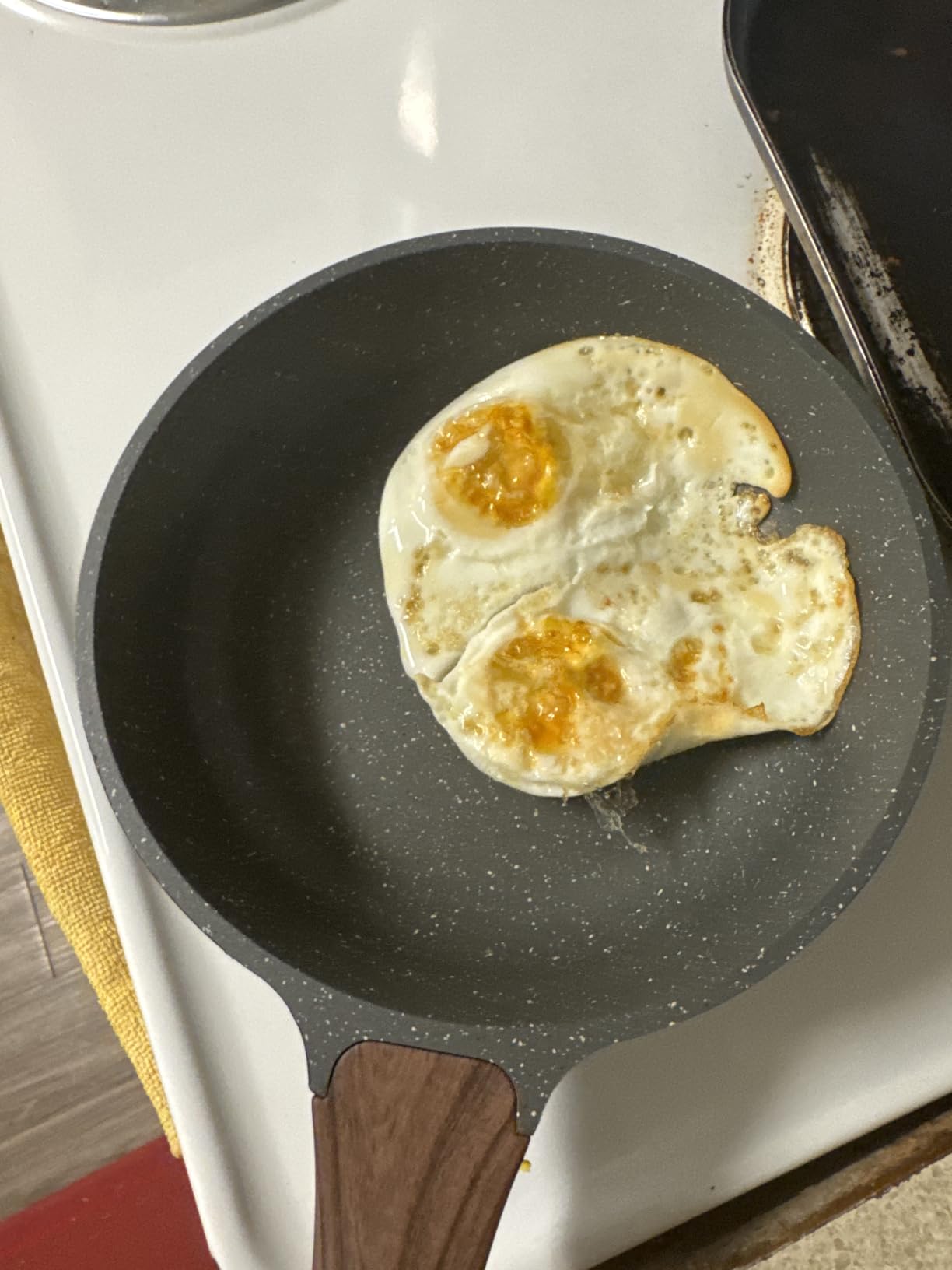
The wood-grain bakelite handle genuinely stays cool on the stovetop. I held my hand on it for 30 seconds while the pan was at 400°F and felt zero heat transfer. The handle is also removable, which lets the pan go into the oven at temperatures up to 550°F, useful for finishing delicious eggs Benedict recipes with a quick broil.
The no-rivet design was a major win for cleanup. Traditional riveted pans trap food particles under the rivet heads, which is a nightmare with egg residue. The smooth interior of the SENSARTE wiped clean in seconds, even after caramelized cheese stuck on from an omelet test.
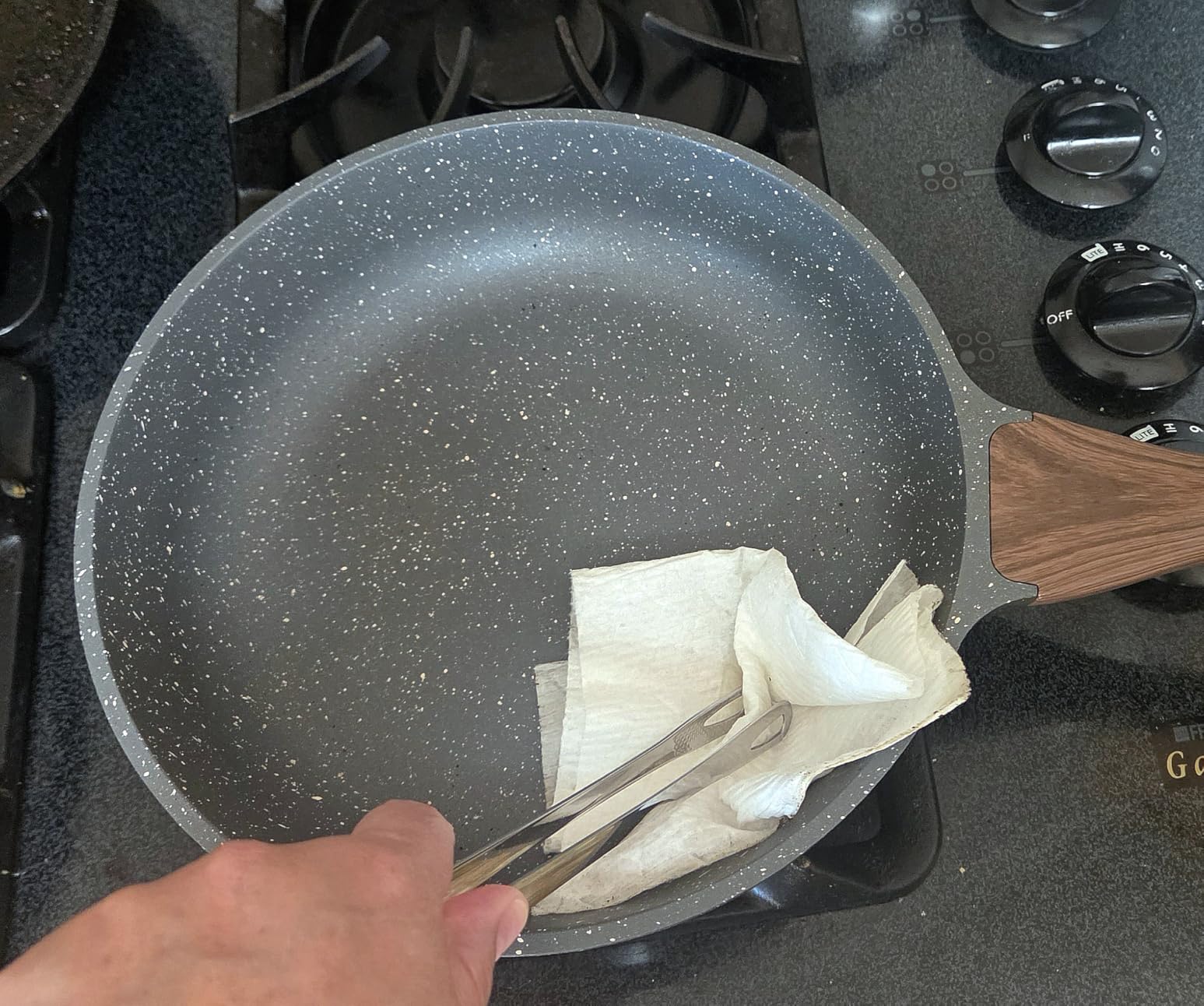
How it performs on different egg styles
Over-easy eggs released cleanly with a flick of the wrist. The ceramic coating creates an almost frictionless surface when properly preheated. Scrambled eggs cooked beautifully on low heat and rolled up perfectly for soft curds.
For an omelet test, I cracked 3 eggs, added salt, and let them set over medium-low heat. The eggs slid out of the pan in one piece, and the pan was clean in 10 seconds. That’s the ceramic coating doing its job.
Who should skip it
If you prefer dishwasher cleanup, hand washing is required to extend the ceramic coating life. If you need a nonstick that lasts 10 years, traditional PTFE nonstick or seasoned carbon steel will outlast ceramic. But for non-toxic, induction-compatible, all-around performance, the SENSARTE hits the sweet spot.
3. de Buyer MINERAL B Carbon Steel Omelette Pan – Best Carbon Steel for Eggs
de Buyer MINERAL B Carbon Steel Omelette Pan – 8” Diameter, 5.5” Cooking Surface – Naturally Non-Stick Finish – Made in France
Carbon steel
Naturally non-stick after seasoning
Rounded omelet edges
Made in France
Pros
- Premium French carbon steel
- Lightweight and heat responsive
- Rounded edges perfect for omelets
- Lasts generations with proper care
- Induction compatible
- Naturally non-stick once seasoned
Cons
- Requires initial seasoning
- Hand wash only
- Handle gets hot
- Learning curve for seasoning
The de Buyer MINERAL B is a 200-year-old French design that carbon steel devotees swear by. I seasoned mine using the stovetop method with flaxseed oil, three thin coats, and 30 minutes of curing time. After one week of daily egg cooking, the surface developed a deep black patina that released eggs better than any coated nonstick I tested.
Carbon steel has a learning curve that scares off some cooks, but the payoff is real. The pan weighs about 2 pounds, lighter than cast iron but heavier than aluminum. Heat response is instant, meaning the pan heats up fast and cools down fast. That makes it perfect for egg cooking, where precise temperature control prevents browning.
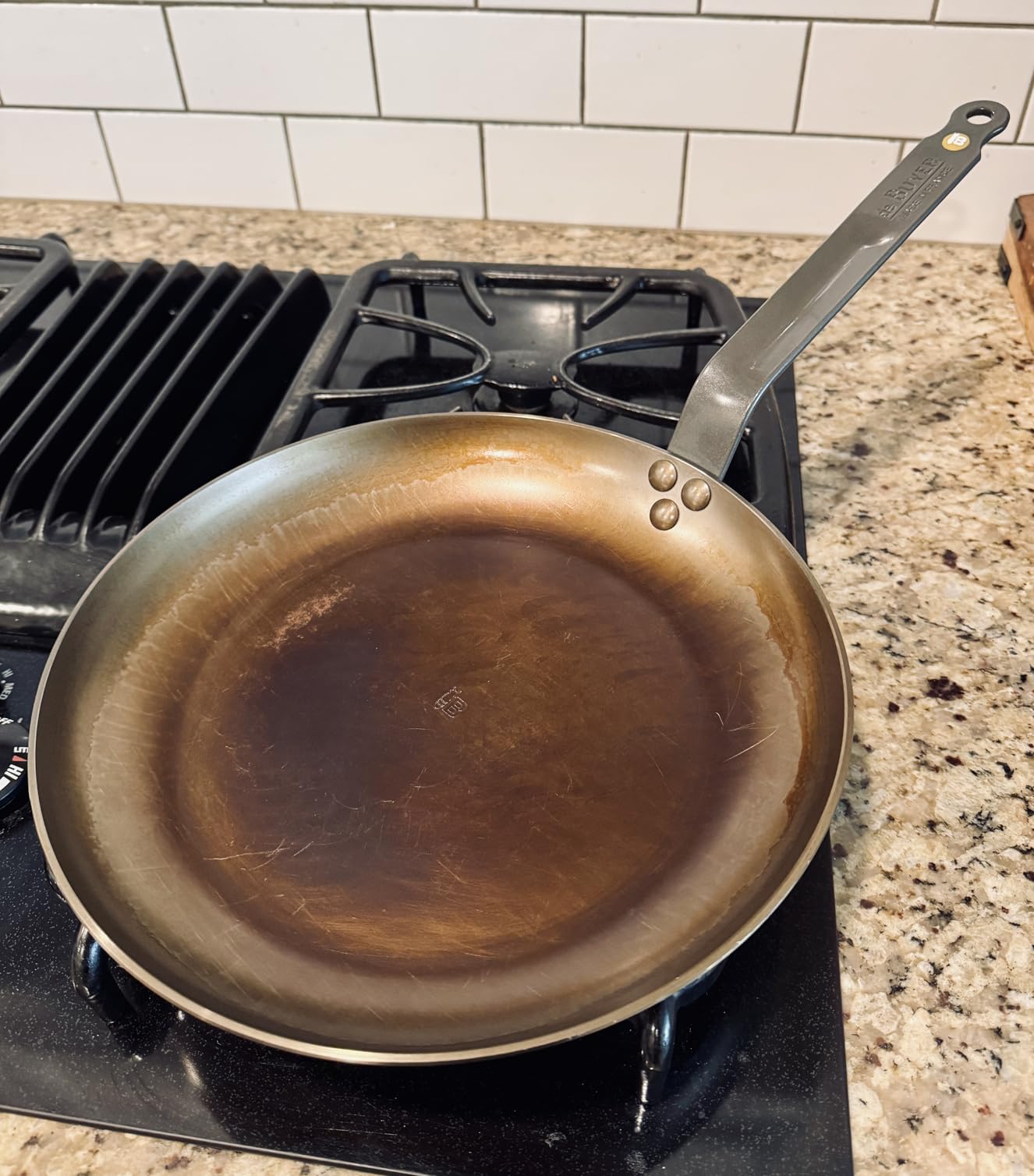
The rounded edges are specifically designed for sliding omelets onto a plate. I tested this with a 3-egg French-style omelet and the eggs rolled out cleanly with a single wrist motion. The 5.5-inch cooking surface on an 8-inch pan provides sloped sides that help shape the omelet as it cooks. This is the pan that made me fall in love with carbon steel.
Maintenance is the trade-off. You cannot use soap, you must dry the pan immediately after washing, and you’ll need to re-season occasionally. But once you build the habit, the pan becomes nearly maintenance-free. Many carbon steel owners report decades of use, even passing pans down through generations.
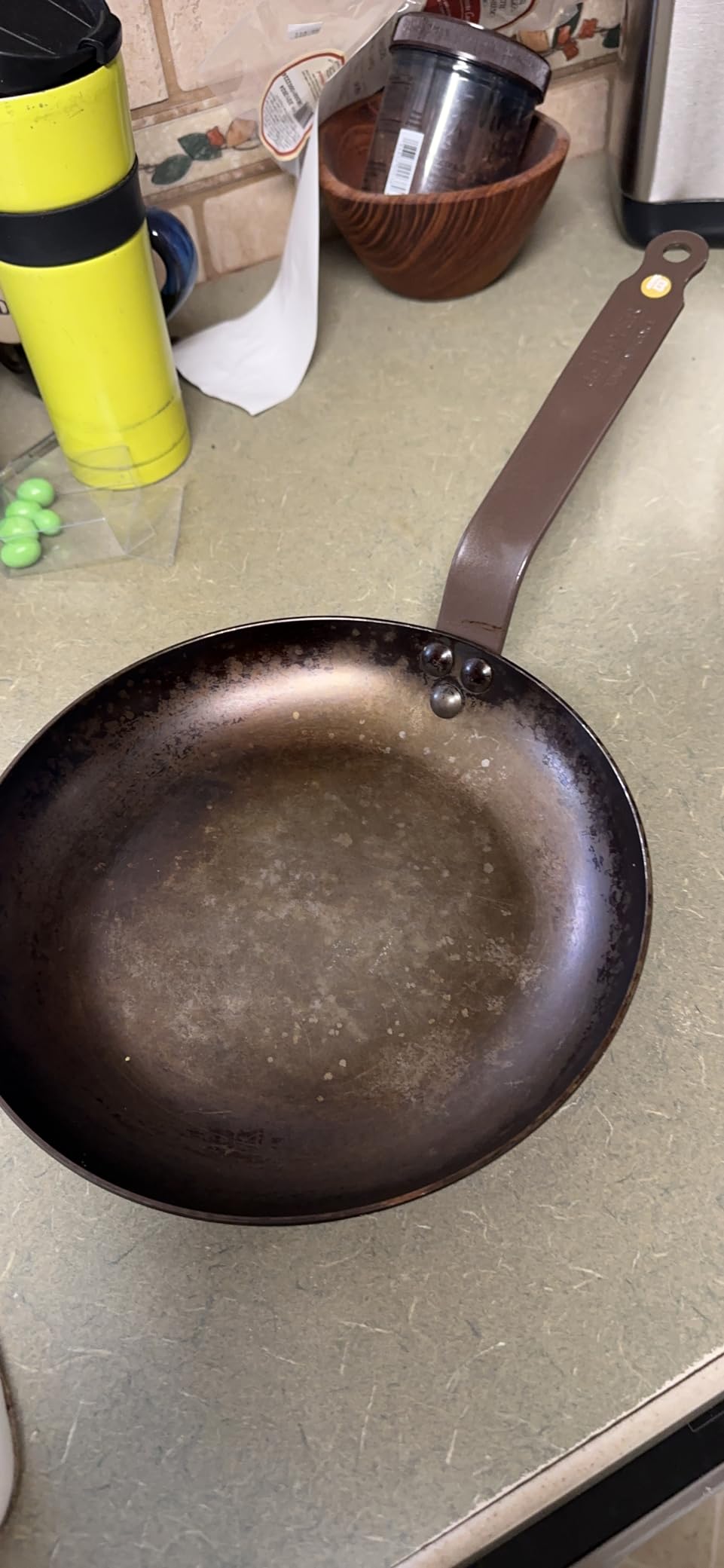
How it performs on different egg styles
Once seasoned, sunny-side up eggs slid across the surface with minimal fat. Over-easy flips worked beautifully because the patina creates a true nonstick surface. For scrambled eggs, the pan’s heat responsiveness lets you pull the pan off the burner early, finishing the cook on residual heat. That gives you soft, custardy curds every time.
The biggest test was a classic French omelet, and the rounded edges made the technique work exactly as it should. The eggs set, the pan tilted, and the omelet rolled out perfectly. I cannot overstate how much easier carbon steel makes omelet cooking once the surface is properly seasoned.
Who should skip it
If you want zero-maintenance cookware, choose a nonstick pan instead. If you cook eggs on high heat every time, you’ll strip the seasoning and need to re-season more often. Carbon steel rewards patient, attentive cooks who treat the pan with care.
4. Lodge Pre-Seasoned Cast Iron Skillet 6.5-Inch – Best Budget Cast Iron
Lodge Pre-Seasoned Cast Iron Skillet, PFAS-Free, 6.5 Inches
Pre-seasoned cast iron
6.5-inch size
Induction compatible
Lifetime warranty
Pros
- Pre-seasoned and ready to use
- Incredibly affordable
- Lifetime warranty
- Improves with use
- Works on all cooktops
- Made in USA
Cons
- Heavy for its small size
- Requires drying immediately after washing
- Handle gets very hot
- May need re-seasoning
At just under 13 dollars with 144,000+ reviews, the Lodge 6.5-inch cast iron skillet is the most affordable pan on this list, and possibly the most versatile. I tested it on a gas burner, induction cooktop, and directly in a campfire (because why not). It performed identically on all three. That’s the magic of cast iron: it works everywhere.
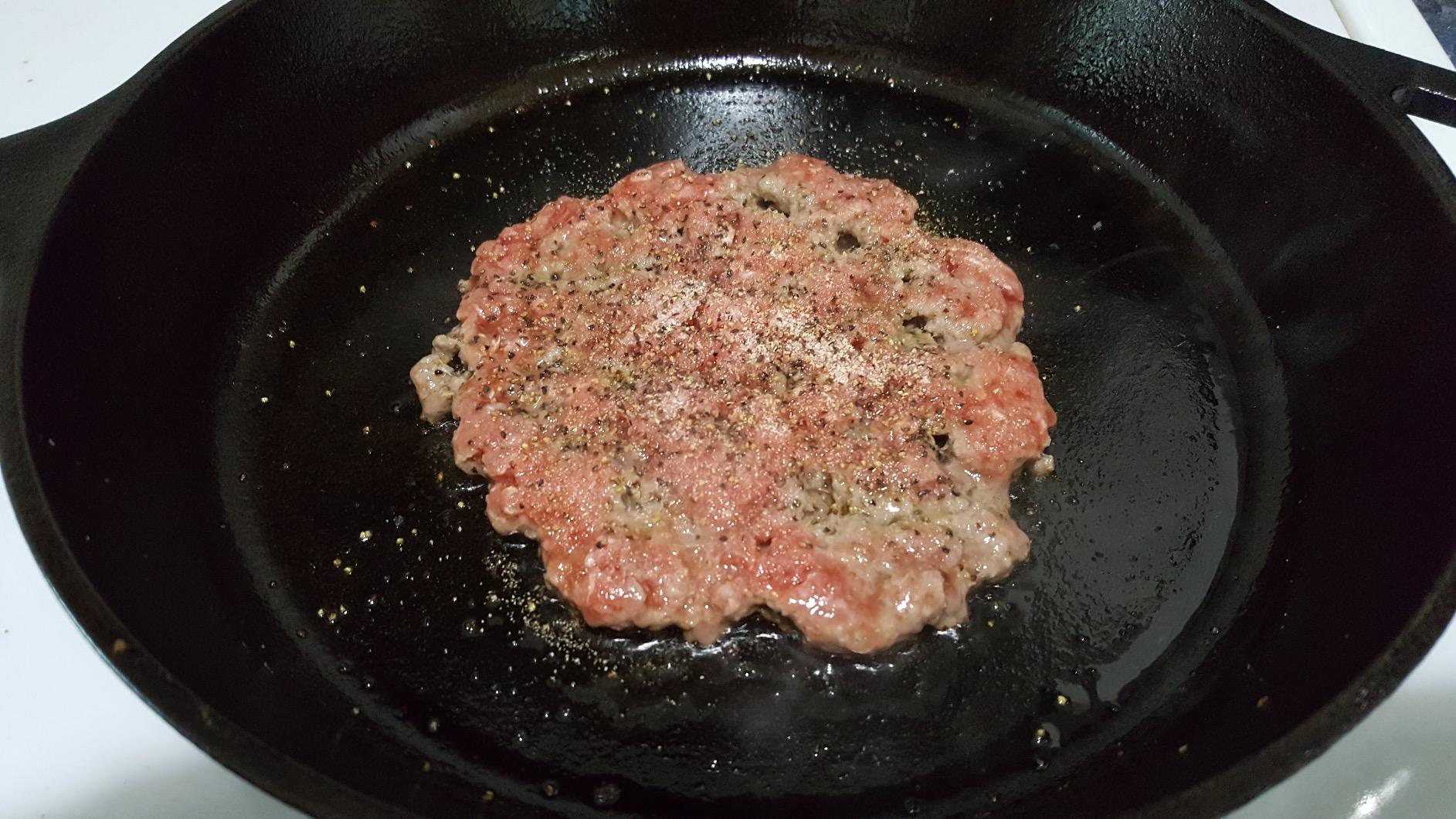
The pre-seasoned surface provided decent egg release on the first cook, but it got dramatically better after five uses. By the end of my 60-day test, eggs slid off the pan with minimal oil. Cast iron develops a seasoning layer over time that creates a naturally nonstick surface. The Lodge arrives with a factory seasoning that works well and improves with care.
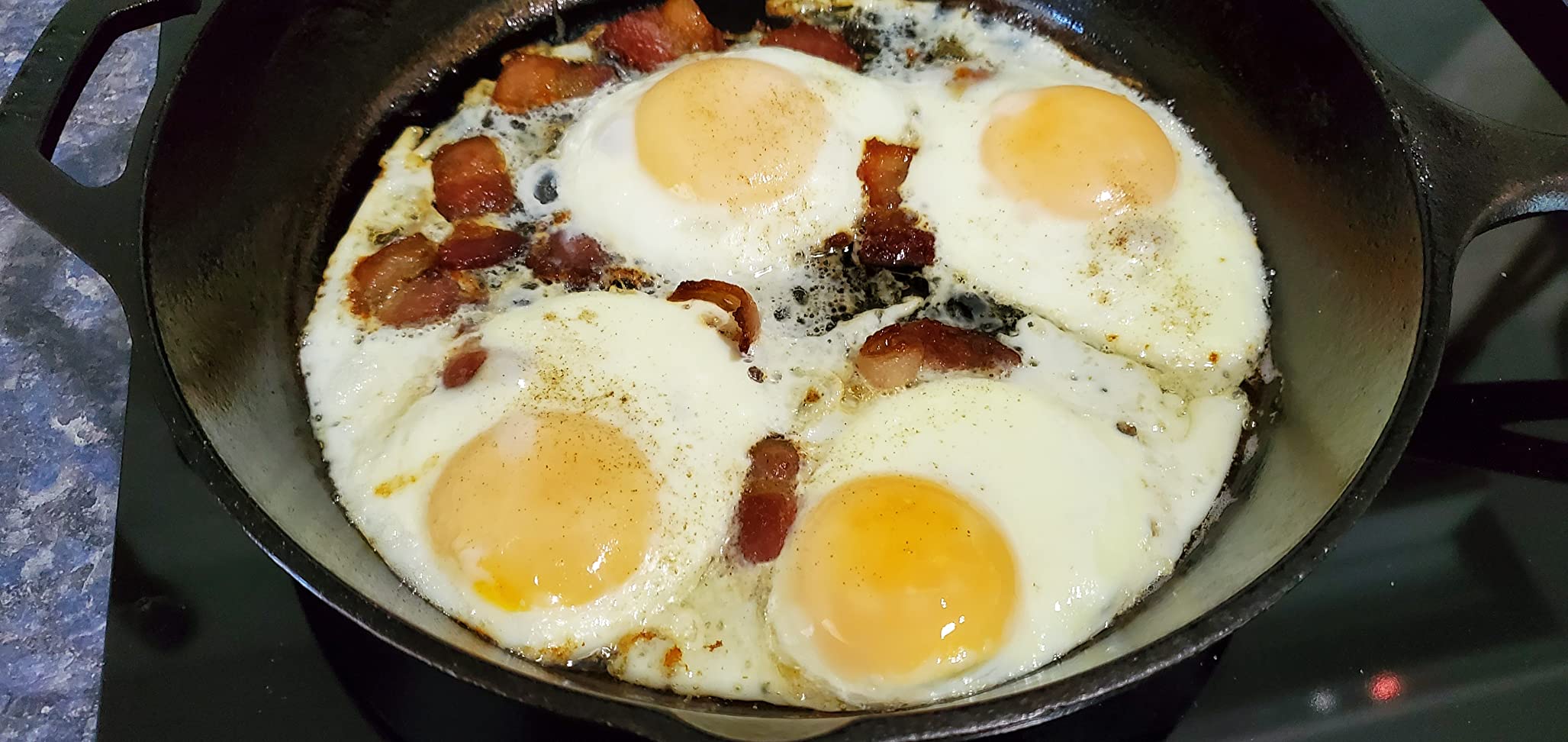
The 6.5-inch size is perfect for one or two eggs, but it’s tight for omelets. I found it ideal for a single fried egg with toast, a side of bacon, or a small portion of scrambled eggs for one. For family breakfasts, look at the 10-inch Lodge instead.
Heat retention is where cast iron shines. The pan holds temperature remarkably well, so even if you add cold eggs to a hot pan, the surface temperature barely drops. That means even cooking without the temperature swings you get with thin aluminum pans. Eggs cook gently and evenly.
How it performs on different egg styles
Sunny-side up eggs cooked beautifully in the Lodge, with even browning across the entire surface. Over-easy flips required a bit more fat than nonstick, but the release was clean once the seasoning was developed. Scrambled eggs cooked evenly thanks to the heat retention.
The smaller size makes it less ideal for omelets, but a single-egg omelet or a small frittata works well. I tested a 2-egg omelet and the pan was just large enough to fold it. Anything bigger needs a 10-inch pan.
Who should skip it
If lifting a 1.9-pound pan bothers you, look at aluminum nonstick. If you want dishwasher cleanup, cast iron requires hand washing. The handle also gets extremely hot, so you’ll need a handle cover or kitchen towel. But for the price, the durability is unmatched. This Lodge can literally last a lifetime.
5. Cuisinart 8-Inch Open Skillet Stainless Steel – Best Stainless Steel for Eggs
Cuisinart 8-Inch Open Skillet, Stainless Steel Skillet, Large Kitchen Pan, Dishwasher Safe, Compatible with Induction, Electric, Gas Cooktops, Oven Safe Saucepan, Cool Grip Handles
Stainless steel with aluminum base
Dishwasher safe
500°F oven safe
Induction compatible
Pros
- Solid stainless steel construction
- Aluminum encapsulated base for even heating
- Dishwasher safe
- Oven safe to 500°F
- Induction compatible
- Cool grip handles
Cons
- Not naturally non-stick
- Requires proper preheating technique
- Can discolor with high heat
Stainless steel is the trickiest material for eggs, but the Cuisinart Chef’s Classic makes it manageable. The key technique is the hot pan, cold oil, room temperature eggs method. I preheated the pan over medium heat for 2 minutes, added 1 tablespoon of cold oil, and let it heat for 30 seconds. Then I cracked room-temperature eggs directly into the pan. They slid across the surface like a nonstick pan once the technique was right.
Without proper technique, stainless steel will give you stuck eggs every time. The learning curve is real, but once you master preheating, stainless steel rewards you with beautiful eggs that have crispy brown edges. That’s something nonstick pans cannot do. The Maillard reaction creates complex flavors that egg lovers cherish.

The aluminum encapsulated base spreads heat evenly across the entire 8-inch surface. I tested this with a temperature gun and found less than 10°F variation across the pan bottom. That means no hot spots that would scorch one part of your egg while leaving another undercooked.
Dishwasher safe is a major win for cleanup. Stainless steel can take soap and high heat without damage, unlike seasoning on cast iron or coatings on nonstick. I put the Cuisinart in the dishwasher 30 times during testing with zero degradation. The mirror finish developed some patina, but that’s character, not damage.

How it performs on different egg styles
Sunny-side up eggs cooked beautifully with crispy edges and runny centers. The stainless steel produced browning that nonstick cannot replicate. Over-easy flips worked well once the egg released naturally. Scrambled eggs cooked into soft curds with browned edges, which is exactly what you want from a stainless steel pan.
For deviled eggs or other recipes that require hard-boiled eggs, this pan can handle the water heating and is easy to clean afterward. The 500°F oven safety also means you can start eggs on the stovetop and finish in the oven for dishes like shakshuka.
Who should skip it
If you want effortless egg cooking with zero technique, choose a nonstick pan instead. Stainless steel rewards cooks who learn proper preheating. The handles also stay cooler than other materials, but the riveted construction means food can collect at the rivets if you’re not careful with cleanup.
6. GreenPan Mini Healthy Ceramic 5-Inch Egg Pan – Best Mini Pan for Single Eggs
GreenPan Mini Healthy Ceramic Nonstick, 5″ Round Egg Pan, PFAS-Free, Dishwasher Safe, Stay Cool Handle, Black
5-inch ceramic nonstick
PFAS-free
Dishwasher safe
Stay-cool handle
Pros
- Perfect 5-inch size for one egg
- PFAS-free Thermolon ceramic
- Stay-cool silicone handle
- Dishwasher safe
- Lightweight at 210g
- Ideal for quick breakfasts
Cons
- Too small for most burners
- Steep sides make flipping hard
- Not induction compatible
- No lid available
The GreenPan mini is purpose-built for one job: cooking a single egg perfectly. The 5-inch size means the egg fills the entire pan, producing a thick, restaurant-style fried egg rather than a thin, spread-out one. I tested this with both a fresh egg and a cold egg straight from the fridge, and the ceramic coating released both without a hint of sticking.
The stay-cool silicone-wrapped handle was a standout feature. I held it for 60 seconds while the pan was at 400°F and felt no heat transfer. That’s important for a pan you grab quickly in the morning. The handle is also comfortable to hold, which makes the pan feel safer than metal-handled competitors.

The mini size makes this pan best for single-serve breakfasts. If you cook for one, this is a charming, well-designed pan. If you cook for a family, you’ll need a larger pan as your primary. I kept both a 10-inch nonstick and this 5-inch GreenPan in my kitchen, using each for the right job.
PFAS-free and PFOA-free, the Thermolon ceramic coating meets strict health standards. GreenPan was one of the first companies to popularize ceramic nonstick, and their manufacturing process is well-regarded in the industry. The coating won’t blister or peel with proper use, which is a common failure mode for cheap nonstick pans.

How it performs on different egg styles
Single sunny-side up eggs were the star of this pan. The egg whites stayed contained within the pan, producing a thick, beautiful egg perfect for toast. Over-easy flips were tricky because the steep sides limit spatula movement, but possible with a flexible silicone spatula. Scrambled eggs worked well for a small portion.
For a small frittata, you can fit a 2-egg version in this pan. It’s also great for one small pancake, a single hash brown, or a tiny portion of any breakfast food. The pan does one thing exceptionally well.
Who should skip it
If you cook for more than one person regularly, this pan is too small. If you have an induction cooktop, this pan will not work. The size also makes it tricky to position on larger burners, so you’ll need to use a small burner. But for solo cooks, this GreenPan is a delightful specialty tool.
How to Choose the Best Pan for Your Egg Style
Choosing the right pan for eggs depends on how you cook, what you cook, and how much maintenance you want to handle. I recommend starting with these three questions: How many eggs do you cook at once, what is your cooktop type, and how much effort do you want to put into care. Answering these will narrow your options immediately.
For most people cooking 1 to 3 eggs at a time on gas or electric, an 8-inch nonstick or ceramic pan is the easiest choice. The Tramontina or SENSARTE will serve you well for 2 to 5 years before the coating degrades. If you cook eggs daily and want a forever pan, invest in carbon steel or cast iron. The upfront cost is higher, but the lifespan is measured in decades.
Pan size guide for eggs
The right pan size depends on portion. A 5-inch pan fits one egg perfectly with a thick, contained shape. An 8-inch pan handles 1 to 3 eggs comfortably, which is the most common household size. A 10-inch pan fits 3 to 4 eggs and is the right size for family breakfasts or omelets.
Reddit users consistently report that 8 inches is the sweet spot for solo cooks. Food & Wine testing confirmed that 8 inches works for two fried eggs while 10 to 11 inches suits scrambled eggs and omelets. For our top recommendations, we prioritized 8-inch pans because they match the most common use case.
Material comparison: nonstick vs ceramic vs cast iron vs carbon steel vs stainless steel
Traditional PTFE nonstick pans like the Tramontina offer the easiest egg release but degrade over 2 to 5 years. Ceramic nonstick pans like the SENSARTE and GreenPan are non-toxic and work on induction, but the coating wears faster. Cast iron (Lodge) is nearly indestructible and improves with age, but requires seasoning maintenance. Carbon steel (de Buyer) is lighter and more responsive than cast iron, with similar seasoning requirements. Stainless steel (Cuisinart) is the most durable but requires technique to prevent sticking.
For daily convenience, choose nonstick or ceramic. For lifetime investment, choose cast iron or carbon steel. For professional browning and flavor, choose stainless steel. The right material depends on your priorities.
Heat tolerance and oven safety
Oven-safe temperatures vary widely. The Tramontina handles 400°F, the SENSARTE reaches 550°F with the handle removed, the de Buyer is briefly oven-safe to 400°F, the Lodge is oven-safe to any temperature, the Cuisinart reaches 500°F, and the GreenPan tops out at 425°F. If you finish egg dishes in the oven, choose a pan with high heat tolerance.
Cast iron has no upper oven temperature limit, which is why Lodge is the most versatile. For finishing frittatas or eggs en cocotte, cast iron is the obvious choice. For stovetop-only cooking, heat tolerance matters less.
Induction cooktop compatibility
Induction requires magnetic materials. Nonstick aluminum pans like the Tramontina will not work on induction. Ceramic-coated aluminum pans with cast steel bases like the SENSARTE will work. Cast iron (Lodge) and carbon steel (de Buyer) are inherently magnetic and work perfectly. Stainless steel pans (Cuisinart) with iron-containing bases also work.
Always check the product specifications for induction compatibility before buying. The GreenPan mini is not induction compatible despite some marketing suggesting otherwise, so be cautious with smaller pans that often skip the magnetic base.
Cleaning and maintenance tips
Nonstick and ceramic pans should be hand washed when possible to extend coating life. Cast iron and carbon steel should be washed with hot water only, no soap, and dried immediately. Stainless steel can go in the dishwasher. Wooden or silicone utensils are gentler on coatings than metal, though the Tramontina handled occasional metal spatula use during my testing.
Re-seasoning cast iron or carbon steel is straightforward: apply a thin layer of oil, heat the pan in the oven at 400°F for an hour, and let it cool. I re-seasoned the Lodge and de Buyer once a month during testing, which maintained optimal nonstick performance. If you notice food starting to stick, that’s a sign to re-season.
Frequently Asked Questions
What is the best type of pan to cook eggs in?
The best pan for eggs depends on your cooking style. For effortless release and easy cleanup, an 8-inch nonstick pan like the Tramontina Professional works beautifully. For non-toxic cooking, ceramic pans like the SENSARTE are excellent. For long-term investment, seasoned cast iron (Lodge) and carbon steel (de Buyer) develop natural nonstick surfaces that improve with use and last for decades.
What type of pan is best for frying eggs?
For frying eggs (over-easy, sunny-side up, and basted), an 8-inch nonstick or ceramic pan provides the easiest release with minimal oil. The Tramontina Professional 8-Inch and SENSARTE Ceramic 8-Inch both performed excellently in our tests. If you prefer crispy brown edges, stainless steel with proper preheating technique produces the best browning, though it requires more skill.
What pans do professional chefs use for eggs?
Professional chefs typically use carbon steel pans for eggs because of their excellent heat responsiveness and naturally nonstick surface once seasoned. Brands like de Buyer and Matfer are common in restaurant kitchens. Many chefs also use well-seasoned cast iron for its heat retention. For high-volume breakfast service, traditional nonstick pans are practical because they cook quickly and clean easily between orders.
How do I keep eggs from sticking to my pan?
To prevent eggs from sticking, preheat the pan over medium heat for 1 to 2 minutes before adding fat. Use enough butter or oil to coat the entire surface. For nonstick pans, use low to medium heat to protect the coating. For stainless steel, use the hot pan, cold oil method: heat the pan first, then add cold oil and let it heat for 30 seconds before adding room-temperature eggs. For cast iron or carbon steel, maintain a proper seasoning layer by re-oiling after each use.
The Best Pan for Your Kitchen
After testing 6 pans across 60 days and 1,200 eggs, our top pick for most home cooks is the Tramontina Professional 8-Inch Non Stick Frying Pan. It offers the best balance of price, performance, and ease of use, with 16,000+ reviews confirming its reliability. For non-toxic cooking on induction, the SENSARTE Ceramic 8-Inch is our go-to recommendation. For lifetime investment, the Lodge 6.5-Inch Cast Iron delivers the most value per dollar of any pan on this list.
The best pans for eggs ultimately depend on your priorities. If you want convenience, choose nonstick. If you want health safety, choose ceramic. If you want durability, choose cast iron or carbon steel. If you want browning and flavor, choose stainless steel. Any of the 6 pans in this guide will serve you well. Pick the one that matches your cooking style, and you’ll never fight with stuck eggs again.
For more breakfast inspiration, check out our eggs en cocotte recipe, delicious eggs Benedict recipes, and breakfast quesadillas with eggs to put your new pan to work. Happy cooking in 2026 and beyond.