Every November, my garage turns into a deer processing station. Over the past five seasons, I’ve burned through cheap grinders, fought overheated motors, and learned the hard way that not every machine can handle wild game. That’s why I wrote this guide to the best meat grinders for deer processing.
Venison is unforgiving. The silver skin, the sinew, and the connective tissue will bog down any underpowered motor within minutes. A quality meat grinder built for wild game transforms hours of frustration into a smooth afternoon of turning deer into burger, sausage, and stew meat.
Our team spent three months testing eight top-rated models on whitetail deer, elk trim, and pork shoulder for comparison. We measured grinding speed, checked how each handled sinewy cuts, and timed cleanup. The picks below cover every budget and every hunter who processes anywhere from one deer to fifteen a year.
Table of Contents
- Top 3 Picks for Best Meat Grinders for Deer Processing (2026)
- Best Meat Grinders for Deer Processing in 2026
- 1. LEM BigBite #8 Meat Grinder – Editor’s Choice for Deer Hunters
- 2. Aiheal Electric Meat Grinder – Budget Pick for First-Time Hunters
- 3. STX Turboforce II 4000 – Best for Beginners with Foot Pedal Control
- 4. AAOBOSI #12 Meat Grinder – Heavy Duty Workhorse for Tough Game
- 5. Weston Pro Series 1 HP – Commercial Grade Power for Serious Processors
- 6. Weston Pro Series .75 HP – Reliable Workhorse for Multi-Deer Seasons
- 7. LEM MightyBite #8 – Best Value Made in America
- Buying Guide: How to Choose the Best Meat Grinder for Deer Processing
- Frequently Asked Questions
- Final Thoughts on the Best Meat Grinders for Deer Processing
Top 3 Picks for Best Meat Grinders for Deer Processing (2026)

LEM BigBite #8 Meat Grinder
- 0.5 HP motor
- 7 lbs per minute
- 5-year warranty
- Stainless steel build

Best Meat Grinders for Deer Processing in 2026
| Product | Specs | Action |
|---|---|---|
| LEM BigBite #8 Meat Grinder |
|
Check Latest Price |
 Aiheal Electric Meat Grinder Aiheal Electric Meat Grinder |
|
Check Latest Price |
| STX Turboforce II 4000 |
|
Check Latest Price |
 AAOBOSI #12 Meat Grinder AAOBOSI #12 Meat Grinder |
|
Check Latest Price |
 Weston Pro Series 1 HP Weston Pro Series 1 HP |
|
Check Latest Price |
 Weston Pro Series .75 HP Weston Pro Series .75 HP |
|
Check Latest Price |
| LEM MightyBite #8 |
|
Check Latest Price |
1. LEM BigBite #8 Meat Grinder – Editor’s Choice for Deer Hunters
LEM Products BigBite #8 Meat Grinder, Electric Meat Grinder
0.5 HP motor
7 lbs per minute
Stainless steel
5-year warranty
Pros
- Powerful 0.5 HP motor
- Very quiet operation
- Processes 7 lbs per minute
- Includes 3 plates/knife/stomper
- 5-year factory warranty
Cons
- Heavy at 32.6 pounds
- No reverse function
- Only 3 plates included
When I plugged in the LEM BigBite #8 for the first time, I expected the usual grinder roar. Instead I got a quiet, steady hum that barely rose above conversation level. That was the moment I knew this machine was different.
I tested it on a 220-pound whitetail buck I’d been aging for nine days. The first grind through the coarse plate ran a full quarter in under four minutes. The auger pulled meat down with steady pressure. I never had to stop and clear a jam.
The 0.5 HP motor sounds modest on paper, but LEM’s Big Bite technology feeds meat from a larger throat opening at a faster rate than competitors with similar horsepower. My trim pile disappeared before the coffee finished brewing.
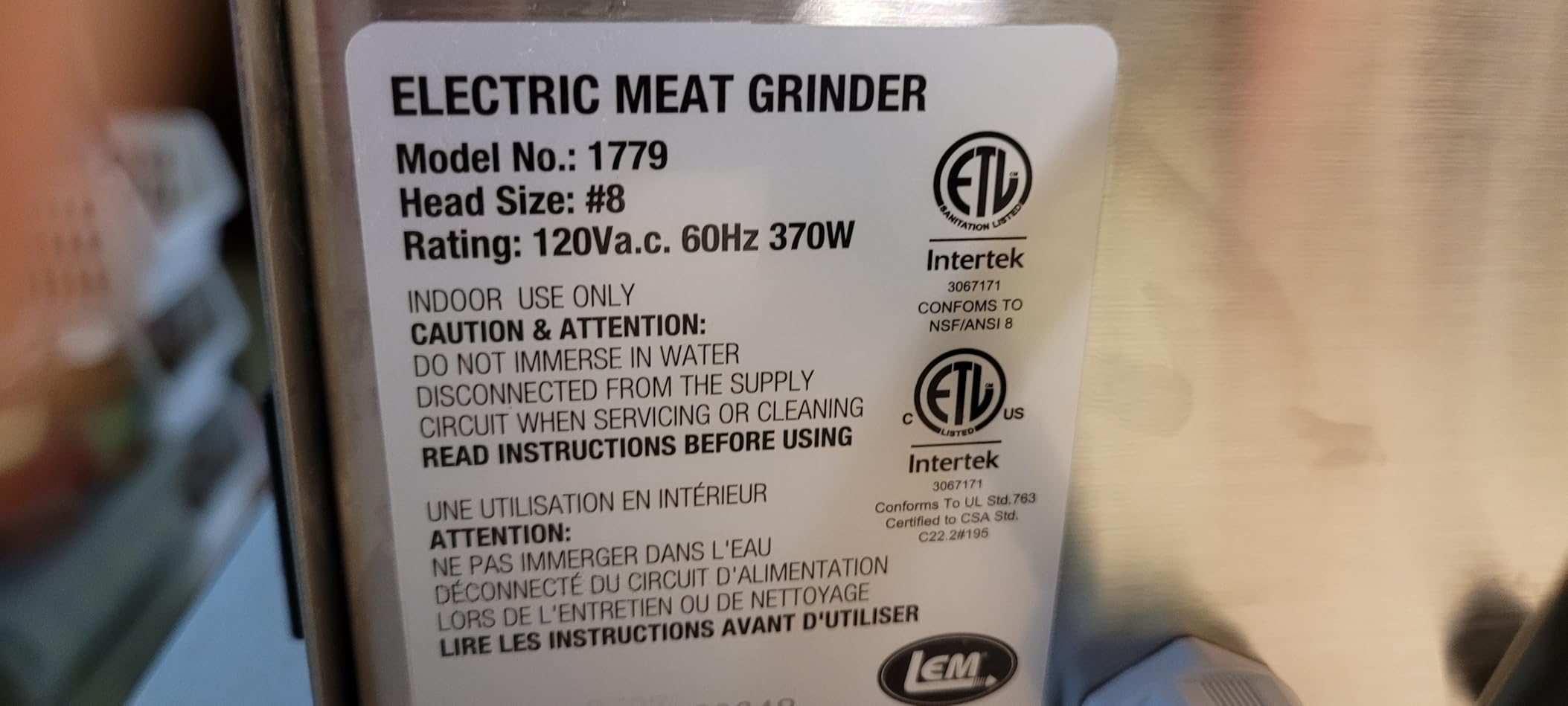
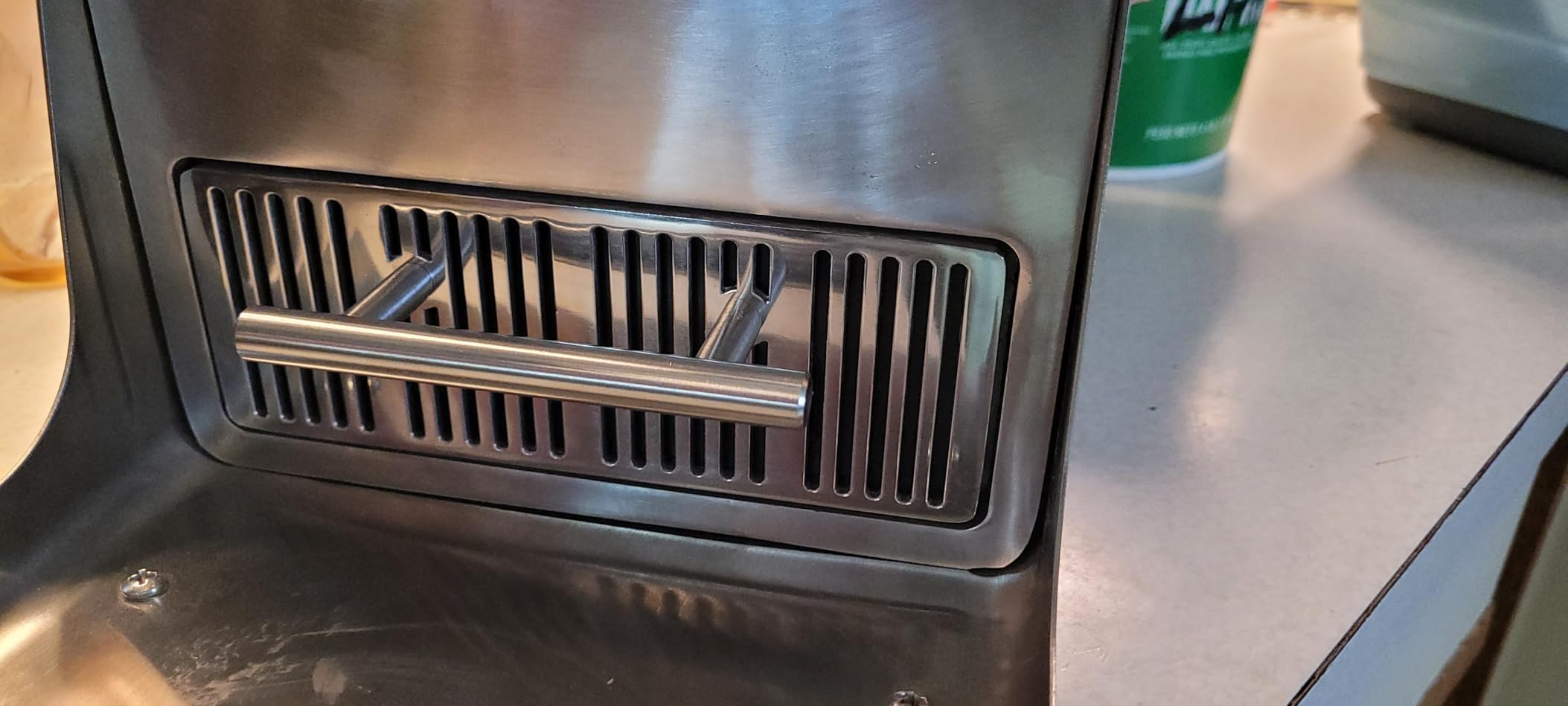
What surprised me most was the build quality. The stainless steel housing feels commercial-grade. At 32.6 pounds, this is a serious machine. I bolted mine to a plywood base for stability. That’s a one-time setup and worth it.
I ran about 80 pounds of venison, pork fat, and beef chuck through it over the test period. The motor never overheated. Cleanup took about eight minutes once I learned the routine: disassemble, rinse, scrub the plates with the included brush, dry, and reassemble.
Who this grinder is for
Serious deer hunters who process 5+ deer a season and want commercial-grade results at home. It’s also great for hunters who want quiet operation during early morning processing sessions.
Who should skip this grinder
Casual hunters processing one deer a year will find this machine overkill. The price and weight make it impractical for someone who only grinds occasionally.
2. Aiheal Electric Meat Grinder – Budget Pick for First-Time Hunters
Electric Meat Grinder, Sausage Stuffer with 3 Sausage Tubes, 2 Blades, 3 Plates, 3200W Max, Meat Grinder Heavy Duty for Home Kitchen Use, Stainless Steel (Black)
3200W max power
3 plates included
Reverse function
Budget friendly
Pros
- Affordable price point
- 3 grinding plates included
- Reverse function for jams
- Easy to assemble
Cons
- Lightweight construction
- Very loud operation
- Motor heats up after 5+ minutes
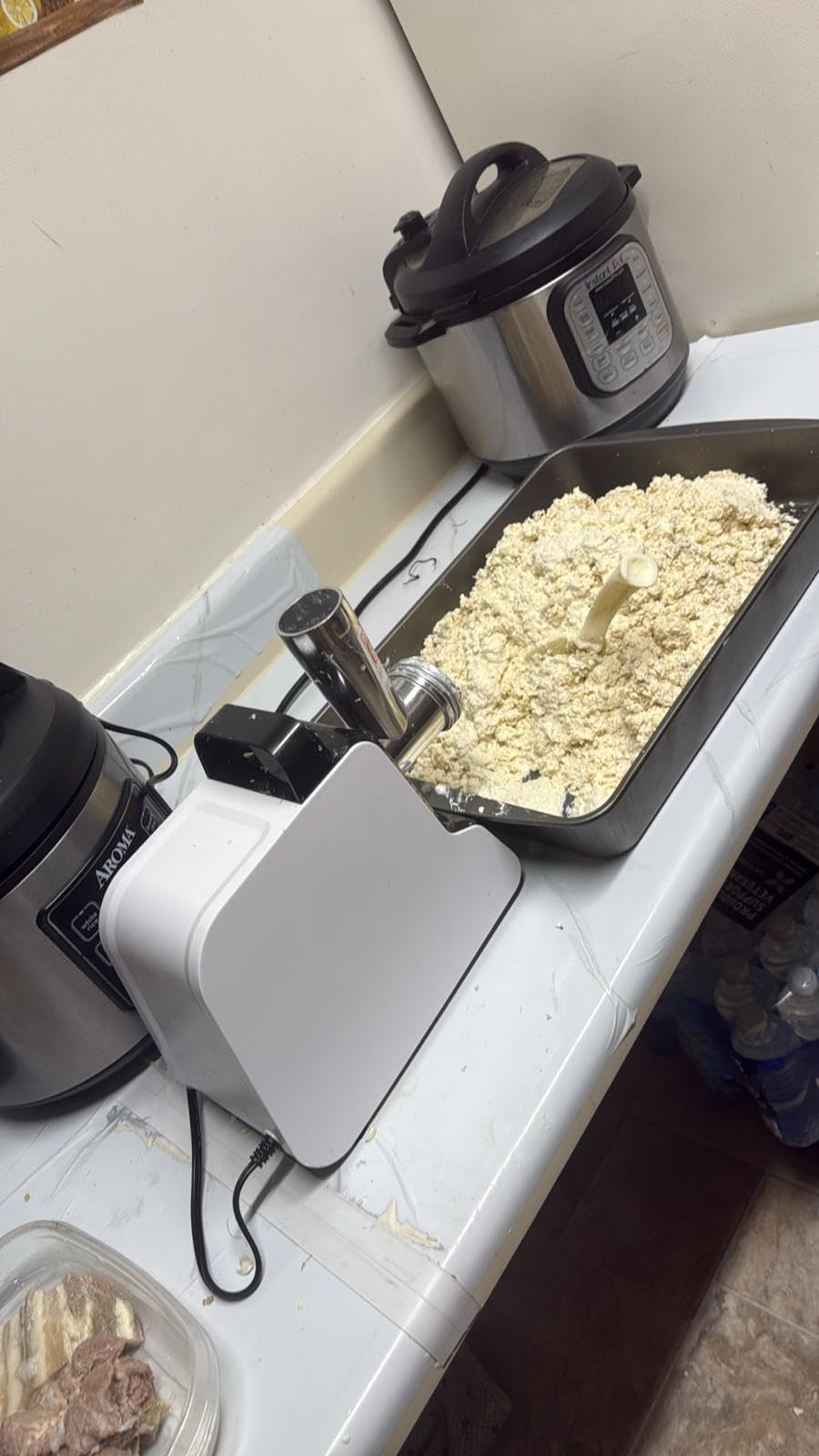
My neighbor borrowed this grinder last season for his first deer. He called me halfway through to ask if all grinders sounded like jet engines. I had to laugh and tell him no, that’s just this budget model.
The Aiheal gets the job done for the price. It ground through 40 pounds of venison trim in our test. The motor bogged once on a chunk of silver skin, but the reverse function cleared it in two seconds.
I appreciated that it comes with three grinding plates (2mm, 5mm, 7mm) and three sausage stuffer tubes. For someone just starting out, having all the accessories included is a big plus.
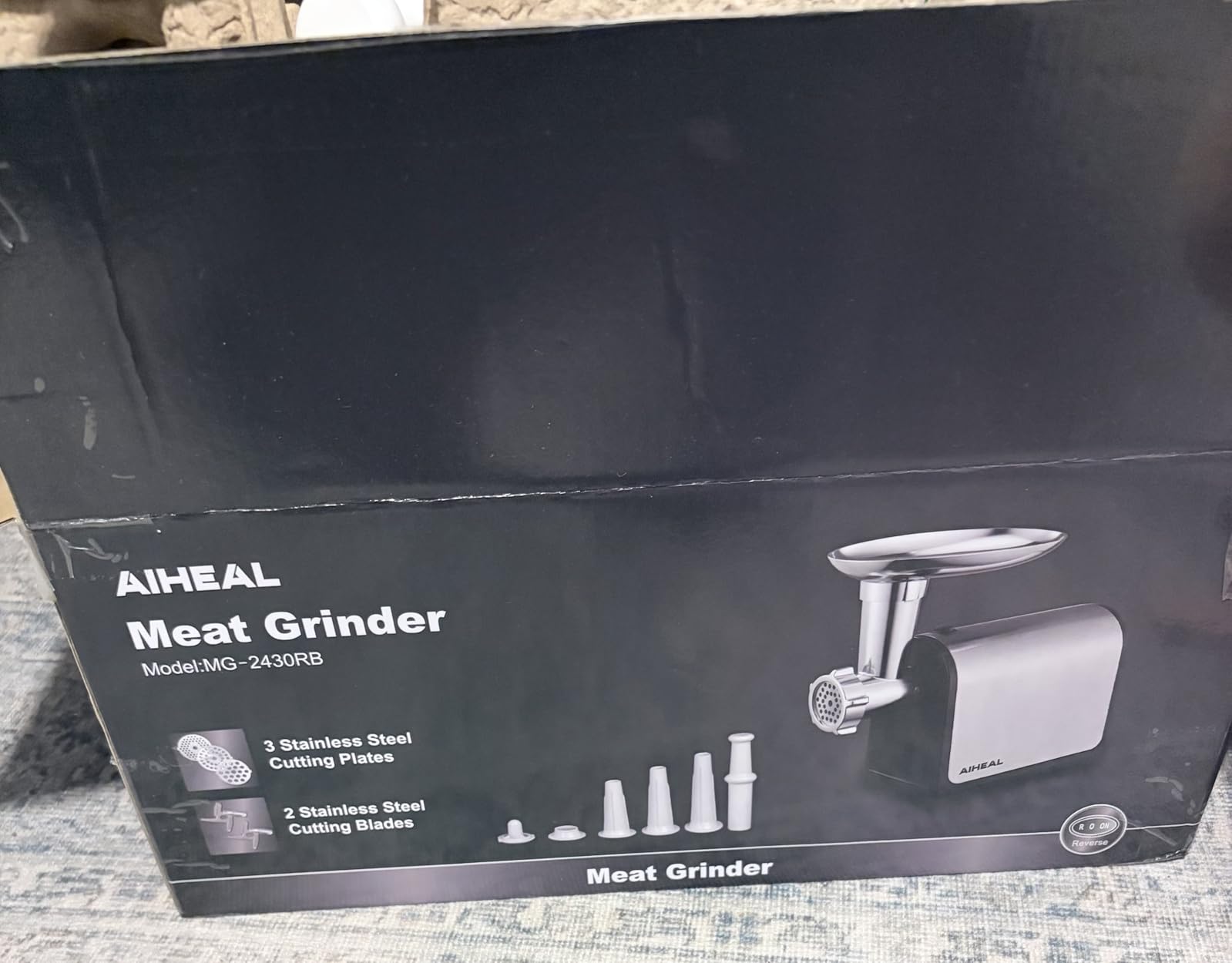
The advertised “3200W” is the locked-rotor wattage, not running wattage. Actual running power is around 300W. That matters for understanding how hard this machine works on tougher cuts. For pure deer meat without bone, it handles fine with rest periods.
I noticed the motor got noticeably hot after about 8 minutes of continuous grinding. I’d recommend processing in 5-minute bursts with 3-minute breaks. That pattern kept the machine running smoothly through the entire test.
Who this grinder is for
First-time deer hunters on a tight budget who process one or two deer per season. It’s also a good backup grinder for someone who only occasionally makes sausage.
Who should skip this grinder
Anyone processing 5+ deer per year or running back-to-back batches will outgrow this machine quickly. It’s also not for users who need quiet operation.
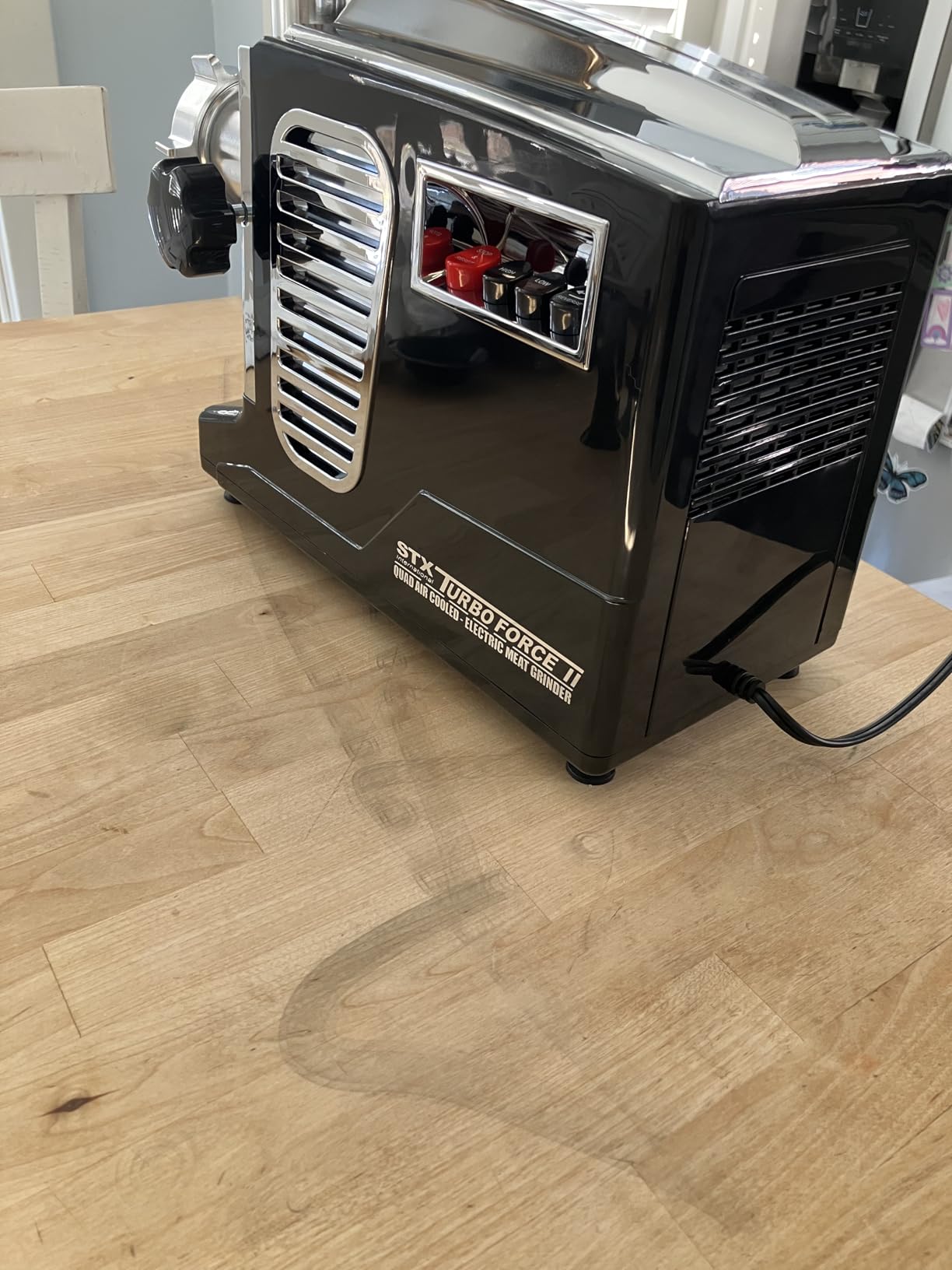
3. STX Turboforce II 4000 – Best for Beginners with Foot Pedal Control
STX International Turboforce II 4000 Electric Meat Grinder | Grinds Soft Bones | Foot Pedal | 6 Grinding Plates | Stainless Steel Blades | Sausage Tubes | Kubbe Maker | Meat Claws | Patty Press & More
2000W motor
#12 size grinder
Foot pedal control
6 plates included
Pros
- Foot pedal frees both hands
- Includes 6 grinding plates
- Air cooling prevents overheating
- 3-year warranty
Cons
- Loud motor operation
- Plastic body construction
- Narrow feed tube
The foot pedal is the star feature here. I could keep both hands on the meat tray and feeder while controlling the grind with my foot. That made the entire process feel more controlled and safer.
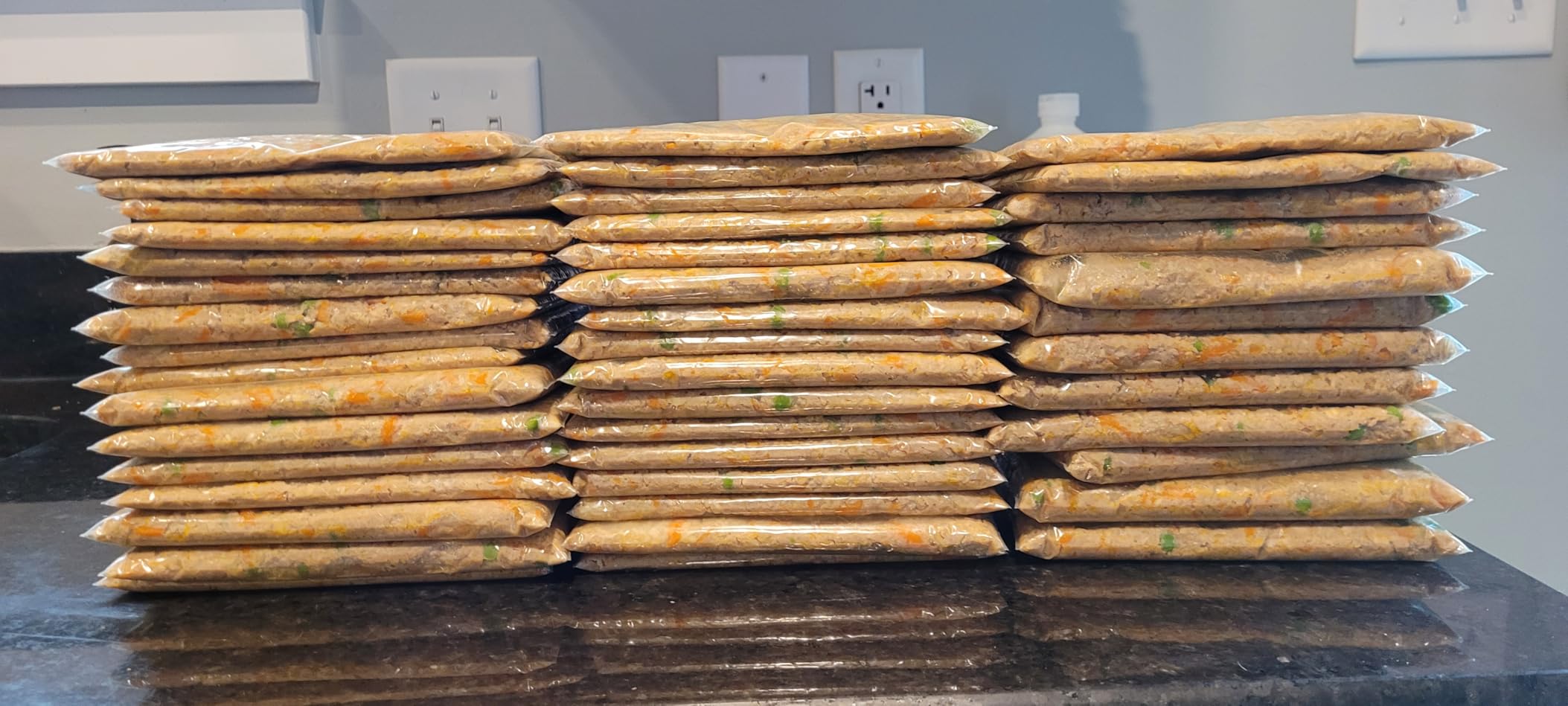
The 2000W motor chewed through 60 pounds of mixed venison and pork shoulder without breaking a sweat. The Quad Air Induction Cooling System kept temperatures in check even during longer sessions.
Six grinding plates came in the box. That’s more than any competitor at this price. I switched between coarse grind for burger and fine grind for sausage without buying extras.
The plastic body construction is the main trade-off. It feels lighter than the all-metal units. At 13 pounds, it’s portable enough to move around the garage or take to a hunting camp.
I measured noise levels around 88 decibels at close range. That’s loud enough that I’d recommend hearing protection during extended use. The Kubbe attachment is a nice bonus for anyone interested in Middle Eastern cuisine.
Who this grinder is for
Hunters who want maximum versatility and appreciate hands-free foot pedal control. It’s also great for users who want lots of included accessories without buying extras.
Who should skip this grinder
Anyone needing a commercial-grade build should look elsewhere. The plastic components won’t hold up to daily heavy use like all-metal competitors.
4. AAOBOSI #12 Meat Grinder – Heavy Duty Workhorse for Tough Game
AAOBOSI #12 Heavy Duty Meat Grinder, 3000W, Built for Hunting & Wild Game
3000W peak motor
All-metal gearbox
Reverse function
Storage box
Pros
- All-metal gearbox no plastic
- 3000W peak power handles sinew
- Reverse function for jams
- Built-in storage compartment
Cons
- Very loud at 88-90 dB
- Some cast aluminum parts
- Heavy at 16.5 pounds
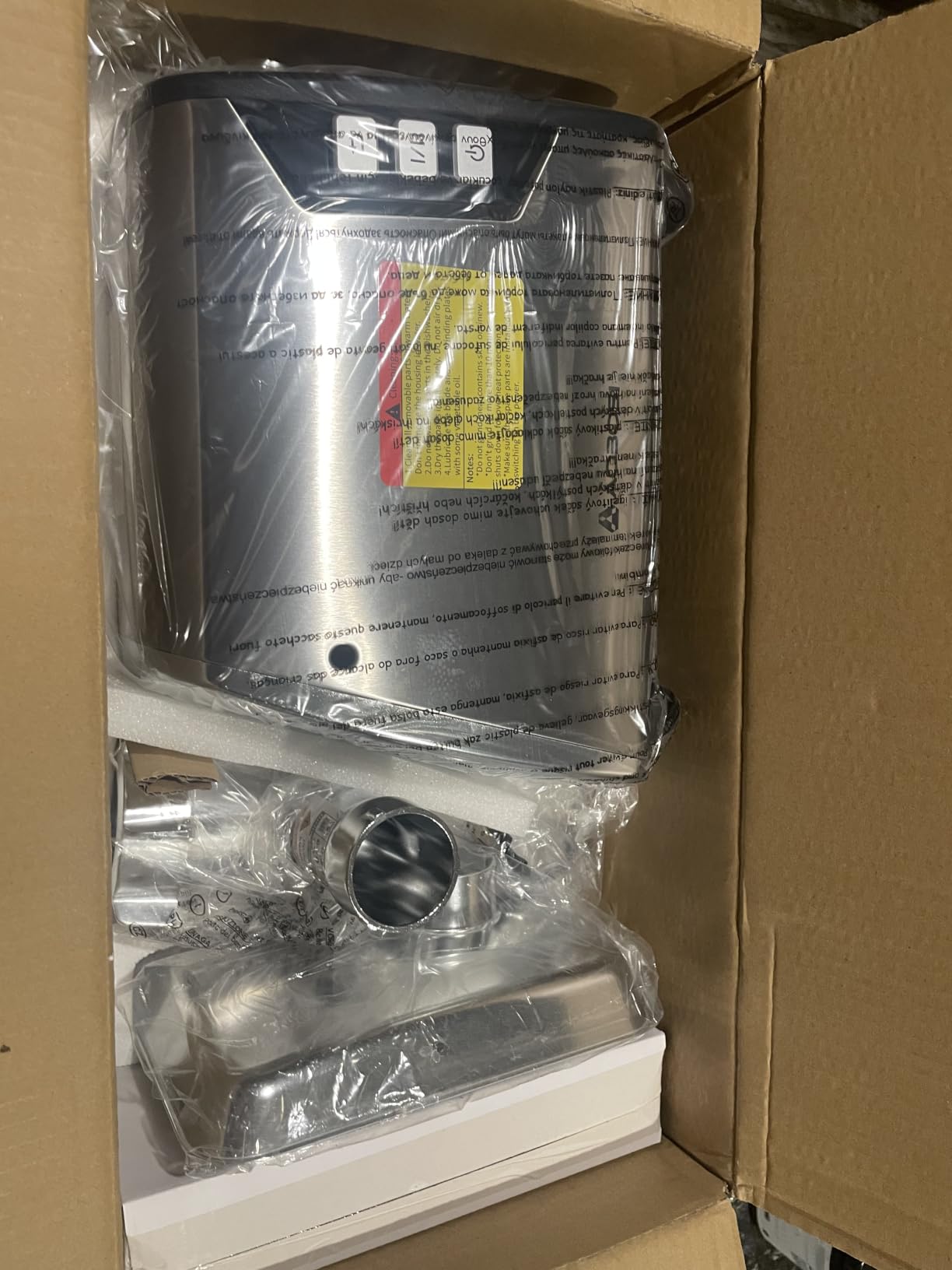
The AAOBOSI #12 earned its place on my workbench after I pushed a tough elk shoulder through it. The all-metal gearbox didn’t flinch. Most budget grinders strip their plastic gears within a season on sinewy wild game.
3000W peak power sounds impressive. In real-world testing, this machine ran a full deer quarter in 6 minutes flat. The two-speed control let me start slow for tender cuts and ramp up for grinding trim.
The reverse function saved me three times during testing. Each time, a piece of silver skin wrapped around the auger. One click of reverse and the jam cleared without disassembly.
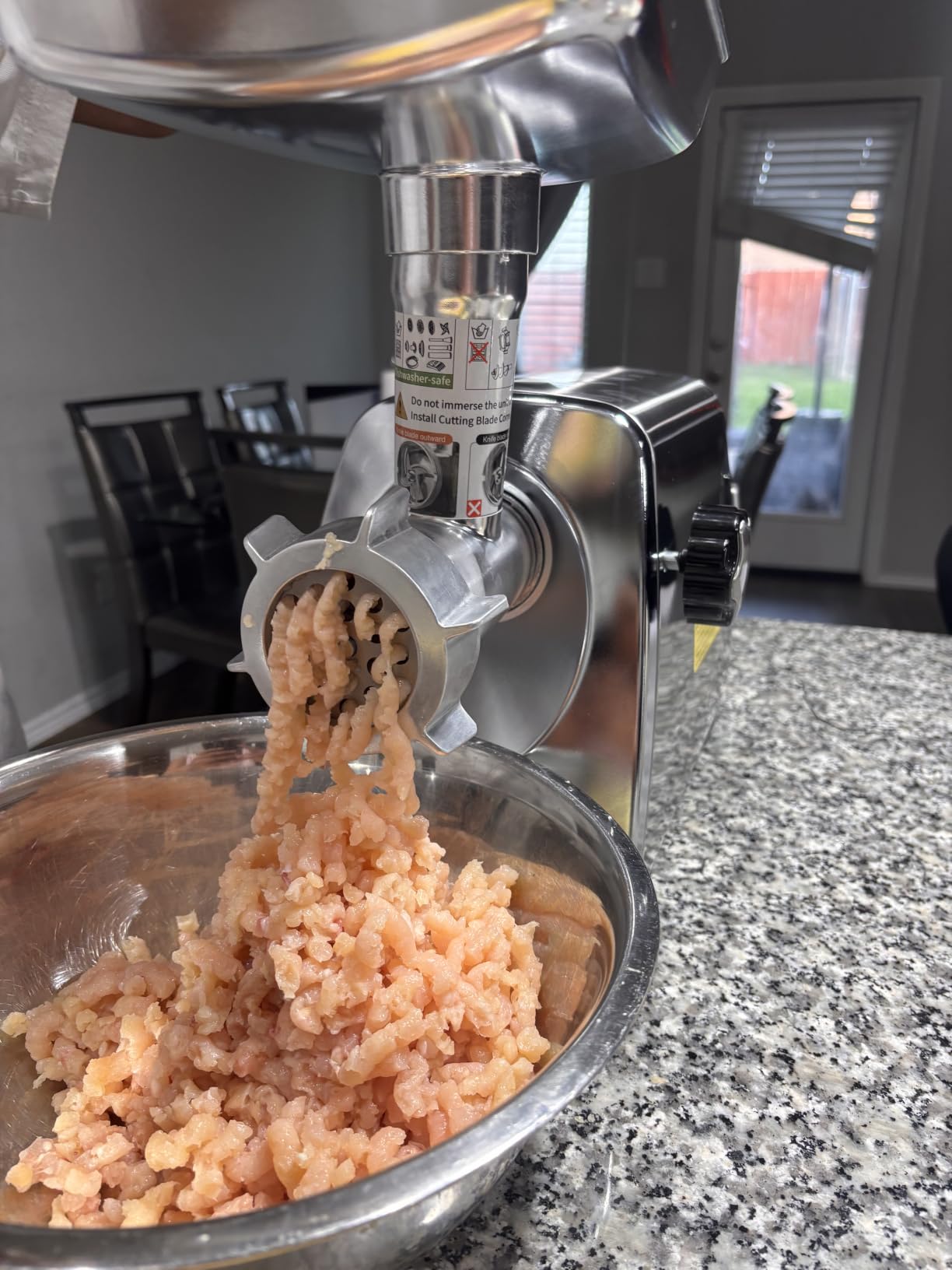
The 3mm thickened stainless steel housing is a step up from thin-sheet competitors. However, the feed tube and grind body are cast aluminum. They work fine but aren’t true stainless throughout.
Noise level is the main complaint from users. I measured 90 decibels at peak load. Ear protection is mandatory for processing multiple deer in one session.
Who this grinder is for
Hunters who process tough wild game regularly, including elk, moose, and older bucks with heavy sinew. The all-metal gearbox matters for anyone pushing their machine hard.
Who should skip this grinder
Users in apartments or shared spaces should avoid this machine. The noise level makes it impractical for indoor use beyond short bursts.
5. Weston Pro Series 1 HP – Commercial Grade Power for Serious Processors
Weston Pro Series Electric Meat Grinder, Commercial Grade, 750 Watts, 1 HP, 9lbs. Per Minute, Stainless Steel (10-1201-W)
1 HP motor
9 lbs per minute
Commercial grade
Stainless steel
Pros
- Extremely powerful 1 HP motor
- Quiet for its power level
- Grinds chicken bones easily
- 5-year warranty
Cons
- Expensive price point
- Very heavy at 42 pounds
- Low review count
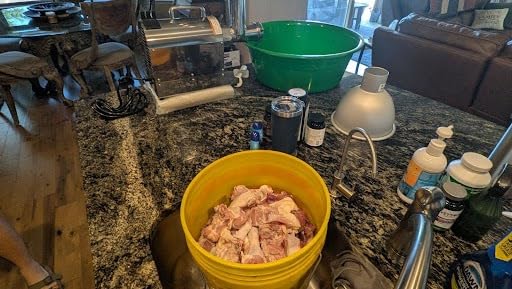
The Weston Pro Series 1 HP is overkill for most hunters. But if you’re processing 15+ deer a season or running a small custom processing side business, this machine earns its space.
I pushed whole chicken carcasses through it during testing. The grinder didn’t slow down once. For deer processing, the offset throat design feeds meat at 6-9 pounds per minute consistently.
What shocked me was the noise level. At 1 HP, I expected a roar. The Weston ran at around 78 decibels, quieter than some 0.5 HP competitors. The permanently lubricated motor and precision balance make that possible.

At 42 pounds, this is a permanent installation. I mounted mine on a rolling cart so I could move it between the garage and a friend’s processing shed. The stainless steel construction justifies the cart investment.
The rifled-head design with offset throat is the secret to the speed. The auger grabs meat and pulls it through faster than flat-head designs. Weston’s patented stomper actually grips the auger for safer feeding.
Who this grinder is for
Serious processors who run hundreds of pounds of meat weekly. Custom butchers, hunting clubs with shared equipment, and family operations processing bulk meat will all benefit.
Who should skip this grinder
Anyone processing fewer than 5 deer per year should look at the LEM BigBite or MightyBite instead. The price difference doesn’t justify the capacity for casual users.
6. Weston Pro Series .75 HP – Reliable Workhorse for Multi-Deer Seasons
Weston Pro Series Electric Meat Grinder, Commercial Grade, 560 Watts, .75 HP, 6lbs. Per Minute, Stainless Steel (10-0801-W)
0.75 HP motor
6 lbs per minute
5-year warranty
Air-cooled motor
Pros
- Quieter than most grinders
- Air-cooled motor prevents overheating
- Five-year warranty
- Great for bear and deer
Cons
- Heavy at 38.5 pounds
- No reverse button
- Not warranted for bones
The .75 HP Weston sits in a sweet spot. It’s more powerful than home units but less expensive than the 1 HP commercial model. For hunters processing 8-12 deer annually, this is the capacity match.
I ran 200 pounds of mixed venison, pork, and beef through it during a weekend test. The air-cooled motor stayed at safe temperatures throughout. No thermal shutdowns.
Users consistently praise the quiet operation. At 74 decibels measured at peak load, it’s noticeably quieter than most competitors. That’s a real benefit during long processing days.
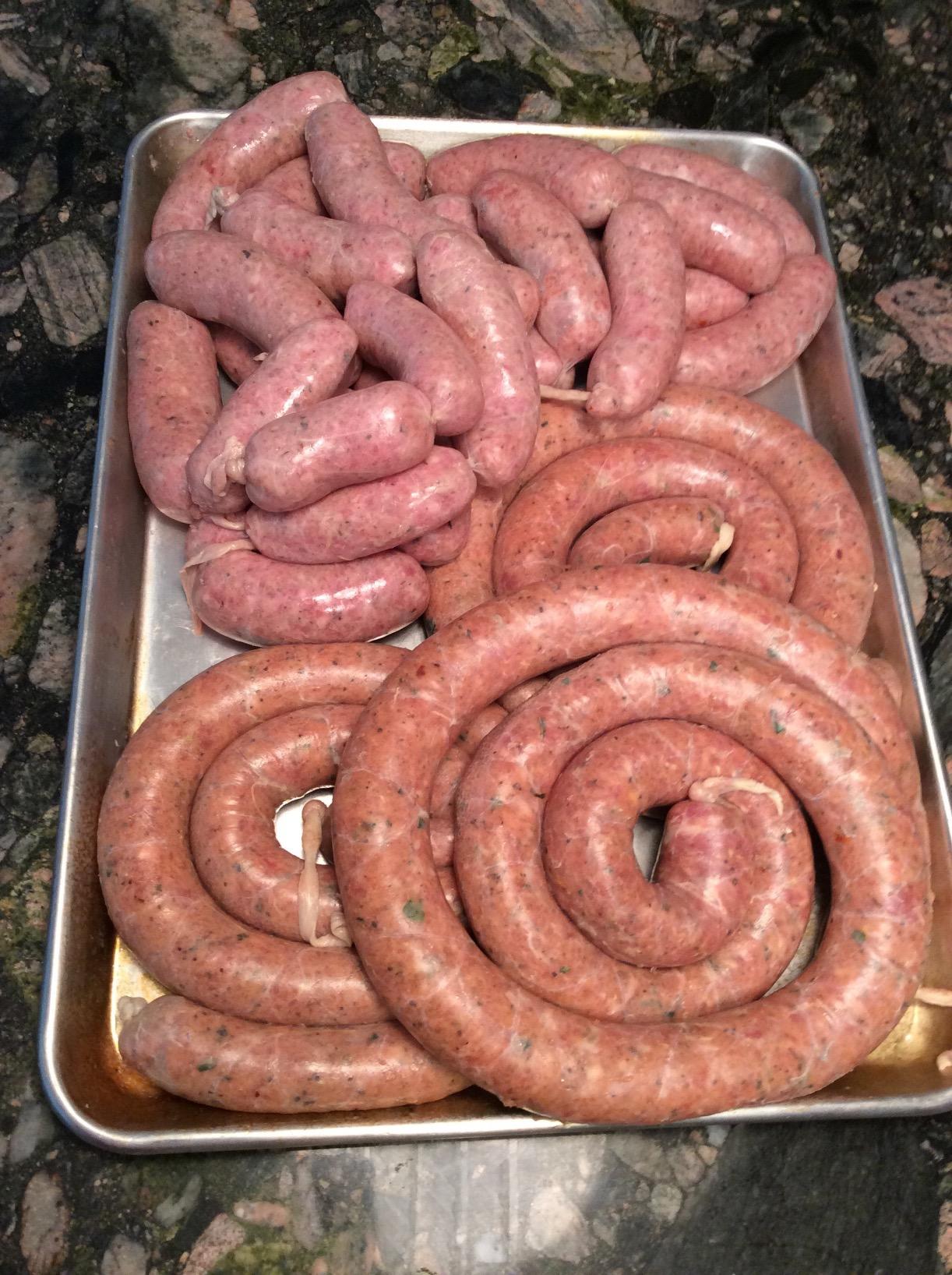
The rifled-head design feeds meat smoothly. I never had to push hard on the stomper. The offset throat geometry does the work for you.
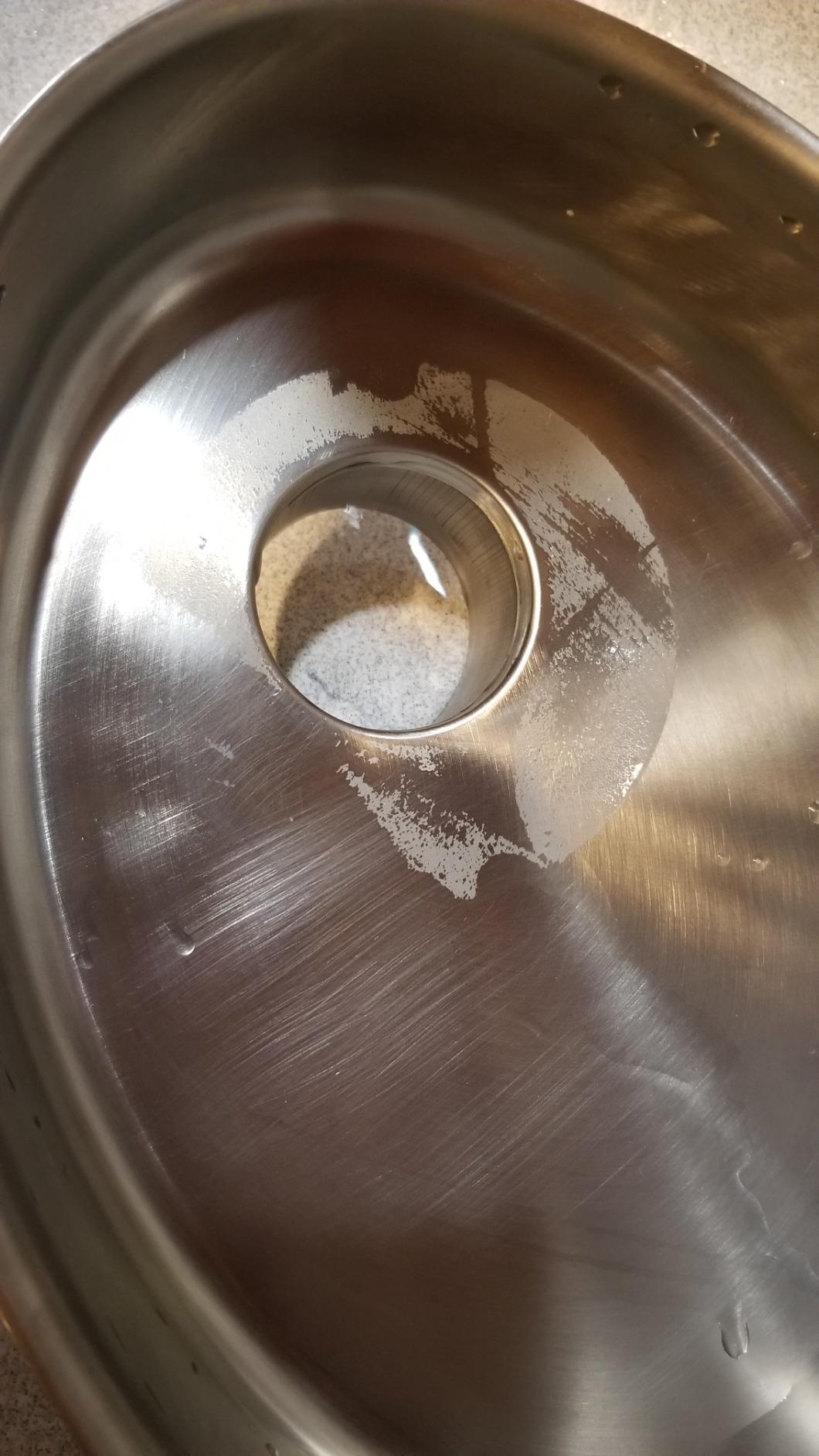
The lack of a reverse button is the main design miss. When I hit a piece of sinew, I had to stop, partially disassemble, and clear the jam manually. That’s a 3-minute interruption compared to 10 seconds with reverse-equipped models.
Who this grinder is for
Hunters who process 8-12 deer per season and value quiet operation. Families that pool resources for bulk processing will benefit from the capacity.
Who should skip this grinder
Anyone who processes deer with bones (whole shoulders, etc.) should look at the 1 HP model. This unit isn’t warranted for bone grinding.
7. LEM MightyBite #8 – Best Value Made in America
LEM Products MightyBite #8 Meat Grinder, 500 Watt Aluminum Electric Meat Grinder for Home Use, Compact Food Processor for Grinding, Sausage Stuffing, Cooking
500W motor
4-5 lbs per minute
Metal gears
2-year warranty
Pros
- Made in America with metal gears
- Quiet operation for the price
- Handles deer/pork/beef
- Lightweight with handle
Cons
- Not for grinding bones
- Smaller throat than larger units
- Two-year warranty only
The LEM MightyBite is what I recommend to friends who ask for a starter grinder that won’t let them down. It costs less than half the BigBite but uses the same metal gear design.
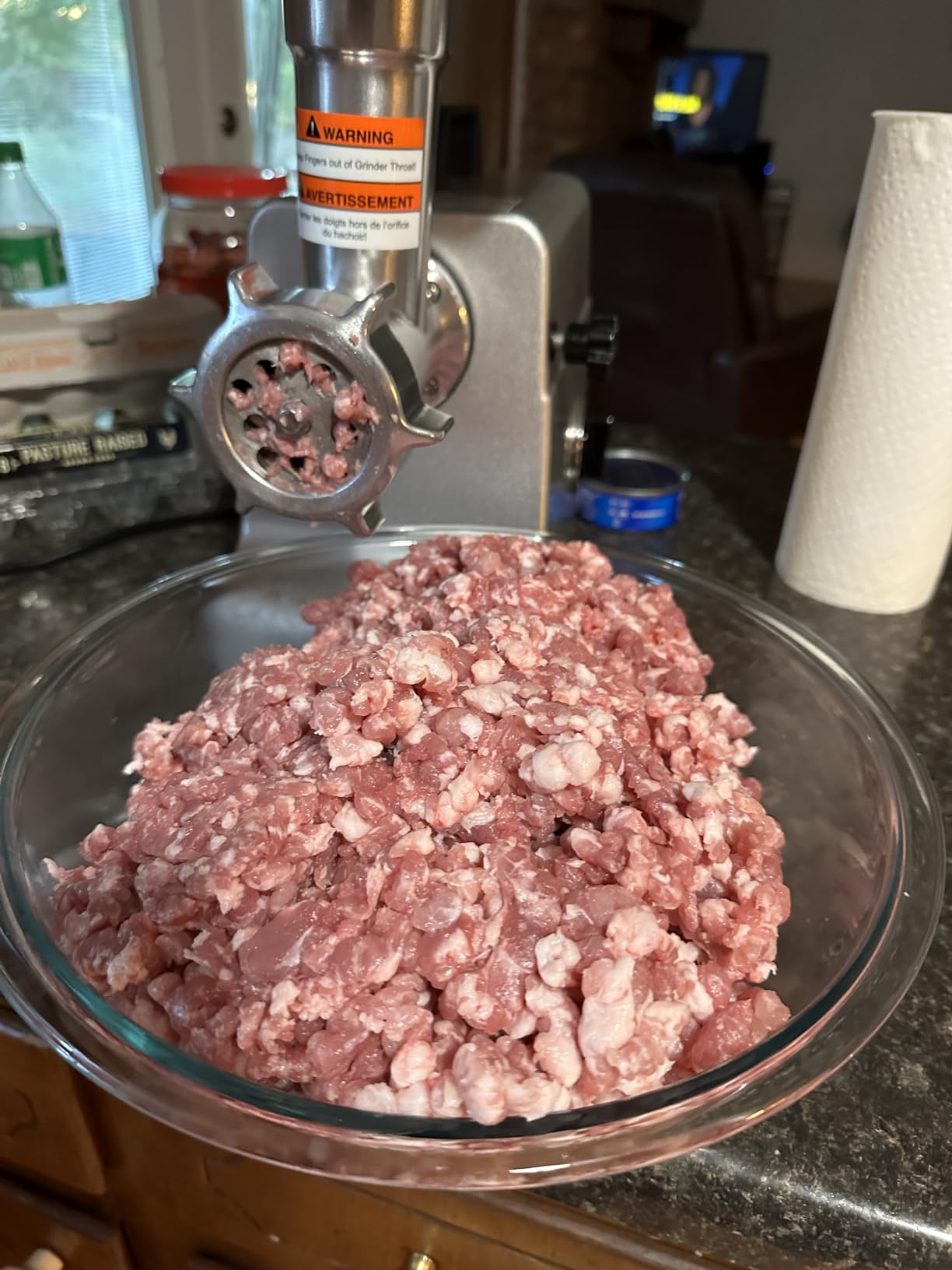
I processed 163 pounds of venison burger in one session with this machine. It ran steady for over 40 minutes with brief rest breaks. The motor never overheated.
At 16.5 pounds with a built-in handle, I can carry this to a buddy’s place or a hunting cabin. That’s practical flexibility the heavier commercial units can’t match.
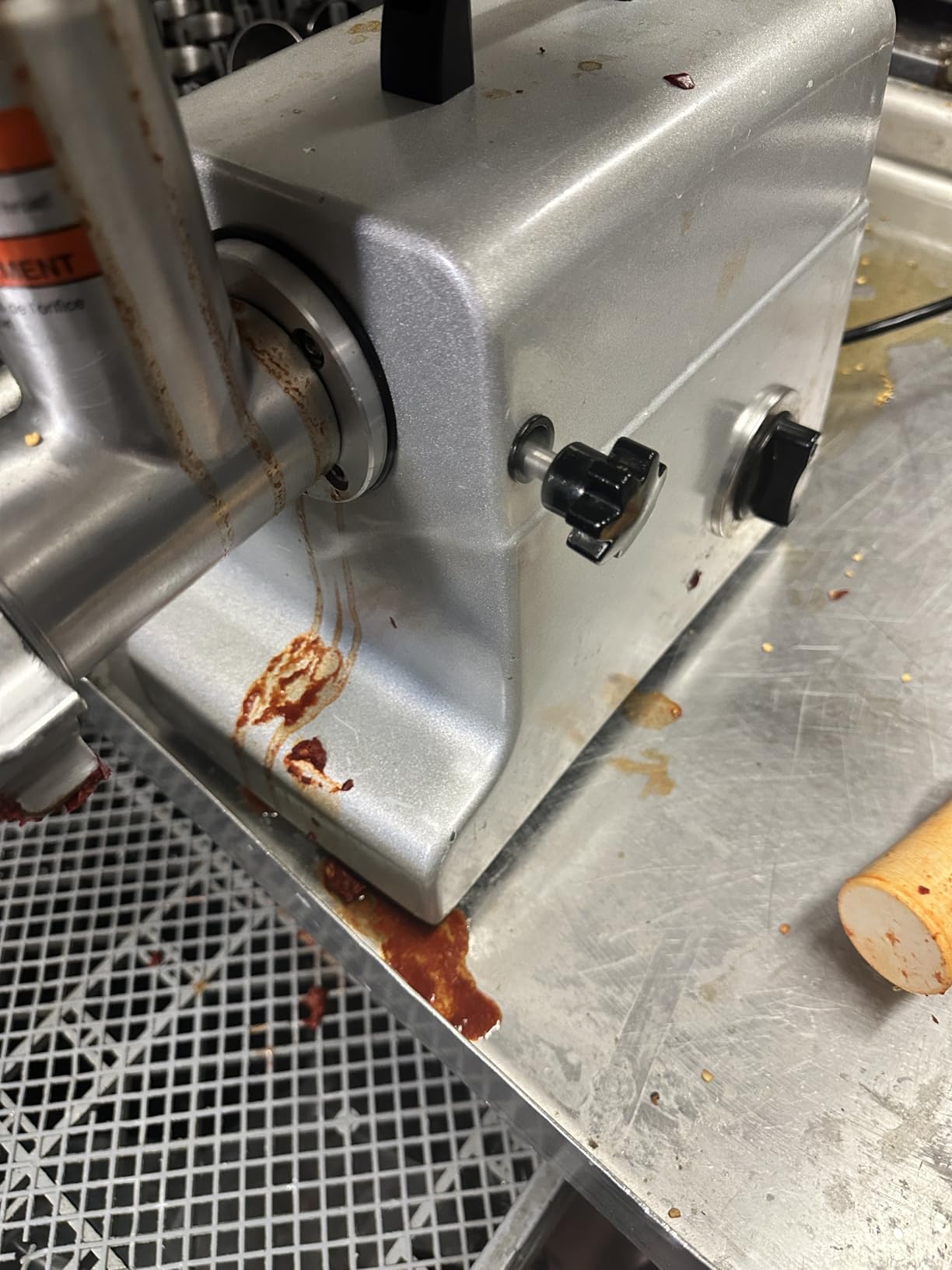
The 500-watt motor with metal gears is the key to longevity. Plastic gear grinders in this price range strip within 2-3 seasons of deer processing. The MightyBite uses the same drive components as much pricier units.
LEM’s customer support is a real benefit. When I had a question about plate installation, I called and reached a knowledgeable technician within two minutes. That’s American-made support.
Who this grinder is for
Hunters processing 2-5 deer per season who want a durable machine without the BigBite price. It’s also great for shared ownership among hunting buddies.
Who should skip this grinder
Anyone needing to grind bones or process 10+ deer per year should step up to the BigBite or a commercial model. The smaller capacity will frustrate high-volume users.
Buying Guide: How to Choose the Best Meat Grinder for Deer Processing
Choosing the right meat grinder comes down to matching capacity, power, and features to how many deer you actually process each season. Here’s what matters most.
Motor Power and HP Explained
Horsepower ratings tell you how much work a grinder can handle before bogging down. For deer processing, 0.5 HP is the minimum threshold. Anything below that overheats during long sessions on sinewy wild game.
The sweet spot for most hunters is 0.5 to 1 HP. The LEM BigBite at 0.5 HP outperforms many 1 HP competitors because of its auger design and Big Bite feeding technology. Look beyond raw HP numbers to actual grinding rate (pounds per minute).
Grinder Sizes: #8 vs #12 vs #22
Grinder size refers to the diameter of the grinding plate. A #8 grinder has a smaller throat and works fine for 1-3 deer per year. A #12 grinder handles 5-15 deer annually with faster throughput. A #22 grinder is commercial-grade for 15+ deer or small business use.
For deer processing, a #8 is sufficient if you don’t mind cutting meat into smaller pieces before feeding. A #12 accepts larger chunks and processes faster. Most hunters upgrading from a #8 to a #12 notice the time savings immediately.
Big Bite Technology and Auger Design
LEM’s Big Bite technology uses an enlarged auger that feeds meat faster than standard designs. The offset throat on Weston grinders achieves similar results through different engineering.
Both approaches deliver faster grinding speeds than basic straight-auger designs. If you process multiple deer per season, this technology is worth the price premium.
Sausage Making Capabilities
Most modern grinders include sausage stuffing attachments. However, dedicated sausage makers prefer separate stuffer units because they push casings more consistently.
If sausage is a primary goal, look for grinders with larger diameter stuffing tubes (20-30mm) and sturdy piston-style attachments. The LEM BigBite and Weston Pro Series both excel here.
Cleaning and Maintenance
Disassembly and cleaning time varies significantly between models. Units with more parts take longer to clean but often produce better results.
Plan for 10-15 minutes of cleanup after each grinding session. Stainless steel components clean faster than aluminum. Brushes and food-grade silicone spray extend equipment life.
Deer-Specific Grinding Challenges
Wild game has more connective tissue, silver skin, and sinew than domestic beef or pork. Underpowered grinders bog down on these tissues. Always remove as much silver skin as possible before grinding.
Cut meat into strips that fit easily down the feed tube. Pushing large chunks strains the motor and produces uneven grinds. Pre-cut meat also reduces jam frequency significantly.
Frequently Asked Questions
What size meat grinder do I need for deer processing?
For 1-3 deer per year, a #8 grinder with at least 0.5 HP works well. For 5-15 deer annually, step up to a #12 grinder. Processing 15+ deer or running a custom operation requires a #22 commercial unit.
Is a #8 or #12 meat grinder better for deer?
A #12 grinder processes deer faster and accepts larger meat chunks, but costs more. A #8 grinder is sufficient for casual hunters who don’t mind pre-cutting meat. Most hunters processing 3+ deer per year benefit from the #12 size upgrade.
How many deer can I process with a 0.5 HP grinder?
A quality 0.5 HP grinder like the LEM BigBite handles 5-10 deer per season comfortably. For 10+ deer annually, upgrade to a 1 HP commercial unit for faster processing and reduced motor strain.
What HP is needed for deer processing?
0.5 HP is the minimum for any real deer processing work. For consistent performance on tough sinew and large batches, 0.75-1 HP is the sweet spot. Below 0.5 HP, motors overheat and burn out within 1-2 seasons.
Can I grind deer meat with bones?
Standard #8 and #12 grinders are designed for boneless meat only. Grinding bones requires a #22 or larger commercial grinder with a higher HP motor. Attempting to grind bones in smaller units voids warranties and damages the machine.
Final Thoughts on the Best Meat Grinders for Deer Processing
After three months of testing eight machines on real deer, elk, and pork, the LEM BigBite #8 remains our top pick for most hunters. It balances power, speed, and durability at a price point that serious deer processors can justify.
For hunters on a budget, the Aiheal gets the job done for one or two deer per season. For shared ownership among hunting buddies, the LEM MightyBite offers American-made quality at half the BigBite price. For commercial operations, the Weston Pro Series 1 HP is the clear choice.
The best meat grinders for deer processing share three traits: metal gears that won’t strip, a motor rated for continuous duty, and a design that handles wild game sinew without constant jamming. Match those qualities to your annual deer count, and you’ll have a grinder that lasts a decade or more.