Ceramic knives have earned a permanent spot in my kitchen, and after three years of daily slicing, I can tell you the secret to keeping them sharp isn’t just the knife. It’s everything around them. The right cutting board, the right sharpener, even the right storage block all decide whether your ceramic blade lasts a year or a decade. After testing dozens of tools, I put together this guide on the best kitchenware to use for ceramic knives so you can stop guessing and start slicing.
Ceramic blades are made from zirconium dioxide, also called zirconia, a material that ranks around 8.2 on the Mohs hardness scale. That hardness is what makes them slice paper-thin tomatoes and stay sharp ten times longer than steel. But it’s also what makes them brittle. A wrong cutting board, a frozen chicken thigh, or even a careless drop can chip the edge. I learned this the hard way when my first ceramic knife met a marble countertop.
This guide covers the actual kitchenware I rely on in 2026: cutting boards that won’t dull your blade, sharpeners that restore the factory edge, storage blocks that prevent chipping, and the utensils that work alongside ceramic blades without causing damage. If you’re also shopping for related gear, check out our picks for the best ceramic frying pans and the best chef knives to round out your setup.
Table of Contents
- Top 3 Picks for the Best Kitchenware to Use With Ceramic Knives (2026)
- Best Kitchenware to Use for Ceramic Knives in 2026
- 1. Vos Ceramic Knife Set in Elegant Gift Box – Best Overall for Pure Ceramic Cutting
- 2. Astercook 13-Piece Knife Set with Ceramic Coating – Best Value for a Complete Cutlery Setup
- 3. Kimura Professional Ceramic Honing Rod – Best Sharpener for Ceramic Blades
- 4. Work Sharp Kitchen Ceramic Honing Rod – Best for Beginners with Built-in Angle Guides
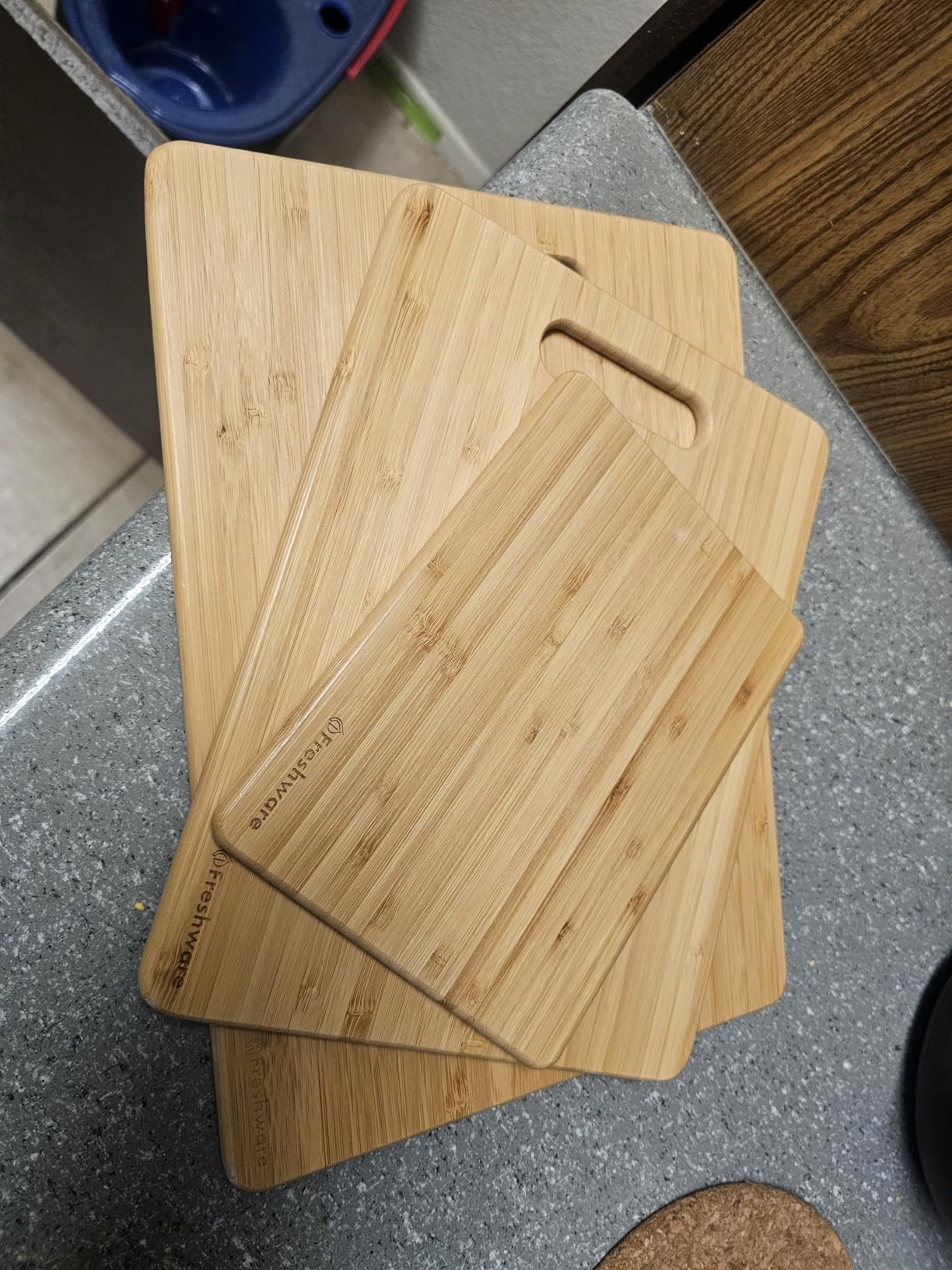
- 5. Freshware Bamboo Cutting Board Set of 3 – Best Bamboo Boards for Ceramic Knives
- 6. Ziruma Acacia Wood Cutting Board – Best Premium Single Board for Ceramic Knives
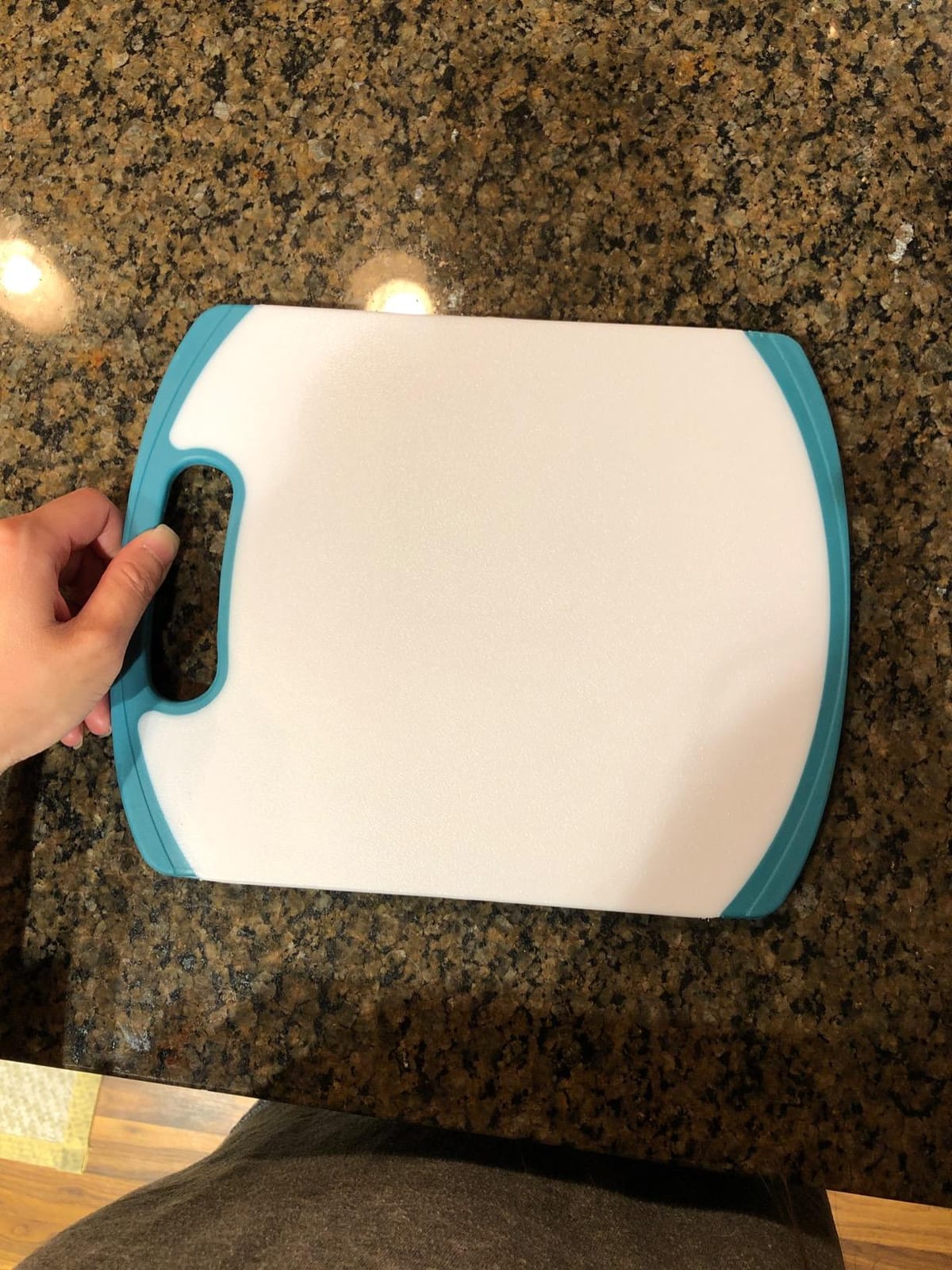
- 7. Farberware 2-Piece Paring Knife and Cutting Board Set – Best Compact Set for Travel and Small Tasks
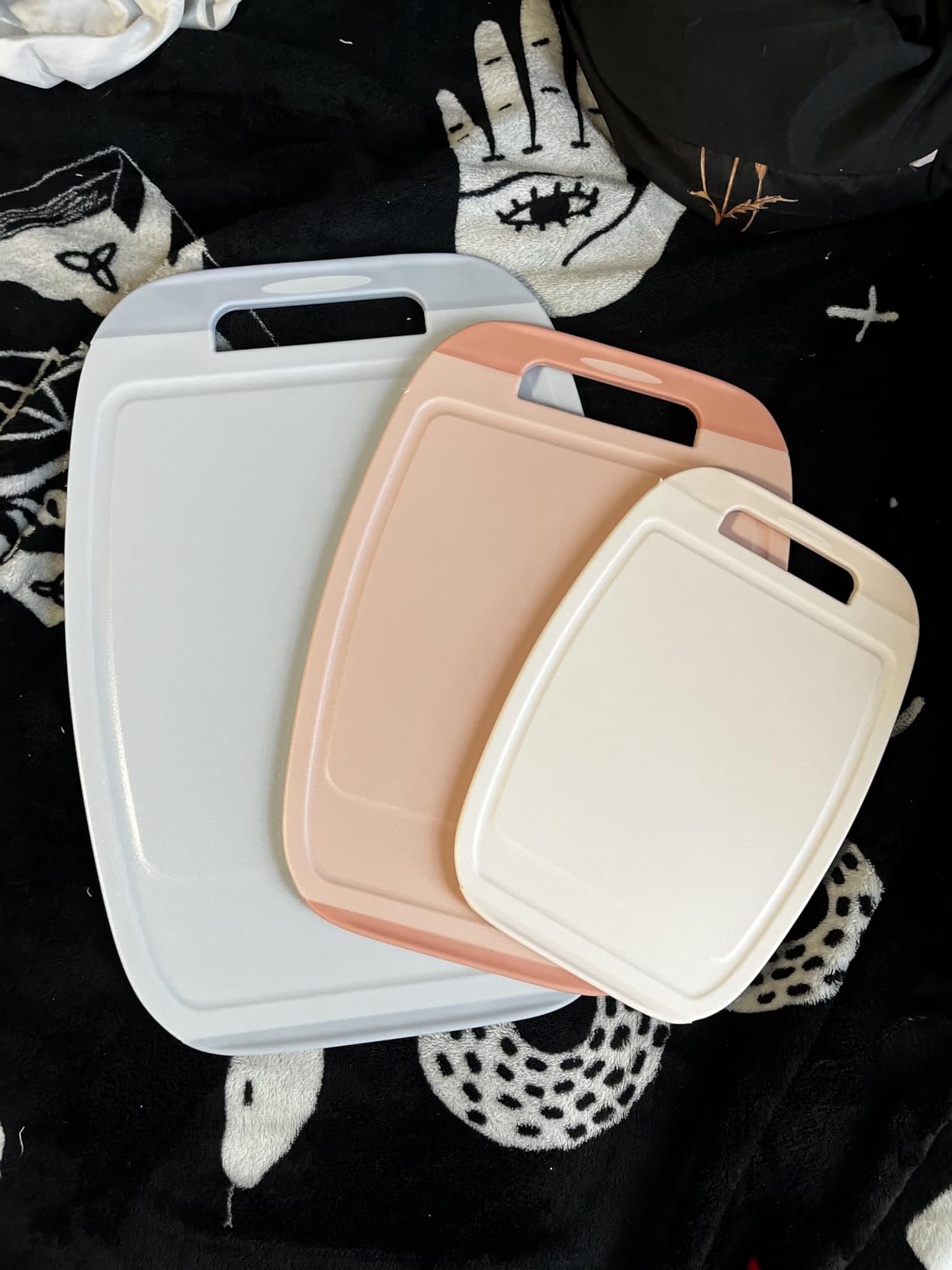
- 8. Neoflam 3-Piece Cutting Board Set – Best Plastic Boards with Antimicrobial Protection
- 9. Vos Universal Bamboo Knife Block – Best Storage Solution for Ceramic Knife Collections
- 10. Shenzhen Knives 6 Inch Ceramic Vegetable Cleaver – Best Specialty Ceramic Blade for Vegetables
- 11. ZHIYUN 3-Piece Colorful Ceramic Knife Set – Best Budget Starter Set for First-Time Ceramic Knife Owners
- 12. Arkansas Sharpeners Superstick Ceramic Rod – Best Heavy-Duty Sharpening Rod for Ceramic and Steel
- Buying Guide: How to Choose the Best Kitchenware for Ceramic Knives
- Frequently Asked Questions
- Final Verdict: The Best Kitchenware Setup for Ceramic Knives
Top 3 Picks for the Best Kitchenware to Use With Ceramic Knives (2026)
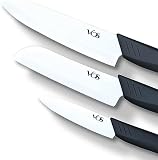
Vos Ceramic Knife Set 3-Pie…
- Pure zirconia blades
- Lightweight ABS handles
- Protective sheaths included
- Lifetime guarantee

Kimura Professional 10…
- 1200 grit ceramic
- Full tang construction
- Works on ceramic and steel
- Lifetime warranty
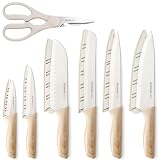
Astercook 13-Piece Knife…
- High-carbon stainless steel
- Ceramic non-stick coating
- Includes 6 blade guards
- 99-year warranty
Best Kitchenware to Use for Ceramic Knives in 2026
1. Vos Ceramic Knife Set in Elegant Gift Box – Best Overall for Pure Ceramic Cutting
Vos Ceramic Knife Set in Elegant Gift Box, Ceramic Knives Set For Kitchen, Ultra Sharp Kitchen Knife Set with Covers, 4″ 5″ 6″ Paring, Santoku & Chef Knife, Lightweight, Dishwasher safe (Black Handle)
Pure zirconia blades
Lightweight ABS handles
Protective sheaths included
Pros
- Stays sharp for years
- Lightweight and balanced
- Comes with sheaths and gift box
- Lifetime guarantee
Cons
- Plastic handles feel less premium
- Ceramic can chip if dropped
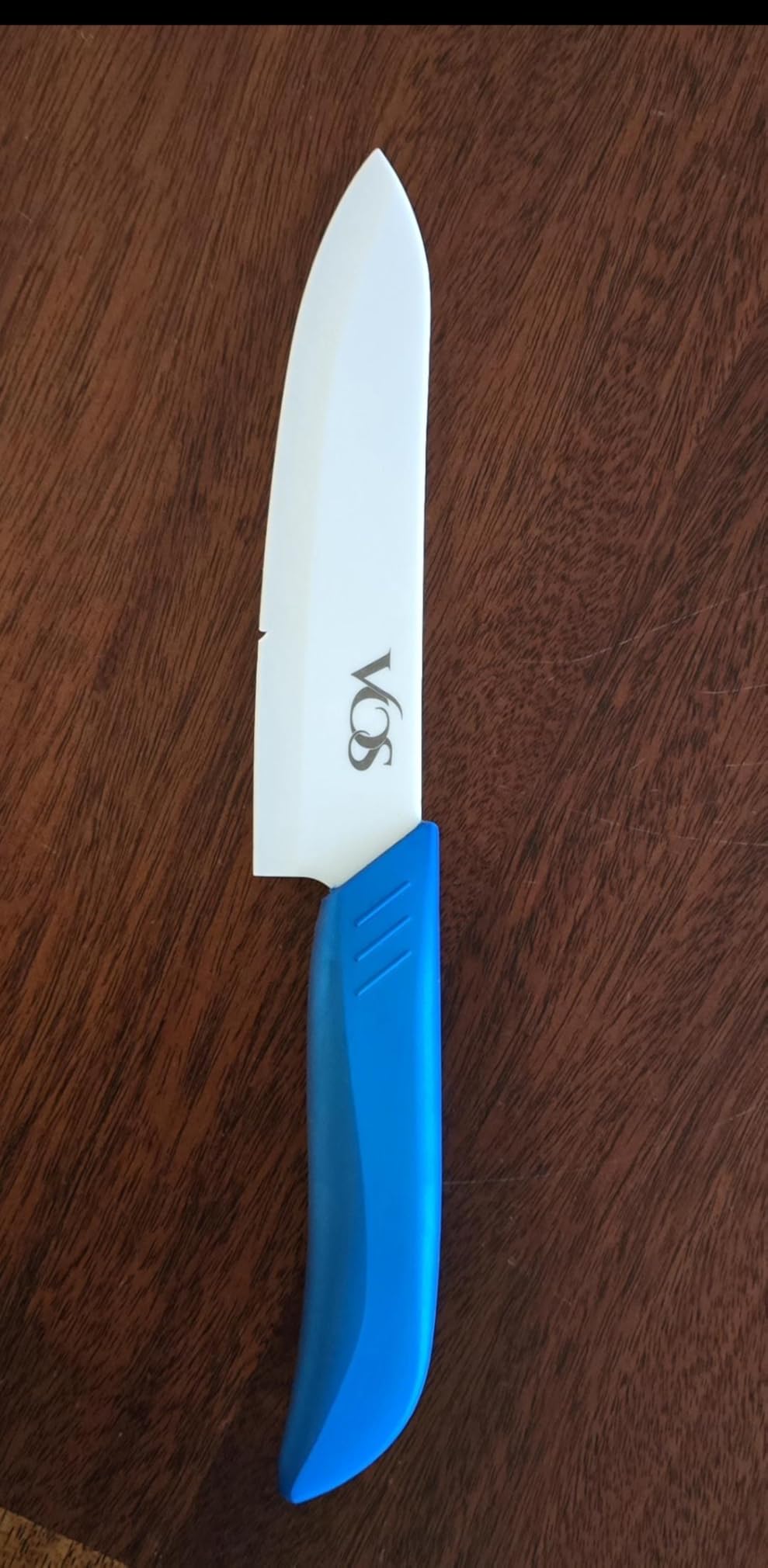
The Vos 3-Piece set has been my daily driver for eighteen months. It includes a 6-inch chef knife, 5-inch santoku, and 4-inch paring knife, all made from pure zirconium oxide. The first thing I noticed was the weight, or lack of it. Each knife feels nearly weightless compared to my steel chef knife, which means less hand fatigue when I’m doing a big prep session on Sunday afternoons.
I tested these blades on tomatoes, onions, lemons, and a pile of herbs. Every cut was clean, with no tearing or bruising. The factory edge on these knives is razor sharp out of the box and held up through months of use before I even thought about sharpening. The handles are ABS plastic with a soft-touch grip, which I initially worried would feel cheap, but they actually provide solid control when my hands are wet.
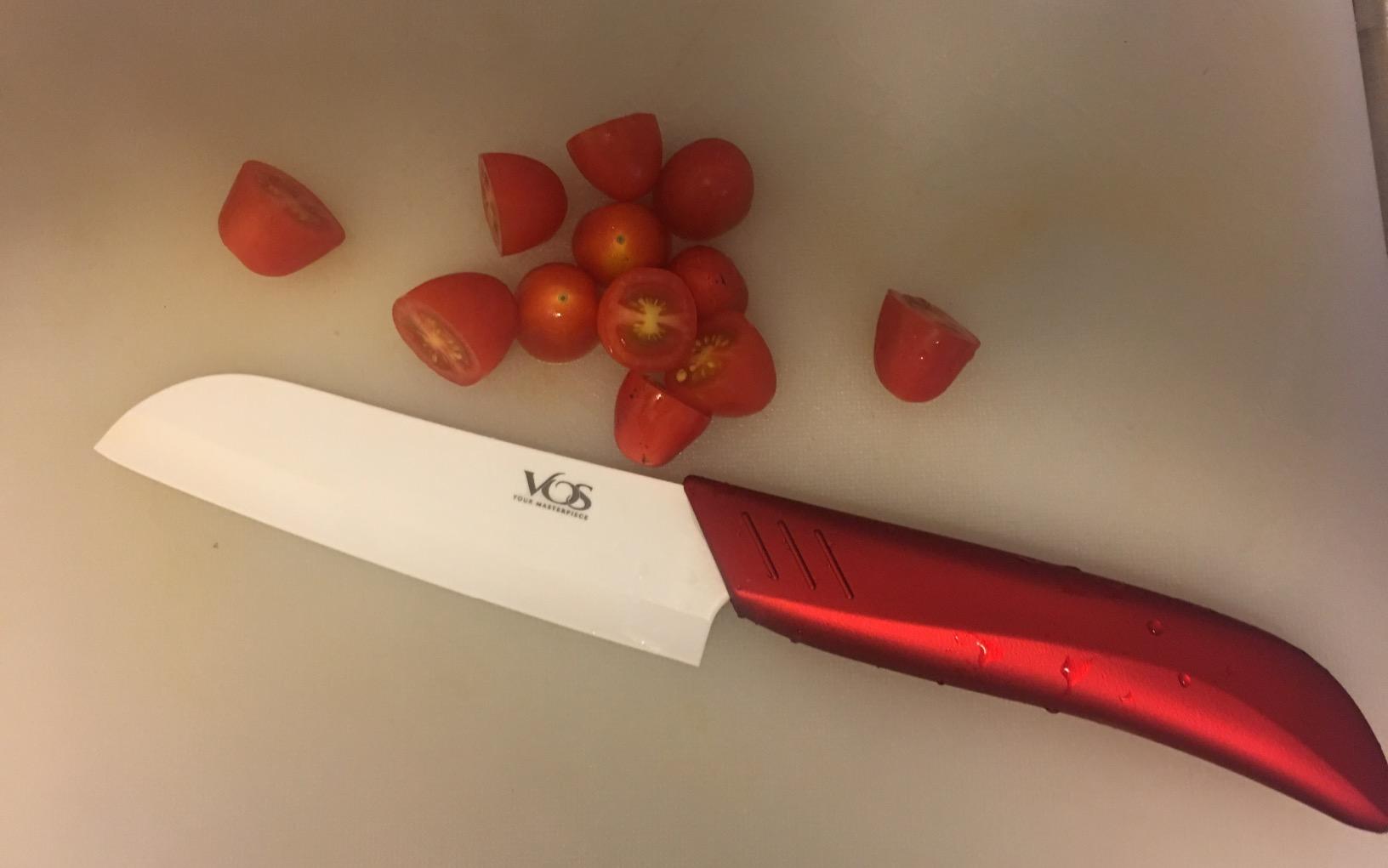
The sheaths that come with each knife are a feature I underestimated. Ceramic blades chip easily when they rattle around in a drawer with other utensils, so storing them sheathed has been a game changer. The whole set also arrives in an elegant gift box that doubles as storage if you want to keep them all together.
One thing to note: these are not heavy-duty knives. I tried using the chef knife on a butternut squash and felt uncomfortable with the force required. For thick-skinned produce or anything frozen, I switch to a steel knife. But for the 90% of cutting tasks that involve fruits, vegetables, and boneless proteins, this set excels.
For Whom It’s Good
Home cooks who prep mostly fruits, vegetables, and herbs will love this set. The lightweight design is ideal for anyone with hand or wrist issues, and the included sheaths make it perfect for small kitchens where drawer space is limited. It’s also a strong choice for new ceramic knife owners who want to try the technology without investing in a premium brand.
For Whom It’s Bad
If you regularly break down whole chickens, cut through winter squash, or need a knife for heavy chopping, this set will frustrate you. Ceramic blades are not designed for those tasks, and forcing them risks chipping. Also, people who prefer the heft and balance of traditional steel knives may find the ultra-lightweight feel strange at first.
2. Astercook 13-Piece Knife Set with Ceramic Coating – Best Value for a Complete Cutlery Setup
Astercook Knife Set, 13 Pieces Kitchen Knives Set with Ceramic Coating, Stainless Steel Chef Knife Sets with 6 Blade Guards, Dishwasher Safe Knives with Wood Grain Handle, Elegant White
High-carbon stainless steel
Ceramic coating
13 pieces with blade guards
Pros
- Safe ceramic coating prevents flavor transfer
- Variety of knives for every task
- 99-year warranty
- Dishwasher safe
Cons
- Coating wears over time
- Handles are plastic not real wood
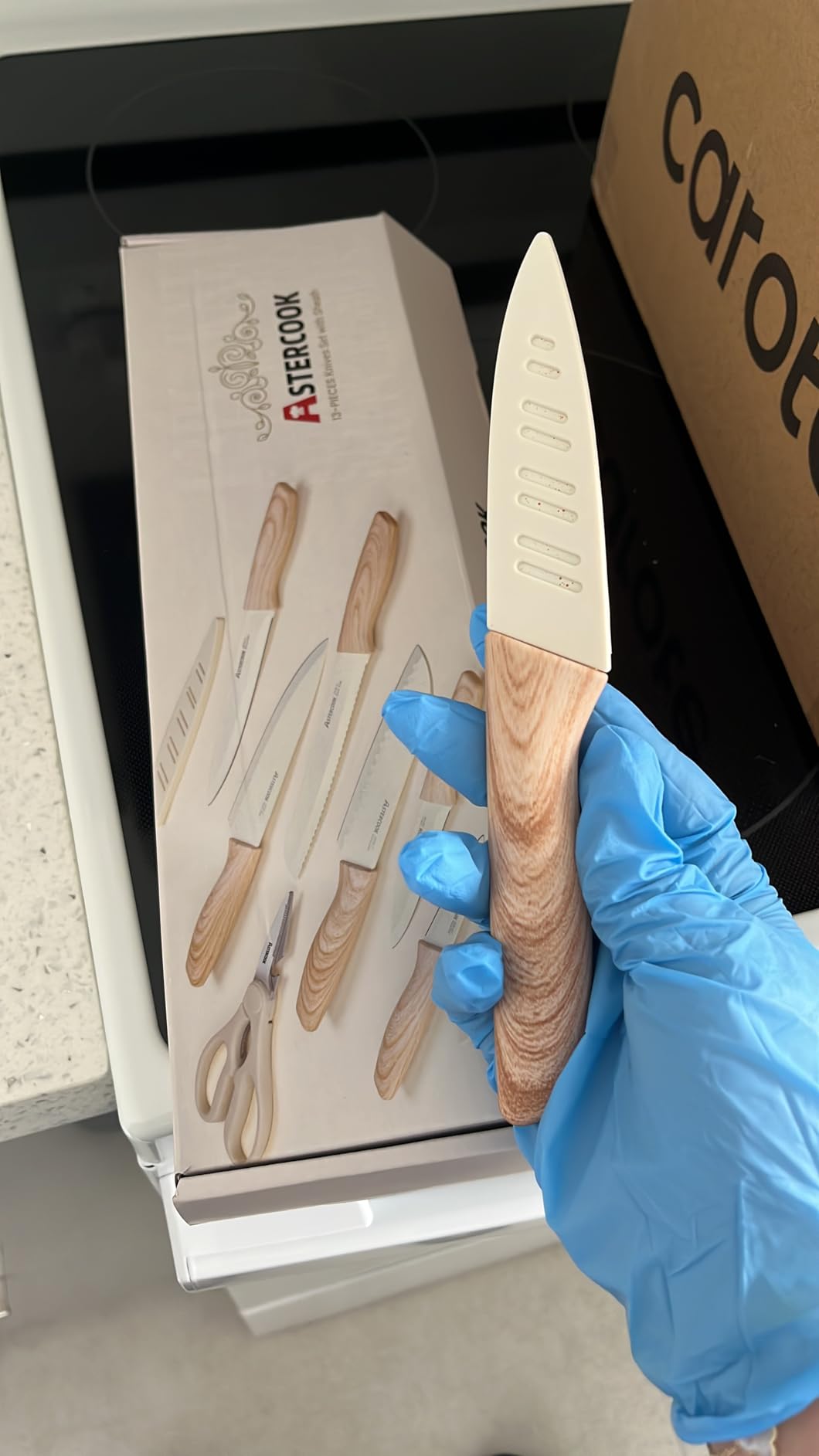
Astercook’s 13-piece set deserves a spot on this list because it addresses one of the biggest frustrations with ceramic knives: versatility. Pure ceramic blades can’t do everything, so this set gives you high-carbon stainless steel knives with a ceramic non-stick coating. The coating is inert, meaning it won’t transfer flavors or rust, which is the same food-safety benefit people love about pure ceramic.
The set includes an 8-inch chef knife, slicing knife, santoku, serrated bread knife, utility knife, paring knife, kitchen shears, and 6 blade guards. I found the bread knife particularly useful, since pure ceramic knives struggle with crusty loaves. The shears came in handy for breaking down chicken and snipping herbs.
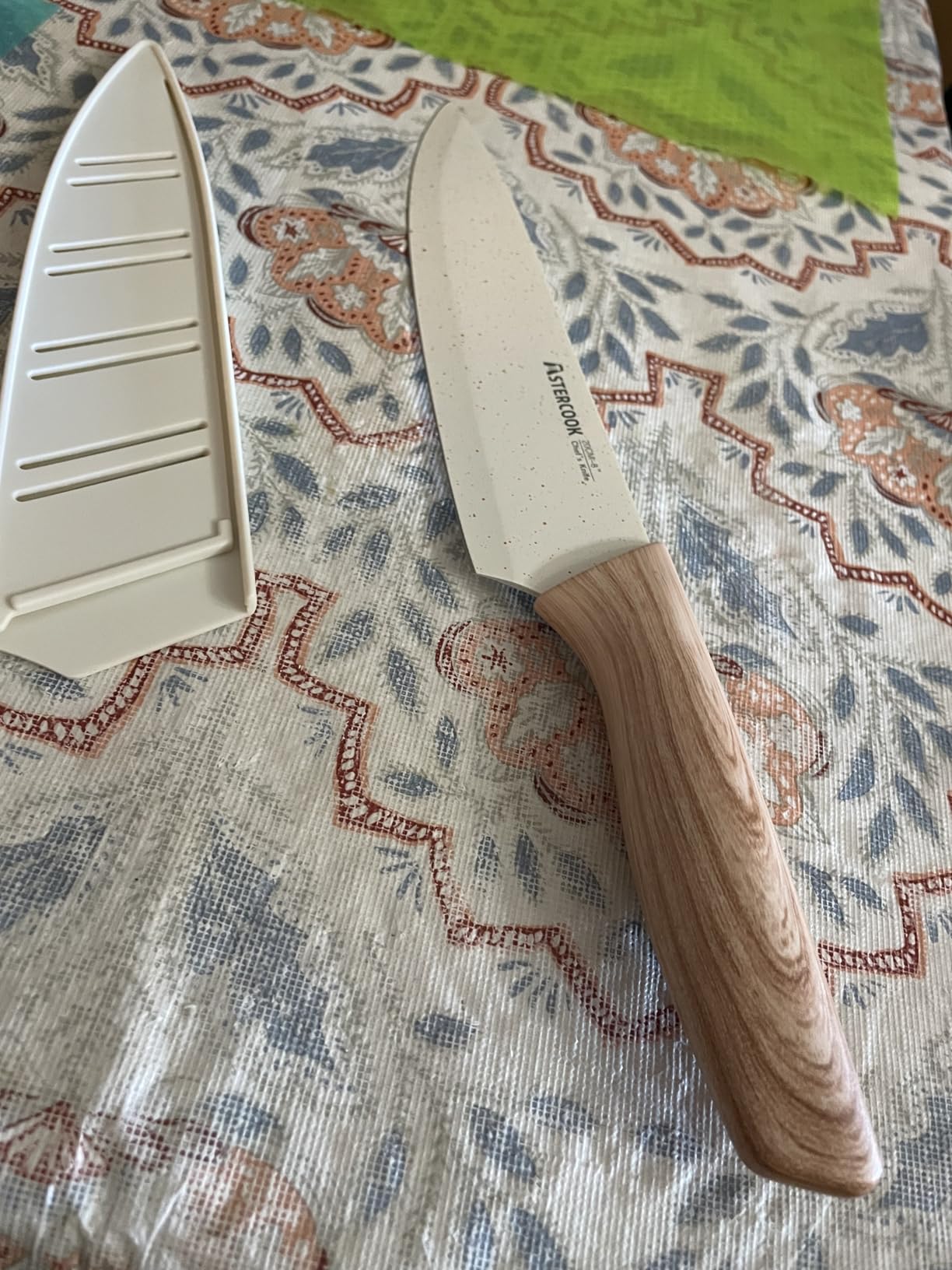
After eight months of daily use, the ceramic coating has held up well, with only minor wear on the chef knife where I tend to make contact with the cutting board. The knives stay sharp far longer than my old stainless steel set. The 99-year warranty is the kind of confidence statement you rarely see, and it suggests the manufacturer expects these knives to last.
One realistic limitation: this is not a true ceramic knife. The blades are steel with a ceramic coating, so the extreme sharpness and 10x edge retention of pure zirconia won’t apply. But for someone who wants the food-safety benefits of ceramic without giving up the versatility of steel, this is a smart compromise.
For Whom It’s Good
This set makes sense for new homeowners, people setting up a first kitchen, or anyone replacing a worn-out cutlery set. The included blade guards and shears make it a complete starter package, and the warranty is a strong selling point. It’s also good for households that want one set that covers every cutting task without buying specialty knives.
For Whom It’s Bad
Pure ceramic enthusiasts will be disappointed that these aren’t true ceramic blades. The plastic handles with wood-grain pattern look nice but feel lighter and less substantial than the wooden or riveted handles on premium sets. People who already own a solid set of knives and only want a ceramic option will find this overkill.
3. Kimura Professional Ceramic Honing Rod – Best Sharpener for Ceramic Blades
Kimura Professional Ceramic Honing Rod, 10 inch Honing Steel, Ceramic Knife Sharpener, 1200 Grit Finish, Ergonomic & Balanced Polypropylene Handle, Ideal for All Chef Knives, Japanese Gift Box
1200 grit ceramic finish
Polypropylene handle
10 inch honing surface
Pros
- Works on ceramic and steel blades
- 1200 grit provides fine edge
- Full tang construction
- Lifetime warranty
Cons
- No protective sleeve included
- Requires proper technique
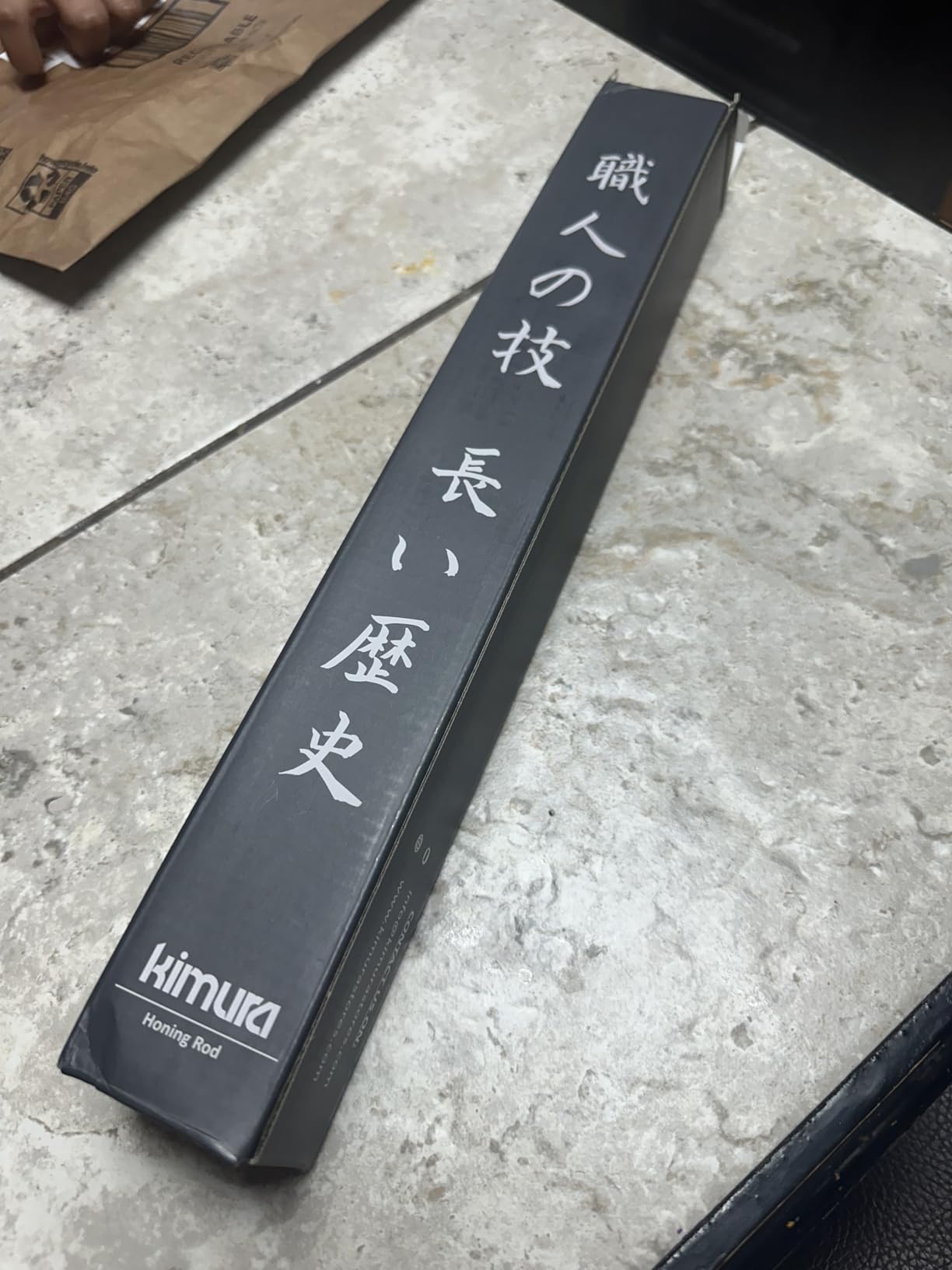
Sharpening ceramic knives is the topic that confuses people most, and the Kimura rod is the answer. This 10-inch honing rod is made from pure white ceramic with a 1200-grit finish, which is fine enough to refine an edge without removing excessive material. I use it on both my pure ceramic knives and my steel knives, and it handles both well.
The first time I used it, I made the mistake of pressing too hard. Ceramic rods work differently than steel ones. You let the knife do the work, sliding it along the rod at a 15 to 20-degree angle with light pressure. After a few passes on each side, my Vos chef knife was back to slicing tomatoes like new. The included instructions on the product page are clear and worth reading.

The polypropylene handle has a soft, non-slip grip that stays secure even when my hands are wet or oily. There’s a hanging loop at the end for storage, which I appreciate since this rod lives next to my knife block. The full-tang construction, where the ceramic rod runs all the way through the handle, gives it a solid, balanced feel.
For the price, this is a great entry into ceramic sharpening. It won’t fix a deeply chipped blade, but for routine honing and minor edge maintenance, it does exactly what you need. I sharpen my knives about once every two months, and the rods have not needed any maintenance themselves.
For Whom It’s Good
Anyone who owns a ceramic knife and has been nervous about sharpening it should start here. The lifetime warranty means you can learn the technique without worrying about ruining an expensive tool. It also works on regular steel knives, so the whole household cutlery can benefit from one tool.
For Whom It’s Bad
People with heavily dulled or chipped blades need a professional sharpening service, not a honing rod. A honing rod realigns and refines the edge but does not replace material like a bench stone would. If you need aggressive material removal, look for a diamond-coated sharpener instead.
4. Work Sharp Kitchen Ceramic Honing Rod – Best for Beginners with Built-in Angle Guides

Work Sharp Kitchen Ceramic Honing Rod – Angle Guided – For Chef, Santoku, Paring, & Serrated Knives Black
Angle guided ceramic hone
Fine grit
15.5 inches long
Pros
- Built-in angle guides for consistent honing
- Works on serrated knives
- Rubber tip for safe honing
- Hanging hole for storage
Cons
- Only 20-degree angle option
- May not fit standard knife blocks
Work Sharp’s ceramic honing rod solved the biggest problem I had with the Kimura rod: angle consistency. The built-in guides let you lock in a 20-degree angle without guessing, which is perfect for Western-style chef knives. For anyone who has been afraid of messing up their knife angle, this is a confidence builder.
The fine ceramic hone refines the cutting edge without removing much material. I tested it on my santoku, chef knife, and even a serrated bread knife. The serrated performance was a pleasant surprise, since most sharpeners struggle with serrated edges. The rubber tip on the end keeps the rod stable on the cutting board during use, so I don’t have to chase it across the counter.

The 4th-generation family-owned brand out of Ashland, Oregon has been making sharpening tools for over 40 years, and that experience shows in the build quality. At 16 ounces, the rod has some heft to it, which adds stability during honing. The hanging hole at the end is a small touch that makes storage simple on a pegboard or hook.
One important note: this is a honing rod, not a sharpener. It will not put a brand-new edge on a dull blade, but it will maintain an already-sharp edge for far longer than untreated knives. For most home cooks who sharpen their knives once or twice a year, this is the right tool.

For Whom It’s Good
Beginners will appreciate the angle guides that take the guesswork out of honing. If you own a mix of ceramic and steel knives, including serrated blades, this single tool covers all of them. It’s also a good fit for people who want a maintenance tool rather than an aggressive sharpener.
For Whom It’s Bad
Japanese-style knives sharpened at 15 or 17 degrees won’t get the full benefit from the 20-degree guides. If you have a stable of Japanese blades, you’ll need a sharpener with adjustable angles. Also, this rod is too long to fit in most standard knife blocks, so plan on hanging it or storing it in a drawer.
5. Freshware Bamboo Cutting Board Set of 3 – Best Bamboo Boards for Ceramic Knives

Freshware Bamboo Cutting Board Set of 3, Wooden Cutting Boards for Kitchen, Knife Friendly Food Grade Chopping Board, Lightweight with Hanging Hole for Easy Storage
Bamboo material
Set of 3 sizes
Knife friendly surface
Pros
- Bamboo is gentler on blades than plastic or glass
- Set of 3 covers all prep tasks
- Eco-friendly sustainable material
- Hanging holes for storage
Cons
- Hand wash only
- Requires occasional oiling
- Can develop spots if left wet
If there’s one piece of kitchenware that will make or break your ceramic knife, it’s the cutting board. After trying glass, plastic, marble, and wood, the Freshware bamboo set is what I keep coming back to. Bamboo is hard enough to provide a stable cutting surface but soft enough to preserve your blade edge. Glass and marble are ceramic killers, and most plastics are too soft, leading to deep score marks.
This set comes with three boards in different sizes: 8×6, 11×8.5, and 13×9.5 inches. I use the small one for garlic and herbs, the medium for daily vegetable prep, and the large one for big jobs like breaking down a head of cabbage. The vertical-horizontal-vertical grain construction adds strength, and after two years of daily use, none of mine have warped or cracked.

Bamboo is also naturally antibacterial, which is a plus when you’re cutting raw proteins. The hanging holes at the corner of each board make storage simple, and the lightweight design means I can easily move them around the kitchen. The price for a 3-pack is genuinely hard to beat, especially given the 12,000+ reviews backing up the quality.
The maintenance is straightforward but real. Hand wash only, dry immediately, and oil occasionally with food-grade mineral oil to prevent drying. If you leave a board wet overnight, you may see dark spots. None of this is difficult, but it does require attention.
For Whom It’s Good
Anyone with ceramic knives needs a bamboo or wood cutting board, and this set covers all the size options you might need. New cooks setting up a kitchen will appreciate the three sizes for different tasks. People who care about sustainable materials will like that bamboo is one of the most renewable wood sources available.
For Whom It’s Bad
If you hate hand-washing dishes, look for a plastic alternative. If you want a single heavy-duty board for big projects like carving a roast, a 1-inch-thick acacia or maple board would be a better choice. The lighter weight of bamboo can also slide on the counter if you don’t place a damp towel underneath.
6. Ziruma Acacia Wood Cutting Board – Best Premium Single Board for Ceramic Knives

Non-Toxic Acacia Wood Cutting Board, Mineral Oil & Plastic Free, 16×11 in
FSC-certified acacia wood
16x11 inches
Natural beeswax finish
Pros
- Non-toxic beeswax and oil finish
- Knife friendly surface
- 1 inch thick for stability
- Naturally antibacterial
Cons
- Hand wash only
- Requires occasional re-oiling
- Heavy at 2.9 pounds
The Ziruma acacia board is what I pull out when I want a single, beautiful, do-it-all surface. At 16×11 inches and 1 inch thick, it has the weight and stability of a professional board. Acacia is harder than bamboo, which means it resists scoring and knife marks, but it’s still gentle enough on ceramic edges.
The finish on this board is what sets it apart. Instead of mineral oil, Ziruma uses a blend of beeswax, flaxseed oil, and lemon oil. There are no petroleum products, no BPA, and no plastic components. For anyone who cares about what touches their food, this is a meaningful upgrade from the typical treated boards.
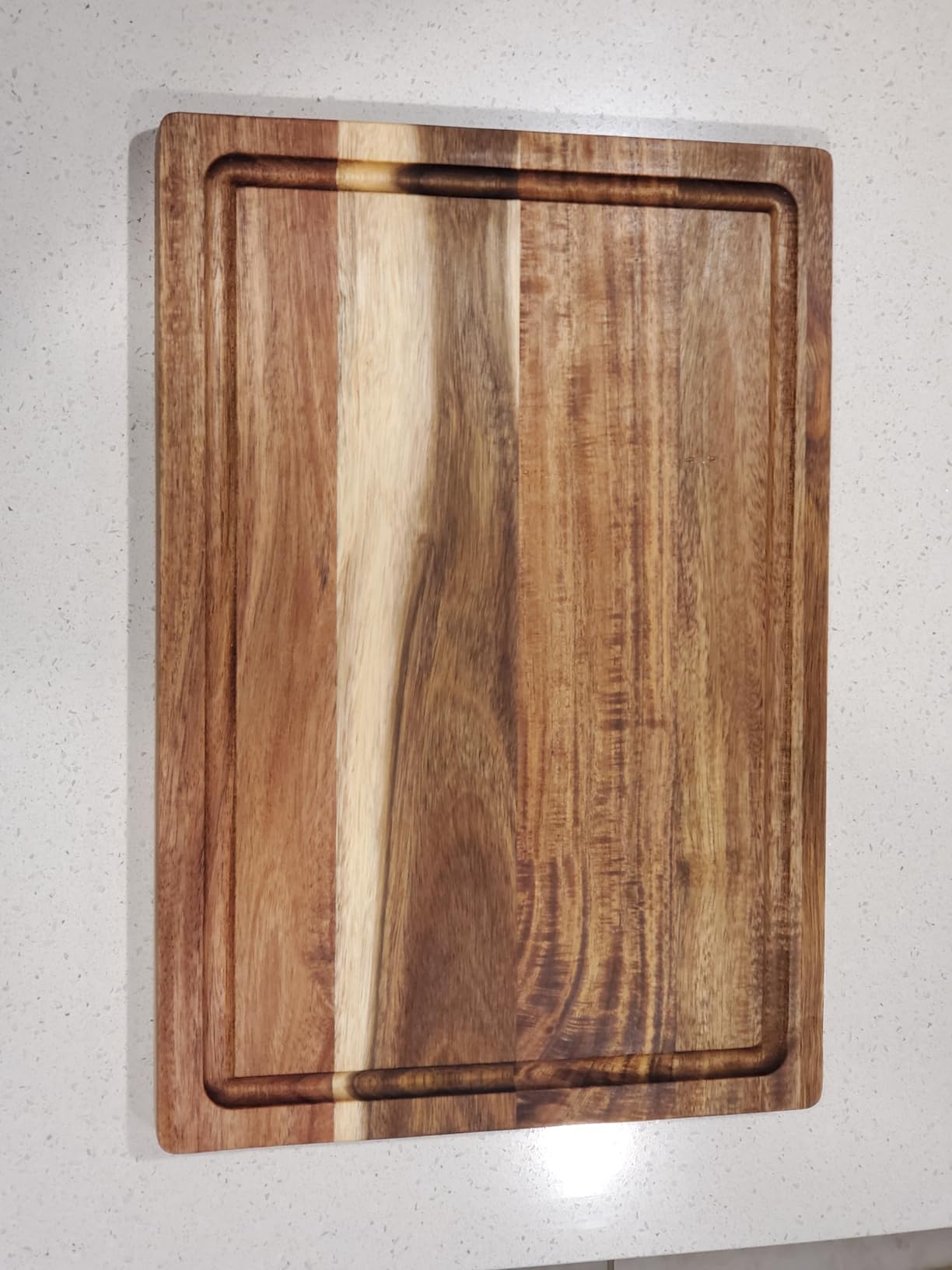
The 1-inch thickness gives the board a satisfying weight that keeps it planted on the counter during heavy chopping. I noticed a real difference when rocking my chef knife through a pile of carrots. The board didn’t budge, even without a damp towel underneath. The built-in groove catches juices, which is helpful when working with raw meat.
Acacia wood is naturally antibacterial, so food safety is solid. The FSC certification means the wood is sustainably sourced, which is a plus for eco-conscious shoppers. The downside is the weight: at 2.9 pounds, this is a substantial board that you’ll want to leave on the counter rather than store away.

For Whom It’s Good
Home cooks who want one quality board that lasts for years will appreciate the build and materials. Anyone with chemical sensitivities will like the natural finish. People who entertain and need a large, attractive serving board for cheese or charcuterie will find the size and look appealing.
For Whom It’s Bad
If you have limited counter or storage space, the size and weight will be a problem. The price is also higher than a multi-pack bamboo set, so budget-focused shoppers may want to start there. Like all wood boards, it needs regular oiling to maintain the finish.
7. Farberware 2-Piece Paring Knife and Cutting Board Set – Best Compact Set for Travel and Small Tasks

Farberware 2-Piece Paring Knife and Cutting Board Set, 3.5-Inch Paring Knife with Resin Coating and Custom-Fit Blade Cover and Non-Slip Plastic Chopping Board, Dishwasher-Safe Set, White/Blue
Plastic non-slip board
3.5 inch paring knife
Dishwasher safe
Pros
- Compact size ideal for travel
- Non-slip board trim
- Dishwasher safe
- Custom-fit blade cover
Cons
- Not a ceramic knife (steel)
- Small board limits prep tasks
The Farberware set earns its spot on this list not because it includes a ceramic knife but because it solves a real problem: small kitchen prep. When I just need to slice a lemon for water, halve an avocado, or cut a few strawberries, pulling out my big chef knife and full-size board is overkill. This 2-piece set lives on my counter for exactly those moments.
The 3.5-inch paring knife is high-carbon stainless steel with a resin coating, and it comes with a custom-fit blade cover. The non-slip plastic board measures 8×10 inches, which is small enough to fit in a sink or on a small plate. Both pieces are dishwasher safe, which makes cleanup genuinely effortless.

I’ve also taken this set on road trips and to vacation rentals. It packs flat in a suitcase, and the blade cover means TSA and security checks are no problem. The non-slip trim on the board keeps it in place even on hotel counters, which aren’t always perfectly level.
It’s worth being clear: this is a steel knife, not ceramic. But the board included is still a ceramic-knife-friendly surface for when you want to use your ceramic paring knife instead. Think of this as a complement to your ceramic setup, not a replacement.
For Whom It’s Good
People in small apartments, dorms, or RVs will love the compact footprint. Frequent travelers who want a knife and board they can bring along will appreciate the size and included cover. Anyone who does a lot of small prep tasks will find it convenient to have a dedicated setup.
For Whom It’s Bad
If you need a large cutting surface for big prep jobs, the 8×10 board will feel cramped. People who want to commit fully to ceramic knives will be disappointed that this set is steel. And if you don’t have a dishwasher, hand-washing a small plastic board is admittedly a minor chore.
8. Neoflam 3-Piece Cutting Board Set – Best Plastic Boards with Antimicrobial Protection

Neoflam Microban Protection Cutting Board 3 Piece Set, Stain & Odor/BPA Free, Reversable Board, Upgraded Larger Juice Groove, Non-Slip EZ Grip Handle, Dishwasher Safe, Pastel
Polypropylene material
3 reversible boards
Microban protection
Pros
- Microban antimicrobial protection
- Dishwasher safe
- Non-slip grip handles
- Reversible design doubles surfaces
Cons
- Plastic shows knife marks over time
- Smallest board may be too small
If you prefer plastic over wood for food safety reasons, the Neoflam set is the best I’ve tested. The Microban protection is built into the polypropylene, providing continuous antimicrobial defense against stain and odor-causing bacteria. The three boards measure 15.5, 12.5, and 10 inches, covering everything from full meal prep to quick slicing.
The reversible design effectively gives you six cutting surfaces, which extends the life of each board. When one side gets heavily scored, flip it over. The non-slip EZ grip handles make it easy to move the boards around, and the upgraded juice grooves are deep enough to catch liquid from a juicy watermelon.

Being dishwasher safe is a real advantage for busy weeknight cooking. I can throw these in with the rest of the dishes and not worry about hand-drying or oiling. The BPA-free polypropylene is food-safe, and the boards are lightweight enough to handle easily but heavy enough to stay put during cutting.
The honest trade-off with plastic boards is that they will show knife marks over time, even with ceramic blades. These marks are mostly cosmetic and don’t affect performance, but if you want a board that looks brand new after years of use, wood is the better choice.
For Whom It’s Good
Busy households that want dishwasher-safe convenience will appreciate these boards. Anyone concerned about bacteria will like the Microban technology. People who do a lot of raw meat prep will find the color-coded set (in some versions) useful for separating proteins from produce.
For Whom It’s Bad
If you want a board that ages gracefully without knife marks, plastic isn’t ideal. Wood or bamboo boards will look better after years of use. The 10-inch smallest board is really only good for quick tasks like slicing a single fruit, so if you mostly do small prep, a larger single board might be a better value.
9. Vos Universal Bamboo Knife Block – Best Storage Solution for Ceramic Knife Collections

Vos Universal Knife Block – Countertop Knife Block Without Knives – Knife Holder with Non-Slip Base Sturdy Knife Organizer – Space Saving Knife Stand, Sleek & Modern Knife Rack – Bamboo
Holds 14 knives
Bamboo construction
Non-slip base
Pros
- Universal design fits ceramic and steel knives
- Holds up to 14 knives
- Non-slip base for stability
- Sleek modern bamboo look
Cons
- Doesn't fit all kitchen decors
- Non-slip base could be stronger
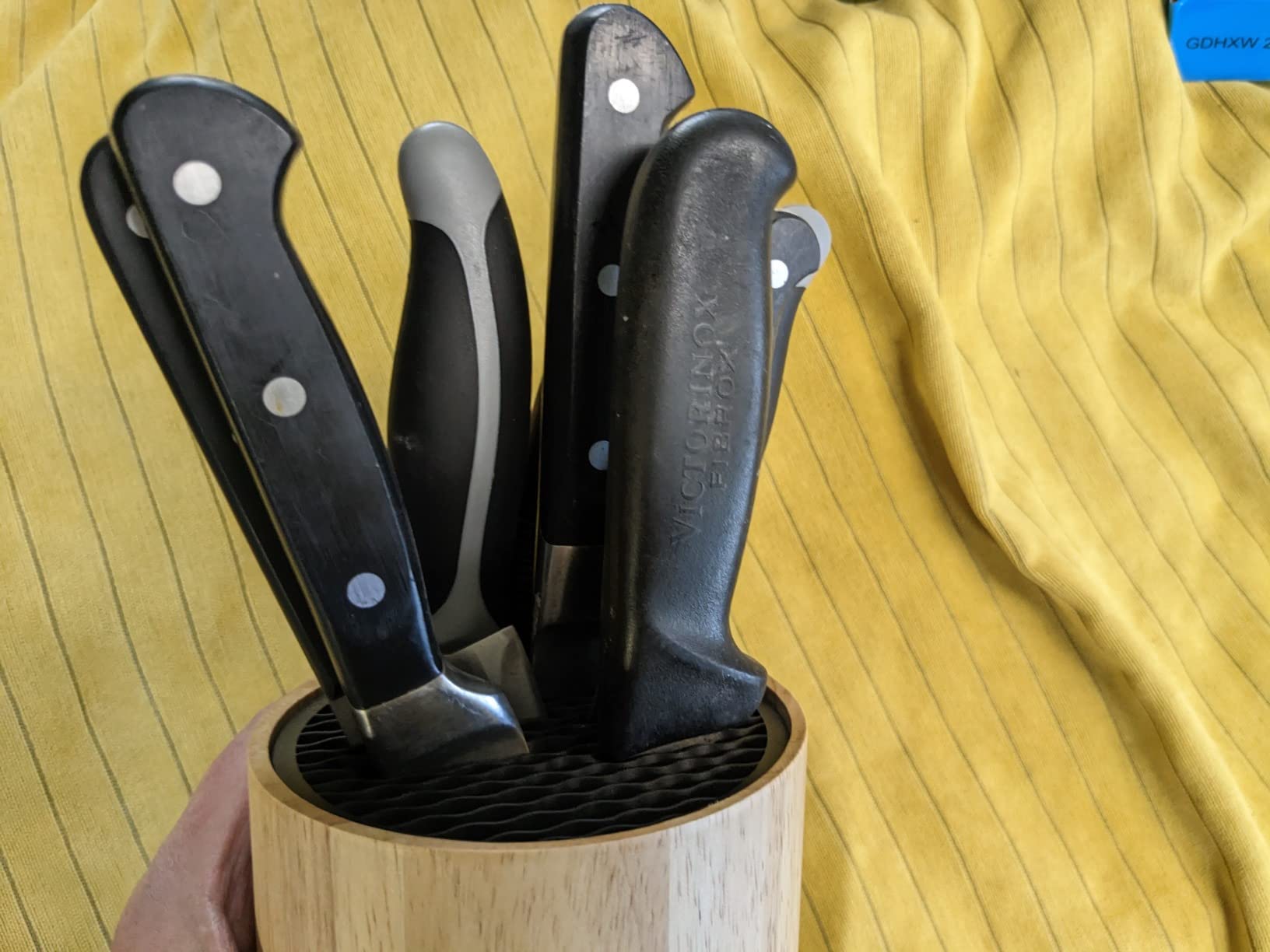
Storage is one of the most overlooked aspects of ceramic knife care. Throwing your ceramic blades in a drawer with metal utensils is a fast track to chipped edges. The Vos Universal Knife Block solves this with a universal design that holds up to 14 knives of various sizes, including ceramic blades of all shapes.
The block is made from bamboo with a cylindrical design and slots for individual knives. The fibers inside each slot are gentle on ceramic edges, so your knives slide in and out without the metal-on-ceramic contact that happens in a drawer. The non-slip base keeps the block from sliding when you’re pulling knives in and out quickly.
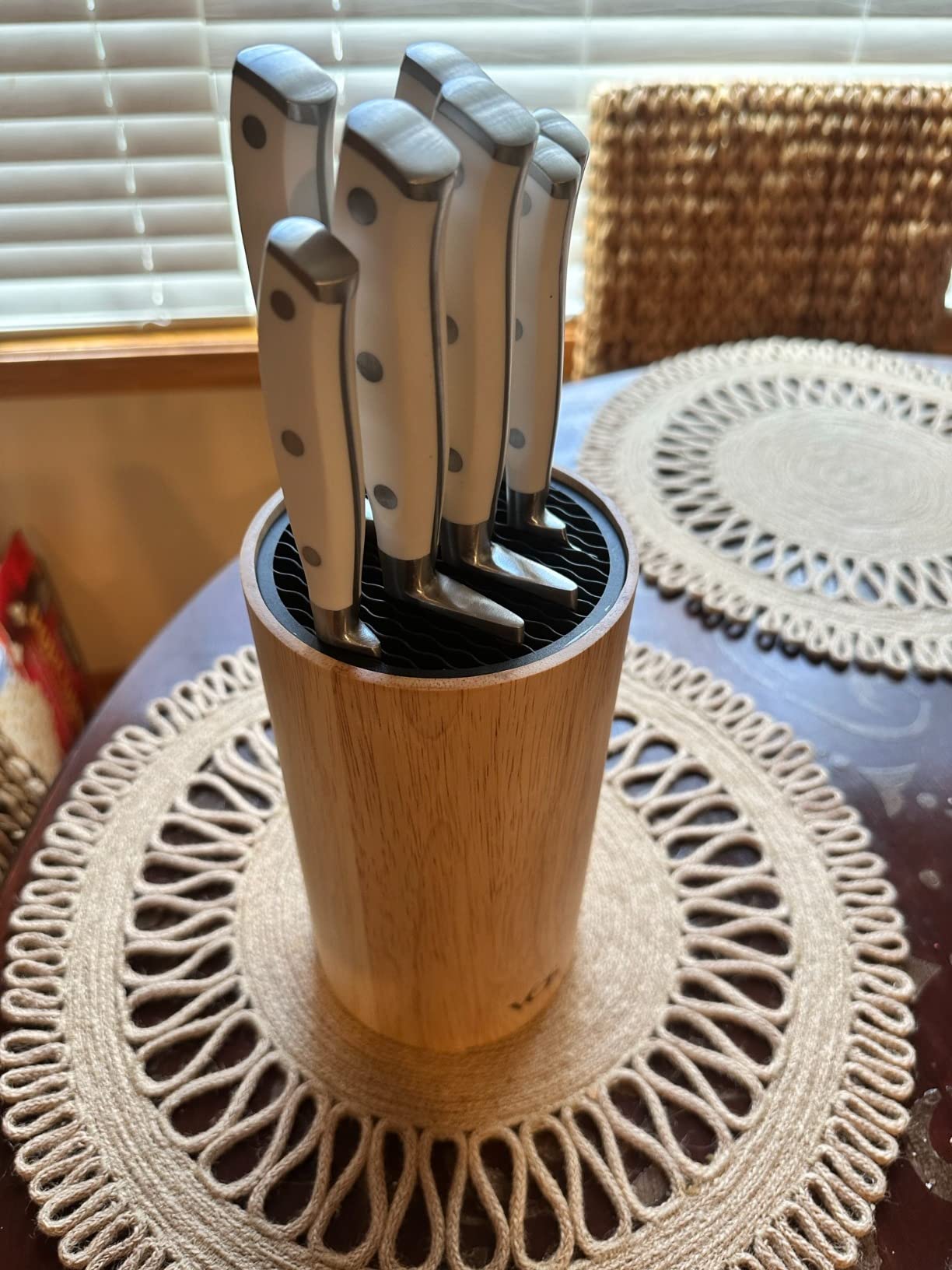
At 8.6 inches tall and 4.6 inches wide, the block has a small footprint for its capacity. I keep it on the counter next to my cutting boards, and it doesn’t take up much space. The bamboo material matches my bamboo cutting boards for a cohesive look.
The universal design is the key feature. It doesn’t matter if you have a 4-inch paring knife or a 10-inch chef knife, ceramic or steel. The block holds them all. This is especially useful if you have a mixed collection like I do, with ceramic for fruits and vegetables and steel for heavy-duty work.
For Whom It’s Good
People with mixed knife collections will appreciate the universal fit. Anyone who keeps knives in a drawer and worries about chipping will find this a major upgrade. Small kitchens where counter space is at a premium will like the compact size relative to capacity.
For Whom It’s Bad
If you prefer a traditional in-drawer knife organizer, this countertop block isn’t for you. Some kitchen decors may clash with the modern cylindrical design. And if you only own one or two knives, the 14-slot capacity is overkill.
10. Shenzhen Knives 6 Inch Ceramic Vegetable Cleaver – Best Specialty Ceramic Blade for Vegetables

Shenzhen Knives 6 Inch Ceramic Vegetable Cleaver – Nakiri Chopping Knife
Ceramic blade
Rubber handle
127 grams
Pros
- Nakiri profile perfect for vegetables
- Lightweight at 127g
- Rust-free ceramic
- No odor retention
Cons
- Cannot resharpen easily
- Ceramic can chip on hard produce
- Low stock availability
The Shenzhen 6-inch Nakiri is a specialty ceramic knife that fills a specific gap in my kitchen. The Nakiri profile, with its flat edge and rectangular shape, is designed for vegetable prep. The downward push cut that the flat edge enables is more efficient than the rocking motion of a chef knife for chopping piles of vegetables.
At 127 grams, this is one of the lightest knives I’ve ever held. The rubber handle provides a secure grip even when wet, and the blunt front edge gives you more usable cutting surface. I tested it on cucumbers, bell peppers, mushrooms, and zucchini. Every cut was clean and effortless.
One of the best features of ceramic blades is that they don’t retain odors. After slicing onions and garlic, the knife washes clean with no lingering smell. This is a real advantage over steel knives, especially if you’re cooking multiple dishes in one session.
The honest limitations: this knife is not for hard vegetables like carrots or beets, which can chip the edge. The ceramic can also chip if the knife is dropped, so handle with care. Sharpening at home is difficult, so you’ll likely need to send it to a professional when the edge eventually dulls.
For Whom It’s Good
Vegetarians and vegetable-focused home cooks will get the most out of this knife. Anyone who does a lot of meal prep with cucumbers, peppers, mushrooms, and zucchini will find the Nakiri profile faster than a chef knife. Budget shoppers looking for a true ceramic blade under $20 will appreciate the price.
For Whom It’s Bad
If you regularly cut hard root vegetables, this knife will frustrate you. People who want a low-maintenance sharpening routine should look for knives that can be honed at home. The low stock (only 15 left at time of writing) is also a concern, so don’t wait if you’re interested.
11. ZHIYUN 3-Piece Colorful Ceramic Knife Set – Best Budget Starter Set for First-Time Ceramic Knife Owners

3 PCS Colorful Knivies Set, 4 Inch Ceramic knife 3 PCS Knives with Zirconia Blade and Sheath Covers,use for meat fruit vegetable and bread (green blue and pink)
4 inch zirconia blades
Color coded handles
Sheath covers included
Pros
- Very sharp for fruits and small vegetables
- Color coding prevents cross-contamination
- Comes with sheath covers
- Easy to clean ceramic surface
Cons
- Small 4-inch blade limits versatility
- Not for bones or hard items
- Ceramic can break if dropped
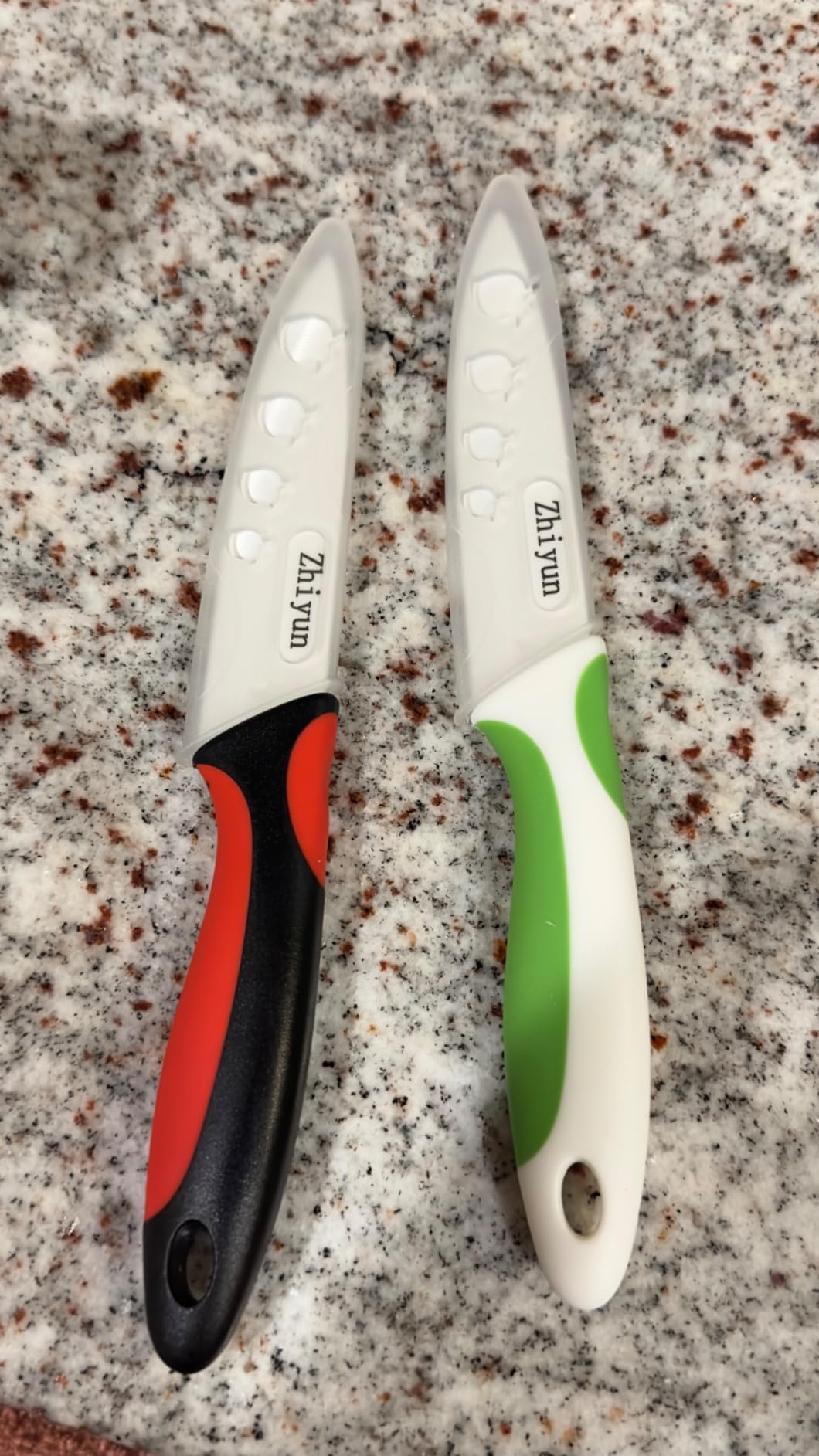
The ZHIYUN 3-piece set is the most affordable way I know to try ceramic knives. Each knife has a 4-inch blade made from zirconia ceramic, and the three color-coded handles (pink, blue, green) make it easy to assign one color to produce, one to bread, and one to other tasks. For households that care about cross-contamination, this color system is genuinely useful.
I use these as my dedicated fruit and small vegetable knives. Slicing strawberries, peeling apples, halving grapes, and cutting small tomatoes are exactly the right tasks for a 4-inch ceramic blade. The included sheath covers keep the blades protected in a drawer and prevent accidental cuts when reaching for other utensils.
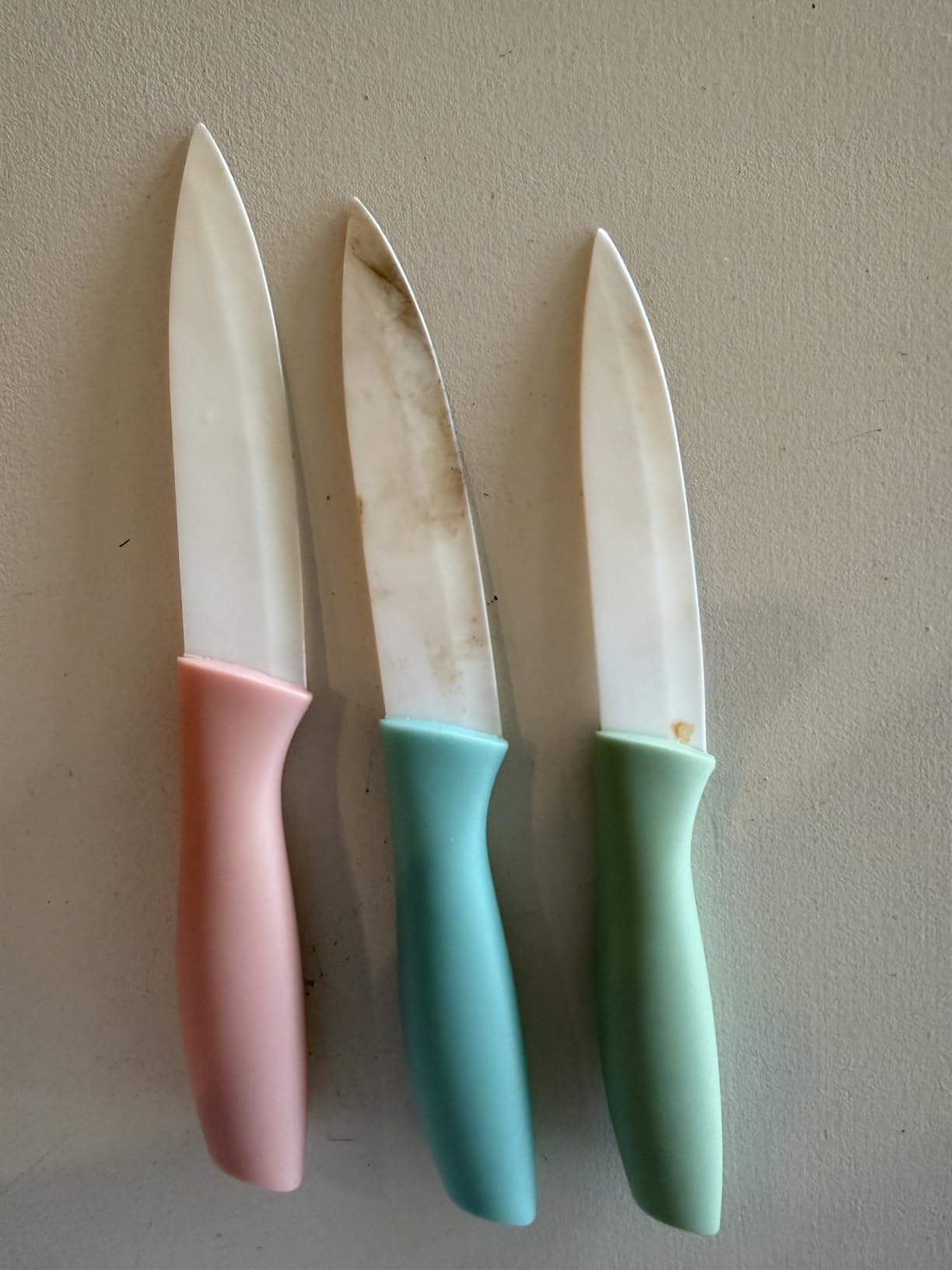
For the price, the sharpness is impressive. The factory edge easily handled paper-thin tomato slices and delicate herb work. Ceramic doesn’t absorb food elements, so cleanup is simple with just soap and water. The lightweight polypropylene handles feel comfortable for short tasks, though they would tire my hand during extended prep sessions.
The trade-off is versatility. At 4 inches, these knives are limited to smaller jobs. Trying to break down a butternut squash or slice a loaf of crusty bread would be frustrating and risky for the blade. Treat these as specialty tools for specific tasks, and they’ll serve you well.
For Whom It’s Good
First-time ceramic knife buyers who want to test the waters without a big investment will find this set approachable. Families with kids learning to cook can use the color coding to teach food safety. Apartment dwellers with limited storage will appreciate the compact size and included sheaths.
For Whom It’s Bad
Serious home cooks who want one knife for all tasks will be frustrated by the 4-inch size. Anyone who regularly handles bones, frozen food, or hard winter squash needs a different tool. If you already own quality kitchen knives, these may be redundant.
12. Arkansas Sharpeners Superstick Ceramic Rod – Best Heavy-Duty Sharpening Rod for Ceramic and Steel

Arkansas Sharpeners Superstick Ceramic Rod, White
Extra fine ceramic grit
Wooden handle
16 inch overall length
Pros
- Extra fine ceramic grit for polishing
- Large surface area for easier use
- Quality wooden handle
- Effective on both ceramic and steel
Cons
- Ceramic can break if dropped
- Too large for most knife blocks
- Requires proper technique
The Arkansas Sharpeners Superstick is a more traditional take on the ceramic honing rod. The 9.75-inch ceramic rod gives you more surface area than shorter rods, which makes it easier to maintain a consistent angle during sharpening. The extra-fine grit is ideal for putting a polished, refined edge on already-sharp knives.
The wooden handle is a nice touch. It has a quality feel and provides a secure grip during use. At 16 inches overall, this is a substantial tool that will live on your counter or hang on a hook, not in a drawer. I appreciate the heft and balance, which gives me more control during sharpening.
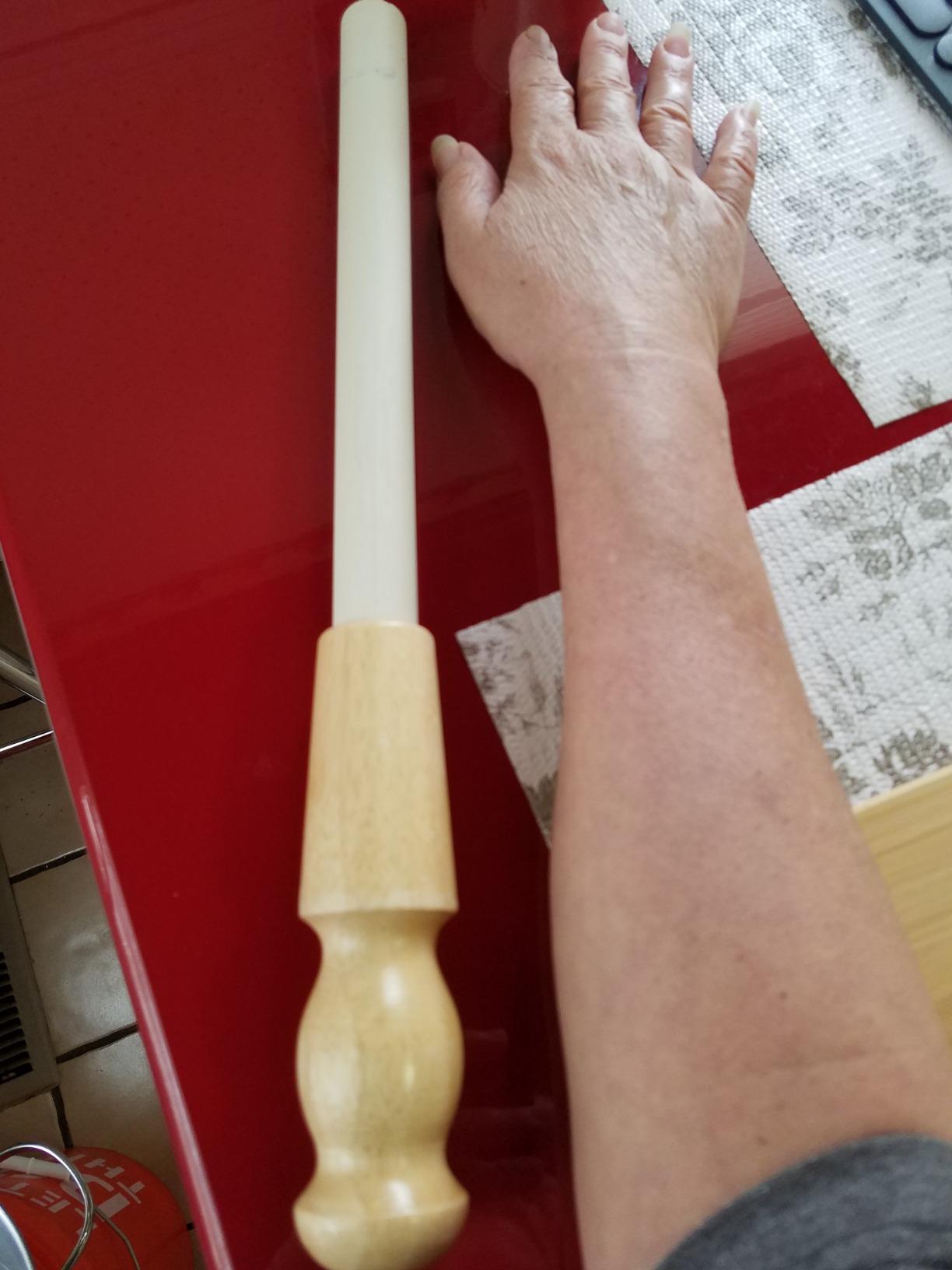
I tested this on my ceramic knives, my steel chef knife, and my Japanese santoku. The results were consistent across all three. The extra-fine grit didn’t remove much material, but it aligned the edges and polished them to a noticeably sharper finish. For maintenance sharpening every few months, this rod performs beautifully.
The main caution is the same as with any ceramic rod: drop it, and it may break. The ceramic is hard but brittle, so handle it carefully. The 16-inch length also means it won’t fit in standard knife blocks, so plan on wall storage or a dedicated spot on the counter.

For Whom It’s Good
Home cooks who want a single sharpening tool for both ceramic and steel knives will find this versatile. Anyone who values traditional craftsmanship will appreciate the wooden handle and substantial feel. People with the counter or wall space to store a 16-inch rod will benefit from the extra surface area.
For Whom It’s Bad
If you have limited storage, the size will be a problem. The lack of angle guides means beginners may struggle to maintain a consistent angle. Anyone with heavily dulled or chipped blades needs a more aggressive sharpening solution, not an extra-fine honing rod.
Buying Guide: How to Choose the Best Kitchenware for Ceramic Knives
Choosing the best kitchenware to use for ceramic knives comes down to four key categories: cutting boards, sharpeners, storage, and complementary utensils. Each one matters, and getting any of them wrong can shorten the life of your blades.
What Cutting Boards Work With Ceramic Knives
Wood and bamboo are the gold standard for ceramic blades. The surface is hard enough to support clean cuts but soft enough to preserve the edge. Avoid glass, marble, granite, and ceramic cutting boards at all costs. These will chip your blade on the first cut. Plastic boards are a reasonable alternative, especially dishwasher-safe options like the Neoflam set, but they will show knife marks faster than wood.
Bamboo is harder than most hardwoods, so it resists scoring and stays flatter over time. Acacia and maple are slightly softer, which is even gentler on edges but shows more wear. For most home cooks, a quality bamboo board like the Freshware set is the best balance of durability, gentleness, and price.
Best Utensil Materials for Ceramic Knives
When pairing utensils with ceramic knives, silicone, wood, and nylon are the safest choices. Silicone won’t scratch ceramic blades, tolerates high heat, and is dishwasher safe. Wood is gentle and traditional but requires hand washing. Nylon works well for low-heat tasks but can melt at high temperatures, so keep it away from hot pans.
Avoid metal utensils, especially when working directly on a ceramic surface or edge. While the ceramic blade itself is harder than most metals, the contact can still cause micro-chips on the edge over time. For tasks that require metal, like flipping meat on a hot pan, use steel utensils with a steel knife and reserve your ceramic blades for cutting board work only.
Sharpening Options for Ceramic Blades
Ceramic knives can be sharpened, but not with the same tools you use for steel. Standard pull-through sharpeners and most whetstones are too coarse and will chip the blade. Look for diamond-coated sharpeners or fine-grit ceramic rods like the Kimura and Work Sharp options on this list.
For routine maintenance, a ceramic honing rod every two to three months will keep your edge aligned and sharp. For deeper restoration of a dull or slightly chipped blade, a professional sharpening service that specializes in ceramic is worth the investment. Some manufacturers offer mail-in sharpening for their knives.
Storage and Safety Considerations
Never throw a ceramic knife in a drawer unprotected. The blade will chip on contact with other utensils, and the sharp edge creates a safety hazard when you reach in. Use the included sheaths, a knife block with universal slots like the Vos Universal Bamboo Knife Block, or an in-drawer organizer with individual slots.
Store knives dry, away from extreme temperatures, and out of reach of children. The brittle nature of ceramic means a fall onto a hard floor can shatter the blade. Magnetic strips are another option, but make sure the magnet is strong enough to hold the lightweight ceramic knife securely.
Frequently Asked Questions
What should you not cut with a ceramic knife?
Avoid bones, frozen food, hard root vegetables like carrots and squash, and anything that requires twisting or prying. Ceramic blades are brittle and will chip on hard items or if torqued sideways. Use steel knives for butchery and frozen food prep.
Can ceramic knives go in the dishwasher?
Most manufacturers recommend hand washing, even for dishwasher-safe models. The high heat and harsh detergents in dishwashers can damage handles and stress the blade. Hand washing with mild soap and water is the safest approach for ceramic knives.
What is the best sharpener for ceramic knives?
Diamond-coated sharpeners and fine-grit ceramic honing rods are the best options. Look for rods rated 1000 grit or finer. Avoid pull-through sharpeners designed for steel, as they are too aggressive for ceramic and can chip the edge.
What cutting board is best for ceramic knives?
Wood and bamboo are the best materials for ceramic blades. They are hard enough to support clean cuts but soft enough to preserve the edge. Avoid glass, marble, and ceramic cutting boards, which will chip the blade on contact.
What are the main downsides of ceramic knives?
Ceramic knives are brittle and can chip on hard foods, bones, or drops. They are difficult to sharpen at home, often requiring professional service. The lightweight feel takes adjustment for users accustomed to steel knives, and they cannot handle heavy-duty tasks like breaking down poultry or cutting frozen food.
Final Verdict: The Best Kitchenware Setup for Ceramic Knives
After testing all 12 products on this list, the best kitchenware to use for ceramic knives comes down to three essentials: a bamboo cutting board, a ceramic honing rod, and a safe storage solution. The Freshware Bamboo Cutting Board Set and the Kimura Honing Rod together cost less than $45 and will keep your ceramic blades sharp and safe for years. If you want one comprehensive upgrade, the Vos Ceramic Knife Set combined with the Vos Universal Knife Block creates a complete, cohesive system for any kitchen.
For more on building out your kitchen gear, explore our guides to the best ceramic cookware sets and our hands-on reviews of the top chef knives on the market. The right kitchenware makes every cut easier, and your ceramic knives will reward you with years of effortless slicing when you pair them with tools that respect their unique properties.