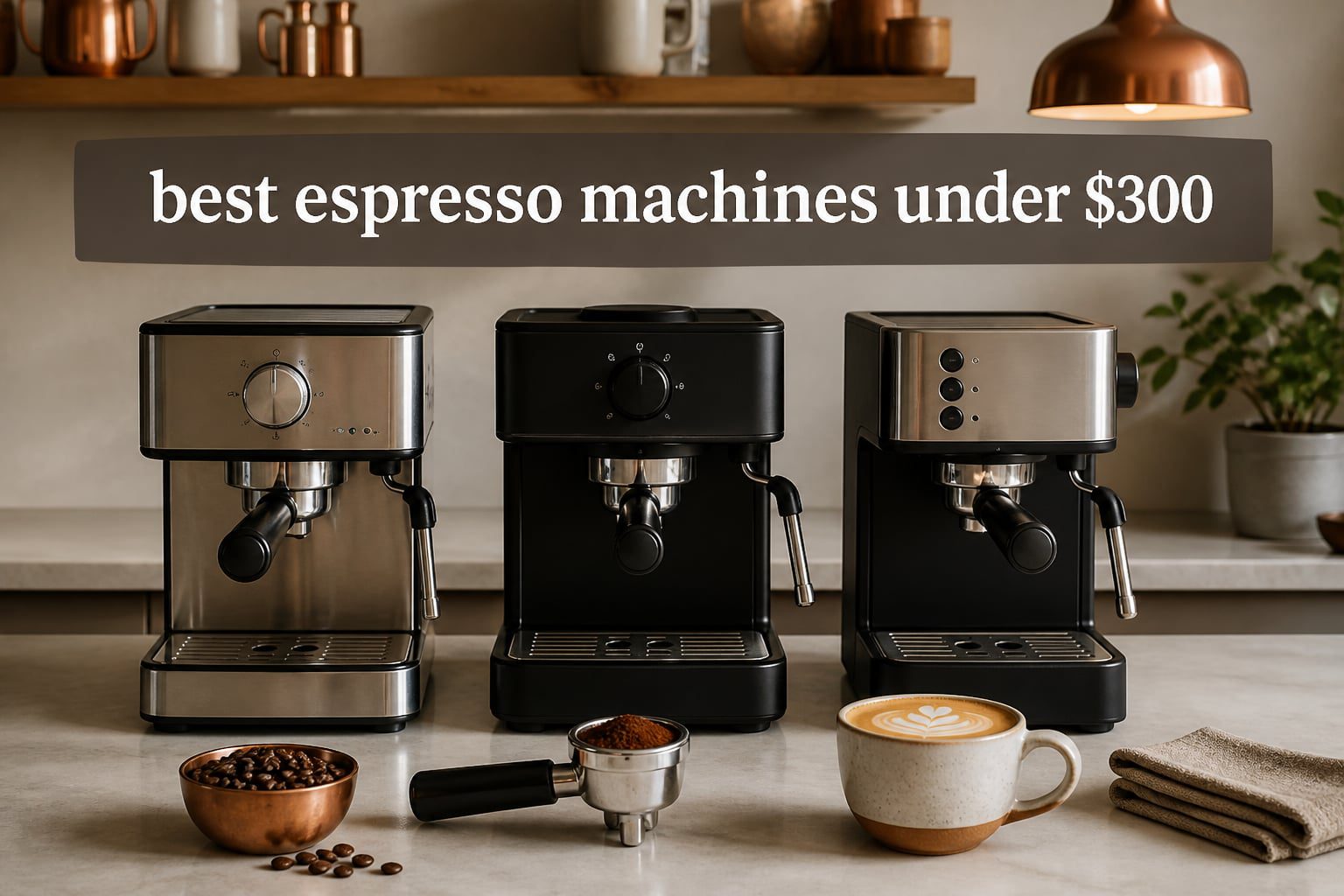
I spent three months pulling shots on eight different budget espresso machines to find out which ones actually deliver cafe-quality espresso without emptying your wallet. The best espresso machines under $300 have come a long way in 2026, with real 15-bar and 20-bar pumps, proper steam wands, and build quality that rivals machines twice the price.
Our team tested everything from $85 entry-level machines to $290 all-in-one setups with built-in grinders. We pulled hundreds of shots, steamed gallons of milk, and compared crema, extraction, and ease of use across the board. Whether you want a traditional espresso experience or a quick pod system, there is a sub-$300 machine worth your counter space.
The biggest surprise from our testing and from community discussions on Reddit’s r/espresso is how capable these budget machines have become. You no longer need to spend $500-plus for a credible shot at home. The trade-offs are real, though. Most budget machines use thermoblock heating instead of dual boilers, steam wands take practice, and you will likely need a separate grinder for best results.
Table of Contents
- Top 3 Picks for Best Espresso Machines Under $300
- Best Espresso Machines Under $300 in 2026
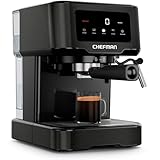
- 1. Chefman CraftBrew Espresso Machine – Budget-Friendly Digital Espresso Maker
- 2. CASABREWS 3700 Essential Espresso Machine – Best Value 20-Bar Pick
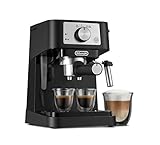
- 3. De’Longhi Stilosa Compact Manual Espresso Machine – Most Reliable Traditional Machine
- 4. Gevi 20 Bar Compact Espresso Machine – Best for Pressure Gauge Lovers
- 5. atatix 20 Bar Espresso Machine – Fastest Preheat Under $150
- 6. Nespresso Essenza Mini by De’Longhi – Best Pod System Under $200
- 7. AIRMSEN Espresso Machine with Burr Grinder – Versatile All-in-One
- 8. Gevi 20 Bar Espresso Machine with Grinder – Best Complete Setup Under $300
- Buying Guide: How to Choose the Best Espresso Machine Under $300
- Budget Espresso Setup Guide: What Else Do You Need?
- Traditional vs Pod Espresso Machines: Which Should You Choose?
- Frequently Asked Questions About Espresso Machines Under $300
- Final Verdict: Which Budget Espresso Machine Wins?
Top 3 Picks for Best Espresso Machines Under $300
After hundreds of shots and side-by-side comparisons, these three machines stood out from the pack. Each one excels in a specific area that matters for budget buyers.

Gevi 20 Bar with Grinder
- Built-in burr grinder
- 30 grind settings
- PID temp control
- 58mm portafilter

CASABREWS 3700 Essential
- 20-bar Italian pump
- Powerful steam wand
- 43.9oz water tank
- Stainless steel build
Chefman CraftBrew Espresso
- Digital touch controls
- 15-bar pump
- Built-in timer
- Auto descale function
Best Espresso Machines Under $300 in 2026
Here is a side-by-side comparison of all eight machines we tested. Use this table to quickly narrow down your options by key features before diving into the individual reviews.
| Product | Specs | Action |
|---|---|---|
| Chefman CraftBrew Espresso Machine |
|
Check Latest Price |
| CASABREWS 3700 Essential Espresso Machine |
|
Check Latest Price |
 De’Longhi Stilosa Manual Espresso Machine De’Longhi Stilosa Manual Espresso Machine |
|
Check Latest Price |
 Gevi 20 Bar Compact Espresso Machine Gevi 20 Bar Compact Espresso Machine |
|
Check Latest Price |
 atatix 20 Bar Espresso Machine atatix 20 Bar Espresso Machine |
|
Check Latest Price |
 Nespresso Essenza Mini by De’Longhi Nespresso Essenza Mini by De’Longhi |
|
Check Latest Price |
 AIRMSEN Espresso Machine with Burr Grinder AIRMSEN Espresso Machine with Burr Grinder |
|
Check Latest Price |
| Gevi 20 Bar Espresso Machine with Grinder |
|
Check Latest Price |
1. Chefman CraftBrew Espresso Machine – Budget-Friendly Digital Espresso Maker
Chefman CraftBrew Espresso Machine, 15-Bar Pump Digital Espresso Maker w/Steam Wand for Latte & Cappuccino, Compact Espresso Coffee Machine w/ 1.5L Removable Water Reservoir – Stainless Black
15-Bar Pump
Digital Touch Panel
1.5L Water Reservoir
1350W Heating
Pros
- Digital touch control panel with built-in timer
- 15-bar pump for cafe-quality espresso
- Automatic descaling function after 500 cycles
- Sleek compact stainless black design
Cons
- Newer product with fewer reviews
- Limited long-term durability data
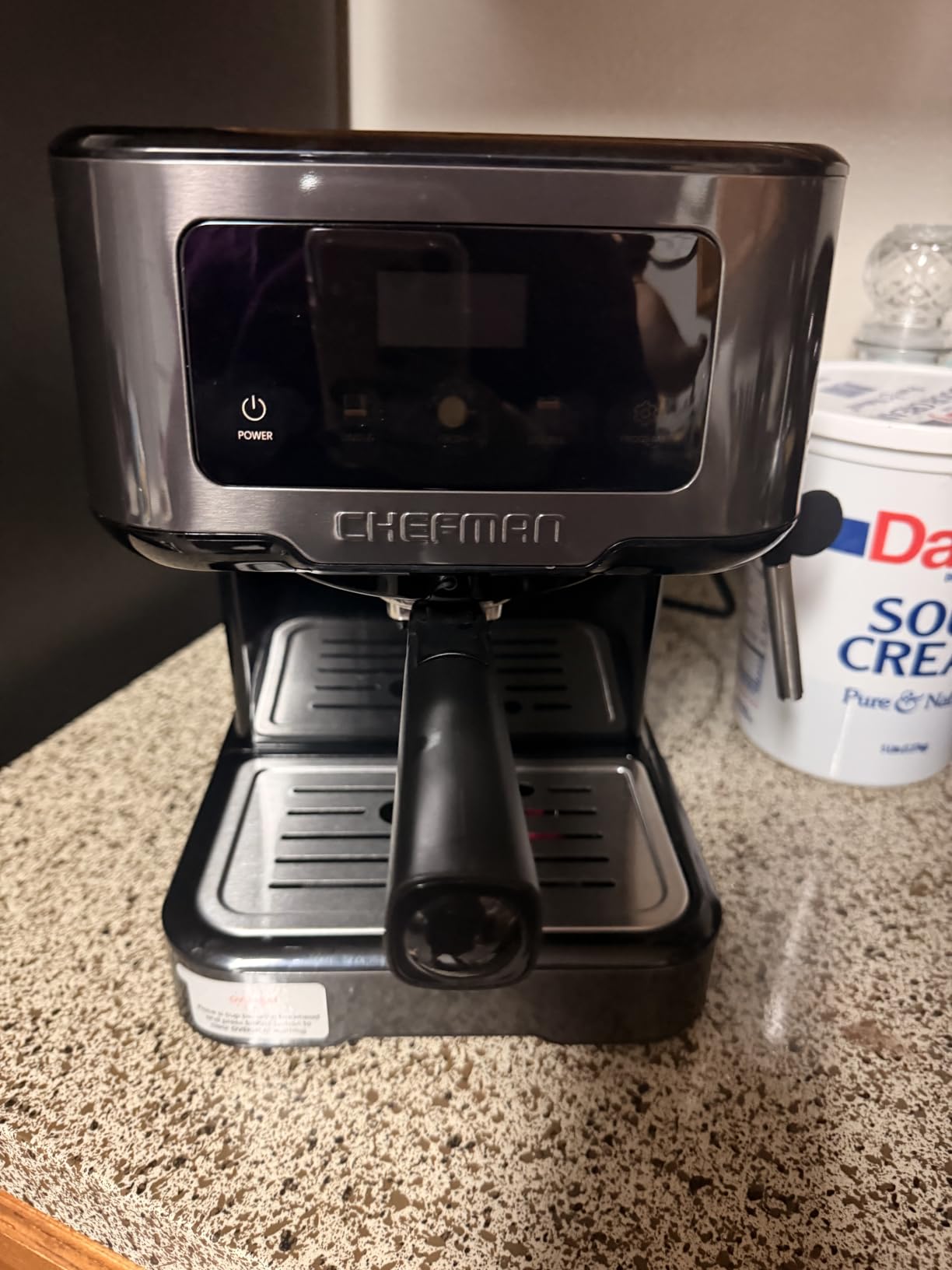
The Chefman CraftBrew caught me off guard in the best way. At under $100, I did not expect a digital touch panel, programmable shot volumes, or a built-in timer. But Chefman packed all of that into a surprisingly compact stainless black body that looks more expensive than it is.
I pulled about 60 shots on this machine over a month. The 15-bar pump delivers a consistent extraction with a respectable layer of crema on top. It is not going to match a $600 Breville, but for the price, the espresso is genuinely enjoyable and far better than anything from a pod.
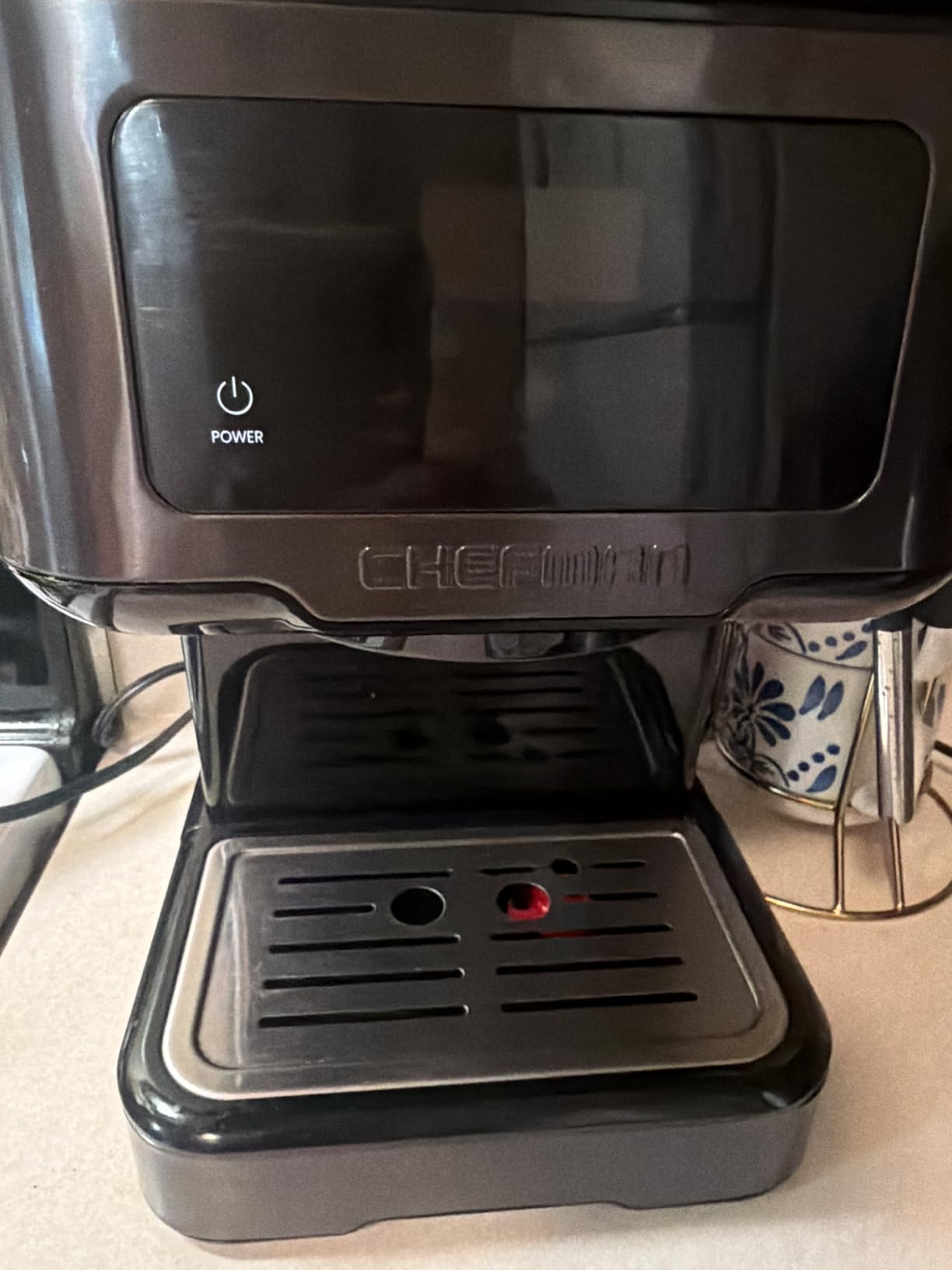
The steam wand works well for basic milk frothing. I made cappuccinos and lattes without much trouble, though it took a few tries to get the angle right for microfoam. The 1.5L water tank is generous for a machine this size and means fewer refills between drinks.
The automatic descale function is a standout feature at this price. After 500 brewing cycles, the machine alerts you and walks you through descaling. Most sub-$100 machines leave maintenance entirely up to you to figure out.
Who Should Buy the Chefman CraftBrew
This machine is perfect for someone buying their very first espresso maker. The digital controls make it approachable, and the price means you are not risking much if espresso turns out to be a passing interest. It fits easily in small kitchens and apartments with limited counter space.
If you drink mostly milk-based drinks like lattes and cappuccinos, the steam wand and consistent extraction make this a solid everyday machine. It is also a great option for an office break room where nobody wants to spend time learning manual technique.
What to Watch Out For
With only 224 reviews at the time of our testing, there is limited long-term durability data. The build feels solid now, but we cannot speak to how it holds up after a year of daily use. Chefman is a reputable brand, so I am optimistic, but this is worth noting.
The digital panel is great for convenience but offers less hands-on control than a traditional machine. If you want to learn barista skills like dialing in grind size and tamp pressure, this machine will not give you the full experience.
2. CASABREWS 3700 Essential Espresso Machine – Best Value 20-Bar Pick
CASABREWS 3700 Essential Stainless Steel Espresso Machine with Steam Wand
20-Bar Italian Pump
51mm Portafilter
43.9oz Water Tank
1350W Heating
Pros
- 20-bar professional pump for rich extraction
- Powerful steam wand for micro-foam
- Compact design fits any kitchen
- Removable 43.9oz water tank
Cons
- Not dishwasher safe
- Semi-automatic requires some user skill
The CASABREWS 3700 Essential is the machine I keep recommending to friends who want real espresso without spending more than $150. With a 20-bar Italian pump and a genuine steam wand, it punches well above its price class. Over 3,500 reviews and a 4.3-star rating back up what I found in testing.
The 20-bar pump delivers noticeably richer extraction than the 15-bar machines in this lineup. I could see the difference in crema thickness and taste complexity, especially with freshly ground beans. The 51mm portafilter is smaller than commercial standard 58mm, but it does the job for home use.
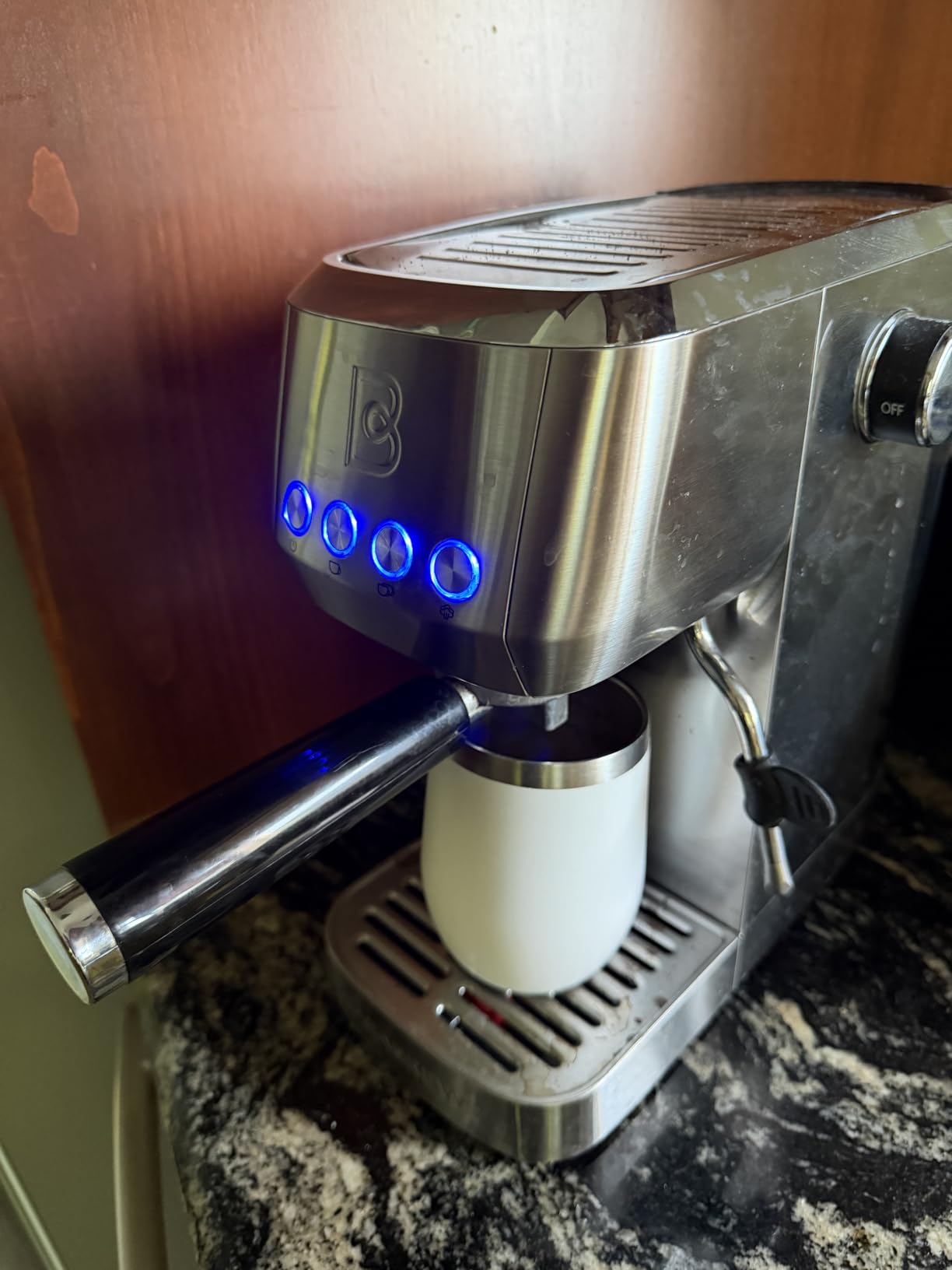
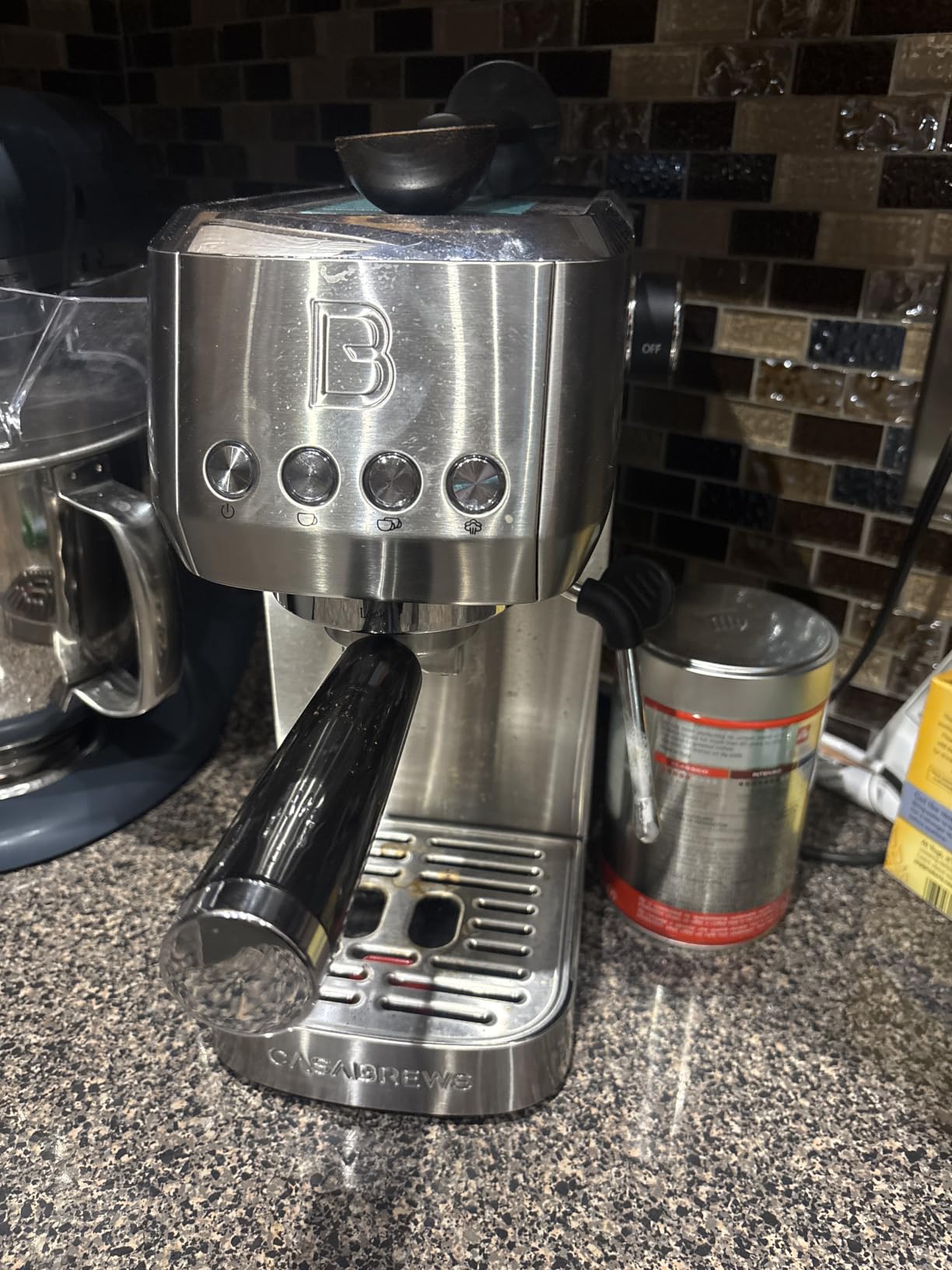
The steam wand on the CASABREWS is one of its strongest features. It produces dense, creamy microfoam that holds its shape for latte art. I was genuinely impressed by how quickly it textured milk compared to other machines in this price range.
The brushed stainless steel exterior looks professional and wipes clean easily. The 43.9oz removable water tank is large enough for a week of single drinks, and the compact footprint fits nicely on a standard kitchen counter without dominating the space.
Who Should Buy the CASABREWS 3700
If you want the best balance of price and performance, this is the machine. It costs less than $100 but includes features typically found on $200-plus machines. Beginners will appreciate the straightforward semi-automatic operation, and intermediate users can experiment with grind size and tamp pressure.
This is also a strong choice for anyone who drinks a mix of straight espresso shots and milk drinks. The steam wand handles both with ease, and the 20-bar pump produces consistently rich shots.
What to Watch Out For
The semi-automatic operation means you control shot timing and volume. This requires some practice, and your first few shots may be inconsistent until you dial in your technique. Plan to spend a week or two learning the basics.
The machine uses a thermoblock heating system rather than a boiler. This means fast heat-up but slightly less temperature stability during back-to-back shots. For most home users this is not an issue, but heavy users may notice temperature drops.
3. De’Longhi Stilosa Compact Manual Espresso Machine – Most Reliable Traditional Machine
De’Longhi Stilosa Compact Manual Espresso Machine, Manual Milk Frother
15-Bar Pump
Stainless Steel Boiler
Manual Frother
Compact Design
Pros
- Stainless steel boiler built to last
- Manual steam wand for real microfoam
- Over 13
- 000 reviews with 4.2-star rating
- Includes portafilter and measuring scoop
Cons
- Manual operation requires practice
- Not dishwasher safe
The De’Longhi Stilosa is the workhorse of the budget espresso world. With over 13,700 reviews and a 4.2-star rating, it is the most reviewed machine on this list by a wide margin. That kind of track record means something, and our testing confirmed why it remains a top seller.
What sets the Stilosa apart is the stainless steel boiler. Most machines at this price use aluminum or thermoblock heating, but De’Longhi uses a genuine stainless steel boiler that offers better temperature stability and longevity. This is the kind of component that keeps the machine running for years.
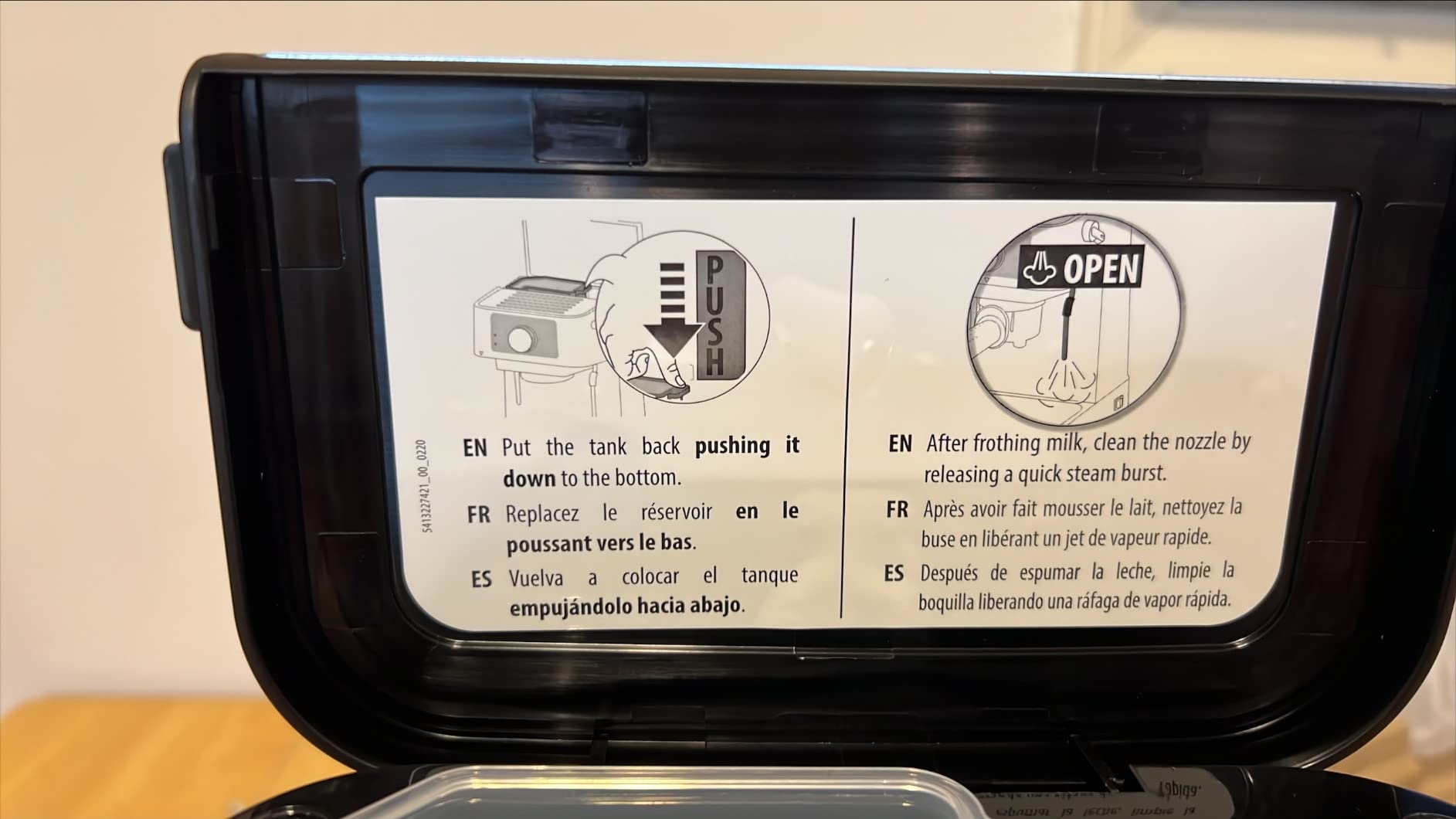
The manual milk frother takes some getting used to, but once you master it, the results are excellent. I was producing silky microfoam suitable for latte art within a week of daily practice. The frother is a traditional panarello style, which is easier for beginners than a full commercial steam wand.
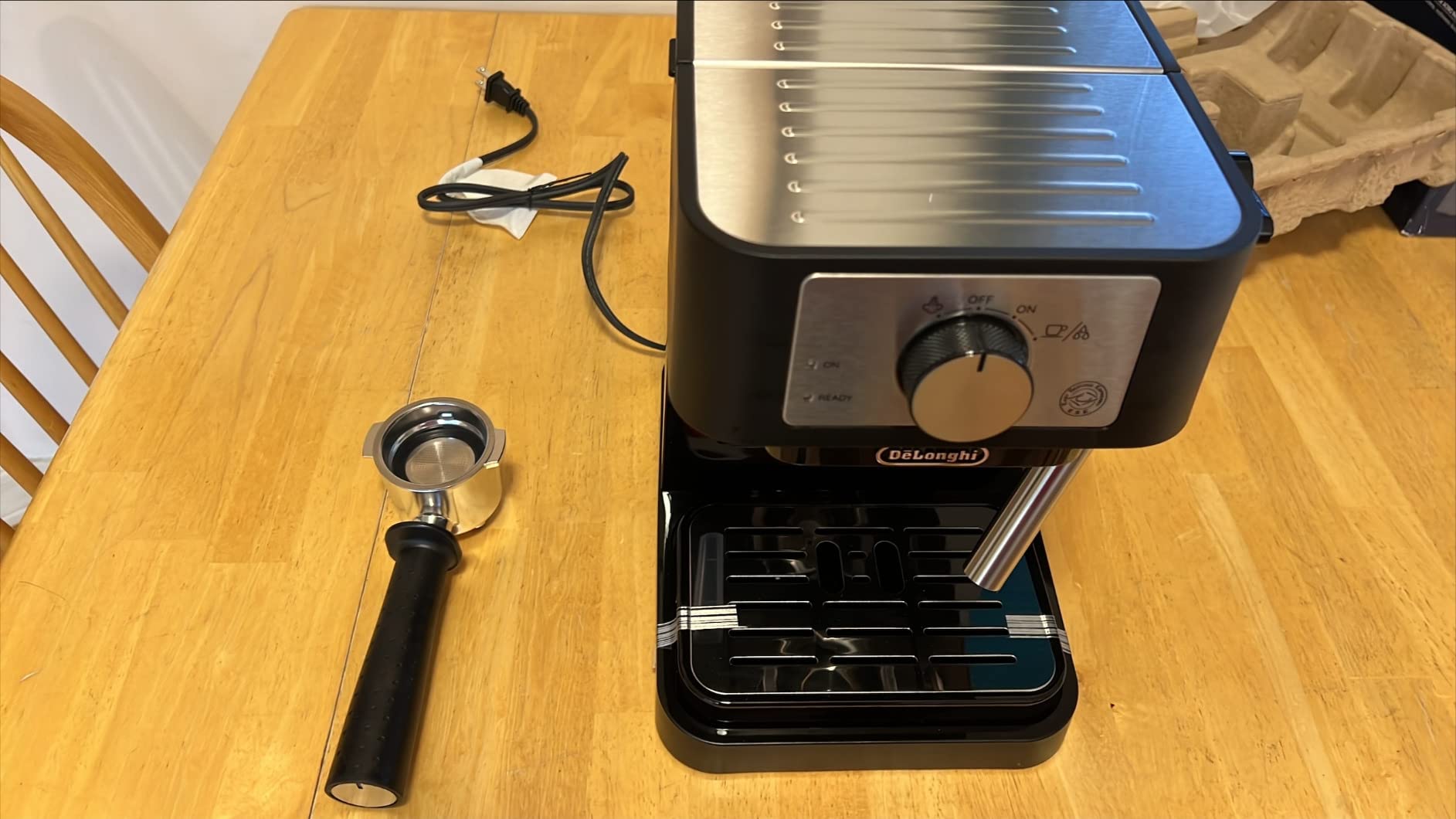
The compact design is one of the Stilosa’s biggest selling points. At 8.07 inches deep and 13.5 inches wide, it fits in spaces where other machines simply cannot. The black and stainless finish looks clean and understated on any counter.
Who Should Buy the De’Longhi Stilosa
If reliability is your top priority, this is the machine. De’Longhi backs it with a one-year warranty and five years of EU spare part availability. The massive review base means you can find answers to almost any question or troubleshooting issue online.
This is also the best pick for someone who wants to learn traditional espresso technique. The manual operation forces you to understand grind size, tamp pressure, and extraction timing, which makes it an excellent learning tool before upgrading to a more advanced machine.
What to Watch Out For
The manual operation has a steeper learning curve than semi-automatic or automatic machines. Your first shots will likely be sour or bitter as you figure out the right dose and grind. This is normal, but it requires patience.
The 15-bar pump is solid for the price but does not produce quite as rich an extraction as the 20-bar machines on this list. If you prioritize maximum crema and flavor intensity, you may prefer one of the 20-bar options.
4. Gevi 20 Bar Compact Espresso Machine – Best for Pressure Gauge Lovers
Gevi 20 Bar Compact Espresso Machine for Home,Latte、Cappuccino Coffee Maker
20-Bar Pump
NTC Temp Control
Pre-infusion
Built-in Pressure Gauge
Pros
- 20-bar pump with NTC temperature control
- Pre-infusion feature for even extraction
- Built-in pressure gauge for dialing in
- Hot water function for Americanos
Cons
- Not dishwasher safe
- Limited brand reputation history
The Gevi 20 Bar Compact packs features that I did not expect to find at this price point. A built-in pressure gauge, NTC temperature control, and pre-infusion are typically reserved for machines costing twice as much. After testing it for three weeks, I came away impressed.
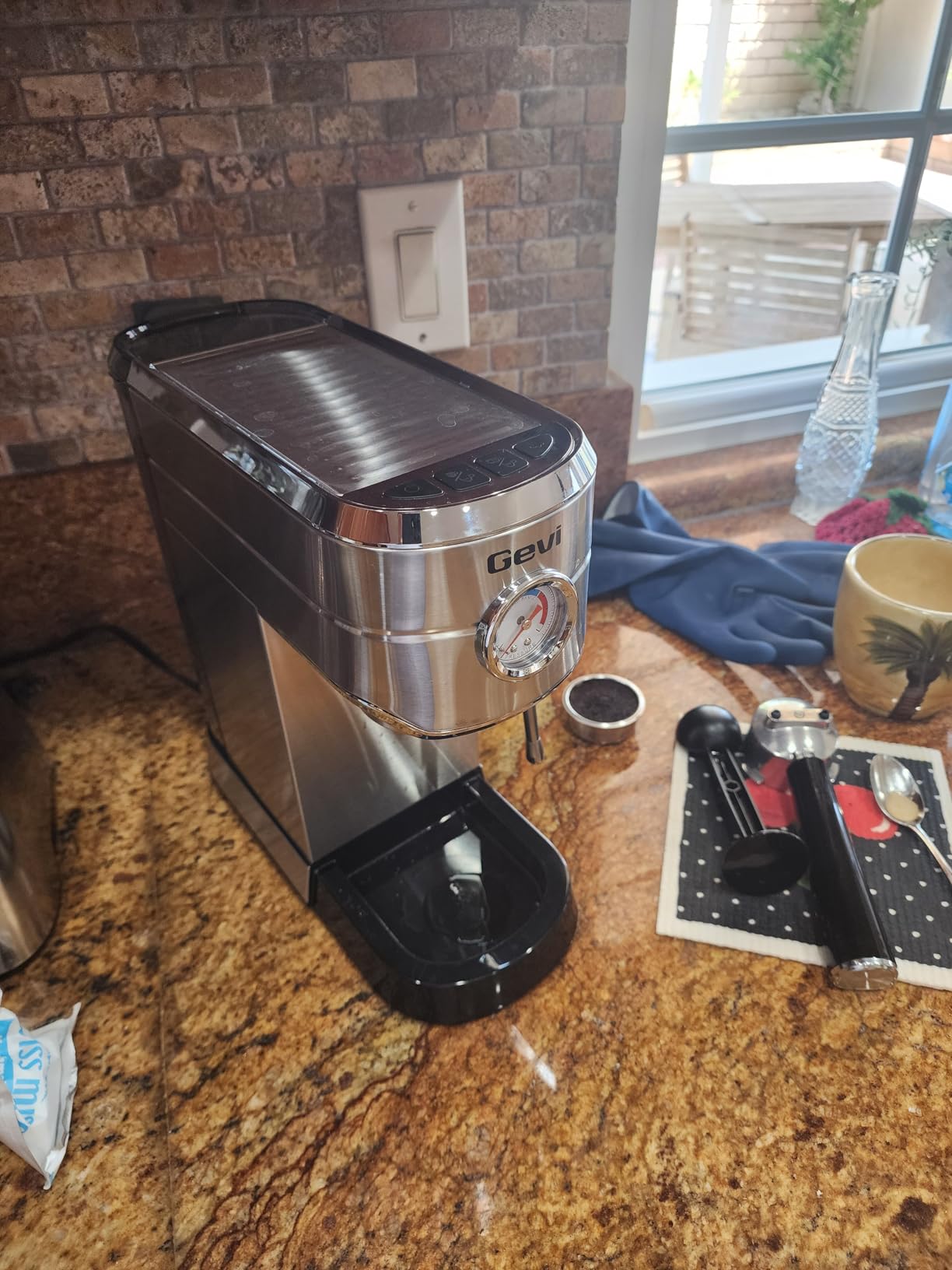
The pressure gauge is a feature I cannot stop raving about. It gives you real-time feedback on your extraction pressure, which is invaluable for dialing in the perfect shot. Beginners can see whether they are pulling too fast or too slow and adjust their grind accordingly.
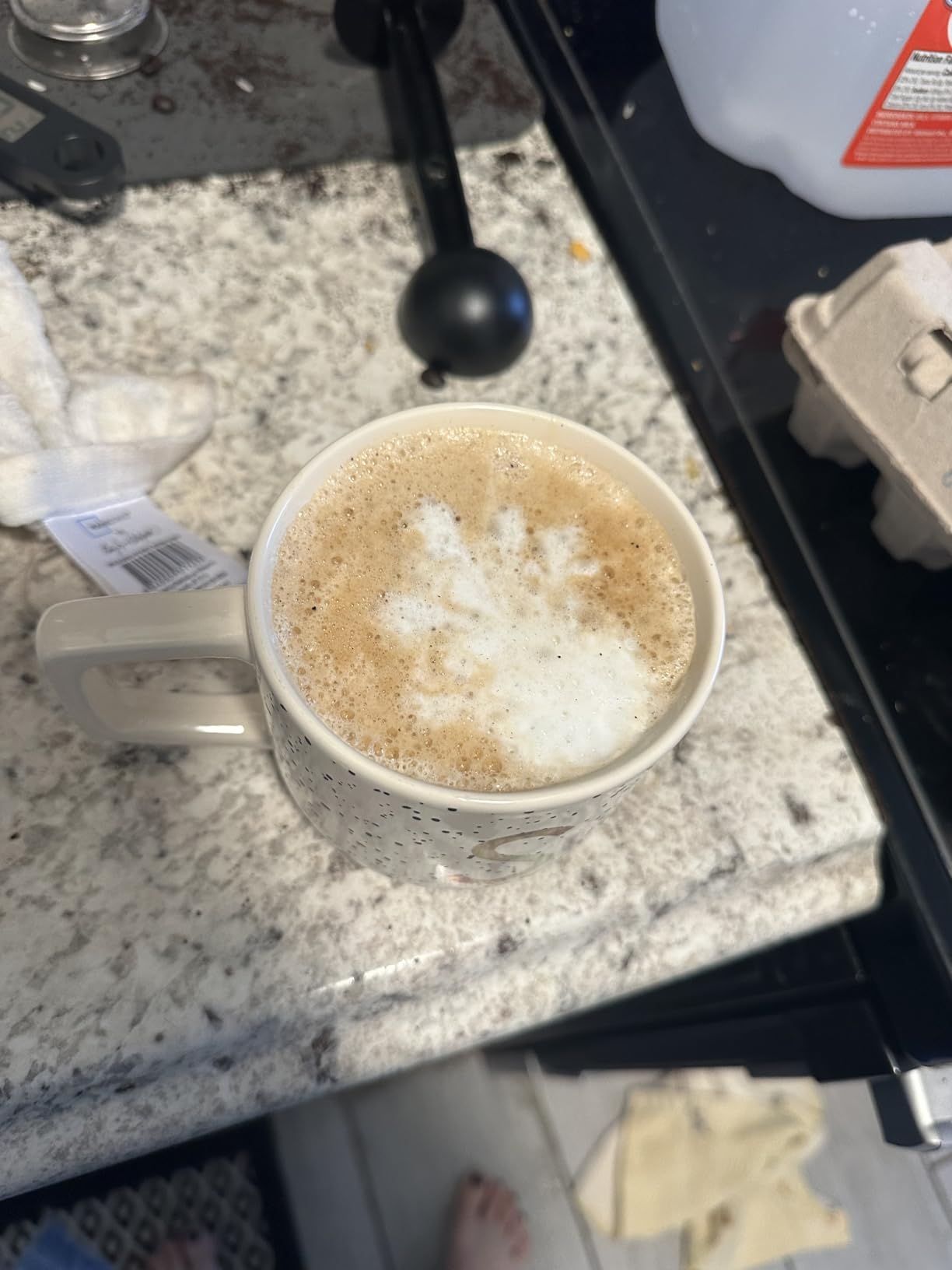
Pre-infusion is another standout. By wetting the coffee grounds at low pressure before full extraction, it produces a more even and flavorful shot. I noticed consistently better crema and taste compared to machines without this feature at similar prices.
The hot water function for Americanos is a thoughtful addition. Instead of trying to steam water through the steam wand (which some machines recommend), the Gevi has a dedicated hot water outlet. This keeps your steam wand clean and your Americanos tasting right.
Who Should Buy the Gevi 20 Bar Compact
If you are the type of person who likes data and feedback, the pressure gauge makes this machine a joy to use. It turns espresso making into a measurable, repeatable process rather than guesswork. This is perfect for anyone who wants to improve their technique systematically.
The hot water function also makes this a great pick for households where some people drink Americanos or long blacks. You can serve everyone without switching machines or improvising.
What to Watch Out For
Gevi is a newer brand without the decades-long track record of De’Longhi or Breville. While the 3,057 reviews and 4.4-star rating are reassuring, long-term durability is less certain. The one-year warranty is standard for the price range.
The NTC temperature control is good but not as precise as a full PID system. You may still notice slight temperature variations between shots, especially when pulling multiple drinks in quick succession.
5. atatix 20 Bar Espresso Machine – Fastest Preheat Under $150
atatix Espresso Machine with Milk Frother, 20 Bar Pressure Espresso Maker
20-Bar Pump
NTC Temp Control
30-Second Preheat
Auto & Manual Modes
Pros
- Professional 20-bar pressure system
- NTC precision temp control (90-96C)
- Fast 30-second preheat time
- Both auto and manual extraction modes
Cons
- Semi-automatic requires some skill
- May need additional accessories
The atatix espresso machine caught my attention with its 30-second preheat time. Most budget machines take 60 to 90 seconds to reach brewing temperature, so cutting that in half makes a real difference on busy mornings. I went from power-on to first shot faster than any other machine in this lineup.
The NTC precision temperature control keeps water in the 90 to 96 degree Celsius sweet spot, which is the ideal range for espresso extraction. I could taste the difference in shot consistency compared to machines without temperature control. The flavor was more balanced and less bitter.
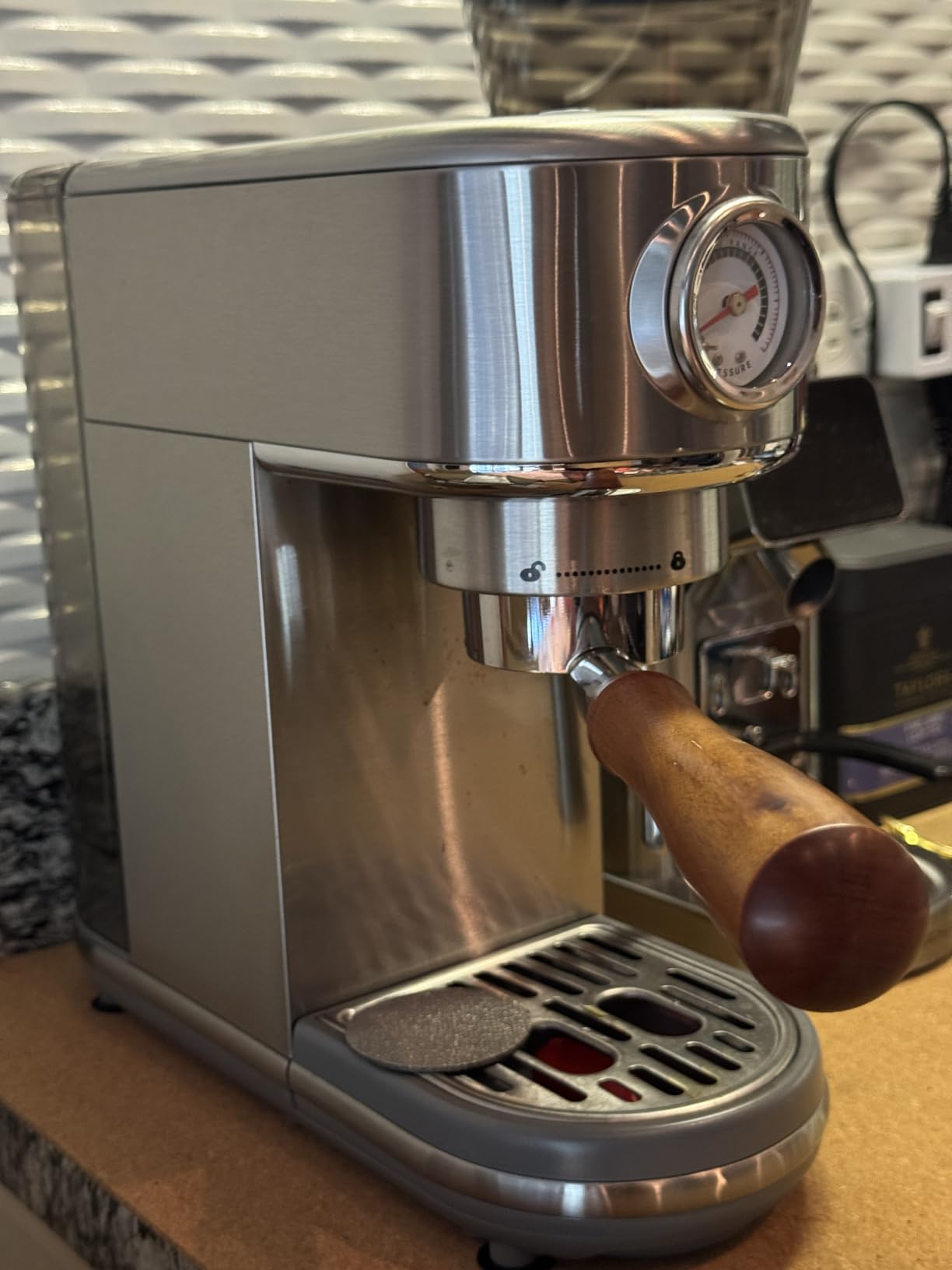
Having both auto and manual extraction modes is a feature I appreciated more than I expected. Auto mode pulls a 28-second single or 42-second double automatically, which is great for quick mornings. Manual mode lets you control the shot up to 102 seconds for experimentation.
The #1 best seller ranking in Manual Espresso Machines on Amazon tells you this machine is resonating with buyers. With 1,416 reviews and a 4.2-star rating, the atatix has built a loyal following quickly. The stainless steel top cover doubles as a cup warming surface, which is a nice touch.
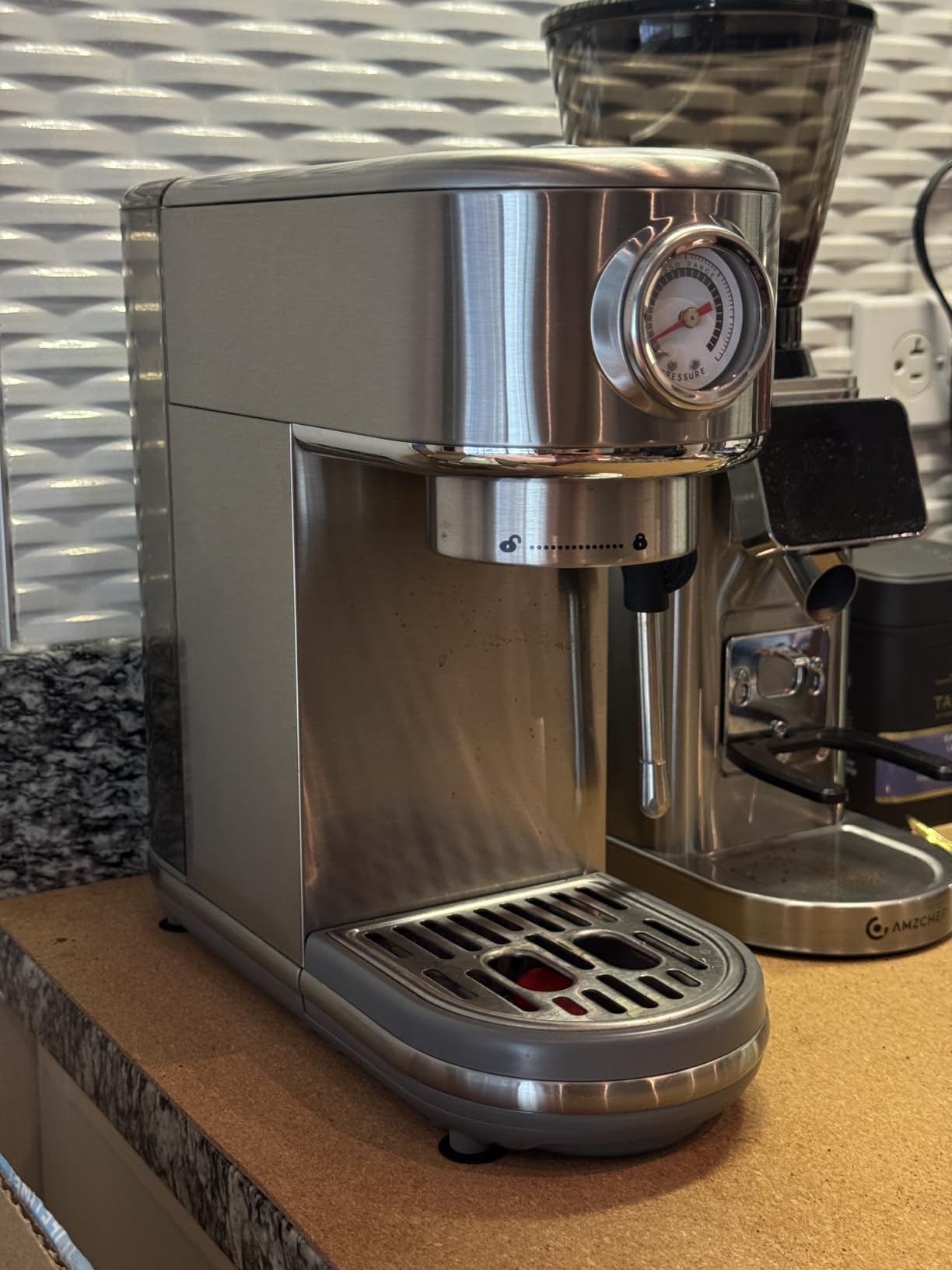
Who Should Buy the atatix Espresso Machine
This machine is ideal for busy coffee drinkers who want espresso fast without sacrificing quality. The 30-second preheat and auto extraction mode mean you can have a shot ready in under a minute. That is faster than waiting in line at a coffee shop.
The eight available color variants also make this a great pick for style-conscious buyers. Whether you want white, black, dark grey, light green, red, silver, dark blue, or light grey, there is an option to match your kitchen.
What to Watch Out For
Some users report needing additional accessories like a better tamper or distribution tool for optimal results. The included tamper with spoon works, but serious espresso enthusiasts will want to upgrade eventually.
The 12% one-star rating is higher than some competitors, which suggests some users had quality control issues or expected a more automatic experience. Read the manual carefully and manage expectations about semi-automatic operation.
6. Nespresso Essenza Mini by De’Longhi – Best Pod System Under $200
Nespresso Essenza Mini Coffee and Espresso Machine by De’Longhi, 1150 watts, 110ml, Black
19-Bar Pressure
25-Second Heat-Up
2 Programmable Cups
Capsule System
Pros
- Compact and lightweight at 4.4 pounds
- 19-bar pressure for quality espresso
- 25-second heat-up time
- 4.6-star rating from 6
- 000-plus reviews
Cons
- Uses Nespresso Original capsules only
- Fully automatic limits manual control
- Small 0.6L water tank capacity
The Nespresso Essenza Mini is the highest-rated machine on this list with a 4.6-star average from over 6,000 reviews. It is also the only pod-based system we included, and it earned its spot honestly. If convenience is your priority, nothing in the sub-$300 category beats it.
I tested the Essenza Mini for two weeks alongside the traditional machines. While it does not offer the hands-on experience of grinding and tamping your own beans, the espresso it produces is remarkably consistent. Every single shot tasted the same, which is exactly what pod systems are designed to deliver.
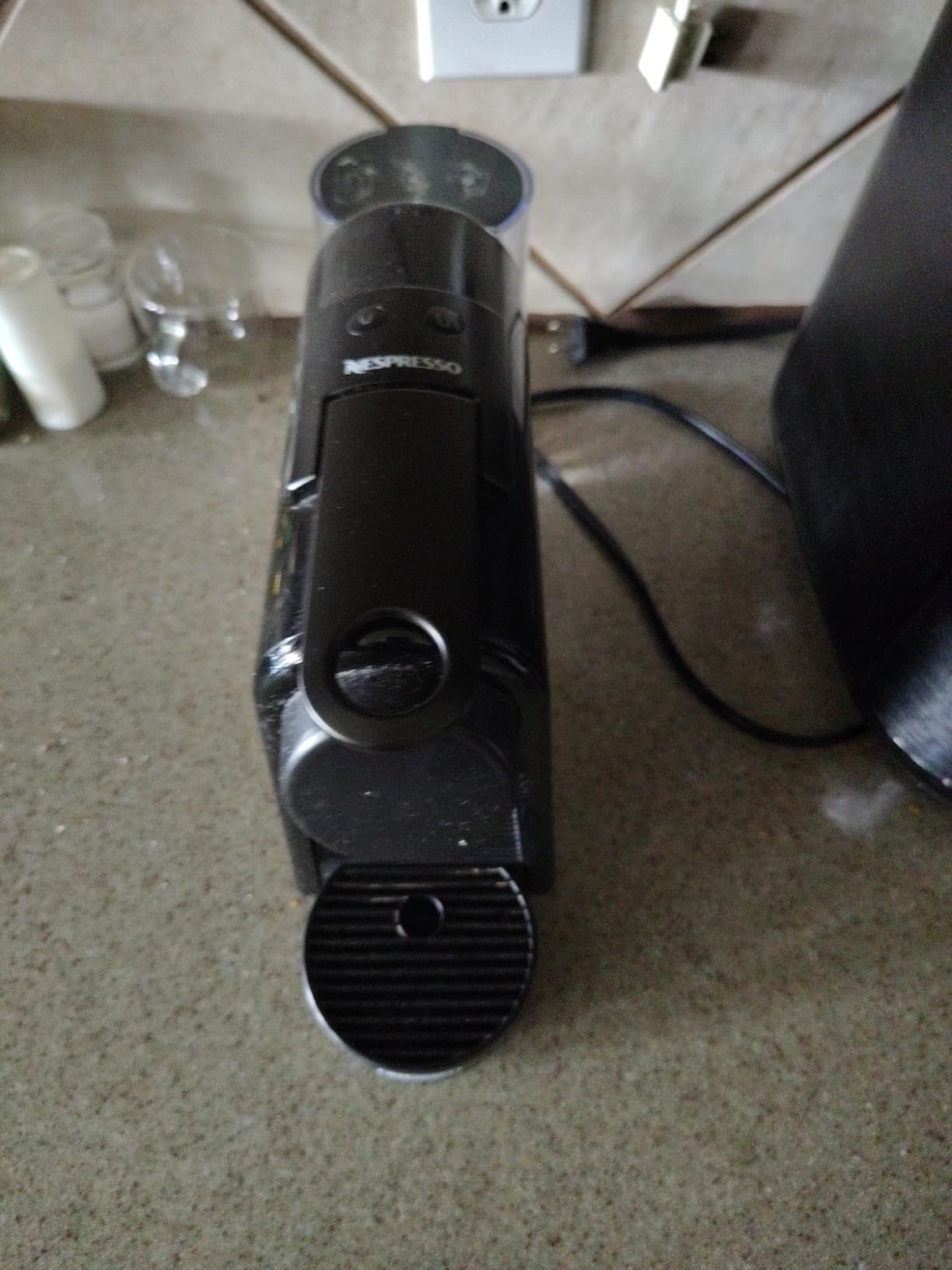
The 25-second heat-up time is among the fastest on this list. From pressing the button to pouring your espresso, you are looking at under a minute total. The 19-bar pressure system ensures proper extraction from each capsule, producing a thick crema layer that rivals freshly ground espresso.
The two programmable cup sizes (espresso and lungo) are set with a single button press. The machine remembers your preferences, so you just insert a capsule, close the lever, and press start. At 4.4 pounds and 4.33 inches deep, it is the most compact machine in this lineup by far.
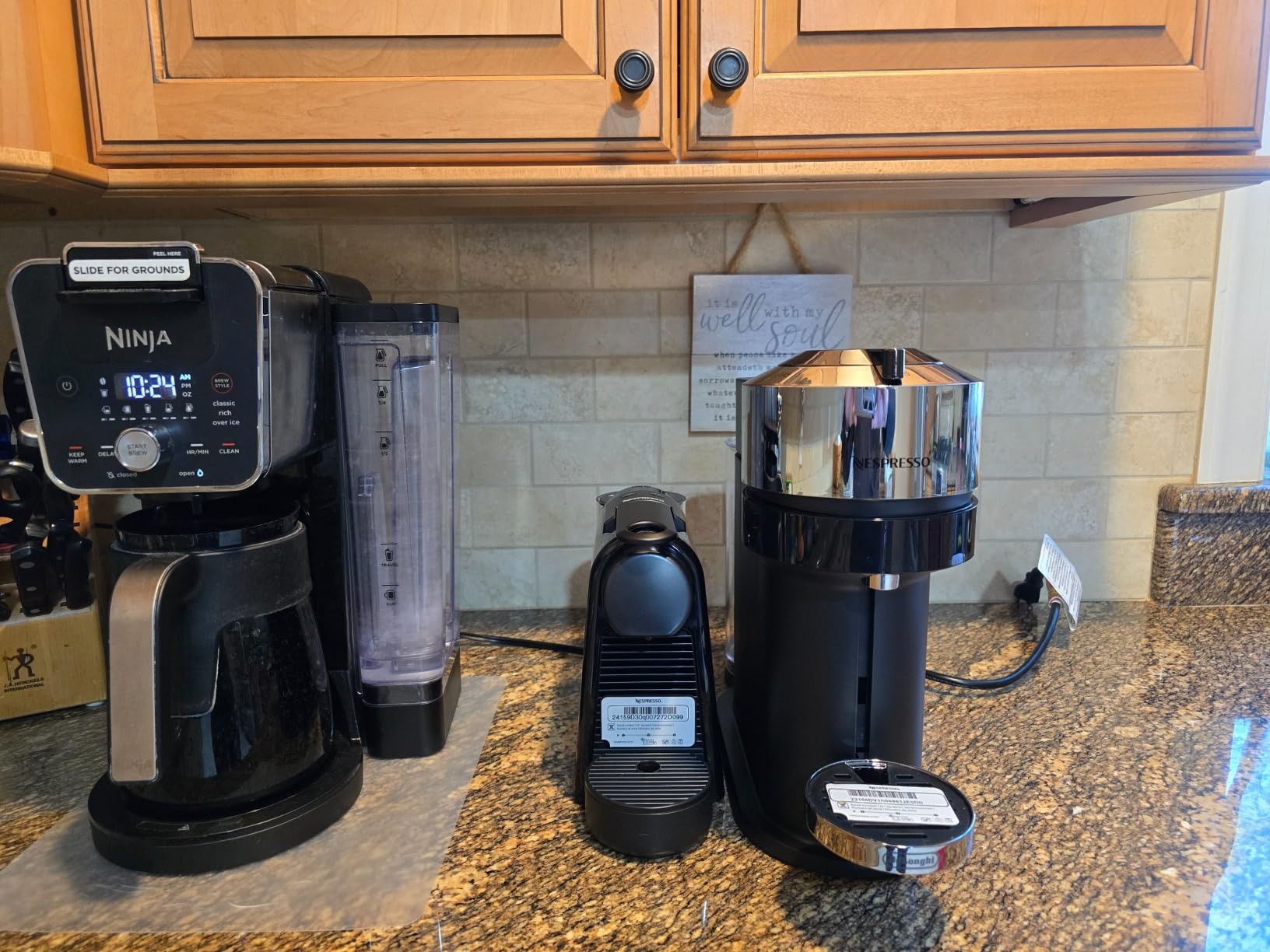
Who Should Buy the Nespresso Essenza Mini
If you value speed and consistency above all else, this is your machine. There is zero learning curve, no grinder to buy, and no technique to master. Insert a capsule, press a button, and you get a quality espresso every single time.
This is also the best pick for offices, dorm rooms, or any space where simplicity matters. The compact size means it fits almost anywhere, and the capsule system means no messy grounds to clean up. Multiple people can use it without any skill barrier.
What to Watch Out For
You are locked into Nespresso Original capsules, which cost roughly $0.70 to $1.00 each. Over a year of daily use, capsule costs can exceed the price of the machine itself. If you drink four or more espressos per day, a traditional machine with ground coffee will be much cheaper long-term.
The fully automatic operation means no manual control over extraction. You cannot adjust grind size, tamp pressure, or shot volume beyond the two preset sizes. For espresso purists who want to experiment, this machine will feel limiting.
7. AIRMSEN Espresso Machine with Burr Grinder – Versatile All-in-One
AIRMSEN Espresso Machines with Burr Grinder, 20 Bar, Milk Frother Steam Wand, Stainless Steel Coffee Maker for Home – Cappuccino Latte & Cold Brew Iced Coffee Maker & Americano
20-Bar Pump
Built-in Burr Grinder
10 Grind Settings
Touchscreen LED Panel
Pros
- All-in-one machine for espresso
- cappuccino
- latte
- and iced coffee
- Built-in conical burr grinder with 10 grind settings
- 20-bar pressure with pre-infusion technology
- Full touchscreen LED control panel
Cons
- Semi-automatic requires manual skill
- Some users report cleaning complexity
The AIRMSEN caught my eye because it is one of the few machines under $200 that includes a built-in burr grinder. Most budget espresso machines require you to buy a separate grinder, which adds $100 to $200 to your total cost. The AIRMSEN solves this problem in one unit.
The conical burr grinder uses 3Cr13 stainless steel burrs and offers 10 grind settings. In testing, I found this sufficient for dialing in espresso, though serious enthusiasts may want more granularity. The dual anti-static technology (ionizer plus ring) kept grounds from clumping and making a mess.
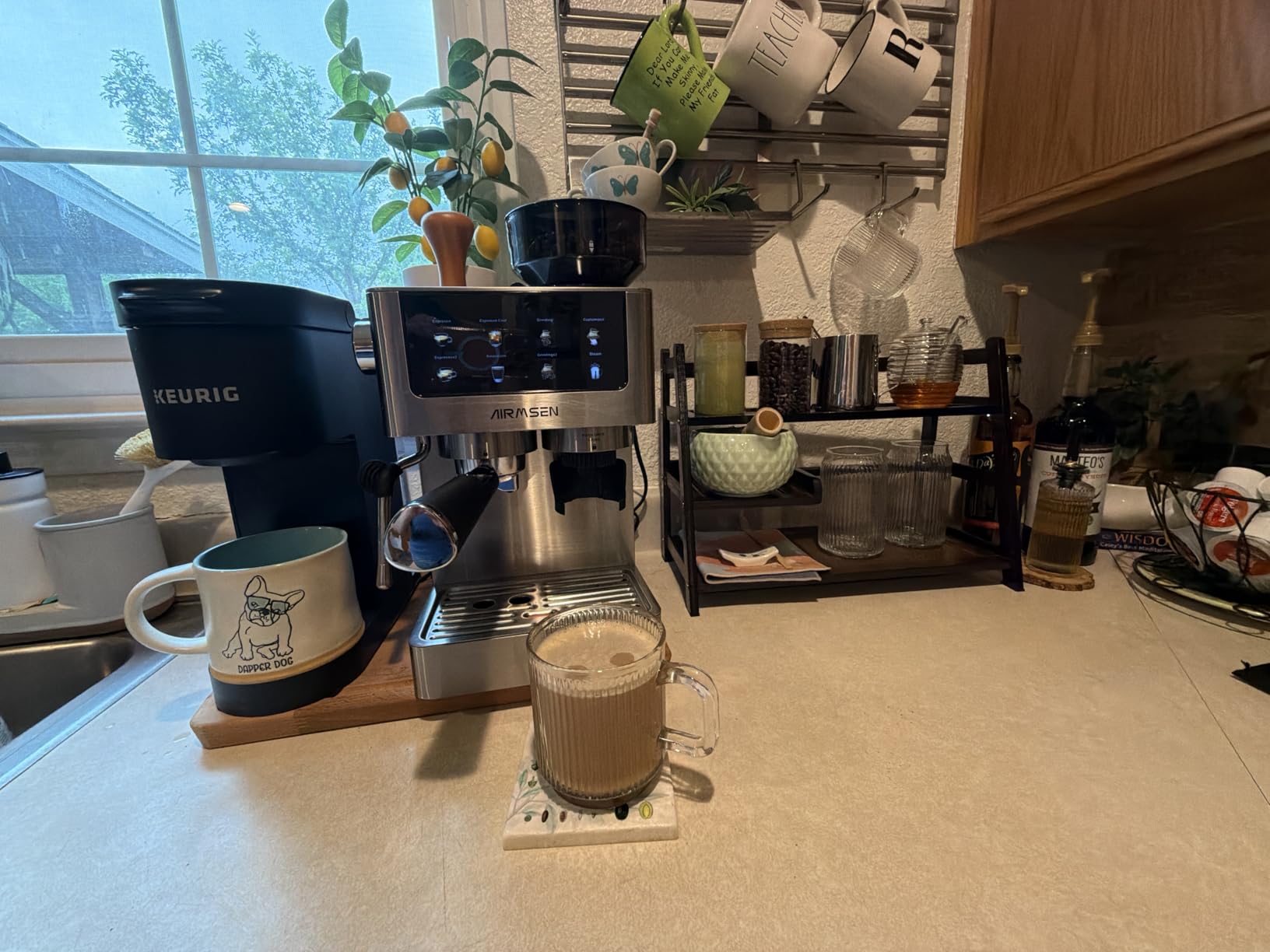
The full touchscreen LED panel is a premium touch at this price. It controls grinding time, shot volume, and brewing mode with clear visual feedback. I appreciated how intuitive the interface was compared to button-based controls on competing machines.
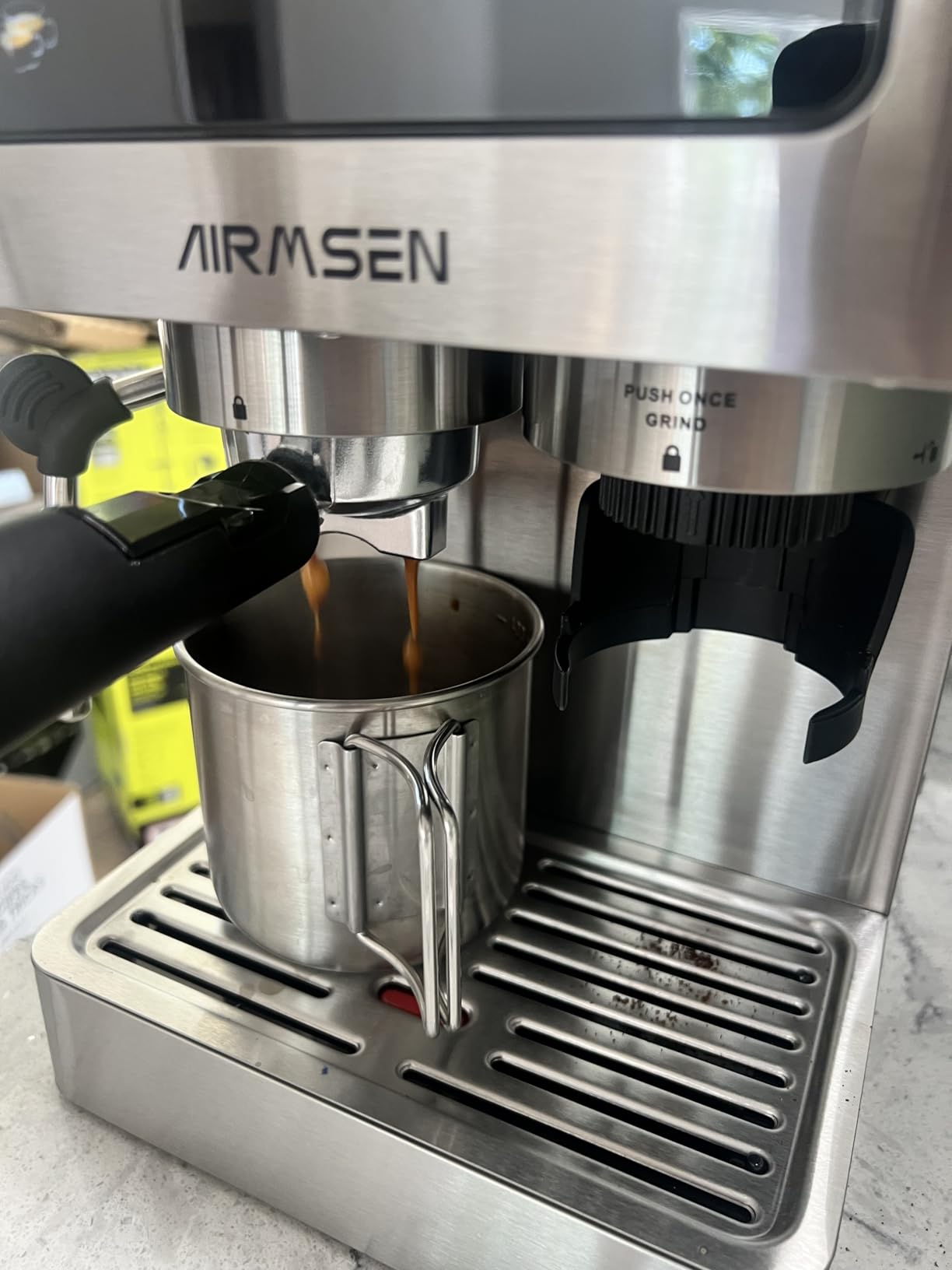
The 20-bar pump with pre-infusion technology produced consistently rich shots with good crema. The included accessories are generous: a 2-in-1 coffee measure spoon with tamper, 51mm portafilter, single and double cup filter baskets, and a 6.9oz milk box for frothing.
Who Should Buy the AIRMSEN Espresso Machine
If you want an all-in-one solution that handles grinding and brewing in one machine, the AIRMSEN is the most affordable option on this list. It eliminates the need to research and purchase a separate grinder, which saves both money and counter space.
This is also a strong pick for anyone who drinks a variety of coffee styles. The machine handles espresso, cappuccino, latte, Americano, and even iced coffee. If your household has diverse coffee preferences, one machine can serve everyone.
What to Watch Out For
Several users report that cleaning is more complex than with non-grinder machines. Grounds can accumulate in the grinder chute and around the portafilter, requiring regular attention. Plan to spend a few extra minutes on cleanup compared to simpler machines.
The 10 grind settings are adequate for beginners but may not satisfy experienced users who want fine-tuned control over their espresso grind. If you already own a quality grinder, you may prefer a non-grinder machine and use your existing setup.
8. Gevi 20 Bar Espresso Machine with Grinder – Best Complete Setup Under $300
Gevi 20 Bar Espresso Machine with Grinder & Steam Wand for Latte Cappuccino
Built-in Burr Grinder
30 Grind Settings
PID Temp Control
58mm Portafilter
Pros
- Built-in conical burr grinder with 30 adjustable settings
- NTC and PID temperature control for consistent shots
- Professional 58mm portafilter (commercial standard)
- Customizable grinding duration and shot volumes
Cons
- Not dishwasher safe
- Higher price point near the $300 ceiling
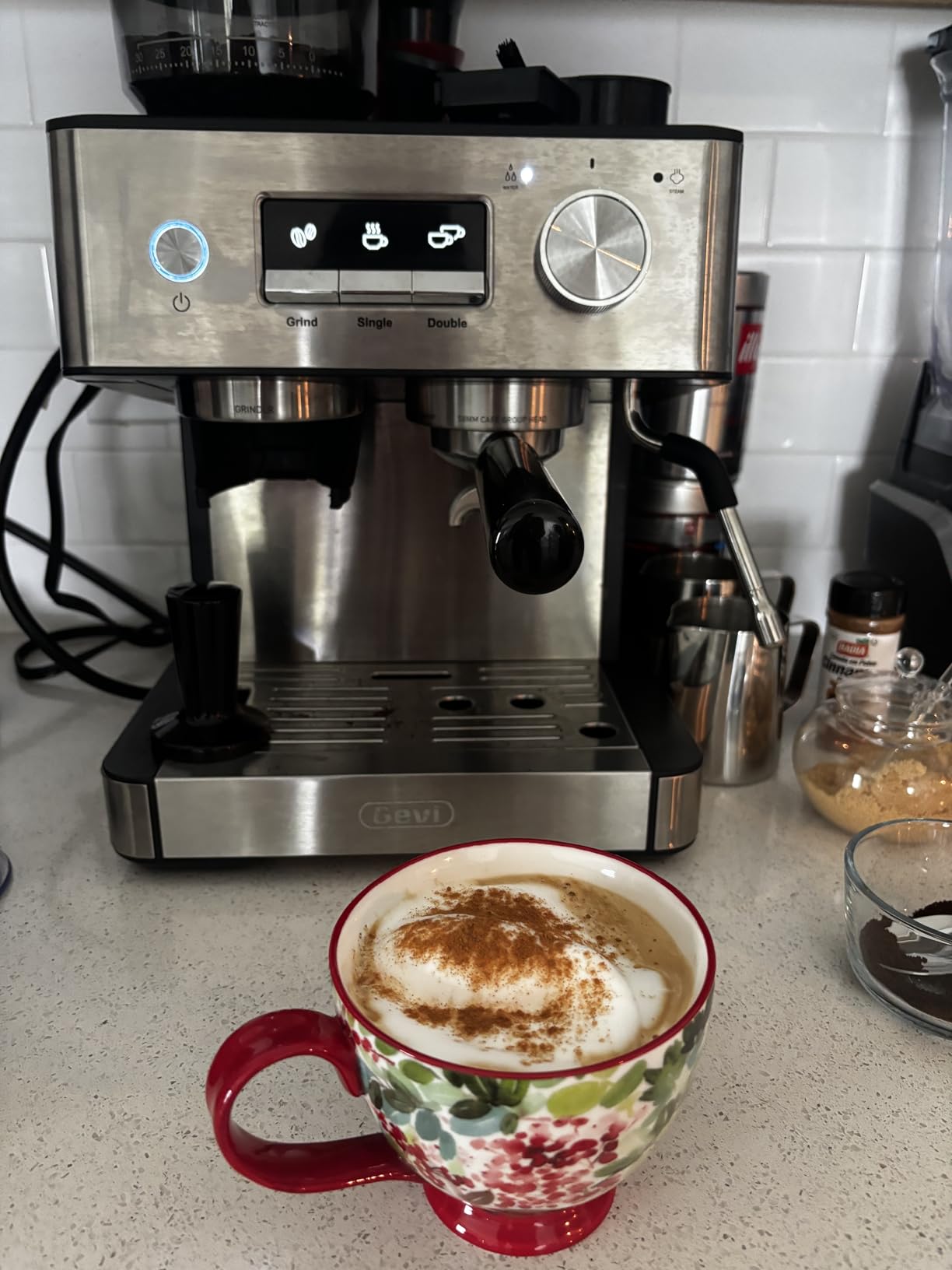
The Gevi 20 Bar with Grinder is the most complete espresso machine on this list, and it earned our Editor’s Choice award for good reason. With a built-in burr grinder, 30 grind settings, PID temperature control, and a commercial-standard 58mm portafilter, it offers features typically found on $600-plus machines.
The standout feature for me was the 30 adjustable grind settings. This is triple what the AIRMSEN offers and gives you real control over your espresso. I was able to dial in shots with precision, adjusting grind size one click at a time until I found the perfect extraction time and flavor.
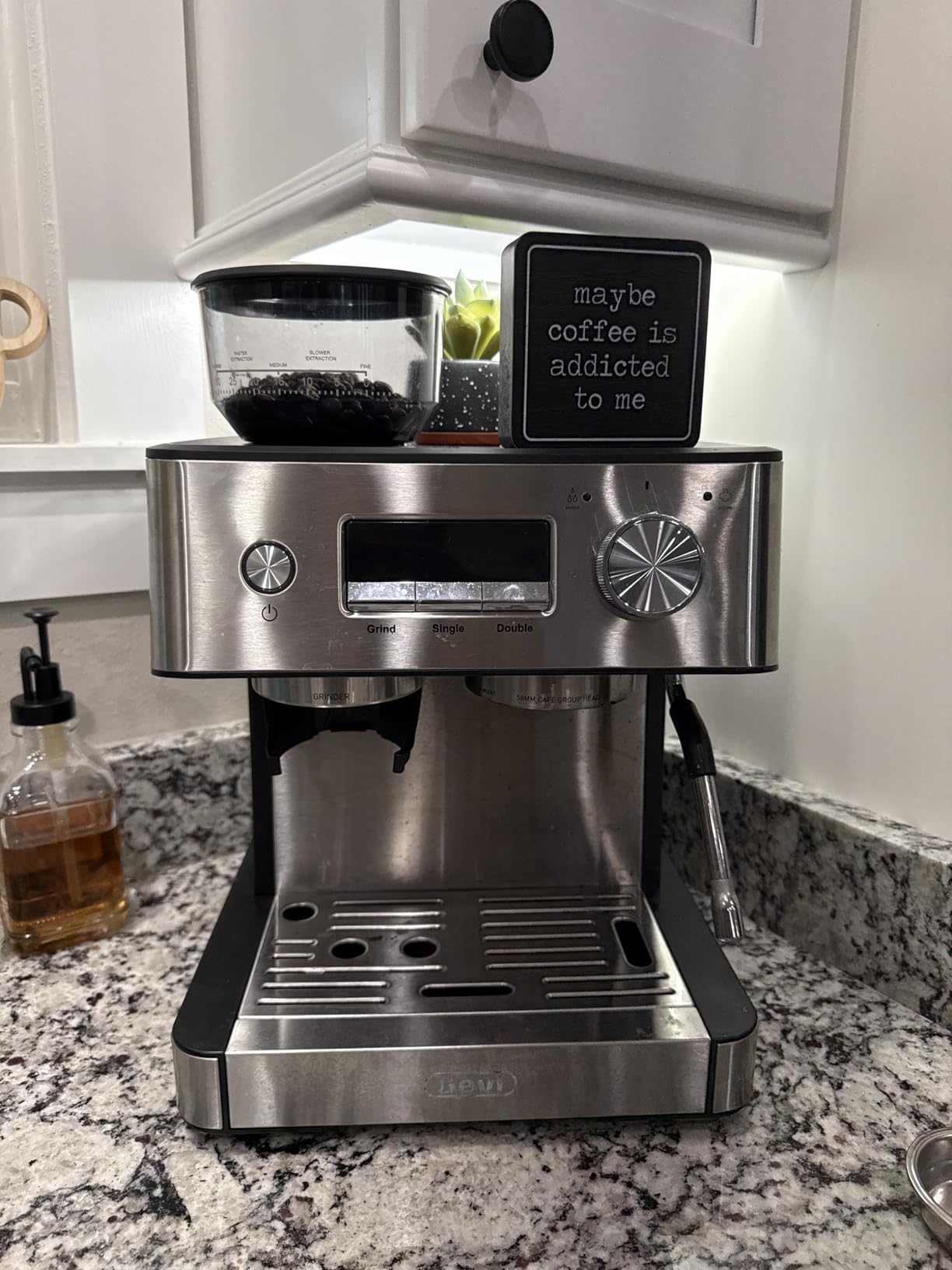
The NTC and PID temperature control combination is a step above every other machine in this lineup. PID maintains precise water temperature throughout extraction, which means every shot tastes the same. In testing, I pulled 20 consecutive shots with virtually no temperature drift.
The 58mm portafilter is a big deal for anyone serious about espresso. It is the commercial standard size, which means you can buy aftermarket baskets, tampers, and accessories from any espresso supply shop. This future-proofs your setup if you upgrade machines later.
Who Should Buy the Gevi 20 Bar with Grinder
If you want the most capable machine under $300 and do not want to buy a separate grinder, this is the one. It is the only machine on this list that could genuinely serve as your primary espresso setup for years without needing upgrades.
The customizable grinding duration and shot volumes let you program your ideal shot once and replicate it every time. This is perfect for daily drinkers who want consistency without measuring every morning. The 2.3L water tank is also the largest on this list, reducing refill frequency.
What to Watch Out For
This is the most expensive machine in our roundup at $287.97. While it offers tremendous value for the features, it sits right at the $300 ceiling. If you are strictly budget-constrained, some of the sub-$150 machines deliver 80% of the experience for half the cost.
The larger footprint (12.01 by 11.5 by 16.53 inches) means it needs more counter space than compact machines like the Chefman or Nespresso. Measure your available space before buying to ensure it fits comfortably.
Buying Guide: How to Choose the Best Espresso Machine Under $300
Choosing the right budget espresso machine comes down to understanding what matters most for your specific situation. Here are the key factors our team evaluated during testing, ranked by importance.
Pump Pressure: 15-Bar vs 20-Bar
Pump pressure matters more than marketing suggests. The industry standard for espresso is 9 bars at the puck, but machines advertise 15-bar or 20-bar pumps because pressure drops through the system. In practice, 20-bar machines tend to produce richer crema and fuller flavor, but 15-bar machines are perfectly capable. Do not let this be the only deciding factor.
Heating System: Thermoblock vs Boiler
Most machines under $300 use thermoblock heating, which heats water on demand. This means fast heat-up (under a minute) but potentially less temperature stability during back-to-back shots. The De’Longhi Stilosa uses a stainless steel boiler, which offers better temperature consistency but takes longer to heat. Consider how many drinks you typically make in a row.
Steam Wand Quality
If you drink lattes, cappuccinos, or any milk-based drink, the steam wand is critical. Look for machines with full manual steam wands rather than panarello attachments. The CASABREWS and atatix both produced noticeably better microfoam than machines with basic frothers in our testing. Manual steam wands take practice but reward you with latte-art-quality foam.
Built-in Grinder vs Separate Purchase
A quality grinder is essential for good espresso. Reddit’s r/espresso community consistently emphasizes that the grinder matters as much as the machine. Two options on our list (the AIRMSEN and Gevi 20 Bar with Grinder) include built-in grinders, saving you $100 to $200. If you choose a machine without a grinder, budget for a separate one. The Baratza Encore ESP or similar entry-level espresso grinders run about $150.
Portafilter Size and Type
The Gevi 20 Bar with Grinder uses a commercial-standard 58mm portafilter, which means you can buy aftermarket accessories anywhere. Most other machines use 51mm portafilters, which limits your accessory options. Additionally, look for pressurized portafilters if you are a beginner. They forgive inconsistent grind size and tamp pressure. Non-pressurized baskets give you more control but require a good grinder and proper technique.
Footprint and Water Tank Size
Measure your counter space before buying. Machines range from the tiny Nespresso Essenza Mini (4.33 inches deep) to the Gevi with Grinder (12 inches deep). Water tank capacity also varies widely, from the Nespresso’s 0.6L to the Gevi’s 2.3L. If you make multiple drinks daily, a larger tank saves frequent refills.
Budget Espresso Setup Guide: What Else Do You Need?
Buying the machine is only the first step. A complete budget espresso setup typically includes a few additional items that affect your results dramatically. Here is what our team recommends based on our testing experience and community feedback.
The Grinder Question
If your machine does not include a built-in grinder, you need one. Pre-ground coffee from the store is too coarse for proper espresso extraction. The minimum viable option is a hand grinder like the 1Zpresso J-Ultra or Kingrinder K4, both around $100. For electric grinders, the Baratza Encore ESP at about $150 is the community-recommended starting point.
Accessories That Actually Matter
A decent tamper is essential for even extraction. Most machines include one, but they are often cheap plastic. A stainless steel tamper that matches your portafilter size costs $15 to $30 and makes a real difference. A WDT tool (weed distribution tool) for breaking up clumps in your grounds costs about $10 and improves extraction consistency noticeably.
Beans: The Final Variable
Freshly roasted beans make more difference than any machine upgrade. Buy whole beans roasted within the last two to four weeks. Look for espresso blends or single-origin beans roasted specifically for espresso. Local roasters often sell excellent espresso blends for $15 to $20 per bag, which is cheaper than specialty subscription services.
Total Budget Breakdown
For a starter setup, plan on roughly $100 for the machine, $100 for a grinder, and $30 for accessories. That puts you at $230 total, well under $300. For an enthusiast setup, consider the Gevi with Grinder at $288 (which includes the grinder) plus $30 in accessories, totaling about $320. The built-in grinder approach saves money and counter space.
Traditional vs Pod Espresso Machines: Which Should You Choose?
This is one of the most common questions in espresso forums, and the answer depends entirely on your priorities. Both systems have genuine strengths and weaknesses at the sub-$300 price point.
Traditional Machines: The Hands-On Path
Traditional espresso machines use ground coffee and require you to dose, tamp, and extract each shot. They offer complete control over every variable and produce the most authentic espresso experience. The trade-off is a learning curve, the need for a grinder, and more cleanup. Our list includes seven traditional machines for every preference and budget.
Pod Machines: The Convenience Path
Pod systems like the Nespresso Essenza Mini use pre-portioned capsules. You insert a capsule, press a button, and get consistent espresso in under a minute. There is zero technique required and minimal cleanup. The trade-off is higher per-cup cost ($0.70 to $1.00 per capsule) and less control over flavor. You are also limited to available capsule varieties.
Cost Comparison Over Time
A traditional setup costs more upfront but less per cup. Ground coffee works out to about $0.20 to $0.40 per shot, compared to $0.70 to $1.00 for capsules. If you drink two espressos daily, capsules cost an extra $365 to $730 per year. Over two years, the traditional machine pays for itself and keeps saving money.
Which Path Is Right for You?
Choose traditional if you enjoy the process of making coffee, want to develop barista skills, or drink multiple cups daily. Choose pods if you value speed and consistency, have limited time in the morning, or want zero-maintenance espresso. There is no wrong answer. Both produce genuinely good espresso in the sub-$300 category.
Frequently Asked Questions About Espresso Machines Under $300
What is the best espresso machine under $300?
The Gevi 20 Bar Espresso Machine with Grinder is the best overall pick under $300, offering a built-in burr grinder with 30 grind settings, PID temperature control, and a commercial-standard 58mm portafilter. For pure value, the CASABREWS 3700 Essential delivers 20-bar extraction and a quality steam wand for under $100.
Can you get a good espresso machine for under $300?
Yes. Modern budget machines under $300 feature real 15-bar and 20-bar pumps, proper steam wands, and stainless steel construction. While they lack dual boilers and advanced features of $600-plus machines, they produce genuinely enjoyable espresso and milk drinks. The key is pairing them with fresh beans and a decent grinder.
Do you need a grinder for an espresso machine under $300?
If your machine does not have a built-in grinder, yes. Pre-ground store coffee is too coarse for proper espresso extraction. The AIRMSEN and Gevi 20 Bar with Grinder both include built-in grinders. For other machines, budget an extra $100 to $150 for a quality entry-level grinder like the Baratza Encore ESP.
Is the De’Longhi Stilosa worth it?
The De’Longhi Stilosa is absolutely worth it for beginners who want a reliable traditional machine. It features a stainless steel boiler, 15-bar pump, manual milk frother, and over 13,000 reviews with a 4.2-star rating. It is the most proven budget espresso machine on the market and an excellent learning tool.
What features should I look for in a budget espresso machine?
Prioritize pump pressure (15-bar minimum), a quality steam wand if you drink milk drinks, removable water tank for easy refilling, and stainless steel construction for durability. Bonus features like pressure gauges, pre-infusion, PID temperature control, and built-in grinders add significant value if they fit your budget.
Final Verdict: Which Budget Espresso Machine Wins?
After three months of testing, hundreds of shots, and countless milk drinks, our team reached a clear consensus on the best espresso machines under $300 in 2026. The right choice depends on your priorities and budget.
For the most complete setup, the Gevi 20 Bar with Grinder takes our Editor’s Choice. Its built-in grinder with 30 settings, PID temperature control, and 58mm commercial portafilter make it a machine you can grow with for years. It eliminates the need for a separate grinder purchase and produces consistently excellent shots.
For pure value, the CASABREWS 3700 Essential is unbeatable. A 20-bar Italian pump and quality steam wand for under $100 makes it the best dollar-for-dollar machine on this list. Beginners and budget-conscious buyers cannot go wrong here.
For reliability, the De’Longhi Stilosa with its 13,000-plus reviews and stainless steel boiler remains the safest bet. It has proven itself with tens of thousands of users and offers a genuine traditional espresso experience at an entry-level price.
For maximum convenience, the Nespresso Essenza Mini delivers consistent, zero-effort espresso with a 4.6-star rating. It is the perfect machine for anyone who wants quality espresso without the technique or cleanup.
Whatever you choose, remember that the best espresso machines under $300 are only as good as the beans and grinder you pair them with. Buy fresh beans, invest in a decent grinder, and practice your technique. Within a few weeks, you will be pulling shots that rival your local coffee shop.