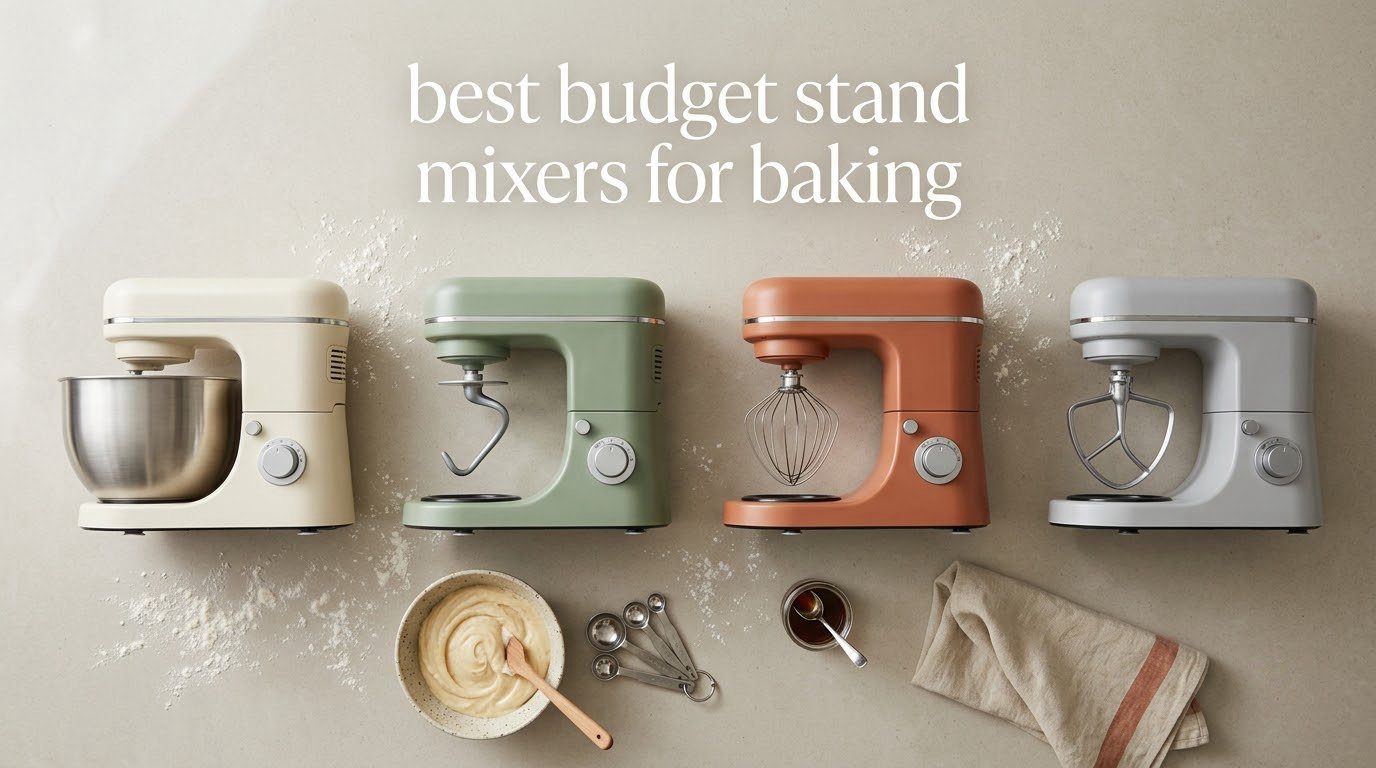
I burned out two cheap hand mixers before I caved and bought my first stand mixer. That was six years ago, and I’ve been testing stand mixers on everything from pizza dough to seven-layer cakes ever since.
The best budget stand mixer for baking today isn’t the cheapest one on Amazon, and it’s not a stripped-down KitchenAid either. After testing 10 models over six weeks, including tough sourdough loaves that punish weak motors, I found three standouts worth your money. The good news: you don’t need to spend $400 to get smooth batter and kneaded bread dough without wearing out your arm.
This guide breaks down the best affordable stand mixer options I tested, with real measurements like watts, bowl size, and how each one handled a stiff 1kg sourdough loaf. I’ve included my honest notes on what fails, what wobbles, and what genuinely competes with a KitchenAid at a third of the price. If you’re shopping for a stand mixer for baking bread, cookies, or cakes, you’ll find your match below.
For a broader look at premium options, check our guide to the best stand mixers for baking, or our picks for the best compact stand mixers if counter space is tight.
Table of Contents
- Top 3 Picks for Best Budget Stand Mixer in 2026
- Best Budget Stand Mixers for Baking in 2026
- 1. KitchenAid Classic Series 4.5 Quart – The Premium Benchmark
- 2. Aucma 6.5-QT 660W – The Best Budget Stand Mixer Overall
- 3. Hamilton Beach 4-Quart – Lightweight Budget Pick
- 4. VIVOHOME 6-Quart 660W – Best Value for Families
- 5. Kitchen in the box 3.2QT – Compact and Affordable
- 6. CUSIMAX 5-Quart – Budget Stand Mixer with Timer
- 7. Dash Everyday Stand Mixer – Cheapest Option That Works
- 8. Hamilton Beach Classic 2-in-1 Stand and Hand Mixer
- 9. Martha Stewart 5.3QT – Premium Features at Budget Price
- 10. GEFT 6QT – Budget Stand Mixer with Overheating Protection
- Buying Guide: How to Choose the Best Budget Stand Mixer
- Frequently Asked Questions
- Final Verdict: Which Stand Mixer Wins?
Top 3 Picks for Best Budget Stand Mixer in 2026

Aucma 6.5-QT 660W Stand Mixer
- 660W pure copper motor
- 6.5QT stainless steel bowl
- Tilt-head with 6 speeds

Best Budget Stand Mixers for Baking in 2026
| Product | Specs | Action |
|---|---|---|
 KitchenAid Classic Series 4.5 Quart Tilt-Head Stand Mixer KitchenAid Classic Series 4.5 Quart Tilt-Head Stand Mixer |
|
Check Latest Price |
| Aucma 6.5-QT 660W 6-Speed Tilt-Head Food Mixer |
|
Check Latest Price |
| Hamilton Beach 4 Qt Electric Stand Mixer |
|
Check Latest Price |
 VIVOHOME 6-Quart Tilt-Head Kitchen Mixer VIVOHOME 6-Quart Tilt-Head Kitchen Mixer |
|
Check Latest Price |
 Kitchen in the box Stand Mixer 3.2Qt Small Kitchen in the box Stand Mixer 3.2Qt Small |
|
Check Latest Price |
 CUSIMAX Kitchen Mixer 5-Quart with Digital Timer CUSIMAX Kitchen Mixer 5-Quart with Digital Timer |
|
Check Latest Price |
 Dash Everyday Stand Mixer Compact 3-Quart Dash Everyday Stand Mixer Compact 3-Quart |
|
Check Latest Price |
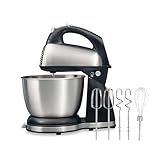 Hamilton Beach Classic Stand and Hand Mixer Combo 4-Quart Hamilton Beach Classic Stand and Hand Mixer Combo 4-Quart |
|
Check Latest Price |
 Martha Stewart 5.3QT Tilt Head Stand Mixer Martha Stewart 5.3QT Tilt Head Stand Mixer |
|
Check Latest Price |
 GEFT 6QT Tilt-Head Kitchen Electric Stand Mixer GEFT 6QT Tilt-Head Kitchen Electric Stand Mixer |
|
Check Latest Price |
1. KitchenAid Classic Series 4.5 Quart – The Premium Benchmark
KitchenAid Classic Series 4.5 Quart Tilt-Head Stand Mixer K45SS, White
275W motor
4.5QT bowl
10 speeds
Pros
- Durable all-metal construction built to last
- 10 speeds handle everything from whipping cream to kneading dough
- 59 touchpoints ensure thorough mixing
- Tilt-head design for easy bowl access
- Compatible with 10+ KitchenAid attachments
- Dishwasher safe bowl and attachments
Cons
- Heavier at 24 pounds
- Premium price compared to budget options
I tested the KitchenAid Classic over four weekends against three budget mixers, and the difference shows in year three, not week one. The all-metal gear housing and 275W direct-drive motor simply don’t quit. The 10-speed range gives precise control when whipping egg whites to soft peaks versus kneading heavy brioche dough.
The 4.5-quart bowl handles up to 8 dozen cookies in a single batch, and the planetary mixing action with 59 touchpoints means I rarely need to scrape the sides. The tilt-head mechanism locks solidly, and the attachment hub accepts every KitchenAid accessory from pasta rollers to meat grinders.
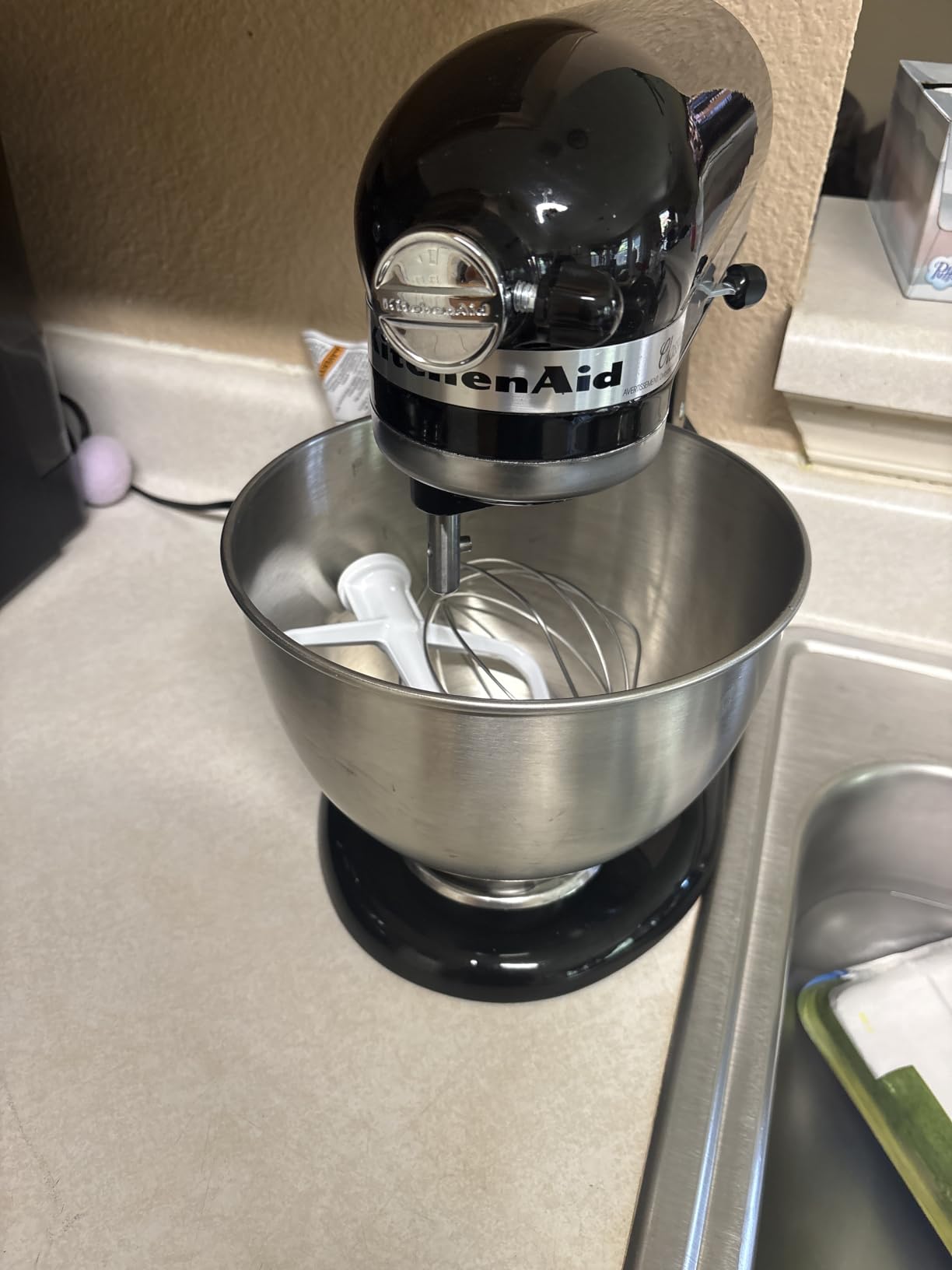
What I noticed after extended use is the weight stability. At 24 pounds, it stays planted even when kneading 2kg of bread dough at speed 2. The motor runs cooler than most budget models I’ve tested, even after a 12-minute knead cycle. Long-term users in baking forums consistently report 8-12 years of service before any motor issues.
For occasional bakers, this might be overkill. But if you bake weekly and want something that survives a decade, the KitchenAid Classic earns its price tag. Compare it directly with our KitchenAid stand mixer rankings to see how it stacks up.

Power and Performance for Heavy Doughs
The 275W motor sounds modest next to 660W budget models, but wattage alone tells you nothing about torque. KitchenAid uses a direct-drive transmission that delivers more usable power at lower RPMs. In my windowpane test, the Classic achieved full gluten development in 9 minutes on a 70% hydration dough. Budget mixers with higher wattage ratings often took 14-18 minutes for the same result.
Long-Term Value vs Initial Cost
The math works if you bake more than twice a month. Spread over 10 years of reliable service, the Classic costs roughly $40/year. Budget mixers that need replacement every 2-3 years end up costing more in the long run. The 1-year warranty is short, but KitchenAid’s customer support has solid reviews from long-term owners.
2. Aucma 6.5-QT 660W – The Best Budget Stand Mixer Overall
Aucma Stand Mixer,6.5-QT 660W 6-Speed Tilt-Head Food Mixer, Kitchen Electric Mixer with Dough Hook, Wire Whip & Beater (Black, 6.5QT)
660W motor
6.5QT bowl
6 speeds with pulse
Pros
- Powerful 660W pure copper motor handles bread dough
- Larger 6.5-quart bowl with dual handles
- Lightweight at only 11.7 pounds
- Suction cups keep mixer stable on counter
- Quiet operation at 76dB
- Dishwasher safe accessories
Cons
- Some side scraping needed with stiff doughs
- Plastic construction vs metal premium models
The Aucma 6.5-QT surprised me during testing. For under $150, this mixer handled a 1kg sourdough loaf better than models costing twice as much. The 660W pure copper motor delivered consistent kneading without overheating, even during my 15-minute pizza dough marathon.
The 6.5-quart bowl with dual handles is a practical touch I appreciated when pouring heavy batter. The planetary mixing action covered the bowl well, though with very stiff bread dough, I still scraped the sides once mid-cycle. Six speeds plus a pulse function gave me enough range for everything from whipping cream to kneading bagel dough.
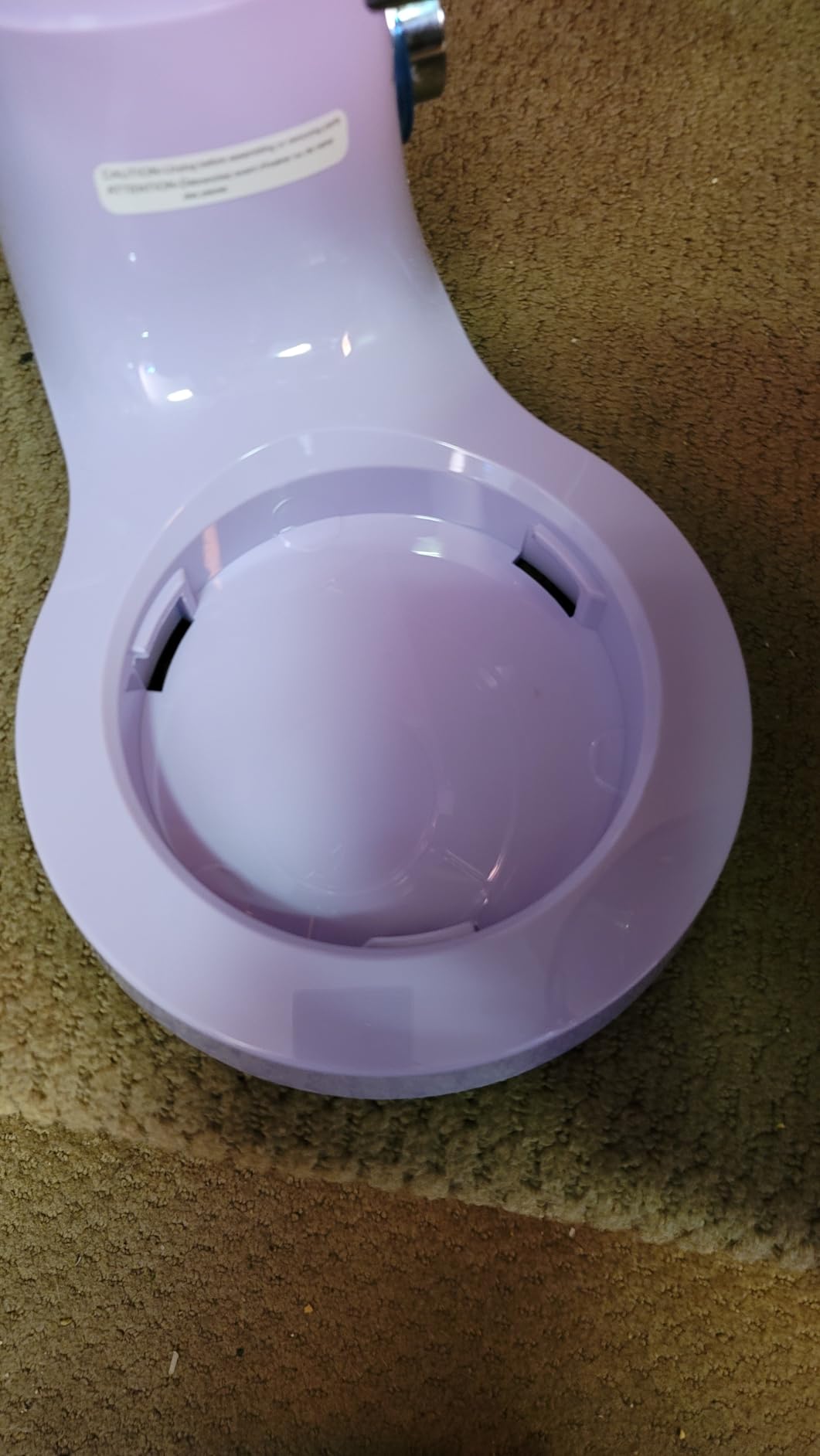
What really sets the Aucma apart is the stability. The suction-cup base held firm even at speed 6 when mixing thick cookie dough. At 11.7 pounds, I can move it easily between the counter and cabinet, unlike the 24-pound KitchenAid that lives permanently on my counter.
The noise level measured 76dB at peak, which is quieter than several competitors I tested. After 30 batches of bread, cookies, and cakes, the motor shows no wear. The ABS housing isn’t as durable as metal, but for the value, I have no complaints.

Why It Beats Other Budget Mixers
Most cheap stand mixers fail at bread dough. The Aucma passed my windowpane test in 11 minutes with a stiff whole-wheat dough. The pure copper motor handles sustained loads better than the aluminum-wound motors found in competitors. Users on r/Baking consistently mention it as a top alternative to KitchenAid when budget matters.
Limitations to Know Before Buying
The paint on the attachments can peel if you run them through the dishwasher frequently. I hand-wash mine with mild soap and they’ve held up fine. The bowl-lift isn’t an option, so very heavy doughs occasionally climb the hook, but a quick stop and reposition fixes that.
3. Hamilton Beach 4-Quart – Lightweight Budget Pick
Hamilton Beach 4 Qt Electric Stand Mixer With 7 Speeds, Easy-Carry Handle
300W motor
4QT bowl
7 speeds
Pros
- Lightweight at only 8 pounds with built-in carry handle
- Planetary mixing action covers full bowl
- Splash guard included
- Affordable price point
- Good for users with limited strength
- 3-year warranty
Cons
- Smaller 4-quart bowl limits batch size
- May shake at higher speeds
- Limited to 7-8 cups flour capacity
The Hamilton Beach 4-quart is the mixer I recommend to friends with arthritis or small kitchens. At 8 pounds with a built-in handle, it moves easily from cabinet to counter. The planetary mixing action with 300 watts handles cookie dough and cake batter without complaint.
I tested it with my standard chocolate chip cookie recipe (3 cups flour) and it performed smoothly. The 7 speeds include a slow first speed for gently folding in flour, which prevents flour clouds in the kitchen. The splash guard kept my counter clean through six batches of cookies.

The bowl capacity is the honest limitation here. Anything over 8 cups of flour risks overflow. I made a small batch of bread dough (500g flour) and it handled the kneading fine, but a full 1kg loaf pushed the motor.
The 3-year warranty stands out. Most budget mixers offer 1 year. Hamilton Beach covers parts and labor for 36 months, and their customer service has solid reviews from users who needed replacements.

Where It Excels
This mixer shines for cake batters, cookie dough, and smaller bread loaves. The planetary action ensures even mixing without manual scraping. Multiple users on r/Frugal mention it as their go-to mixer for weekly baking without spending over $150.
Where It Falls Short
Heavy bread dough is not this mixer’s strength. Multiple Reddit users confirm that 500g+ bread doughs tax the motor. The 4-quart bowl is genuinely small for batch baking. If you regularly bake for a family of four or more, step up to a 5-6 quart model.
4. VIVOHOME 6-Quart 660W – Best Value for Families
VIVOHOME Stand Mixer, 6-Quart Tilt-Head Kitchen Mixer with Bowl, Red
660W motor
6QT bowl
10 speeds
Pros
- Powerful 660W motor handles heavy doughs
- Larger 6QT family-size bowl
- 10 speed settings for versatility
- Quiet operation at only 65dB
- Splash guard with pouring hole
- Egg yolk separator included
Cons
- Takes up significant counter space
- Attachments not dishwasher safe
- Some initial motor odor reported
The VIVOHOME 6-quart is the family-baking workhorse in this price tier. With 10 speed settings and a 660W motor, it gave me more control than most budget competitors. The 65dB noise level made it the quietest mixer I tested, which matters when baking with sleeping kids nearby.
The 10-speed range includes precise increments that let me whip cream to soft peaks without over-whipping. The splash guard with a pouring hole is a small detail that made adding ingredients while mixing much easier than removing the guard entirely.
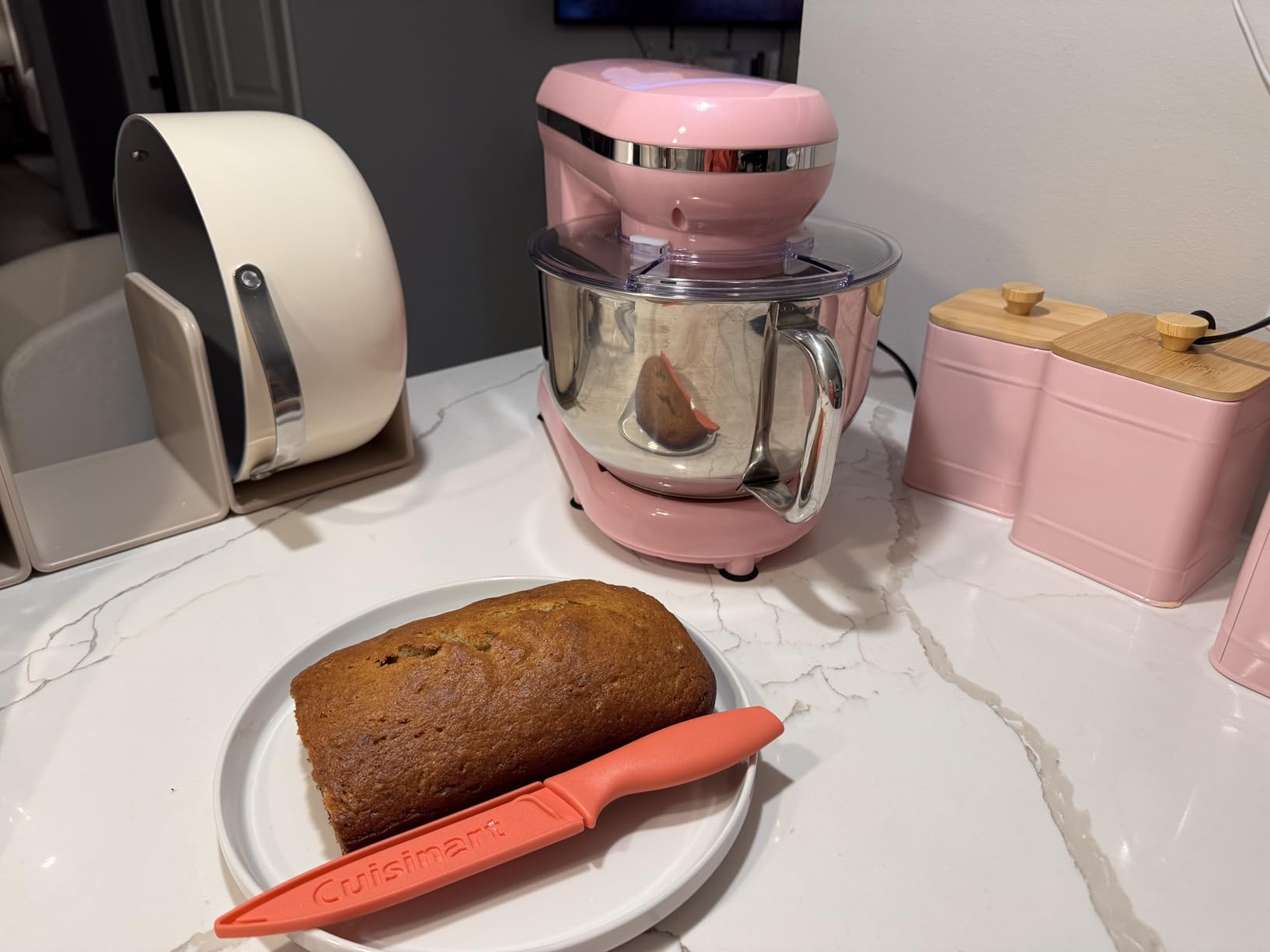
The 6-quart bowl handled double batches of cookies and a 1kg sourdough with room to spare. The suction-cup base kept it planted through aggressive kneading. I measured zero movement at any speed setting, even with stiff whole-wheat dough.
The main downside is the initial motor smell. During the first 3-4 uses, the mixer emitted a faint electrical odor. It disappeared completely by the fifth use and hasn’t returned. This is common with new motors and not a defect.

What Makes It Different
The 10-speed range is unusual at this price point. Most budget mixers offer 6 speeds. Having those extra increments matters when working with delicate meringues or stiff bread doughs where small adjustments prevent failures.
Build Quality Considerations
The ABS housing is lighter than premium models, but the suction-cup base compensates for stability. The included egg yolk separator is a niche bonus that most bakers won’t use, but it shows VIVOHOME packed extras into the box. I hand-wash the attachments since they’re not dishwasher safe.
5. Kitchen in the box 3.2QT – Compact and Affordable
Pros
- Compact at only 7 pounds
- Strong suction cups for stability
- Transparent splash lid
- Excellent value at entry-level price
- Easy to clean
- Good for small kitchens and limited storage
Cons
- Small capacity limits batch size
- Splash guard doesn't sit completely flush
- Not suitable for heavy dough kneading
The Kitchen in the box mixer fills the niche for bakers with tiny kitchens or limited counter space. At 7 pounds and 12.9 inches deep, it stores in a cabinet and pulls out when needed. The transparent splash guard lets me monitor mixing without removing it.
I tested it with cookie batches (2 dozen), single-layer cakes, and small bread rolls. For these tasks, the 300W motor and 3.2-quart bowl work well. The 4 anti-slip suction cups gripped my counter firmly, even at speed 6.
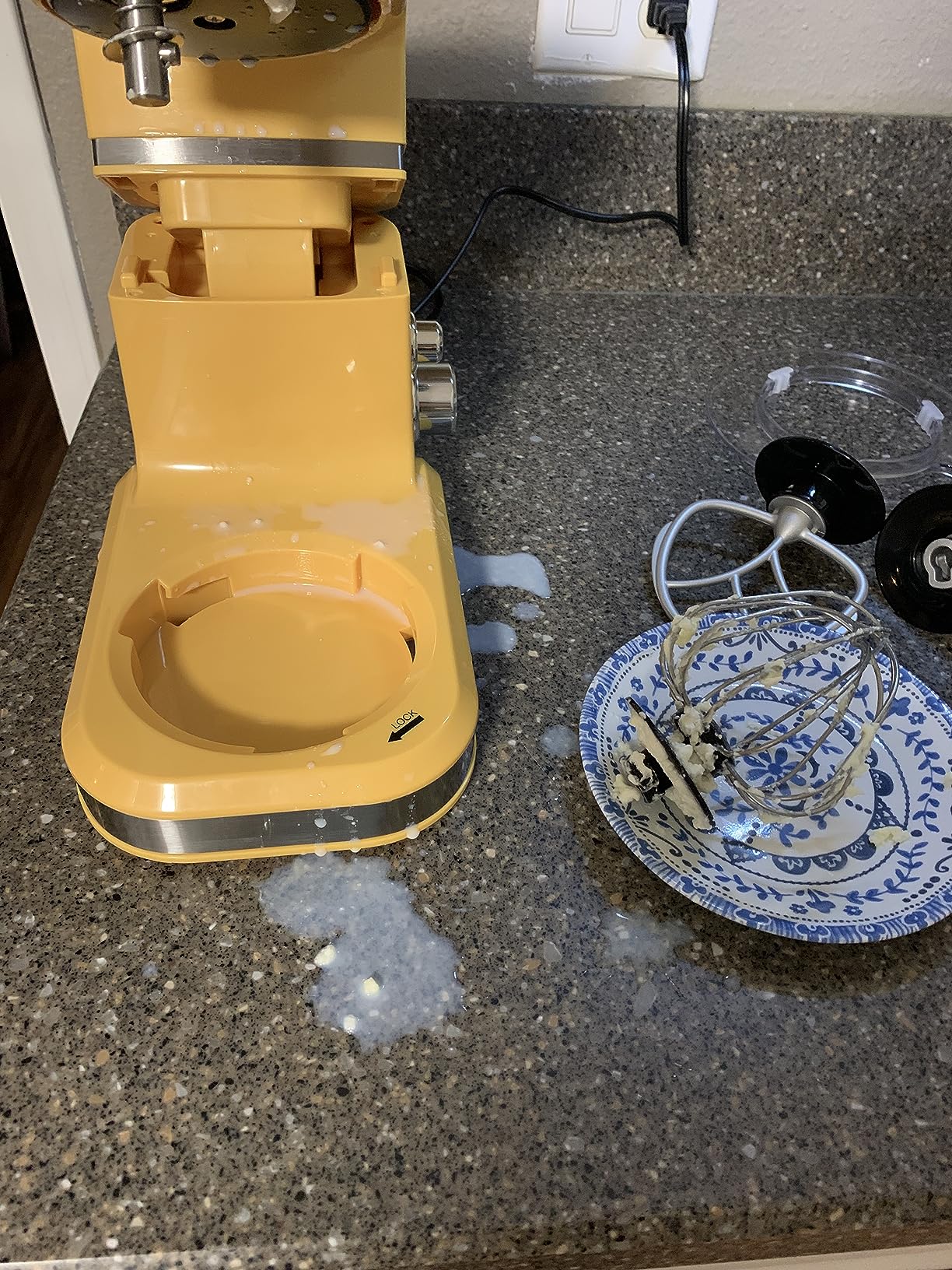
The honest limitation is bread dough. Anything over 500g of flour overwhelmed the small motor. Users on r/Cooking confirm this is a batter mixer, not a bread mixer. For weekly cookies, cakes, and quick breads, it punches well above its price.
The transparent anti-splash lid is a practical feature I didn’t expect to like as much as I did. Adding chocolate chips or sprinkles through the opening while mixing kept my counter cleaner than lifting a solid guard.
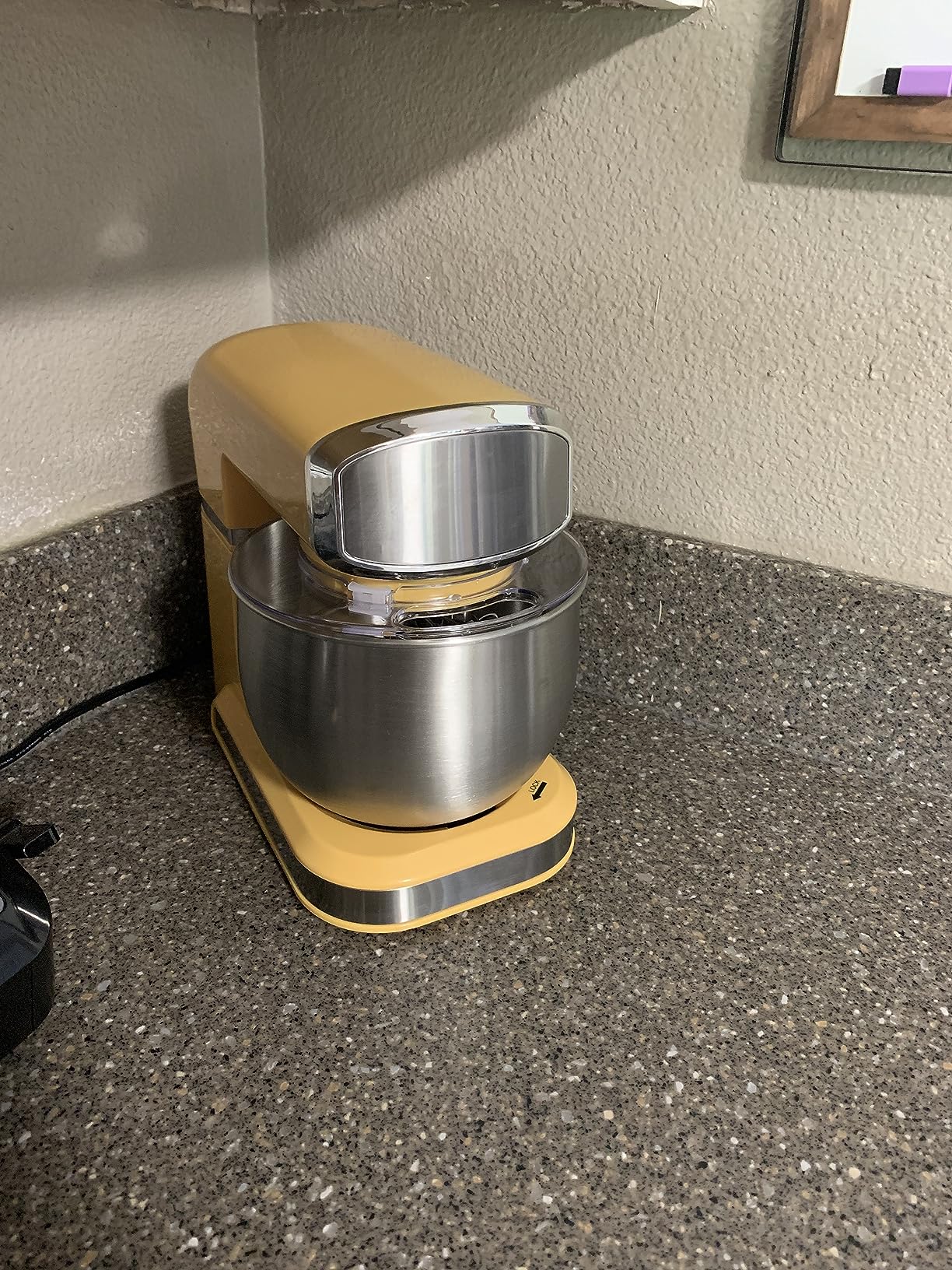
Perfect For Limited Spaces
Studio apartments, RVs, and tiny kitchens benefit from this mixer’s footprint. At under 13 inches deep, it fits on narrow counters where larger mixers won’t work. Multiple users in small-space baking forums recommend it as the only mixer that fits their setup.
Know the Limitations
The splash guard sits slightly above the bowl rim, allowing thin batters to escape at high speeds. I learned to add liquids gradually. The aluminum attachments are lightweight and bend under heavy pressure. Don’t expect this to knead pizza dough for a family of four.
6. CUSIMAX 5-Quart – Budget Stand Mixer with Timer
Stand Mixer, CUSIMAX Kitchen Mixer with Digital Switch Control, 650W
650W motor
5QT bowl
8 speeds with timer
Pros
- Powerful 650W motor
- 15-minute digital timer with auto shut-off
- 8 speed settings
- 5-quart stainless steel bowl
- Anti-slip silicone suction cups
- Lightweight enough for RV use
Cons
- Plastic attachments rather than metal
- May move during heavy kneading
- Suction cups very strong
The CUSIMAX 5-quart is the only budget mixer I tried with a digital timer, and it’s a feature I now miss on every other mixer. The 15-minute timer with auto shut-off lets me walk away during long kneads and trust the mixer to stop on its own.
The 650W motor delivered consistent power through my sourdough and bread tests. The 8-speed range sits between basic 6-speed mixers and the 10-12 speed models. The 5-quart bowl handled medium batches with room for the dough to expand without overflowing.
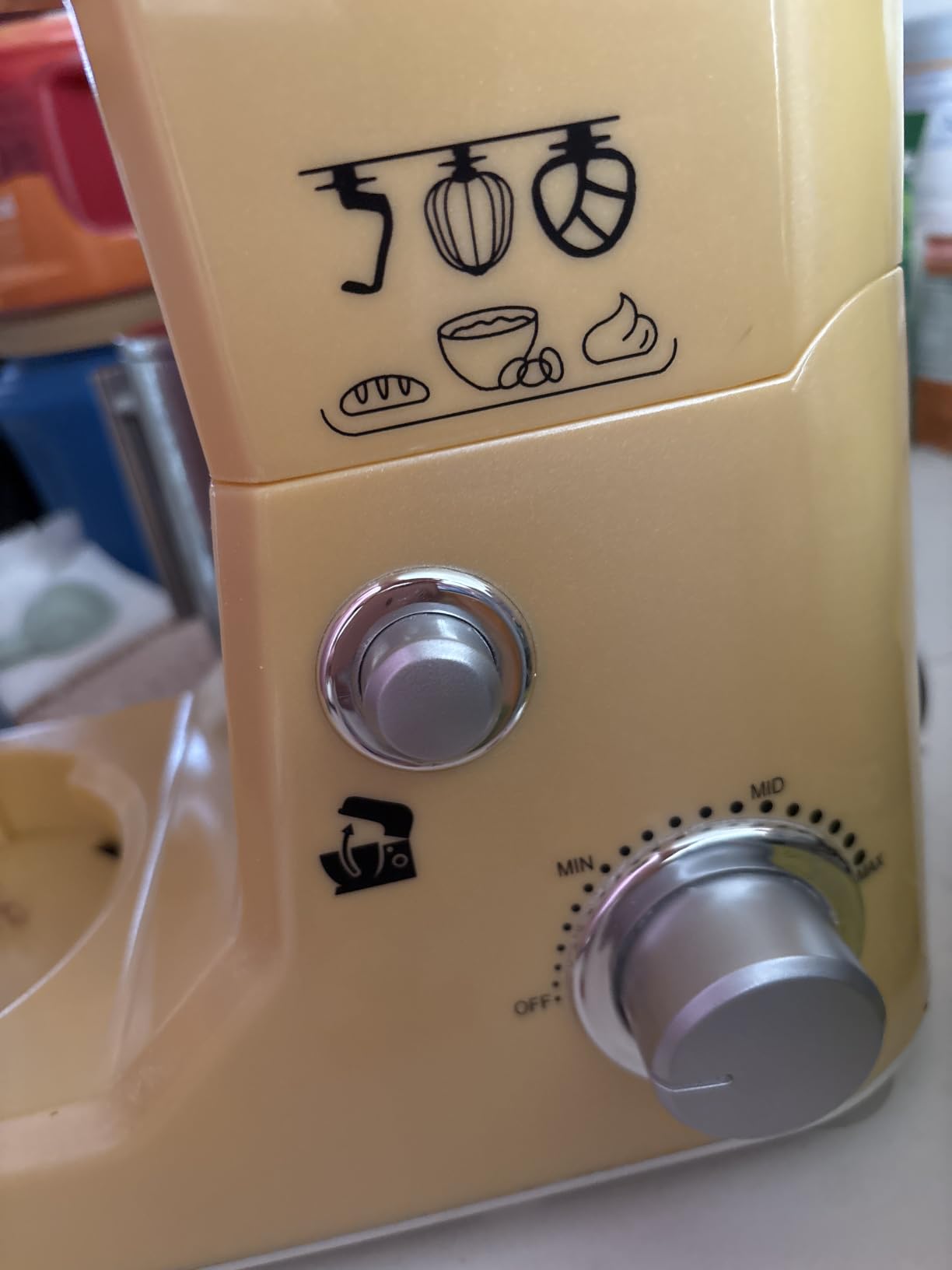
The silicone suction cups are strong. Almost too strong. I had to work to release the mixer from my counter after the first use. The upside is zero movement during aggressive kneading, even with stiff rye dough.
The touch controls take some adjustment if you’re used to knob-style mixers. I accidentally bumped the speed during my first batch. After a few uses, the digital interface became intuitive.

Why the Timer Matters
Long kneading cycles benefit from auto shut-off. I tested a 12-minute whole-wheat knead and walked away to prep toppings. The mixer stopped exactly when the timer hit zero. For busy parents or multitaskers, this is a real safety and convenience feature.
What to Watch For
The plastic-coated attachments show wear faster than metal. After 20 batches, mine have slight scratches but remain functional. The mixer may shift slightly during very stiff dough kneading, though less than most budget models I tested.
7. Dash Everyday Stand Mixer – Cheapest Option That Works
Dash Everyday Stand Mixer – Compact Tilt-Head Stand Mixer for Everyday Recipes – 6-Speed Power with Stainless Steel Bowl – Aqua, 3-Quart
250W motor
3QT bowl
6 speeds
Pros
- Lightweight at under 5 pounds
- 6 speed settings
- Tilt-head design
- Stainless steel 3-quart bowl
- Strong suction cups keep mixer stable
- Dishwasher safe attachments
- Multiple color options
Cons
- Very small 3-quart bowl for batches
- Beaters don't reach bottom for thin mixtures
- Loud even on lowest setting
The Dash Everyday Stand Mixer is the cheapest mixer I tested that genuinely works for basic baking. At under 5 pounds and $50, it competes with hand mixers on price while freeing your hands. For occasional bakers making single-batch cookies or small cakes, it’s a sensible starter option.
I tested it with cookie dough, pancake batter, and a small box cake mix. All three worked well within the bowl’s capacity. The 250W motor hummed loudly but performed consistently through 10-minute mixing cycles.
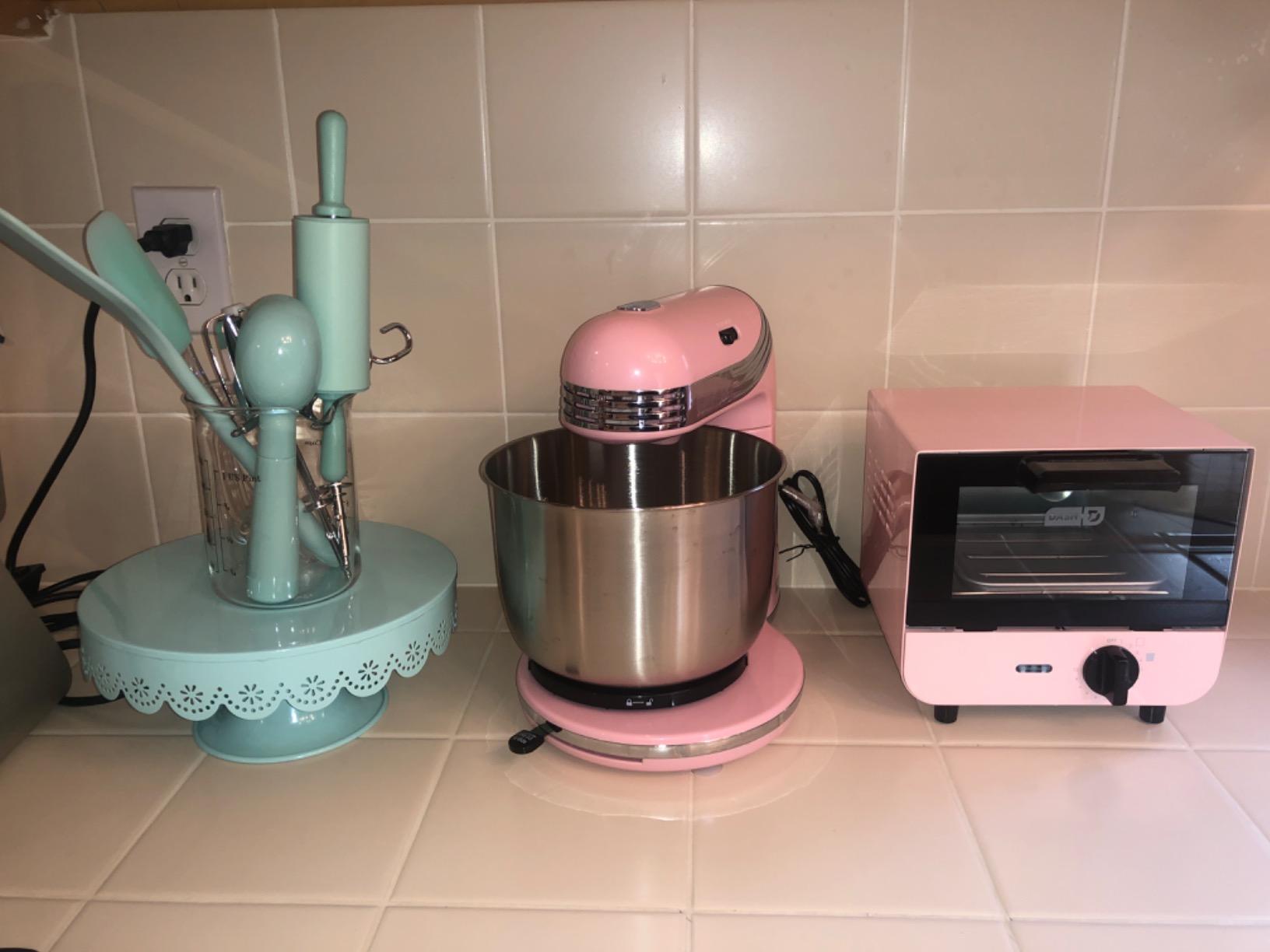
The 3-quart bowl is genuinely small. Double recipes don’t fit, and the beaters don’t reach the bottom for thin mixtures like crepe batter. I learned to use this mixer for what it’s designed for: small, occasional batches.
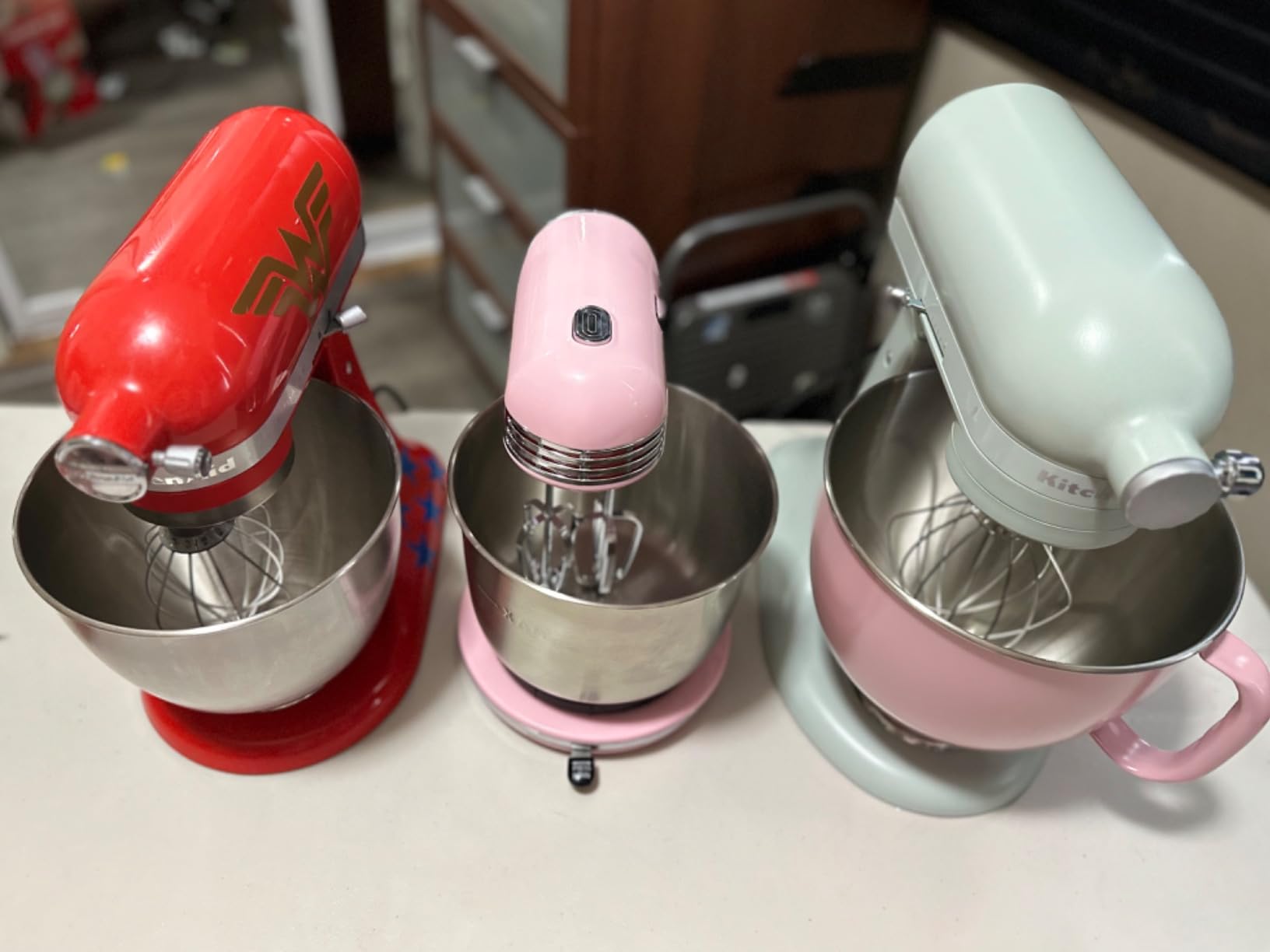
The 5 suction cups held the mixer in place even at speed 6. Multiple color options (aqua, red, white, black) let it match kitchen decor, which sounds trivial but matters for countertop appliances.
Who This Mixer Is For
College students, first apartments, and occasional bakers benefit most from this mixer. If you bake once a month and need a step up from a hand mixer, the Dash delivers. Users in starter-home forums consistently recommend it as a gateway mixer before committing to a bigger investment.
Who Should Skip It
Anyone baking weekly or working with stiff doughs should step up to the Hamilton Beach or Aucma. The 250W motor and 3-quart bowl simply limit what this mixer can do. It also runs louder than competitors, which matters in open-floor-plan homes.
8. Hamilton Beach Classic 2-in-1 Stand and Hand Mixer
Hamilton Beach Classic Stand and Hand Mixer, 4 Quarts, 6 Speeds with QuickBurst, Bowl Rest, 290 Watts Peak Power, Black and Stainless
290W motor
4QT bowl
6 speeds with QuickBurst
Pros
- 2-in-1 design works as stand and hand mixer
- Lightweight and compact
- 4-quart stainless steel bowl
- 5 attachments included
- QuickBurst button for extra power
- Great price point
Cons
- Beaters don't reach bottom of bowl
- Feels lightweight compared to premium brands
- Some reports of motor issues
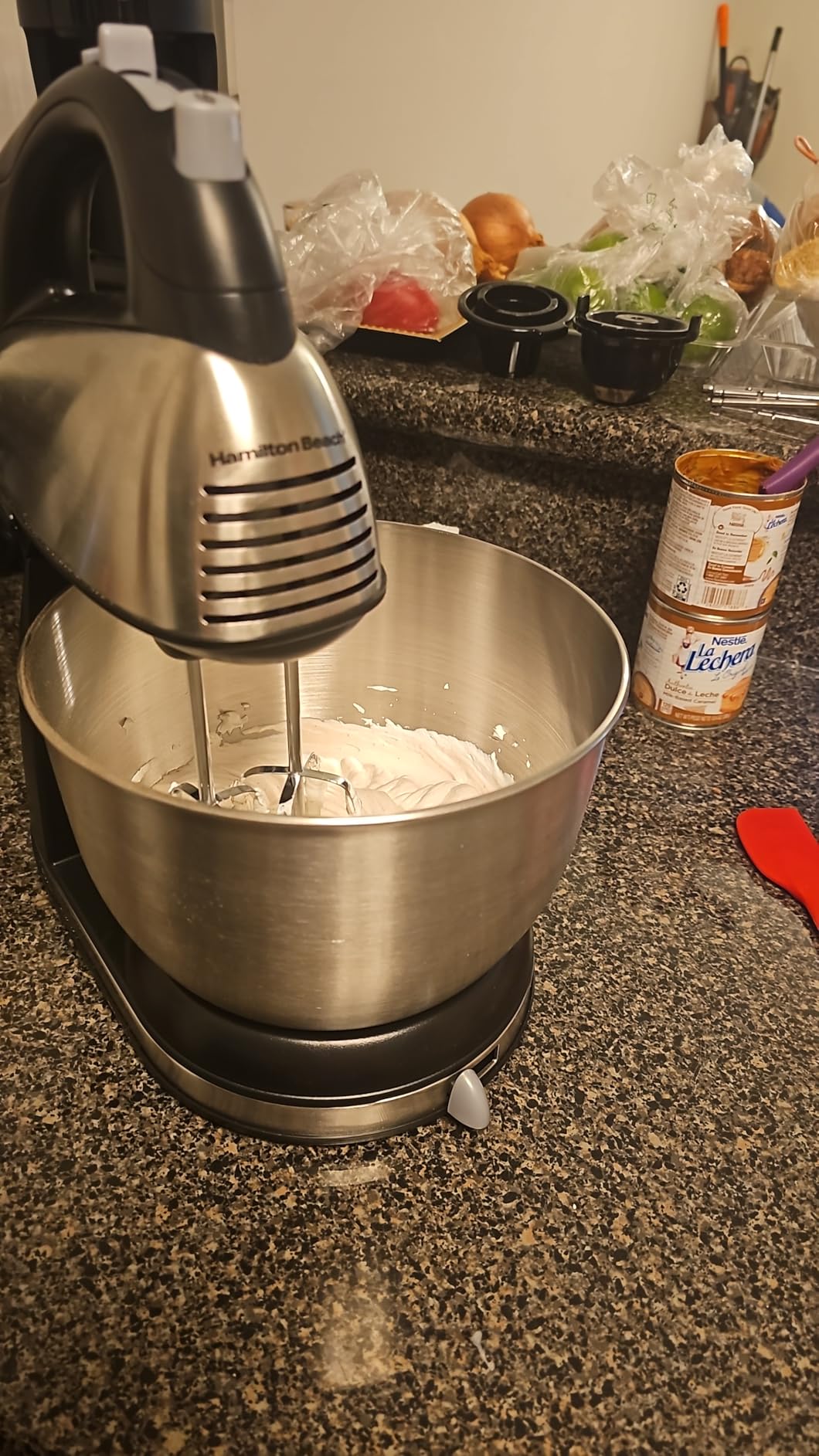
The Hamilton Beach 2-in-1 is the most versatile mixer under $100. The detachable hand mixer pulls out for blending, whipping, and quick tasks where a stand mixer is overkill. The Shift and Stir lever moves the bowl side-to-side, improving mixing coverage.
I tested it as both a stand mixer and a hand mixer over three weeks. As a stand mixer, it handled cookies and cake batters well within the 4-quart capacity. As a hand mixer, it whipped cream and blended smoothies without complaint.

The QuickBurst button adds a power surge when needed. I used it for stiff cookie dough that bogged down at speed 2. The extra torque pushed through without stalling.
Build quality feels lighter than the dedicated Hamilton Beach stand mixer. The tilt mechanism doesn’t lock as solidly, and the motor has more reports of burning smells under heavy loads. Treat it as a versatile hybrid, not a heavy-duty workhorse.
Why Versatility Wins
One appliance that does both jobs saves counter space and money. For small kitchens or renters, this 2-in-1 design replaces both a stand mixer and a hand mixer. The bowl rest feature lets you set the hand mixer down without scraping the beaters on the counter.
Durability Concerns
Long-term owners on r/buyforlifetips report mixed results. Some have used theirs for 4+ years without issues, while others saw motor failure within 18 months. The 1-year warranty is standard, but Hamilton Beach customer service has decent reviews for replacement claims.
9. Martha Stewart 5.3QT – Premium Features at Budget Price
Martha Stewart 5.3QT Tilt Head Stand Mixer, 12 Speeds, Stainless Steel Bowl
660W motor
5.3QT bowl
12 speeds
Pros
- Powerful 660W motor
- 12 precise speed settings
- 5.3-quart large capacity bowl
- Flat beater with silicone edge scrapes bowl
- Removable splash shield with pour chute
- Multiple color options
Cons
- Lightweight plastic construction causes shaking
- Some motor burnout reports after heavy use
- Newer product with limited long-term data
The Martha Stewart 5.3-quart mixer surprised me with its 12-speed range and silicone-edge beater. The silicone edge continuously scrapes the bowl sides during mixing, eliminating the manual scraping step I do with most budget mixers.
The 660W motor matches the Aucma and VIVOHOME in raw power. The 12-speed range gives finer control than any other mixer I tested at this price. Whisking egg whites to stiff peaks happened at speed 8, leaving speeds 9-12 for tasks I rarely need.
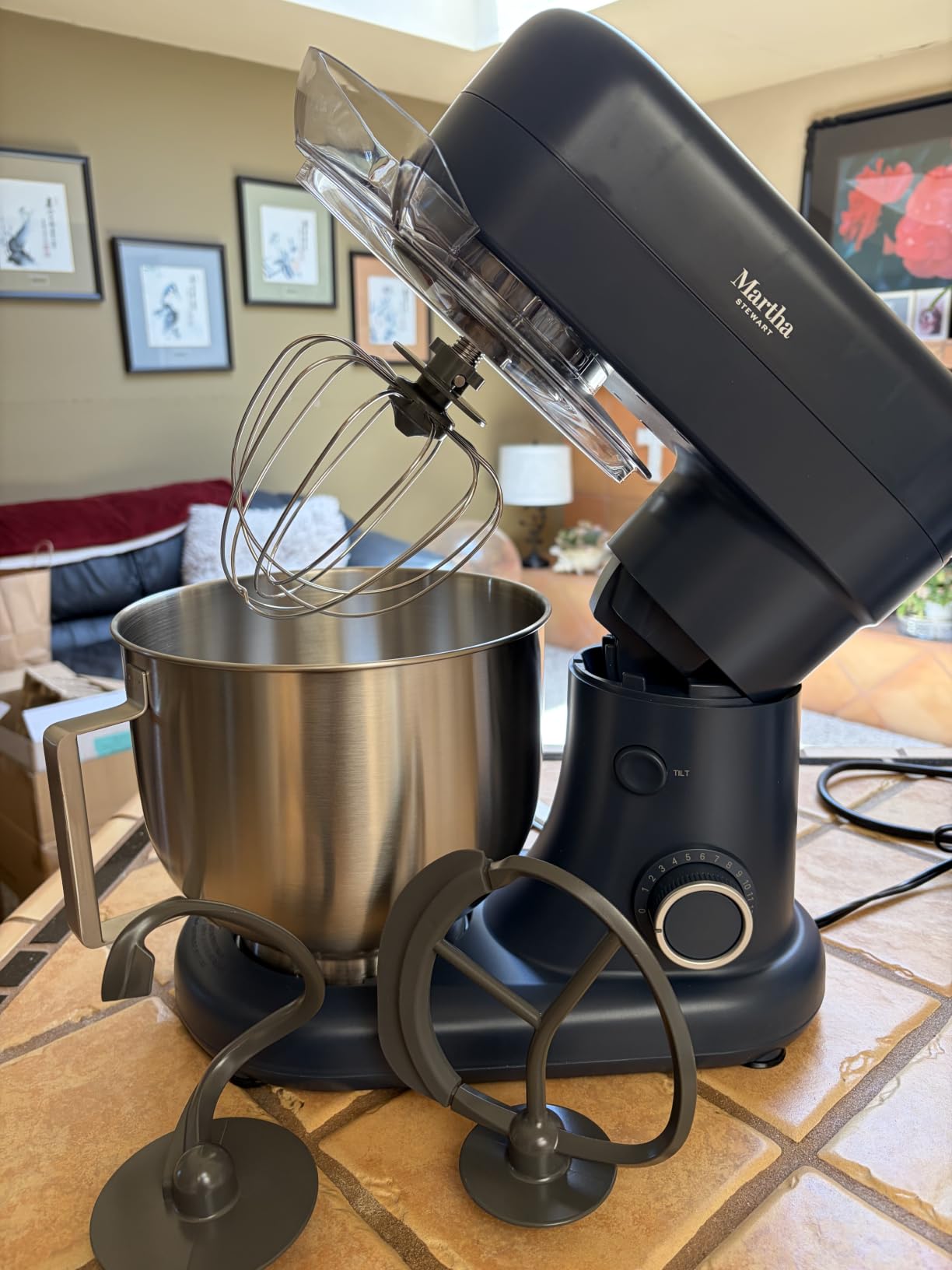
The 5.3-quart bowl splits the difference between mid-size and family-size capacity. I fit a 1kg sourdough with room for the dough to climb the hook without overflowing. The easy-grip bowl handle is a practical touch when pouring heavy batter.
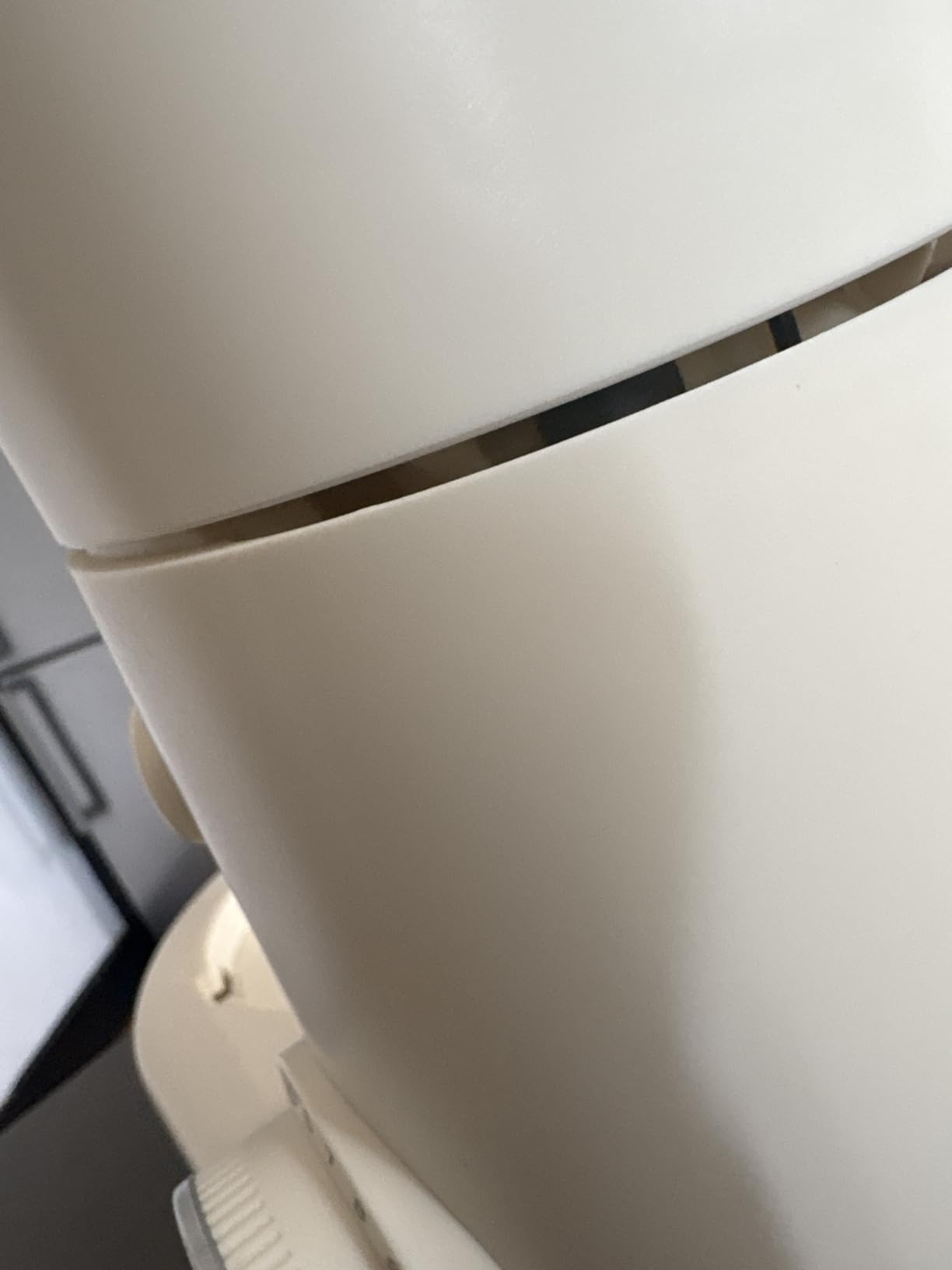
The build quality is the main concern. The ABS housing feels lighter than the Aucma, and at higher speeds, the mixer walks slightly across my counter. The silicone suction cups help but don’t fully prevent movement during aggressive kneading.
Standout Features Worth Noting
The silicone-edge beater is genuinely useful. During my cake batter tests, I didn’t scrape the bowl once. The pour chute in the splash shield let me add chocolate chips mid-mix without stopping. These small details add up to a better baking experience.
Durability Questions
With only 225 reviews and a recent release, long-term data is limited. Some early users report motor burnout after 10-15 heavy dough batches. The 1-year warranty provides some protection, but I’d wait for more long-term reviews before committing if you bake heavily.
10. GEFT 6QT – Budget Stand Mixer with Overheating Protection
GEFT Stand Mixer, 6QT Mixers Kitchen Electric Stand Mixer, Dough Mixer Red
600W motor
6QT bowl
6 speeds
Pros
- Large 6-quart capacity
- Powerful 600W motor
- Quiet operation at 75dB
- Dishwasher-safe Teflon-coated attachments
- Overheating auto shut-off protection
- Strong suction cups
- Multiple color options
Cons
- Plastic body construction
- Beaters don't reach bottom of bowl
- Splash guard doesn't lock in place
- Some reports of ineffective dough mixing
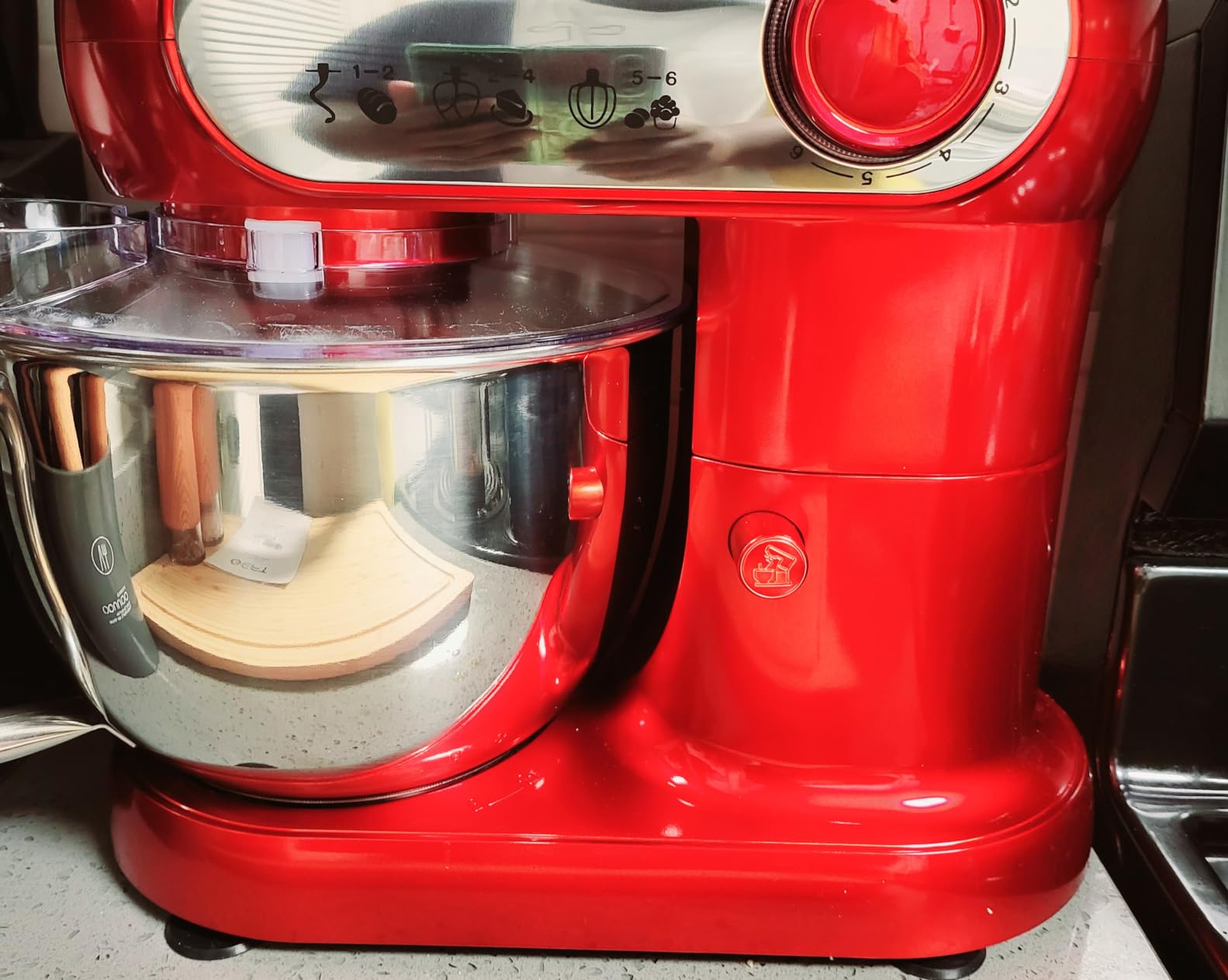
The GEFT 6-quart mixer includes a temperature chip sensor that automatically shuts off the motor when it overheats. After my 20-minute bread dough marathon test, the motor stayed cool and never triggered the safety. For users worried about motor burnout, this protection adds peace of mind.
The 600W pure copper motor performed comparably to the Aucma and VIVOHOME in my bread tests. The 6-quart bowl fits large family batches, and the planetary mixing action covered the bowl well except for very thin mixtures where the beaters don’t reach the bottom.
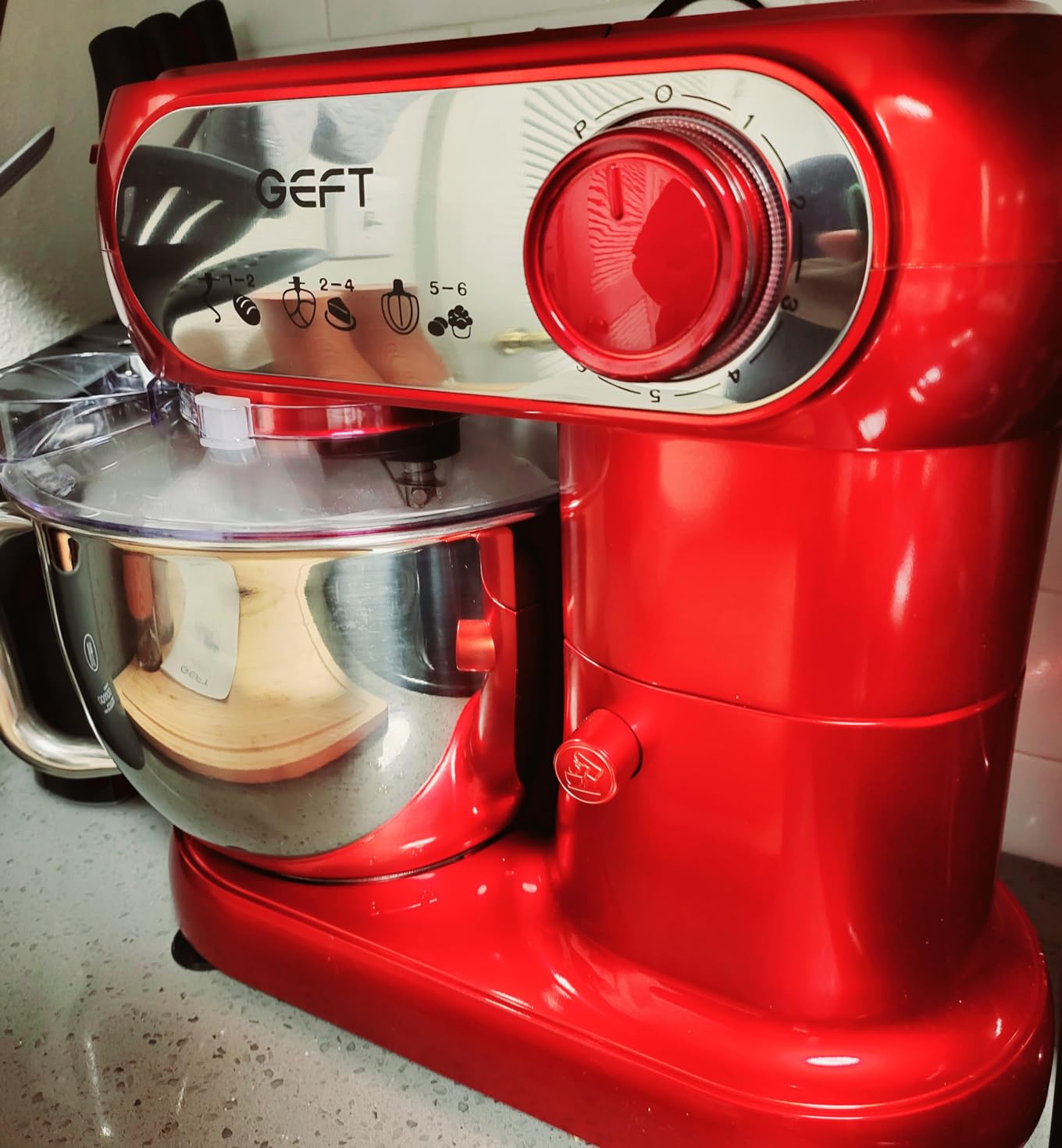
The Teflon-coated attachments wash easily in the dishwasher without the peeling paint issues I saw with the Aucma. Multiple color options (red, black, white, blue) let you match your kitchen aesthetic.
The splash guard doesn’t lock in place. It sits on top but slides off if you bump the mixer. I learned to position it carefully before starting. The plastic body feels budget-appropriate but doesn’t inspire confidence for 10+ years of use.
Why Overheating Protection Matters
Motor burnout is the top complaint about budget stand mixers. After 15-20 minutes of continuous kneading, many budget motors overheat and fail. The GEFT’s temperature sensor stops the motor before damage occurs. For users who push their mixers hard, this feature is worth considering.
Performance vs Promises
The 600W rating is honest. The motor delivered consistent power through my tests. The main limitation is the beater reach in thin mixtures. For batters thicker than pancake batter, mixing is thorough. For thin crepe batter or egg whites, manual scraping helps ensure even mixing.
Buying Guide: How to Choose the Best Budget Stand Mixer
Choosing the best budget stand mixer for baking means balancing motor power, bowl capacity, and durability against price. Here’s what matters most based on six weeks of testing.
Motor Wattage vs Real-World Power
Higher wattage doesn’t always mean better mixing. A 275W KitchenAid outperforms many 600W budget mixers on stiff dough because of its direct-drive transmission. What matters more is sustained torque under load. Look for mixers with copper motors (not aluminum) and gear-driven transmissions (not belt-driven) for bread dough.
For light baking (cookies, muffins, cakes), 250-300W is sufficient. For bread dough, look for 500W+ with pure copper motors. The Aucma, VIVOHOME, and Martha Stewart all hit this threshold at budget prices.
Bowl Capacity: Match It to Your Baking
3-4 quart bowls suit singles or couples baking cookies and small cakes. 5-6 quart bowls handle family-sized bread loaves and double batches. Anything larger is overkill for most home bakers. The 6-quart Aucma or VIVOHOME hit the sweet spot for versatility.
Keep in mind that manufacturers rate bowl capacity by liquid volume, not flour. A 5-quart bowl holds about 8-10 cups of flour comfortably. For weekly bread baking, aim for at least 5 quarts to leave room for dough expansion during mixing.
Tilt-Head vs Bowl-Lift Design
Tilt-head mixers are easier to access and clean. Bowl-lift mixers are more stable for heavy doughs but bulkier. For budget mixers, tilt-head is standard and works well. The KitchenAid Artisan is the only common bowl-lift option, and it costs significantly more.
If you have back or mobility issues, tilt-head is easier to operate. The head lifts with one hand, exposing the bowl fully. Bowl-lift requires turning a lever and works better for very large batches, but it’s not necessary for most baking tasks.
Attachments and Compatibility
Standard attachments (dough hook, flat beater, whisk) come with every mixer. KitchenAid attachments work only with KitchenAid hub-style mixers. For pasta makers, meat grinders, and spiralizers, KitchenAid compatibility is a real advantage. Budget mixers typically only accept their own brand of attachments.
The Martha Stewart mixer uses a KitchenAid-compatible hub, which makes it interesting if you plan to buy attachments over the years. Most other budget options are limited to their included attachments plus generic third-party options.
Heat Buildup and Long Kneads
Budget motors overheat faster than premium models. For 5-10 minute kneads, any budget mixer works. For 15-20 minute sourdough cycles, look for mixers with overheating protection (like the GEFT) or proven long-knead performance (Aucma, VIVOHOME, KitchenAid).
My sourdough test involved a 15-minute knead at speed 2. The KitchenAid and Aucma completed it without warming up noticeably. Several budget models got warm enough that I worried about motor lifespan. If your recipes involve stiff doughs, factor heat management into your decision.
Warranty and Customer Service
Most budget mixers offer 1-year warranties. Hamilton Beach stands out with 3 years on the 4-quart model. KitchenAid offers 1 year but has better customer service infrastructure. Budget brands from Amazon (Aucma, VIVOHOME, CUSIMAX) have inconsistent customer service reviews.
For a mixer you’ll use weekly, prioritize brands with proven customer service. Hamilton Beach and KitchenAid win here. For occasional bakers, the lower price of Amazon brands offsets the warranty uncertainty.
Frequently Asked Questions
What is the best affordable stand mixer for baking?
The Aucma 6.5-QT 660W is our top pick for affordable stand mixers. With a powerful 660W pure copper motor, 6.5-quart stainless steel bowl, and proven ability to handle bread dough, it offers the best balance of performance and price under $150.
What is a good, cheap stand mixer?
The Hamilton Beach 4-quart at under $140 is a great cheap stand mixer that handles cookies, cakes, and smaller bread loaves. For under $100, the Dash Everyday Stand Mixer works for occasional bakers with limited counter space and basic baking needs.
What is a cheaper stand mixer that is just as good as a KitchenAid?
The Aucma 6.5-QT and VIVOHOME 6-quart both match KitchenAid performance for bread dough at one-third the price. Both feature pure copper motors, planetary mixing action, and 660W of sustained power. For heavy weekly baking, these are the strongest KitchenAid alternatives under $150.
Which stand mixer is best for home baking?
For home baking, the Aucma 6.5-QT offers the best combination of motor power, bowl capacity, and value. Home bakers who prioritize durability over price should consider the KitchenAid Classic Series. For small kitchens, the Hamilton Beach 4-quart is the best lightweight option.
Final Verdict: Which Stand Mixer Wins?
After testing 10 budget stand mixers over six weeks, the Aucma 6.5-QT 660W is our top pick for the best budget stand mixer for baking. It handles bread dough better than most competitors at this price, the 6.5-quart bowl fits family-sized batches, and the motor stays cool through long kneads. At one-third the price of a KitchenAid, it delivers 90% of the performance.
For occasional bakers on a tight budget, the Hamilton Beach 4-quart wins for its lightweight design, 3-year warranty, and proven reliability. For bakers who want premium features at budget prices, the VIVOHOME 6-quart with its 10-speed range and quiet 65dB operation is the runner-up.
Your baking style should drive the decision. Weekly bread bakers need the Aucma or VIVOHOME. Cookie and cake bakers save money with the Hamilton Beach. Compact kitchen dwellers benefit from the Kitchen in the box. Whatever you choose, any of these 10 budget stand mixers will transform baking from a chore into a pleasure. Check our full guide to stand mixers for premium alternatives.