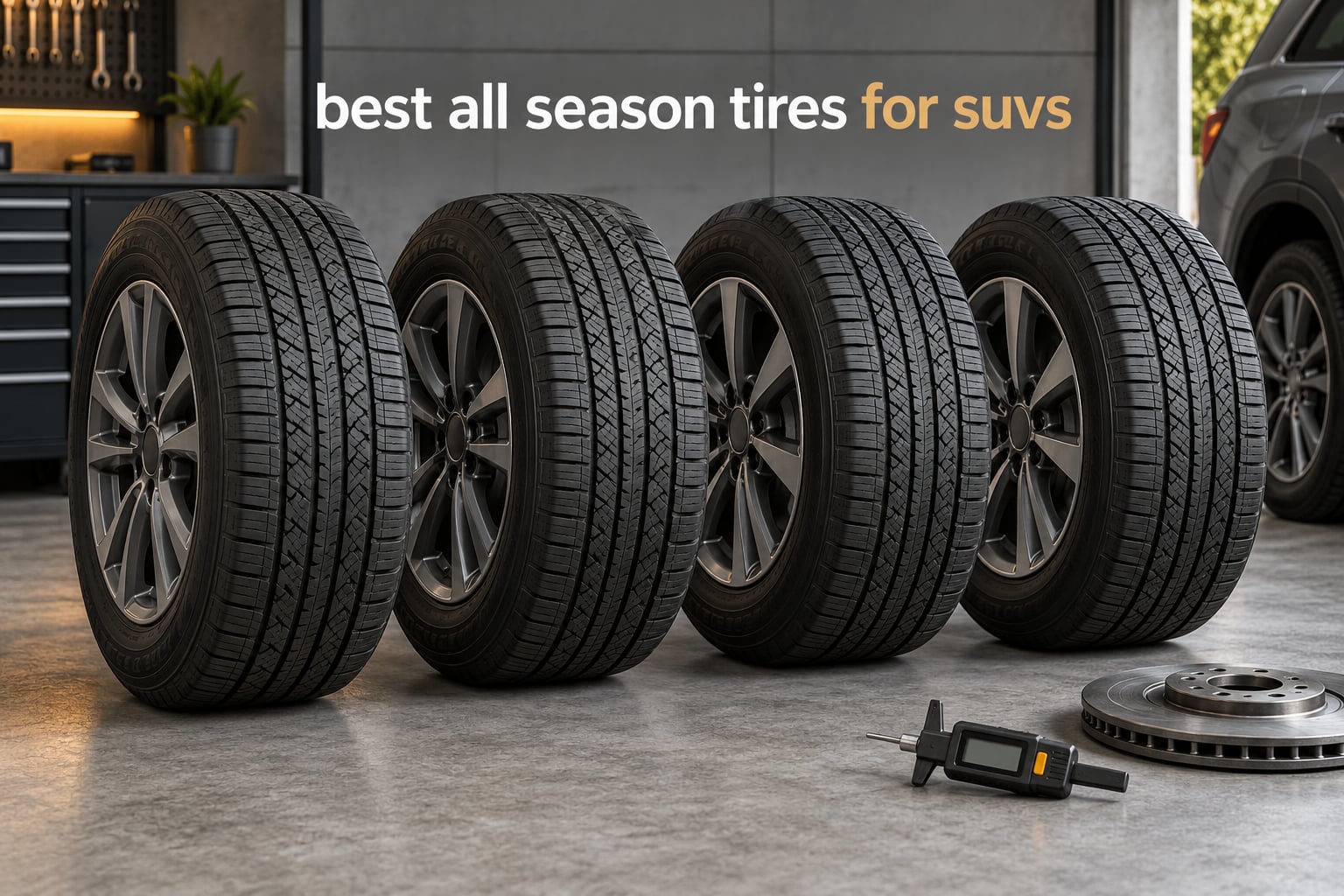
The short answer: the Fullway HP108 255/50R20 109V XL is our best all season tire for SUVs overall, and the Pirelli Scorpion All Season Plus 3 is the pick we rate highest for owners who want the most complete tire regardless of wheel size. Both are built for the extra weight and torque an SUV puts through a contact patch.
That question is harder than it looks. A tire is the only place your SUV touches the road, and the gap between a good all-season tire and a cheap one shows up most in the wet, where stopping distances can differ by tens of feet. On a heavier vehicle with more torque than a sedan, that difference matters more, not less.
This roundup covers ten all-season tires that are actually available in common SUV sizes, from 225/65R17 up to 255/50R20. We looked at the size, load index, speed rating, tread depth, tread pattern, warranty terms and owner review history for each one, and we flag where a tire is a strong daily driver but out of its depth in deep snow. You may also want to read our labor day meal ideas once the new set is mounted.
Table of Contents
- Top 3 Picks for the Best All Season Tires for SUVs
- All 10 Picks at a Glance in 2026
- 1. Fullway HP108 255/50R20 109V XL – Our Overall Best All Season Tire for SUVs
- 2. Pirelli Scorpion All Season Plus 3 – Best All-Round Pick for Crossovers
- 3. Continental TrueContact Tour 54 – Best for Quiet Comfort and Long-Term Value
- 4. Starfire Solarus AS – Budget Pick Touring Tire for Daily Commuting
- 5. Goodyear Assurance Finesse – Best for Fuel Economy and Low Rolling Resistance
- 6. Yokohama Geolandar X-CV G057 – Best for Full-Size SUVs on 265/70R18
- 7. Bridgestone Alenza A/S 02 – Best for Highway Driving on 255/65R18
- 8. Yokohama GEOLANDAR H/T G056 – Best for Mileage Warranty on 265/65R18
- 9. Toyo Extensa A/S II – Best for Gravel Roads and Mixed Surfaces
- 10. Sailun Atrezzo SH408 – Our Best Value for Daily Drivers
- How to Choose All Season Tires for an SUV in 2026
- Read the tire size, load index and speed rating before anything else
- Know the difference between P-rated and LT-rated tires
- Understand what 3PMSF actually changes
- Match the tread pattern to how you drive
- Treat treadwear ratings, warranties and DOT codes as the value signal
- Account for heavier and electric platforms
- Know when replacement is due
- How We Picked These 10 Tires
- Frequently Asked Questions
- The Verdict: Which All Season Tire Fits Your SUV
Top 3 Picks for the Best All Season Tires for SUVs

Fullway HP108 255/50R20…
- Extra load rated for 2271 lbs per tire
- 109V speed rating for highway confidence
- 20 inch fitment for modern crossovers
- Asymmetrical tread with UTQG 380AA

Pirelli Scorpion All Season…
- 70
- 000 mile treadwear warranty
- 12/32 inch starting tread depth
- 3D sipe technology for braking bite
- Asymmetrical pattern for CUVs and light trucks

Continental TrueContact…
- 80
- 000 mile limited warranty
- EcoPlus compound for wet braking and fuel savings
- EV compatible and repairable
- Low road noise touring ride
All 10 Picks at a Glance in 2026
Every tire below is listed with the spec that matters most on an SUV: what it is rated to carry, how deep it starts, and what the manufacturer commits to on tread life. Use this table to rule out anything that does not come in your wheel size before you fall for the tread pattern.
| Product | Specs | Action |
|---|---|---|
| Fullway HP108 255/50R20 109V XL |
|
Check Latest Price |
| Pirelli Scorpion All Season Plus 3 |
|
Check Latest Price |
| Continental TrueContact Tour 54 |
|
Check Latest Price |
 Starfire Solarus AS 225/65R17 Starfire Solarus AS 225/65R17 |
|
Check Latest Price |
 Goodyear Assurance Finesse 225/65R17 Goodyear Assurance Finesse 225/65R17 |
|
Check Latest Price |
 Yokohama Geolandar X-CV G057 265/70R18 Yokohama Geolandar X-CV G057 265/70R18 |
|
Check Latest Price |
 Bridgestone Alenza A/S 02 255/65R18 Bridgestone Alenza A/S 02 255/65R18 |
|
Check Latest Price |
 Yokohama GEOLANDAR H/T G056 265/65R18 Yokohama GEOLANDAR H/T G056 265/65R18 |
|
Check Latest Price |
 Toyo Extensa A/S II 225/65R17 Toyo Extensa A/S II 225/65R17 |
|
Check Latest Price |
 Sailun Atrezzo SH408 225/65R17 Sailun Atrezzo SH408 225/65R17 |
|
Check Latest Price |
1. Fullway HP108 255/50R20 109V XL – Our Overall Best All Season Tire for SUVs
Fullway HP108 255/50R20 109V All Season XL Performance 20 inch Tire
Size: 255/50R20
Load index 109 for 2271 lbs
Speed rating 109V
Tread depth 10/32 inch
Pros
- Extra load rating carries a heavy SUV and a full passenger load
- 109V speed rating suits highway driving
- 13660 owner reviews give the widest owner history in this list
- Asymmetrical pattern with UTQG 380AA
Cons
- Budget brand with less refinement than premium makers
- Standard manufacturer warranty with no stated mileage
- Shorter expected tread life than the 70000 and 80000 mile picks
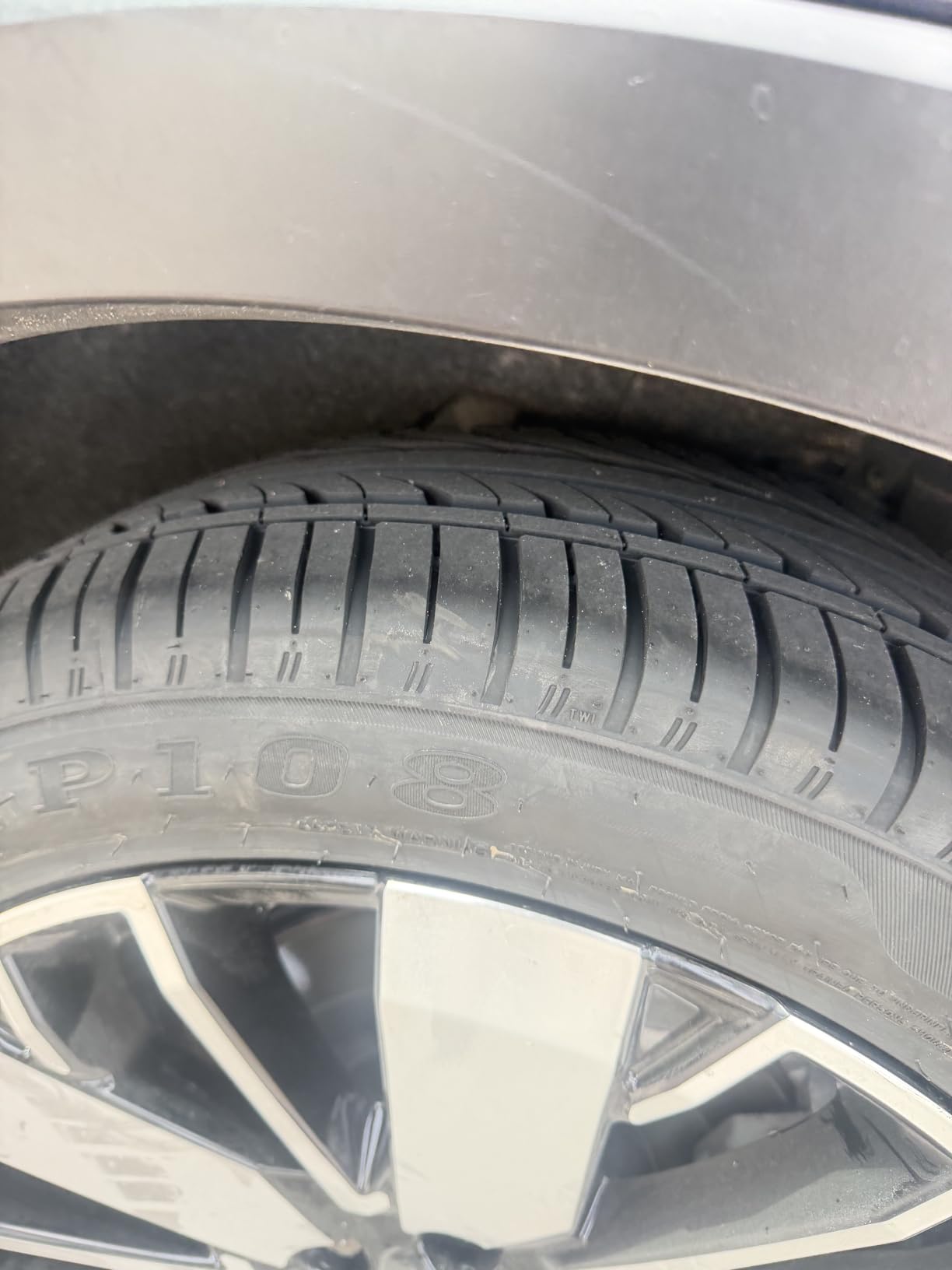
The HP108 is the pick I keep coming back to for anyone whose SUV sits on 20-inch wheels. It is an extra-load tire rated at 2271 pounds per corner, which is the number that matters when you are hauling four adults, a roof box and a highway merge ramp in July. The 109V speed rating is certified to 149 mph, which is not a reason to test it but a decent signal that the casing is built to stay composed at sustained highway speed.
What makes this pick unusual is the volume of owner feedback behind it. With more than 13,000 reviews attached, there is enough long-term reporting here to spot patterns rather than anecdotes, and the pattern holds: buyers choose it for the load rating and stay because the all-season traction is consistent for a tire carrying that much weight.
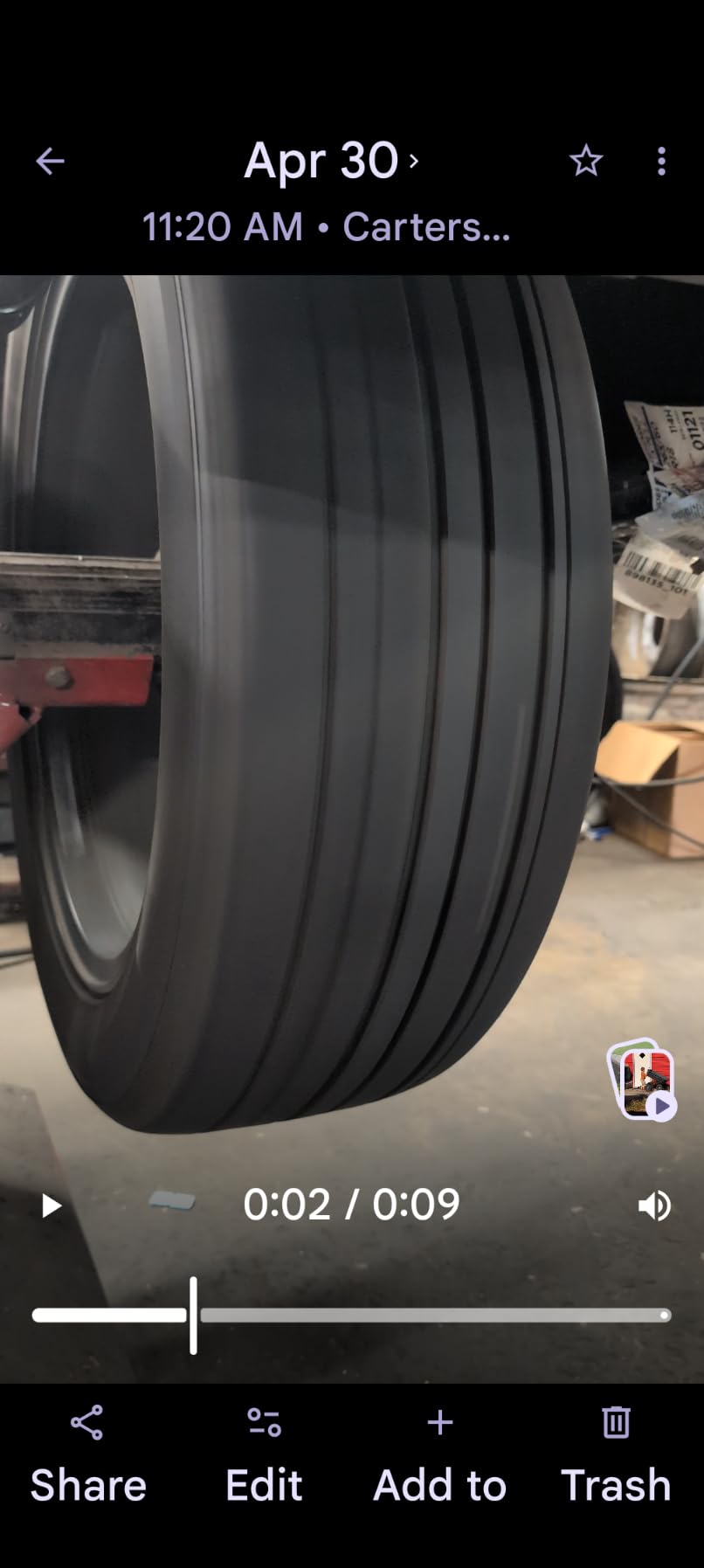
The tread is asymmetrical, sitting 10/32 inch deep out of the box, with a UTQG rating of 380AA. The asymmetrical layout is the reason rotation matters on this one. If you run it front to rear without thinking about it, you will wear the outer shoulder faster than the rest of the block.
The honest weakness is brand maturity. Fullway is not a household name in the way Michelin or Continental is, and the warranty language is the generic standard manufacturer terms rather than a stated mileage figure. Buyers who plan to keep a set for 60,000 miles should weigh that against the 70,000 and 80,000 mile picks further down.
Why the HP108 suits heavier 20-inch crossovers
An extra load tire is not a marketing flourish. It changes the amount of air the carcass is designed to hold and how it behaves when the suspension is compressed under weight, which is exactly what a two-row crossover does every time you take a corner with five people aboard.
If your SUV came factory with 20-inch wheels and an XL-rated tire, going back to a standard-load tire in the same size is a downgrade you will feel through the sidewalls. The HP108 keeps that rating intact and pairs it with the highest speed rating in this roundup.
Where the HP108 is the wrong choice
If you drive serious winter mileage, this is not your tire. A UTQG 380 wear rating and a 10/32 inch starting depth point to a tire built for rotation of miles, not for a season of snow where you need every bit of compound softness you can get.
It is also a poor match for anyone who tows. The extra load rating handles weight inside the vehicle, not the sustained sidewall forces of a trailer, and there is no stated mileage warranty behind it if the wear proves faster than the rating implies.
2. Pirelli Scorpion All Season Plus 3 – Best All-Round Pick for Crossovers
Pirelli Scorpion All Season Plus 3 All Season 225/65R17 102H SUV/Crossover Tire
Size: 225/65R17
Load index 102 for 1874 lbs
Speed rating 102H
Tread depth 12/32 inch
Pros
- 70000 mile treadwear warranty covers most ownership cycles
- 12/32 inch tread gives real winter and shoulder room
- 3D sipes bite early and late in the life of the tire
- Covers a huge list of popular SUVs and crossovers
Cons
- Costs more than budget-tier options
- Asymmetrical tread needs a disciplined rotation pattern
The Scorpion All Season Plus 3 is the most complete tire in this group, and the reason is a combination of warranty depth and starting tread. Seventy thousand miles of stated treadwear coverage is a long time to trust a tire, and 12/32 inch of starting depth gives you more usable rubber before the legal 2/32 inch threshold than anything else in this roundup.
Pirelli built it for crossovers and light trucks specifically, and the fitment list behind it is unusually broad. The tire is offered across vehicles including the Honda CR-V, Toyota RAV4, Mazda CX-5, Jeep Cherokee, Subaru Outback, GMC Yukon and Ford F-150, which means you are not going to be stuck hunting for a rare size.
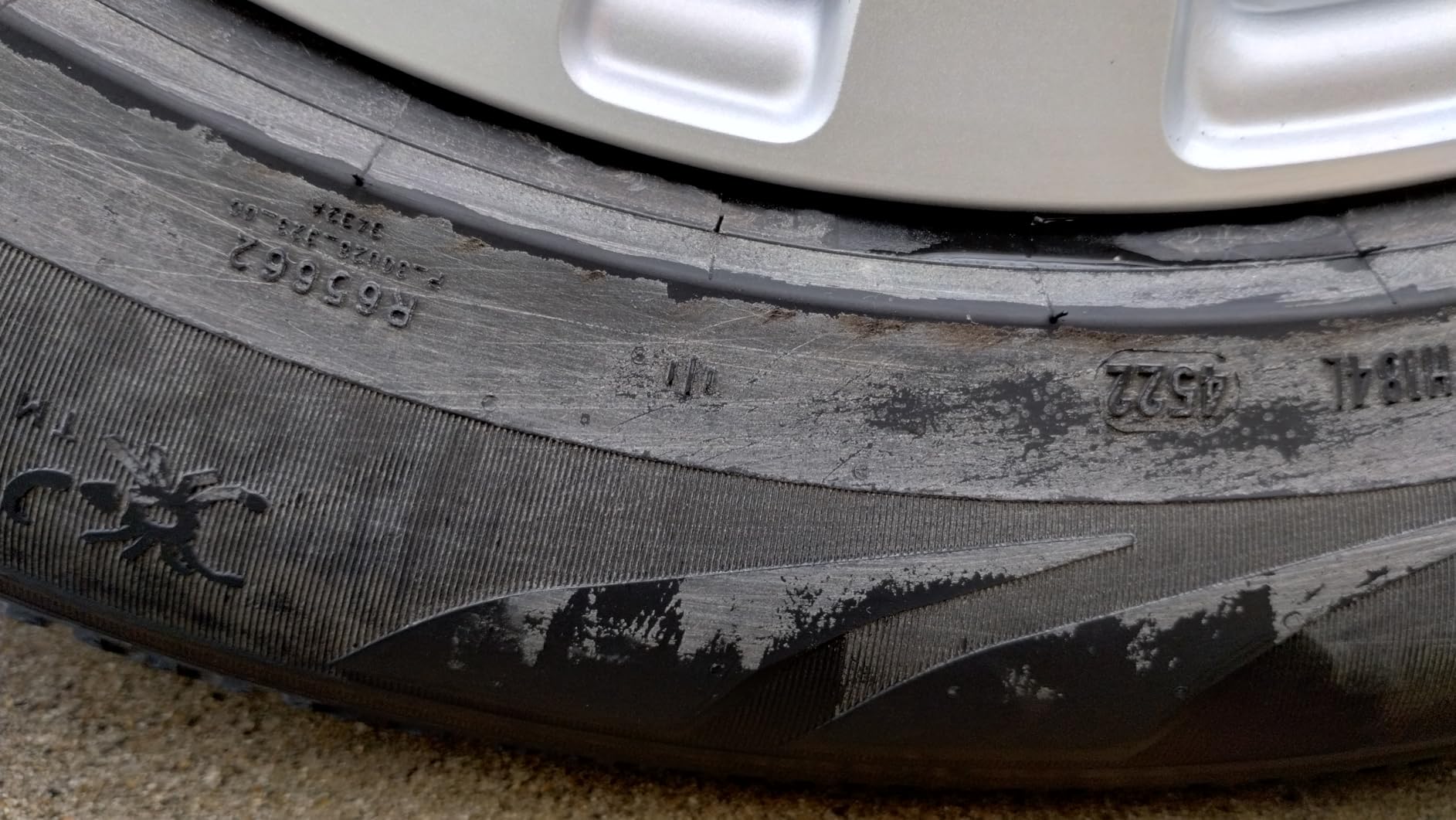
The 3D sipe technology is the part that earns its keep in the cold. Sipes are the small cuts in the tread blocks that give the compound something to bite into as temperatures drop, and this tire runs full-depth sipes from the first mile to the last. That is a meaningful difference on a tire that will be on the car for years.
Owners consistently report confident wet and dry braking, which matches what you would expect from a pattern designed for handling feel. The review summary shows 84 percent five-star ratings, and the complaints that do appear are mostly about cost and about remembering to rotate an asymmetrical pattern properly.
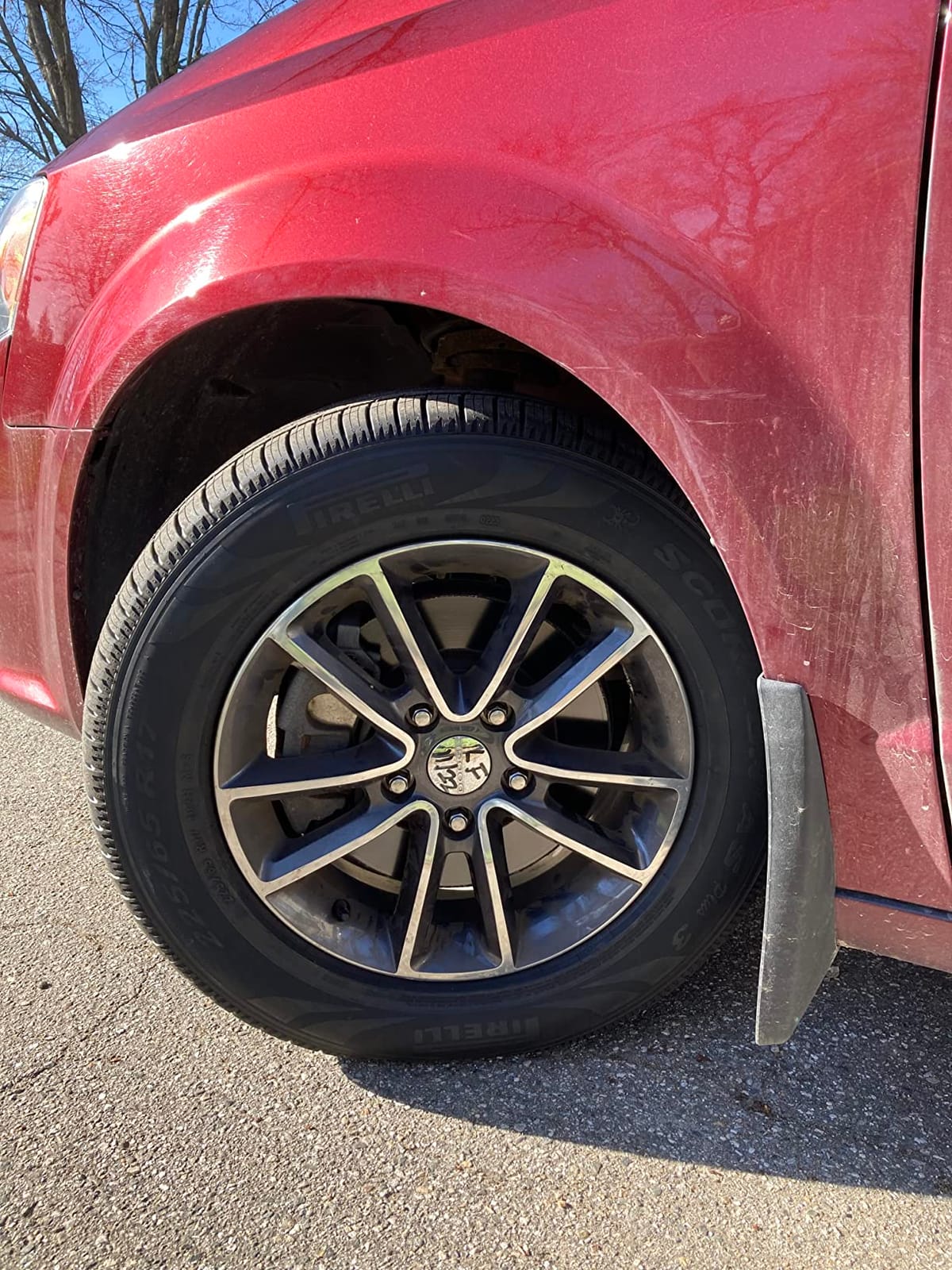
Why this is the tire for a CR-V, RAV4 or CX-5
Because the sizes and the load ratings line up with the crossovers that dominate family parking lots, and because the warranty gives you a long runway. At 70,000 stated miles, the math on cost per mile starts working in your favour early, especially if you rotate and keep pressure correct.
It also handles full passenger loads without complaint. The 102 load index at standard load range covers 1874 pounds per tire, which is adequate for a properly inflated crossover at rated capacity as long as you respect the vehicle placard rather than the door jamb sticker.
Why you might skip it
If your budget is tight and you drive fewer than 10,000 miles a year, the warranty runway is worth less to you. In that situation a cheaper tire with a decent treadwear rating serves the same purpose without the premium.
Second, this is a standard-load 225/65R17 tire. If you tow regularly or run a full three-row SUV at highway speeds, look for an extra-load rating instead, like the HP108 or the Yokohama X-CV in the next few sections.
3. Continental TrueContact Tour 54 – Best for Quiet Comfort and Long-Term Value
Continental TrueContact Tour 54 All Season 235/60R18 103H Passenger Tire
Size: 235/60R18
Load index 103
Speed rating 103H
Tread depth 11/32 inch
Pros
- 80000 mile limited warranty is the longest stated coverage in the roundup
- EcoPlus compound shortens wet braking and saves fuel
- Repairable and compatible with electric vehicles
- Low road noise touring ride
Cons
- Premium price point
- Lower review count at 108 suggests a newer listing
The TrueContact Tour 54 wins on warranty depth. An 80,000 mile limited tread life warranty is the longest stated coverage among these ten tires, and on a touring all-season meant to sit on an SUV for half a decade, that is the single most useful number on the tire.
What makes it interesting right now is the EcoPlus compound technology. Continental describes it as a compound that saves fuel, optimizes range, stops shorter on wet roads and extends tread life. Owners report a quiet, comfortable ride and improved economy, which lines up with what the construction is supposed to do.
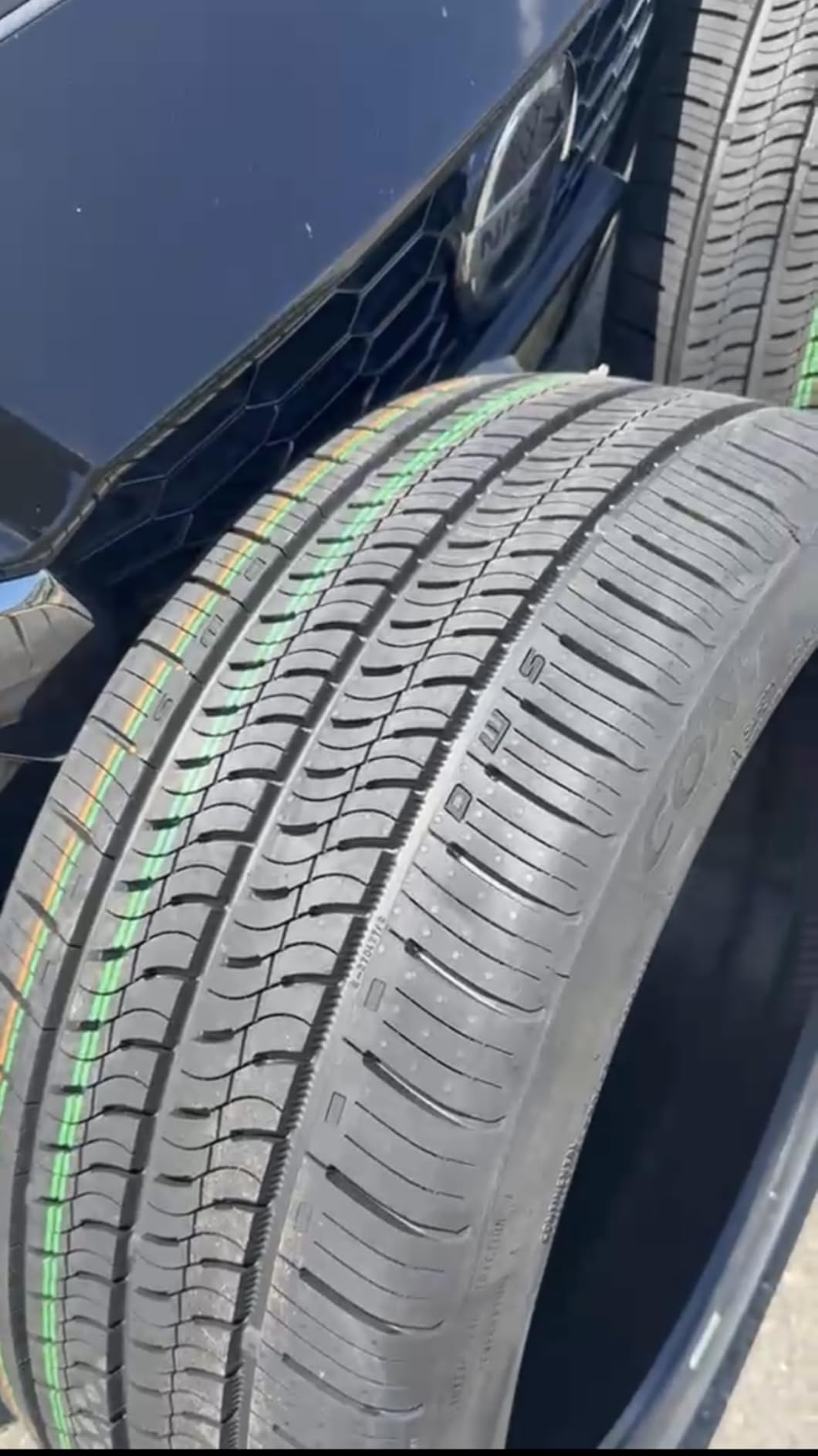
The EV angle is worth pausing on. This tire has no foam lining, which means it can be repaired rather than scrapped after a puncture, and the compound is designed to cope with the instant torque of an electric crossover. If your SUV is hybrid or fully electric, a repairable, long-warranty tire is worth more to you than the same tire in a combustion car.
The honest caveat is the review count. At 108 reviews the sample is thinner than most of this list, so you are trusting manufacturer specification and the small amount of owner feedback available. Ratings are strong at 4.6 with 83 percent five-star, but the evidence base is newer.
Why this is the quiet-ride pick
Low road noise on a long highway drive is the whole point of a touring tire, and this one is built around it. At 235/60R18 it also sits on a slightly larger diameter than the 17-inch options, which means a taller sidewall and more rubber to absorb expansion joints and impact noise.
If you commute long stretches of highway and carry passengers, the combination of noise control, a fuel-saving compound and an 80,000 mile warranty is genuinely hard to argue with, and the review summary specifically calls out the quiet ride as a repeated theme.
Why you might skip it
The review count is the first thing to weigh. A tire with 108 reviews tells you less about five-year durability than a tire with thousands, even with a strong warranty behind it, so if you are nervous about long-term wear this is not the pick with the most owner evidence.
Second, the price sits at the premium end of this roundup. That is defensible over 80,000 miles, but if you plan to sell the SUV before then it is harder to justify.
4. Starfire Solarus AS – Budget Pick Touring Tire for Daily Commuting
Starfire Solarus AS All-Season 225/65R17 102H Tire
Size: 225/65R17
Load index 102 for 1874 lbs
Speed rating 102H
Tread depth 9/32 inch
Pros
- 50000 mile treadwear warranty at a budget-tier cost
- Symmetrical pattern rotates without any planning
- Quiet and comfortable commute every day
- Manufactured by Cooper Tire and Rubber
Cons
- Shallow 9/32 inch starting tread leaves less winter margin
- Standard load range only
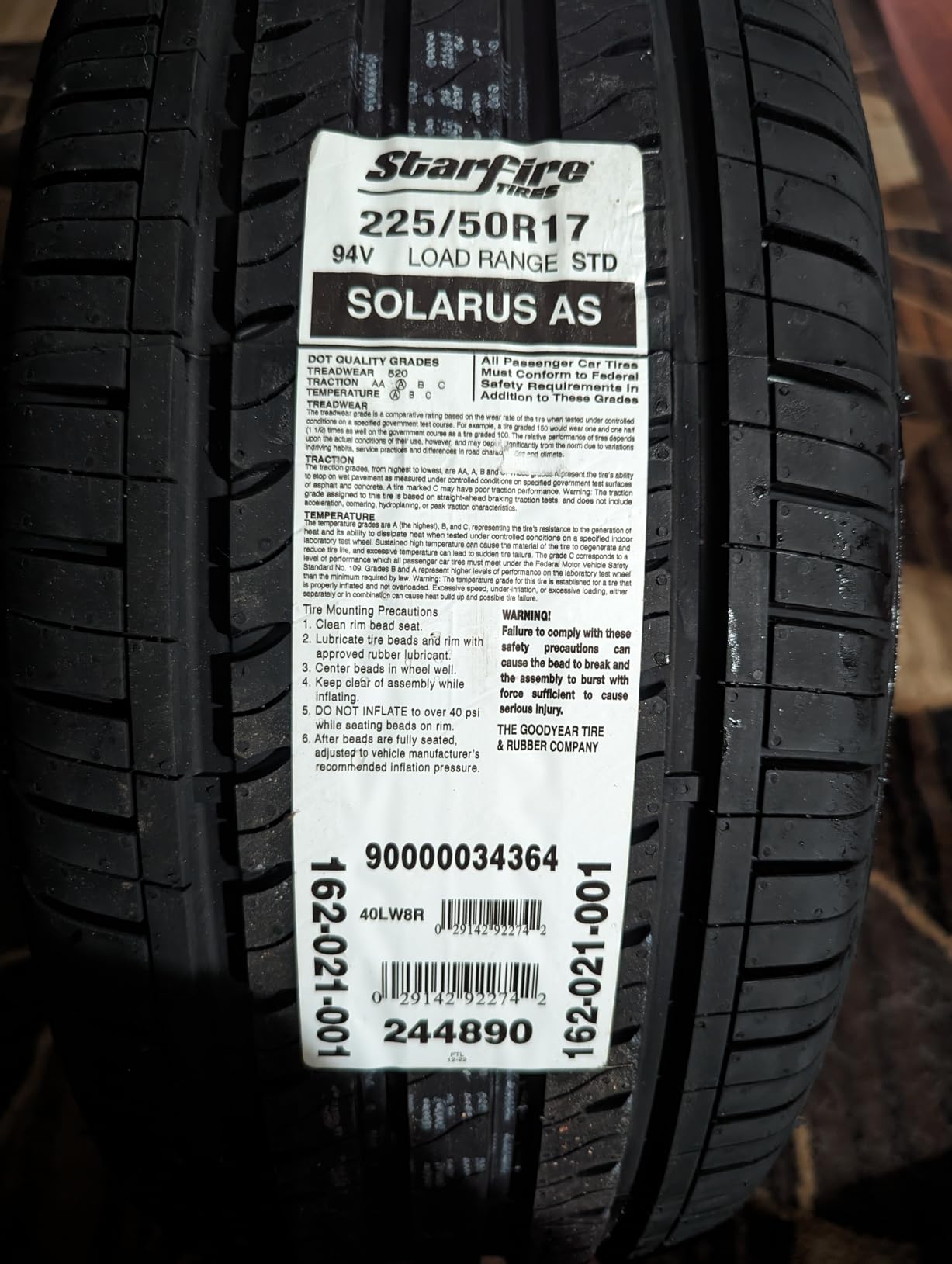
The Starfire Solarus AS is a Cooper-made tire sold under the Starfire banner, which matters more than it sounds. It is not an unbranded import with no parent company; it comes out of a manufacturer with a real quality program, and reviewers regularly single that out as the reason the tire performs above its price tier.
For a daily commuter on a 225/65R17 wheel, the basics are all in place. Radial construction, a symmetrical tread pattern, a 102H speed and load rating, standard load range, and 9/32 inch of starting tread depth with a 50,000 mile treadwear warranty behind it.
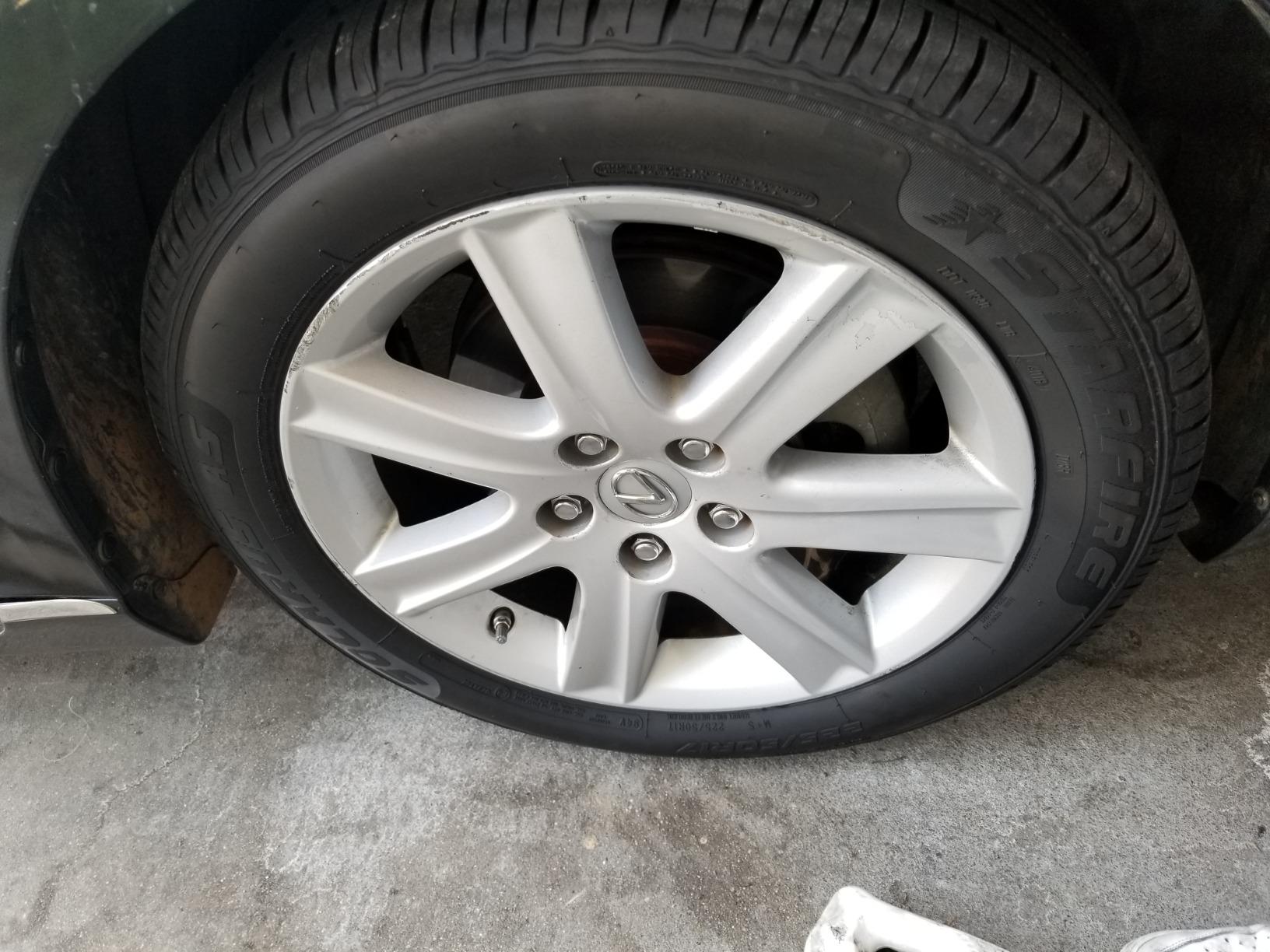
The symmetrical pattern is the underrated part. A symmetrical design can be rotated front to rear without thinking about it, which means even wear across all four tires and a longer useful life than an asymmetrical pattern on a driver who skips rotations.
Owner feedback centres on quietness, comfort and steady wear, with an overall 4.5 rating from more than 2,400 reviews and 77 percent five-star. The complaints that surface are about severe snow and ice performance, which is exactly what a touring all-season is not designed for.
Why this works for a high-mileage commuter
Because the maths is simple. A 50,000 mile warranty on a tire that costs far less than a premium touring option puts the cost per mile well below anything else in the roundup, and a symmetrical pattern means you get most of that mileage back if you rotate on schedule.
It is also the easiest tire here to fit. 225/65R17 102H is one of the most common crossover fitments in existence, and the 44 psi maximum pressure rating gives you plenty of headroom over typical cold inflation targets.
Why you might skip it
If you spend real time on snow-covered roads, the 9/32 inch starting depth and M+S rather than severe-weather certification work against you. This is a mild-climate tire, and treating it as a winter tire is where owners get disappointed.
Heavy loads are the other limit. Standard load range at 102 index covers a well-inflated crossover at rated capacity, but it is not the tire for a full three-row SUV running near maximum GVWR every weekend.
5. Goodyear Assurance Finesse – Best for Fuel Economy and Low Rolling Resistance
Goodyear Assurance Finesse All-Season 225/65R17 SL 102 H Tire
Size: 225/65R17
Load index 102 for 1874 lbs
Speed rating 102H
Tread depth about 9.5/32 inch
Pros
- Patented tread pattern built specifically for low noise
- Low rolling resistance compound helps fuel economy
- Owners report grip in wet/dry/snow and ice
- Reliable and predictable tread wear
Cons
- No specific mileage warranty is listed
- Slightly shallower starting tread than most rivals
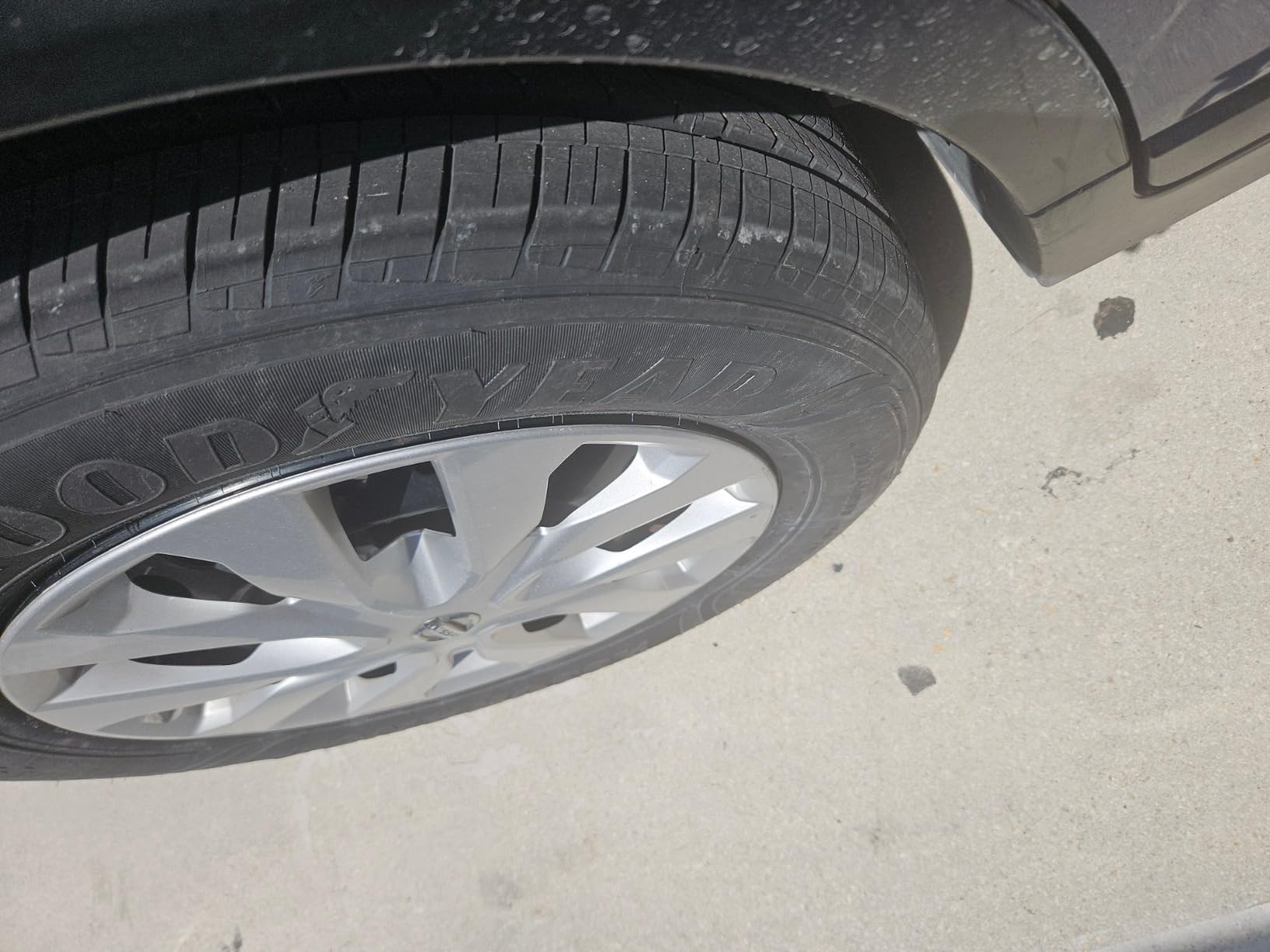
The Assurance Finesse is built around one idea: a compound that fights back against fuel consumption. The specially formulated rubber is designed for low rolling resistance, and the shaped tread features are tuned to the same end, which means less energy lost as heat and a small gain at the pump on an SUV that already drinks more than it needs to.
The patented tread pattern is the other headline. It is engineered specifically for a comfortable, quiet ride, and owners echo that, repeatedly citing the low noise over broken pavement and expansion joints as the reason they would buy it again.
Grip is reported across conditions rather than concentrated in one. The review summary calls out wet, dry, snow and ice grip as a consistent strength, and the pattern uses a non-directional design so rotation is straightforward and the outside shoulders wear evenly.
The two things to know before buying are both on the label. The tread depth is listed at 7.6 millimeters, roughly 9.5/32 inch, which is a little shallower than the Pirelli and the Yokohama in this roundup, and the warranty field does not specify a mileage figure.
Why this is the fuel-economy pick
Rolling resistance is the quiet tax on every mile you drive. A low-rolling-resistance compound returns a small amount of fuel on every commute, and on a heavier SUV running 12,000 to 15,000 miles a year that adds up faster than most owners expect.
Pair it with correct pressure and a rotation every 5,000 to 8,000 miles and you have a tire that is genuinely working with your fuel bill instead of against it.
Why you might skip it
No stated mileage warranty is the deal-breaker for high-mileage owners. Without a number to hold the manufacturer to, you have less protection if the tread goes at 35,000 miles instead of 50,000.
The second concern is winter. The shallower starting depth gives you less margin on snow and ice, and this is not the tire to choose if your local roads are unplowed for weeks at a time.
6. Yokohama Geolandar X-CV G057 – Best for Full-Size SUVs on 265/70R18
Yokohama Geolandar X-CV G057 All Season 265/70R18 116T SUV/Crossover Tire
Size: 265/70R18
Load index 116
Speed rating 116T
Tread depth 11/32 inch
Pros
- 116 load index handles the heaviest SUVs in this roundup
- Micro silica compound for dry stability
- End-locked polymer keeps it pliable in wet and snow
- Five pitch block variation reduces road noise
Cons
- Warranty is the standard manufacturer terms with no stated mileage
- T speed rating and lower 4.4 rating
- Thinnest owner review base among the leaders
The X-CV G057 is the tire for a body-on-frame or full-size SUV rather than a crossover. At 265/70R18 with a 116 load index, it carries more per corner than anything else here, which is what you want when the vehicle itself weighs more than many midsize sedans and you still have passengers and cargo in it.
The compound does two jobs. Micro silica delivers dry stability so the vehicle stays composed on a warm highway loop, while an end-locked polymer keeps the rubber pliable when temperatures drop, which is what preserves traction in wet and snow conditions.
Water evacuation is handled by four circumferential grooves, and the reinforced shoulder blocks add stability and grip on loose surfaces. For a tire that may spend time on gravel roads leading to a trailhead or a job site, that shoulder construction is more useful than it sounds.
Noise is addressed with five pitch block variation, which staggers the tread blocks to break up the pattern noise that produces highway hum. It is a deliberate design choice rather than a marketing line, and it is visible in how the owners describe highway comfort.
Why this fits a full-size SUV
Because the load index is doing the job a full-size SUV needs done. A 116 index on an 18-inch wheel gives the headroom to run at or near the vehicle’s rated capacity without worrying about sidewall flex under load, and the reinforced shoulder holds stability when the rear is packed.
It is also one of the few larger-wheel options here that still runs a tall 70-series aspect ratio, which buys you more impact absorption over washboard roads than a 50-series tire on the same vehicle.
Why you might skip it
The warranty is the generic standard manufacturer terms rather than a stated mileage figure, and the T speed rating is the lowest tier here. If you routinely run sustained highway speeds above what that rating implies, that is worth reconsidering.
Owner feedback is also thinner at 175 reviews with a 4.4 rating, the lowest in this roundup. The tire is well-suited to the job, but you are choosing it on construction rather than on a deep body of owner reports.
7. Bridgestone Alenza A/S 02 – Best for Highway Driving on 255/65R18
Bridgestone Alenza A/S 02 Highway Terrain SUV Tire 255/65R18 111 T
Size: 255/65R18
Load index 111
Speed rating 111T
Tread depth 10/32 inch
Pros
- Highest owner rating in the roundup at 4.9 with 91 percent five-star
- Premium manufacturer highway terrain design
- 111 load index suits most mid-size and full-size SUVs
- Directional pattern channels water and resists noise
Cons
- No manufacturer warranty listed on this listing
- Smallest review base at 88 ratings
- T speed rating limits sustained high-speed running
The Alenza A/S 02 holds the highest owner rating in this roundup at 4.9, with 91 percent of reviews at five stars. That is an unusually clean signal, and it comes from Bridgestone, a premium manufacturer with a highway terrain design aimed squarely at SUVs and trucks.
The 255/65R18 fitment is one of the most common on mid-size and full-size SUVs, and the 111 load index is one of the higher capacity ratings in this roundup, which is what you want when the vehicle carries a full passenger load and luggage on a long highway run.
Why this is the highway pick
Directional tread is the reason. A directional pattern uses angled grooves to move water out of the contact patch quickly and resist squirm at speed, and on a long interstate run at steady speed that is exactly the behaviour you want from a tire.
The tradeoff is rotation discipline. Directional patterns rotate front to rear only, and swapping them left to right for a conventional rotation accelerates uneven wear, so this is a tire for a driver who will follow the pattern rather than improvise.
Why you might skip it
The warranty field is listed as no warranty on this particular listing, and that is a real gap at a premium price point. You are paying for construction and reputation rather than a stated tread-life commitment.
With 88 reviews, the evidence base is also the smallest here. A 4.9 rating built on fewer than a hundred data points is encouraging rather than conclusive, and the T speed rating is another constraint for drivers who live on highways.
8. Yokohama GEOLANDAR H/T G056 – Best for Mileage Warranty on 265/65R18
Yokohama GEOLANDAR H/T G056 All-Season Radial Tire – 265/65R18 112T
Size: 265/65R18
Load index 112
Speed rating 112T
Tread depth 12/32 inch
Pros
- 50000 mile treadwear warranty
- 12/32 inch of starting tread depth
- Highway terrain design tuned for quiet road miles
- Manufactured in the USA
Cons
- E-ply construction can feel firmer than a standard-load tire
- Sits at the premium end of the price range
The GEOLANDAR H/T G056 is a highway-terrain tire with an unusual amount of depth on delivery. Twelve thirty-seconds inch of starting tread puts it in the same territory as the Pirelli Scorpion and gives you plenty of margin before the 2/32 inch replacement line.
The construction is E-ply, which is a stiffer ply setup than a standard four-ply passenger tire. That is not a criticism so much as a trade: E-ply holds shape better under load and at speed, which suits a heavier SUV, but you may notice more impact harshness over sharp edges than a softer casing.
Owners describe it as a quiet, comfortable highway tire with good wet and dry traction, and the 4.6 rating comes with 80 percent five-star reviews across 502 ratings. Made in the USA, which some buyers weigh when deciding between otherwise similar options.
Why this is the mileage-warranty pick at this size
At 265/65R18 with a 50,000 mile treadwear warranty, this is one of the few larger-fitment tires in the roundup where a stated mileage figure is actually attached. On a full-size SUV doing 15,000 miles a year, that warranty covers more than three years of expected life.
It is also a non-directional pattern, so rotation is flexible and you can move tires around the axle to manage wear as needed.
Why you might skip it
If comfort over rough pavement is your top priority, the E-ply casing is the thing to test. Owners who like it praise the quiet highway feel, but the firmer construction transfers more impact noise than a passenger-rated casing would.
There is also a premium price attached, and with 502 reviews the owner evidence base is moderate rather than deep.
9. Toyo Extensa A/S II – Best for Gravel Roads and Mixed Surfaces
Toyo Tires extensa a/s ii P225/65R17 102H all-season tire
Size: 225/65R17
Load index 102 for 1874 lbs
Speed rating 102H
Tread depth 11.5/32 inch
Pros
- 10-ply construction gives a heavy duty feel on rough surfaces
- Deep 11.5/32 inch starting tread
- Quiet and smooth ride reported by owners
- Made in Italy
Cons
- No manufacturer mileage warranty listed
- Some reports of balancing issues on delivery
- Delivery logistics reported as problematic by a few buyers
The Extensa A/S II stands out on construction. A 10-ply casing is closer to light-truck territory than a typical passenger touring tire, and it is the reason this tire tolerates gravel roads, rutted forest service roads and long stretches of broken pavement better than most of the others here.
Tread depth starts at 11.5/32 inch, which is deep for a 225/65R17, and the pattern is directional. That directional layout is efficient in rain and quiet under load, and the ride is consistently described by owners as smooth and quiet.
The rating is strong at 4.6 with 84 percent five-star reviews. What those reviews also flag is the absence of a stated manufacturer mileage warranty, which is a meaningful gap for anyone planning to keep the set for a long time.
Why this fits mixed-surface driving
A 10-ply casing resists damage from sharp stones and holds its shape on loose surfaces where a softer passenger casing would flex and heat up. For a rural commute that includes a gravel section, that durability matters more than the quietness a premium touring tire would add.
The deep starting tread and the directional pattern also mean less concern about hydroplaning on a wet gravel wash, which is a real condition on unsealed rural roads.
Why you might skip it
No stated mileage warranty is the clearest drawback, and it stands out next to the 50,000, 55,000, 70,000 and 80,000 mile figures attached to other tires in this roundup.
There are also reports of balancing issues on some delivered units and complaints about the delivery experience itself. If you care about a frictionless purchase, that is worth weighing before you commit.
10. Sailun Atrezzo SH408 – Our Best Value for Daily Drivers
Sailun Atrezzo SH408 All Season 225/65R17 102H Passenger Tire
Size: 225/65R17
Load index 102 for 1874 lbs
Speed rating 102H
Tread depth 10/32 inch
Pros
- 55000 mile limited warranty at a budget-tier price
- Circumferential grooves for hydroplaning resistance
- Owners report a quiet ride and fuel economy gains
- Durable wear reported by owners
Cons
- Budget brand with less refinement than premium makers
- Heavier tire at 36 pounds
- Less brand recognition than the major names
The Atrezzo SH408 is the value argument of this roundup. A 55,000 mile limited tread life warranty on a budget-tier tire is unusual, and it is the number that makes the cost per mile work for a driver covering ordinary annual mileage.
The wet-weather story is handled with circumferential grooves that funnel water out of the tread footprint to resist hydroplaning, and an asymmetrical pattern that keeps an optimized contact area stable under cornering. Owner feedback cites traction, handling and a quiet ride in roughly equal measure.
At 4.6 with 278 reviews and 80 percent five-star, the sample is small but clean. Several owners report improved fuel economy after fitting the set, which is a reasonable outcome for a tire designed around low rolling resistance.
Why this is the budget pick
Because a stated 55,000 mile warranty changes the arithmetic. Compare that to a premium tire with no stated mileage figure, and the budget option can win on total cost even before you count the tread depth and the hydroplaning-resistant grooves.
It is the sensible choice for a commuter who wants predictable wet weather braking, decent ride comfort and a long runway, without paying for a premium badge.
Why you might skip it
Brand recognition is the first limit. Fewer service shops carry a Sailun, and if you ever need a warranty claim or a same-day replacement, the major names are easier to deal with.
At 36 pounds it is one of the heavier tires in this roundup, which makes it a little more work to handle during a mount. If you tow, run near maximum GVWR, or drive serious snow mileage, step up to one of the extra-load or premium picks instead.
How to Choose All Season Tires for an SUV in 2026
Read the tire size, load index and speed rating before anything else
A tire size such as 235/60R18 breaks into three parts. The first number, 235, is the section width in millimetres, the second, 60, is the aspect ratio meaning the sidewall height is 60 percent of that width, and R18 tells you it is a radial on an 18-inch rim.
The load index is the two or three digit number that follows, such as 102, 103 or 116, and it maps to a weight capacity per tire. 102 corresponds to 1874 pounds per tire, 103 to about 1925 pounds, and 116 to around 2400 pounds. The letter after that is the speed rating, and on SUVs you will see 102H, 103H, 111T or 112T, with T the lowest and V and Y the higher tiers.
Buy to the placard on the driver door jamb, not the tire in the trunk. If the placard calls for an XL extra load tire, a standard load tire in the same size is a downgrade even if it physically fits the wheel.
Know the difference between P-rated and LT-rated tires
A P-rated tire is a passenger tire, built with a lighter casing and typically a higher speed rating. An LT, or light truck, tire is built for heavier vehicles with a stiffer casing, a lower speed rating and a higher load capacity, and it is the standard fitment for most pickups and body-on-frame SUVs.
Many modern crossovers are a confusing middle ground: they are unibody vehicles that came with LT245/65R17 or similar light-truck sizes. An LT tire on a crossover is a valid and common choice, and many of the picks here are sold in LT sizes. The rule stays simple: match the load index and load range on the placard, then let the tread pattern follow your driving.
Understand what 3PMSF actually changes
All-season and all-weather are often used interchangeably, but they are not the same certification. An all-season M+S tire is marked for mud and snow suitability. An all-weather tire carries the three-peak mountain snowflake, or 3PMSF, mark, which certifies that it meets a tested grip threshold on packed snow.
That distinction matters if you live somewhere with real winter conditions. 3PMSF is not a licence to drive in a blizzard and it does not replace a winter tire, but it is a meaningful step up for someone who wants one set that works in January and July without swapping.
Match the tread pattern to how you drive
A symmetrical pattern is the most flexible. The two halves mirror each other, so you can rotate the tire front to rear or left to right and get even wear, which is why the Starfire Solarus AS is so easy to maintain.
A directional pattern uses angled blocks that push water sideways out of the contact patch. It is efficient in heavy rain and quiet at highway speed, but it must be rotated front to rear only. An asymmetrical pattern combines different features on each side for the best overall performance, and it requires a rotation pattern you stick to. Both appear in this roundup, so read the tire before you rotate it.
Treat treadwear ratings, warranties and DOT codes as the value signal
The UTQG treadwear rating is a relative number, so 380 does not mean twice the life of 190 in any absolute sense. What it does tell you is how a tire’s expected wear compares with others in its class, and the accompanying AA or A grade describes traction and temperature resistance.
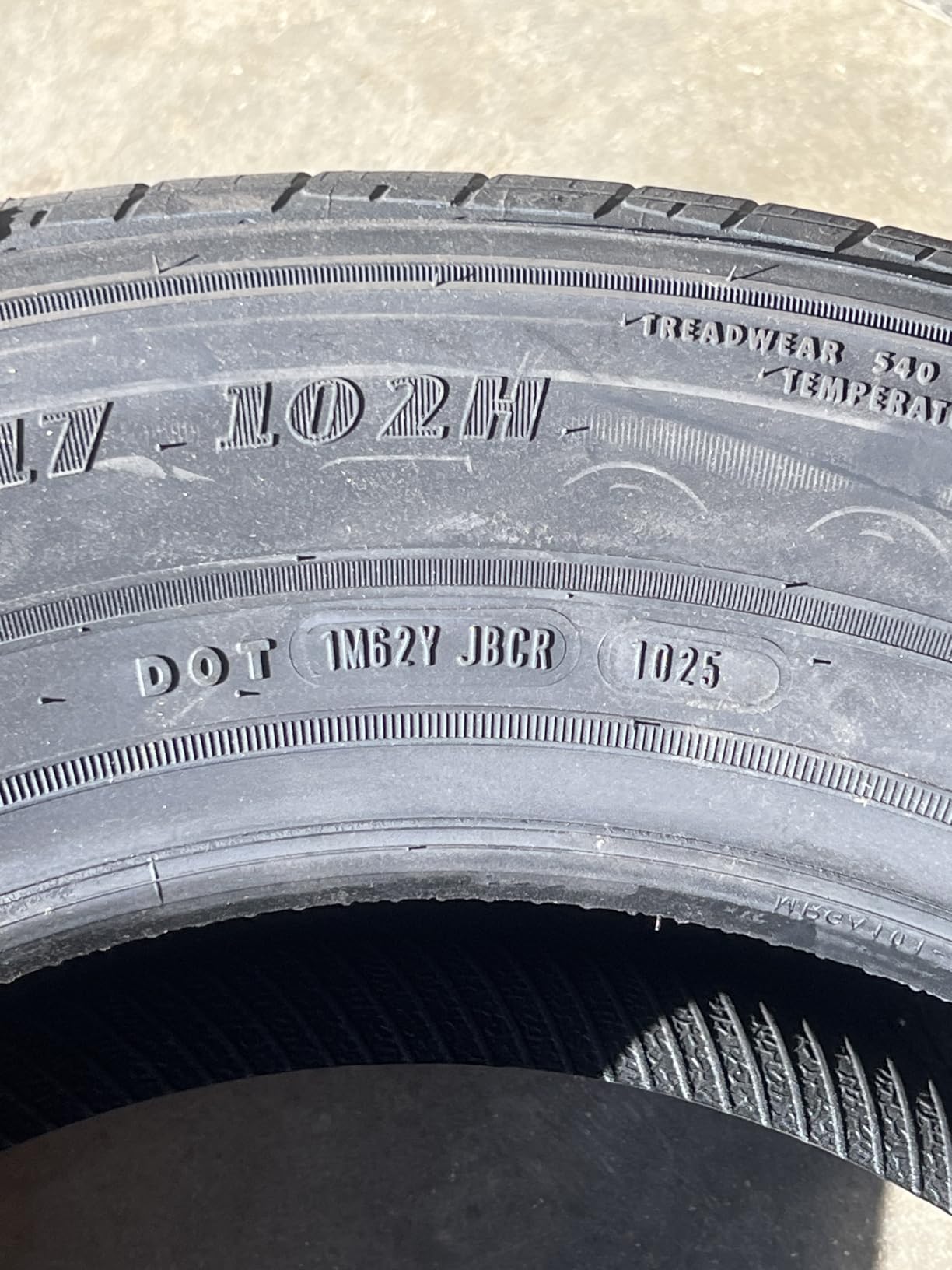
Stated mileage warranties are the more useful number for most owners. In this roundup they range from none listed through 50,000, 55,000, 70,000 and up to 80,000 miles, which is a spread wide enough to change the value calculation entirely. Pair that with the DOT manufacture code on the sidewall, four digits where the first two are the week and the last two the year, so you can see how old a tire is when it arrives.
Account for heavier and electric platforms
An SUV weighs more than the sedan the tire was developed on, and the extra mass shows up as heat and wear in the contact patch. Electric and hybrid SUVs add instant torque, which loads the shoulder blocks harder in the first few feet of acceleration.
The practical responses are unglamorous. Rotate every 5,000 to 8,000 miles, keep pressure at the placard figure rather than the maximum printed on the sidewall, and make sure the wheel alignment is correct after any suspension work. If you drive an electric SUV, a repairable tire with no foam lining is worth more to you than the same tire in a combustion vehicle, which is one reason the Continental TrueContact Tour 54 stands out.
Know when replacement is due
Tires are legal to 2/32 inch of tread depth, which you can check with a gauge or the quarter test. Below that, the tire is finished regardless of what the warranty says. Many manufacturers also treat six years from the date of manufacture as a practical limit, because rubber hardens with age even if the tread looks deep.
Look for uneven wear across the tread, cupping, or feathering at the edges, since those point at pressure, alignment or worn components rather than the tire itself. Balancing and alignment at every tire change keeps the pattern wearing the way the manufacturer designed it to.
How We Picked These 10 Tires
Every tire in this roundup was assessed on the specifications that decide real-world performance on an SUV: the size and load index, the load range, the speed rating, the starting tread depth, the tread pattern, the stated warranty, and the volume and consistency of owner feedback.
We weighted load capacity heavily because that is the specific problem SUVs create, and we weighted stated warranty mileage heavily because it is the only number a manufacturer commits to in writing. We also flagged where owner evidence is thin, since a high rating built on a small number of reviews tells you less than a slightly lower rating built on thousands.
Where a tire is a touring design rather than a severe-weather one, we say so plainly. No tire on this list substitutes for a winter tire in sustained deep snow, and the buying guide above explains what 3PMSF certification does and does not promise.
Frequently Asked Questions
What are the best tires for a smooth ride in an SUV?
For the quietest, most comfortable ride in an SUV, look at a touring-pattern tire with a non-directional or symmetrical tread. The Continental TrueContact Tour 54 is built for low road noise and carries an 80,000 mile limited warranty, while the Goodyear Assurance Finesse uses a patented tread pattern designed specifically to reduce noise on a 225/65R17 fitment. A larger overall tire diameter also absorbs more impact than a low-profile tire on the same wheel.
What is the quietest all season tire for SUVs?
Among the tires in this roundup, the Goodyear Assurance Finesse and the Continental TrueContact Tour 54 are the two designed first for noise. The Finesse has a patented quiet tread pattern and a non-directional layout, while the TrueContact Tour 54 pairs a touring casing with low road noise construction and an 80,000 mile warranty. Noise is also a function of the wheel size, so a taller sidewall on a smaller rim will always be quieter than a low-profile tire on a 20-inch wheel.
Are LT tires better than passenger tires for an SUV?
LT, or light truck, tires are built with a stiffer casing, a higher load capacity and a lower speed rating than passenger tires. Most pickups and body-on-frame SUVs come with LT sizes, so if the placard on your driver door jamb calls for an LT fitment, an LT tire is the correct choice. Many crossovers use a passenger tire size instead, and in that case a quality passenger-rated tire in the specified size and load index is entirely appropriate. Match the placard, not the vehicle category.
Do I need winter tires if I have all-weather tires?
If your tires carry the three-peak mountain snowflake mark, they are certified to a tested grip threshold on packed snow and handle winter conditions far better than a standard M+S all-season tire. They still do not replace a winter tire for sustained deep snow or highway temperatures well below freezing. If you drive mountain passes or unplowed roads regularly, a second set of winter tires remains the safer choice.
What tire size do I need for my SUV?
The correct size is printed on the placard inside the driver door jamb, not on the tire itself. Common crossover sizes include 225/65R17, 235/55R18, 235/60R18 and 255/65R18, while full-size SUVs commonly run 265/70R18 or 255/50R20. Check the load index and load range as well, because a standard load tire is not a substitute for an XL extra load tire even in the same size. If the placard specifies XL, buy XL.
How long should a set of all season tires last on an SUV?
Stated treadwear warranties in this roundup range from 50,000 miles for the Starfire Solarus AS and the Yokohama GEOLANDAR H/T G056 up to 80,000 miles for the Continental TrueContact Tour 54. An SUV wears faster than a sedan because of the extra mass and torque, so rotating every 5,000 to 8,000 miles and keeping pressure at the placard figure is what gets you close to the stated figure. Also treat six years from the DOT manufacture date as a practical replacement limit regardless of remaining tread.
The Verdict: Which All Season Tire Fits Your SUV
For most SUV owners in 2026, the Fullway HP108 255/50R20 109V XL is our best all season tire for SUVs overall, because the extra load rating and 109V speed rating handle a heavy, fast-moving crossover and it carries the largest volume of owner feedback of anything in this roundup. If you want the most complete tire regardless of size, the Pirelli Scorpion All Season Plus 3 pairs a 70,000 mile warranty with 12/32 inch of starting tread.
Match the tire to your wheel size, load index and load range first, and decide the tread pattern second. After that, the best all season tires for SUVs in this roundup come down to how much snow you drive, how quietly you need the cabin, and how many miles you expect to get out of the set.