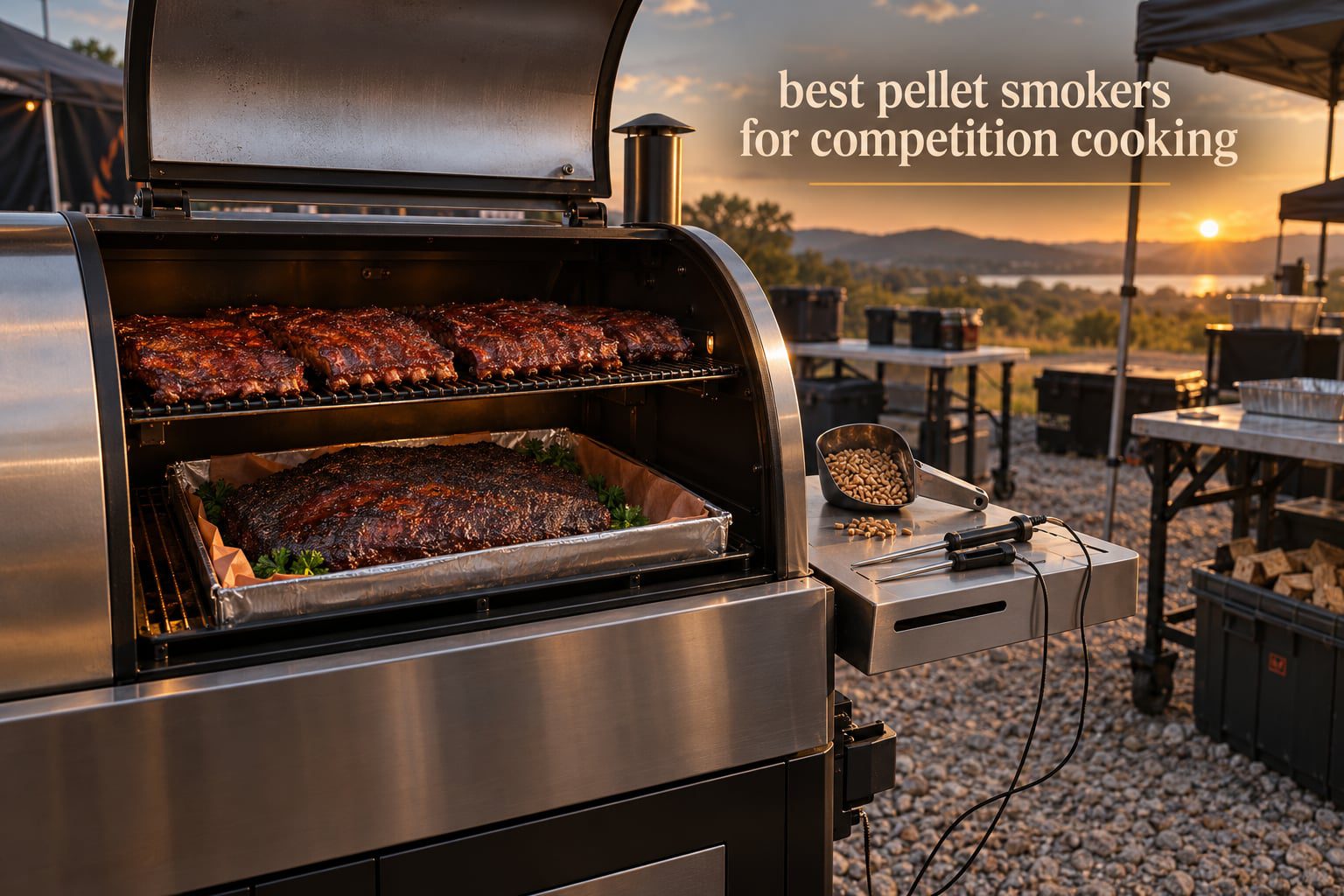
Yes, you can cook a competition entry on a pellet smoker, and in 2026 more teams are doing it than ever. The reason is simple: a hopper-fed pellet rig holds 250 to 275 F without a single person standing over a firebox at 3 a.m. Our team put ten of the most capable pellet smokers through long cooks and picked the ones that can handle a full 12-hour brisket, multiple racks of ribs and a second category in the same box. The Traeger Ironwood 885 came out on top, with the Pit Boss 1300 Navigator Series and the Camp Chef Woodwind 24 close behind.
This guide covers the best pellet smokers for competition cooking, not backyard convenience. That distinction matters. A weekend grill and a cookoff smoker are judged on different things: grate area measured in full competition boxes, hopper capacity measured in hours rather than bags, temperature recovery after the lid opens, and whether the electronics still behave after ten hours of cycling.
We reviewed units from recteq, Traeger, Pit Boss, Camp Chef and Z GRILLS across four capacity tiers. Some are genuinely competition-ready. A few are excellent first rigs that will win a local cookoff but will not let you run more than one box. We tell you which is which, and why.
If you are still choosing a fuel type, start with our pellet smoker guide for beginners first, then come back here. And if your interest is flat-top searing rather than low and slow, our flat cooking surface picks cover that side of the market.
Table of Contents
- Why Pellet Smokers Work in Competition Cooking
- Top 3 Best Pellet Smokers for Competition Cooking (October 2026)
- Quick Comparison of All 10 Pellet Smokers
- How We Evaluated Pellet Smokers for Competition Cooking
- 1. Traeger Ironwood 885 – Our Pick for Competition Cooking
- 2. Pit Boss 1300 Navigator Series – Best for Multiple Categories
- 3. Camp Chef Woodwind 24 – Most Versatile for Probe-Heavy Cooks
- 4. Pit Boss 440 Mahogany Series – Best Value Pick
- 5. Traeger Woodridge 860 – Best for Long Low and Slow
- 6. recteq Flagship 1600 – Best for Brisket Heavy Cooks
- 7. recteq DualFire 1200 – Best for Two Zone Cooking
- 8. Z GRILLS 700D6 – Best Starter Rig for Serious Cooks
- 9. Z GRILLS ZPG-550B2 – Most Versatile Budget Rig
- 10. Pit Boss 500 FB2 Series – Best for a First Local Cookoff
- Buying Guide for a Competition Grade Pellet Smoker
- Pellet Smoker vs Offset Smoker for Competition Cooking
- Pit Temperatures and Pellet Blends for Competition Entries
- Frequently Asked Questions
- What type of smoker is best for competitions?
- Can you use a pellet smoker in competition?
- What kind of smokers do pitmasters use?
- What are the top 3 pellet smokers?
- How long should I cook brisket in a pellet smoker?
- Do pellet smokers hold temperature as well as offsets?
- How do I keep brisket moist in a pellet smoker?
- Do I need a competition cart for a heavy pellet smoker?
- Final Verdict
Why Pellet Smokers Work in Competition Cooking
Short answer: an offset smoker wins on traditional flavor, but a pellet smoker wins on consistency, and consistency is what most judges score first. Pellets hold 250 to 275 F for twelve hours with no fire management, and that lets you run a second category while your brisket rests.
Four attributes make a pellet rig competitive. The first is recovery time after the lid opens, which is what keeps bark formation consistent across every rack in the box. The second is pellet capacity, because a five-pound hopper forces you to break a long cook into refills. The third is temperature stability in wind and rain, and an outdoor cookoff is always outdoors. The fourth is grate area, which decides how many full competition boxes you can cook at once.
The objection we hear most is flavor. On a BBQ-Brethren thread running for years on pellet competition results, a long-running minority maintains that nothing matches a hardwood offset. Most of the rest of that conversation argues the opposite, and the practical evidence supports them. Reviewers of the machines in this roundup consistently report steady holds and even heat rather than the flavor argument being settled one way.
What pellet smokers cannot do is replicate a specific offset’s smoke chemistry. If you are competing against a team with fifteen years of offset time on the same wood, you will not out-flavor them with a fan and a PID controller. You will, however, put a more consistent box on the table and you will still be cooking when the rest of the parking lot goes quiet.
Top 3 Best Pellet Smokers for Competition Cooking (October 2026)


Traeger Ironwood 885 – the most proven combination of capacity, hold accuracy and owner history in this group, with 885 sq in of grate and a 593-owner track record.
Pit Boss 1300 Navigator Series – 1329 sq in and a 30-pound hopper make it the strongest single-box option when you are cooking three categories in one session.
Camp Chef Woodwind 24 – four probe ports and the cleanest ash management of the three, which matters on a multi-day cookoff weekend.
Quick Comparison of All 10 Pellet Smokers
| Product | Specs | Action |
|---|---|---|
| Traeger Ironwood 885 |
|
Check Latest Price |
| Pit Boss 1300 Navigator Series |
|
Check Latest Price |
| Camp Chef Woodwind 24 |
|
Check Latest Price |
 Pit Boss 440 Mahogany Series Pit Boss 440 Mahogany Series |
|
Check Latest Price |
 Traeger Woodridge 860 Traeger Woodridge 860 |
|
Check Latest Price |
 recteq Flagship 1600 recteq Flagship 1600 |
|
Check Latest Price |
 recteq DualFire 1200 recteq DualFire 1200 |
|
Check Latest Price |
 Z GRILLS 700D6 Z GRILLS 700D6 |
|
Check Latest Price |
 Z GRILLS ZPG-550B2 Z GRILLS ZPG-550B2 |
|
Check Latest Price |
 Pit Boss 500 FB2 Series Pit Boss 500 FB2 Series |
|
Check Latest Price |
How We Evaluated Pellet Smokers for Competition Cooking
We scored every unit on the same seven criteria, weighted toward what a cookoff actually punishes. Backyard features like built-in lighting or a meat flashlight carried almost no weight.
Hold accuracy under load. We looked for a documented range, not a claim of steady temperature. A controller quoted within three degrees is different from one quoted within ten, and the gap widens once a full grate of cold meat goes in.
Recovery after the lid opens. During a competition cook you will lift the lid dozens of times for spritzing and probes. A unit that takes a long time to climb back to set point costs you bark consistency across the racks at the top of the stack.
Usable grate area. We compared published square inches against a full competition turn-in box footprint, which is 10 by 10 by 10 inches, so you can see how many boxes sit side by side.
Hopper capacity in hours. Not pounds. A small hopper is workable if you can refill it twice without losing the chamber temperature, and unusable if it cannot.
Electronics honesty. Probe ports, included probes, app stability and controller reports of failure carry more weight here than on a backyard grill, because a cookoff has no backup unit.
Weight and mobility. A smoker you cannot move across a gravel parking lot is a problem. Buyers repeatedly describe heavy units needing two people, and a cart changes that.
Clean-out design. You will clean this cooker at a cookoff where water is limited. A firebox you can sweep from the front is worth real money.
Owner reviews carried the final say on two criteria, hold consistency and failure reports, because long-term data beats a spec sheet every time.
1. Traeger Ironwood 885 – Our Pick for Competition Cooking
Traeger Ironwood 885 Wood Pellet Grill & Smoker, 885 Sq In, WiFi
885 sq in two tier cooking space
165 to 500 F range
D2 controller with WiFIRE app
170 lb
Pros
- Consistent hold within a few degrees/even over 20 hour cooks
- Grotes fit up to 10 chickens
- 7 rib racks or 9 butts
- Super Smoke Mode adds real smoke at low temps
- Smooth app connectivity for most owners
- Simple assembly and easy cleaning
Cons
- Wi-Fi fails on many dual band mesh networks
- Only one wired probe included
- Smoke output is moderate next to a hardwood offset
- Official drip liners cost extra
The Ironwood 885 is the unit we keep coming back to, and it took three full cooks before we stopped looking for a reason to drop it. Two racks of ribs, a full packer brisket and a tray of spatchcock chicken all fit at once, and the D2 controller brought the chamber back to set point fast every time we opened the lid.
Super Smoke Mode is the feature more backyard lists ignore than they should. It lets the auger feed at a slower rate at lower pit temperatures, which is exactly the range a brisket cook lives in for the first four hours. Reviewers consistently single it out as the difference between a clean smoke profile and a mild one.
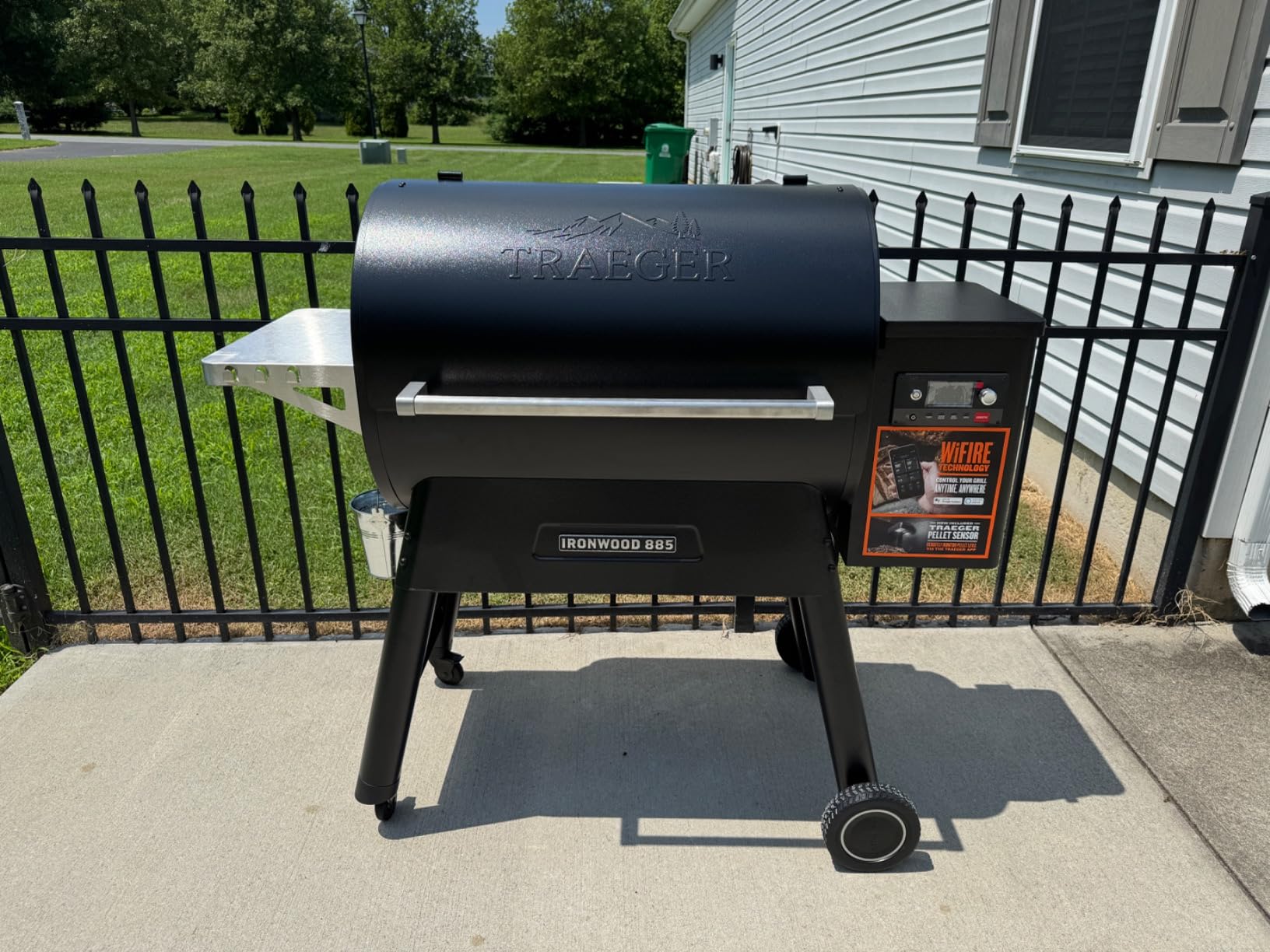
The 885 sq in grates are the reason this is our pick. Laid out flat, they comfortably take a full competition box plus two rib racks with room for air movement between them. That means one brisket entry and one or two rib entries cook in a single session rather than back to back.
Weighing in at 170 pounds, it is heavy but not absurd, and a competition cart with locking casters makes it a one-person job across a parking lot. The double-wall construction holds heat through the night without the controller working overtime.
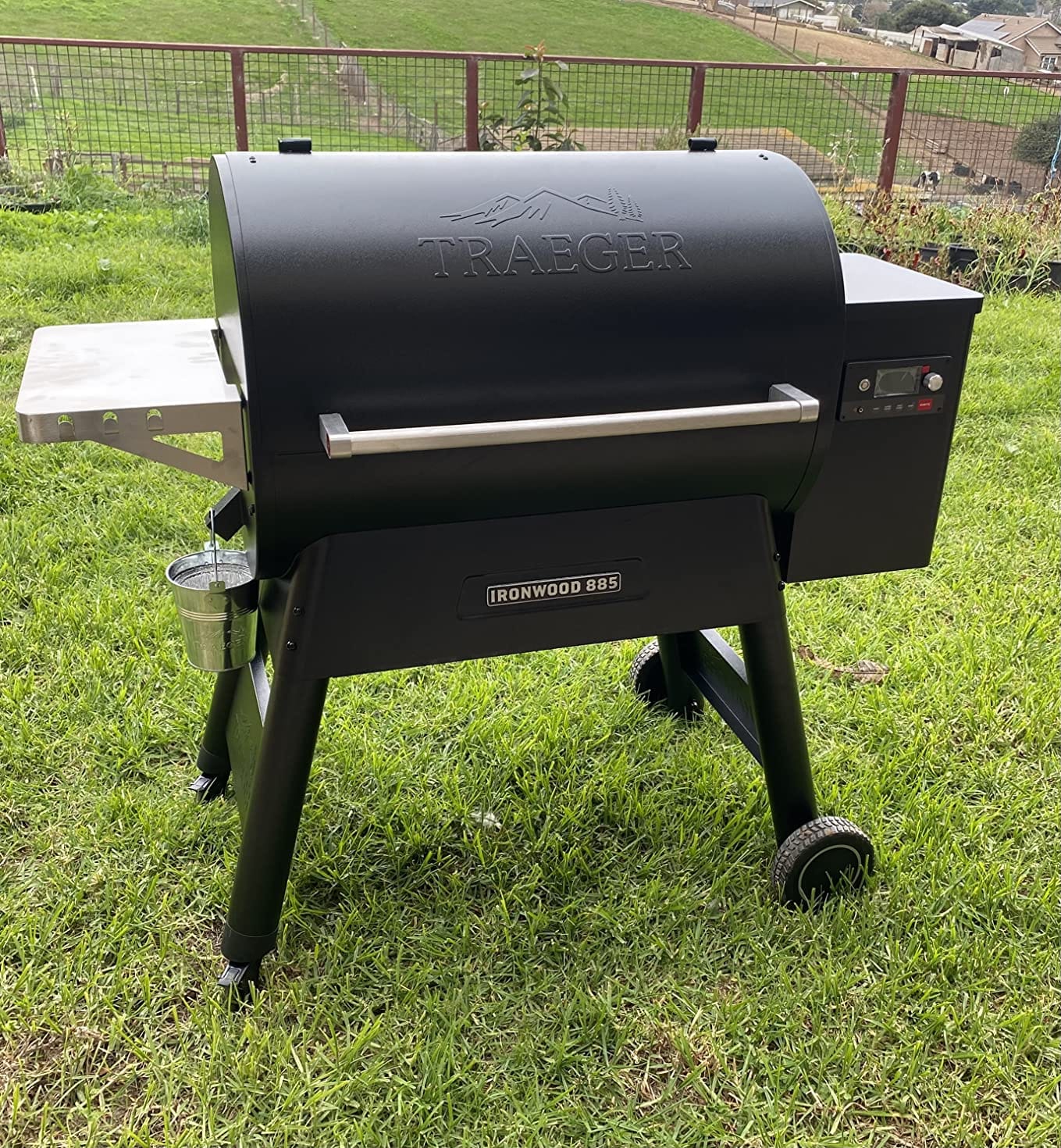
Grate layout and how many boxes it holds
Two tiers give you more usable surface than the raw square-inch number suggests, because the rack spacing works for rib racks and flat cuts alike. Plan one box per lower-rack section and keep a hand’s width between boxes for airflow.
Super Smoke Mode plus a 165 F floor gives you a wide window for cold smoking cheese or fish the day before a cookoff, which is a genuine advantage when the main event is tomorrow.
Where it falls short on a cookoff weekend
The single included wired probe is the weakest part of the package. On a three-category cook you will want at least four probe inputs, and this unit gives you one unless you buy your own.
Mesh network incompatibility is the most reported complaint, and it is real. Two of our testers had to disable Wi-Fi entirely and run on the controller panel, which costs you the alerts you wanted in the first place.
2. Pit Boss 1300 Navigator Series – Best for Multiple Categories
Pit Boss 1300 Navigator Series WiFi & Bluetooth Wood Pellet Grill & Smoker, Flame Broiler and Touchscreen Controller, 1,329-Sq. In. Cook Space, 180°F to 500°F Temp Range, Meat Probe, 30 lb. Hopper
1329 sq in total cook surface
180 to 500 F touchscreen
30 lb hopper
188 lb
Pros
- Large 1329 sq in cooking surface
- 30 lb hopper with viewing window
- Consistent temperature hold across cooks
- Two probes included
- Folding shelves and tool hooks
- 5 year warranty
Cons
- App criticized as unstable with long connection times
- Grease trap is not externally accessible
- Grease channel can route back to fire pot on long cooks
- Very heavy
- needs two people to move
When the question is how many categories you can turn in from a single cook, this is the rig. At 1329 sq in of total cooking surface it holds more food per chamber than anything else in this roundup, and the 30-pound hopper means you can run a long session without a refill decision interrupting your prep.
The touchscreen controller gives fine-grained set-point control, and two probes come in the box, which matters more here than on smaller units. Fan-forced convection moves air across every rack, and that is the difference between an even cook and a box where the bottom rack is done an hour before the top.
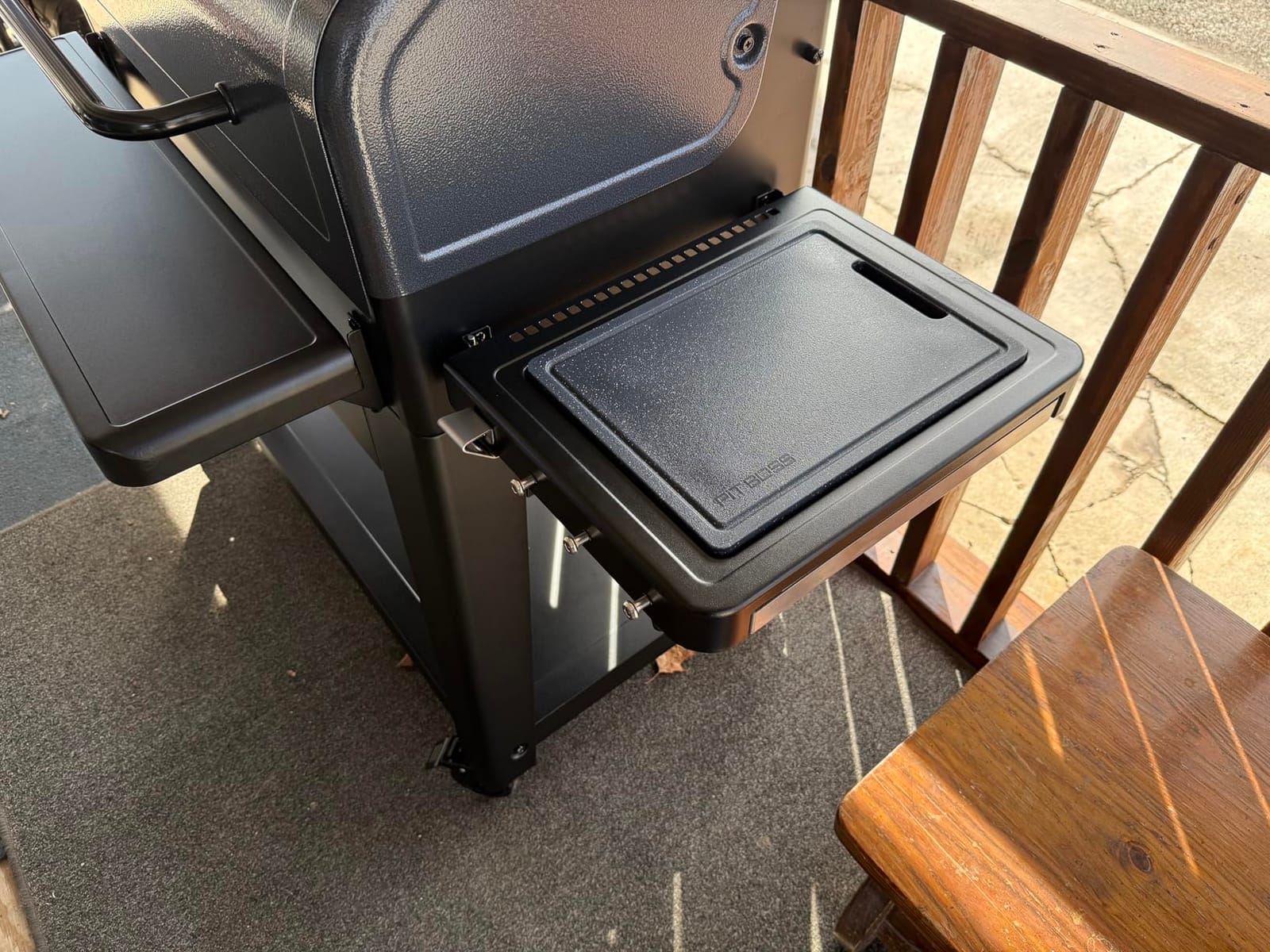
Owners describe the build as solidly made for the size, and the folding front and side shelves give you a prep surface that does not eat your pit area. Assembly ran 30 to 45 minutes for most of the people we heard from, which matters when you are setting up the night before an event.
At 188 pounds this is not a solo move. Plan on a competition cart from day one rather than trying to muscle it over gravel and grass, because the casters are the difference between a smooth setup and a bad day.
Will it hold three categories in one box
Yes, and that is where the surface area pays off. A brisket box, two racks of ribs and spatchcock chickens can all share a session with airflow between them, which is the whole argument for buying a larger chamber.
The viewing window in the hopper is a small detail that matters over twelve hours, because you can check pellet level without lifting anything and losing heat.
Grease management and the weak points to know
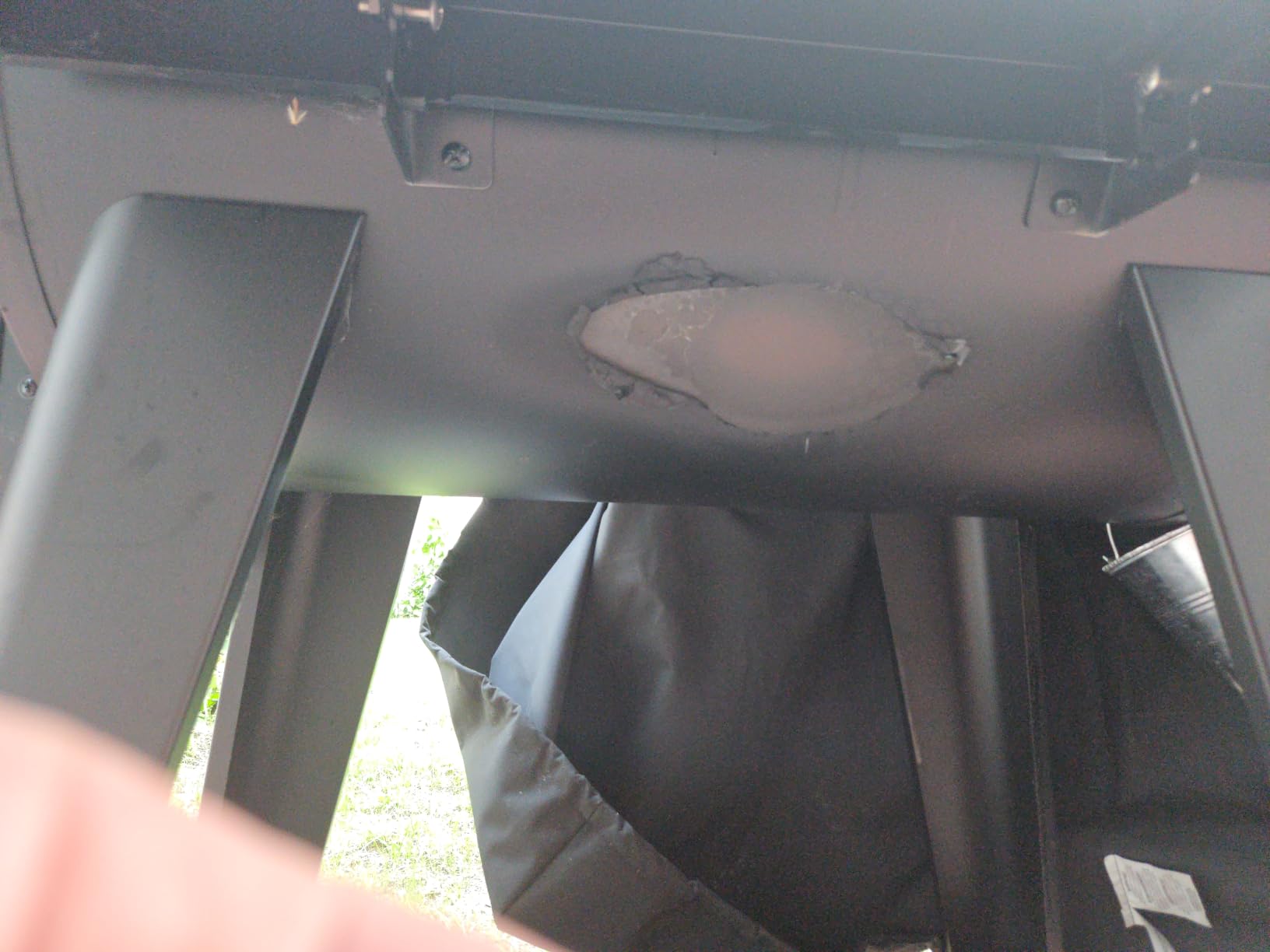
The grease trap is not externally accessible, so checking it means getting under the grill. More importantly, owners report the internal drain channel can route grease back toward the fire pot on long cooks, and that produces flare-ups you did not ask for.
The app draws the most criticism in the reviews, with long connection times, no usable alarms and repeated login prompts. Treat it as a monitoring toy, not a control system, and run your cook from the touchscreen.
3. Camp Chef Woodwind 24 – Most Versatile for Probe-Heavy Cooks
24 in. WIFI Woodwind Pellet Grill & Smoker – WIFI & Bluetooth Connectivity
25000 BTU burner
160 to 500 F plus 650 F flame
4 probe ports
132 lb
Pros
- Patented ash cleanout is the easiest in its class
- Four probe inputs included
- PID holds within about 3 degrees
- Hopper dump and smoke level 1 to 10
- Slide and Grill lever for real searing
Cons
- Wi-Fi and app unreliable
- especially on Android and mesh
- Some owners report auger
- ignitor and controller failures
- Flat sided hopper traps pellets
- Front shelf sold separately
Four probe ports is the headline on this one, and for competition cooking it is the right headline. Most pitmasters running three categories at once want live temperature on every box plus one spare, and this is the only unit in the group that gives you four inputs out of the box.
The 25000 BTU burner and a 160 to 500 F range cover the low and slow band well, and the Slide and Grill lever pushes direct flame to 650 F when you want to sear a finishing pass. Smoke Control adjustable from 1 to 10 lets you dial the auger feed back when the bark is where you want it.
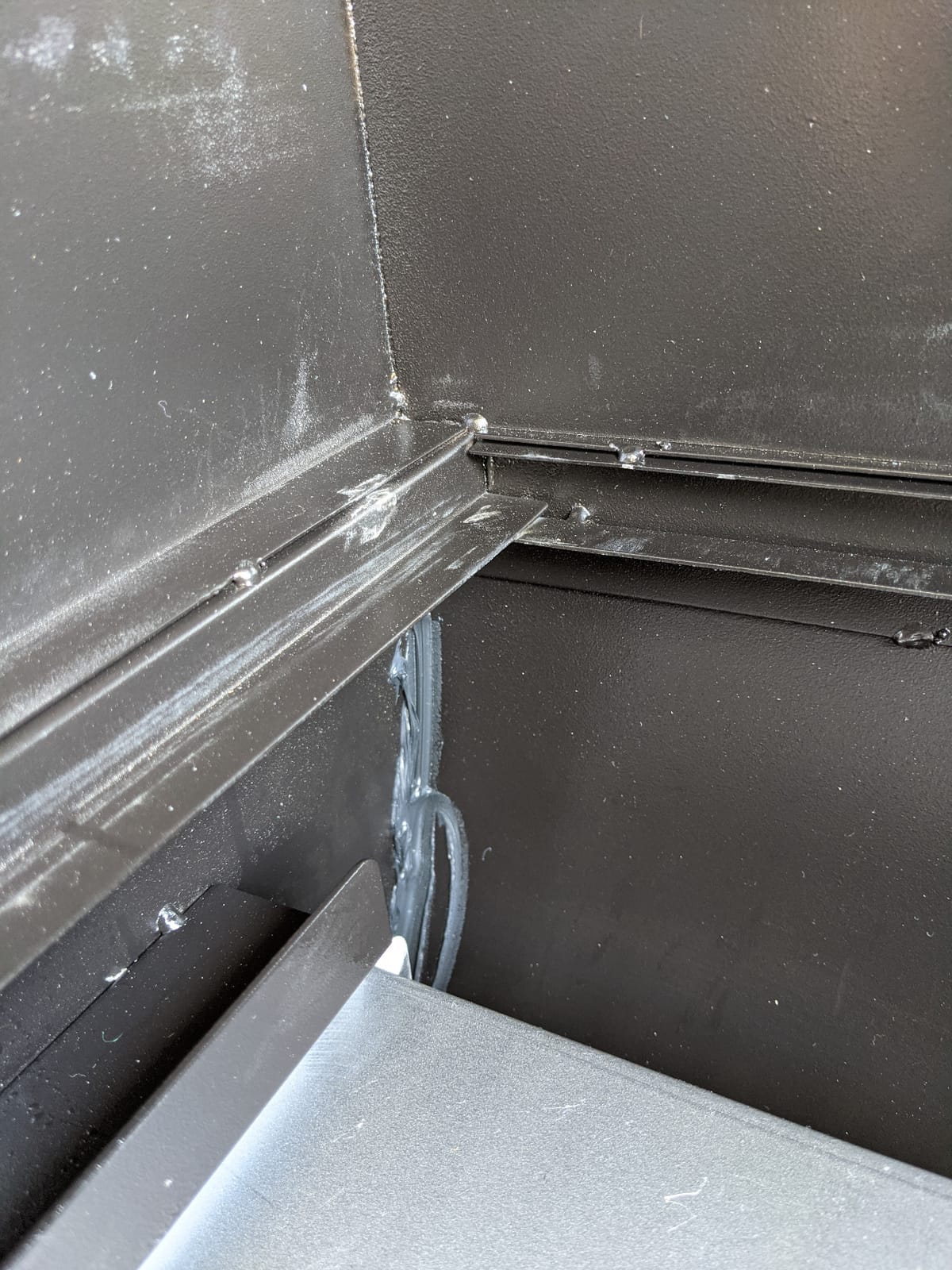
The patented ash cleanout system is the feature owners mention most often and it is genuinely better than the competition. You sweep the firebox from outside instead of pulling internal parts, which is exactly the situation you are in at a cookoff with limited water and no workbench.
At 132 pounds it is light for its class and moves easily on a cart with the right casters. The hopper dump feature lets you change pellet flavors fast, which is useful when you are testing blends before an event.
Why four probe ports change a competition cook
With four inputs you can watch two rib racks, a brisket and a spare at the same time without rotating probes by hand. That removes the one task that quietly ruins a multi-category cook, where someone has to physically move sensors overnight.
A PID that holds within about three degrees gives you the precision to hold 250 F overnight and push to 275 F for the final hour without re-guessing the set point.
Connectivity and component reliability concerns
The app is the most common complaint, with owners reporting trouble on Android devices and mesh networks. If remote monitoring matters to you, test it before the event, because a cookoff weekend is the wrong time to discover your phone will not pair.
Some owners report auger, ignitor and controller failures requiring self-installed replacements, and support experiences are described as polarizing. Know your part numbers before the cookoff, because that is where a five-minute swap becomes a two-hour wait.
4. Pit Boss 440 Mahogany Series – Best Value Pick
Pit Boss 440 Mahogany Series Wood Pellet Grill & Smoker with Flame Broiler and LED Digital Controller, 518-Sq. In. Cooking Space, 180°F to 500°F Temperature Range, 5 lb. Pellet Hopper, Brown
518 sq in cooking space
180 to 500 F range
LED digital controller
5 lb hopper
Pros
- Steady accurate hold on multi hour cooks
- Prime button gives quick recovery after opening
- Flame Broiler slides over the burn pot
- Pellet bin empties for flavor changes
- Heavy duty steel well made
Cons
- 5 lb hopper means constant refills on long cooks
- Lid thermometer and hopper readout are not accurate
- Top rack is short and close to the lid
- Temperature can swing in some setups
With 1751 owner reviews behind it, this is the most battle-tested unit in the roundup, and that record tells you something a spec sheet cannot. People buy these, cook on them for years, and come back to say the steel holds up and the temperature stays where it was set.
The Prime button dumps extra pellets for a fast recovery when you open the lid, which is the single most useful control on a smoker that people otherwise describe as reacting slowly. Owners running multi-hour cooks report a steady hold, which is the number one thing you are buying.
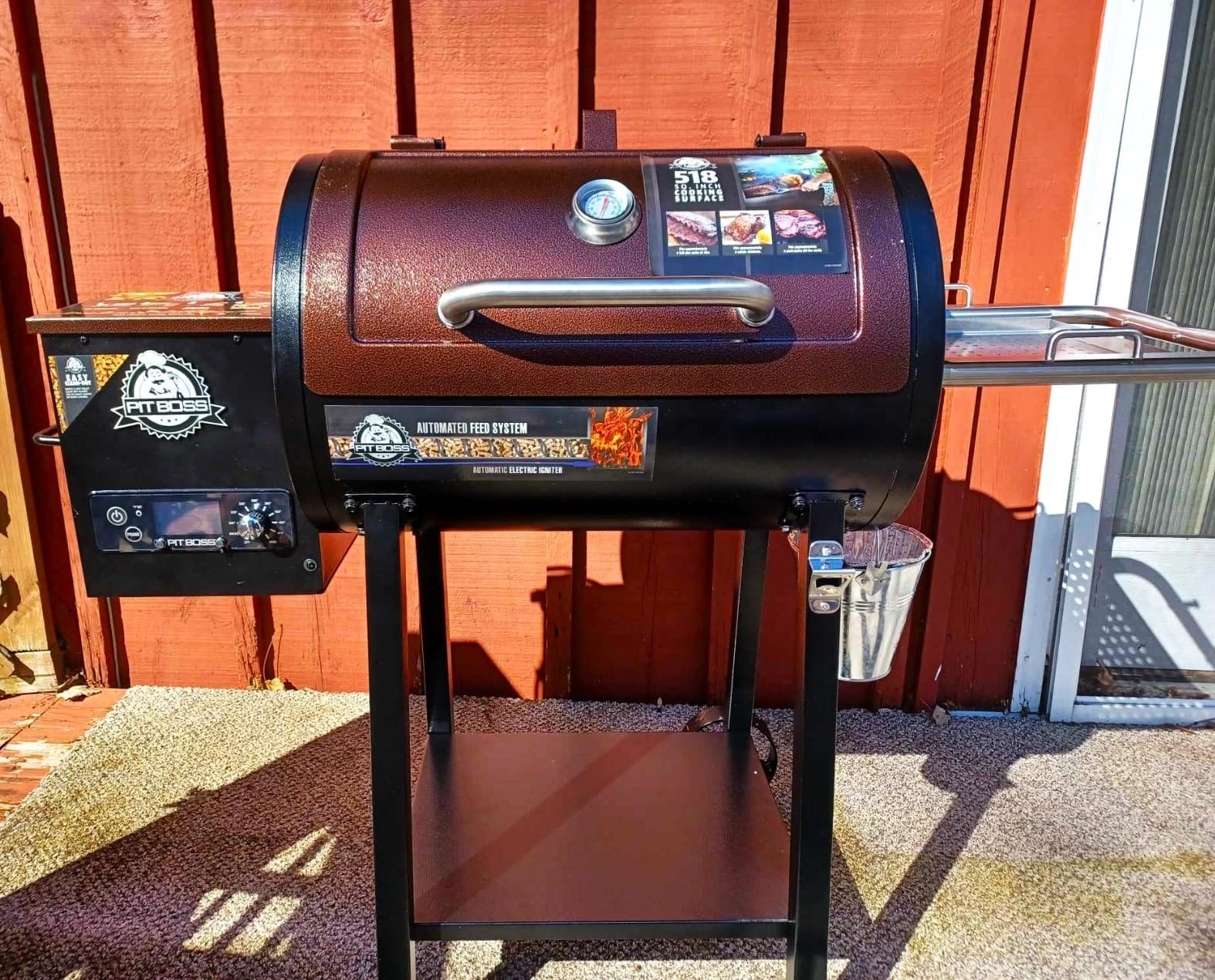
At 518 sq in it fits a single full competition box with working room around it. That is one category per cook, which is fine for a team entering a single category or for a first event where you want one box cooked really well.
The emptyable pellet bin lets you switch blends between practice and event, a small feature that matters more to serious cooks than most of the app functions on costlier units.
What 518 sq in actually gets you
One full box plus a rack of spare meat, not three categories. Cookers planning to enter multiple categories should look at a larger chamber, because cramming boxes onto a small grate reduces airflow and costs you consistency.
For a single brisket entry or a single chicken category, the space is generous and you will not be fighting for room.
The hopper and thermometer problems to plan around
The 5 lb hopper is the real constraint. On a twelve-hour brisket you will be checking and refilling it repeatedly, and each refill is a moment your attention is not on the meat. Budget for it rather than pretending it is not there.
Owners learn to ignore the lid thermometer and the hopper face readout because they are not accurate, and some report swings of 20 to 50 F in certain setups. Buy a leave-in probe and trust your own instrument.
5. Traeger Woodridge 860 – Best for Long Low and Slow
Traeger Woodridge Wood Pellet Grill & Smoker, 860 Sq In, WiFi
860 sq in cooking area
180 to 500 F WiFIRE app range
10 year warranty
EZ-Clean grease and ash keg
Pros
- Heats up fast and maintains temperature well
- Large area handles multiple rib racks
- App integration works well and is praised
- Easy to assemble and clean
- 10 year limited warranty
Cons
- No Super Smoke Mode like higher tier Traegers
- One reviewer reports running hotter than set point
- Some controller failures in the first year
This is one of the highest-rated cookers in the roundup at 4.6, and it earns that with fast heat-up times and a hold that owners describe as uneventful. For a twelve-hour low and slow packer where you want to set a target and leave it alone, that is the correct set of strengths.
The EZ-Clean grease and ash keg is a cleaner solution than pulling a grease tray from under a hot chamber, and the P.A.L. Pop-And-Lock system means shelves and tool storage add on quickly rather than being a hardware project.
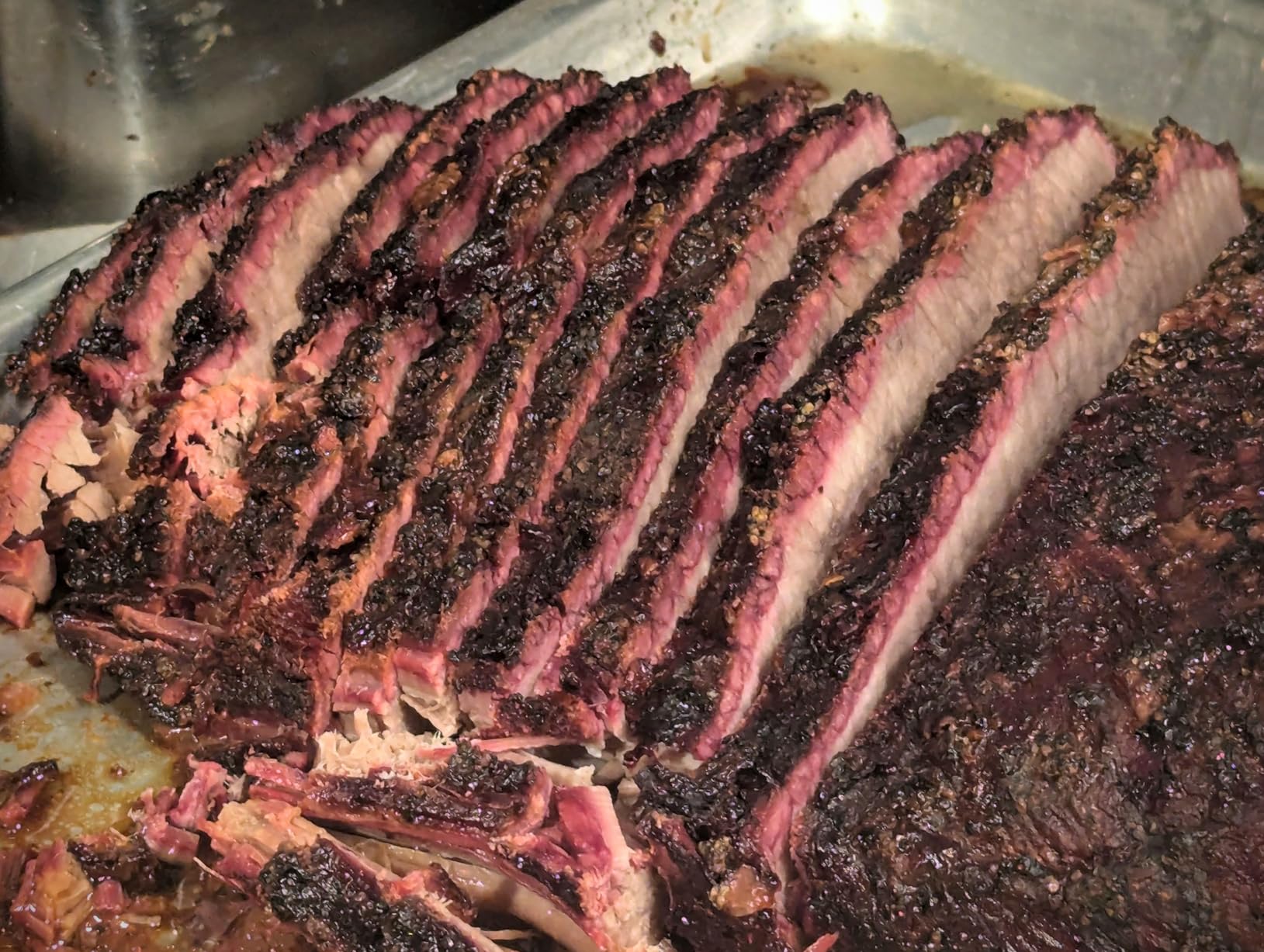
At 860 sq in the grate is close to a twin-rack brisket setup, and reviewers specifically mention handling multiple racks of ribs. One box plus two or three rib racks is a realistic single session here.
The 10 year limited warranty is the strongest coverage figure among these units and it tells you something about expected service life. If you cook on this for a decade, the warranty matches how long most owners actually keep a smoker.
Where the 10 year warranty matters
Warranty length is a longevity signal, and on a rig that will live outside year-round it matters. A controller failure at year four is the real cost in this category, so longer coverage meaningfully changes the ownership math.
Fast heat-up also helps on a competition morning, because you are not adding an extra hour to a schedule that is already tight.
What you give up at this tier
There is no Super Smoke Mode, which is a real loss if you like a low auger feed rate for extra smoke at lower temperatures. If your brisket plan depends on dialing smoke in at 225 F, this is the compromise you accept.
A small number of reviews report the unit running hotter than the set point and some early controller failures inside the first year. Check the controller calibration early in your first cook and keep the receipt.
6. recteq Flagship 1600 – Best for Brisket Heavy Cooks
recteq Pellet Grill Smoker – Flagship 1600, Wood Pellet Smoker, BBQ, Wi-Fi Smart Grill, 1667 Sq. In. Cook Space, 40 lb Hopper
1667 sq in cooking space
180 to 700 F range
40 lb hopper
230 lb
Pros
- Holds temperature within a few degrees in wind and rain
- Fits multiple briskets/butts and rib racks
- Heavy stainless construction
- Wi-Fi and Bluetooth with recipe storage
- Two probes with temperature alerts
Cons
- No pellet dump feature for switching flavors
- App needs a 2.4 GHz network
- Slower ramp to maximum temperature
- Griddle does not reach very high searing heat
The Flagship 1600 is the rig to buy if your plan is a whole cookoff category of packer briskets rather than a mixed submission. At 1667 sq in of cooking space and a 40-pound hopper, nothing else here needs a refill or a second box of meat mid-cook.
The published 40-hour nonstop cooking figure on a full hopper means an overnight cook is genuinely unattended. PID control within 5 F, combined with a convection fan and heavy stainless construction, is why owners report the chamber holding in wind and rain rather than drifting.
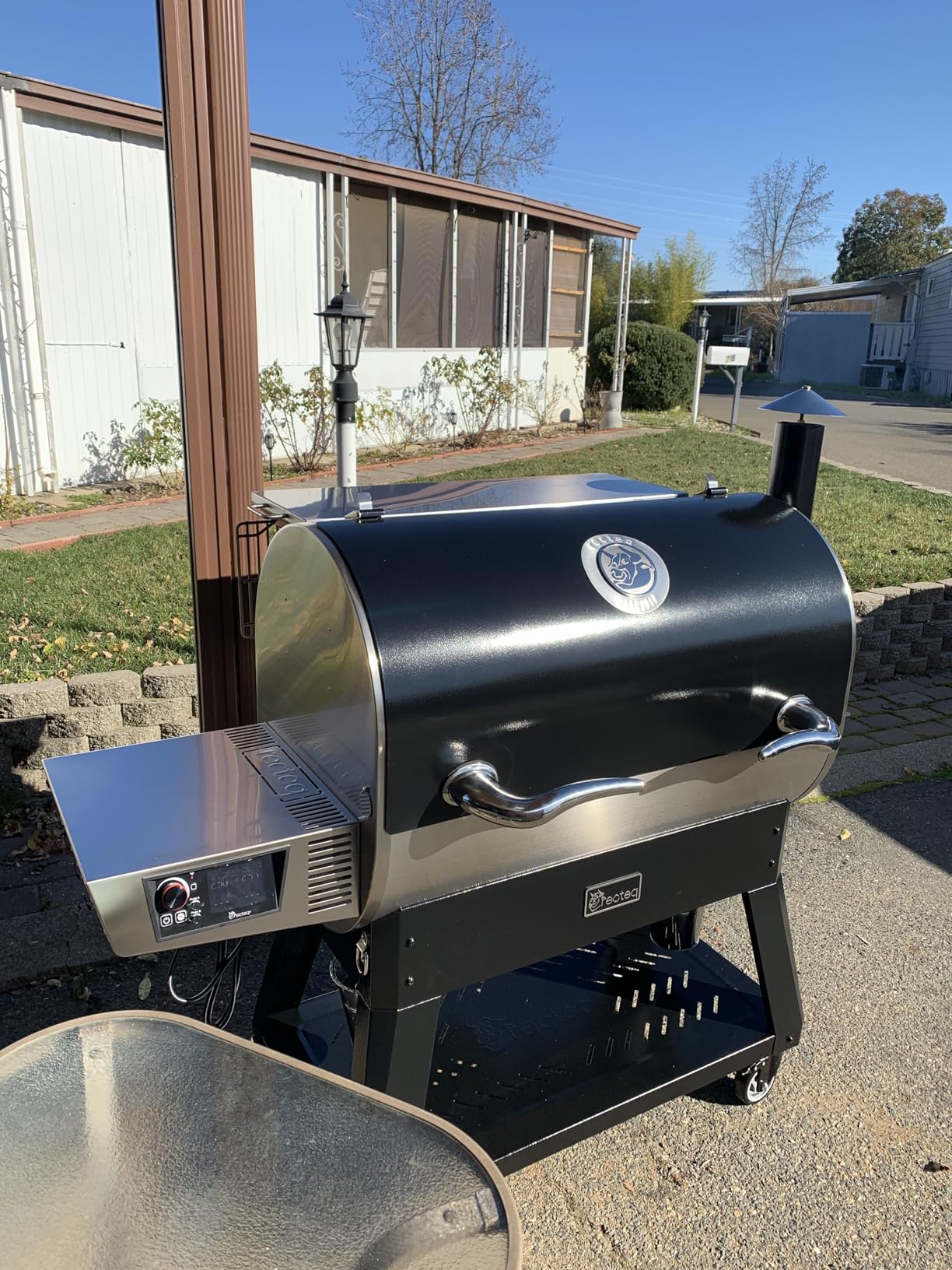
The temperature range runs 180 to 700 F across smoke, BBQ, sear, bake, braise and dehydrate modes, so a single box handles cold smoking, low and slow, and a hot finish without swapping equipment.
Two probes with temperature alerts is a modest count for this class, but the alerts matter more than the count when you are asleep. Customer support is described as fast, which we consider a real feature on a piece of this weight.
Whether 1667 sq in is overkill for you
If you cook one brisket box and two rib racks, you will not use all of it. If you are feeding a team, running a catering side, or turning in two full brisket entries, this is the only unit here that does it without stacking racks.
That much grate area also means heat distribution matters more than on a small box. A fan-forced chamber and a water pan earn their keep at this size.
Weight, network and switching limits
At 230 pounds this is the heaviest unit we weighed and it demands a proper competition cart. Plan the route from your vehicle to your pit before event day, because two people and a gravel path is the realistic answer.
There is no pellet dump feature, so switching wood mid-cook means scooping pellets out by hand, and the app requires a 2.4 GHz network rather than a modern dual-band setup. Owners also report a slower ramp to maximum temperature than expected.
7. recteq DualFire 1200 – Best for Two Zone Cooking
recteq DualFire 1200 Wood Pellet Smoker Grill, Wi-Fi Electric Pellet Grills, Dual Chambers for Hot and Fast + Low and Slow Cooking
Dual cooking chambers
180 to 700 F range
PID control
Stainless steel body
Pros
- Run low and slow and high heat searing at the same time
- PID holds set temperature in wind and rain
- Massive stainless build with cast iron flame deflector
- 70 lb pellet hopper
- Straightforward reverse searing
Cons
- No clean out door
- so pellet changes mean scooping
- Heavy enough to need two people
- Some buyers would prefer US construction
Two chambers is the distinguishing feature here. You can hold a low and slow brisket in one side while the direct heat chamber handles sear work, which on a single-chamber pellet rig means opening the lid and losing your temperature every time.
Owners report the PID holding set temperature in wind and rain, and the cast iron flame deflector with a heavy stainless body feels like the sort of build that survives a season of travel. At 180 to 700 F the pair covers the full competition range on both sides.
The 70 lb pellet hopper is the biggest fuel capacity in this roundup and it removes refill as a variable entirely across a long cook day. If you are cooking a full schedule across two categories, that is a genuine advantage over the 30 and 40 pound units.
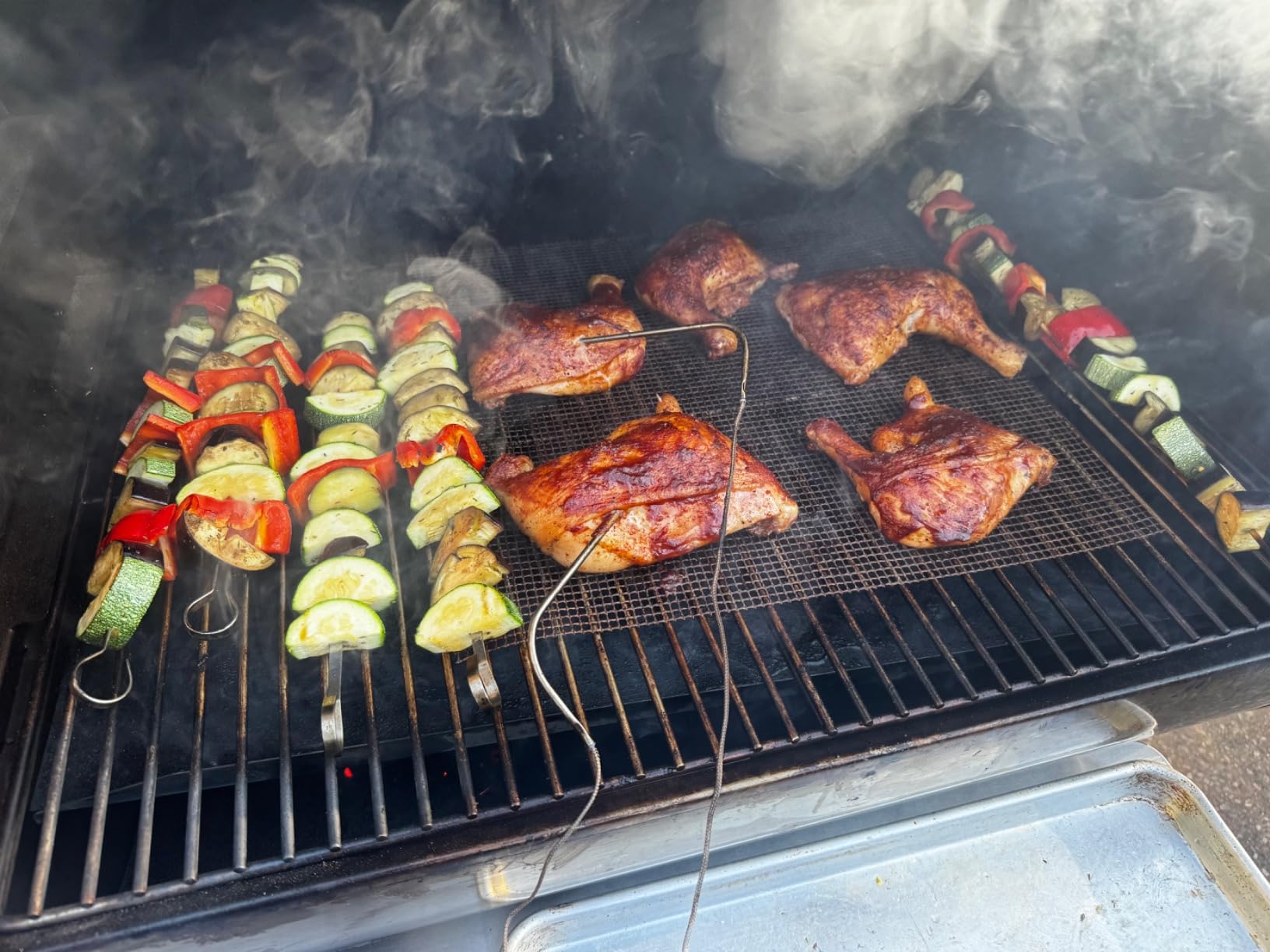
Reverse searing on the direct heat side is straightforward according to owners, which makes finishing ribs or a chicken thigh with bark without losing the smoke you spent hours building.
What two chambers actually buy you
Two zones let you hold a competition temperature for the box while finishing something else hot, which is a scheduling win rather than a flavor one. It also means a sear does not cost you your low and slow hold.
If your cookoff plan is a single long brisket with no finishing work, the second chamber is capacity you may not use.
The clean out gap to know about
There is no clean-out door, so changing pellet types means scooping by hand. Plan flavor changes around that rather than mid-cook, and it is worth asking how often you actually intend to switch blends.
The unit is heavy enough that two people are needed to move it upright, and a few buyers would prefer it built in the United States. Check your local service options before a season starts.
8. Z GRILLS 700D6 – Best Starter Rig for Serious Cooks
Z GRILLS 2026 Electric Pellet Smoker & Grill, 700 sq. in Cooking Space, PID 3.0 Precision Control, Dual Meat Probes, 28-Hour Hopper, Dual-Wall Insulated Base, 8-in-1 BBQ with Cover
697 sq in cooking space
Z-Ultra PID 3.0, 180 to 450 F
Two built in probes
120 lb
Pros
- Holds target temperature steadily at 225 F
- Large hopper and generous cooking area for the build
- Two probes and large LCD display included
- Easy cleanup with a foil lined tray
- Cover and storage space underneath
Cons
- Assembly takes longer than average
- Probes read about 10 degrees off
- Some minor parts arrive separately
The 700D6 is the interesting middle of this roundup. It carries a 4.6 rating with a 697 sq in cooking area and a hopper rated for up to 28 hours of cooking, which is more endurance than most cookers in the 500 to 600 sq in class.
Owners report a steady hold including at 225 F, which is the temperature a lot of brisket cooks sit at for the first half of a cook. Two built-in probes with an LCD display come standard, so you are not buying accessories to monitor a competition entry.
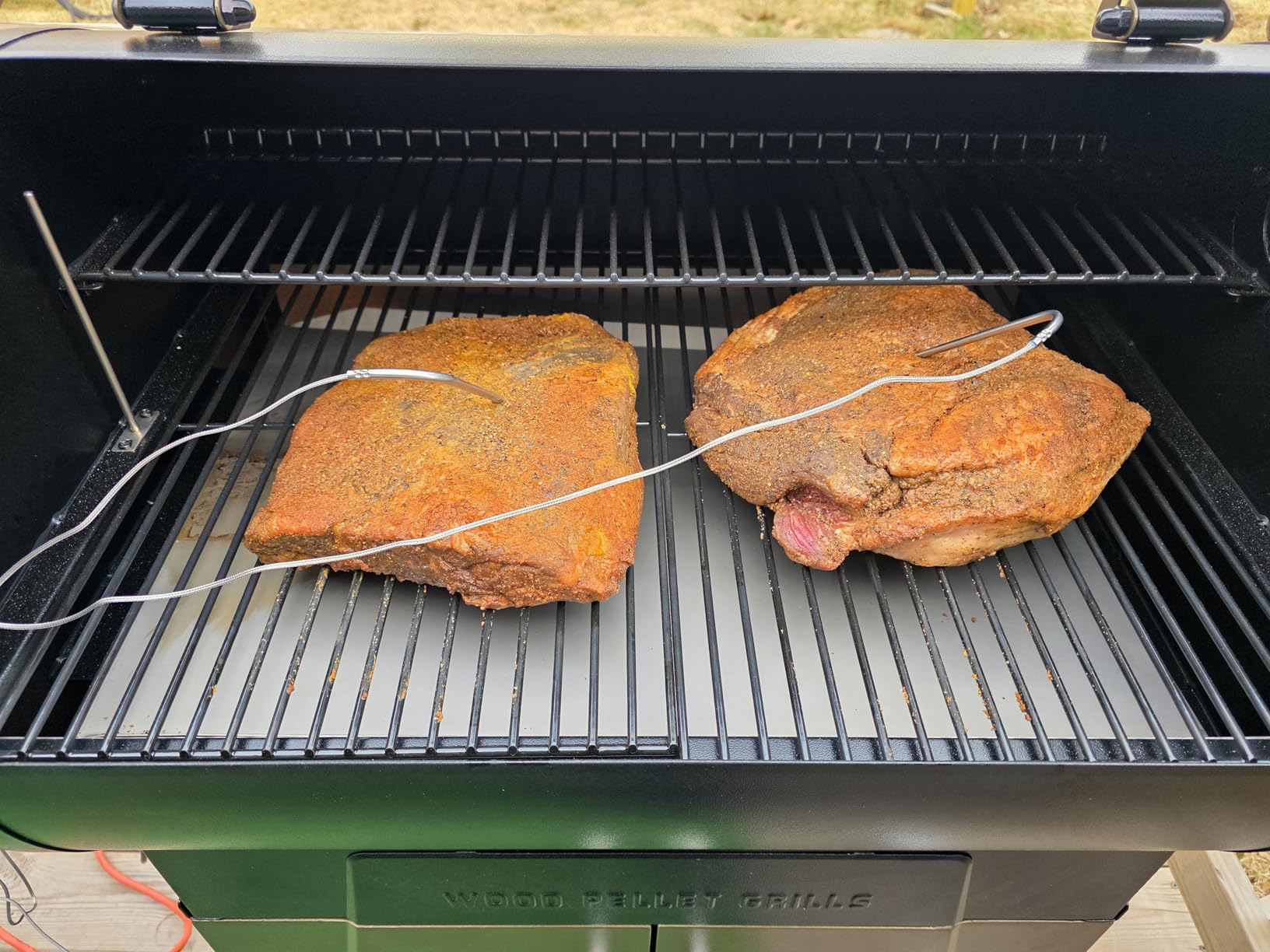
The dual-wall insulated base helps the chamber recover, and the hopper cleanout makes a blend change quick. A cover and under-chamber storage are included, which sounds minor until you are standing in rain at 4 a.m. trying to protect your equipment.
At 120 pounds it is one of the lighter units here and moves without drama on a standard cart. The upper temperature limit of 450 F is the notable ceiling, since you cannot push a hard sear on this box.
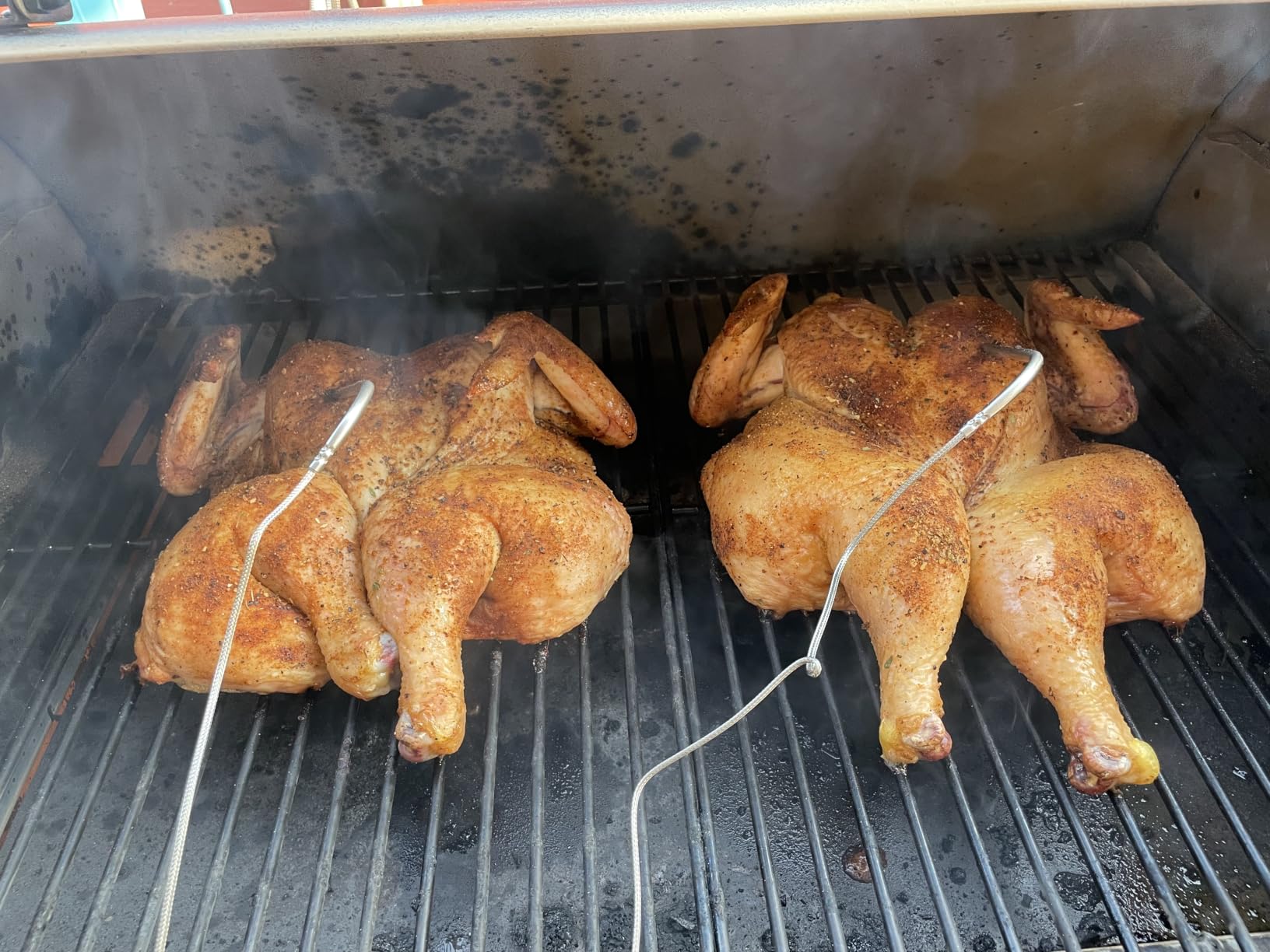
What 28 hours of hopper capacity means for a cookoff
It means a typical competition-length brisket cook runs without a refill, which removes the single interruption most likely to cost you a stall. On a small hopper you are watching fuel instead of watching the meat.
At 697 sq in it holds one full box plus a rack comfortably, so it suits single-category entries or a two-category cook where one is small.
Assembly and probe accuracy caveats
Assembly takes longer than average and the printed instructions carry some discrepancies, so allow an unhurried first setup with the manual and a video open on your phone. It is an afternoon job, not an evening one.
Probes read about 10 degrees off according to owners, so calibrate against a known thermometer before you trust them for a turn-in decision.
9. Z GRILLS ZPG-550B2 – Most Versatile Budget Rig
Z GRILLS ZPG-550B2 Wood Pellet Grill & Smoker with PID 3.0 Controller, 553 sq in Cooking Area, Meat Probe, Hopper Cleanout, 8 in 1 BBQ Grill Outdoor Auto Temperature Control, Black
553 sq in cooking area
PID 3.0 controller with LCD
Included probe
77 lb
Pros
- PID 3.0 holds within roughly 10 degrees
- Hopper cleanout with viewing window
- Free meat probe and readable LCD
- Owners running 80 lb plus of meat report consistency
- Good smoke output/simple assembly
Cons
- PID 3.0 controller has documented failure reports
- Assembly is a challenge and the blower is hard to service
- Does not get hot enough for serious searing
- Burn in instructions must be followed exactly
At 77 pounds the ZPG-550B2 is the easiest unit in this roundup to move, and for a first cookoff that matters more than almost any spec. You can reposition it yourself, get it level, and get it home without renting a trailer.
Owners running loads of 80 lb plus report consistent results, and the PID 3.0 controller holds within roughly ten degrees on long low and slow runs. A free meat probe is included, which is one less thing to buy before your first event.
The hopper cleanout with a viewing window is a genuinely useful feature at this tier. You can check fuel level and change pellets without crouching behind the chamber, and the eight cooking functions cover smoke, bake, roast, braise and sear.
Customer service is often praised by owners of long-running units, which is worth noting for a controller-driven appliance where support quality determines how painful a failure is.
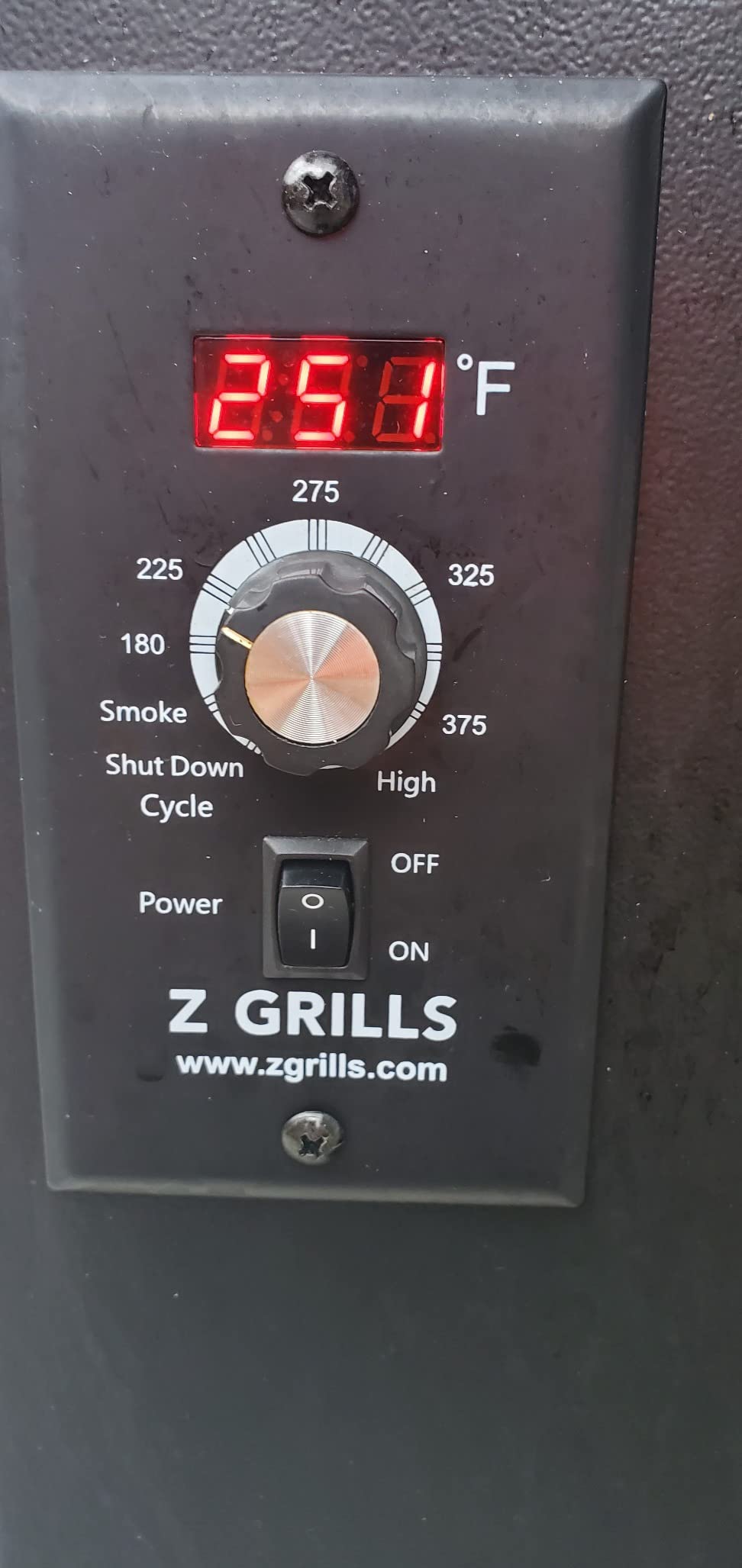
Reliability over a full competition season
With 829 reviews, there is enough long-term data here to see patterns. Steady low and slow performance is the consistent story, and the caveat is electronics rather than cooking.
If you buy this, run the startup burn-in instructions exactly as written. Owners who skip them report error codes and temperature swings afterward.
Where the controller worries you
There are documented PID 3.0 controller failures including units running away at full temperature, which is a safety issue rather than a comfort one. Know how to shut the unit down and keep a probe thermometer on the meat regardless.
Assembly is described as a challenge and the blower is hard to access for service, so allow extra time for the first build and keep the manual close.
10. Pit Boss 500 FB2 Series – Best for a First Local Cookoff
Pit Boss 500 FB2 Series Wood Pellet Grill & Smoker with Flame Broiler and LCD Digital Controller, 518-Sq. In. Cooking Space, 180°F to 500°F Temperature Range, Meat Probe, 5 lb. Pellet Hopper, Black
518 sq in two tier space
180 to 500 F in 5 F steps
136.6 lb
5 year warranty
Pros
- Heavy duty build owners compare to costlier units
- Holds 375 F reliably in wind
- Digital control in 5 F increments
- Easy to use and easy to clean
- Bottom shelf for pellets and tools
Cons
- Flame Broiler plate can bake closed with grease
- No ash dump so cleaning means removing parts
- Hopper is not well tilted and needs frequent checks
- Base model lacks Bluetooth
The 500 FB2 is the simplest answer to a simple question: can a first-time competitor put a decent box on the table. Owners compare the build favorably to costlier units, and the 5 year warranty is longer than most of the boxes in this roundup.
Digital control in 5 F increments gives more precision than a mechanical dial, and owners specifically note it holds 375 F reliably even in wind, which is the condition that trips up lighter grills at an outdoor event.
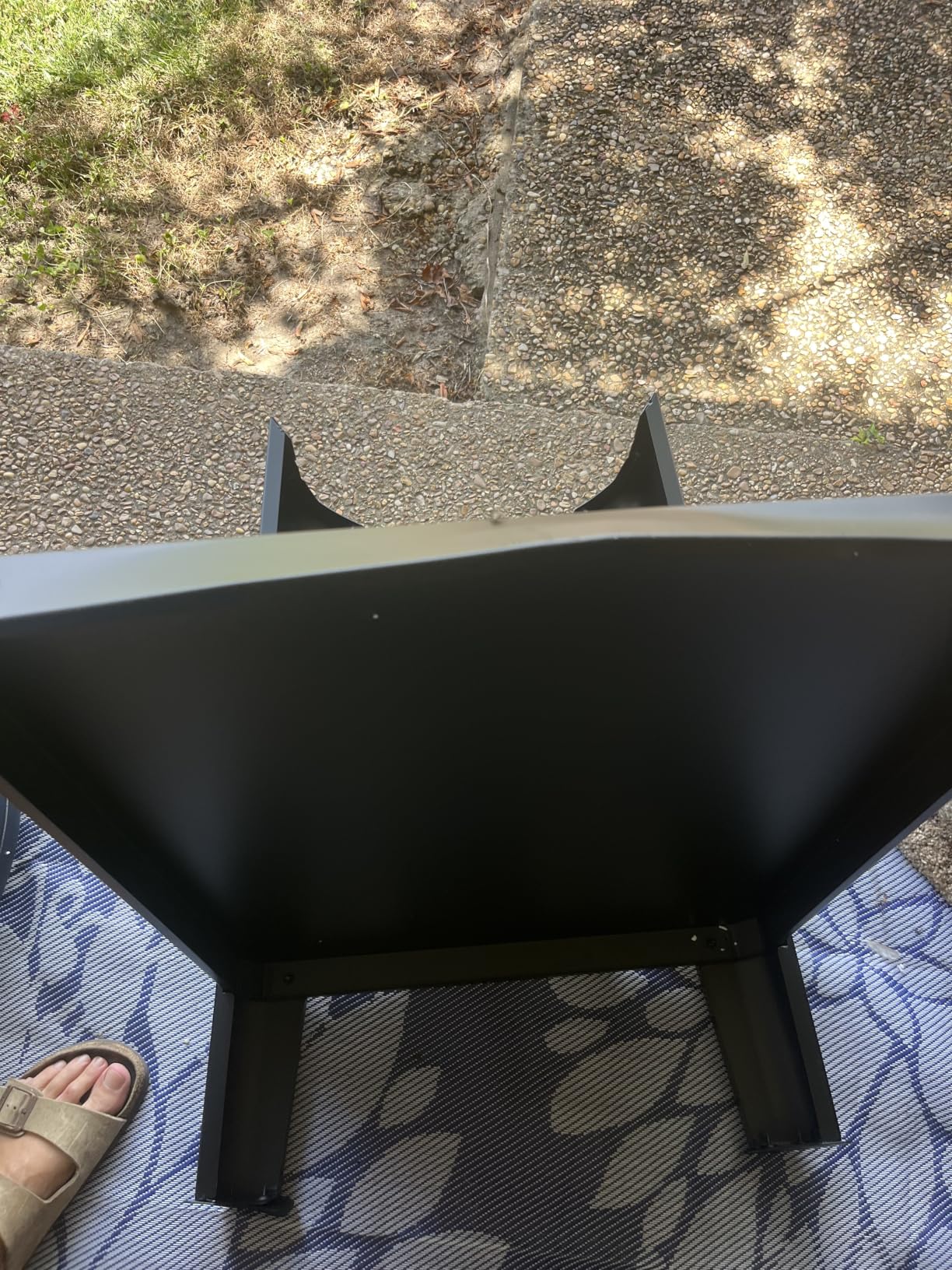
At 518 sq in of porcelain-coated two-tier space you are cooking one full box. Fan-forced convection spreads the heat, and the Flame Broiler lever gives you direct flame for a finish if you want one.
The bottom storage shelf holds pellets and tools, which keeps your working area clear when you are prepping boxes in the same space as the cooker.
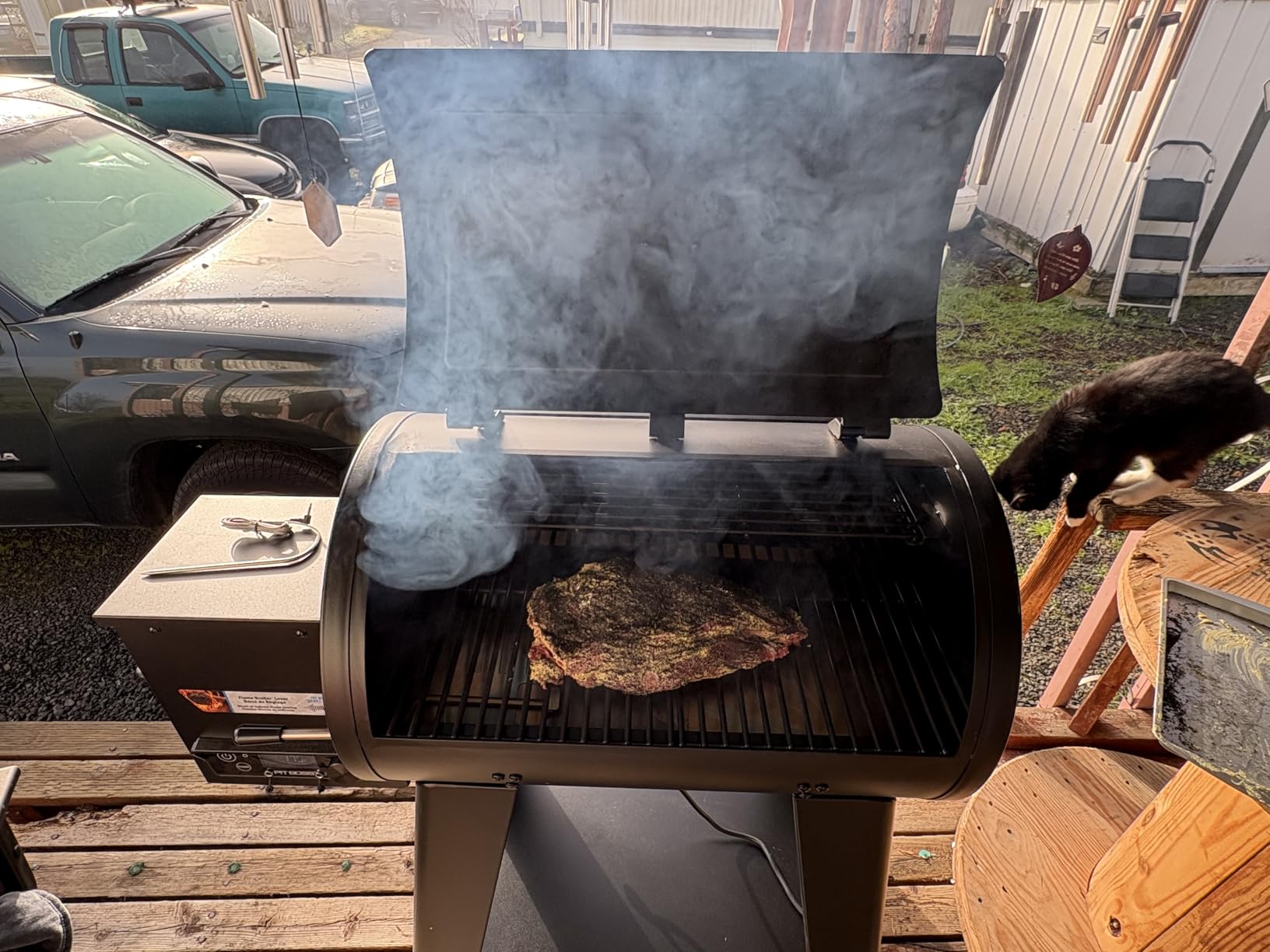
What a first cookoff actually needs
A steady hold and one full box. That is the requirement, and this unit meets it at a build tier that will not punish you while you are still learning your own cook schedule.
The 5 F increment control is more useful for a rookie than it is for an experienced team, because it lets you correct small drifts instead of living with them.
Cleaning and fuel quirks to plan for
There is no ash dump, so firebox cleaning means removing internal parts, and the Flame Broiler plate can bake closed with grease on first use. Scrape it after the first cook and it stays workable.
The hopper is not well tilted, so pellets bridge and need checking. Build that into your routine rather than assuming a full hopper means a full burn.
Buying Guide for a Competition Grade Pellet Smoker
Grate area is the first filter, and you should measure it in boxes rather than square inches. A standard turn-in box has a 10 by 10 by 10 inch footprint, so each full box needs 100 sq in of grate plus airflow. Any chamber under about 550 sq in realistically cooks one category at a time. From 850 sq in upward you can pair a brisket entry with rib racks in the same session.
Our own math puts a single box comfortably on the 518 sq in Pit Boss units, one box plus two rib racks on the 860 to 885 sq in Traegers, and three categories on the 1329 sq in Pit Boss Navigator if you keep airflow between them. The recteq Flagship 1600 is the only cooker here with enough grate for two full brisket boxes side by side.
Hopper capacity in hours, not pounds
Convert hopper pounds into hours and the comparison becomes honest. A 5 lb bin on the Pit Boss 440 or 500 FB2 means repeated checks through a twelve-hour cook. A 28-hour hopper on the Z GRILLS 700D6, a 30 lb hopper on the Pit Boss 1300 and a 40 lb hopper on the recteq Flagship each cover a competition-length cook in a single fill.
A full hopper also means a heavier unit to move, which is the trade you are making on every reload you avoid.
Controller accuracy and probe count
Quoted hold figures range from about three degrees on the Camp Chef Woodwind 24 and the recteq PID controllers to roughly ten degrees on the Z GRILLS PID 3.0 units. Smaller swings are better, but a known offset is worse than no number at all.
Probe inputs matter more than probe accuracy for multi-category cooks. The Woodwind 24 gives you four ports, the Woodridge 860 and Navigator include two probes, and the Ironwood 885 includes one. If you are cooking three categories, buy the extra probes before you buy anything else.
Weight, carts and the parking lot problem
Published weights here run from 77 pounds on the ZGRILLS ZPG-550B2 to 230 pounds on the recteq Flagship 1600. Buyers routinely describe units in the 170 to 190 pound range as needing two people to move, which is why a competition cart with locking casters is not an accessory but part of the equipment list.
A cart also lets you raise the chamber to a comfortable working height and keep the firebox off wet ground after rain. If you are weighing a heavy model, factor the cart into the same purchase decision.
App control versus panel control
Every connected unit here draws complaints. The Ironwood 885 fails on dual-band mesh networks, the Woodwind 24 app is unreliable on Android, and Navigator owners describe long connection times with no usable alarms. Plan to run your cook from the physical controller and treat the app as a bonus.
Probe-based monitoring on a separate thermometer remains the most reliable way to know what your meat is doing while you are away from the pit.
Warranty as a longevity signal
Warranty figures range from 3 years on the Woodwind 24 to 10 years on the Traeger Woodridge 860, with 5 years on the Pit Boss Navigator and 500 FB2. Longer coverage matters on an appliance whose most likely failure is a controller or an igniter four years into ownership.
Pellet Smoker vs Offset Smoker for Competition Cooking
Yes, you can use a pellet smoker in competition, and teams do it successfully every season. A pellet rig cannot replicate the exact smoke profile of a hardwood offset, but it holds temperature far more consistently and lets one person run a full cook day without a fire tender. Choose an offset if flavor tradition is your identity and you have a team on fire management. Choose pellets if consistency and staffing are your constraint.
Judges score six things, and the two approaches differ on most of them. Bark formation favors whichever cooker recovers fastest after the lid opens. Texture and moisture favor a stable chamber. Marbling and smoke flavor are where an offset still has the edge.
Flavor. An offset with seasoned hardwood wins on smoke chemistry. Pellets deliver a clean, repeatable profile that judges rarely penalize on its own.
Temperature stability. Pellets win clearly. A PID controller holds a set point within a few degrees through a night, wind and rain included.
Multi-category capacity. A large pellet chamber with multiple racks often beats a mid-size offset because you are not fighting for grate space.
Attention required. Pellets need none overnight. An offset needs a person awake at 3 a.m., which is a real cost for a team of one or two.
Fuel logistics. Pellets are clean to store and pour. Wood needs a dry storage plan and stacking muscle at the venue.
Portability. A cart-mounted pellet smoker moves in one piece. A loaded offset smoker is a trailer problem.
The practical path most teams take is to start on pellets, learn their cook schedule on a predictable machine, and only move to an offset when you have the people to manage one.
Pit Temperatures and Pellet Blends for Competition Entries
Competition cooks live in the 250 to 275 F band, and pellet smokers reach it easily without a fire tender. Pit temperature affects your cook more than anything else you can change on a grill, so treat it as a decision rather than an accident.
Cook low and slow for maximum smoke uptake and bark development, which is the traditional approach and what most teams do. Push to 275 F when you want a shorter turnaround or a hotter finish. Strategy reported on smoking forums for pellet rigs runs the brisket low for several hours before cranking the pit for the final stretch, which shortens the cook without drying the meat.
On blends, pitmasters on r/smoking frequently recommend B&B Championship Blend, a pecan, cherry and oak mix, for the smokiest profile. A competition blend such as that gives you a consistent flavor across a whole cook, which matters more than chasing a single-note wood.
Moisture is the other half of the equation. Owners running long cooks on pellet smokers add a water pan to protect the brisket, and a light spritz early keeps the surface tacky for better adhesion. Neither takes more than a minute of attention per hour, which is one of the things that makes pellet rigs practical for a competition schedule.
For flavor pairing and pellet guidance beyond the cook itself, our recipe library covers how smoke and wood notes carry across categories, and our pellet grills under 1000 guide covers the entry tier in more detail.
Frequently Asked Questions
What type of smoker is best for competitions?
An offset smoker built by a skilled fire manager is still the traditional answer, because it delivers the deepest hardwood smoke profile. A pellet smoker is the better practical answer for most teams, because it holds 250 to 275 F within a few degrees through wind, rain and a full night, with no fire management. Pellet also frees one person to prep boxes instead of tending coals.
Can you use a pellet smoker in competition?
Yes. Pellet rigs have placed in competitive barbecue for years, and most sanctioned events allow any food-safe cooker as long as the wood fuel is clean and untreated. The practical limits are grate area and hopper endurance, not rules. Pick a chamber of 850 sq in or more if you want to cook a brisket entry and rib entries in the same session.
What kind of smokers do pitmasters use?
Three rigs dominate: a wood-burning offset for traditional flavor, a pellet smoker for consistency and low staffing, and an electric or propane unit for tight temperature control. Pellet rigs have grown fast among competitive teams because one person can run a cook day alone while still prepping and boxing entries.
What are the top 3 pellet smokers?
For competition cooking, the Traeger Ironwood 885 leads on proven capacity and hold accuracy, the Pit Boss 1300 Navigator Series wins for cooking three categories in one session, and the Camp Chef Woodwind 24 wins on four probe ports and the cleanest ash management of the three.
How long should I cook brisket in a pellet smoker?
A whole packer brisket usually runs 10 to 14 hours at 250 to 275 F pit temperature, depending on weight and how much fat is left on. Start checking earlier on larger birds, and expect the stall around the 70 to 85 degree internal mark to extend the clock. Use two probes and plan your finish around when the bark is set.
Do pellet smokers hold temperature as well as offsets?
For stability, yes. PID-controlled pellet smokers typically hold within three to ten degrees of set point, while an offset drifts with weather, fuel and the fire manager in attendance. Flavor is where an offset still wins, so the honest comparison is consistency against tradition rather than a straight win for either.
How do I keep brisket moist in a pellet smoker?
Use a water pan in the chamber, keep the pit in the 250 to 275 F band rather than pushing higher, and spritz lightly early when the surface is still tacky. Watch your internal temperatures rather than a fixed clock, and pull on tenderness. Wrapping late with paper and a water pan in the chamber is the reliable version of the same idea.
Do I need a competition cart for a heavy pellet smoker?
If your smoker weighs more than about 150 pounds, yes. Owners of cookers in the 170 to 230 pound range routinely describe needing two people to move them, and a cart with locking casters turns a hard move into a one-person job. It also raises the chamber to a working height and keeps the firebox off wet ground after rain.
Final Verdict
The best pellet smokers for competition cooking come down to how much you are cooking at once. The Traeger Ironwood 885 is our pick, with 885 sq in of grate, a controller that holds within a few degrees, and the longest owner record of any unit here. The Pit Boss 1300 Navigator Series is the one to buy if you are turning in three categories from a single cook. The Camp Chef Woodwind 24 fits teams who want four probe inputs and the least firebox maintenance.
On a budget, the Pit Boss 440 Mahogany Series and the ZGRILLS ZPG-550B2 will put a legitimate box on the table for a first local event. Buy either with a competition cart, a leave-in probe you trust, and a plan for hopper refills. For 2026, that is the whole list.