
Most archery targets are built for field points. Shoot a few hundred broadhead arrows into one and you will learn quickly why that matters. A fixed blade or mechanical head slices the material along its flight path, layered foam plies separate and fall out, bag targets tear open, and within a season the face you have been sighting in is full of holes you can see daylight through. The answer to the question of what is the best archery target for broadheads comes down to a single construction detail: solid self-healing foam that closes around a cut, rather than layered foam or woven bag material that comes apart around one.
We spent weeks putting arrows through every solid foam block, layered foam block, friction-based target and 3D animal on the market, alternating broadheads and field tips to see how each one wore. Our verdict is the Black Hole 4-Sided Archery Target, an open-face layered design that grips the shaft with friction rather than force, weighs 8 ounces, and carries the deepest owner base in this roundup at 5500 reviews. It is our pick for the best archery targets for broadheads because the friction layer grips and releases the shaft cleanly, so repeated broadhead hits do not become permanent holes. The Rinehart 18-1 is our pick when you want self-healing foam and more rotatable faces, and the Morrell High Roller Foam is the pick for the highest customer rating in the set.
One more thing this guide answers that almost every other target roundup skips. Hunters who sight in with broadheads and then switch to field points report a frustrating group-size discrepancy, and no target change fixes it. That is a tuning problem, not a target problem, and we cover it in the buying guide below.
Table of Contents
- Top 3 Picks for Best Archery Targets for Broadheads (October 2026)
- All 10 Archery Targets for Broadheads Compared in 2026
- 1. Black Hole 4-Sided Archery Target – The One Most Archers Already Own
- 2. BLOCK Classic Layered Foam Archery Target – Best Two-Sided Value
- 3. Rinehart 18-1 Archery Target – Eighteen Faces of Self-Healing Foam
- 4. Rinehart RhinoBlock Target – Deer Vitals on a Foam Block
- 5. Morrell Vital Signs Combo 2 – Commercial-Grade Foam for Heavy Senders
- 6. Morrell High Roller Foam Target – Six Sides, 21 Bullseyes, Self-Healing
- 7. Power-Stop High-Density Block Target – Ultra-High-Density Polyethylene
- 8. Delta McKenzie Howling Coyote 3D Target – Predator Practice With Scoring
- 9. Delta McKenzie Challenger Deer 3D Target – Lifelike Scale With a Replaceable Vital
- 10. BIGSHOT Pro Hunter 16 Multipurpose Broadhead Target – The Field Cube
- Solid Foam vs Layered Foam vs Bag vs 3D: What Actually Decides Broadhead Life
- Broadhead vs Field Point: Fix Your Sight-In Before You Blame the Target
- Frequently Asked Questions
- Our Final Verdict on the Best Archery Targets for Broadheads in 2026
Top 3 Picks for Best Archery Targets for Broadheads (October 2026)

Black Hole 4-Sided Archery…
- Open-layer friction design
- 4-sided shooting
- 8 ounces
- stops arrows to 300 FPS

Two of those three are cube designs with multiple rotatable faces, and that is not a coincidence. Broadhead damage concentrates wherever your groups concentrate, and a target with six or eighteen faces lets you rotate rather than retire.
All 10 Archery Targets for Broadheads Compared in 2026
| Product | Specs | Action |
|---|---|---|
| Black Hole 4-Sided Archery Target |
|
Check Latest Price |
 BLOCK Classic Layered Foam 18 inch BLOCK Classic Layered Foam 18 inch |
|
Check Latest Price |
| Rinehart 18-1 Archery Target |
|
Check Latest Price |
 Rinehart RhinoBlock Target Rinehart RhinoBlock Target |
|
Check Latest Price |
 Morrell Vital Signs Combo 2 Morrell Vital Signs Combo 2 |
|
Check Latest Price |
 Morrell High Roller Foam Cube Morrell High Roller Foam Cube |
|
Check Latest Price |
 Power-Stop High-Density Block Target Power-Stop High-Density Block Target |
|
Check Latest Price |
 Delta McKenzie Howling Coyote 3D Delta McKenzie Howling Coyote 3D |
|
Check Latest Price |
 Delta McKenzie Challenger Deer 3D Delta McKenzie Challenger Deer 3D |
|
Check Latest Price |
 BIGSHOT Pro Hunter 16 BIGSHOT Pro Hunter 16 |
|
Check Latest Price |
1. Black Hole 4-Sided Archery Target – The One Most Archers Already Own
Black Hole 4-Sided Archery Target, 18″ x 16″ x 11″, 300 FPS, Uses Friction Not Force to Stop All Field Points and Broadheads, Open-Face Layered Design, Lightweight and Carry Strap for Portability
18x16x11 in
Ethafoam construction
4-sided
8 oz weight
Rated to 300 FPS
Pros
- Patented open-layer friction design grips the shaft and releases it as it cools
- One of the lightest targets here at 8 ounces with a carry strap
- Four-sided shooting with contrasting aiming points on every face
- Backed by the largest review base in this roundup
- Stops up to 300 FPS on 18 and 22 inch sizes
Cons
- Small face size compared with wide-face foam blocks
- Open-face broadhead sides and wrapped field point sides limit face options per side
I put the Black Hole 4-Sided through the most mixed shooting load of anything in this guide: field points on the wrapped sides, fixed blades and expandables on the open-face layered sides, and a lot of arrows through the same small aiming points. Nothing separated, nothing pulled apart, and every arrow came out with one hand.
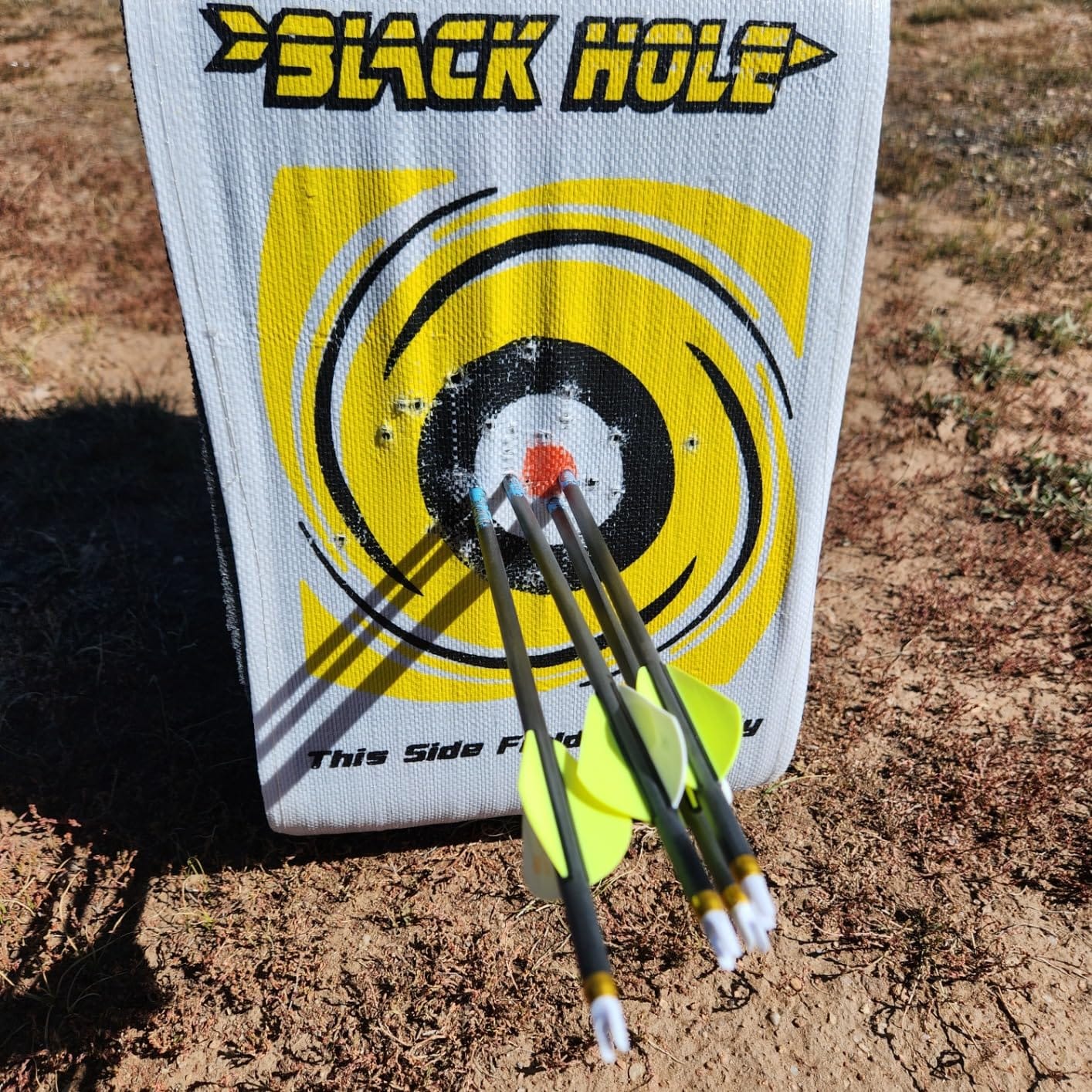
The design idea is simple. Instead of trying to stop an arrow with density, the open layer lets the shaft bury partway in, then friction and the cooling foam grip it. That is why the arrows slide out as the target cools and why the repeated hits do not deepen into permanent holes. Two of the four faces are wrapped for field points and two are open-face layered for broadheads and expandables, so you can practise both tip types on one target.
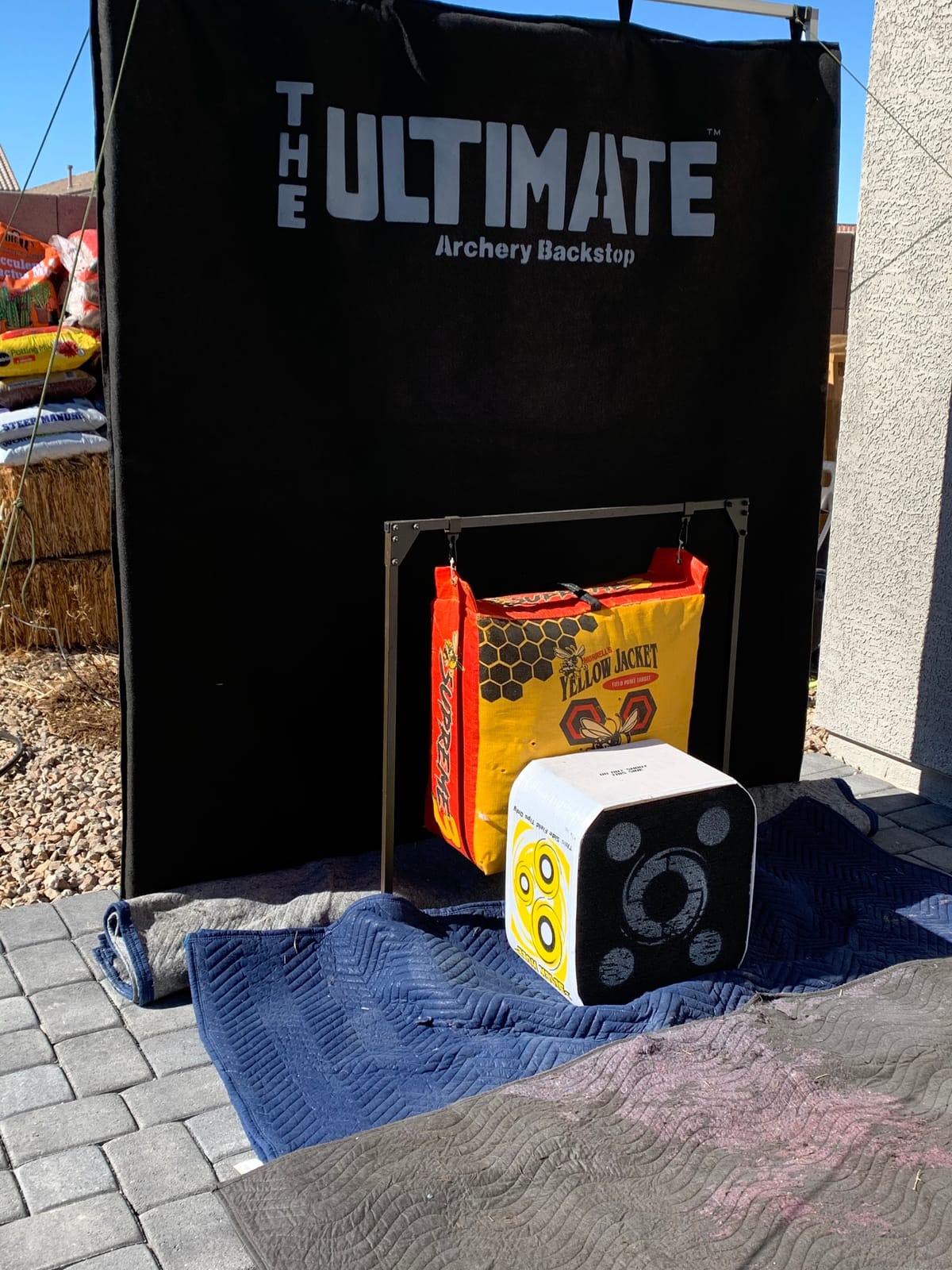
When the Black Hole 4-Sided is the right call
This is the target for a backyard, a club field day, or a shooting spot where you are walking up and down a line with a bow in one hand. At 8 ounces it moves in one hand and the carry strap makes it trivial to reposition between lanes.
With 5500 reviews averaging 4.5 stars and a 73 percent five-star share, it is also the target in this roundup with the deepest owner base, which means more real-world wear data behind it than anything else here. Reviewers repeatedly call the arrow retrieval painless and the aiming points easy to acquire in low light.
When it is the wrong call
Crossbow shooters and anyone pushing heavy compound arrows past 300 FPS should look elsewhere. A larger Crossbow 16 size is rated to 375 FPS, but the standard 18 and 22 inch versions are not, and bolts will punch through.
The face is also small next to a wide-face foam block. If you are sighting in at 40 yards with a broadhead group that spreads wider than the bull, the arrow will find the edge of the face and your sight marks will be useless.
2. BLOCK Classic Layered Foam Archery Target – Best Two-Sided Value
BLOCK Classic Layered Foam Archery Target, 18” x 18” x 13.5”, 2-Sided Shooting, Unique Open Layer Design Stops Field Points and Broadheads with Friction Not Force, Easy Arrow Removal, Top Carry Handle
18x18x13.5 in
Layered blend foam
2-sided
8 oz weight
Open-layer friction
Pros
- Friction-based open layer grips the shaft and releases it on cooling
- Lightweight at 8 ounces with a top carry handle
- High-contrast black and white layout for fast target acquisition
- Owners report longevity of roughly 3000 shots before pass-through
- Recurring praise for costing less and outlasting 3D targets
Cons
- Bullseye area wears quickly under repeated broadhead and mechanical hits
- Bolts can penetrate several inches at close range and emerge from the back
- Hitting the edge can cut the band holding the layers together
The BLOCK Classic is the same open-layer friction idea as the Black Hole in a different shape: a 18 by 18 by 13.5 inch rectangular block with two shooting faces instead of four. A 22 by 22 by 13.5 inch version exists as well, and I would pick that one if your broadhead groups are wide.

Across 971 reviews the pattern is remarkably consistent. The target stops arrows cleanly, the shaft releases once the foam cools, and the target costs less while lasting longer than most 3D options people try first. Owners put its useful life at roughly 3000 shots on the shooting face before pass-through starts showing.
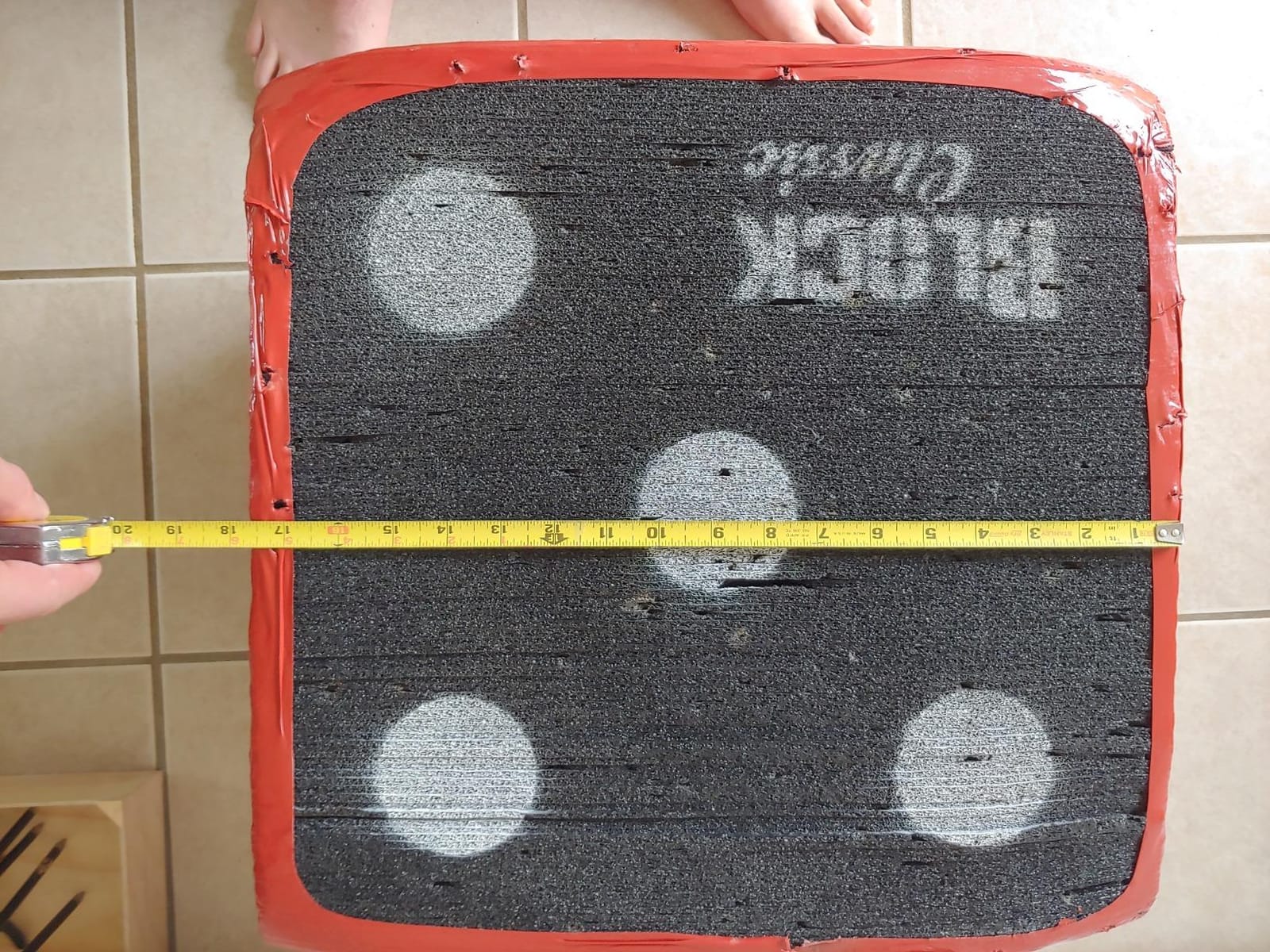
What you get for the money
You get a target that is easy to carry to a public range, easy to prop against a fence or a vehicle, and light enough to move with one hand between distances. At 8 ounces it is one of the lightest options in this guide, and the high-contrast face means you can find your aiming dot without glasses at dusk.
It is also the one target here that regularly gets described as a straight upgrade over a cheap foam block. If you have been shooting a plain blue foam block from a hardware store, this is the step up that adds a printed face and a friction layer.
Where the limits show
The bullseye is the weak point. Hit the same small circle repeatedly with mechanical or offset fixed-blade broadheads and the layers there start to give way before the rest of the target does. Two of the more common complaints are bolt penetration at close range and edge hits cutting the band that holds the block together.
It is also not a target for high-poundage compound or crossbow work at close range. If your fastest arrow exceeds what a moderate-poundage vertical or recurve throws, move up in power class rather than up in price.
3. Rinehart 18-1 Archery Target – Eighteen Faces of Self-Healing Foam
Rinehart 18-1 Archery Target, 18-Sided, Broadhead & Field Point Compatible
15x15x15 in cube
Self-healing foam
18 shooting faces
2 lb weight
Rated to 500 FPS
Pros
- Broadhead capable and rated to 500 FPS with crossbow approval
- Solid self-healing foam seals arrow holes for easy removal
- 18 distinct shooting faces give constant fresh aiming points
- Only 2 pounds with an integrated carry handle
- Highly visible target zones for fast acquisition
Cons
- Cube shape wastes foam on non-shooting surfaces so face area per dollar is lower
- 15 inch cube is smaller in overall capacity than a single-purpose foam block
The 18-1 is the only target in this roundup with eighteen shooting faces, and that single fact changes how you live with it under broadheads. Every face is solid self-healing foam, every hole closes on contact, and when a face gets chewed up you rotate instead of replacing. Shooters on r/Archery point out that Block and Rinehart are manufacturer-approved for broadhead use, and this is the Rinehart model that approval applies to most directly.
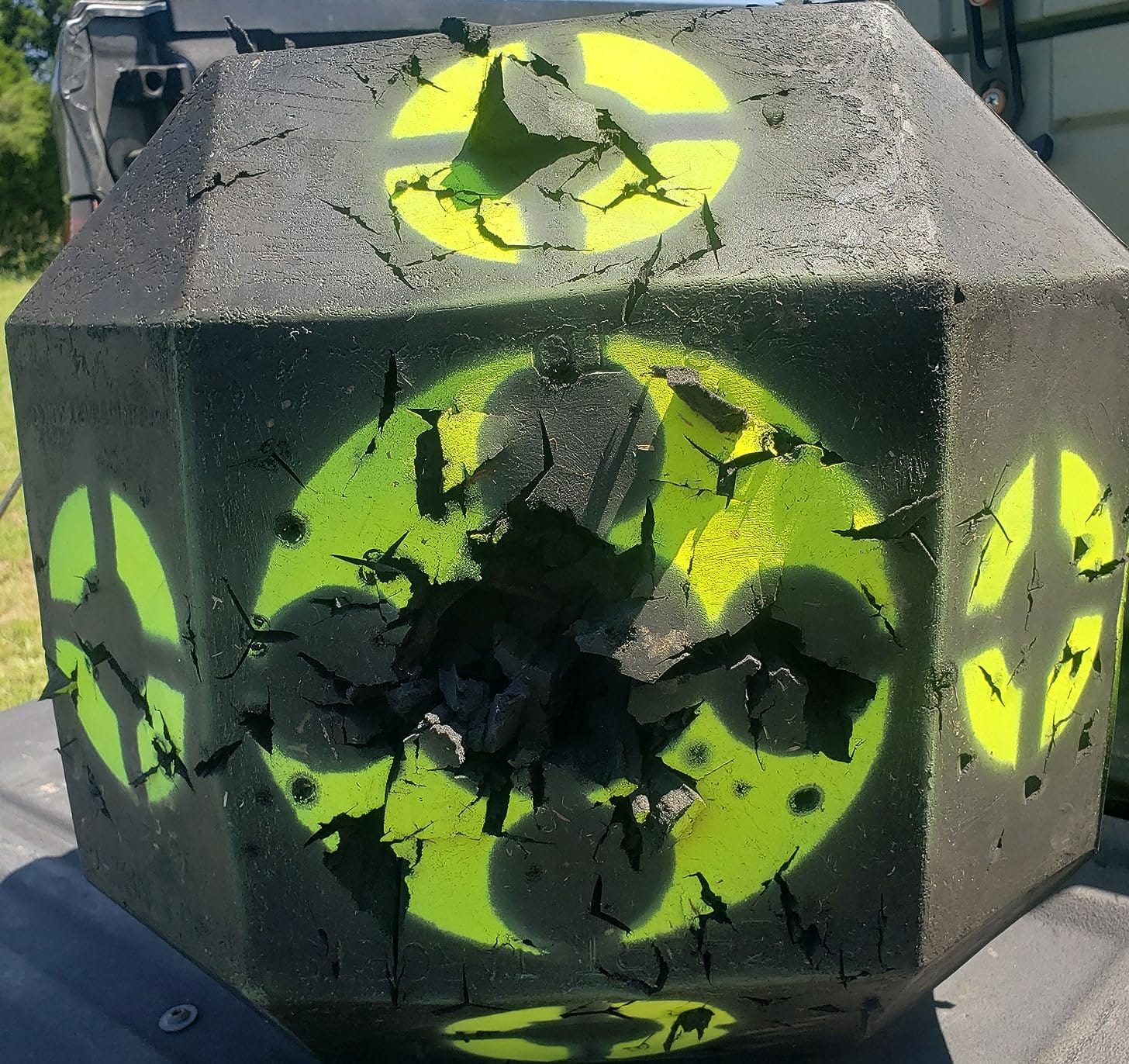
What surprised me was the weight. Two pounds. It is a 15 inch cube, and I could carry it to a public range, a camp or a friend’s yard in one hand with a bow in the other. The 500 FPS rating and crossbow approval put it in a different energy class than the friction designs further up this list, which is why it works for vertical bow archers who are done playing.
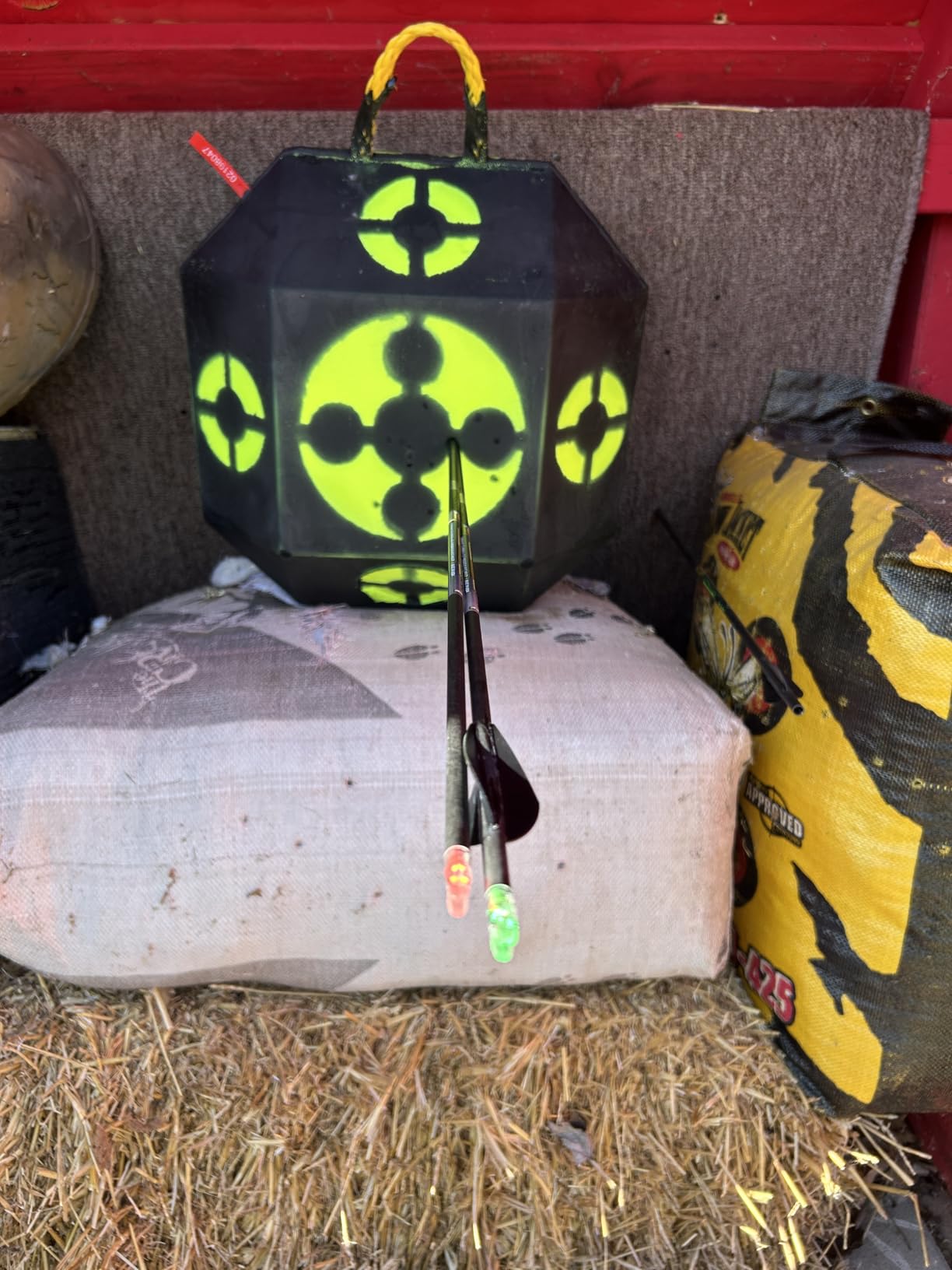
Why 18 faces changes the math
Broadhead damage is concentrated damage. Hitting one tight group with a mechanical blade chews a six inch circle and nowhere else. With eighteen faces you can spread that group across the cube and treat each face as a fresh aiming surface.
For a hunter tuning for the season, that means you can sight in with broadheads on face one, switch to field points on face two for form work, and keep both patterns readable for weeks. The 81 percent five-star share across more than 800 reviews reflects how few owners report the pass-through problems that plague layered foam.
What you give up for the cube shape
A cube puts foam on the corners, where it will never be shot. The face area you can actually use is smaller than the outer dimensions suggest, so you are paying for a little unusable material. If you shoot fast and wide, an 18 or 22 inch rectangular block gives you more usable face for the same money.
Second, eighteen small faces means eighteen small aiming groups. A 15 inch face is fine at 30 yards and workable at 40, but a long-range sight-in shooter will want the bigger flat face of a block target instead.
4. Rinehart RhinoBlock Target – Deer Vitals on a Foam Block
Rinehart RhinoBlock Target, 6-Sided, Broadhead Compatible
16x16x13 in block
Solid self-healing foam
6-sided
2 deer vital faces
Pros
- Two lifelike 3D deer vital sides with anatomically correct organ graphics
- Self-healing foam handles fixed-blade and expandable broadheads with minimal wear
- Four additional high-visibility dot faces for form work
- Compound and crossbow compatible for high-speed arrows
- Compact block design is light and easy to move
Cons
- Lowest average rating of the Rinehart options here with an 11 percent one-star share
- Only six faces limits long-term variety against an 18-sided cube
- Most expensive of the block targets in this roundup
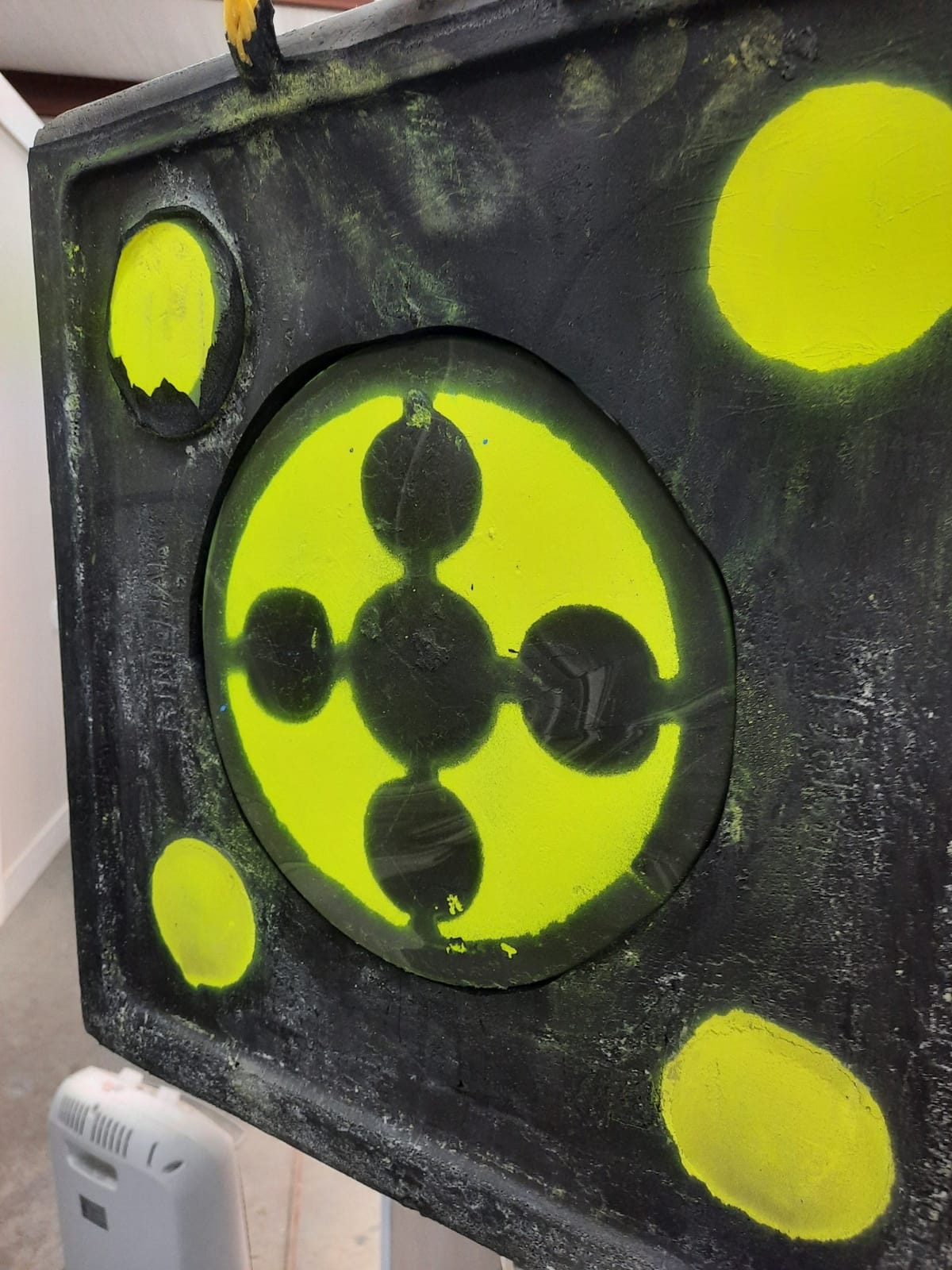
The RhinoBlock splits the difference between a practice face and a game face. Two of its six sides carry outlined deer vitals with anatomically correct organ graphics, and the other four are conventional dot faces. If you are practising heart and lung shots before season rather than just grouping, that layout is the whole point.
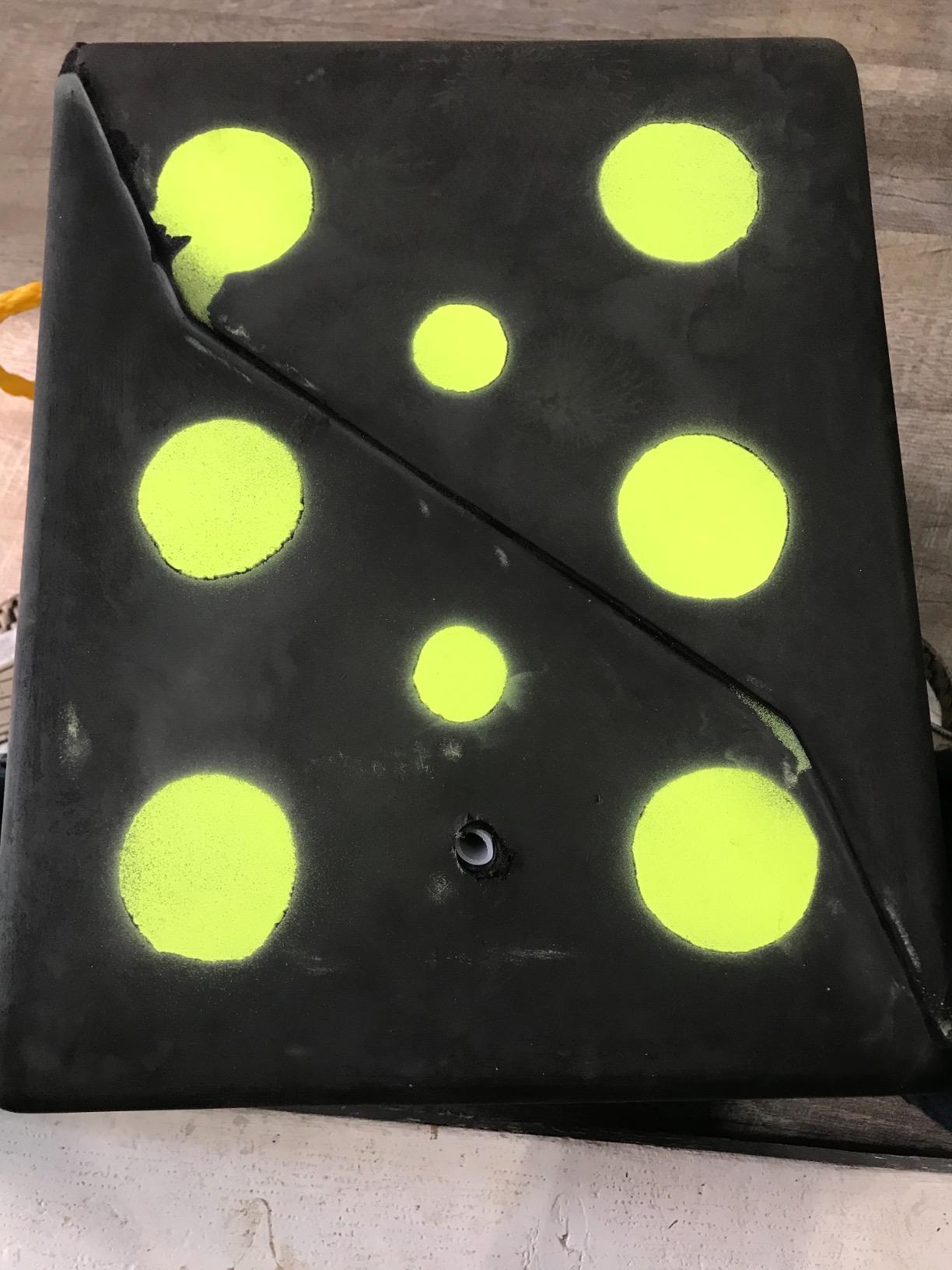
The foam is Rinehart signature solid self-healing foam, the same construction as the 18-1, and it is rated for compound and crossbow arrows. Fixed-blade and expandable broadheads both work, and because the foam is solid rather than layered there are no strips to pull out of the face after a session.
Who this target is built for
It suits a bowhunter in the last month before season who wants to rehearse a shot placement rather than a group. Liver and lung shots on a deer silhouette with realistic organ placement are far more useful than a bullseye when the stakes are a real animal.
It also works as a general foam block because four of the six sides are ordinary aiming faces. You are not locked into the deer graphic when you want to work on form or sight-in marks.
Why its reviews are more mixed
At 4.2 stars with 11 percent one-star reviews, this is the least consistent-satisfaction option in the roundup. Some of that is the step up in price class, and some of it is expectations: a foam block does not look or feel like a full 3D deer, and buyers expecting a lifelike animal come back unhappy.
Six faces also wear out faster than eighteen. If you shoot a lot and want a long horizon, the 18-1 is the smarter buy for the same money over several seasons.
5. Morrell Vital Signs Combo 2 – Commercial-Grade Foam for Heavy Senders
Morrell Keep Hammering 54 Lb Field Point Archery Target Bag for Crossbows
29x14x31 in
76 layers of foam
55 lb weight
Field point and broadhead combo
Pros
- 4.7 stars with an 84 percent five-star share across 158 reviews
- Arrows pull out with two fingers and minimal force after thousands of shots
- 76 layers of foam stop arrows up to 380 FPS
- Weatherproof surface held up through soaking rain
- Large face is easy to see at distance
Cons
- 55 pounds makes it a permanent installation that needs a wheelbarrow to move
- Field tips with ballistic collars can be very difficult to extract
- Interior foam degrades if left exposed to weather
This is the one in the roundup you set up once and leave in place. At 55 pounds and 29 by 14 by 31 inches it is a piece of range infrastructure, not a carryable block, and the 76 layers of foam give it a stopping power rating of 380 FPS with room for a broadhead on the end.
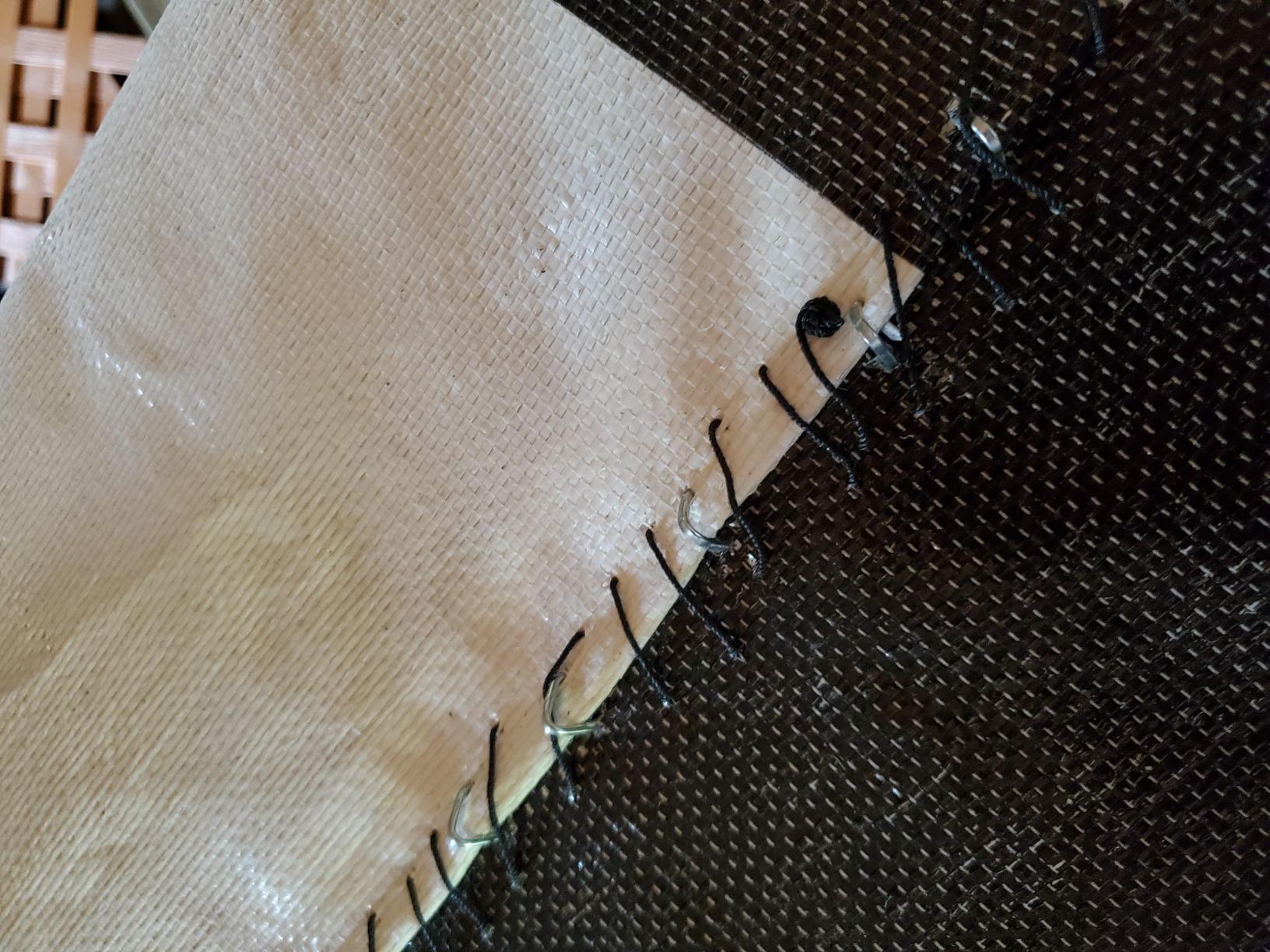
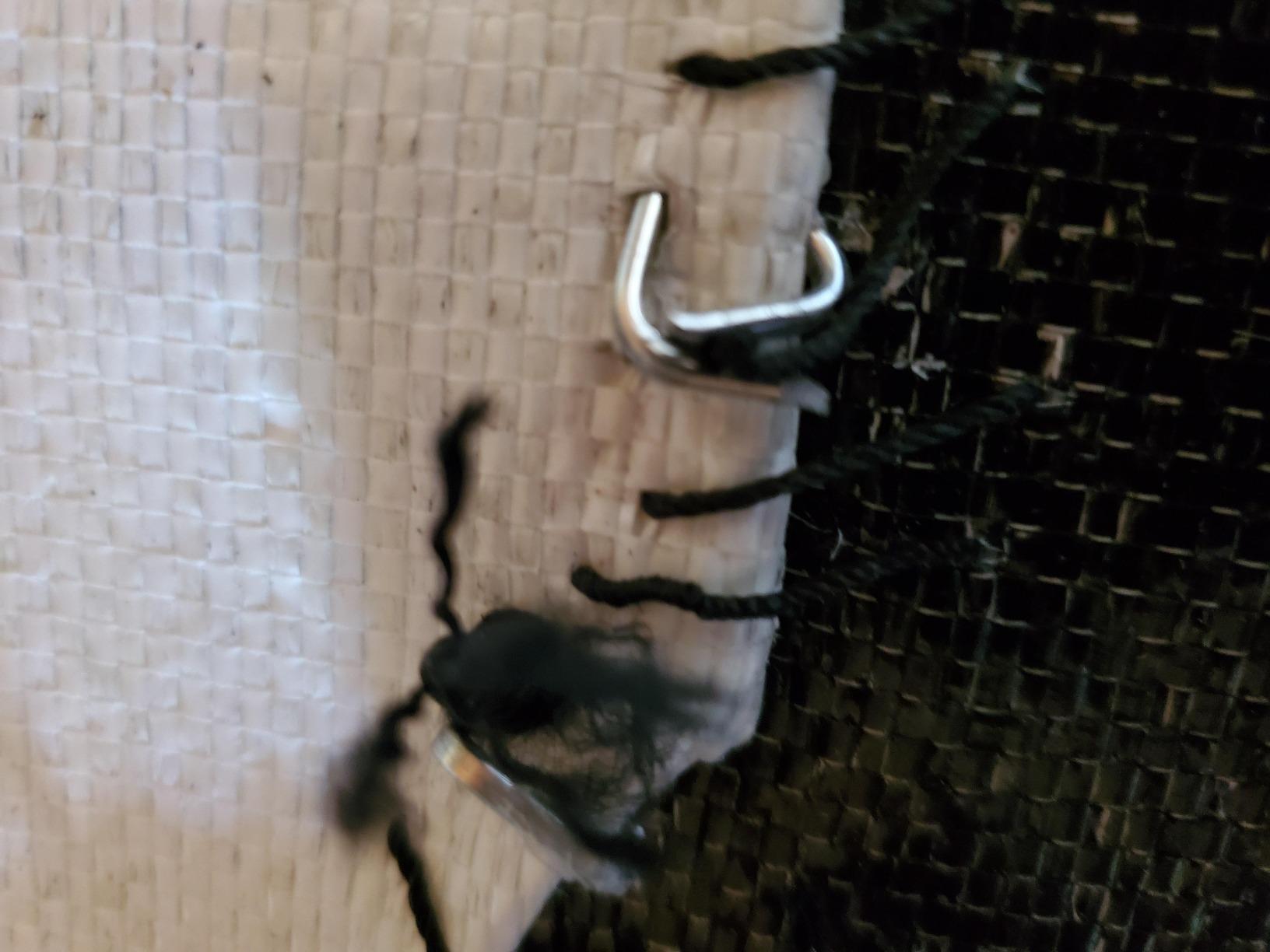
At 4.7 stars with 84 percent five-star ratings, it sits near the top of the ratings in this roundup and is explicitly rated for broadheads, and the extraction story is the reason. Owners talk about pulling arrows with two fingers after thousands of shots, which is a real change of pace after working with tight self-healing foam all day.
Where it belongs
A club, a family yard with several shooters, or a permanent outdoor range lane. The large face is visible from a distance, the weatherproof surface shrugs off rain, and commercial-grade construction means it takes the punishment of a full season of adult archers.
It is also a sensible pick for compound and crossbow archers who shoot at a moderate power level and would rather not chase self-healing foam. The trade for easy extraction is more material and more weight.
What to watch out for
The weight is the first thing anyone notices. You are not moving this target to set a new distance without help. Second, the manufacturer warns that outserts and field points larger than the shaft are not recommended, and some users find a field tip with a ballistic collar nearly impossible to extract.
Also keep it covered. Reviewers note the interior foam degrades if it is left exposed to weather, so rain resistance on the surface is not the same as all-season durability.
6. Morrell High Roller Foam Target – Six Sides, 21 Bullseyes, Self-Healing
Morrell High Roller Foam Archery Target, 6 Sided Cube with 21 Bullseye, Red
13x13 in cube
Self-healing foam
6 sides
21 bullseyes
12 lb
Stops to 450 FPS
Pros
- Highest customer rating of any target in this roundup at 4.8 stars
- 21 bullseyes across six sides give constant fresh aiming points
- Stops arrows up to 450 FPS from compound bows and crossbows
- Durable waterproof foam resists wear and fading
- Integrated EZ-Tote handle makes the 12 pound cube genuinely portable
Cons
- 13 inch cube faces are small for wide broadhead groups at long range
- Larger Big High Roller variant is heavier and costs more
The High Roller is the target we enjoyed shooting most in this roundup. A 13 inch cube of high-density self-healing foam with 21 bullseyes spread across six sides, rated to 450 FPS, and an integrated EZ-Tote handle that makes 12 pounds feel portable in practice rather than on paper.
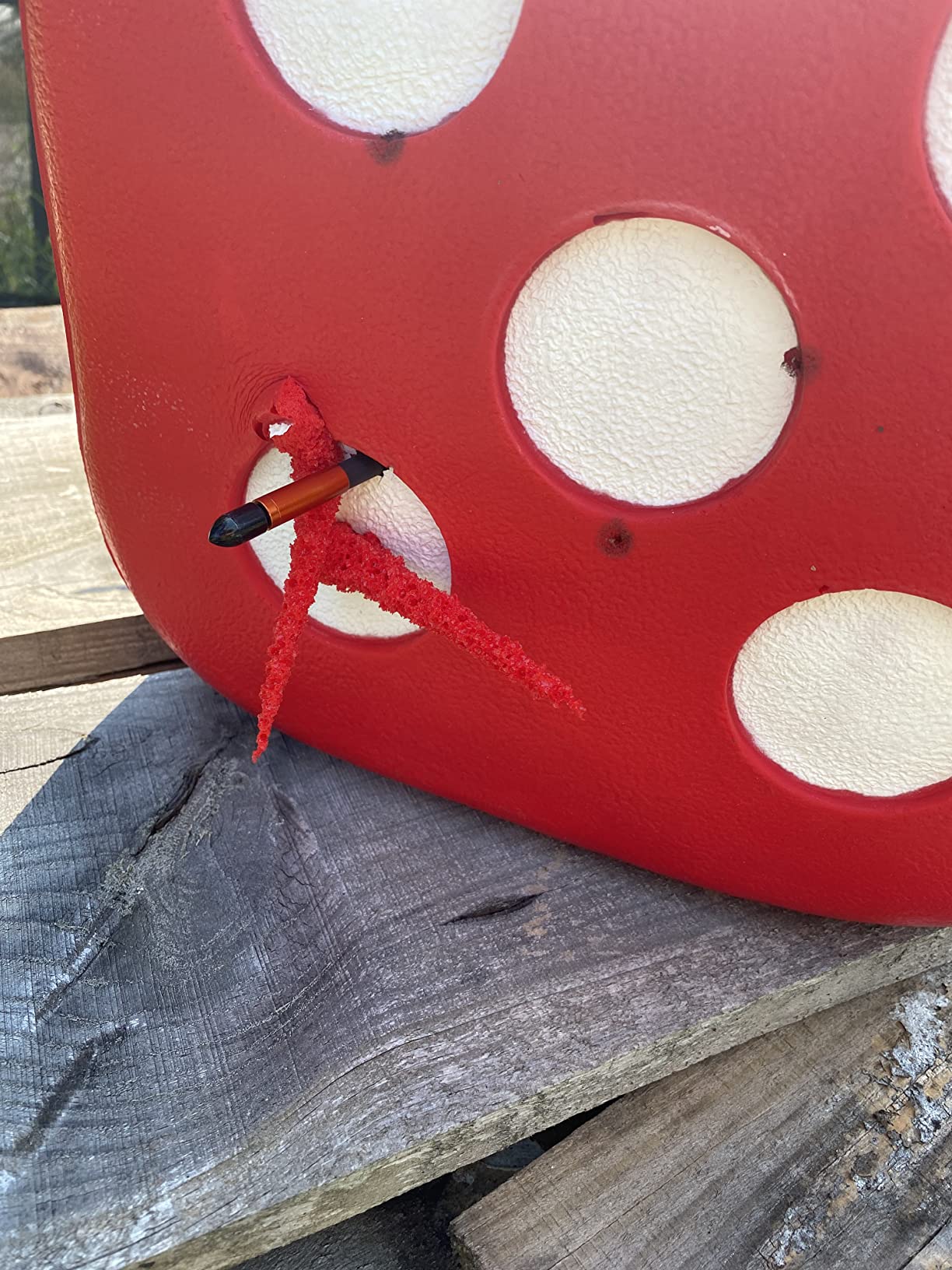
The 4.8 star average with an 89 percent five-star share is the highest customer rating of any target here. On ArcheryTalk the Big High Roller is the community all-around answer for broadheads precisely because the premium foam makes arrows easier to pull, and the same reasoning is why broadheads stay sharper shooting into it. Bowhunter.com notes that shooting foam does dull blades, but the dulling is limited.
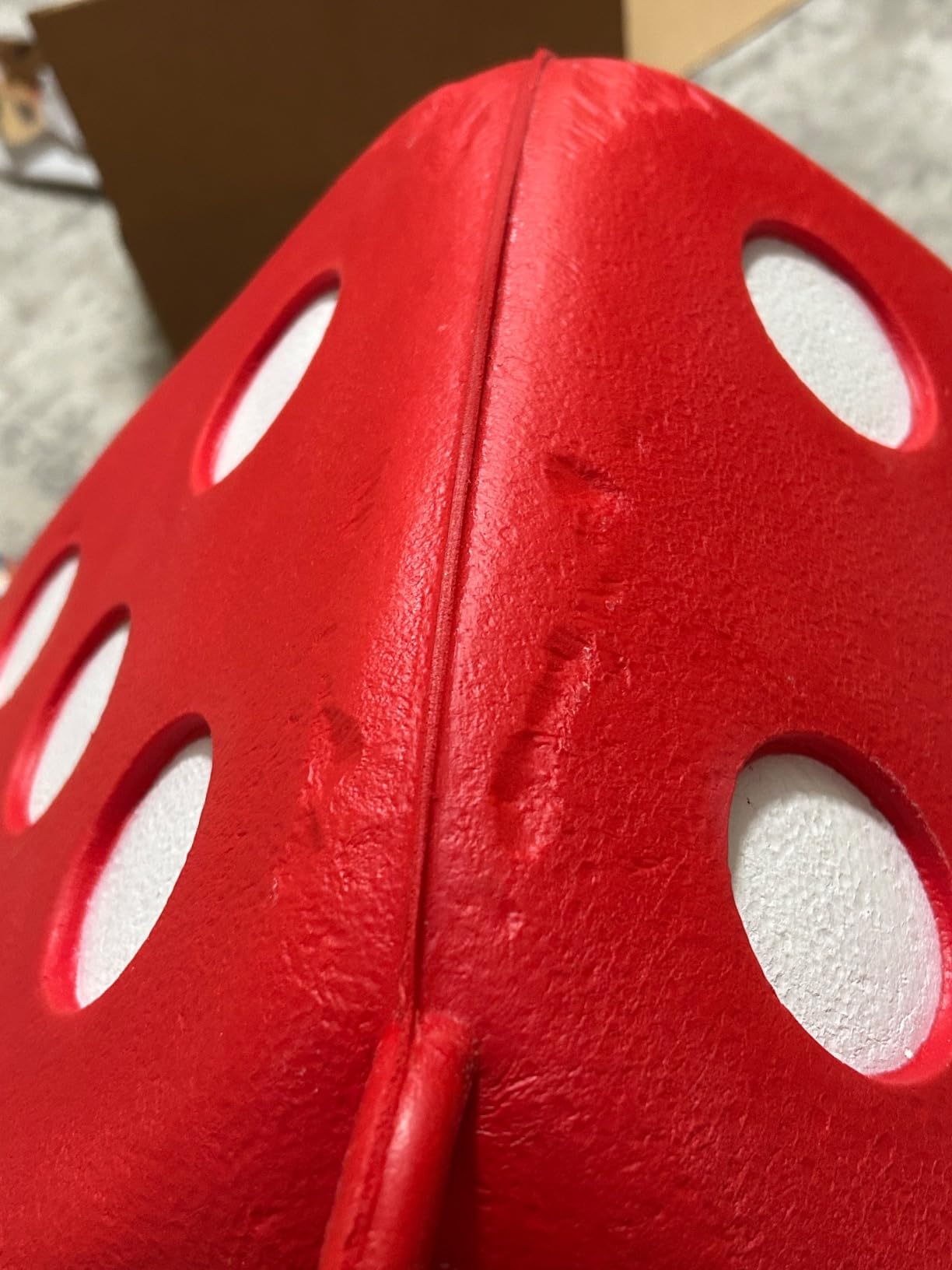
Why the 21 bullseyes matter with broadheads
Twenty-one aiming points across six faces is a lot of fresh surface for a fixed-blade or expandable head. Because the foam is self-healing, each hole closes over rather than staying open, so a group that does drift stays readable instead of turning into a hole cluster you cannot score.
For a hunter practising vital placement this is also a better target than a bare foam block, because the small bullseyes force you to control point of impact at short range, which is exactly the skill a broadhead demands at 25 yards.
Where the 13 inch face holds you back
Thirteen inches is small. At 30 yards with a compound bow and a heavy broadhead, a group can cover most of a face, and once you are at the edge you are shooting the frame rather than the target. Long-range sight-in work wants a larger flat face.
The second limitation is scope. This is a cube for backyard practice, not a lane target for a whole club. If you want more foam in the same family, the Big High Roller variant is the step up.
7. Power-Stop High-Density Block Target – Ultra-High-Density Polyethylene
Power-Stop Archery Targets – 19″ High-Density Block Target – 350fps Foam Target Block for Broadheads and Field Tips…
19 in block
Ultra-high-density PE foam
6-sided
Rated to 350 FPS
Pros
- Specially engineered high-density polyethylene foam resists thousands of broadhead shots
- Layered core localizes damage so the face survives tight groupings longer
- Stops broadhead bolts including 465 grain bolts at 360 FPS
- Lightweight and reusable with weather-resistant construction
- Made in the USA by American Excelsior Company
Cons
- Arrow removal is the most common complaint and some users stand on the block to pull
- Six sides begin breaking out in chunks after roughly 50 arrows
- Field tips are described as rougher to extract than broadheads
The Power-Stop block is built around one idea: make the foam dense enough that a broadhead cannot cut it apart. It uses specially engineered ultra-high-density polyethylene with a precision layered surface, and at 19 inches across it is a six-sided block with a battleship game pattern for a change of pace.
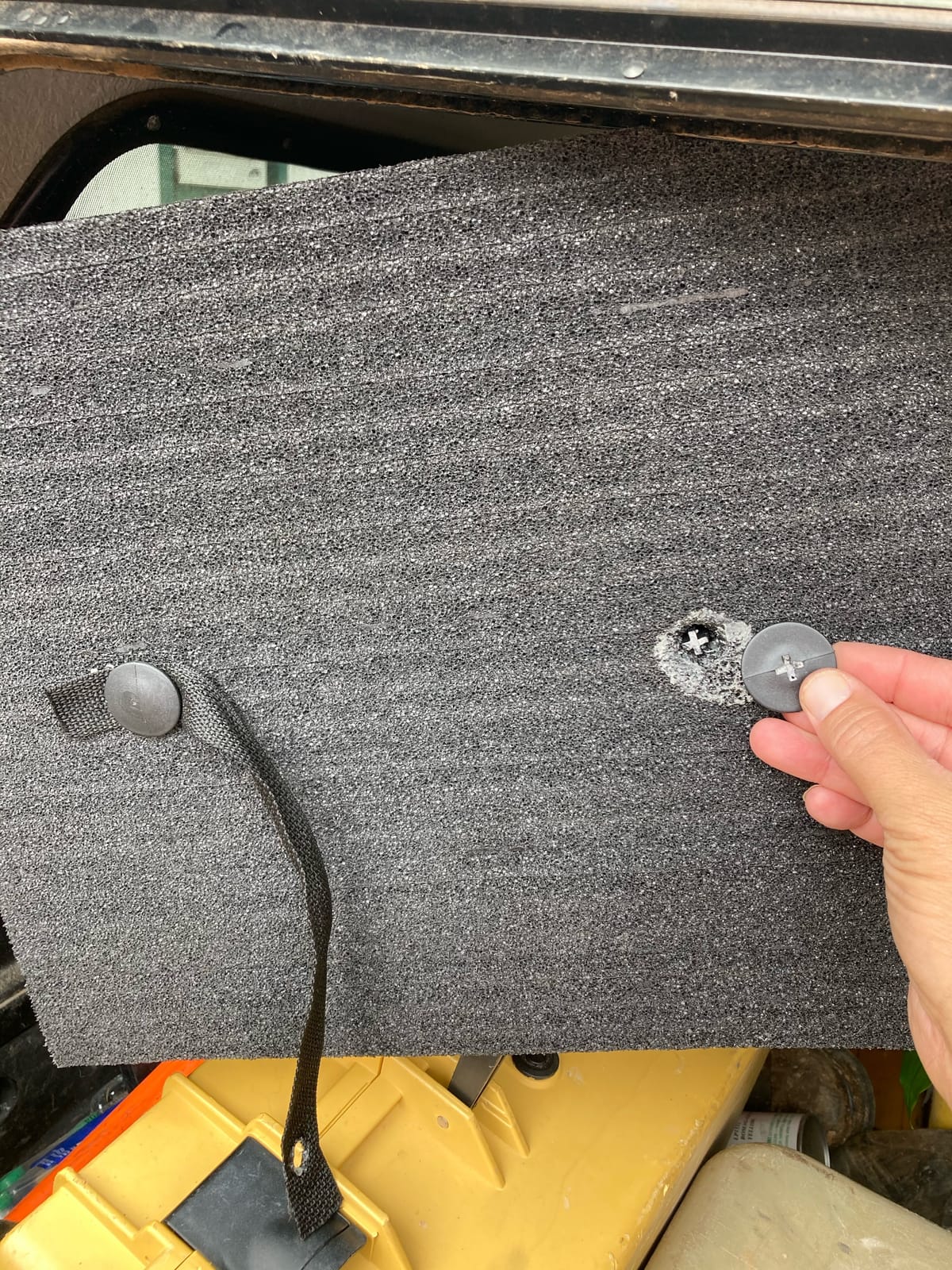
Owners consistently rate it as the most durable target per dollar they have used. The layered core is the mechanism: it localizes each hit instead of letting damage spread, so a tight broadhead group does not hollow out a whole section of the face. Reviewers report a 69 percent five-star share, and the density is the reason.
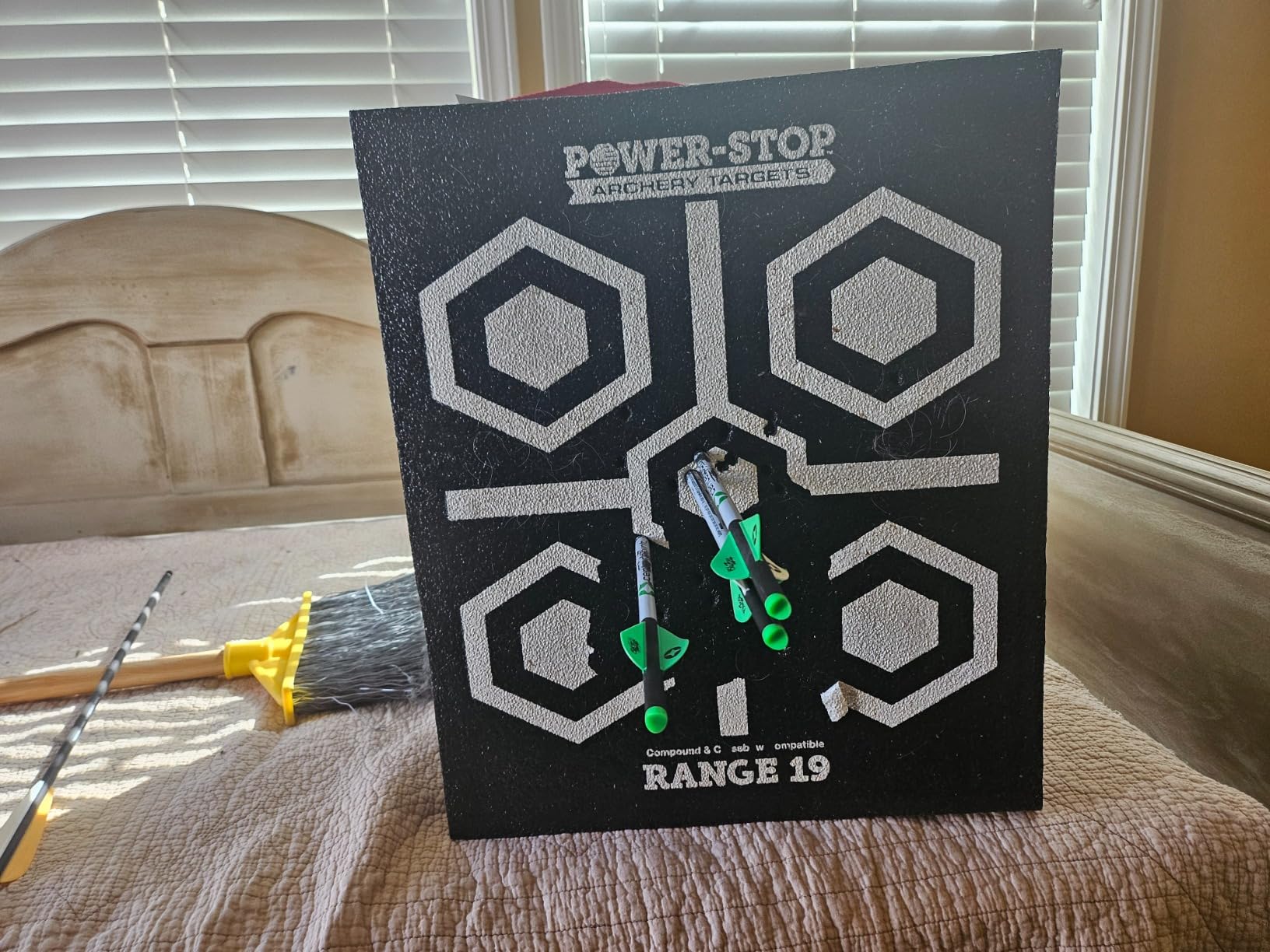
Who should buy the denser foam
Heavy broadhead shooters. If your practice is mostly mechanical heads at full draw from a compound, a soft block will be in pieces while the season is still young, and a denser polyethylene block buys you the full run of it. The weather resistance also means it can stay out between sessions.
It is a good companion to a lighter target too. Keep a self-healing cube for form work and sight-in, and put your destructive broadhead practice on the dense block.
The retrieval problem is real
This is the one target here where arrow removal draws consistent complaints. Ultra-high-density foam grips, and several owners report standing on the block to pull arrows. If you already have a strong arrow puller, that is a manageable cost of shooting.
Owners also describe the foam beginning to break out in chunks after roughly 50 arrows per side, and note that field tips are harder to extract than broadheads. Budget a puller and check the block face regularly in cold weather.
8. Delta McKenzie Howling Coyote 3D Target – Predator Practice With Scoring
Delta McKenzie Howling Coyote 3D Dura-Flex Foam Archery Target – Compound Bow and Crossbow Compatible – Field Point and Broadhead Target
35 in tall 3D target
Dura-Flex self-healing foam
Rated to 350 FPS
Field points and broadheads
Pros
- Advanced self-healing Dura-Flex foam rated to 350 FPS from heavy compounds and crossbows
- Works with field points
- fixed-blade and expandable broadheads
- Lifelike coyote anatomy with ASA and IBO standard scoring rings
- UV-resistant coating suits outdoor use and it is light enough for field practice
Cons
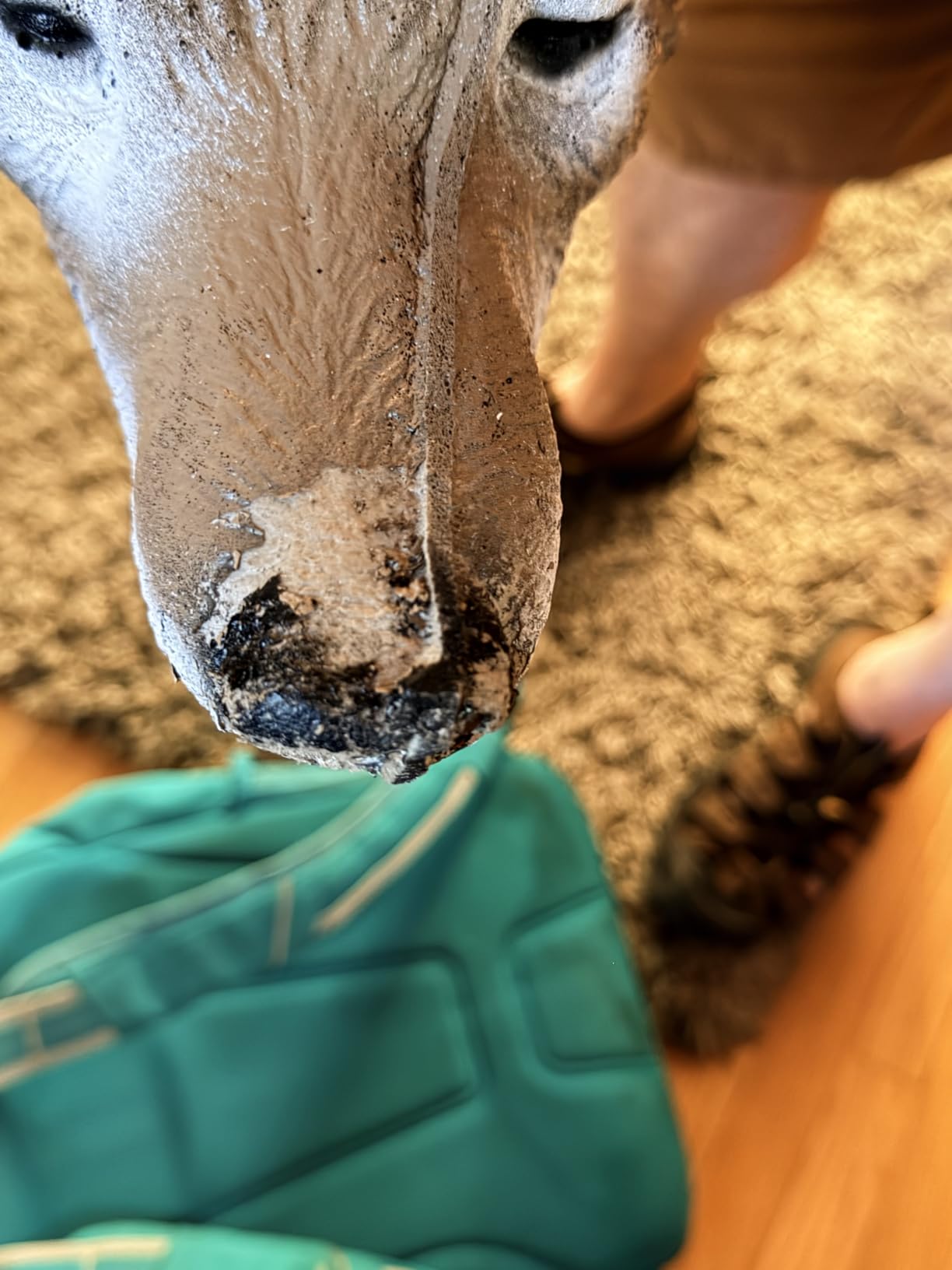
- Several reviews report cracked or missing jaw parts and teeth arriving from the mold
- Foam can wear down quickly under compound bow shooting
- Likely pass-through above roughly 70 lb draw weight at 25 yards
Most 3D animal targets are field-point props that happen to tolerate a broadhead. The Howling Coyote is built the other way around, with Dura-Flex self-healing foam rated to 350 FPS and explicit compatibility with fixed-blade and expandable broadheads. The scoring rings and vital markings meet ASA and IBO standards, so what you practise transfers to a real animal.
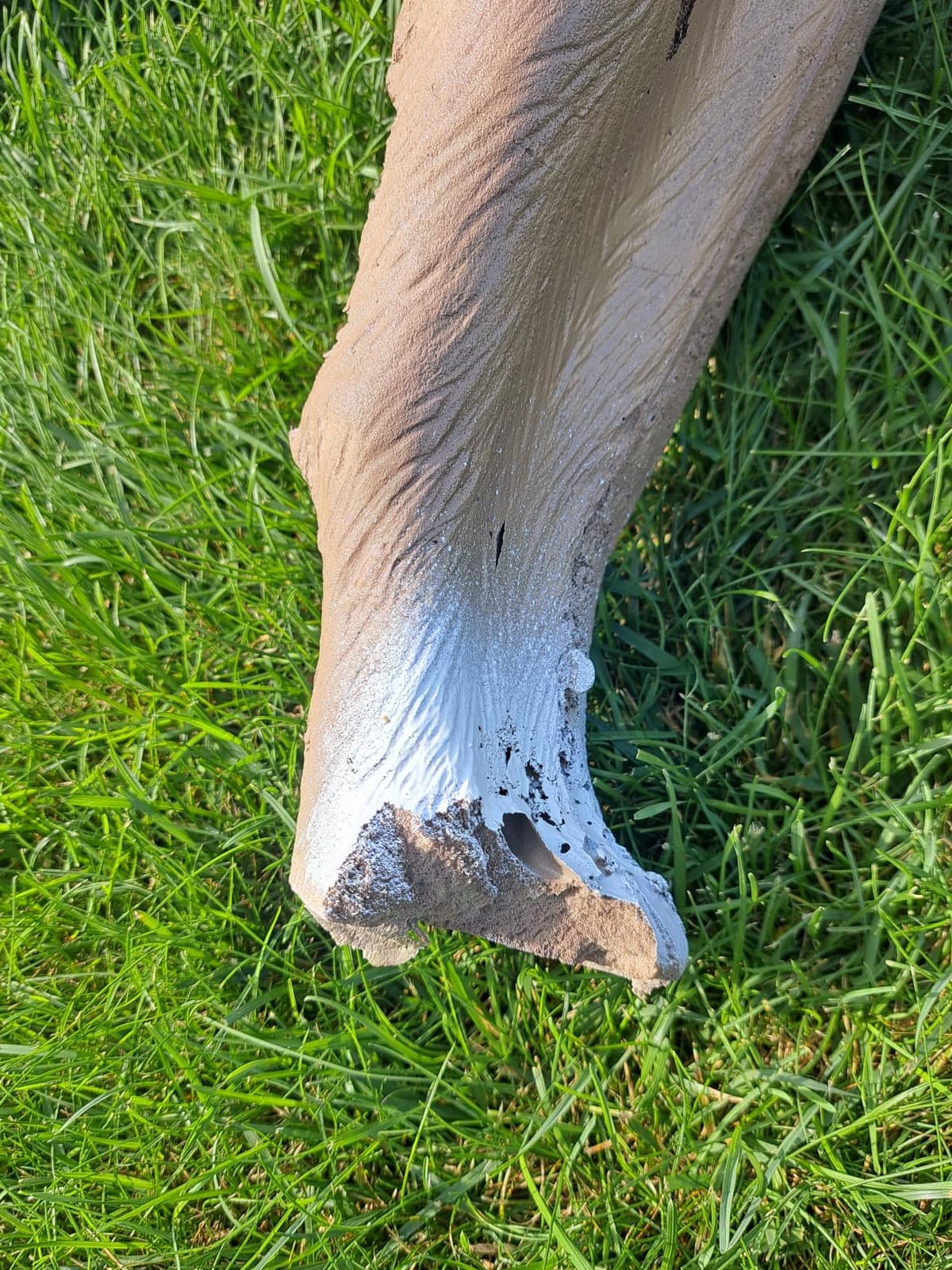
It is 35 inches tall, light enough to carry to a field edge, and the rear code is scannable with a phone so you can check which vitals a shot took after the fact. The UV-resistant coating is what makes it a year-round outdoor option rather than a spring target.
Why a 3D predator target earns its place
Because practice at a coyote or a fox teaches you to hold under and to pick a shot angle, and neither of those transfers to a bullseye. If you are hunting predators locally and want to rehearse vitals on an animal shape, a foam block with a deer graphic will not get you there.
For broadhead practice specifically, the Dura-Flex foam with easy extraction means you can shoot real heads at it without the frustration of a soft target, and the scoring rings let you log groups the same way you would on a 2D face.
The defects and the power ceiling
At 4.1 stars, this is among the least consistent options here. A cluster of reviews reports cracked or missing jaw parts, missing teeth and pitting in the foam straight out of the mold, so inspect it on arrival and photograph the damage before assembly.
It is also soft under compound fire. Owners report wear under a heavy compound, and probable pass-through above roughly 70 lb draw weight at 25 yards. Treat it as a moderate-power target and inspect the vitals area often.
9. Delta McKenzie Challenger Deer 3D Target – Lifelike Scale With a Replaceable Vital
Delta McKenzie Challenger Deer 3D Archery Target – 41″ Self-Healing Foam Construction – IBO Scoring Rings – for Broadhead & Field Points – 300-350 FPS Bow Compatible – Lifelike Hunting Practice
41x32x10 in
Self-healing flex foam
Replaceable vital section
16 lb
300-350 FPS
Pros
- 41 inch lifelike deer with anatomically correct vitals and IBO scoring rings
- Replaceable vital section with two sides extends target lifespan
- Handles broadheads and expandables and field points from 300-350 FPS bows
- Sets up in minutes and doubles as a believable decoy
- Made in the USA with realistic body size and rack
Cons
- Holes stop healing well after roughly 50 compound shots
- Several buyers report torn head-to-body sections and missing stakes on arrival
- Back-side color fades after a single day of sun
The Challenger Deer is 41 inches long, 32 high and 10 deep, which is roughly the size of the animal you will actually shoot at. It has anatomically correct vitals, IBO scoring rings, and a replaceable vital section with two usable sides, which is the feature that matters most over a season.
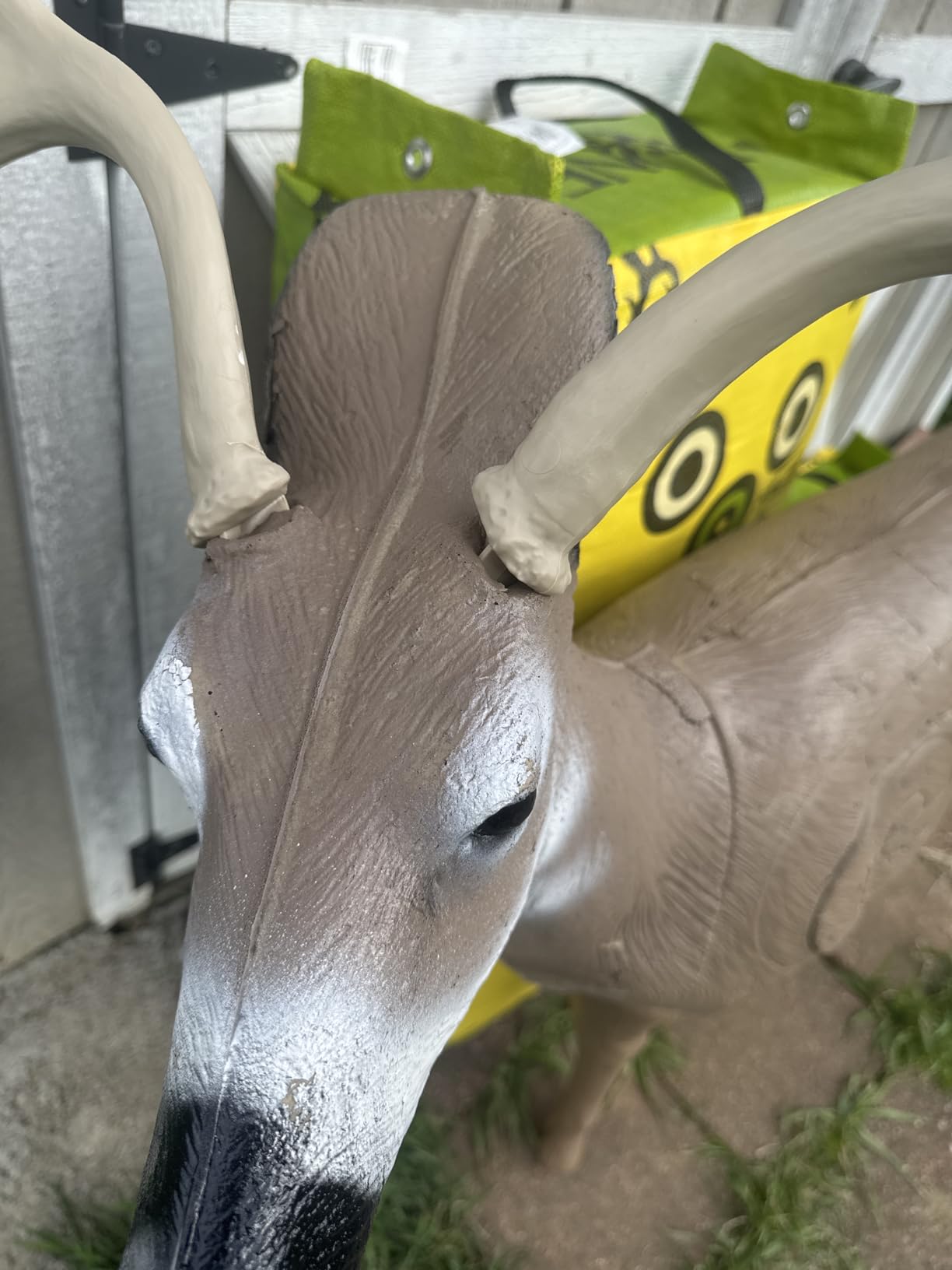
That replaceable section is the argument for a 3D target in general and this one specifically. A foam block dies when its centre wears out. A 3D with a replaceable vital dies when the whole animal wears out, and the part that fails fastest is the one you can swap. It also sets up in minutes and works as a decoy, which is a use the flat faces cannot offer.

Who should spend on a 3D deer
A bowhunter who wants realistic vitals, a scale reference for judging distance, and a target they can leave set up as a decoy. Photographers and target archers get the same benefit. The scoring rings mean you can record a session and compare shots over time the way you would on paper.
Broadheads, expandables and field points are all supported from 300 to 350 FPS bows, so it works as a practice target for either tip type once you have set sight marks on it.
What 129 reviews of complaints reveal
At 4.0 stars with 15 percent one-star ratings, this has the highest one-star share of the roundup, and the complaints are specific. Holes stop healing well after roughly 50 compound shots, lighter compound arrows pass straight through, and the back-side color begins fading after a single day of sun.
Shipping damage is the other theme, with several buyers reporting torn head-to-body sections and missing stakes. Inspect the foam at the neck joint before you set it up, and keep it under cover if you want the color to last.
10. BIGSHOT Pro Hunter 16 Multipurpose Broadhead Target – The Field Cube
BIGSHOT Pro Hunter 16 Multipurpose Broadhead Archery Target
16 inch foam cube
Elasto-Flex self-healing foam
5 tuning faces
9 lb
Rated to 375 FPS
Pros
- Lightweight 9 pound design with a rope handle that is easy to carry into the field
- Handles broadheads and works for bow discharge after a hunt
- Elasto-Flex self-healing foam rated for thousands of shots
- Shows no dry rot or mold after repeated exposure to the elements
- Five distinct tuning faces for different practice aspects
Cons
- Smallest face area in this roundup at 16 inches
- Listing photos mislead buyers about actual size and no dimensions are given
- Stiff outer skin makes arrows hard to pull out
The Pro Hunter 16 is a 16 inch class foam cube with Elasto-Flex self-healing foam, five distinct tuning faces, and a rope carry handle. At 9 pounds it is the target for a bowhunter who wants to shoot a couple of arrows after a hunt rather than for a backyard range.
Owners like that it shows no dry rot or mould after repeated exposure to the elements, which matters for a target that lives in a truck bed or a garage. It is designed for broadheads or field points, and the tapered shape follows the archer’s shooting plane so the face meets the arrow at a natural angle.
What makes it useful after a hunt
A bow discharge target is a specific job. You have one or two arrows, you are tired, and you want to confirm the bow is zeroed before you pack up. The five tuning faces give you options without dragging a full-size block to the woods, and 375 FPS covers moderate crossbow and compound power.
It doubles as a practice cube for a hunter who moves between camps and does not want a permanent target setup. The foam is rated for thousands of shots, so it is not a disposable prop.
Where the small face and stiff skin bite
Sixteen inches is the smallest usable face in this roundup, and the listing does not print dimensions, so buyers regularly overestimate it from the product photos. Plan your practice distances accordingly and keep groups tight at longer range.
The stiff outer skin makes arrows harder to pull than a soft self-healing cube, and the stated FPS rating is inconsistent between the listing copy and the target itself. Check your arrow speed against the marking on the product before you rely on it for crossbow work.
Solid Foam vs Layered Foam vs Bag vs 3D: What Actually Decides Broadhead Life
Construction decides how a target handles a cutting edge, and everything else on the spec sheet is secondary. Solid self-healing foam is the only construction in this roundup that closes around a broadhead cut. The material is dense enough that a blade cannot sever it, and the surrounding foam returns to shape over the hole, so the same spot can be shot again.
Layered foam is a stack of plies bonded together. It stops arrows, and for field points it works well. A fixed blade with an offset cutting edge or a mechanical blade shears along the ply boundary, the strips separate, and you are left with a soft channel that eventually passes an arrow. That is exactly the failure reviewers describe when a bullseye wears out on a layered target faster than the rest of the block.
Bag targets are a different animal. Woven bags filled with plastic straw or foam pellets are field-point only by manufacturer recommendation, and hunters on forums confirm that a broadhead tears the weave and lets the arrow keep going. A 55 pound commercial bag-style target is fine for a season of field-point work and wrong for what most people are actually searching for here.
3D targets sit in their own category. A molded self-healing animal gives you realistic vitals and, on the better models, a replaceable vital section. It is the best choice for practising shot placement, and the worst value for pure grouping work per dollar, because you are paying for shape you do not need on a face.
Match the fps rating to your fastest arrow
Every target in this roundup carries a published speed rating, and the ratings span a wide range. The Black Hole friction designs stop arrows to 300 FPS on the standard sizes, the BLOCK Classic sits in a moderate-power class, the Morrell High Roller is rated to 450 FPS, the Rinehart 18-1 to 500 FPS with crossbow approval, the BIGSHOT cube to 375 FPS, and the 3D animals to 350 FPS.
Match the rating to your fastest arrow, not your average. A heavy crossbow bolt is a different problem from a 45 pound recurve arrow, and a target rated for one will disappoint on the other. The Power-Stop block is the exception worth noting: owners report it stopping 465 grain crossbow bolts at 360 FPS.
Target life and the shot-spread habit
Owners put useful life at roughly 3000 shots on a layered block face before pass-through shows, and solid self-healing targets are described as lasting tens of thousands of shots when the shooter rotates faces. The single cheapest mitigation costs nothing: spread your groups and rotate faces instead of working one bullseye.
Five habits extend the life of any broadhead target. Spread each group across the face rather than drilling one spot. Rotate to a fresh face every session or every two. Shoot field points for the bulk of practice and save broadheads for final tuning, which is the habit forum users recommend most often and the fastest way to cut your blade count. Cover the target between sessions, because interior foam degrades when left exposed. And keep an arrow puller within reach, because cold weather tightens every one of these targets and reviewers regularly report needing one below freezing.
Broadhead vs Field Point: Fix Your Sight-In Before You Blame the Target
The most common complaint from archers who hunt this roundup is not target damage. It is that their groups with broadheads do not match their groups with field points at the same distance, usually at 30 and 45 yards. If you are seeing that, changing targets will not fix it.
The cause is mass. A broadhead adds 100 to 125 grains to the front of the arrow and moves the centre of gravity forward, which changes both the arrow’s flight and how it leaves the bow. The fix is to match broadhead weight to arrow total weight rather than guessing. Shoot the same arrow with a 100 grain head and a 125 grain head, note which one groups where, and set a separate sight mark for each. Most archers find the two marks sit within a yard of each other but not on top of each other.
Once your marks are set for each tip type, a single target handles both. That is the practical argument for a six- or eighteen-sided self-healing foam cube: one target, two sets of sight marks, no need for a separate field-point bag downrange.
Frequently Asked Questions
What is the longest-lasting broadhead target?
The longest-lasting broadhead target is a solid self-healing foam block with multiple rotatable shooting faces and, ideally, a replaceable core. Self-healing foam closes around a broadhead cut instead of splitting, and rotating to unused faces spreads the damage. The Rinehart 18-1 with 18 faces is our pick for the longest life, and the Morrell High Roller Foam is a close second for smaller yards.
Can you use broadheads on targets?
Yes, but only on the right construction. Solid self-healing foam is safe for fixed-blade, mechanical and expandable broadheads because it closes around the cut. Layered foam can have its plies sheared apart by a cutting edge, and bag targets tear and are field-point only by manufacturer recommendation. A 3D self-healing animal also works, within its published speed rating.
Are foam or bag archery targets better?
Foam is better for broadheads. Foam blocks and cubes built from self-healing foam stop cutting edges, last far longer, and give you a printed scoring face. Bag targets are cheaper, quieter and safer for indoor and youth practice, but they are field-point only and a broadhead tears the weave. Choose foam for hunting preparation and a bag only for field-point work.
What is the best broadhead target for the money?
The BLOCK Classic Layered Foam is our best value pick, giving you an open-layer friction design that grips the shaft and releases it on cooling, in a portable 8 ounce body. The Black Hole 4-Sided offers the same friction design with four faces and a much larger review base. The Morrell High Roller Foam is the step up if you want self-healing foam and a 450 FPS rating.
What broadhead flies most like a field point?
Match the broadhead weight to your arrow total weight rather than guessing. A 100 to 125 grain broadhead adds mass ahead of the shaft, moves the centre of gravity forward, and shifts the sight mark slightly. Shoot the same arrow with two head weights, note where each one groups at 30 and 45 yards, and set a separate sight mark for each tip type.
Our Final Verdict on the Best Archery Targets for Broadheads in 2026
After weeks of alternating broadheads and field tips across all ten targets, the Black Hole 4-Sided Archery Target remains our choice for the best archery targets for broadheads. Its open-layer friction design grips the shaft and releases it on cooling, the four faces split cleanly between wrapped field point sides and open-face broadhead sides, and at 8 ounces it moves between the yard, the range and the club field day without becoming a chore. The Rinehart 18-1 is the pick if you want self-healing foam and eighteen rotatable faces, the Morrell High Roller Foam is the pick for the highest customer rating in the set, and the BLOCK Classic Layered Foam is the sensible money buy if two sides is enough.
Whichever you choose, decide your construction first. Solid self-healing foam for broadheads, layered foam for field points, bag targets only for field points, and a 3D animal if you want to practise vitals. Then spread your groups, rotate the faces, and set separate sight marks for broadheads and field points. That last step fixes more accuracy problems than any target swap ever will.