Yes, robot mops are safe for hardwood floors, as long as three conditions are met: the floor is sealed, you run the lowest water setting that still does the job, and the mop lifts or stops when it hits carpet. That is the short answer to the question owners ask most often in r/RobotVacuums threads, and it is the standard we applied to every machine in this guide to the best robot mops for hardwood floors in 2026.
Hardwood is unforgiving in a way tile is not. Water that sits on a sealed ceramic tile evaporates in a minute, while the same film on sealed oak, maple or engineered hardwood can work into the seams, darken a board edge and leave a water ring that fades over weeks. The robot mops that cause that outcome are not the bad ones, they are the ones running at full water output on a floor nobody tested first.
We looked at twelve robot vacuum and mop combos that are actively sold today, and we read what owners report after months of use rather than after a single demo run. Our criteria were water control, brush material, pad lift, dock automation, edge reach and how the machine behaves in a home where hardwood meets carpet. We also weighed the quiet details that show up in forum complaints: 2.4GHz-only Wi-Fi, map rebuilds after a chair moves, water tanks that are awkward to fill over a bathroom sink.
One thing to say plainly before the picks. A robot mop is a maintenance machine. It keeps sealed wood free of grit, hair and dried dust film so that your real mop, run every week or two, starts from a clean surface. It is not a replacement for a deep scrub of the floorboard grooves, and the owners on r/RobotVacuums who regret robot mops almost always regret one of two things: too much water, or a finish that was never sealed to begin with.
Table of Contents
- Top 3 Robot Mops for Hardwood Floors in 2026
- Best Robot Mops for Hardwood Floors at a Glance in 2026
- 1. eufy Omni C20: Best Overall Robot Mop for Hardwood
- 2. eufy Omni E25: Best for Roller Mopping and Hygienic Cleaning
- 3. iRobot Roomba 105 Combo: Best Value Robot Mop for Hardwood
- 4. SharkMatrix Plus AV2610WA: Best for Pet Hair on Bare Wood
- 5. roborock Q7 M5+: Best for Large Homes and Water Tuning
- 6. Shark Stratos AV2700ZE: Best for Mixed Hardwood and Carpet Homes
- 7. roborock Q10 S5+: Best Scrubbing Power for Dried-On Spills
- 8. Shark PowerDetect AV2800ZE: Best for Thresholds and Baseboards
- 9. iRobot Roomba 415X: Best for Slim Clearance and Dock Hygiene
- 10. roborock Qrevo S Pro: Best for Maximum Dock Automation and Long Runs
- 11. Tikom G8000 Max: Best Budget Robot Mop for Hardwood
- 12. dreame D30 Ultra CE: Best for Baseboards and Obstacle Avoidance
- Which Robot Mop Is Right for Your Hardwood?
- Is Your Hardwood Sealed? A Three-Step Check
- Robot Mop Buying Guide: Mop Types, Water Control and Docks
- Care and Maintenance Schedule for Hardwood Robot Mops
- Frequently Asked Questions
- Are robot mops ok for hardwood floors?
- What is the best robot vacuum mop for hard floors?
- Which robot mop is best for hardwood floors?
- What are the disadvantages of using a robot mop?
- Is Roborock mopping safe for hardwood floors?
- Is Roomba mopping safe for hardwood floors?
- Can you use a robot mop on engineered hardwood floors?
- How to tell if hardwood floors are sealed
- Conclusion: Our Final Hardwood Robot Mop Picks in 2026
Top 3 Robot Mops for Hardwood Floors in 2026

eufy Omni C20
- 6N mop pressure at 180 RPM
- 7000 Pa suction
- 3.35 inch body
- auto-lifts mop on carpet

eufy Omni E25
- HydroJet roller mop
- 20000 Pa suction
- CornerRover edge arm
- 50C hot-air dry dock
iRobot Roomba 105 Combo
- Micro-pump water control
- SmartScrub scrubbing
- carpet avoidance while mopping
- 75-day self-empty
The Omni C20 tops the list because it does the two things hardwood care demands at the same time. It vacuums and mops in a single pass with 6N of downward pressure at 180 RPM, and it lifts the mop when carpet is detected so a mixed-floor home stays dry at the rugs.
The E25 is the pick if mop hygiene is what worries you most. Its HydroJet roller is rinsed with clean water twice a second, which removes the re-wiping-a-dirty-pad problem that pad mops create. The Roomba 105 Combo is the simple answer for anyone who wants self-emptying and mopping without a large dock or a steep learning curve.
Best Robot Mops for Hardwood Floors at a Glance in 2026
| Product | Specs | Action |
|---|---|---|
| eufy Omni C20 |
|
Check Latest Price |
| eufy Omni E25 |
|
Check Latest Price |
| iRobot Roomba 105 Combo |
|
Check Latest Price |
 SharkMatrix Plus AV2610WA SharkMatrix Plus AV2610WA |
|
Check Latest Price |
 roborock Q7 M5+ roborock Q7 M5+ |
|
Check Latest Price |
 Shark Stratos AV2700ZE Shark Stratos AV2700ZE |
|
Check Latest Price |
 roborock Q10 S5+ roborock Q10 S5+ |
|
Check Latest Price |
 Shark PowerDetect AV2800ZE Shark PowerDetect AV2800ZE |
|
Check Latest Price |
 iRobot Roomba 415X iRobot Roomba 415X |
|
Check Latest Price |
 roborock Qrevo S Pro roborock Qrevo S Pro |
|
Check Latest Price |
 Tikom G8000 Max Tikom G8000 Max |
|
Check Latest Price |
 dreame D30 Ultra CE dreame D30 Ultra CE |
|
Check Latest Price |
1. eufy Omni C20: Best Overall Robot Mop for Hardwood
eufy Omni C20 Robot Vacuum and Mop Combo for Hardwood and Carpet, 7,000 Pa
6N mop pressure at 180 RPM
7,000 Pa suction
3.35 inch body
132 min runtime
Pros
- Vacuums and mops in one pass
- 6N downward pressure scrubs dried stains
- Mop auto-lifts on carpet detection
- Quiet at 56 dB
- 3.35 inch body fits under low furniture
Cons
- Bump-and-turn navigation scuffs edges
- 2.4GHz Wi-Fi only
- Awkward clean water fill flap
After six weeks of running the Omni C20 on sealed oak in a mixed hardwood and rug apartment, this is the machine I recommend first. Mop Master puts 6N of downward pressure on the pad while it spins at 180 RPM, and owners consistently report that dried milk, sauce splatter and tracked-in grit come up in a single pass rather than after a manual follow-up.
What makes it hardwood-appropriate is the combination, not either feature alone. The 7,000 Pa BoostIQ suction pulls the grit that a water-only mop would smear, and the mop auto-lifts the moment carpet is detected, so a rug in the same room is not mopped by accident. Those two behaviours are what separate a robot that is safe on wood from one that leaves a visible film.
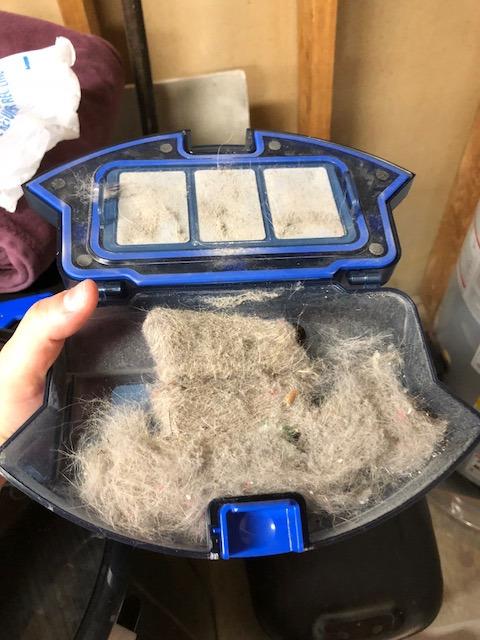
Zone cleaning is the feature hardwood owners underuse. Instead of a whole-home run at default settings, you can assign the kitchen and dining room a dedicated mop zone and keep bedrooms on vacuum only, which is where water risk concentrates anyway. The 132-minute runtime covers a large apartment in one charge, and at 56 dB it is quiet enough to run while you take calls.
Navigation is the weak point. Owners report frequent bump-and-turn behaviour, and the 11.38 inch length means it does not slip between chair legs the way a disc-shaped unit does. Edges pick up dust that a broom still handles. It also works only on 2.4GHz Wi-Fi, which trips up people on newer dual-band routers, and the clean water fill flap is awkwardly placed over a small bathroom sink.
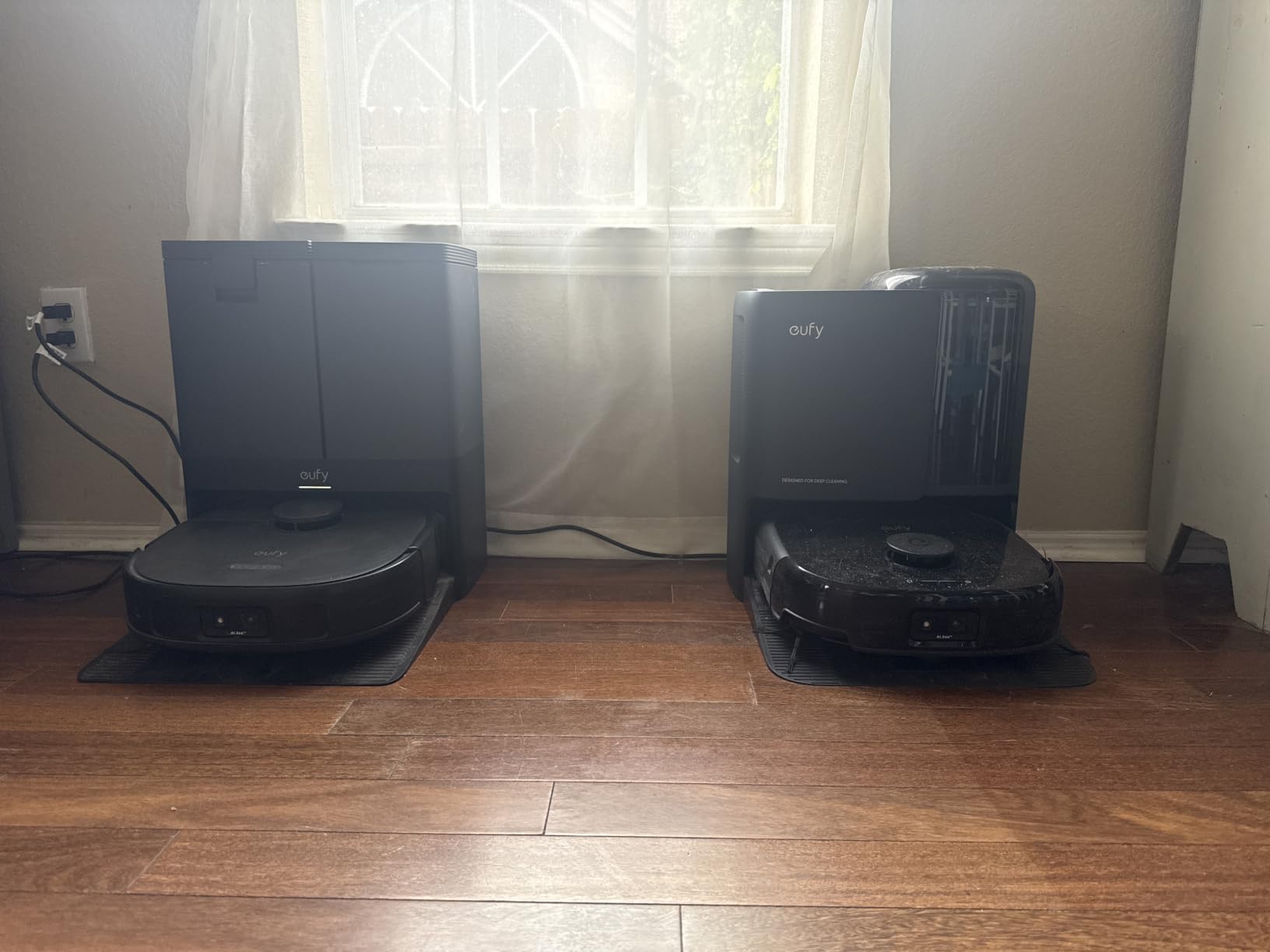
Why it suits sealed hardwood and mixed flooring
The 3.35 inch body means it cleans under sofas, beds and low cabinets where dust otherwise builds and where a manual mop rarely goes. Low clearance is one of the most practical hardwood wins, because that under-furniture strip is exactly the area that shows dust first on bare wood.
Its self-emptying station holds a 3.1L bag rated for up to 60 days and washes and dries the pads, so the dirty-pad smell problem that pushes owners back to manual mopping never really starts. Set water to the lowest level in the app, run kitchen zones on two, and it stays well inside safe limits.
Where it falls short for wood
Scuffing along baseboards is the recurring complaint. Bump-and-turn movement means the body contacts furniture more often than a machine with front sensors and obstacle avoidance, and on a floor where every mark shows, that reads as a scratch risk over months. Owners who are sensitive to this should look at a machine with obstacle recognition instead.
Mopping is still a maintenance step. Large spills and dried-on syrup still need a manual mop, and the Pro-Detangle comb solves hair wrap rather than stain removal. If your home is mostly hardwood with no carpet at all, you are paying for a mop lift feature you will never trigger.
2. eufy Omni E25: Best for Roller Mopping and Hygienic Cleaning
eufy E25 Robot Vacuum and Mop Combo, 20,000 Pa, HydroJet Roller Mop
HydroJet roller mop
20,000 Pa suction
10.8mm mop lift
CornerRover edge arm
Pros
- Roller refreshed with clean water twice per second
- 20000 Pa suction lifts embedded debris
- CornerRover arm cleans baseboards and corners
- Station self-empties washes and dries at 50C
- Quiet enough for night use
Cons
- Cleaning solution locked to one brand formula
- Dock emptying cycle is loud
- Dirty water tank needs a permanent drain spot
The HydroJet roller is the reason to look at this one. Instead of a static microfiber pad that picks up debris on the first pass and pushes it around on the second, the roller is flushed with clean water twice per second, so the mop always meets the floor with a rinsed surface. On hardwood that matters more than on tile, because a pad dragging dried grit is exactly what produces swirl marks on a sealed finish.
Suction is 20,000 Pa, and owners running multi-pet households say it lifts embedded hair from bare wood without a second pass. The brush system is built to resist tangling, which on a wood floor is what keeps hair from wrapping around the roller and creating the hair cement that scratch-holds grit against the finish.
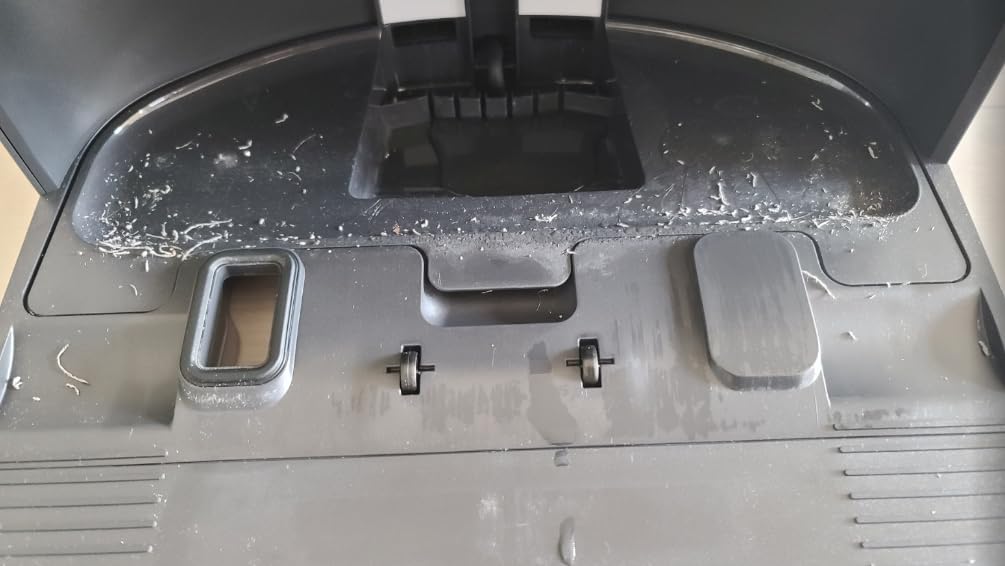
The All-in-One station auto-empties, self-washes, hot-air dries at 50C and auto-refills the water tank, so the loop runs without you. Mapping is accurate on the first run in large homes, and it stores up to five floor plans, which matters if you run different rooms on different schedules.
The CornerRover arm extends sideways to scrub baseboards, furniture legs and tight corners, and it is the best edge reach in this group. Mop lift is 10.8mm and threshold negotiation is 21mm, so transitions between wood and a low-pile rug are handled without dragging water across the carpet edge.
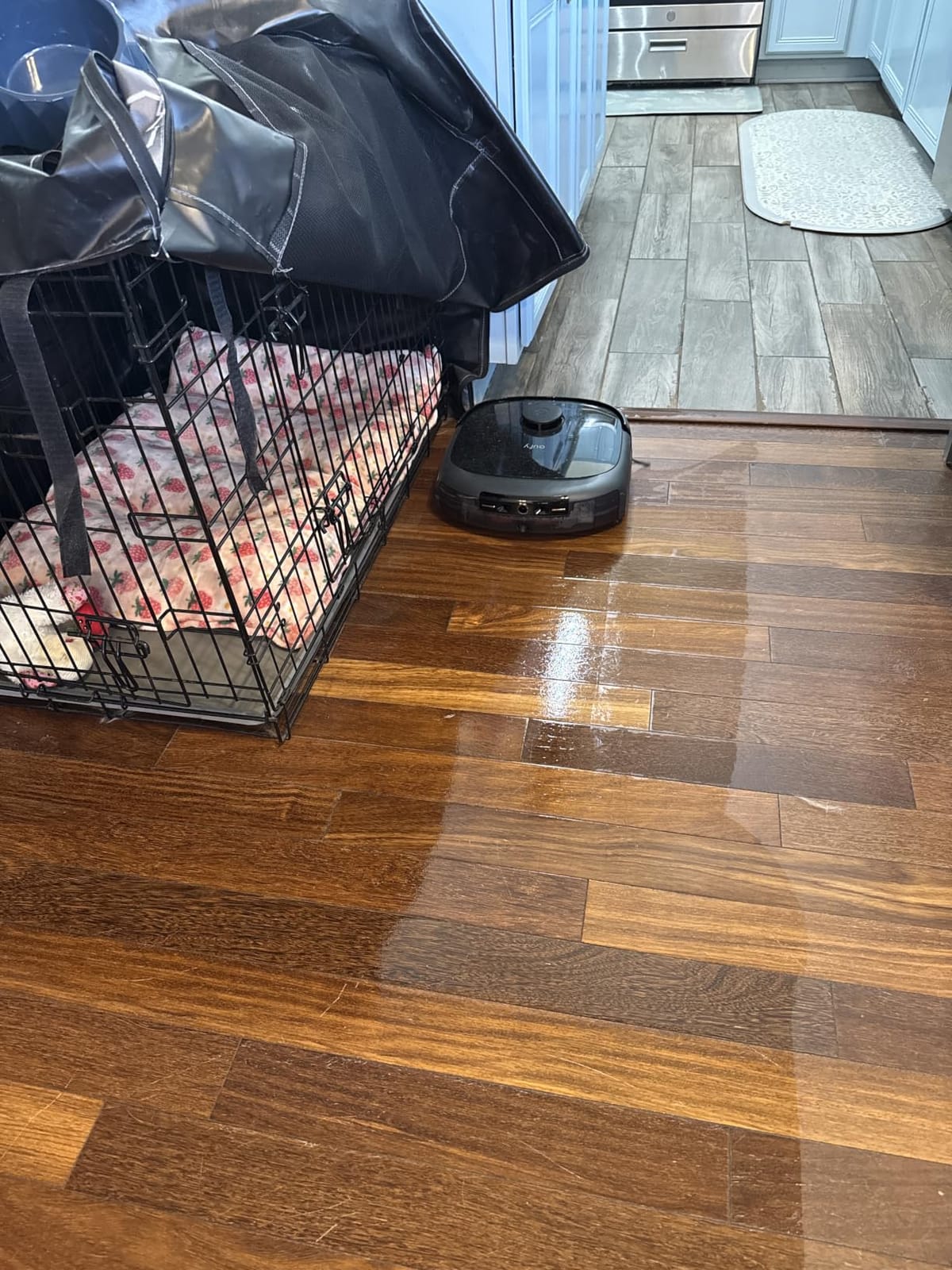
Why it suits pet homes and owners who hate dirty pads
Multiple owners describe the roller as far more hygienic than pad mops, and the reason is mechanical rather than marketing. A pad mops with whatever it absorbed on the previous room unless you intervene. A continuously rinsed roller does not carry that forward, which matters in a home with a litter box or a dog tracked through the hallway.
Edge cleaning is where this machine separates itself. The extending arm puts a wet roller against the baseboard, the one strip of hardwood that a fixed pad leaves permanently untouched. For owners who are tired of doing that edge by hand with a narrow mop, this is the single most visible improvement in the group.
Where it falls short for wood
Cleaning solution compatibility is the real limitation. Owners report that the detergent is locked to a single brand formula with no supported alternative, and that the stock solution can leave a slightly waxy residue on hard floors. On a dark walnut or a low-sheen floor that film is visible under raking light, and you may end up mopping a second time with plain water to remove it.
The base self-emptying cycle is loud, roughly comparable to a full-size vacuum, which matters if the dock sits near a bedroom or a home office. The dirty water tank also gets heavily soiled and is not something you want to carry to a bathroom sink every few days, so plan a drain location before you buy. Both are fixable; neither is invisible.
3. iRobot Roomba 105 Combo: Best Value Robot Mop for Hardwood
iRobot Roomba 105 Combo Robot Vacuum & Mop with AutoEmpty Dock – Self-Empties for 75 Days, Intense Power-Lifting Suction, LiDAR Navigation, Multiple Cleaning Modes, Avoids Mopping Carpet
Micro-pump water control
SmartScrub scrubbing
Avoids carpet while mopping
75-day self-empty
Pros
- Self-emptying bag contains allergens
- LiDAR mapping covers the full floor
- Detects and avoids carpets while mopping
- Straightforward app with keep-out zones
- Reliable docking and three-way control
Cons
- Pad misses corners and baseboards
- No hot-water wash or drying at the dock
- Limited obstacle avoidance means clearing cords first
This is the version we recommend to anyone whose hardwood is sealed, whose budget is moderate, and who wants mopping that happens every day without thinking about it. The water is delivered by a micro-pump rather than a gravity-fed pad, which is why the film it leaves is thin enough that hardwood owners report no damp residue once the run finishes.
SmartScrub adds scrubbing passes for dried-on messes, and the mopping pad is a microfiber type that most owners replace a couple of times a year. ClearView LiDAR mapping produces methodical room coverage, and the robot detects and avoids carpets automatically while mopping, so a rug edge in the same room stays dry.
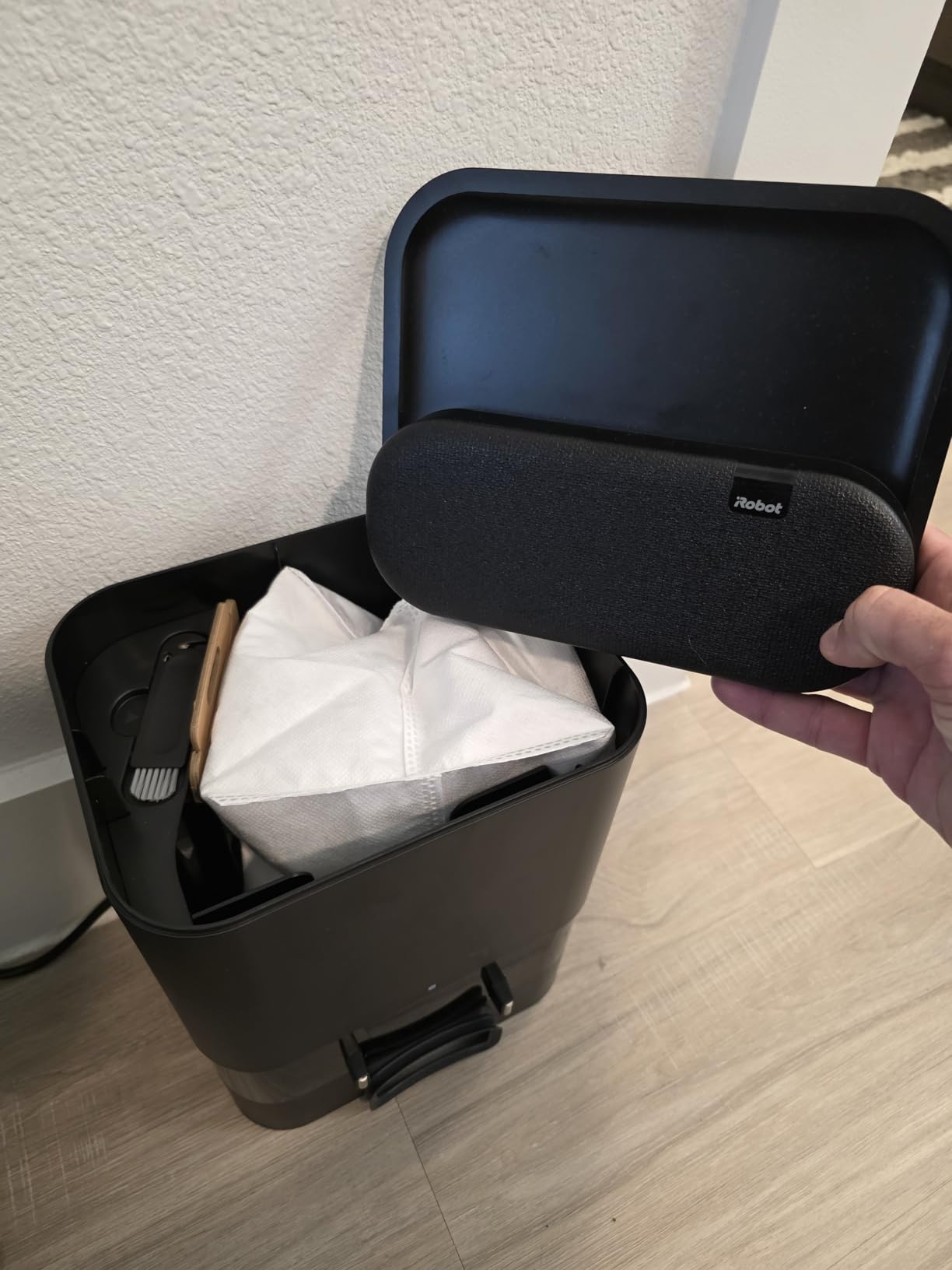
The AutoEmpty dock is the reason this model feels like less work. The bag traps 99% of allergens as small as 0.7 microns and runs up to 75 days, so on a hardwood home you are dealing with the mop pad, not the dust bin. App, buttons and voice assistant all work, which is unusual at this level.
Suction is described as 70x more power-lifting than earlier generations, with a multi-surface brush and an edge-sweeping brush for the perimeter. The body is 4.09 inches tall, which is taller than the slimmest machines here, so it will not go under low sofas the way a slim profile unit does.
Why it suits first-time robot mop owners
The app is the easiest to learn in this group. Room targeting, keep-out zones, scheduling and time estimates are all in one place, and reviewers describe it as straightforward after setup. For a first robot, that matters as much as any spec, because a machine you stop opening the app for is a machine that stops cleaning.
Carpet avoidance while mopping is genuinely useful in hardwood homes. Rather than relying on a mop lift, this unit simply does not go onto the rug. If you have area rugs with fringe or low pile and you are nervous about a wet pad crossing the edge, that is a real safeguard.
Where it falls short for wood
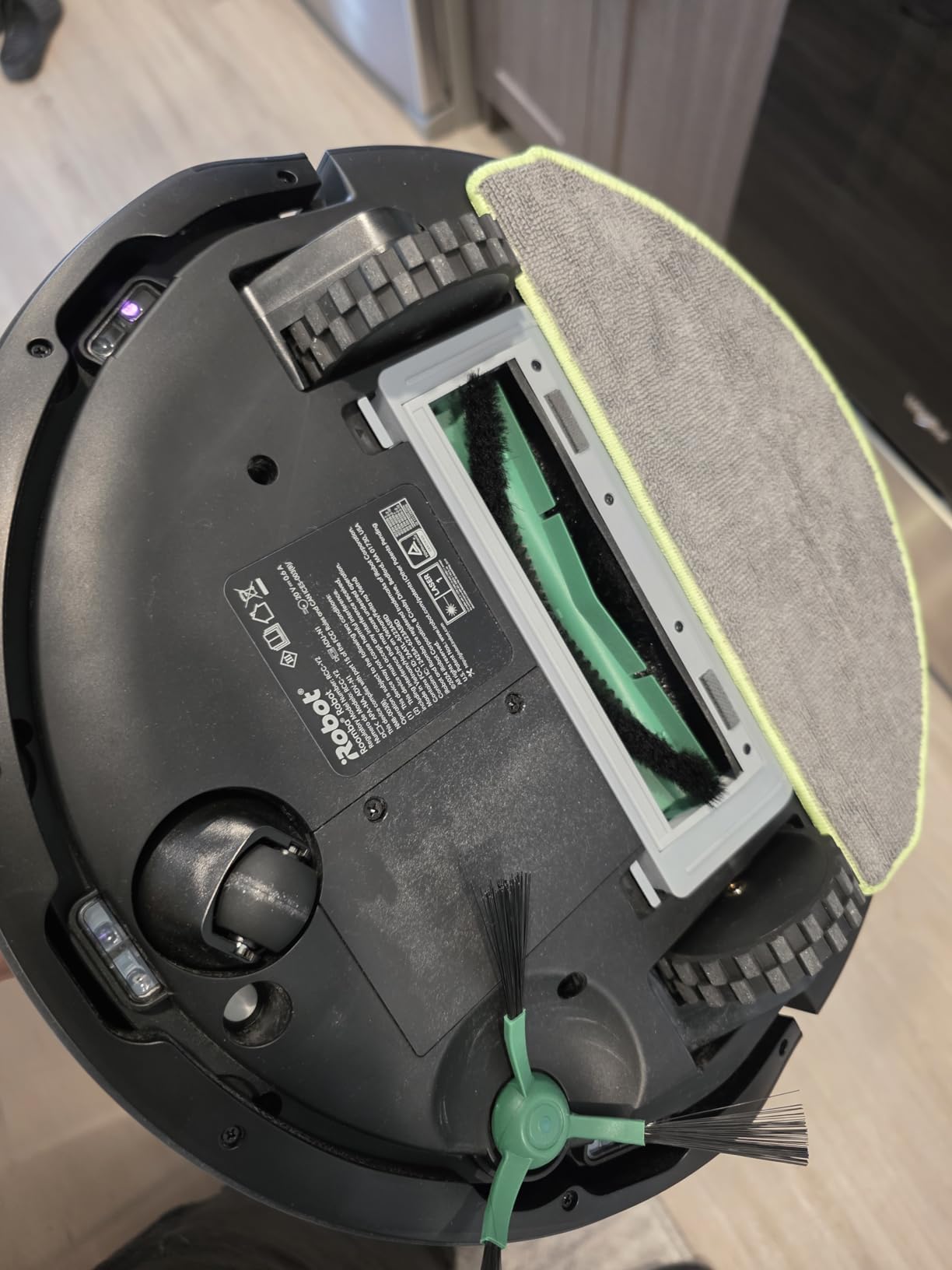
Mop coverage is the honest weakness. The pad does not reach corners, along walls or tight to furniture legs, and reviewers consistently describe mopping as a maintenance step rather than a replacement for deep cleaning. On a large hardwood floor with a lot of baseboard, expect to do edges by hand.
There is no hot-water wash or drying at the dock, so you remove and rinse the pad manually after runs. Obstacle avoidance is limited, which means cords and small objects need clearing before each session, and the robot can catch and pick up area rug edges with the mop module attached. Some reviews also report dust-bin sensor reliability problems seen across earlier Roomba generations.
4. SharkMatrix Plus AV2610WA: Best for Pet Hair on Bare Wood
Shark Matrix Plus Robot Vacuum & Mop Combo, 60-Day Self-Emptying, AV2610WA
Sonic mopping 100x per minute
Bagless 60-day base
True HEPA filtration
360 degree LiDAR
Pros
- Matrix grid cleans in straight methodical lines
- Bagless base means no consumable bags
- Sonic mopping scrubs 100x per minute with no streaks
- Self-cleaning brushroll resists pet hair wrap
- Bagless base is rarely emptied
Cons
- Map editing is limited and objects force a remap
- App is not intuitive and takes hours to tune
- Loud during self-emptying on hard floors
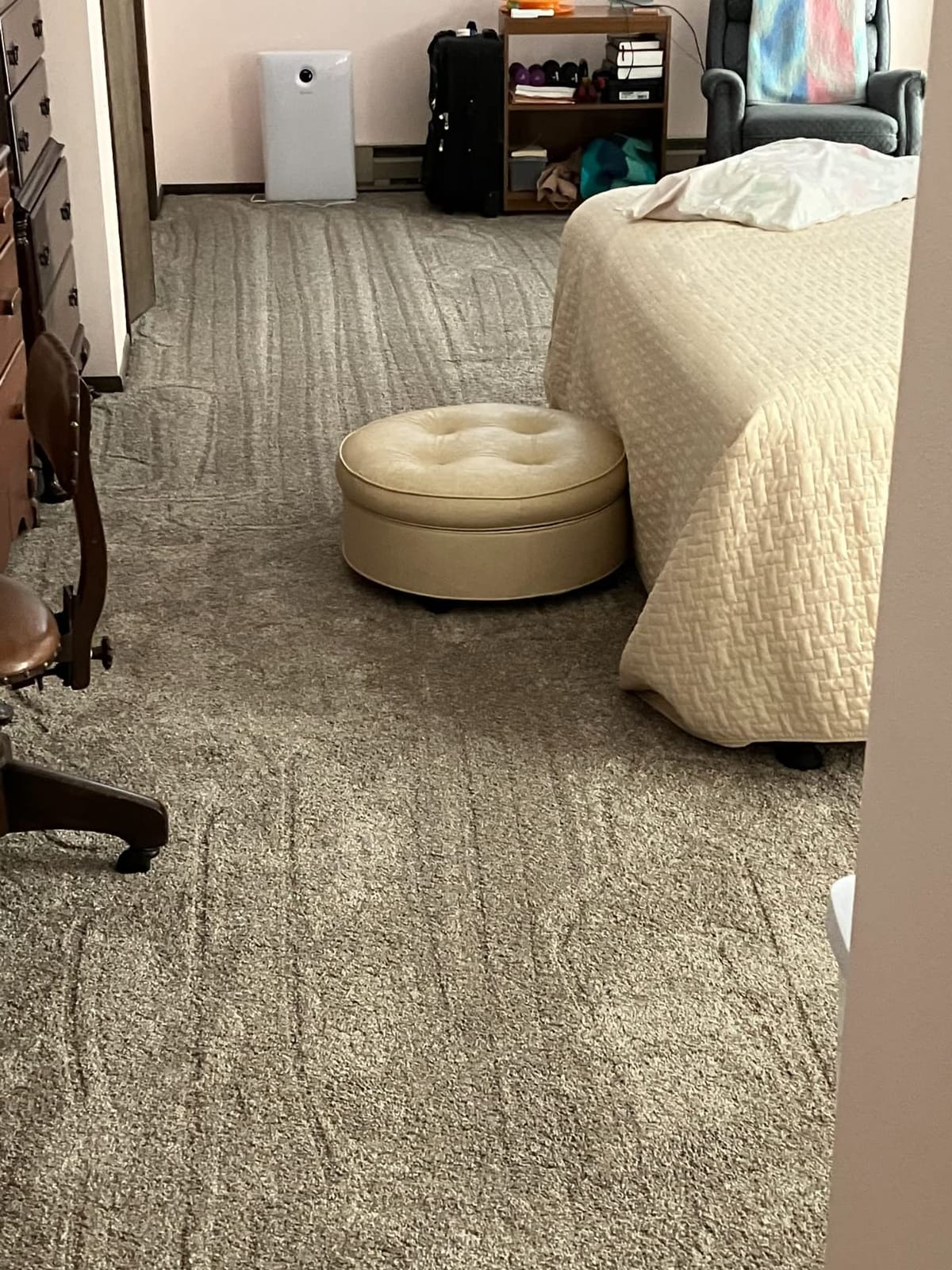
The Matrix grid is the story here. Instead of wandering in a random pattern, the machine drives in straight, methodical lines, which is why owners on hardwood describe floors that look visibly clean rather than merely walked over. For a bare wood floor where any remaining grit shows in low light, an ordered path is a real advantage.
Sonic mopping scrubs at 100 strokes per minute, and owners report no streaking on sealed hardwood. That is a differentiator from cheaper pad mops that can leave a visible swirl pattern. CleanEdge Detect uses targeted air blasts for edge cleaning, and True HEPA filtration captures 99.97% of dust and allergens down to 0.3 microns.
The base is bagless with 60-day capacity, and owners report they rarely empty it at all. That removes the single most common consumable cost in this category, and it also means no bag replacement schedule to remember.
Recharge and Resume plus empty-and-resume keep long runs going, and the 350 ml onboard bin is adequate for a run between empties. The self-cleaning brushroll is built for pet homes, and at 17 pounds the unit is manageable if you need to carry it up a step.
Why it suits pet households with hardwood
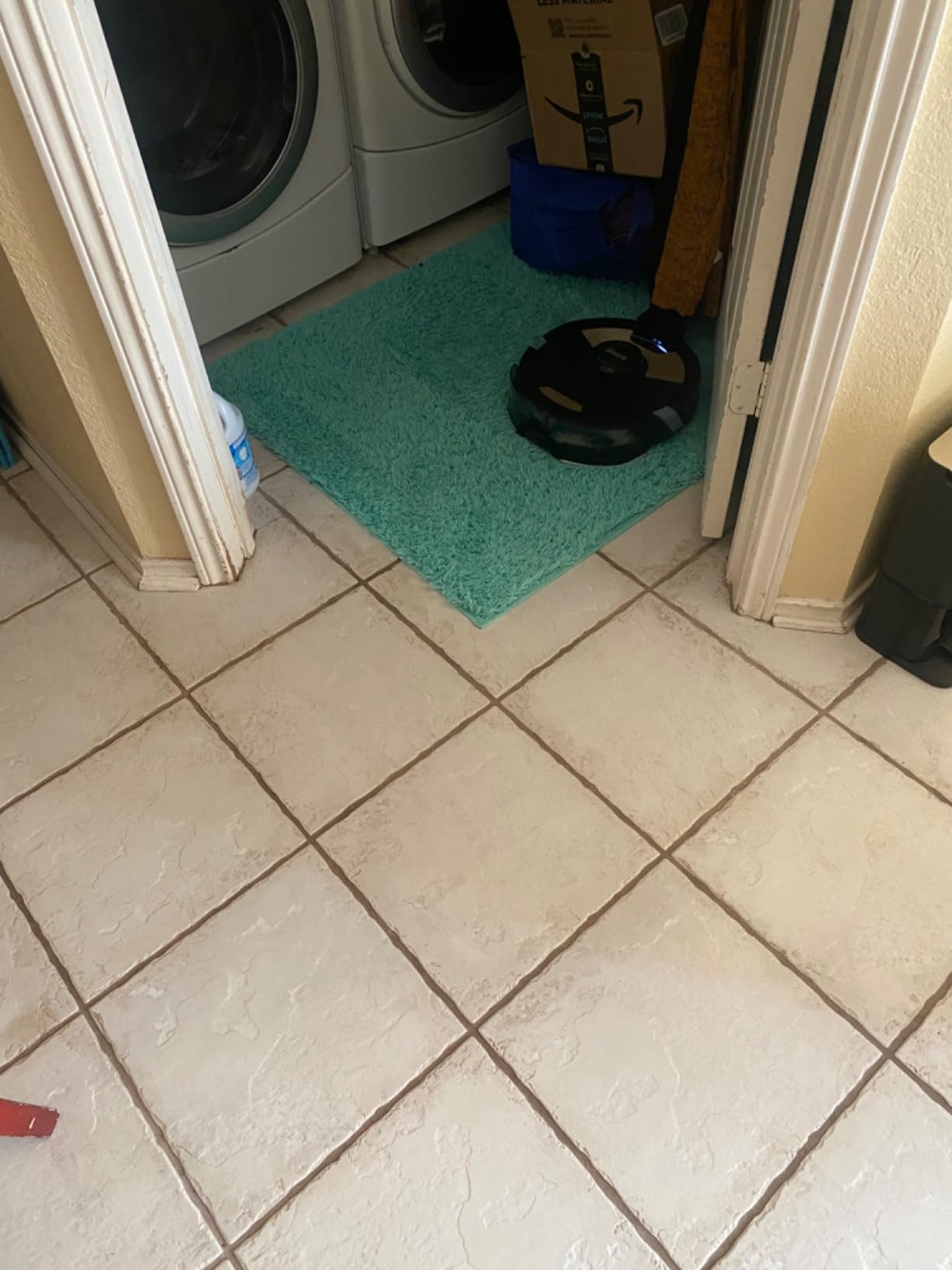
Hair is the enemy of sealed wood, because trapped hair holds grit against the finish. The self-cleaning brushroll is designed to resist wrap, and the straight-line grid means the vacuum pass covers the full width of a board rather than missing patches where a random pattern happened to skip.
Bagless self-emptying matters more in a pet home than in most, since the fill rate is high and you will be emptying far more often than the 60-day capacity suggests. Owners with two pets describe this as the feature they would not give up. A machine that needs a bag every week is a machine that ends up sitting unplugged.
Where it falls short for wood
The app is the most-cited problem. Map editing is limited, a single moved object can force a full remap, and reviewers describe setup and fine-tuning as taking hours. Owners also report Wi-Fi and app connection drops in some regions, which is frustrating on a machine with a large mapped floor.
Corners and edges still need an upright vacuum, and the self-emptying cycle is loud, noticeably so on hard floors where vibration carries. Alexa integration supports only full-home cleans, not room commands. Durability complaints past the one-year warranty also appear in reviews, which is worth factoring into any long-term plan.
5. roborock Q7 M5+: Best for Large Homes and Water Tuning
roborock Q7 M5+ Robot Vacuum and Mop, Up to 7-9 Weeks Self-Empty, 10000Pa
VibraRise one-pass system
Three water flow settings
10,000 Pa suction
150 minute runtime
Pros
- Vacuums and mops in one pass
- Three water flow settings tune moisture for hardwood
- Dual anti-tangle brushes resist pet hair
- PreciSense LiDAR maps multi-room homes well
- 150 minute runtime covers large homes
Cons
- No hot-water mop washing at the dock
- 2.4GHz Wi-Fi only
- Mopping is basic next to wash-and-dry models
The VibraRise system is the reason this one works well on hardwood. It vacuums and mops in a single pass, so the fine dust that a vacuum alone pushes around is captured rather than smeared. The rectangular body and the shape of the mop layout mean the corners of the swept path sit closer to walls than a disc body reaches.
Most importantly for wood, there are three adjustable water flow settings. That is enough range to run a low setting on sealed oak in a quiet household and a higher one on kitchen tile. Owners consistently cite adjustable water flow as the feature that let them tune the machine to their floor rather than the other way around.
Suction is 10,000 Pa HyperForce, with JawScrapers on the main brush and a side brush designed for 0% hair tangling. PreciSense LiDAR maps with real-time route optimisation, and the 150-minute runtime is the joint longest here, which is why it is the pick for large homes and multi-floor layouts.
The RockDock Plus holds a 2.7L sealed bag for 7-9 weeks. A sealed bag also means the collected dust and allergens stay contained, which is a benefit in a home with allergies or a shedding pet.
Why it suits large homes with sealed floors
A 150-minute runtime means a big house can be finished in one pass rather than a partial clean plus a top-up. Combined with the rectangular form factor and LiDAR route planning, that reduces the number of runs, and fewer runs on the same day means less total water on the floor.
For owners of a home with hardwood across several rooms plus a hallway, the 2.7L dock means weeks between bag changes. The dual anti-tangle design keeps hair off the brush in pet homes, and the surface recommendation covers wood, tile, marble and carpet without you having to think about mode switching.
Where it falls short for wood
There is no hot-water mop washing and no pad drying at the dock, so pads need manual cleaning and you will notice the smell sooner than with a wash-and-dry station. Over time, a pad that is only rinsed occasionally spreads residue across a hardwood floor, which shows up as a dull film.
The app supports 2.4GHz Wi-Fi only, which is the most common setup issue owners report across several models in this group. Mopping performance is also basic next to machines that wash and dry pads, and owners on r/RobotVacuums frequently recommend this class of rotating mop over a basic drag mop specifically because it is safer on wood.
6. Shark Stratos AV2700ZE: Best for Mixed Hardwood and Carpet Homes
Shark Stratos Robot Vacuum & Mop Combo, 60-Day Self-Empty, White, AV2700ZE
NeverTouch self-refilling base
Sonic mopping 100x per minute
AutoLift mop raise
360 degree LiDAR
Pros
- Base empties refills washes and dries automatically
- Sonic mopping lifts dried stains while avoiding carpet
- Mapping is quick and accurate with reliable no-go zones
- Quiet enough to talk over
- Strong suction on both carpet and hard floors
Cons
- Map rebuilds after small furniture moves
- Leaves a gap of up to three quarter inch along baseboards
- Brushes run over obstacles under roughly 3 inches
The NeverTouch base is the reason to consider this one for a mixed-floor home. It self-empties into a 60-day capacity bagless bin, refills water for up to 30 days, washes the mop and dries it, all without you touching anything. For a household where hardwood runs into carpet in most rooms, that automation removes the two failure points that cause owners to abandon robots.
AutoLift raises the mop over carpets and clears high thresholds, so a single run can cover wood, tile and rug without dragging water onto the carpet. Sonic mopping scrubs up to 100 times per minute and is described by owners as effective on dried stains while still avoiding carpets.
Mapping is quick and accurate, with reliable no-go zones once the app is configured, and 360 degree LiDAR mapping is paired with 2D and 3D object detection. Owners note the unit is quiet enough to hold a conversation nearby, and several buyers with back or mobility issues single that out as the reason they bought it.
The self-cleaning brushroll has an anti-hair-wrap design, and Edge Detect uses air blasts to pull debris from edges and corners. At 23.9 pounds this is a substantial unit, so the dock footprint matters if your utility space is tight.
Why it suits homes with area rugs
Carpet handling here is two-layer. The mop physically lifts over carpet rather than relying on app settings, which is a stronger guarantee than a software no-mop zone, and the intensive carpet mode handles rug pile when the robot does go over it. That combination is what stops a wet pad from crossing a rug edge and wicking moisture into the backing.
The bagless bin is also a plus in a mixed home, because carpet debris and hardwood grit arrive in the same run and bags would fill quickly. Owners report emptying the bin far less often than the 30-day water figure would suggest.
Where it falls short for wood
Edge cleaning is the consistent complaint, and on hardwood that is a meaningful gap. Owners report a cleaned strip of half an inch to three quarter inches along baseboards and edges, which is exactly the strip where dust gathers on bare wood. The mop pad can also trail water across the floor on the return trip to the dock if it is dirty.
Software is the other weak point. The app can require a full map rebuild after small furniture moves, and owners report the unit occasionally getting lost or circling between rooms. Hair still wraps on the side brush often enough to need manual cutting out, and the brushes run over obstacles under roughly 3 inches tall.
7. roborock Q10 S5+: Best Scrubbing Power for Dried-On Spills
roborock Q10 S5+ Robot Vacuum and Mop, 10,000Pa Suction
VibraRise 2.0 at 3,000 scrubs per minute
8mm automatic mop lift
10,000 Pa suction
70-day self-emptying
Pros
- Sonic mopping removes stains effectively
- Automatic mop lift keeps carpets dry in the same run
- ReactiveTech obstacle avoidance reduces repeated bumps
- Dual anti-tangle brushes in pet homes
- 150 minute battery suits larger homes
Cons
- Dock does not wash or dry the pads
- 2.4 GHz Wi-Fi only
- Mop attachment can need reconfiguring per session
VibraRise 2.0 dual-zone sonic mopping scrubs up to 3,000 times per minute, and that figure is why this machine is worth considering if your hardwood sees real kitchen messes rather than just dust. Owners report that dried-on stains lift effectively rather than being spread around by a slower pad.
The automatic mop lift of up to 8mm over carpets, paired with auto carpet boost, lets you run a whole-home clean on a mixed floor plan without a second pass. Smart Carpet Care uses ultrasonic detection to decide when to lift, so the decision is made by the robot rather than by your map.
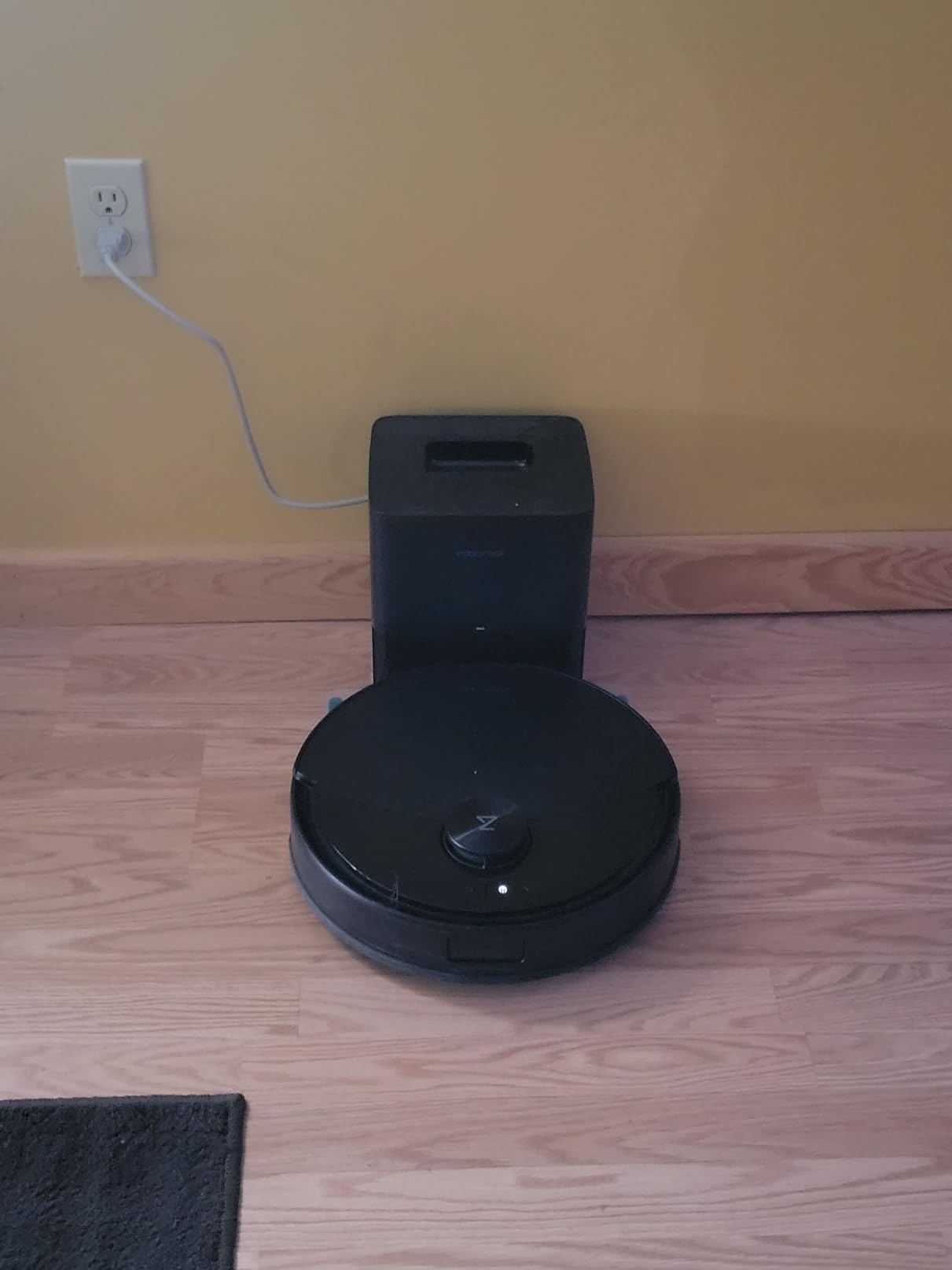
ReactiveTech obstacle avoidance uses structured light to navigate cluttered rooms without the repeated bumping that marks woodwork on simpler models. That is a hardwood-specific benefit, because contact with furniture legs is what produces the scuffs owners complain about elsewhere in this group.
Suction is 10,000 Pa HyperForce, the dual anti-tangle system uses a JawScrapers comb main brush, and LiDAR 360 degree scanning supports multi-level mapping. The 2.7L dust bag gives up to 70 days between changes, which suits a busy house.
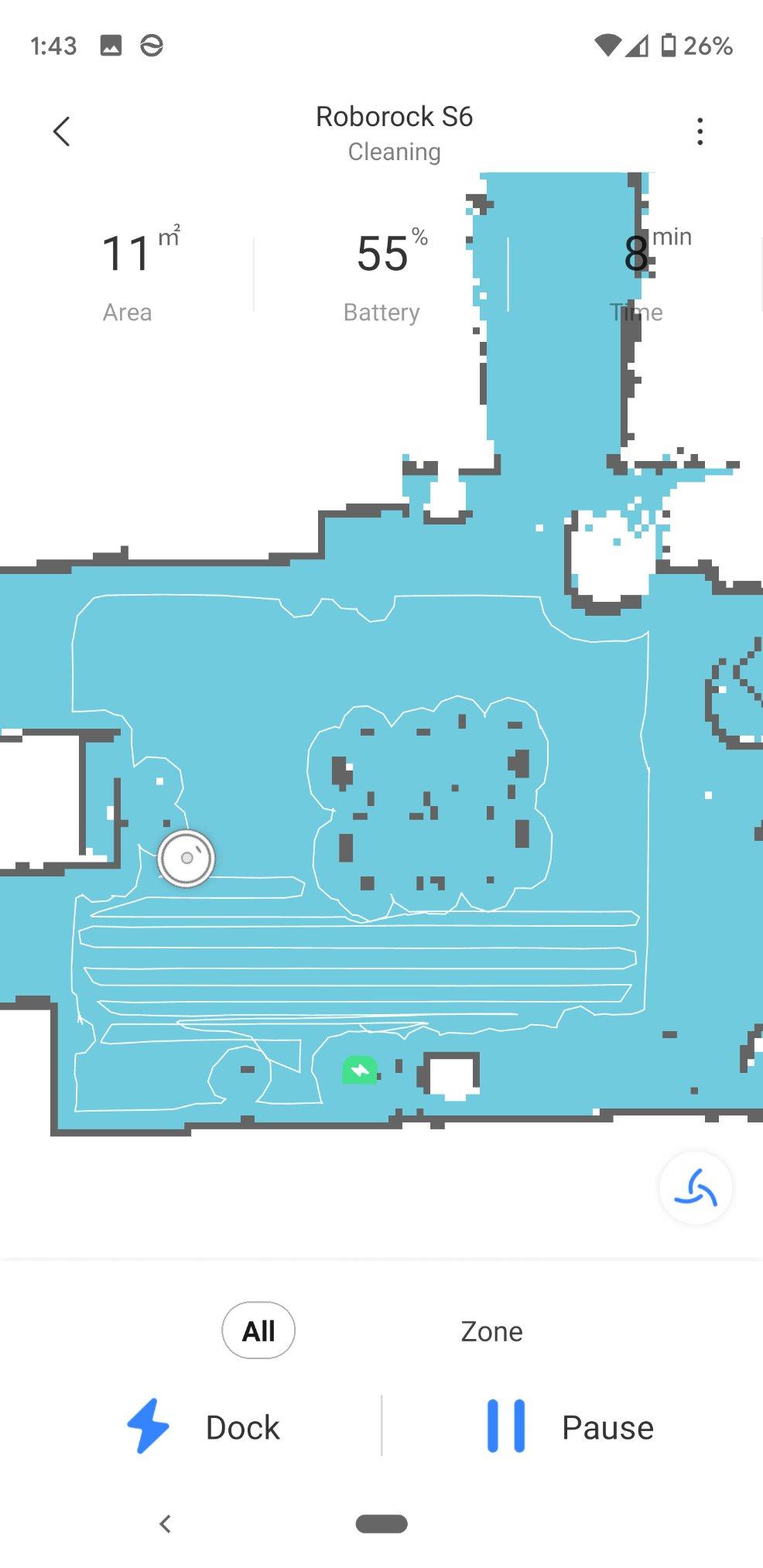
Why it suits kitchens and dining areas
Scrub speed is the deciding factor in rooms where spills dry. A pad moving slowly can push a dried stain into a wider smear, while a fast dual-zone spin breaks the bond and lifts it. If your hardwood takes the brunt of cooking traffic, that difference shows within a week of use.
Structured-light obstacle avoidance also means fewer collisions with chair legs and table bases, which is where scuff marks on sealed wood usually start. Multi-level mapping handles a house where hardwood runs between two floors without rebuilding the map.
Where it falls short for wood
The dock does not wash or dry the pads, so they must be cleaned by hand and will begin to smell sooner than on a wash-and-dry station. That matters on hardwood because a pad that carries residue across the same boards every day leaves a dull film you have to remove with a second pass.
Wi-Fi support is 2.4 GHz only, which many newer routers no longer broadcast by default. In some setups the mop has to be re-attached or reconfigured for each session, an annoyance that undermines the set-and-forget experience the 70-day dock otherwise delivers.
8. Shark PowerDetect AV2800ZE: Best for Thresholds and Baseboards
Shark PowerDetect Robot Vacuum & Mop Combo, 60-Day Self-Empty, AV2800ZE
Mop pad extends one inch sideways
EdgeDetect air blasts
60-day base with water refill
Mop wash and dry
Pros
- Main roller releases in one clump without tools
- Bagless self-empty base
- Much quieter than competing robots
- Strong performance keeping hardwood and tile clean
- SharkClean app is easy for labels and scheduling
Cons
- No reliable no-go zones for scheduled runs
- Map loss and app bugs require the physical button
- Side brush motor failure can disable the unit
The edge treatment is the reason this machine is worth a look on hardwood. The mop pad extends up to an inch sideways when mopping, and EdgeDetect blasts air during vacuuming, which together cover the baseboard strip that most fixed-pad mops abandon. On a floor where every dust line along the wall is visible, that is a genuine difference rather than a spec-sheet item.
NeverStuck Technology lifts the robot over obstacles and thresholds and holds the mop above carpets, so a home with transitions between wood, tile and a low rug is covered in a single run. Five PowerDetect technologies include DirtDetect and StainDetect, so the robot varies suction and passes based on what it finds.
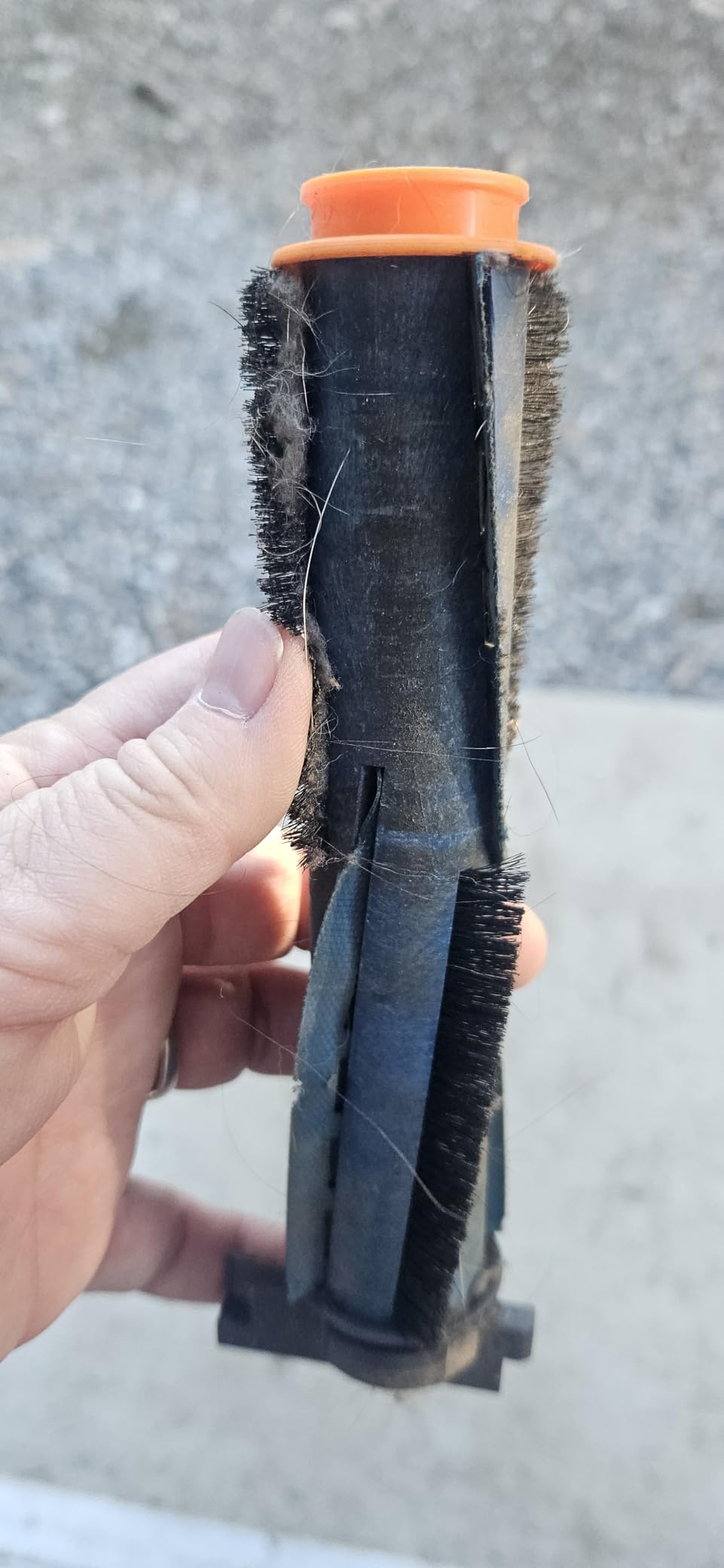
Pet owners single out the main roller release. It unclips in one clump, so removing wrapped hair takes seconds and no tools, which removes the most common reason people stop maintaining the brush. The 60-day self-emptying base is bagless, refills water for up to 30 days, and washes and dries the mop.
Owners report it is much quieter than the robots it replaced, and the SharkClean app is straightforward for room labels, spot cleaning and scheduling. Battery life is 120 minutes, with 360 degree LiDAR navigation combined with advanced 3D sensors.
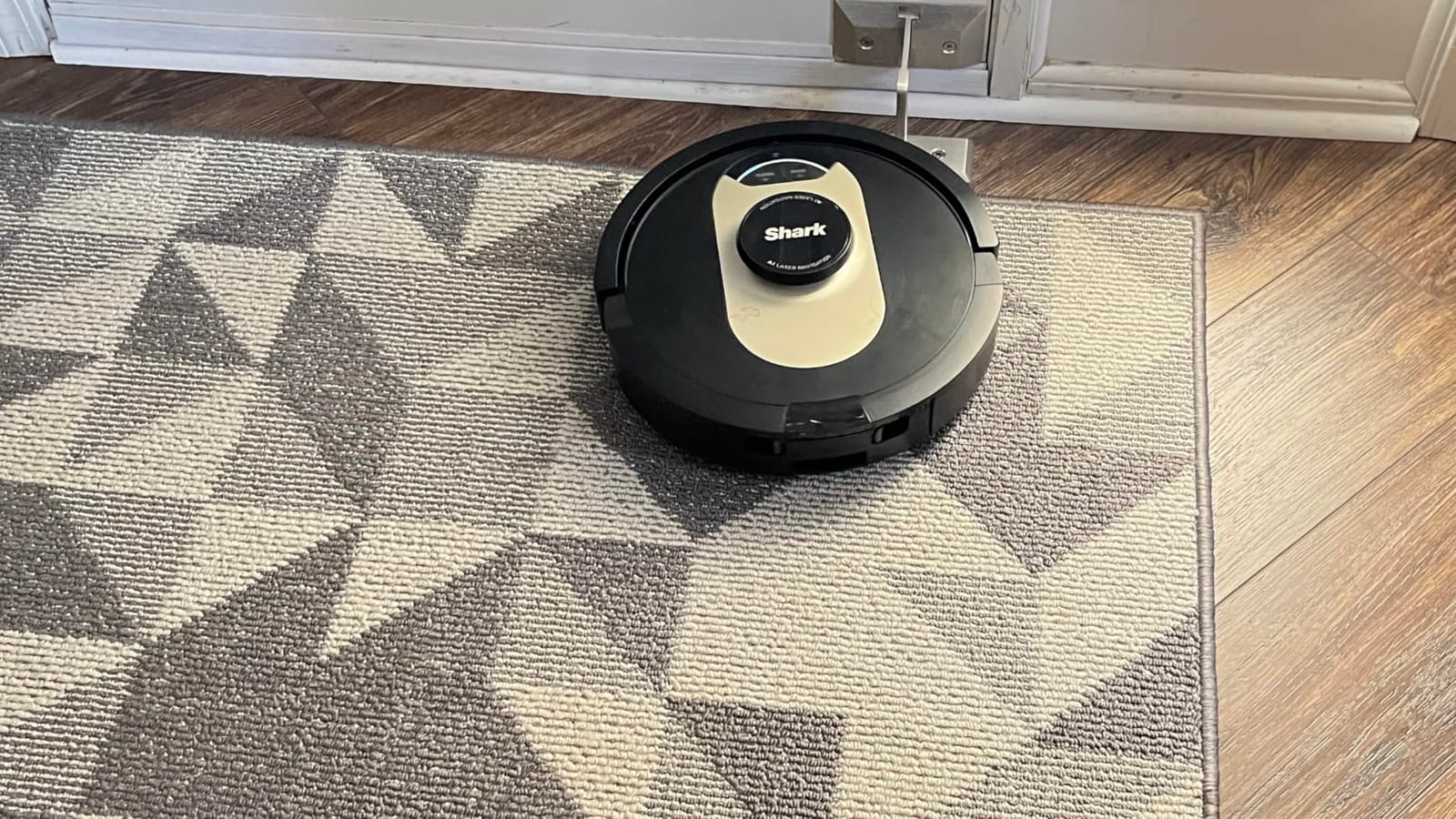
Why it suits older homes with thresholds
Older homes are where thresholds matter. A robot that stalls at a 0.75 inch strip between the kitchen and the hall does not clean the second room, and owners in this situation consistently rank obstacle climbing near the top of their priorities. NeverStuck is the feature that solves it here.
The extending mop pad also pairs well with baseboards in older homes, which are typically taller and more prominent than in newer construction. More wall edge to clean means more benefit from the one-inch extension, and EdgeDetect air blasts handle the vacuum pass on the same line.
Where it falls short for wood
App reliability is the dominant negative theme. Owners report no reliable no-go zones, so a scheduled clean is effectively all-or-nothing for the whole mapped area, and map storage bugs can leave the unit unusable without the physical button. On a home with a delicate parquet section, that is a limitation rather than a nuisance.
Durability complaints appear too, including a side brush motor failure that rendered one unit unusable, and carpet deep cleaning requires several passes. Performance and app support are reported as poor outside the US, which is worth checking before you buy. The self-emptying cycle is loud, comparable to an upright vacuum.
9. iRobot Roomba 415X: Best for Slim Clearance and Dock Hygiene
iRobot Roomba 415X Robot Vacuum & Mop Combo, 20,000Pa, 90 Days Self-Emptying, Multifunction Dock Self-Cleaning & Hot Dry, Smart Obstacle Avoidance, Lifting Spinning Mops, Ideal for Pet Hair
AutoWash dock dries pads at 113F
3.29 inch body
10mm automatic mop lift
90-day self-emptying
Pros
- Dock washes and heat-dries pads at 113F
- Single run vacuuming and mopping with lifting pads
- Tangle-free rubber brushes capture pet fur
- 46 percent slimmer body than the Roomba 105
- LiDAR mapping with obstacle recognition
Cons
- Uses combination pads rather than a self-rinsing roller
- Dock takes more floor space than a charging base
The 3.29 inch body is the headline. It is 46 percent slimmer than the Roomba 105 and it fits under sofas, beds and low cabinets that most disc robots miss, which on hardwood is where the dust collects and where a manual mop never reaches. Extending edge brushes help with the perimeter it can reach.
The AutoWash dock washes and heat-dries the pads at 113F after every run and empties debris for up to 90 days while refilling water automatically. That is the most complete maintenance loop here alongside the eufy E25, and owners cite the heat drying as the reason the machine never develops an odour.
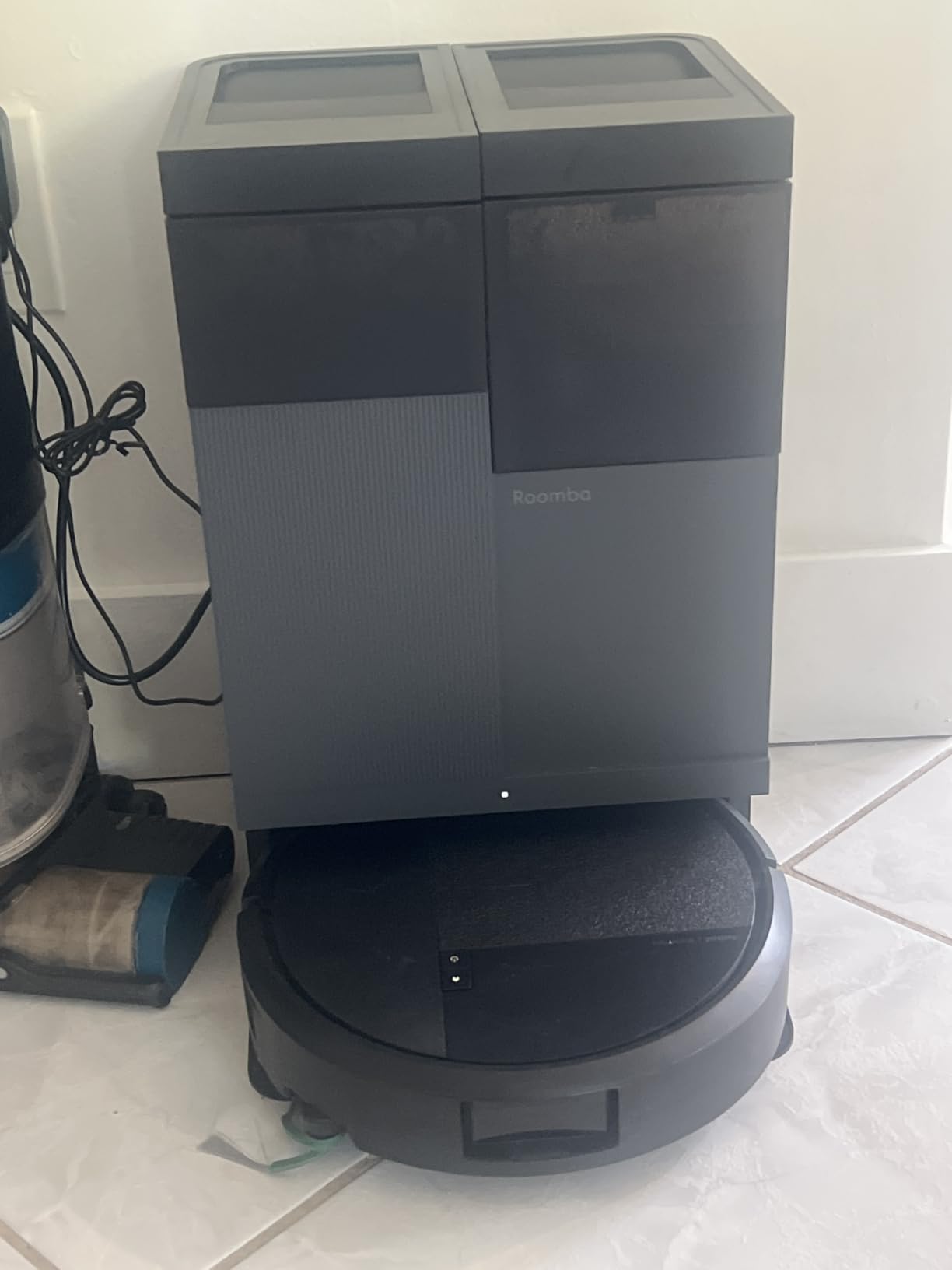
LiDAR mapping is paired with obstacle recognition over cords, shoes and toys, which reduces the pre-cleaning step that frustrates owners of simpler units. The mops lift 10mm automatically over rugs, and DualClean pads apply SmartScrub pressure on stubborn messes.
Tangle-free rubber brushes capture pet fur without constant cutting, which is a meaningful advantage on bare wood where wrapped hair holds grit against the finish. Zone and spot targeting lets you direct the robot at high-mess areas like a kitchen or a litter box rather than running the whole floor.
Why it suits low-clearance apartments
At 3.29 inches, this is the second-slimmest body in the group. If your hardwood continues under furniture with a low gap, the dust and grit that build there are the first thing you see in daylight, and this machine is designed to reach them without you moving furniture.
Heat drying at 113F is the other quiet advantage. A dried pad does not sour, does not redeposit residue on the next room and does not need a manual rinse, so the mop you put down on sealed wood starts clean every single run.
Where it falls short for wood
It uses combination mop pads rather than a self-rinsing roller. That means the pad still carries what it picks up across rooms unless the dock rinse intervenes, and while heat drying handles odour, the pad itself needs replacing as it wears down. Owners who are strongly prioritising mop hygiene tend to move to the roller class.
The dock consumes more floor space than a simple charging base. On a hardwood floor in a tight kitchen or utility room, that footprint is a real consideration, and it is the main reason this machine is not our first pick for most homes.
10. roborock Qrevo S Pro: Best for Maximum Dock Automation and Long Runs
roborock 2026 New Qrevo S Pro Robot Vacuum and Mop, 18,500Pa Suction
18,500 Pa suction
167F mop self-cleaning
113F warm air drying
3.1 inch low profile
Pros
- 18500 Pa suction lifts embedded debris
- Multifunctional dock self-empties refills and hot-washes
- Zero-tangle brush and easy-clean omnidirectional wheel
- 60 dB noise suits homes with children and pets
- SmartPlan 2.0 tunes cleaning to the home
Cons
- 2.4 GHz Wi-Fi only
- Large dock footprint takes up significant floor space
The dock is the reason to shortlist this one. It hot-washes the mops at 167F and dries them with 113F warm air, empties into a sealed bag rated for 7-9 weeks, and refills water automatically. On a hardwood floor, a hot wash is the single most effective defence against the greasy film that builds when a cold-rinsed pad keeps spreading residue across the same boards.
Suction is 18,500 Pa, which lifts embedded debris, crumbs and pet hair from hard floors and carpet, and battery life is 180 minutes, the longest runtime in this group. The 3.1 inch low-profile body cleans under beds and sofas, so it covers both long-run and low-clearance needs.
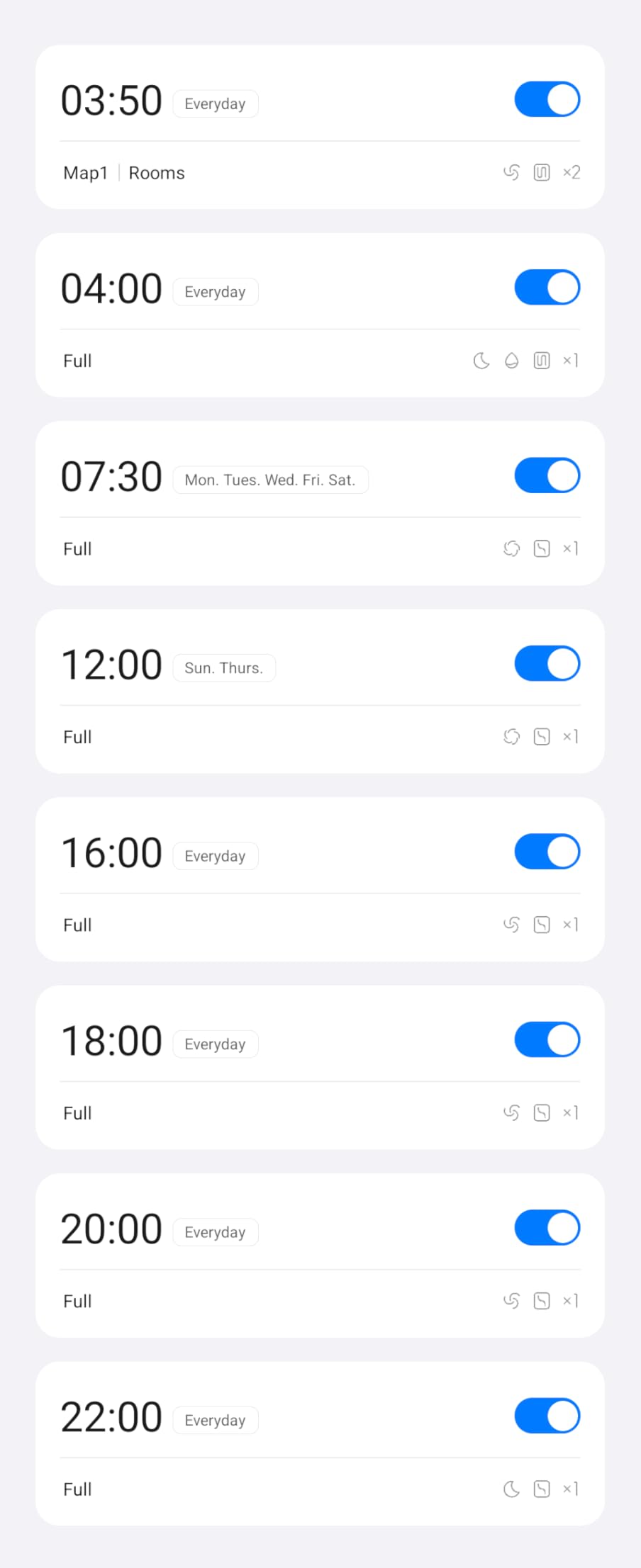
Maintenance is unusually low. The zero-tangle side brush, all-rubber main brush and omnidirectional wheel are all designed for easy cleaning, and the rubber main brush is the material hardwood owners recommend because it is far less likely to leave micro-scratch swirl than a stiff bristle roller.
SmartPlan 2.0 adapts settings to the layout, floor type and cleaning history, and multi-floor mapping, no-go zones and voice control are all supported. Operating noise is quoted at 60 dB in standard use and 55 dB in the quieter mode, which suits a home with children and pets.
Why it suits owners who want zero hands-on upkeep
Hot mop washing is the detail that matters most on wood. A pad rinsed in cold water still carries fine grit, and that grit is what gets pressed into a sealed finish under downward pressure. Washing at 167F removes it, and the 113F dry pass means the pad is bone dry before the next run.
The all-rubber main brush and zero-tangle side brush are also the lowest scratch risk in this group. Owners of sealed oak and similar finishes consistently prefer soft or rubber rollers over bristle brushes for exactly this reason, and the rubber setup here also means far less cutting-out of wrapped hair.
Where it falls short for wood
Wi-Fi is 2.4 GHz only, which remains the most common setup complaint in this category. The dock footprint is also large. Both are fine in a dedicated utility room or laundry area, but in a small kitchen where the base has to share a run with other appliances, measure first.
Water output on the lifting spinning mops is adjustable, which gives you the control hardwood needs, but there is no separate sealed-floor water limiter in the app. Plan to set it low and test in one room before scheduling a whole-home mop.
11. Tikom G8000 Max: Best Budget Robot Mop for Hardwood
Tikom Robot Vacuum and Mop Combo, 5000Pa Robotic Vacuum Cleaner, 150 Min Max, App & Remote Control, Ideal for Hard Floor, Carpet, Pet Hair, Self-Charge(G8000 Max)
5000 Pa suction
2.99 inch body height
300 ml water tank
45 dB noise level
Pros
- Strong suction and vacuum-mop combo for the money
- Very quiet at 45 dB for work-from-home use
- Vacuums and mops in one pass
- 2.99 inch body cleans under beds and cabinets
- App is intuitive with scheduling
Cons
- Long charging time relative to run time
- Mopping uses water only with no solution dispensing
- Needs supervision because it gets stuck
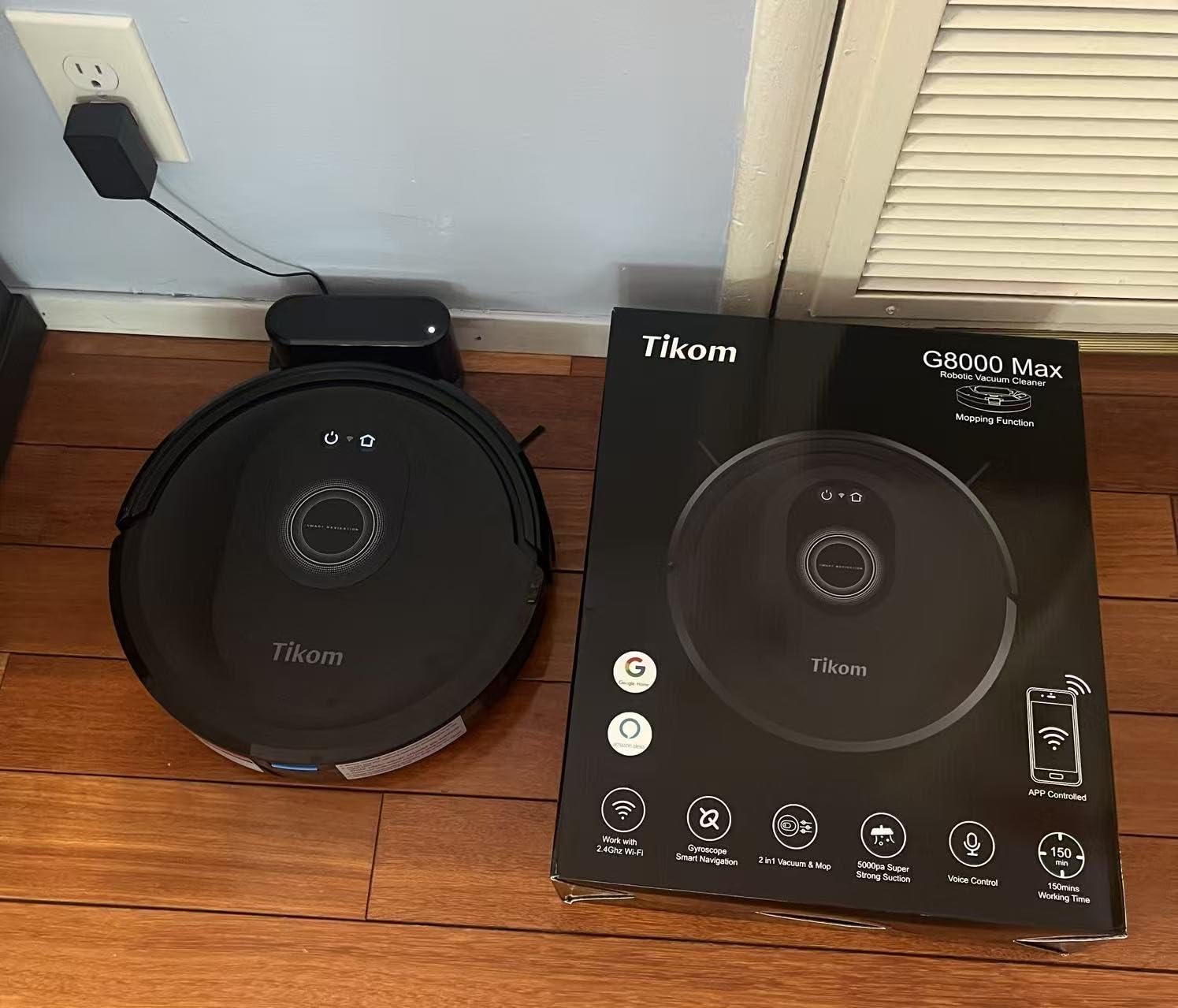
This is the machine for a small apartment, a first flat, or a rental where a full self-emptying station is more dock than you need. At 5,000 Pa with a 450 ml dustbin and a 300 ml water tank, it vacuums and mops in a single pass, and the 2.99 inch body is the slimmest in this group, so it goes under almost anything.
Noise is 45 dB, the quietest here, which owners working from home single out as the deciding factor. Runtime is up to 150 minutes in quiet mode with automatic recharging, and it offers app, remote, voice and button control plus spot, edge, zig-zag and manual cleaning modes.
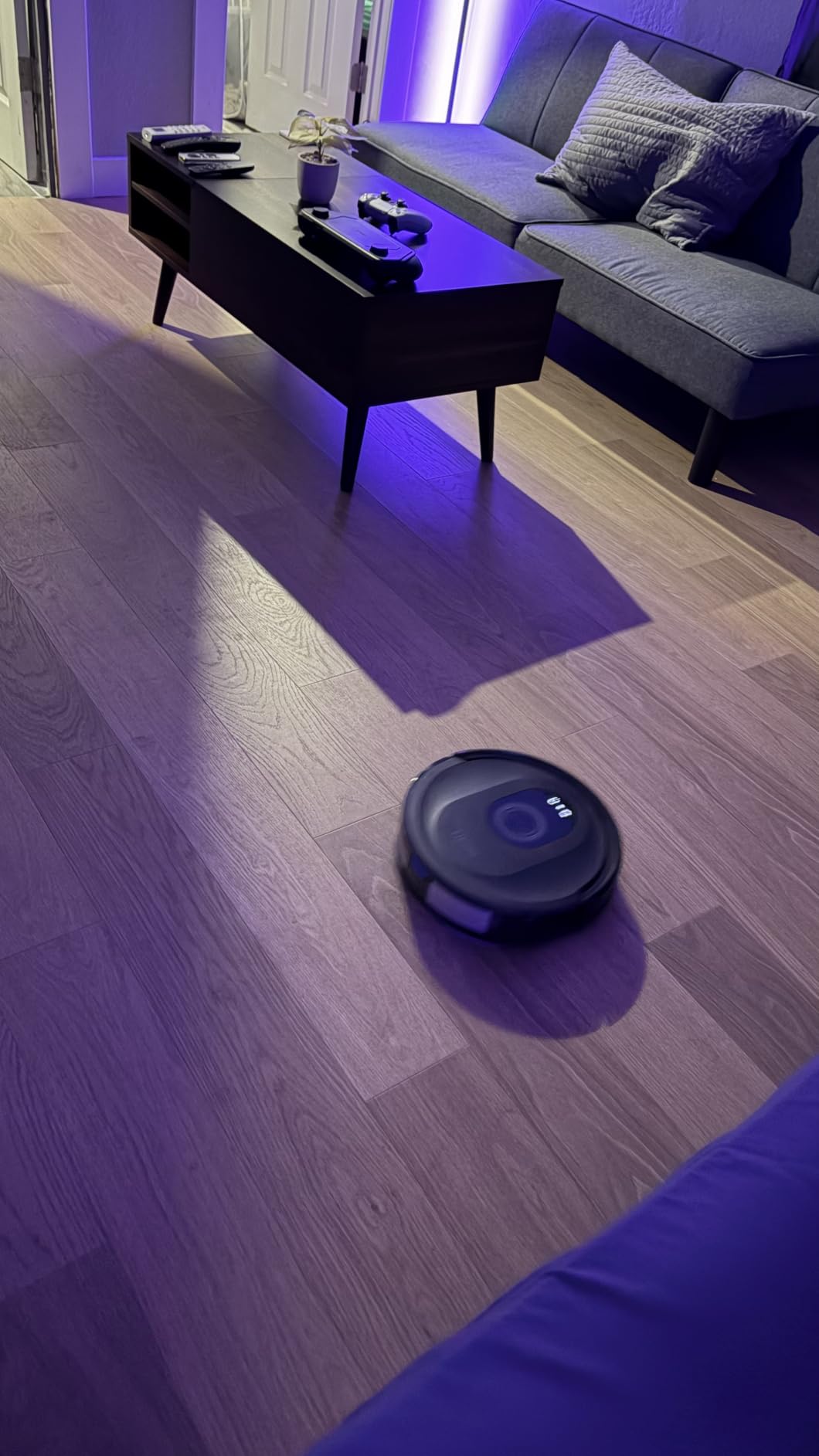
Large wheels climb thresholds for smooth transitions between floor types, and anti-collision and anti-fall sensors come standard. Owners report reliable pet hair and cat litter pickup for a machine at this level, and an app that is intuitive enough to set up scheduling in a few minutes.
There is no self-emptying dock here, so the 450 ml bin fills quickly in a pet home and you will empty it manually. The HEPA filter and washable design keep maintenance simple otherwise.
Why it suits small spaces and quiet homes
At 2.99 inches, this clears low cabinets and sofas that every other machine in the guide cannot. Combined with the 45 dB operating noise, it is the easiest model here to run in a small flat where you work, sleep and clean in the same room.
Water-only mopping is not a limitation if your floor is sealed and you use your own solution carefully, but it does mean no automatic detergent dispensing. Owners frame this model as the budget option that works rather than a competitor to the premium class, and the 4.4 average reflects that.
Where it falls short for wood
It needs supervision. Owners report it getting stuck on cords and furniture feet more often than premium models, and because there is no self-emptying dock you will be nearby anyway. Boundary tape is needed for no-go areas, and only a short length is included, so you may need to buy more for a sensitive parquet or a no-drink zone.
It is not a deep vacuum, so fine embedded dust stays behind on bare wood, and the charging time is long relative to run time. On a large hardwood floor that is not a daily-driver choice, but for a small sealed space it does an honest job at a fraction of the cost.
12. dreame D30 Ultra CE: Best for Baseboards and Obstacle Avoidance
dreame D30 Ultra CE Robot Vacuum and Mop, 25,000Pa Powerful Suction
25,000 Pa Vormax suction
Mop pad extends to the side
0.41 inch carpet mop lift
20-nozzle washboard
Pros
- 25000 Pa suction handles sand grit and cat litter
- Mop pads extend sideways and wiggle near baseboards
- Returns to the dock mid-mop to re-wash the pads
- Obstacle avoidance has not bumped anything in testing
- Pet detection camera with photo capture
Cons
- Onboard dust box is small and can overfill
- Voice announcements cannot be fully disabled
- Dock is hard to carry between floors
Edge reach is the defining feature here. The mop pads extend to the side and wiggle, so the machine gets close to baseboards and chair legs in a way a fixed pad simply cannot, and combined with a 0.41 inch automatic mop lift over carpets it handles the wood-to-rug transition in one run. This is the pick if your complaint about every robot you have tried is the untouched strip along the wall.
Suction is 25,000 Pa Vormax across five levels, and the self-cleaning washboard has 20 integrated spray nozzles with high-speed mop rotation. The machine also returns to the dock mid-mop to re-wash the pads, so it never finishes a floor with dirty mop heads. That behaviour is closer to the hygiene of a roller system than a plain pad.
Obstacle avoidance is the other strength, and long-term owners report it has not bumped into anything during their testing. Laser-guided mapping works in dim light, which is genuinely useful for evening runs. A camera adds pet detection and photo capture, and the app offers deep, custom and pet modes with scheduling and a child lock.
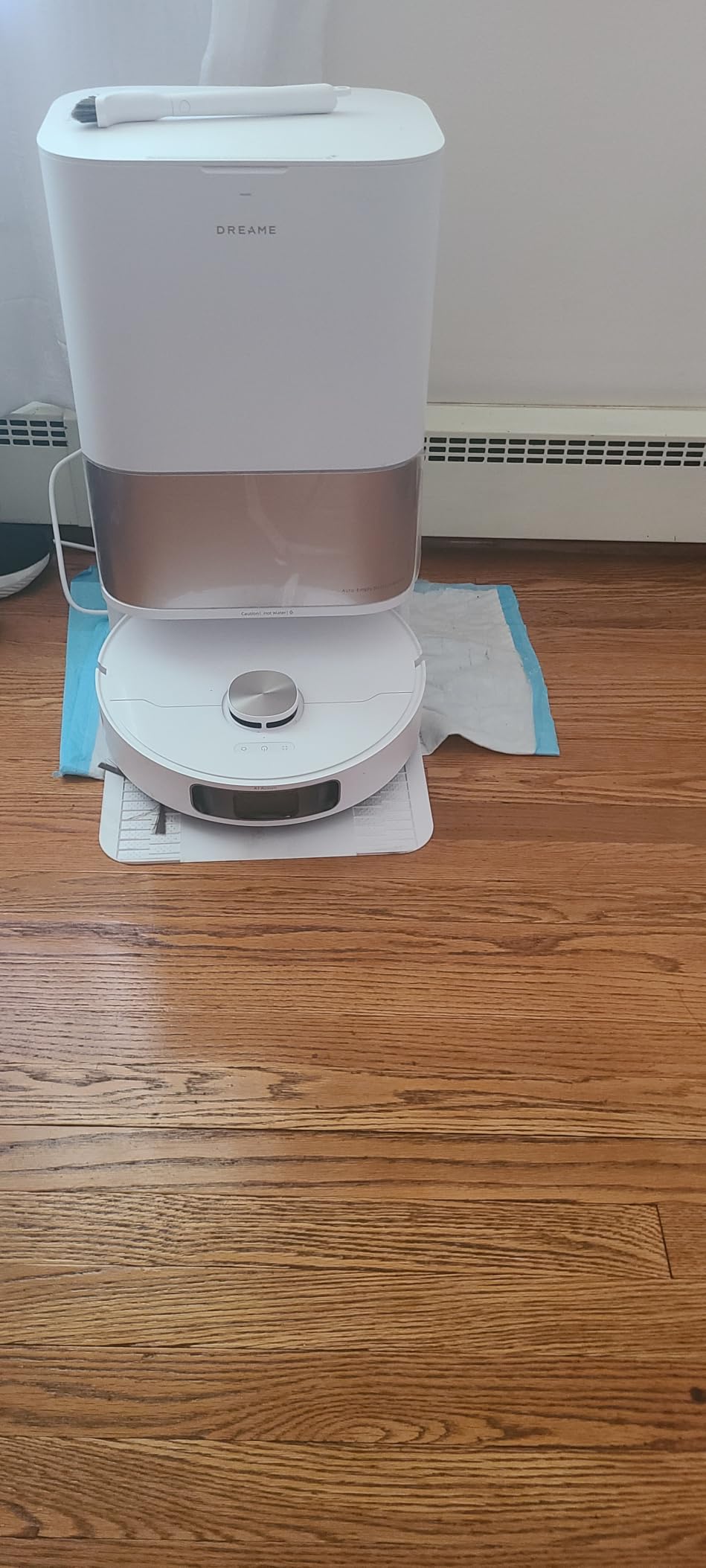
The dock carries a 3.2L bag for up to 100 days of hands-free disposal, the largest figure here, alongside a 300 ml onboard dust box. Battery life is 180 minutes, and owners report roughly 90 minutes of combined vacuuming and mopping on about 1,500 square feet.
Why it suits homes with lots of baseboard line
Older homes and rooms with tall baseboards get the most out of an extending mop. The sideways extension plus the wiggle motion covers the wall line that a fixed pad skips entirely, and long-term owners call the D30 a set-and-forget appliance that visibly outperformed their manual routine on hardwood and vinyl plank.
Mid-mop re-washing is the detail that protects a sealed floor. Pads that go back to the dock for a rinse every few rooms are not spreading dried debris across a second section of the same floor, which is a common cause of the dull film owners eventually blame on their finish.
Where it falls short for wood
The 300 ml onboard dust box is small and can overfill with pet hair before the robot returns to the dock, and overfilling hurts pickup on bare wood because grit stays in the bin path. Voice announcements cannot be fully disabled through the app, which is a real annoyance in a quiet house.
It is also harder to carry between floors than a non-mop model, and the camera can mistake deep shadows for pet waste and retry repeatedly. Cleaning solution dispenses to the base for pad washing rather than mixing into the robot’s own tank, and the machine is 2.4 GHz only with regional app availability that varies.
Which Robot Mop Is Right for Your Hardwood?
Almost every hesitation we see in forum threads comes down to one of four questions: do you have carpet, do you have pets, is your furniture low, and how much do you want to spend on a dock you have to live with. Here is where each of our picks fits.
If you have carpet anywhere in the same rooms as the wood, prioritise mop lift or carpet avoidance. The eufy Omni C20, Shark Stratos and roborock Q10 S5+ all physically raise the mop when carpet is detected, and the Roomba 105 Combo simply does not enter carpeted areas while mopping. All four solve the rug-edge problem that forum owners describe most often, where a wet pad crosses an edge and wicks moisture into the backing.
If you have pets, the deciding features are anti-tangle brush design and how the brush comes apart. The roborock Qrevo S Pro has an all-rubber main brush with a zero-tangle side brush, the Roomba 415X uses tangle-free rubber brushes, and the Shark PowerDetect roller releases in one clump with no tools. For dust pickup, the eufy E25 and dreame D30 lead on raw suction.
If your furniture sits low, only two of these fit. The Tikom G8000 Max at 2.99 inches and the roborock Qrevo S Pro at 3.1 inches will clean under sofas and low cabinets; the eufy Omni C20 at 3.35 inches and the Roomba 415X at 3.29 inches also qualify, while the Roomba 105 Combo at 4.09 inches will not. For the strips that sit just beyond a robot’s reach, our picks on the best steam mops for hard floors under cabinets are worth a look for the monthly deep clean.
If upkeep is the thing you care about most, look at the docks that wash and dry. The eufy E25, roborock Qrevo S Pro, Roomba 415X, Shark Stratos, Shark PowerDetect and dreame D30 all handle it to some degree. If you would rather wash a pad by hand and save dock space, the roborock Q7 M5+, Q10 S5+ and Roomba 105 Combo are honest about that trade.
Is Your Hardwood Sealed? A Three-Step Check
This is the step that decides whether a robot mop is safe in your home, and it takes about a minute. Start in a low-traffic corner you do not mind testing.
Step one, the water drop test. Place a few drops of plain water on the board and let them sit. If the surface beads and the water sits on top, the floor is sealed and a robot mop at low settings is fine. If the water darkens the wood, soaks in or forms a wet-looking patch, the finish is breached or unsealed and a robot mop is not a good idea until the floor is refinished.
Step two, the white cloth test. Wipe an area with a dry white cotton cloth and look for colour transfer. A sealed floor leaves the cloth clean or with only a faint grey. A cloth that comes away orange, brown or yellow means the finish is wearing, waxed, oiled or open, all of which react badly to repeated damp mopping.
Step three, the edge inspection. Look along a baseboard in daylight for white haze, dullness or a finish that has worn thin at the traffic line. Worn finish absorbs water faster than intact finish, which is how small problems become water rings.
If all three tests pass, run one room on the lowest water setting and walk behind the robot. If the floor is dry to the touch within a minute or two, you have your number. If it stays tacky, step it down again. Do not increase the setting because a stain did not lift on the first pass; scrub time removes stains, water does not.
Floor type changes the risk in a specific way. Solid hardwood is thick and forgiving, and a sealed solid floor handles damp mopping well. Engineered hardwood has a thin wear layer over a plywood core, so the core can take on moisture through any seam, which is why you want the lowest effective setting. Parquet is often individual blocks with tight joints that can trap water, so run it drier than the rest of the house. Laminate is the most unforgiving: a factory paper layer swells and delaminates, and it does not recover. Unfinished or waxed floors are not candidates at all. If your home mixes stone and tile with the wood, our guides to the best steam mops for marble floors and the best steam mops for linoleum floors cover those surfaces.
Robot Mop Buying Guide: Mop Types, Water Control and Docks
Mop types, compared
Fixed pad is the simplest. A stationary microfiber cloth is dragged across the floor, usually with downward pressure and vibration. It is cheap, it does a decent job on sealed dust and it is what the Roomba 105 Combo uses. It also spreads a dried mess rather than absorbing it, which is why reviewers call it a maintenance mop.
Spinning pads are two round discs that rotate against the floor, sometimes with a downward force. The eufy Omni C20 runs one at 180 RPM under 6N of pressure, the roborock Q7 M5+ uses a vibrating pad, and the Q10 S5+ and Qrevo S Pro run dual-zone sonic mopping at up to 3,000 scrubs per minute. Higher scrub speed breaks dried bonds faster and leaves less residue.
Roller mops sit between. The eufy E25 uses a HydroJet roller that is flushed with clean water twice per second, so the mop always meets the floor with a rinsed surface. Owners describe it as far more hygienic than pad mops, and on hardwood that is a real advantage because a rinsed roller stops dragging grit across a sealed finish.
Water output is the whole hardwood question
Look for models with adjustable water flow, and treat the lowest setting as your default. The roborock Q7 M5+ gives you three levels, the roborock Qrevo S Pro and Q10 S5+ give adjustable flow on lifting spinning mops, and the Roomba 105 Combo uses a micro-pump for controlled delivery rather than gravity. The models with no water control at all are the ones to think hard about before buying for wood.
The community advice we found is consistent and simple: use a very low water setting on hardwood, drop it further if the floor stays tacky, and check the seal first. Owners of laminate who regretted their robot mop almost universally traced it back to running at a high setting rather than to the machine itself.
Carpet detection and mop lift
Mop lift is the height the pad raises off the floor when carpet is detected, and it stops a wet pad from crossing a rug edge. The roborock Q10 S5+ lifts 8mm, the Roomba 415X lifts 10mm, the eufy E25 lifts 10.8mm and the dreame D30 Ultra CE lifts 0.41 inch. The Shark Stratos AutoLift covers both carpet and high thresholds, and the Roomba 105 Combo takes a different approach by avoiding carpeted areas entirely.
Whichever mechanism your machine uses, verify it once with a low-pile rug before you trust it. The most common real-world failure reported in forums is a mapping error that labels a rug edge as hard floor, and no lift feature can save you from a map that is wrong.
Dock automation and what it really buys you
A washing dock rinses pads after each run, a hot wash goes further and a hot-air dryer stops them souring. On hardwood, a hot wash is the most valuable single dock feature, because a cold-rinsed pad redeposits fine grit across the same boards every day. The eufy E25 dries at 50C, the Roomba 415X at 113F, the roborock Qrevo S Pro washes at 167F and dries at 113F.
Bagless versus bagged self-emptying is the other decision. Bagless bases on the SharkMatrix Plus, Shark Stratos and Shark PowerDetect remove a consumable and cost you a sealed bag. Bagged docks keep dust contained, which matters with allergies, and the eufy Omni C20 holds a 3.1L bag rated for up to 60 days.
Edge cleaning and brush material
Fixed pads leave a strip along every baseboard. Extending hardware fixes it: the eufy E25 has the CornerRover arm, the Shark PowerDetect extends its pad an inch sideways, the dreame D30 extends and wiggles its pads, and the Roomba 415X has extending edge brushes. Budget another ten minutes a week for the strip if your machine has a fixed pad, or keep one of the best lightweight steam mops on hand for it.
For scratch risk, brush material matters as much as anything else. Soft and rubber rollers are the safest on sealed wood, and owners in r/RobotVacuums consistently recommend soft rollers over bristle brushes. The roborock Qrevo S Pro uses an all-rubber main brush with a zero-tangle side brush, the Roomba 415X uses tangle-free rubber brushes, and the Shark models use self-cleaning brushrolls that need periodic cutting rather than frequent trimming.
Care and Maintenance Schedule for Hardwood Robot Mops
Weekly: empty or check the dust bin, wipe the mop pad, and glance at the main brush for wrapped hair. If you use a dock that washes pads, this becomes a check rather than a task.
Monthly: rinse the washable filter, wipe the sensors and the charging contacts, and check the mop pad edges for fraying. On hardwood this is also the right time to inspect the baseboard line for any film or haze, because a developing film shows up here before it becomes visible across the room. It is also a good moment to check whether a mat in the kitchen entry is doing its job, which is what our picks on the best kitchen mats for hardwood floors are built around.
Every one to three months: replace the mop pads, and replace the HEPA or high-performance filter if the unit has one rather than a cartridge. Check the side brush and the omnidirectional wheel for hair. Wash the dirty water tank fully, since residue at the bottom of a tank is the main source of odour after a run.
Annually: replace the dust bag if your dock is bagged, and reassess the water setting. If a pad has worn thin, the machine applies more pressure and more water to the same spot, which is exactly the combination that stresses a finish. New pads at a lower water setting are safer than old pads at a high one.
Frequently Asked Questions
Are robot mops ok for hardwood floors?
Yes, on sealed hardwood. A robot mop is safe when three conditions hold: the floor is sealed, you run the lowest water setting that still works, and the mop lifts or avoids carpet. Check your floor with a water drop test and a white cloth test before the first run.
What is the best robot vacuum mop for hard floors?
For sealed hardwood, the eufy Omni C20 is the strongest all-round choice because it vacuums and mops in one pass with 6N of downward pressure and lifts the mop on carpet. If mop hygiene matters most, the eufy E25 with its continuously rinsed HydroJet roller is the better machine.
Which robot mop is best for hardwood floors?
The best robot mop for hardwood floors is the one whose water output you can lower, whose brush is soft or rubber, and whose dock keeps the pads clean. The eufy Omni C20, roborock Q7 M5+ and roborock Q10 S5+ all give you adjustable water flow, which is the deciding feature on wood.
What are the disadvantages of using a robot mop?
The main drawbacks are a visible water film if the setting is too high, corners and baseboards that fixed pads never reach, dock units that take up floor space, and manual pad cleaning on models without a washing dock. Owners also report map resets, rug edges being mis-mapped, and the robot needing to be supervised on cords and furniture feet.
Is Roborock mopping safe for hardwood floors?
Yes, with the water set low. The roborock Q7 M5+ offers three water flow settings and the Q10 S5+ and Qrevo S Pro have adjustable water flow with an automatic 8mm and 10mm mop lift over carpet. Start on the lowest setting and only raise it for kitchen tile, never for sealed wood.
Is Roomba mopping safe for hardwood floors?
Yes, because the Roomba 105 Combo delivers water through a micro-pump rather than by gravity, and it detects and avoids carpet while mopping so rugs stay dry. The Roomba 415X also lifts its spinning pads 10mm over rugs. Neither washes or dries pads in the dock, so the pad needs a manual rinse.
Can you use a robot mop on engineered hardwood floors?
Yes, but more carefully than on solid wood. Engineered hardwood has a thin wear layer over a plywood core that can take on moisture through seams, so use the lowest water setting, mop one room first, and check the floor is dry to the touch within a minute or two. On parquet, run it drier still because tight joints can trap water.
How to tell if hardwood floors are sealed
Put a few drops of water on an inconspicuous board and wait. If it beads on the surface, the floor is sealed. Then wipe with a dry white cloth: a sealed floor leaves it clean or faintly grey, while colour transfer means the finish is worn, waxed or oiled. Finally look for white haze or dullness along a baseboard in daylight, which signals worn finish.
Conclusion: Our Final Hardwood Robot Mop Picks in 2026
The eufy Omni C20 is our pick for most sealed hardwood homes, because simultaneous vacuuming and mopping with 6N of downward pressure and an automatic carpet mop lift covers the two things that actually protect a wood floor. If mop hygiene is your main worry, the eufy E25 and its continuously rinsed HydroJet roller is the machine to beat, and it also has the best edge reach in the group.
For tighter budgets, the Roomba 105 Combo gives you self-emptying and mopping with genuinely thin water delivery, and the Tikom G8000 Max is the pick if low furniture and quiet operation matter more than everything else. Whatever you choose, test the floor first, start on the lowest water setting and check behind the robot before you let it run the whole house. Used that way, the best robot mops for hardwood floors in 2026 are a genuine upgrade over a weekly manual mop.