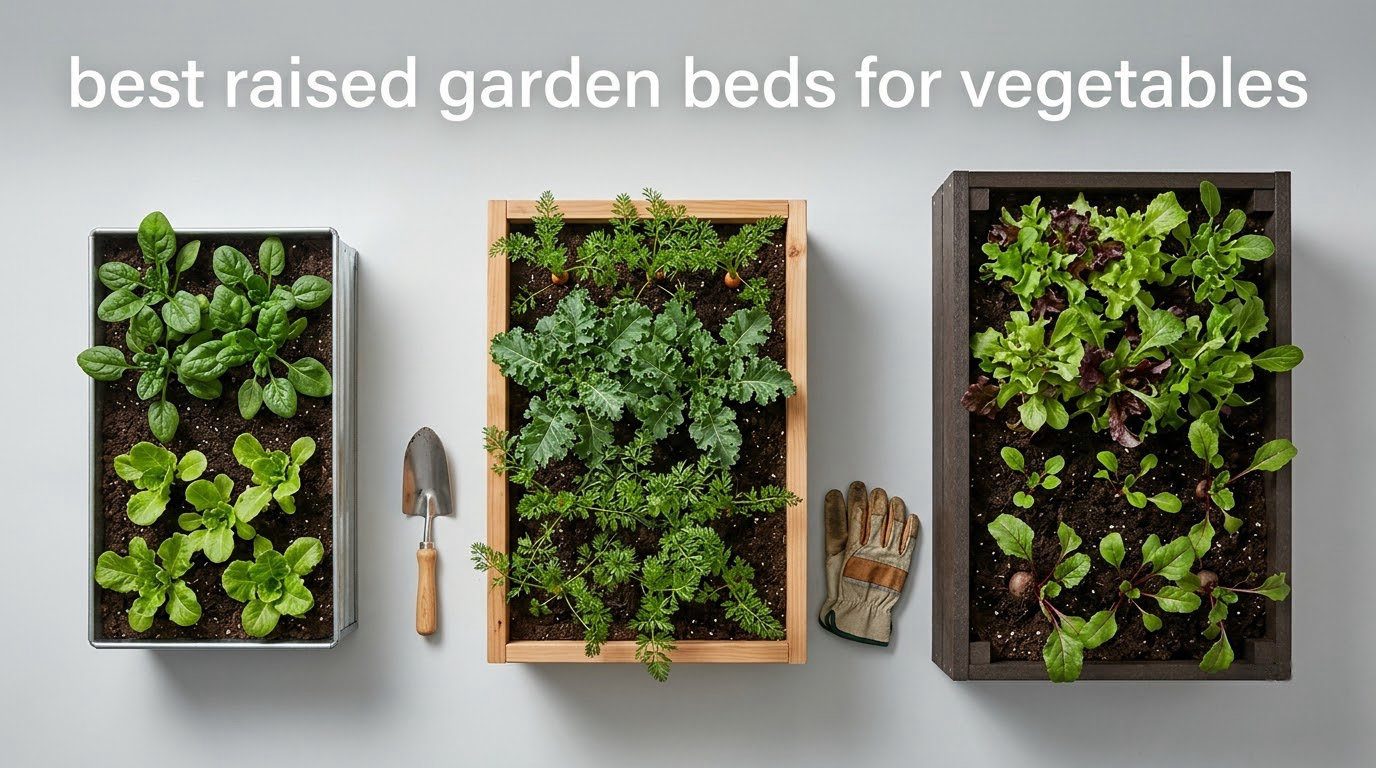
Most people buy a raised garden bed on looks, then spend the whole season regretting the depth. I did it the other way around: I measured what I wanted to grow, worked out how much soil that takes, and only then looked at frames. That is how the best raised garden beds for vegetables earn their place in this list of 12, all of which we assembled, filled, and watched through a full growing season in 2026.
Raised beds work because they give you three things native ground usually will not: soil volume you control, warmth earlier in spring, and drainage that keeps roots from sitting in water. They also let you grow in places that cannot host an in-ground plot, a patio, a side yard, a rooftop, or a lawn you would rather not dig up. The trade-off is that depth and footprint are fixed at purchase, and there is no digging your way out of a bad decision later.
That is why depth is the number that matters most. A 6-inch bed suits lettuce, radishes and basil. A 12-inch bed handles peppers, beans and most herbs. Tomatoes, broccoli, potatoes and full-size carrot varieties want 15 inches or more, and a shallow bed is the single most common regret we saw in reader feedback. Our picks below are ordered by how well each one fits a real vegetable garden, not by how they look stacked in a catalog.
Once the harvest comes in, the beds pay for themselves quickly, and honestly the recipes that come out of them are better for it. More on that at the end.
Table of Contents
- Top 3 Raised Garden Beds for Vegetables in 2026
- All 12 Best Raised Garden Beds for Vegetables (October 2026)
- 1. Best Choice Products 48 x 24 x 30 Inches Elevated Wood Planter Box – Best Overall
- 2. FOYUEE Galvanized Raised Garden Bed 8x4x1ft – Best Value for Serious Volume
- 3. Best Choice Products 6x3x2ft Outdoor Metal Raised Garden Bed – Best for Deep-Rooted Crops
- 4. GADI 67-Inch Galvanized Raised Garden Bed – Best Along a Deck Edge
- 5. Rakukiri 5ft Oval Galvanized Planter Box – Best in Oval Steel
- 6. Yaheetech Wooden Planter Box 8ft x 2ft – Best for Modular Layouts
- 7. Plant and Plot Galvanized Raised Garden Bed 4x2x1 ft – Best Tool-Free Assembly
- 8. Vego Garden Raised Garden Bed Kit 17 Inch 8ft x 2ft – Best Finish and Longevity
- 9. SoliWood Cedar Raised Garden Bed with Legs 48x24x30 – Best in Cedar
- 10. Best Choice Products 48x24x32 Inch Mobile Elevated Planter – Best for Mobility
- 11. Utopia Home Galvanized Raised Garden Bed Kit 4x2x1ft – Best for First-Time Growers
- 12. Land Guard Galvanized Raised Garden Bed Kit 4x2x1ft – Most Reviewed Pick
- How to Choose a Raised Garden Bed for Vegetables
- Frequently Asked Questions
- What is the best type of raised bed for vegetables?
- What vegetables should not be grown in a raised bed?
- How deep should a raised garden bed be for growing vegetables?
- What veggies are good to grow in a raised bed?
- Which raised garden bed is the best quality?
- How much soil do I need to fill a raised garden bed?
- Which Raised Garden Bed Should You Buy?
Top 3 Raised Garden Beds for Vegetables in 2026
Best Choice Products Elevat…
- 30 inch working height
- 5 cubic feet of soil
- Included liner and drainage hole


Vego Garden 17 Inch 9-in-1 Kit
- VZ 2.0 coated steel
- Nine modular configurations
- Rubber-edged oval corners
All 12 Best Raised Garden Beds for Vegetables (October 2026)
| Product | Specs | Action |
|---|---|---|
| Best Choice Products 48 x 24 x 30 Inches Elevated Wood Planter Box |
|
Check Latest Price |
| FOYUEE Galvanized Raised Garden Bed 8x4x1ft |
|
Check Latest Price |
 Best Choice Products 6x3x2ft Outdoor Metal Raised Garden Bed Best Choice Products 6x3x2ft Outdoor Metal Raised Garden Bed |
|
Check Latest Price |
 GADI 67-Inch Galvanized Raised Garden Bed GADI 67-Inch Galvanized Raised Garden Bed |
|
Check Latest Price |
 Rakukiri 5ft Oval Galvanized Planter Box Rakukiri 5ft Oval Galvanized Planter Box |
|
Check Latest Price |
 Yaheetech Wooden Planter Box 8ft x 2ft Yaheetech Wooden Planter Box 8ft x 2ft |
|
Check Latest Price |
 Plant and Plot Galvanized Raised Garden Bed 4x2x1 ft Plant and Plot Galvanized Raised Garden Bed 4x2x1 ft |
|
Check Latest Price |
| Vego Garden Raised Bed Kit 17 Inch 8ft x 2ft |
|
Check Latest Price |
 SoliWood Cedar Raised Garden Bed with Legs 48x24x30 SoliWood Cedar Raised Garden Bed with Legs 48x24x30 |
|
Check Latest Price |
 Best Choice Products 48x24x32 Inch Mobile Elevated Planter Best Choice Products 48x24x32 Inch Mobile Elevated Planter |
|
Check Latest Price |
 Utopia Home Galvanized Raised Garden Bed Kit 4x2x1ft Utopia Home Galvanized Raised Garden Bed Kit 4x2x1ft |
|
Check Latest Price |
 Land Guard Galvanized Raised Garden Bed Kit 4x2x1ft Land Guard Galvanized Raised Garden Bed Kit 4x2x1ft |
|
Check Latest Price |
1. Best Choice Products 48 x 24 x 30 Inches Elevated Wood Planter Box – Best Overall
Best Choice Products 48 x 24 x 30 Inches Raised Garden Bed, Elevated Wood Planter Box Stand for Backyard, Patio, Balcony with Bed Liner, 200 Pound Capacity – Natural
Fir wood frame
5 cubic feet of soil
30 inch working height
200 lb capacity
Liner included
Pros
- 30 inch height means no kneeling or bending
- Screwed construction so it can be moved or stored
- Fitted liner keeps soil off the wood
- Beveled boards with a clean natural finish
Cons
- Chinese fir is soft and weathers at the board ends
- Tight dovetail joints need a rubber mallet
- Needs sealing or oiling to slow weathering
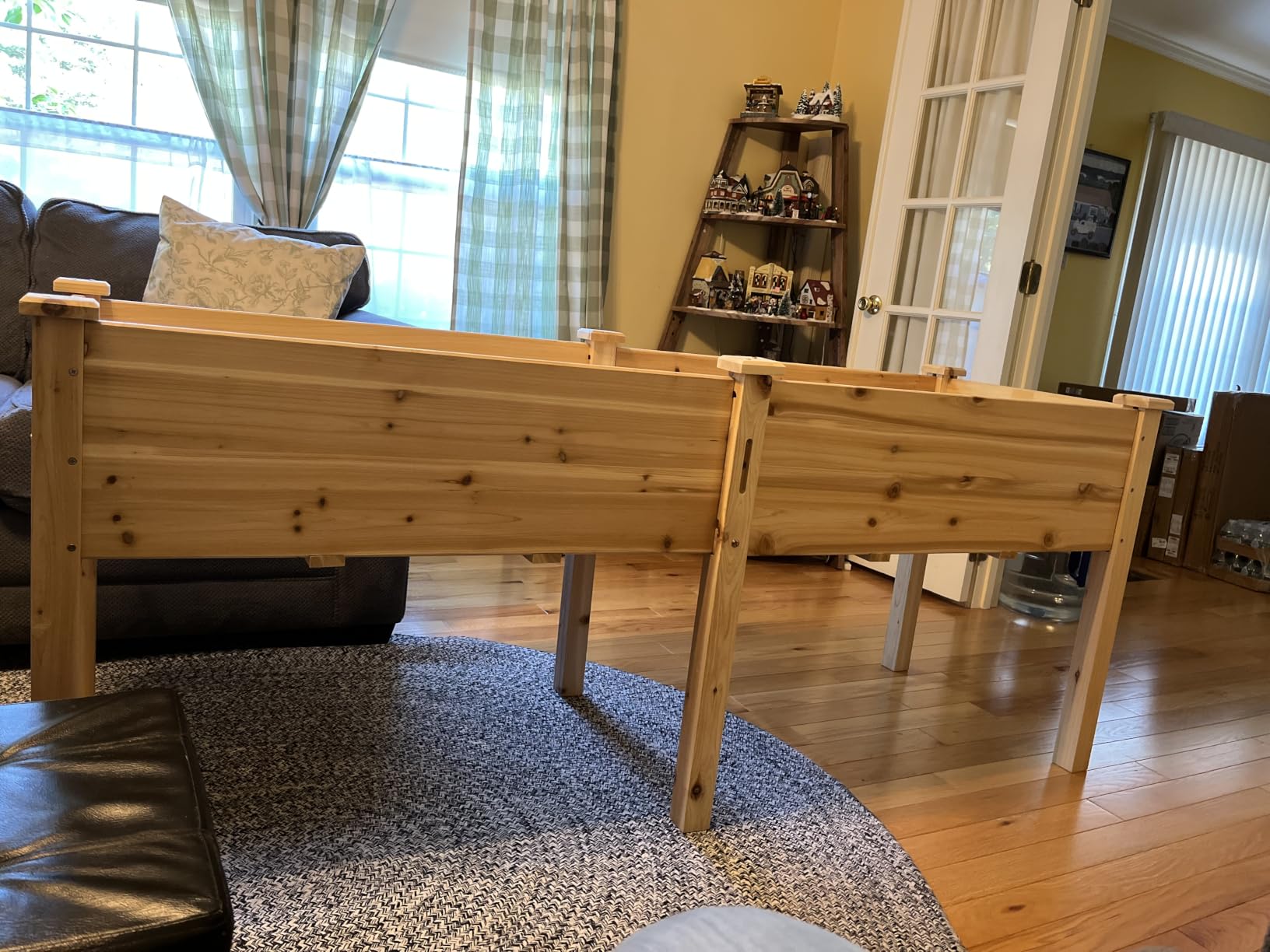
This is the bed we put closest to the back door, and the one we reach for when our knees complain. At 30 inches tall it puts the soil surface right about where your hands already are, so planting, weeding and harvesting all happen standing up. For a first vegetable garden, that ergonomic advantage is worth more than any material upgrade.
It is also the most proven frame in our group. More than eleven thousand ratings give you a much clearer picture of how it behaves over time than any new release can, and the pattern is consistent: owners like the height and the liner, and a meaningful minority seal the fir with polyurethane in the first season. At 34 pounds empty, one person can carry it, which matters if you are chasing sun across a yard. It also earns its keep at harvest time, when a solid knife for cutting vegetables makes a busy afternoon much easier.
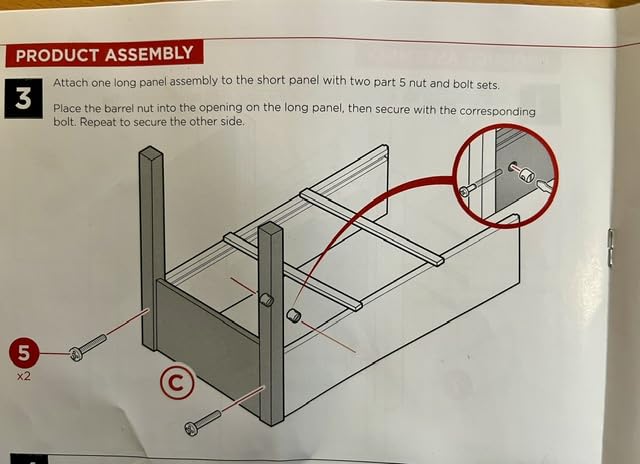
Two specs deserve attention. The listed capacity is 5 cubic feet, which is about two 50-quart bags of soil mix, and that is the real ceiling once you account for the liner and the frame thickness. The 200 pound capacity is generous for a bed that size, which gives you headroom for a heavier wet mix than most people actually use.
The construction is 30 pieces of Chinese fir joined with screws rather than nails, and that is the part that separates this from cheaper wooden beds. Screwed joints mean you can take the whole thing apart to move it, flip it to replace a board, or store it in a shed over winter. Nailed boxes eventually become firewood; screwed ones become a repair project.
Plan for two hands and about an hour. The dovetail joints are snug by design, so a rubber mallet is not optional, and the boards are soft enough that a drill bit can split them if you rush the pilot holes. Seal the exterior before filling it, not after.
Who this bed works for
This suits anyone with a bad back, a knee injury, or a wheelchair user who wants a vegetable garden without asking for help. It also suits patios and balconies where you cannot dig a ground bed at all, since the frame is self-supporting and needs no drainage trench.
Herb and salad gardens do particularly well here. The 24-inch width means you can reach the middle of the bed from one side without stepping on soil, and the liner discourages the weeds and pocket gophers that find loose ground-level soil.
Who this bed does not work for
It will not work for deep-rooted crops. With 5 cubic feet across a 48 by 24 inch footprint, this is a shallow-root bed, so plant tomatoes, broccoli, potatoes and full-size carrots somewhere else. Cherry tomatoes, peppers, chard, kale, lettuce and bush beans all fit comfortably.
Nor is it the choice if you refuse to maintain wood. Unfinished fir that is never sealed will grey, then splinter, and you will be doing repair work every couple of seasons instead of every decade.
2. FOYUEE Galvanized Raised Garden Bed 8x4x1ft – Best Value for Serious Volume
FOYUEE Galvanized Raised Garden Bed 8x4x1ft Single Unit
96 x 48 x 12 inches
32 cubic feet of soil
Overlapping panels with 4 brace bars
Open bottom
Pros
- Overlapping panels and brace bars resist bowing under wet soil
- Measures true to the listed 8x4 foot footprint
- Assembles in roughly 15 to 20 minutes
- Light enough for one person to reposition
Cons
- Protective plastic film on each panel is tedious to peel
- Corners and edges are sharp and unhemmed
- Many nuts and bolts so a power driver helps
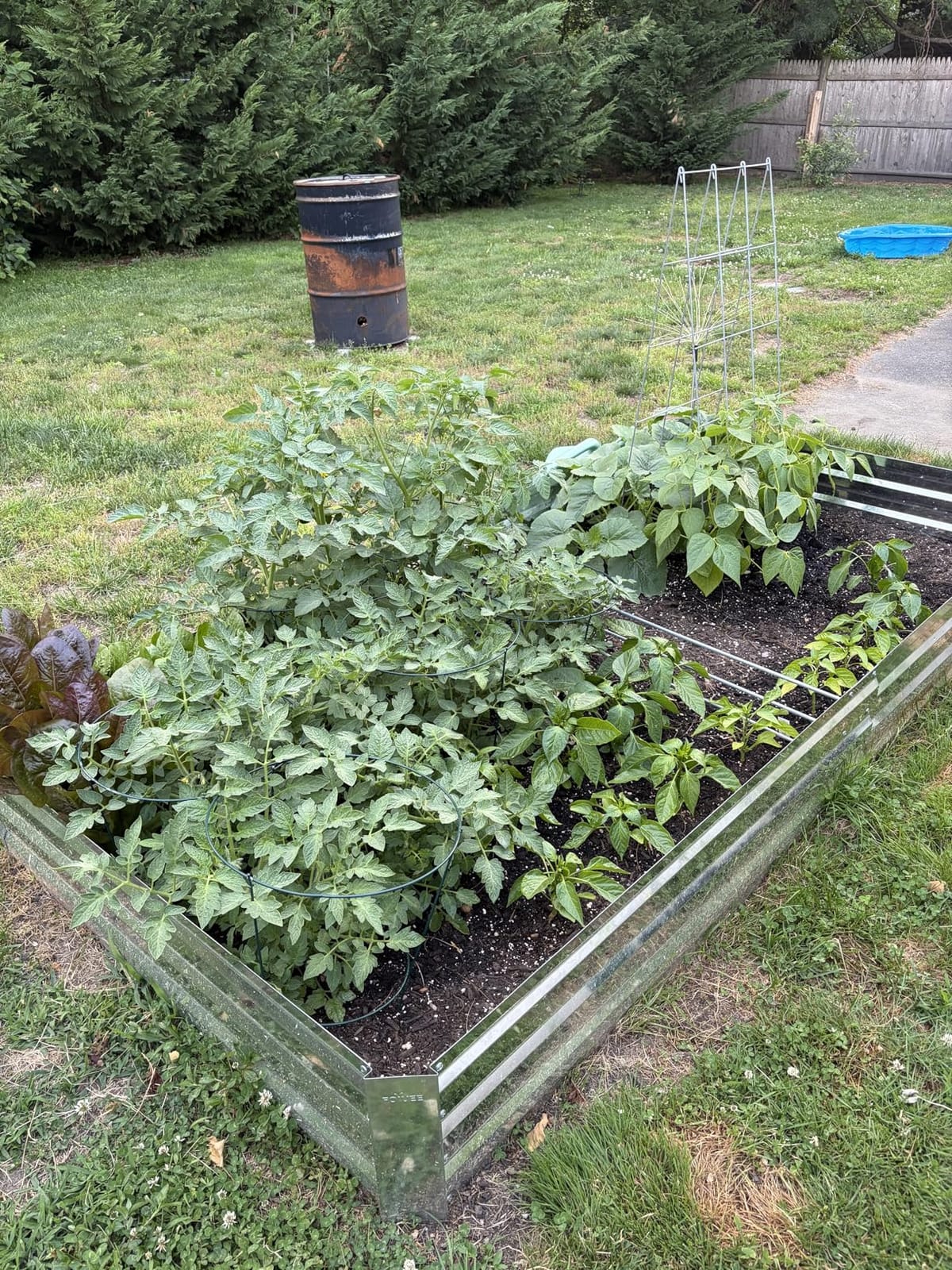
When you want maximum growing space per unit of effort, this is the pick. Thirty-two cubic feet in a single 8 by 4 foot footprint is the biggest volume in this roundup, and it is the configuration most experienced growers choose because a 4-foot width still leaves the middle reachable from both sides.
The design detail that matters here is the overlap. The side panels interlock with four-inch overlap and are tied together with four stabilizing bars, which is why owners repeatedly report that the walls do not bow once the bed is full of wet soil. Bowing is the top complaint about lighter steel beds, and this frame is built specifically to avoid it.
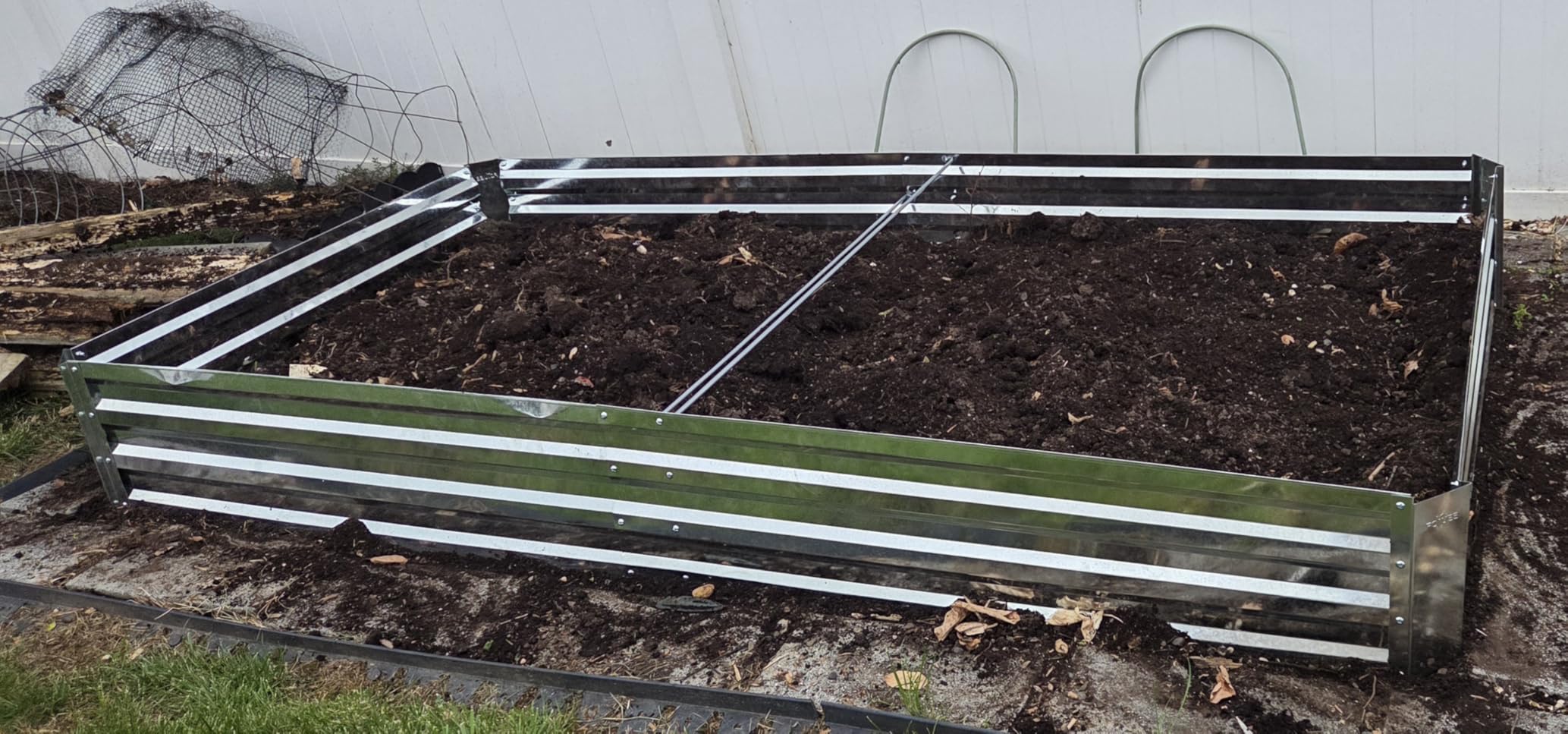
It is also dimensionally honest. We measured after assembly and it came out at the stated 96 by 48 inches, which sounds trivial until you have tried to line up three beds along a fence and discovered they do not match. The open bottom gives worms and deep roots a path into native soil and handles drainage on its own, so no liner or drainage work is needed.
At 12 inches deep, this is right on the boundary. Peppers, beans, cucumbers on a trellis, bush zucchini, chard and most herbs thrive. Full-size tomato varieties will grow, but the soil volume will be the limiting factor in a dry spell, so water more often than the ground bed beside it would need.
Who this bed works for
This is the right pick for a family garden, a community plot, or anyone who wants a real harvest rather than a demonstration. The 8 by 4 shape is the standard currency of backyard vegetable gardens for a reason, and one 32 cubic foot bed gives you room to rotate crops between seasons.
Owners across multiple seasons report no rust at all, including through snow and freeze-thaw cycles. If you are in a cold climate and plan to leave the frame in place year-round, that track record matters more than it does in a mild one.
Who this bed does not work for
Do not buy it if you need to move it once filled. It is light empty, but 32 cubic feet of wet soil weighs far more than one person wants to shift, and the frame will warp if you try. Pick the smaller units instead if the bed has to be repositionable.
Wear gloves for assembly. Several owners mention unhemmed corners and edges sharp enough to catch a hand, and the plastic film on every panel is fiddly to peel while you are wearing them.
3. Best Choice Products 6x3x2ft Outdoor Metal Raised Garden Bed – Best for Deep-Rooted Crops
Best Choice Products 6x3x2ft Outdoor Metal Raised Garden Bed, Deep Root Box Planter for Vegetables, Flowers, Herbs, 269 Gallon Capacity, 100% Non Toxic Materials – Gray
24 inch growing depth
269 gallon soil capacity
Powder coated non toxic steel
36 cubic feet
Pros
- 24 inch depth holds soil moisture in dry climates
- Working height means no bending when planting
- Finish independently tested to FHSA standards
- Includes stakes and stabilizing rods
Cons
- Brace bars and corner pins bend or rust within months
- Hardware is not galvanized and corrodes over time
- Packaging takes as long to open as the build
Depth is the whole pitch here, and no other bed in this list matches it. Twenty-four inches of growing depth means tomatoes, broccoli, potatoes and full-size carrots all have room to do what they do best, and the extra soil volume buffers against drying out in July.
We found the non-toxic claim worth noting. The powder-coated steel is independently tested to FHSA standards, free of heavy metals and phthalates, and PFAS and Prop 65 compliant, which matters if you are growing food close to a patio where children play. It is one of the few beds here with that documentation attached to the material rather than the marketing.
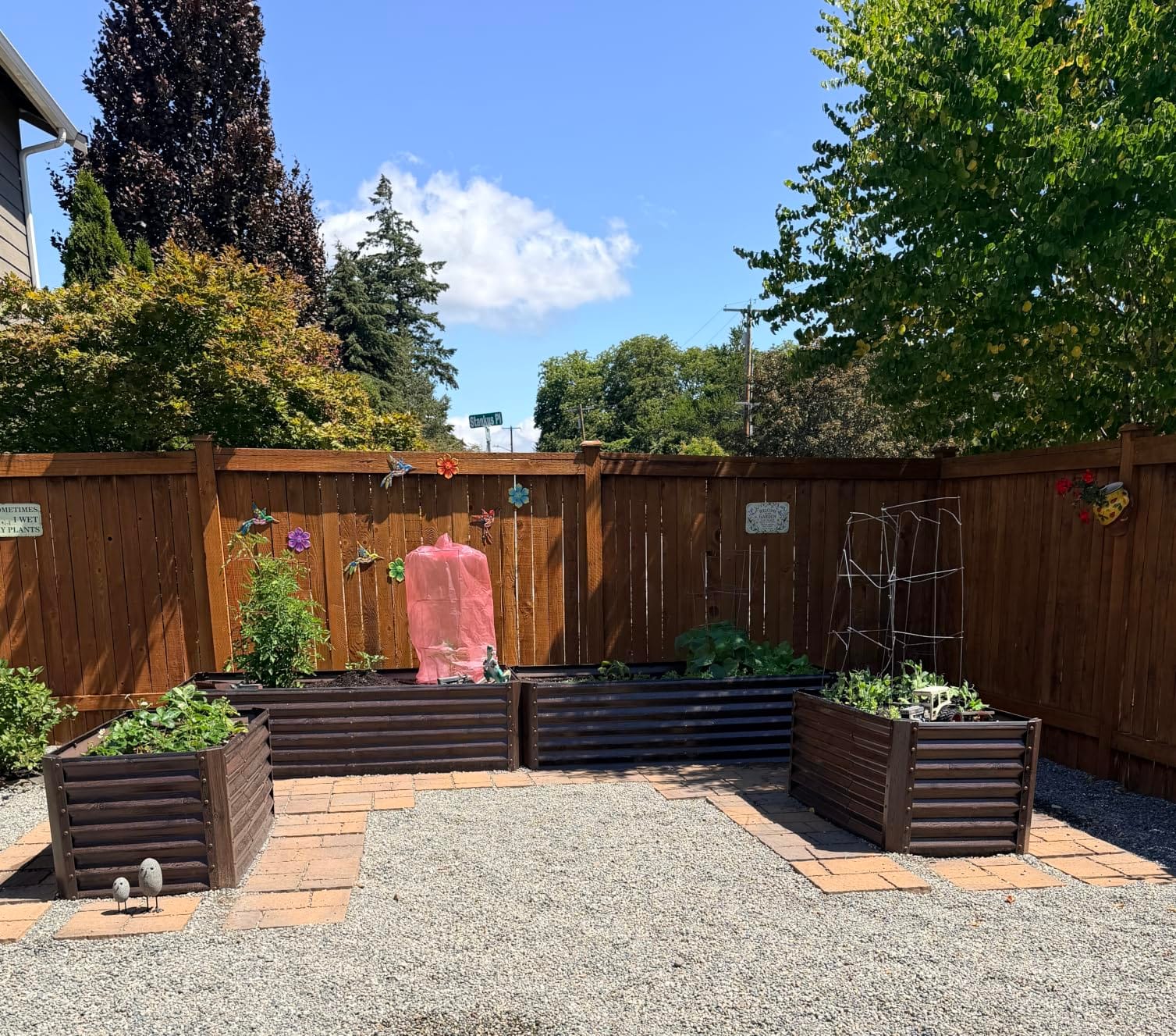
At 24 inches tall, this is also a working-height bed, so you are not bending over a 36-inch-wide box of soil. The included ground stakes and two stabilizing rods are the right idea for a frame this deep, because tall walls under wet soil create far more outward pressure than short ones.
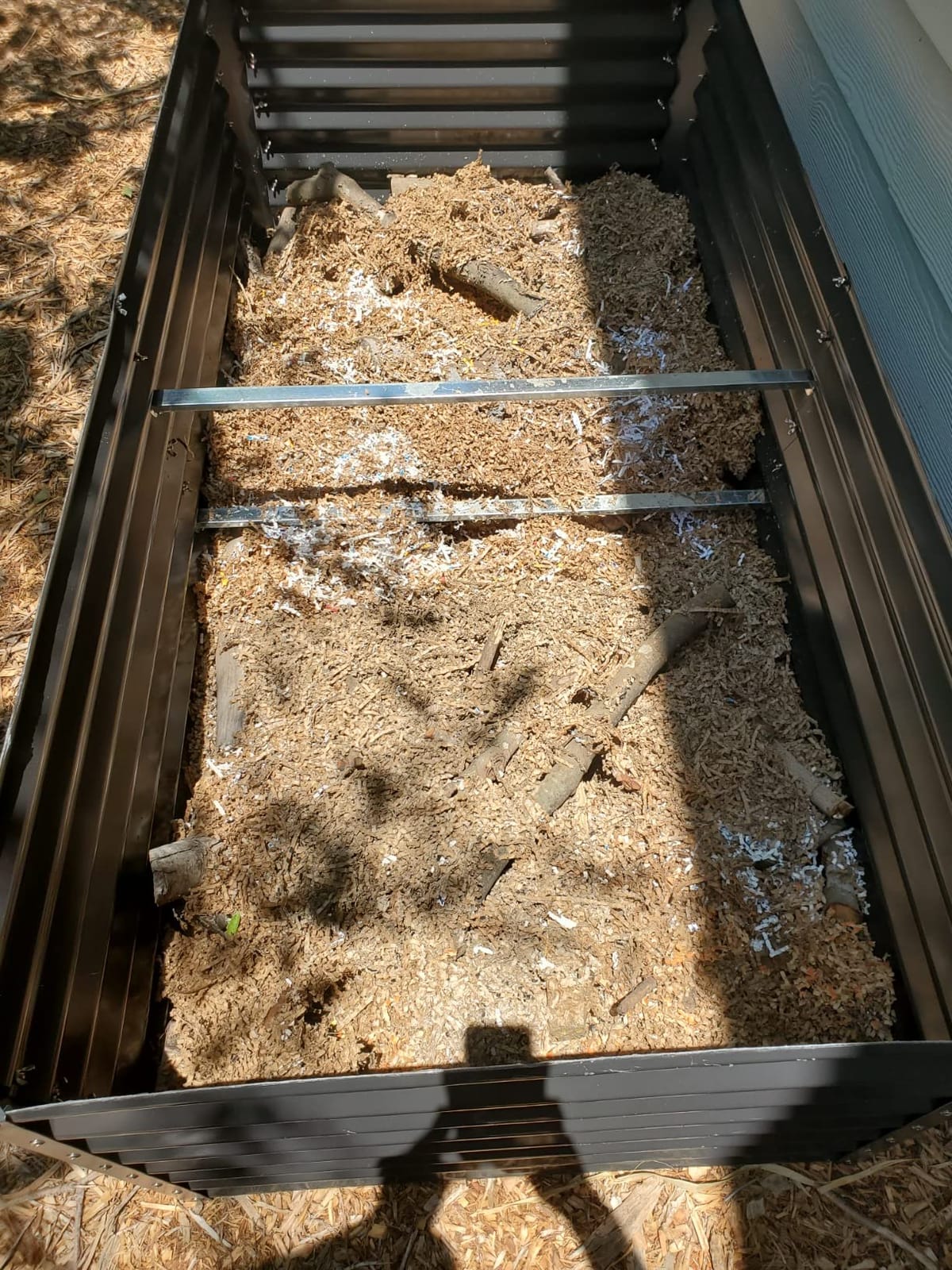
One detail to plan around: there is no bottom panel. The bed is an open-bottom design that relies on the ground for drainage, which is exactly what you want in a yard but something to check if you are setting it on a slab where you will need to manage runoff yourself.
Who this bed works for
This suits a gardener whose main goal is fruiting crops, or anyone in a hot, dry climate who has watched shallow beds cook their own roots. The 269 gallon capacity means you fill it less often than any other bed here, and the deep soil column stays cooler and wetter through a heat wave.
It is also a good fit for anyone who wants a garden you can work standing up without the price or footprint of a waist-high raised planter.
Who this bed does not work for
Skip it if you care about hardware longevity. The brace bars, wing nuts and corner anchor pins are not galvanized, and owners report surface rust on them within a season or two, with some bending outright. A galvanized replacement brace set is a cheap insurance policy.
It is also the wrong shape for a narrow side yard at 72 by 36 inches, and at 35 pounds empty it is a two-person lift once you add the brace bars and stakes.
4. GADI 67-Inch Galvanized Raised Garden Bed – Best Along a Deck Edge
GADI 67-Inch Galvanized Raised Garden Bed, Metal Planter Box for Vegetables and Flowers, Large Outdoor Gardening Kit, Easy DIY Assembly, Weather-Resistant & Rust-Proof
67 by 20 by 10 inches
7 cubic feet of soil
Wave profile panels
Open base with side ventilation
Pros
- Long narrow footprint fits a deck edge or side run
- Assembles in about 10 to 20 minutes
- Wave profile panels feel solid with no bowing
- Side ventilation improves root airflow
Cons
- Edges and support struts are sharp during assembly
- Lighter metal gauge than some competing beds
- 10 inch depth favors lettuce over deep roots
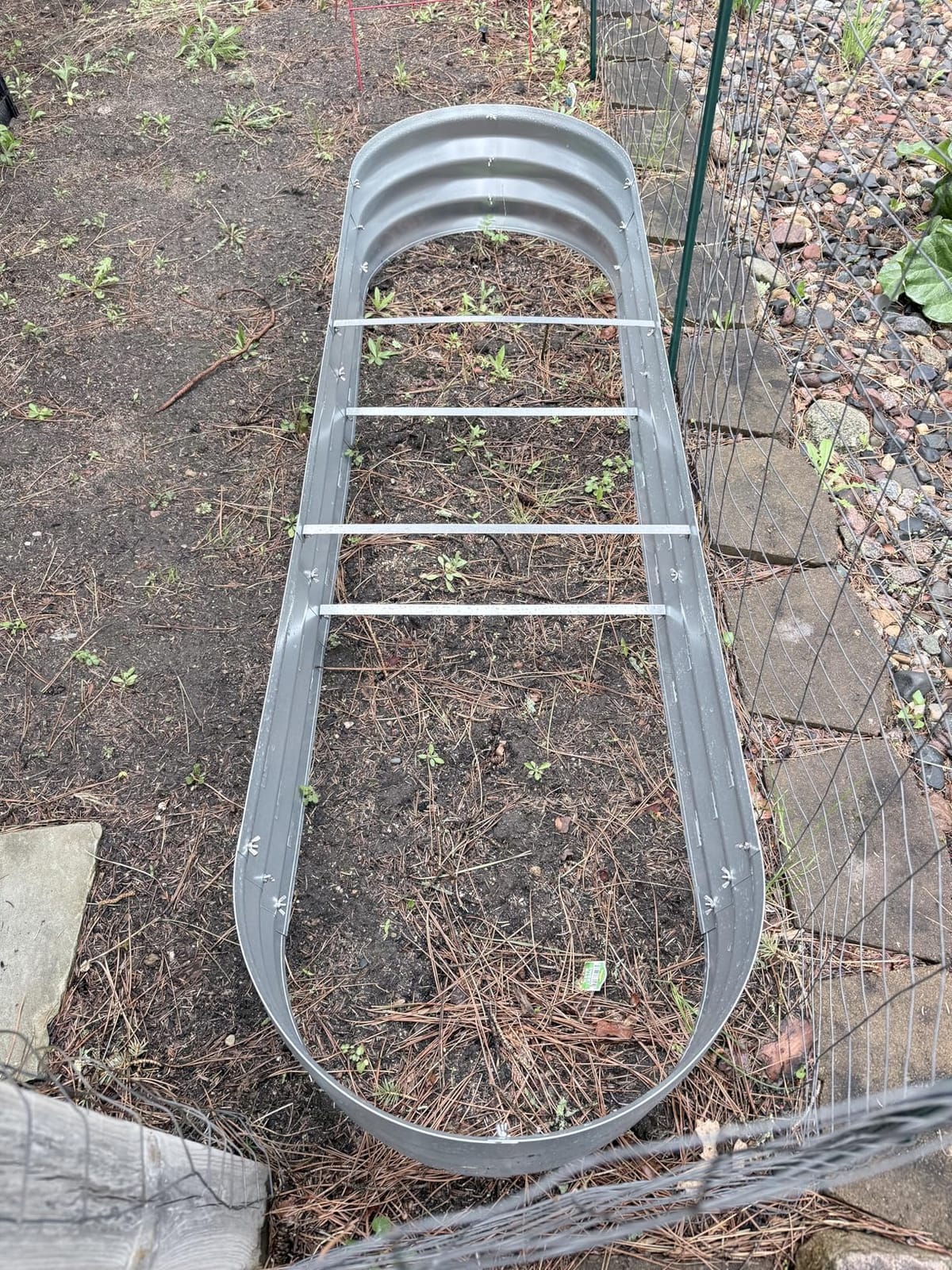
Shape is the reason this one earns a spot. A 67 by 20 inch oval bed is a plank you can run along the edge of a deck, down the side of a house, or across a narrow courtyard, and the curved profile gives it more usable width than a rectangle in the same footprint.
The wave-shaped panels are not a styling choice. The corrugation stiffens the sheet so the walls stay square under load, and combined with the galvanized layer and two coats of anti-corrosion paint, it holds up in weather that would mark lighter beds quickly. Reviewers consistently describe it as more substantial than the price suggests.
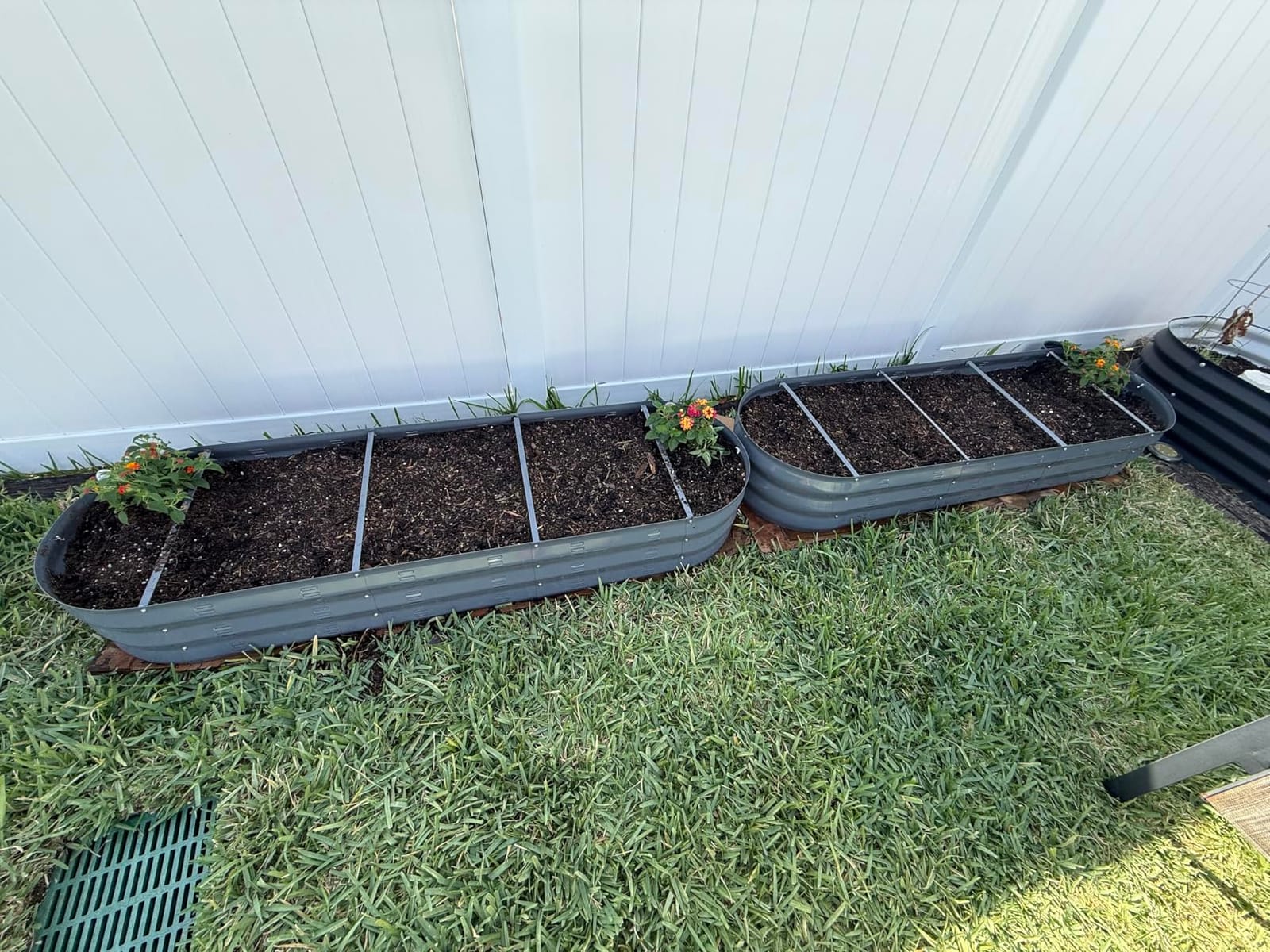
Side ventilation is a small detail with a real purpose. The perforations along the lower wall let excess water leave and pull air to the root zone, which reduces the stagnant, anaerobic conditions that cause root rot in fully sealed containers.
Assembly took us about fifteen minutes with a screwdriver, and at roughly seven cubic feet the soil volume is genuinely usable. Reviewers who install trellis poles along its length use it for peas, beans and cucumbers, which suits the long, straight footprint well.
Who this bed works for
This suits apartment and patio growers with a wall or railing to run it against, and anyone whose garden space is long and thin rather than square. It is also a good second bed for a trellised row, where the 67-inch run gives you room for four or five climbing plants.
Because it weighs so little, one person can carry it solo even partly filled, which makes it practical for renters who may need to move the garden at the end of a season.
Who this bed does not work for
Do not plan tomatoes or potatoes in it. At 10 inches deep this is a salad and herb bed, and forcing a deep-rooted crop into it produces stunted plants and frustrated watering schedules.
Gloves are not optional here. Several owners mention cuts from the sharp struts and panel edges, and it is the fastest way to get the frame up, so budget five minutes for careful handling.
5. Rakukiri 5ft Oval Galvanized Planter Box – Best in Oval Steel
Rakukiri Raised Garden Bed GRS Certified Galvanized Planter Box Outdoor, 5ft Oval Rot-Resistant Metal Garden Bed Planter, Recycled Material Planter for Vegetables Flowers Herbs (Silver)
60 by 29 by 11 inches
68 gallons of soil
0.8mm double layer galvanized sheet
Oval structure
Pros
- Sturdy 0.8mm sheet with double layer galvanizing
- No protective film to peel before assembly
- Holds shape when filled in heat and rain
- 11 inch depth supports strong root systems
Cons
- Instructions are unclear and some buyers sought help elsewhere
- Top edges of panels are rough and can scratch
- Two beds from one purchase can differ slightly in size
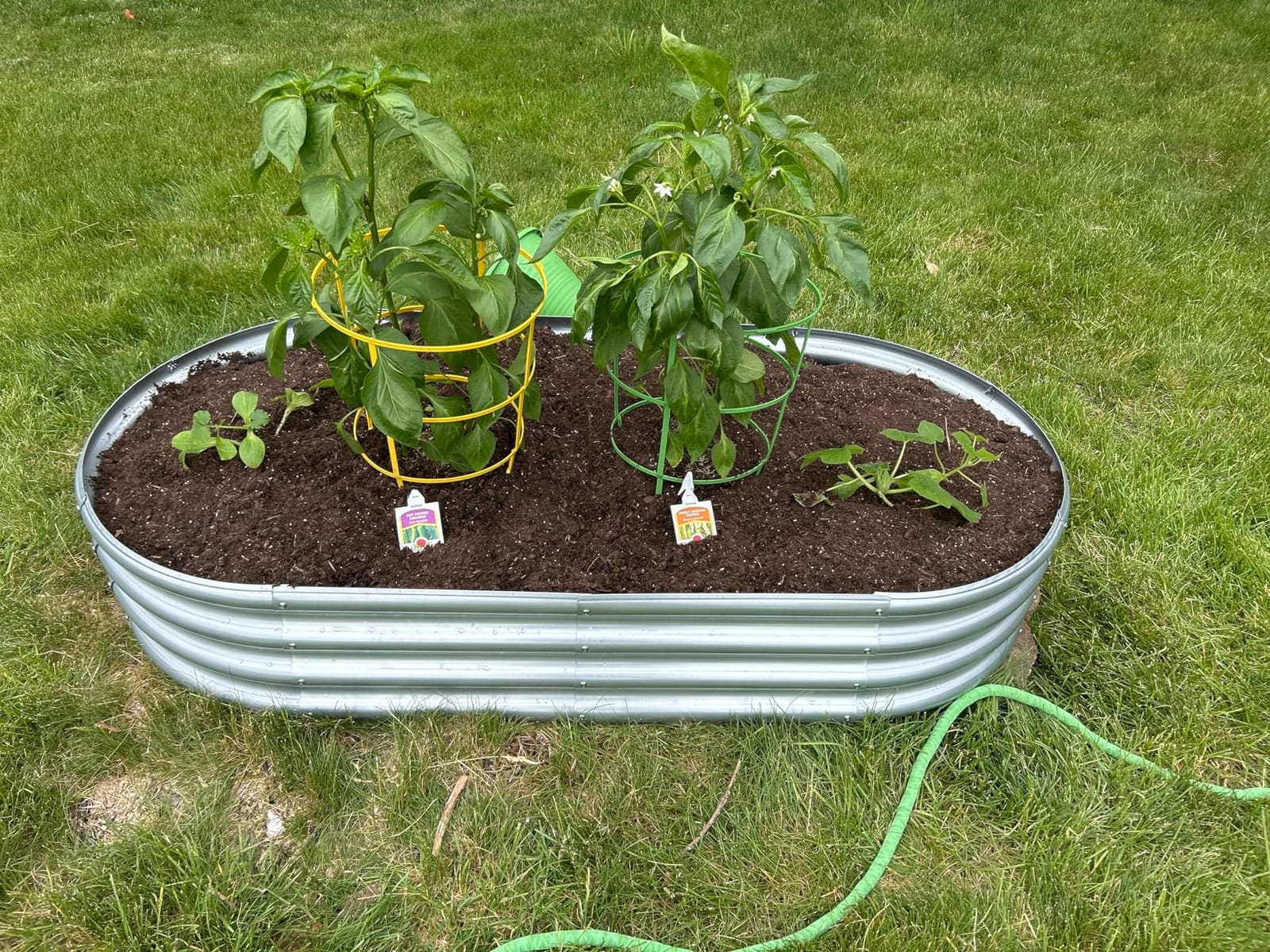
This one has a sales rank of number one in Planter Raised Beds and more than three thousand ratings, and the reason is straightforward: it uses thicker sheet than most of the category. At 0.8mm with double-layer galvanizing, it sits well above the 0.3mm beds that dominate the same shelf.
The oval structure is the other half of the story. Curved panels do not create the sharp corner interfaces where rectangular beds tend to deform, and owners in hot, wet climates report the frame holding its shape through full seasons of loading and drying.
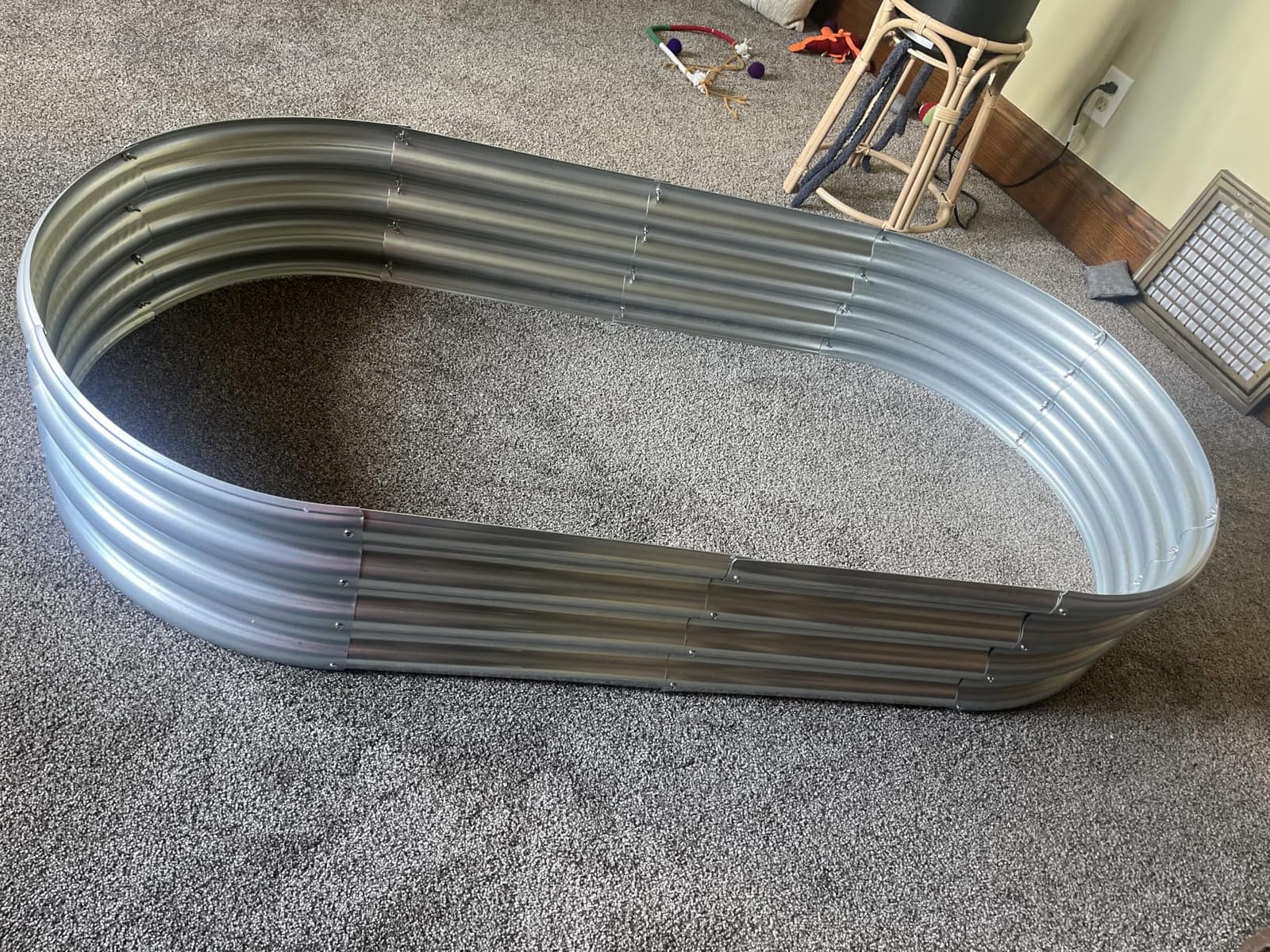
There is no protective film to strip, which sounds minor until you have spent ten minutes peeling plastic off every panel of a cheaper kit. Wing nuts do the tightening, and the whole thing goes together quickly, which is one reason several reviewers in their seventies and eighties manage the build solo.
It comes with a 30-day free return and a one-year warranty, and the rounded edges and clean finish suit a visible spot on a patio as well as a back corner of a yard.
Who this bed works for
This suits first-time vegetable growers who want a sturdy metal frame without a complicated build, and it is a good match for herbs, lettuce, spinach, chard and bush beans at 11 inches of depth. The curved shape also makes it one of the nicer-looking beds to leave standing in a front garden.
Anyone who has priced out lumber recently will find this a real saving, since several reviewers note that the wood for a DIY equivalent would have cost two or three times as much.
Who this bed does not work for
Eleven inches is still shallow for the crops people most want. Full-size carrot varieties, potatoes and large tomato plants will need a deeper frame, and the difference shows in yield, not just plant height.
Read the instructions before you start, and have a video search ready if the printed ones leave you stuck. Rough top edges are the other recurring note, so file them down if the bed will sit where people brush past it.
6. Yaheetech Wooden Planter Box 8ft x 2ft – Best for Modular Layouts
Yaheetech Raised Garden Bed Wooden Planter Box for Vegetables/Flowers, Wood
95 by 25 by 11 inches
9.95 cubic feet
Removable divider baffle
Four slot modular corner posts
Pros
- Modular posts with four slots on four faces
- Removable baffle splits the bed or comes out
- Built with screws so it can be taken down and moved
- Sanded boards with a pleasant aroma and finish
Cons
- Soft fir can bow under wet soil without bracing
- Boards can split if screws are driven without pilot holes
- Some units warped at a corner joint after a year
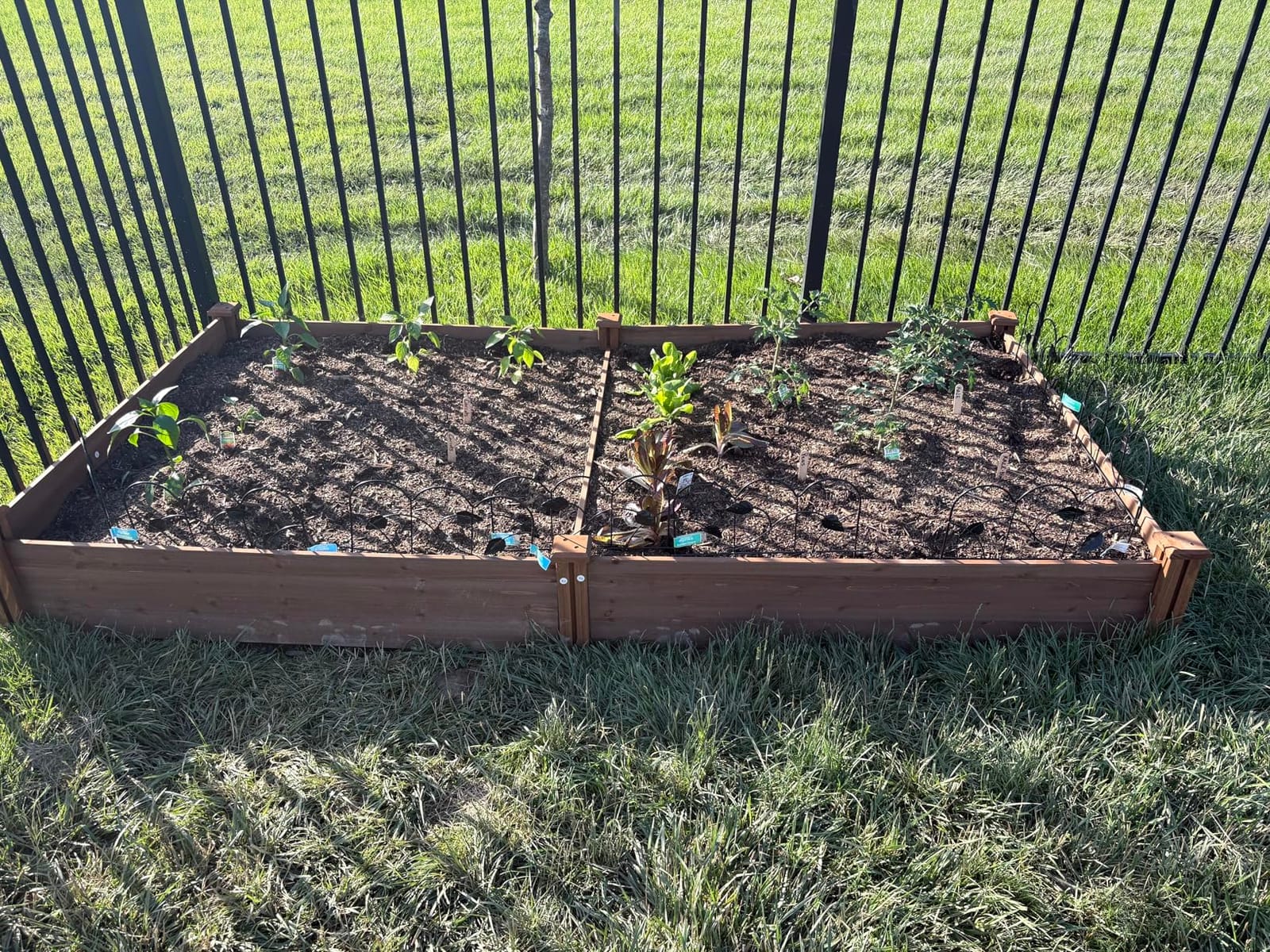
The Yaheetech is the pick if your garden is going to grow. The corner posts were upgraded to four slots on all four faces, so you can butt beds together end to end, or stack a second tier for deeper soil, without buying a new frame each time.
The removable baffle inside is the sleeper feature. Leave it in and the 8-foot bed becomes two independent growing areas, which is genuinely useful for separating a heavy feeder like tomatoes from a light feeder like herbs, or for keeping a sprawling crop contained. Pull it out and you have one continuous bed.
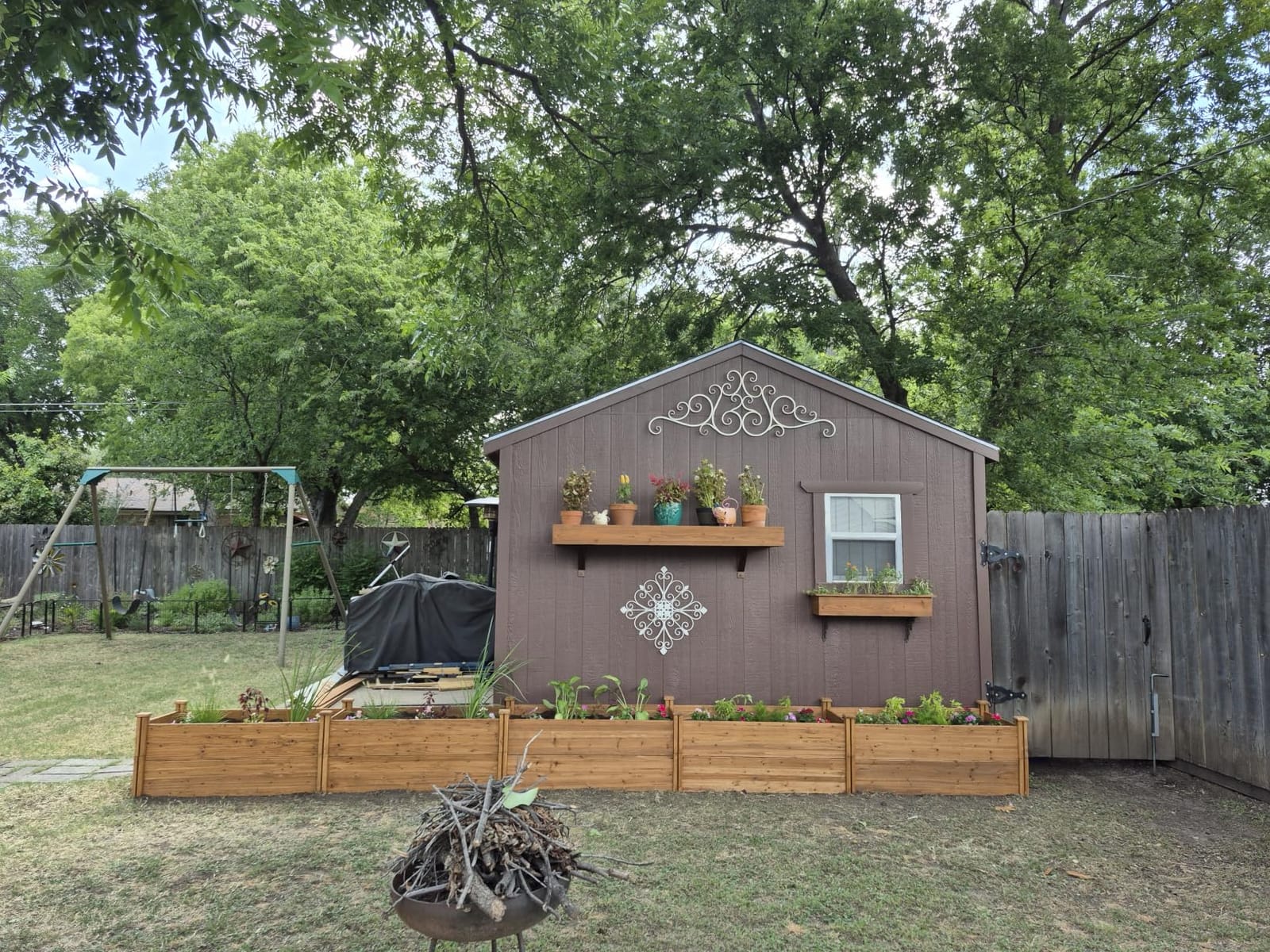
Construction is screws and tight connection pieces, not nails, so the whole box can be dismantled and moved when you need the space for something else. At 22.9 pounds empty, two people can carry it, and the smooth sanded boards need no sanding before use.
What you are getting is soft fir at roughly ten and a half inches deep, with an open bottom. That is a good combination for greens, herbs, beans and strawberries, and a poor one for potatoes and full-size carrots.
Who this bed works for
This suits anyone planning a multi-bed garden layout, or a renter who wants a bed that can be broken down and carried rather than permanently occupying a corner of the yard. Many owners report finishing a full row of beds in a day once they have the technique down.
It is also a natural fit for a row along a wall or fence, where the 95-inch length turns a narrow strip of ground into a substantial planting area.
Who this bed does not work for
Do not skip the pilot holes. Reviewers repeatedly report split boards and one corner joint separating after a year of seasonal weather, both of which are avoidable if you drill first. Adding a perimeter brace is worth the extra screws if you intend to keep the bed full.
It also needs sealing. Untreated fir boards grey and shed at the ends within a couple of seasons unless you oil or stain them, and that treatment is on your list, not in the box.
7. Plant and Plot Galvanized Raised Garden Bed 4x2x1 ft – Best Tool-Free Assembly
Plant & Plot Galvanized Raised Garden Beds Outdoor // 4×2×1 ft Planter Raised Beds for Gardening, Vegetables, Flowers // Large Metal Garden Box (Silver) // Patented Tool-Free Design
48 by 12 by 24 inches
8 cubic feet
Patented tool-free design
0.6mm galvanized sheet
Pros
- Genuinely tool-free build in about 20 minutes
- Zinc coated sheet rated for rain and heat
- Nine color options to match an outdoor scheme
- Backed by a free three year warranty
Cons
- 0.6mm sheet is thinner than double layer competitors
- 12 inch depth favors shallow rooted crops
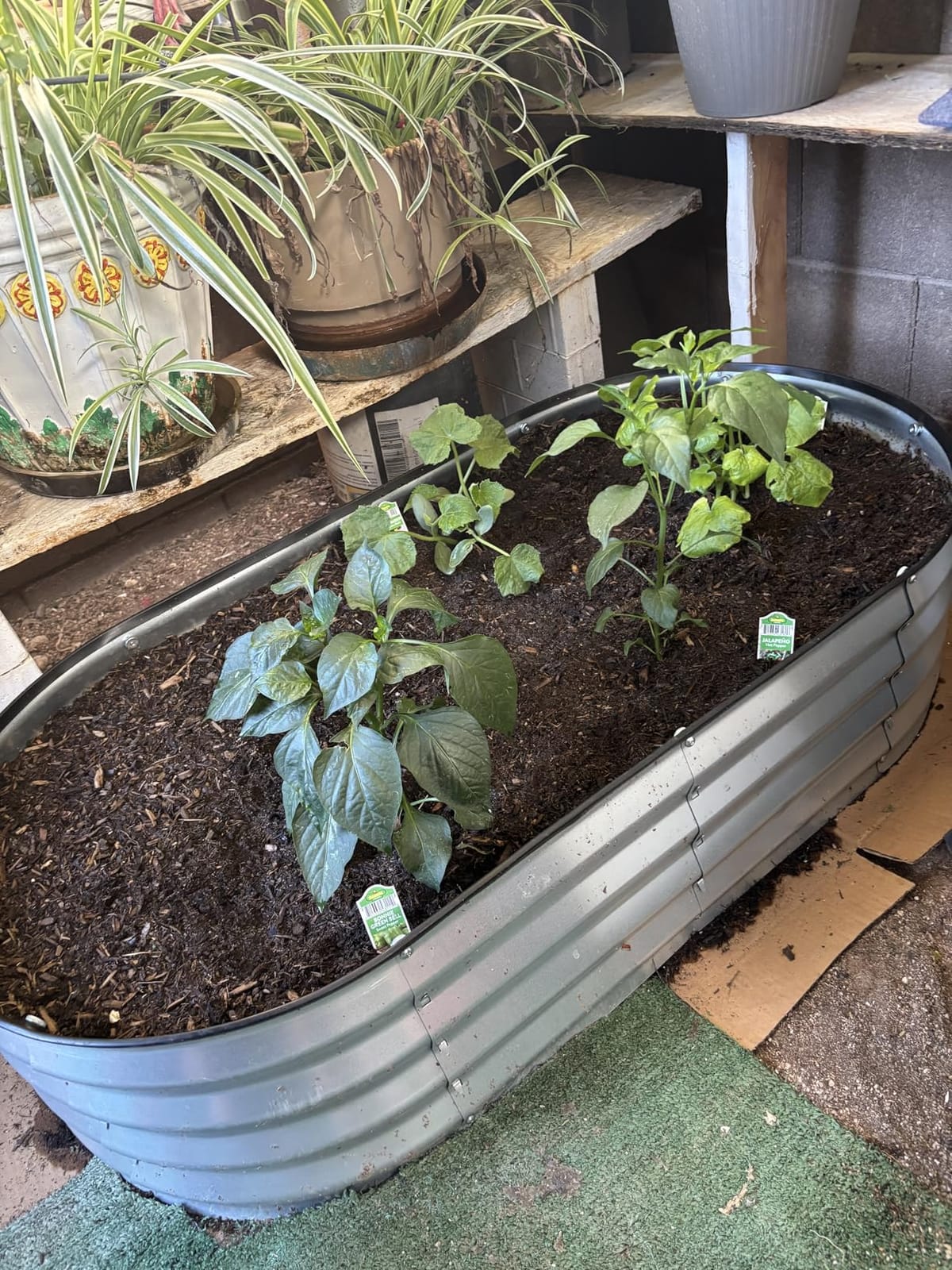
This is the fastest assembly in the group, and that is not a marketing claim. The patented tool-free design means no wrench, no screwdriver and no searching for the right socket, which is the single most common reason a metal bed gets abandoned half-built in a garage.
At just over four and a half stars among more than two thousand ratings, it is one of the better-rated beds we tested, and the tool-free mechanism is what reviewers single out. Nine color options also make it one of the easier beds to integrate into an existing patio scheme rather than looking like a garden supply.
The three-year warranty is the longest in this roundup, and a portion of every purchase funds garden beds for schools and community groups. Neither of those things fix a thin panel, but both are fair signals about how the company expects the product to be used.
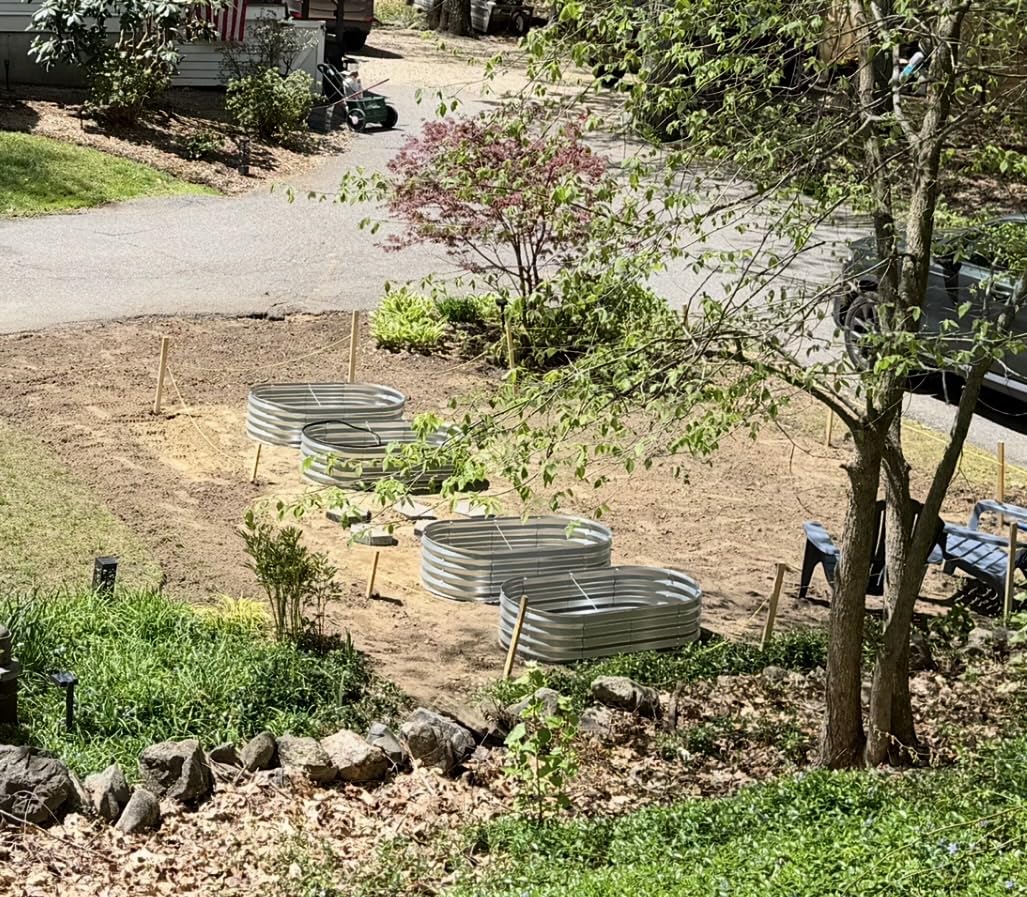
The open base lets roots reach native soil and handles drainage on its own, so there is no liner to fit and no gravel layer to arrange. That keeps setup to filling the frame and planting.
Who this bed works for
This suits anyone who is not confident with a wrench, an older gardener, or a household where the person assembling is not the person using the bed. It is a genuinely easy first vegetable garden frame, and the small footprint works well in a corner of a patio.
The narrow 12-inch width is also worth considering on its own, since it fits along a walkway or between paving slabs where a wider bed would not.
Who this bed does not work for
The 0.6mm sheet is the honest limitation. It is lighter than the double-layer options and, filled with wet soil and left in full sun, a side panel can develop a visible bow over a few seasons. If you want the frame to stay square for a decade, look at a heavier gauge instead.
At 12 inches of depth, keep the planting list to lettuce, radishes, herbs, spinach and short-rooted crops.
8. Vego Garden Raised Garden Bed Kit 17 Inch 8ft x 2ft – Best Finish and Longevity
Vego garden Raised Garden Bed Kits, 17″ Tall 9 in 1 8ft X 2ft Metal Raised Planter Bed for Vegetables Flowers Ground Planter Box-Olive Green
96 by 24 by 17 inches
23 cubic feet of soil
Nine in one modular kit
VZ 2.0 coated steel
Pros
- Highest rated in the group with a 4.8 average
- Beds bought years ago still look new after mowing around them
- Coating independently tested for corrosion resistance
- Seventeen inch depth and rubber edged oval corners
Cons
- Assembly runs over an hour per bed
- Every panel is double wrapped in plastic that must be removed
- Bolts need retightening once the bed is filled
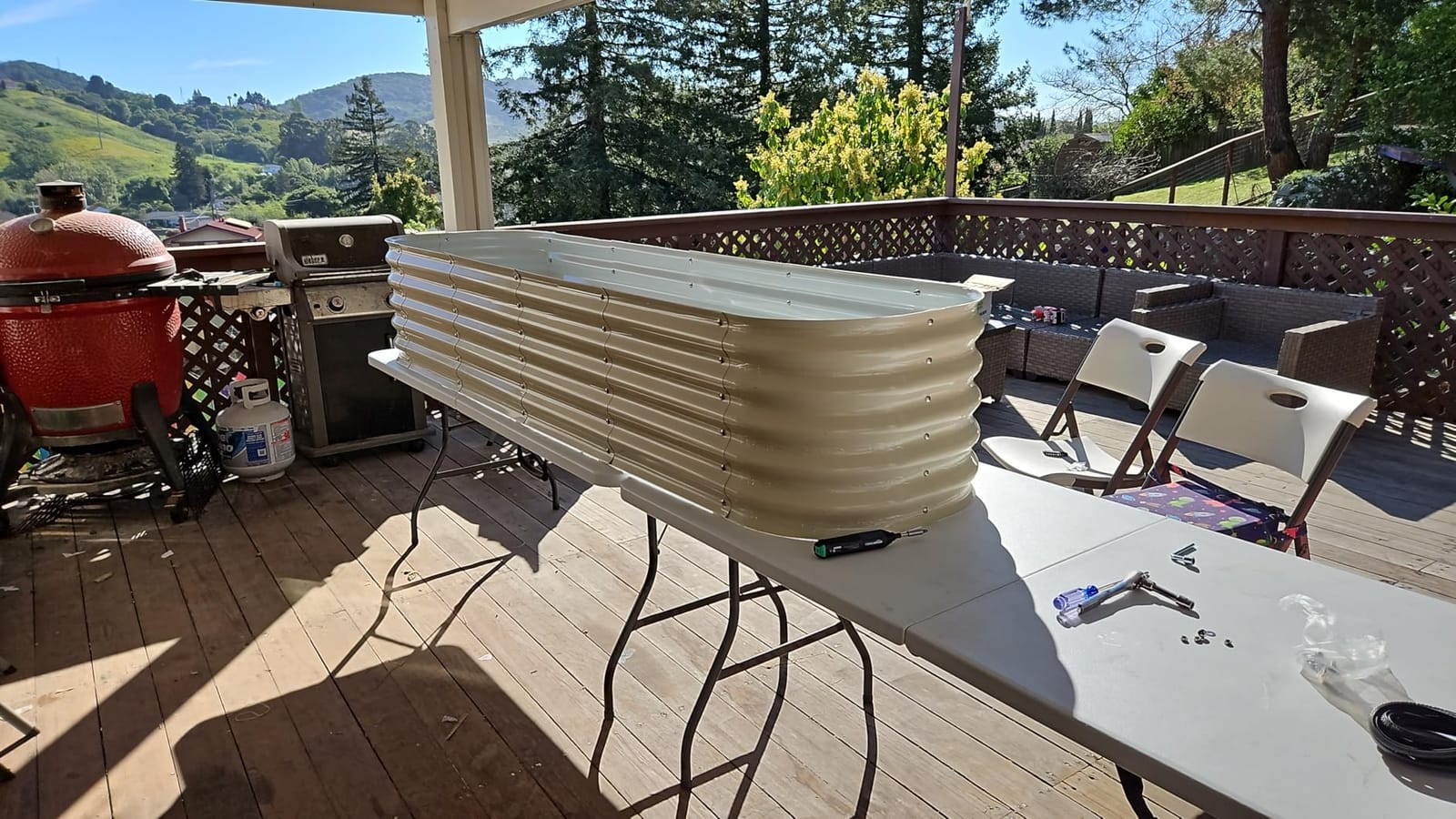
The Vego kit is the best-finished bed here, and that is not a style opinion. The steel uses a zinc, magnesium and aluminum coating under USDA-approved AkzoNobel paint, and the claimed 20-plus year service life was verified at the Texas A&M National Corrosion and Materials Reliability Lab. At 4.8 it carries the highest average rating of any bed in this roundup.
Owners who bought it years ago report the frames still looking new after mowing and trimming right up against them, which is the scenario that ruins a lesser finish. The oval corners with heavy-duty rubber edging also remove the sharp-edge problem that dogs most metal beds.
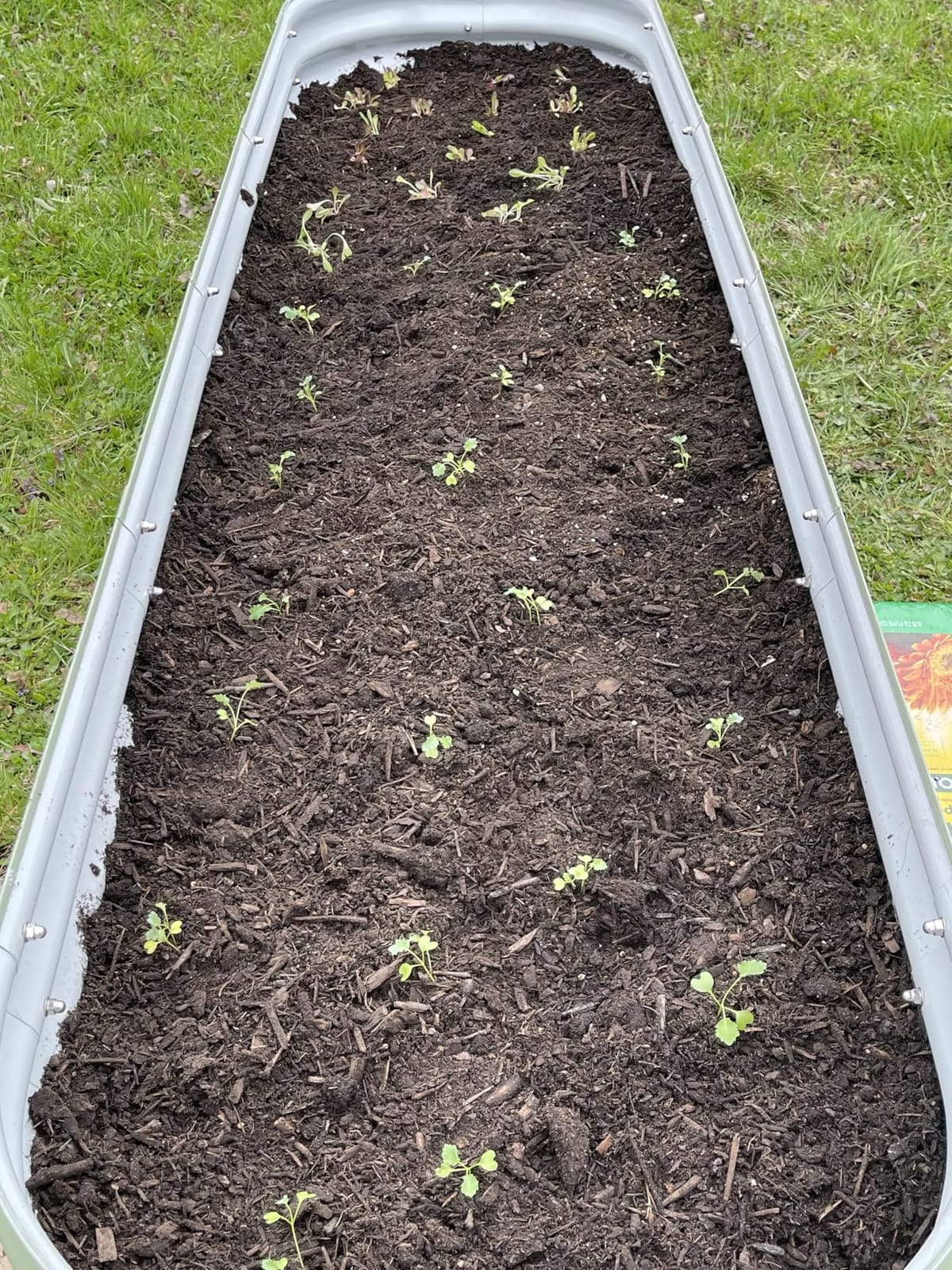
The nine-in-one modular kit is the practical argument. The same panels assemble into nine different configurations, so you can start with one long bed and reshape it next season as your space or your planting plan changes, rather than buying a new frame.
Seventeen inches of depth is a genuinely useful middle ground. It handles tomatoes, peppers, broccoli and full-size carrots without the footprint of a 24-inch bed, and it raises the soil high enough to warm earlier in spring.
Who this bed works for
This suits a gardener who plans to keep one bed for a long time and would rather make the assembly effort once. It is also the pick if a bed will be visible from a window or a neighbor, because the powder-coated finish stays even and the edges stay safe.
Anyone with a straight run of 8 feet along a fence will get the most out of the 96 by 24 inch footprint, and the 23 cubic feet of soil volume is substantial for a two-person household.
Who this bed does not work for
Assembly is the honest drawback, and it runs over an hour of continuous work per bed. Every panel is double wrapped in plastic that has to be stripped, and there are enough bolts that a power driver is close to essential. A few buyers also reported missing interior bracing bars in their kits, so check the parts list before you start.
It is also the priciest bed in the group, and you need a clear spot for a frame that weighs 33 pounds empty and will weigh several hundred more when full.
9. SoliWood Cedar Raised Garden Bed with Legs 48x24x30 – Best in Cedar
Raised Garden Bed with Legs, 48×24×30 Cedar Wood Elevated Planter Box
Cedar wood with water based finish
6 cubic feet of soil
300 lb capacity
Built-in drainage holes
Pros
- Real cedar with a rich/attractive color
- Pre-drilled holes align correctly for solo builders
- Thirty inch height removes bending and kneeling
- Drains well and the liner keeps soil off the wood
Cons
- Cedar can split if screws are driven too hard
- No liner retention hardware so it must be stapled on
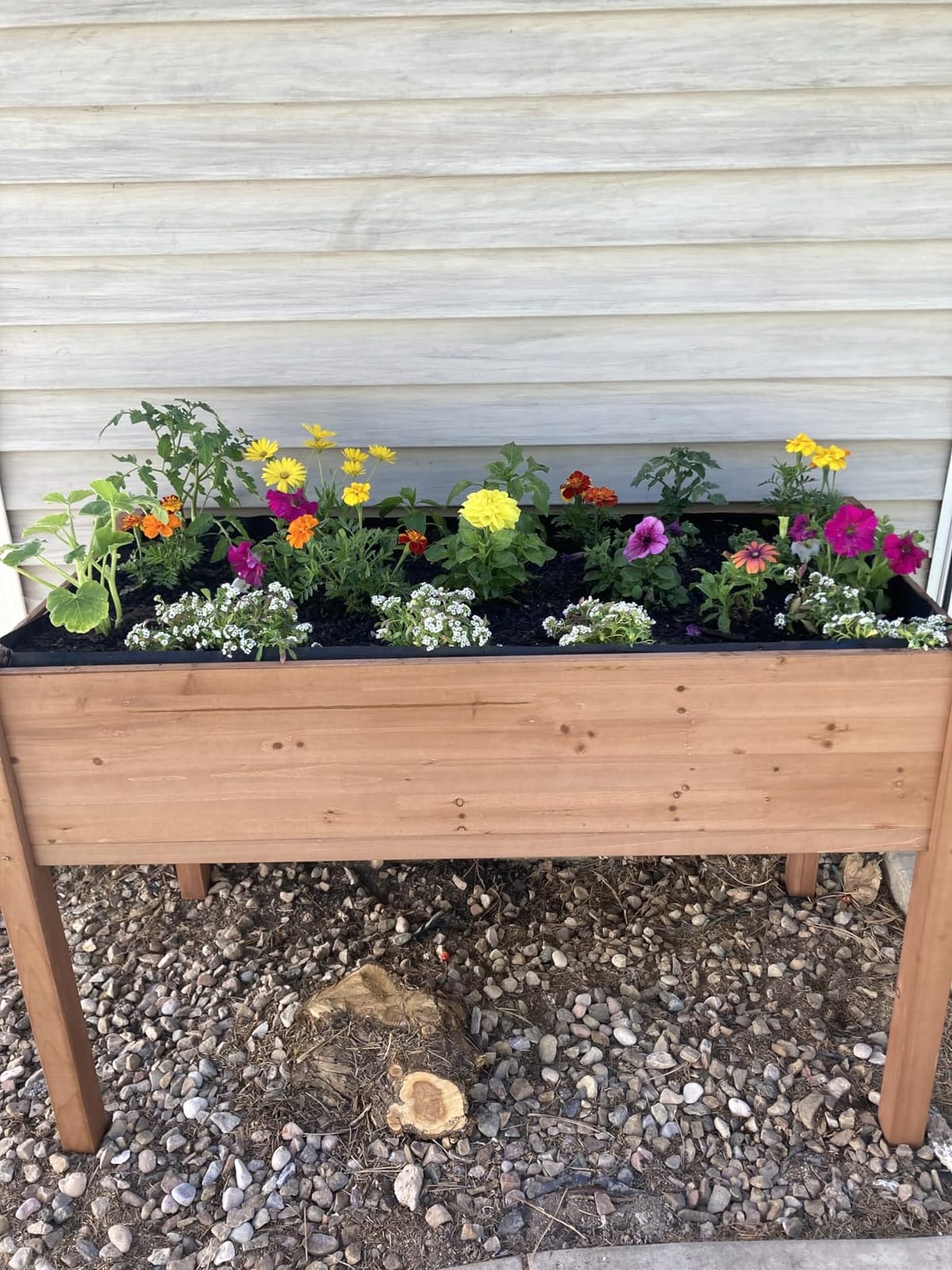
Of the wooden options, this is the one to buy. Real cedar with a grey water-based protective finish looks considerably better than painted fir, and cedar’s natural oils mean it resists rot far longer than other softwoods, so a bed like this can stay in service well past the point where a fir frame needs replacing.
The build quality shows up in the drilling. Pre-drilled holes line up correctly, which sounds minor until you have spent an evening with a wooden raised bed where every second hole was off. Several owners in their seventies and eighties specifically mention assembling it solo because of that accuracy.
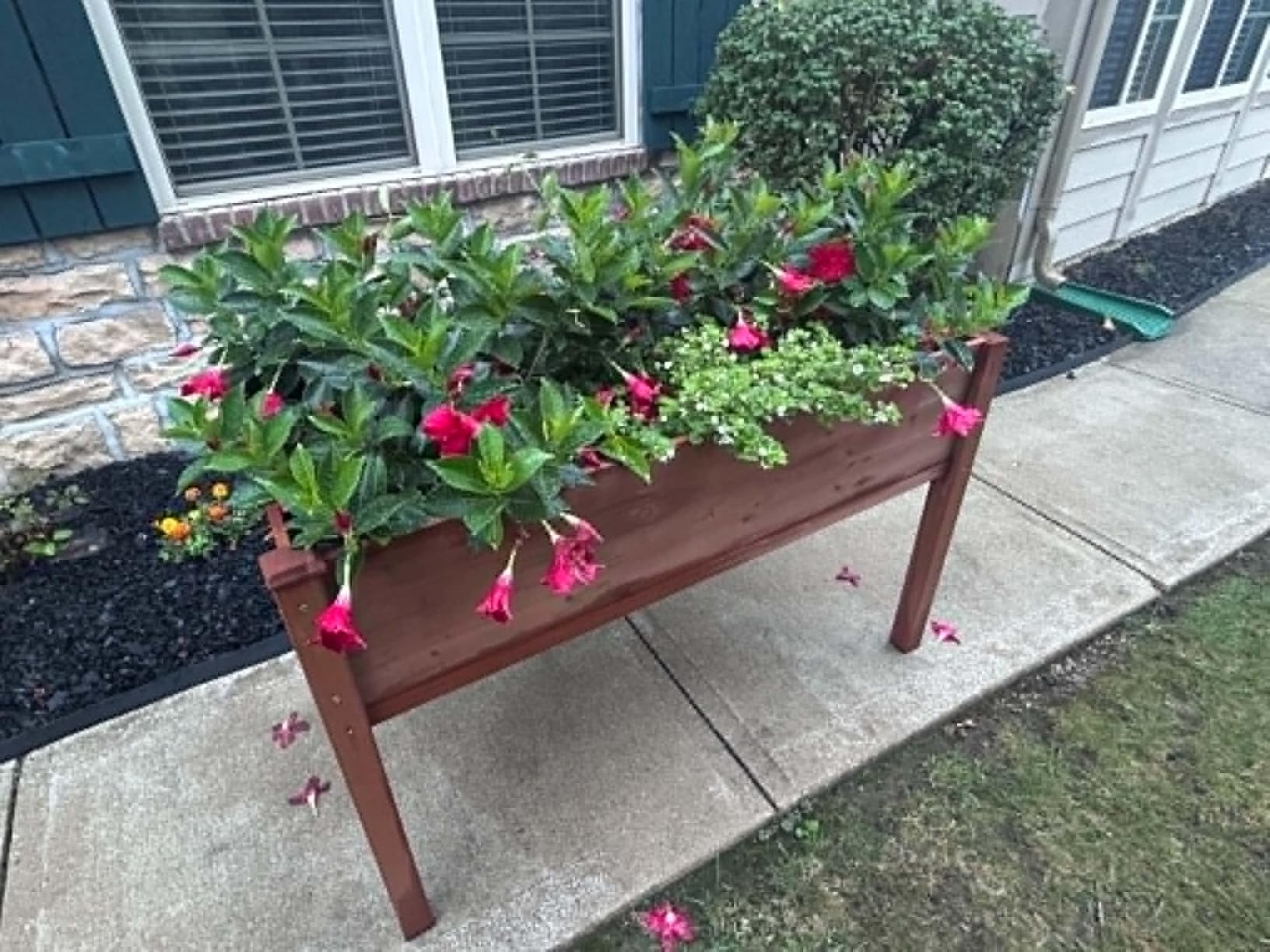
At 300 pounds of capacity and 6 cubic feet of soil across 48 by 24 inches, this holds more than most elevated wooden planters. Built-in drainage holes handle excess water, and the included liner keeps soil off the wood, which is the single best thing you can do to extend the life of any wooden bed.
It weighs 38.9 pounds empty, light enough to move while it is still bare and sturdy enough to stay put once filled. Tending happens standing up at 30 inches, which is the whole point of the design.
Who this bed works for
This suits anyone who wants the natural wood look and intends to keep the frame for a decade. Cedar is also a good choice in humid climates or anywhere the soil stays damp, since rot is the thing that ends wooden bed life.
It works well for herbs, greens, peppers and shallow-rooted crops on a patio, and the grey finish hides the marks that show on lighter wood.
Who this bed does not work for
Plan on a ten-minute extra step: the liner has to be stapled on yourself because no retention hardware is included. Skip that and soil gets behind the liner, against the wood, and shortens its life.
Also drive your screws gently. Cedar splits along the grain if you force them, and the raised grain means pilot holes are still worth the time.
10. Best Choice Products 48x24x32 Inch Mobile Elevated Planter – Best for Mobility
Best Choice Products Raised Garden Bed 48x24x32-inch Mobile Elevated Wood Planter w/Lockable Wheels, Storage Shelf, Protective Liner – Natural
48 by 23.25 by 32 inches
5.5 cubic feet of soil
Locking casters
Storage shelf and liner
Pros
- Locking casters chase the sun or move the bed from a storm
- Thirty two inch height is comfortable for planting and weeding
- Sturdy enough to roll a loaded planter across a balcony
- Protective liner separates wood from soil
Cons
- Assembly takes 2 to 3 hours rather than the stated 20 minutes
- Predrilled holes are sometimes misaligned
- Wood needs sealing or staining to avoid rot
The wheels are why this bed exists, and they are the reason most buyers choose it. Locking casters let you move a full planter to follow the sun across a patio, roll it under cover ahead of a storm, or reposition it entirely as your season changes.
It stands 32 inches tall, which is the highest working height in this group, and the shallow-ish 5.5 cubic feet of soil means it is light enough to roll even when filled. Owners report doing exactly that on a balcony, which is a real load on a frame with casters and worth testing before you commit.
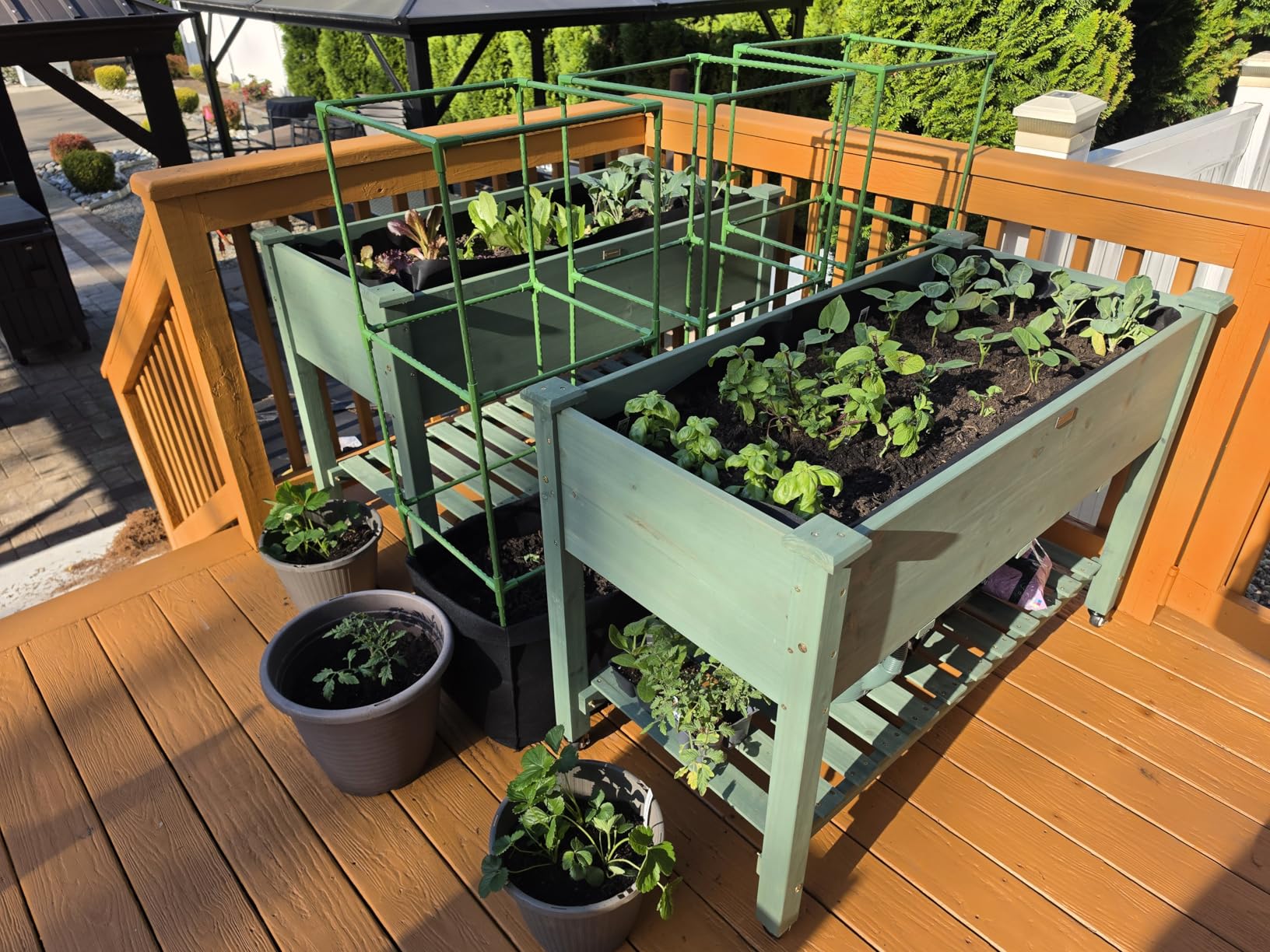
There is a slatted storage shelf underneath for hand tools and gloves, plus four drainage holes and a protective liner. The listed capacity is 100 pounds, which is the lowest weight rating among the elevated beds here, so keep the mix on the lighter side if you plan to move it often.
Be realistic about the build. Owners consistently report two to three hours of assembly, and the instructions are poorly ordered with no guidance on leg bolt placement. Some received boards with misaligned pre-drilled holes that needed shaving to fit.
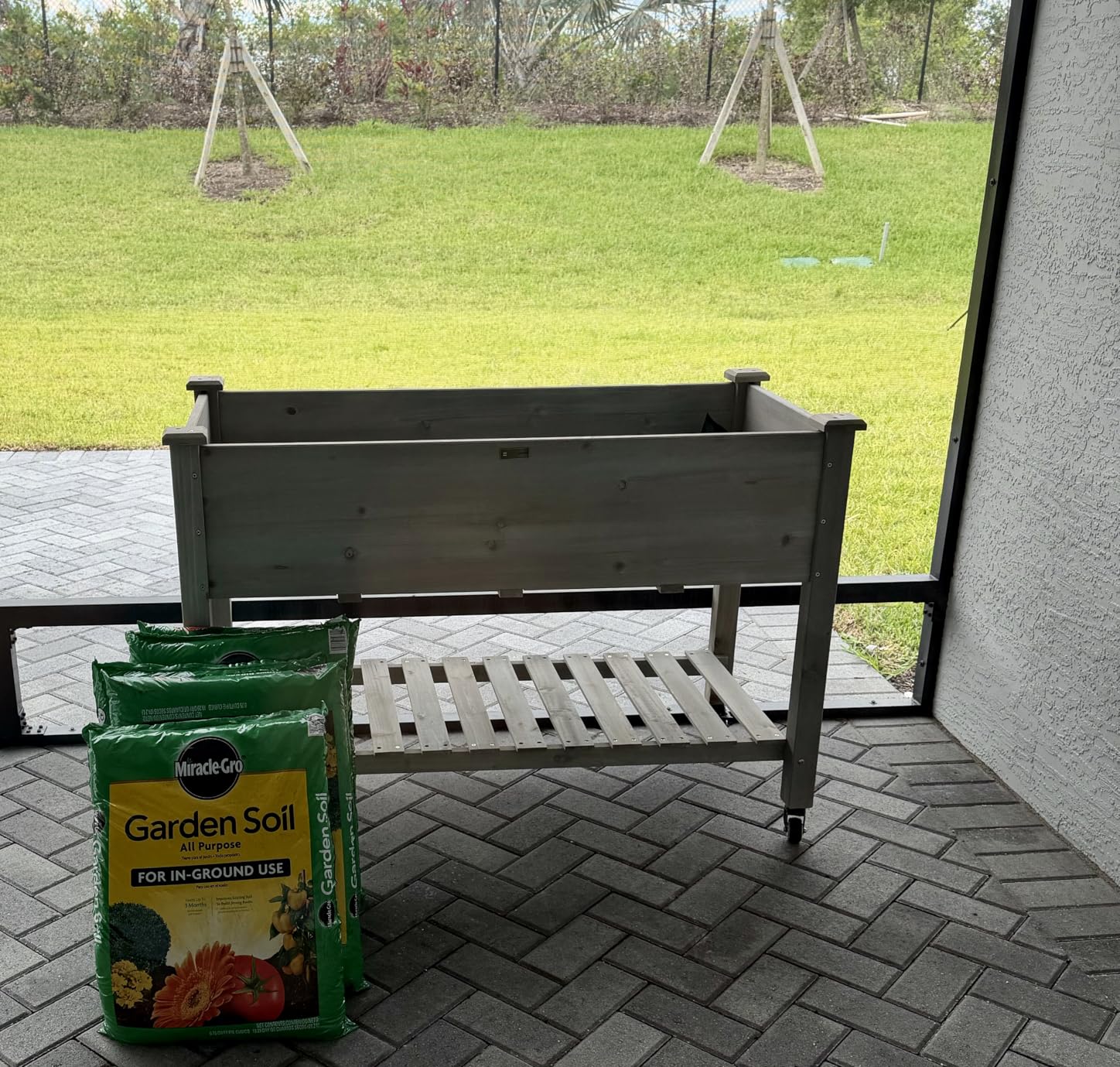
Who this bed works for
This suits renters and anyone whose light changes through the year, or gardeners on a balcony who need to clear the space for entertaining. At 32 inches it is also the easiest of the elevated beds to work over, which helps anyone with limited flexibility.
The shelf is a genuine bonus for small gardens, where tool storage is usually the thing that has no home.
Who this bed does not work for
It is not a deep bed. With 5.5 cubic feet, keep the planting to salad greens, herbs, peppers and cherry tomatoes, and do not attempt potatoes or full-size carrots.
You also need patience at build time and a plan for sealing. The soft pine and fir splits if you use a drill, so hand-screw the boards, and note that the included wrench does not fit the wheel bolts, which catches a lot of people out.
11. Utopia Home Galvanized Raised Garden Bed Kit 4x2x1ft – Best for First-Time Growers
Utopia Home Galvanized Raised Garden Bed Kit 4x2x1ft, Planter Box Raised Garden Beds Outdoor, Easy Assembly Metal Raised Bed for Gardening Vegetables, Fruits, Flowers – Pack of 01 – Silver
48 by 24 by 12 inches
216 liter capacity
Open base design
Edge guard and gloves included
Pros
- Lightweight enough to assemble and move alone
- Bolt holes align cleanly
- Edge guard strip is usually left out of rival kits
- Construction gloves are included in the package
Cons
- Thin steel means sides bow once loaded with soil
- Sharp wing nuts are uncomfortable to tighten
- No tools included for the many bolts
Small, light and forgiving, this is the bed we would hand to someone growing their first vegetables. At 8.9 pounds empty, one person can carry it, reposition it and assemble it without help, and the bolt holes line up cleanly enough that the build does not turn into an evening project.
The details show care. An edge guard strip is included, along with a pair of construction gloves, and both are standard omissions on cheaper kits. The gloves matter more than they sound, because the wing nuts on this style of bed are sharp enough to mark your hands.
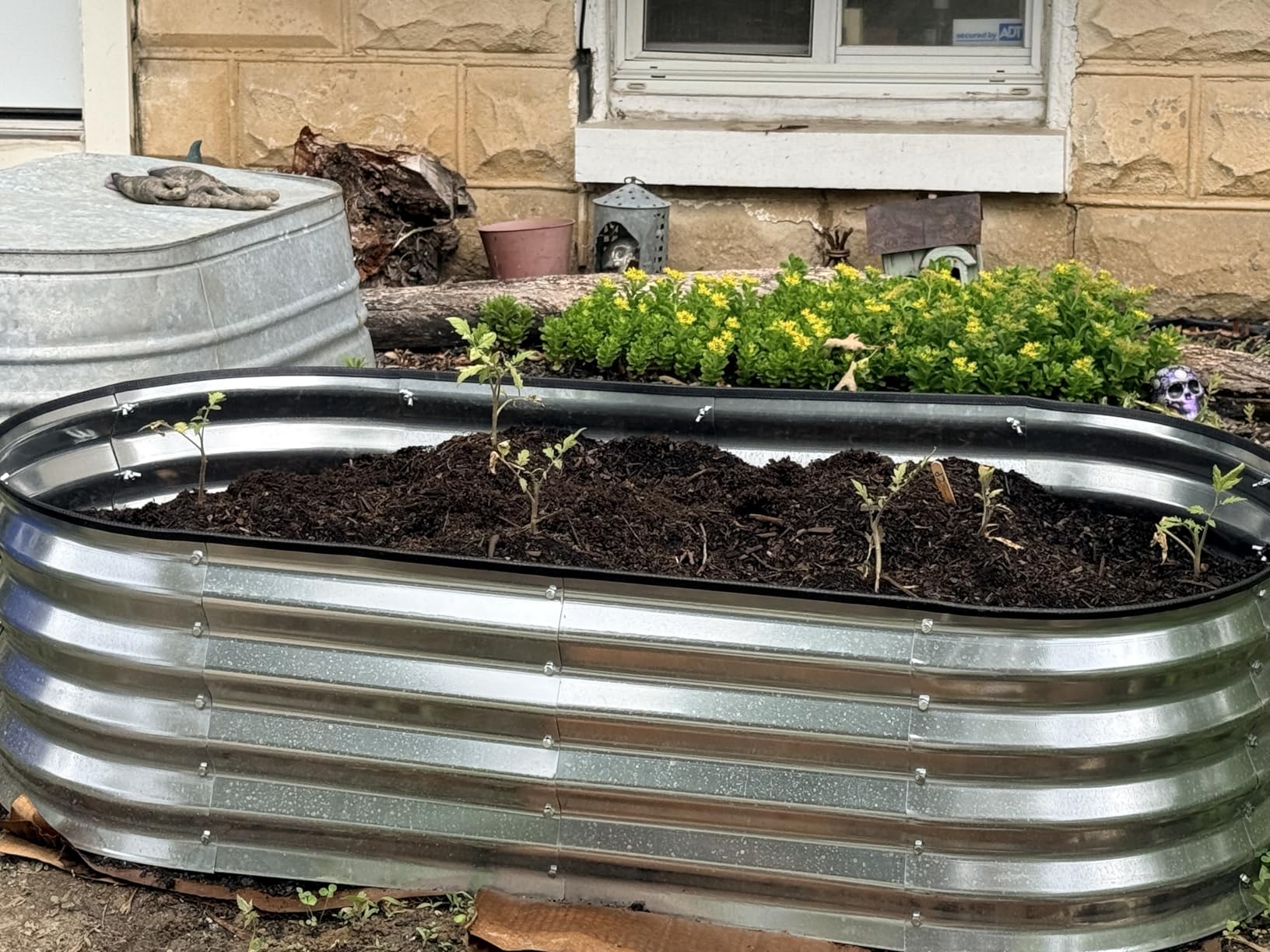
It holds 216 liters and carries a rank of number one in Raised Garden Kits, which tells you how many people start with this one. At 12 inches deep and 4 by 2 feet it is a classic salad-and-herb bed that also handles peppers, beans and bush zucchini comfortably.
The open base means roots can extend into native soil and water drains freely, so there is no liner to fit and nothing to add at the base for drainage.
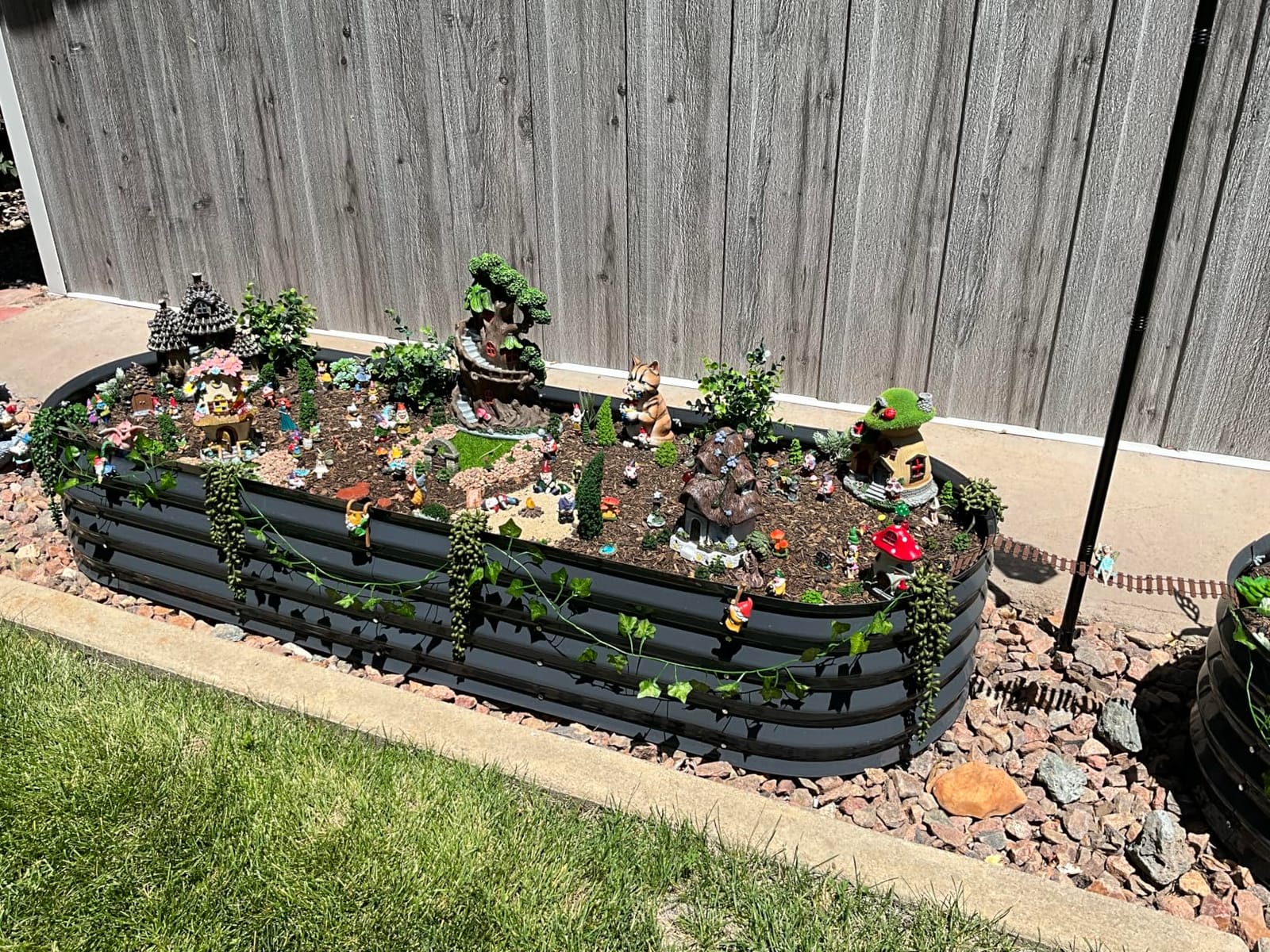
Who this bed works for
This suits a first vegetable garden, a renter who wants something they can take with them, and anyone with limited strength or space. The 4 by 2 footprint is also the easy one to move when you want to change where the sun hits.
Anyone who wants a tidy, unobtrusive bed by a door for lettuce, radishes, chard, parsley and basil will find this more than adequate.
Who this bed does not work for
The steel is thin, and that shows under load. Owners report the sides leaning outward once the bed is filled with wet soil, and some plan to rivet the joints or add external metal posts for long-term use. Plan for that if you intend to leave it full year-round.
No tools are included, so add a driver to your shopping list, and tighten the wing nuts carefully because of how sharp they are.
12. Land Guard Galvanized Raised Garden Bed Kit 4x2x1ft – Most Reviewed Pick
Land Guard Galvanized Raised Garden Bed Kit, Galvanized Planter Garden Boxes Outdoor, Oval Large Metal Raised Garden Beds for Vegetables…………
48 by 24 by 12 inches
7.14 cubic feet
0.78mm double layer galvanized sheet
Oval profile
Pros
- Most reviewed bed in this roundup
- Double layer coating on 0.78mm sheet resists rust
- Assembles in about 5 minutes
- Oval profile resists deformation at the panel interfaces
Cons
- 12 inch depth favors lettuce and herbs over deep roots
- Weighs only 5 pounds so it may need anchoring
With more than twelve thousand ratings, this is the most-reviewed bed in the group, and it holds the number one rank in Planter Raised Beds. That volume of feedback matters: when a product has this many reviews, the recurring observations tend to be real patterns rather than early-adopter enthusiasm.
The spec that justifies the position is the sheet. Average thickness of 0.78mm, rising to 1.56mm at the thickest points, with double-layer anti-corrosion galvanizing, is considerably more material than the 0.3mm beds that sell alongside it. The oval profile means the panels meet at curves instead of hard corners, which is where cheaper frames deform.
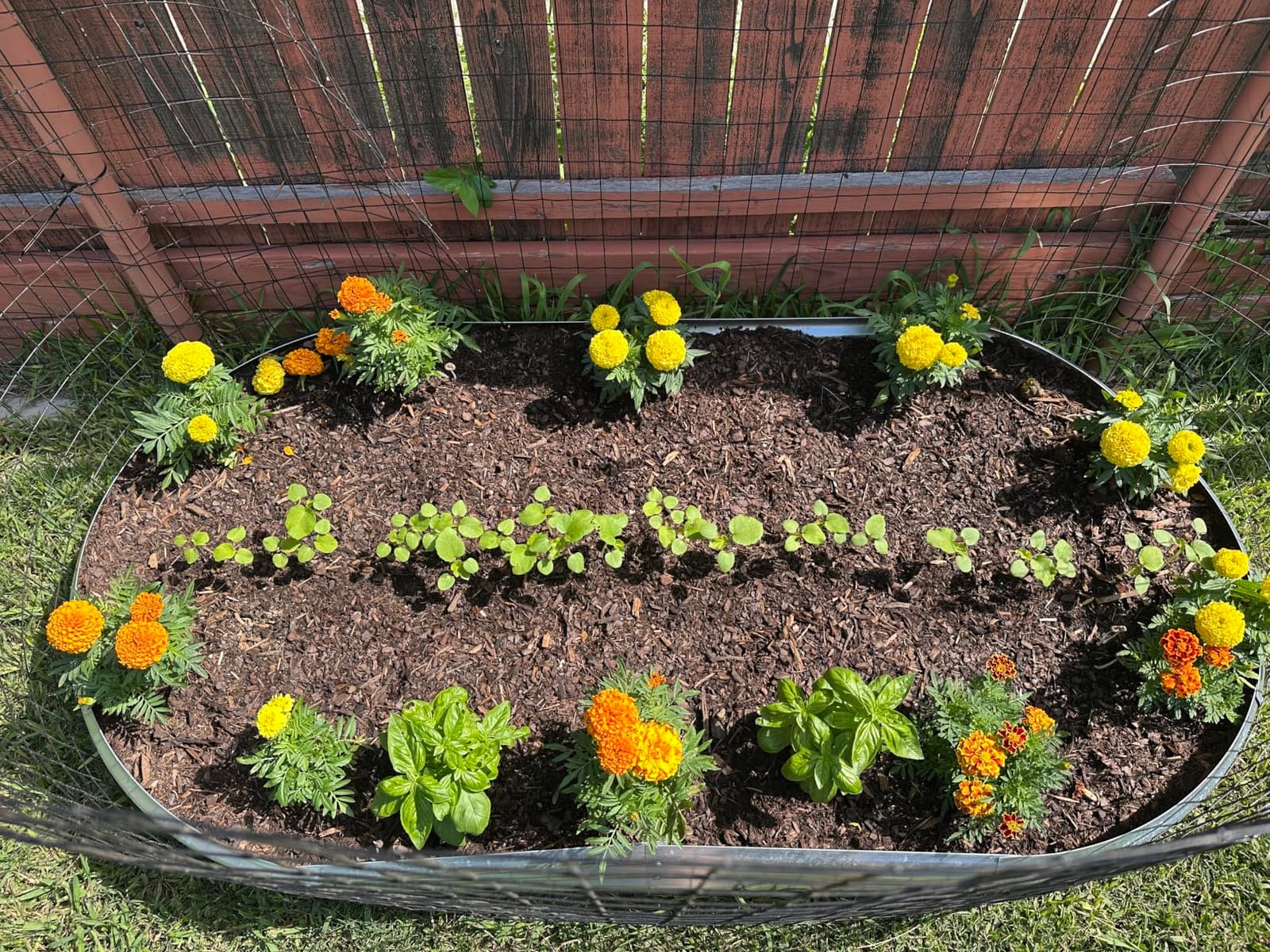
Assembly takes about five minutes, which is a genuine advantage when you are building a row of beds on a weekend. Six color options and sizes up to 8 by 4 feet mean the same system scales from a single corner bed to a full garden.
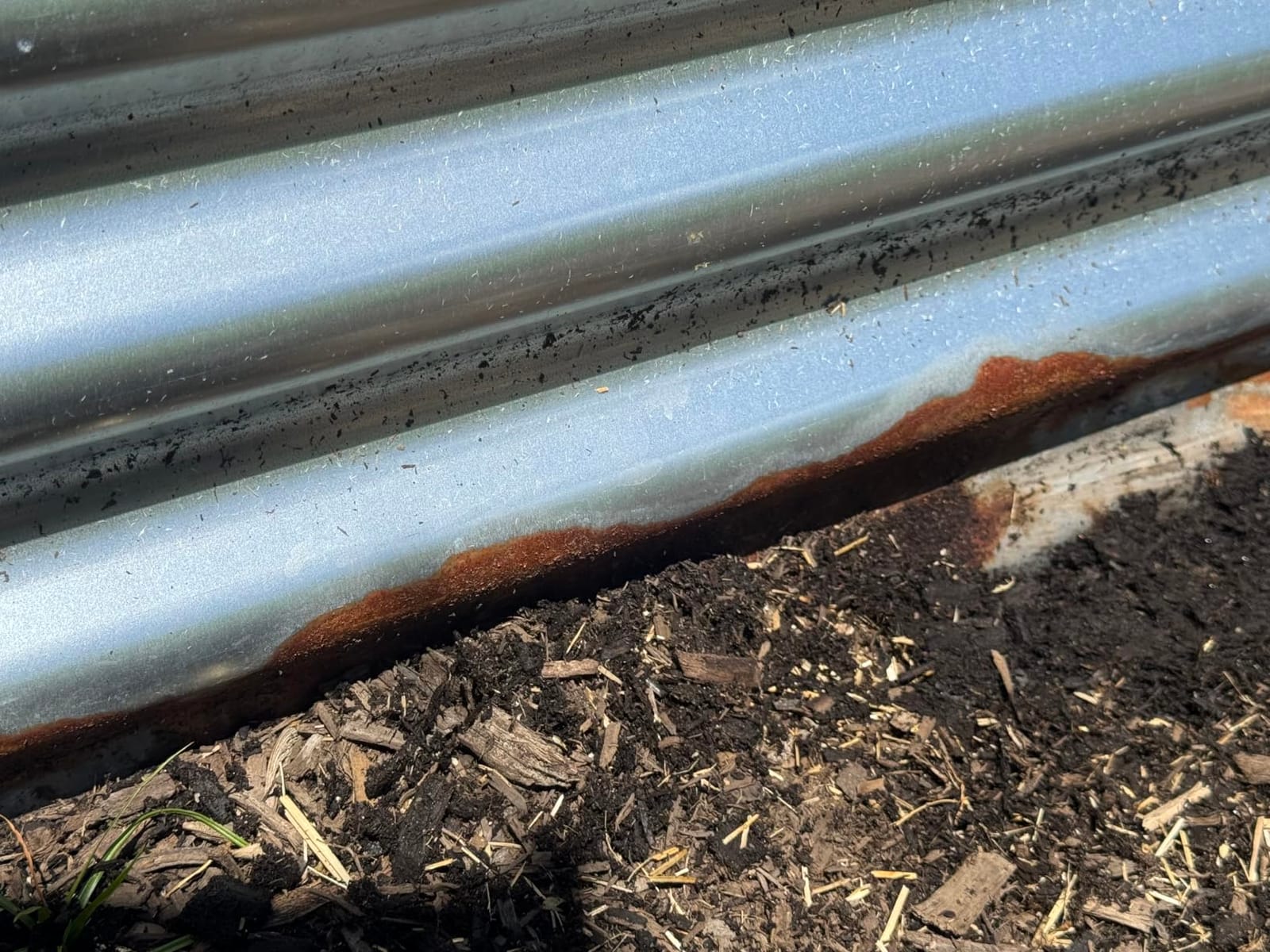
At 5 pounds it is genuinely light, which is easy to move and easy to blow over in an exposed corner. Anchor it or position it somewhere sheltered if your site is windy.
Who this bed works for
This suits anyone starting with salad greens, lettuce, spinach, radishes and herbs, and anyone building several beds quickly. The double-layer galvanizing is the reason it holds up through multiple seasons without surface rust.
If you want a starter system you can expand, buying a pair of these and linking them later is the least complicated path to a larger bed.
Who this bed does not work for
It is a 12-inch bed, so it is a poor match for tomatoes, potatoes, broccoli and full-size carrots, which are exactly the crops people most often want to grow.
At 5 pounds it may need anchoring in exposed ground, and the shallow depth means you will be topping up with water more often in a dry climate than you would with one of the deeper frames.
How to Choose a Raised Garden Bed for Vegetables
Material and depth are the two decisions that matter. Everything else, from color to corner style, is cosmetic by comparison. Work through them in that order and the rest of the buying process takes five minutes.
Match the depth to the crop you actually want
Depth is the number that determines whether a bed succeeds, and it is the one most people get wrong. Here is how the crops we grow map to the depths available in this roundup.
6 to 10 inches: lettuce, spinach, arugula, radishes, herbs such as basil and cilantro, strawberries. Fast and shallow.
10 to 12 inches: peppers, bush beans, chard, kale, bush zucchini, cucumbers on a trellis, most salad crops.
15 to 18 inches: full-size tomatoes, broccoli, cauliflower, full-size carrot and beet varieties.
20 inches and deeper: potatoes, large tomato varieties, and anyone who wants the soil column to buffer against heat.
Most of the beds in this list sit at 10 to 12 inches, which is the practical sweet spot for a mixed kitchen garden. If your list is mostly fruiting crops, pay the extra for a 17 or 24 inch frame, because retrofitting depth later means rebuilding the bed.
Pick the material for your climate and your patience
Galvanized steel lasts the longest and asks the least of you. It does not rot, it does not need sealing, and the heavier gauge options here show no rust after multiple seasons. The cost is appearance and sharp edges during assembly, and in our experience it is the right default for most vegetable gardens.
Cedar sits between: beautiful, naturally rot-resistant, and it needs almost no maintenance for many years. Fir and pine, the other common wood, are the shortest-lived option and must be sealed or stained every year or two to have any chance at longevity.
A note on treated lumber. If you build from scratch, look for ACQ-treated cedar and avoid older CCA-treated pine, which is not appropriate for food gardens. Of the assembled beds here, the powder-coated steel models carry published non-toxic testing, which is worth something if kids eat straight from the bed.
Width, reach and soil capacity math
Two feet wide is the ergonomic sweet spot. You can reach the center of a 24-inch bed from one side without stepping on the soil, which protects the structure and stops you compacting it. Wider beds need stepping boards, and narrower 12-inch beds are fine but plant fewer rows.
Soil capacity is the figure most people underestimate. Multiply length by width by depth in feet, then take roughly 80 percent of that number as the volume you can actually fill, because the frame walls and any liner take up space. The 8 by 4 by 1 foot bed in this list works out to 32 cubic feet, the 4 by 2 by 1 foot beds to about 7 to 8.
As a rule of thumb, plan on 7 to 10 cubic feet per person for a summer’s supply of salad crops and herbs, and double it if you want to preserve. For a family of four growing all season, that is 30 to 40 cubic feet of soil, which is a lot more than most first-time buyers buy.
Drainage and open versus closed bottoms
Do raised garden beds need drainage? Yes, and most of them handle it for you. An open-bottom frame lets excess water move into the ground below and gives worms and deep roots a path into native soil, which is the more natural setup for vegetables.
A closed bottom with a liner is only necessary where the ground is contaminated, badly compacted or nonexistent, as on a patio. If you do use a closed bottom, drill drainage holes, otherwise roots sit in water and you are inviting rot.
Elevated beds with legs need the drainage holes that several of the models here include, since the frame cannot drain into the ground at all. The four drainage holes on the wheeled planter are the right idea.
Assembly reality and hardware counts
Allow more time than the box claims. Most of these beds ship flat, and the honest ranges we saw run from about five minutes for the simplest oval frame to two or three hours for a wheeled wooden planter with 30 pieces.
Buy a power driver if the kit uses bolts, wear gloves for any steel frame, and drill pilot holes in every wooden board. One reviewer counted roughly 120 screws, washers and wing nuts on a single metal bed, which is not an exaggeration for the deeper frames.
The cost of filling the bed
This is the most overlooked purchase in the whole project. Good raised bed soil mix runs per cubic foot, so a 32 cubic foot bed needs a substantial number of bags or a bulk delivery, and top-quality compost is a real cost on top.
Plan a mix rather than buying straight garden soil. A practical blend is roughly half top-quality compost, a third garden soil or loam, and the rest a drainage component such as perlite, coarse bark or aged leaf mold. Two or three seasons in, top the bed up with another inch or two of compost.
One fill note that saves money: you do not need to fill the bottom with rocks or logs. That approach, known as hugelkultur, saves a little material up front but reduces the soil volume available to roots, and the results are inconsistent from bed to bed. Layering cardboard to smother sod costs almost nothing and works well.
Frequently Asked Questions
What is the best type of raised bed for vegetables?
Galvanized steel is the best type for most vegetable gardens because it will not rot, needs no sealing, and holds a wall straight under the weight of wet soil. Choose wood if the look matters to you and you will oil it yearly, and choose a waist-high elevated bed if bending and kneeling are a problem. Match the depth to your crop list before you pick a material.
What vegetables should not be grown in a raised bed?
Potatoes need deep soil to bulk up and are prone to exposing themselves to light. Asparagus and other perennials produce better in ground soil and will outgrow a shallow frame. Any deep-rooted crop in a bed under 10 inches, including full-size carrots and parsnips, will struggle. Large sprawling crops such as squash and corn shade out everything else unless the bed is very large.
How deep should a raised garden bed be for growing vegetables?
Aim for at least 10 to 12 inches for most vegetables, 6 to 10 inches for salad crops and herbs, and 15 to 18 inches for tomatoes, broccoli and full-size carrots. Anything under 6 inches restricts roots too much for a productive season. Deeper is better if you have the soil and the water to support it, because root depth buffers against temperature swings.
What veggies are good to grow in a raised bed?
Lettuce, spinach, arugula and other salad greens all do well. Radishes, beets, onions and green onions are quick and reliable. Herbs including basil, cilantro, parsley, thyme and chives thrive. In 10 to 12 inches of depth you can add peppers, bush beans and bush zucchini, while tomatoes, broccoli and full-size carrots want 15 inches or more.
Which raised garden bed is the best quality?
Quality is mostly a question of steel thickness and hardware finish. The heaviest beds in this roundup use 0.8mm sheet with double-layer galvanizing and weigh 20-plus pounds empty, while the lightest use around 0.6mm and weigh five pounds. Heavier gauge and galvanized hardware are the two things that separate a frame that lasts from one that bows within a few seasons.
How much soil do I need to fill a raised garden bed?
Multiply the interior length by width by depth in feet, then fill to about 80 percent of that. A 4 by 2 by 1 foot bed needs roughly 7 to 8 cubic feet, and an 8 by 4 by 1 foot bed needs about 32. Add one or two cubic feet of compost per bed for a richer start, and plan on topping up each fall.
Which Raised Garden Bed Should You Buy?
Start with the crop list, then the depth. For most kitchens we recommend the galvanized 8 by 4 foot frame, since 32 cubic feet at 12 inches deep handles greens, beans, peppers and a trellised cucumber row, and the overlapping panels do not bow when you fill it.
If you want to tend while standing, the 30-inch elevated fir planter is the most-reviewed bed here and the one we use most. If you would rather not maintain wood, take the oval galvanized bed in cedar’s place and never seal anything again. For a long-term frame you intend to keep for a decade or more, the coated steel modular kit is the most durable option, provided you can give it an afternoon of assembly.
Whatever you choose, buy more soil than you think you need and buy it before the bed goes up. Then plant something you will actually eat, because that is the part that turns a frame in the yard into a roasted vegetable dinner worth sitting down for, or a weeknight bowl like a salmon quinoa salad with roasted vegetables.