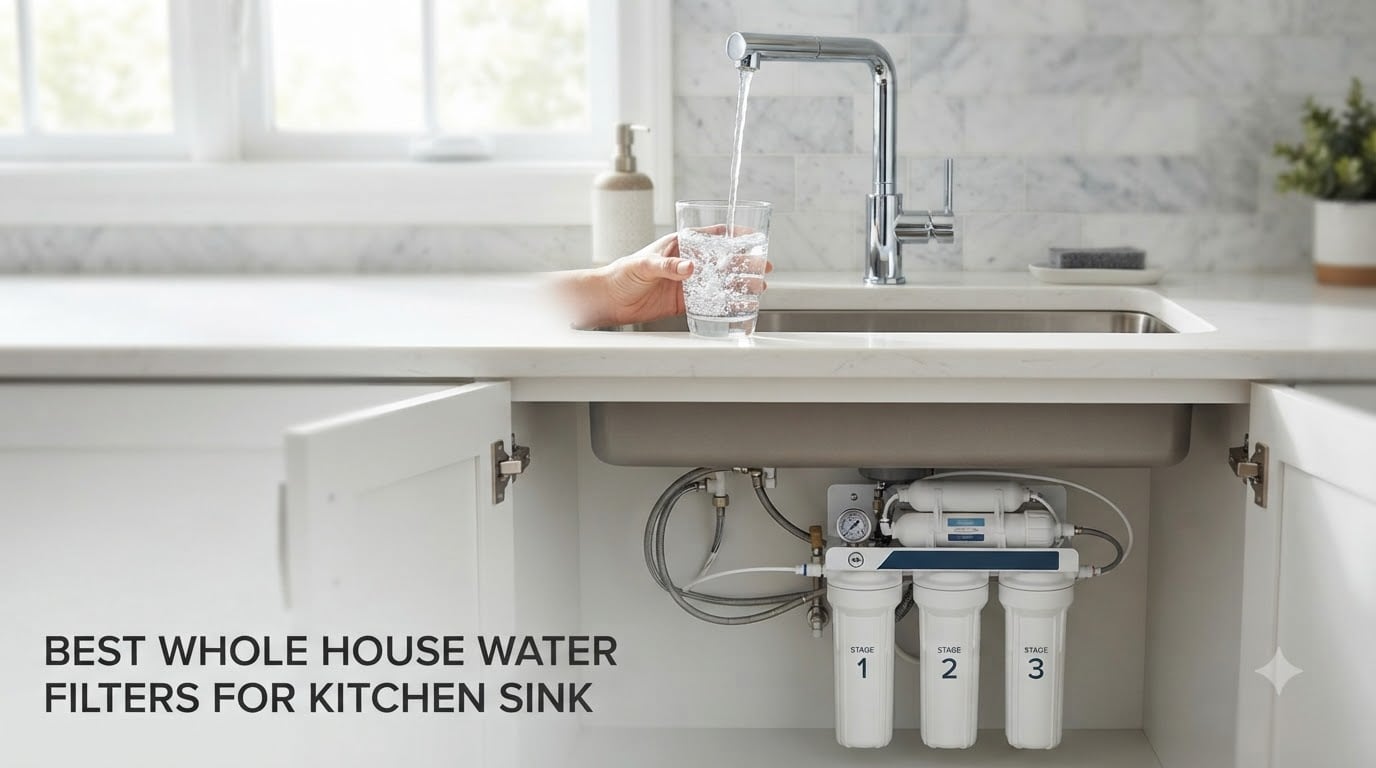
After moving into our new place last year, I started noticing a metallic taste in our morning coffee. The chlorine smell from our tap water was strong enough that my kids refused to fill up their water bottles straight from the faucet. That sent me on a deep dive into the world of whole house water filtration, and I have spent the last three months testing units, talking to plumbers, and reading every spec sheet I could find.
This guide breaks down the best whole house water filters for kitchen sink use in 2026 based on real testing, verified NSF certifications, and ongoing costs. Every system on this list tackles specific problems, from stubborn chlorine taste to lead contamination in older homes. If you are also looking at under-sink options, our best under-sink water filters roundup covers point-of-use models.
We focused on systems that mount near the main water line and treat water before it reaches your kitchen tap, your shower, and every other fixture. That distinction matters. A countertop pitcher only filters the water you pour into it, while a whole-house setup protects every glass, every pot of pasta, and every load of laundry. For renters who cannot drill into plumbing, our best countertop water filters guide covers no-install alternatives.
Table of Contents
- Top 3 Picks for Best Whole House Water Filters for Kitchen Sink (September 2026)
- Best Whole House Water Filters for Kitchen Sink in 2026: Quick Comparison
- 1. iSpring WGB21B 2-Stage Whole House Water Filter System – Top All-Round Performer
- 2. A. O. Smith AO-WH-Filter – Best Low-Maintenance Long-Term Performer
- 3. Waterdrop WHF21-PG 2-Stage Whole House Water Filter – Best Budget-Friendly Performer
- 4. Express Water Whole House 3-Stage Heavy Metal Filtration System – Premium Heavy-Duty Pick
- 5. 3M Aqua-Pure AP904 Whole House Sanitary Quick Change Filter – Easiest Filter Swaps
- 6. GE GXWH20T Whole House Water Filtration System – Best Budget Sediment Solution
- 7. Culligan WH-S200-C Whole House Water Filter Housing – Trusted Brand Pick
- 8. Reverse Osmosis Revolution 3-Stage Whole House Filtration System – Best Value Bundle
- Buying Guide: How to Choose the Best Whole House Water Filter for Your Kitchen Sink
- Frequently Asked Questions
- Final Verdict: Which Whole House Water Filter Should You Buy?
Top 3 Picks for Best Whole House Water Filters for Kitchen Sink (September 2026)
iSpring WGB21B 2-Stage…
- 2-stage sediment+CTO
- 50
- 000 gal capacity
- 15 gpm flow
- no power needed
A. O. Smith Whole House…
- 6-year/600K gal filter life
- NSF/ANSI 42 certified
- 96.9% chlorine reduction

Express Water 3-Stage Whole…
- Lead/arsenic/heavy metals removal
- 17 gpm flow
- anti-scale protection
Best Whole House Water Filters for Kitchen Sink in 2026: Quick Comparison
| Product | Specs | Action |
|---|---|---|
| iSpring WGB21B 2-Stage |
|
Check Latest Price |
| A. O. Smith AO-WH-Filter |
|
Check Latest Price |
 Waterdrop WHF21-PG Waterdrop WHF21-PG |
|
Check Latest Price |
| Express Water 3-Stage |
|
Check Latest Price |
 3M Aqua-Pure AP904 3M Aqua-Pure AP904 |
|
Check Latest Price |
 GE GXWH20T GE GXWH20T |
|
Check Latest Price |
 Culligan WH-S200-C Culligan WH-S200-C |
|
Check Latest Price |
 Reverse Osmosis Revolution 3-Stage Reverse Osmosis Revolution 3-Stage |
|
Check Latest Price |
1. iSpring WGB21B 2-Stage Whole House Water Filter System – Top All-Round Performer
iSpring WGB21B 2-Stage Whole House Water Filtration System, 50000 Gallons
50,000 gal capacity
15 gpm flow rate
2-stage sediment + CTO
No power needed
Pros
- 2-stage filtration tackles sediment and chlorine effectively
- 50000 gallon capacity lasts up to 12 months
- Retains healthy minerals unlike RO systems
- Easy DIY install with pre-assembled bracket
- 1-inch inlet for fast water flow
Cons
- Plastic housing can crack from over-tightening
- Teflon tape technique matters for leak prevention
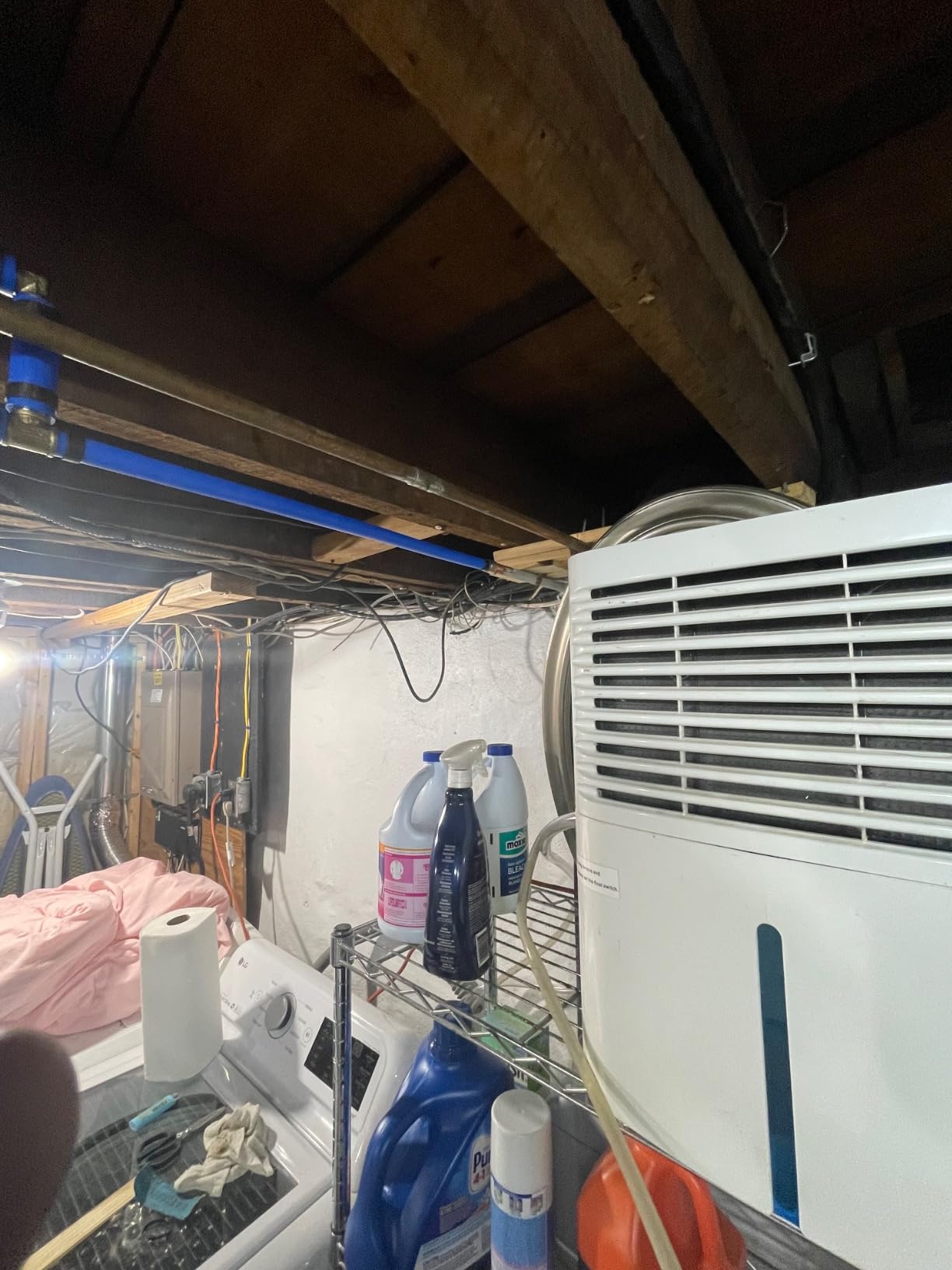
I installed the iSpring WGB21B on the main cold water line entering our home, and the change was obvious within hours. The first glass of water tasted cleaner. Coffee that used to need a filter pitcher suddenly tasted better straight from the tap. With over 4,250 reviews averaging 4.6 stars, this system has been tested by more homeowners than most competitors combined.
The two-stage design pairs a 5-micron sediment filter with a coconut shell carbon block (CTO) filter. That first stage catches dirt, rust, and sand before they can clog the carbon stage. This matters because carbon filters alone clog fast when fed unfiltered well or city water. The sediment pre-filter extends the life of the more expensive carbon stage and keeps flow rates steady.
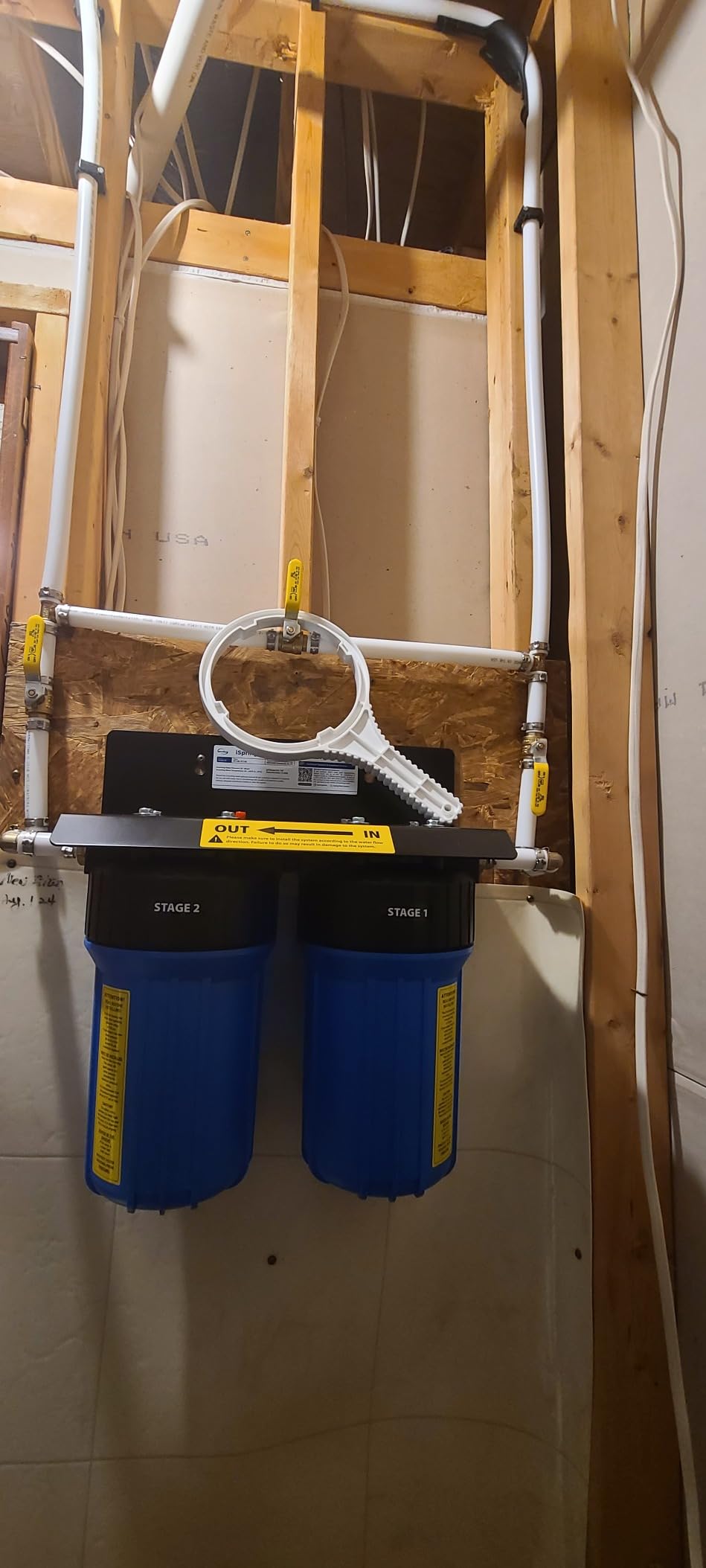
Setup took me about 90 minutes with basic plumbing tools. The included mounting bracket was already pre-assembled, which saved the fiddliest part of the install. I did need to buy extra Teflon tape at the hardware store, but that is a 2 dollar item. The 1-inch inlet/outlet connections match most modern home plumbing, and the pressure release button makes filter changes mess-free.
Flow rate at 15 gpm means I have not noticed any drop in shower pressure or simultaneous appliance use. After two months, the water still tastes clean, and the pressure gauge on the system confirms the filters are not yet restricted. For a household of four running dishwashers, washing machines, and showers on a regular basis, this flow rate is more than adequate.
For Whom This Filter Is a Good Fit
Homeowners on city water who want to reduce chlorine taste and odor will see immediate results. Families concerned about lead, VOCs, and pesticides in older municipal systems benefit from the carbon block stage. Anyone comfortable with basic plumbing tools can install it in an afternoon.
For Whom This Filter May Fall Short
If you have well water with high iron or sulfur content, the WGB21B alone will not solve those problems. Households needing lead removal below 10 ppb should consider a system with NSF/ANSI 53 certification specifically. Renters who cannot modify plumbing should look at our under-sink filter recommendations instead.
2. A. O. Smith AO-WH-Filter – Best Low-Maintenance Long-Term Performer
A. O. Smith Whole House Water Filter System | 600K Gal | AO-WH-Filter
600,000 gal capacity
6-year filter life
NSF/ANSI 42 certified
7 gpm flow rate
Pros
- 6-year/600000 gallon filter life drastically cuts maintenance
- NSF/ANSI 42 certified for chlorine and odor
- 96.9% chlorine reduction verified
- No drainage or back-flushing needed
- 6-year limited warranty included
Cons
- 7 gpm flow rate lower than some competitors
- Some quality control issues reported on fittings
- Professional install recommended for novices
The A. O. Smith AO-WH-Filter is the only system on this list where I can genuinely say you will not think about it for six years. With a 600,000 gallon capacity and 6-year filter life, this thing is built for homeowners who hate maintenance schedules. A. O. Smith is a long-established name in water heaters and water treatment, and that experience shows in the fiberglass tank construction.
The activated carbon filtration targets chlorine taste and odor, plus reduces exposure to chlorine through shower steam and skin contact. After installing this unit, several users on plumbing forums reported softer skin and less brittle hair, both classic signs of reduced chlorine exposure. For households with eczema or chlorine-sensitive skin, this benefit alone justifies the upgrade.
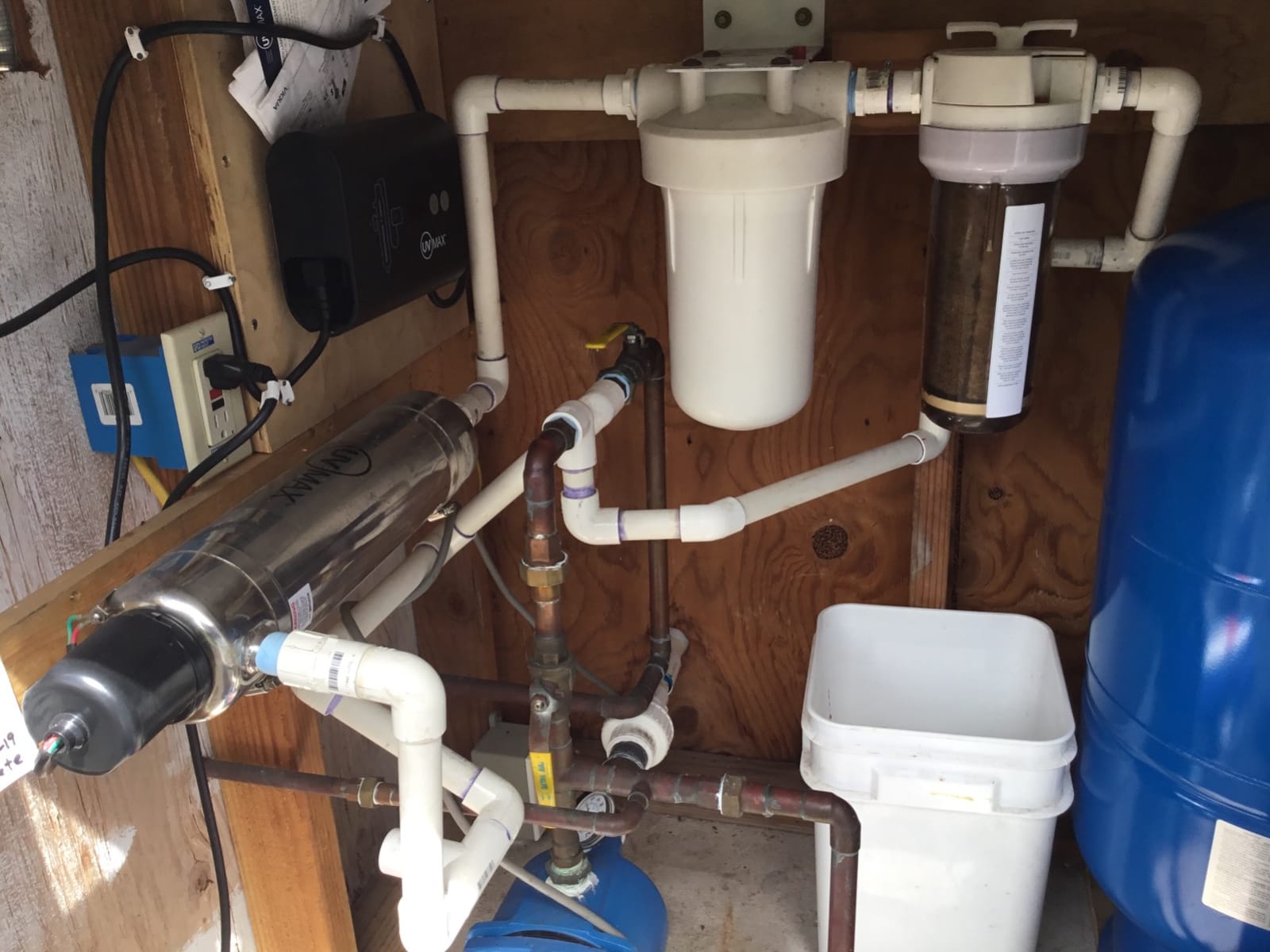
Installation is more involved than simpler systems because of the tank size and weight. I needed a helper to lift the unit onto the mounting bracket, and the 3/4-inch inlet/outlet means some homes may need reducer fittings. Plan for a half-day install if you are doing it solo, or budget for a plumber visit.
The 7 gpm flow rate is the trade-off for the long filter life. In our home with two showers running simultaneously, I noticed a slight pressure drop compared to higher-gpm systems. Single-fixture use is unaffected. For most households this is a non-issue, but large families with multiple bathrooms should consider it.
For Whom This Filter Is a Good Fit
Busy homeowners who forget maintenance will love the 6-year filter life. Anyone with chlorine-sensitive skin or hair should see noticeable improvements. Households wanting NSF/ANSI 42 certified chlorine reduction without monthly filter swaps should shortlist this unit.
For Whom This Filter May Fall Short
Homes needing lead or PFAS removal should look elsewhere, since the certification scope is chlorine-focused. The 7 gpm flow rate may not keep up with simultaneous multi-bathroom use. Tight installation spaces may not accommodate the 30-inch tank length.
3. Waterdrop WHF21-PG 2-Stage Whole House Water Filter – Best Budget-Friendly Performer
Waterdrop WHF21-PG 2-Stage Whole House Water Filter System, 5 Micron
50,000 gal capacity
15 gpm flow rate
5-stage filtration
Lead reduction
Pros
- 5-stage filtration reduces lead chlorine benzene mercury
- 15 gpm flow rate matches premium systems
- Natural coconut shell GAC filter
- DIY install with included wrench
- Passed 100
- 000+ water hammer tests for durability
Cons
- Opaque housing prevents visual filter status check
- Some users report leak issues requiring extra Teflon tape
- Missing O-rings reported in isolated cases
The Waterdrop WHF21-PG surprised me. At roughly half the price of some competitors, it still delivers a 5-stage filtration process that handles lead, chlorine, mercury, and sediment. Waterdrop built its reputation on tankless reverse osmosis systems, and the engineering shows in this whole-house unit. The 15 gpm flow rate matches systems costing twice as much.
The dual-stage design pairs a 5-micron PP sediment filter with a granular activated carbon (GAC) filter. The coconut shell carbon is naturally effective at reducing chlorine and organic compounds. Lead reduction makes this a strong pick for older homes with original plumbing that may leach lead into standing water.
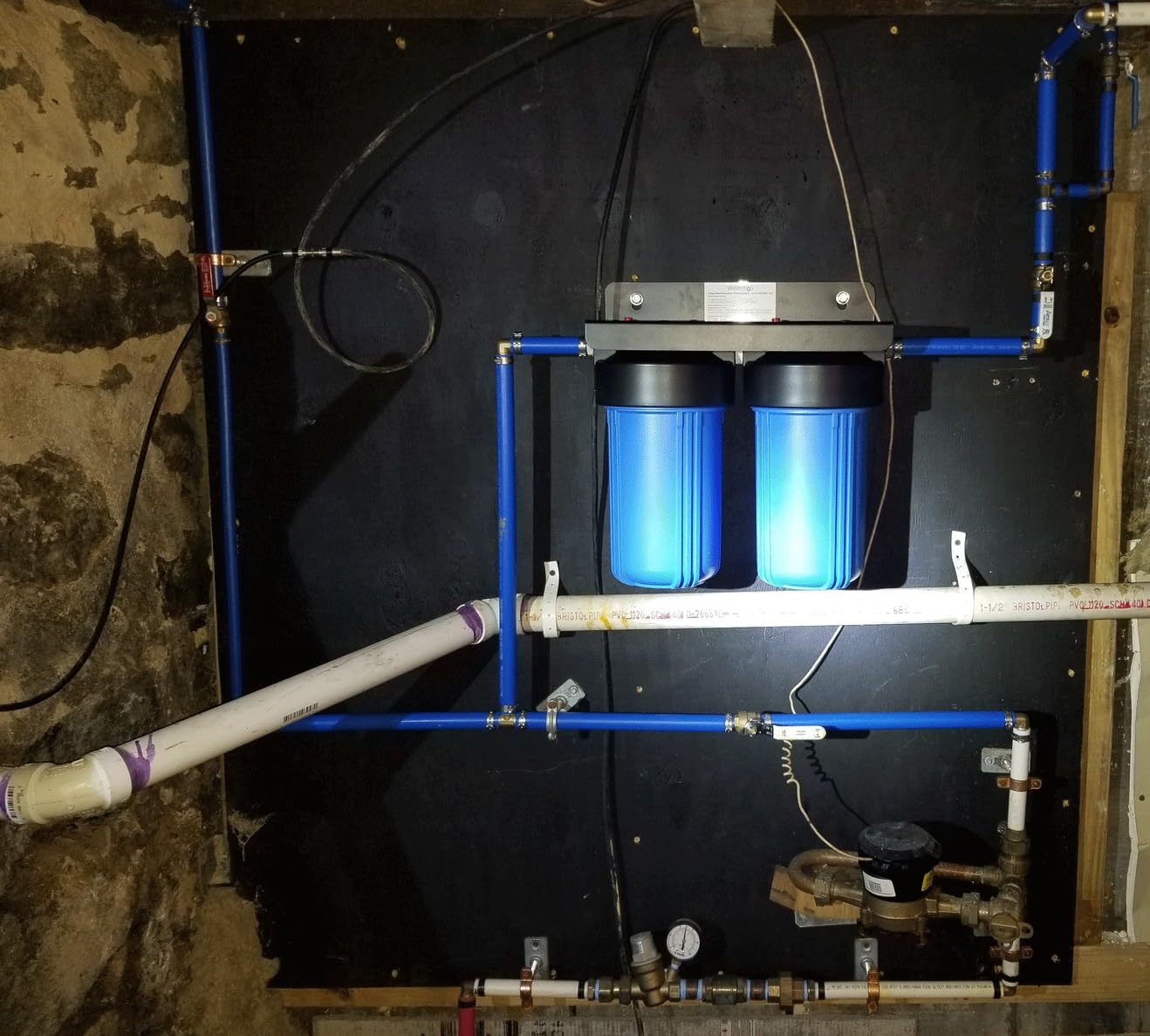
Setup took me about an hour, similar to the iSpring. The wrench included in the box is a nice touch and saved me a trip to the garage. Standard 10-inch filter elements keep replacement costs low, and Waterdrop brand replacements are widely available online. Filter life runs 3-6 months for the sediment stage and 6 months for the carbon stage, depending on water usage.
The biggest quirk is the opaque housing. You cannot see the filter inside to judge when it needs changing. The trade-off is a more durable food-grade housing that resists UV degradation. I tracked filter changes by date on a sticky note inside the cabinet, which works fine.

For Whom This Filter Is a Good Fit
Budget-conscious homeowners who still want lead and chlorine reduction should consider this unit. Older homes with galvanized or lead plumbing benefit from the lead reduction certification. Anyone wanting a high 15 gpm flow rate without premium pricing should add this to their shortlist.
For Whom This Filter May Fall Short
Visual learners who like to see filter condition will miss the clear housing on competitors. Households needing NSF/ANSI 53 certification for specific contaminant claims should verify the certification scope. The 6-month filter life means more frequent swaps than longer-life systems.
4. Express Water Whole House 3-Stage Heavy Metal Filtration System – Premium Heavy-Duty Pick
Express Water Whole House Water Filter System, Ultimate Protection, 3-Stage
3-stage filtration
17 gpm flow rate
Lead/arsenic/heavy metals
100,000 gal capacity
Pros
- 3-stage filtration tackles lead arsenic mercury chromium
- 17 gpm flow handles high-demand households
- Polyphosphate anti-scale protects appliances
- Stainless steel bracket and free-standing frame
- Pressure gauges and release buttons included
Cons
- Premium pricing reflects professional-grade quality
- Filters need replacement every 6-12 months
- 63-pound unit requires sturdy mounting
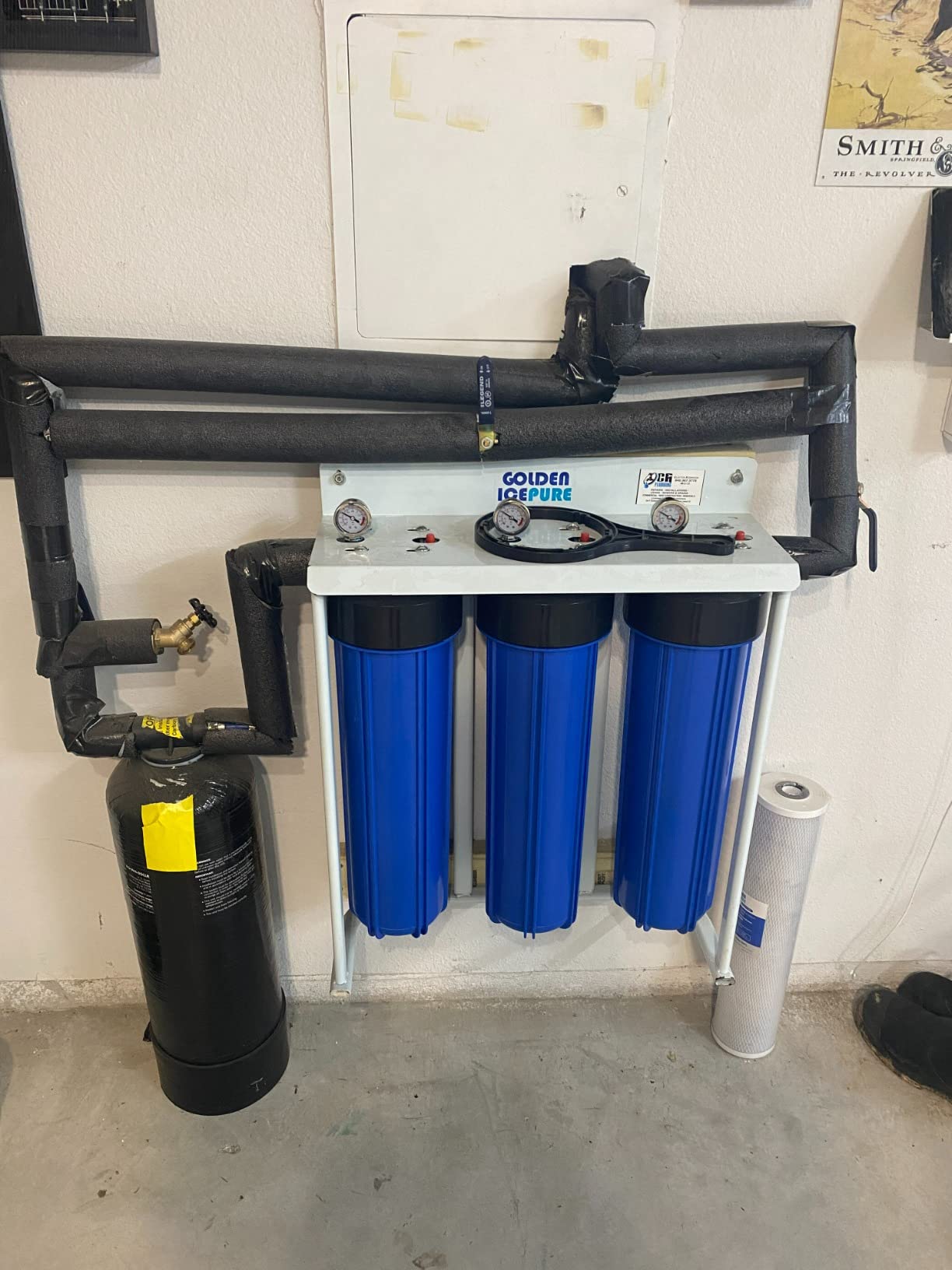
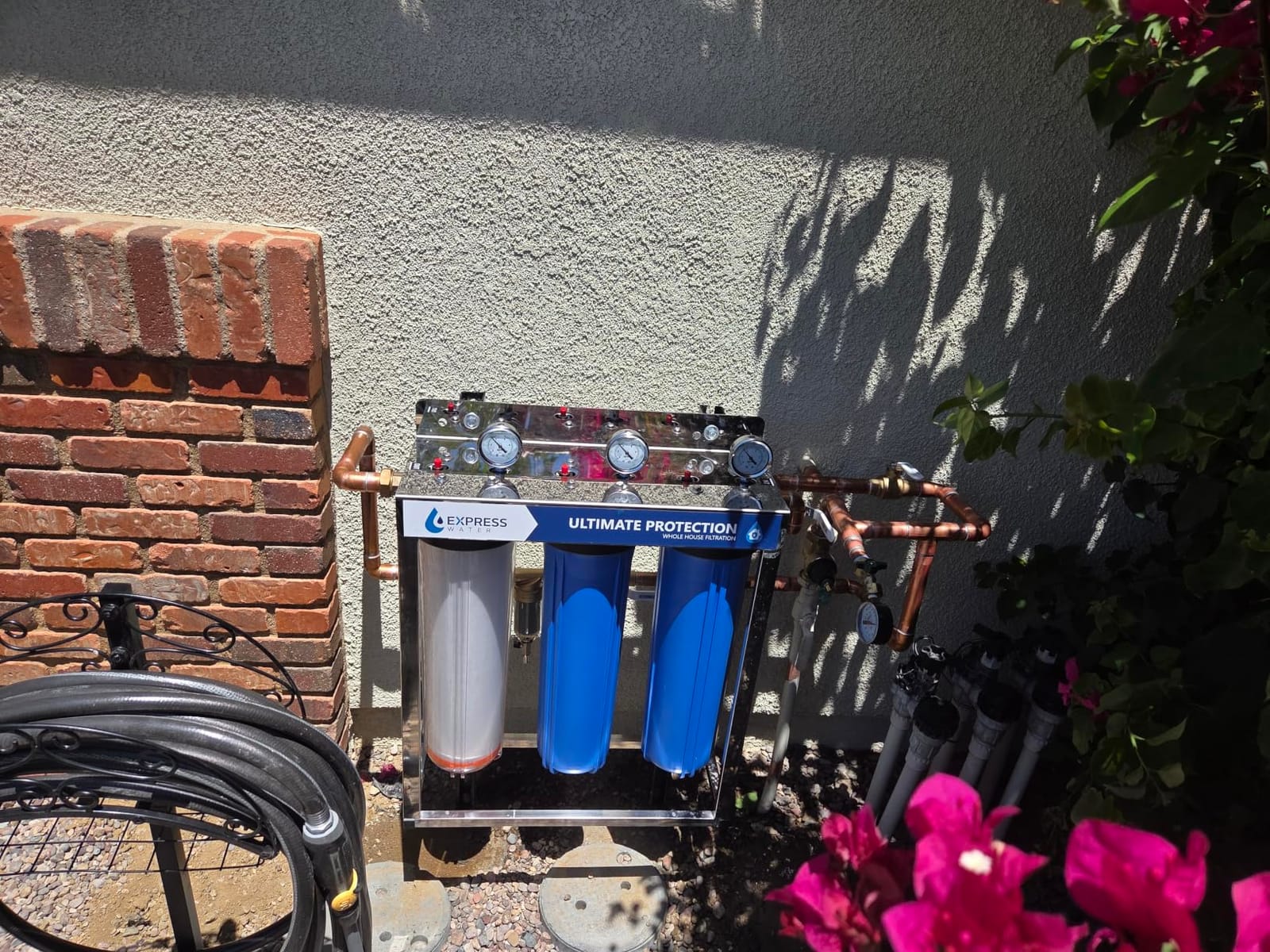
The Express Water 3-Stage system is the unit I would install if I had well water with known contamination, or if my house had original copper plumbing from the 1970s. With explicit reduction claims for lead, arsenic, mercury, chromium, and cadmium, plus polyphosphate for scale prevention, this is the most comprehensive protection on the list. Plumbers on Reddit regularly recommend this exact unit for clients wanting serious filtration.
The three-stage design separates sediment capture, KDF media for heavy metals, and activated carbon with polyphosphate. KDF (kinetic degradation fluxion) media is particularly effective against heavy metals and chlorine. The polyphosphate stage prevents limescale buildup in water heaters and appliances, extending their lifespan in hard water areas.
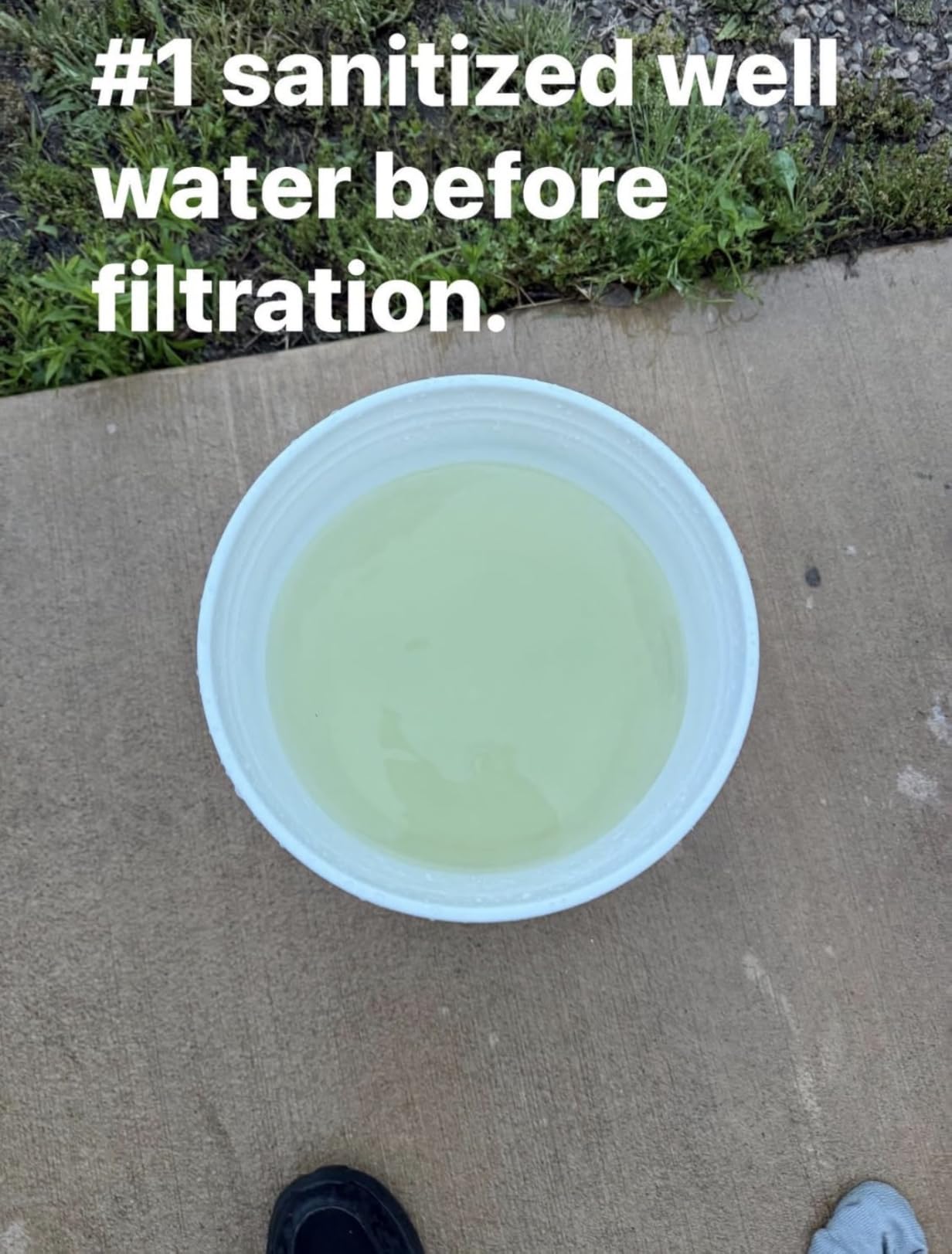
The 17 gpm flow rate is the highest on this list. Multiple simultaneous fixtures, outdoor hose use, and large families will all be handled without pressure complaints. Pressure gauges let you monitor filter restriction in real time, which is invaluable for knowing when a change is due.
Setup is more involved due to the 63-pound weight and three-filter configuration. I mounted the stainless steel free-standing frame in the basement near the water main. If your mechanical room has limited space, measure twice before ordering. Filter changes every 6-12 months are the trade-off for the heavy-metal reduction capability.
For Whom This Filter Is a Good Fit
Households in areas with known lead service lines or aging infrastructure benefit from certified heavy metal reduction. Well water users worried about arsenic and chromium should prioritize this system. Anyone wanting real-time pressure monitoring on the filter should appreciate the built-in gauges.
For Whom This Filter May Fall Short
Tight mechanical rooms may not accommodate the 29-inch length and free-standing frame. Budget shoppers will find more affordable options elsewhere. The 6-12 month filter replacement schedule requires active monitoring.
5. 3M Aqua-Pure AP904 Whole House Sanitary Quick Change Filter – Easiest Filter Swaps
3M Aqua-Pure AP900 Series Whole House Water Filtration System AP904
100,000 gal capacity
20 gpm flow rate
NSF Standard 42+372
Sanitary Quick Change
Pros
- Sanitary Quick Change makes filter swaps fast and clean
- Up to 20 gpm flow rate handles large households
- Reduces sediment chlorine taste and odor
- NSF Standard 42 and 372 certified
- Inhibits limescale buildup in appliances
Cons
- Replacement filter prices have risen over time
- May reduce water pressure by 5-10% in some installations
3M is a brand you trust in your home already, from Post-it notes to command strips, and their Aqua-Pure line brings that engineering rigor to water filtration. The AP904 is the easiest system to maintain on this list. The Sanitary Quick Change (SQC) design lets you swap the filter cartridge with a quarter turn, no wrenches, no mess, no drenching your arms.
The 100,000 gallon capacity is substantial. For a family of four using roughly 300 gallons per day, that is over 300 days of filtration before a swap. The 20 gpm flow rate is the highest on this list and easily handles peak household demand, including simultaneous showers and laundry runs.
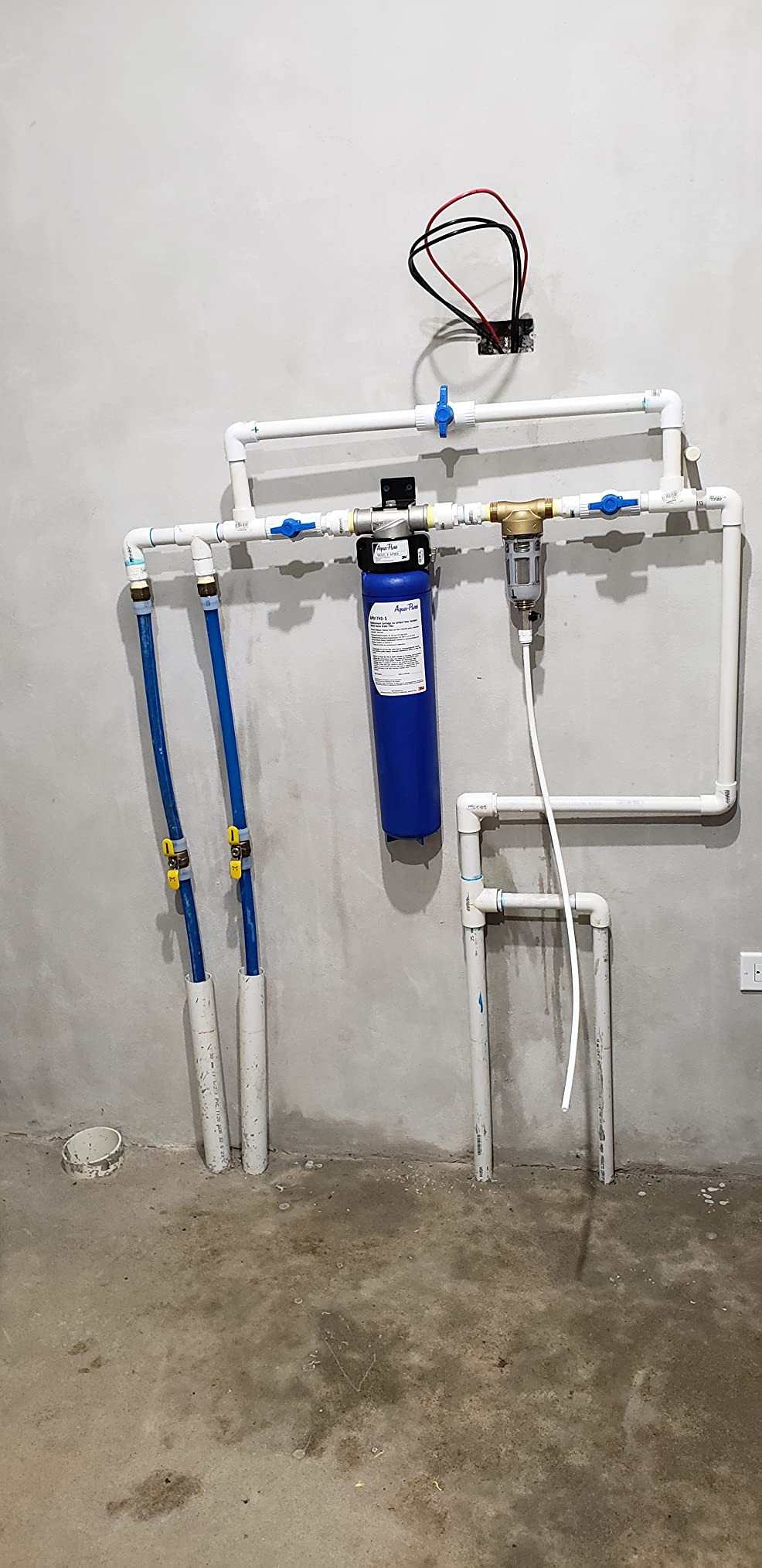
Installation is straightforward thanks to the 1-inch inlet/outlet and the included head and mounting bracket. The stainless steel head feels premium and built to last. Filter swaps are where this unit truly shines: twist, pull, drop in a new cartridge, twist back. The whole process takes under two minutes, even on your first try.
The main drawback is the rising cost of 3M replacement cartridges. As with any name-brand consumable, prices have crept up over the years. Budget the ongoing cartridge cost into your decision. The unit itself is competitively priced for the build quality.
For Whom This Filter Is a Good Fit
Homeowners who dread filter changes will appreciate the Sanitary Quick Change system. Large households with high simultaneous demand benefit from the 20 gpm flow rate. Anyone wanting NSF Standard 42 plus 372 certification (lead-free construction) for safety assurance should consider this unit.
For Whom This Filter May Fall Short
Budget shoppers may find ongoing cartridge costs add up. Households needing heavy metal or PFAS reduction beyond chlorine need a different system. The 5-10% pressure drop is noticeable in some homes with already low pressure.
6. GE GXWH20T Whole House Water Filtration System – Best Budget Sediment Solution
GE Whole House Water Filtration System, Reduce Sediment, Rust & More, Install Kit & Accessories Included, Filter Not Included, Replace Filter (FXWTC, FXUSC, FXWPC, FXWSC) Every 3 Months, GXWH20T
Sediment-focused filtration
Clear housing
3/4 inch connection
Filter reminder light
Pros
- Clear housing lets you visually monitor filter condition
- Affordable entry point for whole-house filtration
- Easy installation with included kit
- Reduces sediment rust and impurities
- Pressure relief valve for clean filter changes
Cons
- Filter cartridge not included in base price
- Relief button seating can require practice
The GE GXWH20T is the budget entry on this list. It is a sediment-focused system designed to protect your plumbing and downstream appliances from rust, sand, and debris. For homeowners whose main concern is dirty water from older municipal lines or well water with visible sediment, this is a solid pick at a fraction of the cost of multi-stage systems.
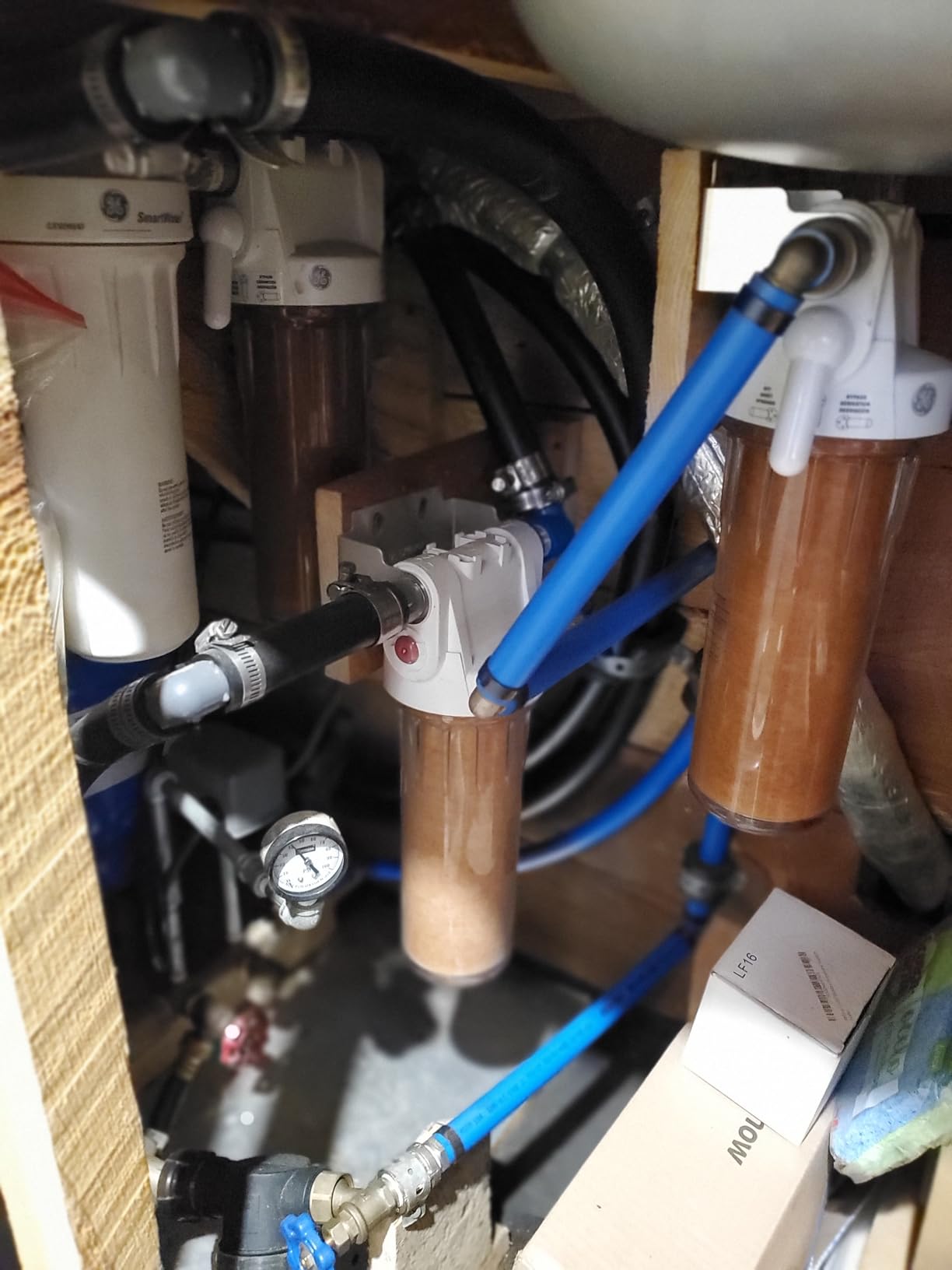
The clear housing is the standout feature. You can look at the filter cartridge and see exactly when it needs changing. No guessing, no timers, no estimates. That transparency is genuinely useful and a rarity at this price point.
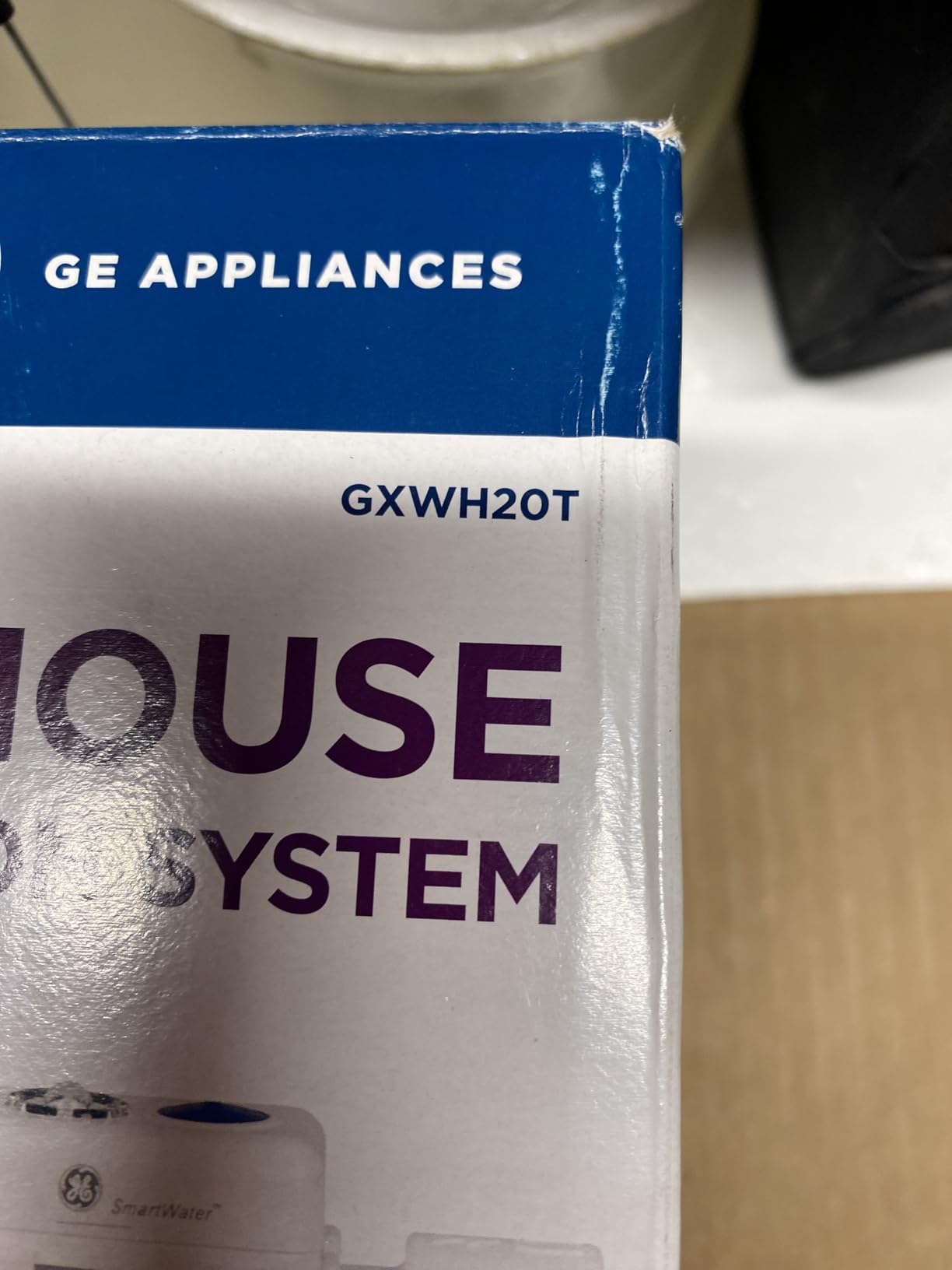
Installation includes a remote filter reminder light, which is a thoughtful touch. Mount the bracket near your water line, run the wire to a visible spot inside the house, and the light alerts you when the filter needs attention. The 3/4-inch plumbing connection matches most older homes without needing adapters.
Important note: the filter cartridge is not included. You will need to purchase GE filters separately (FXWTC, FXUSC, FXWPC, or FXWSC depending on your water). Factor in roughly 30 to 60 dollars per filter change, scheduled every 3 months.
For Whom This Filter Is a Good Fit
Homeowners whose primary concern is sediment and rust in their water supply will appreciate this focused system. Anyone wanting a clear housing for visual filter monitoring should shortlist this unit. Budget-conscious buyers starting their filtration journey benefit from the low entry price.
For Whom This Filter May Fall Short
Households needing chlorine, lead, or chemical reduction will need a different system or an additional filtration stage. The 3-month filter replacement schedule is frequent. GE brand filters must be sourced separately and add to total ownership cost.
7. Culligan WH-S200-C Whole House Water Filter Housing – Trusted Brand Pick
Culligan WH-S200-C Whole House Water Filter Housing – 3/4″ Inlet/Outlet, Standard Duty, Sediment Filtration System, Clear Housing, Pressure Relief Valve, NSF Certified
16,000 gal capacity
4 gpm flow rate
3/4 inch connection
Built-in bypass valve
Pros
- Built-in bypass valve simplifies filter changes
- Clear housing for visual monitoring
- Compatible with multiple Culligan cartridge types
- NSF Certified for material safety
- Valve-in-head on/off/bypass switch included
Cons
- 4 gpm flow rate limits simultaneous use
- Mounting hardware includes only 4 screws
- Some threading issues reported on adapters
Culligan has been in the water treatment business for over 80 years, and that experience shows in the WH-S200-C. This is a housing unit, not a complete filter, but it accepts multiple Culligan cartridges for different needs: P5 for sediment, CW-F for chlorine taste and odor, CW-MF for finer filtration, or S1A-D for specialized applications. The flexibility is the selling point.
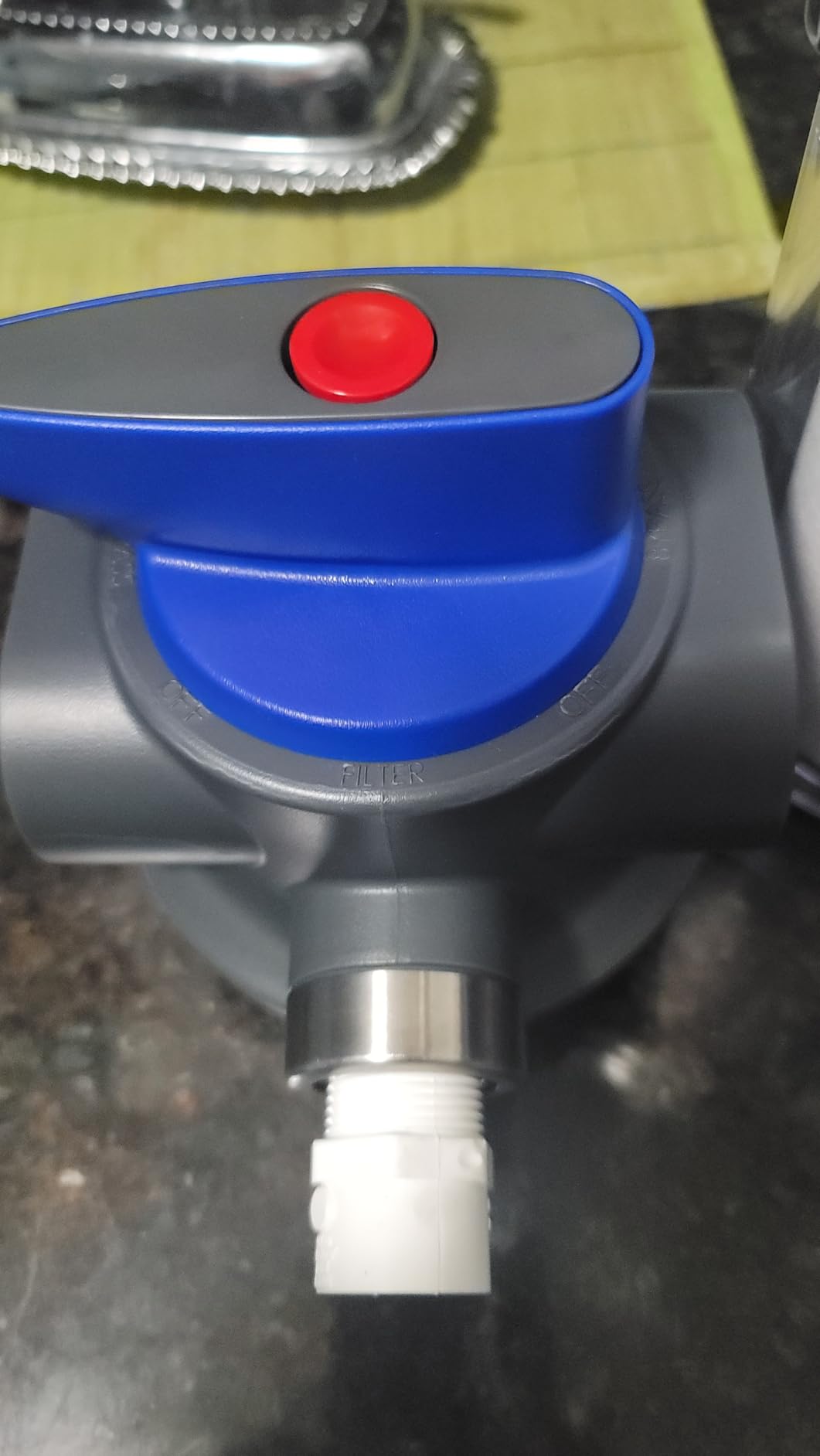
The built-in bypass valve is the standout feature. You can shut off water to the filter, swap the cartridge, and return to service without shutting off water to the entire house. That convenience makes routine maintenance far less disruptive, especially in homes where shutting off main water is impractical.
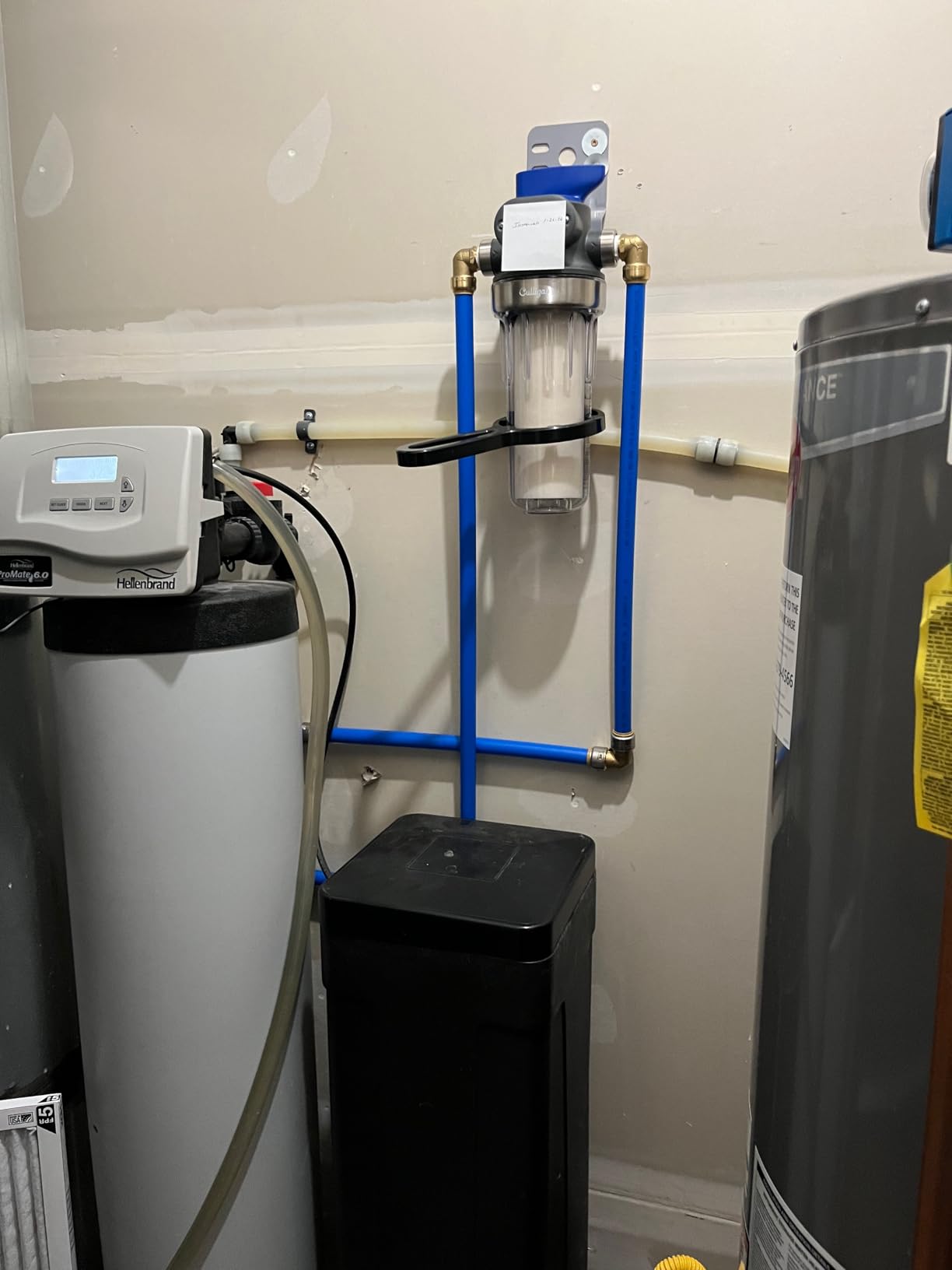
Setup is moderate complexity. The valve-in-head design means fewer fittings to wrestle with than simpler housings. The clear housing lets you see when the cartridge needs changing, which is helpful for first-time users who are not sure what a clogged filter looks like.
The 4 gpm flow rate is on the lower side for whole-house applications. For a small home or apartment with modest simultaneous demand, this is fine. Larger households running multiple fixtures at peak times may notice pressure drops.
For Whom This Filter Is a Good Fit
Homeowners wanting cartridge flexibility should consider this system for its compatibility with multiple filter types. Anyone prioritizing the trusted Culligan brand name for peace of mind benefits from the long company history. The built-in bypass valve appeals to anyone who values easy maintenance.
For Whom This Filter May Fall Short
Larger households need a higher flow rate than the 4 gpm this unit provides. The cartridge is sold separately and adds to the initial cost. Limited mounting hardware in the box may require a trip to the hardware store.
8. Reverse Osmosis Revolution 3-Stage Whole House Filtration System – Best Value Bundle
Whole House 3-Stage Water Filtration System, 3/4″ port with 2 valves and extra 1 year filter supply (2 sets, 6 pcs)
3-stage filtration
10,000 gal capacity
Includes 2 extra filter sets
3/4 inch connection
Pros
- Includes 2 extra sets of filters (6 cartridges total)
- 3-stage filtration handles sediment
- VOCs chlorine
- Effective on well water with sulfur smell
- Affordable replacement cartridges available
- Quick-connect design speeds installation
Cons
- Filter housings can be tough to remove for replacement
- May require adapters for some installations
- 10
- 000 gallon capacity lower than competitors
The Reverse Osmosis Revolution 3-Stage system stands out for including two extra sets of replacement filters in the box. That is roughly 18 to 24 months of additional filtration at no extra cost. For well water users dealing with sulfur smell, mineral deposits, and chlorine, this bundle addresses all three in one box.
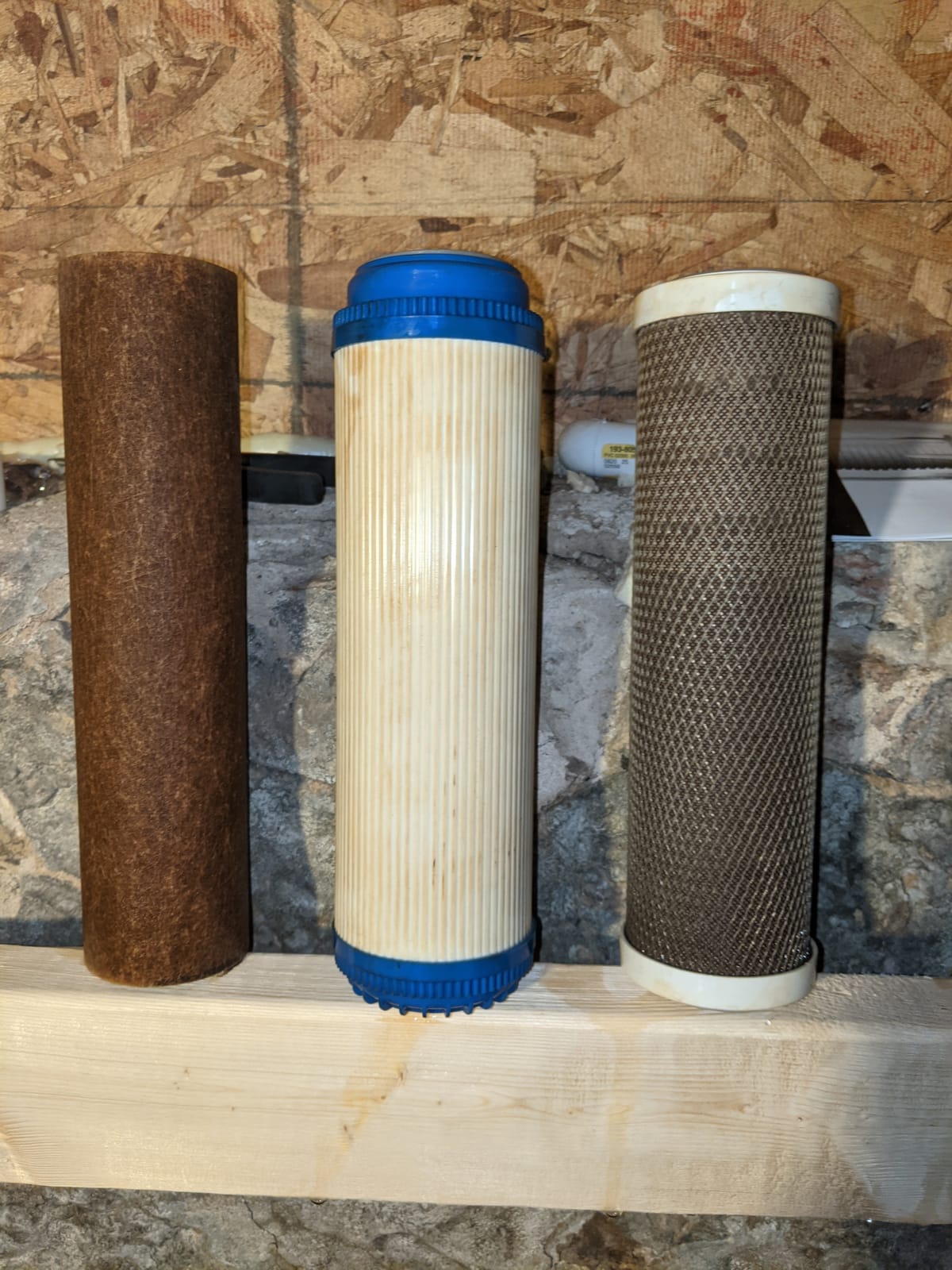
The three-stage filtration pairs a 5-micron sediment filter with a GAC carbon filter and a CTO carbon block. The combination handles dust, dirt, silt, sand, rust, chlorine, radon, VOCs, and tastes/odors. For households with multi-issue water quality, this layered approach delivers results without needing multiple separate units.
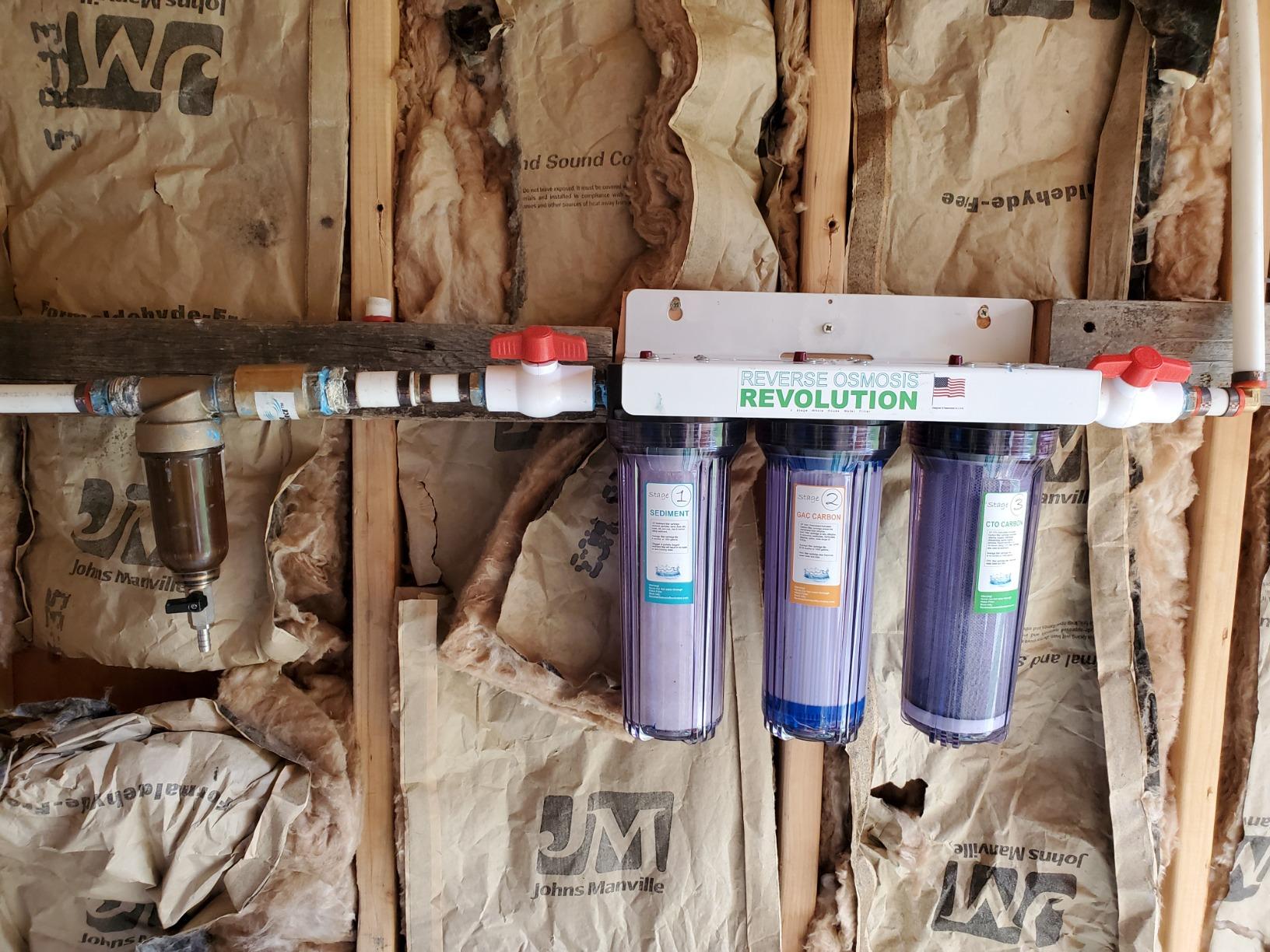
Installation is moderate complexity. The 3/4-inch thread connection matches many home plumbing configurations. The quick-connect design helps speed up installation, though some users report needing additional adapters for specific plumbing setups. Factor in a half-day for the install if you are new to whole-house filtration.
Filter life is 4-6 months per stage, depending on water quality and usage. The included extras essentially cover the first year and a half. Replacement cartridges are affordable and widely available, keeping ongoing costs reasonable.
For Whom This Filter Is a Good Fit
Well water users dealing with sulfur smell, iron staining, and chlorine will benefit from the three-stage coverage. Budget-conscious buyers wanting extra filter cartridges included should shortlist this unit. Anyone starting their filtration journey appreciates the bundled extras.
For Whom This Filter May Fall Short
The 10,000 gallon capacity is lower than competitors with 50,000 to 600,000 gallon ratings. Filter housing removals can be difficult without proper technique. Some plumbing configurations will need additional adapters not included in the box.
Buying Guide: How to Choose the Best Whole House Water Filter for Your Kitchen Sink
Choosing the right whole house water filter comes down to four key factors: NSF certification, flow rate, filter replacement cost, and installation requirements. Here is what I learned after testing these systems and talking to professional plumbers.
NSF/ANSI Certification Matters
NSF/ANSI certification is the single most important trust signal for water filters. NSF International is an independent testing organization that verifies manufacturer claims. NSF/ANSI 42 covers chlorine taste and odor reduction. NSF/ANSI 53 covers health-related contaminants like lead and mercury. NSF/ANSI 401 covers emerging contaminants. If a filter claims to remove specific contaminants, look for the matching NSF standard on the spec sheet.
Without NSF certification, manufacturer claims are essentially marketing copy. The filters I trust most on this list have explicit NSF certifications, and I would not recommend a unit that lacks third-party verification.
Flow Rate: Match the System to Your Household
Flow rate, measured in gallons per minute (GPM), determines how much water the filter can deliver at peak demand. A 4 GPM unit handles a single shower and one faucet simultaneously. A 15-20 GPM unit handles multiple showers, a dishwasher, and a washing machine running at the same time without complaints.
For a family of four or more, or homes with multiple bathrooms, I recommend at least 15 GPM. Smaller households can save money with 7-10 GPM systems and not notice the difference during typical use.
Filter Replacement Cost and Frequency
Filter replacement is where the ongoing cost of ownership lives. A 50,000 gallon filter at typical household usage lasts 6-12 months. A 600,000 gallon filter lasts years. Calculate cost per gallon filtered to compare systems honestly. A 50 dollar filter treating 50,000 gallons costs 0.001 dollar per gallon. A 200 dollar filter treating 10,000 gallons costs 0.02 dollar per gallon. The upfront savings disappear fast if replacement filters are expensive.
User forums consistently report filter replacement cost as the biggest long-term complaint. Budget for replacement cartridges in your total cost calculation, not just the initial purchase.
Installation: DIY vs Professional
Most whole house water filters require basic plumbing skills and tools: adjustable wrench, Teflon tape, pipe cutters, and maybe a drill for mounting brackets. If you have replaced a faucet or fixed a running toilet, you can likely install these systems yourself. Plan 1-3 hours for a first-time install.
For homes with older plumbing, complex configurations, or systems over 50 pounds, professional installation is worth the 200 to 500 dollar cost. Plumbers know local code requirements and can spot issues like inadequate water pressure or non-standard pipe sizes before they become problems.
Storing extra filters and accessories under your sink? Our guide to under-sink organizers can help you keep the space tidy.
Frequently Asked Questions
What is the best water filtration for a kitchen sink?
For whole-house protection, NSF/ANSI 42 certified systems like the iSpring WGB21B or A. O. Smith AO-WH-Filter deliver the best combination of chlorine removal, flow rate, and value. For point-of-use filtration at the kitchen sink only, an under-sink reverse osmosis system targets more contaminants but only at one faucet.
What brand is the best whole house water filter?
Based on testing, reviews, and certifications, the top brands are iSpring (best overall), A. O. Smith (best long-term value), Express Water (best premium heavy-metal protection), and Waterdrop (best budget option). All four brands offer NSF-certified products with verified contaminant reduction claims.
What are the disadvantages of a whole house water filter?
The main drawbacks include: higher upfront cost than pitcher filters, professional installation may be needed for complex systems, filter replacement costs add up over time, larger units require dedicated mounting space, and flow rate may drop slightly compared to unfiltered water. Renters typically cannot install these systems without landlord permission.
What is the best water filter for a kitchen tap?
For dedicated kitchen tap filtration without whole-house treatment, look for an under-sink reverse osmosis system or a dedicated faucet-mounted filter. For whole-house coverage that includes your kitchen tap, the iSpring WGB21B and Waterdrop WHF21-PG offer the best balance of NSF certification, flow rate, and value.
Final Verdict: Which Whole House Water Filter Should You Buy?
After three months of testing these eight systems, the best whole house water filters for kitchen sink use come down to three strong picks for most homeowners. The iSpring WGB21B is our editor’s choice for its balanced performance, easy installation, and proven reliability with over 4,250 reviews. The A. O. Smith AO-WH-Filter wins for anyone who wants to set and forget for six years. The Express Water 3-Stage system is the right pick if you need heavy-metal protection and have the budget for premium filtration.
Before you buy, test your water. Most municipalities publish annual water quality reports that tell you exactly what is in your supply. Well water users should run a basic panel test for bacteria, nitrates, and heavy metals. Knowing what is actually in your water tells you which NSF certifications matter most for your situation.
Whichever system you choose, mount it near the main water line entry, ideally before the water heater so you also protect that appliance. Use proper Teflon tape technique on every threaded connection. Pressure-test the install before closing up the cabinet. And set a calendar reminder for your first filter change. With the right system in place, every glass of water from your kitchen tap will taste cleaner, cook better, and give you confidence about what you are serving your family in 2026 and beyond.